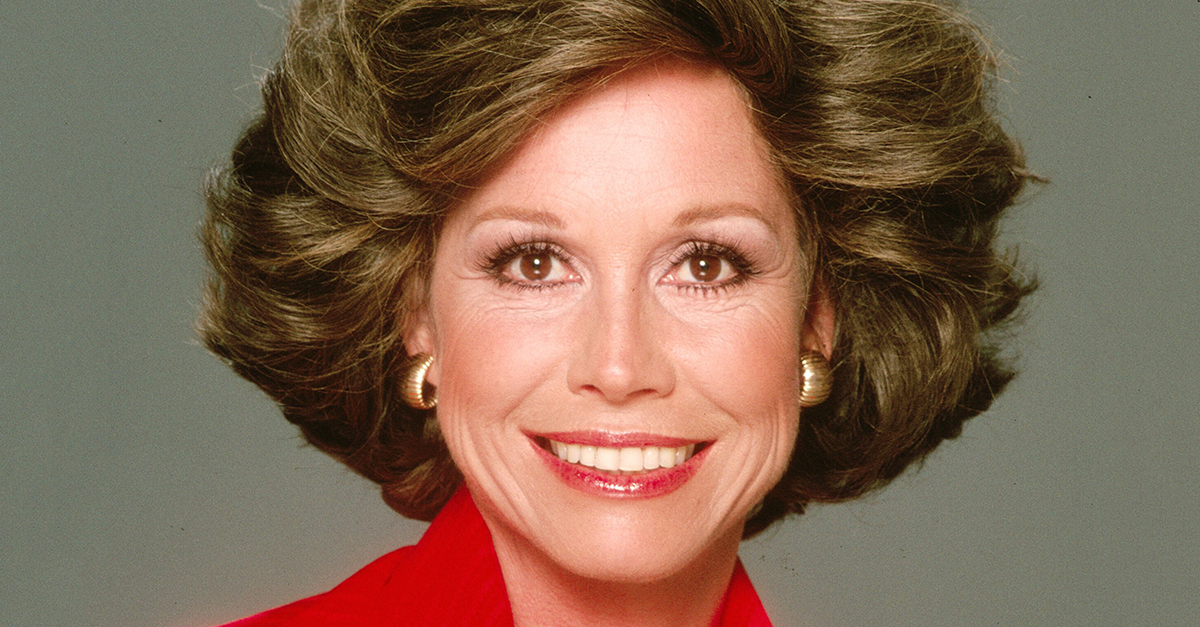
The Woman Who Almost Missed Her Own Revolution
Mary Tyler Moore became one of the most important women in television history, but her success was never guaranteed. Before she changed sitcoms forever, she faced typecasting, failed projects, personal uncertainty, and industry doubts about whether audiences would embrace a single working woman at the center of a comedy.
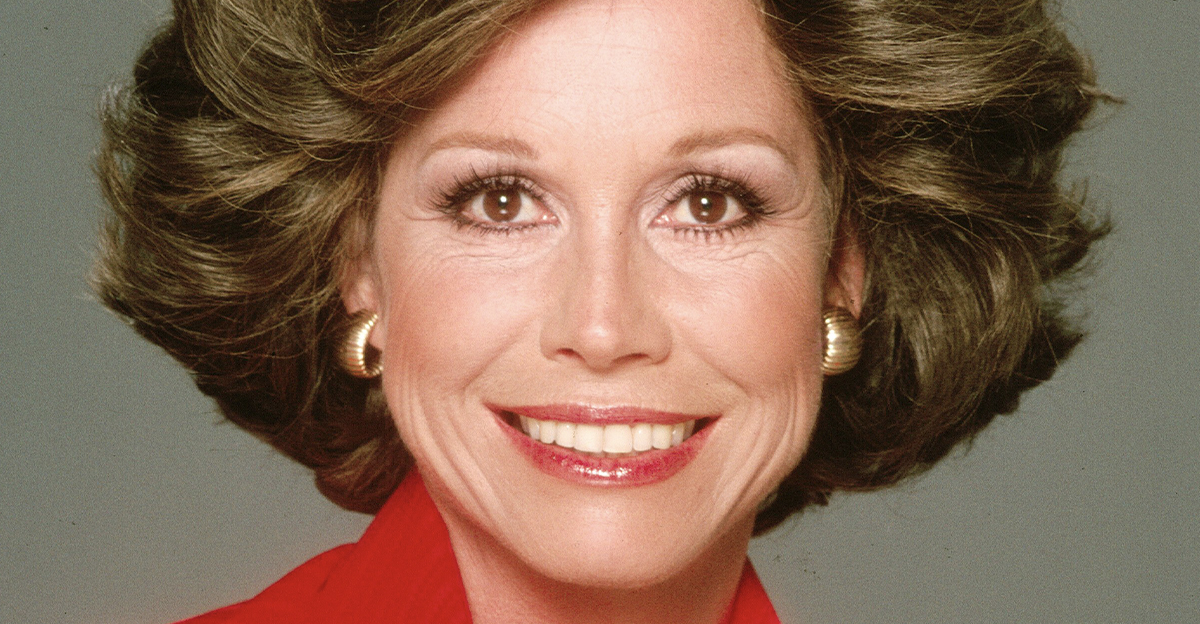
She Started Far From Television Legend Status
Moore was born in Brooklyn in 1936 and moved to Los Angeles as a child. Her early path into entertainment was modest, beginning with dancing and commercials rather than starring roles. Nothing about those first jobs guaranteed that she would eventually reshape American television.
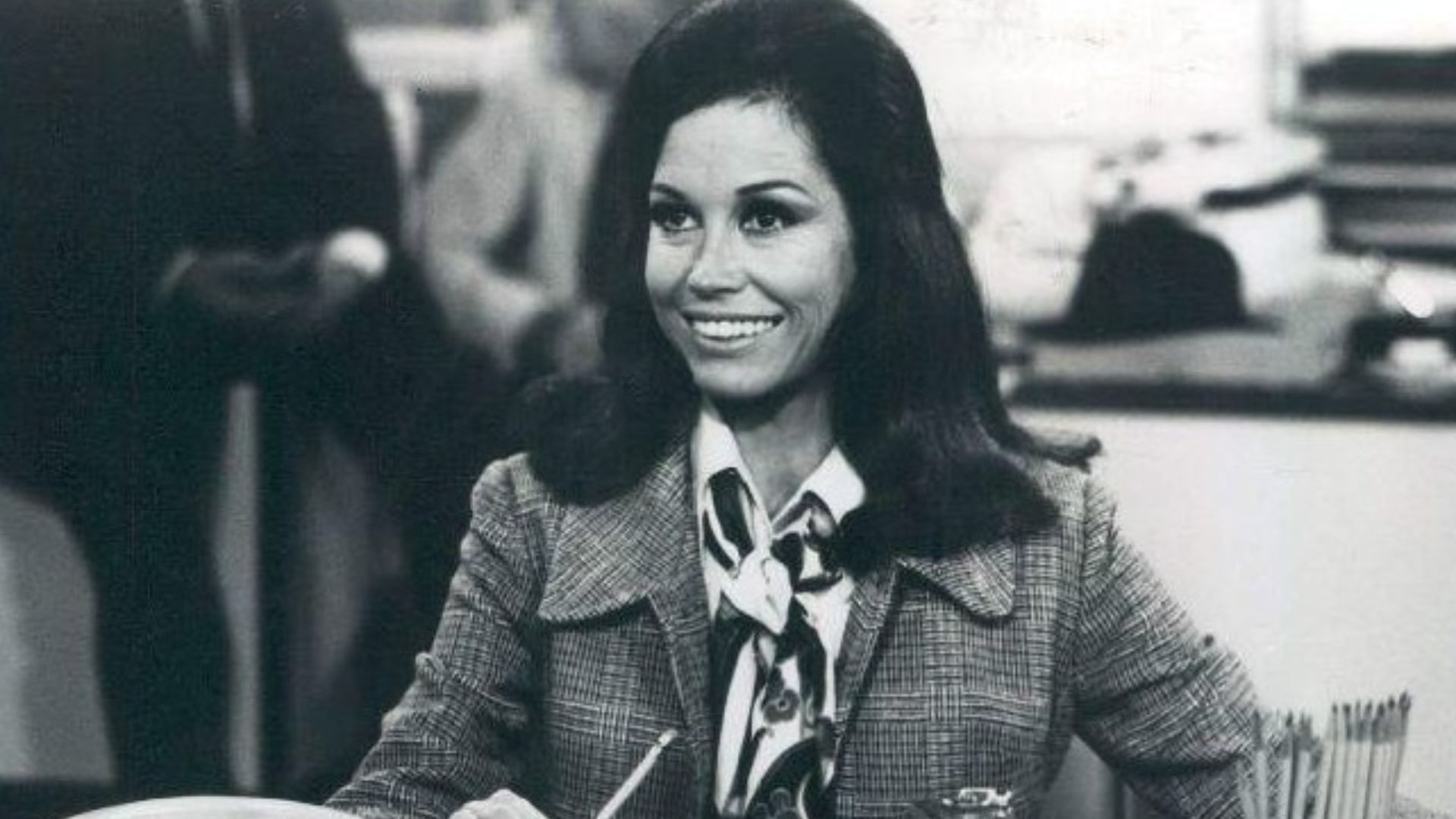 CBS Television, Wikimedia Commons
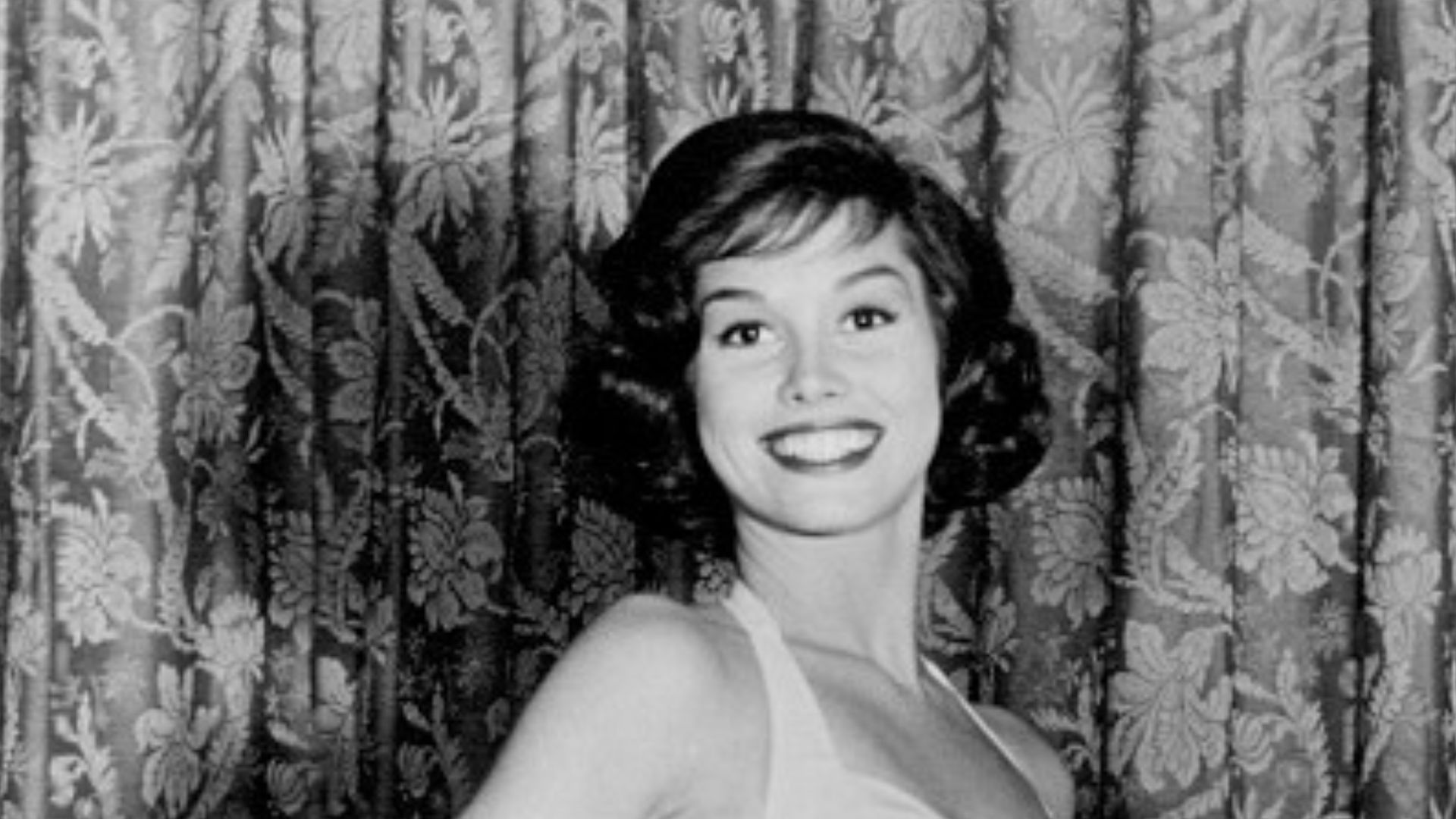
Her First Break Was Mostly Anonymous
One of Moore’s earliest television jobs was as “Happy Hotpoint,” a dancing appliance elf in Hotpoint commercials that played during The Adventures of Ozzie and Harriet. It gave her experience in front of cameras, but it was hardly the kind of role that announced a future icon.
 Young & Rubicam, Wikimedia Commons
Hollywood Noticed Her Without Fully Seeing Her
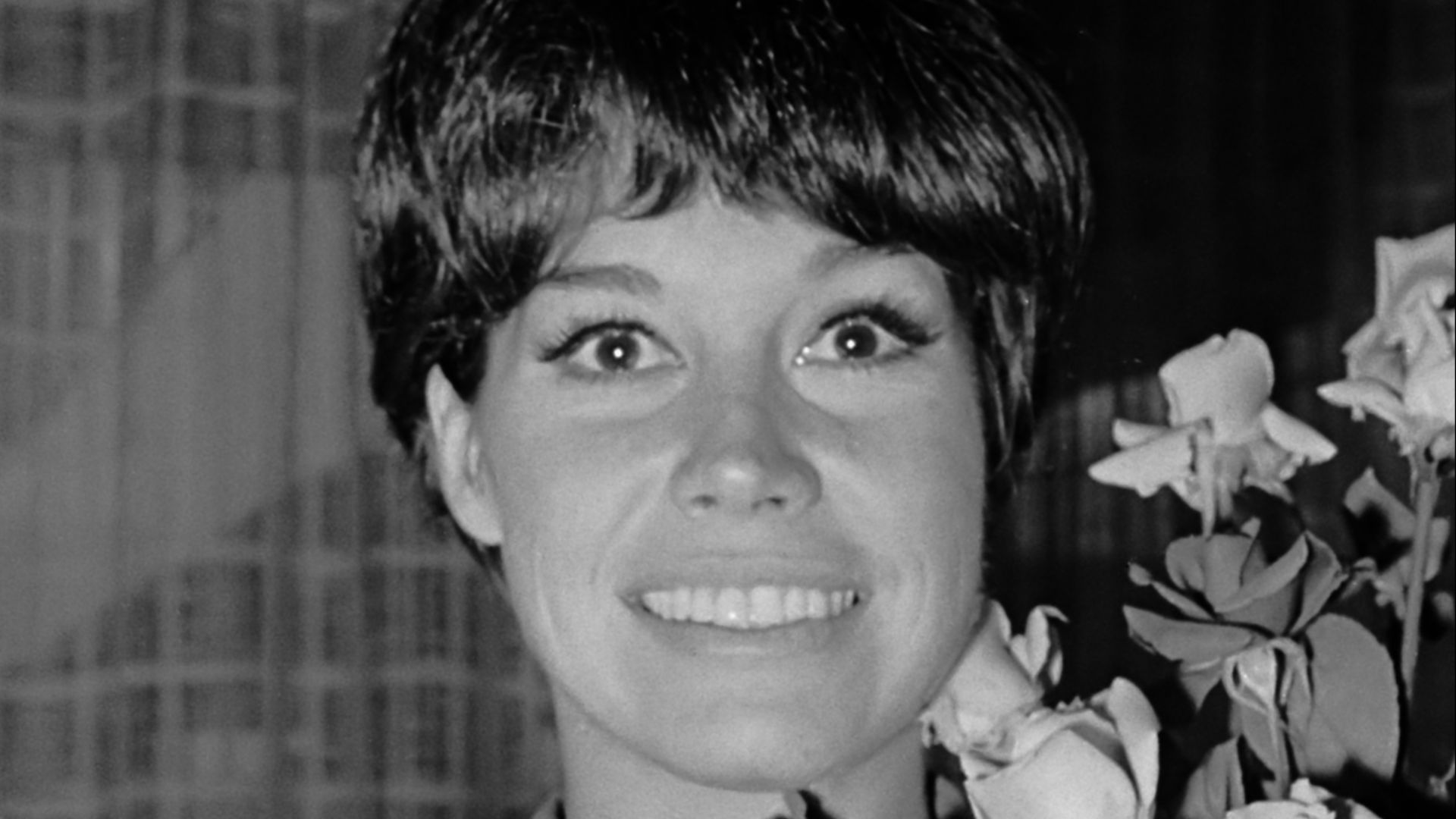
Moore’s beauty, energy, and dancing ability helped her get attention, but early television often reduced young women to decorative parts. She appeared in small roles and auditions, still searching for the opportunity that would reveal her comic intelligence and emotional warmth.
 Ben Merk / Anefo, Wikimedia Commons
The Dick Van Dyke Show Changed Everything
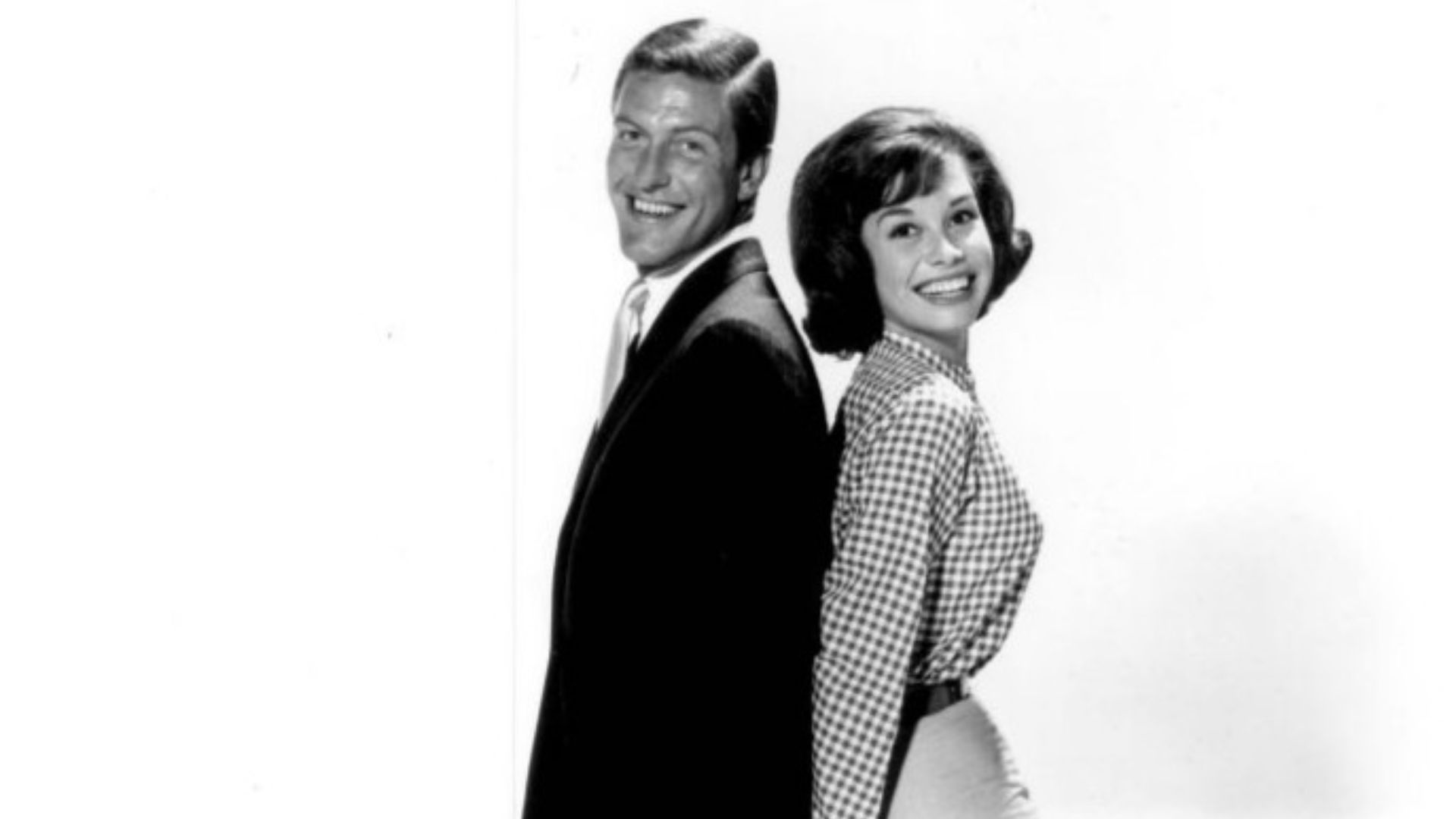
In 1961, Moore was cast as Laura Petrie on The Dick Van Dyke Show. The role could have been a simple sitcom wife, but Moore brought wit, movement, intelligence, and modern energy to the character. Almost overnight, audiences saw something special.
 Rogers & Cowan (publicity agency), Wikimedia Commons
Laura Petrie Was Not A Typical TV Wife
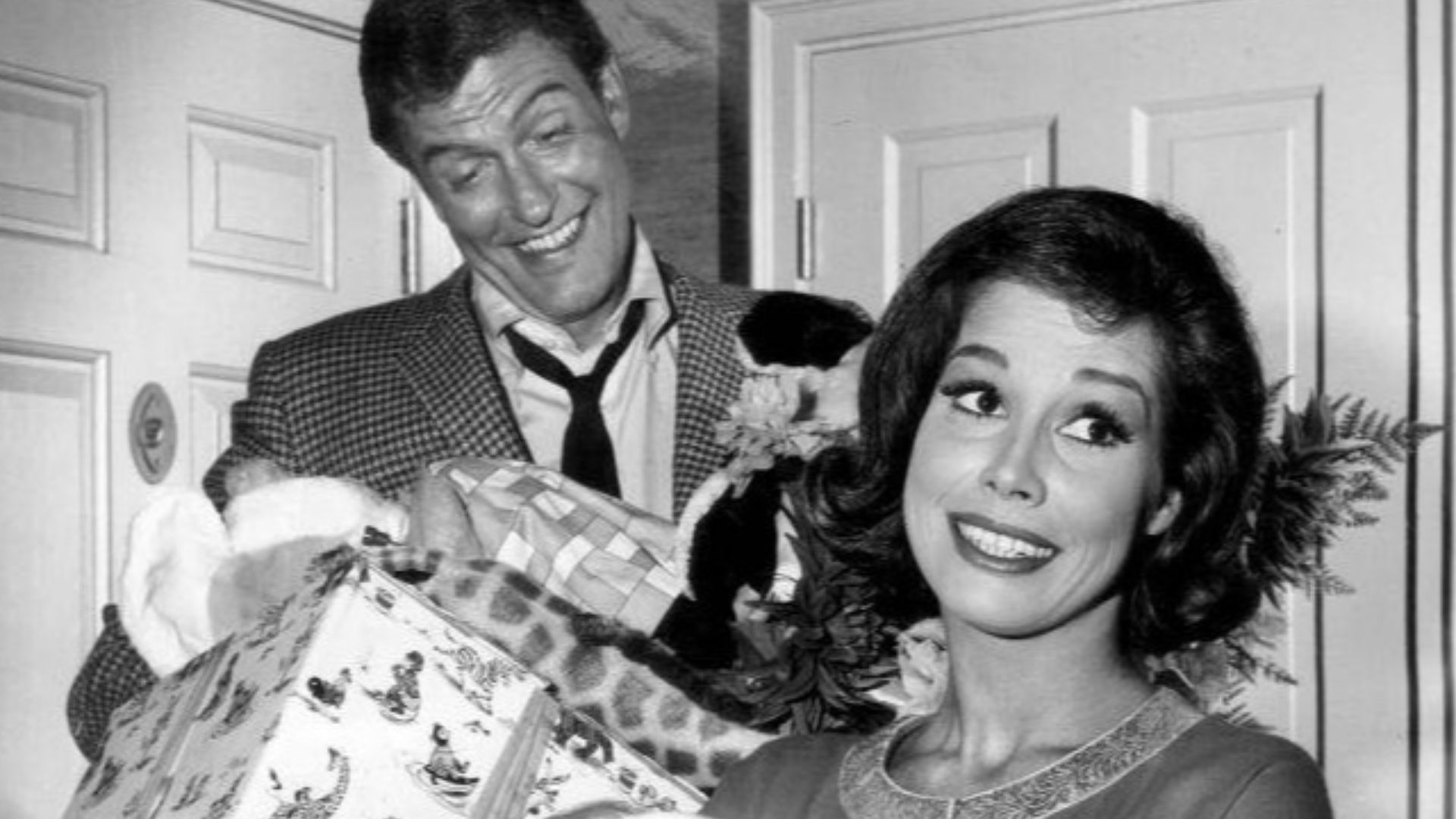
Laura Petrie felt different from many television wives of the early 1960s. She was funny, stylish, expressive, and emotionally present. Moore’s capri pants and physical comedy made the character feel young and alive, helping her stand out in a crowded sitcom era.
 CBS Television, Wikimedia Commons
Success Also Created A Trap
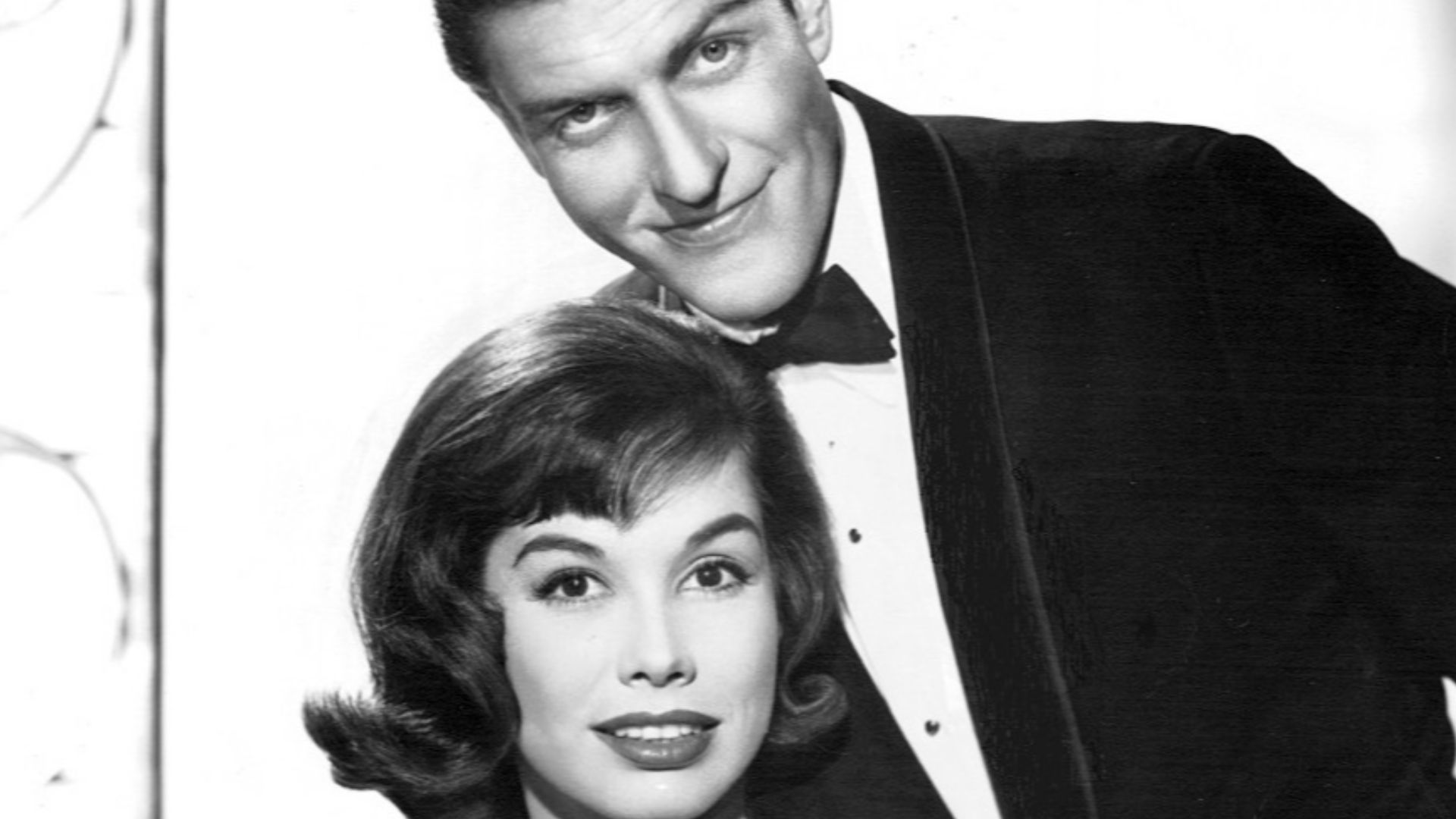
The role made Moore famous, but it also risked trapping her permanently as Rob Petrie’s wife. Hollywood often struggled to let actresses move beyond beloved domestic roles. When The Dick Van Dyke Show ended, Moore had to prove she could be more than Laura.
 CBS Television, Wikimedia Commons
Her Film Career Did Not Immediately Solve The Problem
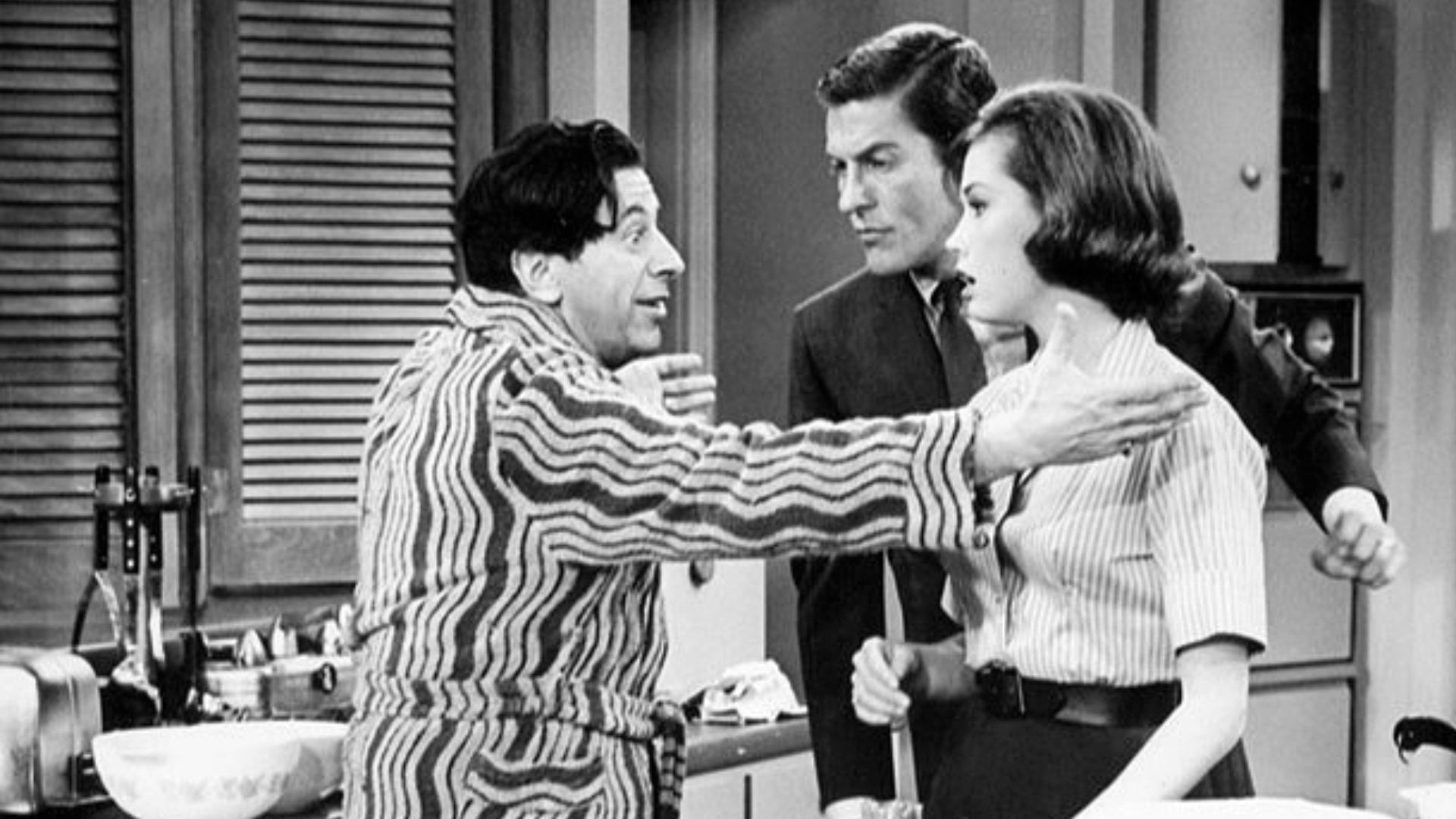
After The Dick Van Dyke Show, Moore tried to build a film career, but the transition was uneven. Some projects failed to define her clearly, and Hollywood did not immediately know how to use her. The path from beloved TV wife to lasting star became uncertain.
 CBS Television Uploaded by We hope at en.wikipedia, Wikimedia Commons
Broadway Brought A Painful Setback
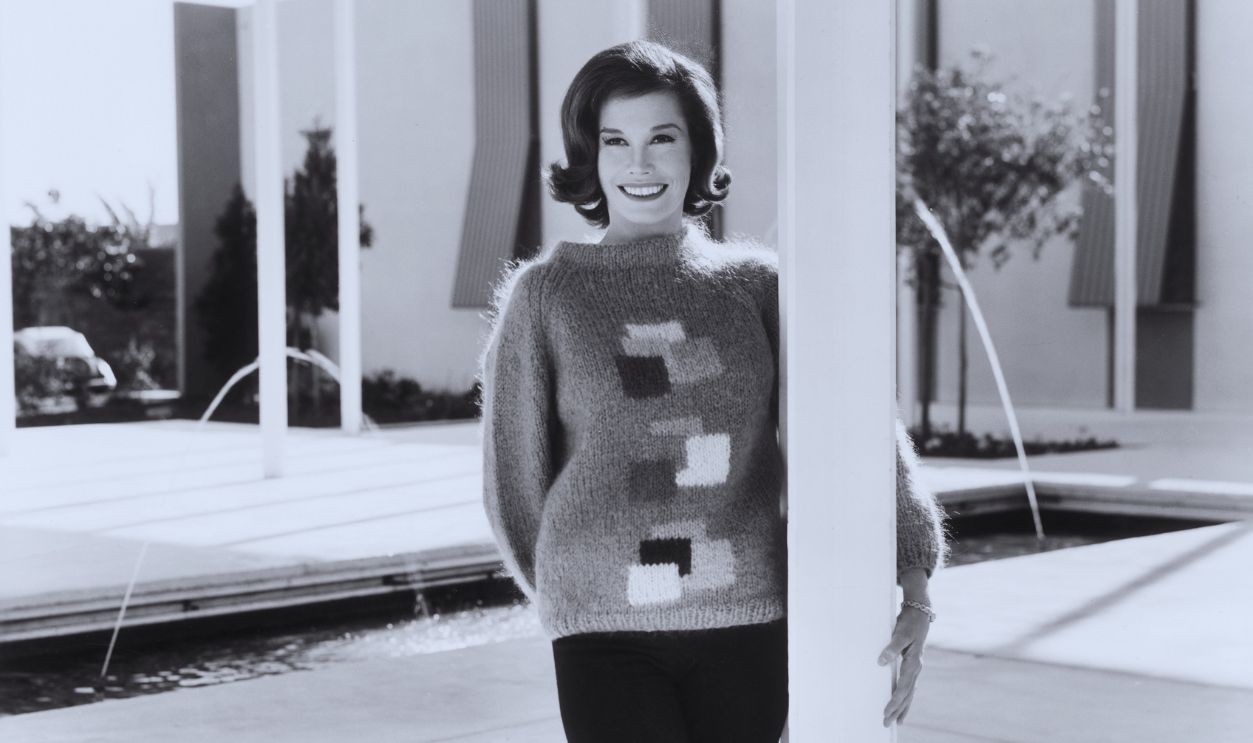
Moore starred in the Broadway musical Breakfast at Tiffany’s, but the production became a notorious failure and closed before officially opening. For an actress trying to prove she could thrive beyond television, the disappointment was professionally painful.
 CBS Photo Archive, Getty Images
Her Television Comeback Was Not Assured
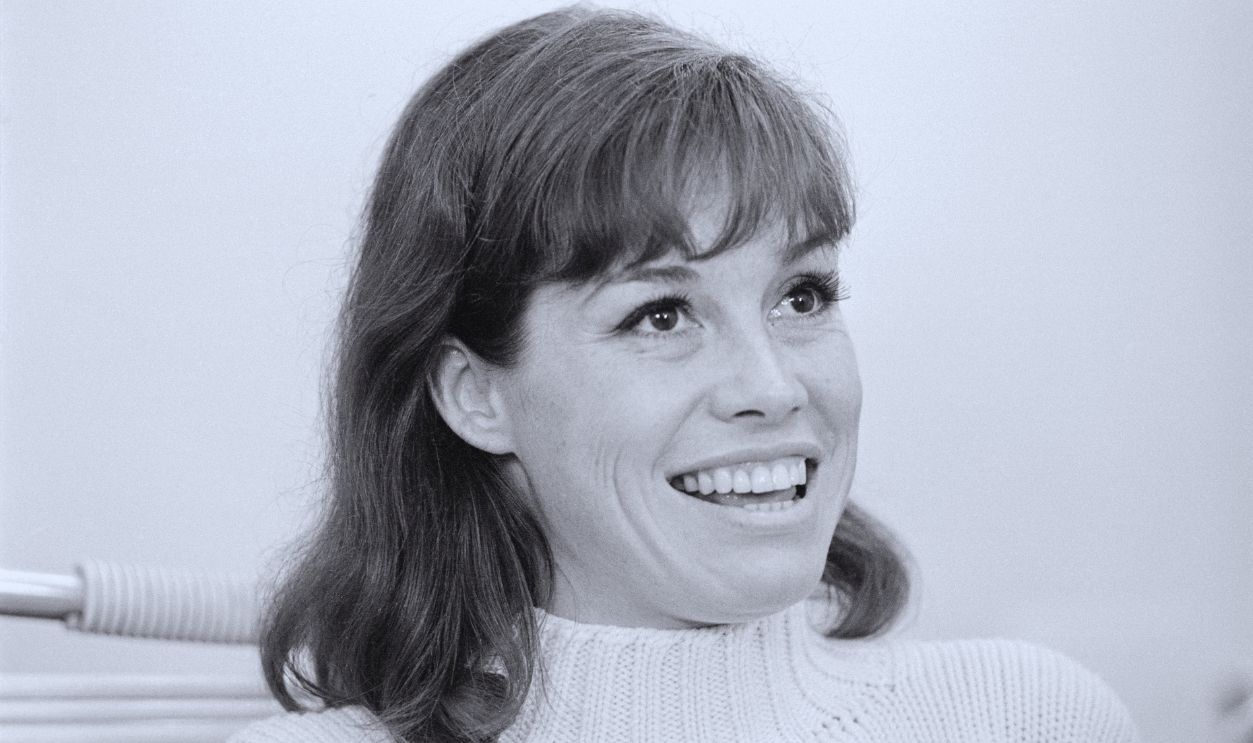
By the late 1960s, Moore’s next major move mattered enormously. Returning to television could have seemed like a retreat if the project failed. She needed a role that honored her earlier appeal while allowing her to become something new.
The New Show Had A Risky Idea
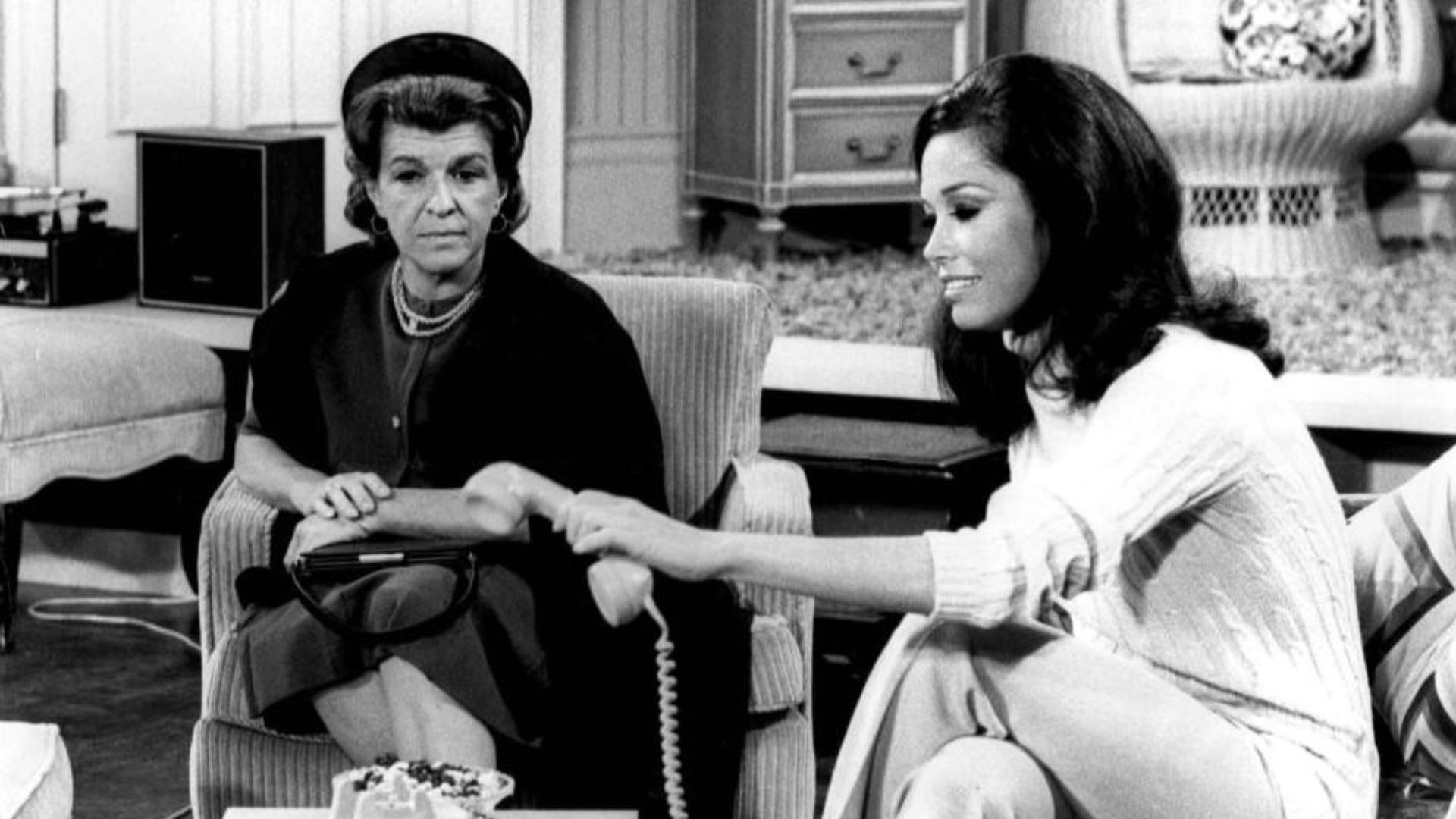
The Mary Tyler Moore Show centered on Mary Richards, a single woman working in a Minneapolis television newsroom. In 1970, that premise was quietly radical. The show was not built around marriage, motherhood, or a husband, but around independence and work.
 CBS Television, Wikimedia Commons
Network Executives Were Nervous
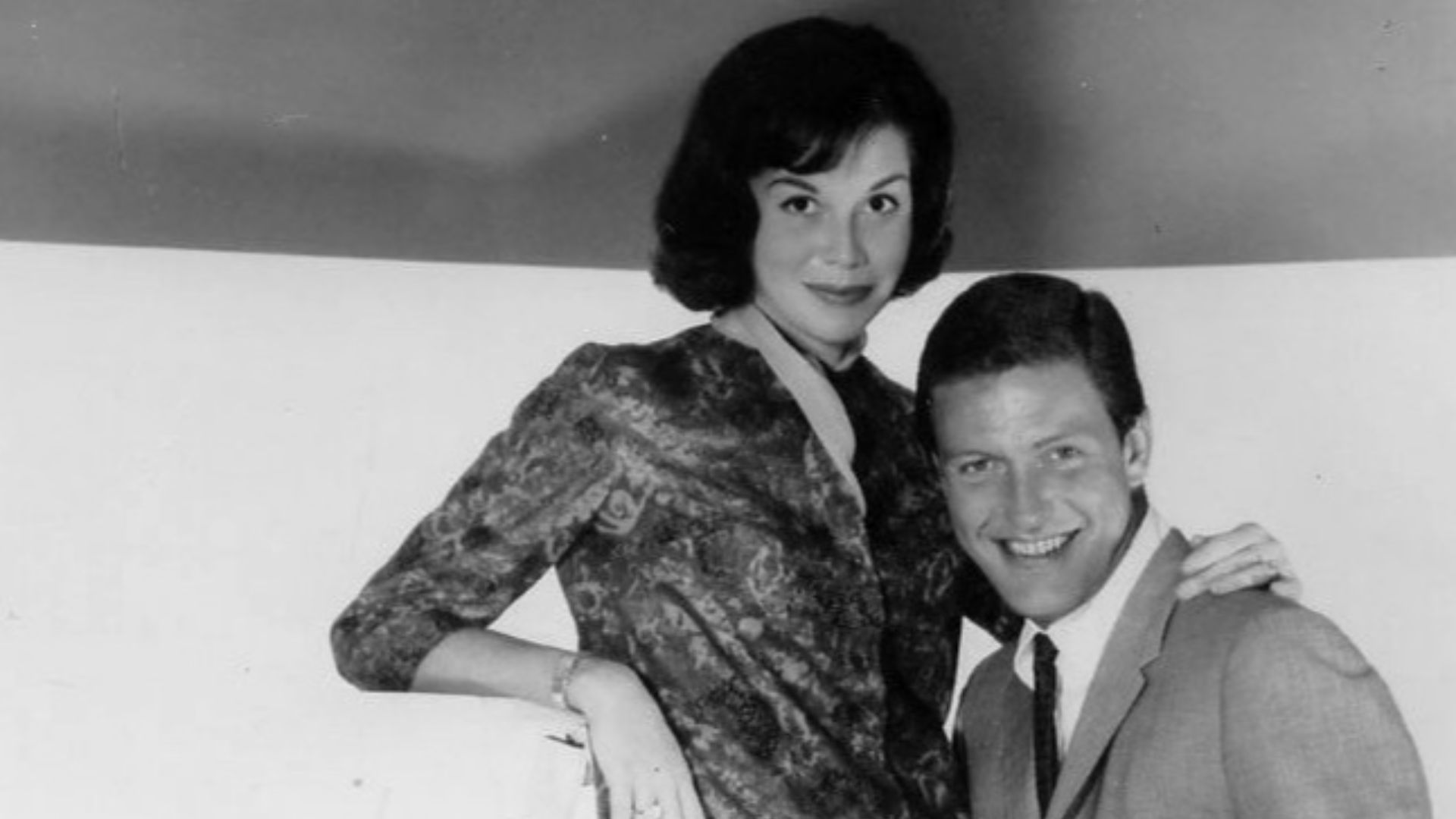
CBS reportedly worried about making Mary Richards divorced, fearing audiences would think she had left Rob Petrie from The Dick Van Dyke Show. The character was instead made single, a compromise that still allowed the series to explore female independence.
 Rogers & Cowan (publicity agency), Beverly Hills., Wikimedia Commons
The First Episodes Had To Win People Over
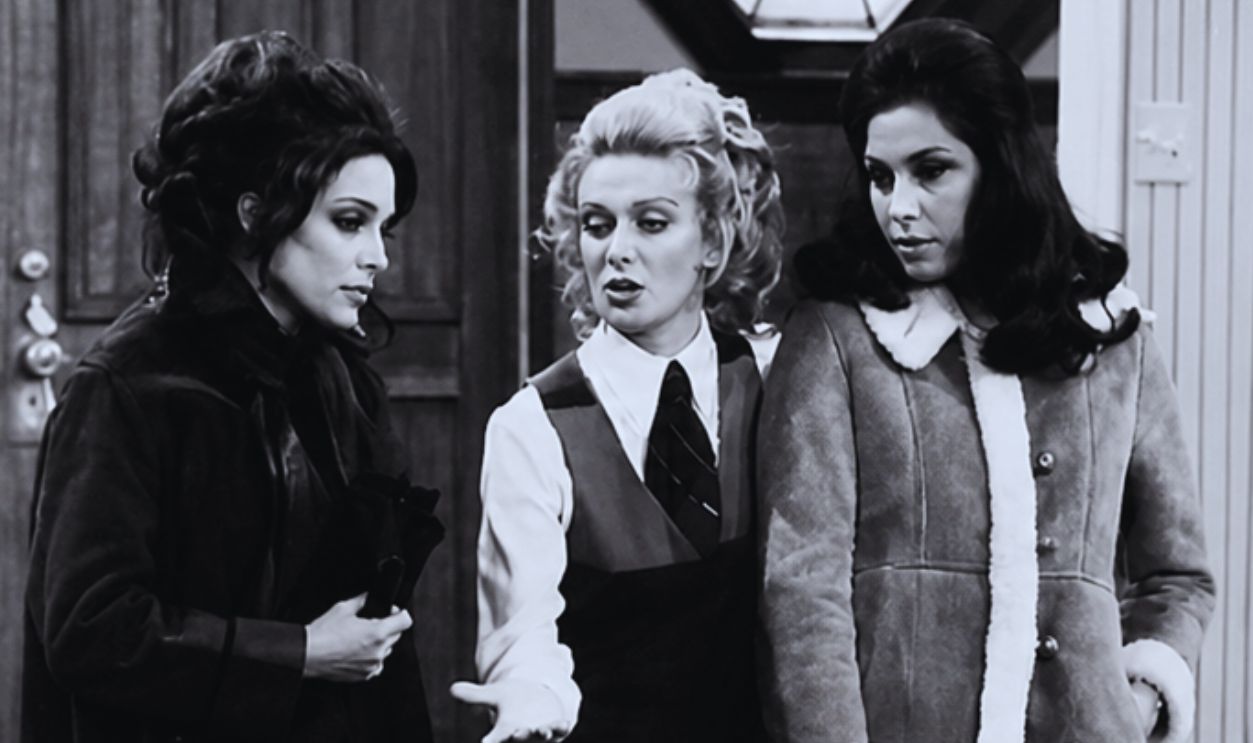
The show did not become legendary simply because Moore was famous. It had to persuade viewers that a sitcom about friendship, work, loneliness, ambition, and adulthood could be funny without relying on traditional family formulas.
 CBS Television, Wikimedia Commons
Mary Richards Changed Television Women Forever
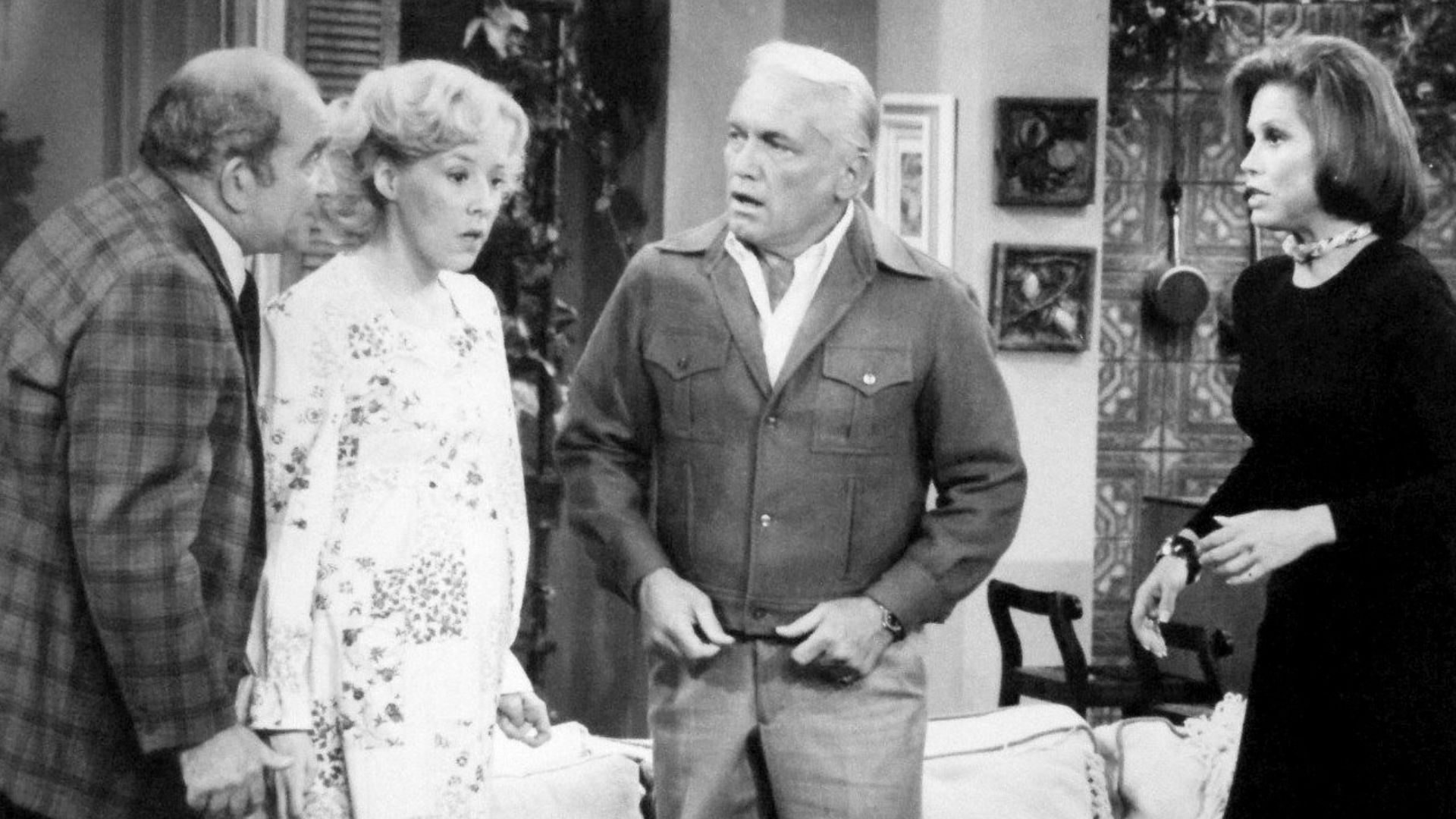
Mary Richards was independent without being cold, vulnerable without being helpless, and ambitious without being punished for it. Moore’s performance made the character feel real, giving television one of its most important portraits of modern womanhood.
 CBS Television, Wikimedia Commons
The Ensemble Helped Make History
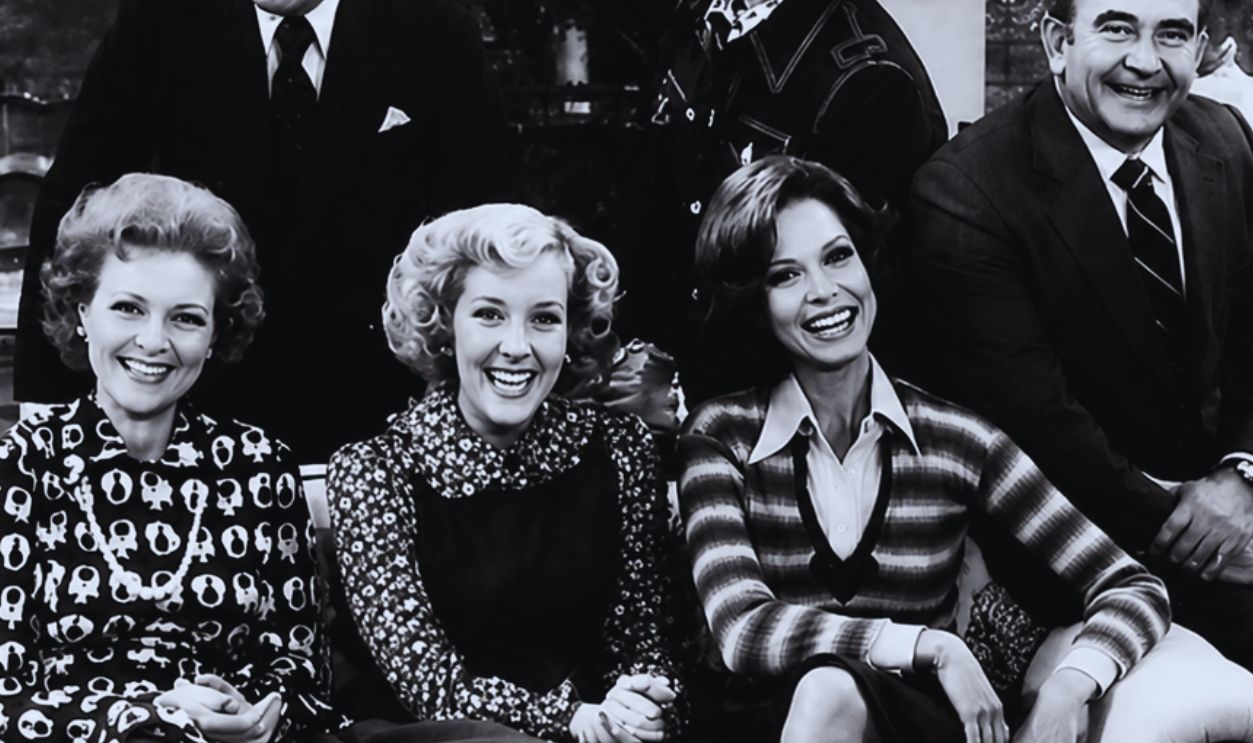
The show worked because Moore was surrounded by a remarkable cast, including Ed Asner, Valerie Harper, Cloris Leachman, Ted Knight, Gavin MacLeod, and later Betty White. Together, they created a workplace family that felt emotionally richer than many sitcom households.
 CBS Television, Wikimedia Commons
MTM Enterprises Expanded Her Influence
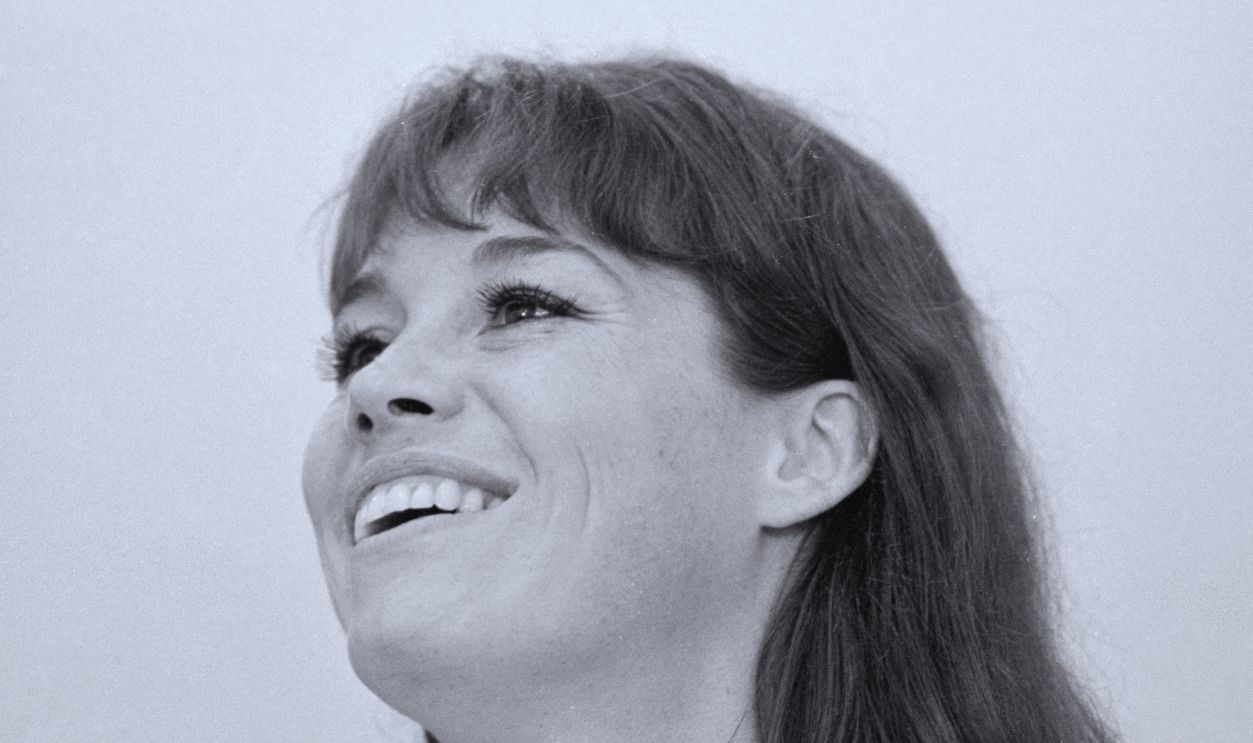
Moore’s success was not limited to acting. With Grant Tinker, she helped build MTM Enterprises, a production company that became one of television’s most respected creative forces. Her influence reached far beyond the character audiences saw on screen.
The Show Became A Landmark
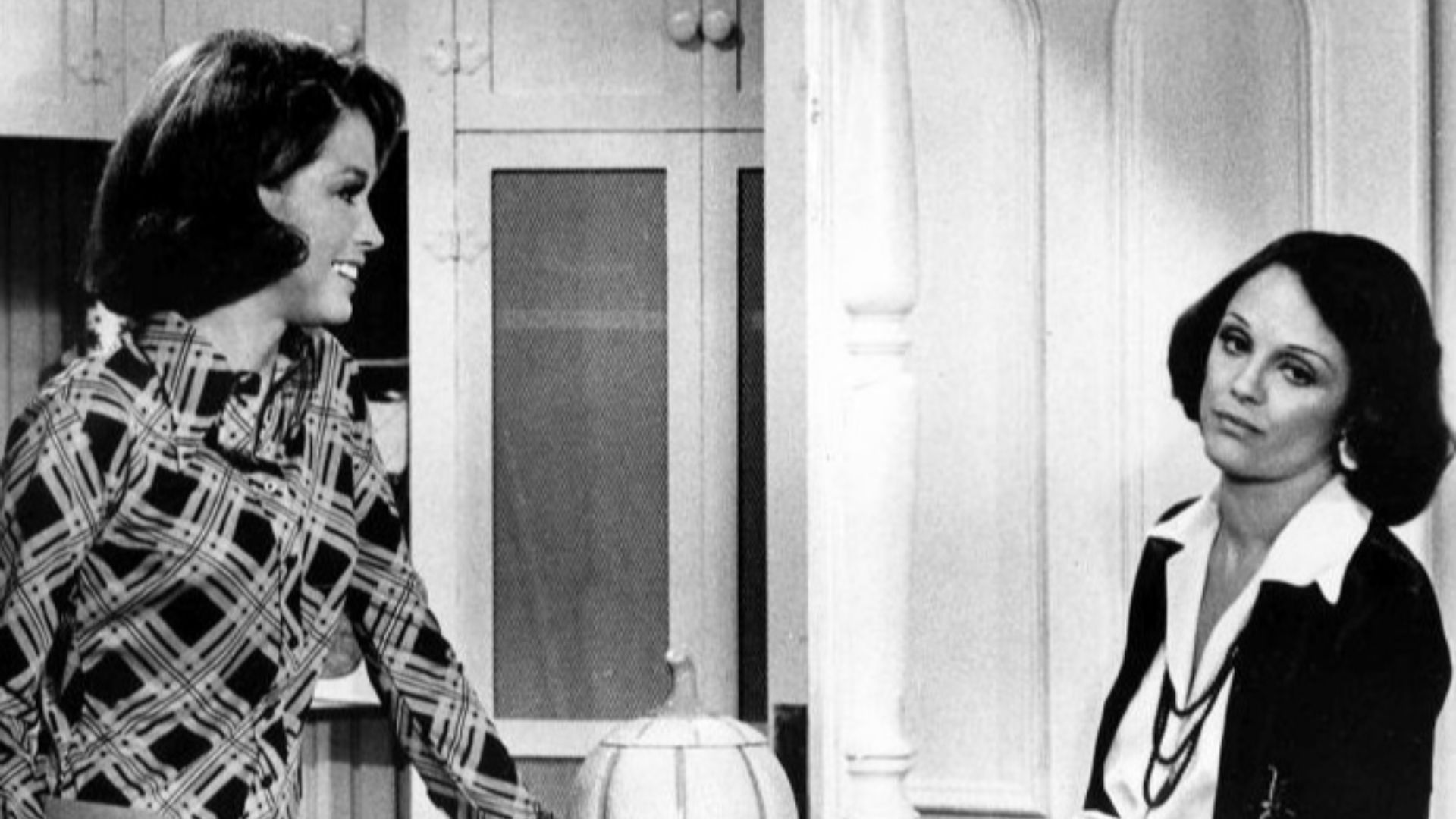
The Mary Tyler Moore Show ran from 1970 to 1977 and became one of the most acclaimed sitcoms in television history. Its writing, ensemble, and emotional intelligence helped redefine what situation comedy could accomplish.
 CBS Television Uploaded by We hope at en.wikipedia, Wikimedia Commons
Her Success Opened Doors For Other Women
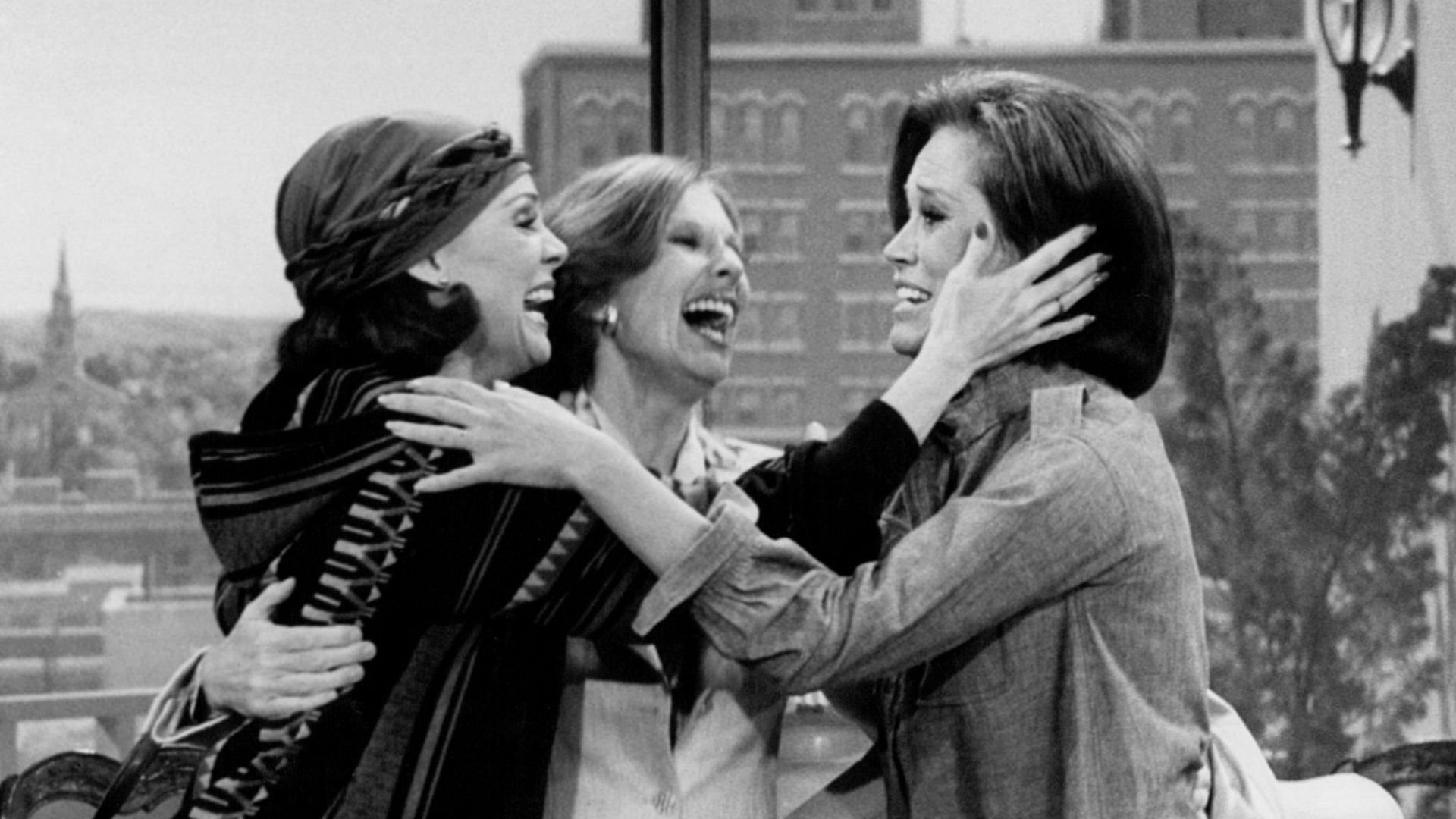
Moore’s television triumph helped make room for more stories about women’s work, independence, friendships, and personal ambition. Later sitcom heroines owed something to Mary Richards, even when their shows looked very different.
 CBS Television, Wikimedia Commons
Her Later Career Proved Her Range
Moore later delivered a dramatic, Oscar-nominated performance in Ordinary People, showing that her talent extended far beyond sitcom comedy. The role reminded audiences that beneath her brightness was an actress capable of deep emotional severity.
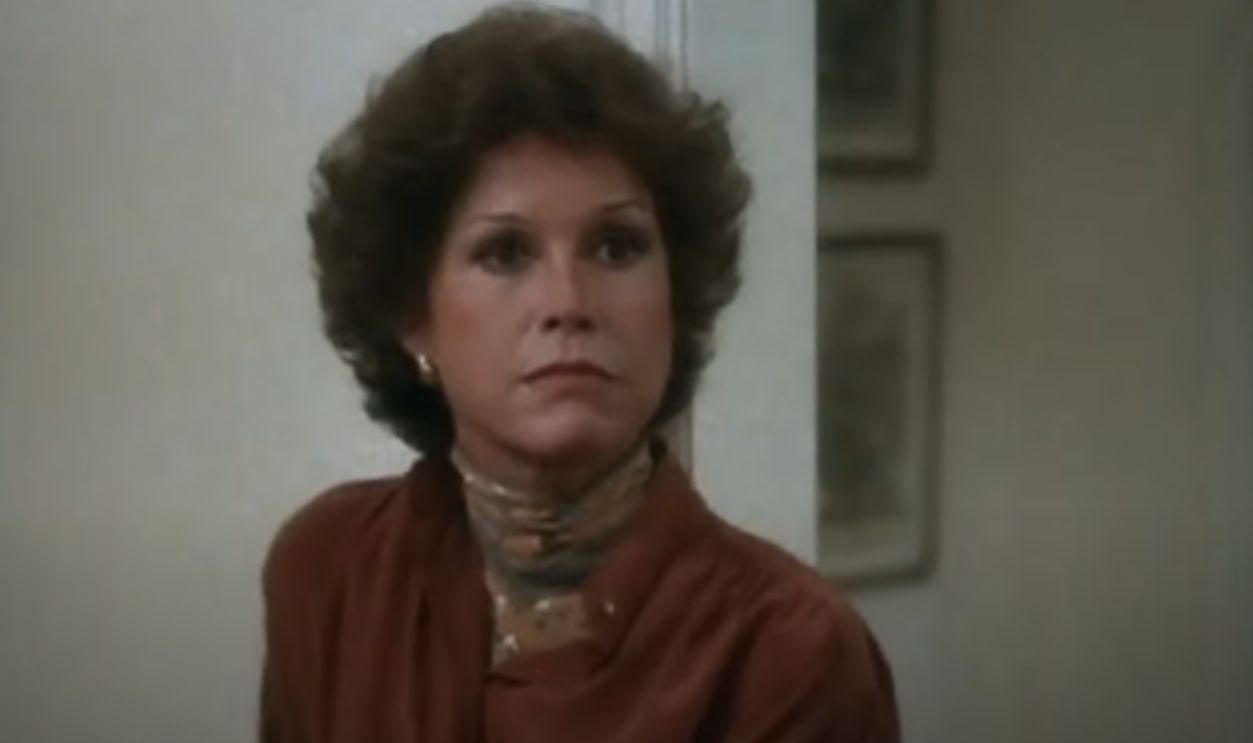 Screenshot from Ordinary People, Paramount Pictures (1980)
Her Personal Life Was Often Difficult
Behind her professional success, Moore faced serious personal struggles, including diabetes, heavy drinking, and painful family losses. Her public smile became iconic, but her private life was far more complicated than the optimism associated with Mary Richards.
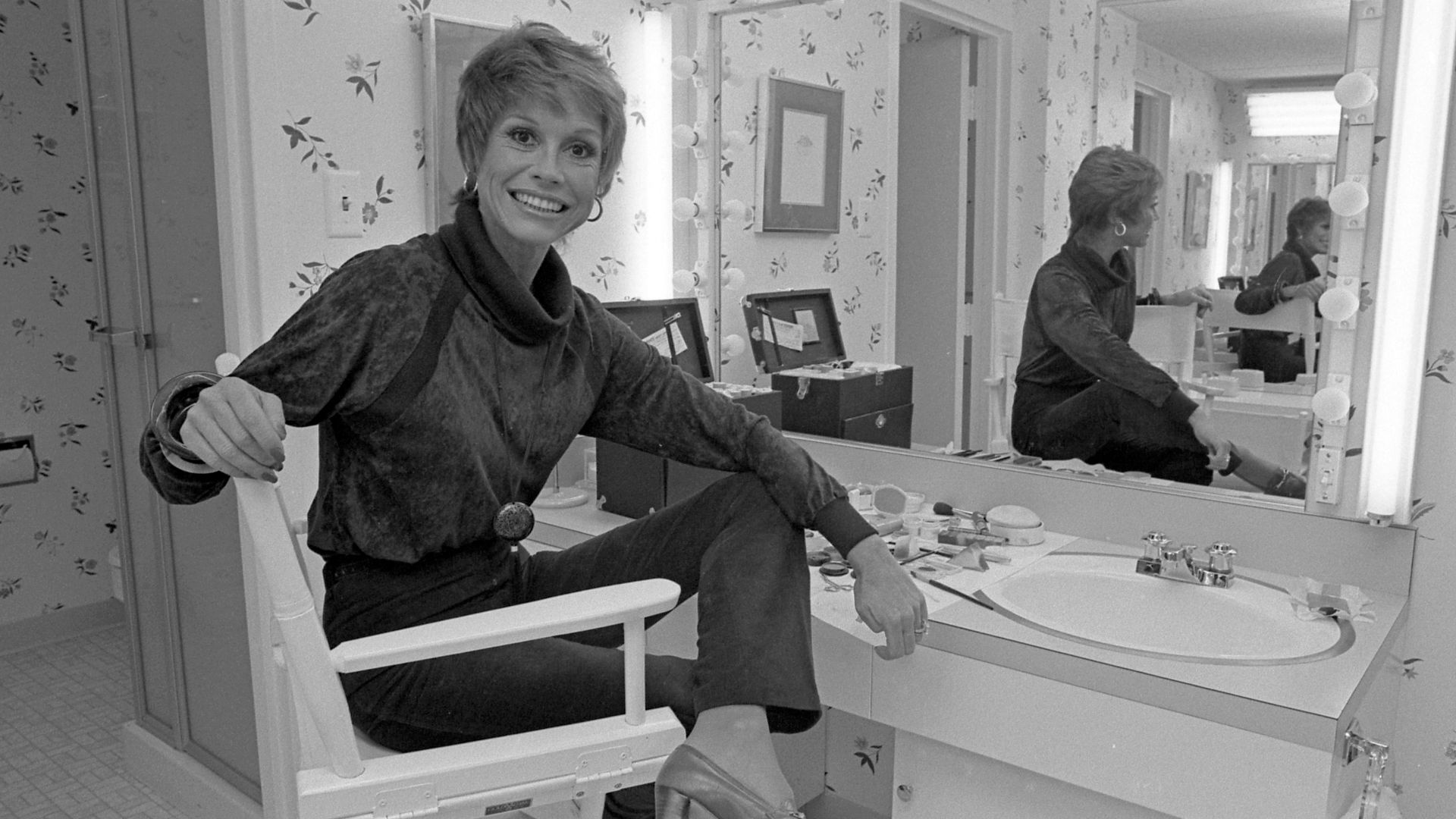 George Rose, Los Angeles Times, Wikimedia Commons
Why Her Success Nearly Never Happened
Mary Tyler Moore’s television success nearly never happened because every stage of her career could have narrowed her future. She might have remained a commercial dancer, a sitcom wife, or an actress stalled by failed projects. Instead, she found the role that let her become a symbol of possibility.
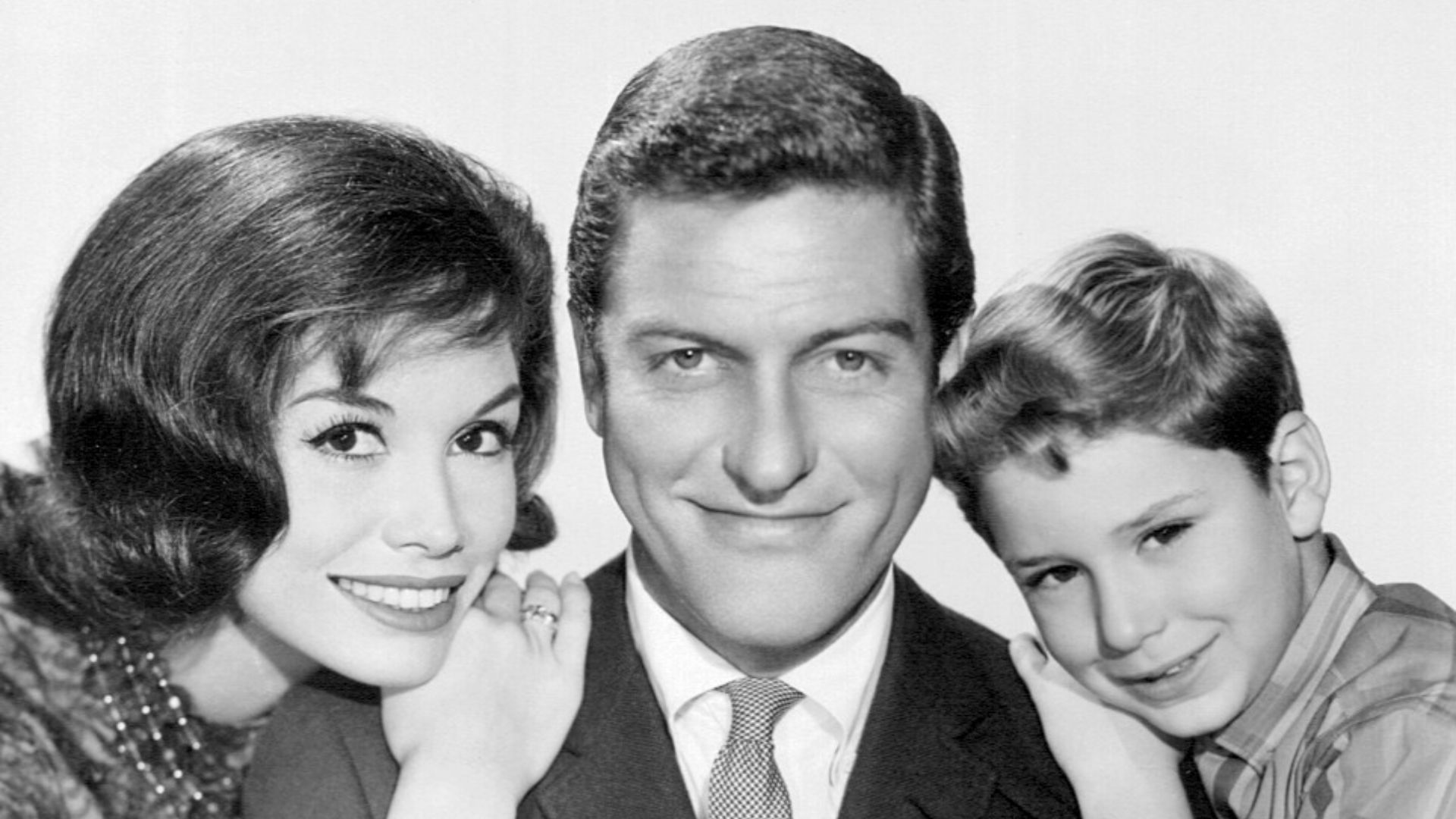 CBS Television, Wikimedia Commons
You May Also Like:
These Big Name Actors Have Second Careers
Winning Facts About Bob Barker, Game Show Legend