Lost In The Laugh Track
Once upon a time, many of these sitcoms had huge audiences, recognizable stars, and loyal fans. Then television moved on. Decade after decade, they slowly disappeared from reruns, pop culture, and most people's memories. Some of these shows were genuinely great. The question is: do you remember even five of them?
Love, American Style (1969–1974)
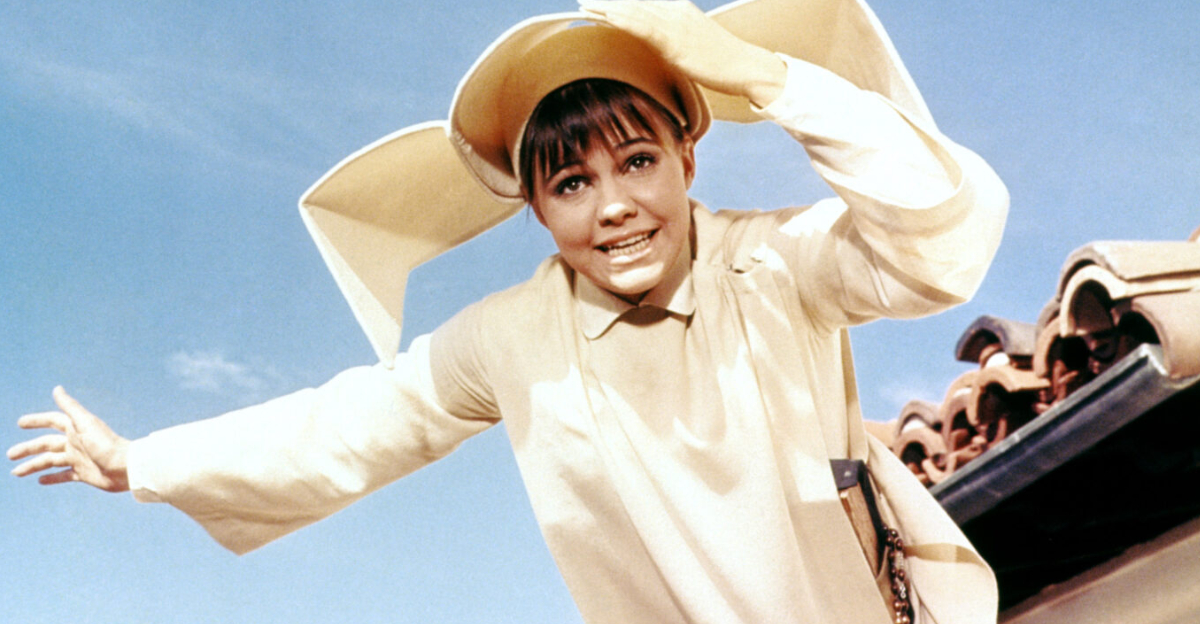
Technically this wasn't a traditional sitcom, but it was too popular to leave off the list. Every week featured a collection of comedy sketches and romantic stories with a revolving door of guest stars. The show was a huge hit and even helped launch Happy Days. Today, most people remember Fonzie. The show that helped make Fonzie possible? Not so much.
 ABC Television, Wikimedia Commons
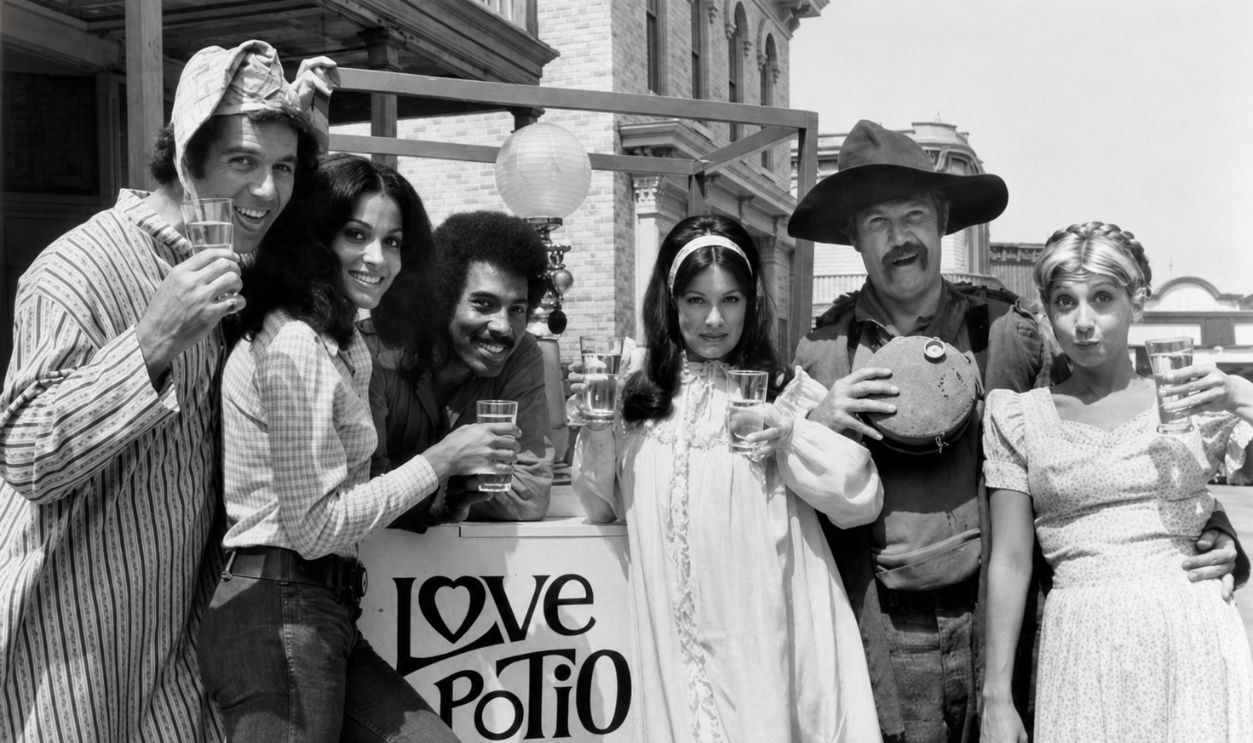
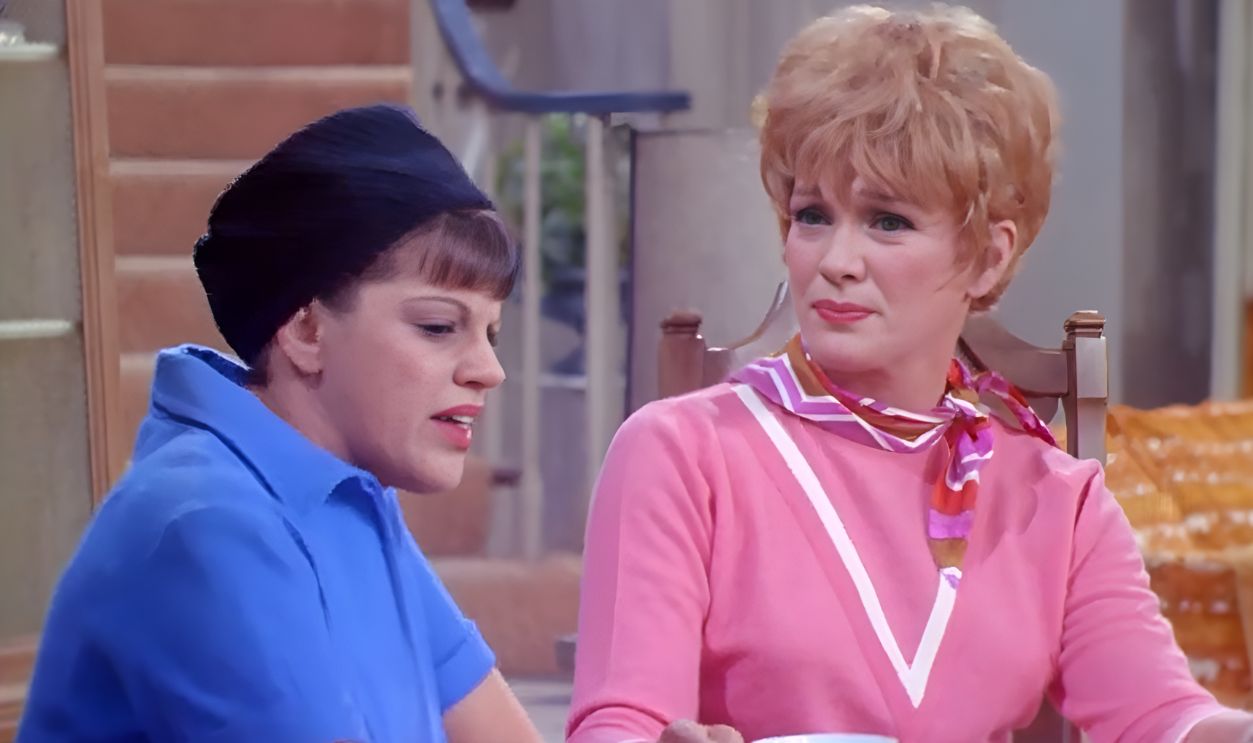
The Mothers-In-Law (1967–1969)
Two sets of parents living next door to each other and constantly interfering in their married children's lives. What could possibly go wrong? Quite a lot, as it turned out. Produced by Desi Arnaz, the show built an entire comedy formula around meddling relatives. It worked surprisingly well and attracted a loyal audience, even if it rarely comes up in conversations about classic television anymore.
 Screenshot from The Mothers-In-Law, Viacom Enterprises (1967–1969)
Occasional Wife (1966–1967)
This may be one of the most 1960s television premises ever created. A bachelor hires a woman to pretend to be his wife so he'll look more respectable to his boss. Somehow, network executives looked at that idea and said, 'Yes, let's make an entire series out of it.' The show only lasted one season, but it certainly wasn't forgettable. Well...except that almost everyone forgot it.
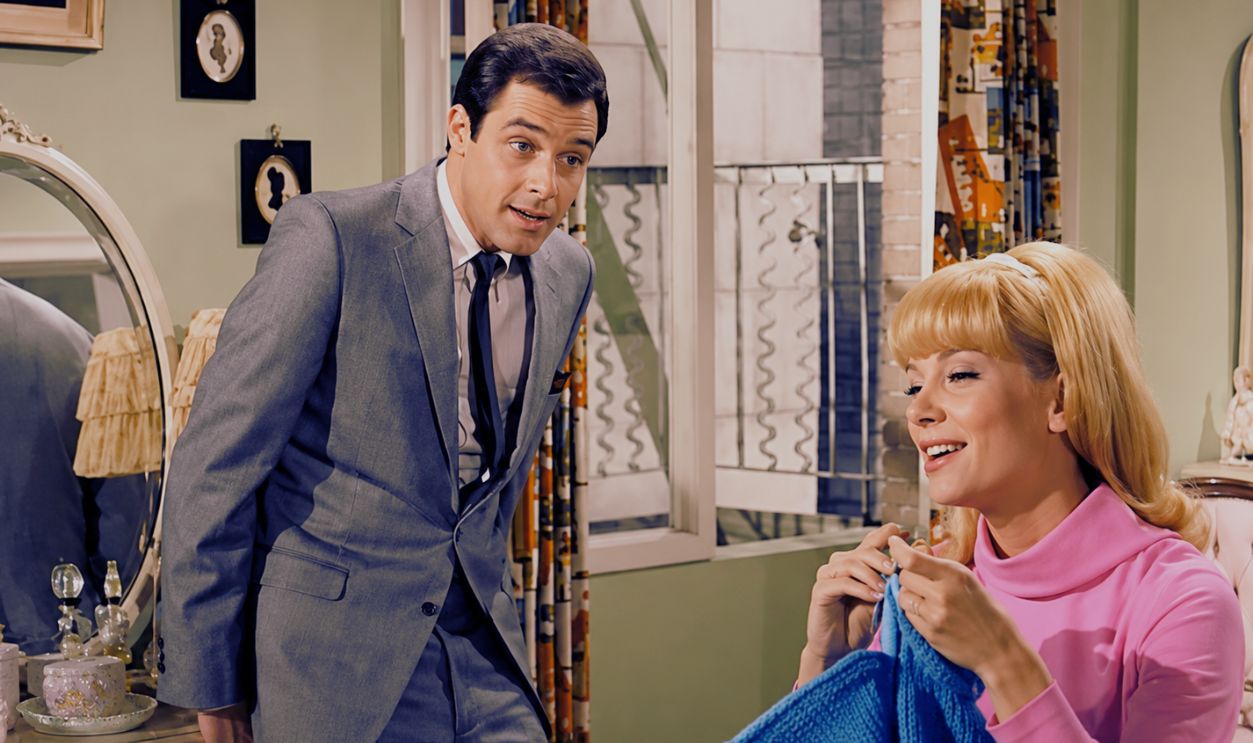 Screenshot from Occasional Wife, Screen Gems Television (1966–1967)
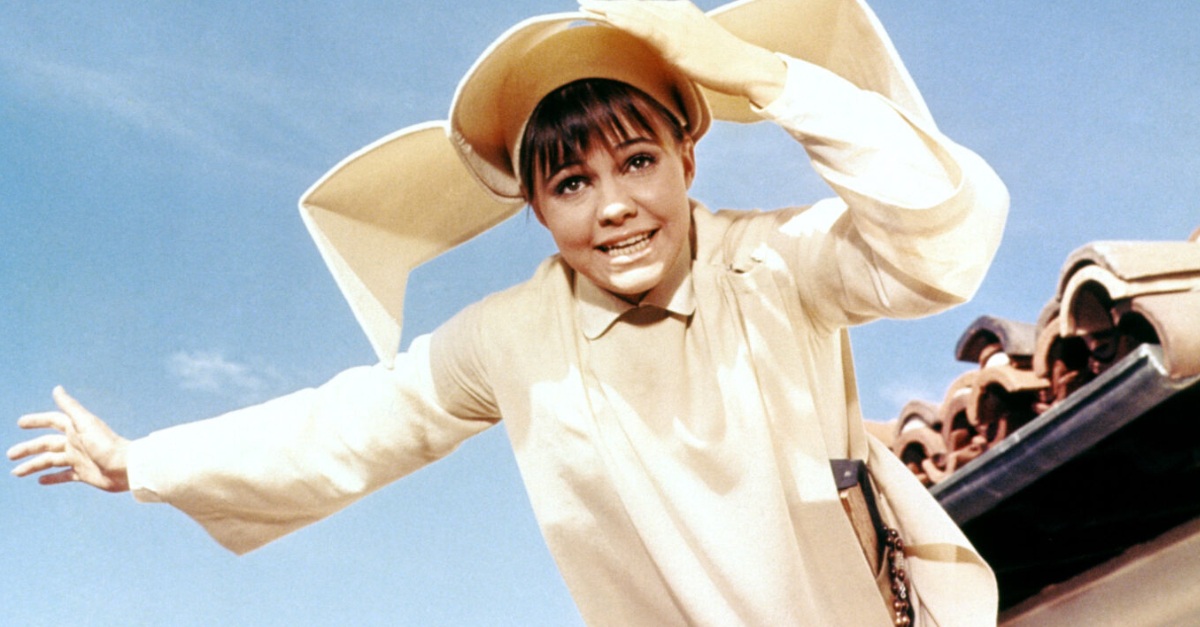
The Flying Nun (1967–1970)
Let's be honest: this sounds less like a television show and more like something somebody came up with after losing a bet. Sally Field played a nun whose lightweight frame allowed her to literally fly when the wind caught her oversized headpiece. Somehow millions of viewers watched this every week and thought it made perfect sense. Television was a wonderfully weird place in the 60s.
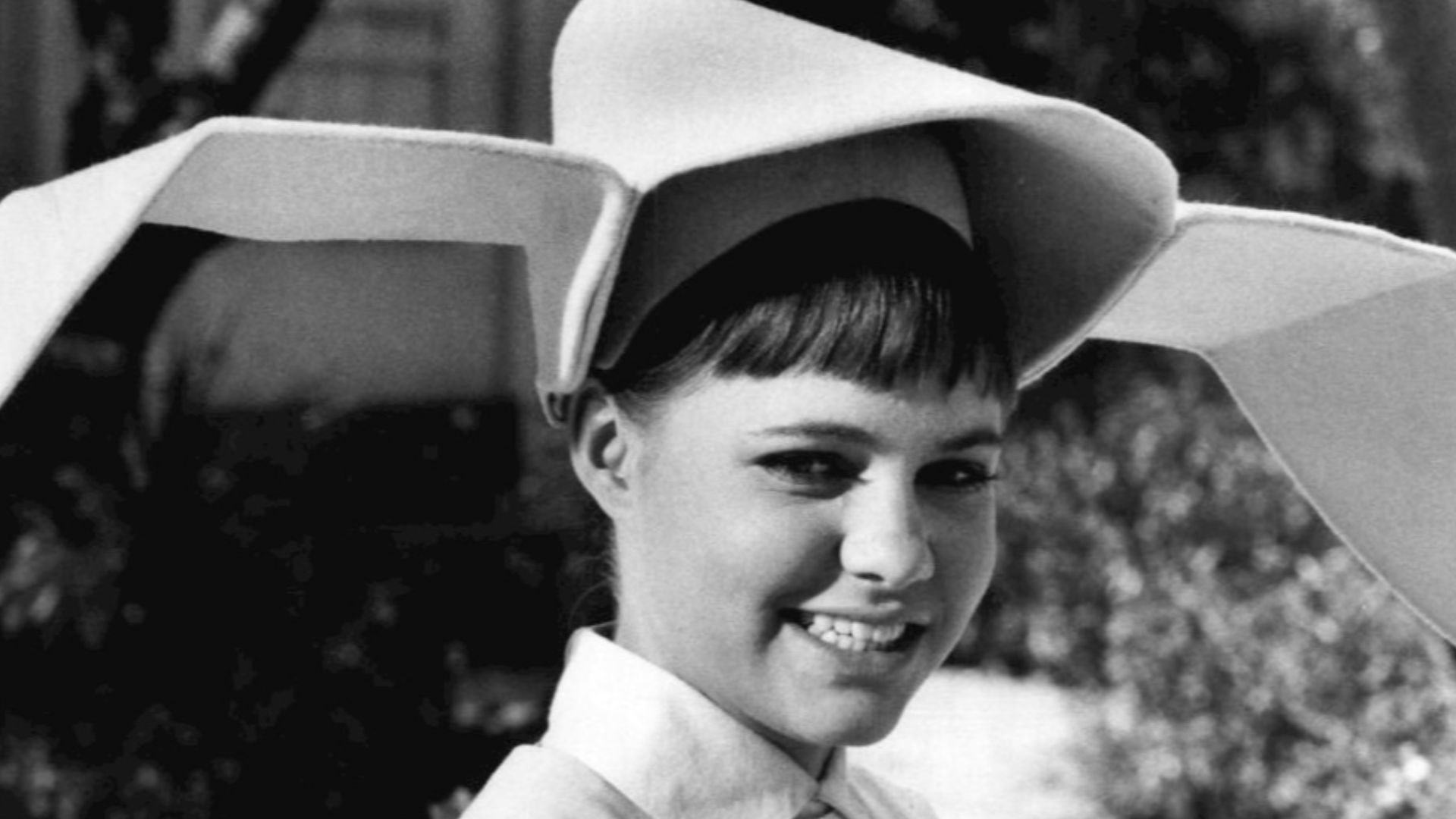 ABC Television, Wikimedia Commons
Gomer Pyle, U.S.M.C. (1964–1969)
Spinning a lovable gas station attendant from The Andy Griffith Show into a Marine Corps comedy sounds risky. Instead, it became one of the biggest sitcoms of the decade. Jim Nabors' endlessly cheerful Gomer somehow managed to drive his hard-nosed drill instructor crazy every single week. The show was enormous during its run, yet today it feels oddly absent from most discussions of classic sitcoms.
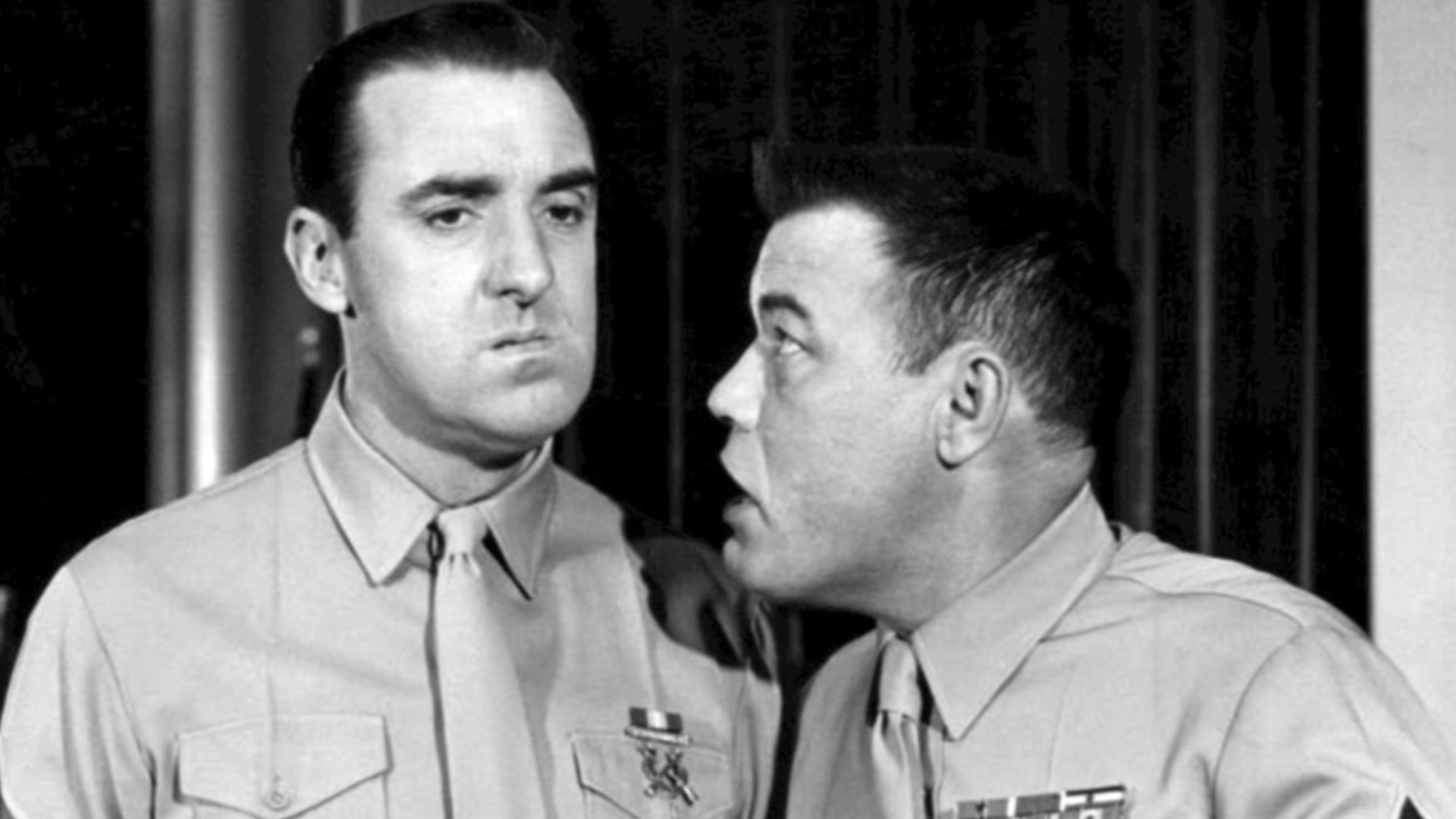 CBS Television, Wikimedia Commons
The Ghost & Mrs. Muir (1968–1970)
A widow shares her home with the ghost of a salty old sea captain. That's the premise. That's the whole premise. And honestly, it's a pretty good one. The unusual pairing created a charming blend of comedy and fantasy that viewers loved. Yet despite being based on a successful movie, the television version has largely drifted into obscurity.
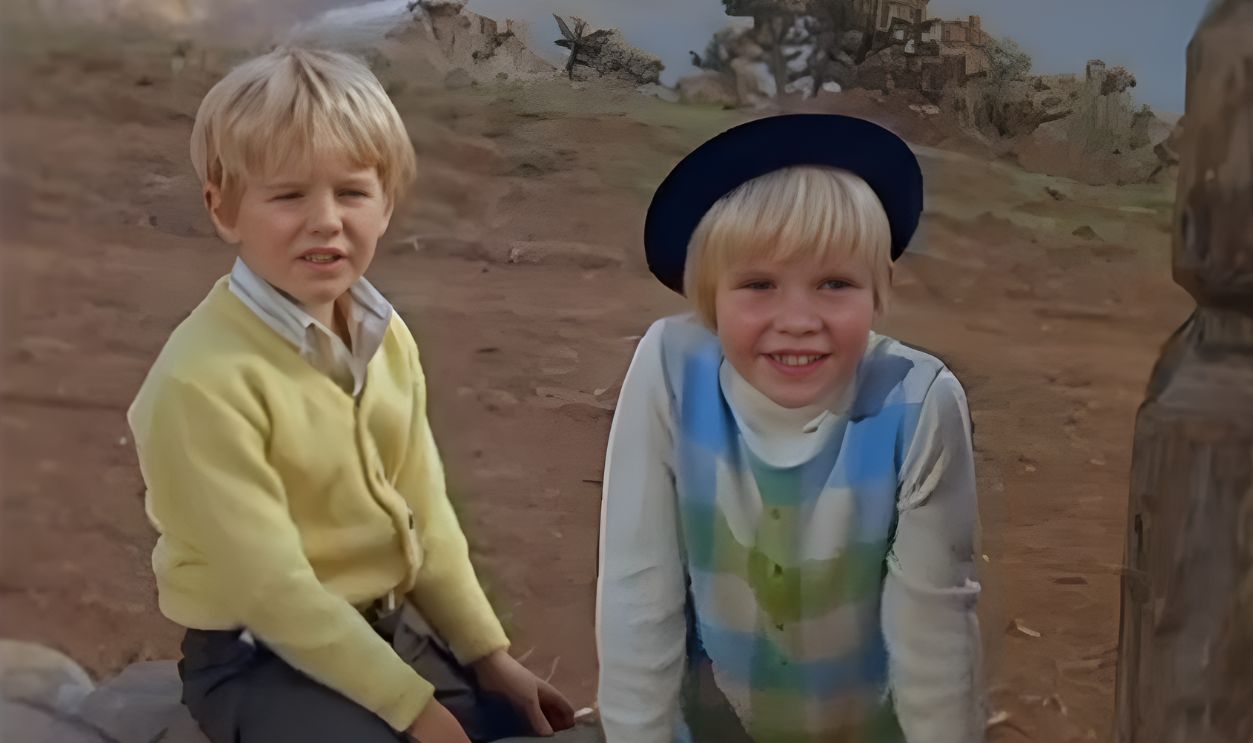 Screenshot from The Ghost & Mrs. Muir, NBC (1968–1970), Modified
Please Don't Eat The Daisies (1965–1967)
Family sitcoms were everywhere during the 60s, but this one stood out thanks to its strong cast and chaotic household. Based on the Doris Day film, it followed a newspaper columnist trying to maintain order while raising four energetic boys. If you've forgotten this show existed, you're not alone. Plenty of people who watched it back then probably have too.
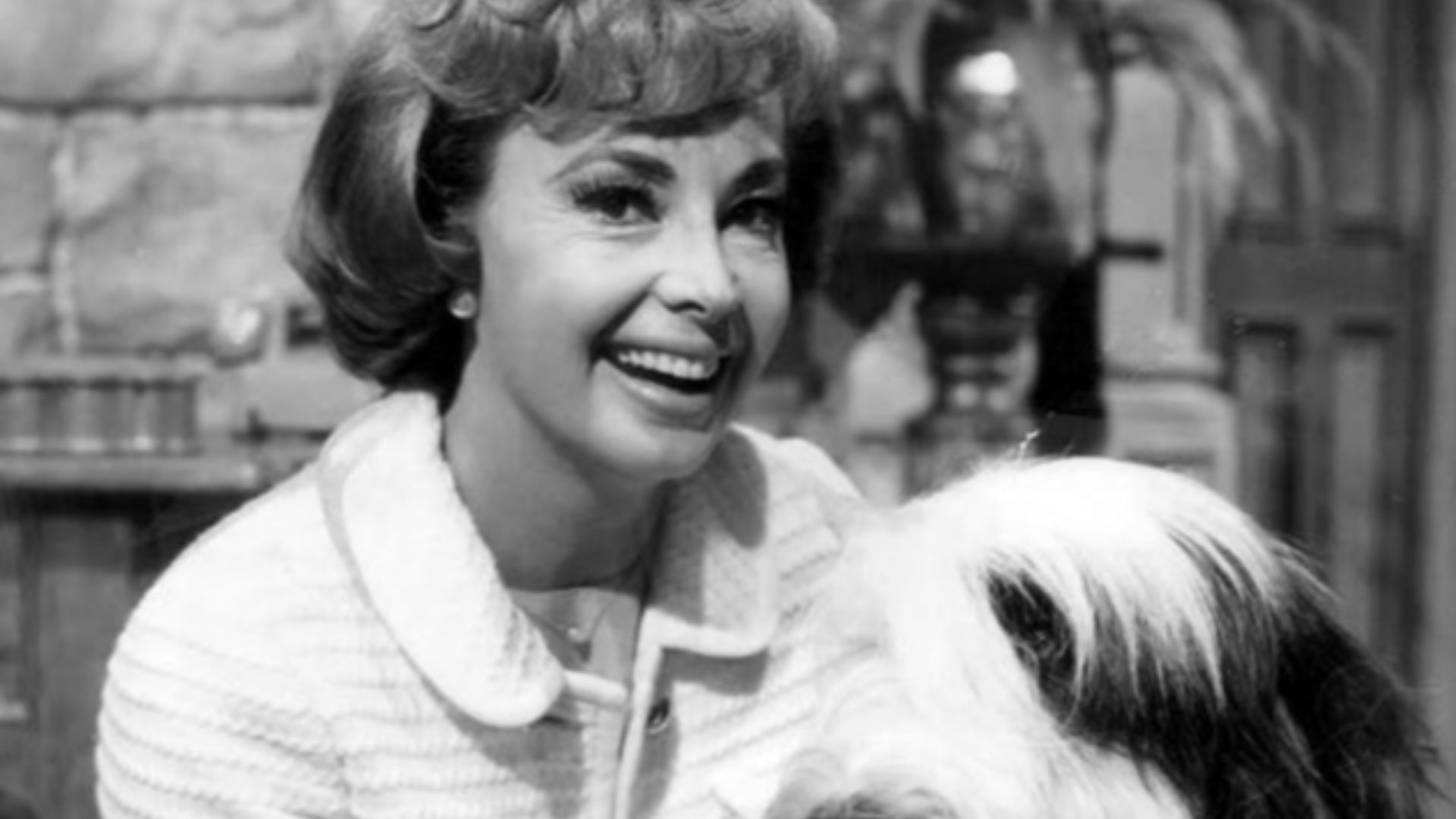 NBC Television, Wikimedia Commons
The Patty Duke Show (1963–1966)
Patty Duke played identical cousins with completely different personalities. One was sophisticated and worldly. The other was a typical American teenager. The premise was ridiculous, but audiences loved it. The theme song remains surprisingly catchy even today. Chances are you'll remember the tune long before you remember any specific episode.
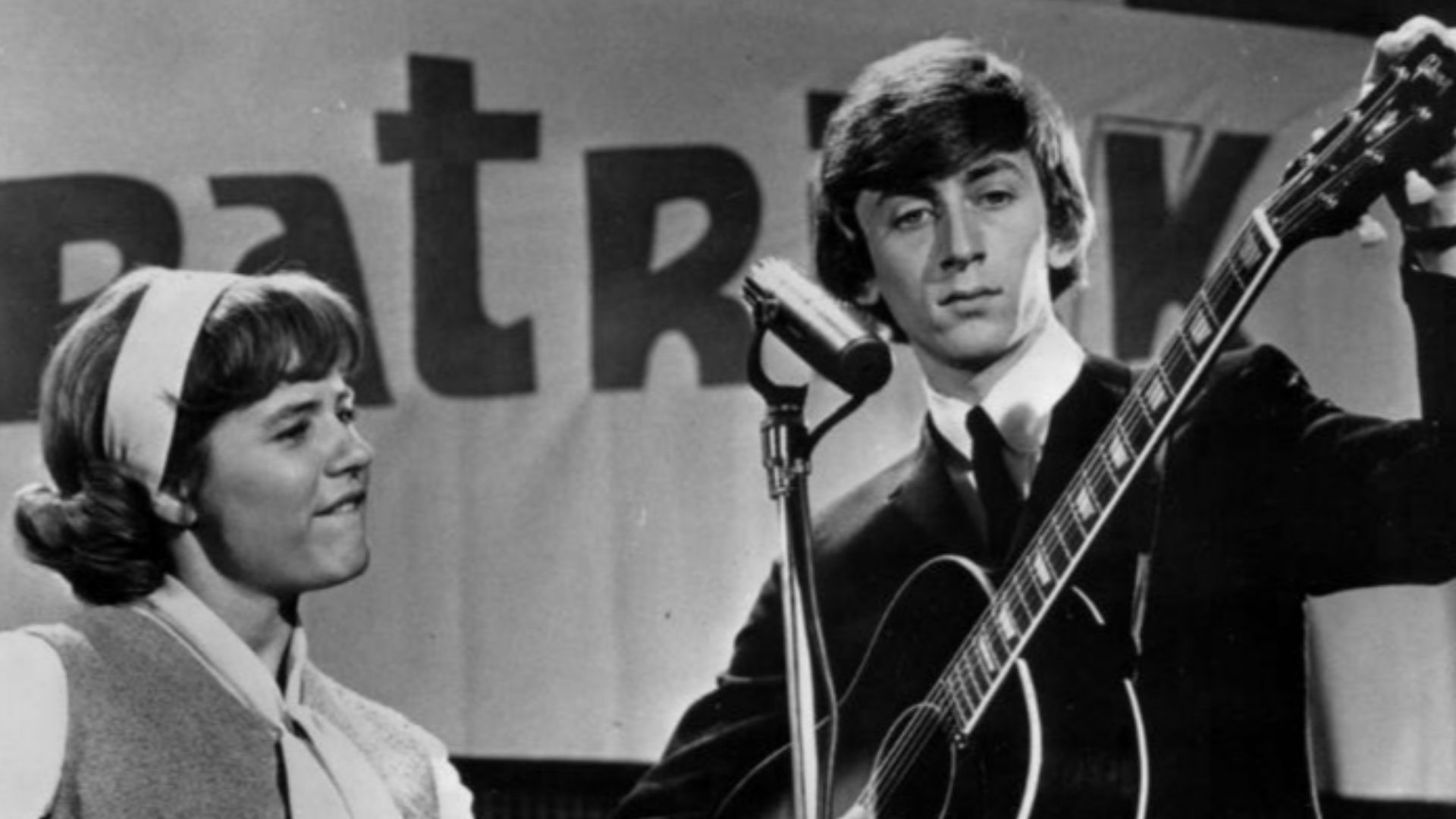 ABC Television, Wikimedia Commons
Nanny And The Professor (1970–1971)
This sitcom never quite explained whether its title character had magical powers, psychic abilities, or was simply the luckiest nanny in television history. She always seemed to know things she shouldn't know. Viewers spent much of the series trying to figure out her secret. Decades later, people are still wondering about it. Assuming they remember the show at all.
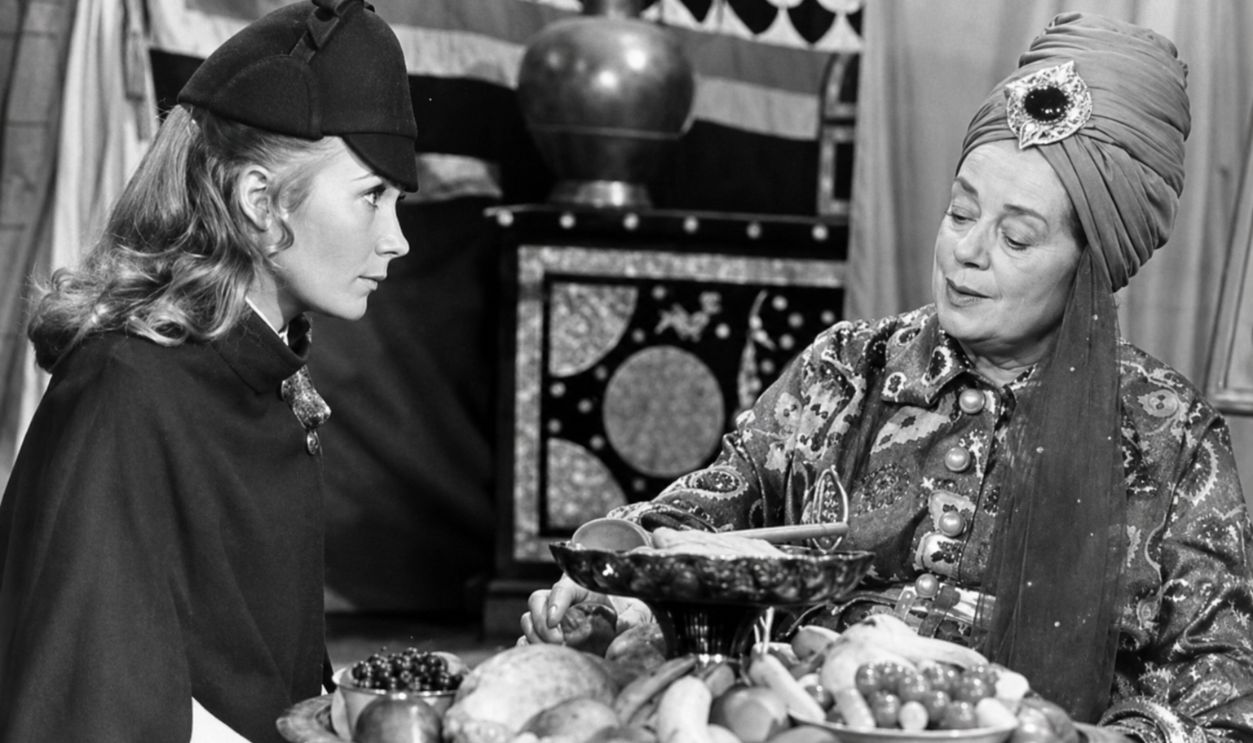 ABC TelevisionUploaded by We hope at en.wikipedia, Wikimedia Commons
The Courtship Of Eddie's Father (1969–1972)
Based on the hit movie, this series followed a widowed father raising his young son with help from housekeeper Mr. Miyagi. Yes, that Mr. Miyagi. Long before teaching Daniel-san karate, Pat Morita was stealing scenes here every week. The show was warm, funny, and surprisingly successful. Somehow it rarely gets mentioned today.
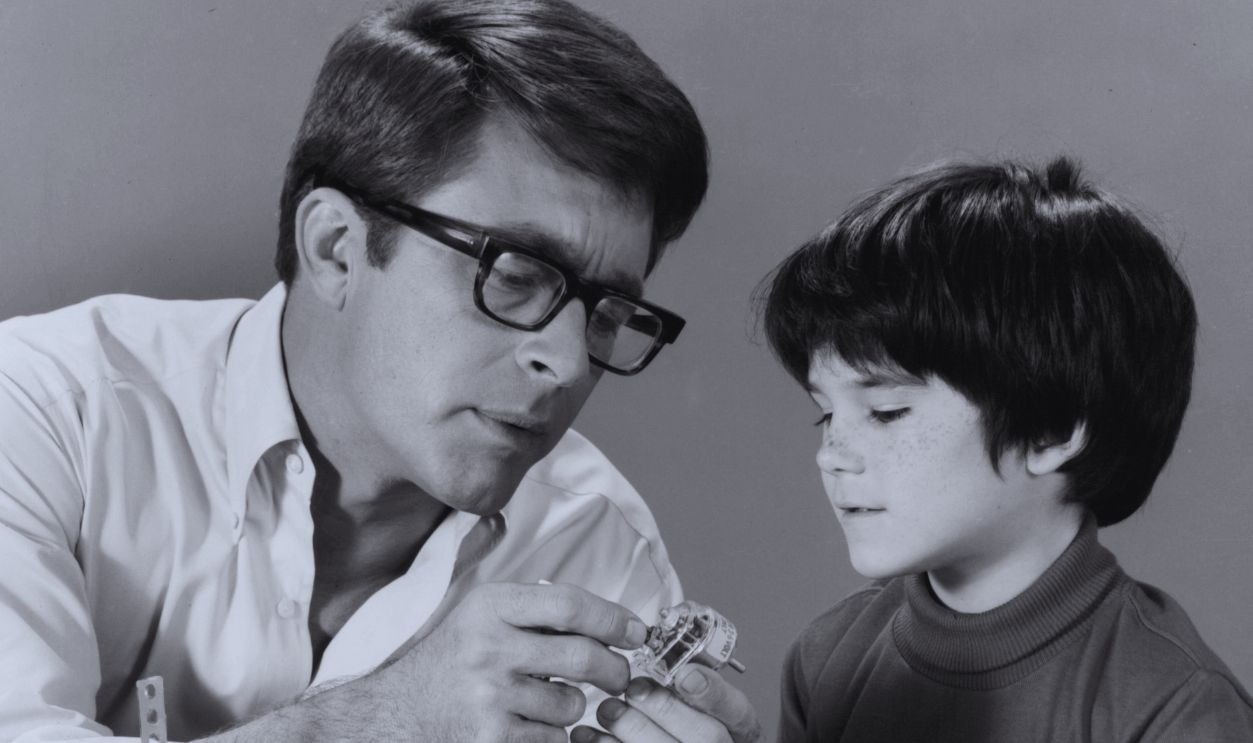
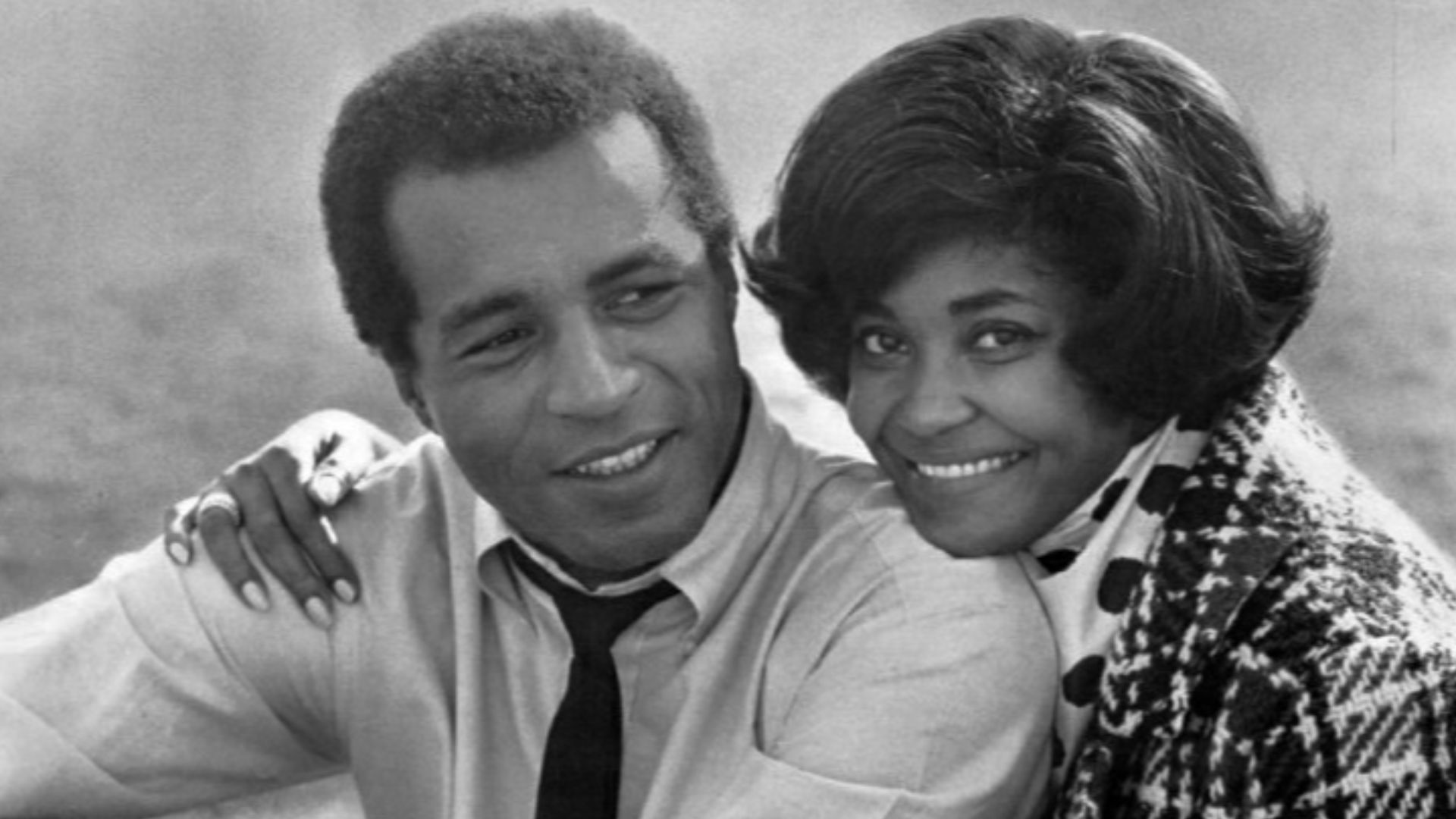
Room 222 (1969–1974)
Most sitcoms tried to avoid serious issues. Room 222 leaned into them. Set in a Los Angeles high school, it tackled social topics while still delivering laughs. The show won multiple Emmy Awards and earned plenty of critical praise. Despite all that, it feels like one of those shows people remember seeing but haven't thought about in 40 years.
 ABC Television, Wikimedia Commons
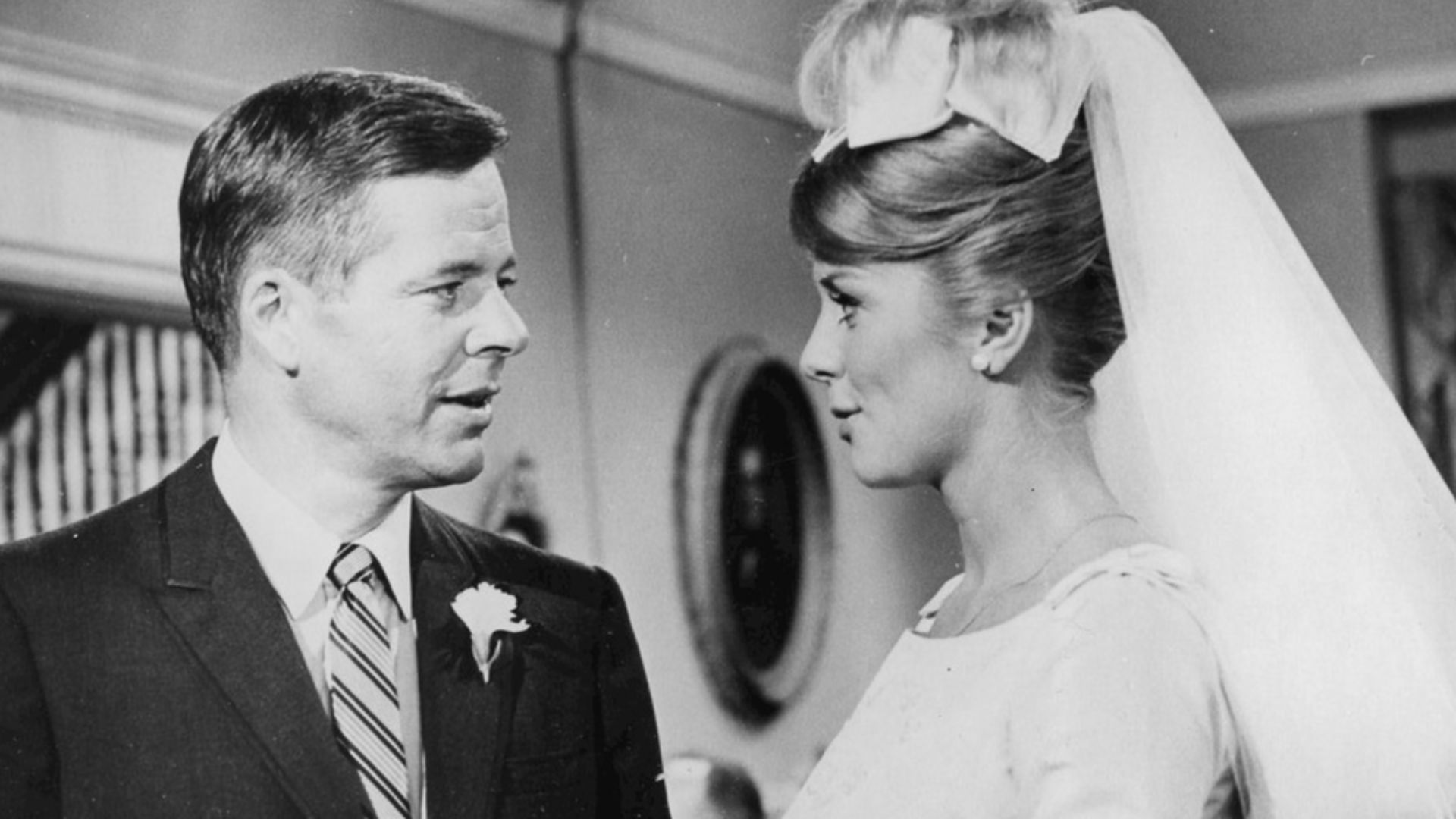
The Farmer's Daughter (1963–1966)
Based on the popular film, this sitcom followed a Swedish-American housekeeper working for a congressman and his family. Inger Stevens was charming, the writing was solid, and the show ran for three successful seasons. Yet compared to other sitcoms from the era, it has almost completely slipped through the cracks.
 ABC Television, Wikimedia Commons
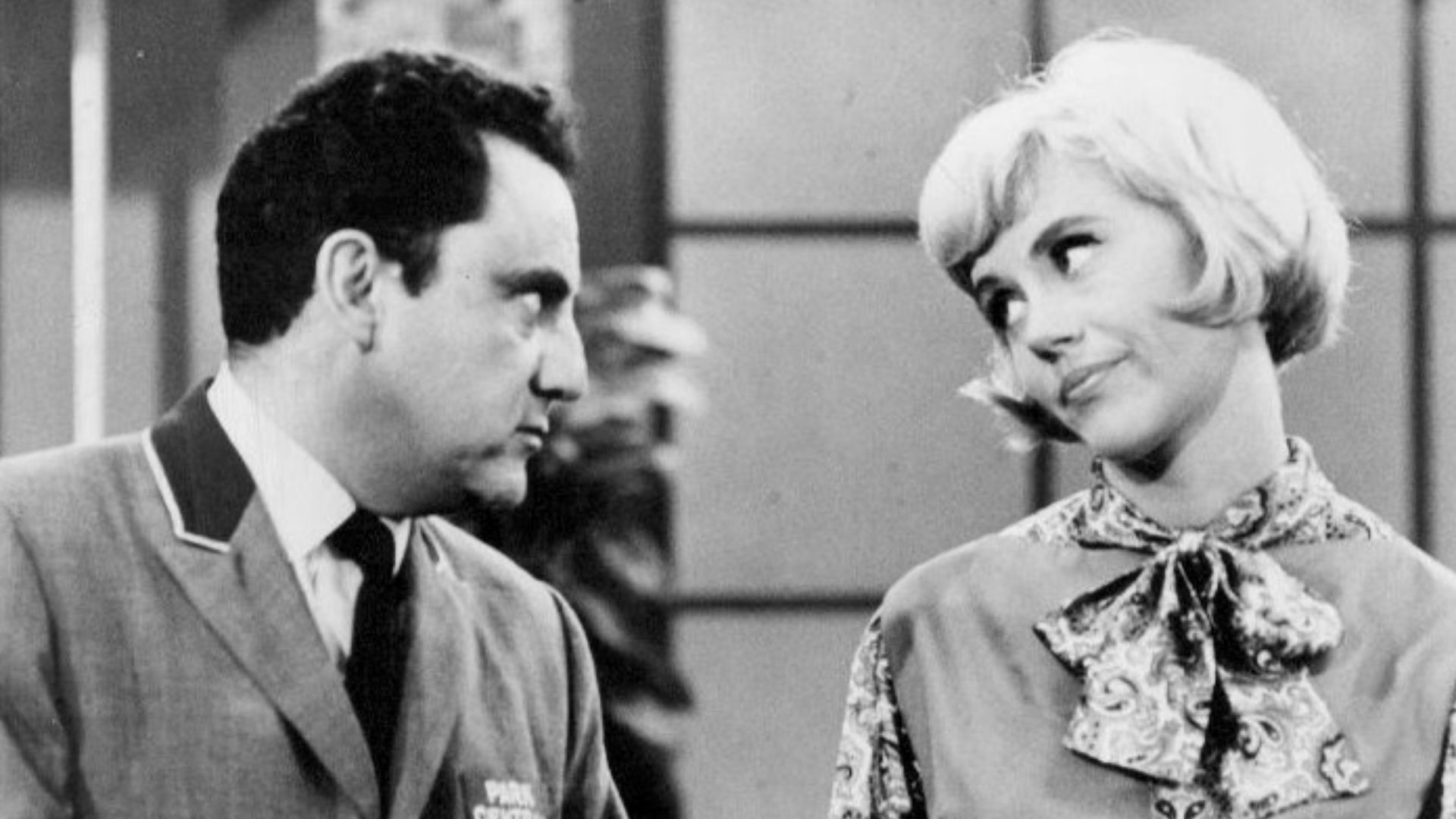
The Bill Dana Show (1963–1965)
Set inside a New York hotel, this workplace comedy gave Bill Dana plenty of opportunities for misunderstandings and mishaps. It also featured Jonathan Harris before he became famous as Dr. Smith on Lost in Space. The series performed well enough during its run, but today it's the sort of show that causes even television historians to pause and think for a second.
 Rogers & Cowan, public relations, apparently for Ms. Peterson., Wikimedia Commons
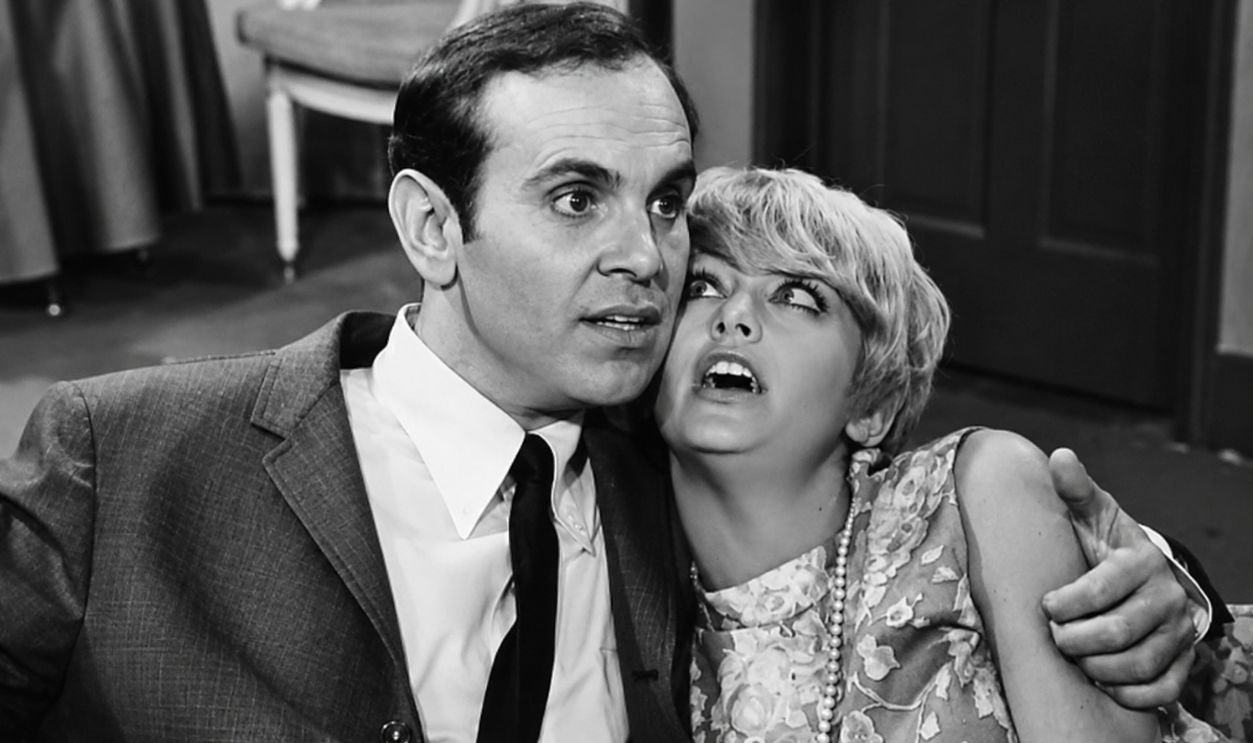
Good Morning, World (1967–1968)
A sitcom about radio DJs sounds like a guaranteed winner. After all, radio personalities are naturally funny, right? Apparently not funny enough to keep this one around for long. Still, the show deserves a little attention for featuring a young Goldie Hawn before she became one of Hollywood's biggest stars.
 CBS TelevisionUploaded by We hope at en.wikipedia, Wikimedia Commons
The Doris Day Show (1968–1973)
Doris Day was already one of the most famous entertainers in America when she moved to television. The result was a sitcom that lasted five seasons and went through more format changes than some shows experience in a lifetime. It remained popular throughout its run. Somehow, however, it never achieved the lasting cultural footprint many expected.
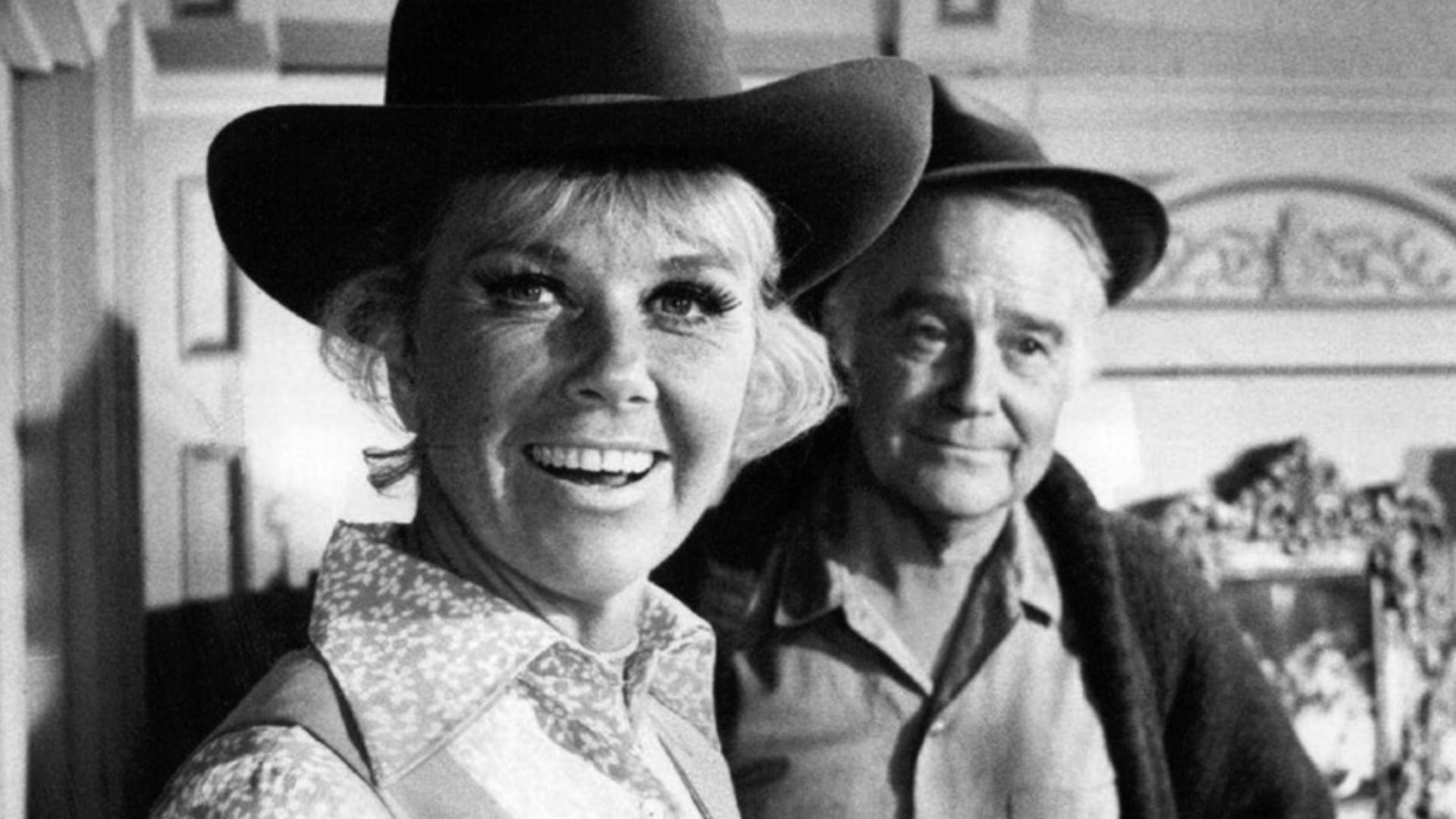 CBS Television, Wikimedia Commons
Julia (1968–1971)
Television history tends to remember Julia for breaking barriers, and rightfully so. Diahann Carroll became one of the first Black women to star in a network sitcom in a leading role that avoided many of the stereotypes common at the time. The fact that the show was also funny sometimes gets overlooked. It deserves to be remembered for both.
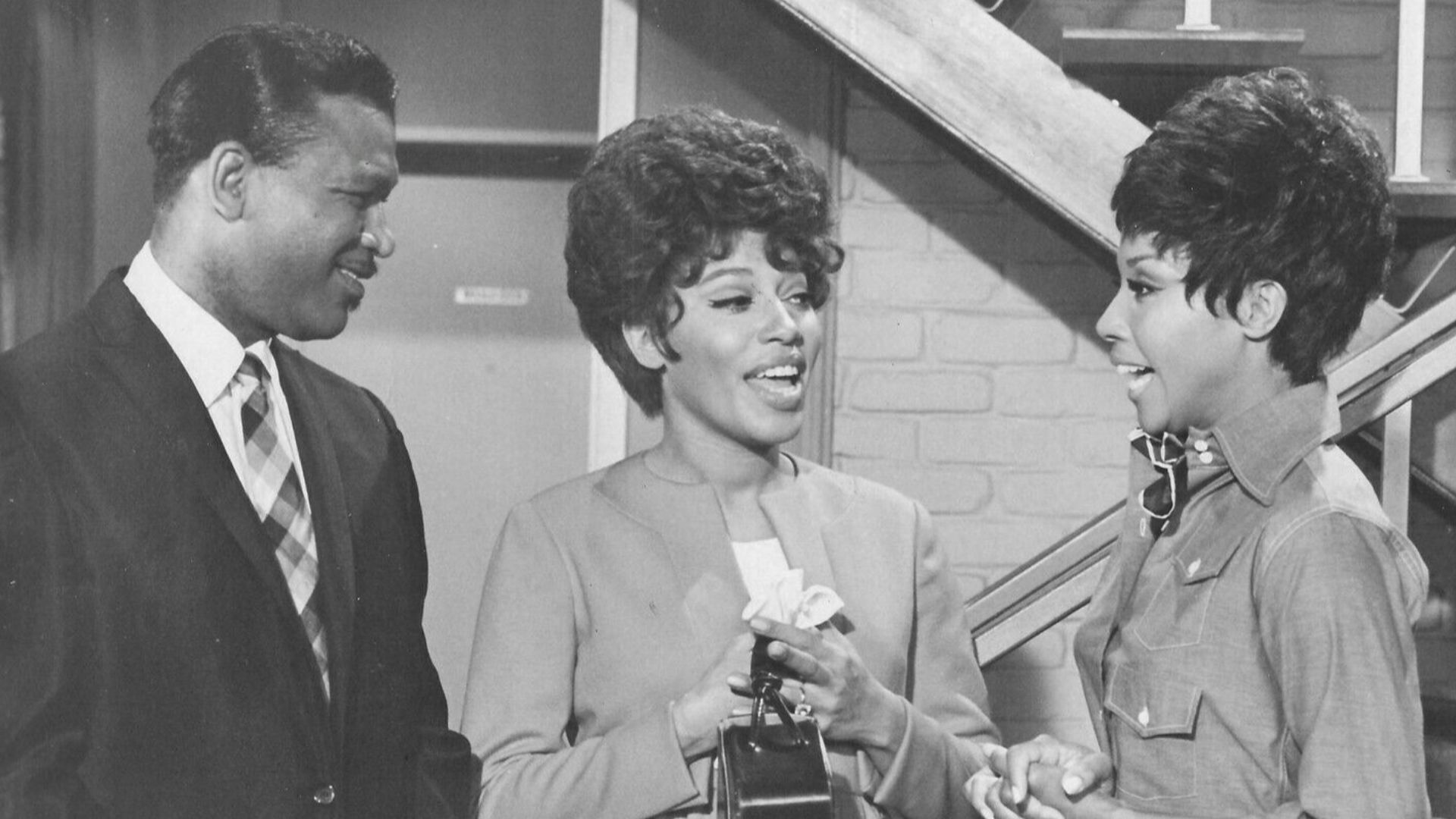 NBC Television Network. Photographer not credited, Wikimedia Commons
Chico And The Man (1974–1978)
For a few years, this was one of television's hottest sitcoms. Freddie Prinze became an overnight sensation thanks to his chemistry with veteran actor Jack Albertson. The show was funny, energetic, and wildly popular. While some people still remember it, it's nowhere near as prominent in popular culture as it once was.
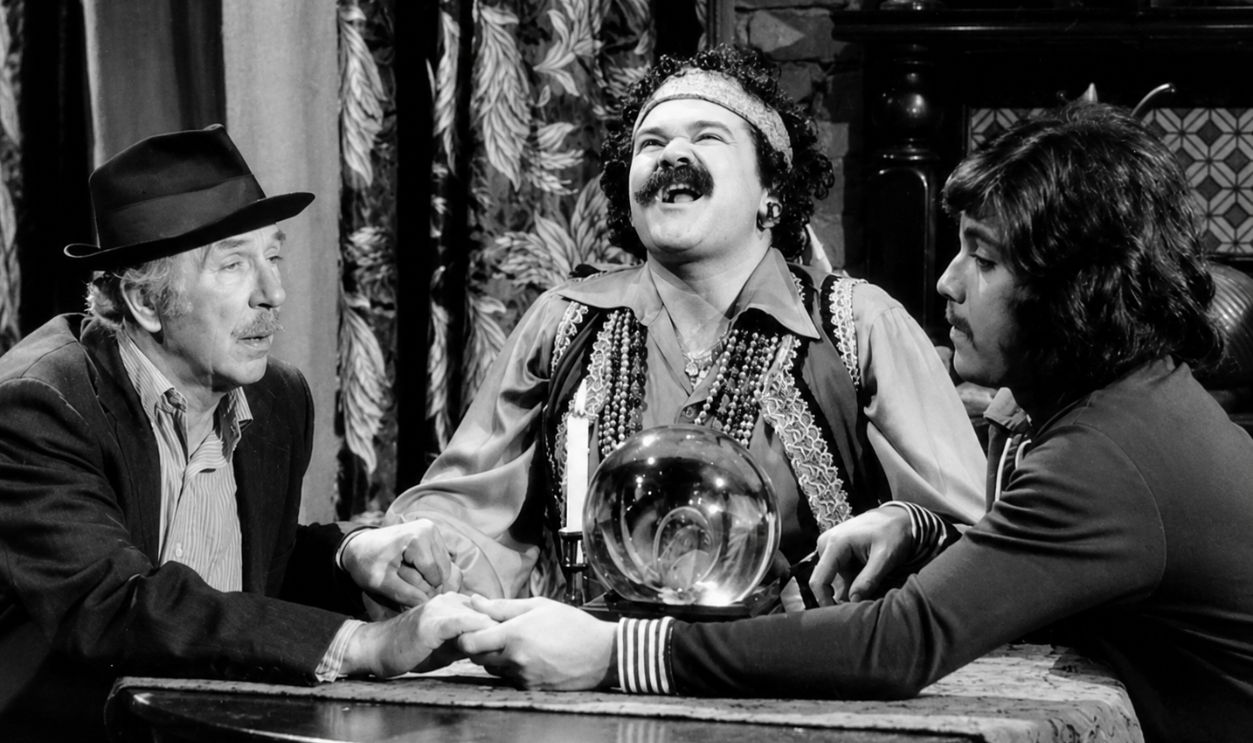 NBC Television, Wikimedia Commons
The Governor & J.J. (1969–1970)
Political sitcoms are difficult to pull off. They're even harder to remember 50 years later. This series centered on a conservative governor constantly clashing with his free-spirited daughter. The setup created plenty of opportunities for culture-war comedy long before anybody used the phrase culture war.
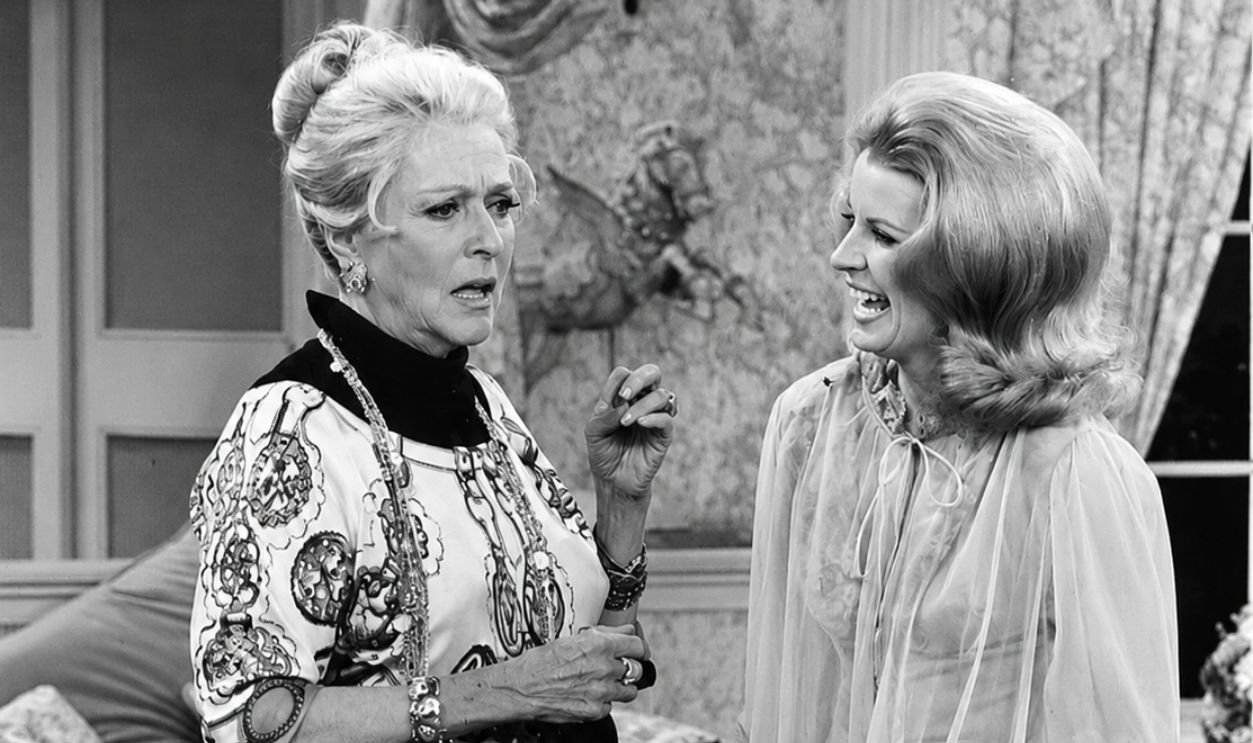 CBS Television, Wikimedia Commons
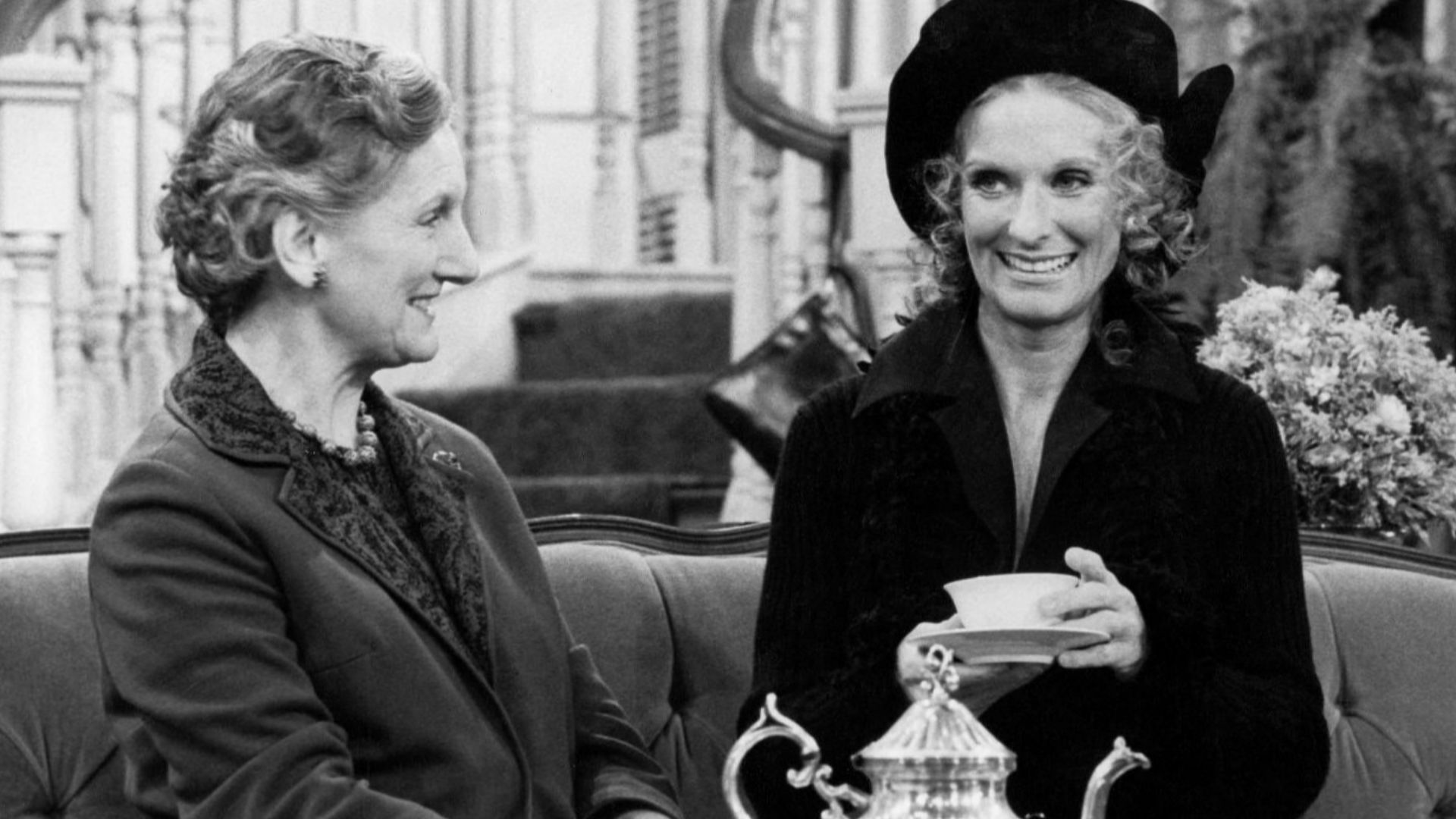
Phyllis (1975–1977)
Getting a spin-off from The Mary Tyler Moore Show was a little like getting a spin-off from Friends in the 90s. Expectations were extremely high. Cloris Leachman was talented enough to carry her own series, and she did exactly that. Unfortunately, the show has spent decades living in the shadow of its much more famous parent series.
 CBS Television, Wikimedia Commons
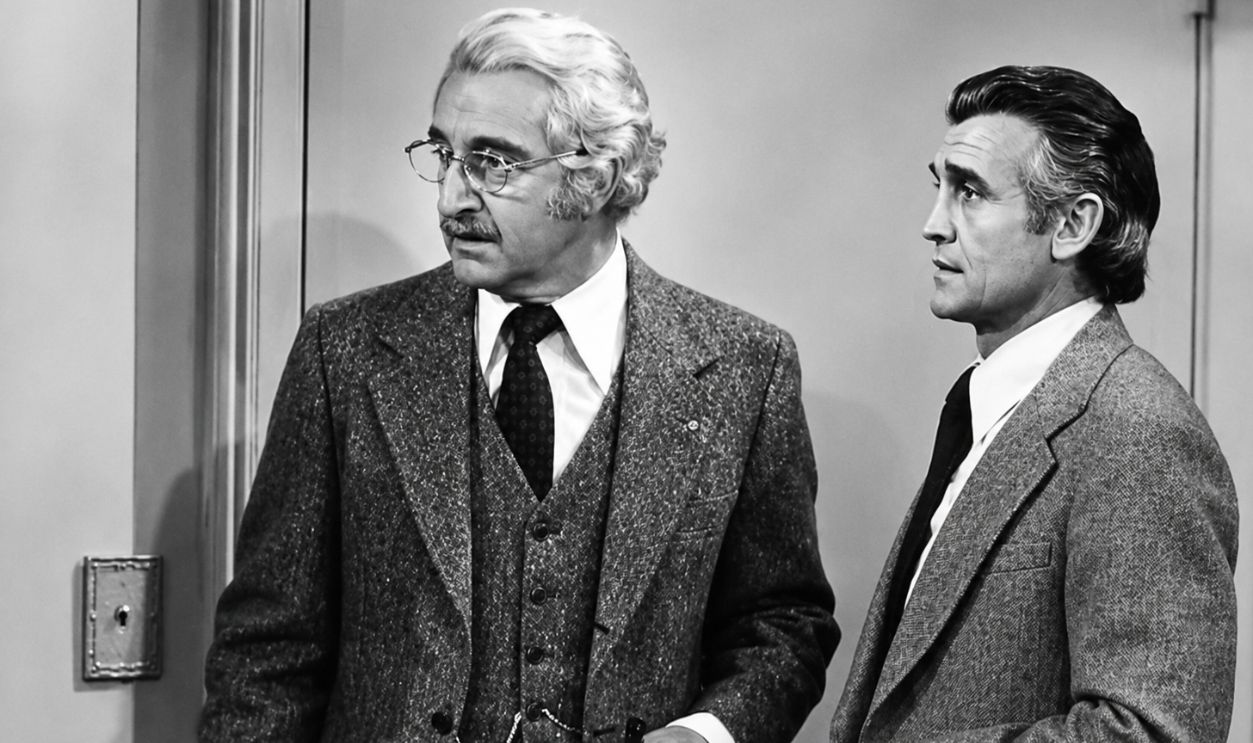
The Practice (1976–1977)
Not the legal drama. Not the Emmy-winning legal drama. A completely different show. This sitcom followed doctors working in a small medical practice and starred Danny Thomas. It had respectable ratings and decent reviews. Unfortunately, sharing a title with a much more famous series didn't exactly help its long-term legacy.
 Screenshot from The Practice, MGM Television (1976–1977)
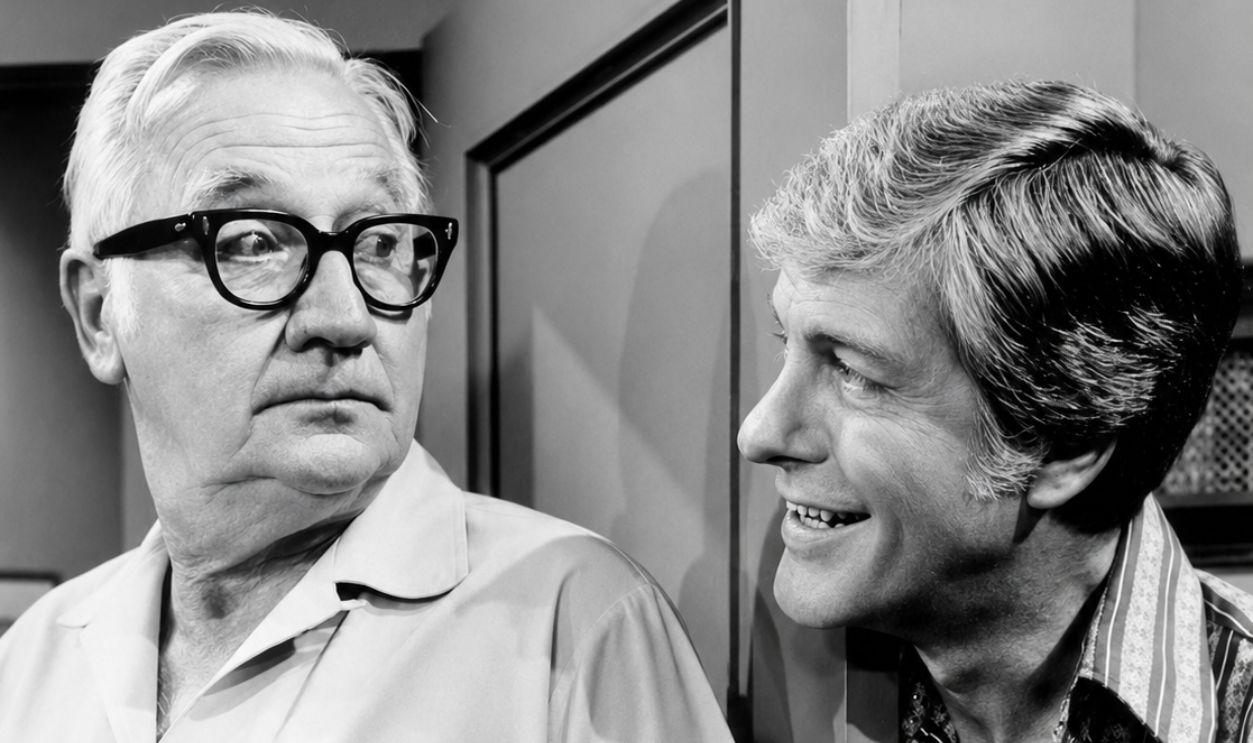
The New Dick Van Dyke Show (1971–1974)
Following one of the greatest sitcoms ever made is a bit like being the band that follows The Beatles on stage. Dick Van Dyke gave it his best shot and produced a perfectly respectable sitcom. The problem was that audiences couldn't stop comparing it to his earlier masterpiece. Few shows have ever suffered from such unfair competition.
 CBS Television, Wikimedia Commons
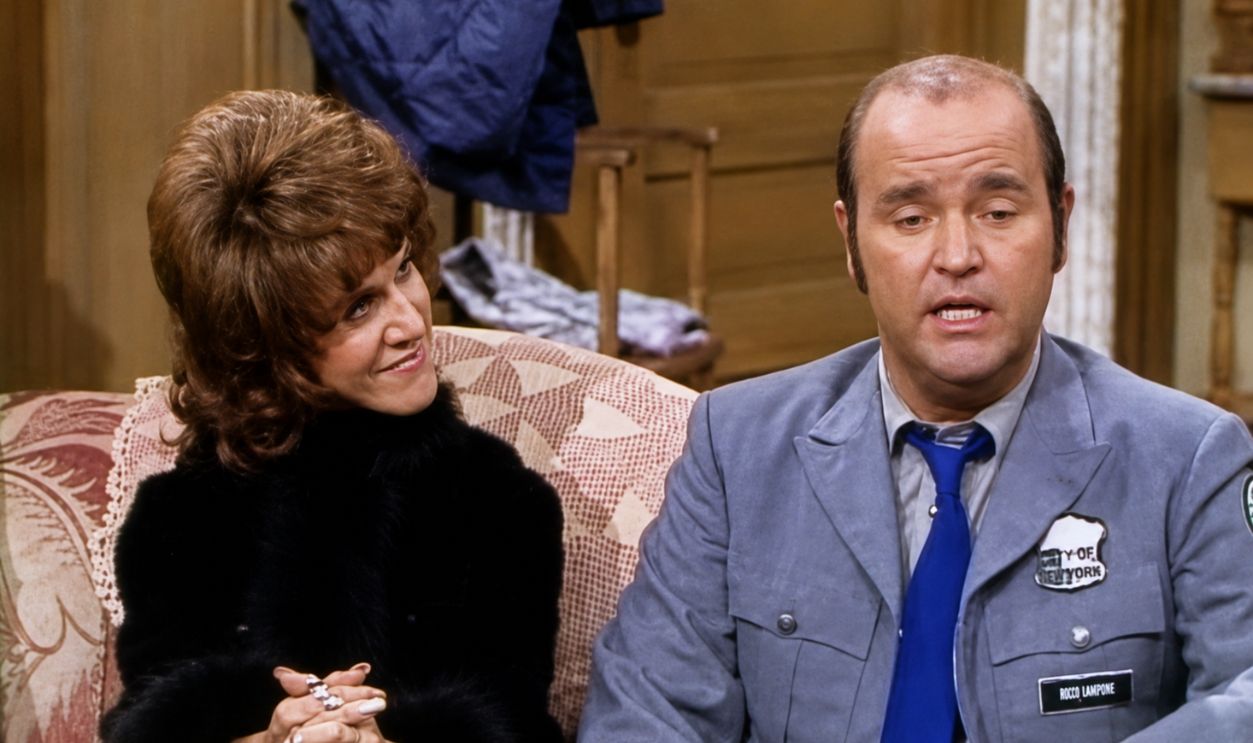
Lotsa Luck! (1973–1974)
Dom DeLuise played a bachelor still living with his parents and slowly losing his mind because of it. If that sounds relatable, you're probably not alone. DeLuise's natural comedic energy carried the show, and many viewers still remember him fondly. The series itself, however, has become one of those sitcoms people vaguely recall but rarely revisit.
 Screenshot from Lotsa Luck!, NBC (1973–1974)
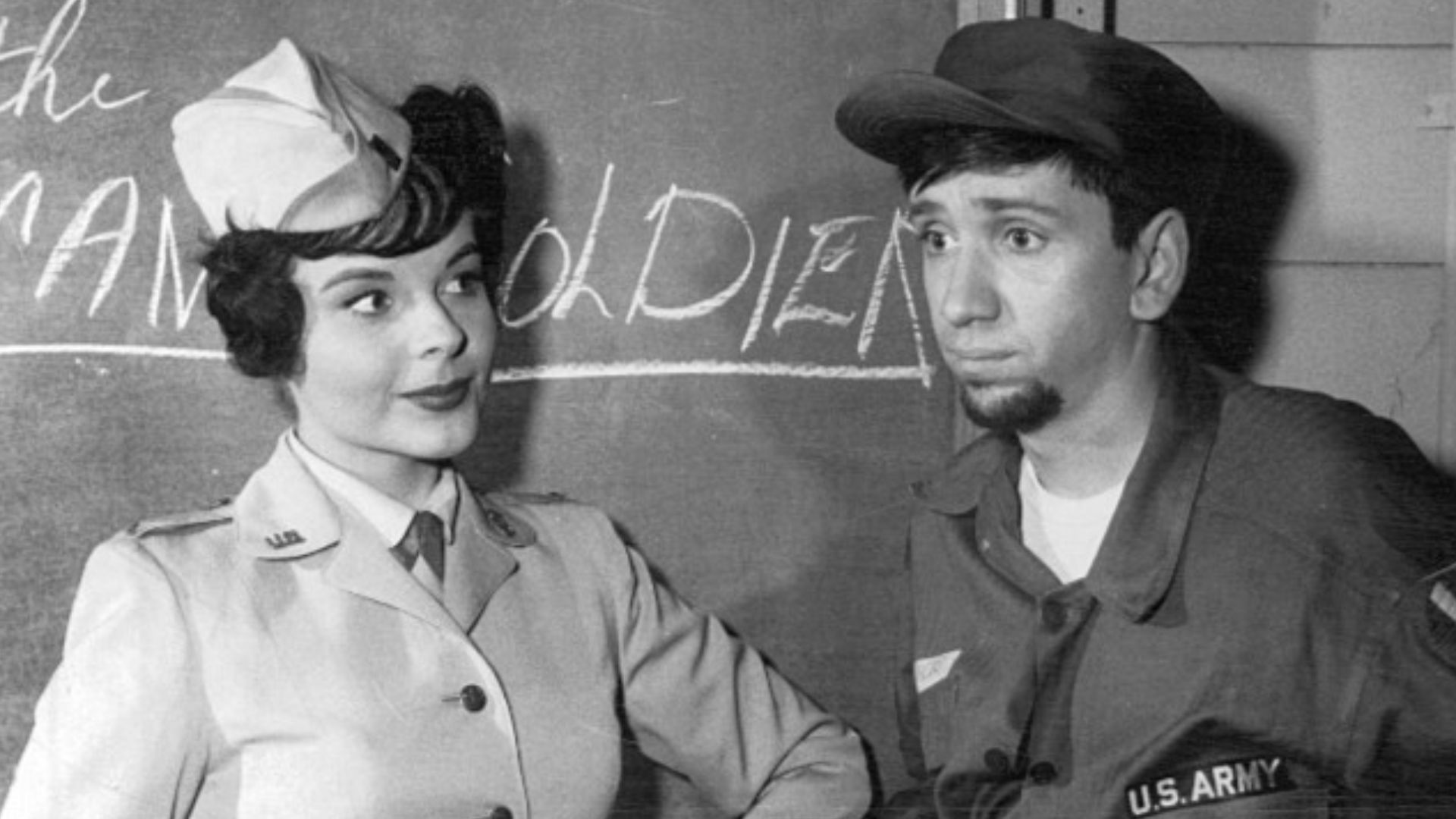
The Many Loves Of Dobie Gillis (1959–1963)
This one technically started in the 50s but was far too influential to ignore. The series followed teenager Dobie Gillis as he chased popularity, girls, and usually disappointment. It helped launch Bob Denver before Gilligan's Island and influenced countless sitcoms that followed. Yet despite its importance, it's nowhere near as famous as many shows it inspired.
 CBS Television, Wikimedia Commons
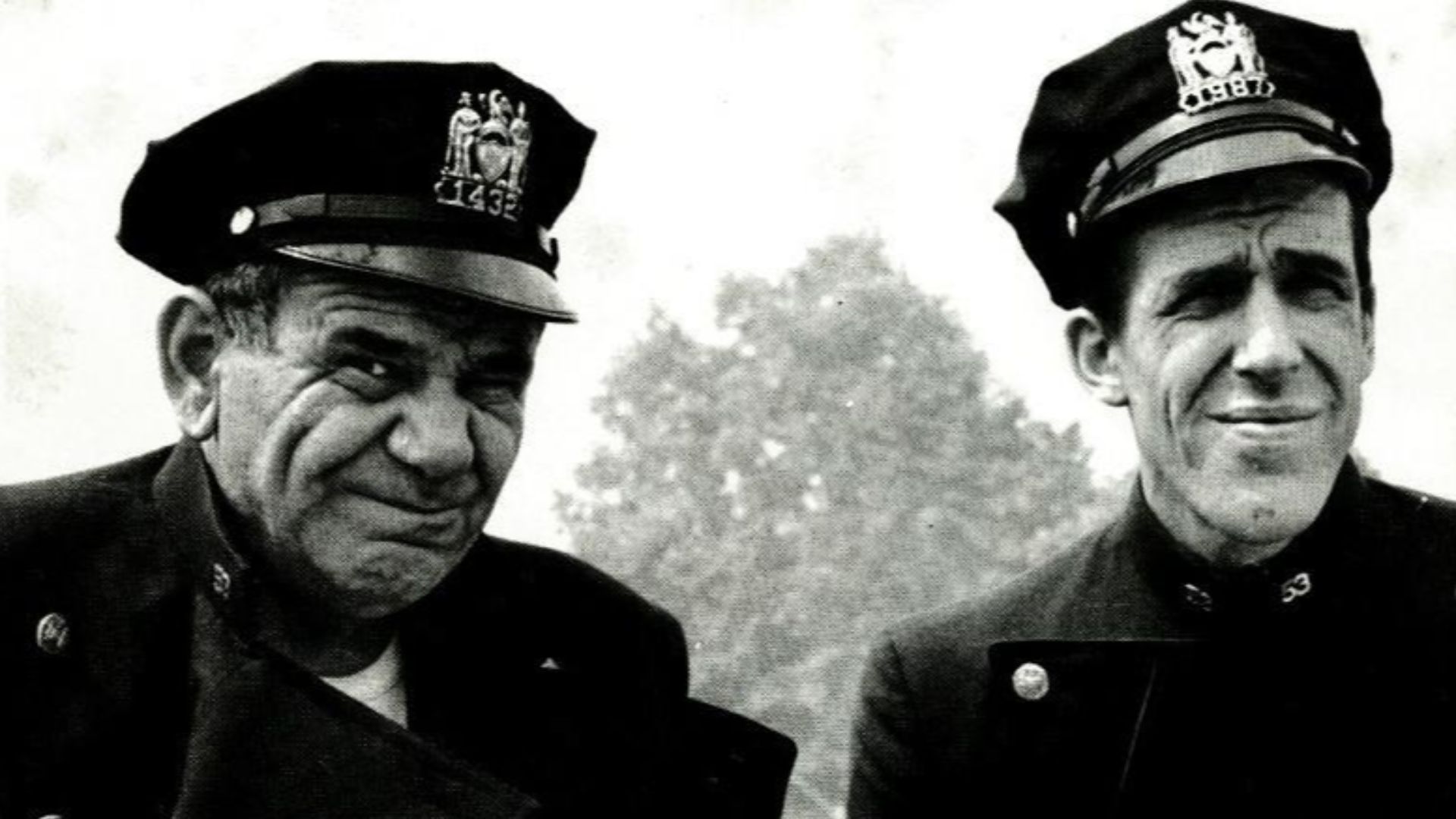
Car 54, Where Are You? (1961–1963)
Long before police dramas became dark and gritty, there was Car 54, Where Are You? Two New York City cops spent their days stumbling from one comic situation to another. The show was funny, successful, and widely loved. Somehow, it has become one of those classic sitcoms that people recognize the title of but remember very little about.
 NBC Television/Moss photo litho, New York, Wikimedia Commons
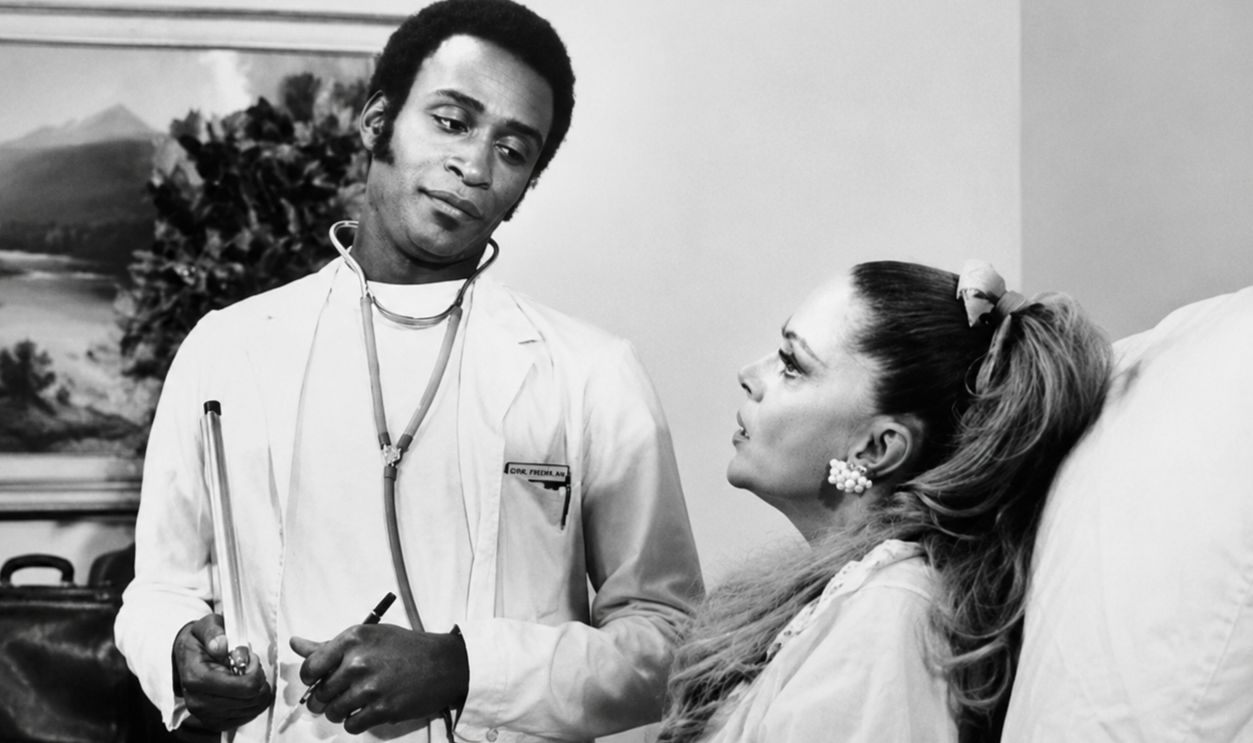
Temperatures Rising (1972–1974)
A hospital sitcom starring Cleavon Little before Blazing Saddles made him a household name should probably be talked about more than it is. The show went through cast changes, title changes, and network tinkering, yet still managed to attract viewers. Today it feels like one of television's best-kept secrets.
 ABC Television, Wikimedia Commons
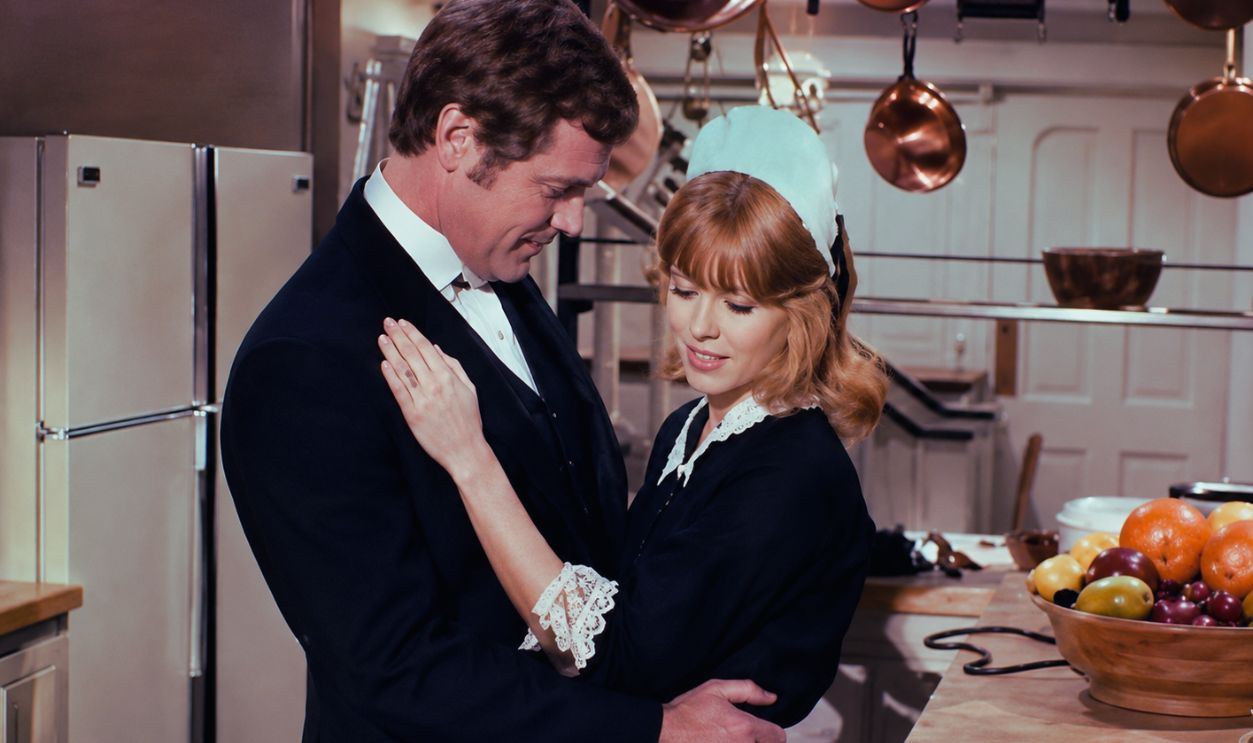
The Good Life (1971–1972)
Before he became J.R. Ewing's television nemesis on Dallas, Larry Hagman starred in this short-lived sitcom about a family adjusting to suburban life. Critics generally liked it. Audiences liked it too. Then television history more or less shrugged and forgot it existed.
 Screenshot from The Good Life, Screen Gems (1971–1972)
The Ugliest Girl In Town (1968–1969)
If you think sitcom premises have become strange lately, allow us to introduce this one. A male actor disguises himself as a woman to land a modeling job. That's the entire premise. Even by late-60s television standards, it was unusual. The fact that it lasted an entire season is honestly impressive.
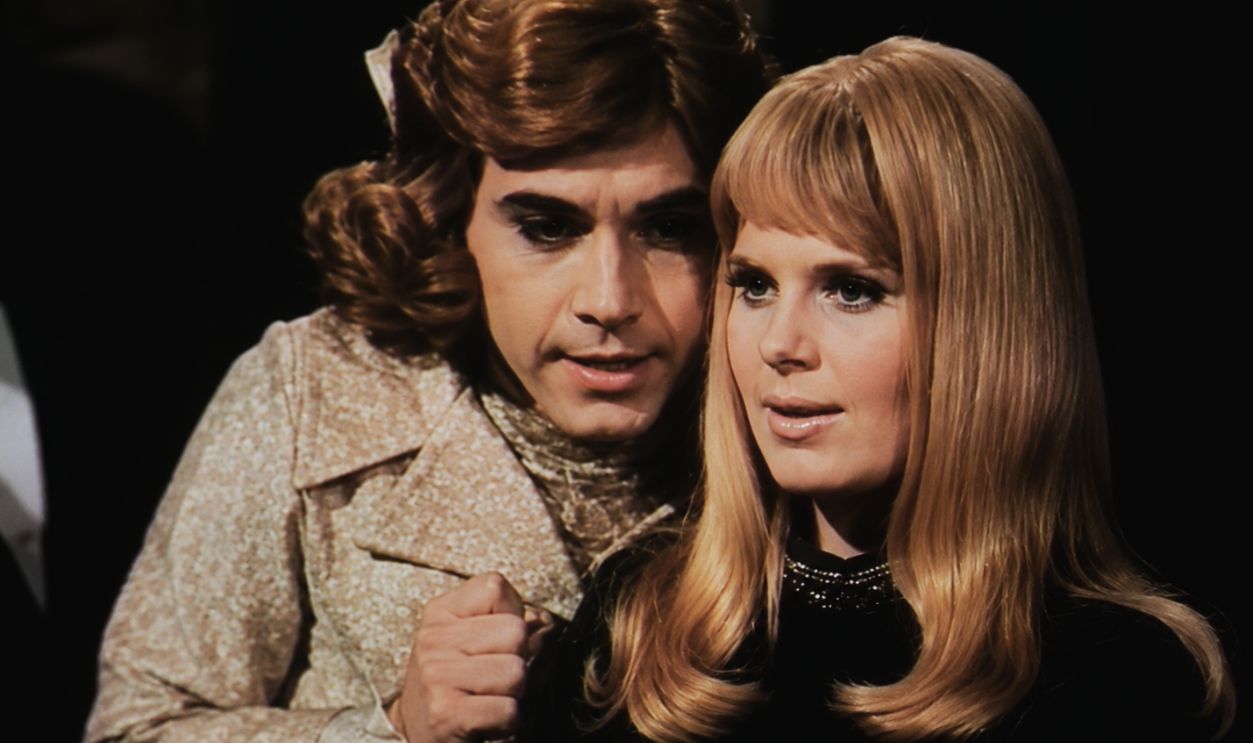 Screenshot from The Ugliest Girl In Town, Screen Gems (1968–1969)
The Tony Randall Show (1976–1978)
Leaving The Odd Couple behind couldn't have been easy, but Tony Randall managed to build another successful sitcom around his talents. This time he played a judge dealing with unusual cases and an equally unusual family life. It never reached the heights of The Odd Couple, but very few sitcoms ever have.
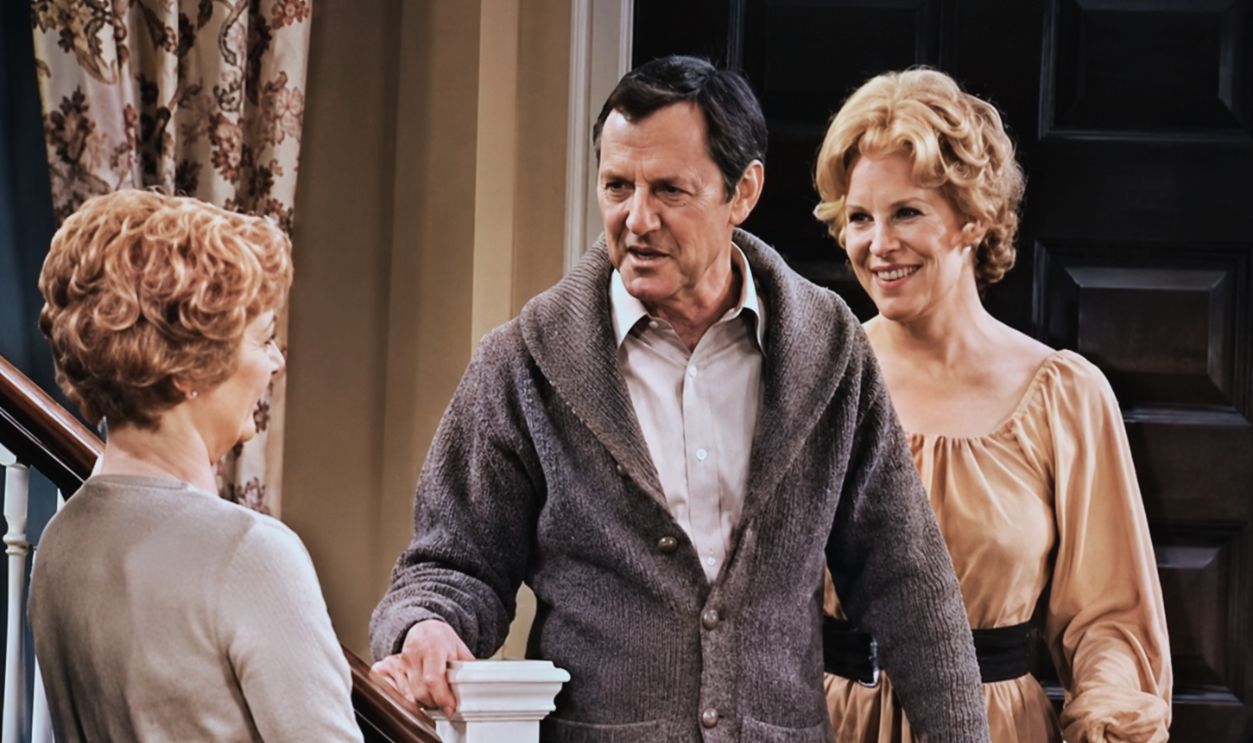 Screenshot from The Tony Randall Show, 20th Century Fox Television (1976–1978)
Carter Country (1977–1979)
Set in a small Georgia town, this comedy focused on a police department led by one of television's first Black police chiefs. The show mixed broad humor with surprisingly progressive themes and earned a loyal following. Today it's mostly remembered by serious television fans and trivia buffs.
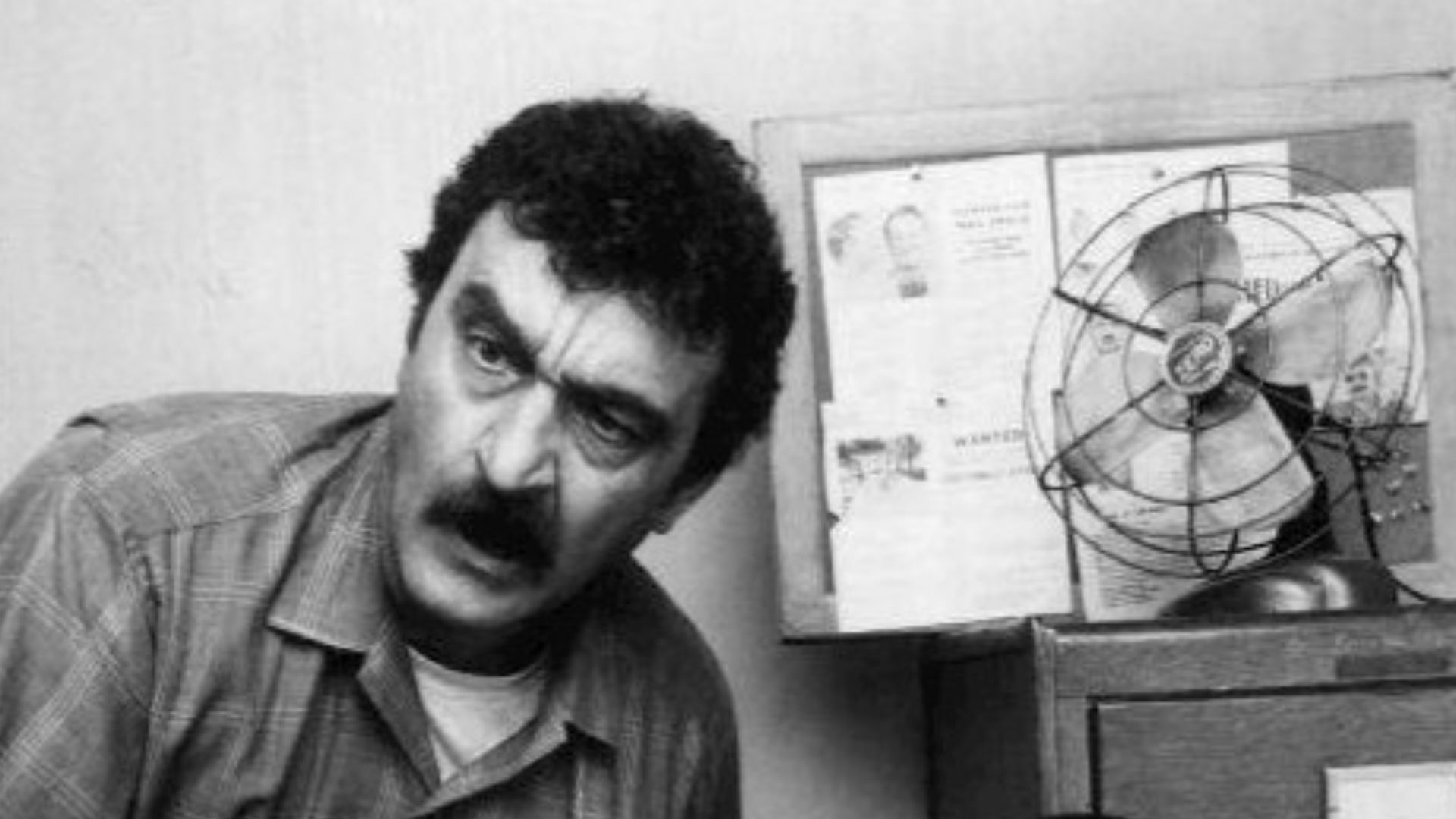 ABC Television, Wikimedia Commons
Angie (1979–1980)
This sitcom became a surprise hit almost immediately. In fact, it cracked the Nielsen Top 10 during its first season. Then, almost as quickly as it arrived, the ratings collapsed and the show disappeared. Television history is full of mysteries. How a Top 10 sitcom became this forgotten might be one of them.
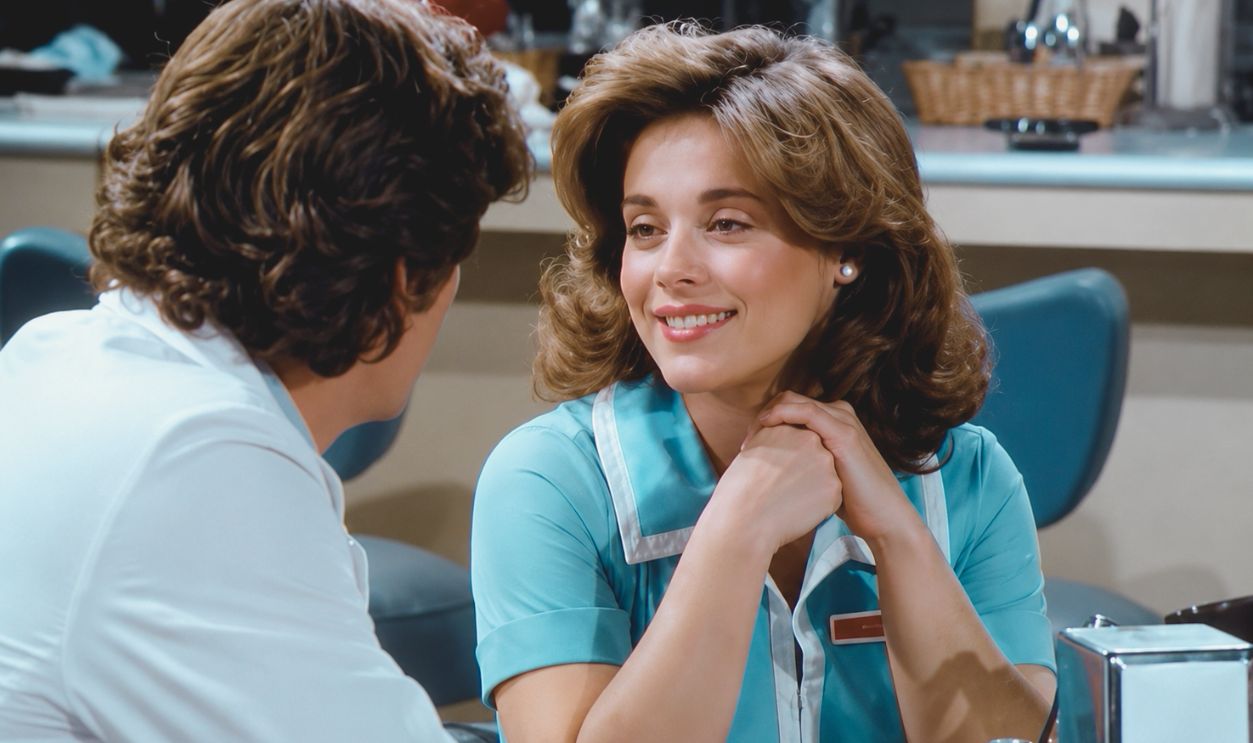 Screenshot from Angie, ABC (1979–1980)
You Might Also Like:
The Groundbreaking Comedy Career Of Flip Wilson
Photos Of Full House's Jodie Sweetin Then And Now To Make Anyone Feel Old
Carol Burnett’s Laughter Hid A Lifetime Of Heartbreak—And She Still Changed Comedy