Hollywood Wanted Her, But There Was A Catch
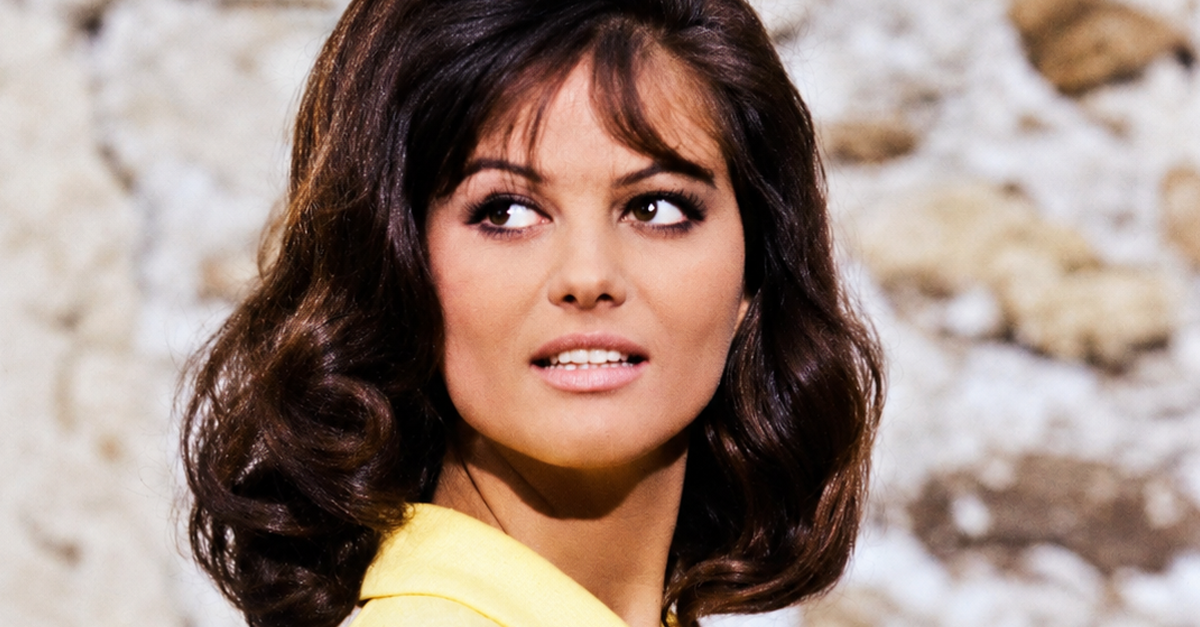
By the early 1960s, Claudia Cardinale was one of Europe's hottest movie stars, and Hollywood wanted in. American studios were eager to cast her, while Universal went further and offered her an exclusive contract. Cardinale said no. She wanted Hollywood roles, but she had no intention of letting an American studio control the rest of her career.
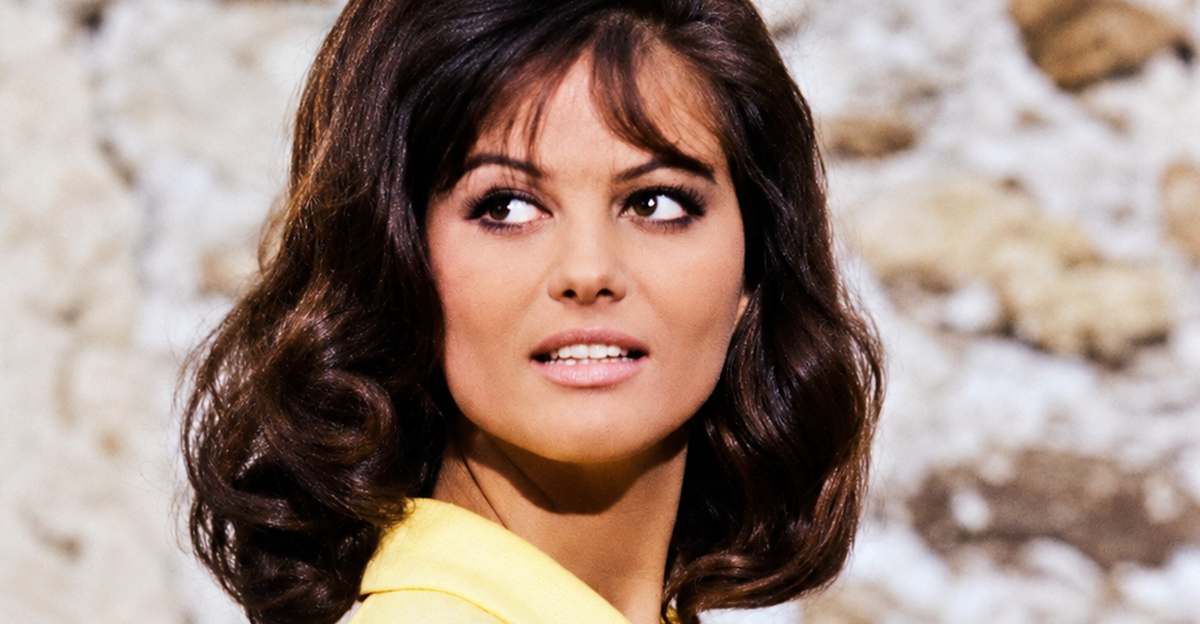 Screenshot from Lost Command, Colombia Pictures (1966)
She Never Planned On Becoming A Movie Star
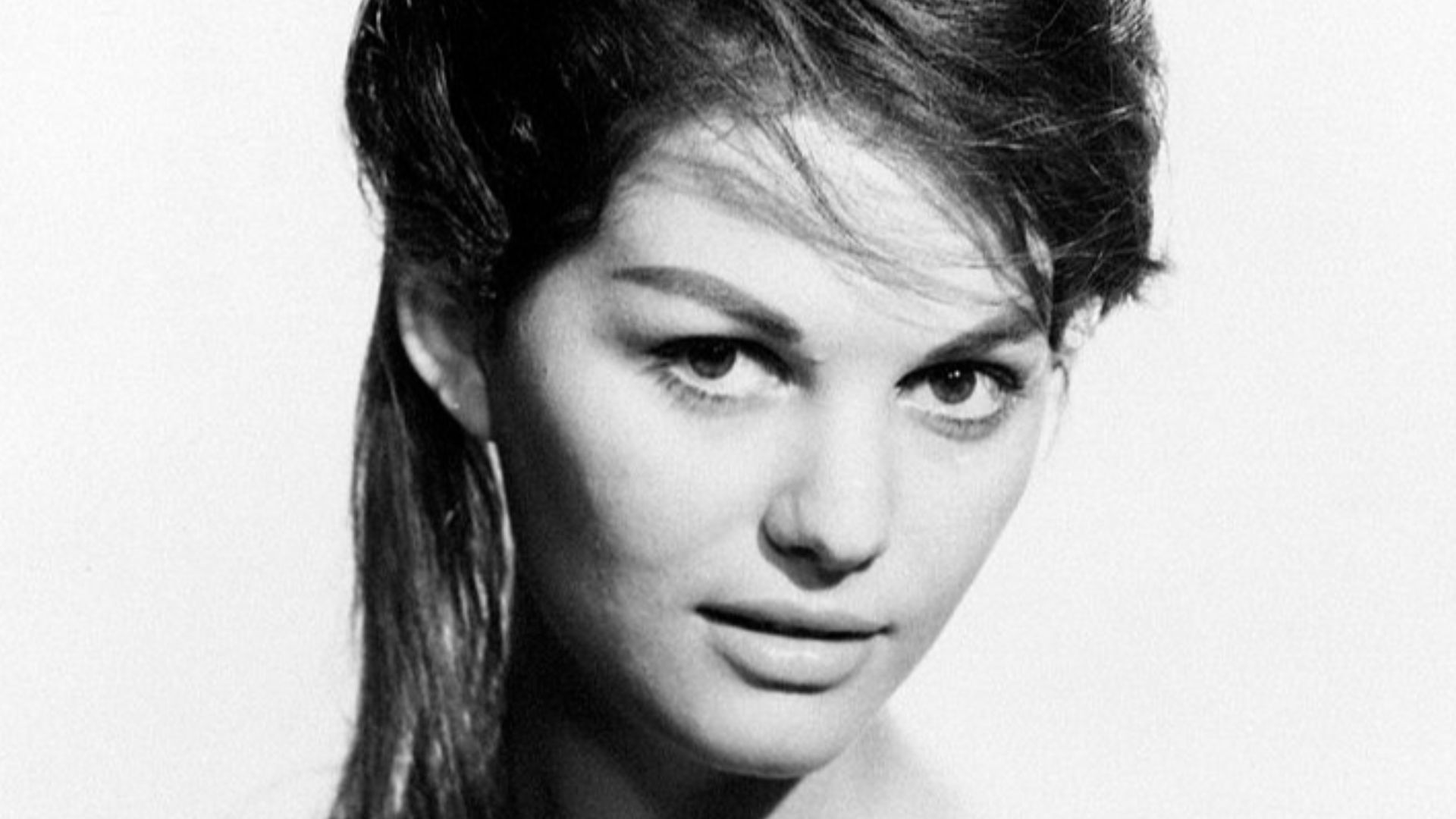
Cardinale was born in La Goulette, Tunisia, in 1938 to a family of Sicilian heritage. Acting was not the future she had imagined. Her life changed after she won a beauty contest for Italian women in Tunisia in 1957, with a trip to the Venice Film Festival among the rewards. Once there, people in the movie business quickly noticed her.
 Unknown (Mondadori Publishers), Wikimedia Commons
Her First Reaction Was To Say No
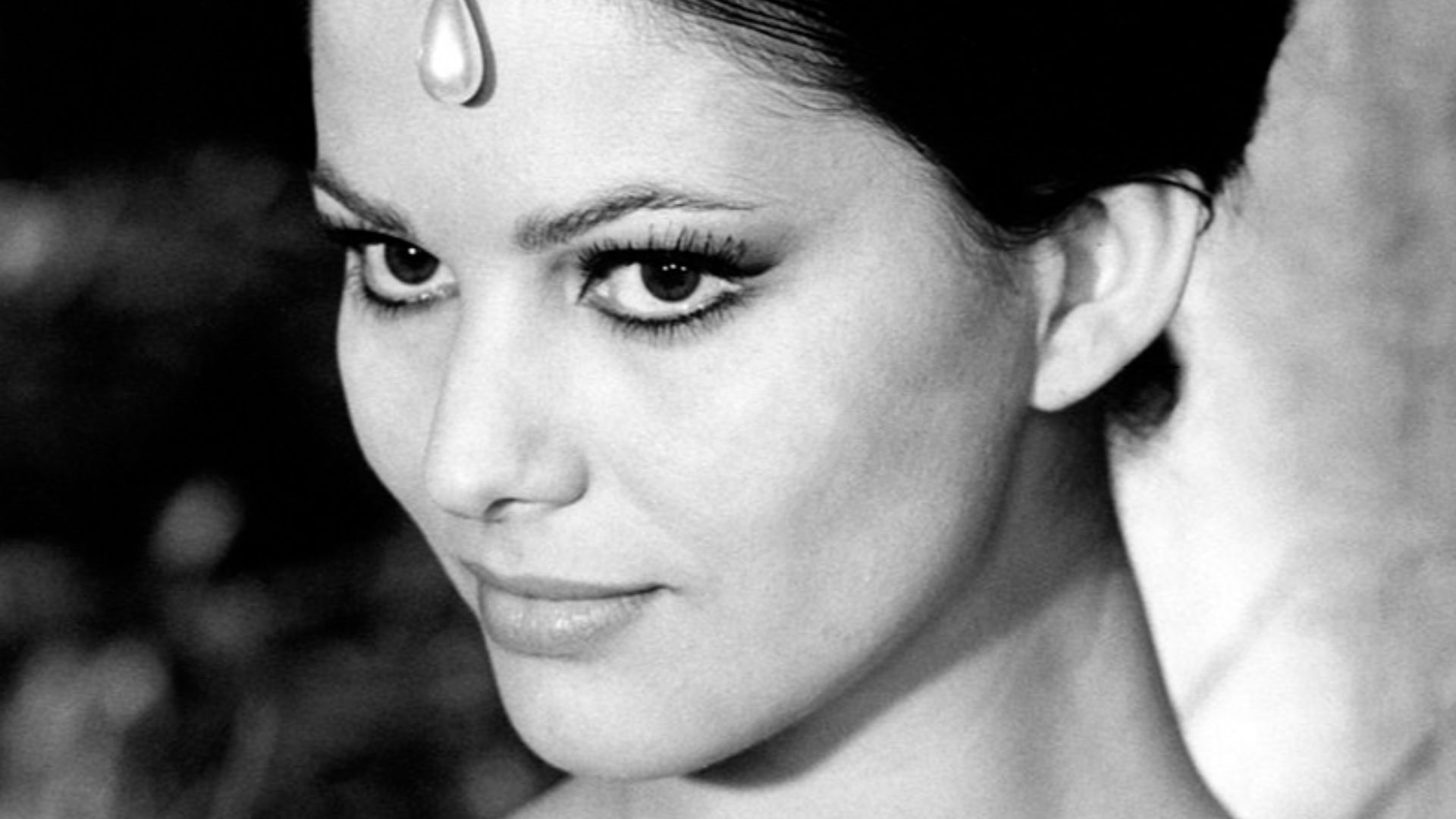
Cardinale did not immediately jump at the offers that followed. She later recalled rejecting early approaches and returning home while filmmakers and producers continued trying to persuade her. Her reluctance only seemed to make the industry more interested. Before she had even built a career, Cardinale was proving difficult to pressure.
 Unknown (Mondadori Publishers), Wikimedia Commons
Franco Cristaldi Put Her Under Contract
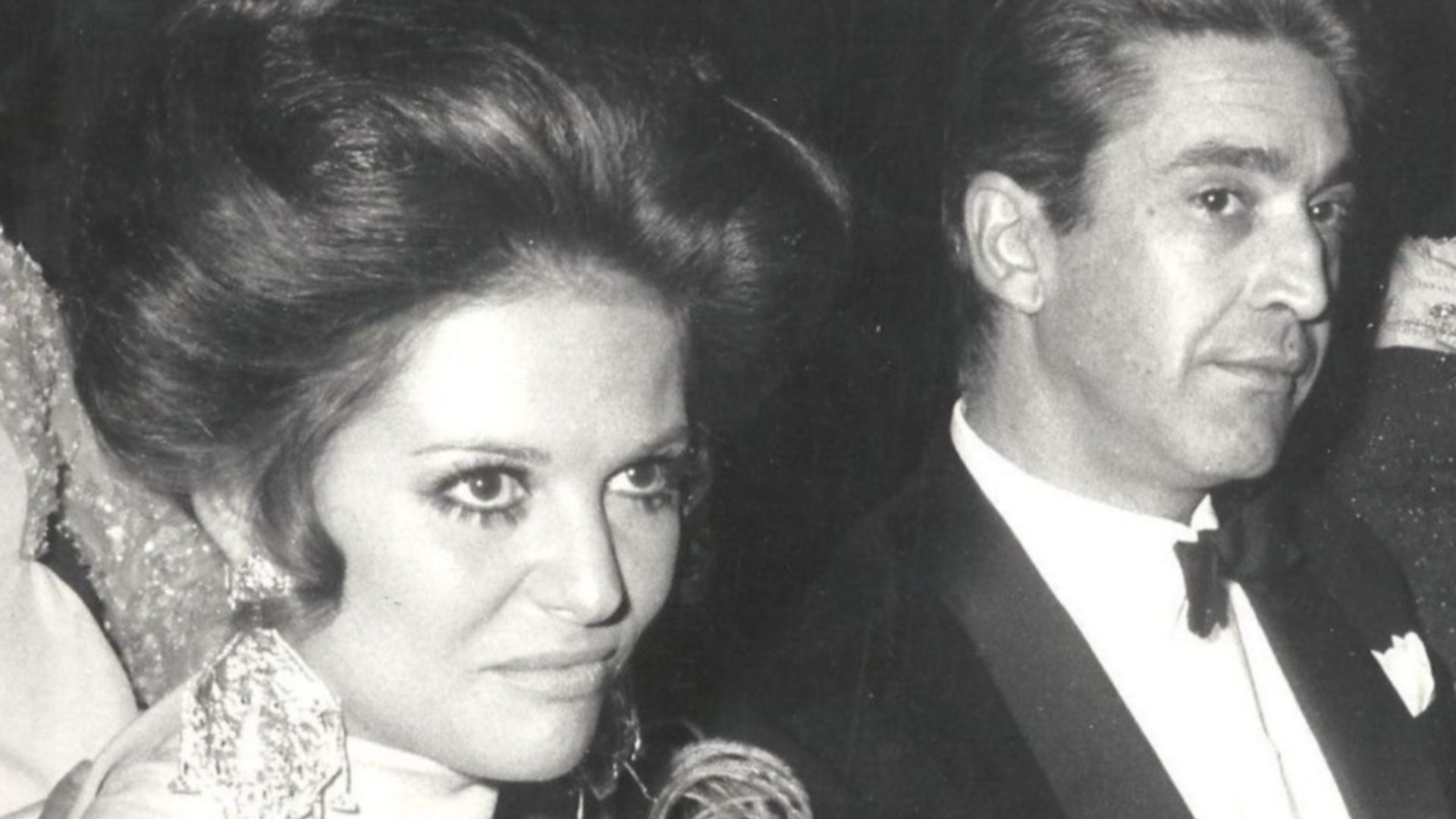
Producer Franco Cristaldi became one of the key figures behind Cardinale's early career. His company, Vides, placed her under a long-term exclusive agreement and helped turn her into a major Italian star. It brought her enormous opportunities. It also introduced her to a level of professional control she would later resent.
 Unknown photographer, Wikimedia Commons
The Contract Controlled More Than Her Movies
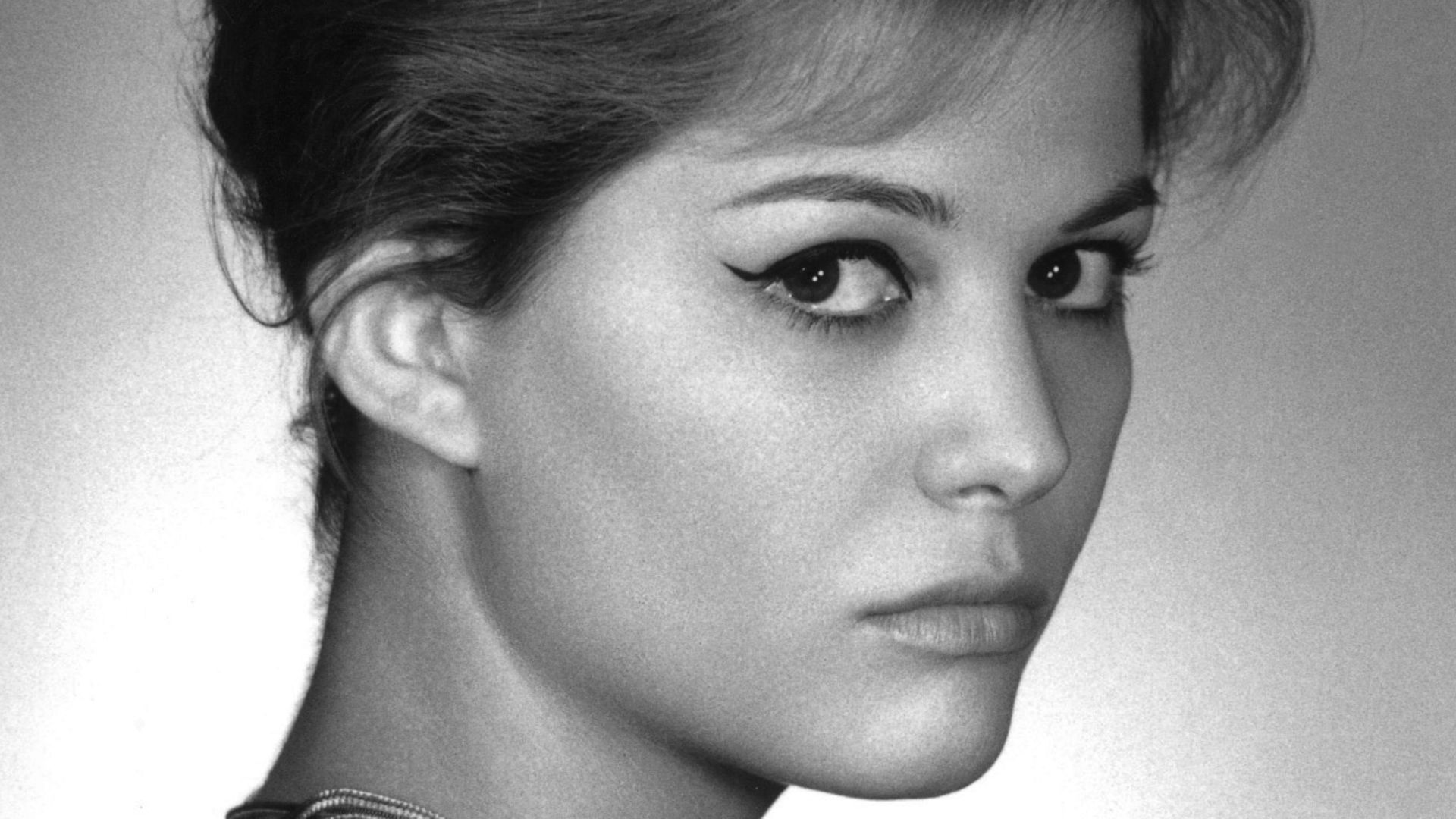
Cardinale later described the Vides arrangement as remarkably restrictive. Her appearance, including her hairstyle and weight, could be subject to contractual expectations. She was paid a monthly salary rather than negotiating each movie independently. Years later, she remembered much of her professional life being managed for her.
 Unknown authorUnknown author, Wikimedia Commons
She Was Protecting A Painful Secret
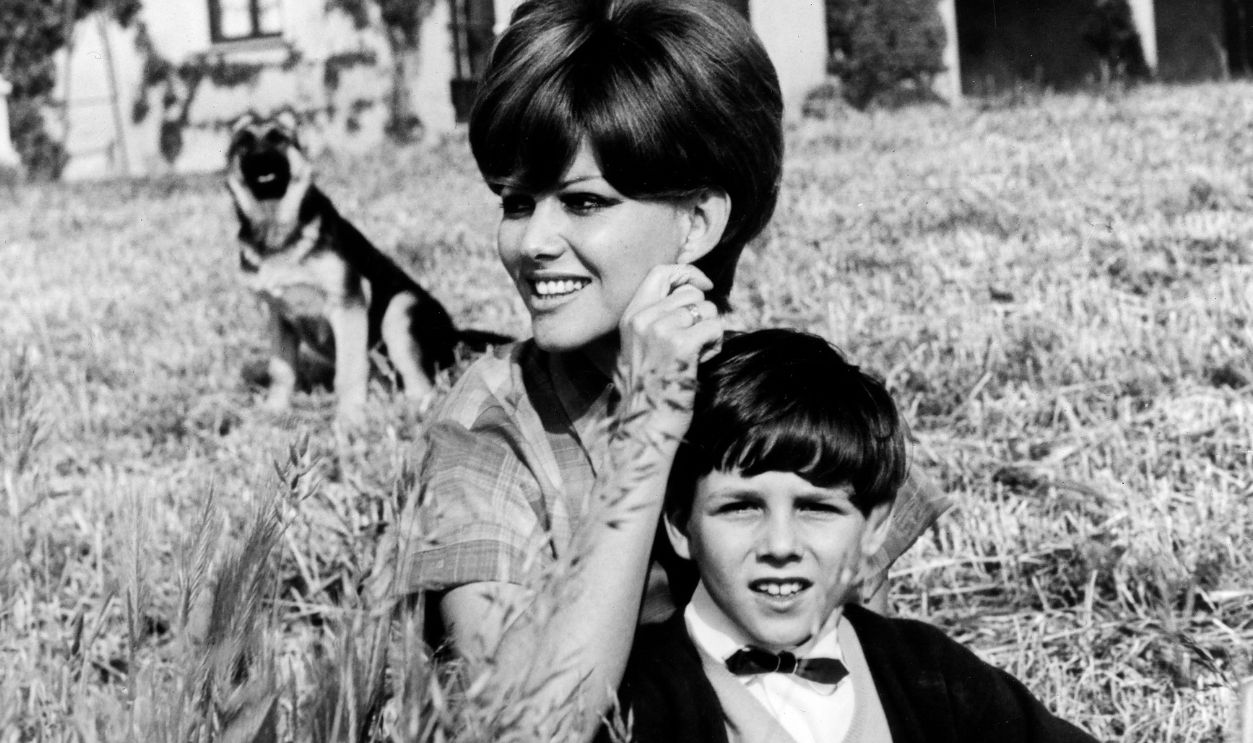
Early in her career, Cardinale was also dealing with an intensely private situation. She became pregnant while very young after what she later described as a traumatic assault and gave birth to her son, Patrick. As her career developed, Patrick was initially presented publicly as her younger brother. Cardinale eventually spoke openly about that difficult period.
 ullstein bild Dtl., Getty Images
Stardom Arrived Remarkably Fast
Cardinale appeared in Mario Monicelli's acclaimed 1958 comedy Big Deal on Madonna Street, which helped raise her profile in Italy. She soon worked with major directors in films including The Facts of Murder and Rocco and His Brothers. Within a few years, she had gone from reluctant newcomer to serious screen presence. Europe was beginning to see her as more than another beautiful face.
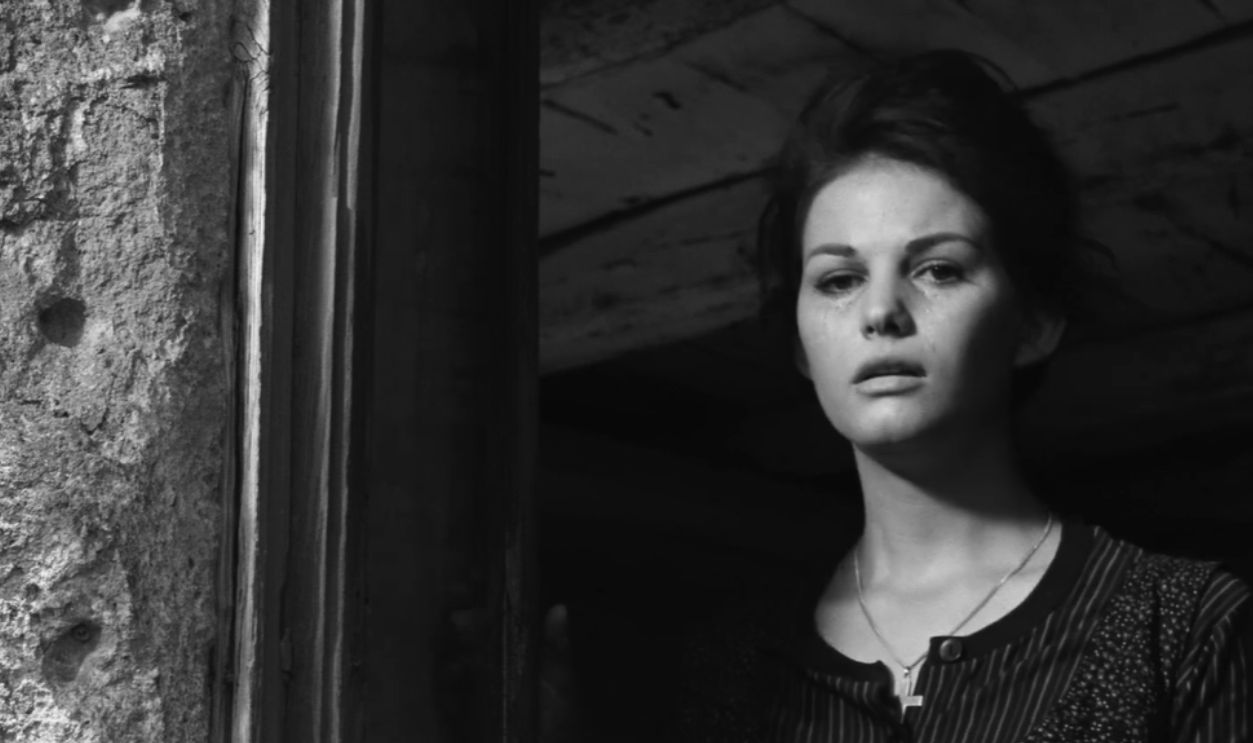 Screenshot from The Facts of Murder, Radiance Films (1959)
Even Her Famous Voice Was Initially Hidden
Cardinale grew up speaking French, Arabic, and Sicilian, and Italian was not originally her strongest language. Her deep, husky voice also differed from the image filmmakers initially wanted to create around her. Some early performances were therefore dubbed by other actresses. Eventually, that distinctive voice became one of her trademarks.
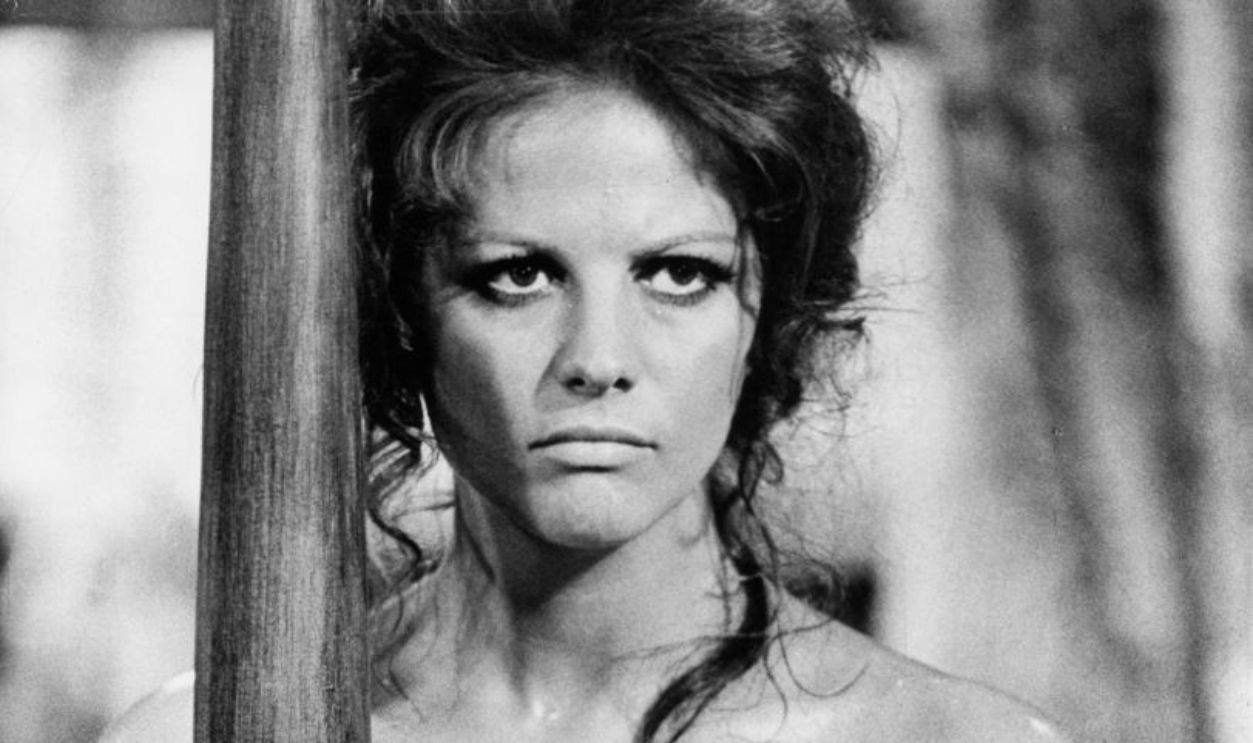
Girl With A Suitcase Proved What She Could Do
Valerio Zurlini gave Cardinale one of her breakthrough dramatic roles in 1961's Girl with a Suitcase. She played Aida, a young woman abandoned by a wealthy lover who develops a bond with his teenage brother. The role allowed Cardinale to carry a complicated story rather than simply provide glamour. It helped prove that her growing fame was backed by real acting ability.
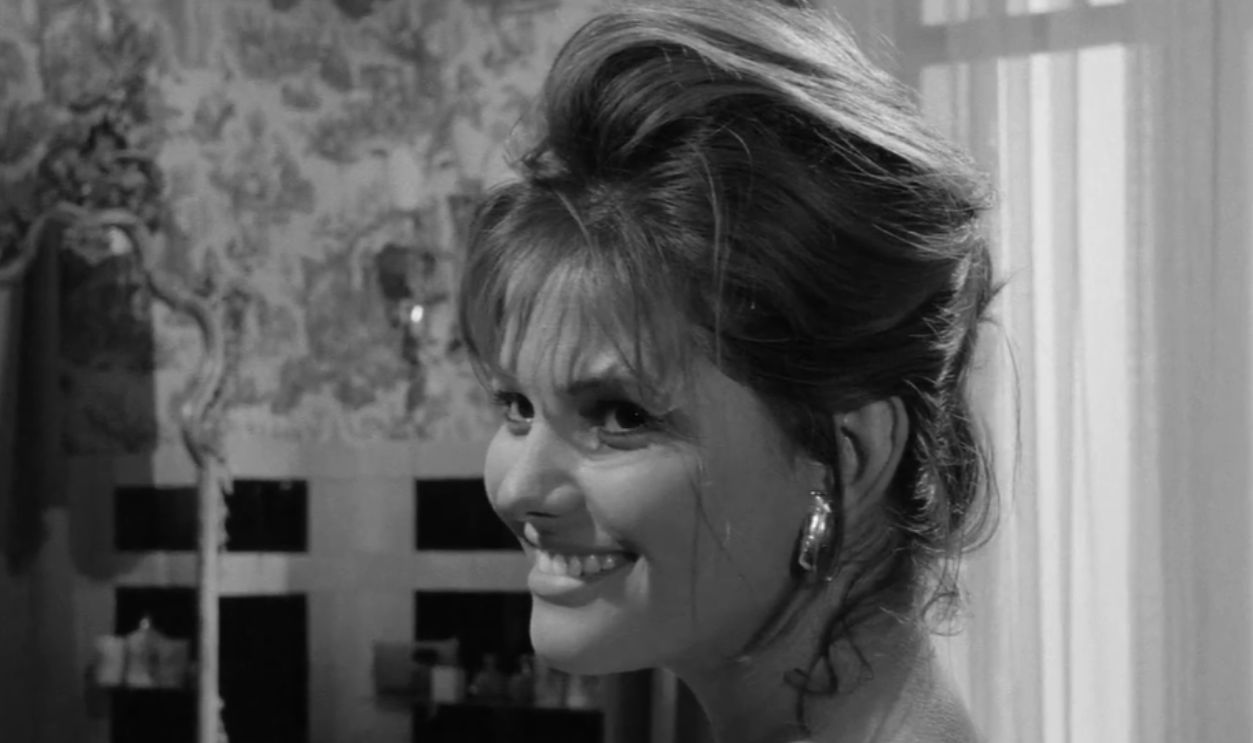 Screenshot from Girl With a Suitcase, Radiance Films (1961)
Then Came An Extraordinary Year
Cardinale's career reached another level in 1963. She appeared in Federico Fellini's 8½ while also starring in Luchino Visconti's The Leopard. Both films would become landmarks of European cinema. Few actresses could have asked for two more prestigious productions at the same moment.
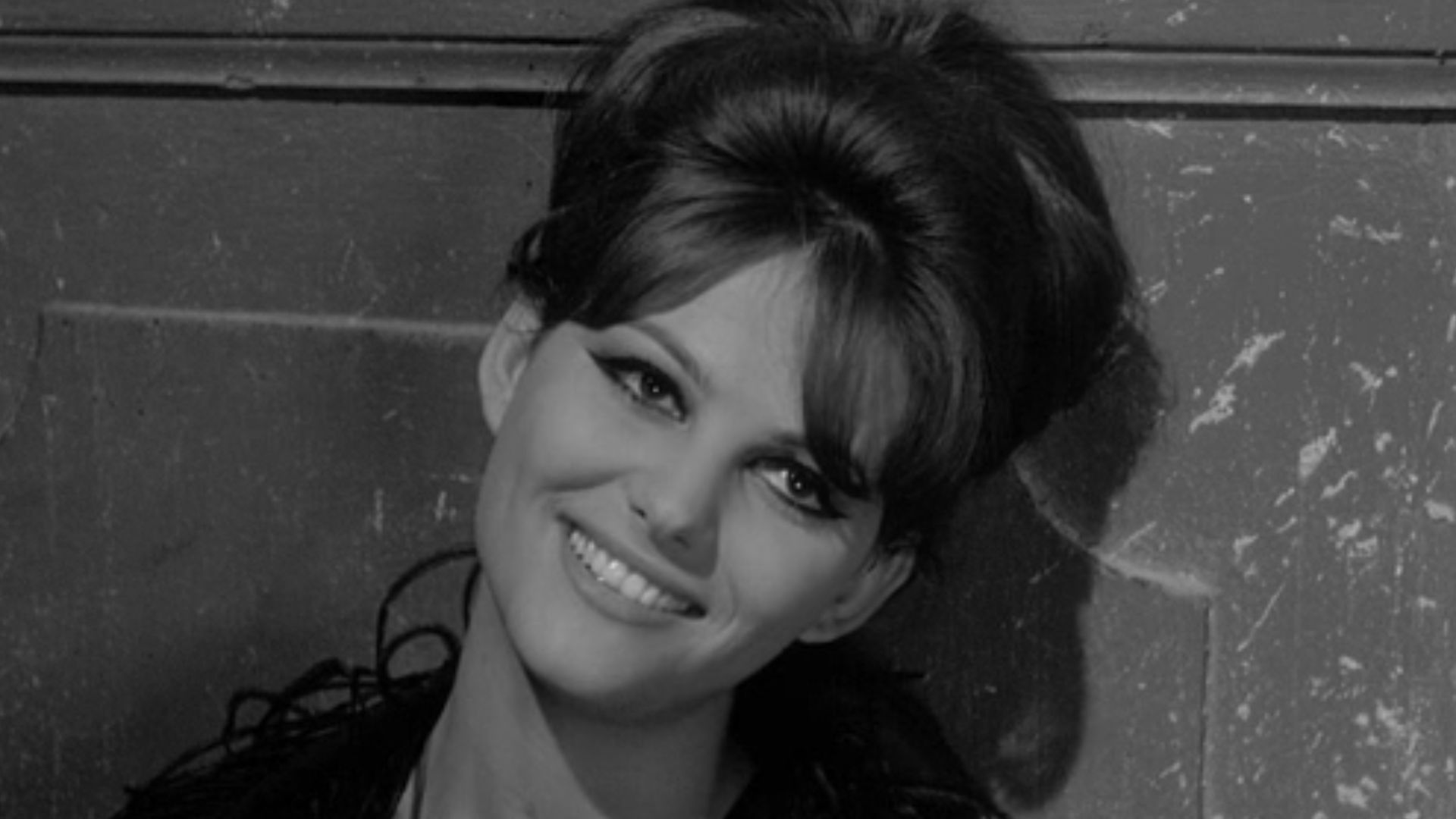 Gawain78 at the Italian Wikipedia project., Wikimedia Commons
She Was Running Between Two Very Different Directors
Making the films simultaneously meant moving between two very different working environments. Cardinale remembered Visconti as disciplined and precise, while Fellini encouraged a much more spontaneous atmosphere. She even had to manage different looks for the two productions. Instead of being overwhelmed, she learned how to function in both worlds.
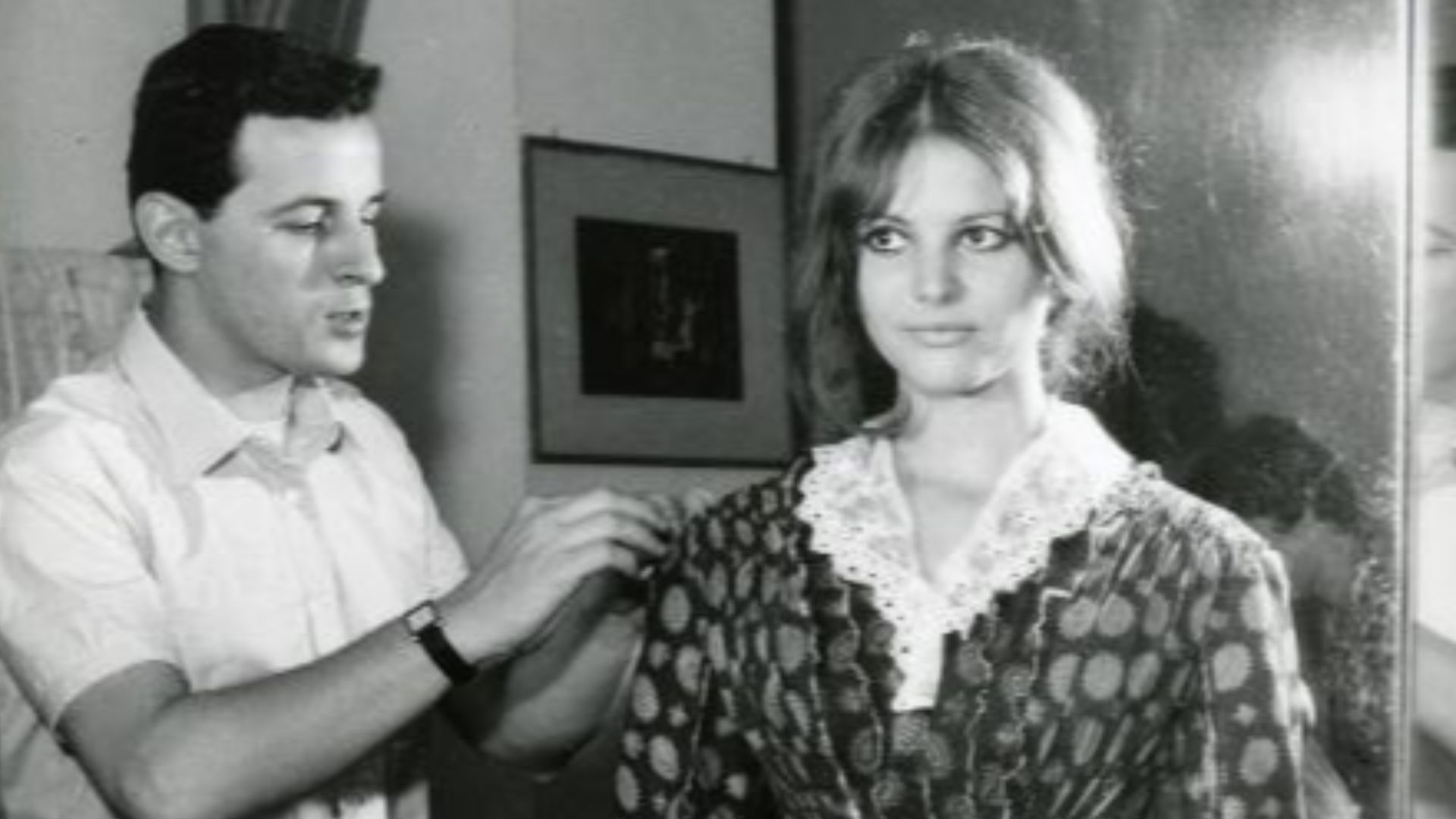 G.B. Poletto, Wikimedia Commons
The Leopard Put Her At The Center Of A Classic
In The Leopard, Cardinale played Angelica Sedara opposite Alain Delon and Burt Lancaster. Visconti's sweeping drama about social change in 19th-century Sicily won the Palme d'Or at Cannes. Cardinale became especially associated with the movie's spectacular ballroom sequence. By then, she was no longer simply an Italian star on the rise.
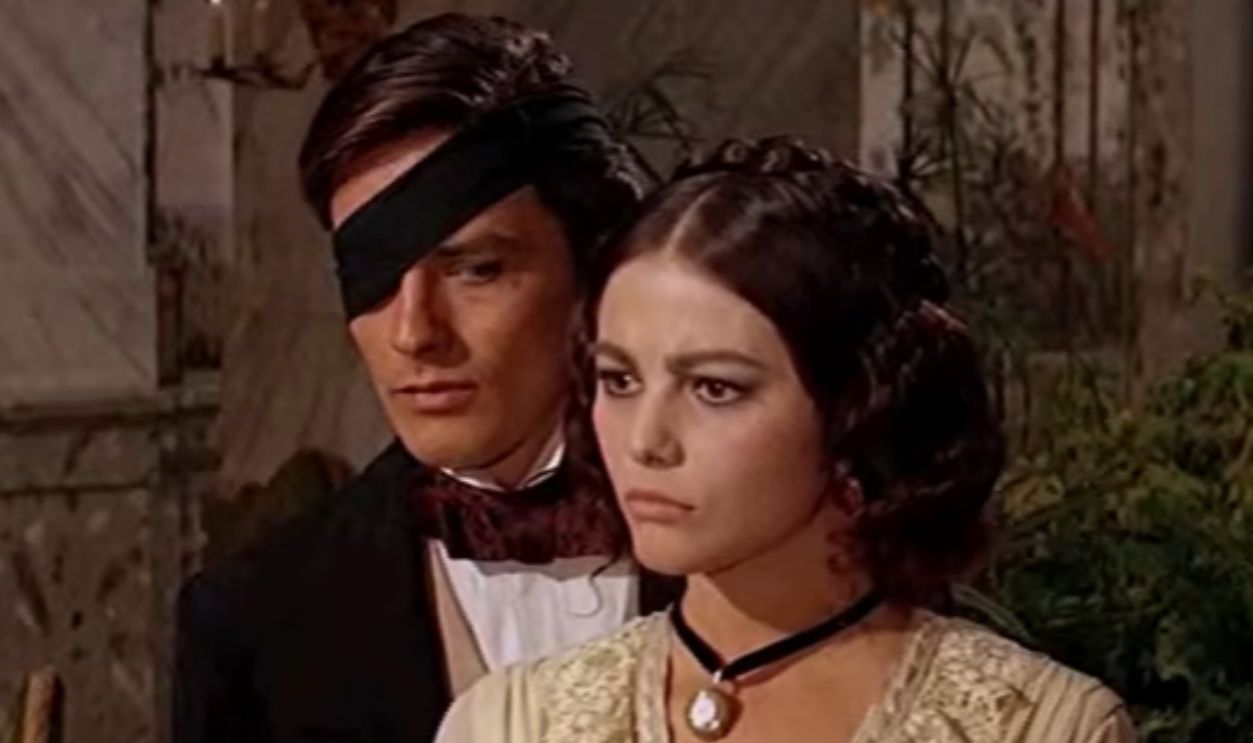 Screenshot from The Leopard, The Walt Disney Company (1963)
Fellini Let Audiences Hear The Real Cardinale
8½ offered Cardinale something earlier filmmakers had often denied her: her own voice. Fellini wanted the distinctive sound previous productions had sometimes replaced through dubbing. Cardinale played an idealized woman within filmmaker Guido Anselmi's increasingly chaotic world. What the industry had once tried to hide was becoming part of her appeal.
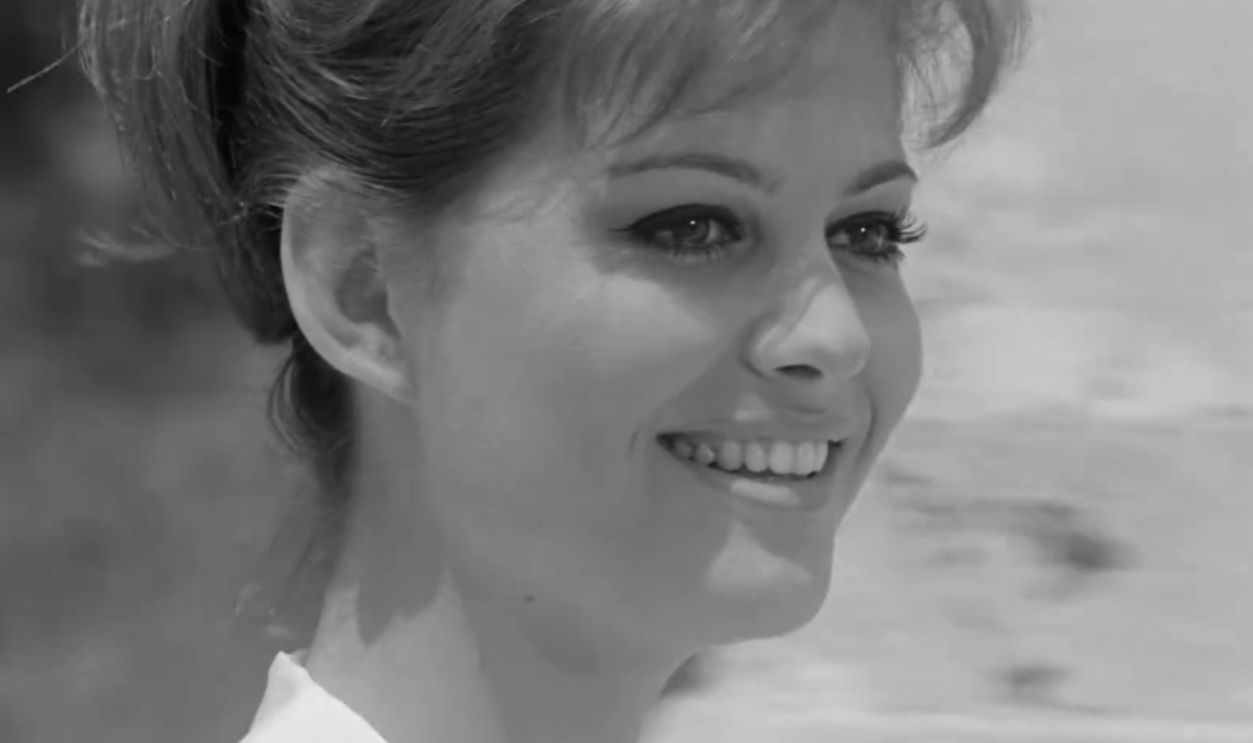 Screenshot from 8½, Janus Films (1963)
The Pink Panther Expanded Her Audience
In 1963, Blake Edwards cast Cardinale as Princess Dala opposite David Niven and Peter Sellers in The Pink Panther. Cardinale later emphasized that the production was largely based in Italy rather than representing her full arrival in Hollywood. Even so, its international success put her in front of a huge English-speaking audience. Hollywood's interest only grew.
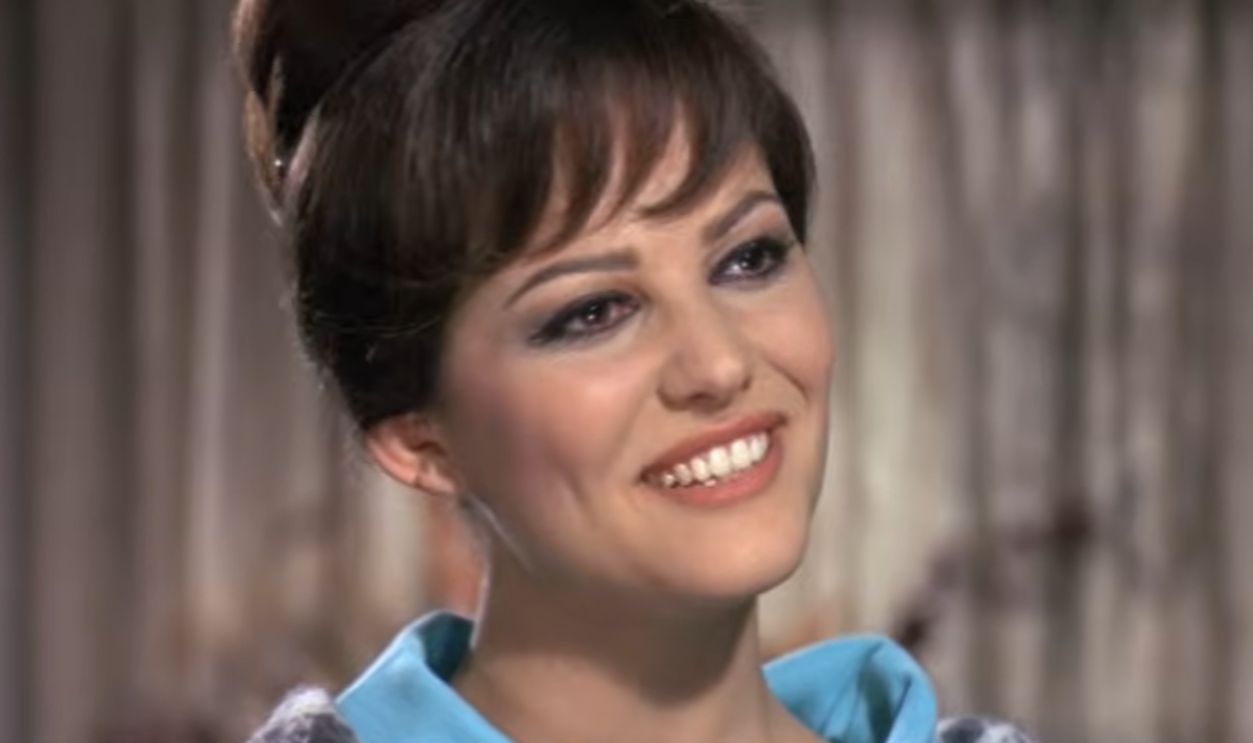 Screenshot from The Pink Panther, Amazon MGM Studios (1963)
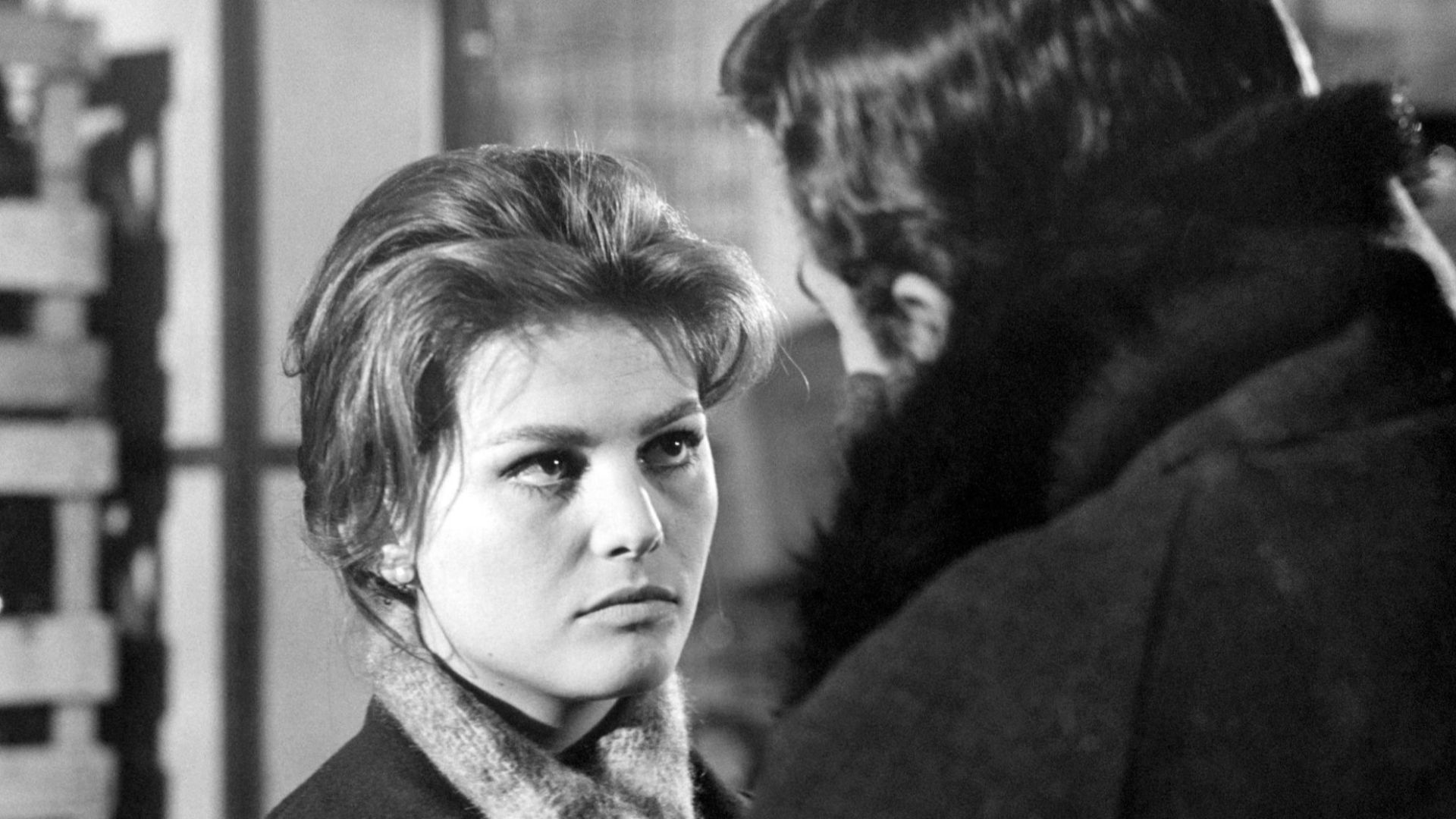
Then Hollywood Came Looking For Her
Cardinale later made an important distinction about her American career. She said she did not move to Hollywood and start chasing roles. Hollywood came to her. At a time when studios often tried to secure successful European actors through exclusive deals, Cardinale suddenly faced a much bigger decision.
 Sunset Boulevard / Corbis Historical, Wikimedia Commons
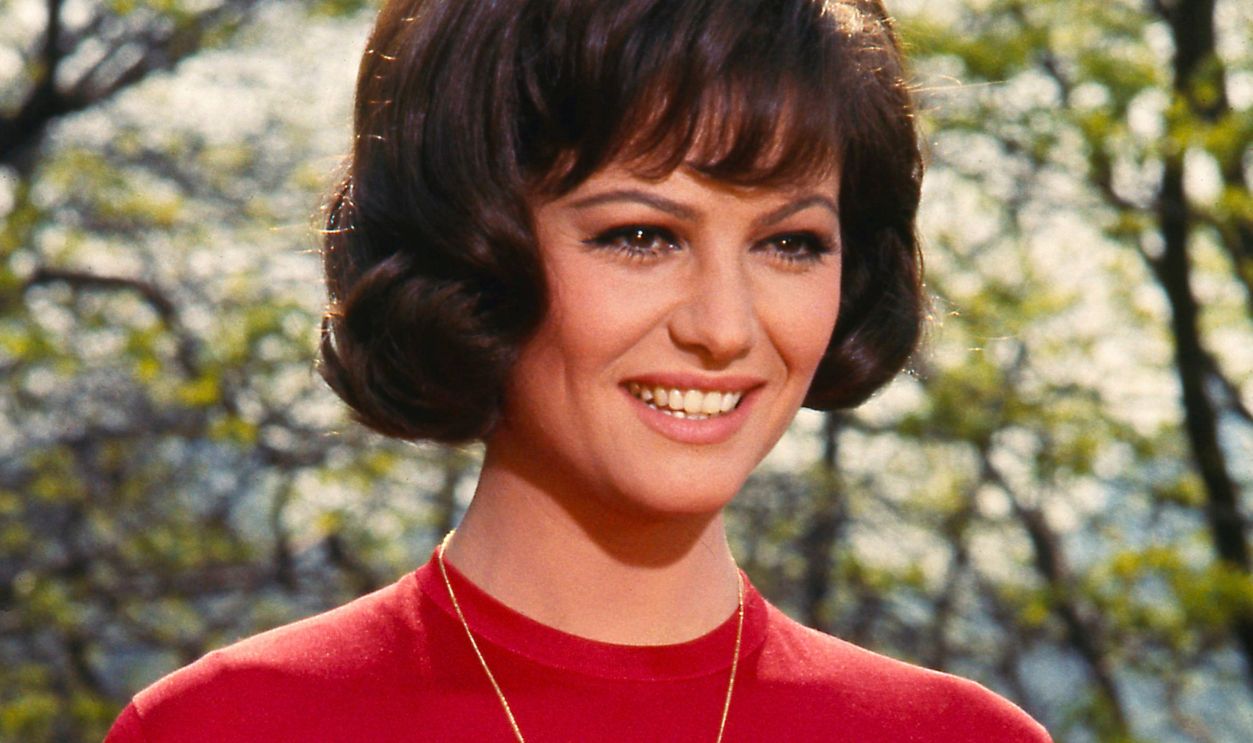
Universal Wanted An Exclusive Deal
Cardinale specifically recalled Universal trying to sign her to an exclusive contract. She refused and insisted on making agreements one film at a time. Having already spent years under a restrictive European contract, she had little interest in repeating the experience. She wanted Hollywood roles without becoming tied to Hollywood.
 Silver Screen Collection, Getty Images
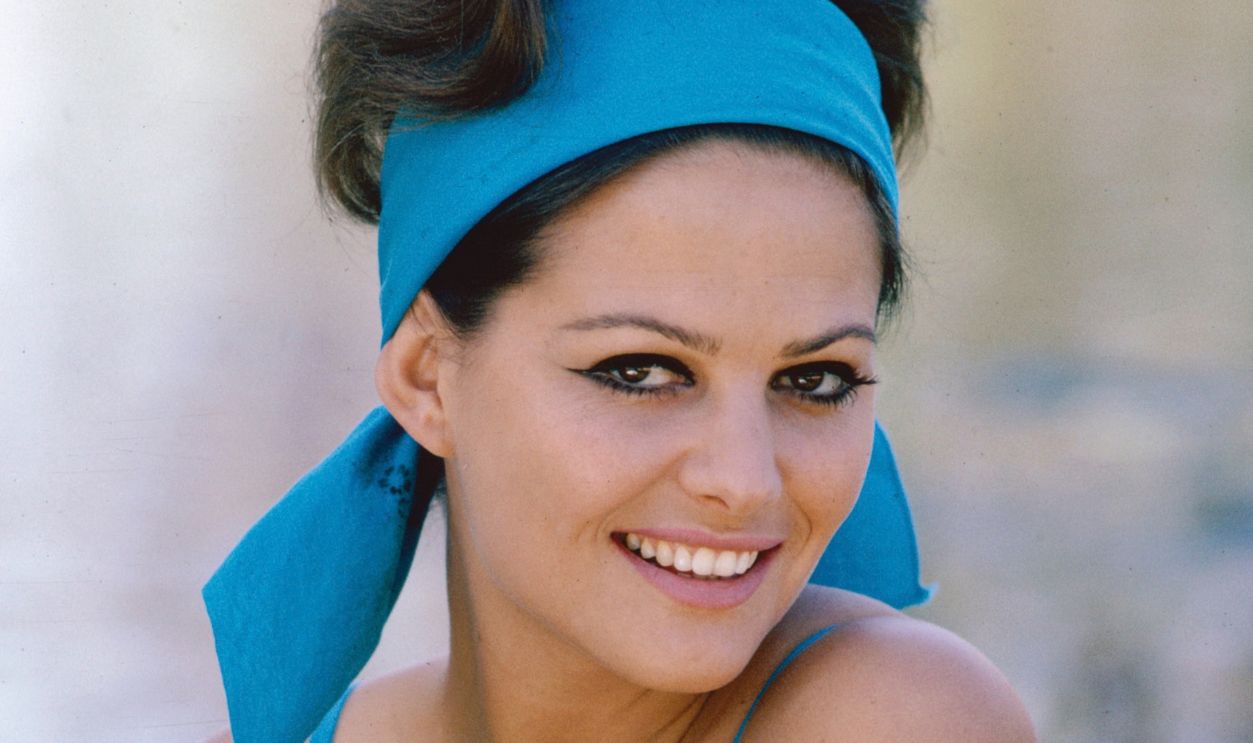
Saying No Did Not Close The Door
Rejecting exclusivity did not stop Cardinale from getting major American opportunities. She spent time in Los Angeles and mixed with some of Hollywood's biggest names. Cardinale recalled that Paul Newman even allowed her to use his home while he was away working. She could enter Hollywood's inner circle without permanently joining its studio system.
 Silver Screen Collection, Getty Images
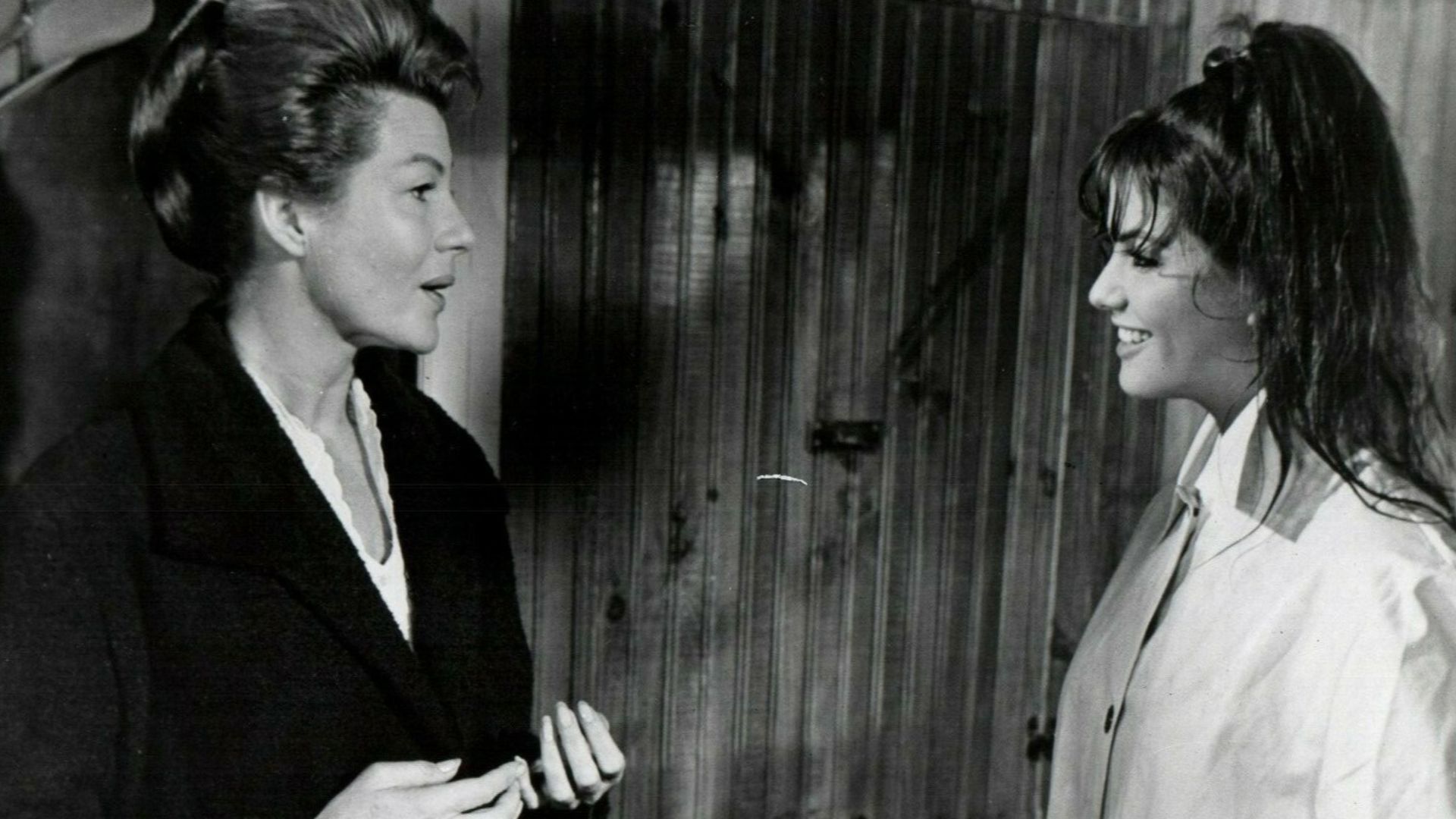
John Wayne And Rita Hayworth Came Next
Henry Hathaway's Circus World gave Cardinale one of her first major American productions in 1964. She appeared with John Wayne and Rita Hayworth in the large-scale drama about a traveling circus. Cardinale later remembered how exciting it was to work with stars she already knew from the screen. Refusing an exclusive contract clearly had not closed Hollywood's doors.
 unknown, distributed by: Paramount Pictures, Wikimedia Commons
Rock Hudson Became A Close Friend
Cardinale starred opposite Rock Hudson in the 1965 comedy thriller Blindfold. Their relationship developed into a lasting friendship, and she later described Hudson as someone she had been especially close to in Hollywood. They eventually appeared together again in A Fine Pair. Her American career was becoming substantial without an exclusive studio deal.
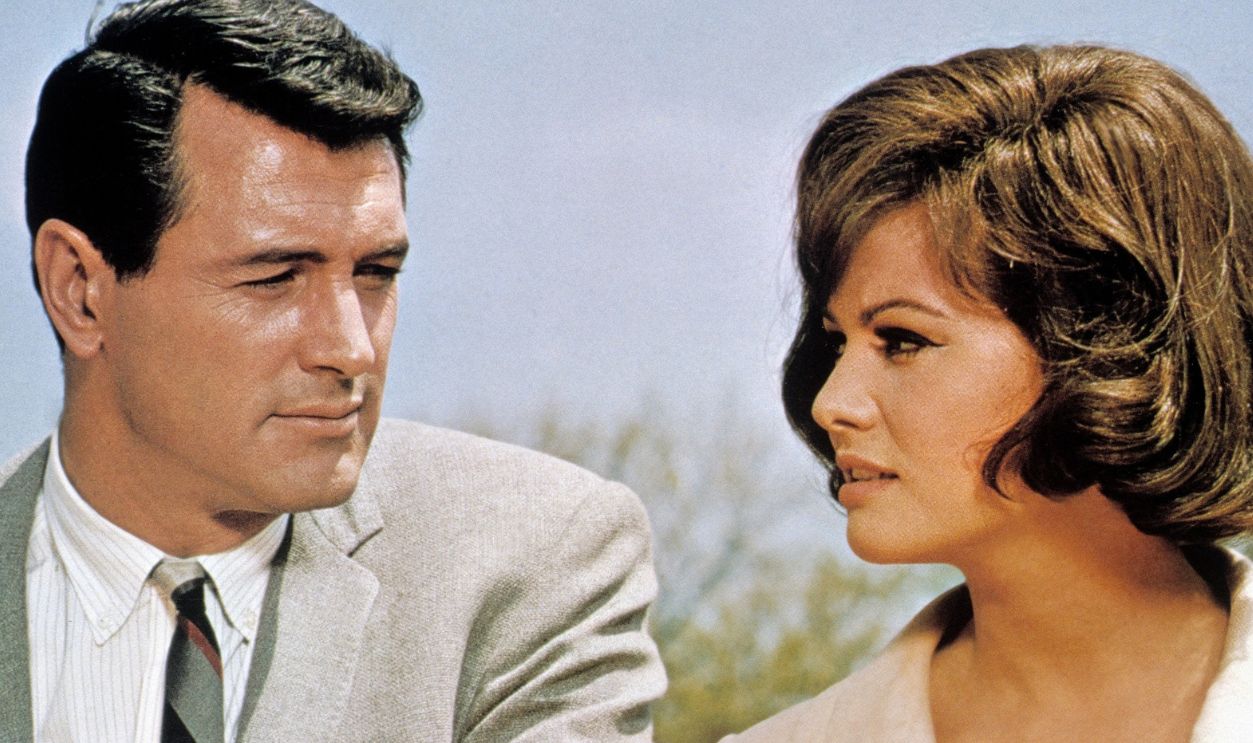
The Professionals Became A Favorite
Richard Brooks cast Cardinale opposite Burt Lancaster, Lee Marvin, Robert Ryan, and Jack Palance in the 1966 western The Professionals. The movie gave her one of the strongest roles of her American period. Years later, Cardinale called it the best film she had made in Hollywood. She clearly did not need exclusivity to land major projects.
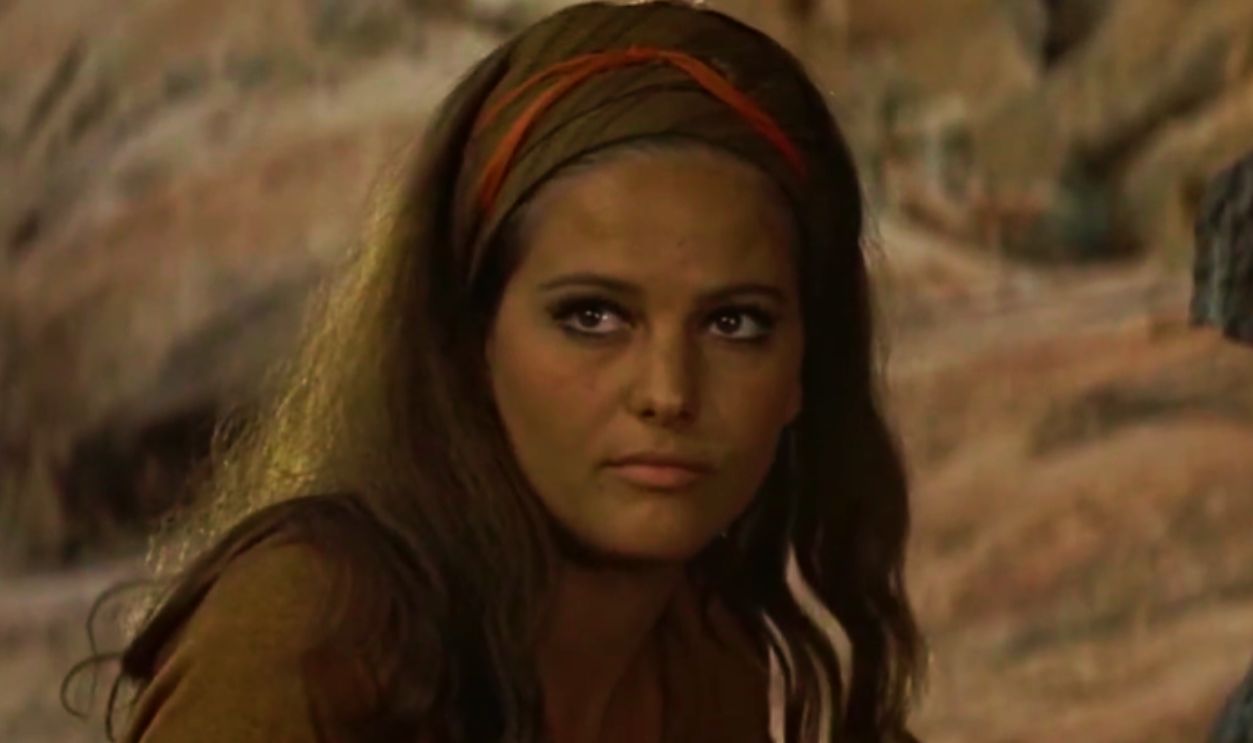 Screenshot from The Professionals, Sony Pictures Entertainment (1966)
She Could Still Return To Europe
The arrangement Cardinale fought for gave her something she valued enormously. After finishing an American film, she could return to Europe and take a completely different role. She continued working in Italian and French cinema while accepting selected Hollywood projects. Her career was international without being controlled from one studio office.
![Collectie / Archief : Fotocollectie Anefo
Reportage / Serie : [ onbekend ]
Beschrijving : Claudia Cardinale op Schiphol met de clown Fantasio
Datum : 16 december 1964
Locatie : Noord-Holland, Schiphol
Trefwoorden : actrices, clowns, filmsterren, vliegveld](https://www.factinate.com/storage/app/media/theshot/2026/10/1/179083919730cc5690a5d4230c2b2f6b407844f844e681dcfc.jpg) Jack de Nijs for Anefo / Anefo, Wikimedia Commons
Jack de Nijs for Anefo / Anefo, Wikimedia Commons
Sergio Leone Gave Her Jill McBain
One of Cardinale's most famous roles came from Sergio Leone in Once Upon a Time in the West. She played Jill McBain, a woman from New Orleans who arrives at a frontier homestead expecting to begin a new life. Instead, she discovers that the family she intended to join has been murdered. Jill became one of the most substantial female characters in Leone's filmography.
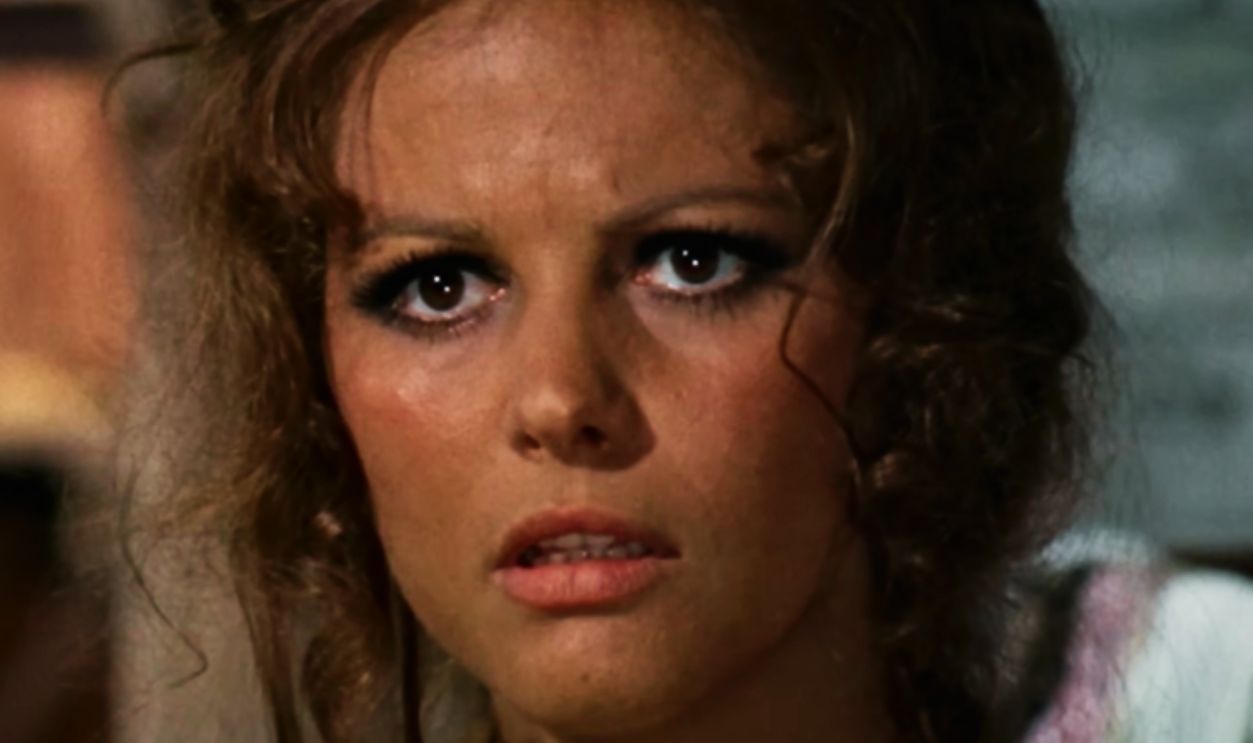 Screenshot from Once Upon a Time in the West, Paramount Global (1968)
The Music Was There Before The Cameras Rolled
Leone's methods gave Cardinale another very different filmmaking experience. Ennio Morricone had composed music for Once Upon a Time in the West before much of the movie was shot, allowing Leone to play it on set. Cardinale remembered hearing the score before filming her scenes. She said the music helped her connect with Jill's emotions.
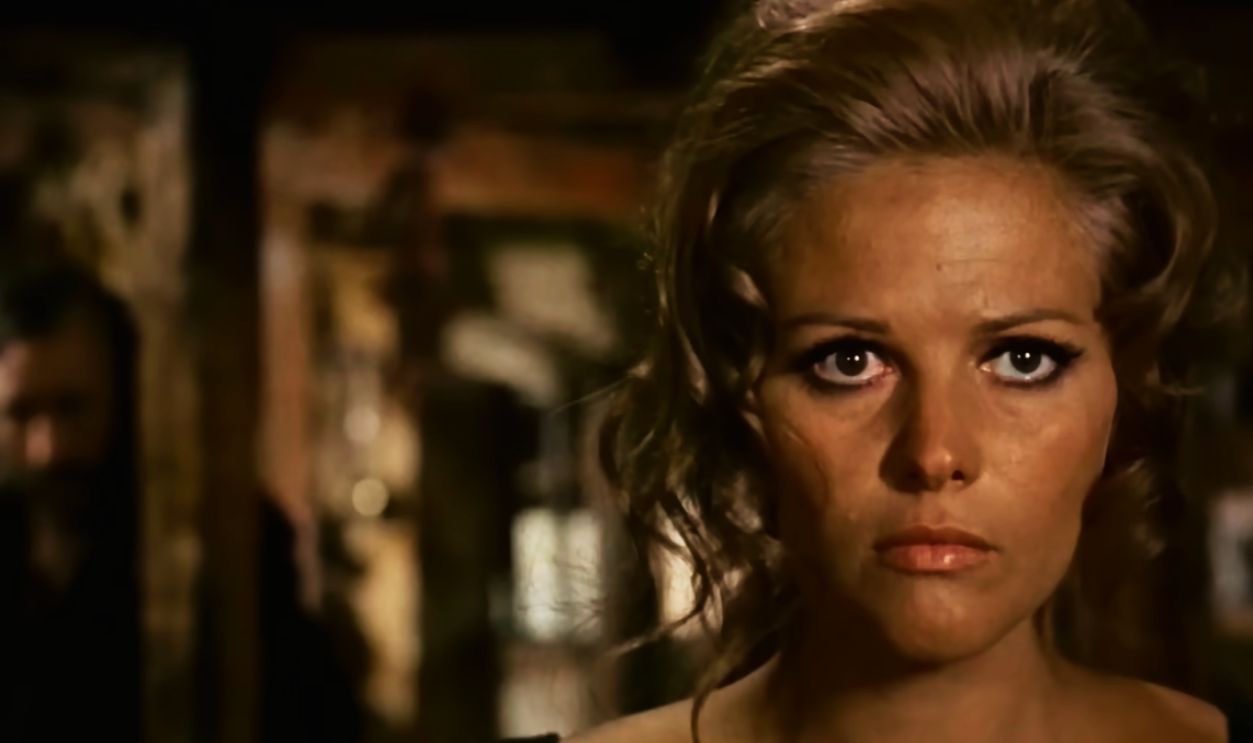 Screenshot from Once Upon a Time in the West, Paramount Global (1968)
Eventually She Broke Away From Cristaldi
Cardinale's professional relationship with Franco Cristaldi gradually became a personal one as well, but it did not last. She eventually separated from Cristaldi and later built a life with director Pasquale Squitieri. Cardinale said her break from Cristaldi created serious professional and financial difficulties. Leaving the arrangement that had helped build her career came at a cost.
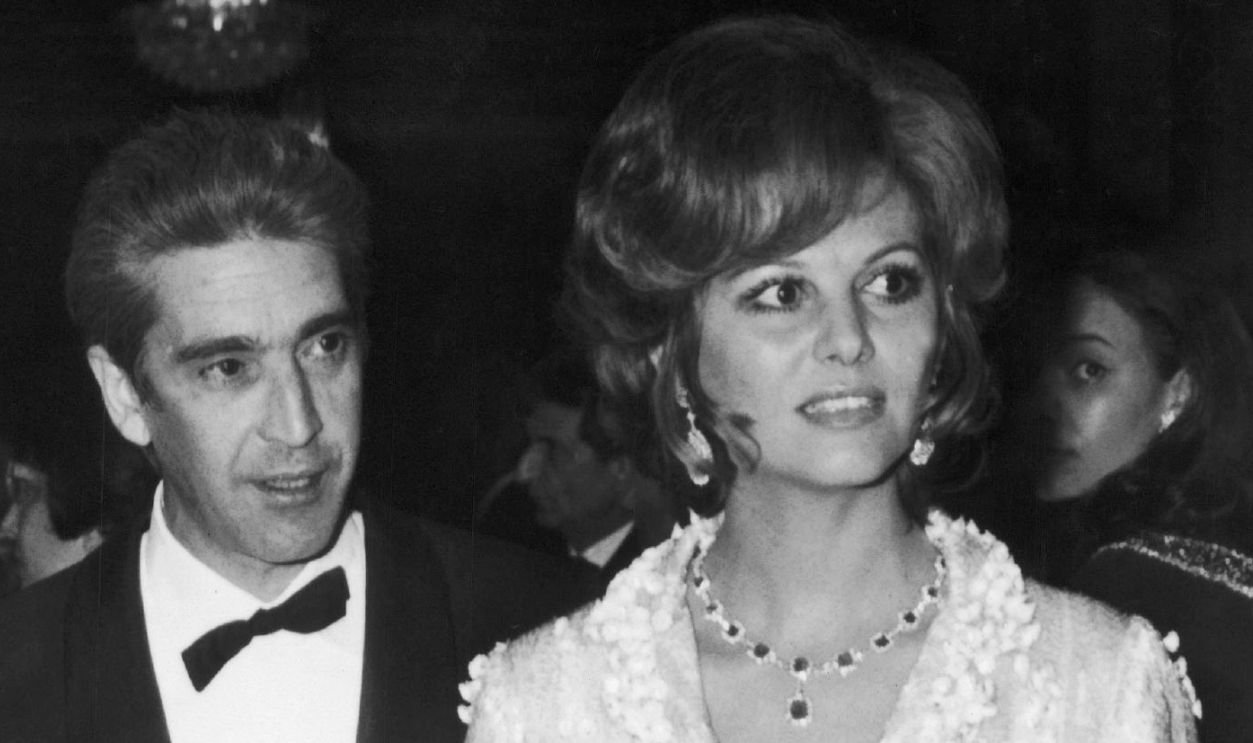
She Had Rules Hollywood Could Not Change
Cardinale also set firm limits on what she was prepared to do for the camera. She consistently refused unclothed scenes and resisted the idea that an actress should radically alter herself to remain marketable. In later interviews, she spoke critically about cosmetic surgery and emphasized keeping her own identity. After years of having her appearance managed, that stance was deeply personal.
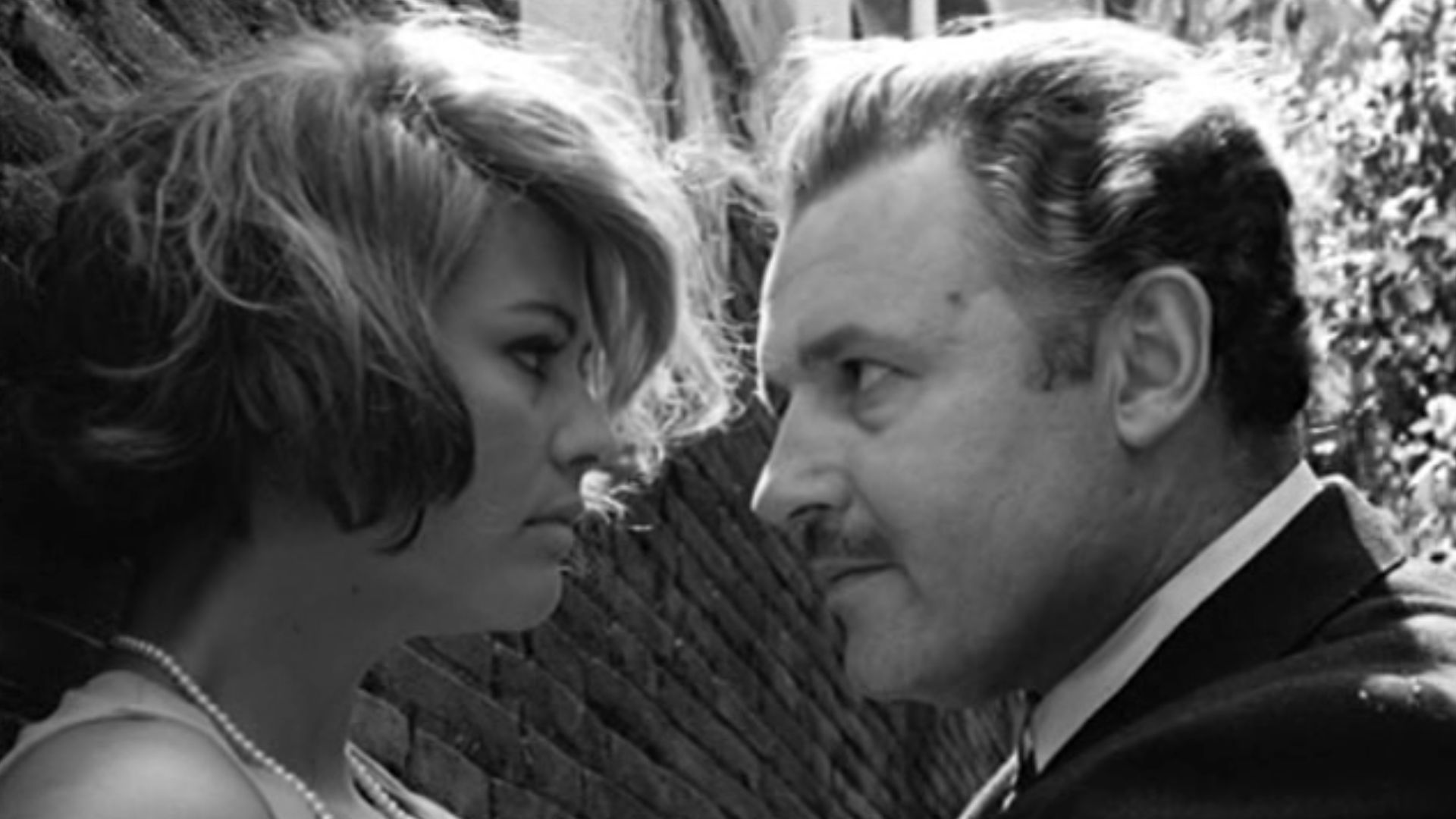
Werner Herzog Took Her Somewhere Completely Different
Cardinale's restless career eventually led her to Werner Herzog's Fitzcarraldo in the early 1980s. The famously difficult production took her deep into the Peruvian Amazon alongside Klaus Kinski. Cardinale later remembered it as an extraordinary adventure despite the demanding conditions. It was a long way from the controlled Hollywood career she could once have chosen.
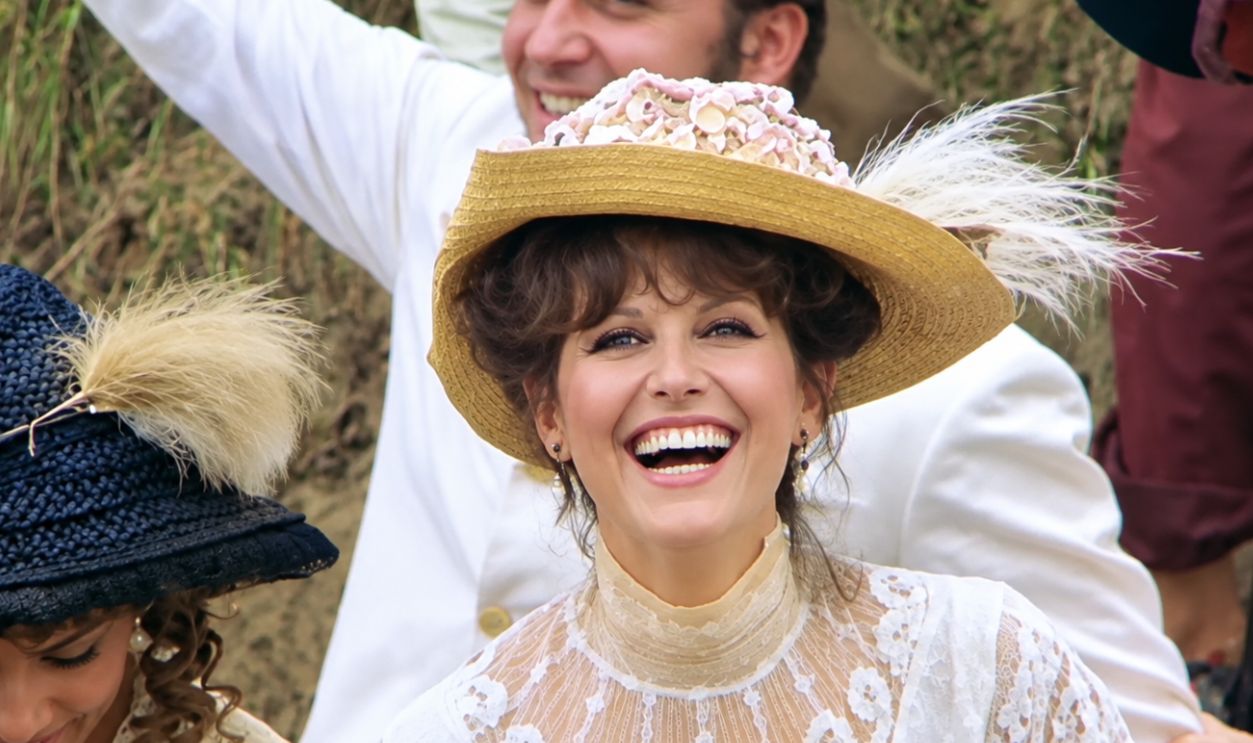 Screenshot from Fitzcarraldo, Shout! Factory (1982, Enhanced
Her Career Became Bigger Than Hollywood
By refusing to anchor herself permanently to Los Angeles, Cardinale built a career spanning countries, languages, and generations of filmmakers. She worked with Visconti, Fellini, Leone, Blake Edwards, Richard Brooks, Herzog, and many others. Her filmography moved from European art cinema to westerns, comedies, epics, and Hollywood productions. No single industry ever completely defined her.
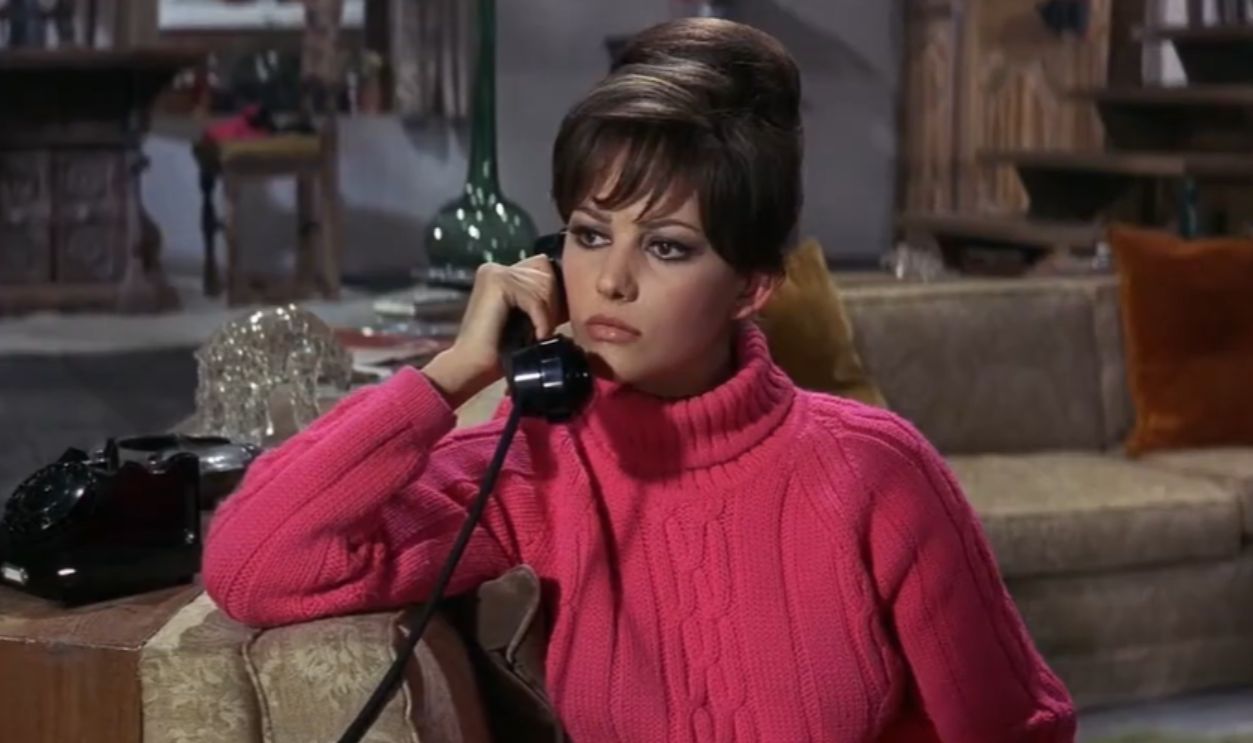 Screenshot from The Pink Panther, Amazon MGM Studios (1963)
She Chose Freedom Over The Star System
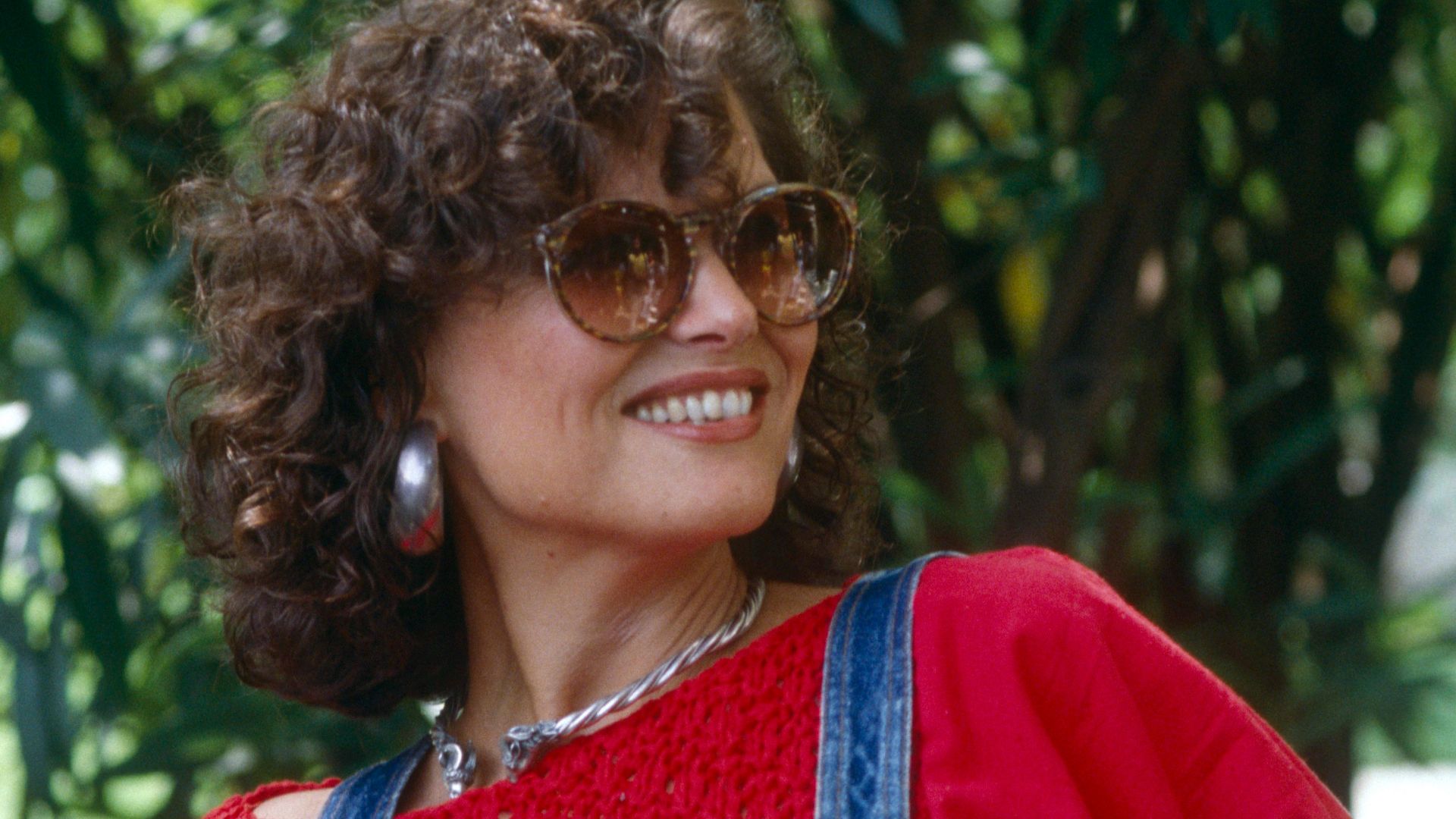
Cardinale was eventually asked why she had not embraced the comfortable Hollywood life an exclusive contract might have provided. Her answer was simple: she did not like the star system and preferred living in Europe. She could fly to America, make a movie with John Wayne or Rock Hudson, and then leave again. Hollywood wanted Claudia Cardinale, but Cardinale made sure Hollywood never got to keep her.
 Gorup de Besanez, Wikimedia Commons
You May Also Like:
Virna Lisi Was Supposed To Be Hollywood’s Next Marilyn Monroe—Then She Walked Away From It All
The Vatican Condemned Jane Birkin’s Steamiest Love Song—Then It Topped The UK Charts
Why Hollywood Betrayed Tab Hunter To Protect Rock Hudson's Image