America Thought It Knew Henry Fonda
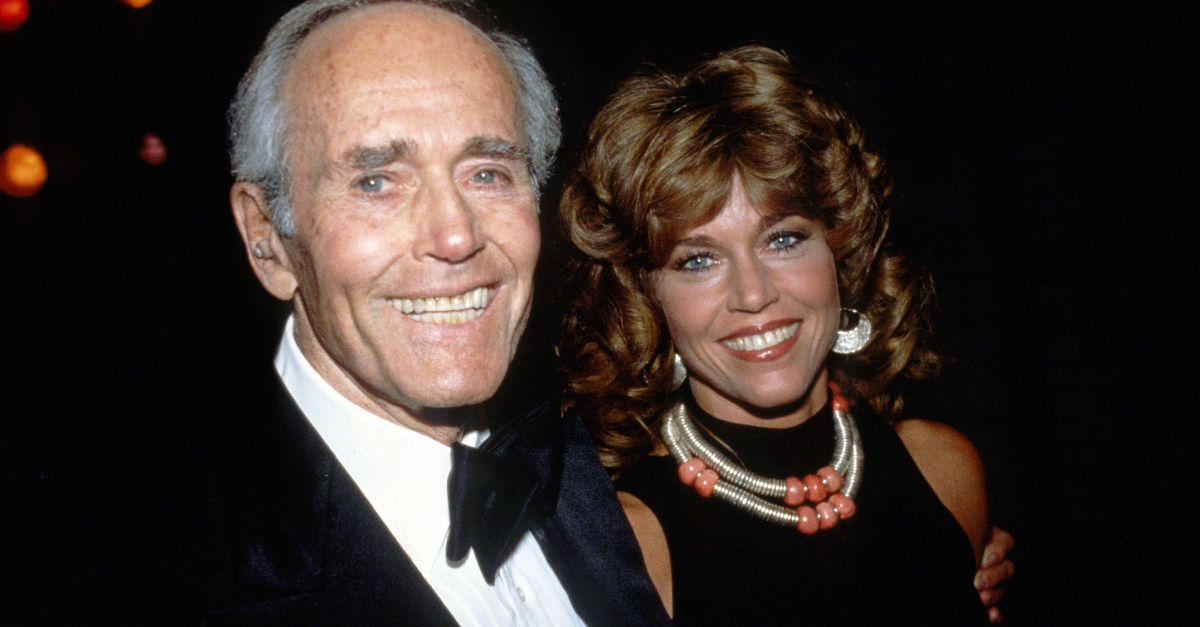
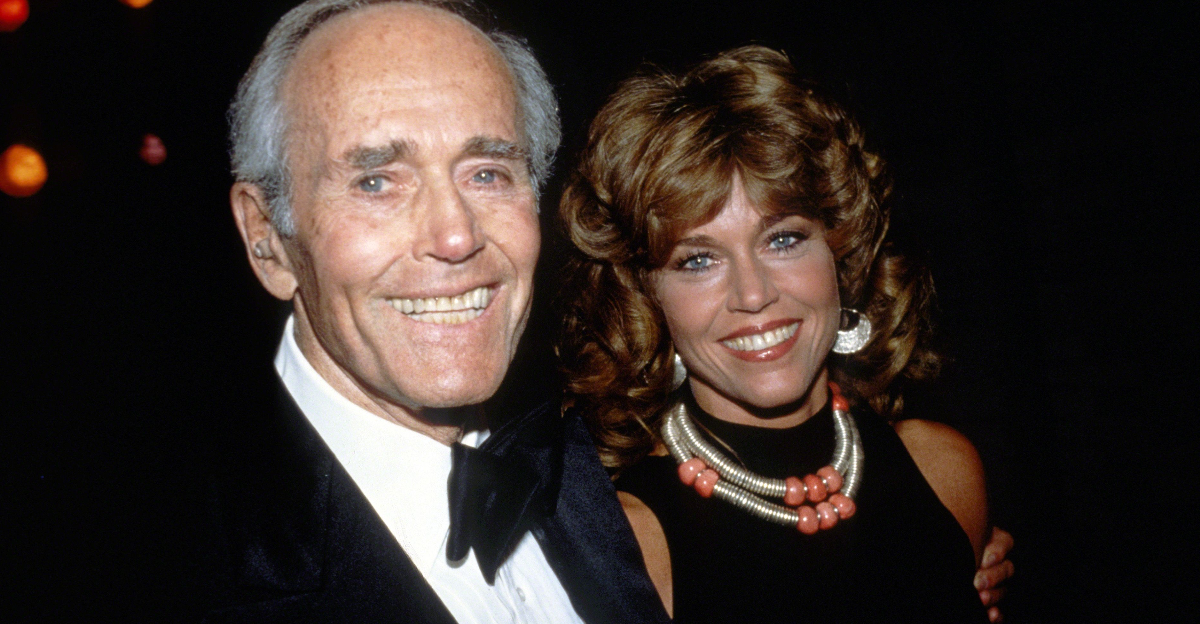
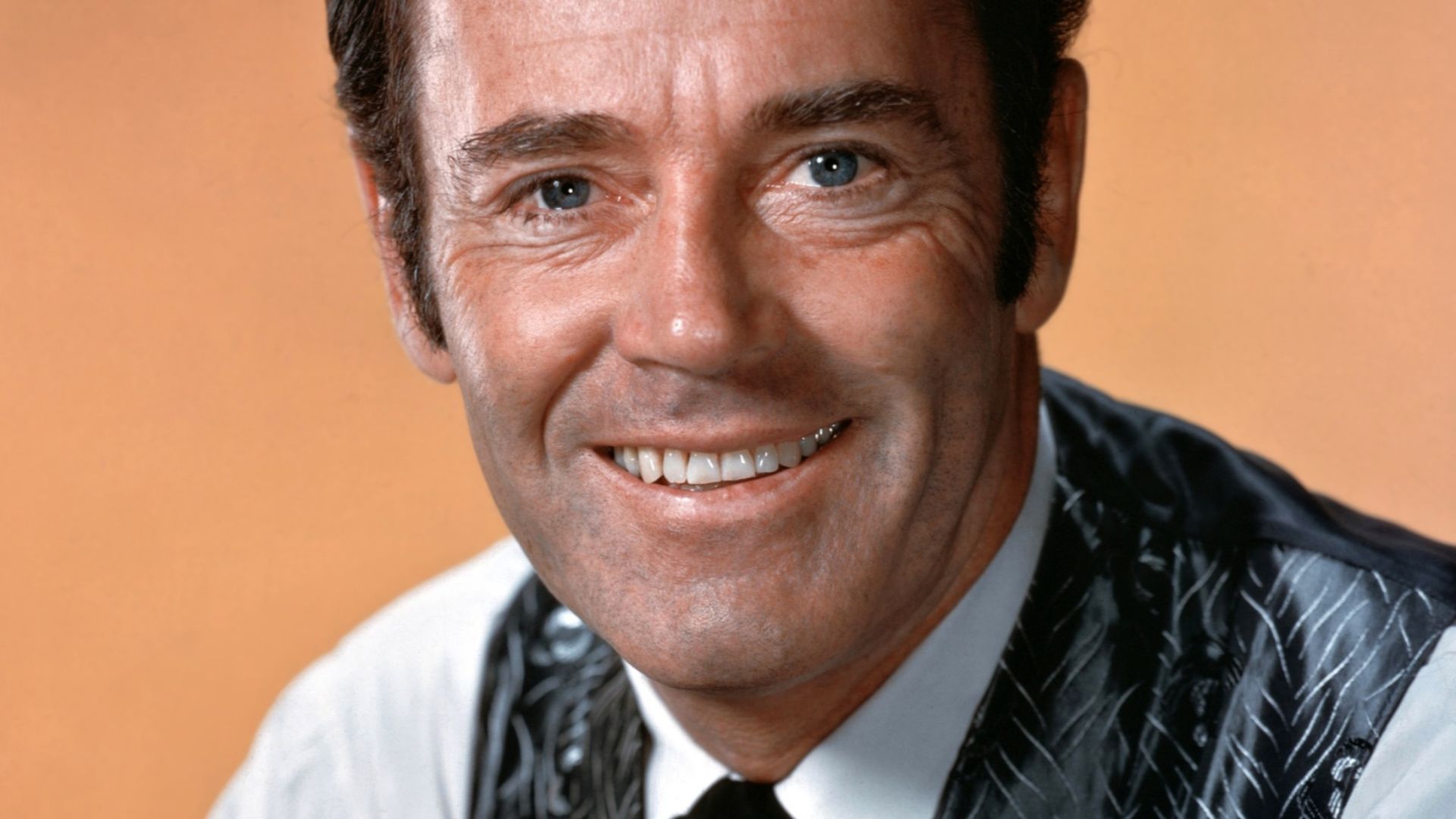
For decades, Henry Fonda seemed like the kind of man America could trust. Quiet. Decent. Steady. Whether he was standing up for justice or playing the reluctant hero, audiences believed him. But Jane and Peter Fonda knew a very different Henry Fonda—and there was one family secret they weren’t supposed to know at all.
Hollywood’s Favorite Good Guy
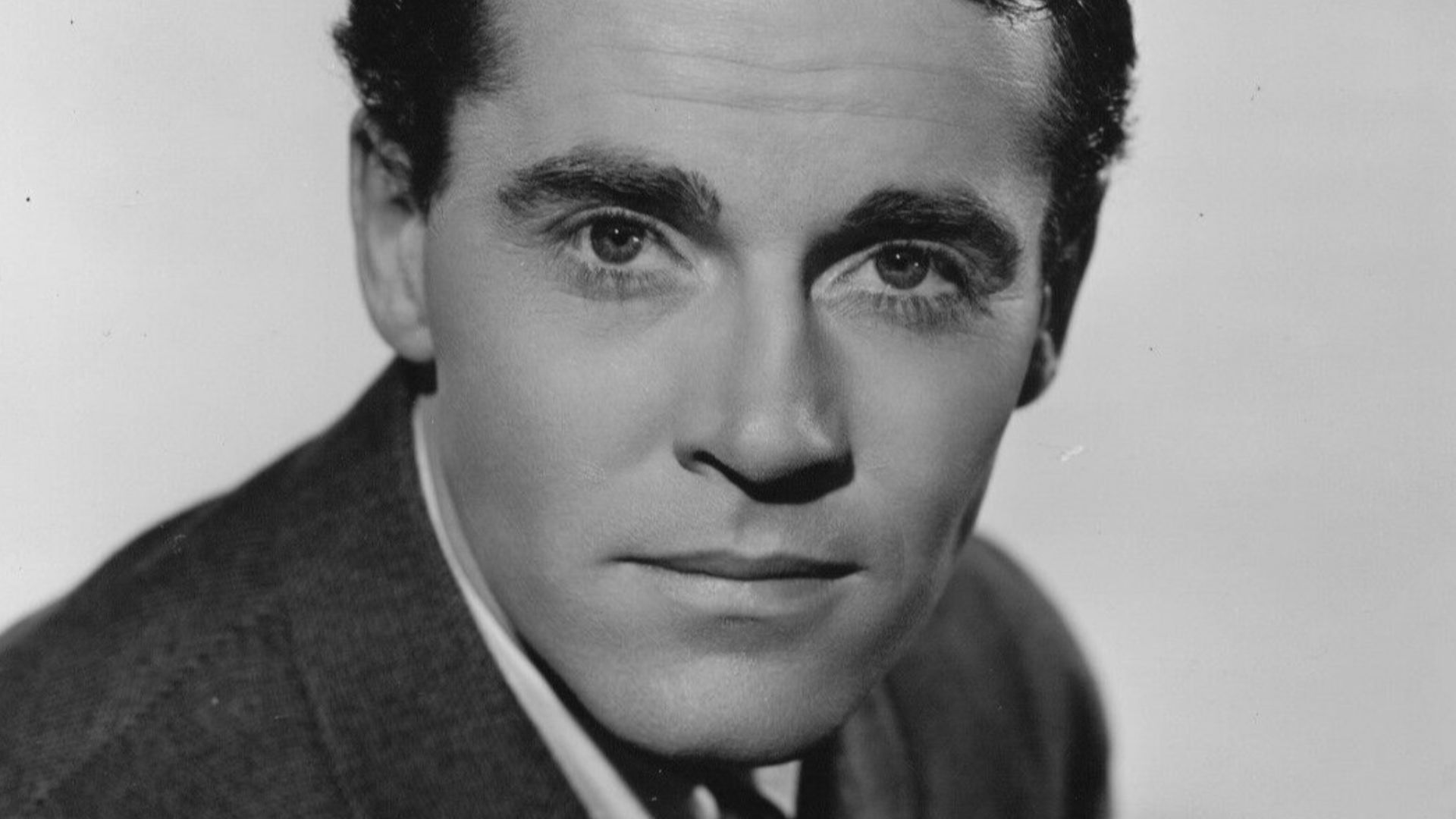
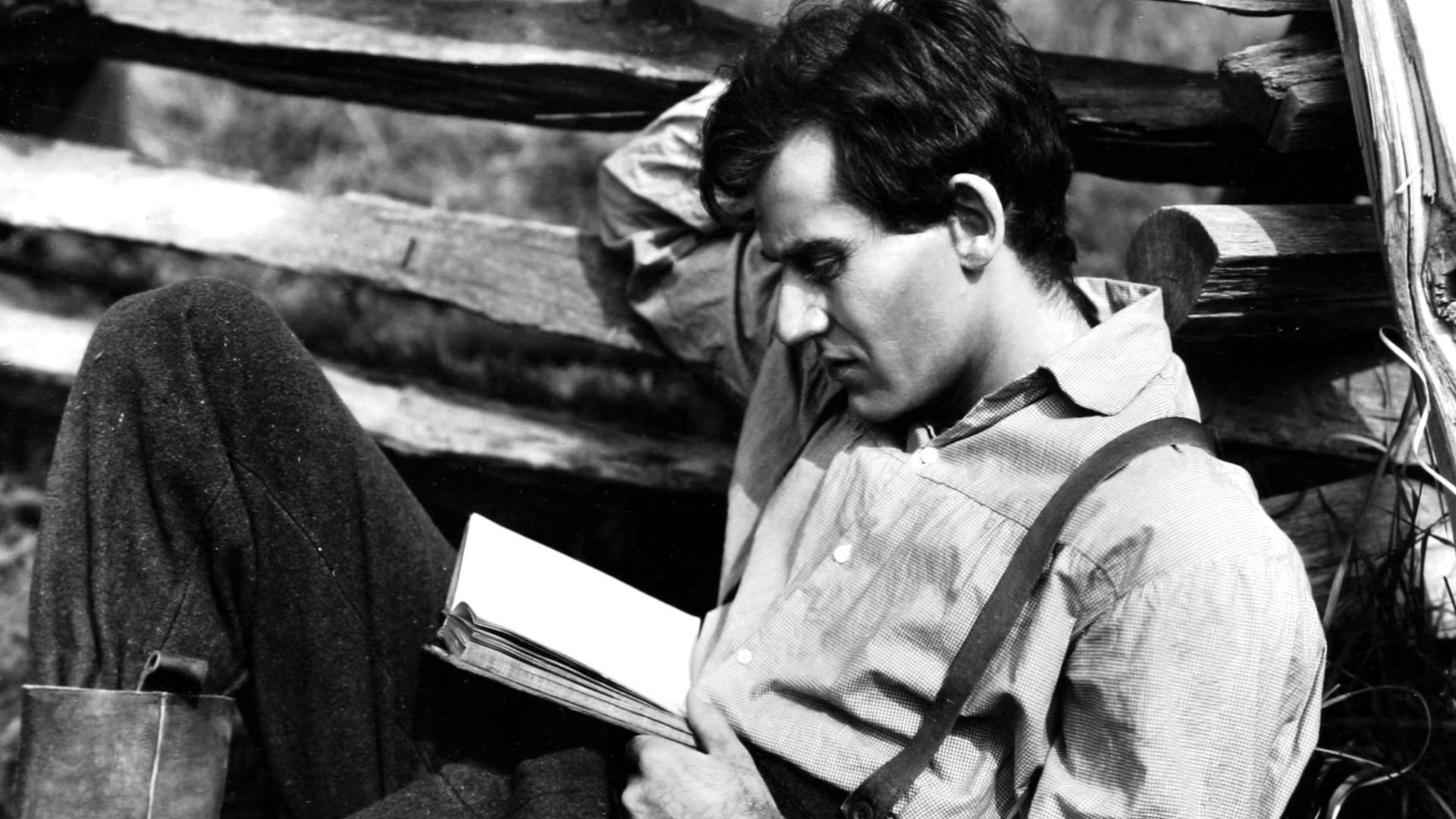
Fonda’s screen image wasn’t built on swagger. That was part of what made him different. In films like Young Mr. Lincoln, The Grapes of Wrath, and later 12 Angry Men, he often played men whose strength came from simply refusing to bend when everyone else did. Basically, if Henry Fonda was in the room, you trusted Henry Fonda.
 Unknown authorUnknown author, Wikimedia Commons
Offscreen Was More Complicated
The man behind those performances could be far harder to reach. Jane later described a childhood dominated by an emotionally distant father who could be moody, critical, and uncomfortable with displays of emotion. Henry Fonda could communicate almost anything when somebody handed him a script. Family was apparently trickier.
 Distributed by Twentieth Century–Fox Film Corp.., Wikimedia Commons
Then Came Frances
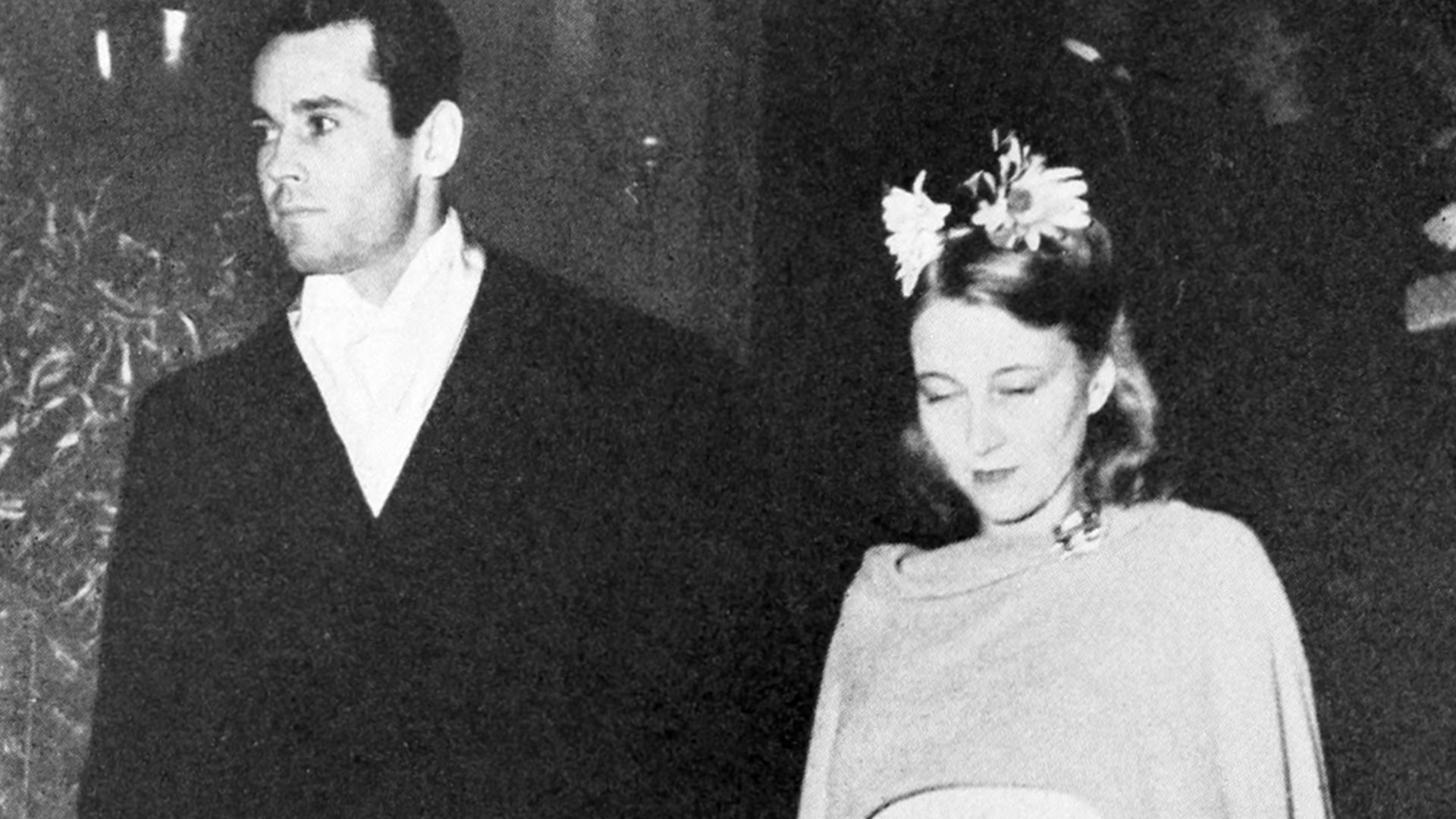
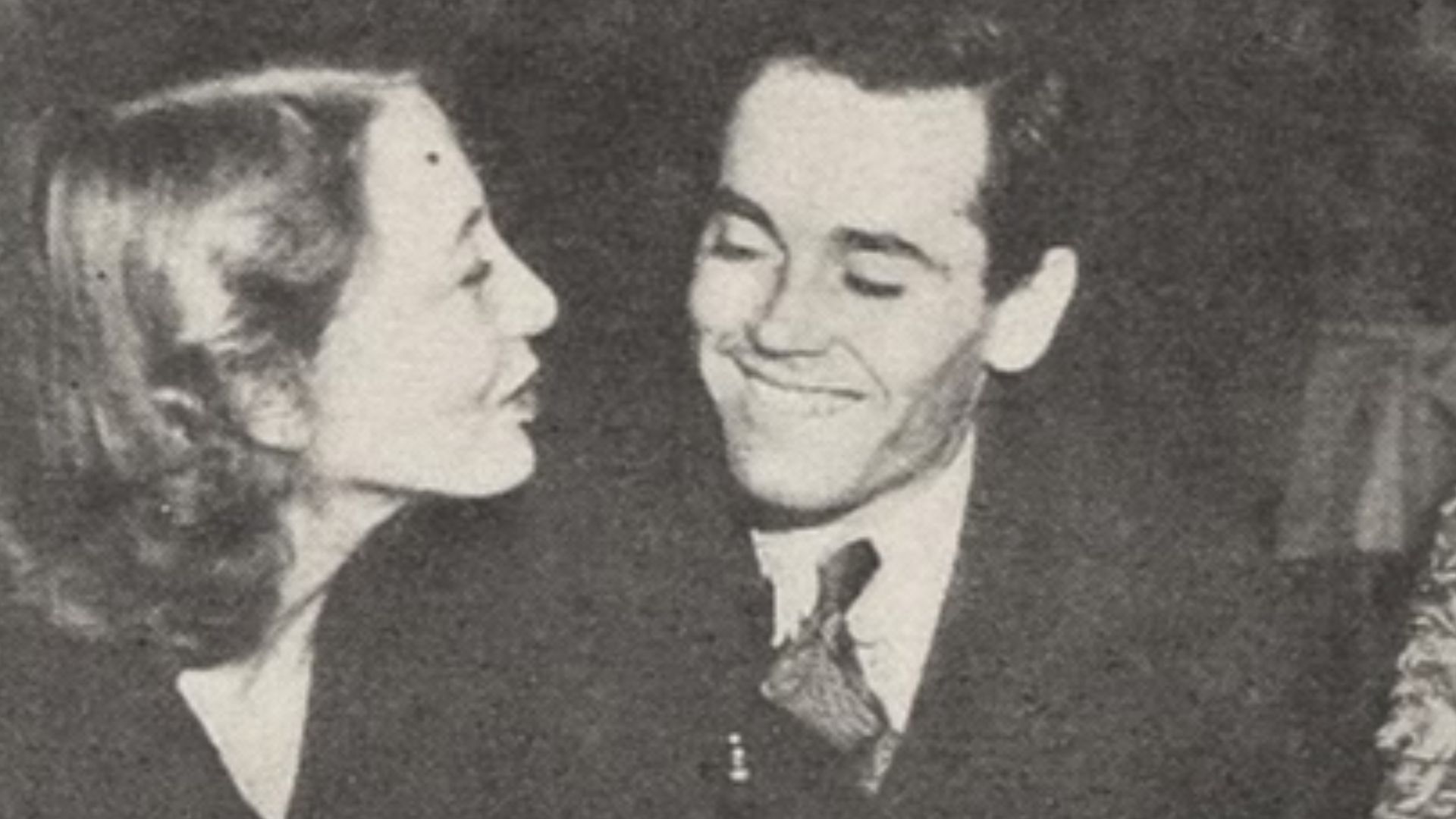
In 1936, Fonda married Frances Ford Seymour Brokaw, a wealthy Canadian-born socialite and widow. It was Henry’s second marriage, and from the outside, the pairing certainly looked glamorous enough. Movie star meets society beauty. What could possibly go wrong? Quite a lot, as it turned out.
 Photoplay Publishing Company; Hyman Fink, photographer, Wikimedia Commons
The Fonda Family Begins
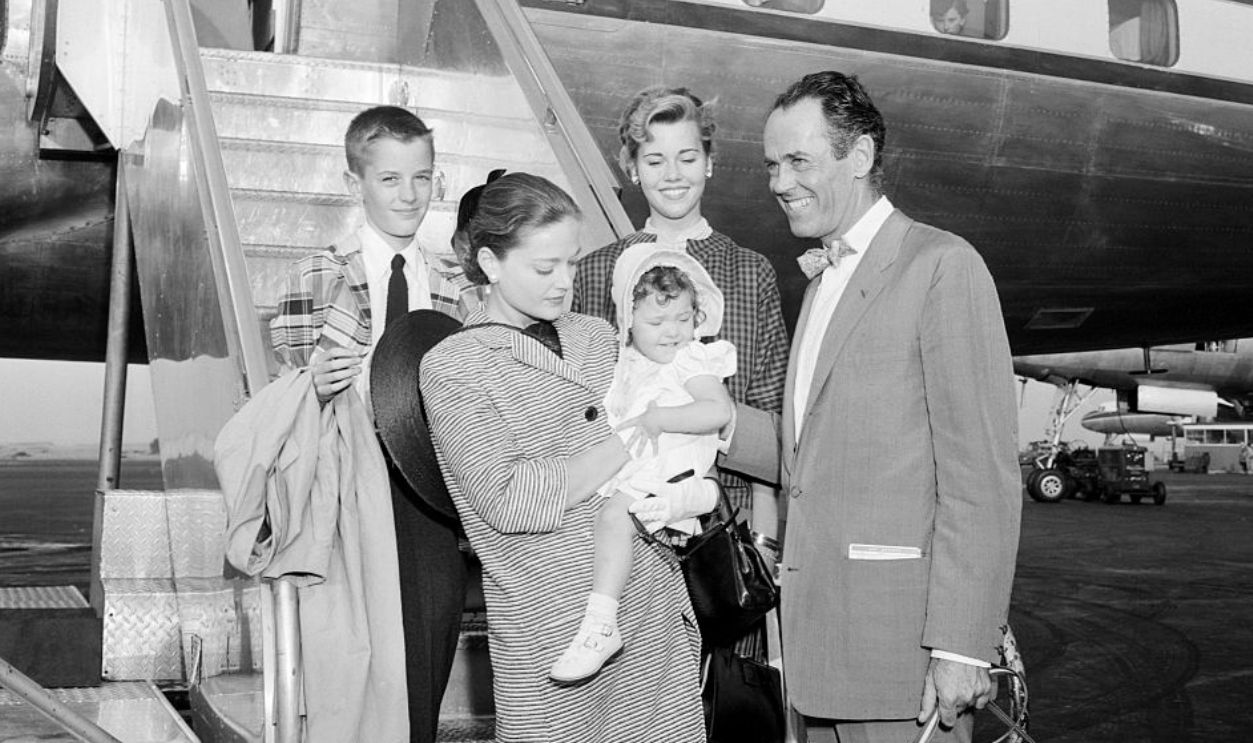
Jane Fonda arrived in 1937, followed by Peter in 1940. Frances already had a daughter, Frances de Villers Brokaw, from her previous marriage, meaning the household quickly became the sort of sprawling, photogenic family Hollywood magazines loved. And there are photographs from those years where everyone looks almost impossibly happy. Almost.
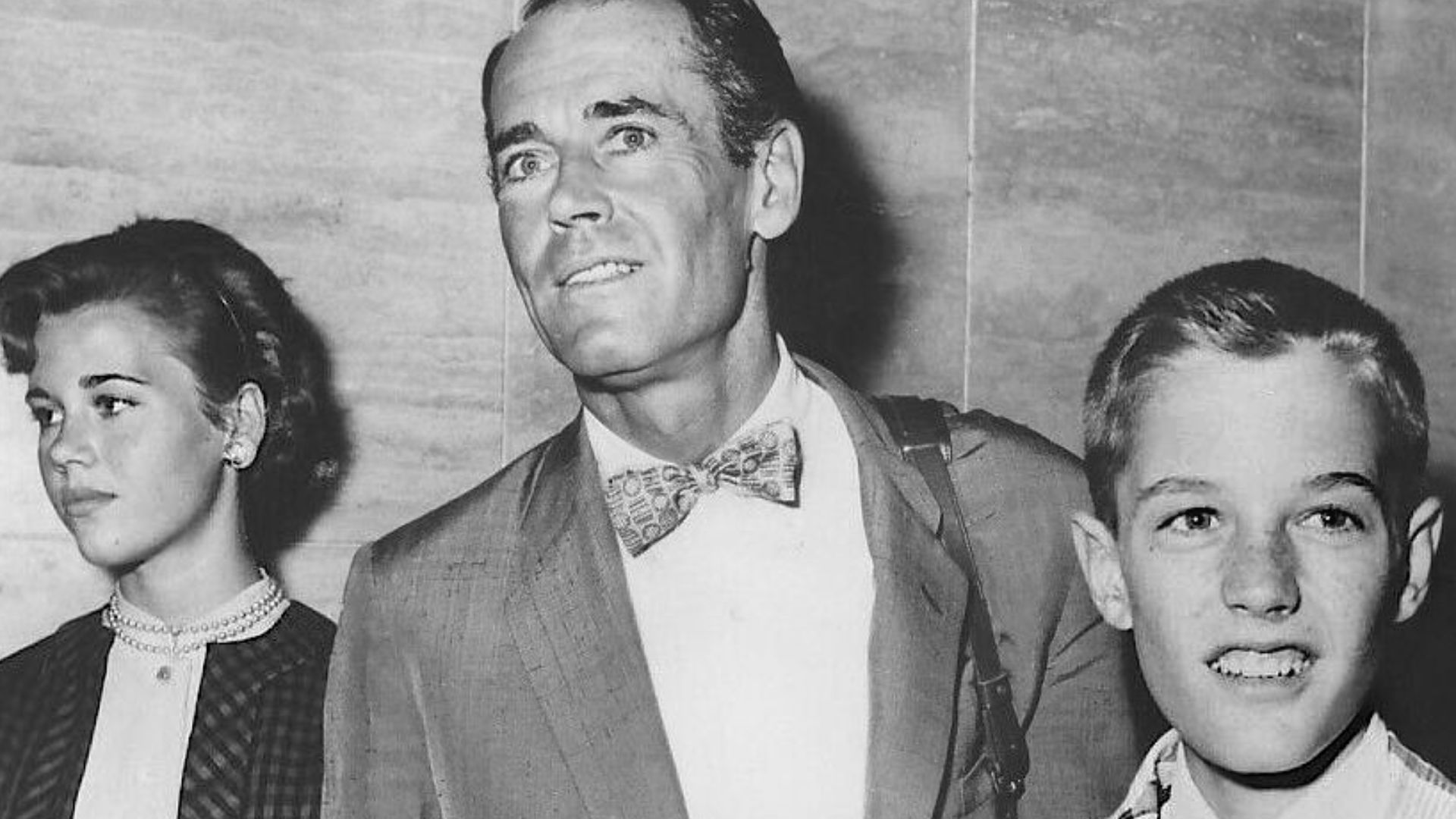 United Press Association. Please credit United Press Photo, Wikimedia Commons
Those Family Photos Hit Differently Now
Years later, Jane would look at photographs from her childhood very differently. She remembered sensing something was wrong with her mother even when everyone seemed to be smiling for the camera. It turns out a perfect Hollywood family photograph can hide an awful lot just beyond the frame.
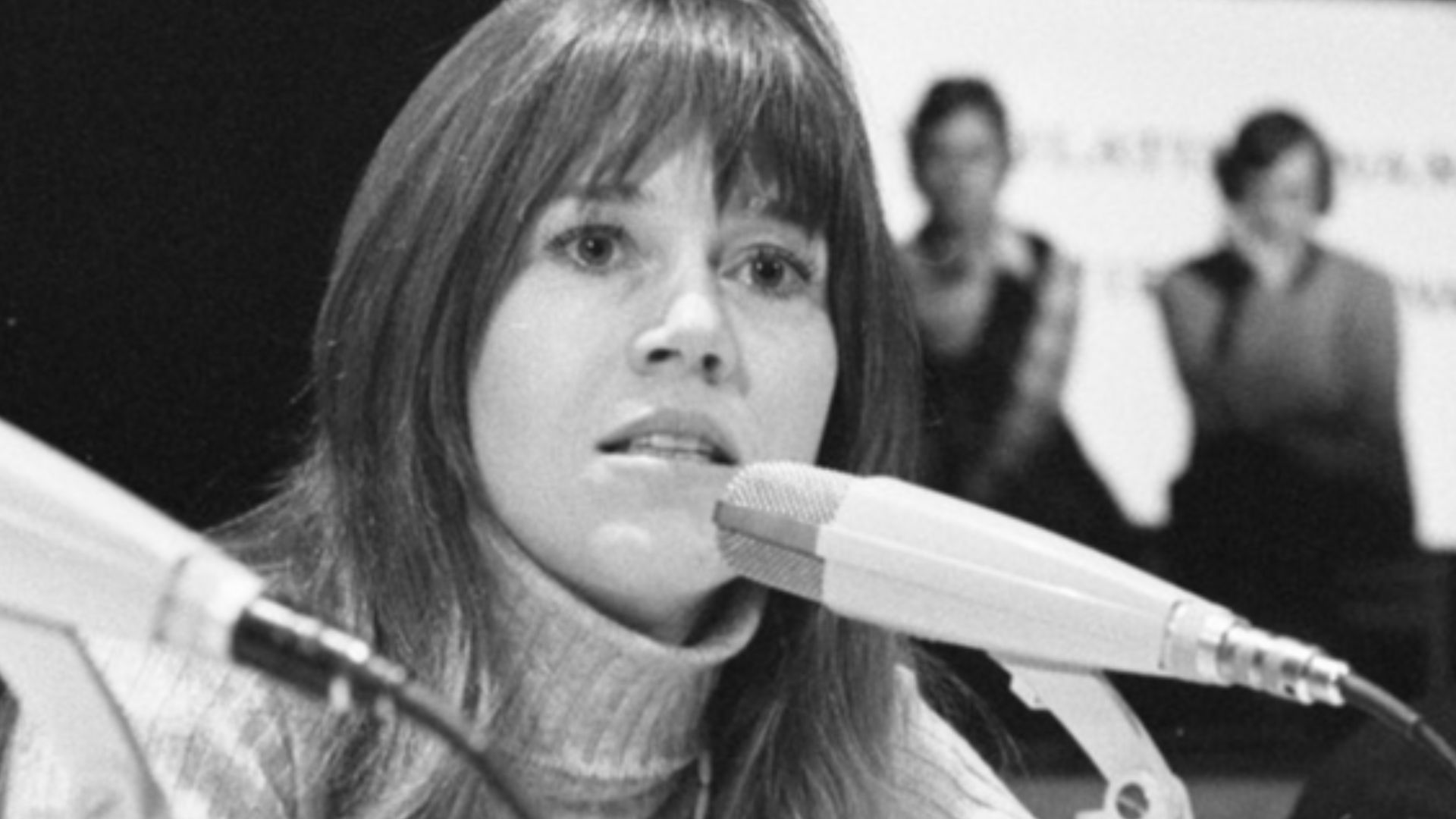 Verhoeff, Bert / Anefo, Wikimedia Commons
Frances Was Struggling
Frances dealt with serious emotional and psychological problems that became increasingly difficult to manage. Decades later, Jane would dig through her mother’s medical records trying to understand the woman she had barely had time to know. What she eventually discovered changed the way she viewed her mother completely.
 Len Weissman, Wikimedia Commons
Henry Was Pulling Away Too
Meanwhile, the marriage was deteriorating. Henry had fallen for Susan Blanchard, the much younger stepdaughter of Broadway legend Oscar Hammerstein II. In 1949, after roughly 13 years of marriage, Fonda told Frances he wanted a divorce. For Frances, the news appears to have been devastating.
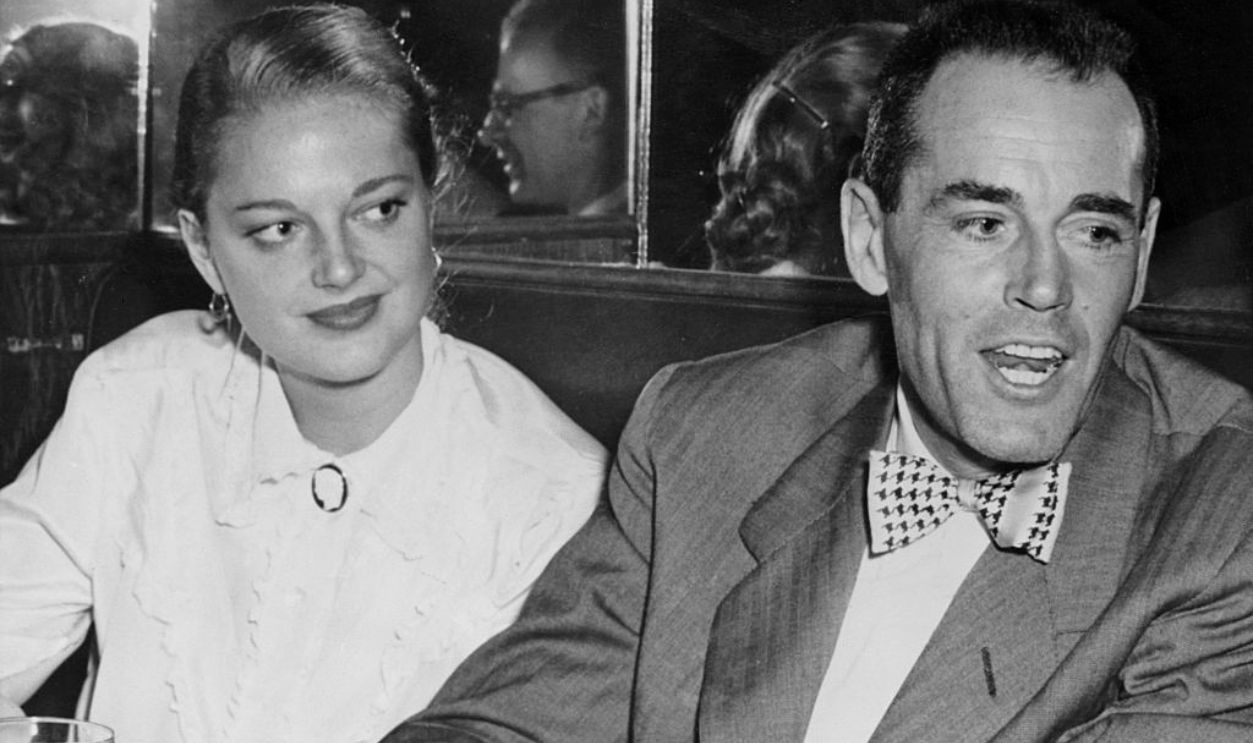
The Family Was Coming Apart
By this point, Jane was 12 and Peter was 10. They were old enough to know something was wrong but nowhere near old enough to understand everything happening between their parents. Frances entered psychiatric care. Then, in the spring of 1950, everything changed.
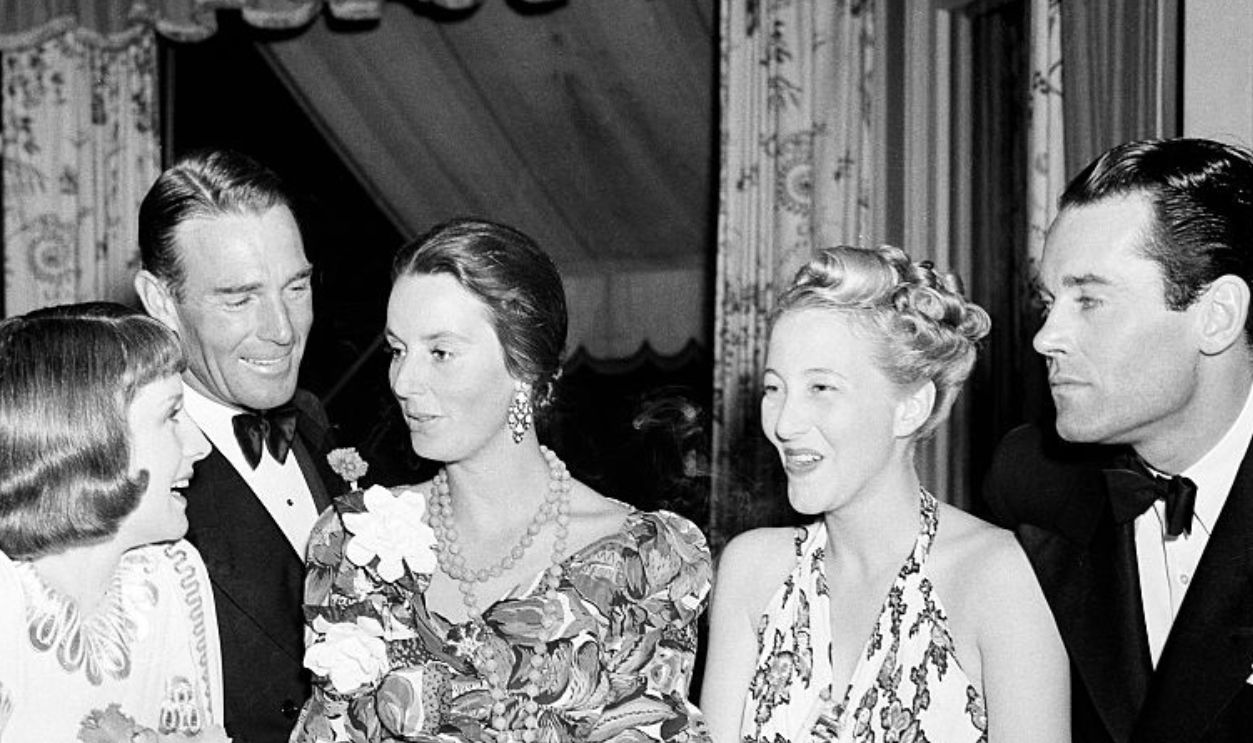 Michael Ochs Archives, Getty Images
April 14, 1950
Frances Ford Seymour was 42 years old when she passed away while receiving treatment at Craig House in Beacon, New York. She had taken her own life. Jane and Peter, however, would not be told that.
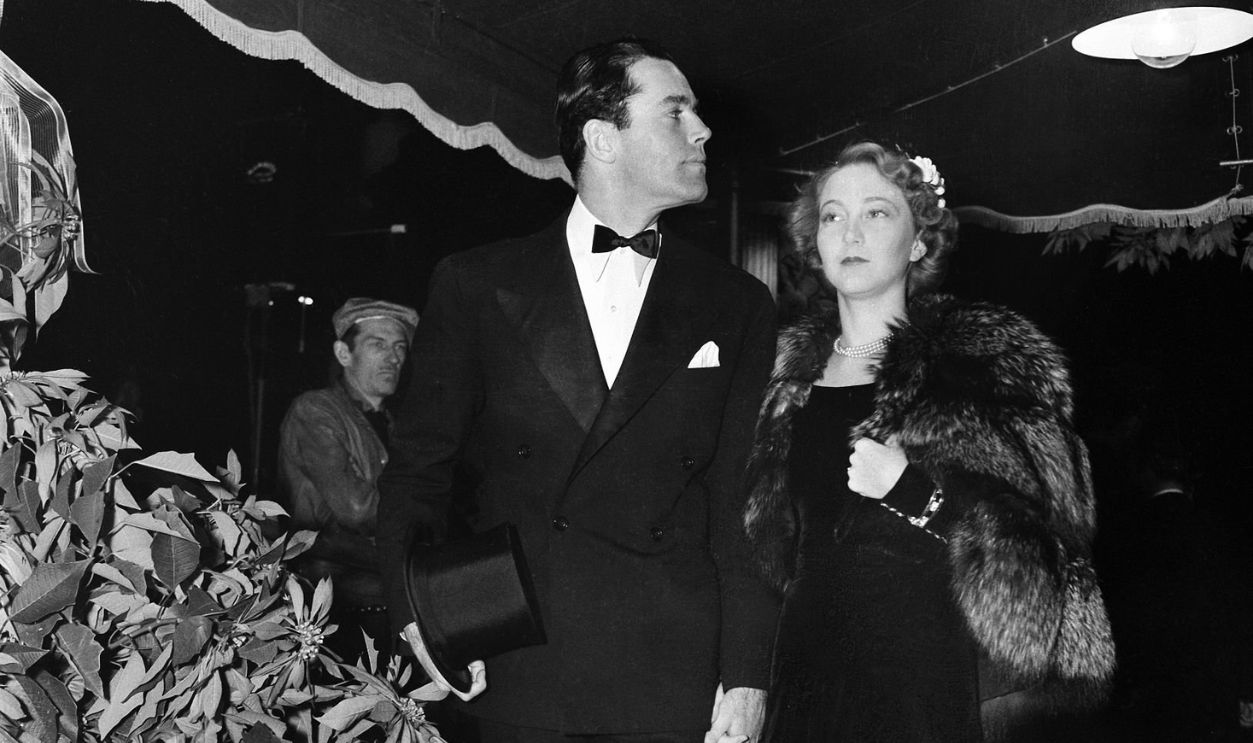 Michael Ochs Archives, Getty Images
Henry Told Them Something Else
Henry told his children their mother had suffered a heart attack. It was simple. Understandable. Something two children could process without being confronted with the far more painful reality. Except it wasn’t true. And keeping that story alive would require more than just Henry Fonda.
 Los Angeles Times, Wikimedia Commons
Practically Everyone Knew But Them
According to Jane’s later recollections, people around the children knew what had really happened while Jane and Peter continued believing their mother had passed away from a heart problem. Teachers and others were reportedly asked not to tell them. That is a staggering secret to keep from two children—especially when one of them was about to discover the truth somewhere else.
Henry Thought He Was Protecting Them
Fonda later explained that he believed withholding the truth would make things easier for Jane and Peter. Maybe, in his mind, he really was protecting them. But whatever the intention, the result was the same: his children were grieving their mother without even knowing what had actually happened to her.
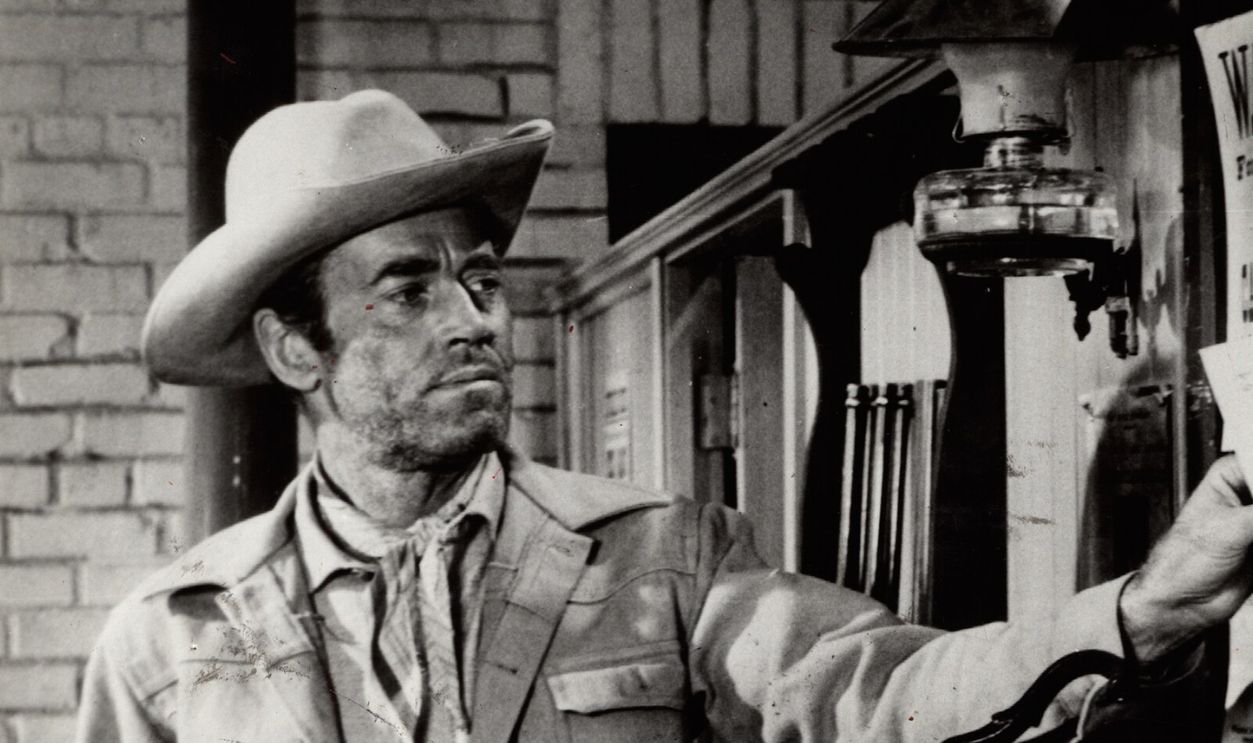 Brazilian National Archives, Wikimedia Commons
Jane Found A Movie Magazine
Later, while at school, Jane was handed a movie magazine by a classmate. Inside was the truth about Frances. Imagine discovering what really happened to your mother not from your father, your family, or a doctor...but from a celebrity magazine.
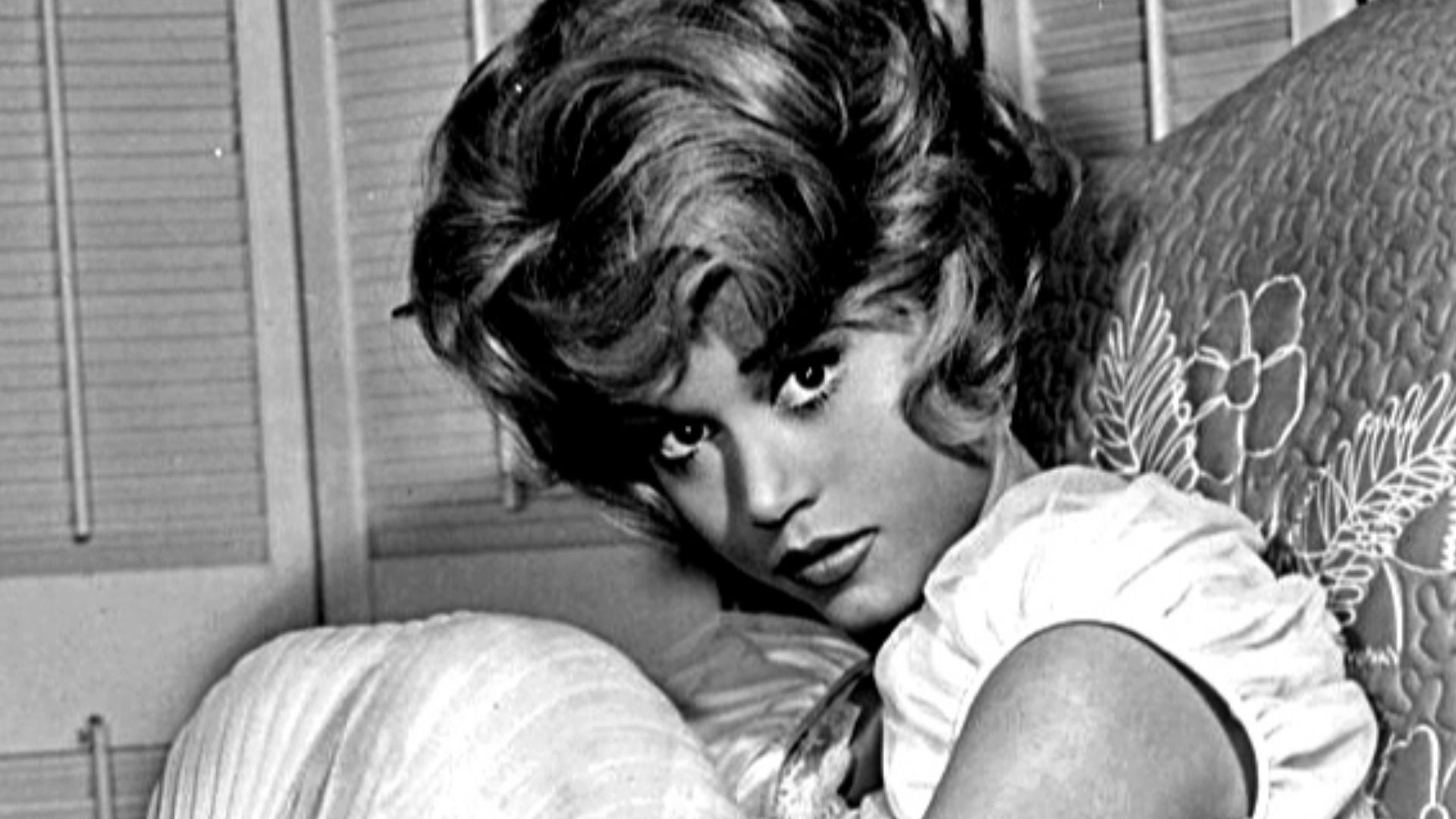
She Was Still A Child
Jane was only 12 when Frances passed away. She later recalled the confusion, anger, and guilt that surrounded her relationship with her mother, emotions that would take decades to untangle. And one thing made the situation even stranger: Henry and Jane essentially never sat down and talked through what had happened.
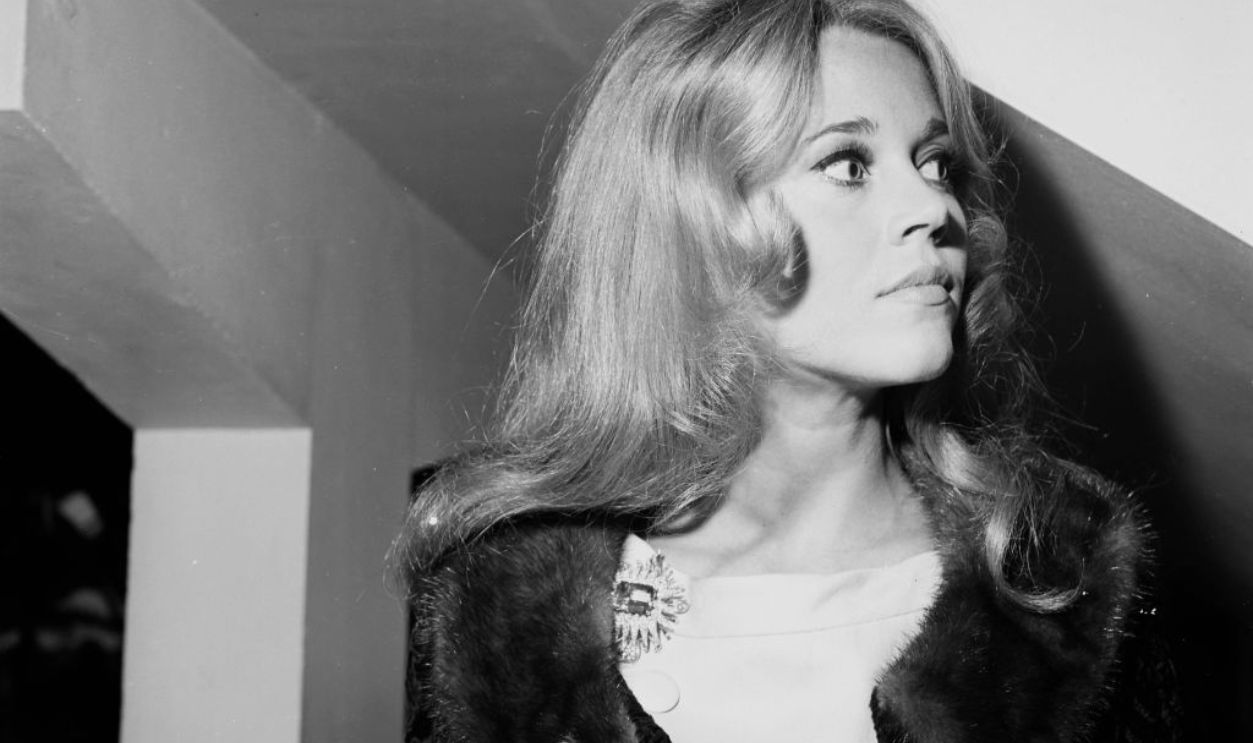 Michael Ochs Archives, Getty Images
They Simply Didn’t Talk About It
In the years that followed, both Jane and Peter spent considerable time away at boarding schools. Jane later said she and her father never really discussed her mother’s death. That silence may say as much about Henry Fonda the father as almost anything else. Feelings were there. Talking about them was another matter entirely.
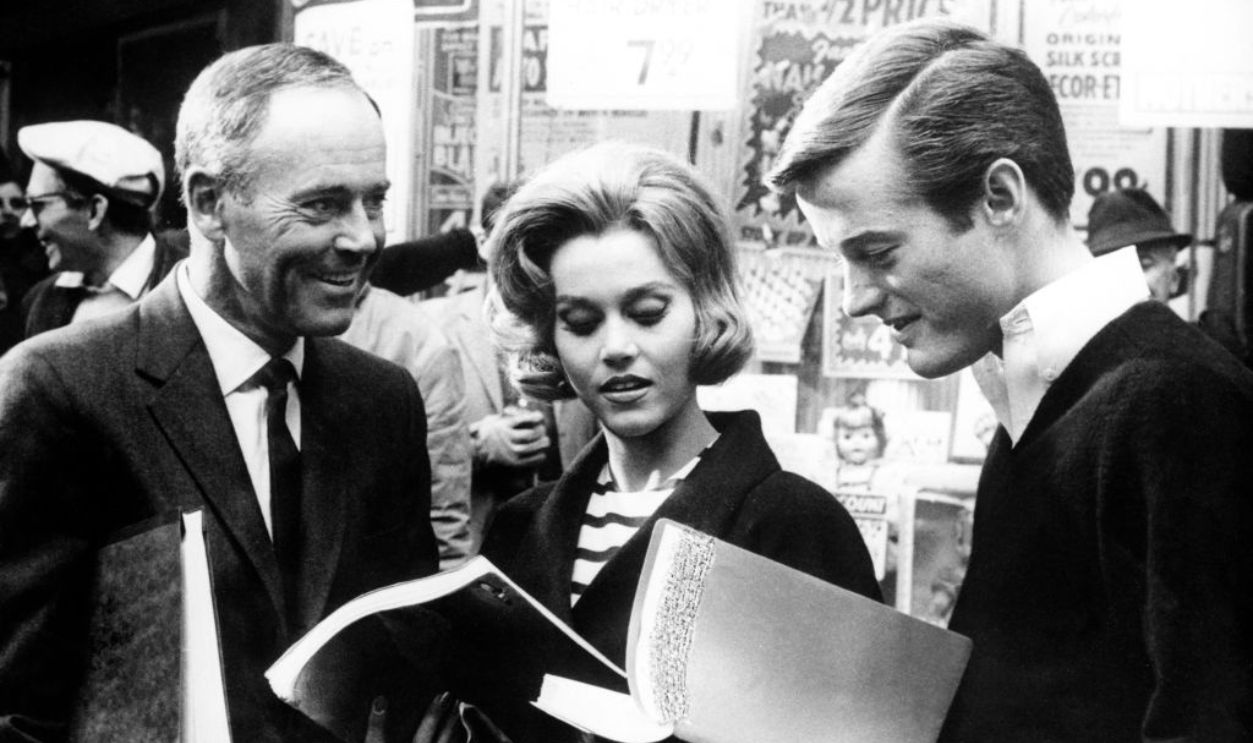 Universal History Archive, Getty Images
Peter Had His Own Struggles With Henry
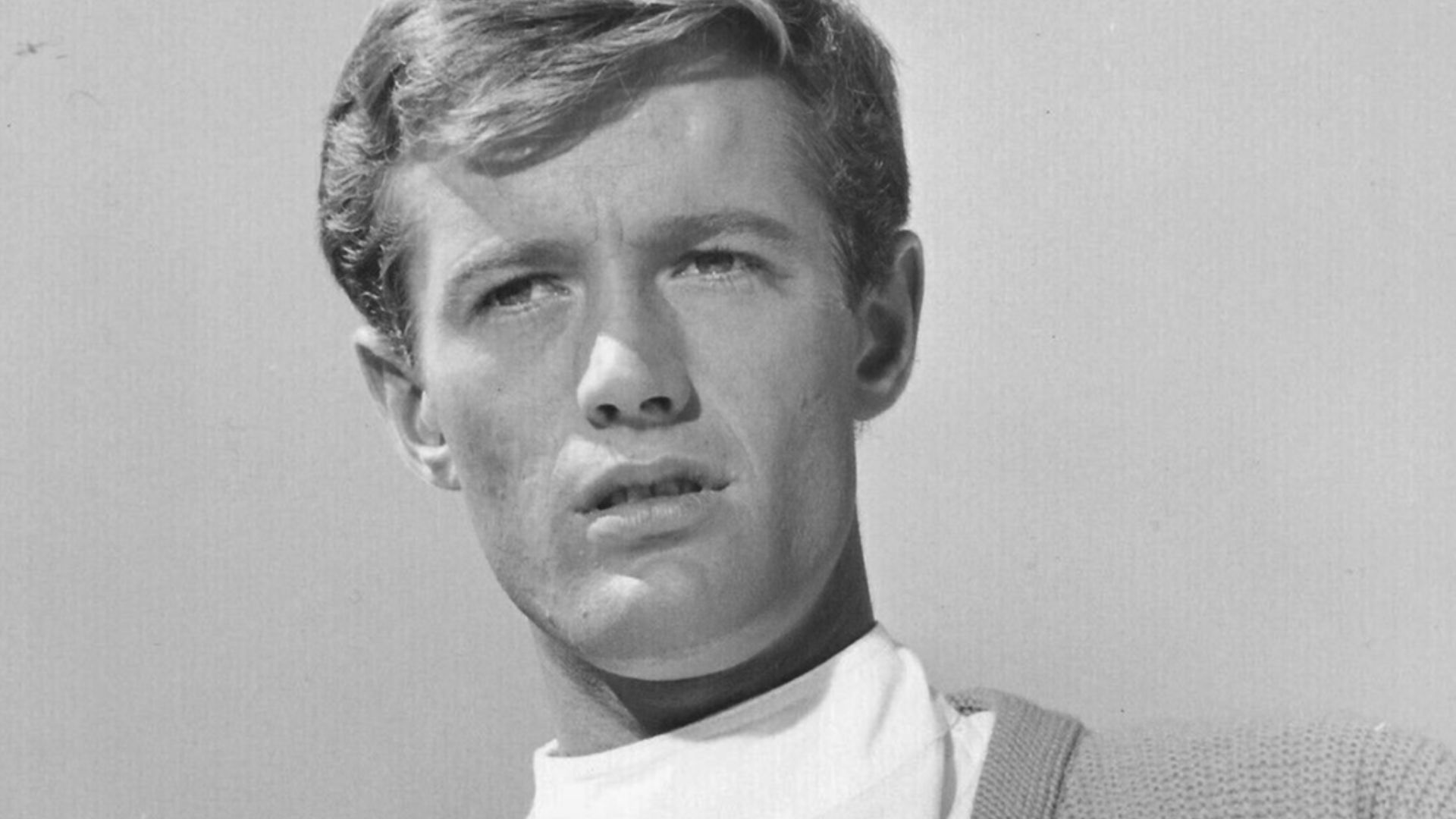
Peter was even blunter about his relationship with his father. When describing what Henry was like at home, Peter compared him to Colonel Thursday, the rigid, authoritarian officer Henry played in Fort Apache. Considering some of the characters Henry Fonda played over his long career, that is a pretty revealing choice.
 Universal Pictures, Wikimedia Commons
Then Came Another Shock
Just over eight months after Frances passed away, Henry married Susan Blanchard. Susan was only 22 years old, making her just nine years older than Jane. That sounds like the setup for another miserable chapter, but the Fonda family story rarely behaves the way you expect it to.
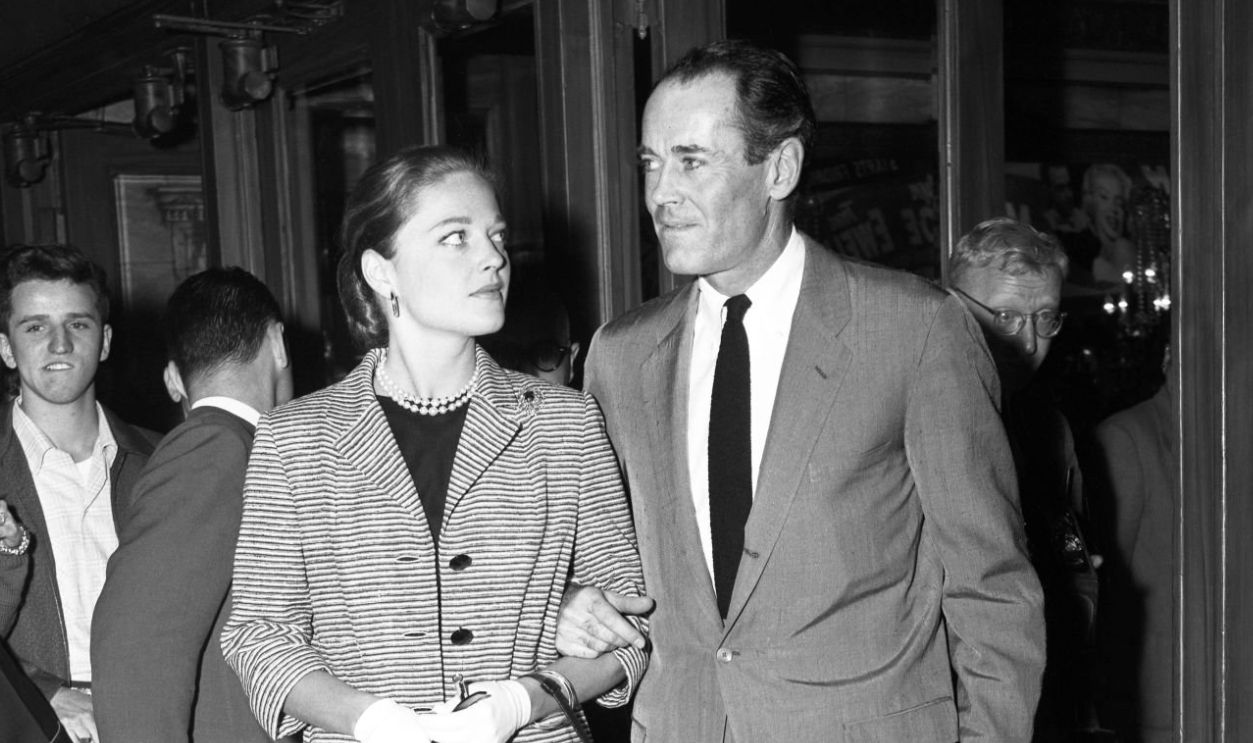
Jane Actually Came To Love Susan
Jane later spoke warmly about Susan Blanchard and credited her with teaching her lessons she would eventually use when she became a stepmother herself. Henry and Susan’s marriage didn’t last either, but Jane’s affection for her adds another layer to a family story where almost nobody fits neatly into the role of villain or hero.
Jane Followed Her Father Anyway
Despite everything between them, Jane eventually entered the family business. She became one of the biggest actresses of her generation, winning Oscars for Klute and Coming Home. Peter found his own kind of stardom with Easy Rider. Two children who struggled to communicate with their famous father somehow ended up speaking his language: acting.
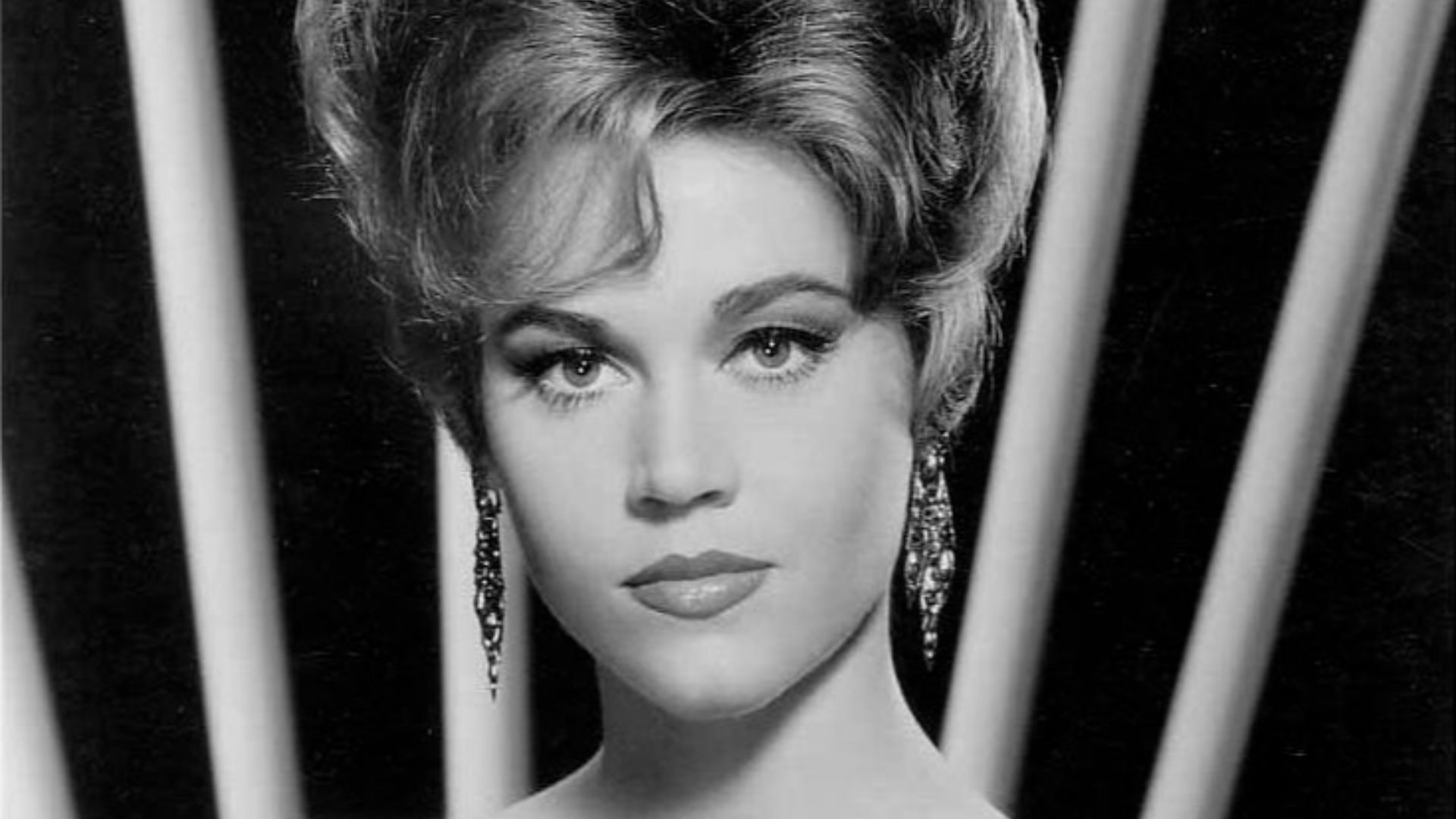
Jane Spent Years Trying To Reach Him
Success didn’t automatically fix Jane’s relationship with Henry. She has said she spent much of her adult life trying to connect with him and get the kind of emotional response she had wanted as a child. Then she came across a story about a daughter struggling to reach her emotionally distant father. You can probably see where this is going.
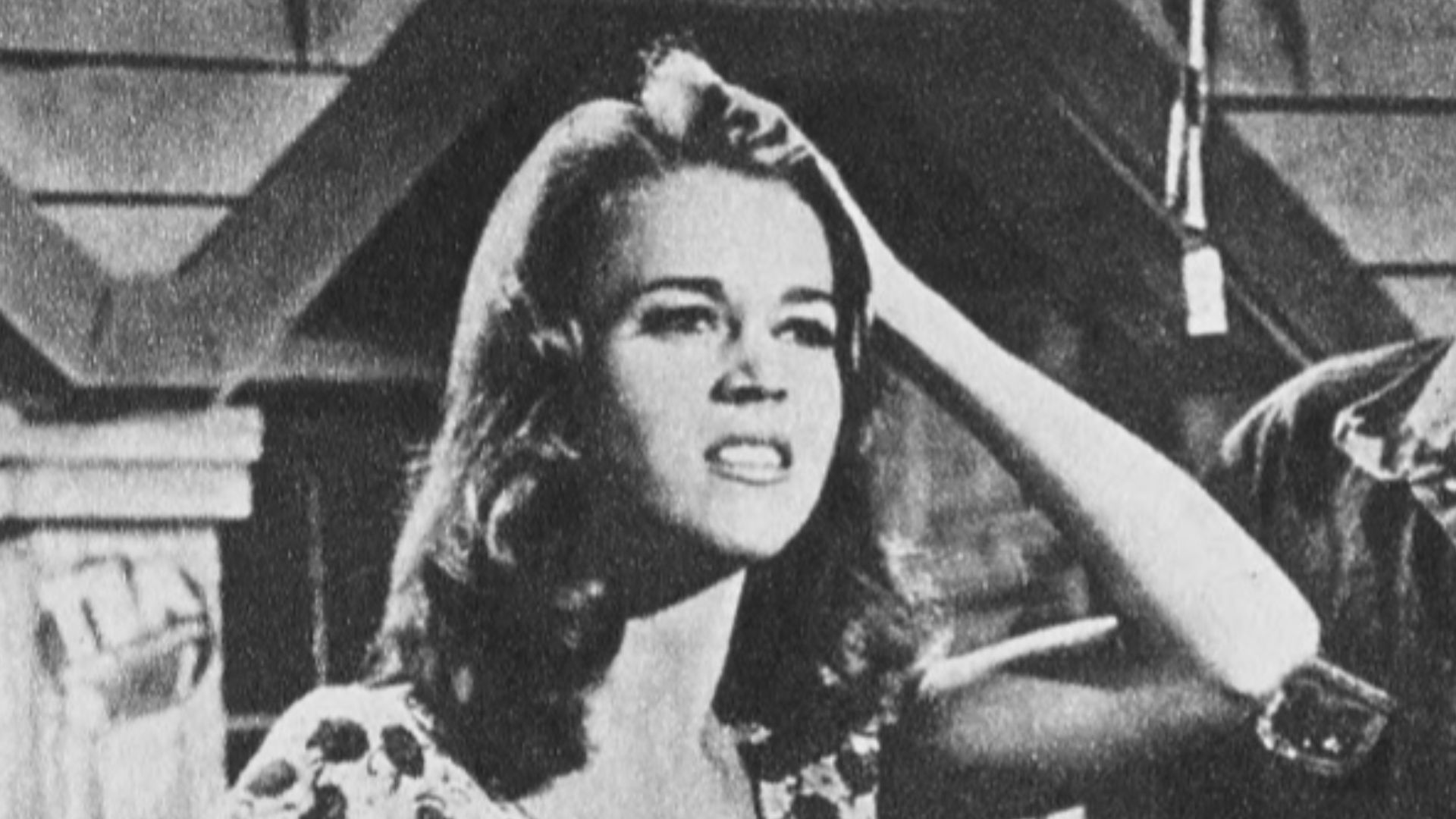 Unknown photographer / Columbia Pictures, Wikimedia Commons
“On Golden Pond” Became Personal
Jane bought the screen rights to On Golden Pond with Henry in mind. She would play Chelsea, the daughter of Henry’s Norman Thayer, while Katharine Hepburn played his wife. The fictional father and daughter had years of resentment, hurt, and emotional distance between them. So did the actors playing them.
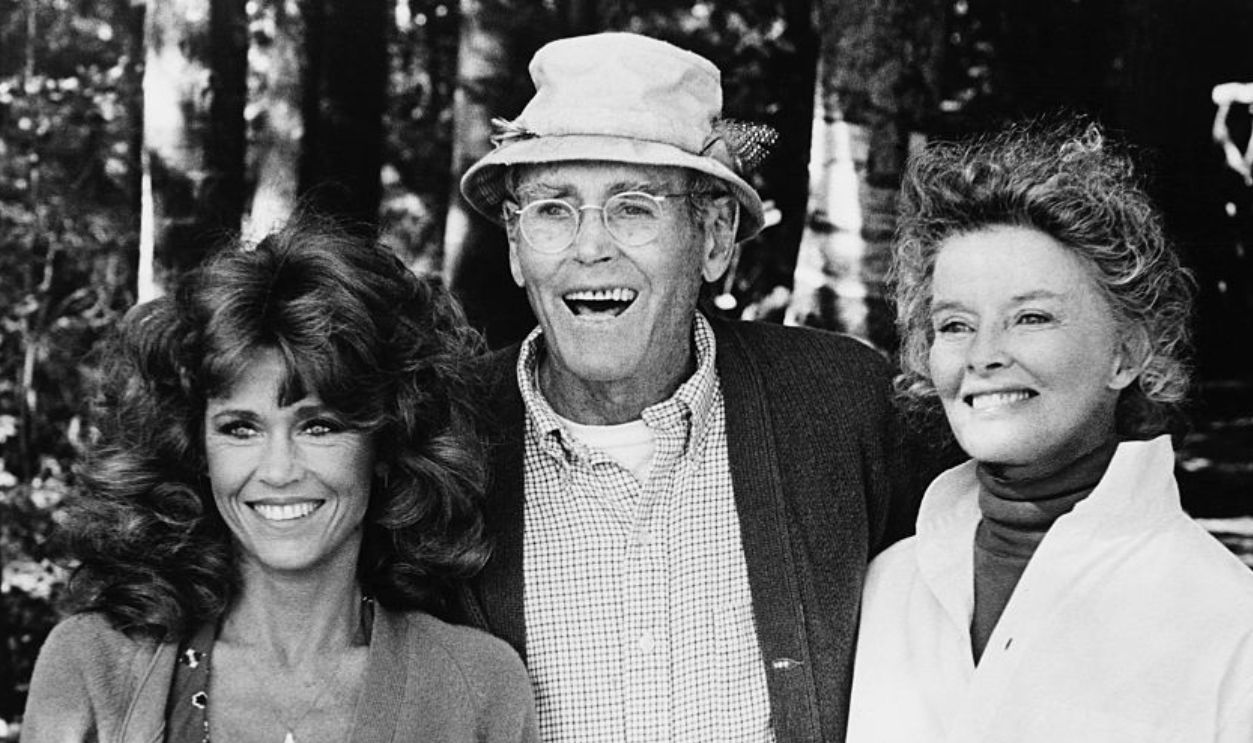 John Springer Collection, Getty Images
They Weren’t Really Acting All Of It
Jane has said the onscreen relationship closely paralleled the one she actually shared with her father. During one deeply emotional scene, Chelsea tells Norman that she wants them to become friends. Jane reached out and touched Henry’s arm. The gesture wasn’t planned—and what happened next was even more personal.
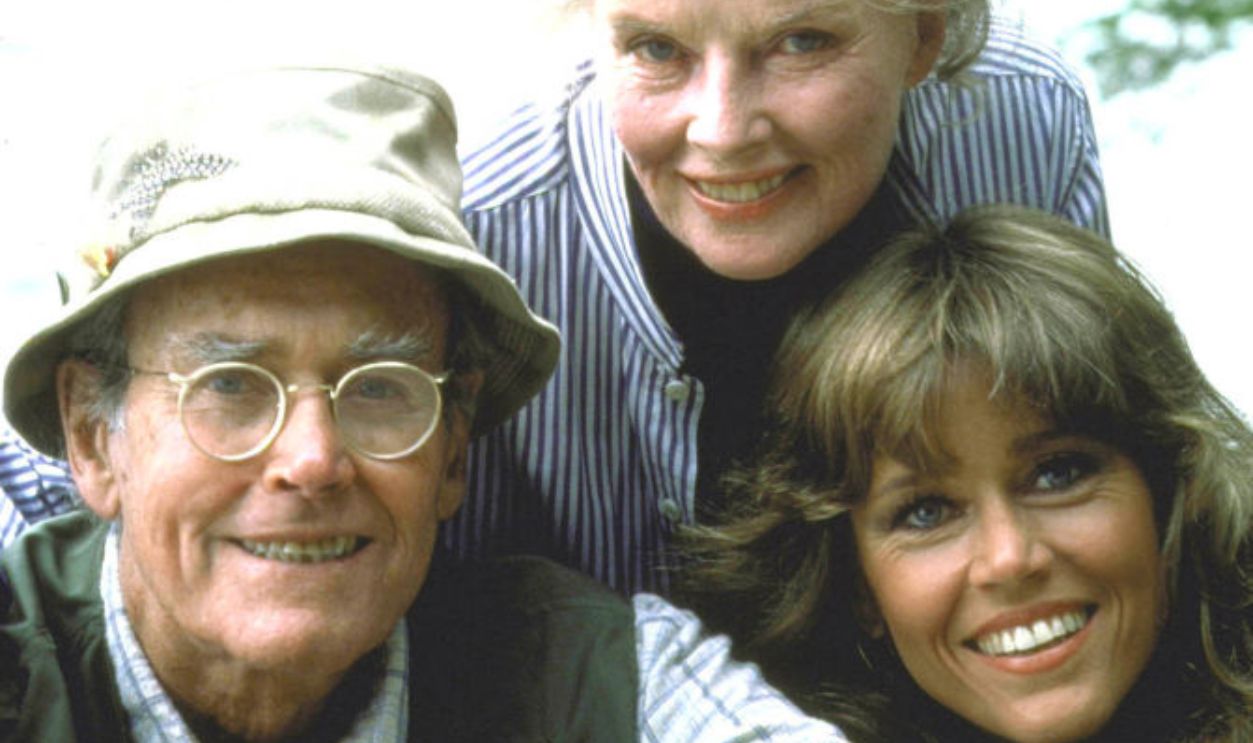
Henry’s Tears Were Real
Jane later recalled seeing tears begin in her father’s eyes before he lowered his head and turned away. After a lifetime of struggling to connect with him, she had finally found the thing Henry seemed to understand better than almost anything else: a script. And this one gave father and daughter a way to say what they had never quite managed to say at home.
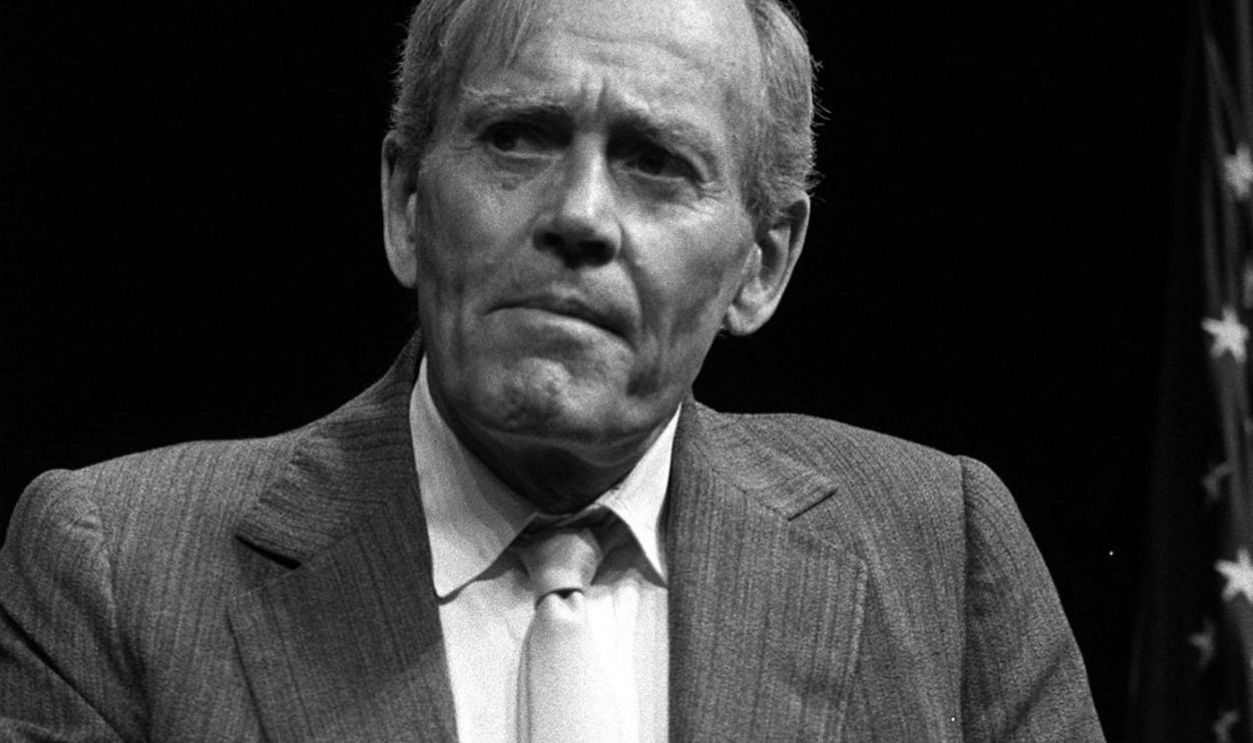
Then Came His Oscar
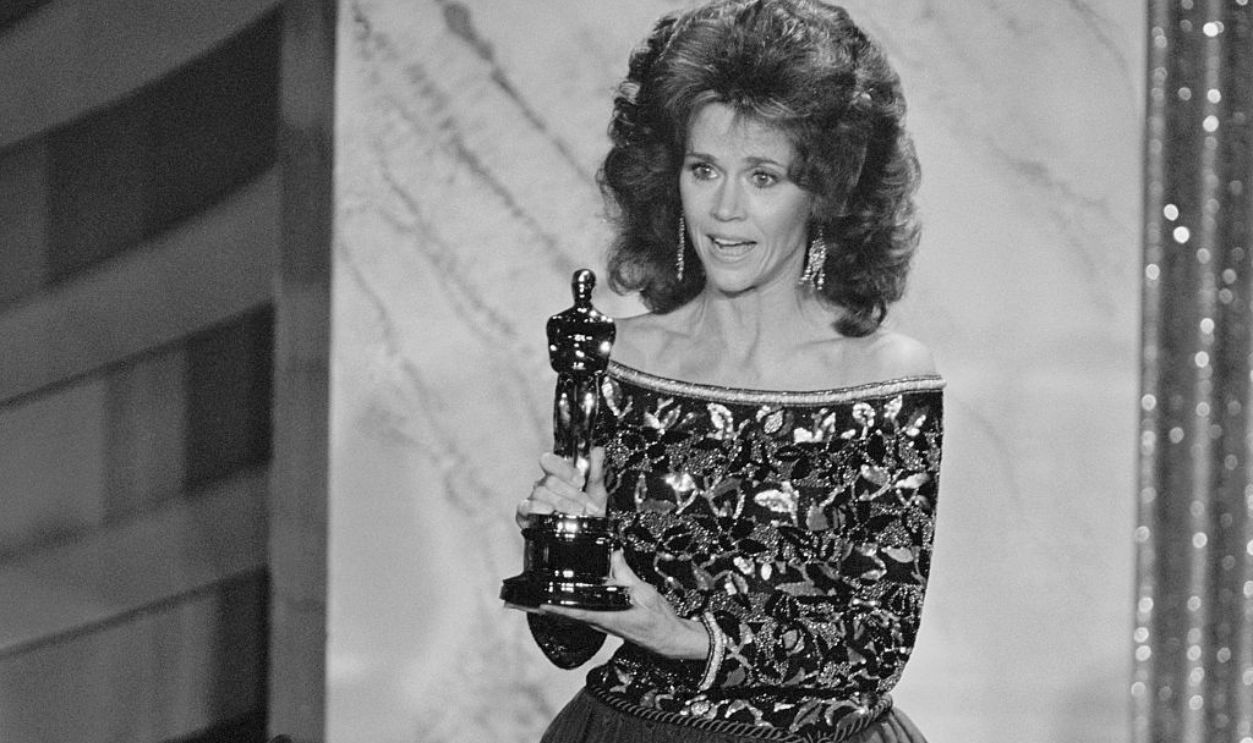
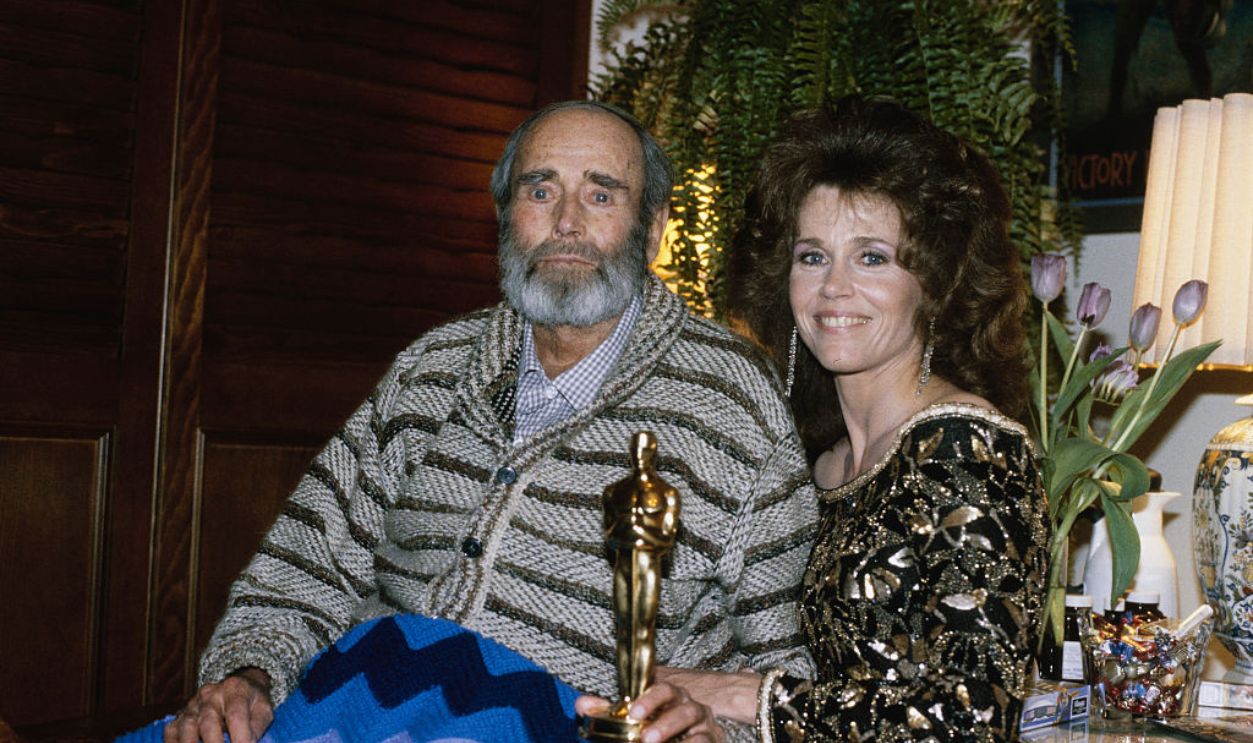
On Golden Pond became a major success, and Henry won the Academy Award for Best Actor. He was too ill to attend the ceremony, so Jane accepted it for him. Standing onstage, she spoke proudly about her father. This time, millions of people heard her say the things the two of them had spent years struggling to express privately.
They Didn’t Have Much Time Left
Henry passed away in August 1982, only months after winning his Oscar. Jane would later describe On Golden Pond as a kind of resolution between them. It couldn’t rewrite their childhood, bring Frances back, or erase decades of emotional distance. But it gave father and daughter something they had rarely managed before: a way to reach each other.
Jane Eventually Went Looking For Frances
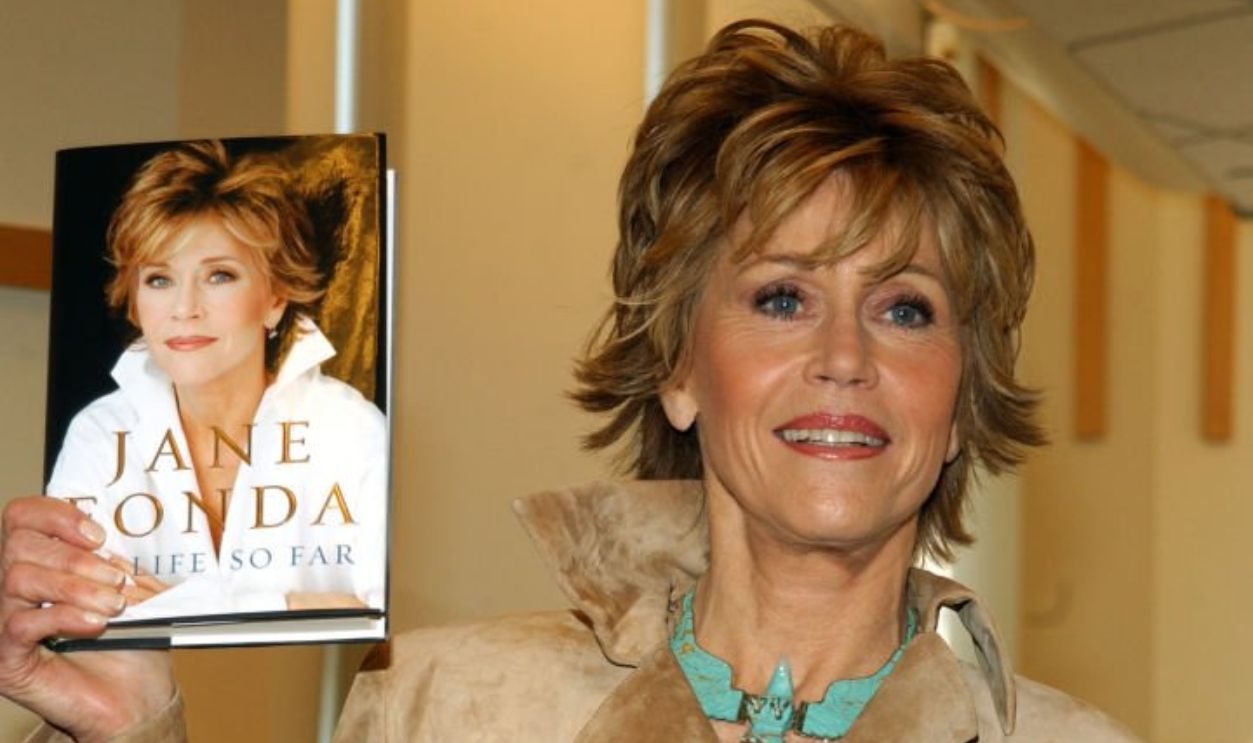
Years later, while working on her memoir My Life So Far, Jane obtained her mother’s medical records. She learned details about Frances’s childhood, mental health, and traumatic experiences that she had never known as a girl. Suddenly, the mother Jane remembered looked very different from the woman she had spent decades trying to understand.
Understanding Changed Everything
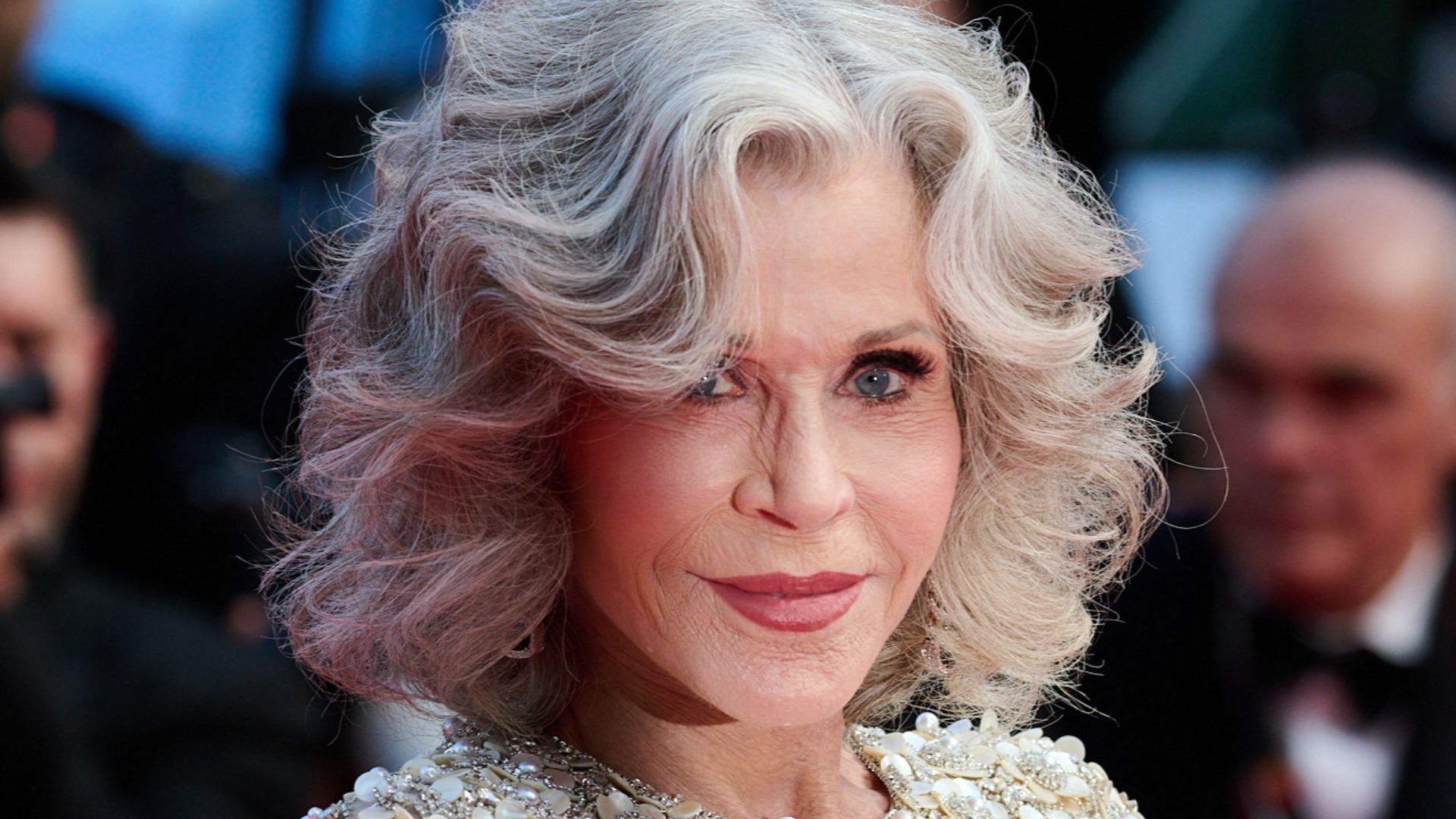
Jane has spoken about finally realizing that her mother’s inability to give her the love she needed wasn’t really about Jane at all. That realization allowed her to feel something she hadn’t been able to fully grasp as a frightened 12-year-old: compassion for Frances. It had taken most of a lifetime to get there.
 Gabriel Hutchinson, Wikimedia Commons
More Complicated Than The Movies
Henry Fonda remains one of the great actors of Hollywood’s golden era. Nothing about his complicated private life changes what he accomplished onscreen. But behind that reassuring voice and famously decent screen presence was a family struggling with grief, distance, silence, and one enormous secret. Sometimes the man playing the perfect father is still trying to figure out how to be one.
 Studio publicity still, Wikimedia Commons
You Might Also Like: