They Were Funny. You Had To Be There.
Baby Boomers loved these comics. They watched them on Carson, bought their records, and repeated their jokes until everyone else wished they’d stop. Millennials? They might not even recognize the names.
But how many do you remember—and who still makes you laugh?
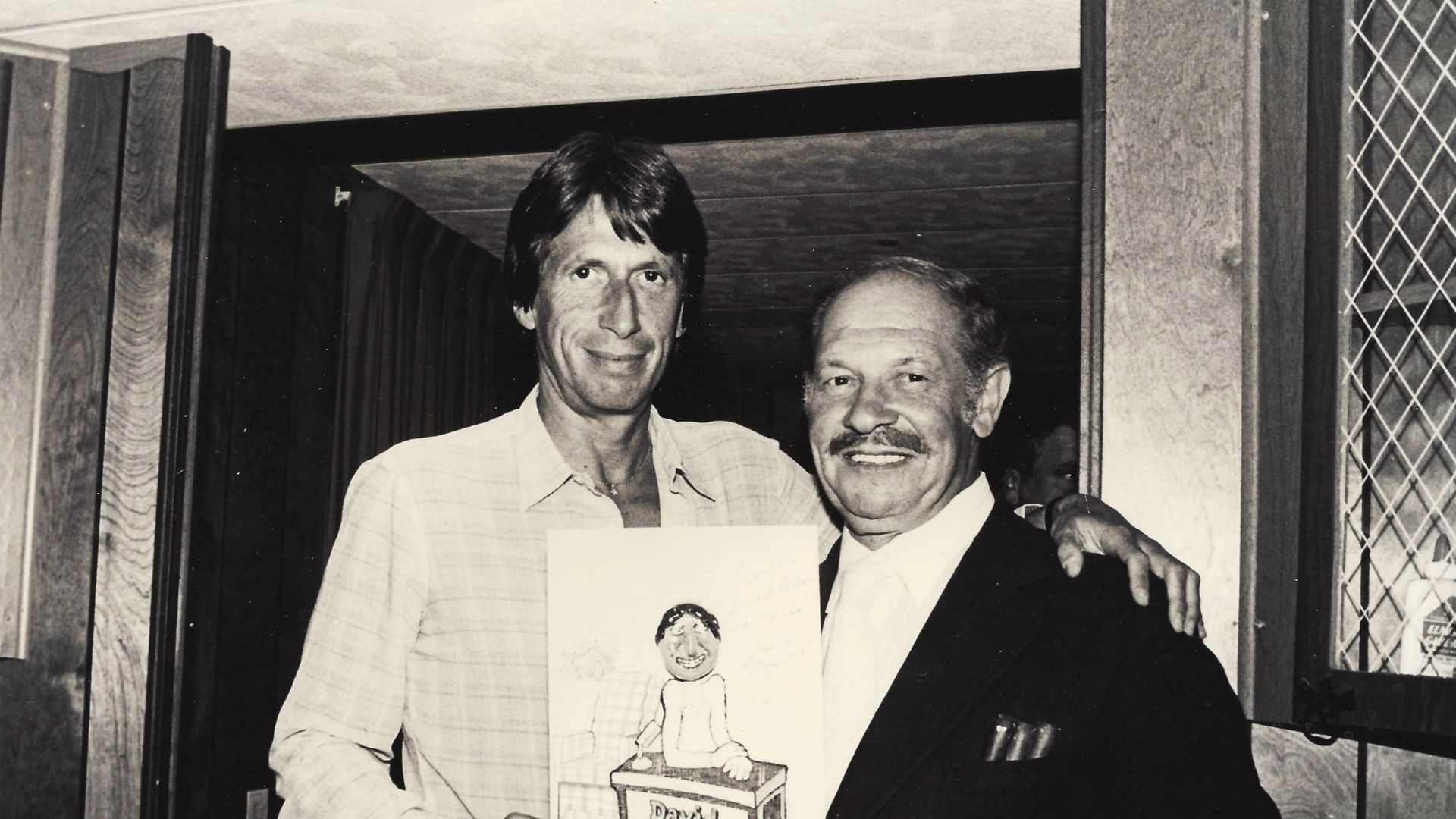
David Brenner
Before Jerry Seinfeld made everyday annoyances his business, David Brenner was getting laughs from things people barely noticed. His 1971 debut on Johnny Carson’s “Tonight Show” helped make him a television regular. Tall, relaxed, and usually grinning, he could make an ordinary day sound considerably funnier than yours.
 Carl Lender, Wikimedia Commons
Totie Fields
Totie Fields joked about shopping, her weight, and the diet she would presumably start eventually. Her 1972 book was called “I Think I’ll Start on Monday: The Official 8½ Oz. Mashed Potato Diet.” She sounded like your funniest friend. Possibly your loudest, too.
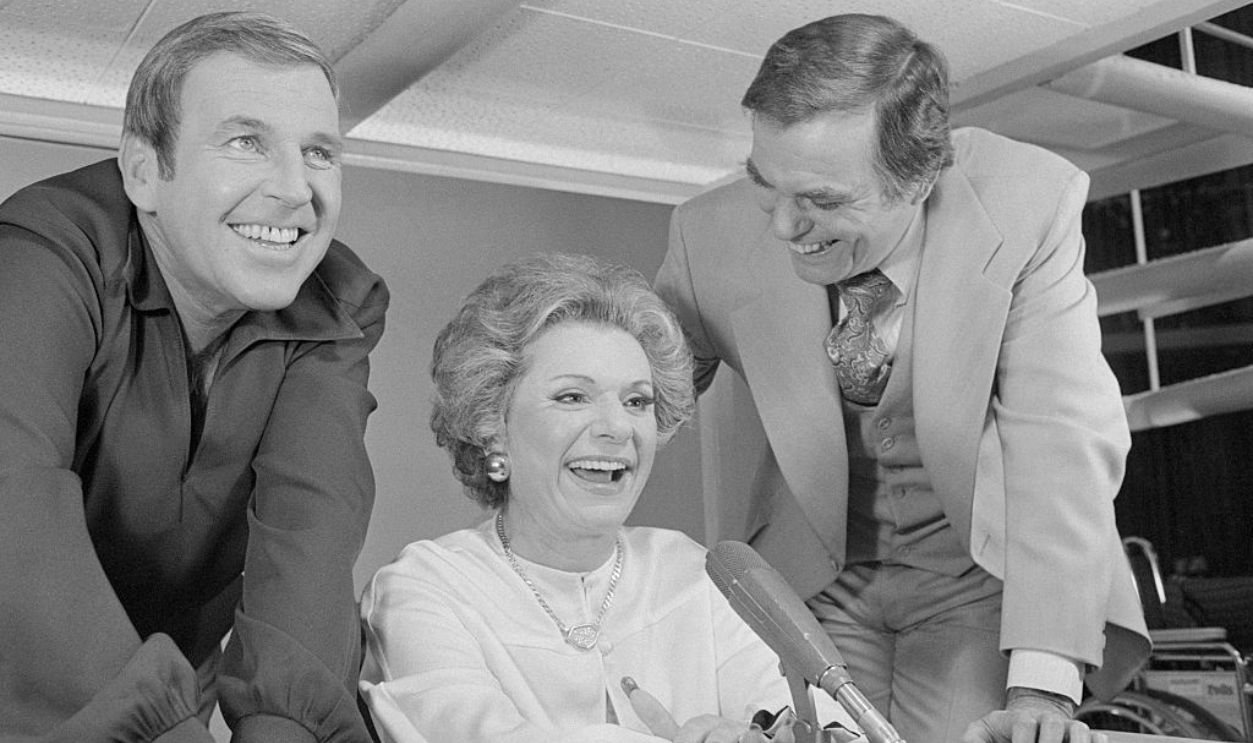
Freddie Prinze
Millennials might know Freddie Prinze Jr., but his father was getting huge laughs before the younger Freddie was born. His December 1973 Carson appearance shows just how confident he was onstage. “Chico and the Man” followed, but that sitcom success began with a young comic and a microphone.
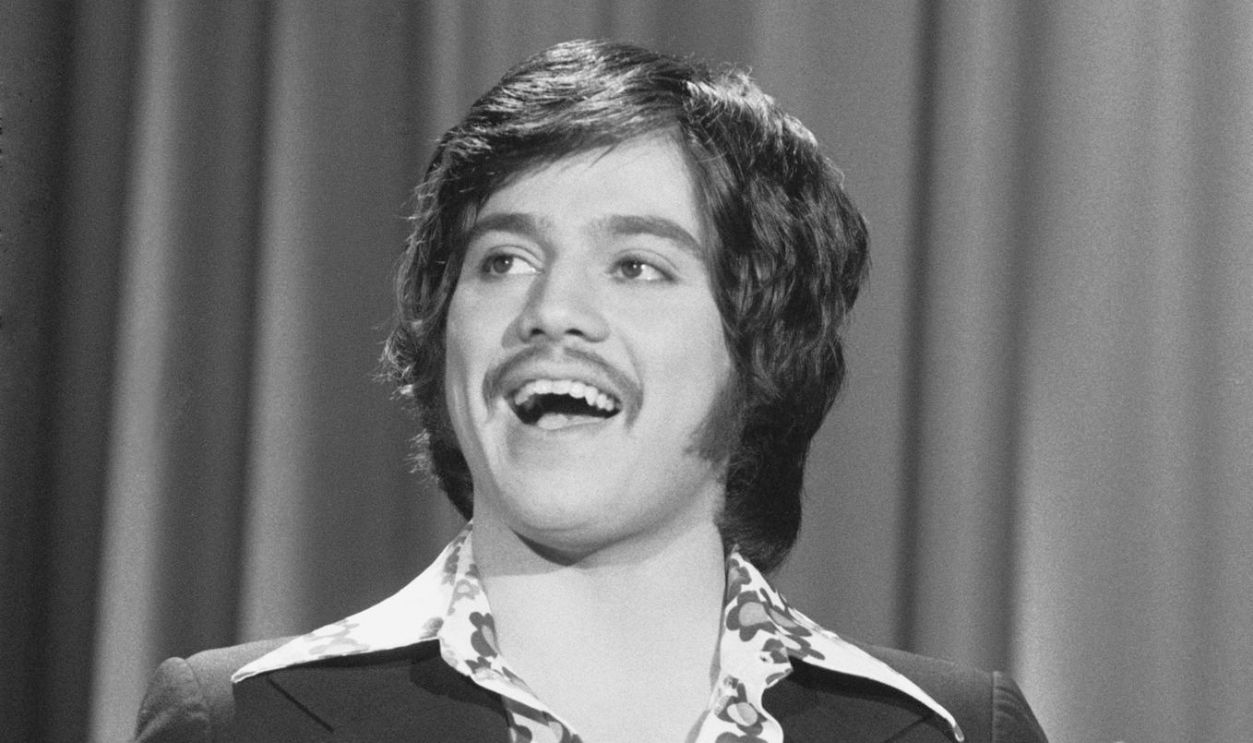
Foster Brooks
Foster Brooks could barely finish a sentence—and that was the whole point. His famously tipsy character stumbled through speeches while desperately trying to appear respectable. A favorite on Dean Martin’s celebrity roasts, he made the pauses, hiccups, and struggle to get the words out as funny as the punchlines.
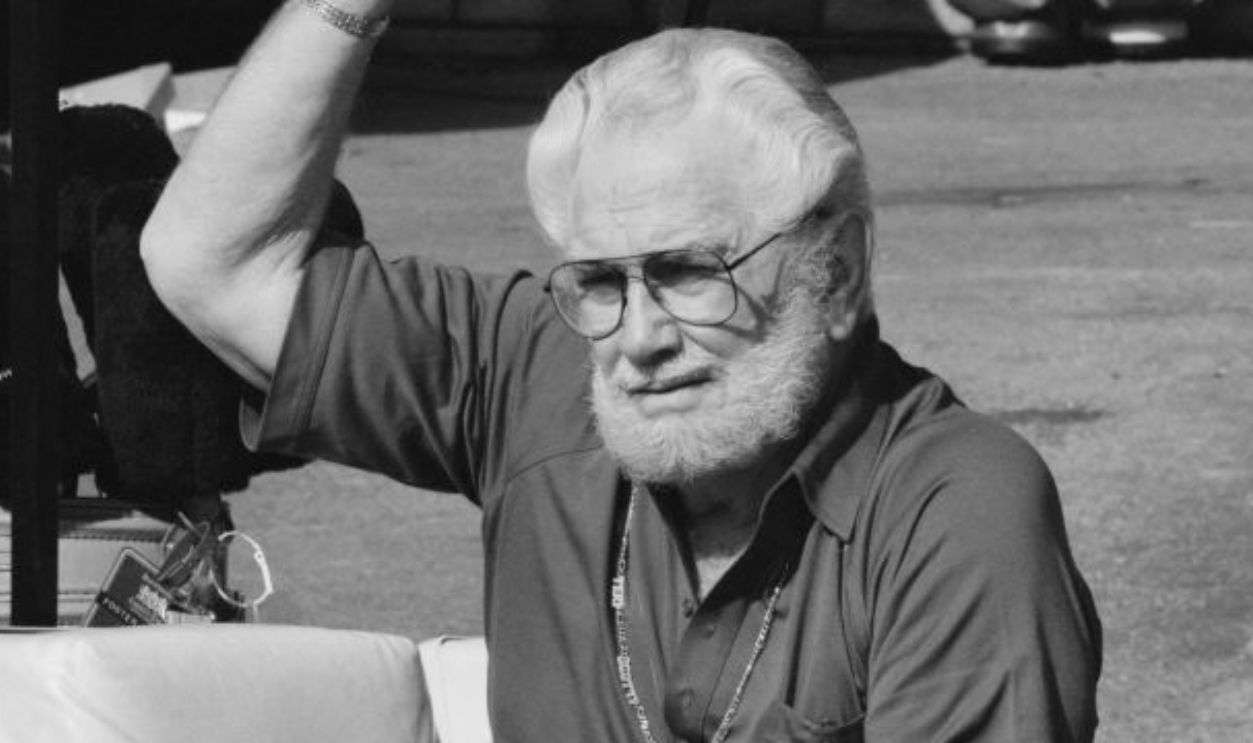 Michael Ochs Archives, Getty Images
Robert Klein
Robert Klein’s 70s albums turned childhood memories, advertising, and everyday frustrations into smart, conversational comedy. In 1975, he starred in HBO’s first stand-up comedy special. That’s a pretty significant place in comedy history for someone younger viewers might recognize only as an actor playing somebody’s father.
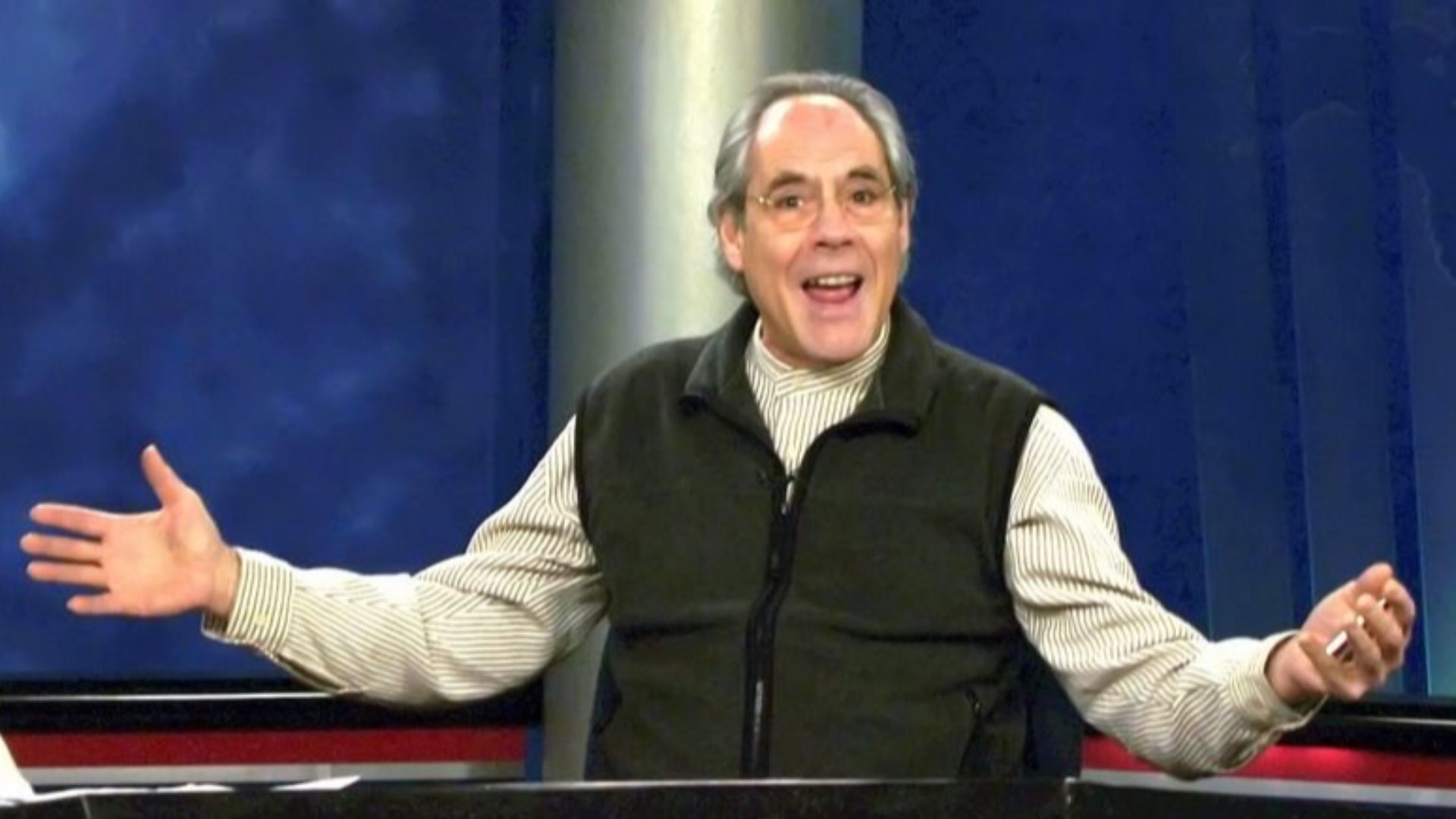 Philkon Phil Konstantin, Wikimedia Commons
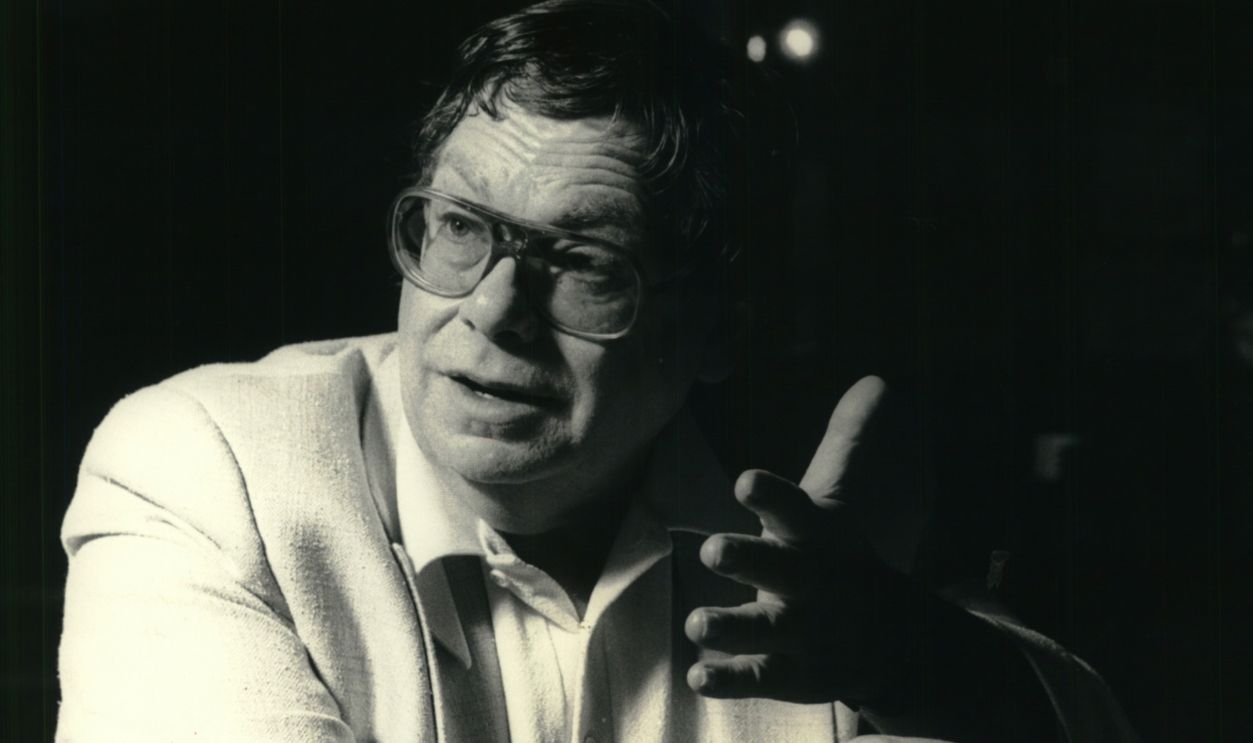
Jackie Vernon
You’ve probably heard Jackie Vernon without knowing it: He voiced Frosty the Snowman. His stand-up was considerably less cheerful, built around a wonderfully defeated character describing life’s disappointments. He delivered jokes as though even telling them was another inconvenience. Frosty apparently had quite a different personality away from the children.
 Houston Chronicle/Hearst Newspapers, Getty Images
Franklyn Ajaye
Franklyn Ajaye didn’t need to shout his way to a laugh. His relaxed delivery and carefully timed observations gave his comedy a distinctive rhythm. He released albums in 1973 and 1974, and appeared in “Car Wash” in 1976. Recognize the face? Good. Now go hear the act.
 A&M Records, Wikimedia Commons
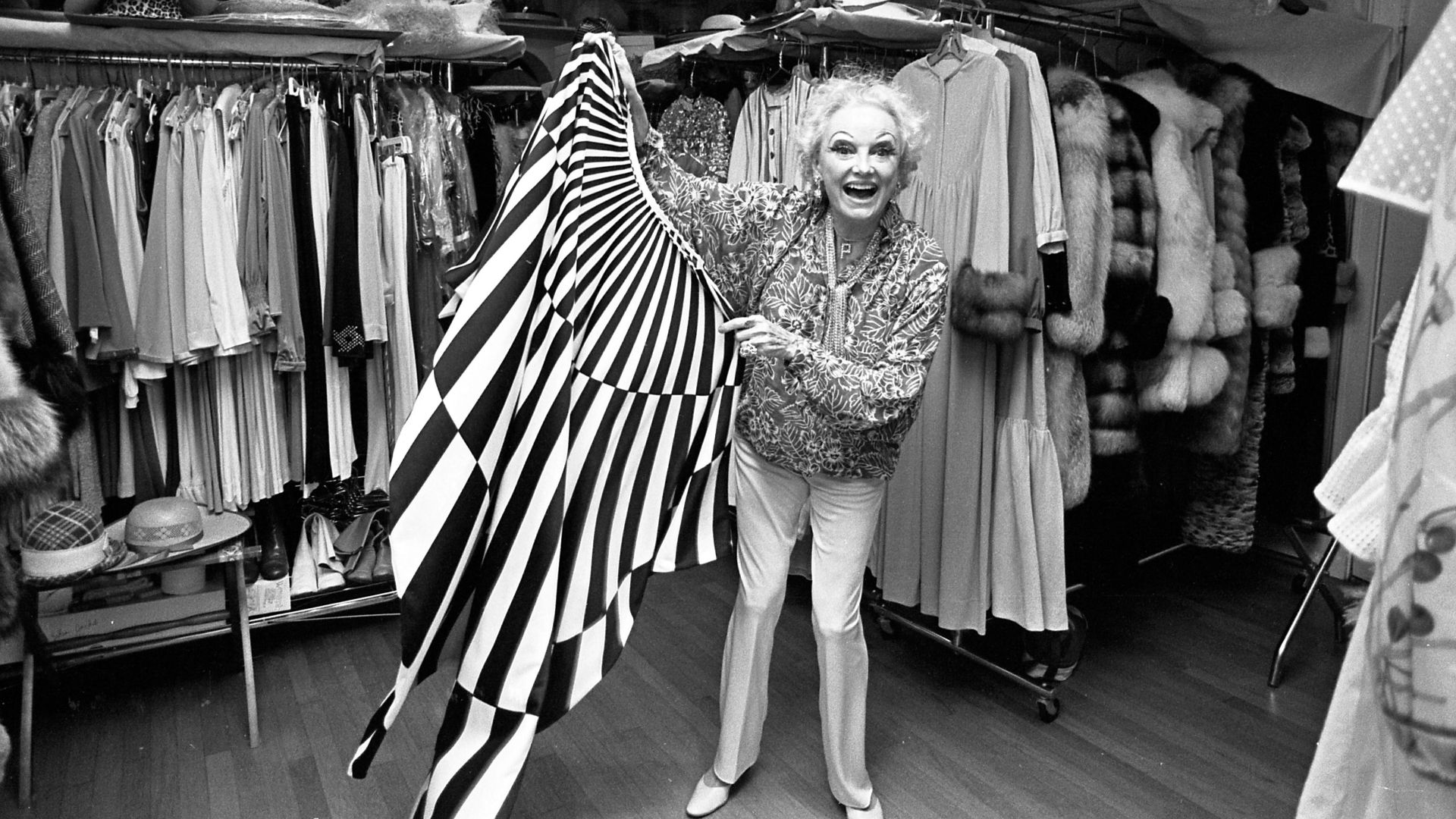
Phyllis Diller
The wild hair and unmistakable laugh were only part of Phyllis Diller’s act. She fired off jokes about housekeeping, her appearance, and her imaginary husband, Fang. Her joke collection eventually went to the Smithsonian. Most people leave behind family photographs. Diller left enough punchlines to fill a filing cabinet.
 Larry Armstrong, Los Angeles Times, Wikimedia Commons
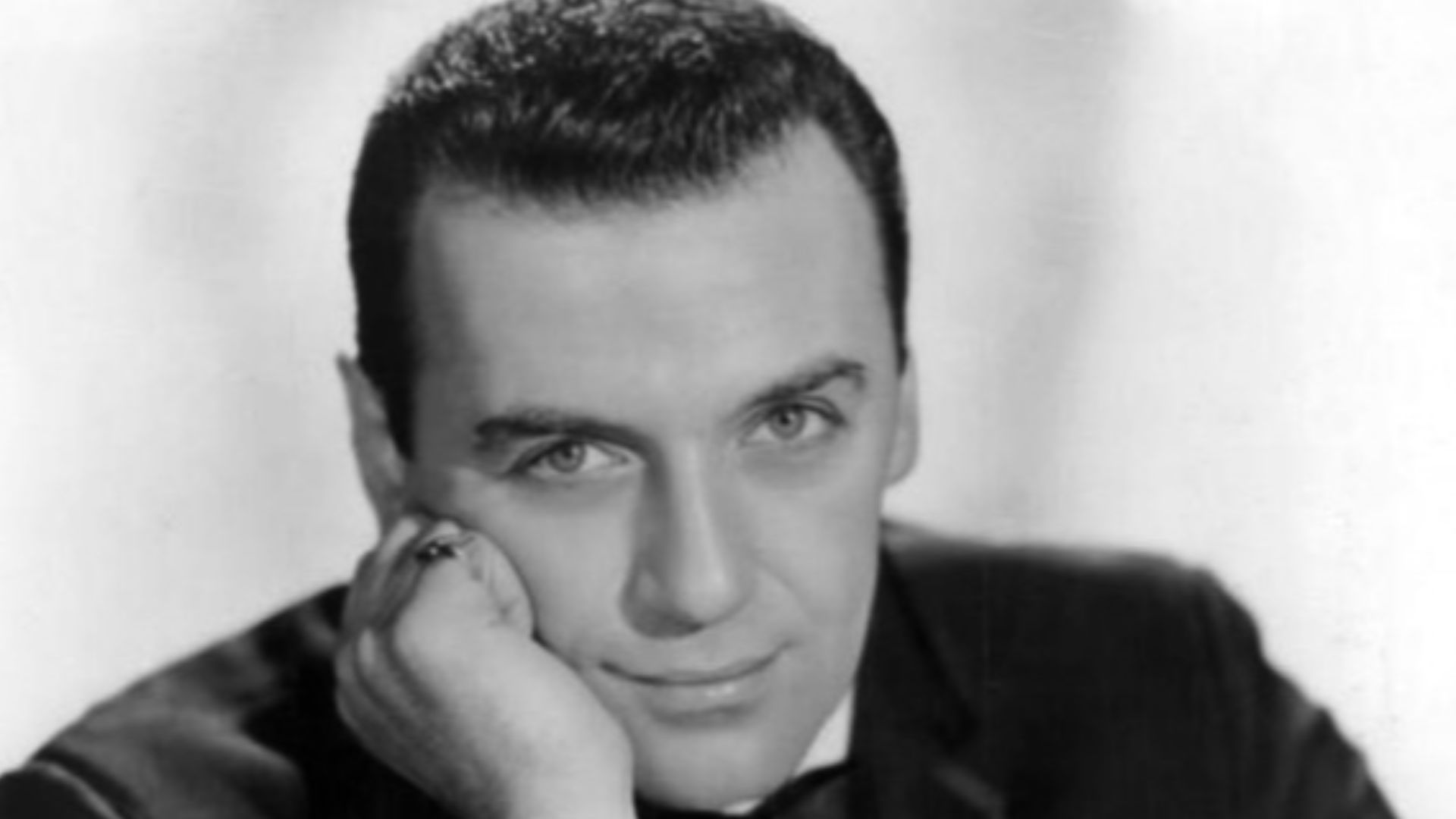
Norm Crosby
Norm Crosby specialized in using precisely the wrong word with complete confidence. His mangled vocabulary made him a favorite on television and the Dean Martin roasts, and he began hosting “The Comedy Shop” in 1978. You knew he was going to get something wrong. The fun was waiting to hear what.
 William Morris Agceny (management); Photographer: Maurice Seymour, New York., Wikimedia Commons
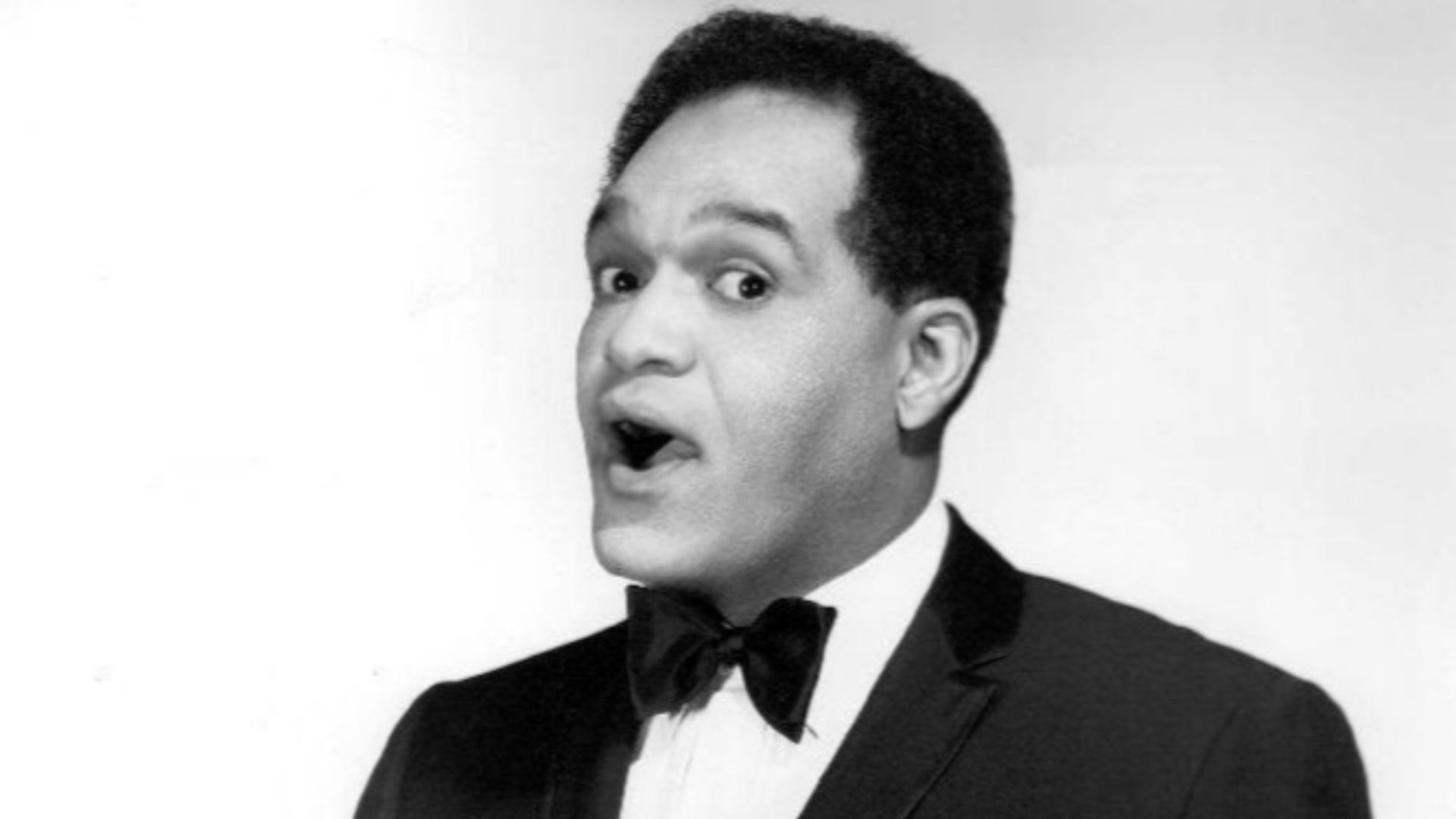
Slappy White
Slappy White spent years entertaining nightclub audiences and working alongside Redd Foxx. Some viewers might remember him as Melvin on “Sanford and Son,” but television captured only part of his career. He belonged to a generation of comics who learned to get laughs from people sitting right in front of them.
 Associated Booking Corporation (agent)/photo-
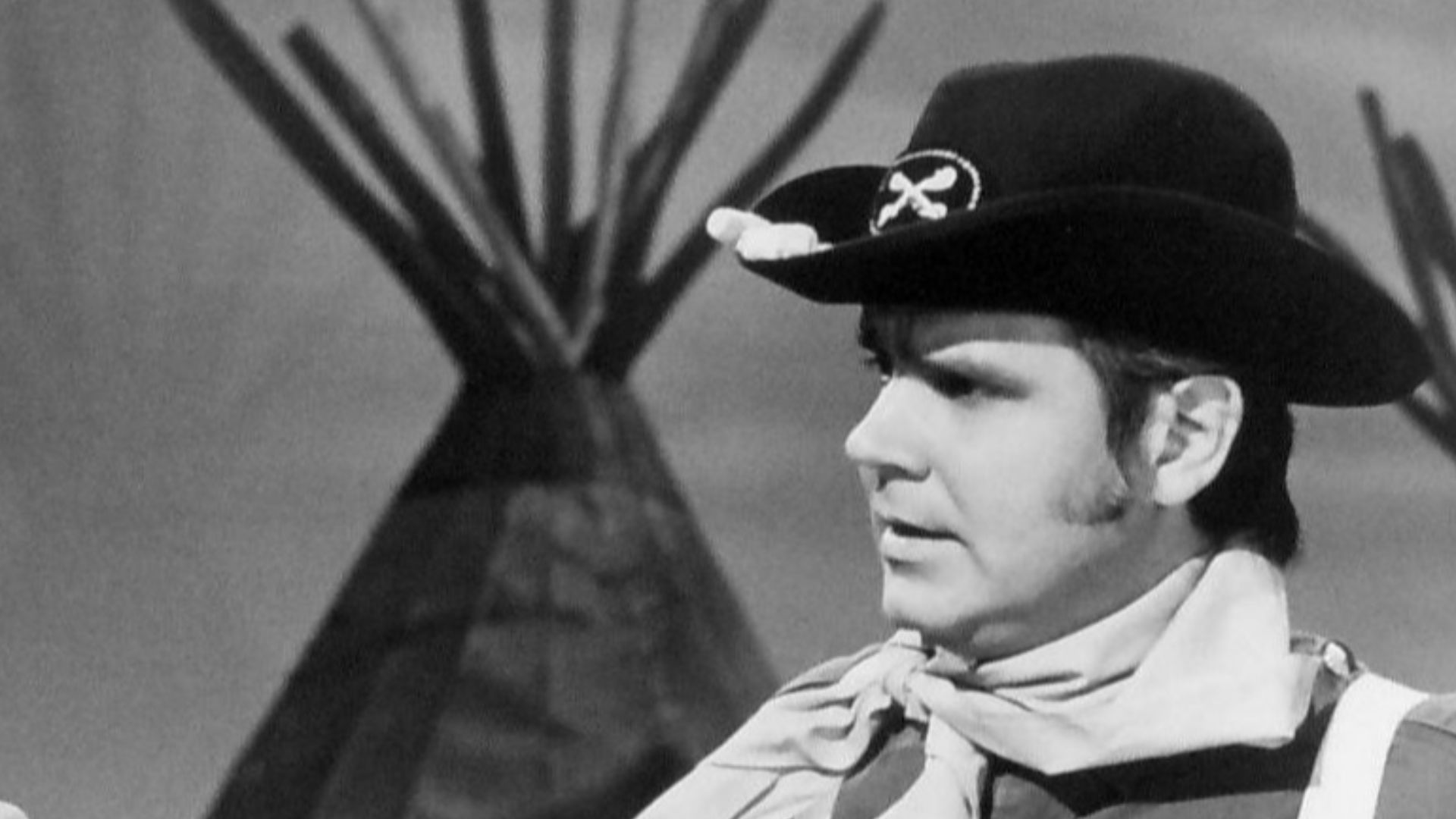
Rich Little
Rich Little could give you several celebrities for the price of one comedian. His impressions of figures such as Richard Nixon became familiar television entertainment in the 70s. The voices were remarkably accurate, but the comedy came from what he had those famous people say once he borrowed them.
 ABC Television, Wikimedia Commons
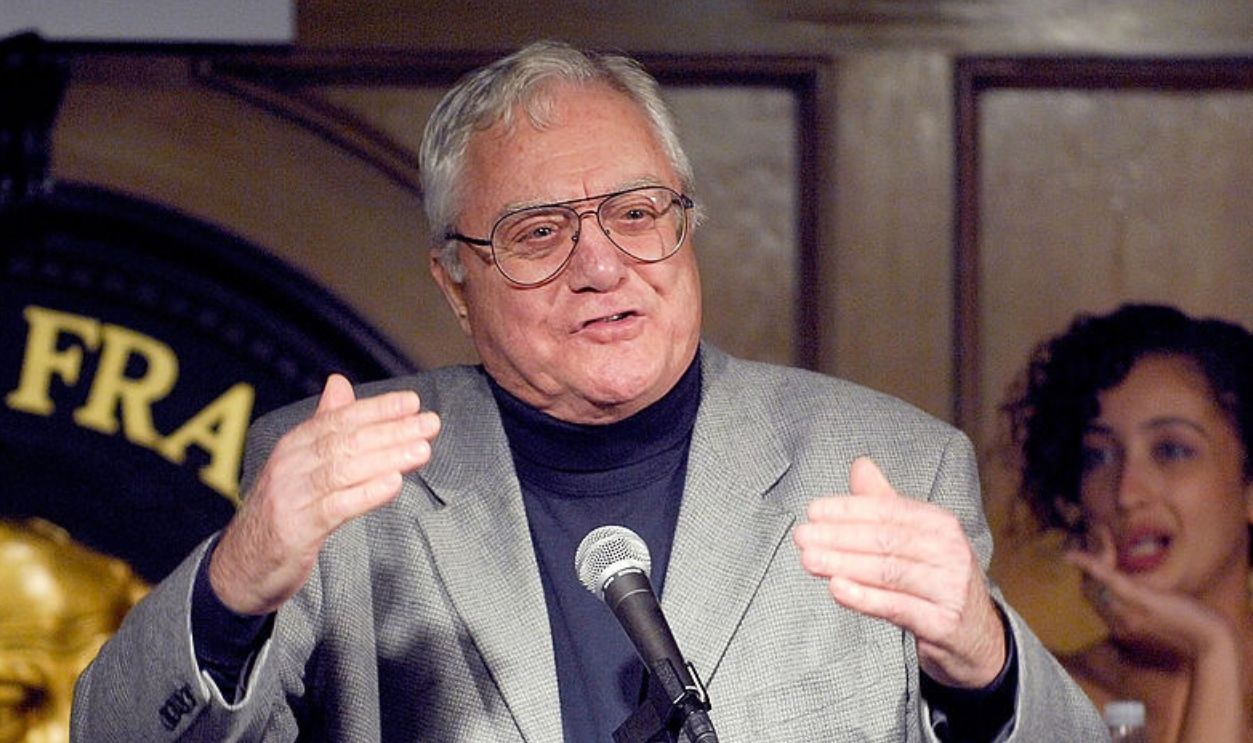
Pat Cooper
Pat Cooper made his Italian American upbringing a major part of his comedy, bringing family complaints and exasperation to television appearances throughout the 70s. He didn’t sound like someone politely explaining a problem. He sounded like someone who had explained it already and couldn’t believe you still weren’t listening.
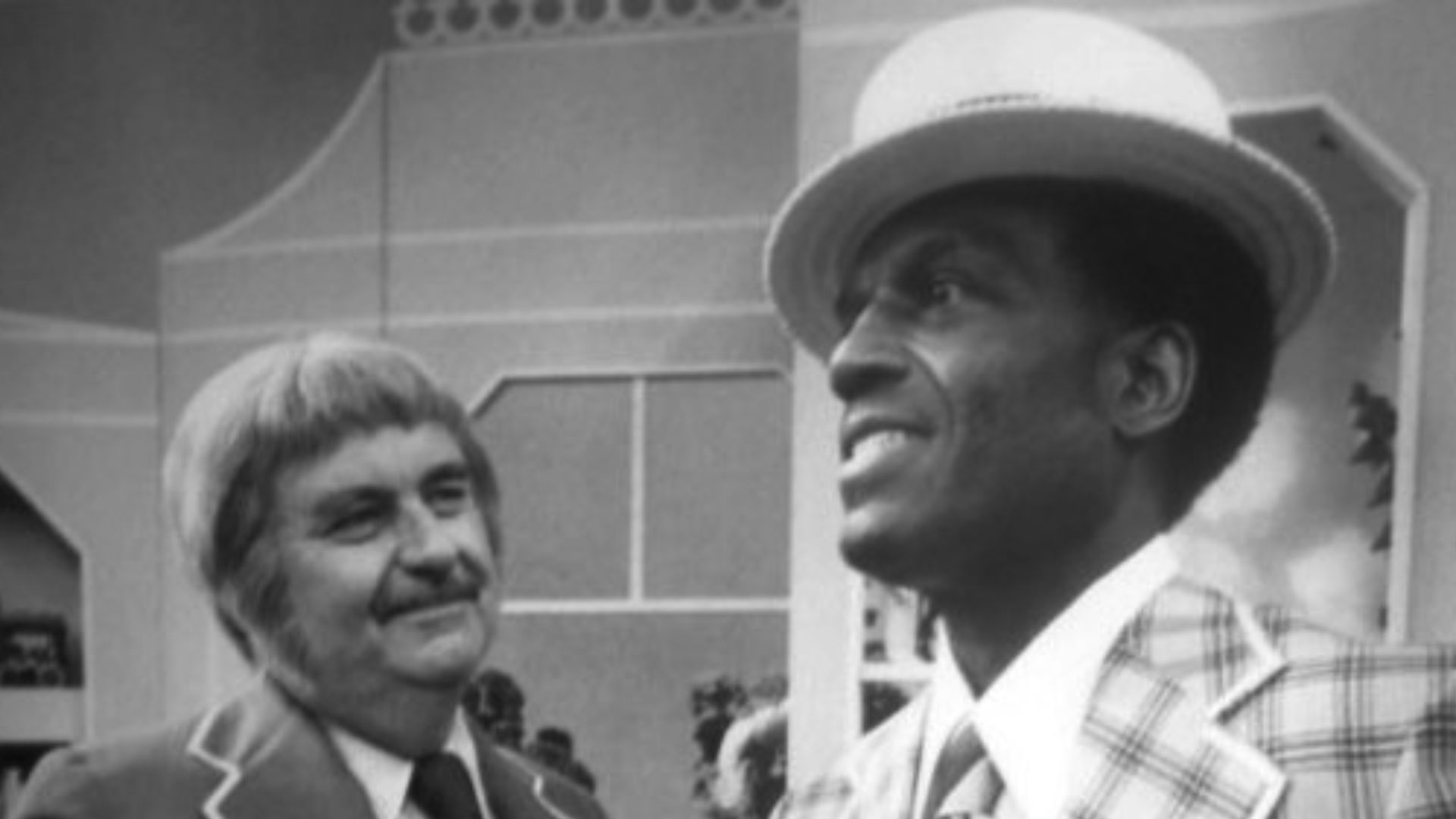
Nipsey Russell
Nipsey Russell could deliver a punchline and make it rhyme. His short comic poems became a trademark on game shows and television appearances, while his nightclub background supplied the timing. You might remember the Tin Man from “The Wiz.” Boomers also remember a man who could make poetry worth sitting through.
 CBS Uploaded by We hope at en.wikipedia, Wikimedia Commons
Charlie Callas
Charlie Callas didn’t always need actual words to be funny. His twitchy expressions, strange noises, and sound effects were central to his act. Reading a description doesn’t really do him justice. This is one comic you need to watch—preferably before someone asks why you’re laughing at those noises.
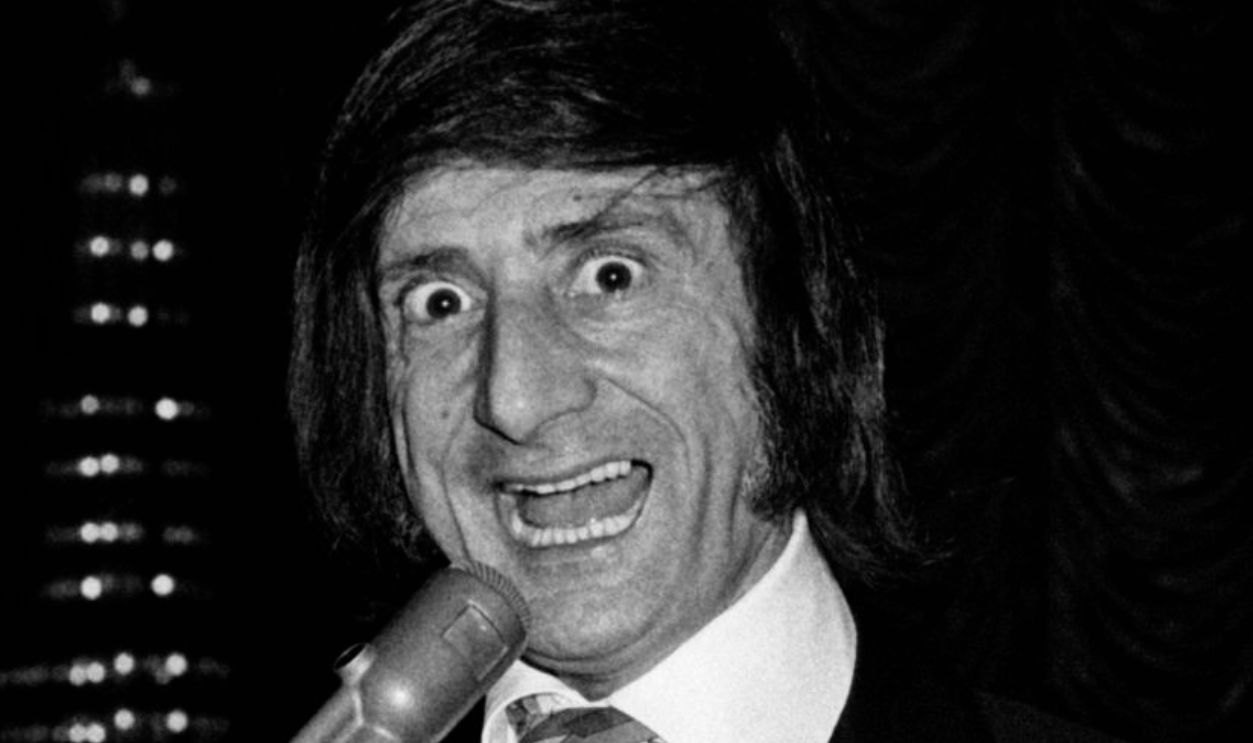
Kelly Monteith
Kelly Monteith found comedy in restaurants, hospitals, and the little things people say without thinking. His 70s talk-show appearances helped establish him in America, while a BBC series launched in 1979 brought him a British following. Apparently, everyday life was annoying enough to supply material on both sides of the Atlantic.
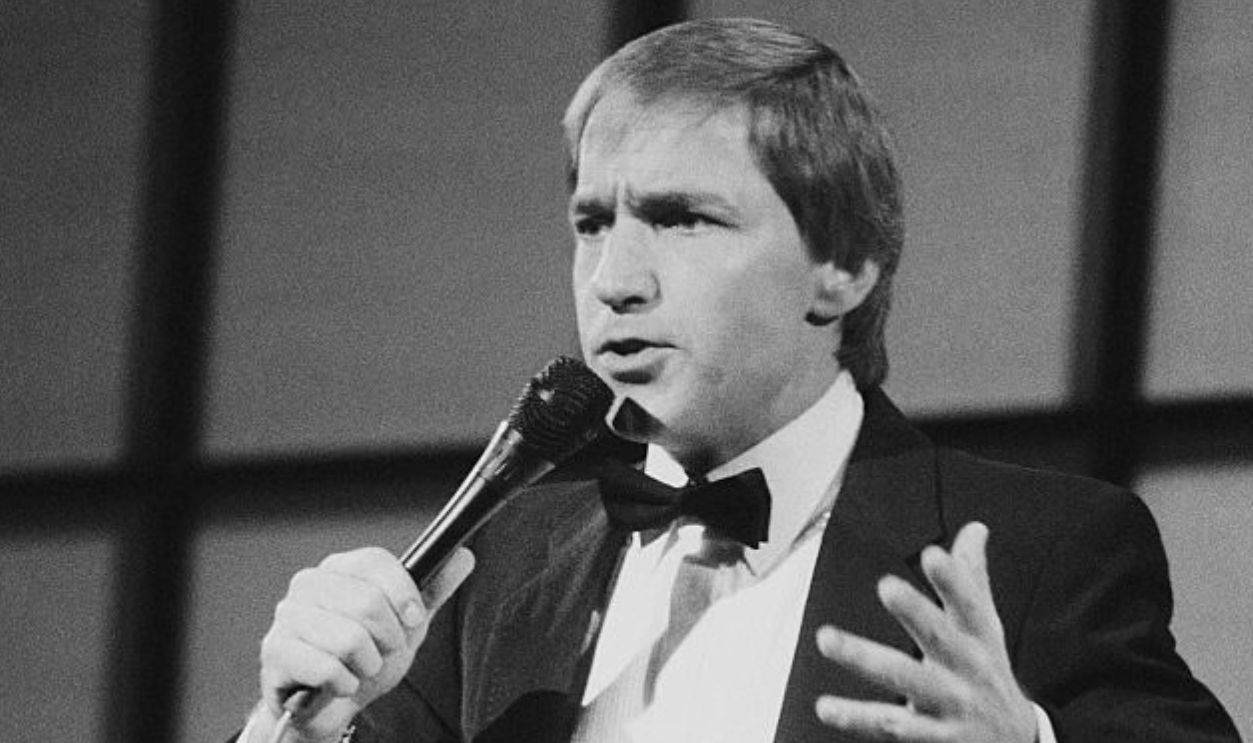
Alan King
Alan King could make suburban life sound like a terrible decision everyone had somehow agreed to make. His routines turned domestic frustrations into increasingly irritated complaints. For Boomers dealing with houses, families, and bills, the appeal was obvious: Finally, someone was getting paid to complain about the same things they were.
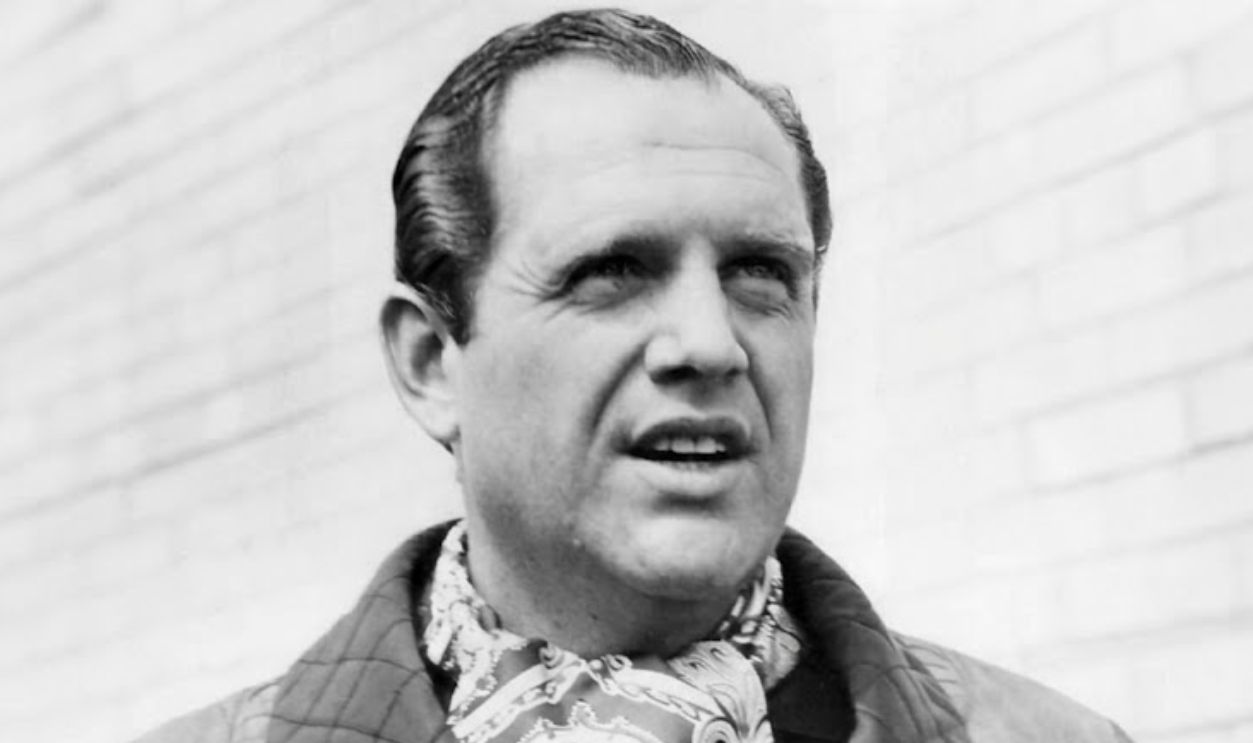 ABC Television, Wikimedia Commons
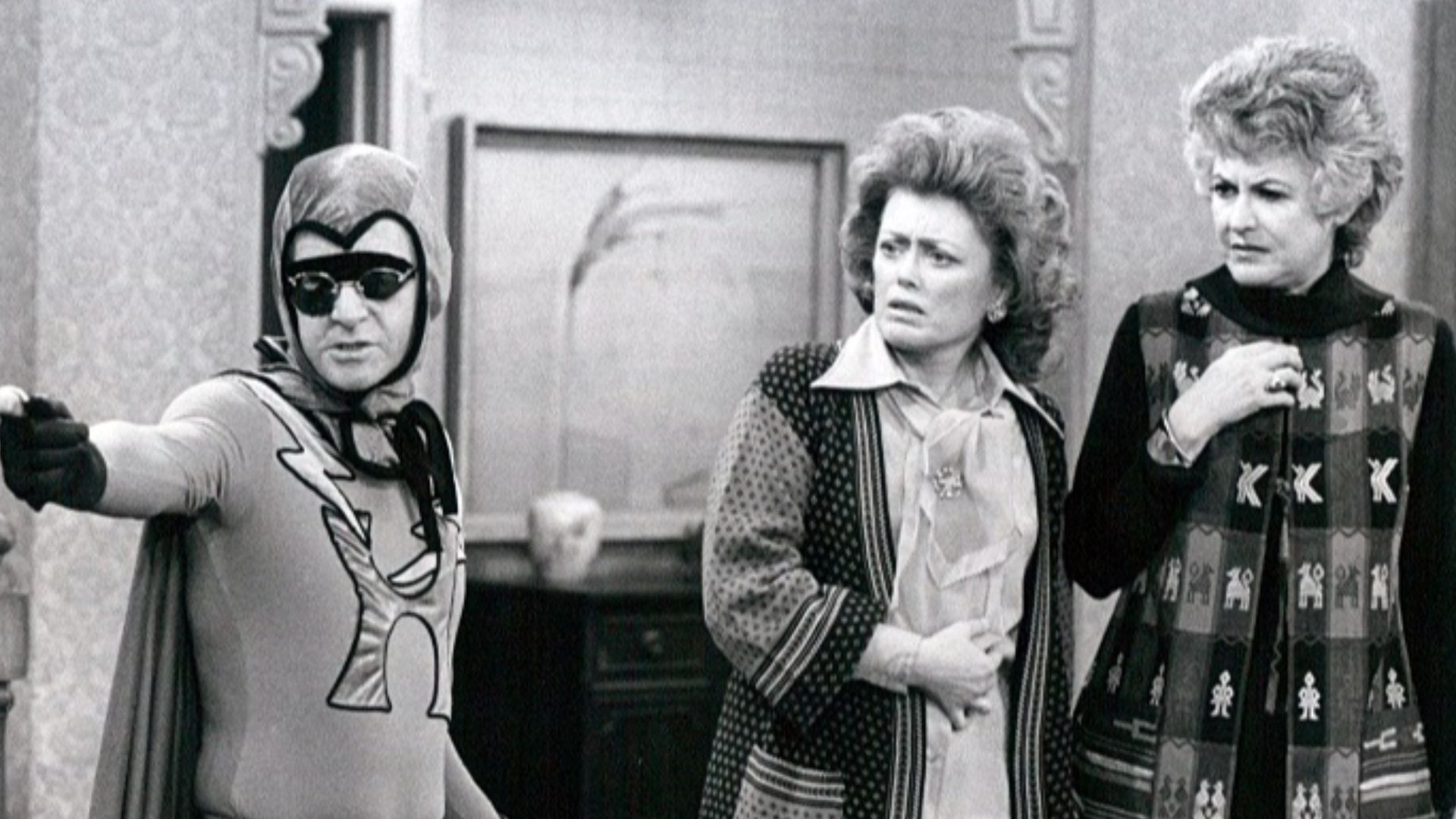
John Byner
John Byner combined stand-up with impressions, moving between voices and personalities. He hosted his own television comedy show in 1972, but younger audiences might know his cartoon work better. He supplied the voices of both the Ant and the Aardvark in the original cartoons. Yes, both of them.
 CBS Television, Wikimedia Commons
George Kirby
George Kirby could move from a celebrity impression to a singer’s voice with impressive ease. His television work included “Half the George Kirby Comedy Hour” in 1972 and an HBO “On Location” special in 1978. He was the kind of performer who could make a microphone seem like an entire cast.
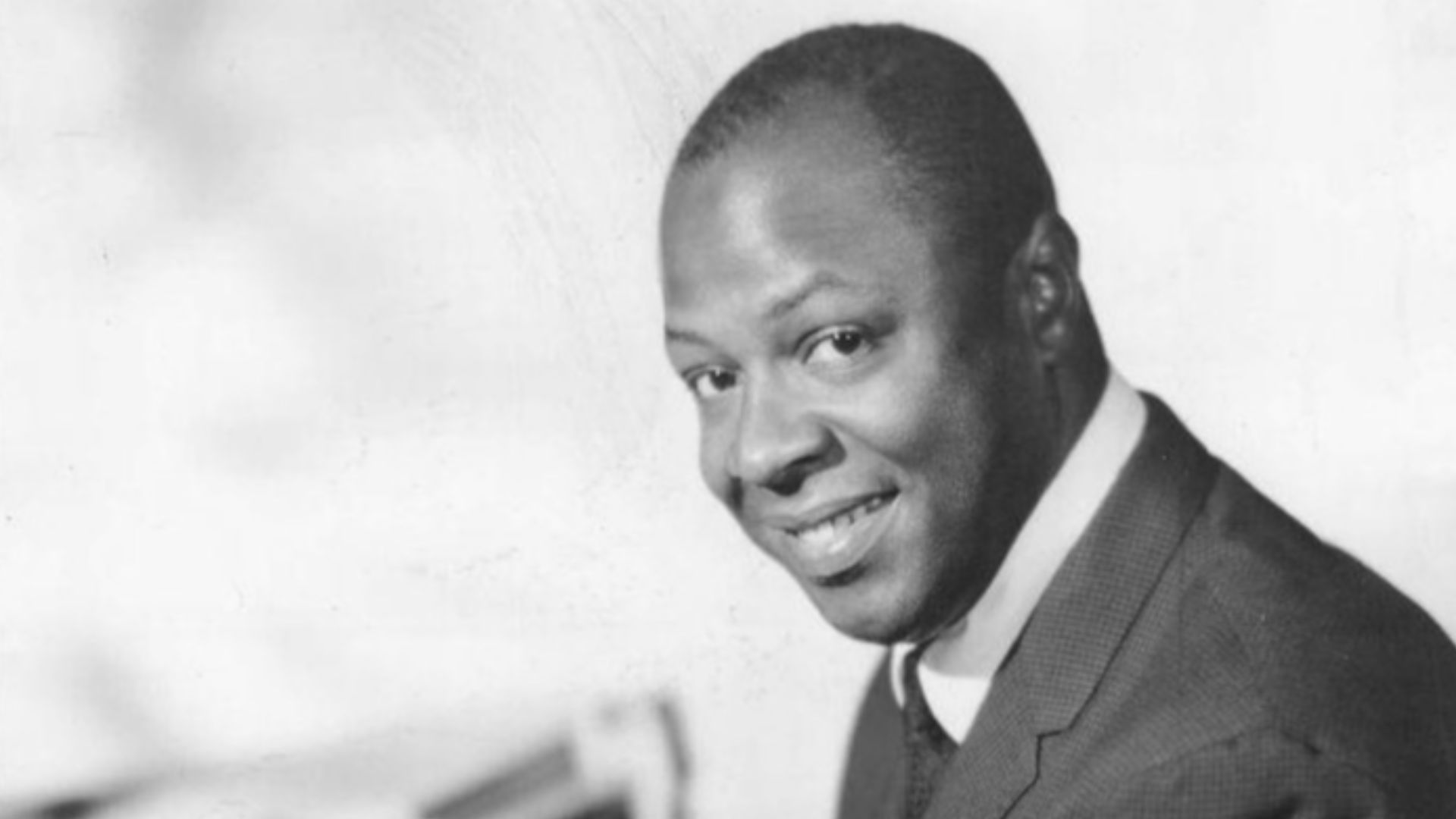
Steve Landesberg
“Barney Miller” fans know Steve Landesberg as the wonderfully dry Detective Dietrich, but his stand-up career came first. He started working New York clubs in 1969 and reached Carson’s show in the early 70s. That calm delivery suited someone who could make everyone else seem slightly ridiculous without raising his voice.
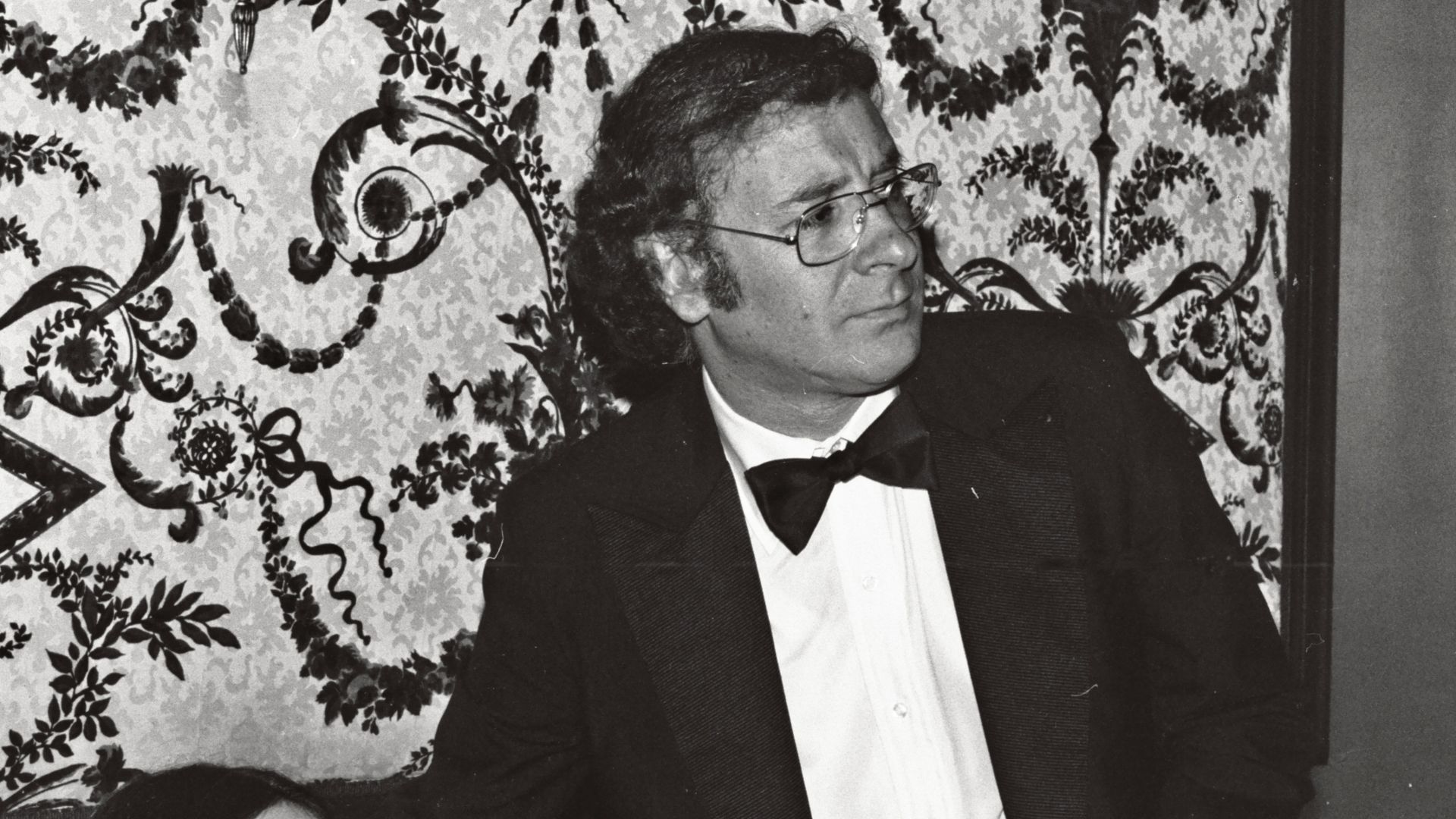
Tom Dreesen
Tom Dreesen spent the early 70s working with future “WKRP in Cincinnati” star Tim Reid as the comedy duo Tim and Tom. After they split, he built a successful solo career and later opened for Frank Sinatra for years. Getting an audience to laugh while they’re waiting for Sinatra? That takes some confidence.

Kip Addotta
Kip Addotta appeared across the 70s television circuit, including “The Tonight Show,” “The Mike Douglas Show,” and “Dinah!” His later comedy recordings brought him another audience through Dr. Demento. But before radio listeners discovered his elaborate wordplay, Boomers had been watching him do the job with a microphone and a live audience.
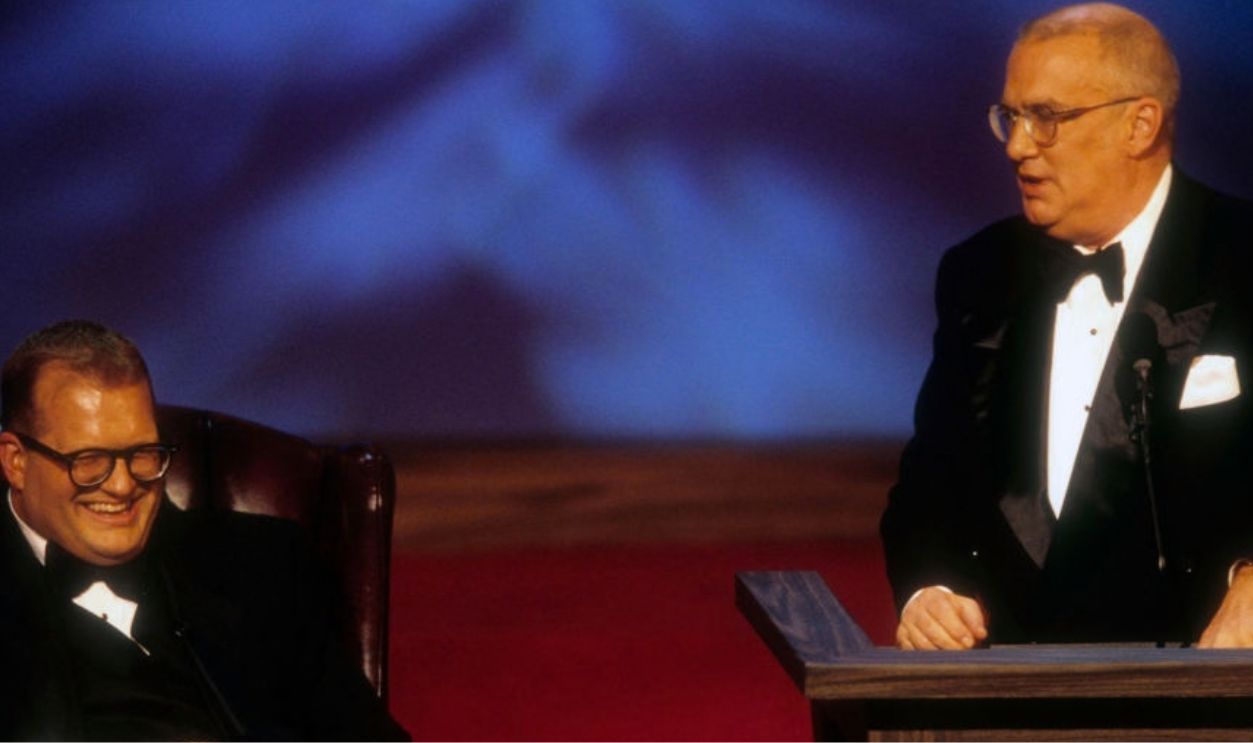
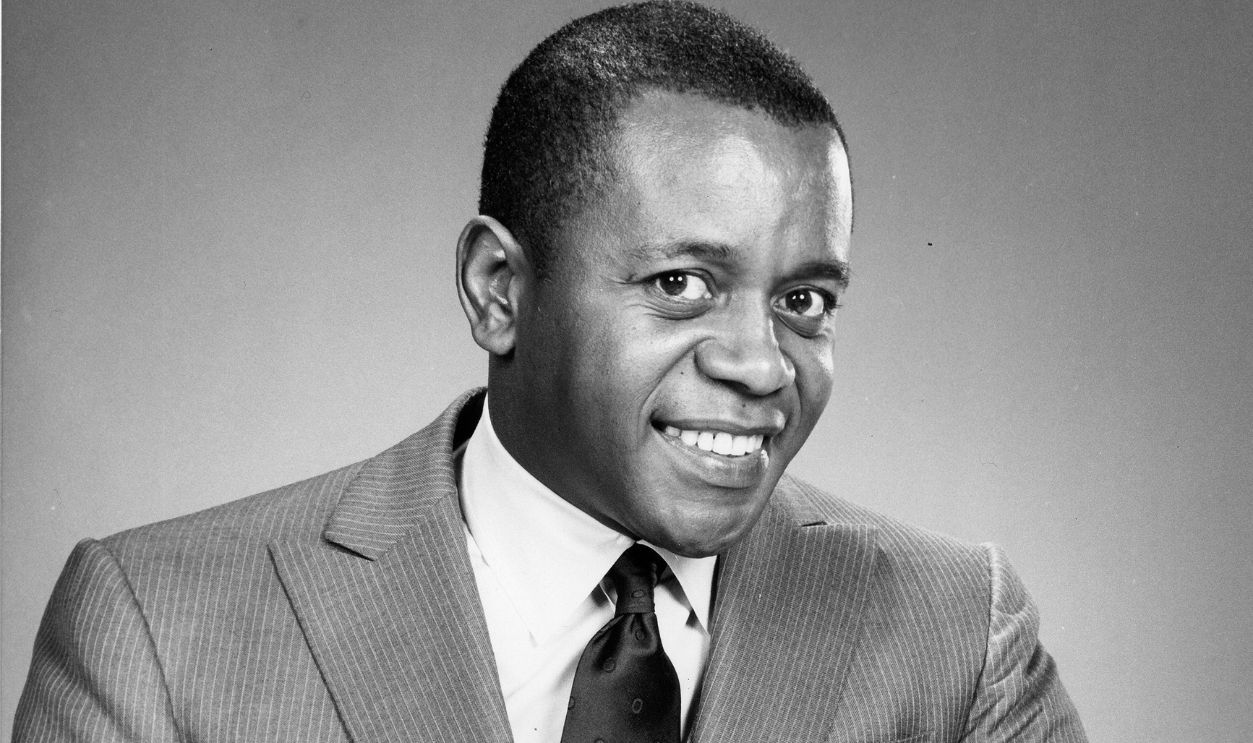
Flip Wilson
Flip Wilson’s variety show ran from 1970 to 1974, but his storytelling and stand-up helped get him there. Geraldine became his most famous character, sometimes overshadowing the comedian behind her. Watch his routines, though, and you’ll understand why audiences were happy to hear him talk long before the next sketch started.
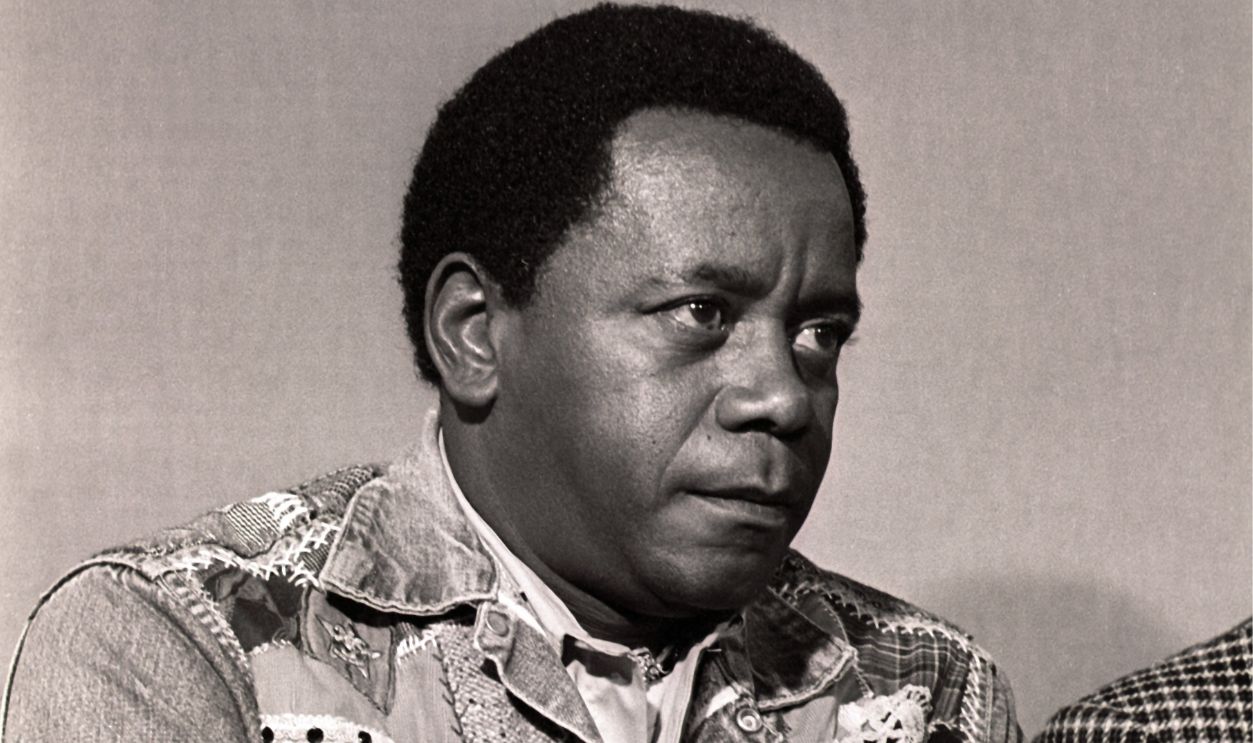 Michael Ochs Archives, Getty Images
Go On, Tell Us Your Favorite
How many of these comics did you remember? Which ones could still get you laughing today?
 Michael Ochs Archives, Getty Images
You Might Also Like:
Hollywood Stars Who Turned Down Career-Defining Roles—And Watched Someone Else Become Famous Instead