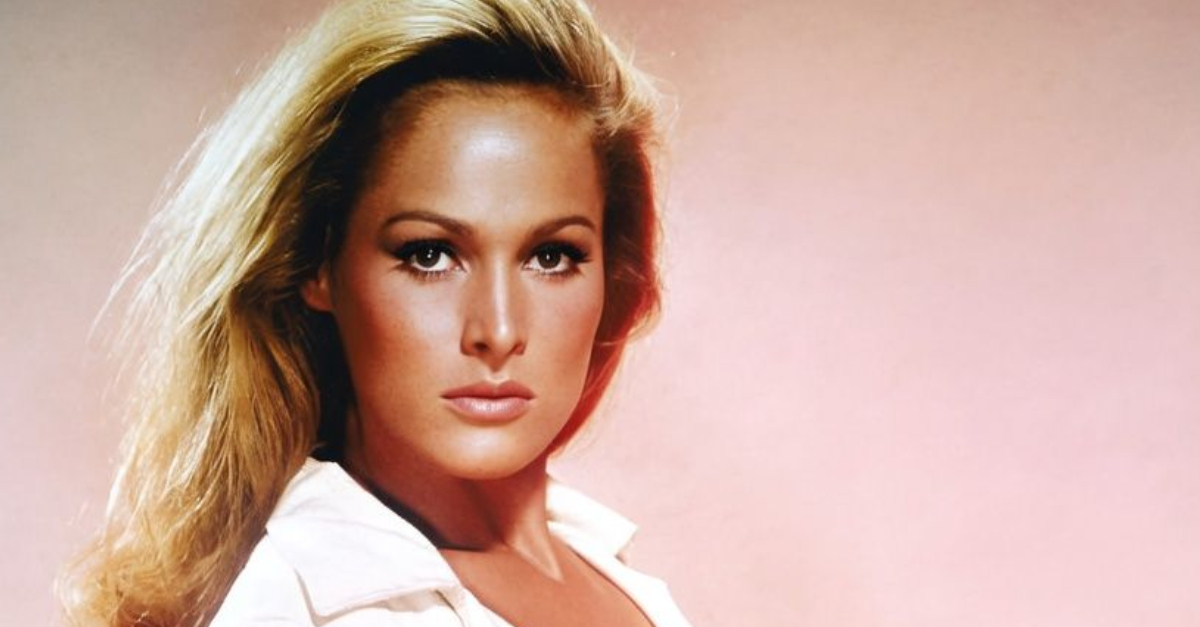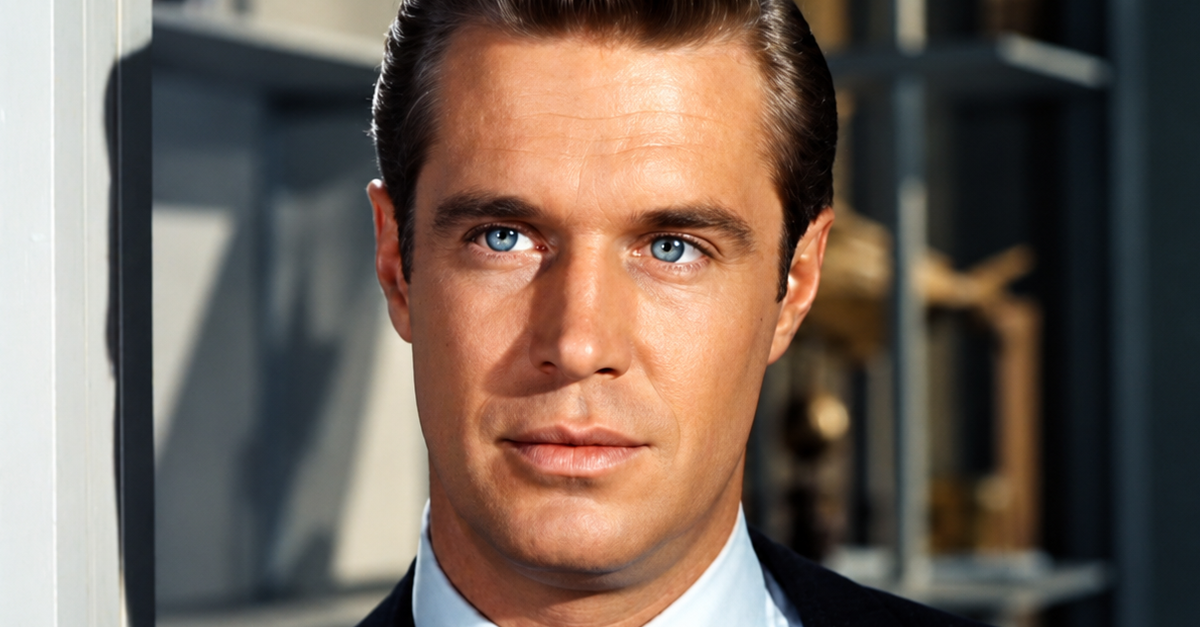
Hollywood Almost Left Him Behind
George Peppard had the kind of breakthrough most actors only dream about. He starred opposite Audrey Hepburn in Breakfast at Tiffany’s, landed major Hollywood roles, and seemed destined for the A-list. Then the offers slowed, his movie career faltered, and Peppard later admitted there was a point when he “couldn’t get arrested” in Hollywood.
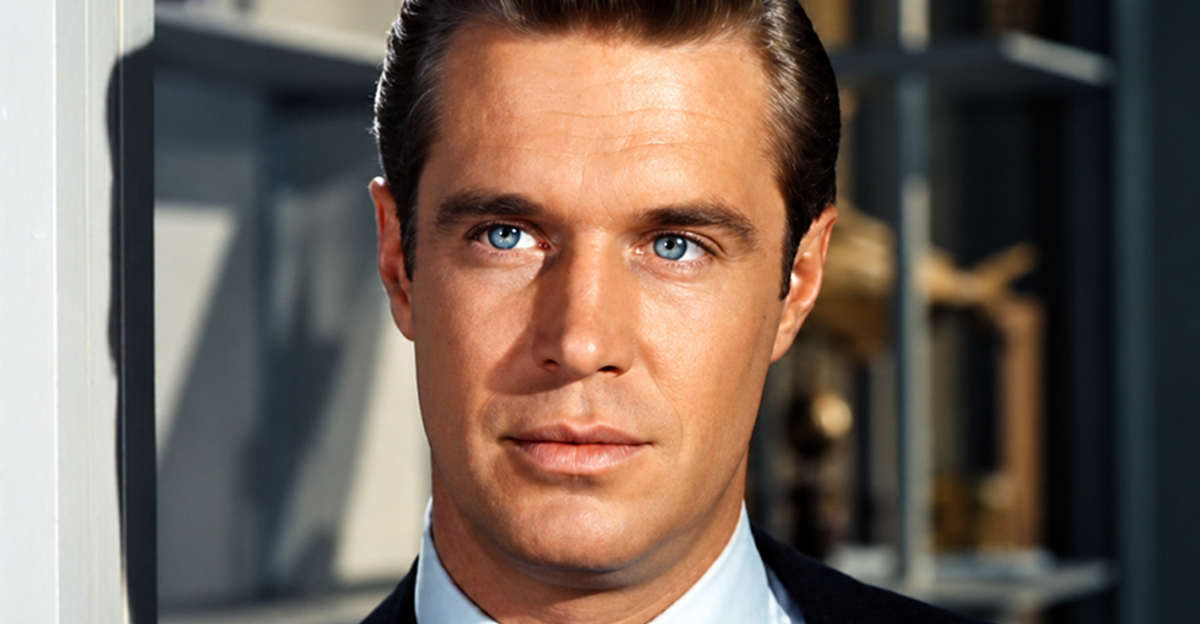 Trailer screenshot, Wikimedia Commons
He Started Far From Hollywood
George Peppard was born in Detroit, Michigan, in 1928, the son of a building contractor and a voice teacher. After high school, he enlisted in the United States Marine Corps in 1946 and eventually reached the rank of corporal. At that point, acting was still nowhere near the career path that would eventually take him to Hollywood.
![Collectie / Archief : Fotocollectie Anefo
Reportage / Serie : [ onbekend ]
Beschrijving : George Peppard (Amerikaanse filmacteur) op Schiphol
Datum : 25 februari 1964
Locatie : Noord-Holland, Schiphol
Trefwoorden : filmacteurs, toneelspelers
Persoonsn](https://www.factinate.com/storage/app/media/theshot/2026/9/24/179022849938e8c831fe332fcf42c40fed400f60a3be10db77.jpg) Jack de Nijs for Anefo / Anefo, Wikimedia Commons
Jack de Nijs for Anefo / Anefo, Wikimedia Commons
Engineering Was The Original Plan
Peppard initially enrolled at Purdue University to study civil engineering. While there, however, he became involved with the Purdue Playmakers and discovered that performing interested him far more than engineering. He eventually changed direction and committed himself to acting.
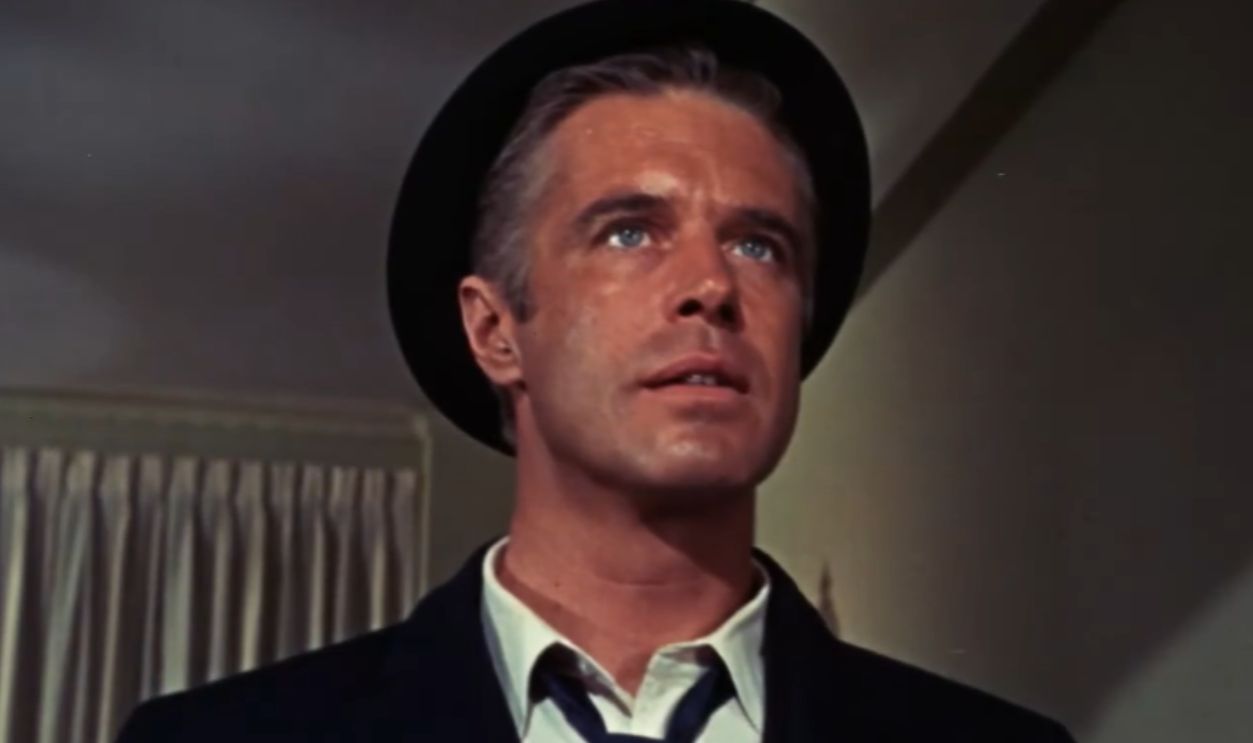 Screenshot from P.J., NBCUniversal (1968)
He Took Acting Seriously
Peppard transferred to the Carnegie Institute of Technology, now Carnegie Mellon University, and earned his bachelor's degree in 1955. After moving to New York, he studied at the Actors Studio, where Lee Strasberg's approach was shaping a generation of American performers. Peppard was not simply hoping that good looks would carry him into movies.
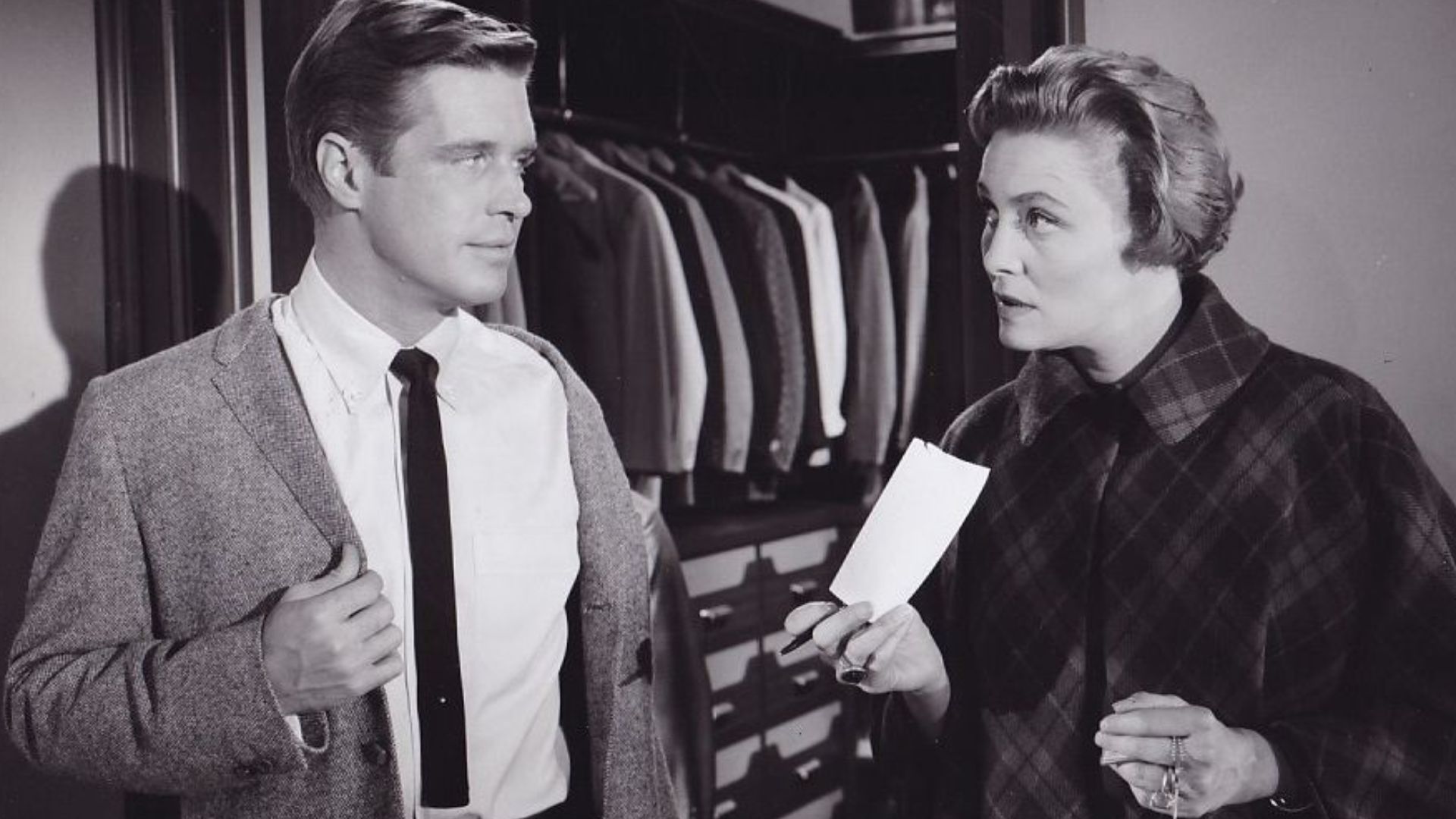 Paramount Pictures. Photographer not credited, Wikimedia Commons
Broadway Came Before Movie Stardom
His Broadway debut arrived in the 1956 production Girls of Summer. Two years later, he appeared as Roger Henderson in The Pleasure of His Company, which ran for more than a year. By that point, Hollywood was beginning to pay attention.
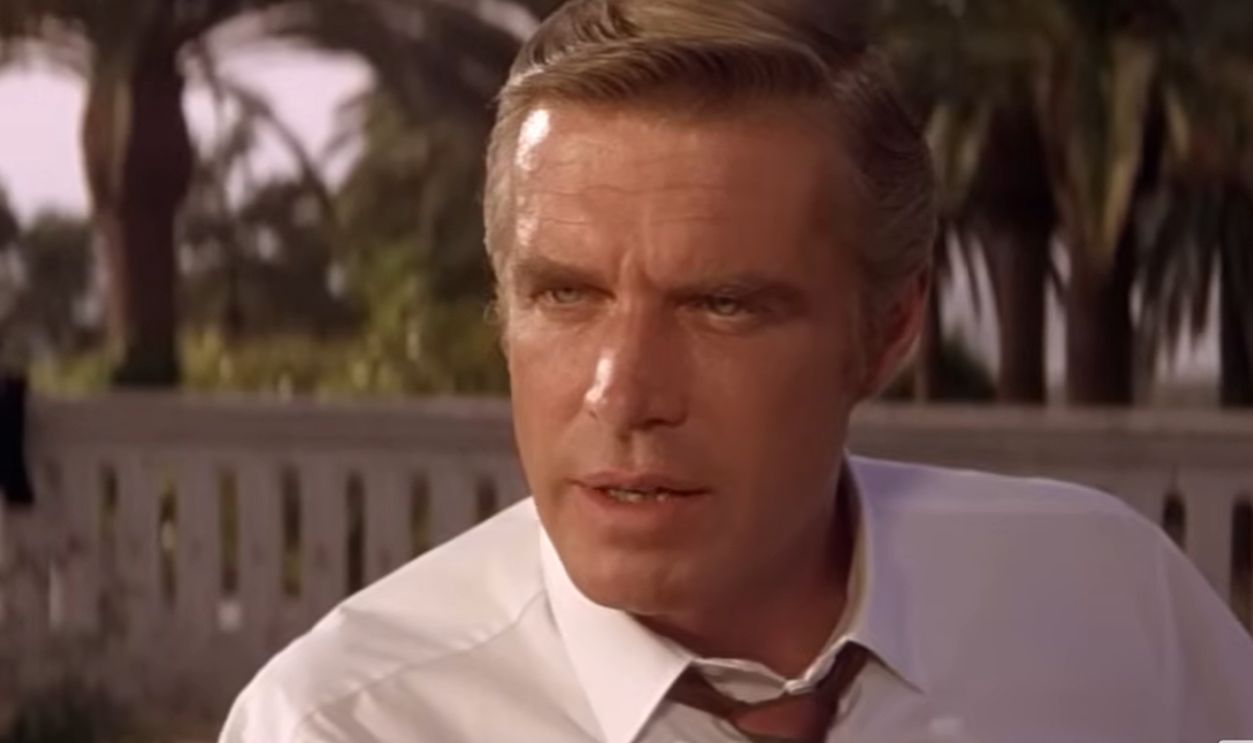 Screenshot from The Executioner, Sony Pictures Entertainment (1970)
He Shared A Screen With Paul Newman
Even before his movie career properly began, Peppard was finding work in television drama. In 1956, he appeared opposite Paul Newman in a television adaptation of Bang the Drum Slowly. It was an early glimpse of just how quickly Peppard was moving into increasingly prestigious company.
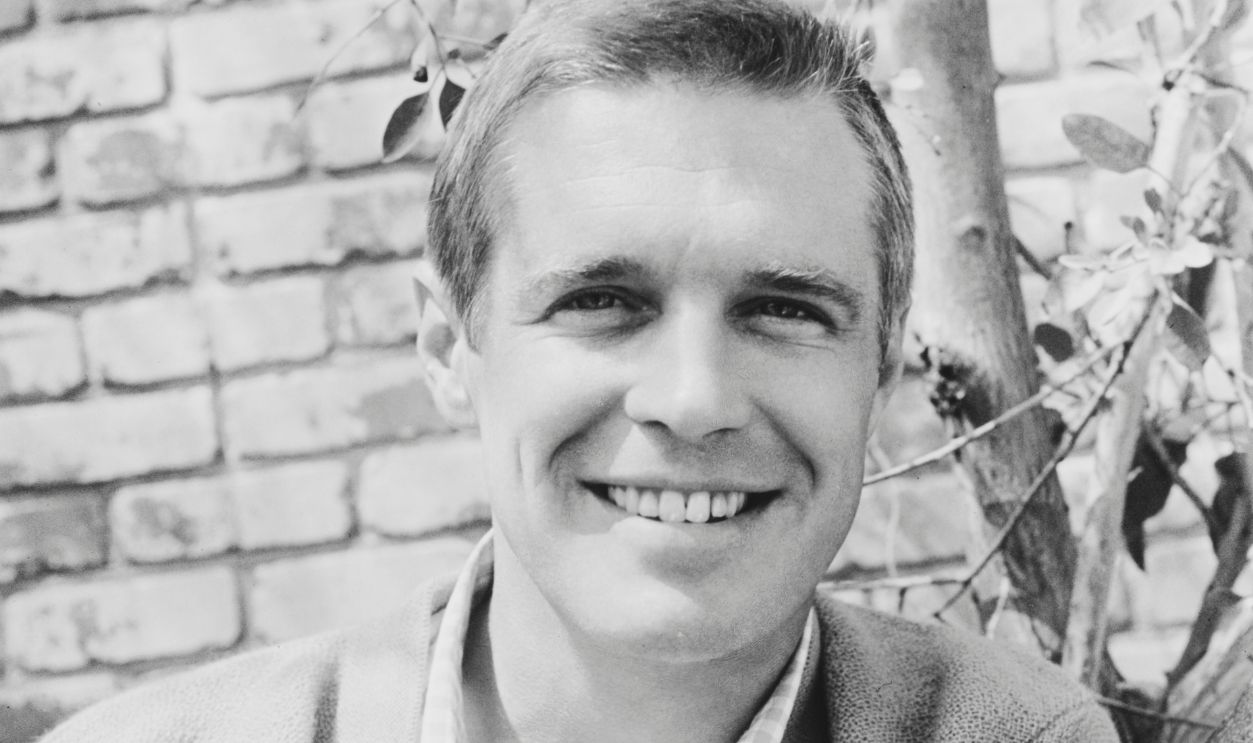 John Springer Collection, Getty Images
His Film Debut Got Dark
Peppard made his feature-film debut in The Strange One in 1957. The military-academy drama also featured Ben Gazzara and gave Peppard a much darker introduction to movies than the sophisticated romances that would soon define his image. Bigger productions followed almost immediately.
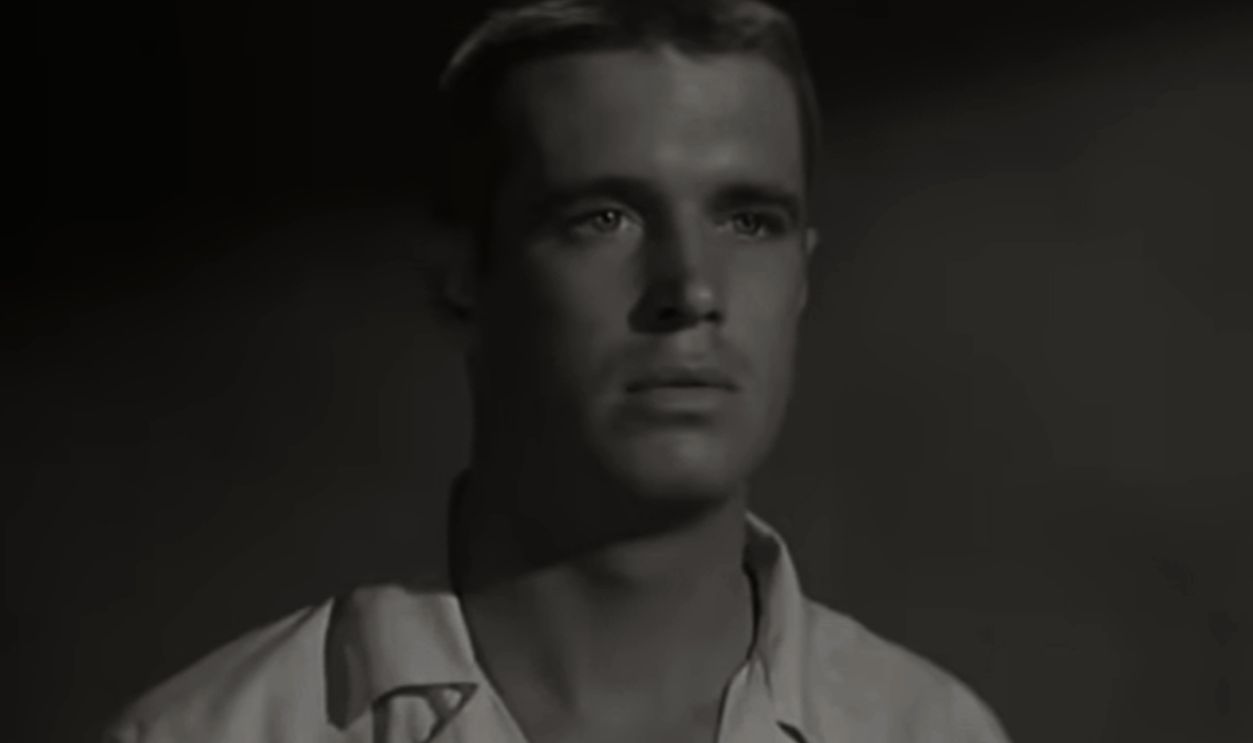 Screenshot from The Strange One, Sony Pictures Entertainment (1957)
Gregory Peck Came Next
In 1959, Peppard appeared in the Korean War drama Pork Chop Hill, starring Gregory Peck. He played Corporal Chuck Fedderson in a cast packed with recognizable actors, including Rip Torn, Harry Guardino, Robert Blake, and Martin Landau. For a performer still near the beginning of his film career, Peppard was already landing parts in serious Hollywood productions.
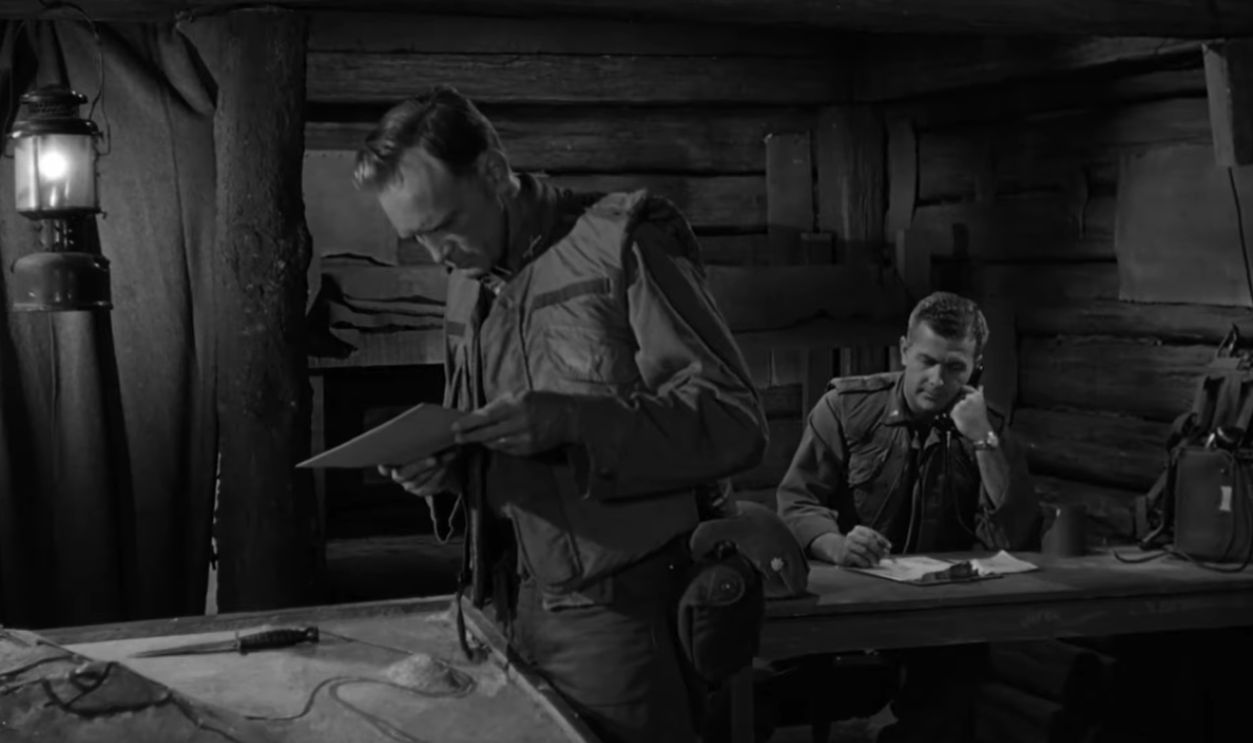 Screenshot from Pork Chop Hill, Amazon MGM Studios (1959)
Hollywood Really Started Watching
Vincente Minnelli's Home from the Hill gave Peppard another major opportunity in 1960. Playing Rafe Copley opposite Robert Mitchum, he earned significant attention for the performance. It helped establish Peppard as one of Hollywood's promising new leading men.
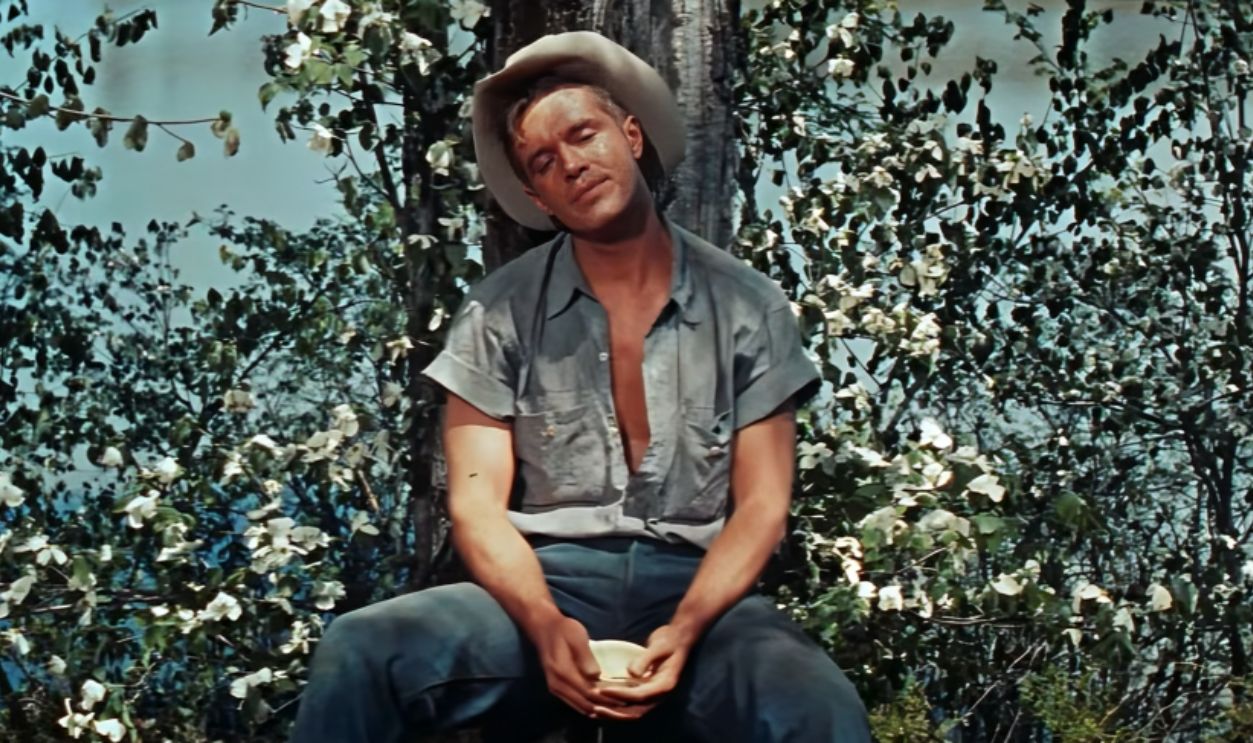 Screenshot from Home from the Hill, Warner Bros. Discovery (1960), Enhanced
His First Lead Was A Rougher Start
Peppard's first starring movie role came in The Subterraneans, an adaptation of Jack Kerouac's novel. The movie was poorly received and criticized for how dramatically it softened Kerouac's material. Fortunately for Peppard, his next major film would completely change the conversation.
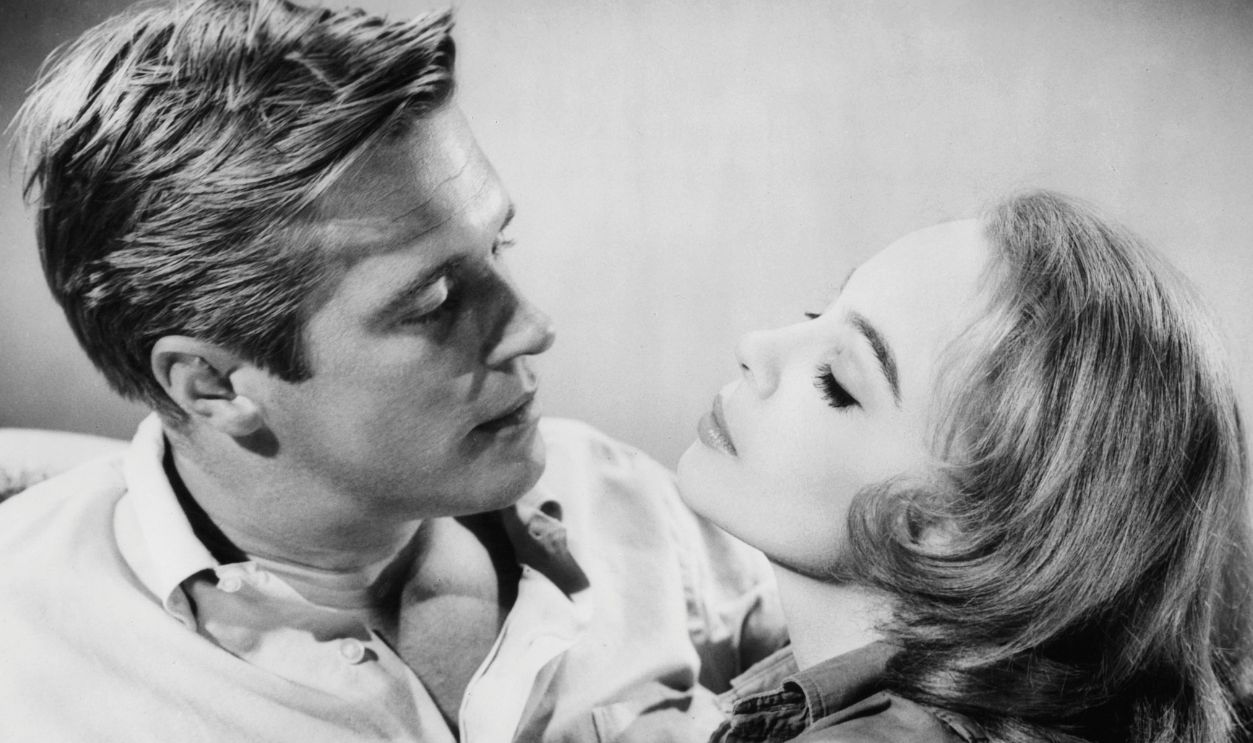
Then Came Audrey Hepburn
In 1961, Peppard was cast as Paul Varjak opposite Audrey Hepburn's Holly Golightly in Breakfast at Tiffany's. Directed by Blake Edwards, the movie adapted Truman Capote's famous novella into a romantic comedy-drama. It became the role most closely associated with Peppard's early career.
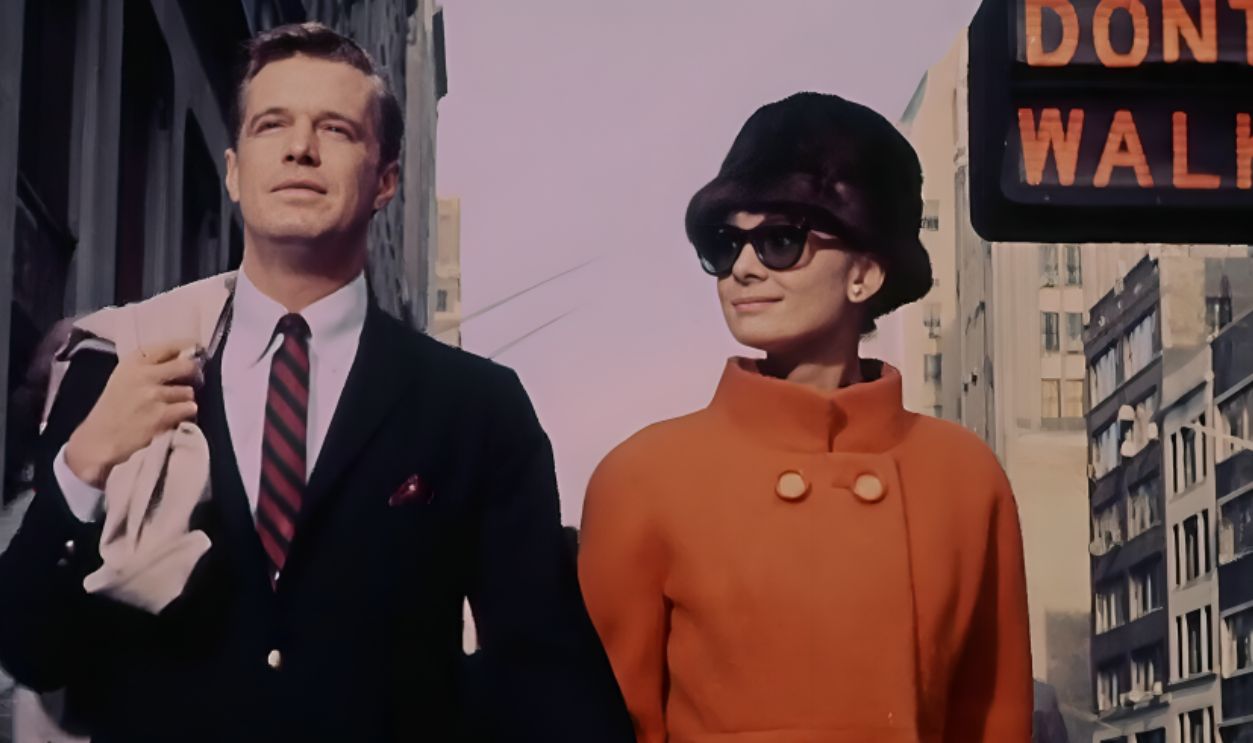 Trailer screenshot, Wikimedia Commons, Enhanced
Paul Varjak Wasn't Exactly A Traditional Hero
Paul is a struggling writer whose lifestyle is being financed by a wealthy married woman played by Patricia Neal. His relationship with Holly gradually pushes him toward confronting the compromises in his own life. Peppard therefore had more to play than the straightforward handsome boyfriend standing beside Hepburn.
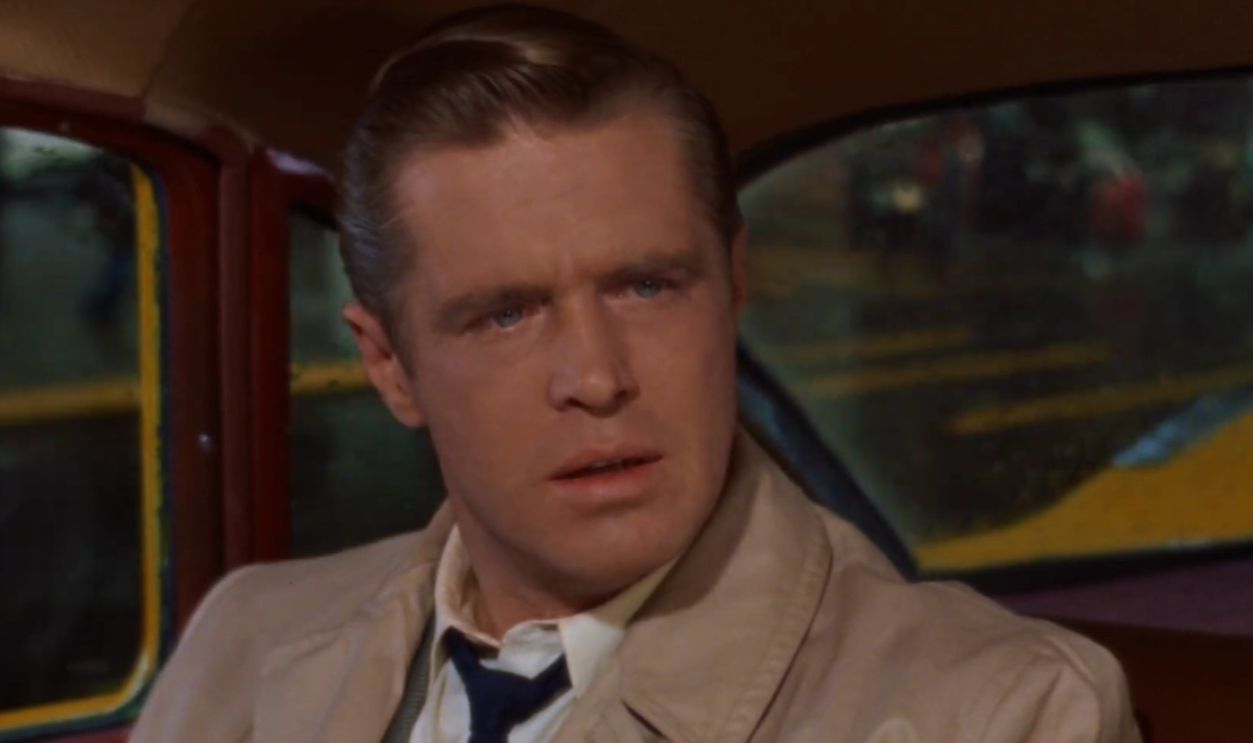 Screenshot from Breakfast at Tiffany’s, Paramount (1961)
Audrey Was Almost Impossible To Compete With
The movie ultimately belonged to Hepburn, whose Holly Golightly became one of the defining images of her career. Peppard nevertheless served as the romantic counterweight to a character who could easily overwhelm everyone around her. Decades later, Breakfast at Tiffany's would still be discussed primarily as an Audrey Hepburn film, leaving its leading man somewhat in her shadow.
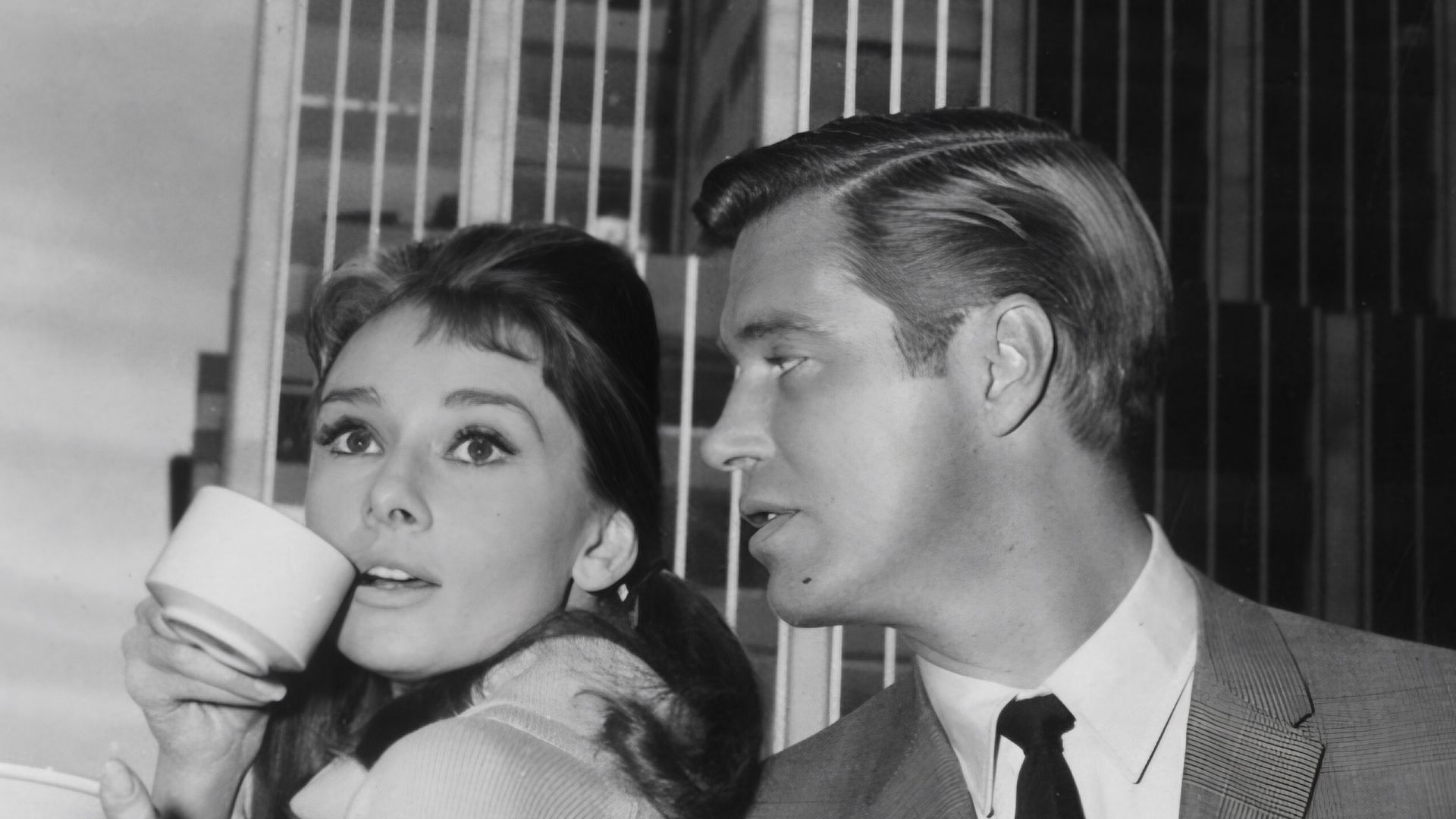 Unknown authorUnknown author, Wikimedia Commons
The Movie Never Went Away
Breakfast at Tiffany's endured long after its 1961 release, helped by Hepburn's performance and Henry Mancini and Johnny Mercer's Oscar-winning song “Moon River.” Images from the movie became shorthand for a particular version of glamorous New York style. Peppard remained forever attached to that legacy even as his own career moved in a very different direction.
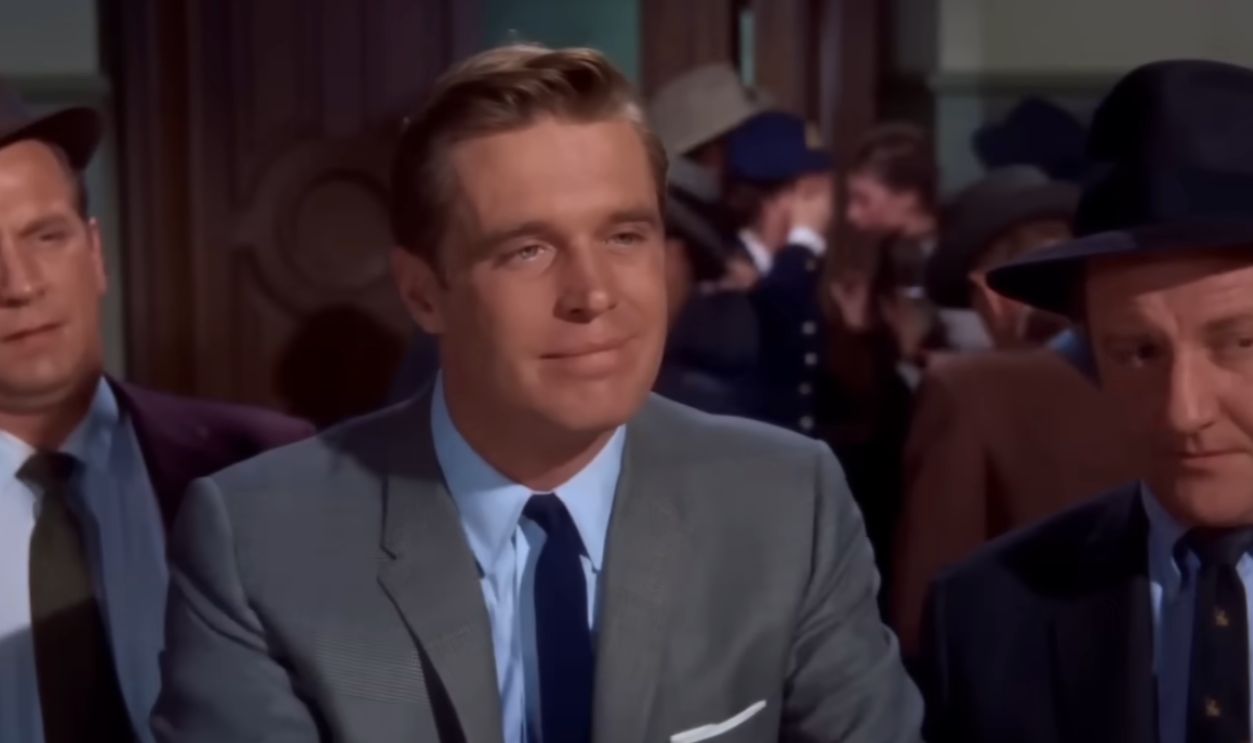 Screenshot from Breakfast at Tiffany’s, Paramount (1961)
He Looked Ready For The A-List
Peppard followed his breakthrough with the massive 1962 production How the West Was Won. The sprawling Western featured stars including James Stewart, John Wayne, Henry Fonda, and Gregory Peck. For a while, Peppard appeared to be settling comfortably into Hollywood's highest tier.
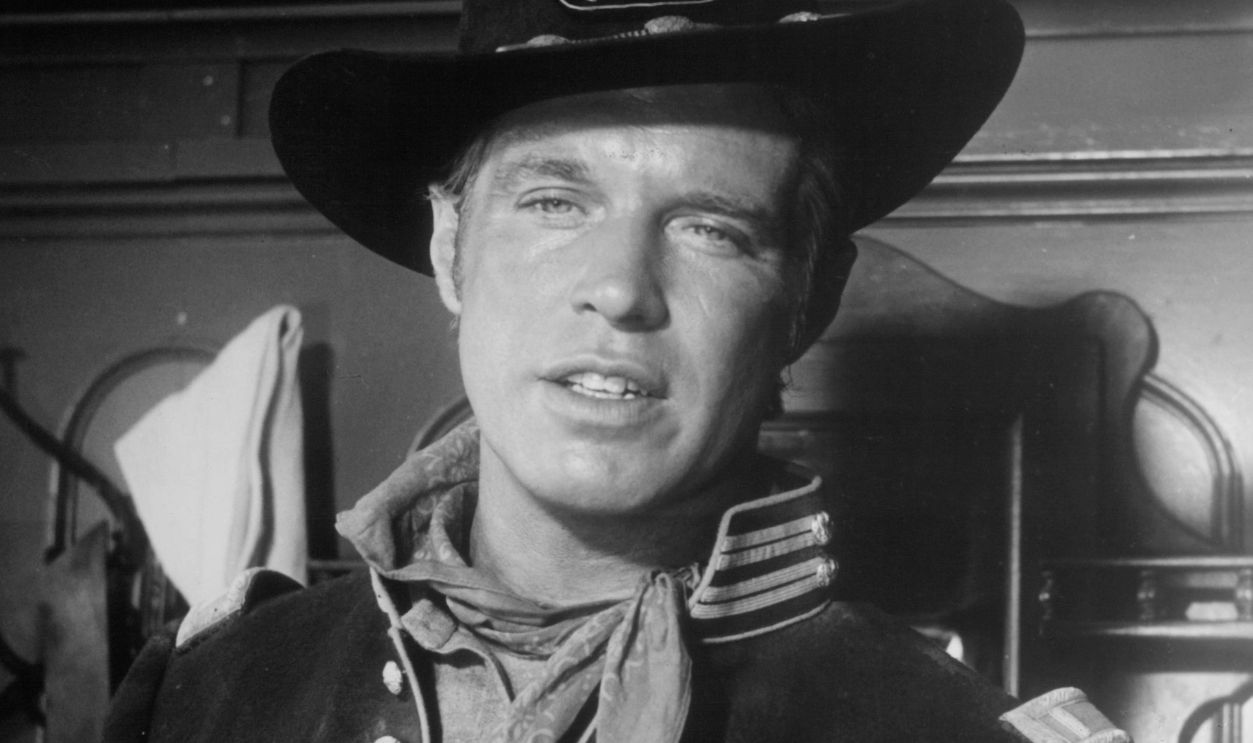
The Carpetbaggers Changed His Image
In 1964, Peppard starred as ruthless industrialist Jonas Cord Jr. in The Carpetbaggers, a role he later said contributed to his typecasting. Hollywood increasingly cast him as hard-edged soldiers, adventurers, and authority figures rather than giving him the broader range he wanted. Looking back in 1990, Peppard joked that much of his film career seemed to involve charging up hills and telling men to follow him.
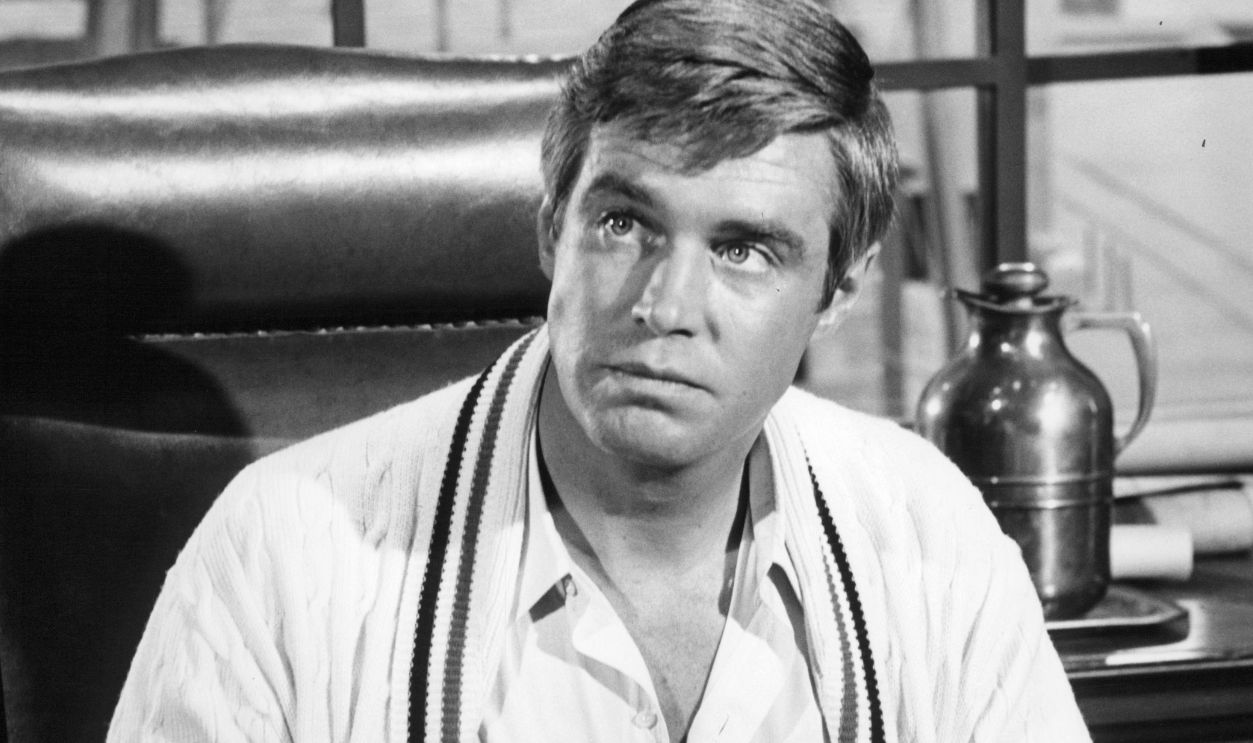
The Blue Max Gave Him Something Meaty
One of Peppard's strongest later film roles came in the 1966 World War I drama The Blue Max. He played Bruno Stachel, an ambitious German fighter pilot determined to rise above his working-class origins. The harder edge that had begun defining Peppard's screen persona was particularly well suited to the character.
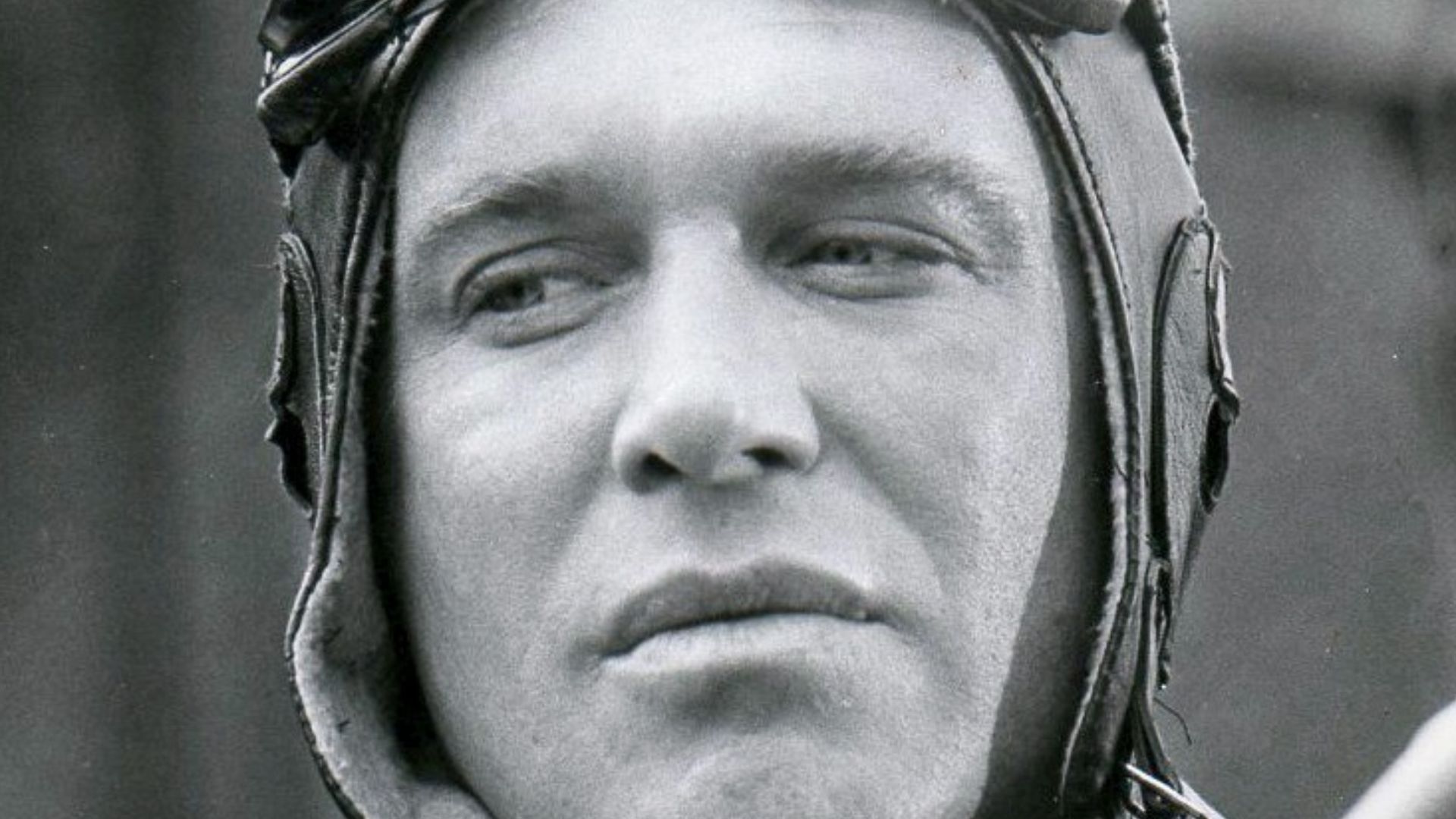 20th Century Fox, Wikimedia Commons
The Tough-Guy Roles Took Over
After The Blue Max, Peppard leaned even further into war films, Westerns, and action pictures. He appeared in Operation Crossbow, Tobruk, and Rough Night in Jericho, reinforcing the harder-edged image Hollywood had built around him. By the end of the decade, that image was becoming much narrower than the range of roles he had played earlier.
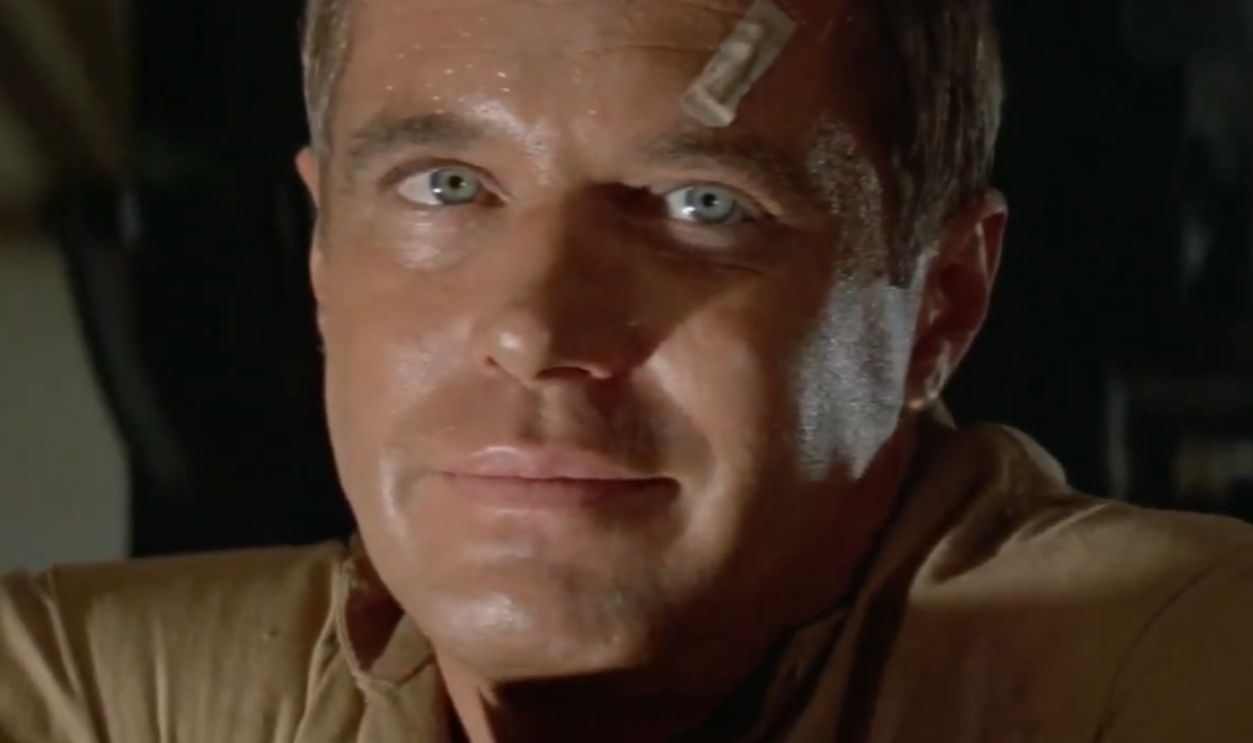 Screenshot from Operation Crossbow, Warner Bros. Discovery (1965)
Then The Momentum Slowed
By the end of the 1960s, Peppard was still working steadily, but the projects were no longer on the scale of Breakfast at Tiffany’s, How the West Was Won, or The Blue Max. Films such as Cannon for Cordoba and One More Train to Rob kept his name on marquees without restoring his earlier momentum. The leading man who had once seemed headed for Hollywood's top tier was entering a very different phase of his career.
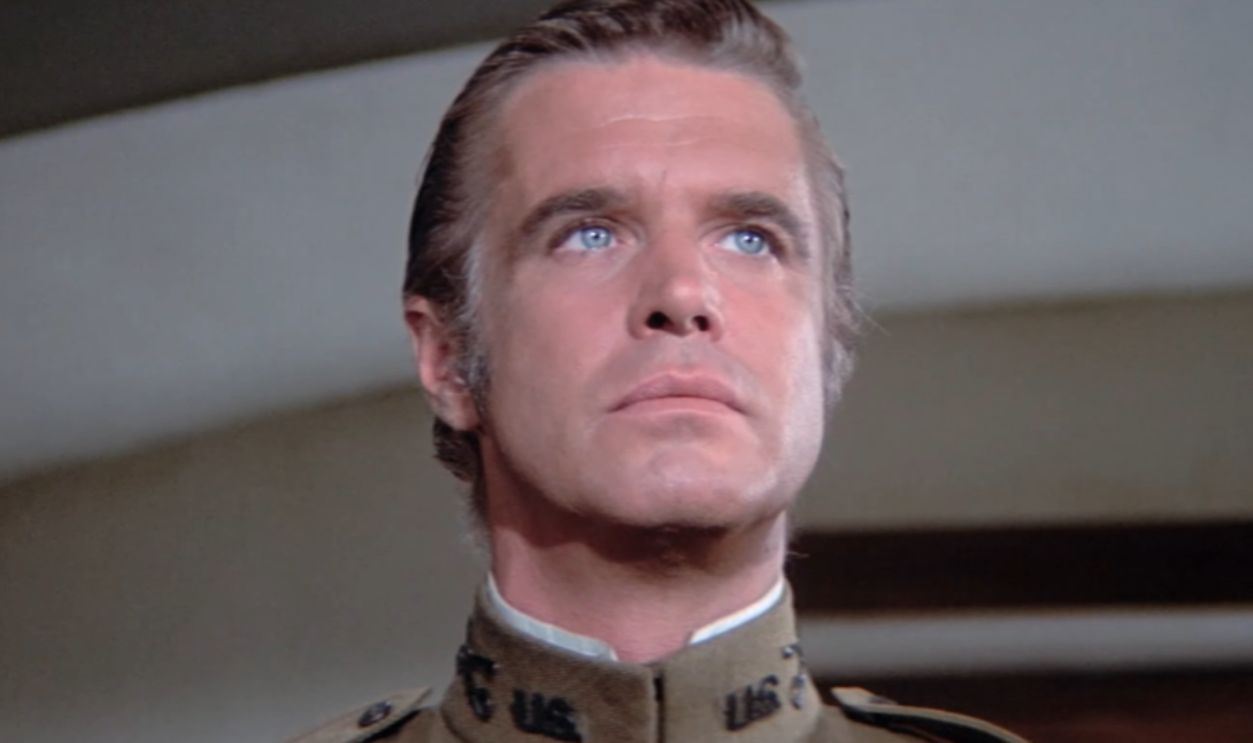 Screenshot from Cannon for Cordoba, Amazon MGM Studios (1970)
The Offers Became Less Reliable
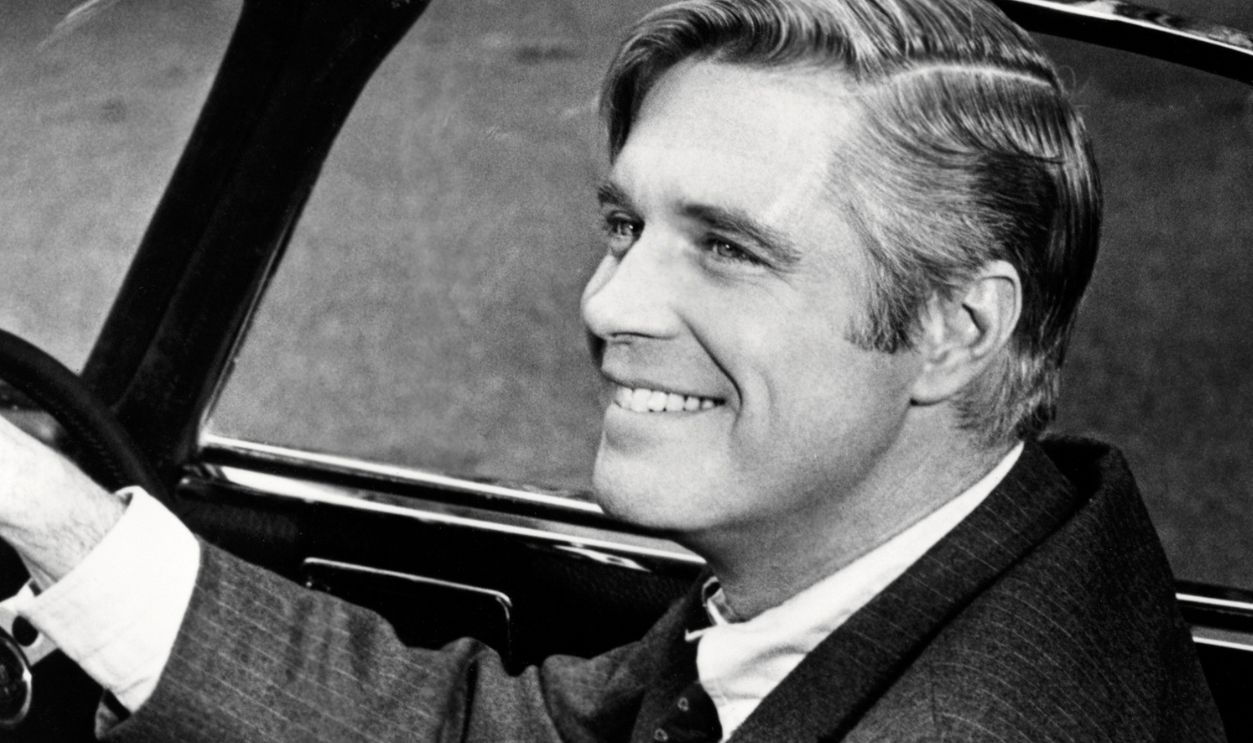
The problem eventually went beyond the kinds of movies Peppard was making. The Los Angeles Times later noted that his career included lengthy stretches without work, a sharp change for an actor who had once starred alongside some of Hollywood's biggest names. For someone who had seemed like a fixture of major studio films only a few years earlier, the drop-off was striking.
 Silver Screen Collection, Getty Images
Television Offered Him A Way Back
Peppard turned increasingly toward television and landed the title role in Banacek in 1972. He played a polished Boston insurance investigator who specialized in solving supposedly impossible thefts. The show gave Peppard a stylish starring vehicle at a moment when major movie offers were no longer arriving as regularly.
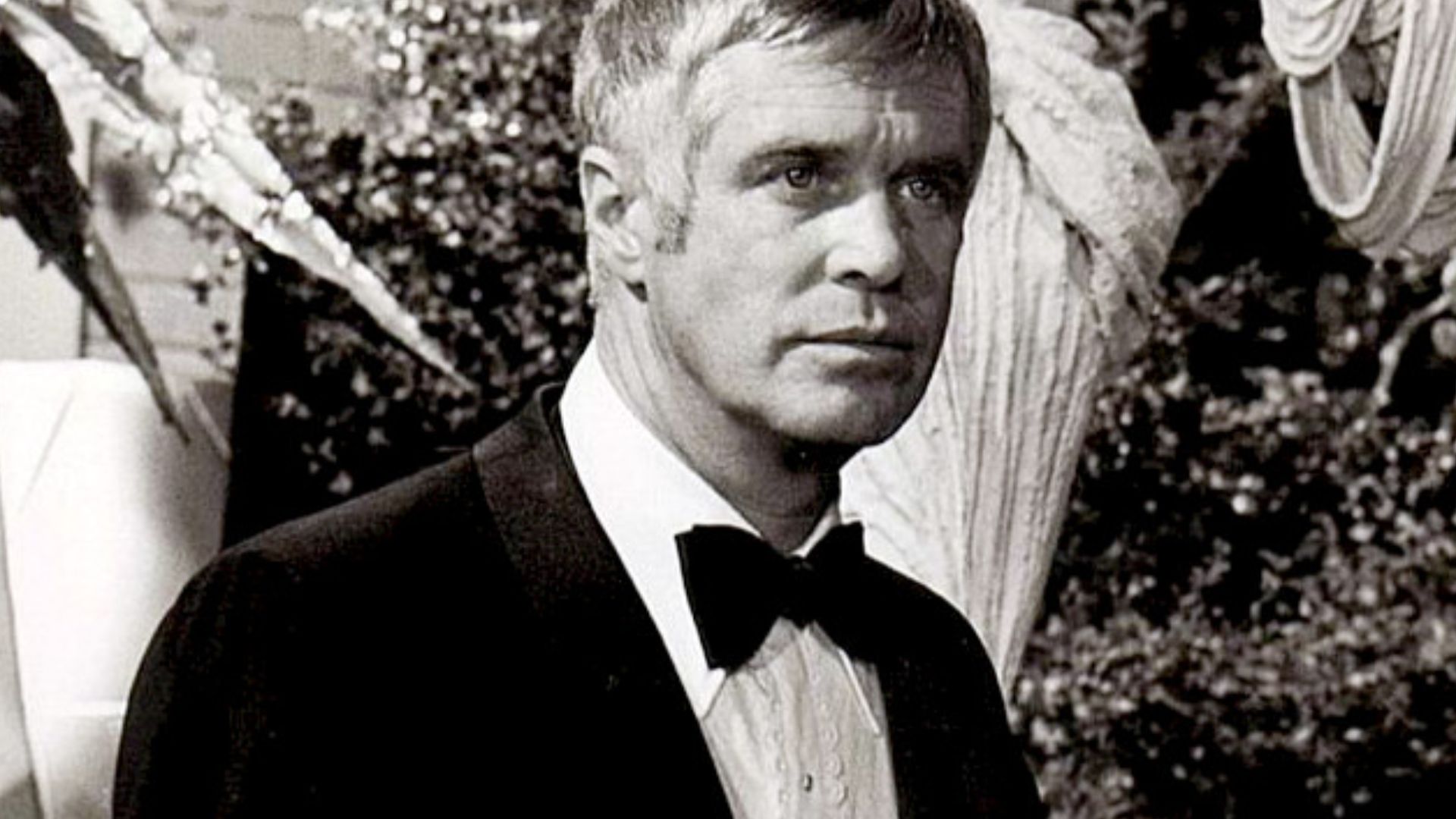 NBC Television, Wikimedia Commons
Banacek Revived His Career
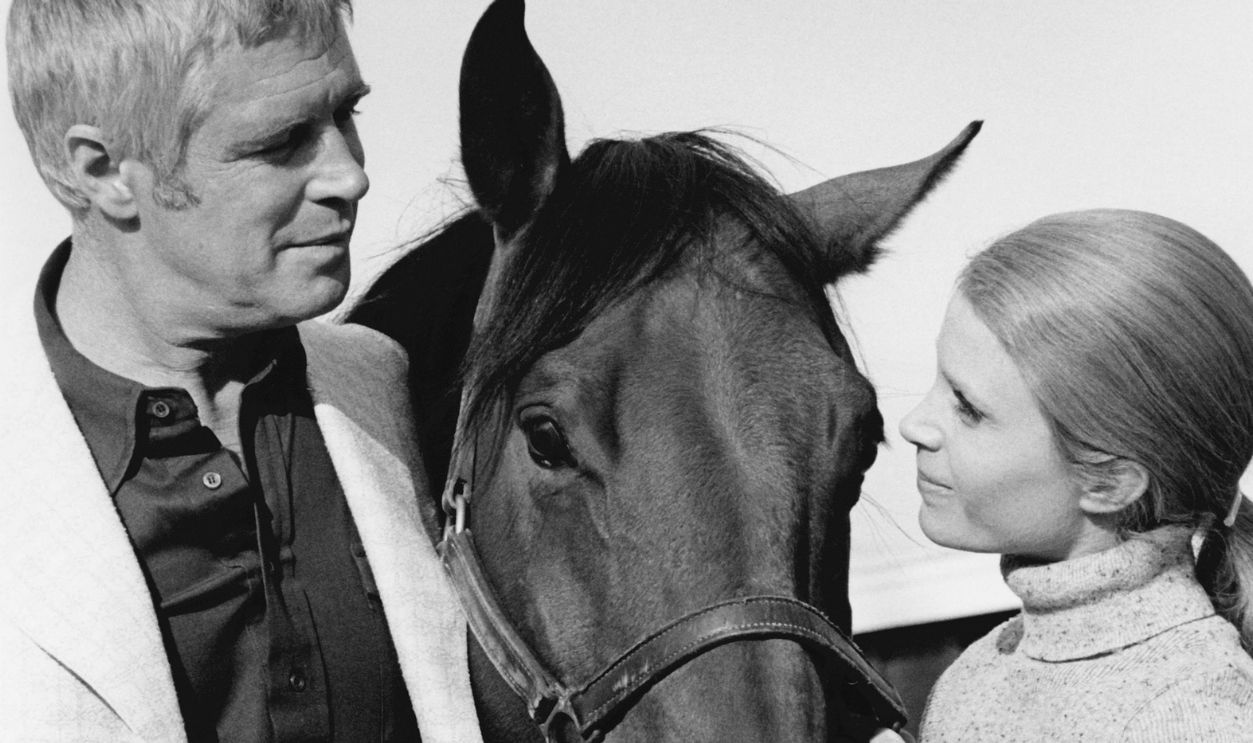
Banacek ran as part of NBC's rotating mystery-movie format and gave Peppard renewed attention. His sophisticated investigator was a very different figure from the soldiers and hard men he had so often played on film. Even without a long run, the series proved television could still give him a strong leading role.
 Silver Screen Collection, Getty Images
He Tried Taking Control Himself
Peppard eventually decided to create a movie on his own terms. He wrote, produced, directed, and starred in the 1979 drama Five Days from Home. The project showed that even while his mainstream Hollywood opportunities were shrinking, he was not content simply to wait for somebody else to hand him a role.
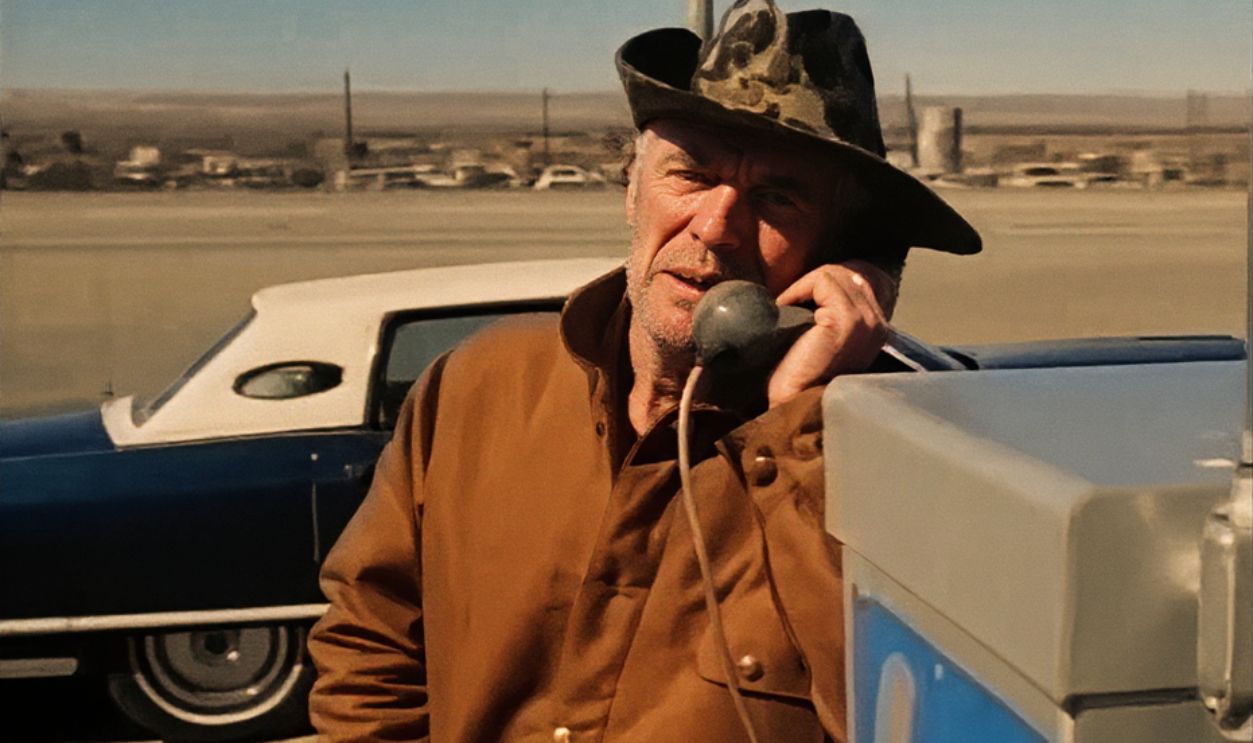 Screenshot from Five Days from Home, NBCUniversal (1978), Enhanced
Dynasty Almost Changed Everything
Around 1980, Peppard was originally cast as wealthy oil magnate Blake Carrington in Dynasty. He filmed the role but clashed with the producers over the character and was replaced before the series reached viewers. John Forsythe took over the part, and Dynasty went on to become one of the defining television hits of the decade.
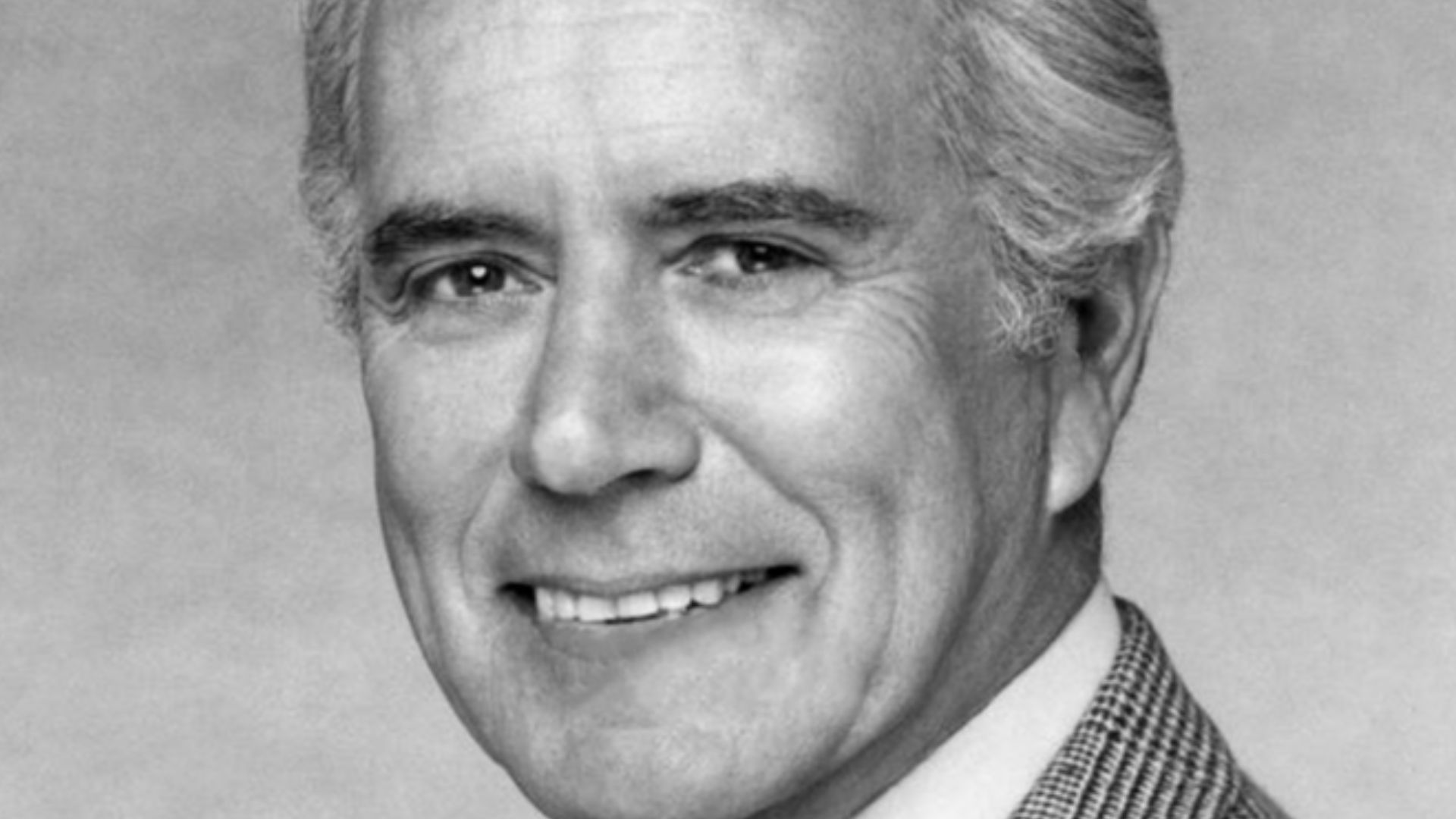 ABC Television, Wikimedia Commons
Then Hannibal Smith Came Calling
Peppard's next huge break arrived with The A-Team, which premiered in 1983. As Colonel John “Hannibal” Smith, he led the show's band of fugitive commandos with disguises, elaborate plans, and an ever-present cigar. A man once known for standing beside Audrey Hepburn suddenly had an entirely new generation of fans.
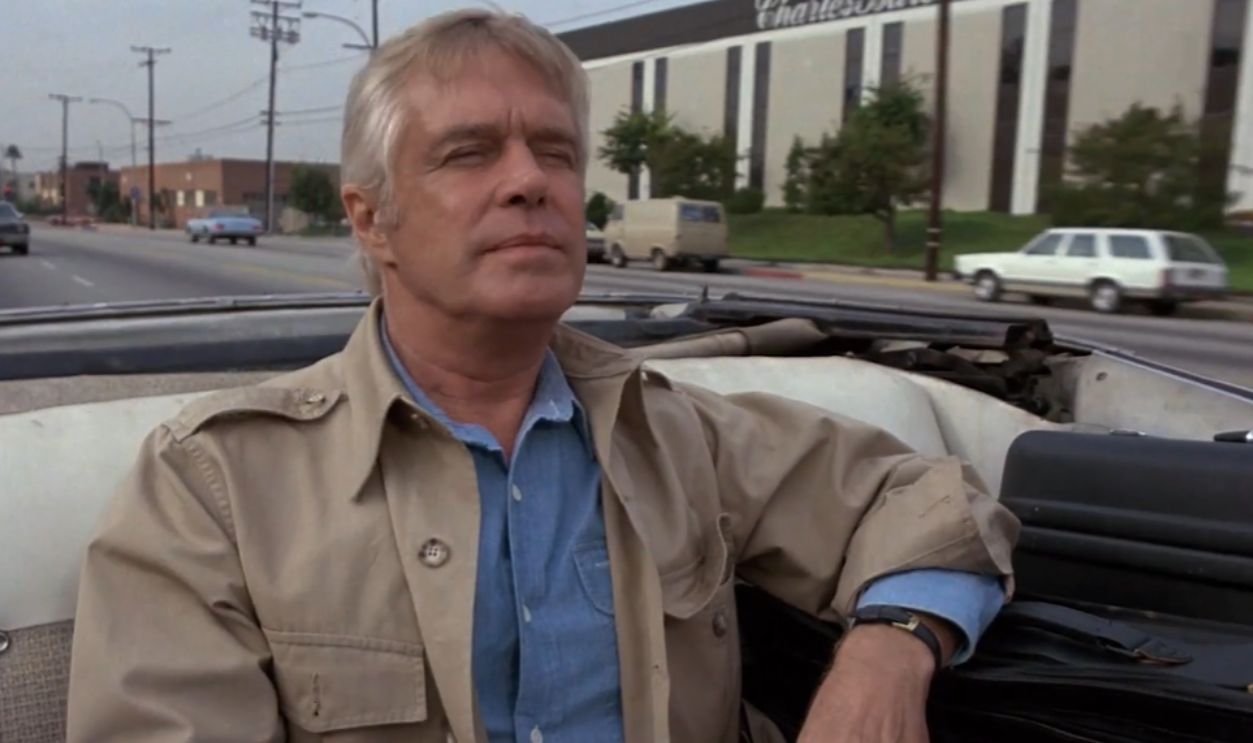 Screenshot from The A-Team, NBCUniversal (1983-1987)
The Show Changed His Fortunes
Years later, Peppard made no attempt to pretend The A-Team was beneath him. He described it as an enormous career boost and said it made him viable for other acting work again. When asked whether he had worried that the series might damage his career, Peppard replied that before it came along he “couldn't get arrested” in Hollywood.
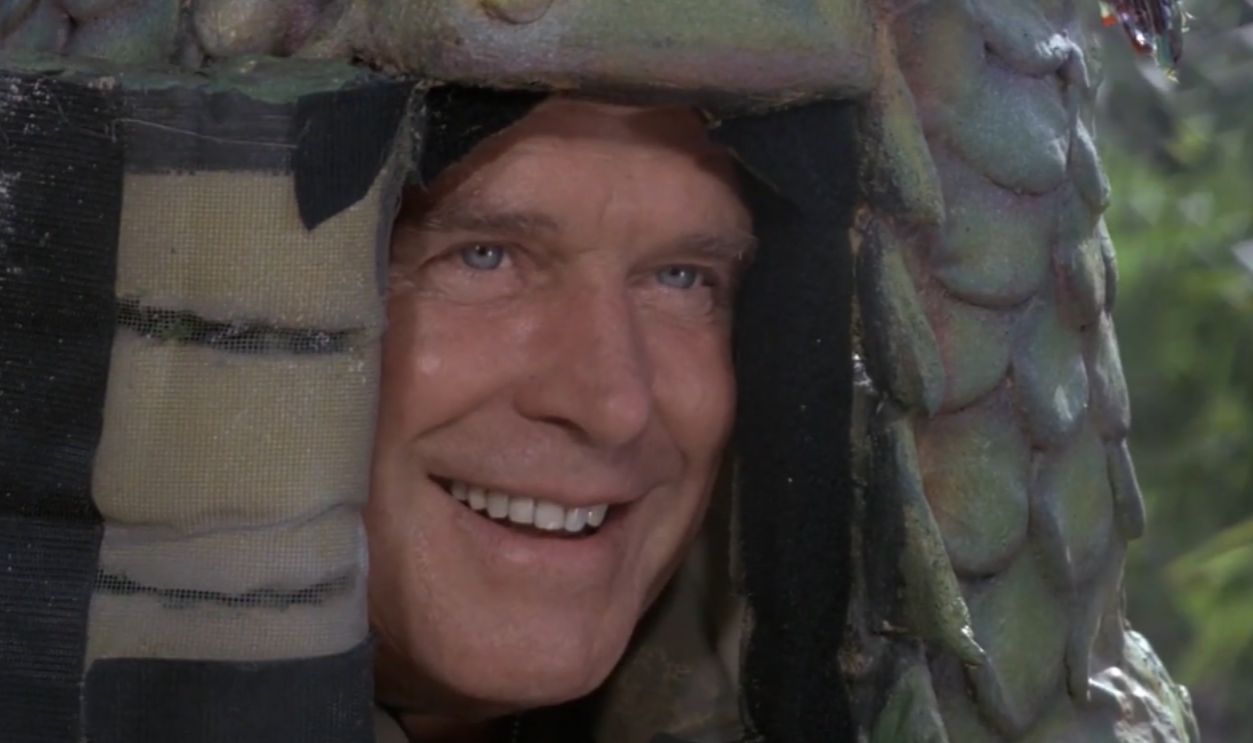 Screenshot from The A-Team, NBCUniversal (1983-1987)
Success Did Not Mean A Peaceful Set
Peppard and breakout star Mr. T did not always have an easy working relationship. Mr. T has since described tension surrounding his sudden popularity and pay, saying Peppard struggled with the shifting attention around the show. Whatever happened behind the scenes, the series lasted until 1987 and became one of the defining television credits for both men.
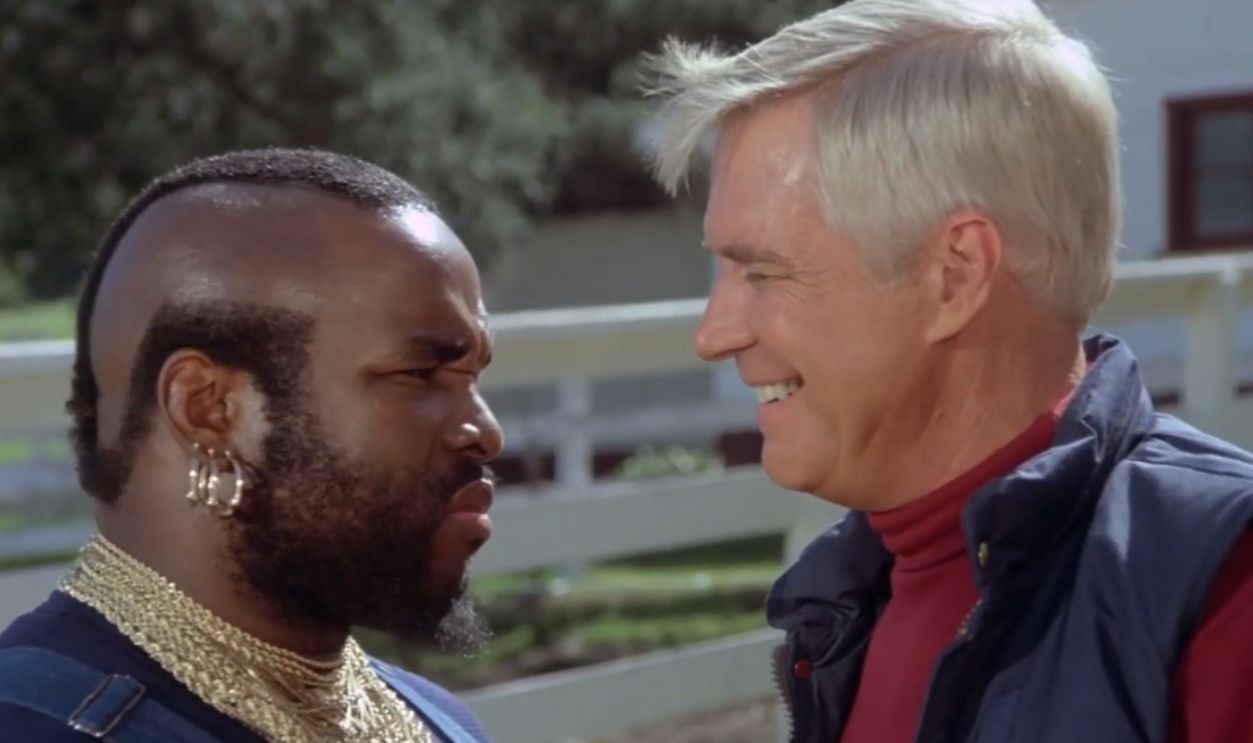 Screenshot from The A-Team, NBCUniversal (1983-1987)
His Health Eventually Caught Up With Him
Peppard had been a heavy smoker for years before undergoing surgery for lung cancer in 1992. According to his publicist, the cancer was in remission afterward, but he was hospitalized with breathing problems in May 1994. He died from pneumonia at UCLA Medical Center on May 8 at the age of 65.
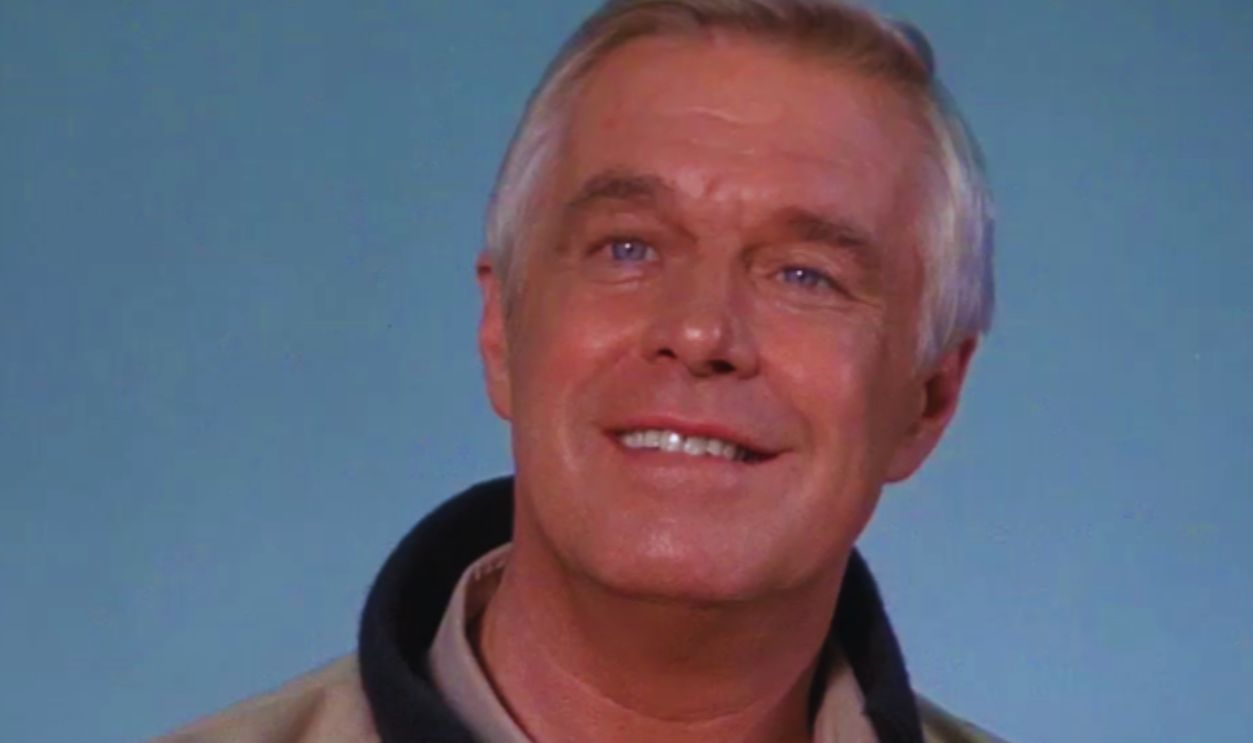 Screenshot from The A-Team, NBCUniversal (1983-1987)
Hollywood Never Quite Found One Box For Him
George Peppard's career looks stranger in retrospect than the familiar image of him beside Audrey Hepburn might suggest. He went from promising young actor to major movie star, television detective, struggling veteran, and finally one of the most recognizable television heroes of the 1980s. Hollywood may have stopped calling for stretches, but Peppard still managed to become famous twice.
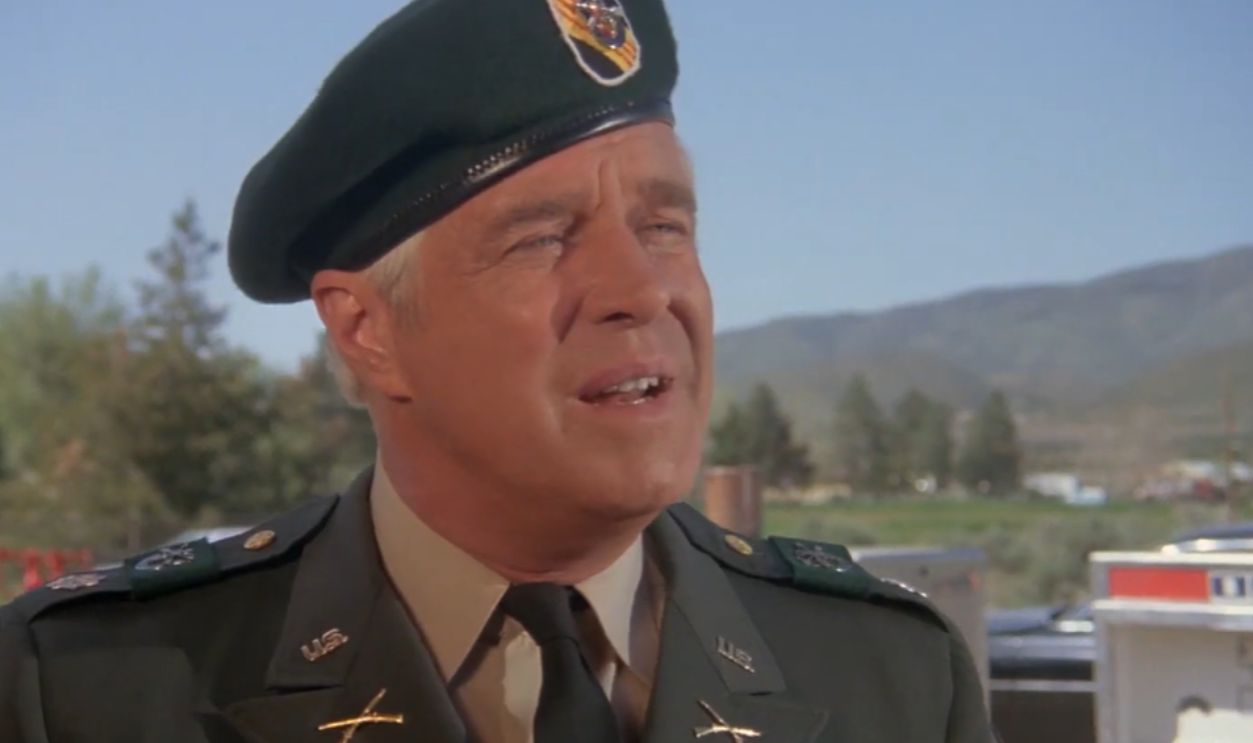 Screenshot from The A-Team, NBCUniversal (1983-1987)
You May Also Like:
Beautiful Actresses Who Went To War With The Hollywood Studios That Made Them Famous