
The Body People Judged Without Understanding
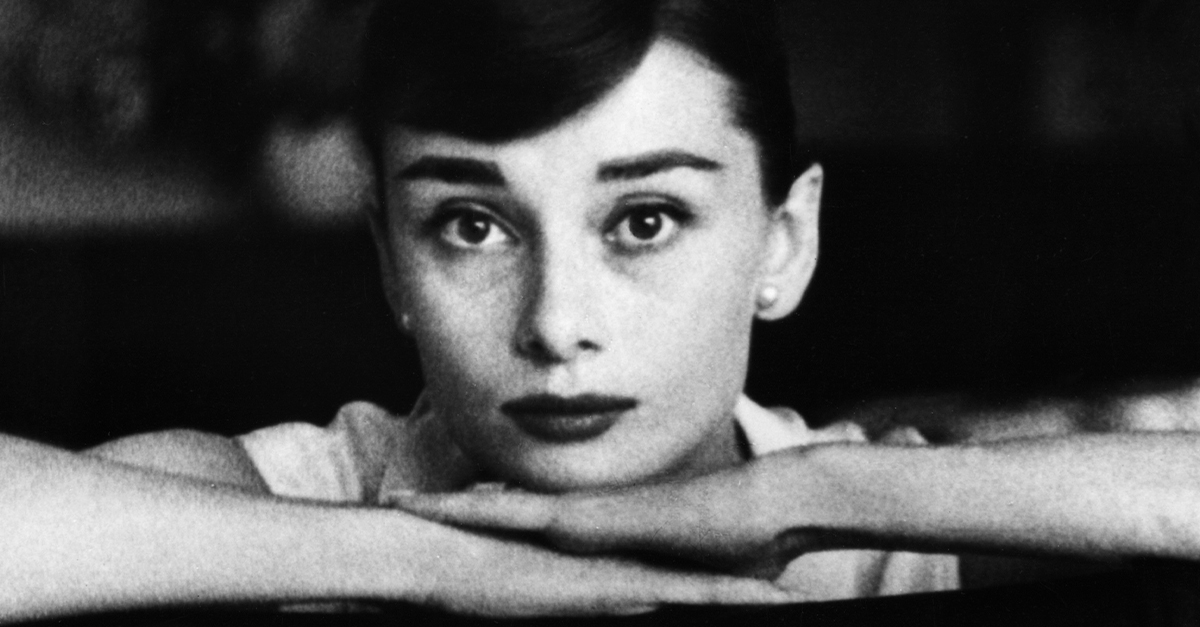
Audrey Hepburn became one of the most admired women in film history, but her appearance was often discussed in ways that were cruel, shallow, or wildly unfair. Her slim figure became part of her image, then part of the gossip around her. But the truth was not vanity. It was rooted in hunger, war, trauma, and survival.
 Photo Researchers, Getty Images
She Became A Different Kind Of Beauty
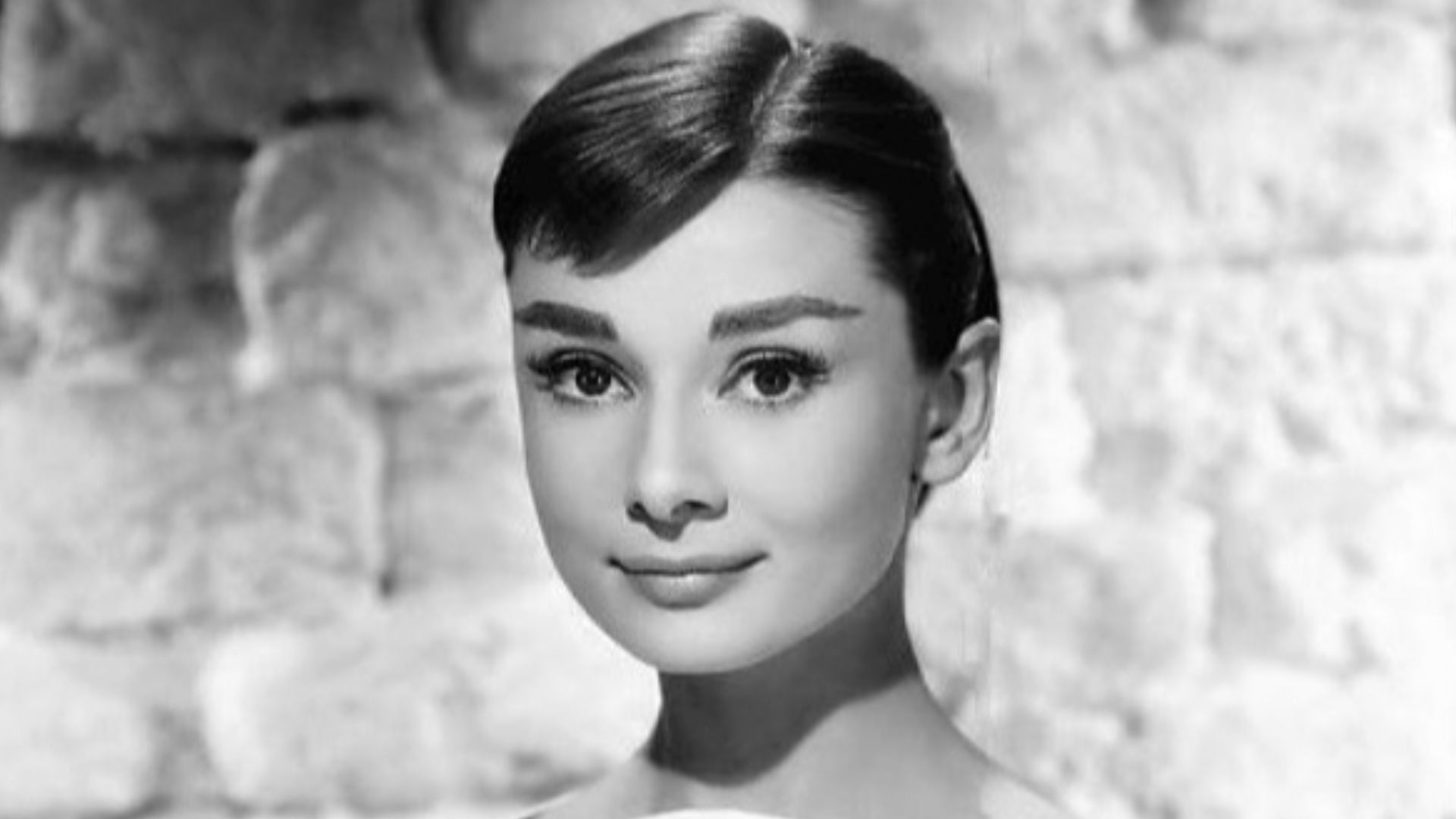
When Hepburn emerged in Hollywood, she did not look like the voluptuous screen ideals audiences were used to. She was delicate, long-limbed, narrow, and almost birdlike. Some celebrated her as elegant. Others picked apart her thinness. Either way, her body became a public subject before people understood her history.
Her Slimness Was Turned Into A Style
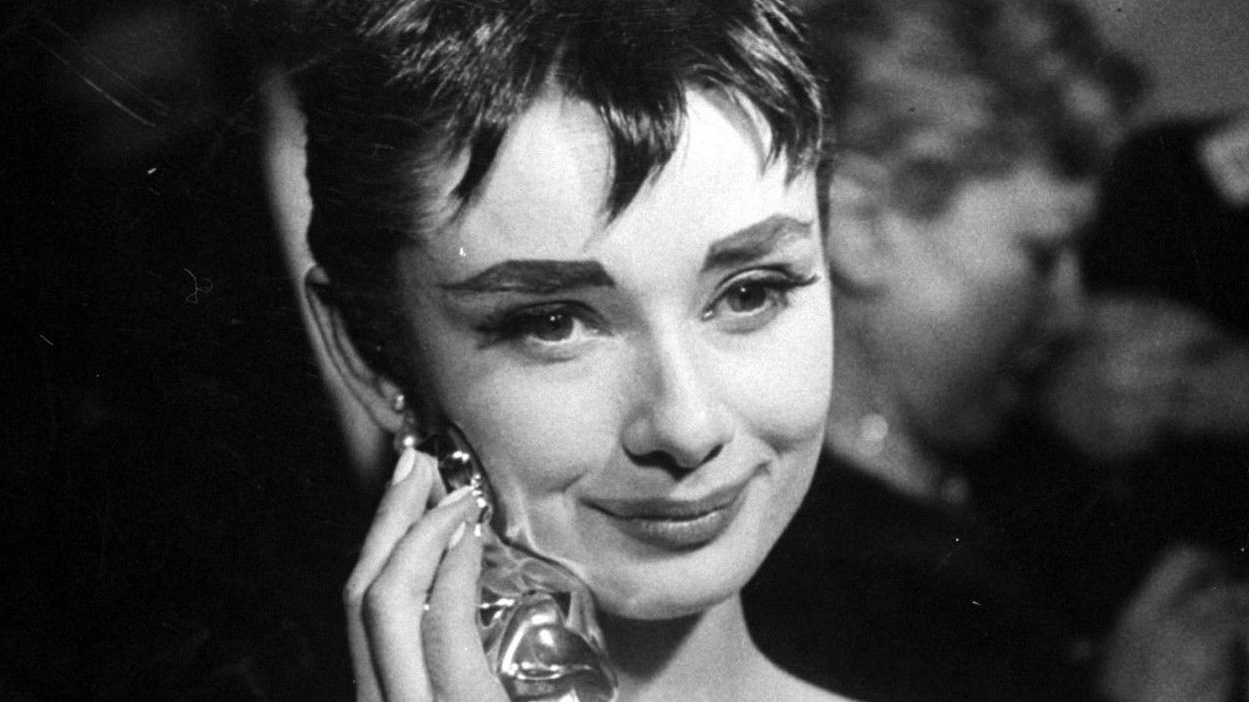
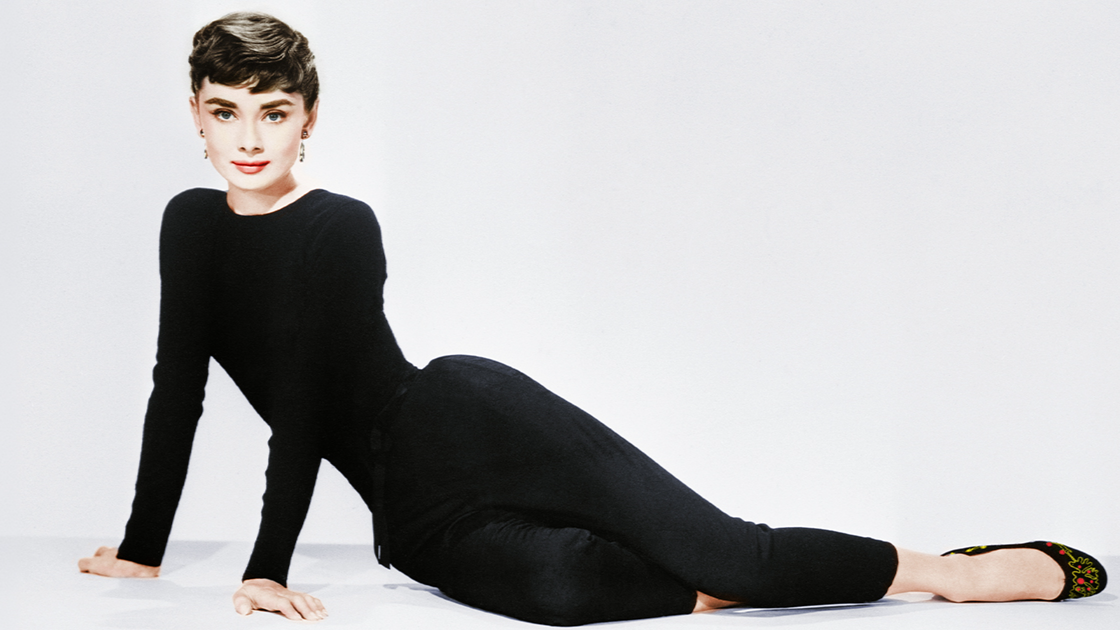
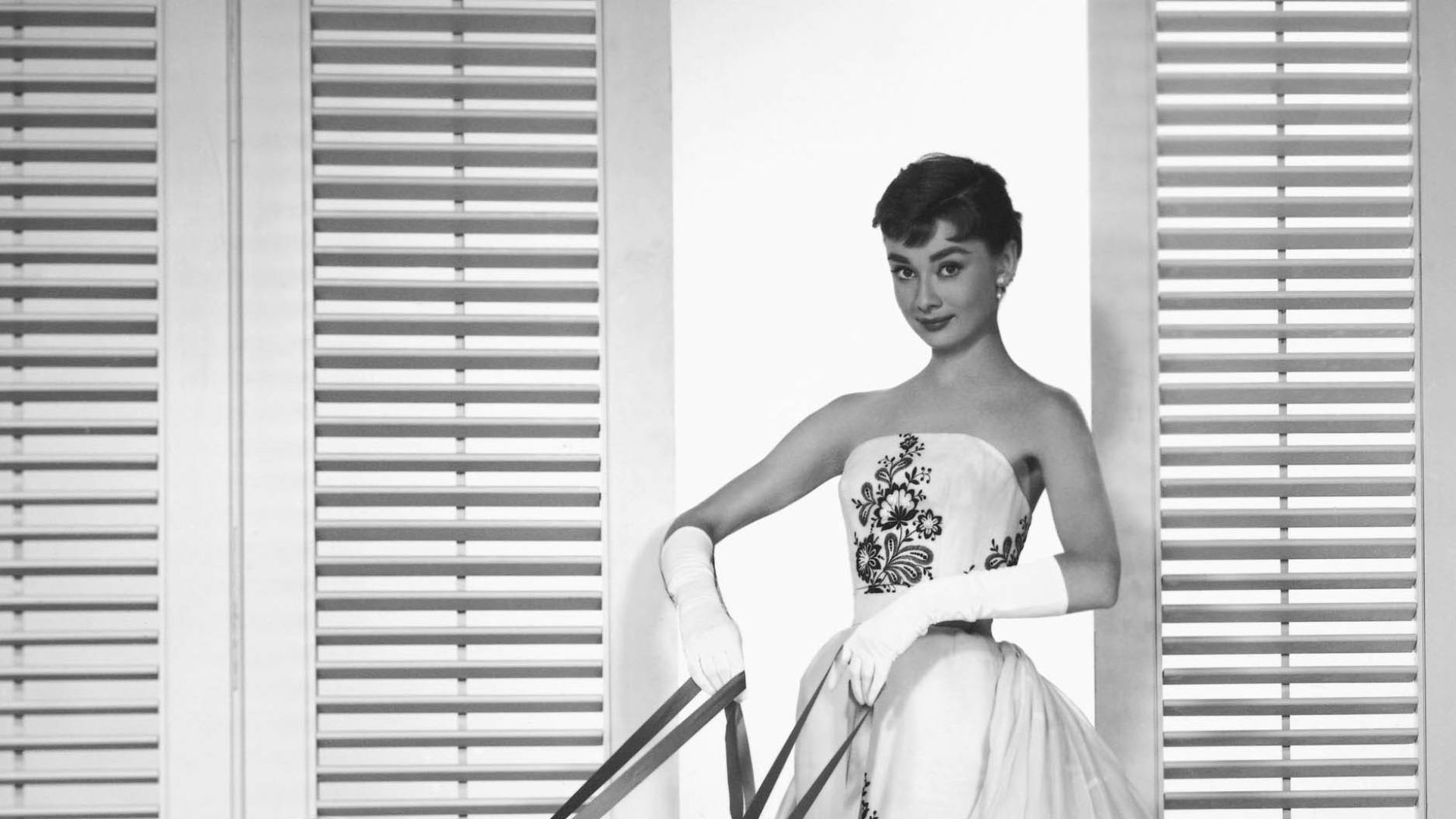
Designers and photographers helped turn Hepburn’s frame into an icon of chic. Boat necks, cropped trousers, ballet flats, and simple black dresses made her look modern and graceful. But style can also hide suffering. What appeared effortless on screen was partly shaped by deprivation she had endured as a child.
 Trailer screenshot, Wikimedia Commons
She Was Born Before The World Fell Apart
Hepburn was born Audrey Kathleen Ruston in Brussels in 1929. Her childhood began in a privileged European world, but that world collapsed as war spread across the continent. By adolescence, she was living in the Netherlands under German occupation, where ordinary life became frightening and unstable.
 Paramount-photo by Bud Fraker, Wikimedia Commons
The Occupation Changed Everything
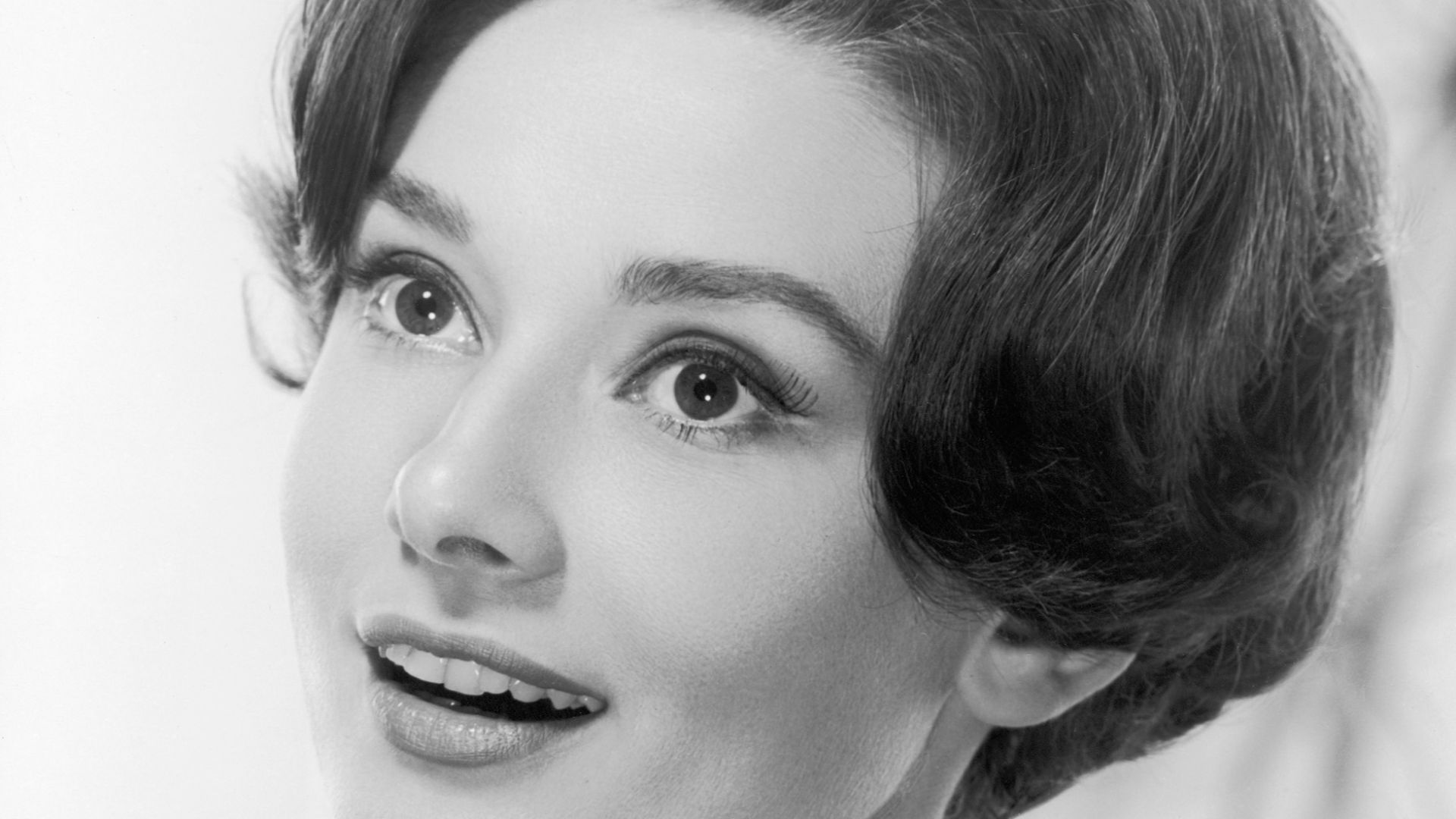
During WWII, Hepburn lived with her mother in the occupied Netherlands. The conflict brought fear, restriction, brutality, and hunger into her life. She was not a distant observer of history. She was a girl growing up inside it, watching adults struggle to keep families alive.
 MGM at lower right, Wikimedia Commons
Her Childhood Became A Story Of Survival
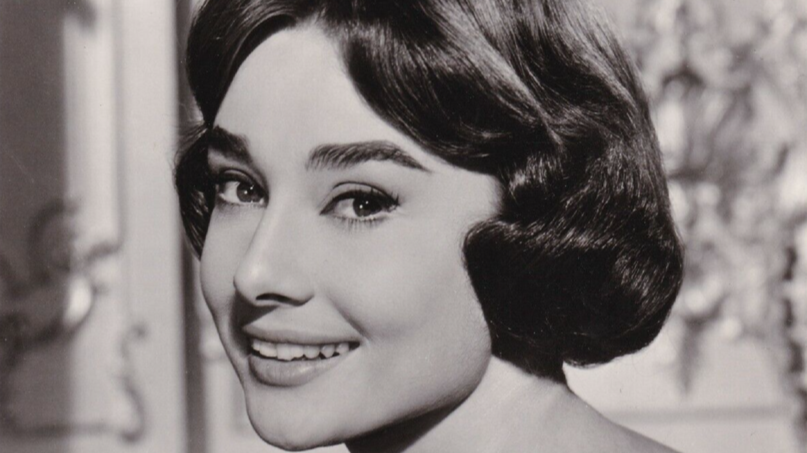
Hepburn later became famous for grace, but her life during the early 1940s were defined by endurance. Food became scarce, people disappeared, and communities lived under the pressure of occupation. The elegant woman the world later admired had first been a child who knew what it meant to be cold, frightened, and hungry.
 Allied Artists Pictures Corporation, Wikimedia Commons
The Hunger Winter Was Devastating
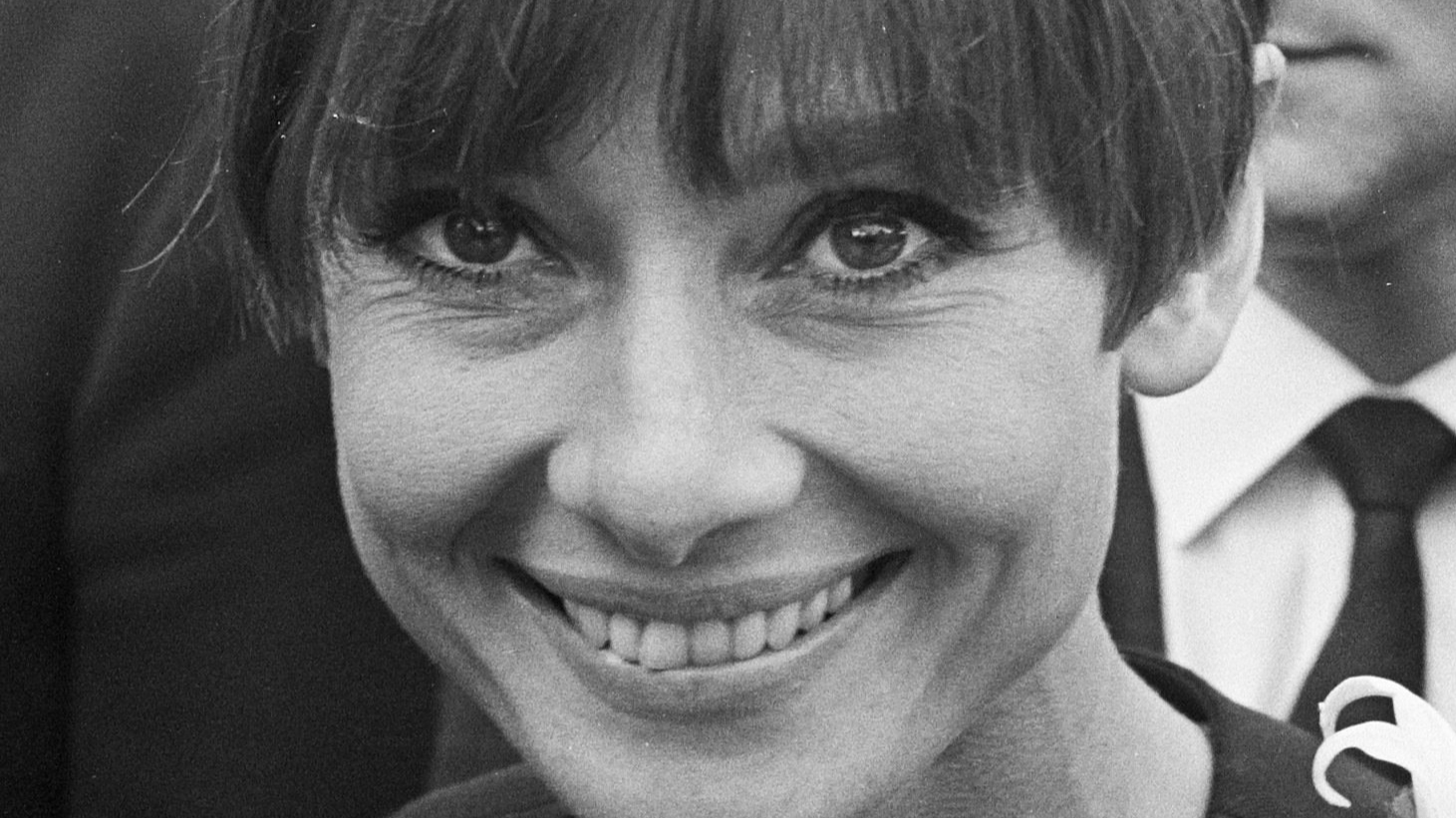
The worst deprivation came during the Dutch Hunger Winter of 1944 to 1945. Food supplies collapsed in parts of the Netherlands, and many civilians suffered severe malnutrition. Hepburn was among those affected, and the experience left lasting marks on her body and memory.
Her Family Ate What They Could Find
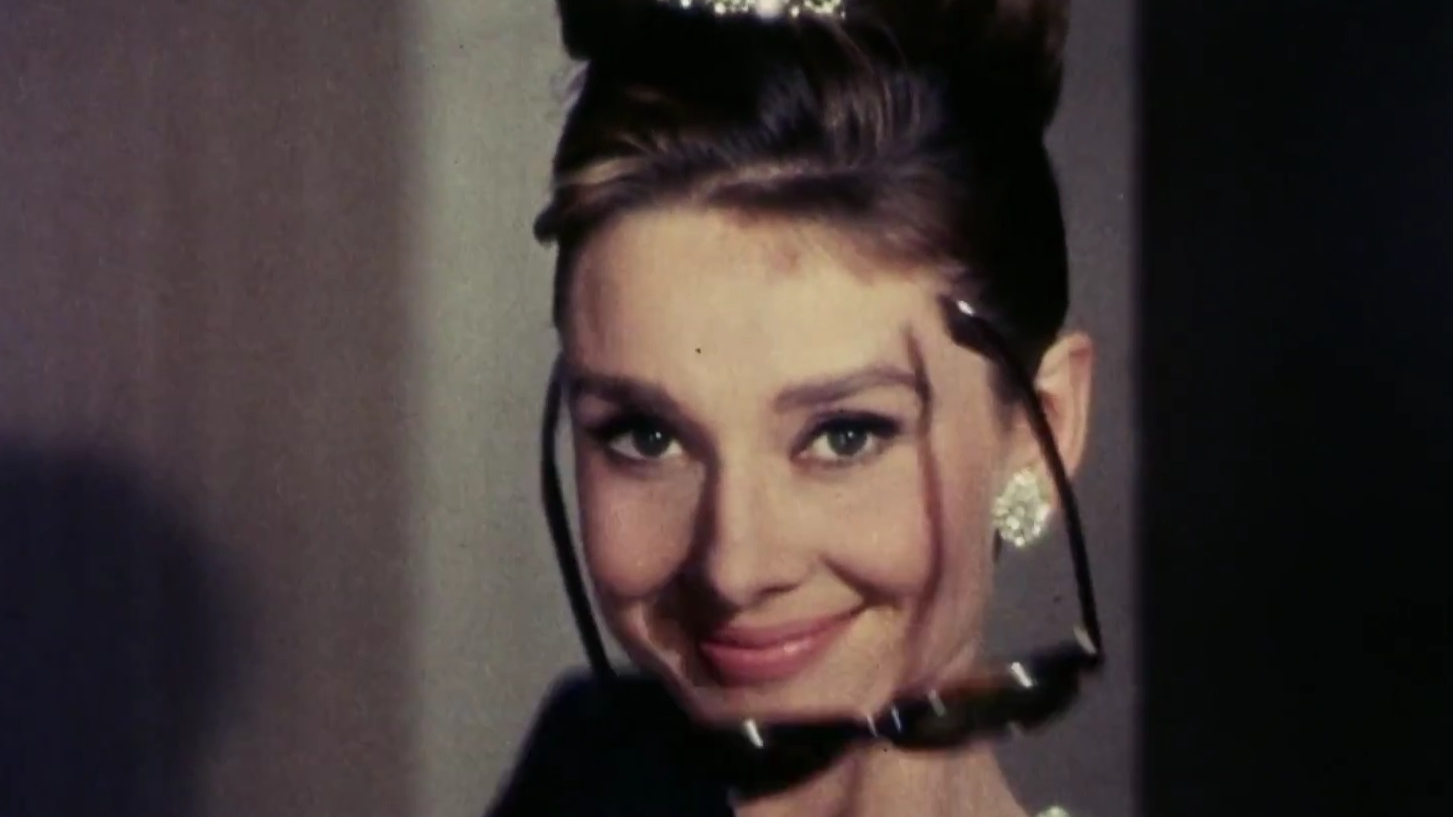
During the famine, families survived on whatever could be made edible. Accounts of Hepburn’s wartime life include stories of people using tulip bulbs to make flour or food. These details sound almost unreal now, but they were part of the desperation civilians faced near the end of the war.
 Trailer screenshot, Wikimedia Commons
She Was Seriously Malnourished
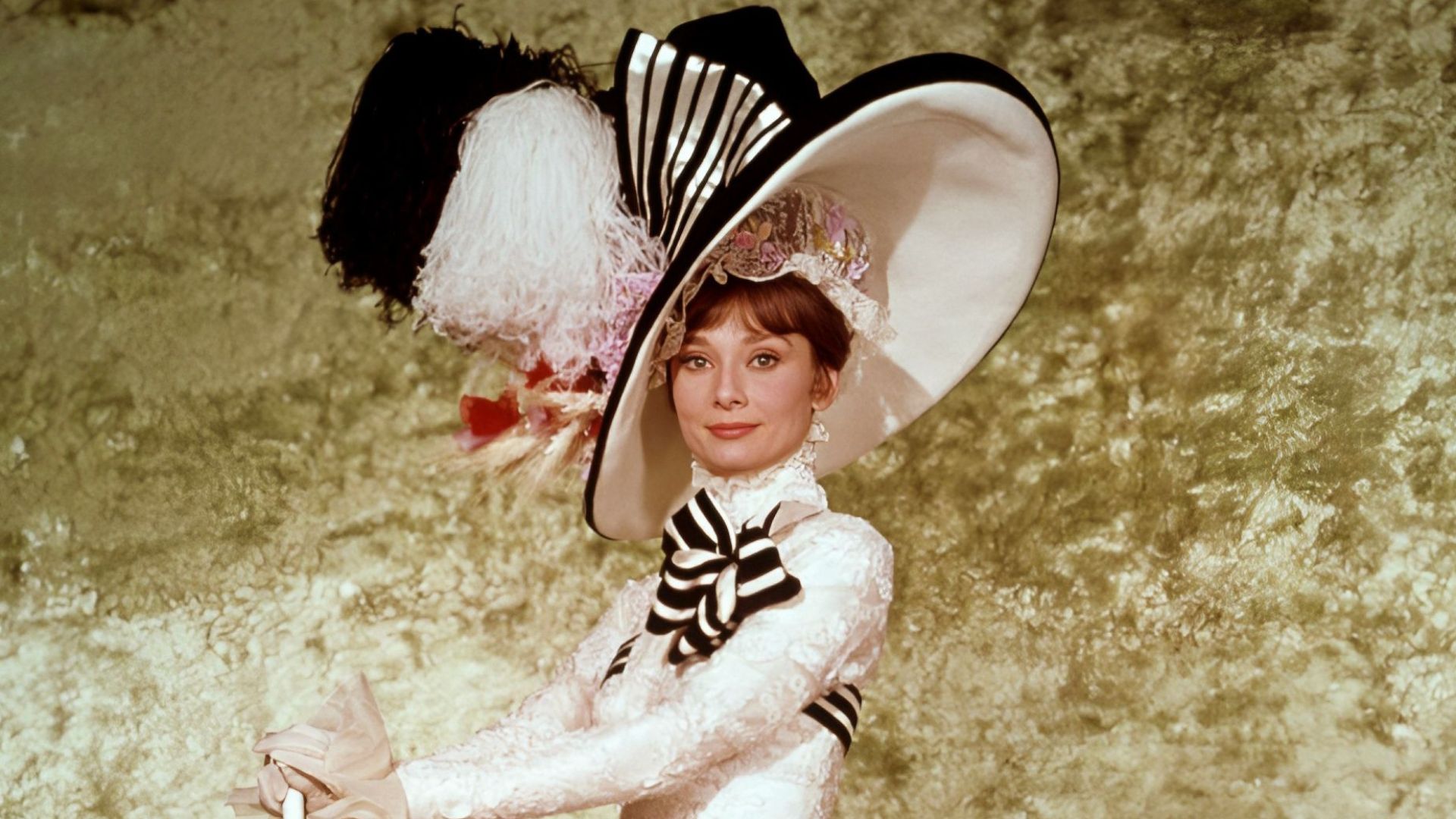
After the WWII, Hepburn suffered from the effects of malnutrition. Accounts describe her experiencing jaundice, anemia, edema, and respiratory problems after liberation. These were not cosmetic issues. They were the physical consequences of a teenage body pushed close to collapse by starvation and struggle.
 Cecil Beaton., Wikimedia Commons
She Was Reportedly Close To Losing Her Life
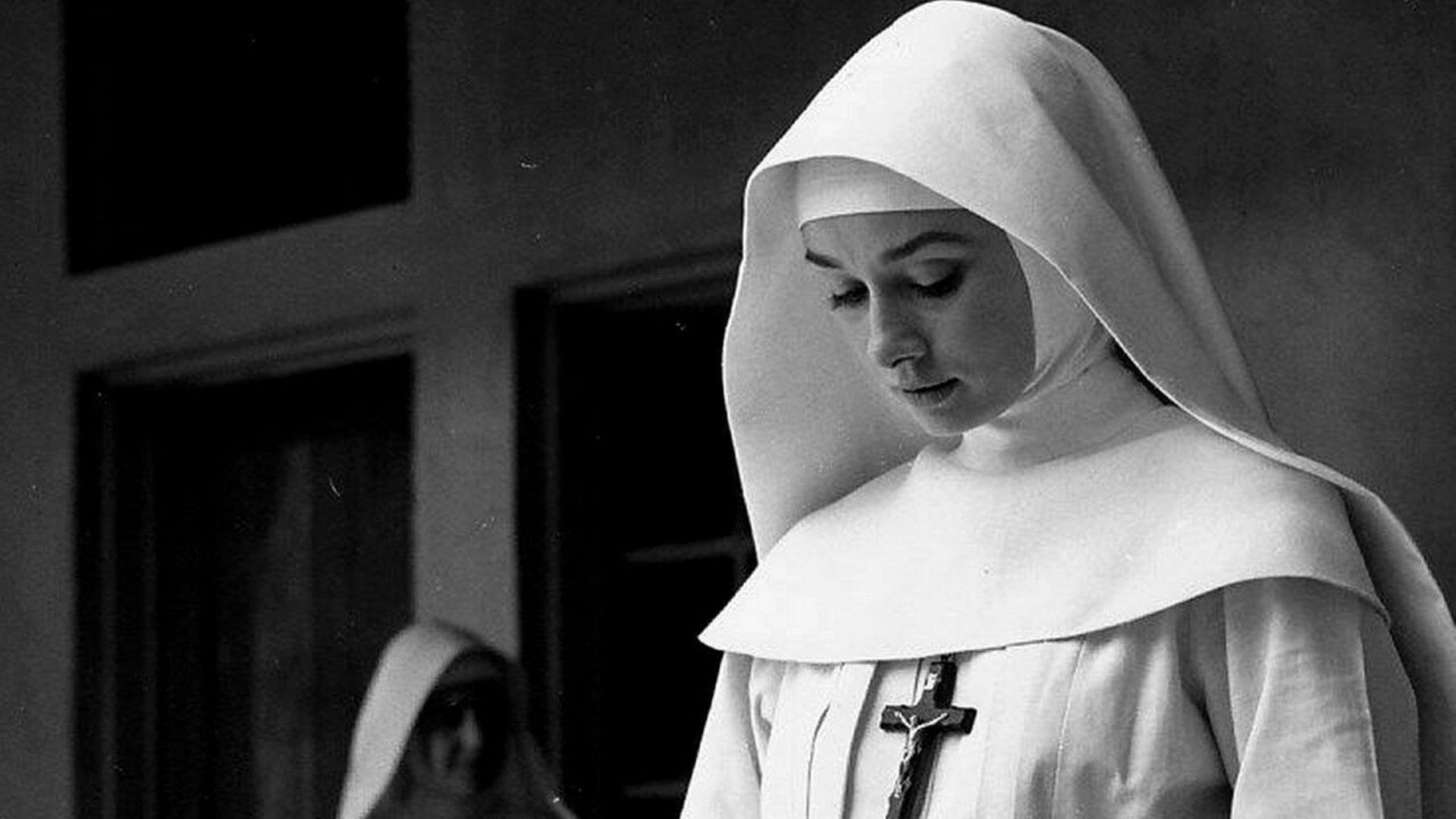
Recent reporting on Hepburn’s WWII experience, drawing on family accounts and biographical research, described her as weighing only 88 pounds and being “close to death” when she was rescued from the famine. That context makes decades of careless speculation about her thinness feel especially awful.
 Warner Bros., Wikimedia Commons
The War Affected Her Metabolism
Hepburn’s son Luca Dotti has pushed back against gossip about his mother’s body, explaining that the wartime hunger she endured affected her health and relationship with food. People often looked at her adult thinness and invented a scandal. Her family pointed instead to survival.
Gossip Turned Trauma Into Suspicion
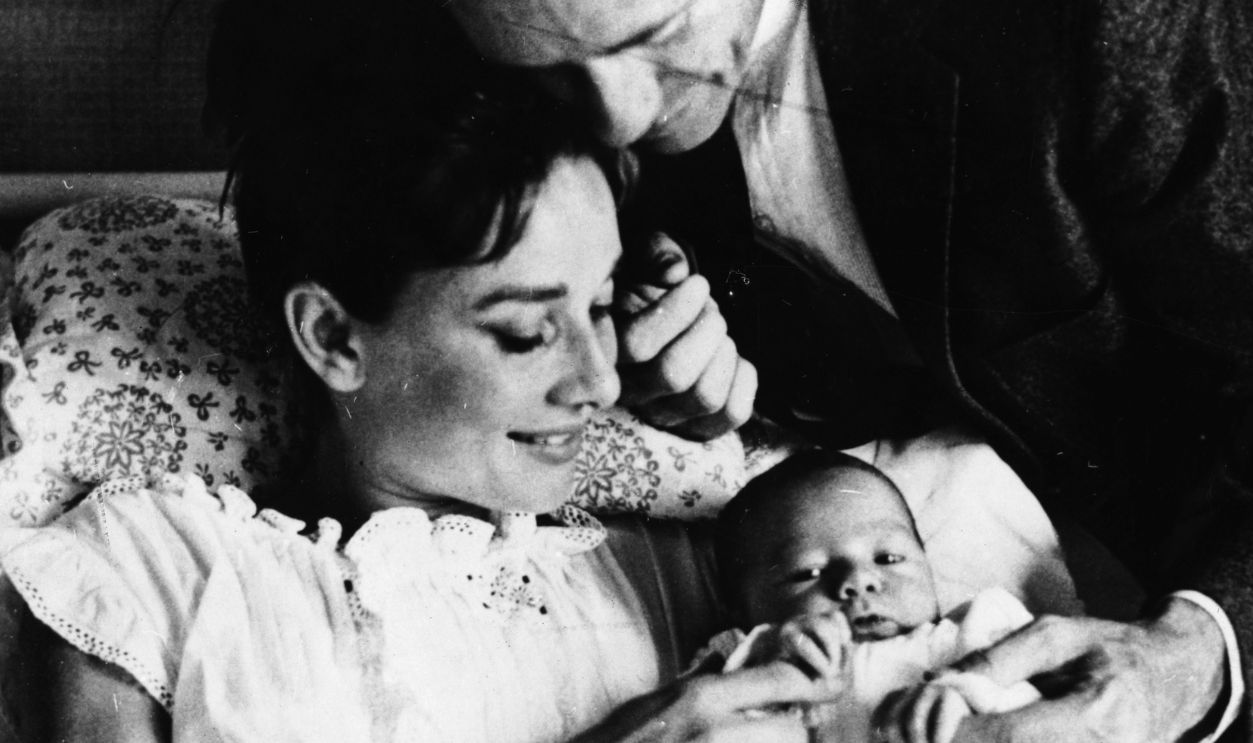
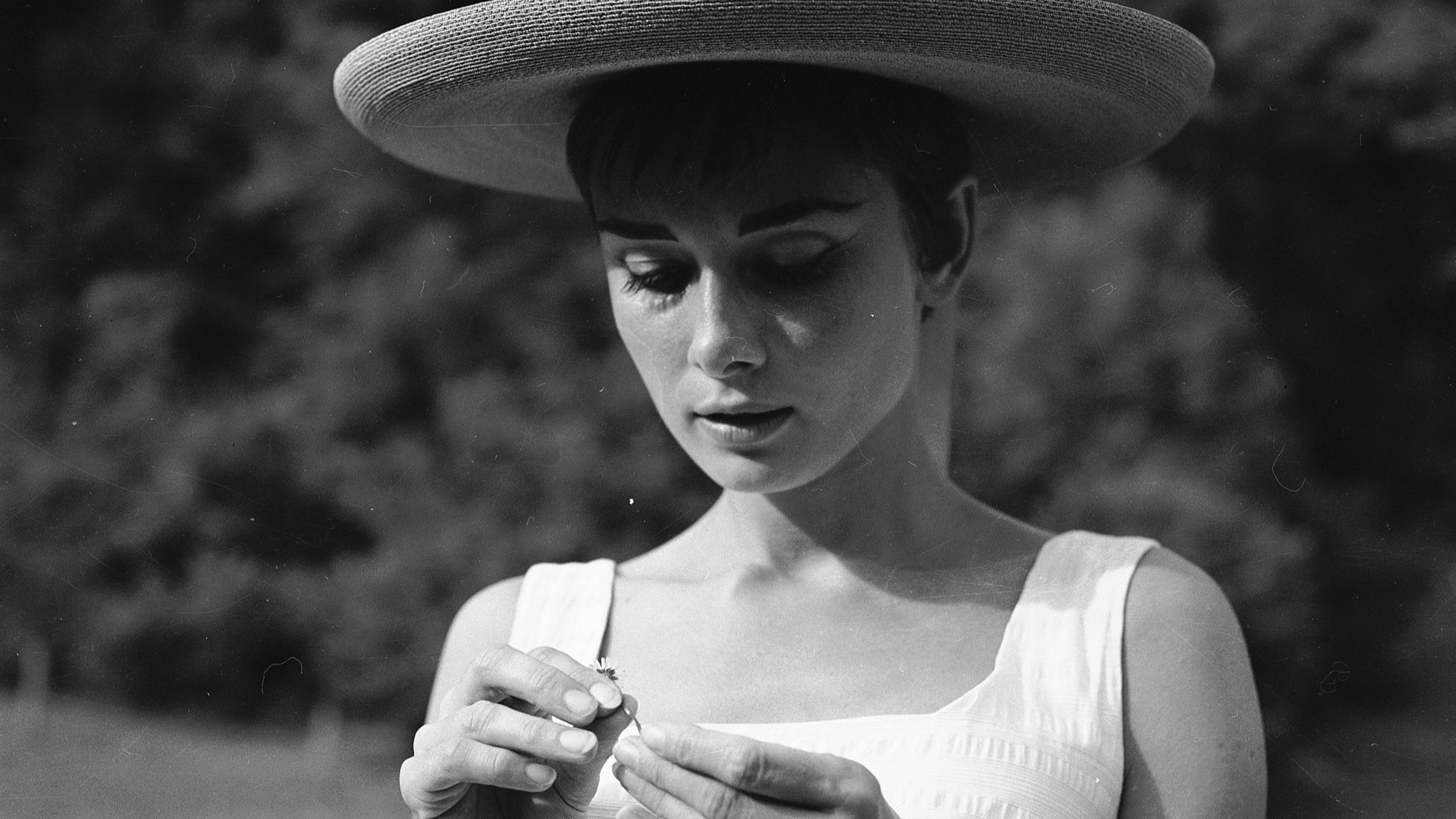
For years, some people assumed Hepburn’s slim figure reflected an eating disorder or Hollywood vanity. That assumption flattened her life into a rumor. It ignored the reality that she had been a malnourished teenager during one of Europe’s most desperate wartime famines.
 Hans Gerber, Wikimedia Commons
Her Son Defended Her Relationship With Food
Dotti has said his mother cooked, baked, and enjoyed food, while remaining careful with portions. That matters because it challenges the lazy idea that her thinness came from self-punishment. Her story was not about refusing life. It was about a body that had survived hunger and never fully forgot it.
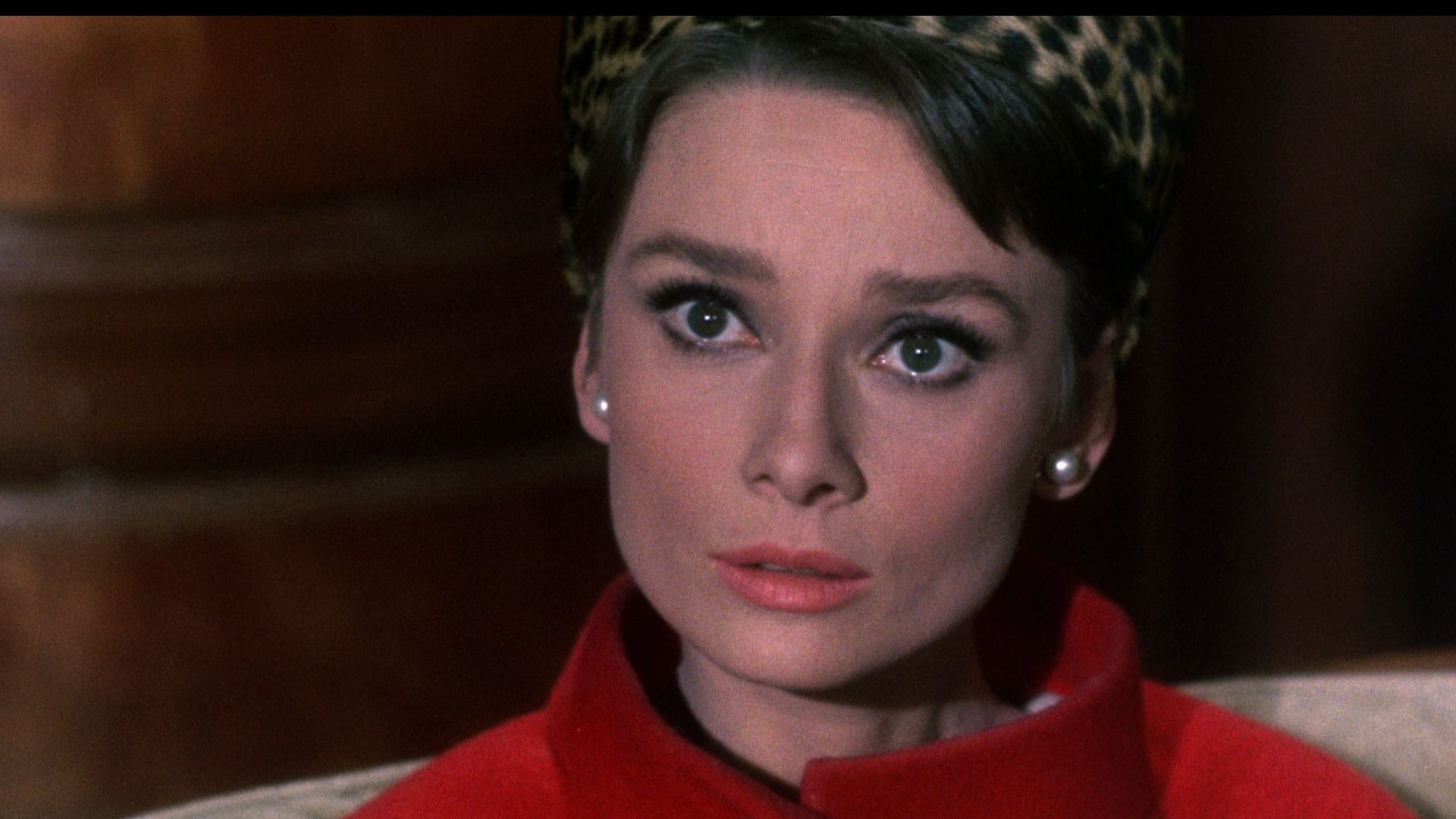 Film screenshot, Wikimedia Commons
She Loved Food Because She Had Known Hunger
Hepburn’s later relationship with food was shaped by deprivation, not indifference. People who have experienced hunger often carry food differently afterward. For Hepburn, meals were connected to memory, gratitude, and care. The woman judged for thinness had once dreamed of simply having enough.
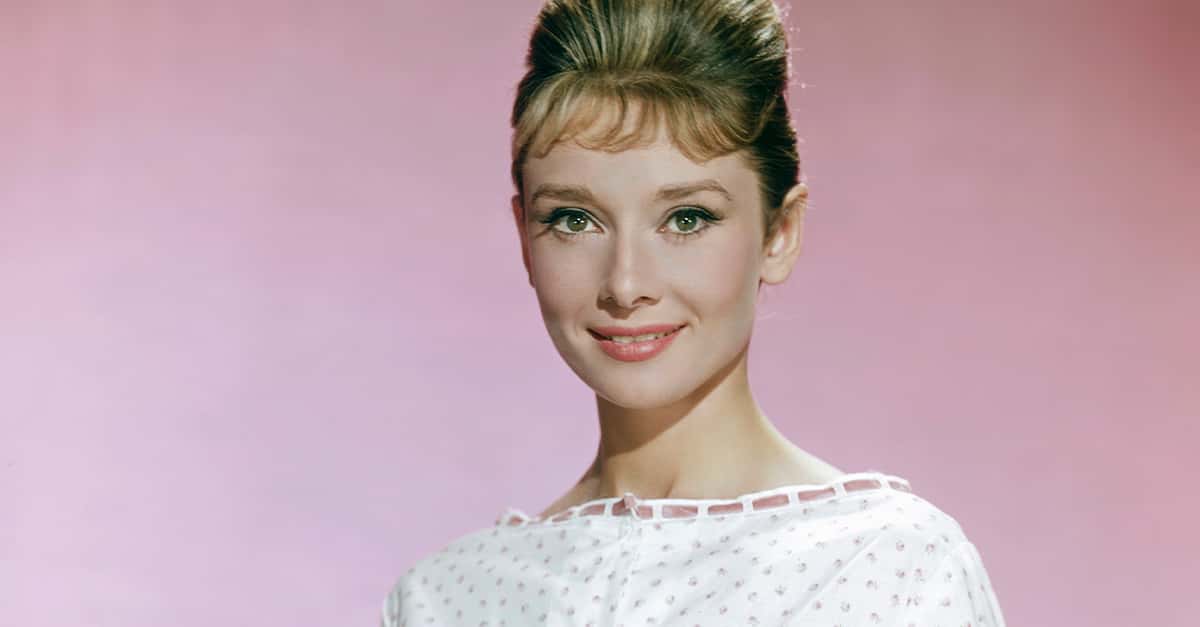
Her Ballet Dreams Were Also Affected
As a girl, Hepburn dreamed of becoming a ballerina, and she trained seriously. But malnutrition damaged those hopes. The physical toll made it harder for her to pursue dance at the highest level, helping redirect her toward the acting career that later made her famous.

Hollywood Benefited From What WWII Had Cost Her
It is painful to realize that the figure Hollywood admired was partly shaped by suffering. Directors, designers, and audiences saw elegance. But Hepburn’s slimness was not simply an aesthetic gift. It was connected to a childhood in which hunger and illness had altered her body.
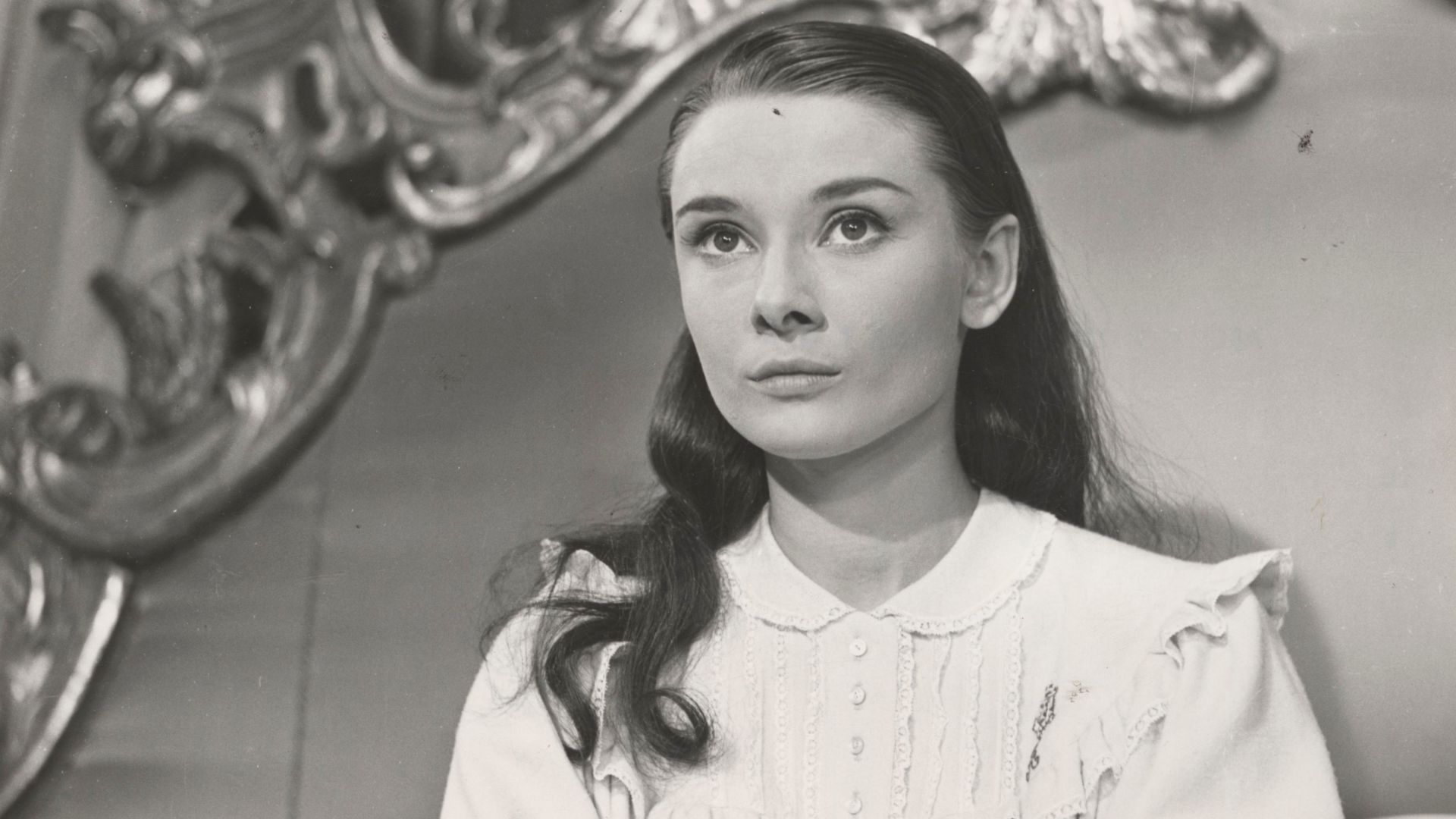 Unknown authorUnknown author, Wikimedia Commons
Her Beauty Was Often Misread
Hepburn’s beauty was real, but it was often misunderstood. People praised her as fragile, elfin, or waiflike, without always recognizing the historical weight behind that fragility. What looked ethereal on a movie poster had been forged in real-world hardship.
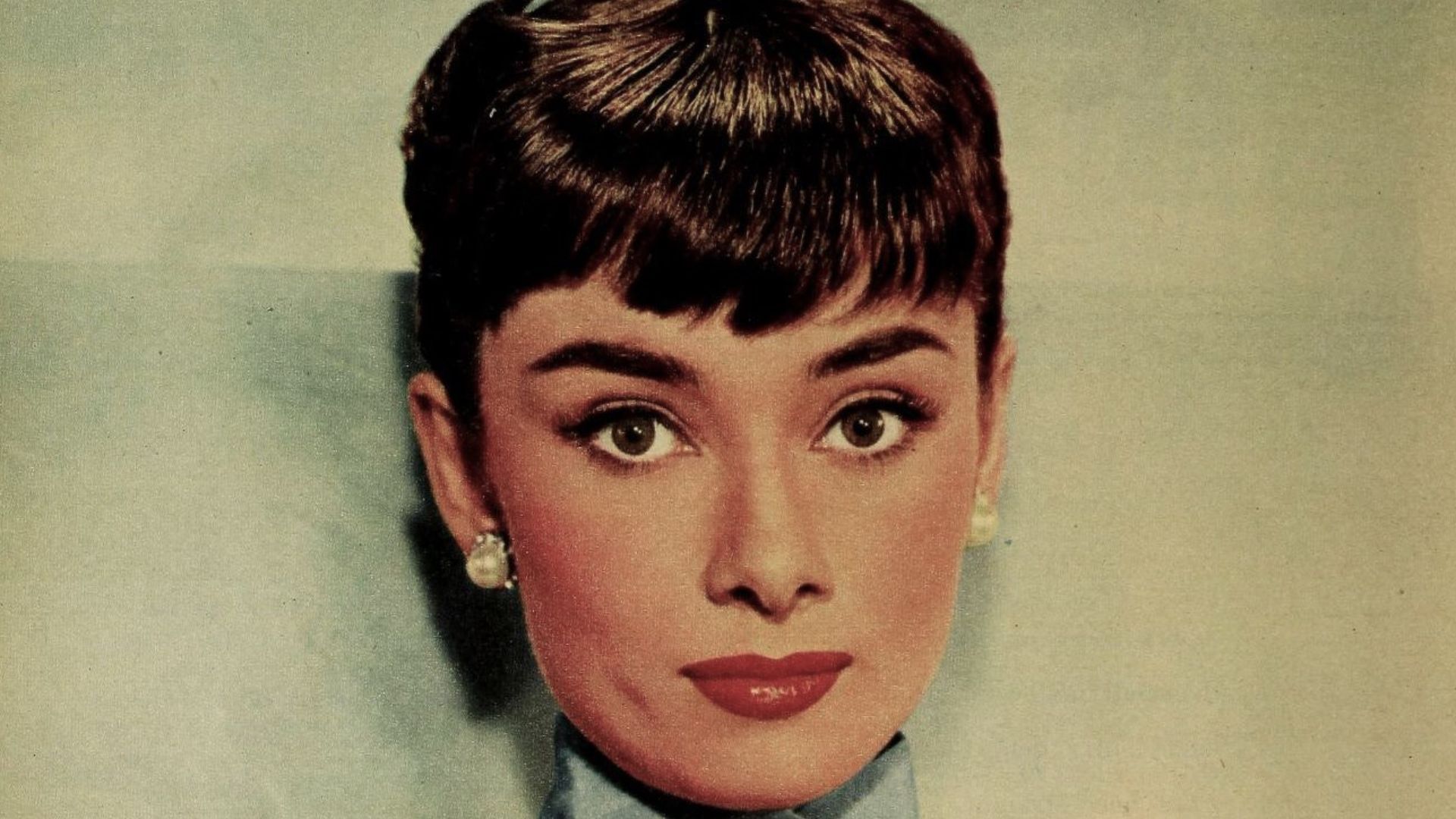 Bud Fraker (1916-2002) [1], Wikimedia Commons
She Did Not Trade On Victimhood
Hepburn did not build her public image around her WWII backstory. She was discreet, private, and dignified. But when she later spoke about hunger, children, and humanitarian work, her past was never far away. She knew what suffering children needed because she had once been one of them.
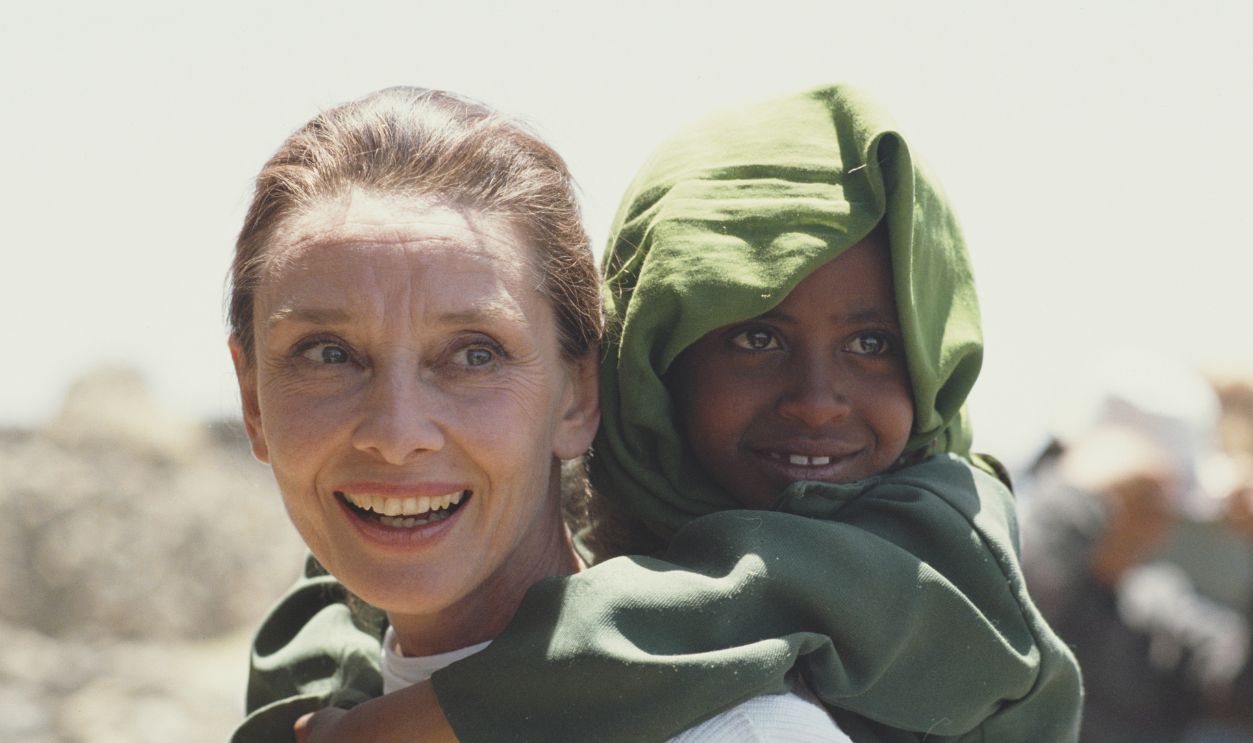
UNICEF Helped Her After The War
After WWII, relief organizations connected to what became UNICEF helped provide food and medical aid to children in Europe, including Hepburn. She later spoke with deep gratitude about receiving help after the war. That experience shaped her lifelong commitment to vulnerable children.
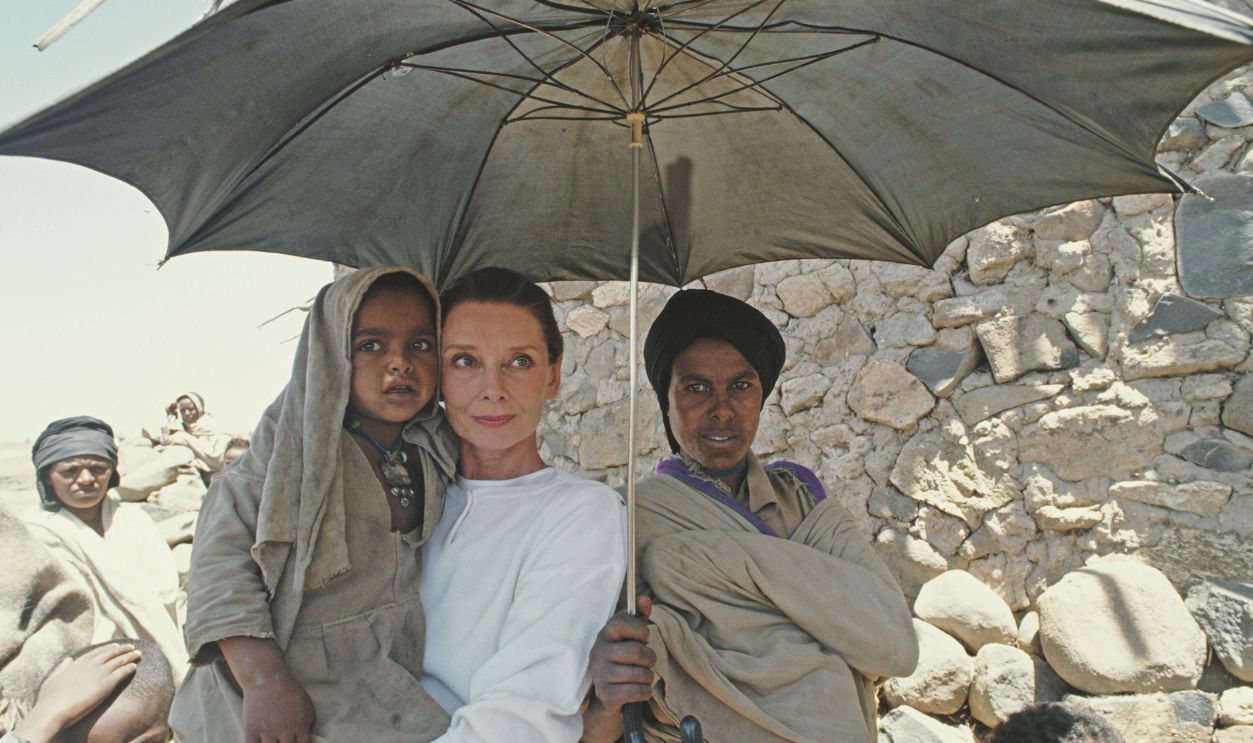
She Later Called UNICEF Her Most Important Role
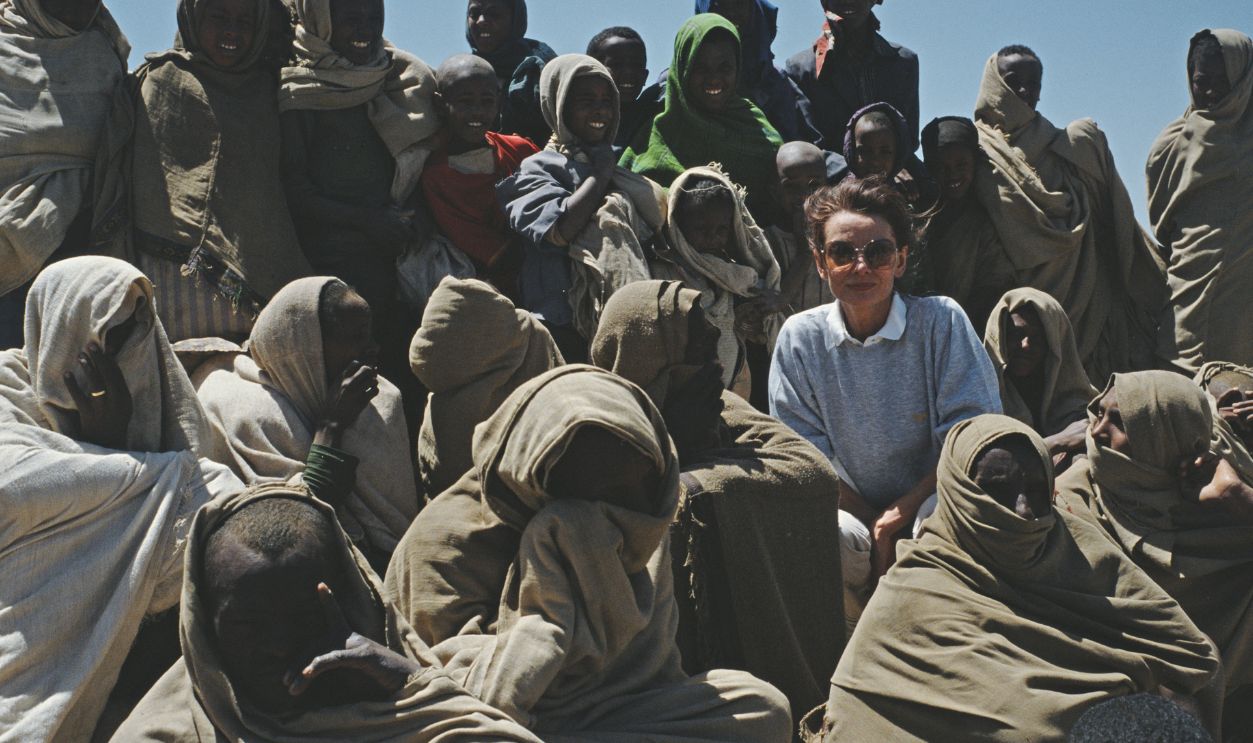
Hepburn became a UNICEF Goodwill Ambassador in 1988 and traveled to countries affected by famine, poverty, and conflict. She had already been a film legend for decades, but humanitarian work gave her a mission rooted in in her own personal experiences. Helping hungry children was not abstract to her.
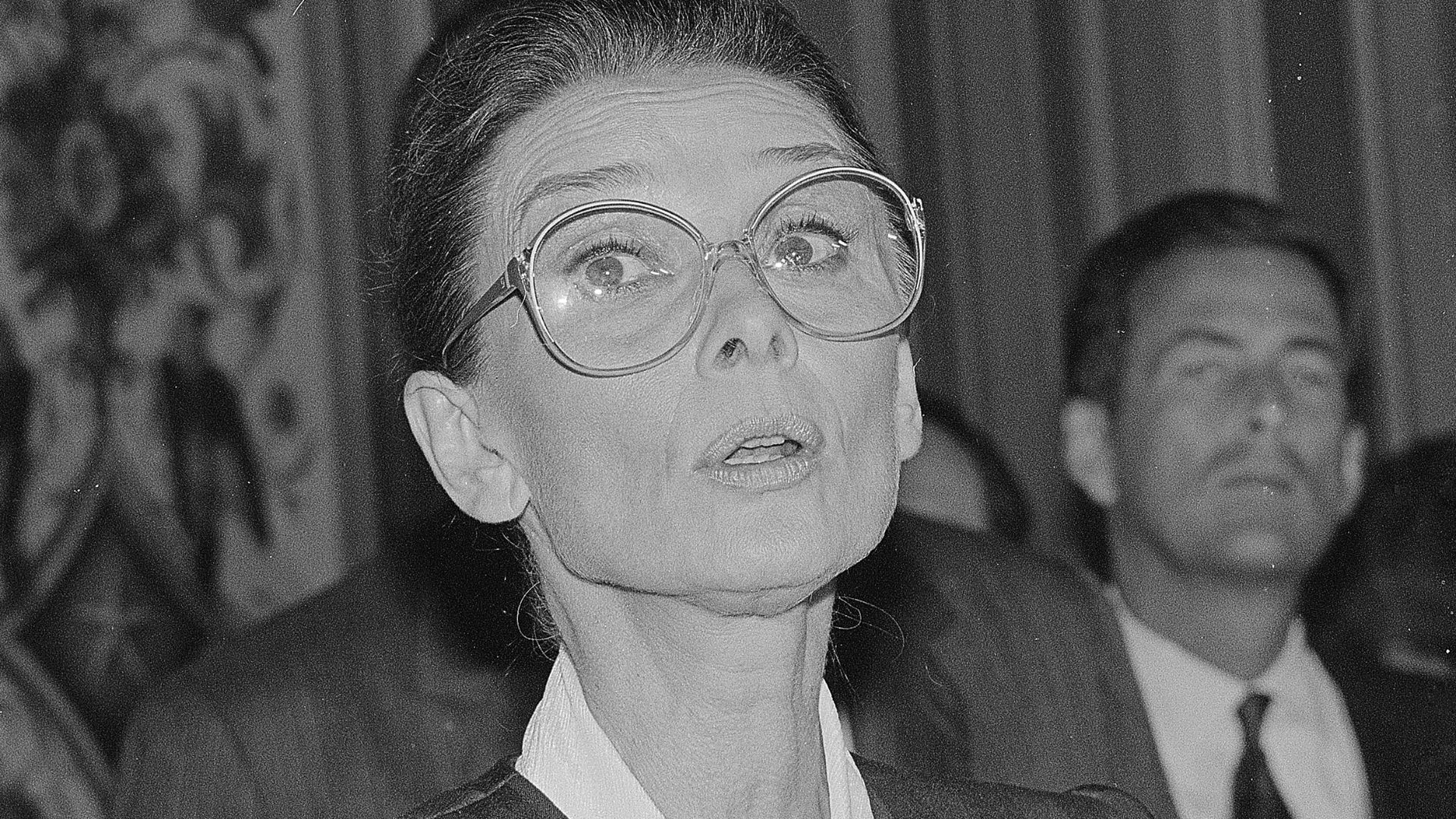 Maureen Keating, Wikimedia Commons
Her Past Made Her Advocacy Personal
When Hepburn visited children facing hunger, she wasn't simply a celebrity offering sympathy. She had lived through malnutrition herself. That gave her advocacy a rare moral force. She knew that starvation was not only physical. It robbed children of safety, innocence, and ordinary childhood.
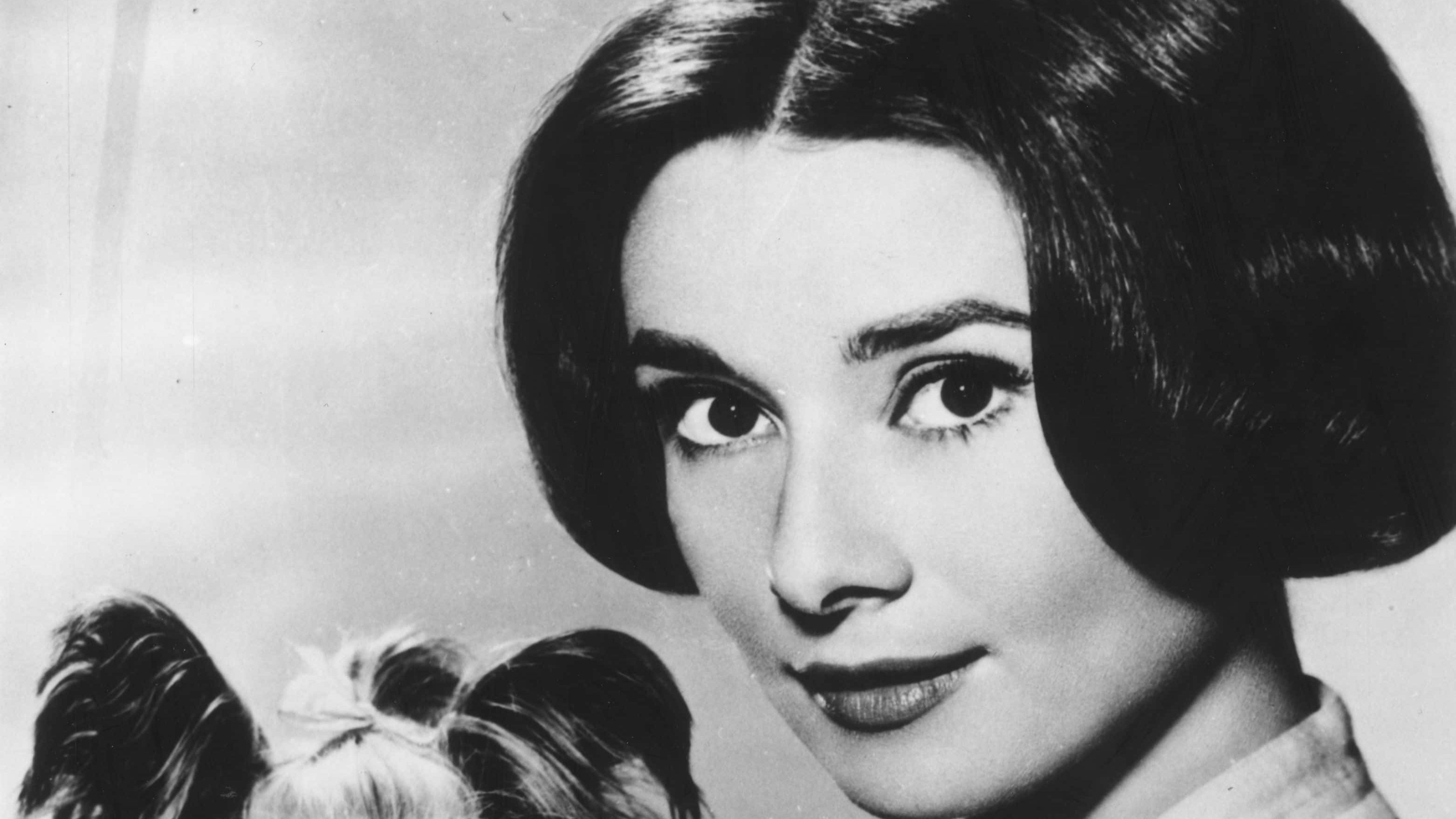
She Saw Herself In Suffering Children
Hepburn once said she could testify to what UNICEF meant because she had been among those who received food and medical relief after World War II. That statement turns her life into a circle: the hungry child rescued by aid became the famous woman who carried that aid to others.
The Criticism Was Especially Unfair
To criticize Hepburn’s body without understanding her experience during WWII is to miss the heart of the story. Her slimness was not a fashion trick. It was connected to famine, illness, trauma, and recovery. The gossip said more about the harshness of spectators than about her.
Her Image Should Be Remembered With Compassion
Audrey Hepburn’s slim figure became famous, copied, criticized, and misunderstood. But behind the image was a girl who had lived through war and famine. Remembering that history changes the way we see her. It asks us to look past appearance and recognize what survival can leave behind.
 Unknown authorUnknown author, Wikimedia Commons
You May Also Like:
Gutsy Facts About William Haines, Hollywood's First "Out" Actor






.png)


.jpg)