A Fan's Confession Revealed A Devastating Secret
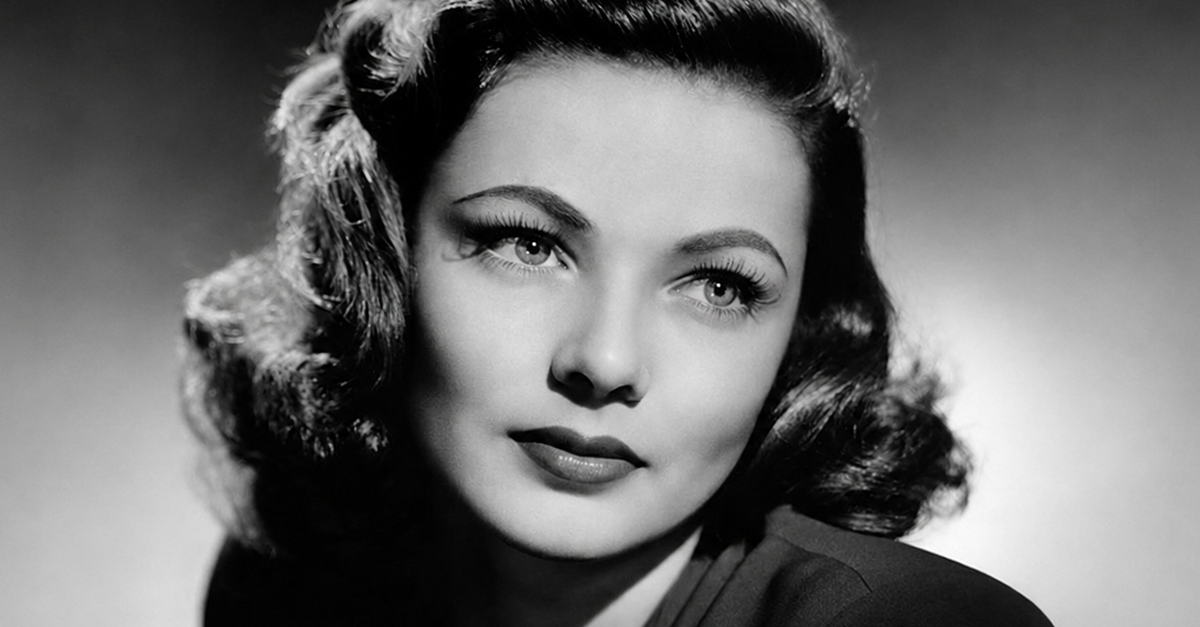
Gene Tierney was one of Hollywood's most beautiful stars, but a devastating tragedy unfolded behind the glamour. While pregnant in 1943, she contracted German measles, and her daughter was born with severe, lifelong disabilities. About a year later, a stranger approached Tierney and casually confessed something that left the actress speechless.
Had an encounter with a devoted fan changed her daughter's life forever?
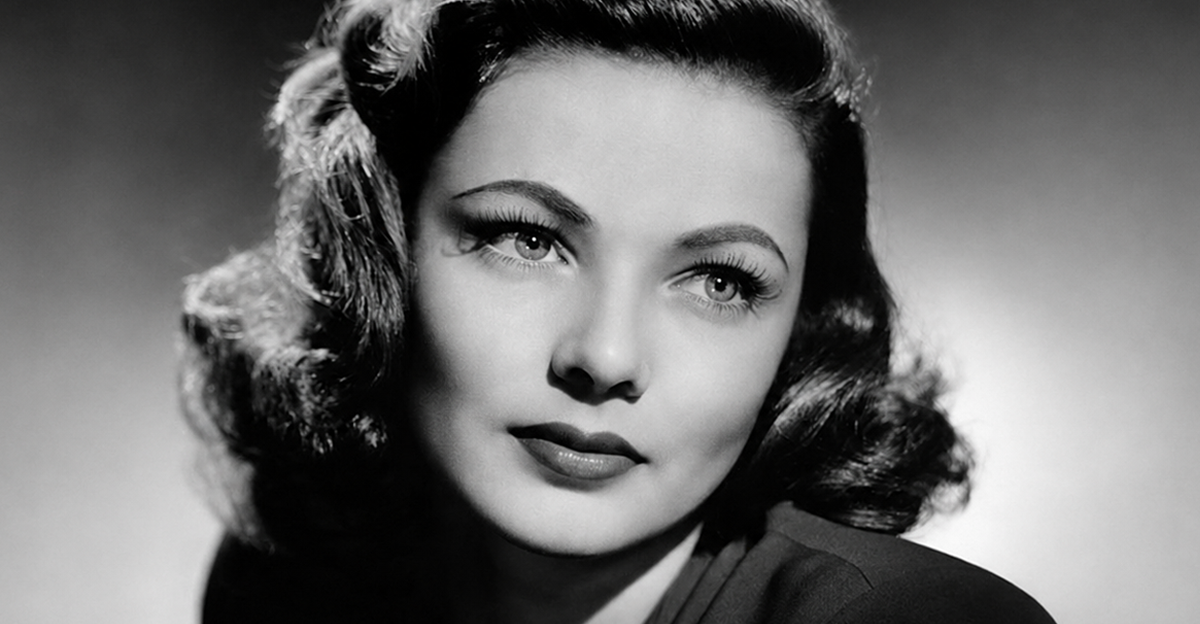 Unknown authorUnknown author, Wikimedia CommonsShe Was Destined For Stardom
Born in Brooklyn in 1920, Gene Tierney grew up in a wealthy family and attended prestigious private schools. Her striking green eyes and elegant appearance attracted attention when she pursued acting. By the early 1940s, she was becoming one of 20th Century Fox's most promising young stars.
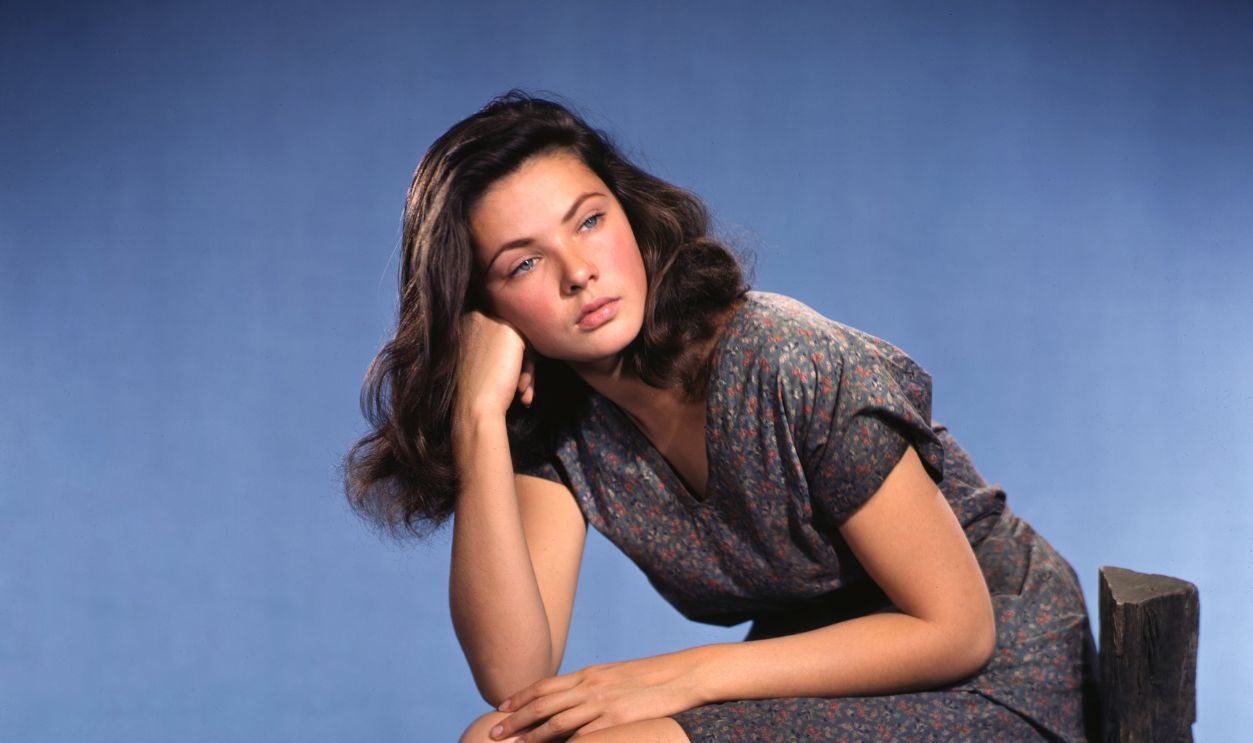
Hollywood Quickly Took Notice
Tierney made her film debut opposite Henry Fonda in The Return of Frank James in 1940. She followed it with Belle Starr, The Shanghai Gesture, and several other productions. Her career was moving quickly, but her private life was about to take an unexpected turn.
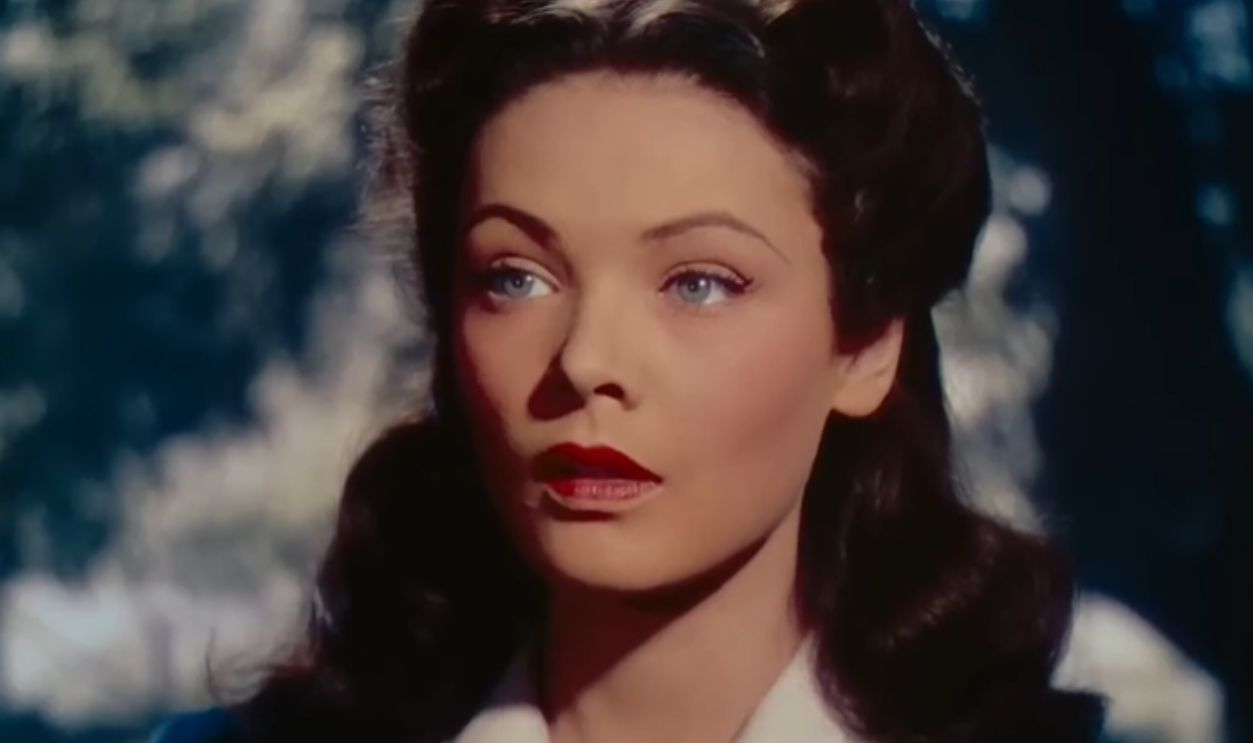 Screenshot from Belle Starr, 20th Century Fox (1941)
She Married A Famous Designer
In 1941, Tierney married fashion designer Oleg Cassini, despite objections from her family. Cassini would eventually become famous for designing Jacqueline Kennedy's clothes during her time as First Lady. Their marriage was passionate but turbulent, and the couple would face an unimaginable challenge just two years later.
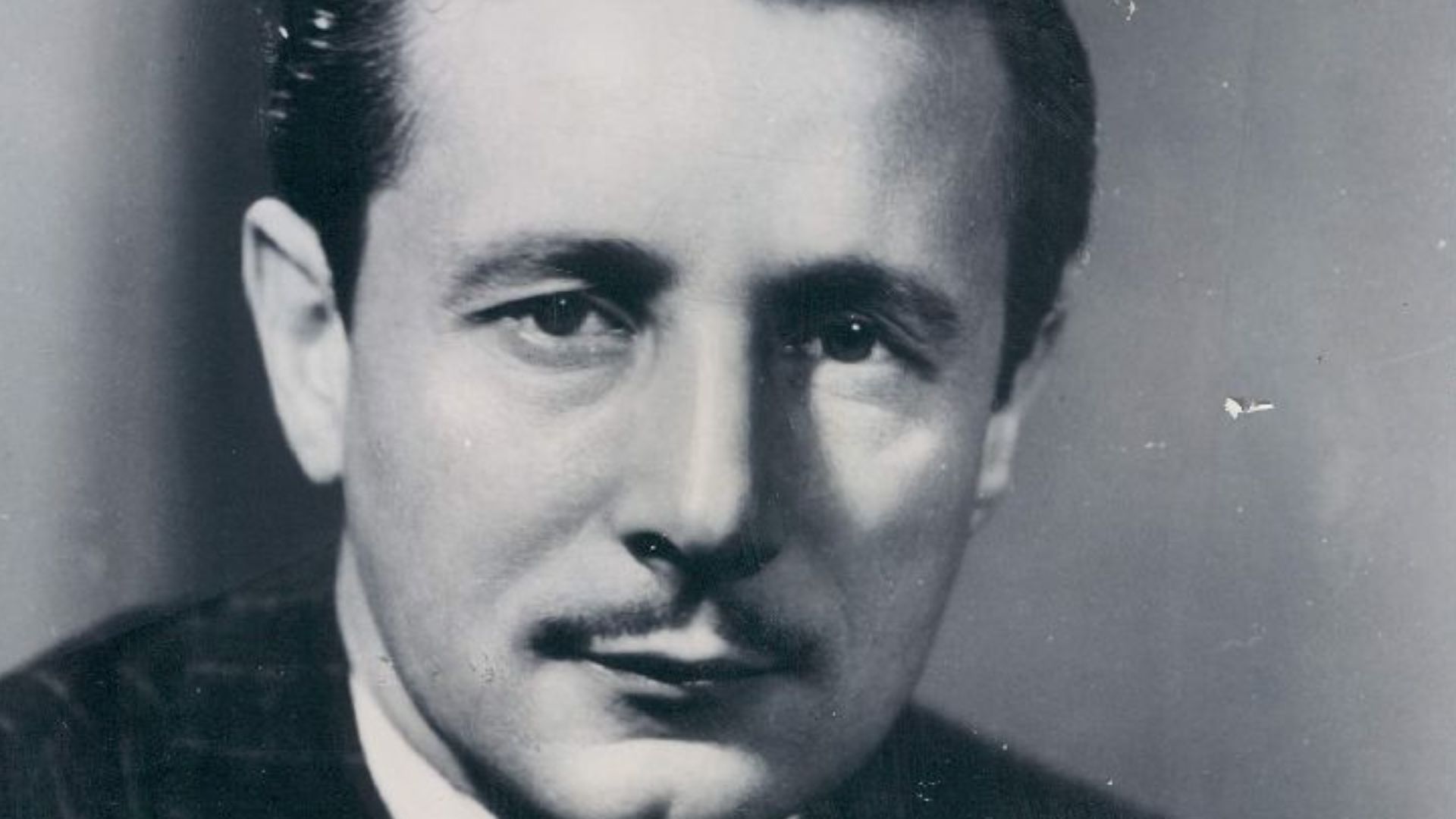 Unknown authorUnknown author, Wikimedia Commons
She Was Expecting Her First Child
By 1943, Tierney was pregnant with the couple's first child while Cassini was serving in the military. She continued working in Hollywood, appearing in Ernst Lubitsch's Heaven Can Wait alongside Don Ameche. That same year, she agreed to make an appearance at a popular wartime entertainment venue.
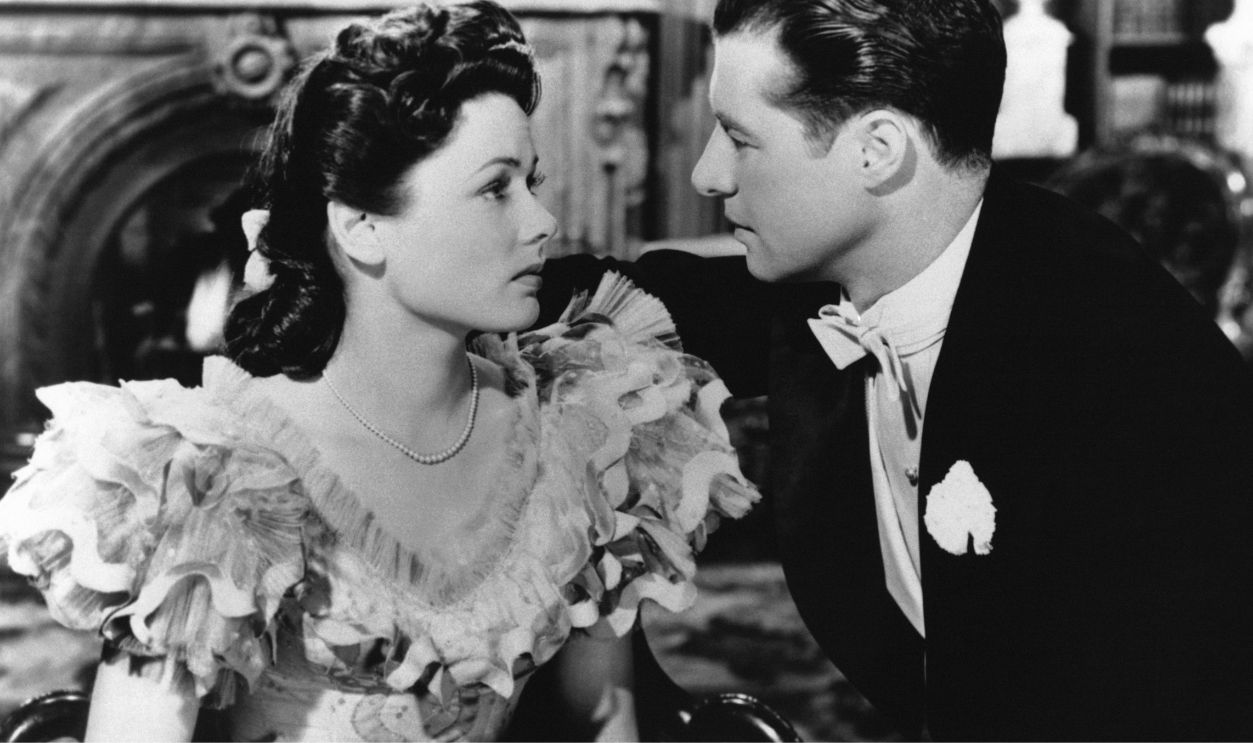
Hollywood Was Supporting The Troops
The Hollywood Canteen had opened in October 1942, thanks largely to Bette Davis and John Garfield. Military personnel could visit for free food, dancing, and entertainment provided by famous performers. Stars including Betty Grable, Shirley Temple, and Bob Hope volunteered their time to support the war effort.
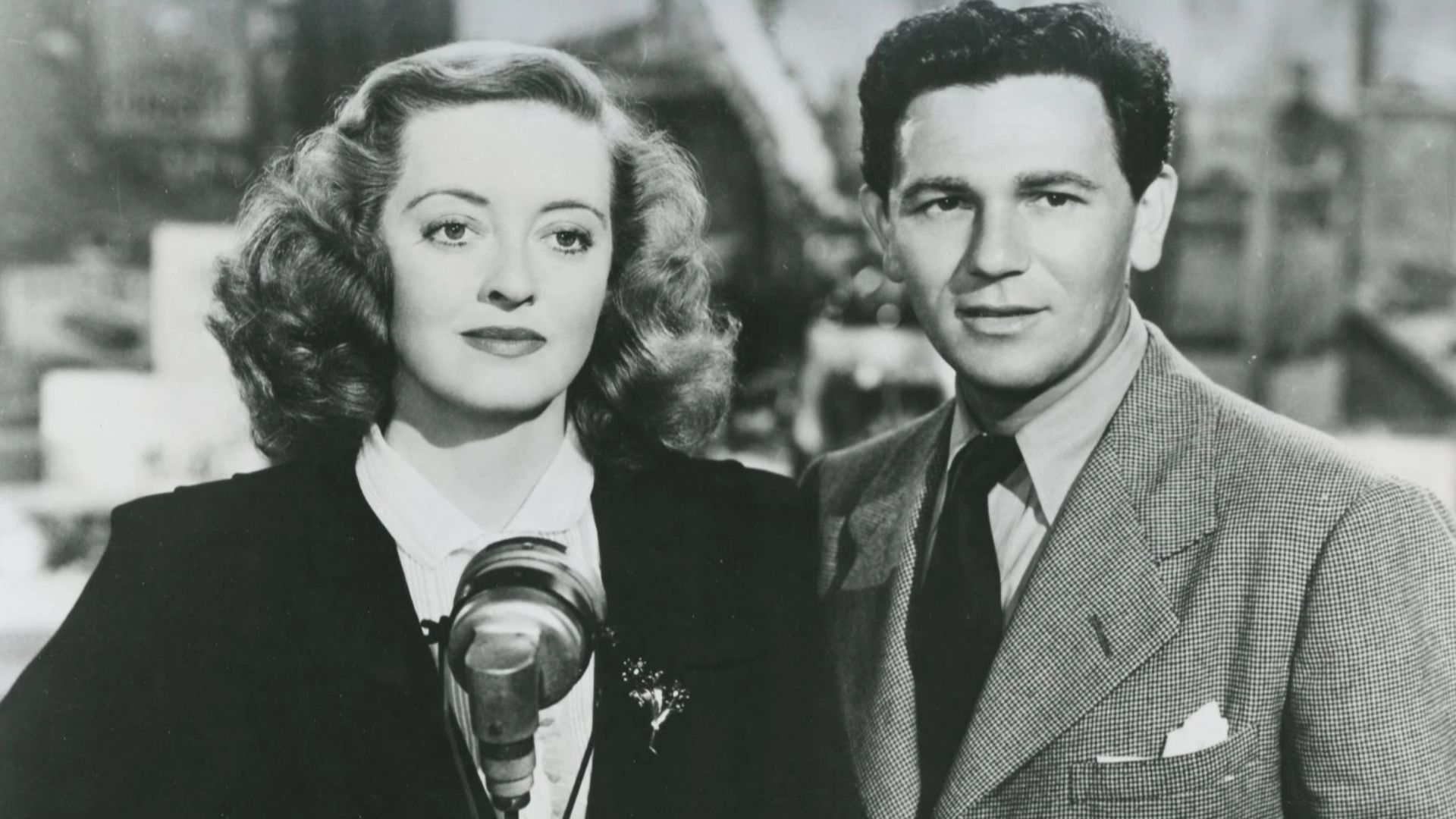 Warner Bros. Pictures, Wikimedia Commons
Tierney Made A Special Appearance
In 1943, the pregnant actress visited the Hollywood Canteen to meet and entertain military personnel. It was a routine gesture of goodwill, and Tierney had no reason to expect anything unusual. But shortly afterward, she developed an illness that would change her family's future.
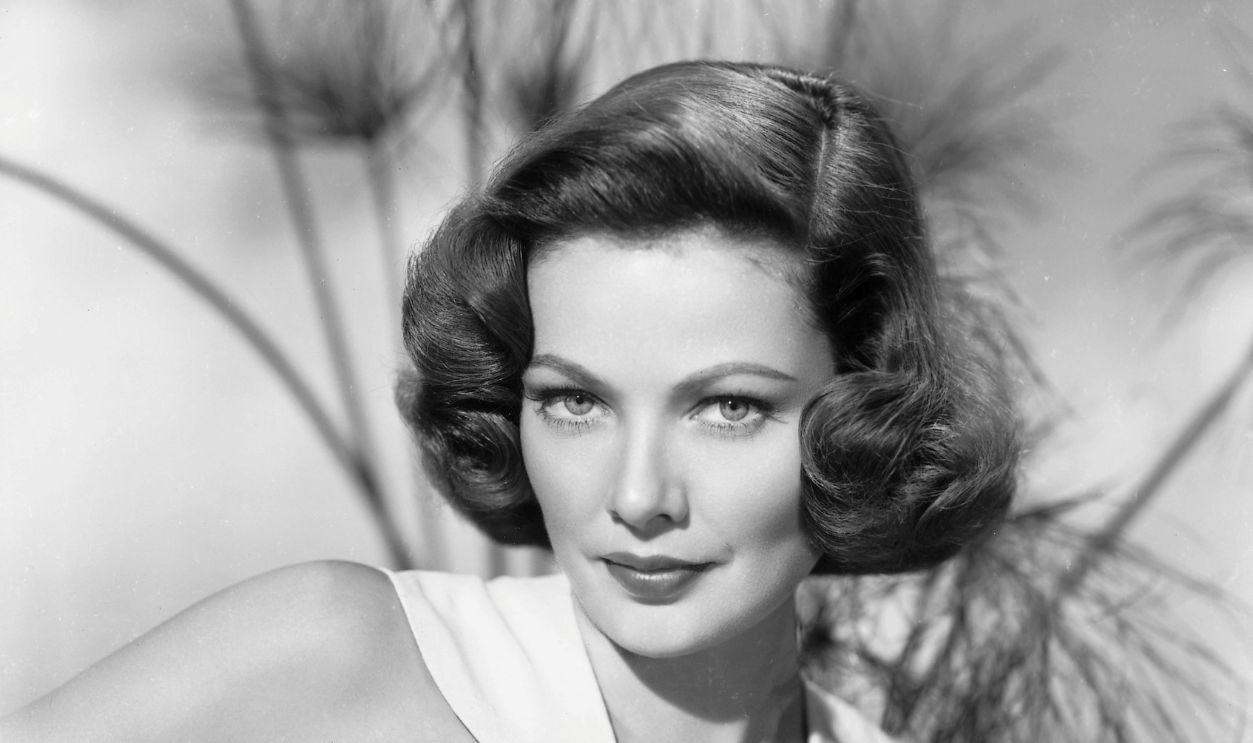 Silver Screen Collection, Getty Images
She Contracted German Measles
Tierney became ill with German measles, also known as rubella, during her pregnancy. The infection is often relatively mild in adults, but it can cause severe complications for an unborn baby. At the time, doctors were only beginning to understand the full danger.
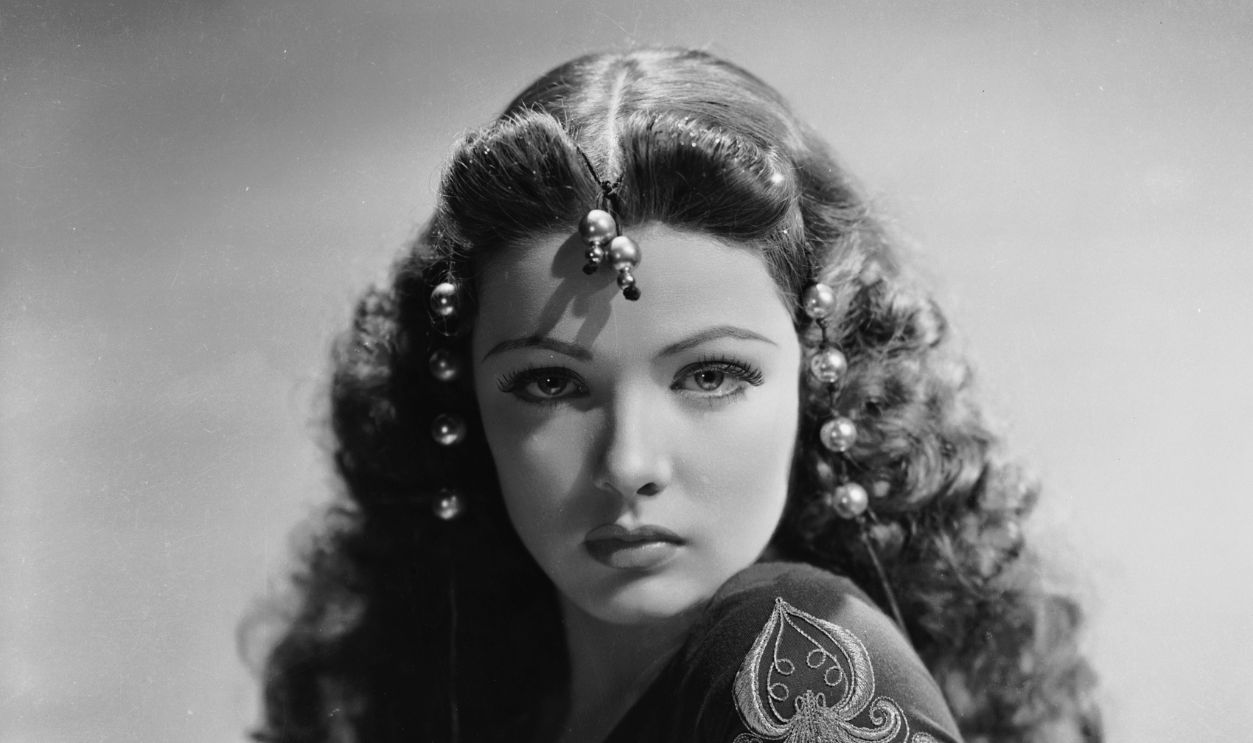 John Kobal Foundation, Getty Images
The Risks Were Far Greater Than They Appeared
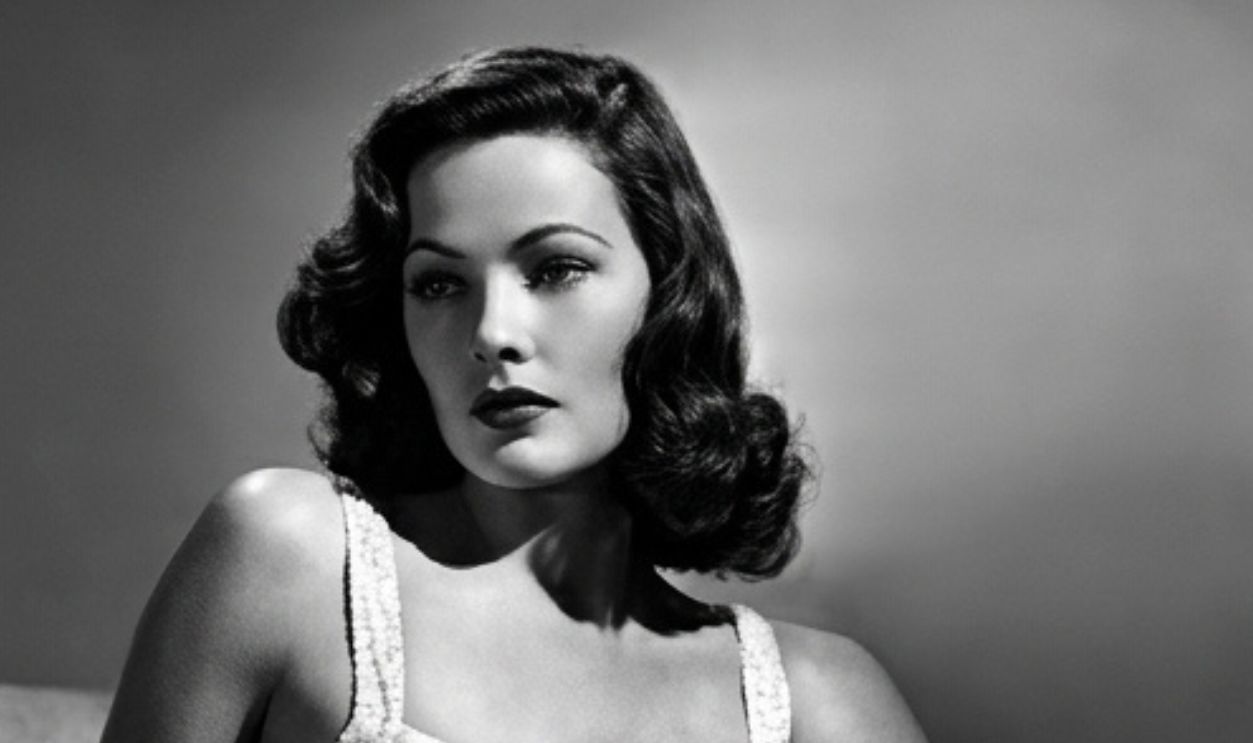
Rubella can interfere with fetal development, potentially causing hearing loss, cataracts, heart problems, and developmental disabilities. The risk is particularly serious when infection occurs during the early stages of pregnancy. For Tierney, the consequences would become painfully clear after her daughter was born.
 U.S. Army, Wikimedia Commons, Enhanced
Doctors Had Only Recently Made The Connection
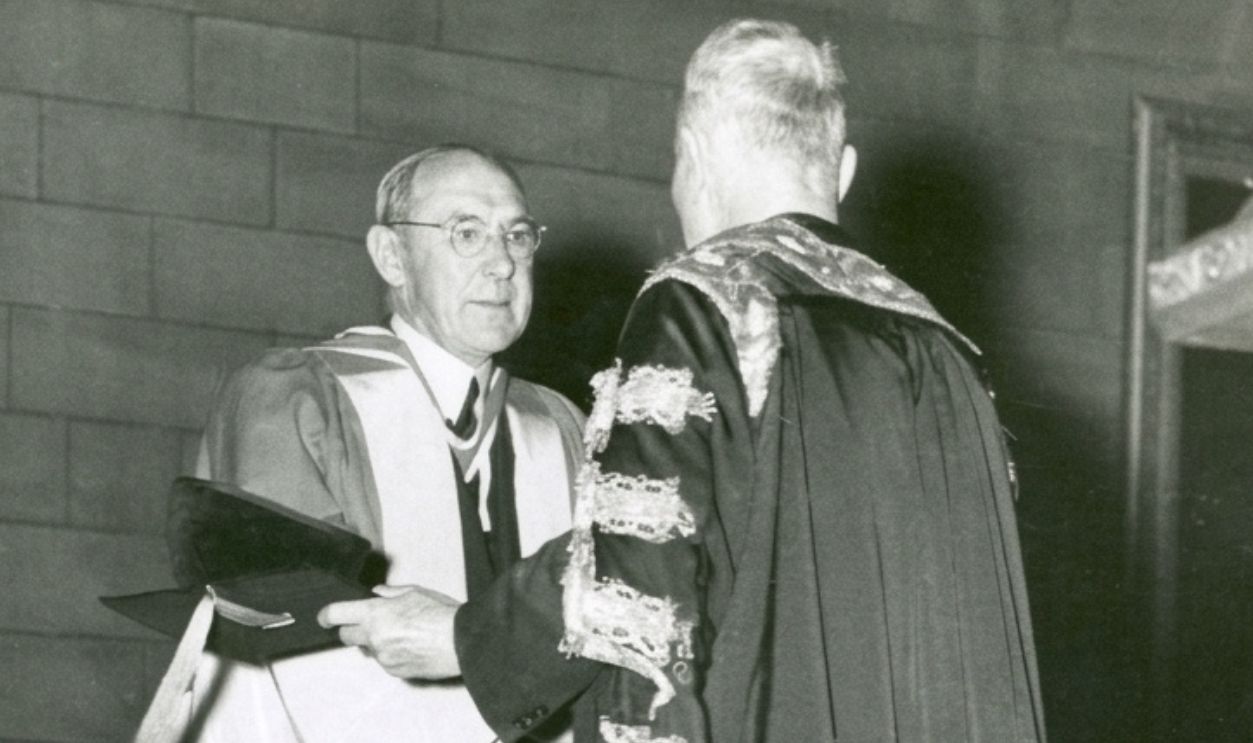
In 1941, Australian ophthalmologist Norman Gregg published groundbreaking findings linking maternal rubella infections to cataracts in newborn babies. His research helped establish that the virus could cause serious birth defects. When Tierney became infected in 1943, this medical discovery was still relatively new.
 The Sydney Morning Herald, Wikimedia Commons, Enhanced
Her Daughter Arrived Prematurely
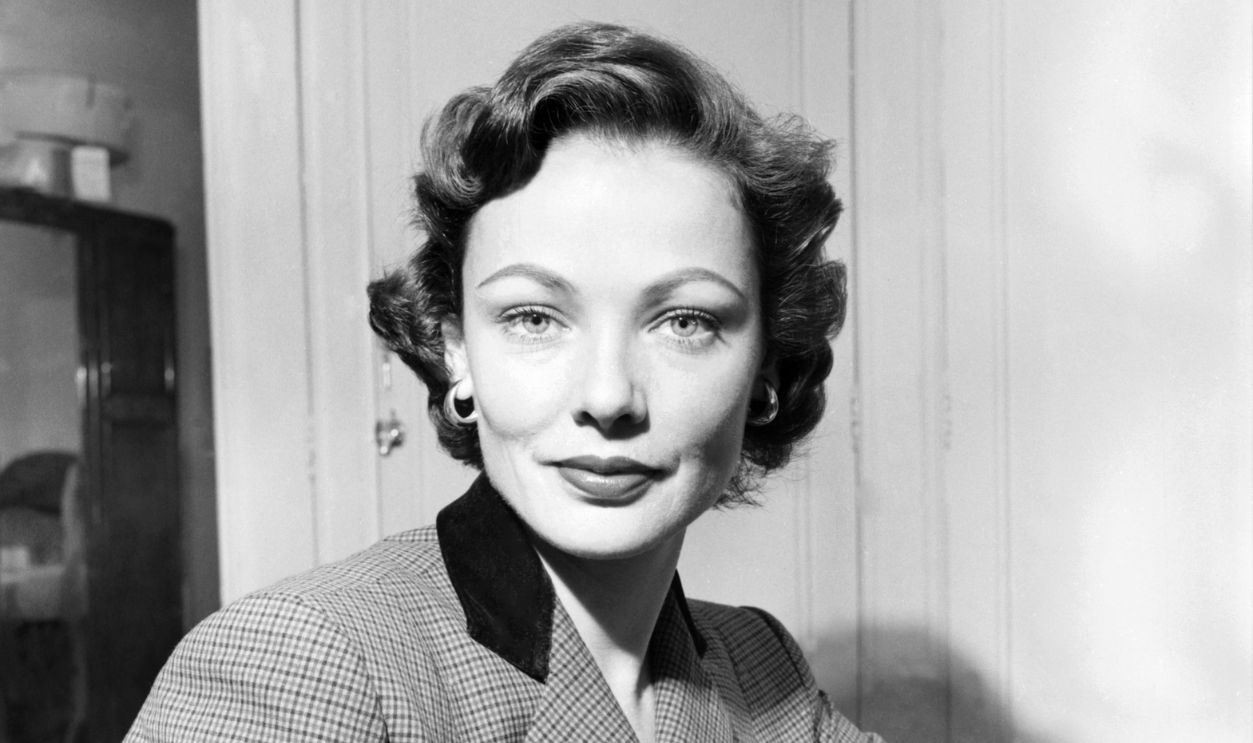
On October 15, 1943, Tierney gave birth to a daughter named Daria, approximately two months premature. The baby was extremely small and faced serious health problems from the beginning. Instead of celebrating an uncomplicated arrival, Tierney and Cassini were confronted with frightening medical news.
Daria Had Severe Complications
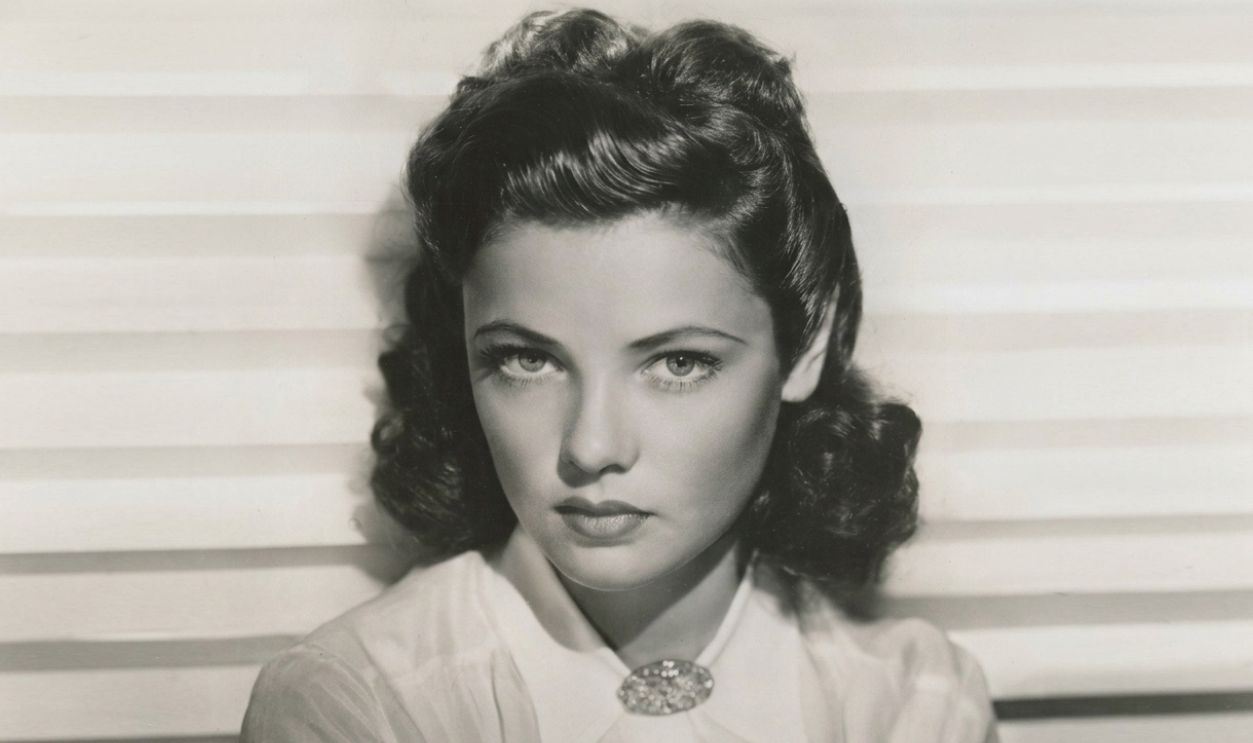
Daria developed profound hearing loss, vision problems involving cataracts, and significant developmental disabilities. Doctors linked her condition to Tierney's rubella infection during pregnancy. Her disabilities were permanent, and she would require substantial assistance throughout her life.
 20th Century Fox, Wikimedia Commons, Enhanced
Her Parents Hoped For A Solution
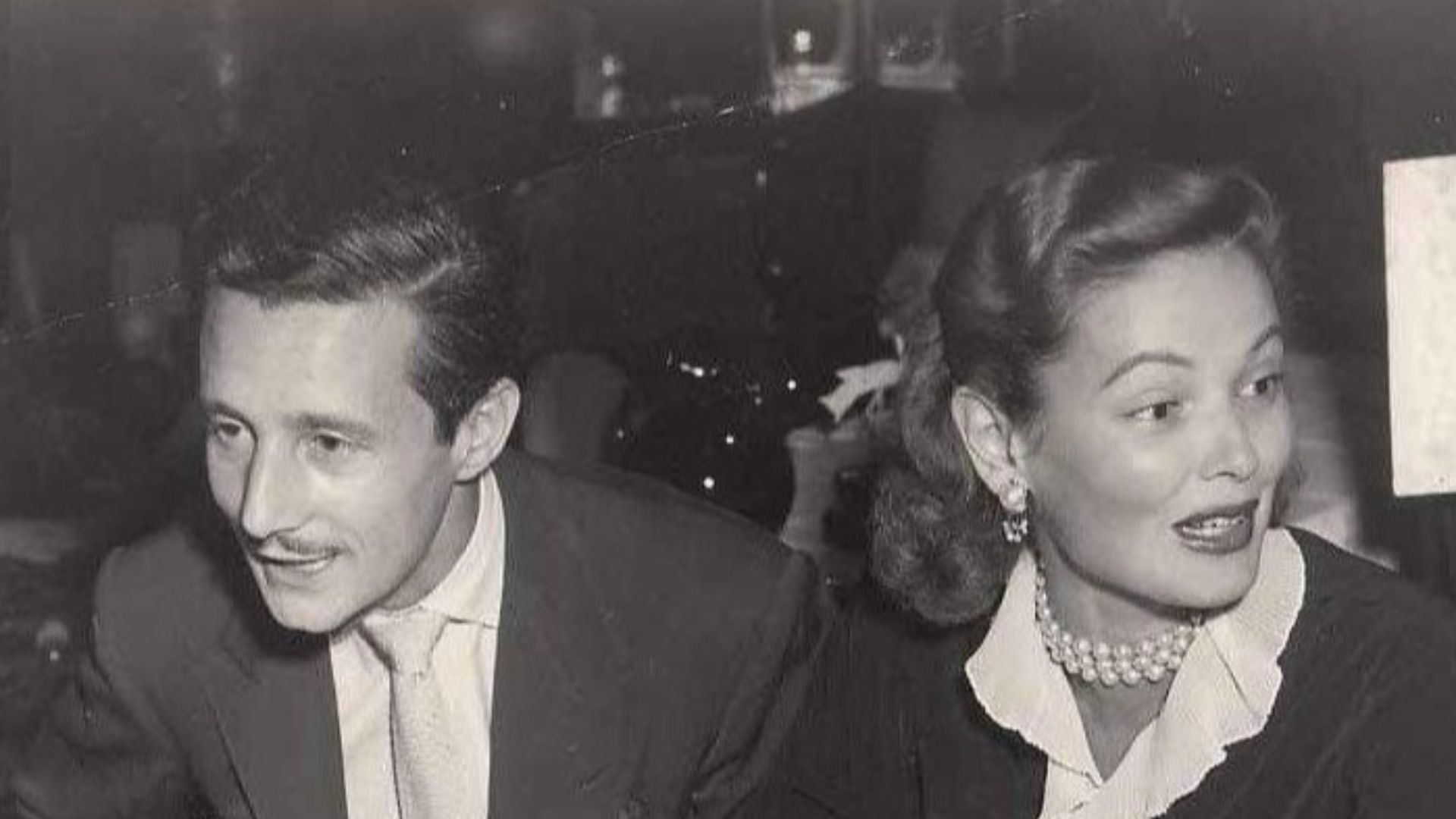
Tierney and Cassini consulted numerous medical specialists, desperately hoping someone could help their daughter. Howard Hughes, a close friend of Tierney's, reportedly helped cover some of the medical expenses. Despite their efforts, doctors could offer no cure for Daria's disabilities.
 Photographer not credited, Wikimedia Commons
They Faced A Painful Decision
Tierney wanted to care for Daria at home, but doctors recommended institutional care because of her severe disabilities. When Daria was four, she was placed at the Langhorne School in Pennsylvania. Tierney reportedly struggled with the decision but continued visiting her daughter regularly.
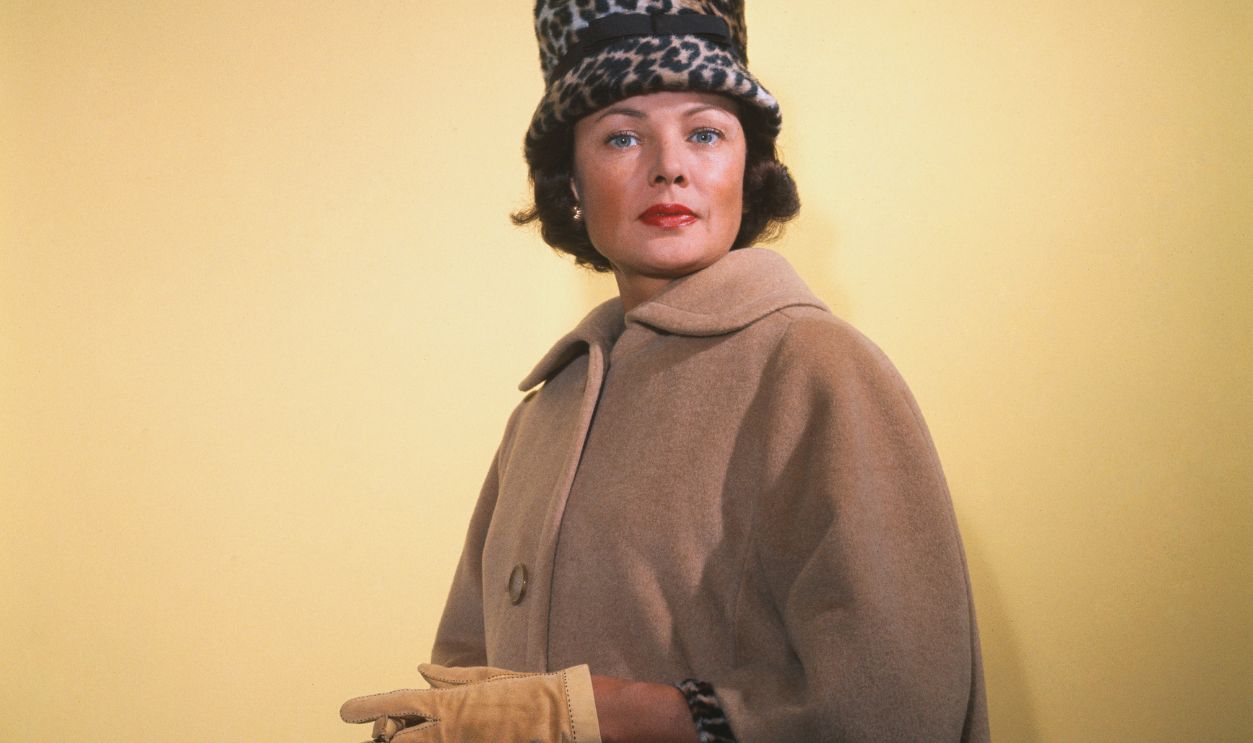
Then A Stranger Approached Her
About a year after Daria's birth, Tierney was attending a tennis gathering when a young woman approached her. According to Tierney's later account, the stranger asked whether the actress remembered meeting her before. Tierney did not recognize the woman, but she listened as the fan began explaining their earlier encounter.
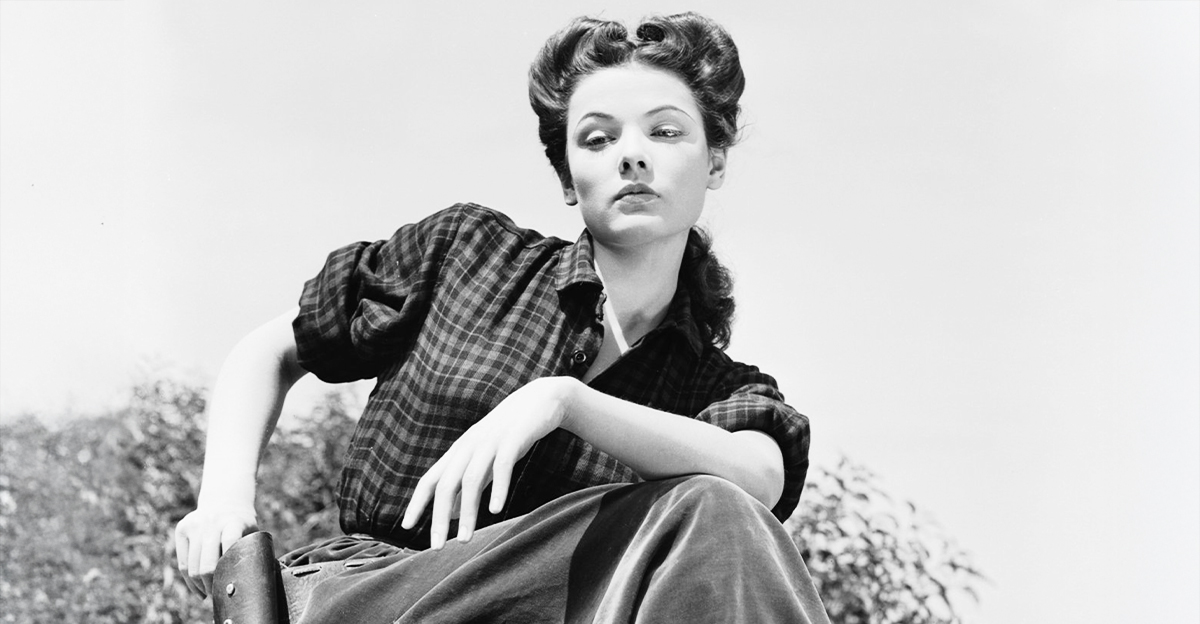 Donaldson Collection, Getty Images
The Woman Remembered The Hollywood Canteen
The stranger explained that she had been serving in the women's branch of the Marines during World War II. She reminded Tierney of her appearance at the Hollywood Canteen in 1943. Then she asked the actress a startling question about whether she had contracted German measles afterward.
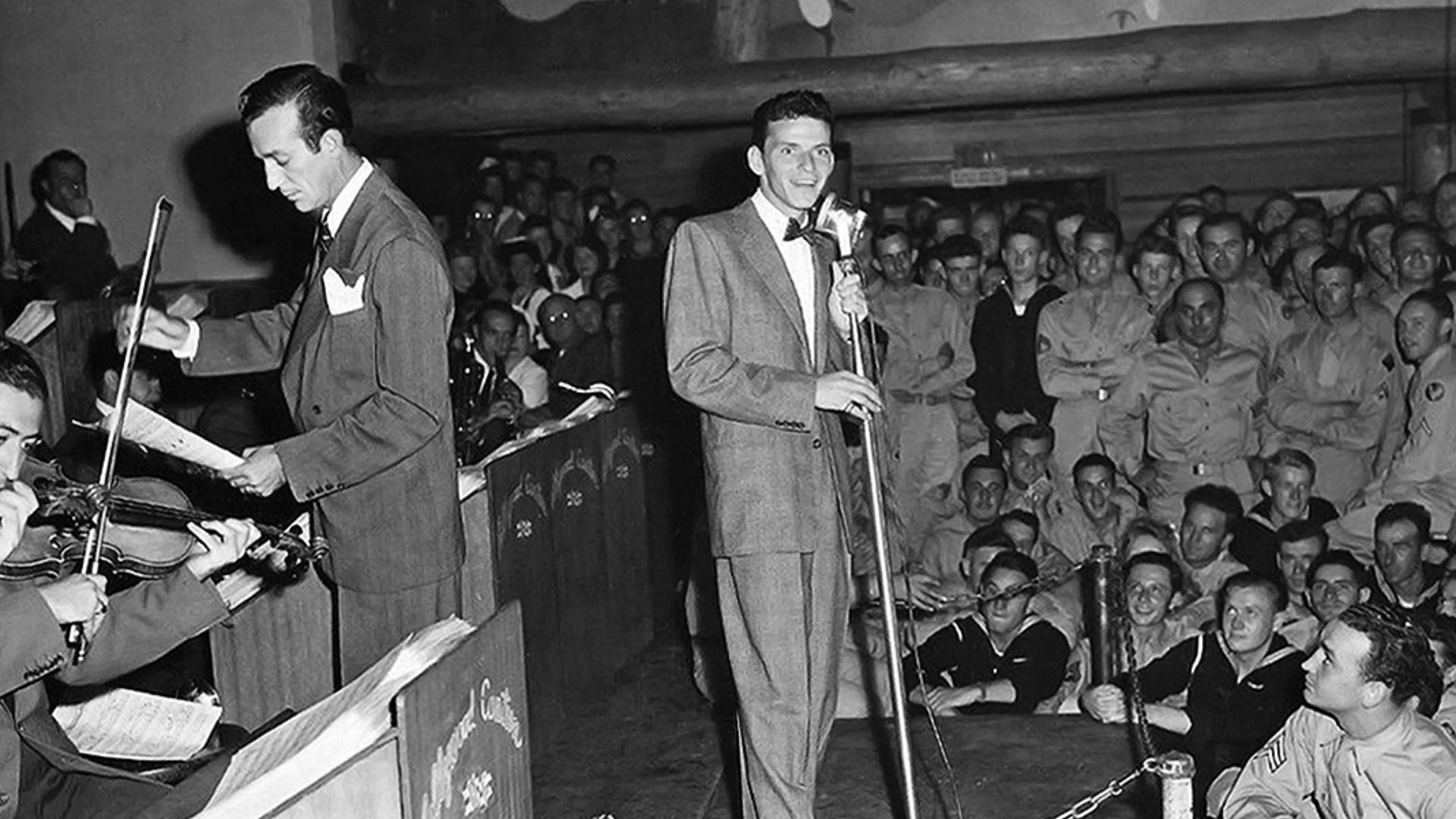 Photographer uncredited and unknown. Distributed by the photo department of CBS., Wikimedia Commons
She Admitted Breaking Quarantine
The woman explained that German measles had been spreading through her military camp at the time. Despite quarantine restrictions, she had slipped away to visit the Hollywood Canteen and meet the stars. She had knowingly ignored the restrictions, and Tierney was now hearing about it for the first time.
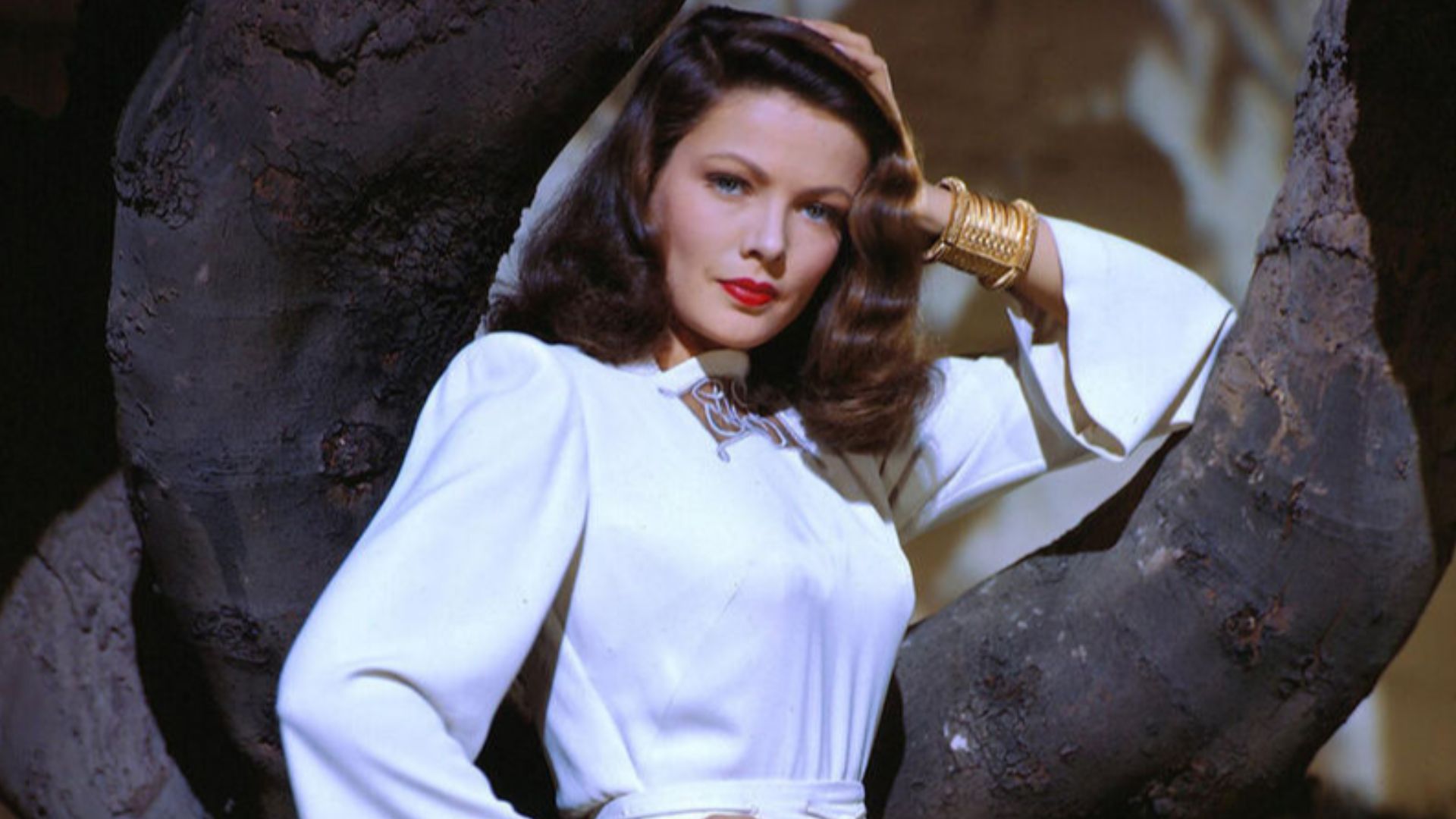
She Had Wanted To Meet Her Favorite Star
The fan explained that she had been eager to meet the actress because she admired her so much. She had heard that Tierney was even more beautiful in person and wanted to see for herself. What the woman remembered as an exciting celebrity encounter had taken on a devastating significance.
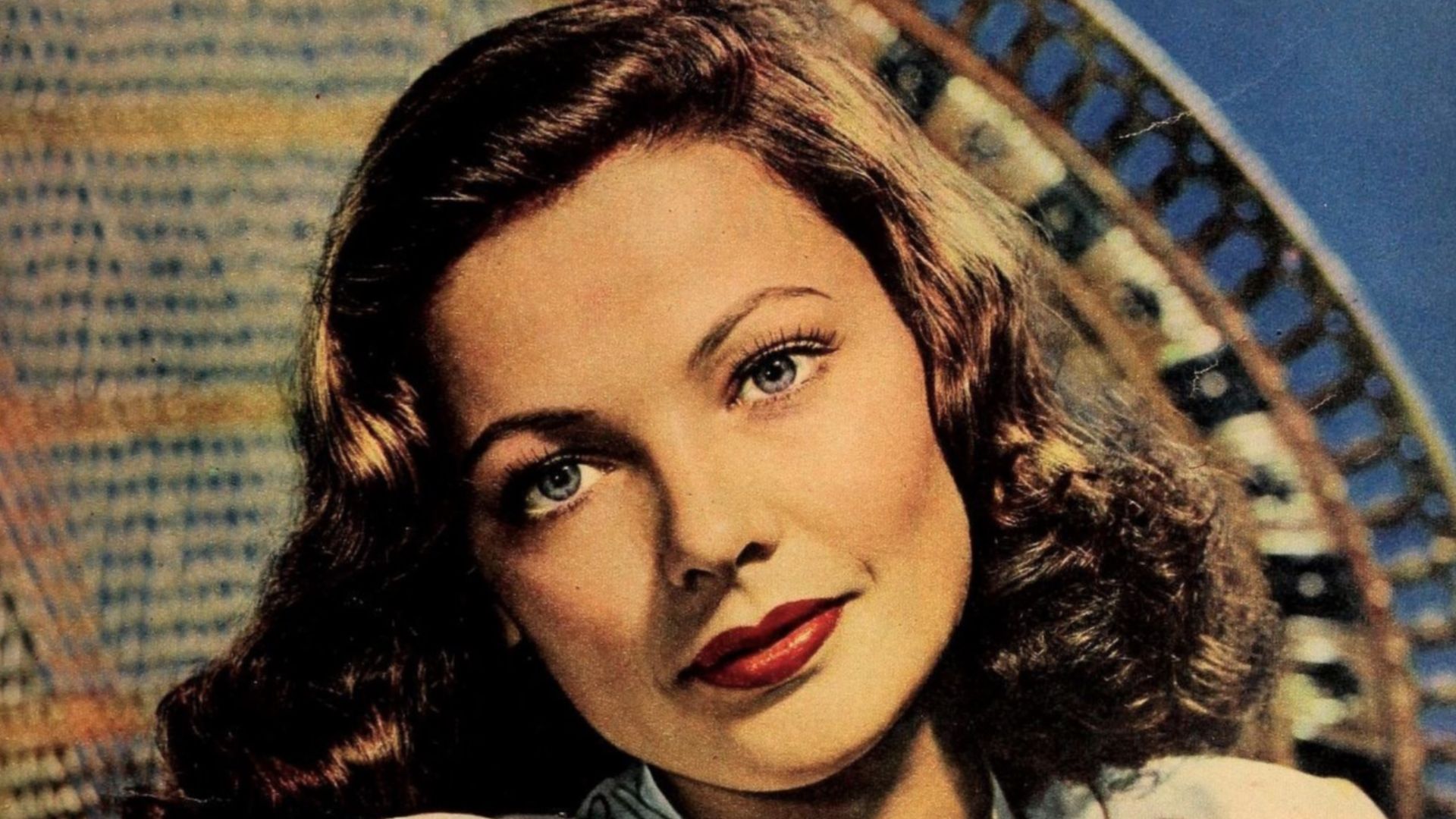 Photographer not credited, Wikimedia Commons
Tierney Was Left Speechless
As Tierney later recounted, she realized that the woman might have been the source of her rubella infection. The illness had left Daria with lifelong disabilities, and now Tierney was hearing how someone had knowingly broken quarantine. The possibility that this brief encounter had changed her daughter's life left her stunned.
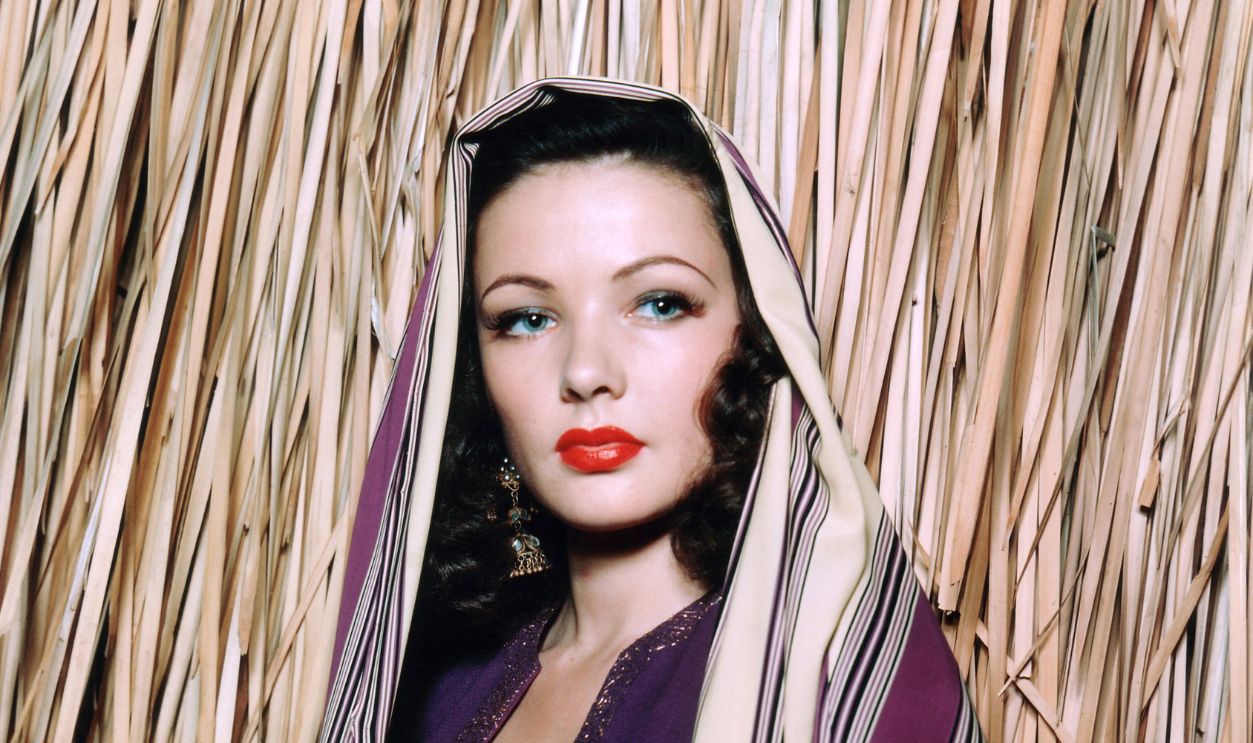 Donaldson Collection, Getty Images
She Walked Away Without Confronting Her
Tierney recalled standing silently as she absorbed the woman's confession. Rather than explain what had happened to Daria, she simply turned and walked away. She later described the encounter as a turning point in how she felt about being a famous actress.
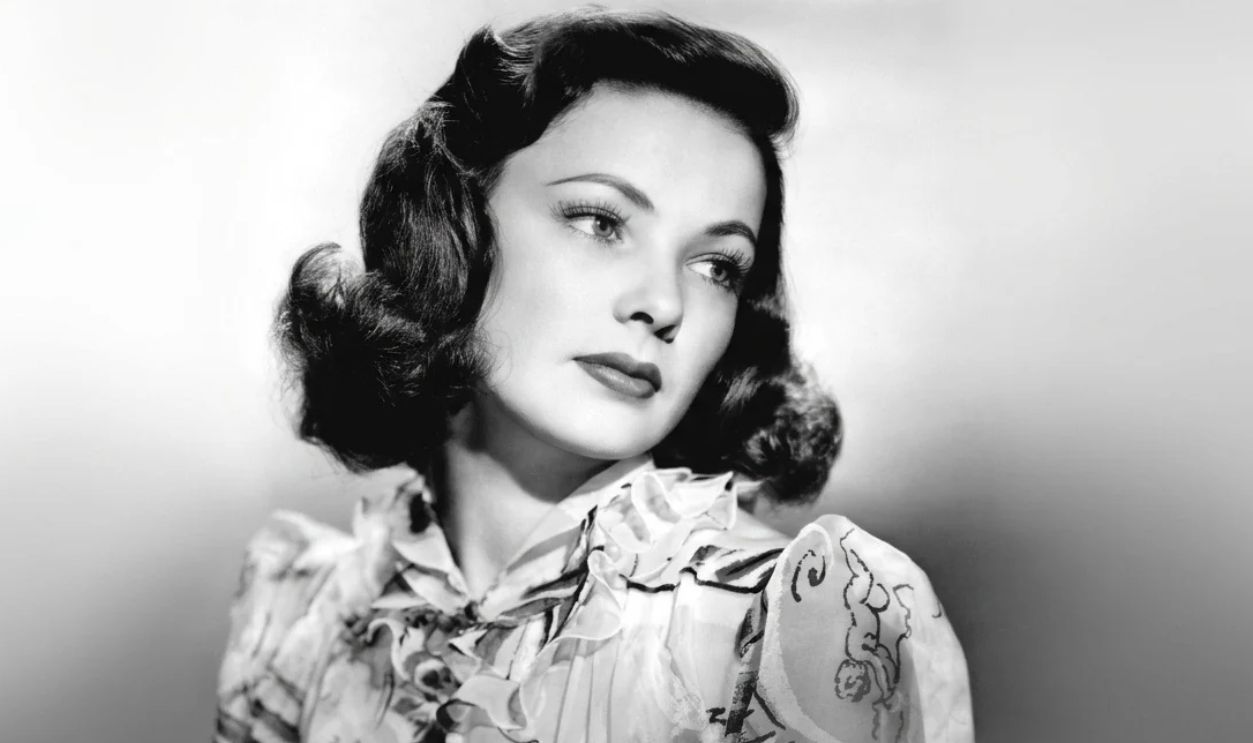 Studio Publicity, Wikimedia Commons, Enhanced
The Encounter Left A Lasting Mark
Tierney described the disturbing meeting in her 1979 autobiography, Self-Portrait. She wrote, "After that I didn’t care if I was ever again anyone’s favorite actress." Although the woman's confession suggested a possible source of the infection, it could not conclusively establish how Tierney contracted rubella.
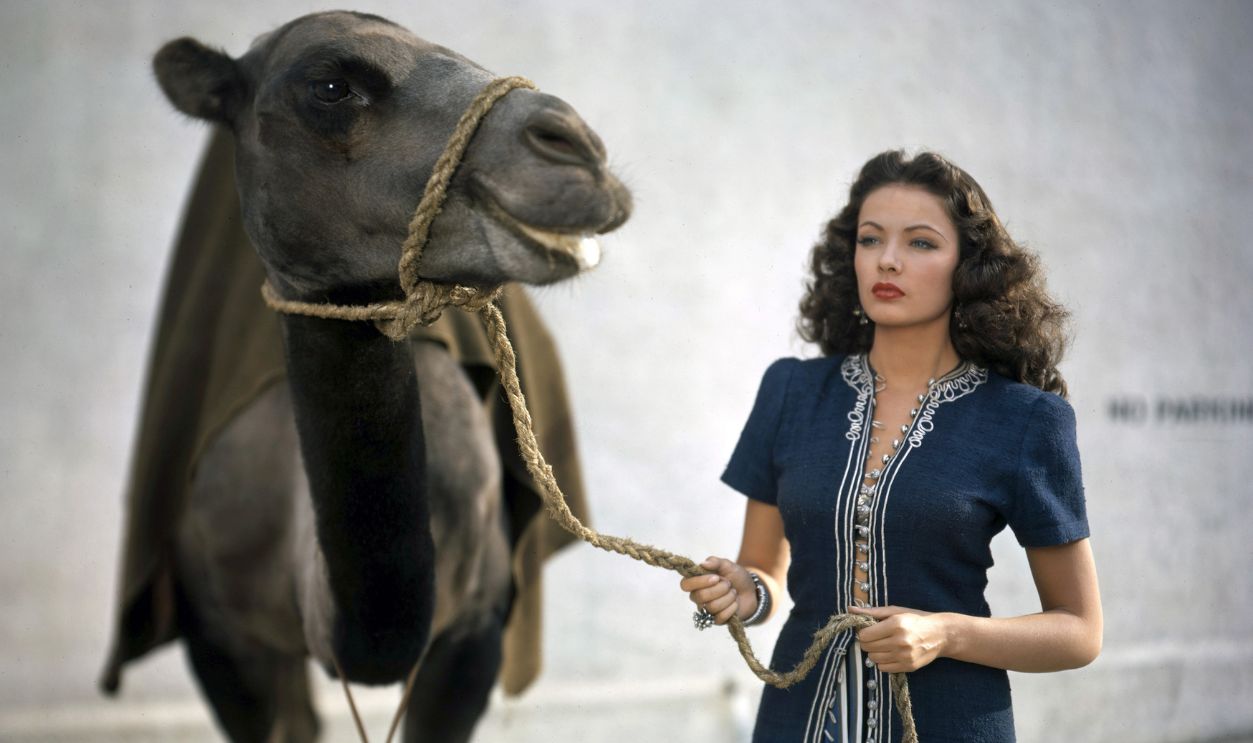
Her Biggest Movie Was Still Ahead
Despite the tragedy, Tierney's Hollywood career continued to flourish. In 1944, she starred in Otto Preminger's Laura, playing a mysterious woman at the center of a murder investigation. The film became one of Hollywood's most celebrated noirs and established Tierney as a major star.
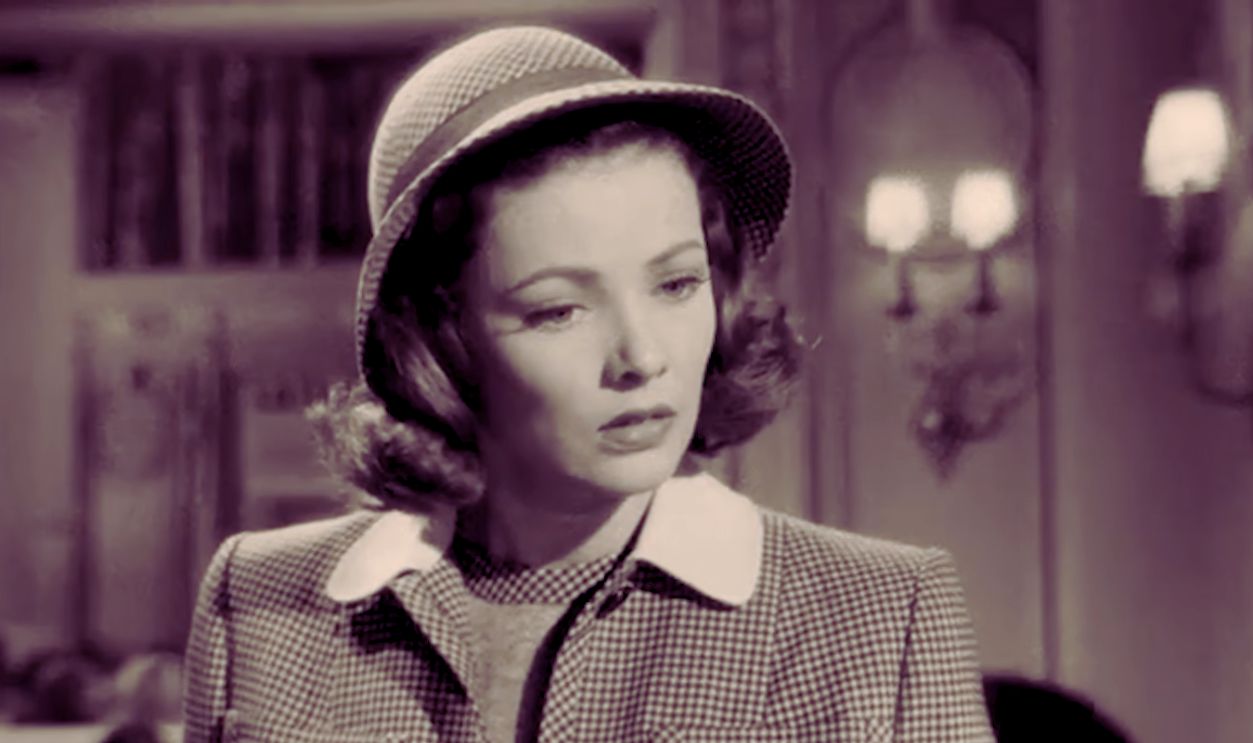 Screenshot from Laura, 20th Century Fox (1944)
She Earned An Oscar Nomination
In 1945, Tierney delivered another unforgettable performance in Leave Her to Heaven. She played Ellen Berent, a dangerously possessive woman whose jealousy leads to terrible consequences. The role earned her a Best Actress nomination at the 1946 Academy Awards, although Joan Crawford ultimately won.
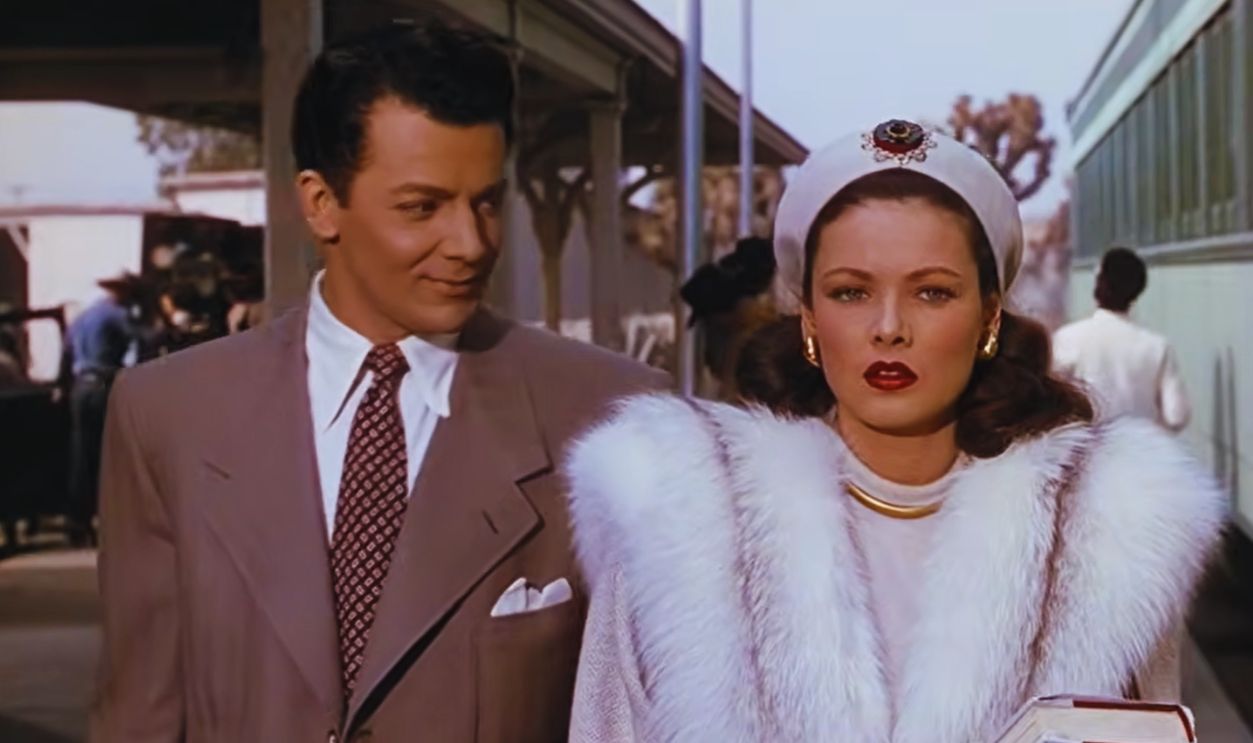 Screenshot from Leave Her to Heaven, 20th Century Fox (1945)
Her Marriage Was Falling Apart
Behind the scenes, Tierney's relationship with Oleg Cassini was becoming increasingly difficult. The couple divorced in 1947 but later reconciled and welcomed another daughter, Christina, in 1948. Their reunion proved temporary, and they divorced again in 1952.
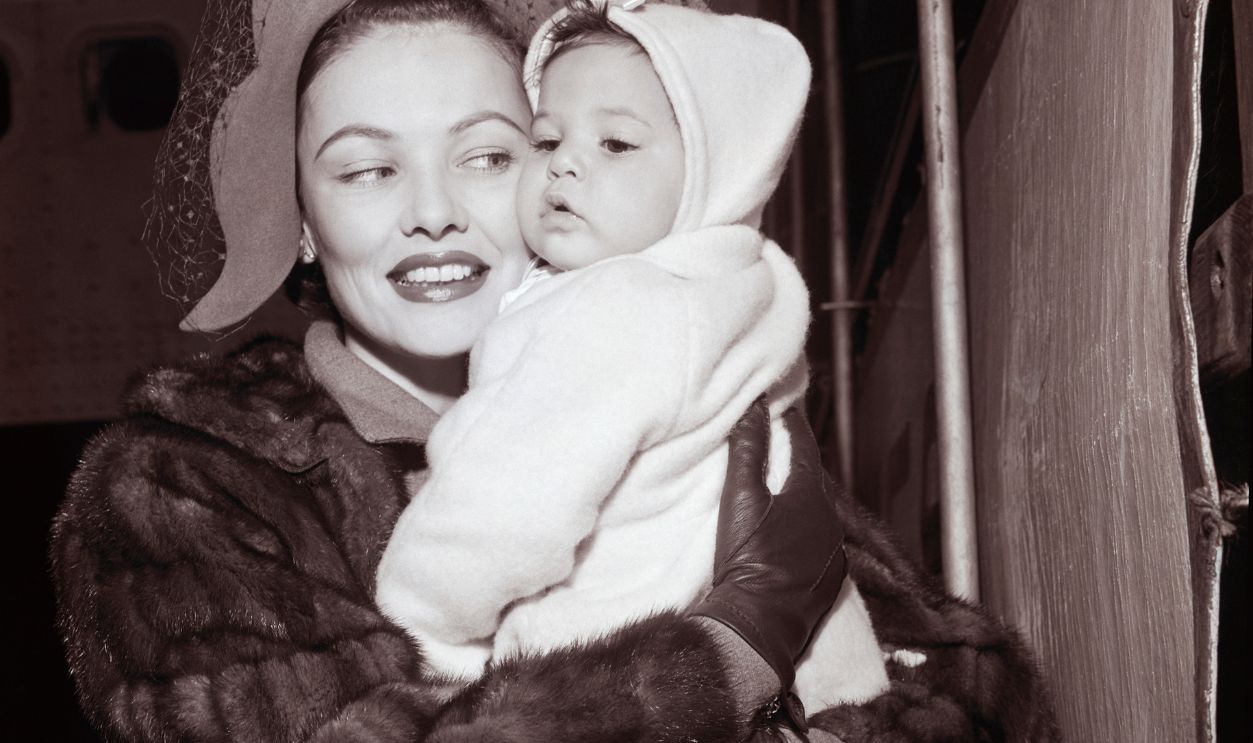
Her Career Continued Through The Difficulties
Tierney remained a familiar face on movie screens throughout the late 1940s and early 1950s. She appeared in acclaimed films including The Razor's Edge, The Ghost and Mrs. Muir, and Where the Sidewalk Ends. But maintaining her professional success became increasingly difficult as her personal struggles intensified.
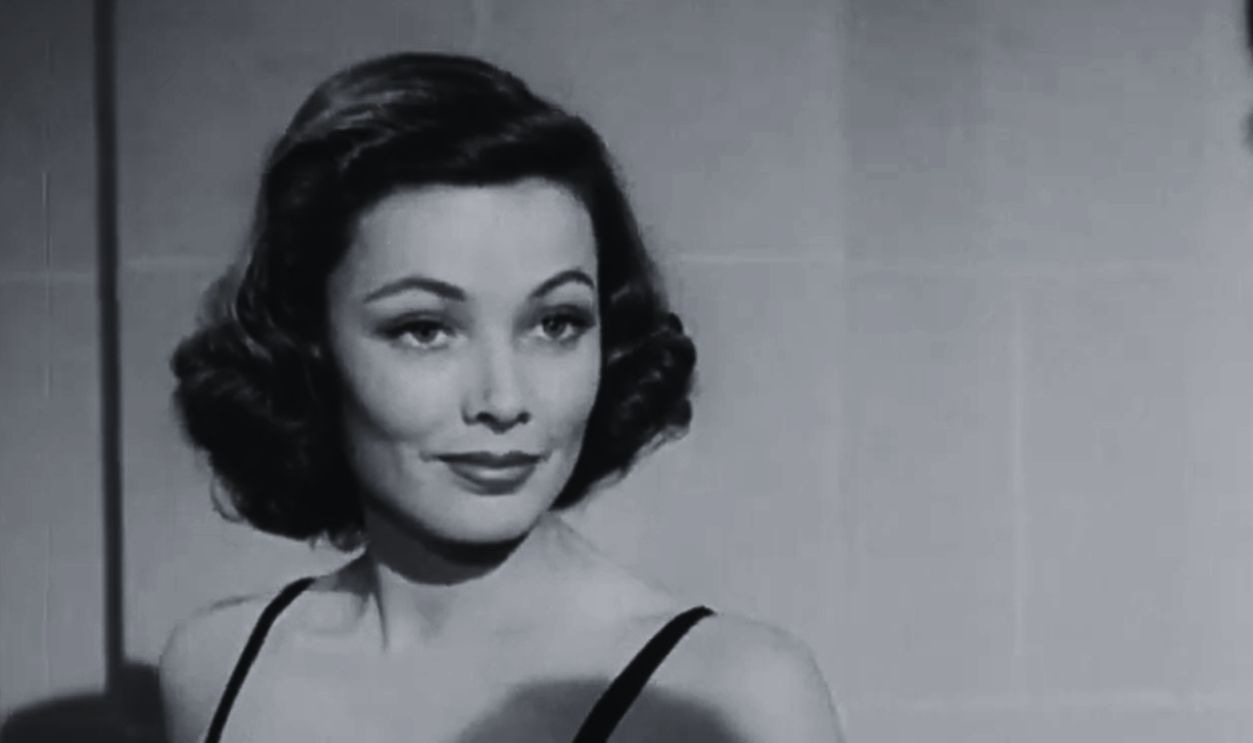 Screenshot from The Razor's Edge, 20th Century Fox (1946)
She Faced A Serious Mental Health Crisis
By the early 1950s, Tierney was experiencing serious mental health difficulties that began affecting her career. According to biographical accounts, she struggled to concentrate and remember her lines, and eventually experienced paranoia and hallucinations. Her condition worsened, and in 1955, she suffered a breakdown that required psychiatric hospitalization.
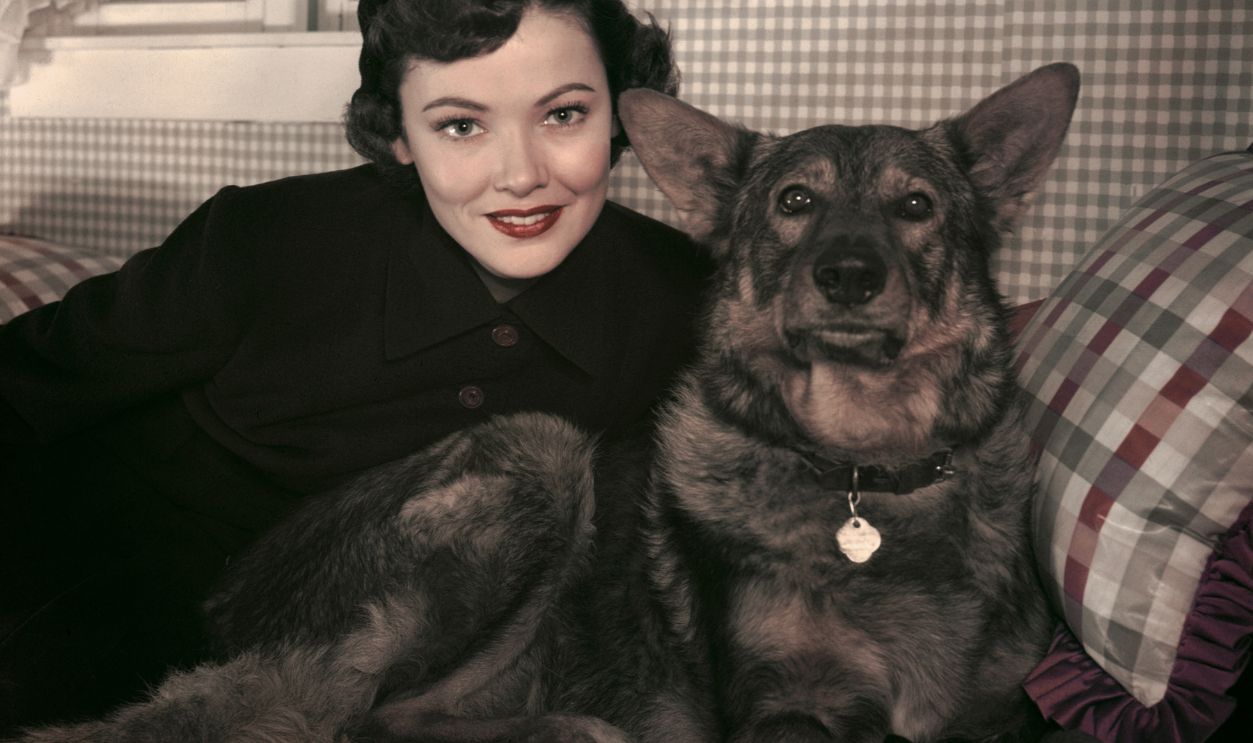 Silver Screen Collection, Getty Images
Her Treatment Was Grueling
Tierney spent extended periods receiving psychiatric care, including treatment at the Institute of Living in Connecticut and the Menninger Clinic in Kansas. She underwent electroconvulsive therapy, which she later said affected her memory. Her illness interrupted what had once seemed an unstoppable Hollywood career.
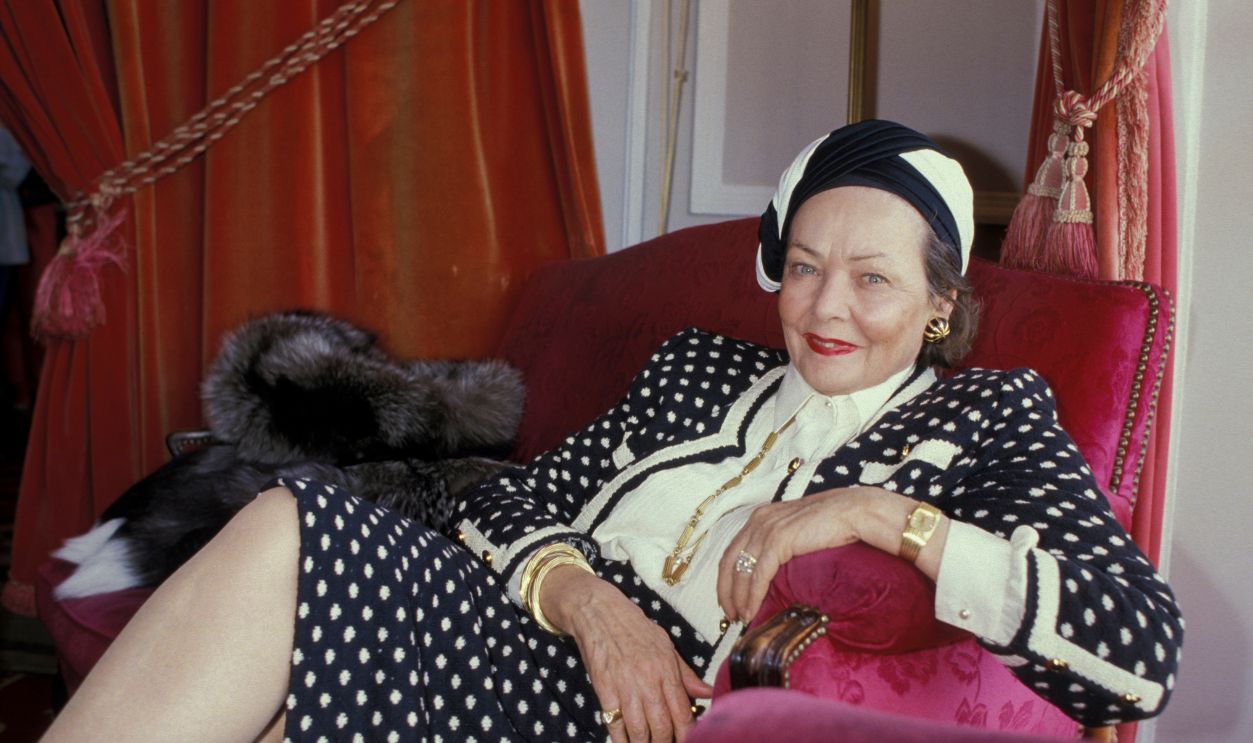
She Eventually Built A Quieter Life
In 1960, Tierney married Texas oil executive W. Howard Lee and settled in Houston. She made occasional returns to acting, including an appearance in the 1962 political drama Advise & Consent. Eventually, she largely left Hollywood behind, preferring a quieter life with her husband.
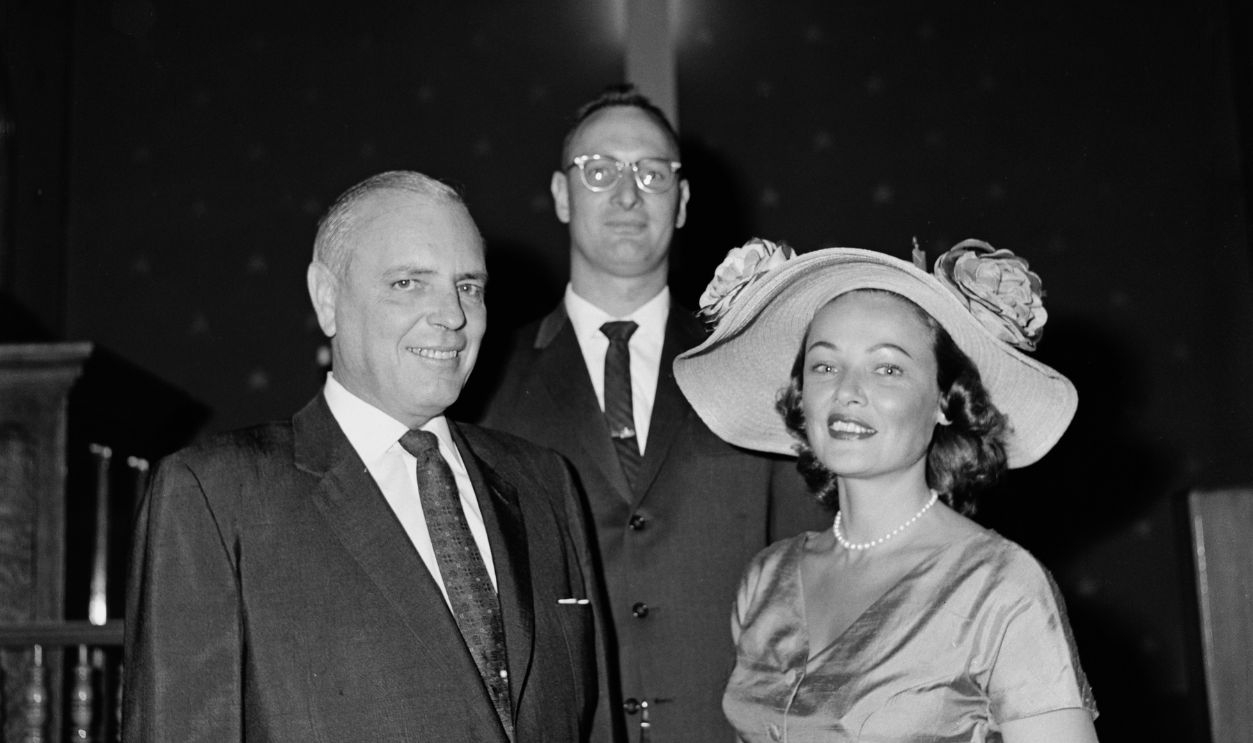 Michael Ochs Archives, Getty Images
Her Tragedy Echoed Through A Famous Mystery
Tierney's experience is widely believed to have influenced Agatha Christie's 1962 novel The Mirror Crack'd from Side to Side. The mystery centers on a famous actress whose tragic past closely resembles Tierney's real-life experience. The novel was adapted into a 1980 film starring Elizabeth Taylor and Angela Lansbury.
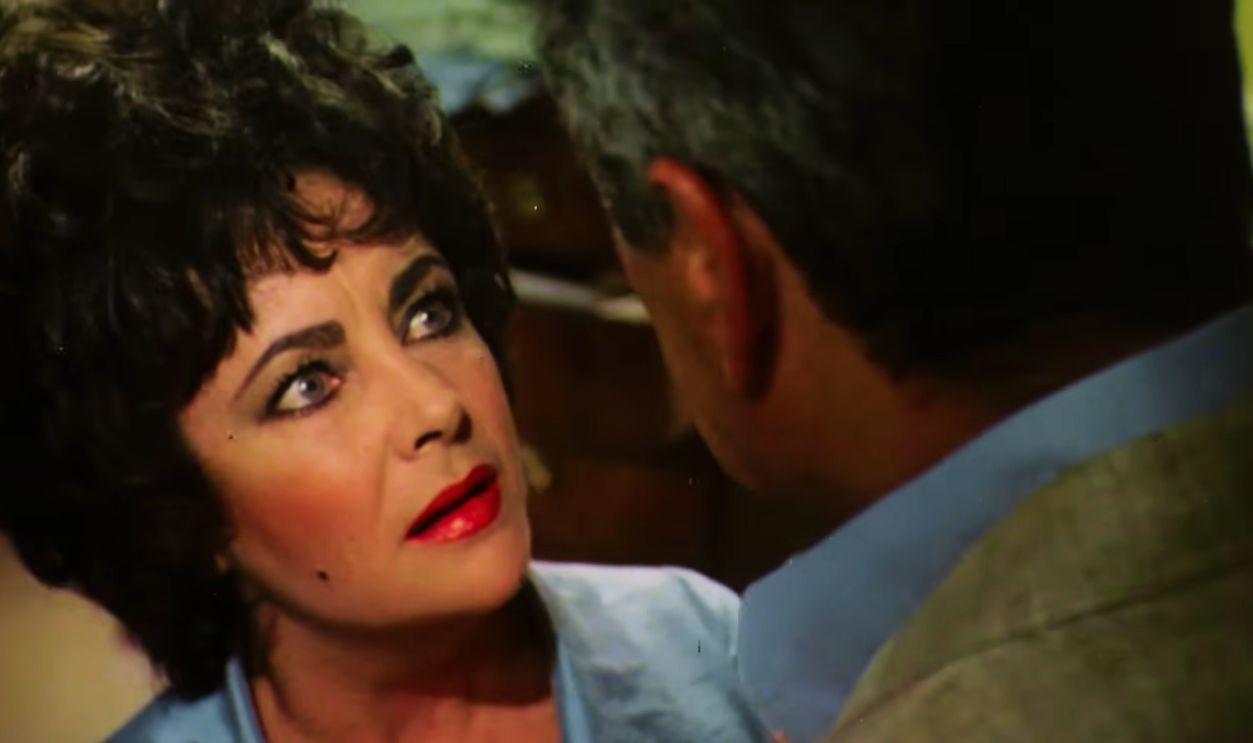 Screenshot from The Mirror Crack'd, EMI Films (1980)
Her Story Became A Lasting Reminder
Tierney died on November 6, 1991, at age 70, leaving behind an extraordinary film career and a deeply moving personal history. The first rubella vaccines had been licensed in the United States in 1969, decades after her daughter's birth, helping prevent similar tragedies for future families. Daria lived until 2010, long after her mother's death, while Tierney's account of the fan who broke quarantine remains one of Hollywood's most haunting stories.
You May Also Like:
Barbara Stanwyck Was a Screen Legend—But Her Surprising Choices Made Her Unique in Hollywood