The Man Who Never Seemed To Leave Town
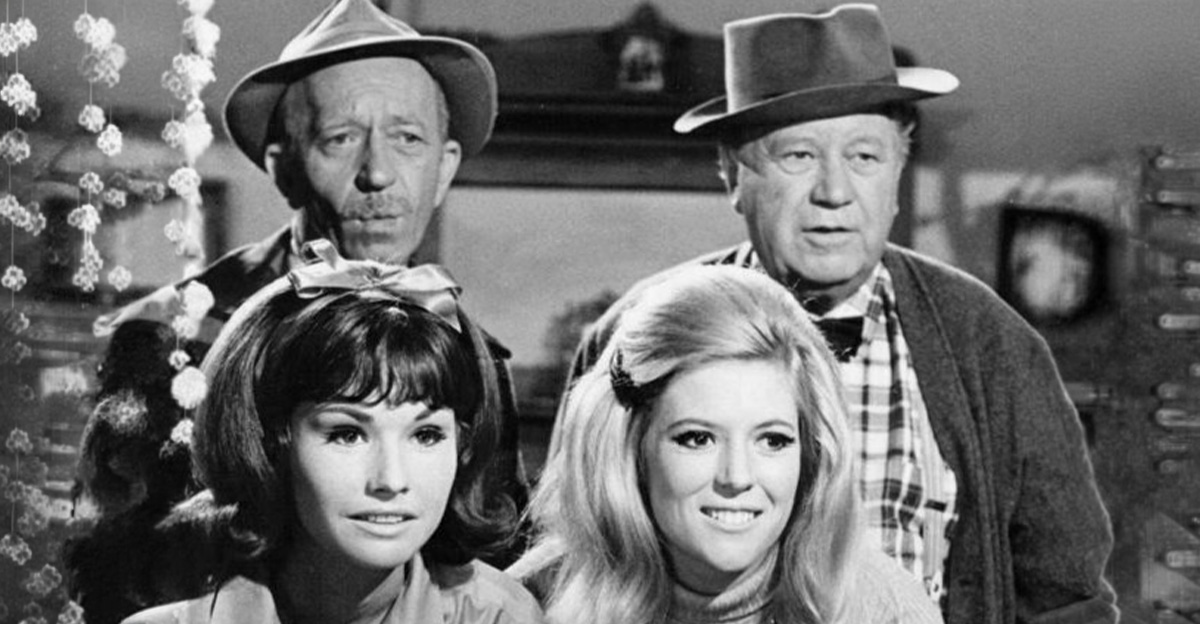
Frank Cady was never the loudest person in Hooterville. He did not own a talking pig or dream of turning a broken-down farm into paradise. Yet as dependable storekeeper Sam Drucker, Cady accomplished something remarkable: he played the same recurring character across three hit sitcoms.
 CBS Television, Public domain, via Wikimedia Commons
A Small-Town Beginning
Cady was born in Susanville, California, in 1915. Long before he stood behind a fictional general-store counter, he developed an interest in journalism and worked for a local newspaper. That small-town experience may have helped him understand men like Sam Drucker years later.
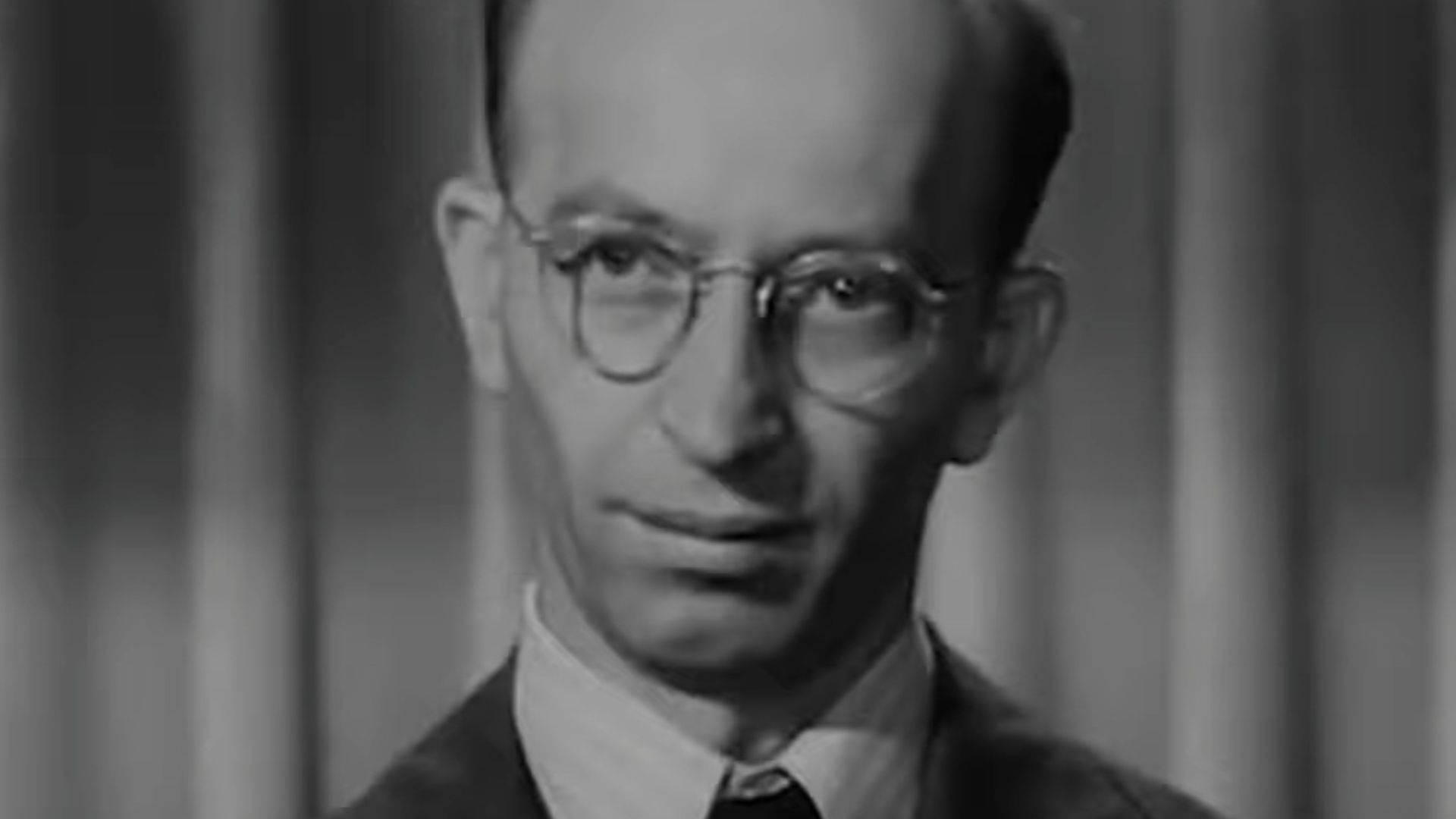 Film screenshot (Eagle-Lion), Wikimedia Commons
Stanford Changed The Direction
At Stanford University, Cady studied journalism and drama. Acting gradually became more than a campus interest, although his education gave him something many performers lacked: a sharp understanding of language, timing, and observation. Those skills would become essential to his wonderfully understated screen style.
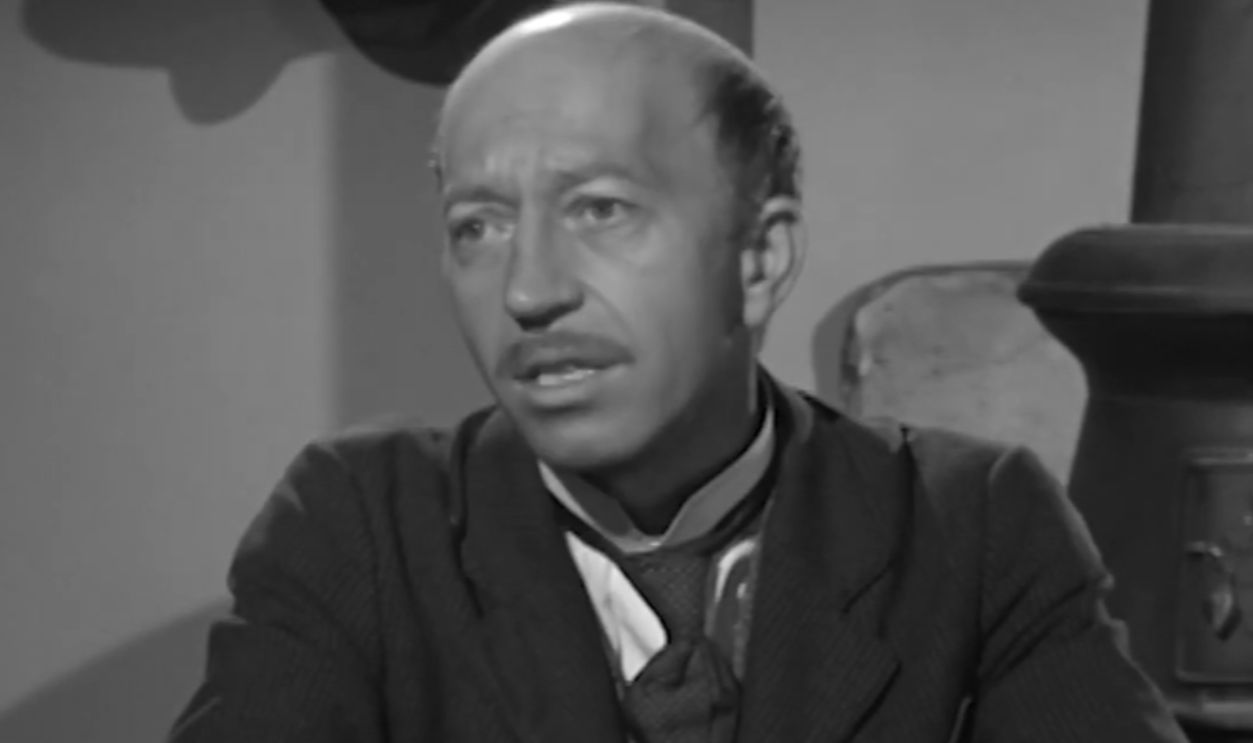 Screenshot from Maverick, Warner Bros. Discovery (1957-1962)
London Offered An Early Test
After graduating, Cady travelled to London and trained at the Westminster Theatre. He appeared in several stage productions and even participated in an early BBC television broadcast in 1938, when television itself was still a strange experimental novelty rather than an everyday household fixture.
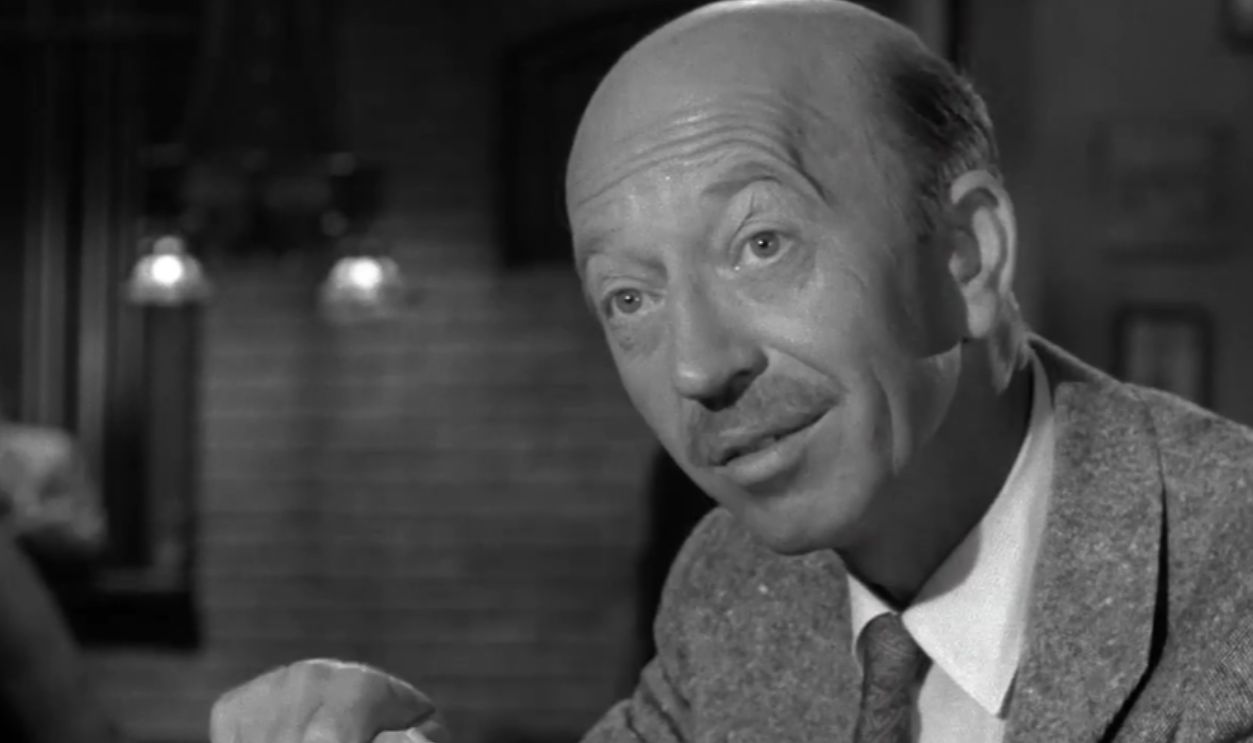 Screenshot from Perry Mason, Paramount Global (1957-1966)
Radio Taught Him Restraint
Back in California, Cady worked as a radio announcer and news broadcaster. Radio demanded clear speech, careful timing, and the ability to communicate without exaggerated movement. Those habits later made him an unusually relaxed television actor who could earn a laugh with nothing more than a pause.
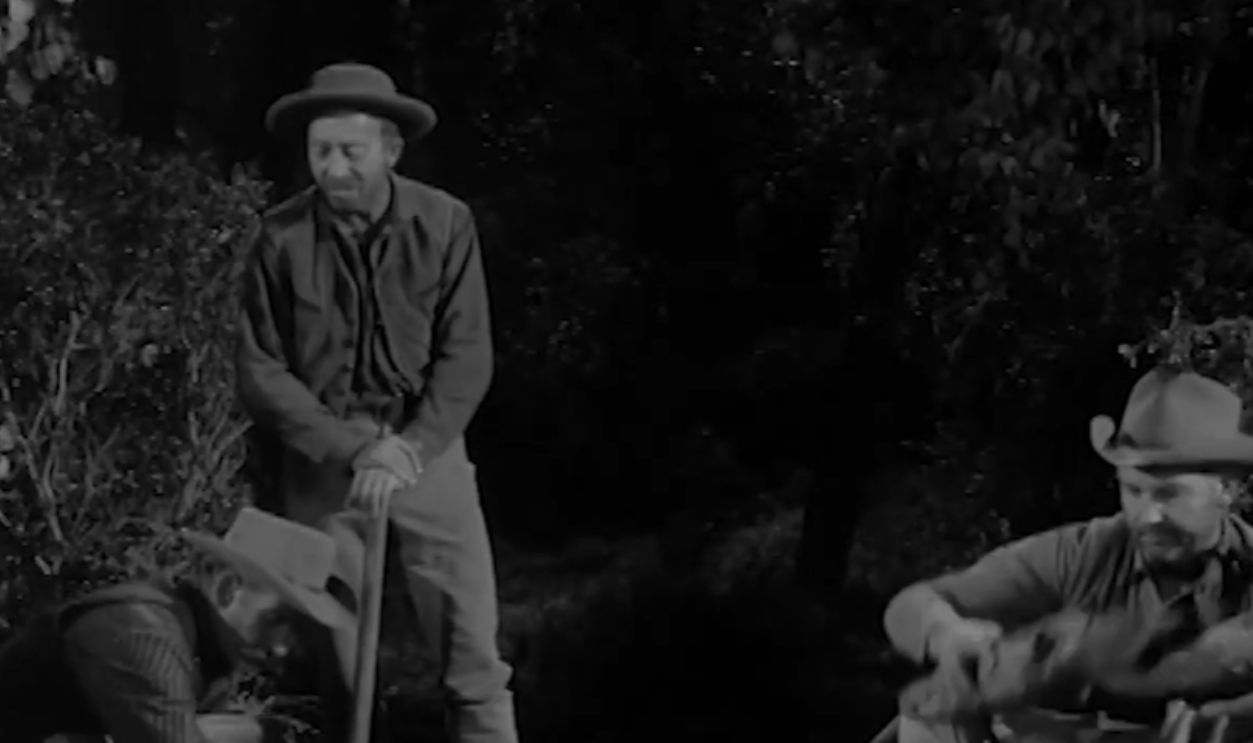 Screenshot from Wagon Train, NBCUniversal (1957-1965)
War Interrupted The Plan
Cady’s developing career was interrupted when he joined the United States Army Air Forces during World War II. He served in England, France, and Germany before returning home. Like many actors of his generation, he entered post-war Hollywood with experience far beyond the stage.
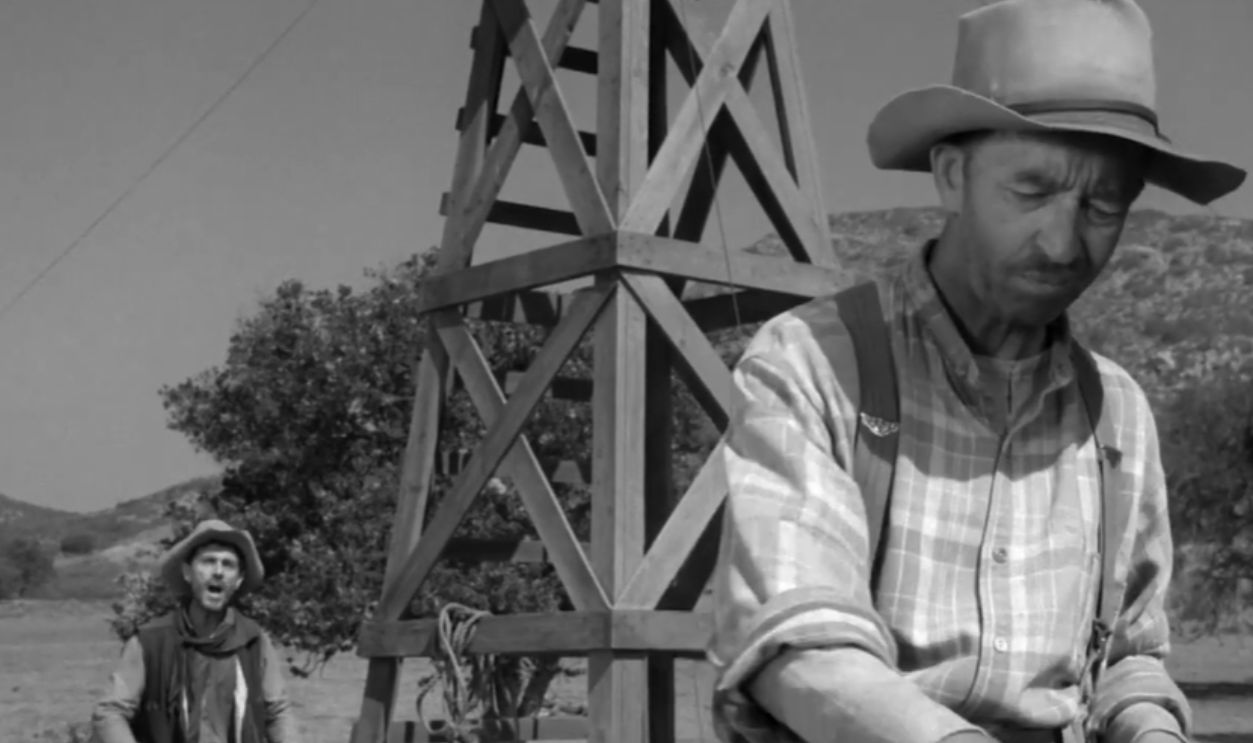 Screenshot from Gunsmoke, Paramount Global (1955-1975)
Hollywood Needed Faces Like His
After leaving the military, Cady appeared in Los Angeles theatre productions before finding film work in the late 1940s. He did not arrive as a glamorous leading man. Instead, he became something Hollywood needed just as badly: a believable character actor who could instantly establish a scene.
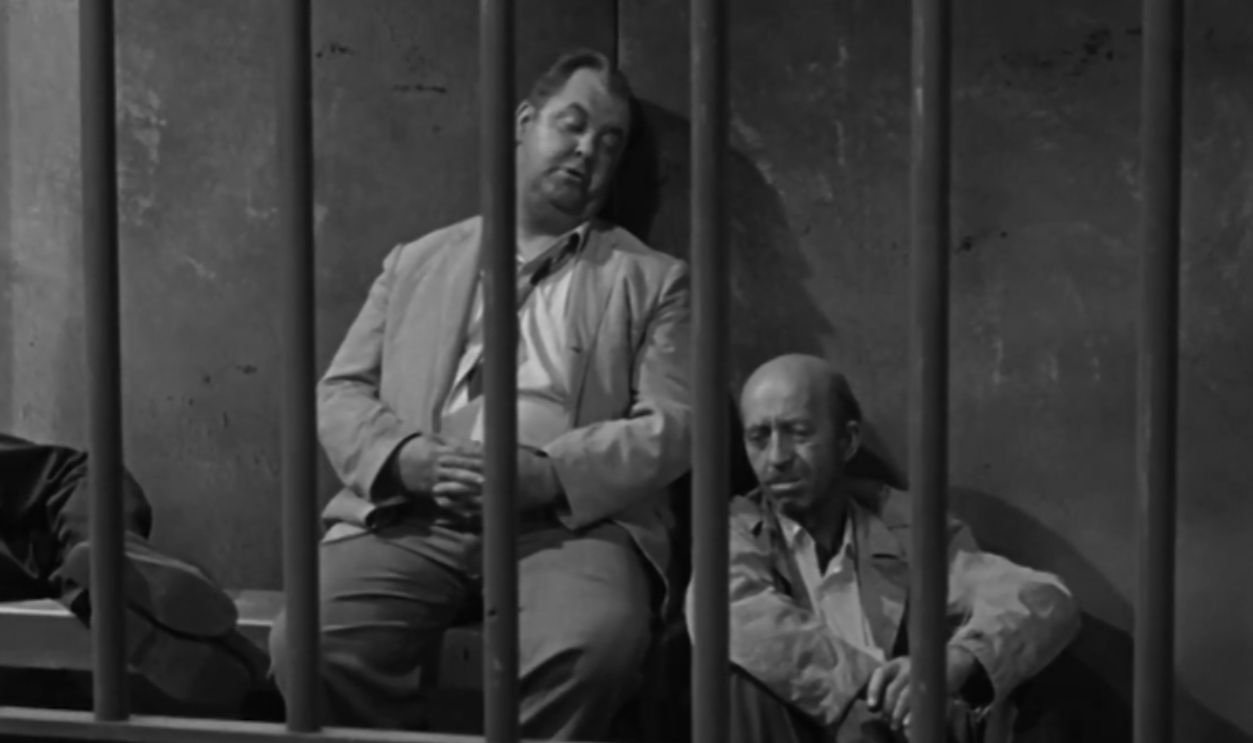 Screenshot from The Andy Griffith Show, Paramount Global (1960-1968)
The Man In The Background
Cady appeared in films including D.O.A., Father of the Bride, and The Asphalt Jungle. His parts were often small, but his familiar face made clerks, officials, neighbours, and businessmen feel genuine. He could suggest an entire personality within a few lines.
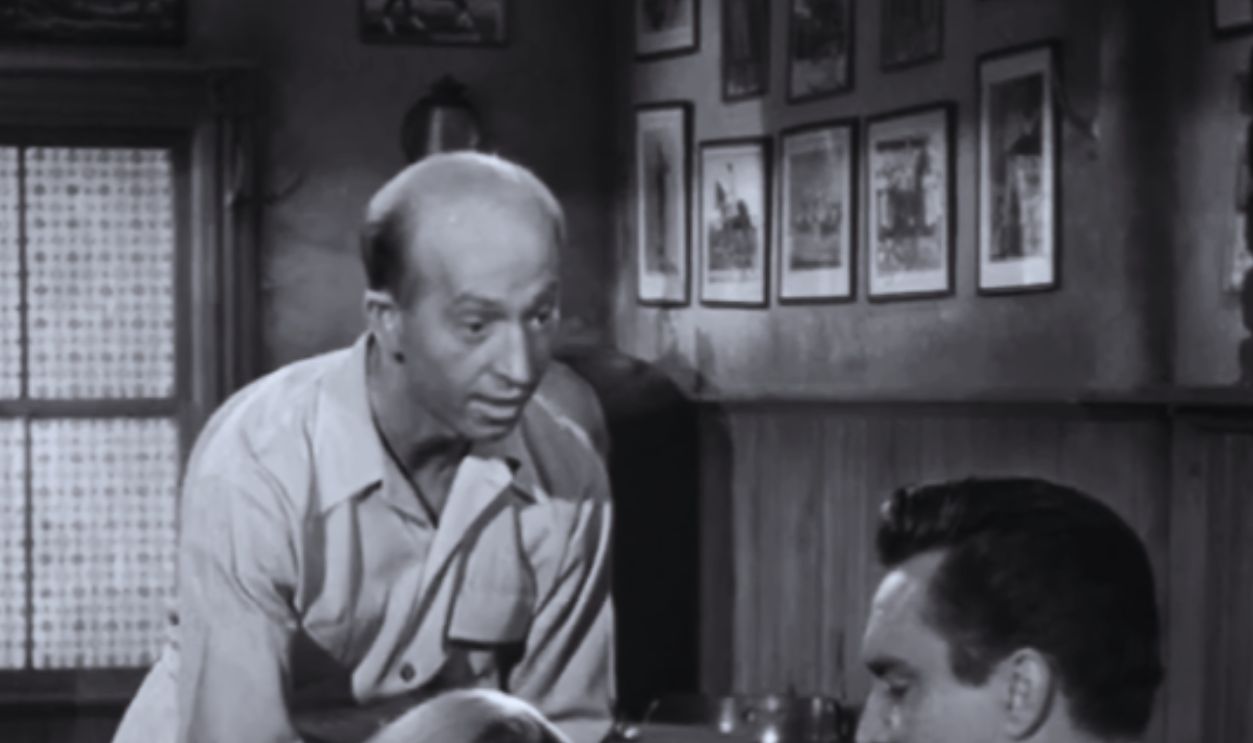 Screenshot from D.O.A., United Artists (1950)
Working With Major Filmmakers
The assignments kept improving. Cady appeared in Billy Wilder’s bitter newspaper drama Ace in the Hole and the science-fiction spectacle When Worlds Collide. Even when surrounded by stars, he remained memorable because he never appeared to be trying too hard.
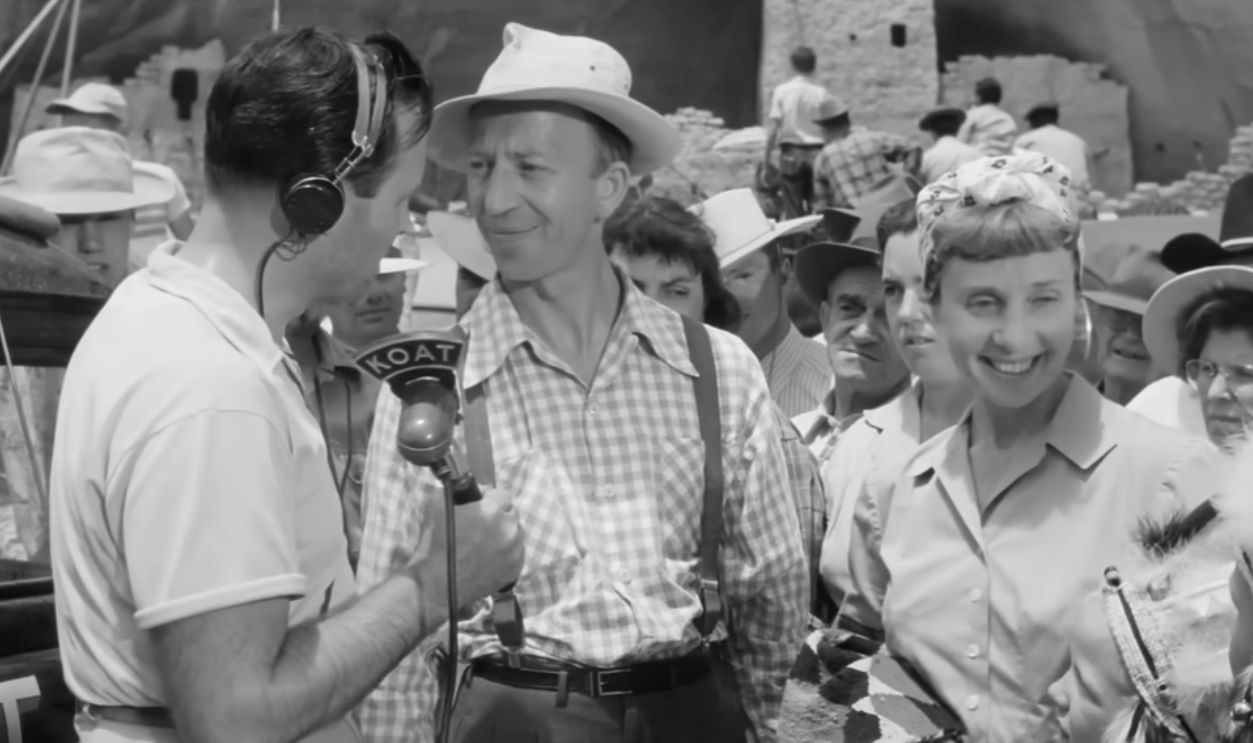 Screenshot from Ace in the Hole, Paramount Global (1951)
A Neighbour In Rear Window
Alfred Hitchcock gave Cady a small but recognizable role in Rear Window. He played one-half of the married couple who sleep on their fire escape. Without dominating the movie, Cady helped populate Hitchcock’s courtyard with the ordinary lives that James Stewart’s character watches from afar.
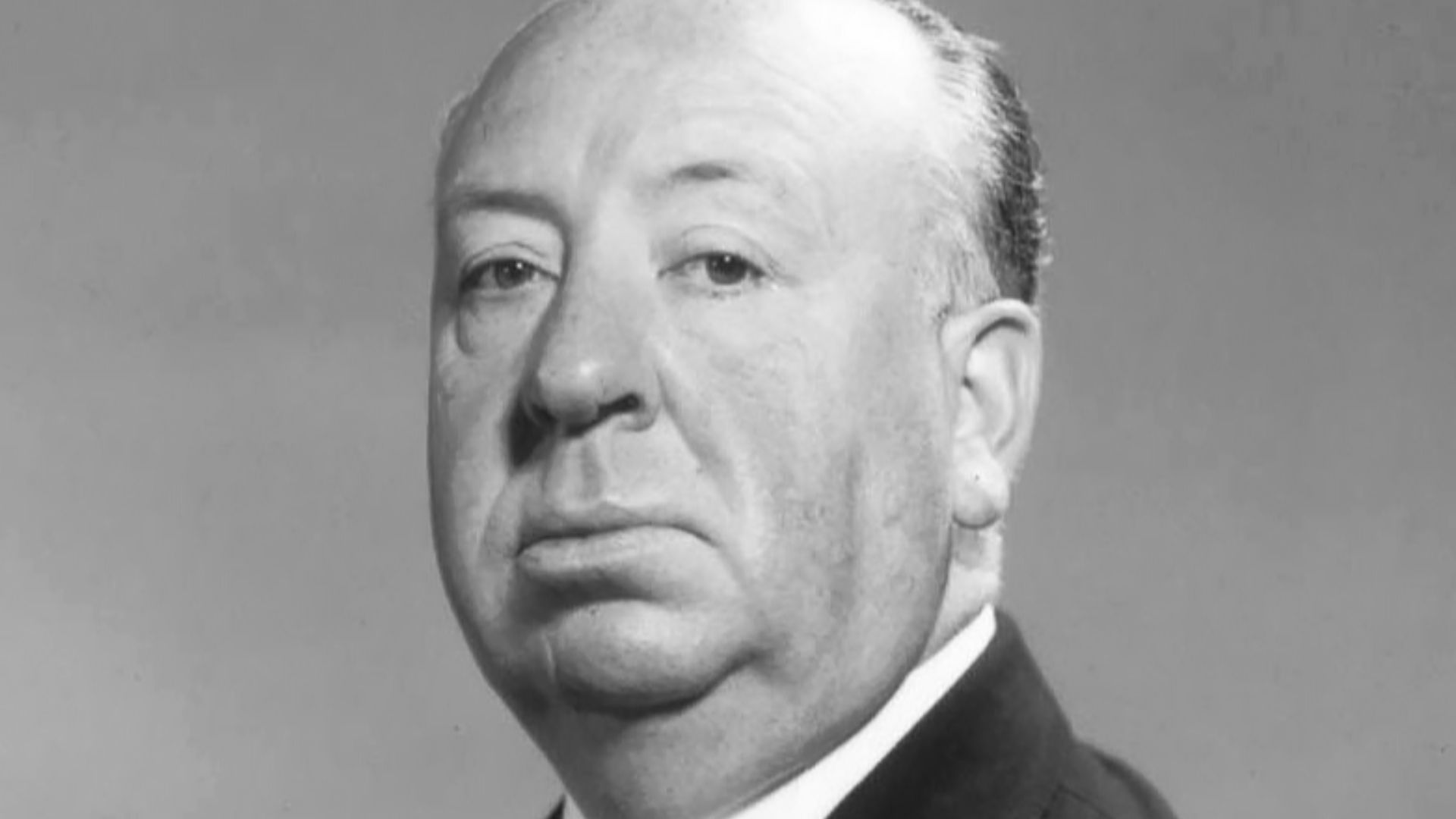
The Bad Seed Showed His Range
Cady also appeared as the grieving Henry Daigle in The Bad Seed. The role was far removed from the gentle comedy he later became known for. It proved that beneath his friendly, unassuming appearance was an actor capable of handling much darker and more emotional material.
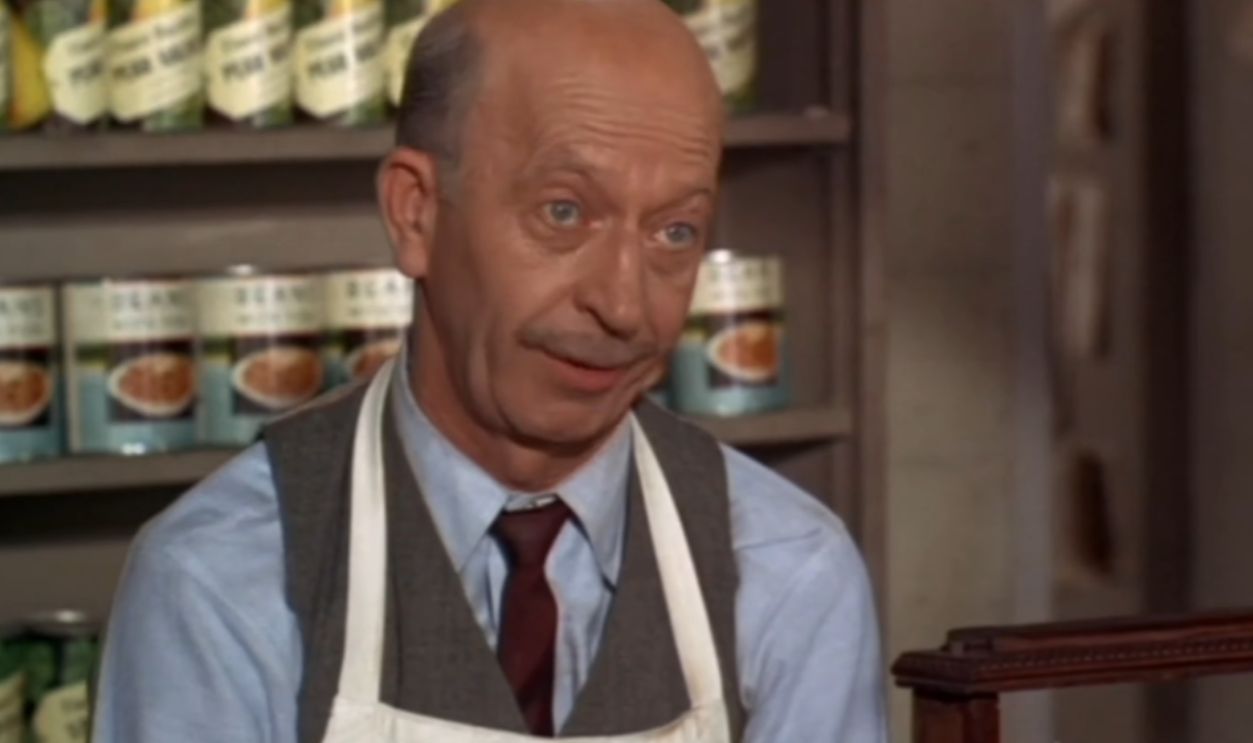 Screenshot from Green Acres, Amazon MGM Studios (1965-1971)
Television Became His Natural Home
As television production exploded during the 1950s, Cady’s dependable style made him perfect for the new medium. He could walk into an episode, feel immediately familiar, and support the stars without stealing their scenes. Producers knew he would make almost any fictional neighbourhood more believable.
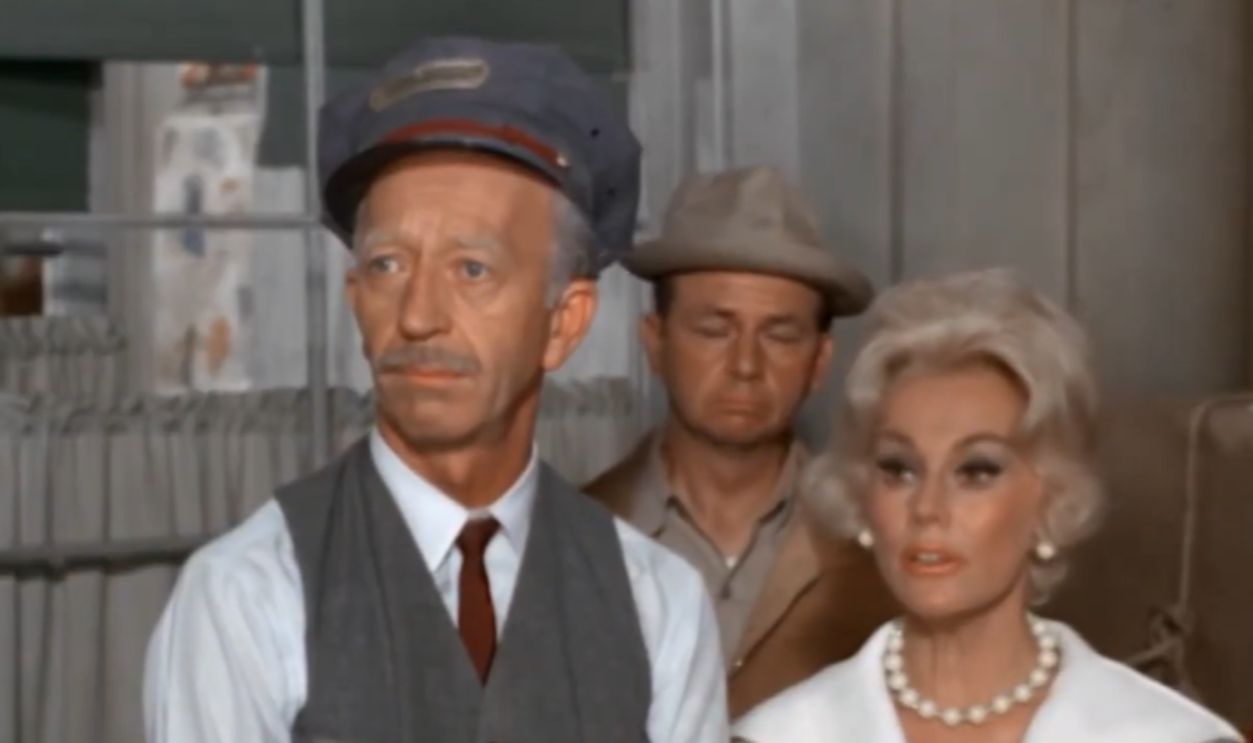 Screenshot from Green Acres, Amazon MGM Studios (1965-1971)
Twelve Years With Ozzie And Harriet
Before Hooterville, Cady became widely recognized as Doc Williams on The Adventures of Ozzie and Harriet. He remained associated with the series for roughly 12 years, giving viewers an early example of what he did best: playing a trusted neighbour who felt like a real community fixture.
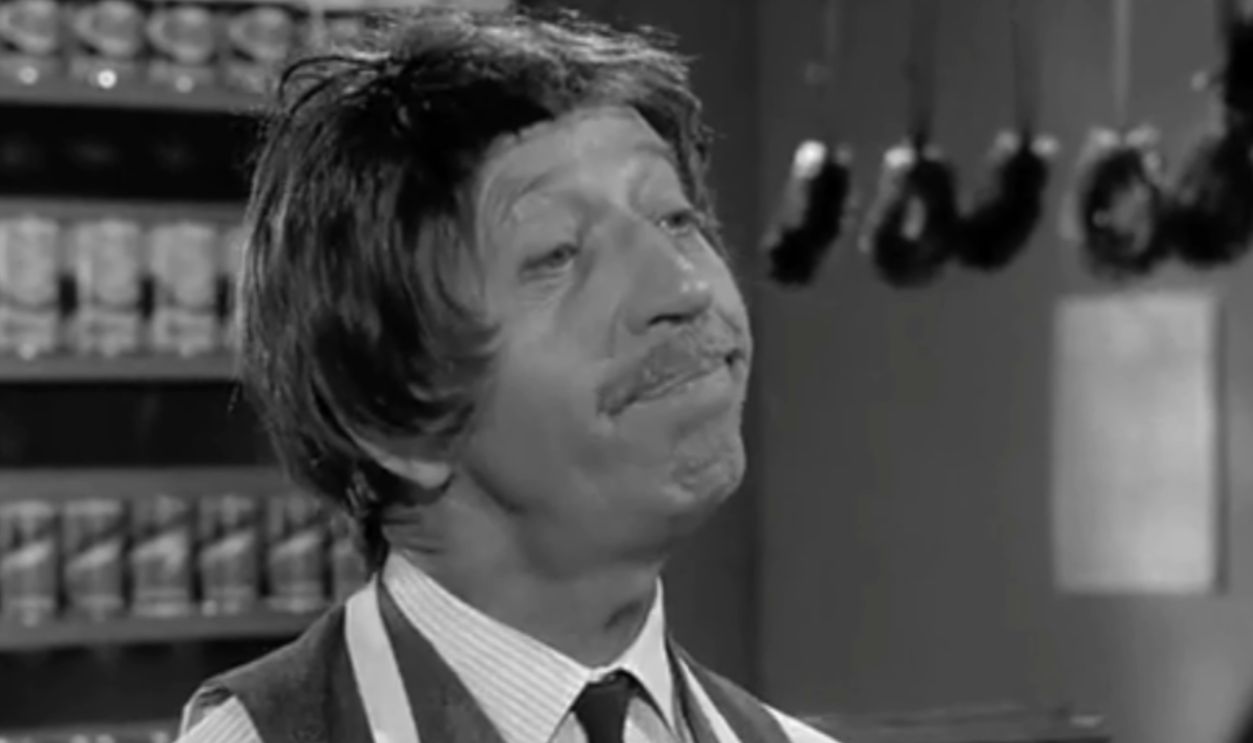 Screenshot from Petticoat Junction, Paramount Global (1963-1970)
Ordinary Was His Secret Weapon
Cady understood that “normal” did not have to mean boring. His characters listened carefully, reacted honestly, and allowed ridiculous people to create their own trouble. That quiet approach made him a perfect straight man, particularly when television comedy began filling rural towns with increasingly eccentric residents.
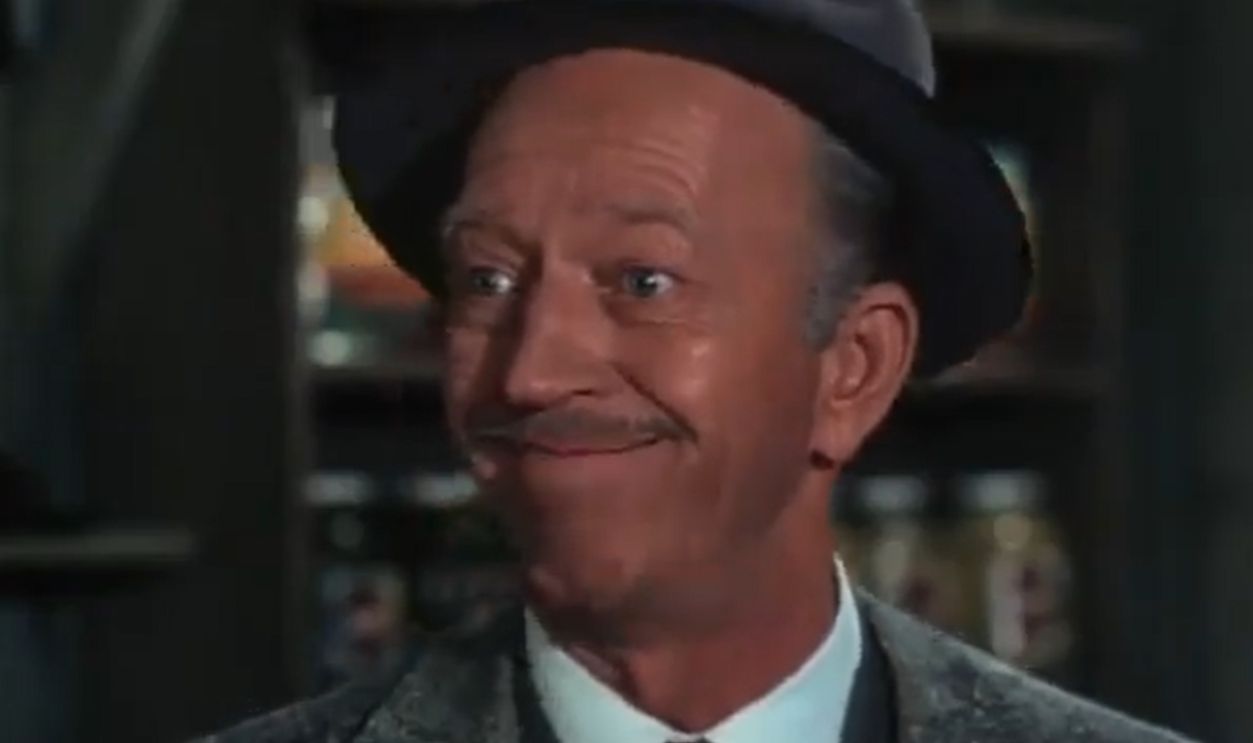 Screenshot from The Beverly Hillbillies, Paramount Global (1962-1971)
A Ticket To Petticoat Junction
In 1963, Cady joined Petticoat Junction as Sam Drucker, proprietor of Hooterville’s general store. The series followed the Bradley family and their Shady Rest Hotel, but Drucker’s store quickly became another important meeting place where news, gossip, and schemes travelled freely.
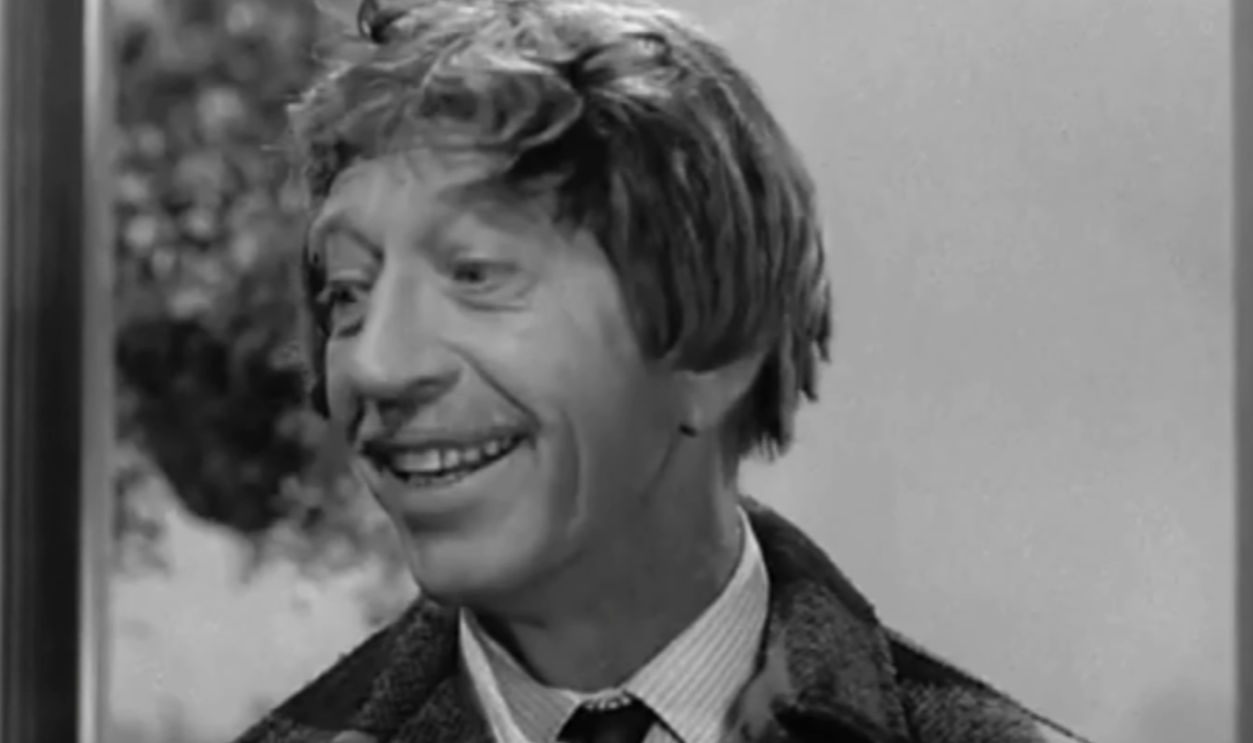 Screenshot from Petticoat Junction, Paramount Global (1963-1970)
Meeting Sam Drucker
Sam was friendly, practical, and endlessly patient. He sold groceries, managed the mail, extended credit, answered questions, and watched Hooterville’s residents drift through his store. Cady played him without a collection of obvious comic gimmicks. Sam was funny because he treated nonsense like regular business.
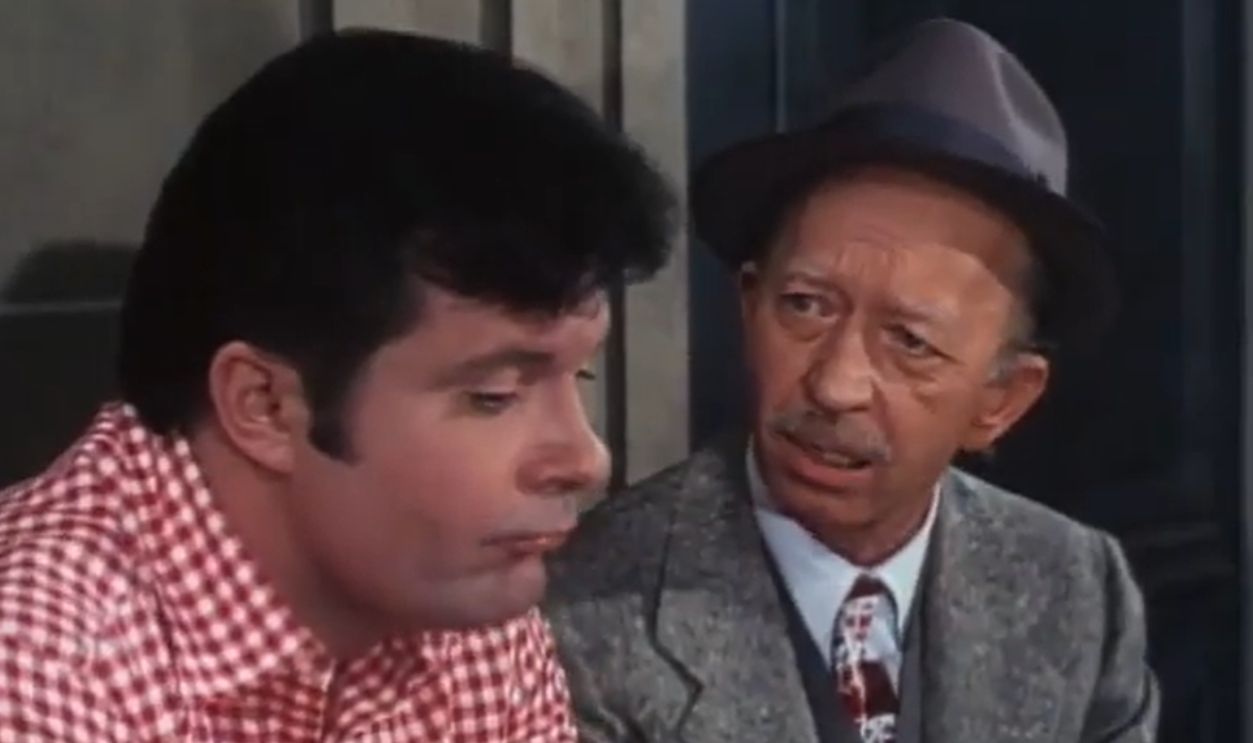 Screenshot from The Beverly Hillbillies, Paramount Global (1962-1971)
The Centre Of Hooterville
Drucker’s Store functioned as much more than a shop. It was Hooterville’s informal social club, communications centre, and gathering place. Sam also served in numerous civic positions, making him one of the few people capable of keeping the town operating—at least by Hooterville standards.
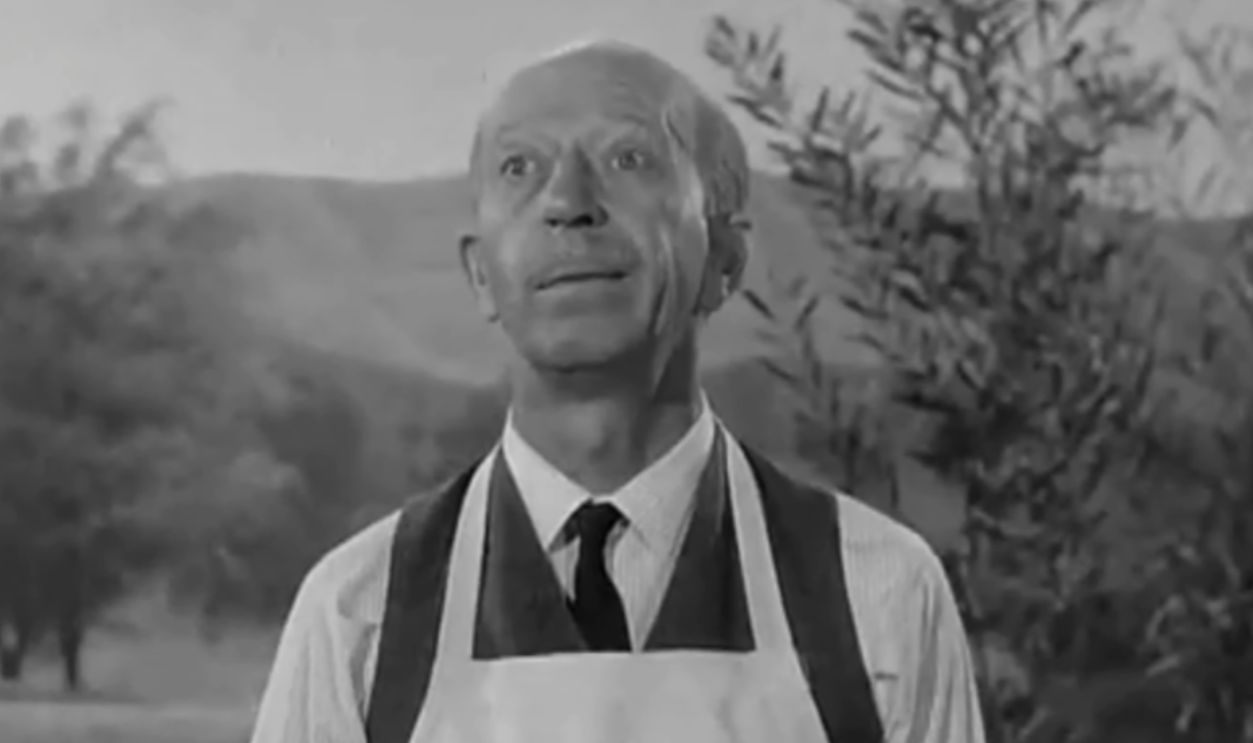 Screenshot from Petticoat Junction, Paramount Global (1963-1970)
Green Acres Opened Another Door
When Green Acres premiered in 1965, its story also took place around Hooterville. Rather than hire someone new to operate the local store, the producers brought Cady and Sam Drucker along. The character simply continued his life on another programme as though nothing unusual had happened.
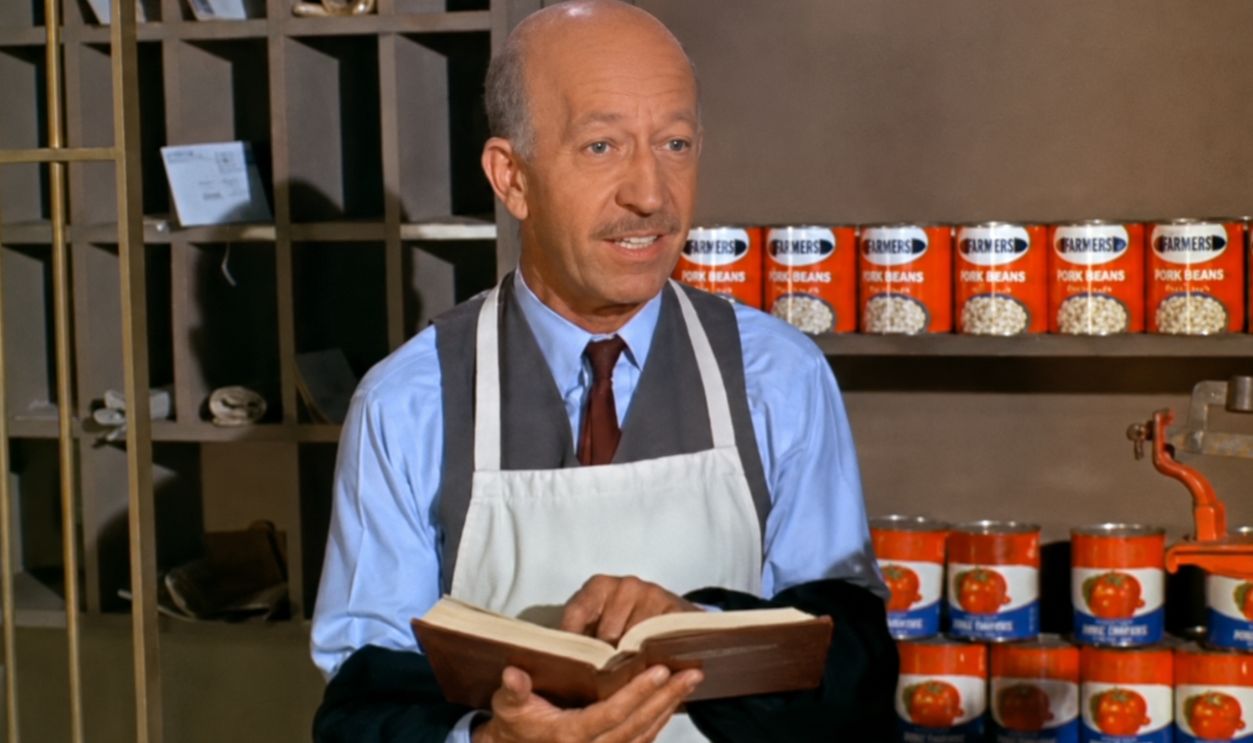 Screenshot from Green Acres, Amazon MGM Studios (1965-1971), enhanced
The Sanest Man In Town
On Green Acres, Sam was surrounded by confused officials, dishonest salesmen, impossible machinery, and a pig treated like a gifted child. Cady rarely competed with the madness. His calm reactions gave the comedy something solid to bounce against, making everyone else seem even more wonderfully absurd.
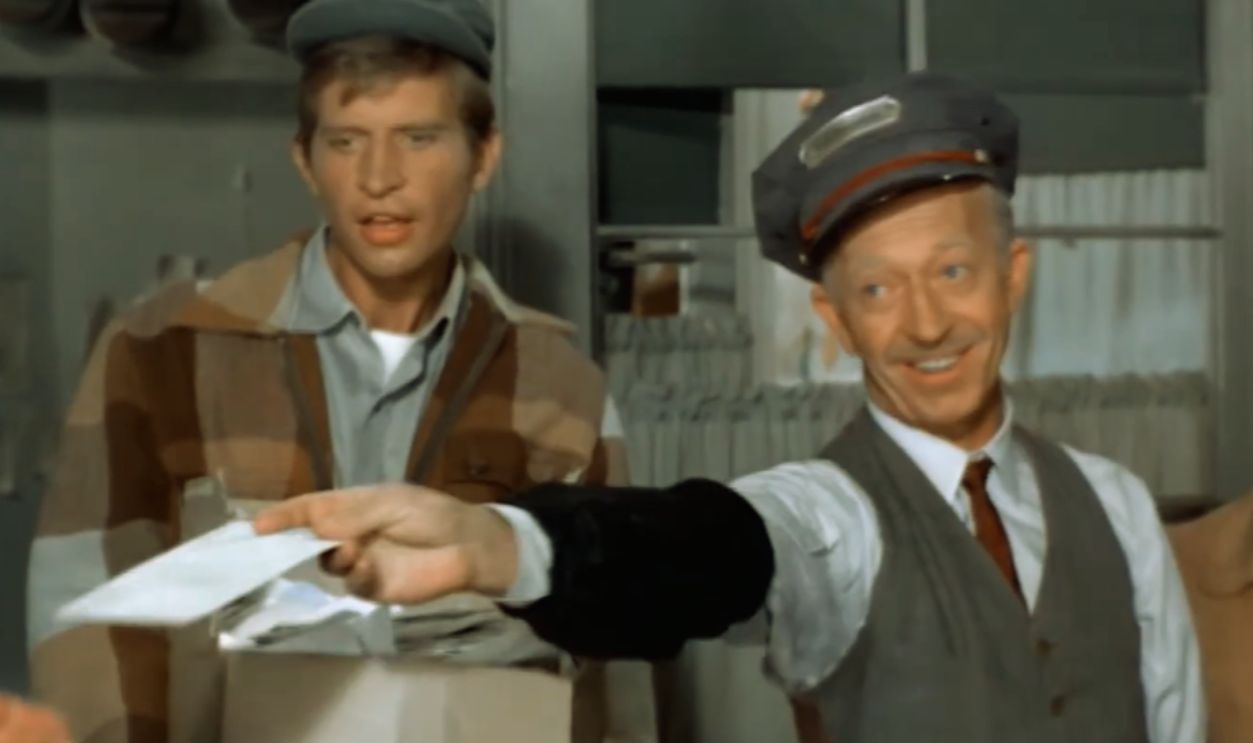 Screenshot from Green Acres, Amazon MGM Studios (1965-1971)
Sam Crossed Into A Third Sitcom
The experiment grew stranger when Sam began appearing on The Beverly Hillbillies. Now Cady was playing one character across Petticoat Junction, Green Acres, and a third enormously popular CBS comedy. Sam had quietly escaped the boundaries that usually kept television programmes separated.
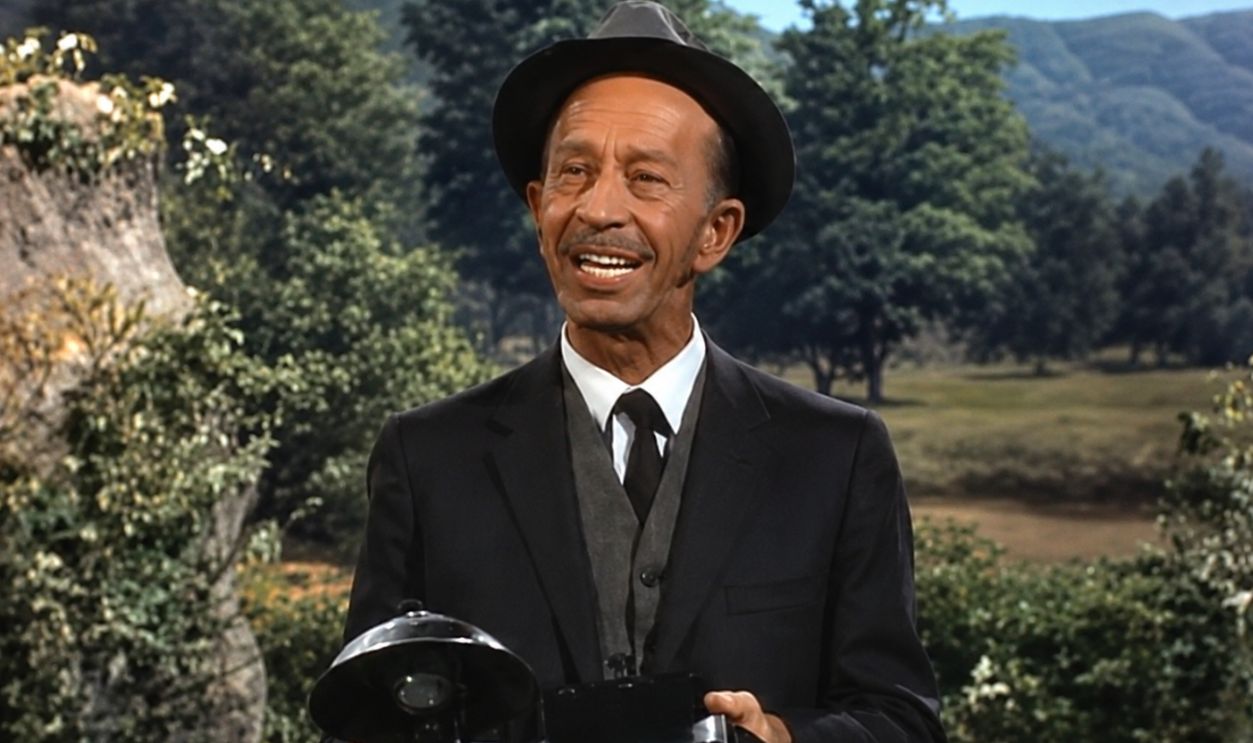 Screenshot from The Beverly Hillbillies, Paramount Global (1962-1971), enhanced
Three Shows At The Same Time
During the 1968–69 television season, Cady appeared recurringly as Sam on all three sitcoms at once. He has been described as the only actor to accomplish that particular feat. It was television history disguised as another routine trip to the general store.
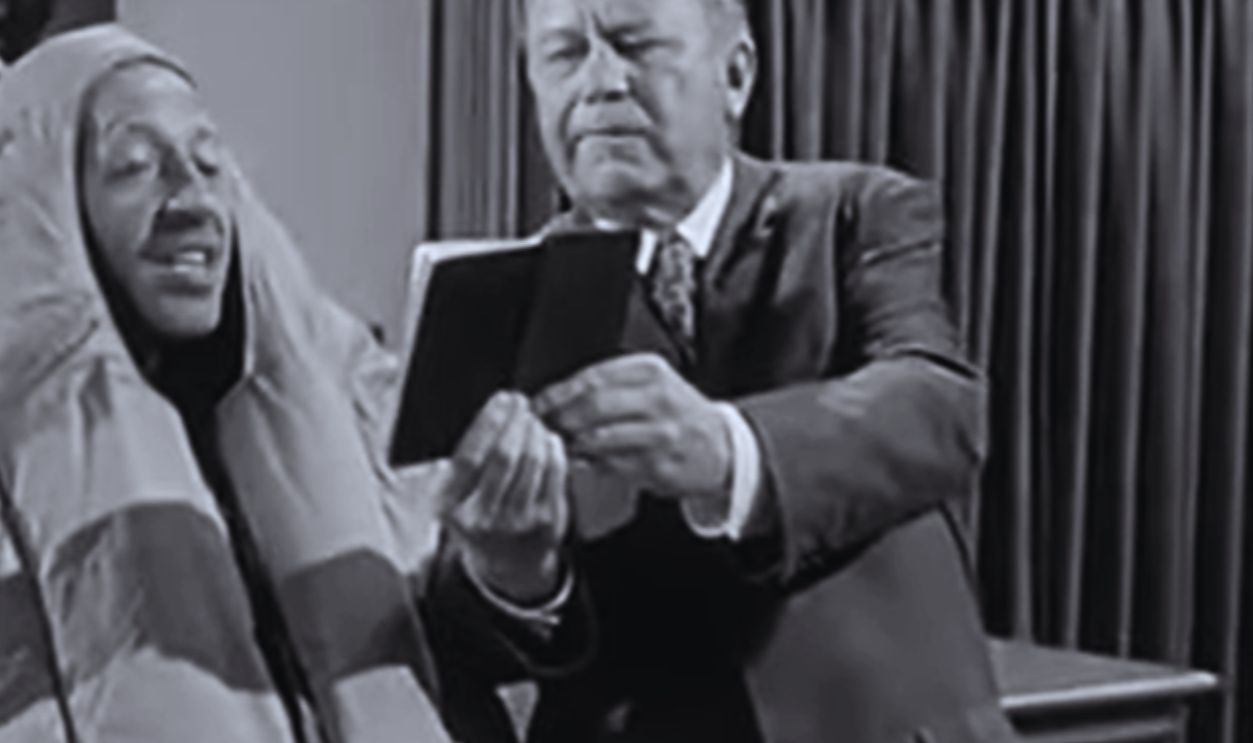 Screenshot from Petticoat Junction, Paramount Global (1963-1970)
Why Viewers Barely Noticed
Audiences accepted the arrangement because Cady made Sam feel completely consistent. He did not suddenly change his personality depending on the series. Whether dealing with the Bradleys, the Douglases, or the Clampetts, he remained the same patient businessman viewers already knew.
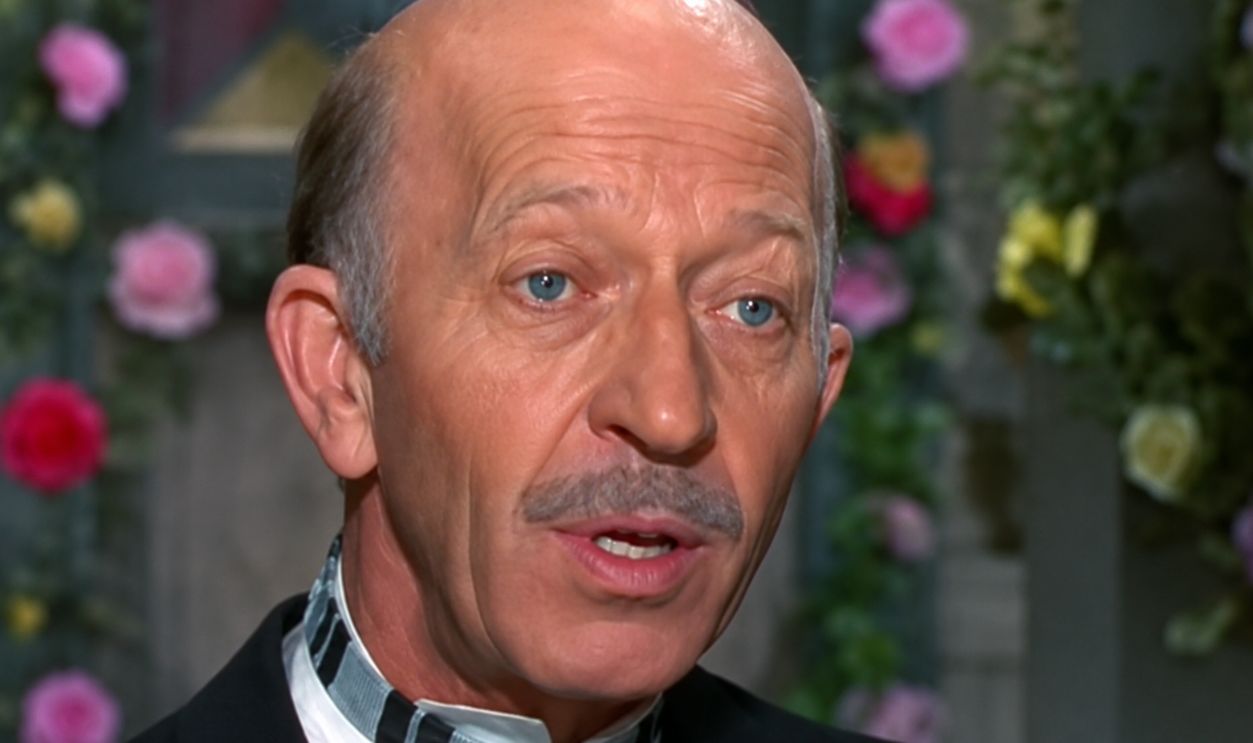 Screenshot from Green Acres, Amazon MGM Studios (1965-1971), enhanced
Television’s Early Shared Universe
Today, audiences are accustomed to interconnected franchises filled with crossovers and guest appearances. Hooterville was doing something similar decades earlier, only without dramatic announcements or complicated mythology. Characters wandered between programmes because they supposedly lived near one another—and Sam Drucker was waiting behind the counter.
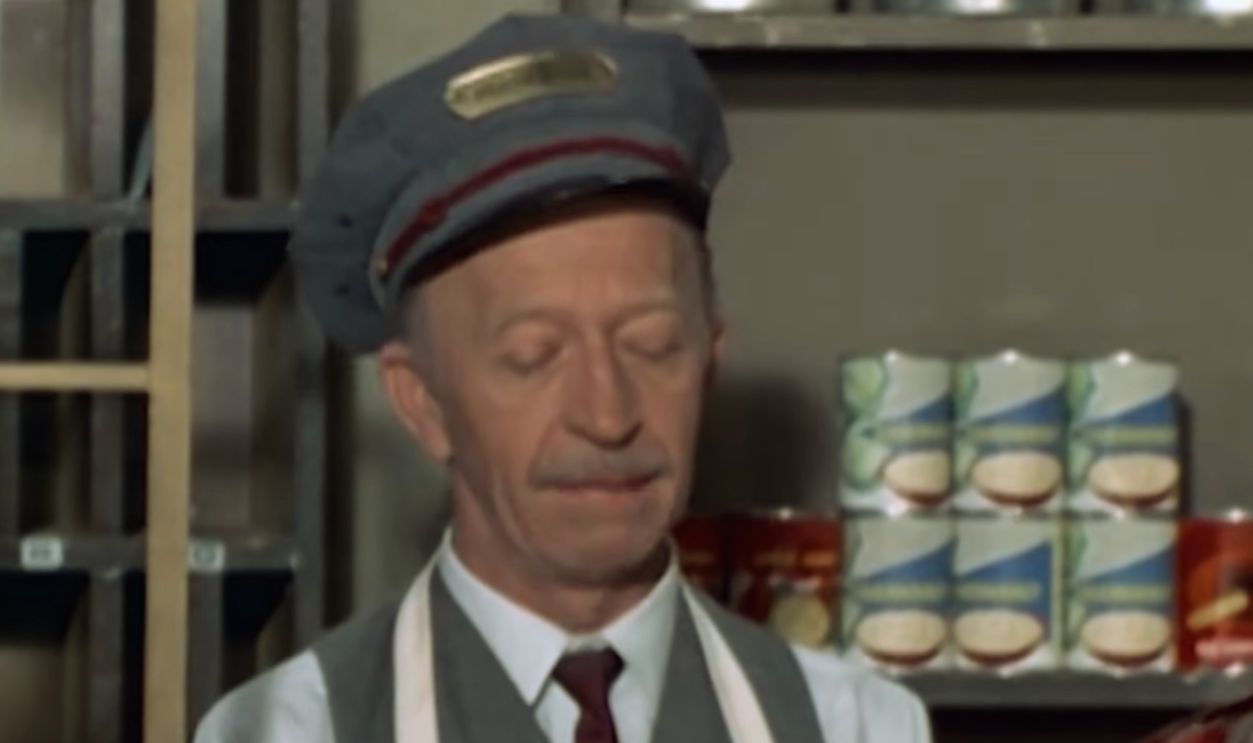 Screenshot from Green Acres, Amazon MGM Studios (1965-1971)
The Numbers Are Astonishing
According to Cady’s family obituary, Sam appeared in 152 episodes of Petticoat Junction, 145 episodes of Green Acres, and 11 episodes of The Beverly Hillbillies. That added up to hundreds of appearances as one remarkably steady character across three separate series.
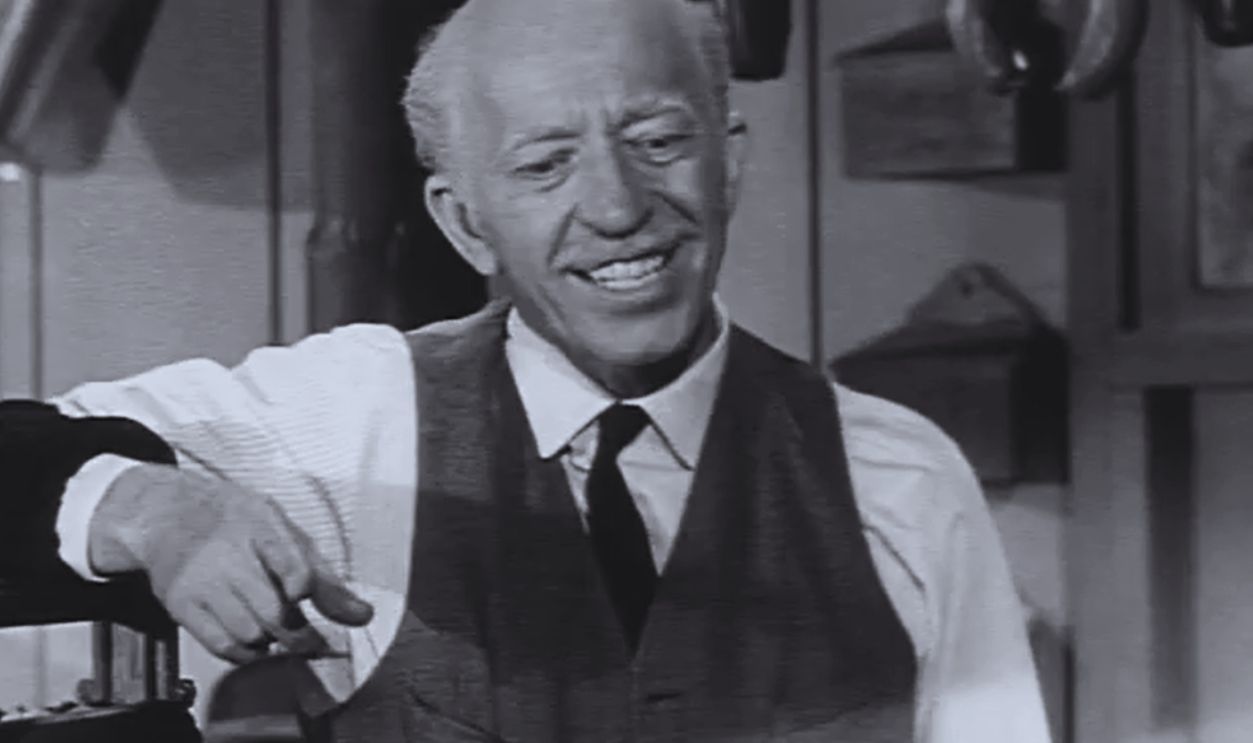 Screenshot from Petticoat Junction, Paramount Global (1963-1970)
Life After Hooterville
Following the end of the rural sitcom era, Cady continued making occasional television and film appearances. In 1990, he returned to his most famous role for the television movie Return to Green Acres. Fittingly, Sam Drucker became his final screen performance.
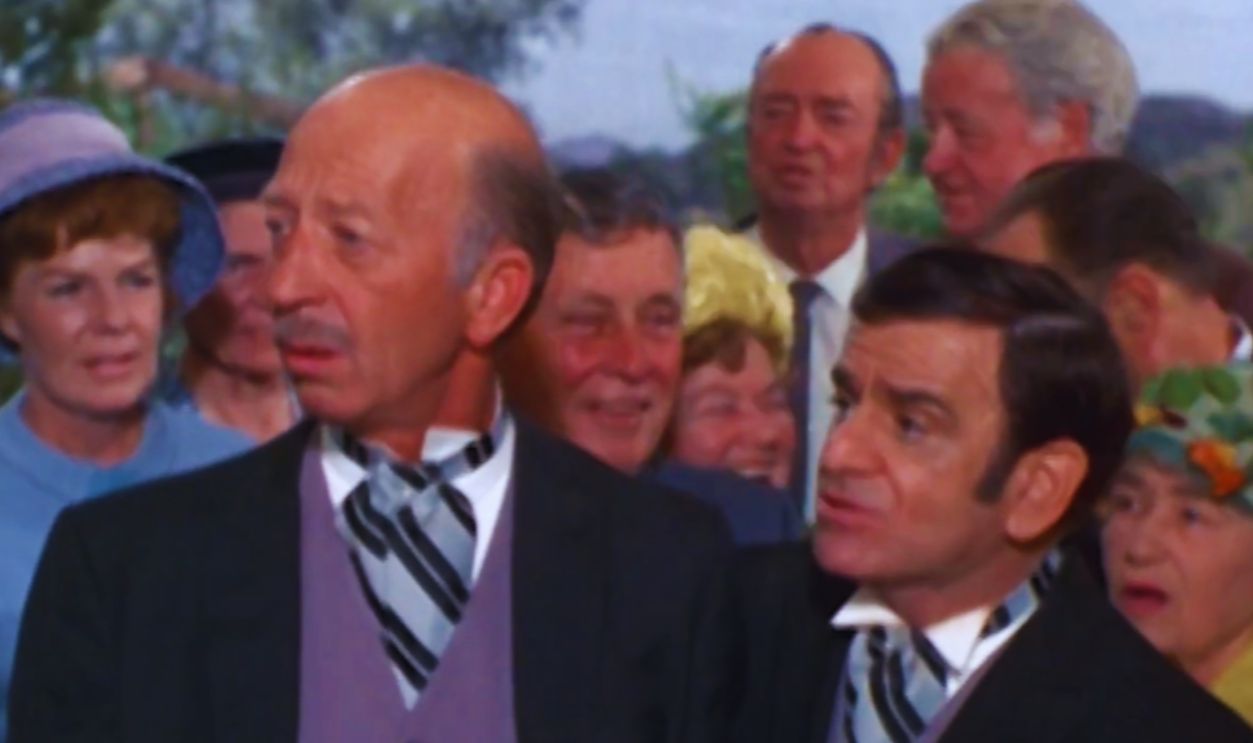 Screenshot from Green Acres, Amazon MGM Studios (1965-1971)
A Quiet Exit From Hollywood
Cady and his wife, Shirley, eventually moved to Oregon. They had married in 1940 and remained together for 68 years, until her death in 2008. Frank Cady died at his home in Wilsonville, Oregon, in 2012. He was 96.
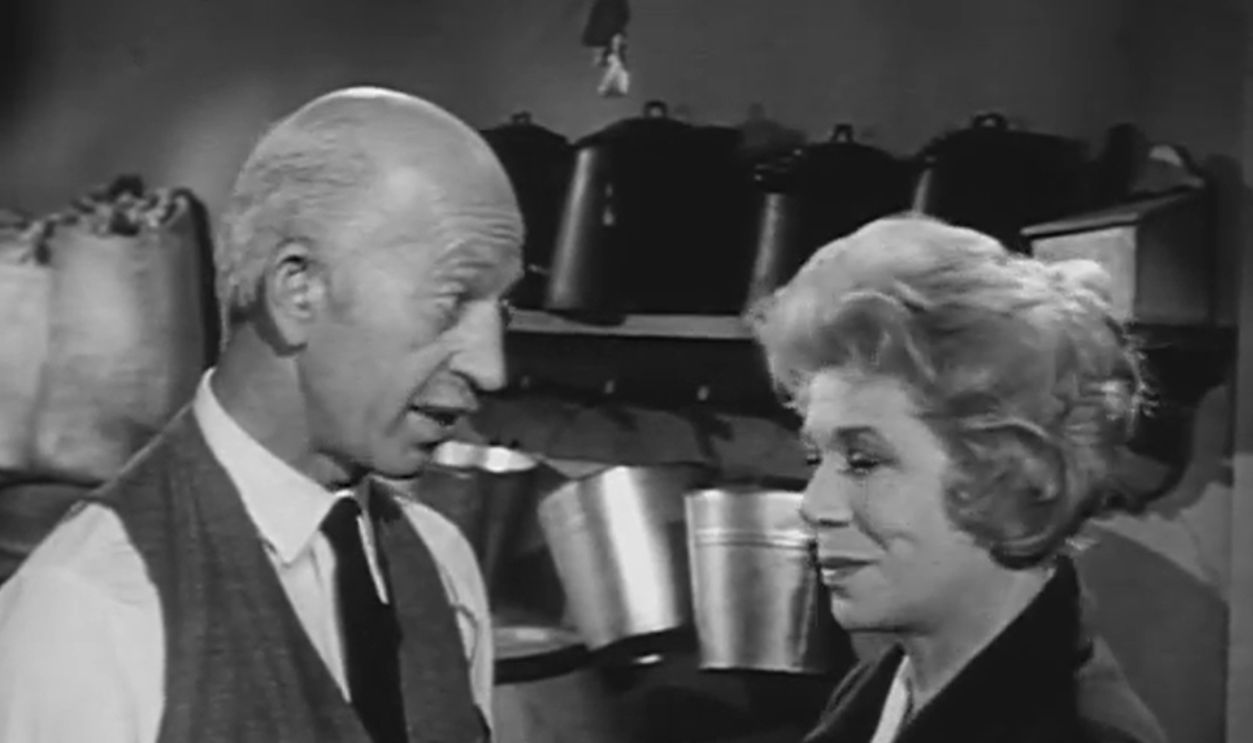 Screenshot from Petticoat Junction, Paramount Global (1963-1970)
The Storekeeper Who Made History
Frank Cady never needed to dominate a scene to become unforgettable. By playing Sam Drucker with warmth, patience, and total consistency, he connected three sitcoms and made the impossible look perfectly ordinary. Viewers may not have realized they were watching television history, but that was part of his magic.
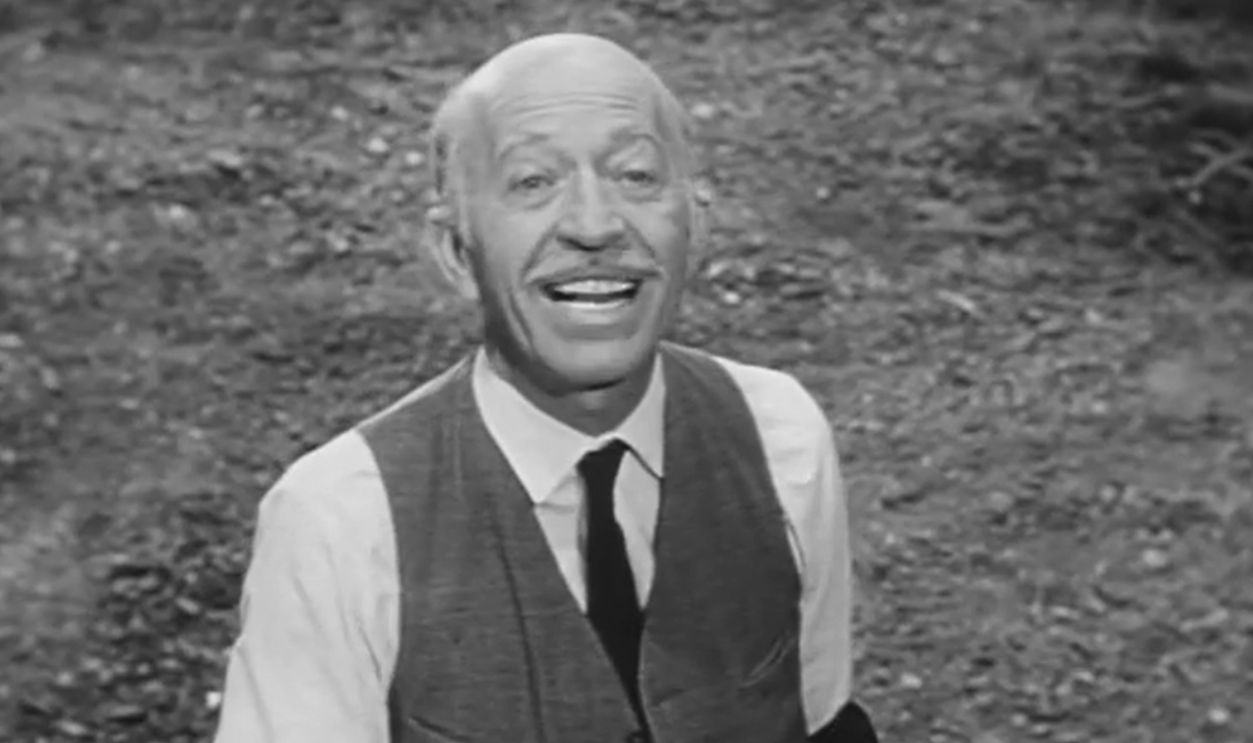 Screenshot from Petticoat Junction, Paramount Global (1963-1970)
You May Also Like:
The Most Memorable Award Show Moments Of The 1970s
The Surprising Career Longevity Of Hawaii Five-O Star Jack Lord
TV Rituals Baby Boomers Remember That No One Born After 2000 Has Ever Done