When Your Locker Door Was Prime Real Estate
Before celebrity feeds and fan accounts, there were bedroom walls, school lockers, and glossy magazine pinups. Everyone remembers names like David Cassidy, Donny Osmond, and John Travolta, but the 1970s produced plenty of other heartthrobs who once seemed just as unavoidable. Some dominated Tiger Beat, television, or the pop charts before fading from everyday memory.
How many of these former teen idols do you still recognize?
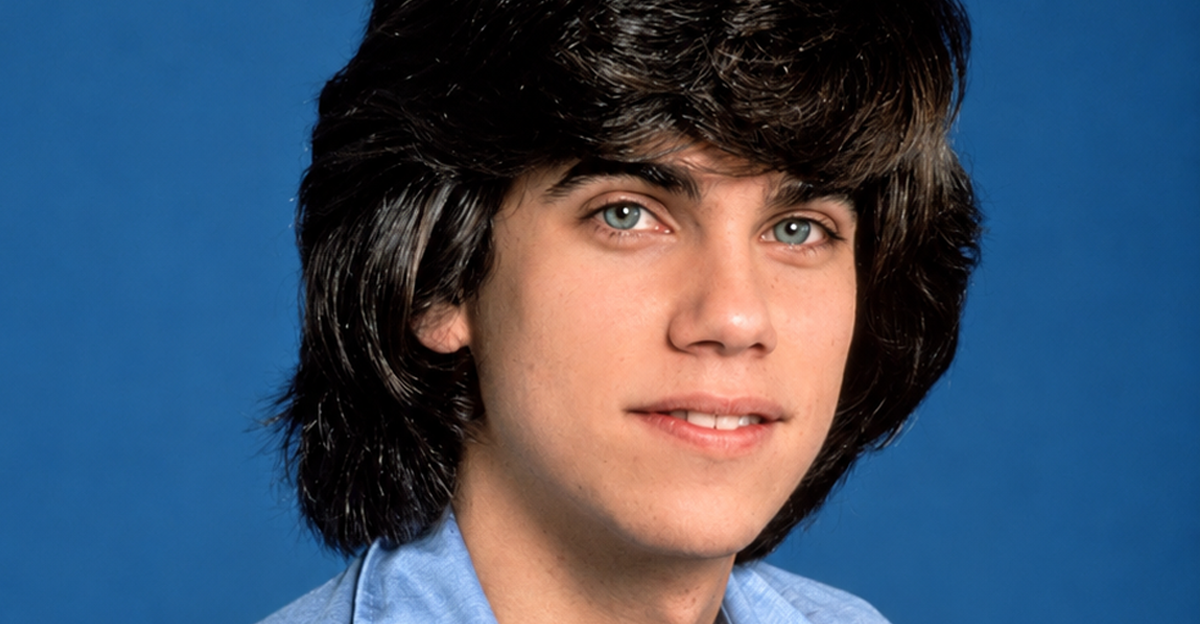
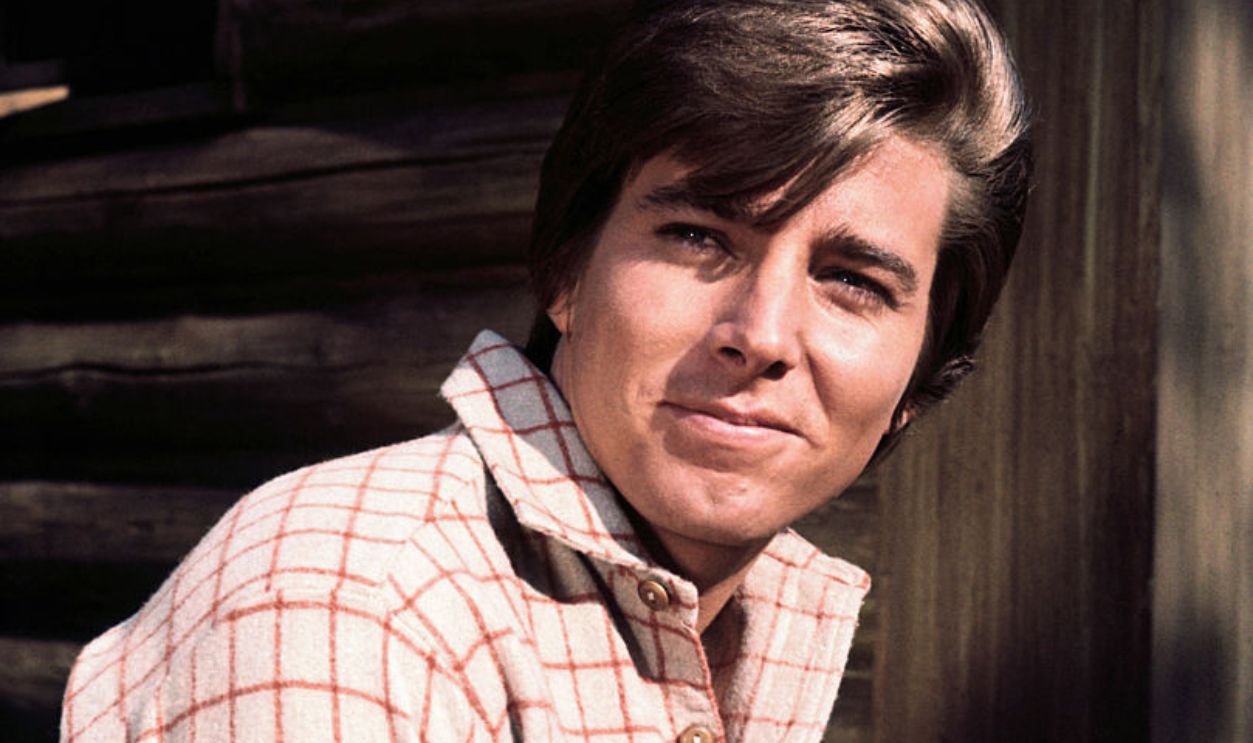
Bobby Sherman
Bobby Sherman's rise began in the late 1960s, but his teen-idol run continued into the new decade. Here Come the Brides and songs including "Little Woman" and "Julie, Do Ya Love Me" made him a magazine favorite. He later stepped away from show business and worked in emergency medical services and with the Los Angeles Police Department. That career change makes it easy to forget just how huge he once was.
Barry Williams
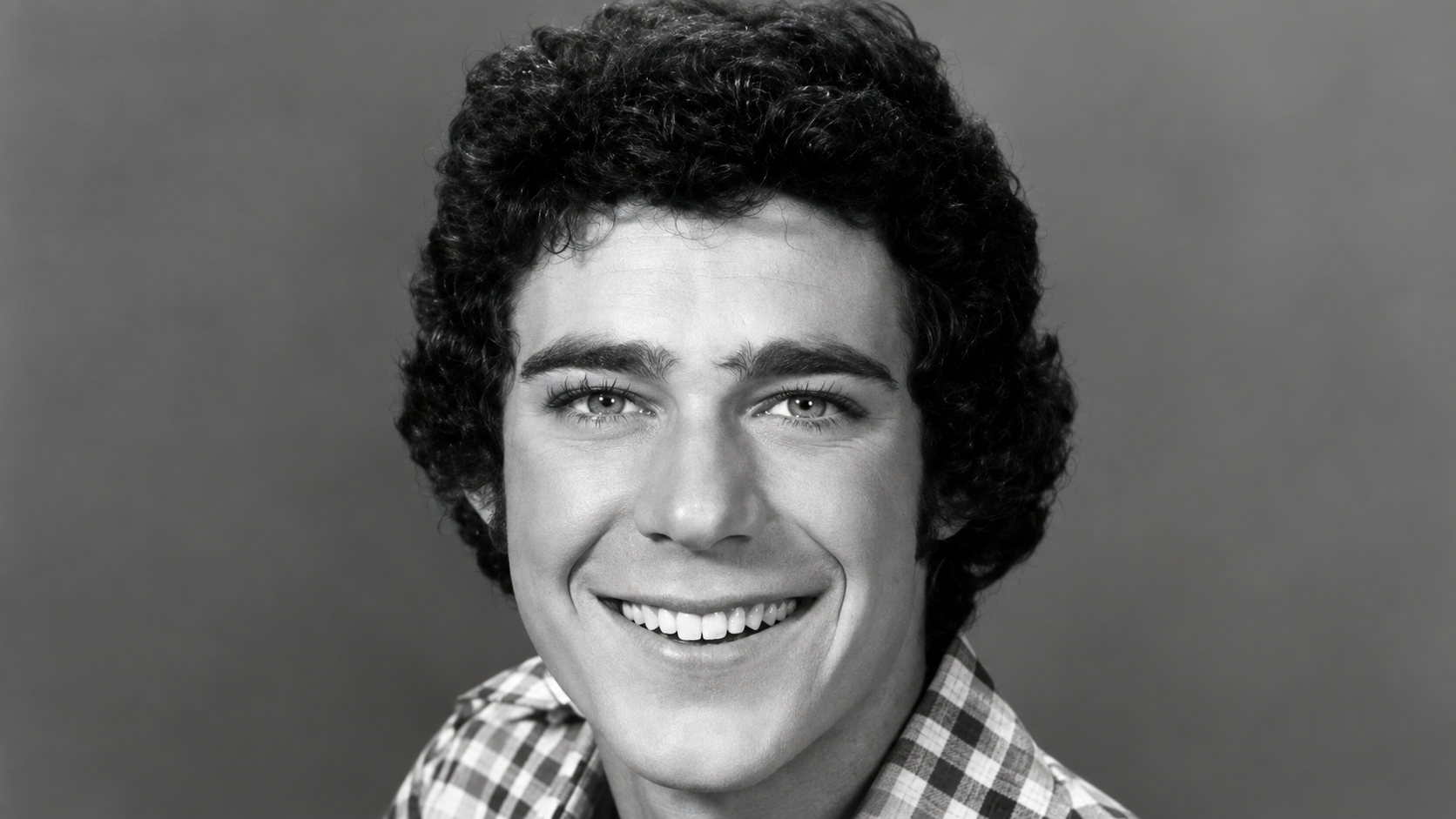
Barry Williams played eldest son Greg on The Brady Bunch, which ran from 1969 to 1974. By the show's later seasons, he had become a genuine teen idol, while the Brady kids were also marketed as a recording group. Greg's musical ambitions even became part of the show's storylines. For plenty of viewers, he was the crush hiding inside television's most wholesome family.
 ABC Television., Wikimedia Commons
Christopher Knight
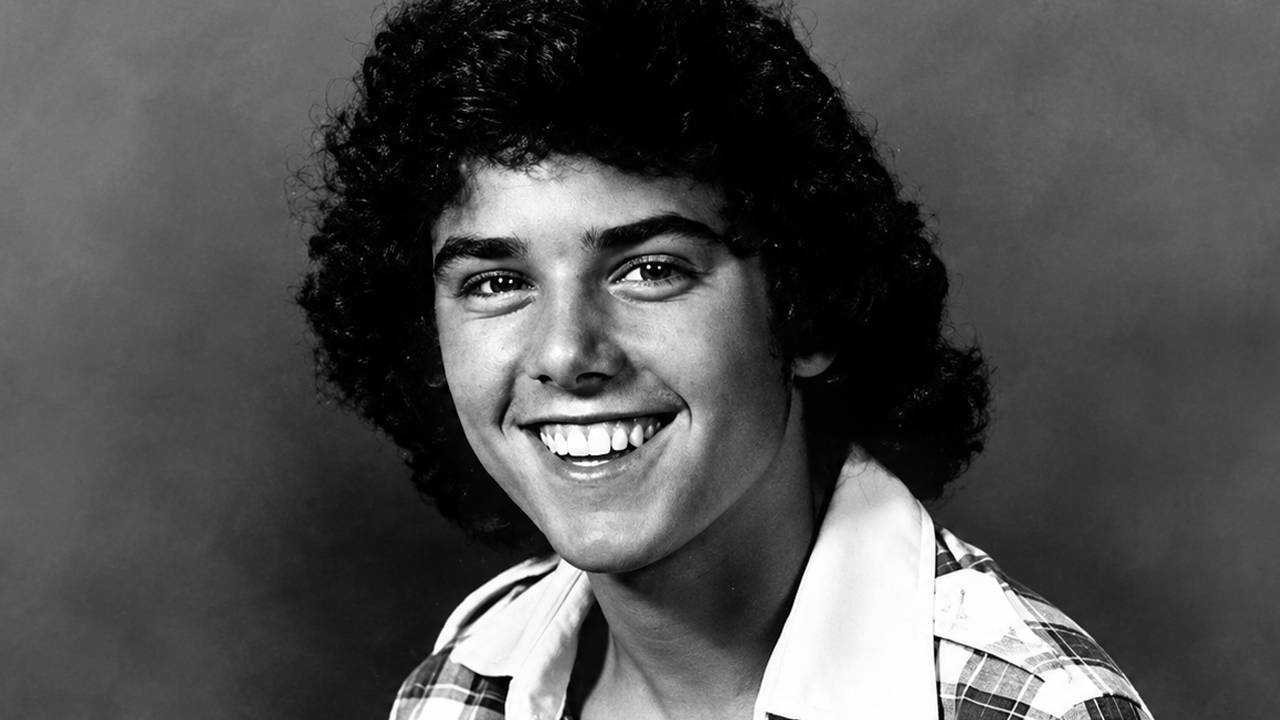
Peter Brady was supposed to be stuck in the middle, but Christopher Knight still attracted plenty of attention. Knight appeared throughout The Brady Bunch and was regularly featured alongside other young television stars in teen magazines. His visibility increased as the Brady children grew older on screen. Barry Williams may have been the obvious heartthrob, but Peter had his own fan base.
 ABC Television, Wikimedia Commons
Tony DeFranco
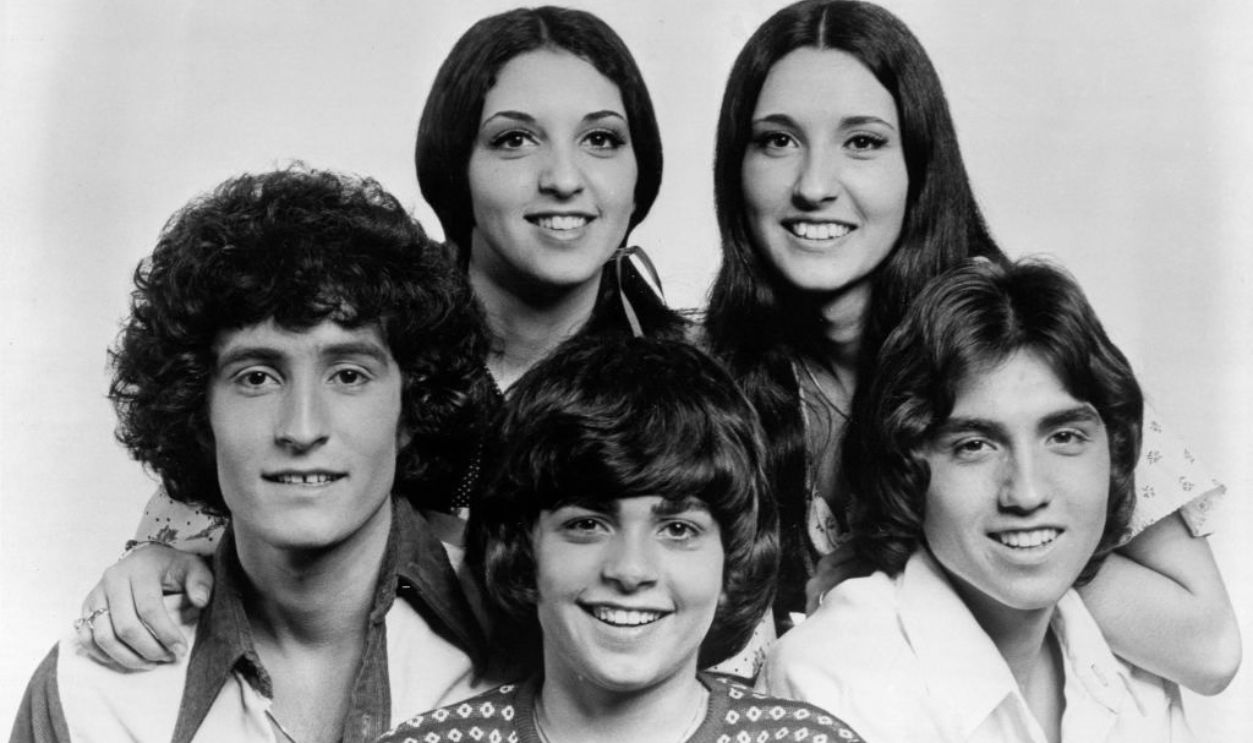
Tony DeFranco was only 13 when the DeFranco Family broke through with "Heartbeat, It's a Lovebeat" in 1973. The song reached No. 3 on the Billboard Hot 100, while Tiger Beat heavily promoted Tony as the group's young heartthrob. The family appeared on major television shows and suddenly had screaming fans. Then their moment faded nearly as fast as it had arrived.
 Michael Ochs Archives, Getty Images
Michael Gray
Before Shazam! made Michael Gray a Saturday morning superhero, teen magazines were already promoting him. Former Tiger Beat editor Ann Moses recalled covering Gray before he landed the role of Billy Batson in 1974. Shazam! ran on CBS until 1977 and gave him an even larger young audience. Today, he remains far more recognizable to viewers who actually grew up watching him.
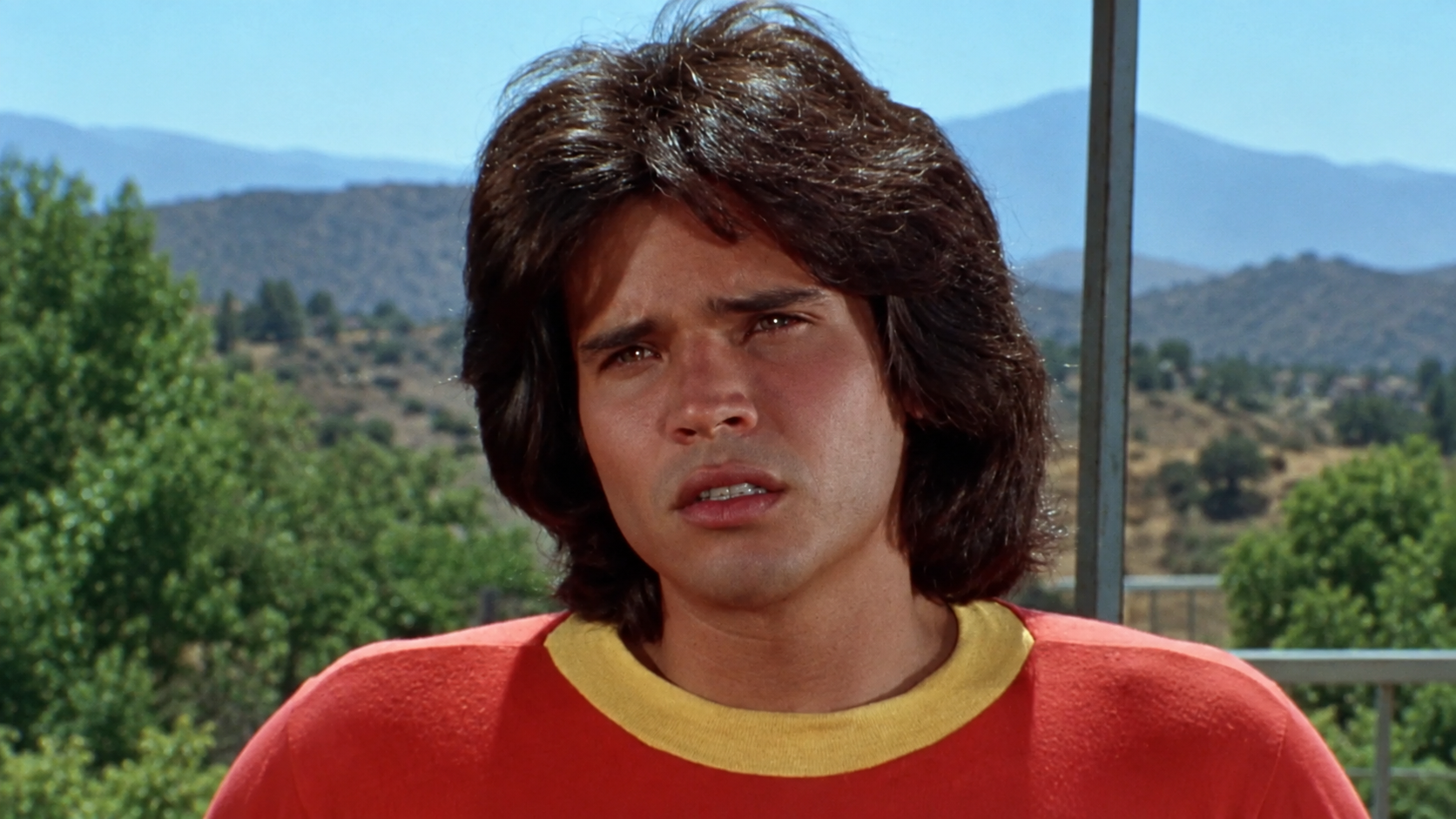 Screenshot from Shazam!, Filmation (1974–1976)
Wesley Eure
Wesley Eure was pulling double duty in the mid-1970s. He played Mike Horton on Days of Our Lives while starring as Will Marshall on the Saturday morning hit Land of the Lost. Eure was also treated as a teen idol during the decade, appearing in the same orbit as stars like Shaun Cassidy and Leif Garrett. For viewers who grew up watching him every week, that face is hard to forget.
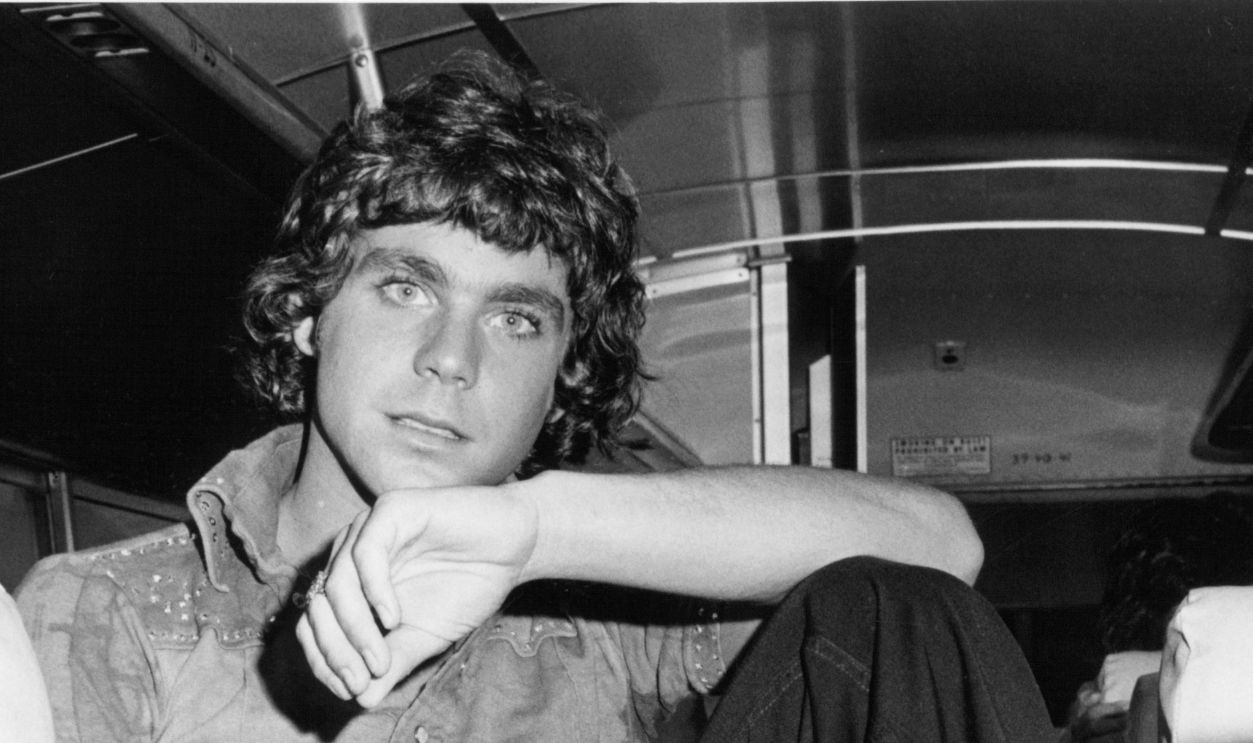 Michael Ochs Archives, Getty Images
Richard Thomas
Richard Thomas became famous as John-Boy Walton when The Waltons premiered as a series in 1972. His thoughtful, earnest character offered something very different from the decade's flashy singers and pop stars. Thomas won an Emmy for the role in 1973. He eventually left the regular series in 1977 rather than spend his entire career identified as John-Boy.
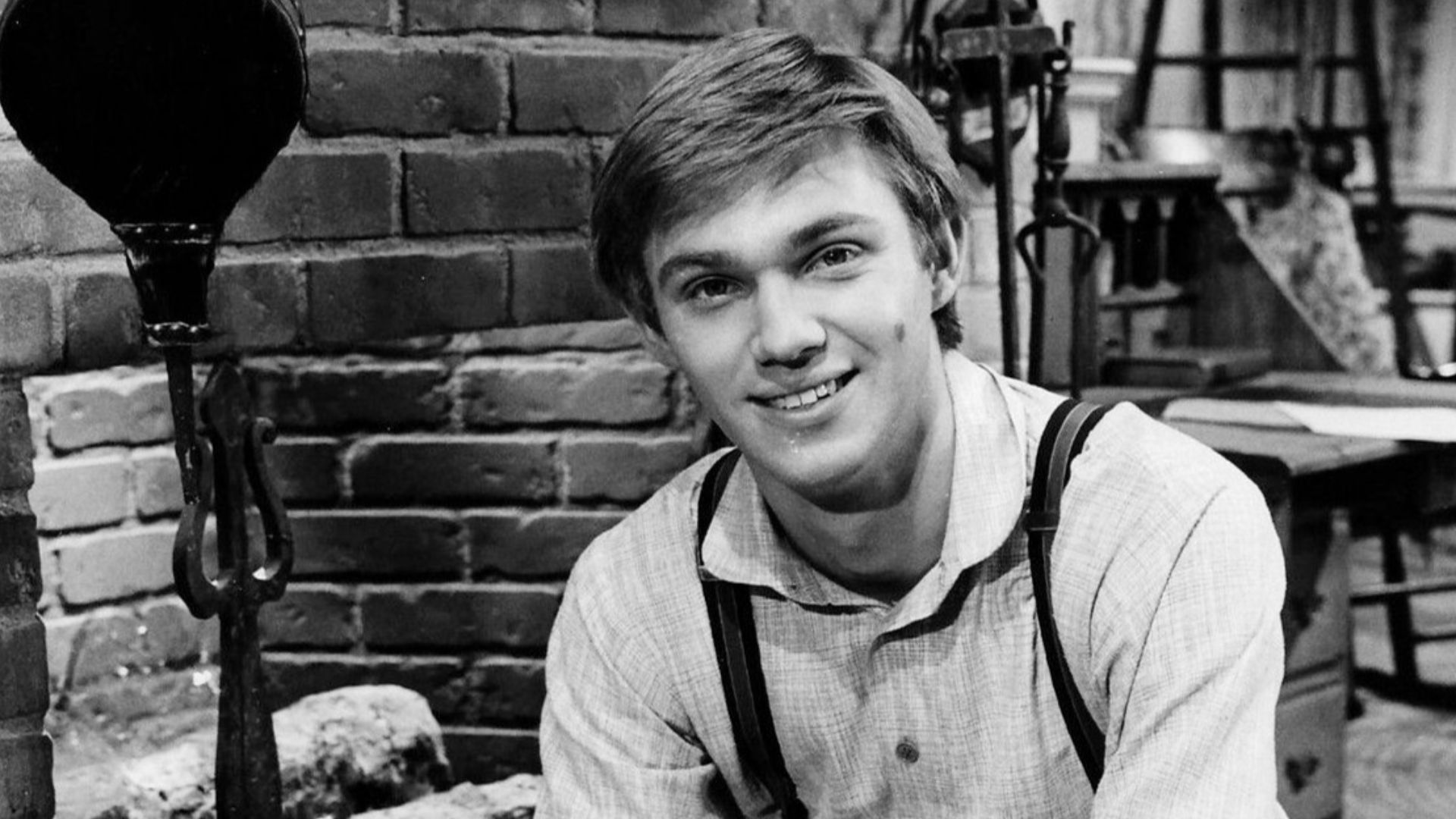 CBS Television, Wikimedia Commons
Jan-Michael Vincent
Jan-Michael Vincent offered a very different image from the clean-cut bubblegum stars of the era. He appeared in teen magazines while building a film career in movies such as The Mechanic and White Line Fever. His blond hair and rebellious screen persona helped make him one of the period's more unconventional heartthrobs. His later reputation largely overshadowed that early pinup phase.
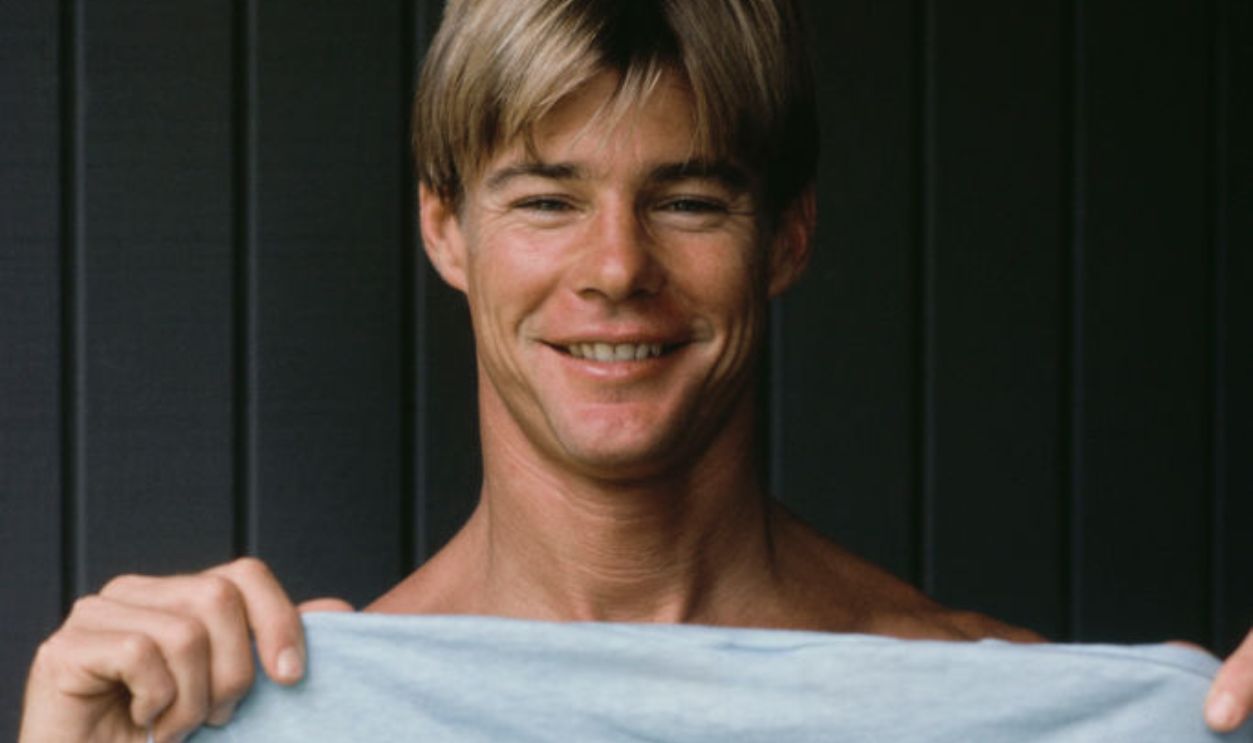 Michael Ochs Archives, Getty Images
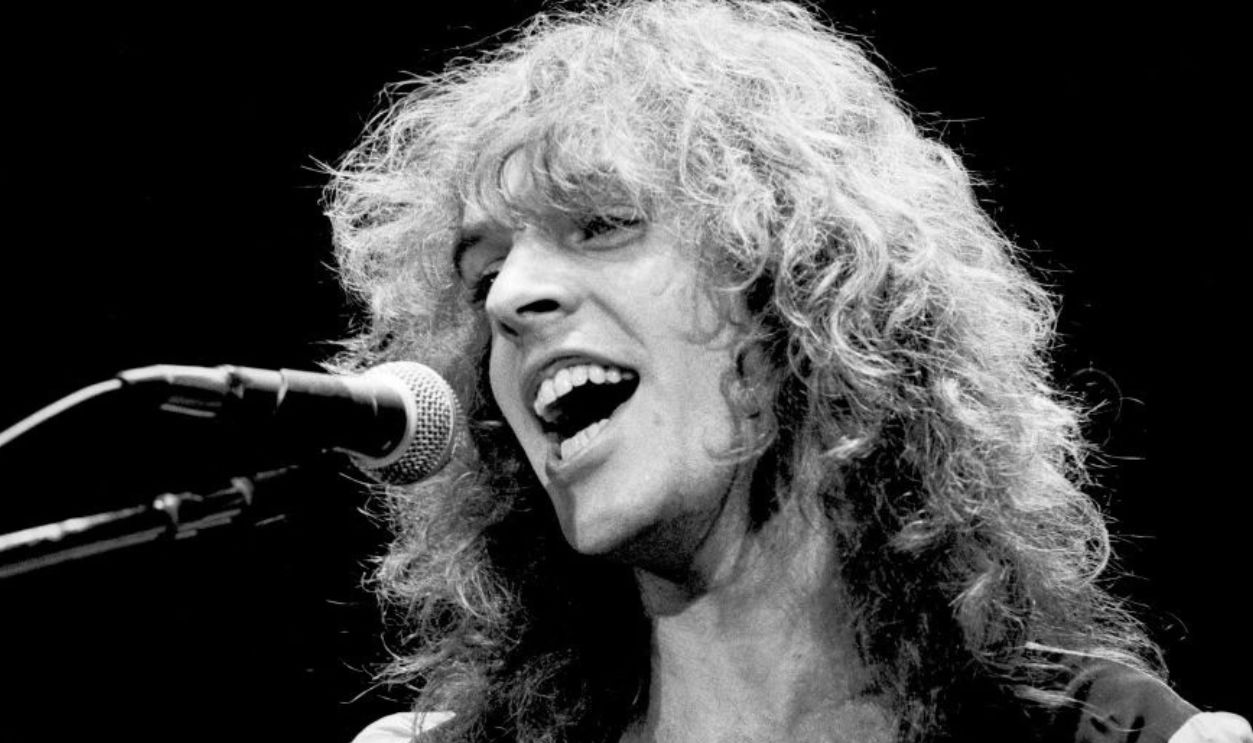
Peter Frampton
Frampton Comes Alive! turned Peter Frampton into a superstar in 1976. Suddenly, photographs that emphasized his looks were appearing alongside the music coverage. Frampton later said he disliked being marketed as a pinup because he wanted to be regarded primarily as a serious musician. The teen-idol image became something he spent years trying to escape.
Leif Garrett
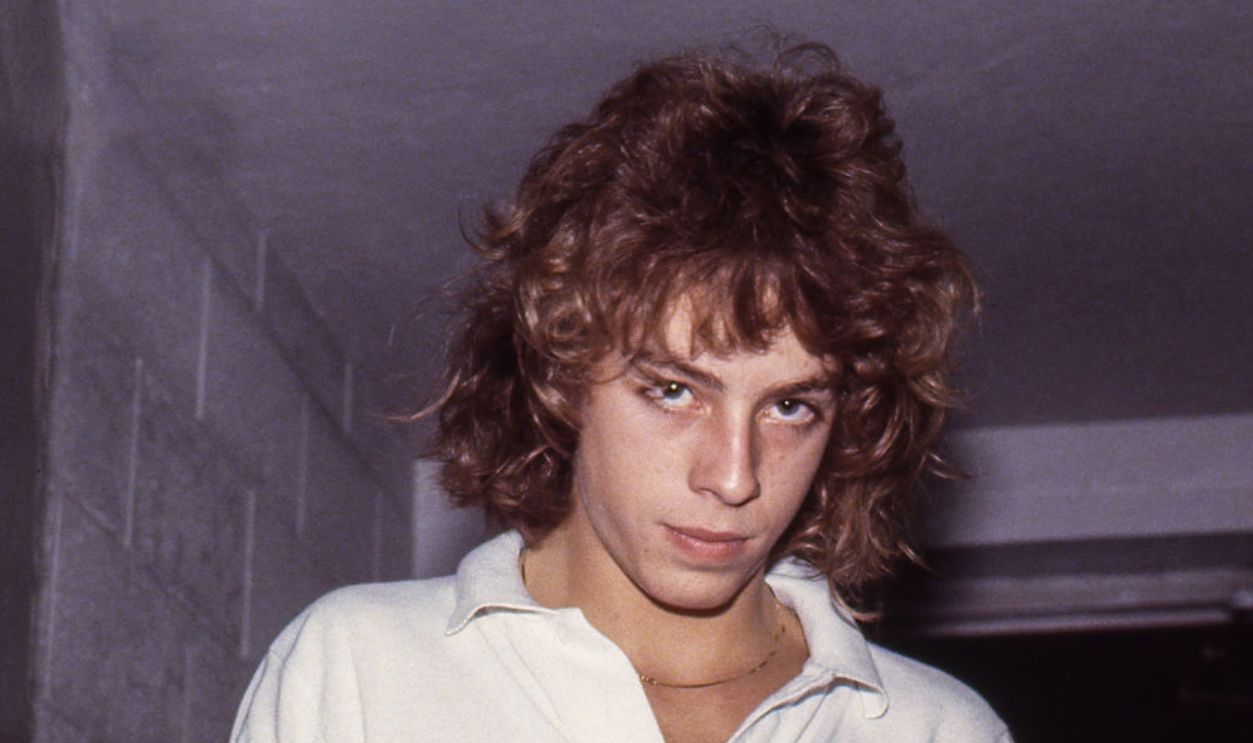
Leif Garrett had exactly the look late-1970s teen magazines loved. He combined acting with a pop career and scored one of his best-known hits with "I Was Made for Dancin'." His long blond hair became nearly as recognizable as his records. Garrett's later struggles overshadowed how thoroughly he once dominated the teen-idol world.
Shaun Cassidy
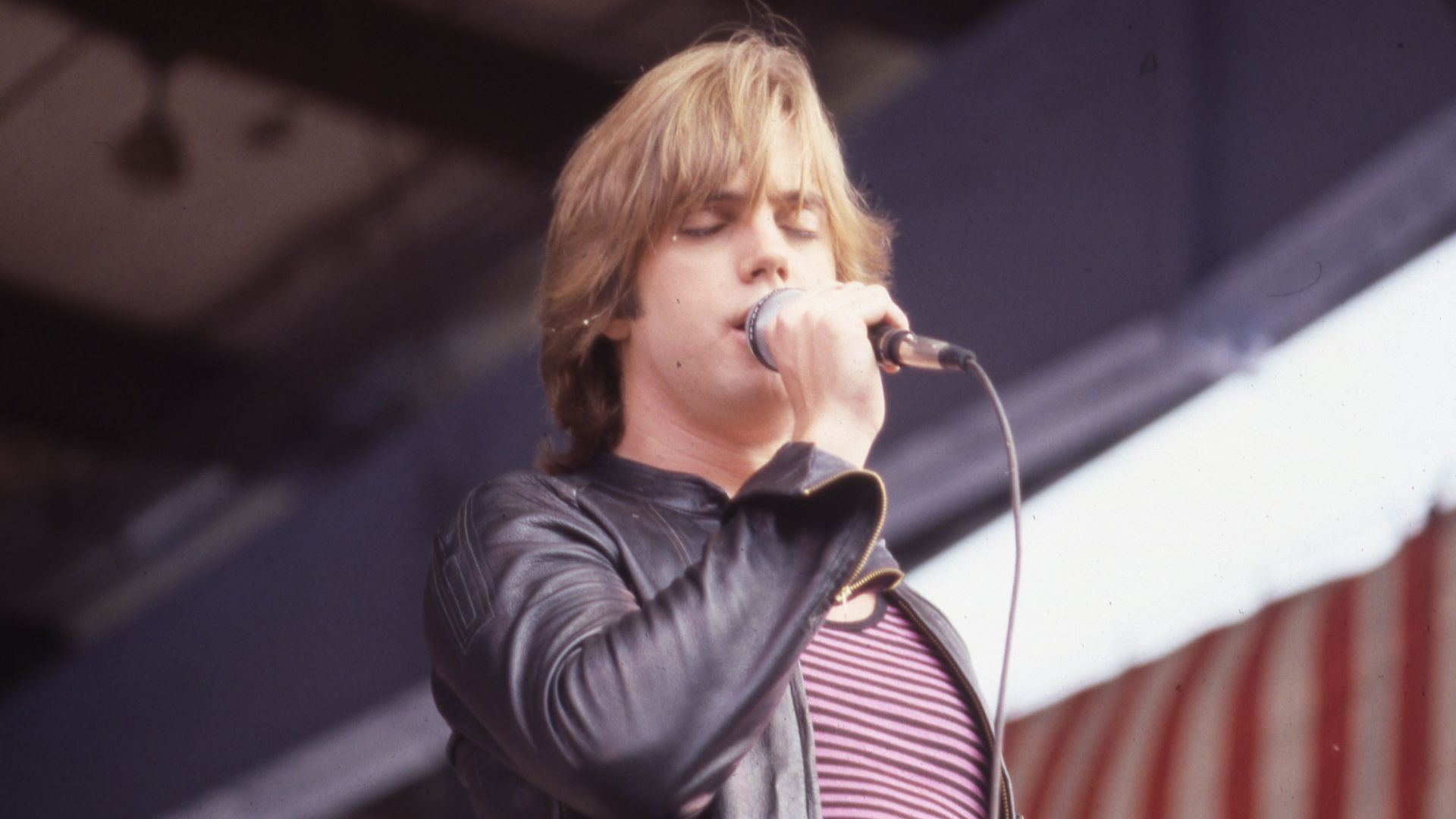
As David Cassidy's teen-idol years faded, younger half-brother Shaun became a phenomenon of his own. "Da Doo Ron Ron" reached No. 1 in 1977, while The Hardy Boys Mysteries put him on television every week. The combination made him one of the decade's last massive traditional teen idols. He later reinvented himself as a successful television writer and producer.
 David E. Lucas, Wikimedia Commons
Parker Stevenson
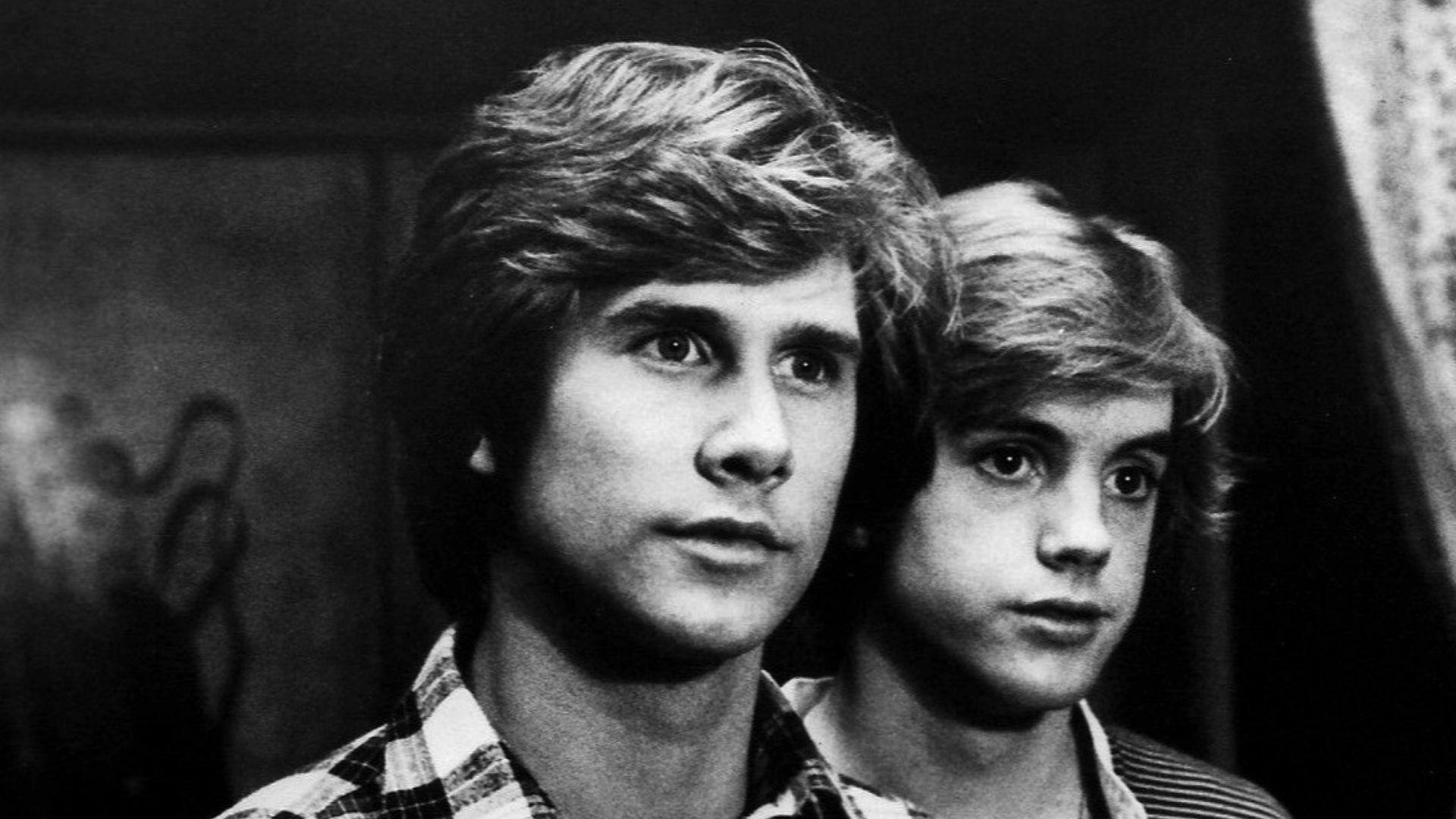
Shaun Cassidy got plenty of attention, but Parker Stevenson was hardly ignored. Stevenson played Frank Hardy opposite Cassidy's Joe beginning in 1977. Their ABC series quickly transformed both young actors into teen-magazine fixtures. Stevenson never launched the same pop career, but plenty of viewers preferred the older Hardy brother.
 ABC Television, Wikimedia Commons
Robby Benson
Robby Benson built his heartthrob status largely through movies rather than a weekly television show. Ode to Billy Joe, One on One, and Ice Castles helped make him one of the late 1970s' most recognizable young actors. His boyish looks appeared frequently in teen magazines during that period. Years later, another generation heard him as the Beast in Disney's Beauty and the Beast.
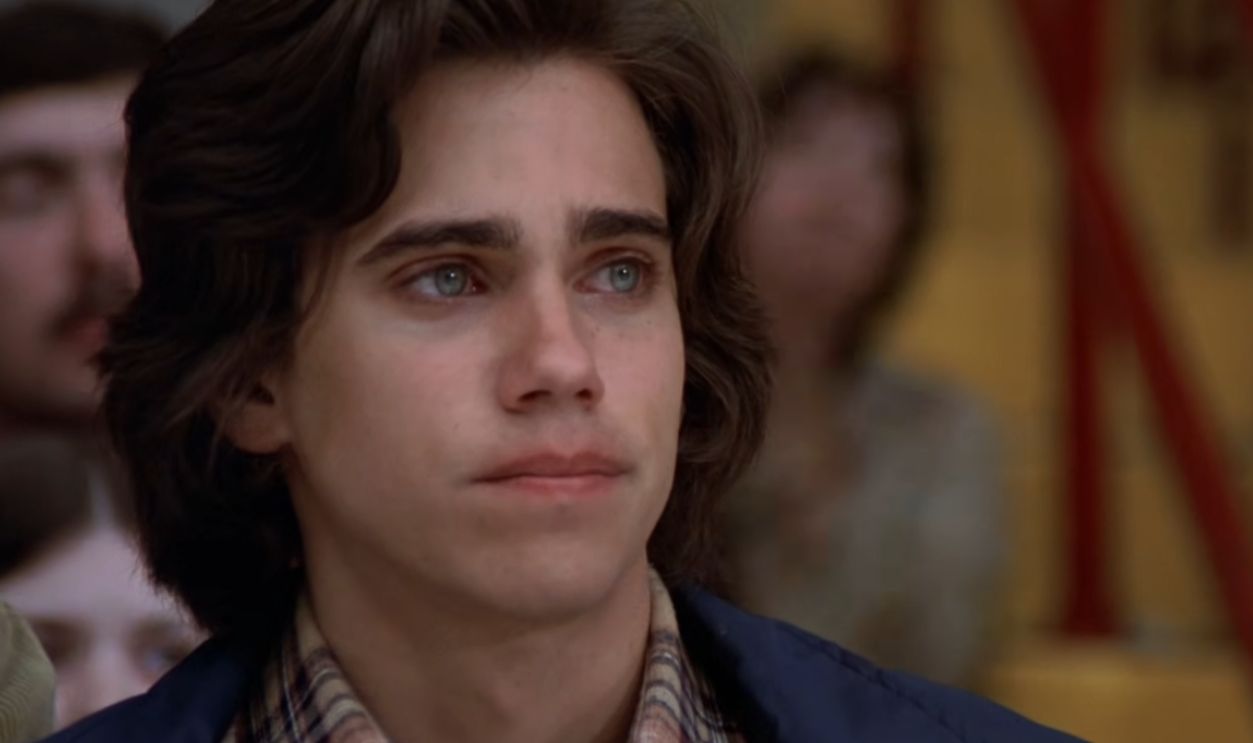 Screenshot from Ice Castles, Columbia Pictures (1978)
Willie Aames
Willie Aames joined Eight Is Enough as Tommy Bradford in 1977. The family drama gave him regular exposure just as the late-1970s teen-magazine machine was looking for new faces. He also pursued music, giving him the actor-singer combination publishers loved. Aames has since looked back on his teen-idol years with a sense of humor.
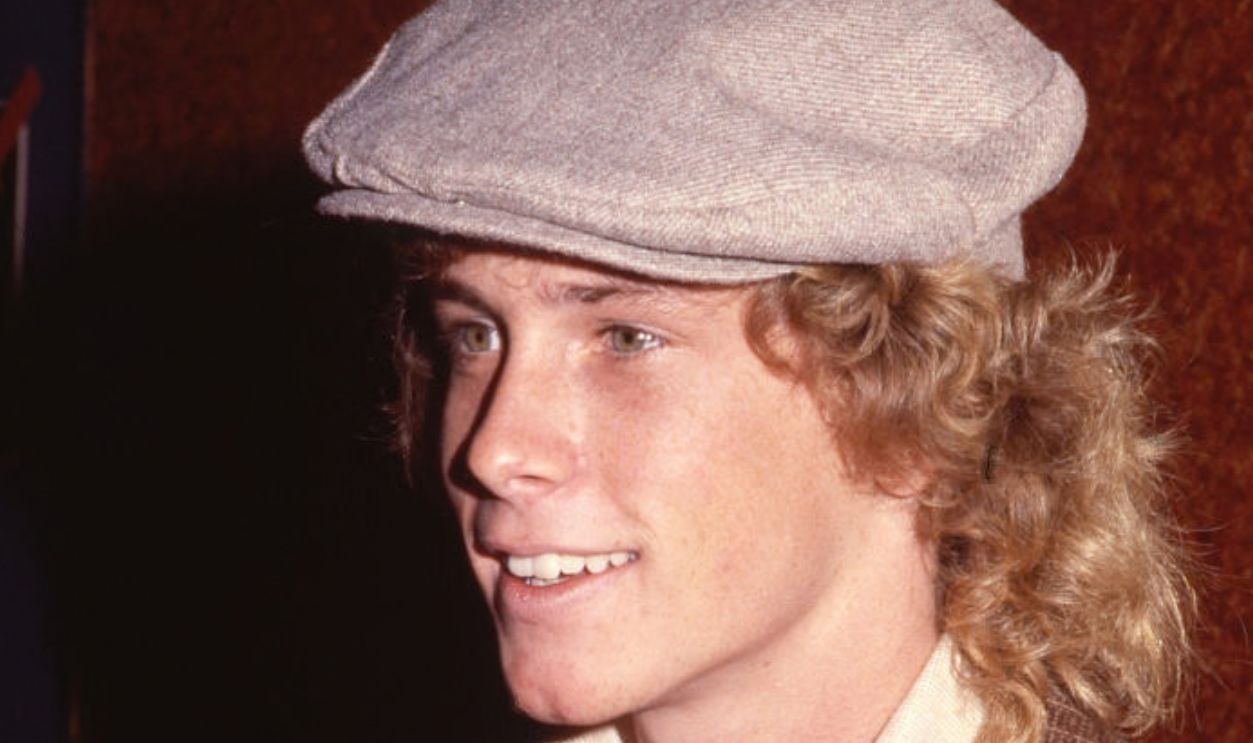
Philip McKeon
Philip McKeon joined Alice in 1976 as Tommy Hyatt, the teenage son of Linda Lavin's title character. His blond hair and boyish looks quickly made him a teen-magazine favorite while the sitcom became a long-running CBS hit. McKeon remained with the series through 1985, essentially growing up on television. Today, he is one of those faces many viewers recognize before they remember the name.
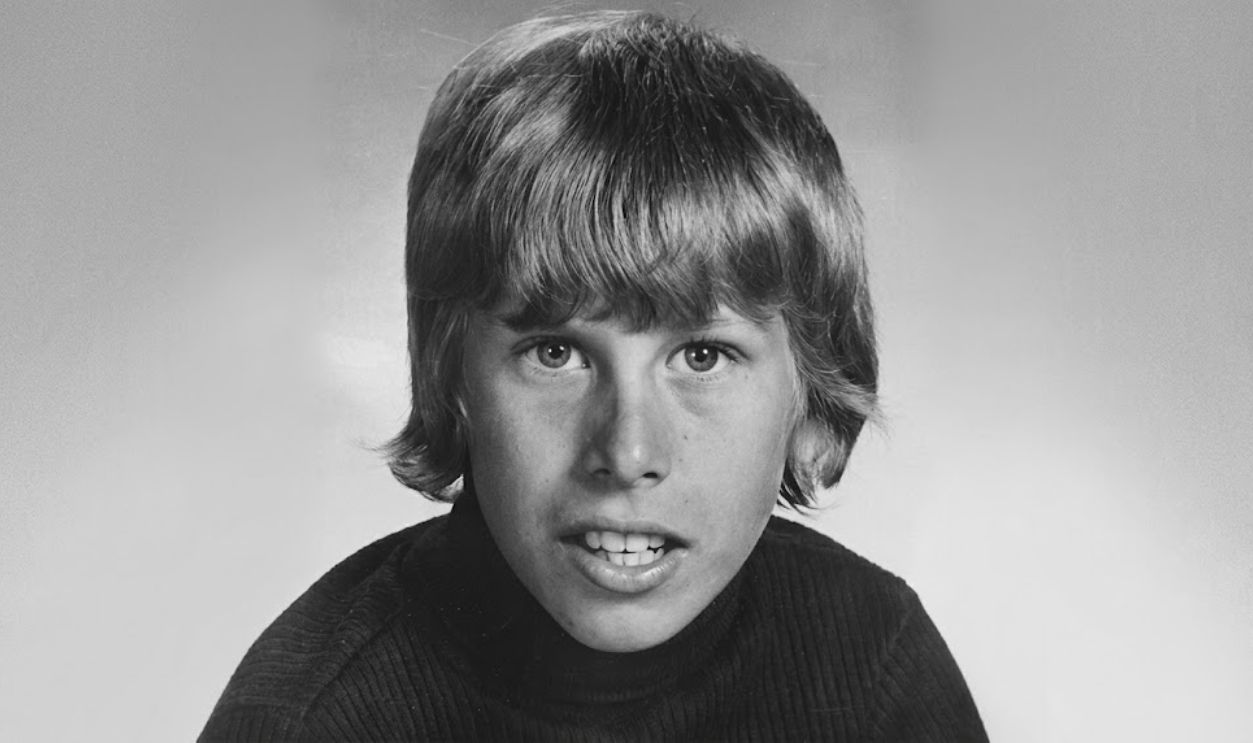 CBS Television Network, Wikimedia Commons
Jimmy McNichol
Jimmy McNichol became a familiar young face through television, music, and magazine coverage. In 1978, he recorded an album with his sister, Family star Kristy McNichol, and the siblings later appeared together in a television special. Teen magazines regularly featured the pair during the height of their fame. Jimmy's celebrity faded quickly enough that he is now one of the decade's easier idols to forget.
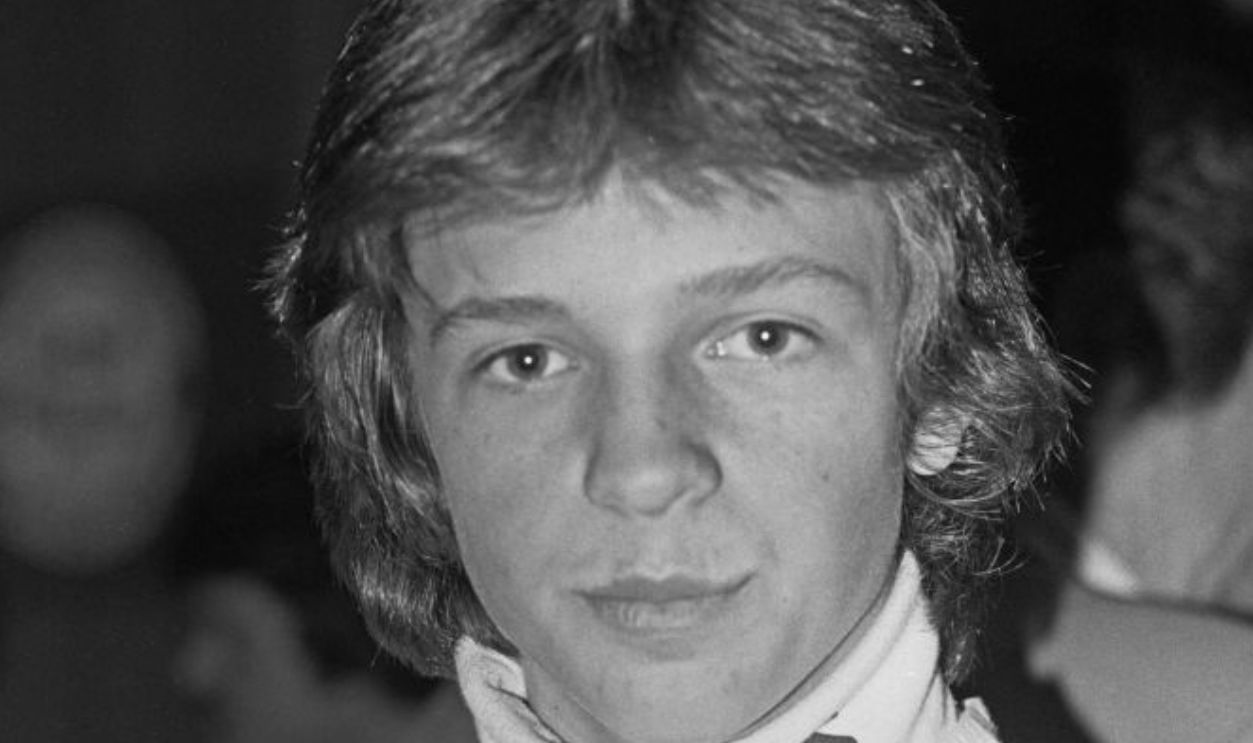 Michael Ochs Archives, Getty Images
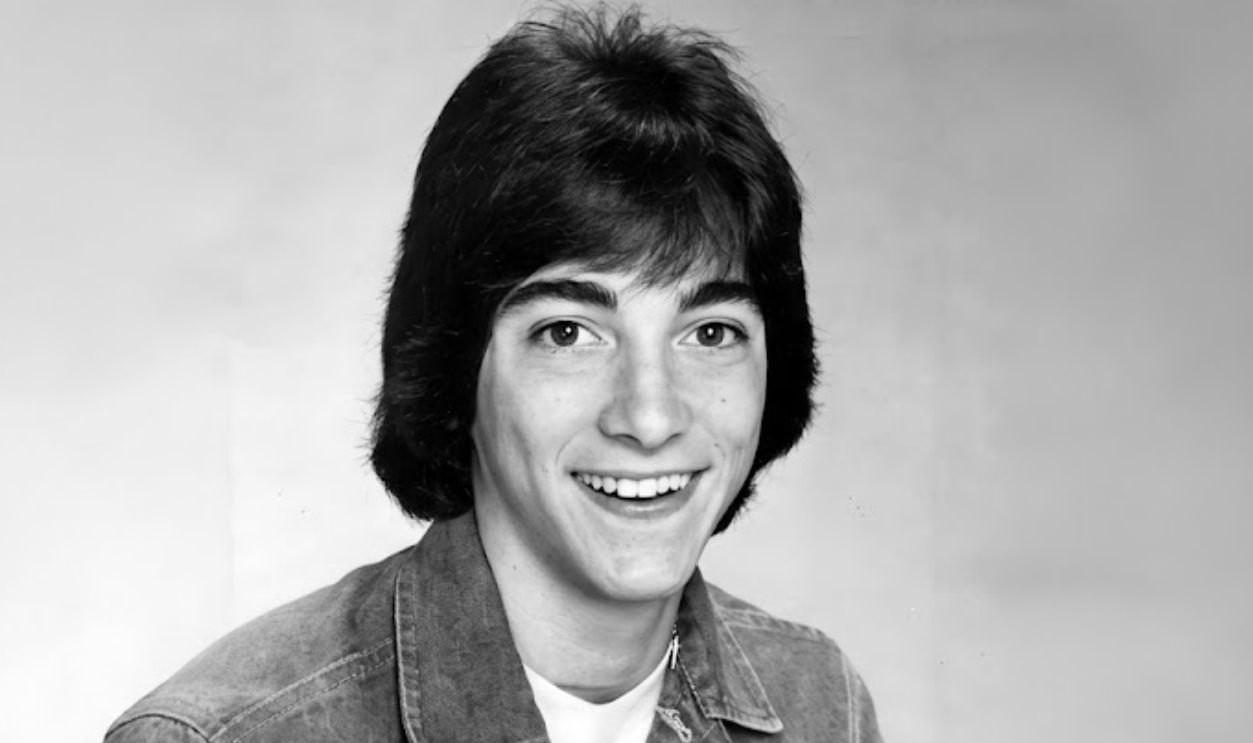
Scott Baio
Scott Baio had already appeared in Bugsy Malone when he joined Happy Days as Chachi Arcola. The role turned him into one of television's newest young heartthrobs near the end of the decade. Chachi proved popular enough to remain a major part of the franchise. Baio carried that audience into the 1980s with Joanie Loves Chachi and later Charles in Charge.
 American Broadcasting Company, Wikimedia Commons
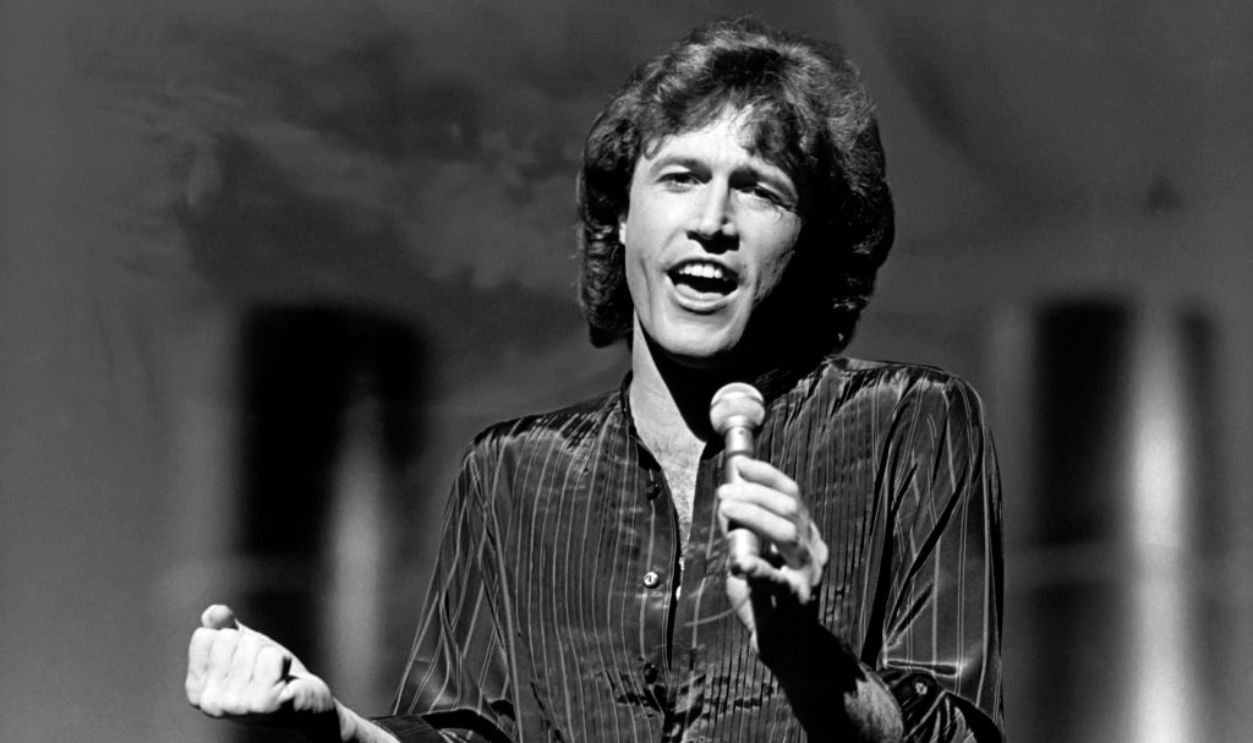
Andy Gibb
Andy Gibb did not need to join his famous brothers to become a star. His first three U.S. singles, "I Just Want to Be Your Everything," "(Love Is) Thicker Than Water," and "Shadow Dancing," all reached No. 1. That extraordinary run made him one of the biggest young solo singers of the late 1970s. The flowing hair and romantic songs made the teen-idol part almost inevitable.
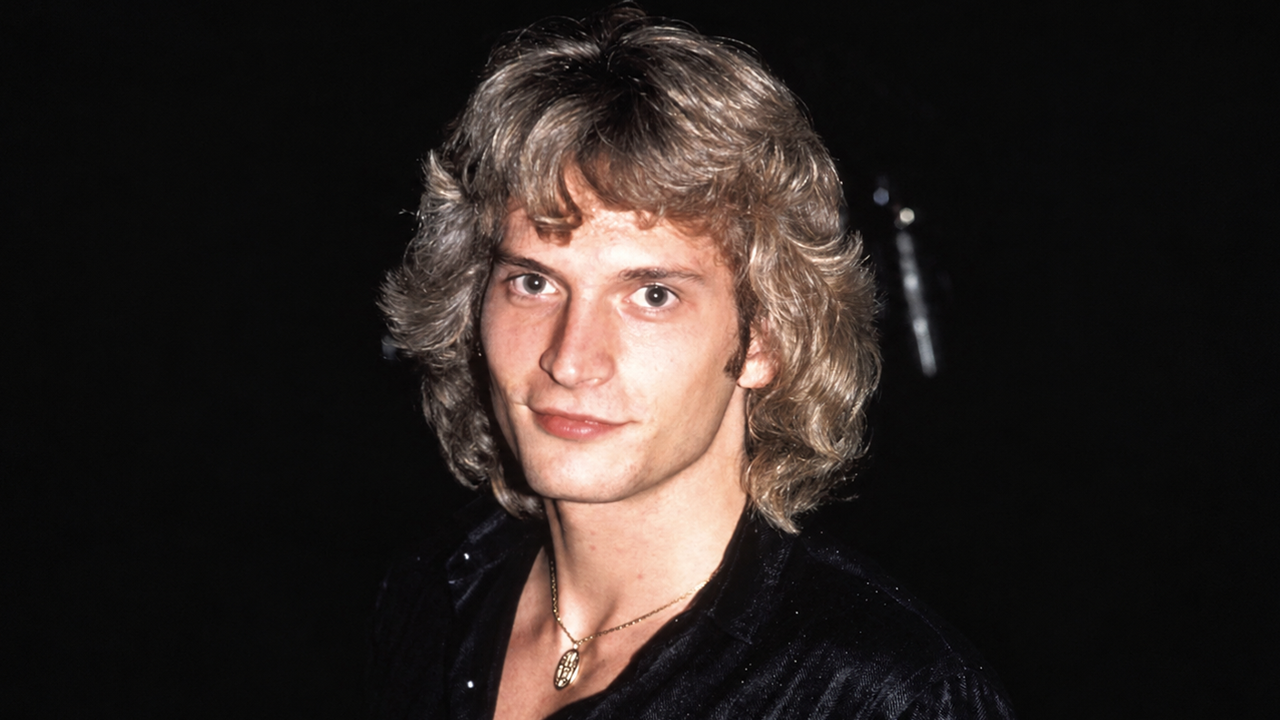
Rex Smith
Rex Smith's heartthrob explosion arrived right at the decade's finish line. The 1979 television movie Sooner or Later cast him as musician Michael Skye and introduced him to a huge young audience. Its song "You Take My Breath Away" became a Top 10 hit. Smith's reign was brief, but fans who were there remember just how suddenly he seemed to appear everywhere.
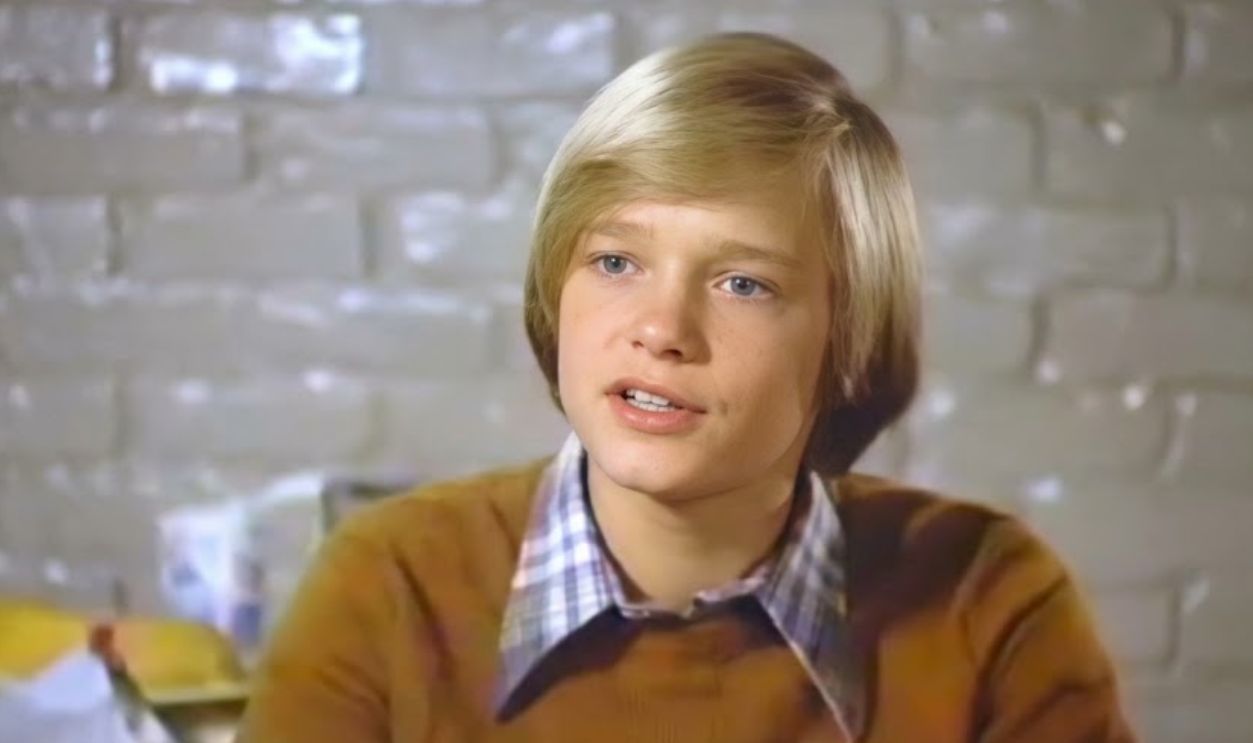
Lance Kerwin
Lance Kerwin became the face of teenage growing pains when James at 15 arrived in 1977. He played James Hunter, a photography-loving teenager whose family relocated from Oregon to Boston. When the character turned 16, NBC even renamed the series James at 16. Kerwin's youthful, vulnerable image made him one of the decade's most distinctive television crushes.
 Screenshot from James at 15, 20th Century Fox Television (1977–1978), Enhanced
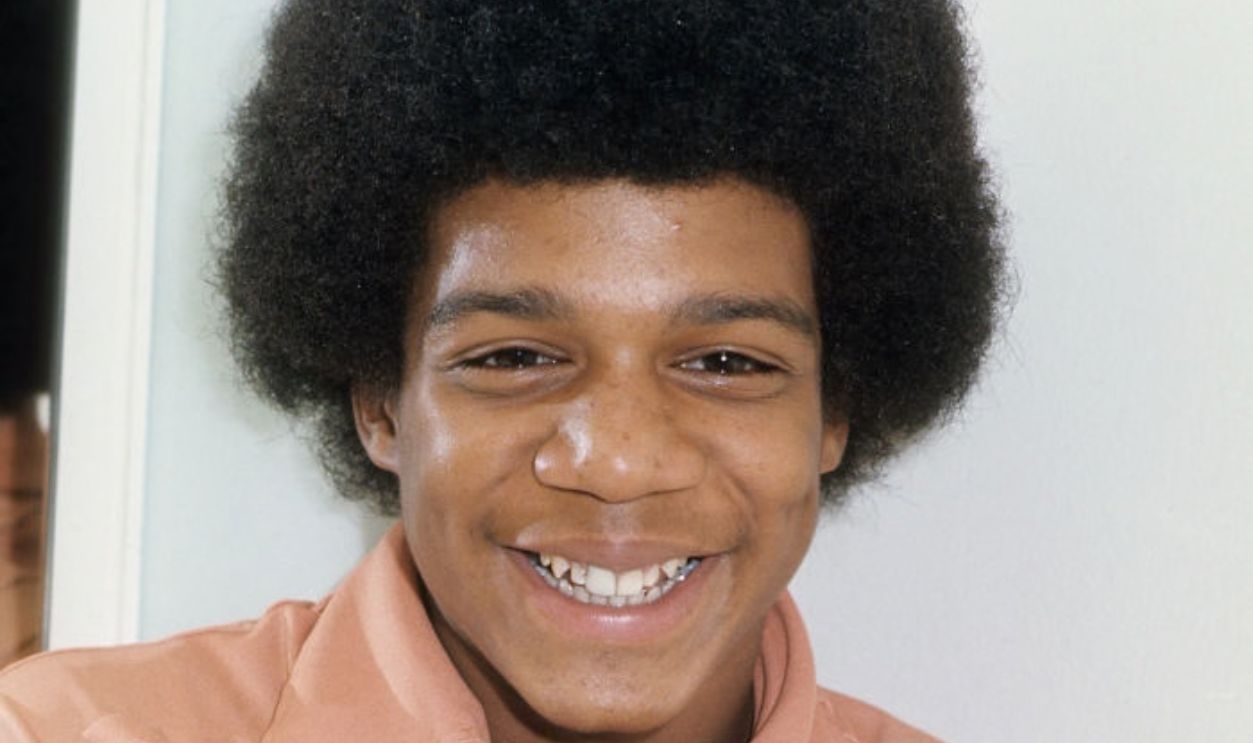
Haywood Nelson
Haywood Nelson played easygoing Dwayne on What’s Happening!! from 1976 to 1979. His boy-next-door looks made him the show’s teenage heartthrob and one of television’s early Black teen idols. The role also gave him one of the decade’s most recognizable catchphrases: “Hey, hey, hey.”
 Michael Ochs Archives, Getty Images
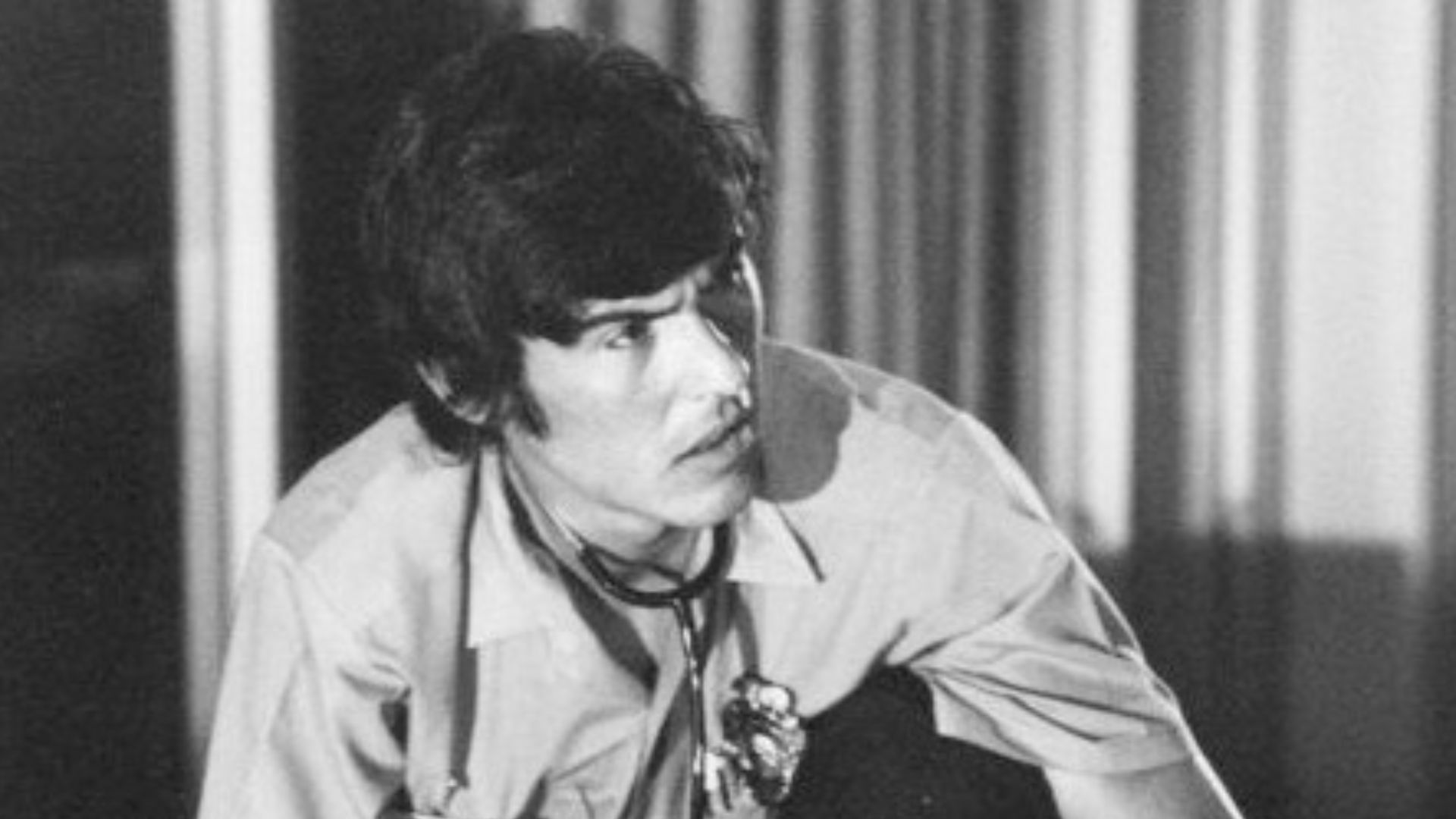
Randy Mantooth
On NBC's Emergency!, Randolph Mantooth played firefighter-paramedic Johnny Gage from 1972 through 1977. The series helped familiarize American viewers with the growing role of paramedics while also turning Mantooth into a heartthrob. Contemporary teen magazines featured him alongside the decade's singers and sitcom stars. For some viewers, Johnny Gage was easily the coolest man on television.
 NBC Television, Wikimedia Commons
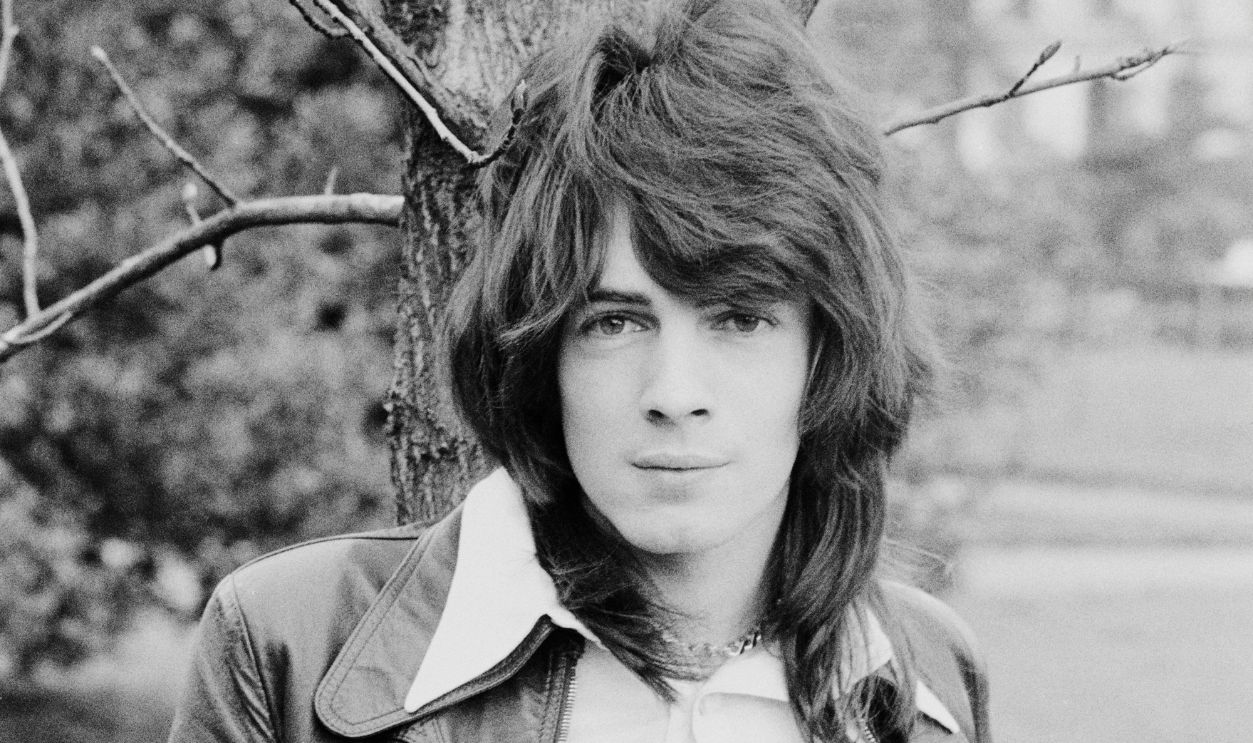
Rick Springfield
Long before "Jessie's Girl," Rick Springfield had already experienced life as a teen idol. His 1972 single "Speak to the Sky" reached the U.S. Top 20, and magazines began marketing the Australian singer to young fans. That first burst of American fame eventually cooled. Springfield then staged a much bigger comeback in 1981 with both General Hospital and "Jessie's Girl."
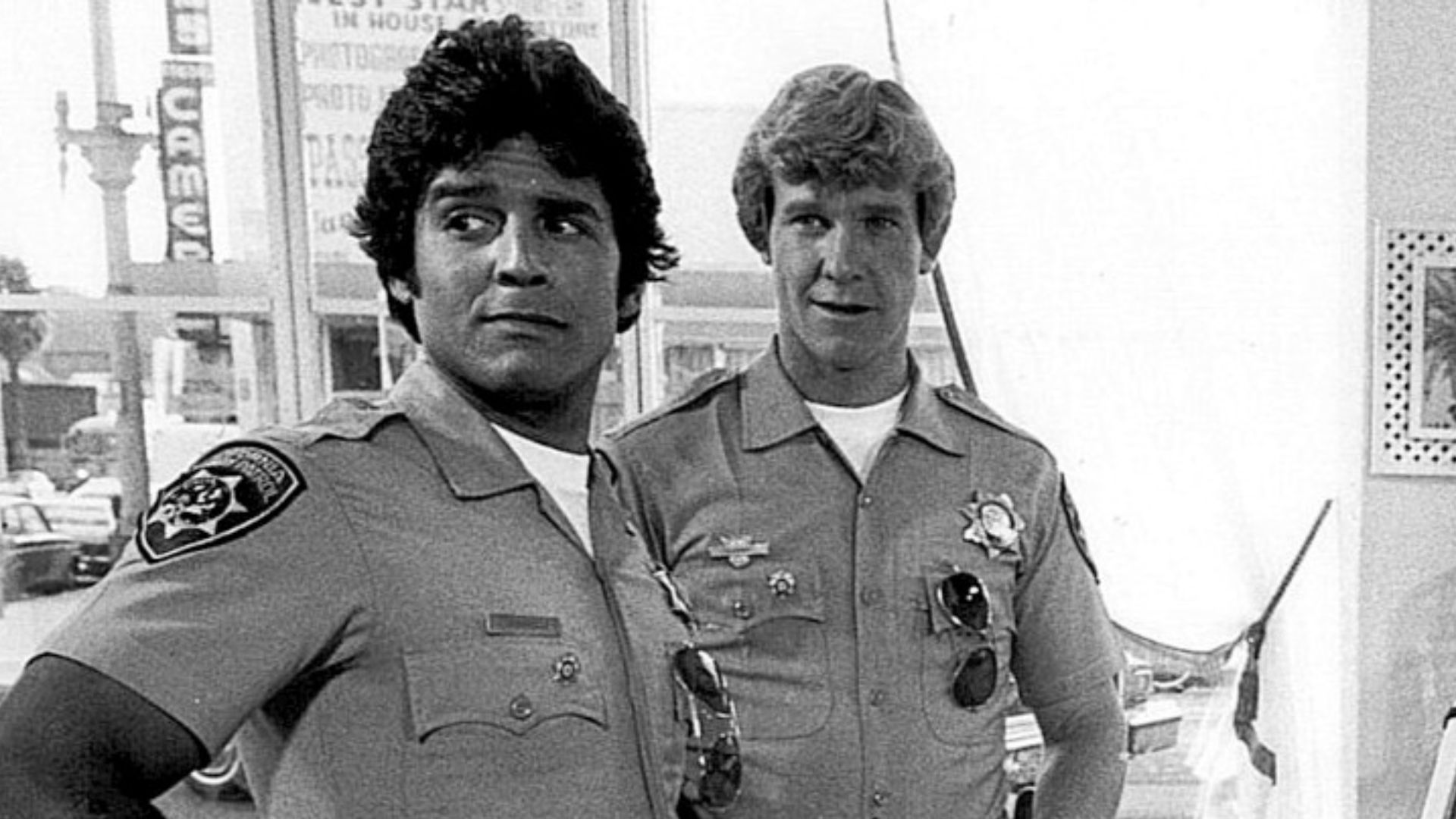
Erik Estrada
Erik Estrada joined CHiPs as Officer Frank "Ponch" Poncherello in 1977. Audiences quickly gravitated toward him, and he became a major heartthrob with teen-magazine covers and bestselling posters. The Washington Post later reported that Estrada was receiving thousands of pieces of fan mail each week at the show's peak. For a stretch of the late 1970s, Ponch was hard to avoid.
 NBC Television, Wikimedia Commons
Vincent Van Patten
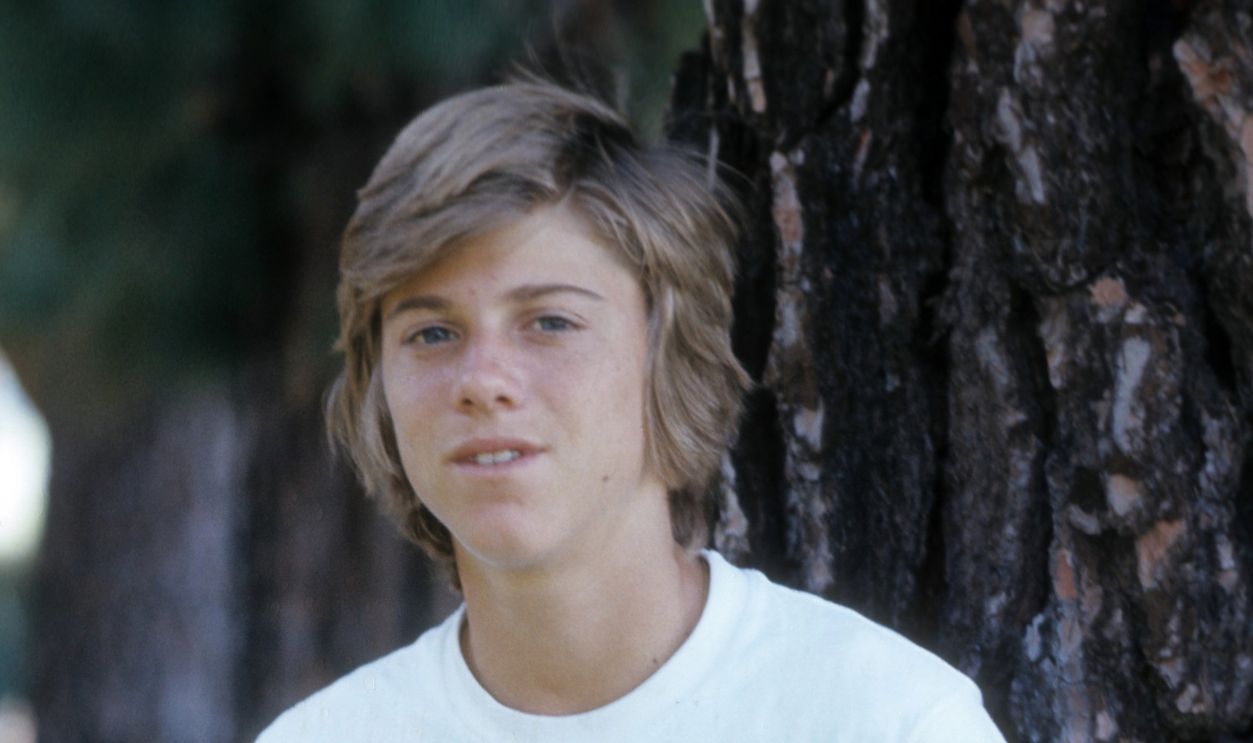
Vincent Van Patten grew up acting, appearing in numerous television shows before becoming a familiar face in teen magazines. He also pursued professional tennis and eventually reached the ATP tour. That combination of television fame and genuine athletic success made him unusual among the decade's heartthrobs. His name is far less familiar today than his face once was.
 Michael Ochs Archives, Getty Images
Fame Moved Fast In The 1970s
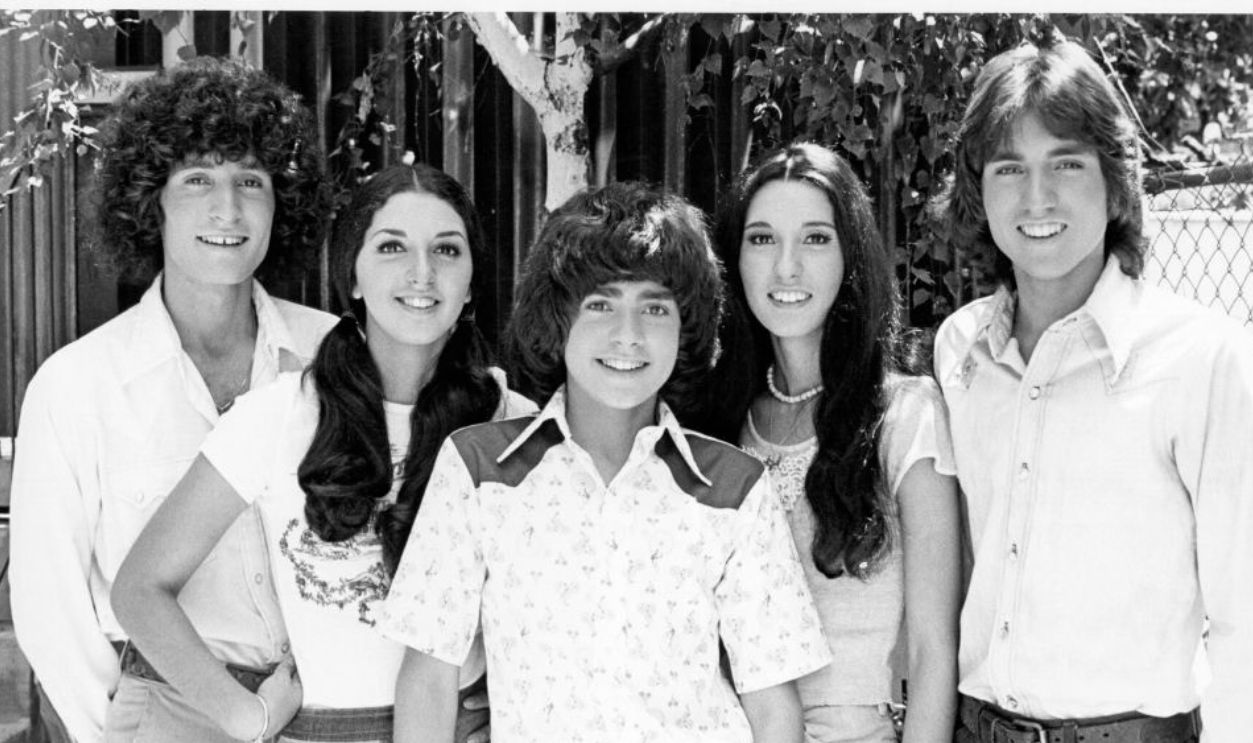
Teen-idol fame rarely came with much job security. One year a singer or actor could dominate magazine covers, and the next a newer face could take his place. Tony DeFranco has spoken openly about how strange it felt when intense fame suddenly disappeared. That rapid turnover is exactly why so many former idols now trigger an instant "Oh, I remember him."
 Michael Ochs Archives, Getty Images
So Who Was Your First Crush?
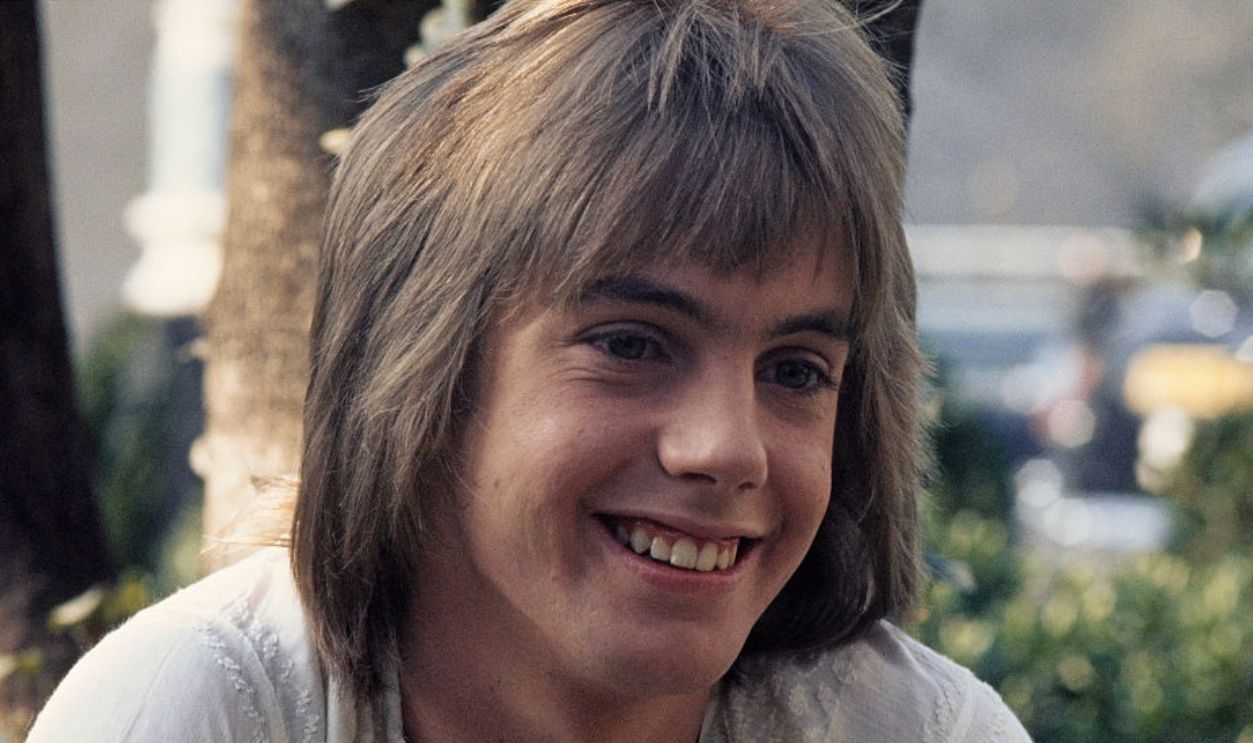
Some of these stars stayed visible, while others became snapshots of a very specific moment in the 1970s. Shaun Cassidy, Leif Garrett, Robby Benson, Andy Gibb, or somebody completely different might have earned the prized spot on your wall or locker door. Half the fun now is remembering names you probably have not thought about in decades. So which one was your first celebrity crush?
You May Also Like:
How Welcome Back, Kotter Launched John Travolta's Incredible Career
Sources: 1, 2, 3, 4, 5, 6, 7, 8, 9, 10, 11, 12, 13, 14, 15, 16, 17