From Teen Idol to Tragic Spiral
Corey Haim had it all as a teenager—hits, fame, and nonstop attention. But behind the scenes, things were already slipping. What looked like a dream quickly turned into something much darker, and his life drifted further from the one fans thought they knew.

A Canadian Kid With Big Talent
Born in Toronto in 1971, Haim didn’t initially dream of acting—his mother encouraged him to try it. What started as commercials quickly turned into TV roles, and it became clear he had natural charisma. Casting directors noticed how effortlessly he connected with the camera.
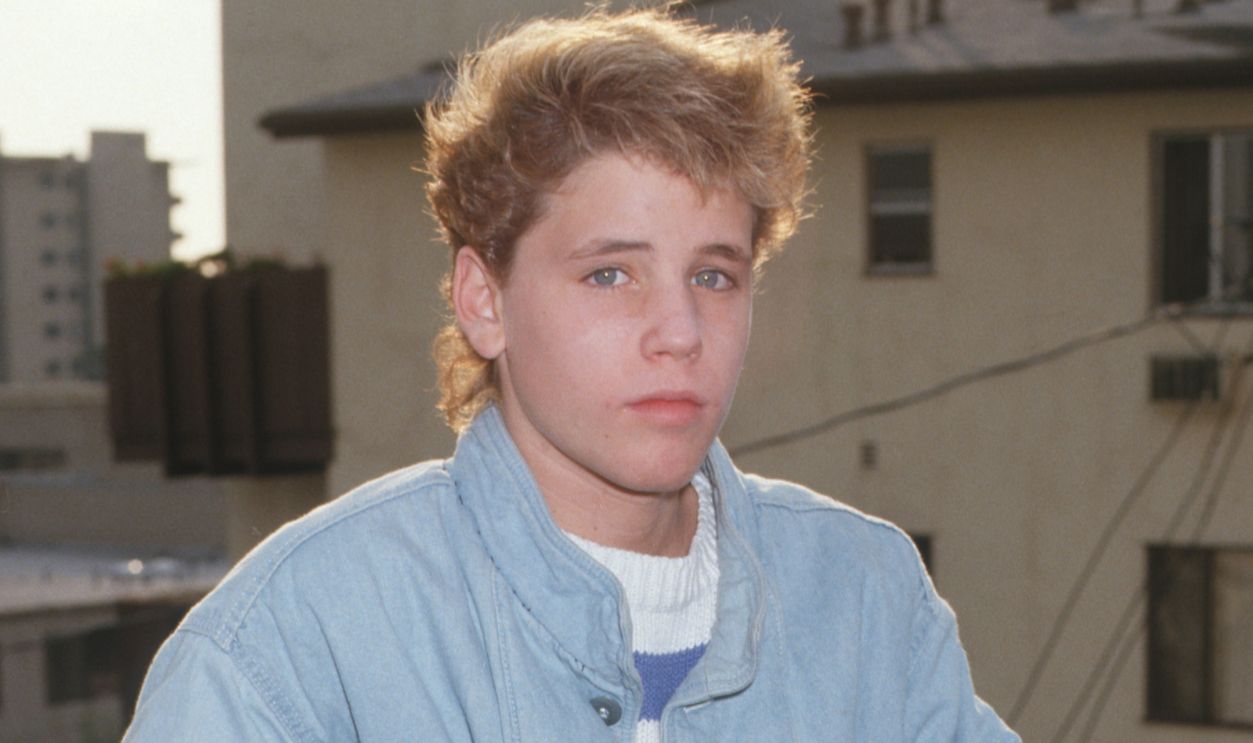 Ron Galella, Ltd., Getty Images
Breakout Role in “Lucas” (1986)
Haim’s performance in Lucas put him on the map. Playing a vulnerable, intelligent outsider, he earned critical praise and a Young Artist Award. It wasn’t just a teen movie—it proved he had real acting chops beyond typical heartthrob roles.
 Screenshot from Lucas, 20th Century Fox (1986), Modified
The Corey & Corey Era
Haim’s pairing with Corey Feldman became one of the most iconic duos of the decade. Together, they starred in The Lost Boys (1987), License to Drive (1988), and Dream a Little Dream (1989). Their off-screen friendship fueled their on-screen chemistry—and their fame skyrocketed.
 Screenshot from License to Drive, 20th Century Fox (1988)
“The Lost Boys” and Peak Stardom
The Lost Boys turned Haim into a full-blown teen idol. The film was a box office hit, and his role as Sam Emerson made him instantly recognizable. Posters, fan clubs, and magazine spreads followed—he was everywhere by 1987.
 Screenshot from The Lost Boys, Warner Bros. Pictures (1987), Modified
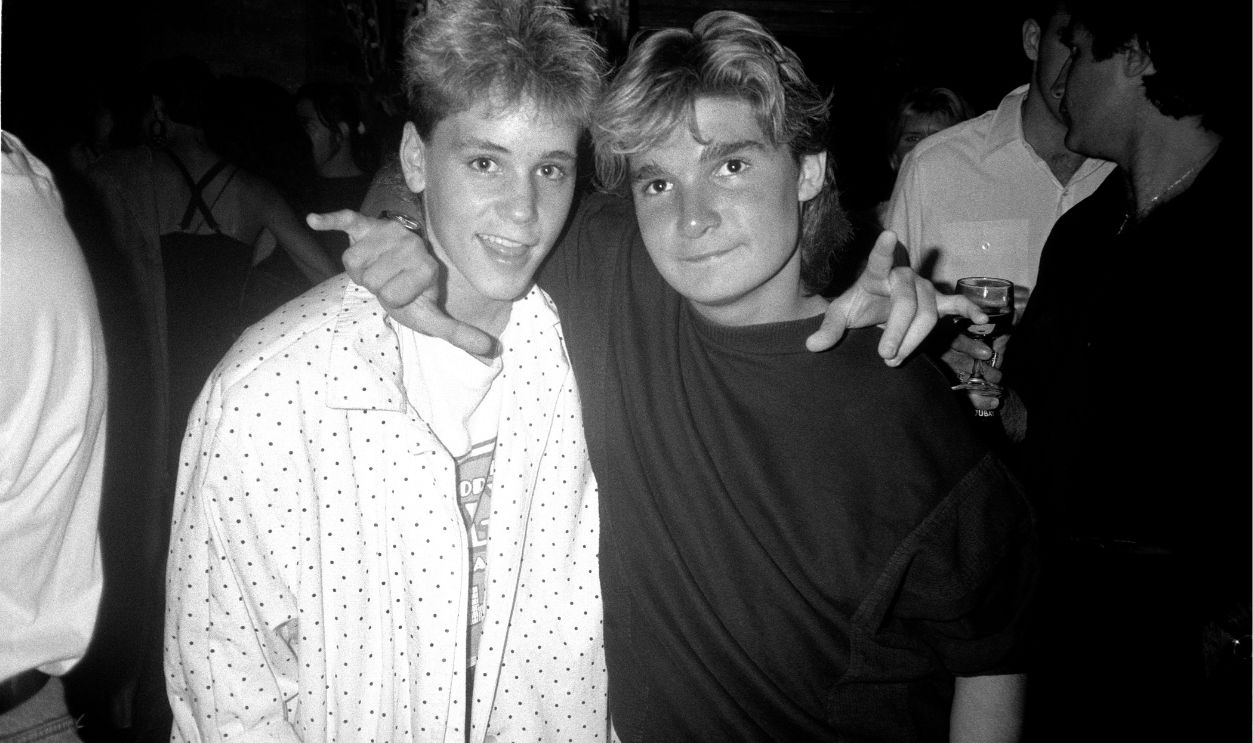
Life as an 80s Teen Idol
At his peak, Haim reportedly received thousands of fan letters a week. He was regularly featured in magazines like Tiger Beat, and his face became synonymous with teen culture. But the constant attention came with intense pressure to maintain that image.
 Patrick McMullan, Getty Images
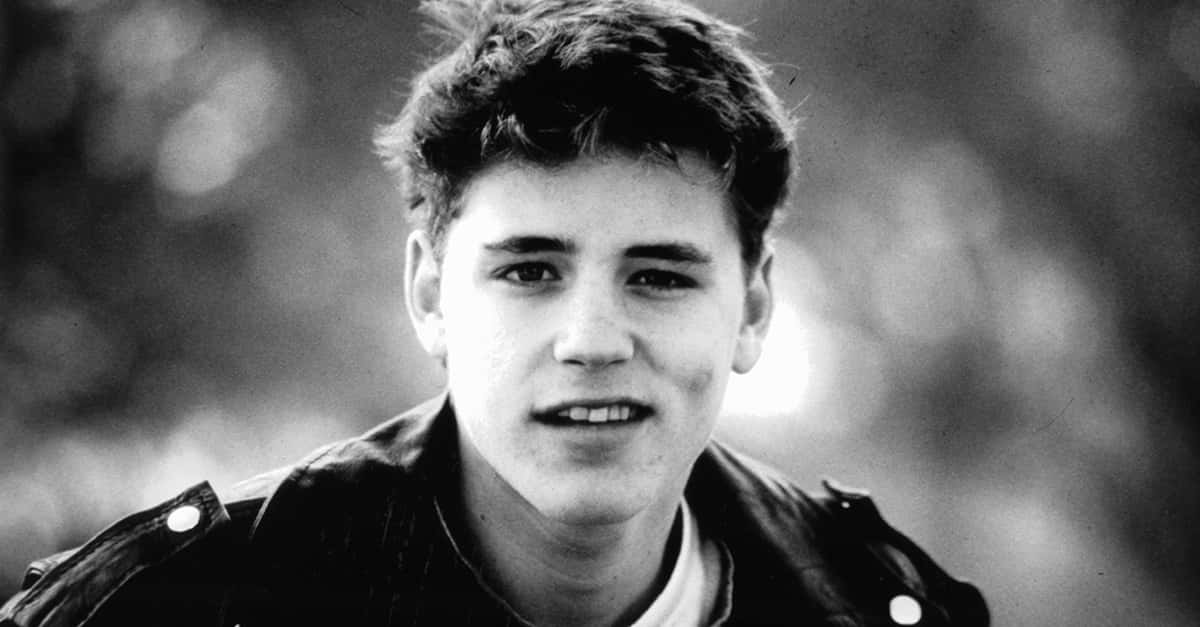
Early Exposure to Substance Use
Haim later revealed he was introduced to substance use as early as his early teens while working in the industry. Prescription medications and other influences became part of his environment early on, setting the stage for long-term struggles.
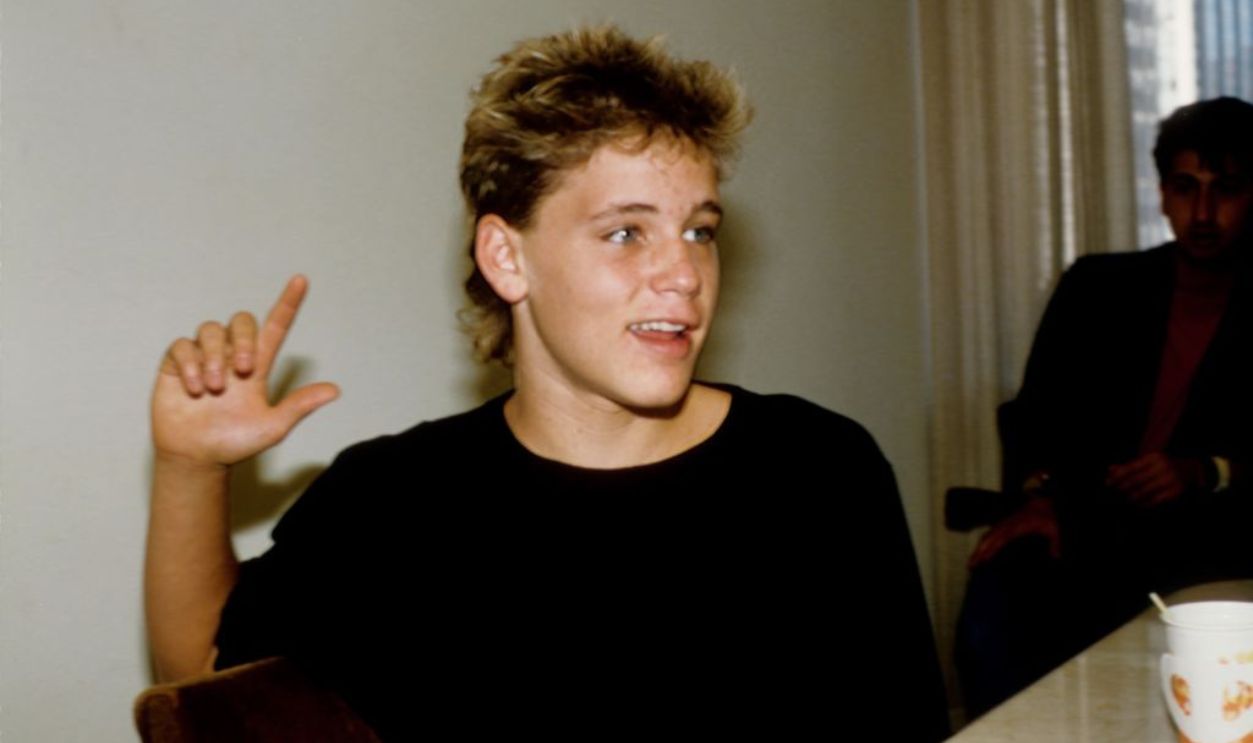
Addiction During Peak Fame
By the late 80s, Haim was already dealing with serious dependency—even while starring in major films. He later admitted to taking dozens of Valium pills a day at one point. Despite his success, things behind the scenes were spiraling.
 Michael Ochs Archives, Getty Images
Career Decline in the Early 90s
As the 90s began, Haim’s opportunities dried up. Studios became hesitant to hire him due to reliability concerns, and the teen idol wave he rode in the 80s had faded. He transitioned into low-budget and direct-to-video films.
Financial and Personal Struggles
Haim reportedly earned millions during his peak but struggled to maintain financial stability. Poor management, dependency issues, and fewer acting roles led to serious money problems. At times, he relied on friends and family for support.
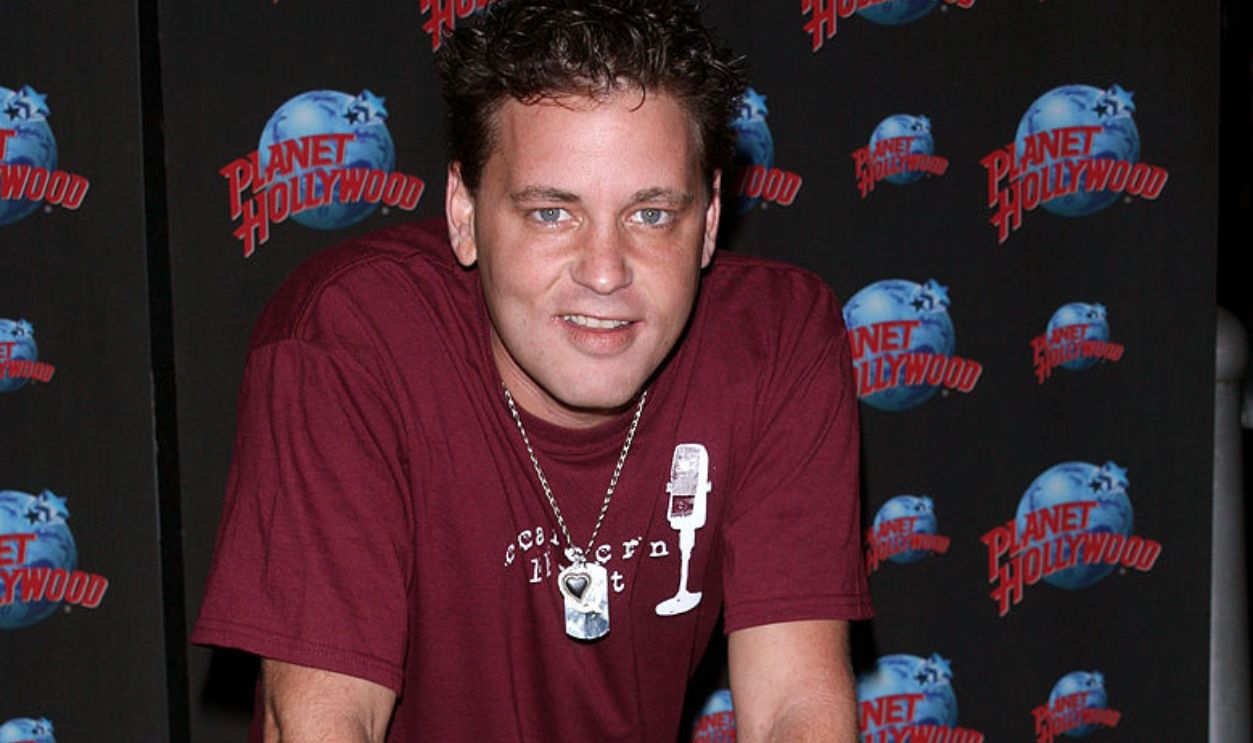
Rehab and Relapse Cycles
Haim entered rehab multiple times throughout the 90s and 2000s. There were periods where he appeared to improve, but his struggles remained a persistent challenge. His story became a public example of how difficult recovery can be.
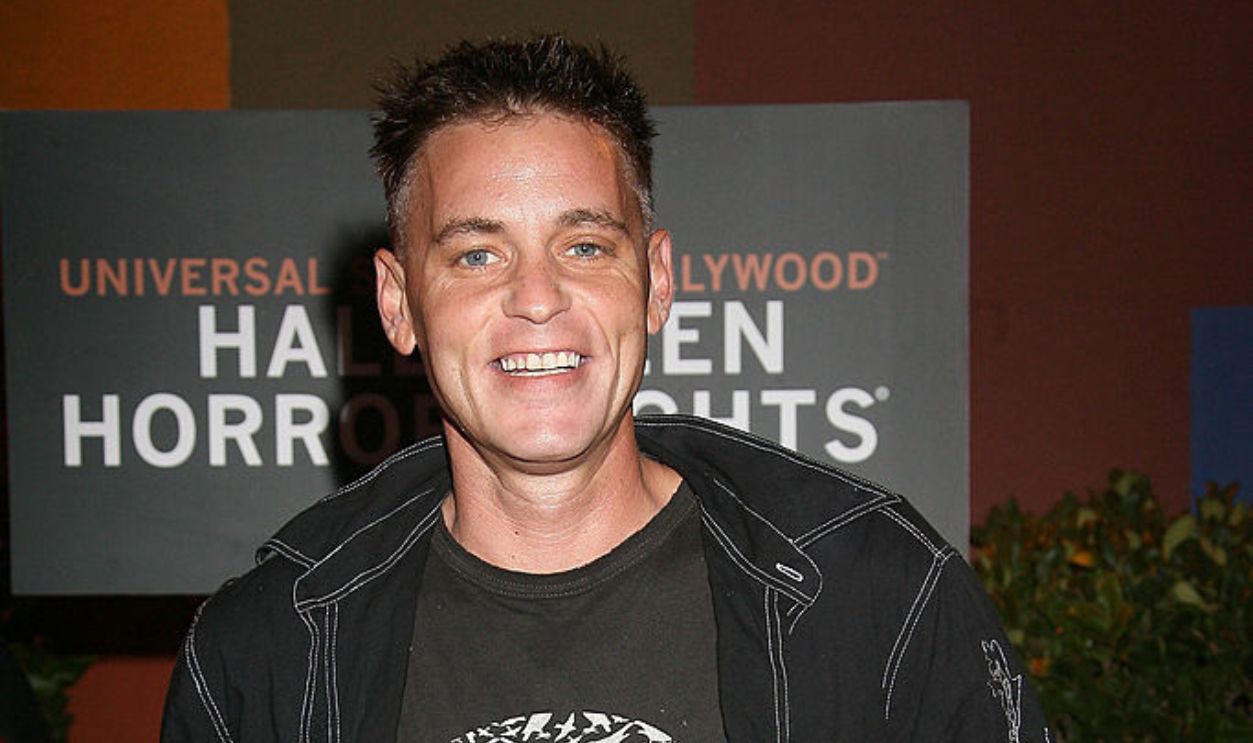
Attempting a Comeback
In the 2000s, Haim tried to rebuild his career with smaller acting roles and public appearances. While he never returned to his 80s level of fame, he continued working and remained hopeful about a second act in Hollywood.

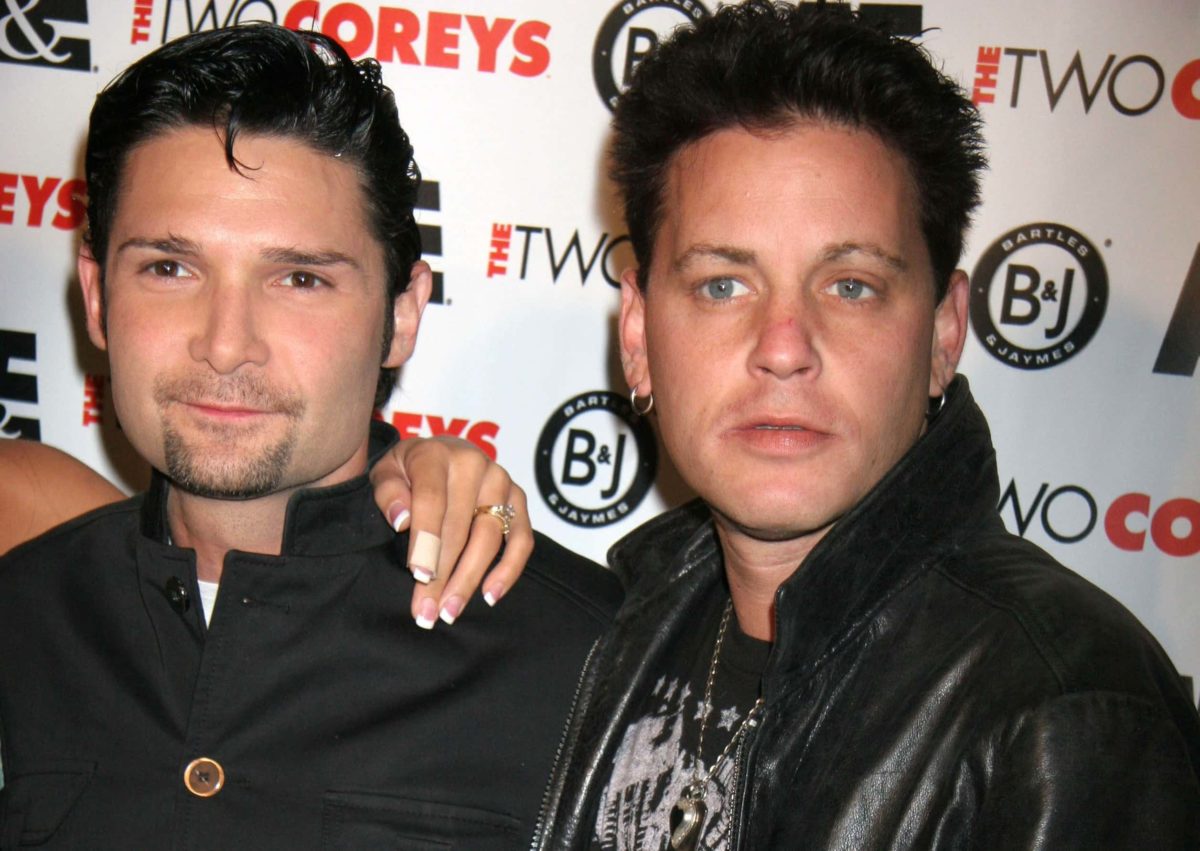
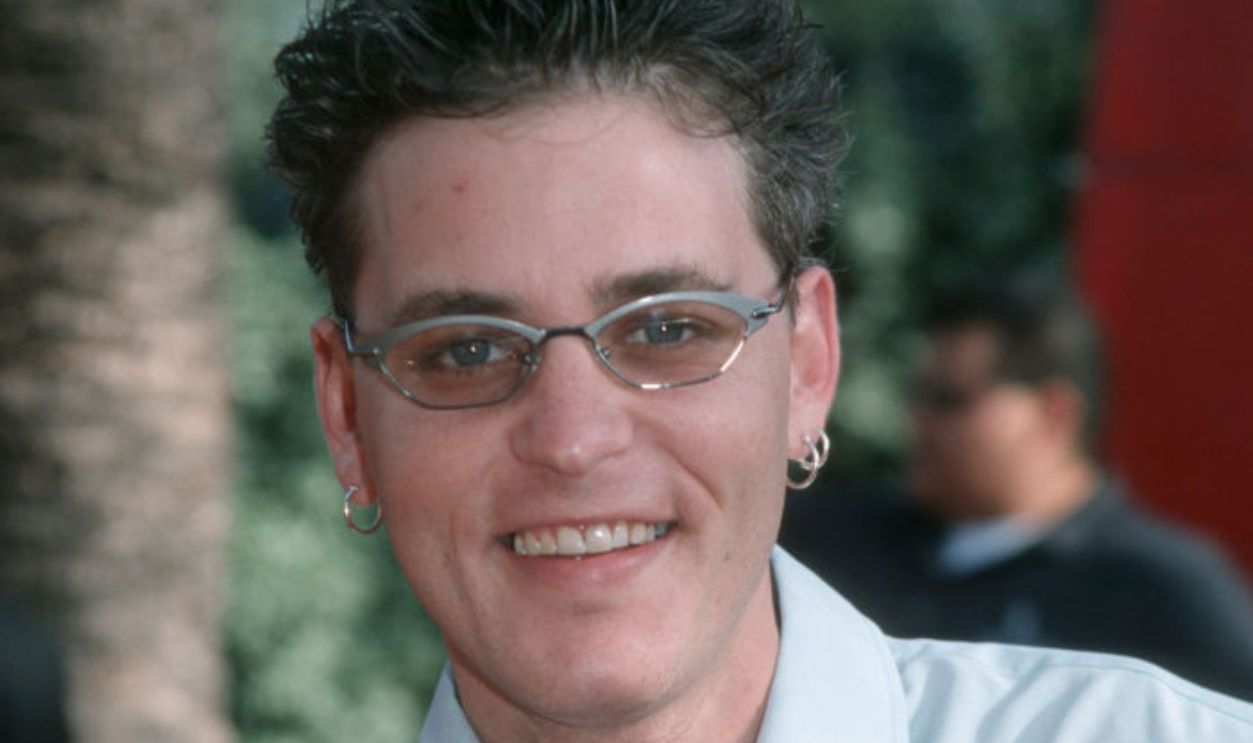
“The Two Coreys” (2007–2008)
Haim reunited with Corey Feldman for the A&E reality show The Two Coreys. The series showed their lives, friendship, and tensions—including Haim’s struggles. It brought him back into the spotlight, but also revealed how much he was still battling.
 Ron Galella, Ltd., Getty Images
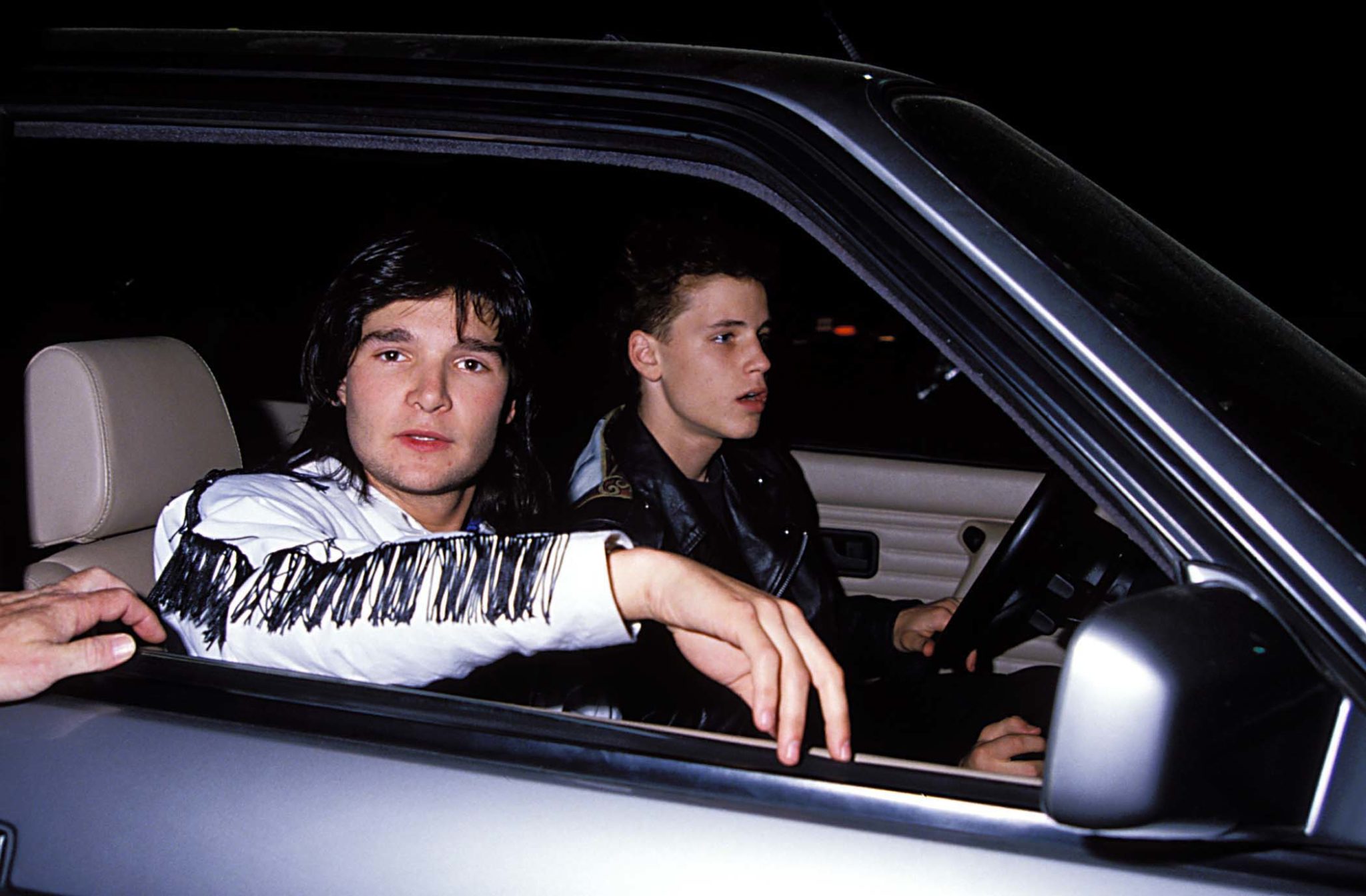
A Complicated Friendship With Feldman
Haim and Feldman’s relationship had ups and downs over the years. Fame, addiction, and personal differences created friction, but they remained connected. Feldman would later speak openly about Haim’s struggles and their shared experiences in Hollywood.
Ongoing Health Issues
In addition to his long-term struggles, Haim dealt with serious health problems, including respiratory issues. These complications weakened his body over time and made recovery more difficult.

His Passing in 2010
Corey Haim died on March 10, 2010, at age 38. The official cause was pneumonia, though multiple prescription medications were found in his system, they were not determined to be the cause. His death reignited conversations about child stardom, addiction, and the pressures of Hollywood.
 Artemisboy (talk), Wikimedia Commons
The Conversation After His Passing
Following his death, there was renewed attention on the darker side of the entertainment industry. Discussions included exploitation, early exposure to harmful environments, and the lack of support for young actors navigating fame.
 https://www.flickr.com/people/61077396@N00 Bree] from Worcester, MA, USA, Wikimedia Commons
His Lasting Impact on Pop Culture
Despite everything, Haim remains an iconic figure of the 80s. Films like The Lost Boys continue to attract new fans, and his performances still resonate. He captured a specific moment in pop culture that hasn’t faded.
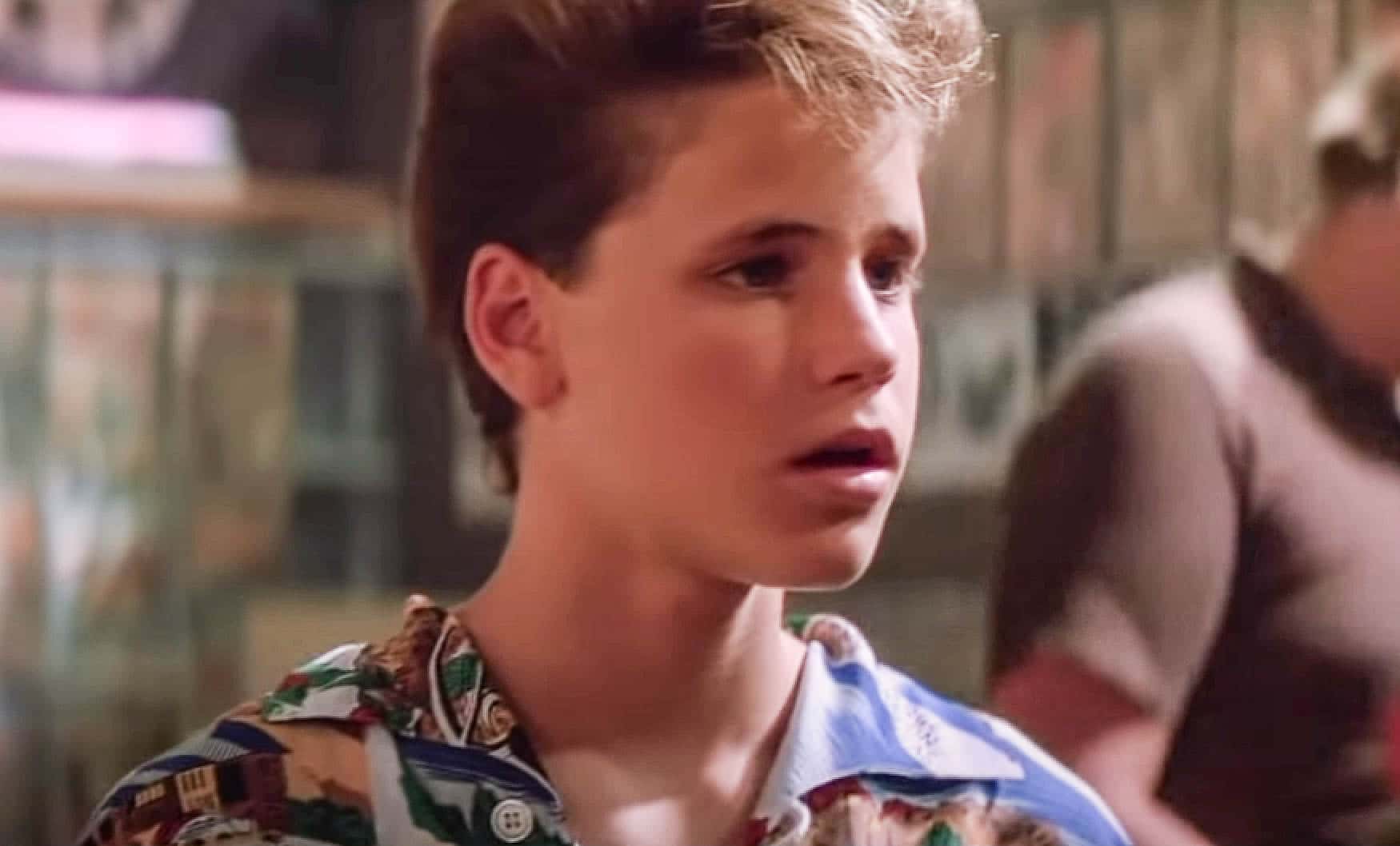 The Lost Boys(1987), Warner Bros
A More Complicated Legacy
Haim’s story isn’t just about fame or failure—it’s about what happens when early success meets overwhelming pressure. He had real talent and moments of brilliance, even as his life became increasingly difficult.
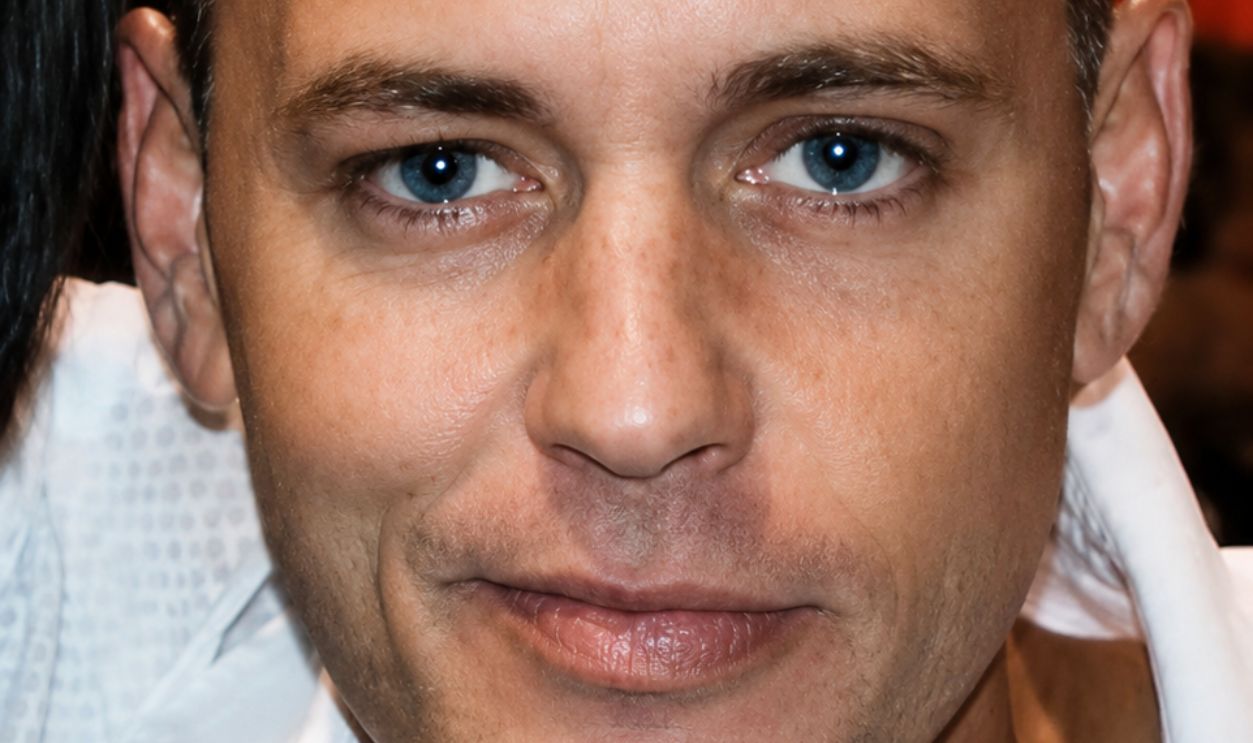 Bree from Worcester, MA, USA, CC BY-SA 2.0, Wikimedia Commons, Modified
Remembering Corey Haim
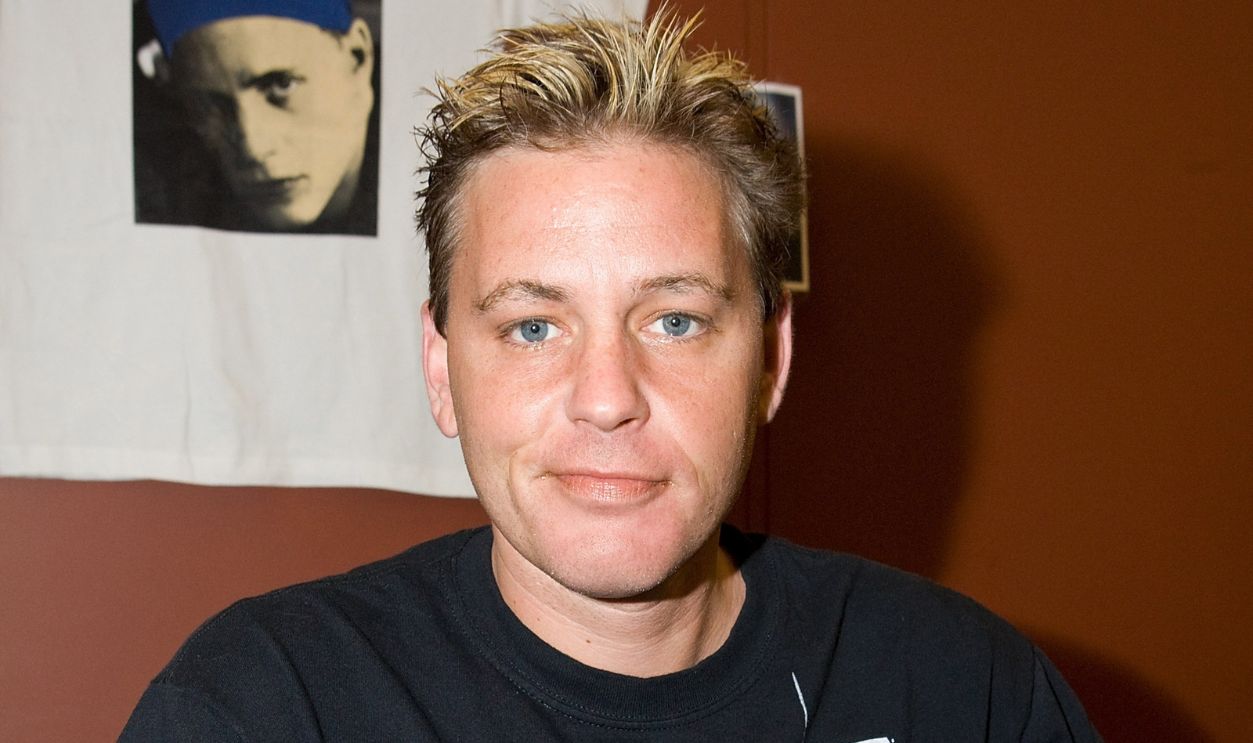
Fans continue to remember him not just as a teen idol, but as someone who brought heart and authenticity to his roles. His story remains one of Hollywood’s most poignant reminders that fame doesn’t guarantee stability.
You Might Also Like:
The Brat Pack took over Hollywood in the 80s—then an unexpected turn brought it all crashing down.