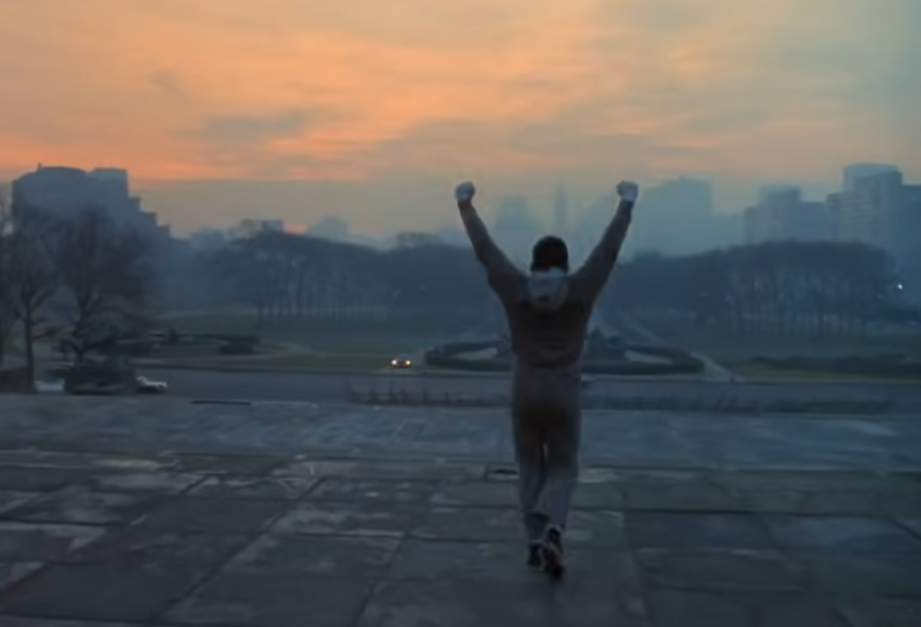
The Underdog Who Made History
By the mid-1970s, Sylvester Stallone was broke, unknown, and almost out of options. He had bounced between bit parts and odd jobs, unable to break into Hollywood in any sort of meaningful way. By his own later admission, his career had bogged down completely. The frustration with his situation fueled him toward a bold, desperate idea: if no one would cast him, he would try to create something that he could star in as his own creation.
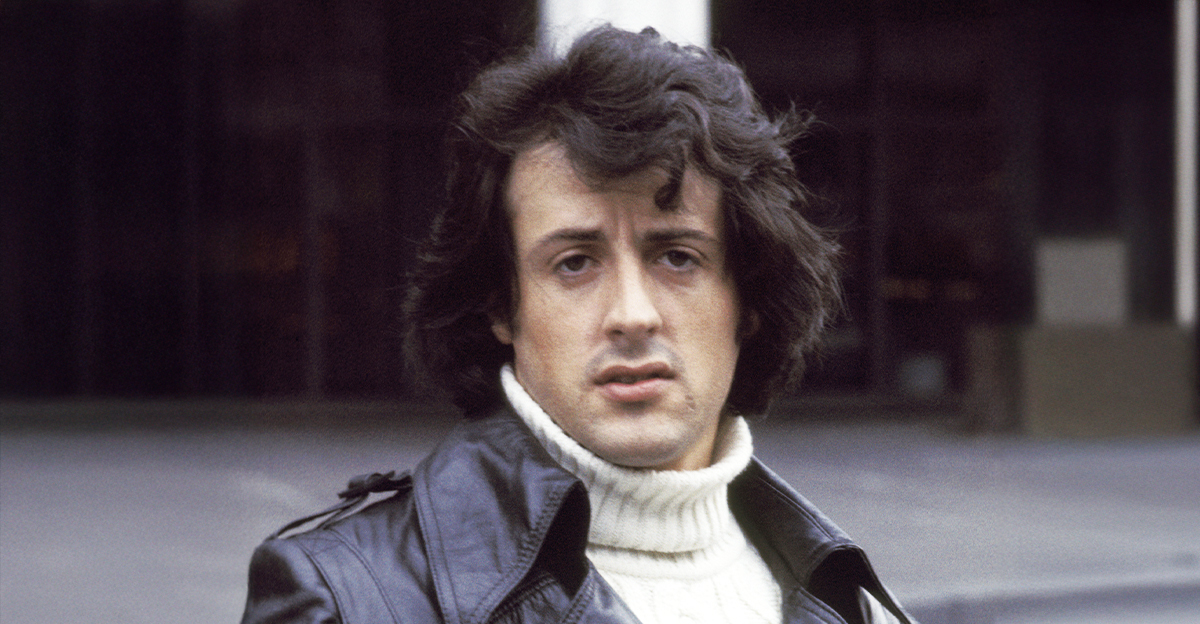 Photo by Ron Galella/Ron Galella Collection via Getty Images
The Fight That Sparked Everything
In March 1975, Stallone watched the Muhammad Ali heavyweight title fight against Chuck Wepner. Wepner, a complete unknown and a massive underdog, lasted far longer than anybody expected against the champion. The fight lit a fire in Stallone’s imagination. The idea of an unknown fighter going the distance, even in defeat, turned into the spiritual core of what would soon become Rocky.
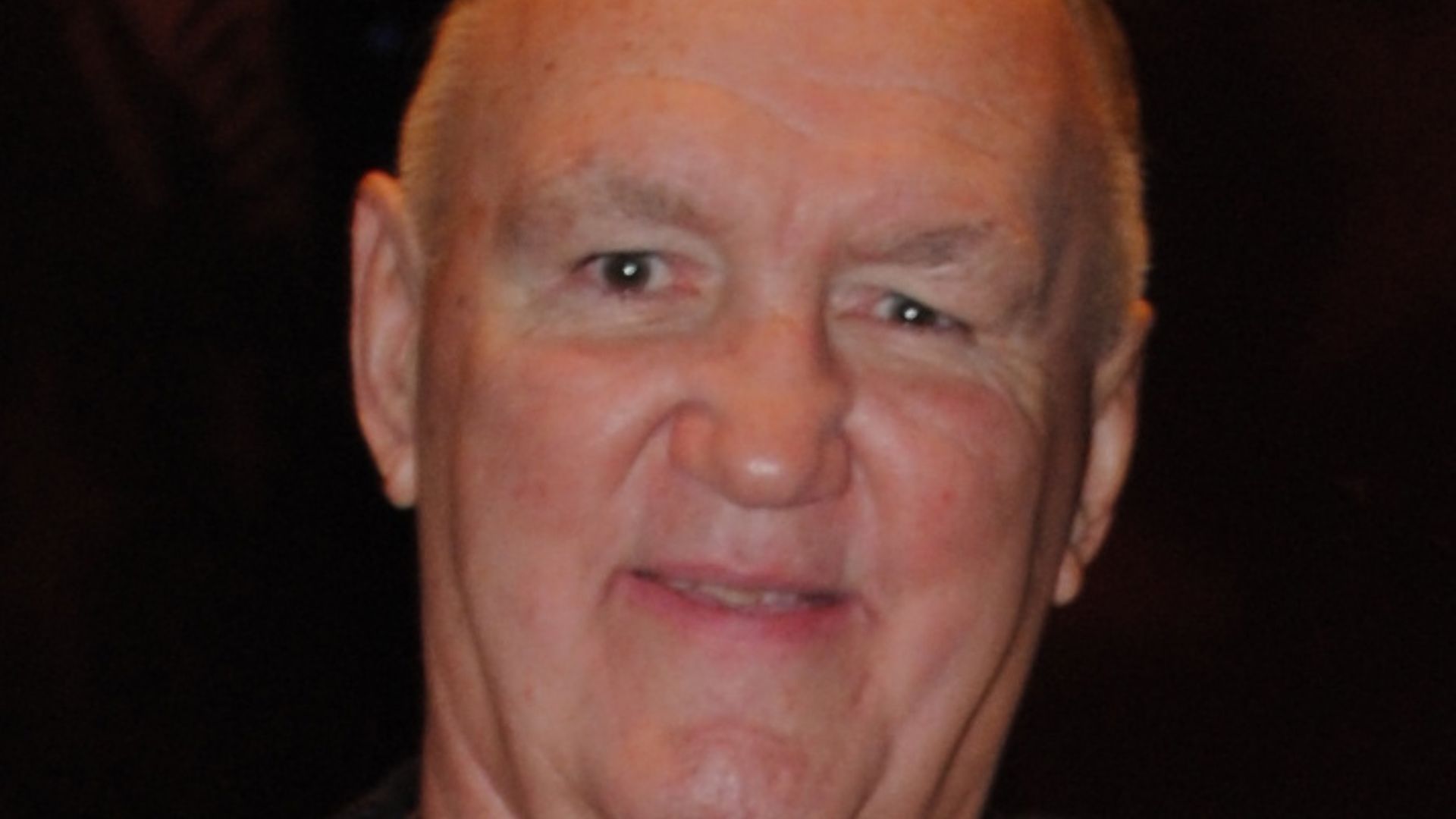 Igel B TyMaHe, Wikimedia Commons
A Burst Of Desperation
Fueled by urgency and inspiration, Stallone wrote the screenplay for Rocky in just three and a half days. It wasn’t the most polished or perfect piece of writer's craftsmanship, but it was raw, personal, and honest. Stallone poured his own struggles into the character of Rocky Balboa, crafting a story about dignity, perseverance, and survival rather than simple victory.
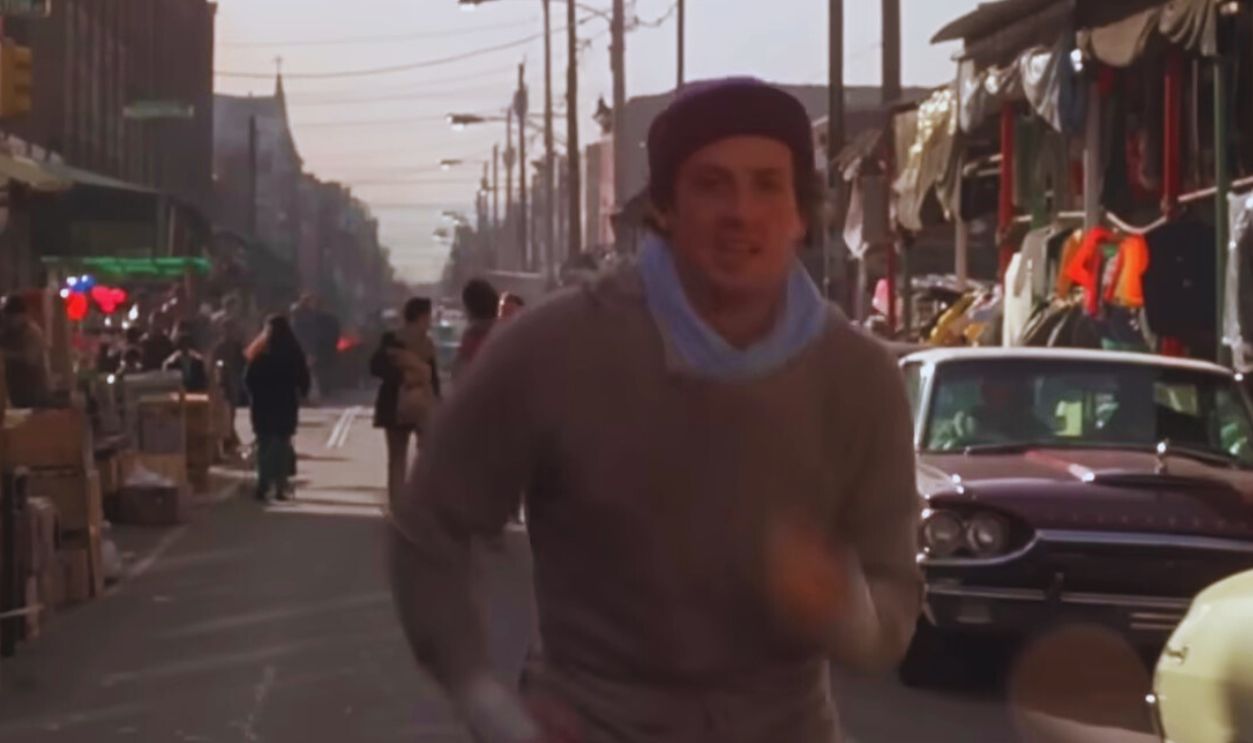 Screenshot from Rocky, United Artists (1976)
A Script Nobody Wanted
Despite the emotional power of the script, Hollywood was far from enthusiastic about the material they saw in front of them. Studios saw potential in the story, but they had no faith in Stallone’s ability to play the lead role. Executives liked the script but they wanted a bankable star to play Rocky. Stallone was still virtually unknown, and the studios thought it was far too big a risk for him to try to carry a film himself.
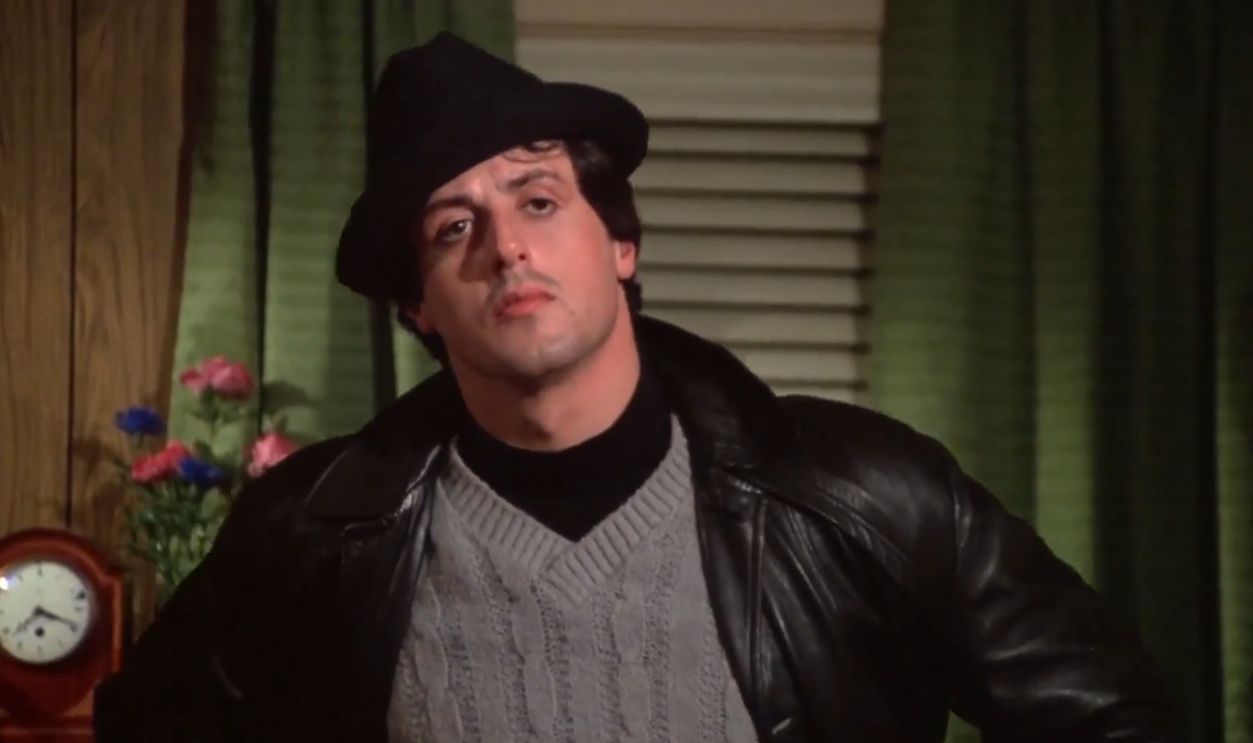 Screenshot from Rocky, United Artists (1976)
The Offer That Tested His Resolve
At one point, the production company, Chartoff-Winkler, offered Stallone a $225,000 for the script alone as long as someone else would play the lead role. For a struggling actor living hand-to-mouth, it was life-changing money. But it came with a condition: he wouldn’t star in the film. That was a deal he simply refused to take.
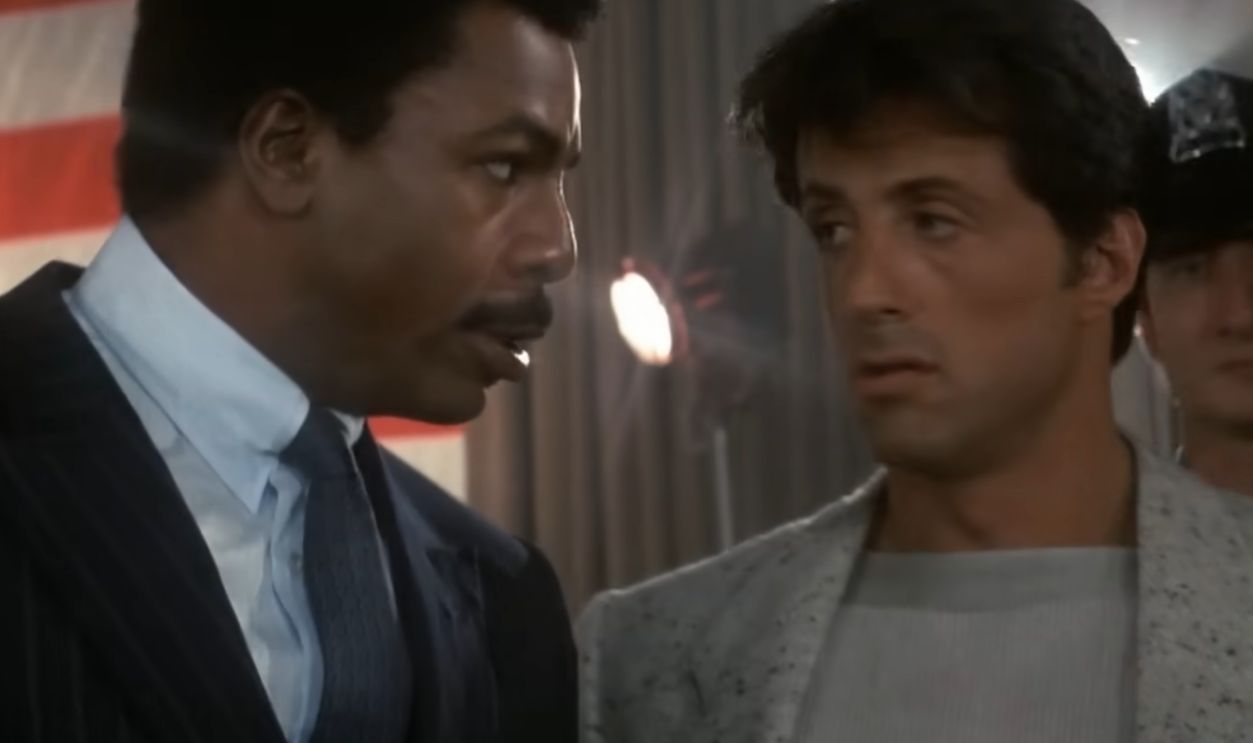 Screenshot from Rocky IV, United Artists (1985)
Betting Everything On Himself
Stallone’s insistence on playing Rocky wasn’t so much about ego as it was a matter of conviction. He believed the story only worked if it came from someone who had lived the kind of struggle he was going through. Turning down the money meant risking everything, but he knew that if he sold the script without himself in the lead role, it would haunt him forever.
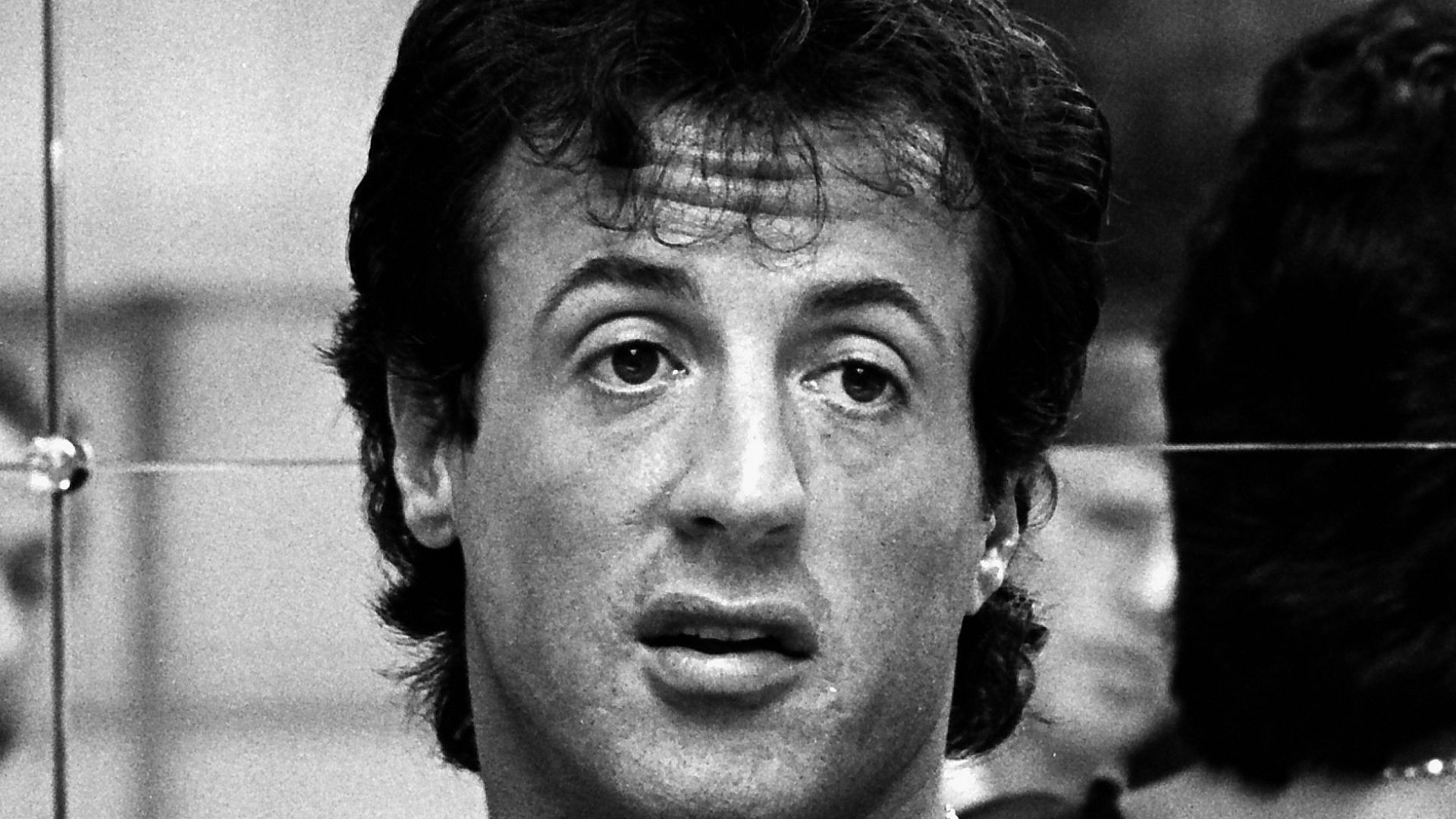
Hollywood’s Skepticism Runs Deep
Studio heads were far from convinced. They thought a project based on such a cliched plot might be a massive failure and preferred trying to attract a major star. The idea of building a film around such an unknown actor seemed reckless.
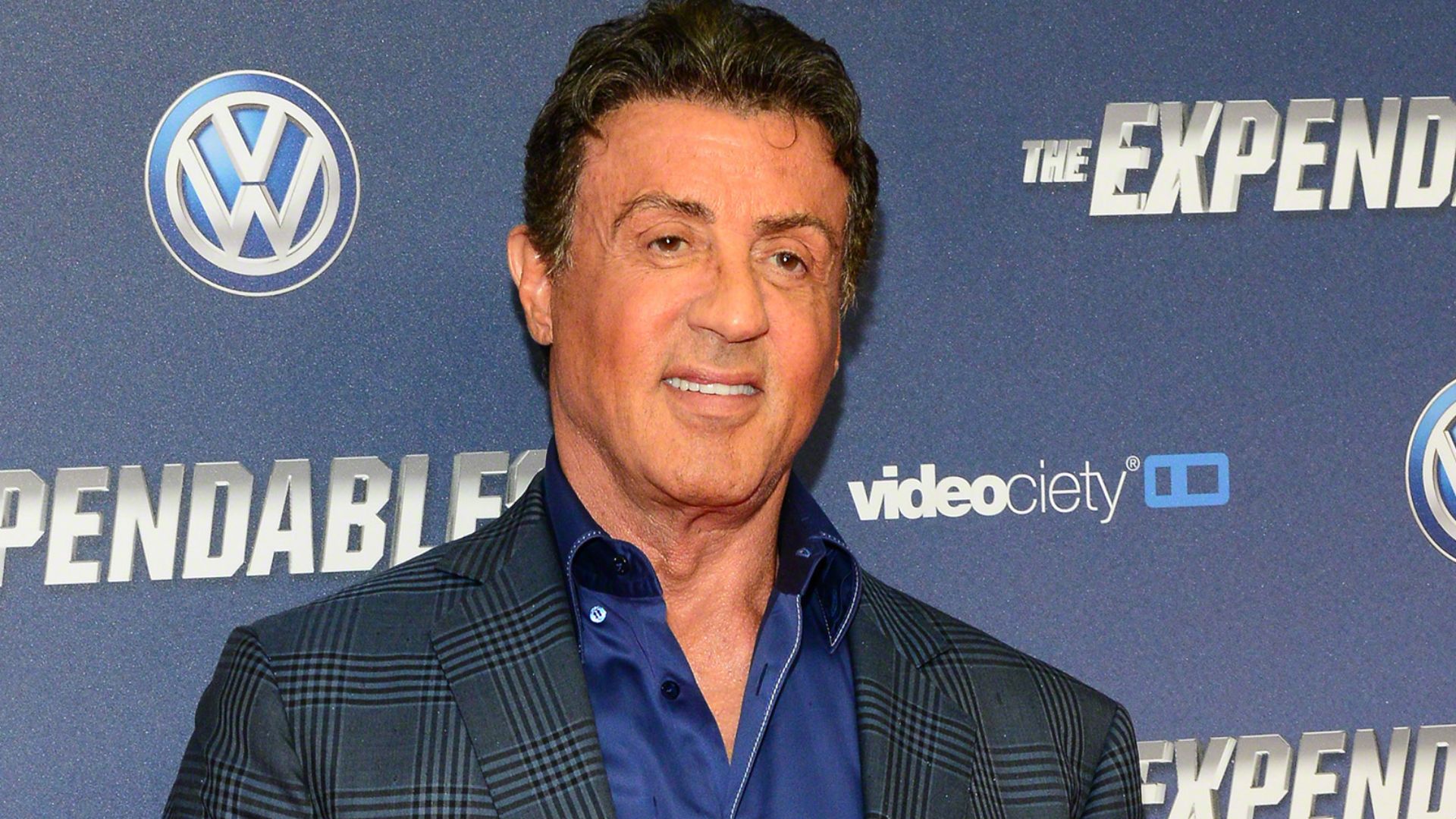 Michael Schilling, Wikimedia Commons
The Producers Who Took The Risk
Gene Kirkwood, Irwin Winkler, and Robert Chartoff of the production company Chartoff-Winkler saw something others didn’t. They believed in the honesty of the story, and eventually came around to placing Stallone in the lead role. They pushed on with the project, even negotiating a lower budget to make the risk more acceptable.
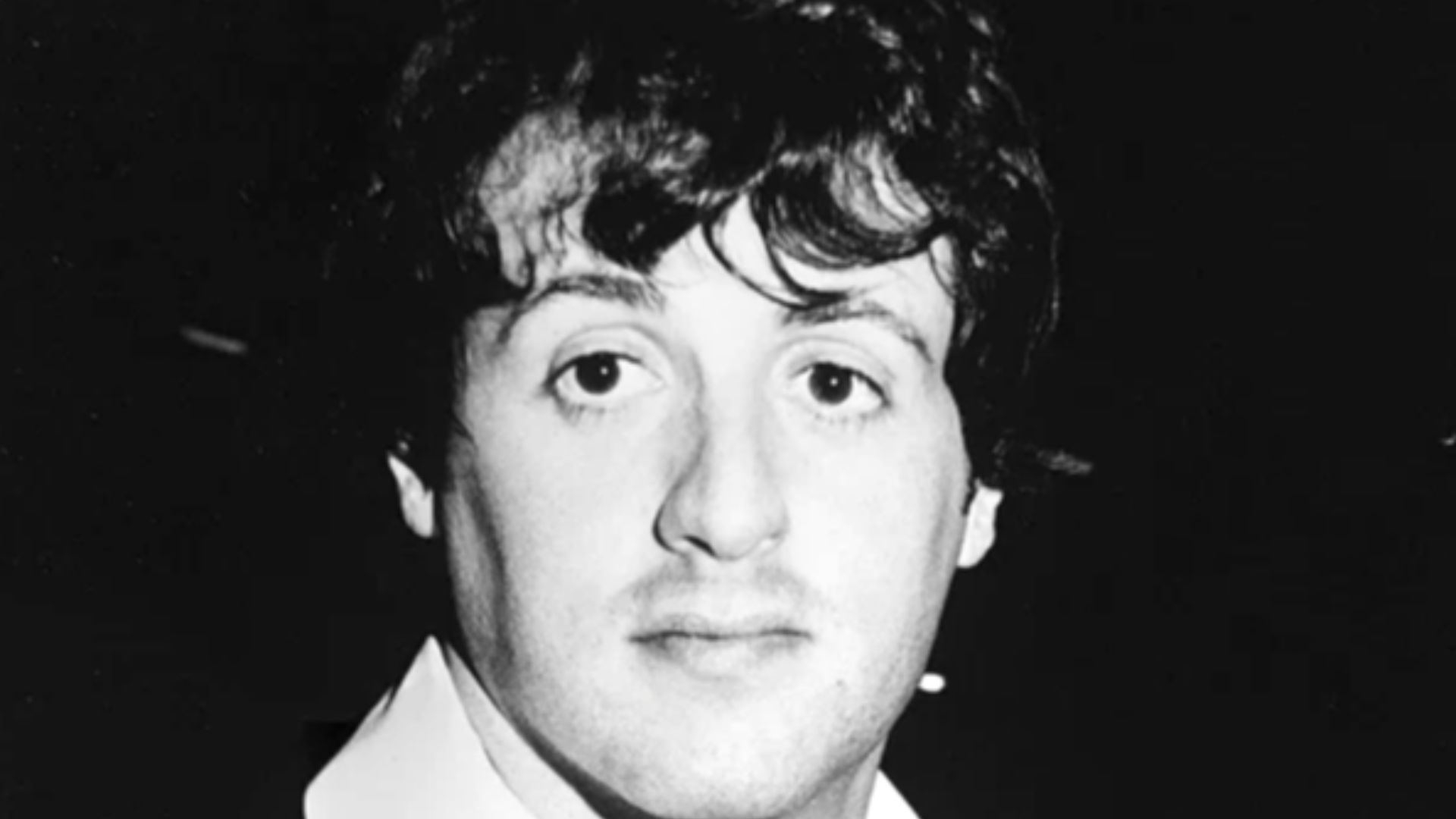 Errol Waltzer, Wikimedia Commons
A Shoestring Budget Gamble
To minimize financial exposure, the film’s budget was kept extremely low, at $960,000. That meant compromises had to be made everywhere: fewer takes, limited locations, and a tight shooting schedule. But those limitations ended up helping give the film its gritty, realistic feel.
A Director Who Understood The Tone
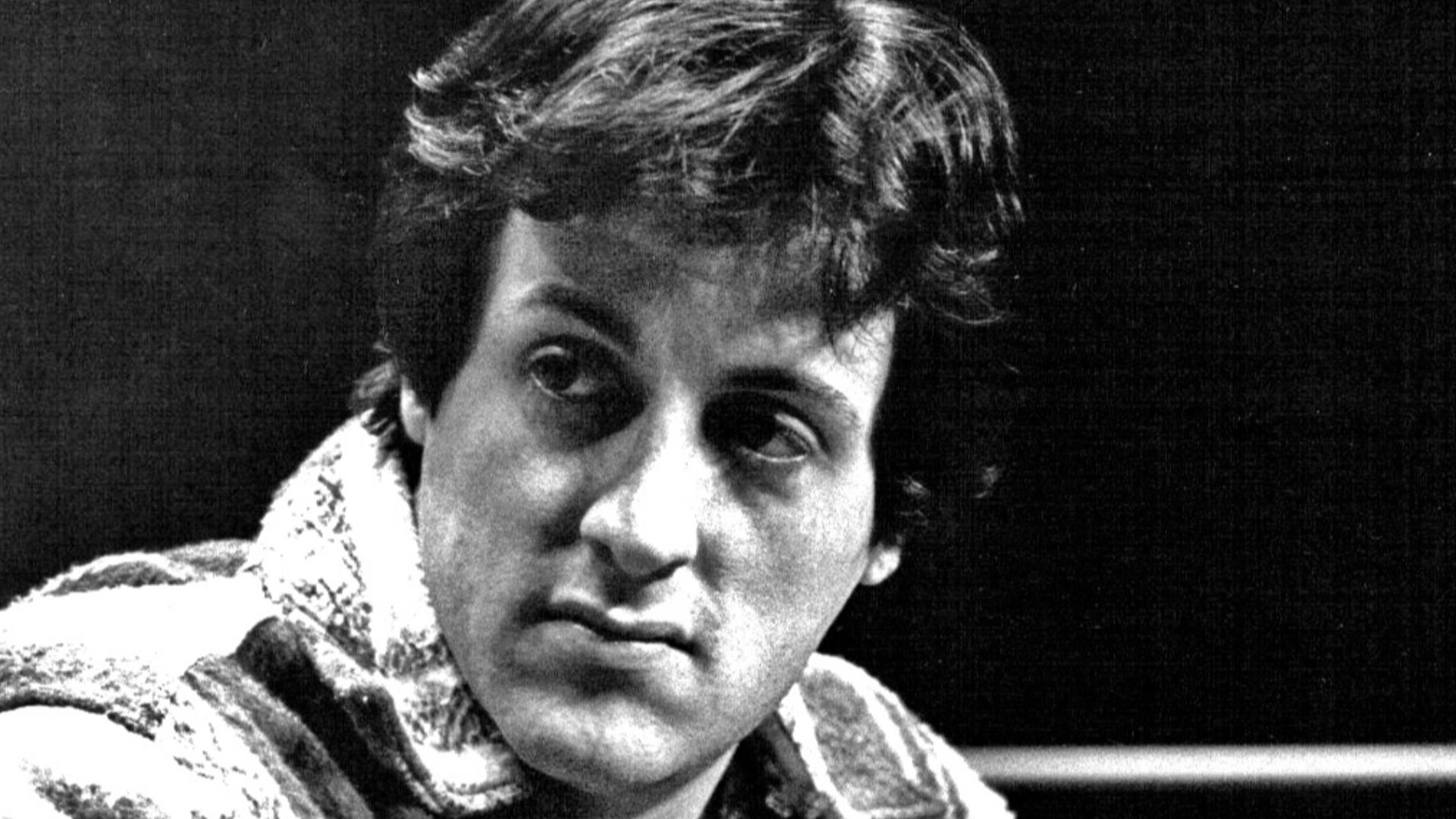
John G. Avildsen was brought in to direct, and he at once understood the film’s emotional appeal. Rather than turning it into a flashy boxing spectacle, he leaned into the human side of the story—focusing on character, struggle, and the atmosphere of the underdog pursuing an impossible dream.
Filming Against The Clock
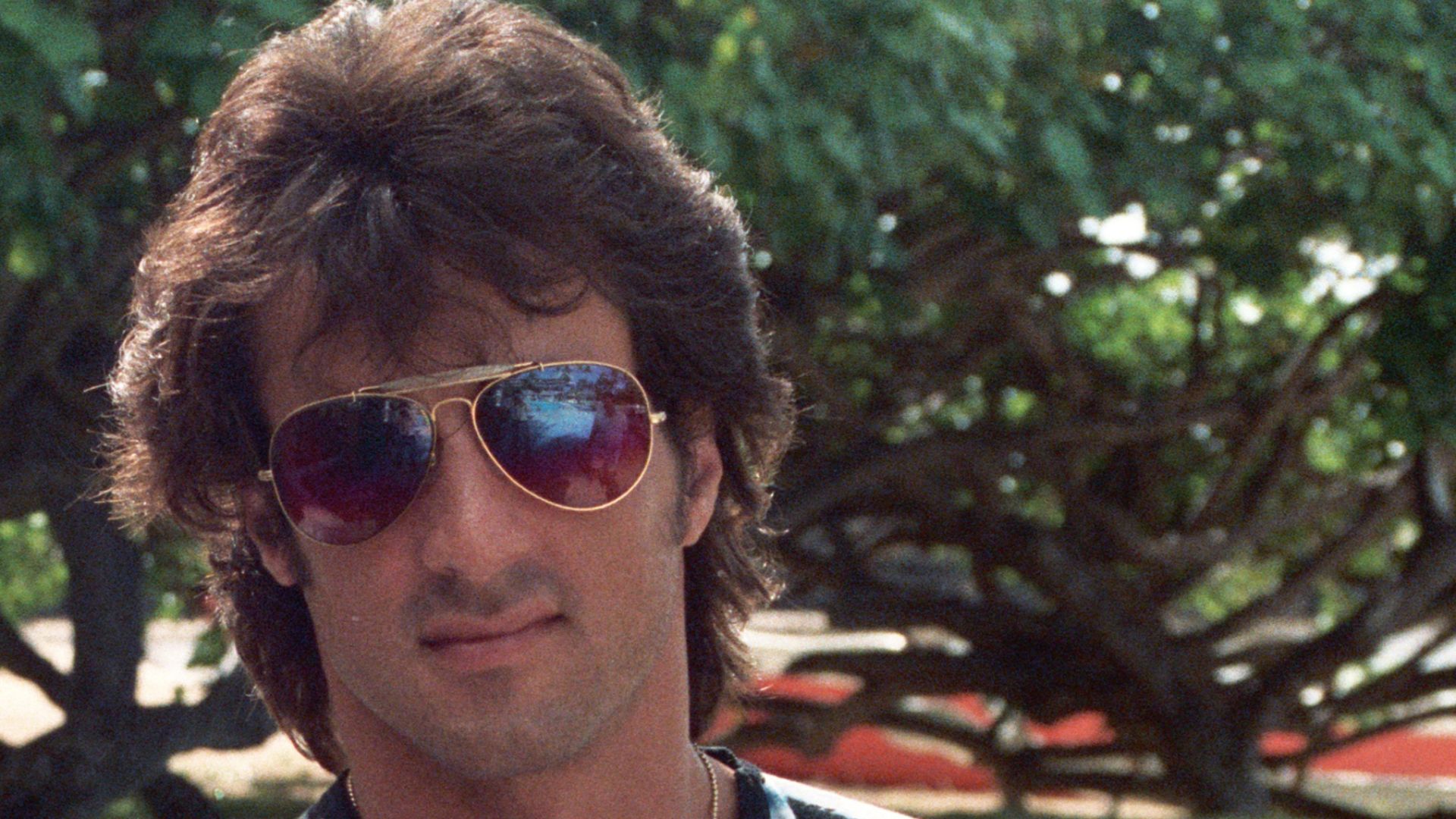
Production moved quickly, with filming completed in just 28 days. There was no room for perfectionism. Scenes had to work fast, and improvisation became essential. The now-iconic running sequence through Philadelphia was shot with innovative techniques like the early Steadicam, to the classic accompaniment of Bill Conti's theme song "Gonna Fly Now."
Authenticity Over Glamour
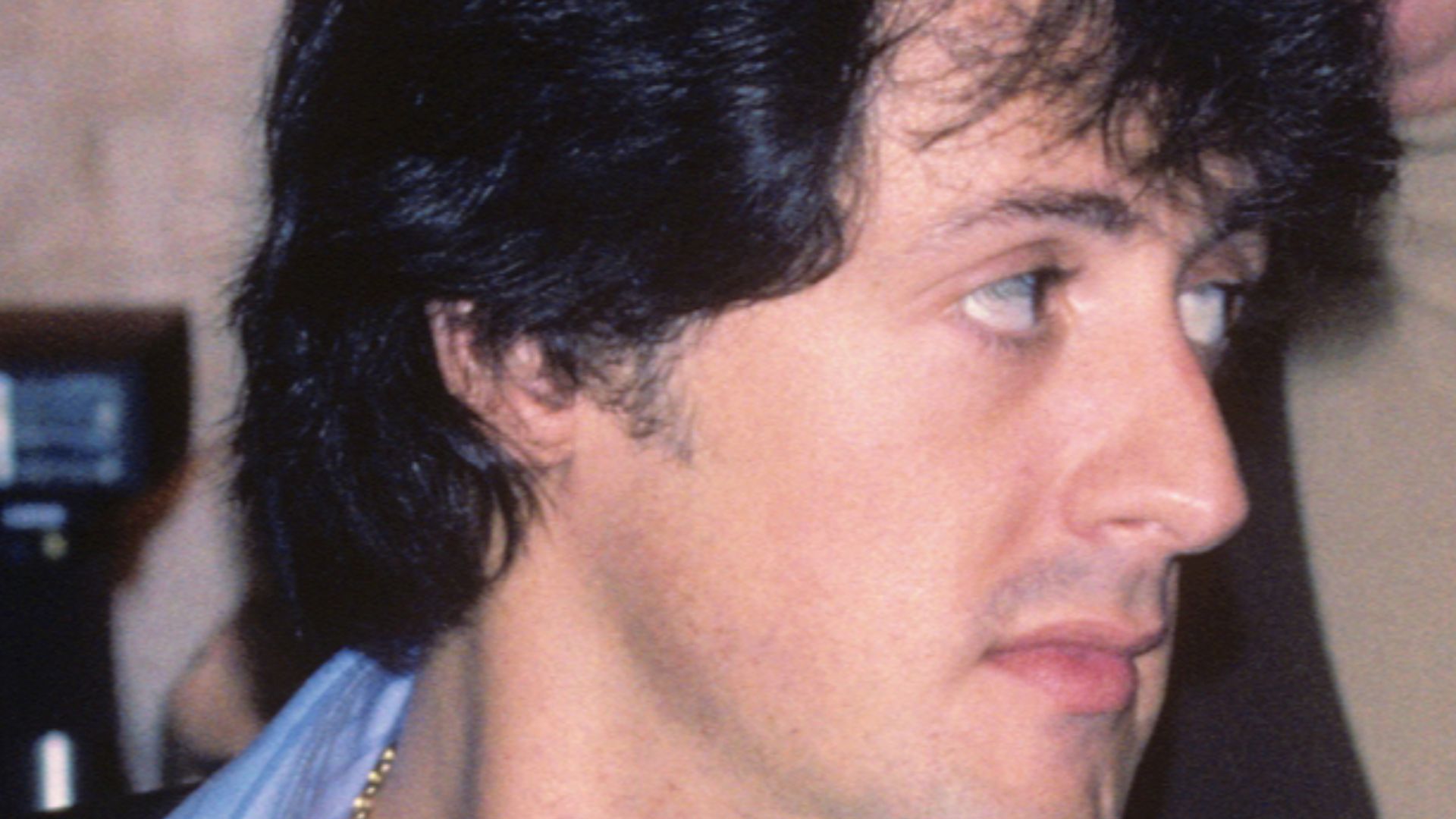
Unlike a lot of the other sports films of the era, Rocky didn’t glamorize its world. Philadelphia’s streets looked gritty and real. Rocky himself was flawed, awkward, and vulnerable, helping audiences connect with him in a way that they seldom did with other main characters. The supporting cast of Burgess Meredith, Talia Shire, and Carl Weathers put in the kind of solid acting that would make them fondly familiar characters to the Rocky audience.
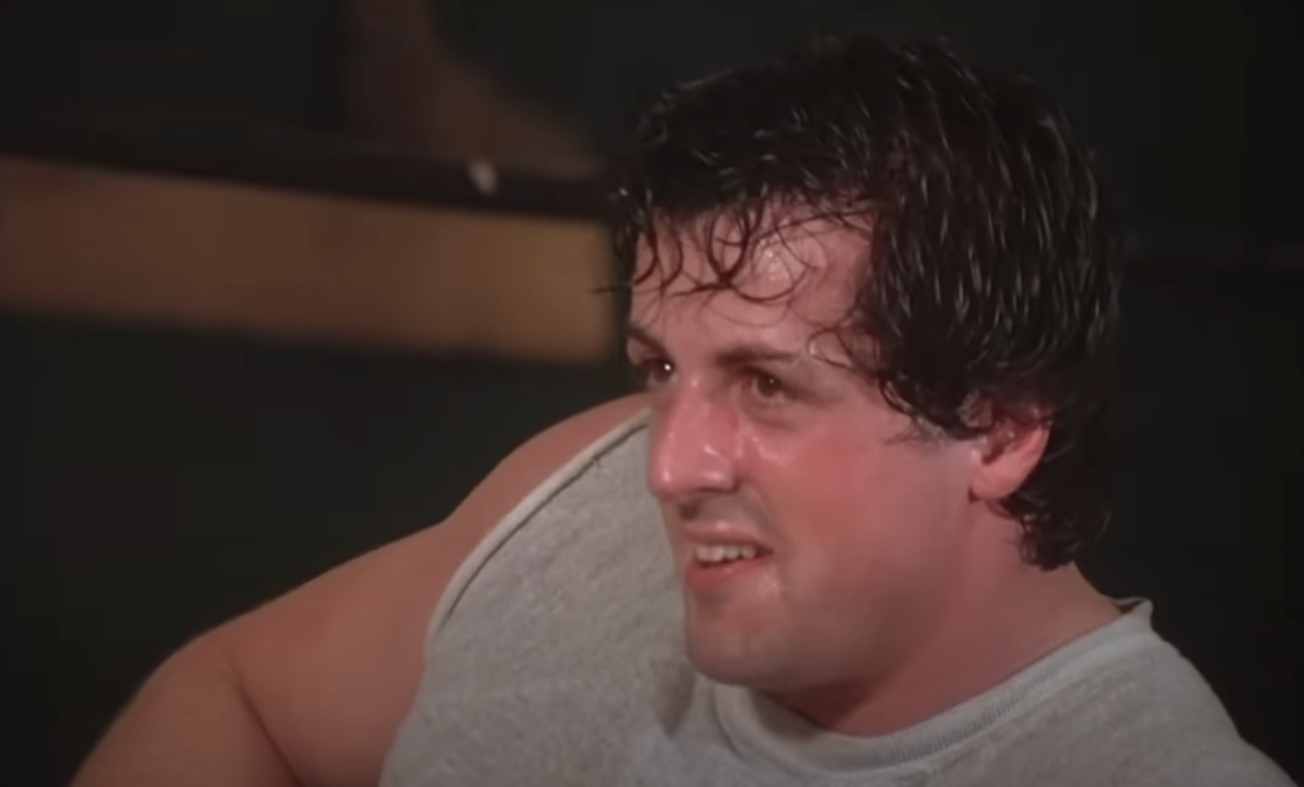 Screenshot from Rocky, Chartoff-Winkler Productions (1976)
Drawing From Real Life
Rocky Balboa carried echoes of real fighters, but more importantly, he embodied Stallone’s own experience: overlooked, underestimated, and refusing to quit.
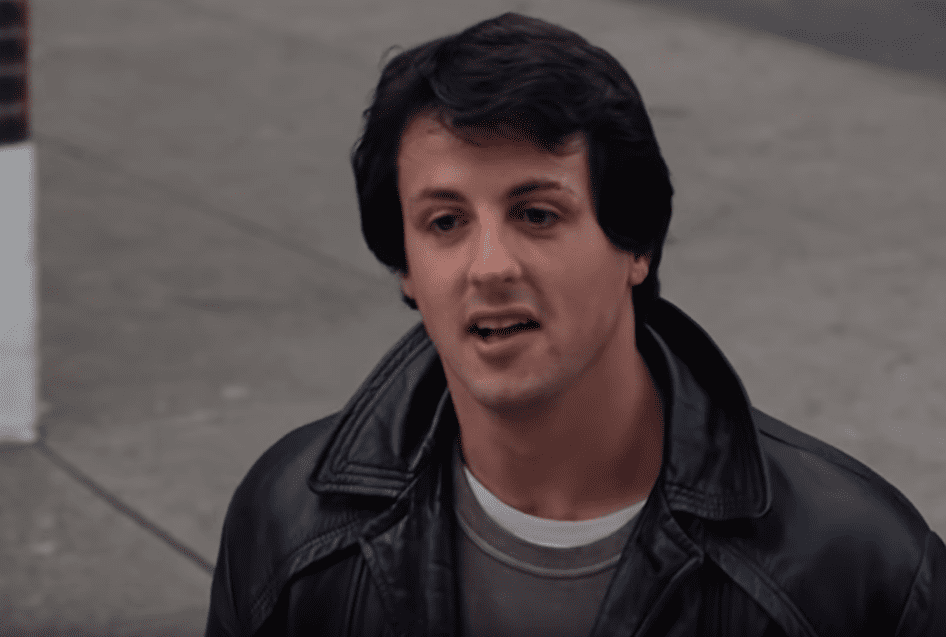 Screenshot from Rocky, Chartoff-Winkler (1976)
The Emotional Core Of The Story
At its heart, Rocky wasn’t about winning a title. It was about self-respect. Rocky’s goal wasn’t to defeat Apollo Creed, but just to go the distance, and make it to the final bell. That subtle shift turned a sports story into something far more universal.
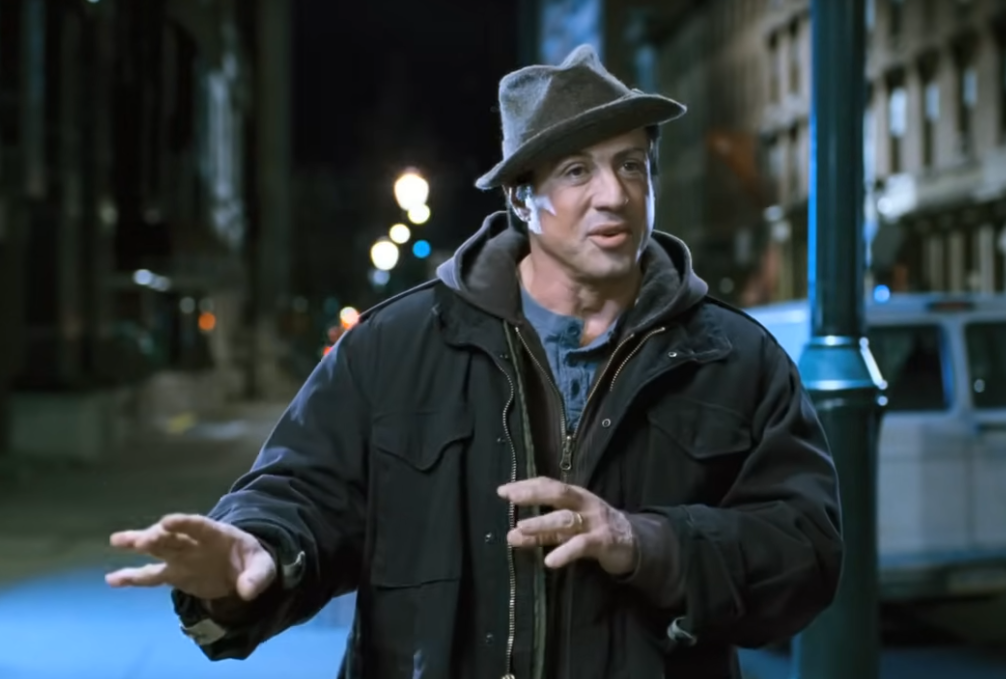 Screenshot from Rocky Balboa, MGM (2006)
A Film Nobody Expected To Explode
When Rocky was released in 1976, the expectations were modest. It wasn’t backed by a huge budget or a major star, but all the movie’s other qualities helped audiences connect with the story and its hardscrabble protagonist.
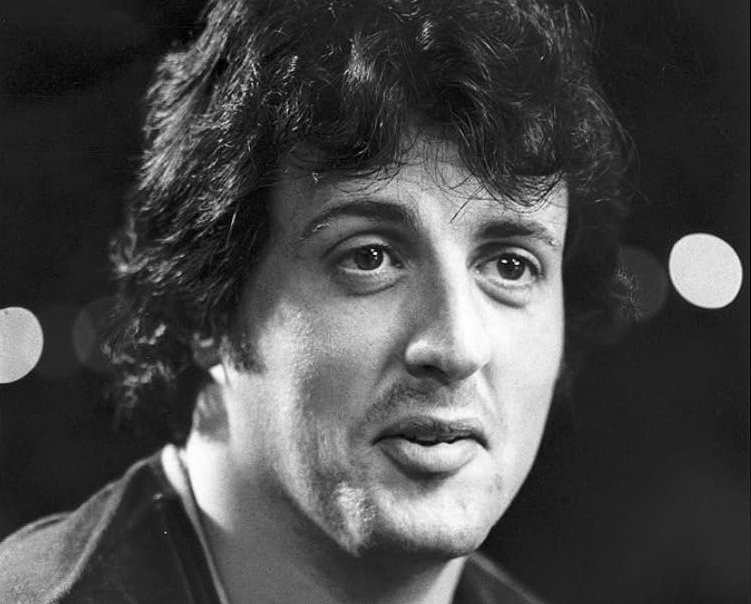 Nickscm, CC BY-SA 4.0, Wikimedia Commons
The Sleeper Hit That Took Over
The film became a massive sleeper hit, earning over $200 million worldwide. It quickly turned Stallone from an unknown actor into a global star.
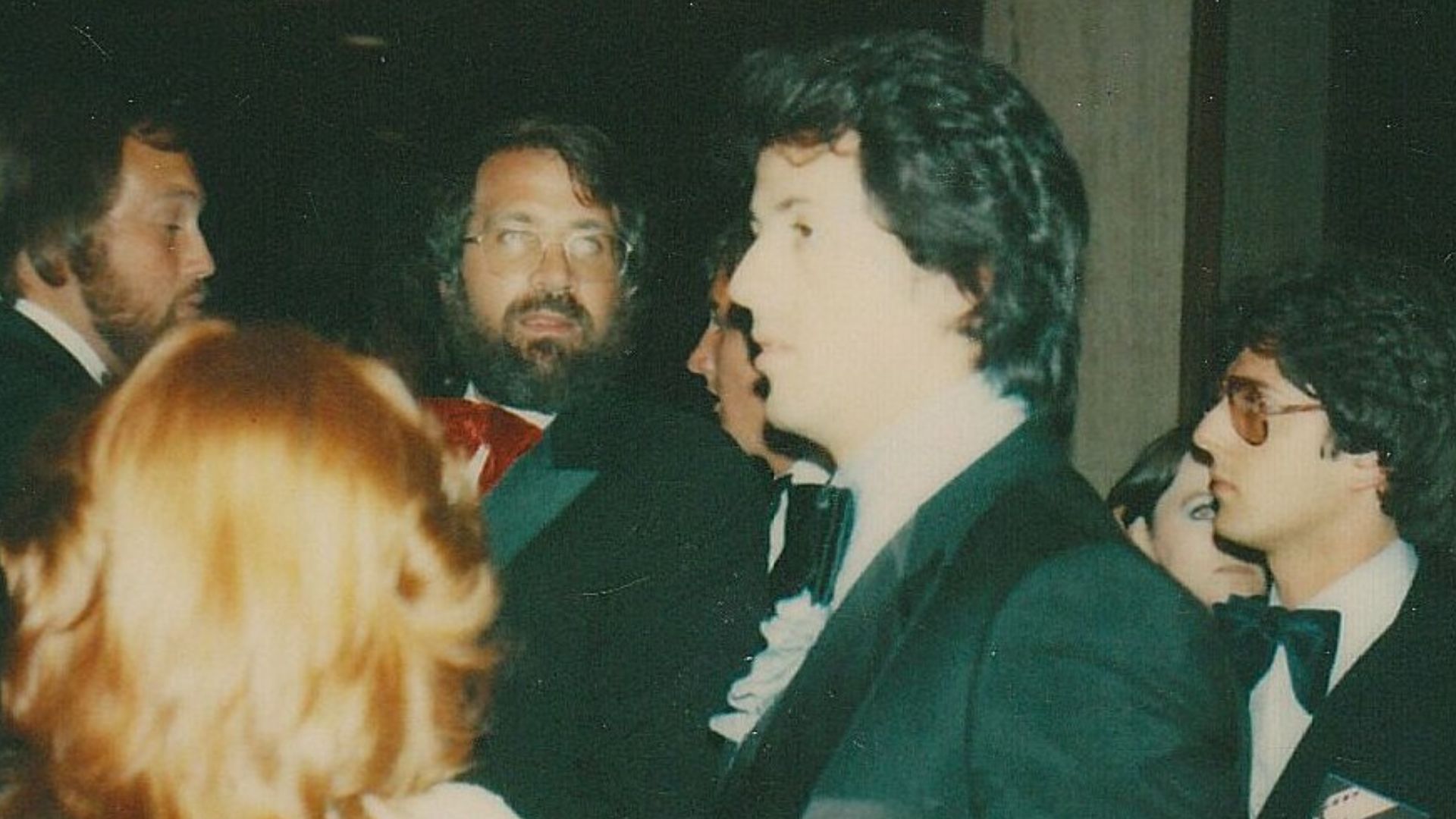
Oscar And Industry Validation
At the 1977 Academy Awards, Rocky received ten nominations and won three, including Best Picture. Stallone earned nominations for both his acting and writing, an extraordinary achievement for a first-time screenwriter. For a guy who’d been down to his last $40 only a year before, the turnaround was amazing.
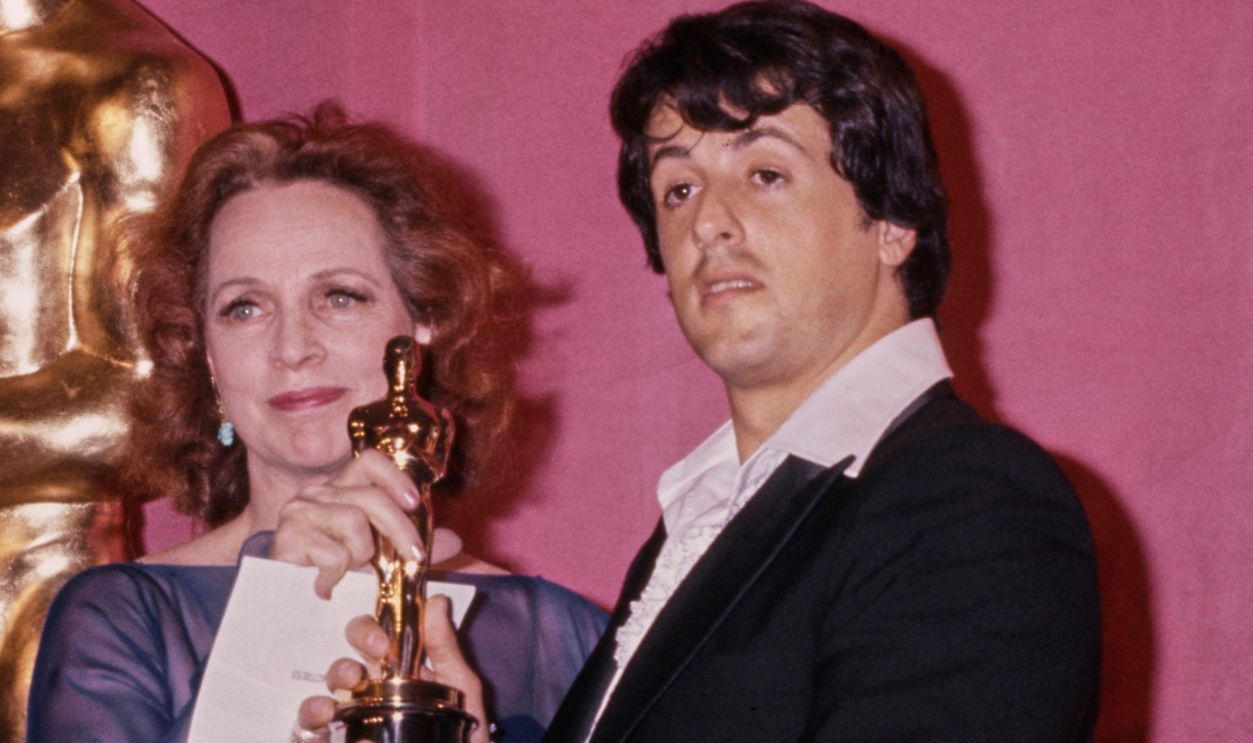 Michael Ochs Archives, Getty Images
Birth Of A Cultural Icon
Rocky Balboa became more than a character. He became a symbol of perseverance, with the statue of him running up the Philadelphia Museum of Art steps now a permanent fixture on the landscape.
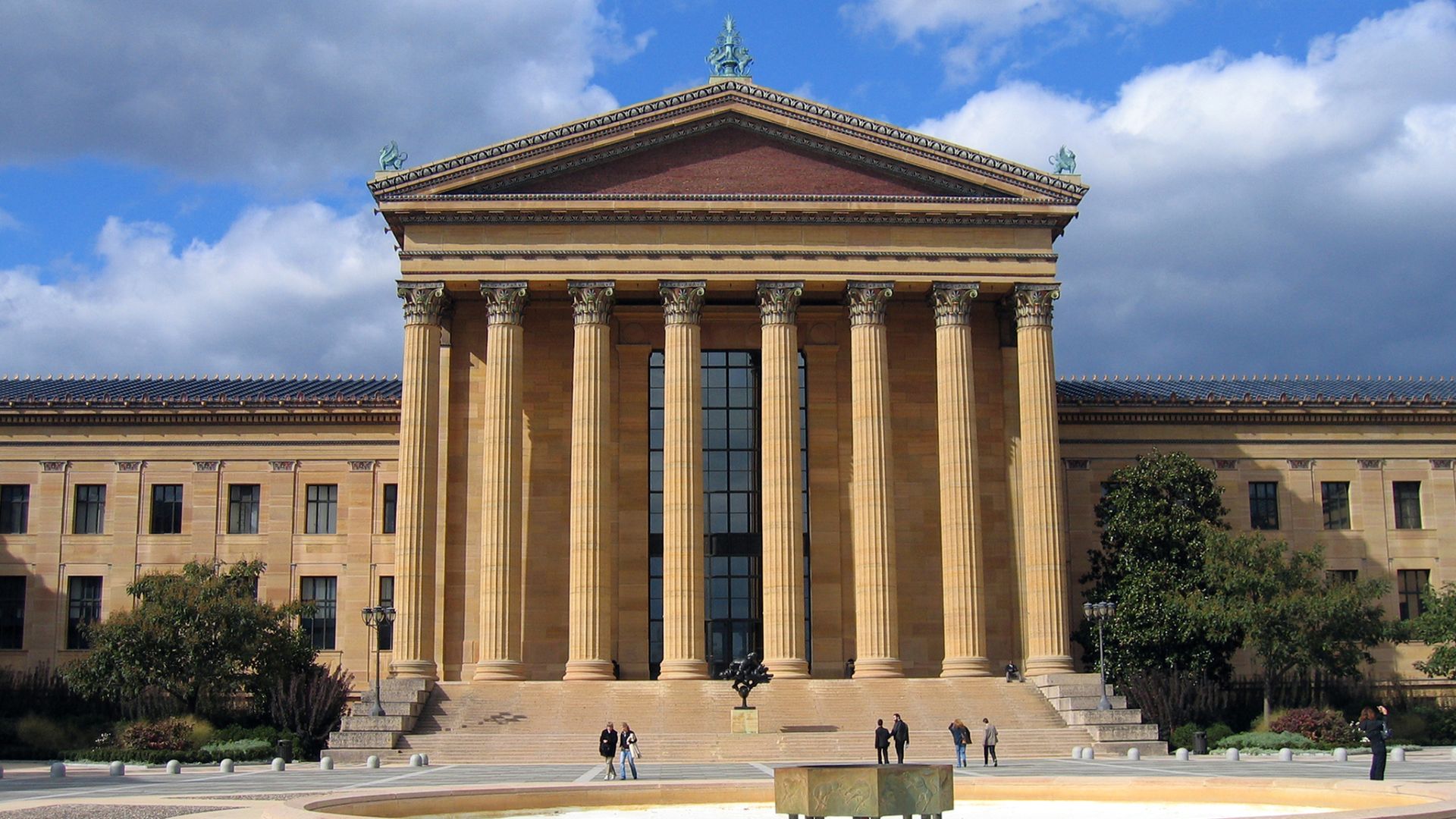 User:Rgordon6~commonswiki, Wikimedia Commons
From One Film To A Franchise
What started out as a small project evolved into one of the most successful franchises in film history, expanding into sequels and the Creed films and continuing the story for new generations.
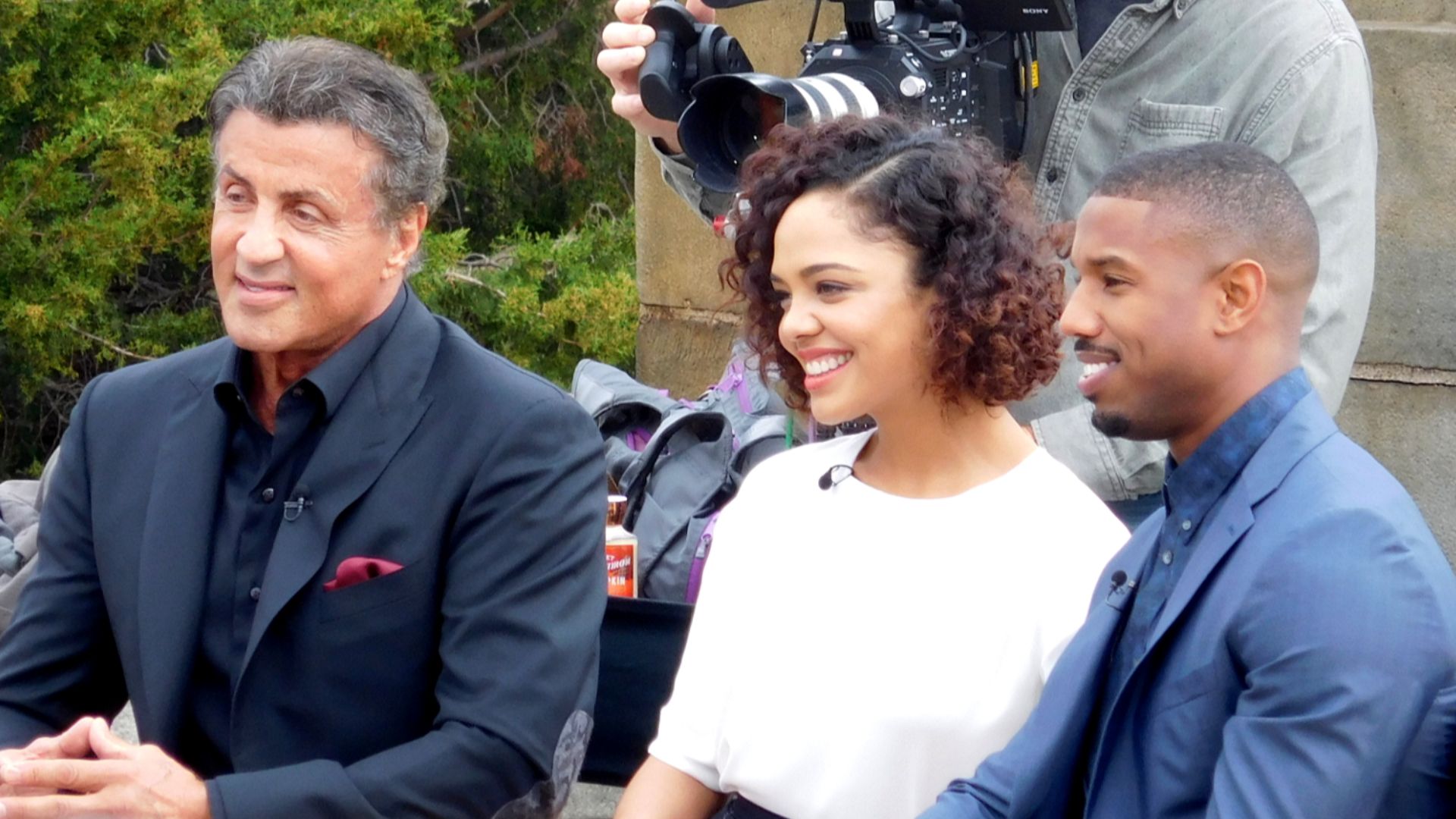 Patriarca12, Wikimedia Commons
A Billion-Dollar Legacy
Over time, the franchise has generated more than $1.4 billion at the global box office. What started out as a gamble on an unknown actor has turned into a staple of Hollywood storytelling.
The Ultimate Underdog Story—On And Off Screen
The story behind Rocky is a mirror image of the story within it. Stallone was given a shot that nobody expected him to take, and he refused to let it slip away. Told repeatedly that the idea wouldn’t go anywhere, Stallone proved everyone wrong.
Why Rocky Still Matters
Decades later, Rocky endures because it taps into something timeless. It’s about proving to yourself that you belong in the fight, and that’s a story that will never grow old.
You May Also Like:
Tough Guy Actors Who Refused To Cry Or Die On Screen
The Amazing Film Journey Of Carl Weathers