Her Greatest Role Came With A Terrible Price
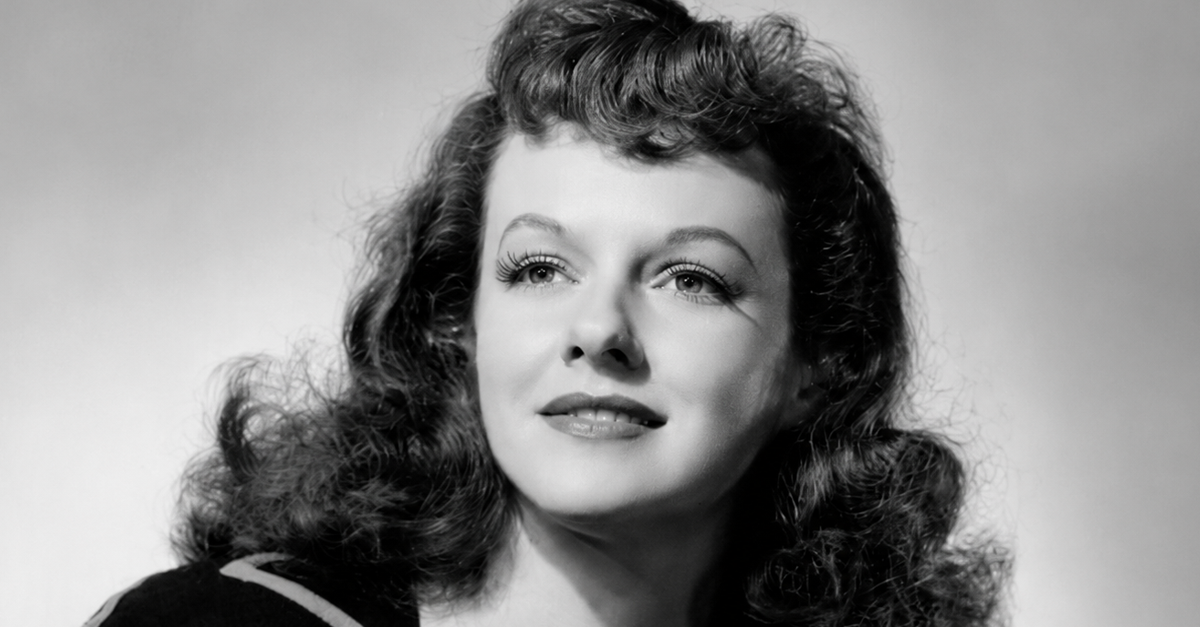
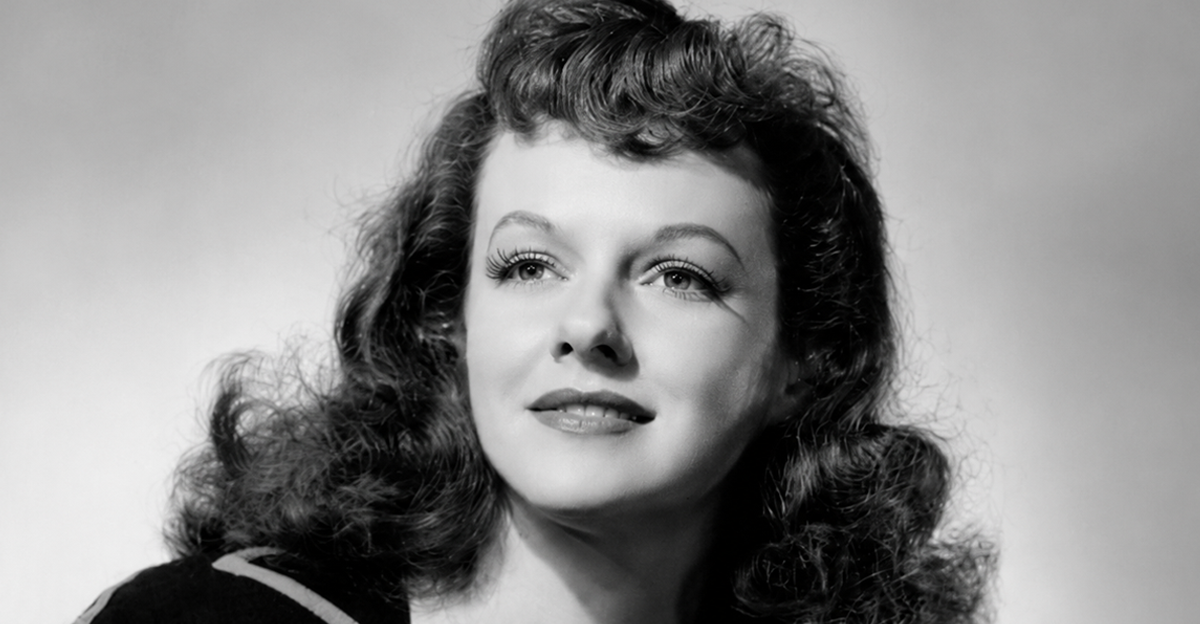
Dorothy Comingore delivered one of the most memorable performances in Citizen Kane, a film now celebrated as a masterpiece. Critics predicted that her portrayal of Susan Alexander Kane would make her a major star. Instead, professional disputes, political scrutiny, blacklisting, and personal crises gradually pushed her out of public life.
 De Carvalho Collection, Getty Images
She Grew Up Far From Hollywood Glamour
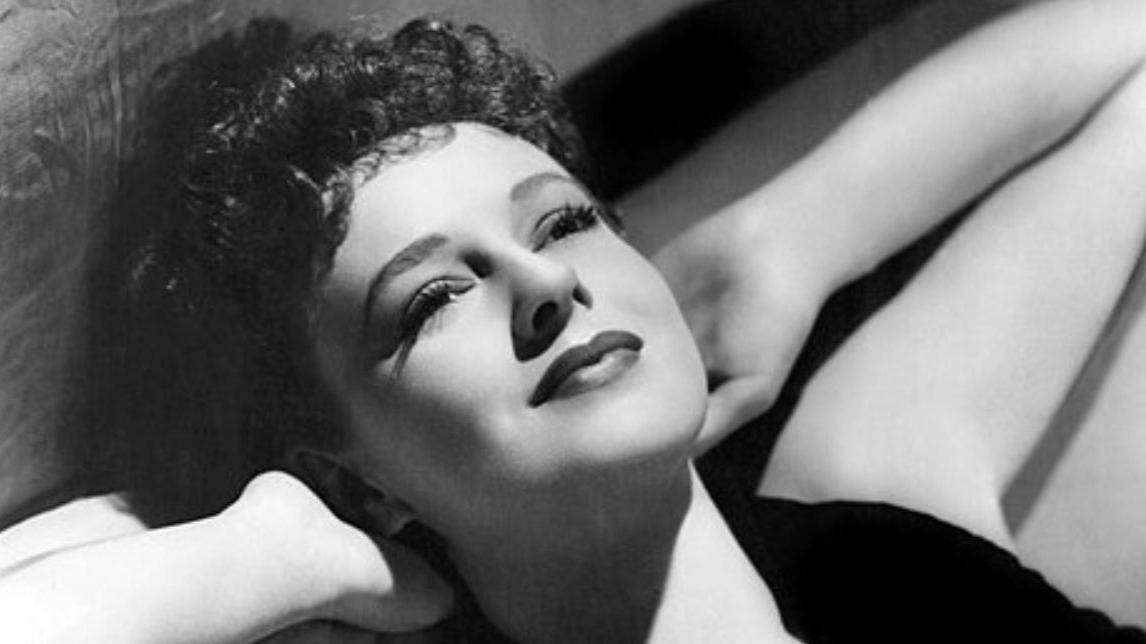
Comingore was born Margaret Louise Comingore in Los Angeles on August 24, 1913, but spent much of her childhood in Oakland. Her father worked as an electrotyper and union organizer, exposing her to labor politics at an early age. She later studied philosophy at the University of California, Berkeley.
 RKO Radio Pictures, Wikimedia Commons
A Small Theater Put Her On Hollywood’s Radar
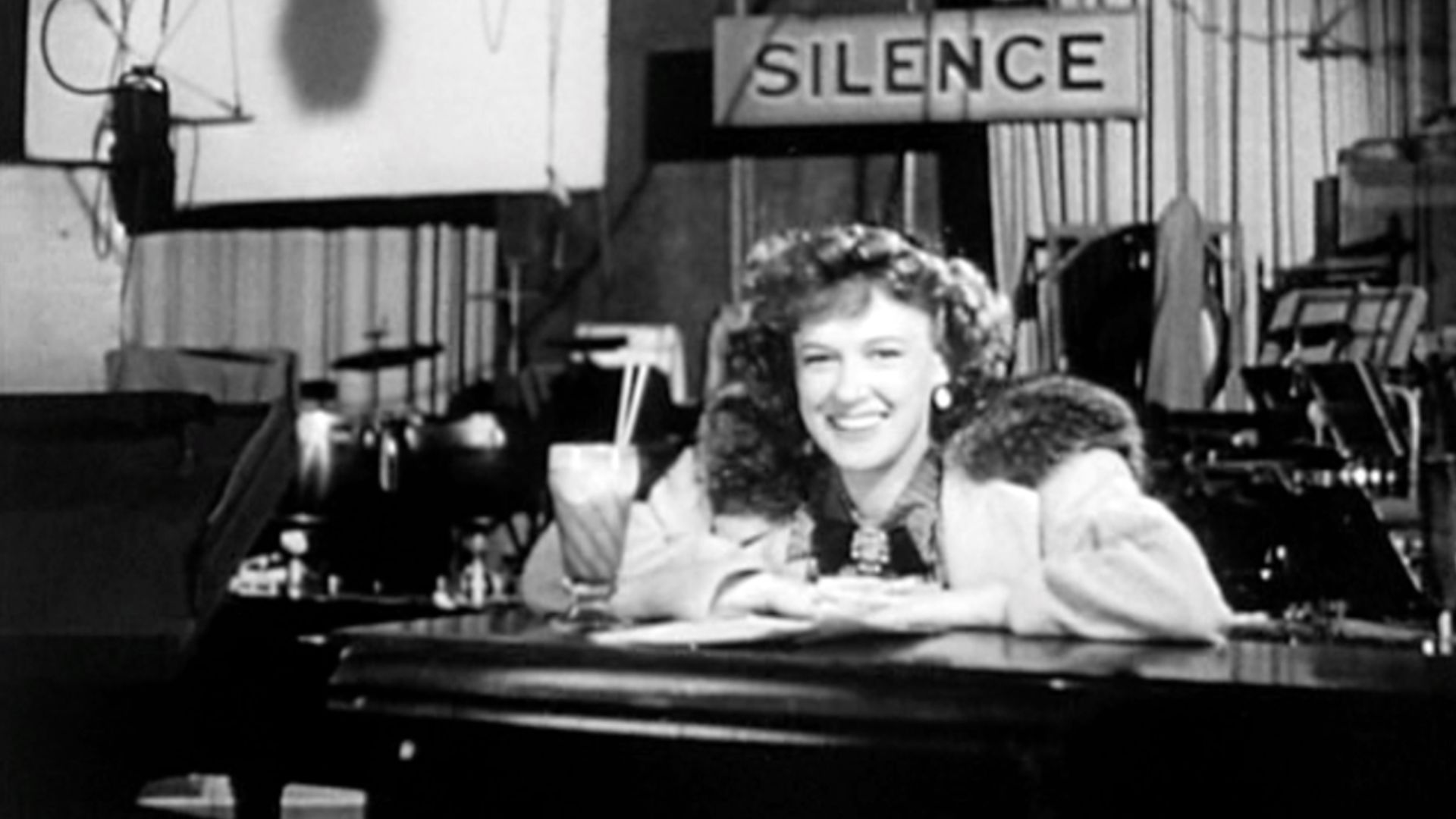
After spending time in Taos, New Mexico, Comingore returned to California and pursued theater work. Charlie Chaplin saw her perform at a small playhouse in Carmel in 1938 and encouraged her interest in movies. Comingore later insisted that reports describing her as Chaplin’s protégée greatly exaggerated their brief contact.
 RKO Radio Pictures, Wikimedia Commons
Hollywood Gave Her A New Identity
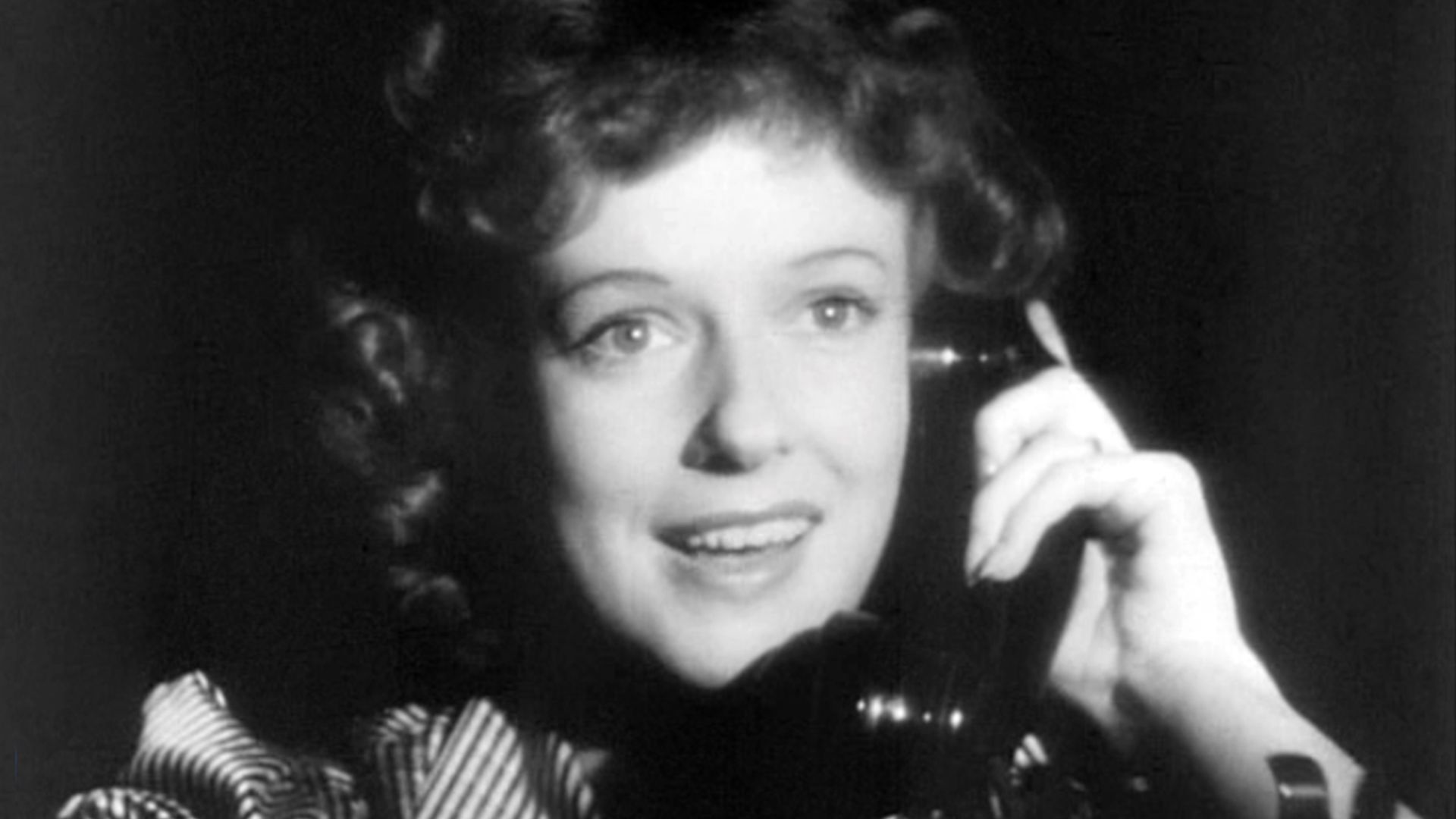
Comingore obtained an agent, completed a screen test, and secured a contract with Warner Bros. She appeared onstage and on radio as Kay Winters before adopting the screen name Linda Winters. Like many newcomers, she spent her first years accepting small roles that provided experience but little recognition.
 RKO Radio Pictures, Wikimedia Commons
She Worked Her Way Through Small Pictures
Comingore appeared in films including Prison Train, Comet Over Broadway, Blondie Meets the Boss, and Coast Guard. She was also seen briefly in Frank Capra’s Mr. Smith Goes to Washington. These assignments kept her working, but none suggested that a career-defining opportunity was close.
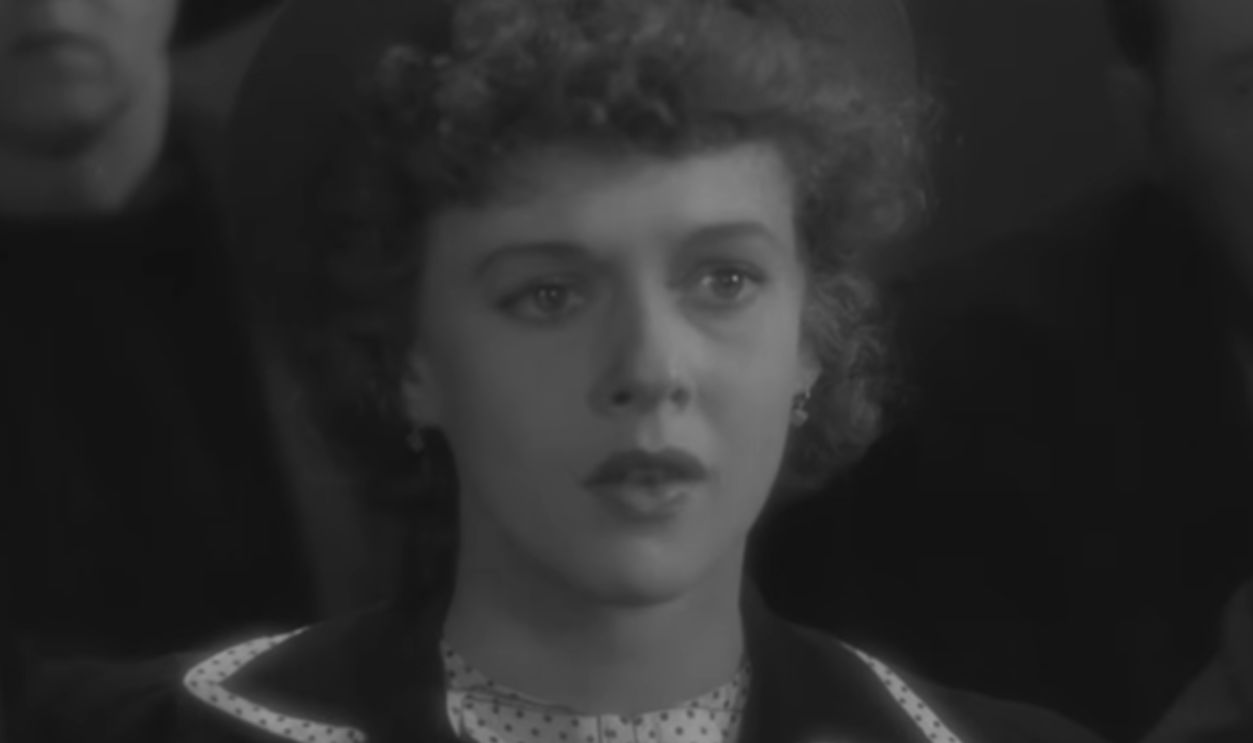 Screenshot from Prison Train, Monogram Pictures (1938)
Orson Welles Saw Something Studios Had Missed
Orson Welles selected Comingore to play Susan Alexander, the second wife of newspaper tycoon Charles Foster Kane. The role was far more demanding than the minor parts she had previously received. By then, she had abandoned Linda Winters and was appearing professionally as Dorothy Comingore.
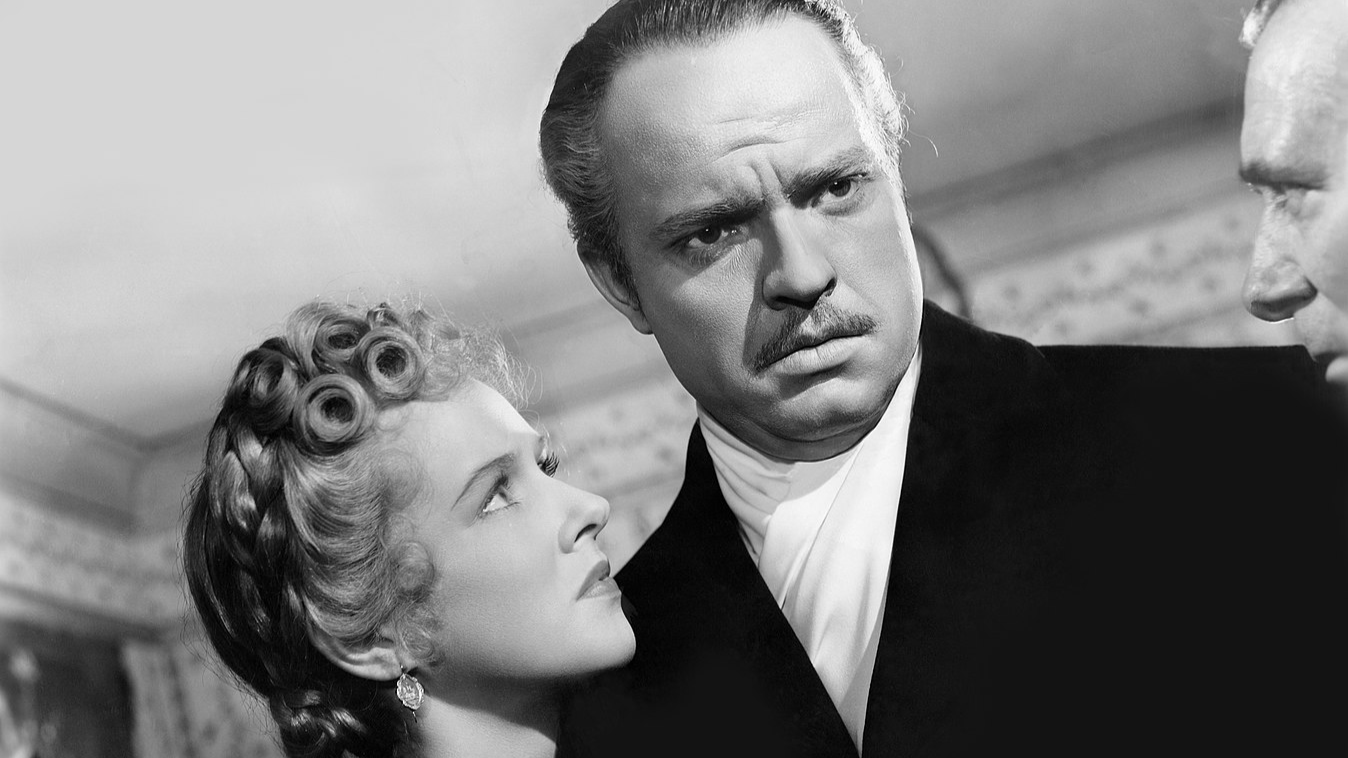 Alexander Kahle, Wikimedia Commons
Susan Alexander Was No Simple Victim
Susan enters Citizen Kane as a warm, unpretentious young woman who enjoys Kane’s company without recognizing his identity. She eventually becomes trapped inside a marriage dominated by his money, pride, and need for control. Comingore had to show Susan changing from an amused companion into a frightened performer and deeply unhappy wife.
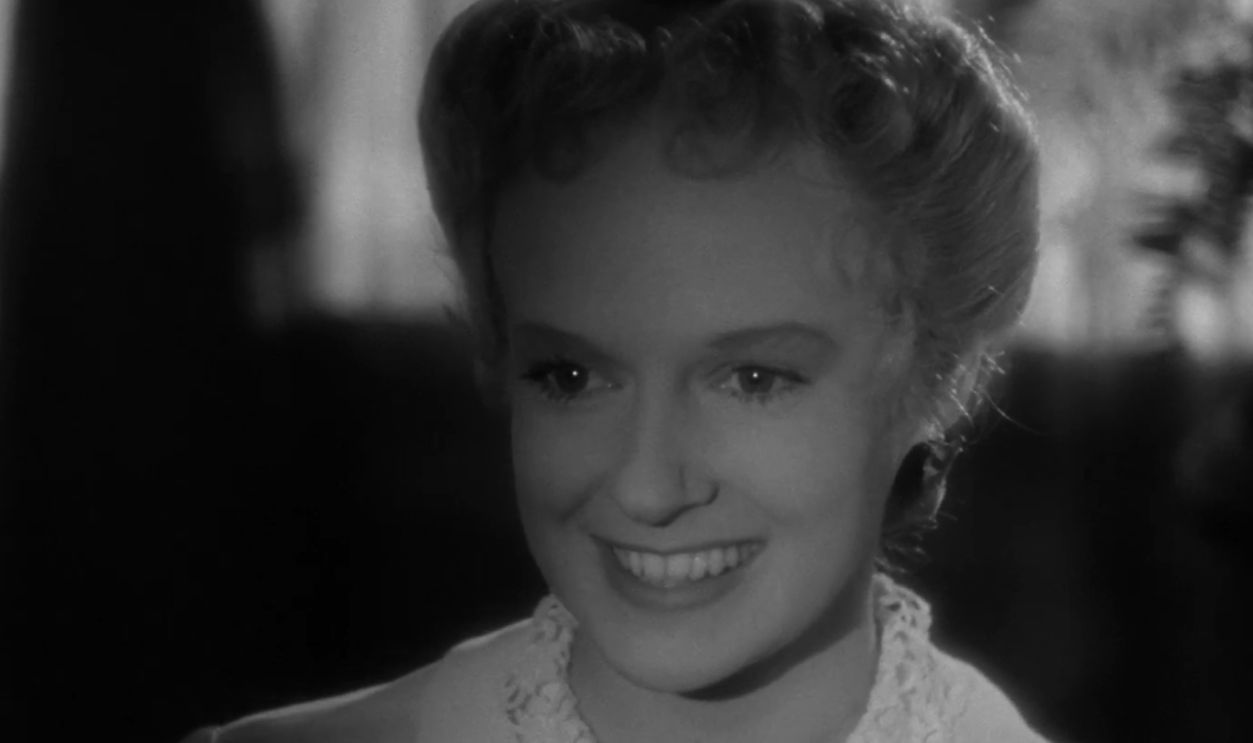 Screenshot from Citizen Kane, RKO Radio Pictures (1941)
The Role Demanded More Than Glamour
Kane attempts to transform Susan into an opera star despite her limited voice and growing distress. Comingore therefore had to perform badly within an otherwise carefully controlled dramatic performance. Her strained singing, nervous laughter, anger, and exhaustion made Susan’s humiliation painfully believable.
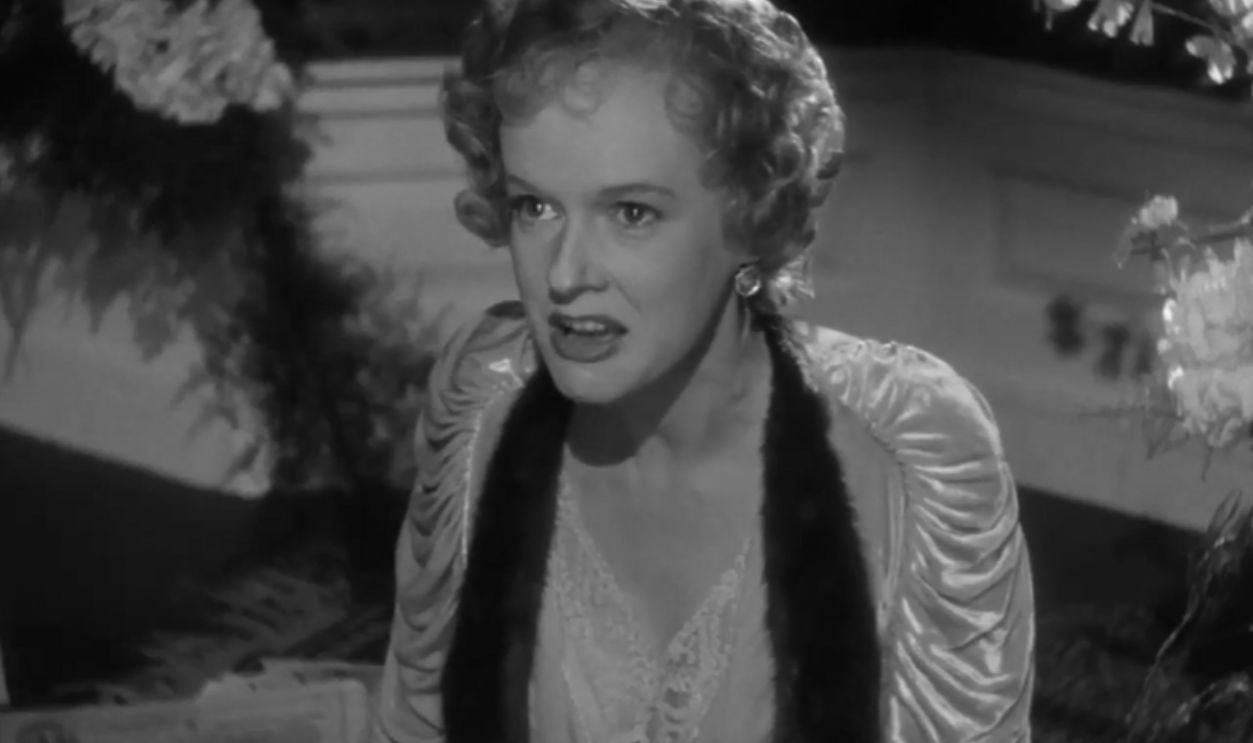 Screenshot from Citizen Kane, RKO Radio Pictures (1941)
Her Performance Became A Critical Triumph
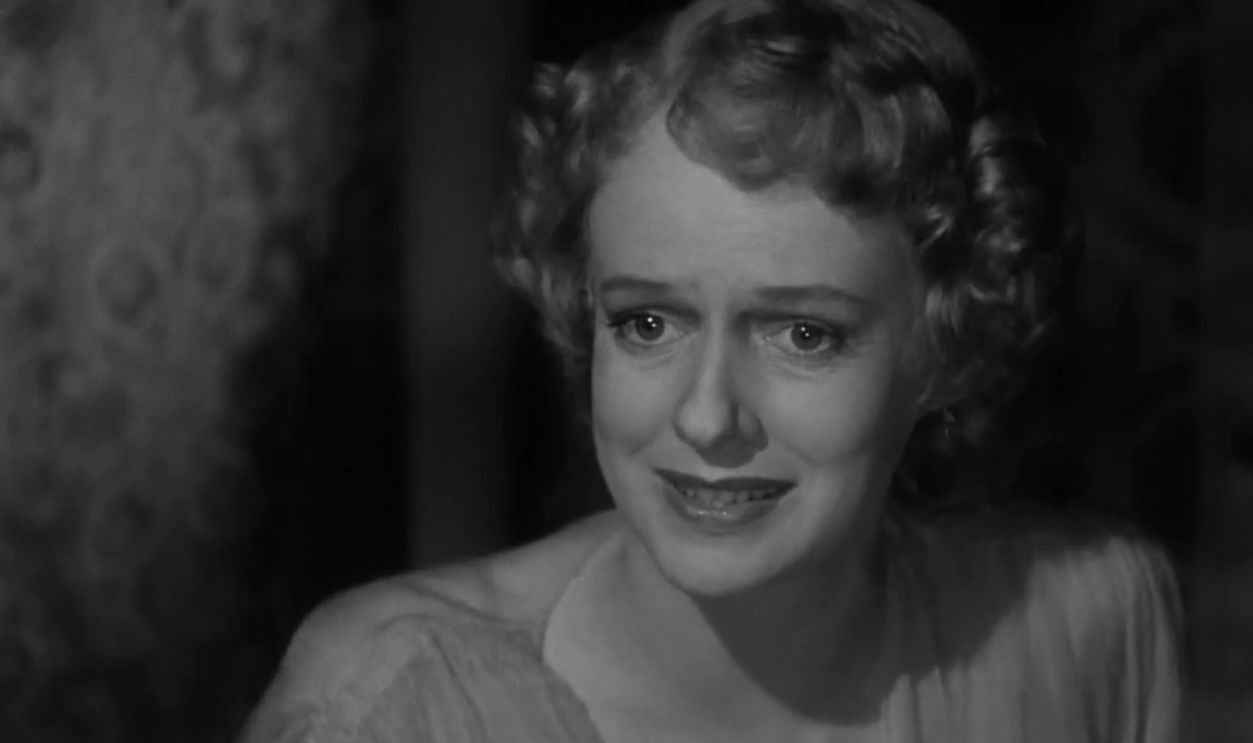
Reviews recognized that Comingore had handled an unusually wide emotional range. The Hollywood Reporter predicted that Citizen Kane should make her a star, while the Los Angeles Times called her an important addition to motion pictures. The praise seemed to confirm that years of bit parts were finally behind her.
 Screenshot from Citizen Kane, RKO Radio Pictures (1941)
The Film Arrived Under Heavy Fire
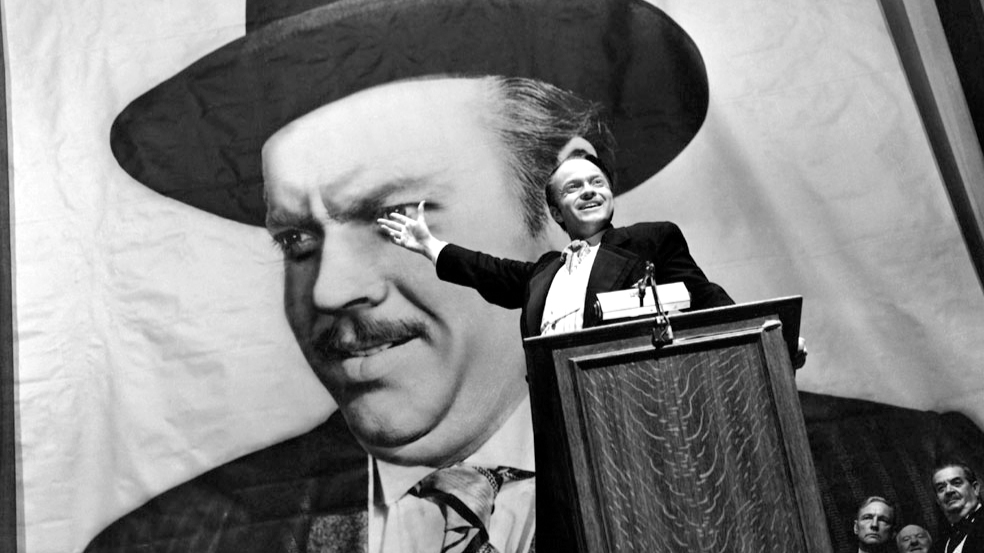
Citizen Kane closely resembled the life and empire of newspaper publisher William Randolph Hearst, although it was not a literal biography. Hearst opposed the production and prevented his newspapers from advertising or discussing it. Pressure from Hearst and others also made some theater owners reluctant to book the movie.
 Alexander Kahle, Wikimedia Commons
Susan Drew Comparisons To Marion Davies
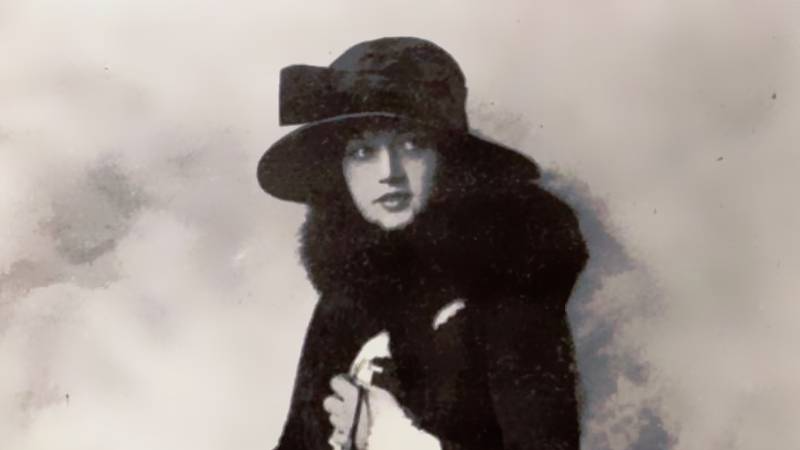
Audiences connected Susan Alexander to Marion Davies, the actress who had a long relationship with Hearst. Welles and others maintained that Susan was not intended as an accurate portrait of Davies, whose genuine talents differed sharply from the fictional character’s. Even so, Comingore became publicly associated with a portrayal that Hearst found deeply offensive.
 Unknown Author, Wikimedia Commons
Stardom Did Not Follow The Reviews
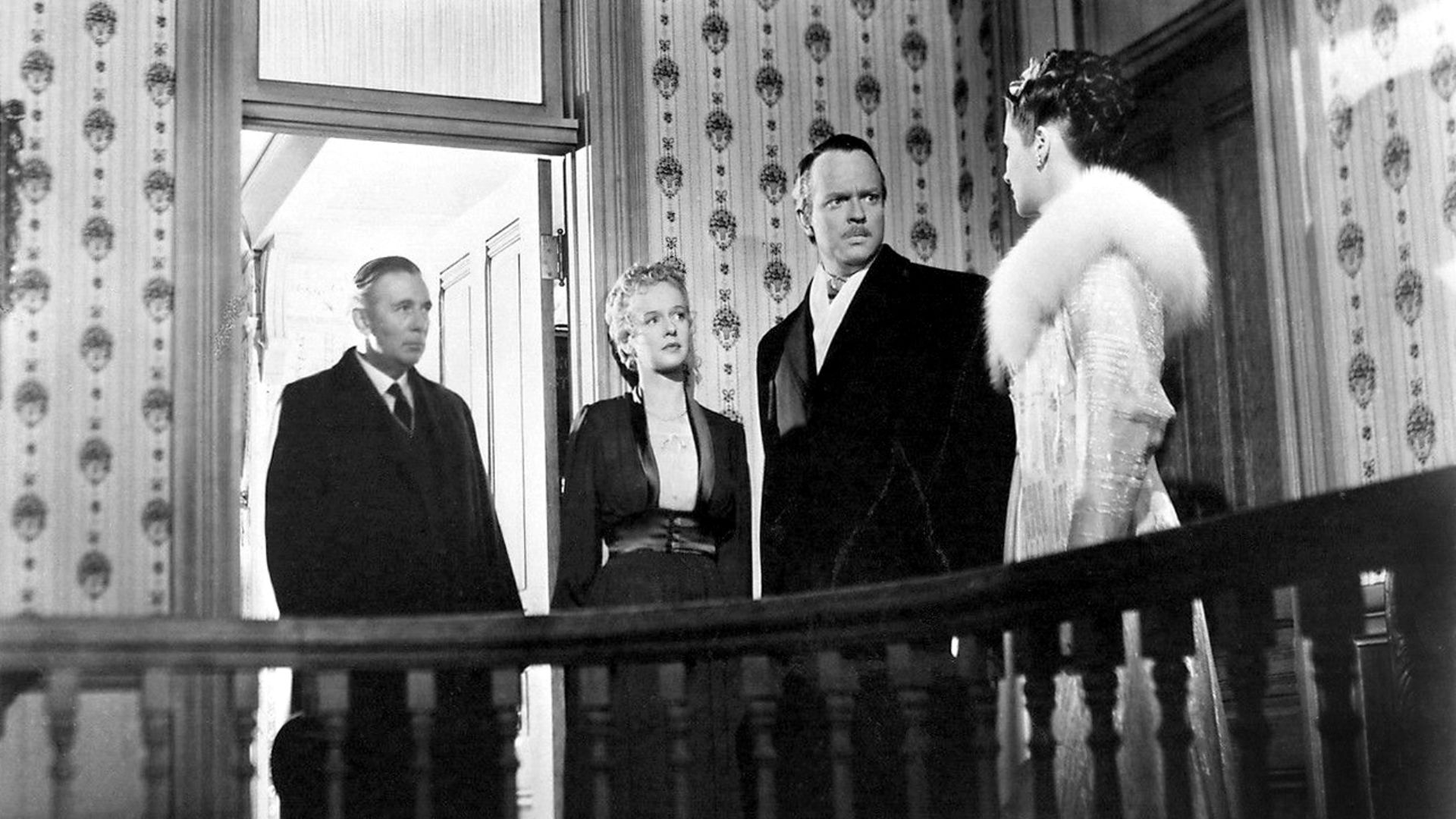
Despite its critical reputation, Citizen Kane struggled commercially during its original release. Hearst’s campaign limited its reach, and the film ultimately lost money on its first run. Comingore emerged with impressive notices, but without the box-office momentum that normally helped studios build a new star.
 RKO Radio Pictures, still photographer Alexander Kahle, Wikimedia Commons
She Refused Roles She Considered Wrong
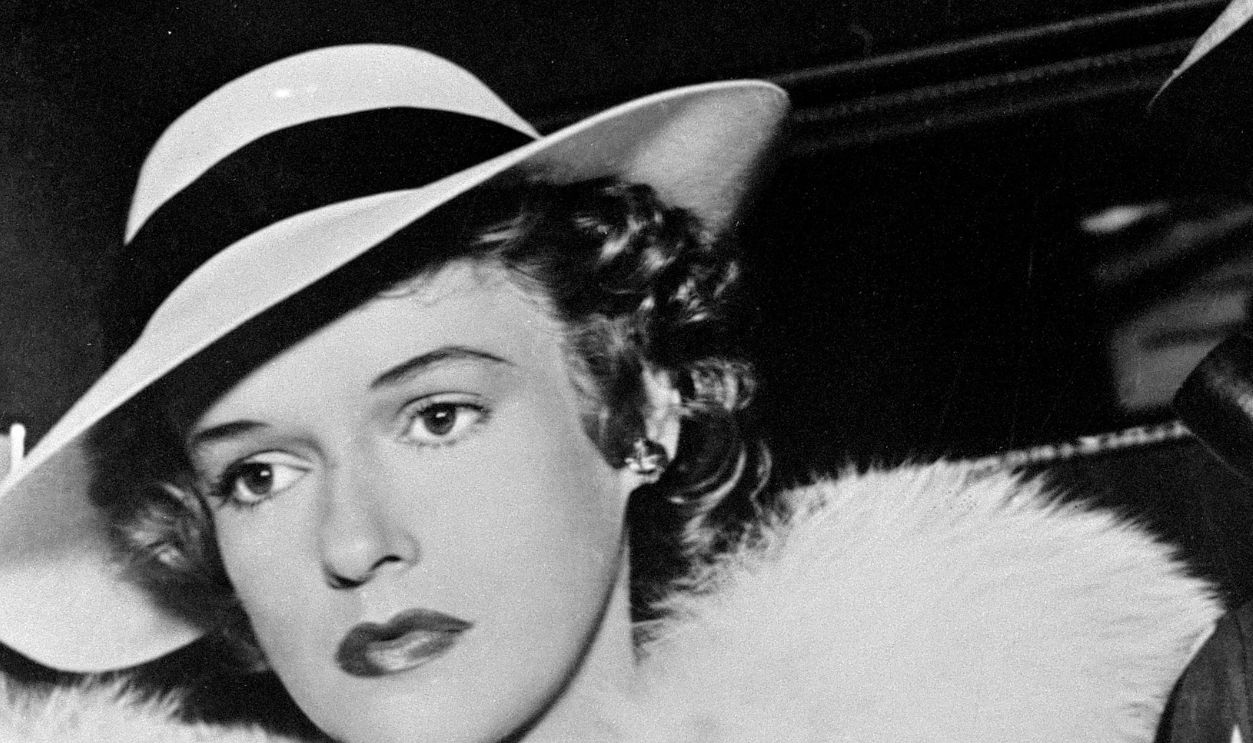
Comingore’s relationship with RKO Pictures soon became difficult. She rejected assignments in Unexpected Uncle and Valley of the Sun, leading the studio to suspend her. Her unwillingness to accept unsuitable material protected her artistic standards, but it also gave executives an easy reason to stop promoting her.
A Promising Opportunity Went Elsewhere
Comingore was considered for the leading female role in an adaptation of Damon Runyon’s “Little Pinks.” The project eventually became The Big Street, with Lucille Ball starring opposite Henry Fonda. It was one more sign that Comingore’s post-Kane opportunities were slipping away.
Her Comeback Never Fully Materialized
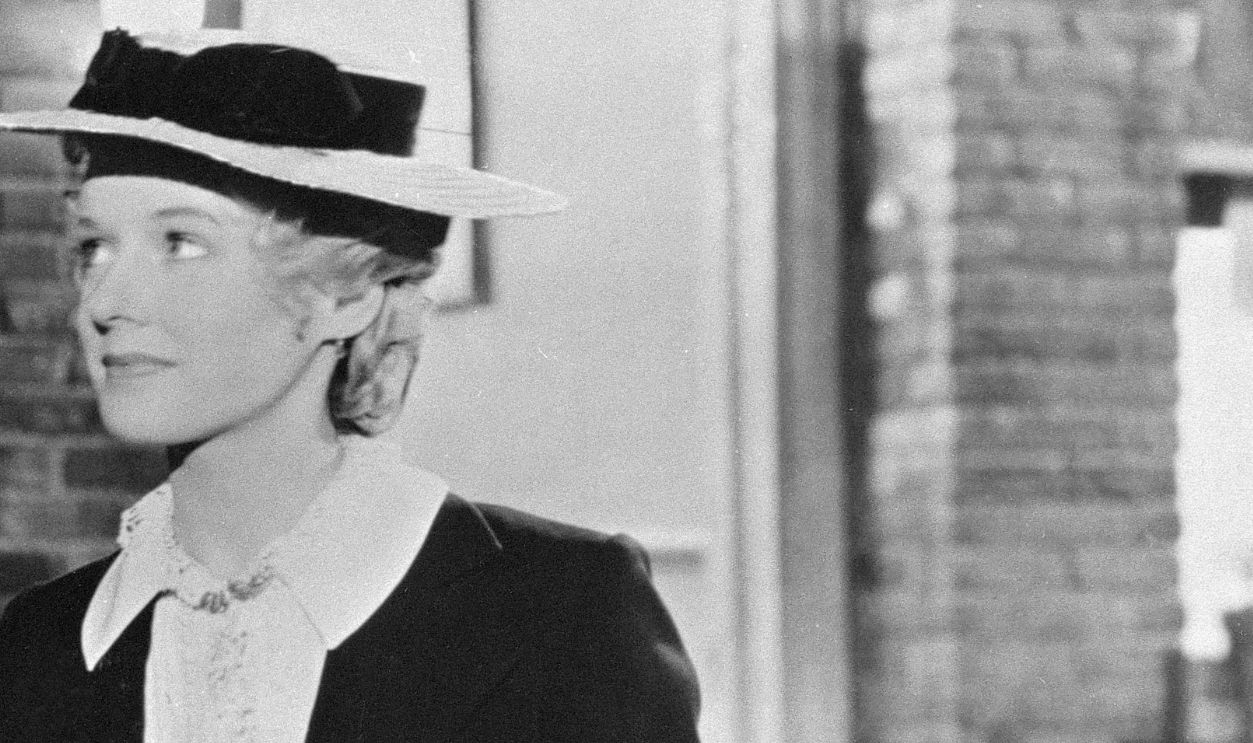
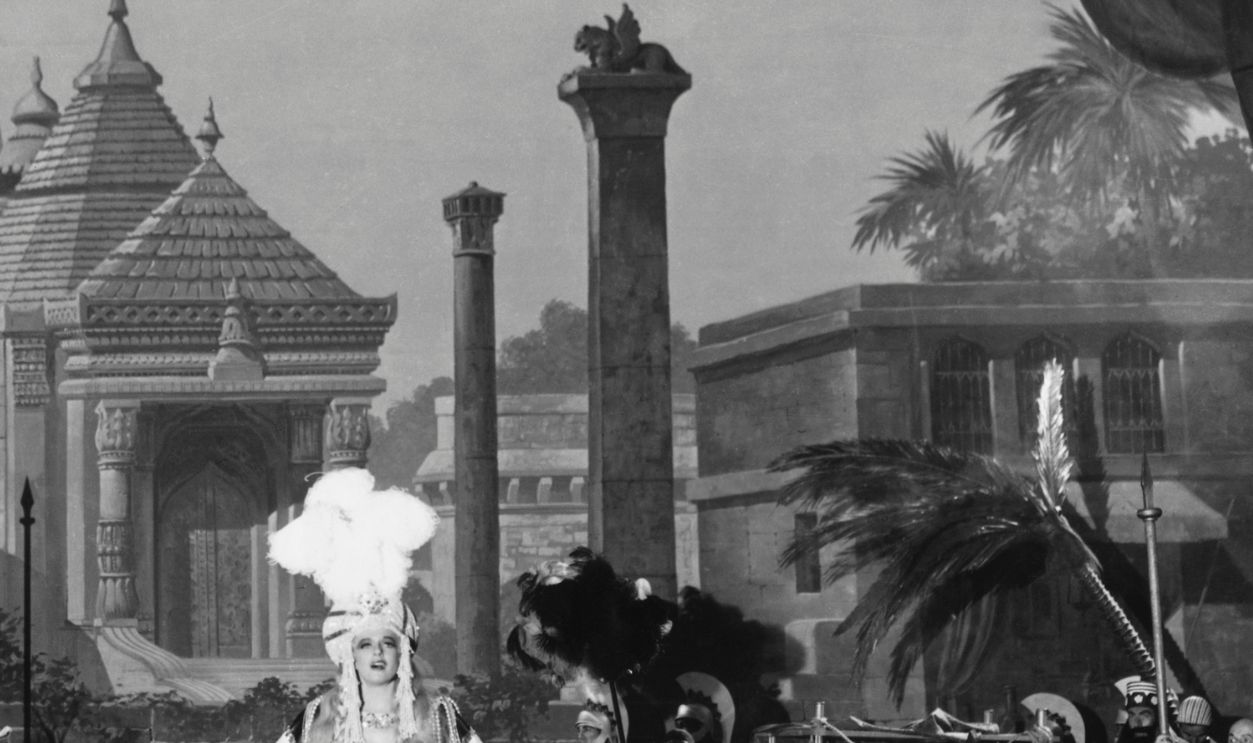
Comingore returned to the screen in the 1944 adaptation of Eugene O’Neill’s The Hairy Ape. The cast included William Bendix, Susan Hayward, and John Loder, but the production did not restore her earlier momentum. Several years passed before she appeared in another feature film.
 John Springer Collection, Getty Images
Her Final Films Were Supporting Assignments
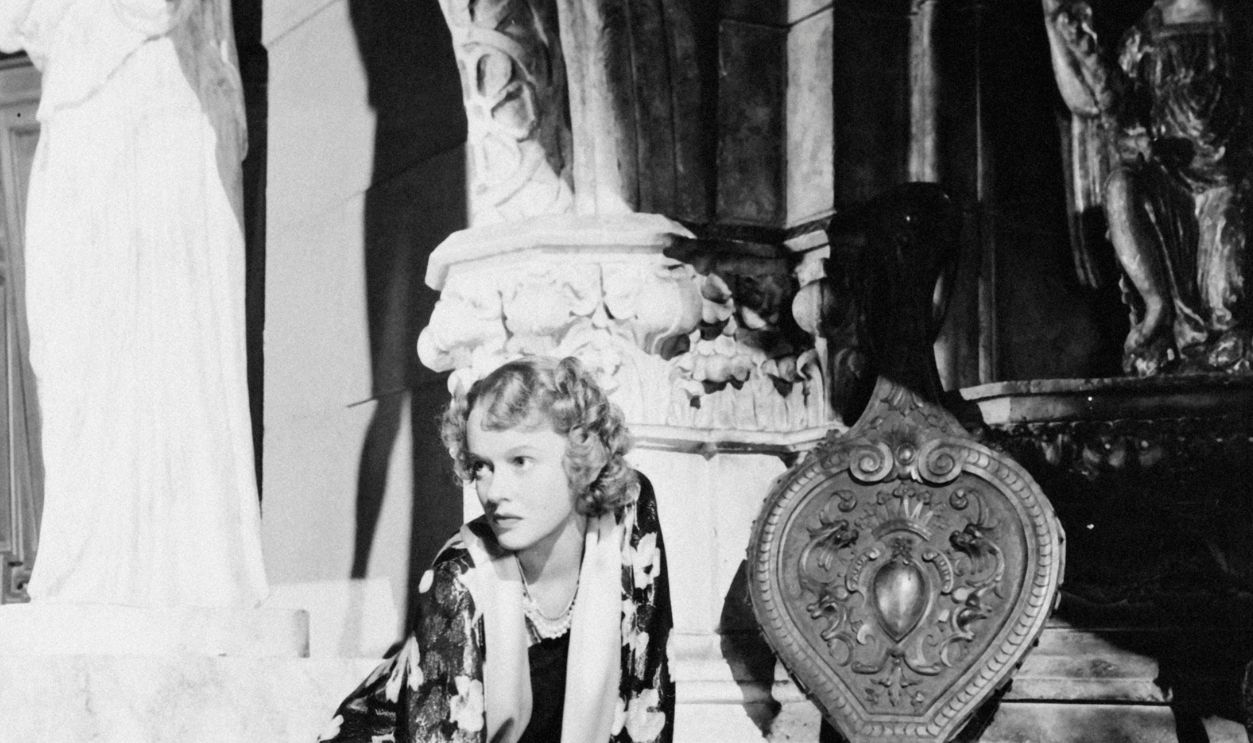
Comingore played a supporting role in the 1949 drama Any Number Can Play, starring Clark Gable and Alexis Smith. She then appeared in Joseph Losey’s The Big Night, released in 1951. Although she made a few television appearances afterward, substantial film roles had effectively disappeared.
 John Springer Collection, Getty Images
Politics Had Become Professionally Dangerous
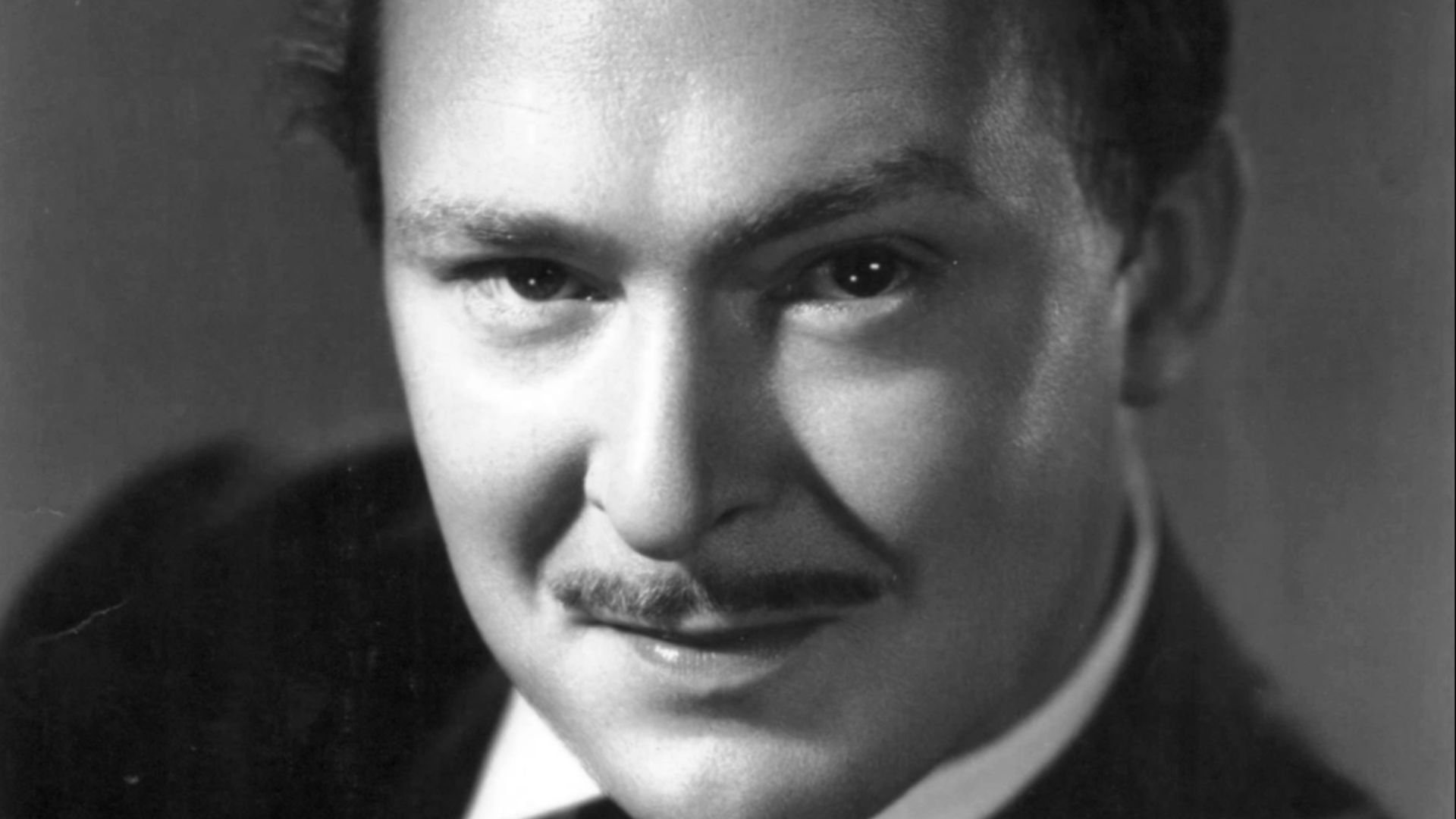
Comingore supported labor causes and participated in progressive political activities during the 1940s. She canvassed for actor and California Assembly candidate Albert Dekker and was associated with efforts opposing racial discrimination. As anticommunist investigations intensified, such activism attracted damaging attention.
 Universal Pictures Co., Inc., Wikimedia Commons
Hollywood Entered The Blacklist Era
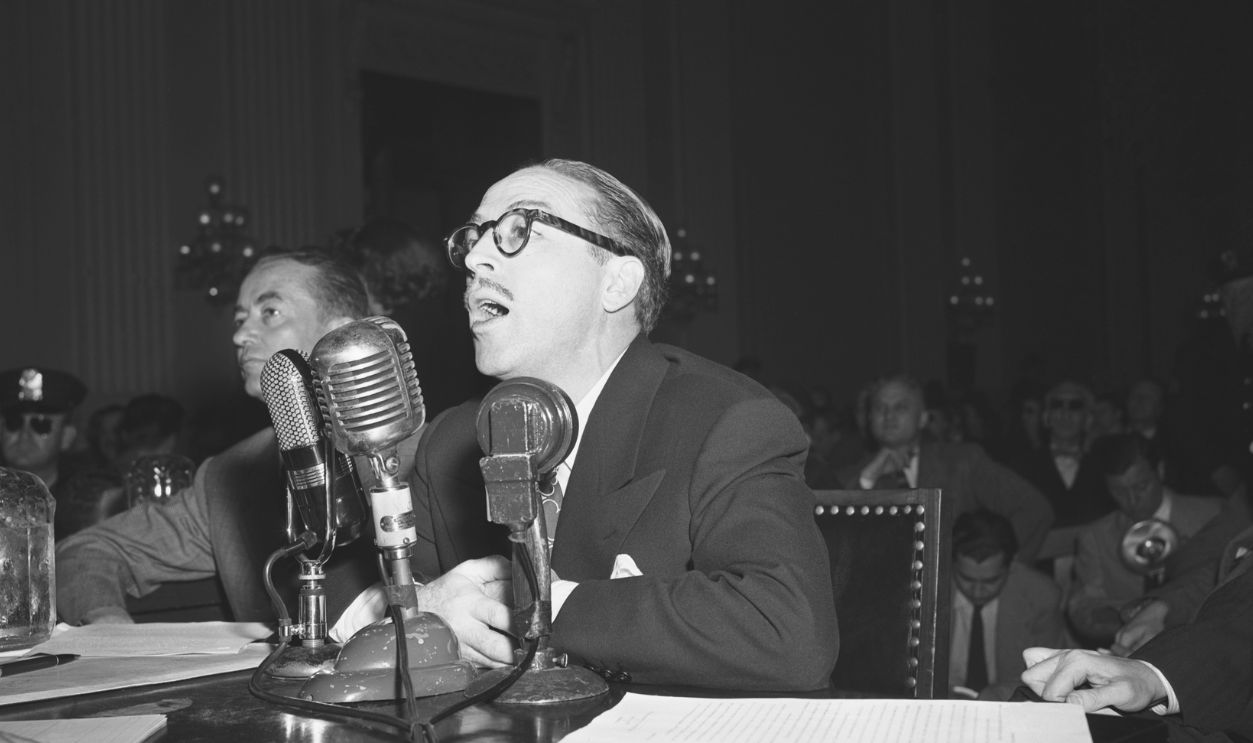
The House Committee on Un-American Activities investigated alleged Communist influence in the film industry in 1947 and again during the early 1950s. Witnesses were pressured to discuss their political associations and identify other people connected to the Communist Party. Studios responded by denying employment to many performers, writers, and directors considered politically risky.
Her Marriage Became Part Of The Crisis
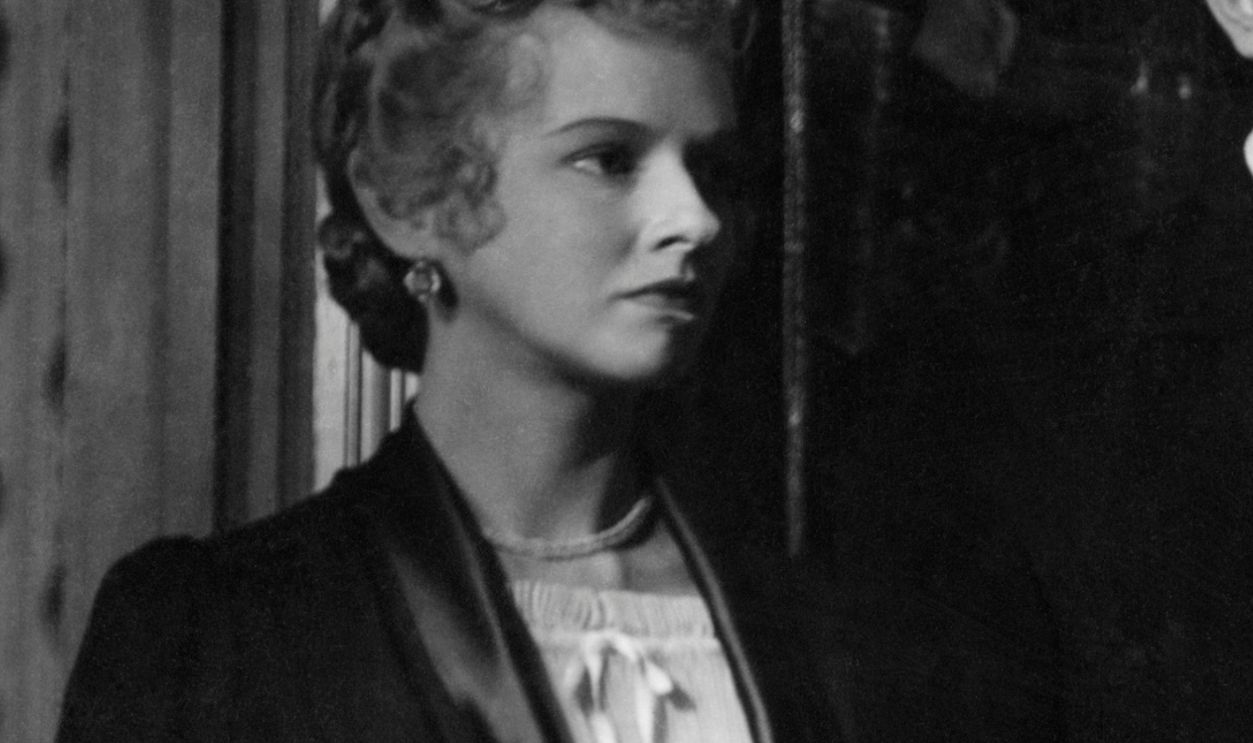
Comingore married screenwriter Richard Collins in 1939, and the couple had two children before divorcing in 1946. Their relationship later became entangled with Hollywood’s political investigations and a bitter custody dispute. Allegations concerning Comingore’s drinking and political associations were raised as Collins sought custody.
 John Springer Collection, Getty Images
Her Former Husband Chose To Cooperate
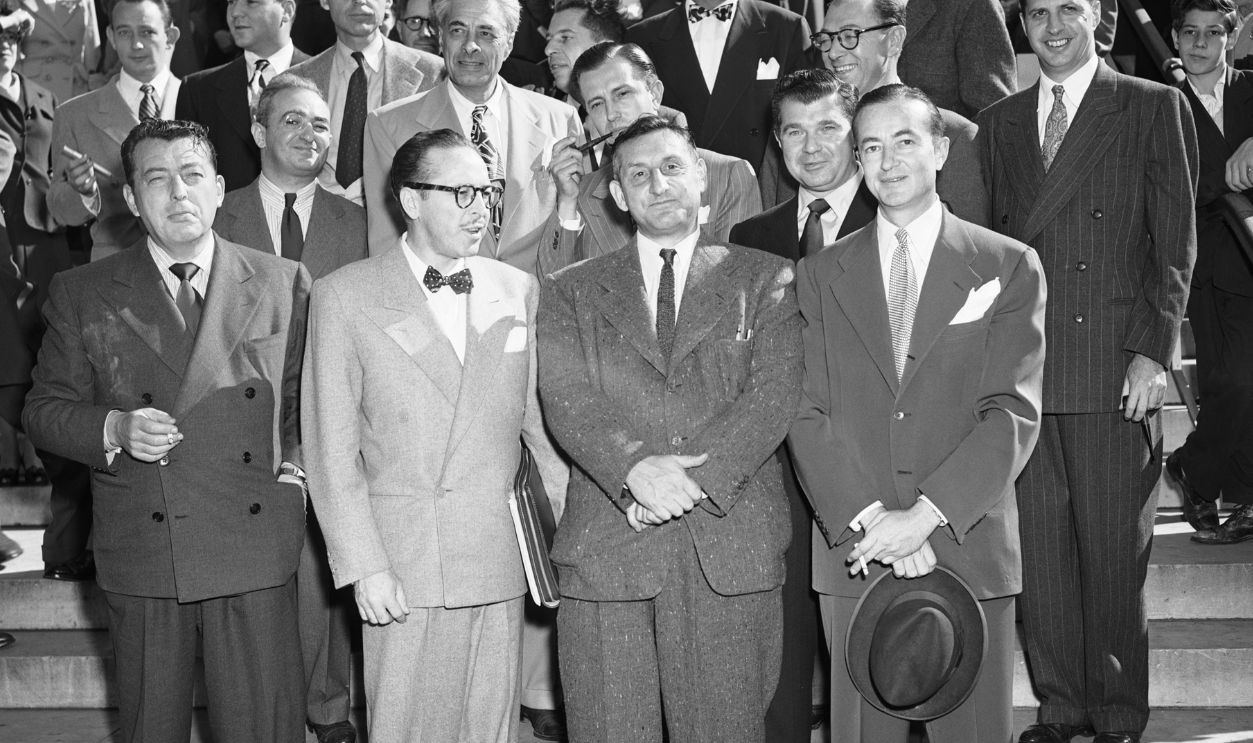
Collins had previously belonged to the Communist Party but became a cooperative HUAC witness. He identified more than 20 people he said had been party members or participants. Among the names discussed during the investigations was that of his former wife.
Comingore Was Ordered To Testify
Comingore appeared before HUAC in 1952 as questions about her political beliefs and associations intensified. By that point, the blacklist had already made finding meaningful work extremely difficult. Testifying offered no comfortable choice because cooperation generally required discussing the activities of other people.
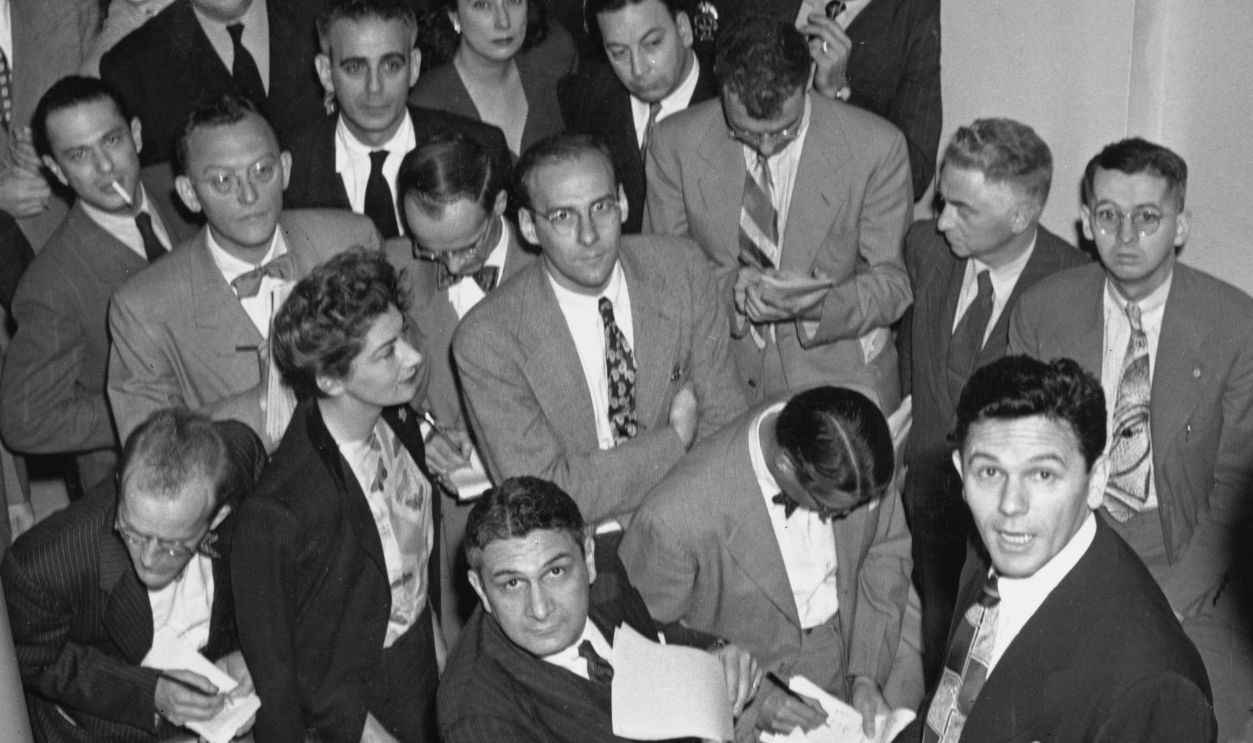
She Refused To Name Names
Comingore declined to answer the committee’s questions about Communist Party membership and associations. She relied on constitutional protections and was classified as an unfriendly witness. Her position protected others from being identified, but it offered no protection for her career.
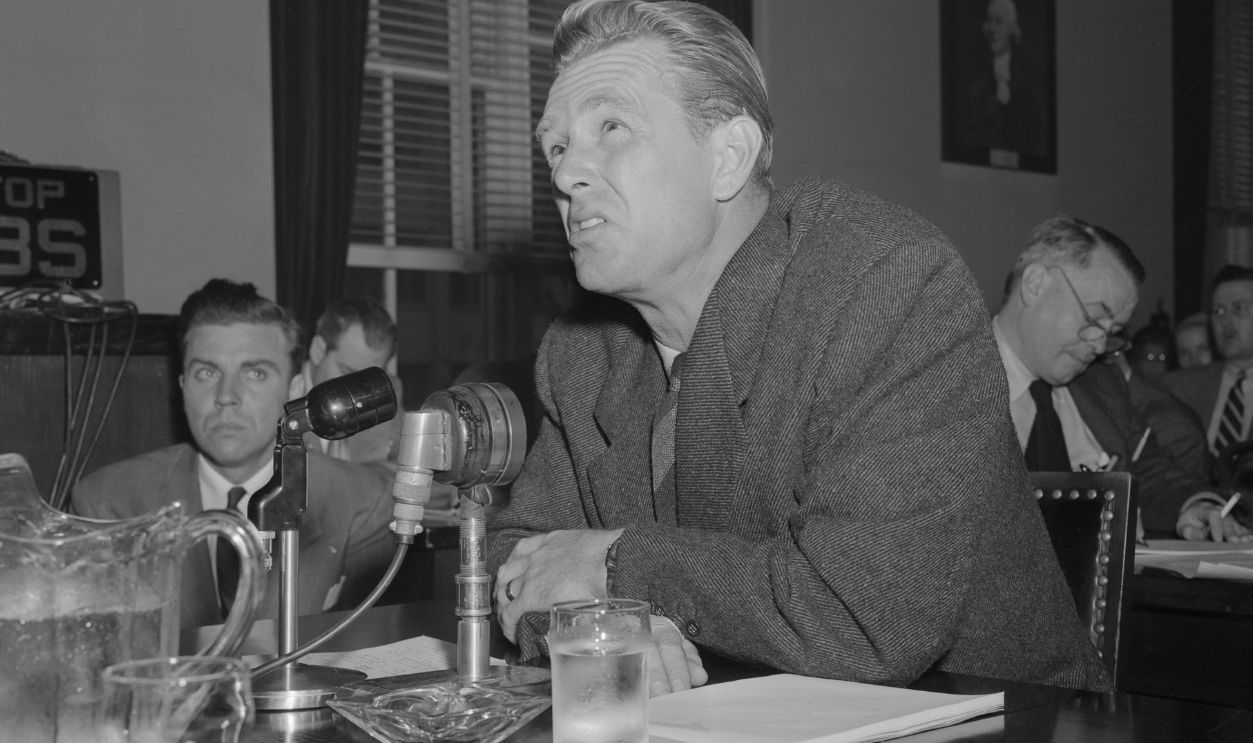
The Blacklist Closed Hollywood’s Doors
Studios did not need a criminal conviction to stop hiring someone targeted during the blacklist era. Comingore’s refusal to cooperate made her virtually unemployable in mainstream film and television. She never returned to acting after her final television work in 1952.
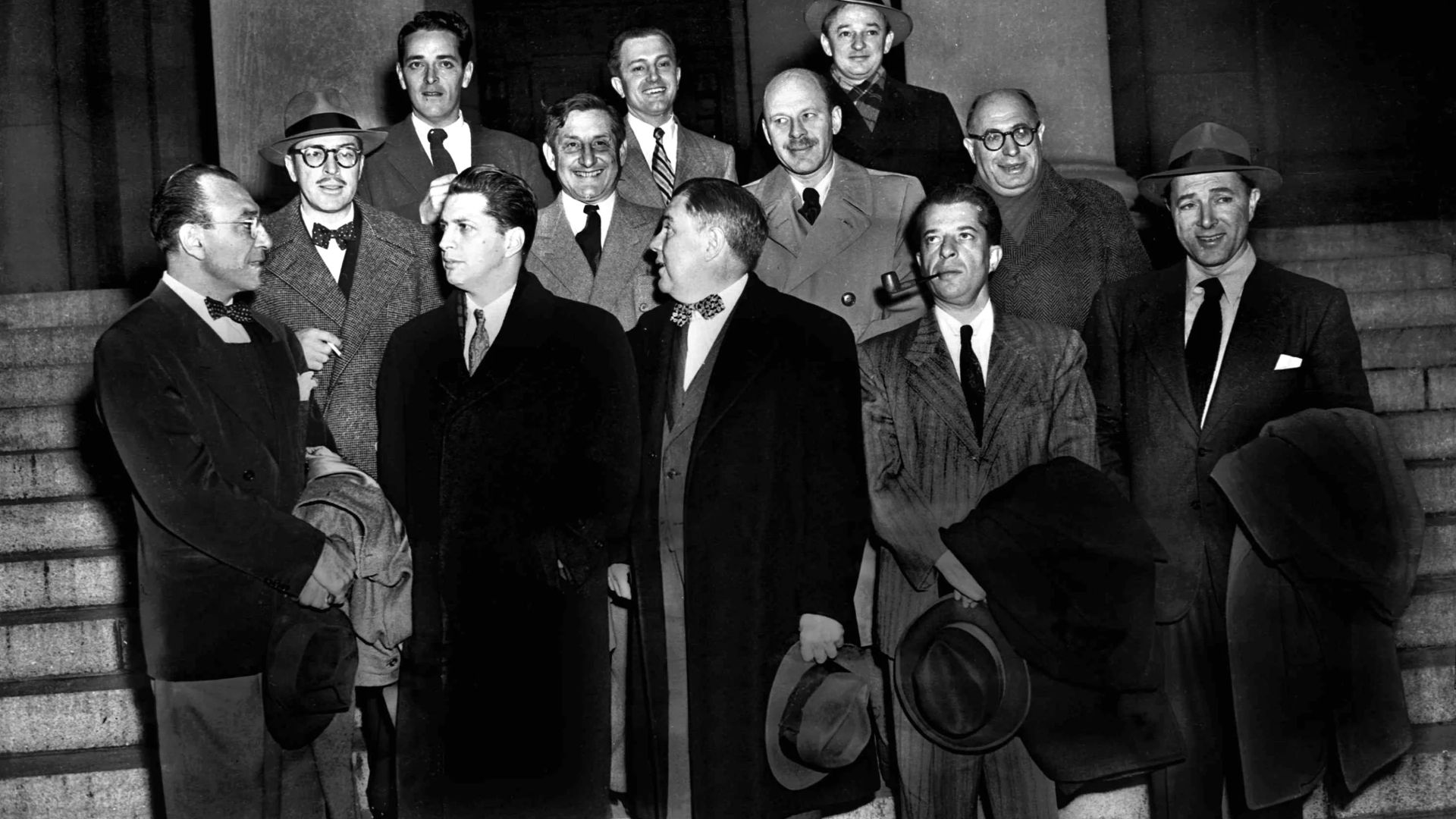 Associated Press, Wikimedia Commons
Her Custody Battle Ended Painfully
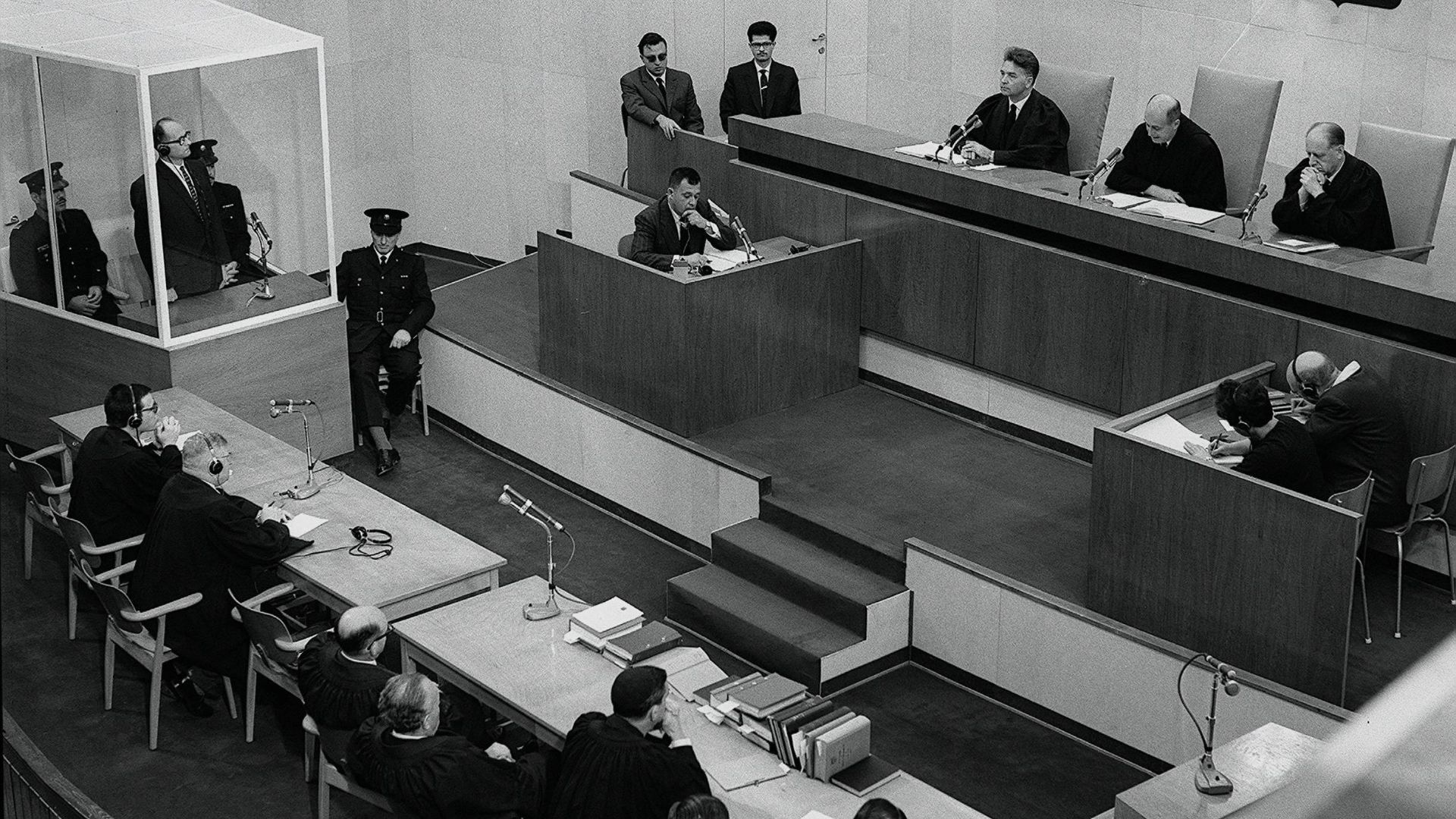
Collins ultimately secured custody of the two children he shared with Comingore. Claims that she drank heavily and was an unfit parent worked against her during the proceedings. The loss deepened a personal collapse that was unfolding alongside the destruction of her professional life.
 Israeli GPO photographer, Wikimedia Commons
A Shocking Arrest Made Headlines
Police arrested Comingore in West Hollywood on March 19, 1953, on a solicitation charge. She denied the accusation and publicly suggested that her treatment was connected to her refusal to cooperate with HUAC. Contemporary reporting confirms the arrest, but claims that officials deliberately framed her have never been conclusively established.
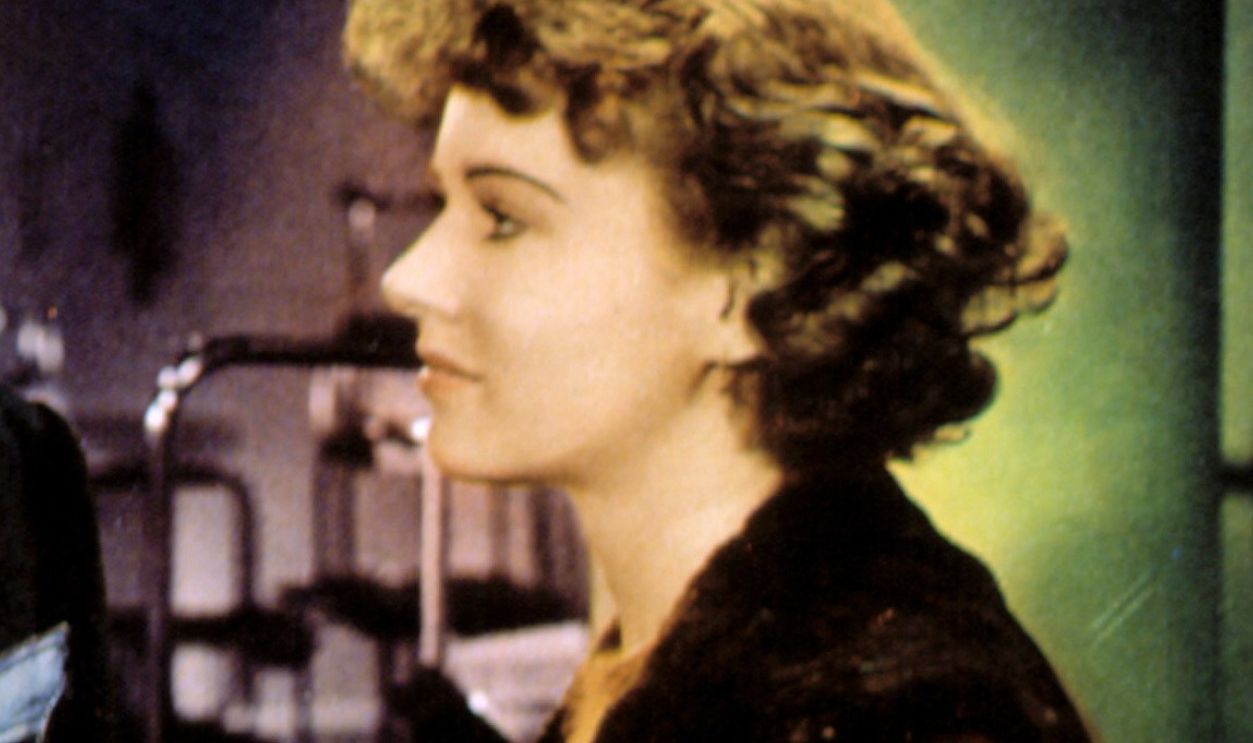
She Was Sent To A State Hospital
The solicitation case was dropped, but Comingore was subsequently committed to Camarillo State Hospital following proceedings connected to her alcoholism. She remained institutionalized for roughly two years. By the time she left, the actress once expected to become a major star had been absent from Hollywood for years.
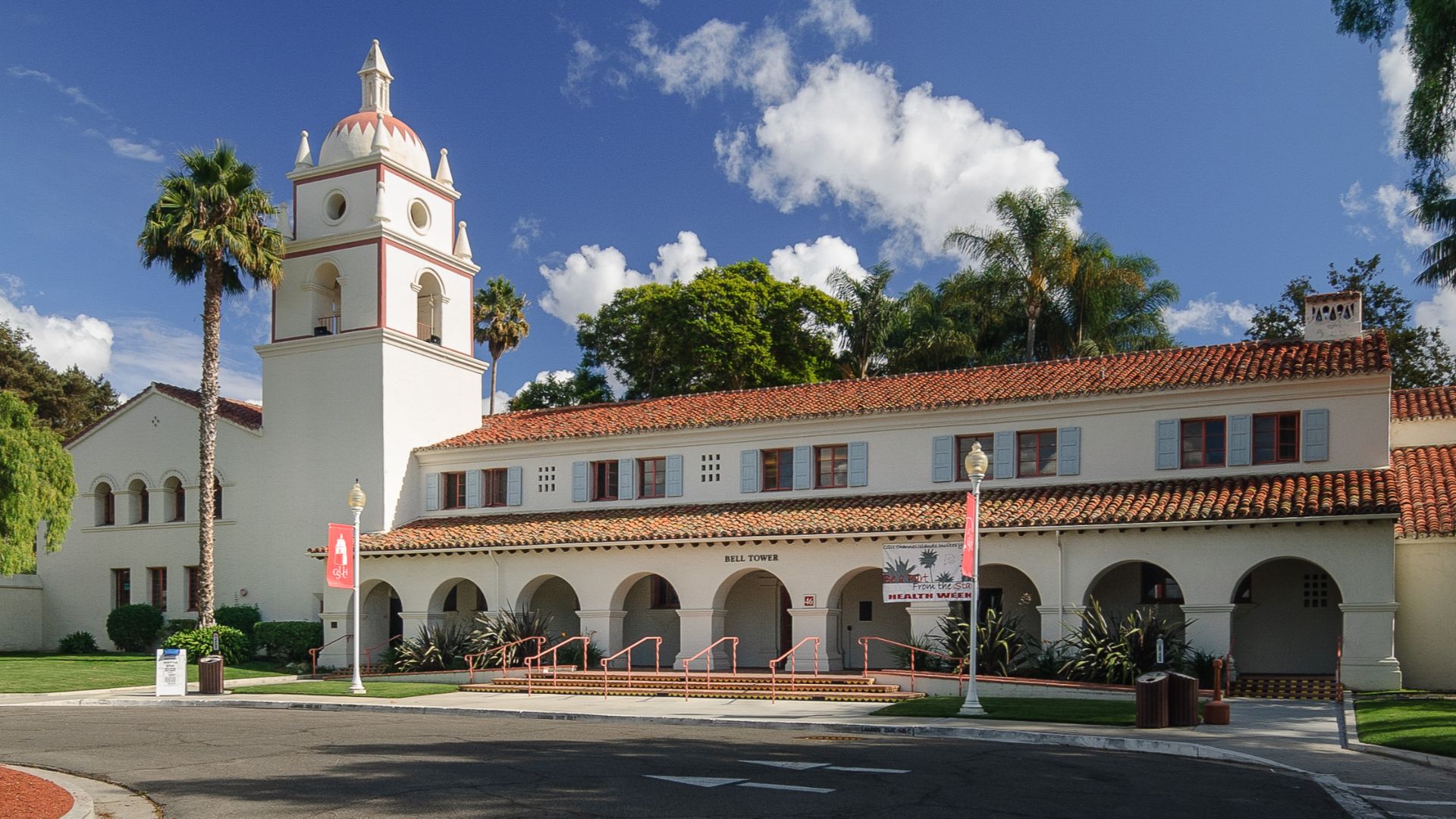 Stephen Schafer, Wikimedia Commons
She Finally Found A Quieter Life
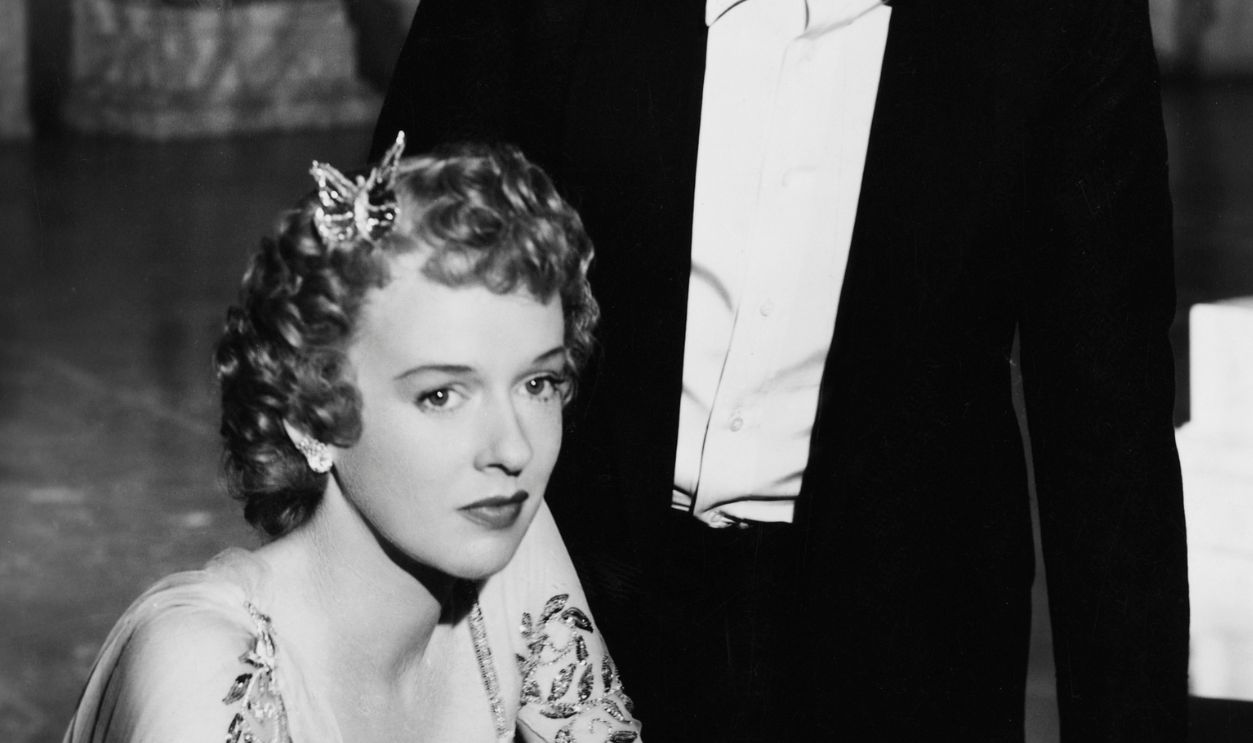
Comingore later met John Crowe, a postal carrier and store owner in Lords Point, Connecticut. They built a secluded life near the water and remained together until her death. Friends and later accounts described these years as relatively peaceful despite her arthritis and declining health.
 John Springer Collection, Getty Images
Hollywood Lost Her, But The Film Preserved Her
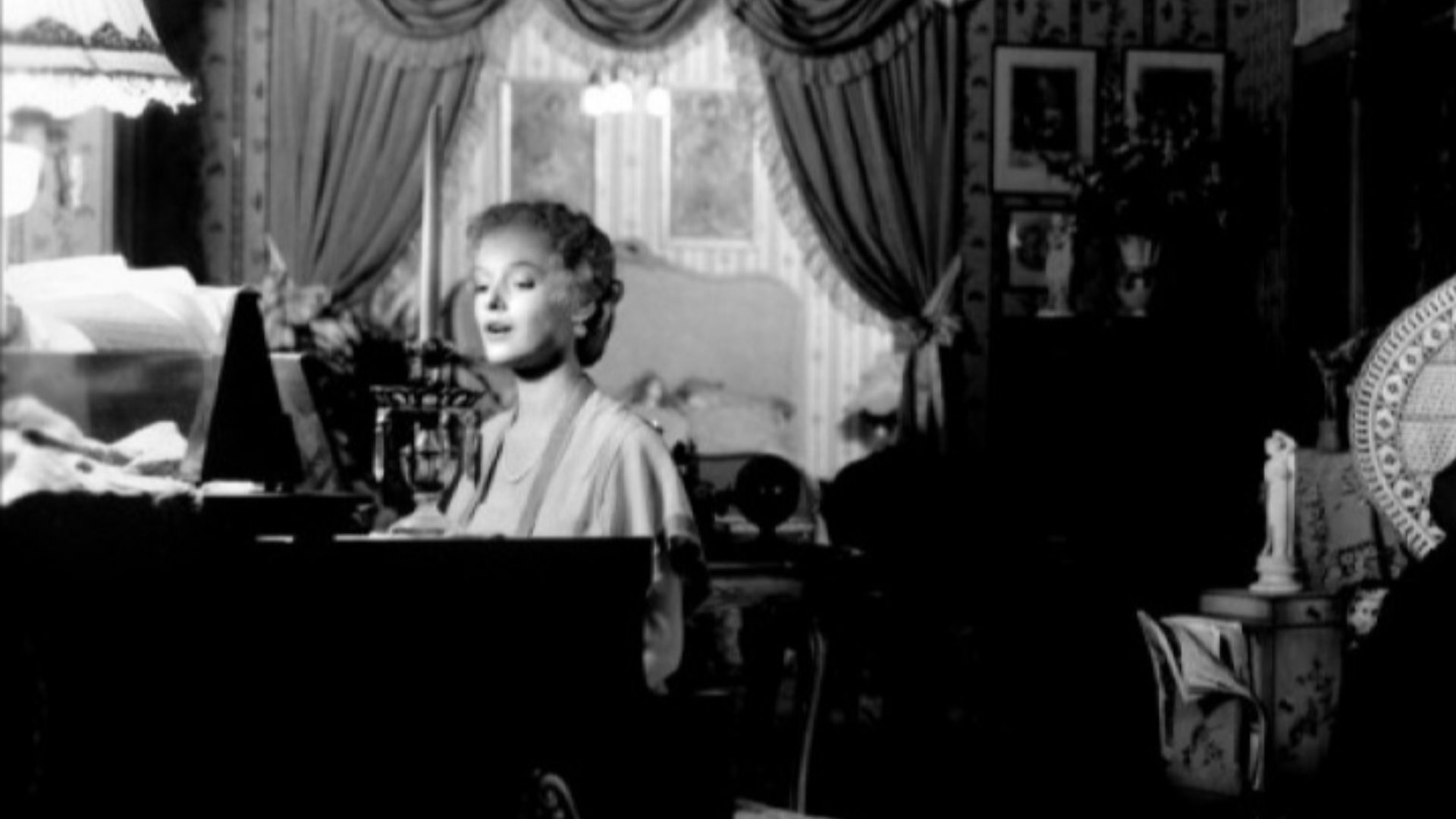
Comingore died from pulmonary disease in Stonington, Connecticut, on December 30, 1971, at age 58. Her career had been weakened by studio conflict and personal difficulties before the blacklist delivered its decisive blow. Yet every revival of Citizen Kane reveals what Hollywood discarded when Dorothy Comingore refused to save herself by naming other people.
You May Also Like:
Angela Lansbury Was 19 When She Married Richard Cromwell. Nine Months Later, It Was Over.
How Hollywood Turned Margarita Cansino Into Rita Hayworth—And Changed Her Forever