He Redefined What Screen Villains Could Become
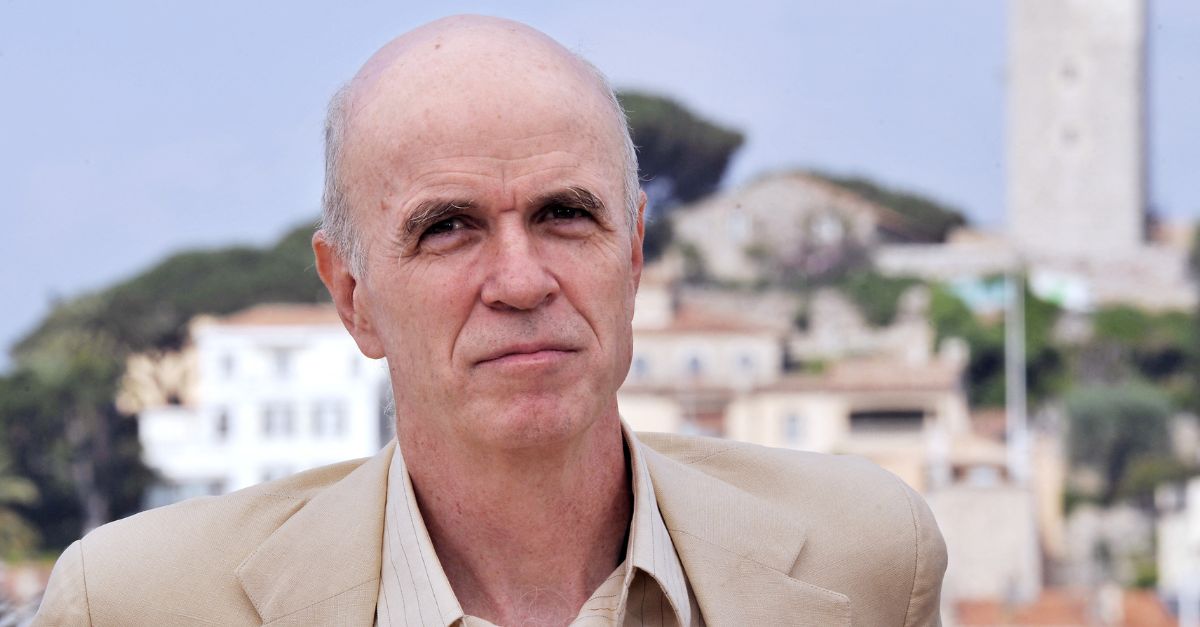
Most actors play bad guys as purely evil. Noonan found hurt, confusion, even sweetness in his monsters. That approach separated him from countless forgettable antagonists, and his performances aged better than the films containing them often did.
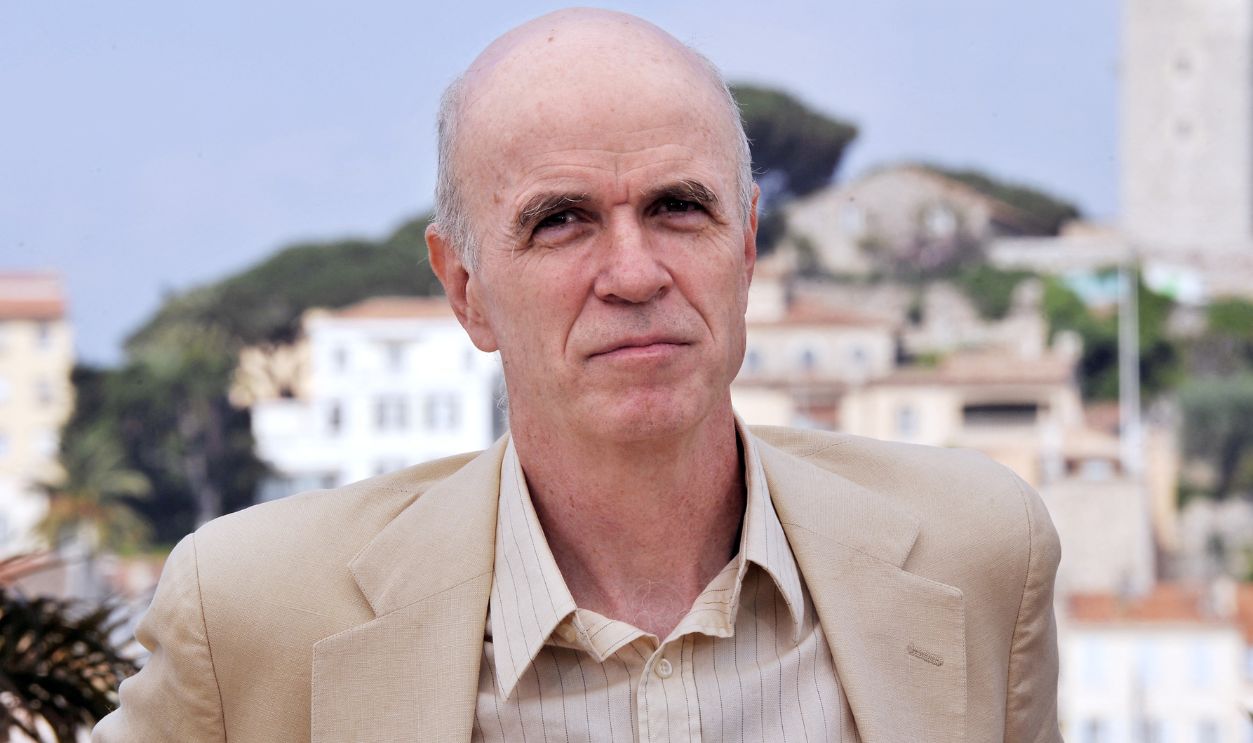 ANNE-CHRISTINE POUJOULAT, Getty Images
A Valentine’s Day Farewell
Hollywood lost a singular character performer when Tom Noonan passed on peacefully on February 14, 2026, at age 74. Director Fred Dekker and longtime collaborator Karen Sillas confirmed the news in heartfelt tributes, as industry friends shared memories and honored a four-decade career.
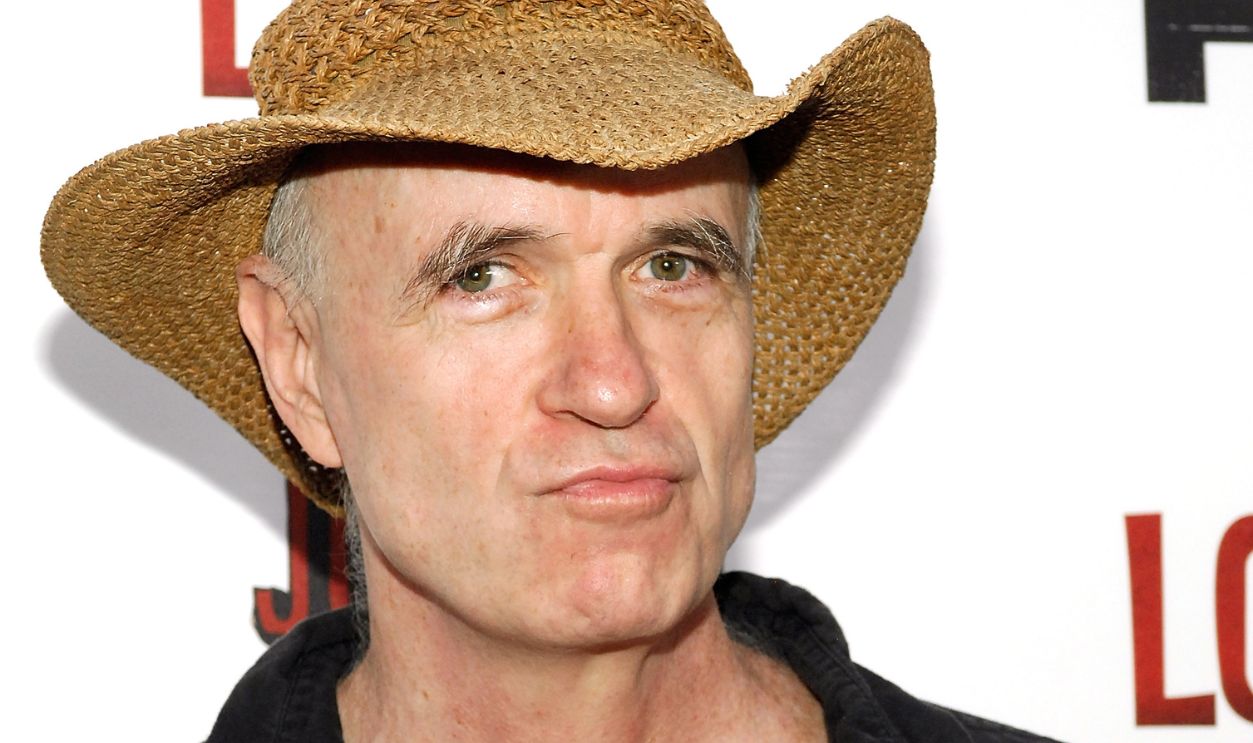
Cause Of Passing Not Publicly Disclosed
Public details remained limited following the announcement. No official cause of death was released to media outlets, with Sillas stating only that he died peacefully. That discretion reflected a career defined by privacy and a consistent distance from celebrity spectacle.
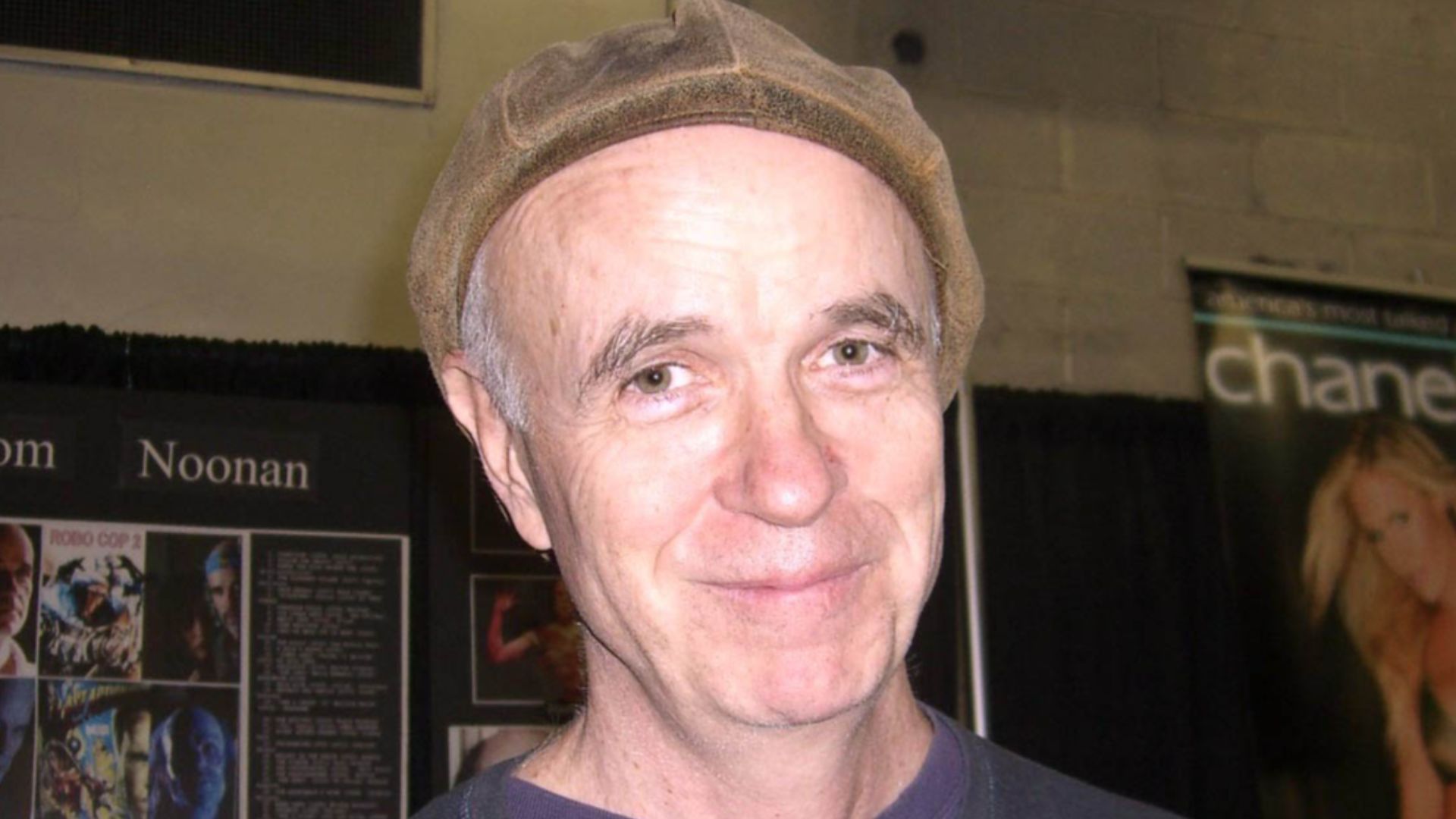 Nightscream, Wikimedia Commons
Early Life In Greenwich, Connecticut
Greenwich, Connecticut, welcomed him on April 12th, 1951. Raised in a household balancing intellect and creativity, he grew up with a mathematics teacher mother and a dentist father who played jazz. Two sisters and an older brother, John, rounded out the family.
 Quintin Soloviev, Wikimedia Commons
From Basketball Player To Stage Actor
A six-foot-five frame made athletics the early focus. Basketball crowds unknowingly prepared him for performance, even though school theater never entered the picture. Acting emerged only at 27, once competitive sports ended, and a new path demanded attention.

Breakout Role: Francis Dollarhyde In Manhunter
Widespread recognition arrived in 1986 through Michael Mann's thriller Manhunter. As serial killer Francis Dollarhyde, nicknamed the Tooth Fairy, he revealed vulnerability alongside brutality. Their first meeting reportedly involved silence—he simply asked to read, letting preparation replace small talk.
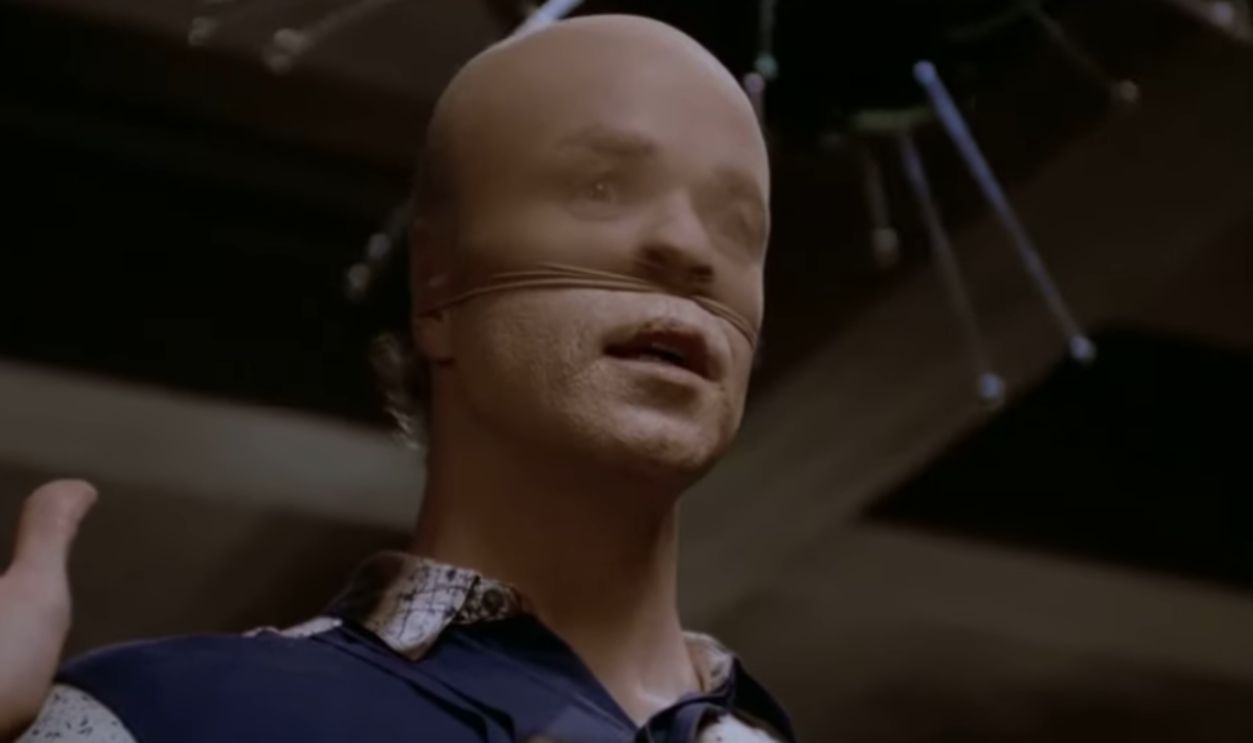 Screenshot from Manhunter, De Laurentiis Entertainment Group (1986)
Michael Mann's Adaptation Of Red Dragon
Thomas Harris's novel Red Dragon reached screens years before The Silence of the Lambs through Mann’s adaptation. Brian Cox portrayed Hannibal Lecter while William Petersen played Will Graham. At the emotional center stood Dollarhyde, commanding attention despite limited screen time.
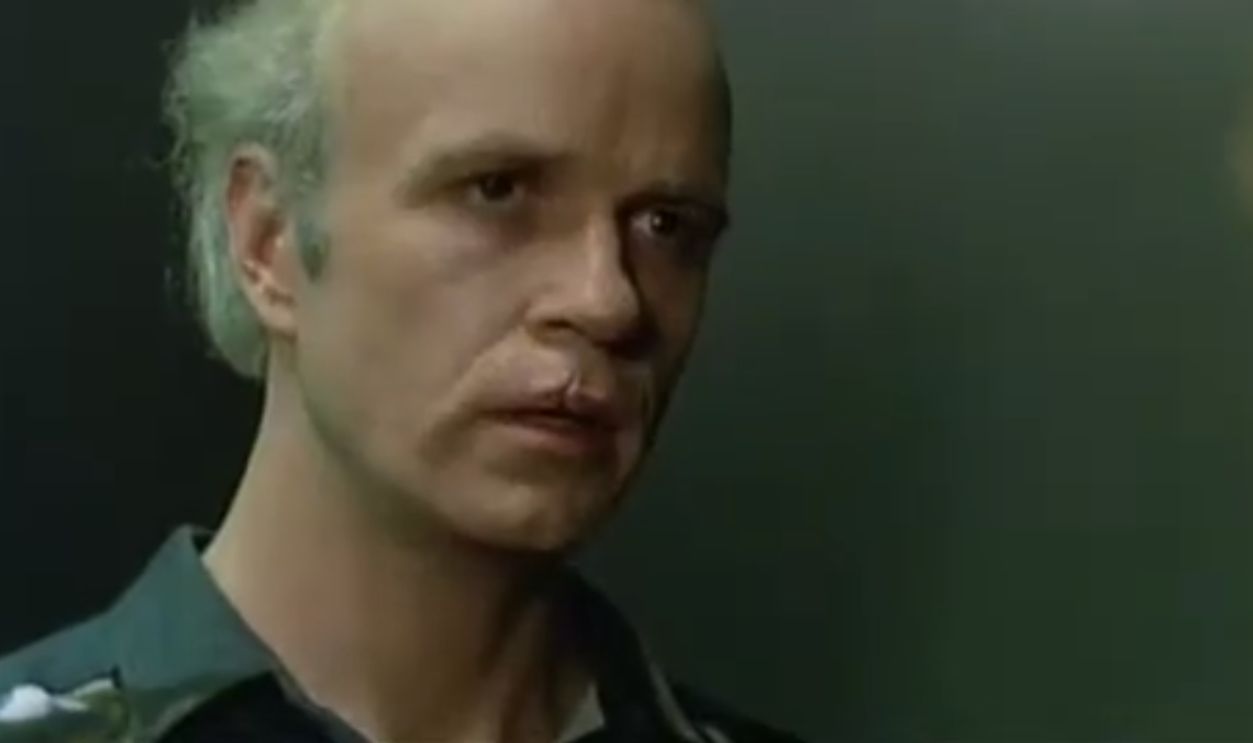 Screenshot from Manhunter, De Laurentiis Entertainment Group (1986)
The Tooth Fairy Serial Killer Performance
Home movies of smiling families guided Dollarhyde’s victim selection, and this earned him the Tooth Fairy nickname. Instead of caricature, the role became fragile and tormented. That interpretation reshaped later portrayals, they influenced how future adaptations approached the character decades afterward.
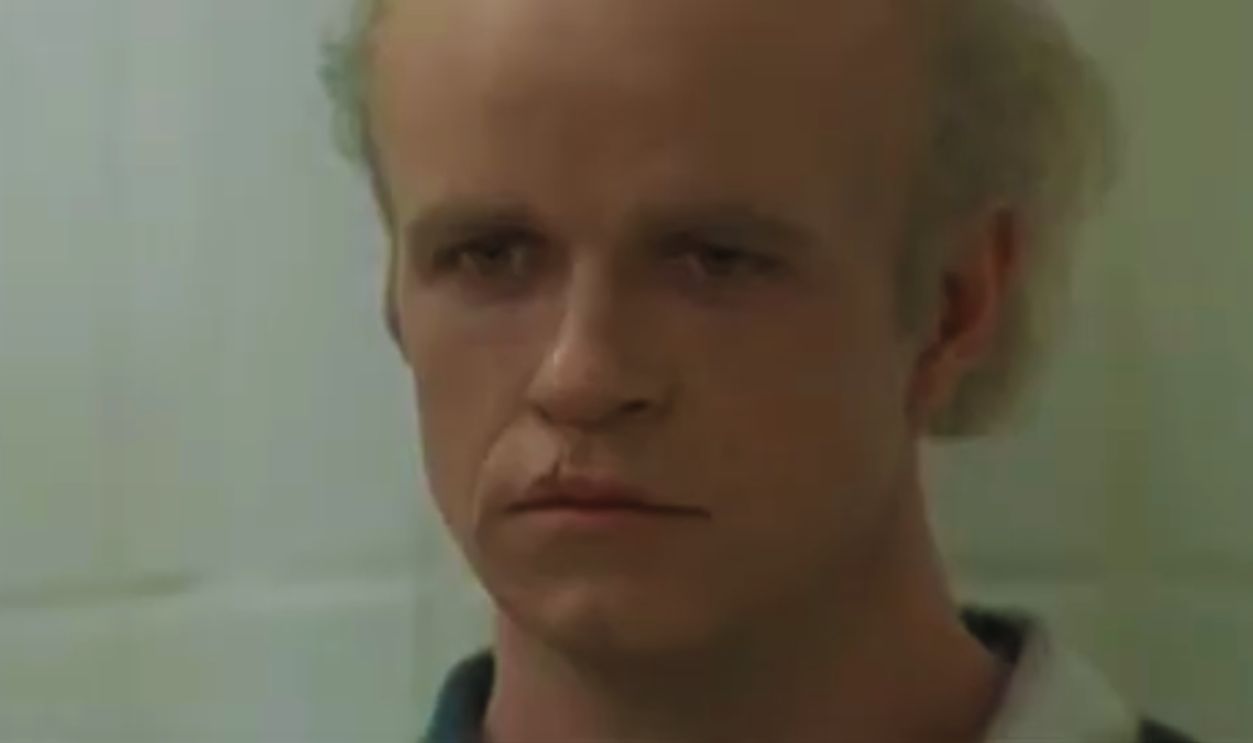 Screenshot from Manhunter, De Laurentiis Entertainment Group (1986)
Bringing Sensitivity To A Monster
Critical praise centered on the humanity found within madness. A longing for transformation collided with violent impulses to create internal conflict. Subtle shifts in posture and expression invited sympathy where audiences expected only fear.
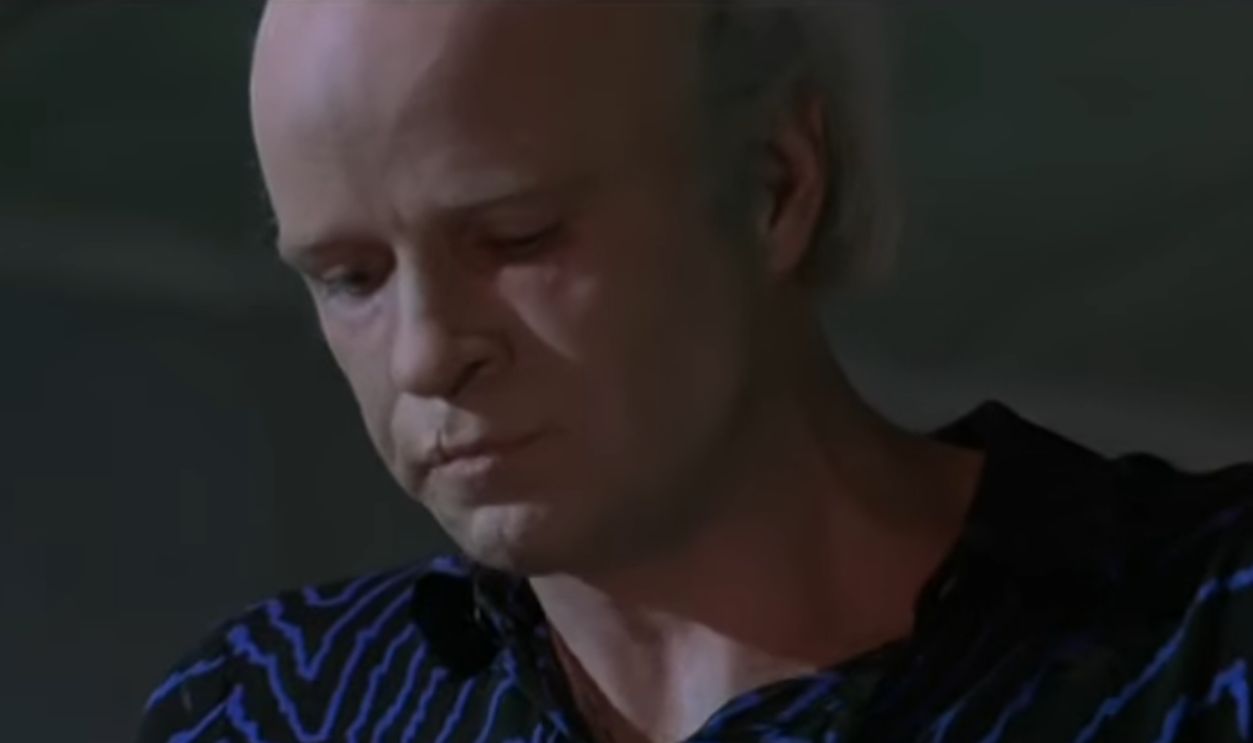 Screenshot from Manhunter, De Laurentiis Entertainment Group (1986)
Cain In RoboCop 2: Drug Lord Turned Machine
A cult leader producing the drug Nuke entered the universe of RoboCop 2 in Irvin Kershner’s 1990 sequel. Midway through the film, death gives way to resurrection as RoboCain, a towering mechanized threat. Messianic charisma defined the human version before metal replaced flesh.
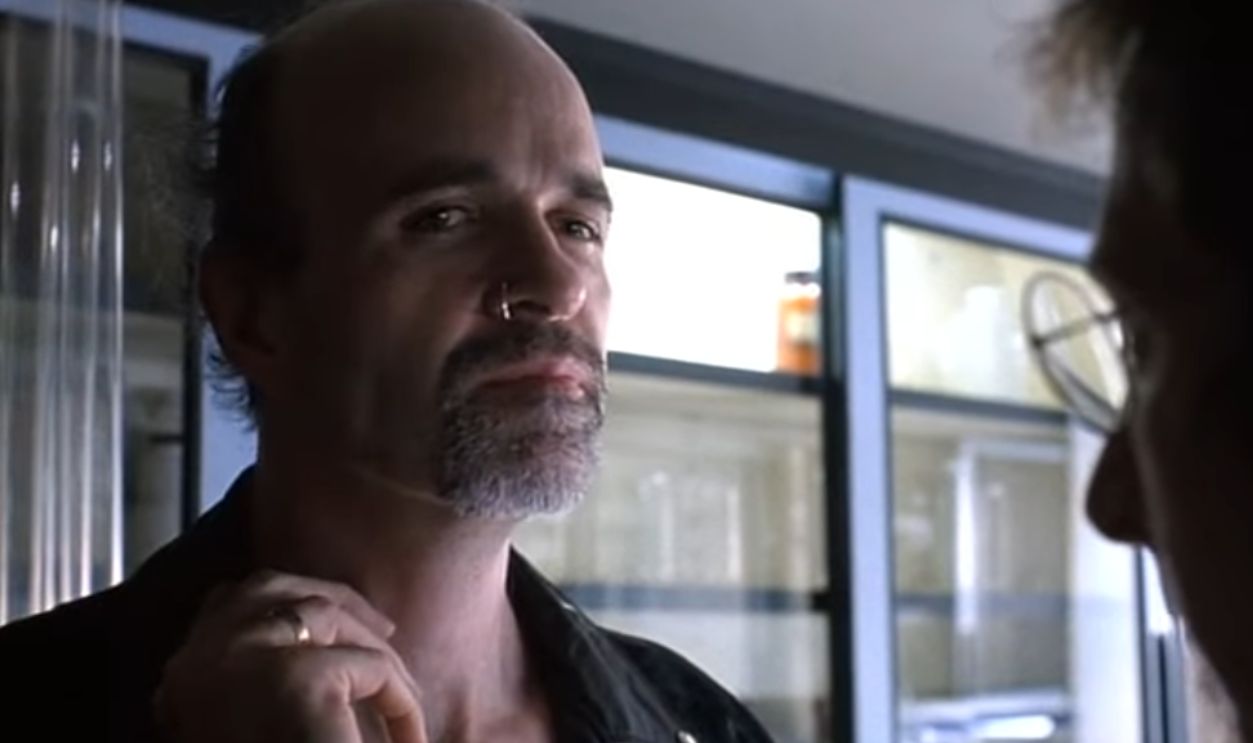 Screenshot from RoboCop 2, Orion Pictures (1990)
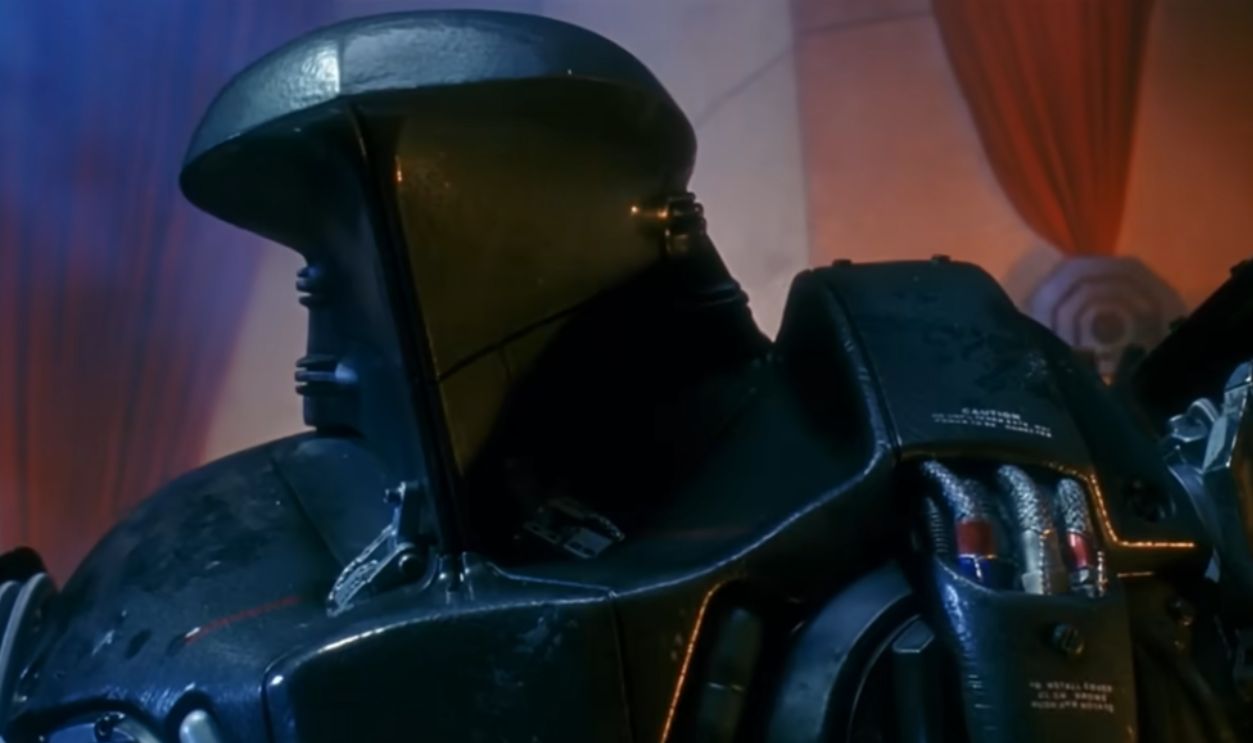
RoboCain: The Mechanized Villain
Following Cain’s passing, scientists transplant his brain into a massive robotic body surpassing RoboCop in size and firepower. A street-level criminal evolves into a citywide menace. The mechanical form retains vocal intensity that sustains tension throughout action sequences in RoboCop 2.
 Screenshot from RoboCop 2, Orion Pictures (1990)
Health Issues During RoboCop 2 Production
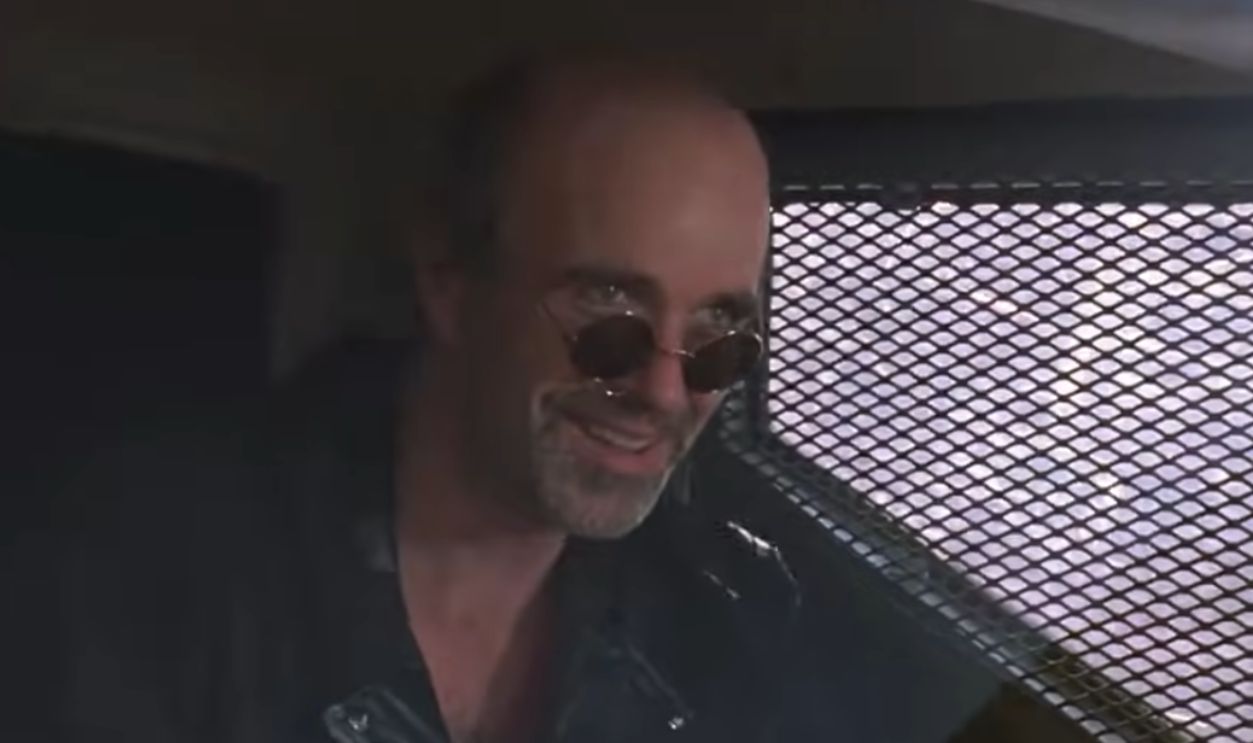
During the production of RoboCop 2, troubling facial twitching raised health concerns. Uncertainty about the cause lingered long after filming ended. The scare prompted a return to the theater, where workload and creative conditions offered greater control than large-scale studio projects.
 Screenshot from RoboCop 2, Orion Pictures (1990)
Frankenstein's Monster In The Monster Squad
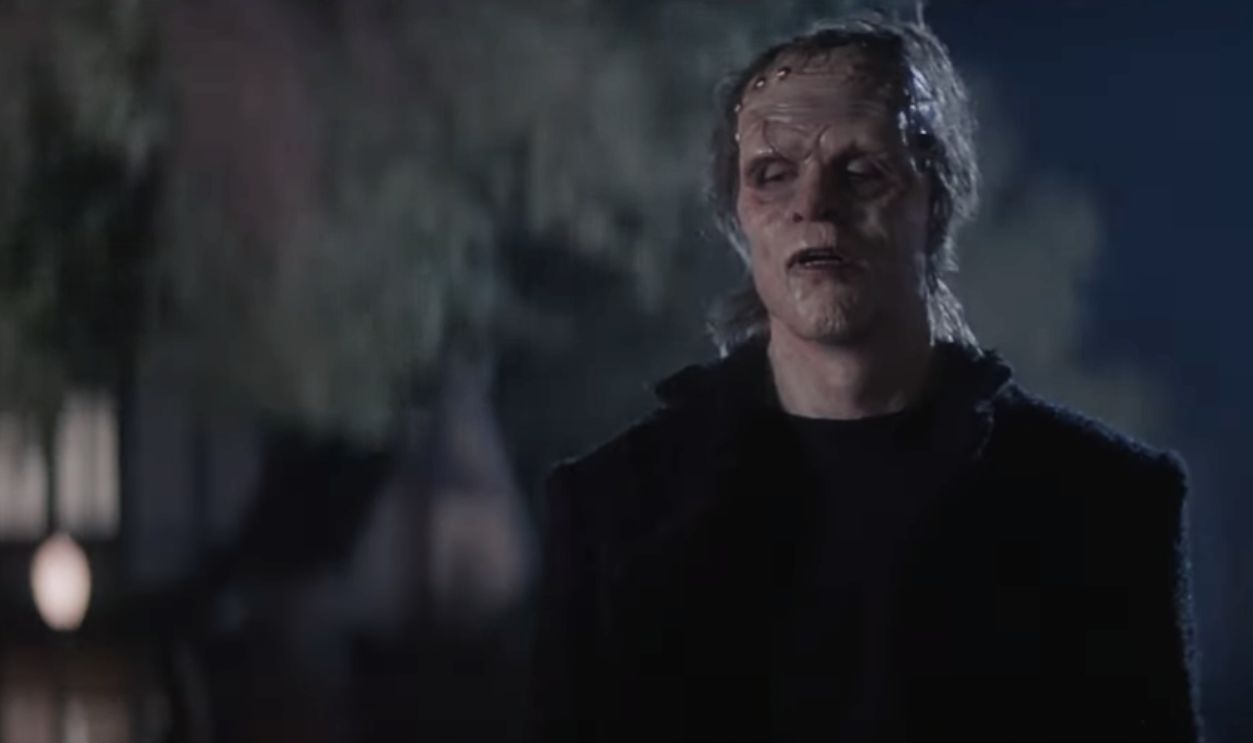
Sympathy defined the 1987 portrayal of Frankenstein's Monster in Fred Dekker’s horror-comedy The Monster Squad. Inspired by Lenny from Of Mice and Men, the character aided children against classic villains. Heavy prosthetics proved so demanding that makeup sometimes remained on during the drive home.
 Screenshot from The Monster Squad, TriStar Pictures (1987)
Director Fred Dekker's Heartfelt Tribute
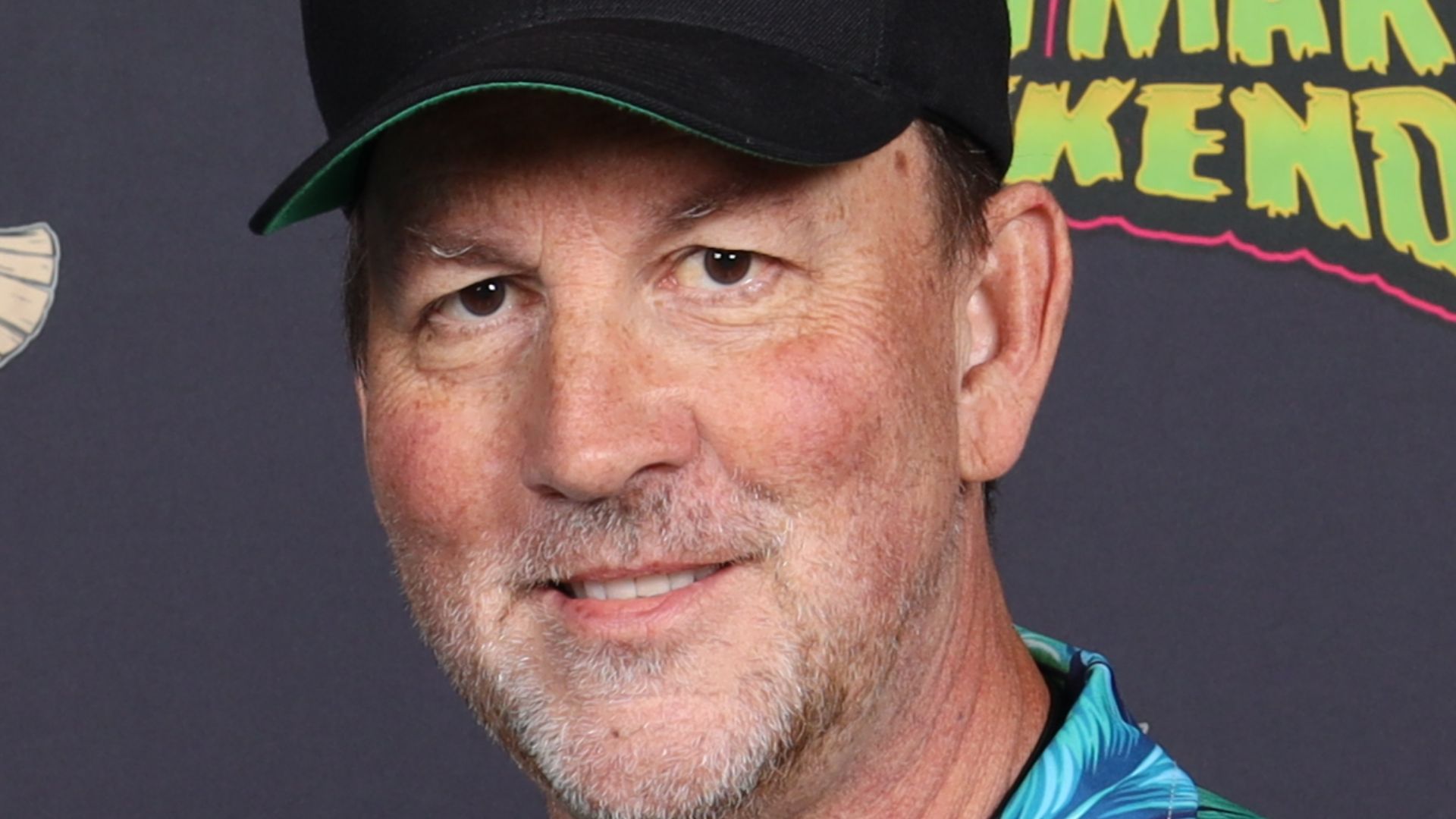
A Facebook tribute from Dekker highlighted the The Monster Squad collaboration as career-defining. After seeing Manhunter, he insisted on casting him. Their apartment meeting focused on ensuring the Monster avoided camp and retained emotional sincerity.
 Super Festivals , Wikimedia Commons
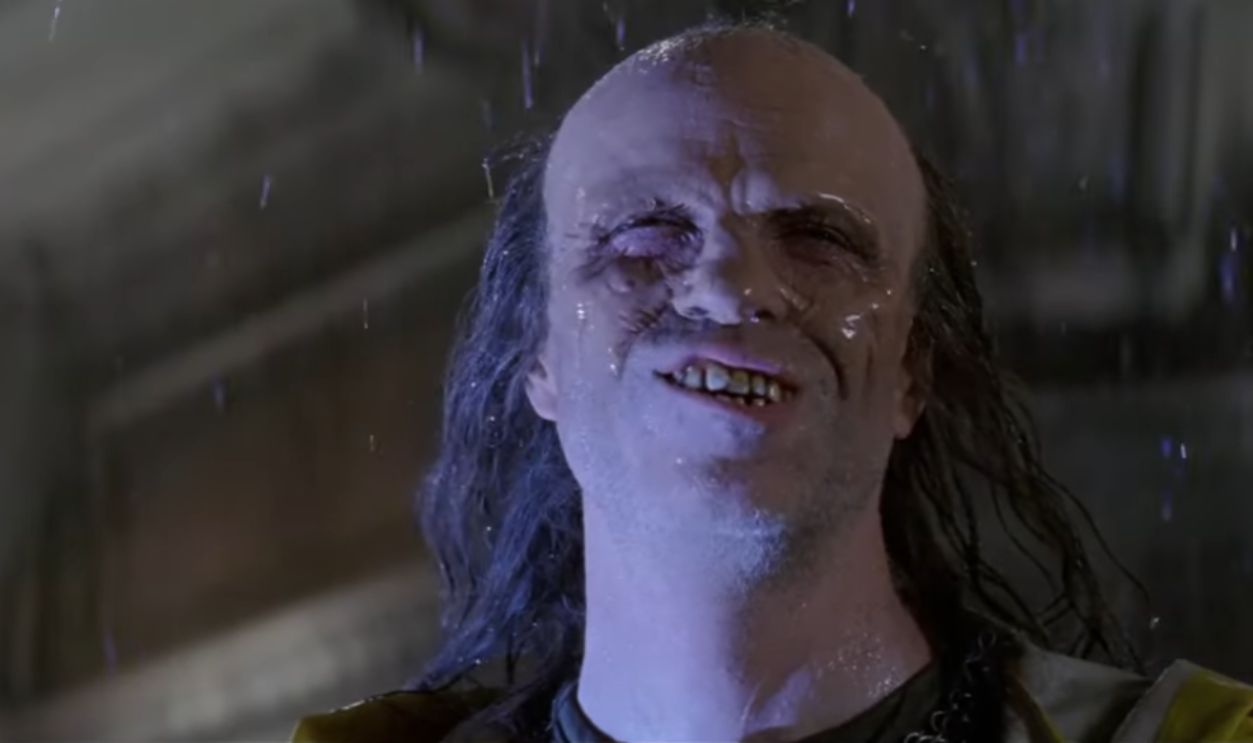
The Ripper In Last Action Hero
An ax-wielding villain crossed into reality in John McTiernan’s 1993 meta-action comedy Last Action Hero. The Ripper terrorized beyond the movie screen, while a brief cameo required portraying himself. Later reflections suggested that playing his own persona proved unexpectedly challenging.
 Screenshot from Last Action Hero, Columbia Pictures (1993)
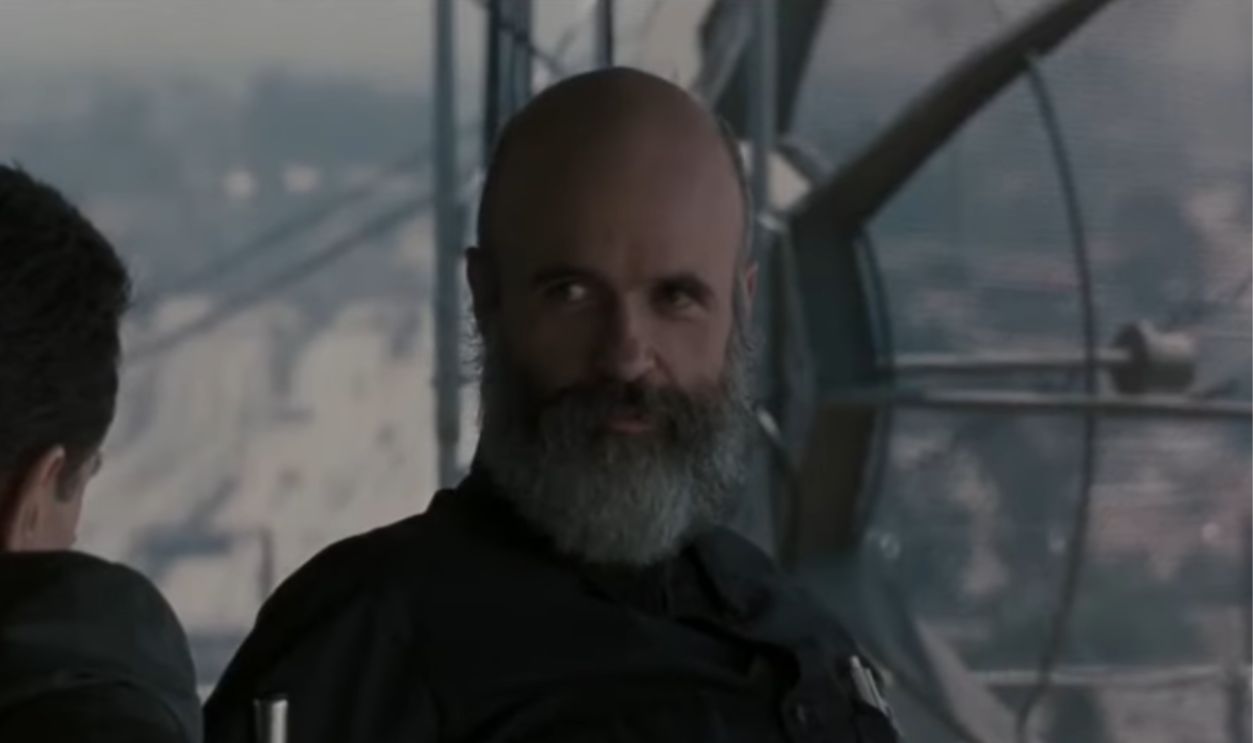
Kelso The Hacker In Heat
Reuniting with Michael Mann in 1995’s Heat introduced Kelso, an information broker pulsing with nervous energy. The role contrasted sharply with Dollarhyde’s rigid intensity. Versatility emerged as physical intimidation gave way to jittery intelligence.
 Screenshot from Heat, Warner Bros. Pictures (1995)
Reunion With Michael Mann
Nearly a decade separated Manhunter and Heat, yet the collaboration remained potent. Mann later described their partnership as magical. Preparation defined their dynamic—reading scenes spoke louder than casual conversation during auditions.
 Col. Hans Landa, Wikimedia Commons
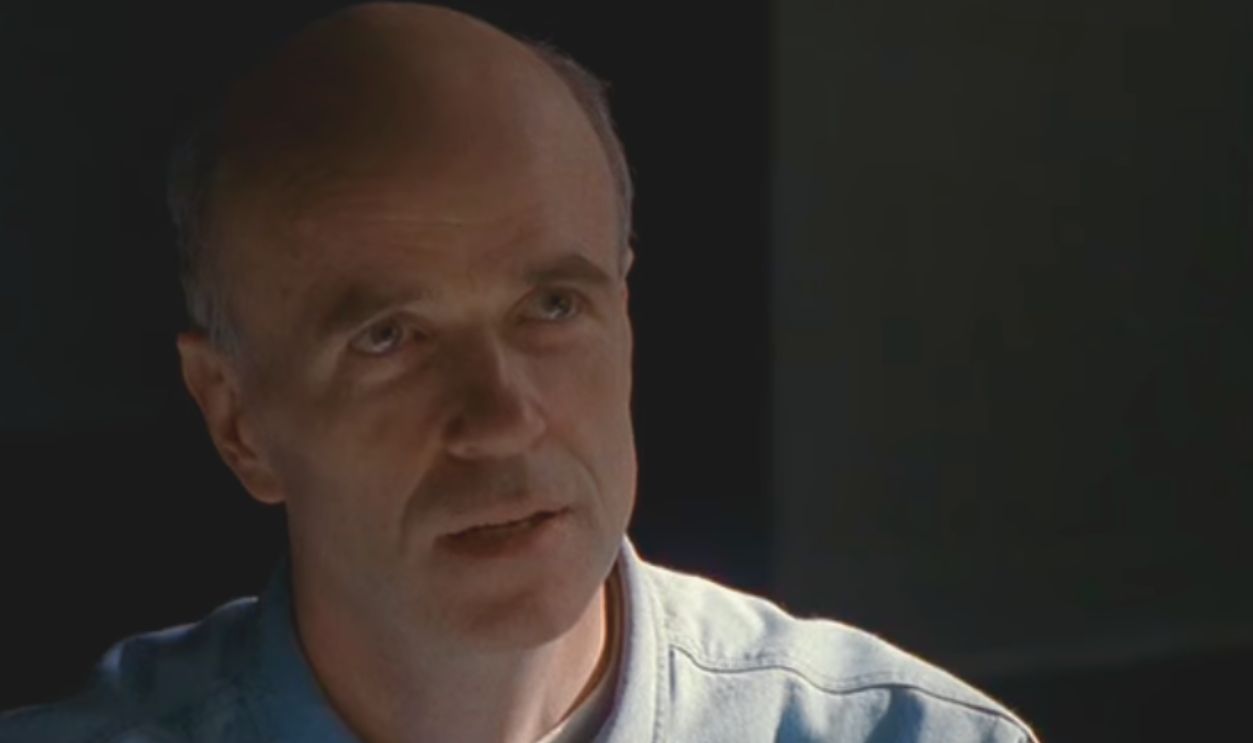
Television Roles: The X-Files, To 12 Monkeys
Prestige television consistently sought his presence. The X-Files featured him memorably in the episode “Paper Hearts” as an incarcerated killer. Appearances across Law & Order: Criminal Intent, Damages, Louie, and The Leftovers confirmed sustained demand.
 Screenshot from The X-Files, 20th Century Fox Television (1993–2018)
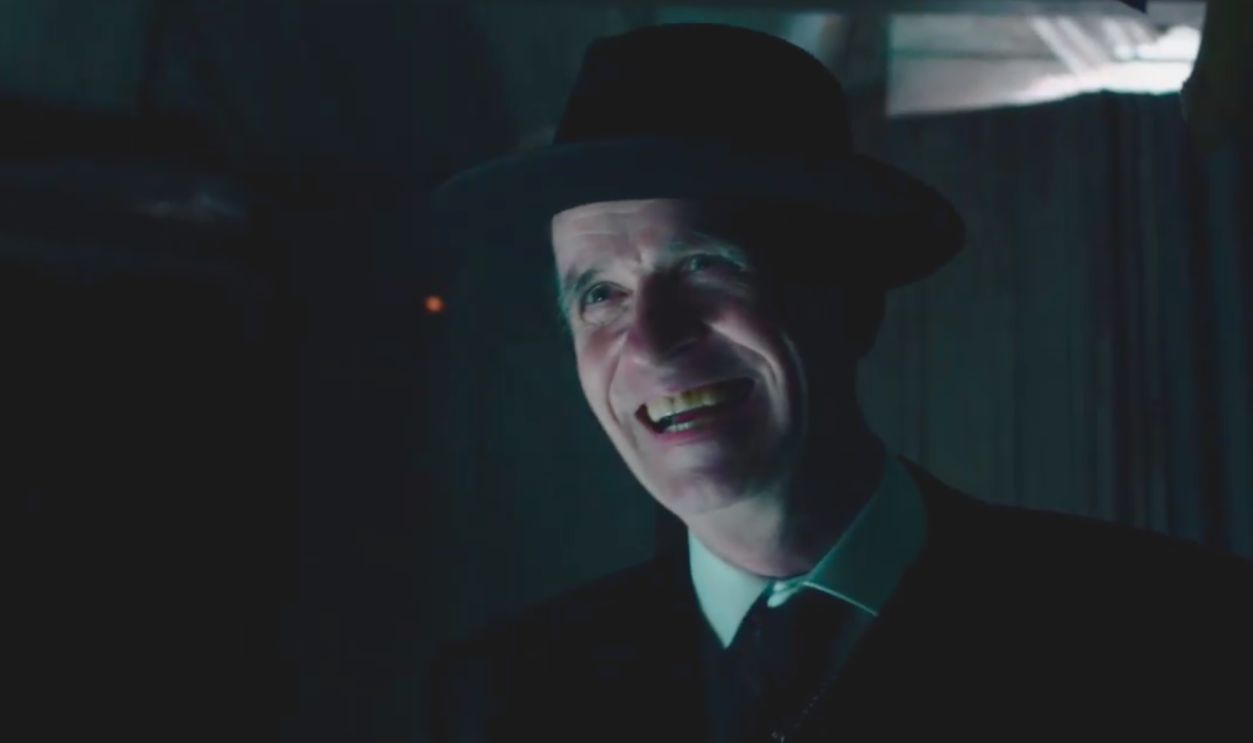
The Pallid Man In SyFy's 12 Monkeys
From 2015 through 2018, the mysterious Pallid Man haunted SyFy’s 12 Monkeys. Also called the Tall Man, the recurring villain reinforced his science fiction credentials. The series marked one of his final sustained screen appearances.
 Screenshot from 12 Monkeys, Syfy (2015–2018)
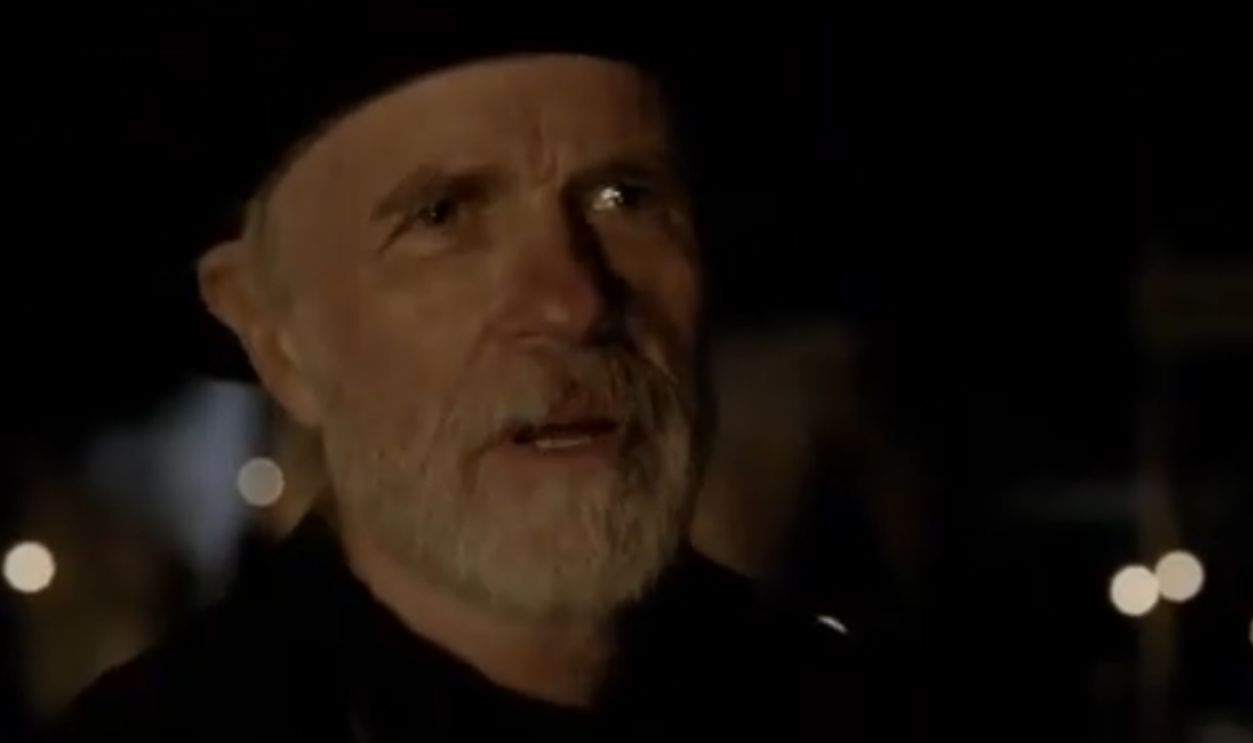
From Menace To Moral Authority And Creative Control
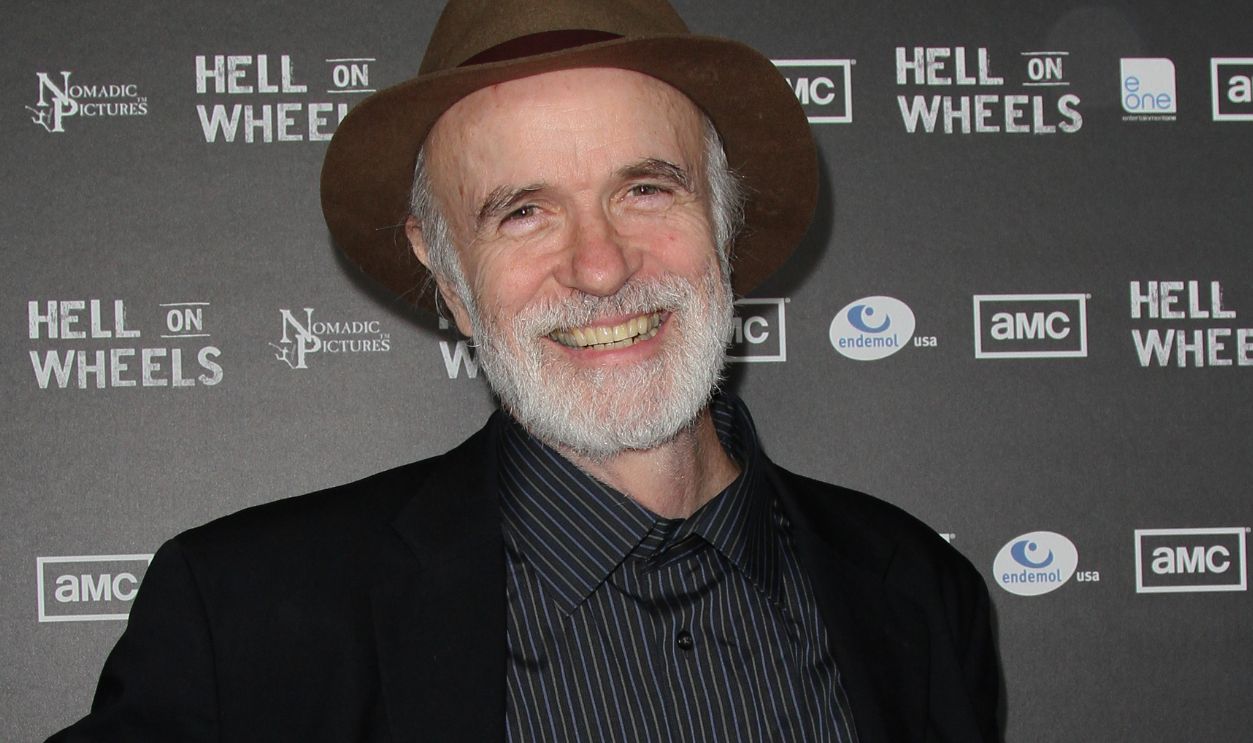
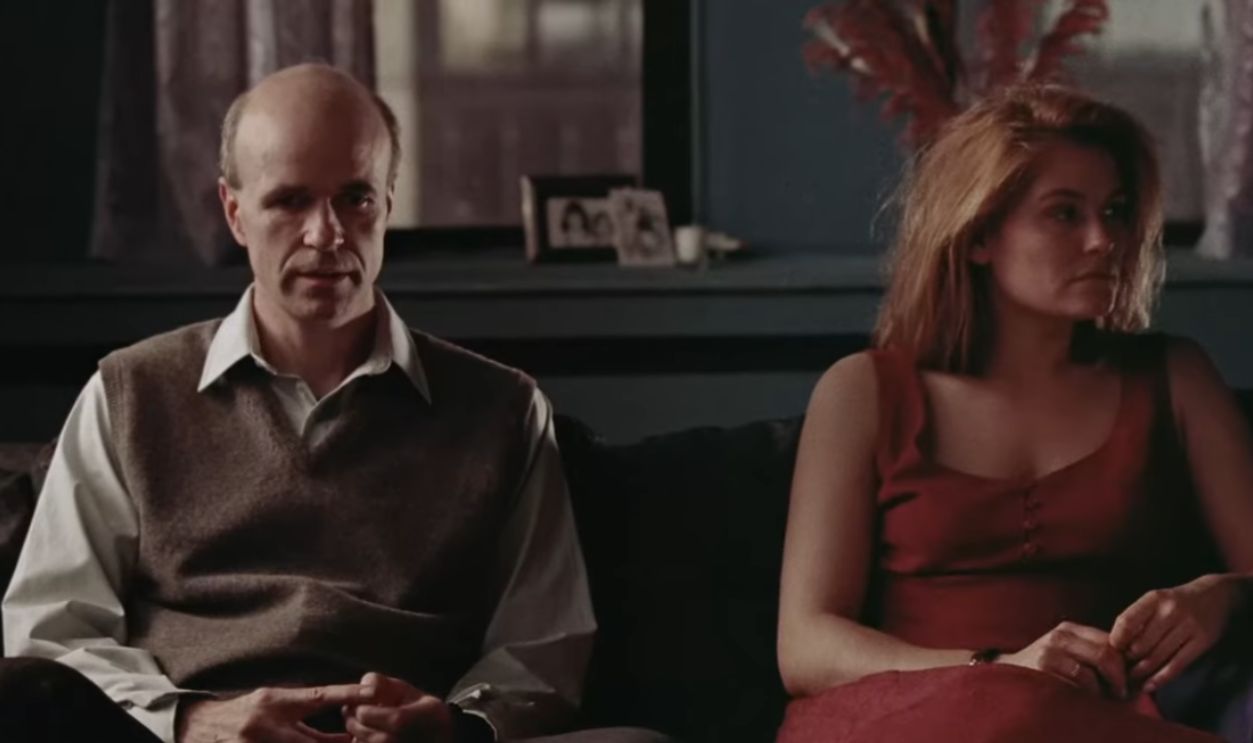
AMC’s Hell On Wheels cast him as Reverend Nathaniel, a peace-seeking preacher who appeared from 2011 to 2014, replacing menace with moral conviction. Earlier, in 1994, he wrote, directed, and starred opposite Sillas in What Happened Was..., revealing ambitions beyond acting.
 Screenshot from Hell on Wheels, AMC Networks (2011–2016)
Sundance Triumph And A Transformative Partnership
What Happened Was... earned the Sundance Dramatic Grand Jury Prize and Screenwriting Award. The project began as an Off-Broadway production at Paradise Factory Theatre, where Sillas first performed her role, and she later called the collaboration transformative.
 Screenshot from What Happened Was…, The Samuel Goldwyn Company (1994)
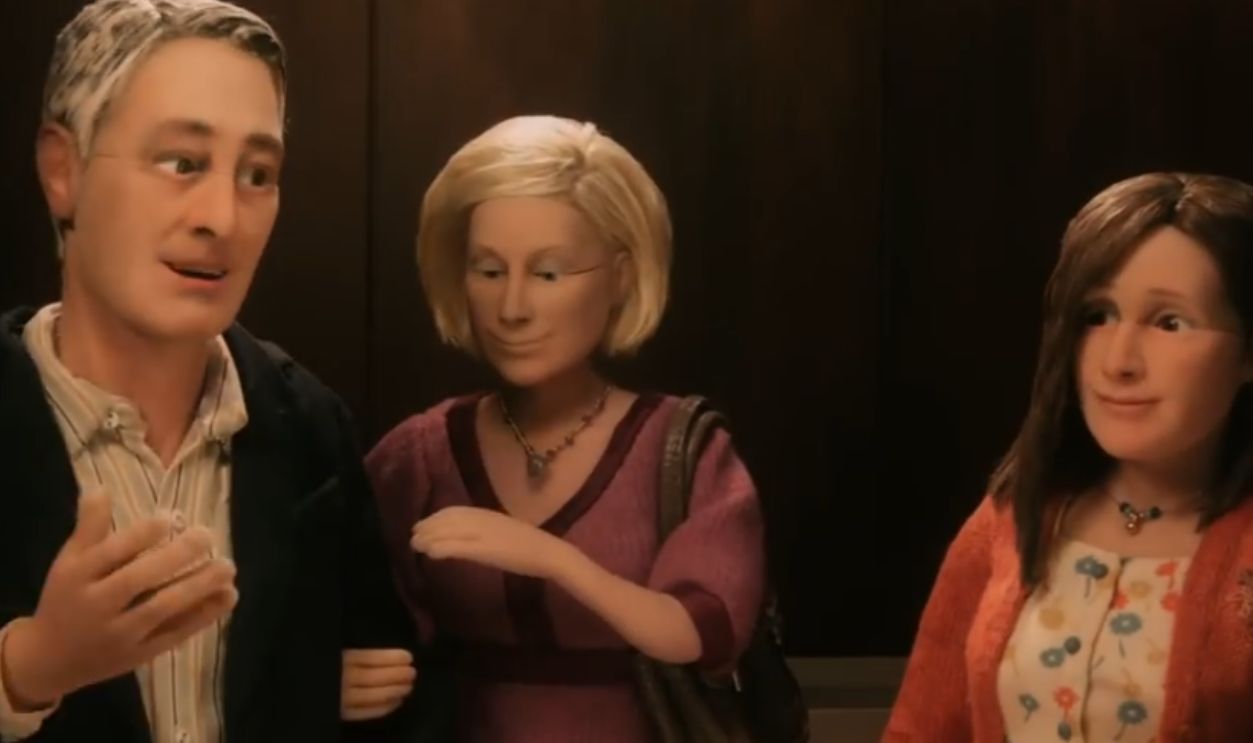
Voice Work In Anomalisa
Stop-motion storytelling embraced his distinctive voice in Charlie Kaufman and Duke Johnson’s 2015 film Anomalisa. Multiple characters emerged through subtle vocal variation. The casting deepened themes of perception and isolation.
 Screenshot from Anomalisa, Paramount Pictures (2015)
Marriage To Actress Karen Young
In 1992, he married actress Karen Young. The union lasted seven years, and it ended in divorce in 1999. Young appeared in The Wife, and the couple welcomed children during their time together.
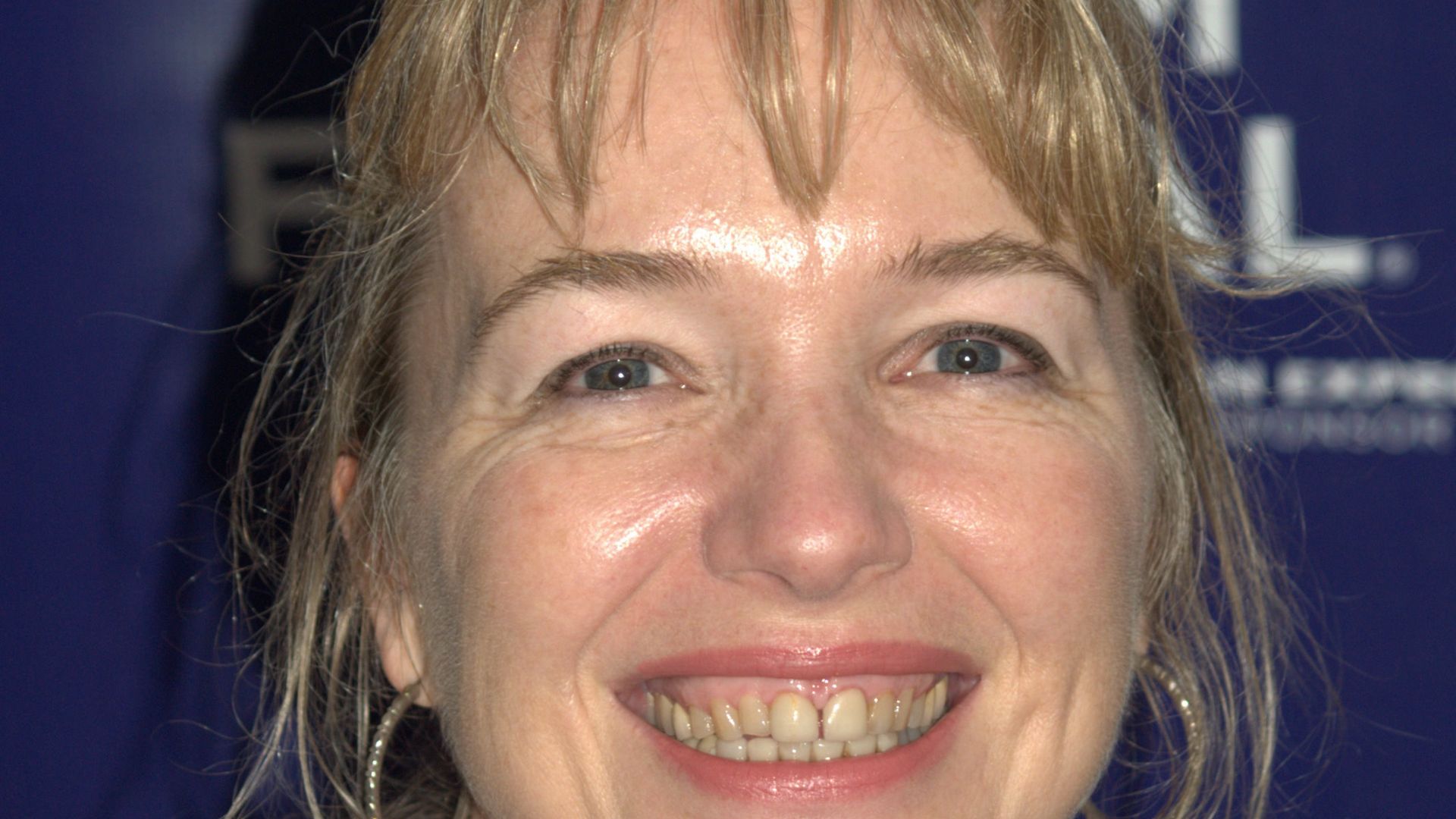 David Shankbone, Wikimedia Commons
Final Role In 2018's Animals
HBO’s animated series Animals closed a forty-year screen career. No additional projects followed after 2018. Departure from acting occurred quietly, without a public farewell.
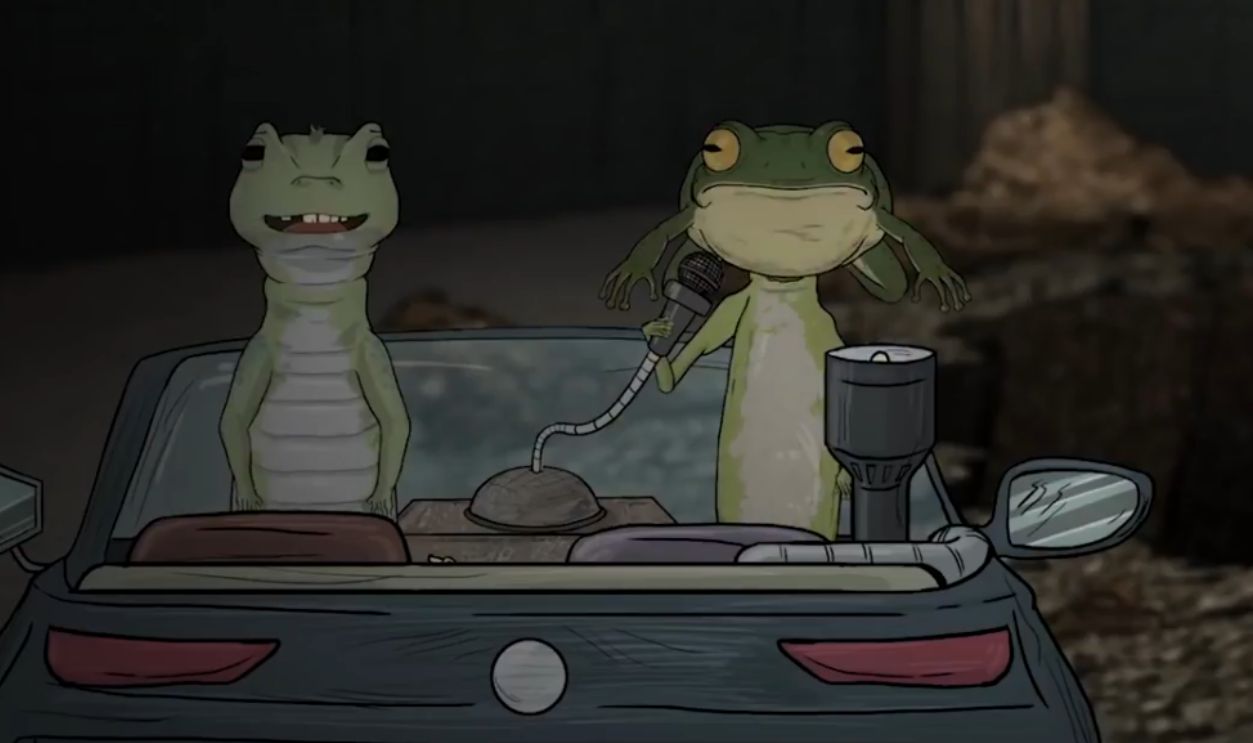 Screenshot from Animals., HBO Entertainment (2016–2018)
Colleagues Honor A Quiet Force
Industry tributes flooded social media, with colleagues recalling warmth and generosity that contrasted sharply with his dark screen presence. In an Instagram post, Michael Mann remembered their first Manhunter audition, when he skipped small talk and simply asked to read, signaling quiet confidence.

Legacy As A Character Actor Who Humanized Villains
Enduring influence rests in the ability to reveal wounded humanity inside antagonists. Villains became fully realized people rather than simple threats. That approach shaped later character actors seeking complexity in darker roles.