He Made Villainy Quack.
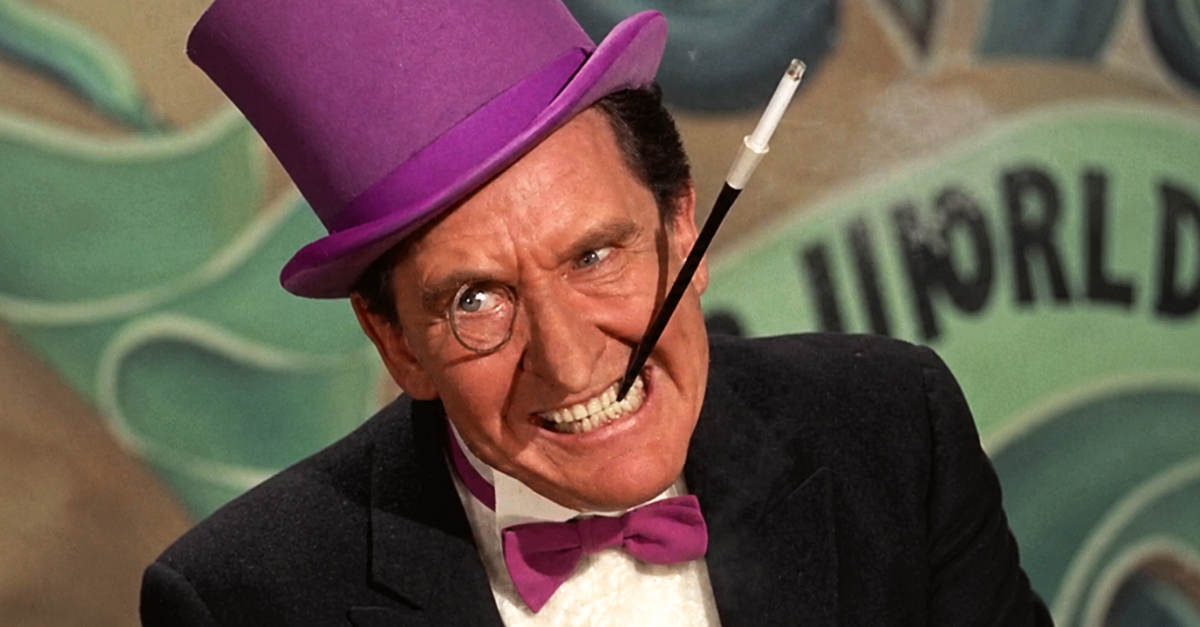
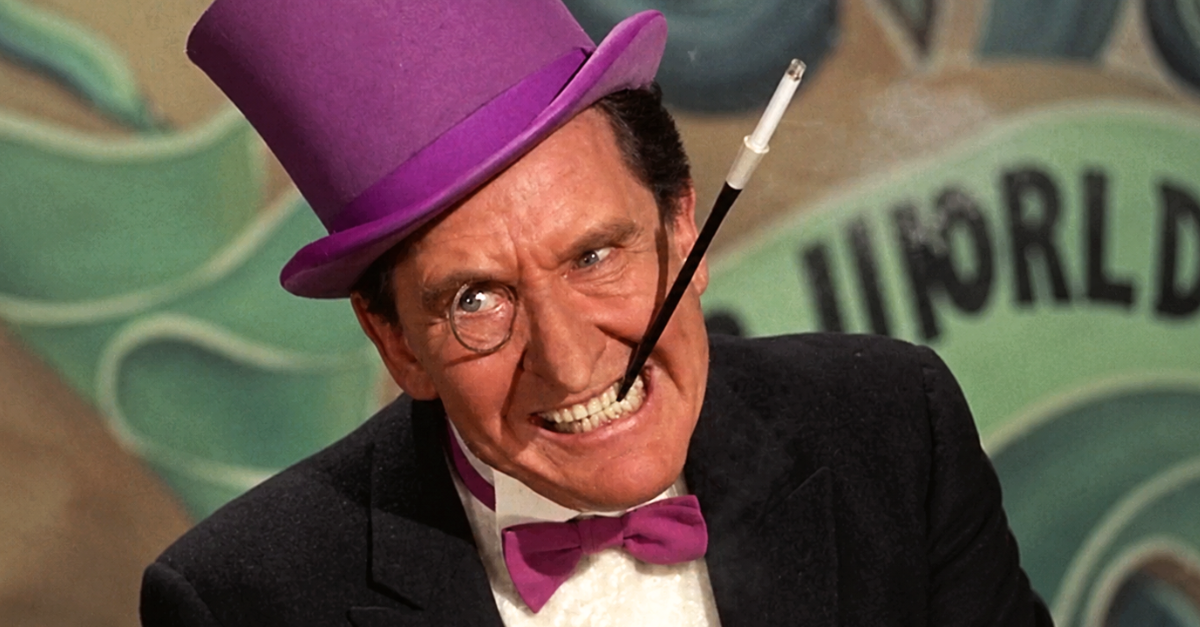
Burgess Meredith entered Batman with decades of serious stage, film, and television experience, then poured all of it into a waddling criminal armed with umbrellas, cigarettes, and outrageous confidence. His Penguin was ridiculous by design, yet Meredith’s precision made him impossible to dismiss or forget.
He Was An Actor’s Actor First
Long before Gotham City, Meredith had established himself as an unusually versatile stage and screen performer. His career included Shakespeare, Broadway drama, directing, producing, wartime service, and acclaimed films such as Of Mice and Men and The Story of G.I. Joe. The Penguin worked partly because a highly trained dramatic actor treated the role as worthy of his full attention.
 Screenshot from Of Mice and Men, Hal Roach Studios / United Artists (1939)
Broadway Had Made Him A Star
Meredith’s breakthrough came through Maxwell Anderson’s Winterset, which opened on Broadway in 1935. He became closely associated with the idealistic young protagonist Mio and later repeated the role in the film adaptation. That early success established his ability to project intelligence, vulnerability, and danger at the same time. Those qualities would eventually appear beneath the Penguin’s top hat.
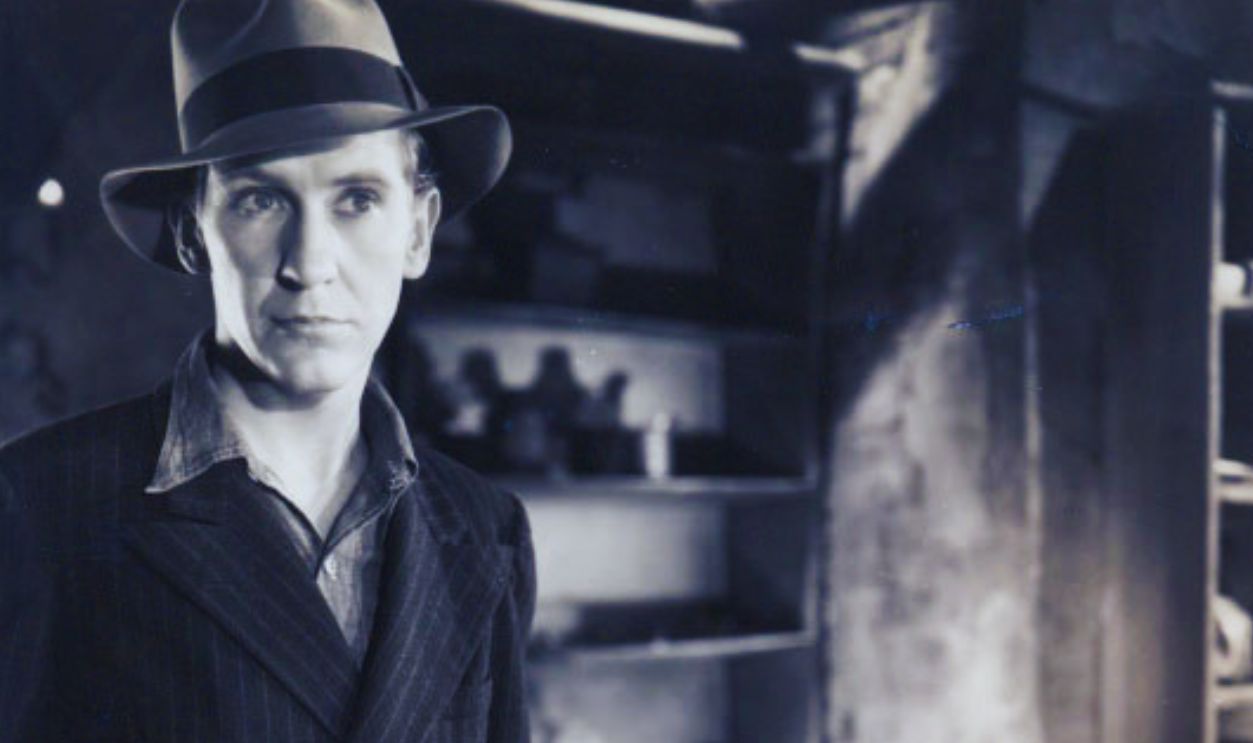 Screenshot from Winterset, RKO Radio Pictures (1936)
He Had Already Played Serious Outsiders
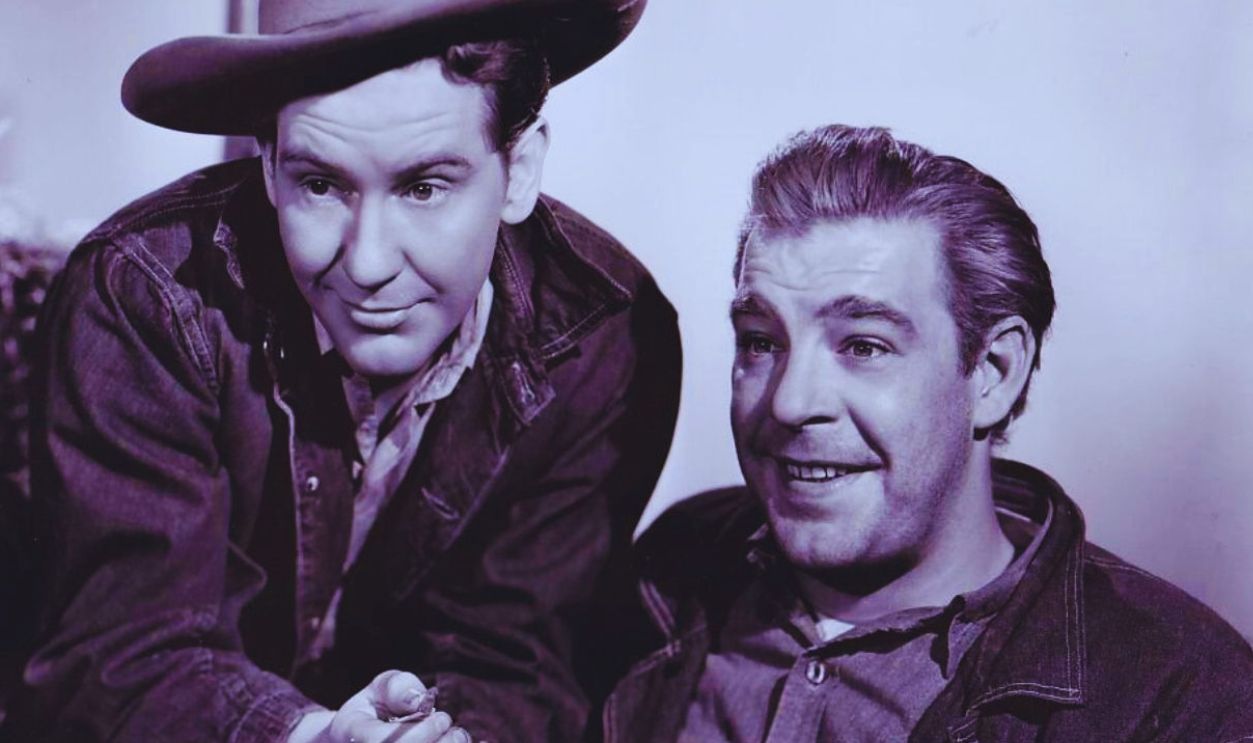
In the 1939 adaptation of Of Mice and Men, Meredith played George opposite Lon Chaney Jr.’s Lennie. The role required restraint, emotional complexity, and a painful sense of responsibility. It stood far from the bright absurdity of Batman, but it demonstrated how completely Meredith could inhabit characters living outside conventional society. The Penguin would become another outsider, although one with much less interest in sympathy.
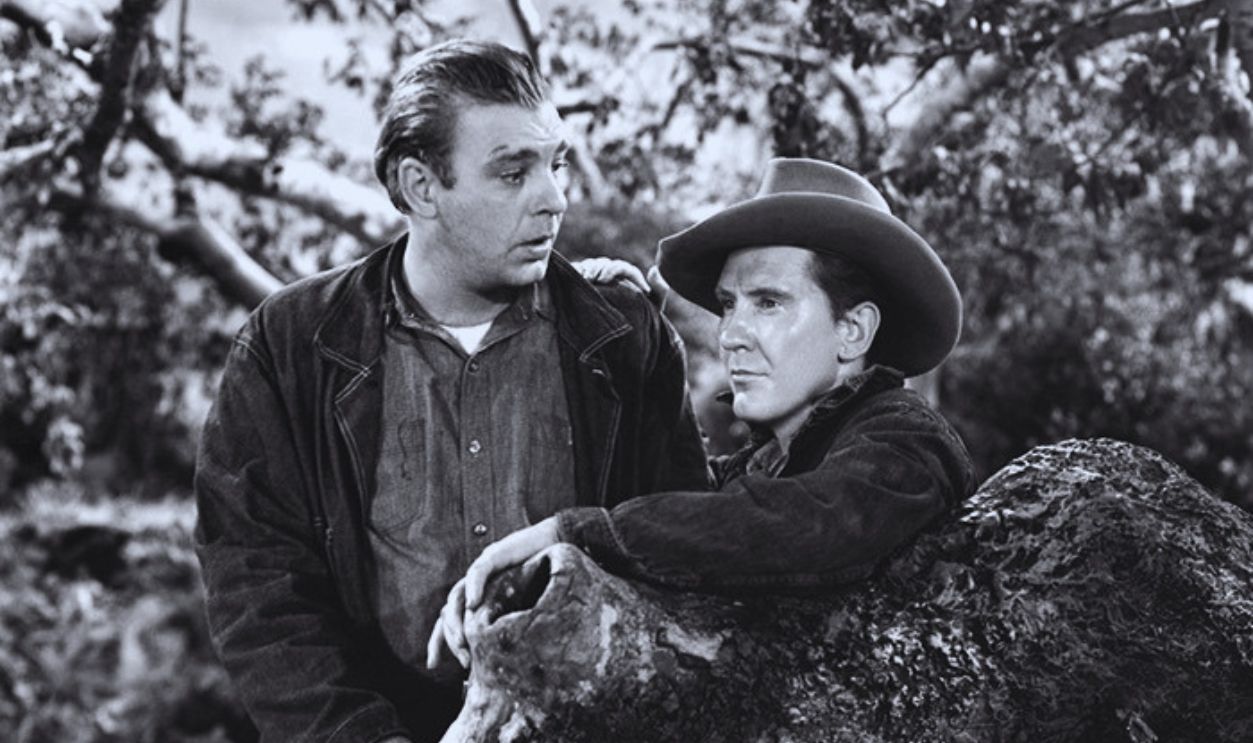 Screenshot from Of Mice and Men, Hal Roach Studios / United Artists (1939)
War Service Deepened His Career
Meredith served in the United States Army Air Forces during World War II. He appeared in military film work and later portrayed war correspondent Ernie Pyle in The Story of G.I. Joe. That performance strengthened his reputation as a serious dramatic actor who could convey intelligence without theatrical excess. By the 1960s, he possessed far more professional range than a comic-book villain normally demanded.
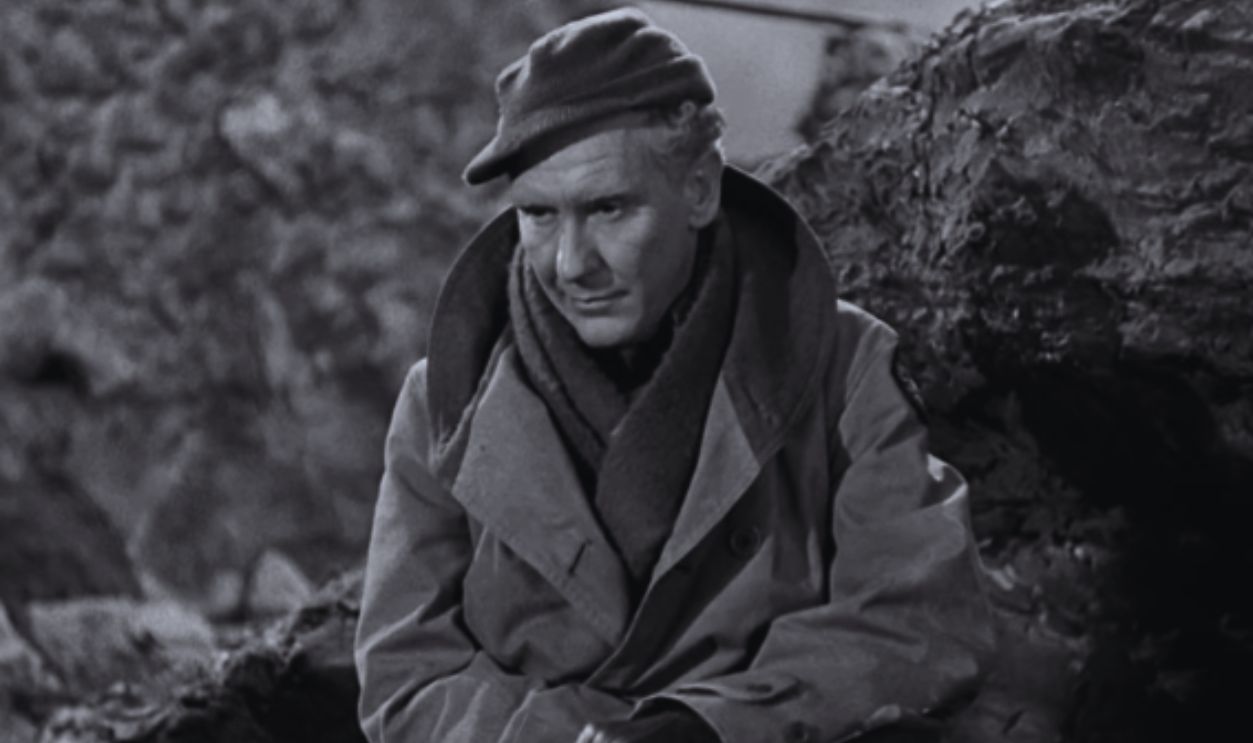 Screenshot from Story of G.I. Joe, Lester Cowan Productions / United Artists (1945)
Blacklisting Disrupted His Momentum
Meredith’s political views and refusal to cooperate comfortably with anti-Communist investigations damaged his film career during the McCarthy era. He continued finding work, especially in television, but his access to major movie roles narrowed for a time. Years later, he won an Emmy for portraying attorney Joseph Welch in Tail Gunner Joe, a drama about Senator Joseph McCarthy. That victory gave his career an unusually satisfying historical turn.
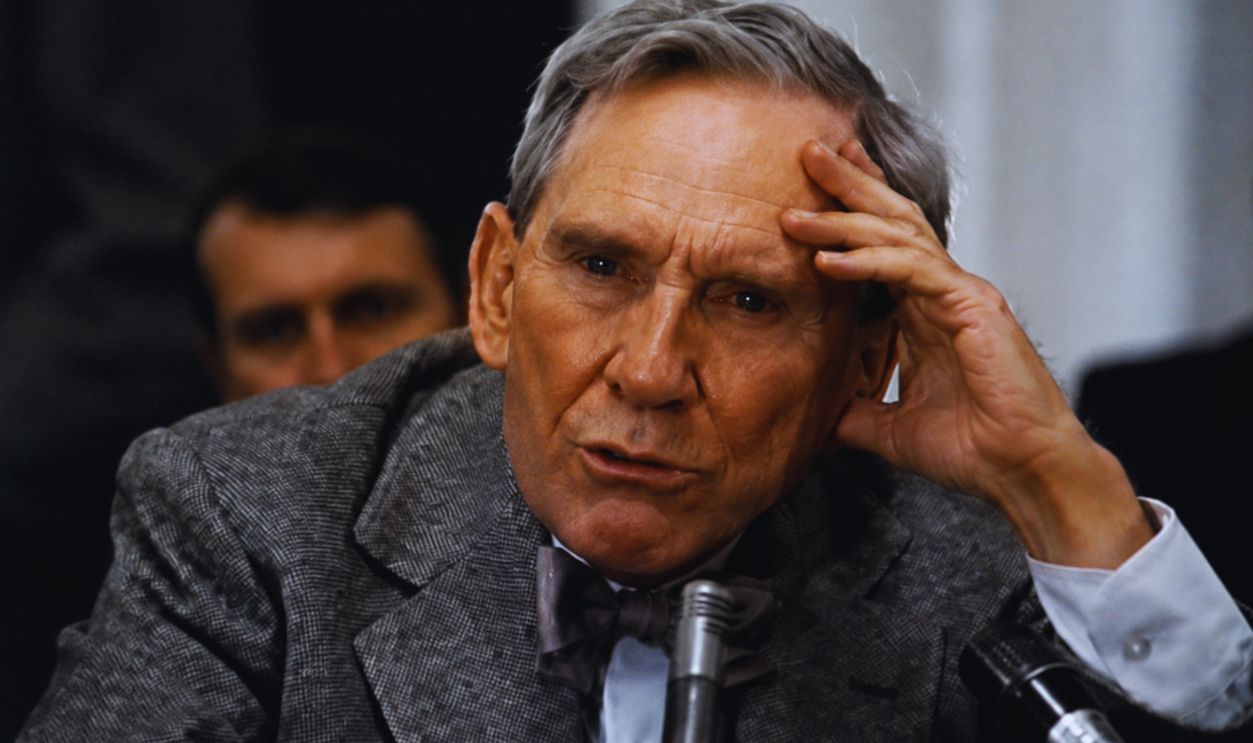 Screenshot from Tail Gunner Joe, Universal Television / NBC (1977)
The Twilight Zone Showed His Television Power
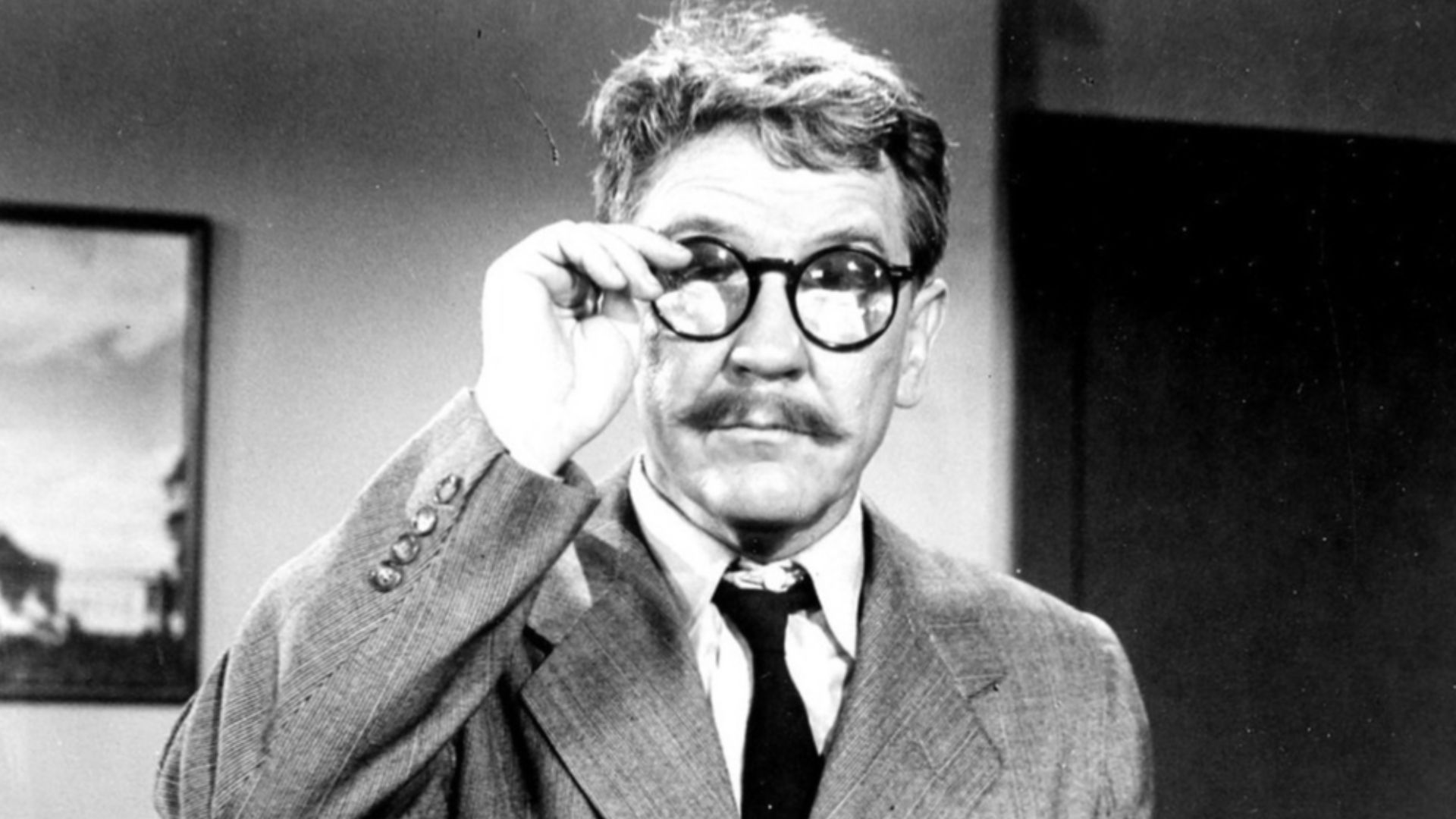
Meredith became one of The Twilight Zone’s most memorable recurring performers. In “Time Enough at Last,” he played Henry Bemis, a lonely book lover who survives a nuclear catastrophe only to break his glasses. His mixture of comic fussiness and devastating pathos helped make the episode one of the anthology’s defining stories. Television audiences already knew that Meredith could make an eccentric character emotionally unforgettable.
Batman Needed Serious Actors Being Silly
The 1966 Batman series built its comedy around performers playing absurd material with complete conviction. Its tilted camera angles, oversized props, comic-book graphics, and exaggerated villains created deliberate camp rather than accidental foolishness. Meredith understood that the joke would collapse if the Penguin seemed embarrassed by himself. He treated every umbrella plot as though Gotham’s future genuinely depended on it.
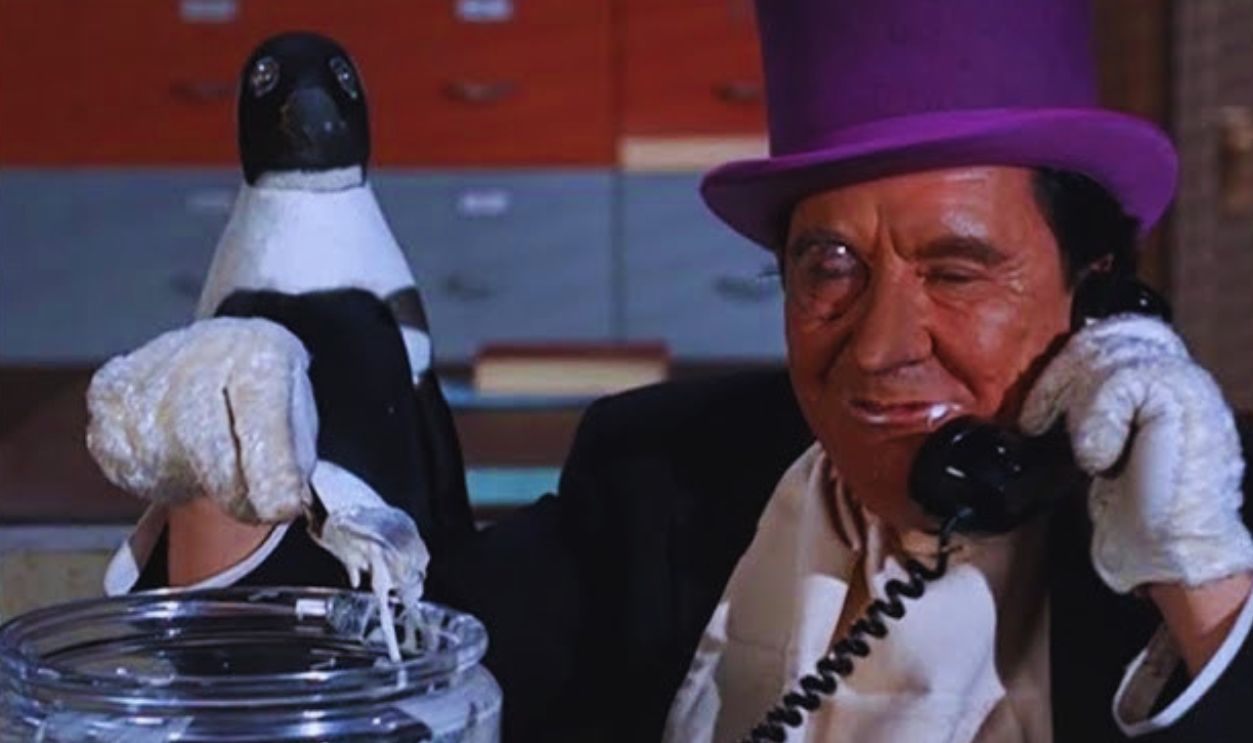 Screenshot from Batman, Greenway Productions / 20th Century-Fox Television / ABC (1966–1968)
The Penguin Was Already A Strange Creation
The Penguin had existed in DC comics since his debut in Detective Comics No. 58 in 1941. Unlike many villains, he presented himself as a refined gentleman while relying on bird imagery, trick umbrellas, criminal schemes, and underworld connections. That mixture of elegance and absurdity gave Meredith an unusually rich visual and comic foundation. He did not need to make the character realistic because the contradiction was the character’s greatest strength.
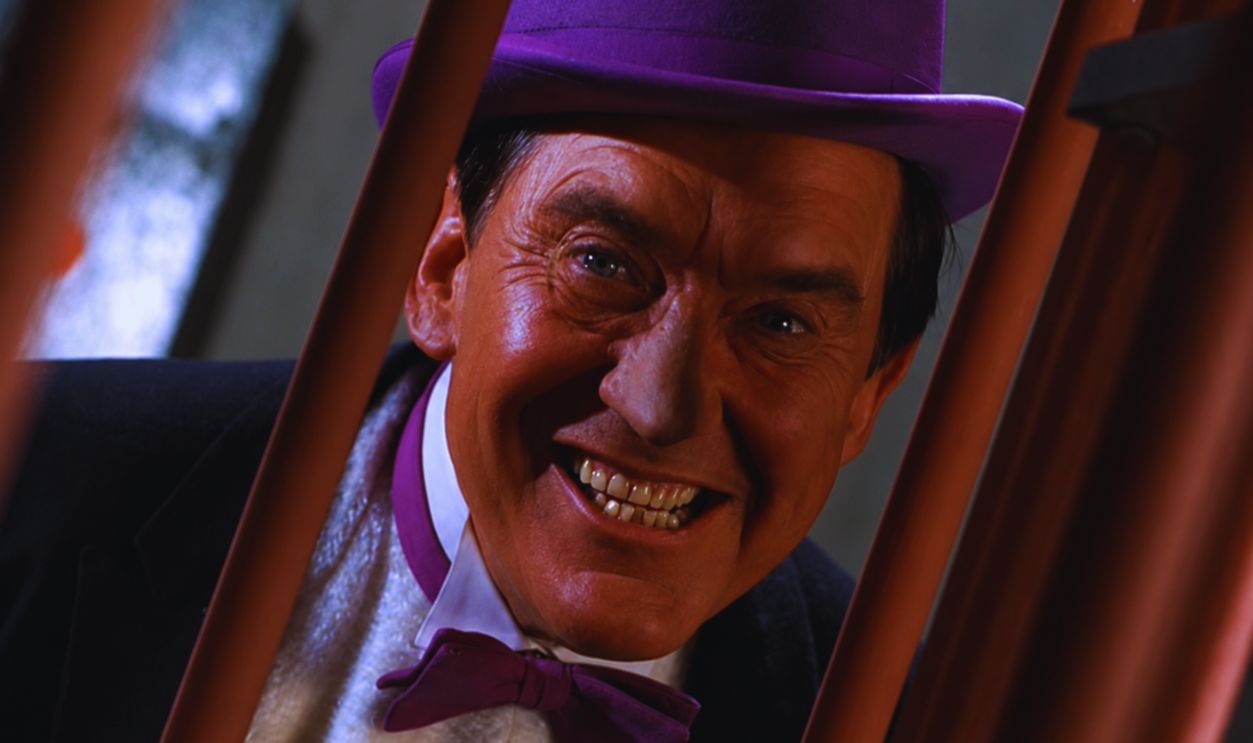 Screenshot from Batman, Greenway Productions / 20th Century-Fox Television / ABC (1966–1968)
Meredith Became The First Screen Penguin
Meredith was the first actor to portray the Penguin in live action when Batman reached television in 1966. His costume included the familiar top hat, monocle, formal coat, cigarette holder, bow tie, and umbrella. Rather than allowing the outfit to overwhelm him, he used every accessory as an extension of the performance. Later versions changed the character dramatically, but they all followed the screen image Meredith established.
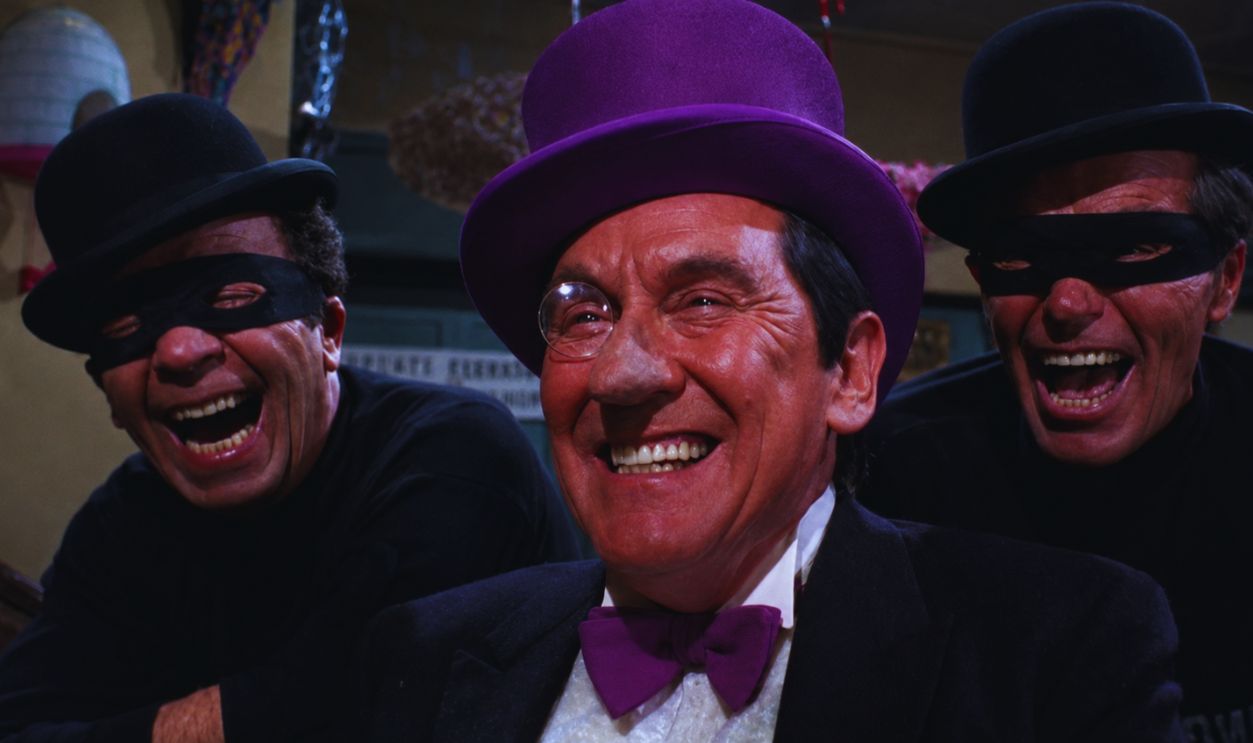 Screenshot from Batman, Greenway Productions / 20th Century-Fox Television / ABC (1966–1968)
He Created A Walk Nobody Could Miss
Meredith shaped the Penguin’s movements around short, busy steps and a birdlike waddle. The physicality made the villain look comic, but it also suggested restless ambition and barely contained irritation. He seemed to propel himself into every scheme with more confidence than grace. Even viewers encountering the character without sound could identify him immediately.
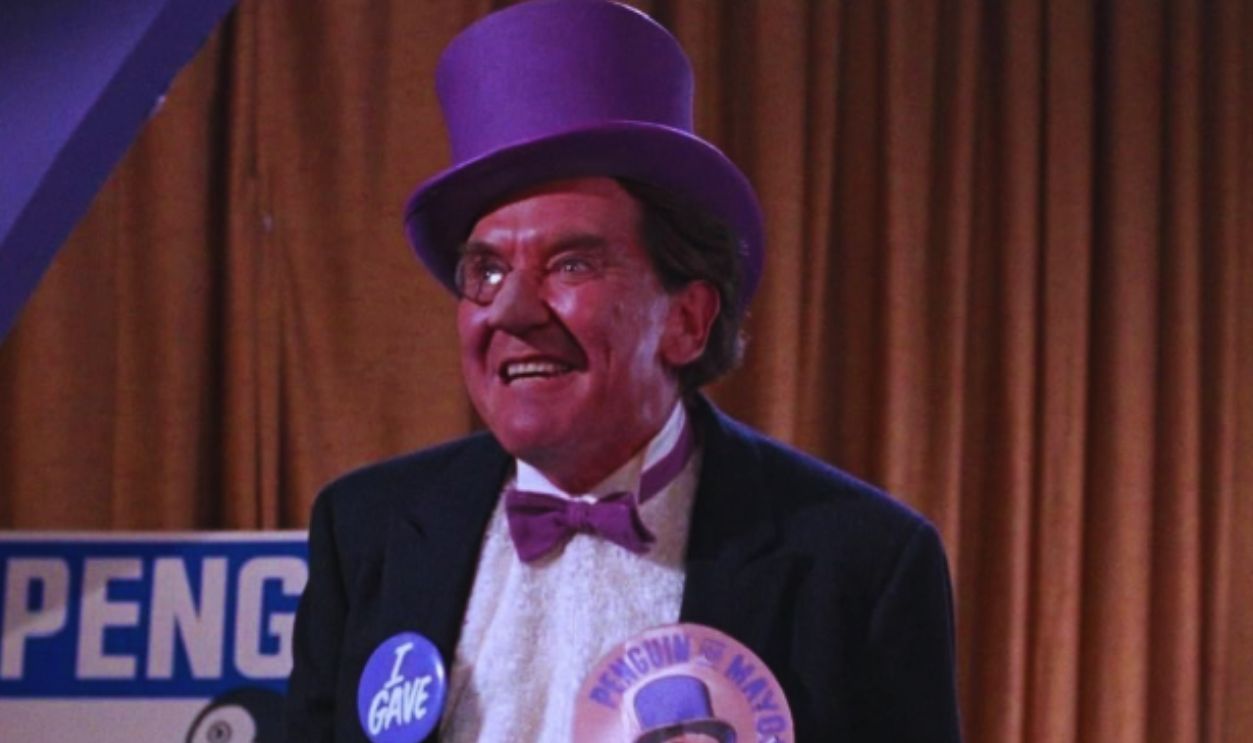 Screenshot from Batman, Greenway Productions / 20th Century-Fox Television / ABC (1966–1968)
The Voice Completed The Transformation
The Penguin’s speech blended upper-class affectation, criminal menace, nasal irritation, and sudden bursts of excitement. Meredith could stretch a phrase until it sounded ceremonial, then snap into a threat without abandoning the comedy. His theatrical background helped him turn dialogue filled with bird puns into something rhythmically precise. The character sounded unlike anyone else in Gotham City.
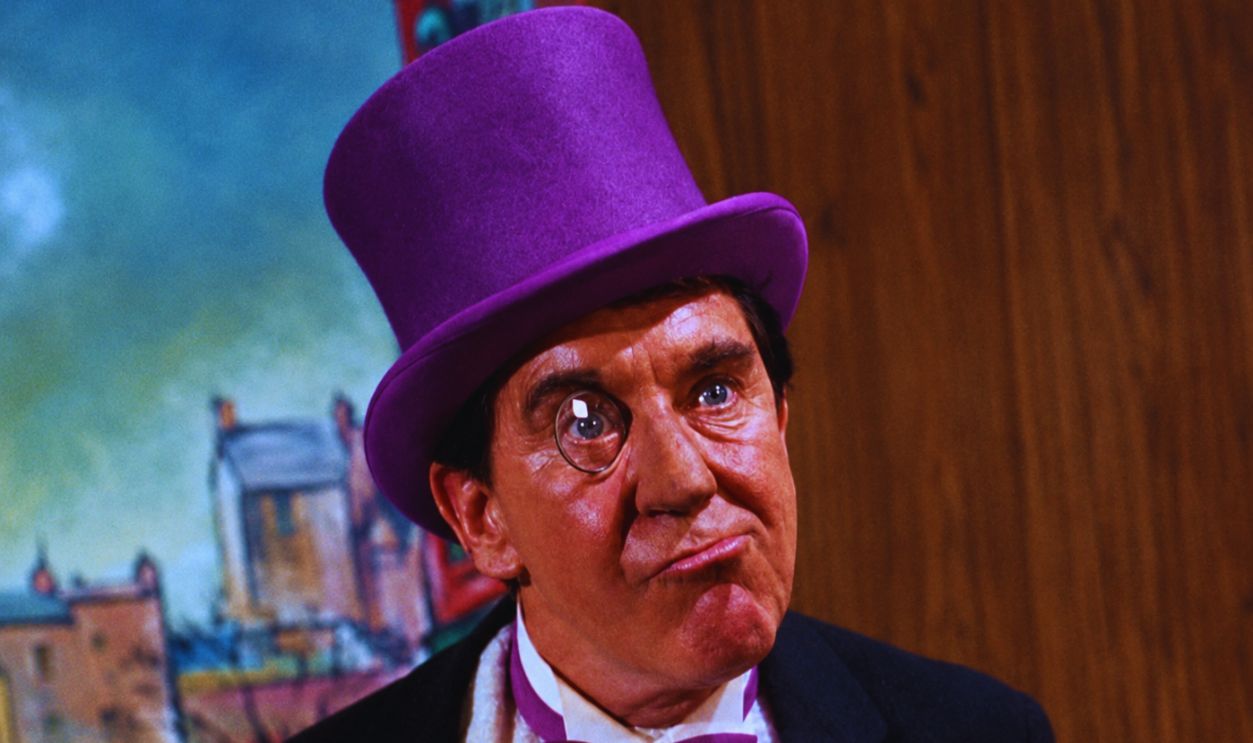 Screenshot from Batman, Greenway Productions / 20th Century-Fox Television / ABC (1966–1968)
The Quack Began As A Practical Solution
Meredith had stopped smoking long before Batman, but the Penguin’s cigarette holder required him to smoke during filming. He later explained that the smoke irritated his throat and made him want to cough. Rather than repeatedly interrupting takes, he disguised the cough as a strange “quack, quack” sound. A physical inconvenience became the character’s most famous vocal trademark.
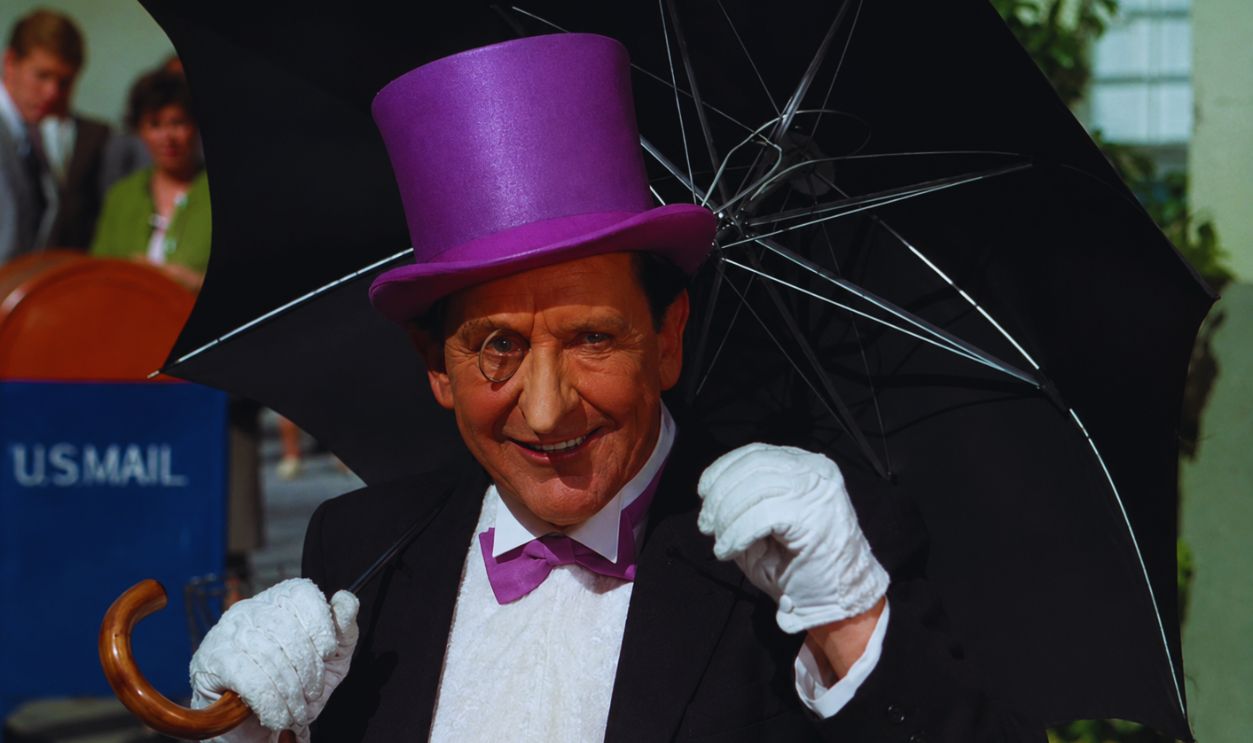 Screenshot from Batman, Greenway Productions / 20th Century-Fox Television / ABC (1966–1968)
The Writers Quickly Embraced The Quack
Once Meredith’s improvised sound proved funny, the series began treating it as a regular part of the Penguin’s personality. He recalled that writers eventually inserted quacks whenever a scene needed an extra comic beat. The noise did not resemble an actual penguin, but accuracy was beside the point. It gave the villain an audible signature as recognizable as his umbrella and hat.
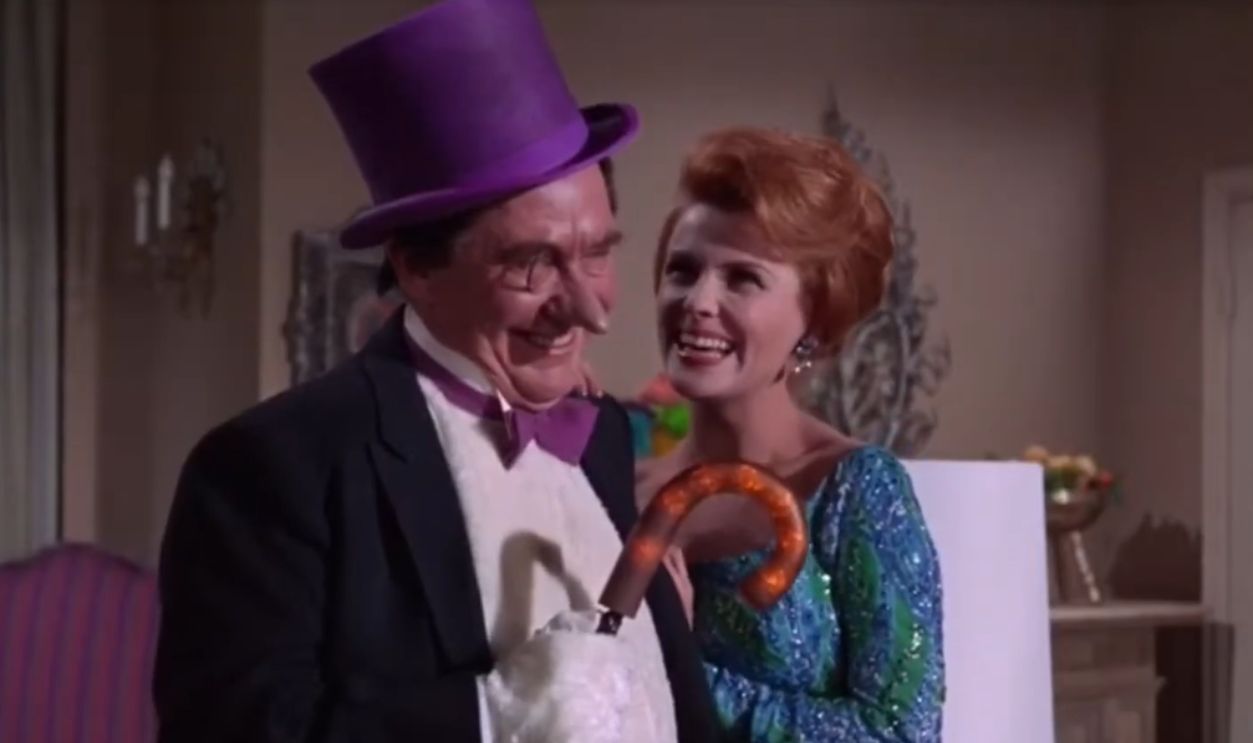 Screenshot from Batman, Greenway Productions / 20th Century-Fox Television / ABC (1966–1968)
His Cigarette Holder Became A Comic Weapon
The long cigarette holder made the Penguin look as though he considered himself a member of high society. Meredith used it to point, punctuate insults, express suspicion, and occupy the space around another actor. The prop also helped distinguish his criminal vanity from Batman’s controlled seriousness. Even while planning felonies, the Penguin behaved like a man attending a very exclusive dinner.
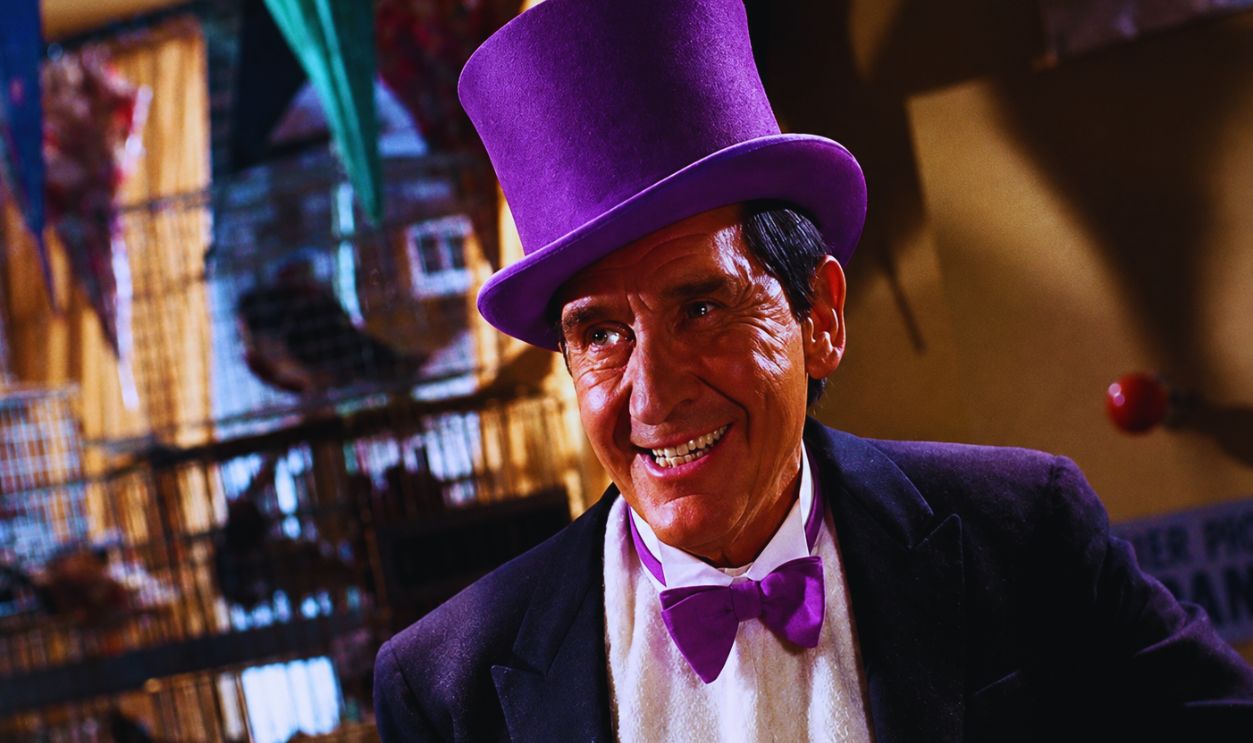 Screenshot from Batman, Greenway Productions / 20th Century-Fox Television / ABC (1966–1968)
Every Umbrella Promised Trouble
The Penguin carried umbrellas that concealed weapons, tools, traps, and other improbable devices. Their cheerful appearance matched the series’ habit of turning harmless everyday objects into threats. Meredith handled them with the confidence of a magician certain that his next trick would amaze the room. The umbrella became both a criminal gadget and a symbol of the Penguin’s theatrical ego.
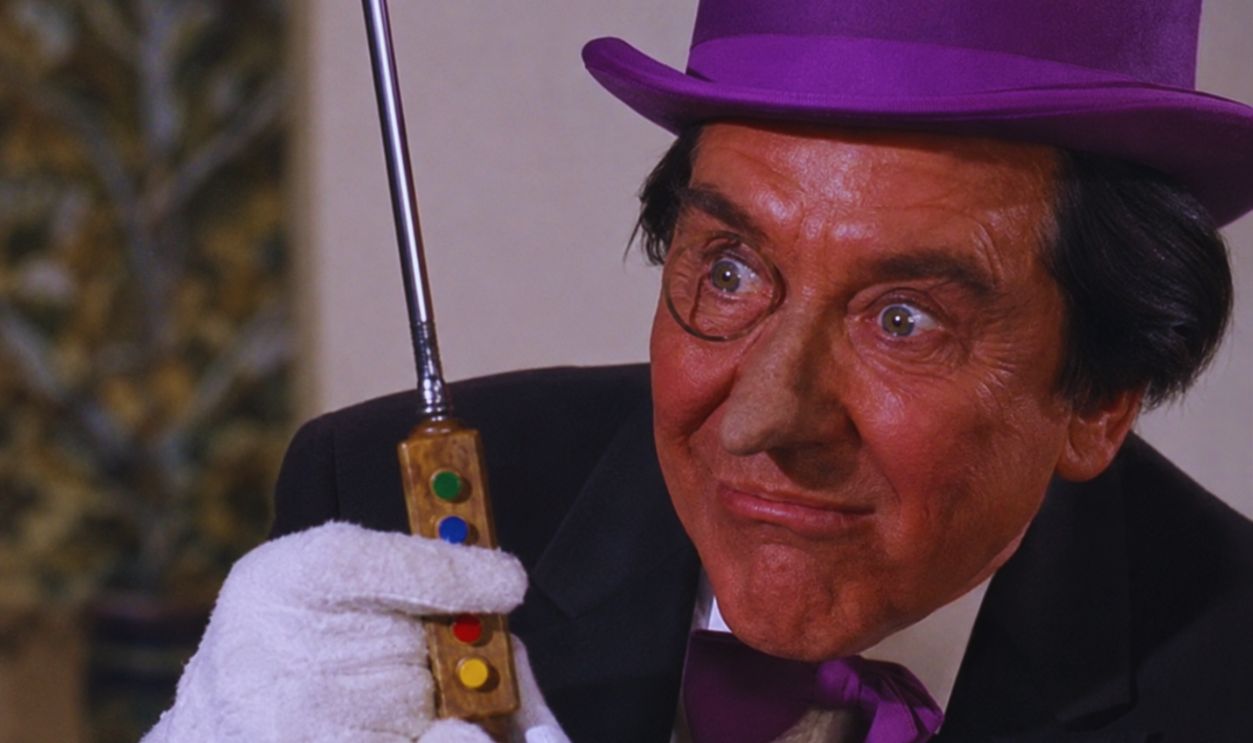 Screenshot from Batman, Greenway Productions / 20th Century-Fox Television / ABC (1966–1968)
He Believed The Penguin Was A Gentleman
Meredith played the villain as someone convinced that he belonged among Gotham’s elite. The Penguin’s manners, formal clothing, and social ambitions existed beside his obvious dishonesty and explosive temper. That gap between self-image and reality produced much of the comedy. He was not pretending to be dignified for others because he appeared to believe completely in his own refinement.
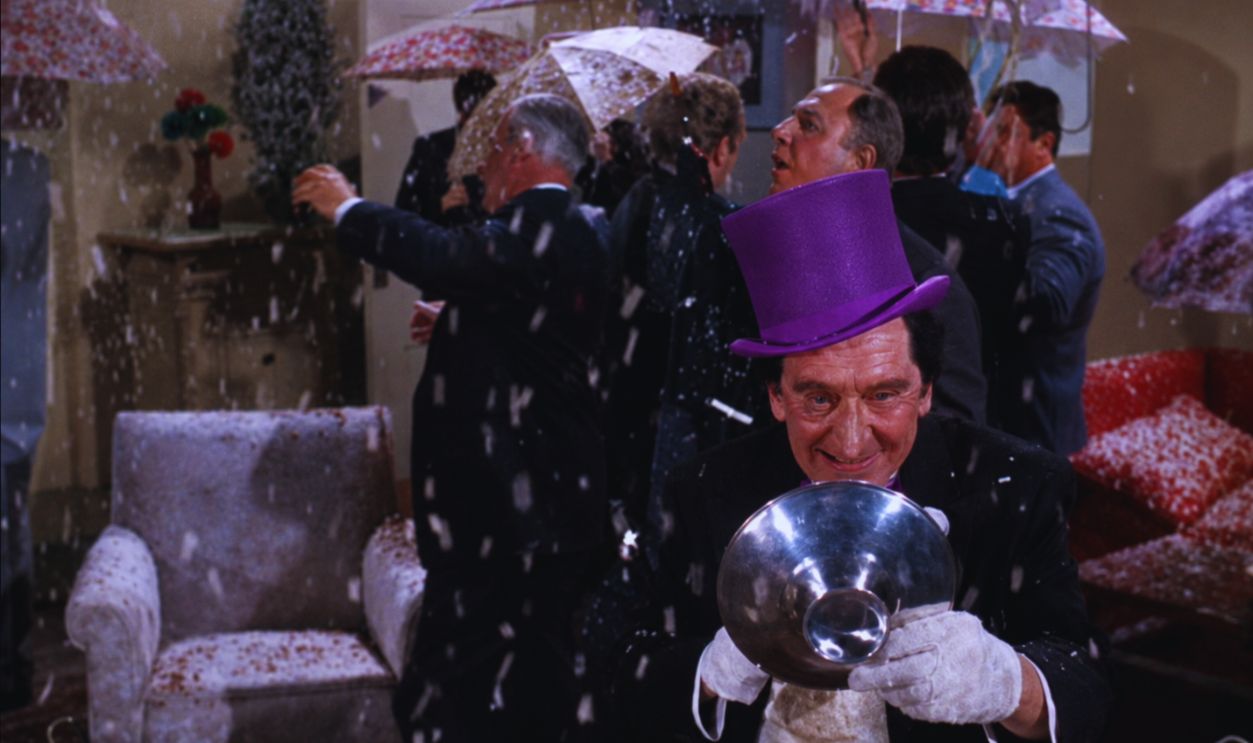 Screenshot from Batman, Greenway Productions / 20th Century-Fox Television / ABC (1966–1968)
His Temper Made The Elegance Funnier
The Penguin could maintain his cultivated tone only until a plan failed or someone questioned his brilliance. Meredith would then let frustration explode through his posture, voice, and frantic gestures. The sudden collapse of dignity made his polished behavior seem even more ridiculous. Yet the anger also reminded viewers that beneath the feathers and puns was a genuinely dangerous criminal.
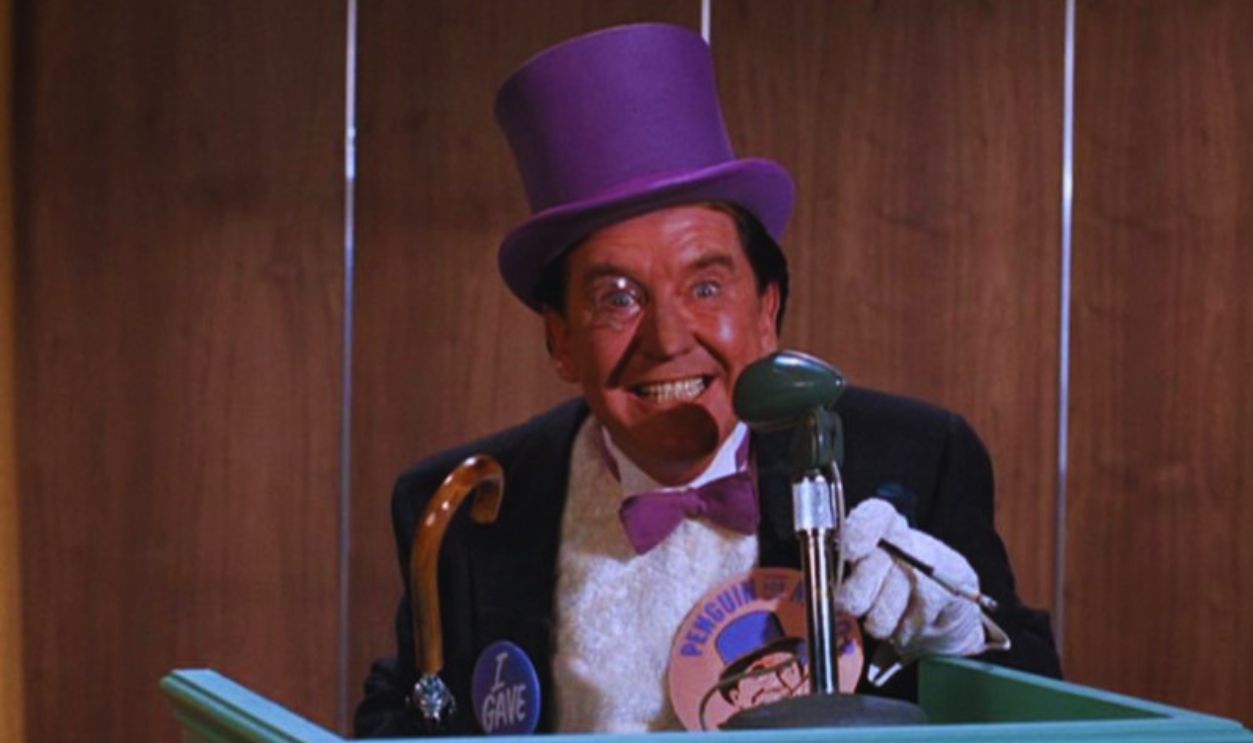 Screenshot from Batman, Greenway Productions / 20th Century-Fox Television / ABC (1966–1968)
Adam West Gave Him The Perfect Opponent
Adam West played Batman with controlled seriousness, careful diction, and an almost impossible commitment to civic virtue. Meredith’s excitable, vain Penguin offered an ideal contrast to that disciplined hero. Their scenes worked because neither actor openly admitted that the situation was absurd. Batman remained completely Batman, and the Penguin remained completely convinced he could defeat him.
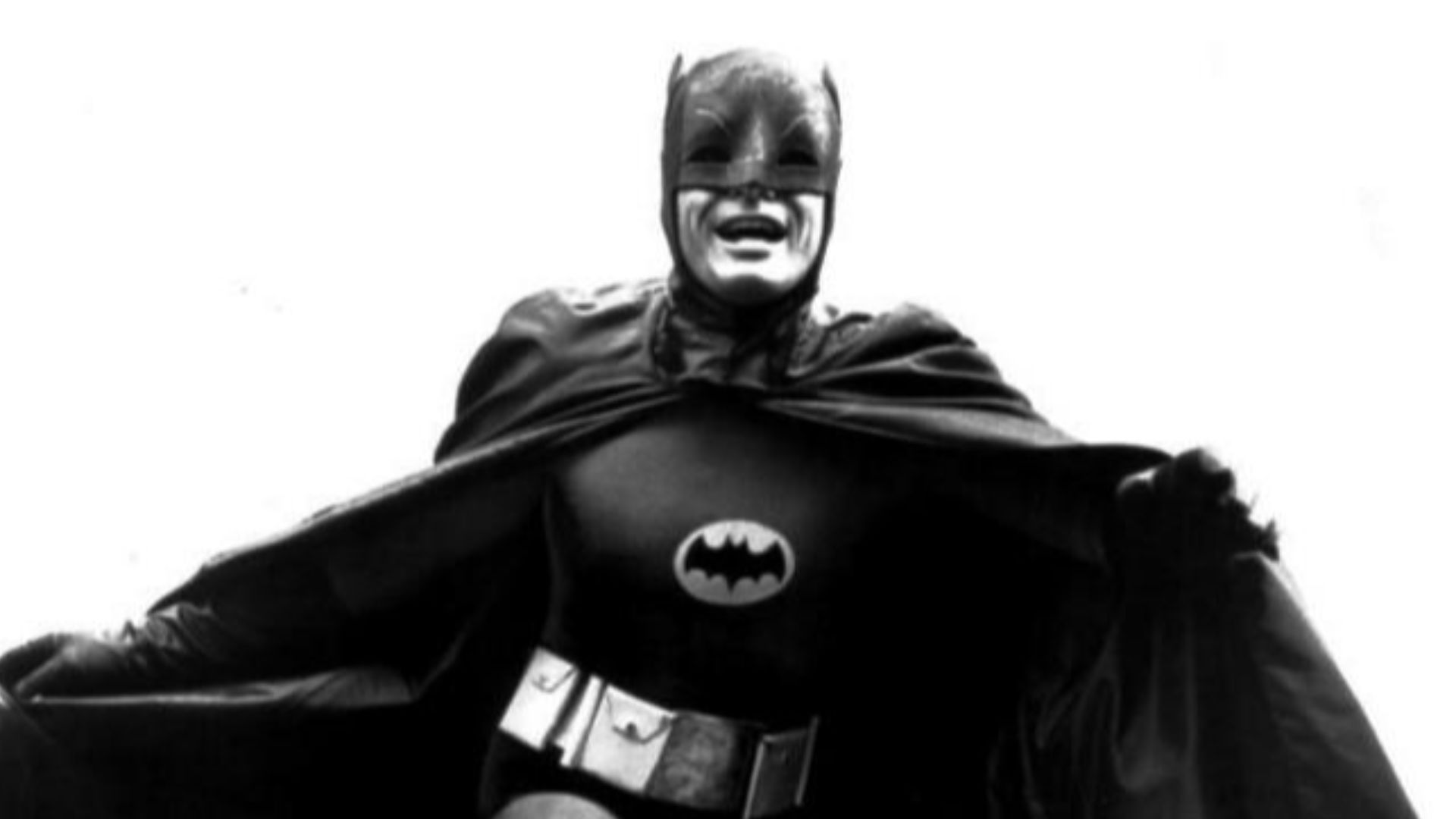 Renamed user 995577823Xyn, Wikimedia Commons
The Two-Part Format Let Him Build Momentum
During its early seasons, Batman commonly aired connected episodes on consecutive nights. The first half ended with Batman and Robin in danger, while the second delivered the escape and resolution. That structure gave Meredith time to expand a scheme, celebrate prematurely, and grow increasingly furious as the heroes closed in. His performance could develop like a theatrical comedy spread across two acts.
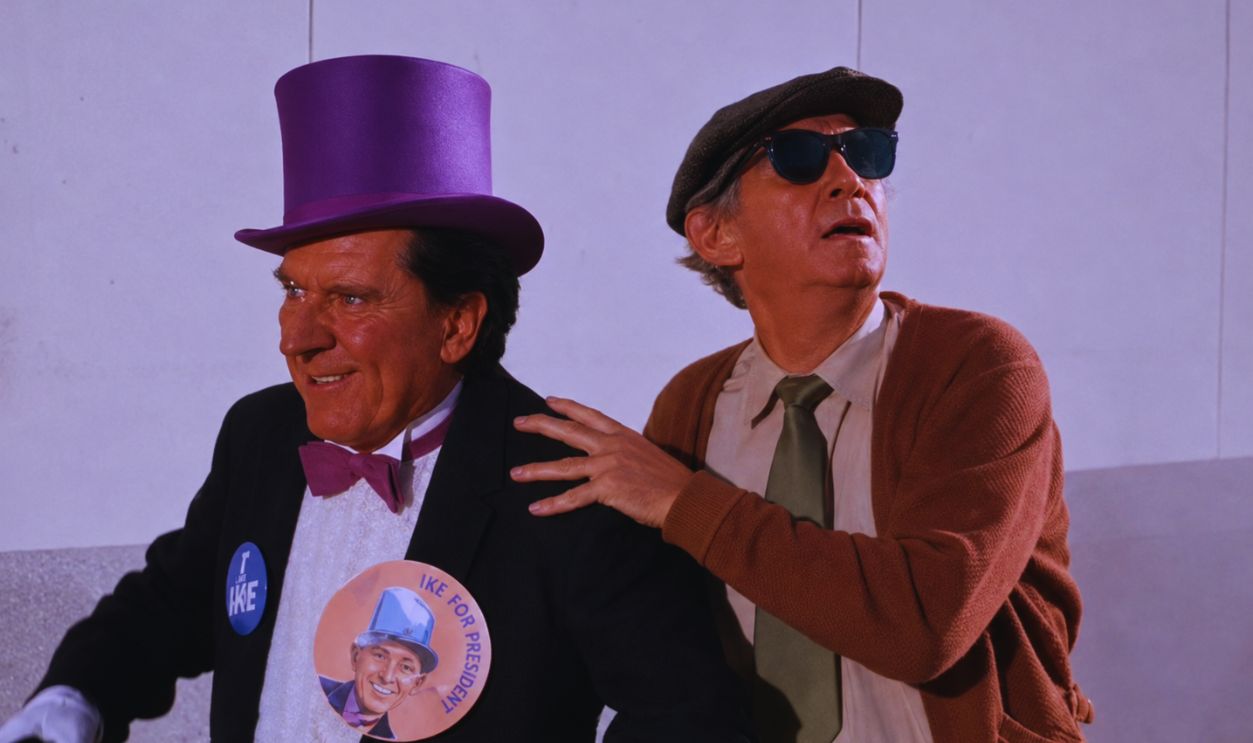 Screenshot from Batman, Greenway Productions / 20th Century-Fox Television / ABC (1966–1968)
He Could Carry Political Satire
In “Hizzonner the Penguin” and “Dizzoner the Penguin,” the villain entered Gotham’s mayoral race against Batman. The story used his popularity, dishonesty, and theatrical campaigning to parody electoral politics. Meredith played the candidate as both shamelessly corrupt and delighted by the attention. The episodes showed that his Penguin could support satire extending beyond ordinary comic-book crime.
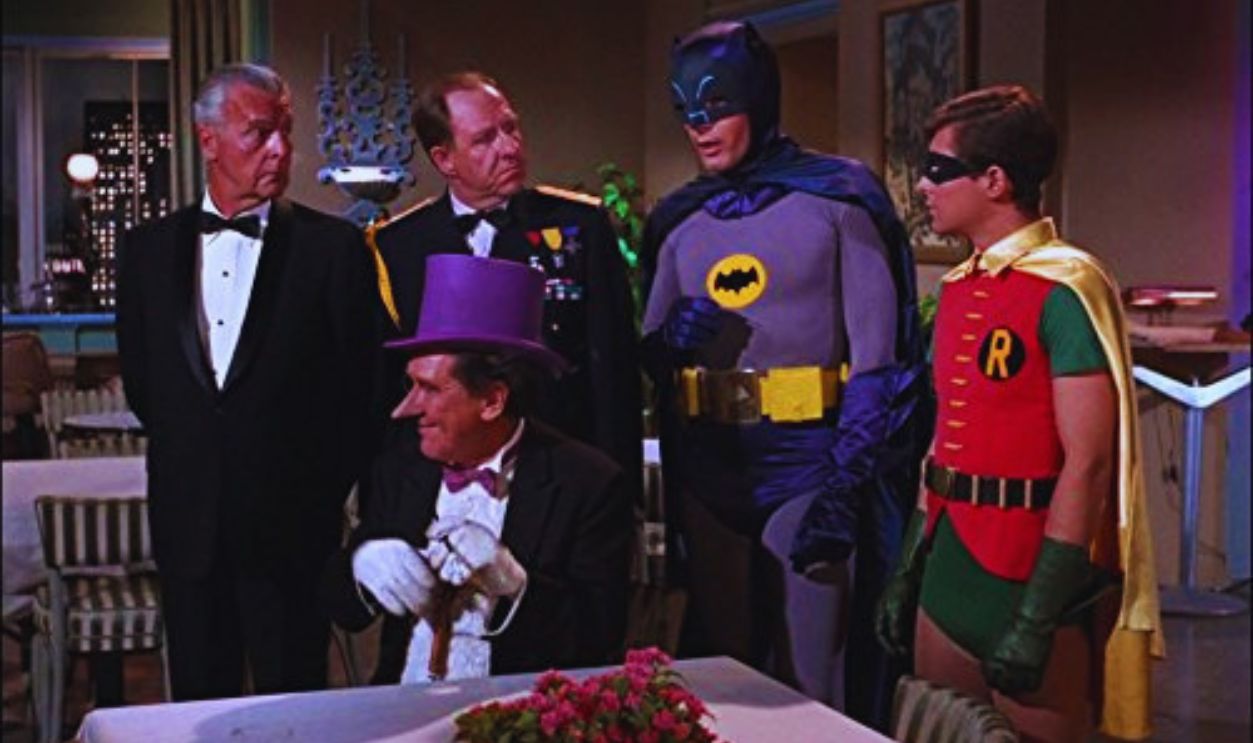 Screenshot from Batman, Greenway Productions / 20th Century-Fox Television / ABC (1966–1968)
Teaming With The Joker Raised The Chaos
Meredith also appeared opposite Cesar Romero’s Joker in stories such as “The Zodiac Crimes.” Their competing personalities created a villainous partnership filled with ego and instability. The Penguin wanted recognition for his intelligence and social standing, while the Joker brought a more gleefully chaotic energy. Meredith kept his character distinct even while sharing scenes with another of the program’s largest performances.
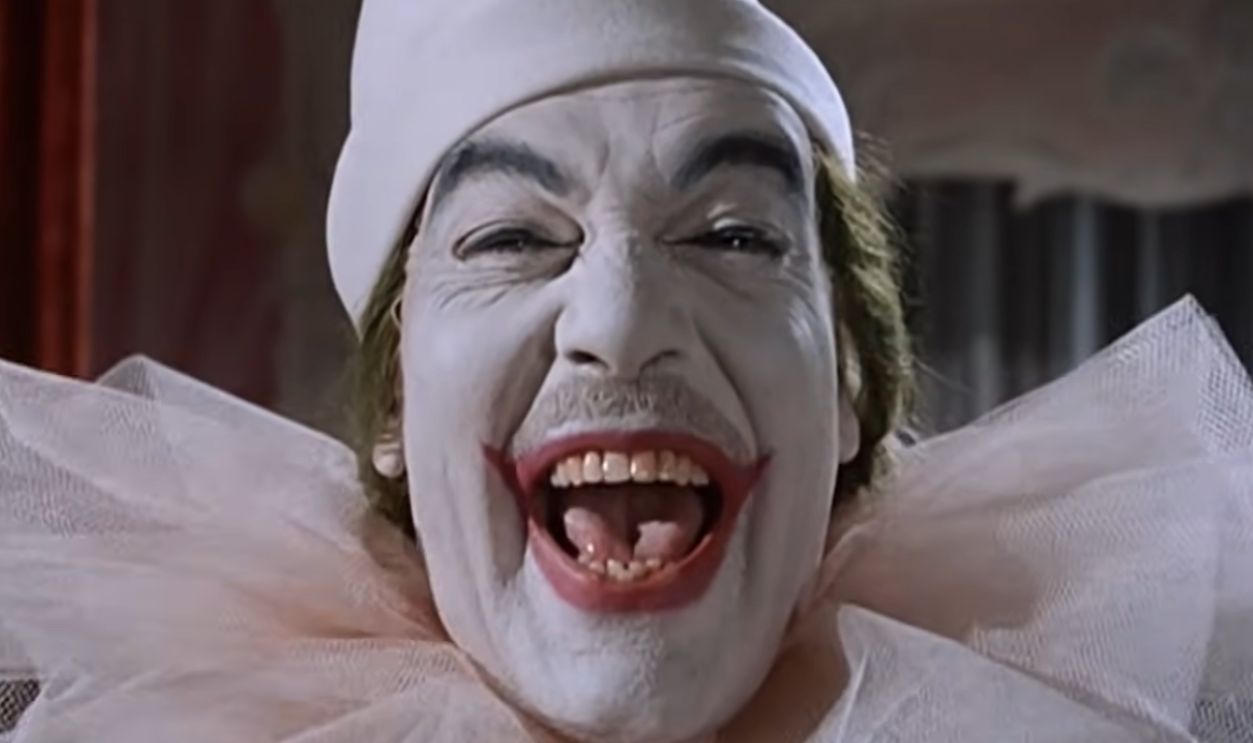 Screenshot from Batman, ABC (1966–1968)
He Never Let The Costume Do All The Work
The Penguin’s appearance was so elaborate that a lesser performer might have relied on wardrobe and props alone. Meredith instead filled the costume with constantly shifting intentions, reactions, and rhythms. His eyes could suggest calculation while his mouth displayed exaggerated politeness. The outfit made viewers look, but the performance made them remember.
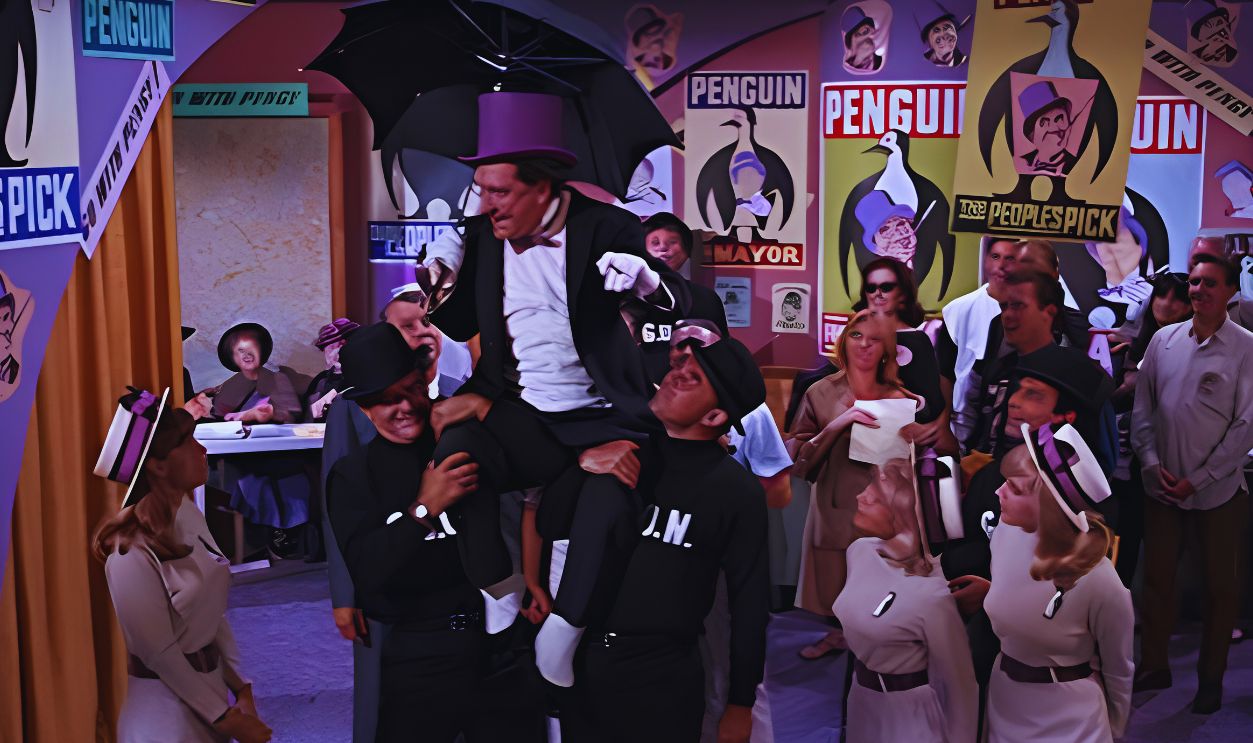 Screenshot from Batman, Greenway Productions / 20th Century-Fox Television / ABC (1966–1968)
The 1966 Movie Expanded His Playground
Meredith reprised the Penguin in the 1966 feature film based on the series. The movie united him with Cesar Romero’s Joker, Frank Gorshin’s Riddler, and Lee Meriwether’s Catwoman in a large-scale plot against Batman and Robin. The bigger format gave the villains more gadgets, locations, and opportunities for competitive grandstanding. Meredith carried the same eccentric precision from television onto the cinema screen.
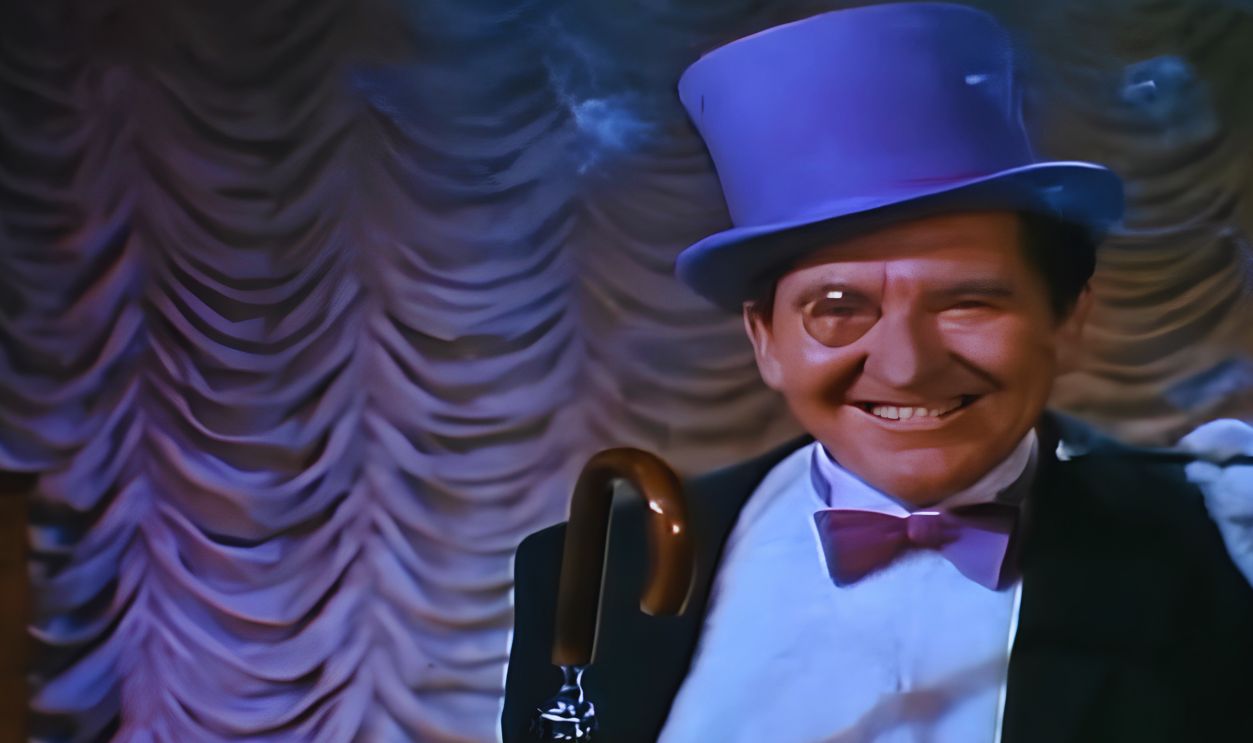
The Role Reached Viewers Of Every Age
Children could enjoy the Penguin’s appearance, gadgets, and quacking, while adults recognized the series’ satire and verbal humor. Meredith’s performance operated successfully at both levels. He was broad enough to seem like a living cartoon but disciplined enough to reward closer attention. That dual appeal helped Batman become a top-10 series during its first season.
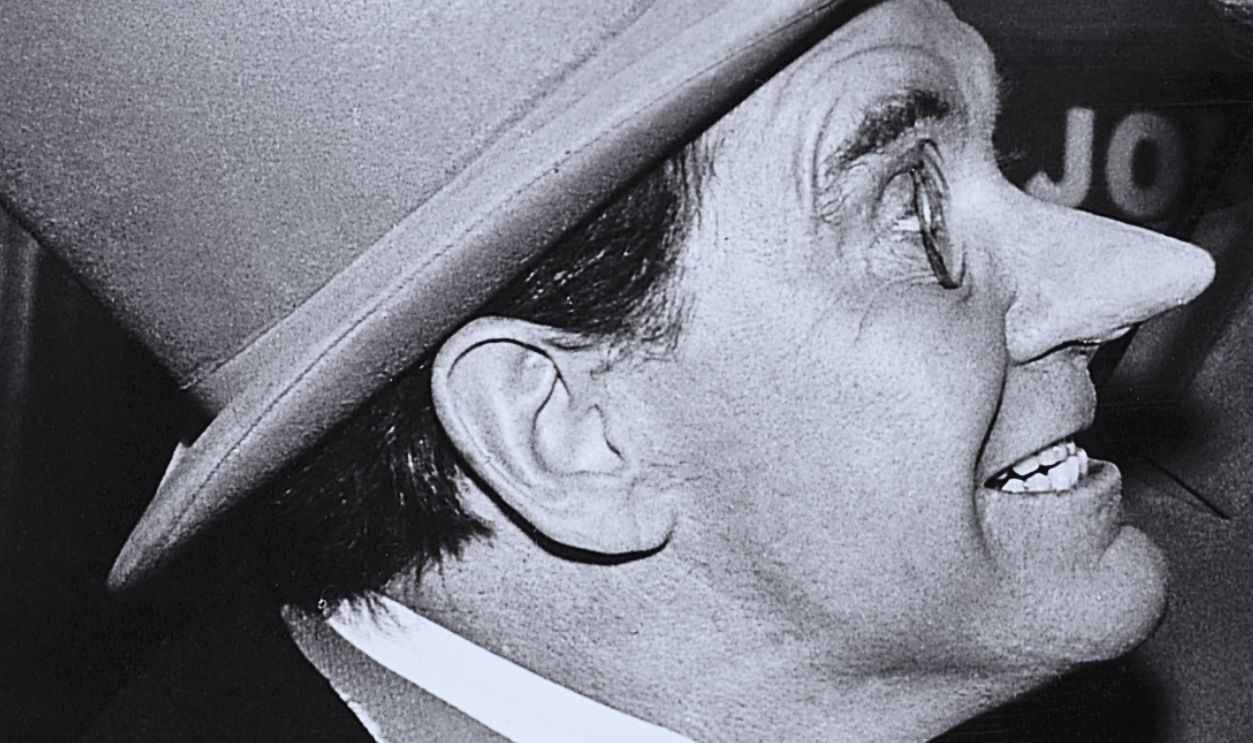
Batman Became One More Reinvention
Meredith had already survived changing theatrical fashions, wartime interruption, blacklisting, and the transition from stage to film and television. The Penguin gave him another highly visible identity in middle age. He later joked that he repeatedly disappeared from public view and was rediscovered. Batman represented one of the most dramatic of those rediscoveries.
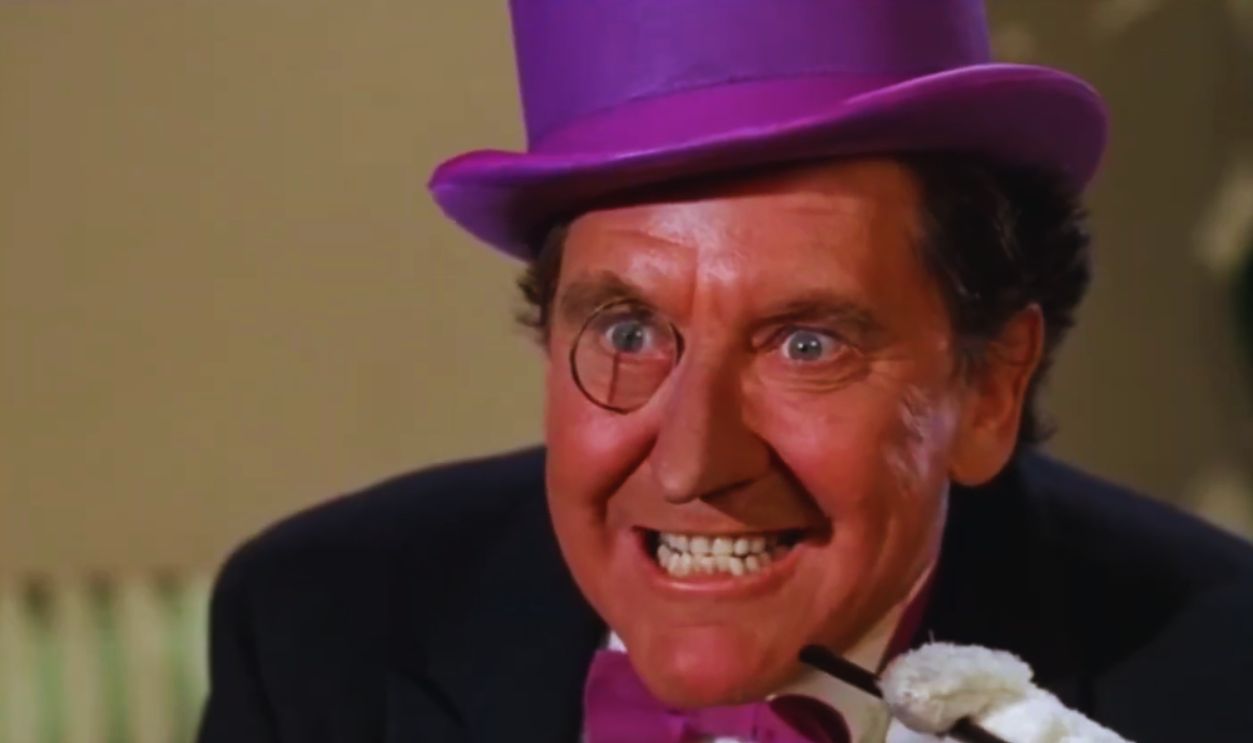 Screenshot from Batman, Greenway Productions / 20th Century-Fox Television / ABC (1966–1968)
Rocky Proved His Range Again
A decade after Batman, Meredith played boxing trainer Mickey Goldmill in Rocky. The performance earned him an Academy Award nomination and introduced his gruff voice and compact physical energy to another generation. Mickey and the Penguin appeared completely different, yet both depended upon Meredith’s command of rhythm, posture, and explosive emotion. His comic-book villain had never represented the limit of his talent.
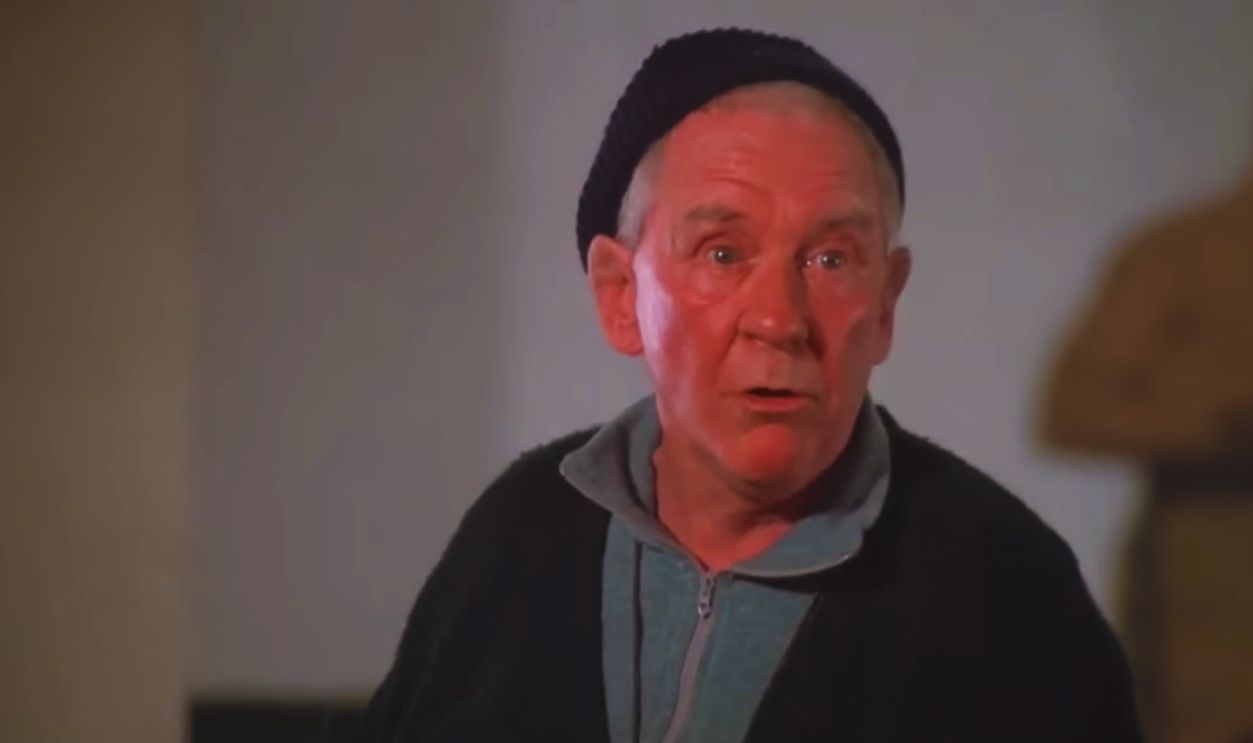 Screenshot from Rocky, Chartoff-Winkler Productions / United Artists (1976)
A Later Penguin Nearly Met His Predecessor
When Tim Burton made Batman Returns, Meredith was considered for a cameo as the father of Danny DeVito’s Penguin. Illness prevented him from taking the role, which instead went to Paul Reubens. The proposed appearance acknowledged that the newer, darker interpretation existed in conversation with Meredith’s famous version. Even a radically redesigned Penguin could not entirely escape the shadow of the first one seen on screen.
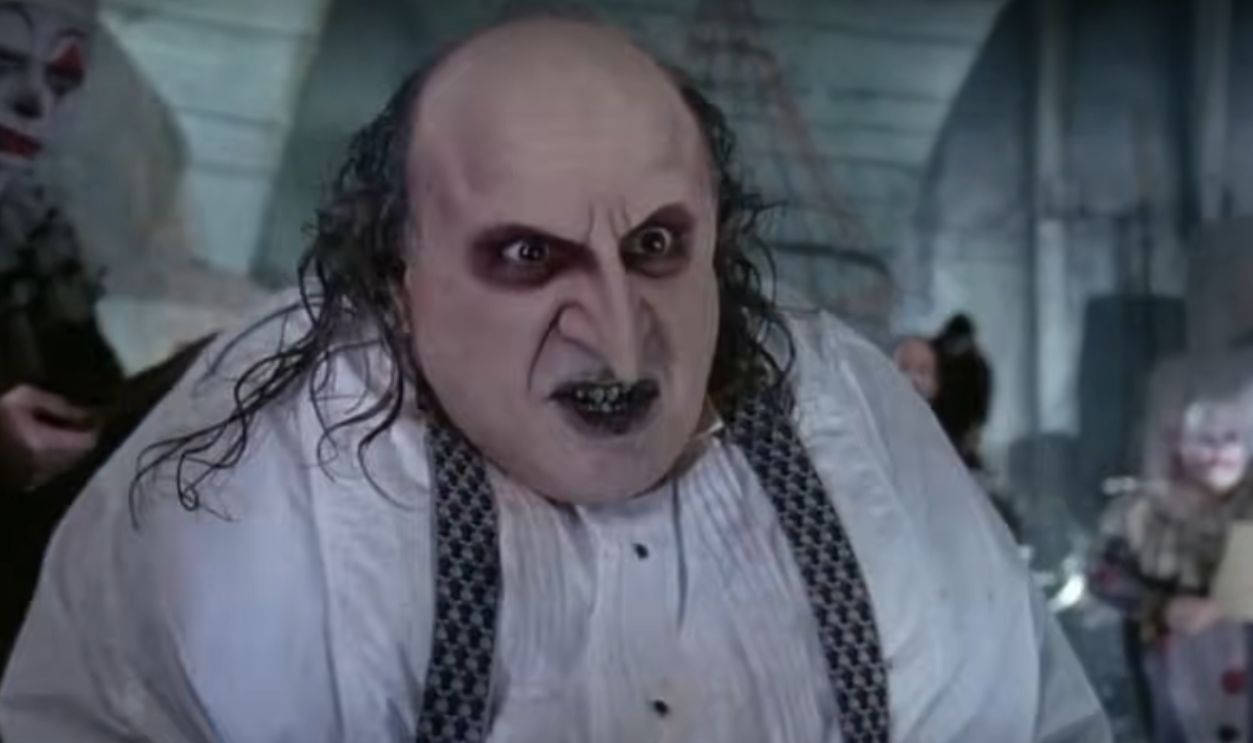 Screenshot from Batman Returns, Warner Bros. Pictures (1992)
His Penguin Remains Impossible To Duplicate
Later performers have made the Penguin grotesque, tragic, brutal, calculating, or politically ambitious. Meredith’s interpretation remains unique because it combined all-consuming vanity, theatrical menace, old-world manners, comic panic, and an inexplicable quack. He did not make the character believable in an ordinary sense. He made the Penguin believable inside the heightened world of Batman, which was the far more difficult achievement.
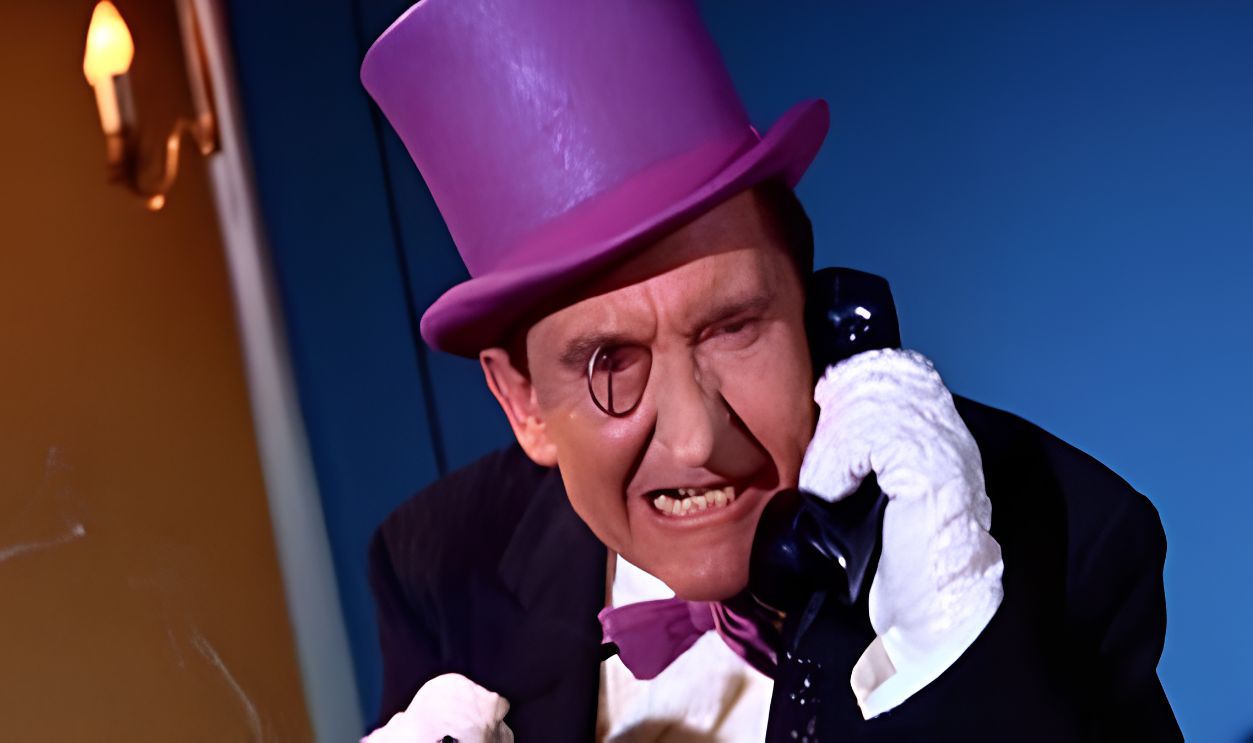 Screenshot from Batman, Greenway Productions / 20th Century-Fox Television / ABC (1966–1968)
You May Also Like:
Movies Where The Supporting Cast Outshined The Stars
Casting Choices That Seemed Crazy—But Worked Perfectly
Television Guest Stars Who Became Bigger Celebrities Than The Series' Main Cast
Sources: 1, 2, 3, 4, 5, 6, 7, 8, 9, 10, 11, 12, 13, 14, 15, 16