The Faces Were Sometimes More Memorable Than The Roles
Old Westerns had an astonishing talent for filling even small parts with actresses viewers never forgot. Sometimes the character received only a few scenes or the simplest description, yet the face remained instantly familiar decades after the credits stopped rolling.
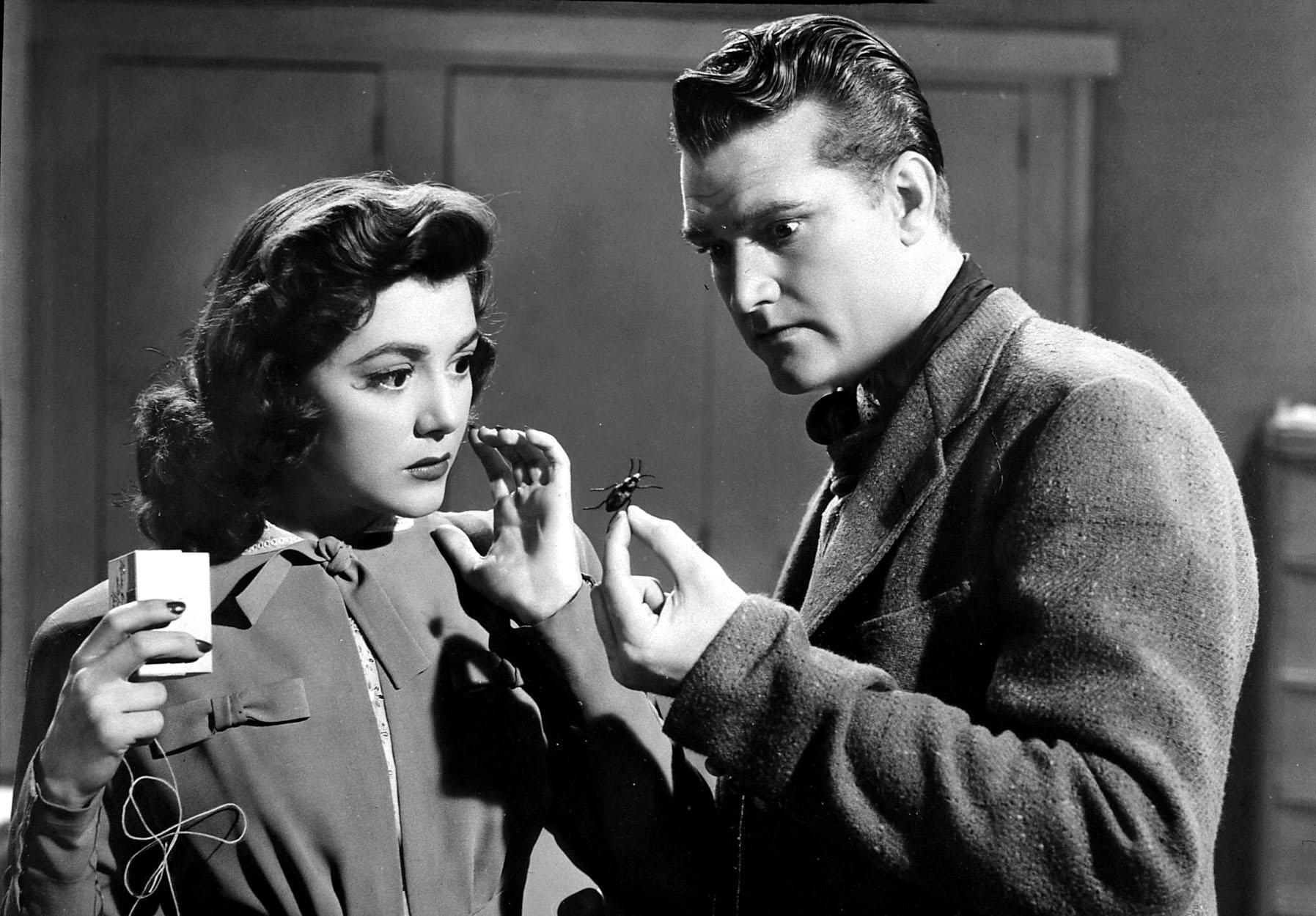
Ann Rutherford Rode With The Biggest Cowboys
Before MGM turned Ann Rutherford into Polly Benedict in the Andy Hardy movies, Republic put her into a succession of Westerns. She appeared alongside John Wayne and Gene Autry and became a familiar heroine to audiences who regularly watched inexpensive cowboy pictures. Rutherford eventually became much more famous for Gone with the Wind, but Western viewers had already learned her face years earlier.
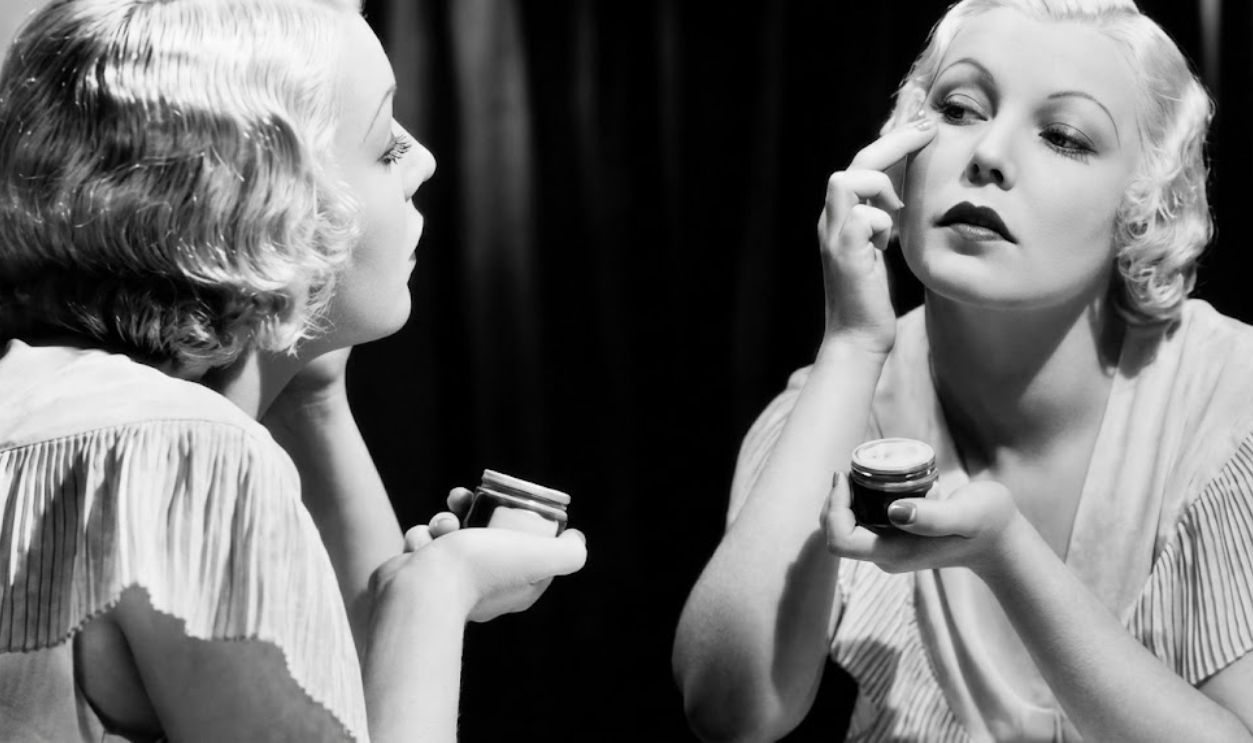
Muriel Evans Was Everywhere On The Range
Muriel Evans appeared in more than 40 films and became particularly familiar through Westerns with performers including Hopalong Cassidy, Buck Jones, and Tom Mix. These were the fast-moving pictures that filled neighborhood theaters and later television schedules for years. Evans never became a giant marquee name, but Western fans knew exactly who she was.
 Photoplay Magazine, Wikimedia Commons, Enhanced
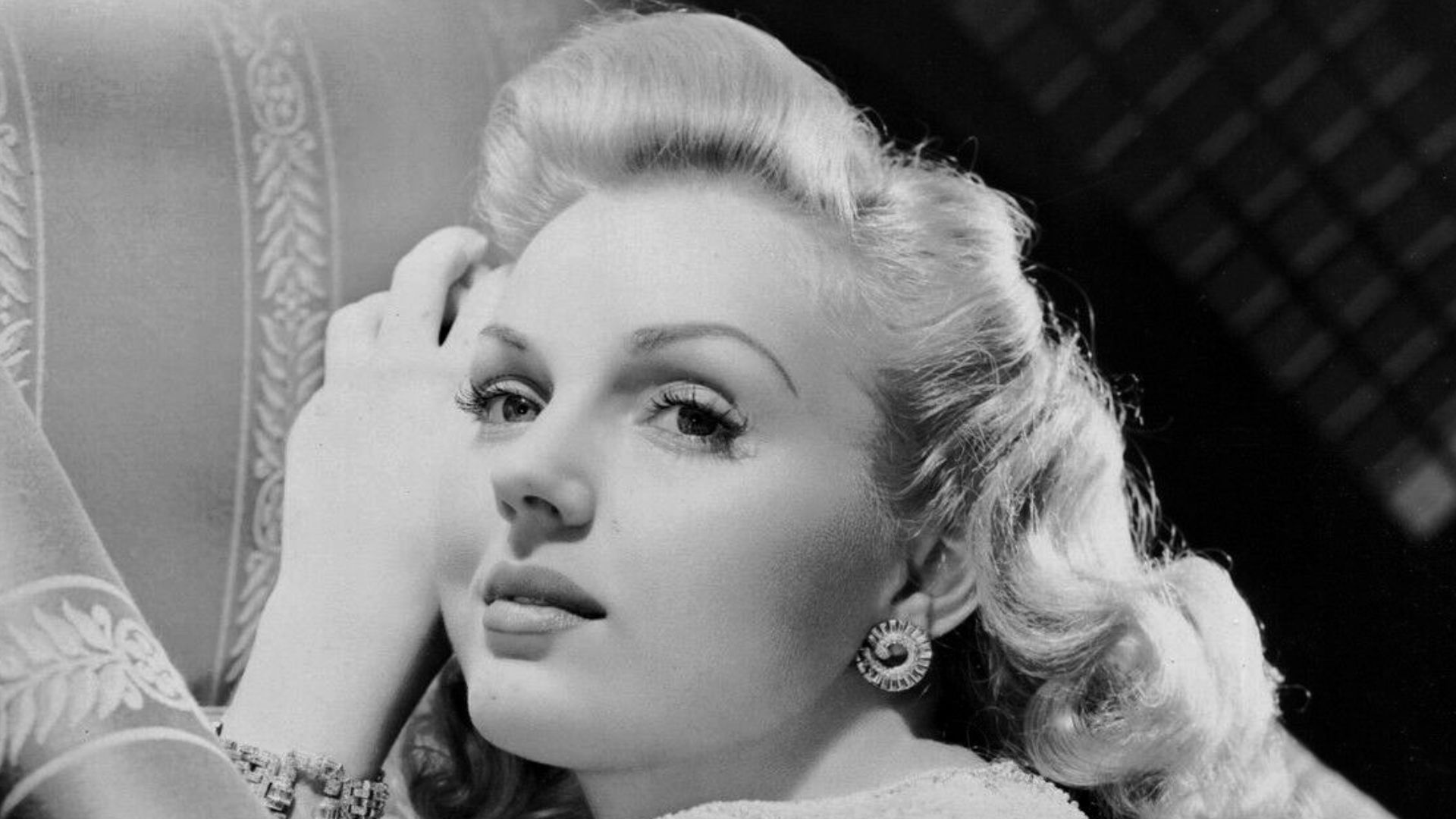
Lynn Merrick Became Red Barry's Familiar Leading Lady
Lynn Merrick made more than 40 movies during the 1940s and became especially associated with Western star Don "Red" Barry. She appeared opposite him in around 16 Republic Westerns, enough for one historian to call her his perennial screen sweetheart. Baby boomers raised on television reruns could therefore recognize Merrick even when individual character names blurred together.
 Studio Publicity, Wikimedia Commons
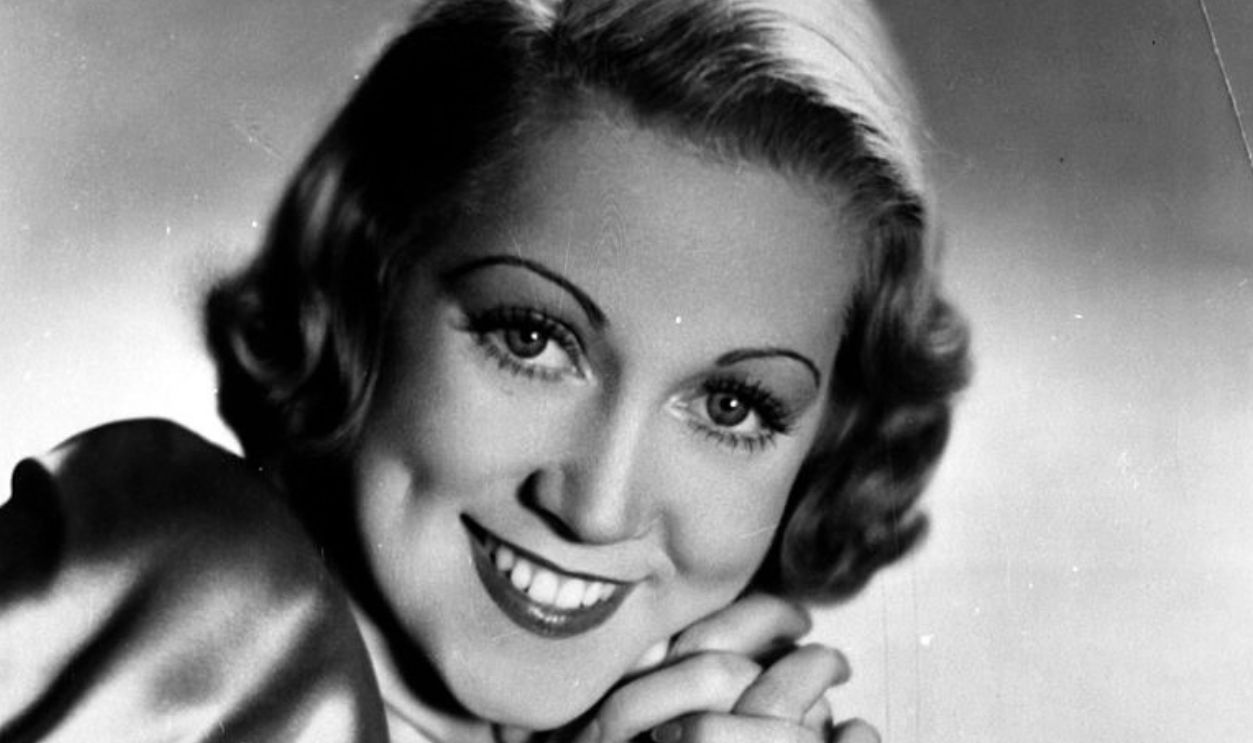
Beth Marion Was A Genuine B-Western Queen
Beth Marion's Hollywood career was brief, but she packed an extraordinary number of Westerns into it. Between 1935 and 1938, she appeared opposite Johnny Mack Brown, Tom Tyler, Buck Jones, Ken Maynard, and Bob Steele. Marion retired from movies remarkably early, leaving behind the kind of concentrated Western filmography that could keep resurfacing on television for decades.
Julie Adams Started Out Riding The Range
Long before Creature from the Black Lagoon made Julie Adams a cult-film icon, she was working at remarkable speed in low-budget Westerns. TCM records that she shot seven of them in roughly five weeks under her original name, Betty Adams. She later returned to the genre in movies including The Lawless Breed and The Man from the Alamo, ensuring that Western fans knew her as well as monster-movie fans did.
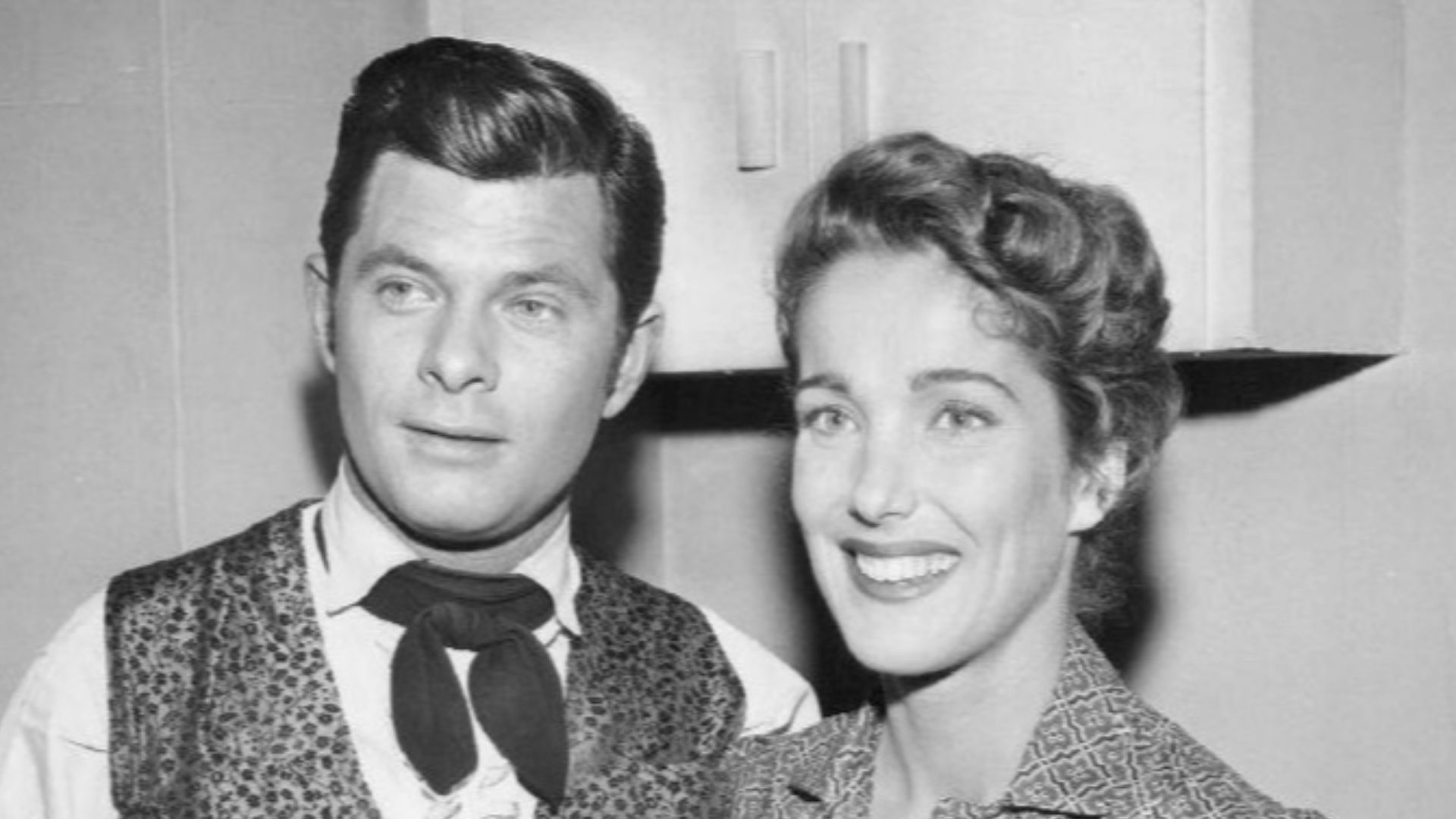 CBS Television, Wikimedia Commons
Joanne Dru Became A John Ford Regular
Joanne Dru's breakthrough came with Howard Hawks' Red River, followed almost immediately by John Ford's She Wore a Yellow Ribbon. Ford used her again in Wagon Master, and suddenly Dru seemed permanently at home among cavalry posts, wagon trains, and open landscapes. She later joked that after Red River, Hollywood seemed to decide Westerns were simply what she did.
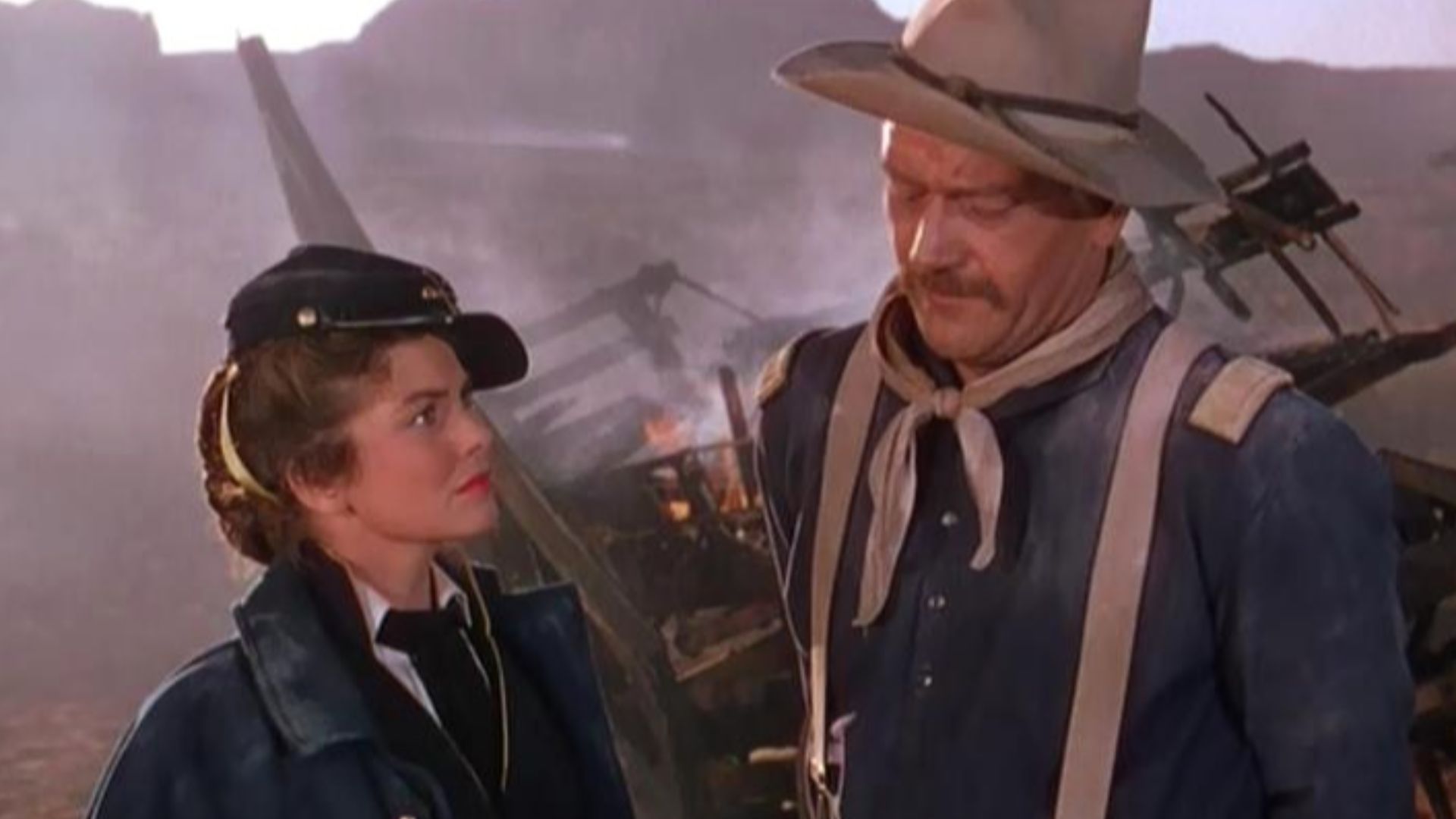 Trailer screenshot (Argosy Pictures - RKO) - DVD bonus, Wikimedia Commons
Rhonda Fleming Was Made For Technicolor Westerns
Rhonda Fleming became known as the "Queen of Technicolor," and Western filmmakers quickly understood why. Her red hair and vivid screen presence made her a natural fit for the saturated landscapes of pictures including Gunfight at the O.K. Corral and other frontier adventures. She worked opposite some of Hollywood's biggest leading men, but Fleming was never likely to disappear into the scenery.
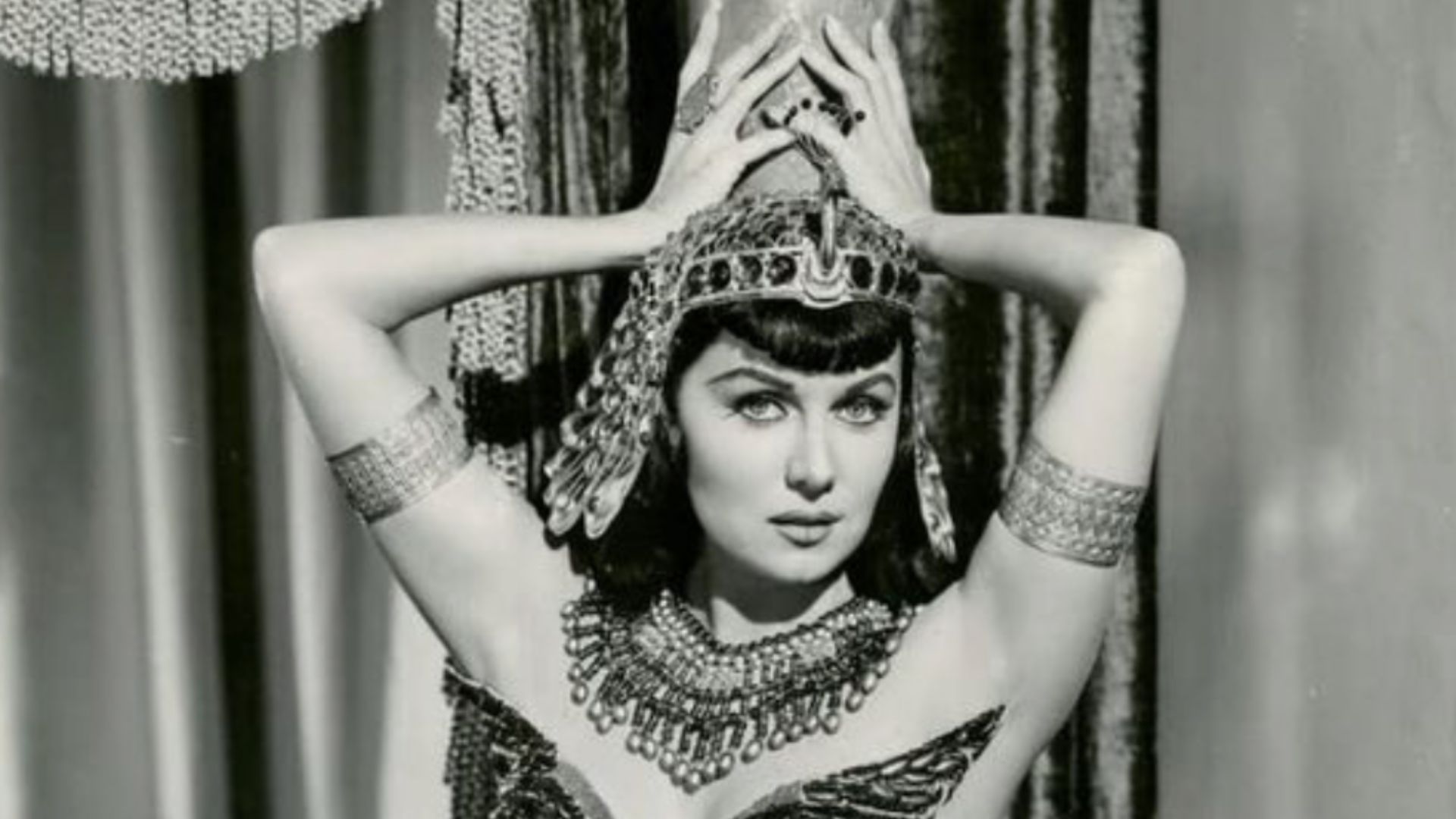 Unknown photographerUnknown photographer, Wikimedia Commons
Barbara Stanwyck Refused To Be Decorative
Barbara Stanwyck entered Westerns relatively late in her film career and immediately made the genre bend around her. The Furies, Cattle Queen of Montana, The Maverick Queen, and Forty Guns gave her forceful women who could dominate a story rather than wait for somebody else to rescue them. Television then gave her another Western triumph as Victoria Barkley on The Big Valley.
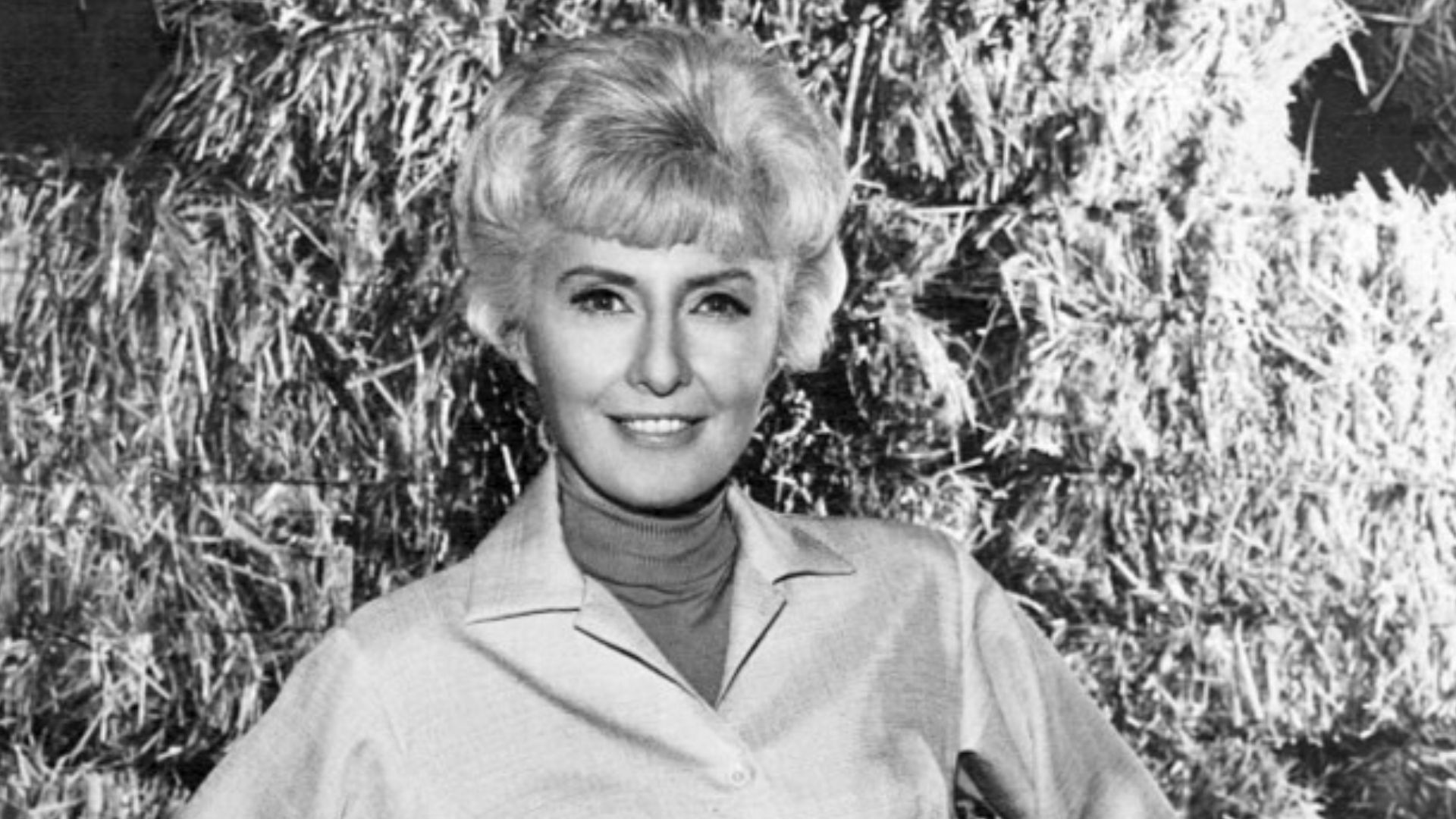 ABC Television, Wikimedia Commons
Katy Jurado Made Hollywood Pay Attention
Mexican star Katy Jurado was already an experienced performer when Hollywood discovered her. Her turn as Helen Ramírez in High Noon won a Golden Globe, and Broken Lance later made her the first Mexican actress nominated for an Academy Award. Jurado brought such authority to Westerns that even supporting roles could feel like the center of the movie whenever she appeared.
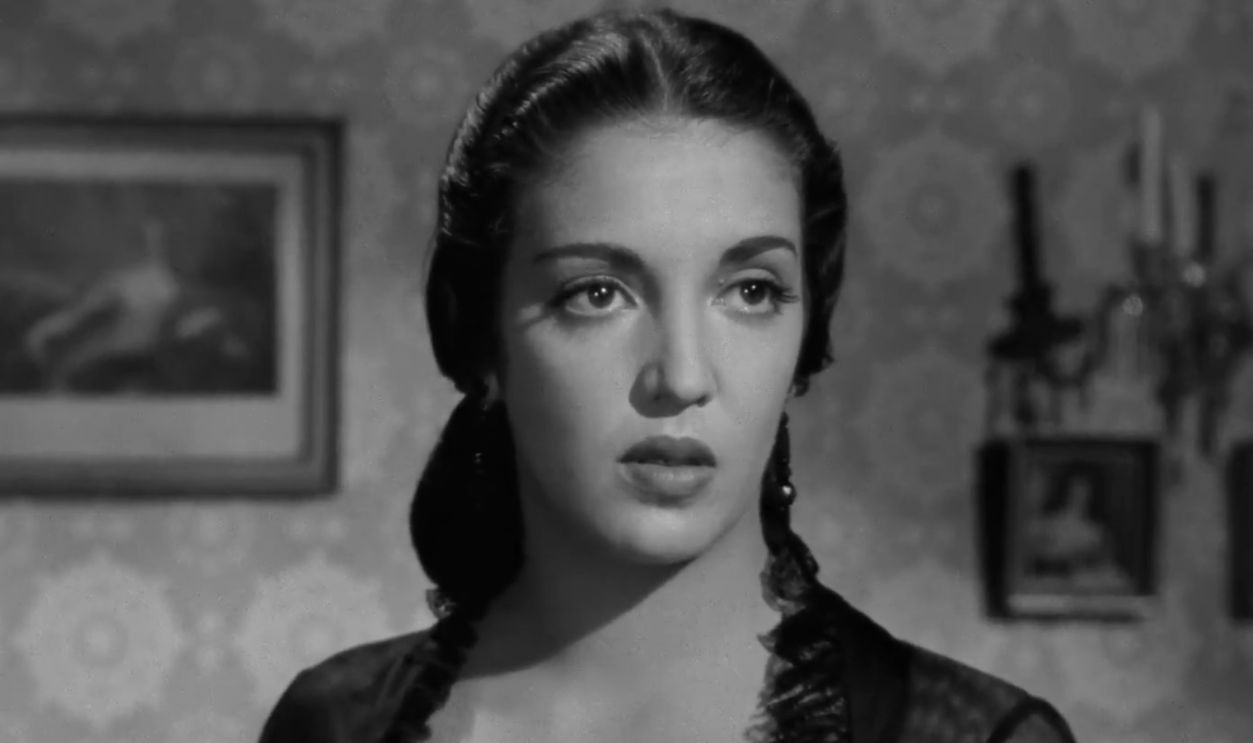 Screenshot from High Noon, Paramount (1952)
Virginia Mayo Looked Right At Home In The West
Virginia Mayo could handle musicals, comedies, and crime pictures, but Westerns became another substantial part of her career. She appeared in Colorado Territory, Devil's Canyon, The Big Land, and Fort Dobbs. Her polished Hollywood glamour created an appealing contrast with dusty frontier settings, making Mayo especially easy to remember.
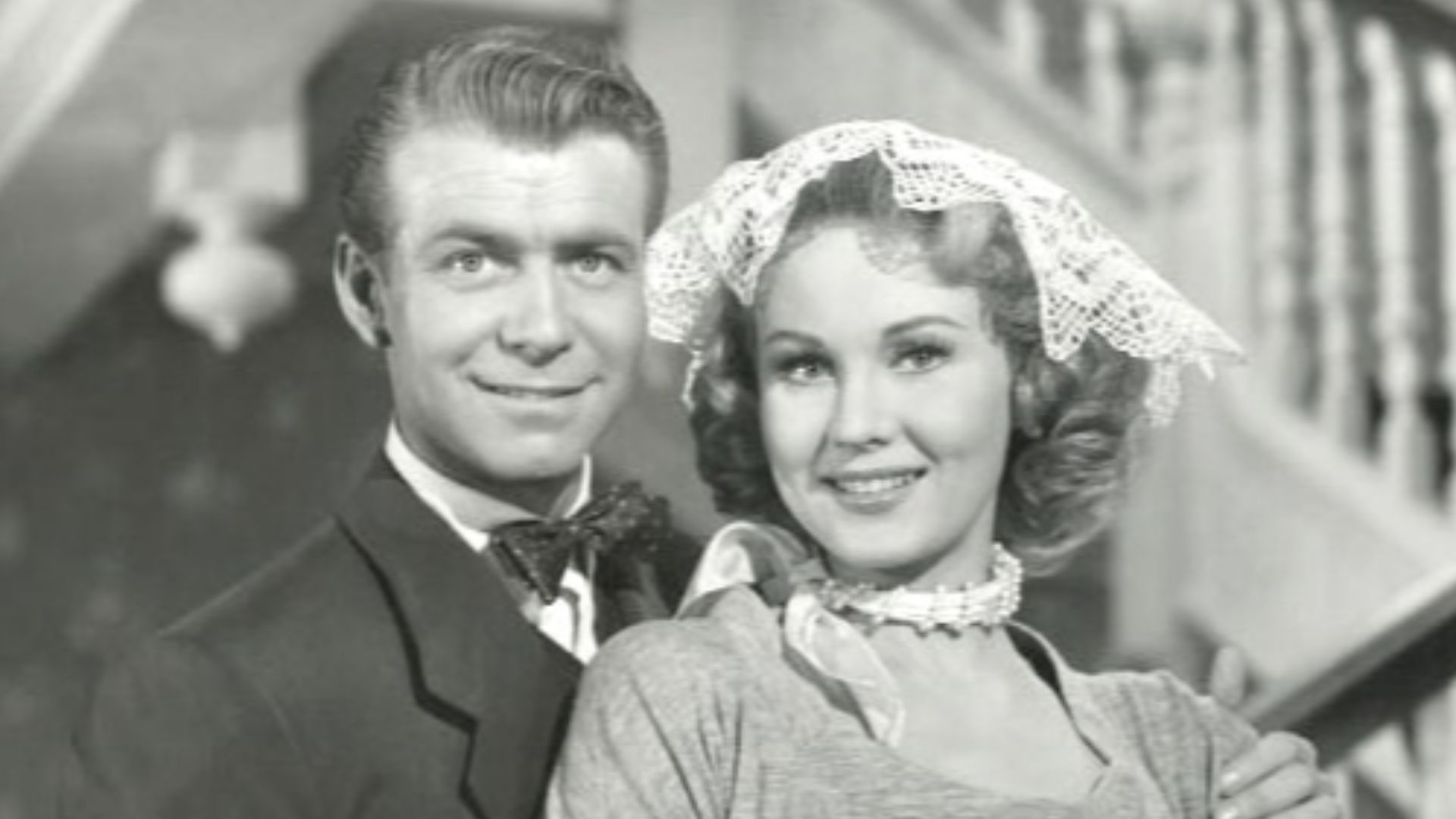 unknown (Warner Bros.), Wikimedia Commons
Dorothy Malone Was More Than Peyton Place
Long before television audiences associated Dorothy Malone with Peyton Place, she accumulated an impressive collection of Western credits. Films such as Tall Man Riding, Pillars of the Sky, and Tension at Table Rock placed her opposite some of the genre's most dependable stars. Her later Academy Award and television fame can make it easy to forget how regularly she once appeared on horseback.
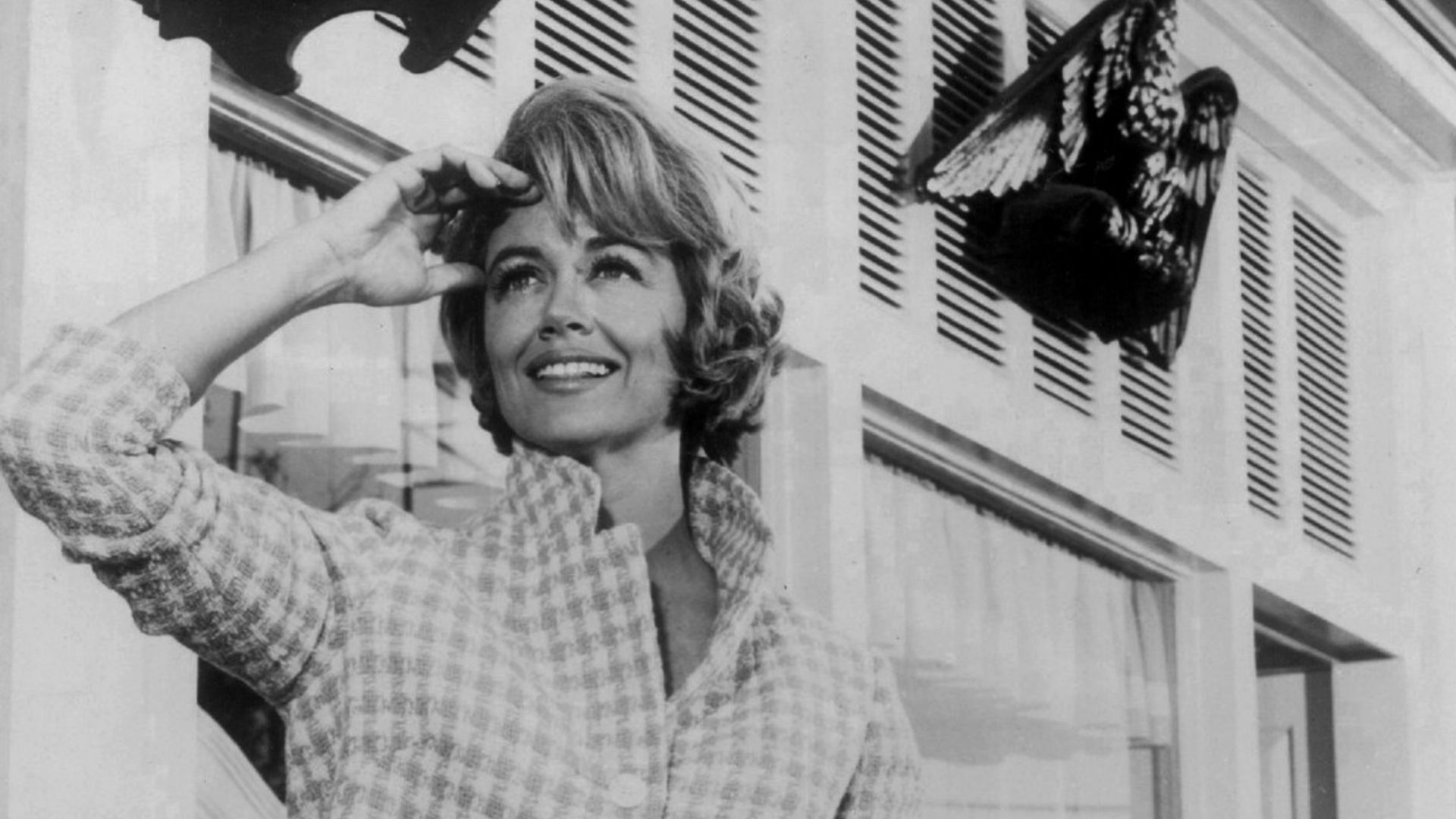 ABC Television, Wikimedia Commons
Debra Paget Became A Western Favorite Early
Debra Paget spent much of the 1950s moving through historical adventures and Westerns. She appeared in Broken Arrow, Seven Angry Men, and The Last Hunt, where her part was credited simply as "Indian Girl." It is exactly the kind of old Hollywood role where the actress could become far more recognizable than the thinly written character she had been given.
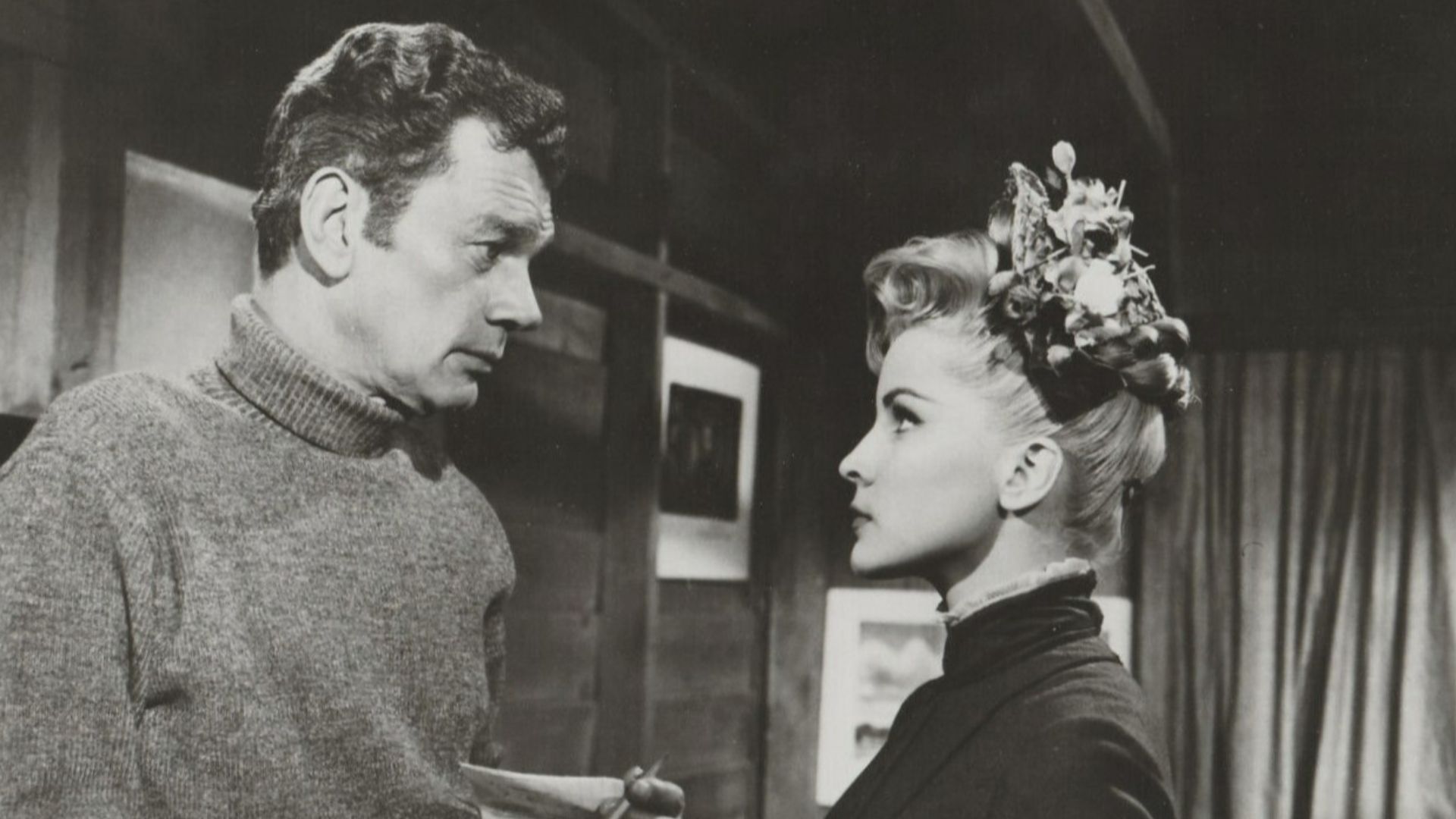 RKO Pictures. Photographer not credited, Wikimedia Commons
Felicia Farr Quietly Built A Great Western Run
Felicia Farr did not need a massive filmography to leave a strong Western impression. She appeared in Delmer Daves' Jubal, The Last Wagon, and 3:10 to Yuma within a remarkably short period. Working repeatedly with a director who took Western characters seriously gave Farr better material than many actresses received in similar supporting parts.
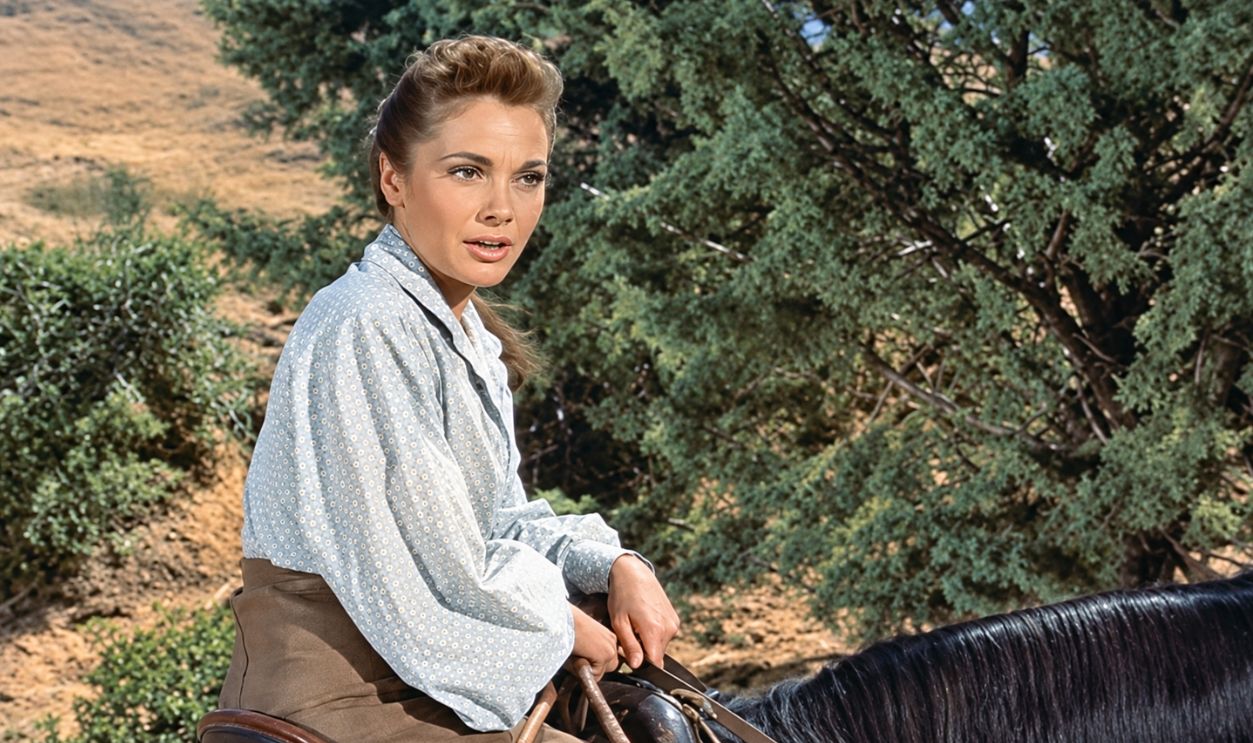 Screenshot from The Last Wagon, 20th Century Fox (1956), Enhanced
Coleen Gray Had The Perfect Frontier Face
Coleen Gray's film career moved from noir to Westerns and back again with remarkable ease. In Arrow in the Dust, she played Christella, a pioneer who gradually begins to understand the troubled man guiding her wagon train. Gray's calm screen presence made her especially effective in Westerns where sincerity mattered more than showiness.
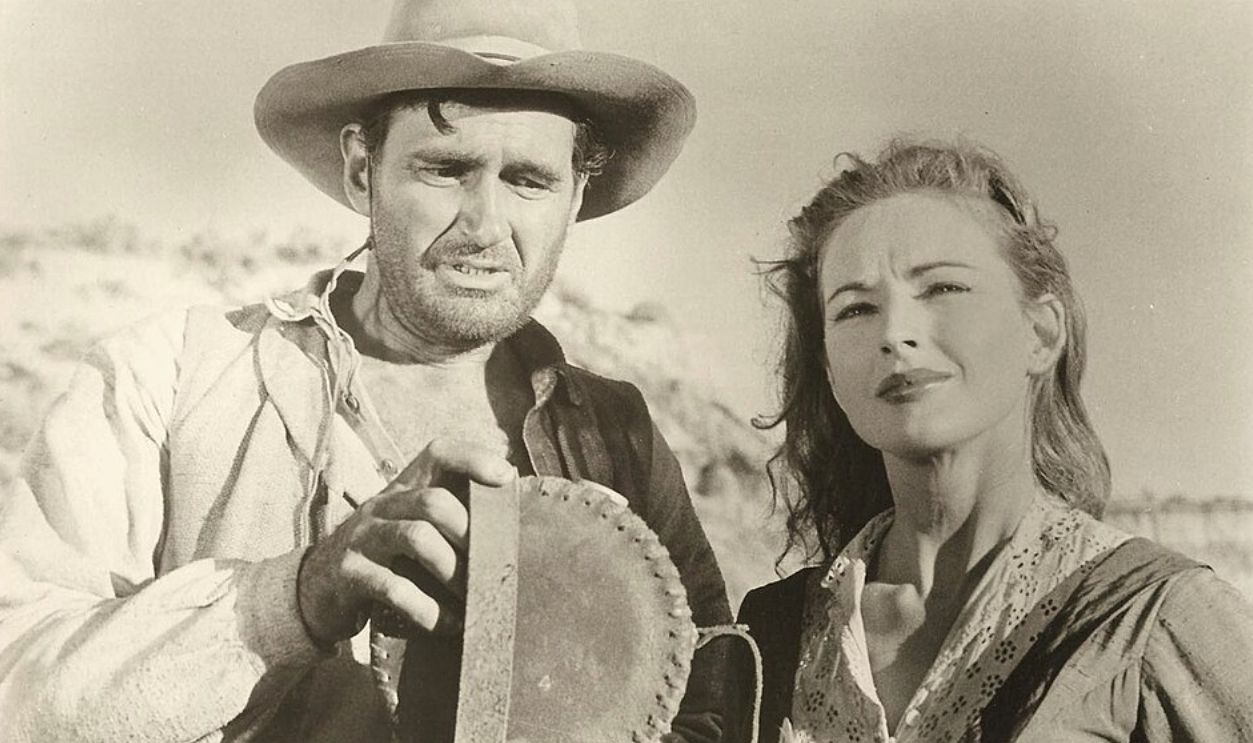 unknown (20th Century Fox), Wikimedia Commons
Nancy Gates Became A Familiar Western Guest
Nancy Gates worked constantly through the 1950s and early 1960s, appearing in films and an enormous amount of television. One of her best-remembered Western roles came opposite Randolph Scott in Budd Boetticher's Comanche Station. The movie depended heavily on the uneasy relationship between Scott's bounty hunter and Gates' rescued traveler, giving her much more to do than simply decorate the journey.
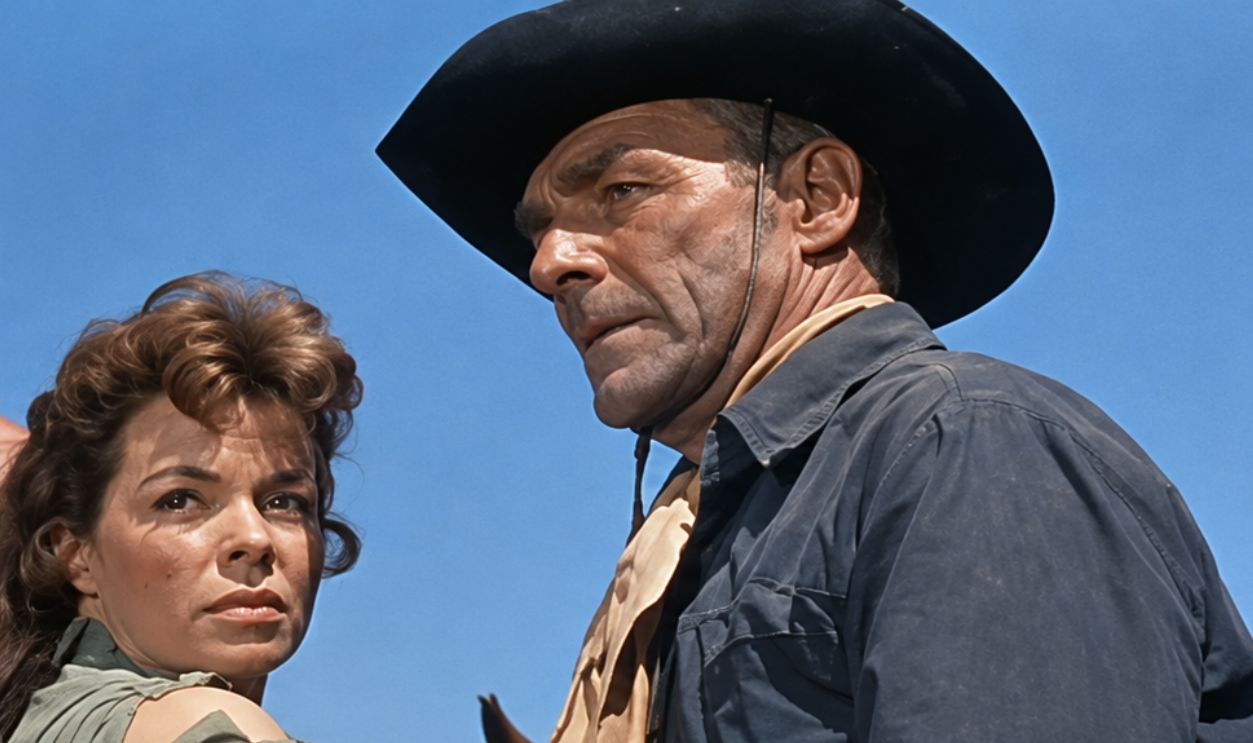 Budd Boetticher, Wikimedia Commons, Enhanced
Donna Reed Had A Western Career People Forget
Donna Reed is so closely associated with It's a Wonderful Life and The Donna Reed Show that her Western work can be surprising. She appeared in Apache Trail, Hangman's Knot, They Rode West, and The Far Horizons. Columbia continued placing her in Westerns even after she had won an Academy Award, much to Reed's frustration when she hoped for more ambitious material.
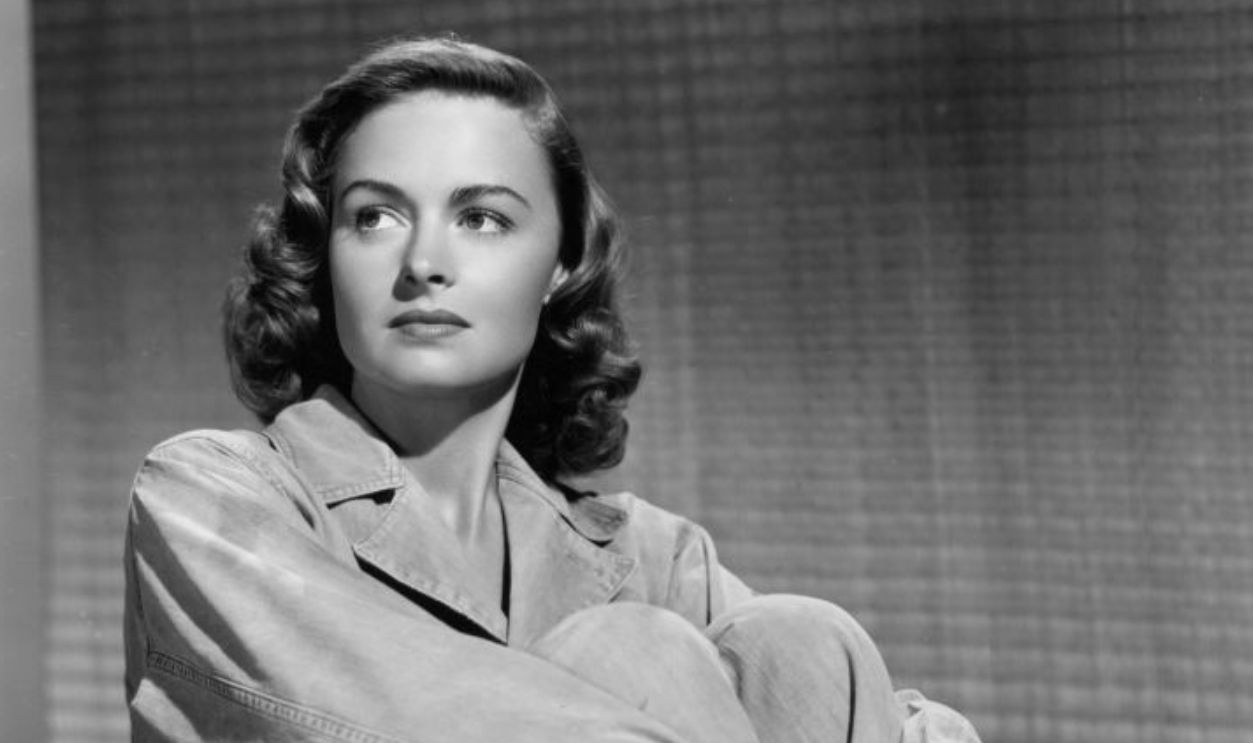
Vera Miles Became Part Of John Ford's West
Vera Miles worked with John Ford on The Searchers and later returned for The Man Who Shot Liberty Valance. She also appeared alongside Joel McCrea in Wichita. Because those films continued circulating endlessly on television, Miles became one of those actresses whose face could seem familiar even to viewers who could not immediately produce her name.
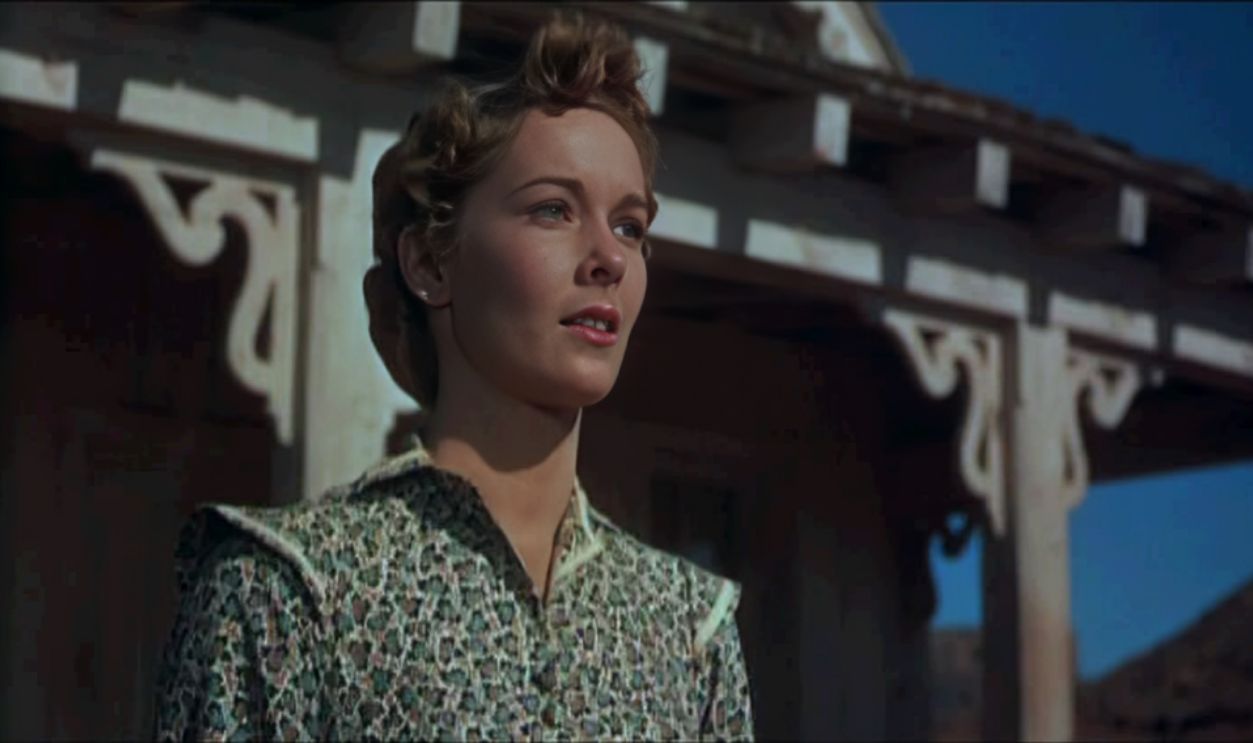 Spinoziano, Wikimedia Commons, enhanced
Mara Corday Was Made For The Drive-In Era
Mara Corday moved comfortably between Westerns and the creature features that flourished during the 1950s. One of her prominent frontier pictures was Dawn at Socorro, where she appeared opposite Rory Calhoun. Her career was relatively short, but the combination of Western reruns and cult science-fiction favorites kept Corday's face alive for generations of movie fans.
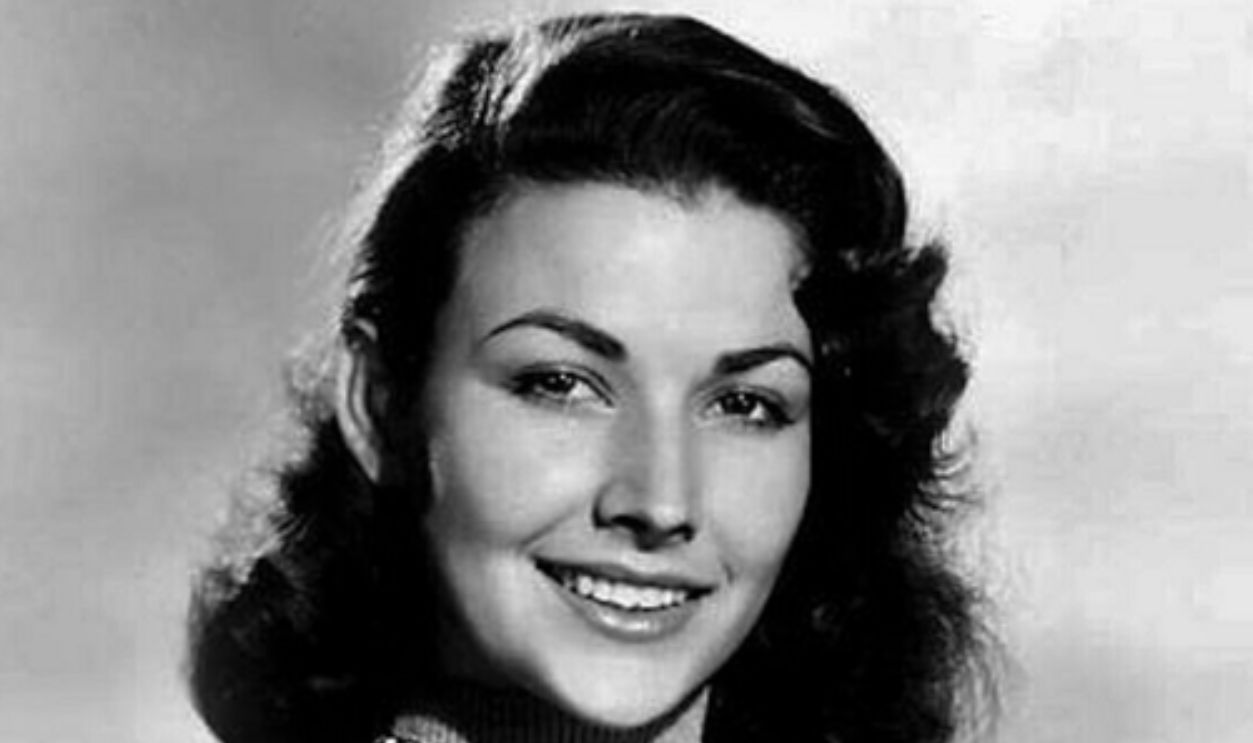 Universal Pictures Celebrity Publishers LTD., London, Wikimedia Commons
Peggie Castle Was Rarely Just Background
Peggie Castle became a dependable presence in 1950s Westerns, including Tall Man Riding and Cow Country. In the latter film, critics specifically noticed her forceful performance despite the supporting role. Castle later became even more familiar on television as Lily Merrill in the Western series Lawman.
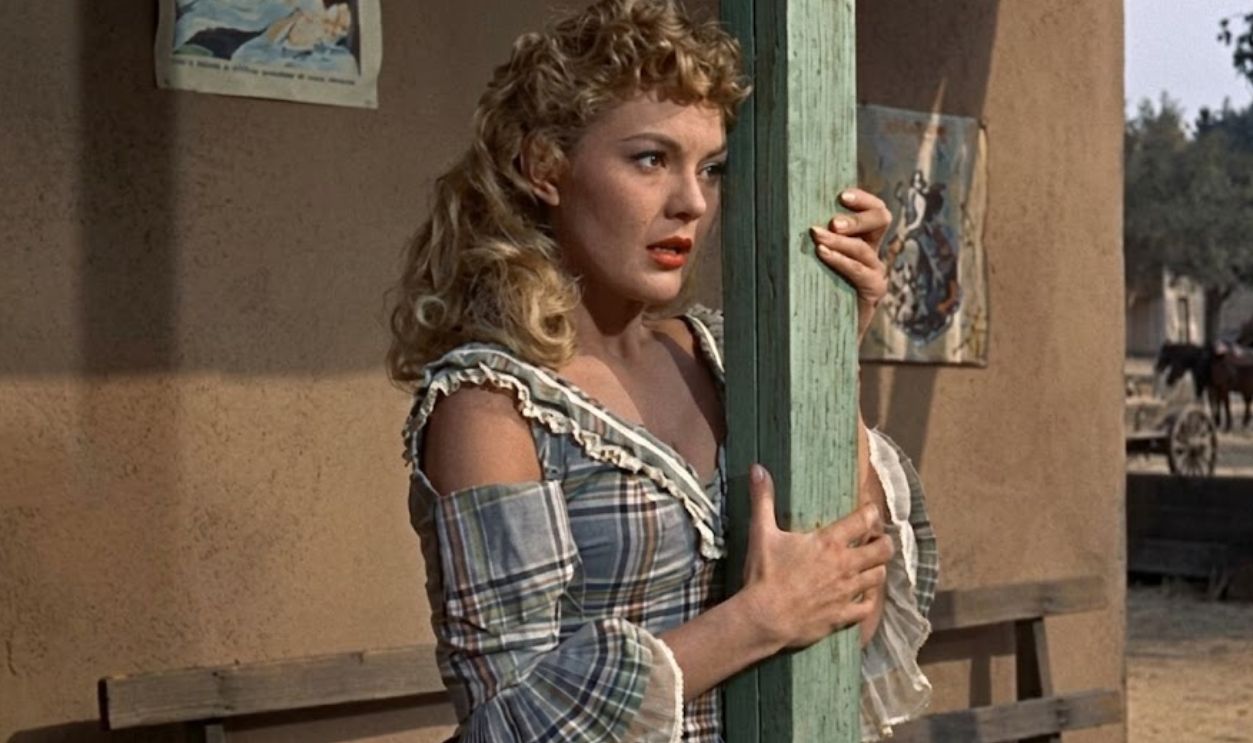 Screenshot from Tall Man Riding, Warner Bros. Pictures (1955), Enhanced
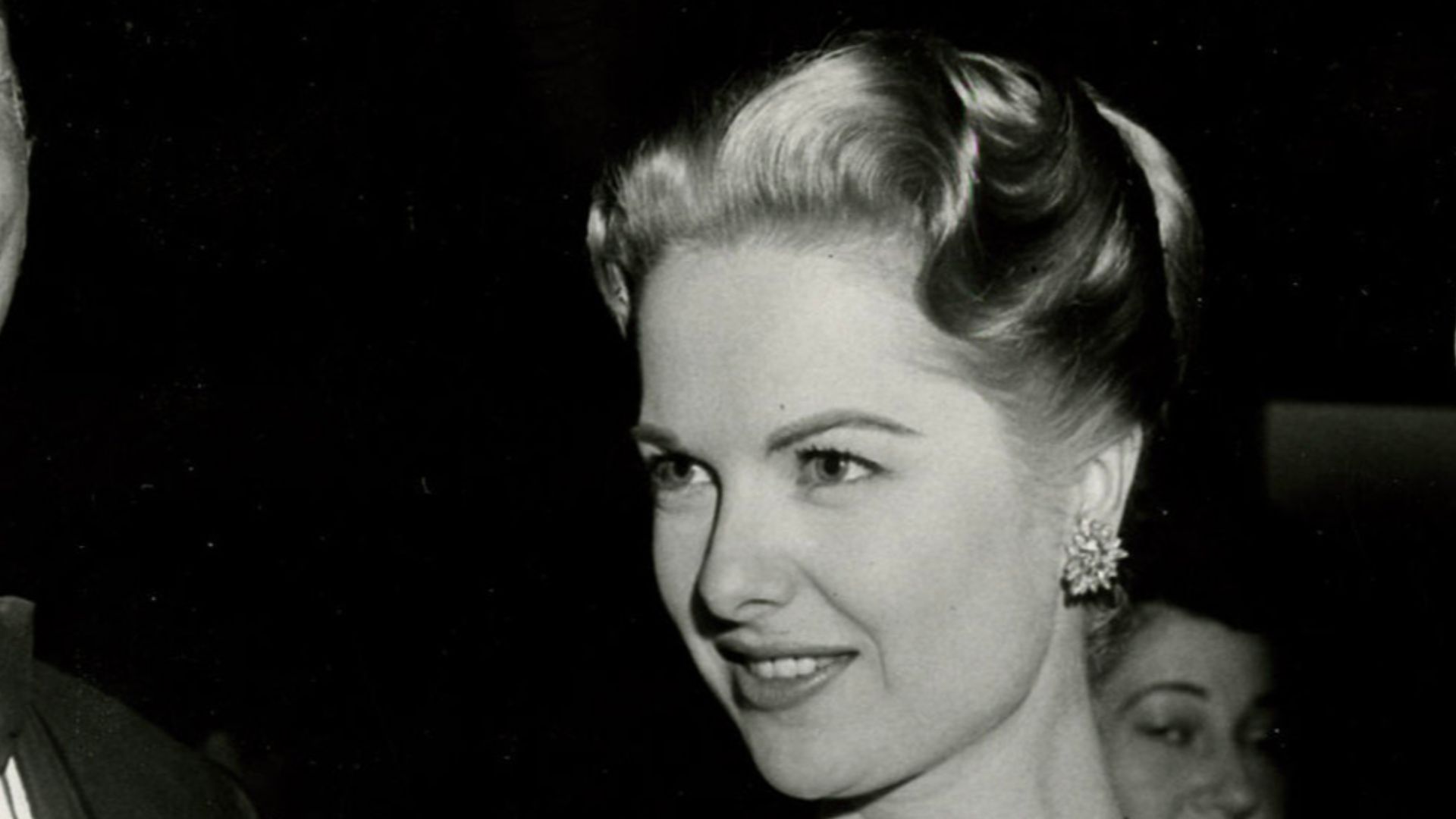
Martha Hyer Could Bring Glamour To Any Ranch
Martha Hyer built her reputation through polished dramas and comedies before returning repeatedly to Western territory. One of her later appearances came opposite John Wayne in The Sons of Katie Elder. Her elegant appearance could make even a comparatively modest role stand out in a movie crowded with tough male stars.
Mala Powers Became A Television-Western Regular
Mala Powers began the 1950s with major dramatic opportunities, then found herself working frequently in Western movies such as Rose of Cimarron, The Yellow Mountain, and Rage at Dawn. When film roles became less plentiful, television Westerns kept calling. She appeared on Rawhide, Maverick, Bonanza, Wanted: Dead or Alive, and Wagon Train.
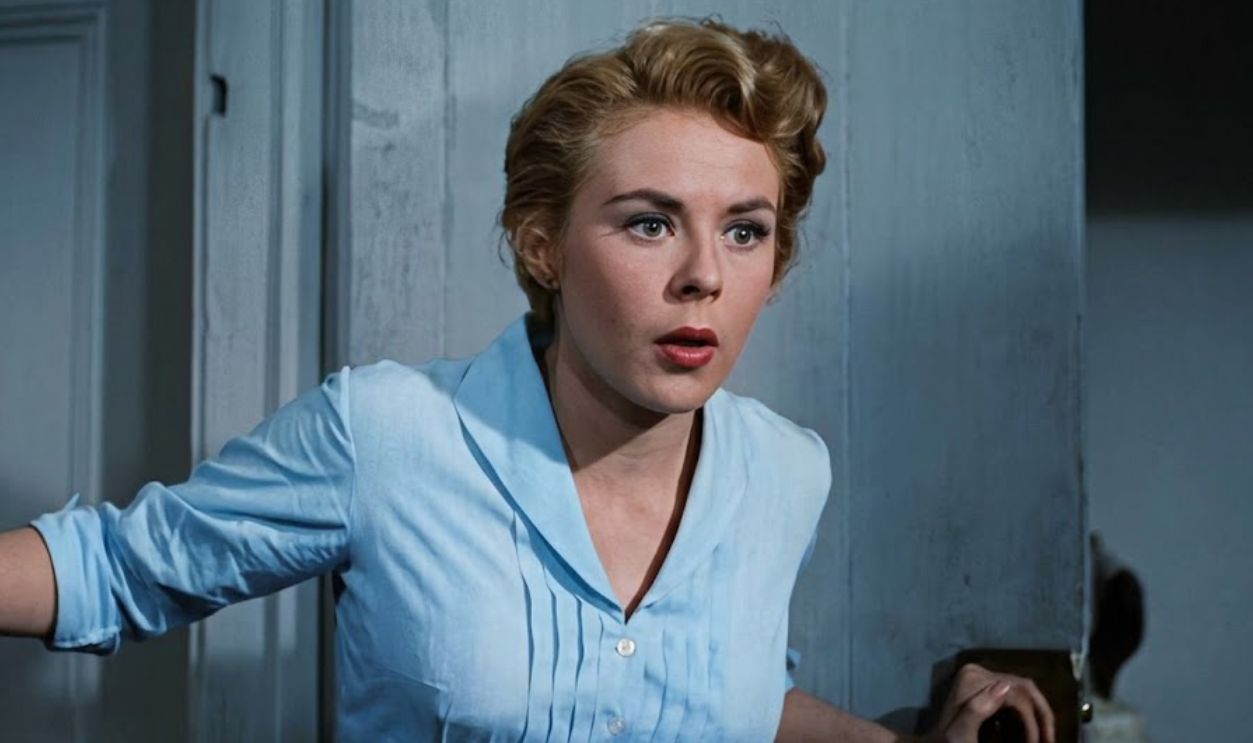 film screenshot (RKO Pictures), Wikimedia Commons, Enhanced
Katharine Ross Arrived Just As The Western Changed
Katharine Ross made her feature-film debut in the James Stewart Western Shenandoah. Only a few years later, she played Etta Place in Butch Cassidy and the Sundance Kid, one of the movies that helped reinvent the genre for a younger audience. Ross therefore became recognizable at exactly the moment old-fashioned Westerns were giving way to something more modern.
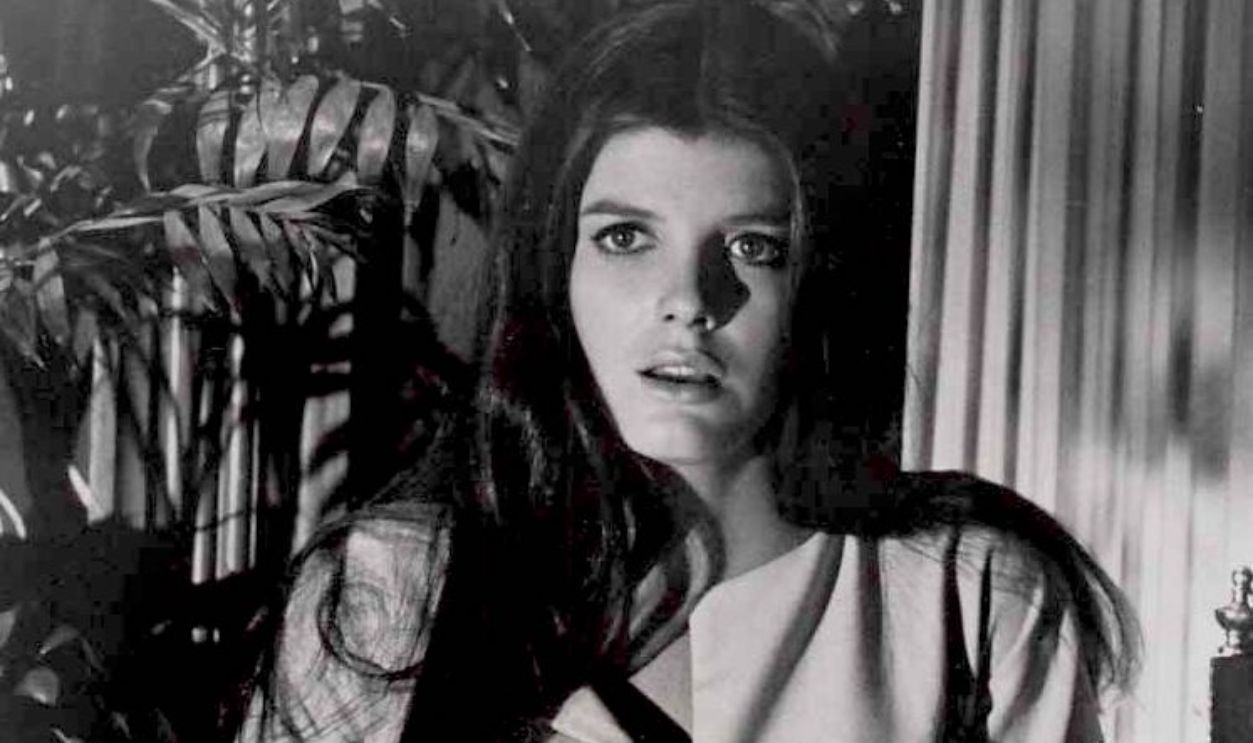 Universal Pictures, Wikimedia Commons
Rita Hayworth Learned Her Craft In Cheap Westerns
Before Gilda made Rita Hayworth one of Hollywood's defining stars, she spent part of the 1930s working in low-budget Westerns. The Renegade Ranger gave her a particularly strong role as Judith Alvarez, a woman accused of leading an outlaw band. Contemporary reviewers noticed her immediately, years before the rest of Hollywood caught up.
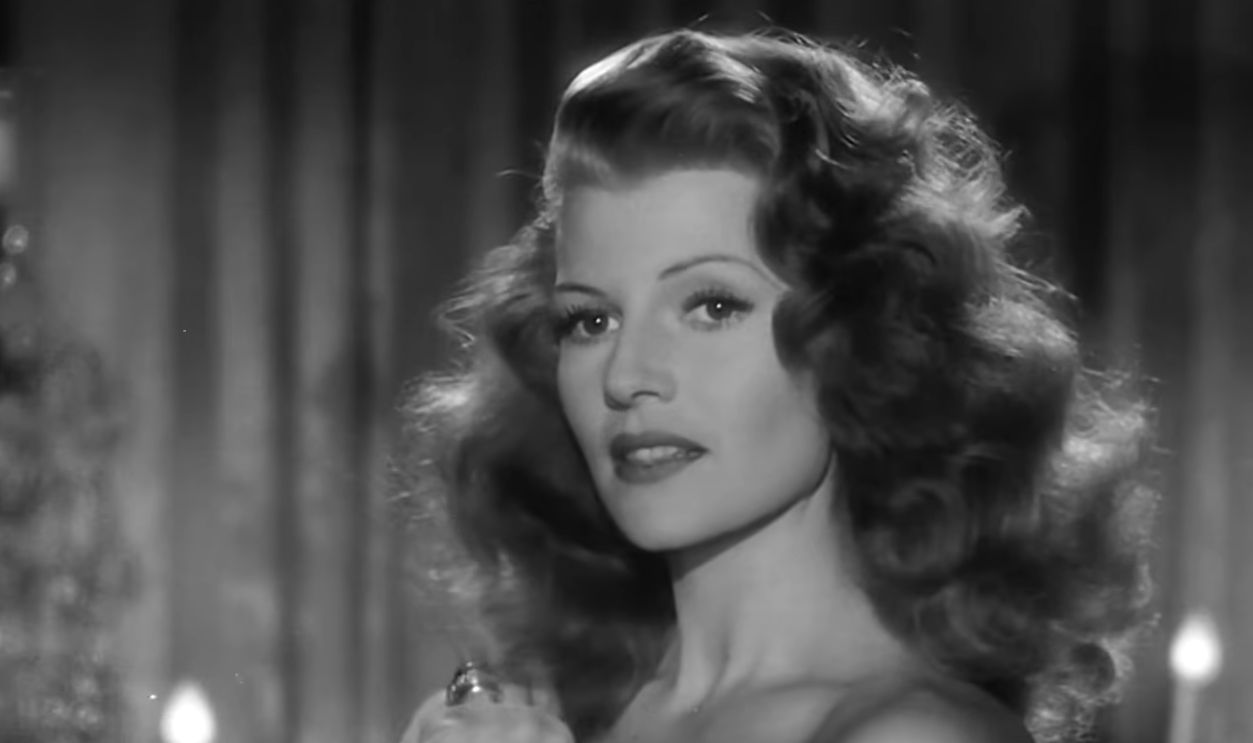 Screenshot from Gilda, Columbia Pictures (1946)
Jane Russell's First Movie Was A Western
Howard Hughes introduced Jane Russell to movie audiences through The Outlaw. The long-delayed Western generated enormous publicity and made Russell famous before audiences had much opportunity to judge her acting. She later had far more fun with the genre opposite Bob Hope in The Paleface, where she played Calamity Jane.
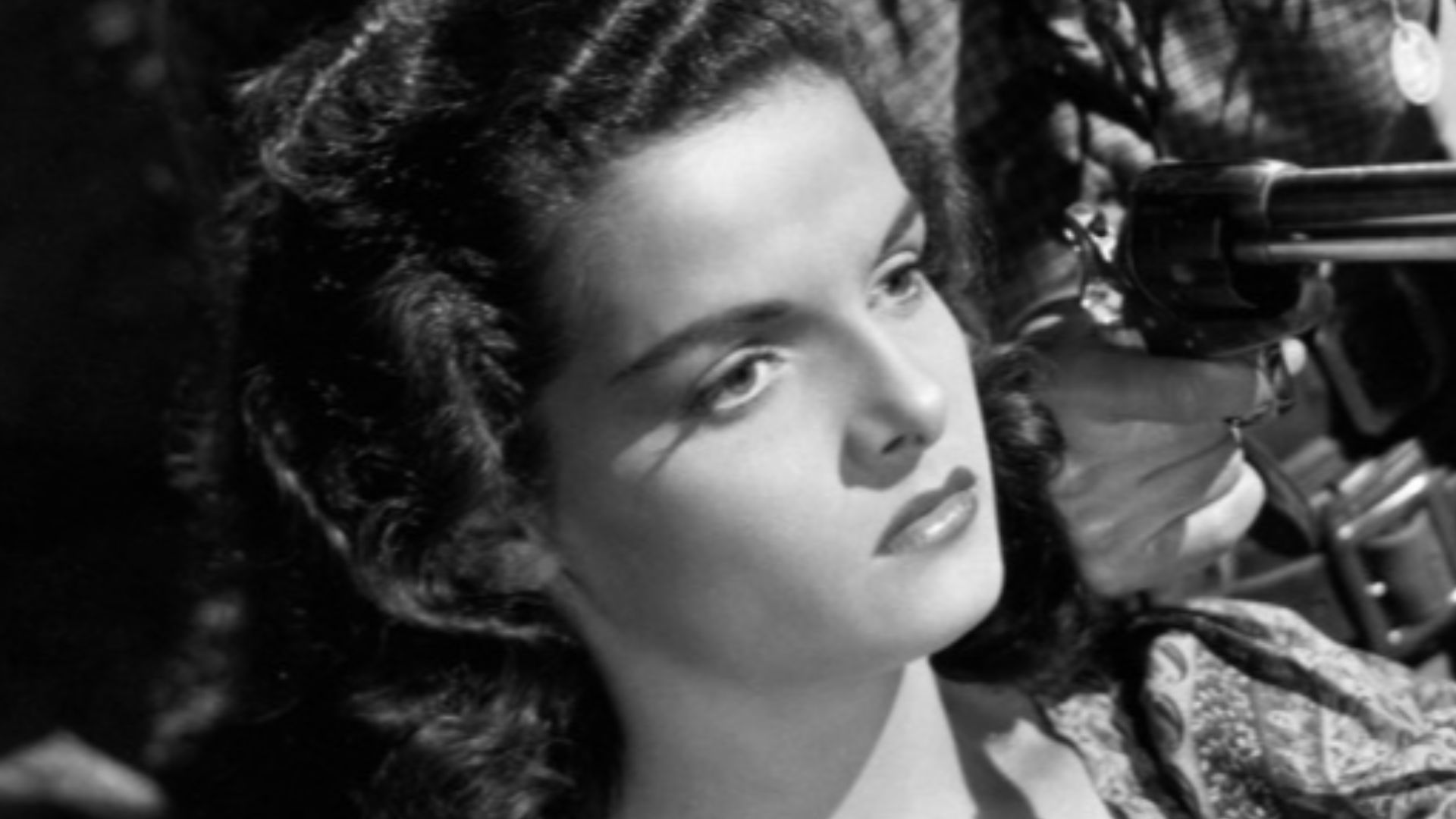 unknown (Howard Hughes Productions), Wikimedia Commons
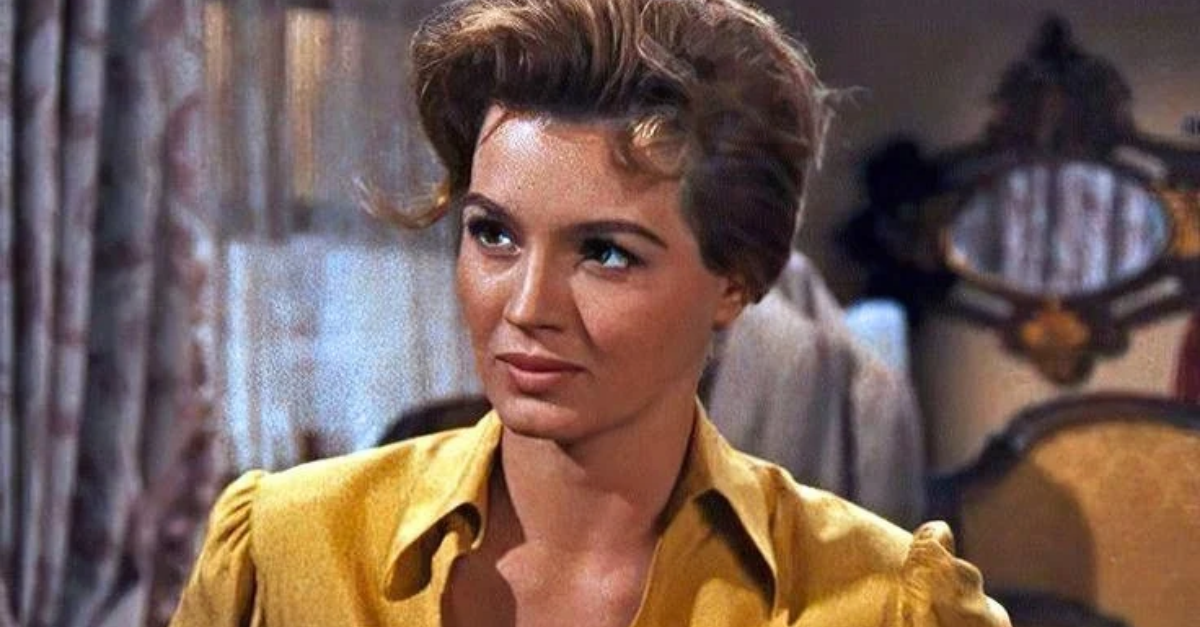
Angie Dickinson Broke Through Beside John Wayne
Angie Dickinson spent years accumulating smaller movie and television roles before Howard Hawks cast her opposite John Wayne in Rio Bravo. The performance transformed her career and made her a recognizable Hollywood leading lady. Dickinson returned to Western territory several times afterward, including the Burt Reynolds comedy Sam Whiskey.
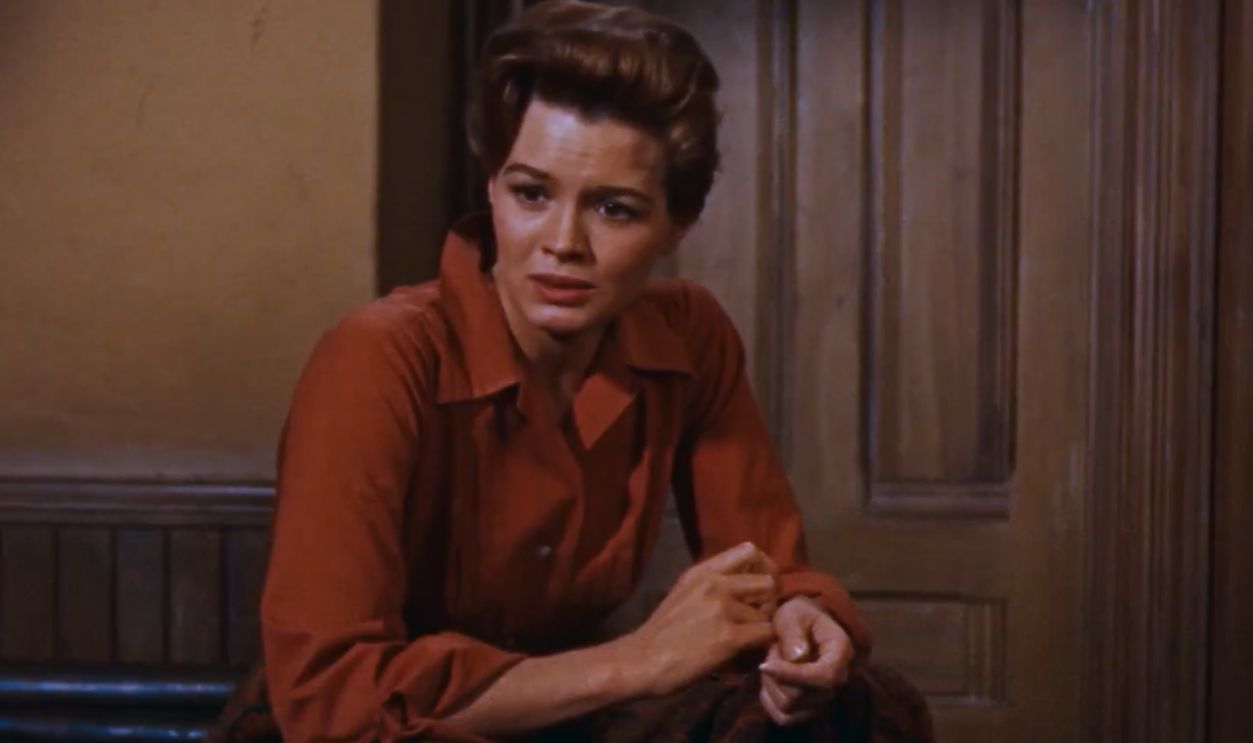 Screenshot from Rio Bravo, Warner Bros. (1959)
Gail Russell Gave Westerns A Quiet Vulnerability
Gail Russell possessed a gentle screen presence that made her striking beside tougher Western heroes. She starred opposite John Wayne in Angel and the Badman and later gave one of her finest performances opposite Randolph Scott in Seven Men from Now. Director Budd Boetticher regarded her work in the latter particularly highly, using her quietness as an essential part of the story.
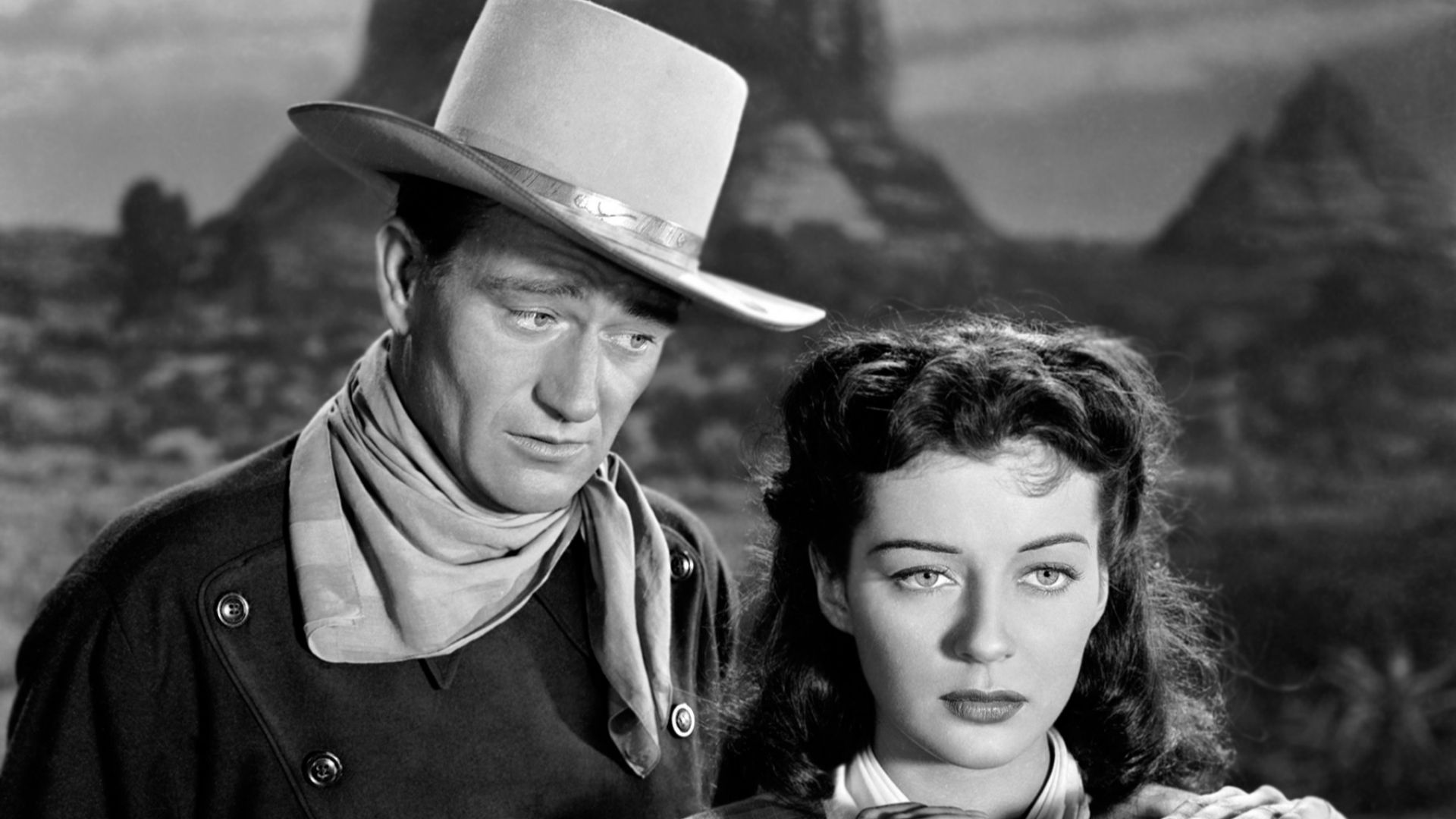 film screenshot, Wikimedia Commons
Gloria Talbott Worked The Television Frontier
Gloria Talbott is remembered by cult-film fans for 1950s science-fiction pictures, but Westerns formed a large part of her workload too. She appeared in The Young Guns and later Oklahoma Territory, along with numerous television appearances. Like many busy contract-era performers, Talbott became familiar through repetition rather than one enormous starring vehicle.
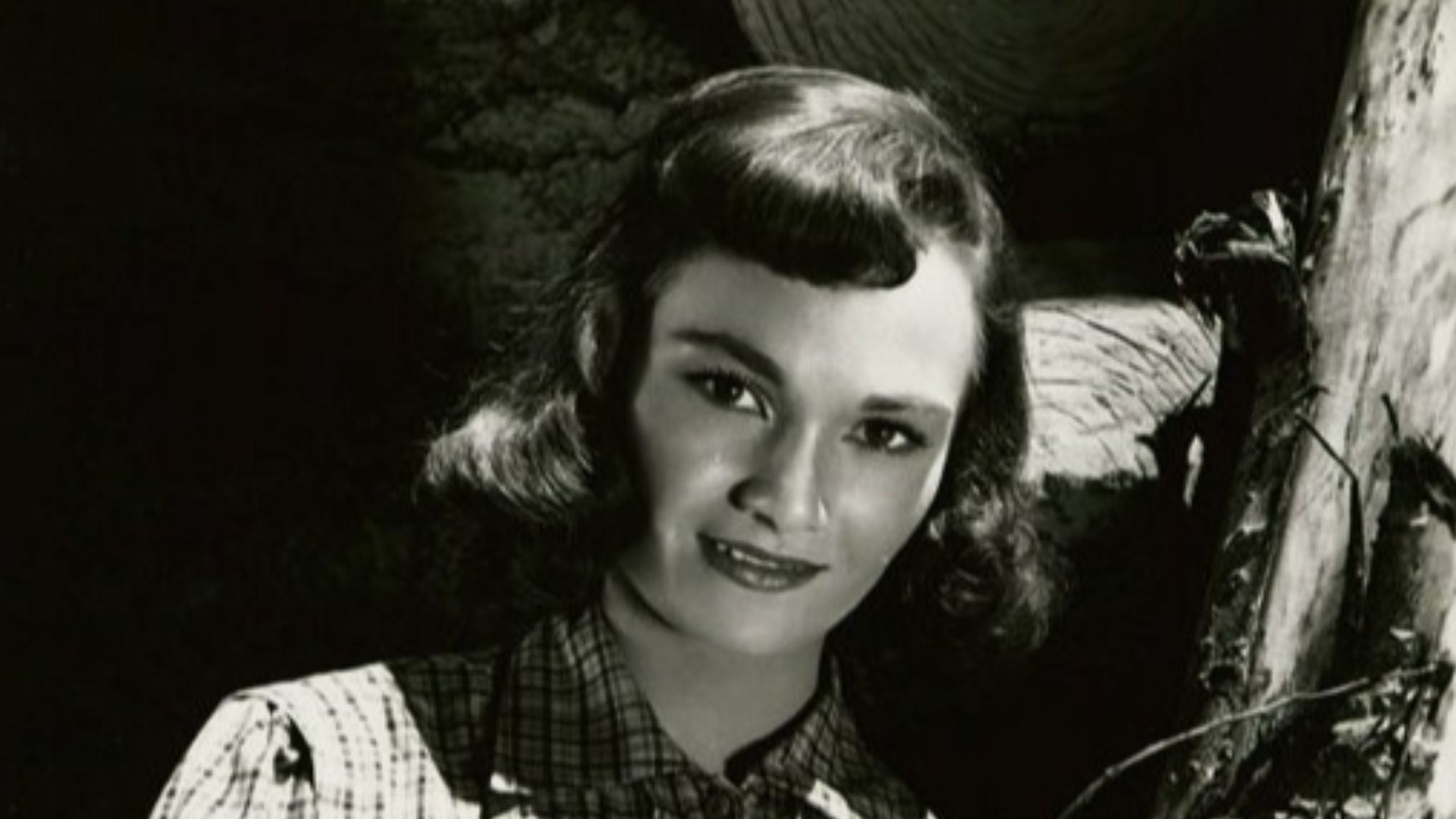 unknown (Allied Artists Pictures), Wikimedia Commons
Barbara Rush Could Elevate A Simple Western Role
Barbara Rush's career stretched across film, stage, and television, often giving extra depth to parts that could easily have been generic. She worked with Rock Hudson in Douglas Sirk's Western Taza, Son of Cochise. Rush eventually became familiar through far more than Westerns, but those early genre pictures helped establish a face viewers would keep encountering for decades.
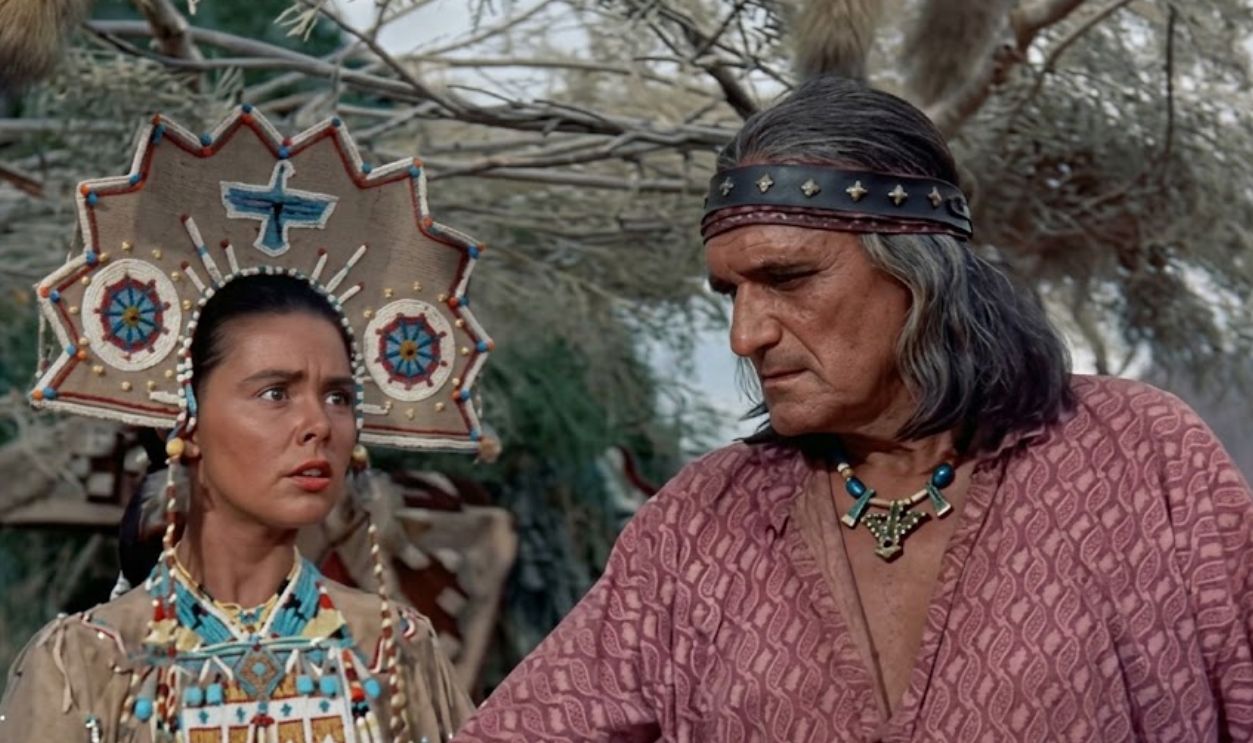 Screenshot from Taza, Son of Cochise, Universal Pictures (1954)
Cloris Leachman Was Everywhere Before Mary Tyler Moore
Before comedy made Cloris Leachman a television legend, she spent years accepting almost every kind of dramatic guest role available. TCM notes that Westerns were a regular part of that early television workload, while Butch Cassidy and the Sundance Kid gave her a memorable movie appearance near the end of the decade. She could arrive for a handful of scenes and still make viewers remember exactly who had been there.
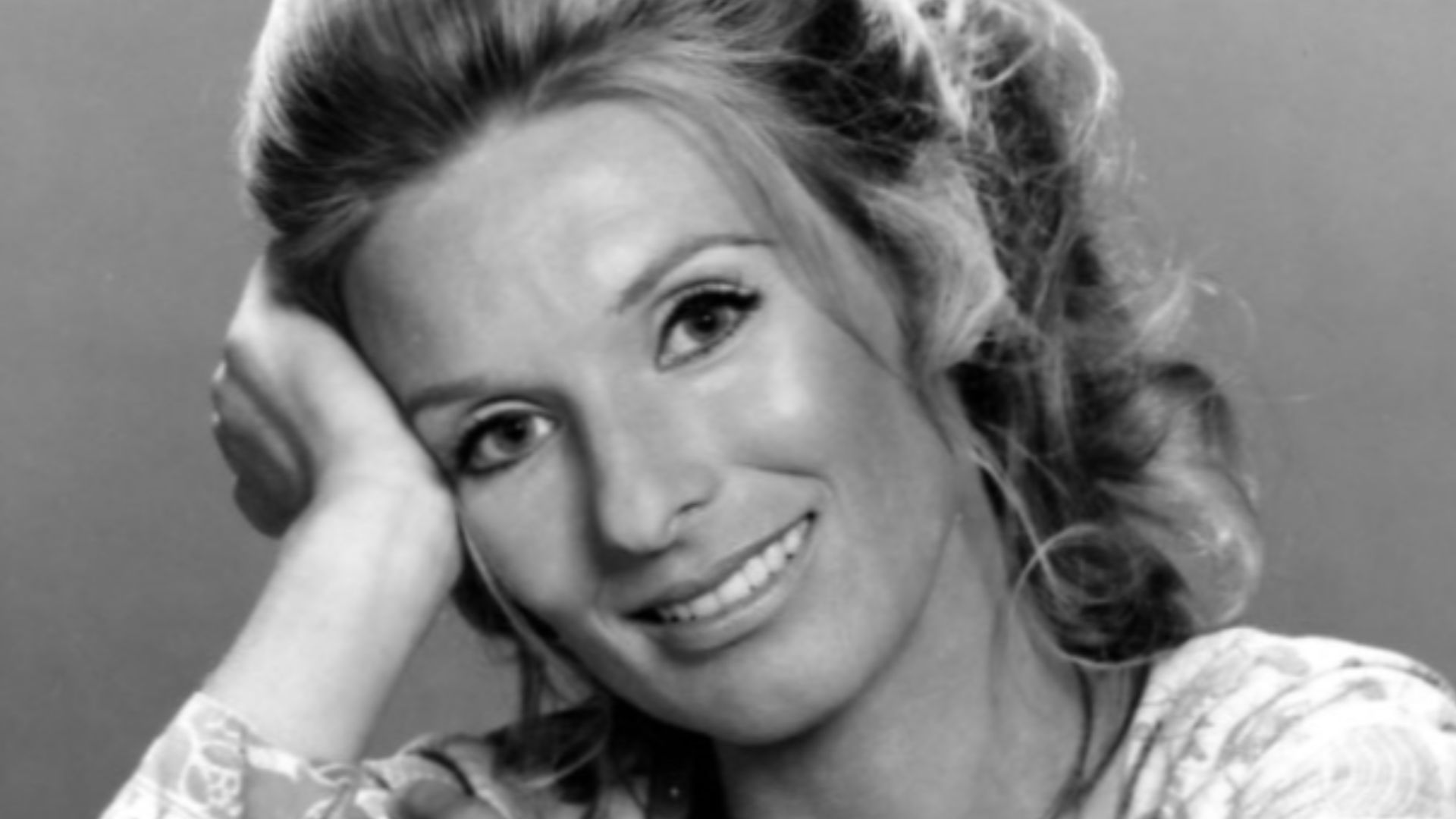 CBS Television, Wikimedia Commons
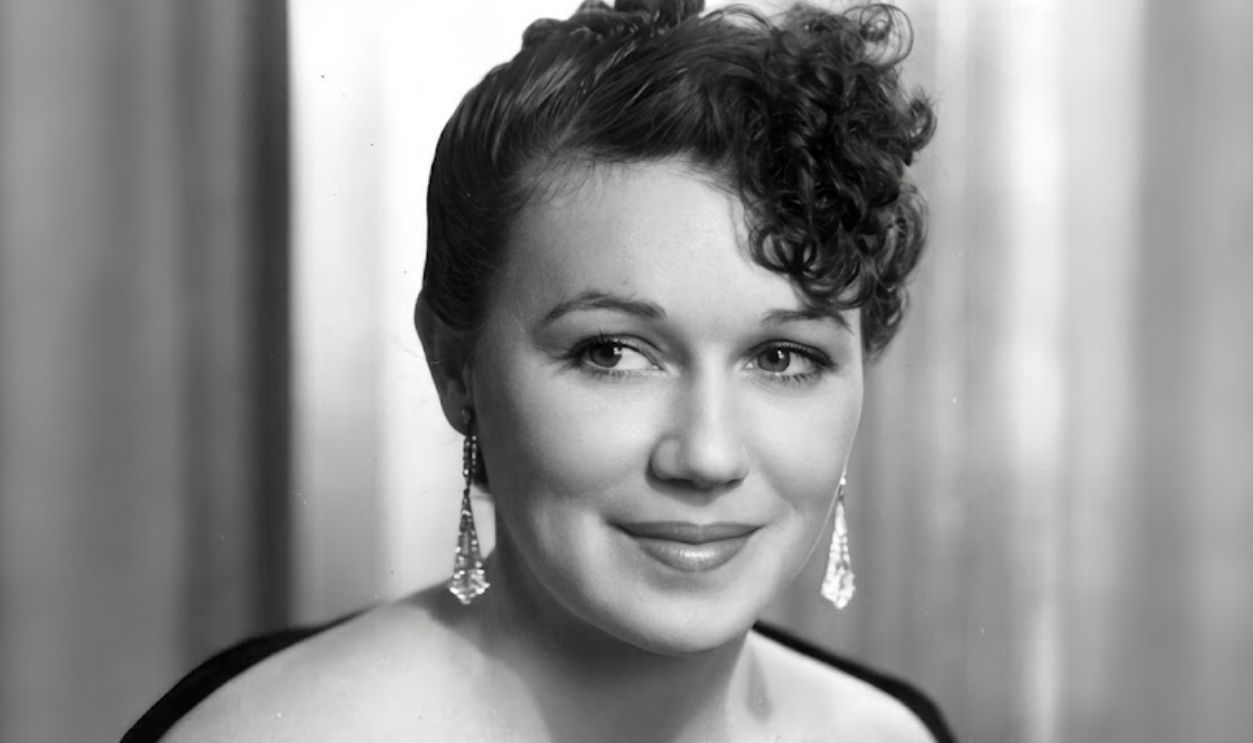
Jeanette Nolan Became Part Of The Western Furniture
Jeanette Nolan had one of those extraordinary careers where she could appear briefly and instantly make a movie feel more lived-in. John Ford used her in Two Rode Together, and she returned in The Man Who Shot Liberty Valance, while television Westerns supplied still more work. By then, Nolan had become exactly the sort of character actress baby boomers recognized immediately even when they had no idea what her latest character was called.
You May Also Like:
Forgotten Westerns That Are Better Than Most Of The Classics Everyone Talks About
Great Movie Westerns From The 1960s That Deserve More Respect Than They Get
Sources: 1, 2, 3, 4, 5, 6, 7, 8, 9, 10, 11, 12, 13, 14, 15, 16, 17, 18, 19, 20, 21, 22, 23, 24, 25, 26, 27, 28, 29, 30, 31, 32, 33, 34, 35, 36, 37, 38, 39, 40, 41, 42, 43, 44, 45, 46, 47, 48, 49, 50