She Was Never Just Barney Miller's Wife
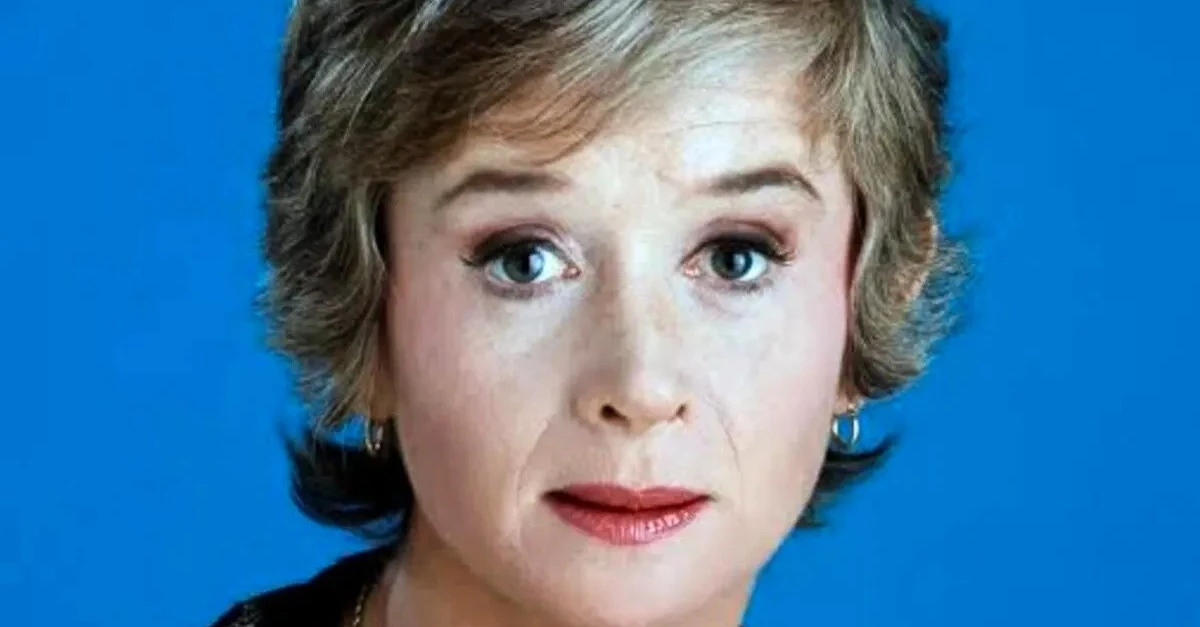
Barbara Barrie seemed to disappear from Barney Miller just as the sitcom found its classic rhythm. Her quieter exit, however, was only one turn in a career that had already reached Cannes and Broadway, and still had decades of acting ahead.
 ABC Photo Archives / Getty Images
Hollywood Wasn't Where Her Story Started
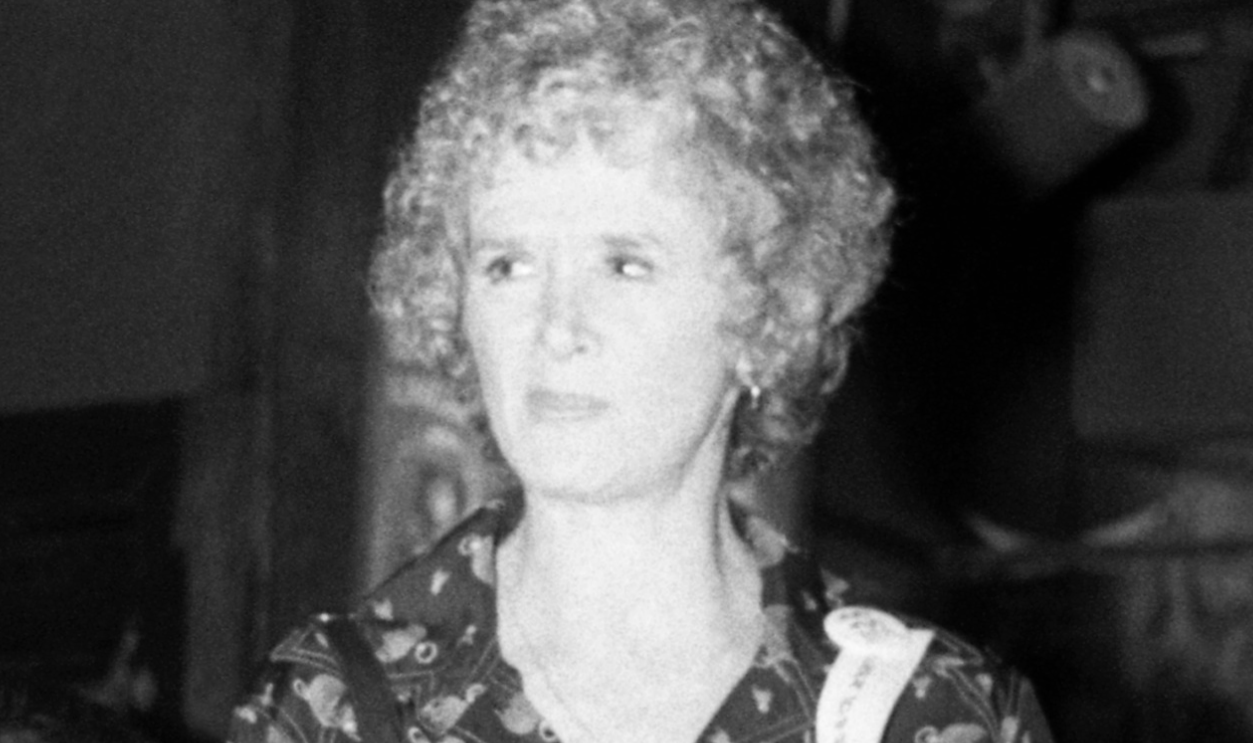
Barbara Barrie was born Barbara Ann Berman in Chicago in 1931, but she grew up in Corpus Christi, Texas. Her family moved south while she was young, putting considerable distance between her childhood and the New York stages where she would eventually make her name. The Barbara Barrie audiences later knew began forming far from Hollywood.
A Local Theater Changed Everything
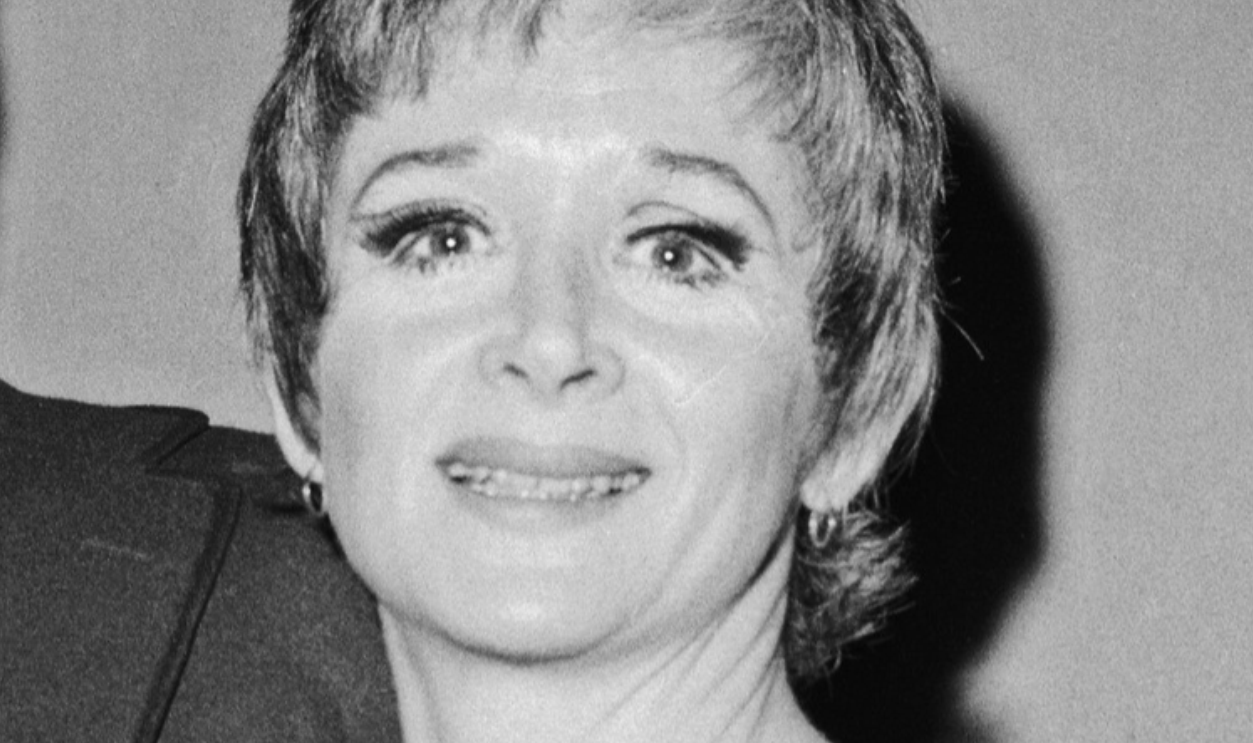
Barrie has said her first real encounter with acting came around age 11 or 12 through the Corpus Christi Little Theater. She later joined the drama program at a local junior college, where a teacher recognized her ability and encouraged her seriously. In a 2024 PBS interview, Barrie credited that early community with changing the direction of her life.
College Turned Interest Into A Profession
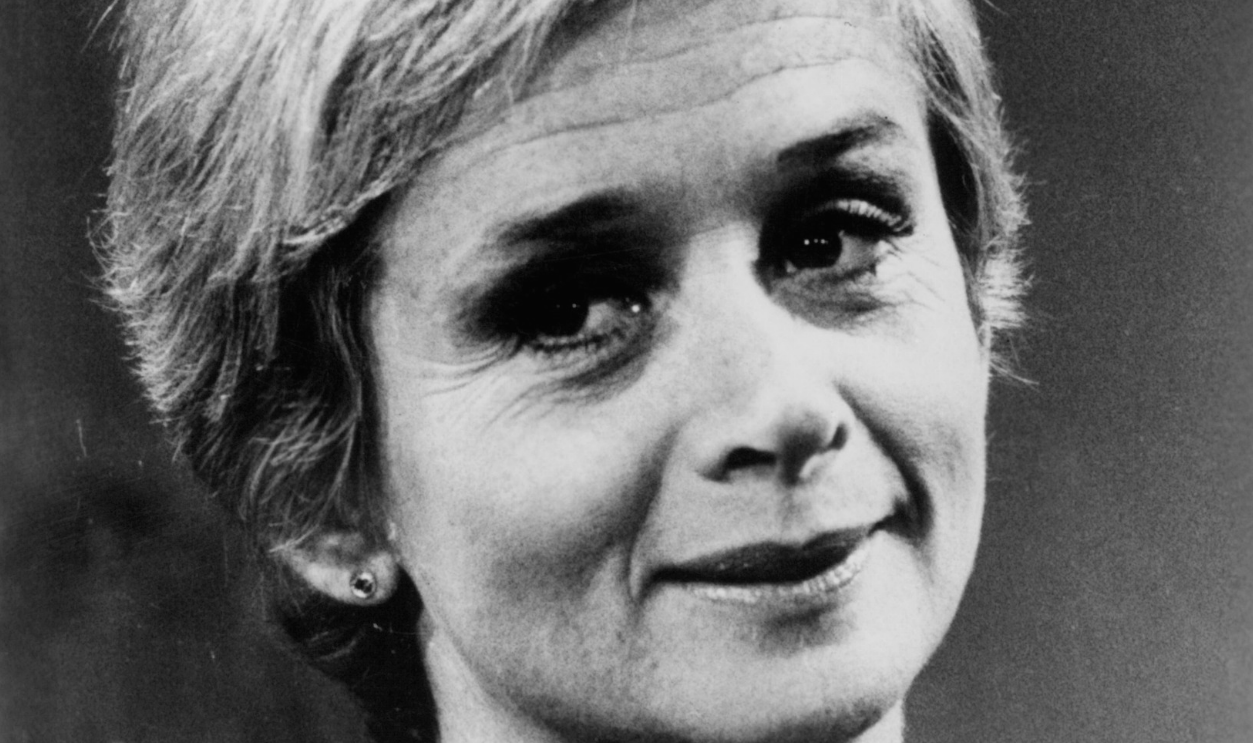
Barrie continued studying drama at the University of Texas at Austin. She earned a Bachelor of Fine Arts degree before moving into professional theater. The New York Public Library's Barrie archive traces the beginning of her professional career to the 1950s, when stage work quickly became her foundation.
 Michael Ochs Archives, Getty Images
Broadway Came Before Television Fame
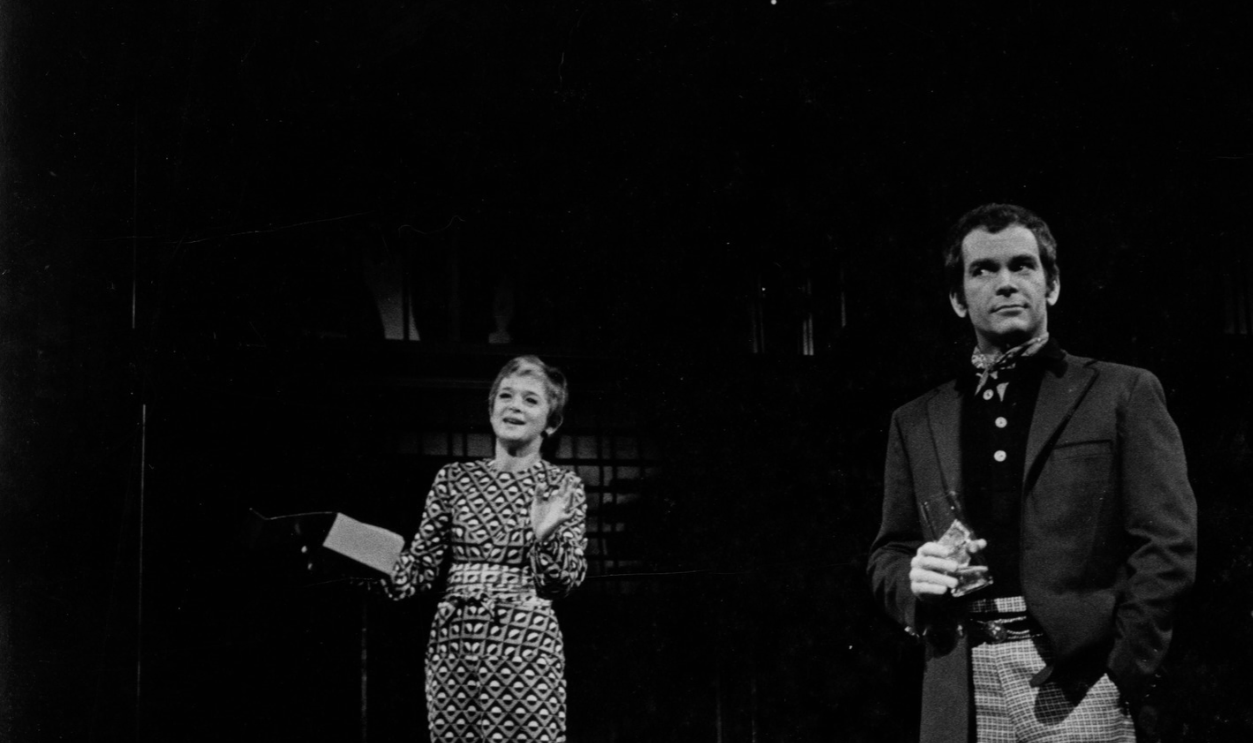
Barrie made her Broadway debut in The Wooden Dish in 1955. More stage roles followed, including the 1959 revival of The Beaux' Stratagem. Long before sitcom audiences knew her face, Barrie was developing the kind of stage discipline that would remain central to her career.
Television Slowly Learned Her Name
Barrie also began taking television work during the 1950s. Like many New York actors of the period, she moved between the stage and small-screen dramatic assignments rather than immediately chasing movie stardom. That steady apprenticeship gave her a résumé considerably deeper than the supporting television roles for which many viewers would later recognize her.
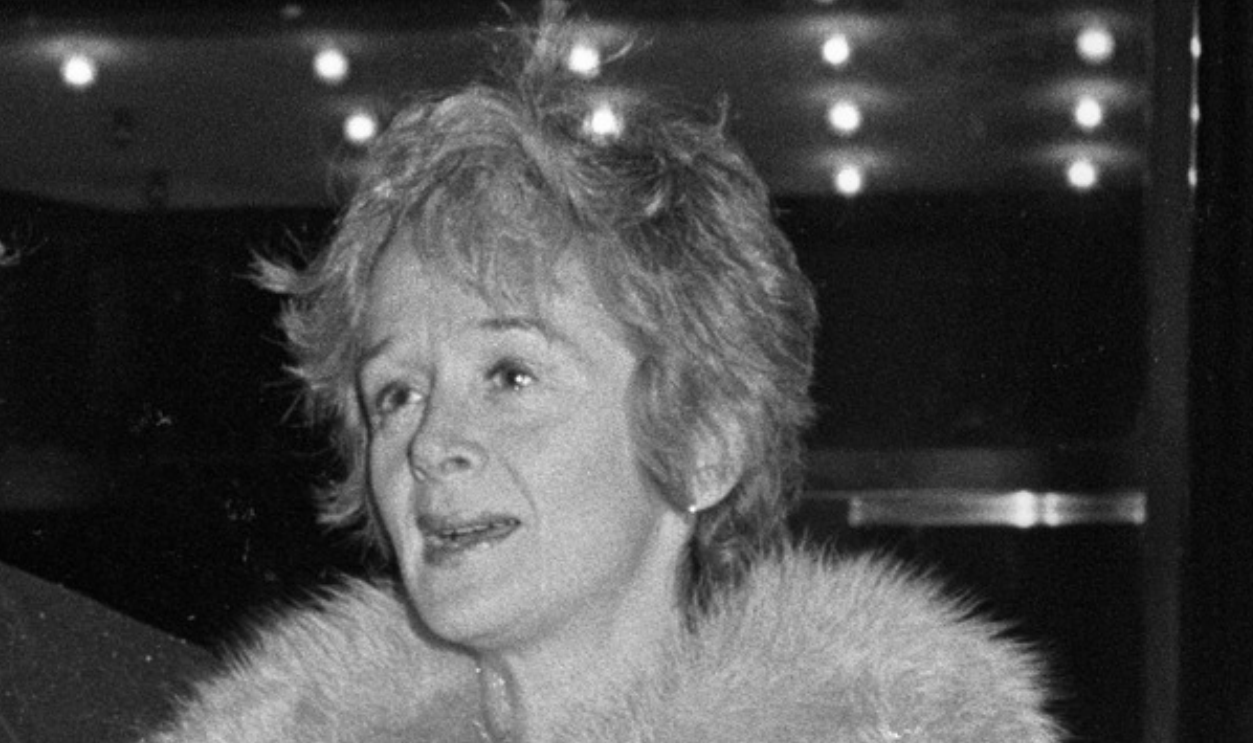
One Potato, Two Potato Changed Everything
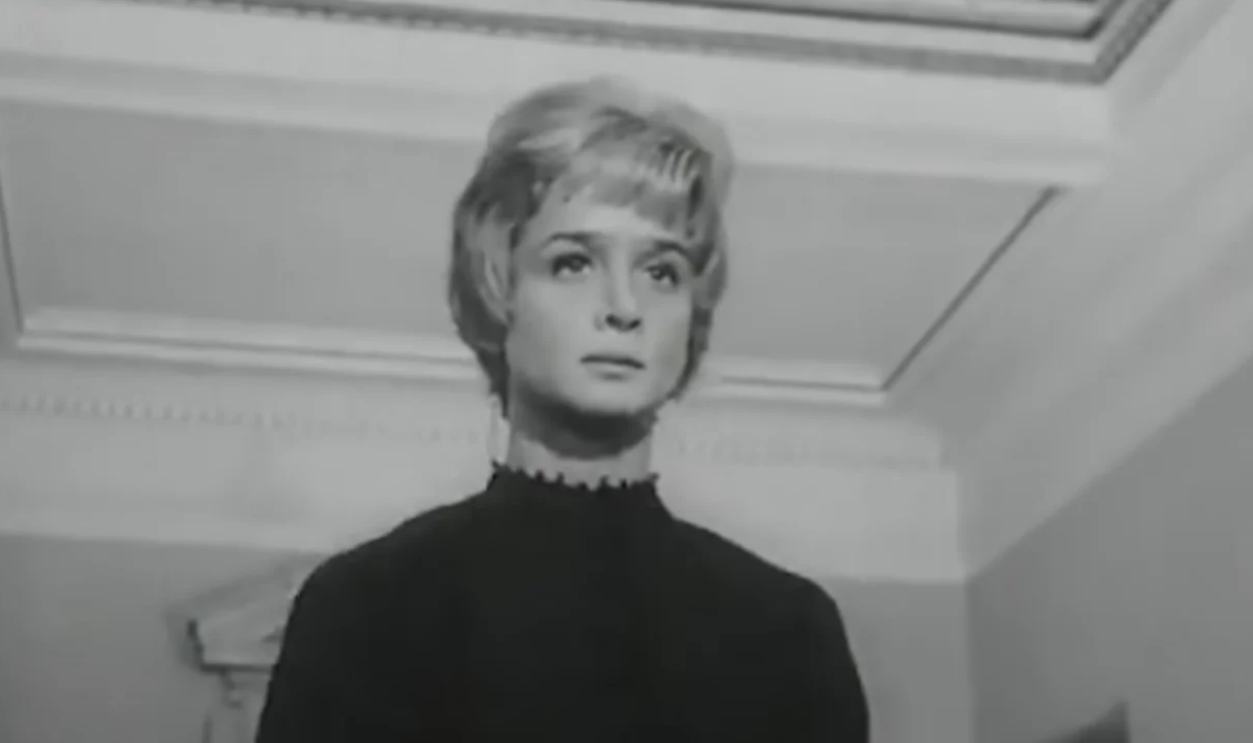
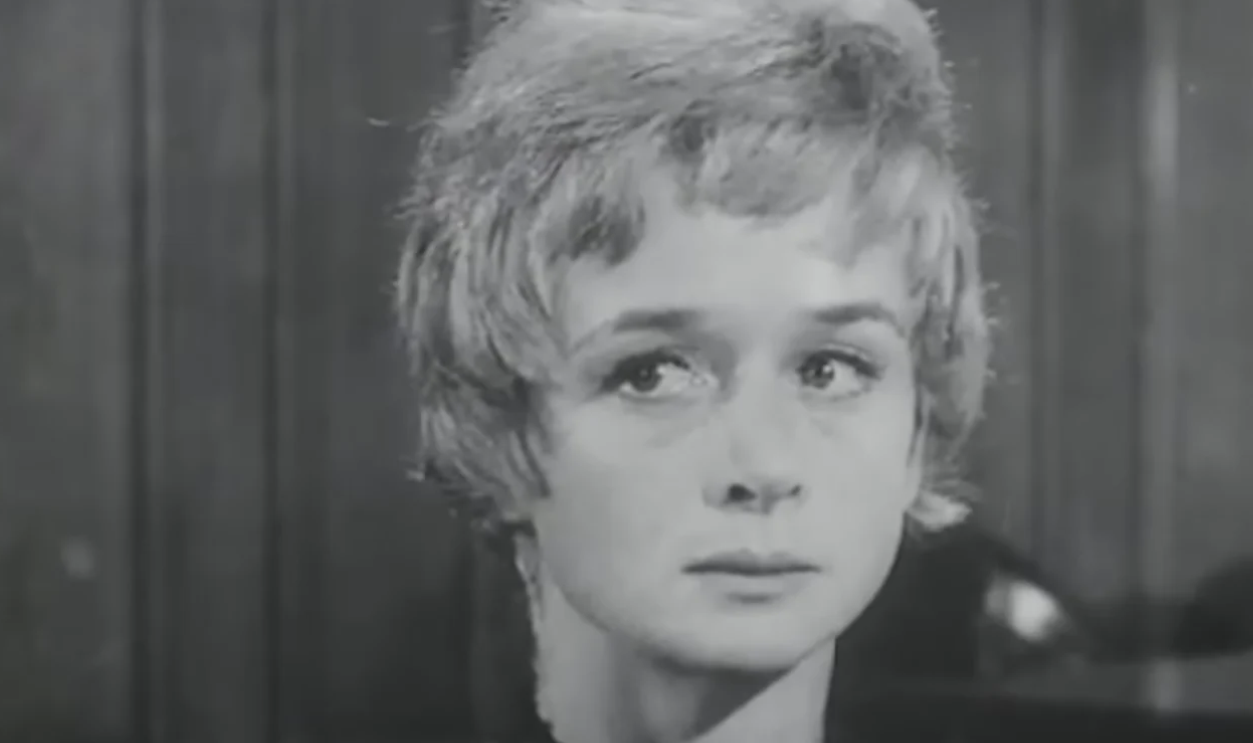
Barrie's major film breakthrough arrived with 1964's One Potato, Two Potato. She played Julie, a divorced white mother whose marriage to a Black man leads her former husband to challenge her custody of their daughter. The independent drama confronted interracial marriage and prejudice years before Hollywood regularly centered stories like it.
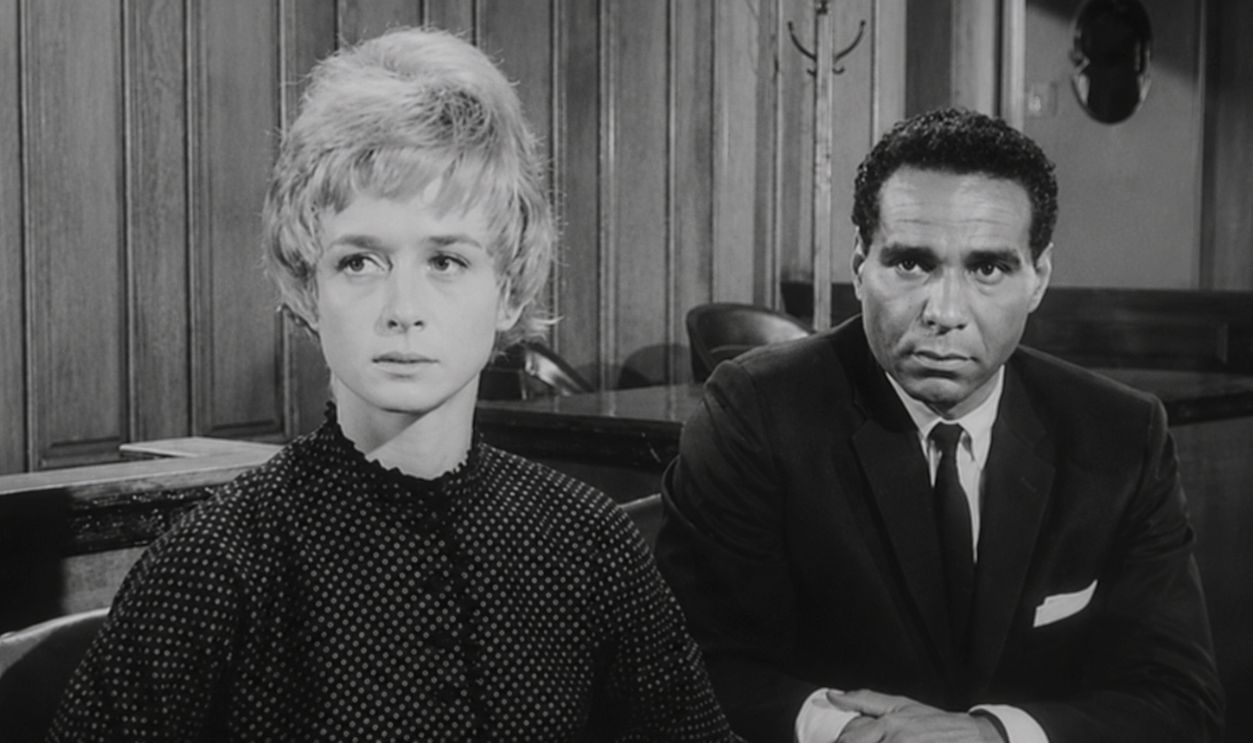 Screenshot from One Potato, Two Potato, Cinema V (1964), Modified
Cannes Suddenly Put Her On The World Stage
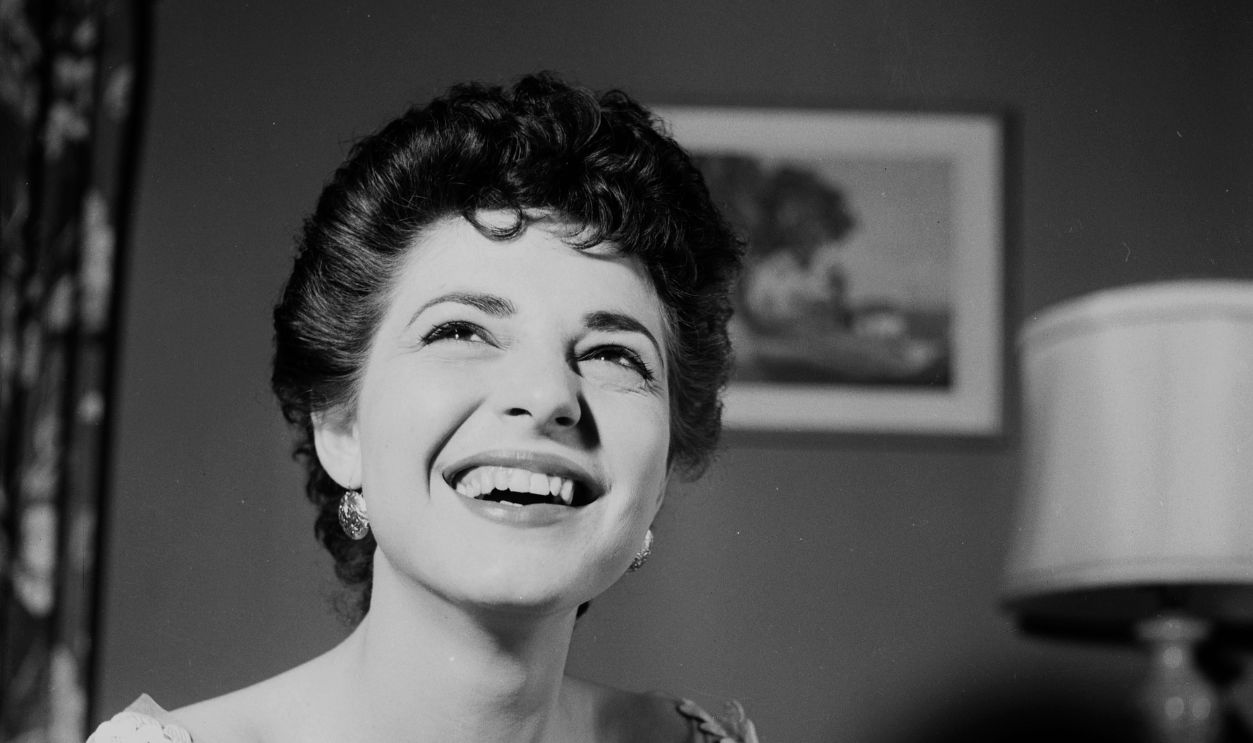
Barrie's performance won the Best Actress prize at the 1964 Cannes Film Festival, shared with Anne Bancroft. The film itself competed for the festival's top prize and later earned an Academy Award nomination for its screenplay. Barrie had gone from working actor to internationally honored leading performer.
 Michael Ochs Archives, Getty Images
Her Private Life Was Building Too
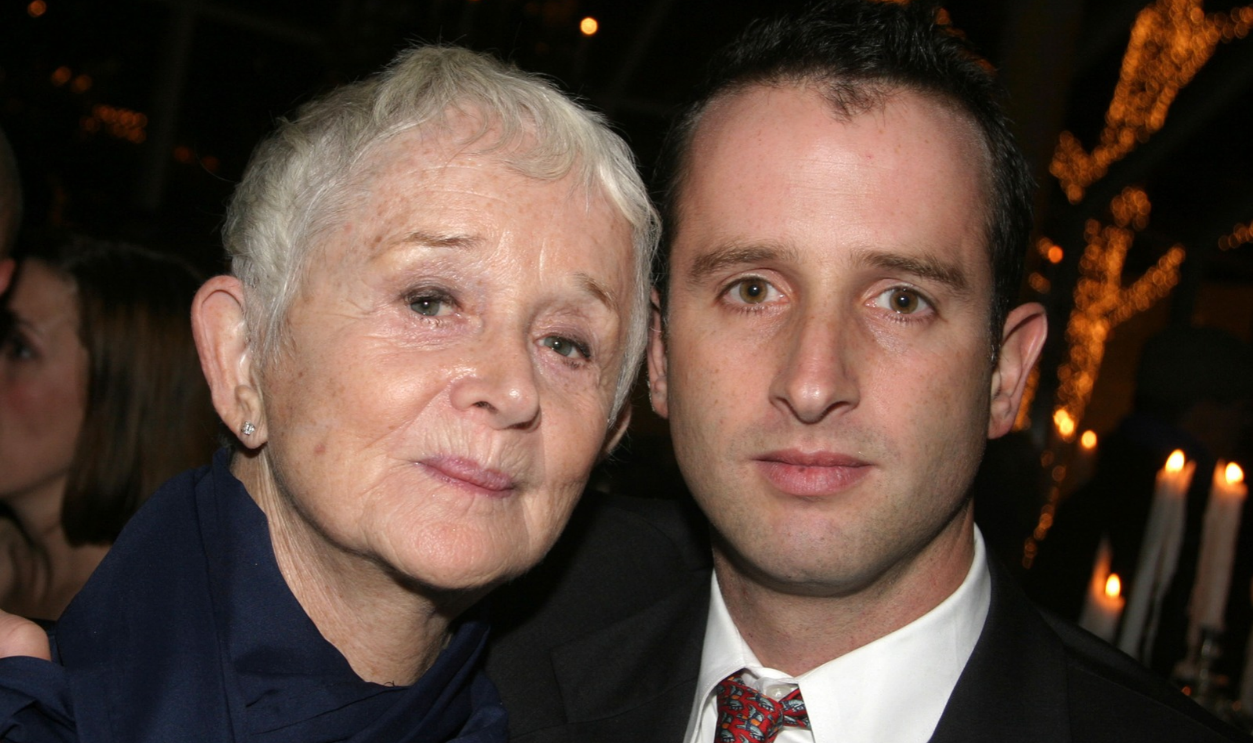
In July 1964, Barrie married director and producer Jay Harnick. Harnick later became closely associated with Theatreworks USA, while Barrie continued moving among movies, television, and the stage. They had two children, Jane and Aaron, and remained married until Harnick's death in 2007.
Broadway Kept Calling Her Back
Barrie's success in film never pulled her permanently away from theater. She kept returning to Broadway and eventually became part of one of the most important American musicals of the era. That production would give her another major career distinction just before Barney Miller entered her life.
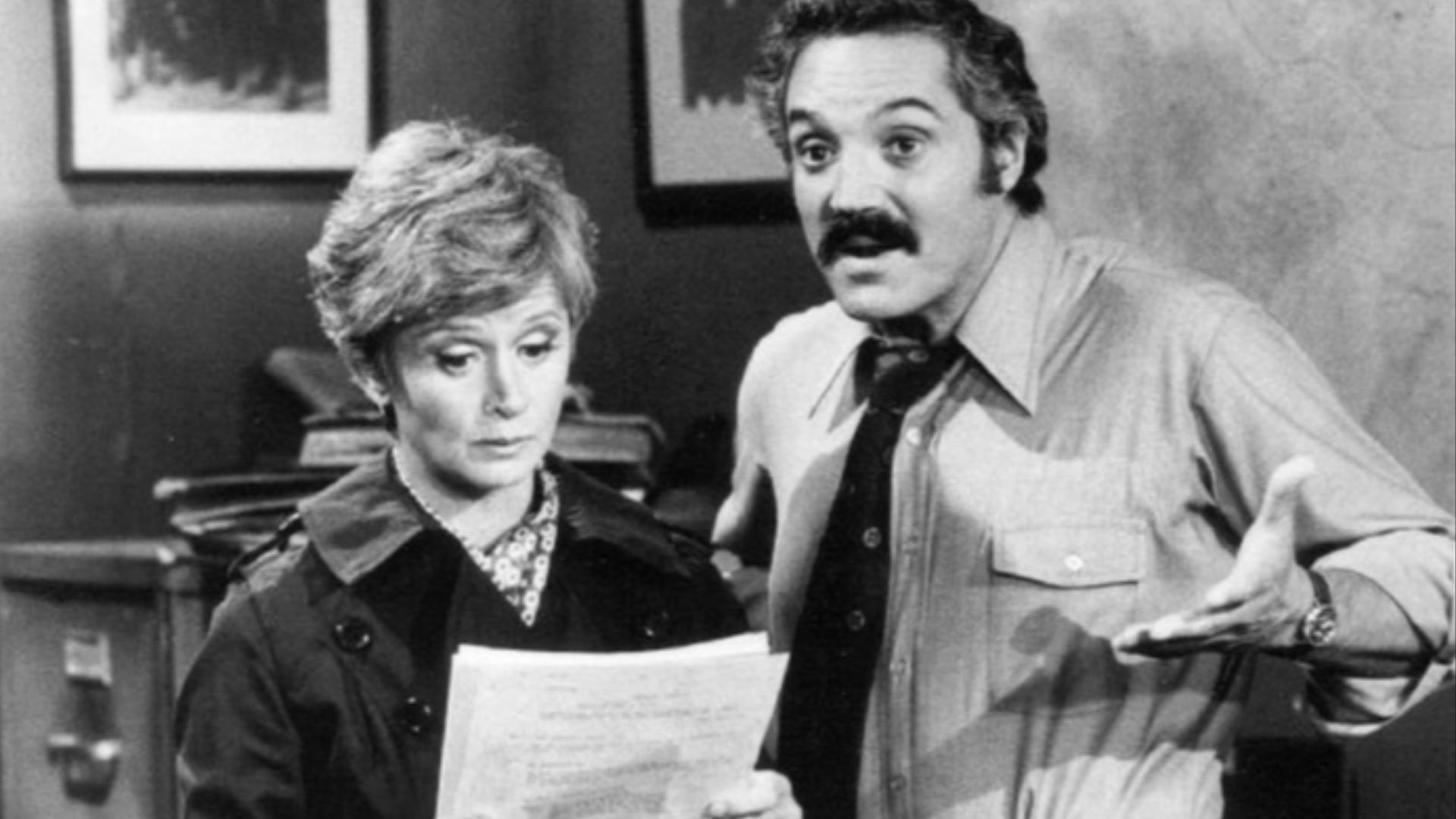 ABC Television, Wikimedia Commons
Company Gave Her A Sondheim Showcase
Barrie originated the role of Sarah in Stephen Sondheim and George Furth's Company, which opened on Broadway in 1970. Sarah is one half of a married couple whose affectionate bickering turns into a hilariously competitive physical contest. Barrie's comic timing made her one of the distinctive personalities inside the show's famous ensemble.
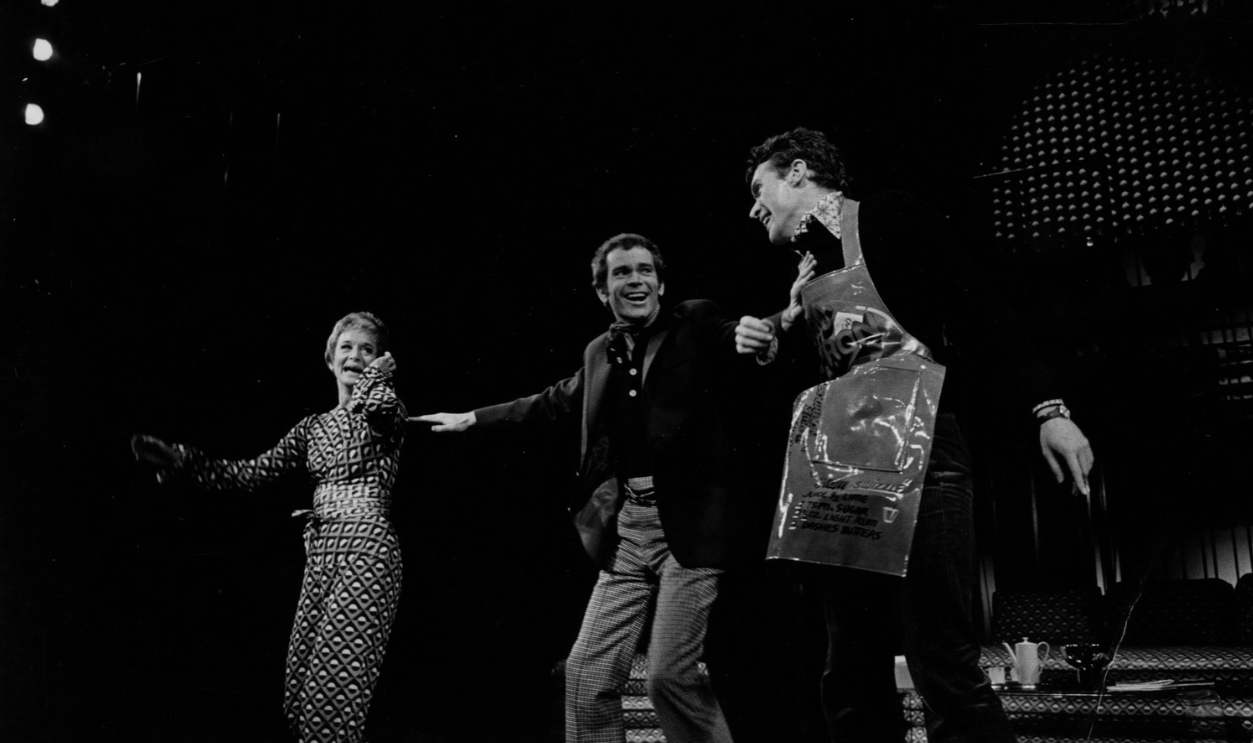
The Performance Earned A Tony Nomination
Barrie's work in Company brought her a 1971 Tony Award nomination for Best Featured Actress in a Musical. She also appears in D.A. Pennebaker's celebrated documentary about the recording of the original Broadway cast album. For viewers who know Barrie mainly as Elizabeth Miller, the documentary preserves an entirely different side of her talent.
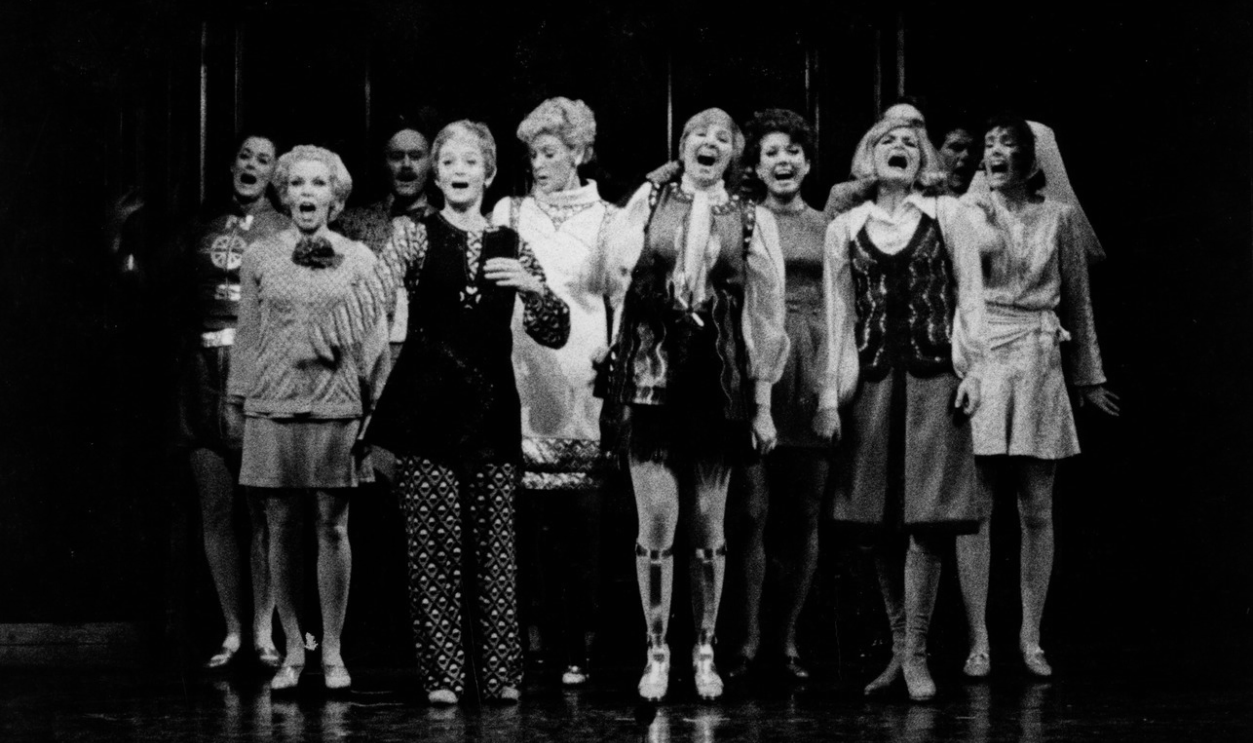
She Was Winning Awards Before Barney Arrived
In 1974, Barrie won a Drama Desk Award for her performance in The Killdeer. Her stage career had already earned substantial critical respect by the time television producers began considering her for a police sitcom. In other words, Barney Miller did not discover Barbara Barrie. It borrowed an actress whose résumé was already formidable.
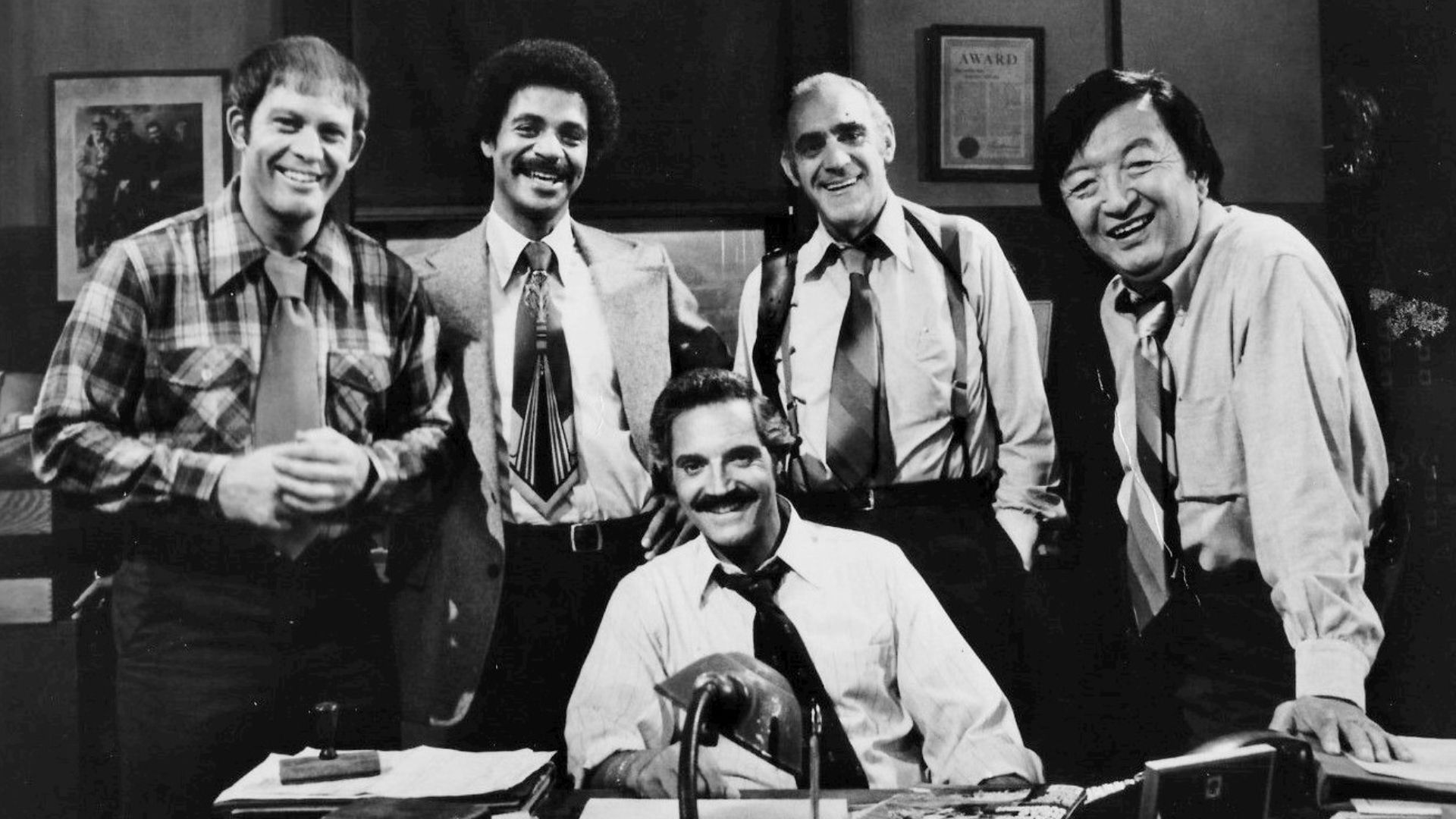 ABC Television, Wikimedia Commons
Barney Miller Began As A Different Show
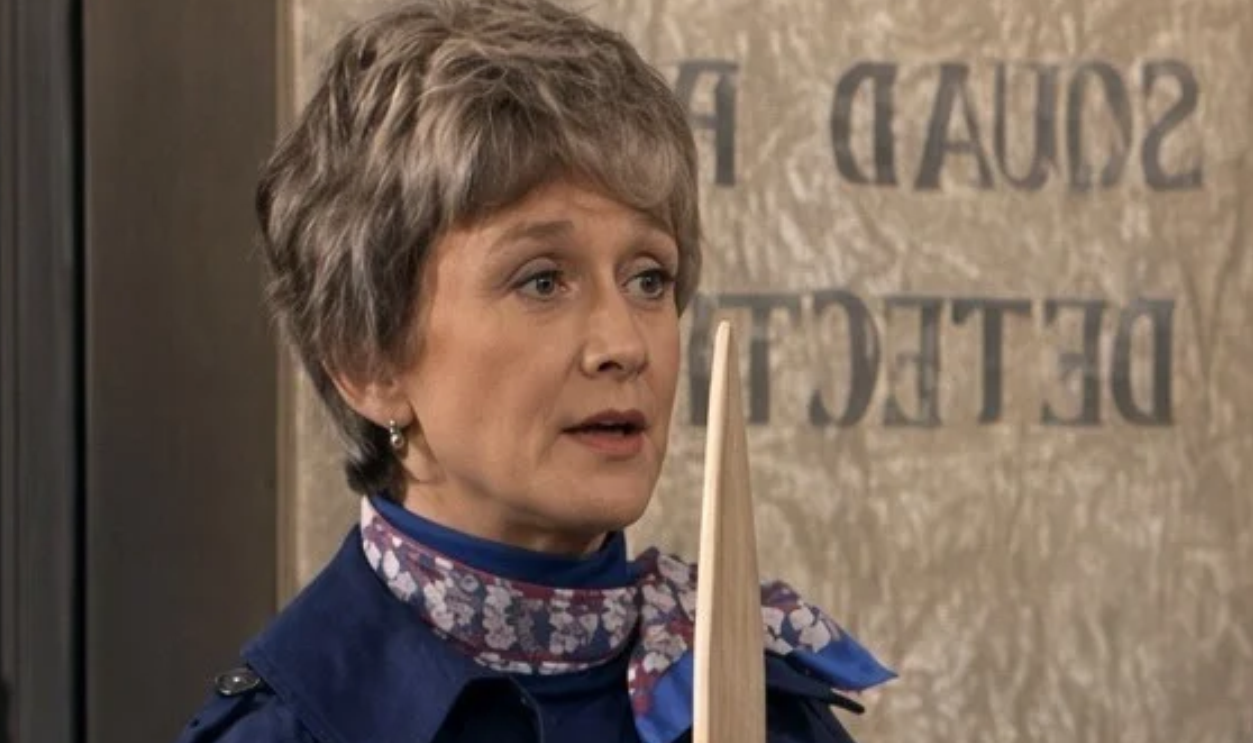
The original concept for Barney Miller divided its attention between Barney's police work and his home life. Hal Linden later recalled that roughly half of the initial pilot centered on the family, with Barney shown as both a detective and a husband and father. That version failed to convince ABC.
 Screenshot from Barney Miller, ABC (1975–1982), Modified
Barbara Barrie Wasn't Even The First Mrs. Miller
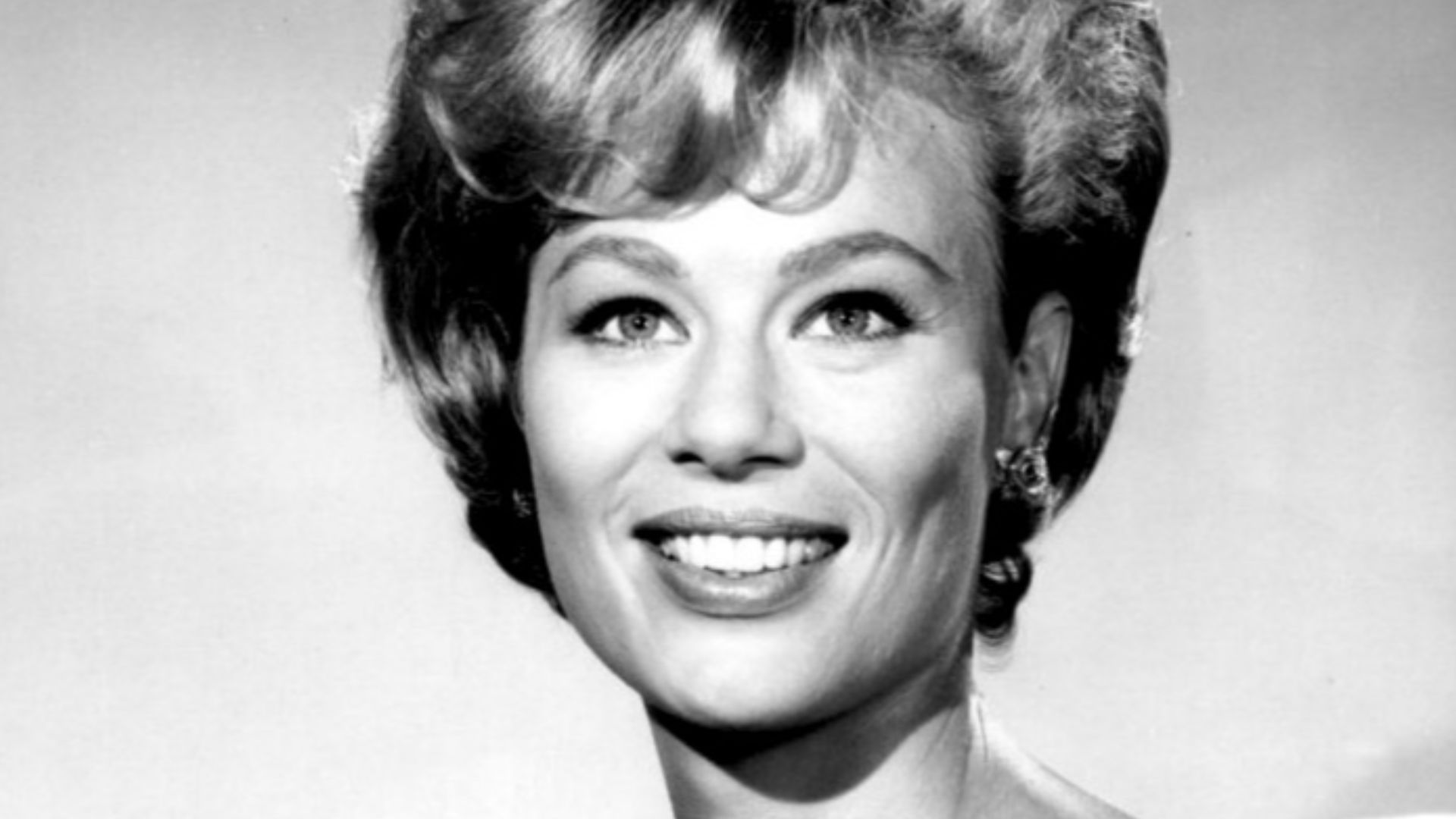
Abby Dalton played Barney's wife in the original pilot. When producer Danny Arnold persuaded ABC to continue developing the idea, much of the cast changed and Barrie became Elizabeth Miller. The title was shortened, the precinct characters were strengthened, and the series that viewers remember began taking shape.
 NBC Television, Wikimedia Commons
Elizabeth Made Barney Feel Like A Real Person
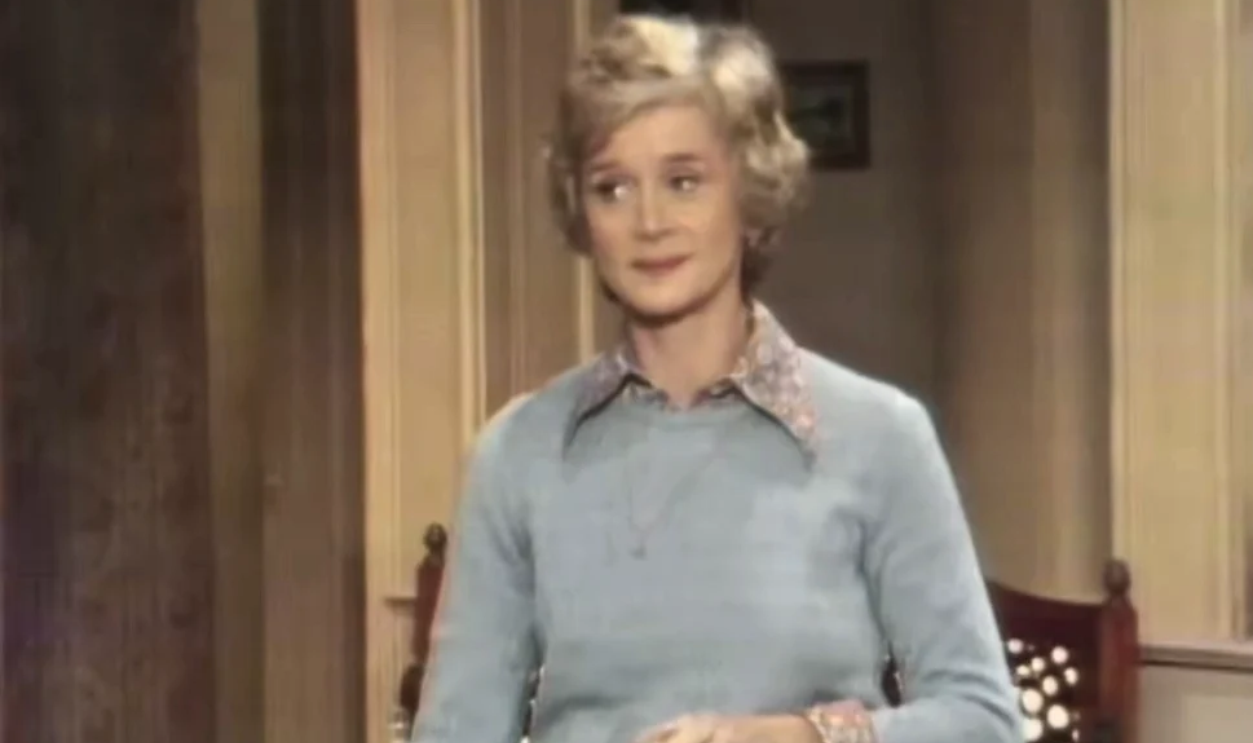
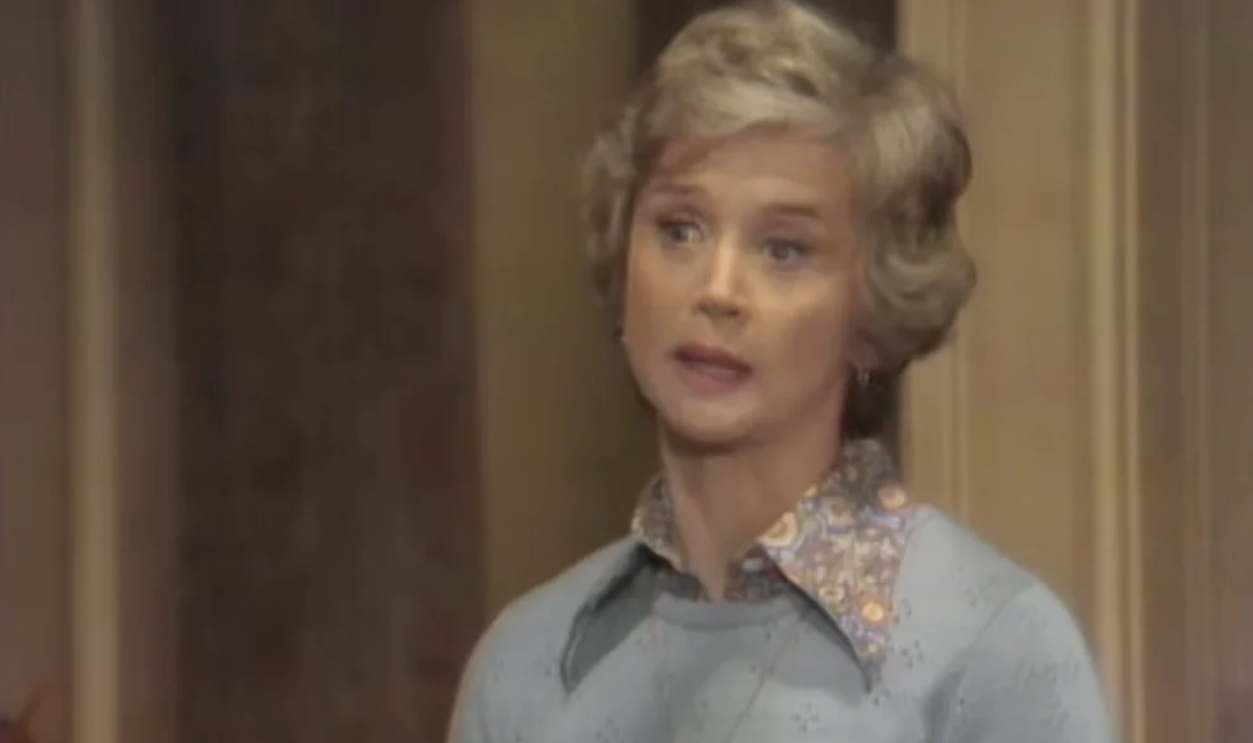
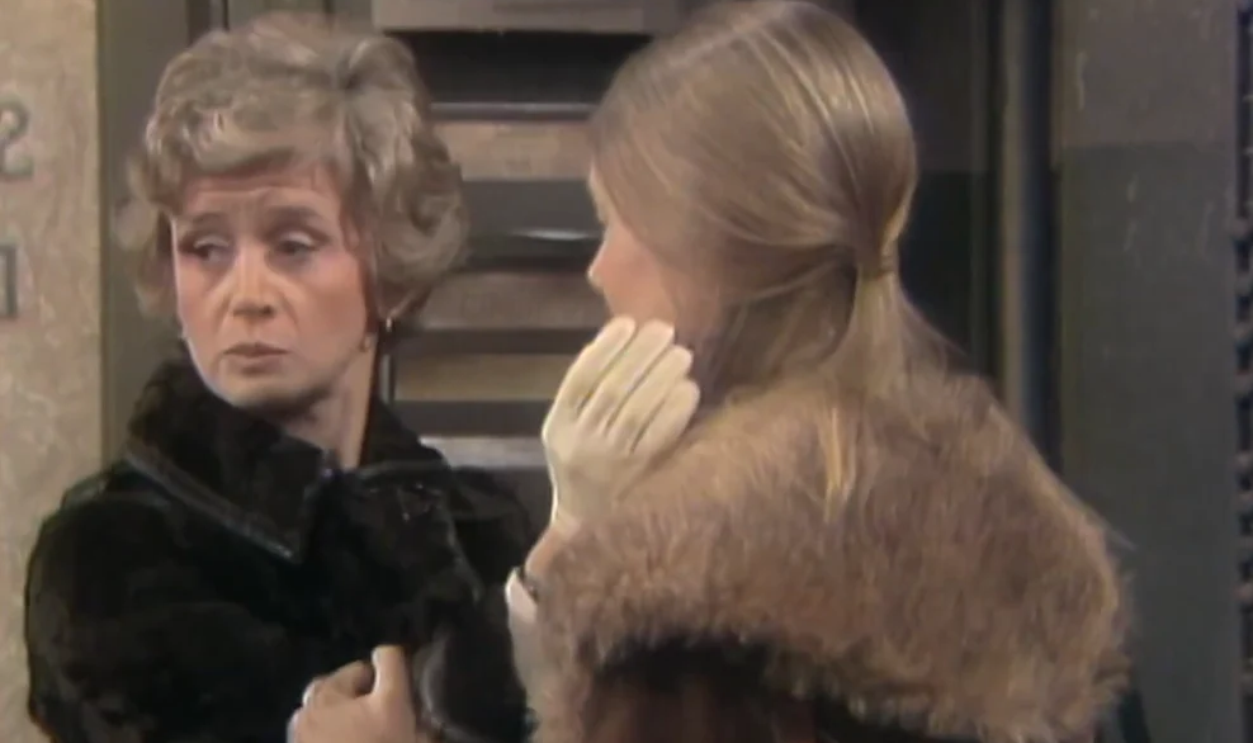
Barrie's Elizabeth gave audiences access to the man who existed after Captain Miller left the precinct. Their scenes established a marriage with affection, frustration, routine, and responsibilities beyond whatever strange crisis had consumed the detectives that week. Barrie's grounded performance helped keep Barney from becoming merely the calm man behind a desk.
 Screenshot from Barney Miller, ABC (1975–1982)
Then The Precinct Took Over The Entire Show
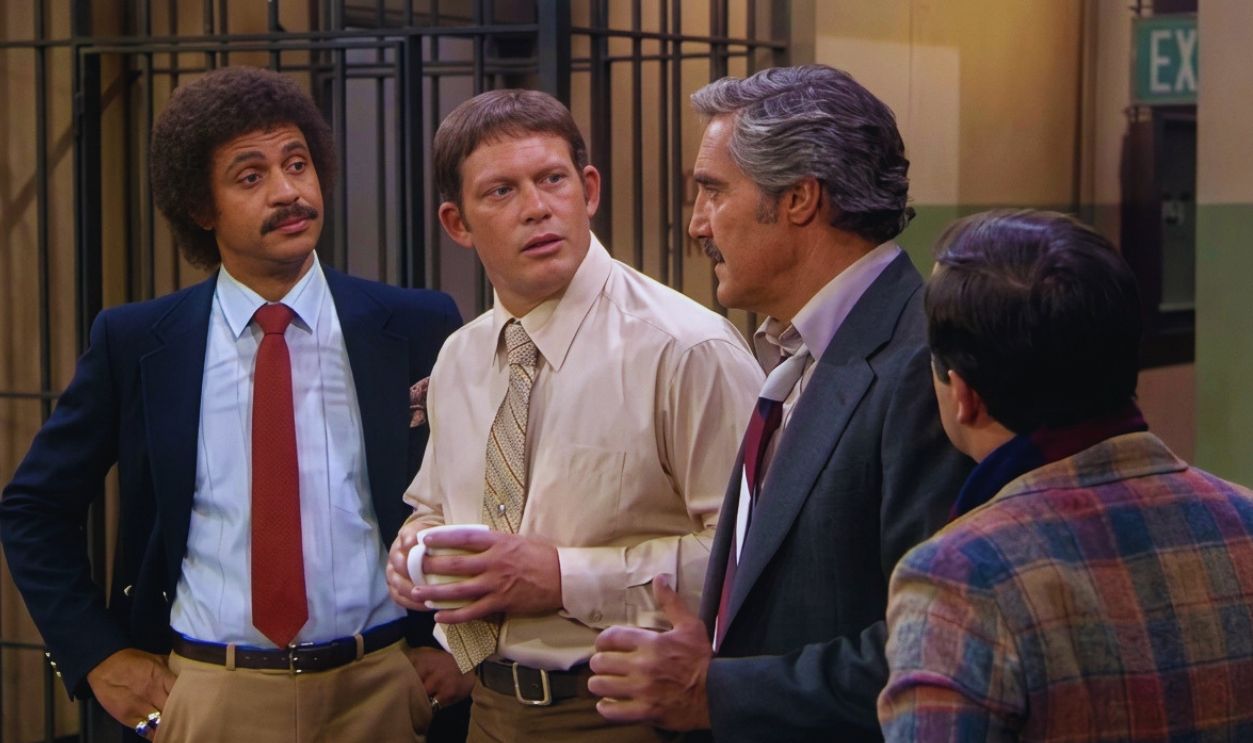
The creative team soon discovered that the squad-room material was the show's strongest element. Linden later explained that Barney Miller gradually abandoned its original family-and-work structure and concentrated almost entirely on the police station. That decision helped create the classic ensemble comedy, but it left Elizabeth with fewer natural reasons to appear.
 Screenshot from Barney Miller, ABC (1975–1982), Modified
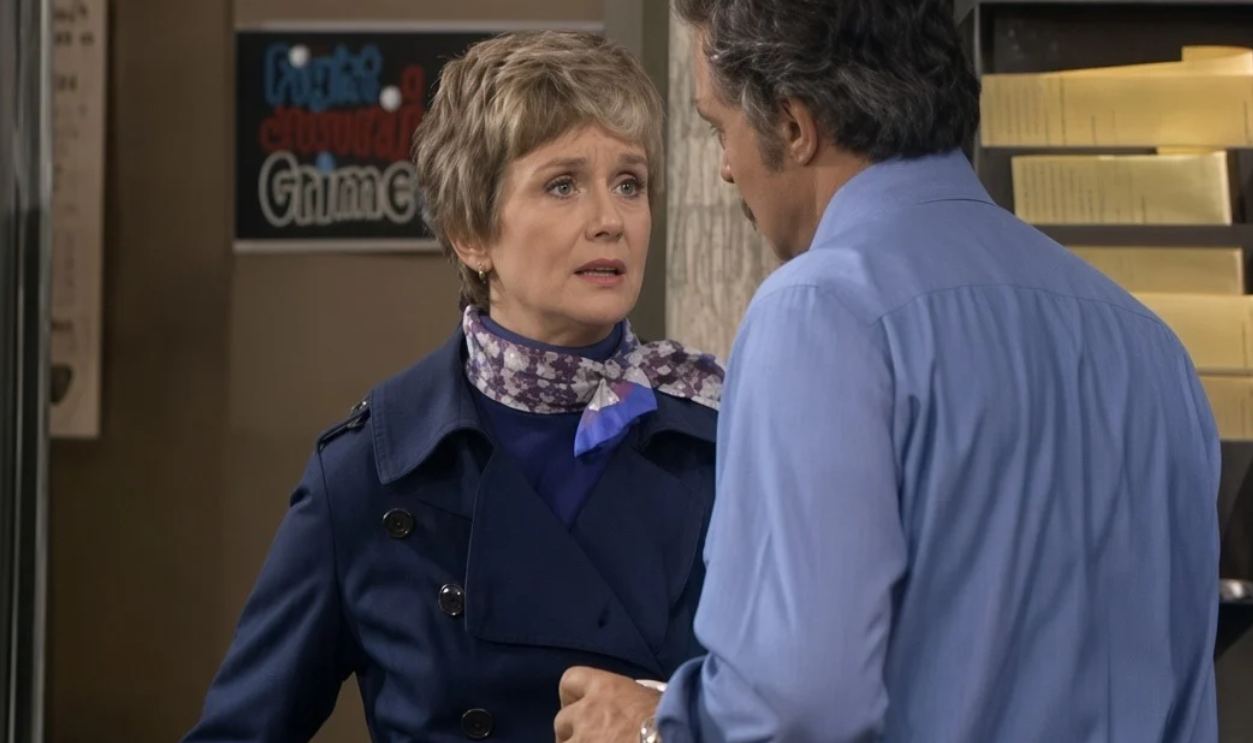
Barrie Didn't Leave Because Of A Feud
There was no dramatic firing or famous backstage battle behind Barrie's reduced presence. According to Linden, she voluntarily left as a regular because there was simply too little for Elizabeth to do once the home stories disappeared. The show's evolution had quietly made one of its original central characters unnecessary.
 Screenshot from Barney Miller, ABC (1975–1982), Modified
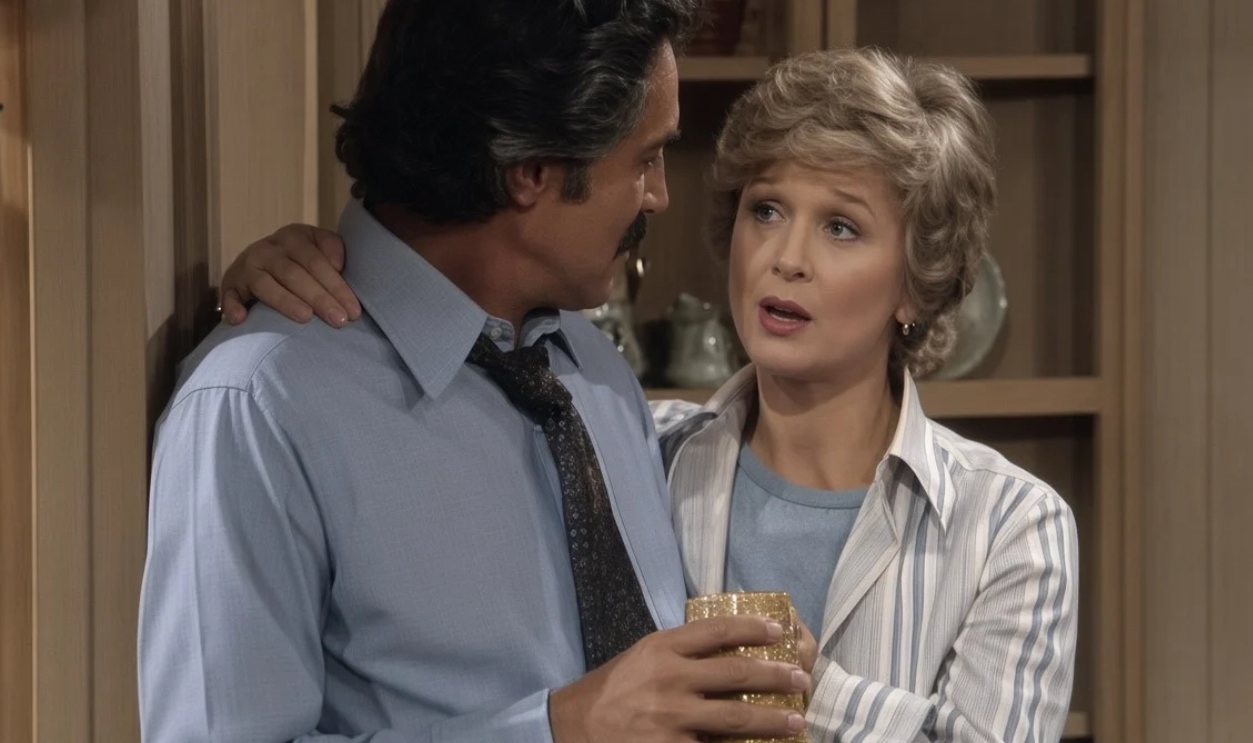
She Didn't Vanish All At Once
Barrie continued appearing after her regular role had diminished. Elizabeth returned in later episodes, including the 1978 fourth-season episode "Quo Vadis?" Apple TV's episode listing still credits Barrie as Elizabeth Miller in that installment, showing that the character remained part of Barney's life even after the series stopped visiting home regularly.
 Screenshot from Barney Miller, ABC (1975–1982), Modified
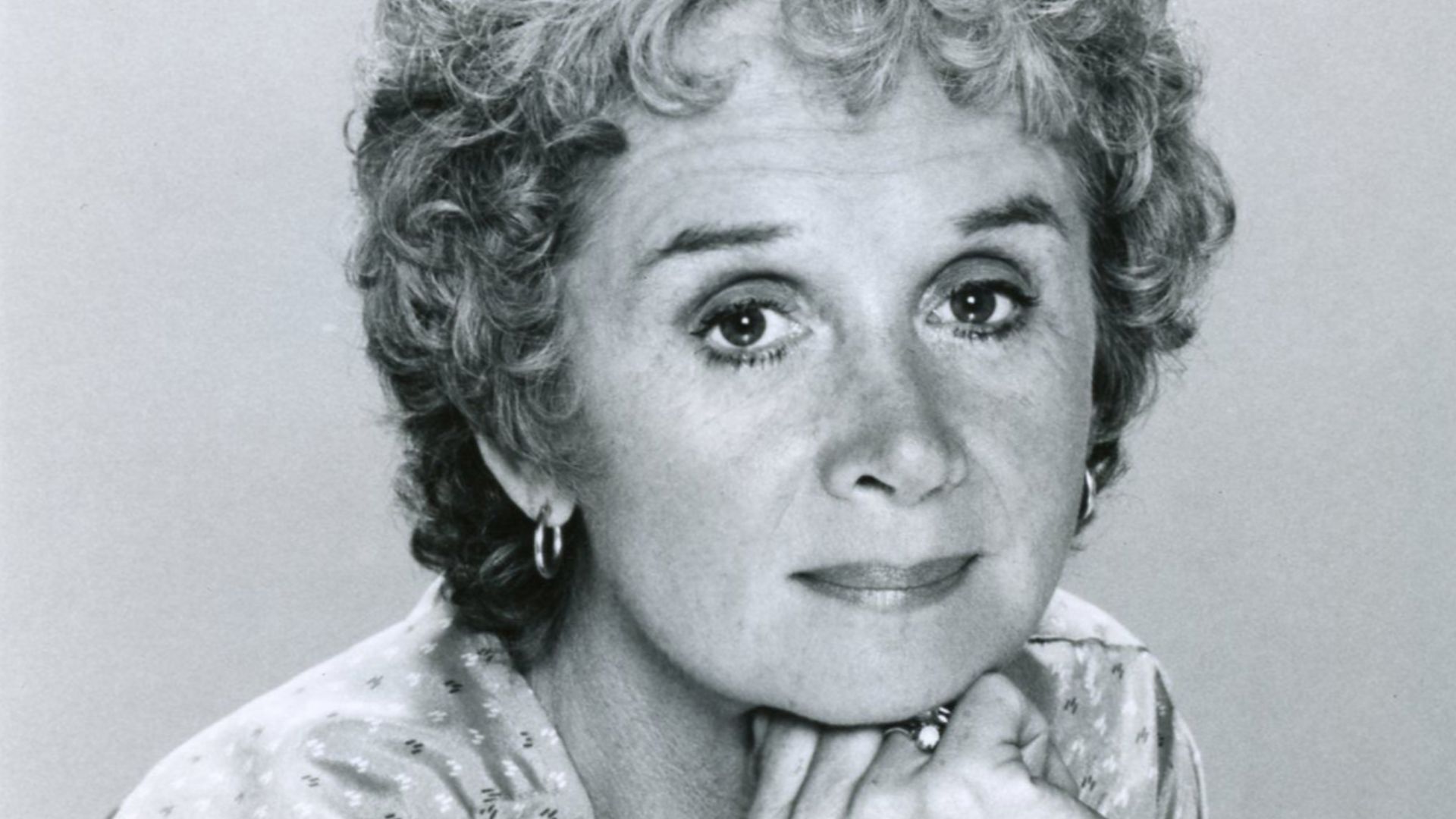
Leaving Barney Miller Led Straight To Something Bigger
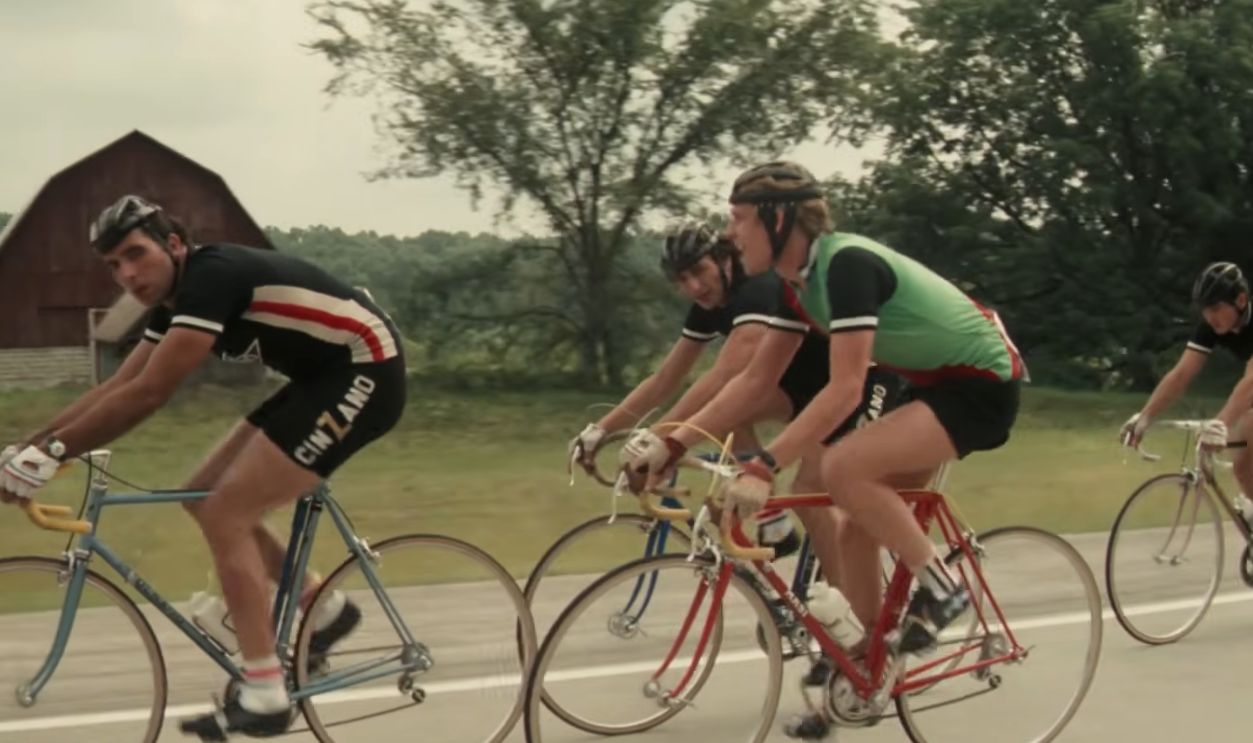
Barrie's reduced presence on Barney Miller did not signal a career decline. Almost immediately, she landed Evelyn Stohler in Peter Yates's 1979 film Breaking Away. As the patient, warm mother of an Indiana teenager obsessed with Italian bicycle racing, Barrie found another role built around understated family feeling.
 ABC Television, Wikimedia Commons
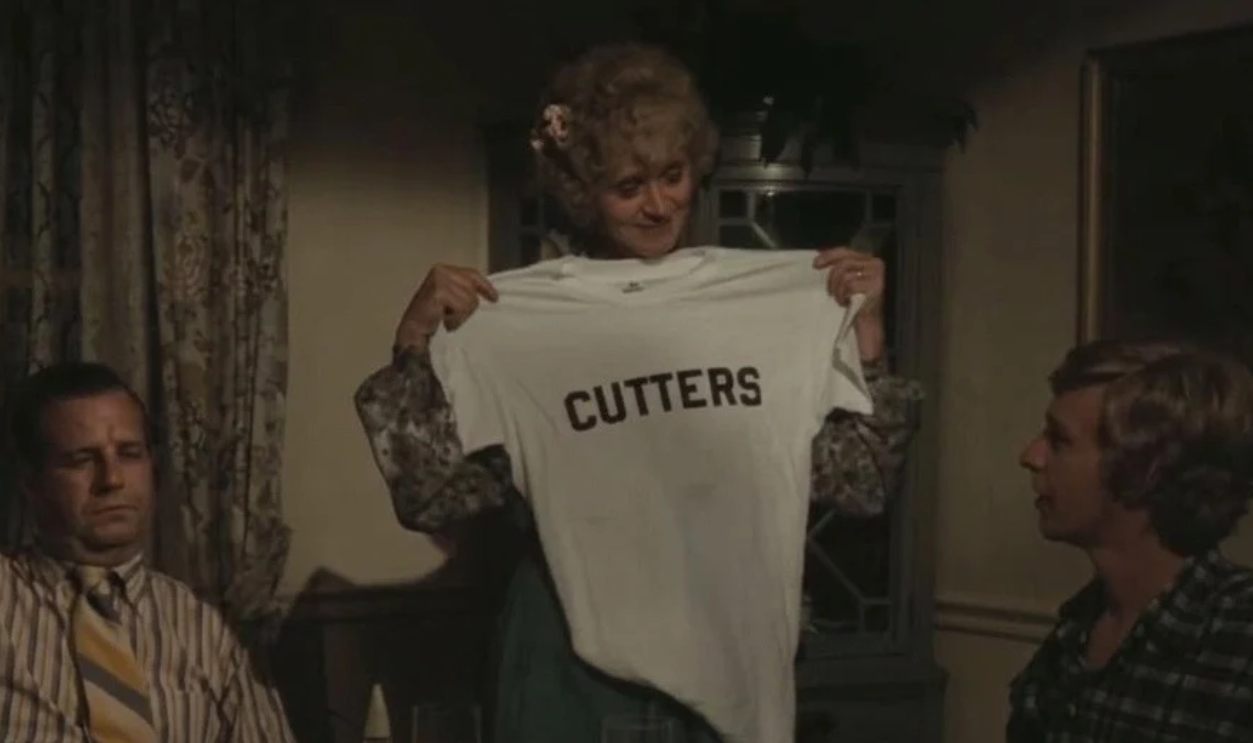
Breaking Away Brought Her To The Oscars
Breaking Away became one of 1979's great critical successes. The movie received five Academy Award nominations, including Best Picture, while Barrie was nominated for Best Supporting Actress. She had left a successful television comedy only to receive the biggest film honor of her career.
 Screenshot from Breaking Away, 20th Century Fox (1979), Modified
Evelyn Stohler Got A Second Life On Television
ABC adapted Breaking Away into a television series, and Barrie returned as Evelyn. The program itself was short-lived, but her performance again attracted industry attention. Barrie received a 1981 Emmy nomination for Outstanding Supporting Actress in a Drama Series.
 Screenshot from Breaking Away, 20th Century Fox (1979)
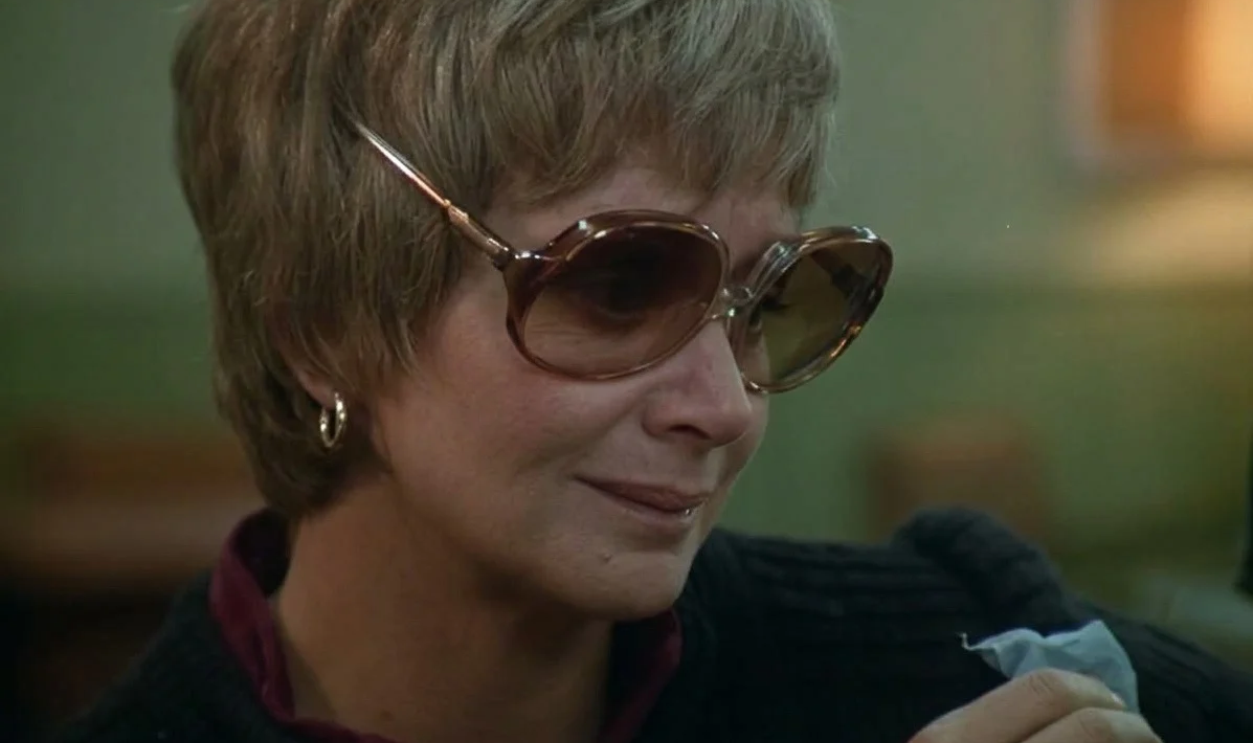
Private Benjamin Put Her In Another Famous Family
Barrie appeared the following year in Private Benjamin as Harriet Benjamin, the mother of Goldie Hawn's Judy. Roger Ebert's review lists Barrie among a cast that also included Eileen Brennan, Harry Dean Stanton, Sam Wanamaker, and Armand Assante. It was another supporting-mother role, but in one of the era's most successful comedies.
 Screenshot from Private Benjamin, Warner Bros. Pictures (1980), Modified
She Never Abandoned The Stage
Barrie continued returning to theater even while television and film roles accumulated. Her later Broadway work included Torch Song Trilogy, Fiddler on the Roof, and eventually Significant Other. Playbill's Broadway archive records a career spanning more than six decades between her first Broadway appearance and her 2017 return.
 Screenshot from One Potato, Two Potato, Cinema V (1964)
Then She Became A Novelist
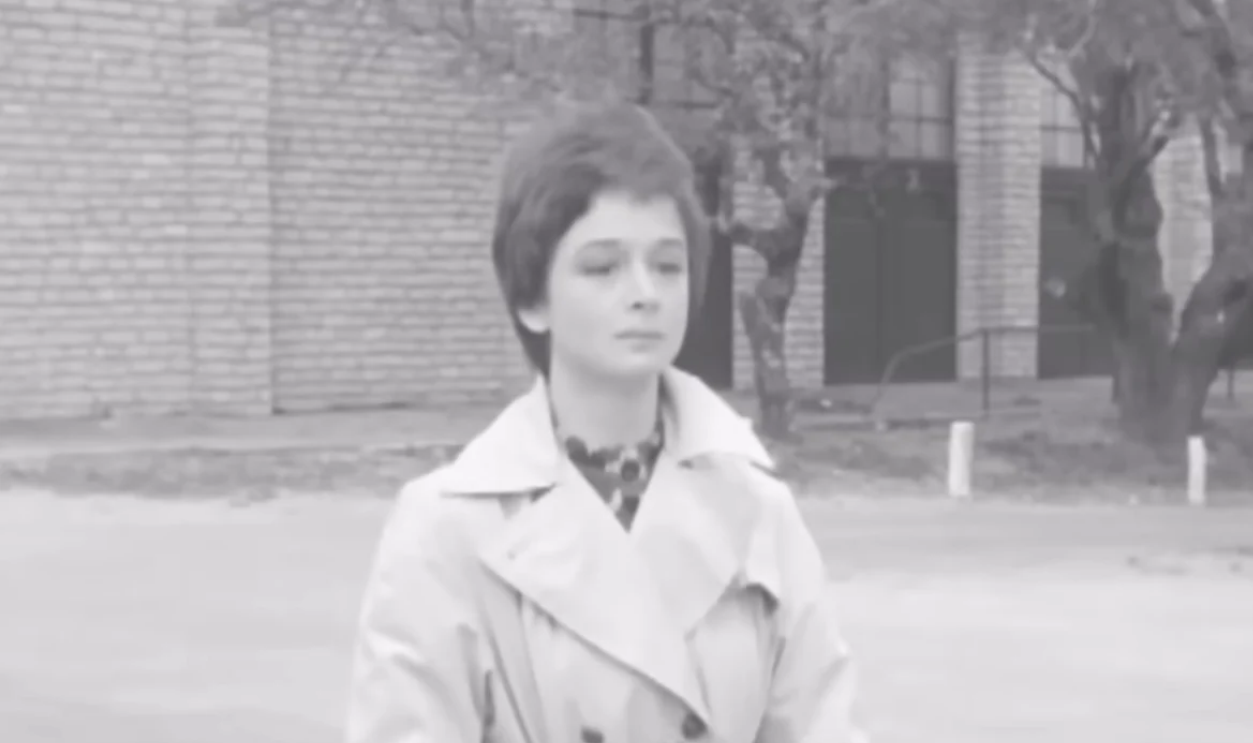
Barrie expanded into writing with the young-adult novel Lone Star. Published in 1990, the story follows a Jewish girl who moves from Chicago to Corpus Christi during the 1940s and struggles with family problems and fitting into a new environment. The parallels with Barrie's own childhood gave readers another glimpse of the life behind the actress.
 Screenshot from Route 66, CBS (1962)
Adam ZigZag Made Writing More Than A Detour
Her second young-adult novel, Adam ZigZag, followed in 1994. The book centers on a boy with dyslexia struggling with school and family pressures. By then, Barrie had established writing as a genuine second branch of her creative career rather than a one-book experiment.
 Screenshot from Route 66, CBS (1962)
A Health Crisis Changed Her Life Again
Barrie was diagnosed with colorectal cancer in 1994 and underwent extensive treatment. She later chose to write openly about the experience after initially keeping much of it private. Rather than retreat from public life, she turned a frightening period into material she hoped could help other people facing similar circumstances.
 Screenshot from One Potato, Two Potato, Cinema V (1964)
Second Act Told The Story Without Polishing It
Barrie's 1997 memoir Second Act: Life After Colostomy and Other Adventures described her illness, surgeries, recovery, and continuing work with striking frankness and humor. Kirkus praised the book as the account of a woman who maintained an active life while confronting enormous medical challenges. The title suited an actress who had already reinvented herself more than once.
 Screenshot from Barney Miller, ABC (1975–1982)
Television Still Kept Rewarding Her
Barrie's later television work proved she had lost none of her dramatic power. She received a 1992 Emmy nomination for playing Mrs. Bream on Law & Order. More than a decade later, she earned another Emmy nomination for a guest appearance as Paula Haggerty on Law & Order: Special Victims Unit.
 Screenshot from Law & Order, NBCUniversal Television Distribution (1990–)
Independent Film Found Her Again
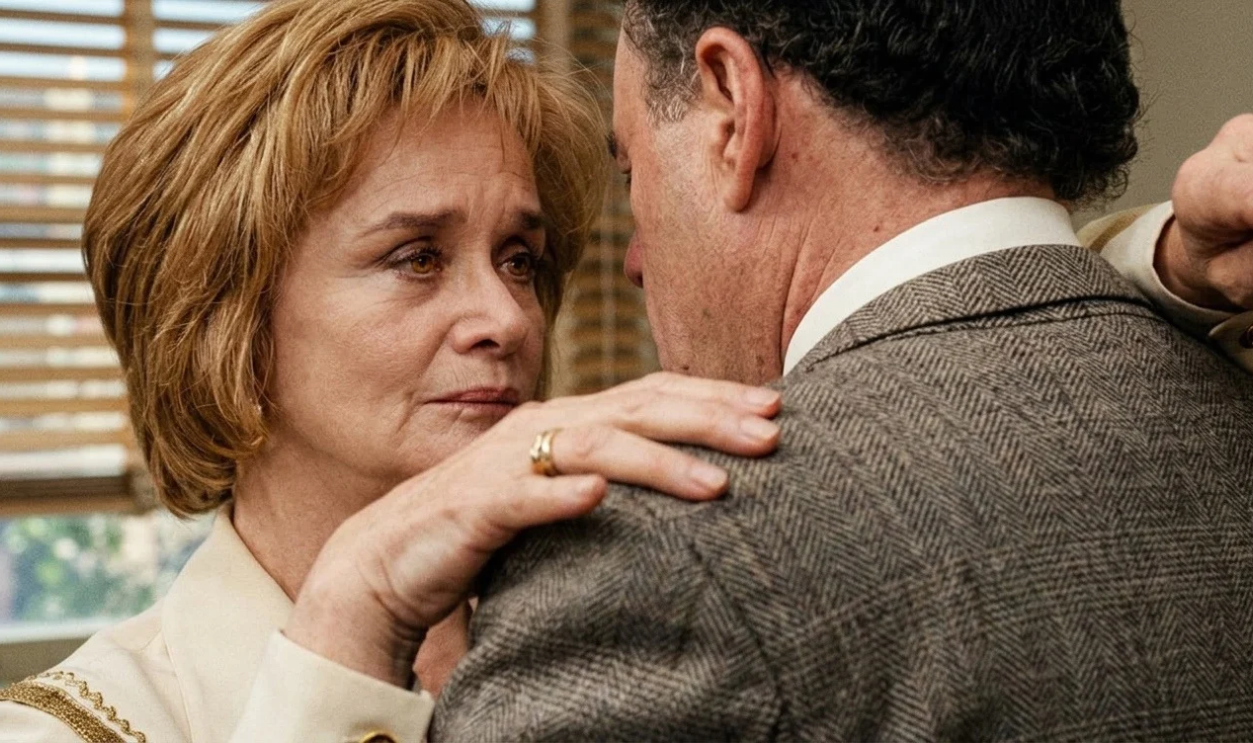
Barrie played Sue Berlin in Eric Mendelsohn's 1999 film Judy Berlin. The performance brought her a nomination for Best Supporting Female at the 2000 Independent Spirit Awards. More than three decades after Cannes, independent filmmakers were still finding memorable uses for the qualities that had first distinguished her in One Potato, Two Potato.
 Screenshot from Judy Berlin, The Shooting Gallery (1999), Modified
She Was Still Challenging Herself In Her Eighties
In 2014, Barrie joined nine other veteran actresses in Transport Group's unusual Off-Broadway production of I Remember Mama. Ten women played all of the show's characters, and Barrie served as the narrator, Katrin. Reviews singled out the production as a showcase for older actresses who rarely received enough opportunities to demonstrate what they could still do.
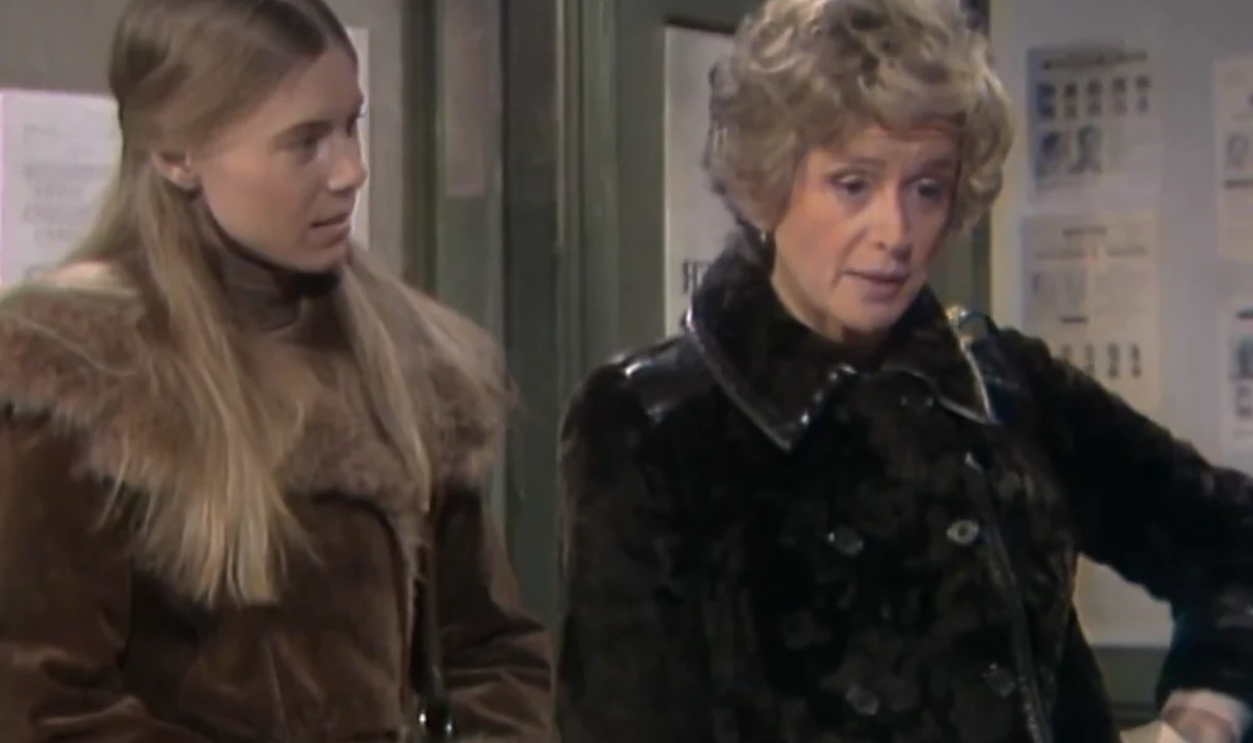 Screenshot from Barney Miller, ABC (1975–1982), Modified
Another Diagnosis Didn't Silence Her
That same year, Barrie publicly revealed that she had been diagnosed with idiopathic pulmonary fibrosis, a serious lung disease. She told Playbill that she still had a full and active life and wanted to use her visibility to help others facing the condition. Her response echoed the candor she had already shown after her earlier illness.
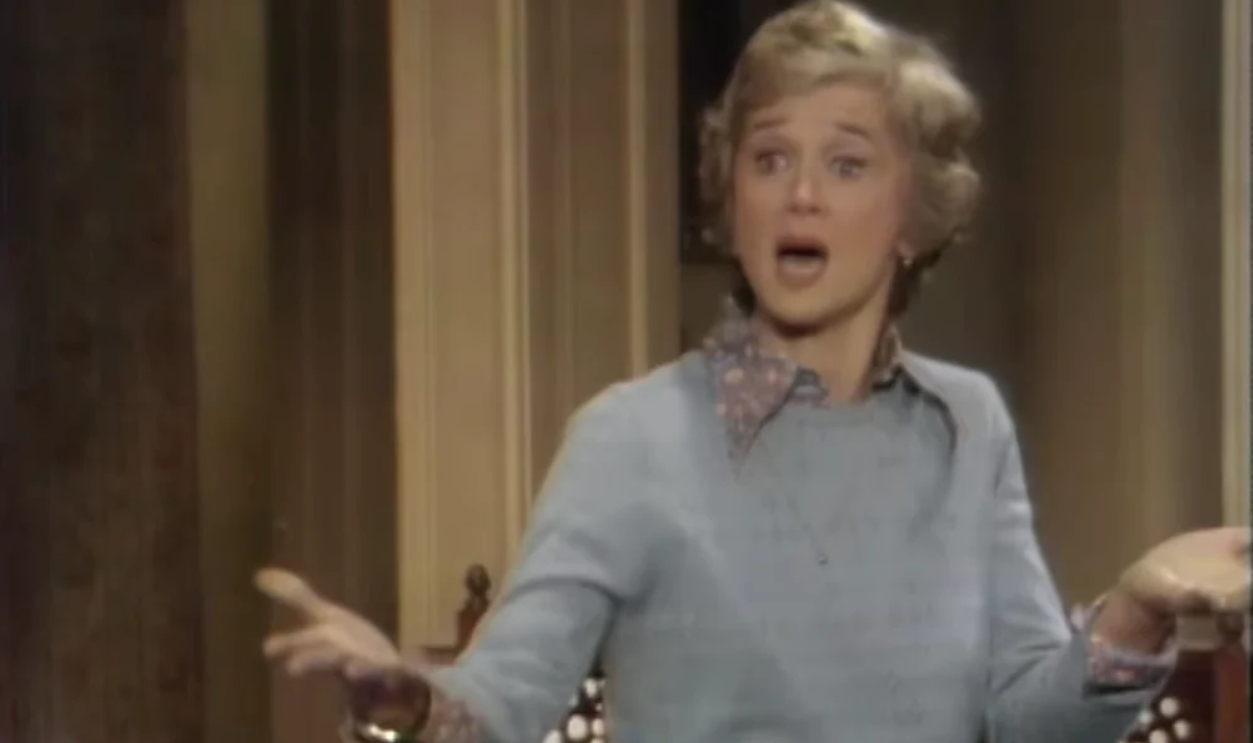 Screenshot from Barney Miller, ABC (1975–1982)
Broadway Welcomed Her Back Once More
Barrie returned to Broadway in 2017 as Helene Berman in Joshua Harmon's Significant Other. The appearance came more than 60 years after her 1955 Broadway debut. For an actress who could easily have been remembered only for one beloved 1970s sitcom, the span of that stage career is remarkable.
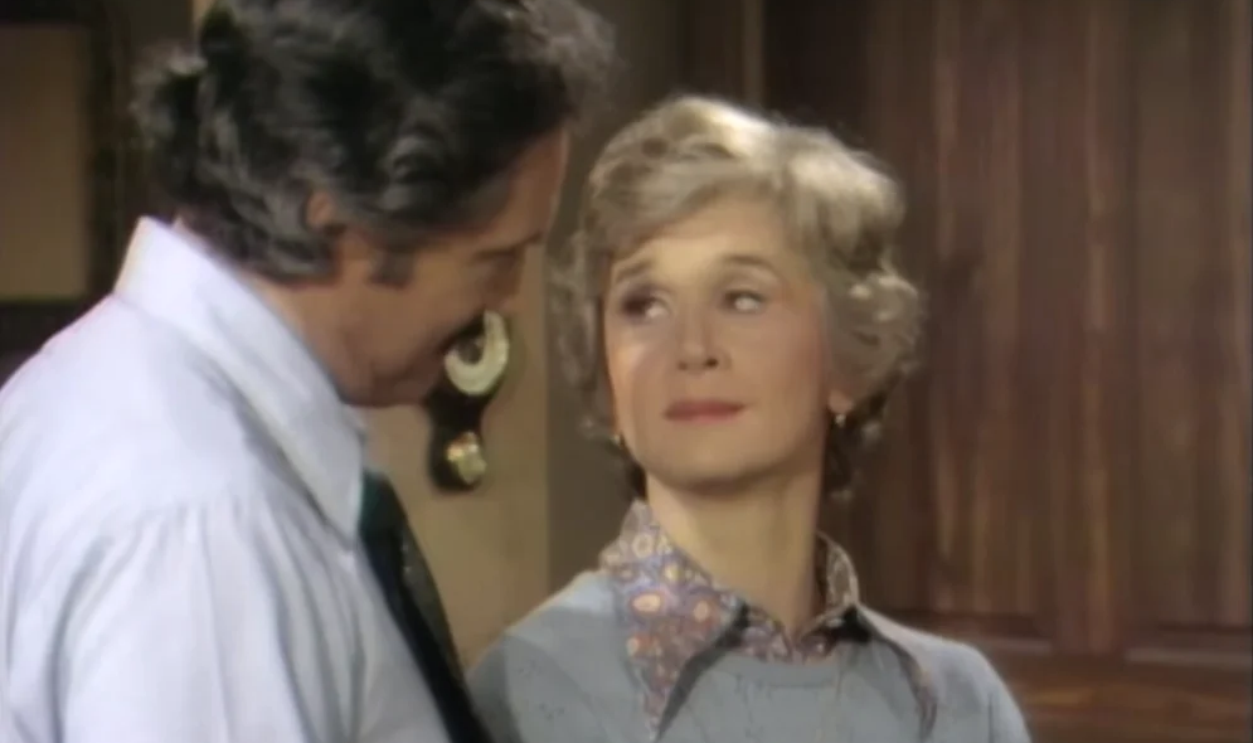 Screenshot from Barney Miller, ABC (1975–1982)
She Was Still Talking About Acting In 2024
PBS featured Barrie in a 2024 episode of How Art Changed Me. Looking back over her career, she said she believed it had taken decades to truly learn how to act because experience gradually strips away ego and leaves the performer focused on the person being portrayed. At 93, she was still thinking seriously about the craft that had first captivated her as a child in Corpus Christi.
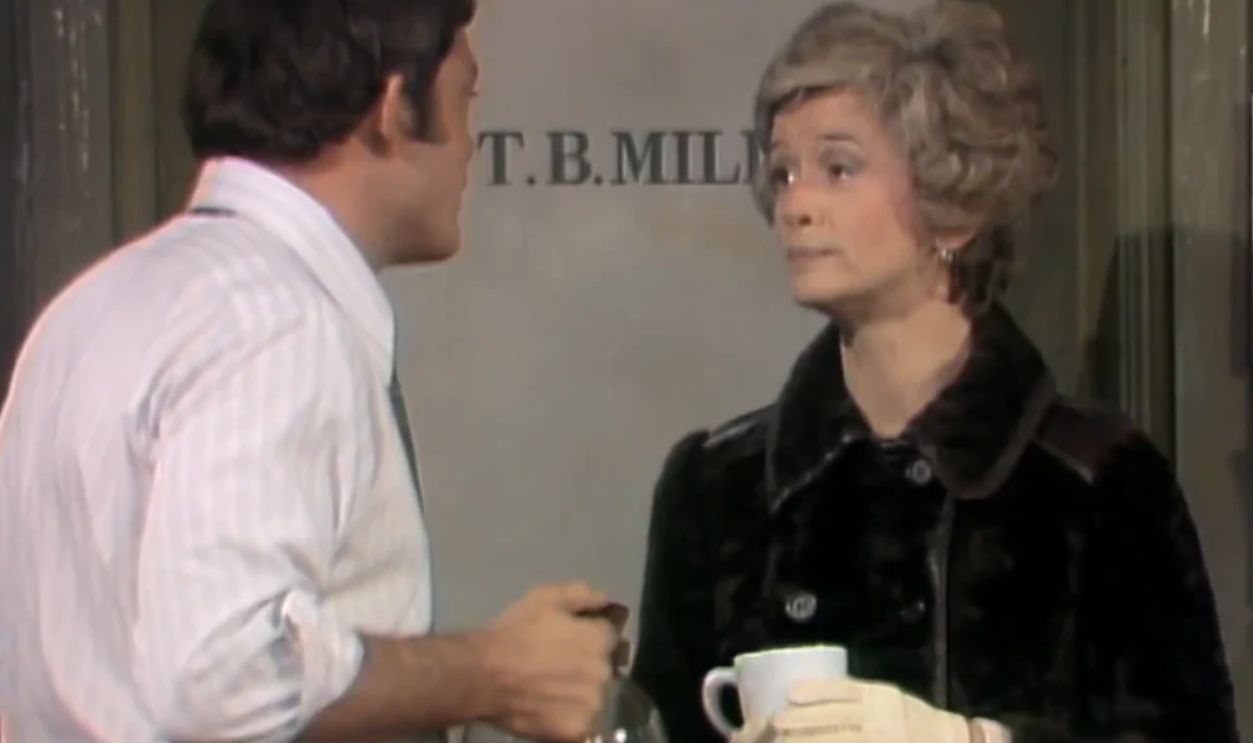 Screenshot from Barney Miller, ABC (1975–1982)
Elizabeth Miller Was Only One Chapter
Barbara Barrie did not disappear when Barney Miller moved away from Barney's home life. She became an Oscar nominee, an Emmy nominee multiple times over, an author, a memoirist, and a stage actress whose career stretched from the 1950s into the 21st century. Elizabeth Miller helped give Barney Miller its early warmth, but Barrie's real story is what happened after the show no longer knew what to do with her.
 Screenshot from Barney Miller, ABC (1975–1982)
You May Also Like:
50-Year-Old Movies That We'd Still Rather See Than What They Put In Theaters Today
Sources: 1, 2, 3, 4, 5, 6, 7, 8, 9, 10, 11, 12, 13, 14, 15, 16, 17, 18, 19, 20, 21, 22, 23, 24, 25, 26, 27, 28