
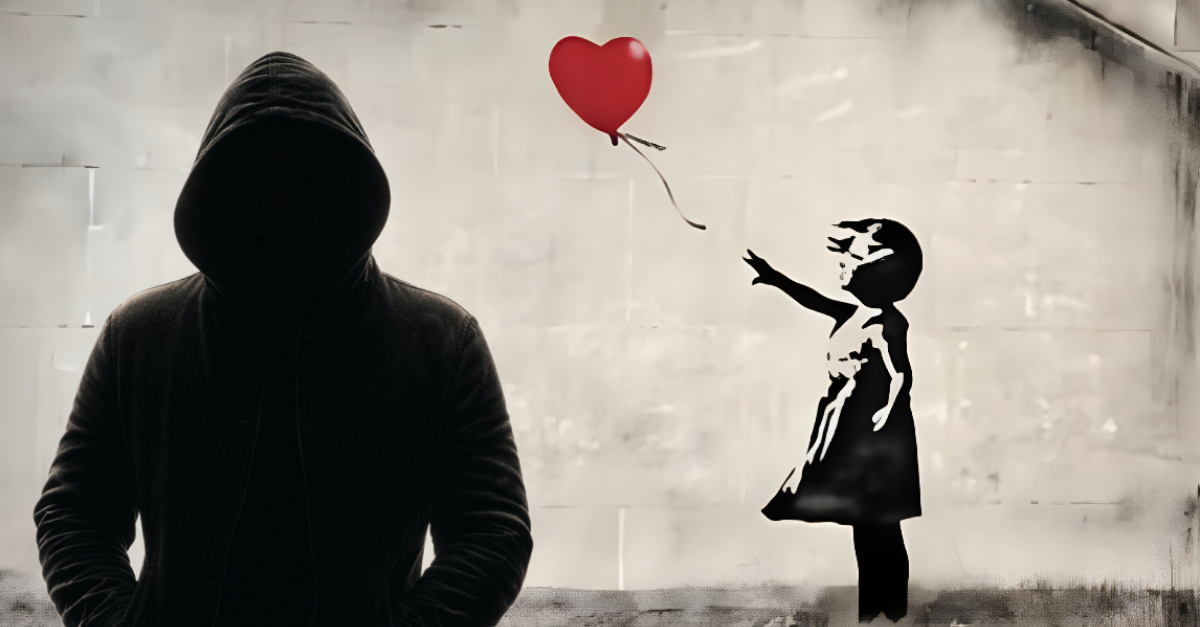
The Artist Who Stayed Hidden For Decades
For more than twenty years, Banksy has been the most famous anonymous artist on Earth. His murals appear overnight, spark headlines around the world, and sometimes sell for millions. But the one thing no one could ever definitively answer was simple: who actually created them?
A Major Reuters Investigation Tried To Solve It
In 2026, Reuters published one of the most detailed investigations ever into Banksy’s identity. Reporters examined legal records, past interviews, and years of reporting tied to the mysterious artist. Their findings once again pointed toward the same long-suspected individual.
The Reuters Investigation Went Deep
The Reuters report didn’t just revisit old rumors. Journalists examined legal records, eyewitness accounts, and historical reporting tied to Banksy’s movements and collaborators. Their investigation connected pieces of evidence from several countries and more than two decades of the artist’s career.
Evidence From Ukraine, New York, And Old Associates
The investigation pulled from several unusual sources—including Banksy’s documented trip to war-torn Ukraine, where locals described meeting him. It also referenced a falling out with Jamaican photographer Peter Dean Rickards and even a 2000 NYPD arrest report connected to a graffiti case.
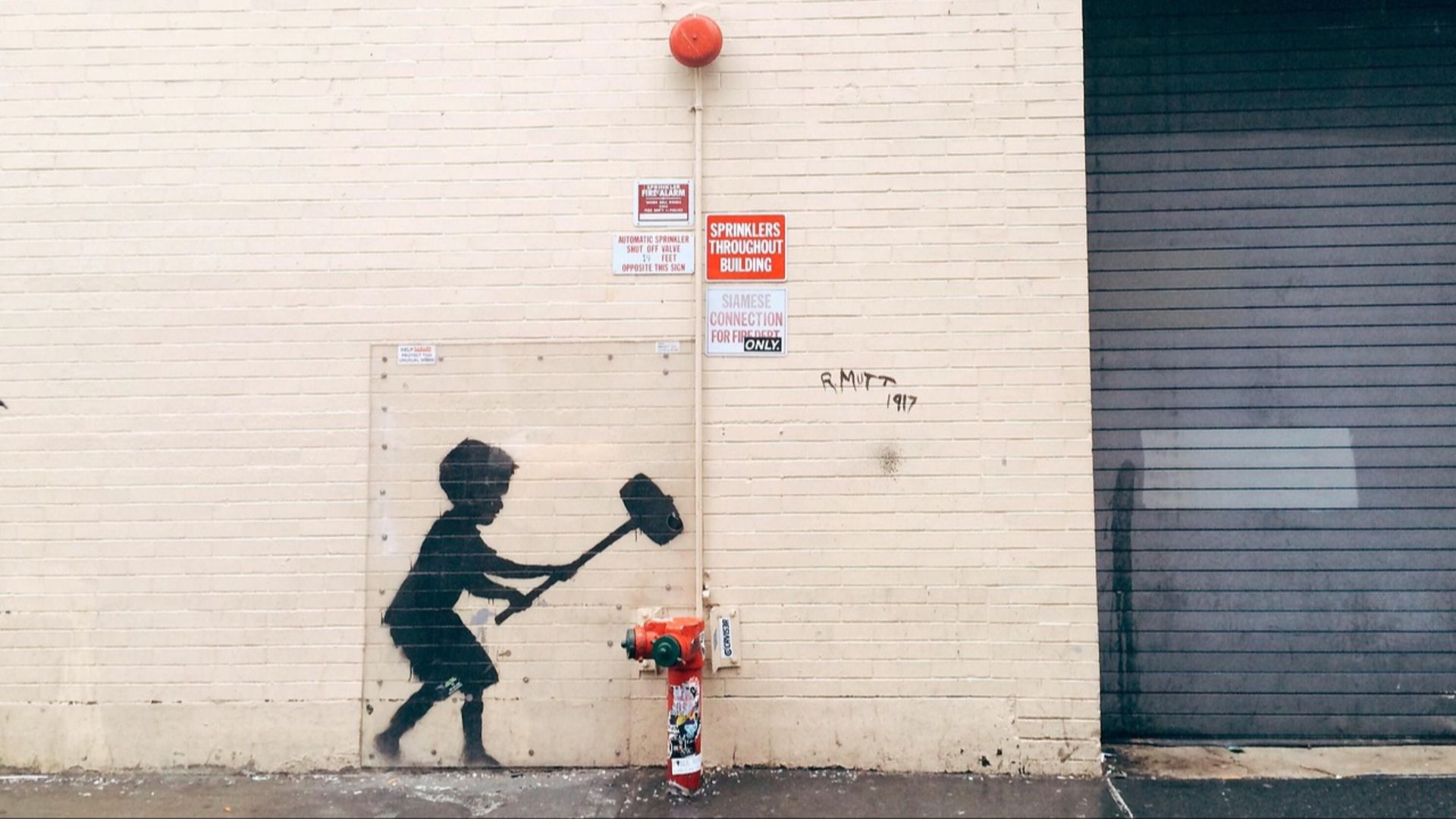
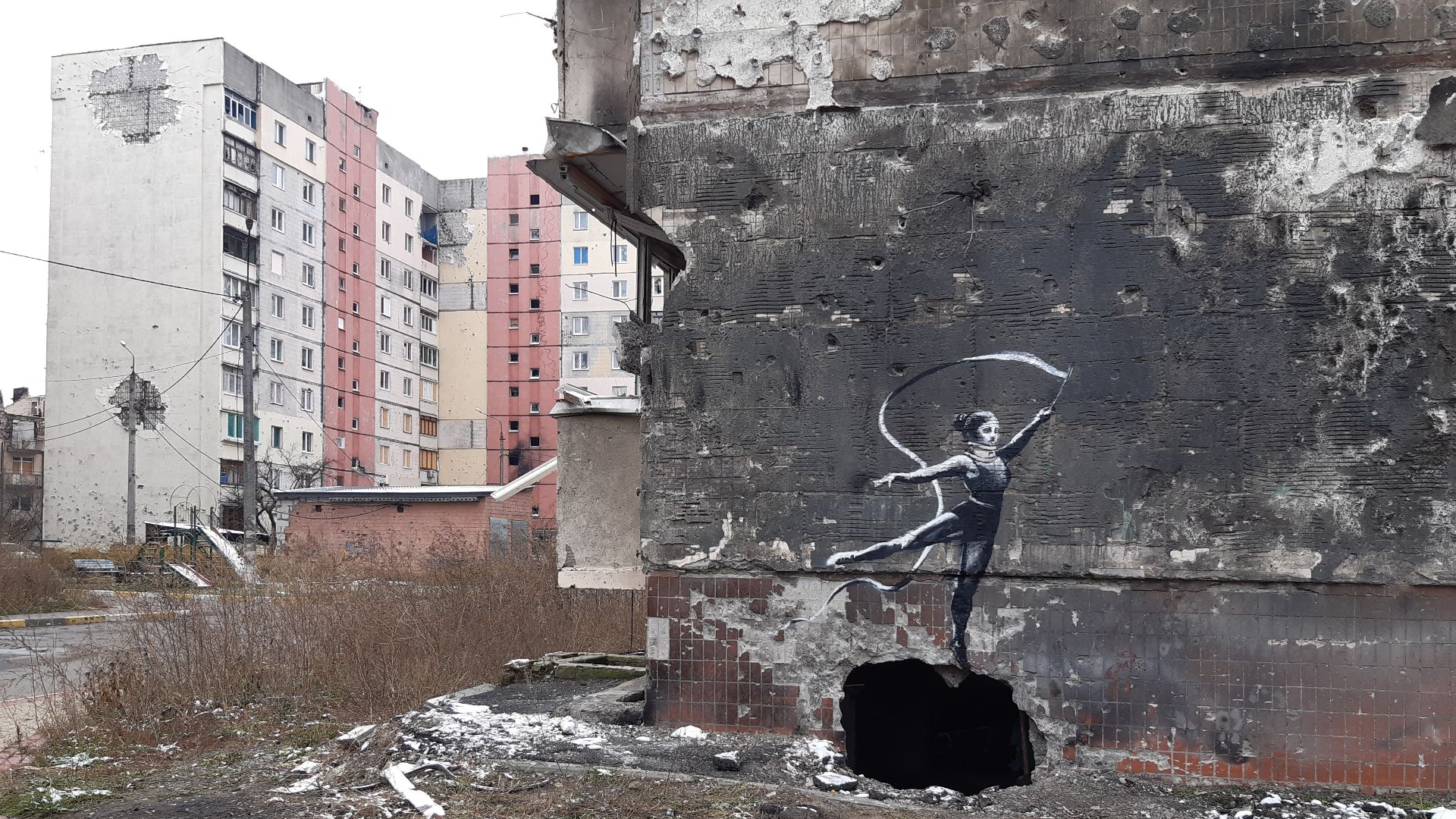 Rasal Hague, Wikimedia Commons
The New York Arrest Report
One surprising piece of evidence mentioned in the investigation was a 2000 NYPD arrest report. According to reporting, the file included a signed handwritten confession tied to a graffiti incident. Investigators have long pointed to that document as an early clue about the artist behind the Banksy name.
The Robin Gunningham Theory
According to the Reuters investigation, the man long suspected of being Banksy—Bristol native Robin Gunningham—still fits the timeline and evidence better than anyone else. The report connected him to the early Bristol graffiti scene where Banksy first emerged.
The Name Change Twist
One surprising detail from the investigation involved an identity change. Records suggested the name Robin Gunningham may have effectively disappeared about eighteen years ago—adding a strange new layer to the mystery surrounding Banksy.
The New Identity: David Jones
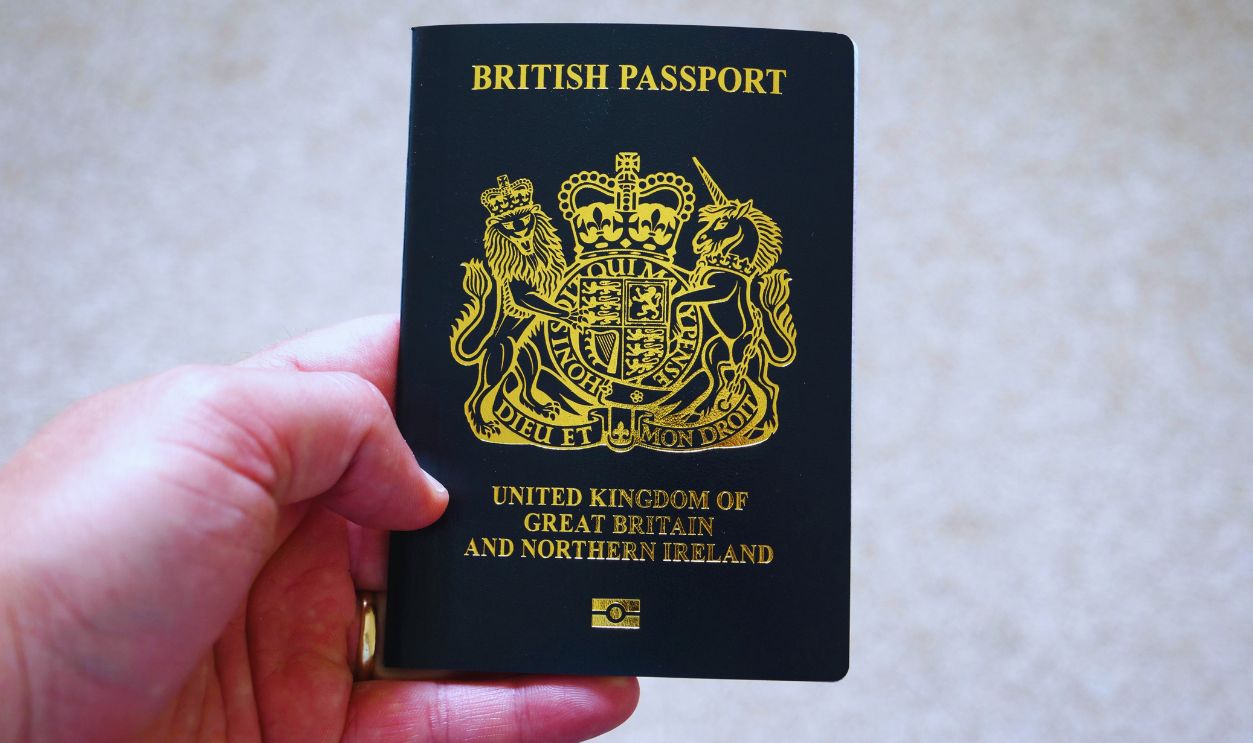
According to reporting connected to the investigation, the suspected artist may have legally changed his name around 2008 to David Jones. It’s one of the most common names in the United Kingdom—shared by thousands of people—which would make tracking someone far more difficult.
Why A Name Change Makes Sense
As Banksy’s fame exploded in the 2000s, protecting his identity would have become even more important. Using an extremely common name could help hide travel records, financial documents, and other official paperwork that might otherwise reveal the artist behind the murals.
Following The Paper Trail
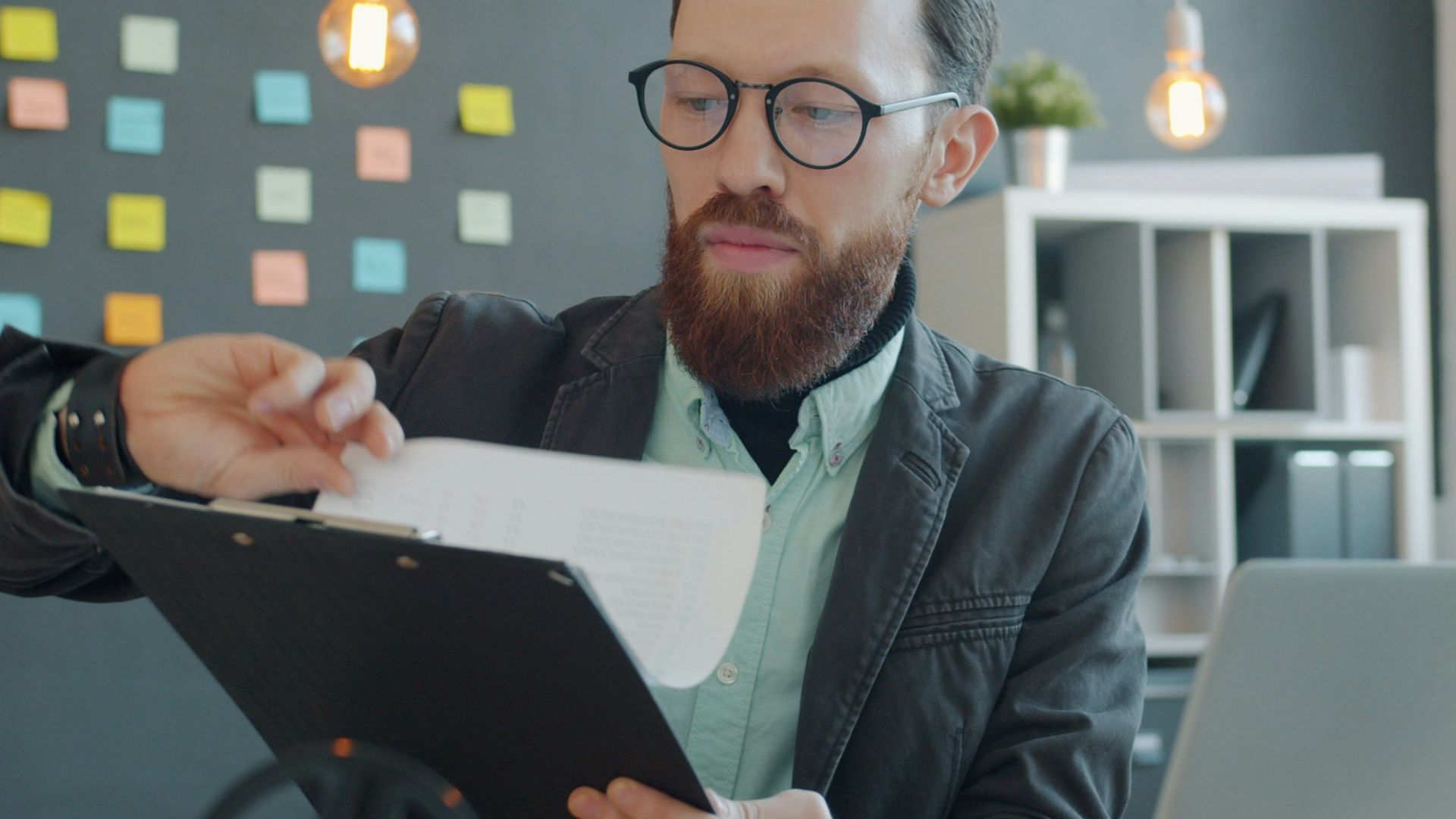
The Reuters investigation also examined business filings and corporate records tied to Banksy’s artwork and licensing. Some documents connected companies and financial structures to people linked with the long-suspected identity.
The Mystery That Fueled The Legend
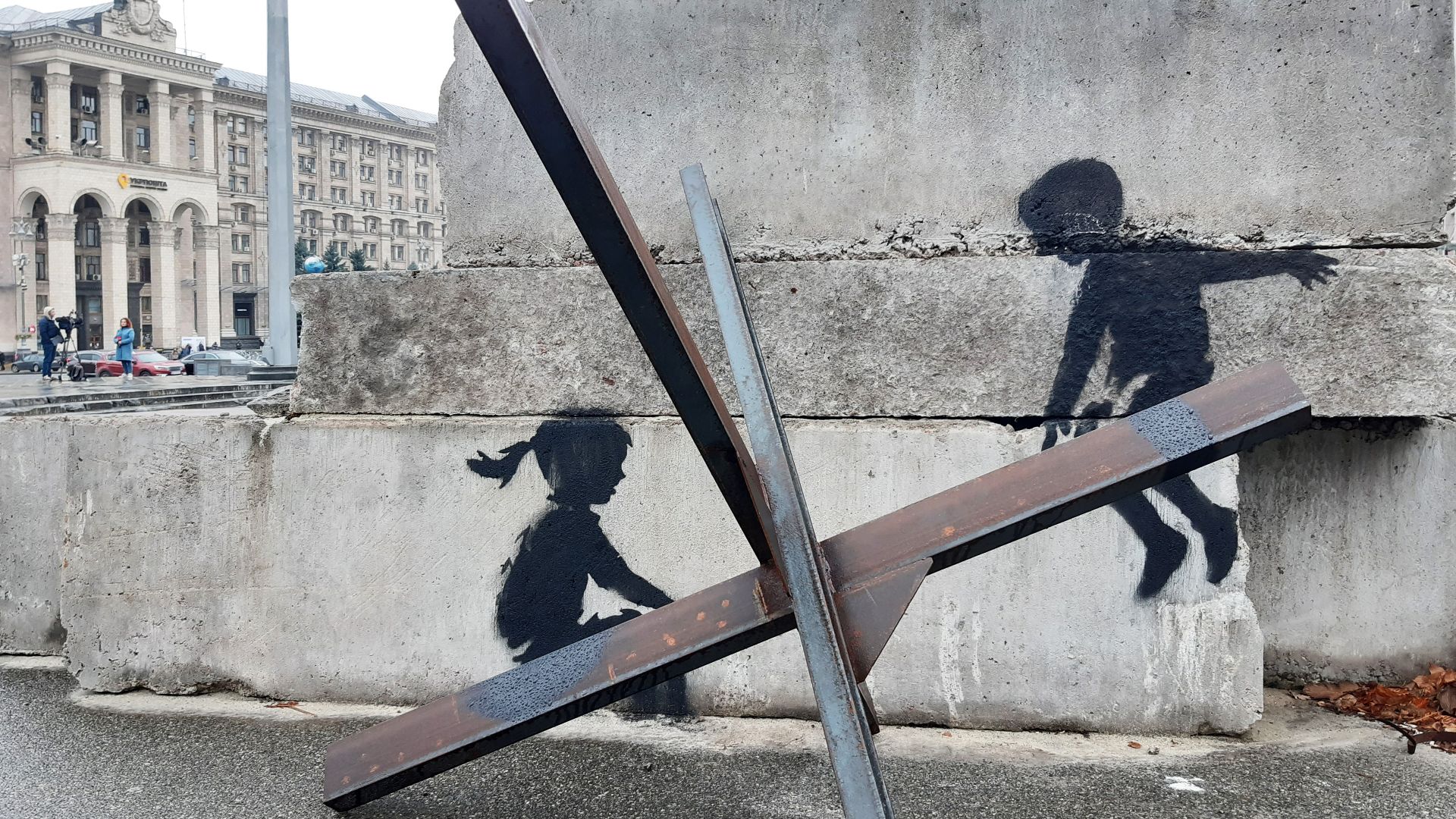
Banksy’s anonymity has always been part of the story. The idea that someone could become one of the world’s most influential artists without ever stepping into the spotlight fascinated the public. Every new piece only made the question louder—who is Banksy?
 Rasal Hague, Wikimedia Commons
The Banksy Phenomenon
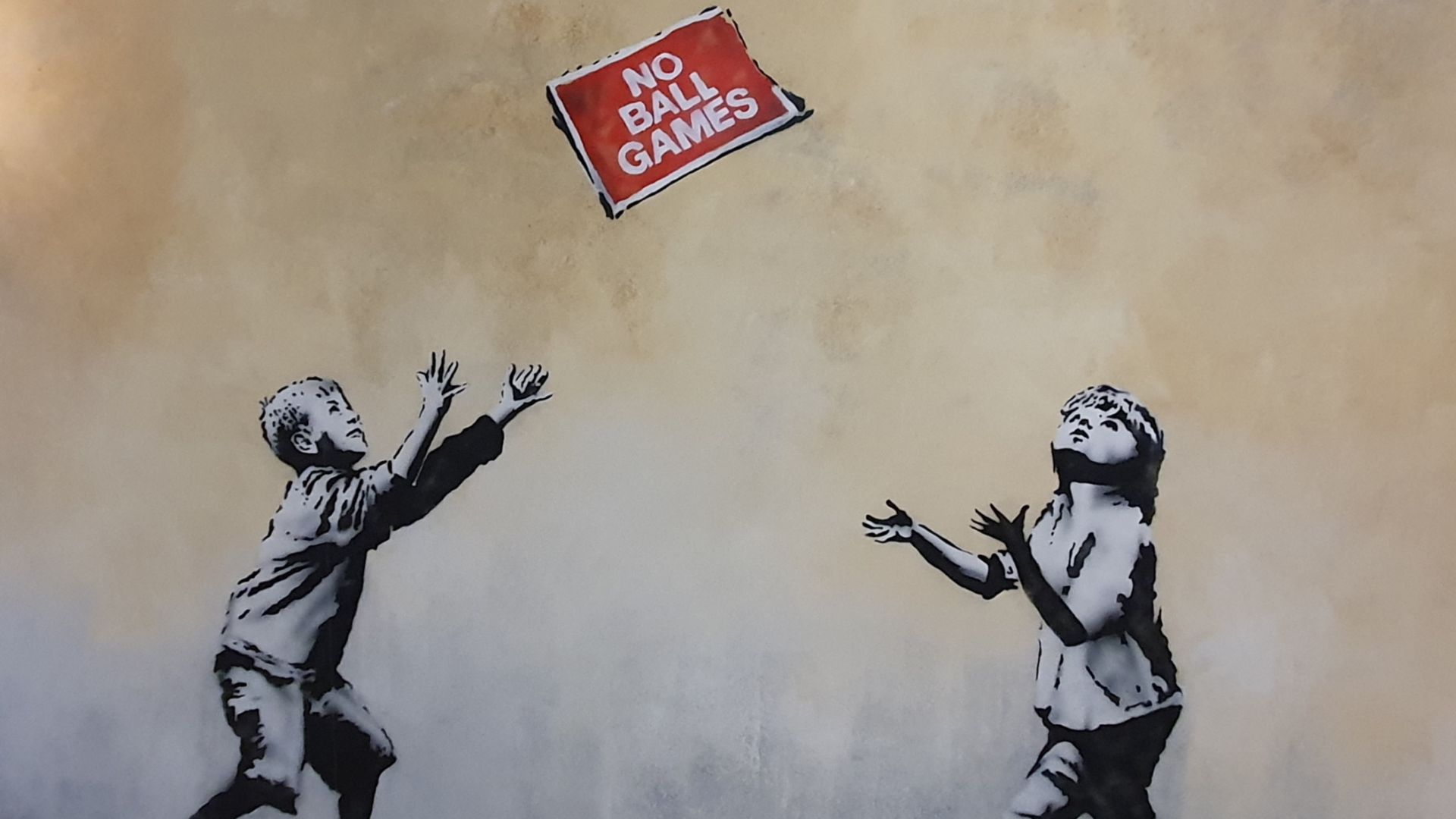
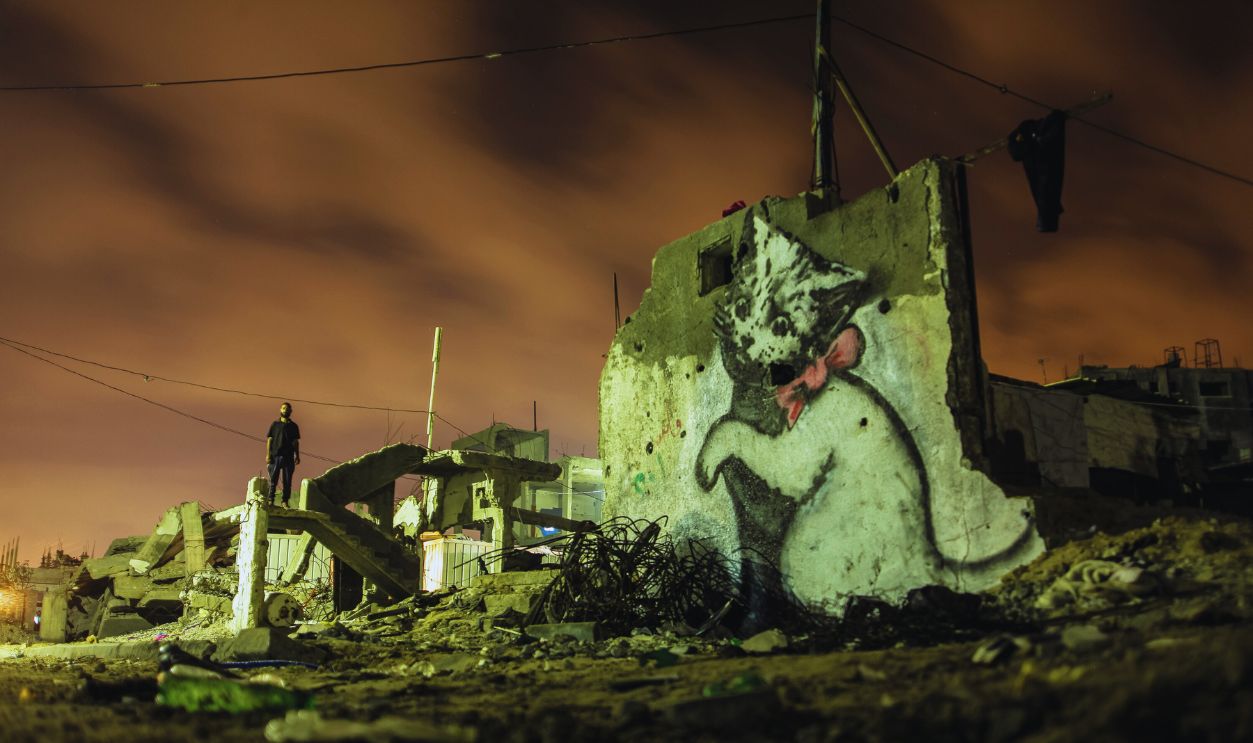
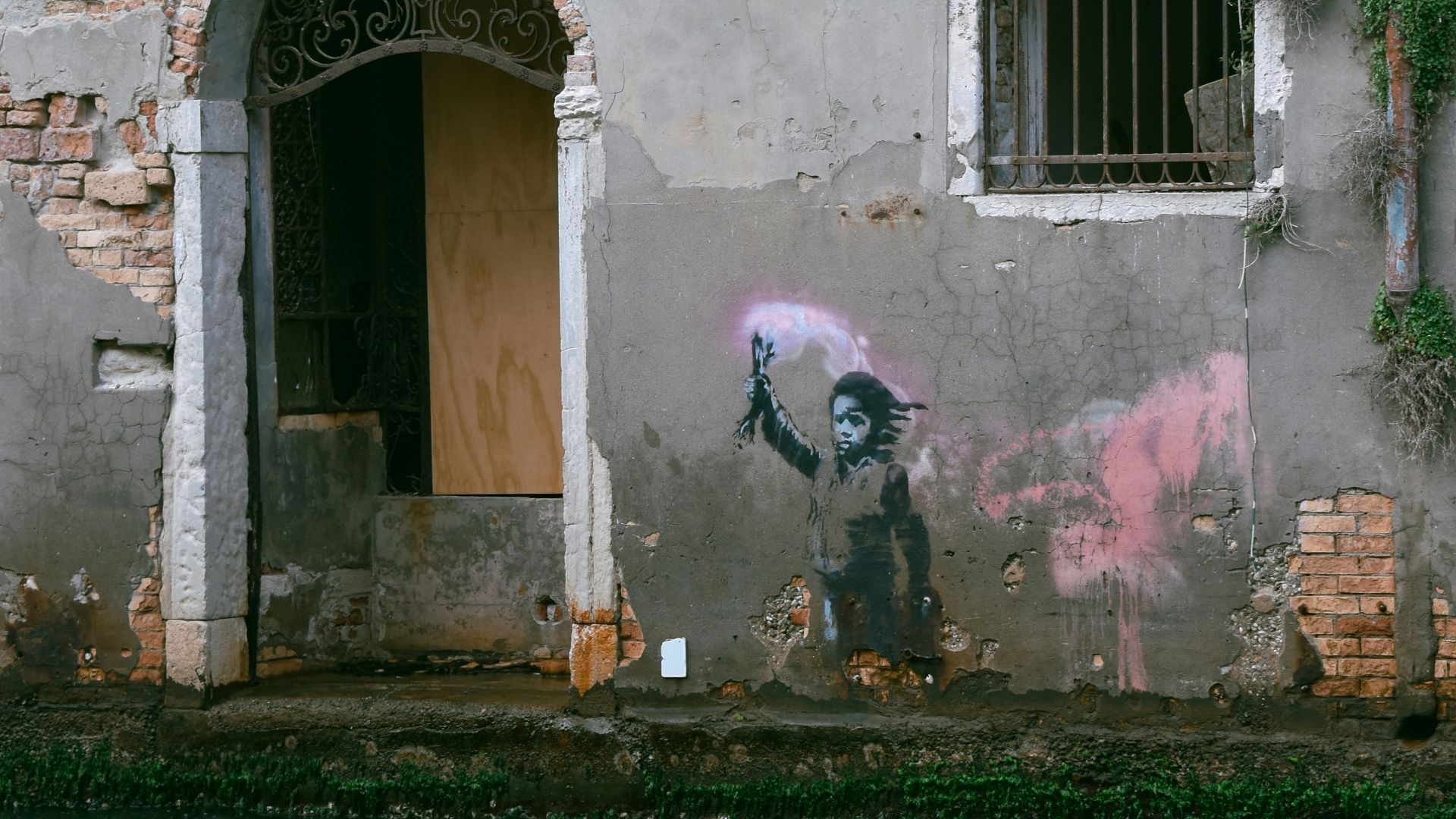
Banksy’s art mixes humor, politics, and sharp social commentary. His stencil-style murals have appeared across London, New York, Paris, and even the West Bank barrier. Images like Girl With Balloon and Flower Thrower became instantly recognizable around the world.
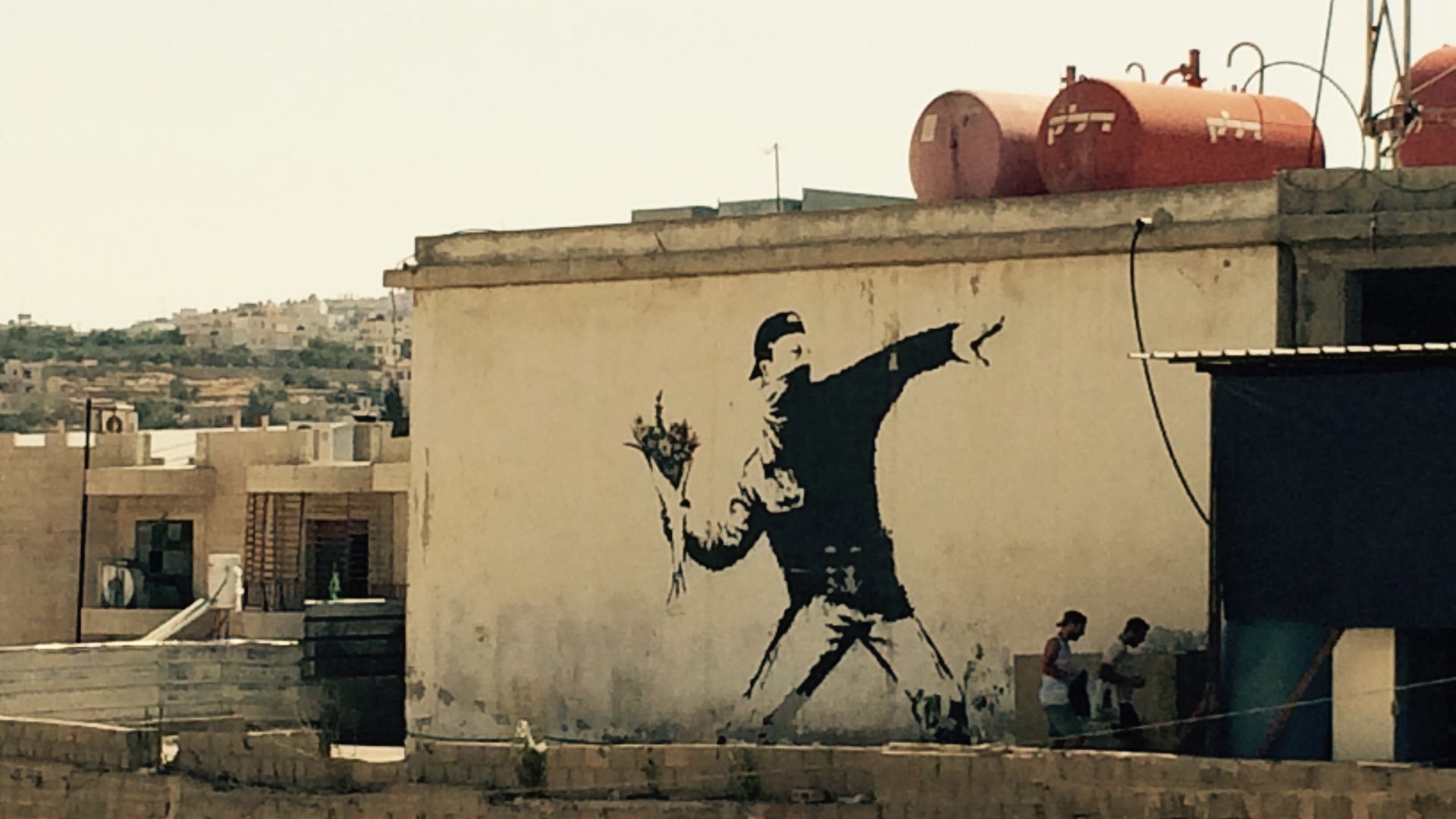
Why Banksy Stayed Anonymous
Remaining anonymous also served a practical purpose. Many of Banksy’s works were created illegally on public walls or private buildings. Staying hidden protected him from potential legal trouble—but it also helped create one of the most compelling mysteries in modern art.
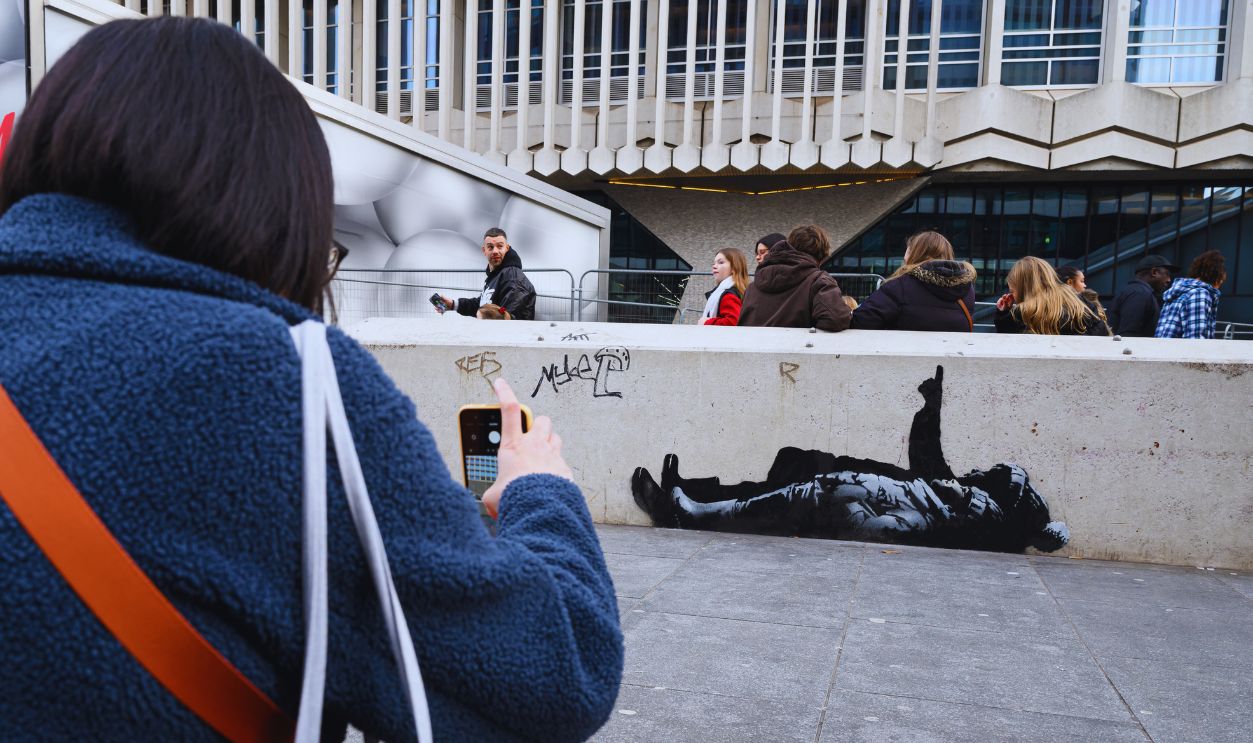
Theories Have Circulated For Years
For years journalists, fans, and investigators tried to uncover Banksy’s identity. Some believed the artist was actually a group of collaborators. Others pointed to specific people in the British street-art scene who seemed to fit the timeline.
The Bristol Street Art Scene
Bristol was a major hub for graffiti culture in the 80s and 90s. Influenced by hip-hop and underground art movements, the city produced a wave of street artists experimenting with new techniques. That environment is where Banksy’s style first began to develop.
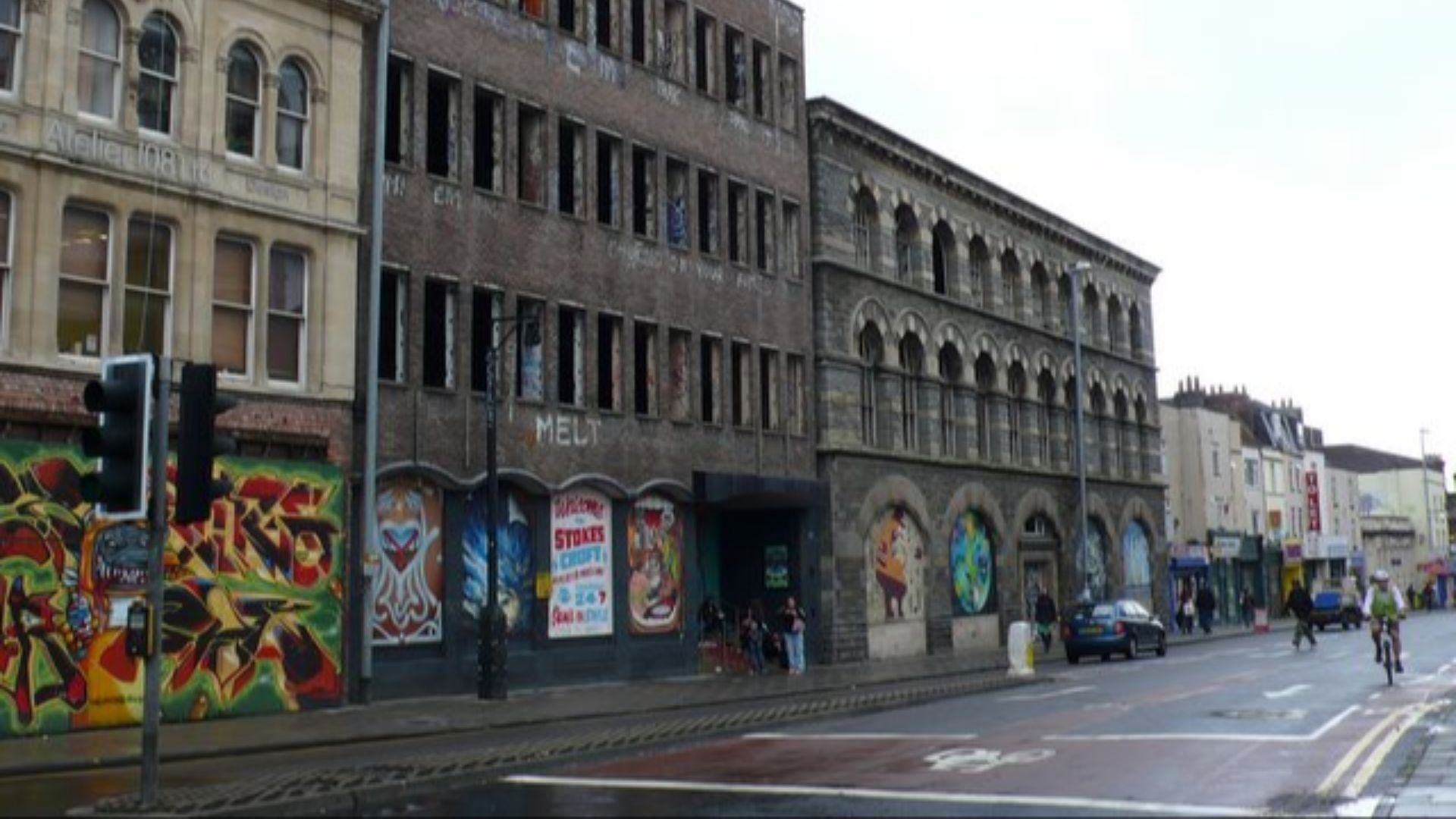 Nigel Mykura, Wikimedia Commons
Why Stencils Became His Signature
Banksy originally painted graffiti freehand, but he quickly switched to stencils. The reason was simple: speed. With stencils, an artist could produce detailed images in minutes—important when you’re working on walls where the police might show up at any moment.
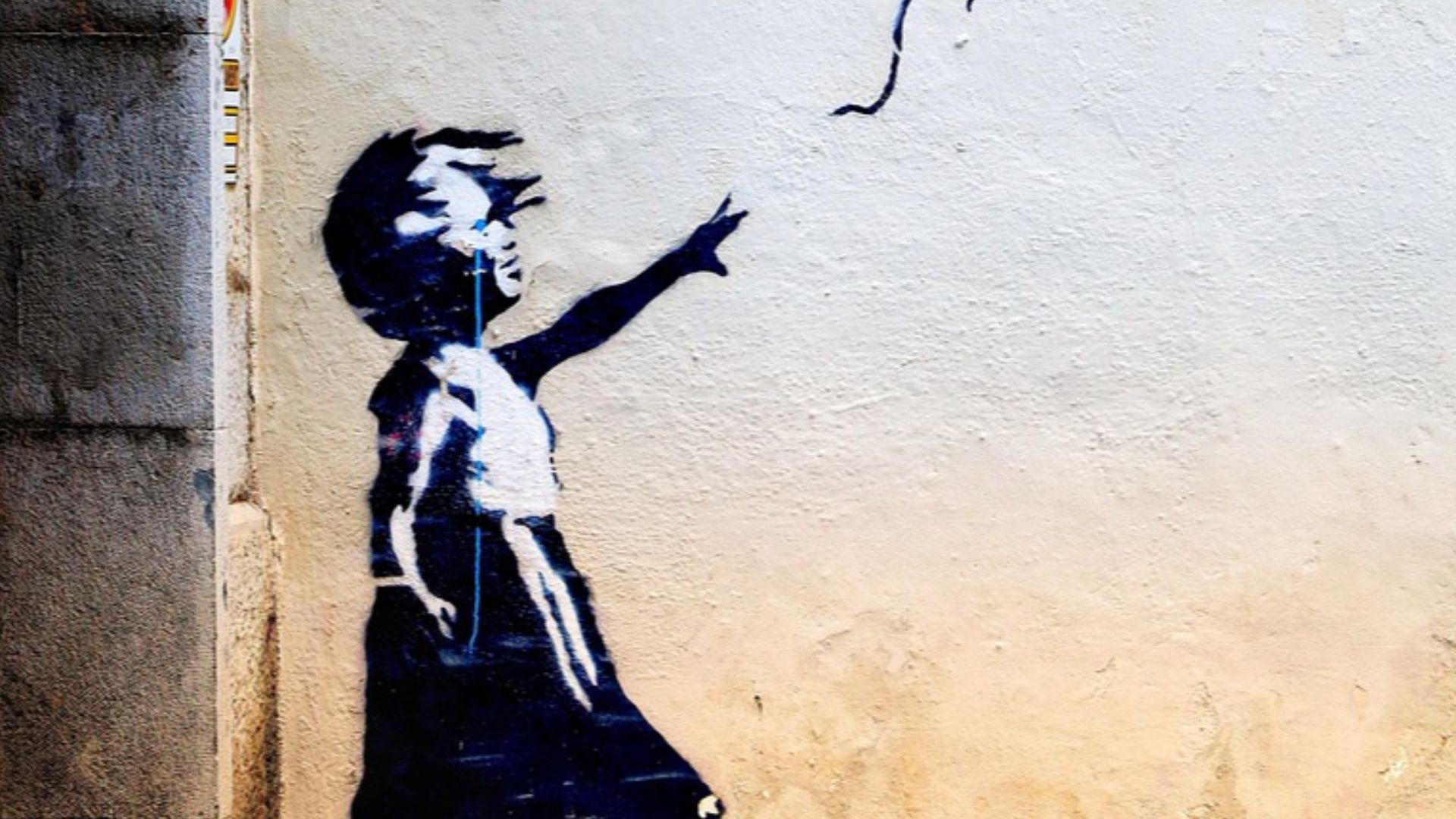
His Art Started Appearing Everywhere
By the early 2000s, Banksy’s work was appearing far beyond Bristol. Murals popped up across London and eventually around the world. Each new piece sparked media attention and curiosity about the artist responsible.
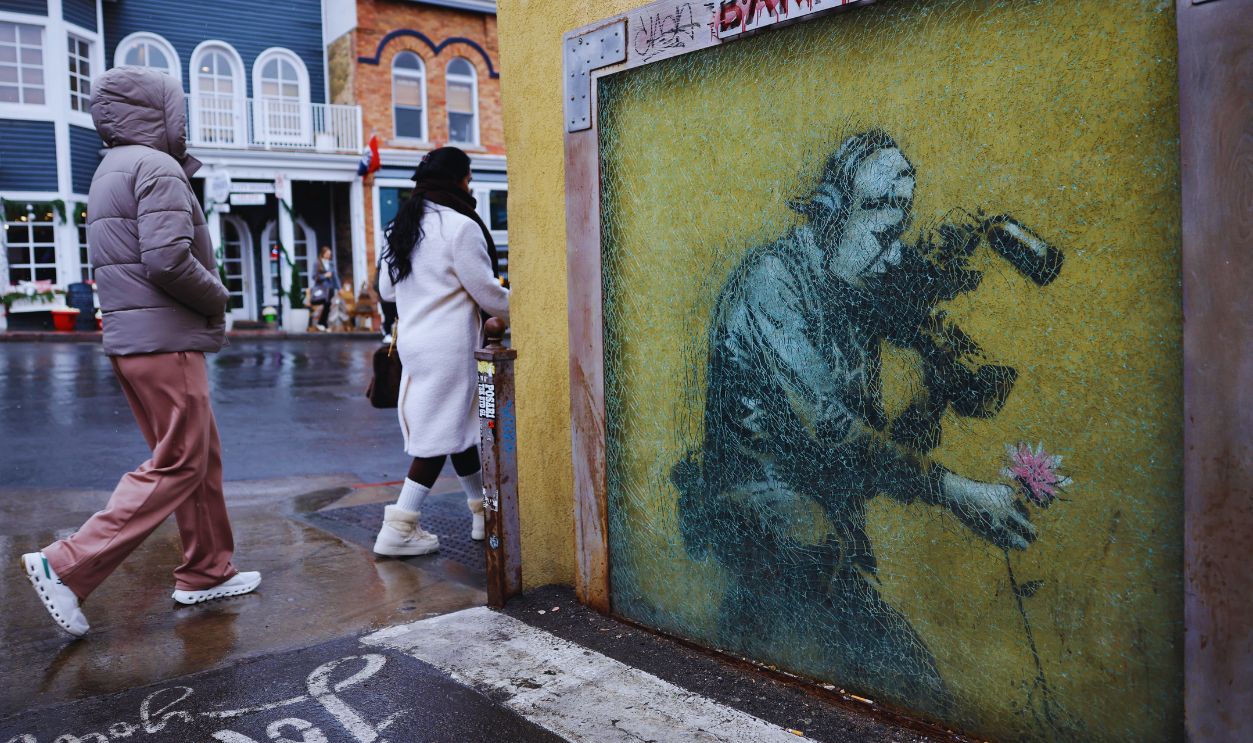
The Art Market Took Notice
What began as rebellious street art soon entered the mainstream art world. Banksy works began selling for huge sums at auction. In some cases collectors even removed entire sections of walls to preserve the murals.
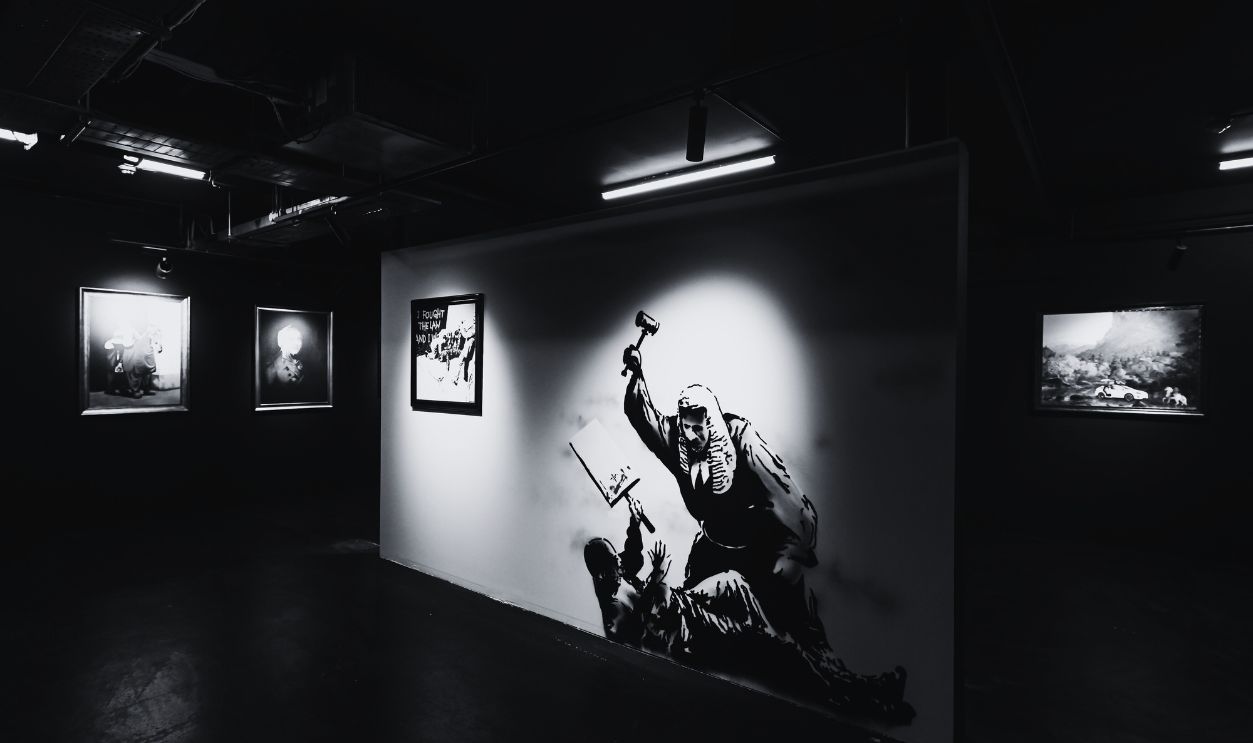
The Self-Shredding Painting
In 2018 Banksy stunned the art world when Girl With Balloon sold at Sotheby’s for more than $1 million—and then partially shredded itself inside the frame moments later. The stunt instantly became one of the most talked-about events in modern art.
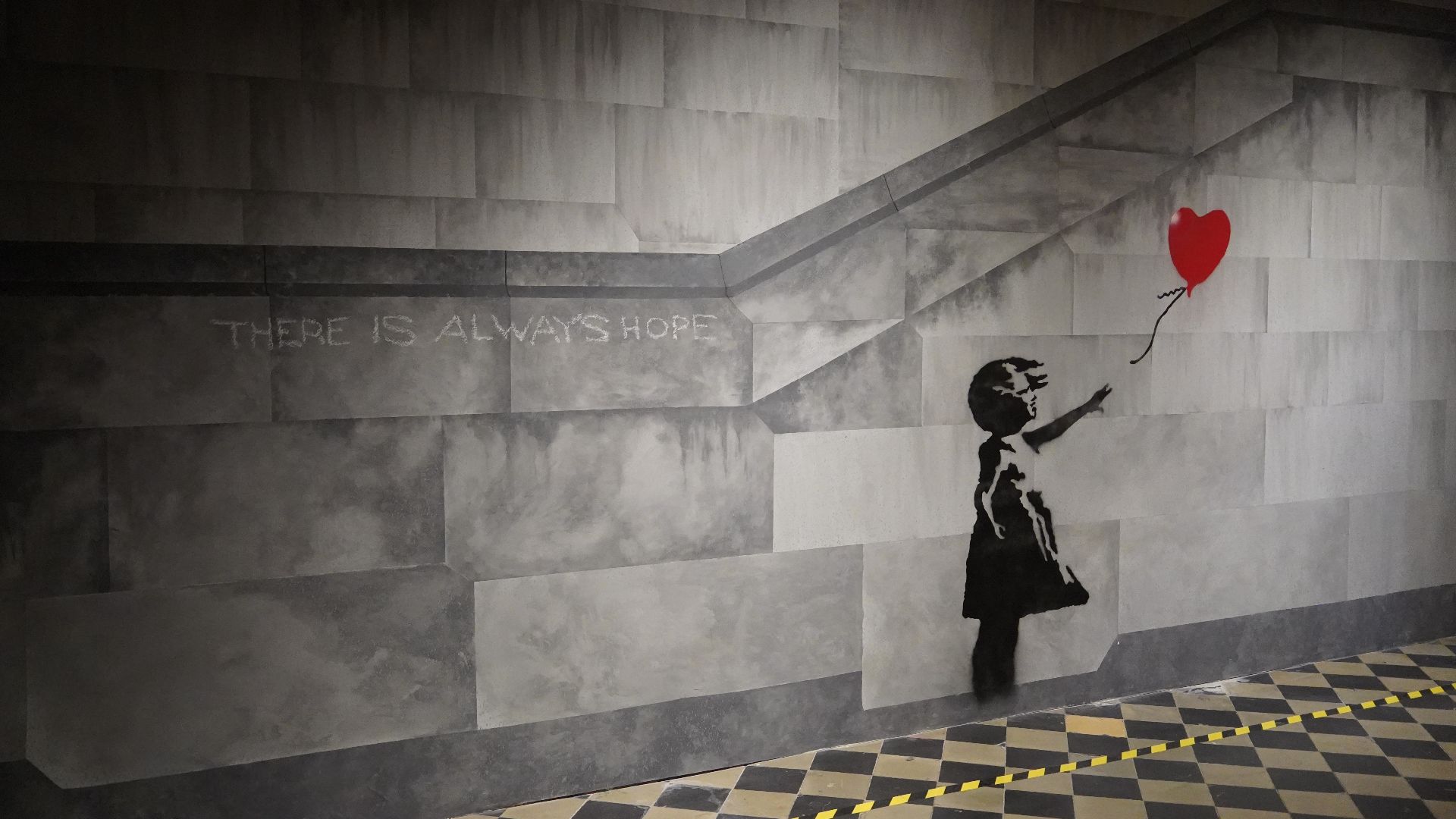 Miguel Discart, Wikimedia Commons
Banksy’s Lawyer Responded
After the Reuters investigation was published, Banksy’s longtime lawyer Mark Stephens pushed back on parts of the report. He said Banksy does not accept that many of the details contained in the investigation and warned that exposing the artist’s identity could invade privacy and potentially put him at risk.
Banksy Himself Stayed Silent
Reuters said it presented its findings directly to the man it identified as Banksy, but he did not respond. Pest Control—the office that serves as Banksy’s official contact point and authenticates his work—also declined to confirm the identity, saying only that the artist had decided to say nothing.
Former Insiders Added To The Mystery
Banksy’s former manager Steve Lazarides also offered a cryptic comment when the name Robin Gunningham resurfaced. He suggested the identity people were discussing had essentially been killed years ago—fueling speculation about the reported name change.
Investigators Have Tried Before
The Reuters report wasn’t the first attempt to solve the mystery. Over the years journalists, researchers, and even academics have tried to identify Banksy using different methods—from interviews to analyzing mural locations.
The Geographic Profiling Study
A study from researchers at Queen Mary University of London analyzed where Banksy’s works appeared. Using geographic profiling techniques often used in criminal investigations, researchers found many pieces clustered near places associated with Robin Gunningham.
Some Believe Banksy Is A Group
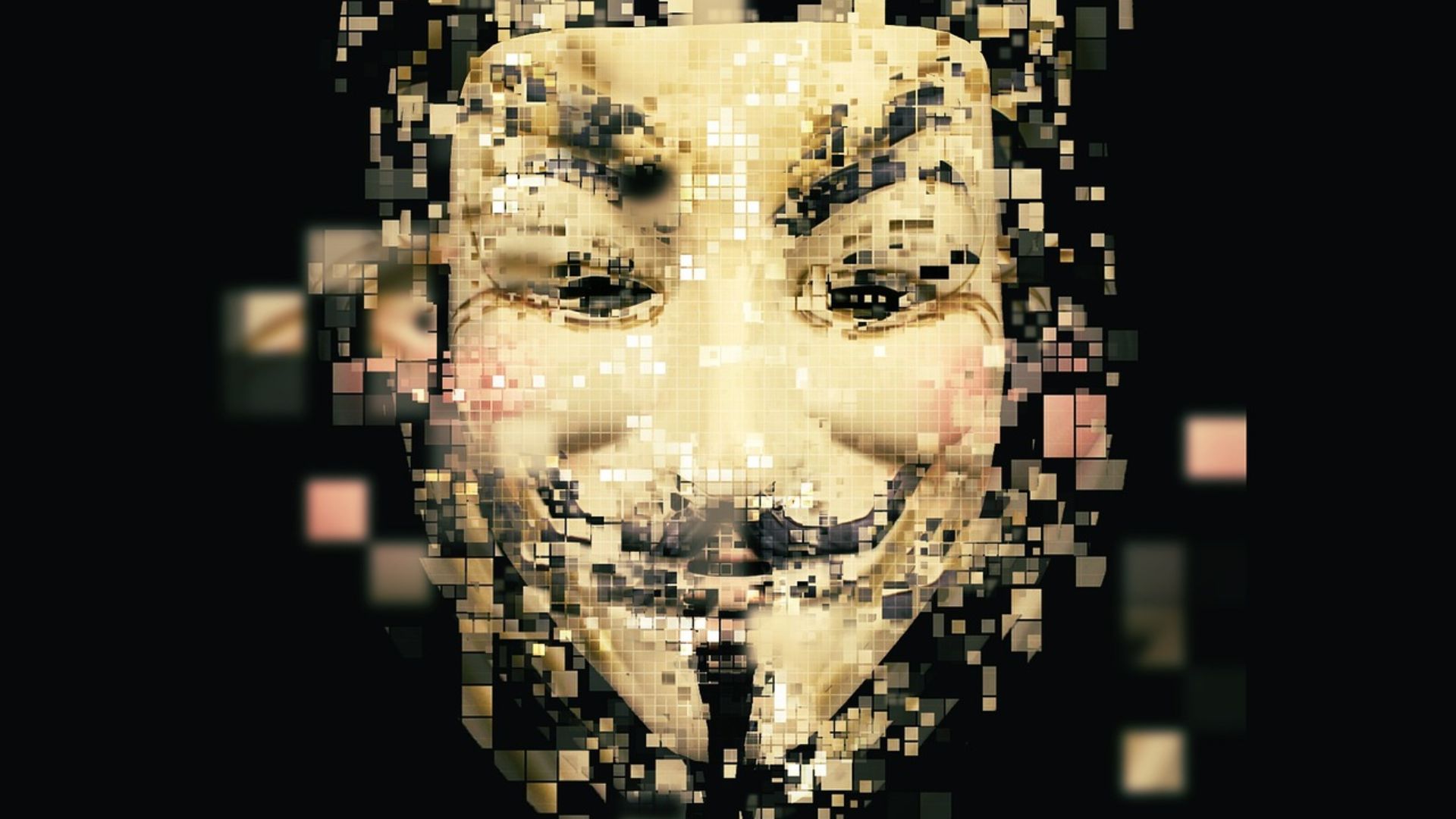
Despite the evidence pointing toward a single person, some still believe Banksy might actually be a collective of artists. The global scale of the projects and the speed at which new works appear sometimes make people suspect a team effort.
Celebrity Identity Theories
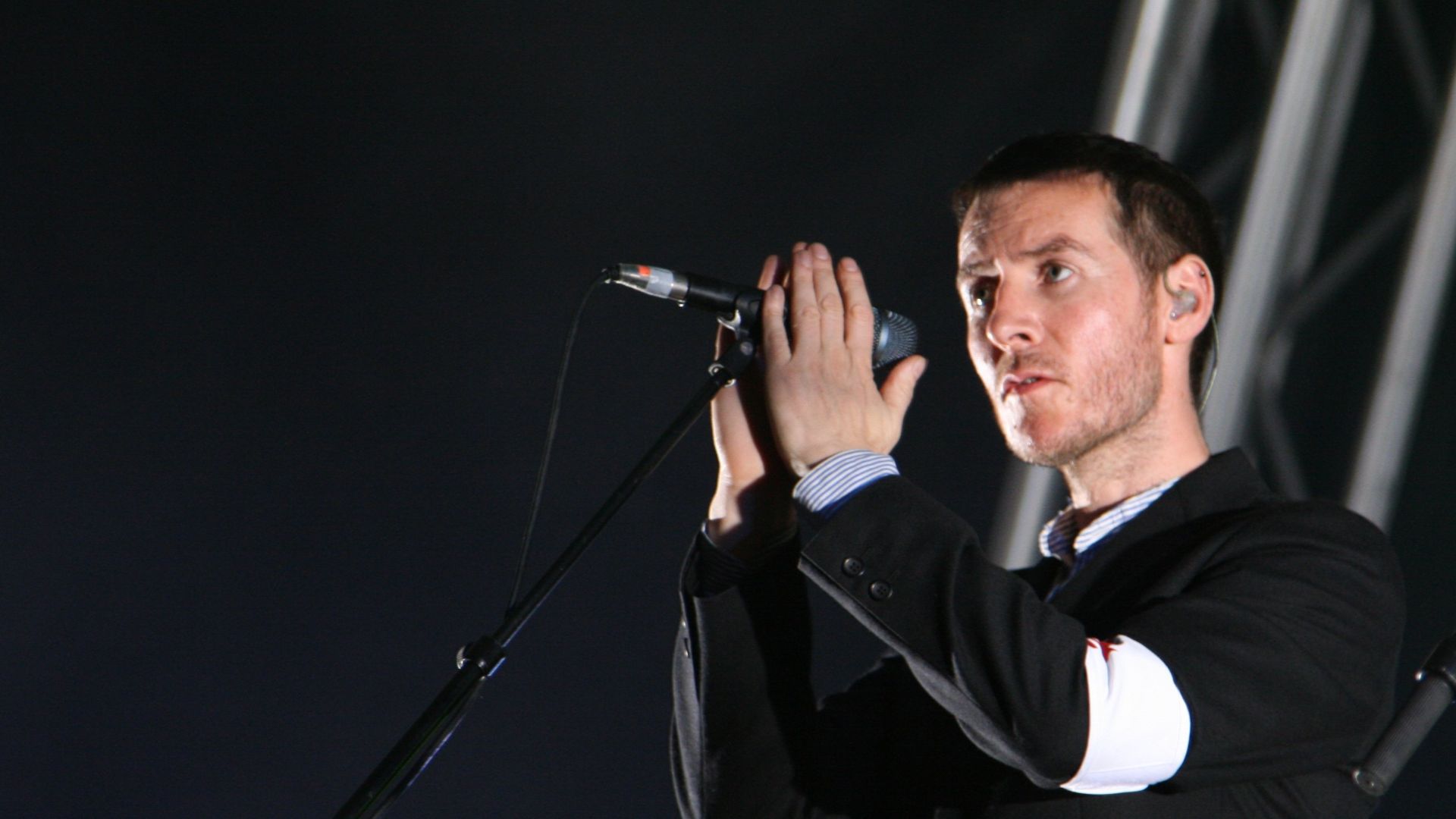
Over the years, speculation even expanded into celebrity territory. One popular theory suggests Massive Attack musician Robert Del Naja could be involved, partly because of his connections to Bristol’s street-art scene.
Banksy Has Always Played With The Mystery
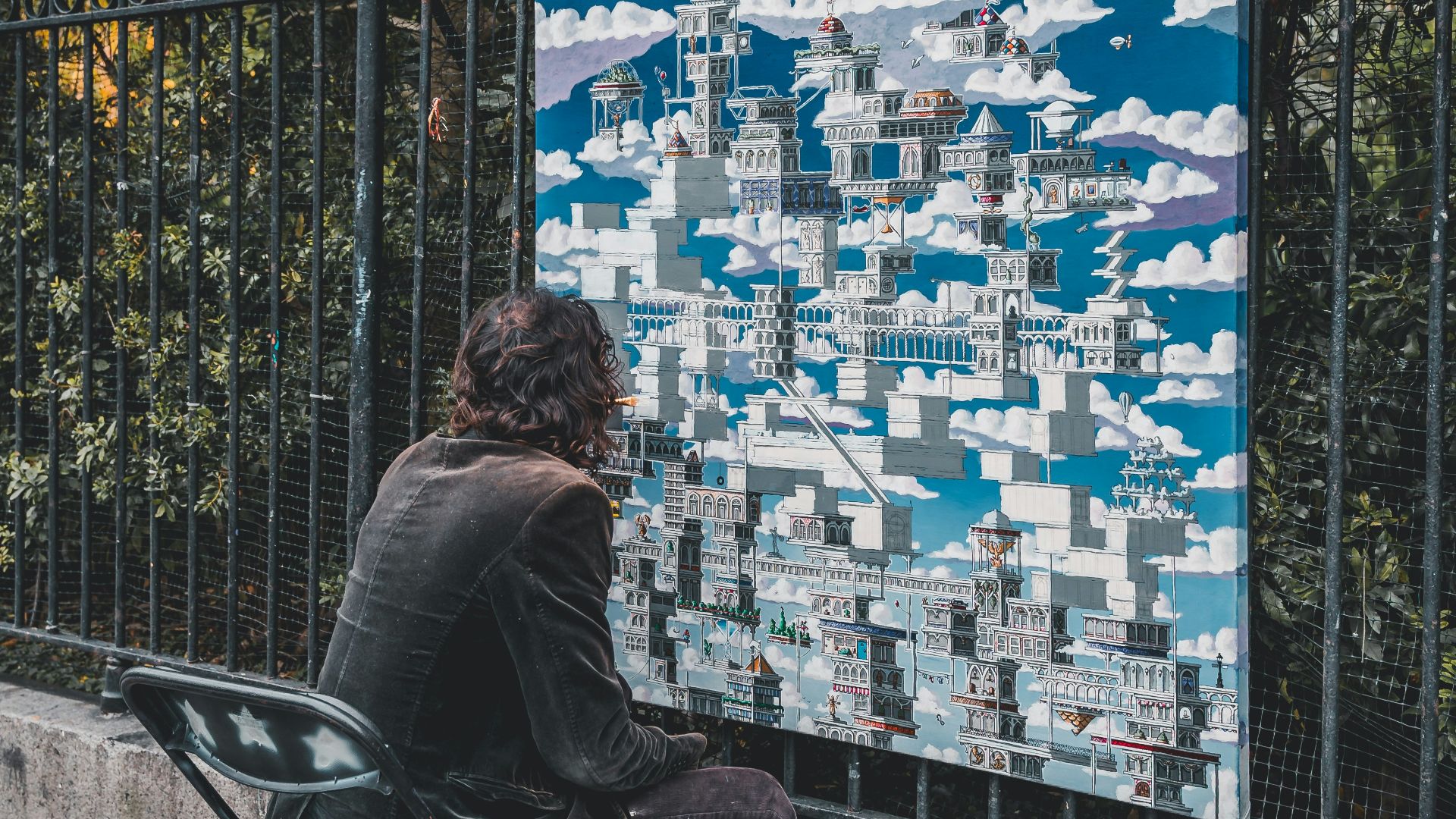
Banksy himself has occasionally teased the mystery. In rare interviews he offered only vague details about his background, describing himself as a working-class artist from Bristol who began painting trains as a teenager.
The Legal Risk Is Complicated
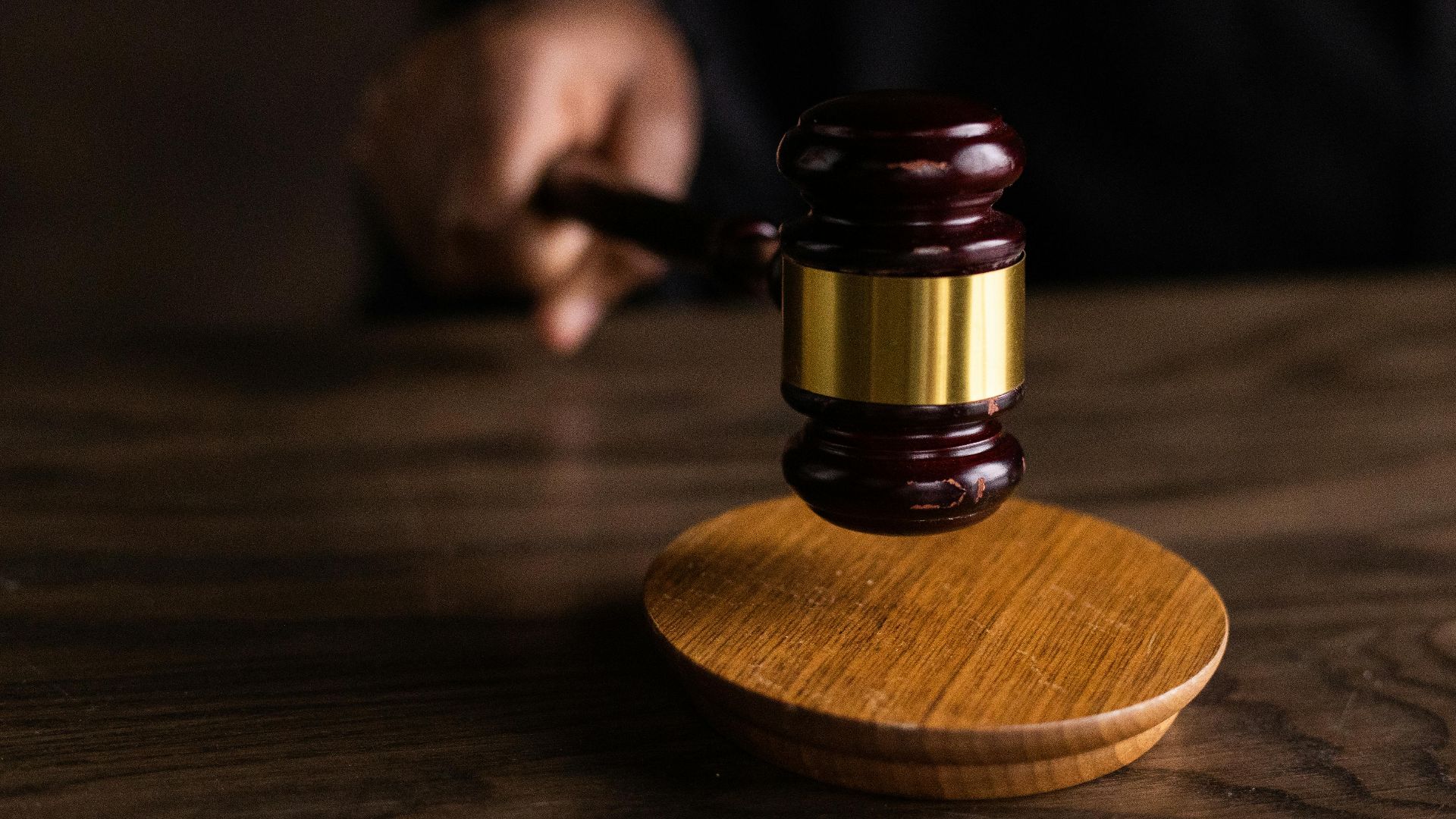
Even if Banksy’s identity were officially confirmed, legal consequences would likely be complicated rather than automatic. Some older graffiti incidents would be far too old to pursue, though the UK does not have a single blanket statute of limitations covering every possible criminal damage offense.
What The Investigation Could Change
Even if the Reuters investigation is accurate, it may not dramatically change Banksy’s future. The artist has operated through teams, collaborators, and official organizations like Pest Control for years—meaning the creative operation behind Banksy could easily continue regardless of the identity debate.
The Mystery Might Survive Anyway
Banksy’s identity has been revealed several times over the past two decades, yet the artist has never confirmed it. Because of that, the legend may continue even if many people believe they know who he is. In a strange way, the mystery has become part of the artwork itself.
Could Banksy Reinvent The Mystery Again?
Banksy has always treated anonymity as part of the art itself. If the identity becomes too widely accepted, the artist could easily reshape the story—by working through collaborators, creating new personas, or turning the reveal itself into another piece of performance art.
The Irony Of Banksy’s Future
Ironically, a major investigation could actually strengthen Banksy’s influence. The publicity only adds to the mythology surrounding the artist, and collectors often value the work even more during moments like this. In other words, the mystery may still be Banksy’s greatest creation.
You Might Also Like:
Great 70s TV Shows That Were Canceled Way Too Soon—How Many Do You Remember?

.jpg)