Mayberry Kept Its Secrets
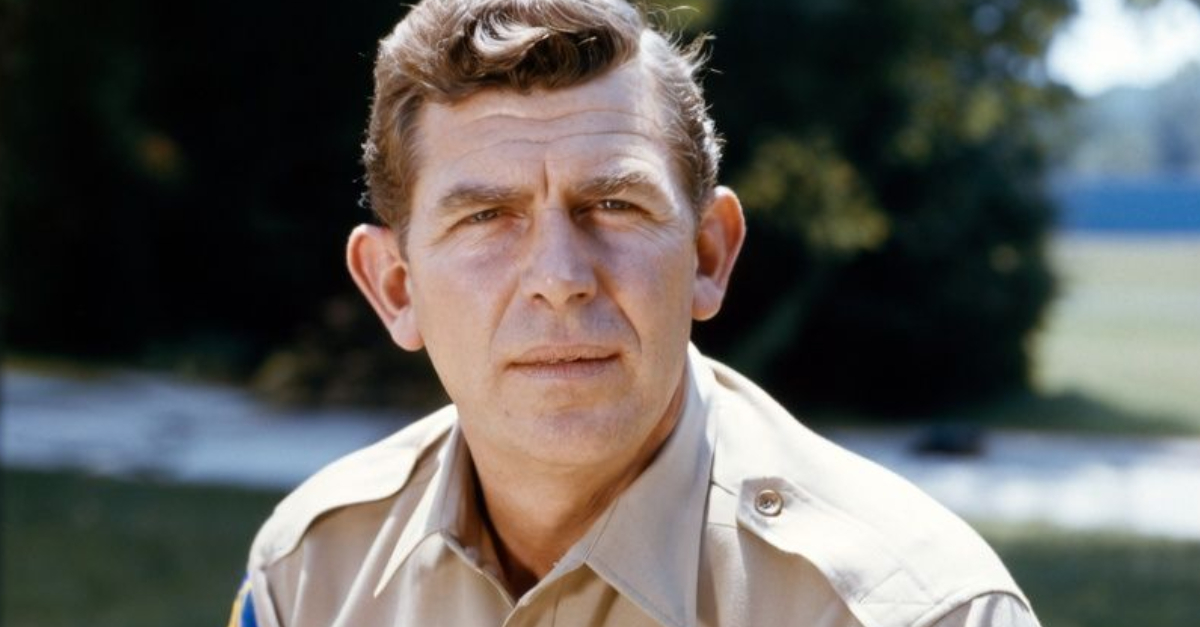
For eight seasons, Andy Griffith made Mayberry feel like the safest place in America. Sheriff Taylor was patient, decent and almost impossible to rattle—the kind of man viewers trusted before he even opened his mouth. But away from the cameras, well...that was a different story.
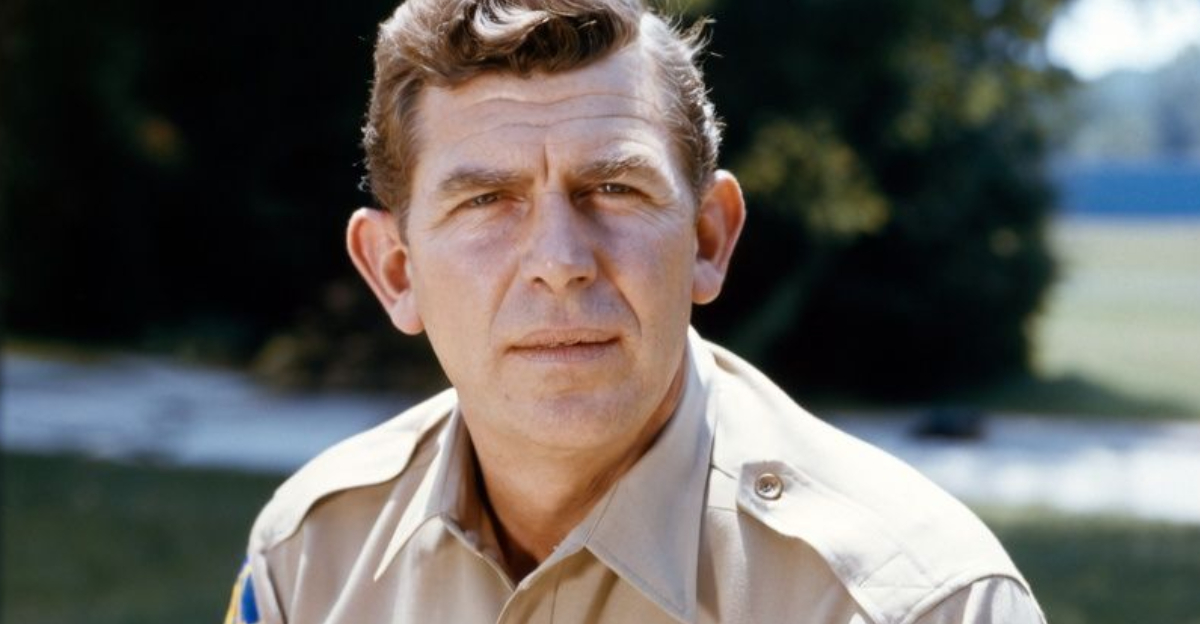 Silver Screen Collection, Getty Images
Sheriff Taylor Was The Second Draft
When Andy Taylor first appeared on The Danny Thomas Show, Griffith played him as a much broader country character. He expected to be the funny one. The calm, sensible sheriff America remembers had not arrived yet—and probably never would have without one extremely nervous deputy.
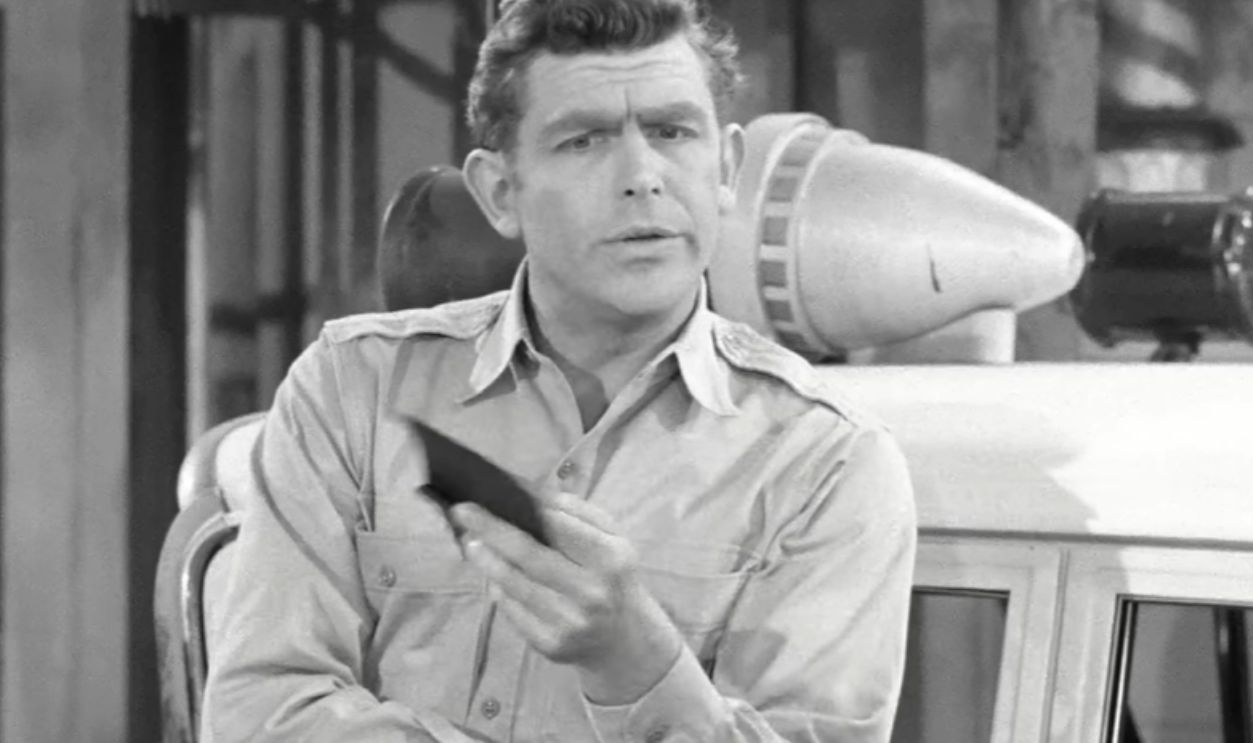 Screenshot from The Danny Thomas Show, ABC (1953–1957)
Then Barney Walked In
Don Knotts heard Griffith was getting his own series and suggested that a small-town sheriff should have a deputy. The chemistry was immediate. By the second episode, Griffith understood that Knotts should get the biggest laughs while Andy Taylor quietly tried to keep Mayberry from falling apart.
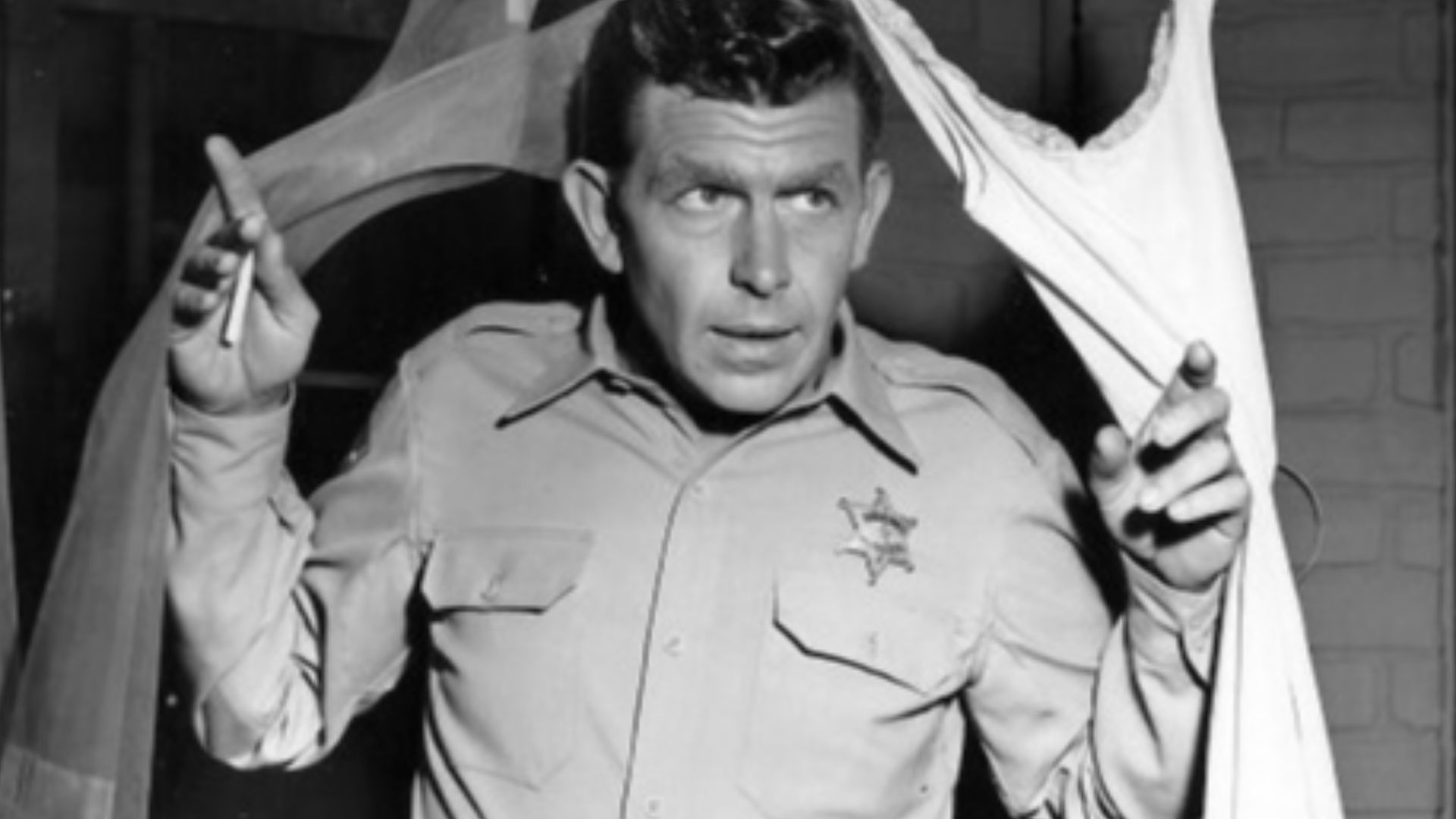 CBS Television, Wikimedia Commons
Andy Gave Away The Laughs
It was a remarkably generous decision for the man whose name was on the show. Griffith deliberately made himself less funny so Knotts, Gomer, Floyd and the other Mayberry characters could shine. But stepping out of the spotlight did not mean he stopped controlling what happened inside it.
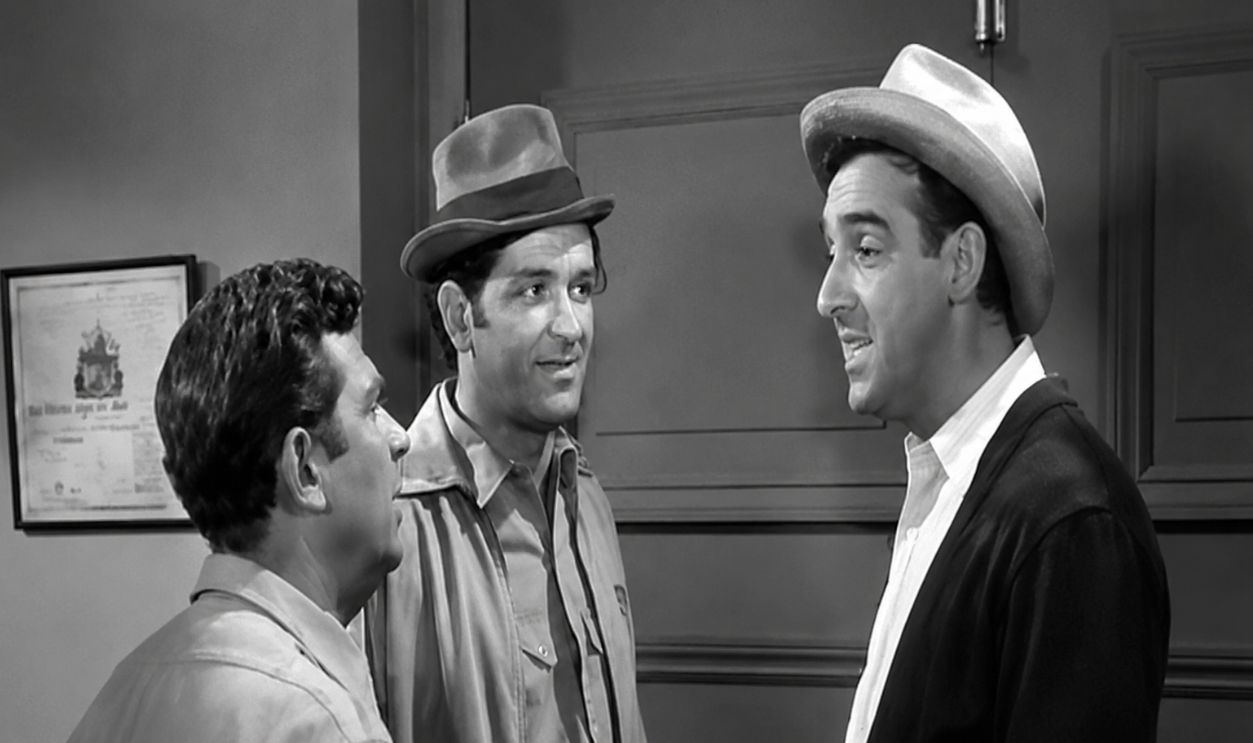 Screenshot from The Andy Griffith Show, Paramount Global (1960-1968), Modified
He Still Ran Mayberry
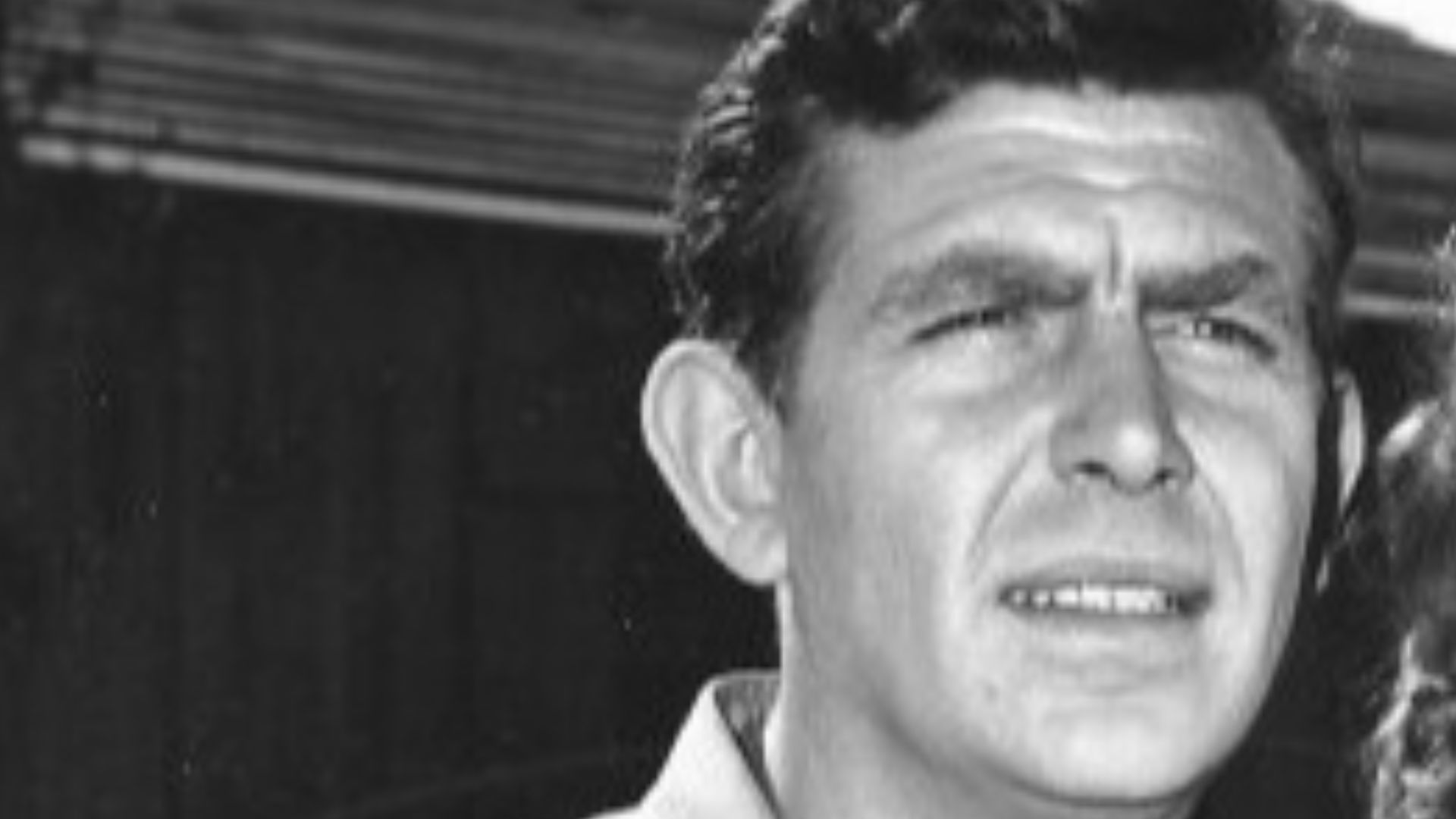
Ron Howard remembered that Griffith established the show’s entire approach to comedy. Griffith shaped the tone, performances and rhythm even when someone else was officially directing or writing. Sheriff Taylor let people find their own way. The actor playing him was considerably less likely to leave things to chance.
 CBS Television, Wikimedia Commons
Every Script Had To Survive Andy
Griffith never received a writing credit on The Andy Griffith Show, but he worked closely on the development of every script. He helped decide whether jokes felt believable, whether characters behaved properly and whether the dialogue actually sounded like Mayberry. Very little reached the cameras without his fingerprints on it.
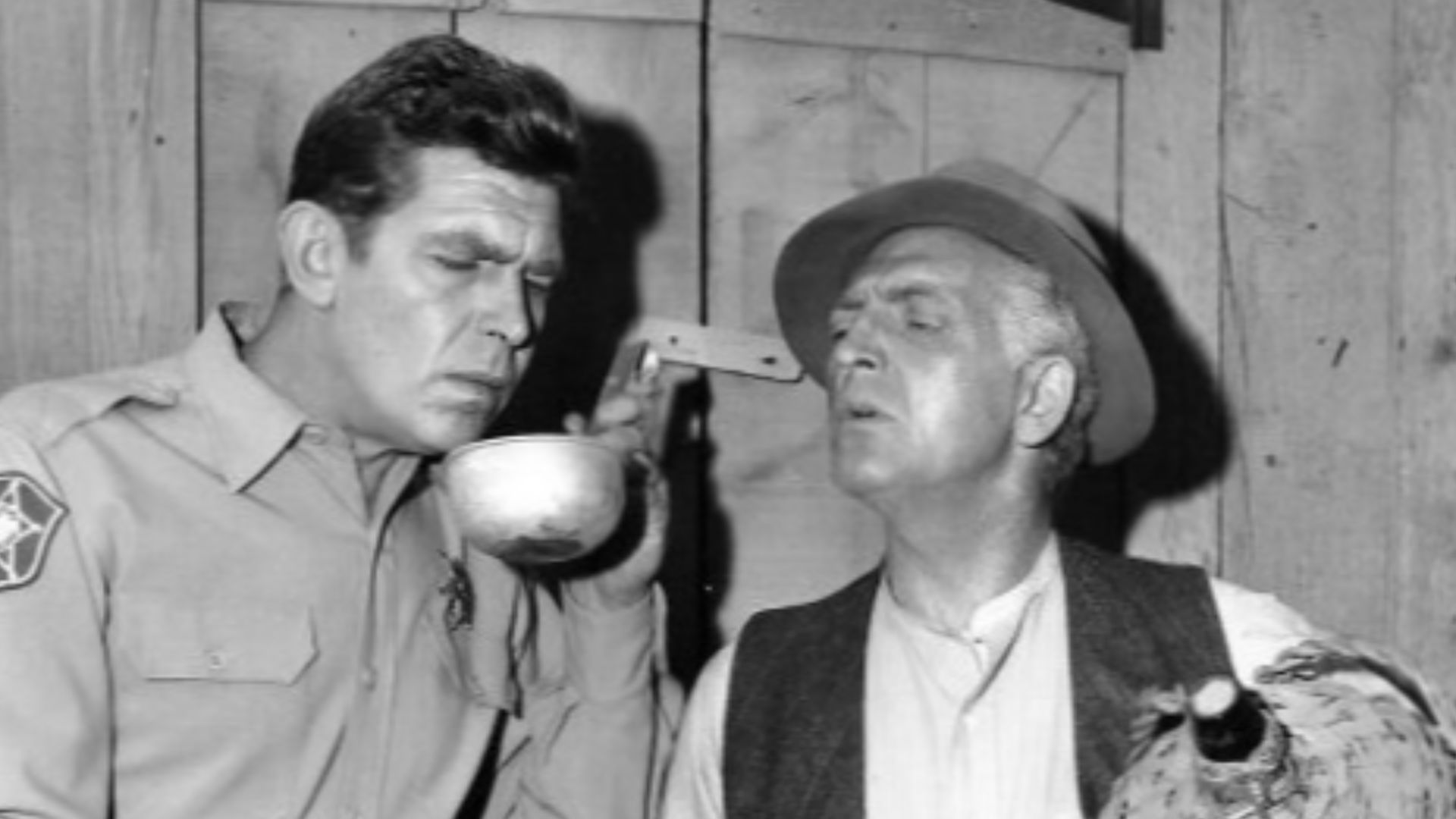 CBS Television, Wikimedia Commons
Mayberry Was Built The Hard Way
Griffith described a production week filled with script work, rehearsals and careful preparation before filming began. The series felt relaxed because an enormous amount of effort went into making it look that way. Nobody was actually spending the week fishing while Aunt Bee packed sandwiches.
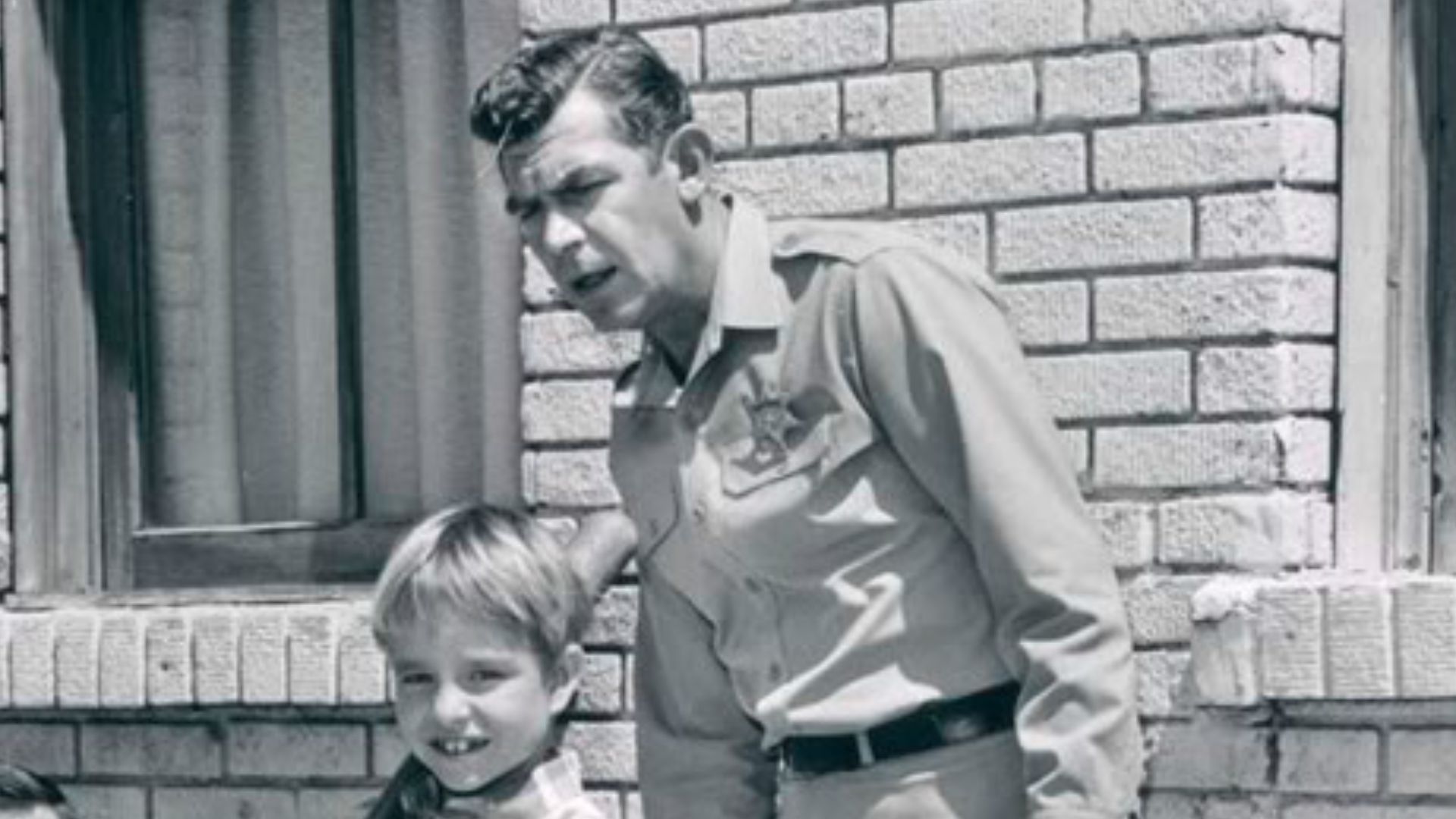 CBS Television, Wikimedia Commons
Andy Taylor Was The Man He Wanted To Be
Griffith understood the difference between himself and his character better than anyone. In a 1964 interview, he admitted that Sheriff Taylor was nicer and more easygoing than he was. Millions of viewers saw an idealized small-town father. Griffith saw the version of himself he could not always manage to become.
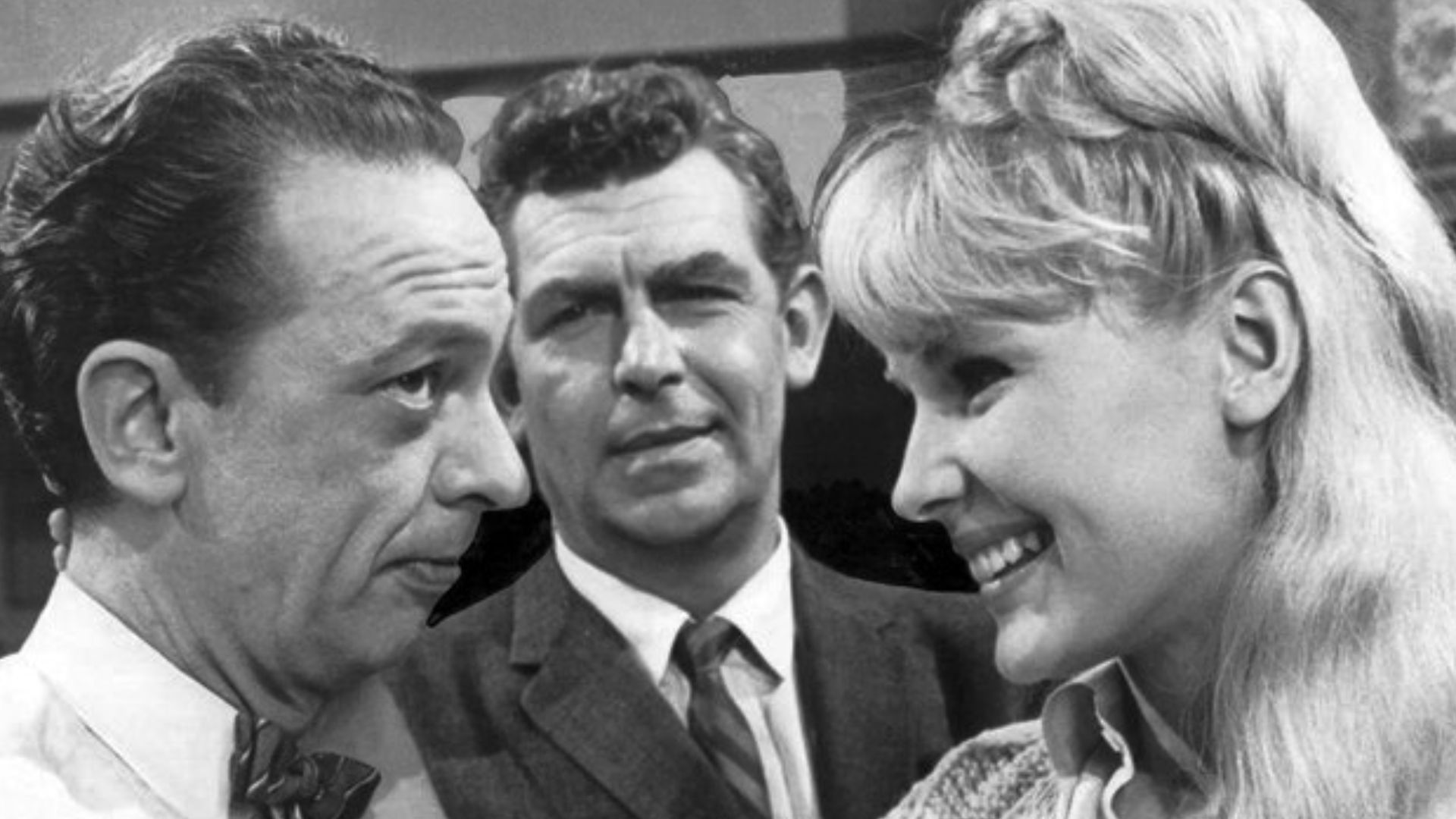
He Got Angry Very Easily
Griffith did not pretend otherwise. “I get awful mad awful easy,” he admitted while the series was still running. That is almost the exact opposite of Sheriff Taylor, who could usually survive Barney’s latest disaster without doing much more than rubbing his forehead and taking a very long breath.
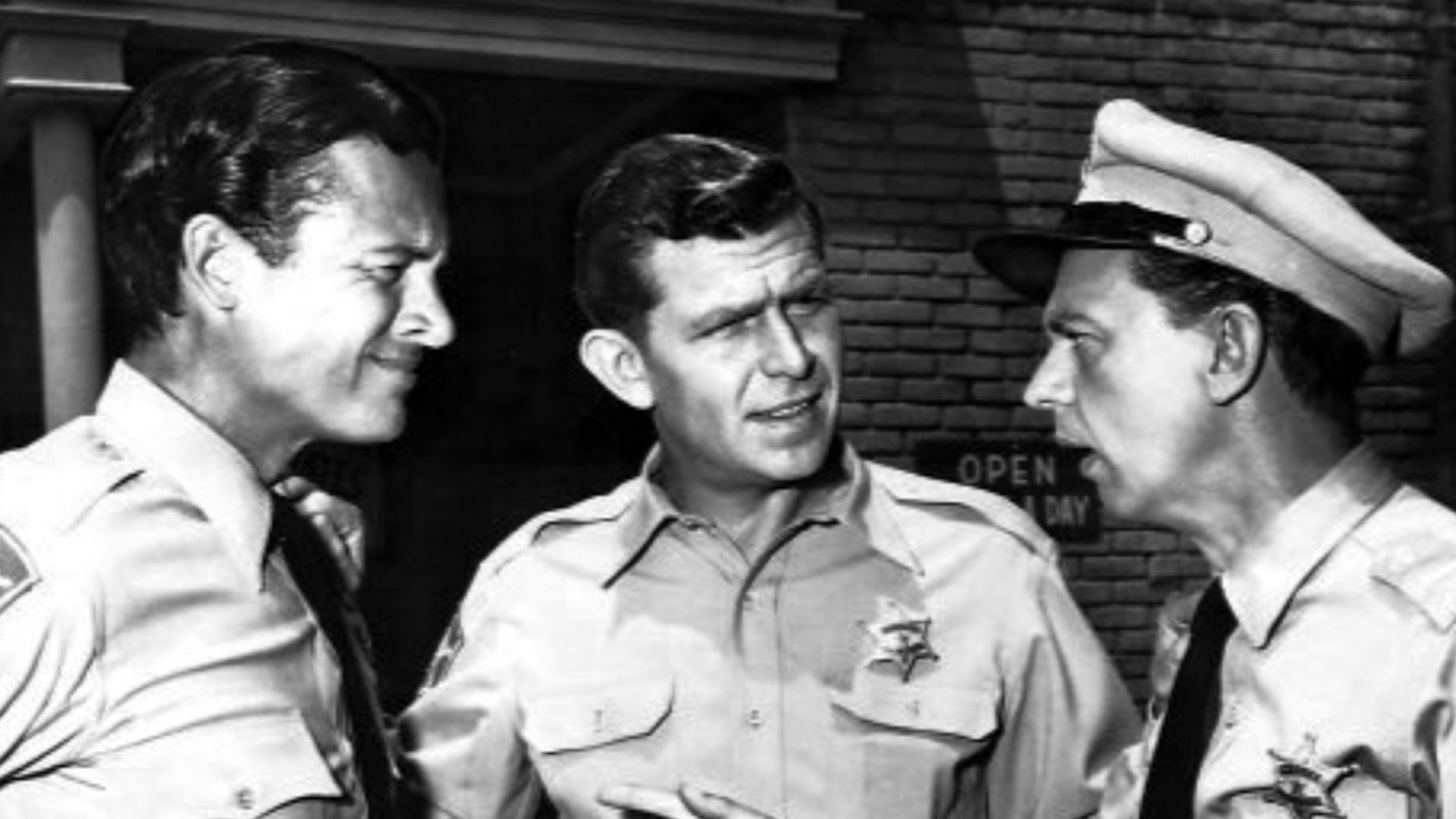 CBS Television, Wikimedia Commons
Then A Wall Got Involved
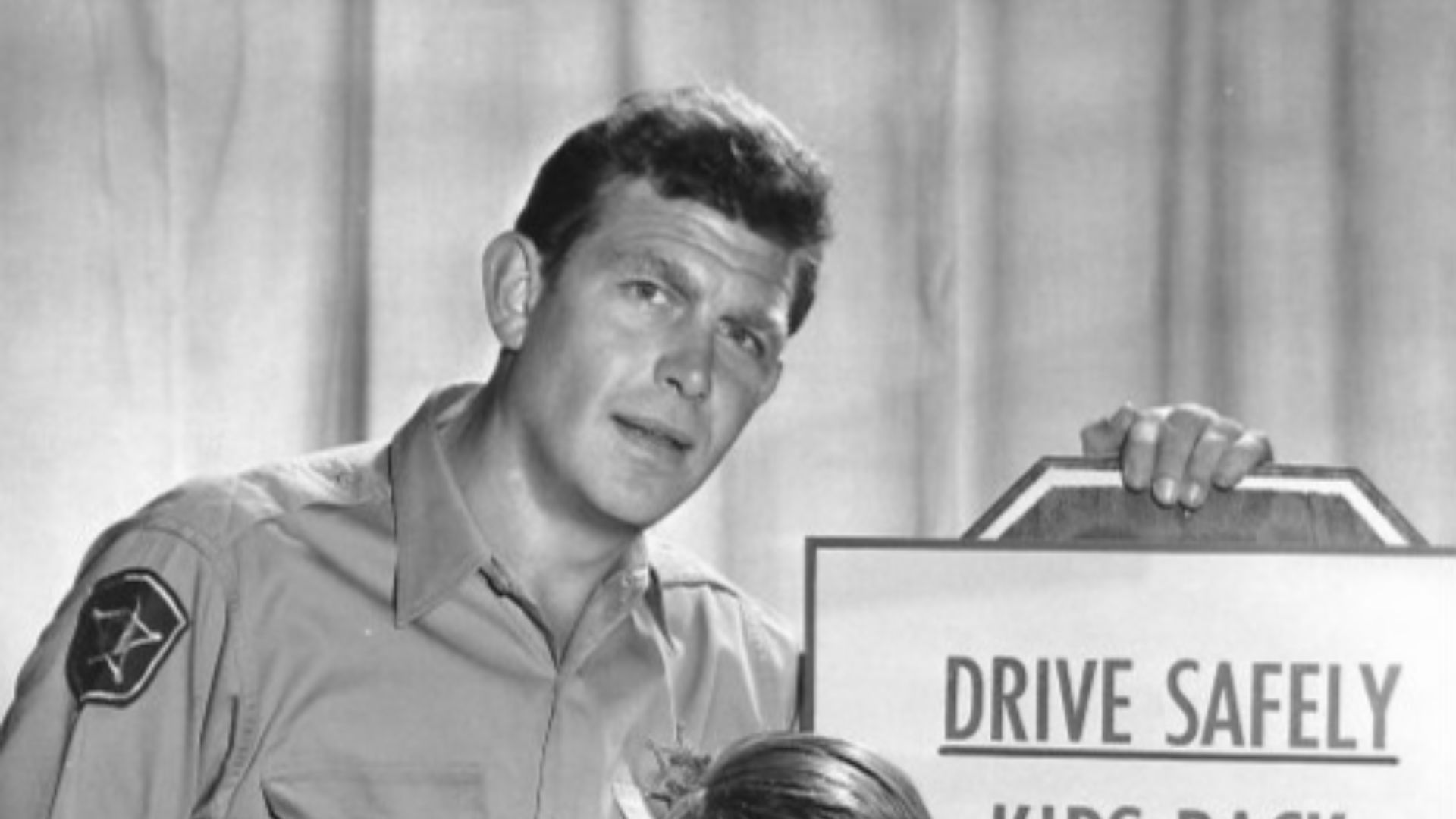
During the show’s second season, Griffith reportedly became so angry that he punched through a wall and injured his hand. Retellings differ over exactly where it happened and how serious the injury was, but the visible result is beyond dispute: Griffith suddenly appeared on television wearing a heavy bandage.
 CBS Television, Wikimedia Commons
Mayberry Gave It A Better Story
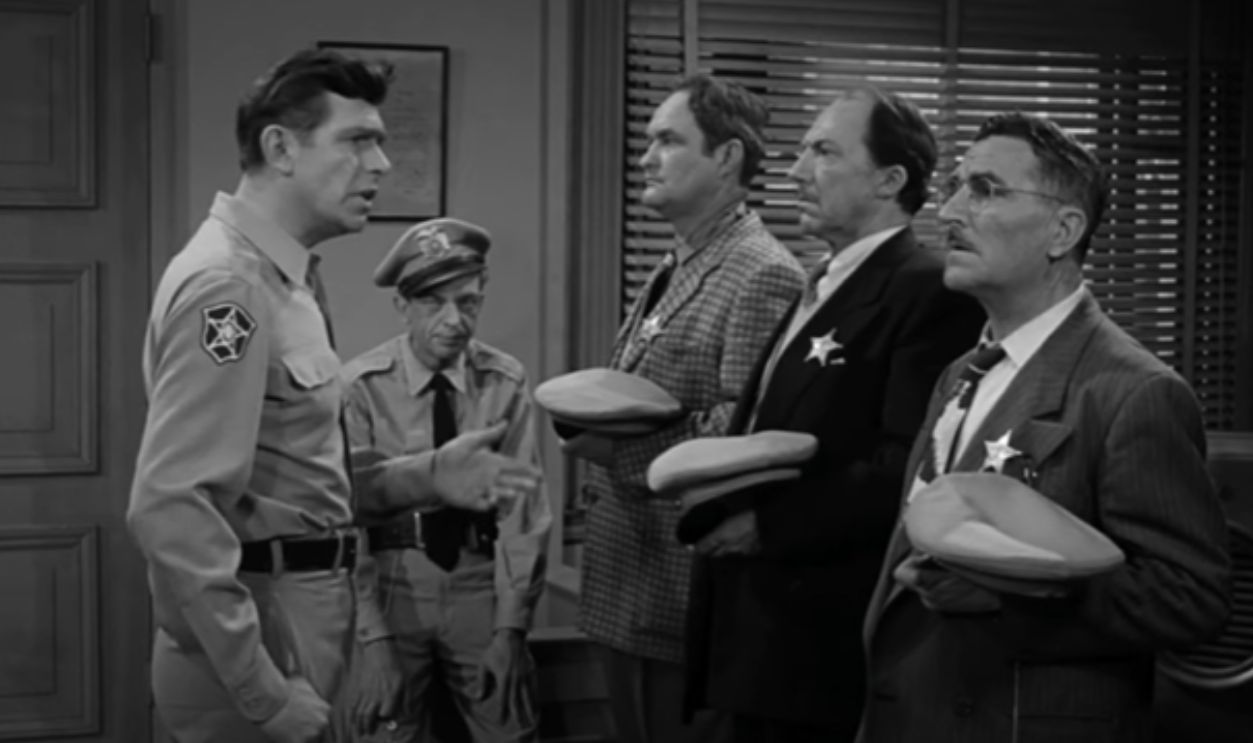
Rather than explain that television’s calmest sheriff had lost an argument with a wall, the show claimed Andy Taylor injured himself while apprehending the four Gordon boys. The bandage appeared in two consecutive episodes. Even Griffith’s temper received a cleaner, considerably more heroic Mayberry rewrite.
 Screenshot from The Andy Griffith Show, CBS (1960–1968)
It Wasn’t Just One Bad Afternoon
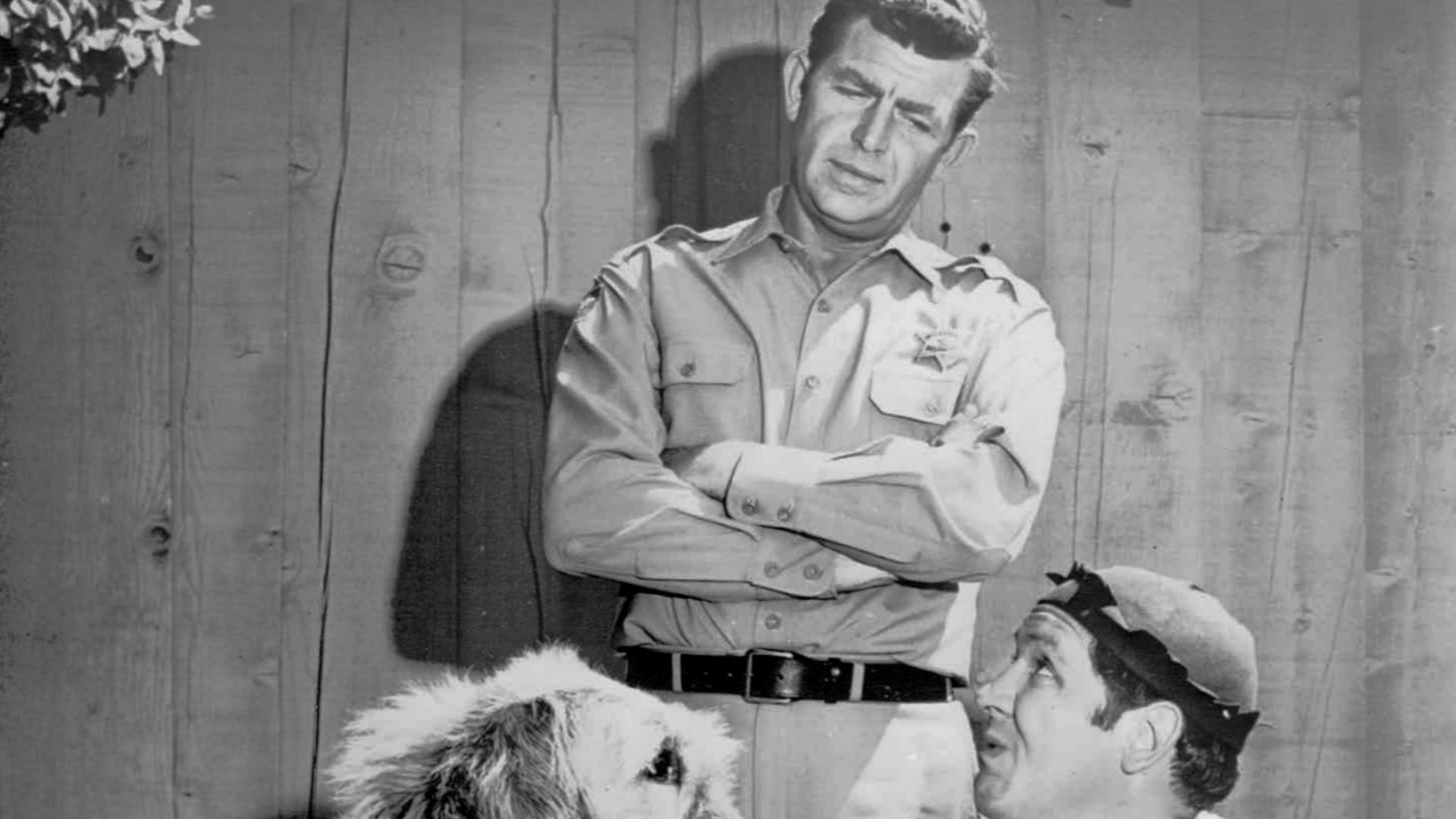
The wall story is memorable because it left something the cameras could not hide. But Griffith’s own comments suggest the temper was not some completely isolated event. He knew anger could surface at work and at home—and knew the man viewers trusted every week handled frustration far better than he did.
 CBS Television, Wikimedia Commons
Replacing Barney Was Nearly Impossible
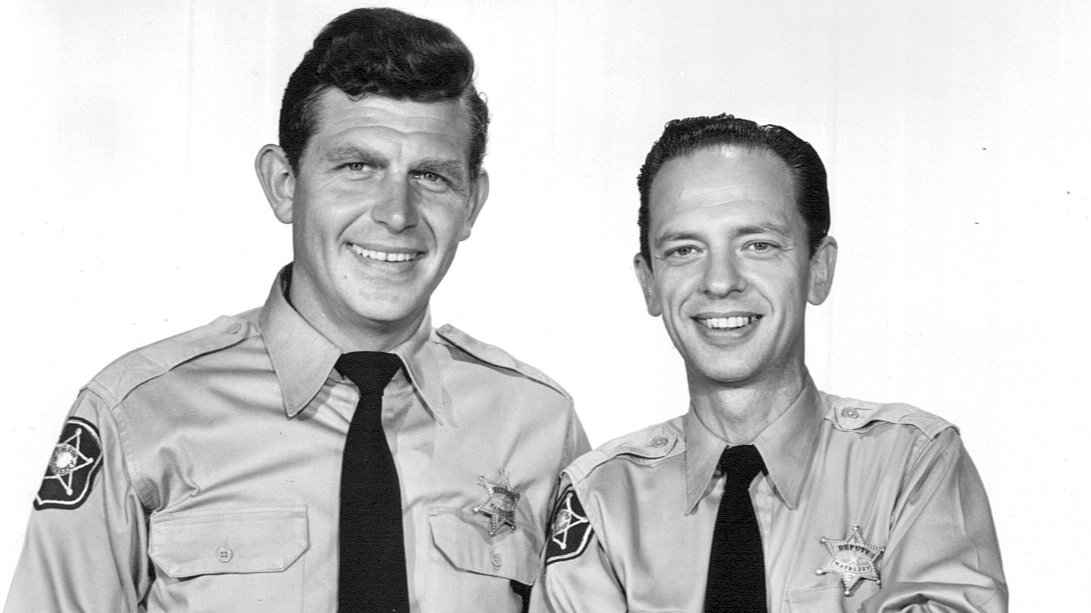
When Knotts left after the fifth season, comedian Jack Burns arrived as Deputy Warren Ferguson. Burns was walking into a job no actor could reasonably win. Viewers did not want a new deputy. They wanted Barney—and Griffith soon became deeply uncomfortable with what the show had created.
 Rogers & Cowan, Beverly Hills-publicity agency, Wikimedia Commons
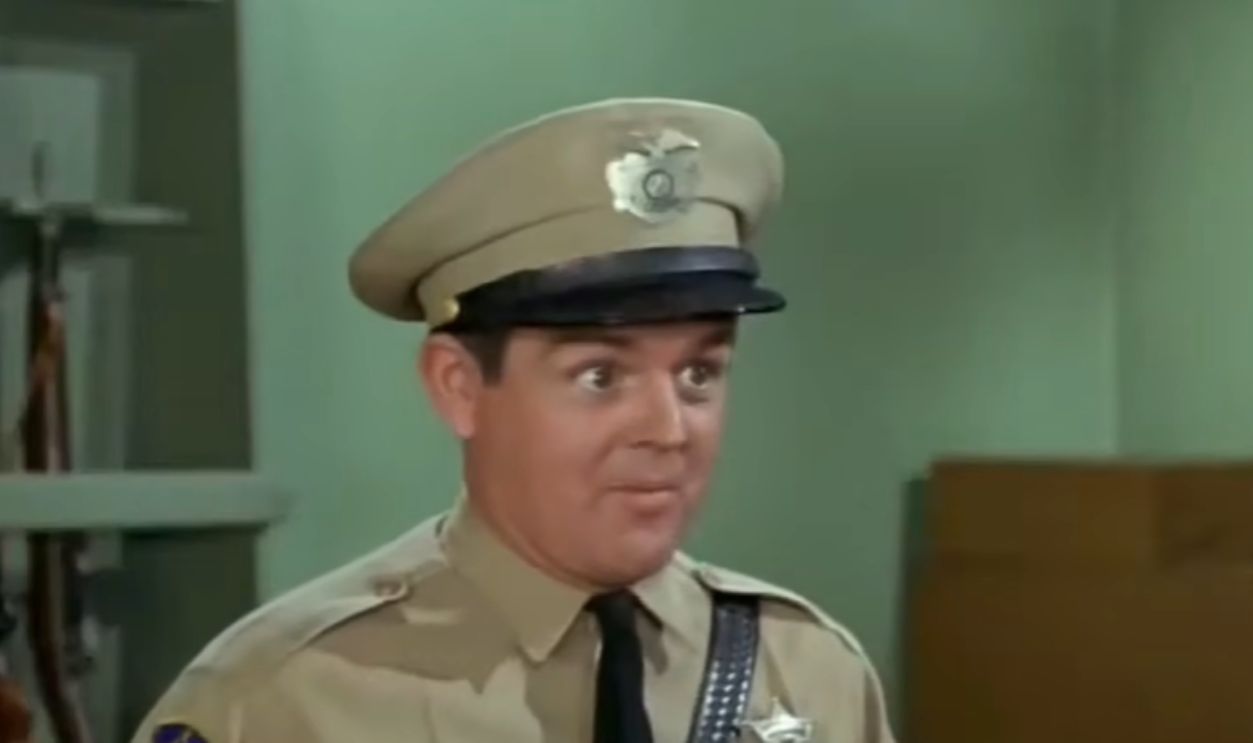
Warren Lasted Just 11 Episodes
Burns appeared in only 11 episodes before the character abruptly disappeared. Warren was not given an emotional farewell or even a proper explanation. One week, he was working beside Andy. Then he was simply gone, as though Mayberry had collectively decided never to mention the new deputy again.
 Screenshot from The Andy Griffith Show, CBS (1960–1968)
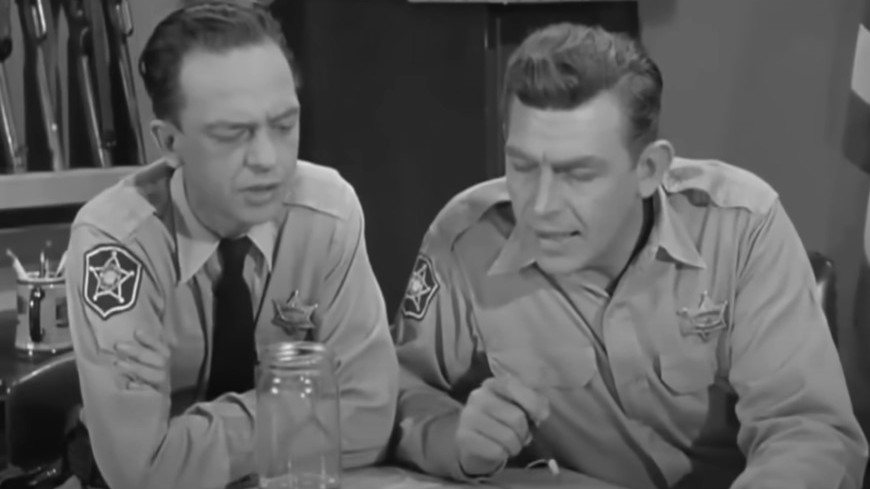
Andy Said Burns Wasn’t The Problem
Years later, Griffith accepted responsibility. He said the production had been uncomfortable trying to replace Knotts and acknowledged, “It wasn’t Jack’s fault, it was our fault.” Burns had been handed an impossible part—and then paid for everyone else’s mistake.
 Screenshot from The Andy Griffith Show, Paramount Global (1960-1968)
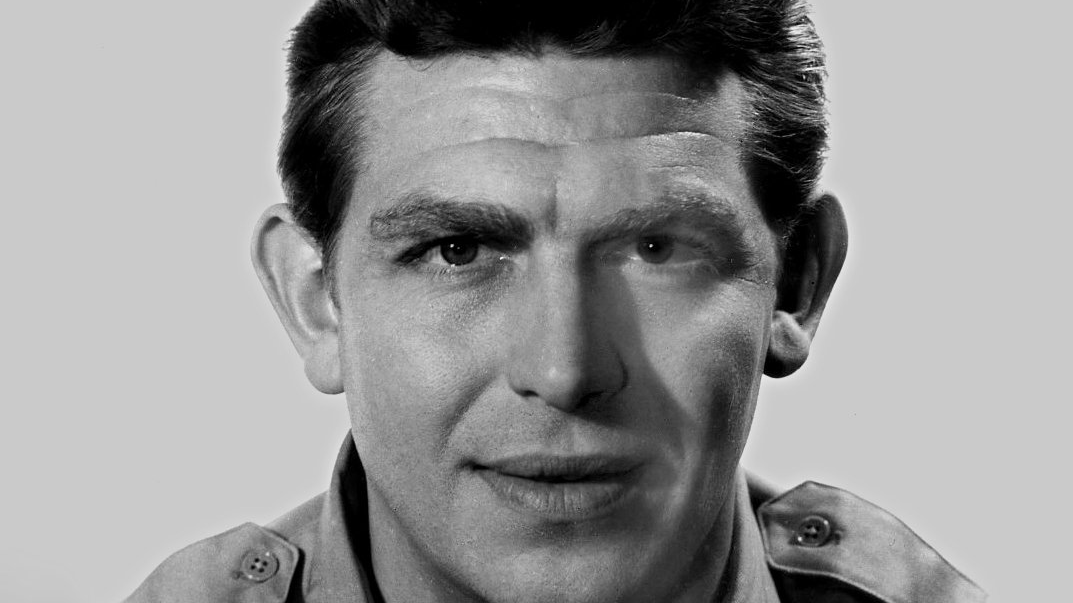
Then Andy Made A Bigger Admission
Griffith explained that when he became uncomfortable, he got “strung out pretty easily.” Then he went even further, admitting that under those conditions he was “hell to be around.” Sheriff Taylor would have calmly worked through the problem. Andy Griffith made everyone around him feel it.
 Avery Willard, Wikimedia Commons
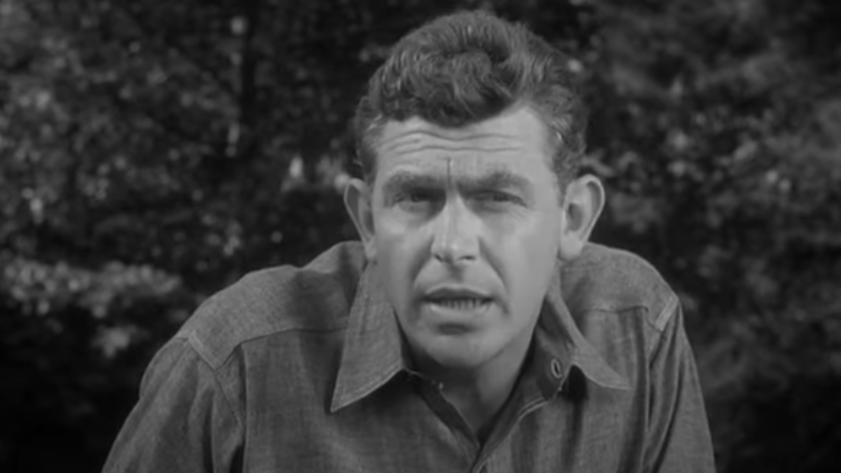
The Decision Came Before Christmas
Griffith said the decision to dismiss Burns was made shortly before Christmas and that Burns would be paid for the rest of the year. His brief Mayberry career was still finished. Nothing says friendly small-town warmth quite like being erased from the sheriff’s office just as the decorations go up.
 Screenshot from The Andy Griffith Show, Paramount Global (1960-1968)
Aunt Bee Didn’t Find Him Easy Either
Frances Bavier created one of television’s warmest family figures, but her relationship with Griffith was often strained. Ron Howard’s father, Rance, believed Griffith carried resentment toward her, and later accounts described a distance that continued long after the series ended. Mayberry’s happiest household required some very good acting.
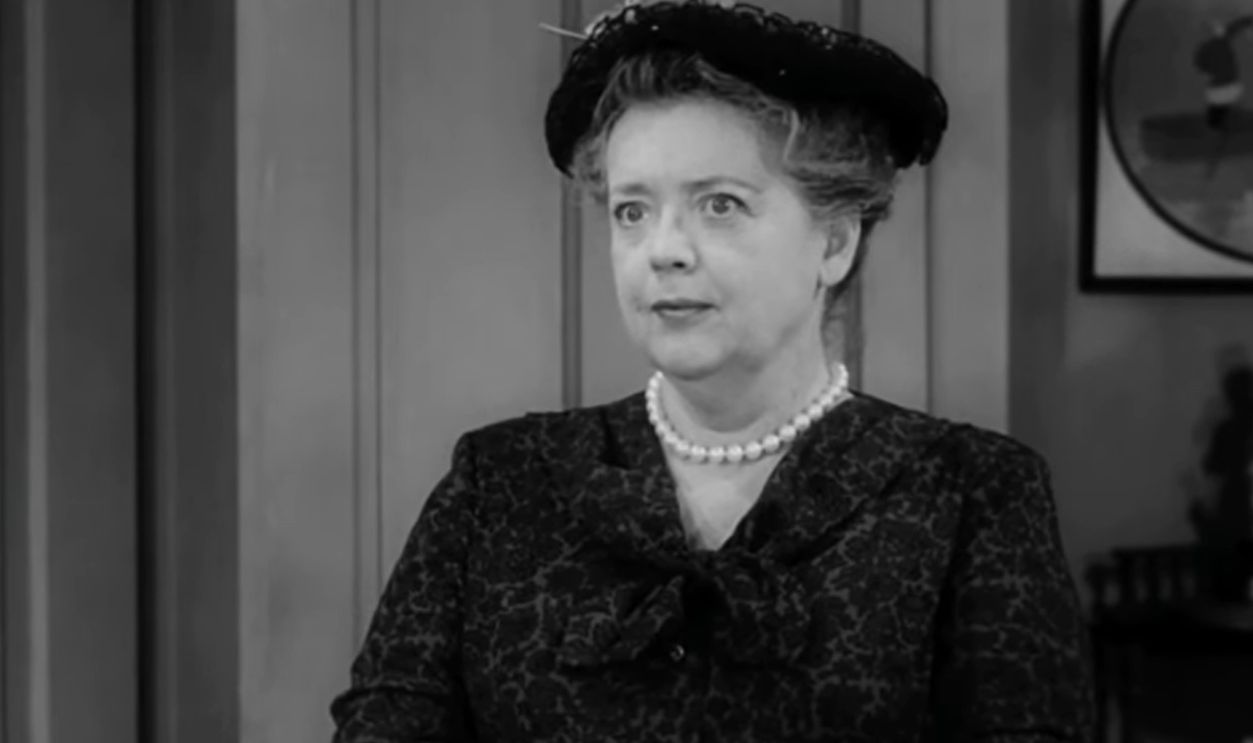 Screenshot from The Andy Griffith Show, CBS (1960–1968)
But Even That Story Was Complicated
Griffith could clash with Bavier and still defend her when it mattered. He recalled Danny Thomas loudly criticizing her performance during an early scene. Worried that the sensitive Bavier would be overwhelmed, Griffith told producer Sheldon Leonard to keep Thomas off their stage. Difficult did not always mean cruel.
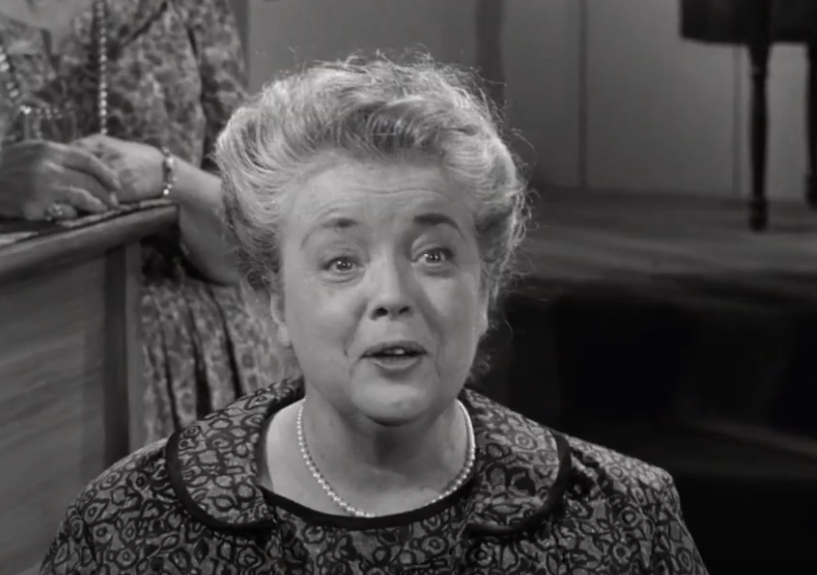 Screenshot from The Andy Griffith Show, CBS (1960–1968)
Helen Crump Wasn’t Just A Television Romance
Aneta Corsaut joined the series as teacher Helen Crump and eventually became Andy Taylor’s longtime girlfriend. According to biographer Daniel de Visé, Corsaut and the married Griffith also became romantically involved away from the cameras. Mayberry’s central romance was far less wholesome once filming stopped.
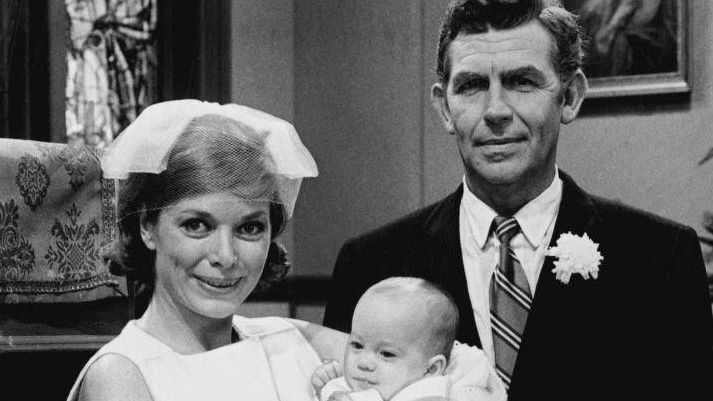 CBS Television, Wikimedia Commons
The Relationship Became Serious
De Visé reported that Griffith eventually proposed to Corsaut. There was one fairly obvious complication: Griffith was still married to his first wife, Barbara Edwards. Sheriff Taylor spent years cautiously deciding whether to settle down. The real Andy apparently tried to settle down before finishing his previous marriage.
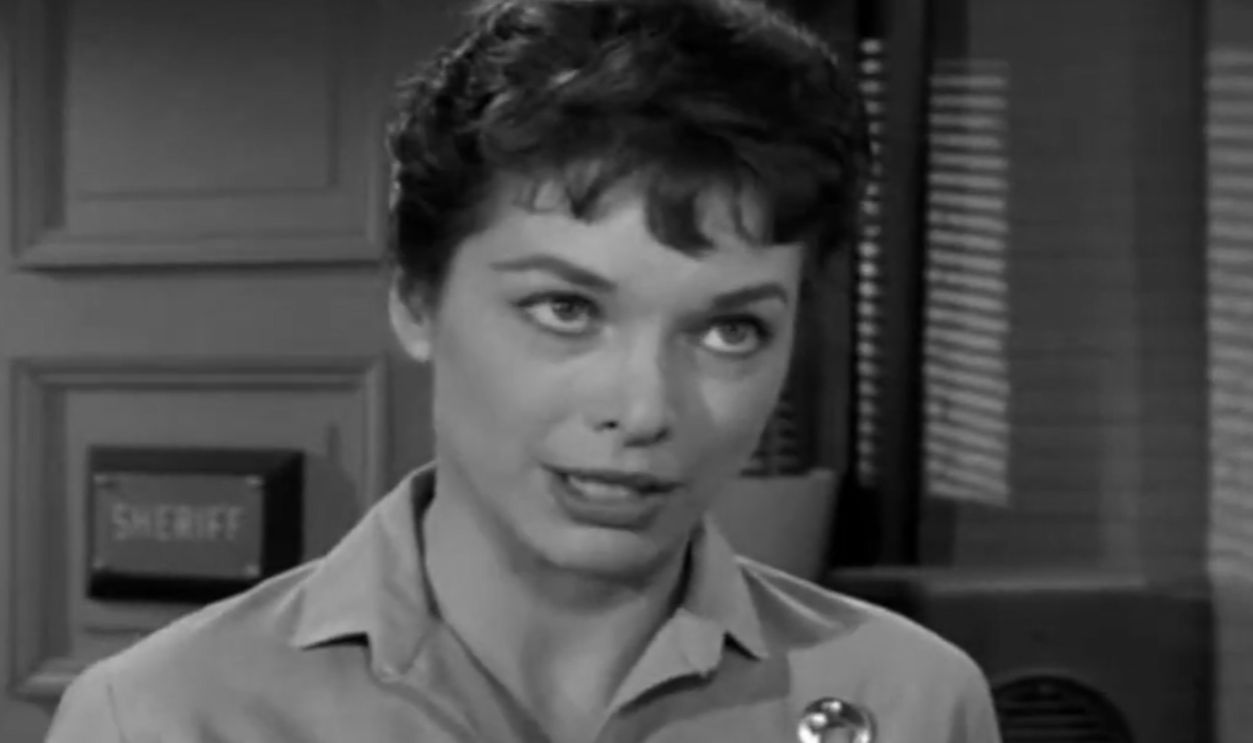 Screenshot from The Andy Griffith Show, CBS (1960–1968)
He Wanted A Darker “Matlock” Too
According to Daniel de Visé, Griffith later pushed for Ben Matlock to have darker flaws, including a drinking problem or a violent temper that might land him in jail. The producers resisted. They knew viewers did not want a troubled Andy Griffith character. They wanted someone they could trust again.
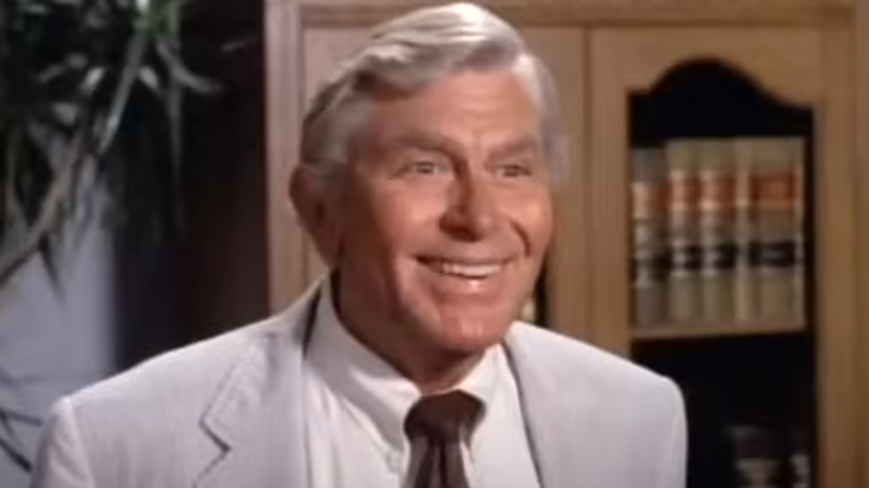 Screenshot from Matlock, NBC (1986–1992)
He Also Reworked The Scripts
Griffith remained closely involved with Matlock, discussing how he improved scripts rather than simply performing whatever arrived. By then, his insistence on shaping every detail was hardly surprising. Andy Griffith did not merely star in television shows. He pushed them toward the version he believed they should become.
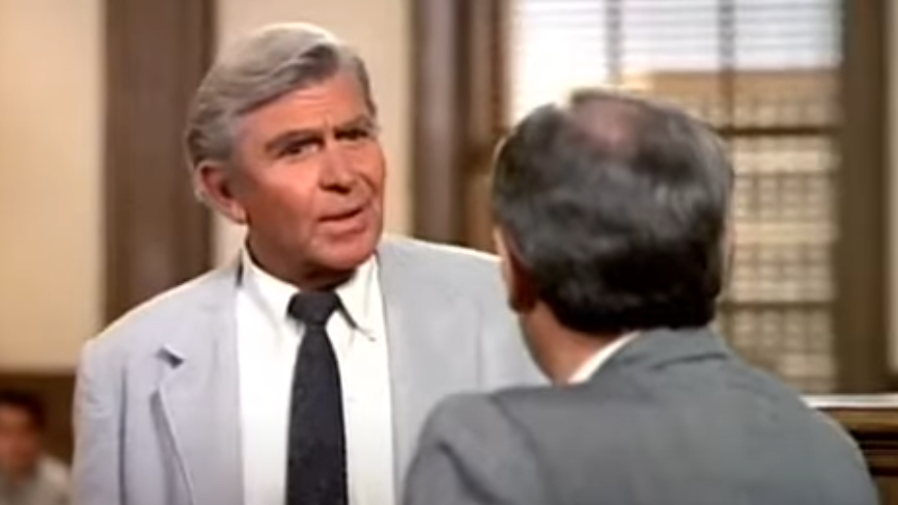 Screenshot from Matlock, NBC (1986–1992)
The Darkest Andy Came Before Mayberry
Three years before becoming Sheriff Taylor, Griffith played Lonesome Rhodes in A Face in the Crowd. Rhodes begins as a charming Southern entertainer and becomes increasingly cruel, manipulative and intoxicated by his own influence. Anyone who thought Griffith could only play gentle had not been paying attention.
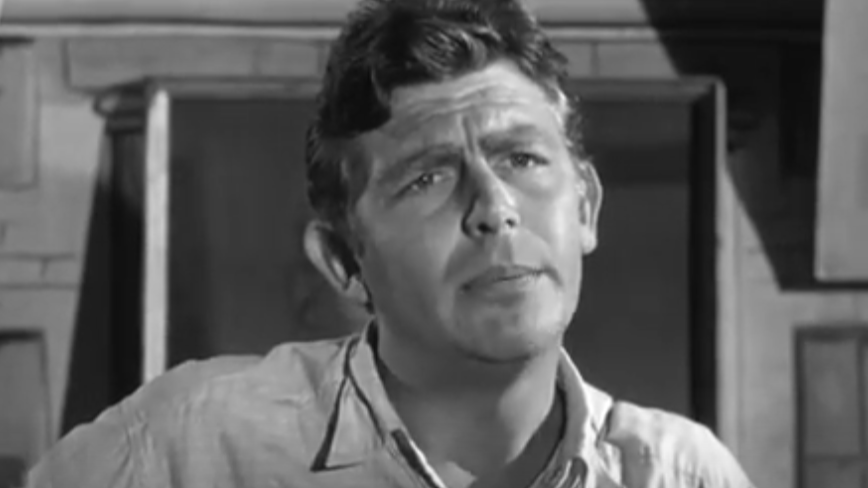 Screenshot from A Face in the Crowd, Warner Bros. Pictures (1957)
Ron Howard Remembered A Different Side
None of this means Griffith terrorized everyone who entered Mayberry. Ron Howard remembered him as a “wonderful uncle” who treated him respectfully and created an atmosphere of “hard work and fun.” Griffith could be intimidating and demanding—but he could also be protective, playful and enormously generous.
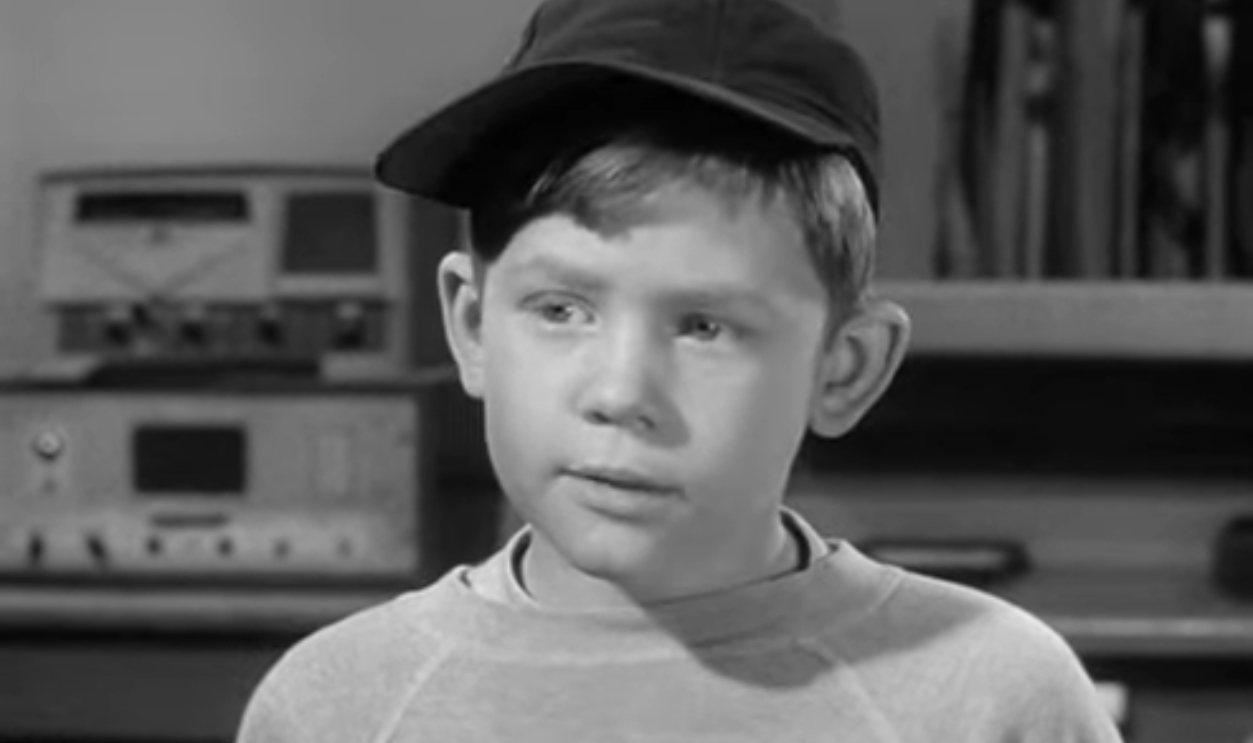 Screenshot from The Andy Griffith Show, CBS (1960–1968)
Don Knotts Never Walked Away From Him
Griffith and Knotts remained close long after Barney left the regular cast. They reunited repeatedly, and Griffith later called the Mayberry years the best of his life. Whatever Griffith’s faults, Knotts knew them better than almost anyone—and still considered their partnership the finest work he ever did.
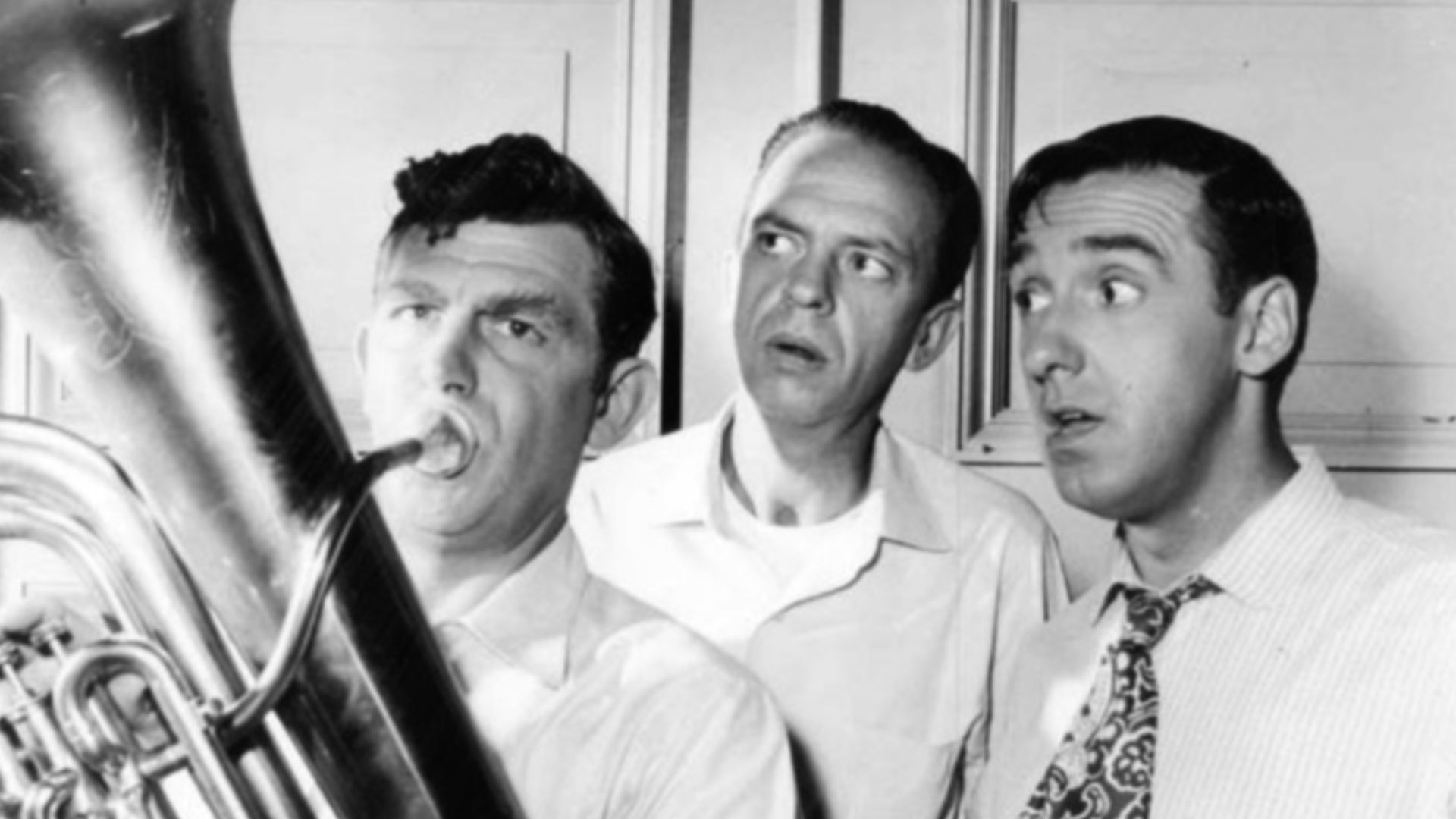
Mayberry Was His Masterpiece—Not His Biography
Andy Griffith was not secretly Lonesome Rhodes, and Sheriff Taylor was not completely fake. He could be warm, loyal, funny and generous. He could also be controlling, unfaithful, anxious and frighteningly angry. Mayberry was the man Griffith knew America wanted to see—even when he could not always be that man himself.
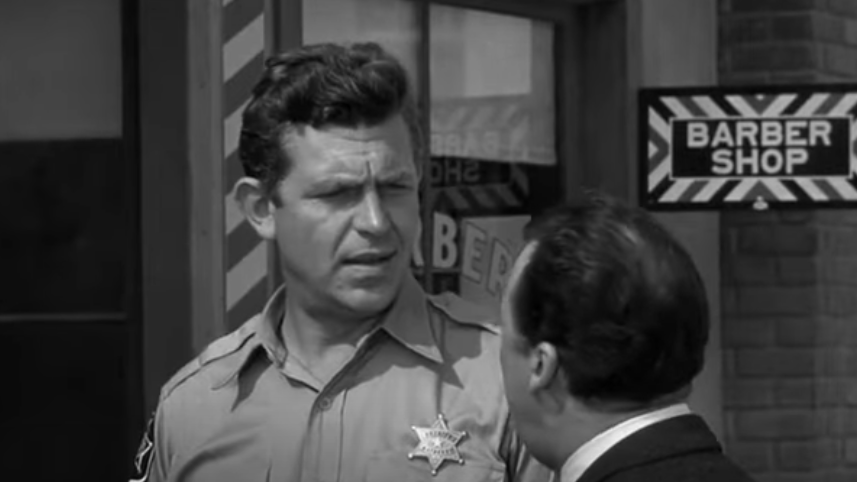 CBS, The Andy Griffith Show (1960–1968)
You Might Also Like:
How Don Adams turned a spy spoof into one of television’s most quotable characters.
How Emergency! Star Randolph Mantooth Became An Unlikely Television Hero