How Don Adams Turned a Spy Spoof Into TV’s Most Quotable Character
James Bond had the tuxedo, the gadgets, and the cool stare. Maxwell Smart had a shoe phone, terrible judgment, and a comeback for every disaster. Don Adams turned that glorious mismatch into a character audiences could quote long after CONTROL closed for business.
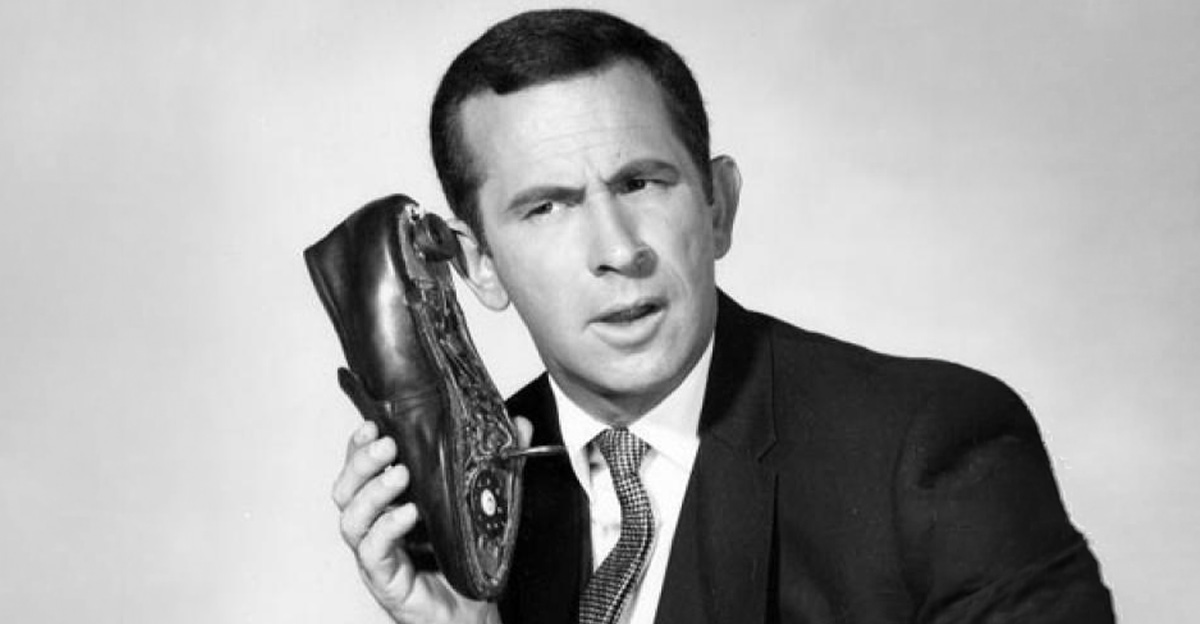 General Artists Corporation-GAC-management., Public domain, via Wikimedia Commons
Before He Became Agent 86
Don Adams was born Donald James Yarmy in New York City in 1923. As a boy, he loved movies and practiced impressions, building the sharp ear that later made Maxwell Smart’s clipped voice so instantly recognizable. Comedy was already hiding in plain sight.
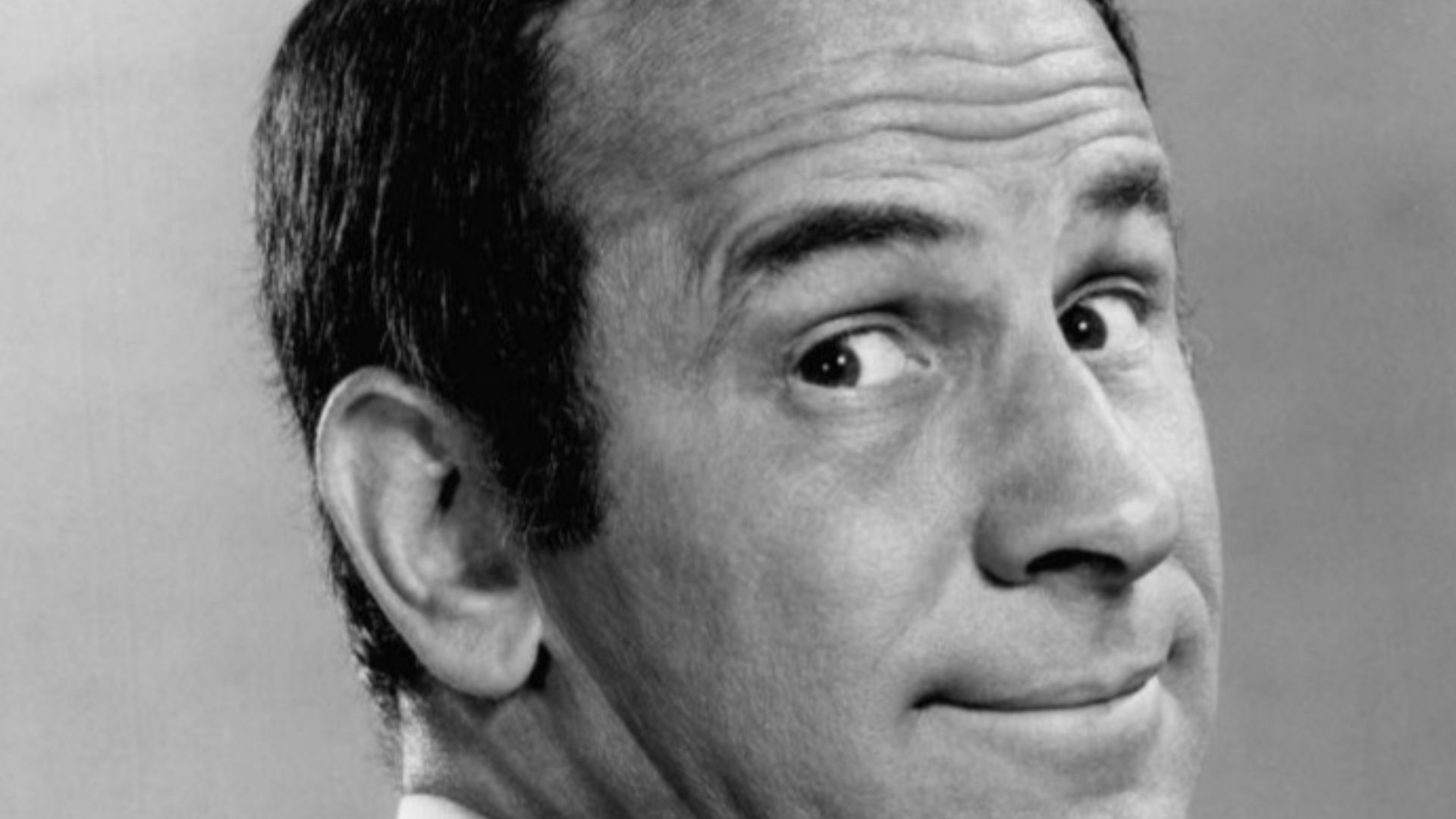 CBS Television, Wikimedia Commons
A Tough Detour Through War
Before show business, Adams served in the U.S. Marines during World War II. He was sent to the Pacific, contracted malaria during the Guadalcanal campaign, and later served stateside. The experience added real toughness beneath the polished television foolishness that eventually made him famous.
 National Museum of the U.S. Navy, Wikimedia Commons
The Name That Moved Him Up
After the war, Yarmy pursued comedy and adopted the surname Adams from his first wife, Adelaide. There was a practical bonus: auditions were often called alphabetically. Even before playing a secret agent, he understood that sometimes the smartest move is simply getting through the door first.
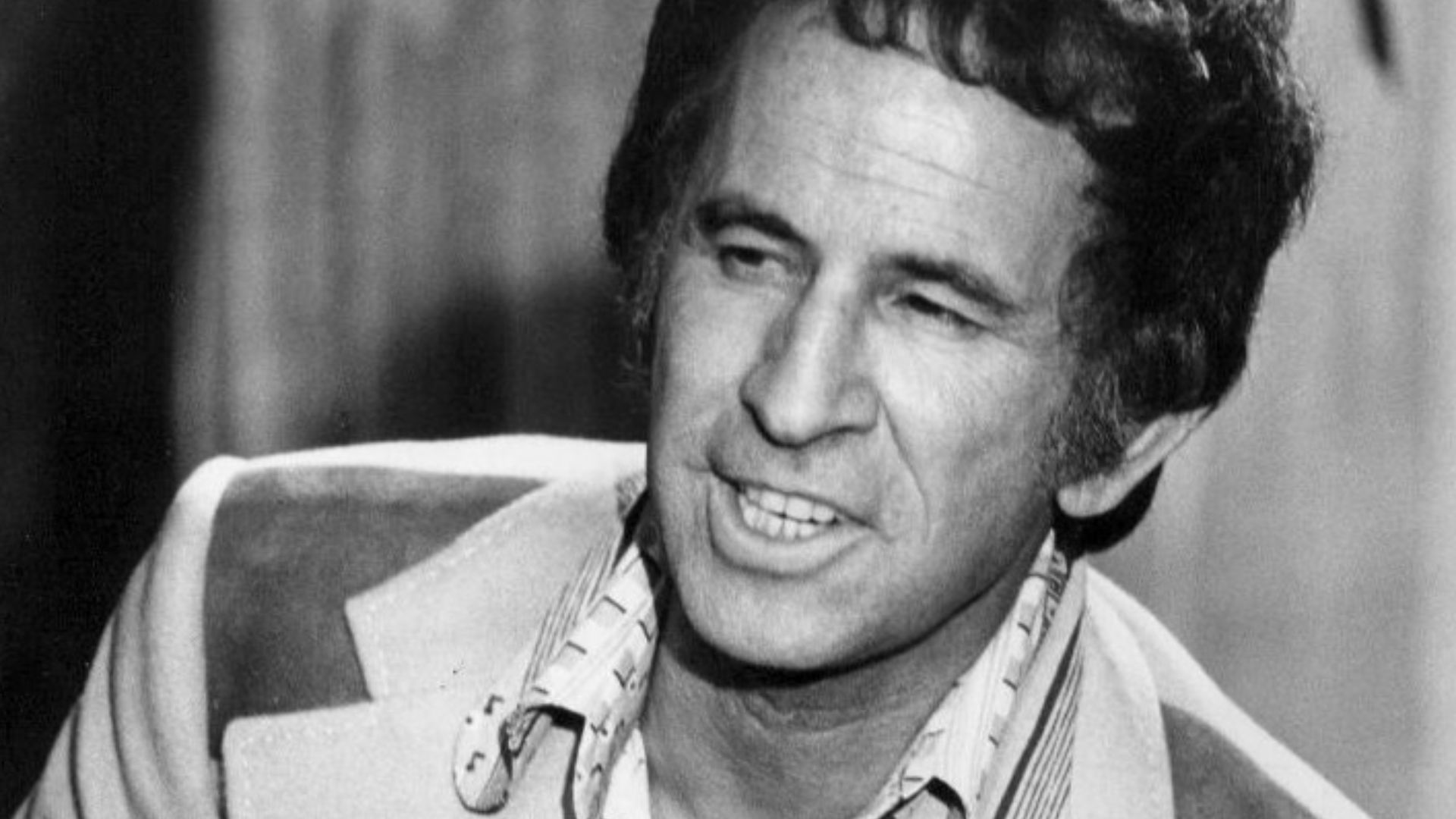
A Break on National Television
Adams’s breakthrough came in 1954, when he won Arthur Godfrey’s Talent Scouts with a comedy act. The victory opened television doors and helped turn a struggling impressionist into a familiar variety-show performer. America was beginning to meet the voice that would soon belong to Agent 86.
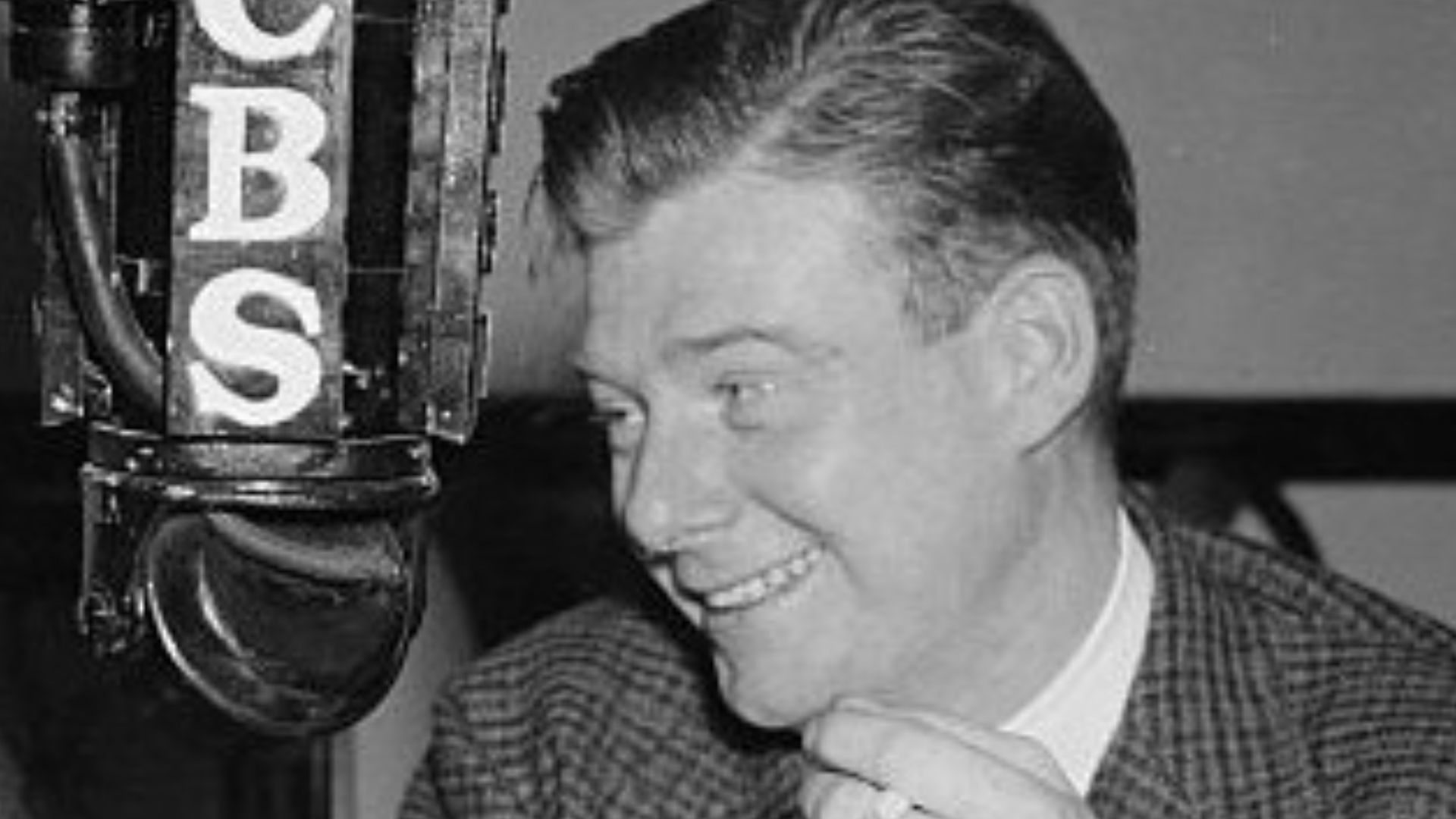 Harris & Ewing, photographer, Wikimedia Commons
Finding the Maxwell Smart Voice
Working with comedian Bill Dana, Adams refined a delivery that sounded elegant, confident, and slightly offended by reality. The voice carried echoes of polished movie stars, but Adams used it for panic, denial, and nonsense. It was sophistication slipping on a banana peel.
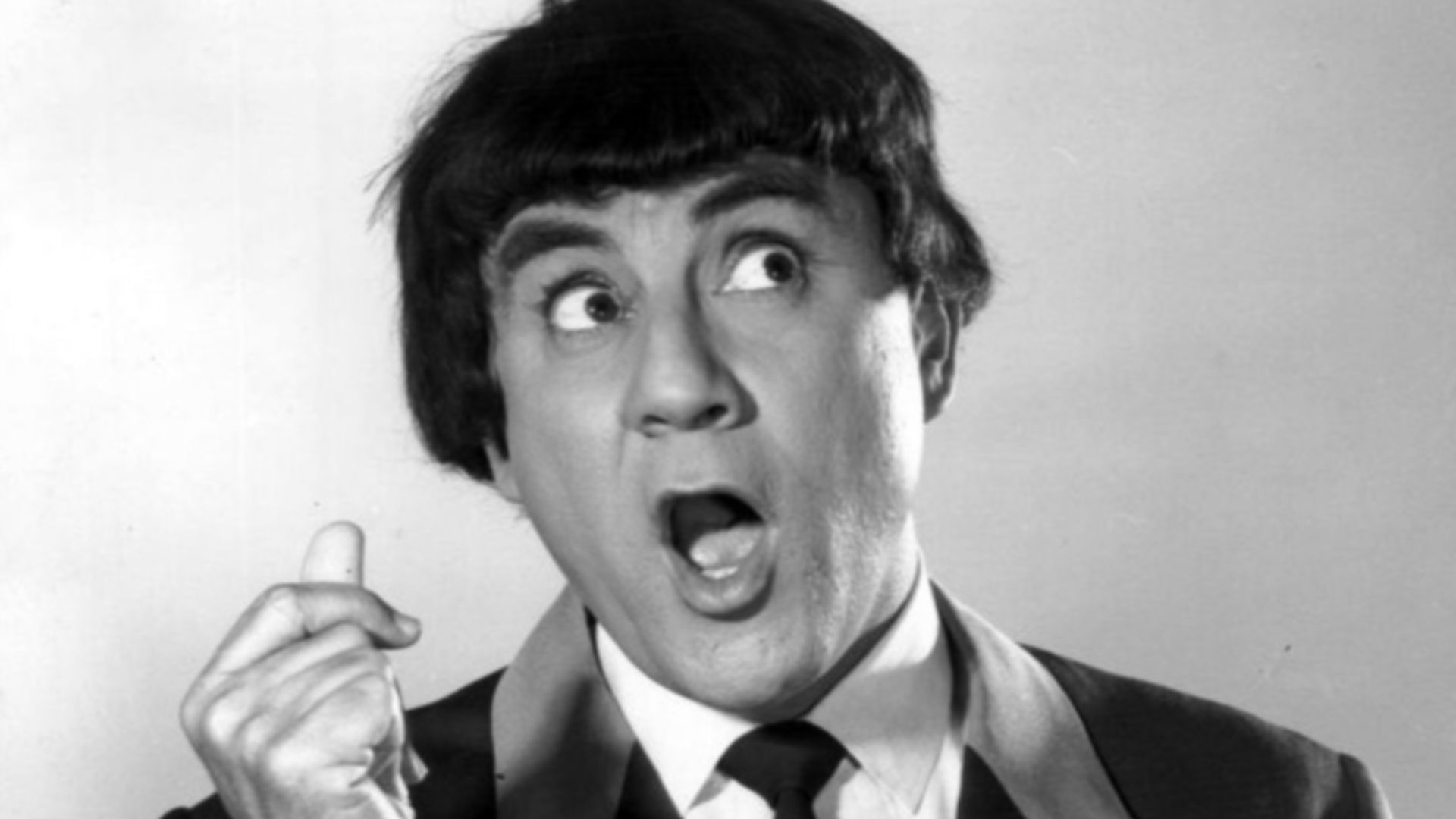 NBC Television, Wikimedia Commons
Byron Glick Was the Warning Shot
On The Bill Dana Show, Adams played hotel detective Byron Glick, a stiff, officious bumbler with an inflated sense of importance. The character was not Maxwell Smart, but the machinery was already running: clipped speech, misplaced confidence, and failure delivered like a formal report.
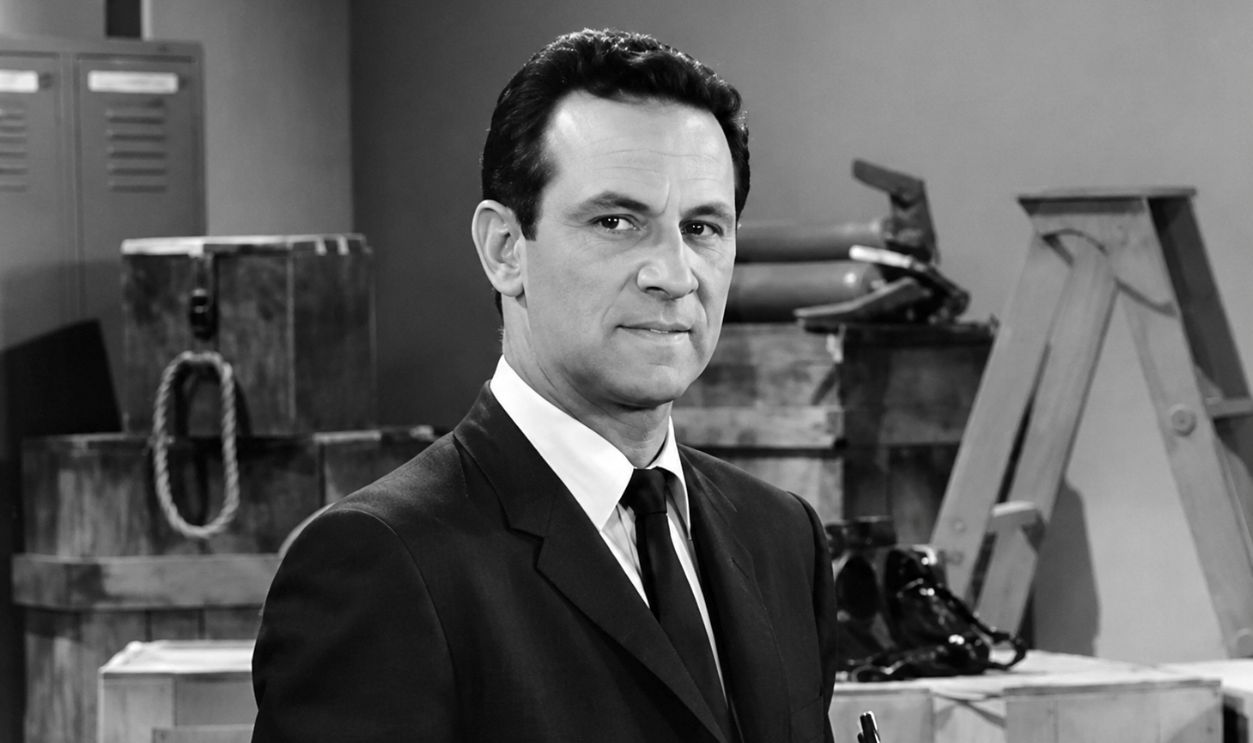 Screenshot from The Bill Dana Show, NBC (1963–1965), Modified
A Penguin Helped Build the Brand
Around the same time, Adams voiced the boastful hero of Tennessee Tuxedo and His Tales. The cartoon proved how much personality he could pack into rhythm and emphasis. Even without appearing onscreen, he could make a character sound heroic, ridiculous, and completely certain of himself.
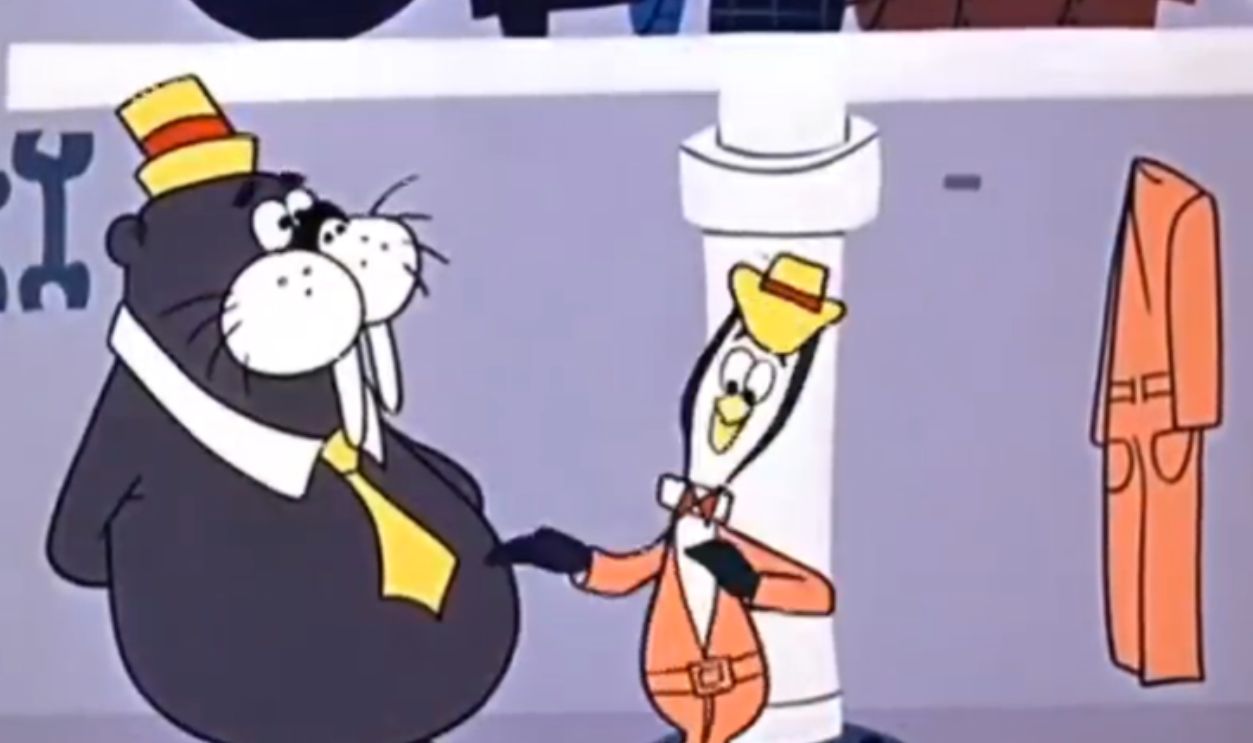 Screenshot from Tennessee Tuxedo and His Tales, Total Television (1963–1966)
Television Caught Spy Fever
By the mid-1960s, James Bond had made espionage glamorous, while spy adventures were spreading across television. Producer Daniel Melnick asked Mel Brooks and Buck Henry for a comedy mixing Bond-style danger with Inspector Clouseau-style incompetence. Their answer was a secret agent who was confidently wrong.
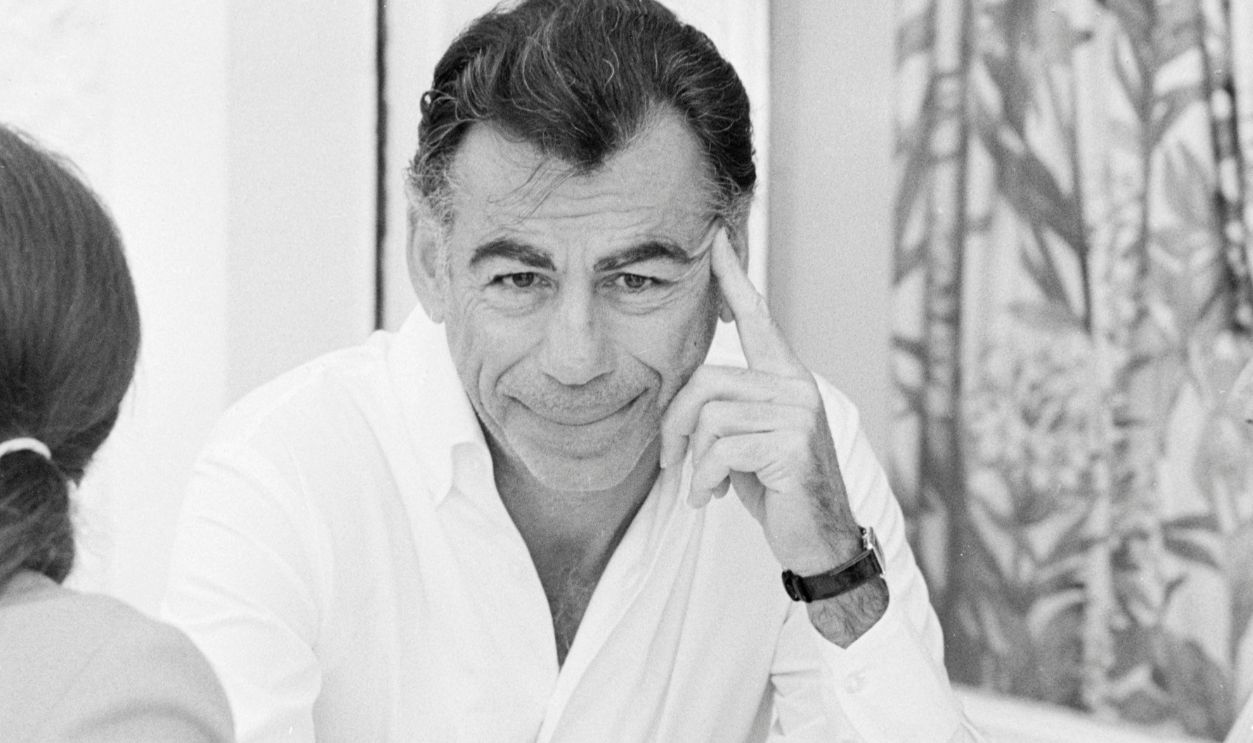
NBC Found Its Agent
The project first went to ABC, which wanted more conventional sitcom touches and ultimately passed. NBC picked it up, and Adams—already under contract with the network—landed the lead. On September 18, 1965, Get Smart premiered, giving television its least reliable professional hero.
 Paul R. Burley, Wikimedia Commons
Welcome to CONTROL
Adams played Maxwell Smart, Agent 86 of CONTROL, an American intelligence agency battling the villains of KAOS. Max could shoot, fight, and occasionally solve a case, but his greatest weapon was luck. He usually survived because everyone around him was more competent than he realized.
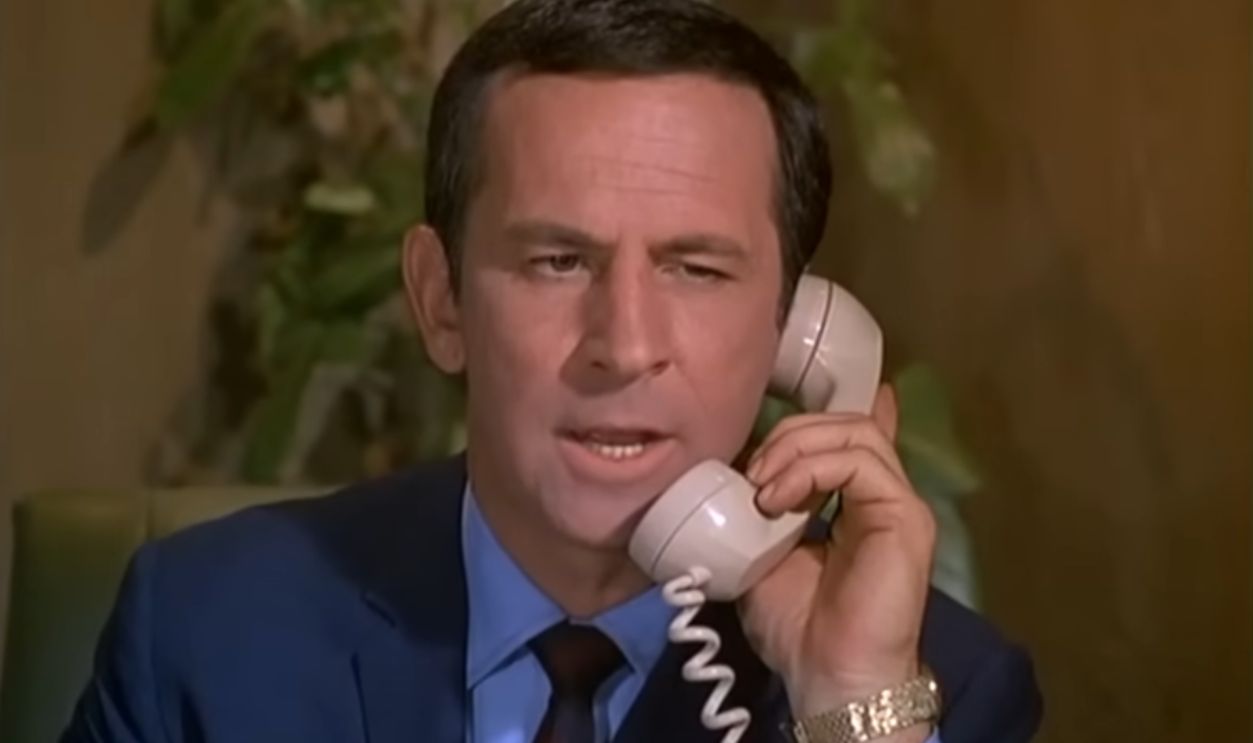 Screenshot from Get Smart, NBC (1965–1970)
The Voice Made the Fool Believable
Adams never played Max as a clown begging for laughs. He played him as a serious man who truly belonged beside the world’s greatest spies. That commitment made every mistake funnier. Maxwell Smart did not know he was ridiculous, so Adams never needed to wink at the audience.
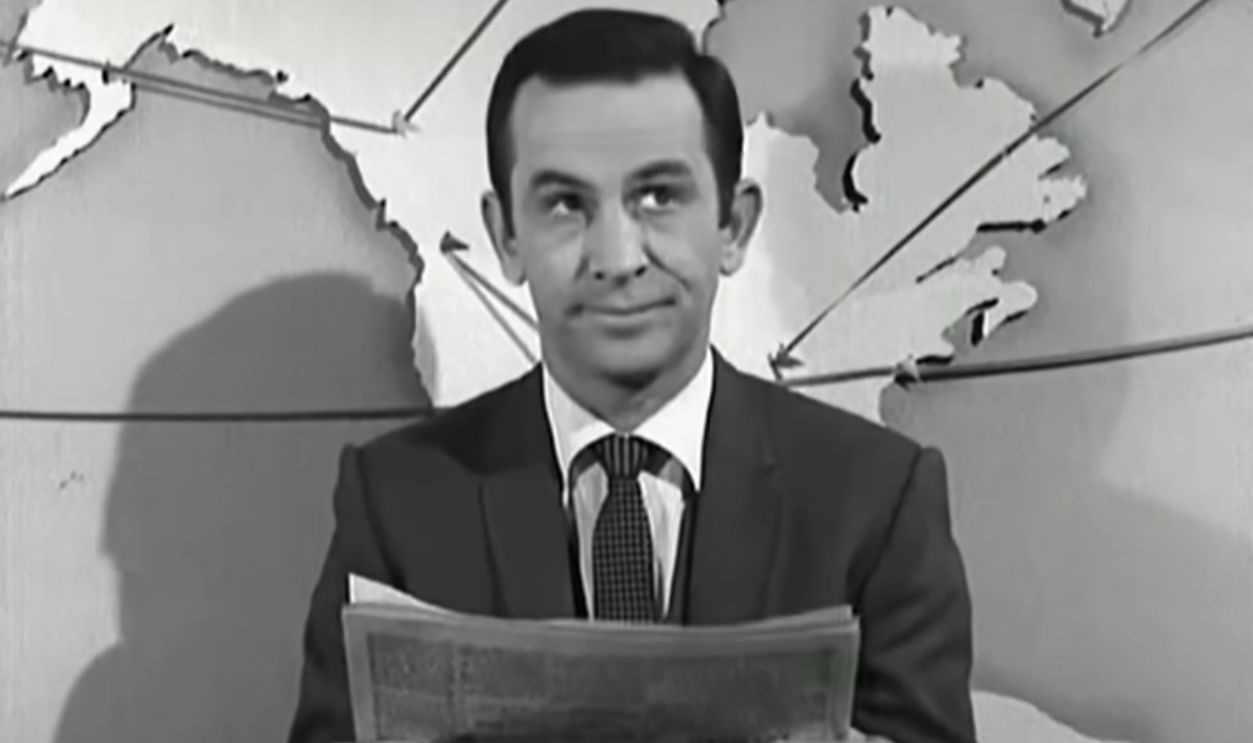 Screenshot from Get Smart, NBC (1965–1970)
Confidence Was His Secret Weapon
Max could walk into a trap, misunderstand the plan, endanger the Chief, and still behave as though the operation was unfolding perfectly. Adams made arrogance strangely lovable. The audience was always ahead of Max, but his confidence kept daring everyone to wonder whether he might accidentally be right.
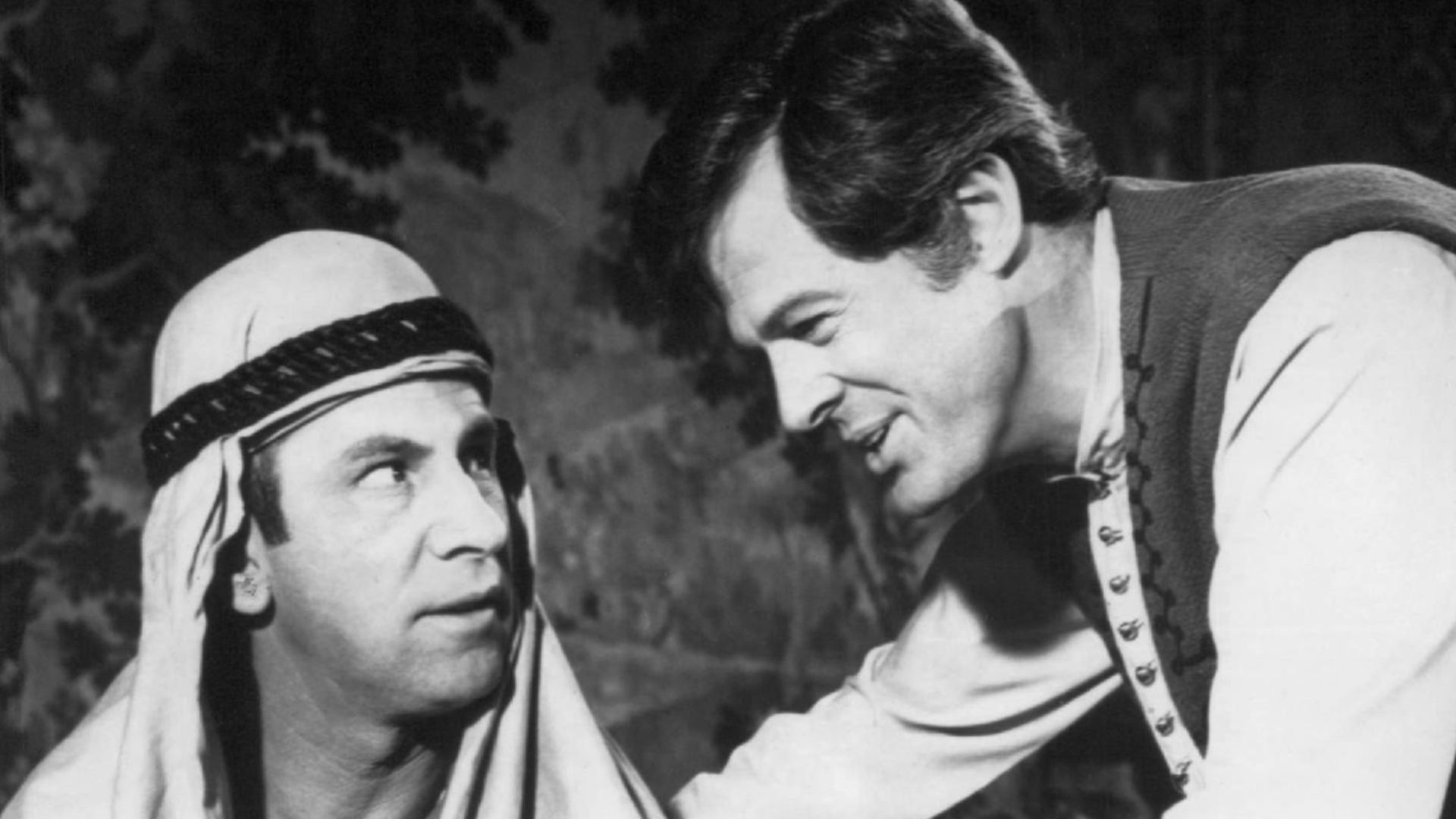 NBC Television, Wikimedia Commons
Agent 99 Kept the Mission Alive
Barbara Feldon’s Agent 99 was calm, capable, and usually the person actually solving the problem. Her straight-faced patience gave Adams room to spiral. The partnership also softened Max: 99 saw something worth loving beneath the bluster, even when he was talking into his shoe.
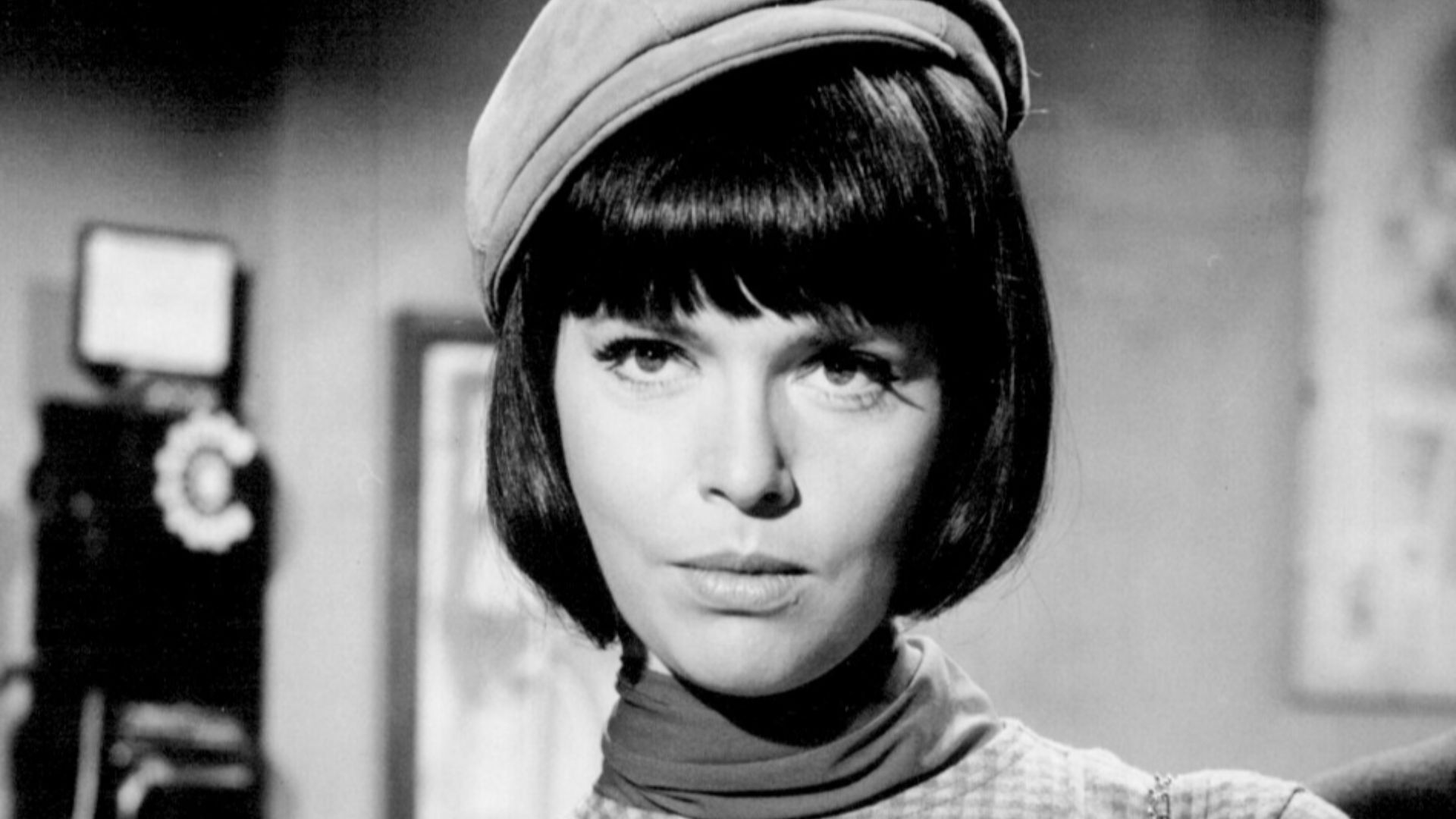 NBC Television, Wikimedia Commons
The Chief Supplied the Perfect Reaction
Edward Platt’s Chief was the exhausted adult in the room, and Adams treated him like a boss, father figure, and frequent victim. Every grim look from Platt made Max’s excuses funnier. Brooks later described the serious supporting players as the backboard that allowed Adams’s comedy to bounce.
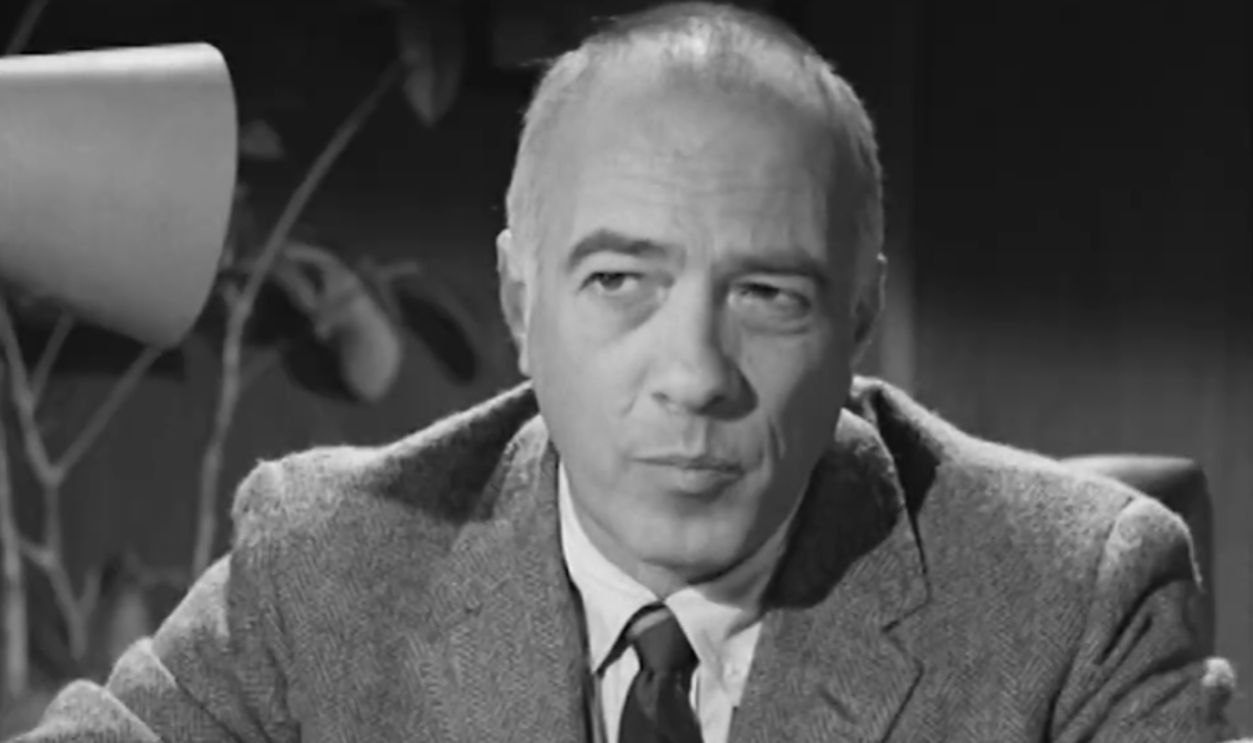 Screenshot from Get Smart, NBC (1965–1970)
The Shoe Phone Said Everything
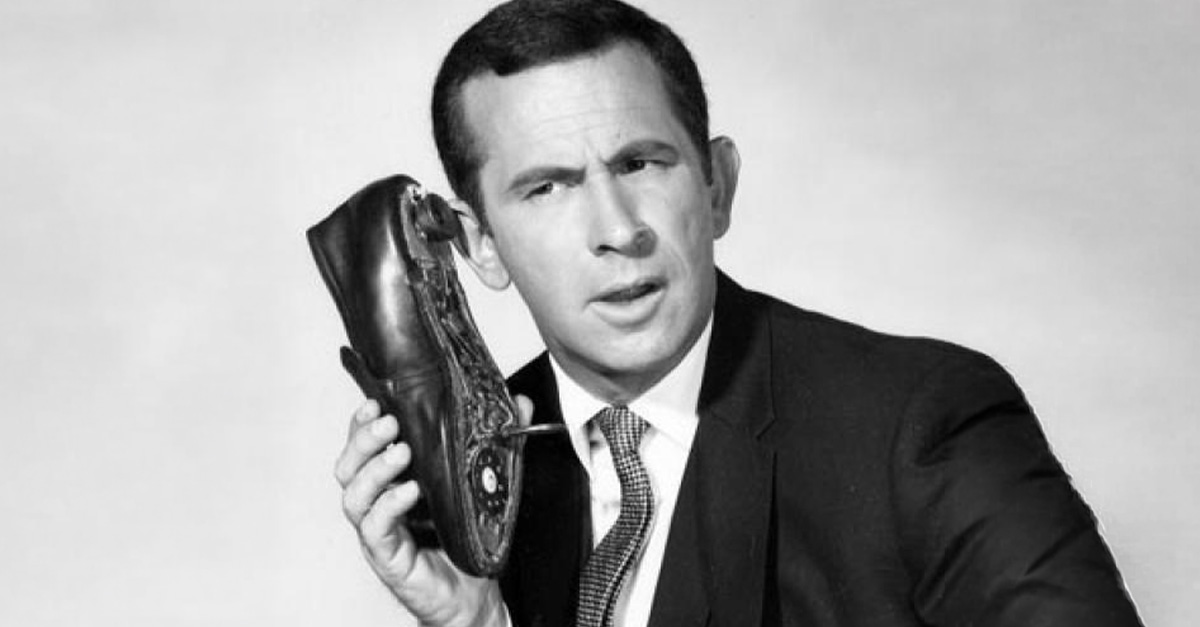
The famous shoe phone turned high-tech spy fantasy into low-tech inconvenience. Max had to remove his footwear just to take a call, often at the worst possible moment. It was sleek espionage dragged into slapstick—and Adams handled it with the dignity of a man using classified equipment.
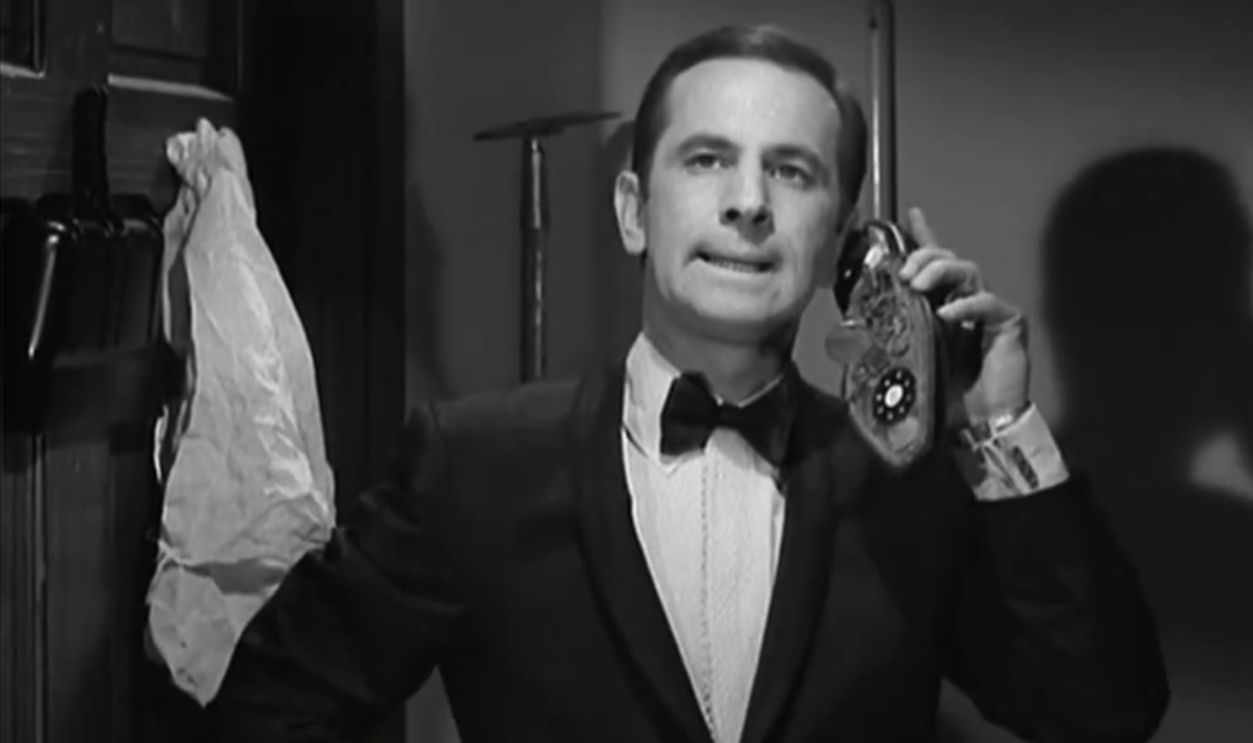 Screenshot from Get Smart, NBC (1965–1970)
The Bluff Became a Comedy Machine
“Would you believe...?” was more than a catchphrase. It was a miniature routine Adams had used before Get Smart and perfected as Max. He would make an impossible threat, watch it collapse, then bargain downward until the final claim was hilariously small and almost believable.
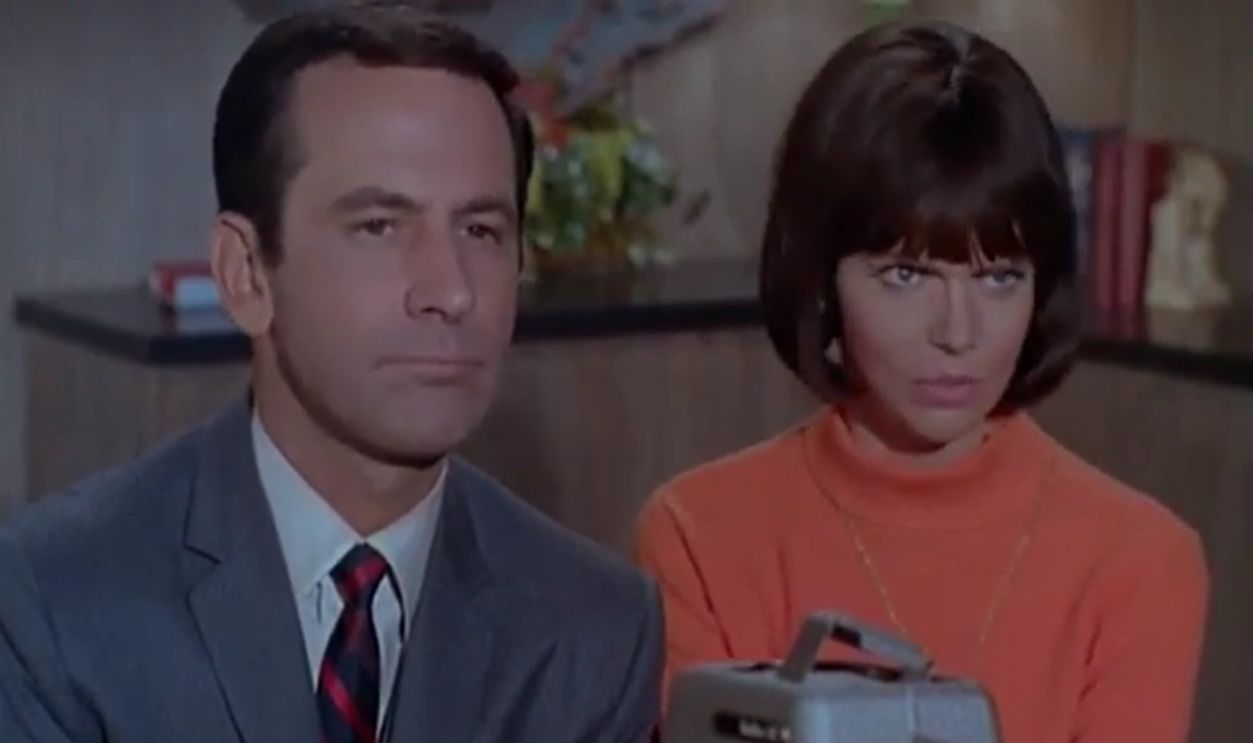 Screenshot from Get Smart, NBC (1965–1970)
The Bluff Always Got Smaller
The joke worked because Adams never rushed the retreat. He began with certainty, paused when challenged, then offered a weaker version as though he were doing the villain a favor. Each step reduced Max’s power while increasing his confidence. Defeat became a negotiation he still expected to win.
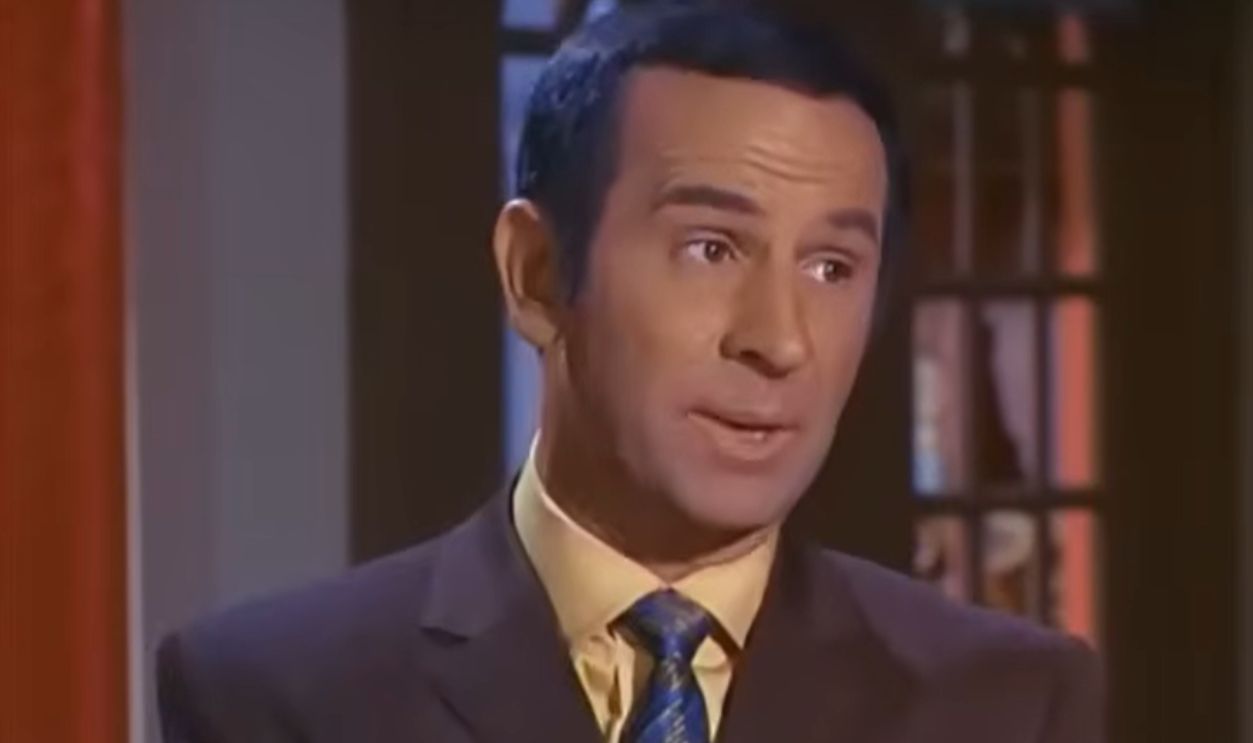 Screenshot from Get Smart, NBC (1965–1970)
A Miss Became a Triumph
“Missed it by that much” turned failure into a near victory, especially when Adams added the familiar finger-pinch gesture. The line fit Max perfectly: he could ignore the smoking wreckage and focus on the imaginary inch separating disaster from genius. Adams made denial look almost inspirational.
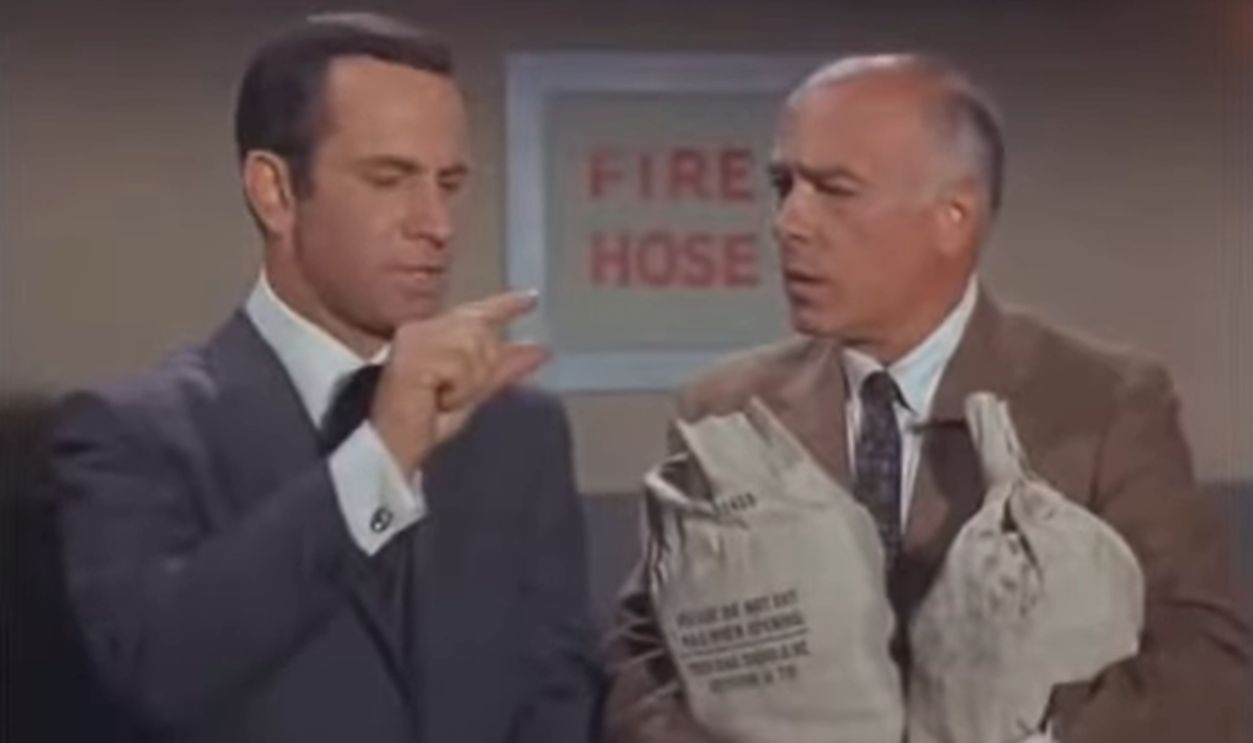 Screenshot from Get Smart, NBC (1965–1970)
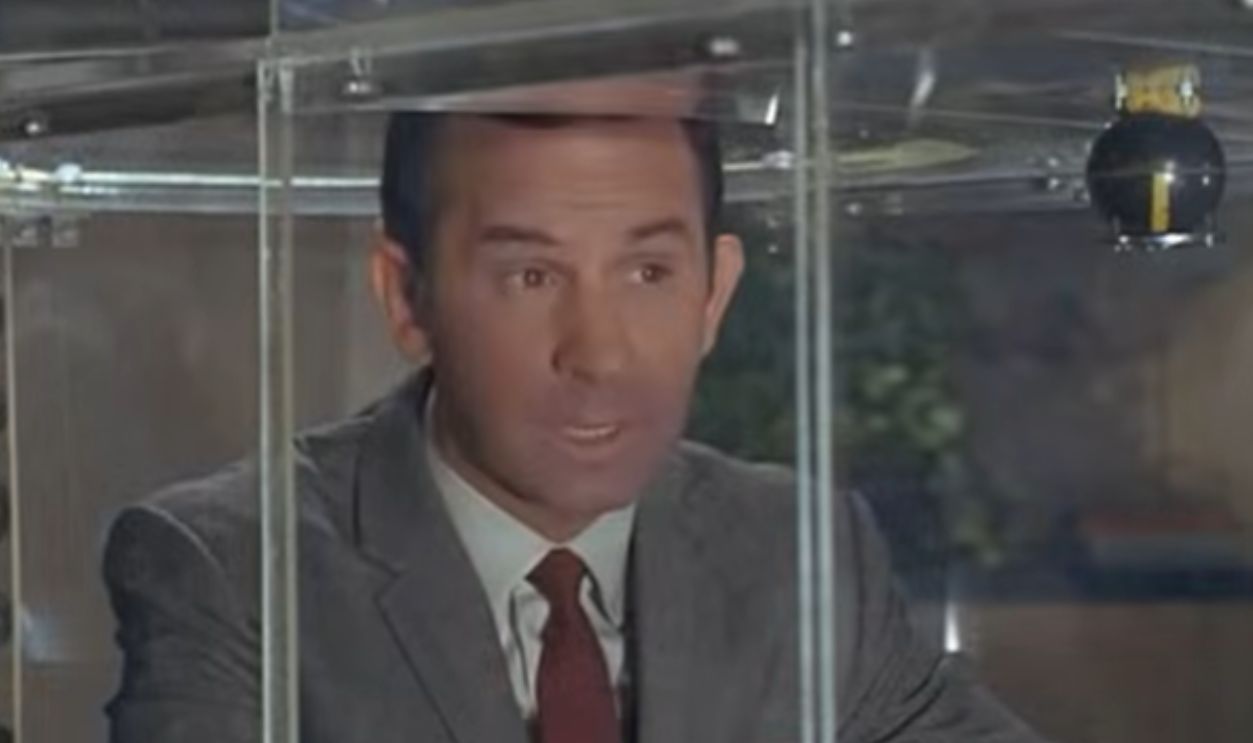
The Chief Heard One Famous Apology
“Sorry about that, Chief” usually arrived after Max broke something, ruined something, or made a bad situation worse. Adams delivered it with polite regret but little understanding. The apology reset the scene without changing the character. Max was sorry—just never sorry enough to learn.
 Screenshot from Get Smart, NBC (1965–1970)
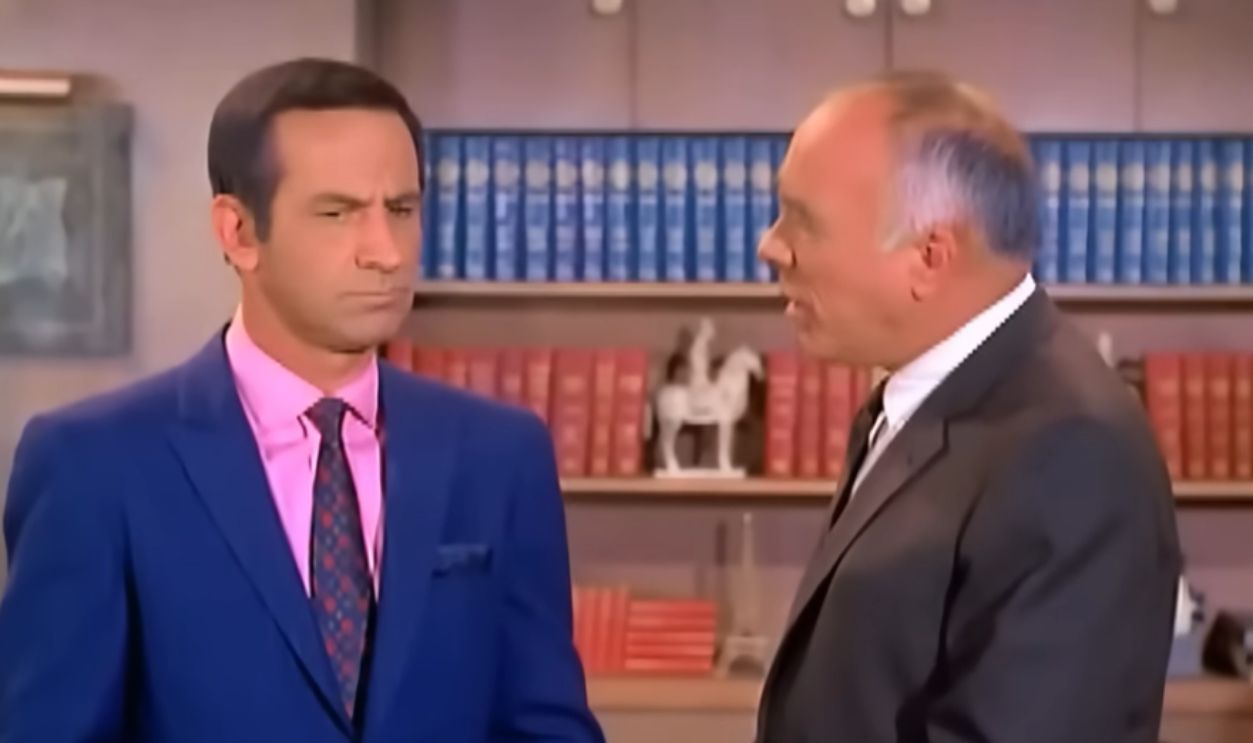
Danger Never Sounded So Inviting
When the Chief warned that an assignment would be dangerous, Max answered, “And loving it.” The phrase captured his romantic idea of espionage. He wanted danger because danger made him feel like Bond, even when his gadgets were malfunctioning and Agent 99 was quietly saving him.
 Screenshot from Get Smart, NBC (1965–1970)
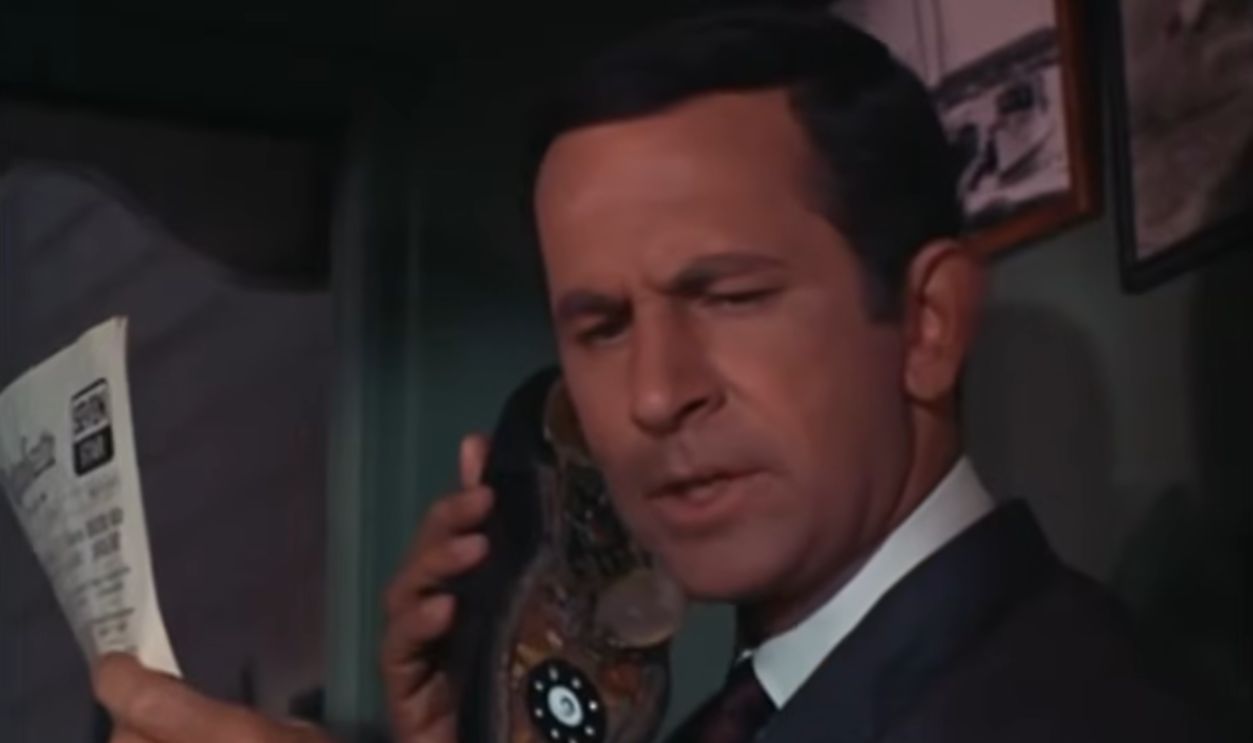
Repetition Became Part of the Fun
Catchphrases can become tiresome, but Get Smart treated them like familiar songs with new arrangements. The setup changed, the stakes grew, and Adams adjusted the pause or expression. Viewers knew what was coming, yet much of the pleasure came from watching him land it again.
 Screenshot from Get Smart, NBC (1965–1970)
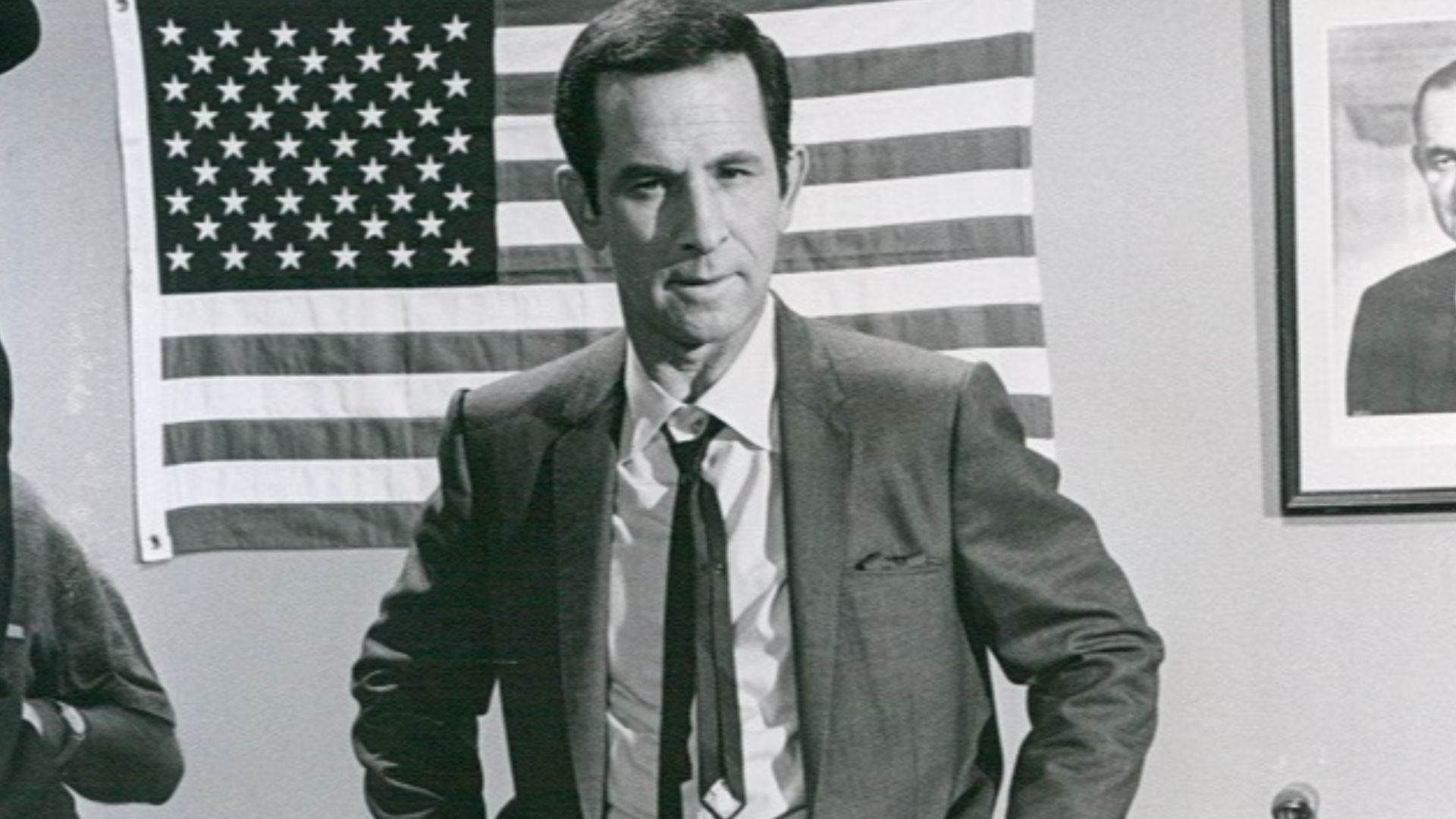
Adams Helped Shape the Show
Adams was more than the face and voice of Get Smart. He also wrote and directed episodes, bringing a performer’s sense of timing behind the camera. His control of pauses, reactions, and visual gags helped the series feel precise even when Maxwell Smart was anything but.
 NBC Television, Wikimedia Commons
The Emmys Got the Joke
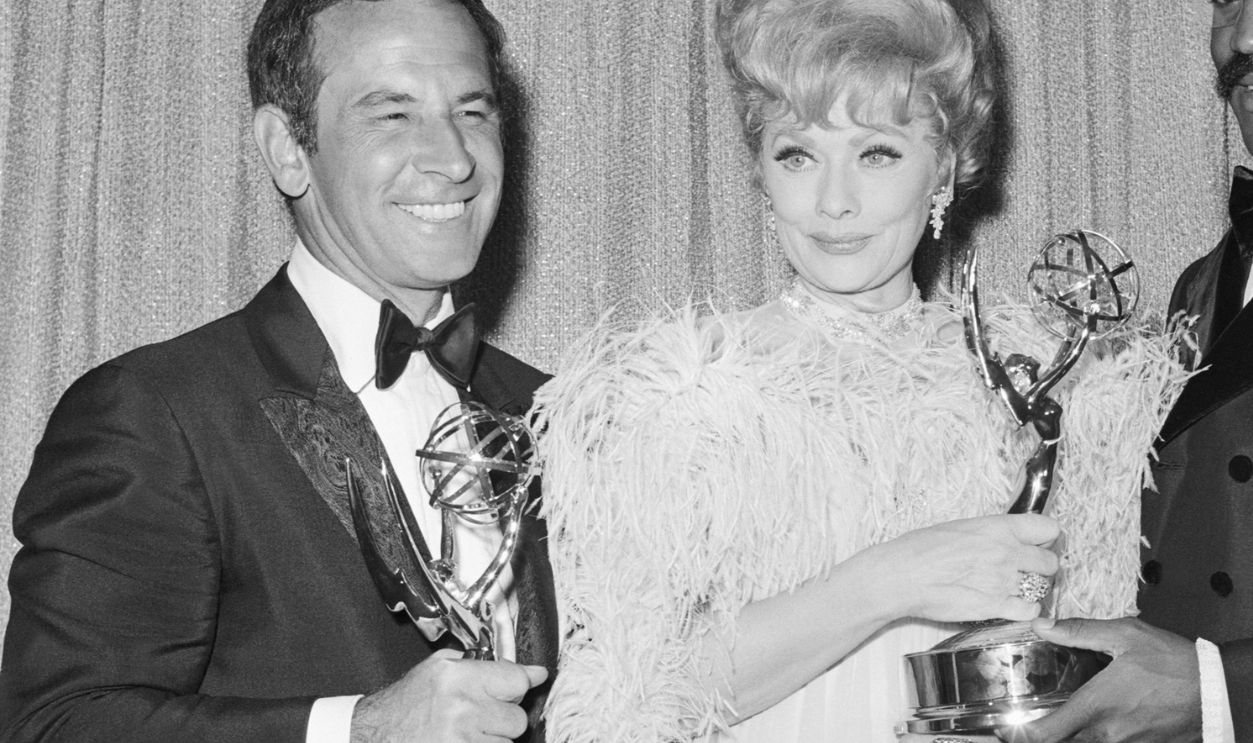
Adams won three consecutive Emmy Awards for his performance from 1967 through 1969. Get Smart earned seven Emmys overall, including two for Outstanding Comedy Series. The awards confirmed what viewers already knew: broad comedy could be carefully built, sharply performed, and genuinely sophisticated.
Escaping Agent 86 Was Hard
After Get Smart ended in 1970, Adams discovered that Maxwell Smart followed him everywhere. He returned in The Nude Bomb, Get Smart, Again!, and a brief 1995 revival. The role limited some opportunities, but it also gave him a character audiences never wanted to release.
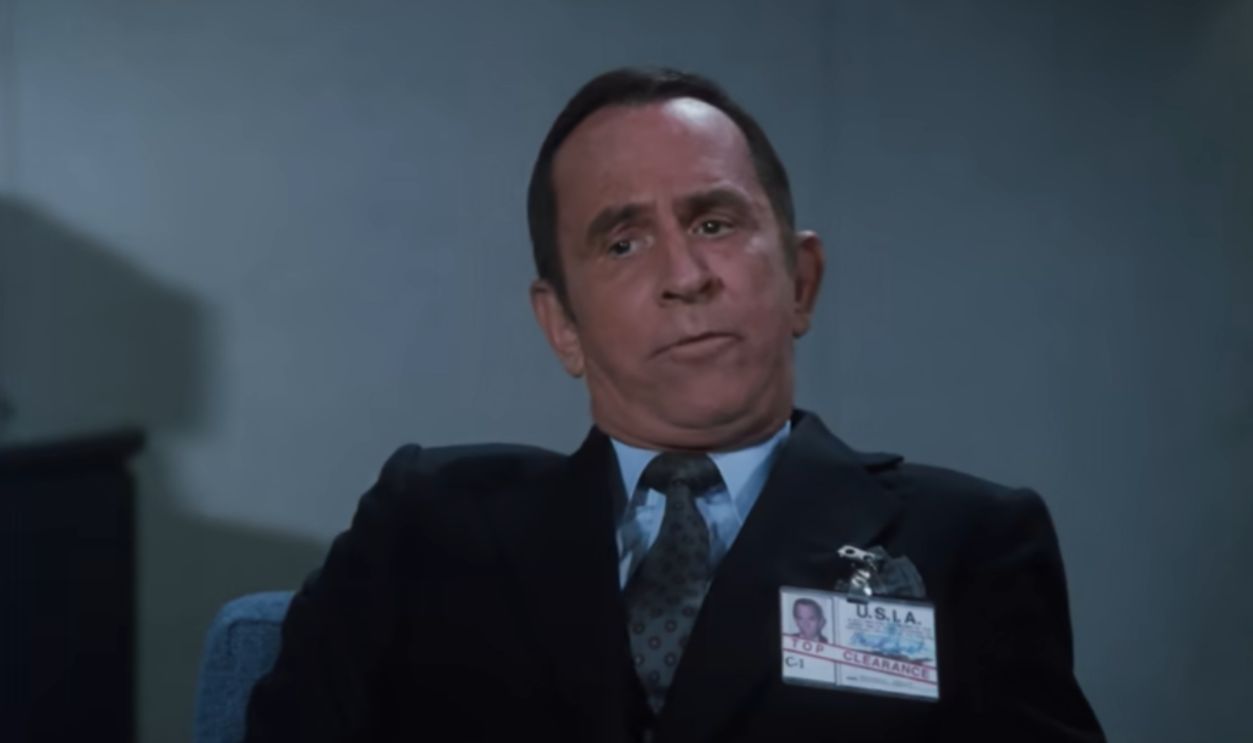 Screenshot from Get Smart, Again!, ABC (1989)
Inspector Gadget Carried the Echo
Adams later voiced Inspector Gadget, another well-meaning crime-fighter whose confidence outran his competence. A new generation heard the same crisp authority and comic panic. It was not Maxwell Smart exactly, but Agent 86’s vocal DNA was impossible to miss whenever Gadget charged into trouble.
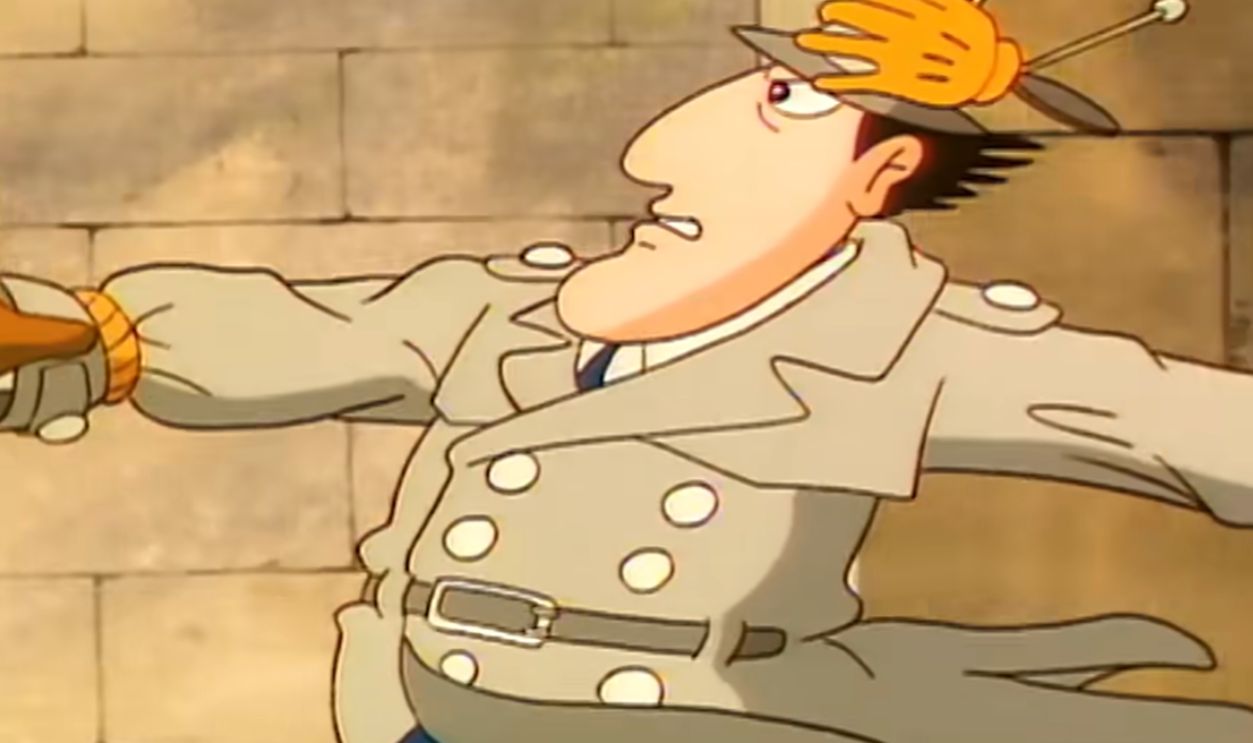 Screenshot from Inspector Gadget, Buena Vista Pictures Distribution (1999)
The Line Is Still Open
Don Adams died in 2005, but Maxwell Smart lives on whenever someone attempts an outrageous bluff or pinches two fingers together after a mistake. Adams turned a spy spoof into a shared comic language by playing every absurd moment seriously—and missing immortality by no distance at all.
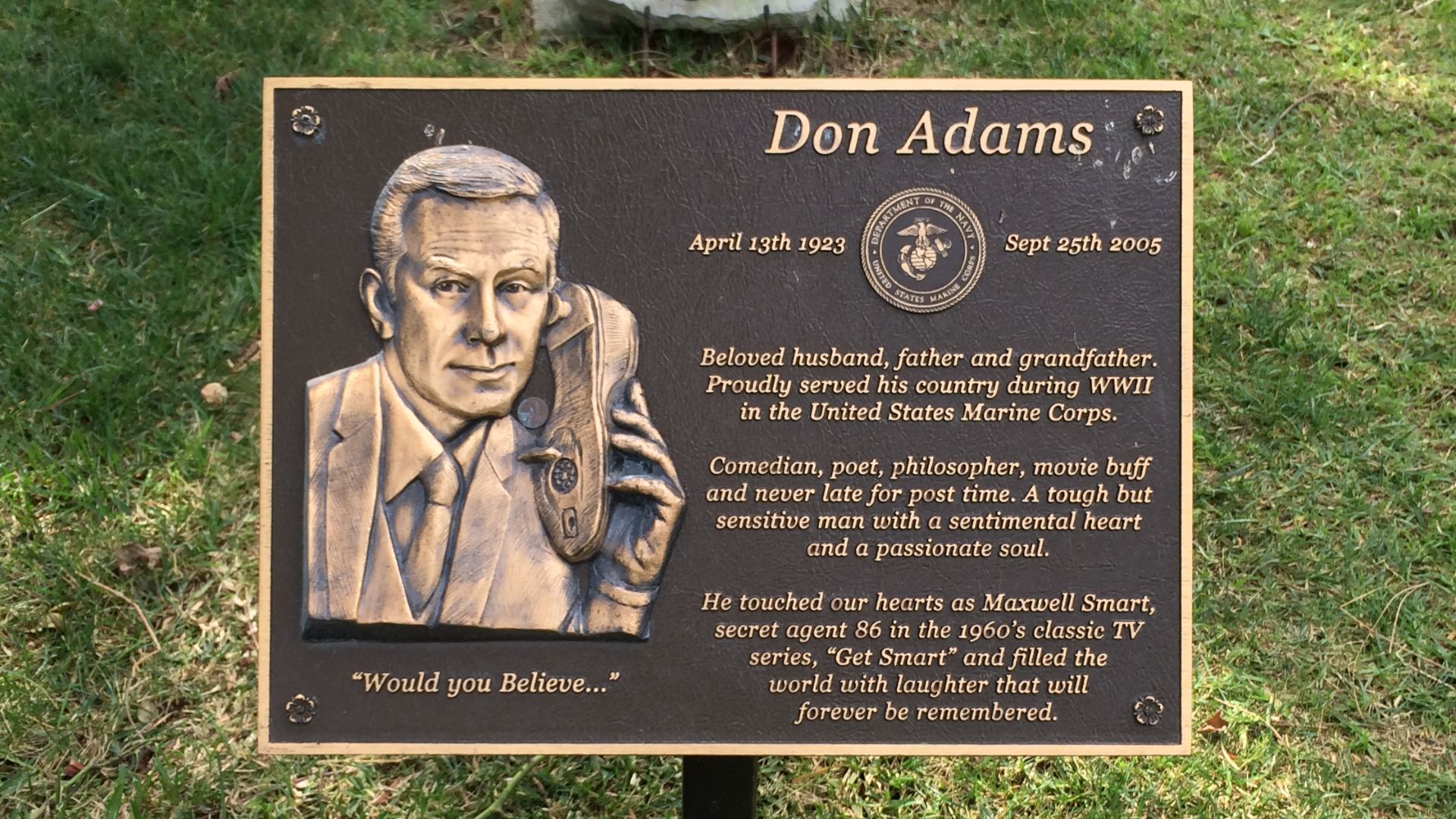 Arthur Dark, Wikimedia Commons
Which Of These 1980s TV Dads Were Most Like Your Dad?
Famous Actors Who Appeared On Both Columbo And Murder, She Wrote—Do Any Of These Surprise You?
Dan Blocker was Bonanza’s most popular star, but his story ended in sudden tragedy.