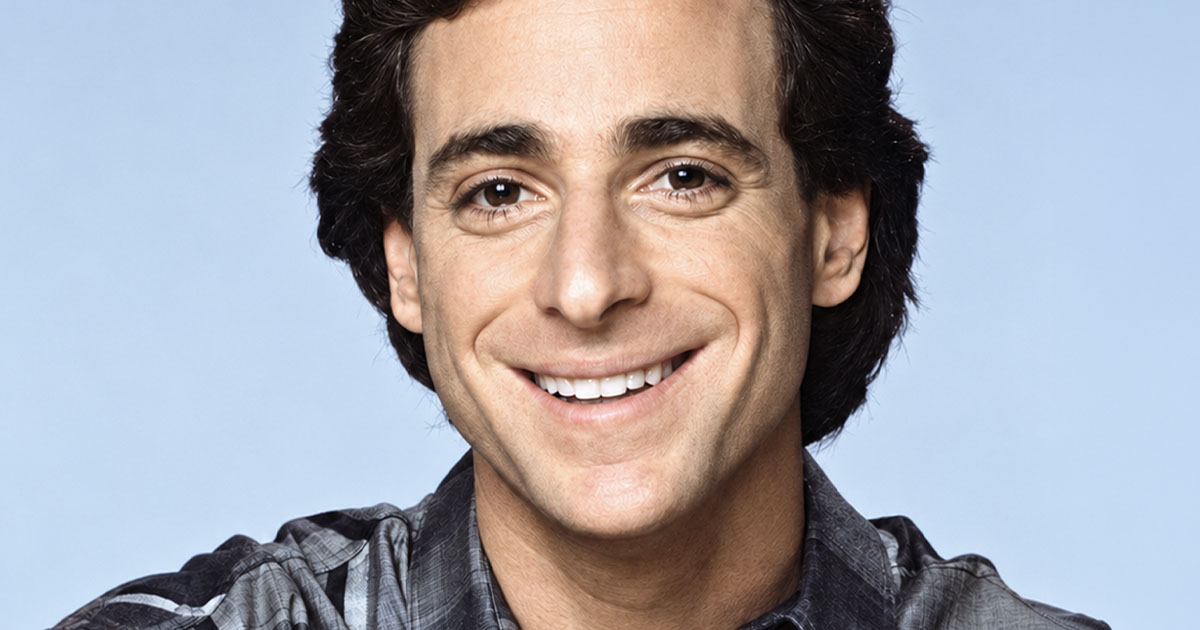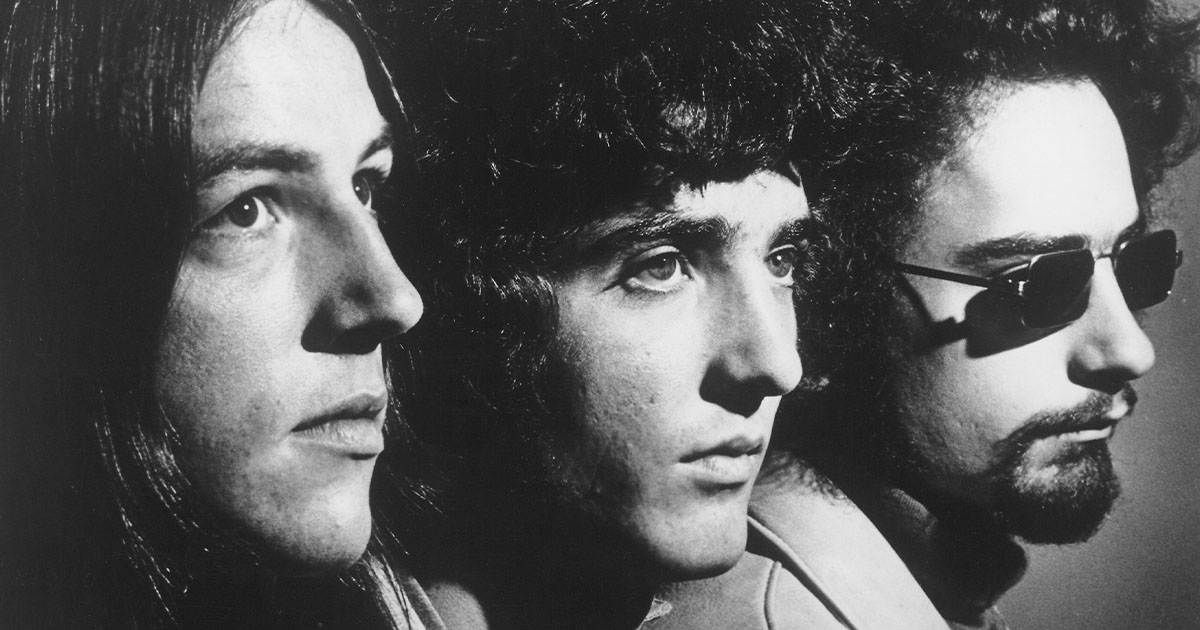
The Best Friend Everyone Remembered
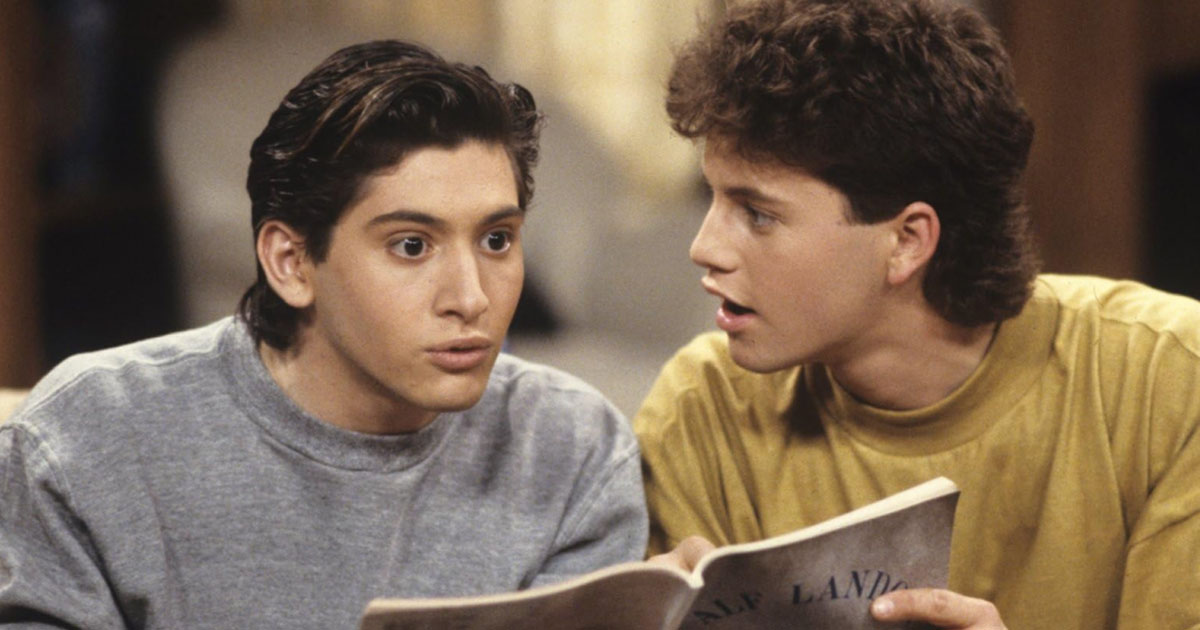
Andrew Koenig never played a member of the Seaver family, yet he became one of Growing Pains’ most familiar faces. As Mike’s lovably awkward friend Boner, he helped define the sitcom’s early years—then quietly traded mainstream television fame for an entirely different life.
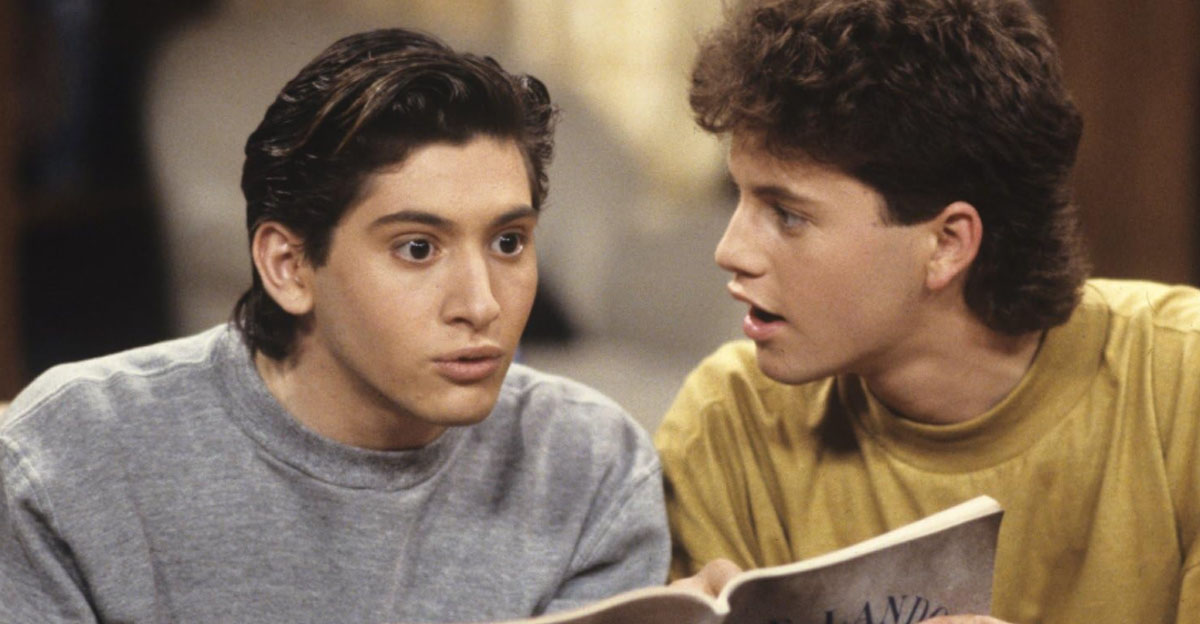 ABC, Growing Pains (1985-1992)
He Was Born Into Show Business
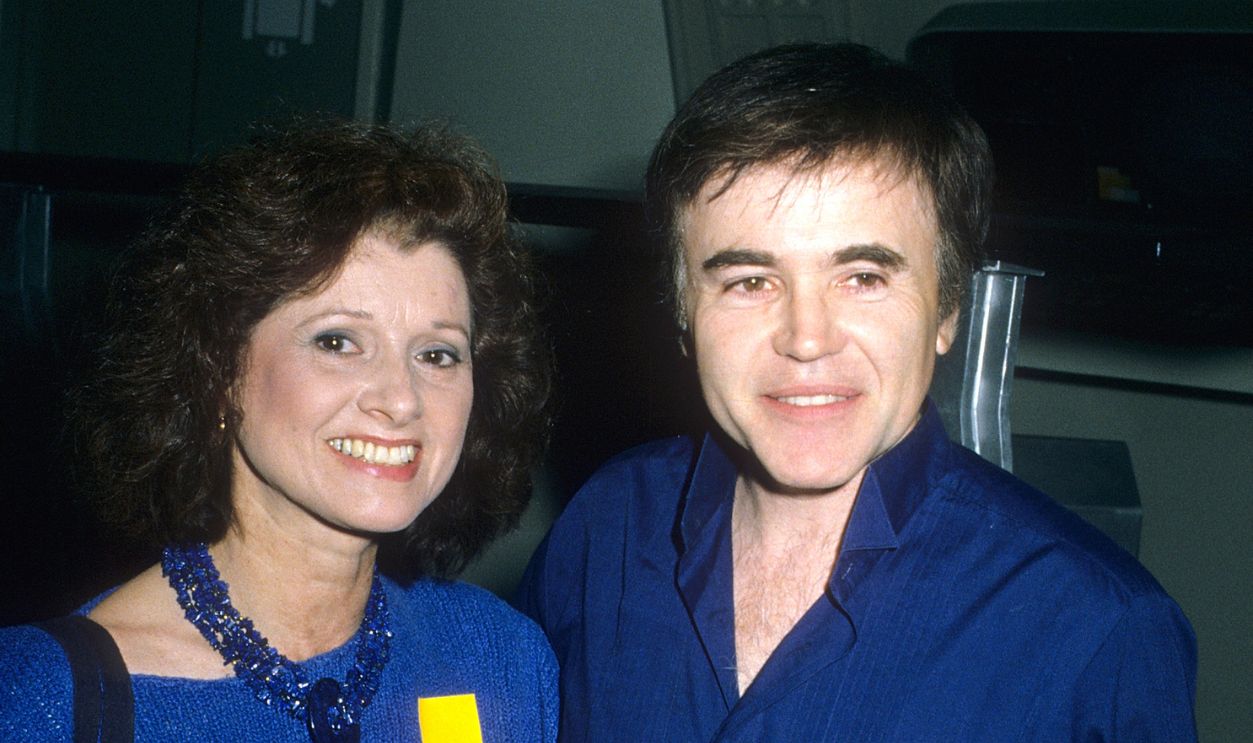
Joshua Andrew Koenig was born in Los Angeles on August 17, 1968. His parents were actor Walter Koenig and actress Judy Levitt, placing him unusually close to the entertainment industry before he was old enough to understand contracts, casting calls, or residual checks.
His Father Was Already A Television Icon
Walter Koenig became famous as Pavel Chekov on the original Star Trek. Having a recognizable father gave Andrew an unusual view of fame: he could see both its excitement and its limitations. Television made people familiar, but it did not necessarily reveal who they really were.
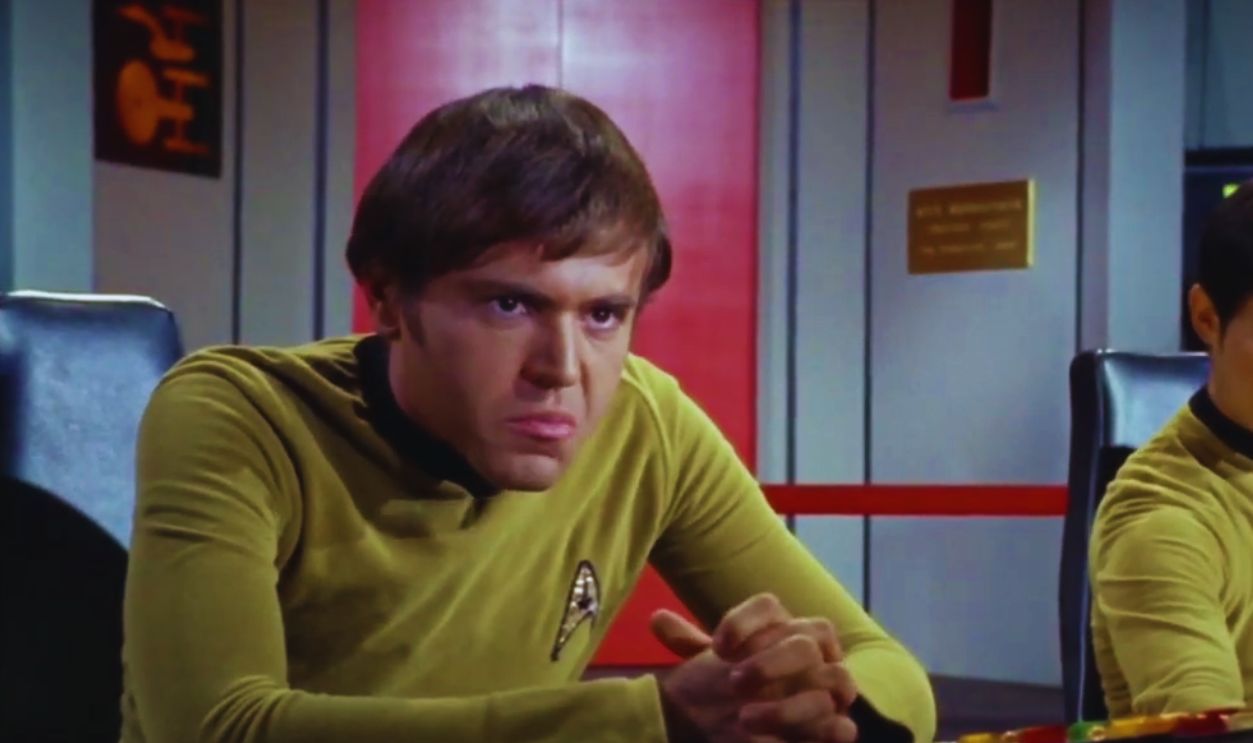 Screenshot from Star Trek, NBC (1966-1969)
Andrew Found The Stage Early
Long before Growing Pains, Koenig played the page boy Robin in a 1982 Los Angeles Music Center production of Verdi’s Falstaff. Conducted by Carlo Maria Giulini, the production placed the young performer inside a considerably grander world than the suburban sitcom bedrooms awaiting him.
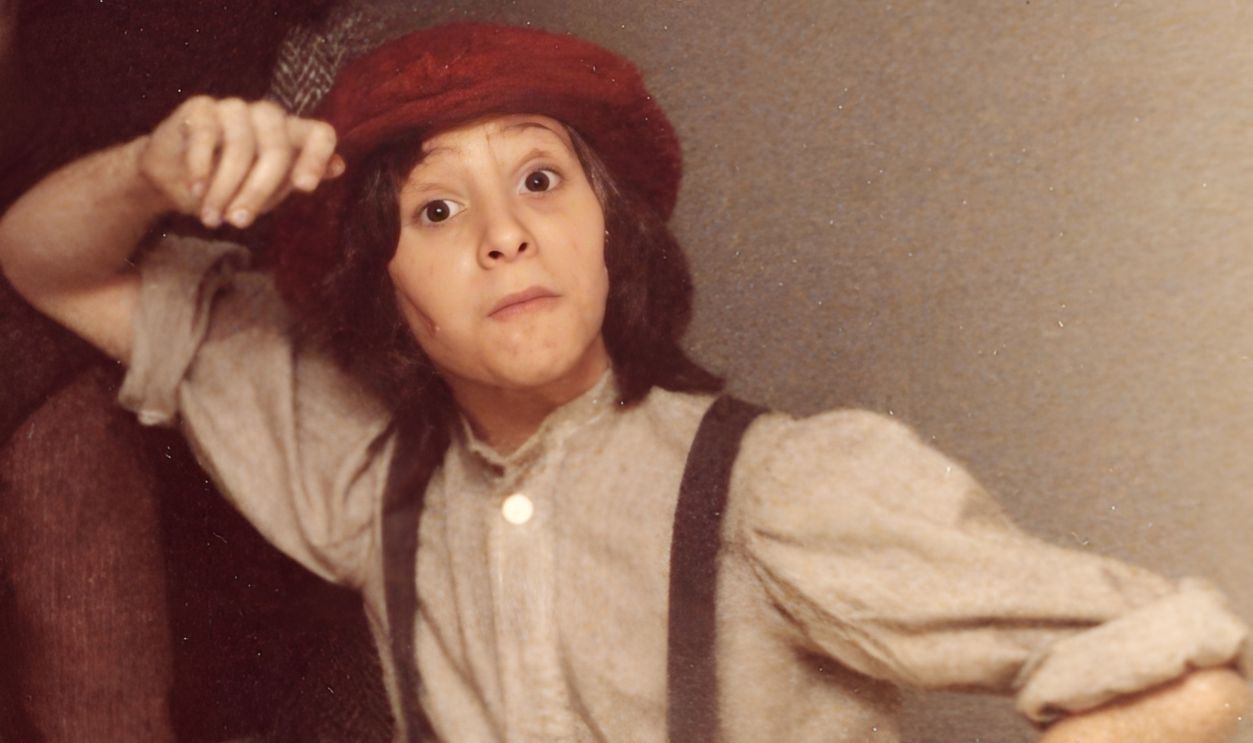 Seauton, CC BY-SA 4.0, Wikimedia Commons, Enhanced
He Even Appeared At The Olympics
Koenig and his sister, Danielle, danced during the opening ceremonies of the 1984 Summer Olympics in Los Angeles. It was an enormous global spectacle, although viewers had no reason to recognize him yet. Within a year, that would begin changing rather dramatically.
 unknown, U.S. Air Force, Wikimedia Commons
Then The Seavers Arrived
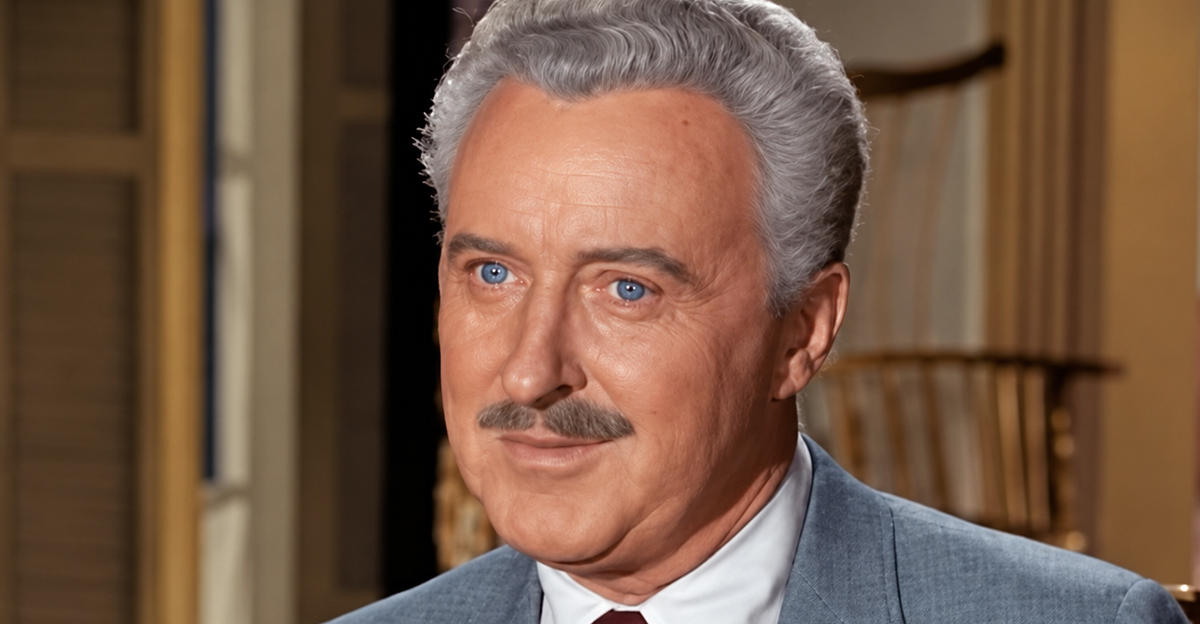
Growing Pains premiered on ABC on September 24, 1985. The sitcom starred Alan Thicke as psychiatrist Jason Seaver, who worked from home while his wife, Maggie, returned to her journalism career. Their oldest child, Mike, immediately established himself as the household troublemaker.
 Screenshot from Growing Pains, ABC (1985–1992)
Mike Needed A Partner In Trouble
Kirk Cameron’s Mike Seaver was confident, charming, and endlessly convinced that his latest shortcut would work. Every teenage schemer needs someone willing to follow him into disaster, however. Richard “Boner” Stabone became that person, usually arriving with enthusiasm and very few questions.
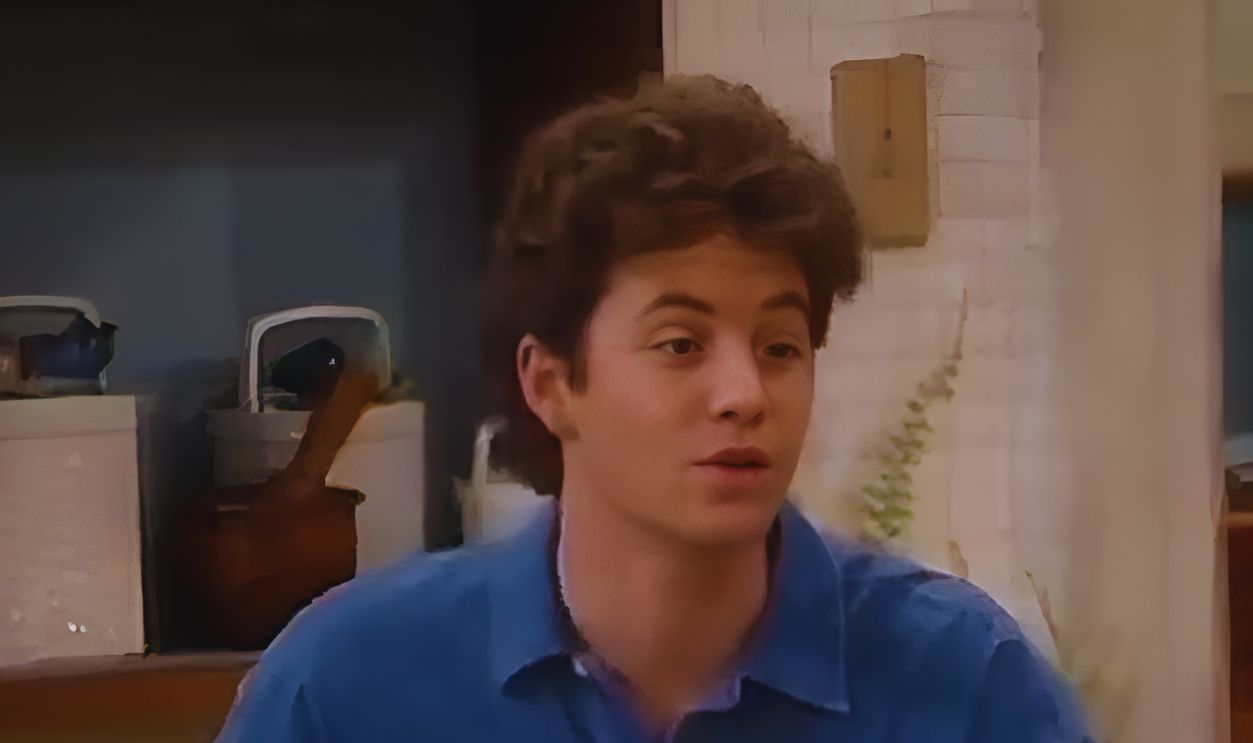 Screenshot from Growing Pains, ABC (1985–1992), Enhanced
The Name Was Impossible To Forget
Even by 1980s sitcom standards, “Boner Stabone” was an audacious character name. It sounded like a joke that had somehow survived every network meeting. Yet the nickname helped ensure that even casual viewers remembered Koenig long after more conventionally named supporting characters disappeared.
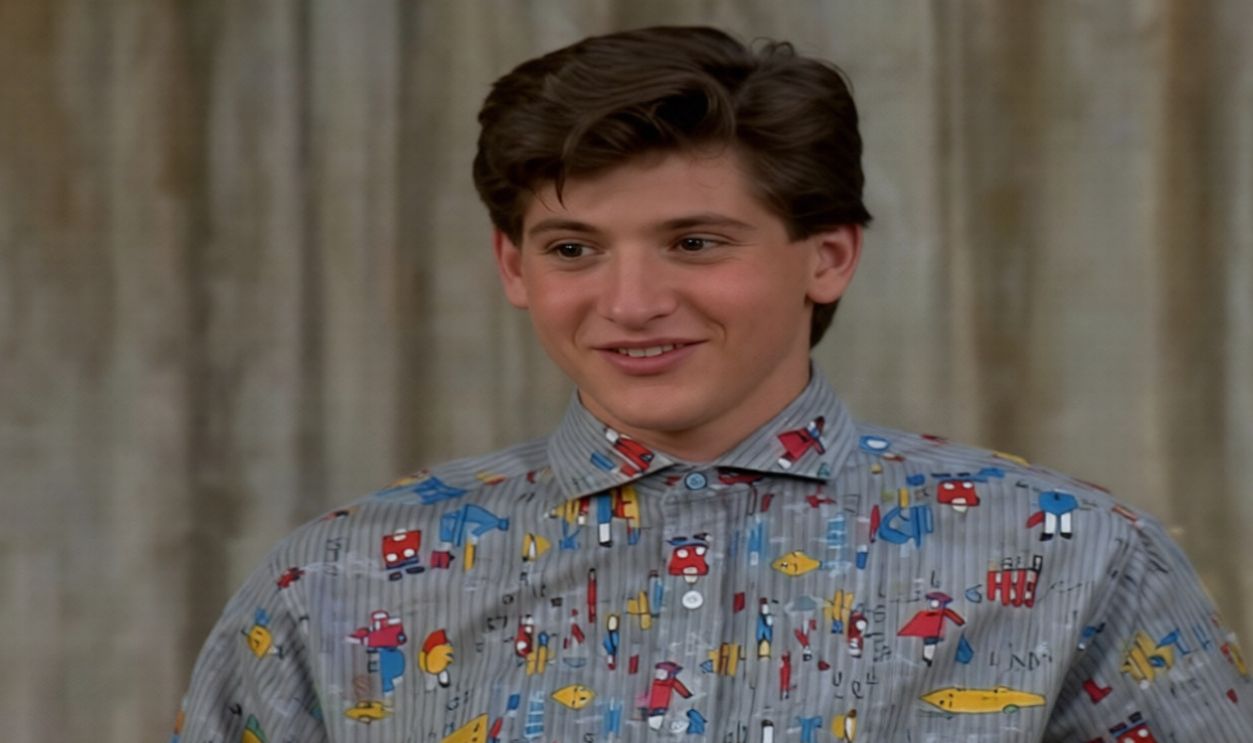 Screenshot from Growing Pains, ABC (1985–1992), Enhanced
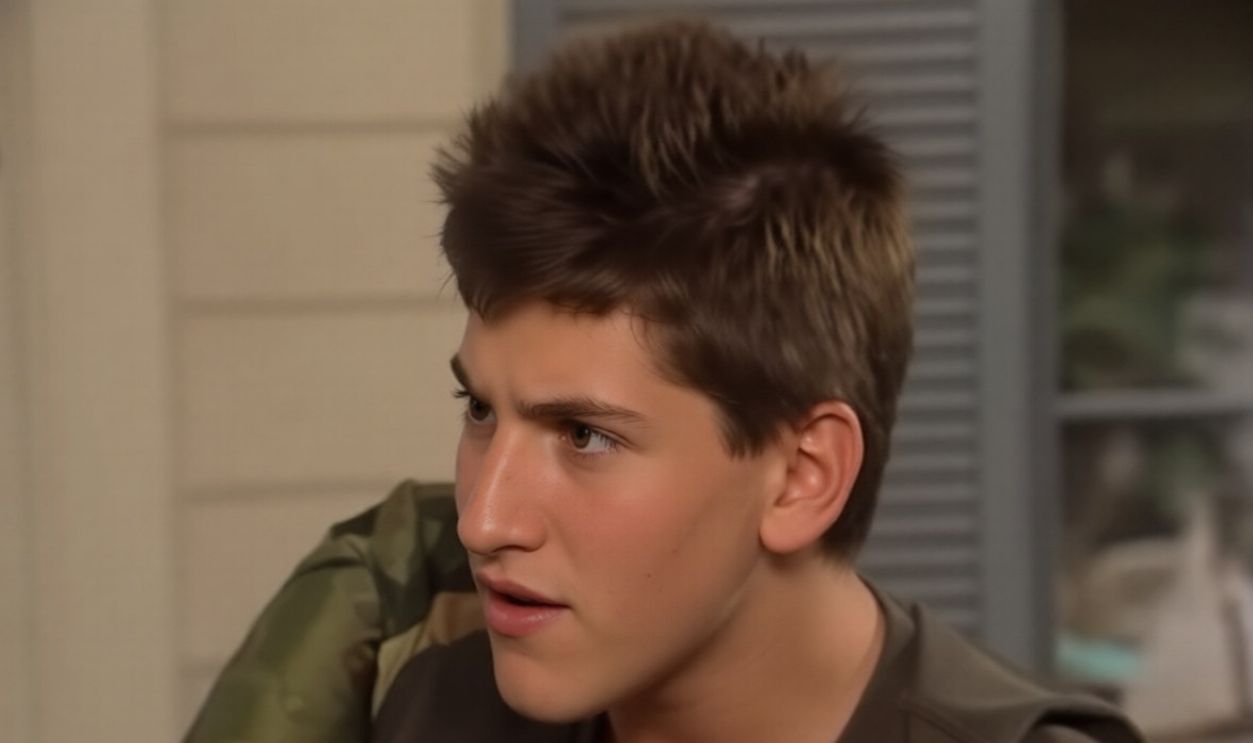
He Was More Than A Running Gag
The writers frequently treated Boner as dimmer and less sophisticated than Mike, but Koenig kept him from becoming completely ridiculous. He gave the character sweetness, curiosity, and loyalty. Boner might misunderstand the plan, but he almost always understood that his friend needed him.
 Screenshot from Growing Pains, ABC (1985–1992), Enhanced
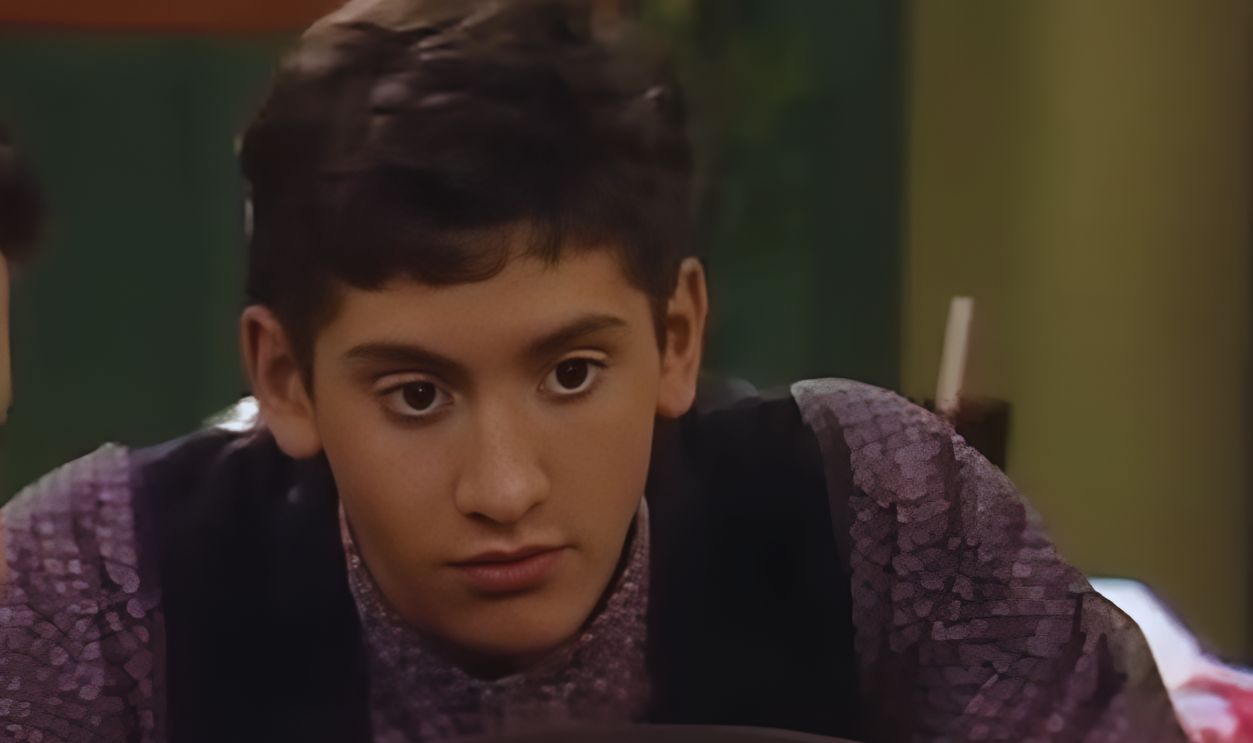
Koenig Made Confusion Look Effortless
Much of Boner’s comedy came from delayed reactions and wonderfully misplaced confidence. Koenig could listen to Mike explain a terrible idea, pause as though considering every detail, and then agree anyway. It was the expression of someone who had located the wrong answer and felt terrific about it.
 Screenshot from Growing Pains, ABC (1985–1992), Enhanced
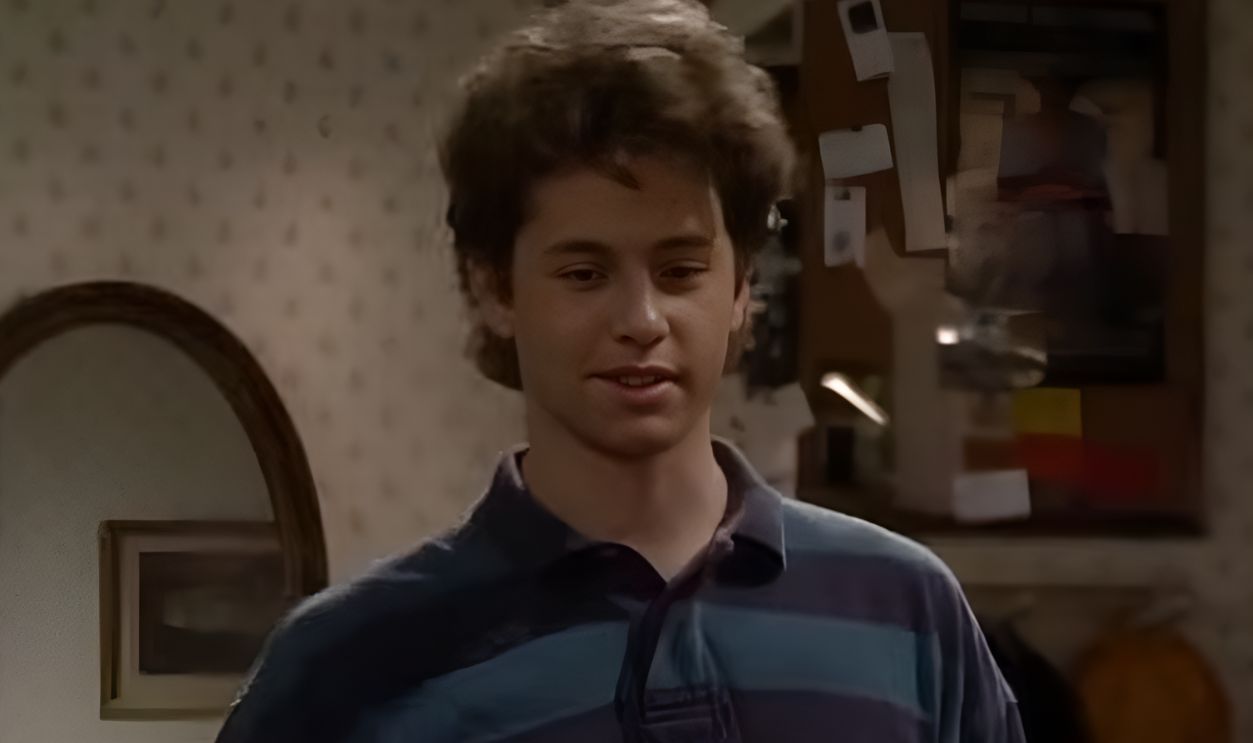
Their Friendship Felt Familiar
Mike and Boner resembled countless teenage friendships built around teasing, bad decisions, and the certainty that adulthood would never arrive. Mike usually acted like the leader, while Boner absorbed the joke. Underneath the imbalance, however, the two characters genuinely cared about one another.
 Screenshot from Growing Pains, ABC (1985–1992), Enhanced
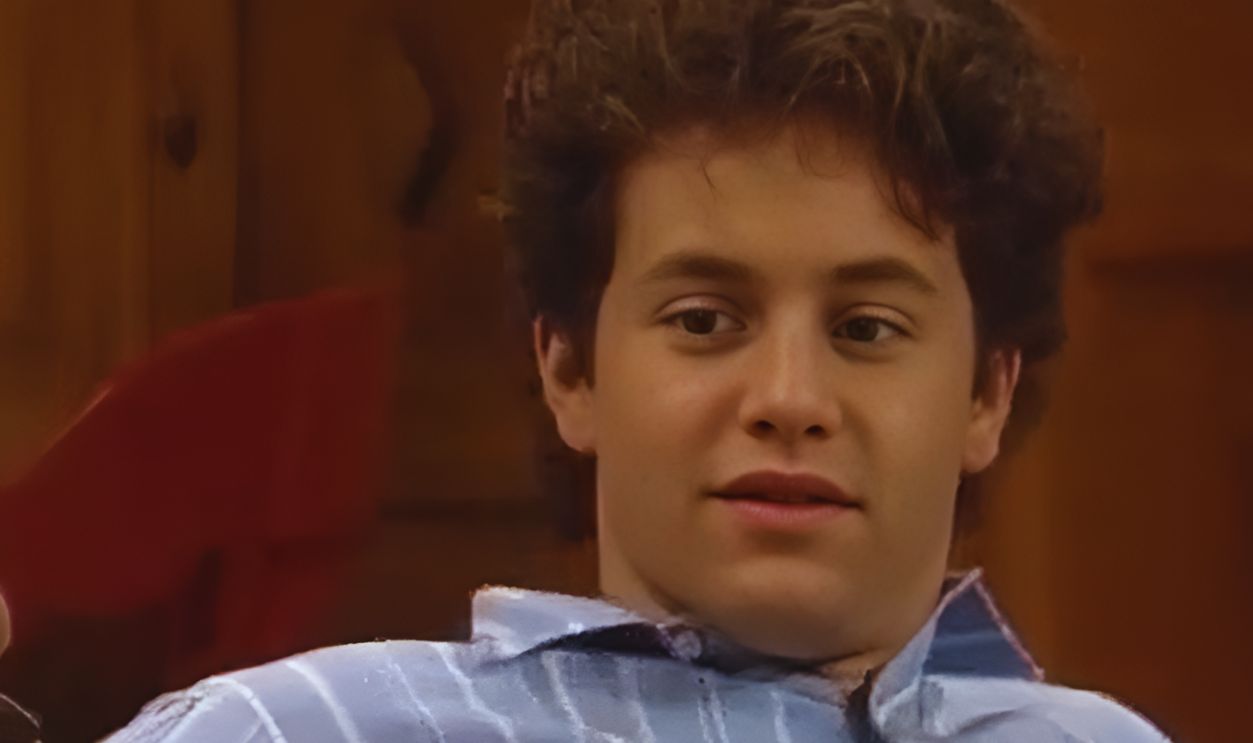
He Became An Honorary Seaver
Boner was not part of the opening-credit family portrait, but he belonged comfortably inside the Seaver home. He wandered into Mike’s bedroom, joined schemes, endured lectures, and reacted to family chaos. Viewers gradually stopped thinking of him as a guest and started expecting him to appear.
 Screenshot from Growing Pains, ABC (1985–1992), Enhanced
The Supporting Role Suited The Show
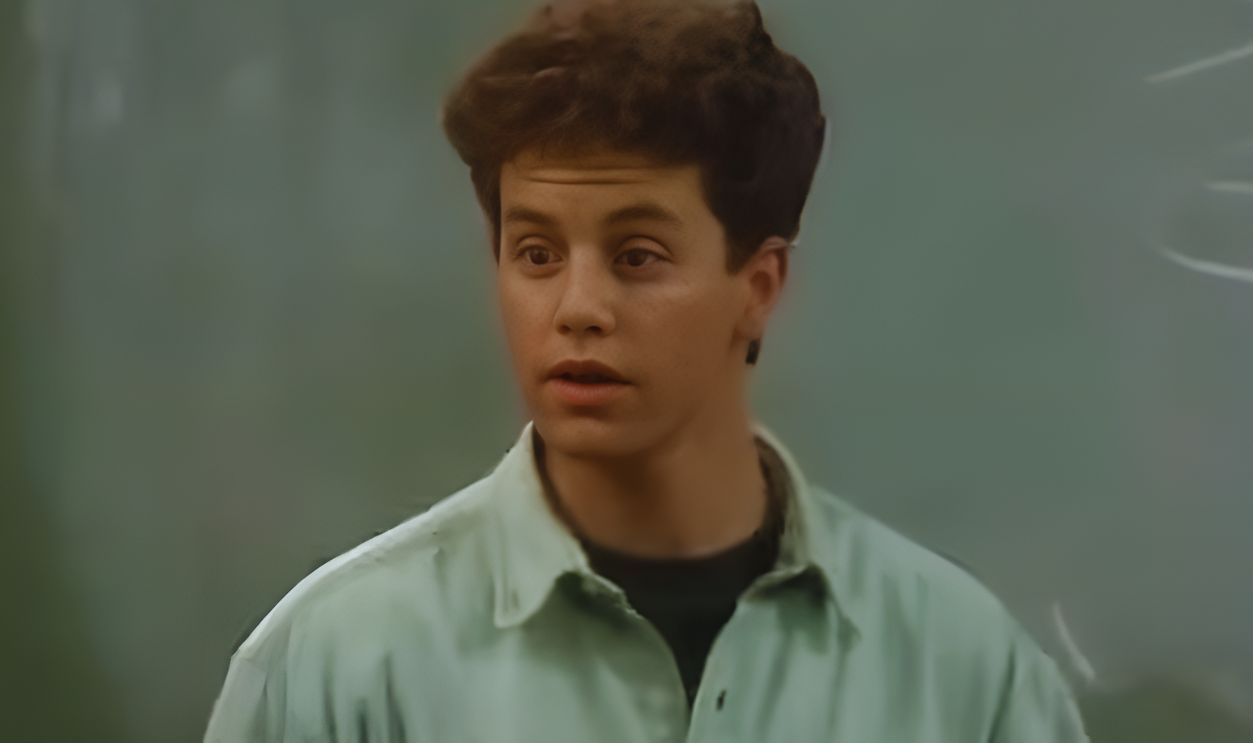
Growing Pains centered on family life, yet Mike’s friendships allowed the series to explore school, dating, peer pressure, and adolescent insecurity. Boner gave Mike someone his own age to confide in—or, more commonly, someone to recruit before Jason discovered what was happening.
 Screenshot from Growing Pains, ABC (1985–1992), Enhanced
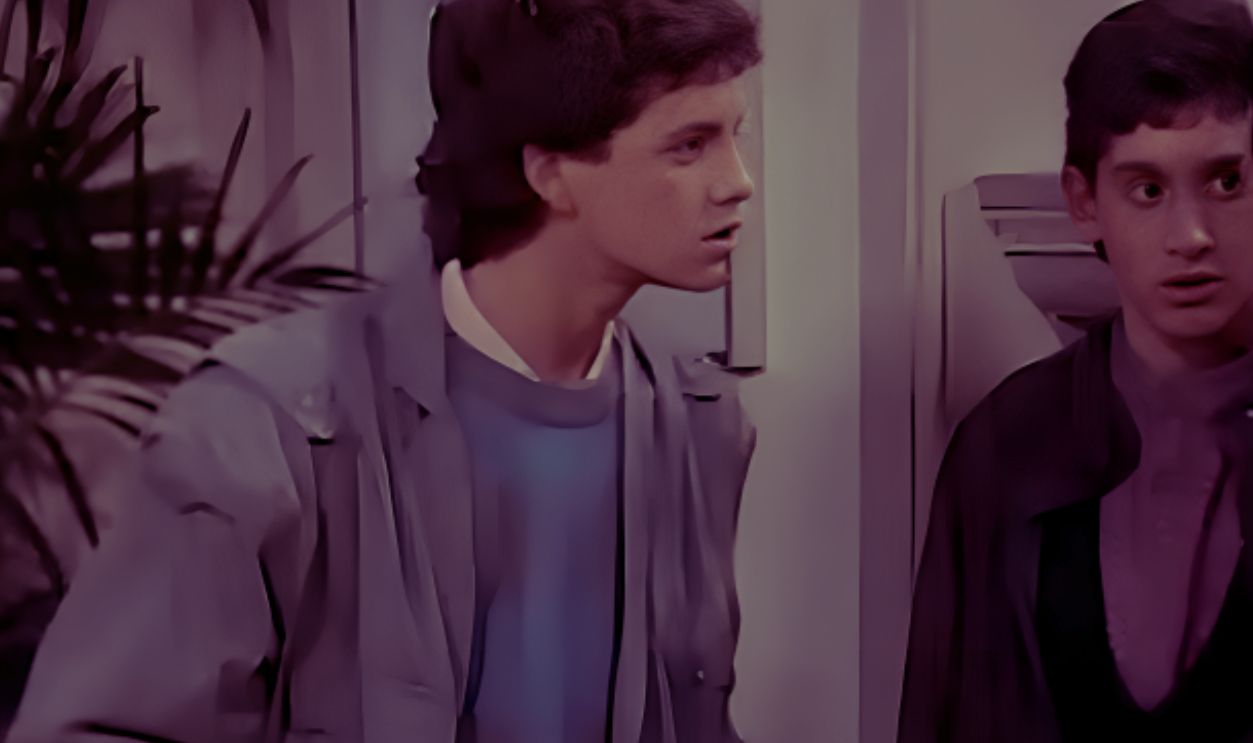
Boner Was The Lovable Underdog
Mike could be smug because he usually believed that charm would rescue him. Boner had far less social confidence, which made him easier to root for. When a plan collapsed, he looked genuinely surprised, as though the universe had violated a private agreement to let teenage nonsense succeed.
 Screenshot from Growing Pains, ABC (1985–1992), Enhanced
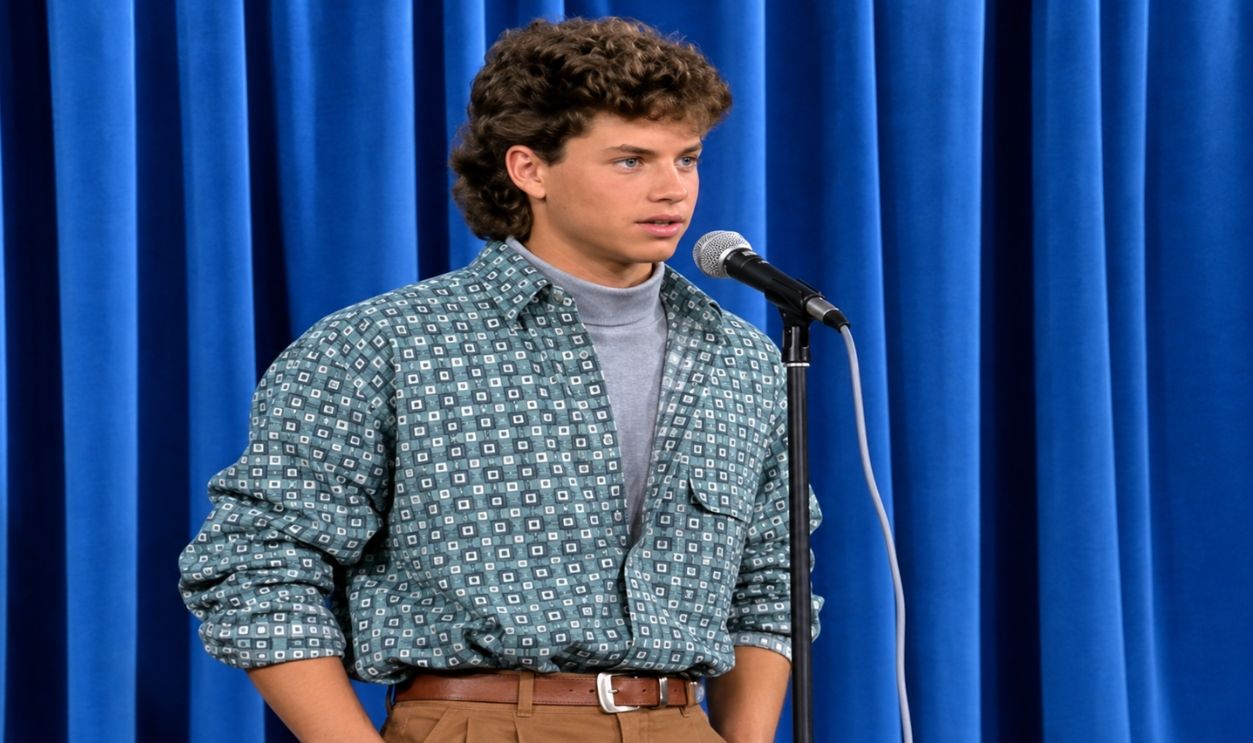
Koenig Never Fought For Attention
Andrew did not overpower scenes or compete with Cameron’s growing teen-idol status. His quieter approach made Boner work. While Mike supplied the energy, Boner often earned the laugh with a puzzled glance or an observation that arrived several seconds after everyone else had moved on.
 Screenshot from Growing Pains, ABC (1985–1992), Enhanced
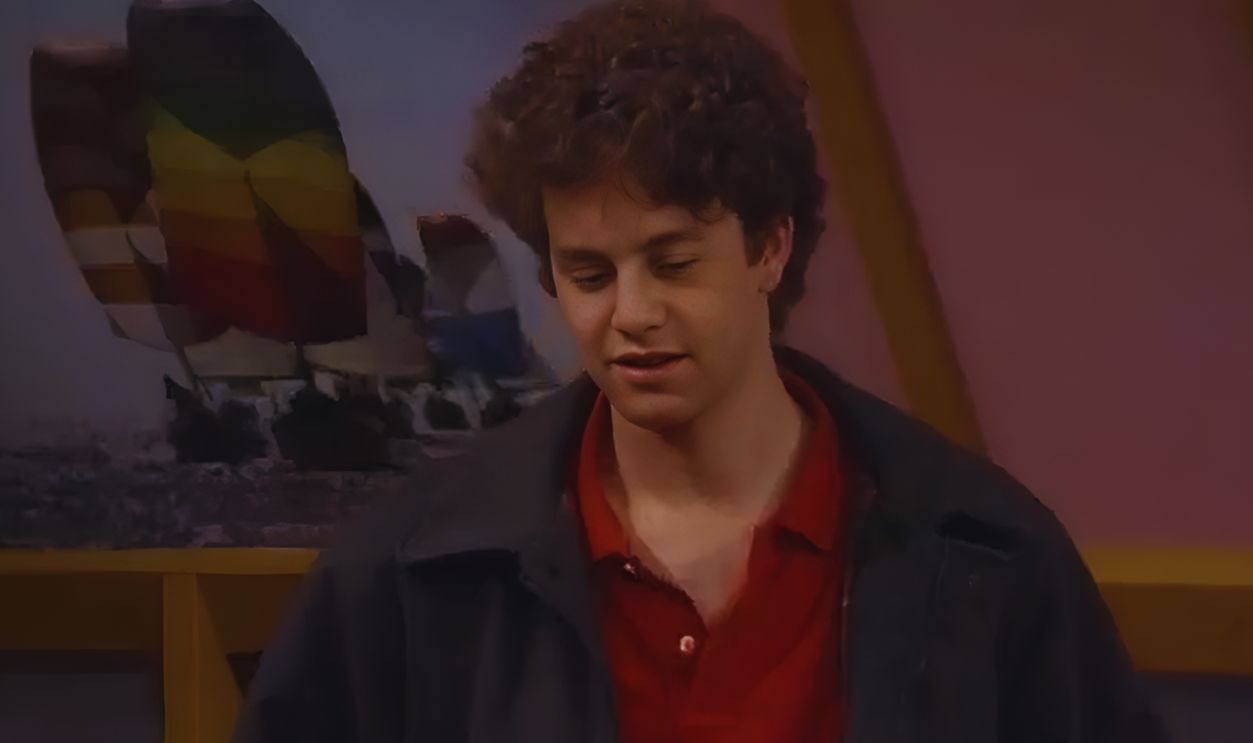
The Show Became A Major 1980s Hit
As Growing Pains gained viewers, Kirk Cameron became one of the decade’s most recognizable teenage stars. Koenig’s recurring role brought him national exposure as well. Suddenly, a young actor who had danced anonymously at the Olympics was appearing in living rooms across America.
 Screenshot from Growing Pains, ABC (1985–1992), Enhanced
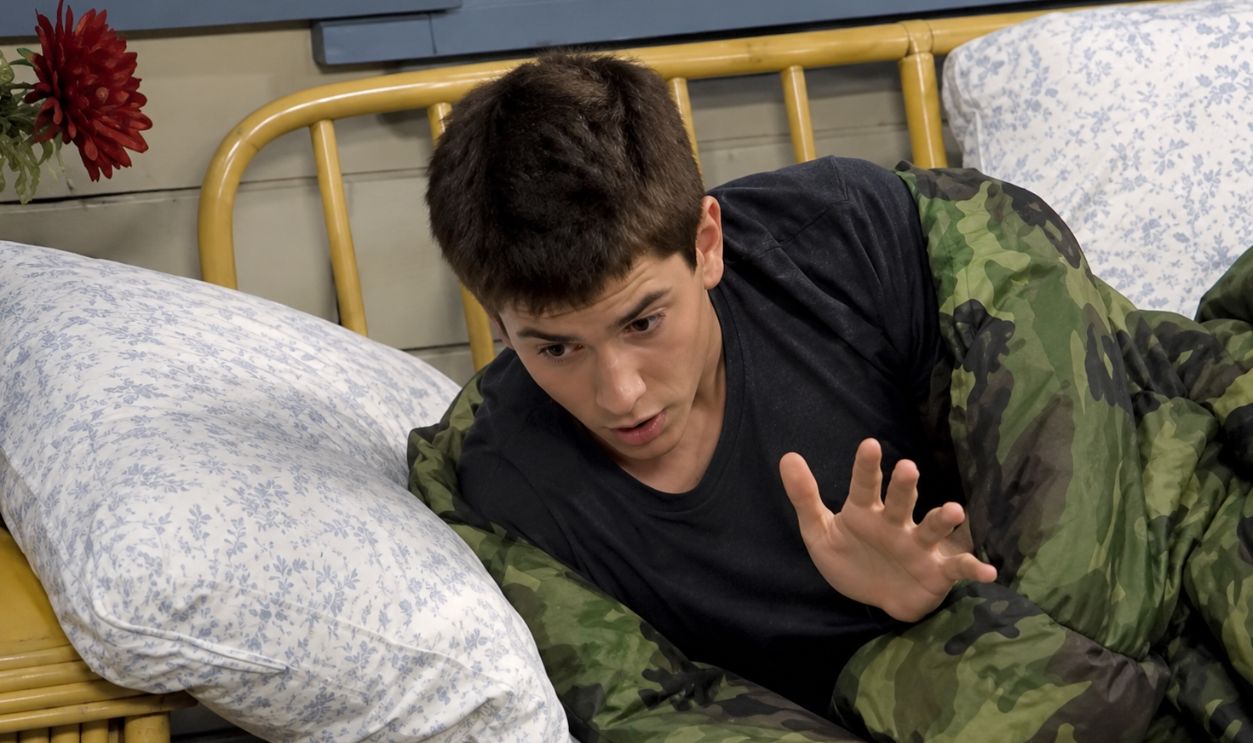
Fame Attached Itself To One Nickname
The role made Koenig recognizable, but it also linked him permanently to a name that could be difficult to outgrow. Audiences knew “Boner” far better than they knew Andrew. The stronger the character became, the harder it was for the actor to be seen as anything else.
 Screenshot from Growing Pains, ABC (1985–1992), Enhanced
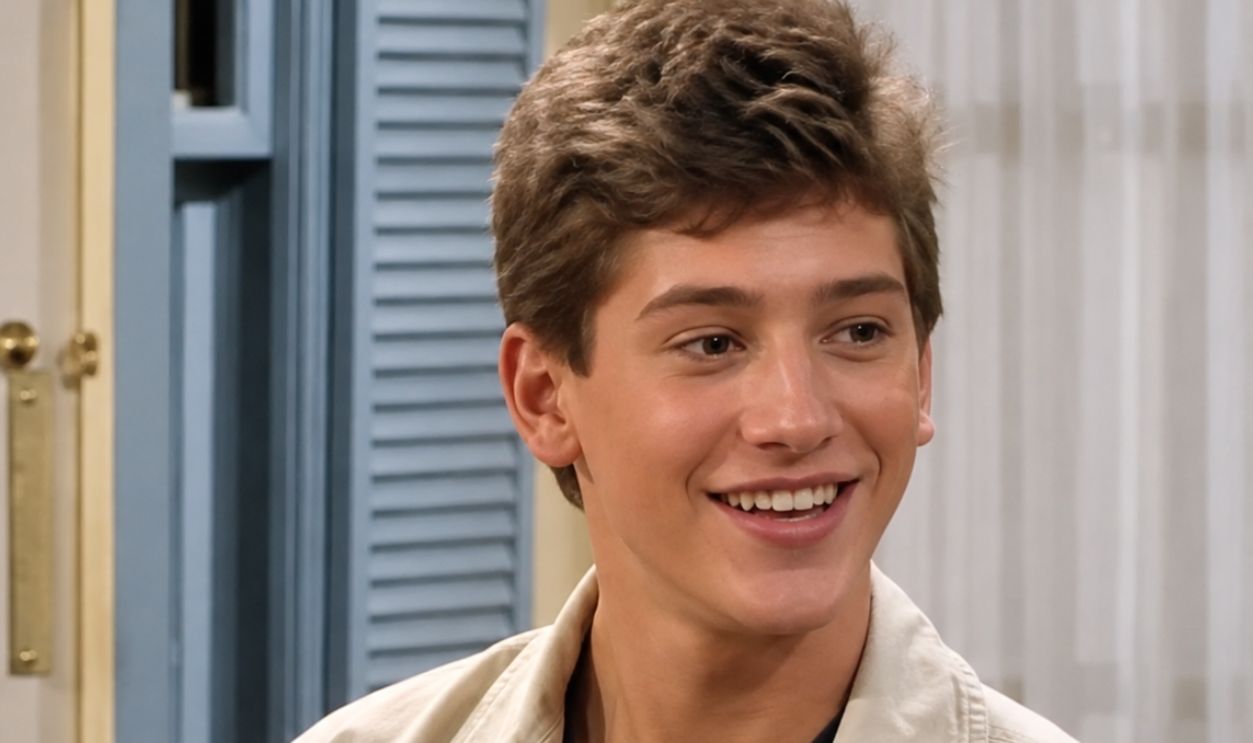
He Grew Up Alongside The Character
Koenig played Boner from 1985 through 1989, appearing across the show’s first four seasons. During those years, both actor and character moved from teenage uncertainty toward adulthood. The silly sidekick gradually began confronting questions that could not be solved with another joke.
 Screenshot from Growing Pains, ABC (1985–1992), Enhanced
Other Television Shows Took Notice
While appearing on Growing Pains, Koenig guest-starred on programs including My Sister Sam, My Two Dads, and 21 Jump Street. The roles demonstrated that he could work outside the Seaver universe, even if audiences remained most excited whenever they recognized Mike’s old friend.
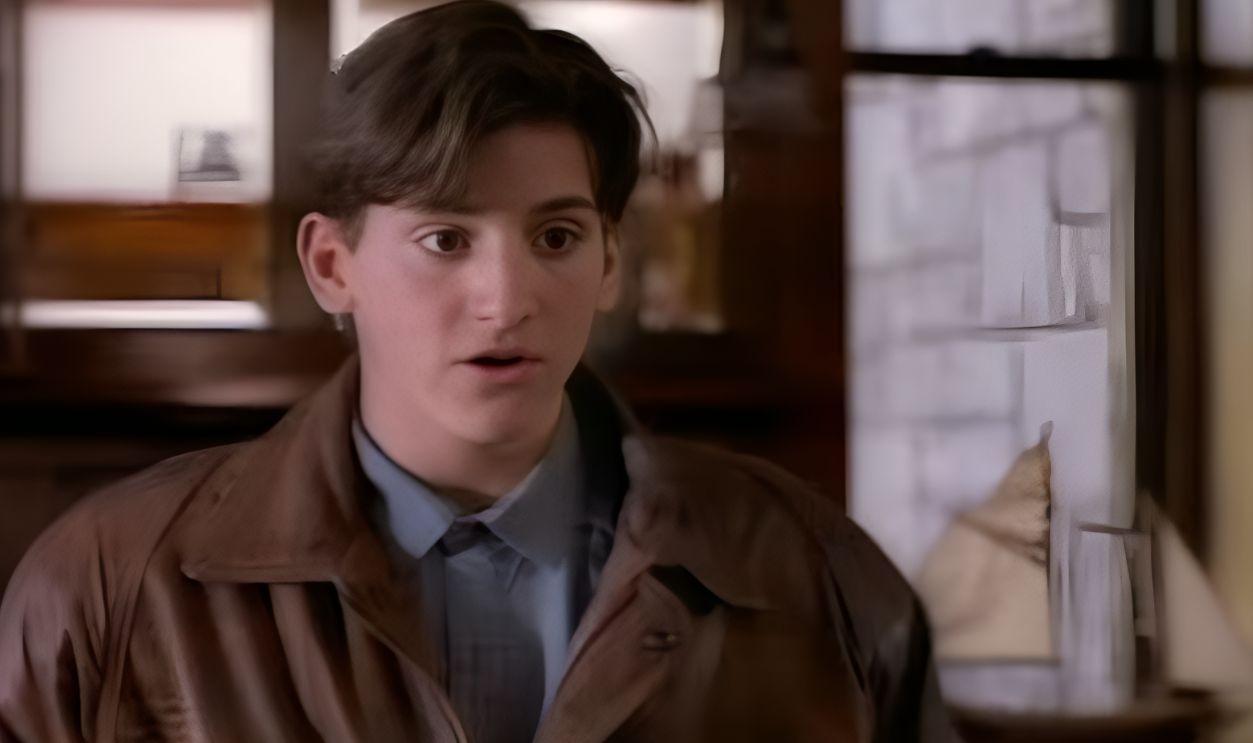 Screenshot from 21 Jump Street, Fox (1987–1991), Enhanced
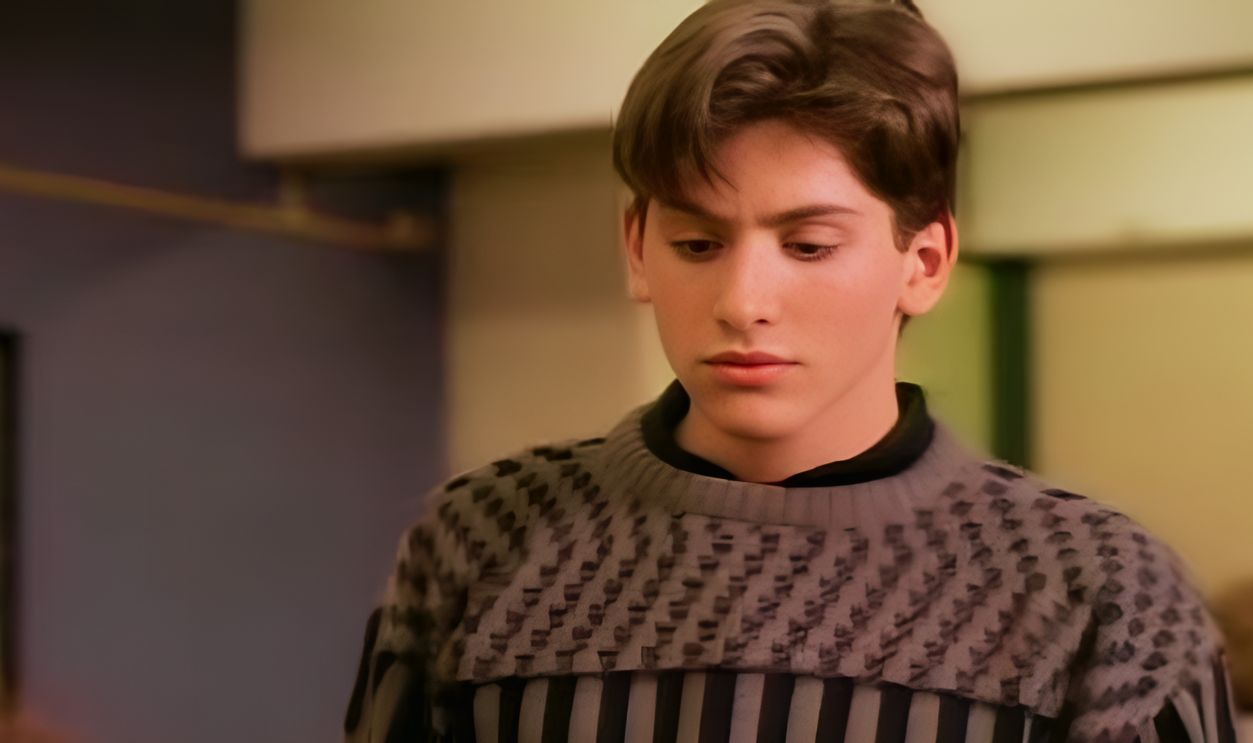
21 Jump Street Showed Another Side
On 21 Jump Street, Koenig played a student bullied by a school athlete. The role carried more anger and vulnerability than Boner usually displayed. It offered a glimpse of the dramatic ability hidden beneath the sitcom character’s confused smiles and unfortunate nickname.
 Screenshot from 21 Jump Street, Fox (1987–1991), Enhanced
Boner Eventually Reached A Crossroads
By the fourth season of Growing Pains, Mike and Boner had entered college. Neither had magically transformed into a model student. Yet while Mike remained comfortable drifting through life, Boner began questioning whether he needed a clearer direction—and the answer changed everything.
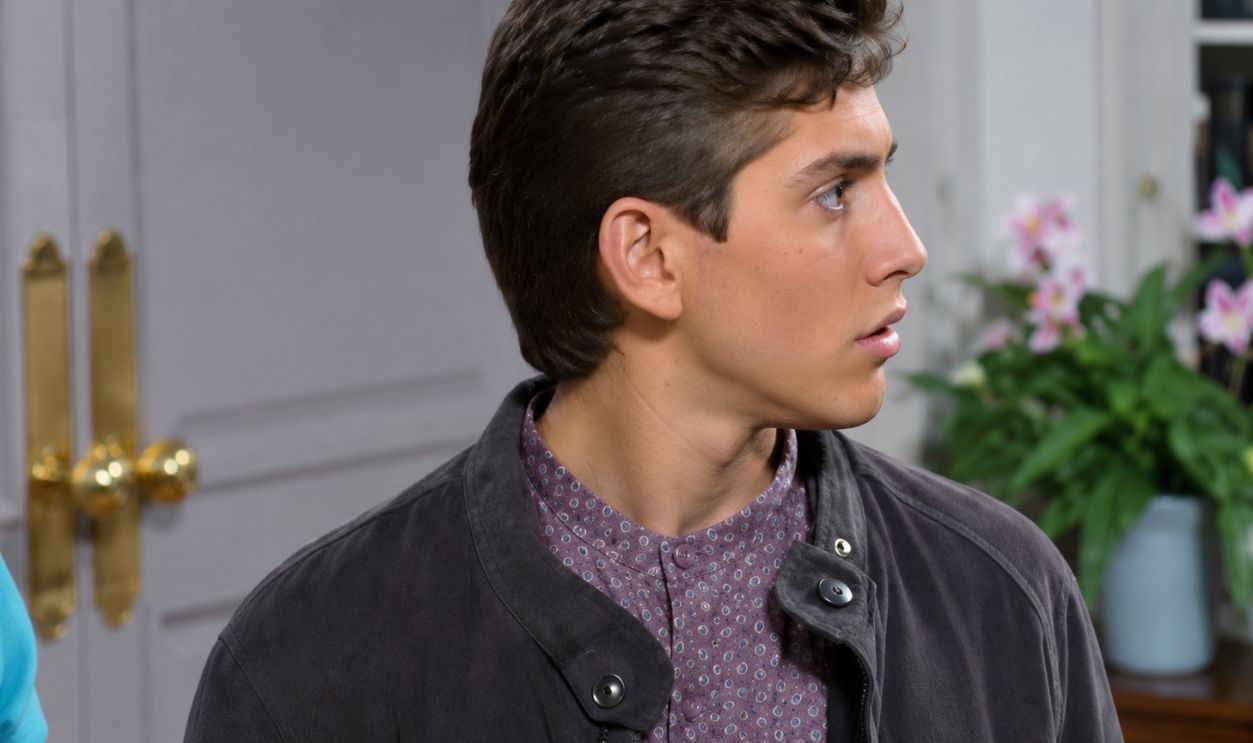 Screenshot from Growing Pains, ABC (1985–1992), Enhanced
He Failed His First College Semester
In the February 1, 1989 episode “Semper Fidelis,” Boner failed his first semester and decided to join the Marines. Mike felt abandoned and initially treated the decision as another bad idea. For once, however, Boner had made a serious choice without asking Mike to lead him.
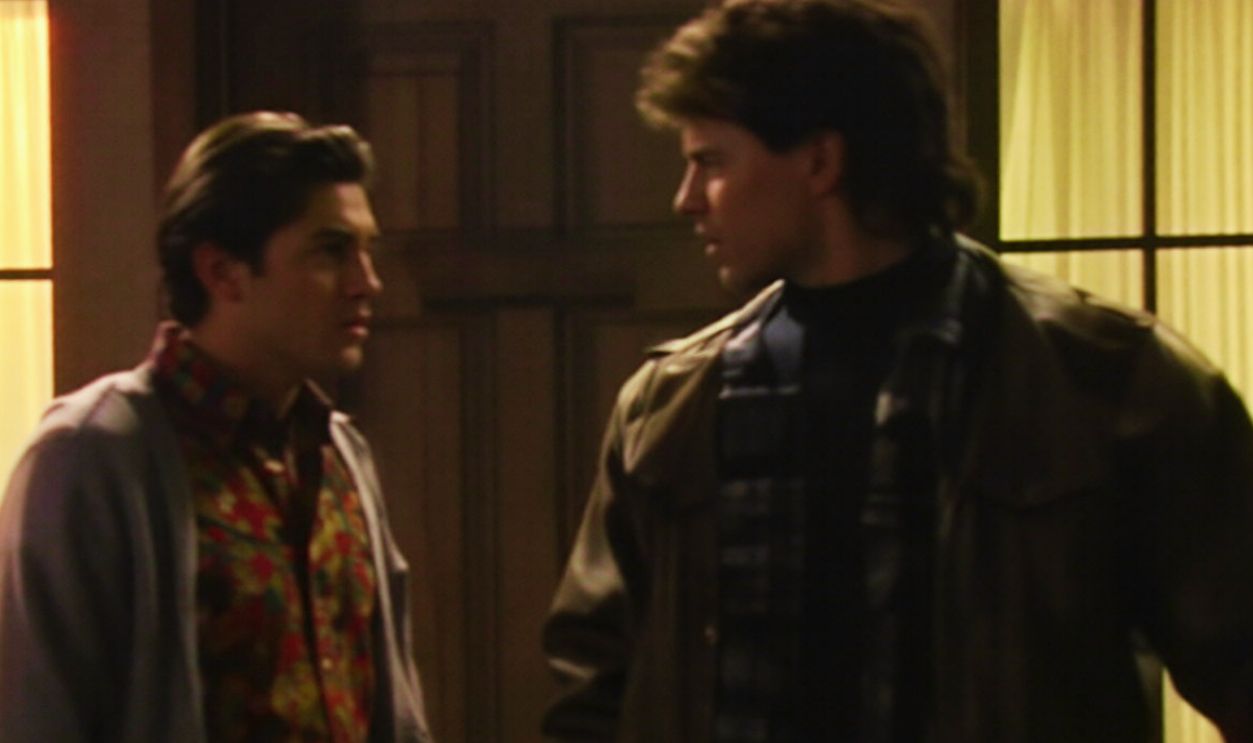 Screenshot from Growing Pains, ABC (1985–1992), Enhanced
The Sidekick Suddenly Moved Ahead
Boner’s decision forced Mike to recognize that his supposedly less capable friend had taken responsibility for his future. The person who normally followed was now leaving first. Beneath the sitcom dialogue was a surprisingly honest fear: Mike was losing the friend who had made adolescence feel permanent.
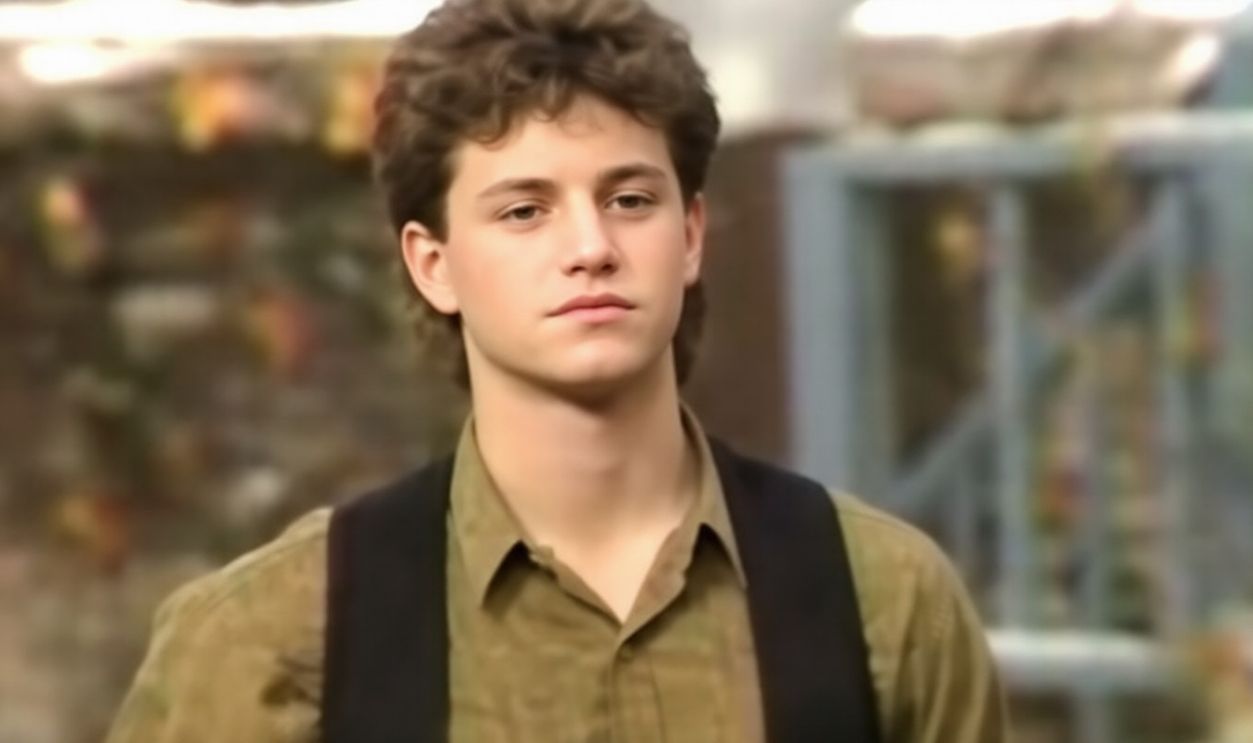 Screenshot from Growing Pains, ABC (1985–1992), Enhanced
Their Goodbye Gave Boner Dignity
Before leaving, Boner tried to repair the friendship Mike had allowed to deteriorate. Mike eventually accepted that his anger came from sadness and uncertainty. Their farewell gave Koenig one of his most meaningful moments on the series, allowing Boner to depart as more than comic relief.
 Screenshot from Growing Pains, ABC (1985–1992), Enhanced
Then He Disappeared From The Series
Koenig’s departure ended his four-season run as one of Growing Pains’ most recognizable supporting players. Boner did not return for the remaining seasons or the later reunion movies. Like many childhood friends, he simply traveled down another road and vanished from the weekly story.
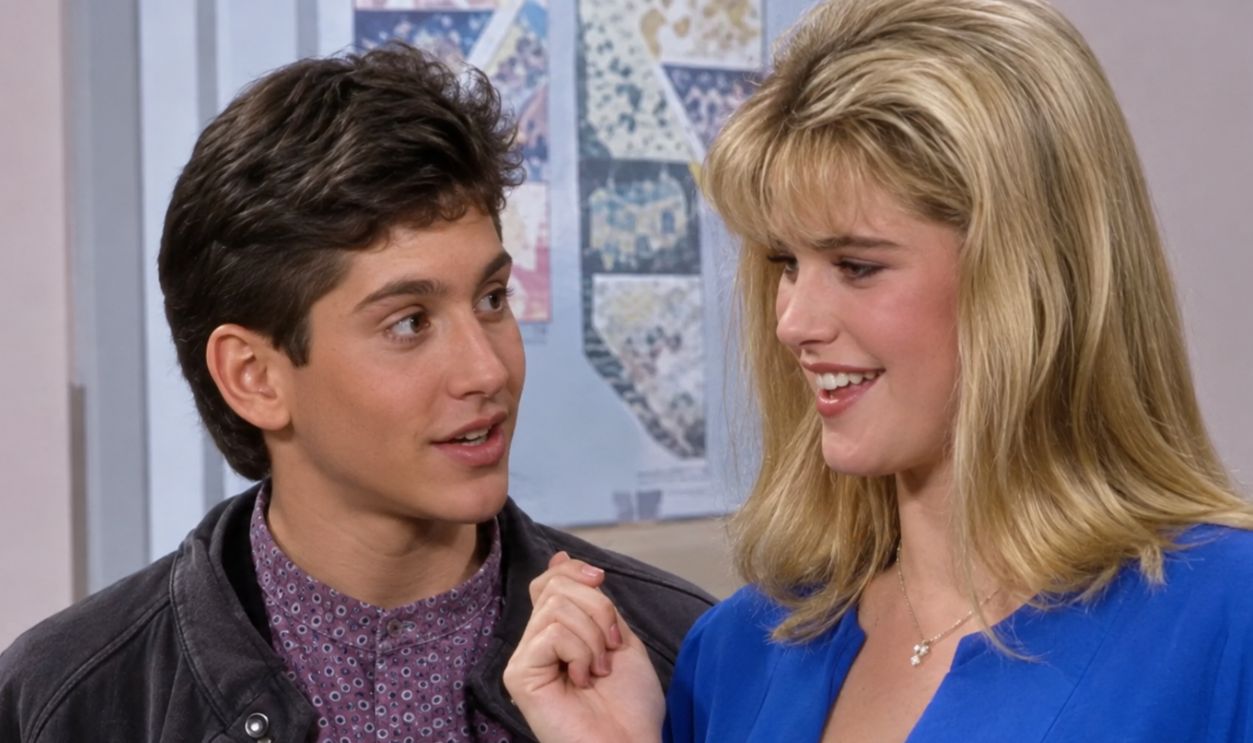 Screenshot from Growing Pains, ABC (1985–1992), Enhanced
Hollywood Offered A Familiar Problem
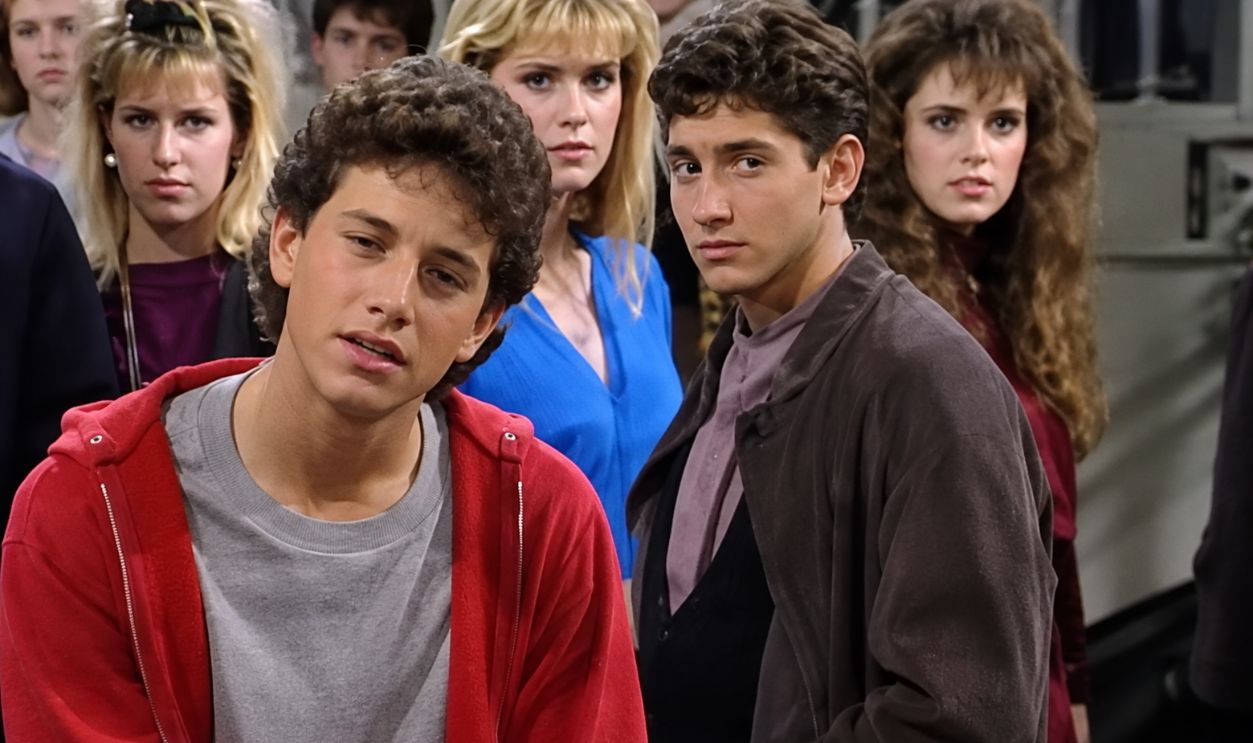
Leaving a successful sitcom did not automatically free Koenig from the character who had made him famous. Casting directors could recognize him instantly while still struggling to imagine him differently. He continued working, but the conventional path from sitcom sidekick to leading man never materialized.
 Screenshot from Growing Pains, ABC (1985–1992), Enhanced
He Made An Unexpected Star Trek Appearance
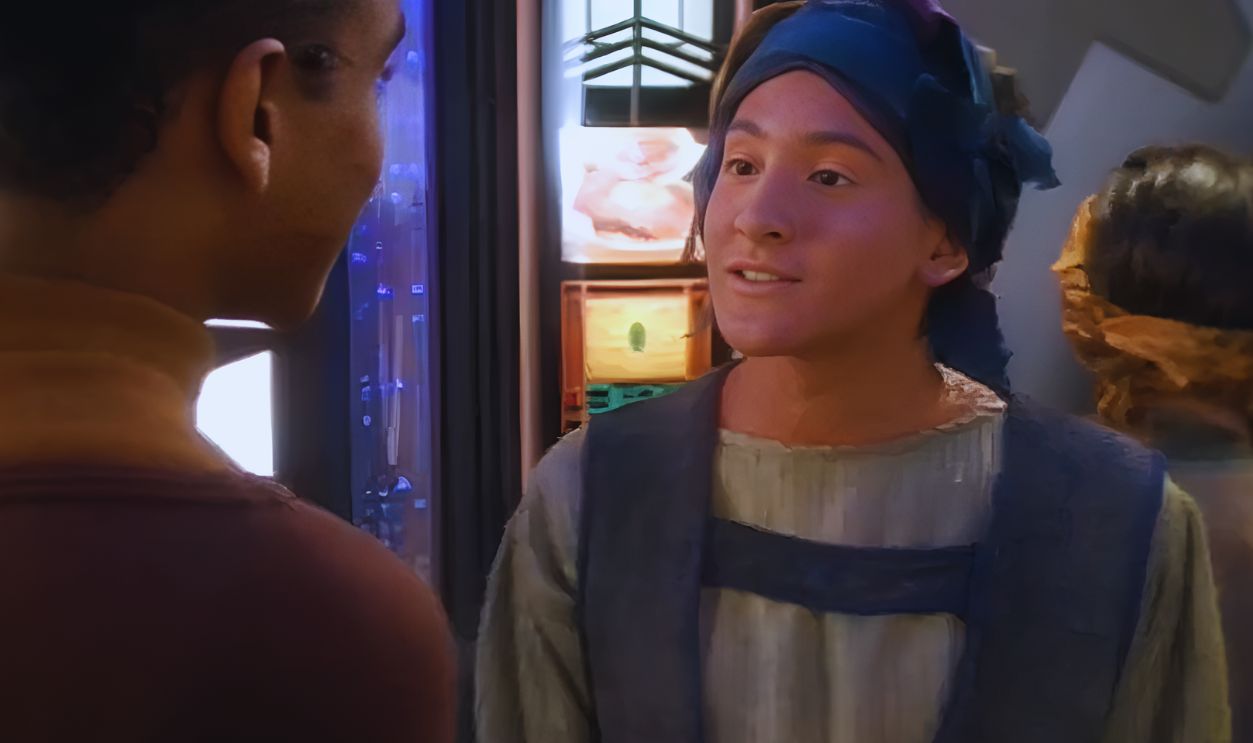
In 1993, Koenig appeared in an episode of Star Trek: Deep Space Nine. The role created a small connection to the franchise that had made his father famous decades earlier. However, Andrew showed little interest in building a career entirely around the family name.
 Screenshot from Star Trek: Deep Space Nine, Paramount Television (1993–1999), Enhanced
He Moved Behind The Camera
Koenig increasingly worked as an editor, writer, director, and producer. His family later credited him with helping create more than a dozen films and other projects. The transition allowed him to remain creative without depending entirely on auditions or another network sitcom role.

Independent Projects Offered More Freedom
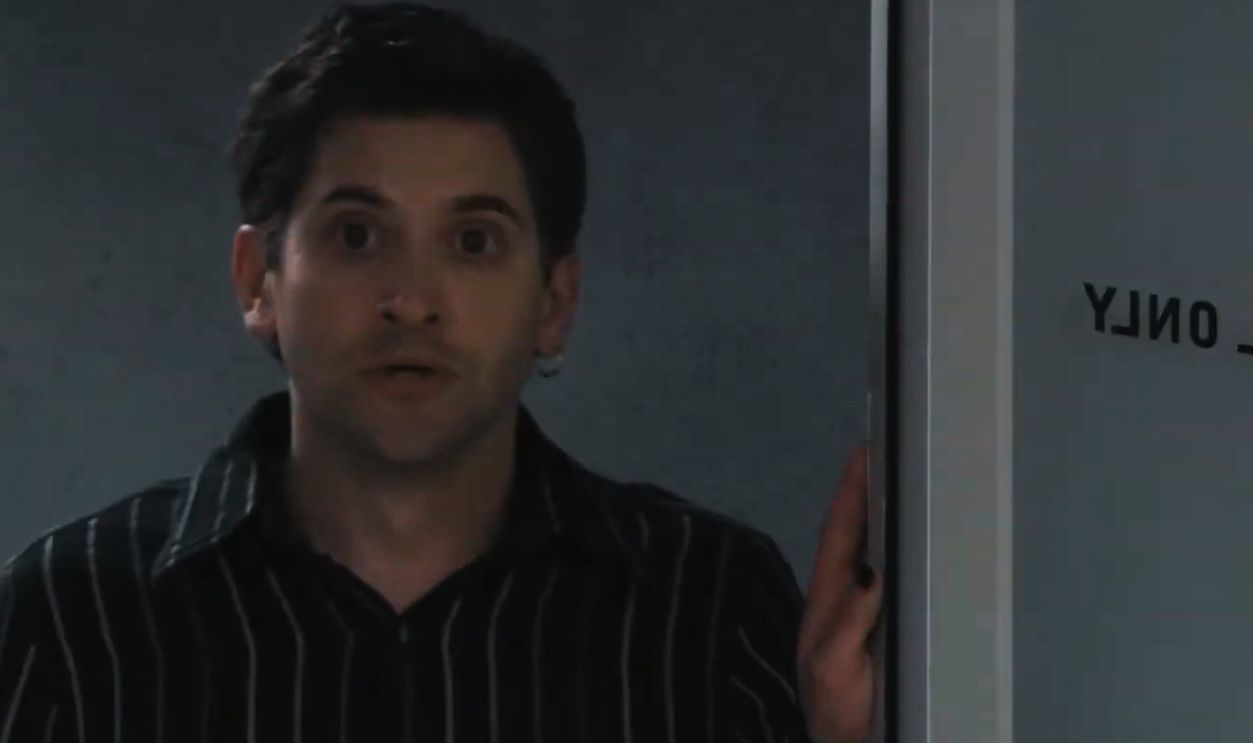
He worked on short films including Good Boy, Woman in a Green Dress, and Instinct vs. Reason. He also appeared in independent productions such as The Theory of Everything and InAlienable. These projects attracted smaller audiences but offered opportunities far removed from Boner Stabone.
 Screenshot from InAlienable, Renegade Studios (2007)
He Became The Joker
Koenig played the Joker in Sandy Collora’s 2003 fan film Batman: Dead End. The dark, rain-soaked short became an internet and convention favorite. For viewers accustomed to his sweetly bewildered sitcom character, watching Koenig transform into Batman’s grinning enemy was a startling change.
 Screenshot from Batman: Dead End, TheForce.Net (2003)
Comedy Still Remained Important
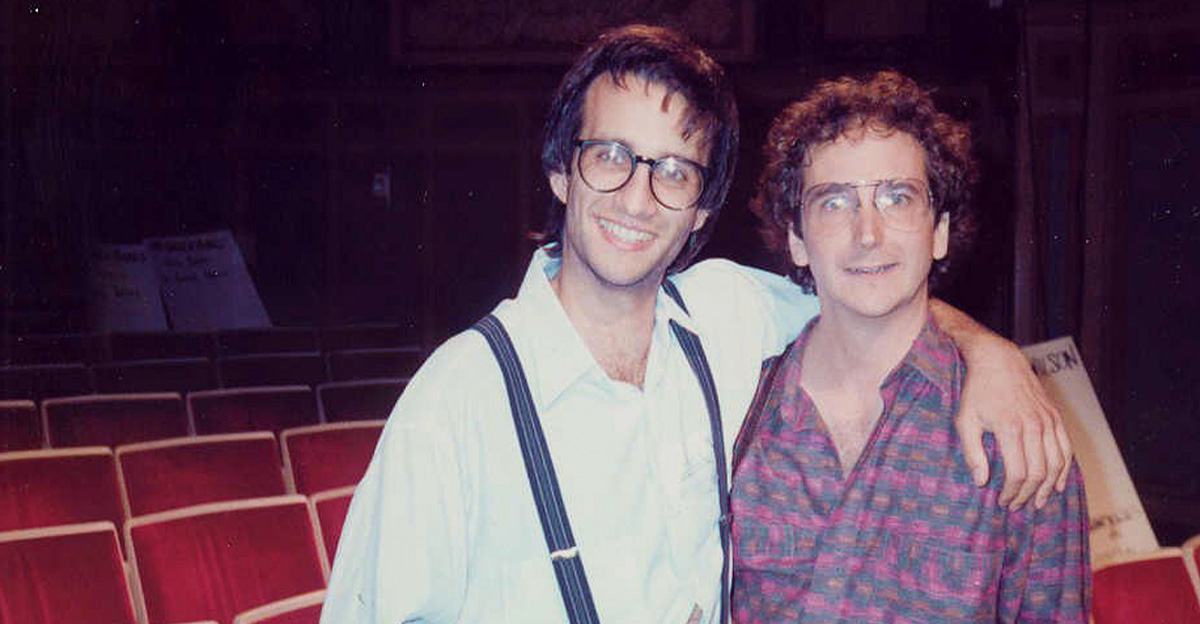
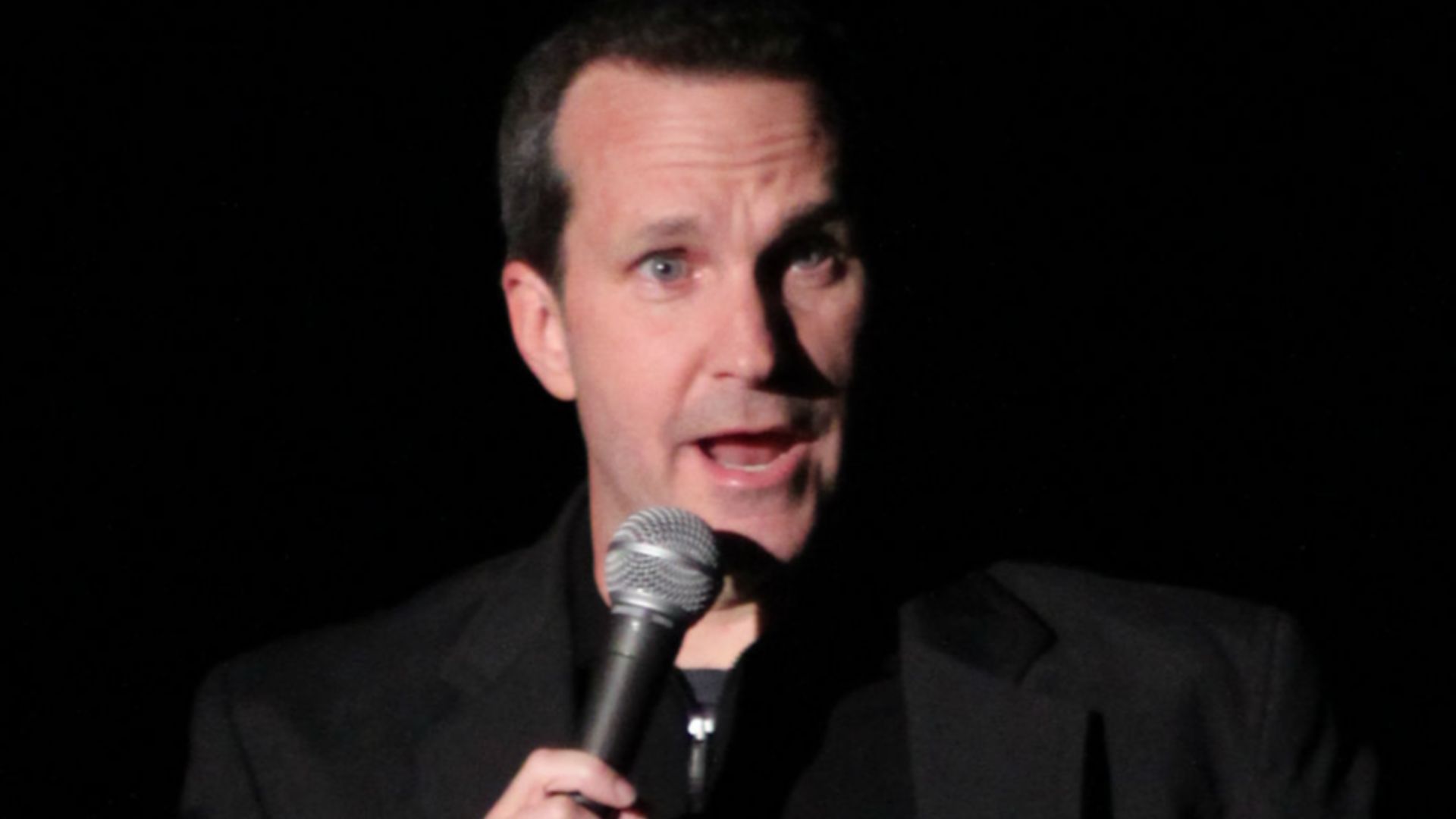
Koenig performed with improvisational groups in Los Angeles and Vancouver and later appeared with the theatrical company Fake Radio. He also worked as a video producer for comedian Jimmy Pardo’s podcast Never Not Funny. Fame had become smaller, more collaborative, and apparently more personal.
 Reed Kavner, Wikimedia Commons
He Lived According To His Beliefs
Away from entertainment, Koenig became a committed vegan and advocate for nonviolence, environmental protection, and human rights. His family remembered him as someone who did not merely discuss his principles. When a cause mattered to him, he wanted to become directly involved.
 Screenshot from Growing Pains, ABC (1985–1992), Enhanced
Burma Became A Major Concern
Andrew supported efforts to draw attention to abuses committed by Burma’s military government. He traveled to the region and became involved with the U.S. Campaign for Burma. It was work driven by compassion rather than publicity, and it revealed priorities rarely mentioned beside his sitcom credits.
 Jakub Hałun, Wikimedia Commons
He Risked Arrest For A Cause
During the 2008 Rose Parade in Pasadena, Koenig protested China’s support for Burma’s military rulers. He stepped into the parade near a float promoting the Beijing Olympics and carried a “Free Burma” message. Authorities arrested him, but the demonstration accomplished its purpose: people noticed.
 Jason McHuff from Portland, Oregon, Wikimedia Commons
Vancouver Became Another Home
Koenig spent significant time in Vancouver, where he performed improv and developed close friendships. The city offered a creative community removed from the machinery of Los Angeles. By then, he had largely left mainstream Hollywood’s career ladder behind without abandoning art or performance.
 Quintin Soloviev, Wikimedia Commons
He Was Fighting A Private Battle
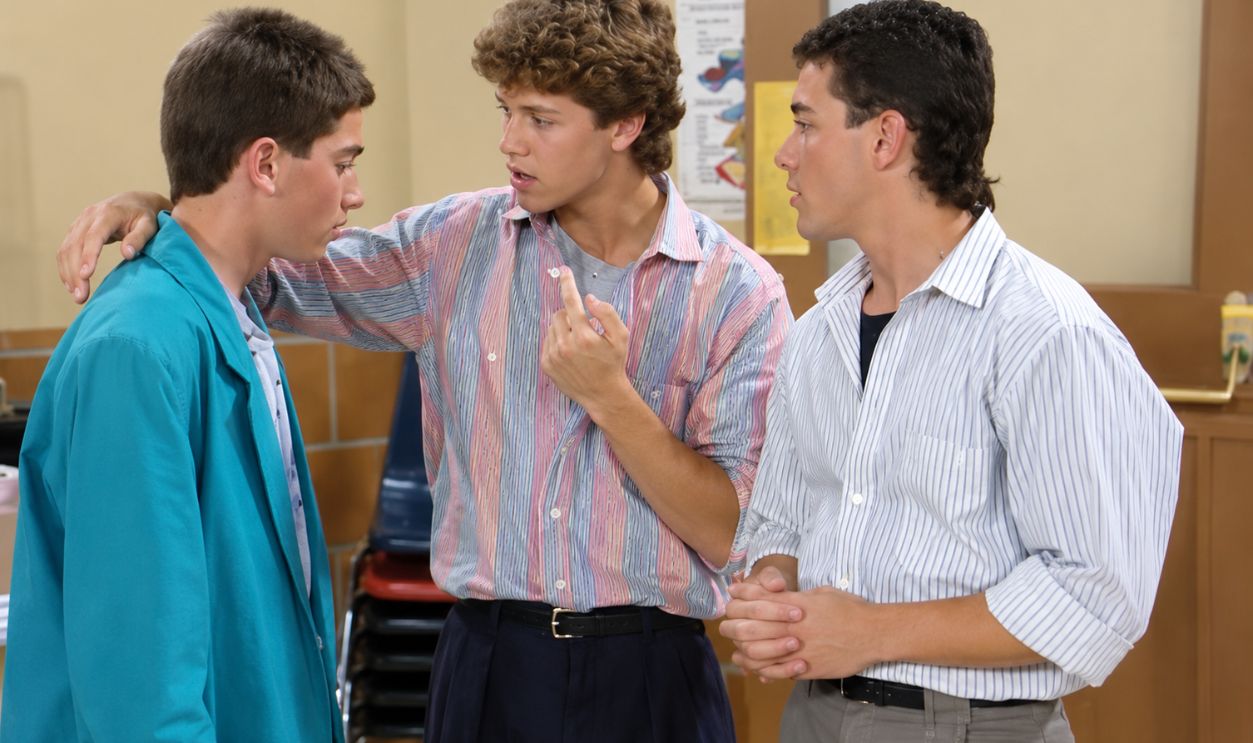
Behind his creative projects and activism, Koenig had experienced a long struggle with depression. His family later spoke openly about that history, but it should not be treated as an explanation for every decision he made. Depression was part of his life; it was never the sum of it.
 Screenshot from Growing Pains, ABC (1985–1992), Enhanced
His Disappearance Sparked A Search
While visiting Vancouver in February 2010, Koenig stopped communicating with family and friends. When he failed to return as expected, his parents traveled to Canada and publicly appealed for help. Friends, volunteers, and authorities searched areas he was known to visit.
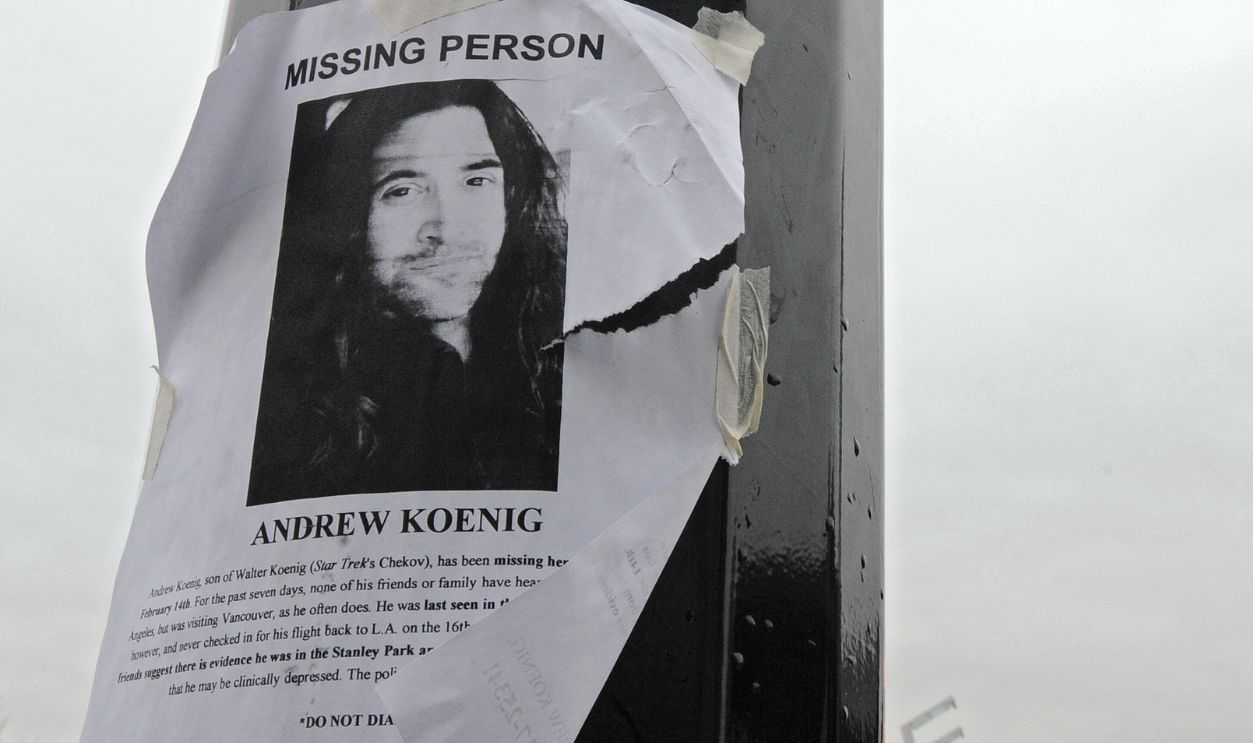
His Friends Found Him In Stanley Park
On February 25, searchers found Koenig in Vancouver’s Stanley Park. He had taken his own life at age 41. Walter Koenig confirmed the heartbreaking news and urged anyone experiencing similar despair to understand that others cared and that help could still be found.
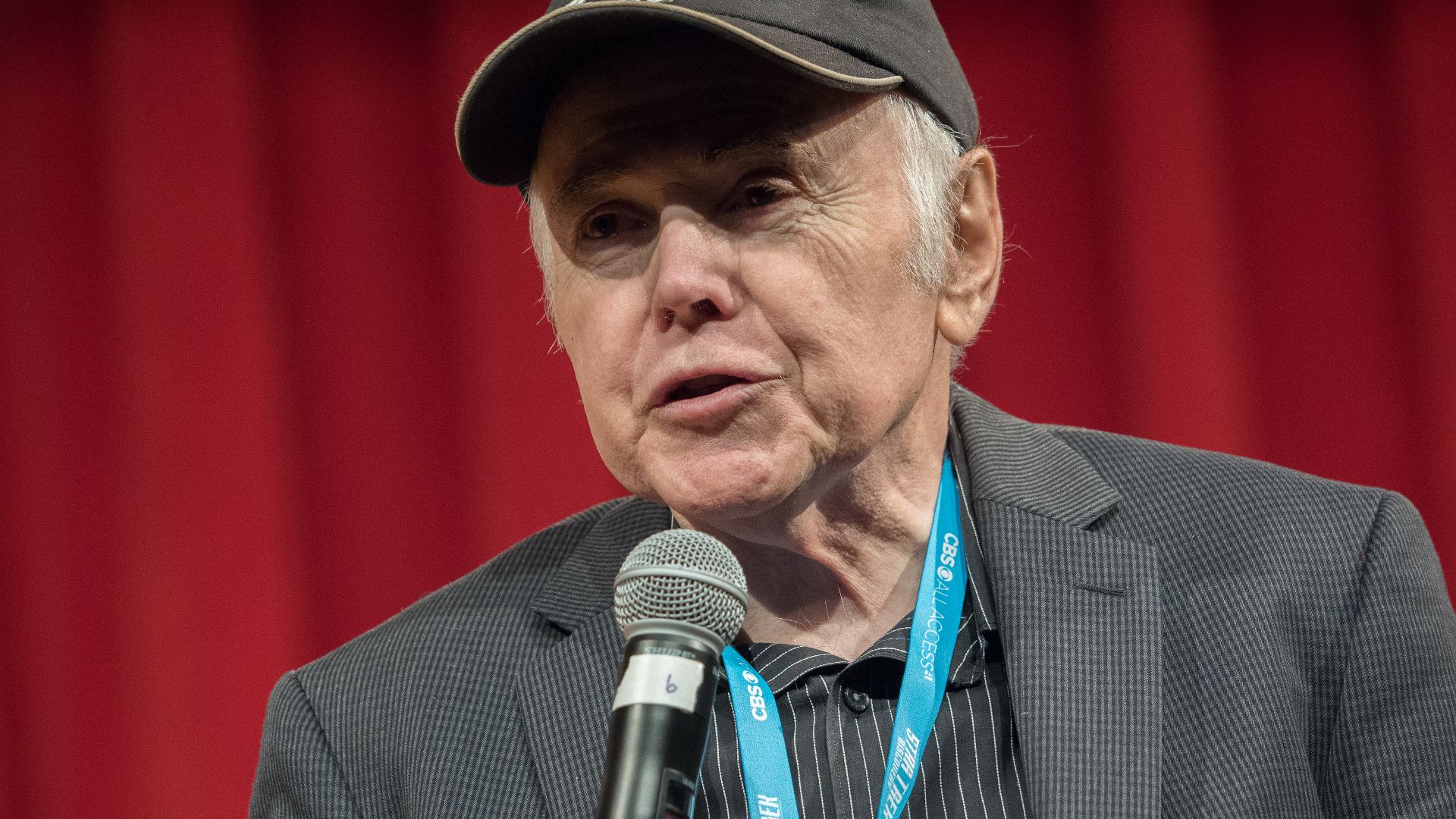 Mike Muegel, Wikimedia Commons
His Family Wanted People To Remember More
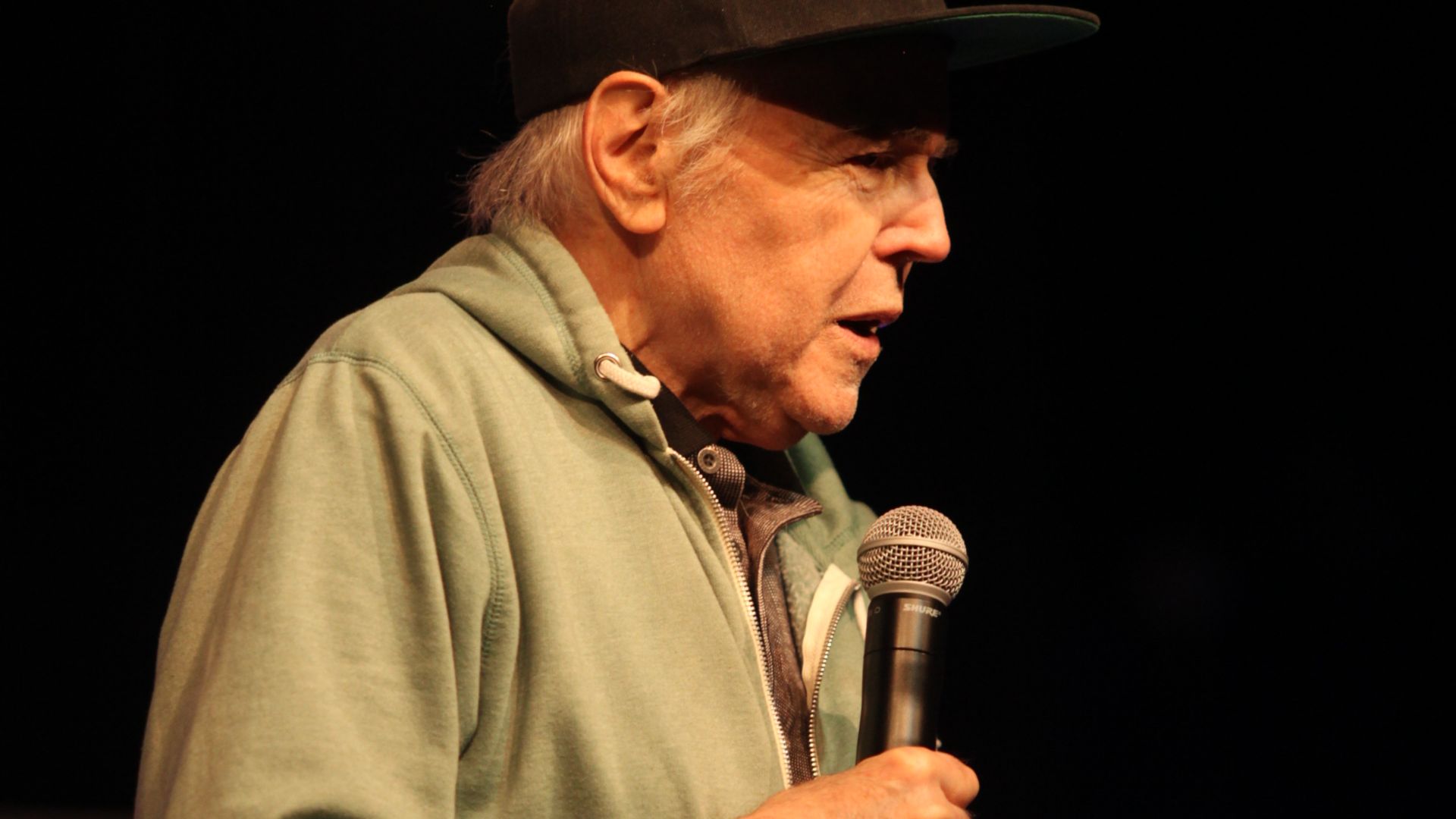
Andrew’s family described him as funny, caring, gifted, passionate, and deeply ethical. They emphasized his filmmaking, performances, activism, and compassion. Their tribute made clear that the familiar television role represented only one small piece of the person they loved.
 Super Festivals from Ft. Lauderdale, USA, Wikimedia Commons
He Deserved To Be Remembered As Andrew
Andrew Koenig gave Growing Pains something every family sitcom needed: the friend who could arrive, complicate everything, and somehow make the house feel warmer. Boner Stabone made him recognizable, but Andrew’s life extended far beyond one eccentric television teenager.
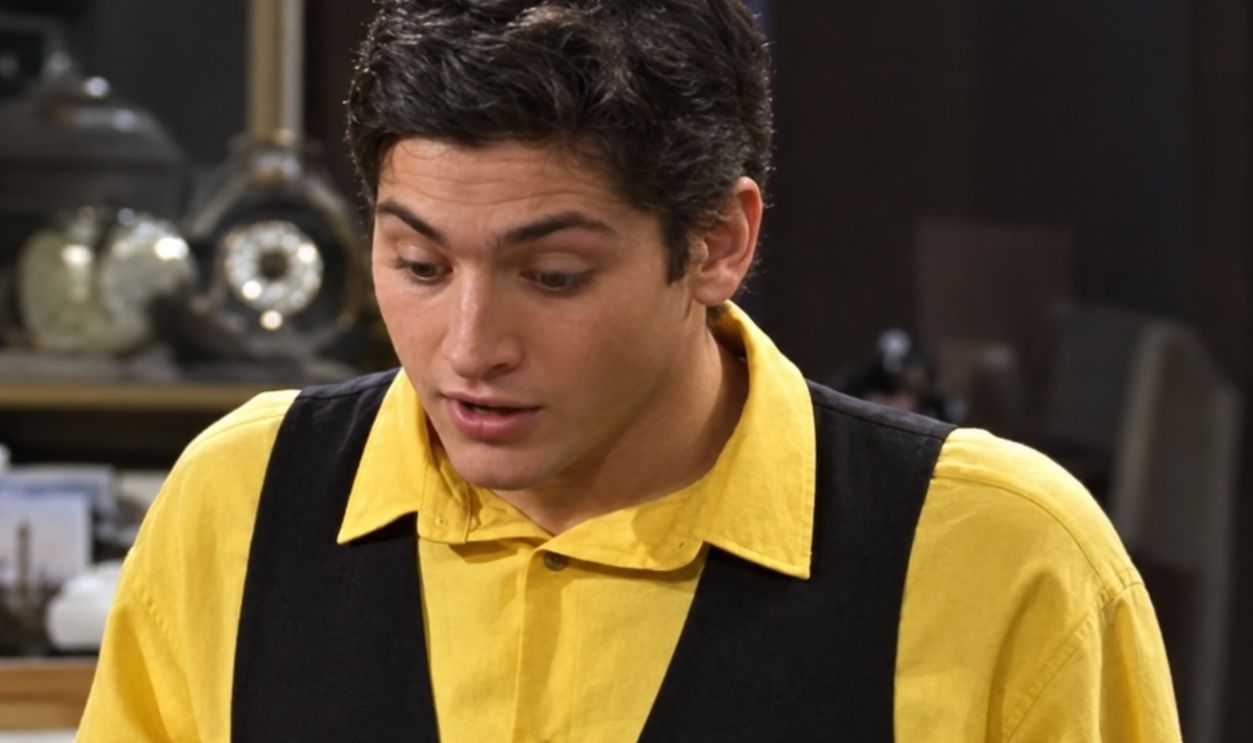 Screenshot from Growing Pains, ABC (1985–1992), Enhanced
His Legacy Lives On
He was an actor, filmmaker, editor, improviser, activist, son, brother, and loyal friend. Hollywood remembered the nickname; those closest to him remembered the compassionate man who followed his conscience, sought creative freedom, and cared deeply about people whose struggles the world too often ignored.
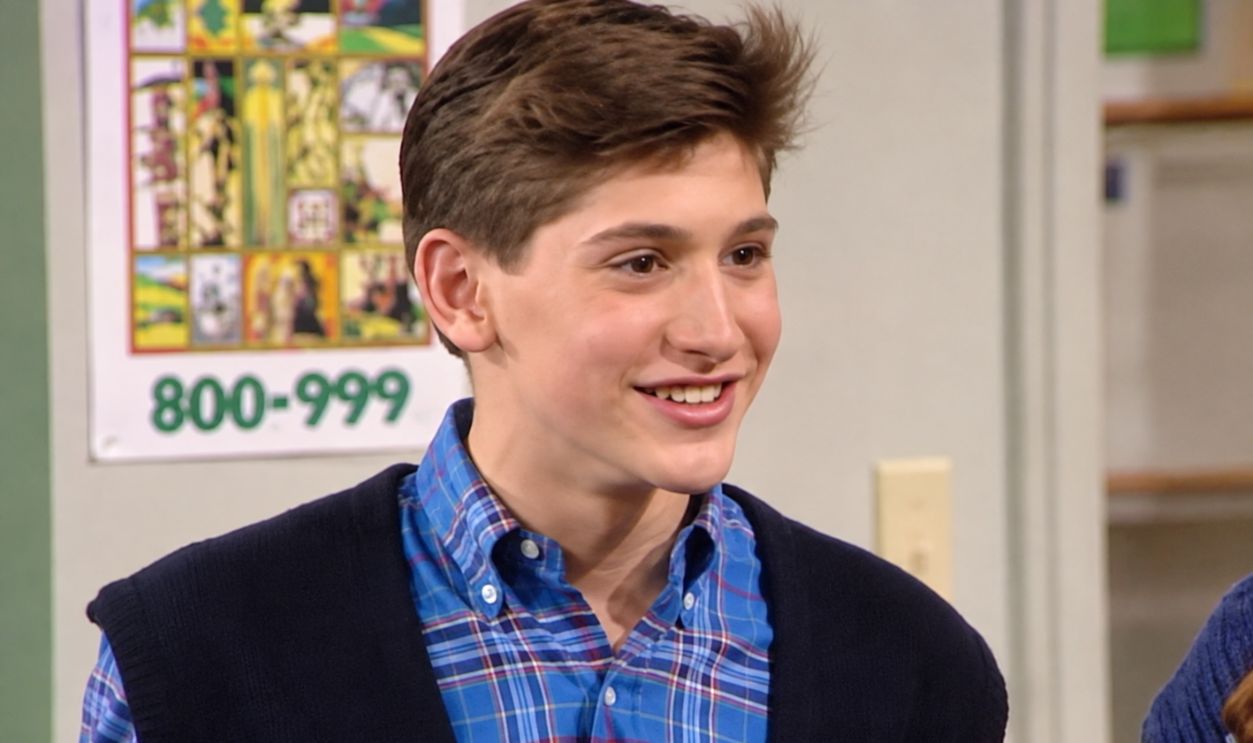 Screenshot from Growing Pains, ABC (1985–1992), Enhanced
You May Also Like: