When The Character Swallows The Actor
Landing one unforgettable role is the dream, until everyone starts forgetting you can play anybody else. Television and movie history is full of performers who became so closely linked to one character that the association followed them through auditions, later projects, and sometimes the rest of their careers. Some fought against it, some escaped it, and others eventually decided that being permanently connected to an iconic character was not such a terrible fate.
 Margie Korshak Associates, Wikimedia Commons
Leonard Nimoy Could Never Completely Escape Spock
Leonard Nimoy played Spock through the original Star Trek, animated episodes, movies, and later franchise appearances, but the character's shadow quickly became enormous. Nimoy admitted to an identity crisis in his 1975 memoir I Am Not Spock, as audiences increasingly connected him with the Vulcan rather than the actor underneath. He eventually embraced that connection, even titling a later memoir I Am Spock.
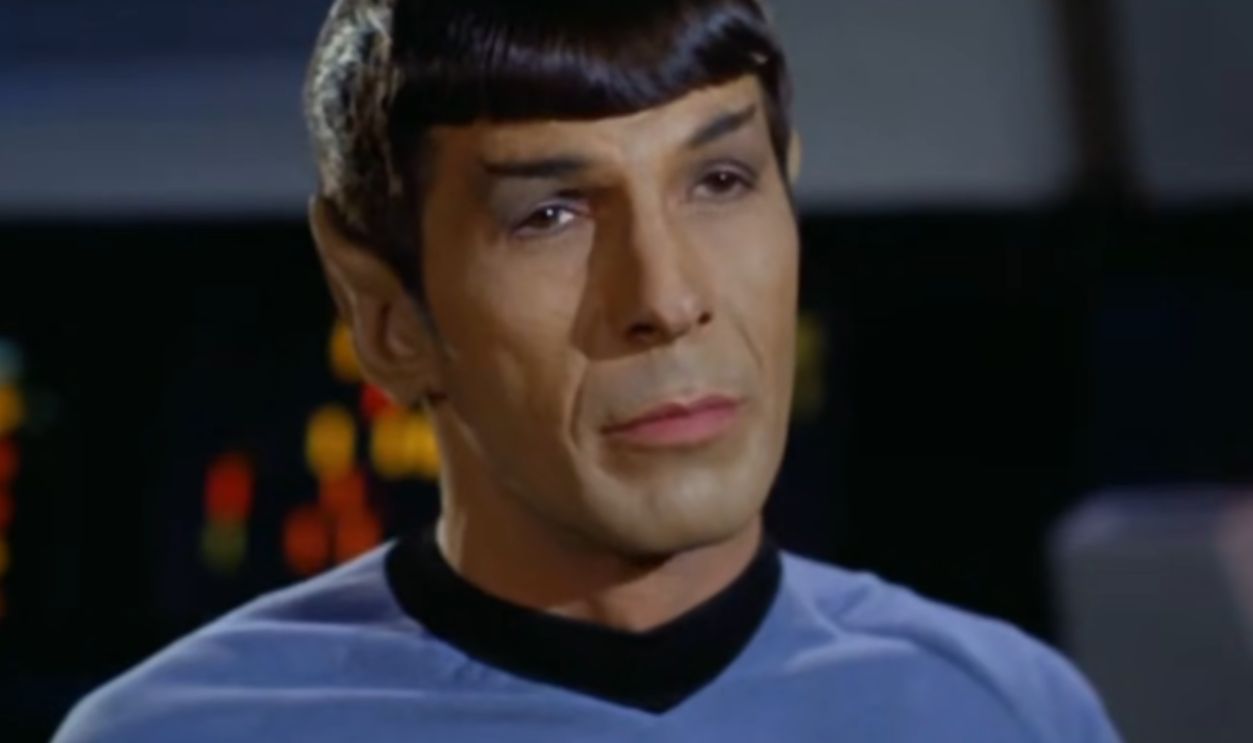 Screenshot from Star Trek: The Original Series, Paramount Global (1966-1969)
Adam West Became Batman Everywhere He Went
Batman only ran from 1966 to 1968, yet Adam West spent decades dealing with its aftermath. West said Hollywood executives struggled to imagine him as anyone except Batman, costing him leading-man opportunities after the series ended. Eventually, he leaned into his image through voice work and self-parody, most memorably playing the bizarre Mayor Adam West on Family Guy.
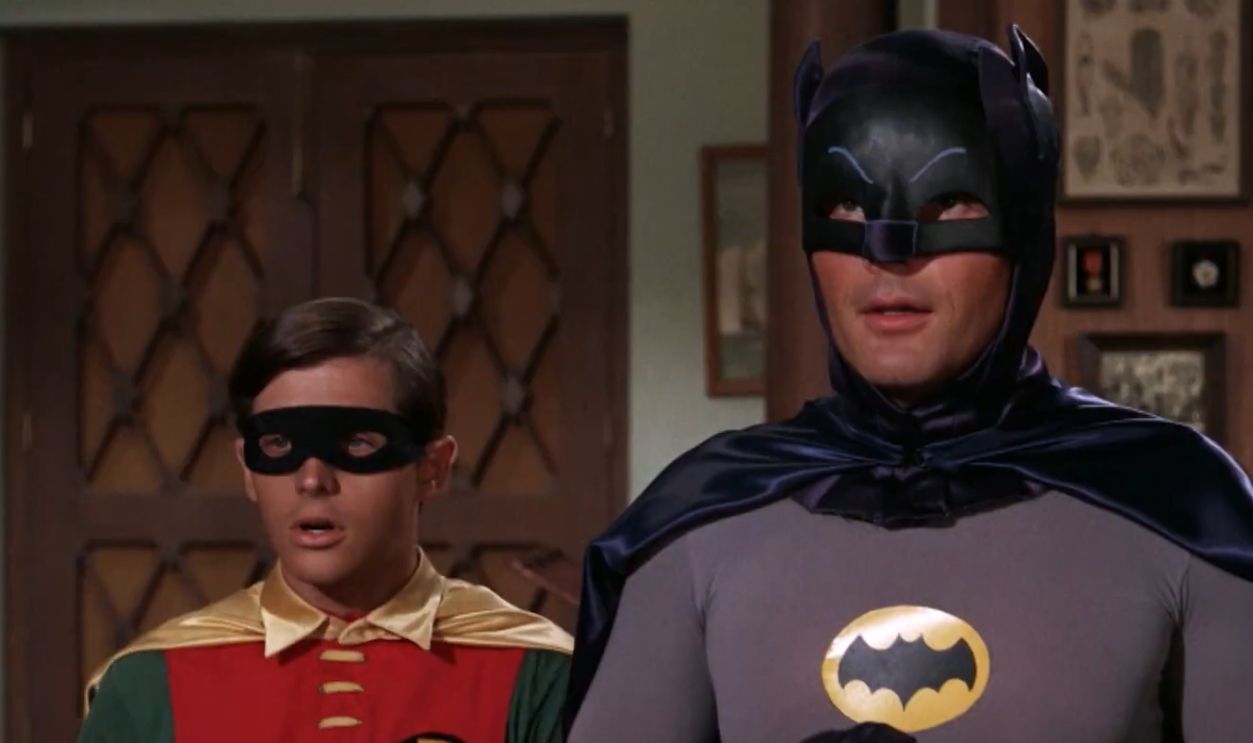 Screenshot from Batman, ABC (1966–1968)
George Reeves Had A Superman Problem
George Reeves became a household name through Adventures of Superman, but recognition could work against him. Accounts of his career describe audiences reacting to him as Superman even when he appeared in other productions, making it difficult for viewers to separate actor from superhero. His role in From Here to Eternity was ultimately small, and Superman remained overwhelmingly his defining screen identity.
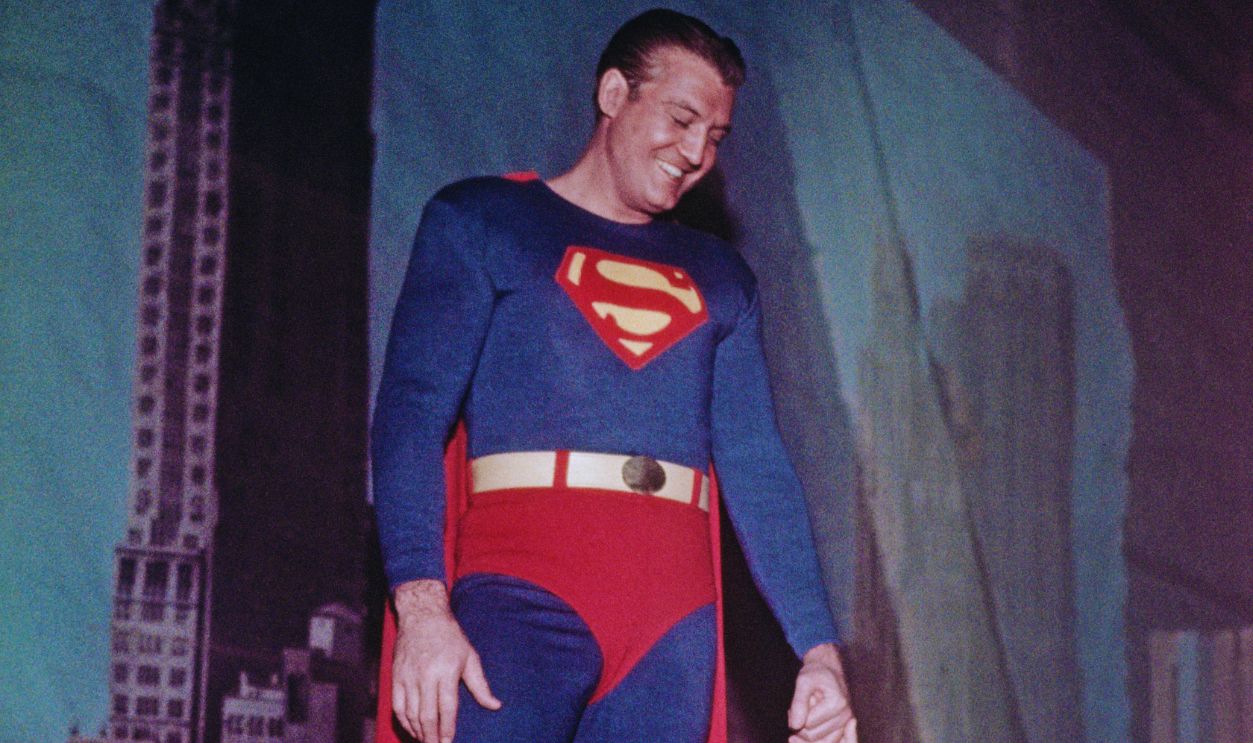 Silver Screen Collection, Getty Images
Mark Hamill Was Stuck In Luke Skywalker's Shadow
The original Star Wars trilogy turned Mark Hamill into an international star, but Luke Skywalker proved difficult to leave behind. As early as 1980, fellow Star Wars actor David Prowse publicly said Hamill was having trouble getting other roles because people saw Luke. Hamill ultimately found another enormously successful lane in voice acting, particularly as the Joker in numerous Batman projects.
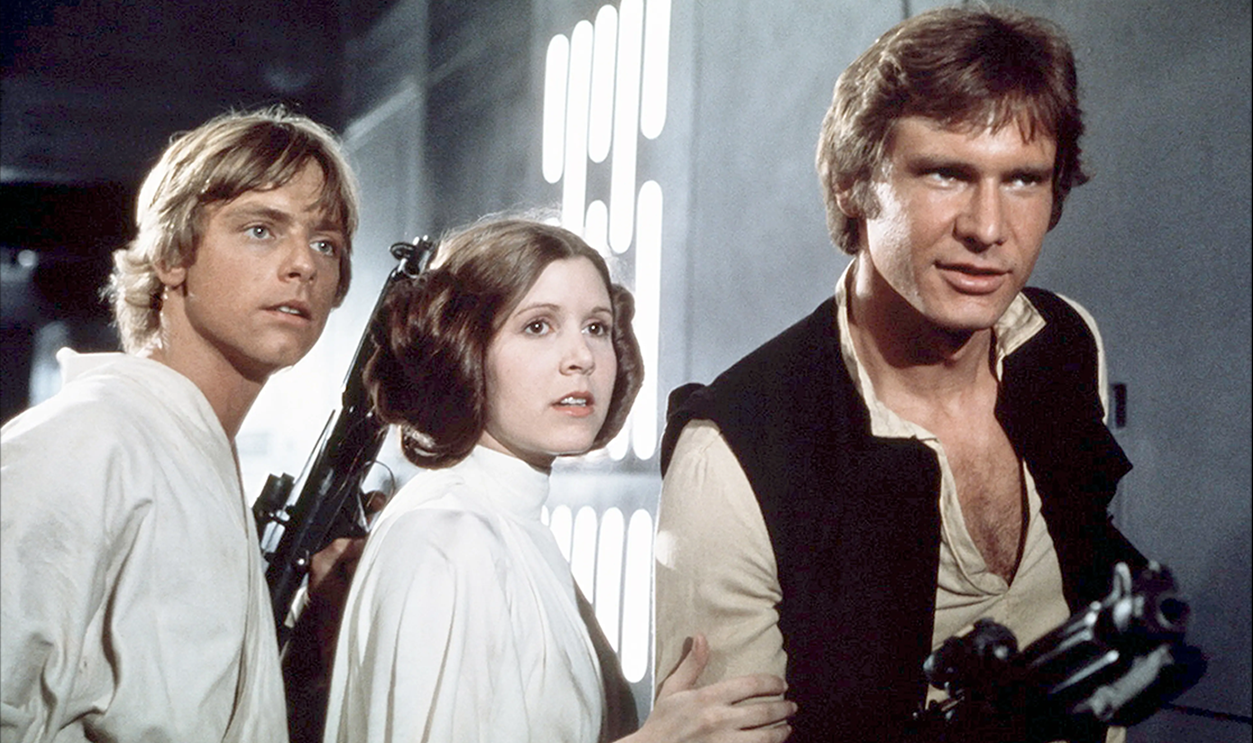 Screenshot from Star Wars: Episode IV – A New Hope, Lucasfilm Ltd. (1977)
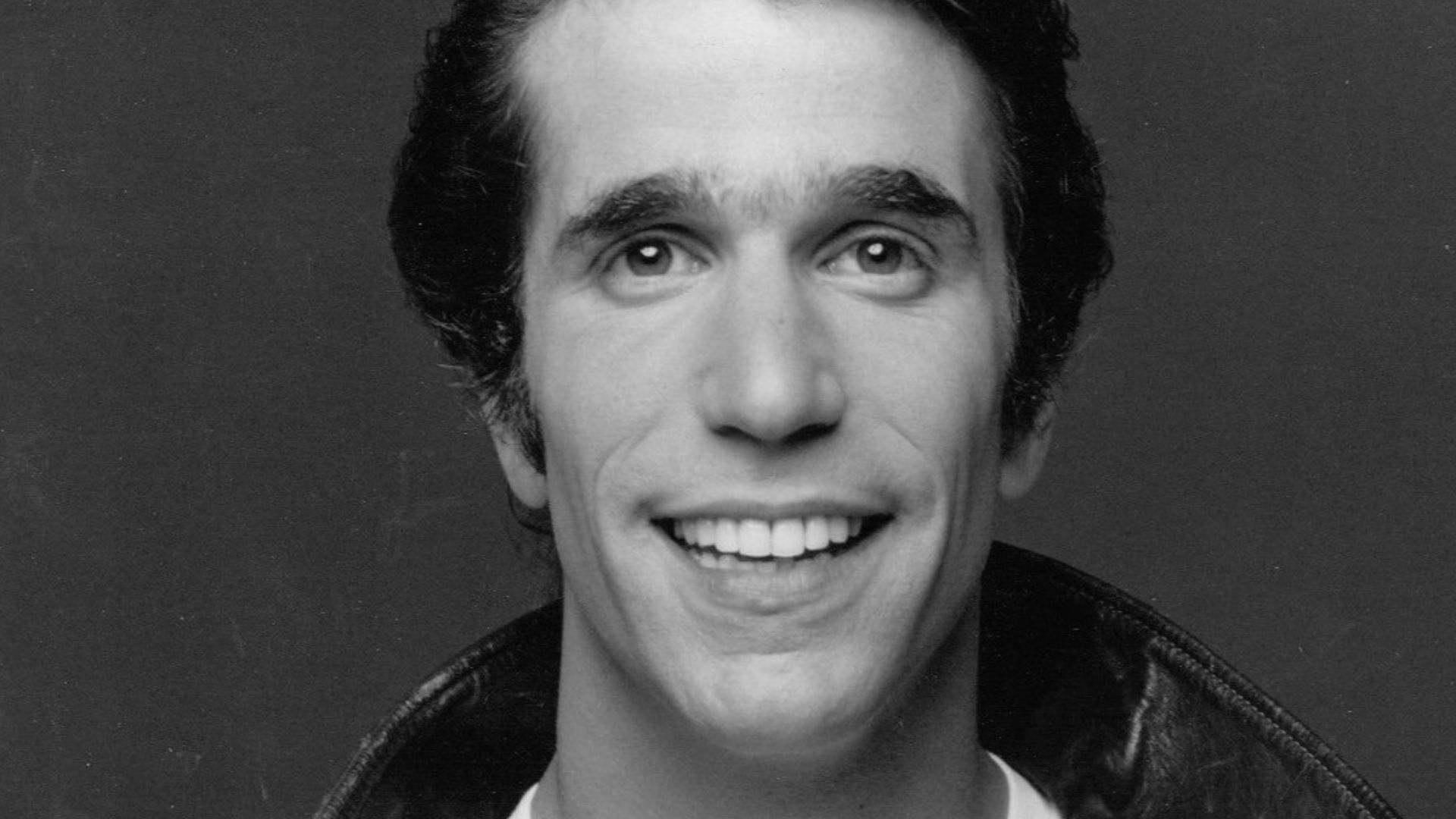
Henry Winkler Couldn't Switch Off The Fonz
Arthur "Fonzie" Fonzarelli transformed Henry Winkler from a working actor into one of television's biggest stars during Happy Days. Once the series finished, however, Winkler found himself typecast and eventually shifted much of his energy toward producing and directing. He later rebuilt a remarkably varied acting career, including acclaimed work on Arrested Development and Barry, but the leather jacket never disappeared from public memory.
 ABC Television, Wikimedia Commons
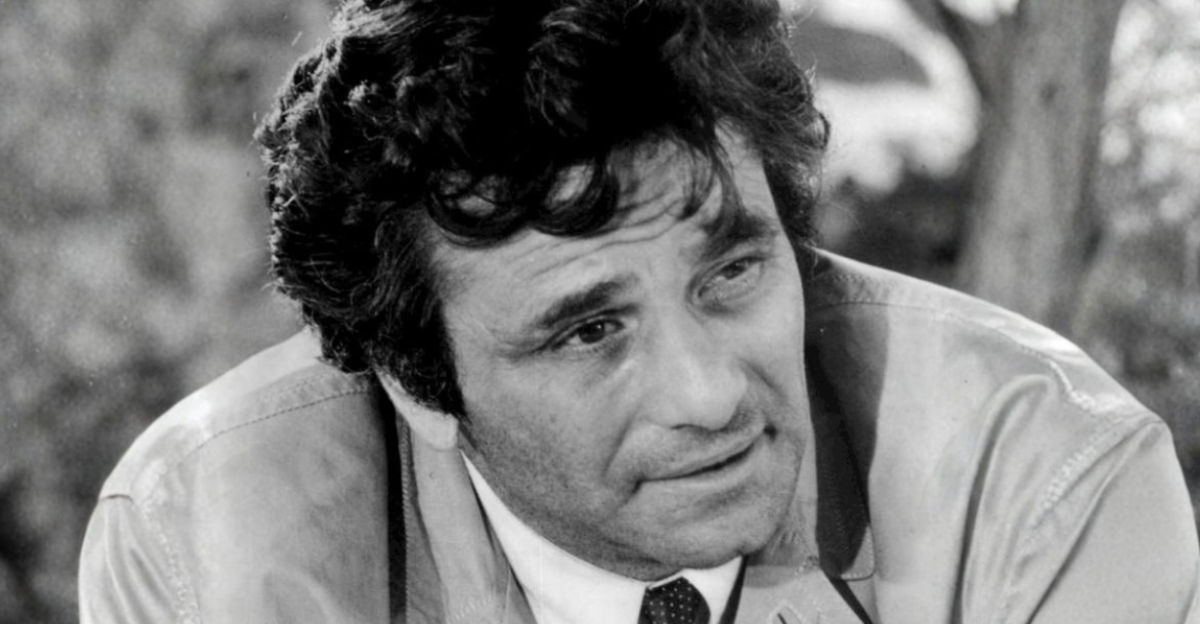
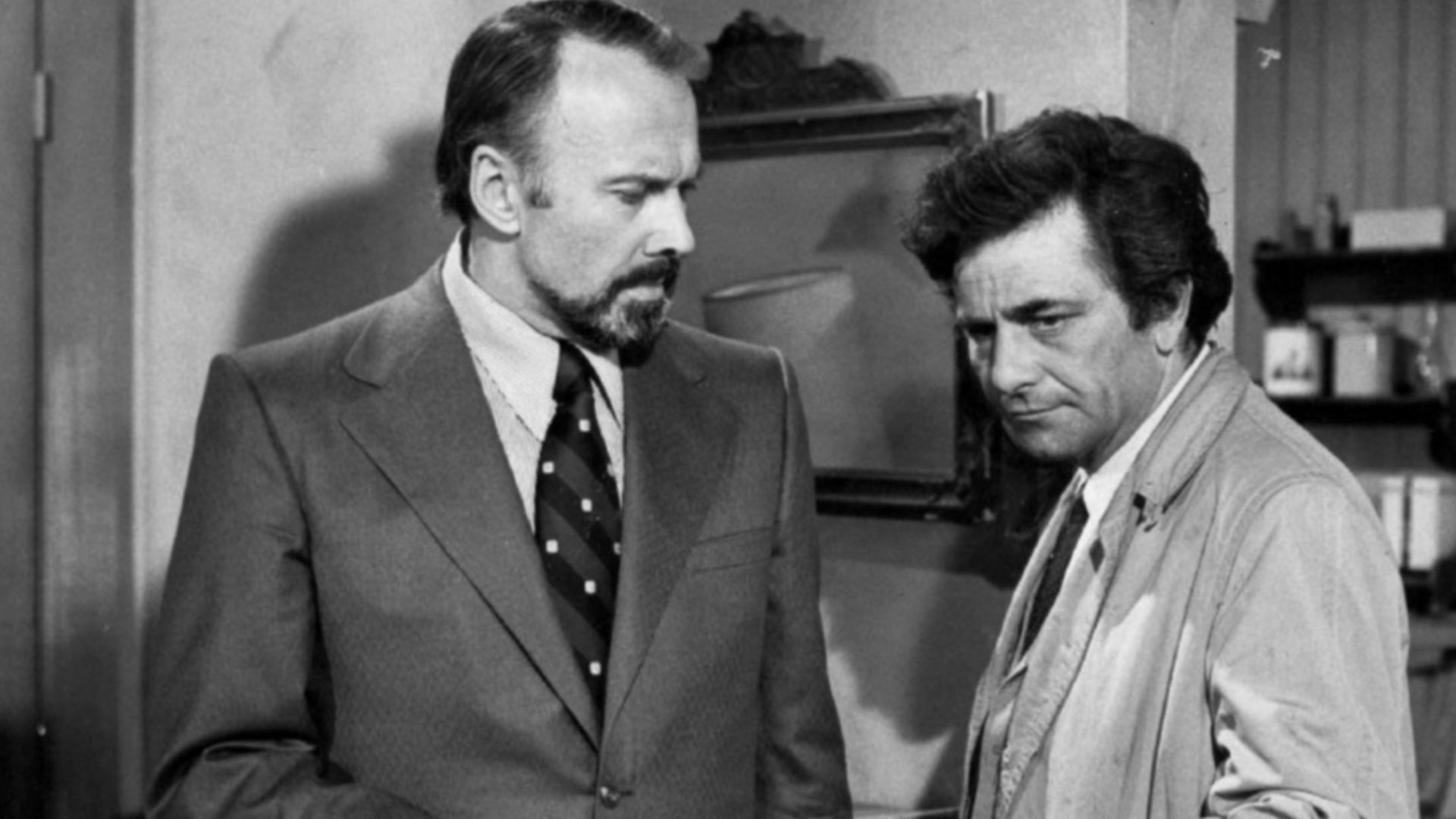
Peter Falk Was Always Columbo
Peter Falk had an extensive film career, including two Academy Award nominations, yet none of it rivaled the recognition he received as Lieutenant Columbo. Falk first played the detective in 1968 and repeatedly returned to him for decades. He joked that he had played plenty of other parts, but "nobody saw them," while acknowledging that complaining about being typecast after such success would sound ridiculous.
 NBC Television, Wikimedia Commons
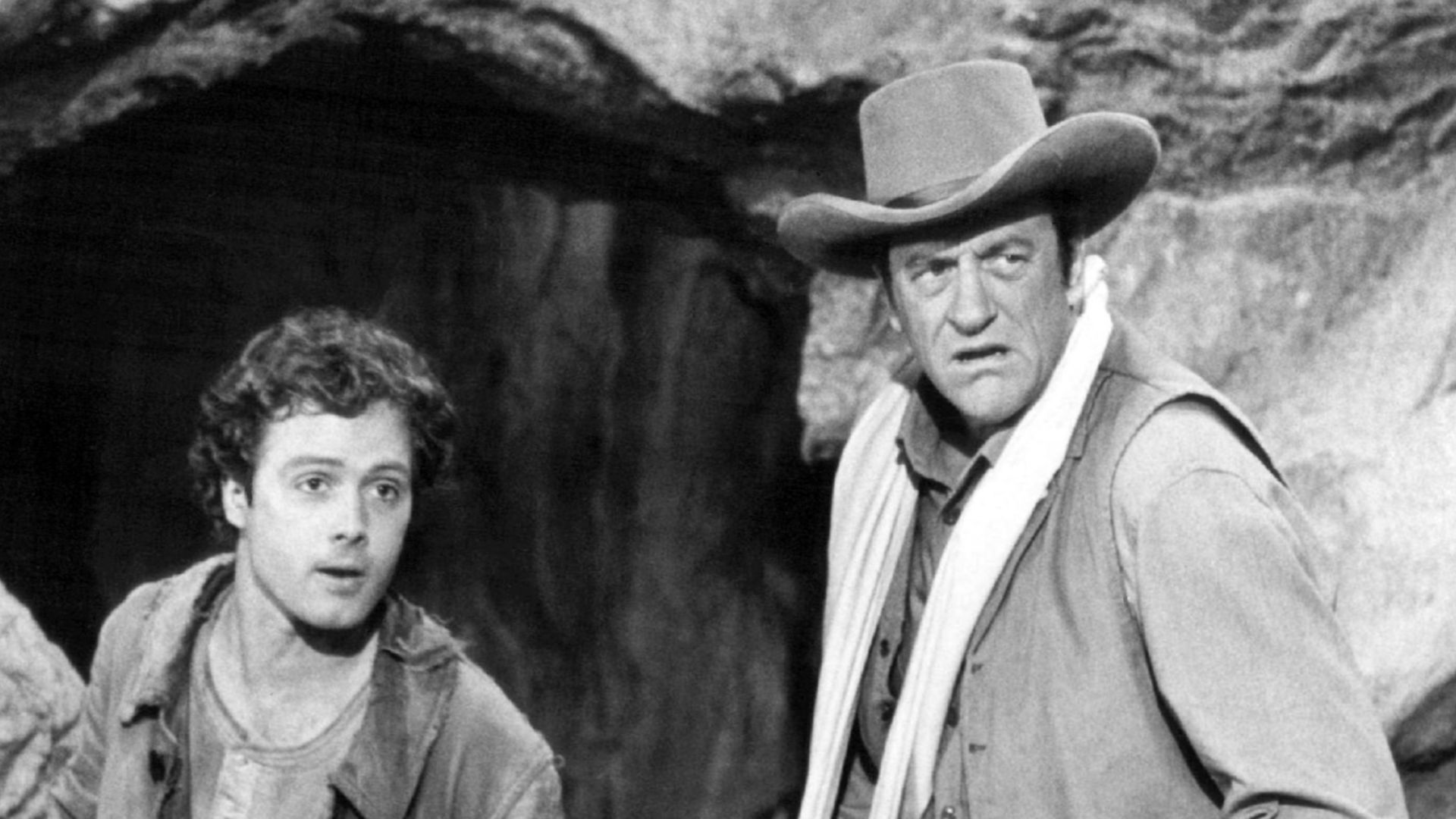
James Arness Practically Became Matt Dillon
James Arness initially worried that Gunsmoke would typecast him, and he reportedly needed encouragement from John Wayne before accepting Matt Dillon. His concern proved understandable: Arness played the marshal throughout the show's extraordinary 20-season television run. He later returned for several Gunsmoke television movies, leaving Matt Dillon as the role that dominated his screen career for decades.
 CBS Television, Wikimedia Commons
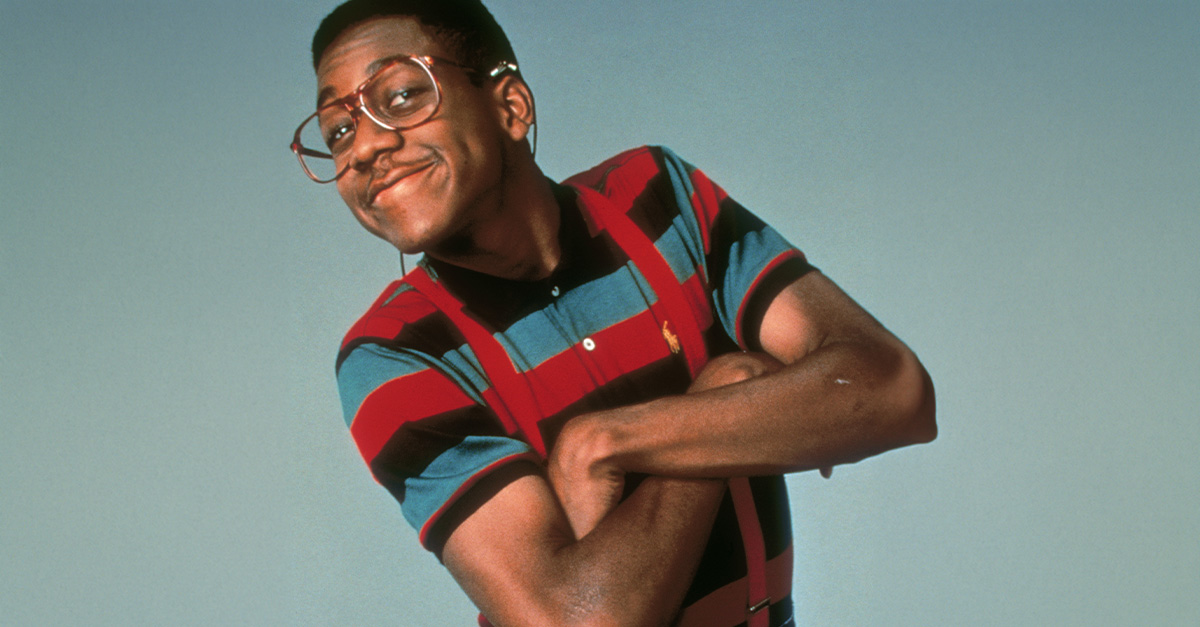
Jaleel White Couldn't Shake Steve Urkel
Steve Urkel was never supposed to consume Family Matters, but Jaleel White's eccentric character became its breakout attraction. White remained with the sitcom until 1998 and later faced constant questions about whether Urkel had typecast him. White has resisted that description, arguing that actors are only as good as the opportunities they receive, but Urkel remained the character most immediately associated with him.
 Fotos International, Getty Images
Jason Alexander Became George Costanza
Jason Alexander had Broadway credentials and won a Tony before Seinfeld, yet George Costanza changed how millions of viewers saw him. The neurotic character became one of television's most recognizable comic creations during the show's nine seasons. Alexander continued working steadily afterward, although subsequent attempts at starring in sitcoms such as Bob Patterson and Listen Up were short-lived compared with the phenomenon of Seinfeld.
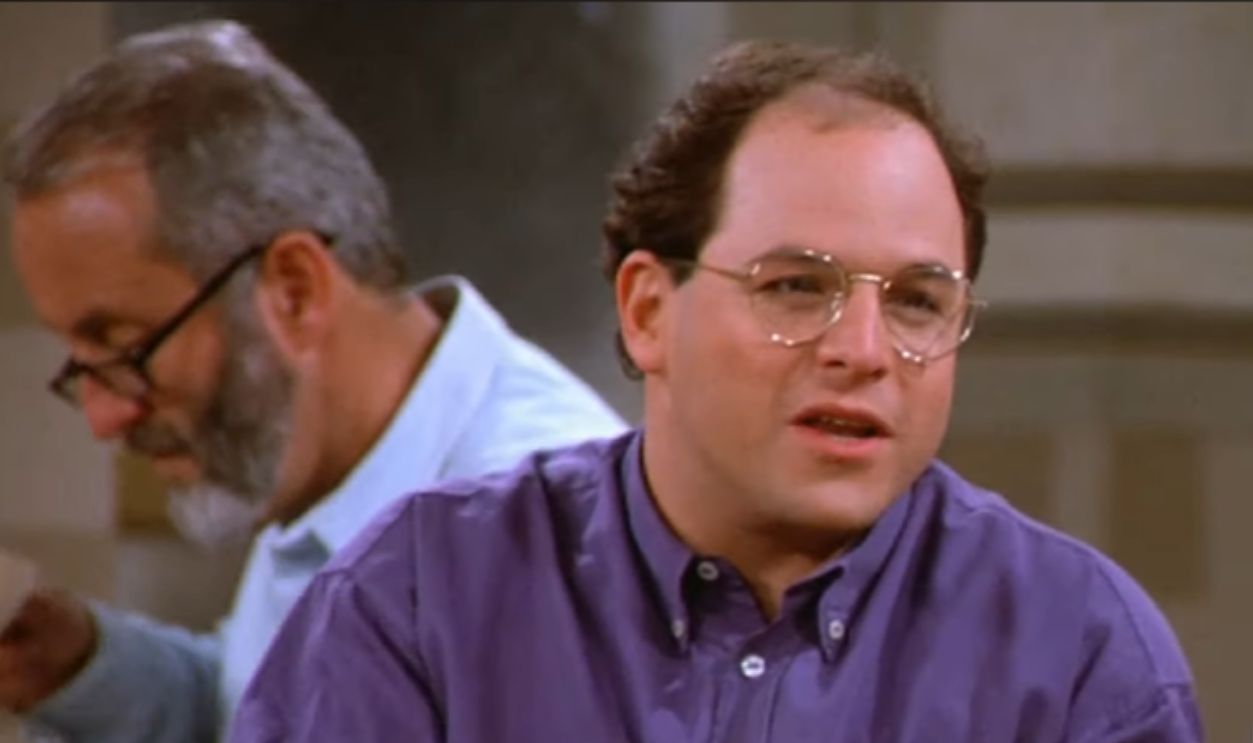 Screenshot from Seinfeld, NBC (1989–1998)
Robert Englund Became Freddy Krueger
Robert Englund had already worked extensively before A Nightmare on Elm Street, but Freddy Krueger completely transformed his public identity. Englund repeatedly portrayed the character across the film franchise and acknowledged that the worldwide success inevitably led to typecasting. Rather than running from horror, he continued working heavily within the genre and eventually became almost inseparable from Freddy for generations of fans.
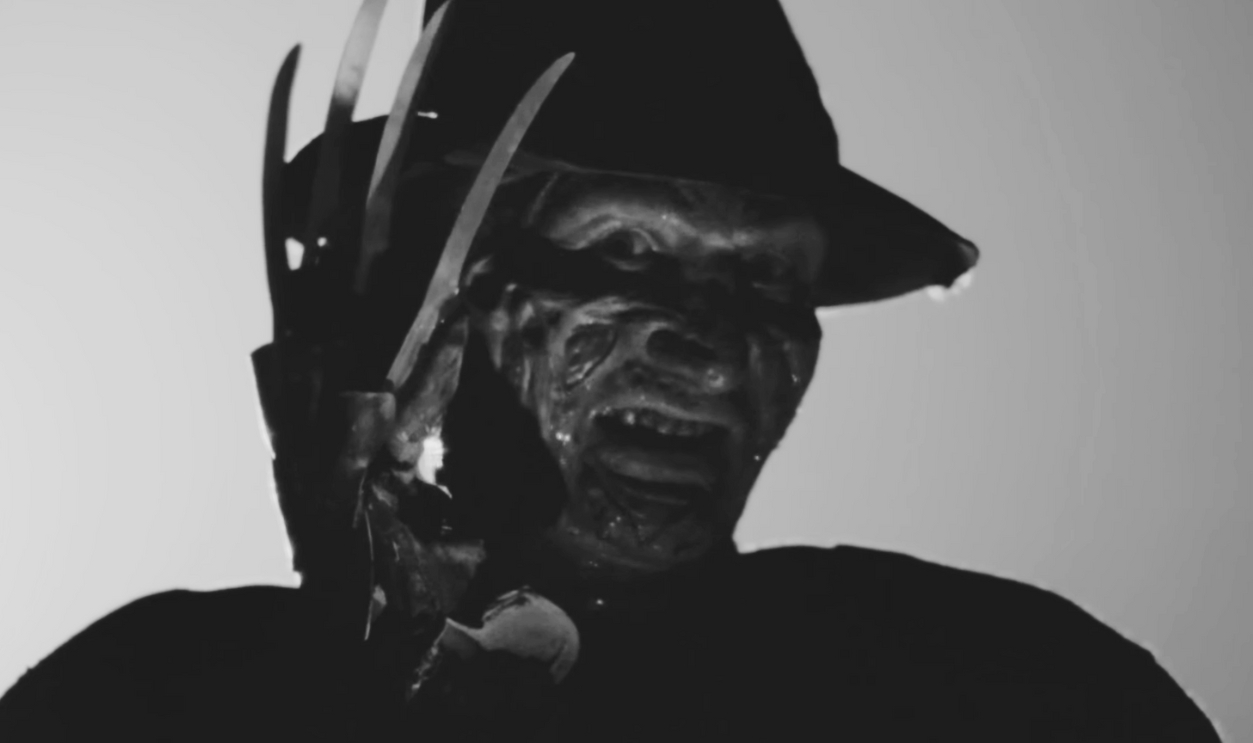 Screenshot from A Nightmare on Elm Street, Warner Bros. Pictures (1984)
Bela Lugosi Was Forever Dracula
Bela Lugosi had already played Count Dracula successfully onstage before starring in Universal's 1931 film, which permanently changed his career. The movie's success pushed him toward a succession of horror villains, monsters, and sinister figures. Lugosi recognized the dangers of typecasting early, but despite efforts to escape the genre, Hollywood continued viewing him through the image he had created as Dracula.
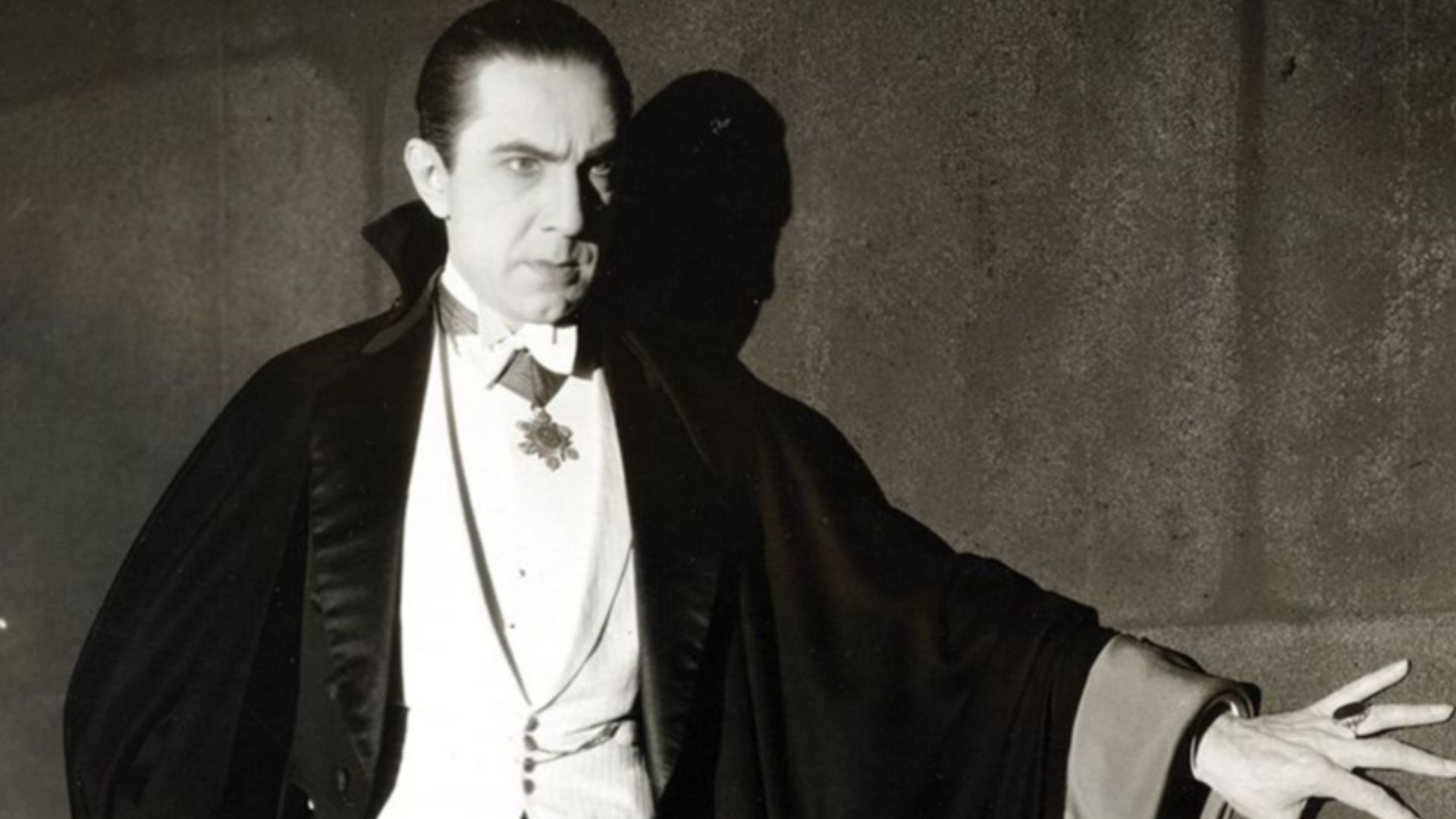 Unknown authorUnknown author, Wikimedia Commons
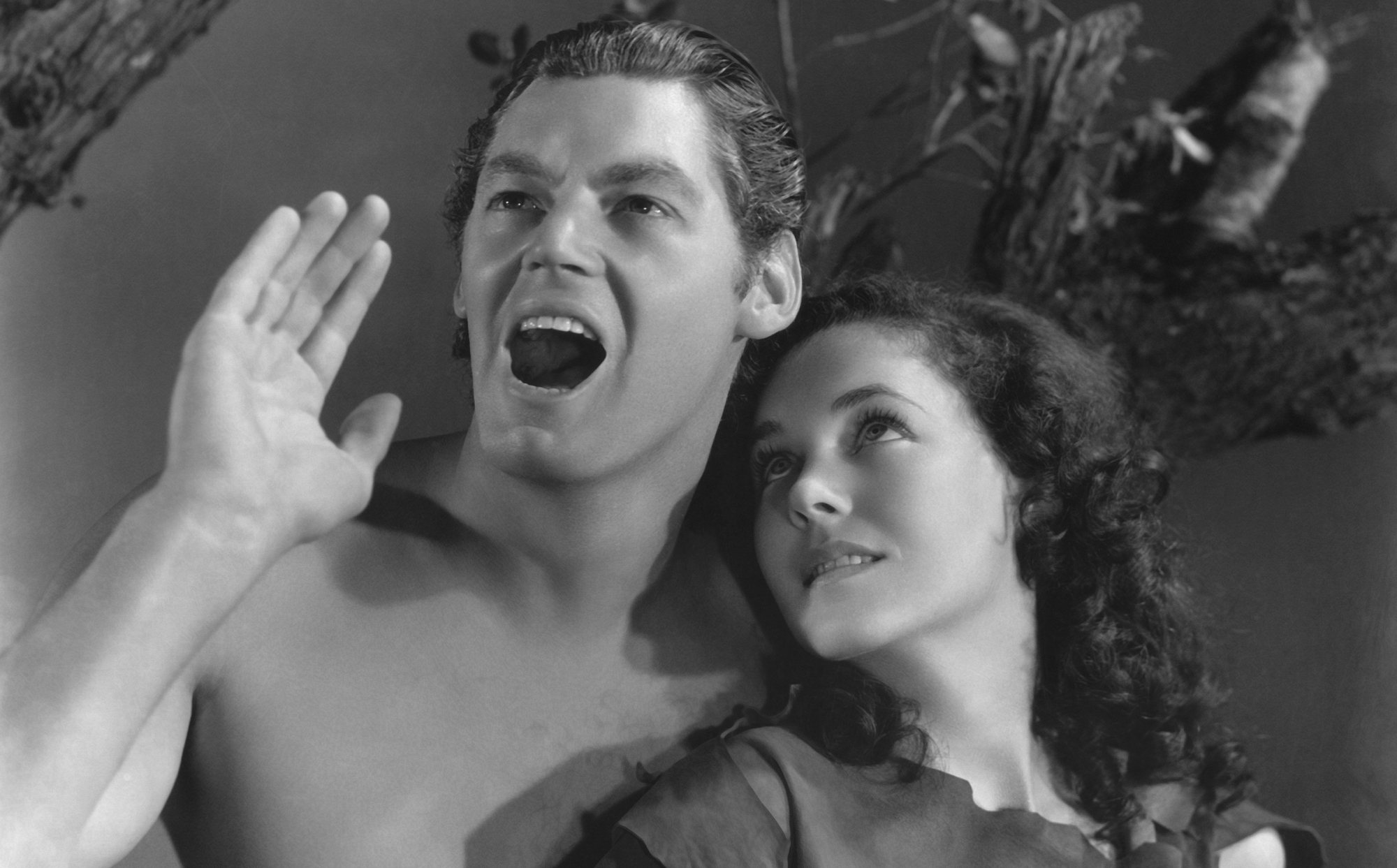
Johnny Weissmuller Was Hollywood's Eternal Jungle Hero
Olympic swimming champion Johnny Weissmuller became one of cinema's definitive Tarzans, appearing in 12 films as the jungle hero. When he finally stopped playing Tarzan, Hollywood did not exactly send him somewhere radically different. Weissmuller moved into the Jungle Jim series, starring in 16 movies before continuing the character on television, ensuring that his screen identity remained firmly rooted in jungle adventures.
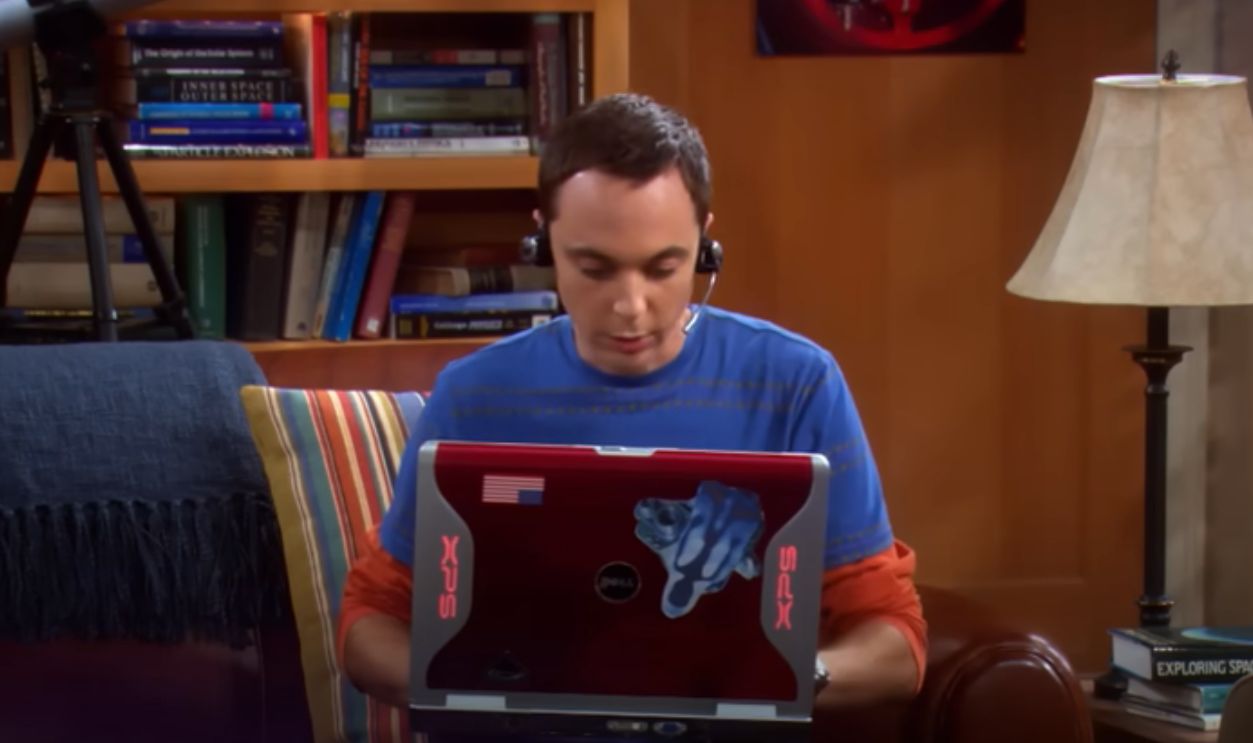
Jim Parsons Knew Sheldon Was Taking Over
Jim Parsons spent 12 seasons playing Sheldon Cooper on The Big Bang Theory, winning four Emmys for the performance. Years before the sitcom ended, Parsons was already being asked whether the character had typecast him. He acknowledged that it was happening "to a certain degree," while explaining that his response was simply to keep auditioning and demonstrating that he could play different kinds of characters.
 Screenshot from The Big Bang Theory, CBS (2007–2019)
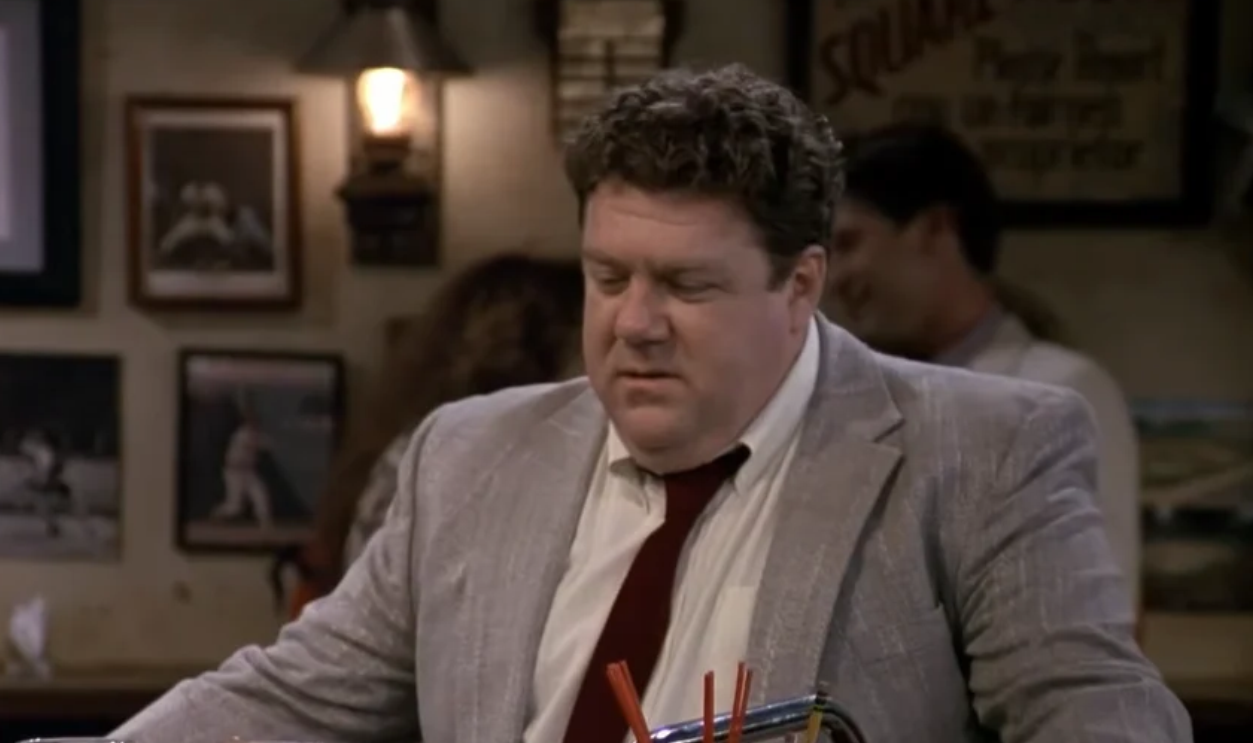
George Wendt Never Really Left Norm's Barstool
George Wendt appeared in every one of Cheers' 275 episodes as Norm Peterson, making his arrival at the bar one of the sitcom's most reliable rituals. After the series ended, efforts to build another sitcom around Wendt failed to reproduce that success. He nevertheless maintained a broad stage and screen career and periodically returned to Norm in projects including Frasier, The Simpsons, and Family Guy.
 Screenshot from Cheers, Paramount (1982-1993)
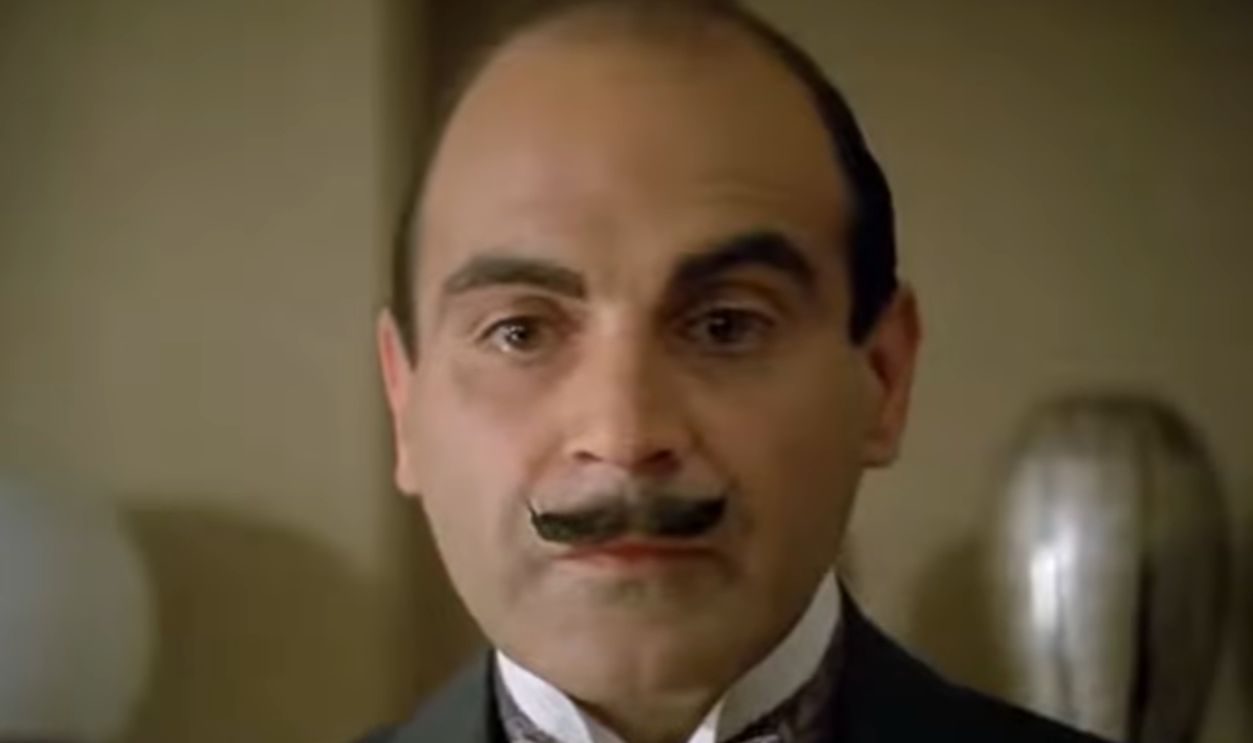
David Suchet Knew Poirot Could Have Ended His Career
David Suchet portrayed Hercule Poirot for roughly a quarter-century, eventually adapting every Poirot story in Agatha Christie's canon for television. Suchet later acknowledged that the role could easily have ended his career by typecasting him. Fortunately, his extensive stage work and character-acting background allowed him to keep taking other roles, even as Poirot became the performance with which he was most closely identified.
 Screenshot from Agatha Christie's Poirot, ITV (1989–2013)
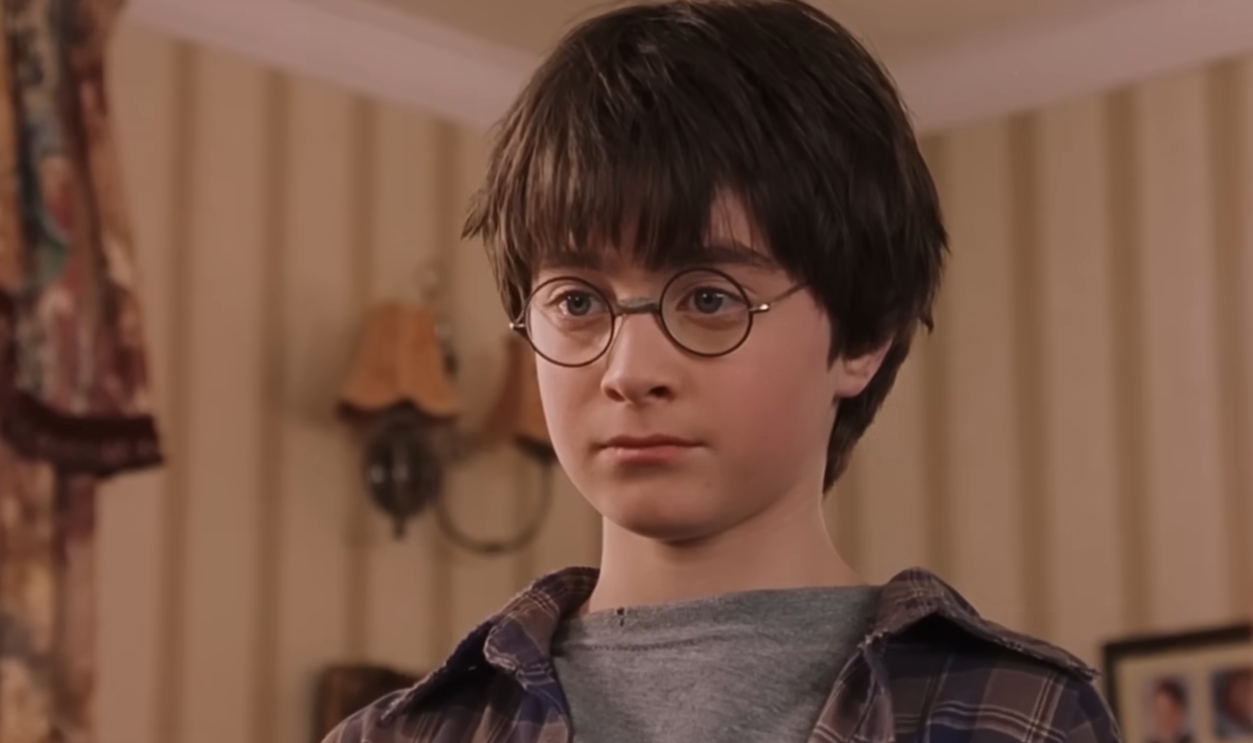
Daniel Radcliffe Had To Outrun Harry Potter
Daniel Radcliffe spent much of his childhood and adolescence playing Harry Potter across eight blockbuster films. As the series ended, he openly acknowledged being nervous about separating himself from the character. Radcliffe responded with deliberately varied work across theater and film, including Equus, The Woman in Black, and Kill Your Darlings, gradually proving that Potter did not have to dictate his entire adult career.
 Screenshot from Harry Potter and the Philosopher’s Stone, Warner Bros. (2001)
Hugh Jackman Kept Returning To Wolverine
Hugh Jackman debuted as Wolverine in 2000's X-Men and continued returning to the character across multiple decades. By Logan in 2017, Guinness World Records recognized his then-record-setting tenure as a live-action Marvel character alongside Patrick Stewart. Jackman successfully built a career far beyond superheroes, but his return in Deadpool & Wolverine demonstrated just how enduringly audiences associated him with Logan.
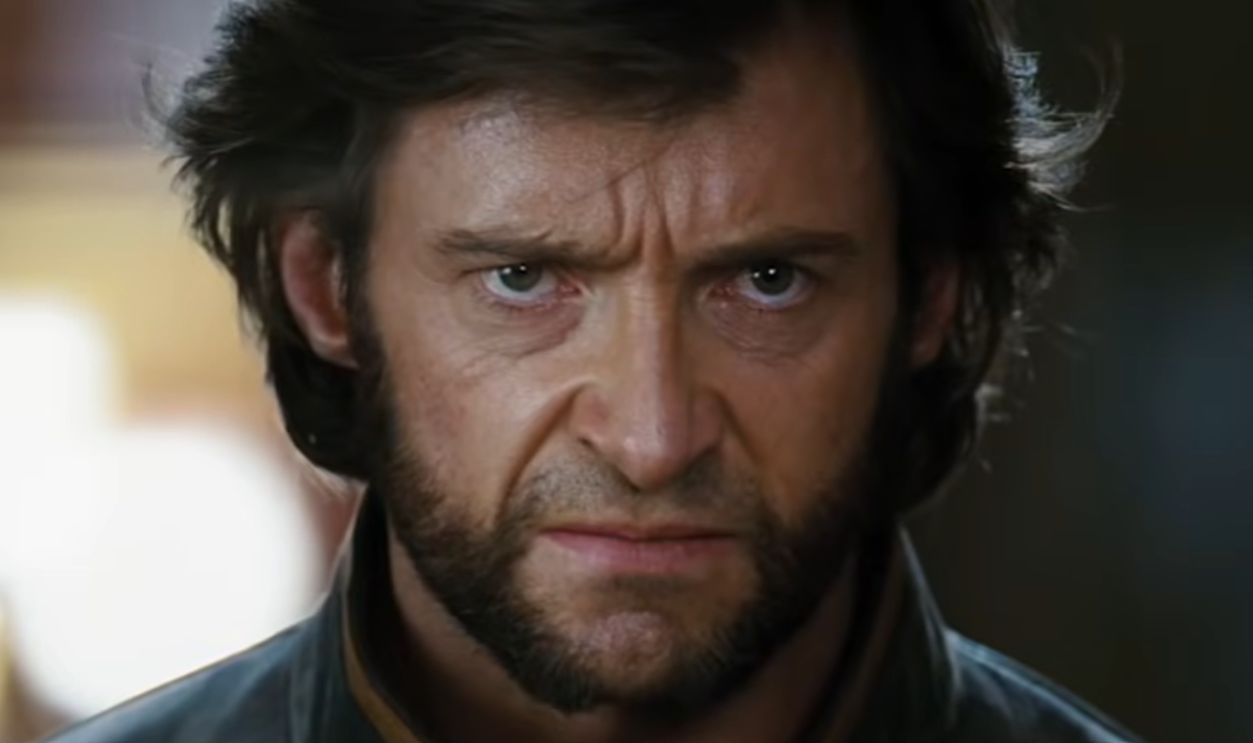 Screenshot of X-Men Origins: Wolverine, Twentieth Century Fox (2009)
Kelsey Grammer Basically Grew Up With Frasier Crane
Kelsey Grammer began playing psychiatrist Frasier Crane on Cheers in 1984, carried him into the long-running Frasier, and returned for the character's 2023 revival. Grammer has described playing Frasier for so long as being similar to living a life, with the character aging and changing alongside him. Few actors have spent so many decades repeatedly stepping back into the same fictional person's shoes.
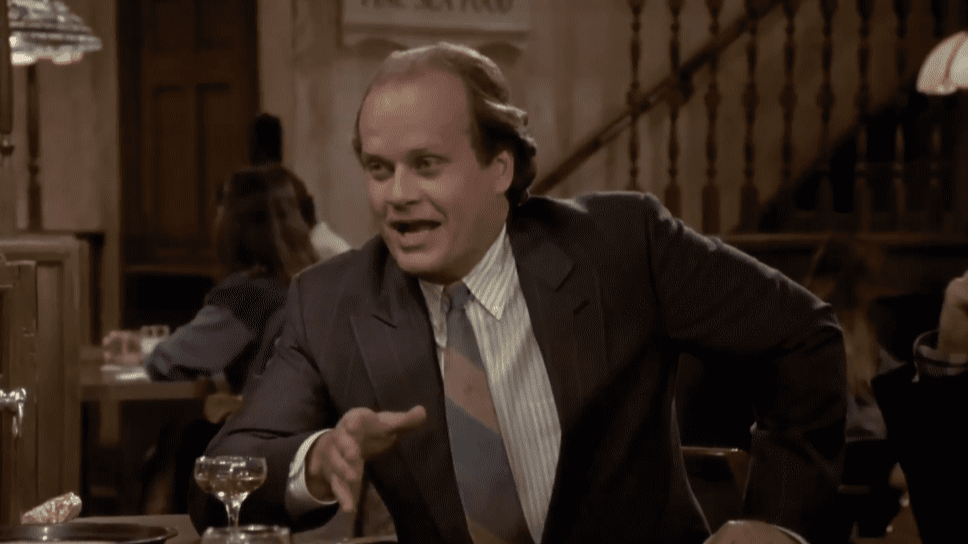 Screenshot from Cheers, NBC (1982-1993)
Christopher Reeve Could Never Stop Being Superman
Christopher Reeve understood that playing Superman could have trapped him, but he actively pursued roles designed to demonstrate greater range. He appeared in projects such as Deathtrap and insisted in a 1985 interview that he did not fear typecasting. Even so, he acknowledged his permanent identification with the Man of Steel, an association powerful enough that Superman remained central to his public image long after his final film in the cape.
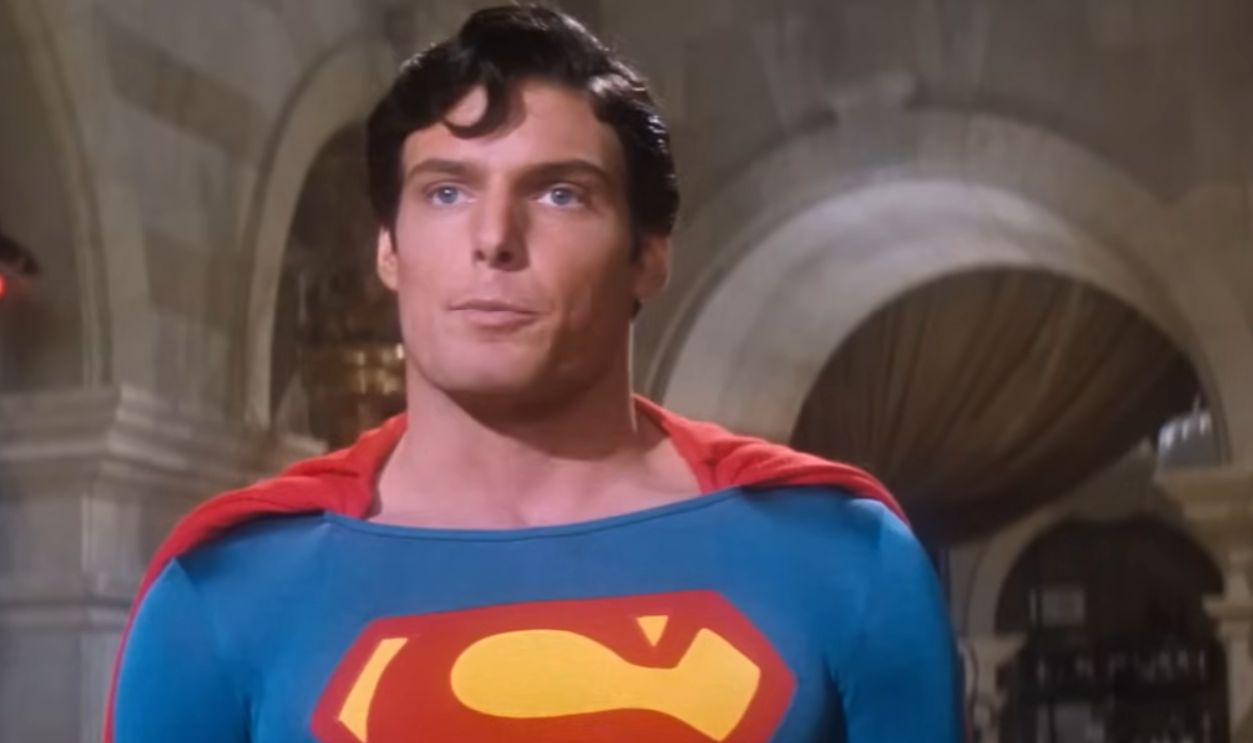 Screenshot from Superman, Warner Bros. Pictures (1978)
You May Also Like:
1980s Movie Stars Who Were Everywhere For A Few Years—And Then Seemed To Vanish
Alluring Facts About Dorothy Lamour, Hollywood’s Sarong Girl