Some of Hollywood's greatest movies were made in the middle of absolute chaos.
Behind the cameras, screaming matches, bitter feuds, bruised egos, and explosive power struggles pushed actors and legendary directors to their breaking points. Sometimes the conflict produced cinematic masterpieces, and sometimes it destroyed careers, but every one of these clashes left a lasting mark on Hollywood history.
 Boogie Nights, Warner Bros. Pictures
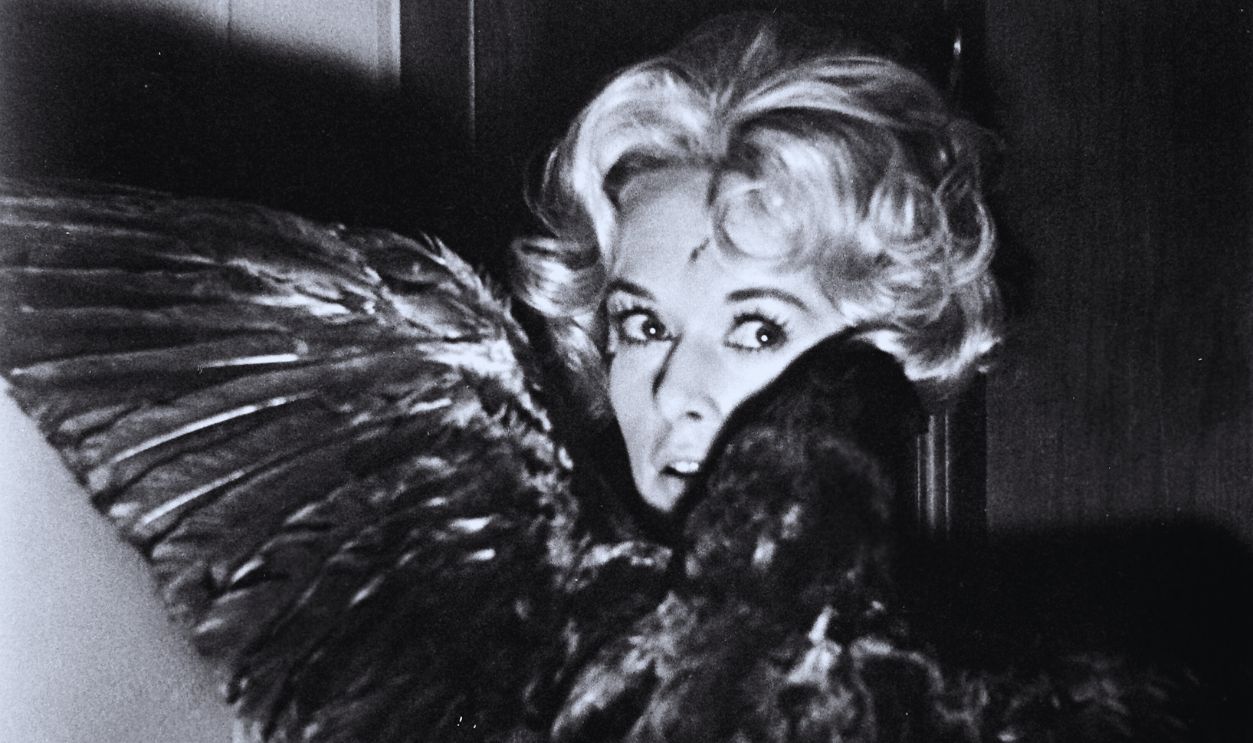
Tippi Hedren Faced Hitchcock’s Dark Control
Tippi Hedren’s collaboration with Alfred Hitchcock began with The Birds, but she later described the experience as deeply disturbing. Hedren alleged that Hitchcock sexually harassed her and punished her professionally after she rejected him. Their films became classics, but her account changed how many people view that famous director-star relationship.
 ullstein bild Dtl., Getty Images
George Clooney Went To War With David O. Russell
George Clooney’s experience with David O. Russell on Three Kings became one of Hollywood’s most infamous on-set blowups. Clooney later said the conflict came from Russell’s treatment of crew members, and reports describe their tension escalating physically. Years later, Clooney still made it clear he had no interest in working with Russell again.
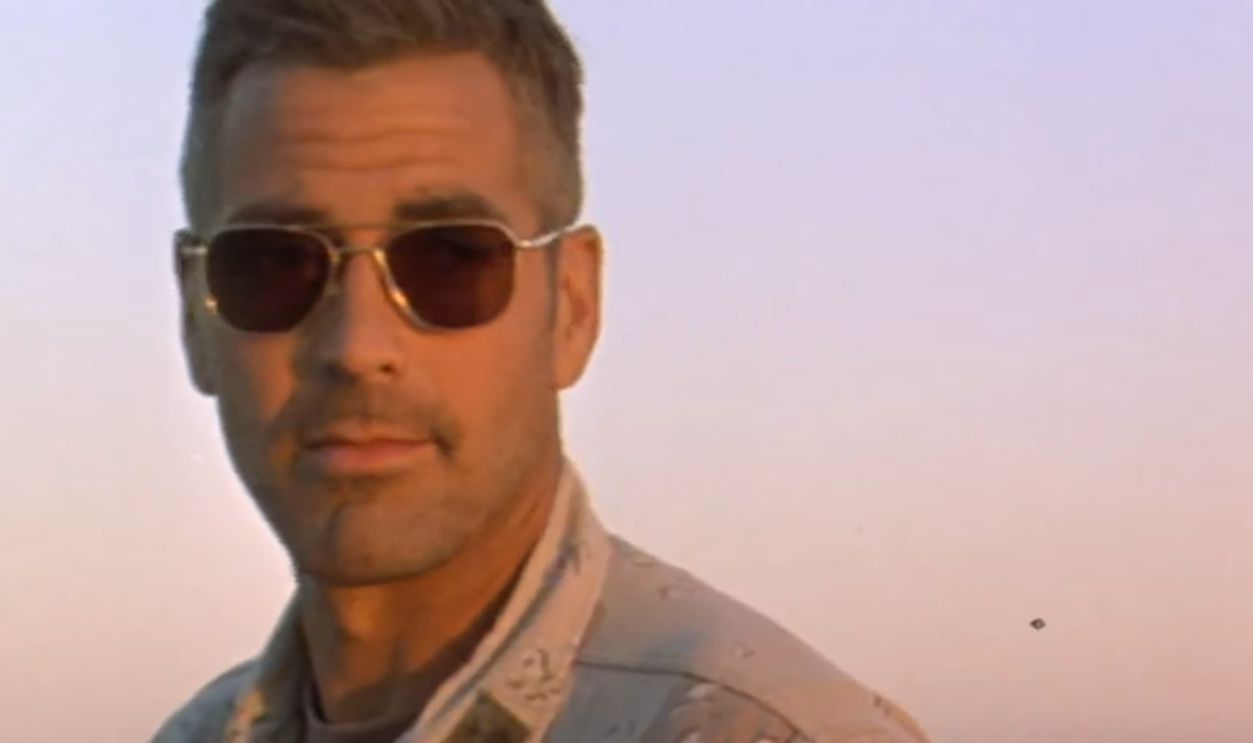 Screenshot from Three Kings, Warner Bros. Pictures (1999)
Klaus Kinski And Werner Herzog Were Pure Chaos
Klaus Kinski and Werner Herzog made several films together, but their partnership was famously volatile. During Fitzcarraldo, their tension became part of the production’s legend, alongside the already dangerous Amazon shoot. Herzog later explored their wild relationship in the documentary My Best Fiend.
 Screenshot from Fitzcarraldo, Werner Herzog Filmproduktion / Filmverlag der Autoren (1982)
Megan Fox Burned The Transformers Bridge
Megan Fox’s feud with Michael Bay exploded after she compared his directing style to a dictator in a 2009 interview. She did not return for Transformers: Dark Of The Moon, and Rosie Huntington-Whiteley replaced her in the franchise. Bay later said Steven Spielberg told him to fire Fox, though Spielberg has denied that claim.
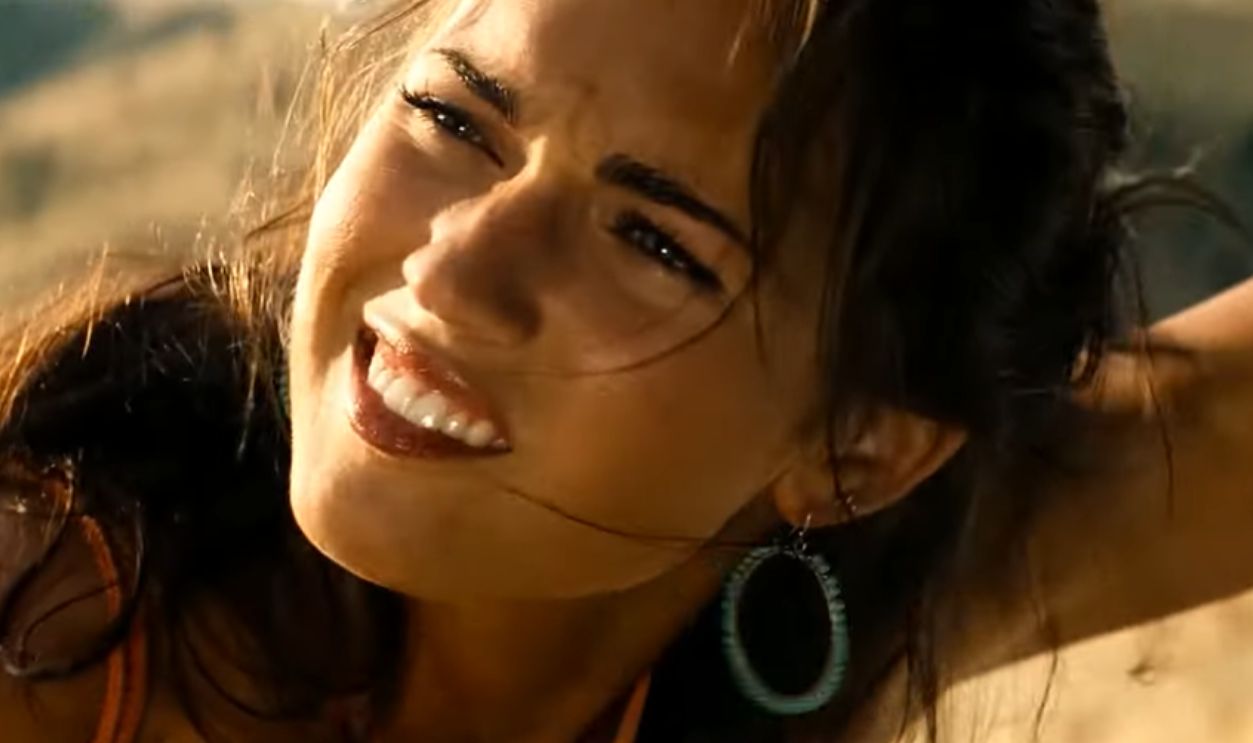 Screenshot from Transformers, DreamWorks Pictures / Paramount Pictures / Hasbro (2007)
Björk Said Lars Von Trier Crossed A Line
Björk starred in Lars von Trier’s Dancer In The Dark, but the acclaim came with a brutal behind-the-scenes story. She later accused an unnamed Danish director, widely understood to be von Trier, of harassment during production. Von Trier denied the allegations, but Björk’s comments made the film’s legacy far more uncomfortable.
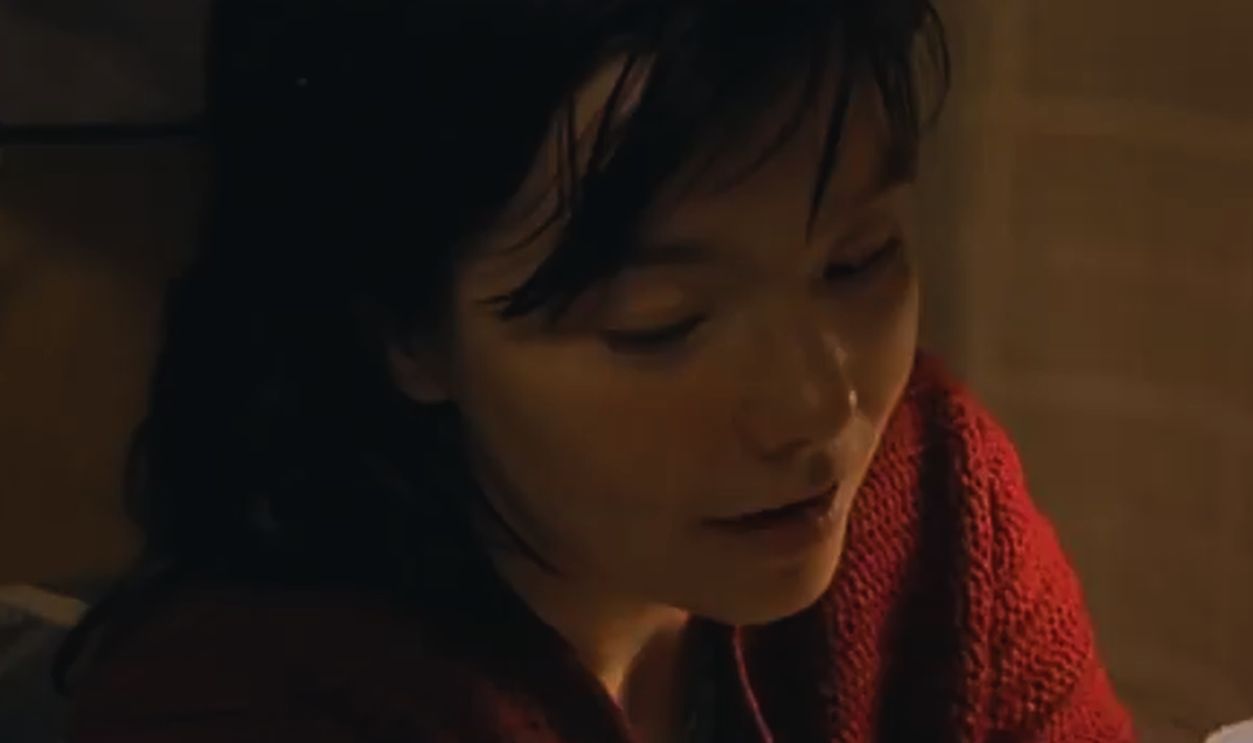
Shelley Duvall Survived Kubrick’s Grueling Process
Shelley Duvall’s performance in The Shining is unforgettable, partly because she looks genuinely terrified and exhausted. Duvall later described the shoot as extremely difficult, with repeated emotional takes under Stanley Kubrick’s demanding direction. The movie became a horror landmark, but the process took a heavy toll on its star.
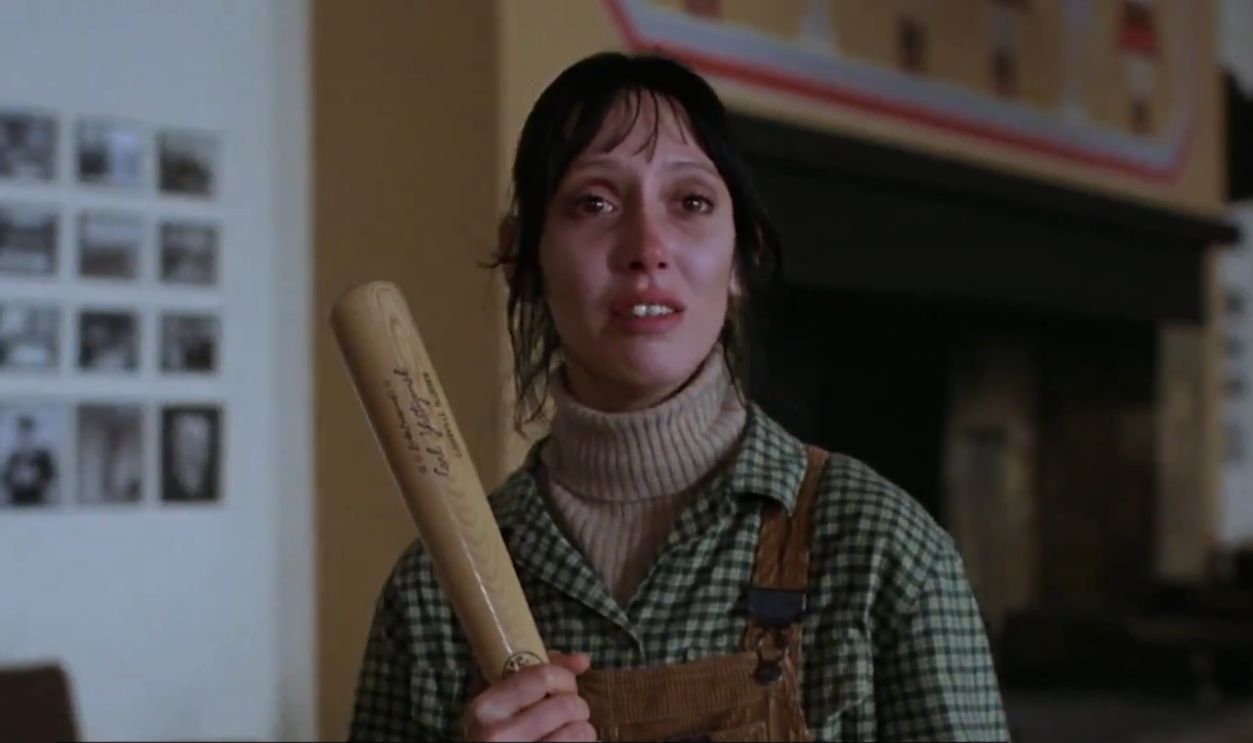 Screenshot from The Shining, Hawk Films / Peregrine Productions / Warner Bros. (1980)
Marlon Brando Made Moreau Even Stranger
The Island Of Dr. Moreau was already a nightmare production before John Frankenheimer arrived to replace original director Richard Stanley. Marlon Brando’s eccentric behavior and the chaotic set helped turn the film into one of Hollywood’s most notorious disasters. Frankenheimer later had to finish a movie that seemed to be falling apart from every direction.
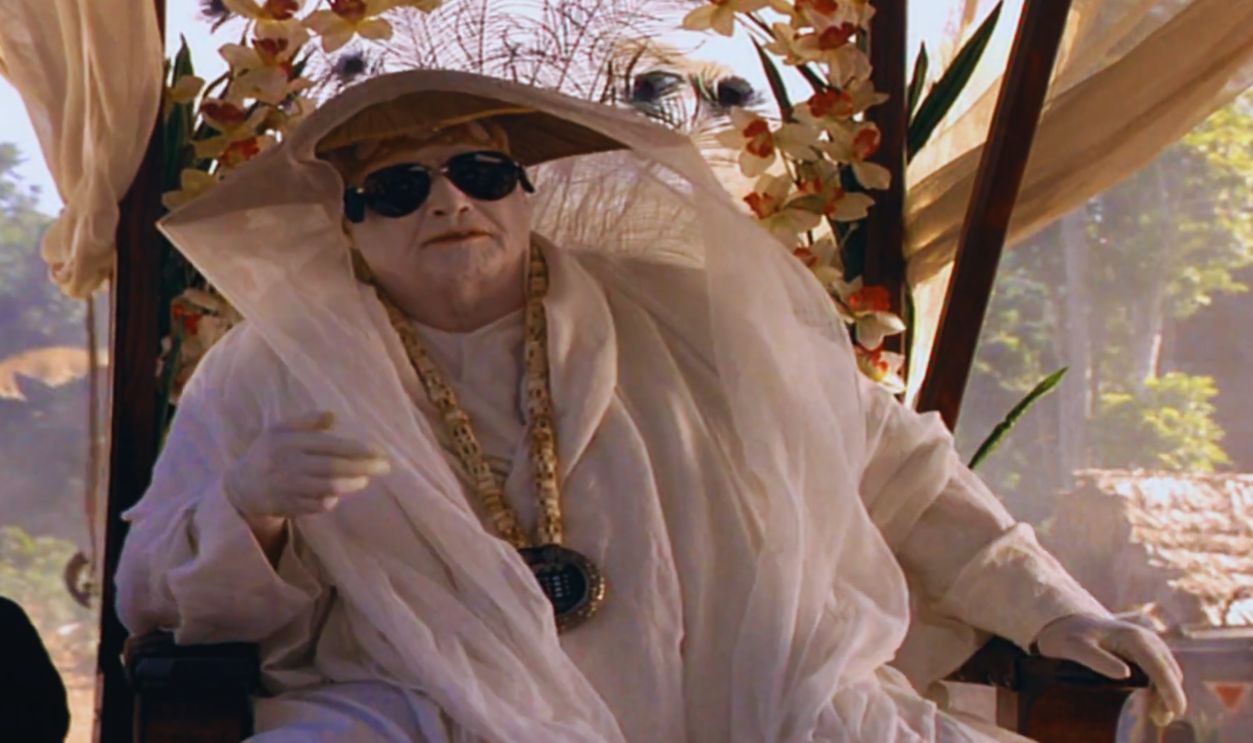 Screenshot from The Island of Dr. Moreau, Edward R. Pressman Productions / New Line Cinema (1996)
Val Kilmer Clashed With Joel Schumacher
Val Kilmer’s one turn as Batman came with major tension behind the mask. Joel Schumacher later said he and Kilmer had a “physical pushing match” during Batman Forever. The film made money, but Schumacher and Kilmer never repeated the partnership.
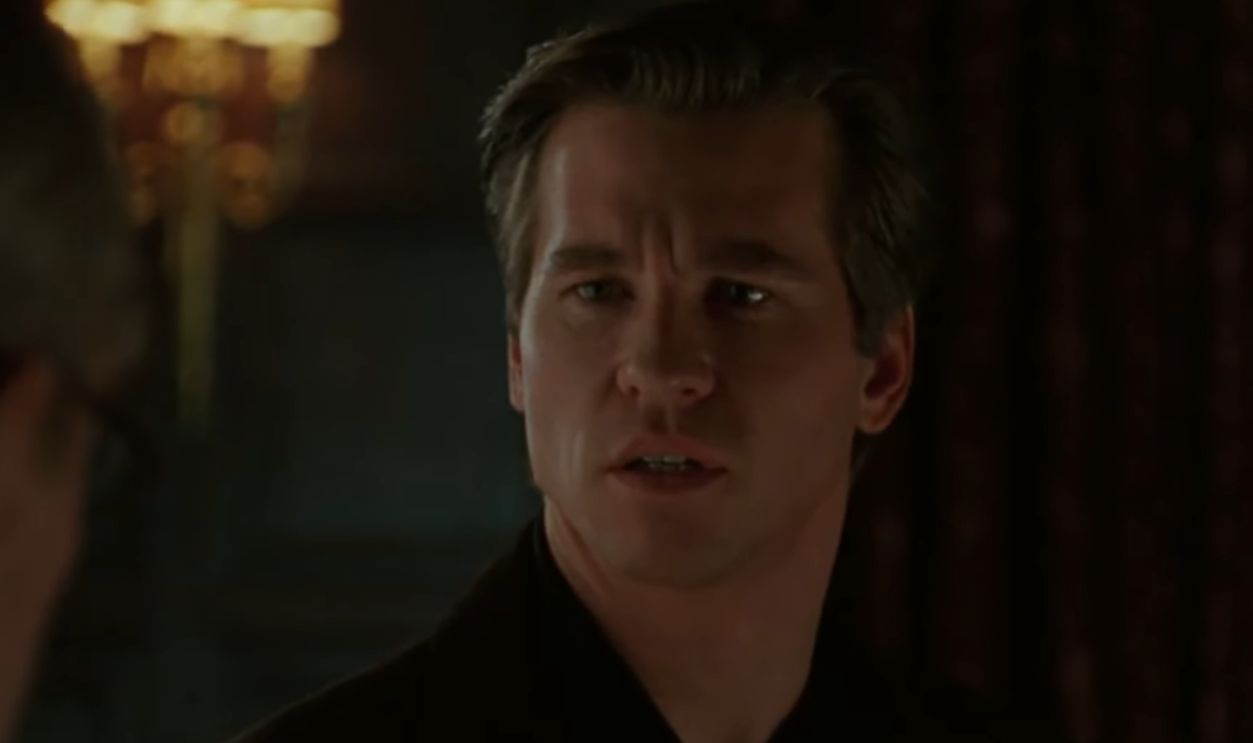 Screenshot from Batman Forever, Warner Bros. / PolyGram Filmed Entertainment (1995)
Edward Norton Took On Tony Kaye
Edward Norton’s clash with Tony Kaye over American History X centered on the film’s editing. Kaye objected to the released version and publicly disowned the movie after New Line moved forward with a cut he hated. Norton earned major praise for the performance, but the director’s anger became part of the film’s story.
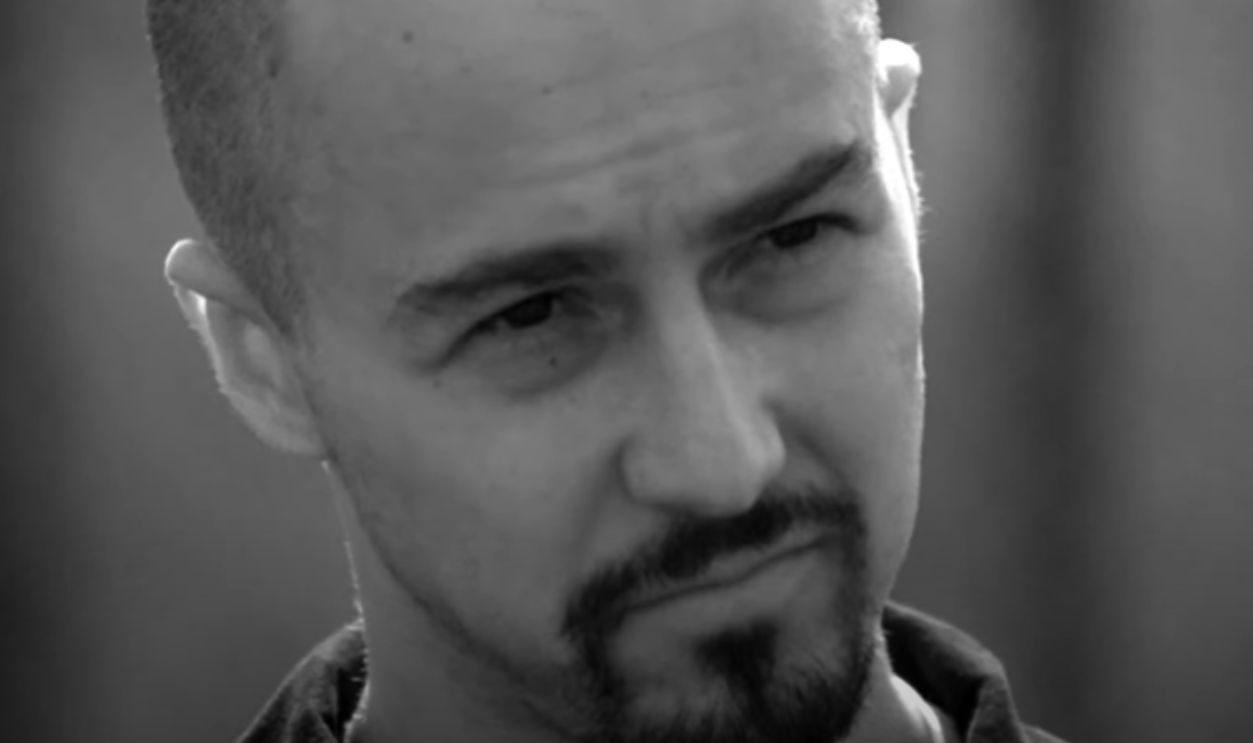 Screenshot from American History X, Turman-Morrissey Productions / New Line Cinema (1998)
Crispin Glover Fought Back To The Future
Crispin Glover did not return as George McFly in Back To The Future Part II. Instead, the sequel used another actor in makeup to resemble him, which led Glover to sue over the use of his likeness. The dispute became an important Hollywood case about what studios can and cannot do with an actor’s image.
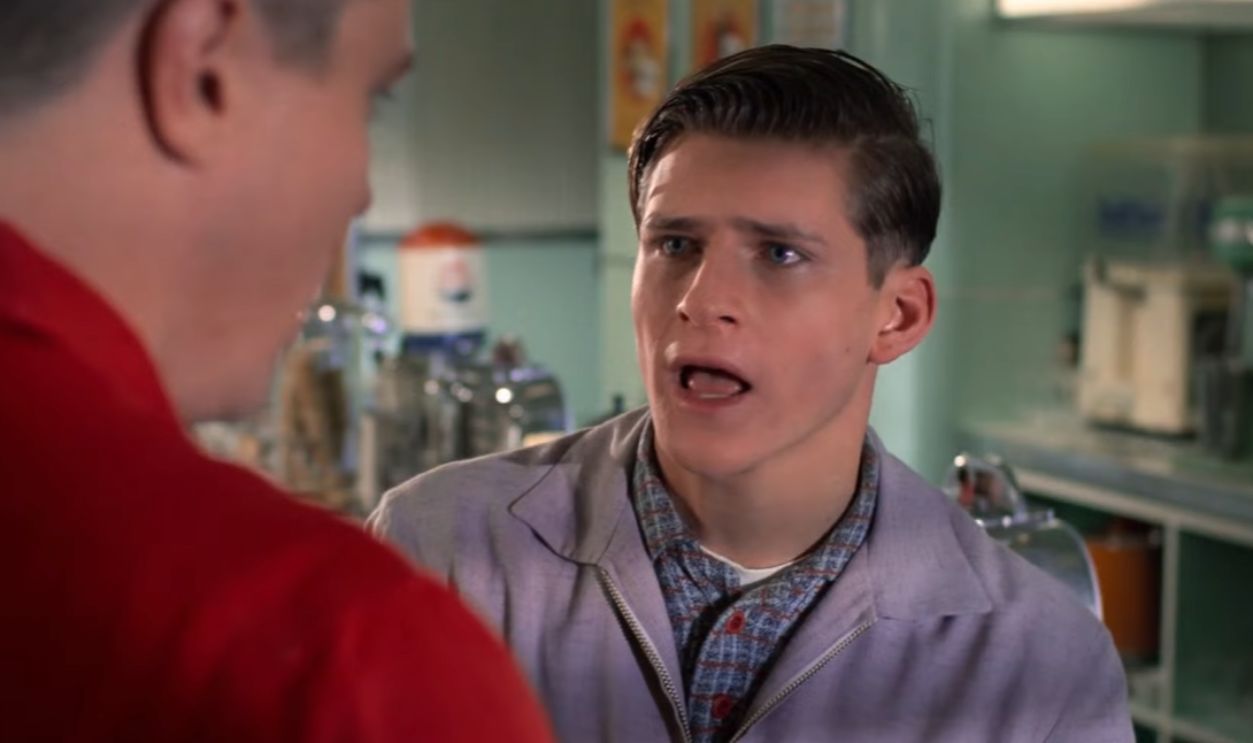 Screenshot from Back to the Future, Universal Pictures (1985)
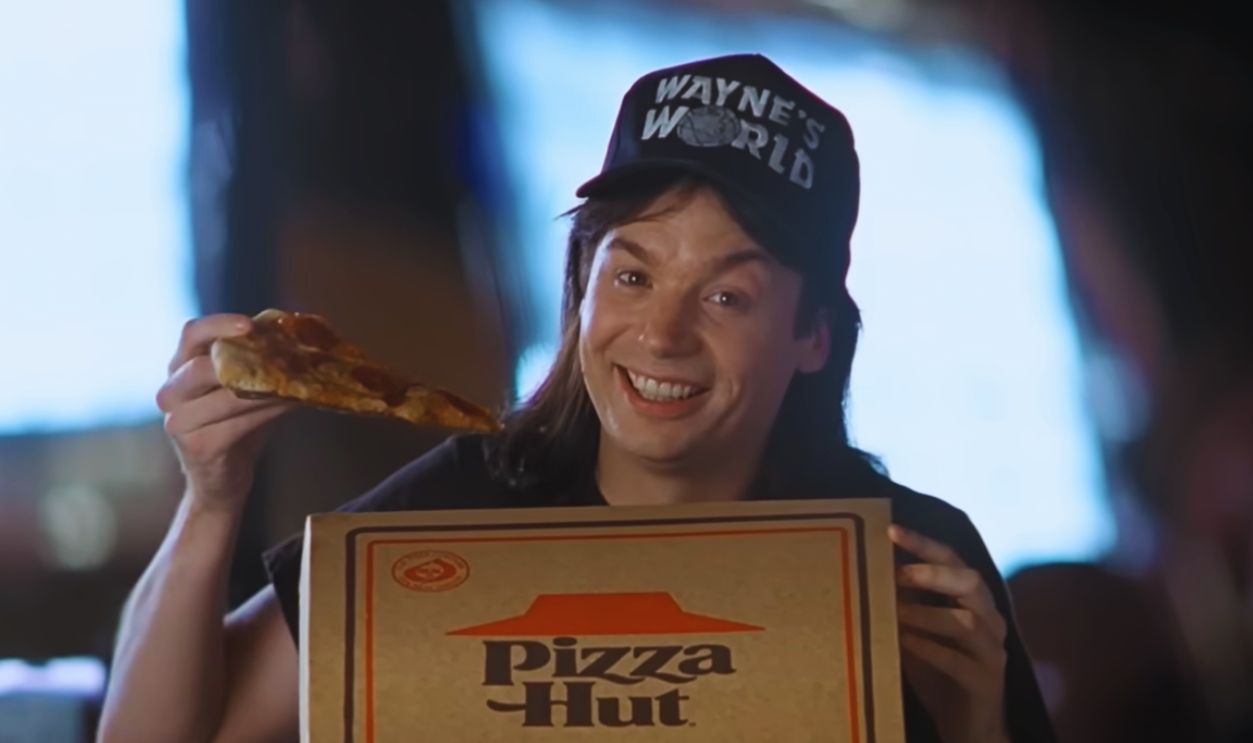
Mike Myers And Penelope Spheeris Fell Out
Wayne’s World looked like pure fun on screen, but director Penelope Spheeris later described tension around Mike Myers and producer Lorne Michaels. Spheeris did not return for the sequel, despite the first film becoming a huge hit. The party ended with a very Hollywood lesson about creative control.
 Screenshot from Wayne’s World, Paramount Pictures (1992)
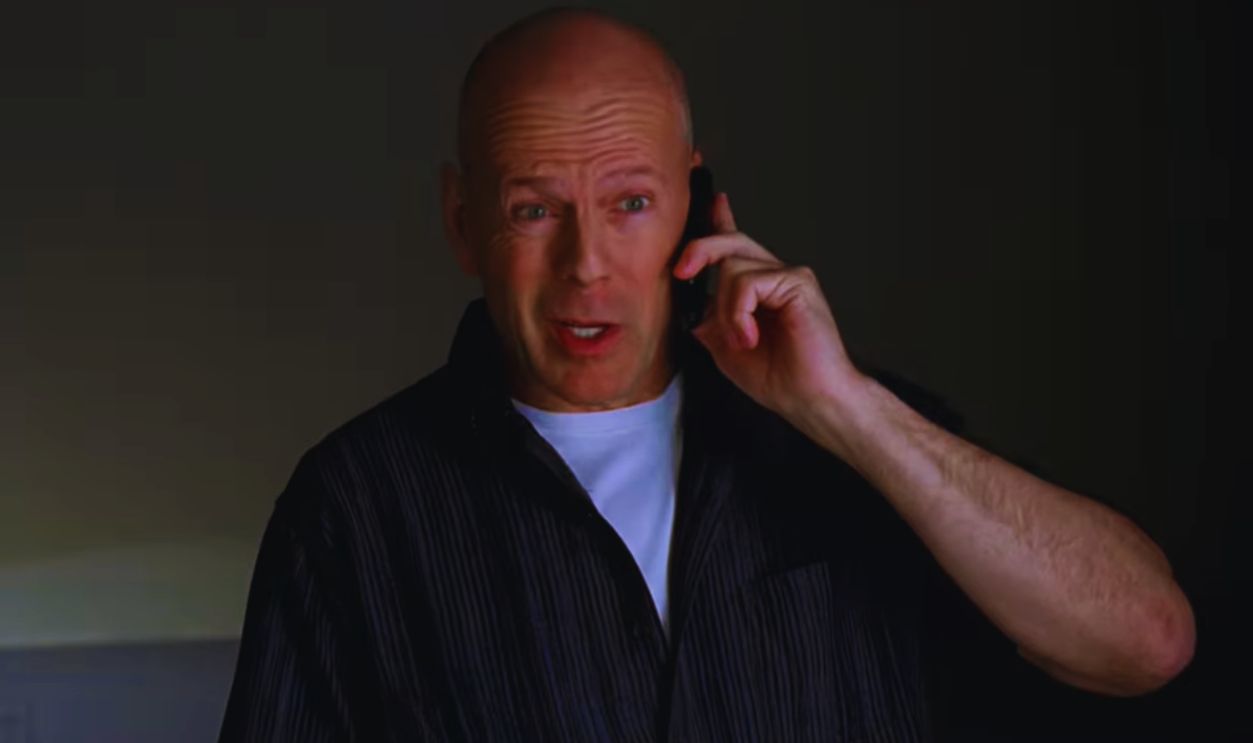
Bruce Willis Disappointed Kevin Smith
Kevin Smith expected directing Bruce Willis in Cop Out to be a dream job. Instead, Smith later criticized Willis’s behavior on set and described the experience as miserable. Smith later apologized after Willis’s aphasia diagnosis became public, which softened the feud’s ending but not its reputation.
 Screenshot from Cop Out, Marc Platt Productions / Warner Bros. Pictures (2010)
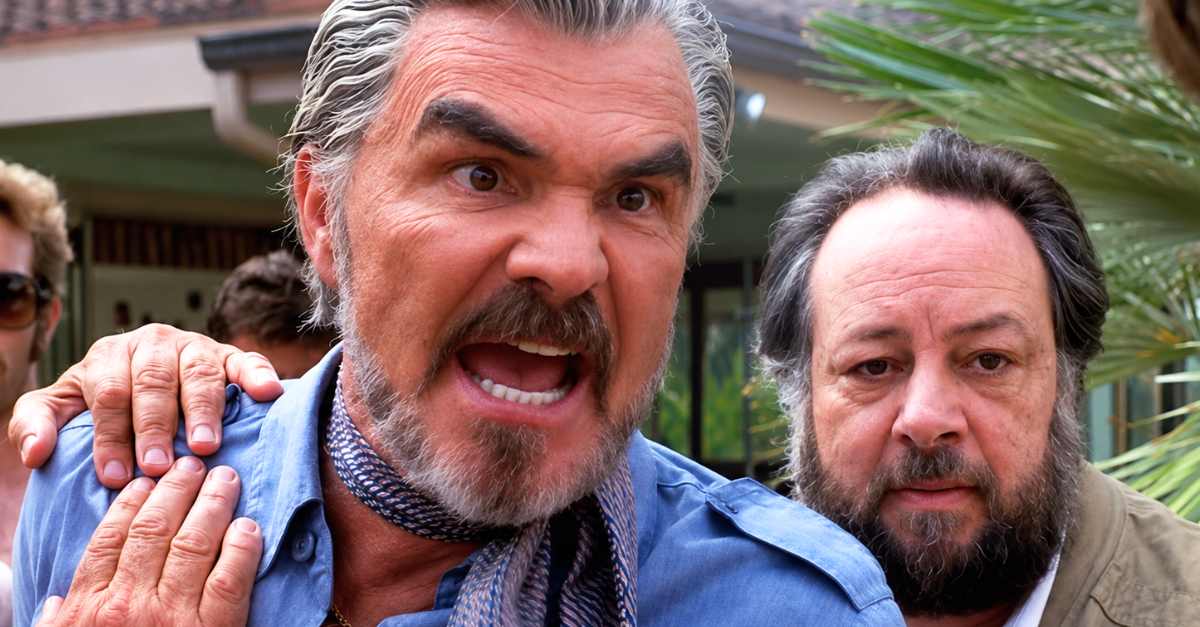
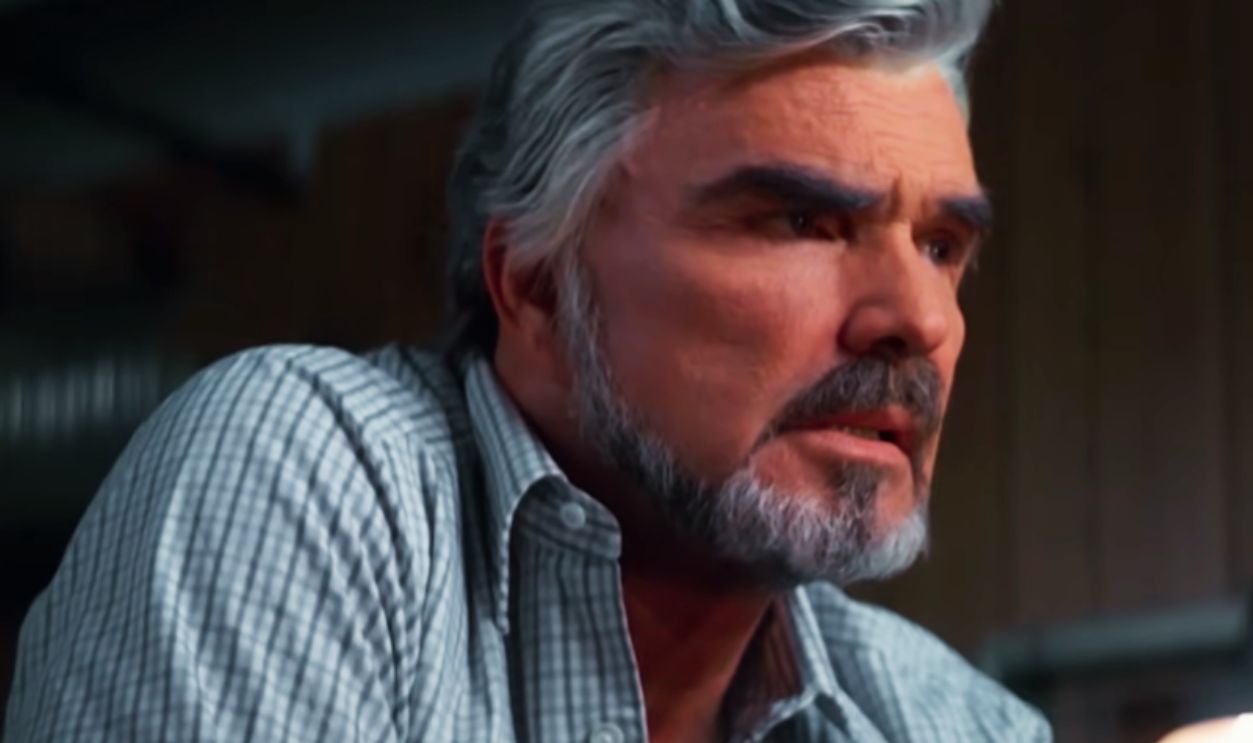
Burt Reynolds Hated Boogie Nights
Burt Reynolds earned an Oscar nomination for Boogie Nights, but he did not look back warmly on the experience. He reportedly clashed with Paul Thomas Anderson and later turned down a role in Anderson’s Magnolia. The movie revived Reynolds’s prestige, but it did not create much love between actor and director.
 Screenshot from Boogie Nights, Warner Bros. Discovery (1997)
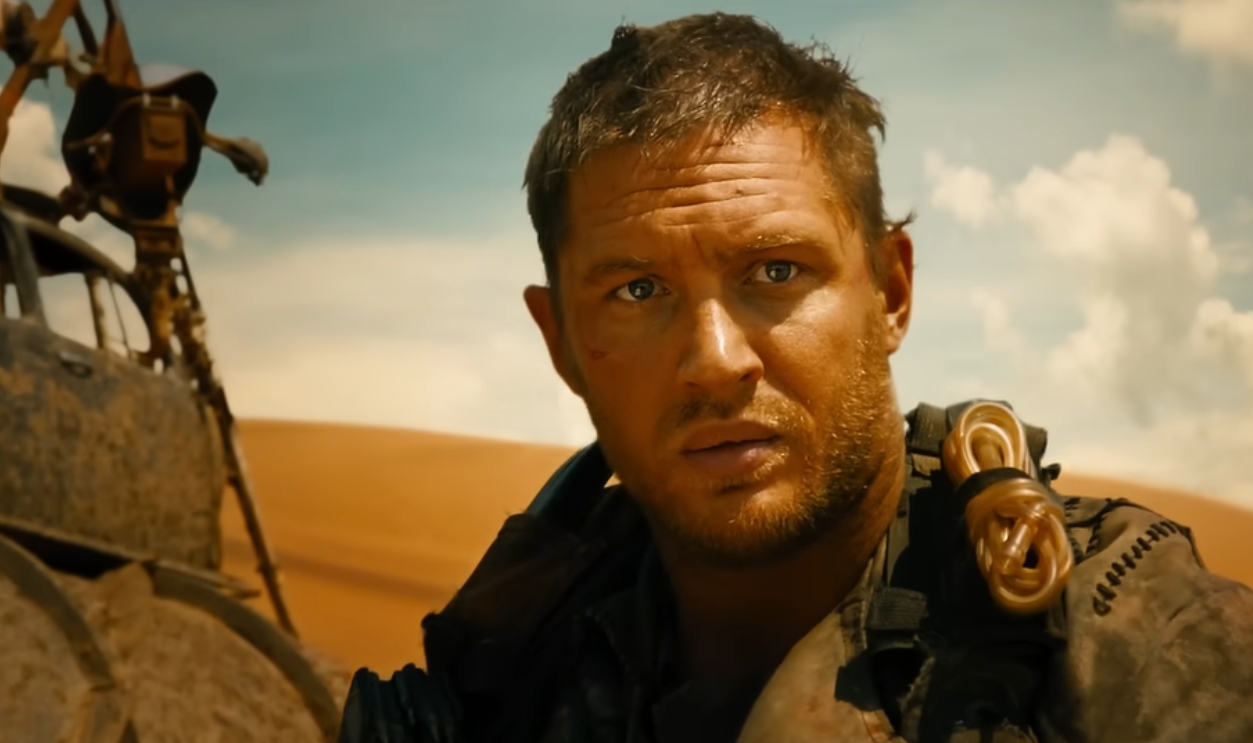
Tom Hardy Tested George Miller’s Patience
Tom Hardy’s biggest Mad Max: Fury Road tension was with Charlize Theron, but director George Miller later addressed how disruptive the feud became. Miller said there was “no excuse” for the conflict, even if the actors’ different styles fed the tension. The movie became a masterpiece of action cinema, but the road there was rough.
 Warner Bros. Pictures, Mad Max: Fury Road (2015)
Faye Dunaway Battled Roman Polanski
Faye Dunaway’s work with Roman Polanski on Chinatown produced one of the great performances of 1970s film. Behind the scenes, however, Dunaway later described Polanski’s direction as cruel and humiliating. The finished film was elegant, but the collaboration was anything but smooth.
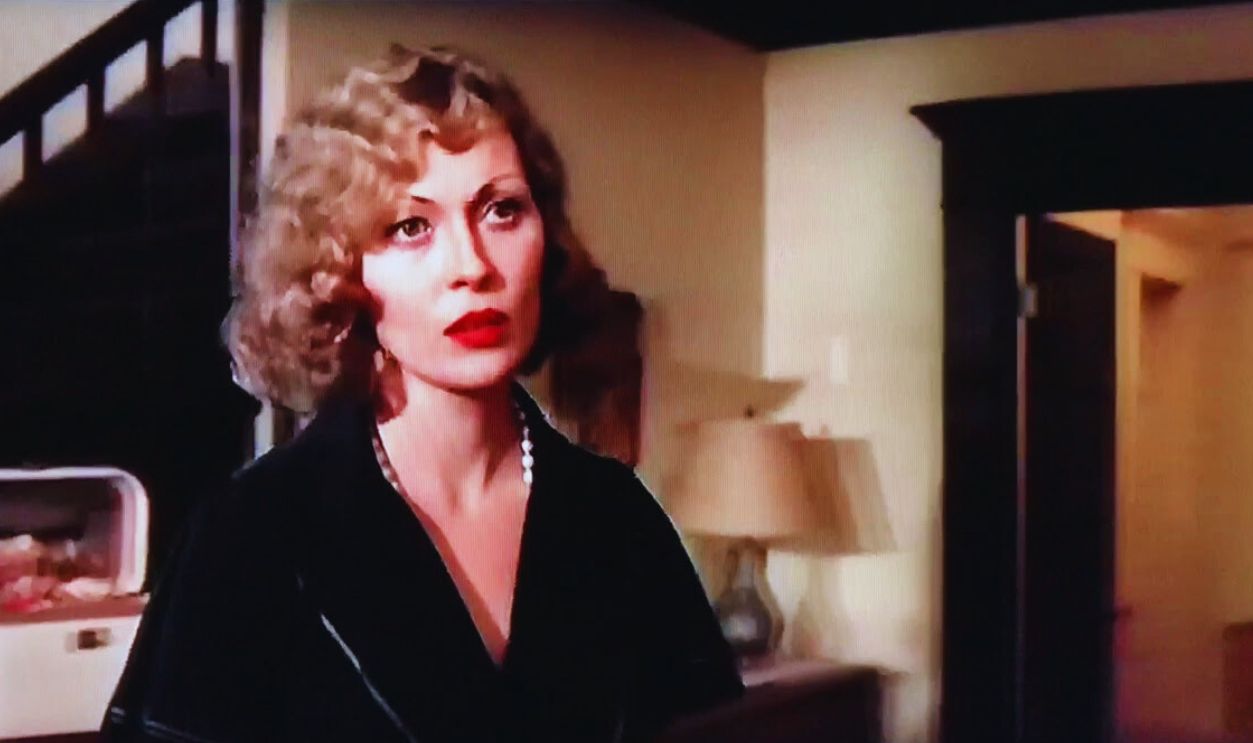 Screenshot from Chinatown, Paramount Pictures (1974)
Dustin Hoffman And Sydney Pollack Wrestled For Control
Tootsie became a beloved comedy, but Dustin Hoffman and Sydney Pollack fought hard over the film’s direction. Hoffman had unusual creative influence on the project, which led to heated disputes with Pollack. The tension worked out on screen, but getting there was a battle.
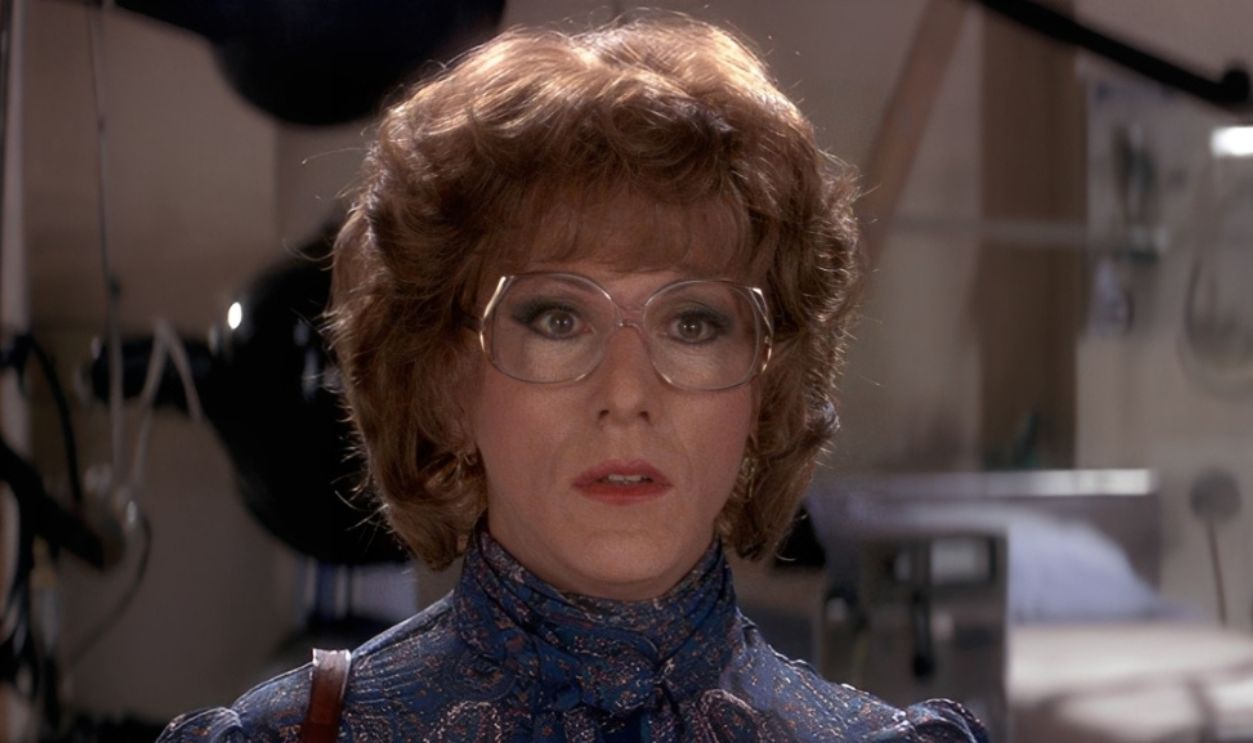 Screenshot from Tootsie, Mirage Enterprises / Columbia Pictures (1982)
Shia LaBeouf And Olivia Wilde Told Different Stories
Shia LaBeouf’s exit from Don’t Worry Darling became a public argument over what really happened. Olivia Wilde suggested she removed him because his process did not fit the safe environment she wanted on set. LaBeouf denied being fired and said he quit because rehearsal time was not working for him.
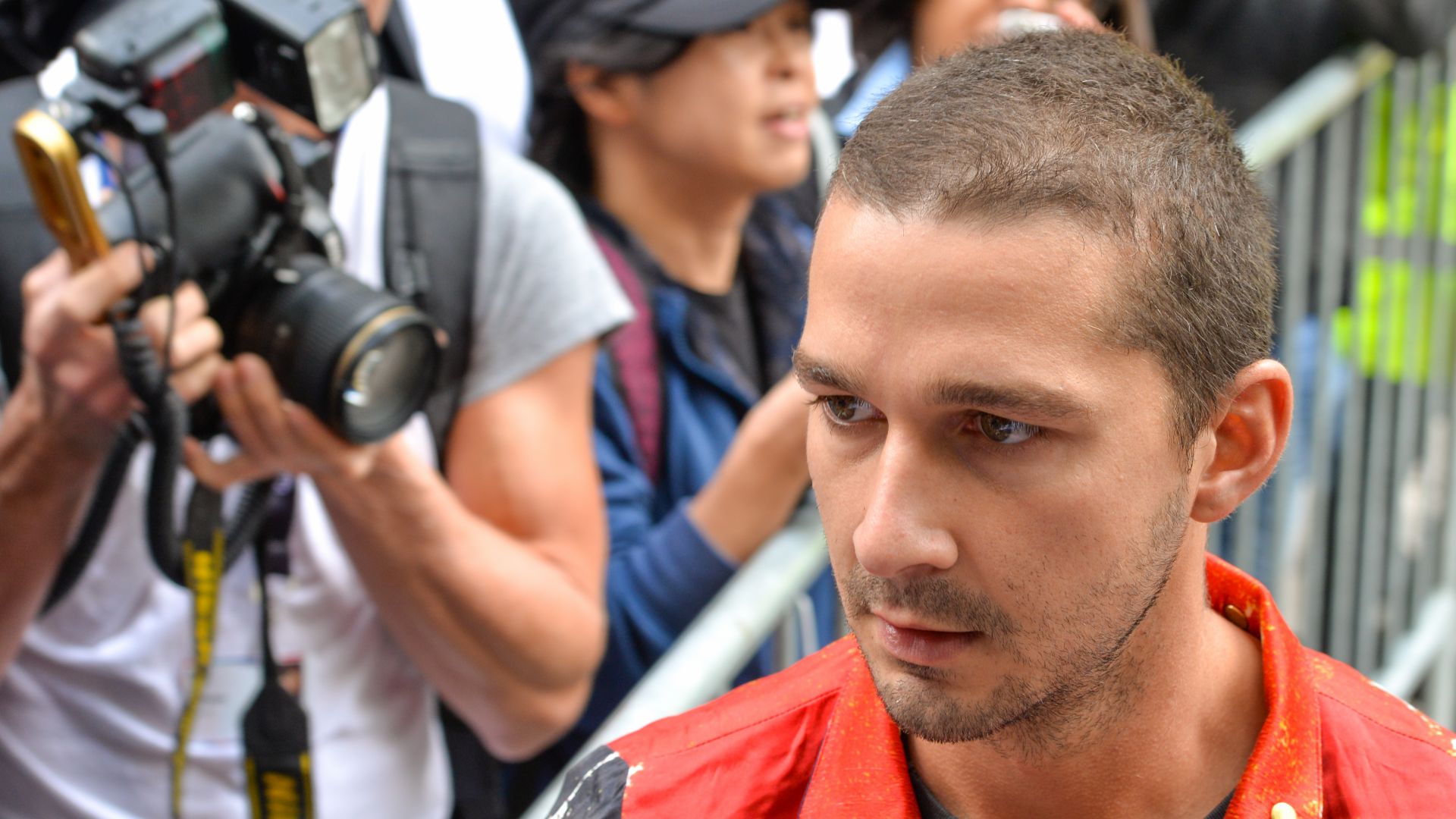 John Bauld from Toronto, Canada, Wikimedia Commons
Richard Dreyfuss Lost All That Jazz
Richard Dreyfuss was originally connected to Bob Fosse’s All That Jazz, but Roy Scheider ultimately took the role. The available sourcing supports a casting change more than a major actor-director feud, so this is one of the softer entries. Still, it shows how quickly a director’s vision can move on when the fit is not right.
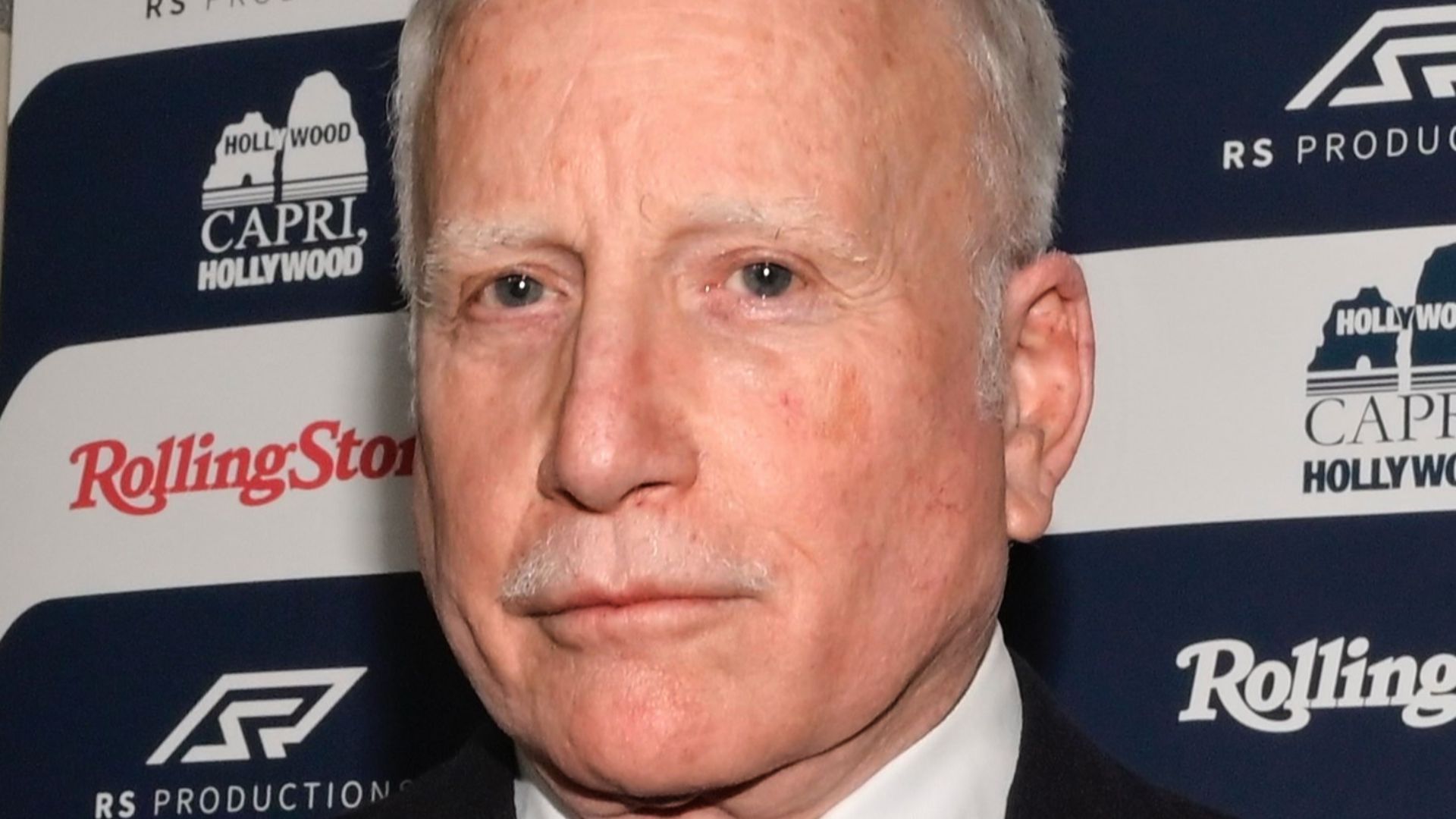 DreyfussCivic, Wikimedia Commons
Sean Young Accused Ridley Scott Of Retaliation
Sean Young’s Blade Runner role made her unforgettable, but she later described troubling tension with director Ridley Scott. Young alleged that Scott wanted to date her and that her refusal affected how a rough love scene was staged. Her account added another layer of discomfort to the making of a science fiction classic.
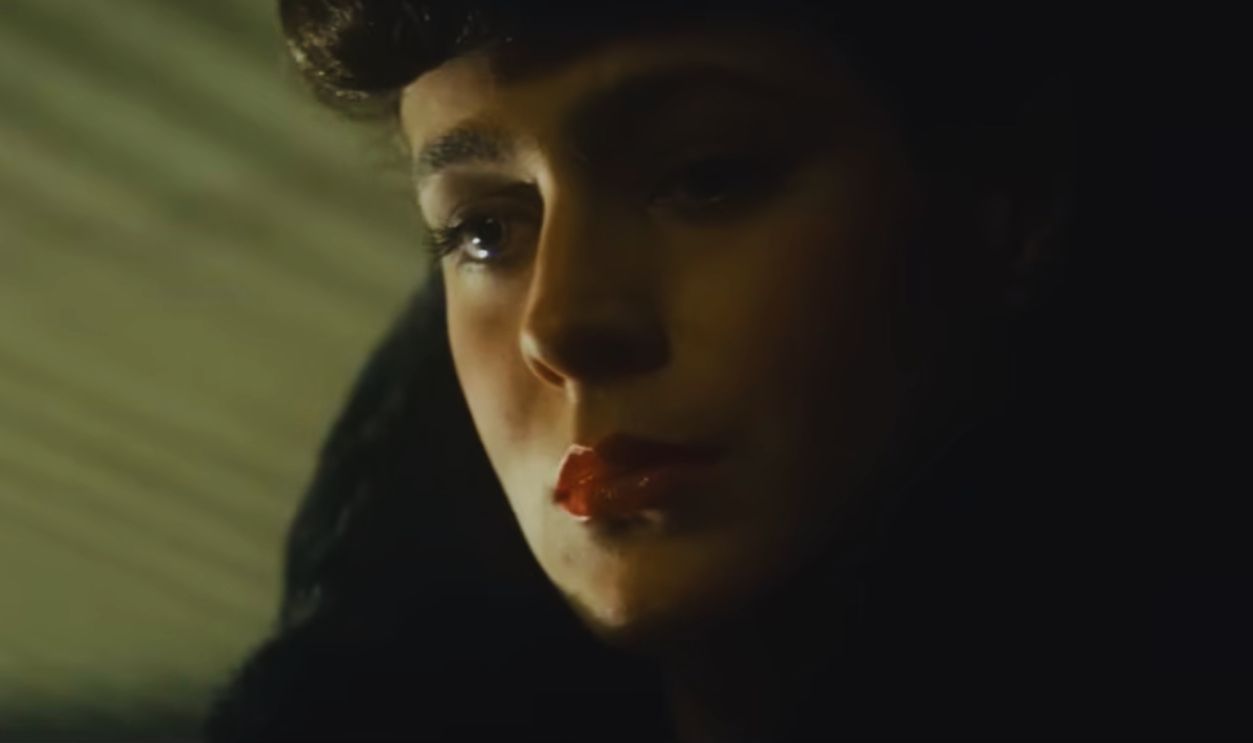 Screenshot from Blade Runner, The Ladd Company / Shaw Brothers / Warner Bros. (1982)
Dennis Hopper Defied Henry Hathaway
Dennis Hopper’s Method acting style did not go over well with old-school director Henry Hathaway on From Hell To Texas. Hopper reportedly walked off the set several times after Hathaway ordered him to hit his mark and say his lines as directed. Afterward, Hopper gained a reputation for being difficult and disappeared from major studio films for years.
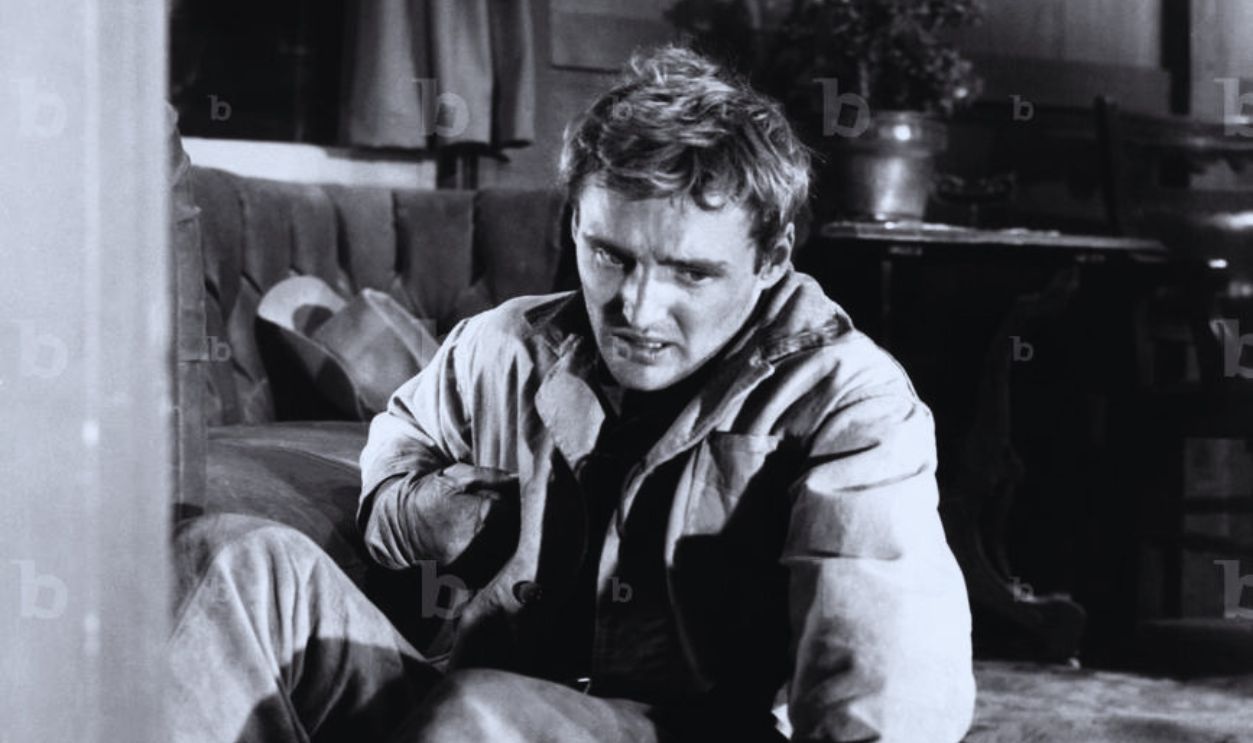 Screenshot from From Hell to Texas, 20th Century Fox (1958)
Mickey Rourke And Alan Parker Made A Dangerous Thriller
Mickey Rourke starred in Alan Parker’s Angel Heart, a dark thriller that pushed into controversial territory. The best verified sourcing supports the film’s intensity and controversy more than a clean actor-director feud, so this entry should be treated carefully. Still, Rourke’s brooding performance and Parker’s hard-edged direction made the film feel like a creative pressure cooker.
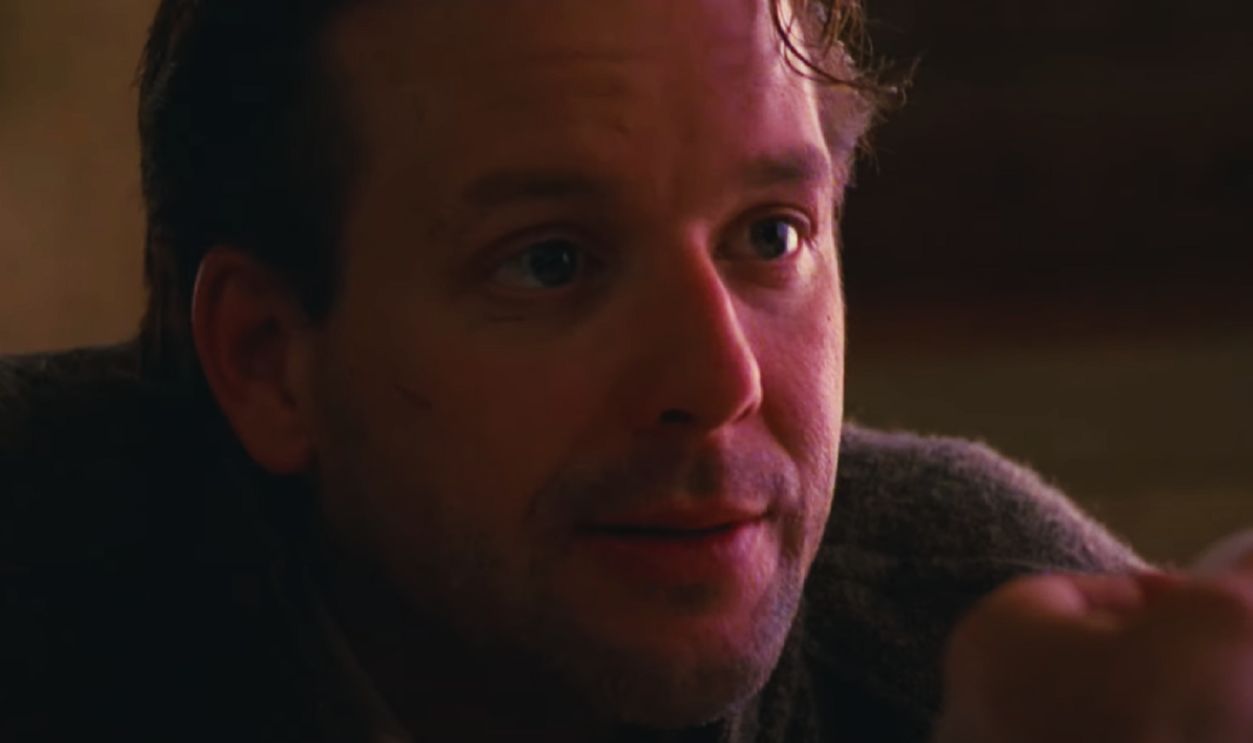 Screenshot from Angel Heart, Carolco Pictures / TriStar Pictures (1987)
Gene Hackman’s Tense Time With Wes Anderson
Gene Hackman gave one of his great late-career performances in The Royal Tenenbaums, but the set was tense. Wes Anderson later said Hackman was angry about the film’s flat-fee salary arrangement, and Bill Murray recalled Hackman being “really difficult.” Hackman still delivered a brilliant performance, which makes the behind-the-scenes tension even more fascinating.
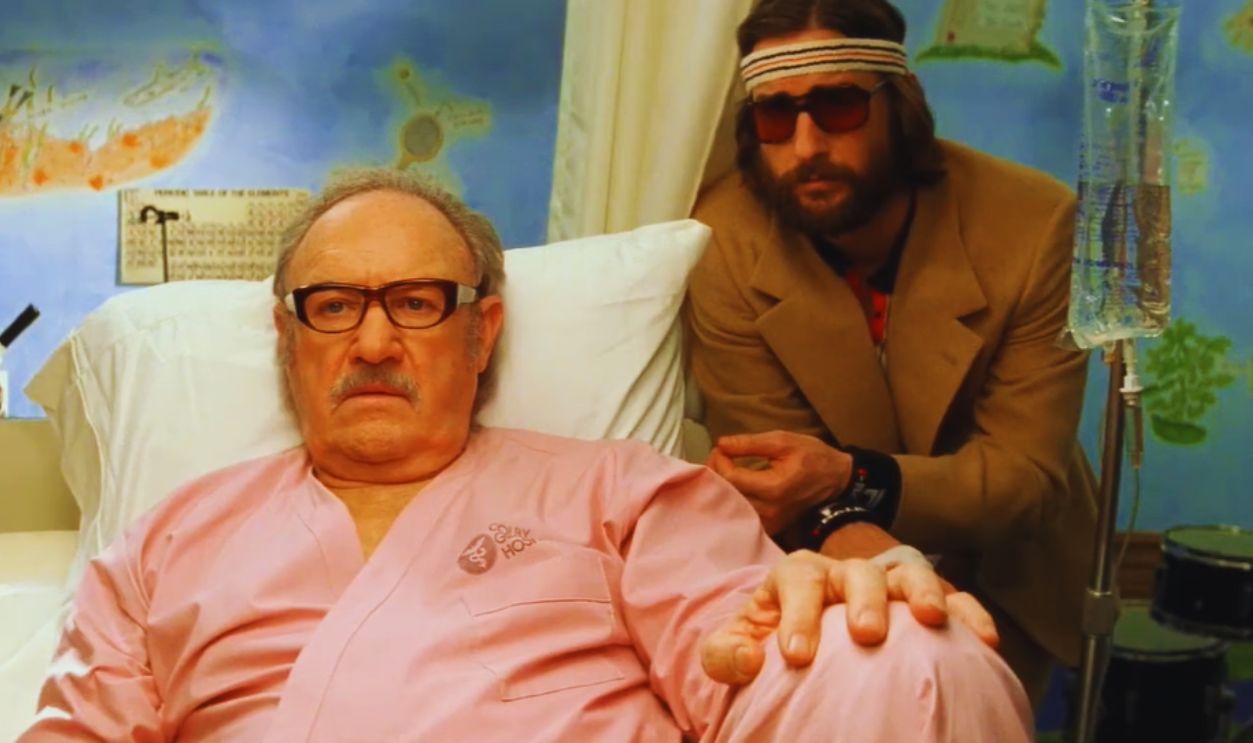 Screenshot from The Royal Tenenbaums, American Empirical Pictures / Touchstone Pictures (2001)
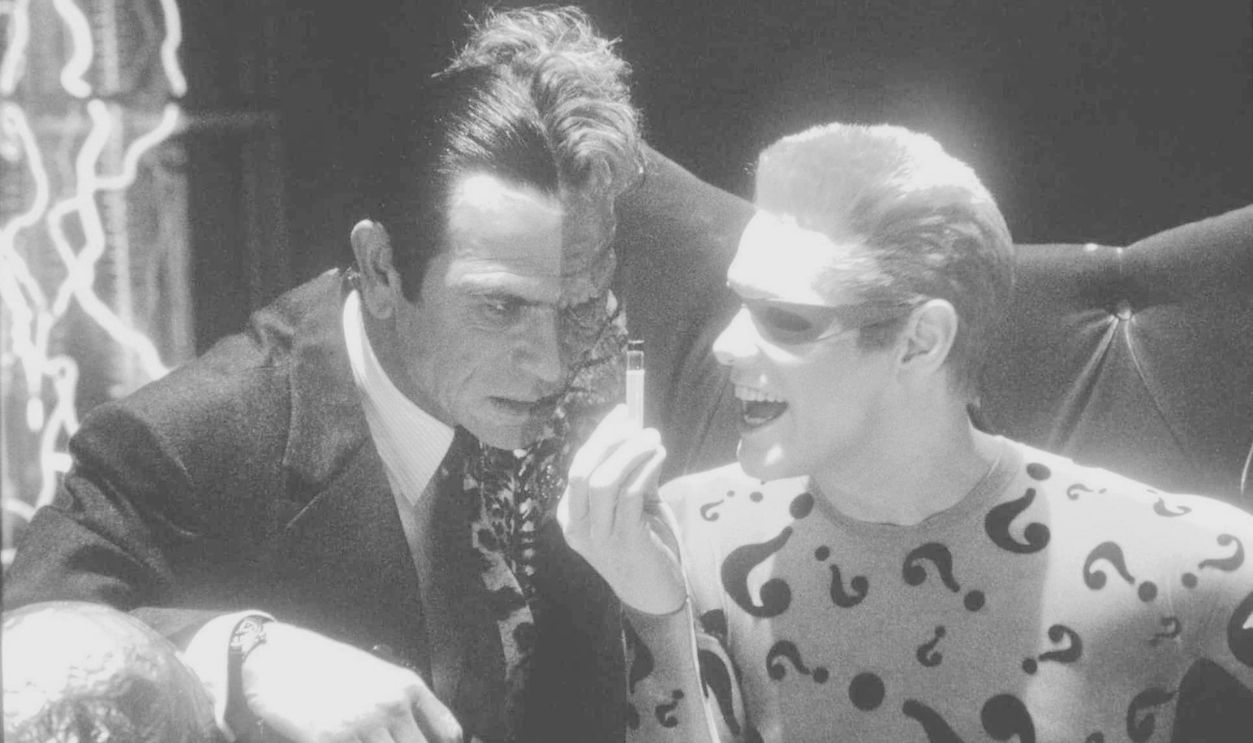
Tommy Lee Jones Made Batman Forever Awkward
Jim Carrey’s Batman Forever drama was not really with Joel Schumacher, so the cleaner documented clash is Tommy Lee Jones versus Schumacher and Carrey. Schumacher defended Carrey and said Jones was threatened by him, while later reports describe Jones as difficult on the set. It was superhero spectacle on screen and bruised egos behind it.
Harvey Keitel Could Not Survive Kubrick’s Takes
Harvey Keitel was originally cast in Stanley Kubrick’s Eyes Wide Shut before Sydney Pollack replaced him. Keitel later discussed leaving or being fired from the production, with reports pointing to Kubrick’s famously repetitive shooting style as part of the problem. It was a clash between a strong actor and one of cinema’s most exacting directors.
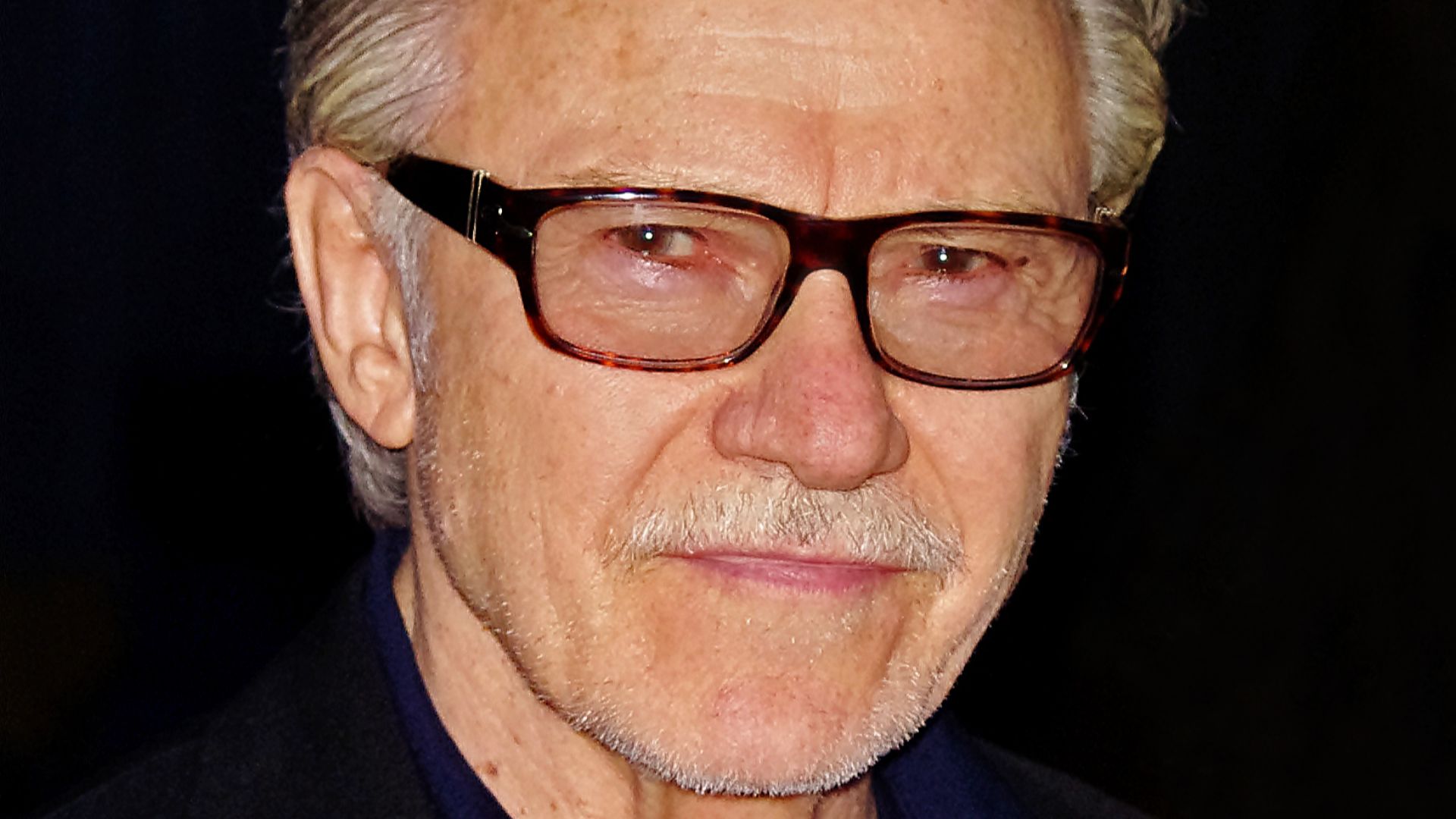 David Shankbone, Wikimedia Commons
The Pattern Was Bigger Than Ego
These stories are not all the same kind of feud. Some involved power, some involved safety, some involved editing, and some were simply battles between two stubborn creative visions. What they have in common is that the drama behind the camera became part of the movie’s legacy.
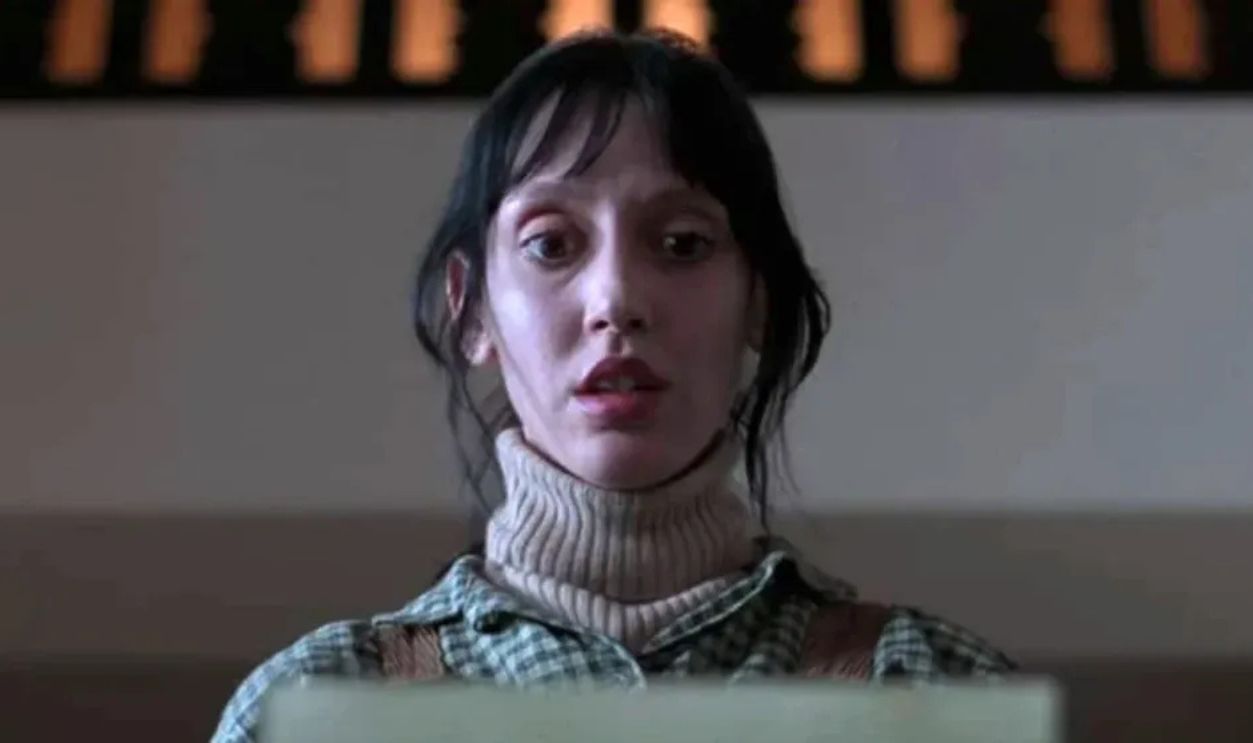 Screenshot from The Shining, Hawk Films / Peregrine Productions / Warner Bros. (1980)
You May Also Like:
These 15 Films Were Behind-The-Scenes Disasters
Actors Who Were Fired In The Middle Of Filming
The Most Chaotic Movie Productions In Hollywood History
Sources: 1, 2, 3, 4, 5, 6, 7, 8, 9, 10, 11, 12, 13, 14, 15, 16, 17, 18, 19, 20, 21, 22, 23, 24, 25, 26, 27, 28, 29, 30, 31, 32, 33, 34, 35, 36, 37, 38, 39, 40, 41, 42, 43, 44