
A Box Full Of What-Ifs
For decades, Sophia Loren kept a box filled with pieces of her past. Then she finally opened it—and out came the story of a decision that could have rewritten two of Hollywood’s most famous lives.
One choice. Two completely different futures. And Cary Grant refusing to make it easy.
 Paramount Pictures, Getty Images
Grant Had Been Gone For Almost 28 Years
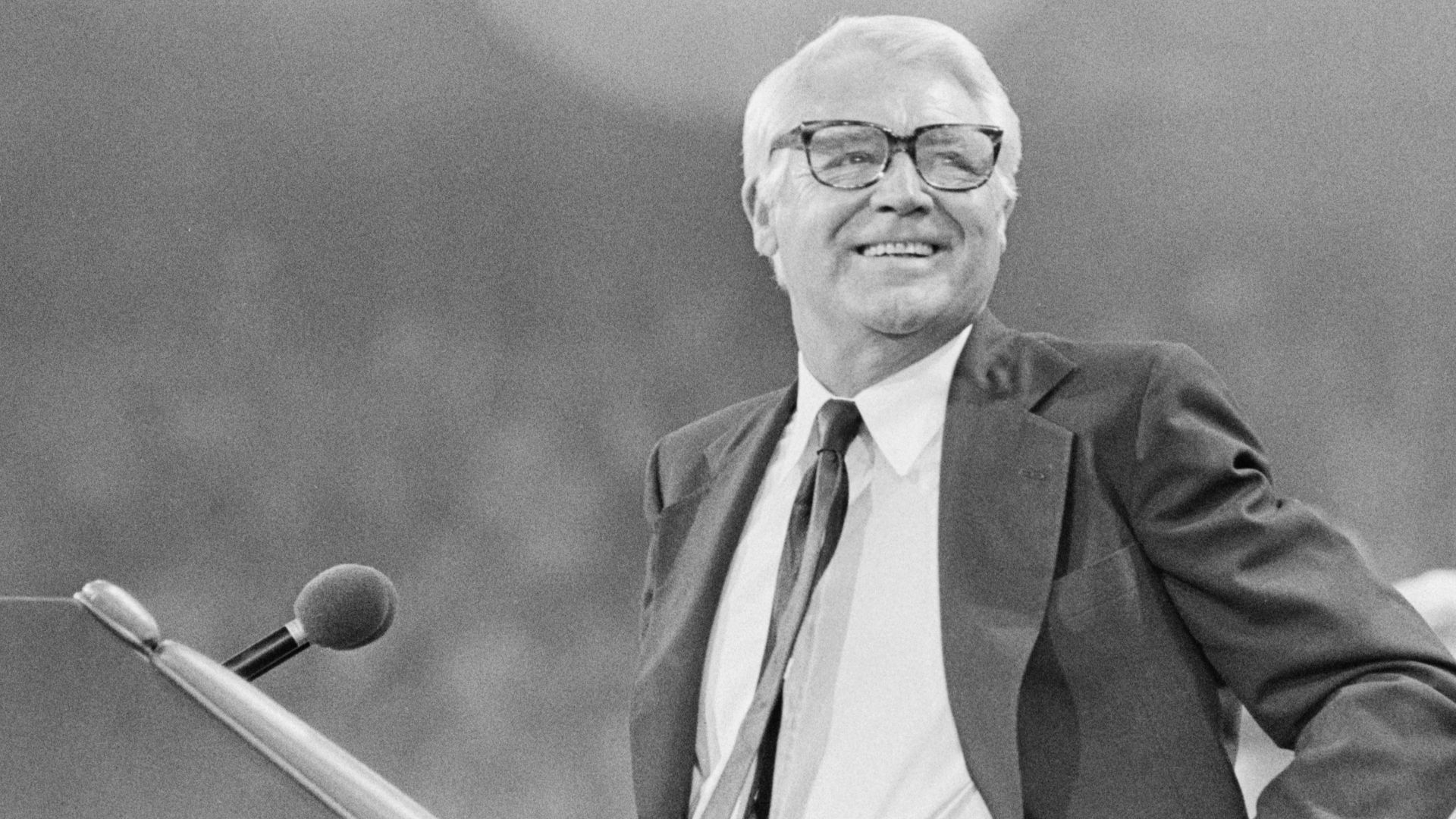
Cary Grant passed away on November 29, 1986, after suffering a stroke while preparing for a public appearance in Davenport, Iowa. Loren did not publish the full story of what happened between them until her 2014 memoir—almost 28 years after Grant was gone and could no longer tell his side.
 Thomas J. O'Halloran, Wikimedia Commons
It Started In Spain
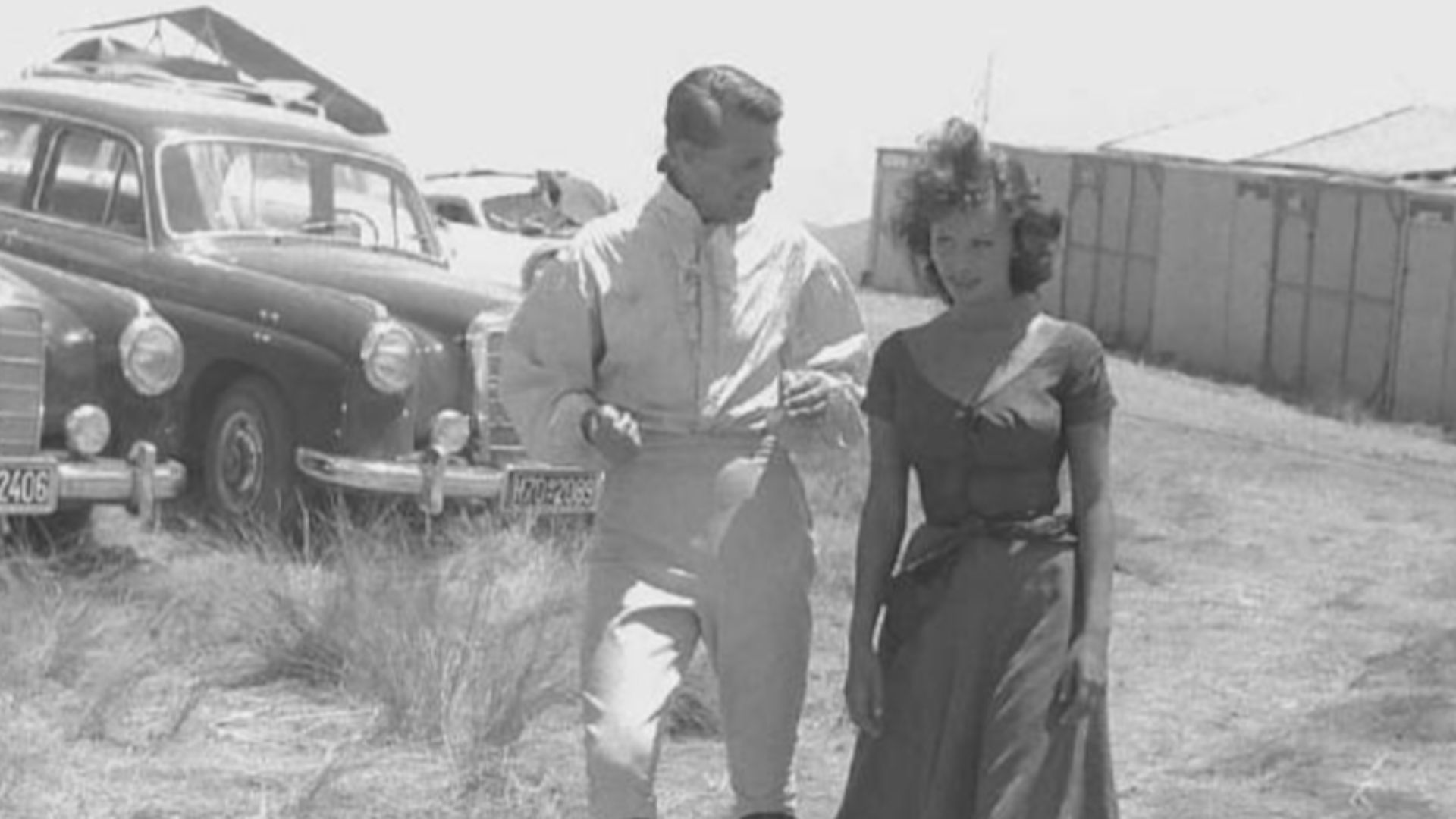
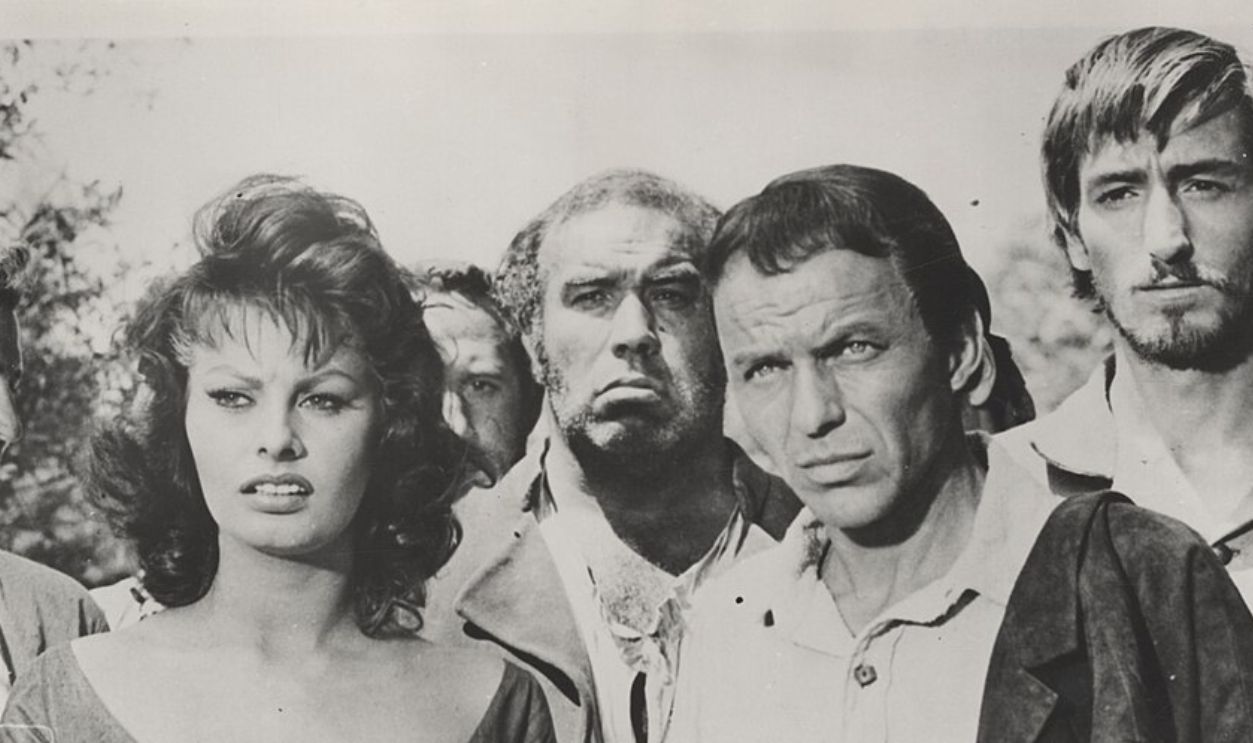
Grant and Loren became close while filming The Pride and the Passion, the enormous 1957 historical epic that also starred Frank Sinatra. Much of the production was filmed across Spain in 1956, keeping the cast together for months and giving an offscreen attraction plenty of time to become something far more complicated.
 Patellani, Federico, Wikimedia Commons
Loren Was Entering A New World
Loren was 21 and making her first English-language film. Grant was 52, internationally famous and already the finished version of everything Hollywood wanted its leading men to be. That is a fairly intimidating person to have suddenly become very interested in you.
 Unknown authorUnknown author, Wikimedia Commons
Grant Was Very Much Married
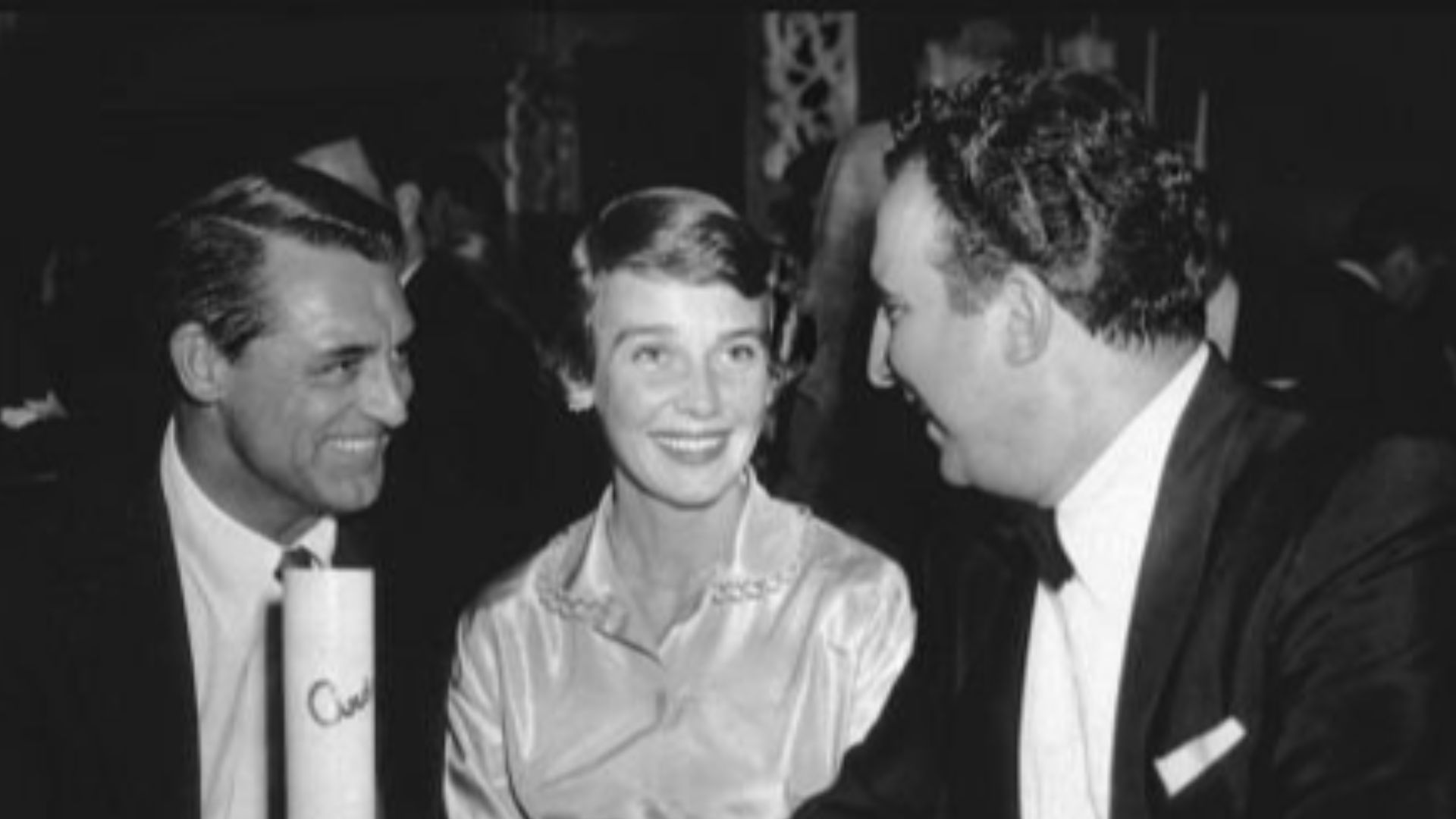
There was also the small matter of Grant’s third wife, actress Betsy Drake. The couple had been married since 1949, and although the relationship was struggling, they would not divorce until 1962. Whatever Grant felt for Loren, he was not approaching her as a free man.
 The World Famous Comedy Store., Wikimedia Commons
Loren Was Not Free Either
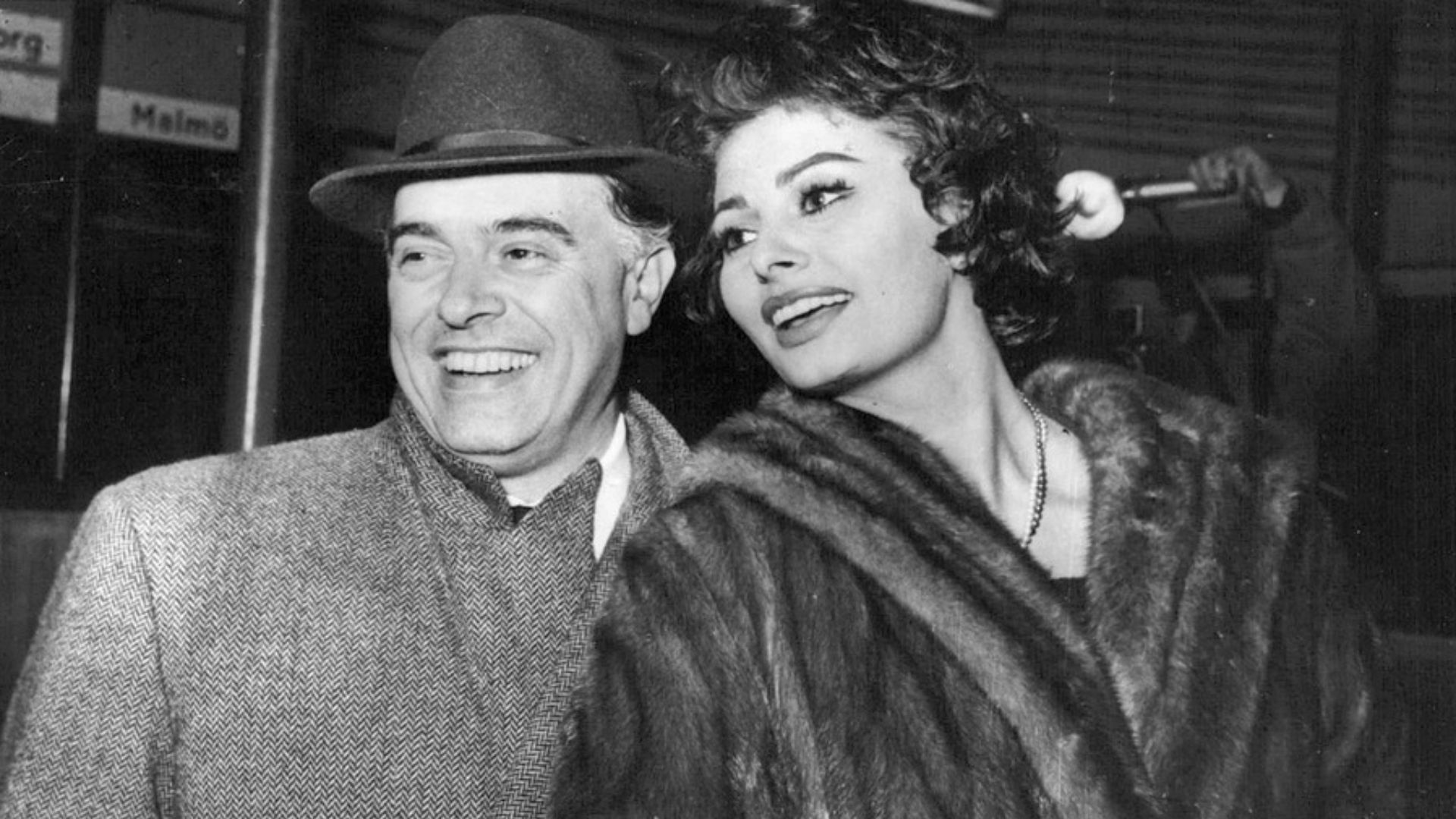
Loren was involved with Italian producer Carlo Ponti, the man who had recognized her potential early and helped guide her career. Ponti was 22 years older and still legally married himself, which meant everyone involved had apparently looked at a simple romantic situation and decided it needed several more complications.
 Unknown photographer, Wikimedia Commons
Grant Did Not Keep It Casual
This was not an actor flirting between takes and forgetting all about it when filming ended. Grant pursued Loren with letters, attention and flowers delivered day after day. The roses became such a powerful memory that the chapter about him in her memoir was titled “Cary’s Roses.”
 Unknown authorUnknown author, Wikimedia Commons
The Roses Kept Arriving
Grant reportedly sent enormous bouquets almost daily as he tried to convince Loren that what was happening between them deserved a future. Coming from almost anyone else, that many flowers might have started to feel like a gardening problem. Coming from Cary Grant, they were considerably harder to ignore.

Then He Put It In Writing
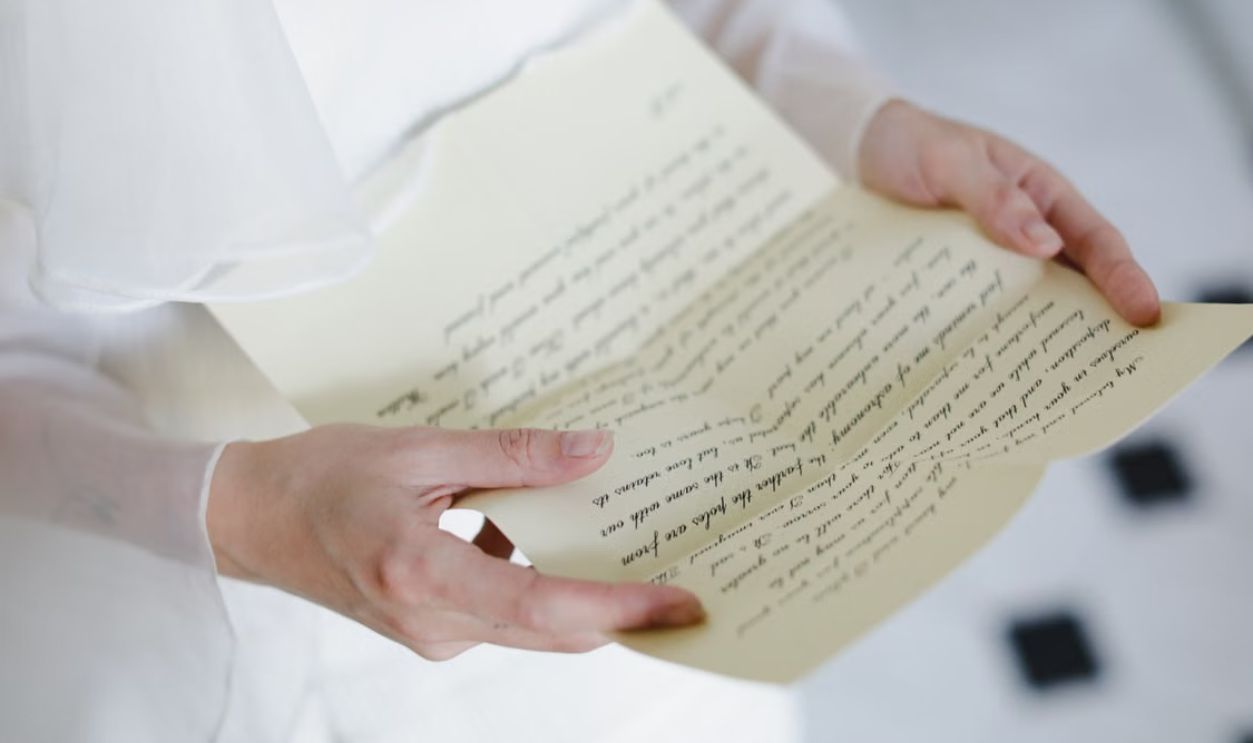
Grant’s letters were not filled with the smooth one-liners audiences might have expected. Instead, he wrote about prayer, guidance and the future. “You’ll be in my prayers,” he told Loren, asking her to pray with him as they tried to decide where their relationship was going.
 Unknown authorUnknown author, Wikimedia Commons
He Knew He Was Pushing Too Hard
One surviving note showed just how intensely Grant had been pressing her for an answer. “Forgive me, dear girl. I press you too much,” he wrote. It sounded less like an effortless movie star turning on the charm and more like a man terrified she would choose someone else.
He Wanted Her To Choose Him
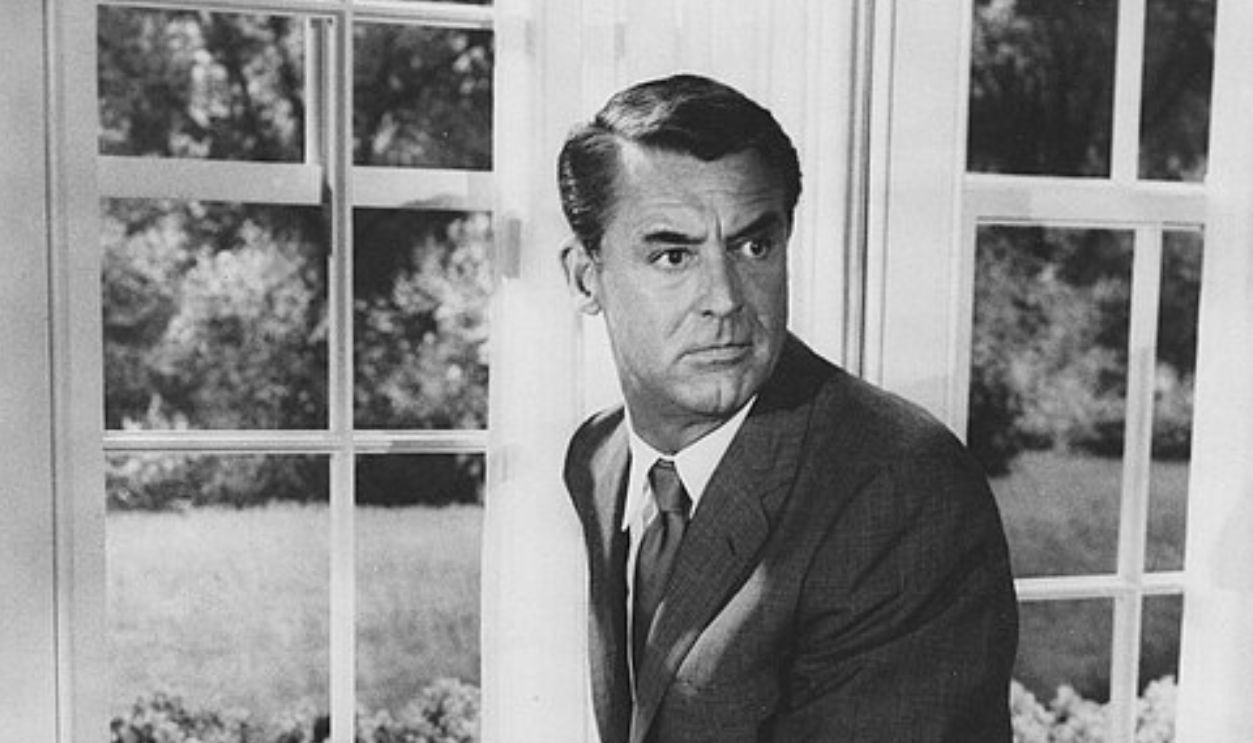
Grant was not asking Loren to continue some quiet Hollywood flirtation. His letters urged her to pray about their future, and Loren later acknowledged that she faced a genuine choice between the life he offered and the one she was building with Ponti.
 Metro-Goldwyn-Mayer, Wikimedia Commons
Loren Was Genuinely Torn
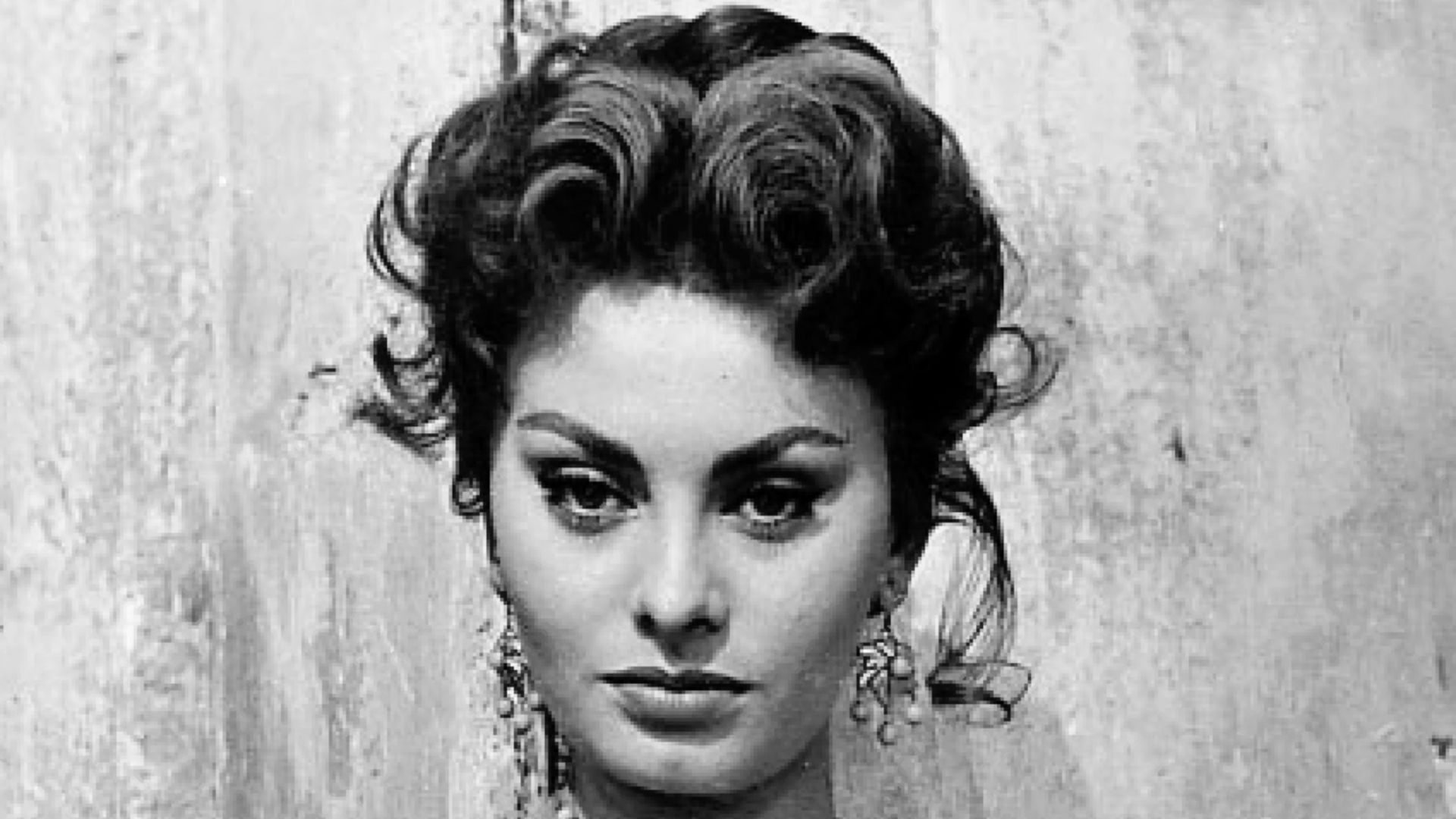
Loren never claimed Grant’s attention was entirely one-sided. She described herself as very affectionate toward him and admitted that she faced a real decision. She was young, far from home and being pursued by Cary Grant. Most people would need at least a minute to think that one over.
 Movie studio, Wikimedia Commons
Grant Offered The Hollywood Life
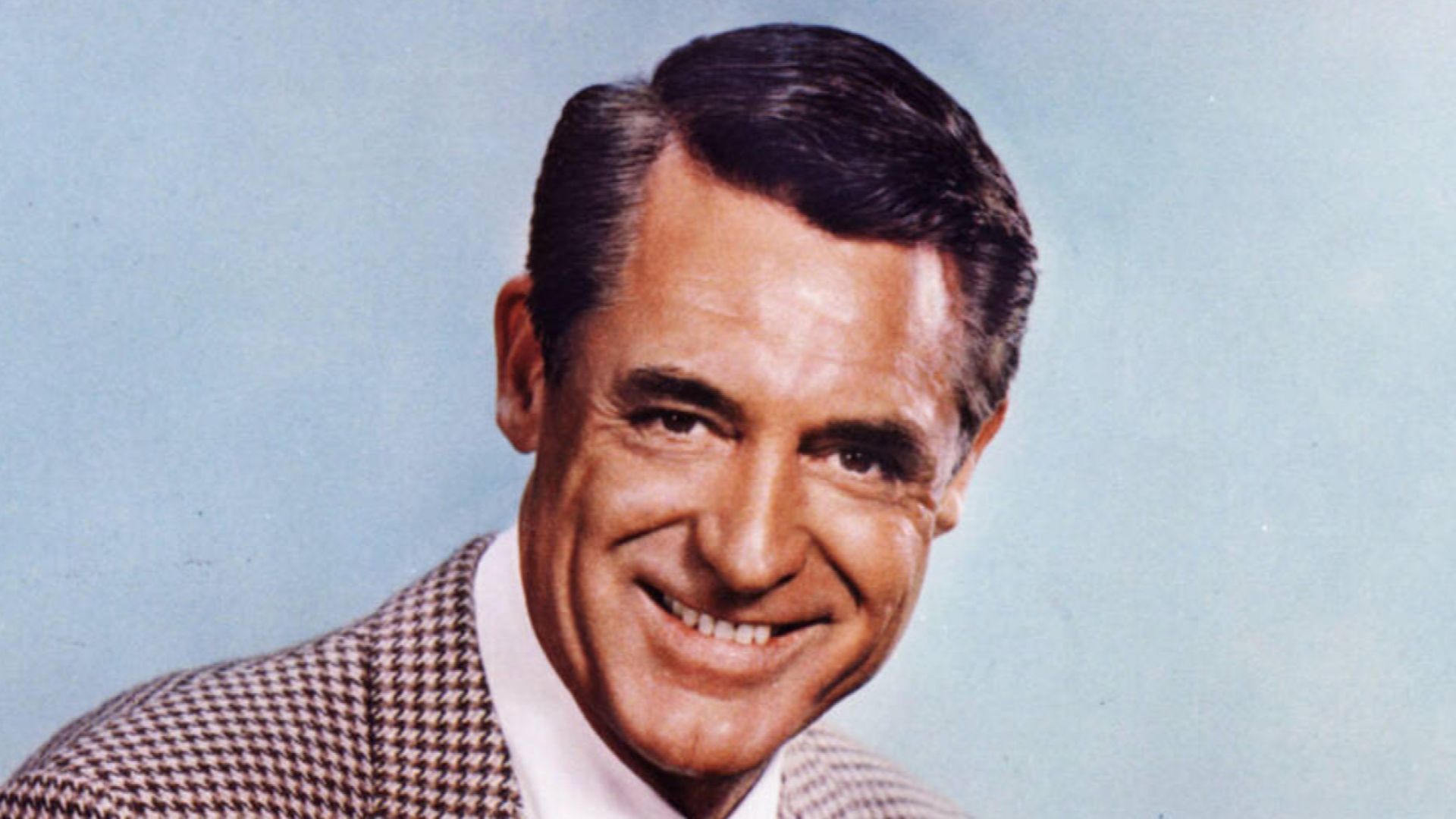
Choosing Grant could have meant remaining in America beside one of the biggest stars in the world. It might have changed Loren’s career, her home and almost every personal decision that followed. It was the glamorous choice—but also the one that required her to abandon everything familiar.
 Harry Warnecke of New York Daily News, Wikimedia Commons
Ponti Represented Home
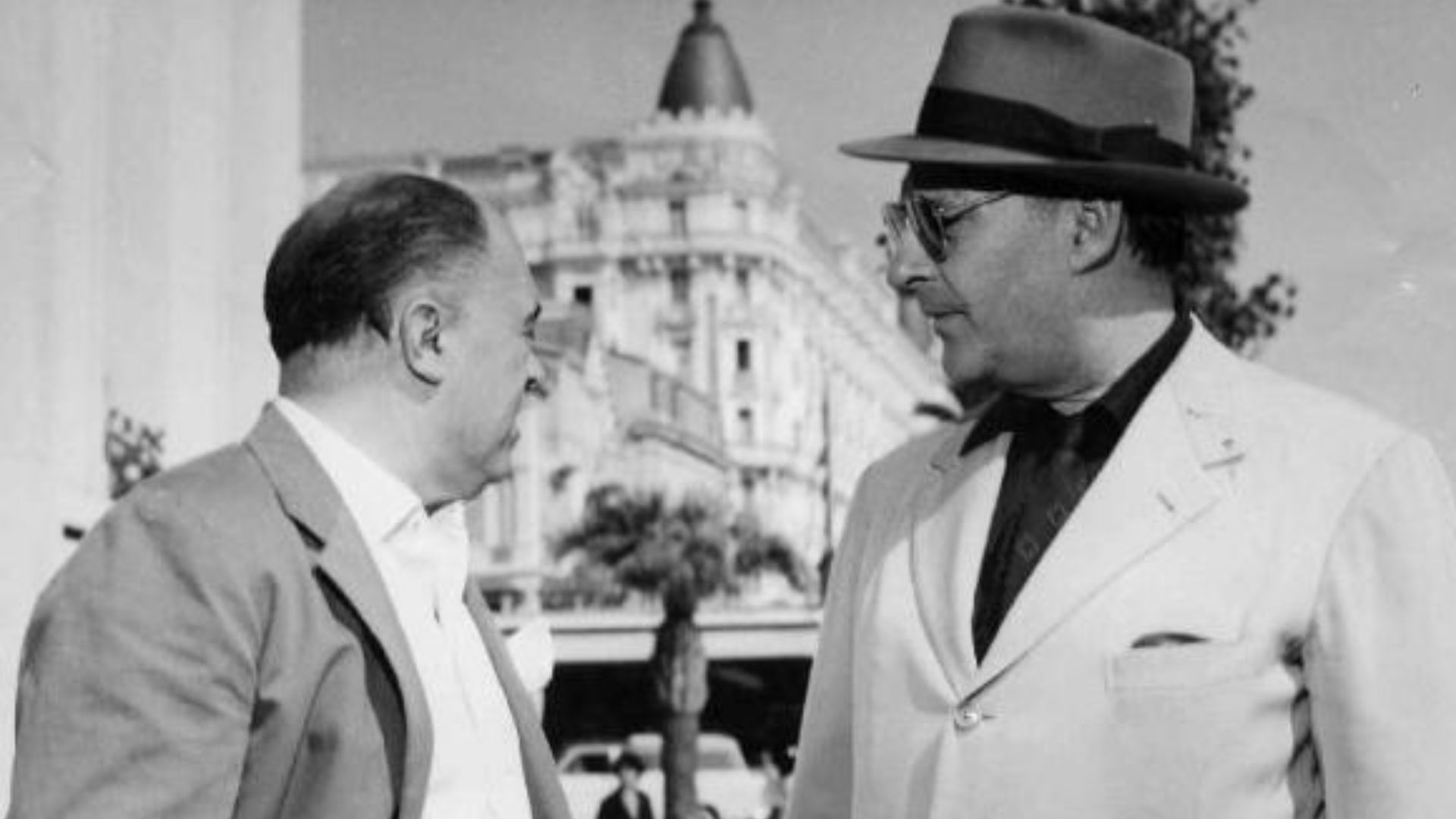
Ponti understood Loren’s background, culture and emotional language in a way Grant never could. Loren later explained that Carlo was Italian and belonged to her world. When asked what ultimately decided it, her answer was even simpler: she was in love with him.
 Unknown authorUnknown author, Wikimedia Commons
The Proposal Story Became Too Perfect
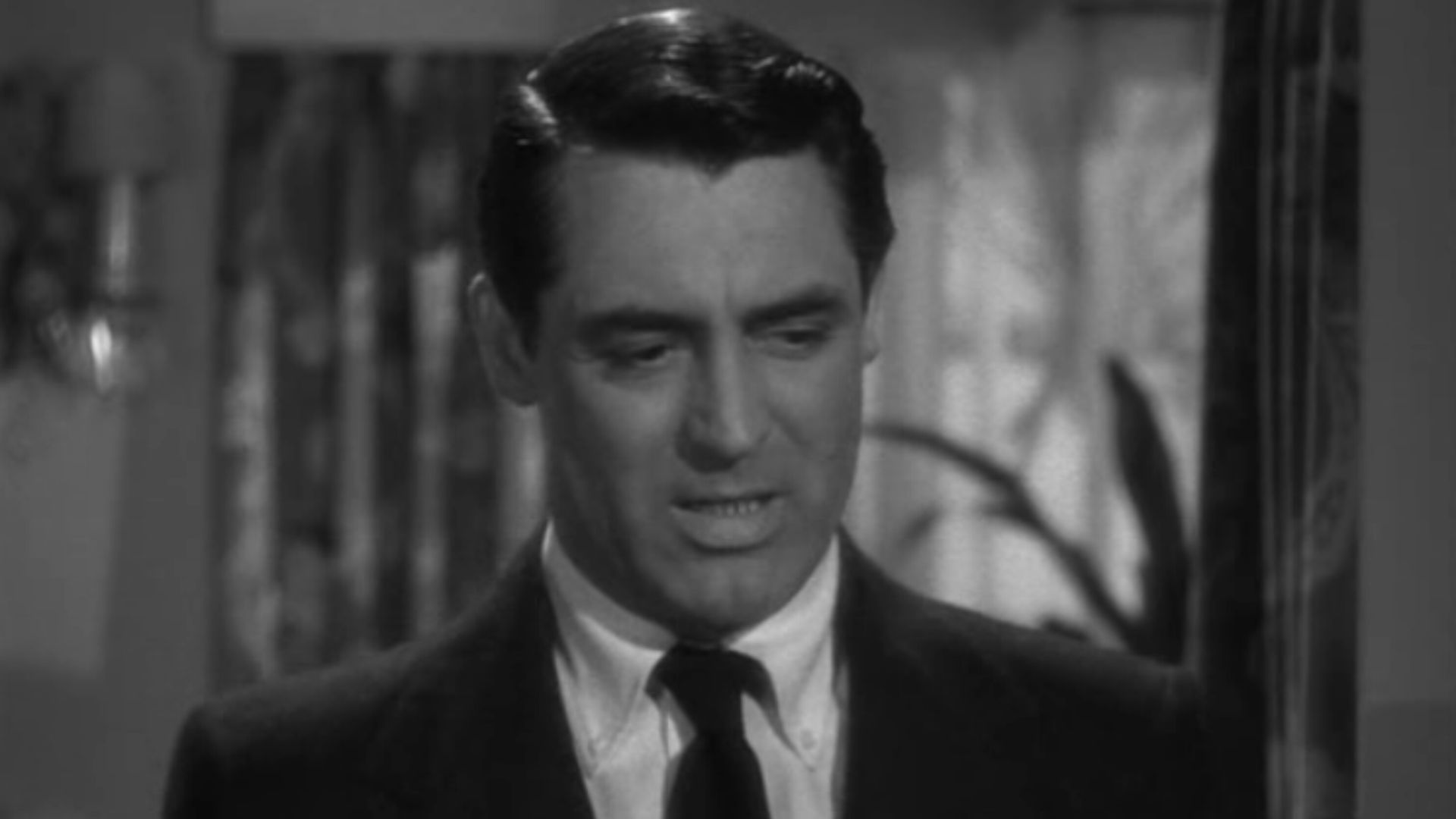
For years, the story was repeated as though Grant had formally proposed while they were filming. Loren corrected that detail in 2020, stating plainly that he did not propose on the set. She said she had been too young to have clear ideas about love and relationships.
 Edgar Allan Poe, Wikimedia Commons
But The Correction Did Not Erase His Plea
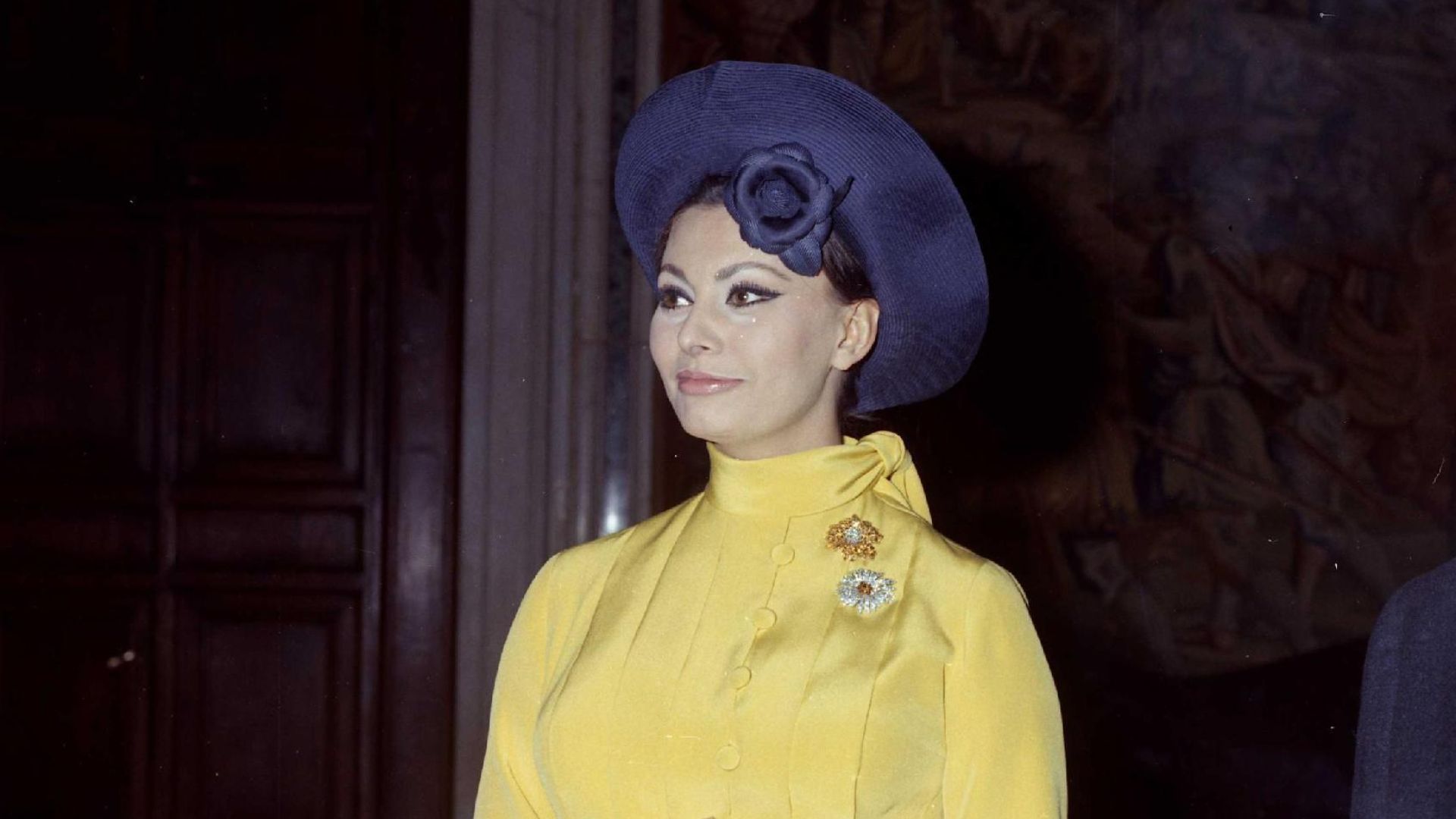
Loren’s clarification did not make the letters, roses or determined pursuit disappear. Grant still wanted her to choose him, and she still faced a decision that could have redirected her life. The reality was simply messier than the perfectly staged proposal scene people later imagined.
 Presidenza della Repubblica Italiana, Wikimedia Commons
Then Hollywood Reunited Them
Grant and Loren were paired again in the 1958 romantic comedy Houseboat, which began filming in August 1957. This time, however, the decision hanging over their relationship would finally be made before production ended—and they still had to spend the movie pretending to fall in love.
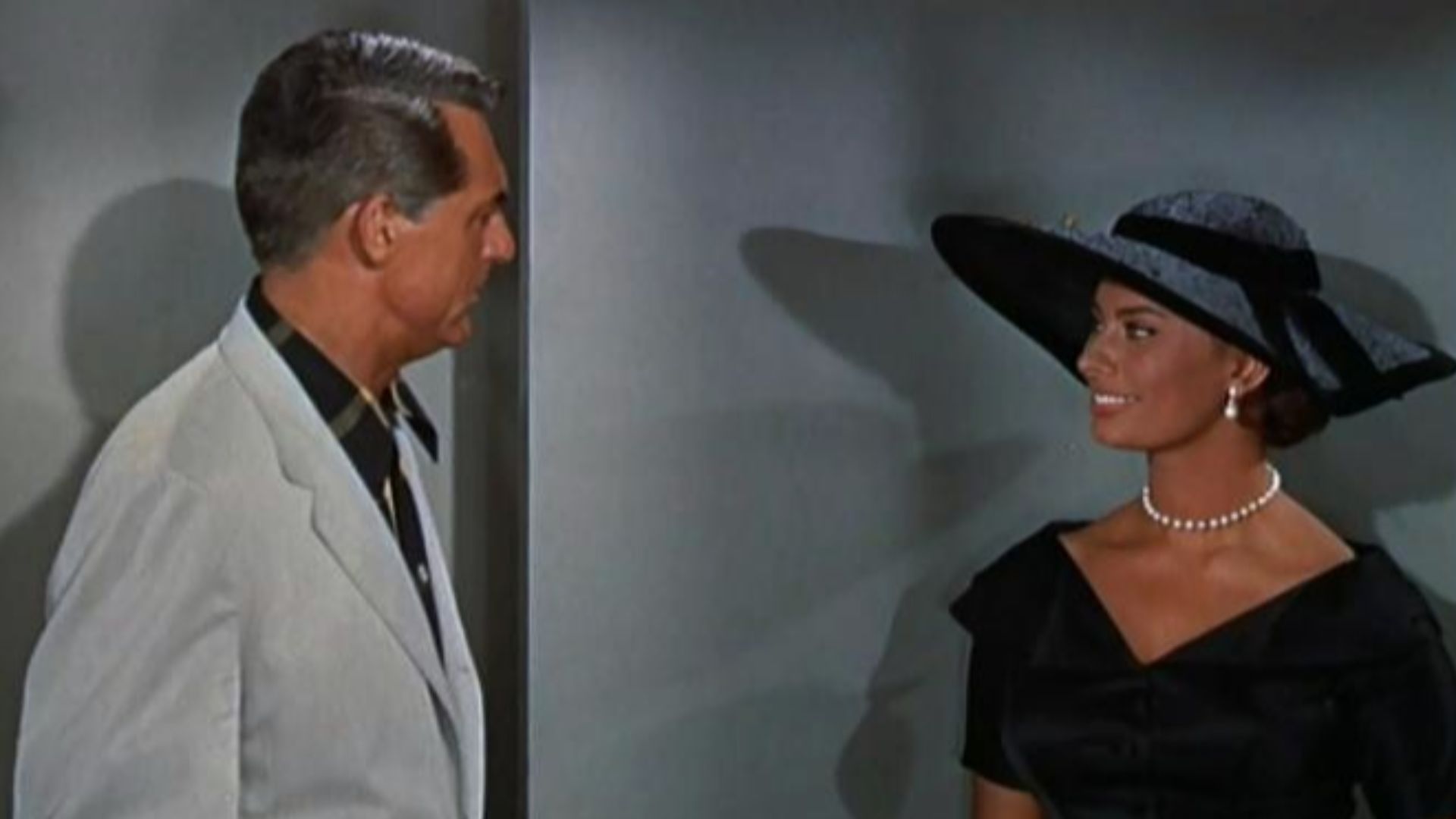 Paramount Pictures - DVD bonus, Wikimedia Commons
Grant’s Wife Was Connected To The Movie
To make the situation even more uncomfortable, Houseboat began with an unpublished story written under a pseudonym by Grant’s wife, Betsy Drake. She received no onscreen writing credit, but the project Loren eventually starred in had partly originated with the woman whose husband had been pursuing her.
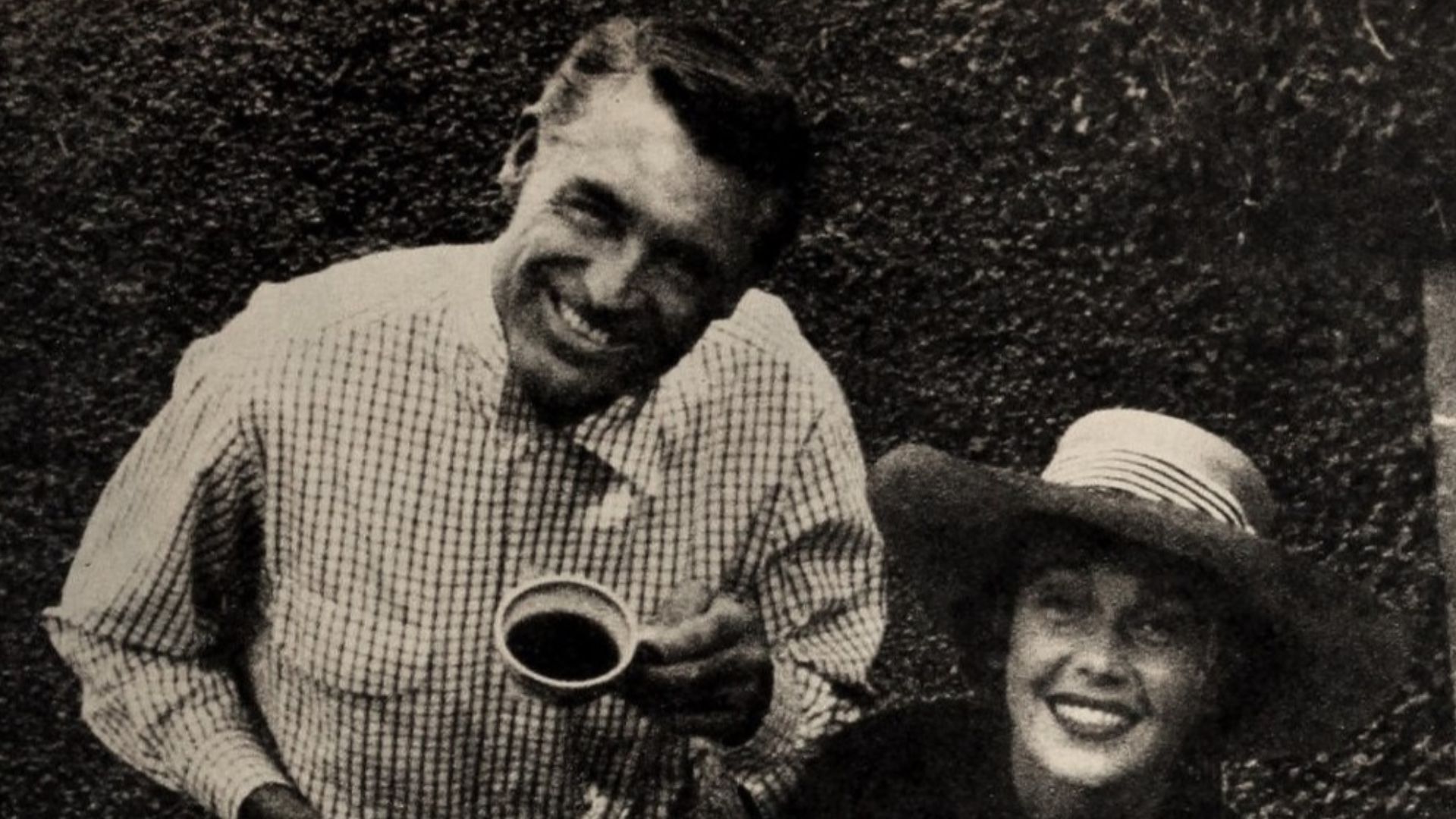 Sanford H. Roth [1], Wikimedia Commons
Loren Made Her Choice During Filming
On September 17, 1957, while Houseboat was still in production, Loren and Ponti were married by proxy in Mexico. She later recalled discovering that she had become Mrs. Ponti by reading it in a newspaper column over breakfast. Nothing says romance quite like learning about your own wedding beside the morning headlines.
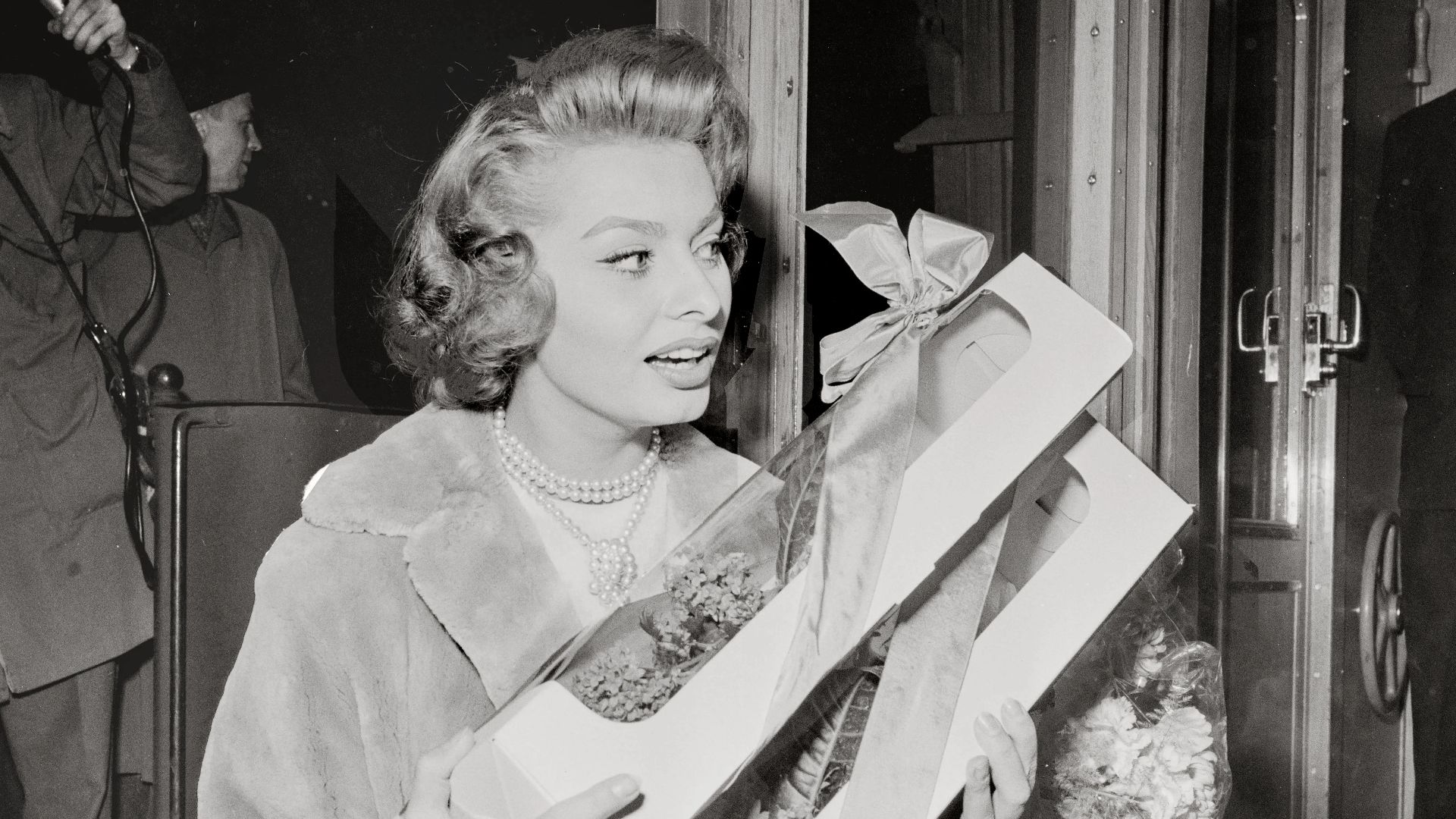 Bjørn Fjørtoft, Billedbladet NÅ (digitalarkivet), Wikimedia Commons
Grant Had Lost His Chance
The proxy marriage finally answered the question Grant had been pressing Loren to consider. She had chosen Ponti. Grant and Loren still had to finish playing romantic leads onscreen, but their real story had now moved decisively in the opposite direction.
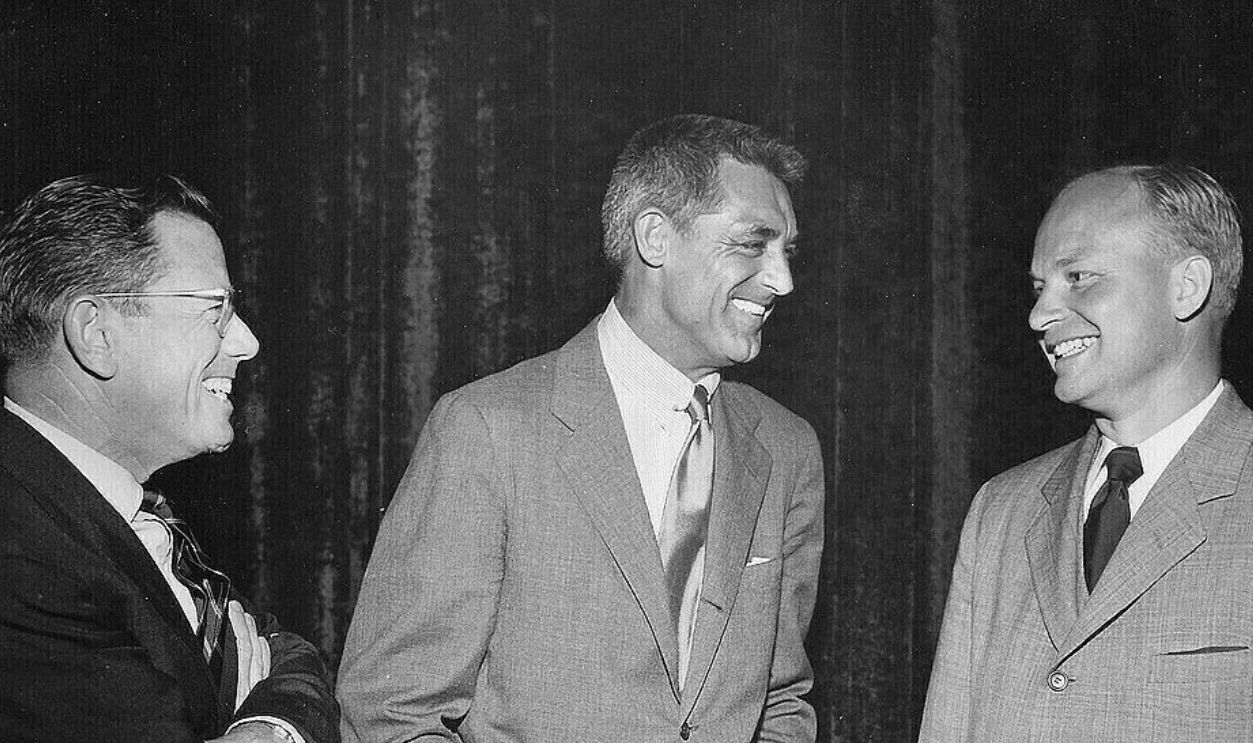
The Marriage Became A Legal Nightmare
Italy did not recognize Ponti’s Mexican divorce from his first wife, leaving the couple facing accusations of bigamy. The 1957 marriage was declared invalid in 1962. After becoming French citizens, Loren and Ponti finally married legally in 1966. Apparently choosing the man was only the beginning of the paperwork.

It Was Not The Easy Choice
Choosing Ponti did not lead Loren into a simple, scandal-free future. The couple spent years dealing with legal problems surrounding his first marriage and their own status. But they stayed together for the rest of Ponti’s life, raising two sons along the way.
Grant Still Delivered Her Greatest News
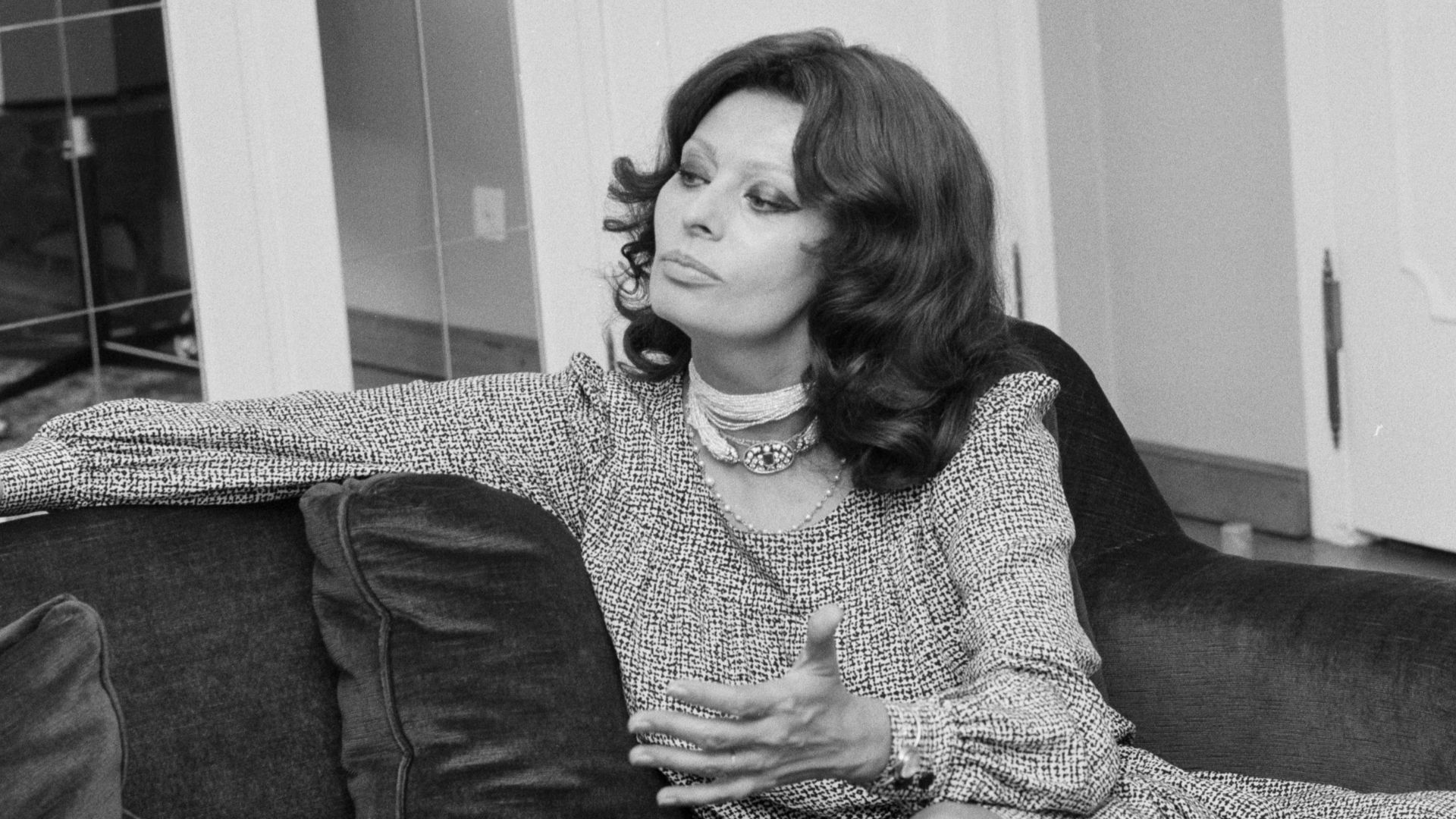
In 1962, Loren became the first performer to win an Academy Award for a foreign-language performance when Two Women earned her Best Actress. She stayed home in Rome that night—and the person who telephoned to tell her she had won was Cary Grant.
 Vittorio De Sica, Wikimedia Commons
They Never Became Strangers
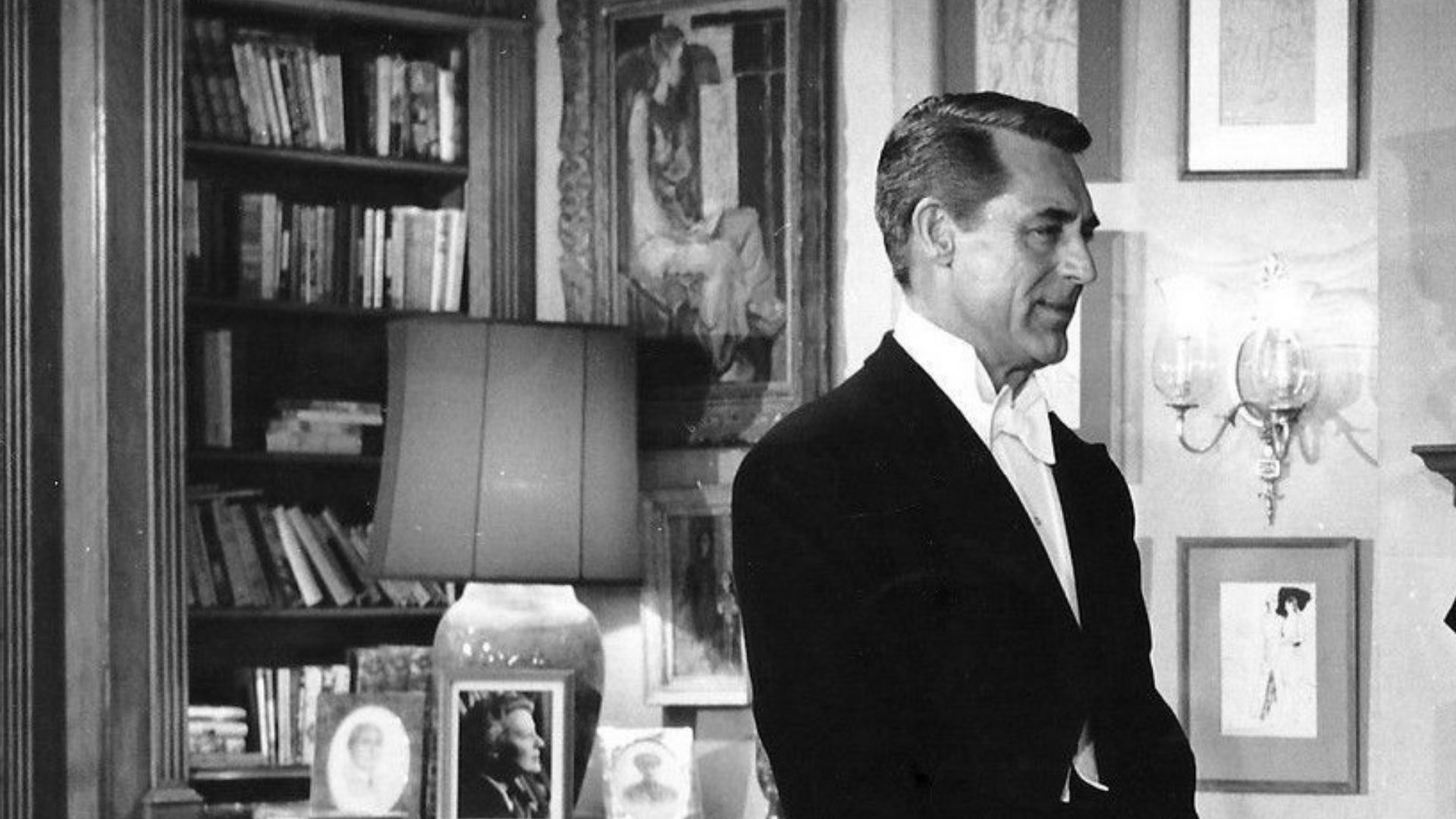
Loren and Grant remained friends and stayed in intermittent contact through letters, messages and occasional conversations. Whatever disappointment had existed between them never became permanent bitterness. They had come close to sharing a completely different life, then somehow remained part of each other’s actual one.
 Warner Bros., Wikimedia Commons
Then He Called To Say Goodbye
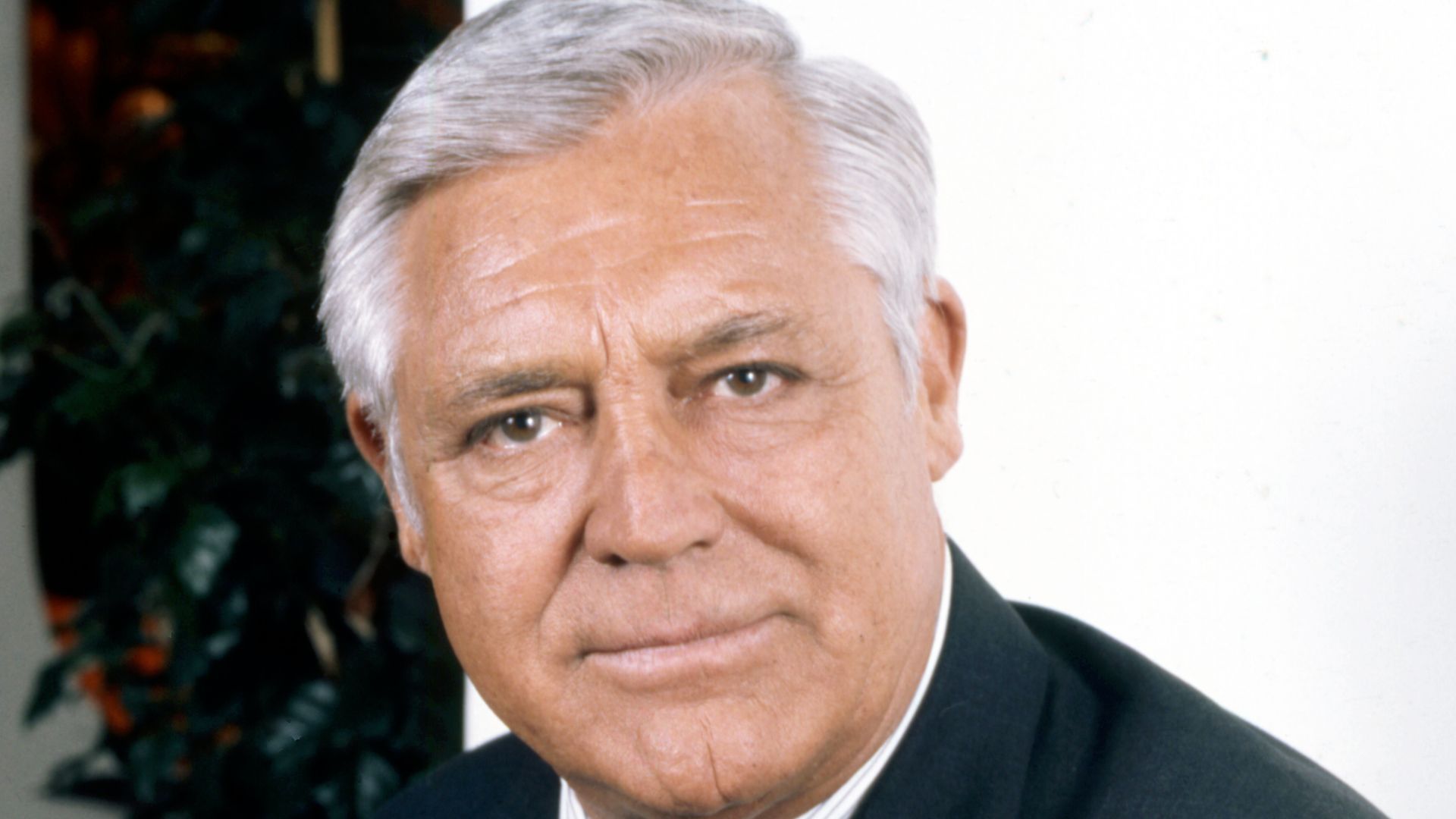
In 1986, Grant unexpectedly telephoned Loren while she was in New York. He asked about her children and repeatedly wanted to know whether she was happy. Loren later said the conversation felt like a goodbye. Grant died roughly one month later.
 Allan warren, Wikimedia Commons
Then Loren Opened The Box
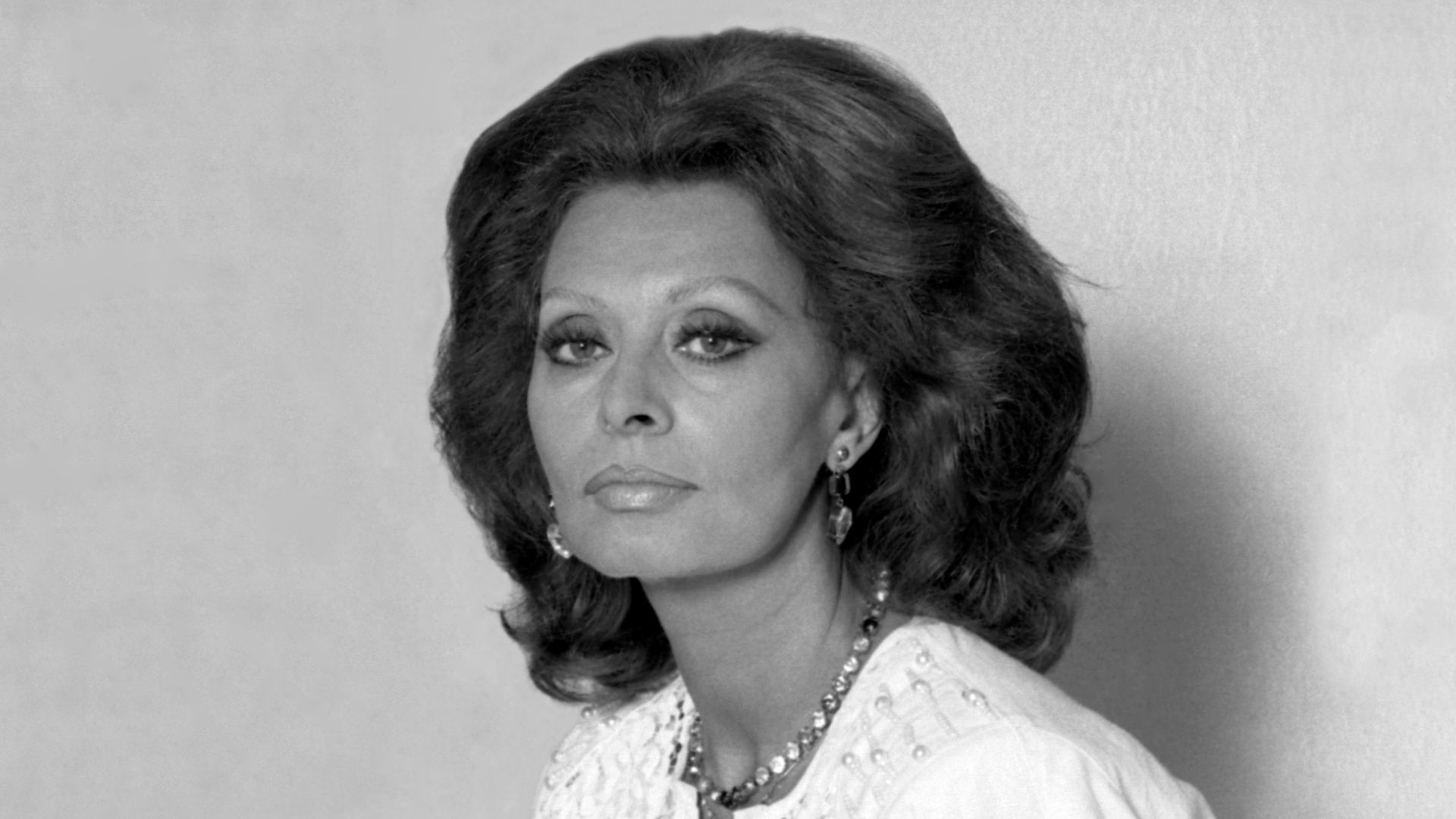
Loren’s memoir grew from a collection of letters, photographs and souvenirs rediscovered in her Swiss home. Among them were Grant’s notes—the surviving evidence of just how seriously he had pursued her and how close she had come to making a decision nobody could have taken back.
 Allan warren, Wikimedia Commons
She Never Regretted Her Answer
Decades later, Loren remained certain that she had chosen correctly. Her life, she said, had always been with Carlo rather than Cary. Grant offered a breathtaking alternative, but Ponti was the man she loved—and the family they built became the center of everything that followed.
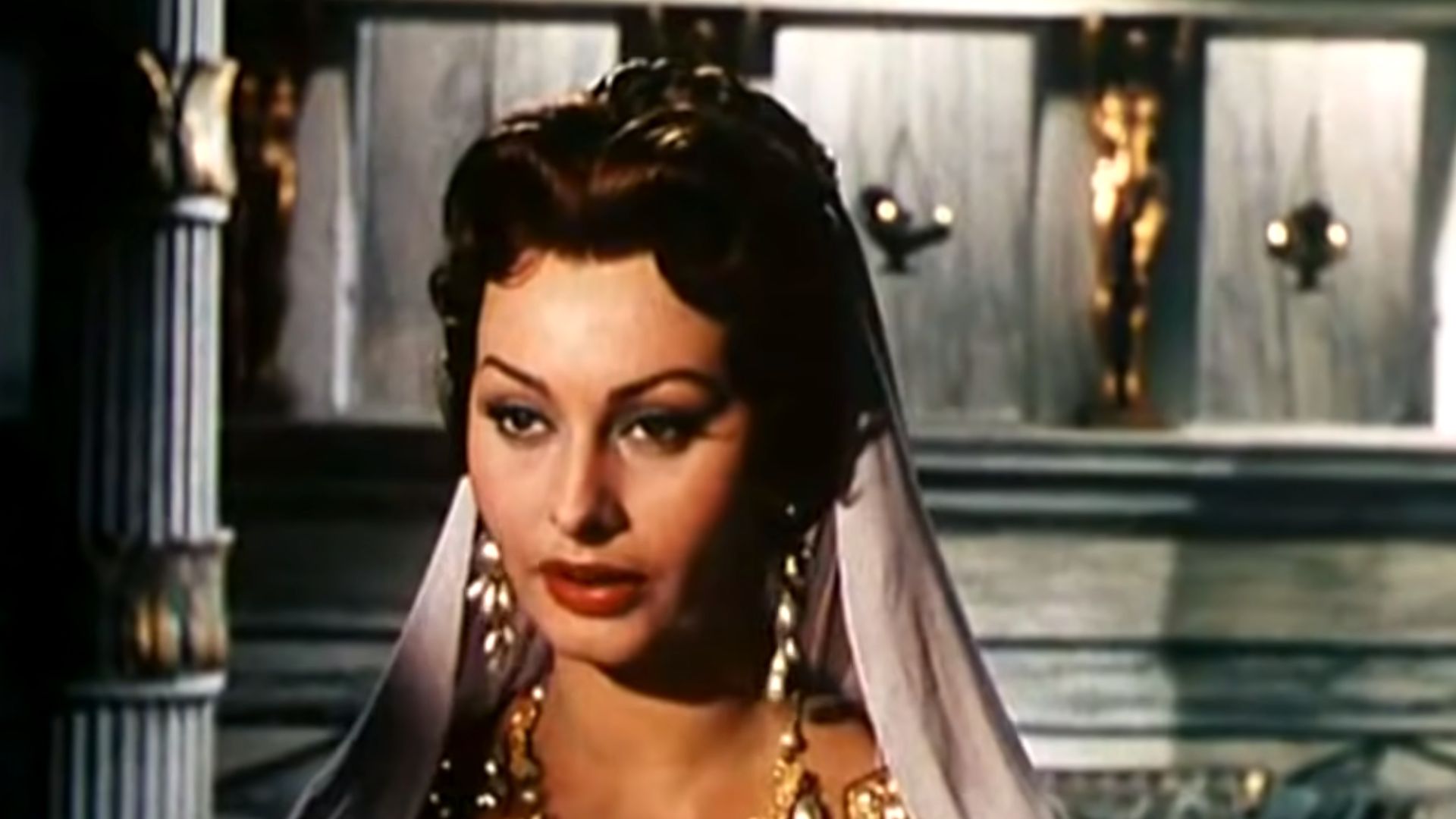
The Life That Never Happened
Loren became an Oscar winner, a mother and one of the most enduring stars in movie history. Grant became the great unanswered what-if tucked inside a box. His plea did not change her decision—but for one extraordinary moment, it nearly changed everything else.
You Might Also Like:
Greg Morris Broke Ground On Mission: Impossible—Even When The Industry Refused To Give Him Credit