Oscar Night Chaos
The Academy Awards should honor excellence, but controversy keeps stealing the spotlight. Envelopes go to the wrong people. Diversity vanishes mysteriously. Oscar history remembers its scandals far longer than most acceptance speeches.
The Will Smith Slap
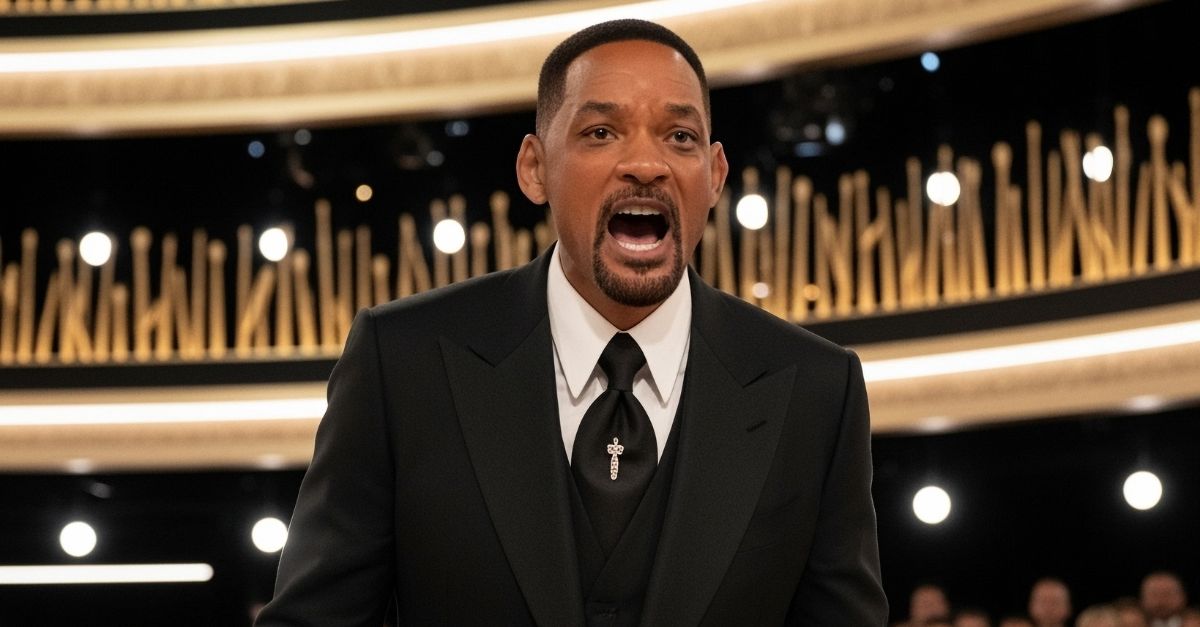
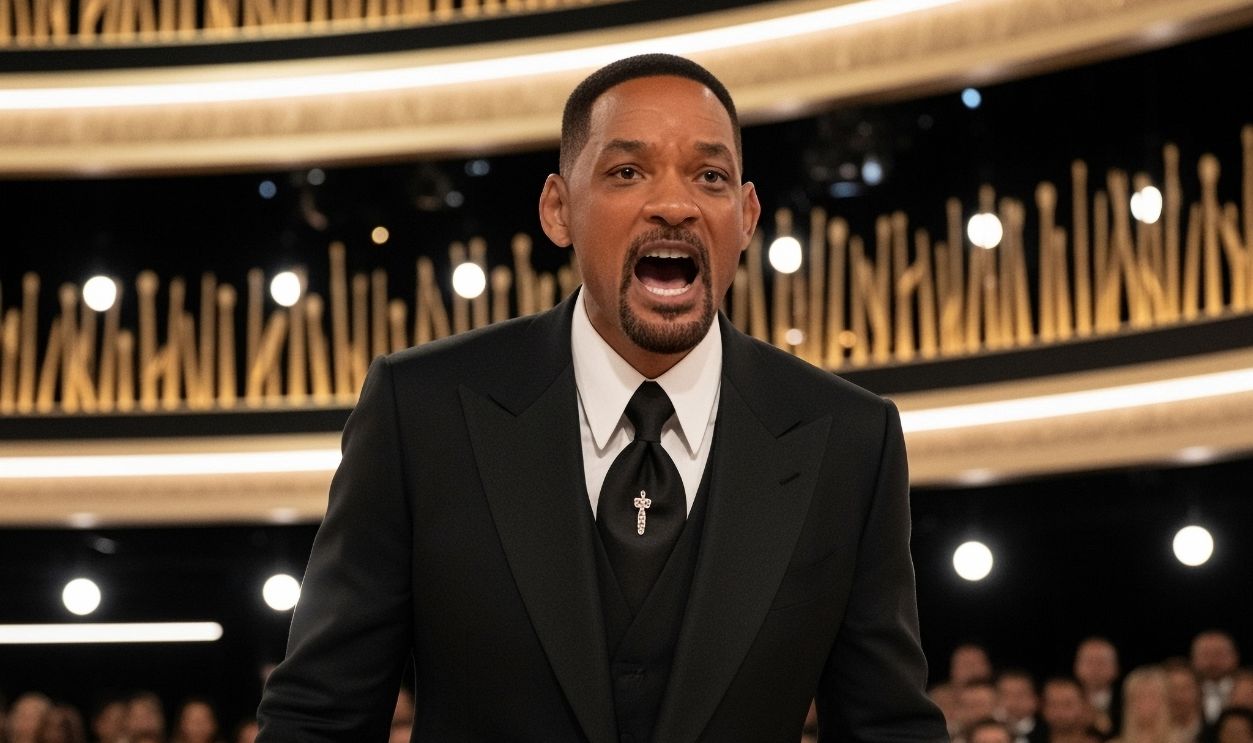
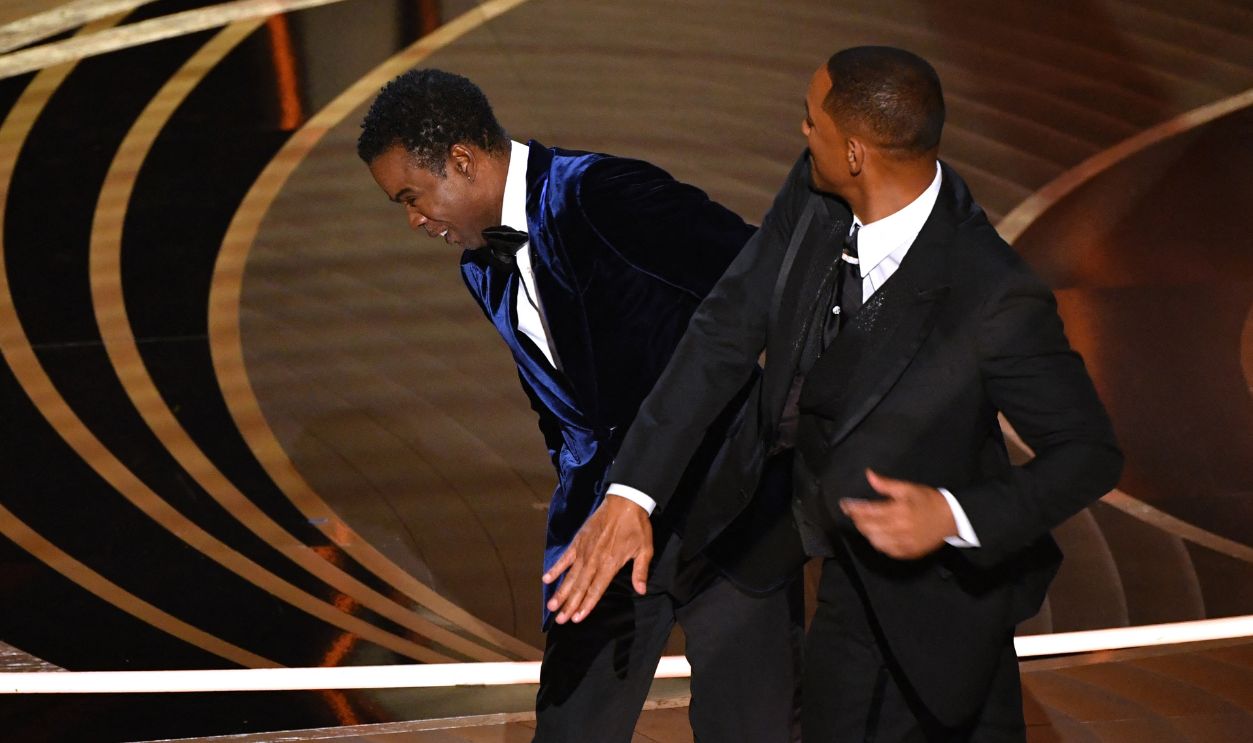
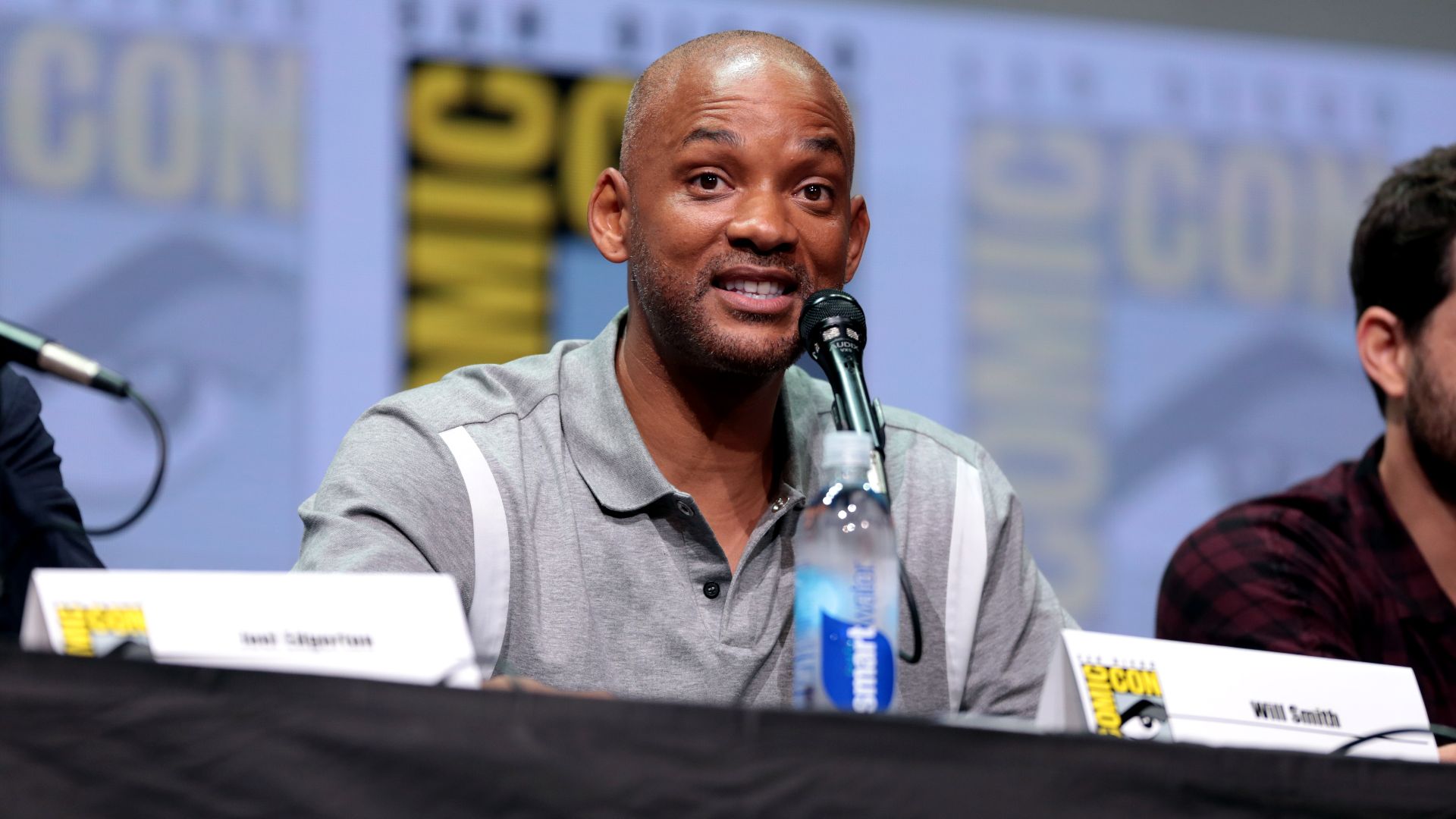
The 94th Academy Awards became forever defined by a single violent moment that stunned millions worldwide. Will Smith walked onstage and slapped presenter Chris Rock across the face after Rock joked about Jada Pinkett Smith's shaved head, a result of her alopecia condition.
The Will Smith Slap (Cont.)
Smith went back to his seat and shouted profanities at Rock, who remarkably continued presenting. Minutes later, Smith won Best Actor for King Richard, apologizing to the Academy but not Rock. The Academy later banned him from attending any Oscar events for ten years, though he kept his award.
 Gage Skidmore from Peoria, AZ, United States of America, Wikimedia Commons
Brando's Oscar Rejection
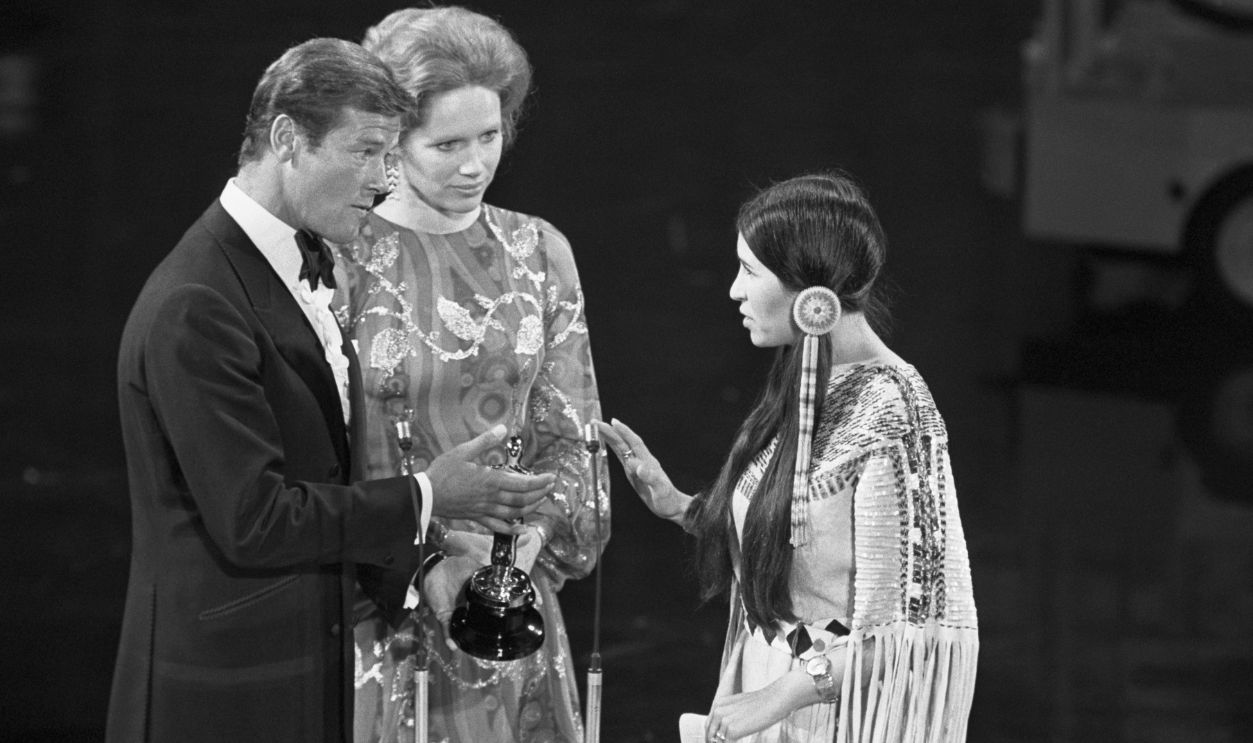
Marlon Brando made history in 1973 by becoming the second person ever to decline an Oscar. He sent Apache actress and activist Sacheen Littlefeather to reject his Best Actor award for The Godfather, protesting Hollywood's treatment of Native Americans in film.
Crash Over Brokeback
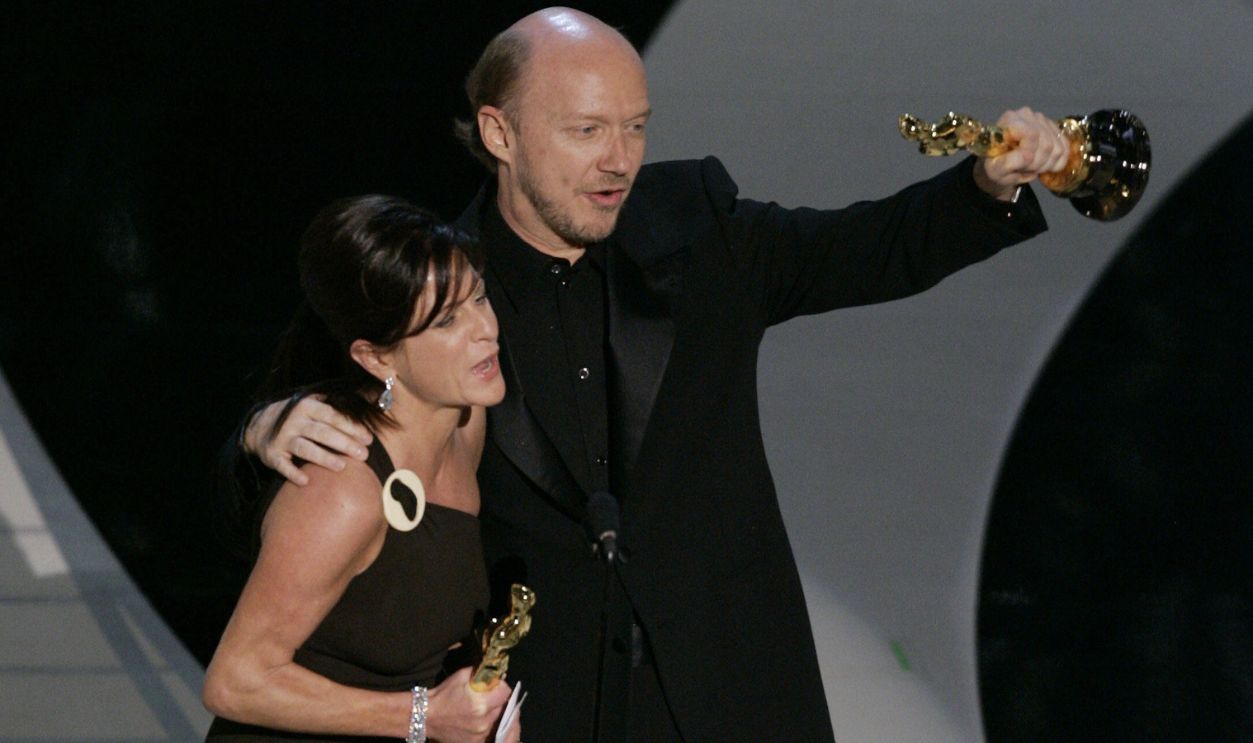
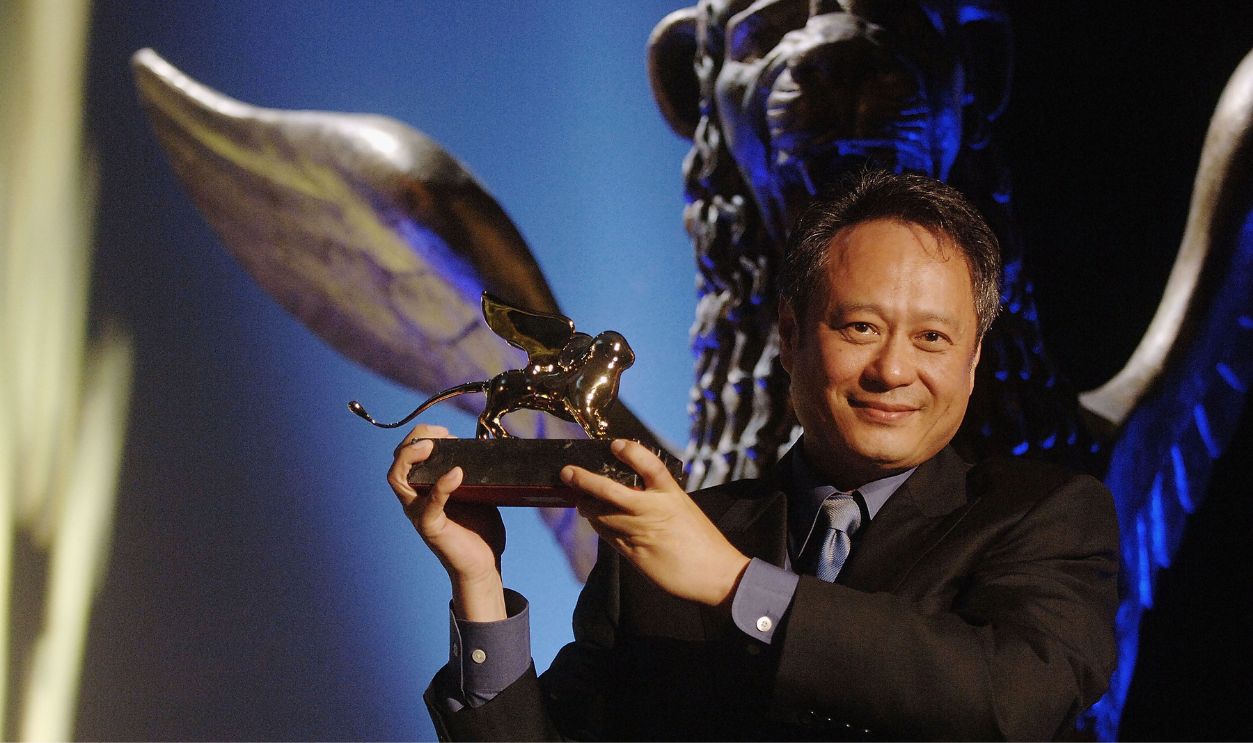
Even Crash director Paul Haggis later admitted his film didn't deserve to win Best Picture at the 2006 Oscars, yet it triumphed over Ang Lee's Brokeback Mountain in one of the Academy's most regrettable decisions. The victory sparked immediate gasps in the Dolby Theatre.
Crash Over Brokeback (Cont.)
Brokeback Mountain had dominated awards season with wins at Venice, the Golden Globes, and BAFTAs. However, reports emerged of homophobia among older Academy voters, with actors Ernest Borgnine and Tony Curtis publicly declaring John Wayne would have hated the film's portrayal of gay cowboys.
La La Land Misread
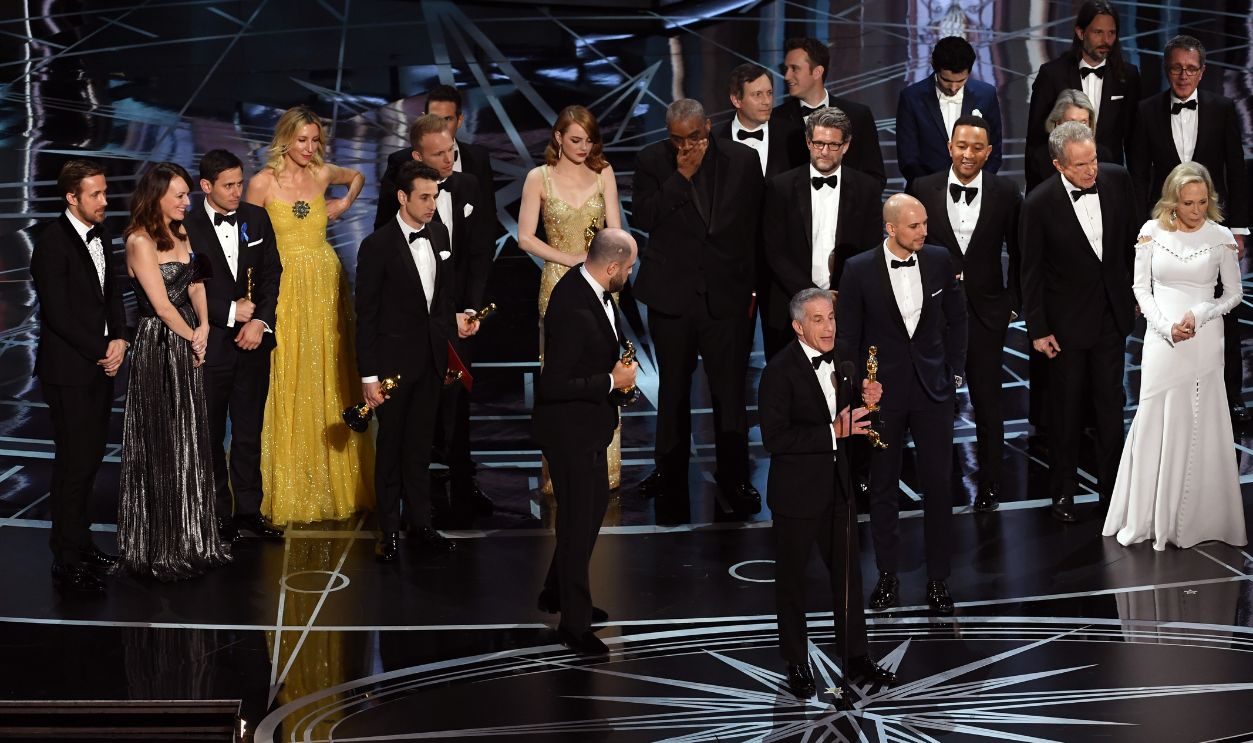
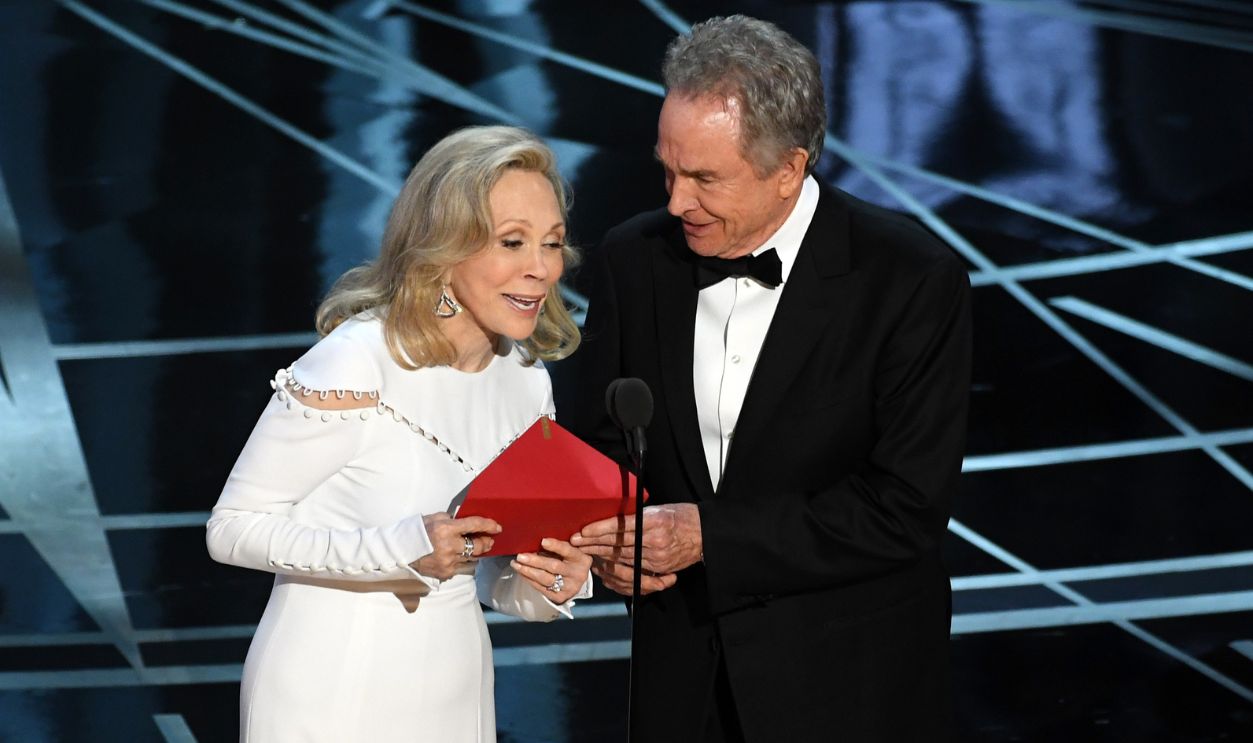
During the 89th Academy Awards, presenters Warren Beatty and Faye Dunaway mistakenly announced La La Land as Best Picture winner. The entire crew took the stage and began acceptance speeches before producer Jordan Horowitz discovered the error and announced Moonlight had actually won.
La La Land Misread (Cont.)
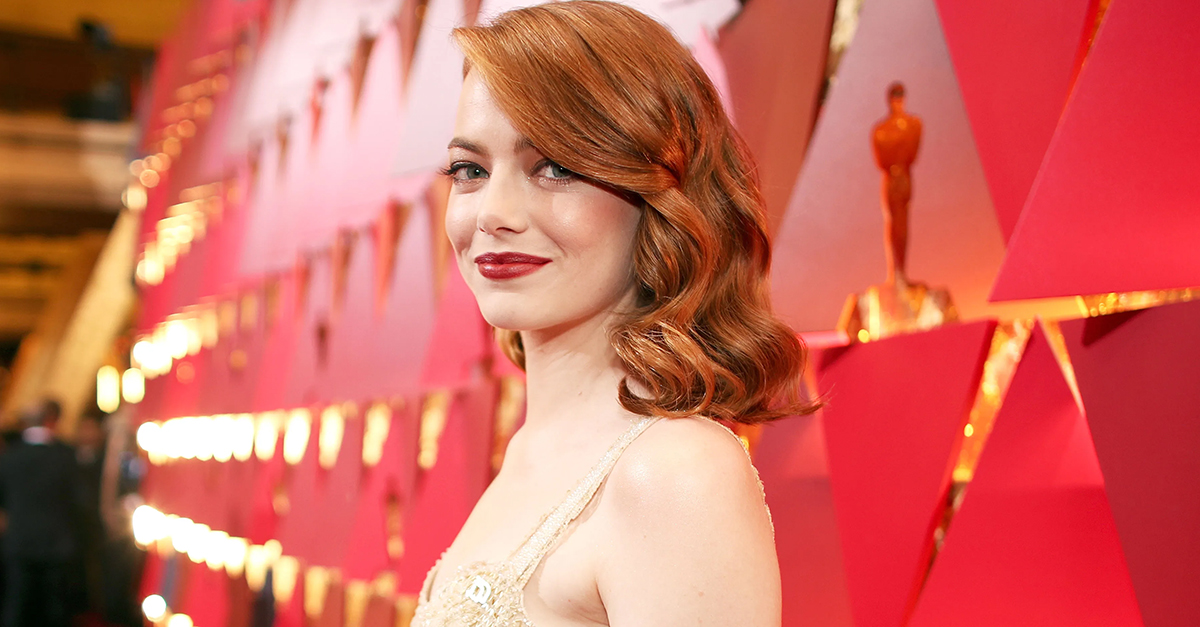
Well, Beatty had been handed the wrong envelope—the Best Actress card for Emma Stone in La La Land. Director Barry Jenkins and the Moonlight team finally claimed their rightful award in what became the most embarrassing envelope mix-up in Oscar history.
Shakespeare Beats Ryan
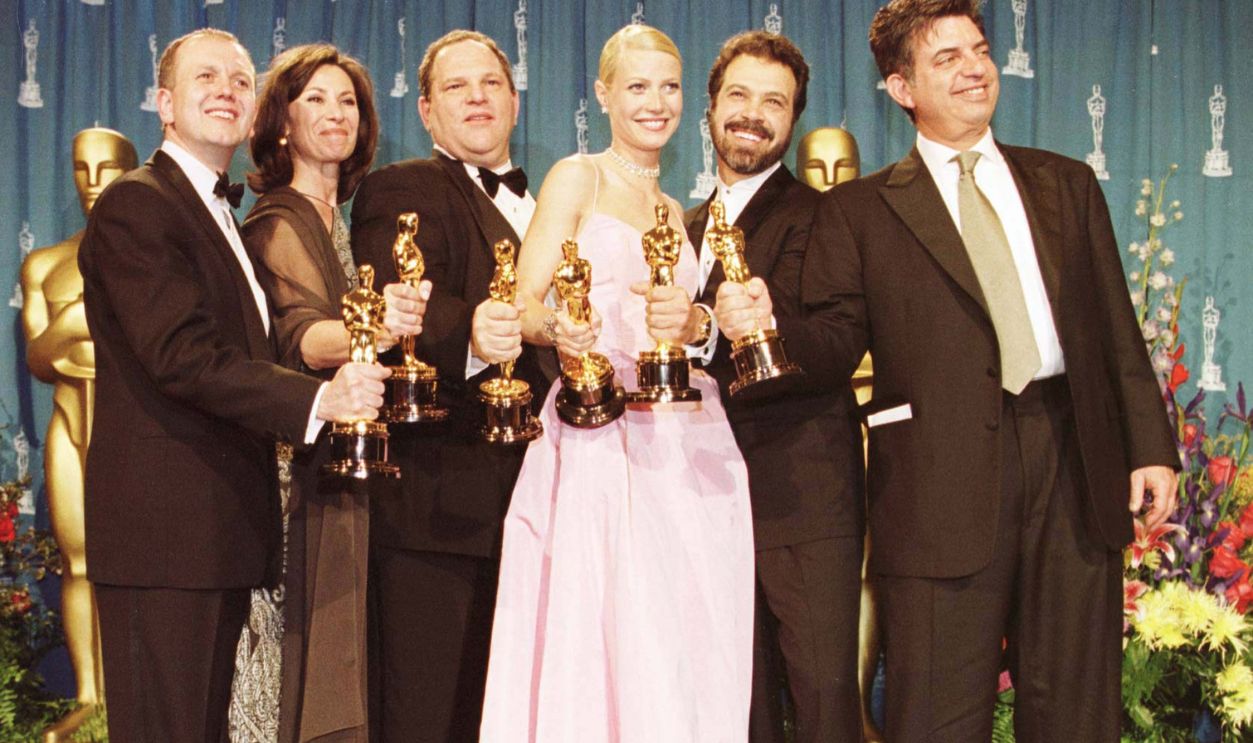
Harvey Weinstein's ruthless awards campaign machinery achieved its most controversial victory. In 1999, at the Oscars, Shakespeare in Love won Best Picture over Saving Private Ryan. Steven Spielberg's war epic was the presumed frontrunner with eleven nominations and widespread critical acclaim as one of cinema's greatest war films.
 Peter Jordan - PA Images, Getty Images
#OscarsSoWhite Movement
Twitter activist April Reign typed "#OscarsSoWhite they asked to touch my hair" on January 15, 2015, immediately after learning all 20 acting nominations went to white performers. Her tweet went viral within hours, becoming a catalyst for systemic change in Hollywood's most prestigious awards ceremony.
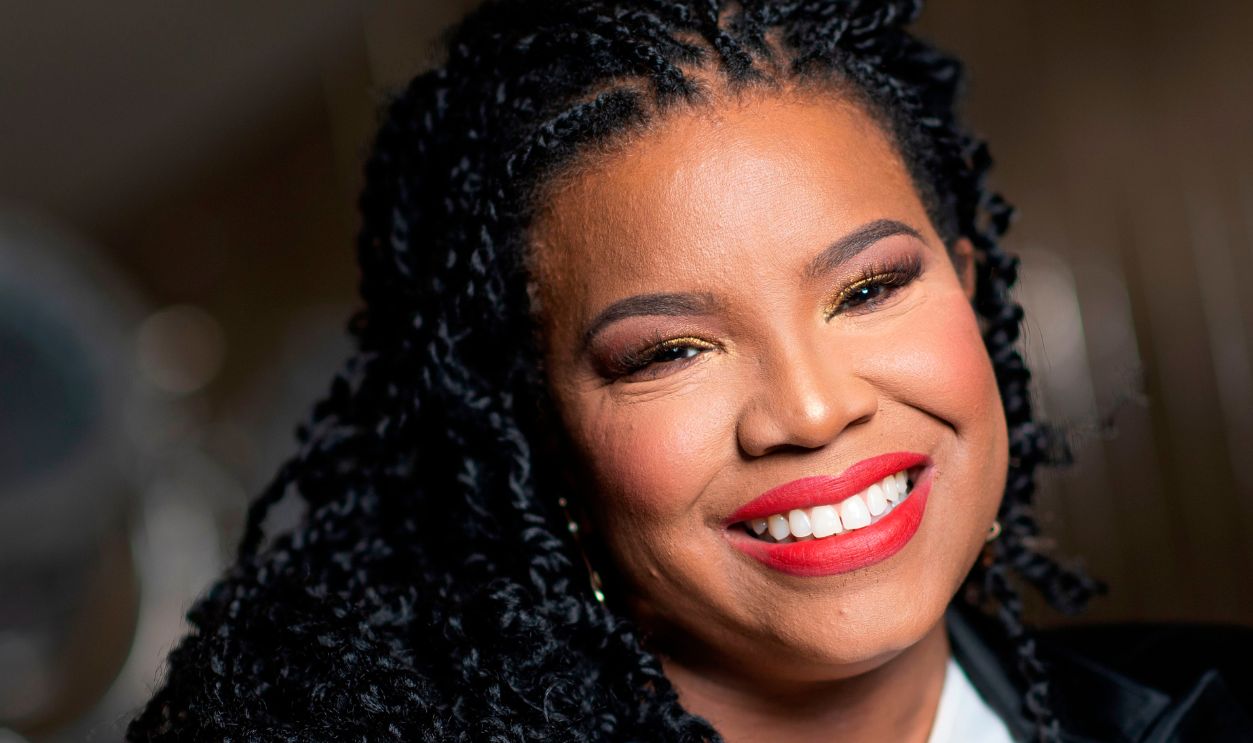
#OscarsSoWhite Movement (Cont.)
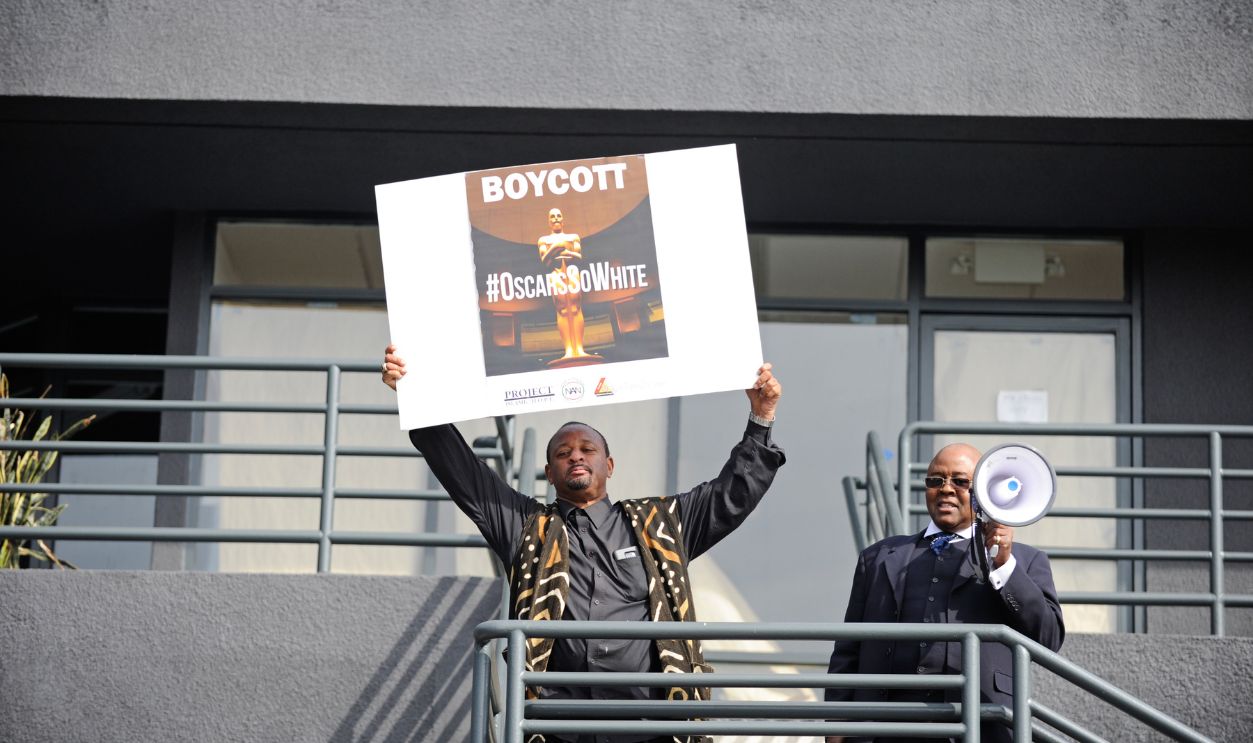
The hashtag resurged in 2016 when nominations repeated the same pattern, prompting celebrities like Spike Lee, Jada Pinkett Smith, and Will Smith to boycott the ceremony. The Academy responded by setting diversity goals, eventually increasing membership.
Snow White Opening Disaster
Disney actually sued the Academy of Motion Picture Arts and Sciences after the catastrophic 1989 Oscars opening number featured their copyrighted Snow White character without permission. Producer Allan Carr's 12-minute musical spectacle paired Eileen Bowman as Snow White with Rob Lowe singing a reimagined "Proud Mary" that left audiences bewildered.
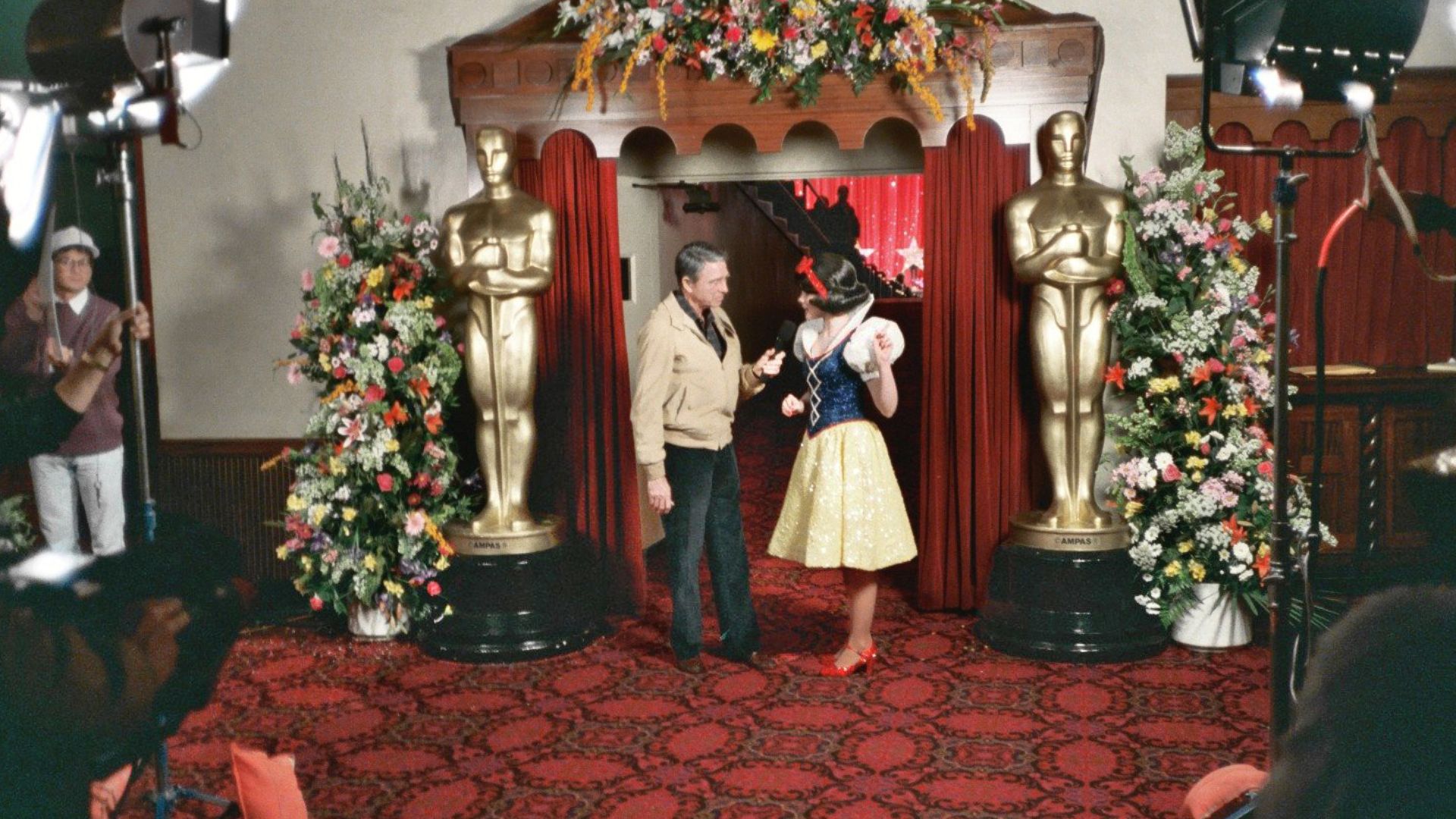
Snow White Opening Disaster (Cont.)
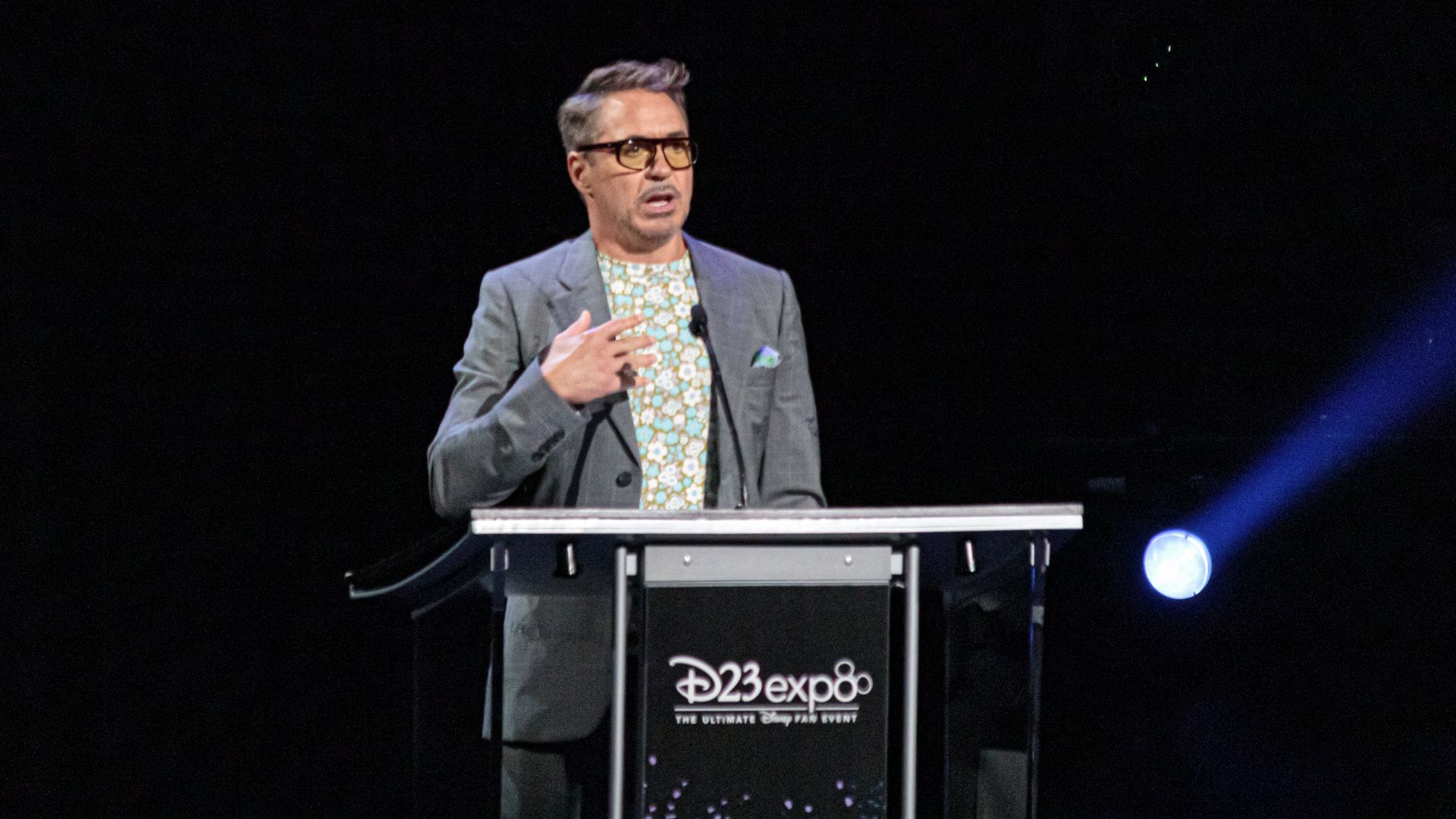
The New York Times declared it earned "a permanent place in the annals of Oscar embarrassments" as cameras captured Robert Downey Jr's visible disgust. Industry veterans, including Paul Newman and Julie Andrews, signed an open letter condemning the ceremony.
"Adele Dazeem" Gaffe
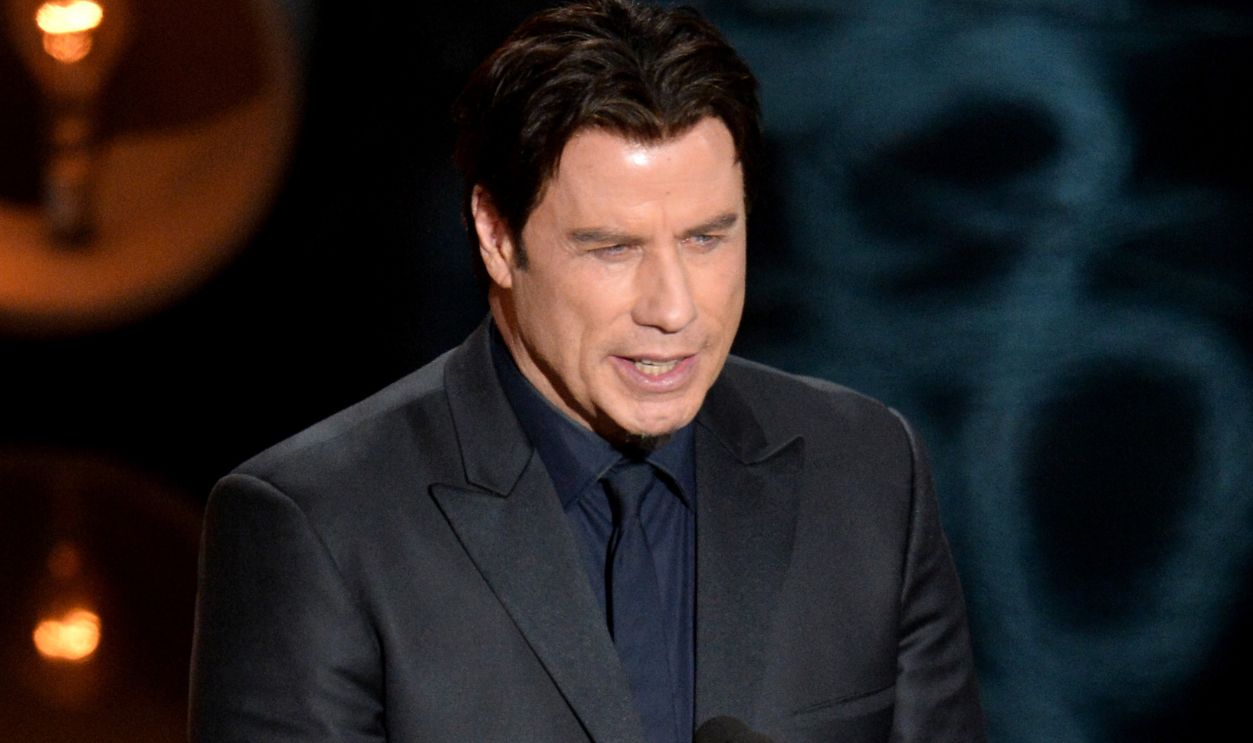
John Travolta somehow turned "Idina Menzel" into "Adele Dazeem" while introducing the Broadway star at the 2014 Oscars, creating an instant meme that trended worldwide. Menzel was there to perform "Let It Go" from Frozen, but Travolta's spectacular mispronunciation overshadowed the Oscar-winning song itself.
McDaniel's Segregated Table
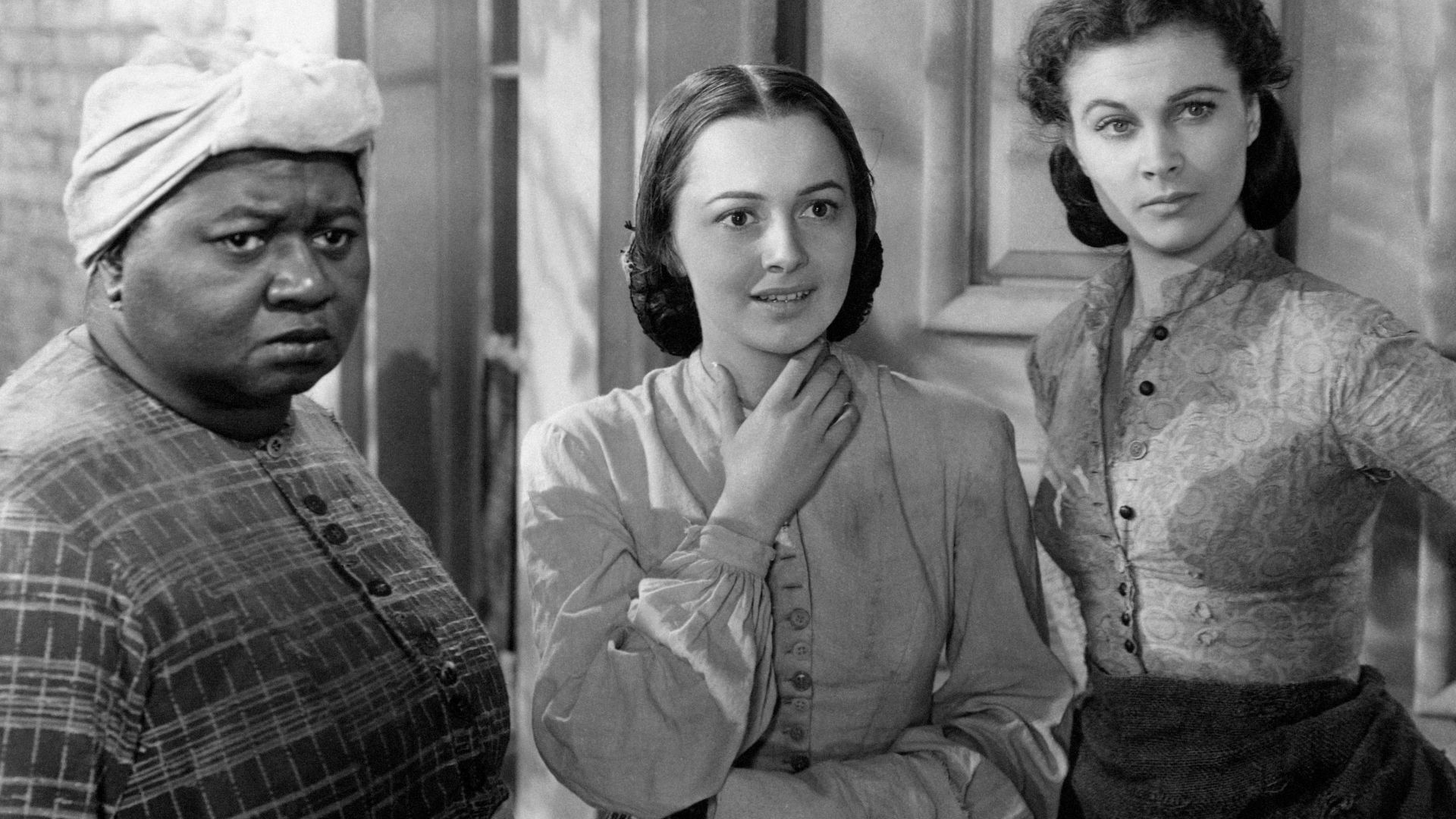
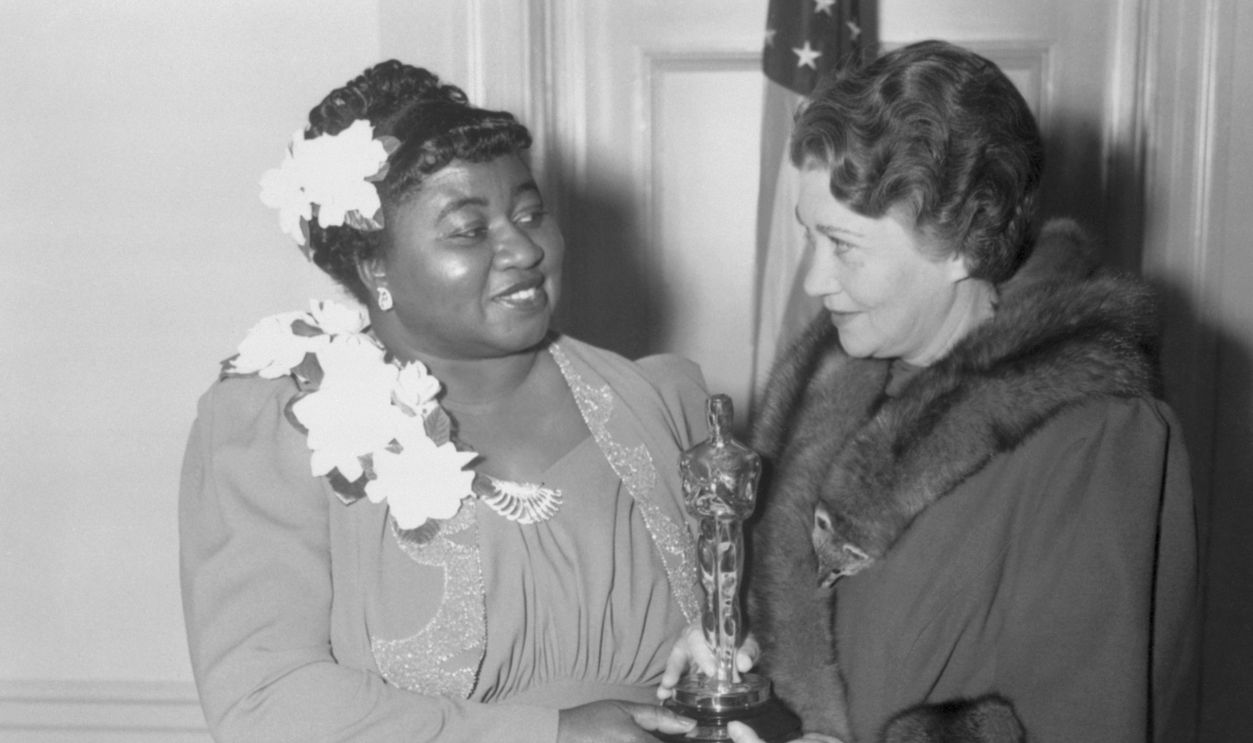
The Ambassador Hotel's strict segregation policy in 1940 forced Academy producers to petition just for Hattie McDaniel's attendance at the Oscars, even though she was nominated. McDaniel became the first African American to bag an Academy Award for her character of Mammy.
 Selznick International Pictures; Fred Parrish, photographer, Wikimedia Commons
McDaniel's Segregated Table (Cont.)
Throughout the ceremony, she sat isolated at a separate table away from her white castmates, forbidden from joining them despite being part of the same film. When her name was announced, McDaniel had to walk through the crowd from her corner to claim her historic Oscar.
Polanski's Fugitive Win
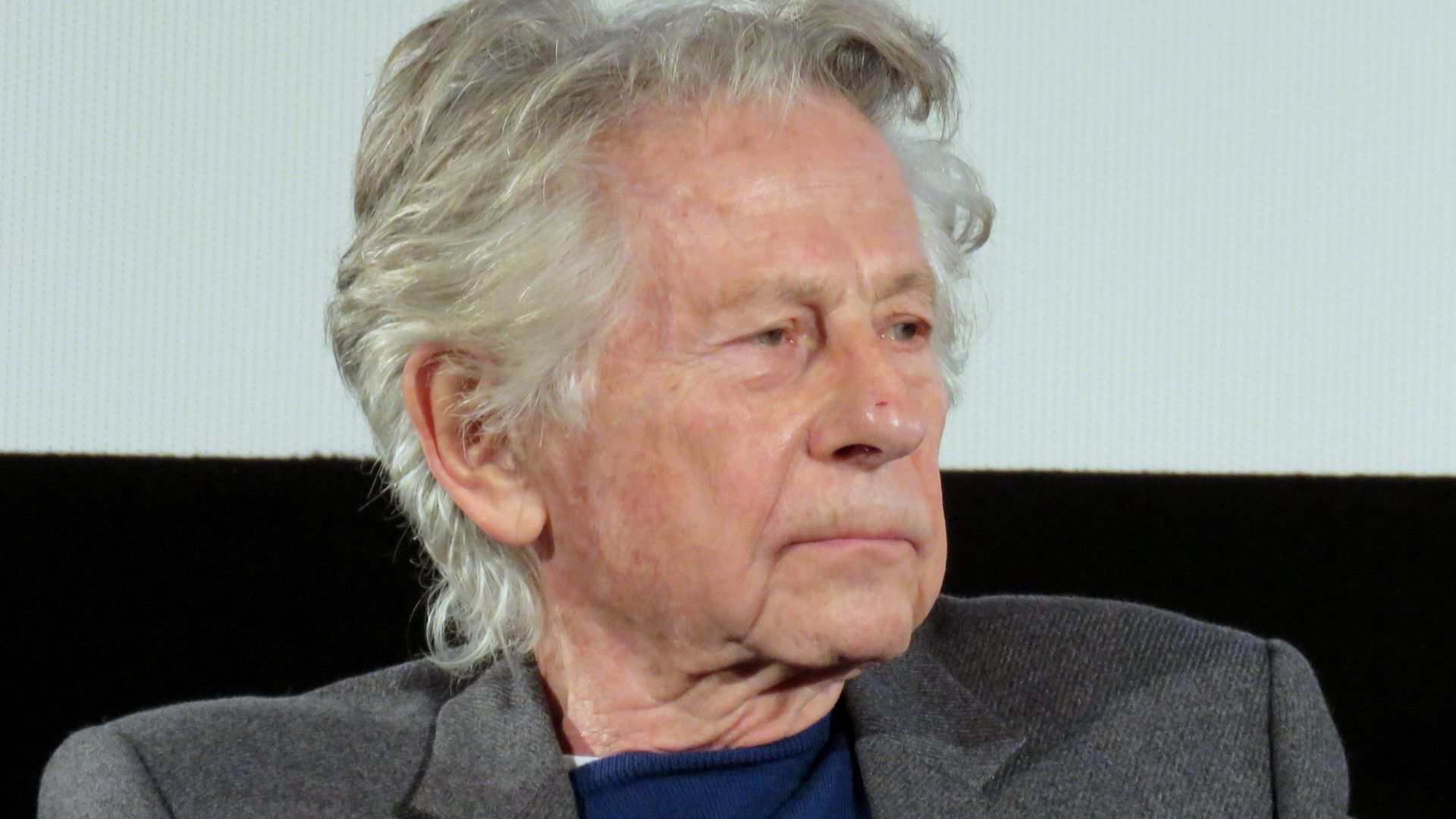
Standing ovations erupted the moment Roman Polanski won Best Director for The Pianist at the 2003 Oscars, despite being a fugitive from American justice for over two decades. The director had fled to France in 1978 after pleading guilty to an offensive crime.
 Mariusz Kubik, Wikimedia Commons
Scott Refuses The Award
Just so you know, George Scott became the first actor in Oscars history to decline an Academy Award when he got Best Actor for Patton at the 43rd ceremony in 1971. Scott had infamously called the Oscars a "meat parade" and requested that the Academy withdraw his nomination.
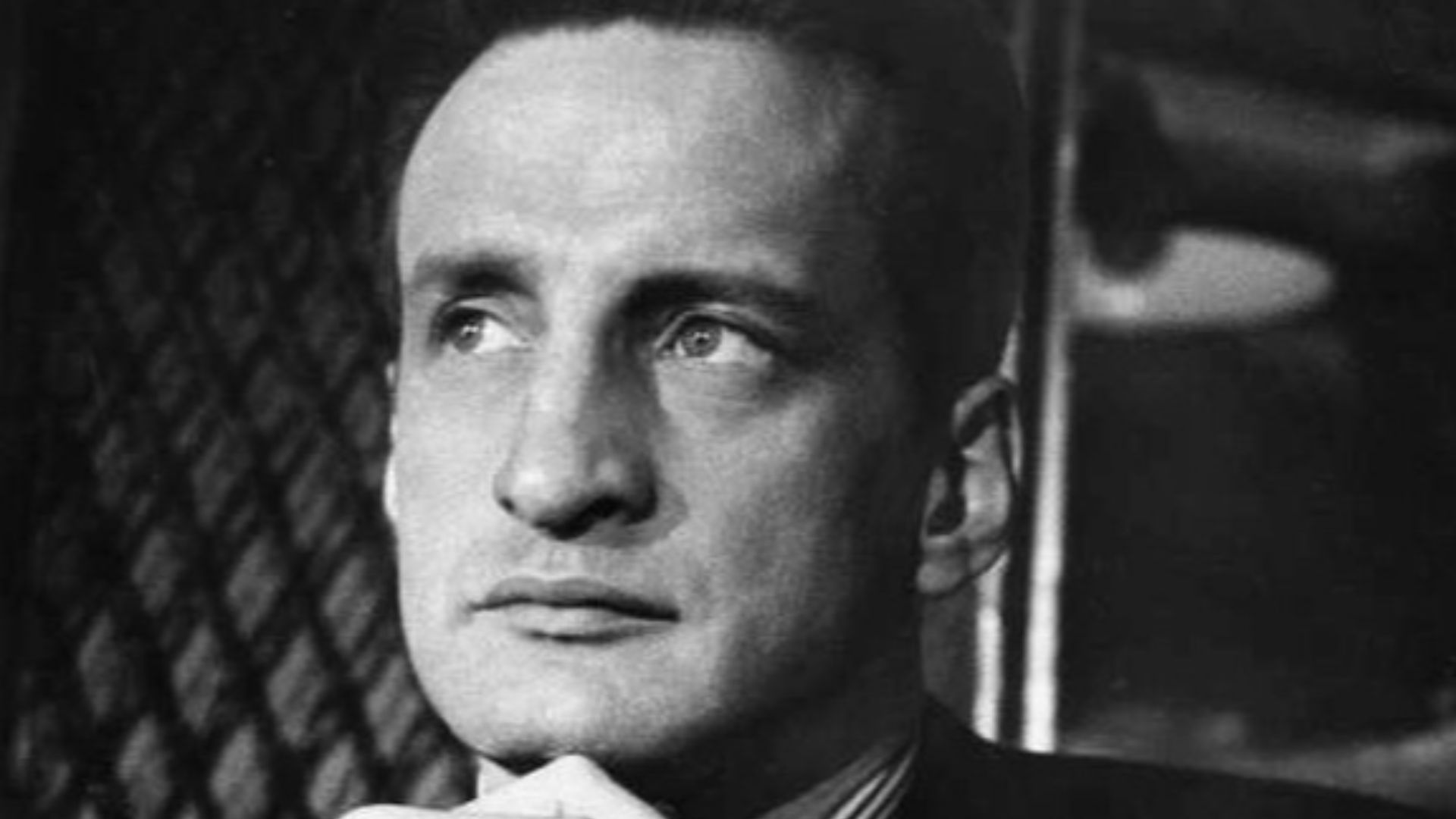 unknown photographer -, Wikimedia Commons
Scott Refuses The Award (Cont.)
He didn't attend the ceremony, leaving presenter Goldie Hawn gasping, "Oh, my God, the winner is George C Scott!" to an empty seat. Scott had previously tried to withdraw from a Supporting Actor nomination in 1962, establishing his principled stance against Hollywood's awards culture, which he considered a degrading spectacle.
Brody's Unwanted Kiss
Halle Berry returned to present Best Actor at the 2003 Oscars just one year after her own historic win, but what should have been a proud moment turned shocking when the winner, Adrien Brody, grabbed and passionately kissed her without warning.
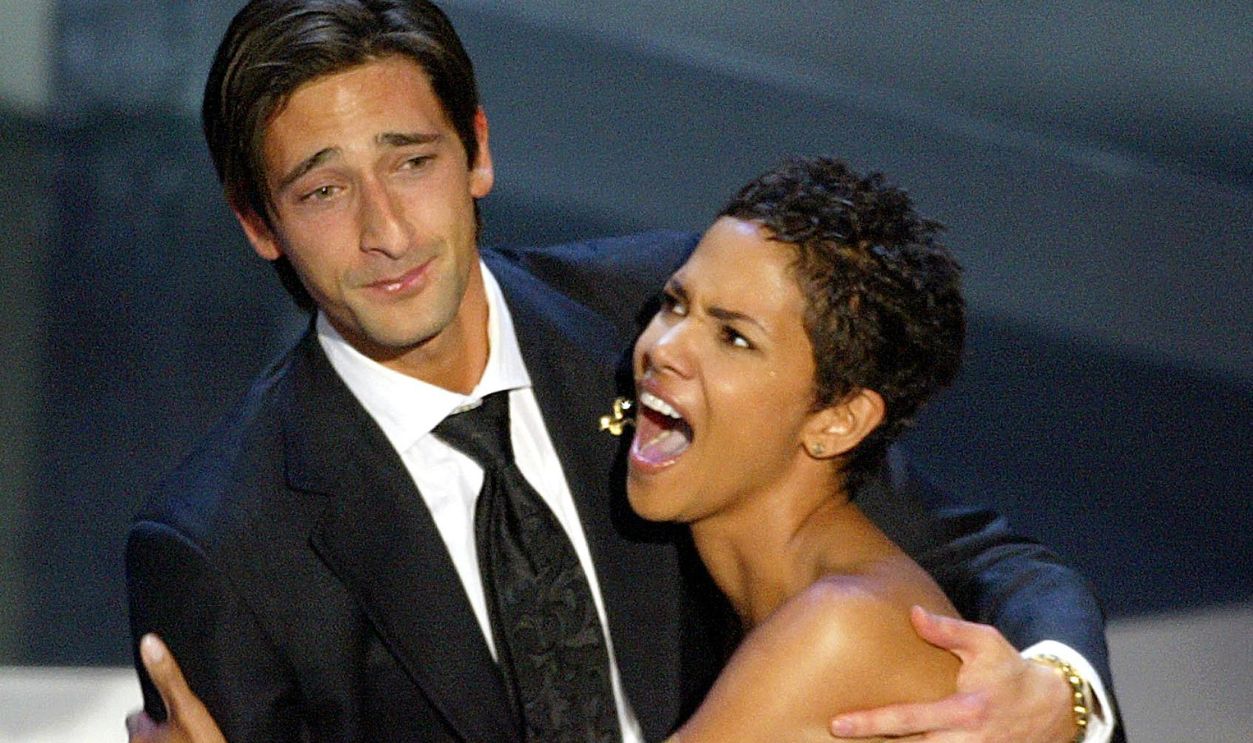 TIMOTHY A. CLARY, Getty Images
Undressed Stage Streaker
David Niven was mid-presentation at the 1974 Oscars when photographer Robert Opel suddenly ran unclothed across the stage flashing a peace sign to a stunned audience. The 34-year-old LGBTQ+ activist and photographer had cut through a backstage curtain, streaking past Elizabeth Taylor, who would present Best Picture moments later.
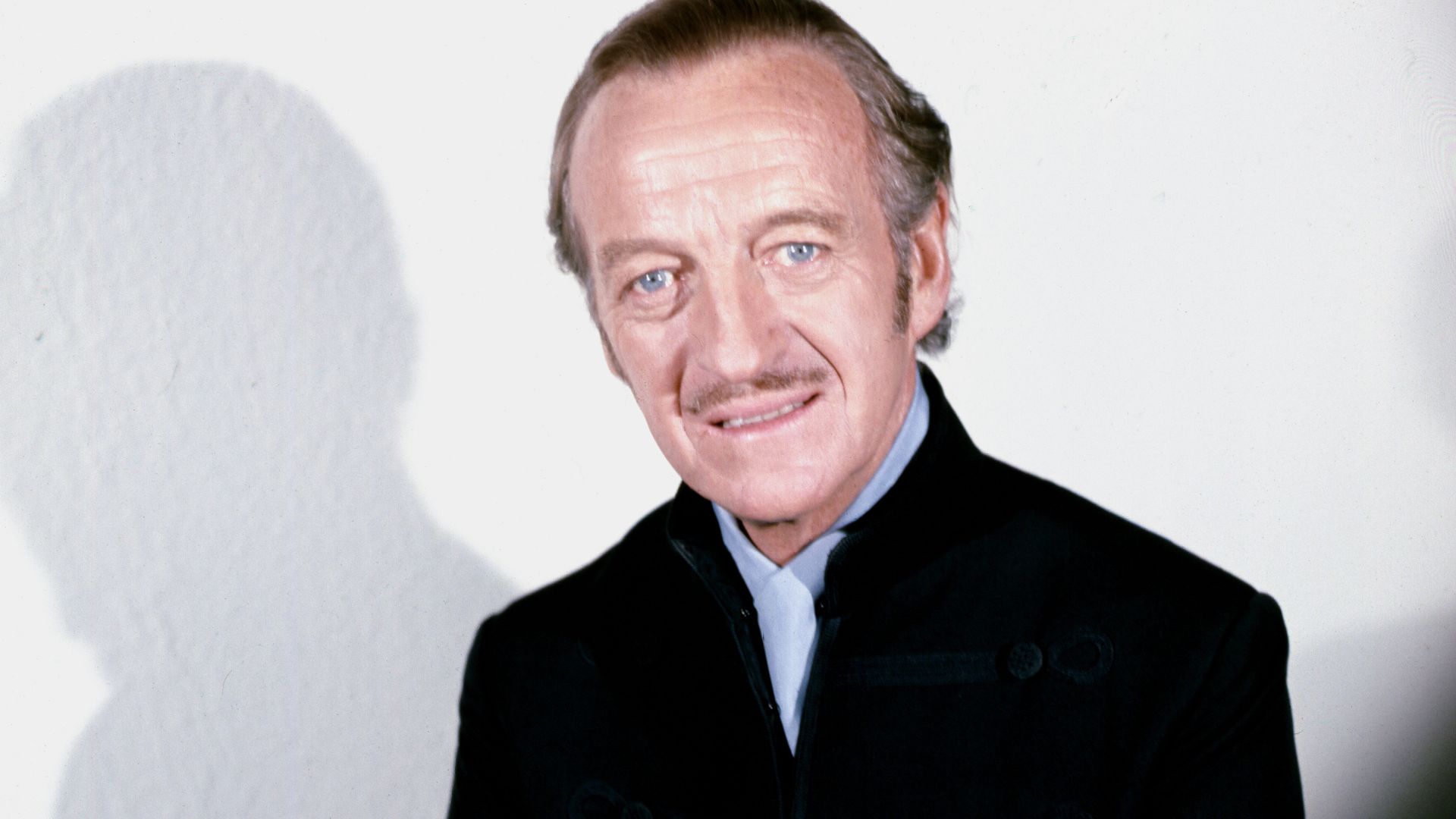 Allan warren, Wikimedia Commons
Daisy Over Spike
The Academy nominated just five films that year, yet couldn't find room for Lee's groundbreaking work that addressed contemporary racial tensions. Driving Miss Daisy bagged Best Picture at the 1990 Oscars despite Spike Lee's revolutionary Do the Right Thing being completely shut out from the category.
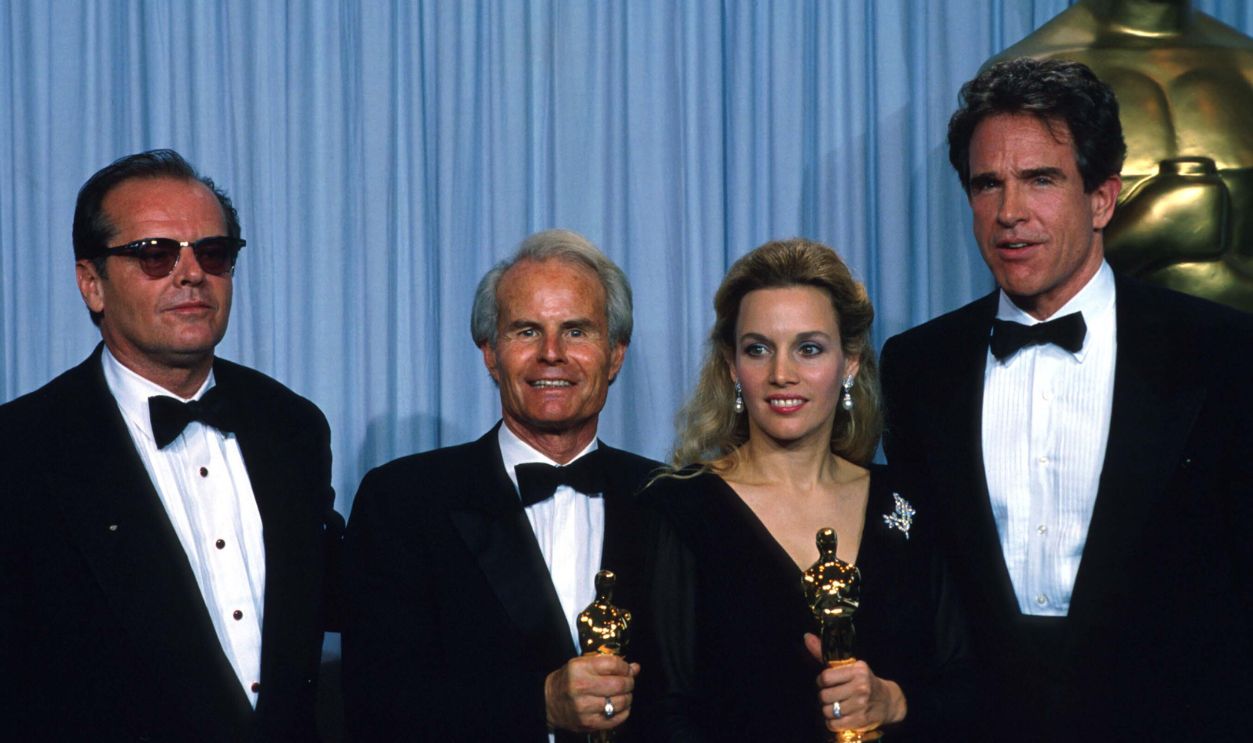
Gump Beats Pulp
Undoubtedly, Pulp Fiction revolutionized cinema with its non-linear storytelling and cultural impact, yet the 1995 Oscars gave Best Picture to Forrest Gump's sentimental journey through sanitized American history. Robert Zemeckis's film offered feel-good nostalgia and inspiration, exactly the kind of safe choice the Academy traditionally favors over daring innovation.
Green Book Upset
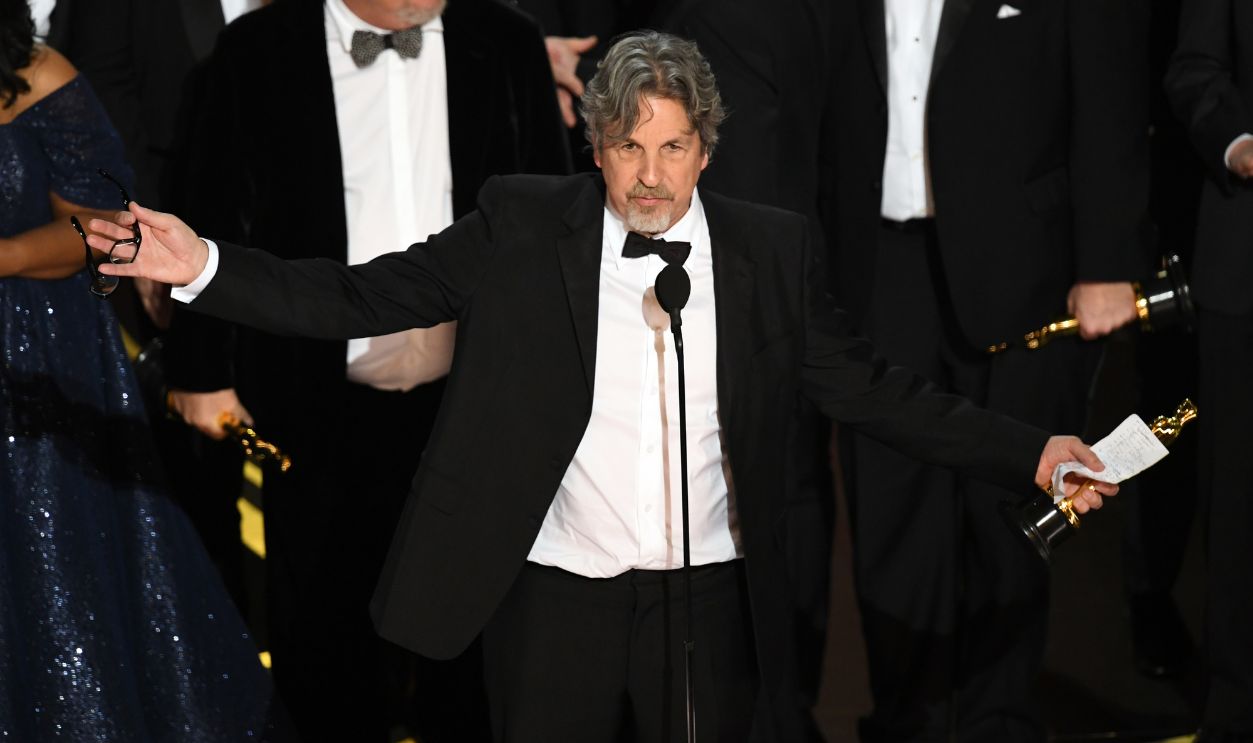
Audience members audibly groaned when Green Book was announced as Best Picture winner at the 2019 Oscars, defeating Alfonso Cuaron's deeply personal masterpiece Roma. The feel-good road-trip drama about a white driver befriending Black pianist Don Shirley drew immediate comparisons to Driving Miss Daisy's controversial 1990 win.
Green Book Upset (Cont.)
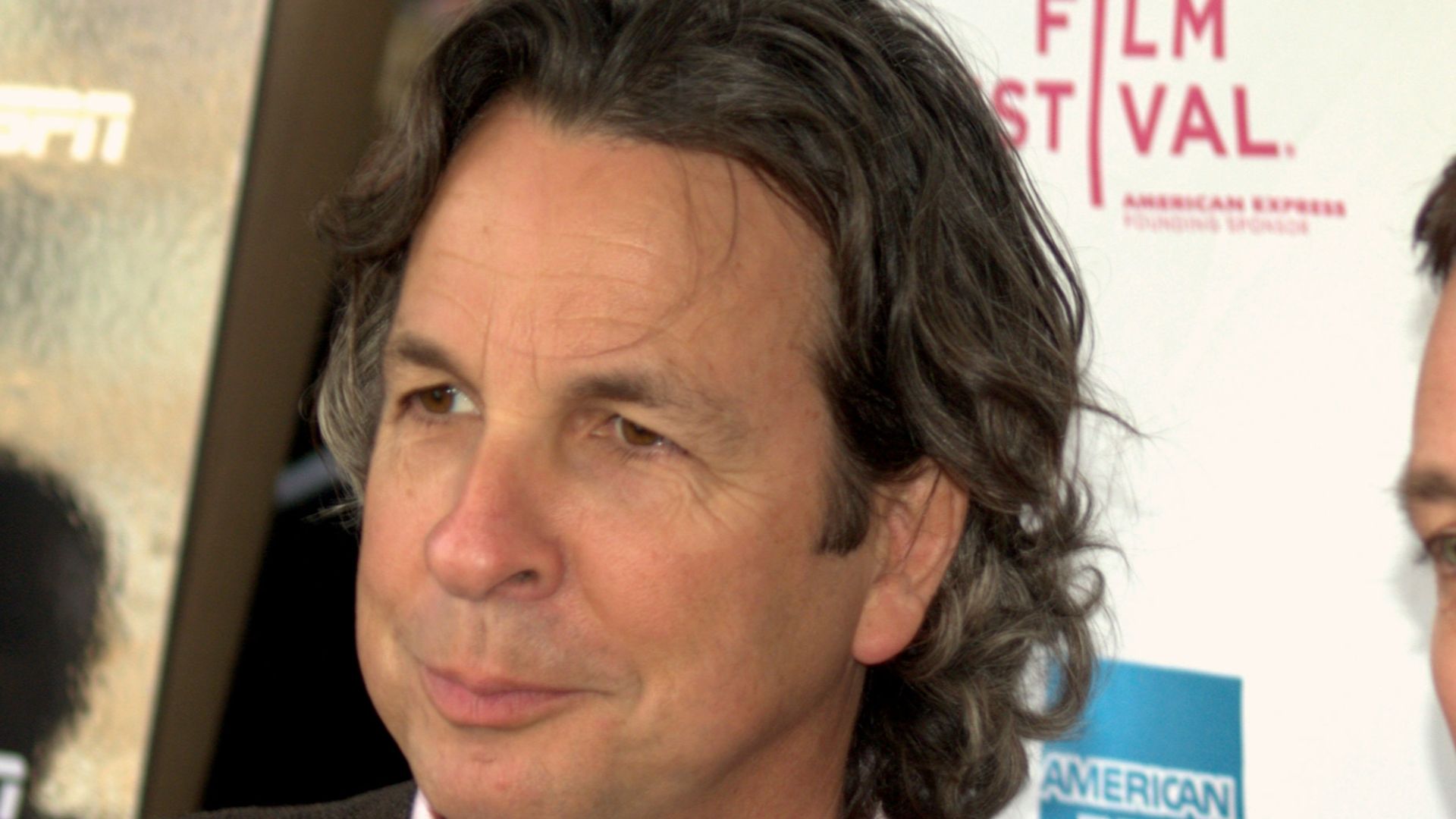
Shirley's own family disputed the film's portrayal, stating they were never consulted and the friendship depicted was exaggerated. Director Peter Farrelly faced backlash for past behavior, and co-writer Nick Vallelonga's deleted anti-Muslim tweet resurfaced during awards season.
 David Shankbone, Wikimedia Commons