The Smile America Trusted
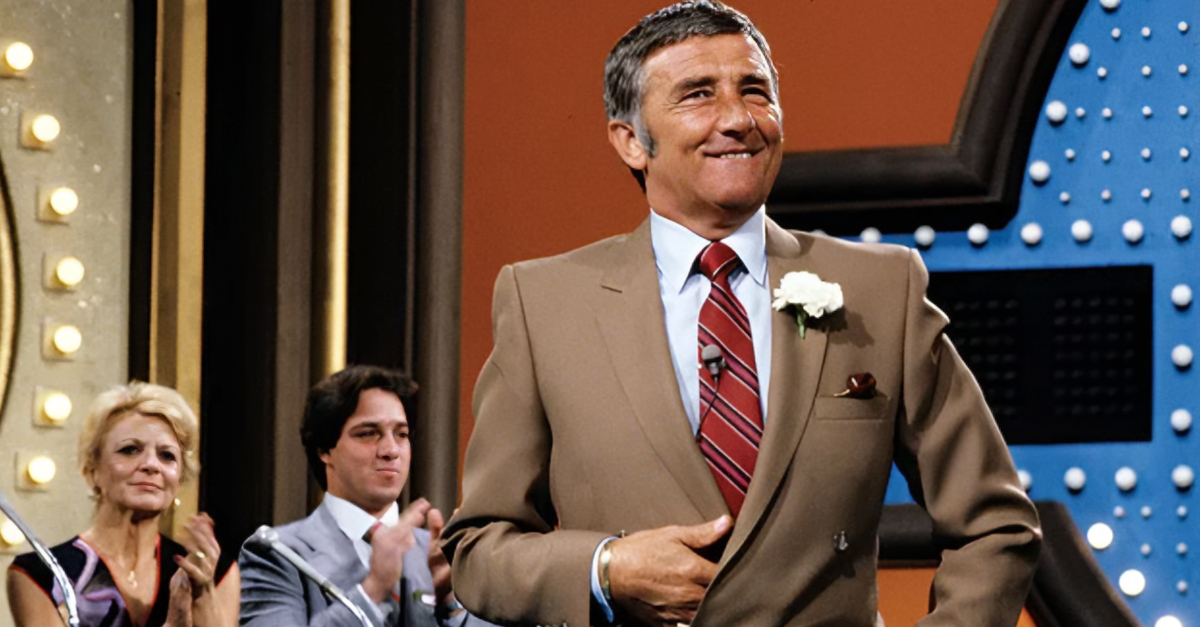
On Family Feud, Richard Dawson felt different from every other game show host on television. He leaned in. He joked quietly. He made contestants feel seen. The kisses, the suits, the confidence—it all suggested ease and control. What audiences couldn’t see was how much of that ease was carefully constructed, and what it was covering.
The Kisses That Became His Trademark
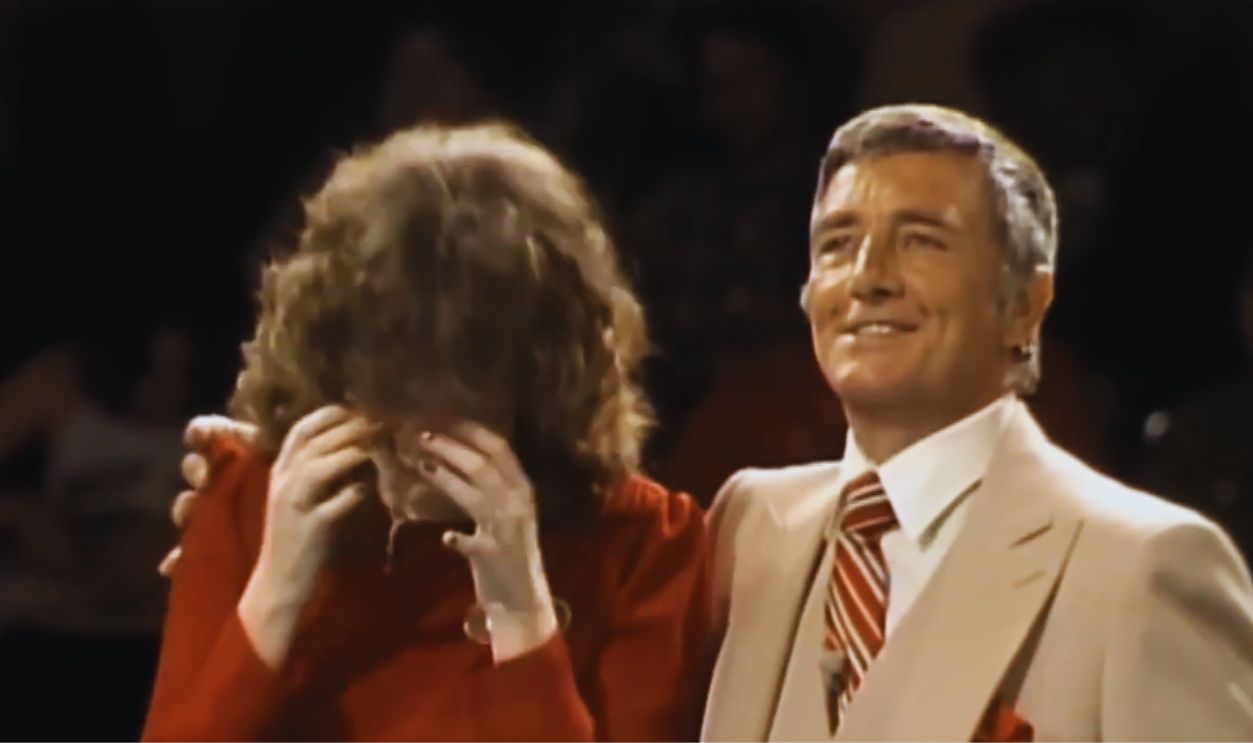
Dawson’s habit of kissing female contestants stood out immediately. It was unusual, personal, and widely discussed. Dawson later said the gesture helped relax nervous players, explaining that people were tense and the kiss broke the ice. Contestants were asked beforehand and could refuse.
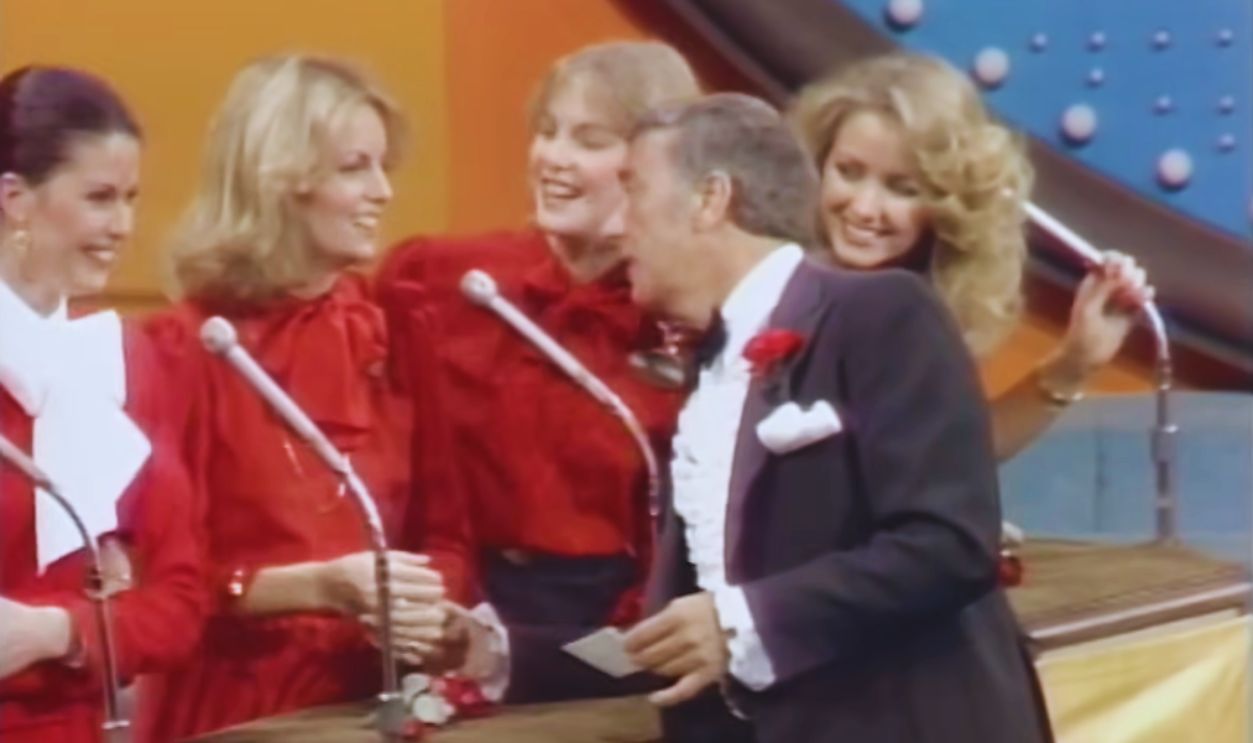 Screenshot from Family Feud, Fremantle (1976–present)
A Childhood Marked by Loss
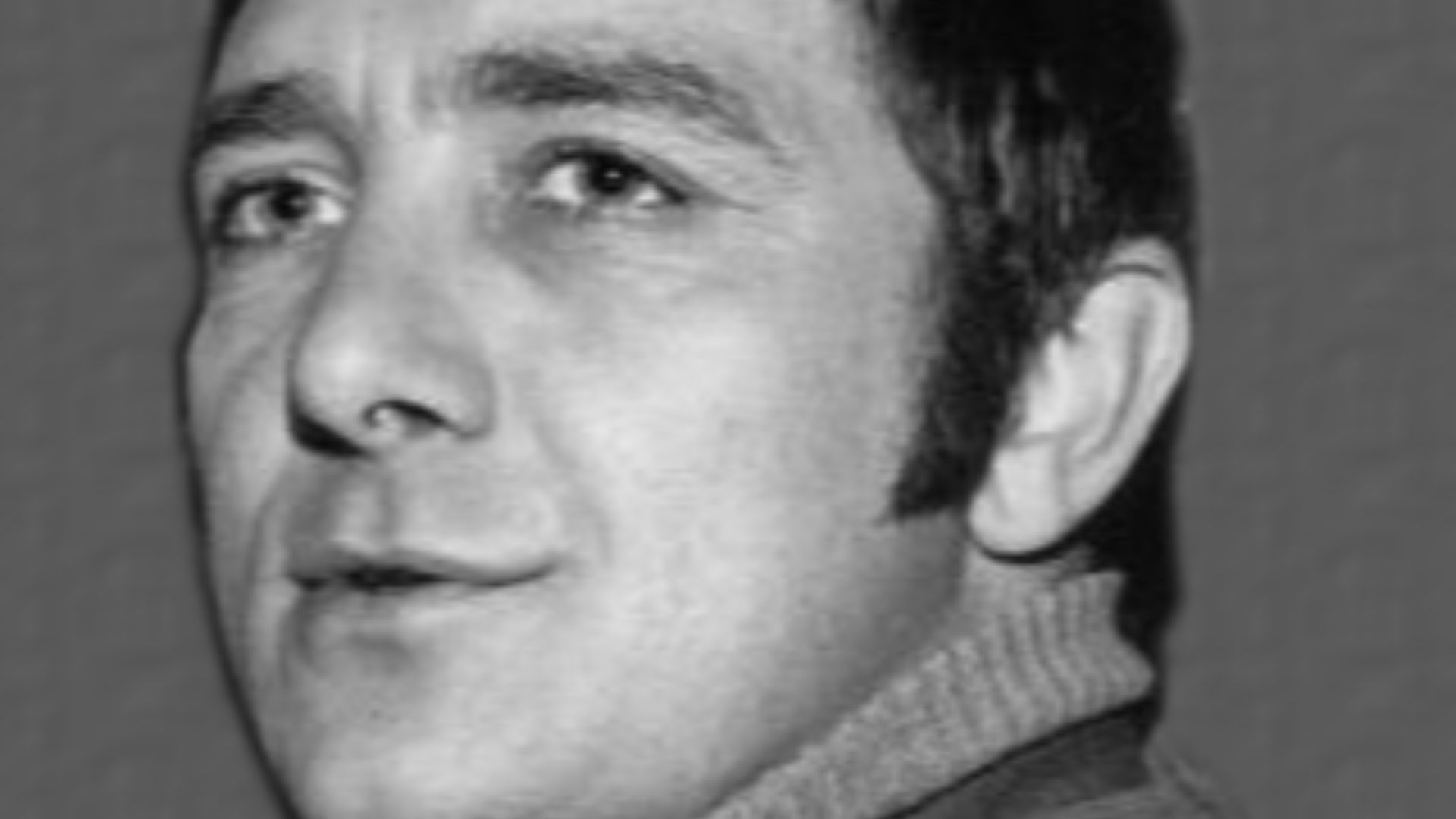
Born in England in 1932, Dawson lost his father at a young age. The death left his family financially unstable and emotionally shaken. Biographers note that Dawson rarely spoke publicly about this period, but it shaped his early independence and emotional reserve.
War Came Early
As a teenager, Dawson served in the British Merchant Navy during World War II. He later said the experience exposed him to danger and uncertainty long before adulthood. The war interrupted any sense of a typical youth and forced early responsibility.
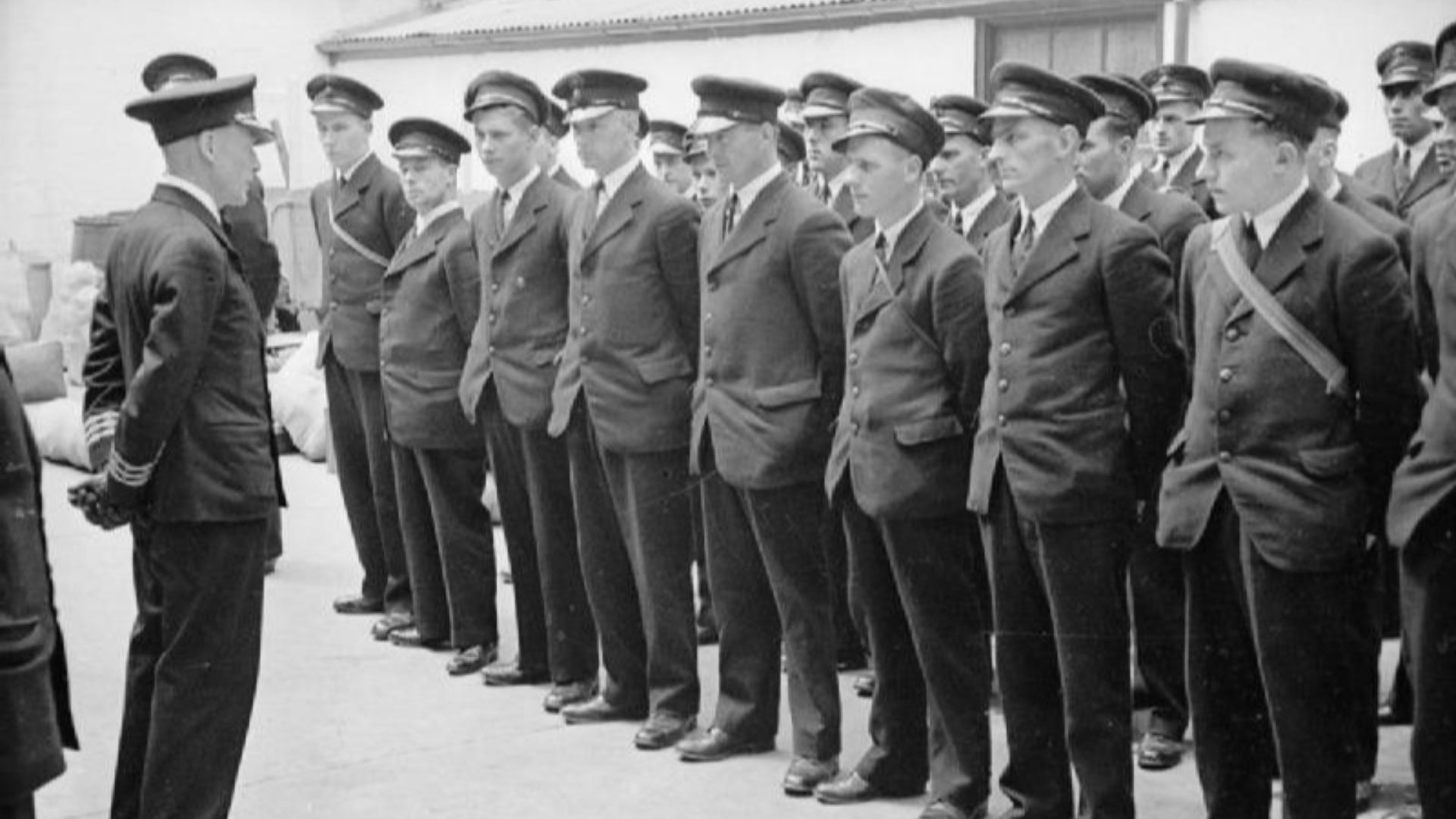 Priest, L C (Lt), Royal Navy official photographer, Wikimedia Commons
Turning Toward Entertainment
After the war, Dawson pursued comedy and acting in Britain before moving to the United States. Early work was inconsistent and modest, but it placed him inside television, where his quick thinking and observational humor began to stand out.
A Turbulent Marriage
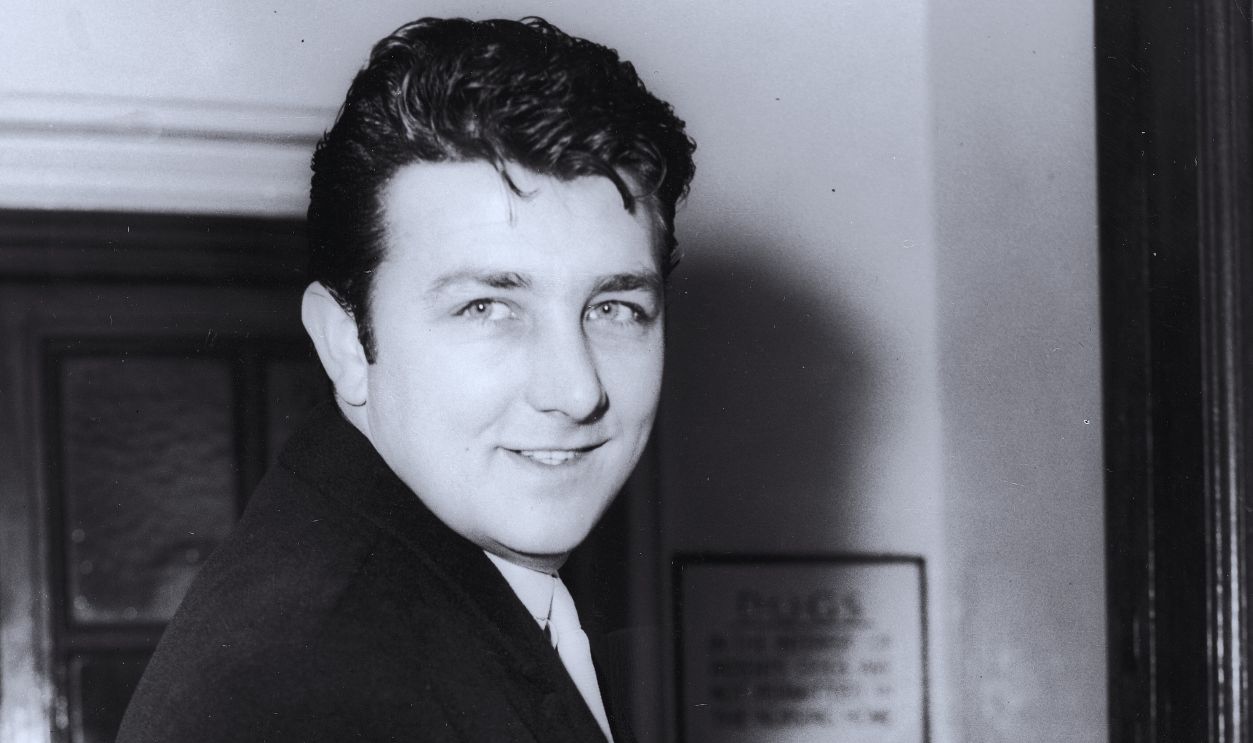
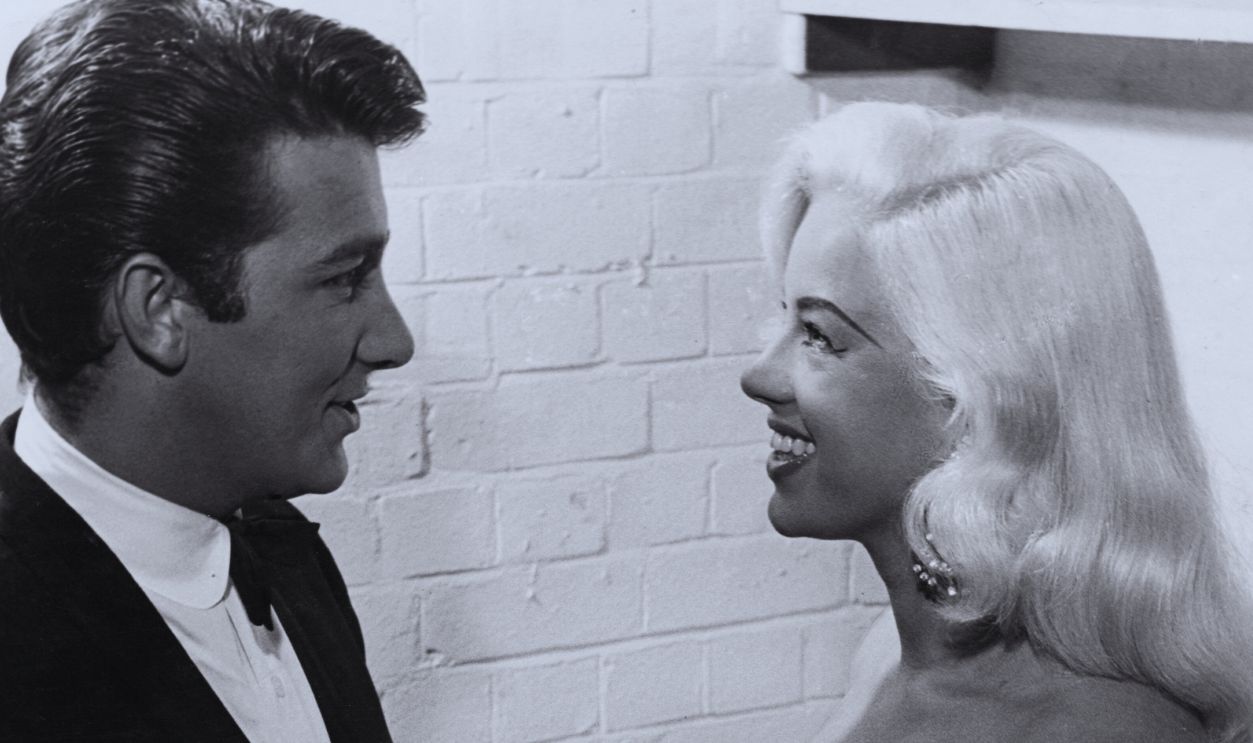
In 1959, Dawson married actress Diana Dors. The relationship was strained by financial pressure and Dors’ struggles with addiction. Dawson took on a caretaker role while trying to establish his own career. The marriage ended in divorce in 1967, before his major television breakthrough.
Early Television Work
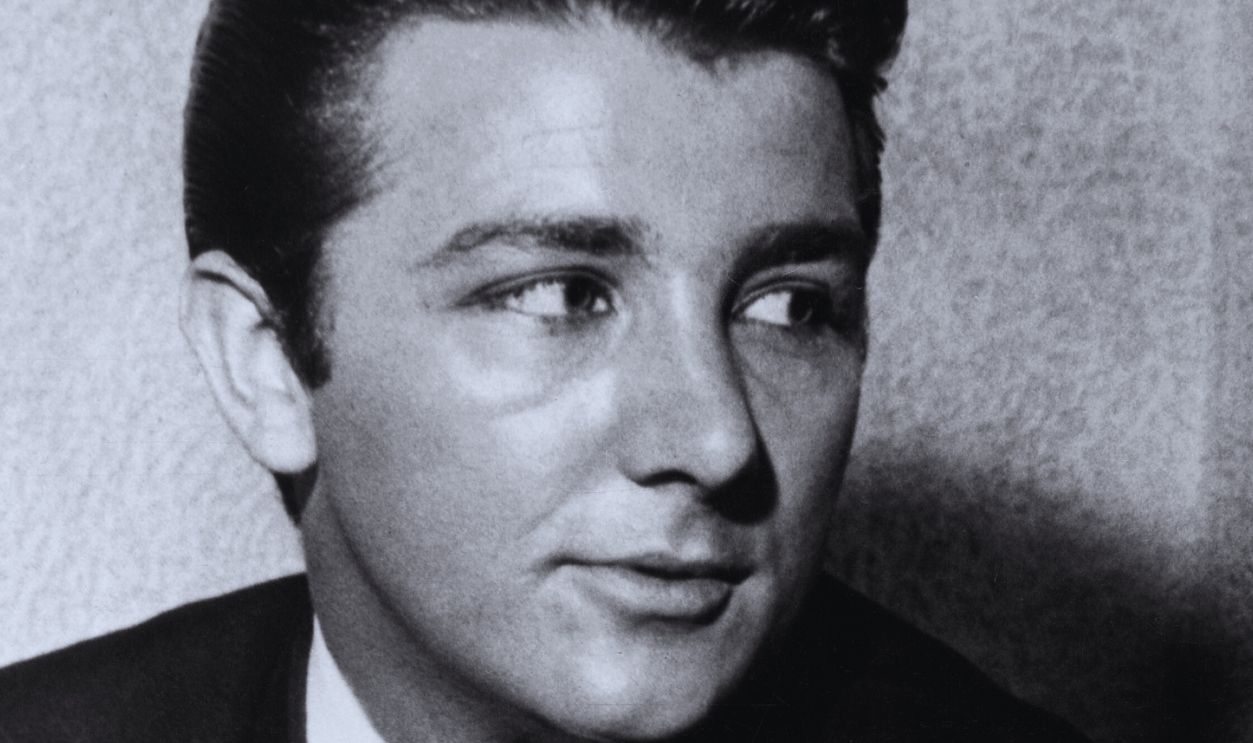
After relocating to the U.S., Dawson found steady work in television and live performance. He developed a reputation as fast, adaptable, and dependable—traits that made him valuable in ensemble casts and unscripted formats.
 ullstein bild Dtl., Getty Images
Breakthrough on “Hogan’s Heroes”
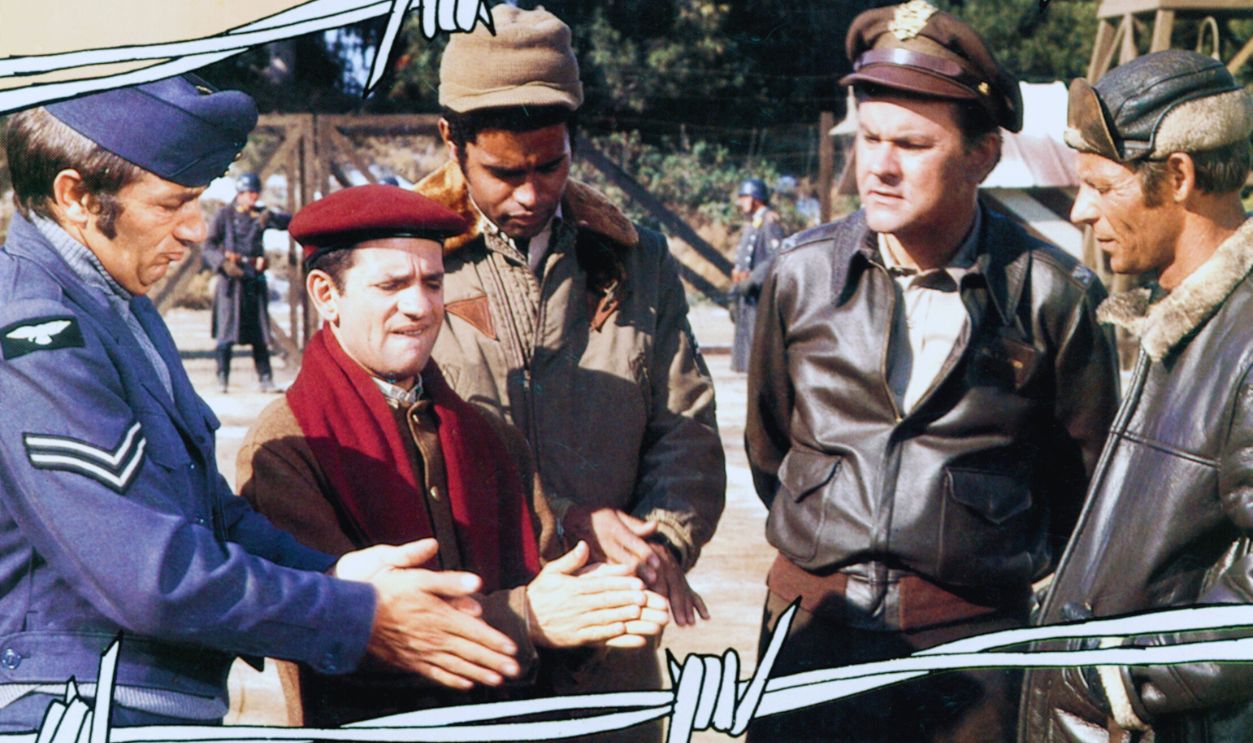
From 1965 to 1971, Dawson played Corporal Newkirk on Hogan’s Heroes. The role gave him national visibility and showcased his dry, controlled humor. It established him as a reliable presence on American television.
The “Match Game” Years
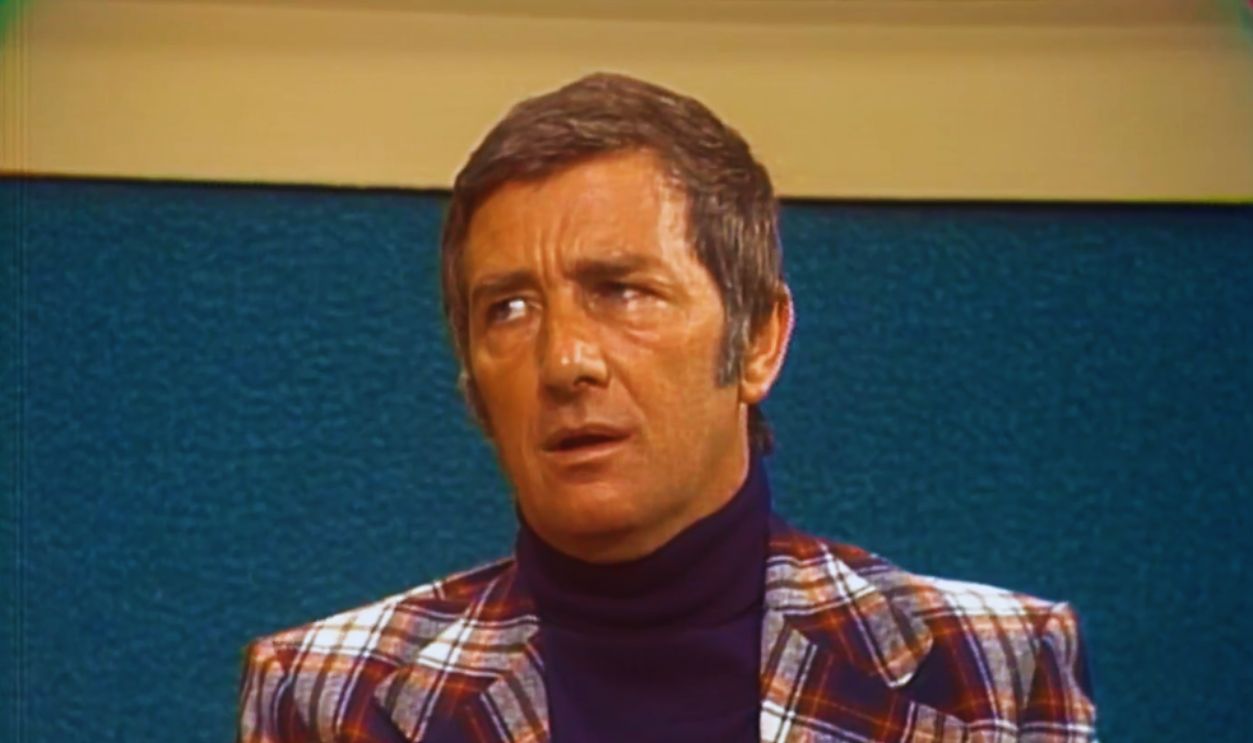
After Hogan’s Heroes, Dawson became a regular panelist on Match Game. His sharp timing and ability to read the room made him a standout. Host Gene Rayburn often relied on Dawson to keep the show moving and grounded.
 Screenshot from Match Game, Fremantle (1962–present)
Panel Shows Sharpened His Instincts
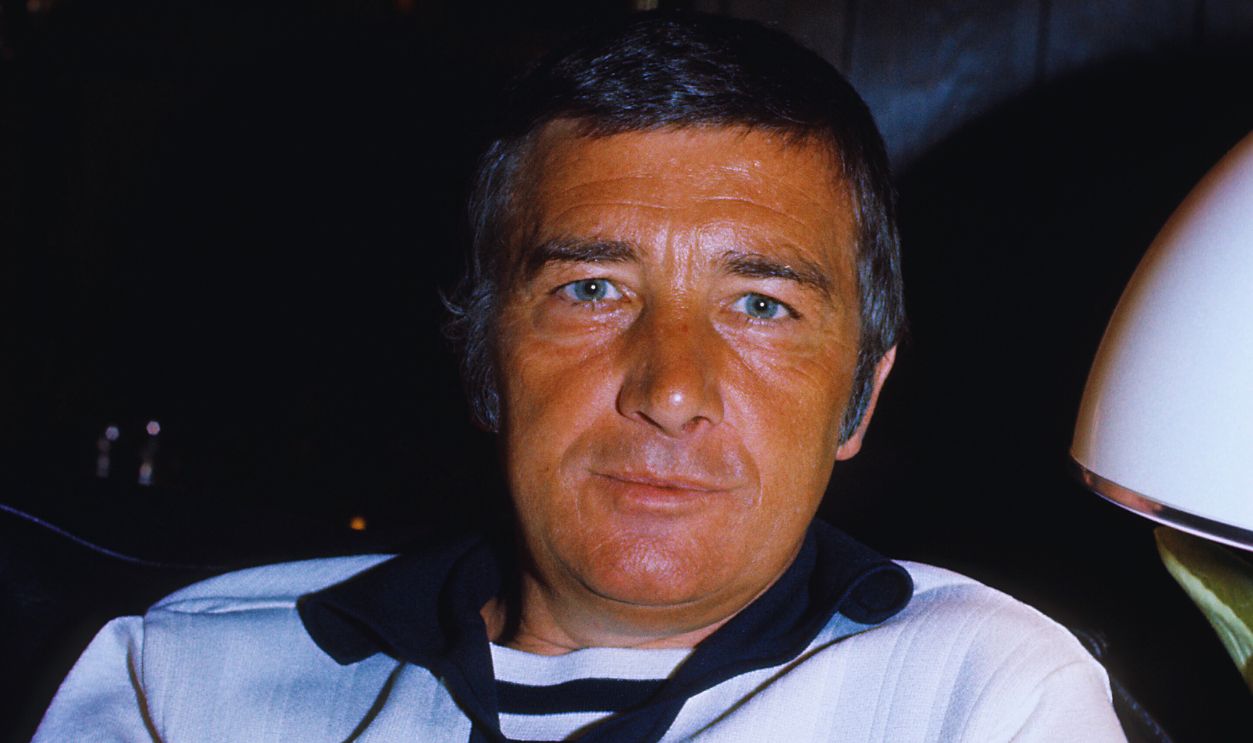
Match Game rewarded speed, confidence, and audience awareness. Dawson excelled in that environment. The experience sharpened the improvisational and interpersonal skills that would later define his success as a game show host.
 Michael Ochs Archives, Getty Images
Becoming the Face of “Family Feud”
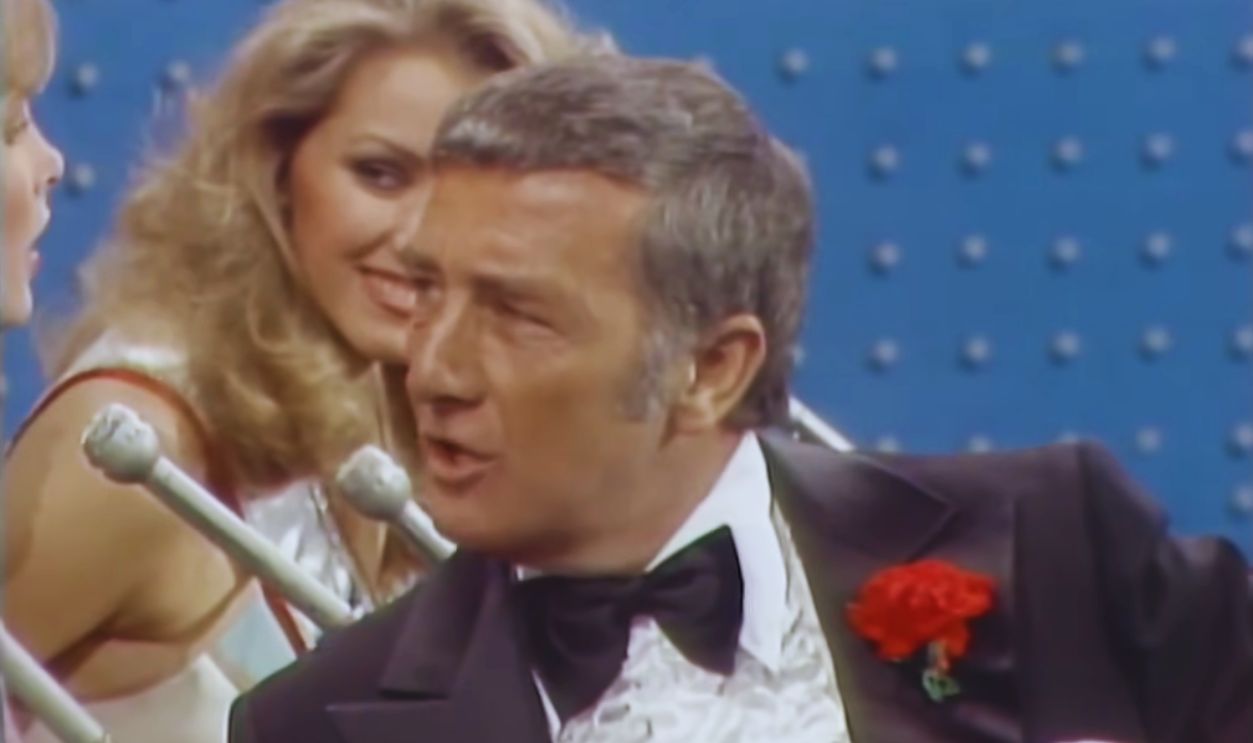
When Family Feud premiered in 1976, Dawson quickly became inseparable from the show. His hosting style—including the now-famous kissing of contestants—set him apart. Dawson said the gesture calmed players, and producers confirmed consent was always obtained.
 Screenshot from Family Feud, Fremantle (1976–present)
The Suits Were Part of the Act
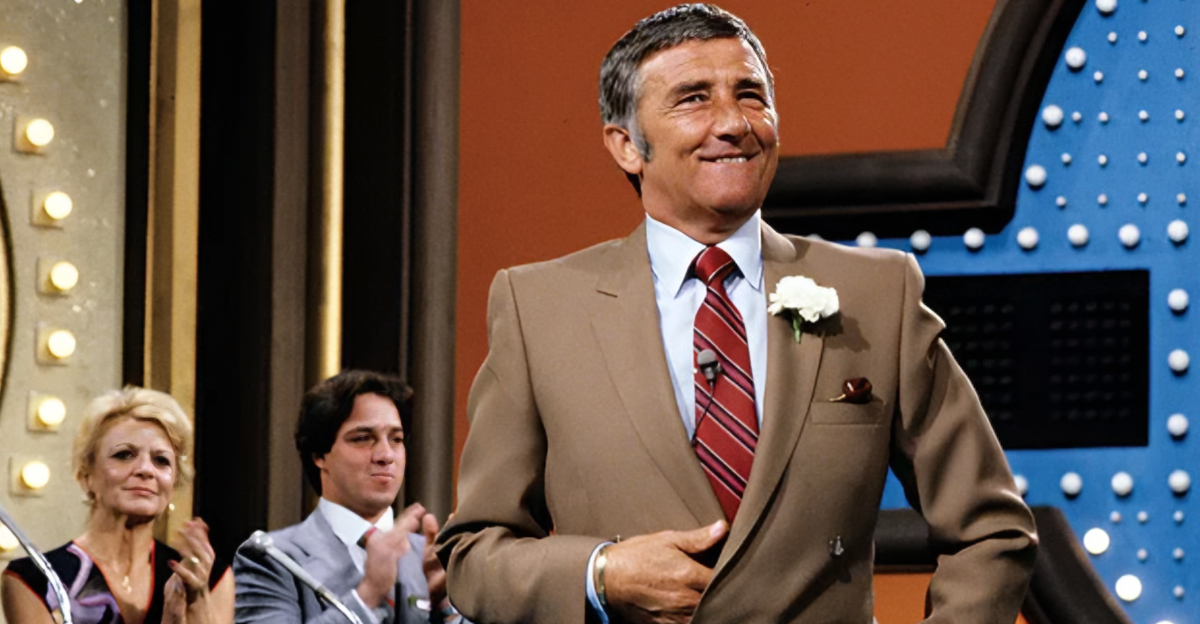
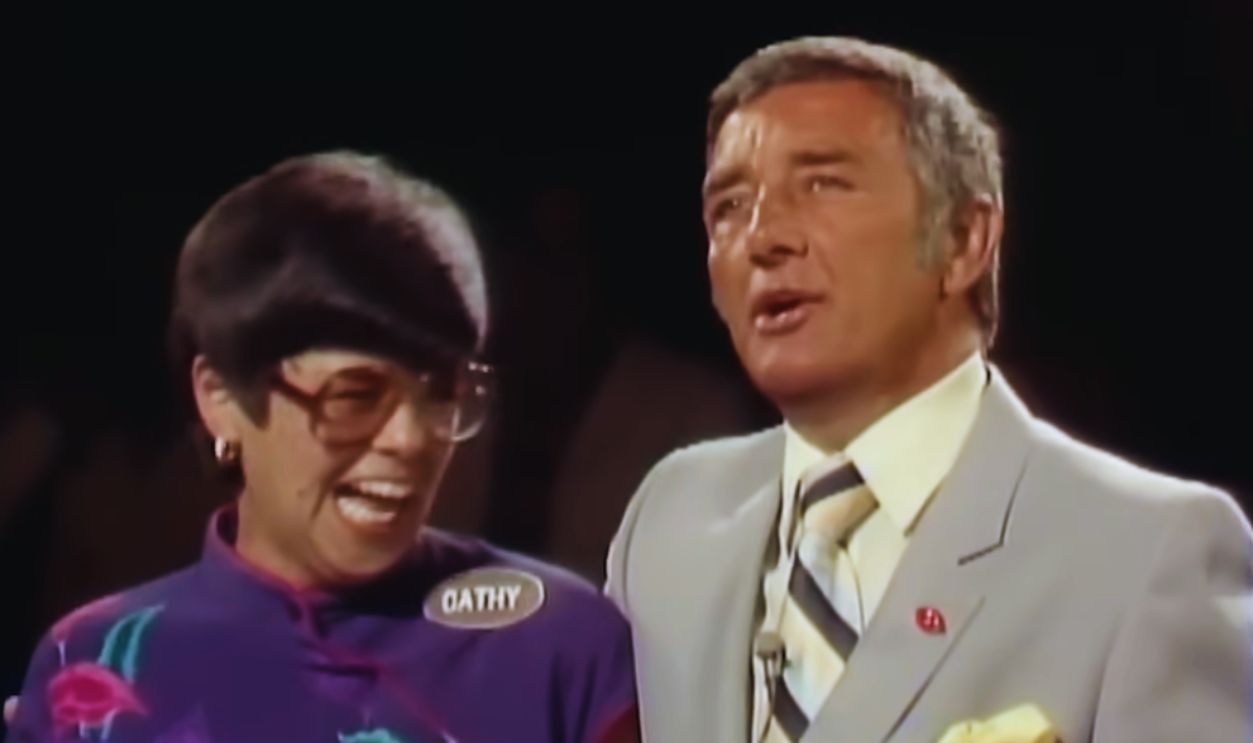
Richard Dawson wasn’t flashy, but his suits mattered. On Family Feud, he almost always wore tailored jackets in muted 70s tones—grays, browns, subtle patterns. The look signaled authority without stiffness and reinforced trust with audiences.
 Screenshot from Family Feud, Fremantle (1976–present)
Ratings Followed the Persona
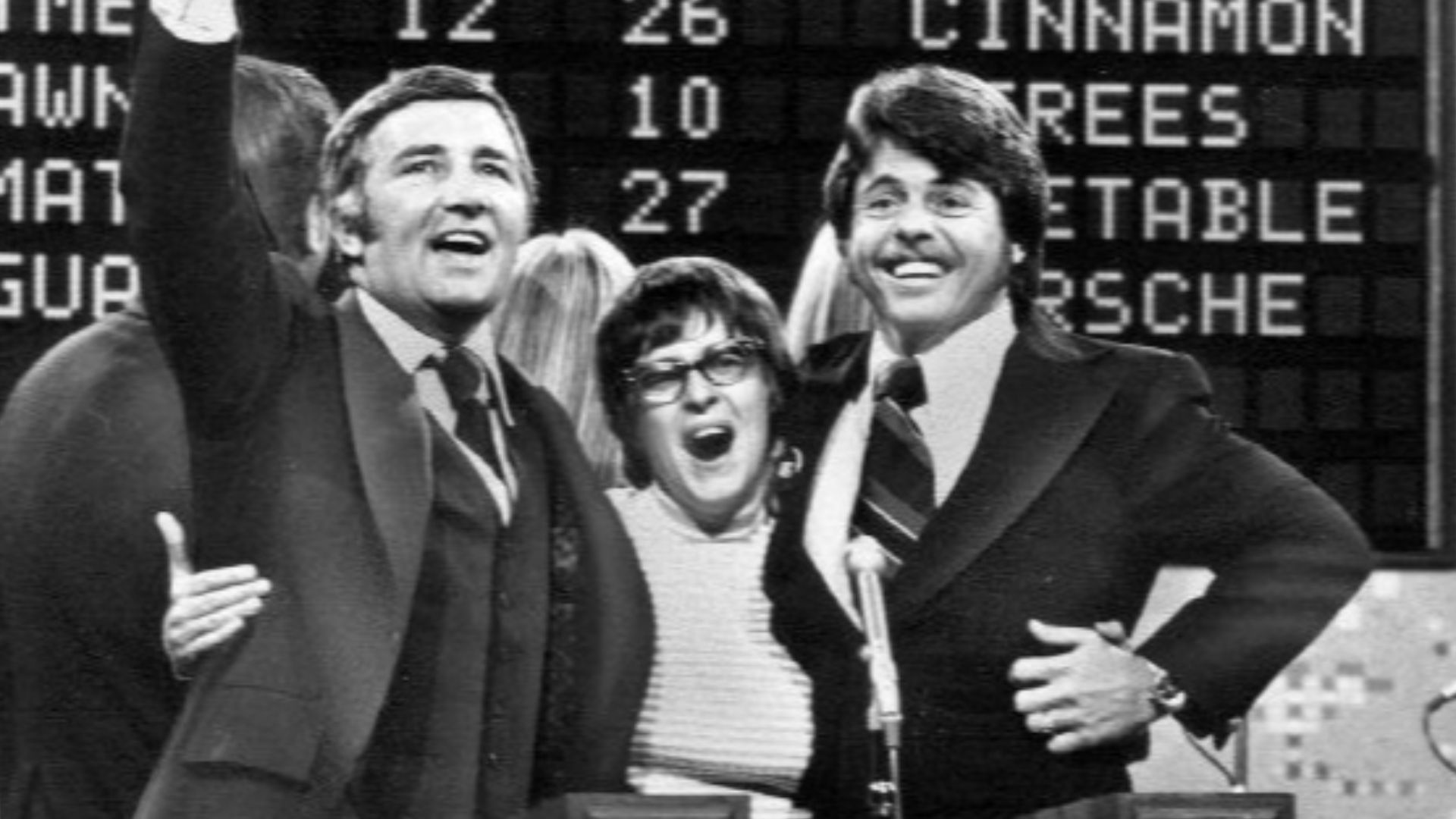
Family Feud became one of daytime television’s biggest hits, frequently topping ratings and competing directly with The Price Is Right. Industry coverage at the time consistently credited Dawson’s presence as the show’s primary draw.
 ABC Television, Wikimedia Commons
Awards, Recognition—and a Very Literal Footnote
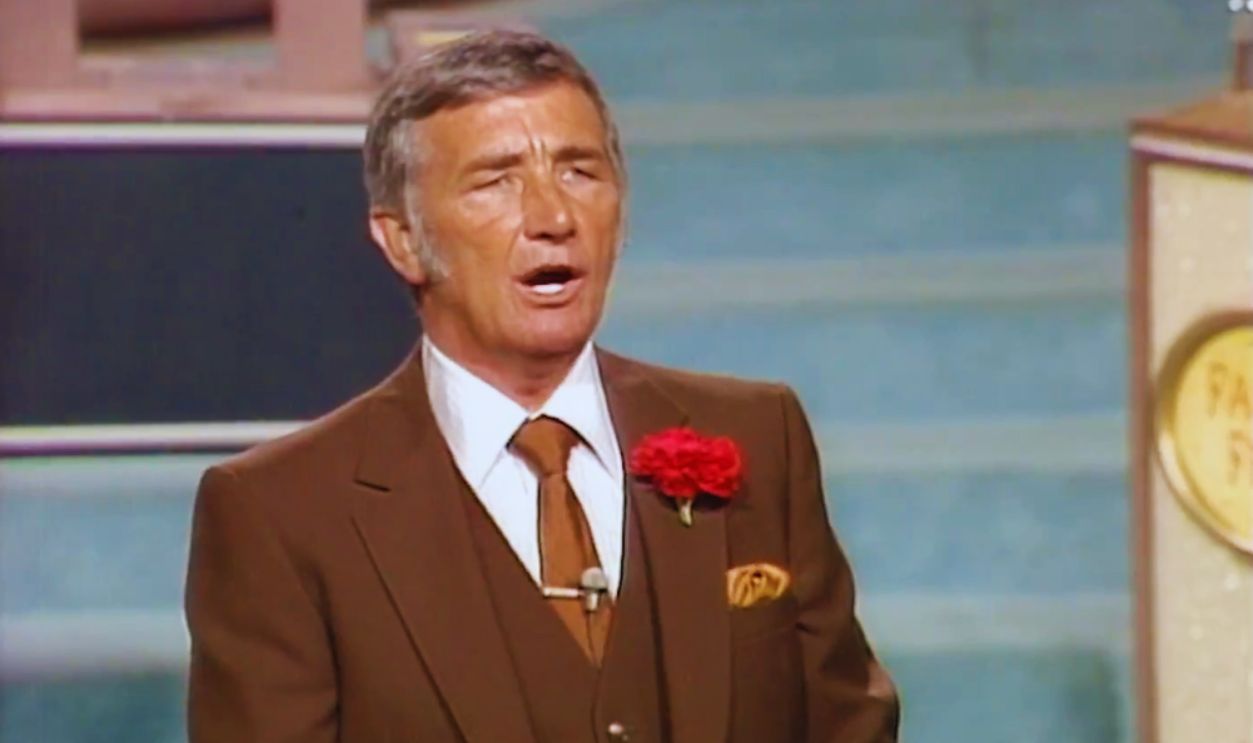
Dawson won a Daytime Emmy Award for Outstanding Game Show Host in 1978 and received additional nominations during Family Feud’s peak years. The show defined his career and his personal life as well. He even met his second wife on the show—literally.
 Screenshot from Family Feud, Fremantle (1976–present)
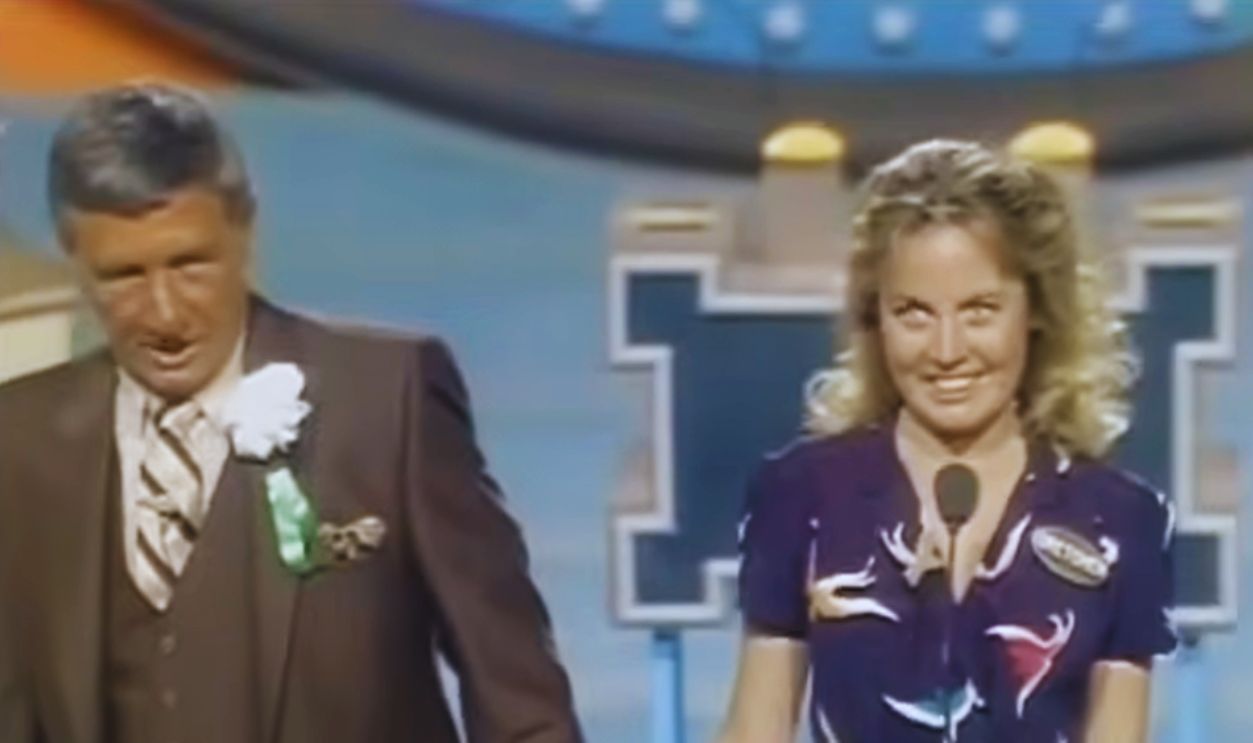
Meeting Gretchen Johnson on the Feud Set
In 1981, Gretchen Johnson appeared as a contestant on Family Feud. Dawson was immediately drawn to her, and their on-air interaction stood out even by the show’s standards. They began a relationship after her appearance.
 Screenshot from Family Feud, Fremantle (1976–present)
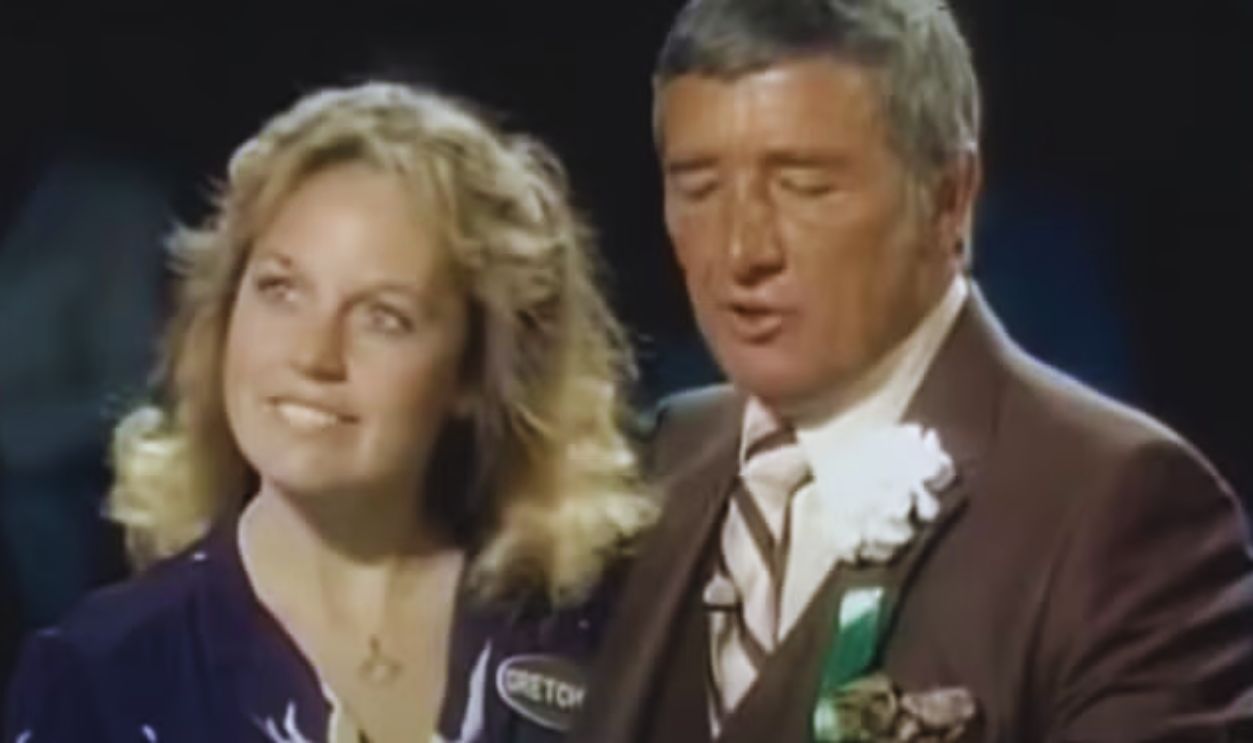
A Relationship That Outlasted the Spotlight
Dawson and Johnson married in 1991 and had one daughter, Shannon, born the year before. Those close to Dawson described the relationship as calmer and more stable than his earlier marriage.
 Screenshot from Family Feud, Fremantle (1976–present)
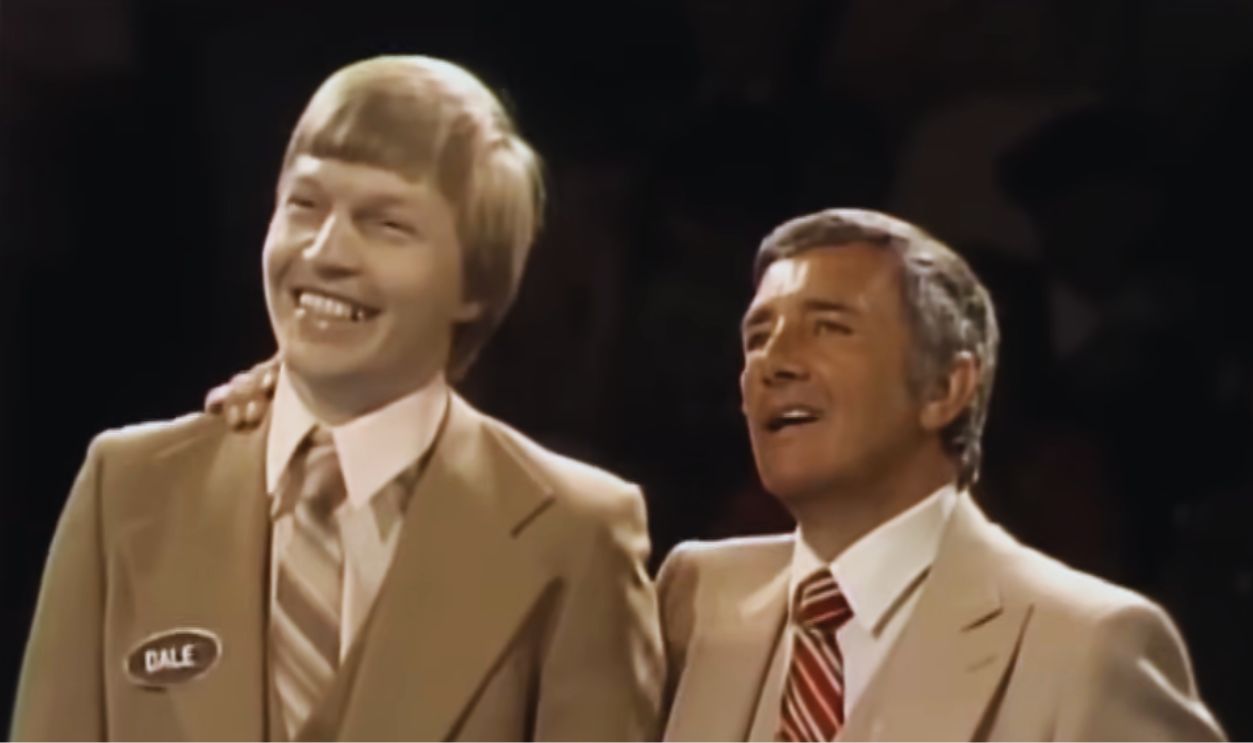
Growing Control Behind the Scenes
As the show’s success grew, Dawson gained significant influence over production decisions. According to multiple accounts, he regularly challenged executives and resisted changes he believed would undermine the show’s formula.
 Screenshot from Family Feud, Fremantle (1976–present)
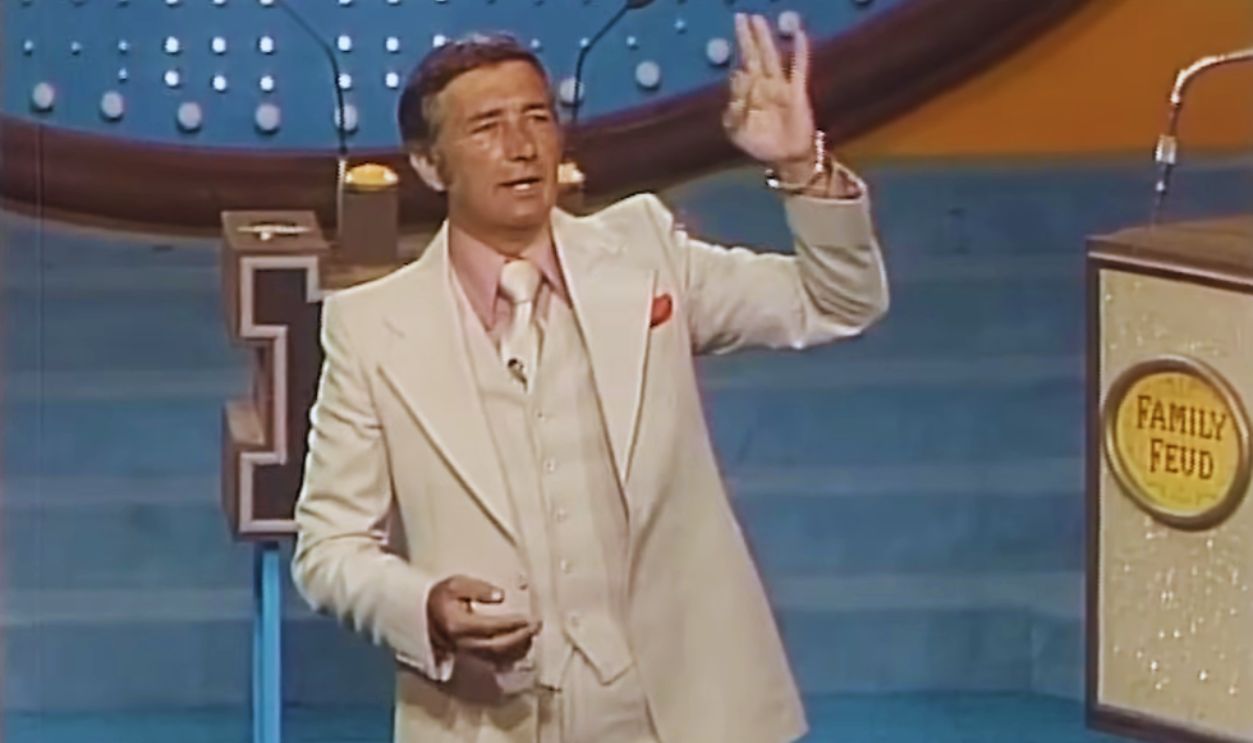
Tensions With Management
By the early 1980s, disagreements over authority and creative direction had become routine. Dawson trusted his instincts completely. Network leadership increasingly viewed that confidence as inflexibility.
 Screenshot from Family Feud, Fremantle (1976–present)
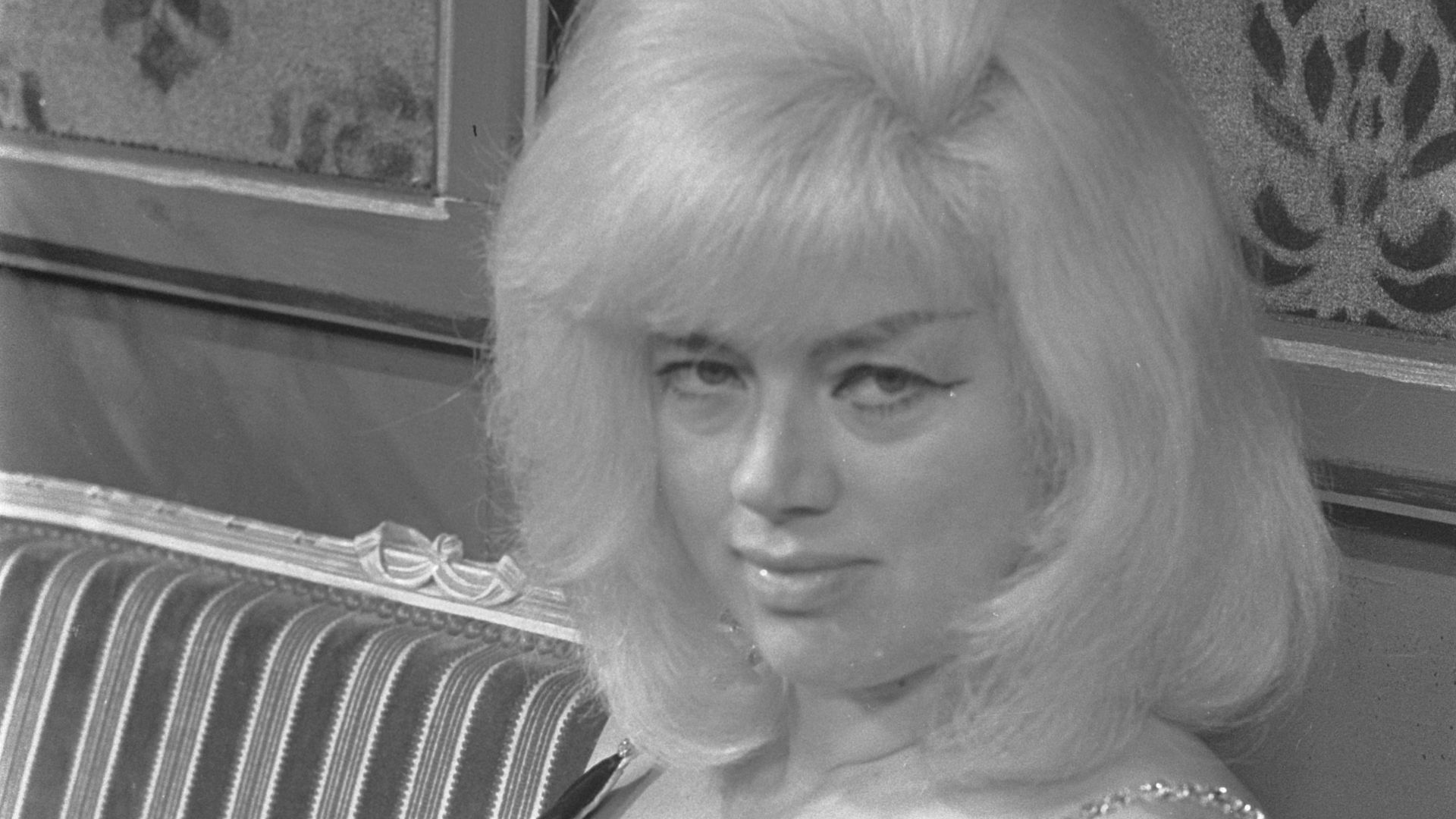
The Death of Diana Dors
In 1984, Diana Dors died at age 52. Dawson rarely spoke publicly about her afterward, but friends later said her death affected him deeply. It occurred during a period when his professional relationships were already under strain.
Returning to “Family Feud”
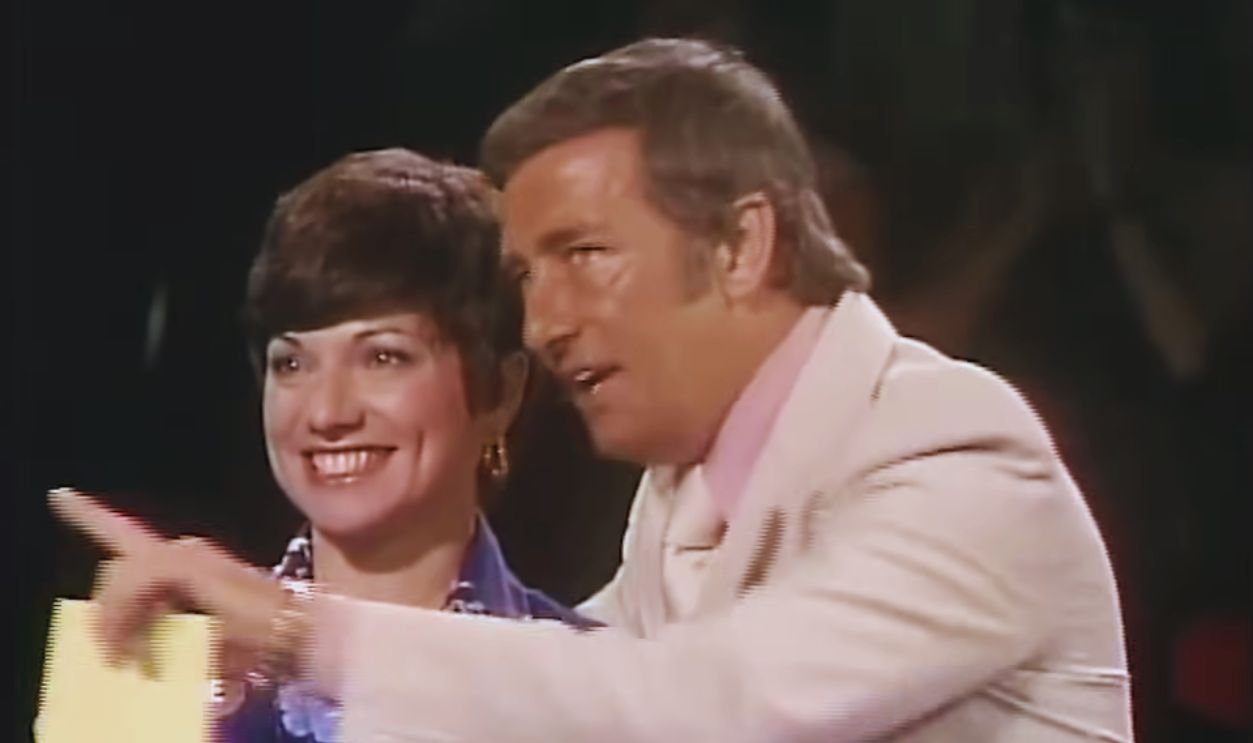
Dawson returned as host in 1994. While familiar to audiences, the show no longer occupied the same cultural space. Ratings were respectable but far below the heights of its original run.
 Screenshot from Family Feud, Fremantle (1976–present)
Television Had Changed
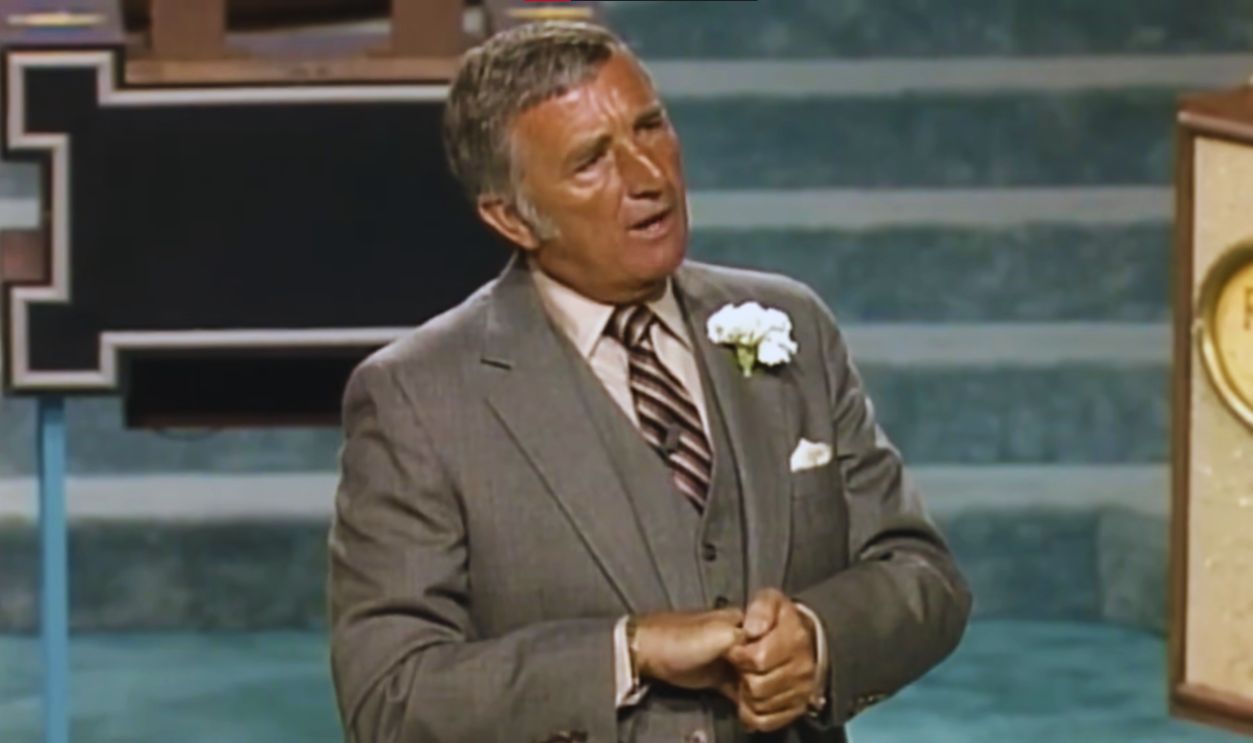
By the 1990s, game shows relied less on singular personalities and more on format-driven appeal. Dawson’s once-groundbreaking hosting style felt less essential to newer viewers.
 Screenshot from Family Feud, Fremantle (1976–present)
Stepping Away
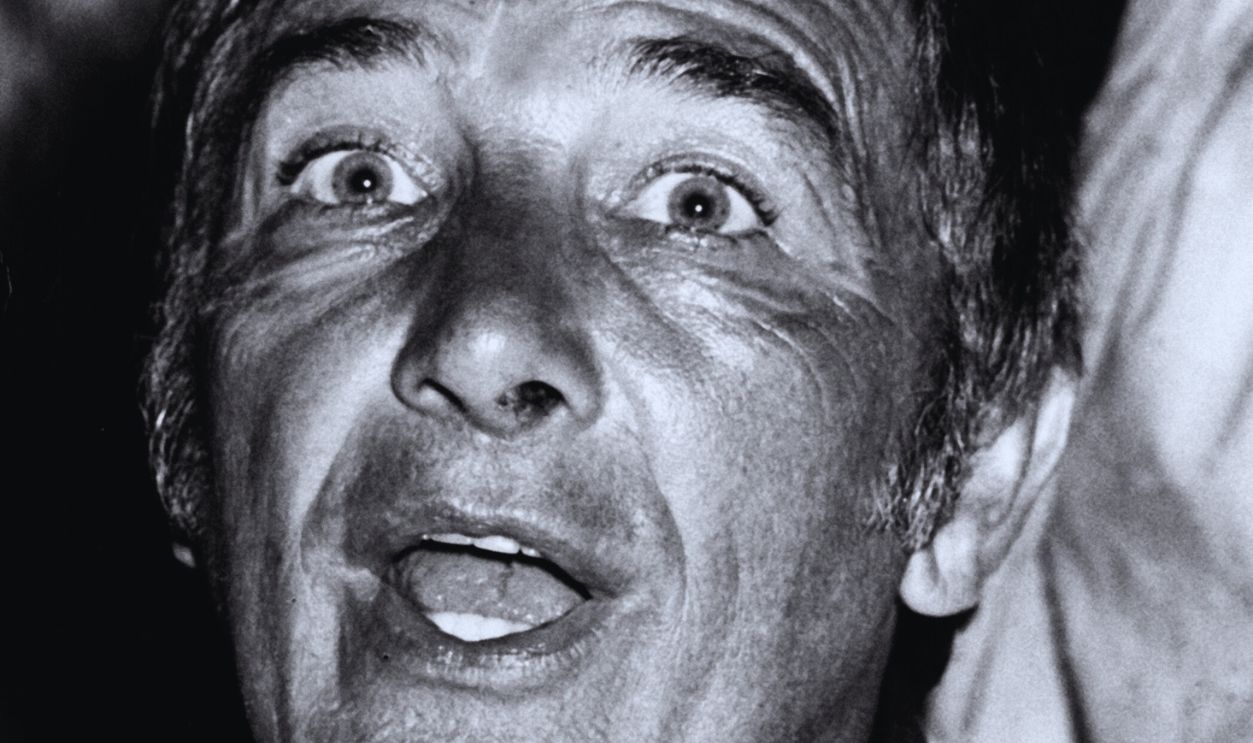
After leaving Family Feud again in 1995, Dawson largely withdrew from television. He declined most interviews and avoided the nostalgia circuit that brought many former game show stars back into public view. This retreat appeared intentional and permanent.
Life Out of the Spotlight
In retirement, Dawson focused on family life in California with Gretchen Johnson and their daughter. He rarely attended industry events and did not pursue new projects. Friends described him as private and selective, content to stay away from the television world he once dominated.
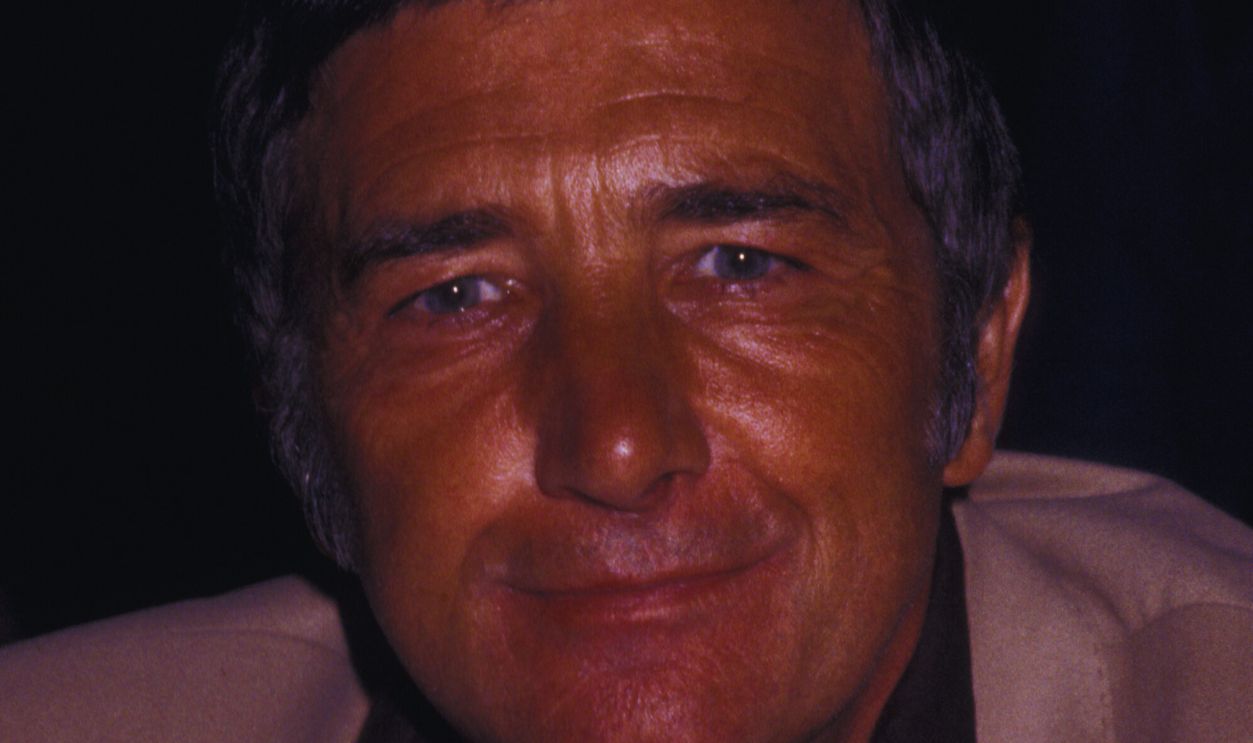
How Richard Dawson Died
Richard Dawson died on June 2, 2012, at age 79. His death was caused by complications from esophageal cancer, a diagnosis he kept largely private. He passed away at home, surrounded by family, after several years of declining health.
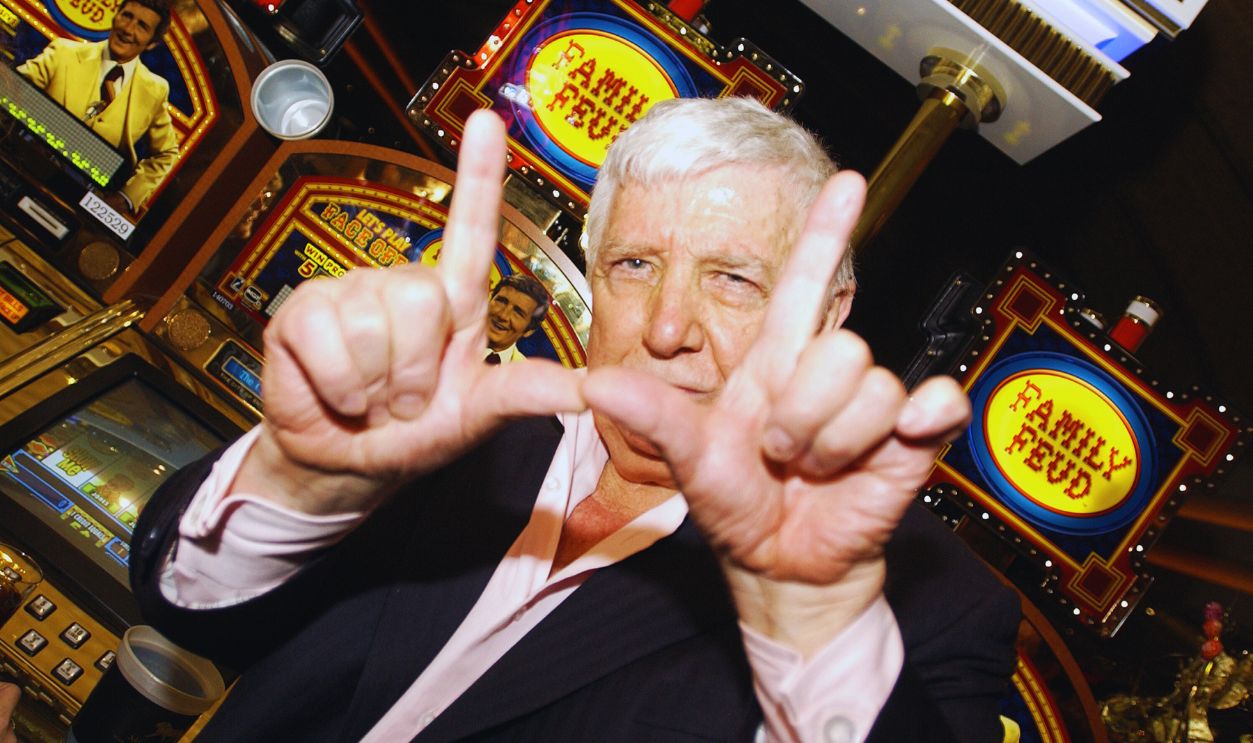 Denise Truscello, Getty Images
Public Memory vs. Reality
News coverage following Dawson’s death focused largely on Family Feud, the kisses, and his charm. Less attention was paid to the conflicts that ended his reign or the years he spent deliberately removed from the spotlight.
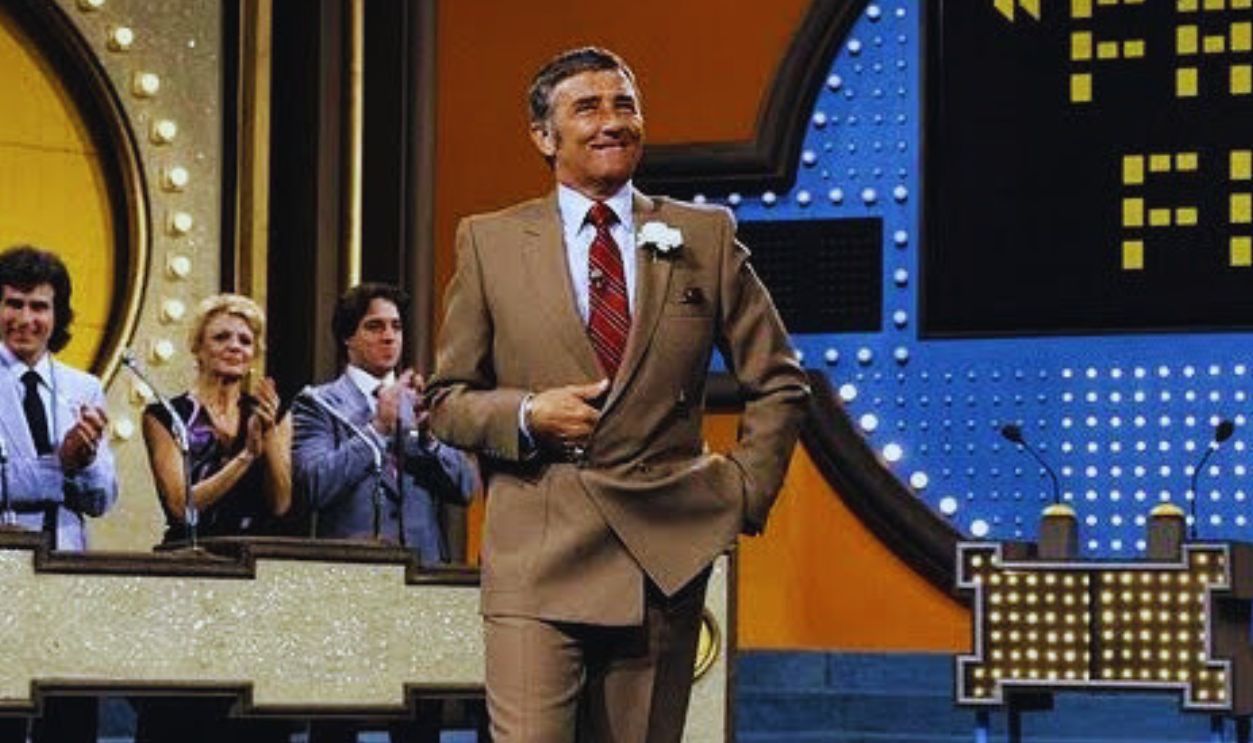 Screenshot from Family Feud, Fremantle (1976–present)
What Success Didn’t Solve
Despite fame, awards, and cultural impact, Dawson’s later years were marked by withdrawal rather than reinvention. The same certainty and control that powered his rise made it difficult for him to adapt when television and his place in it changed.
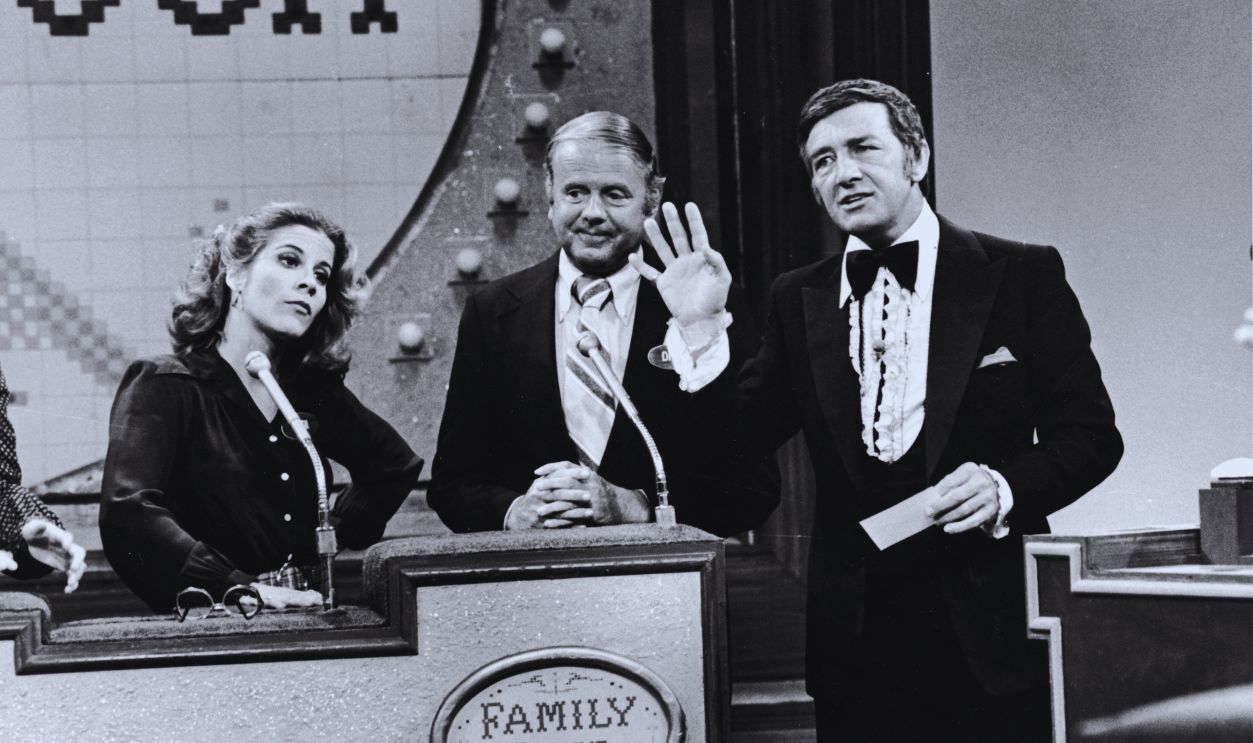 Fotos International, Getty Images
How He’s Remembered
Richard Dawson remains one of the most recognizable game show hosts in television history. He is remembered fondly, but selectively—often frozen at his peak. The fuller story includes early loss, professional conflict, and a long, quiet ending far from the cameras.
 Screenshot from Family Feud, Fremantle (1976–present)
You Might Also Like: