A Life That Went Off Script
Sondra Locke’s life reads like a Hollywood script with no neat ending. From an Oscar-nominated debut to success through talent and determination alongside Clint Eastwood, it ended in a dramatic fall marked by lawsuits, studio roadblocks, and a quiet exit from the industry. The Sondra Locke story has many unhappy aspects, especially about surviving in a system that doesn’t forgive women who challenge it.
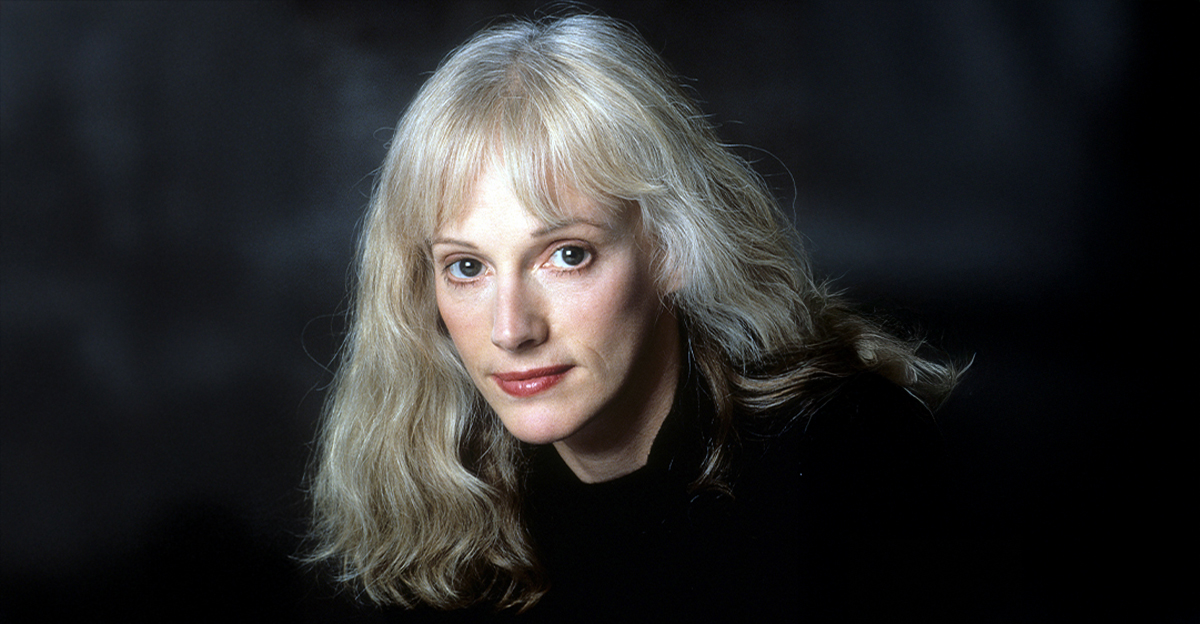
Sandra Smith From Shelbyville, Tennessee
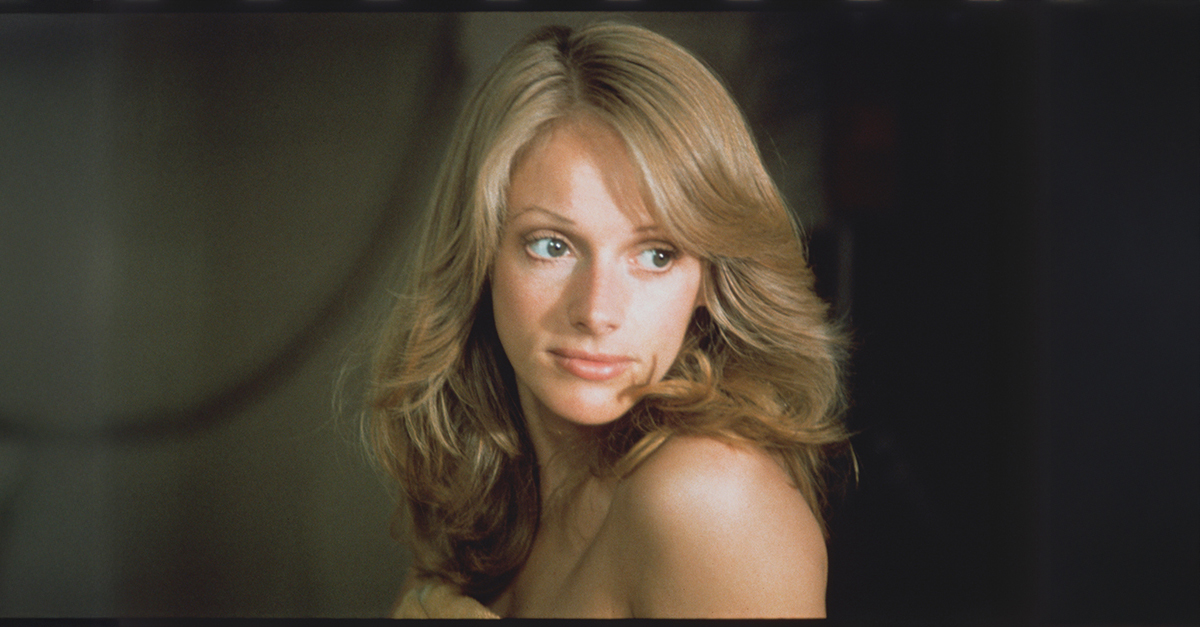
Sondra Locke was born Sandra Louise Smith on May 28, 1944, in Shelbyville, Tennessee. As a child with a step-father and working mother, she was always drawn to reading and film. She graduated high school and later studied drama at Middle Tennessee State University. Her early ambitions turned out to be the baby steps for a Hollywood career few could have envisioned.
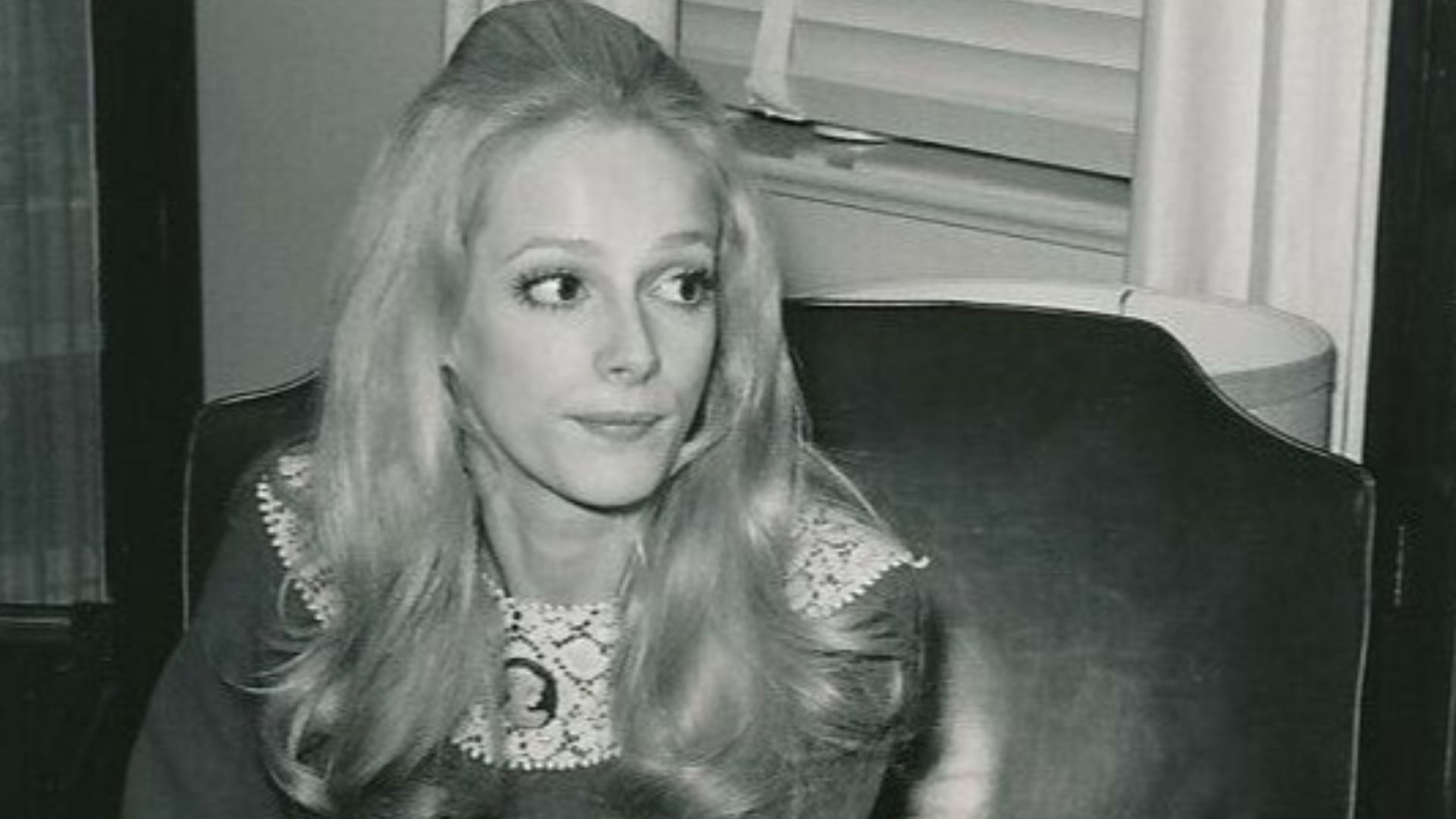 Unknown photographer, Wikimedia Commons
From Nashville Radio To Theatre
Before Hollywood, Locke worked at Nashville’s WSM-AM radio and WSM-TV promotion, and performed with a local theatre group. This small-town activity gave her grounding in performance and broadcasting, a foundation that eventually led to casting directors sitting up and taking notice of her.
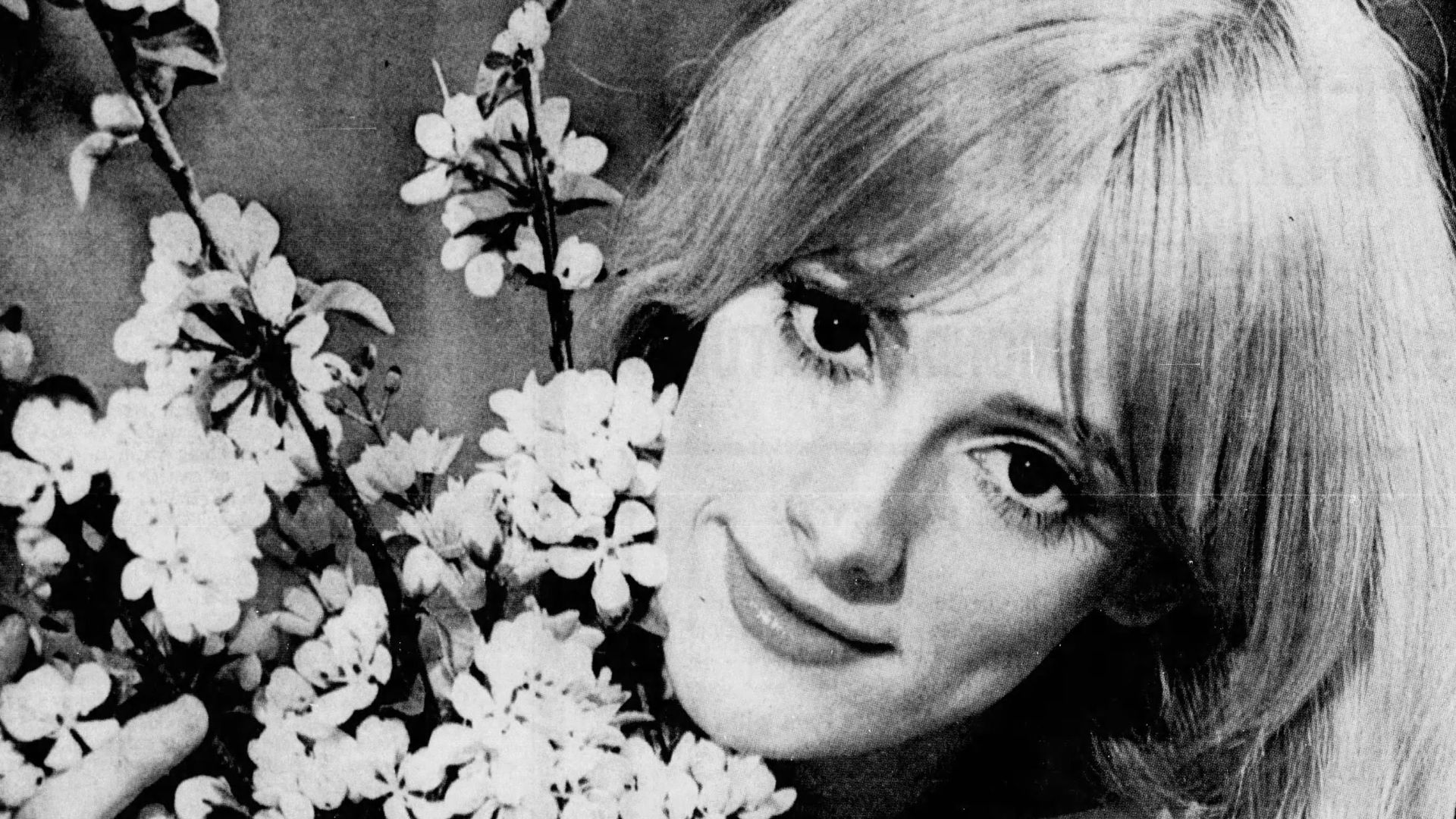 Gerald Holly, Wikimedia Commons
Debut In The Heart Is A Lonely Hunter (1968)
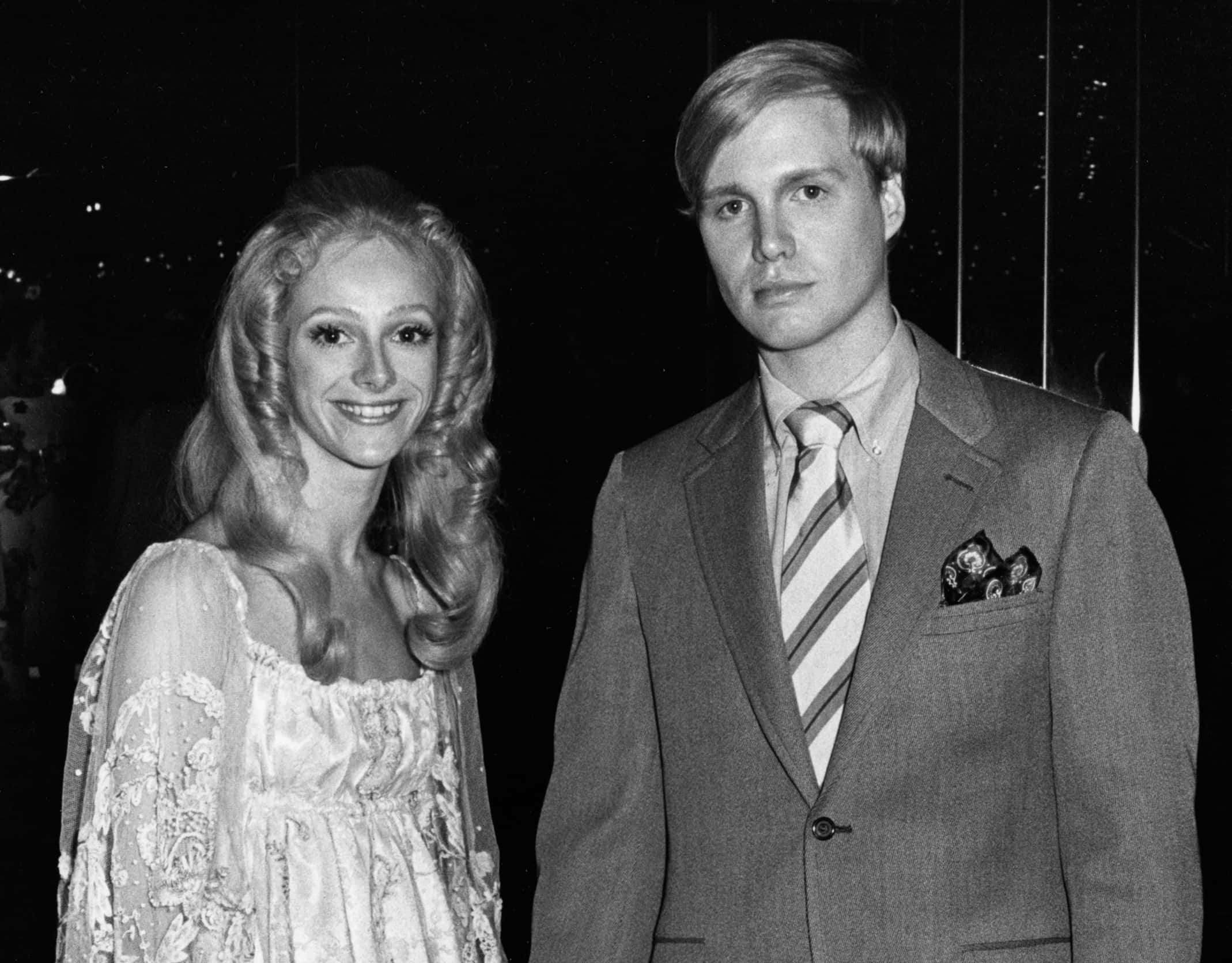
Locke made her film debut in The Heart Is a Lonely Hunter (1968) that co-starred Alan Arkin. Her portrayal earned her a nomination for the Academy Award for Best Supporting Actress and two Golden Globe nods. It was an amazing start, going from small-town Tennessee straight to an Oscar nomination. But there was more to Locke's role than met the eye.
She Lied About Her Age
To land the role of Mick in The Heart Is A Lonely Hunter, the 23-year-old Locke claimed to be only 17. The ruse worked insofar as she got the role, but the press soon caught on to the fib. It was a myth that she went on telling for the rest of her career.
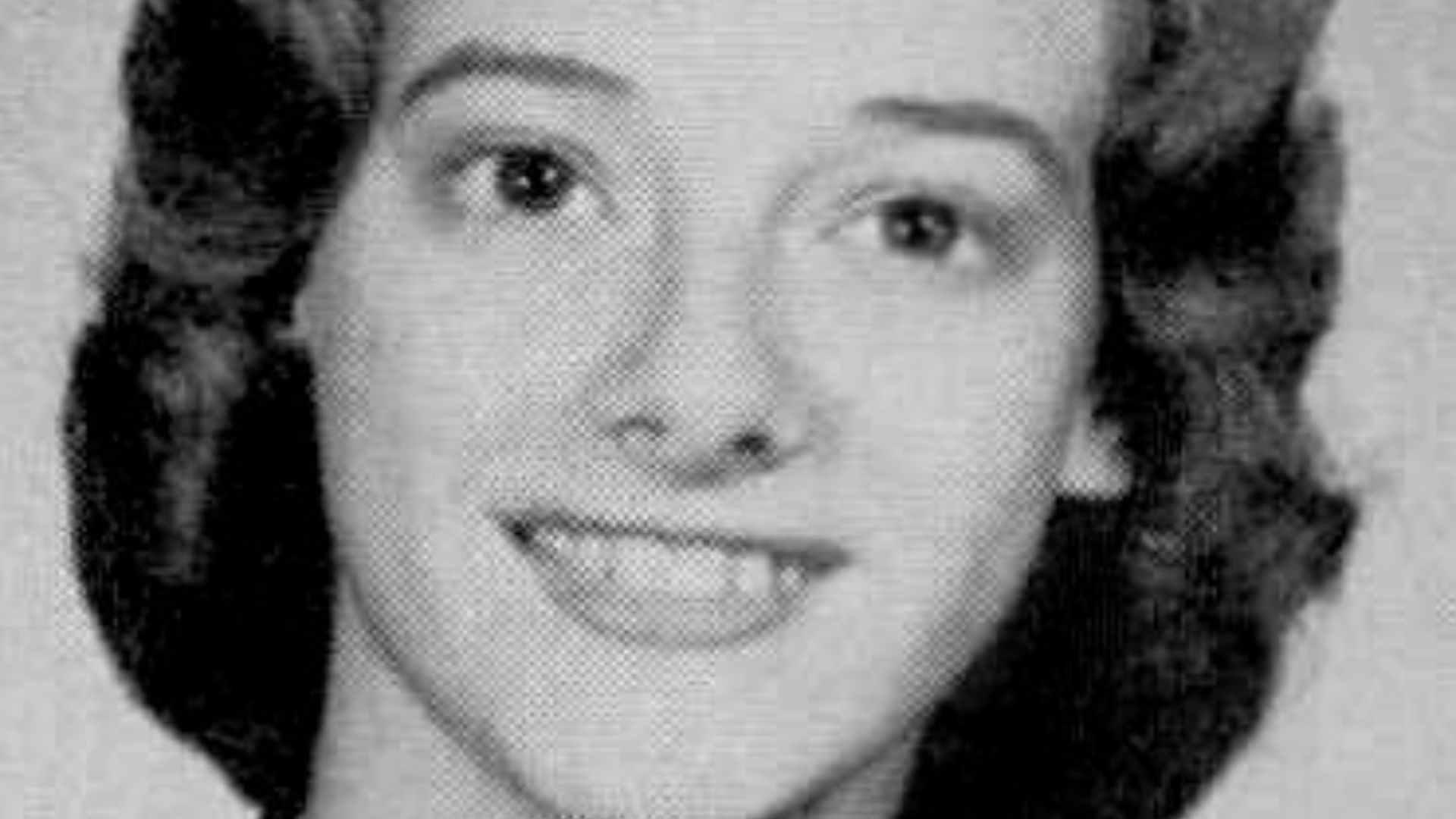 Shelbyville Central High School, Wikimedia Commons
Legal Marriage With Gordon Anderson
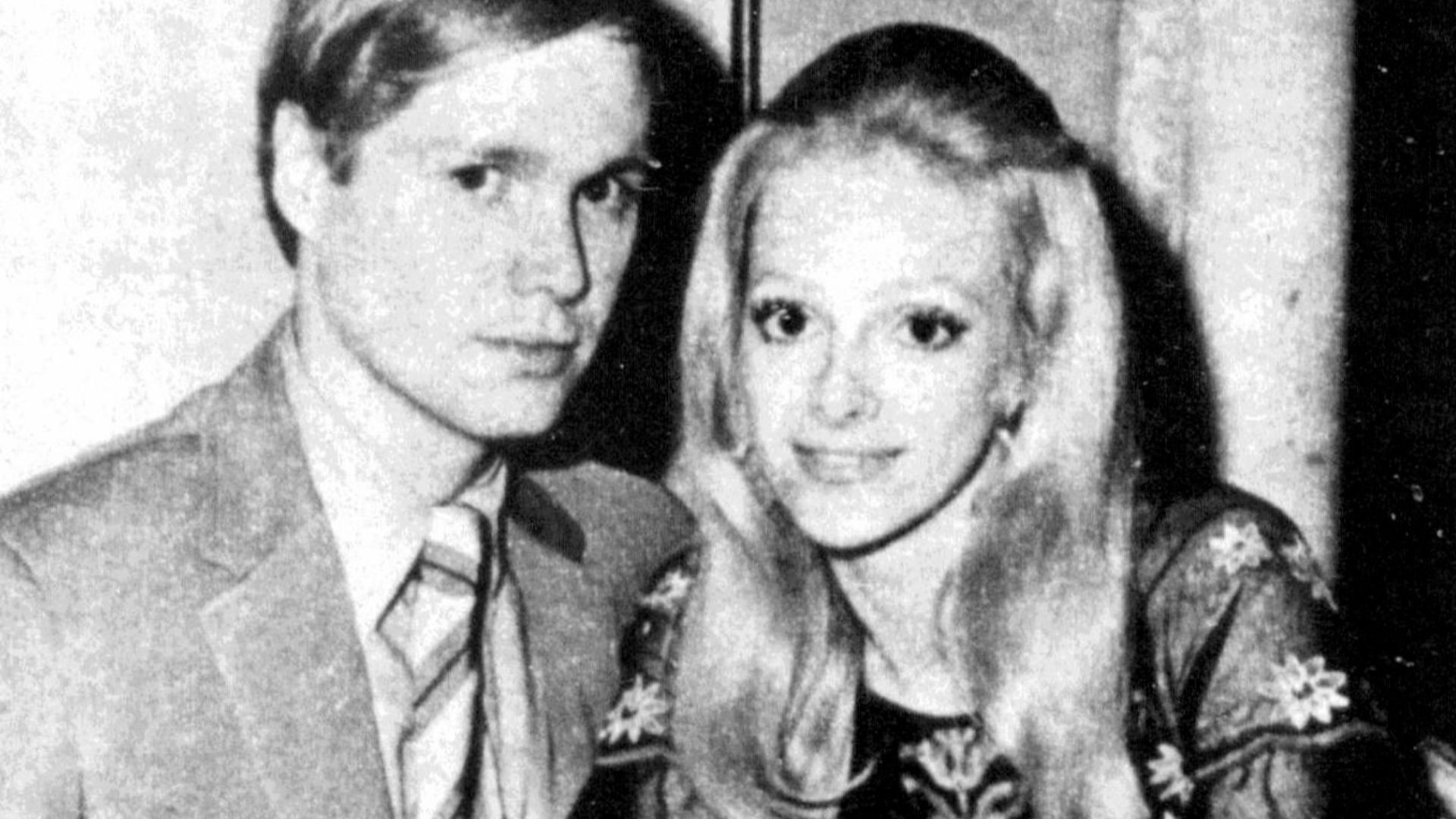
In 1967 Locke married sculptor Gordon Anderson, a relationship described by those who knew them as platonic. Despite her later high-profile romance with Eastwood, Locke’s marriage to Anderson remained legally intact. This ongoing marriage of convenience to a gay man would later complicate the legal proceedings when her relationship with Eastwood ended. In the meantime Locke was trying to get her acting career to the next level.
 Unknown photographer, Wikimedia Commons
Early Roles And Risky Choices
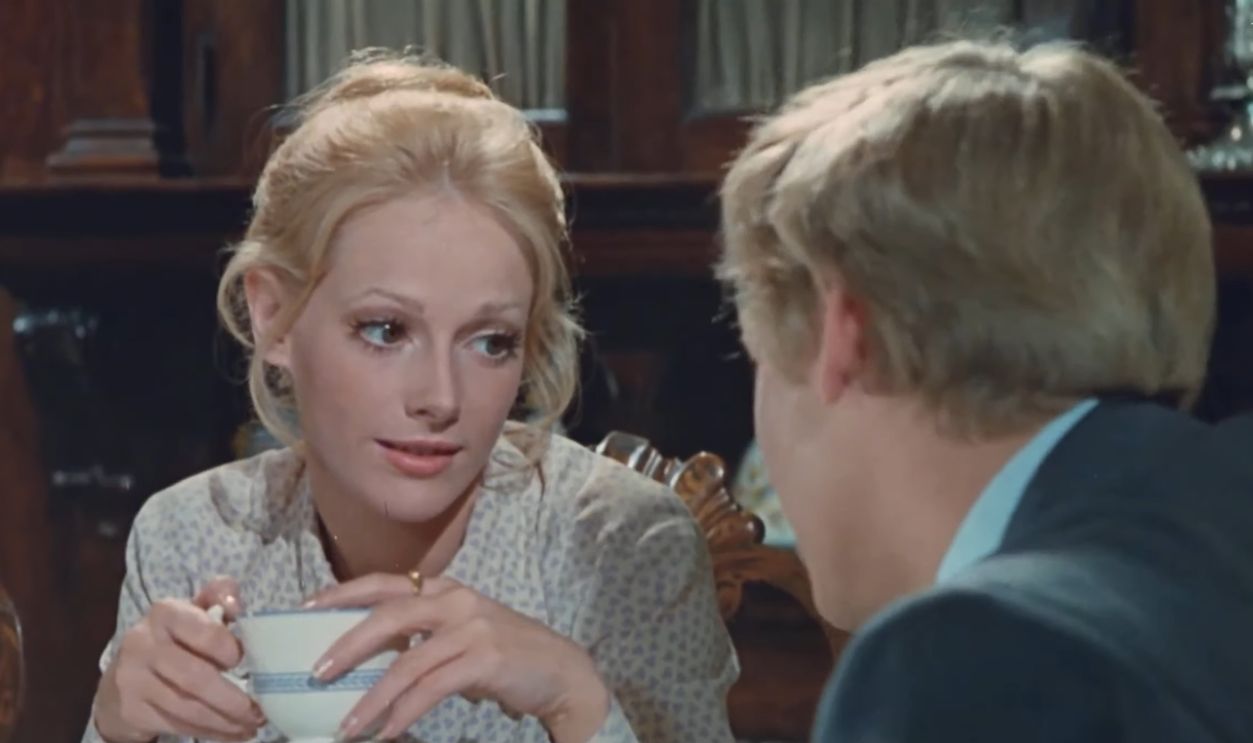
After her debut, Locke took on challenging roles: the psycho-thriller A Reflection of Fear (1972), Willard (1971) and other edgy films. She also did guest spots on Planet of the Apes, Barnaby Jones, and other run-of-the-mill TV shows of the time. She often embraced roles portraying outsiders or troubled women. It was obvious she wasn’t chasing glamour, but complexity and challenge. Her boldness helped define her as more than just a pretty face.
 Screenshot from Willard, Cinerama Releasing Corporation (1971)
Meeting Clint Eastwood On Set
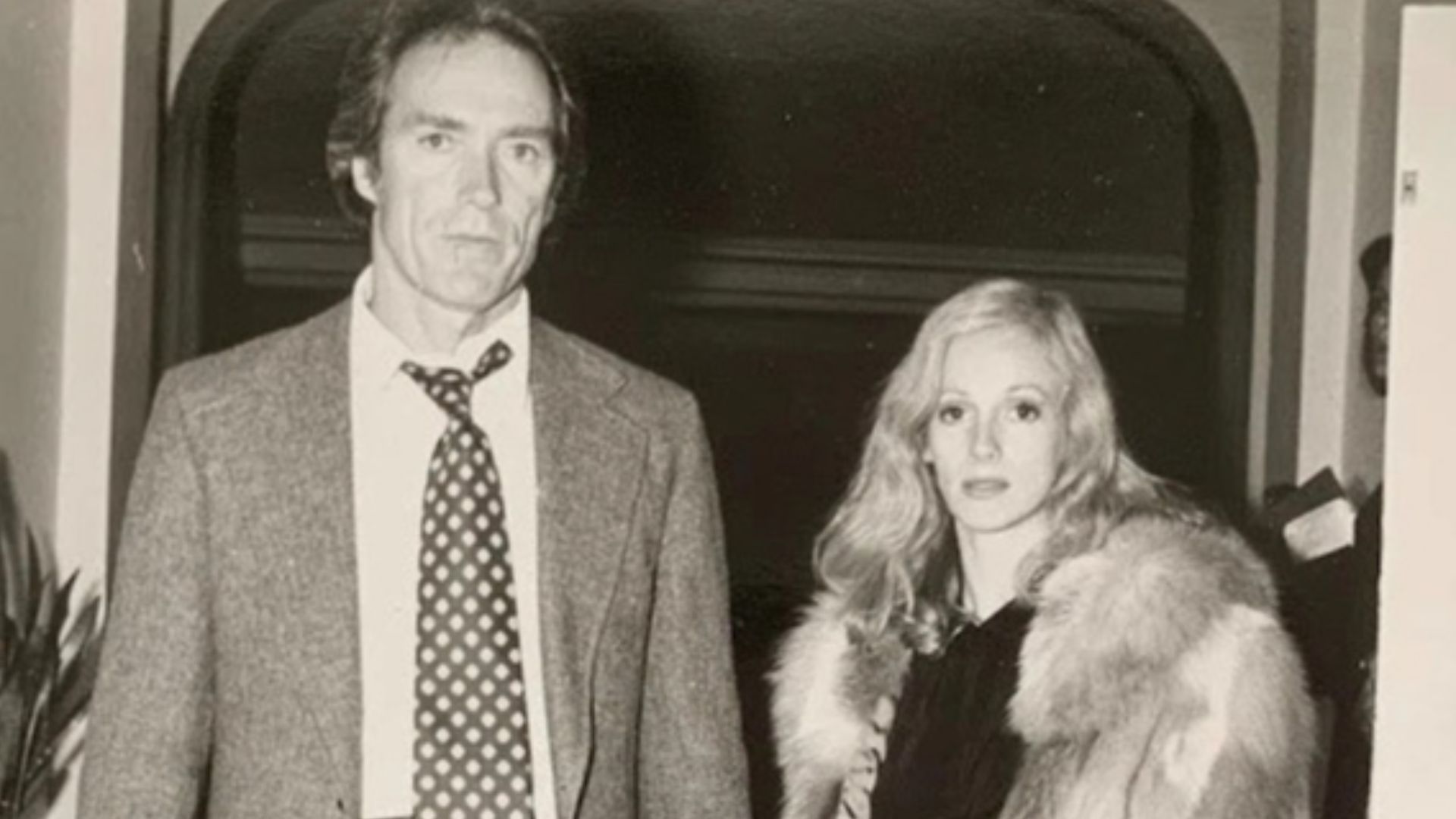
In 1972 Locke auditioned for Breezy, a film by Clint Eastwood, though she didn’t get the part. But the fates shifted in 1975 when she landed a role in his career-defining film The Outlaw Josey Wales. It was the start of a famed professional collaboration and personal relationship that would shape the rest of her life.
 The London Express News, Wikimedia Commons
1975–1989: A Fiery, Famous Partnership
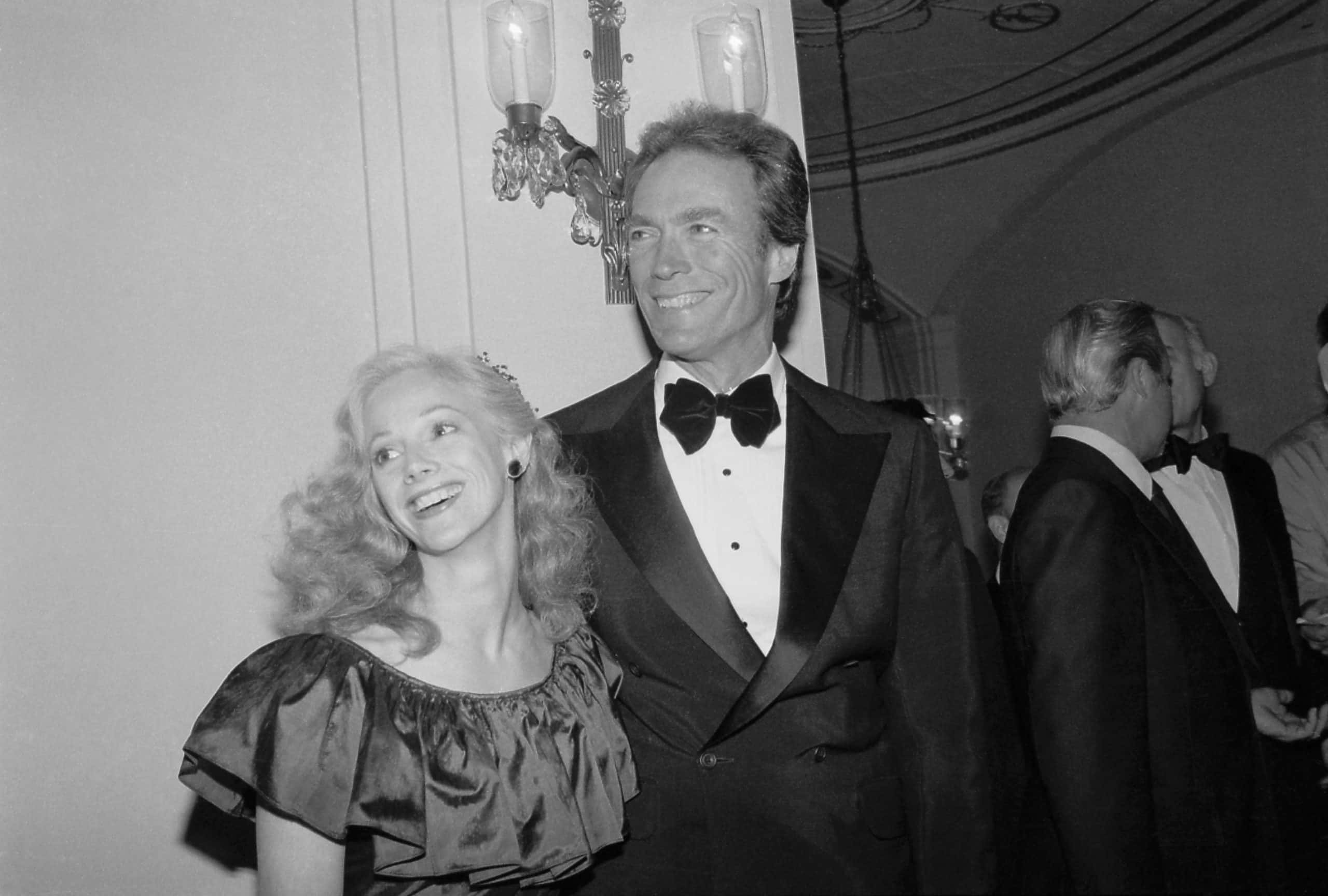
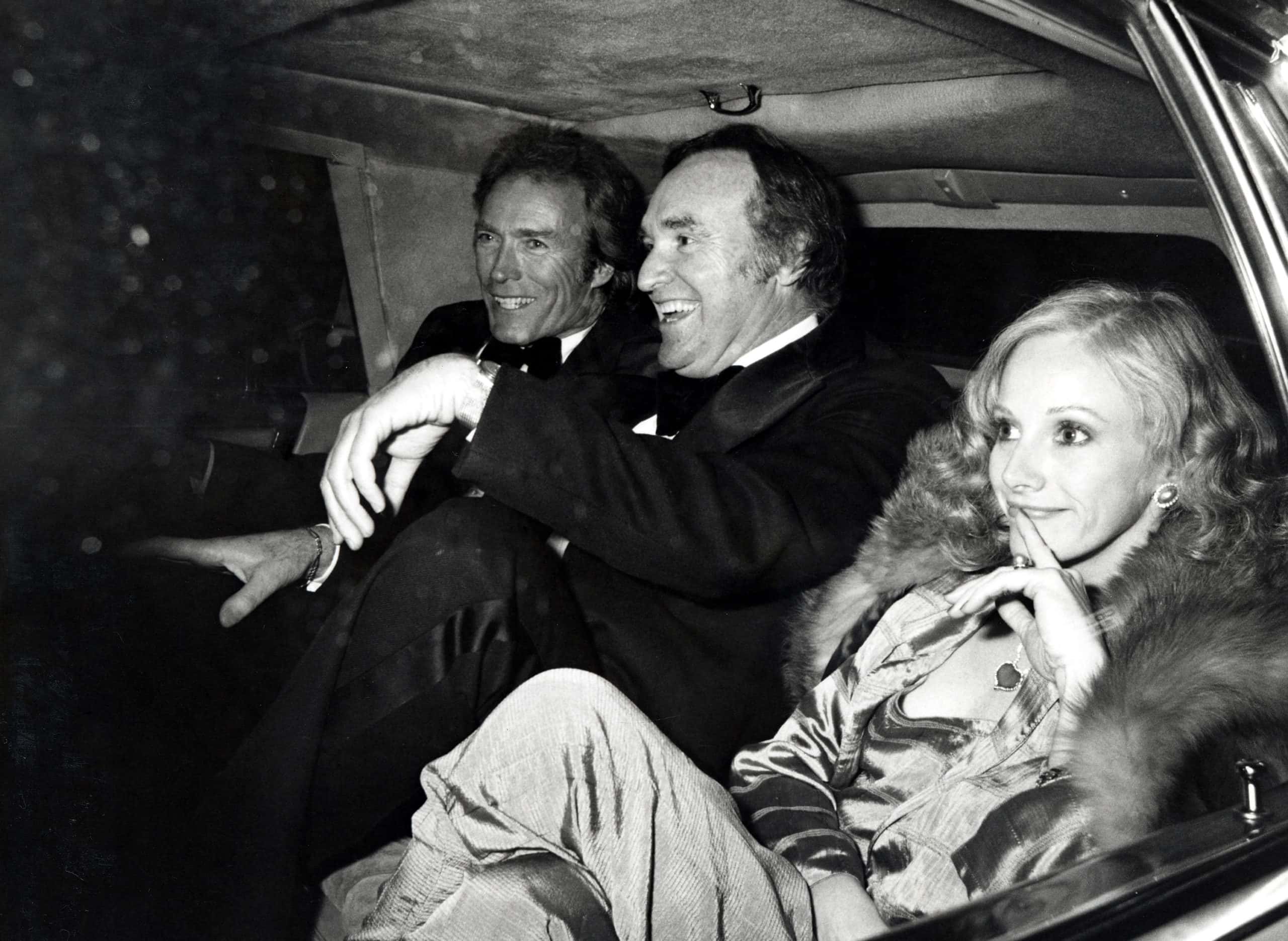
Locke and Eastwood lived together for 14 years, fully mixing their personal lives with their film careers. While she acted in his movies, she would later seek independence through directing. The professional link to Eastwood carried prestige but also the risk of being eclipsed. The romantic entanglement opened doors but it led to other problems. In 1976, though, the path to unbroken success still lay wide open for Locke.
 Warner Bros., Wikimedia Commons
The Outlaw Josey Wales (1976)
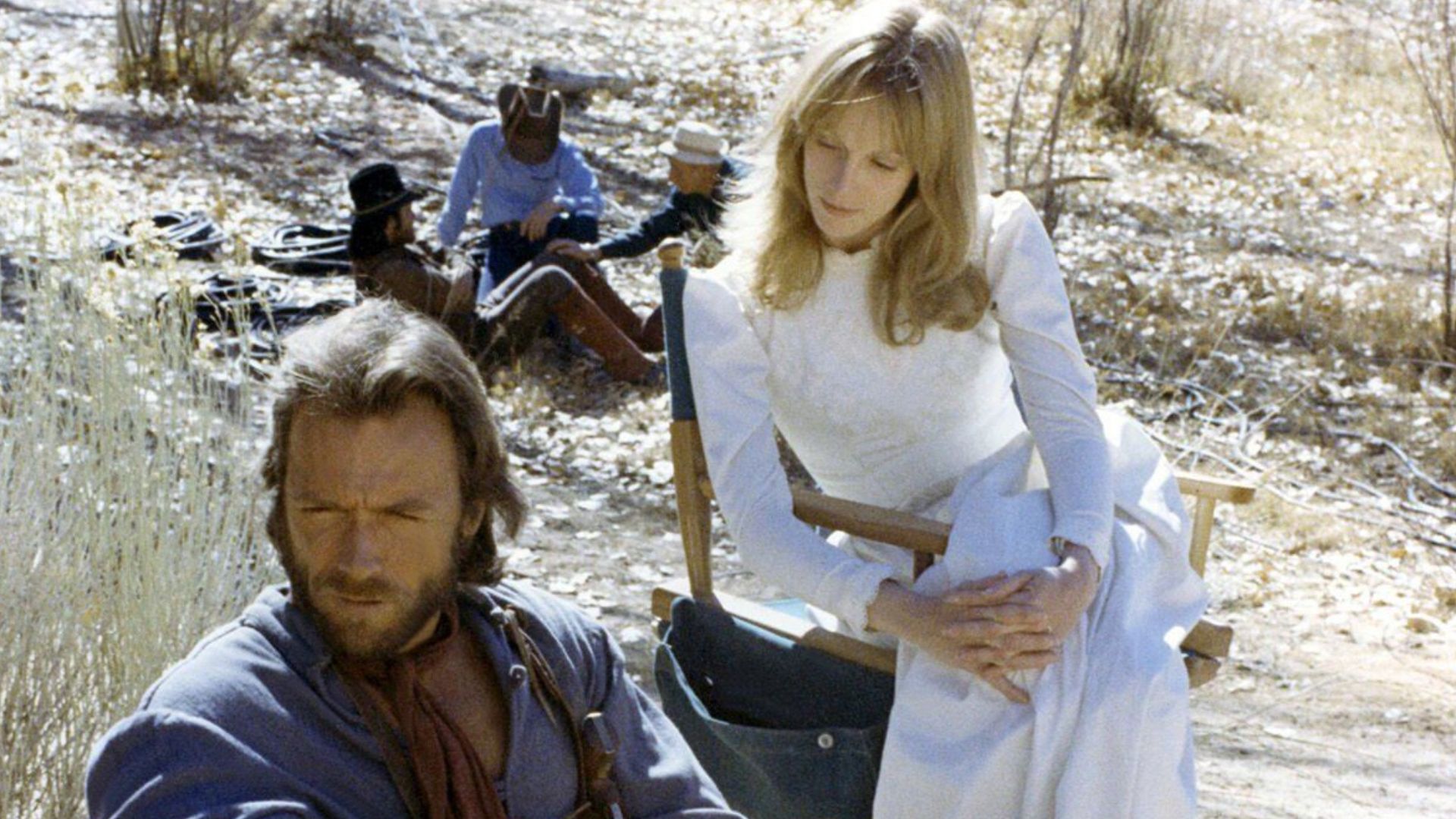
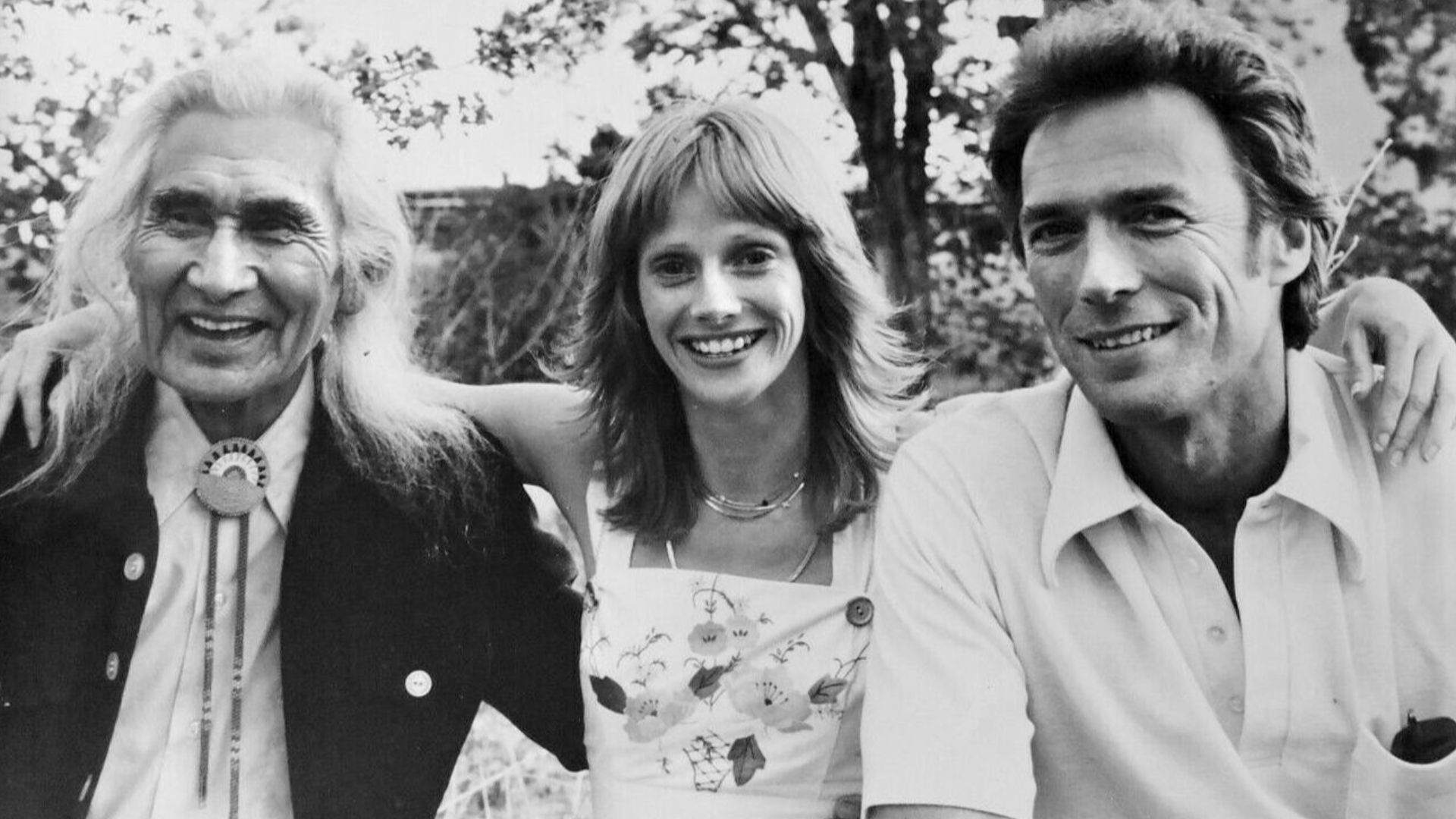
The Outlaw Josey Wales (1976) was where Locke and Eastwood first teamed up on screen. Their chemistry, and mutual trust marked the start of their creative partnership. The pair’s on-screen and off-screen chemistry during the production of the classic western led to Locke acting in several more of his films, blending her artistry with his fame. Their careers were now entangled.
 Colin Dangaard, Wikimedia Commons
The Gauntlet (1977)
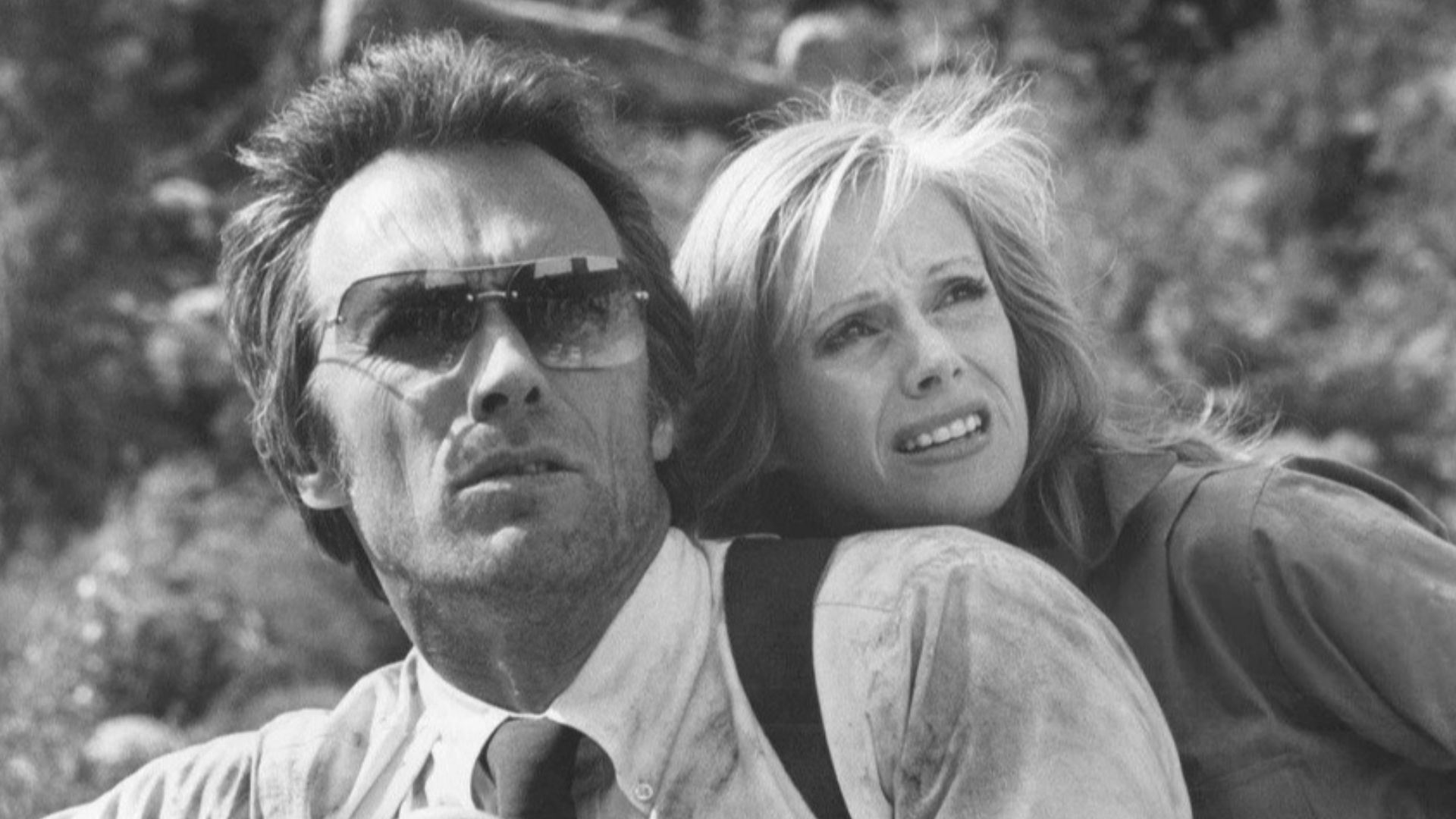
Locke’s first major studio film with Eastwood after Josey Wales was The Gauntlet (1977), a gritty crime drama in which she played the role of a kidnapped witness opposite Eastwood’s cop. Locke impressed audiences with her tough persona and screen presence in a mainstream action production. Her partnership with Clint was now a genuine Hollywood force.
 Warner Bros., Wikimedia Commons
Every Which Way But Loose (1978)
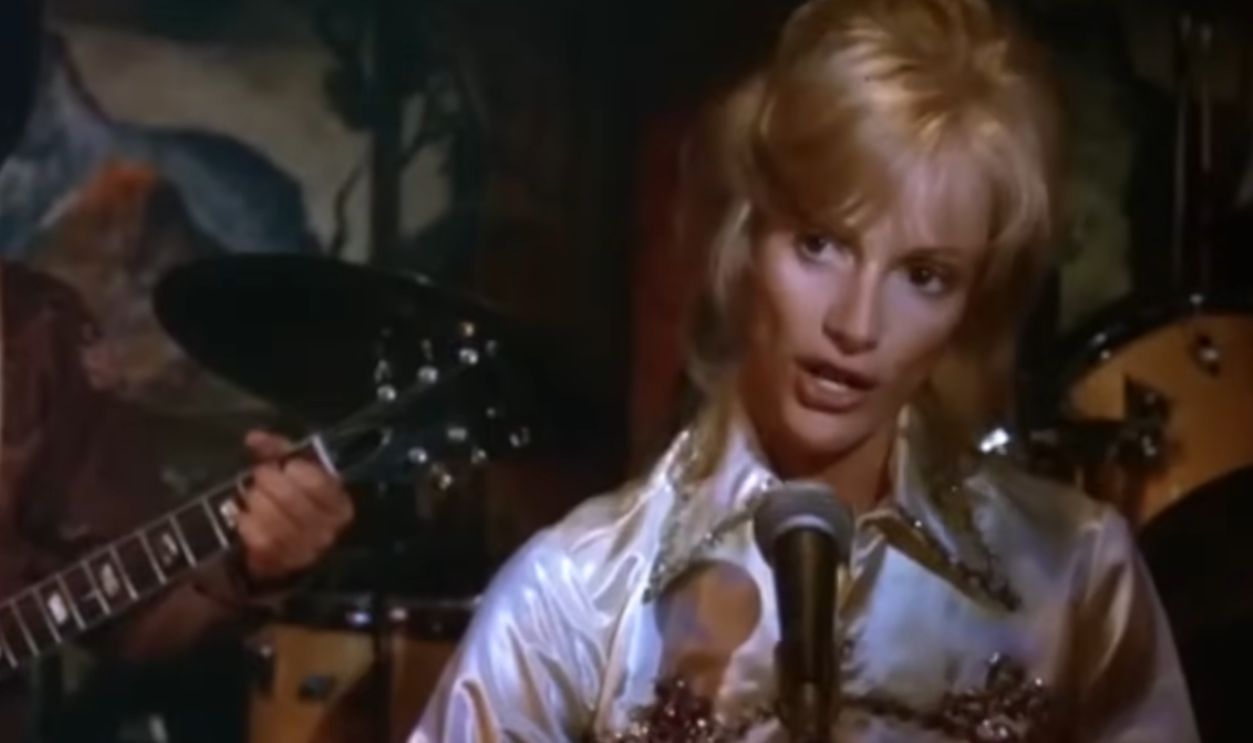
In 1978, Locke starred in the unlikely action-comedy hit Every Which Way But Loose. The off-the-wall movie was a surprise box office phenomenon and brought Locke a much higher public profile. Her on-screen romance with Eastwood fit seamlessly with their real one, and that charm was a key to the film’s success.
 Screenshot from Every Which Way But Loose, Warner Bros. (1978)
Bronco Billy (1980)
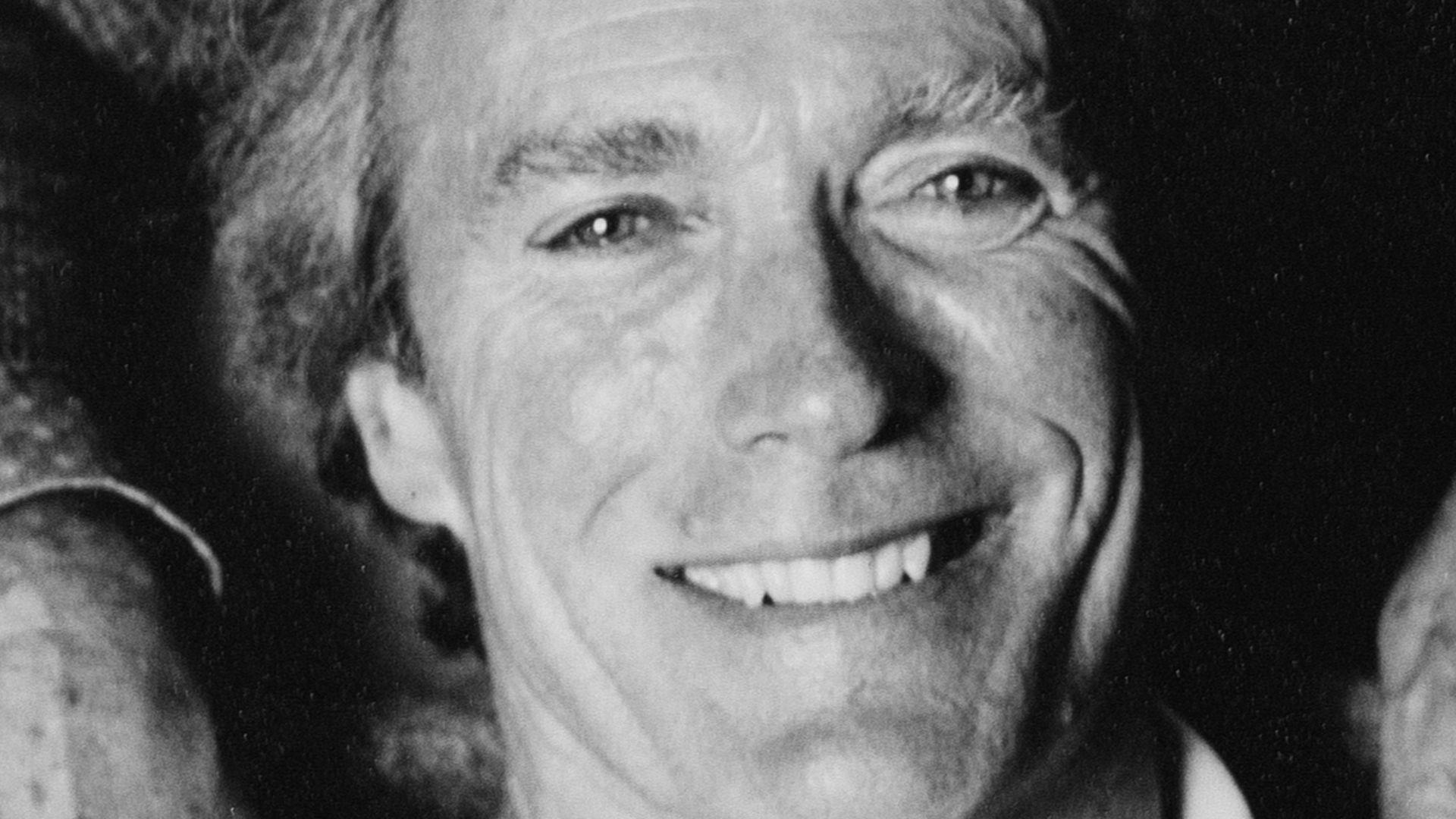
Locke’s part in Bronco Billy (1980) gave her the chance to show a softer side and broaden her range beyond the crime and action context. The movie explored misfits and dreamers, a theme that Locke was naturally drawn to. It deepened her artistic connection with Eastwood but also highlighted her desire to forge a new creative direction for herself.
 Canadian Film Centre from Toronto, Canada, Wikimedia Commons
Sudden Impact (1983)
Locke returned in the hit thriller Sudden Impact (1983), part of the Dirty Harry franchise and another commercial success. Her icy performance as a victim of crime remorselessly wreaking her vengeance became the film’s moral lodestone. The somber tone of Sudden Impact represented a turning point in the franchise, and opened the door to new creative possibilities for Locke. With no hesitation, she took the next step in her career: directing.
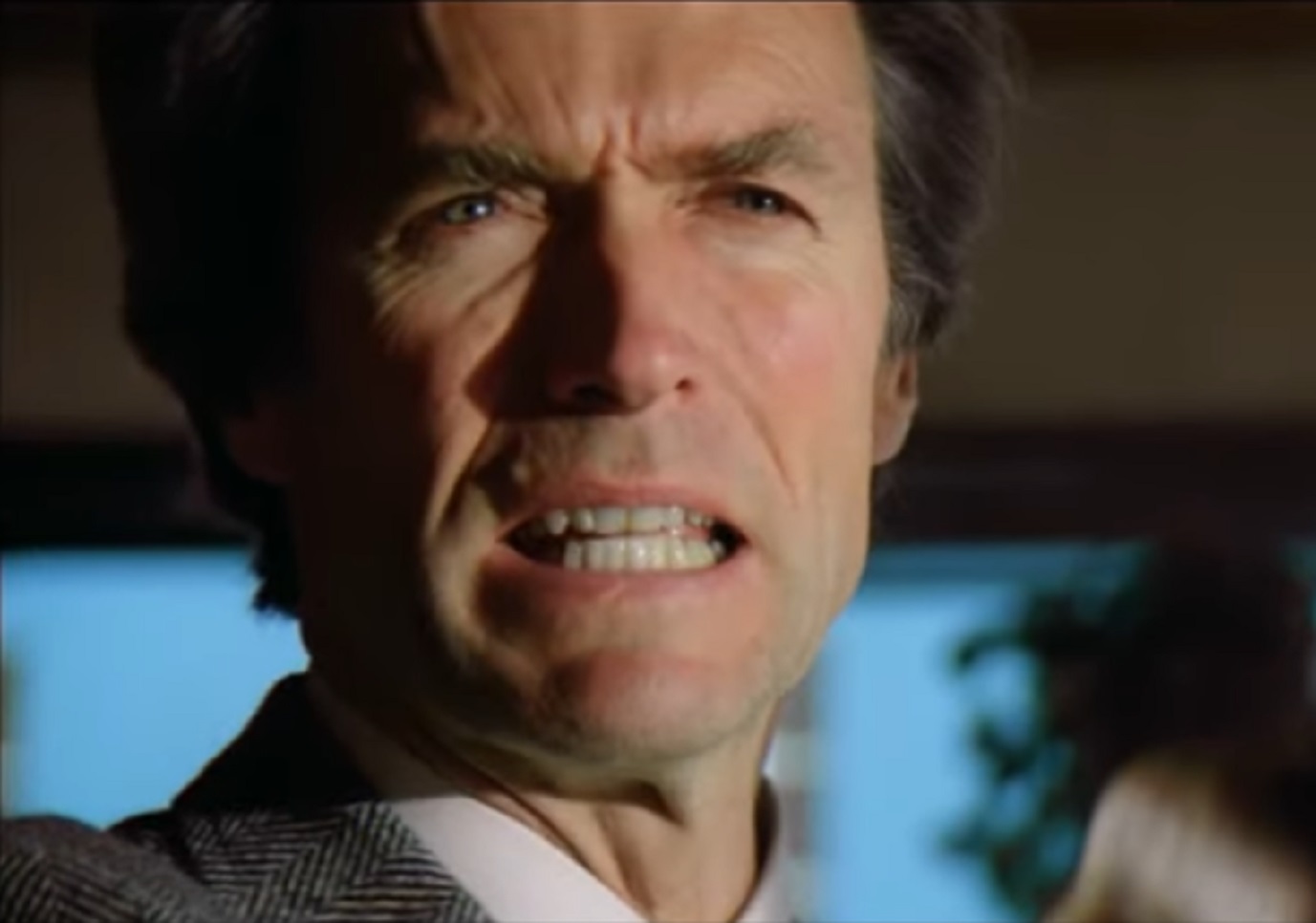 Screenshot from Sudden Impact, Warner Bros. (1983)
First Steps Behind The Camera: Ratboy
In 1986 Locke made her directorial debut with Ratboy. If you don’t remember this film, don’t worry: it was by no means a commercial hit. But it was ambitious and bold, especially in an era when few women were ever given a shot behind the camera. Locke fought to take creative control for the first time. That directing experience paved the way for her next bold move: a bigger studio thriller.
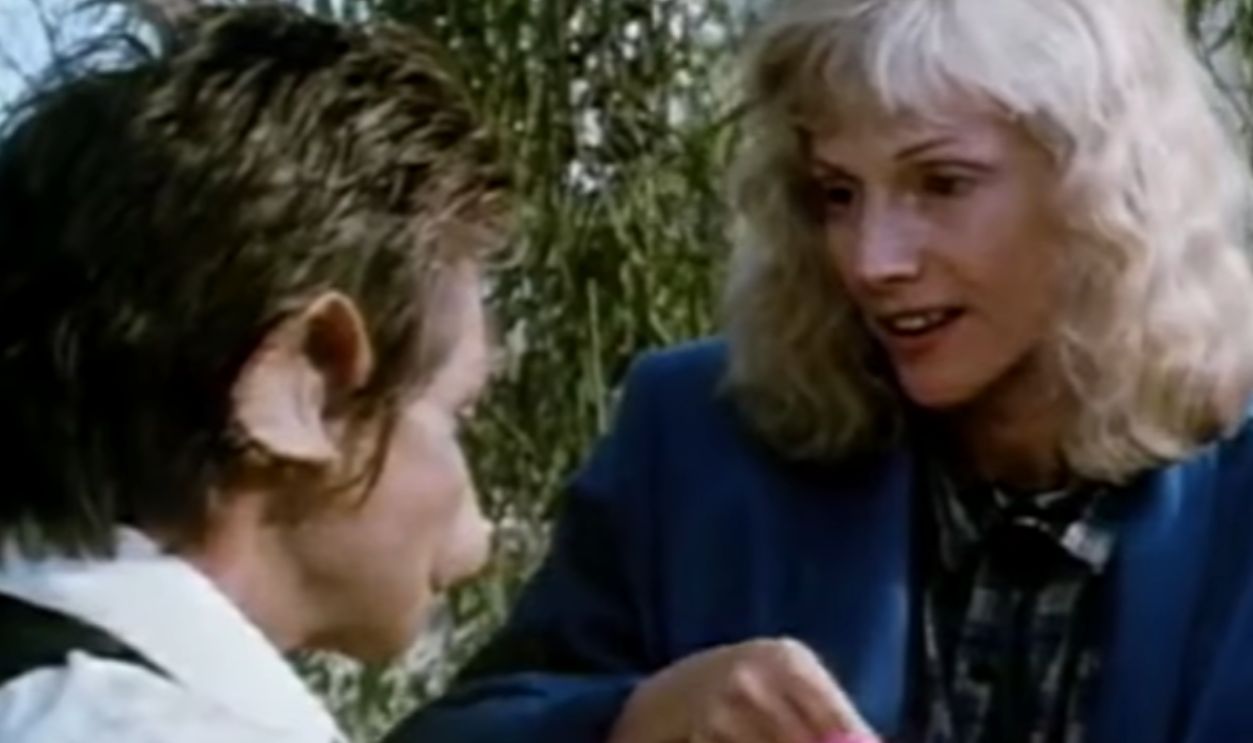 Screenshot from Ratboy, Warner Bros. (1986)
Directing Impulse (1990)
Locke followed up with Impulse (1990), a noir-infused thriller that starred Theresa Russell. The film showed Locke gaining confidence behind the camera and proved Ratboy wasn't just a one-off experiment. Locke was building a directing résumé that could have taken her career in a whole new direction. The problem was her relationship with Eastwood was in crisis.
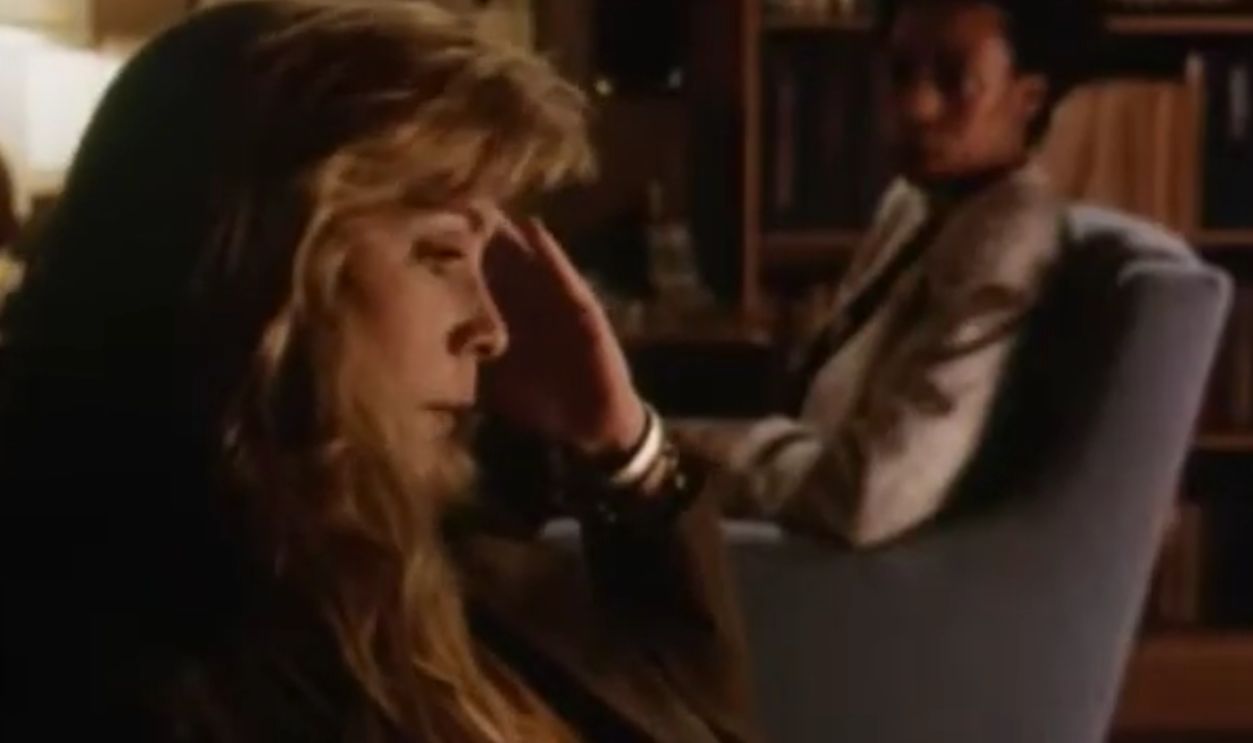 Screenshot from Impulse, Warner Bros. (1990)
Creative Tension Builds
As Locke pushed to direct and expand beyond acting roles, tensions grew. According to her memoir, trying to build an independent career strained her relationship with Eastwood. She felt restricted, a dynamic many observers recognized. It was a tension that set the stage for the bitter breakup to come.
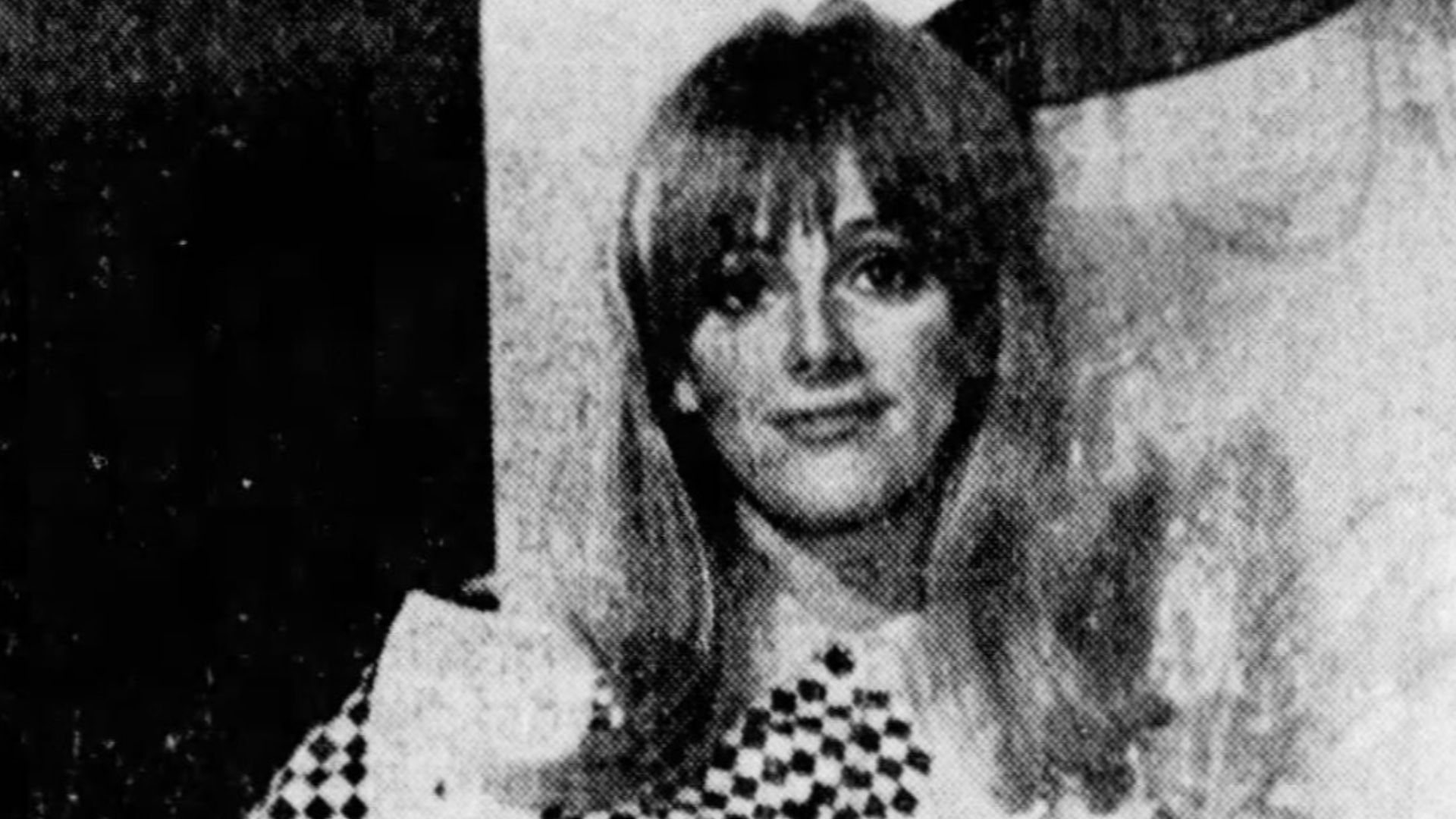 Terry Tomlin, Wikimedia Commons
The Breakup: Locks Changed, Relationship Over
In April 1989, while Locke was away shooting Impulse, Eastwood changed the locks on their shared home and boxed up Locke’s belongings while she was on set. The message was stark and public. What was once a golden partnership had now turned into a toxic legal and personal battle, and it moved quickly into the courts.
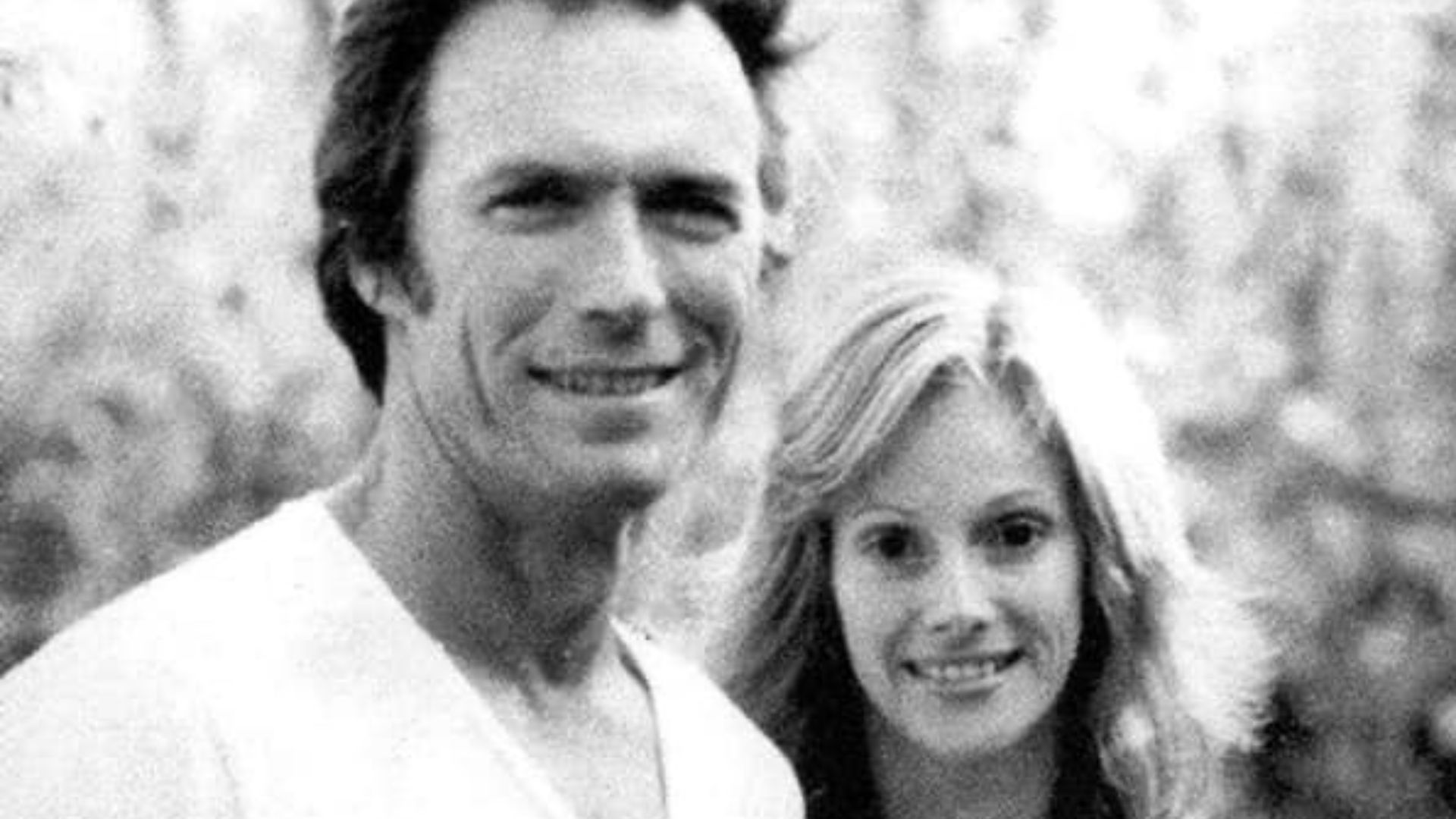 Eleanor Frazetta was photographer, Wikimedia Commons
Palimony Suit: The Legal War Begins
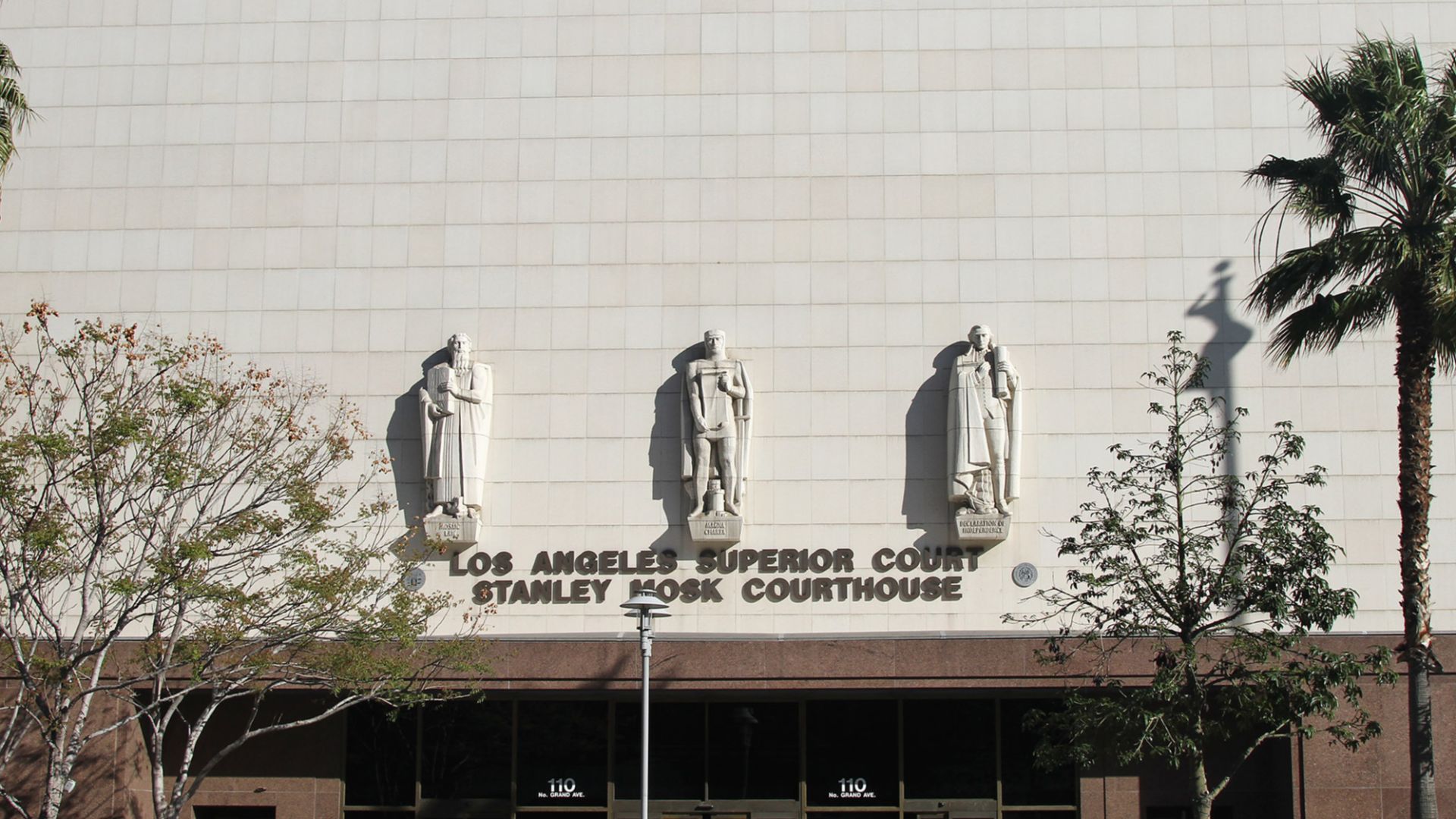
Later in 1989 Locke filed a highly publicized palimony lawsuit to the tune of $70 million. The suit shocked Hollywood and put their private relationship on display as the press had a field day. Eastwood described her as merely a “roommate,” igniting a media frenzy over power and control. Since Locke was still legally married to Gordon Anderson, Eastwood argued that she shouldn't be entitled to any of his assets. The breakup turned into a case study in Hollywood justice.
A Grim Diagnosis
As if the breakup and lawsuit weren't enough, Locke was diagnosed with breast cancer while the lawsuit ground on in court. She later admitted that the treatments took a lot out of her; she settled with Eastwood out of court in late 1990, receiving cash and a house. But it was another element of the settlement that would lead to further complications.
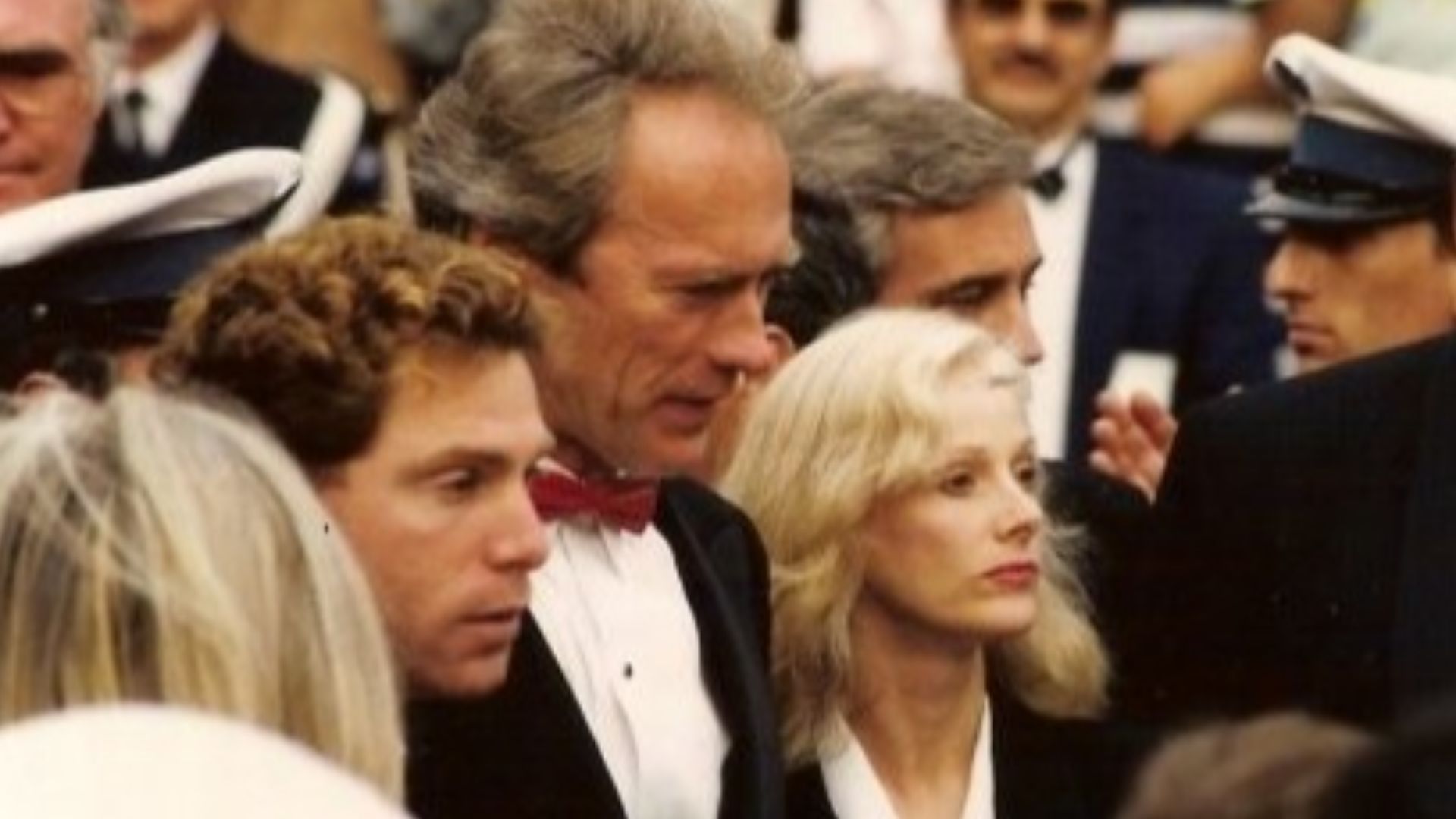 Georges Biard, Wikimedia Commons
Warner Bros. Deal: A Contract That Went Nowhere
As part of the palimony settlement, Eastwood arranged for Locke to receive a development deal with Warner Bros. Through the early 90s she pitched dozens of projects and scripts to the studio. None of them were produced. Locke later alleged the deal was a sham meant to sabotage her career. In 1995, she turned right around and promptly sued Eastwood again.
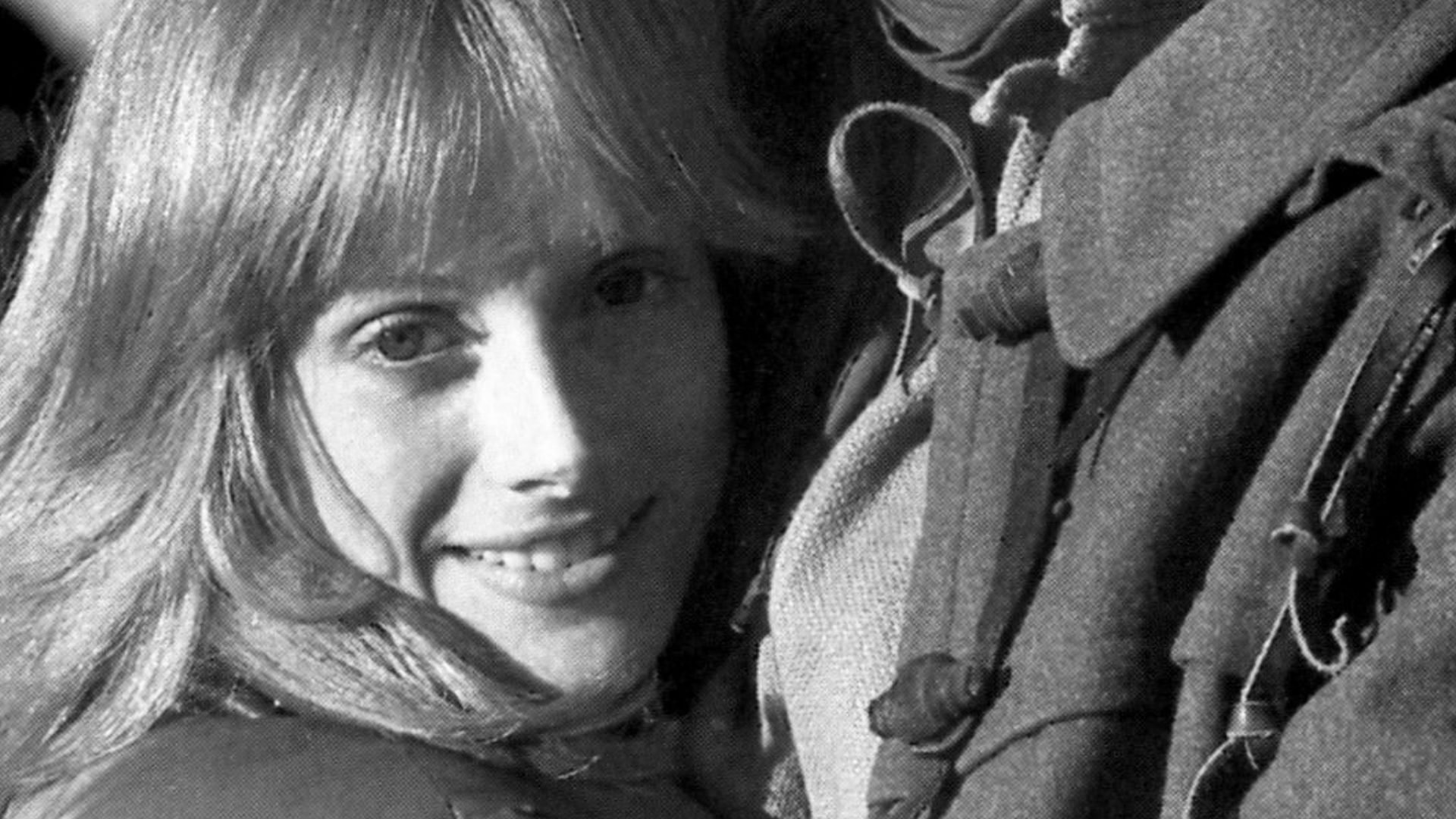 United Press, Wikimedia Commons
Fraud Suit And Career Sabotage Claims
In 1995 Locke filed a second suit accusing Eastwood of fraud and breach of duty. She alleged he interfered with her contract and blocked her projects, and was the reason why she couldn’t get anything going. Reports suggested the jury was leaning toward finding in favor of Locke before the two parties arrived at a confidential settlement that ended the case in 1996.
 Georges Biard, Wikimedia Commons
Fallout And Hollywood Freeze-Out
After these protracted and emotionally draining legal battles, Locke’s directing and acting opportunities were few and far between. She directed the features Death In Small Doses (1995) and Trading Favors (1997), neither of which made much impression. Those were the last films Locke ever directed. Studios avoided her, and phone calls stopped. In just a few years, she’d gone from a rising star to someone Hollywood seemed determined to ignore. It was a stark reversal that shows how unforgiving the industry can be.
Autobiography: Taking Back The Story
In 1997 Locke published her memoir The Good, the Bad, and the Very Ugly. It detailed the romance, betrayal, legal fights, and emotional cost of her relationship. For the first time, she was able to place her side of the story in full public view.
Later Film Work And Smaller Projects
Locke continued acting and directing, but with much less visibility and success than before. Her last credited acting role came in Ray Meets Helen (2017). It was a quiet return to the big screen decades after her biggest roles. The film got a mixed reception, but it gave fans one last chance to see what her career might have been had things gone differently.
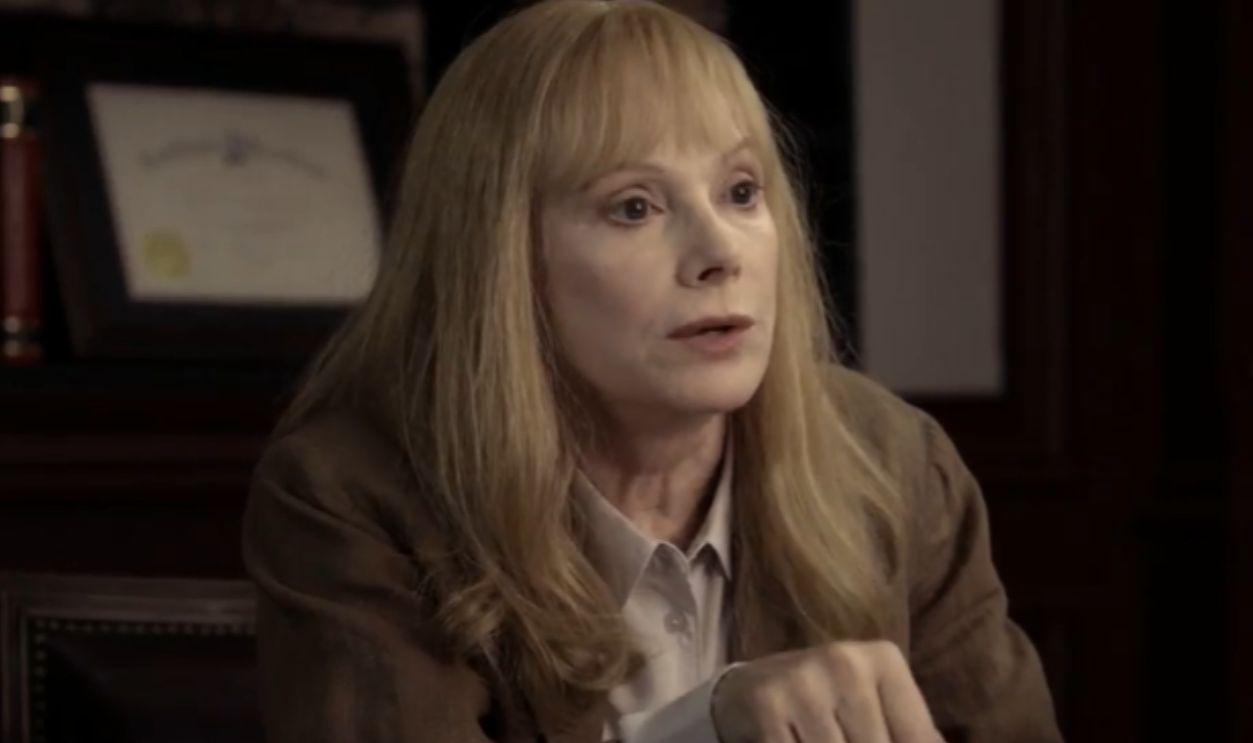 Screenshot from Ray Meets Helen, Moonstone Entertainment (2017)
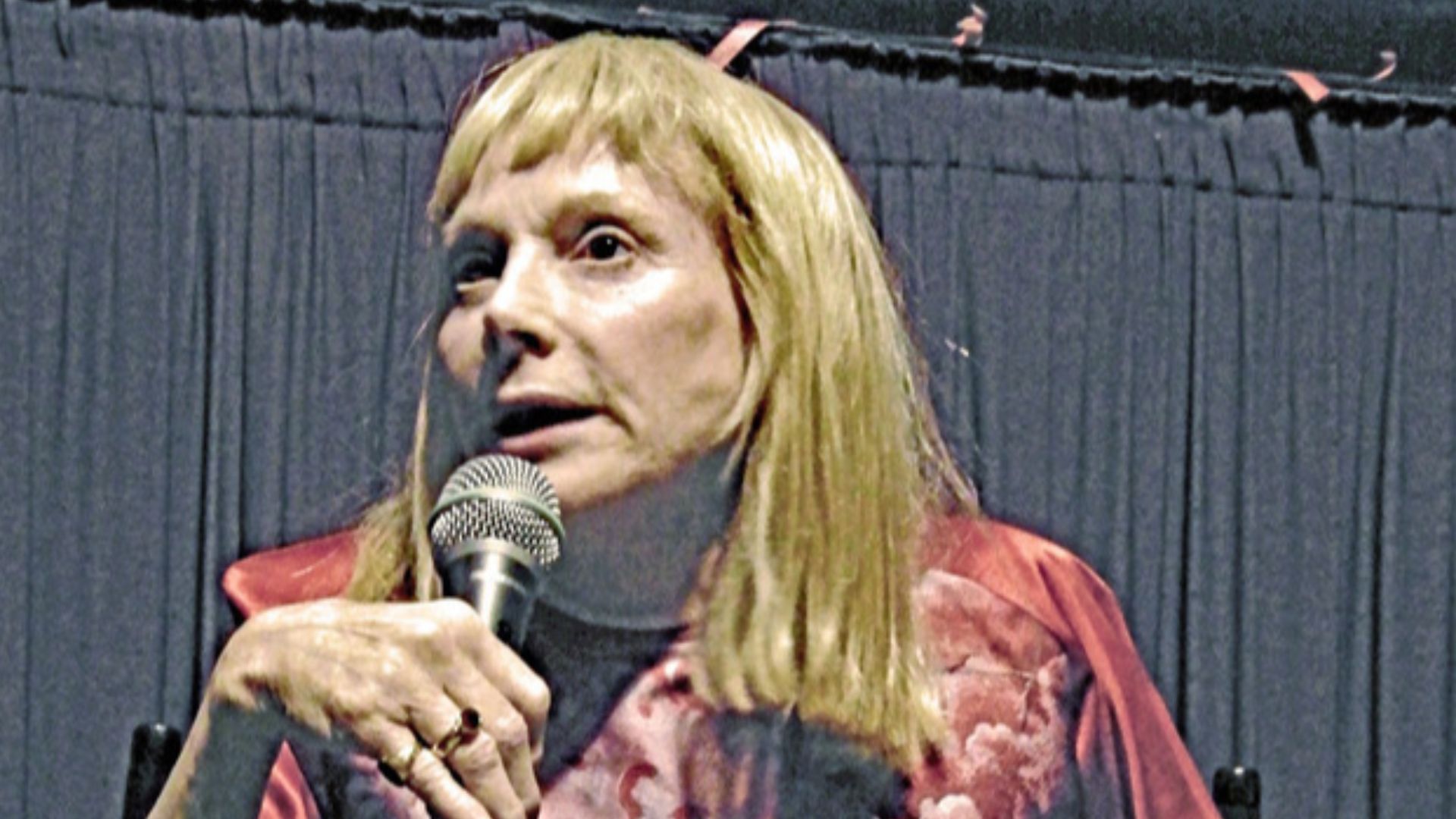
Death Announced Weeks Later
Locke died November 3, 2018 from complications of breast and bone cancer. But in an odd turn of events, the news wasn’t reported until six weeks later. Her passing was treated almost as an afterthought in the Hollywood press that had already long since moved on. It was a painful coda to a fascinating but turbulent career.
 H.G. wednesday, Wikimedia Commons
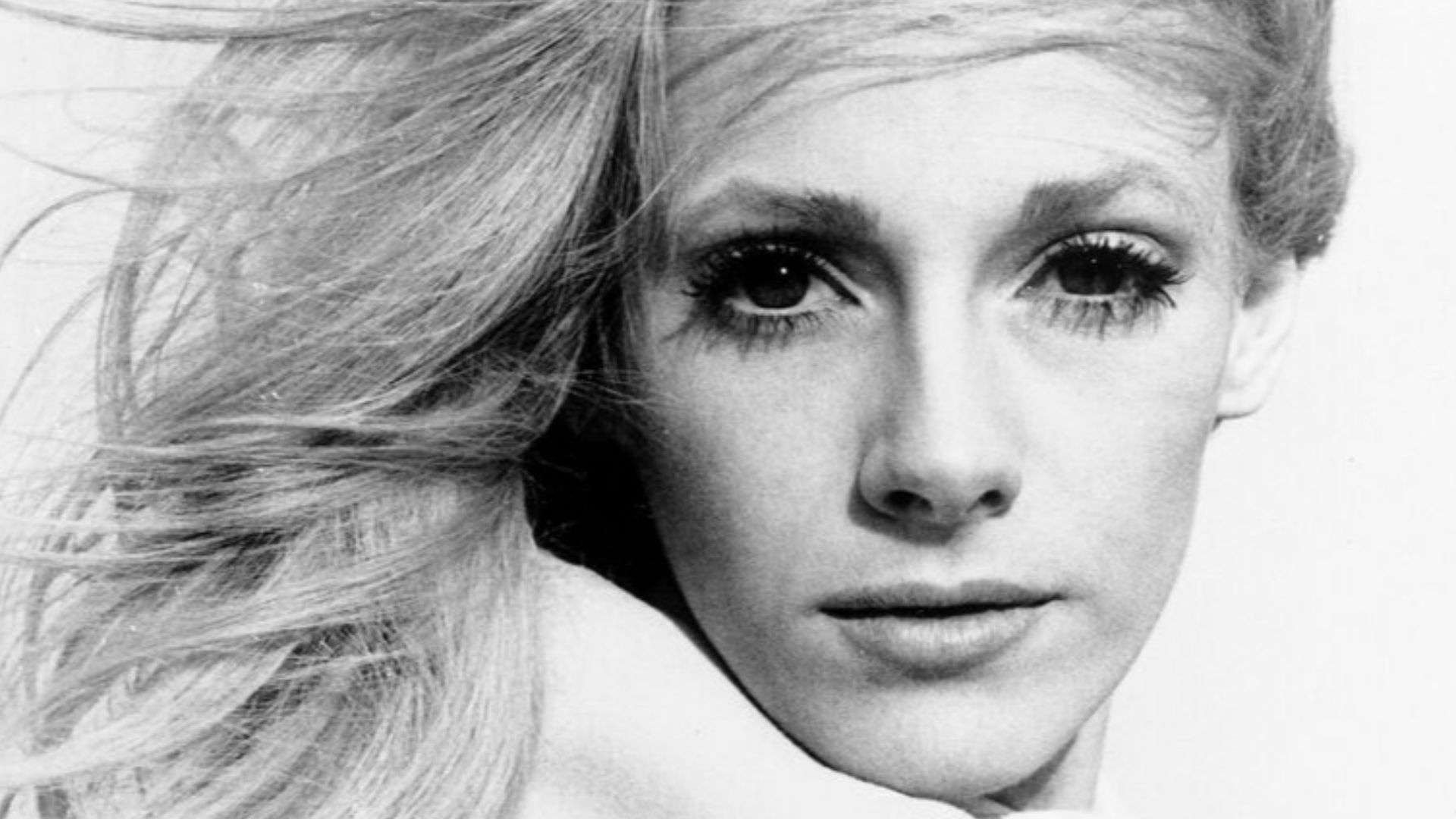
Oscars Snub In Memoriam
At the 2019 Academy Awards, Locke was not included in the “In Memoriam” retrospective segment that normally celebrates the Hollywood lives lost in the previous year. Fans and reporters called it an erasure of her work and struggles. Even in death, Locke was treated as a footnote rather than a central figure, a last snub that Hollywood never corrected.
 Unknown authorUnknown author, Wikimedia Commons
She Is Still Remembered
Sondra Locke went from Southern small-town obscurity to Oscar-nominated roles and blockbuster hits. Unwilling to rest on those laurels, she took to directing with every potential to make a long-term go of it. Though her ambitions were derailed and she didn't get the acclaim she deserved in her lifetime, audiences never forgot Locke, her screen presence, or her accomplishments.
You May Also Like:
You're Forced To Choose One Movie Duo To Watch Forever, Which Of These Iconic Ones Do You Choose?
Final Shots That Haunt You Long After The Credits Roll