When These Faces Were Everywhere
Before streaming fractured television into a thousand different niches, a hit network show could turn an actor into someone almost everybody recognized. Some of the biggest TV stars of the 1980s appeared in American living rooms every single week, collecting awards and becoming closely identified with one unforgettable character. Yet many of those once-inescapable names barely register with viewers born decades later. Here are the stars whose level of fame is surprisingly hard to explain unless you were actually there.
 Photo by Vinnie Zuffante/Getty Images
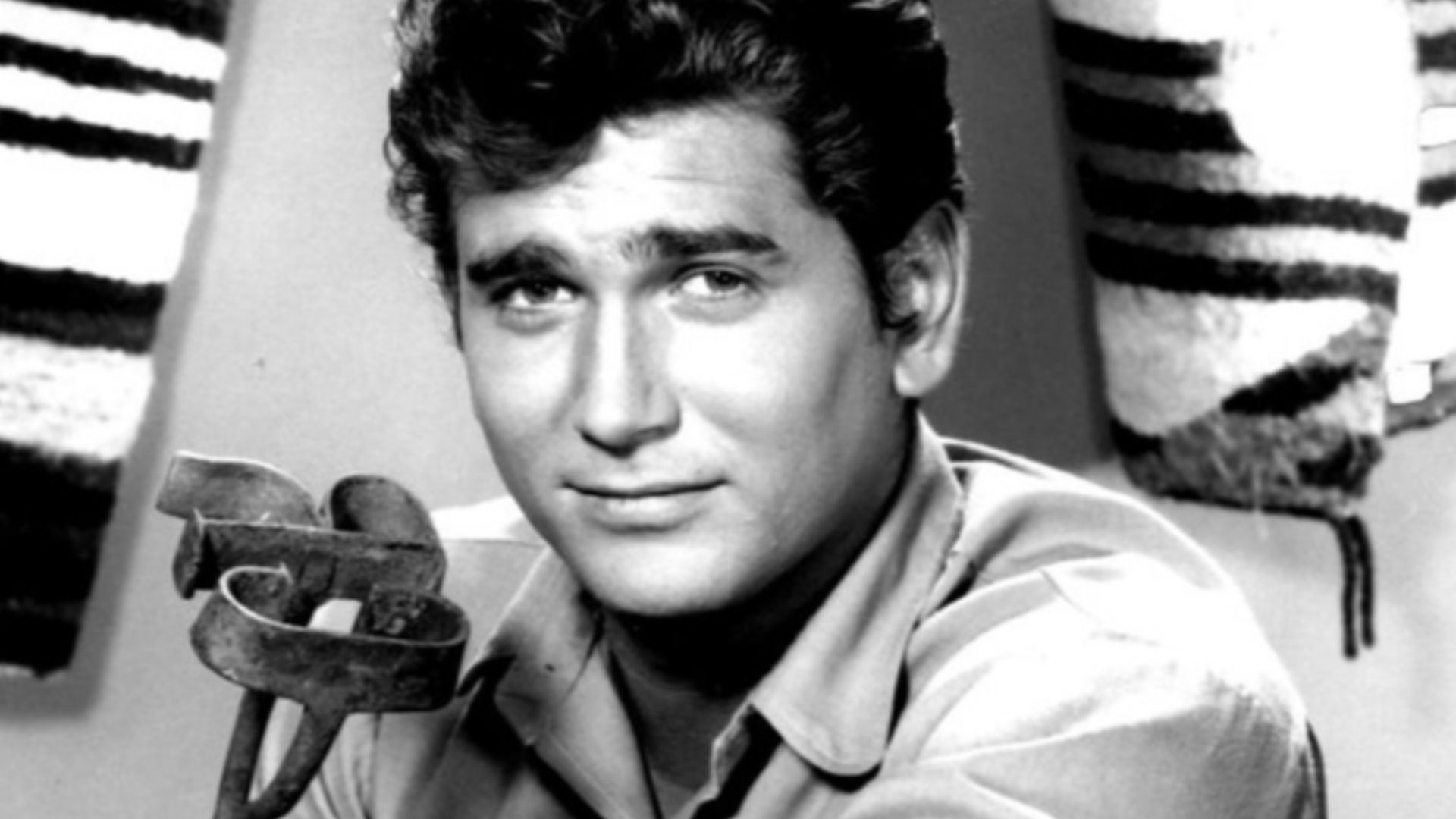
Michael Landon Was Practically Television Royalty
Michael Landon had already become famous through Bonanza and Little House on the Prairie when he launched another major series, Highway to Heaven, in 1984. He was not merely its star, but also a writer, director, and producer whose name had been attached to popular television for decades. The Television Academy notes that Landon appeared on the cover of TV Guide 22 times, second only to Lucille Ball. That gives some idea of just how recognizable his face once was.
 NBC Television, Wikimedia Commons
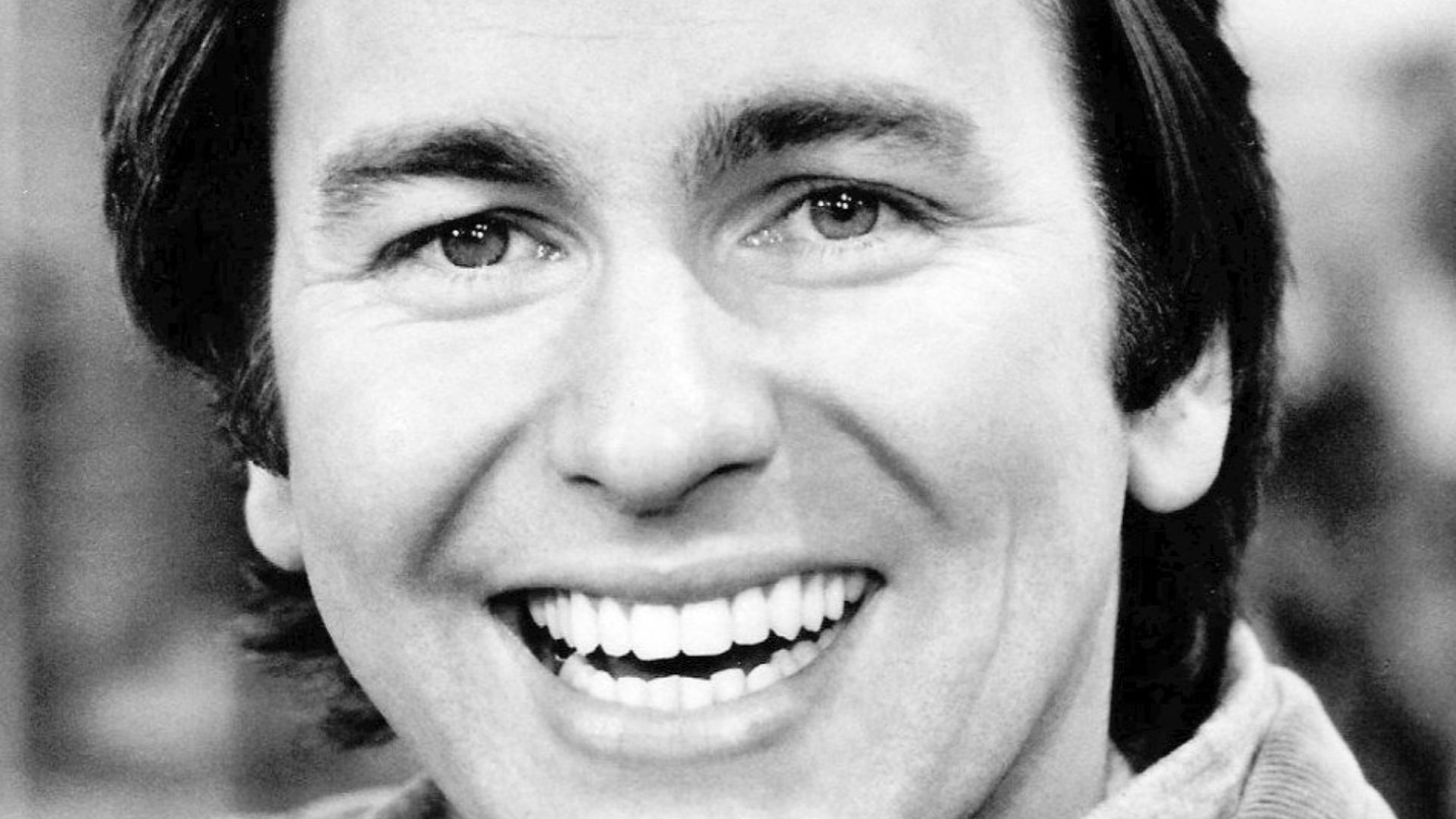
John Ritter Was A Sitcom Superstar
John Ritter's pratfalls and frantic physical comedy made Jack Tripper the center of Three's Company, which continued airing until 1984. Ritter won the Emmy for Outstanding Lead Actor in a Comedy Series that year, along with a Golden Globe during the show's run. He continued starring on television and in movies afterward, but the sheer scale of his early fame is easy to underestimate now. For a stretch of American television history, Ritter was one of comedy's most instantly recognizable leading men.
 ABC Television, Wikimedia Commons
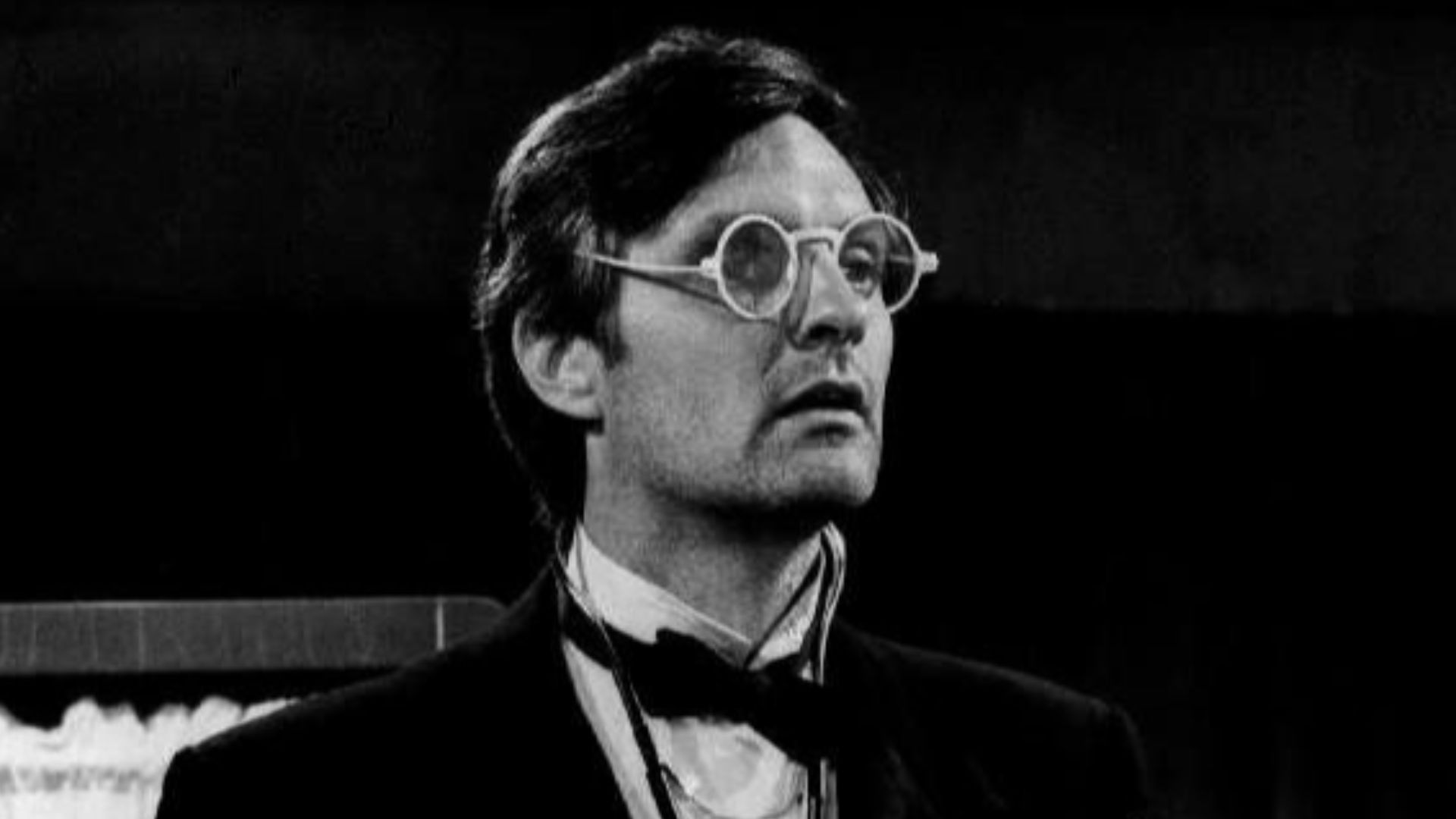
Alan Alda Was Much More Than The Guy From MAS*H
MASH* began in the 1970s, but Alan Alda entered the 1980s as one of the most acclaimed performers on television. As Hawkeye Pierce, he acted, wrote, and directed, and he ultimately amassed dozens of Emmy nominations and six wins across his career. He even won the lead comedy actor Emmy for MASH* in 1982, near the end of the show's run. Younger viewers may know Alda from later supporting roles, but his earlier TV fame existed on an entirely different scale.
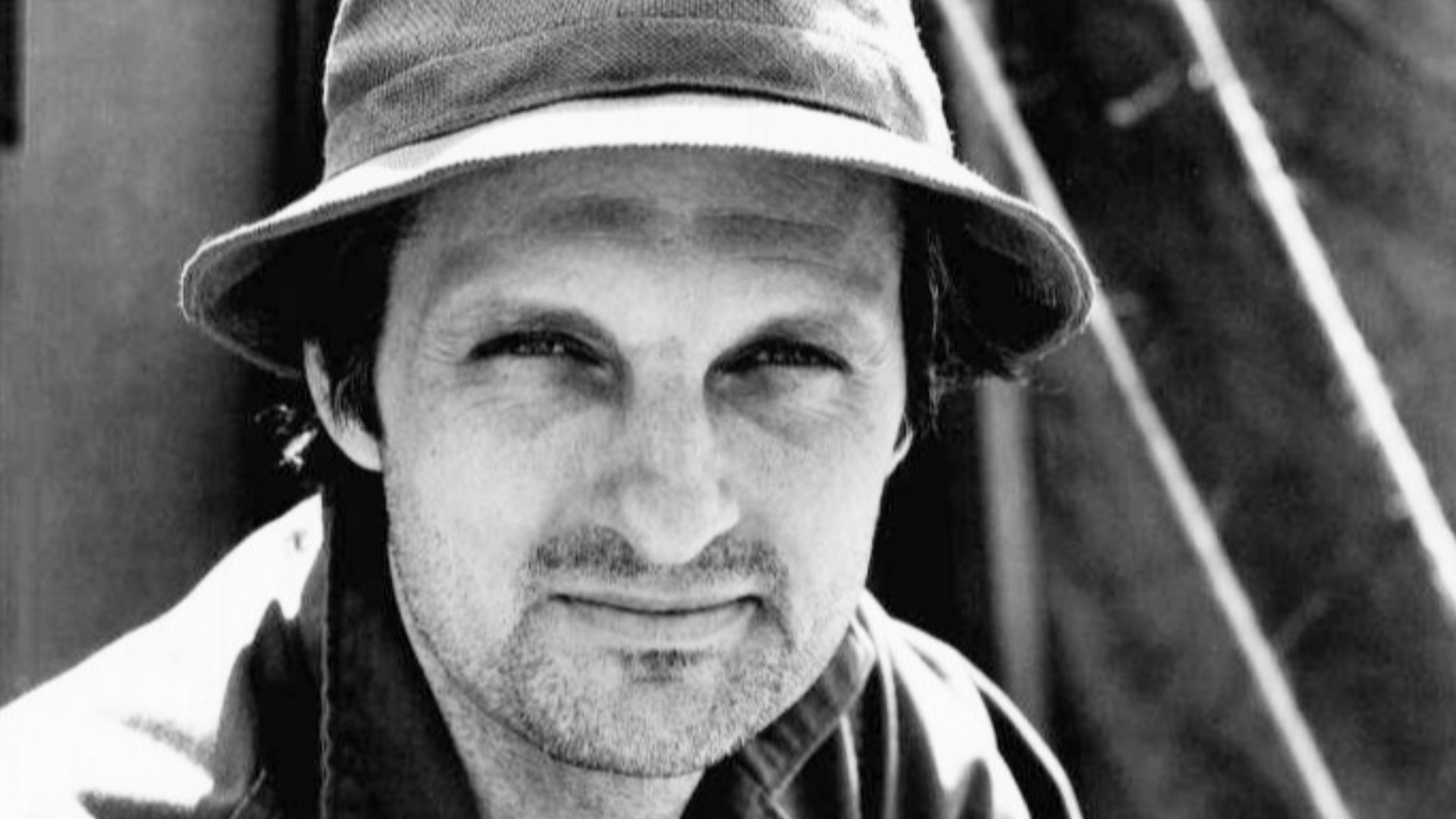 CBS Television, Wikimedia Commons
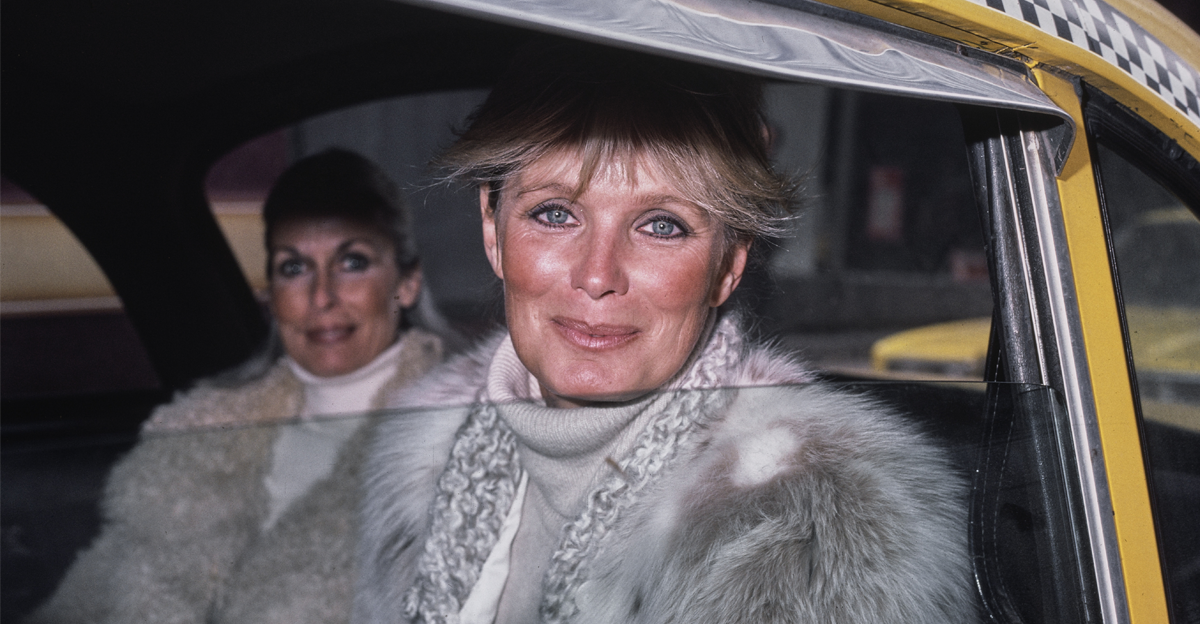
Linda Evans Became The Face Of Prime-Time Glamour
When Dynasty caught fire in the 1980s, Linda Evans became synonymous with the extravagant world of the Carrington family. As Krystle Carrington, she was nominated for five consecutive Golden Globes from 1982 through 1986 and won in 1982. She also collected five straight People's Choice Awards as Favorite Actress in a Drama Series during that period. For viewers who watched prime-time soaps at their peak, Evans was not simply another TV actress.
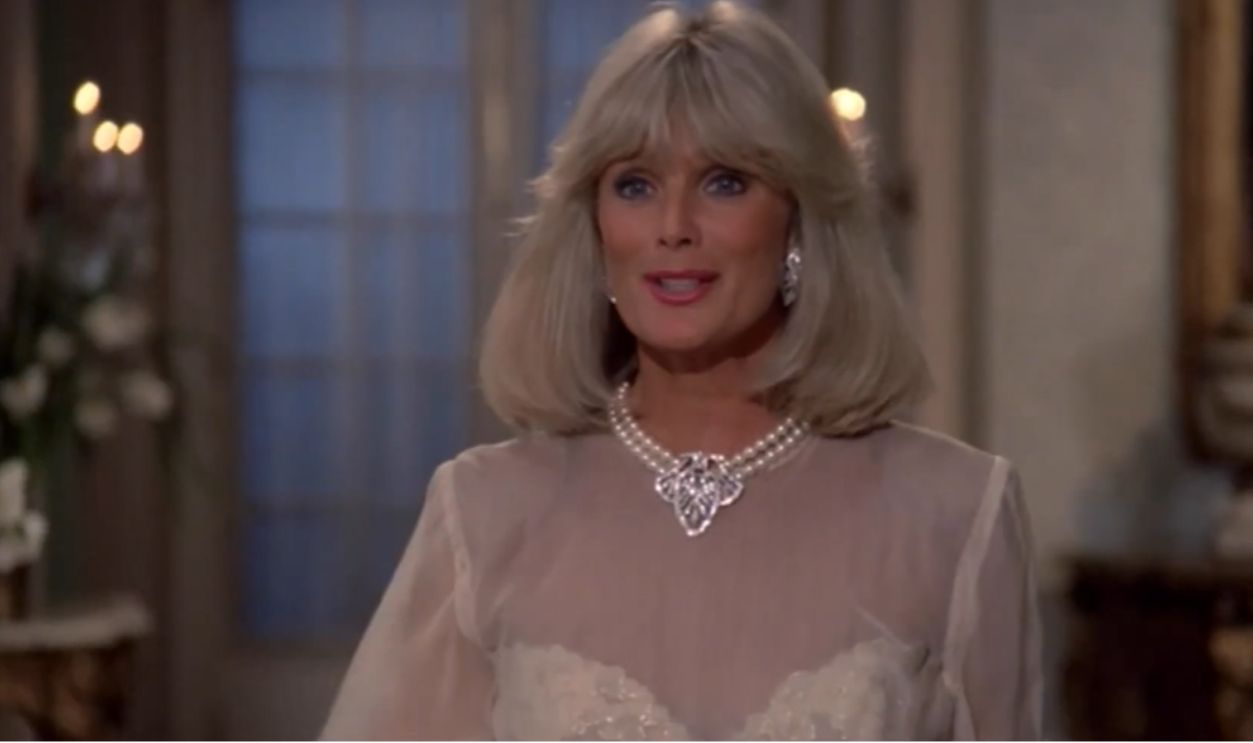 Screenshot from Dynasty, ABC (1981–1989)
Joan Collins Turned Alexis Into An Event
Joan Collins joined Dynasty as the magnificently ruthless Alexis Carrington and helped give the series one of television's defining villains. Her performance earned her an Emmy nomination for Outstanding Lead Actress in a Drama Series in 1984. Collins became so strongly associated with Alexis that the character's gowns, feuds, and spectacular confrontations became part of the show's appeal. Even people who did not regularly watch Dynasty often knew exactly who she was.
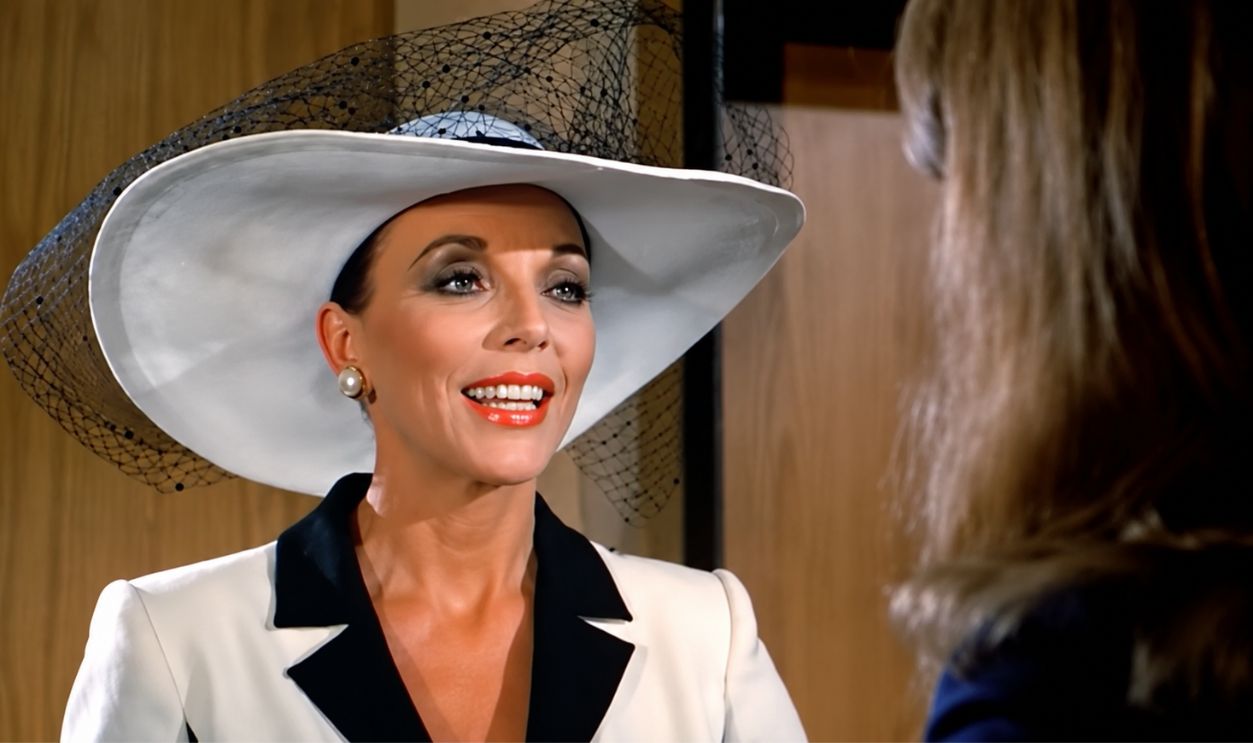 Screenshot from Dynasty, ABC (1981–1989), Enhanced
Robert Guillaume Ruled Television As Benson
Robert Guillaume first played the sharp-tongued Benson DuBois on Soap before the character received his own ABC spinoff, Benson. Guillaume spent years as the show's commanding center and received six Emmy nominations for playing Benson across the two series. He won twice, including the 1985 Emmy for Outstanding Lead Actor in a Comedy Series. Today, many younger viewers are more likely to recognize his voice as Rafiki from The Lion King than realize how big a television star he had already been.
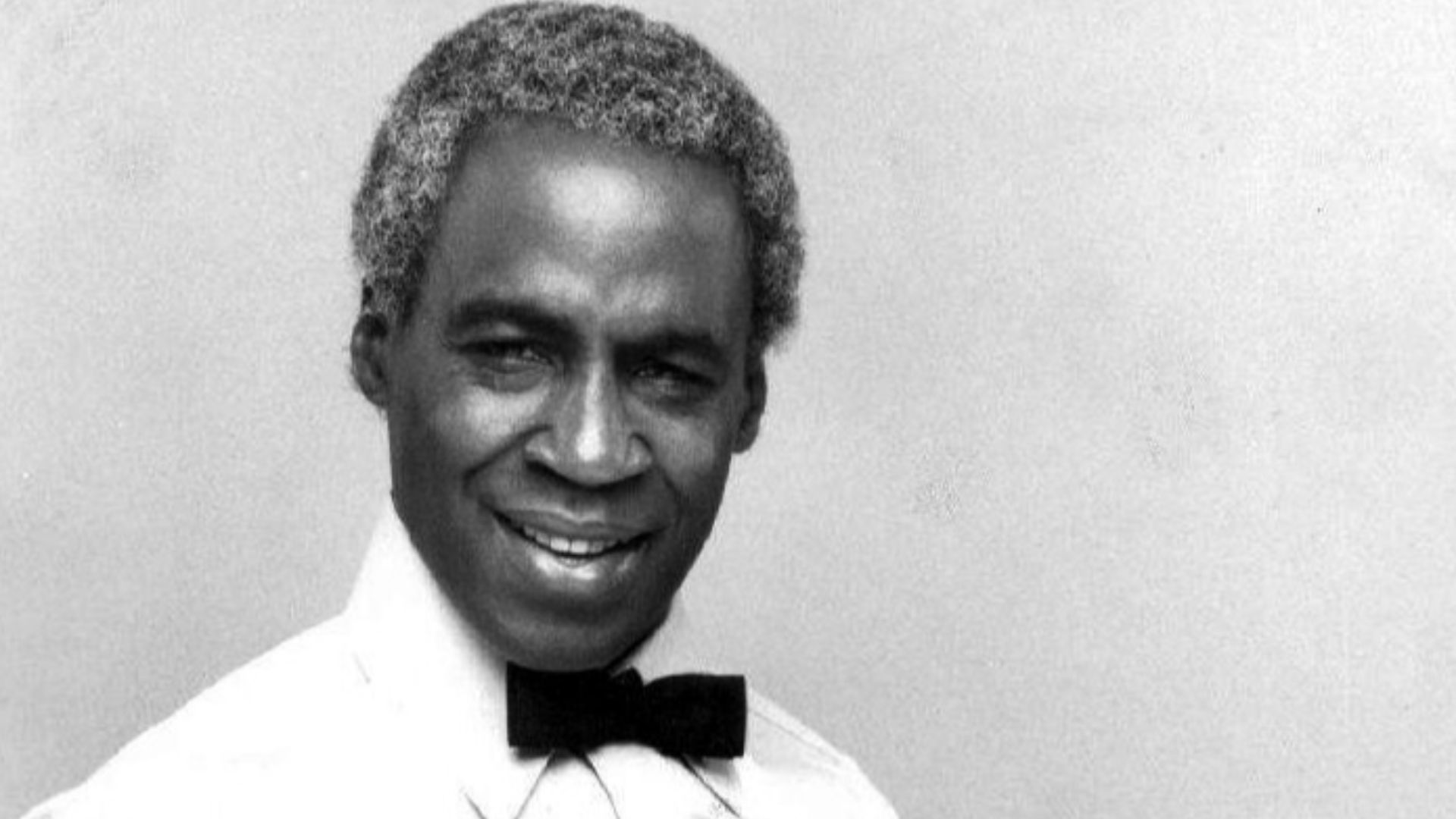 ABC Television, Wikimedia Commons
Sherman Hemsley Made George Jefferson Unforgettable
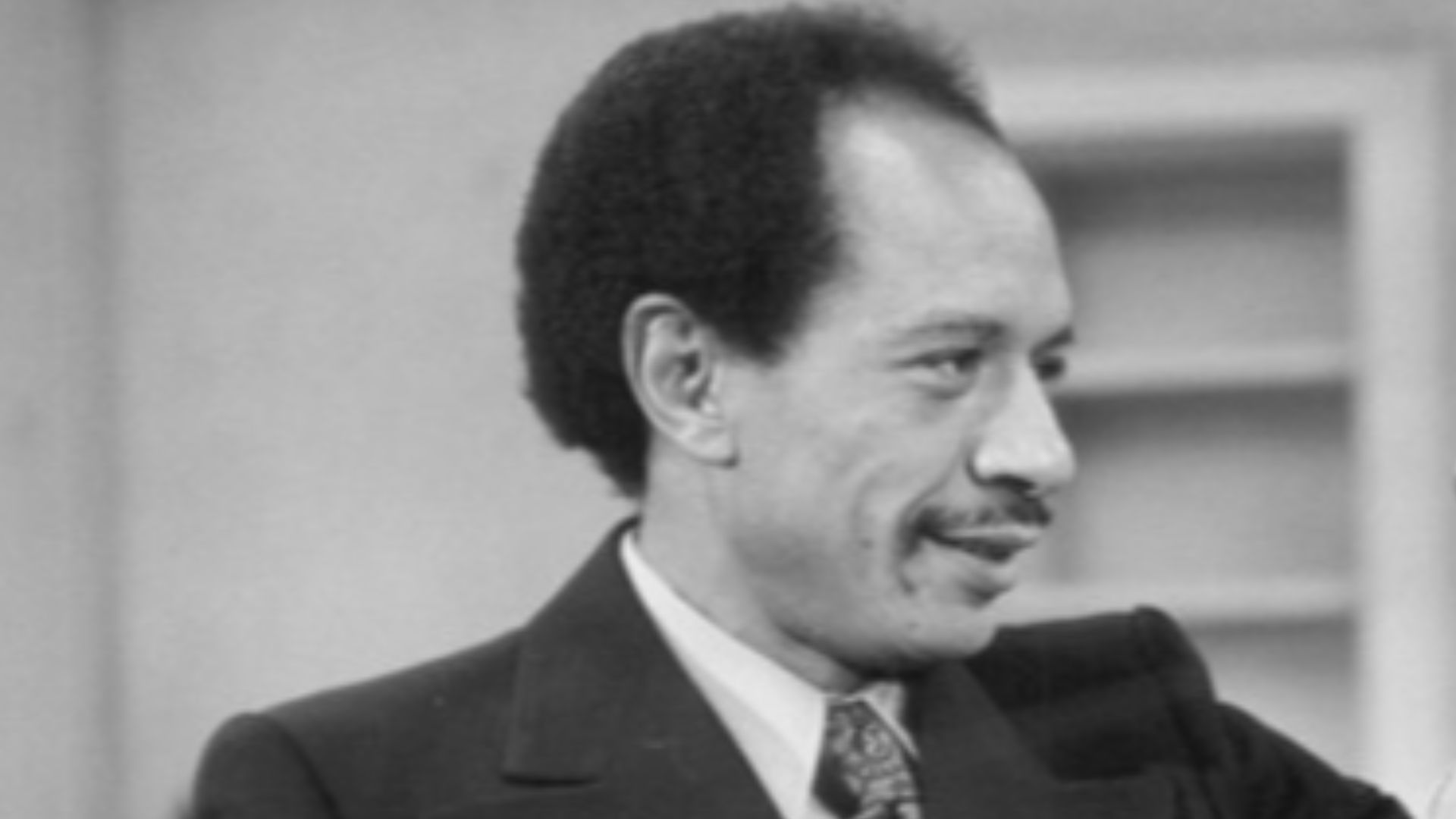
Sherman Hemsley's George Jefferson was loud, ambitious, argumentative, and impossible to ignore. The Jeffersons had begun in 1975, but it continued well into the 1980s, with Hemsley receiving a lead actor Emmy nomination in 1984. The character became one of the defining sitcom personalities of his era. Decades later, the show's theme song may still be familiar even to people who would struggle to name the man who made George Jefferson famous.
 CBS Television Uploaded by We hope at en.wikipedia, Wikimedia Commons
Isabel Sanford Was Making Television History
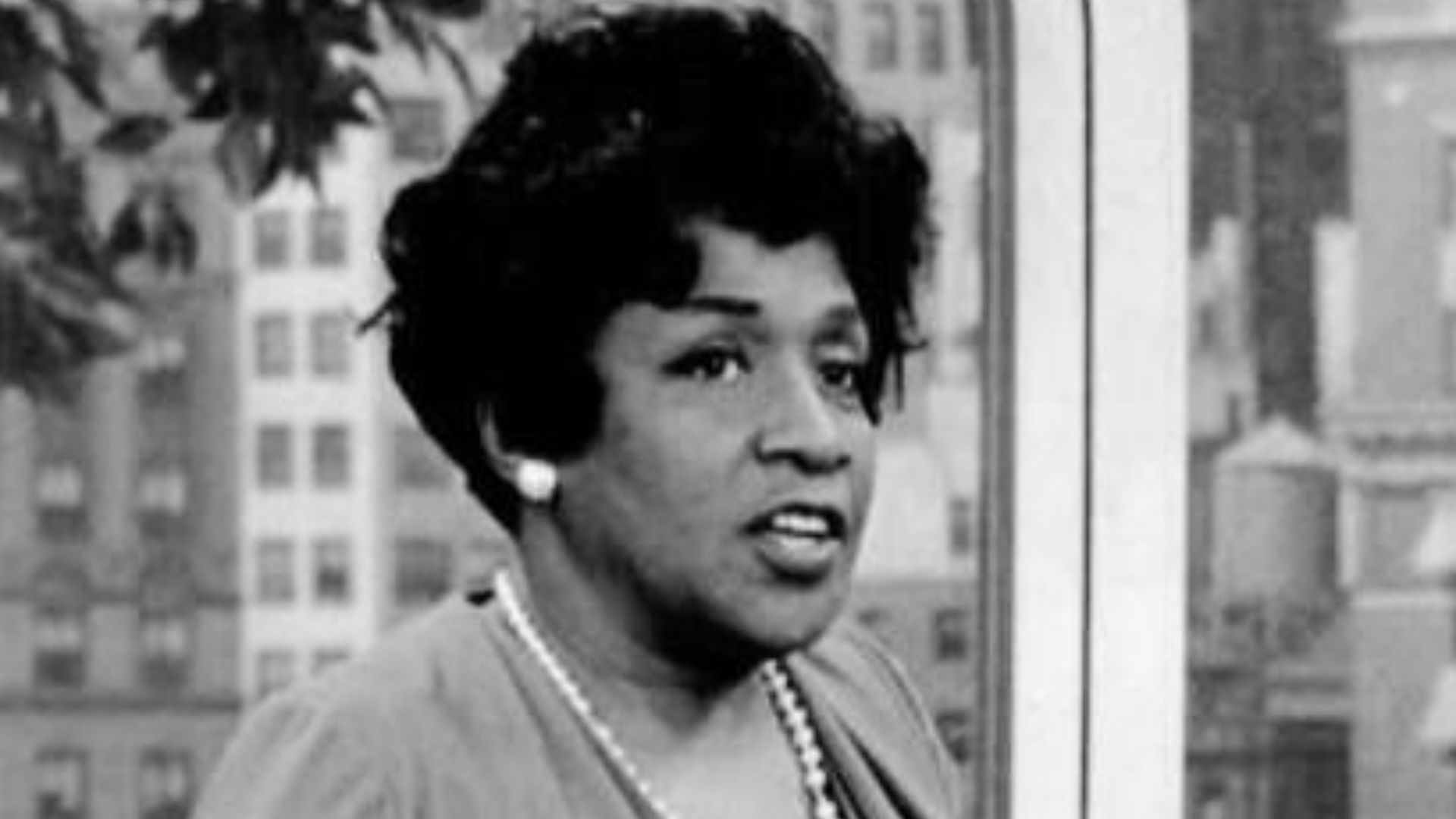
Opposite Hemsley stood Isabel Sanford as Louise "Weezy" Jefferson, whose patience and dry reactions made her every bit as essential to The Jeffersons. In 1981, Sanford became the first Black woman to win the Emmy for Outstanding Lead Actress in a Comedy Series. She was nominated in that category repeatedly throughout the early 1980s. Her achievement was historic, but she was also simply one of the decade's most familiar sitcom performers.
 CBS Television, Wikimedia Commons
Marla Gibbs Went From Scene-Stealer To Leading Lady
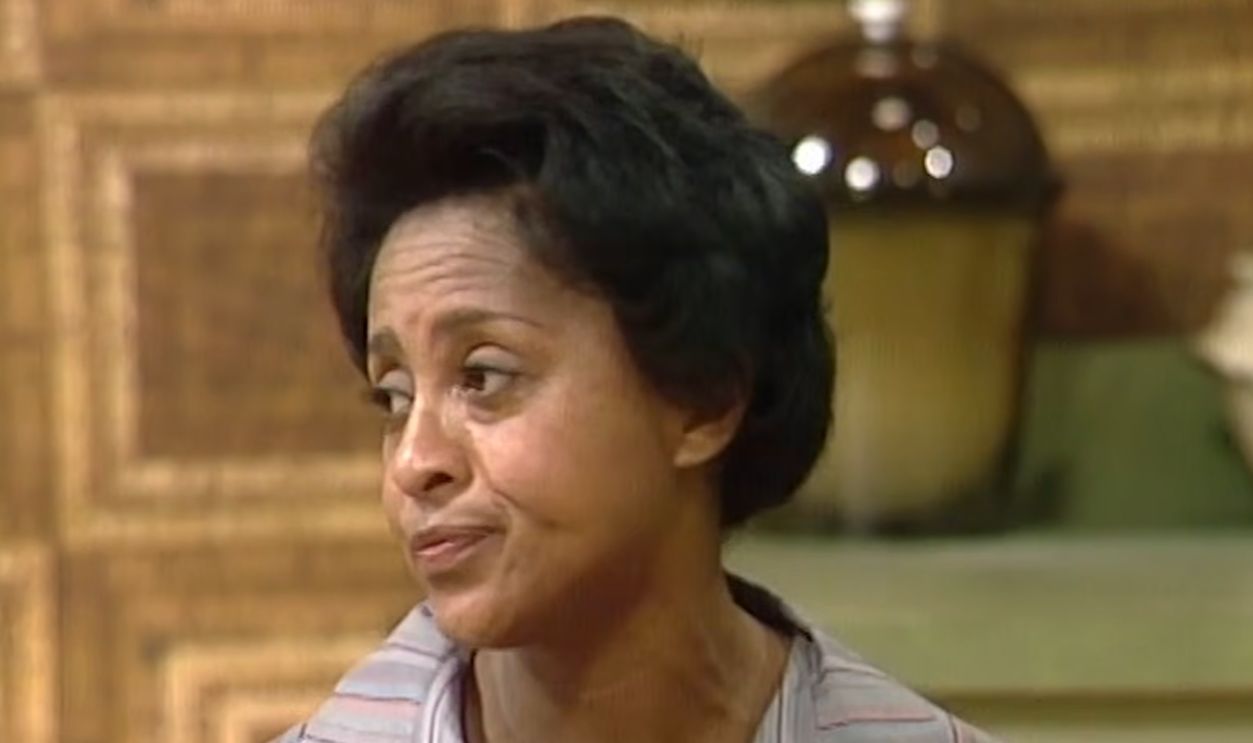
Marla Gibbs made an enormous impression as the Jeffersons' sarcastic maid Florence Johnston. She received five consecutive Emmy nominations for her work on The Jeffersons from 1981 through 1985. Gibbs then moved directly into another major role as the star of NBC's 227, which premiered in 1985. That meant she spent much of the decade jumping from one prominent sitcom to another.
 Screenshot from The Jeffersons, CBS (1975–1985)
Loni Anderson Was An Eighties Celebrity Fixture
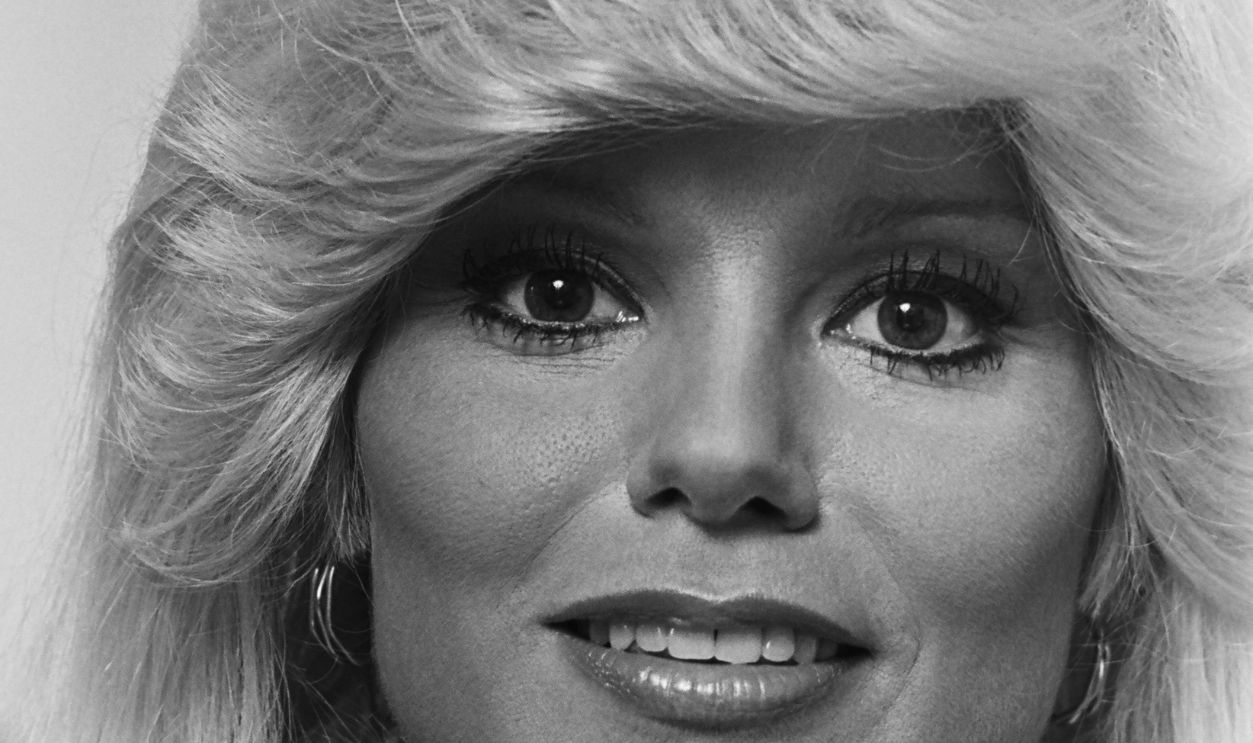
Loni Anderson played glamorous receptionist Jennifer Marlowe on WKRP in Cincinnati, earning Emmy nominations in both 1980 and 1981. The role made her one of television's most recognizable women at the beginning of the decade. Anderson's fame soon expanded beyond the sitcom itself, as her personal life and movie roles kept her in the entertainment press. Younger audiences may know the name only vaguely, but there was a period when she was unmistakably a major celebrity.
Tony Danza Headlined Two Different Hits
Tony Danza had one of those careers that made television stardom look almost effortless. After playing boxer Tony Banta on Taxi, he moved into the leading role of Tony Micelli on Who's the Boss?, which ran from 1984 through 1992. His work on the two programs brought him three Golden Globe nominations. Danza's name became so familiar that he spent years essentially playing variations on the charming TV persona audiences already associated with him.
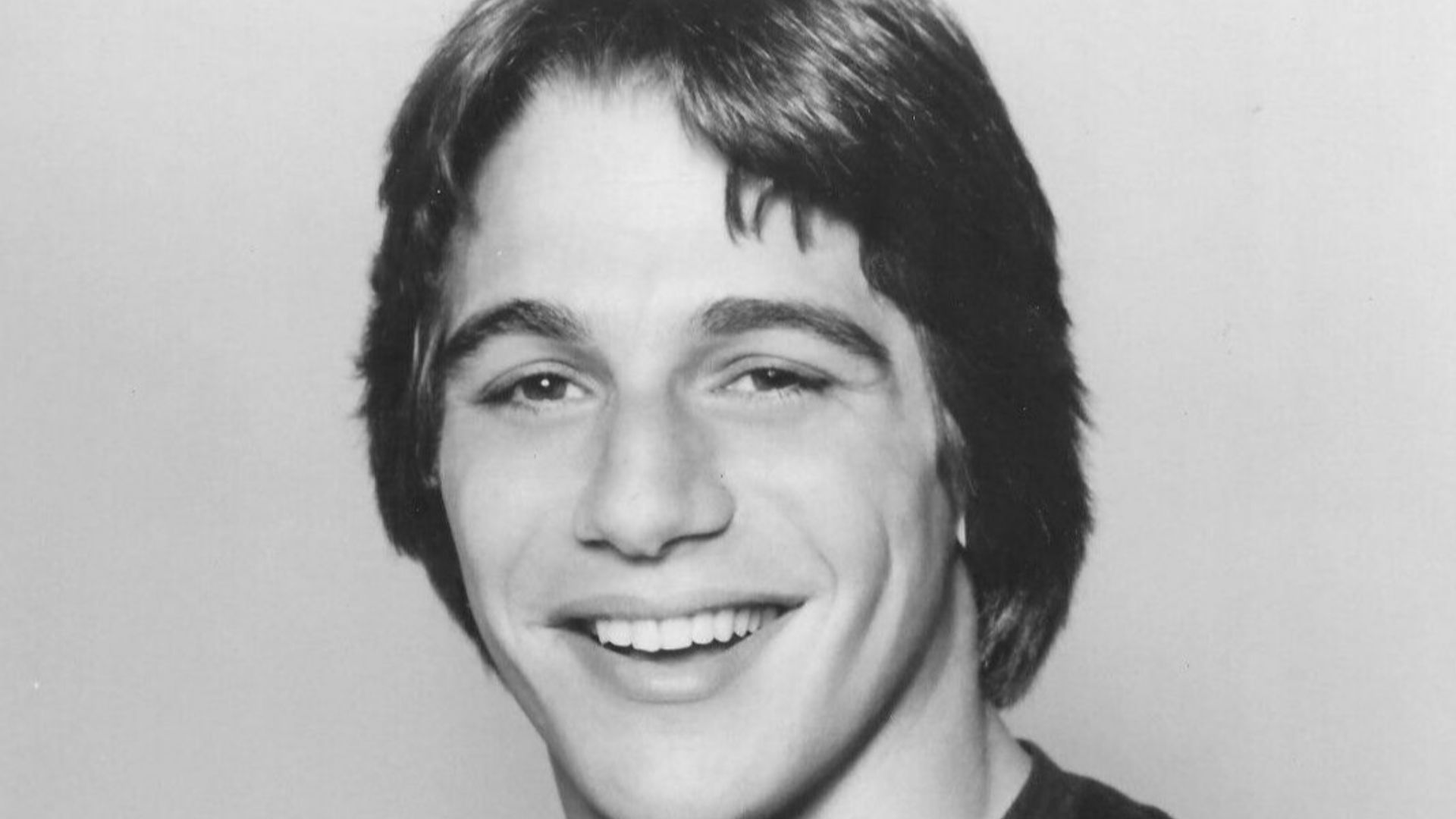 ABC Television, Wikimedia Commons
Judith Light Became One Of Television's Most Familiar Moms
Before Who's the Boss?, Judith Light had already won back-to-back Daytime Emmys for One Life to Live. Then she became Angela Bower, the successful advertising executive whose unconventional household with Tony Micelli drove one of ABC's signature sitcoms. The series kept Light in prime time for eight seasons. Her later prestige work has introduced her to new generations, but she was already a major mainstream television star decades earlier.
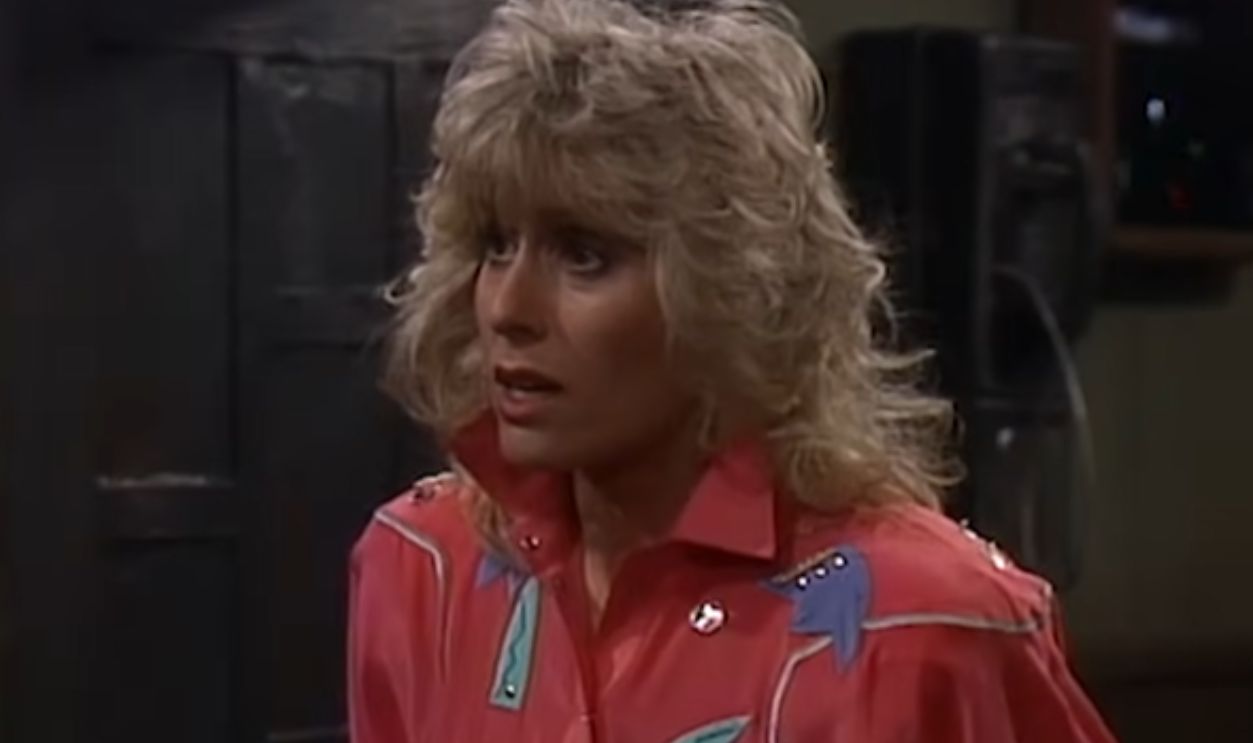 Screenshot from Who's the Boss?, Sony Pictures Television (1984-1992)
Jane Curtin Quietly Became A Sitcom Powerhouse
Jane Curtin had already helped launch Saturday Night Live, but her career did not stop with the original Not Ready for Prime Time Players. She starred opposite Susan Saint James in Kate & Allie, a CBS comedy about two divorced mothers combining their families under one roof. Curtin won consecutive Emmys for Outstanding Lead Actress in a Comedy Series for the show. She may never have cultivated the larger-than-life celebrity image of some contemporaries, but her television résumé was enormous.
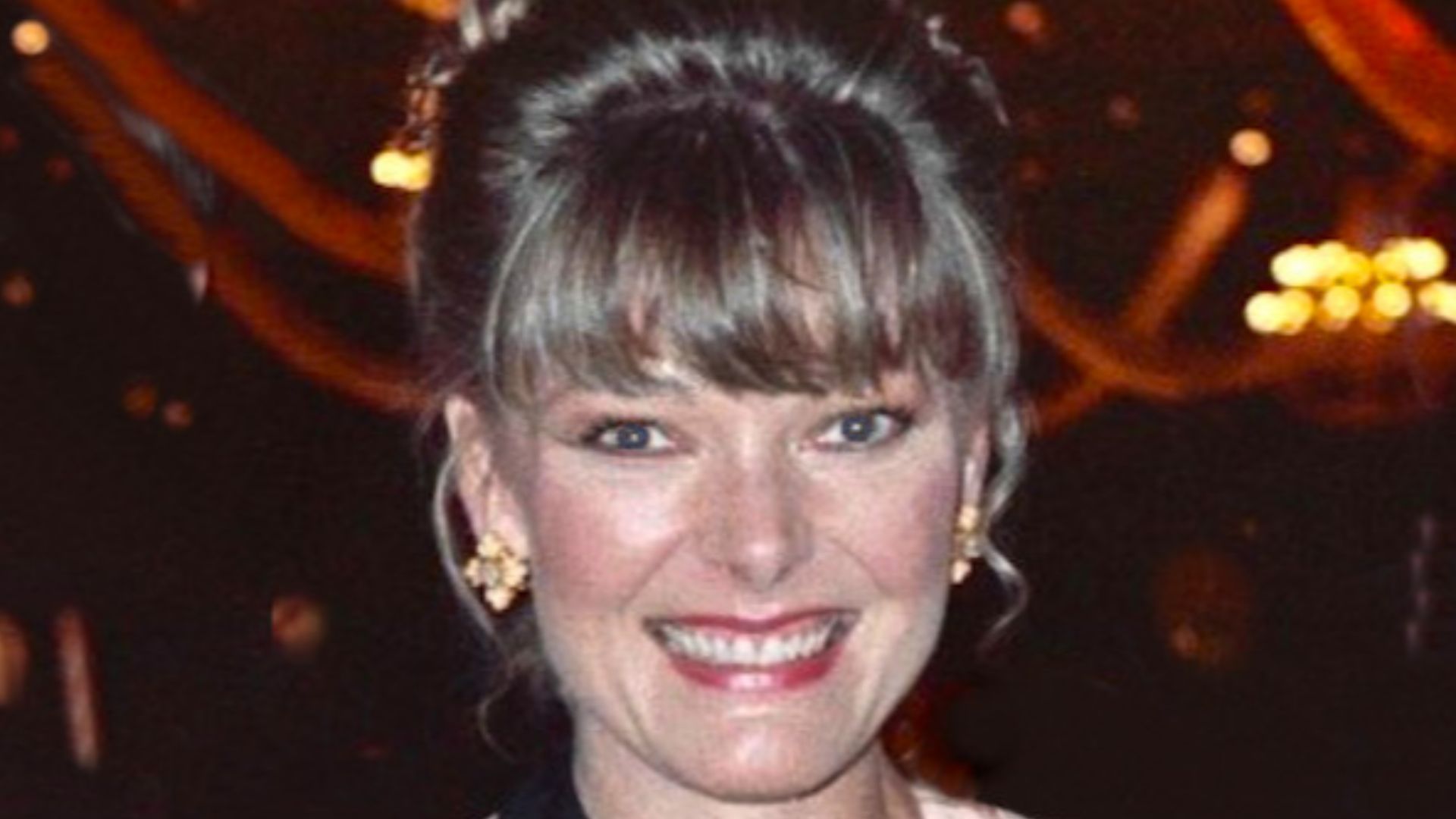
Susan Saint James Was Just As Important To Kate & Allie
Susan Saint James had been a television star long before Kate & Allie, earning an Emmy for The Name of the Game and several nominations for McMillan & Wife. In the 1980s, she returned to the center of prime-time television as Kate McArdle opposite Jane Curtin. Saint James received lead actress Emmy nominations for the sitcom in both 1984 and 1985. Two women carrying a network comedy together made the pair instantly familiar to millions of viewers.
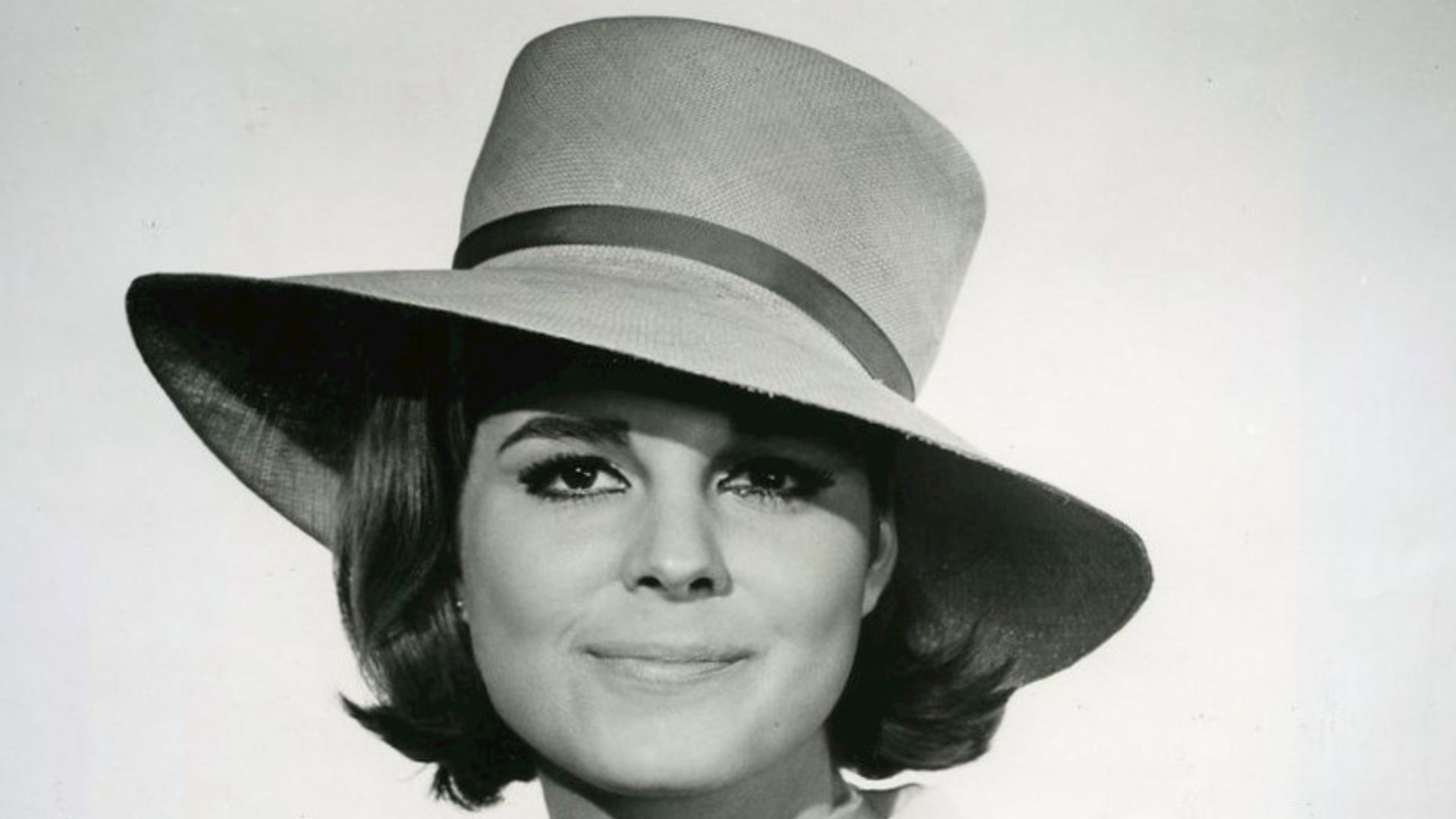 Universal Television, Wikimedia Commons
Sharon Gless Dominated The Drama Categories
If you want hard evidence of Sharon Gless's place in 1980s television, look at the Emmys. Gless received six consecutive lead actress nominations for playing Christine Cagney on Cagney & Lacey from 1983 through 1988. She won twice, in 1986 and 1987. The show made Gless one of the decade's defining dramatic actresses, even though her name now carries far less recognition among younger audiences.
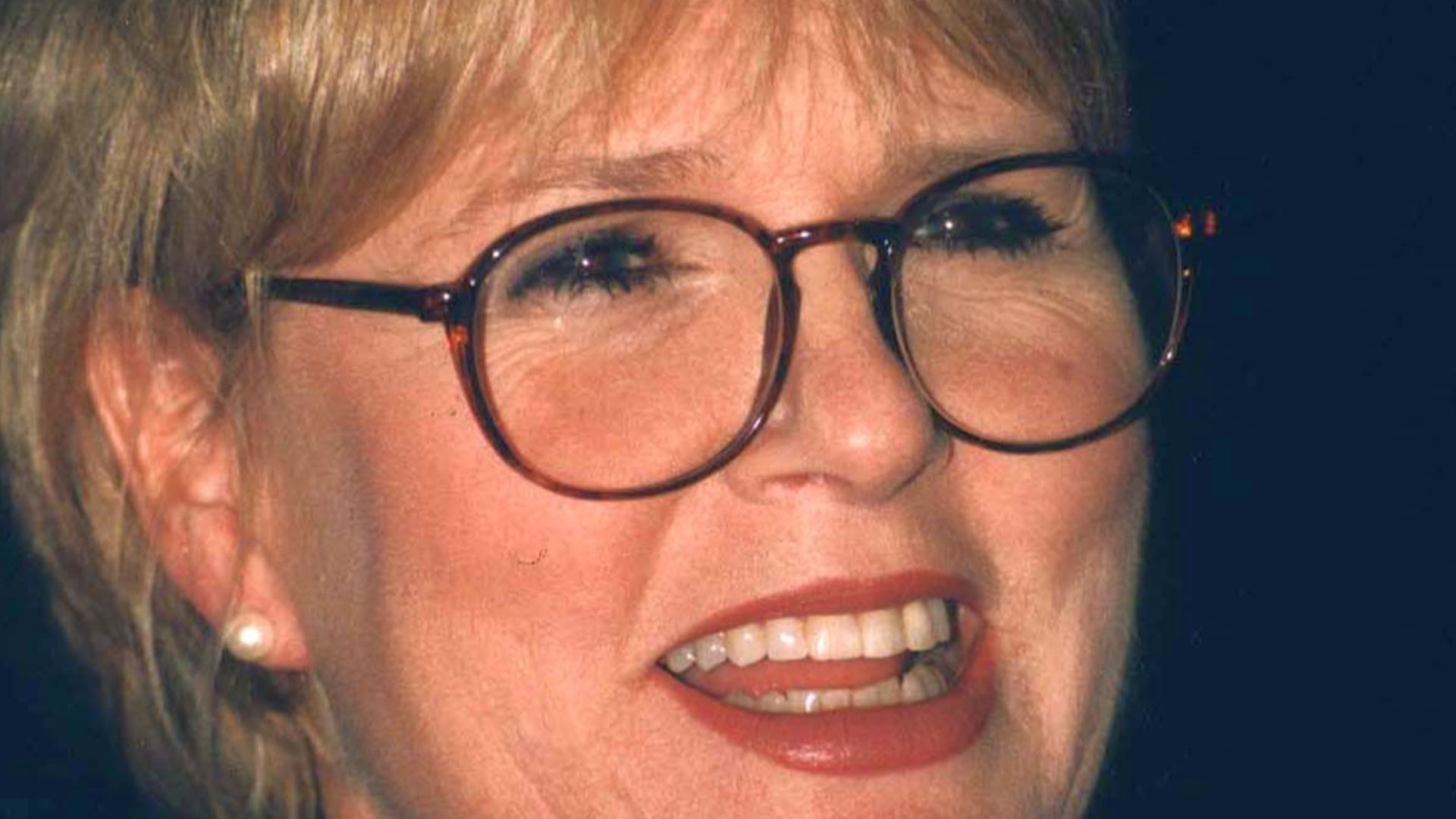 Kingkongphoto & www.celebrity-photos.com from Laurel Maryland, USA, Wikimedia Commons
Tyne Daly Was Right There With Her
Sharon Gless was only half of the equation. Tyne Daly played Mary Beth Lacey, and her performance turned Cagney & Lacey into an awards powerhouse. Daly won multiple Emmys for the role during the show's run, while the partnership between the two detectives became the heart of the series. For much of the decade, Gless and Daly were among television drama's most acclaimed and visible leading women.
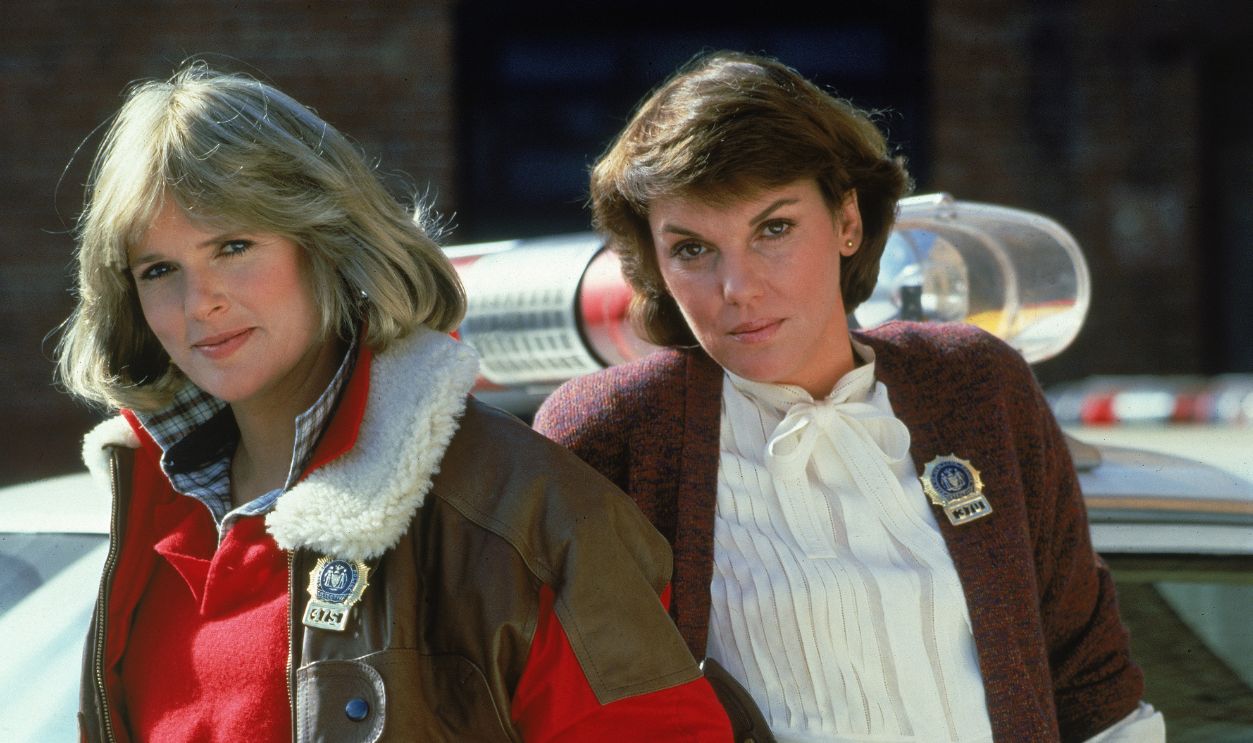 Pictorial Parade, Getty Images
Harry Anderson Owned The Night Court
Before John Larroquette returned to the courtroom in the modern Night Court revival, Harry Anderson was the original show's star. Anderson played eccentric Judge Harry Stone throughout the NBC sitcom's 1984 to 1992 run. His performance earned three consecutive Emmy nominations for Outstanding Lead Actor in a Comedy Series from 1985 through 1987. He also appeared repeatedly on Saturday Night Live and Cheers, making him an especially familiar face during the decade.
Judd Hirsch Was The Star At The Center Of Taxi
Taxi contained a ridiculous amount of future star power, including Christopher Lloyd, Danny DeVito, Tony Danza, Marilu Henner, and Andy Kaufman. Yet Judd Hirsch was its steady leading man as Alex Rieger. Hirsch won the Emmy for Outstanding Lead Actor in a Comedy Series twice, in 1981 and 1983. His later career has been long and distinguished, but younger viewers may not realize that he once occupied the center of one of television's most celebrated ensembles.
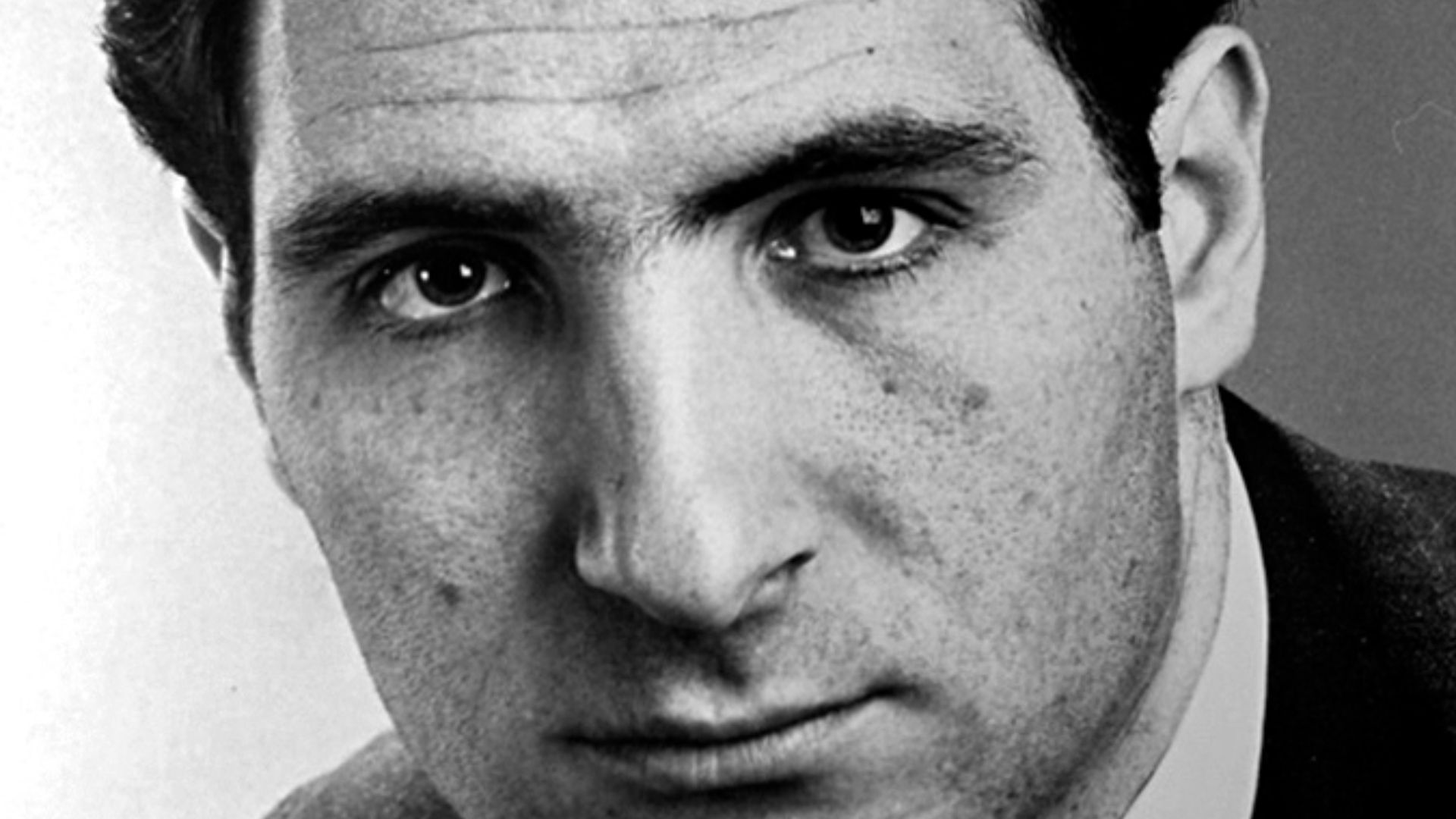 Unknown authorUnknown author, Wikimedia Commons
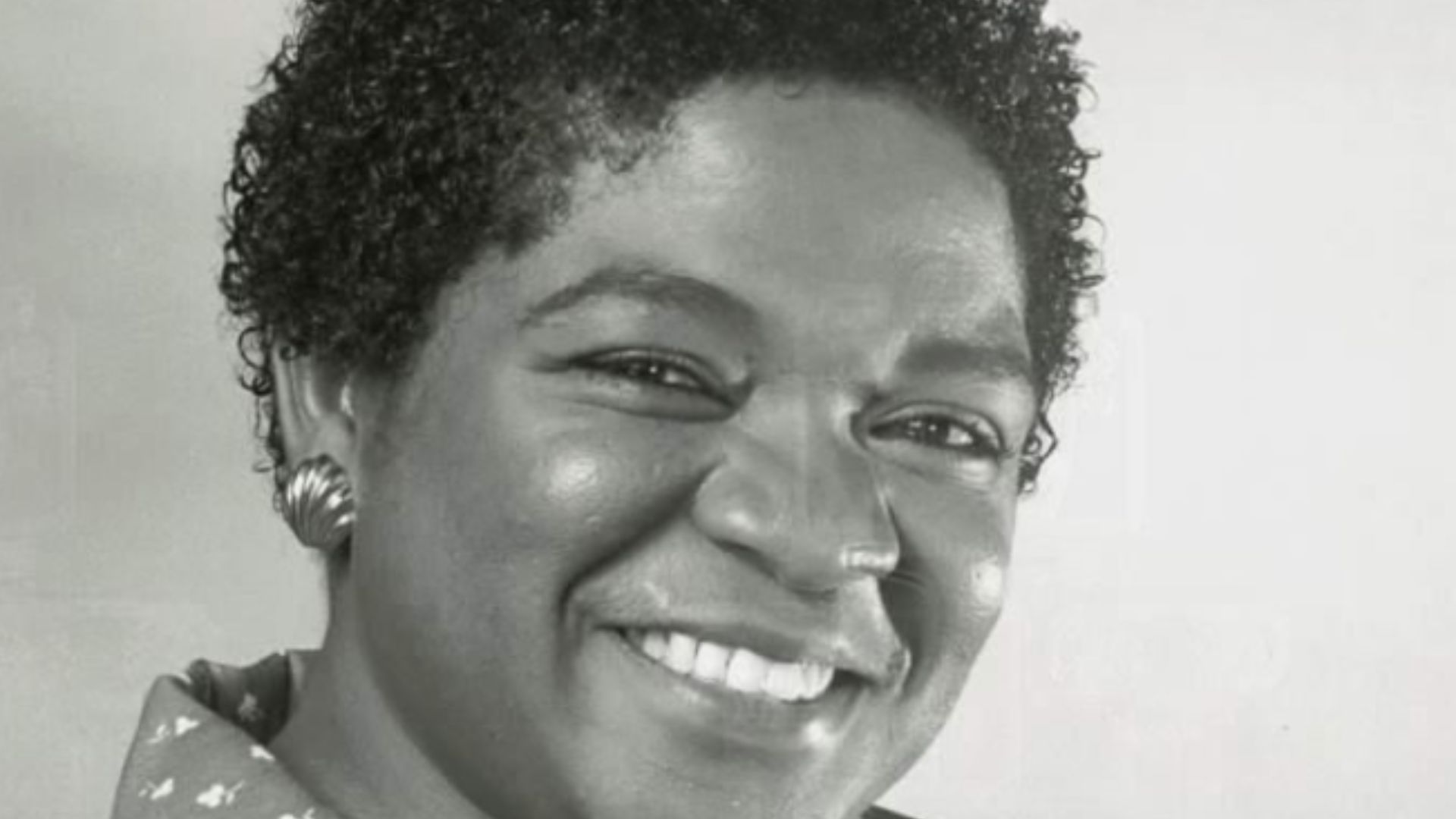
Nell Carter Could Carry A Show By Herself
Nell Carter had already won a Tony before becoming the star of NBC's Gimme a Break! in 1981. As Nell Harper, she anchored the sitcom for six seasons and earned Emmy nominations for Outstanding Lead Actress in a Comedy Series in 1982 and 1983. She also won an Emmy in 1982 for the televised production of Ain't Misbehavin'. Carter's huge voice and equally huge personality made her extraordinarily difficult to forget once viewers had seen her.
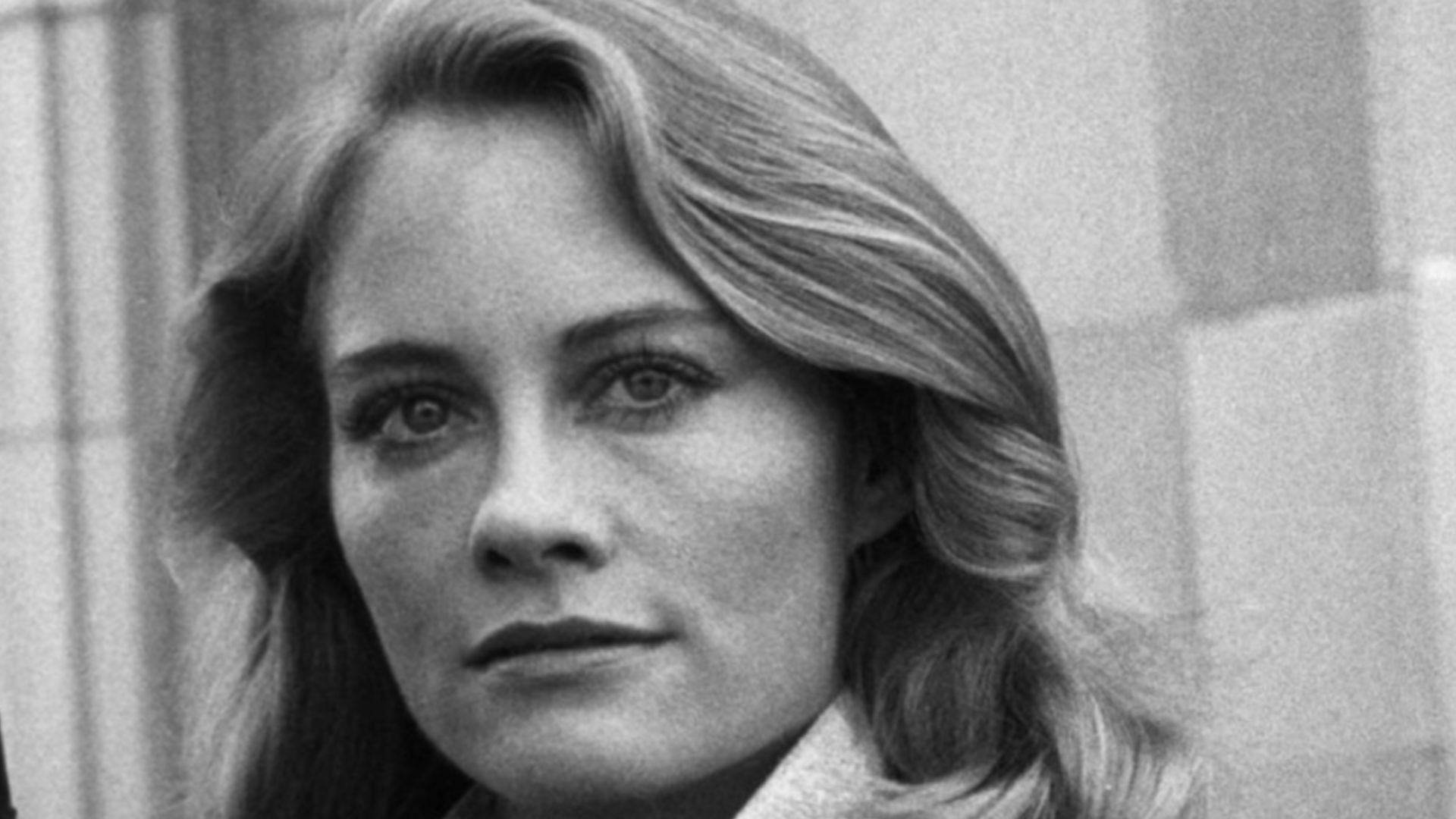
Cybill Shepherd Made Moonlighting Appointment Television
Cybill Shepherd had started as a model and movie star, but Moonlighting turned her into one of the most talked-about television actresses of the 1980s. Playing detective agency owner Maddie Hayes opposite Bruce Willis, Shepherd earned an Emmy nomination for Outstanding Lead Actress in a Drama Series in 1986. The show's romantic tension and rapid-fire banter made its leads a major pop-culture pairing. Willis eventually became the bigger movie icon, which can make Shepherd's equal importance to the show's original success easy to overlook.
 ABC Visual Communication, Wikimedia Commons
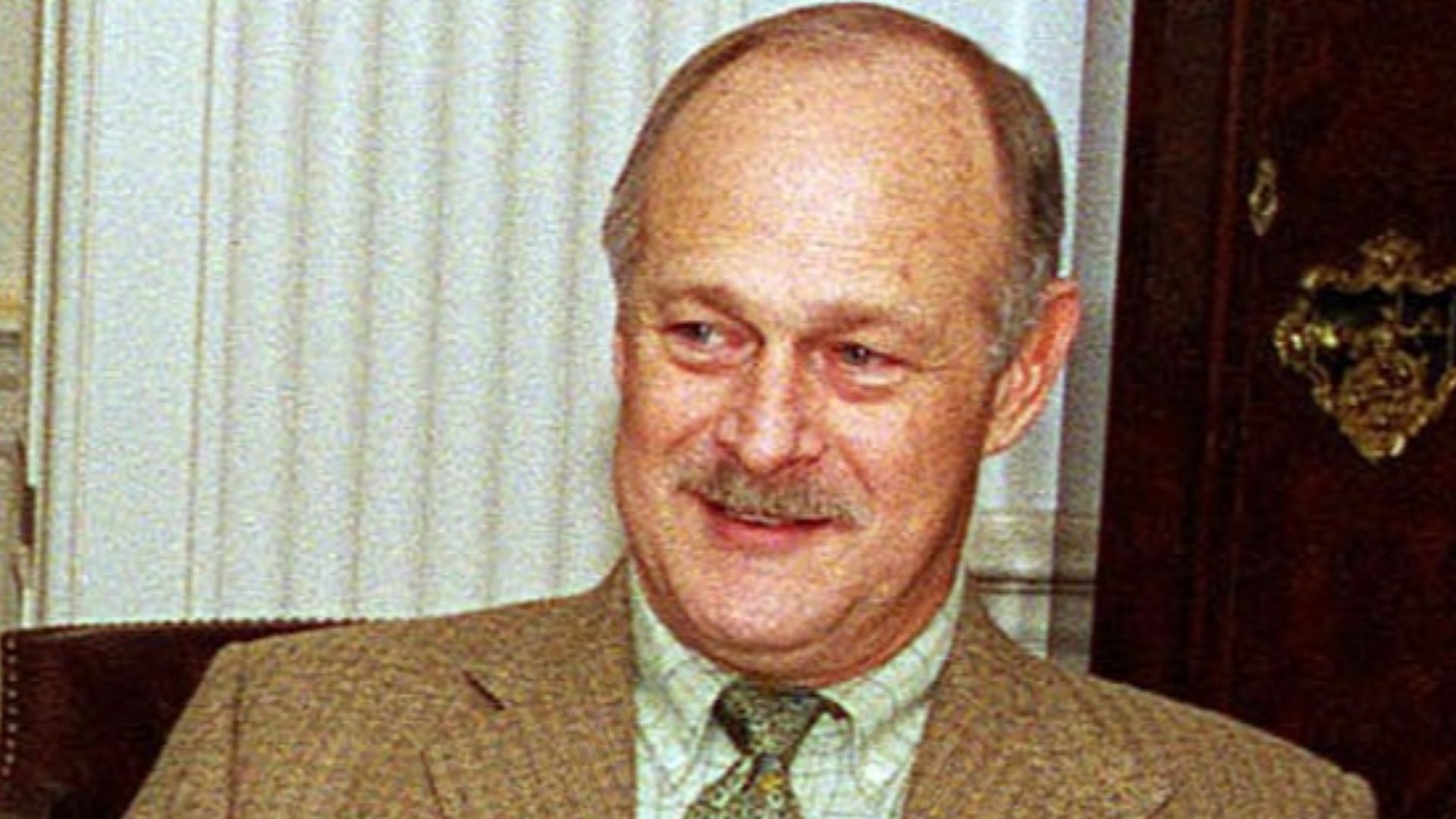
Gerald McRaney Was A Reliable Prime-Time Leading Man
Gerald McRaney spent most of the 1980s starring as private investigator Rick Simon on Simon & Simon. When that series ended, he moved almost immediately into another starring role with Major Dad. His ability to transition between successful network shows kept him on American television screens for years. Modern audiences may recognize him from This Is Us, but his career as a leading man stretches back much further.
 DoD photo by Helene C. Stikkel., Wikimedia Commons
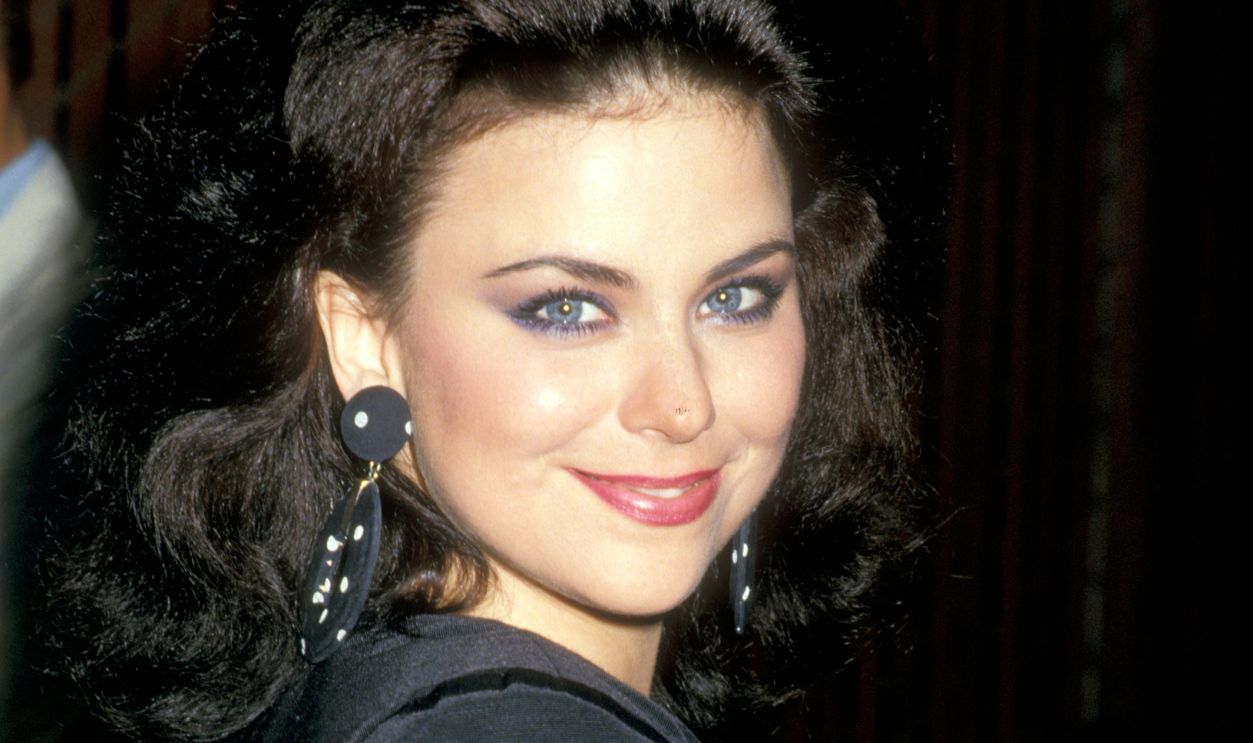
Delta Burke Became The Breakout Star Of Designing Women
Designing Women had an unusually strong ensemble, but Delta Burke's Suzanne Sugarbaker became one of its signature characters. Burke played the vain, funny former beauty queen from the show's 1986 debut until 1991. Her performance brought her two Emmy nominations for Outstanding Lead Actress in a Comedy Series. In an era packed with ensemble sitcoms, Suzanne still managed to become a character viewers immediately recognized.
Stefanie Powers Was Half Of One Of TV's Favorite Couples
Robert Wagner and Stefanie Powers starred as glamorous married amateur detectives Jonathan and Jennifer Hart in Hart to Hart. The ABC series began in 1979 and spent the early 1980s turning the fictional couple into familiar prime-time faces. Powers received back-to-back Emmy nominations for Outstanding Lead Actress in a Drama Series in 1981 and 1982. The show's luxurious settings and playful chemistry made its leads look like the coolest married couple on television.
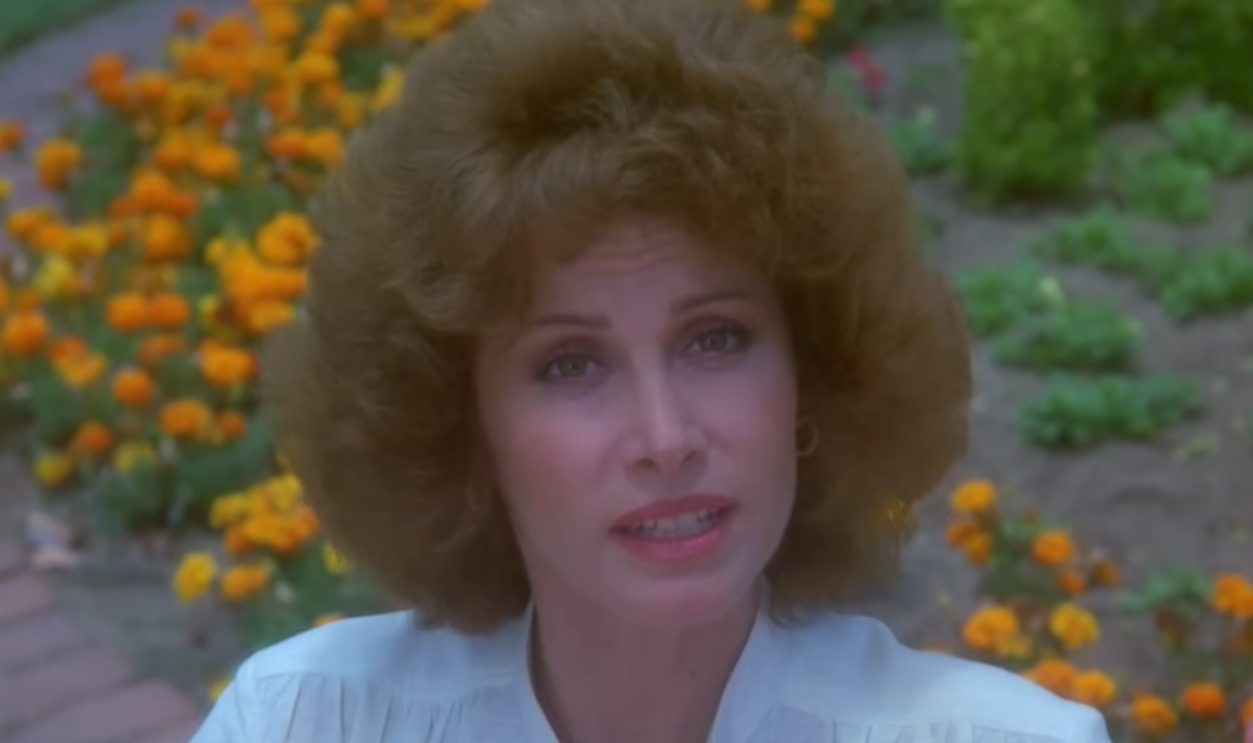 Screenshot from Hart to Hart, Columbia Pictures Television (1979–1984)
Meredith Baxter Became America's TV Mom
Meredith Baxter had already earned Emmy nominations for the drama Family before taking the role most viewers would associate with her. As Elyse Keaton on Family Ties, she played the architect mother of a household that also included Michael J. Fox's conservative teenager Alex P. Keaton. The NBC comedy ran from 1982 through 1989 and became one of the defining family sitcoms of its era. Fox's later movie stardom sometimes overshadows just how recognizable Baxter was during the show's original run.
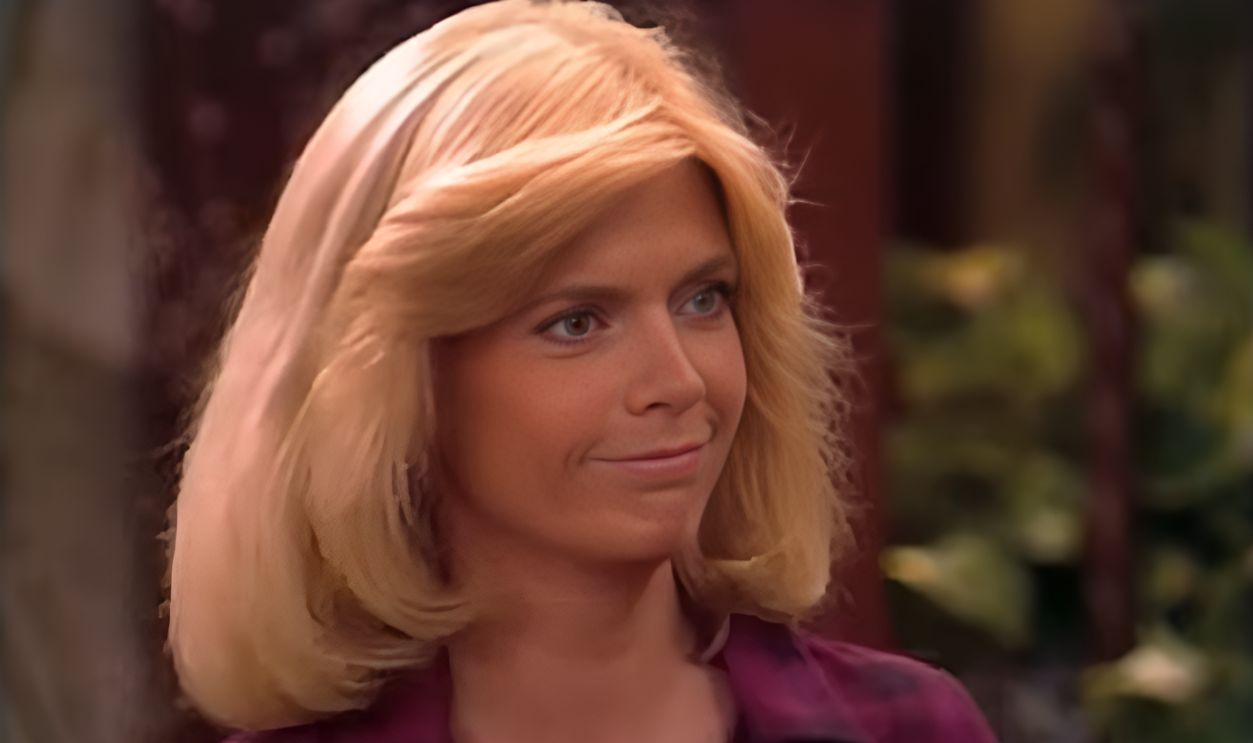 Screenshot from Family Ties, NBC (1982–1989)
Jack Klugman Was Television's Favorite Crusading Coroner
Jack Klugman had already conquered comedy with The Odd Couple before shifting into medical detective territory with Quincy, M.E. The series ran until 1983 and cast Klugman as a coroner who routinely pushed beyond autopsies to investigate suspicious deaths and social problems. He received four consecutive lead drama actor Emmy nominations for Quincy between 1977 and 1980. He entered the new decade as one of television's most established leading men.
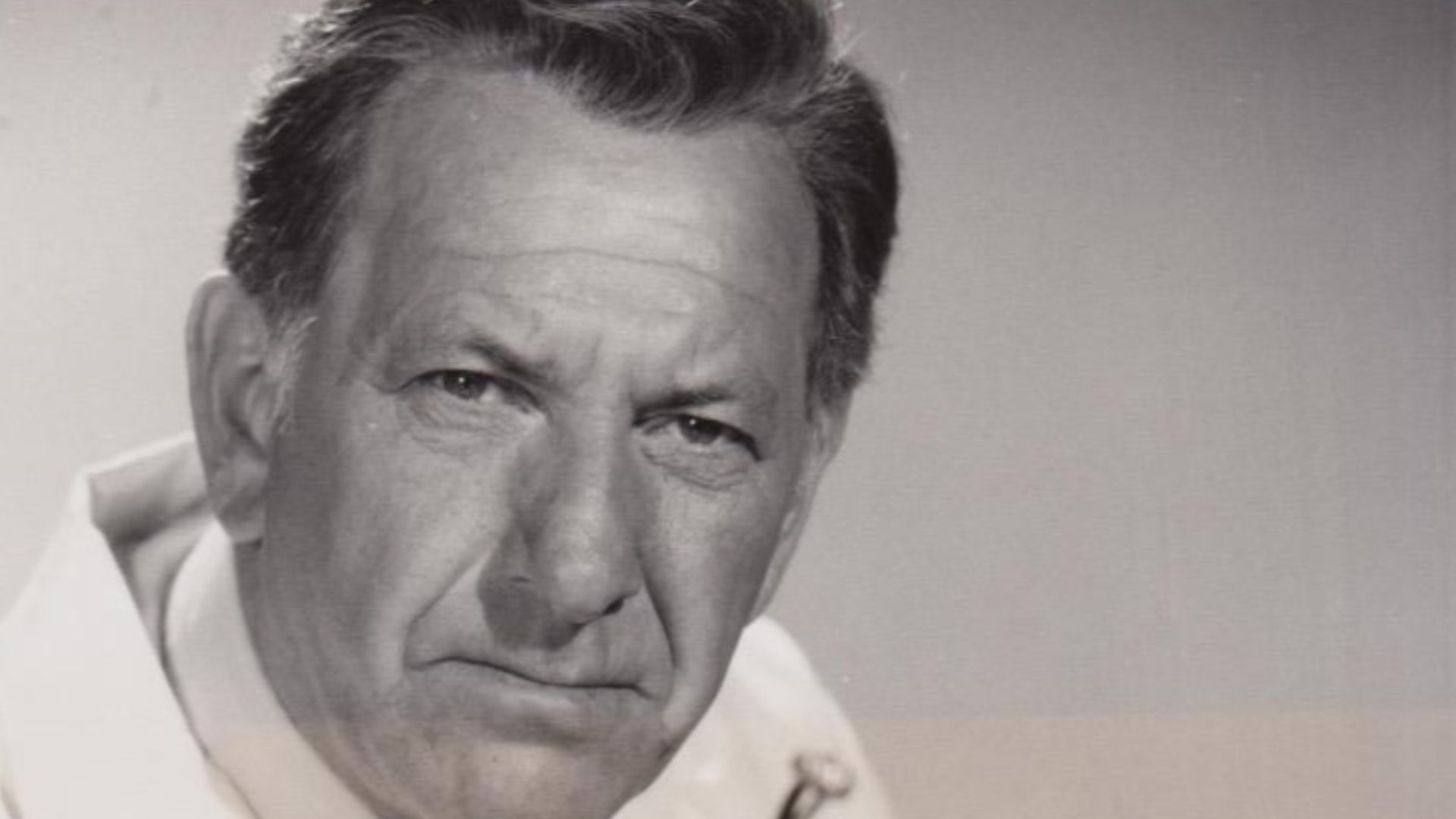 NBC Television, Wikimedia Commons
Ted Knight Found A Second Sitcom Life
Ted Knight had won two Emmys as vain anchorman Ted Baxter on The Mary Tyler Moore Show, but he enjoyed another long television run in the 1980s. Beginning in 1980, he starred as cartoonist Henry Rush on Too Close for Comfort, a sitcom that continued in various forms until 1987. Knight died in 1986 while the program was still being produced, and the series ended not long afterward. His earlier character may be better remembered today, but he remained a weekly TV star well into the next decade.
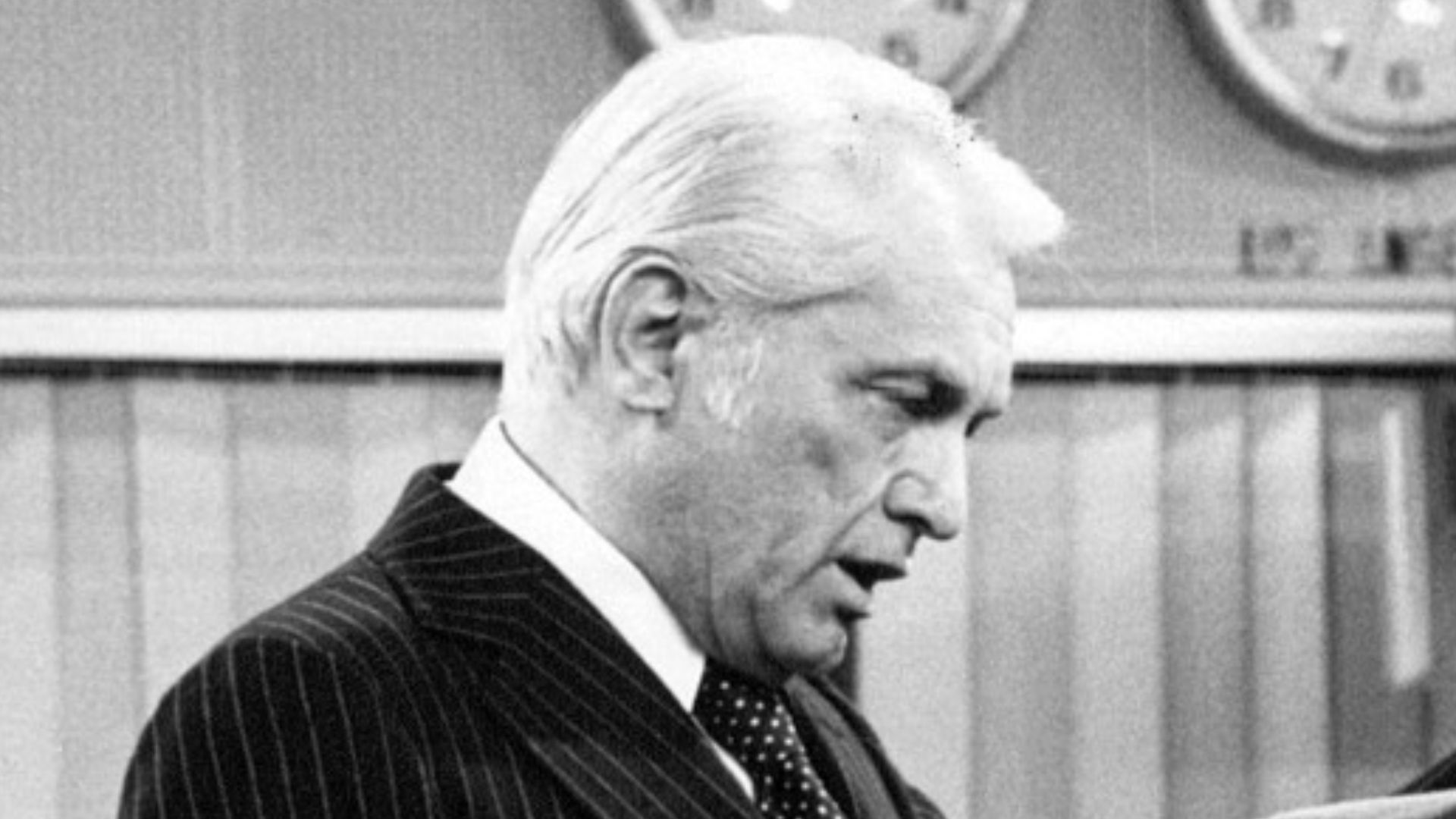 CBS Television, Wikimedia Commons
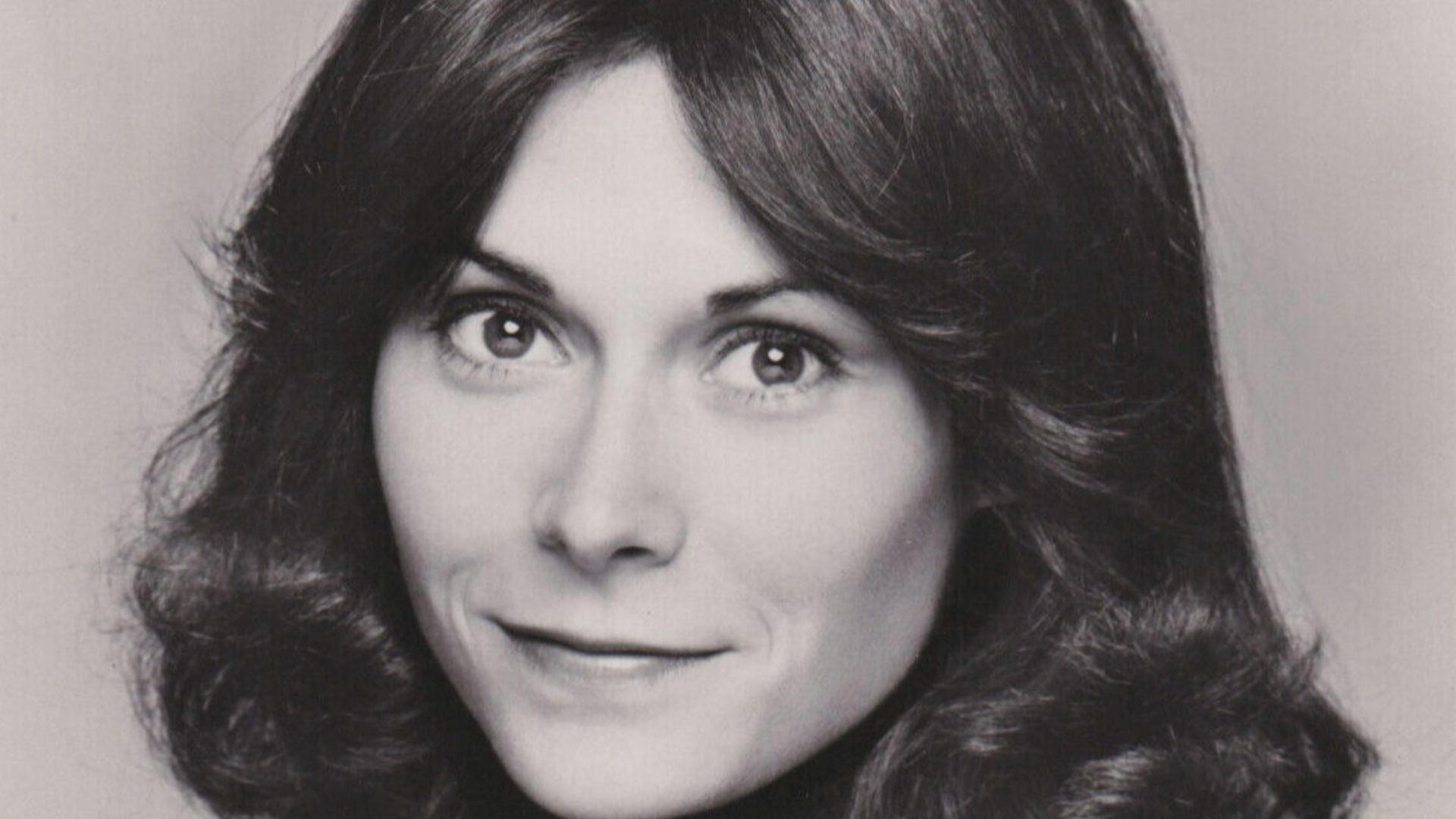
Kate Jackson Had Another Hit After Charlie's Angels
Farrah Fawcett may have become the most enduring icon from Charlie's Angels, but Kate Jackson built an impressive television career of her own. After leaving the series, Jackson eventually starred with Bruce Boxleitner in Scarecrow and Mrs. King, which aired from 1983 through 1987. She played suburban mother Amanda King, who gets pulled into the world of American espionage. For viewers watching CBS in the mid-1980s, Jackson remained very much a leading lady rather than a relic of the previous decade.
 ABC Television, Wikimedia Commons
Fame Used To Work Differently
Many of these stars did not disappear, and some continued working for decades. What changed was television itself. When a handful of networks dominated American viewing, starring in a successful weekly series could make someone's face familiar to tens of millions of people at once. That kind of shared fame is why someone who seems half-forgotten today could once have been one of the most recognizable people in the country.
 CBS Television, Wikimedia Commons
You May Also Like:
Movies That Prove The 80s Were The Best Decade In Film
Incredible TV Shows From The 80s Most People Forgot About
Sources: 1, 2, 3, 4, 5, 6, 7, 8, 9, 10, 11, 12, 13, 14, 15, 16, 17, 18, 19, 20, 21, 22, 23, 24, 25, 26, 27, 28, 29, 30