When Creators Turned Against Their Own Creations
Television history is filled with ambitious ideas that sounded great on paper, attracted real talent, and somehow still went spectacularly off the rails. What’s even juicier than a bad TV show, though, is a bad TV show that its own creator eventually turned against. Sometimes it’s due to network meddling, sometimes burnout, sometimes just plain regret. Whatever the reason, these shows became cautionary tales—proof that even the people who dreamed them up couldn’t stand the final product. Grab the popcorn and a healthy sense of irony, because these are the TV shows that were so bad, even their creators wanted out.
The Idol
HBO’s The Idol arrived with massive hype and left in a cloud of controversy. Co-created by Sam Levinson, the show was widely criticized for its messy storytelling and indulgent tone. While Levinson publicly defended the series during its release, reports later suggested deep frustration behind the scenes, including scrapped versions and major creative overhauls. By the time the show wrapped, it felt less like a bold artistic statement and more like a cautionary tale about excess.
 Screenshot from The Idol, HBO (2023)
Heroes Reborn
Tim Kring’s Heroes was once a cultural phenomenon, but its 2015 revival proved that lightning doesn’t always strike twice. Kring later admitted the reboot didn’t capture the original magic and felt rushed and unfocused. Fans agreed, and Heroes Reborn quietly vanished, leaving its creator wishing the franchise had stayed in the past.
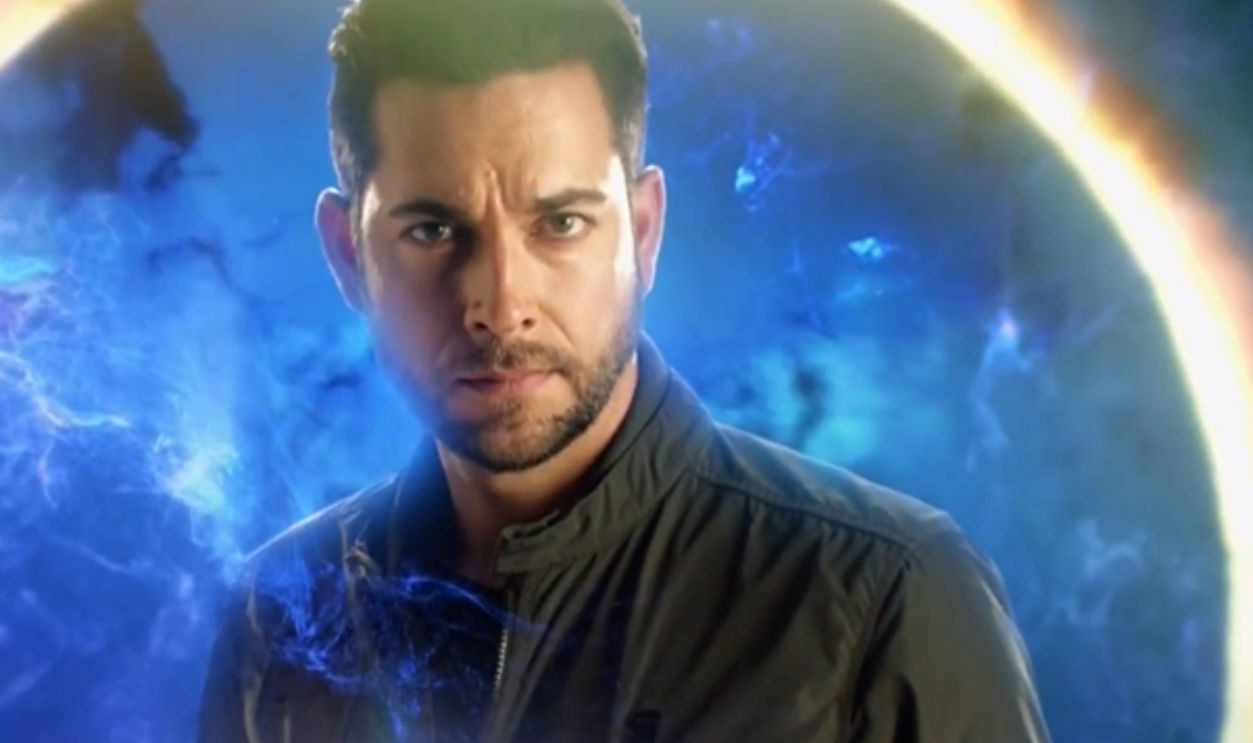 Screenshot from Heroes Reborn, NBC Television (2015–2016)
True Detective Season Two
Nic Pizzolatto’s follow-up to True Detective’s iconic first season collapsed under impossible expectations. Pizzolatto openly acknowledged that the season was written too quickly and without the refinement it needed. In hindsight, even he admitted that the ambition outweighed the execution, making season two a textbook example of creative burnout.
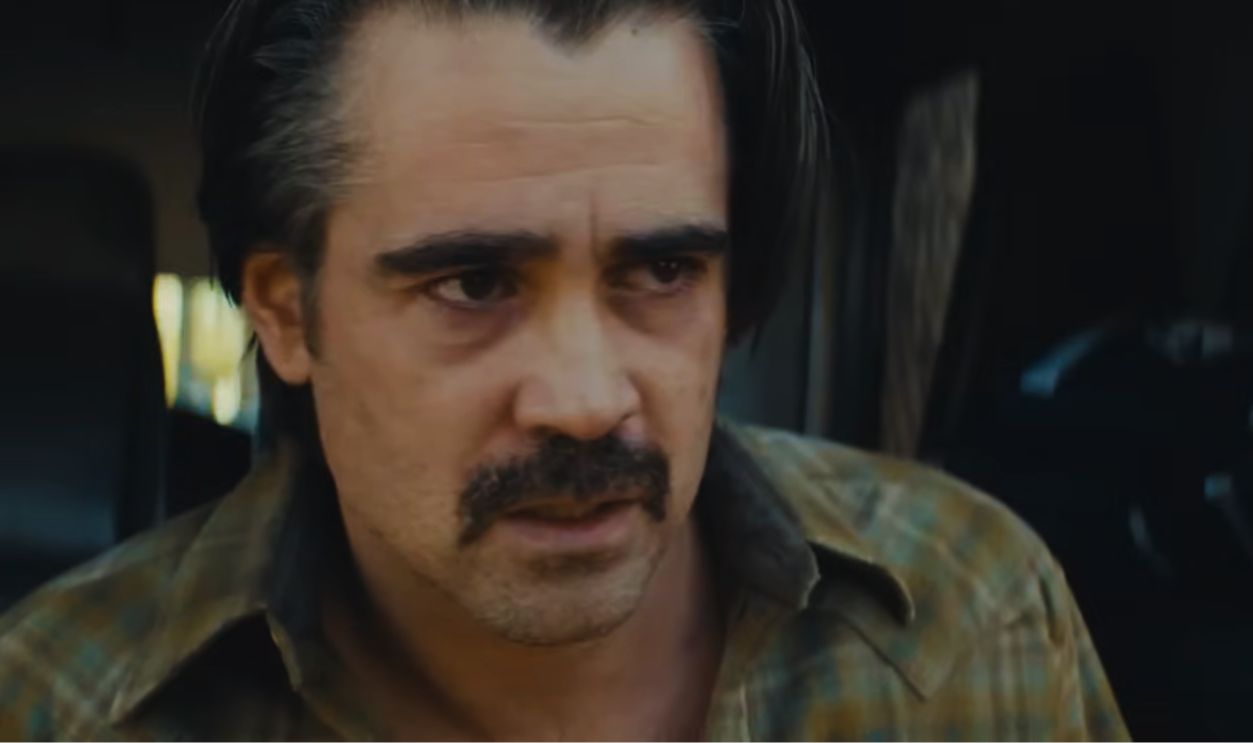 Screenshot from True Detective, HBO (2015)
Two And A Half Men (Later Seasons)
Chuck Lorre built Two and a Half Men into a ratings juggernaut, but after Charlie Sheen’s infamous exit, even Lorre seemed over it. The tone shifted, jokes wore thin, and Lorre later described the final seasons as creatively exhausting. The finale itself felt like a sarcastic apology letter disguised as an episode.
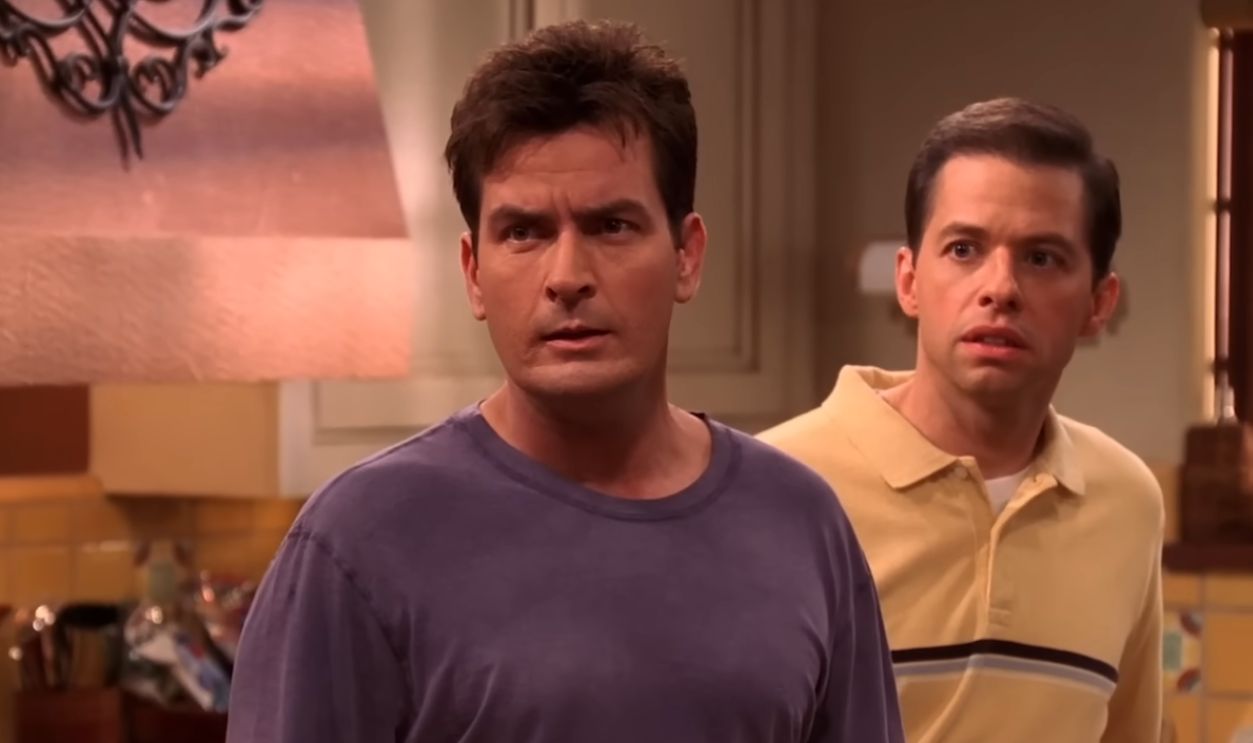 Screenshot from Two and a Half Men, CBS (2003–2015)
The X-Files (Later Revivals)
Chris Carter resurrected The X-Files twice, and both revivals struggled to live up to the original. Carter later admitted that the mythology episodes had become overly complicated and unsatisfying. Fans were vocal, and Carter himself conceded that some mysteries were better left unsolved.
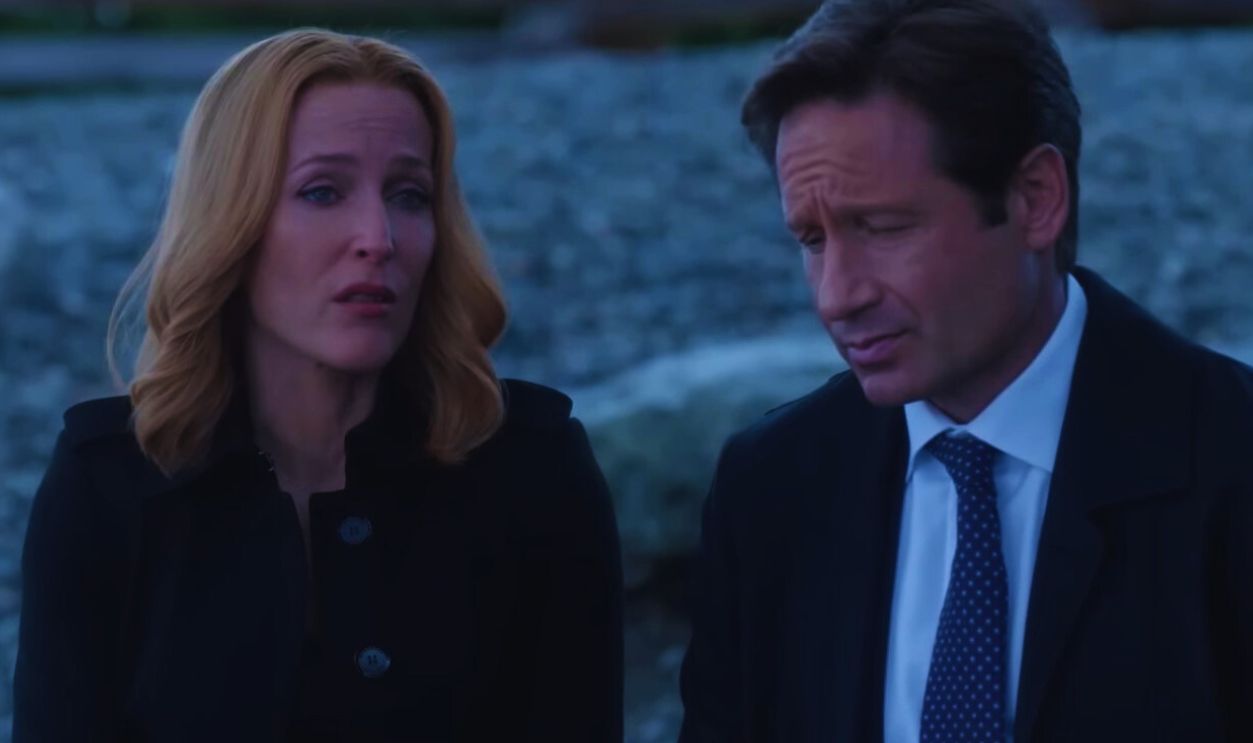 Screenshot from The X-Files, Fox Broadcasting Company (1993–2018)
Arrested Development (Netflix Seasons)
Mitchell Hurwitz’s beloved comedy returned on Netflix with high expectations and confusing execution. Hurwitz later acknowledged that the fragmented cast schedules hurt the storytelling. While still clever in spots, even the creator admitted it didn’t feel like the same show.
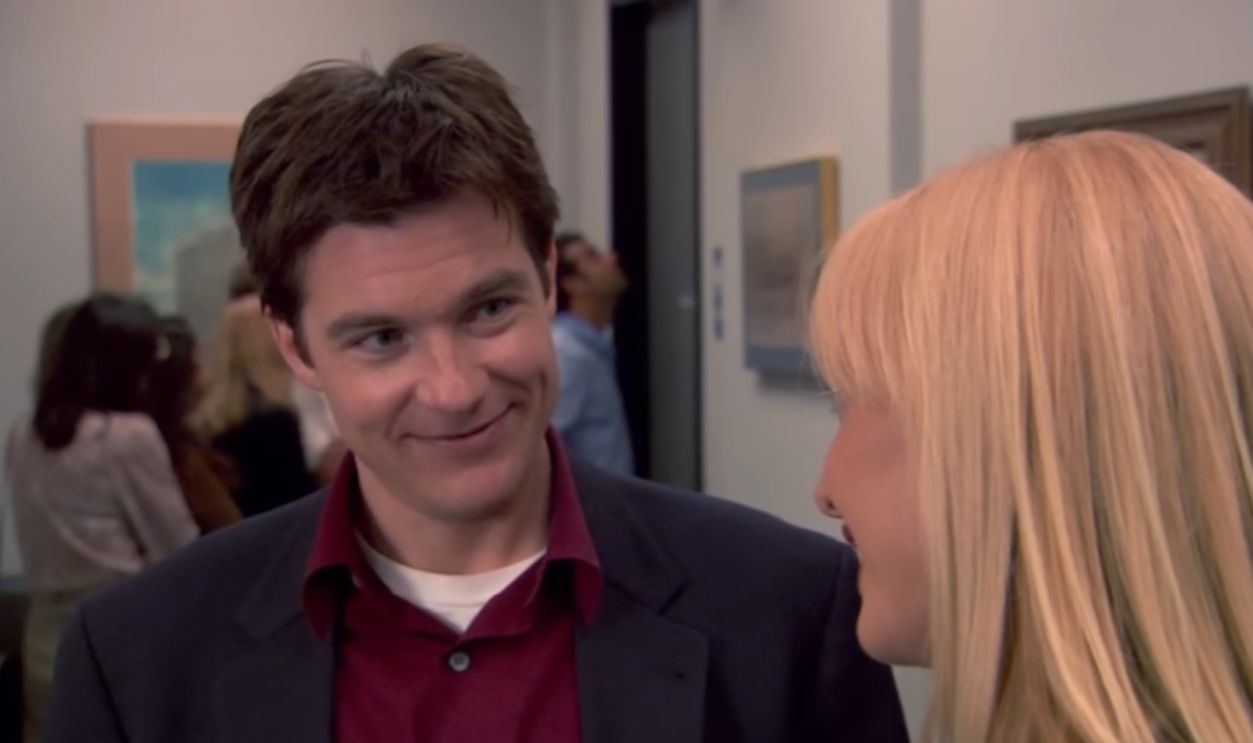 Screenshot from Arrested Development, Netflix (2003-2019)
Lost (Final Season)
Damon Lindelof co-created Lost and also endured years of backlash over its ending. While he stands by the emotional resolution, Lindelof has admitted that parts of the mythology were improvised and messy. In retrospect, even he agrees the show promised answers it couldn’t fully deliver.
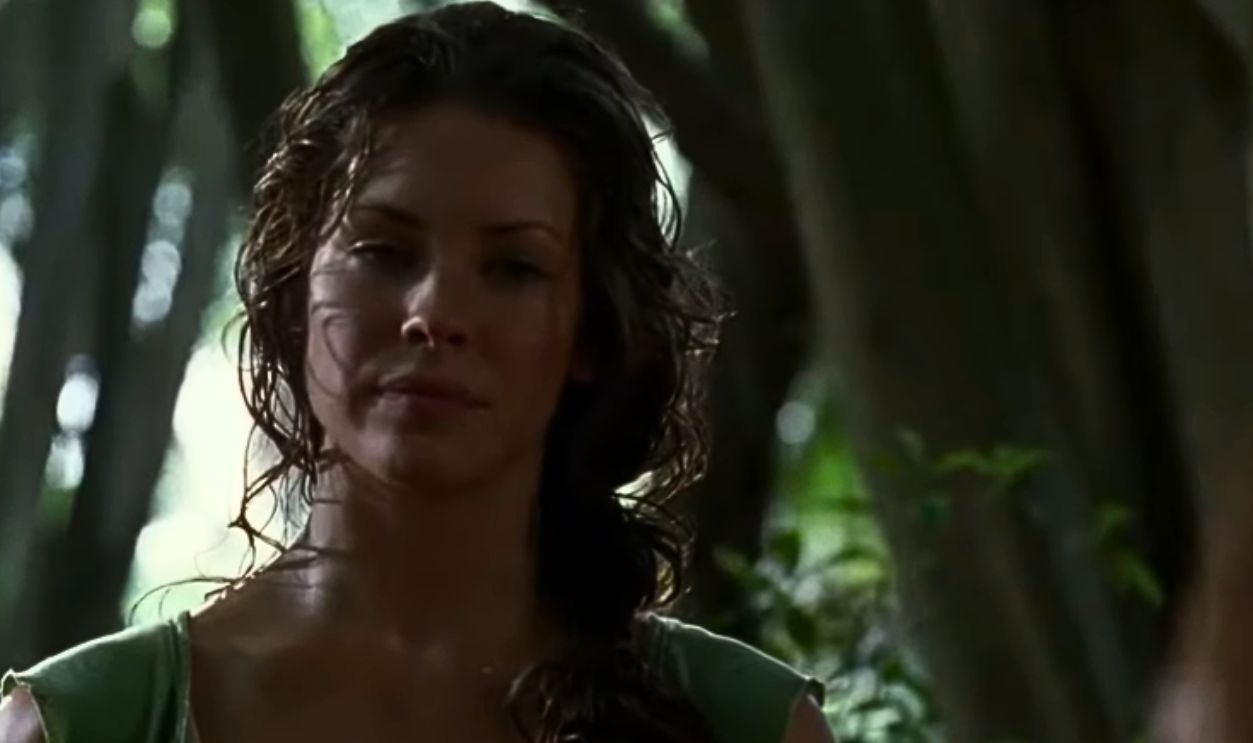 Screenshot from Lost, ABC (2004–2010)
How I Met Your Mother (Finale)
Creators Carter Bays and Craig Thomas defended the ending for years before finally admitting they underestimated fan attachment. They later acknowledged that sticking to a pre-planned finale ignored how much the characters—and audience—had evolved. The regret was real, and so was the backlash.
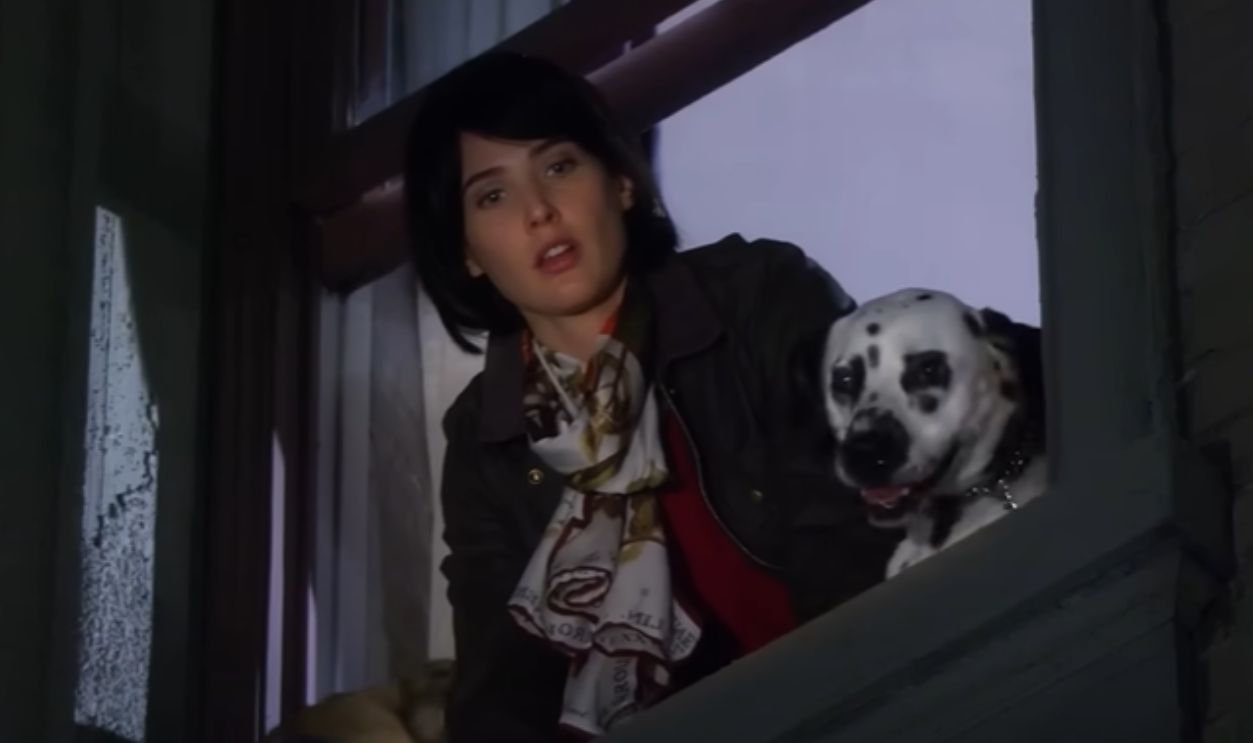 Screenshot from How I Met Your Mother, CBS Television (2005–2014)
Community (Gas Leak Year)
Dan Harmon was fired from Community for season four, often referred to as the “gas leak year.” When he returned, Harmon openly mocked that season and distanced himself from it entirely. Even fans agree: when the creator hates it, it probably deserves the side-eye.
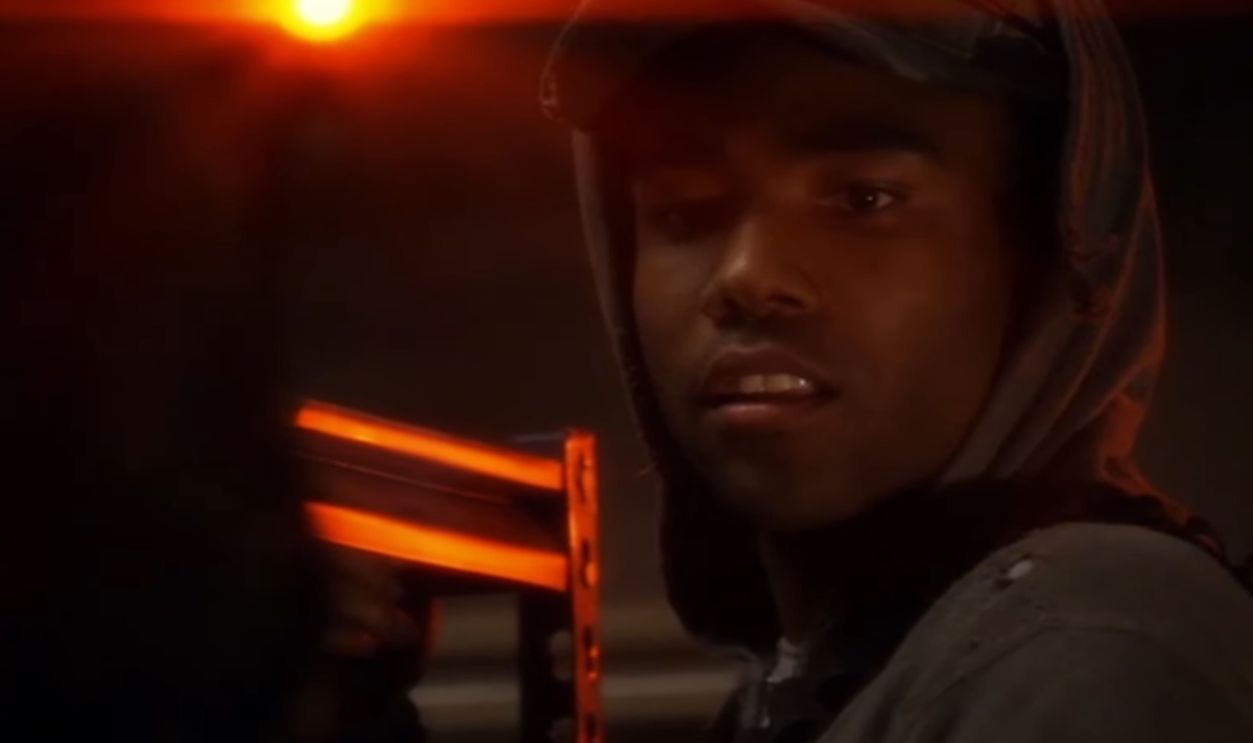 Screenshot from Community, Sony Pictures Television (2009–2015)
Dexter (Original Finale)
Showrunner Clyde Phillips has been candid about his dislike for Dexter’s original ending. He later explained that network demands pushed the show past its natural conclusion. The lumberjack finale became infamous—and even its creators knew it missed the mark.
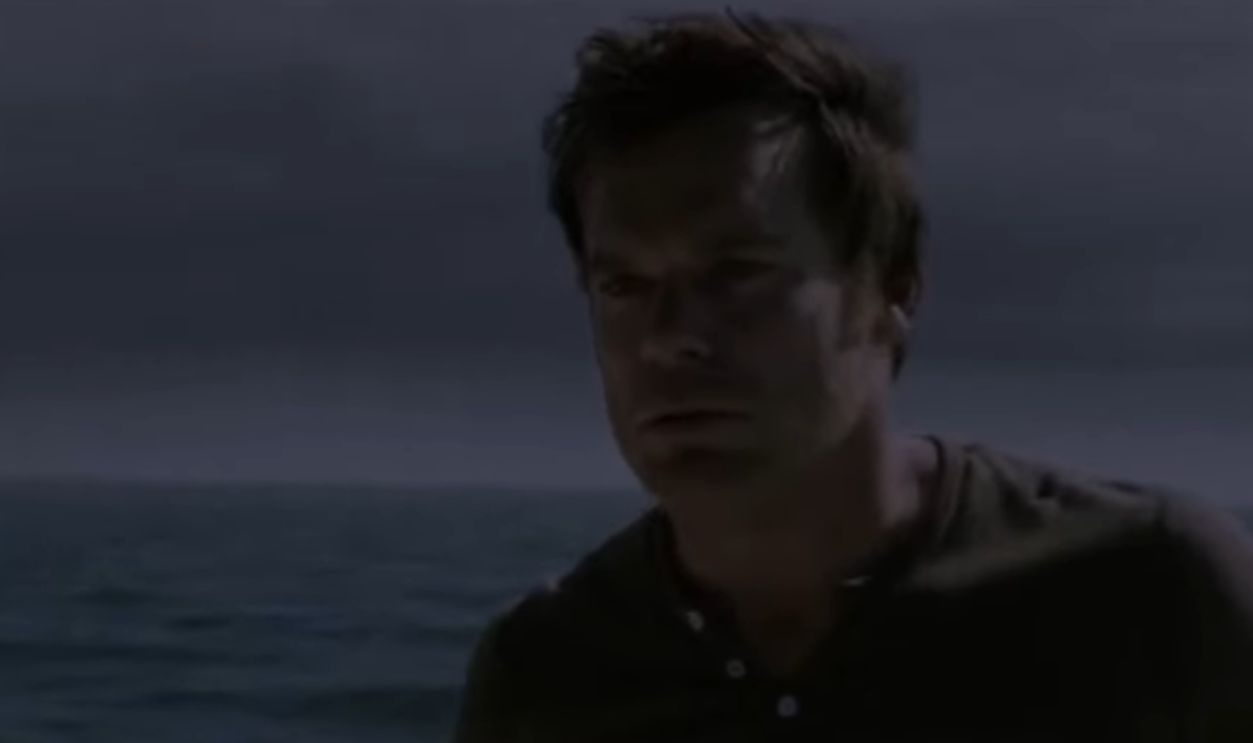 Screenshot from Dexter, Showtime (2006–2013)
Scrubs Season Nine
Bill Lawrence has repeatedly said that Scrubs should have ended with season eight. Season nine’s soft reboot, set at a med school, felt disconnected and unnecessary. Lawrence later admitted it was a mistake, and most fans pretend it never happened.
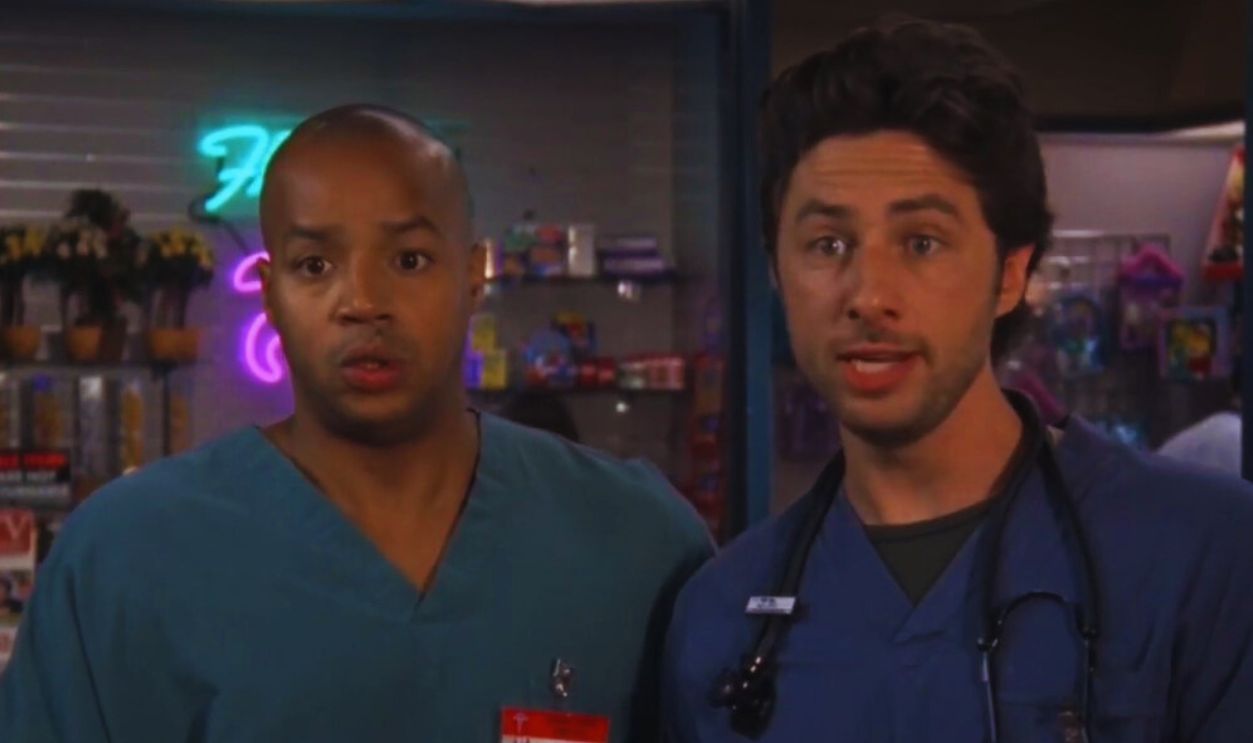 Screenshot from Scrubs, ABC Studios (2001–2010)
Game Of Thrones (Final Season)
David Benioff and D.B. Weiss rushed Game of Thrones to the finish line, and the results were explosive—in a bad way. While they’ve avoided extensive commentary, both creators acknowledged the ending was divisive. In hindsight, even supporters admit the show needed more time.
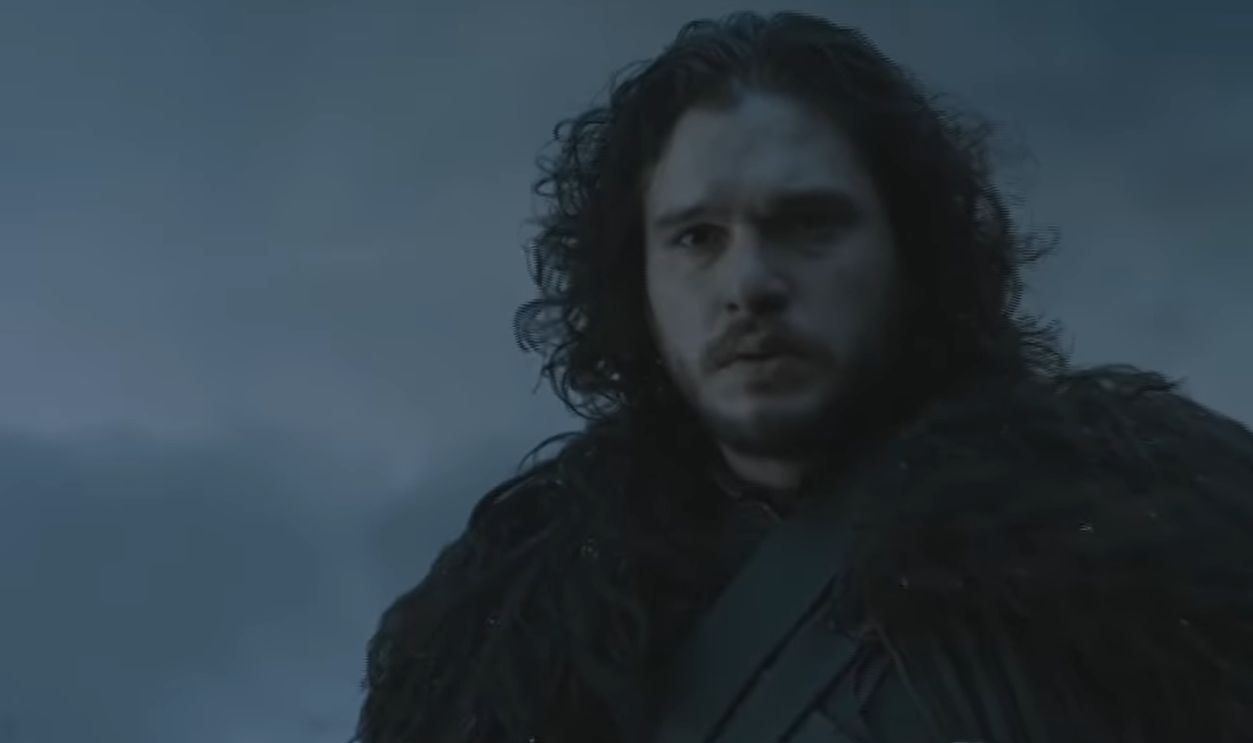 Screenshot from Game of Thrones, HBO (2011–2019)
The Office (Post-Michael Scott)
Greg Daniels helped shape The Office into a classic, but even he admitted the show struggled after Steve Carell’s exit. While still watchable, Daniels later conceded that the emotional core was gone. It wasn’t bad television—but it wasn’t The Office anymore.
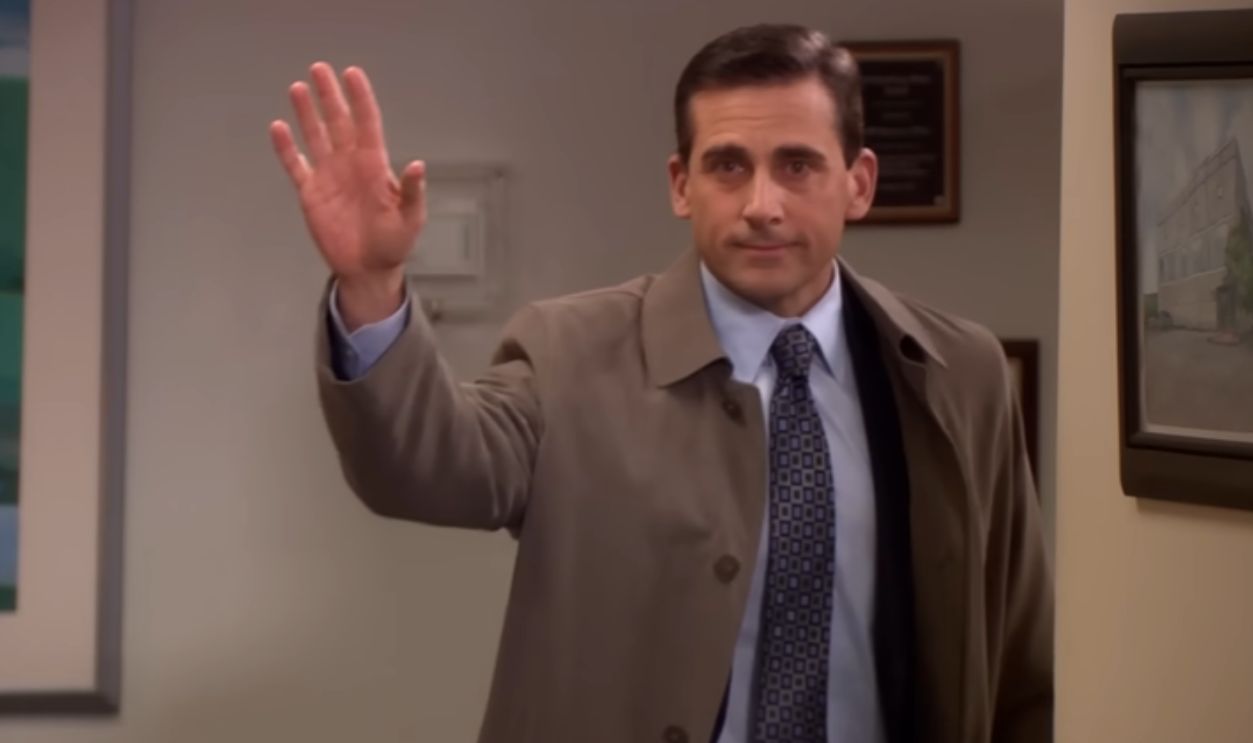 Screenshot from The Office, NBC (2005–2013)
Weeds (Later Seasons)
Jenji Kohan has openly said Weeds ran too long. What began as a sharp suburban satire morphed into increasingly absurd plotlines. Kohan later admitted she would have ended it much earlier if given the choice.
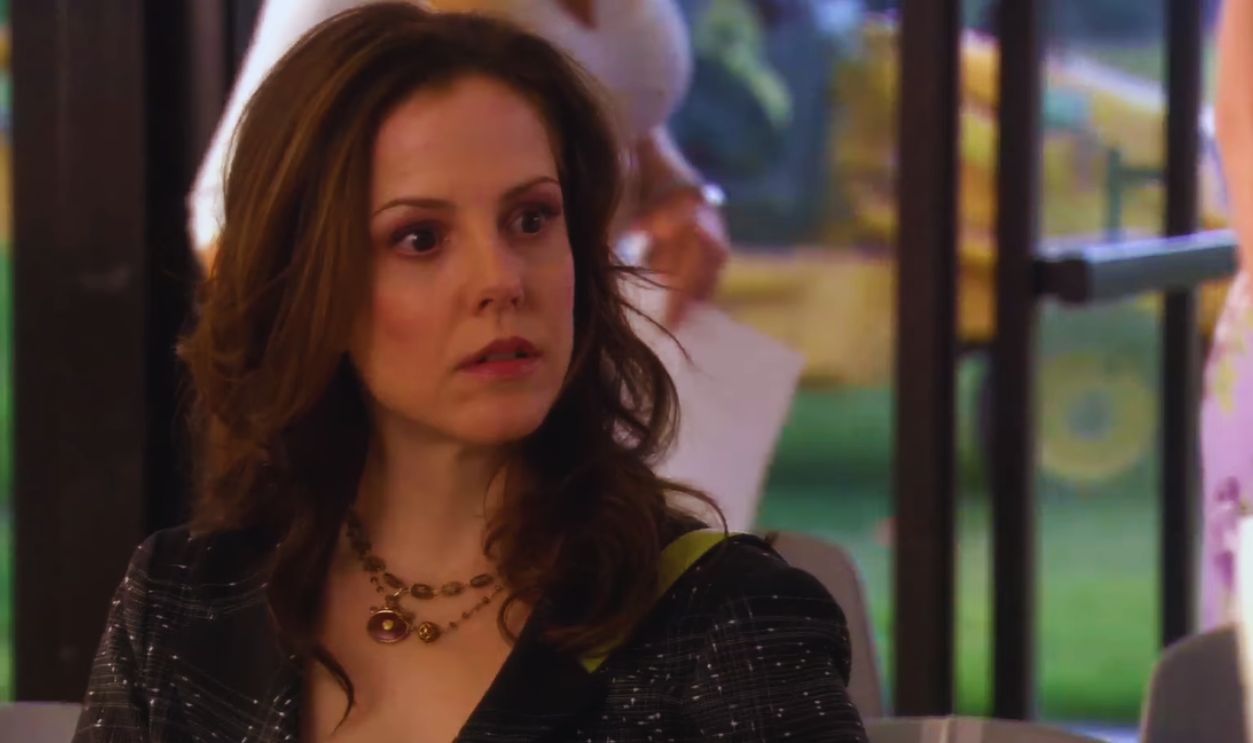 Screenshot from Weeds, Showtime Networks (2005–2012)
Glee (Later Seasons)
Ryan Murphy’s Glee started as a joyful satire and ended as a chaotic mess. Murphy later admitted the show lost focus and became overwhelmed by its own success. Even he acknowledged that the later seasons lacked the clarity and charm of the early years.
 Screenshot from Glee, Fox Broadcasting Company (2009–2015)
The Walking Dead (Extended Run)
Frank Darabont left The Walking Dead early, and subsequent showrunners struggled to maintain momentum. Darabont later expressed frustration with how the series evolved. While the franchise thrived, its original creator clearly didn’t love what it became.
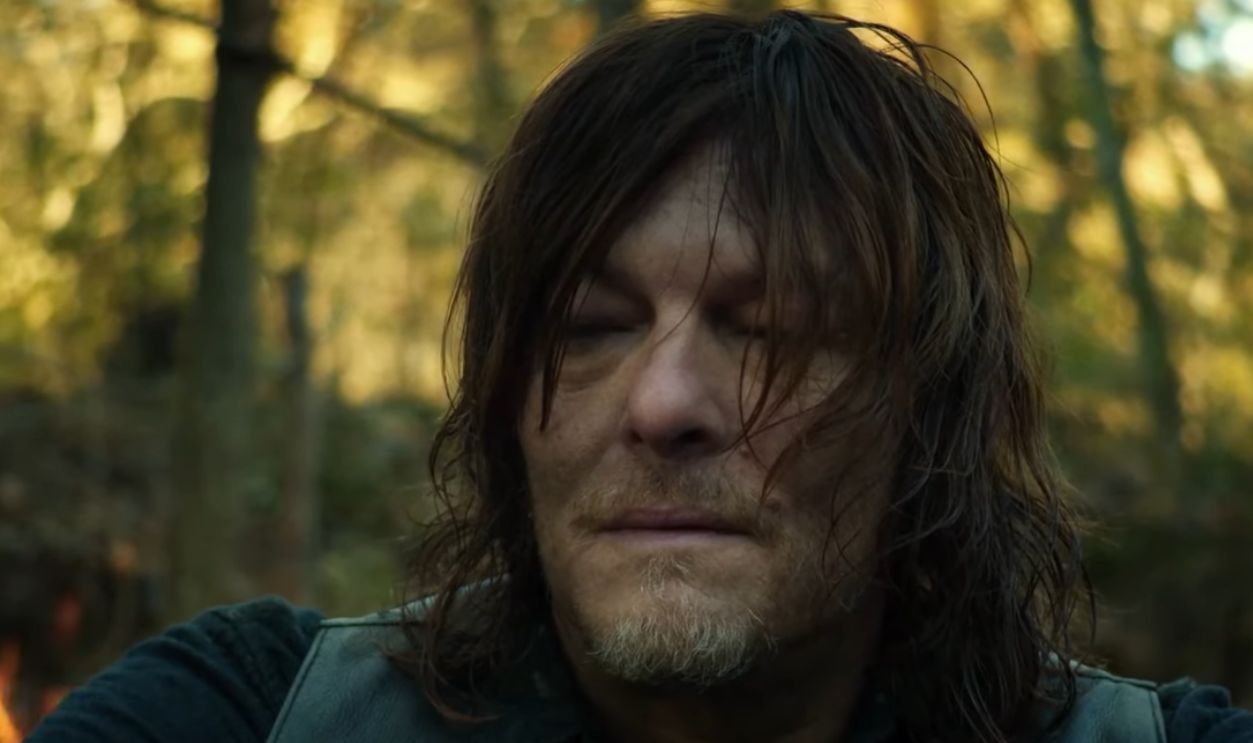 Screenshot from The Walking Dead, AMC (2010–2022)
American Idol (Later Years)
Simon Fuller created American Idol as a star-making machine, but later distanced himself from its bloated later seasons. As ratings dropped, even Fuller acknowledged the format had worn thin. Sometimes, even juggernauts need to bow out.
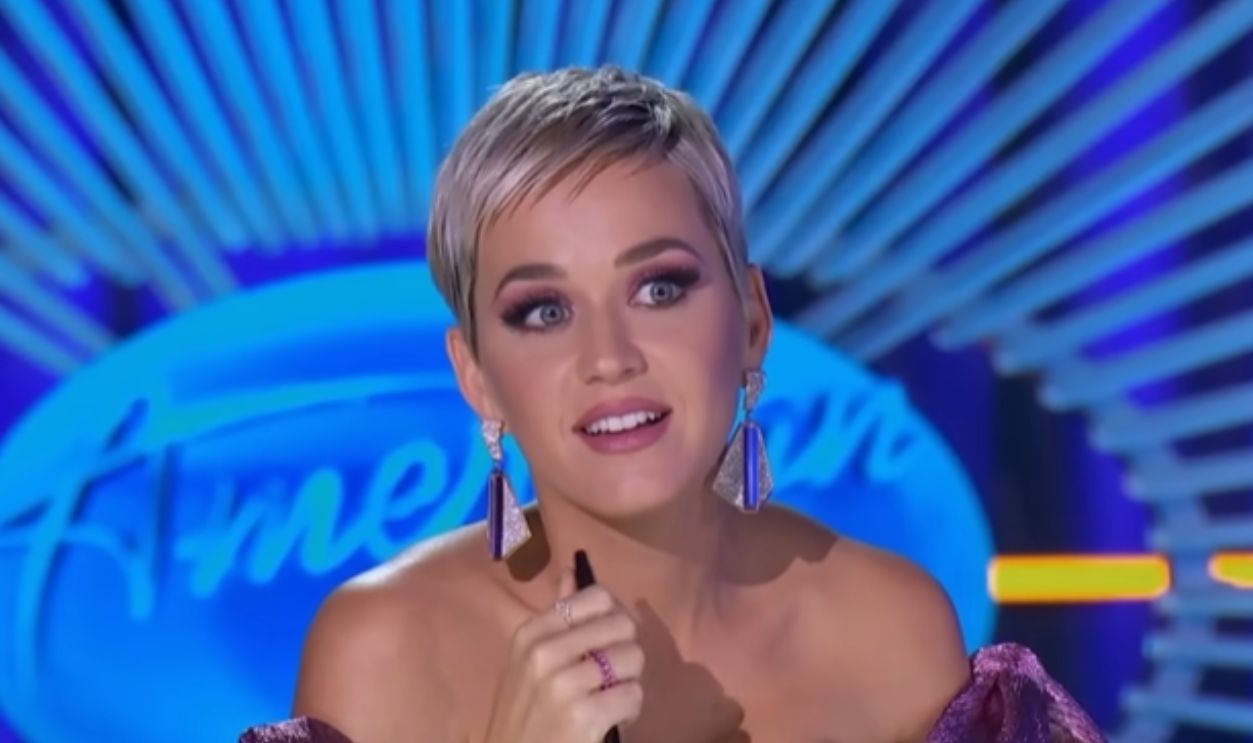 Screenshot from American Idol, ABC Television (2002–Present)
The Simpsons (Modern Era)
Matt Groening has gently acknowledged that The Simpsons isn’t what it used to be. While still involved, Groening has admitted that maintaining quality over decades is nearly impossible. The show lives on, but even its creator knows the golden age is long gone.
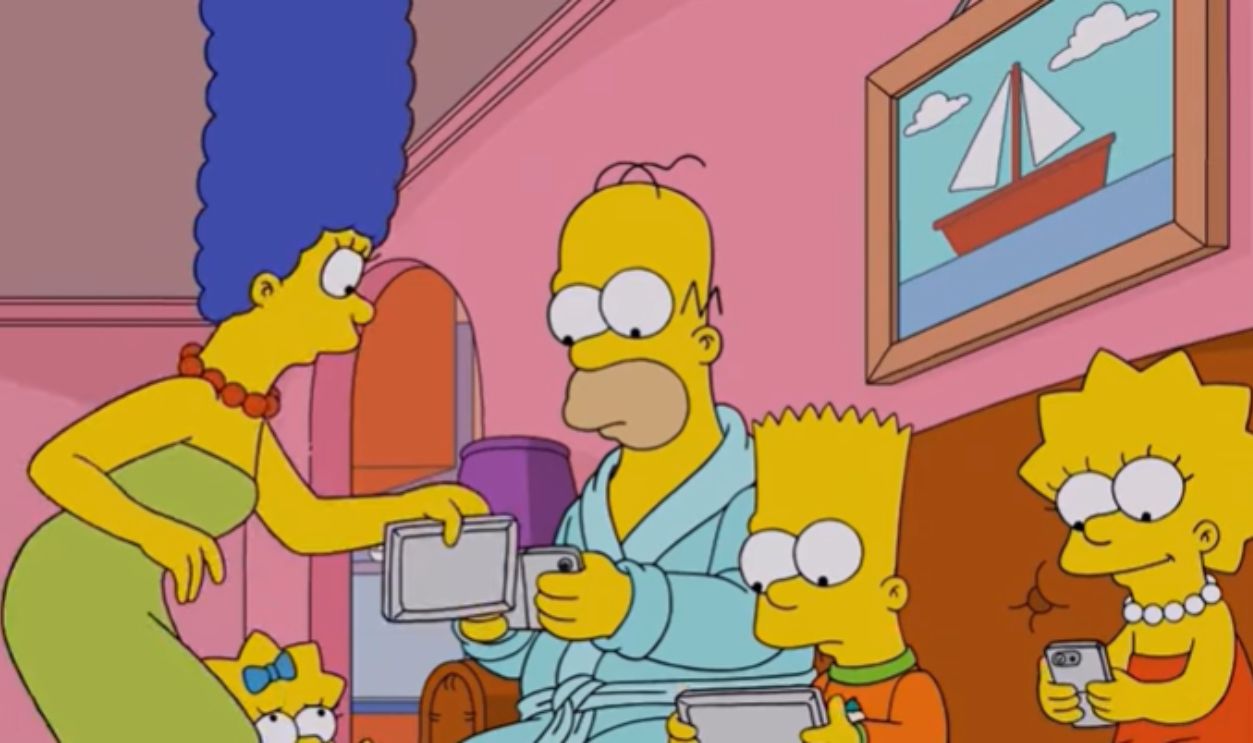 Screenshot From The Simpsons, 20th Century Fox (1989–present)
Twin Peaks Season Two
David Lynch famously disowned much of Twin Peaks’ second season. Network interference and forced plot reveals drained the show of its mystery. Lynch later described the experience as creatively painful—and it shows.
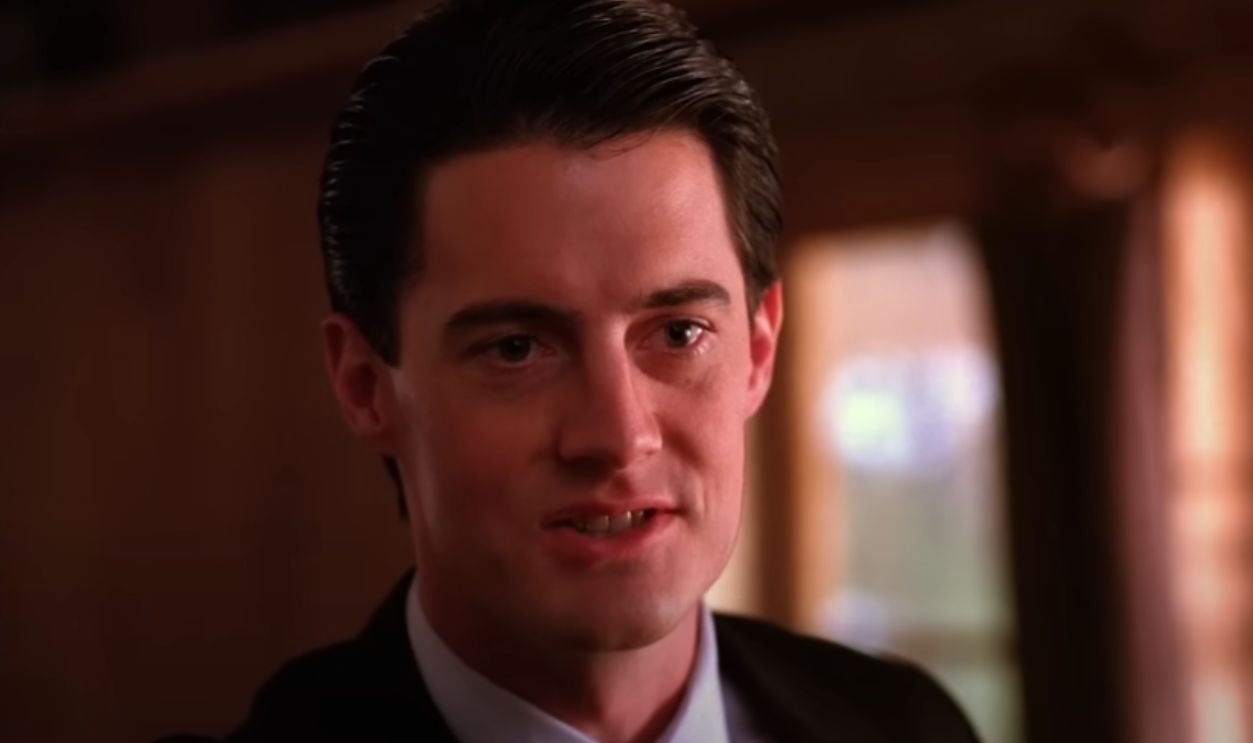 Screenshot from Twin Peaks, ABC Television (1990–1991)
Roseanne (Final Revival Season)
Before its abrupt cancellation, even the creative team behind Roseanne expressed concerns about its direction. What began as a successful revival spiraled quickly. In the aftermath, creators admitted the project lost its footing fast.
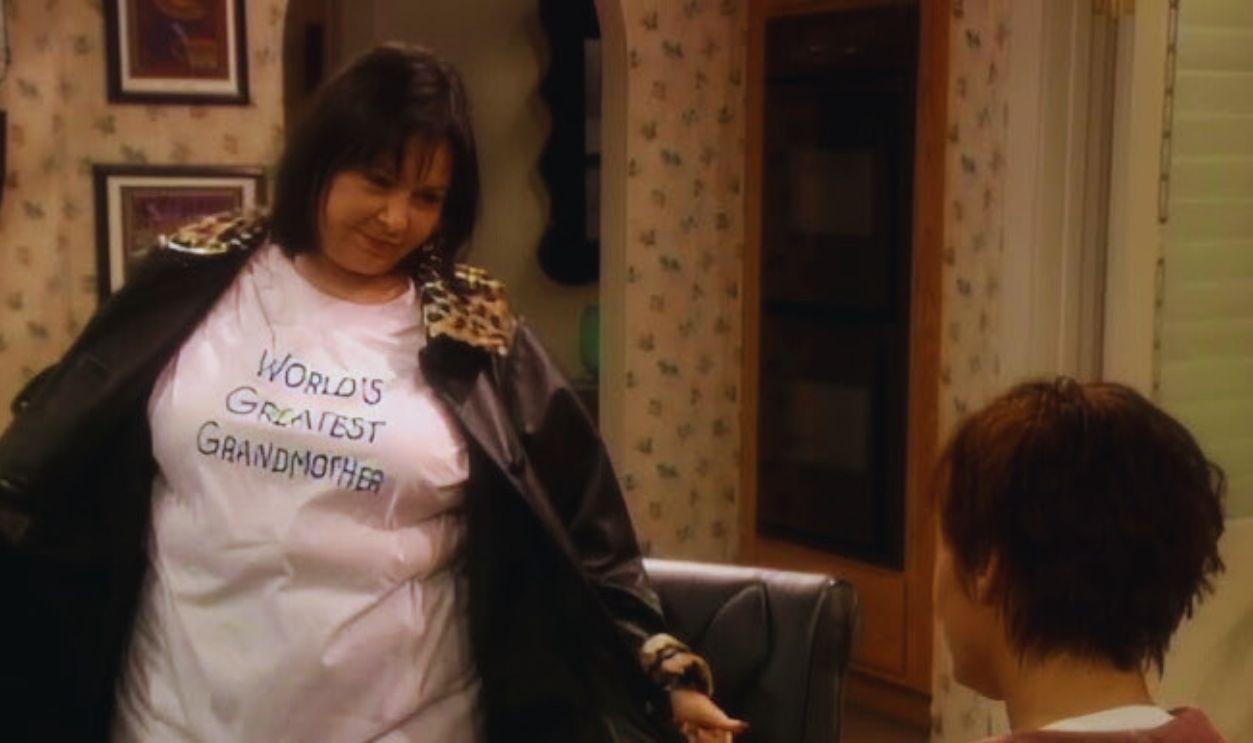 Screenshot from Roseanne, ABC Television (1988–2018)
The Flash (Later Seasons)
Showrunner Eric Wallace has admitted that maintaining narrative momentum over many seasons was a challenge. As plots became repetitive, even the creative team acknowledged fatigue. The show didn’t collapse overnight—it slowly fizzled.
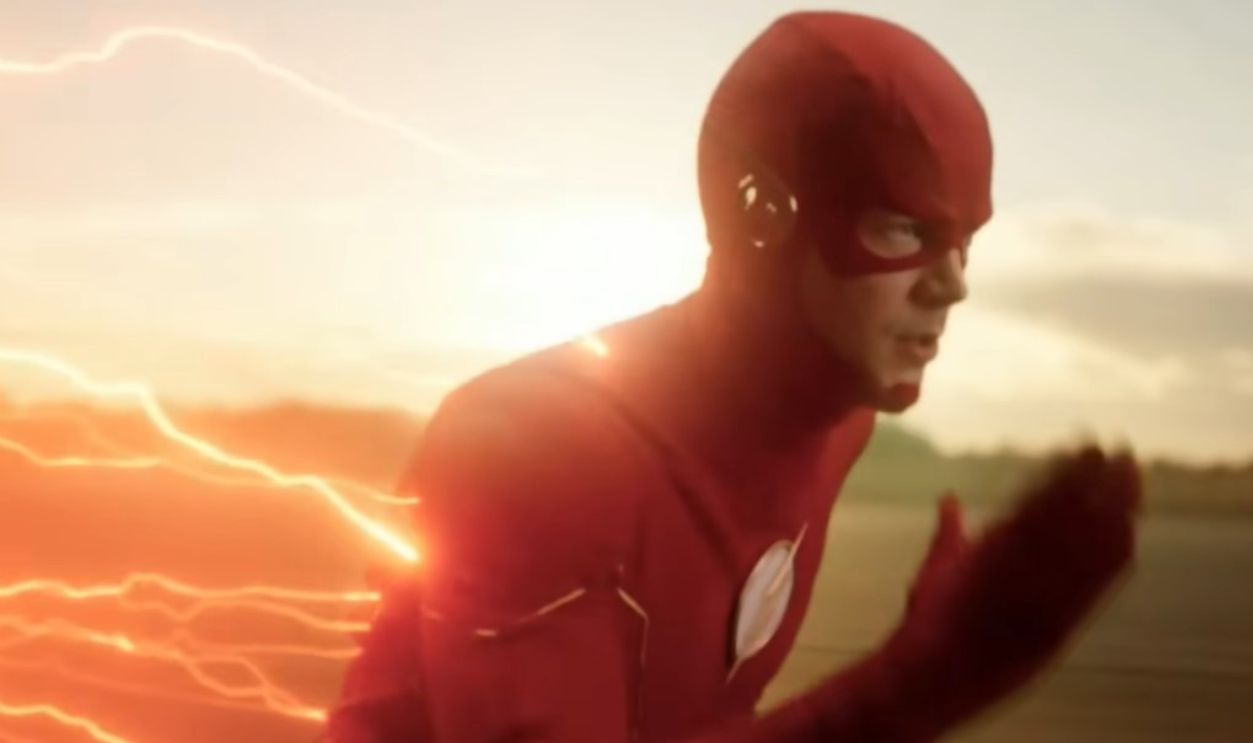 Screenshot from The Flash, The CW (2014–2023)
Westworld (Later Seasons)
Jonathan Nolan and Lisa Joy’s Westworld became increasingly complex to its own detriment. Nolan later admitted the show may have become too dense for its own good. What started as prestige TV ended as a puzzle even its creators struggled to solve.
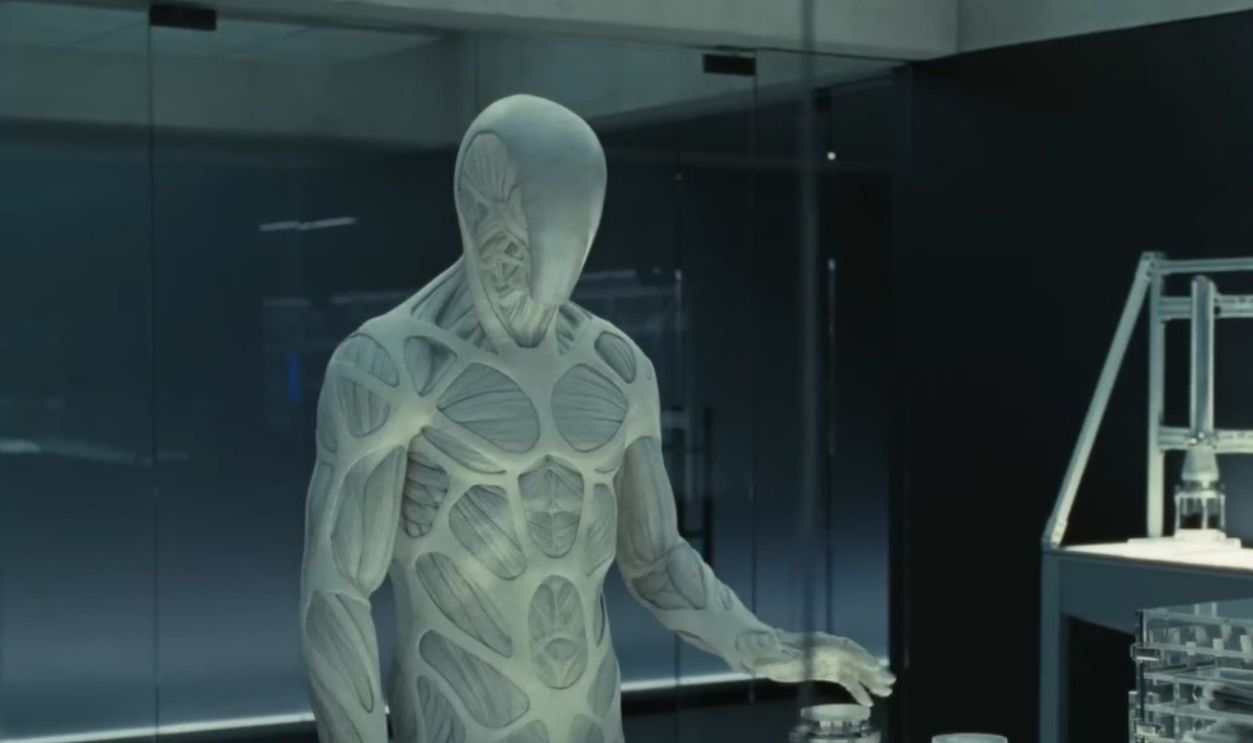 Screenshot from Westworld, HBO (2016–2022)
And Just Like That
Michael Patrick King revived Sex and the City with mixed results. While publicly optimistic, he later acknowledged that some storylines didn’t land as intended. Nostalgia can be powerful—but it’s also risky.
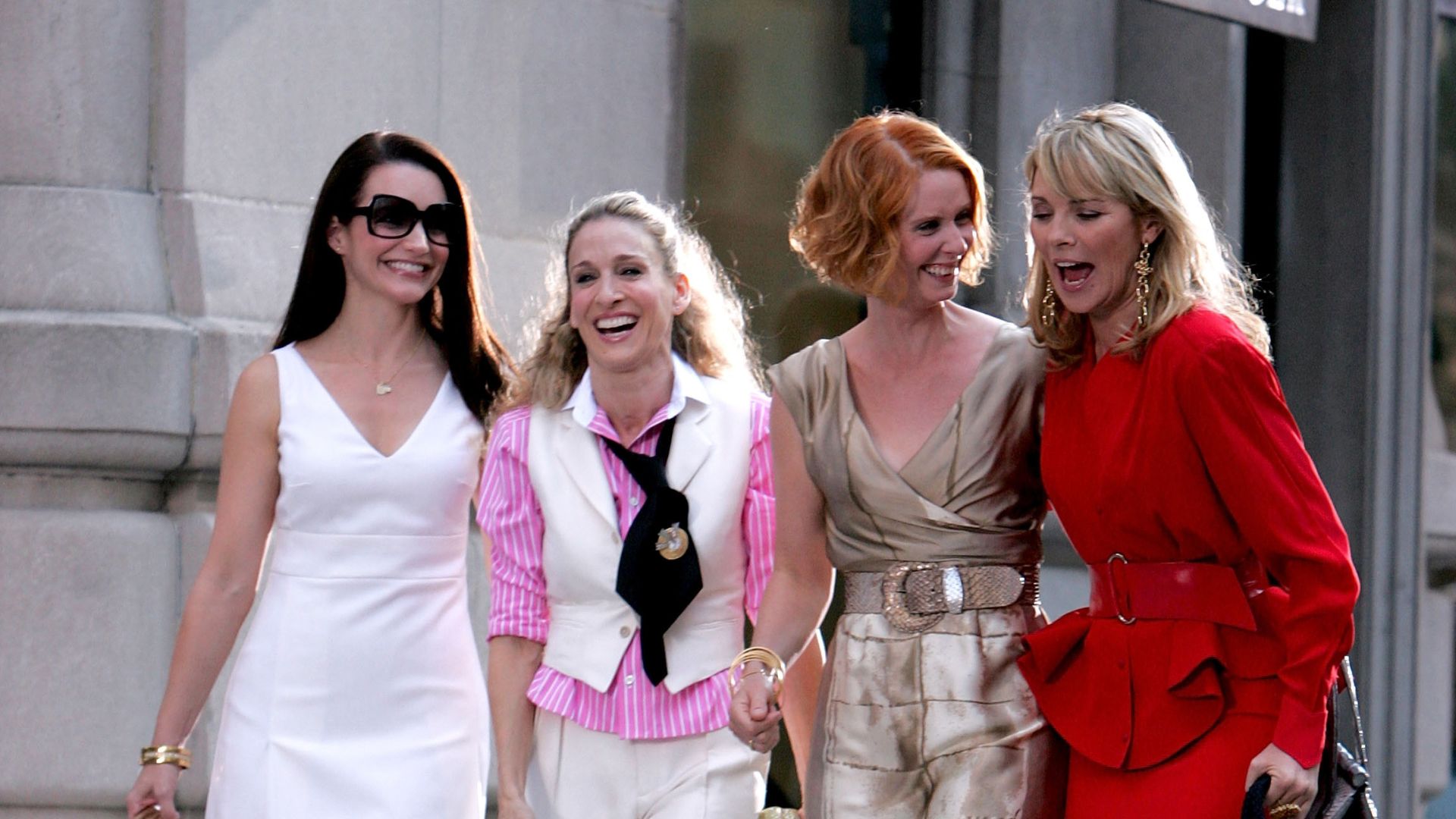 Martamenchini, Wikimedia Commons
The Witcher (Season Three)
Lauren Schmidt Hissrich faced mounting criticism as The Witcher drifted from its source material. Reports suggested internal frustration, and by season three, even the creative direction seemed uncertain. The result was a show struggling with its own identity.
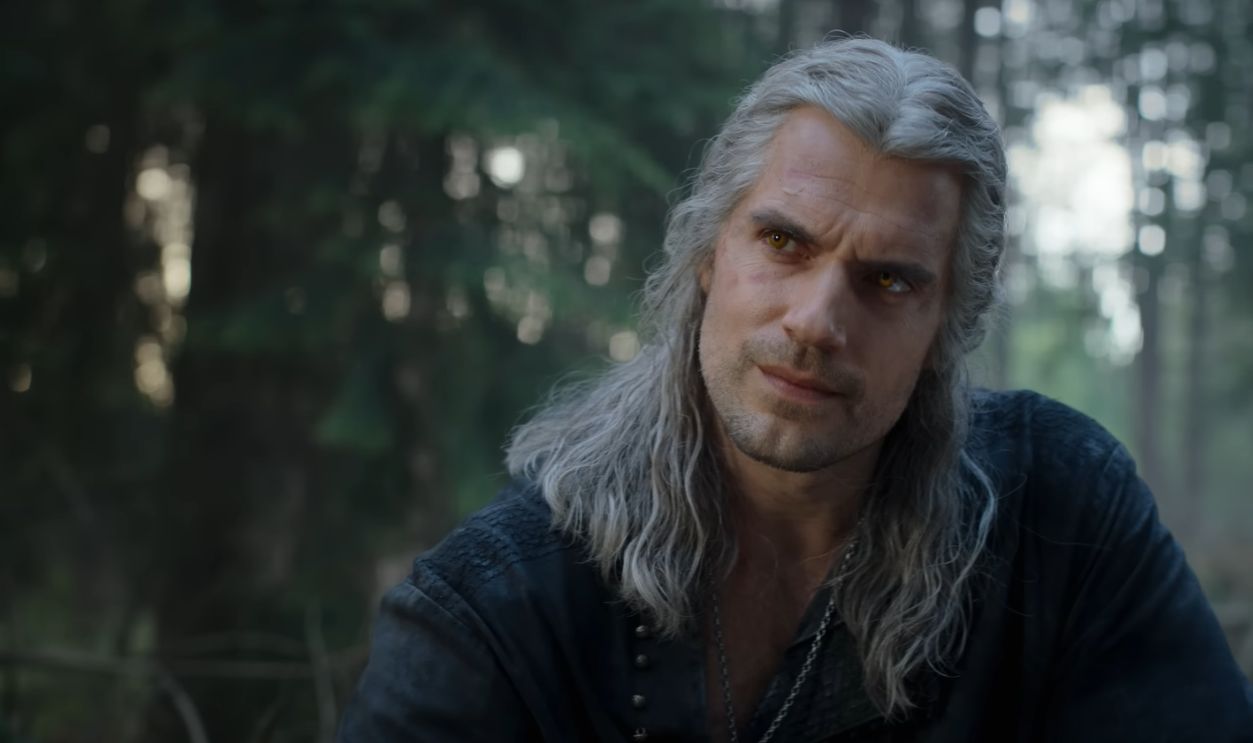 Screenshot from The Witcher, Netflix (2019–present)
When Even The Creator Walks Away
Bad TV is easy to spot, but bad TV that even its creator regrets is something special. These shows remind us that television is a fragile balancing act between vision, execution, and circumstance. Sometimes the dream survives. Sometimes it crashes spectacularly. Either way, when creators turn against their own work, it’s usually because they see exactly what went wrong—and wish they could hit rewind.
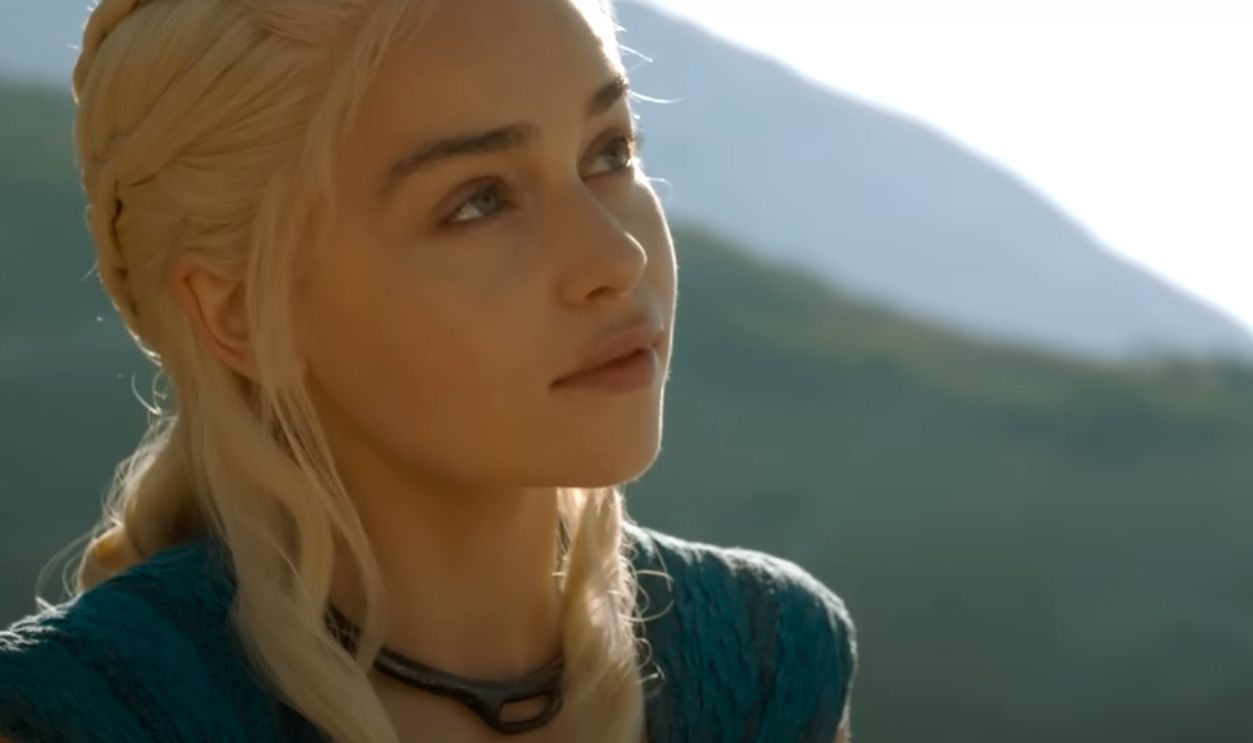 Screenshot from Game of Thrones, HBO (2011–2019)
You May Also Like:
Paul Walker was fiercely private, but after his tragic death, everything came out.
These Historical Films Went To Absurd Lengths To Get Every Detail Right
The Story of Linda Fiorentino's Fall Shows Hollywood's Inner Demons