When A TV Show Is Saved By The... Episode
Television history is littered with shows that almost didn’t make it. Low ratings, mixed reviews, or network skepticism put many now-beloved series on the brink—until one incredible episode changed everything. Sometimes it was a bold creative swing, sometimes an emotional gut punch, and sometimes just perfectly timed brilliance. Here are TV shows that were hanging by a thread… until one unforgettable episode saved them.
Parks and Recreation — “Rock Show”
Early Parks and Recreation struggled to escape comparisons to The Office. Then came “Rock Show,” which fully embraced the show’s quirky optimism, sharpened its ensemble, and made Leslie Knope a character worth rooting for. From that point on, the show found its voice—and its fanbase.
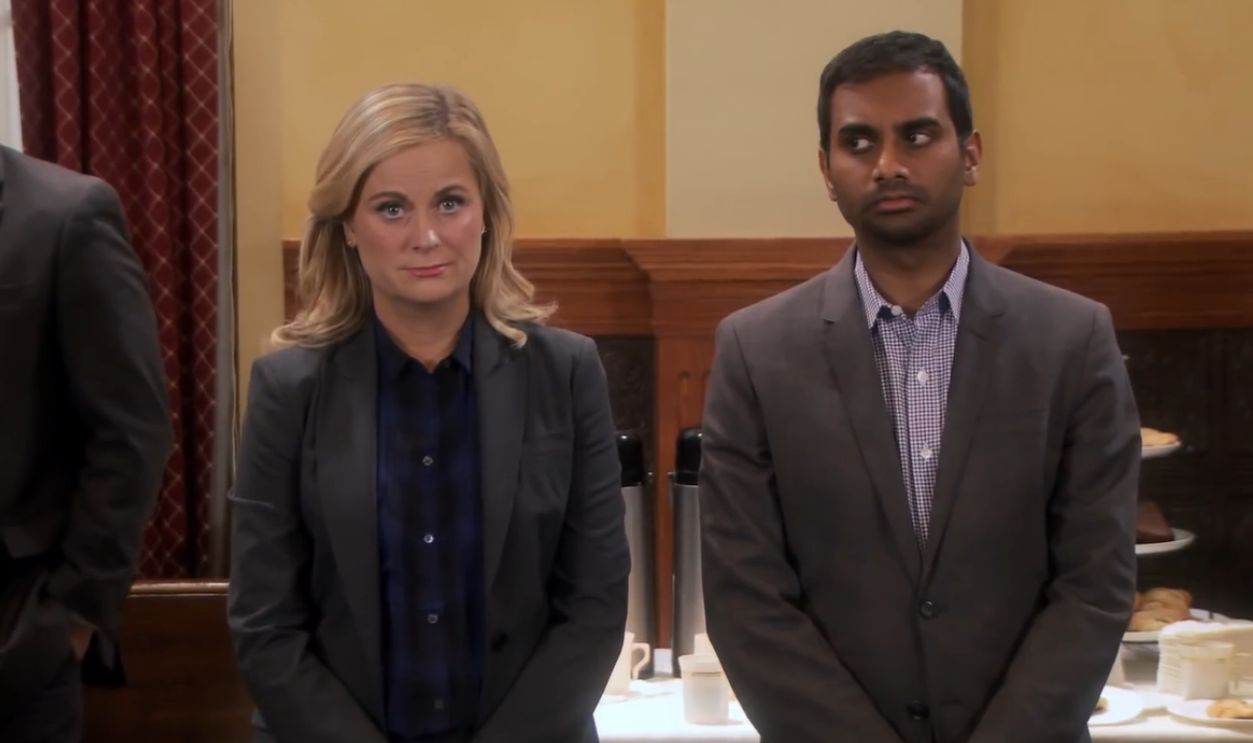 Screenshot from Parks and Recreation, NBCUniversal
Breaking Bad — “Crazy Handful Of Nothin’”
Breaking Bad was critically admired early on but not yet a hit. This episode, featuring Walter White’s explosive “This… is not meth” moment, clarified the show’s stakes and tone. It proved the series wasn’t just slow-burn drama—it was something dangerous and addictive.
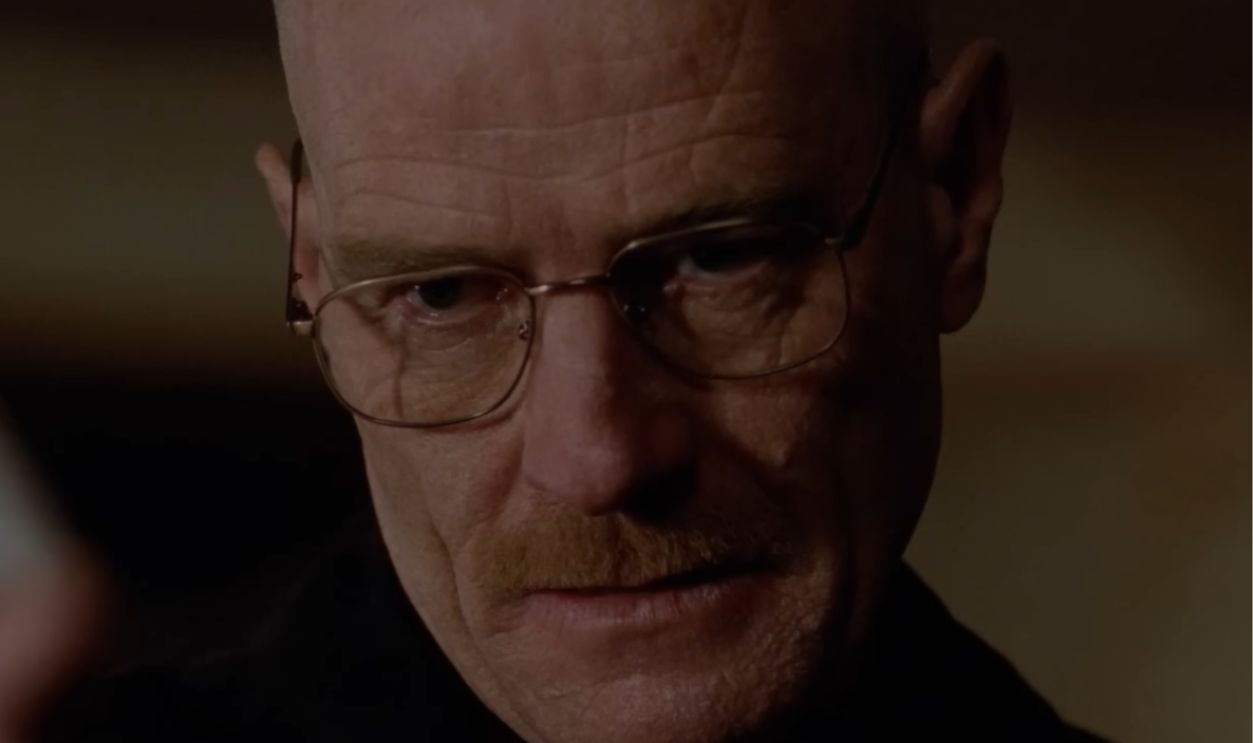 Screenshot from Breaking Bad, AMC (2008–2013)
The Office (US) — “The Dundies”
The U.S. version of The Office nearly followed its UK predecessor into obscurity. “The Dundies” humanized Michael Scott, balanced cringe with heart, and showed the show could stand on its own. NBC finally saw what it had—and never looked back.
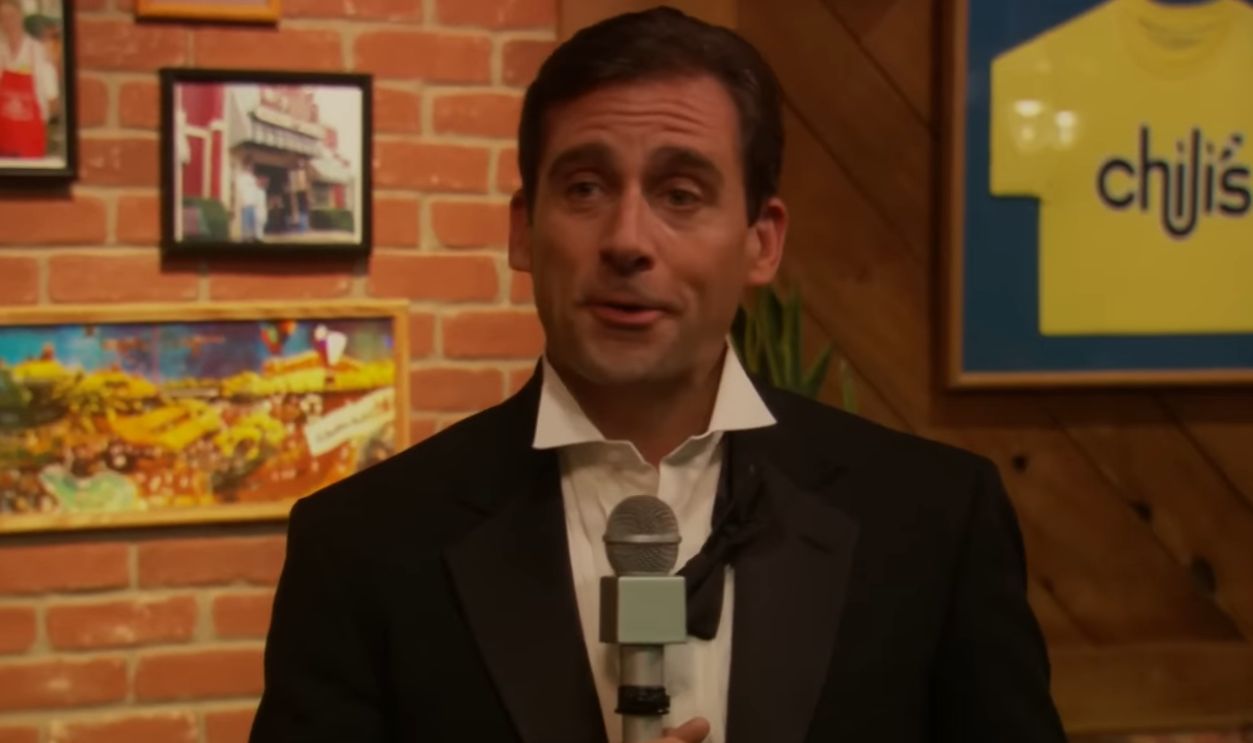 Screenshot from The Office, NBC (2005–2013)
Star Trek: The Next Generation — “The Best Of Both Worlds”
Season 3 was shaky, but this Borg-focused two-parter was electrifying. Picard’s assimilation raised the stakes to operatic levels and turned TNG into prestige sci-fi. It transformed the show from “pretty good” into must-watch television.
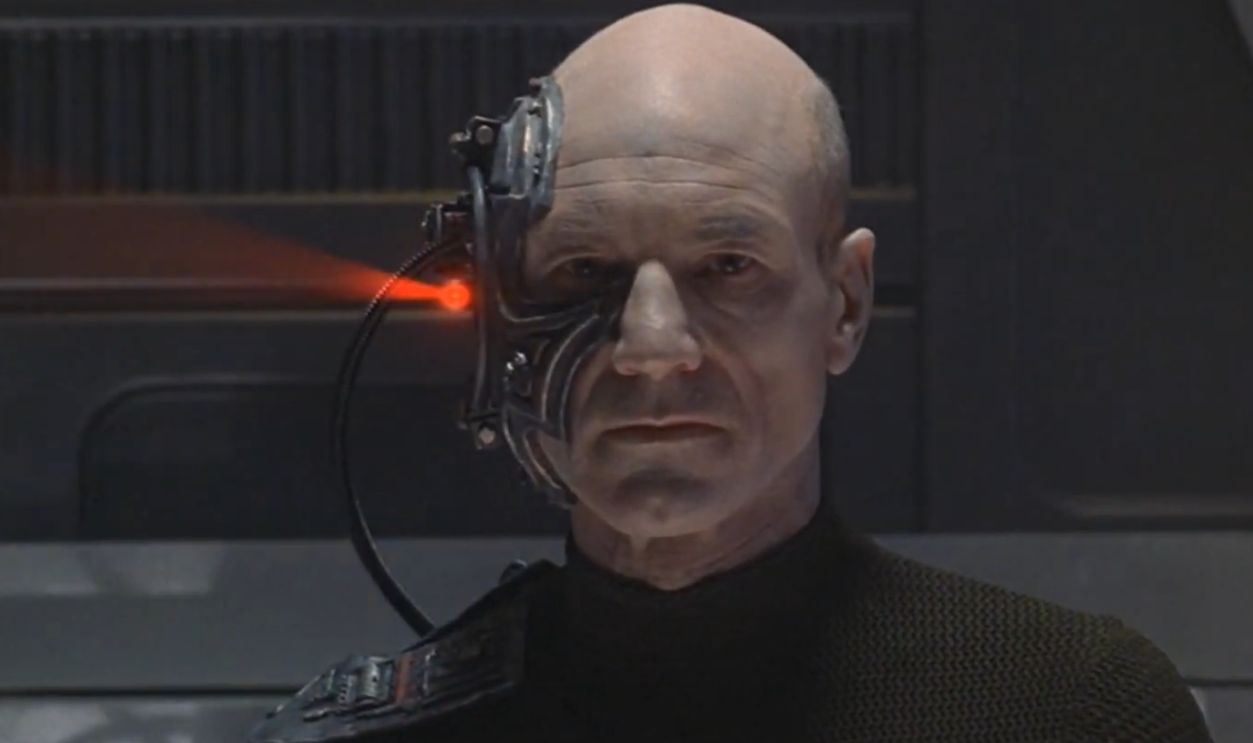 Screenshot from Star Trek: The Next Generation, Paramount Television (1987–1994)
Schitt’s Creek — “Happy Anniversary”
Early seasons flew under the radar, but this emotional anniversary episode highlighted the show’s warmth beneath the jokes. It showcased real growth for Johnny and Moira Rose and signaled the heartfelt comedy that would later win Emmy history.
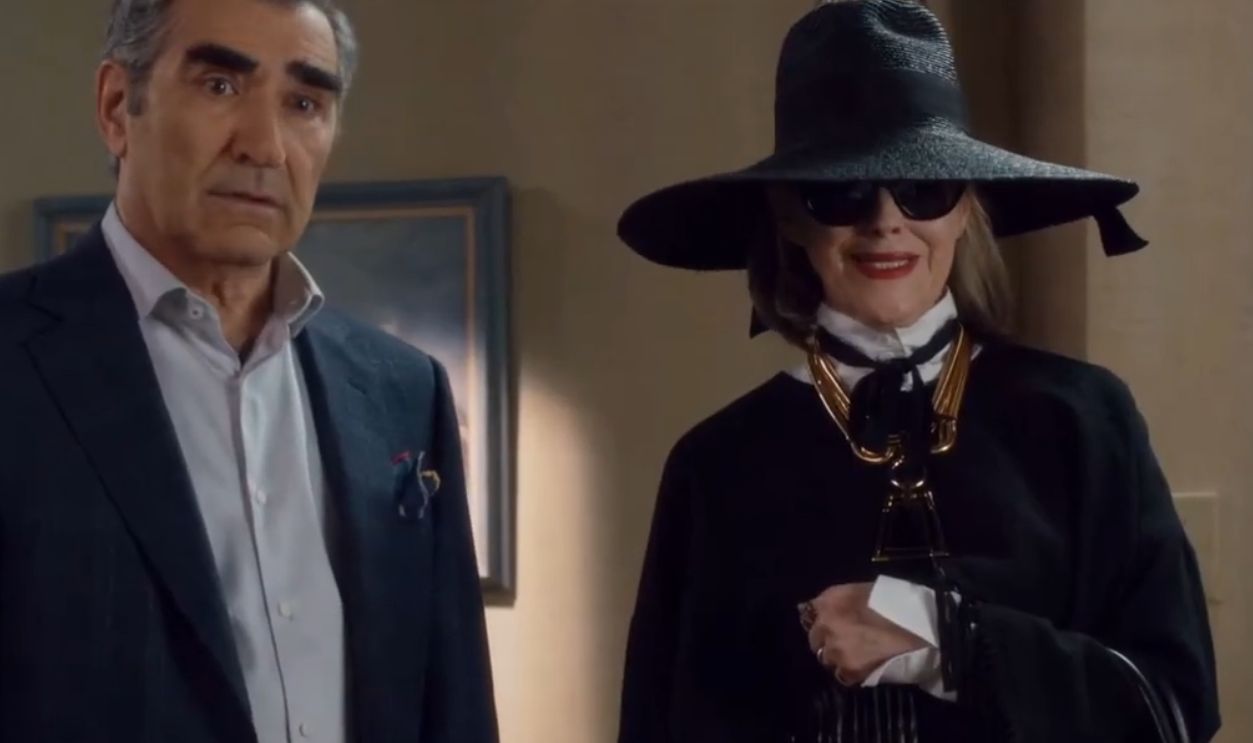 Screenshot from Schitt’s Creek, CBC Television (2015–2020)
Friends — “The One With The Blackout”
The ensemble comedy was still finding its rhythm when this episode aired. Pairing clever structure with iconic character moments (hello, “gum would be perfection”), it locked in the show’s comedic chemistry—and audiences were all in.
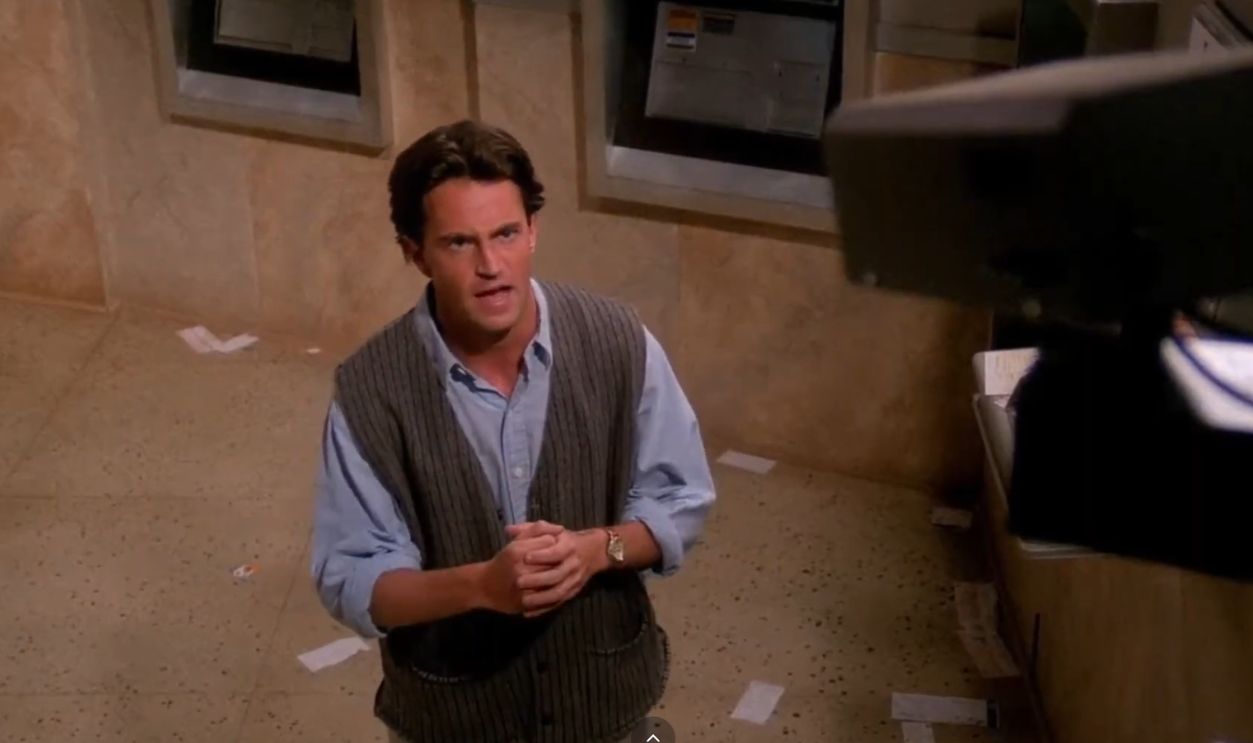 Screenshot from Friends, NBC (1994–2004)
Buffy The Vampire Slayer — “Prophecy Girl”
Buffy had a cult following, but this season finale proved the show could be profound. Buffy’s breakdown about not wanting to die added emotional weight rarely seen in teen TV. Critics and fans suddenly took the series very seriously.
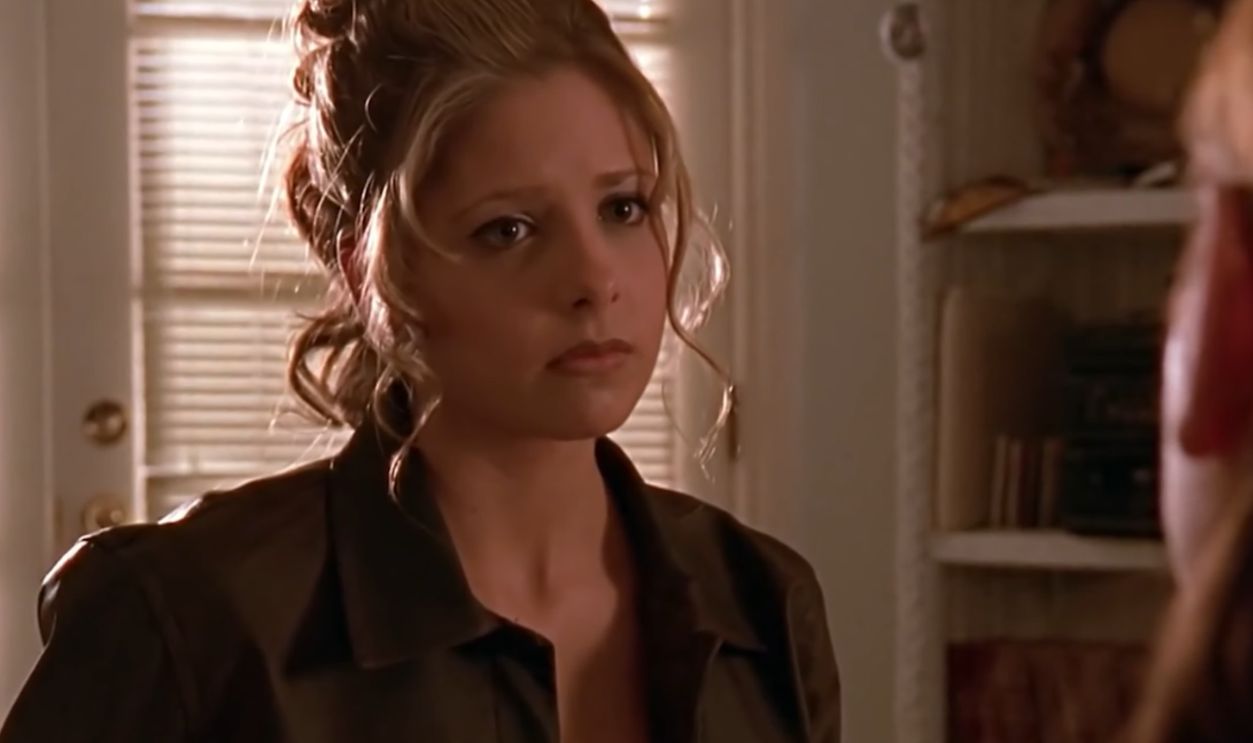 Screenshot from Buffy the Vampire Slayer, The WB (1997–2003)
Seinfeld — “The Chinese Restaurant”
NBC famously worried Seinfeld was “too nothing.” This episode, set almost entirely in one location with no plot progression, proved that “nothing” could be hilarious. It redefined sitcom storytelling—and saved the show.
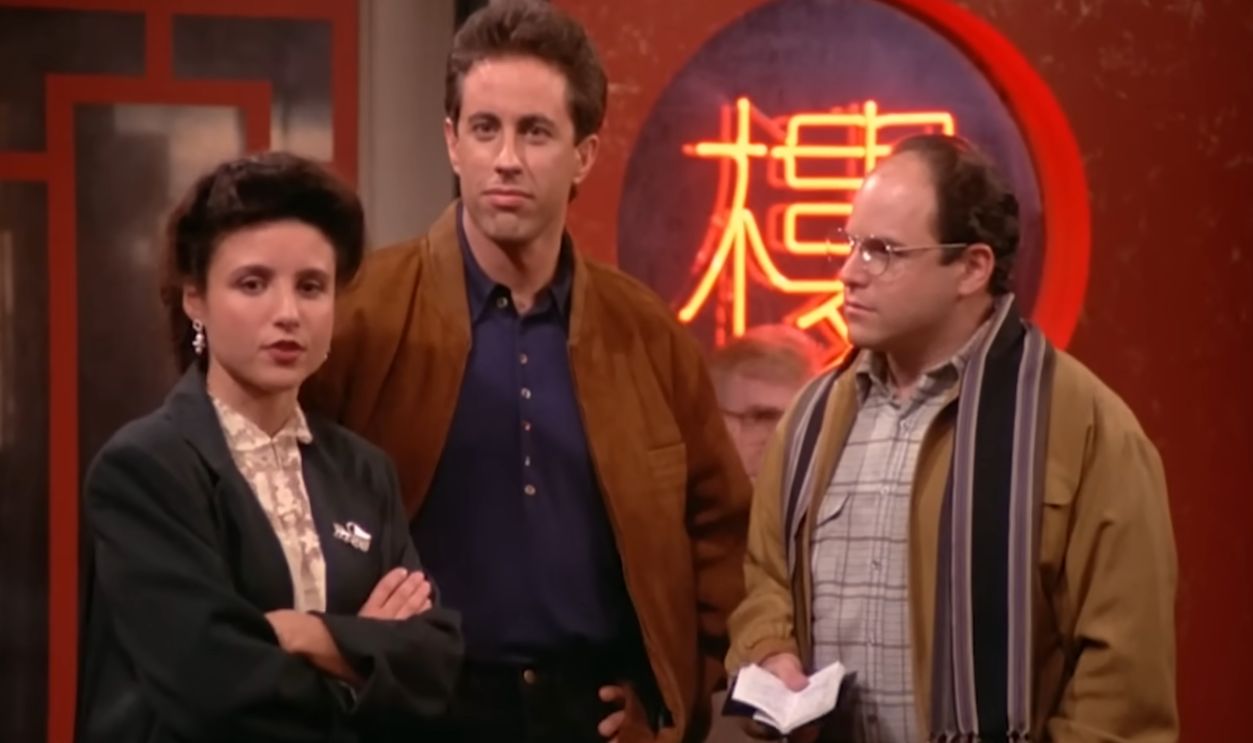 Screenshot from Seinfeld, NBC (1989–1998)
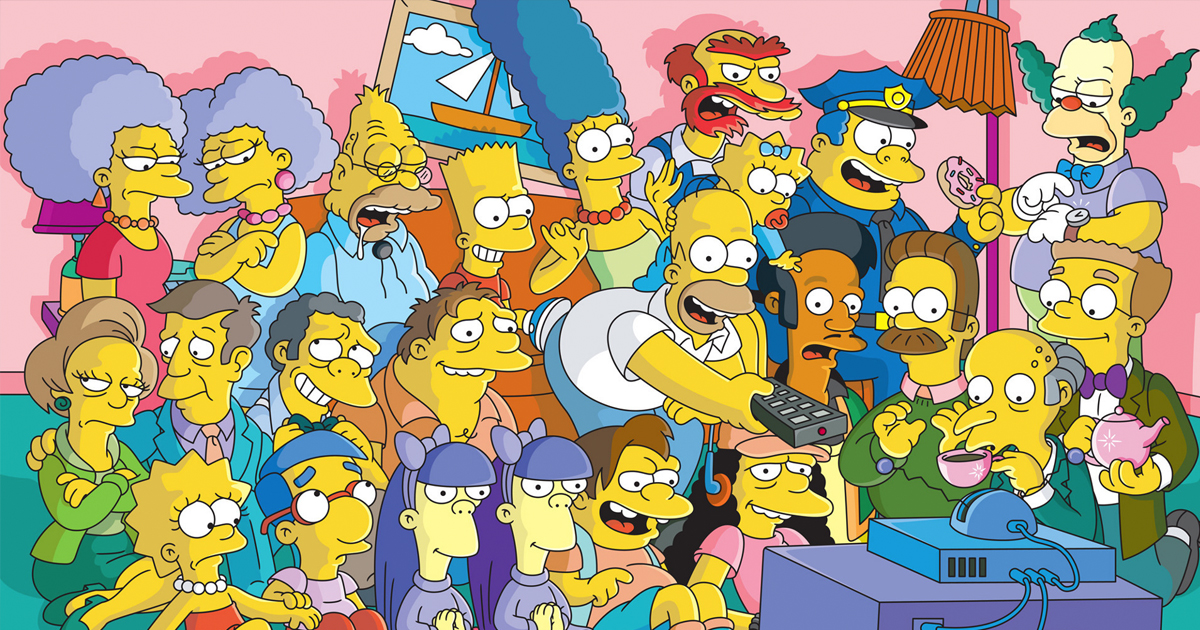
The Simpsons — “Lisa’s Substitute”
Early Simpsons episodes were funny but rough. This emotionally rich episode showed the series could balance satire with genuine heart. From that point on, The Simpsons was no longer just a cartoon—it was cultural commentary.
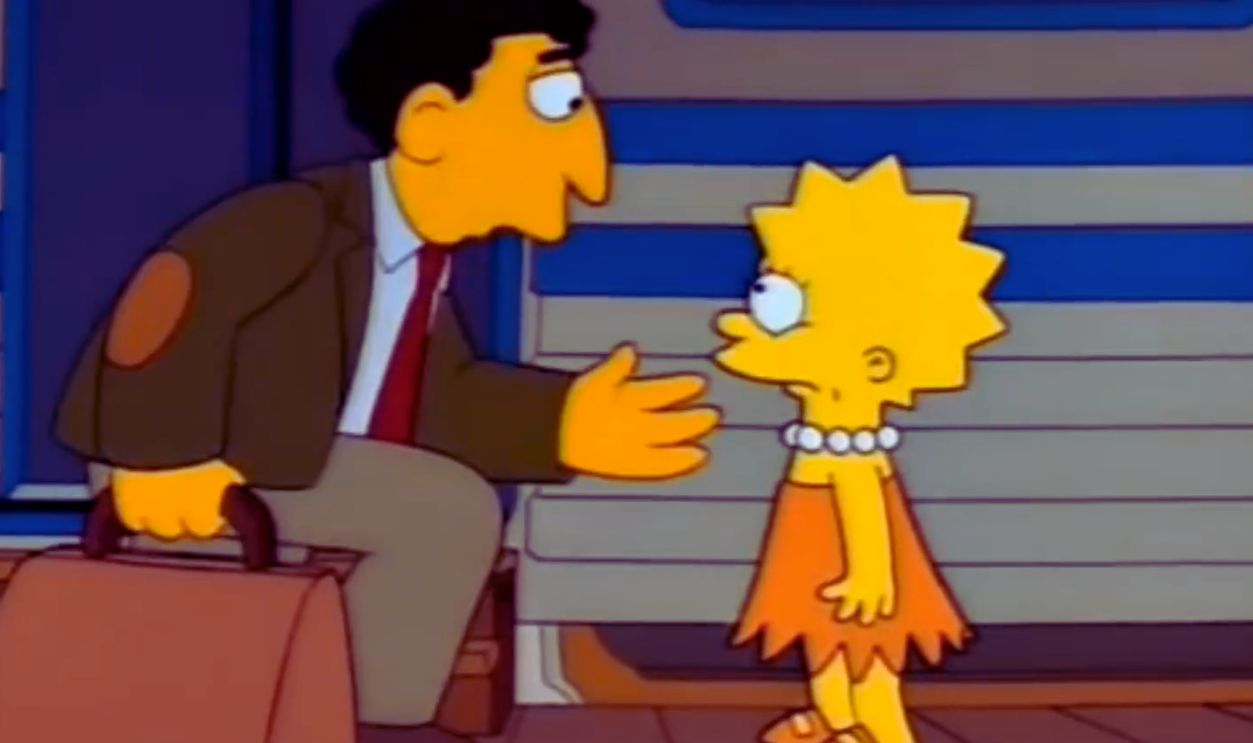 Screenshot from The Simpsons, Fox (1989–)
Cheers — “Sam’s Women”
Despite low ratings, NBC believed in Cheers. This episode clarified Sam Malone’s character and the show’s romantic tension. It helped cement the bar as TV’s most lovable hangout—and kept the lights on.
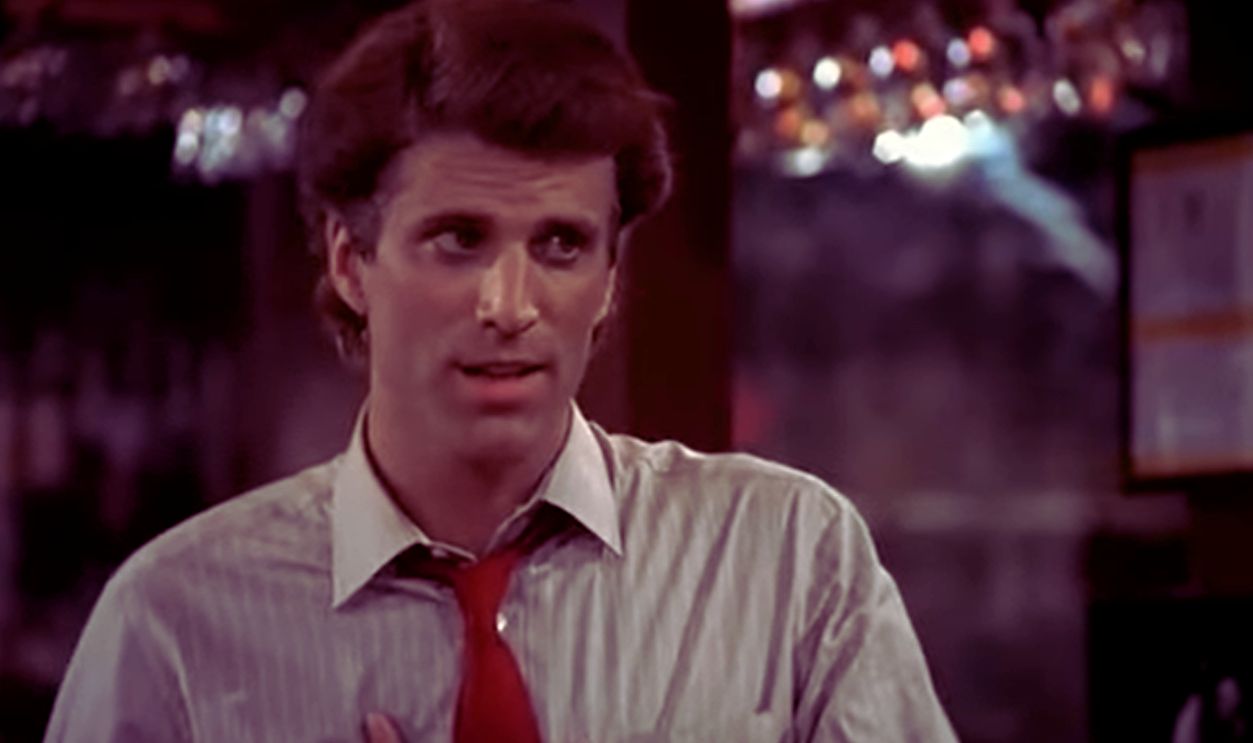 Screenshot from Cheers, NBC (1982–1993)
Friday Night Lights — “Pilot”
Yes, it’s the pilot—but it did the saving. NBC nearly passed on the show entirely, but this episode’s raw emotion, grounded storytelling, and iconic “Clear eyes, full hearts” mantra convinced executives to give it a chance.
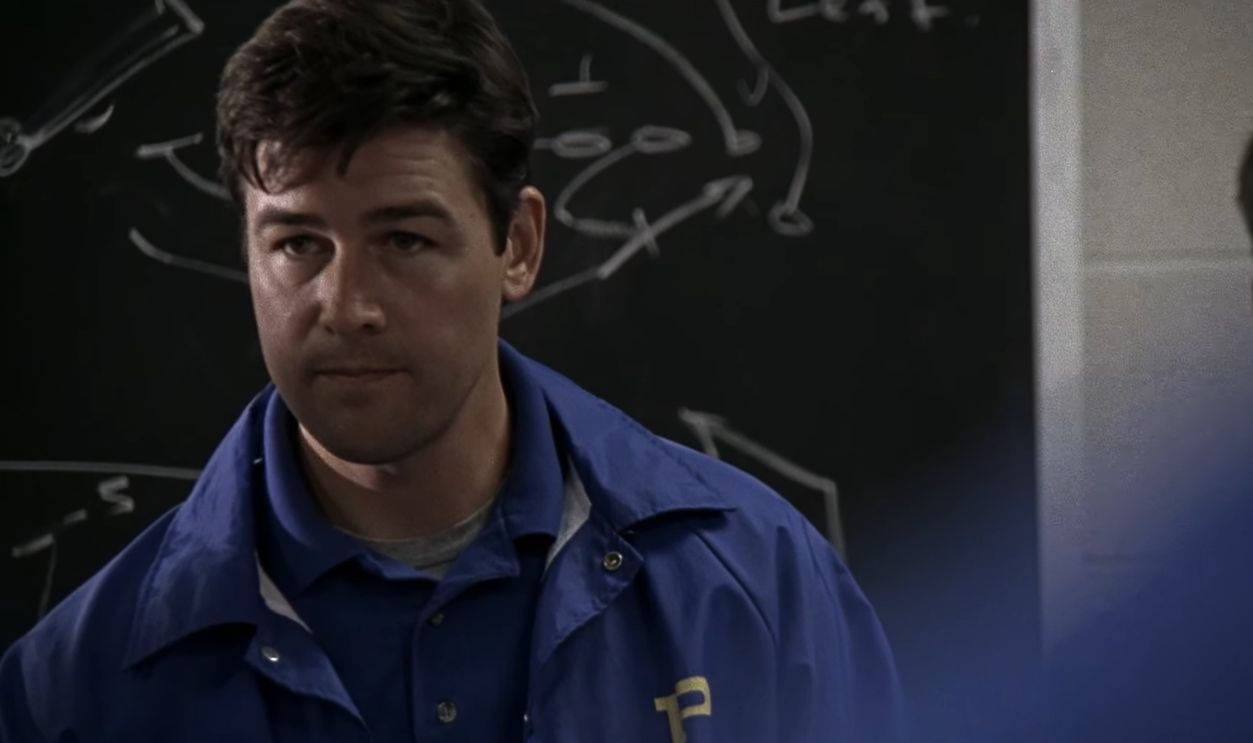 Screenshot from Friday Night Lights, NBC (2006–2011)
Brooklyn Nine-Nine — “The Bet”
Early episodes were solid, but “The Bet” unlocked Jake and Amy’s chemistry. Their dynamic added emotional stakes to the comedy and broadened the show’s appeal beyond jokes, helping it survive early ratings doubts.
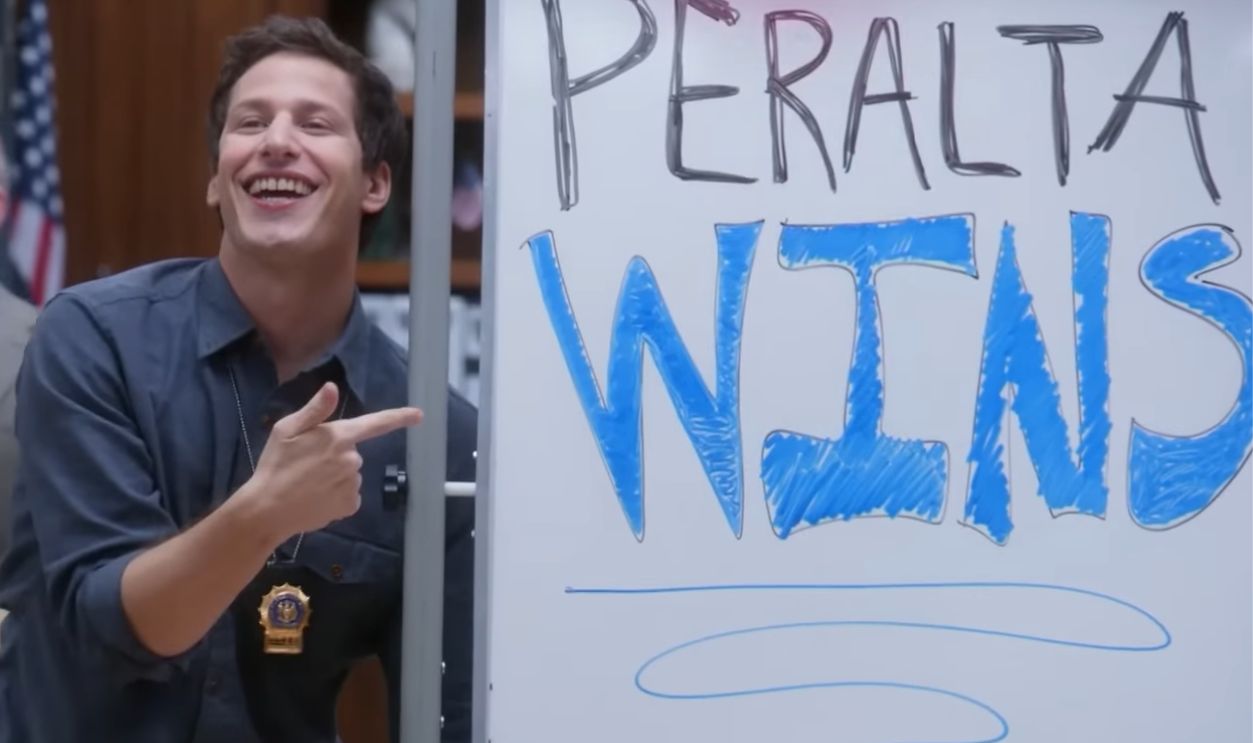 Screenshot from Brooklyn Nine-Nine, NBC (2013–2021)
Supernatural — “Faith”
Still marketed as a monster-of-the-week show, Supernatural deepened dramatically with this episode. It introduced moral complexity, grief, and character-driven storytelling—elements that would sustain the show for 15 seasons.
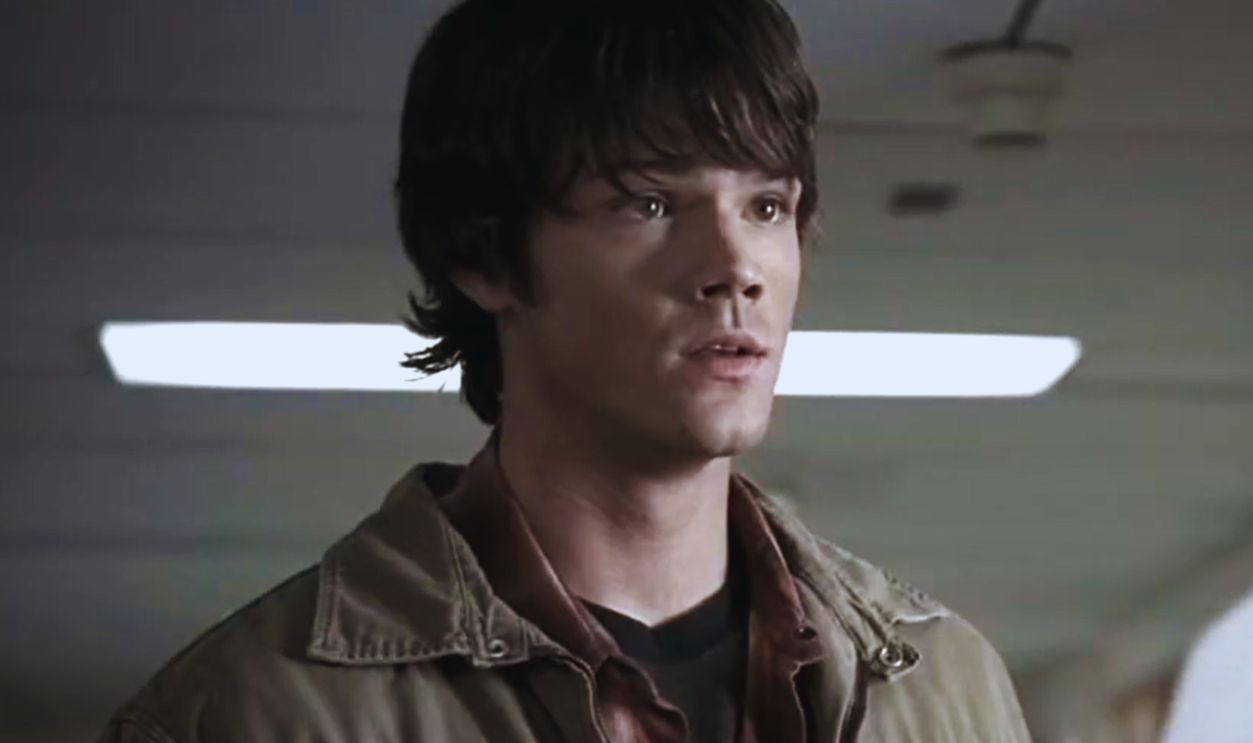 Screenshot from Supernatural, The WB (2005–2020)
Game Of Thrones — “Baelor”
While already popular, Game of Thrones crossed a point of no return here. Ned Stark’s shocking fate proved no character was safe. Viewers who weren’t fully committed suddenly realized they had to keep watching.
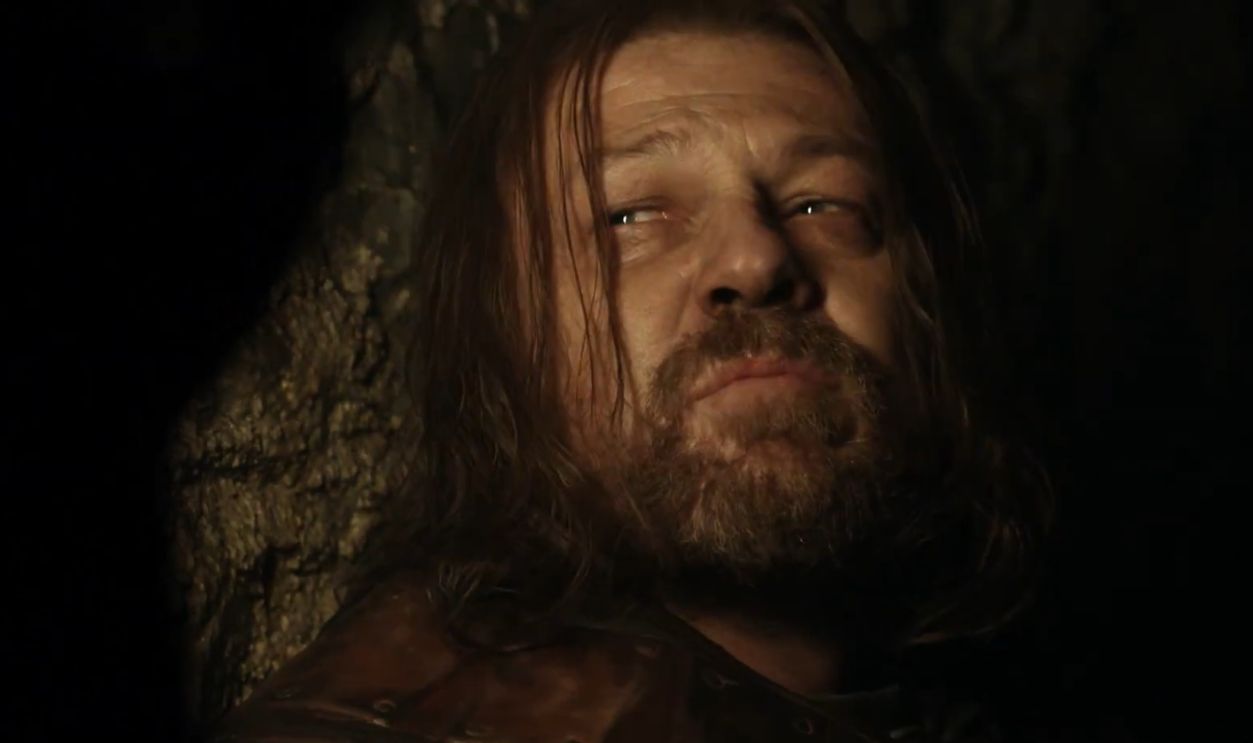 Screenshot from Game of Thrones, HBO (2011–2019)
Community — “Modern Warfare”
This paintball episode was a revelation. It showcased the show’s genre-bending ambition and creative fearlessness. NBC saw that Community wasn’t just a sitcom—it was something wildly original.
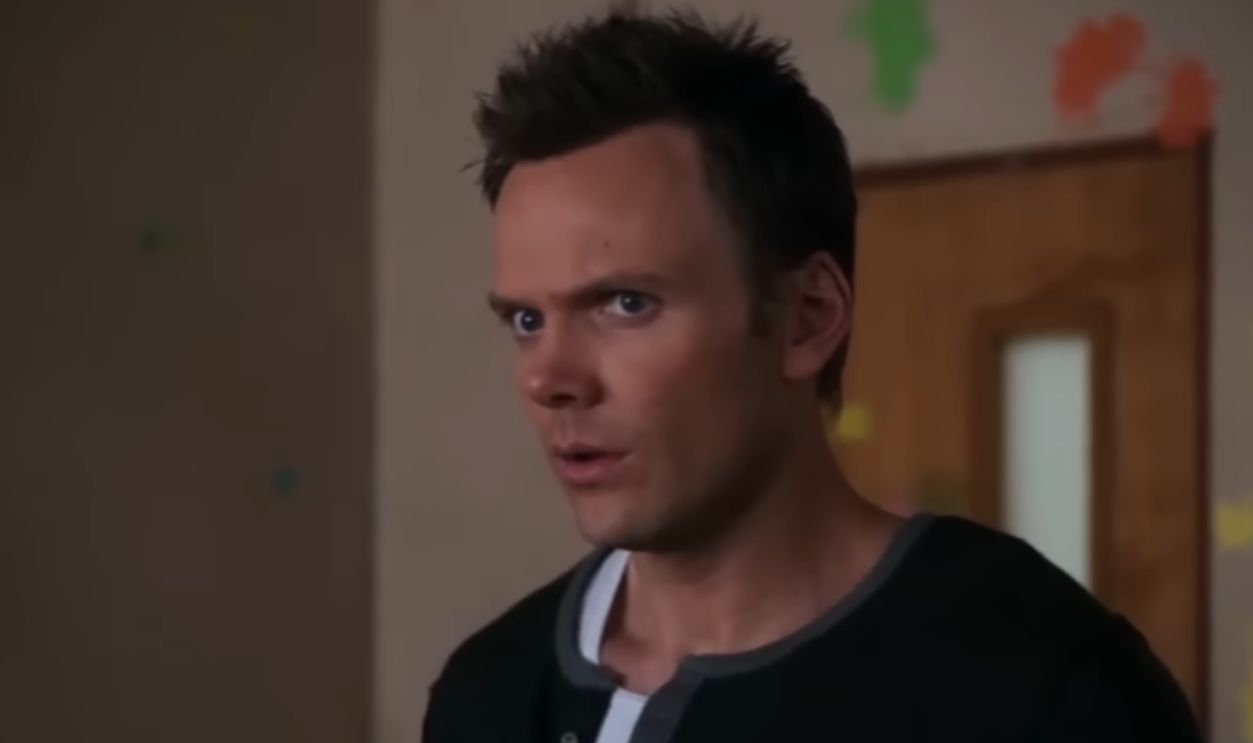 Screenshot from Community, NBC (2009–2015)
The X-Files — “Ice”
Early skepticism melted away with this claustrophobic, sci-fi thriller. Inspired by The Thing, it demonstrated how intense and cinematic the show could be. Mulder and Scully became must-watch partners.
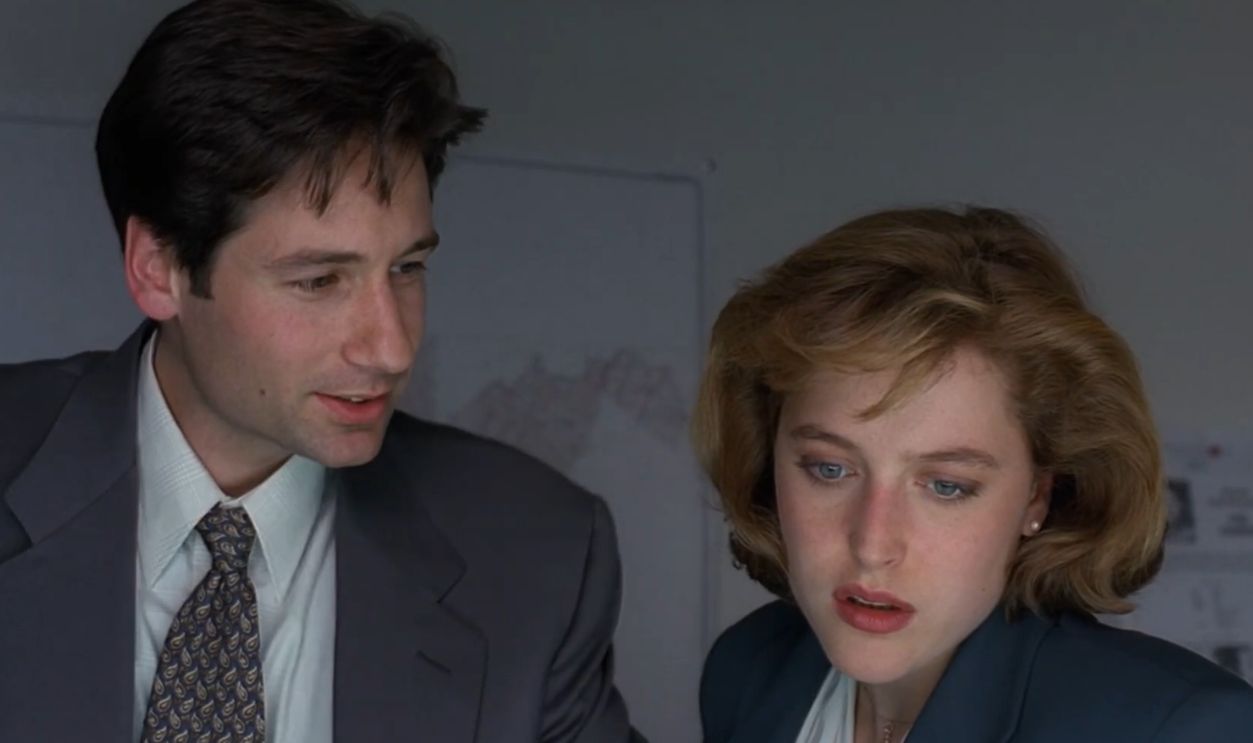 Screenshot from The X-Files, Fox (1993–2018)
Arrested Development — “Pier Pressure”
Low ratings plagued Arrested Development from the start. This episode’s layered jokes and perfect timing showed exactly what the series could do at full strength. Critics rallied—even if the ratings never quite did.
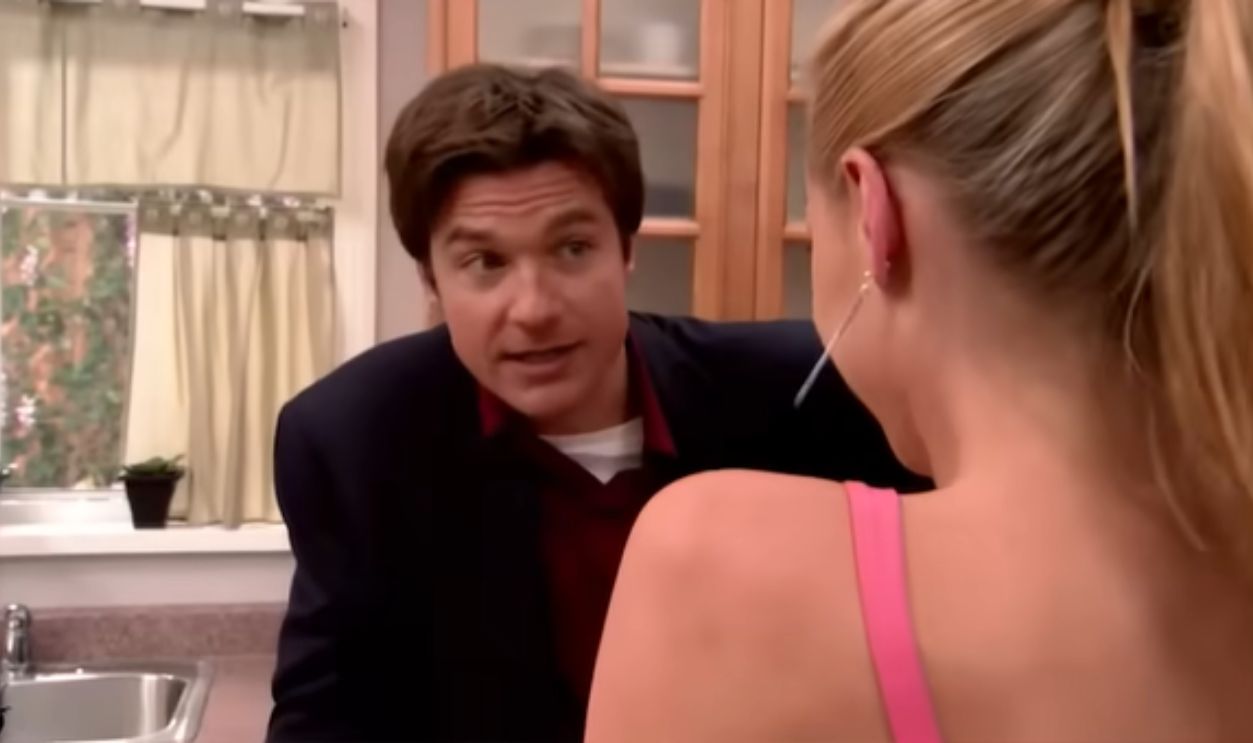 Screenshot from Arrested Development, Netflix (2003–2019)
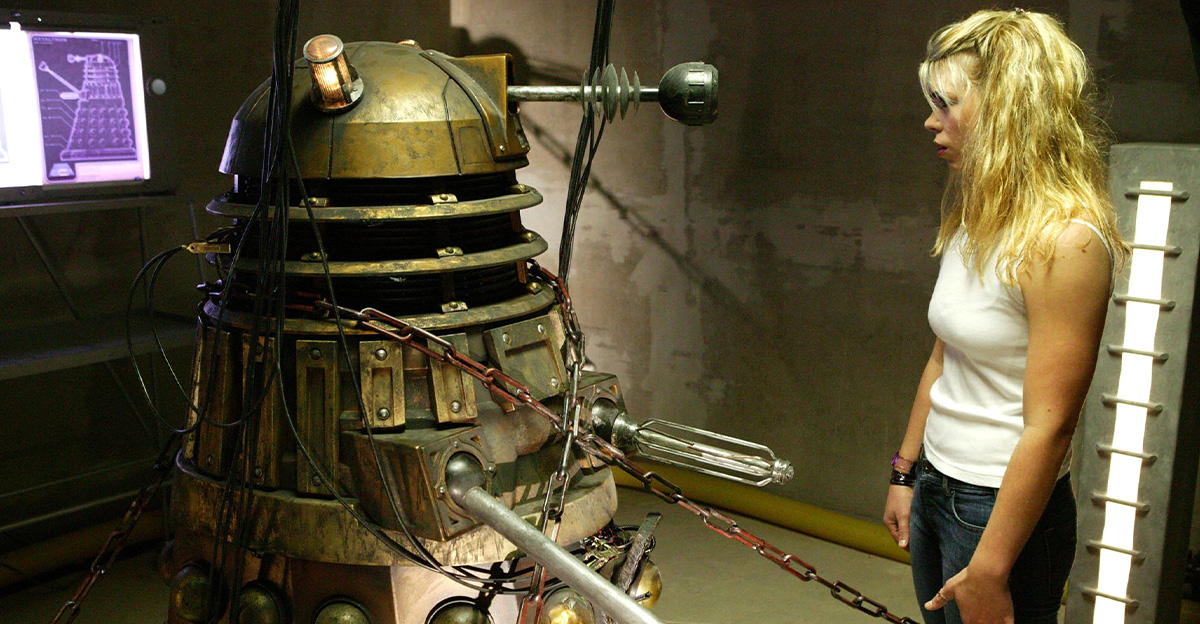
Doctor Who (2005) — “Dalek”
The reboot was risky, but this episode reintroduced the Daleks with terrifying effectiveness. It reassured fans and skeptics alike that Doctor Who could honor its legacy while feeling fresh and modern.
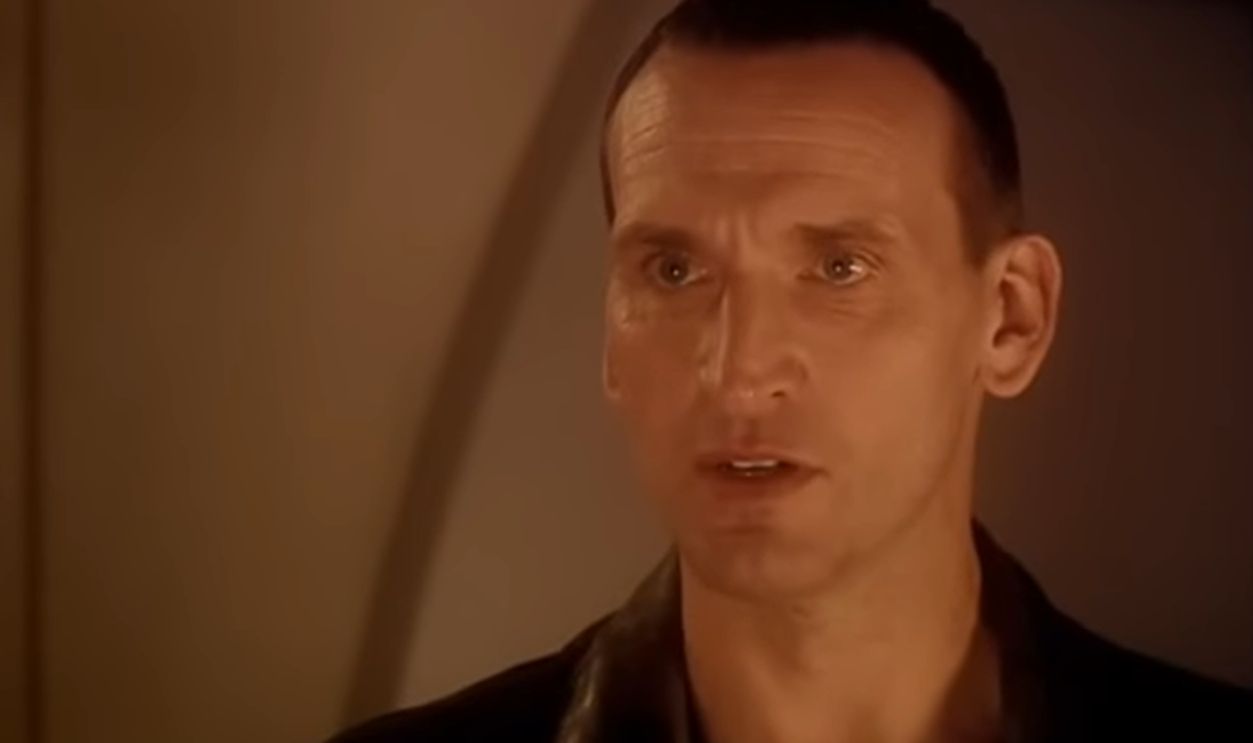 Screenshot from Doctor Who, BBC One (2005–)
It’s Always Sunny In Philadelphia — “Charlie Has Cancer”
FX nearly canceled the show before this episode aired. Darker, sharper, and more outrageous, it embraced the characters’ moral bankruptcy—and found its tone. The show’s longevity was sealed.
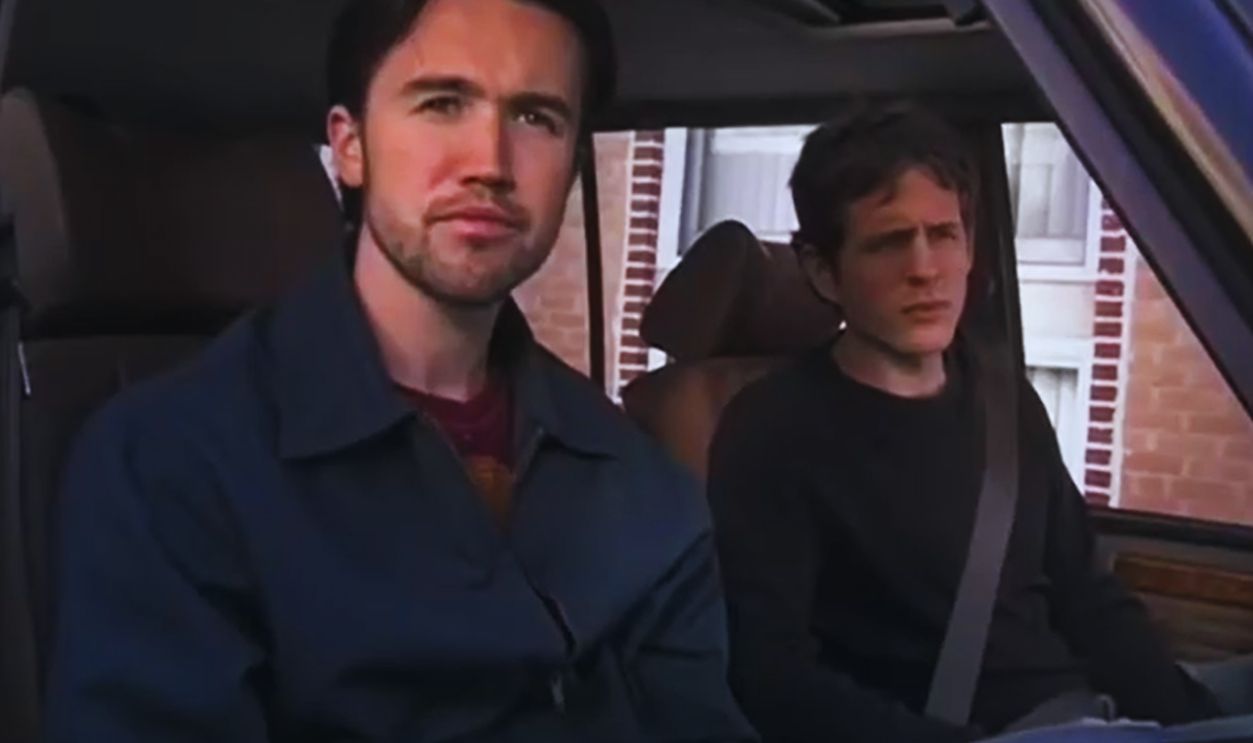 Screenshot from It’s Always Sunny In Philadelphia, FX (2005–)
Grey’s Anatomy — “Into You Like A Train”
This intense, emotionally brutal episode elevated Grey’s Anatomy from soap to phenomenon. Viewers couldn’t look away, and ABC realized it had a powerhouse on its hands.
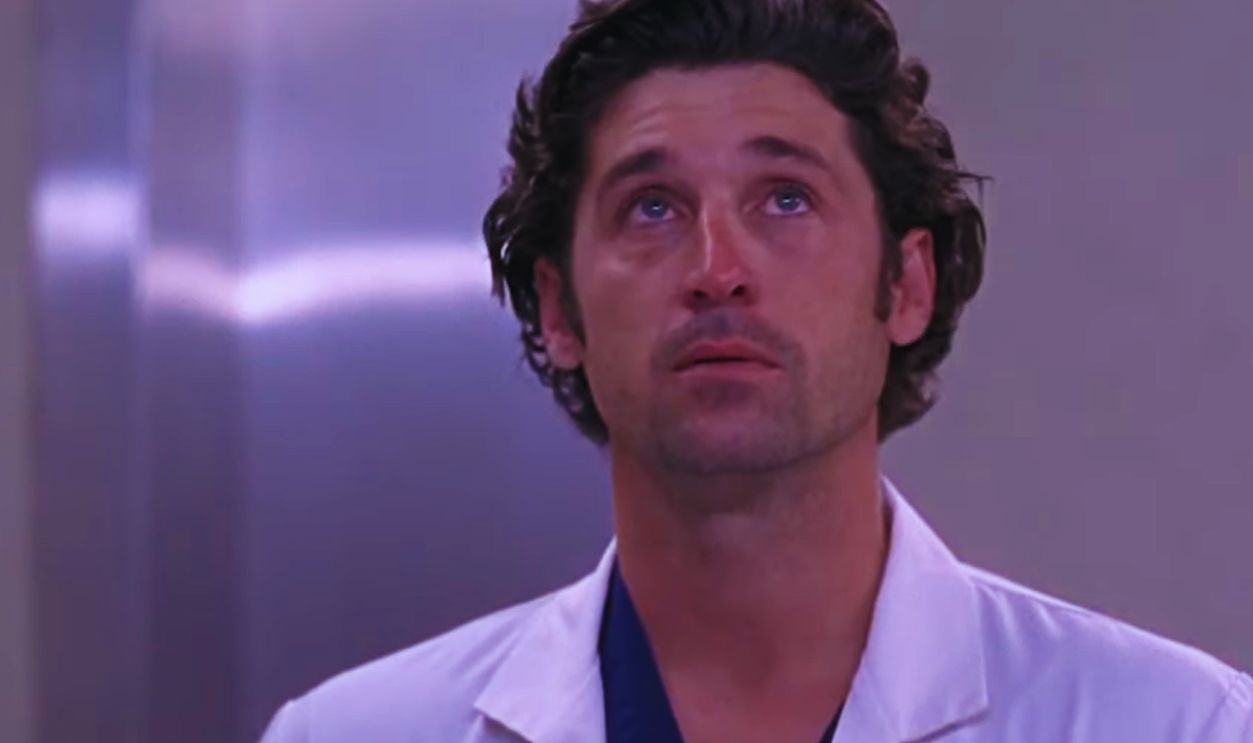 Screenshot from Grey’s Anatomy, ABC (2005–)
BoJack Horseman — “Downer Ending”
Early episodes confused audiences expecting pure comedy. This psychedelic, devastating episode reframed the series as something deeper. It proved animation could tackle mental health with brutal honesty.
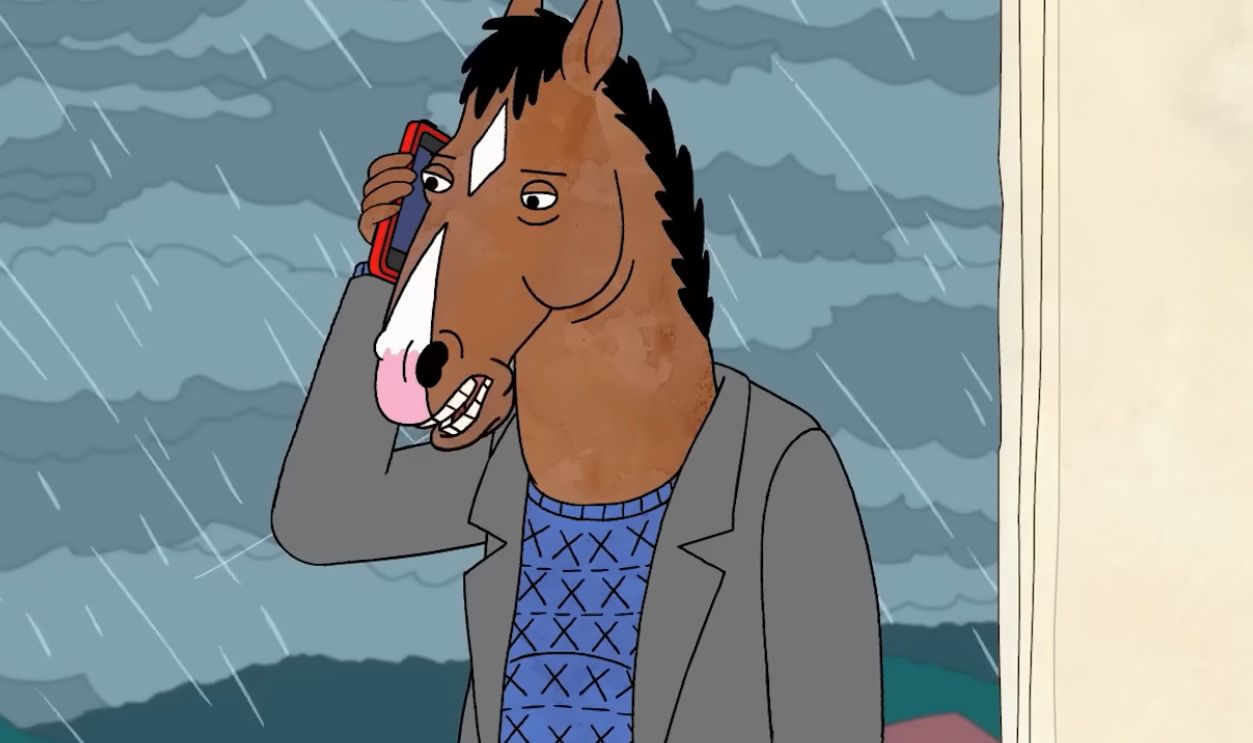 Screenshot from BoJack Horseman, Netflix (2014–2020)
Lost — “Walkabout”
Lost was intriguing, but this episode changed everything. John Locke standing up from his wheelchair remains one of TV’s most jaw-dropping reveals—and instantly validated the show’s mysterious ambitions.
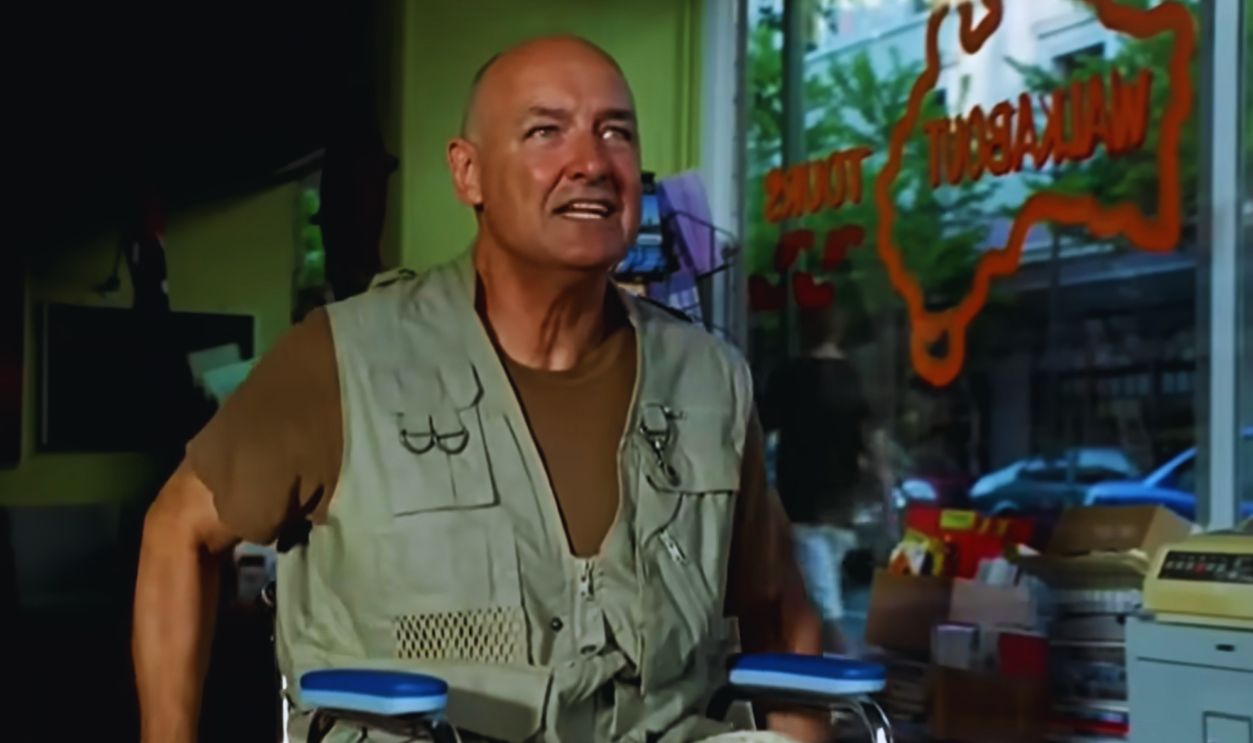 Screenshot from Lost, ABC (2004–2010)
The Crown — “Assassins”
While visually stunning, The Crown needed emotional weight. This episode focused on Elizabeth’s isolation and duty, grounding the spectacle in human cost—and solidifying the show’s prestige status.
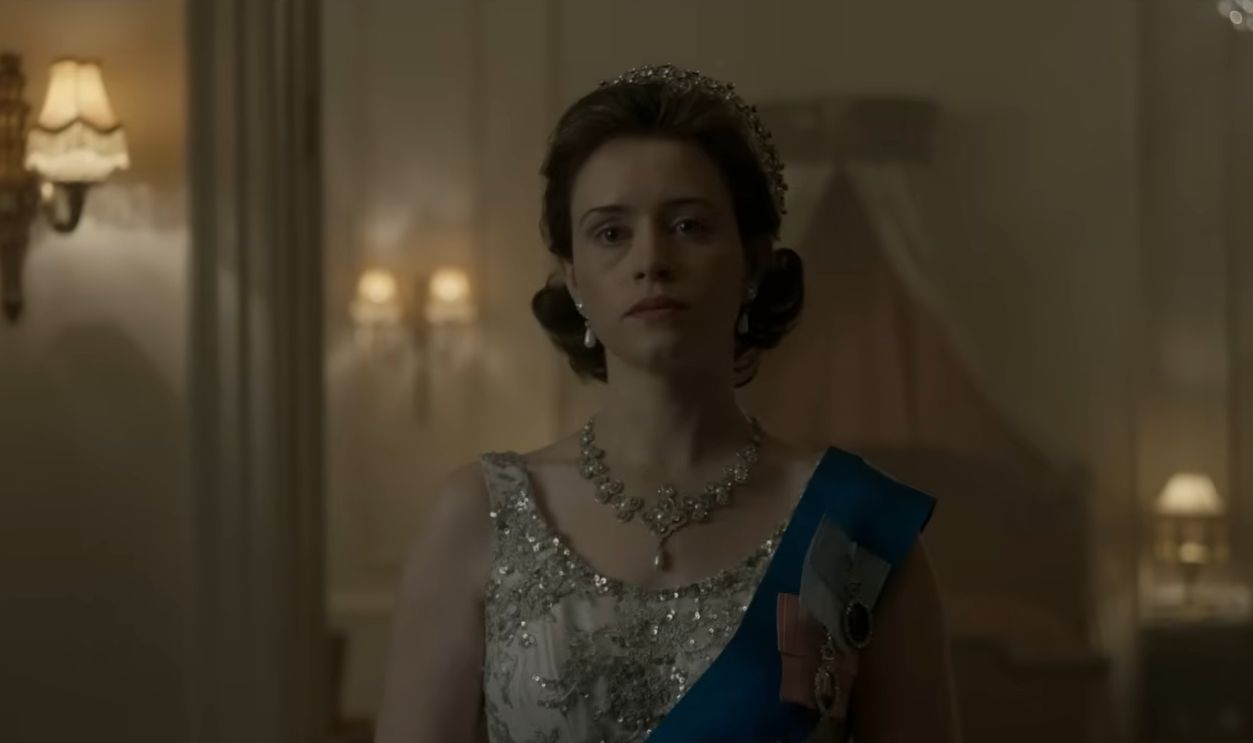 Screenshot from The Crown, Netflix (2016–)
South Park — “Scott Tenorman Must Die”
Already popular, this episode marked a tonal shift. Darker, smarter, and shockingly cruel, it showed South Park could evolve—and that Trey Parker and Matt Stone had no creative limits.
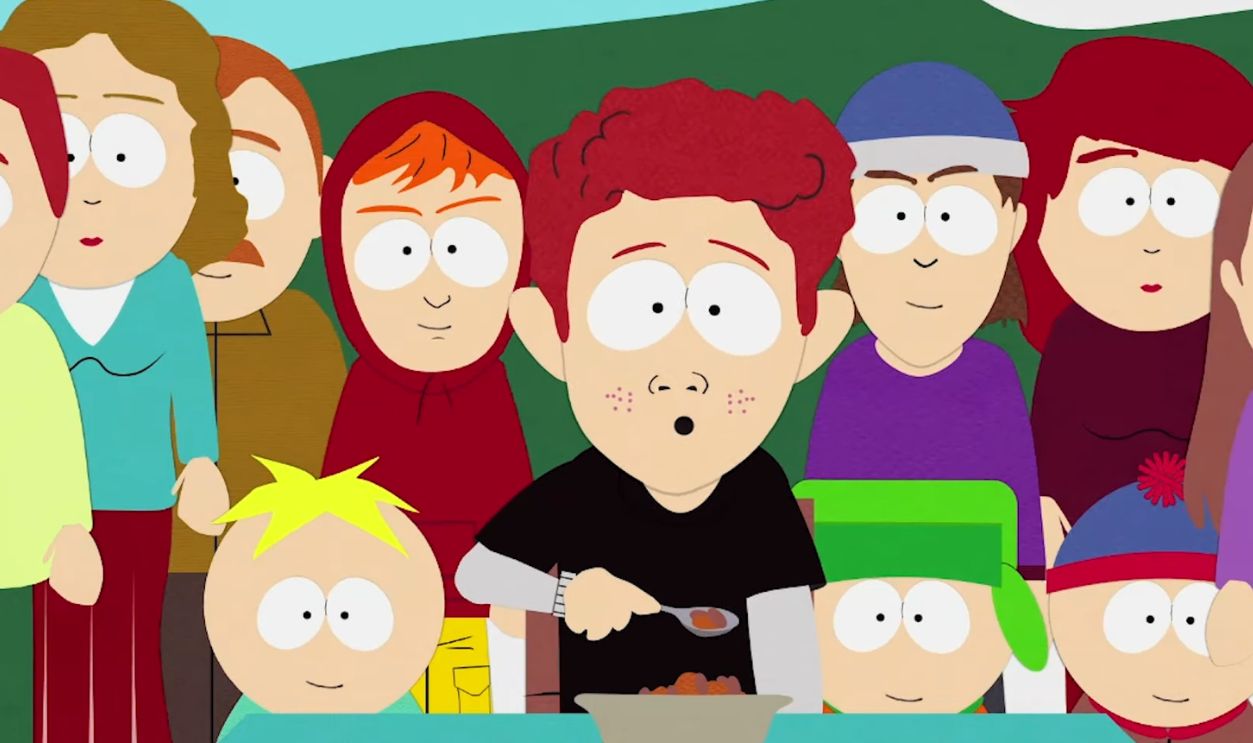 Screenshot from South Park, Comedy Central (1997–)
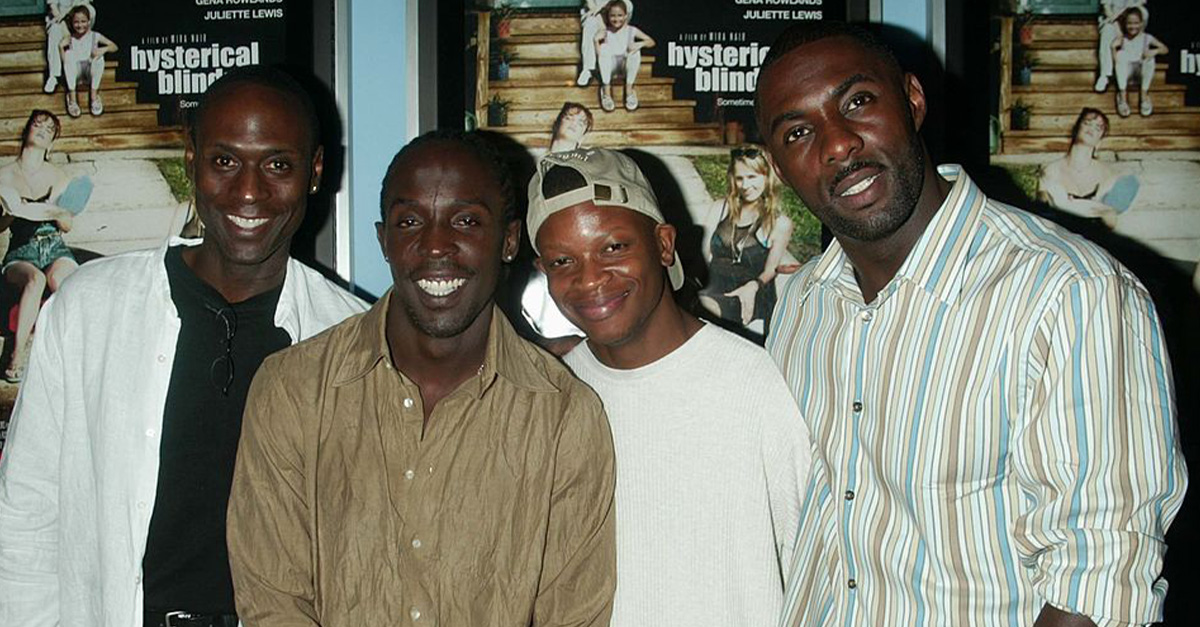
The Wire — “The Target”
HBO nearly lost faith in The Wire early on. This episode sharpened its themes, deepened its characters, and made clear that patient viewers would be richly rewarded. Television history would soon agree.
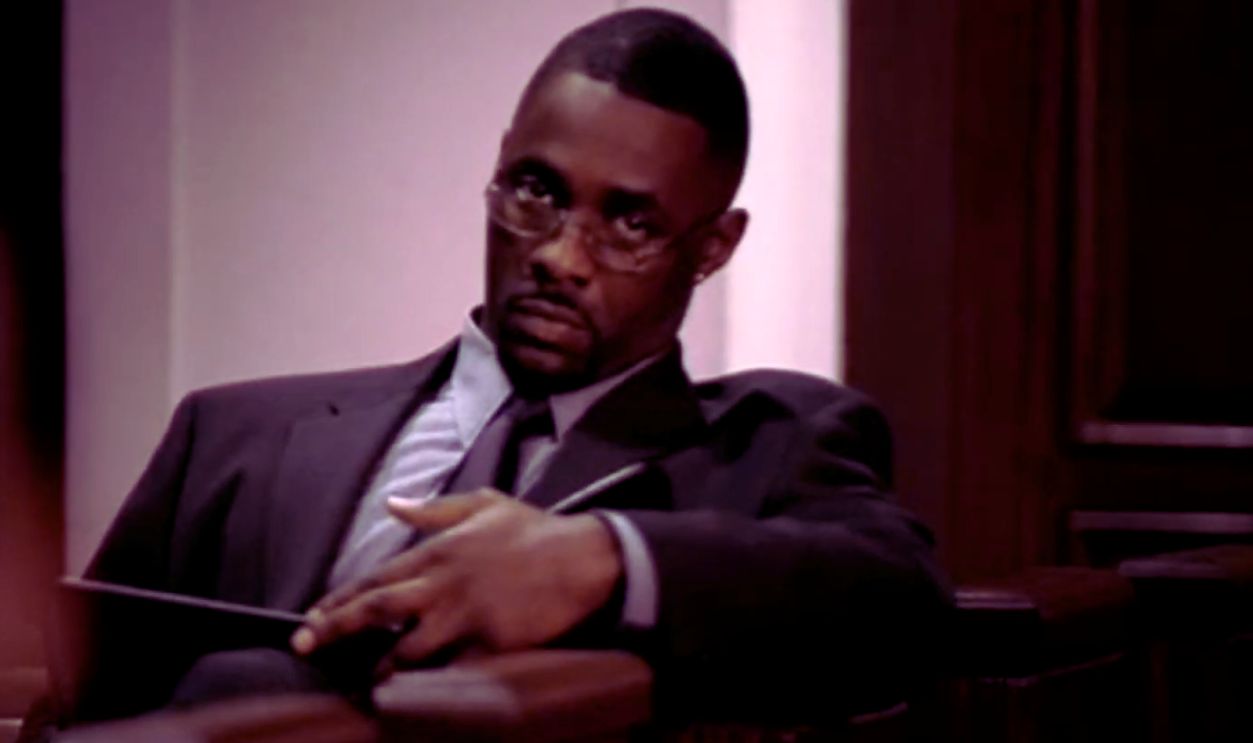 Screenshot from The Wire, HBO (2002–2008)
One Episode Can Change Everything
TV history proves that sometimes all it takes is one perfectly executed episode to flip the script. These shows survived doubt, ratings struggles, and network hesitation thanks to a single hour (or half-hour) of brilliance. For fans, it’s a reminder to stick with a show a little longer—you never know when the episode that changes everything is about to air.
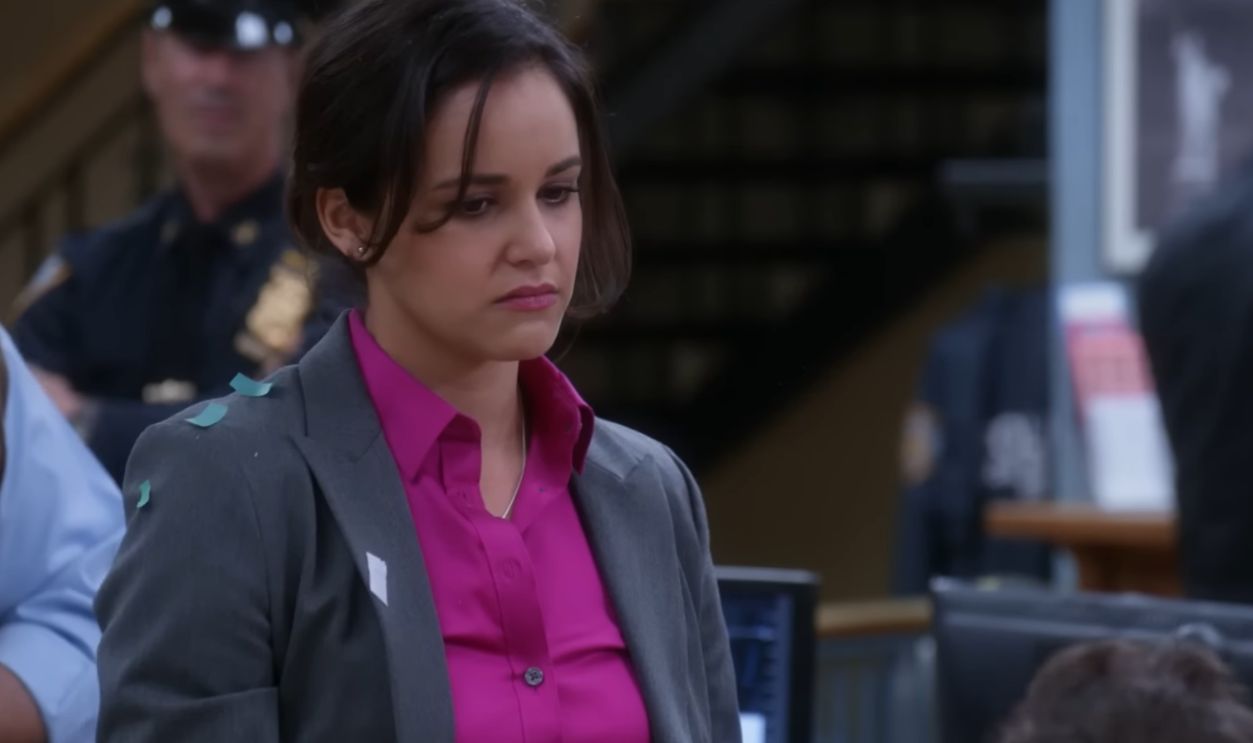 Screenshot from Brooklyn Nine-Nine, NBC (2013–2021)
You May Also Like:
Bob Denver's Secret Heartbreak
Dark Christmas Movies That Skip The Cheer And Go Straight For Chaos, Horror, And Bleak Humor
New 2025 Christmas Movies Streaming This Year, Which Do You Think Will Become Classics?