When Season Two Changed Everything
Some television shows spend their first season establishing a winning formula, only to throw it away when season two arrives. Others quietly realize their original premise isn't working and decide to try something completely different. From sitcoms that replaced their leading characters to dramas that reinvented their entire storylines, these shows underwent transformations that made their second seasons almost unrecognizable.
 Screenshot from Family Matters, Amazon Prime Video
A Different World (1987–1993)
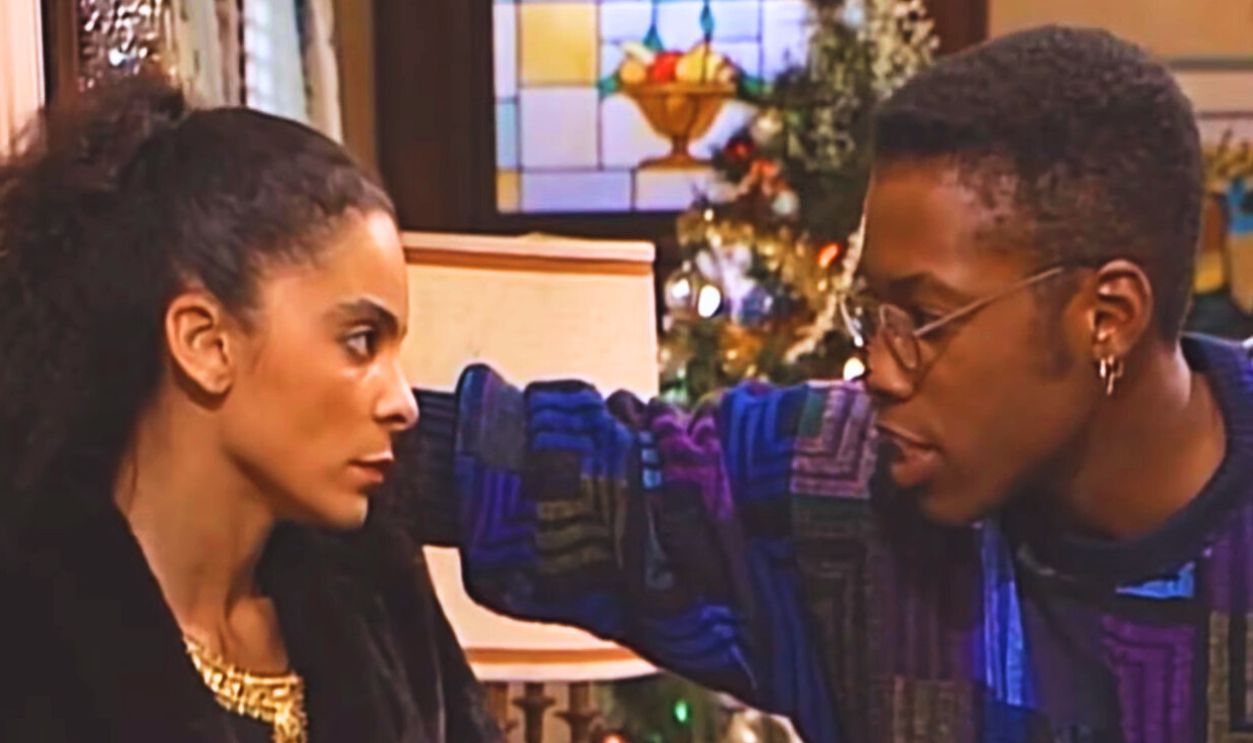
Originally a spin-off of The Cosby Show, A Different World followed Denise Huxtable as she adjusted to college life. But Lisa Bonet departed after season one, and Debbie Allen helped overhaul the series. The show shifted toward a more authentic portrayal of historically Black college life, tackling important social issues while developing characters who had previously played supporting roles.
 Screenshot from A Different World, NBC (1987–1993)
The Good Place (2016–2020)
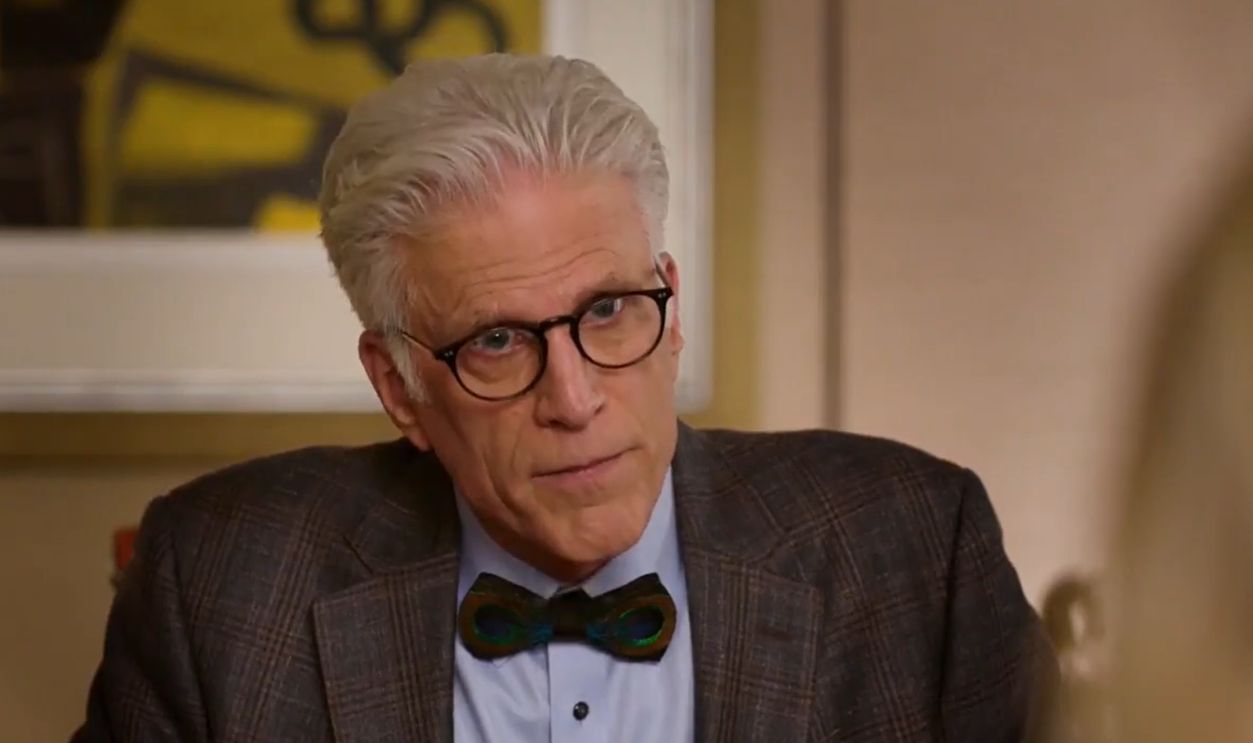
For its entire first season, The Good Place appeared to follow a morally questionable woman who had accidentally landed in paradise. Then came the enormous revelation that everyone was actually trapped in a carefully constructed version of the Bad Place. Season two abandoned the original premise and explored repeated memory resets, unlikely alliances, and philosophical questions about redemption.
 Screenshot from The Good Place, NBC (2016–2020)
Search Party (2016–2022)
Season one followed a group of self-absorbed New Yorkers investigating the disappearance of an old college acquaintance. The second season completely reversed their circumstances. Instead of searching for someone, the characters found themselves desperately concealing their own actions. What began as a quirky amateur detective comedy became a considerably darker story about guilt, deception, and escalating consequences.
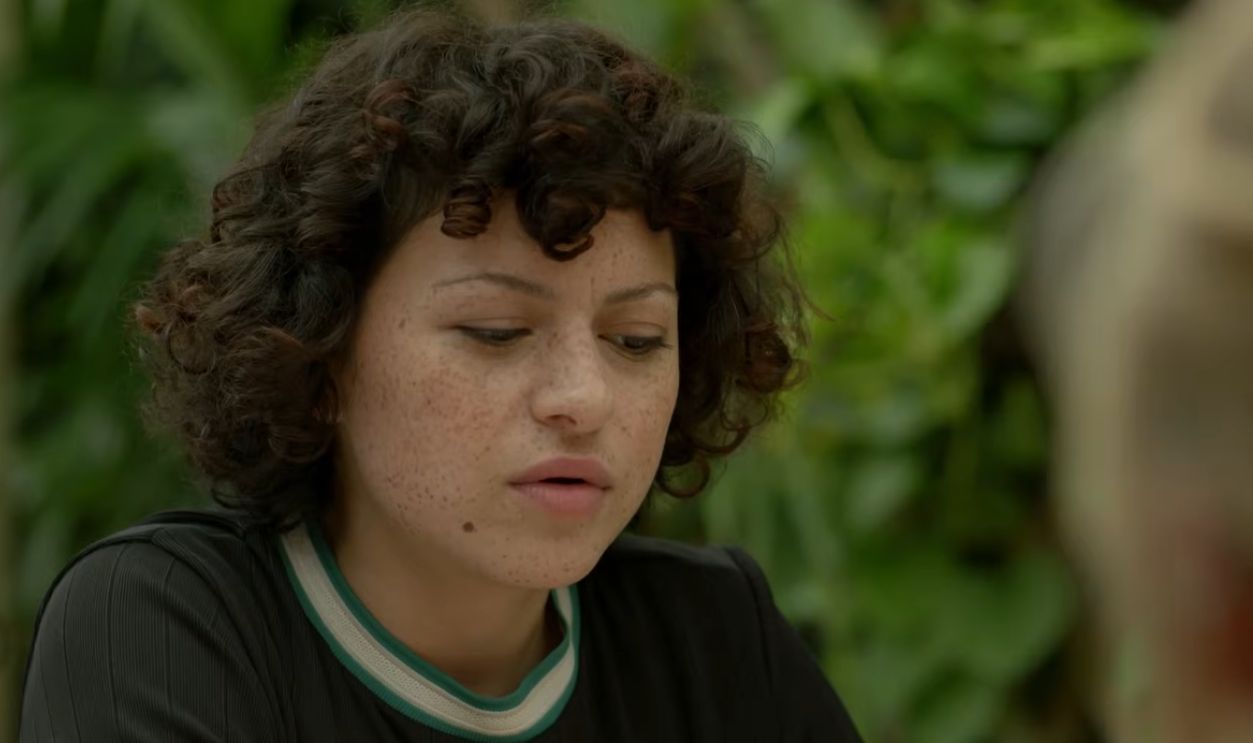 Screenshot from Search Party, Turner Broadcasting System (2016–2022)
Parks And Recreation (2009–2015)
The first season presented Leslie Knope as an awkward, frequently incompetent government employee whose ambitions seemed ridiculous. Season two transformed her into a capable, hardworking public servant whose enthusiasm became genuinely admirable. The series also embraced warmer humor and stronger friendships, leaving behind much of the cynicism that characterized its earliest episodes.
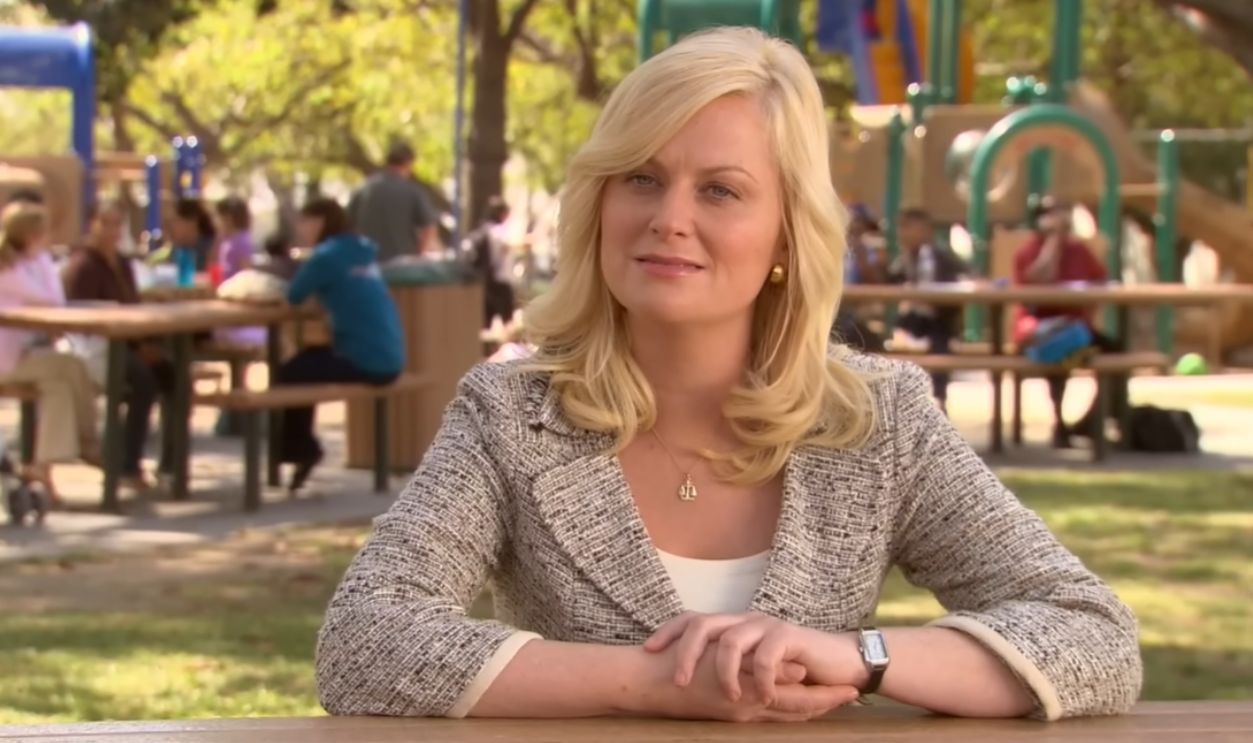 Screenshot from NBC, Parks And Recreation, NBC (2009–2015)
Halt And Catch Fire (2014–2017)
The first season revolved around ambitious businessman Joe MacMillan and his team's attempt to create a new personal computer. But season two shifted its attention toward Cameron Howe and Donna Clark, who established an online gaming company called Mutiny. Suddenly, the women were driving the story while the original male protagonists struggled to navigate the changing technology industry.
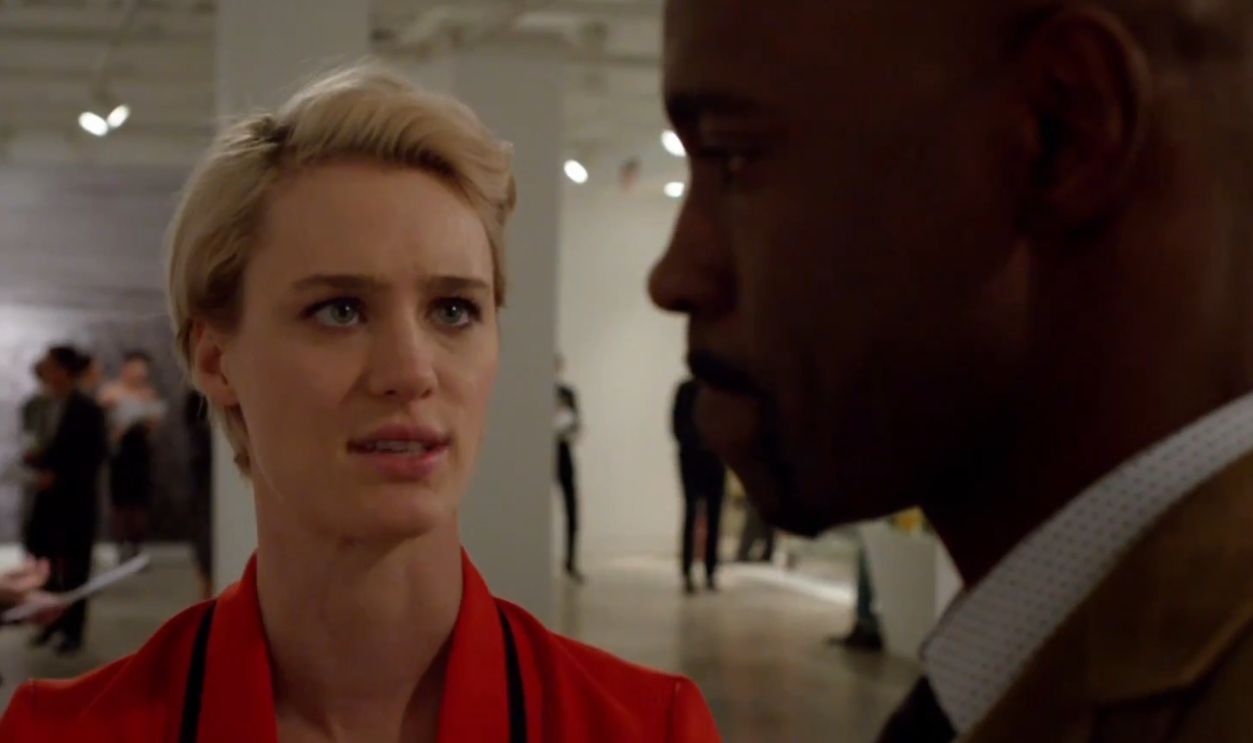 Screenshot from Halt and Catch Fire, AMC (2014–2017)
Blackadder (1983–1989)
The original Blackadder featured Rowan Atkinson as an incompetent medieval prince, while his servant Baldrick was comparatively intelligent. The second series completely reversed their personalities. Blackadder became a clever, sarcastic schemer, and Baldrick became spectacularly foolish. The setting also jumped to Elizabethan England, establishing the character dynamics that would define the remaining series.
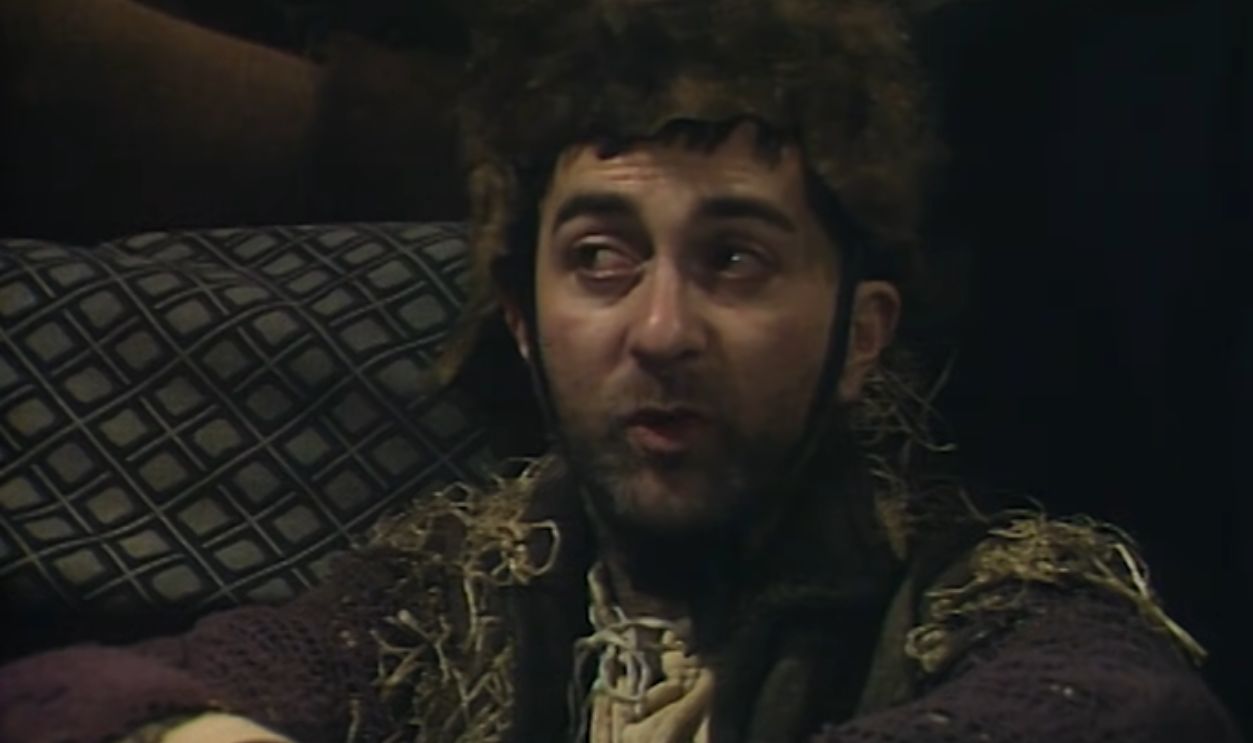 Screenshot from Blackadder, BBC (1983–1989)
The Leftovers (2014–2017)
Season one explored the grief experienced by residents of Mapleton, New York, after two percent of humanity mysteriously disappeared. Season two relocated much of the story to Jarden, Texas, a town where nobody had vanished. Introducing a new community and an atmosphere built around supposed miracles dramatically expanded the show's exploration of faith, uncertainty, and human suffering.
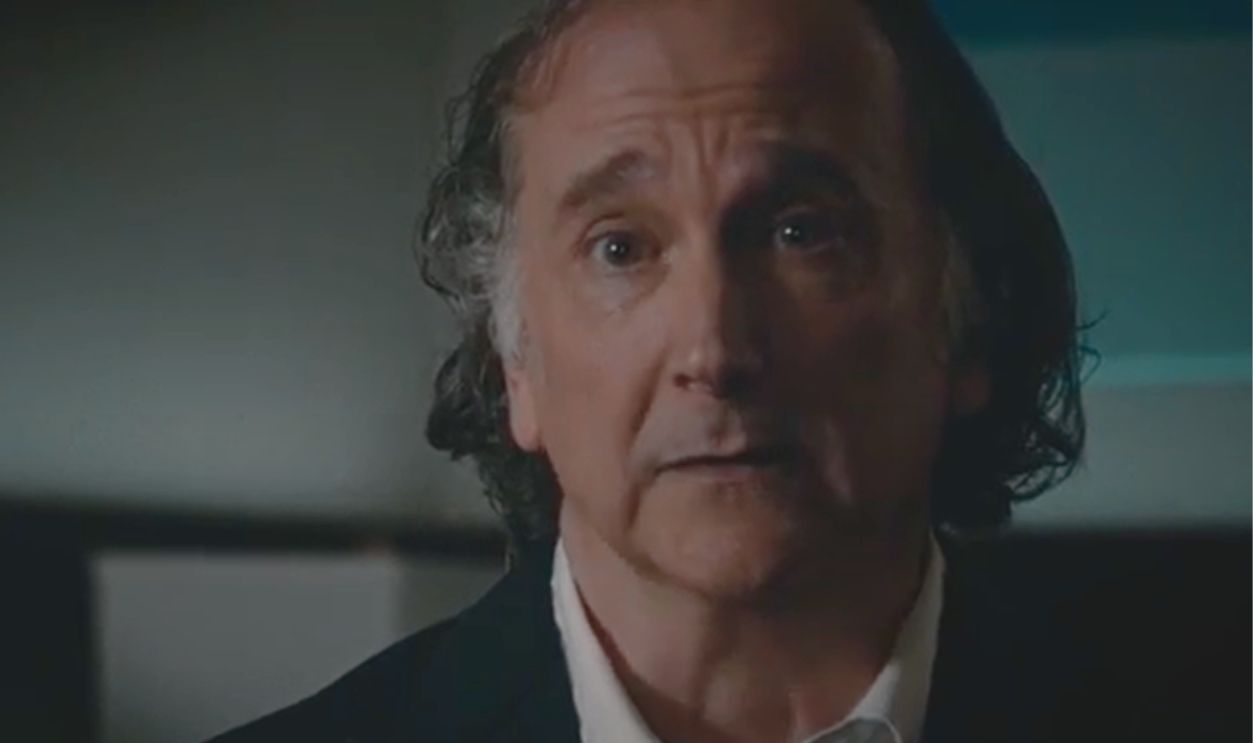 Screenshot from The Leftovers, Warner Bros. Television (2014–2017), Modified
Legends Of Tomorrow (2016–2022)
Initially, Legends of Tomorrow followed Rip Hunter's carefully assembled team attempting to defeat the immortal Vandal Savage. Once that mission ended, the writers loosened the format considerably. Season two introduced new heroes, different adversaries, and a more playful approach to time travel. The series gradually transformed into one of television's most unpredictable superhero adventures.
 Screenshot from Legends of Tomorrow, The CW (2016–2022)
The Wire (2002–2008)
The first season concentrated on Baltimore's drug trade and the investigation into Avon Barksdale's organization. Season two unexpectedly shifted much of its attention toward struggling dockworkers and the city's declining waterfront economy. Creator David Simon used the change to demonstrate that the series wasn't simply about drug investigations. It was about the institutions shaping Baltimore itself.
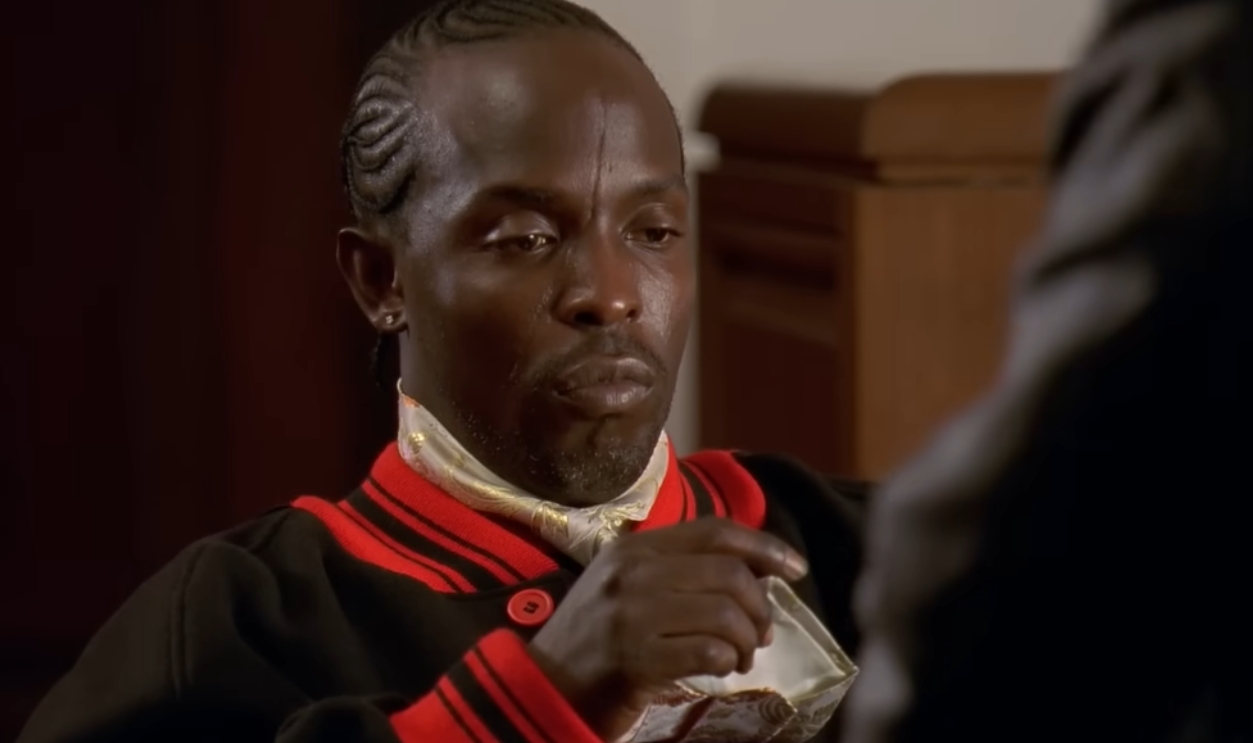 Screenshot from The Wire, HBO (2002–2008)
American Horror Story (2011–Present)
The first season followed a troubled family living in a haunted Los Angeles mansion. Rather than continue their story, season two introduced Asylum, set largely inside a psychiatric institution during the 1960s. Familiar actors returned in completely different roles, establishing an anthology format that allowed the show to reinvent itself with each installment.
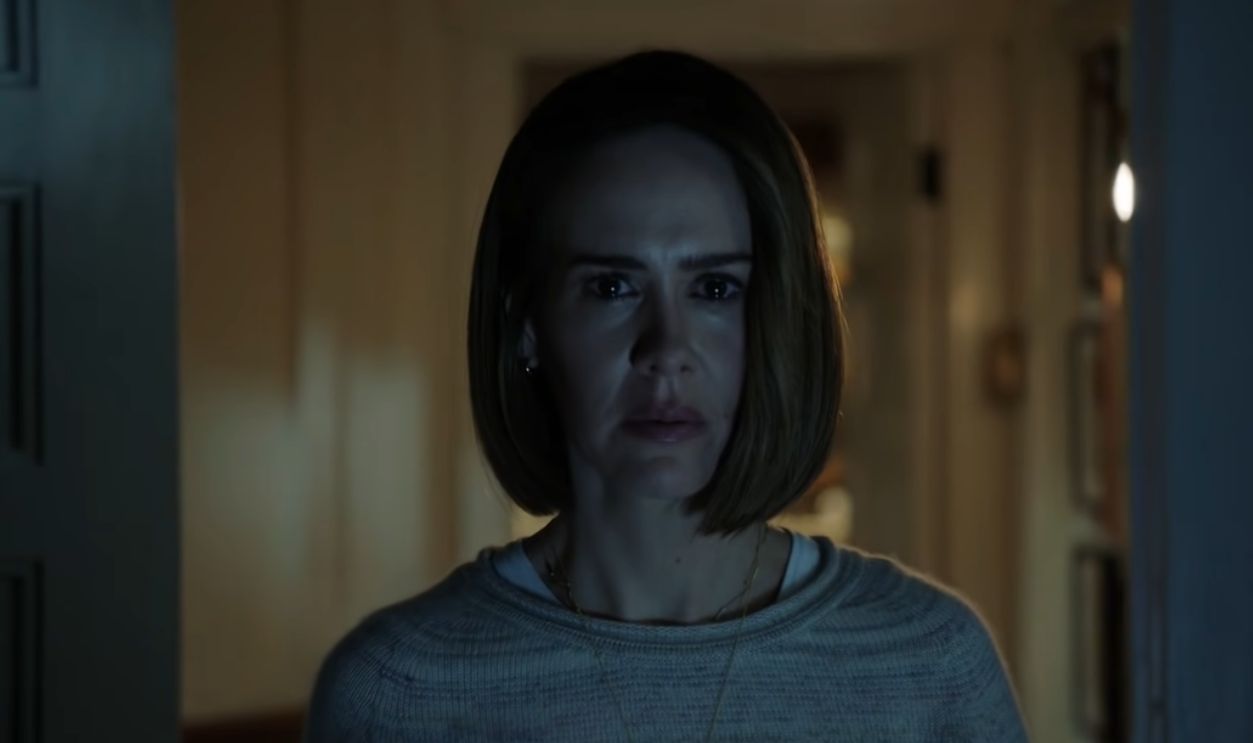 Screenshot from American Horror Story (2011–)
Fargo (2014–Present)
Season one centered on Lester Nygaard and the mysterious Lorne Malvo in a darkly comic Midwestern mystery. Season two jumped backward to 1979 and introduced an almost entirely new cast. This time, a married couple became entangled in a conflict between rival criminal organizations. The storytelling expanded dramatically while retaining the original season's distinctive atmosphere.
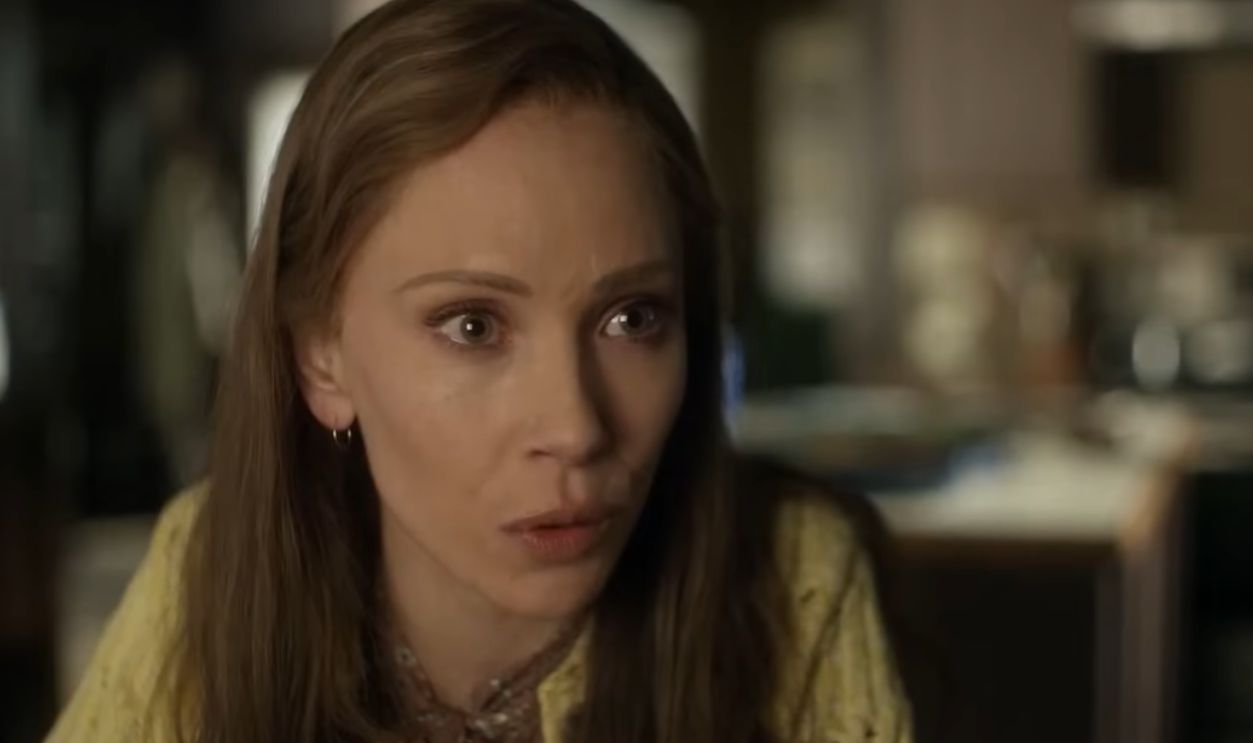 Screenshot from Fargo, FX Networks (2014–present)
The White Lotus (2021–Present)
Season one explored wealth, privilege, and resentment at an exclusive Hawaiian resort. Season two relocated the action to Sicily, replaced most of the characters, and concentrated more heavily on romantic relationships and desire. Jennifer Coolidge's Tanya provided some continuity, but creator Mike White had transformed his originally standalone story into an anthology about wealthy vacationers behaving badly.
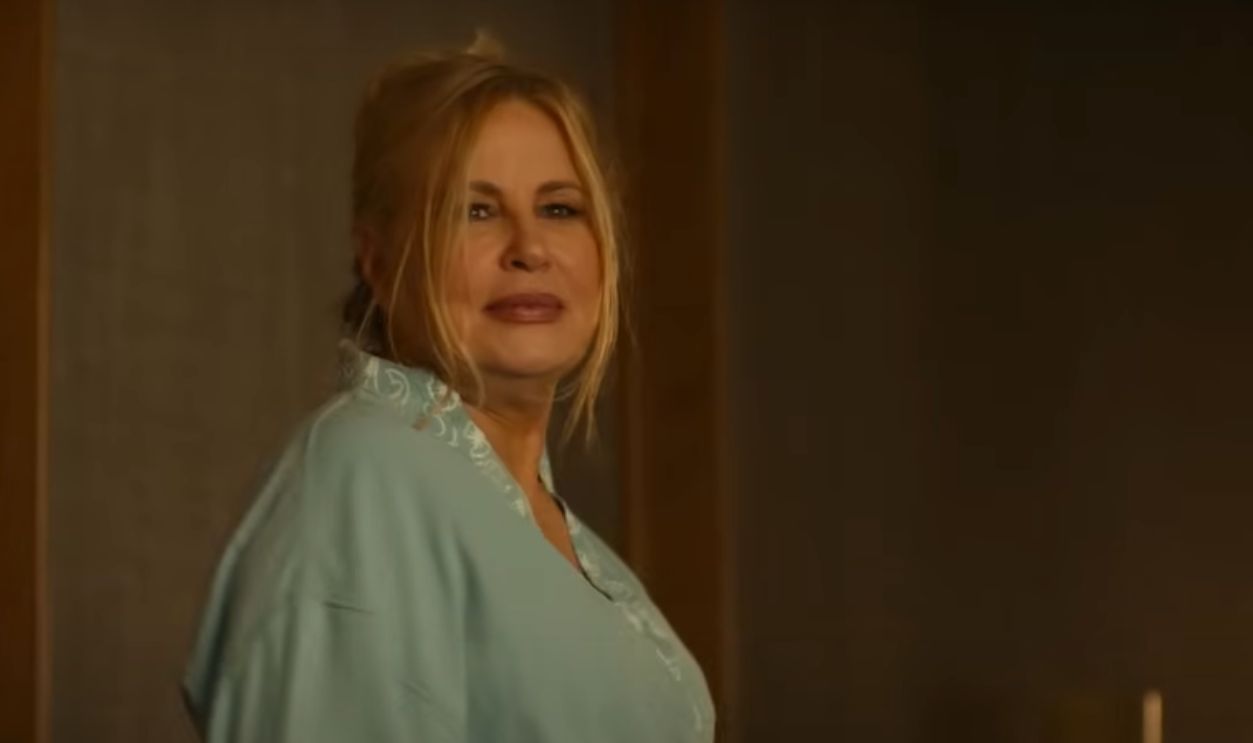 Screenshot from The White Lotus, HBO (2021–)
It's Always Sunny In Philadelphia (2005–Present)
The show's first season revolved around four deeply irresponsible friends running Paddy's Pub. Season two introduced Danny DeVito as Frank Reynolds, a wealthy businessman whose questionable behavior matched the group's worst instincts. His arrival fundamentally altered the ensemble, creating new character relationships and giving the writers considerably more freedom to pursue increasingly outrageous situations.
 Screenshot from It's Always Sunny in Philadelphia, FX (2005–present)
The Office (2005–2013)
The American adaptation initially borrowed heavily from its British predecessor, including an especially uncomfortable version of Michael Scott. However, the writers gradually softened Michael during season two, drawing inspiration from Steve Carell's unexpectedly sympathetic performance in The 40-Year-Old Virgin. The series developed a warmer identity that balanced workplace embarrassment with genuine affection for its characters.
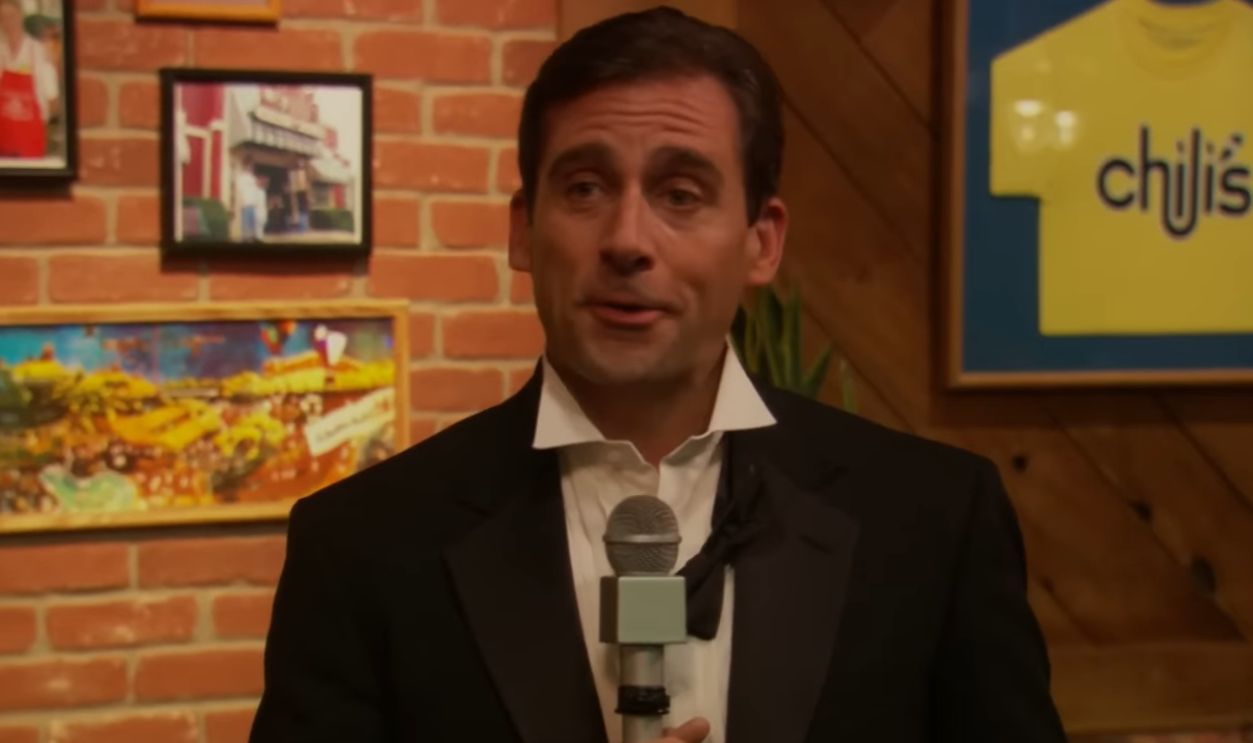 Screenshot from The Office, NBC (2005–2013)
Cougar Town (2009–2015)
Despite its title, Cougar Town didn't remain particularly interested in older women dating younger men. Originally focused on Jules Cobb's romantic adventures, the sitcom shifted toward the friendships connecting its eccentric central characters. By season two, creator Bill Lawrence was describing it as an ensemble comedy, with the original dating premise largely abandoned.
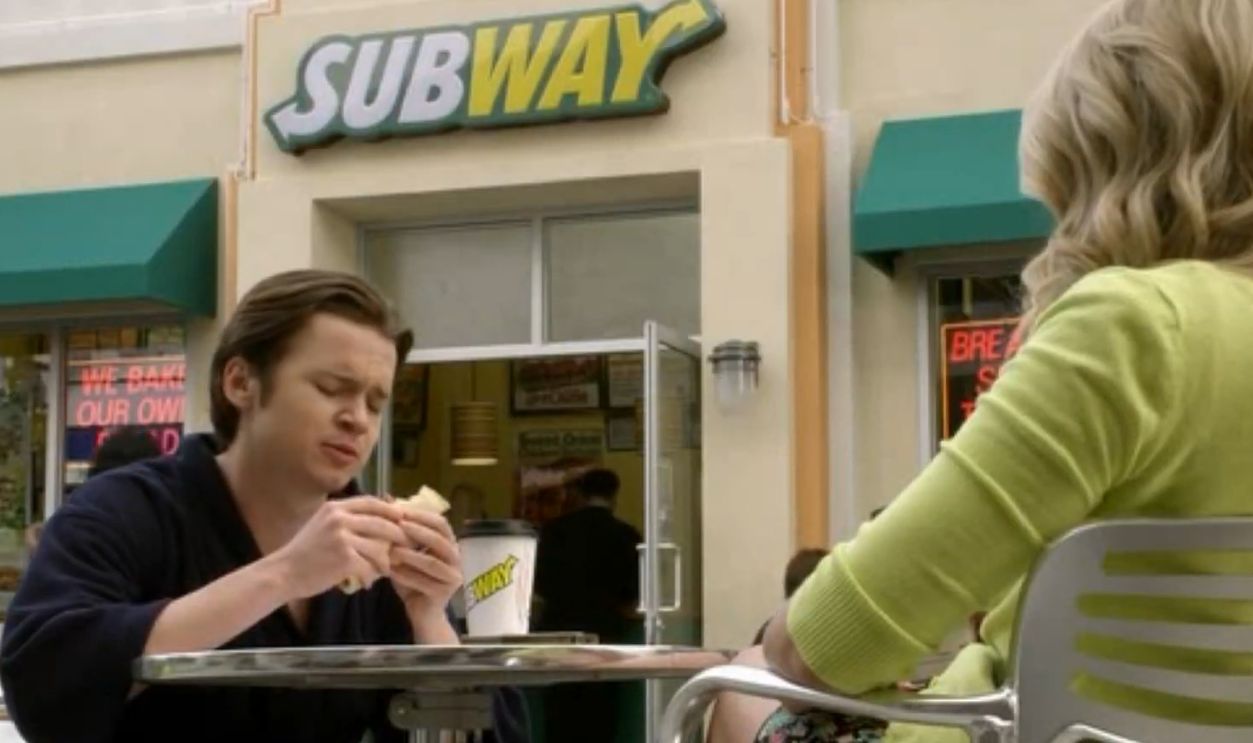 Screenshot from Cougar Town, ABC (2009–2015)
Family Matters (1989–1998)
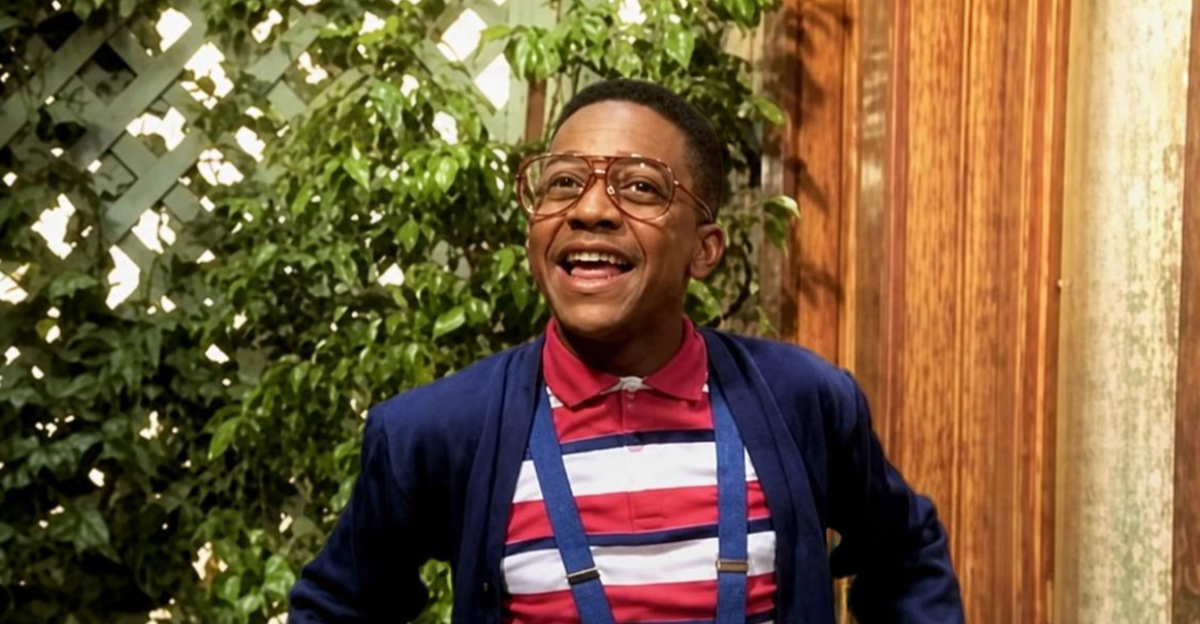
Family Matters originally centered on Carl Winslow and his extended Chicago family. Everything changed when Jaleel White appeared during season one as their irritating young neighbor, Steve Urkel. Intended as a one-time character, Urkel became enormously popular and increasingly dominated the storylines. By the second season, the family sitcom was becoming the Steve Urkel show.
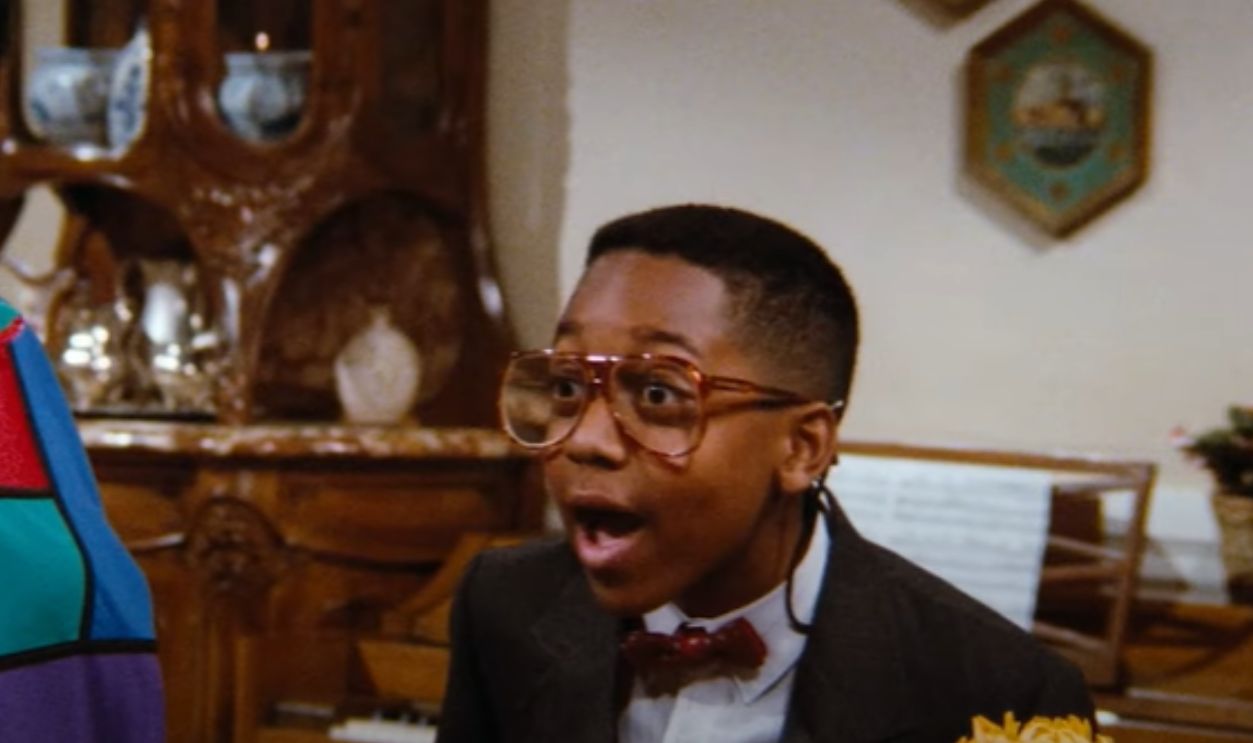 Screenshot from Family Matters, ABC (1989–1998)
Twin Peaks (1990–1991)
The first season revolved around FBI agent Dale Cooper's investigation into the mysterious circumstances surrounding Laura Palmer's disappearance. During season two, the central mystery was resolved much earlier than originally intended. With its defining question answered, the series increasingly emphasized supernatural mythology, bizarre character developments, and the unsettling mysteries surrounding the Black Lodge.
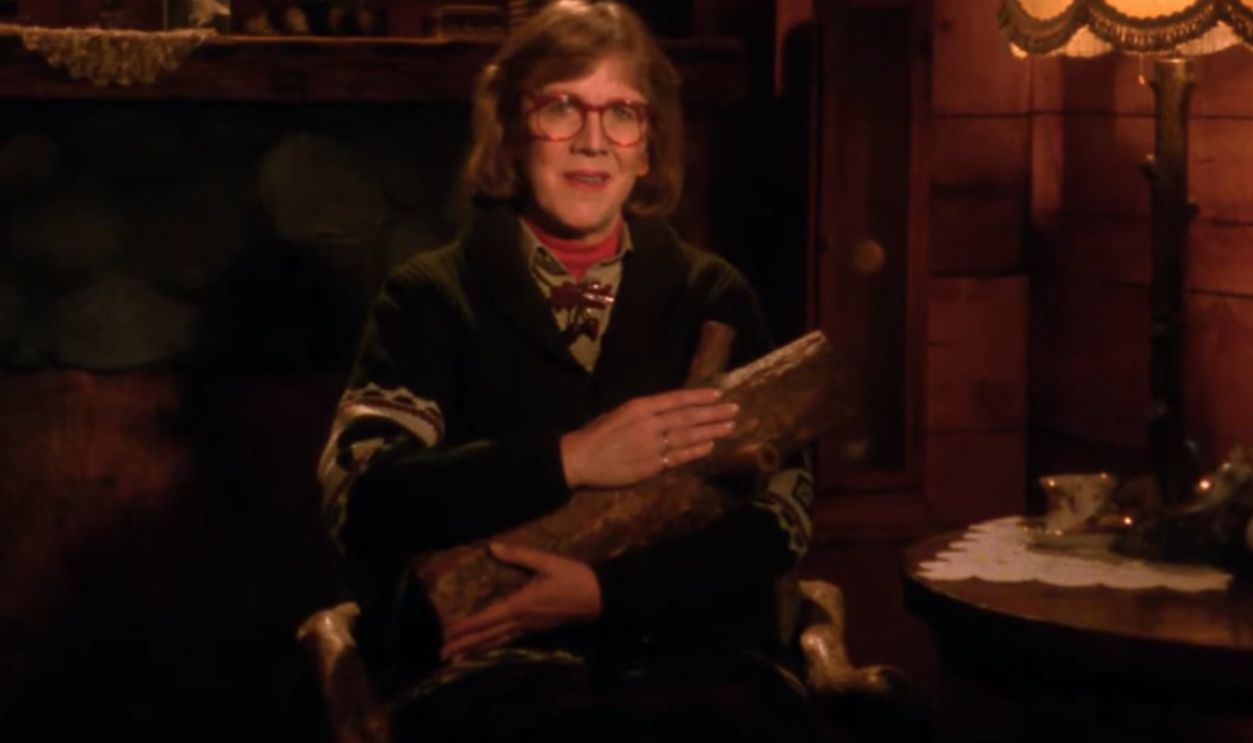 Screenshot from Twin Peaks, ABC (1990–1991)
The 100 (2014–2020)
Season one followed a group of teenage prisoners sent from a space station to determine whether Earth was habitable after a nuclear catastrophe. Season two dramatically expanded the story with the introduction of Mount Weather, a seemingly civilized underground community hiding disturbing secrets. The series evolved from teenage survival drama into a much more complicated examination of leadership and morality.
 Screenshot from The 100, The CW (2014–2020)
You May Also Like: