Some TV Shows Found Their Biggest Audience After They Were Canceled
Not every television series becomes a smash hit while new episodes are airing. Some shows quietly built devoted audiences through syndicated reruns, cable marathons, and later streaming, eventually becoming cultural landmarks despite modest original ratings. These 20 series prove that sometimes television history is written long after the finale.
 NBC Television, Wikimedia Commons
Star Trek
NBC canceled Star Trek after just three seasons in 1969, but syndication completely transformed its legacy. Daily reruns introduced the series to millions of new viewers, fueled fan conventions, and helped launch one of the biggest entertainment franchises ever, including films and multiple spin-offs.
 Screenshot from Star Trek, Desilu Productions / Norway Productions / NBC (1966–1969)
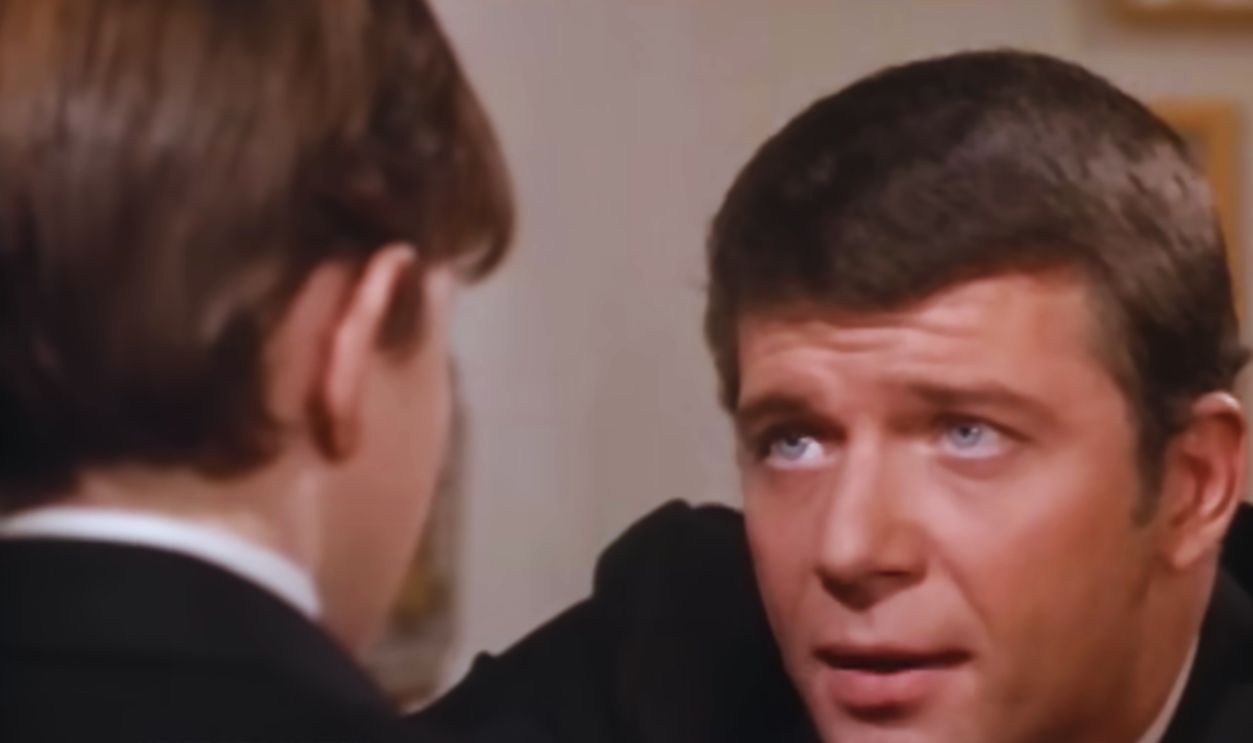
The Brady Bunch
Although The Brady Bunch never ranked among television's biggest hits during its original ABC run, it became a syndication powerhouse almost immediately afterward. Constant reruns made the blended family household familiar to generations who were not even born when the show first aired, leading to reunion specials, spin-offs, and feature films.
 Screenshot from The Brady Bunch, Paramount Television (1969–1974)
Gilligan's Island
CBS canceled Gilligan's Island after only three seasons despite respectable ratings. Once the series entered syndication, it became one of the most frequently rerun sitcoms in television history, with creator Sherwood Schwartz often citing its extraordinary longevity and repeated airings around the world.

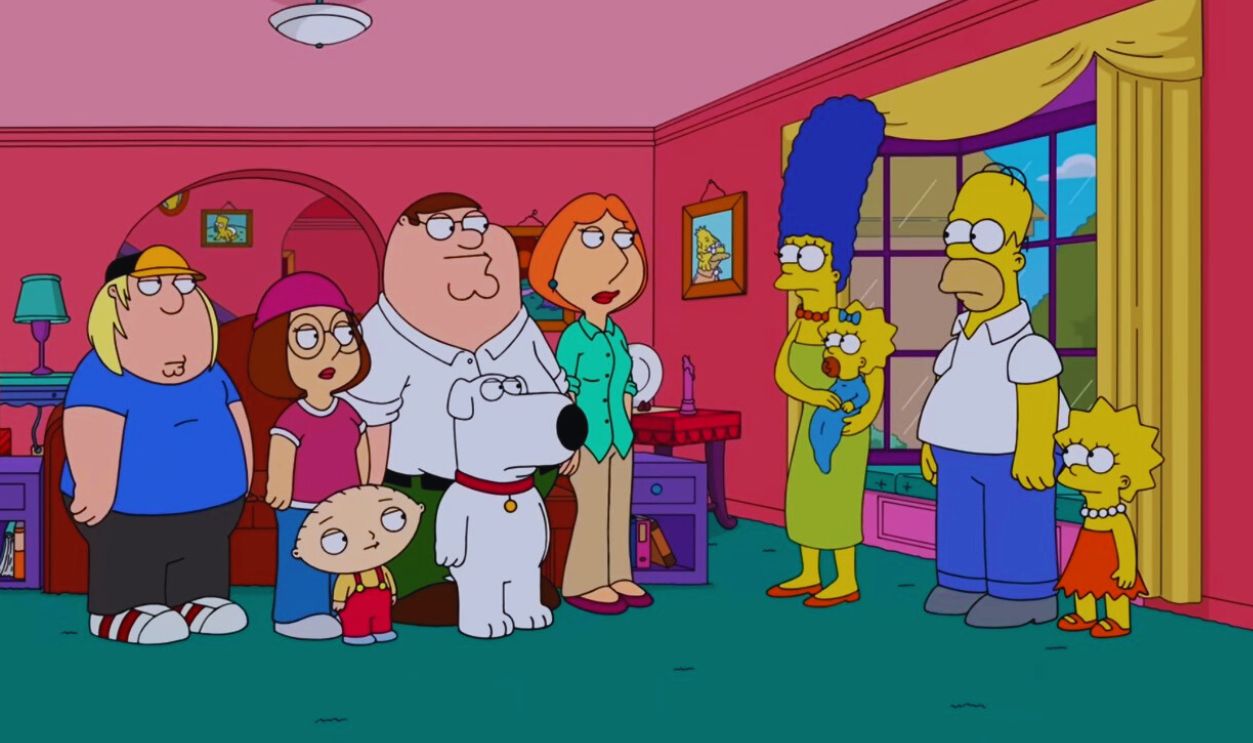
Family Guy
Fox canceled Family Guy twice because of disappointing ratings, but reruns on Adult Swim and exceptionally strong DVD sales sparked an enormous surge in popularity. The renewed audience convinced Fox to revive the show in 2005, making it one of television's rare cancellation reversals driven largely by reruns.
 Screenshot from Family Guy, Fox Broadcasting Company (1999–present)
Futurama
Like Family Guy, Futurama found many new fans through cable reruns after Fox canceled it. Strong ratings on Adult Swim demonstrated the show's lasting appeal, ultimately helping pave the way for its Comedy Central revival and later return on Hulu.
 Screenshot from Futurama, 20th Television Animation (1999–present)
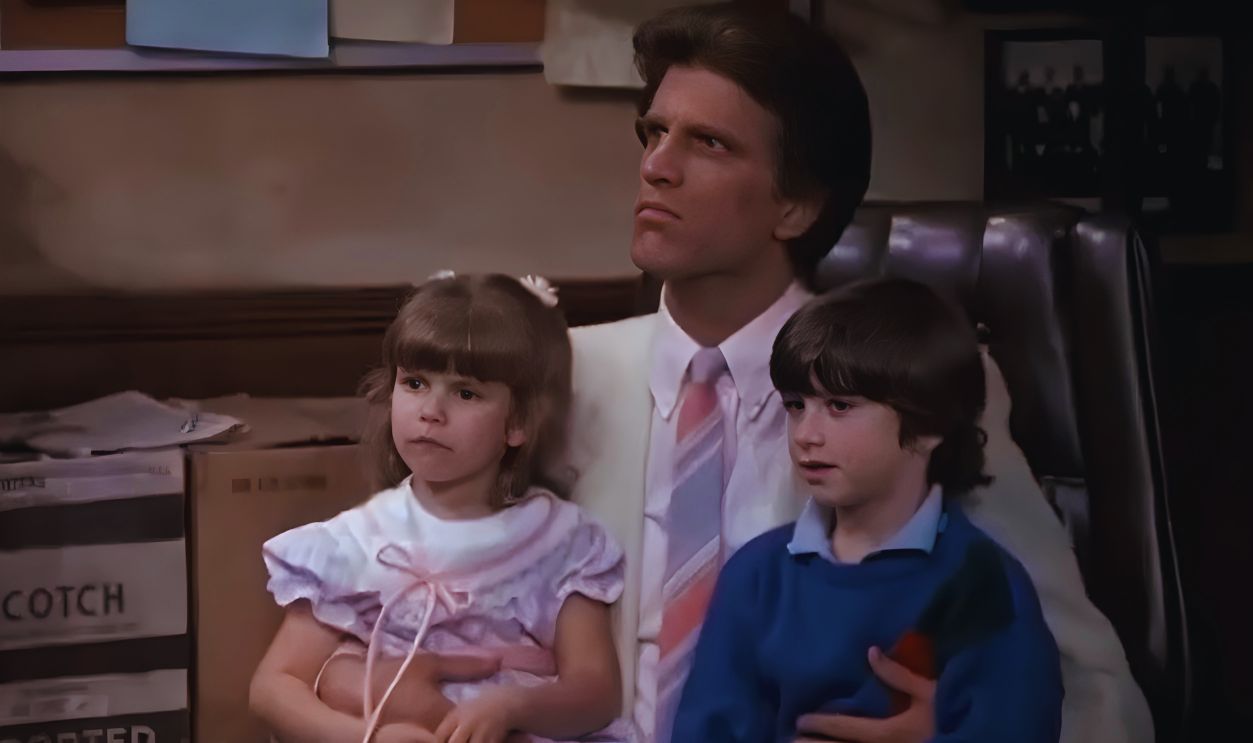
Cheers
Cheers struggled badly in its first season, finishing near the bottom of the Nielsen rankings. As reruns exposed more viewers to the series and NBC gave it stronger scheduling support, its audience steadily grew until it became one of television's highest-rated sitcoms and one of syndication's biggest successes.
 Screenshot from Cheers, Paramount Network Television (1982-1993)
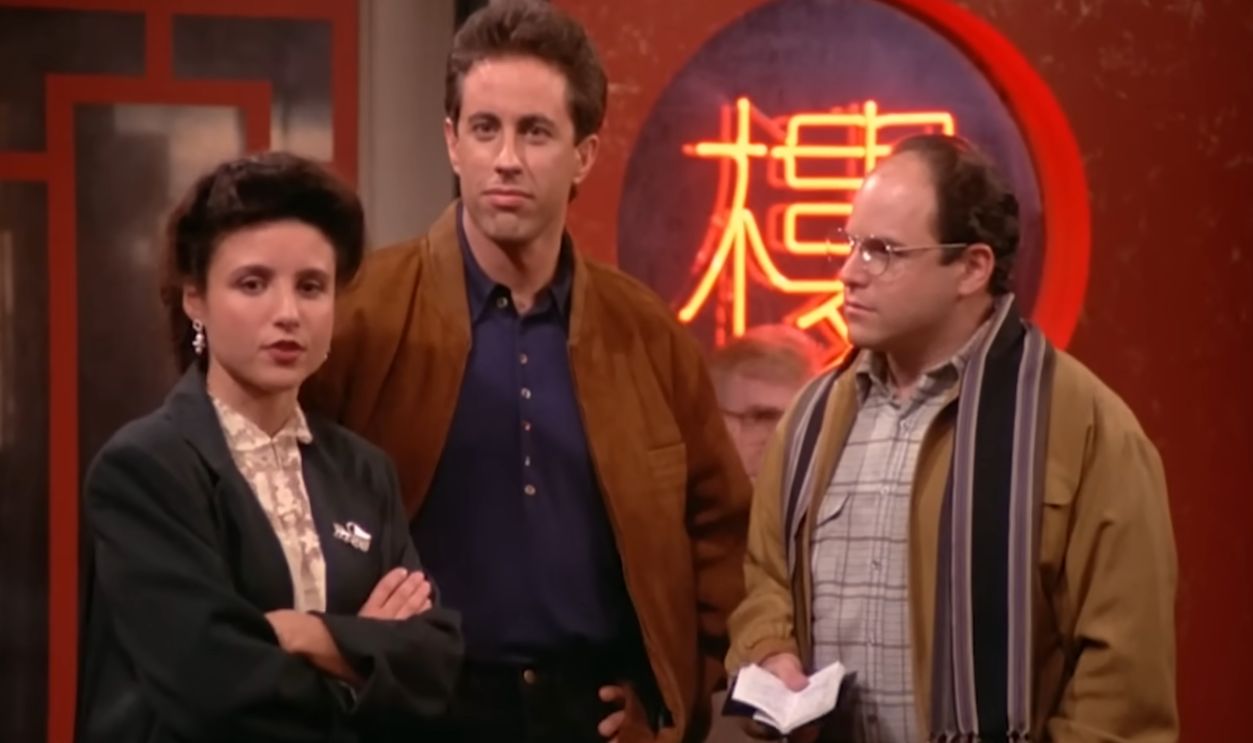
Seinfeld
Although Seinfeld eventually became a ratings juggernaut before ending its network run, its syndication success took the show to another level. Reruns generated billions of dollars and introduced the series to entirely new generations, making it one of television's most valuable properties.
 Screenshot from Seinfeld, NBC (1989–1998)
M*A*S*H
M*A*S*H became a hit during its original run, but daily reruns dramatically expanded its audience for decades afterward. The series remained a fixture on local stations and cable networks, becoming one of the most successful syndicated sitcoms ever produced.
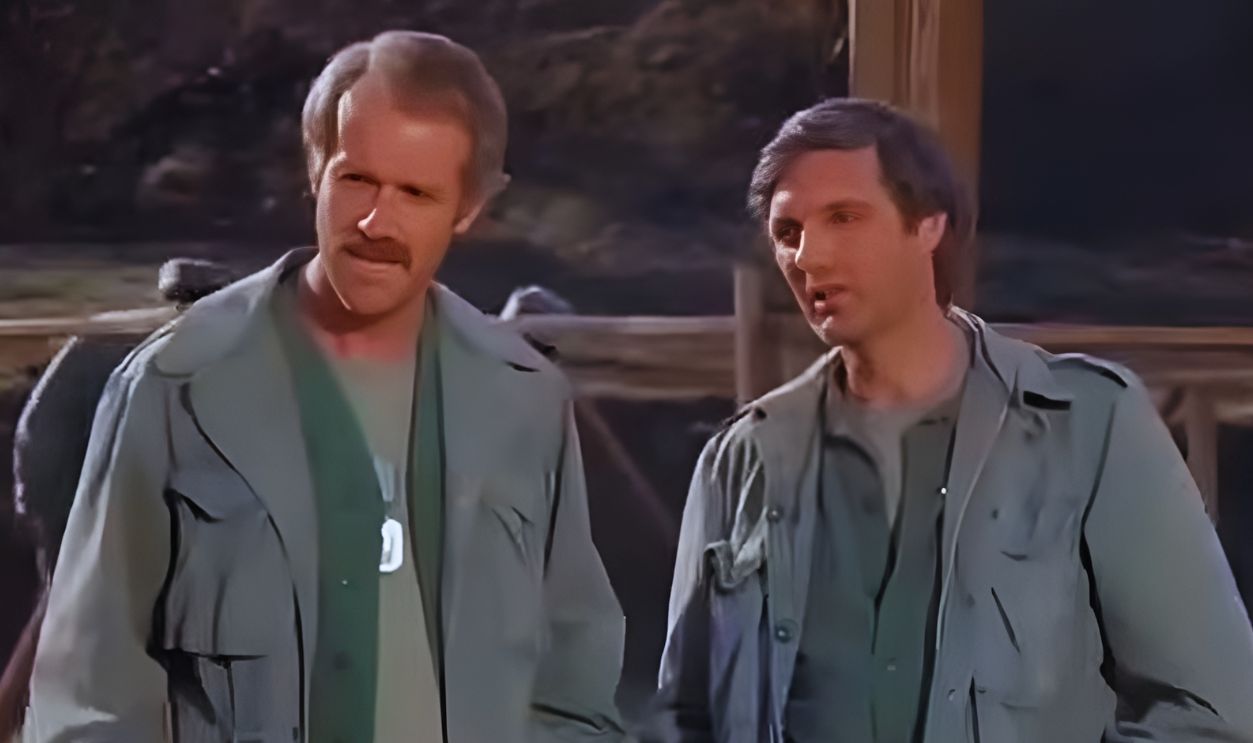 Screenshot from M*A*S*H, CBS (1972–1983), Modified
The Andy Griffith Show
CBS viewers appreciated The Andy Griffith Show while it originally aired, but constant reruns elevated Mayberry into an enduring symbol of small-town America. The show's appeal has remained remarkably consistent across generations thanks to decades of syndication.
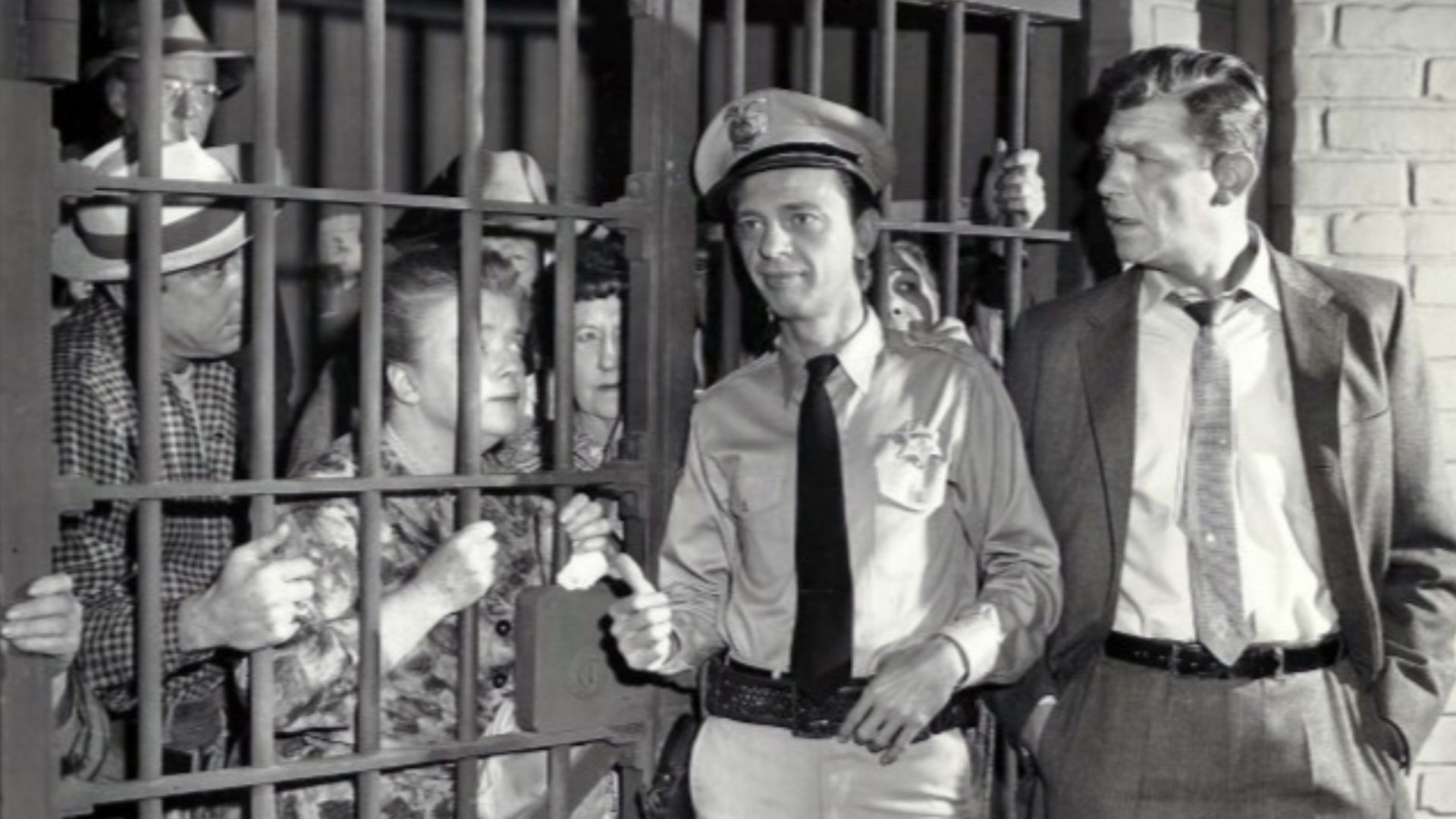 CBS Television, Wikimedia Commons
I Love Lucy
I Love Lucy was already hugely popular in the 1950s, but its rerun strategy changed television history. Lucille Ball and Desi Arnaz retained ownership of filmed episodes, allowing the sitcom to remain in continuous circulation and become a model for future syndicated television.
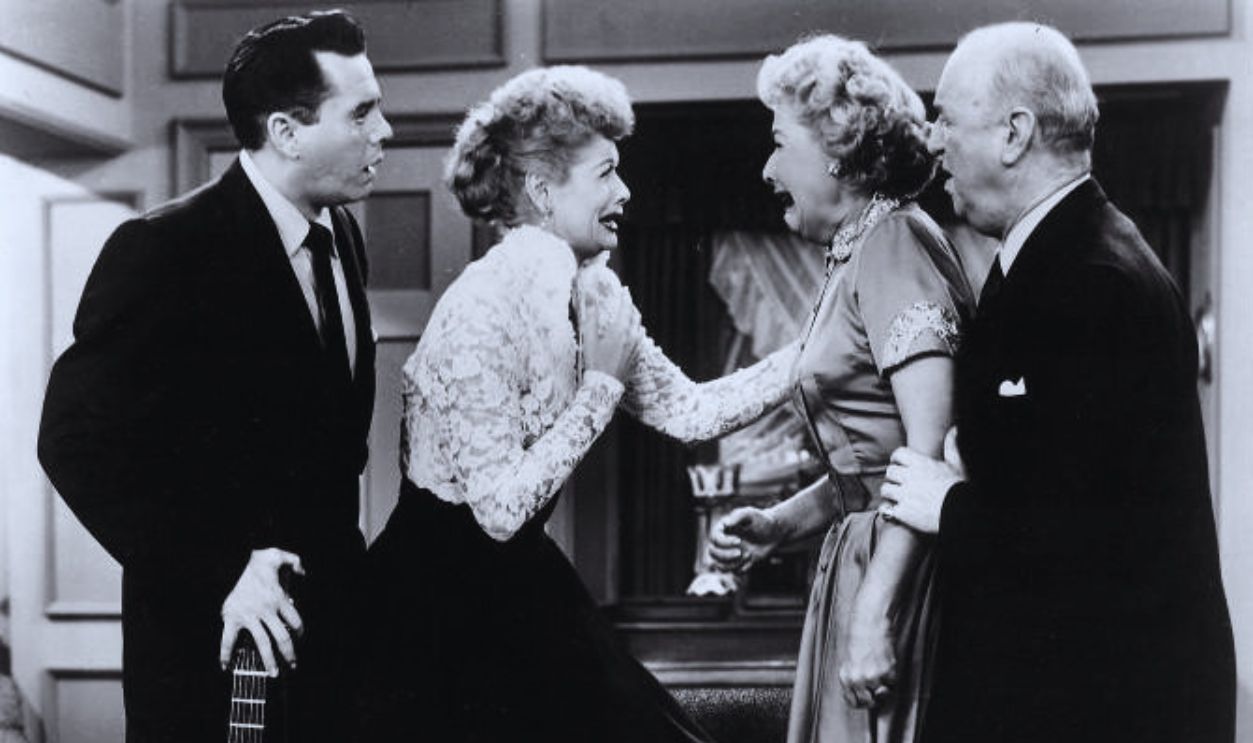 CBS Television In the 1950s and 1960s, Wikimedia Commons
Leave It to Beaver
Original ratings for Leave It to Beaver were respectable rather than spectacular. However, decades of afternoon reruns made the Cleaver family one of television's best-known households, giving the sitcom a much larger cultural footprint than its first-run performance suggested.
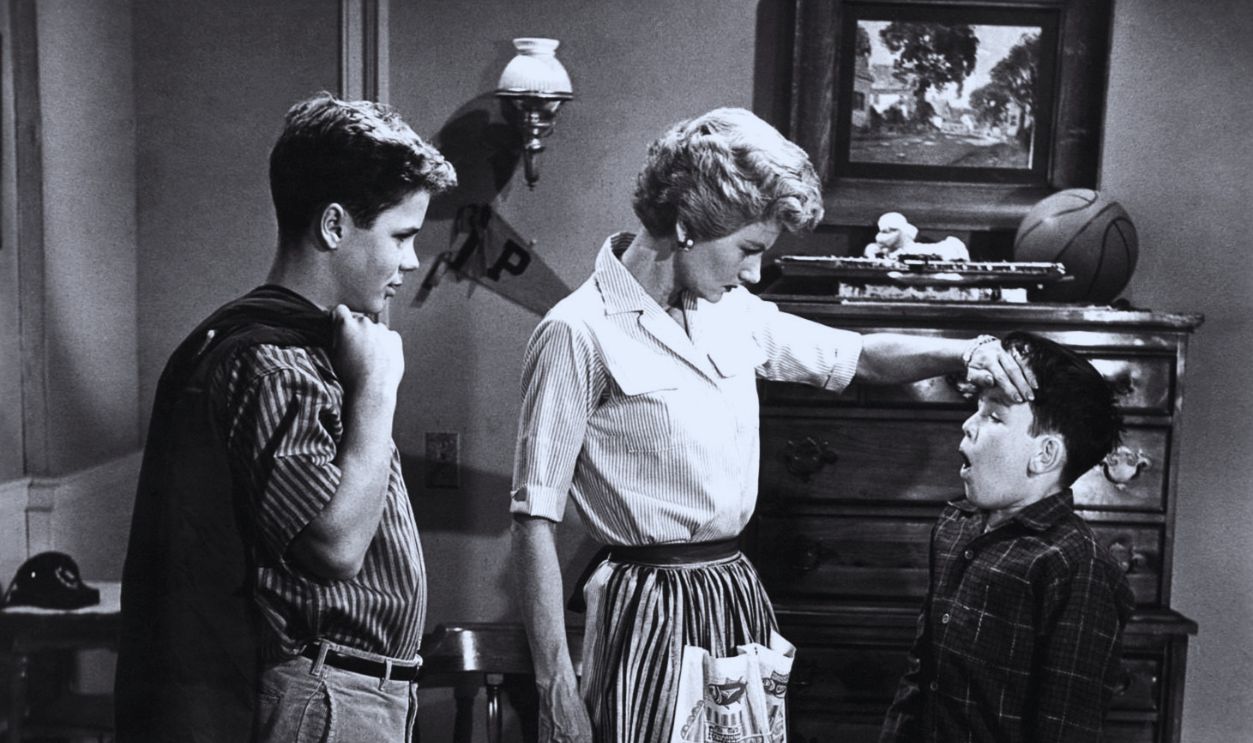 Pat McDermott-public relations, Wikimedia Commons
The Monkees
NBC canceled The Monkees after only two seasons, but repeated reruns throughout the 1970s and later on MTV in the 1980s created new waves of fans. The renewed interest even helped spark a successful musical reunion and album resurgence.
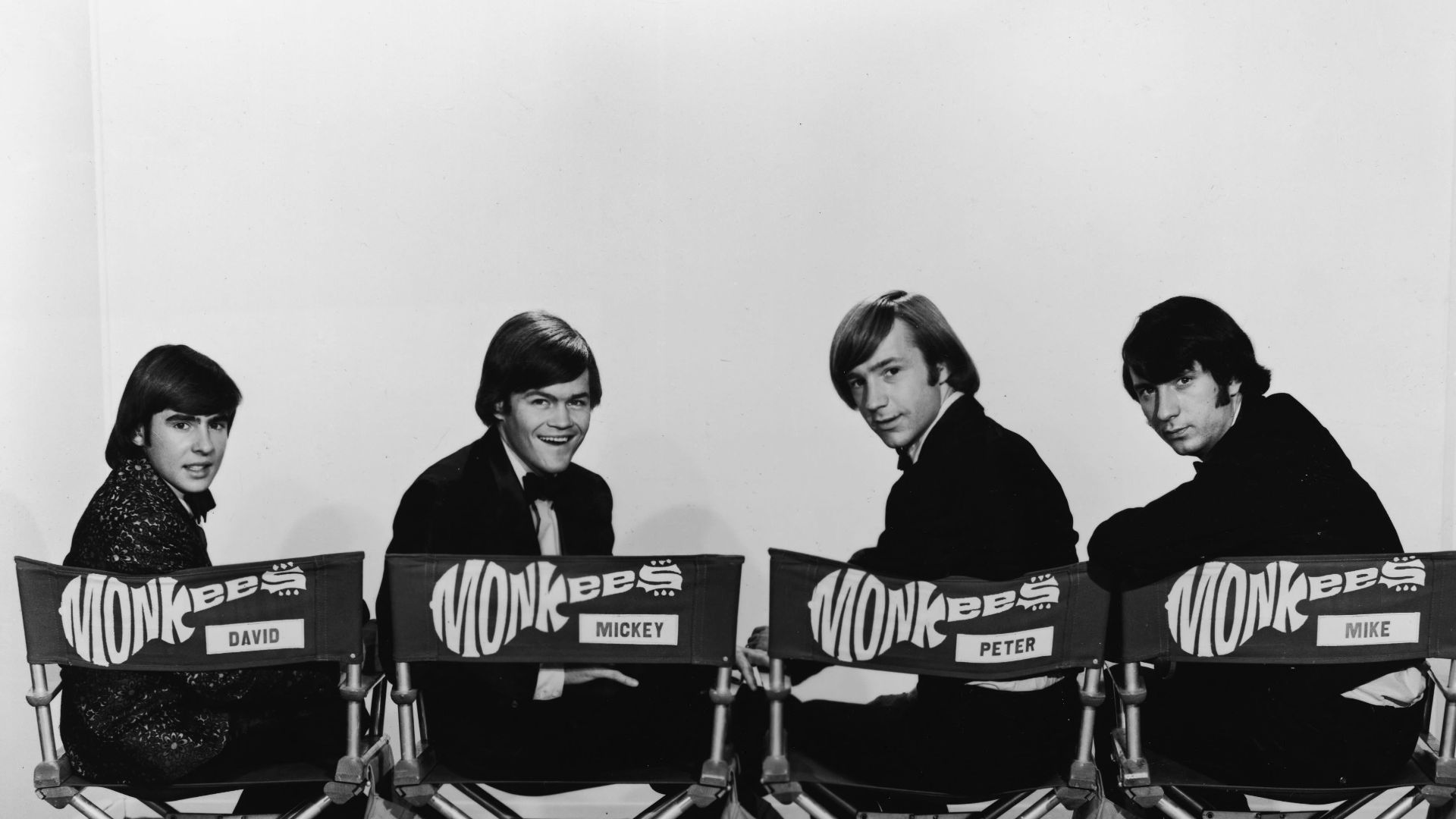 Entertainment International, Wikimedia Commons
The Odd Couple
While The Odd Couple earned critical praise during its ABC run, syndicated reruns greatly expanded its audience. The contrasting personalities of Oscar Madison and Felix Unger proved ideal for repeat viewing, keeping the sitcom popular for decades.
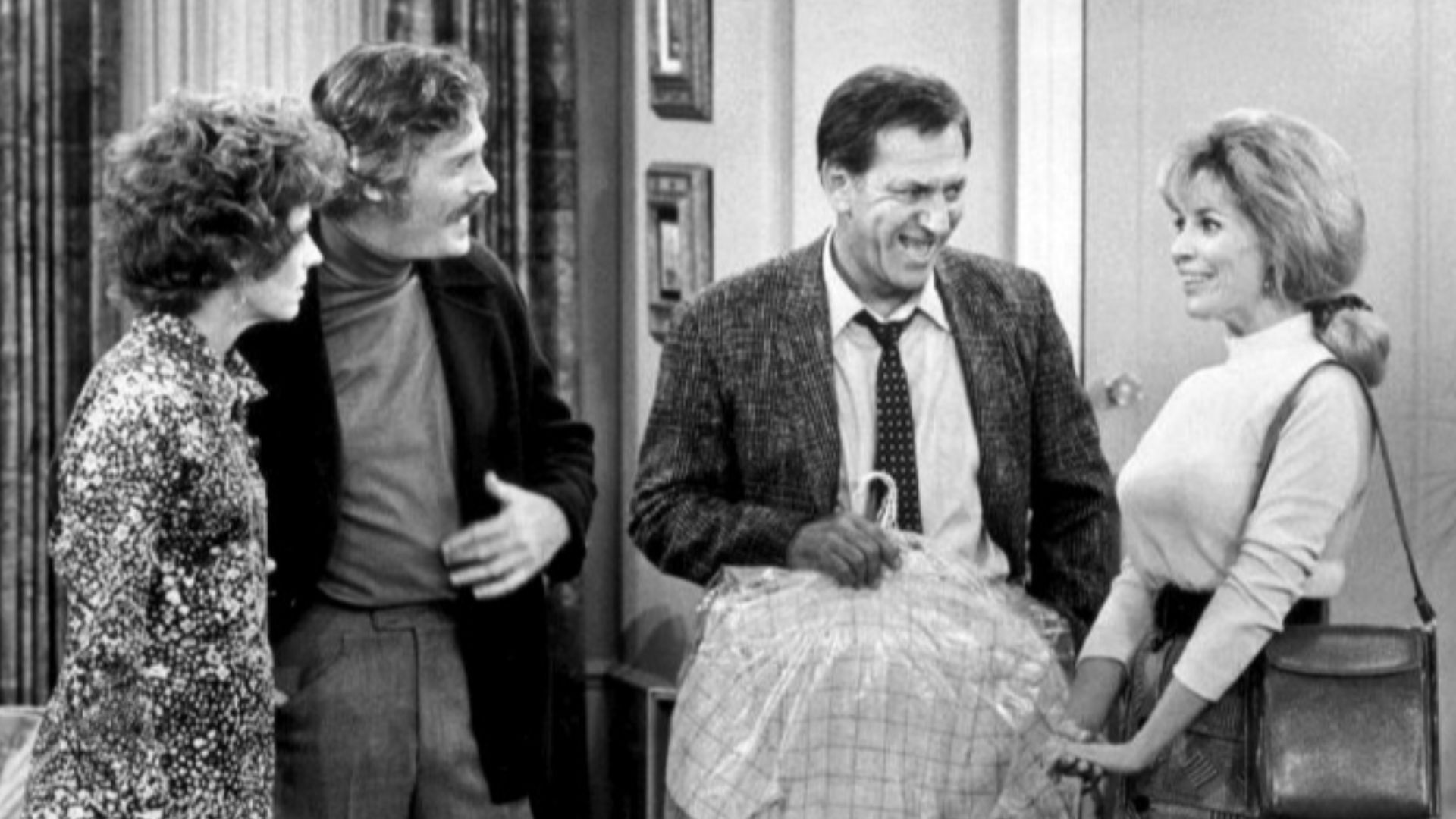 ABC Television, Wikimedia Commons
The Addams Family
The Addams Family lasted only two seasons on ABC, but syndication turned Gomez, Morticia, Wednesday, and the rest of the family into permanent pop-culture icons. Its enduring popularity later inspired animated series, feature films, Broadway productions, and streaming adaptations.
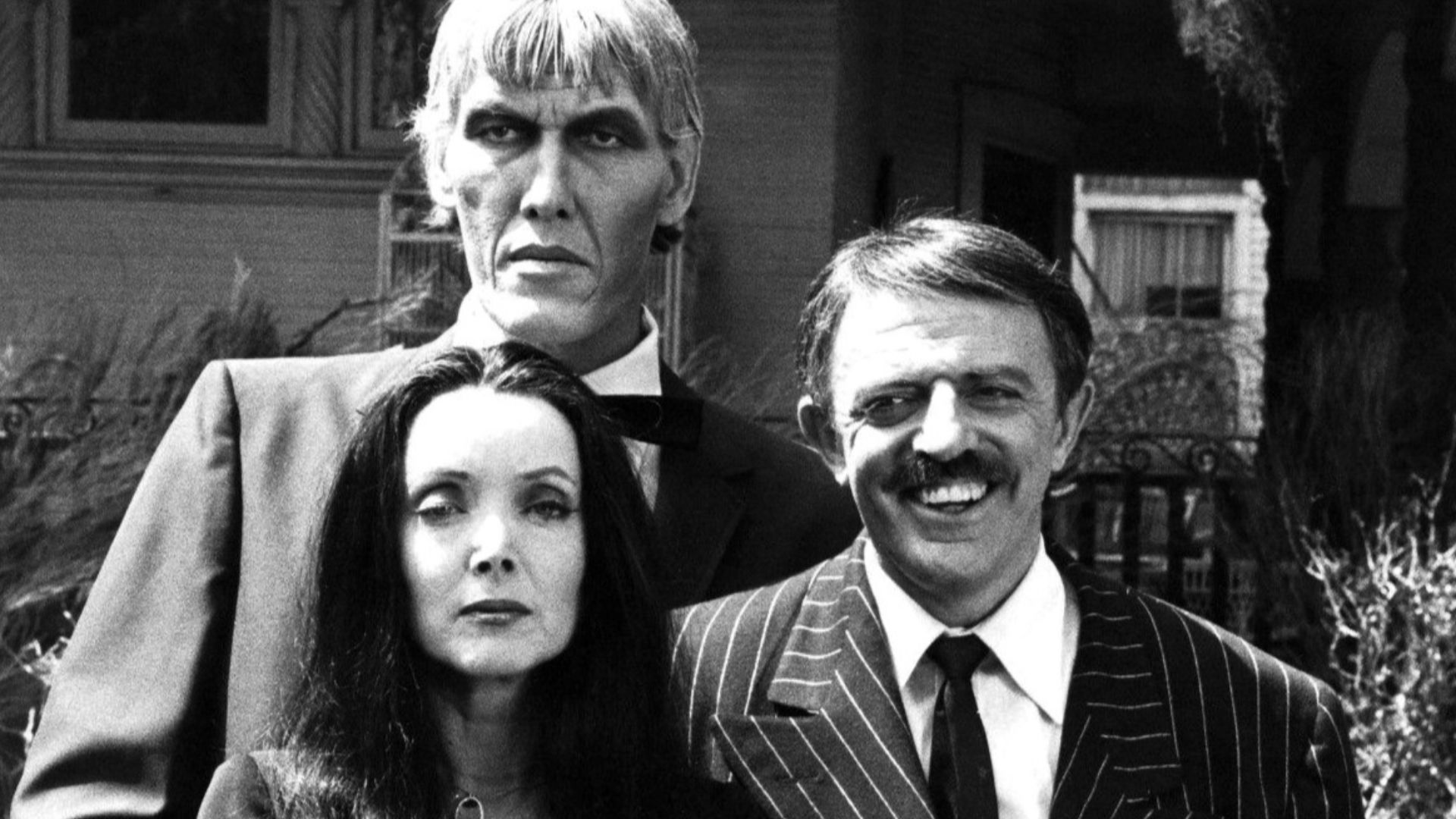 NBC Television, Wikimedia Commons
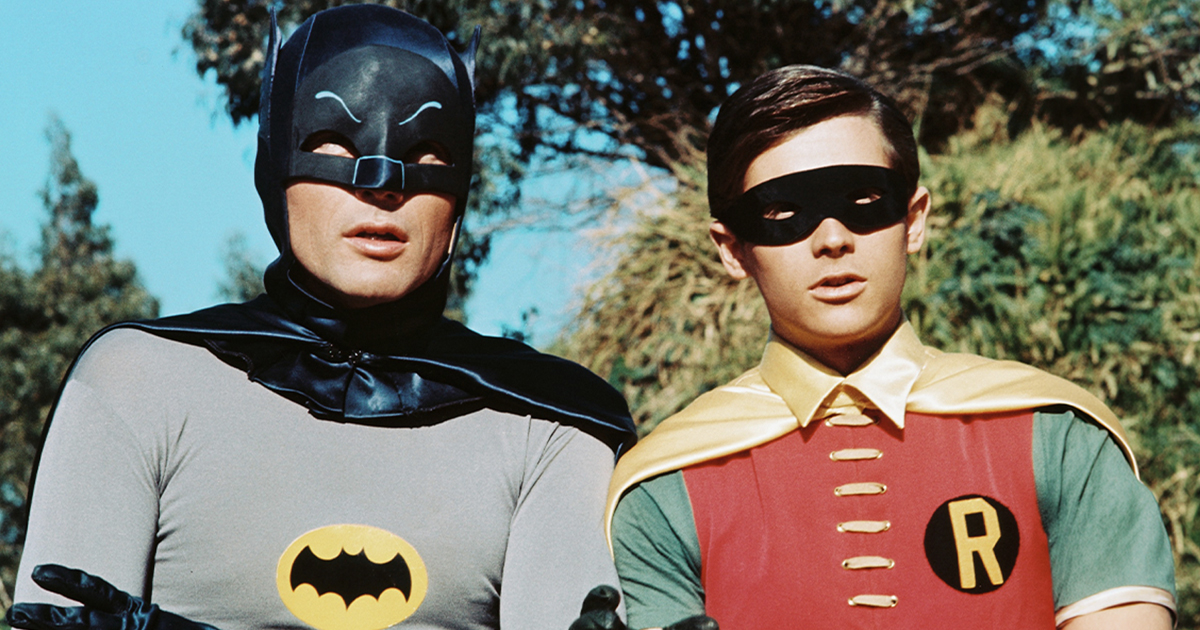
Batman (1966)
ABC's colorful Batman enjoyed a successful original run, but weekday reruns helped cement Adam West's portrayal as the definitive version for generations of viewers. The show's campy style became even more appreciated long after its cancellation.
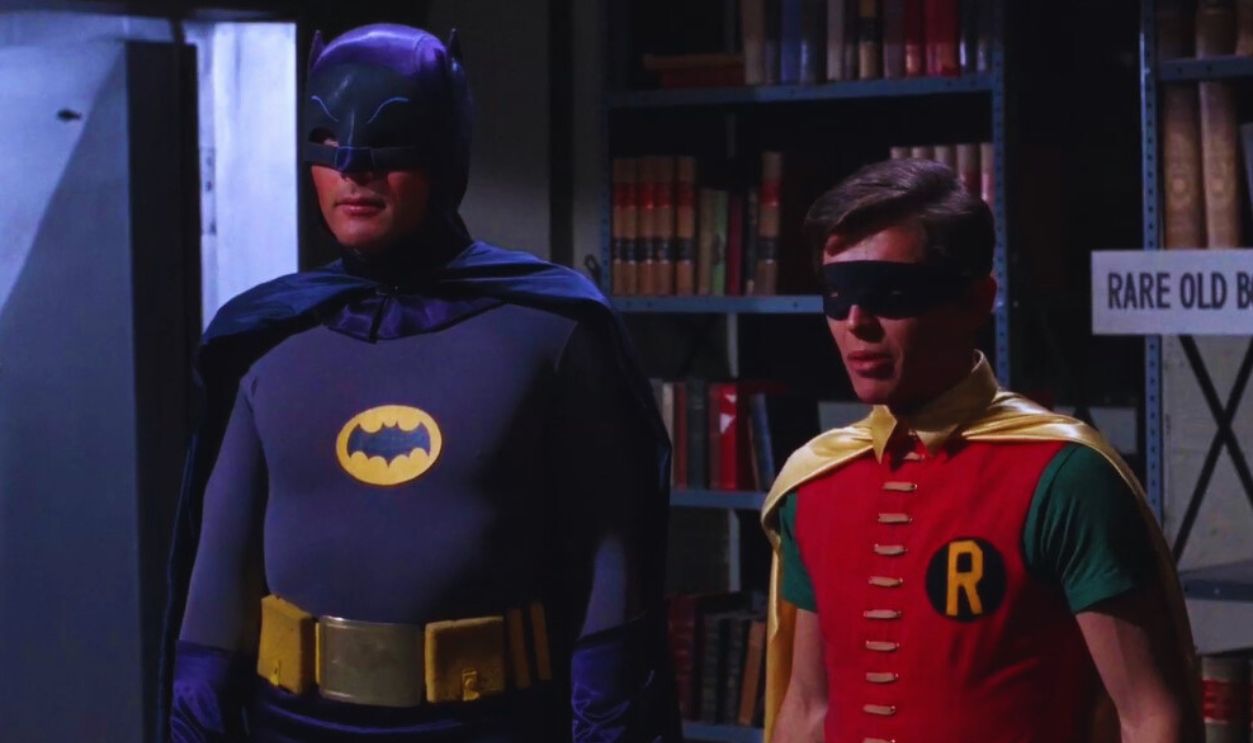 Screenshot from Batman, ABC (1966–1968)
Hogan's Heroes
Despite concerns over its WWII setting, Hogan's Heroes found remarkable staying power through syndication. Repeated airings introduced the sitcom to viewers who missed its original CBS broadcasts and kept it visible well into the cable era.
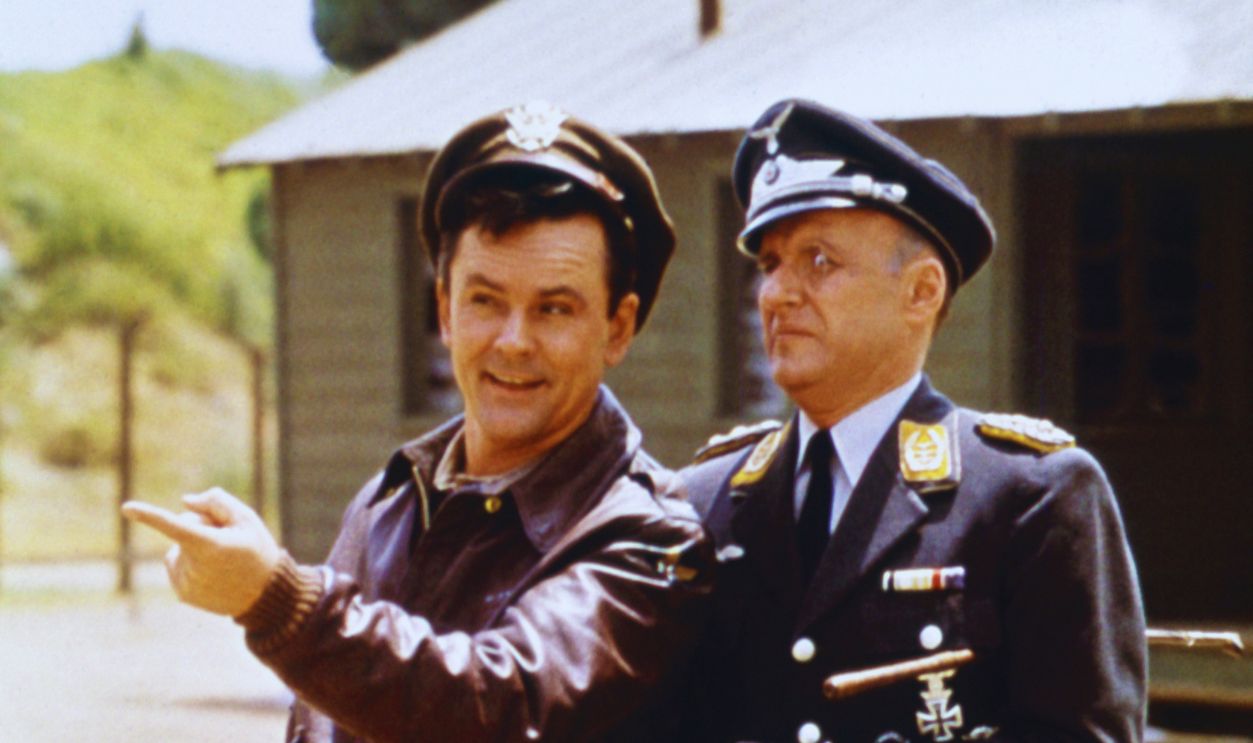 Silver Screen Collection, Getty Images
The Jeffersons
The Jeffersons was a successful CBS sitcom, but syndication broadened its influence far beyond its original audience. Daily reruns helped preserve the show's groundbreaking portrayal of a successful Black family and introduced it to younger viewers for decades.
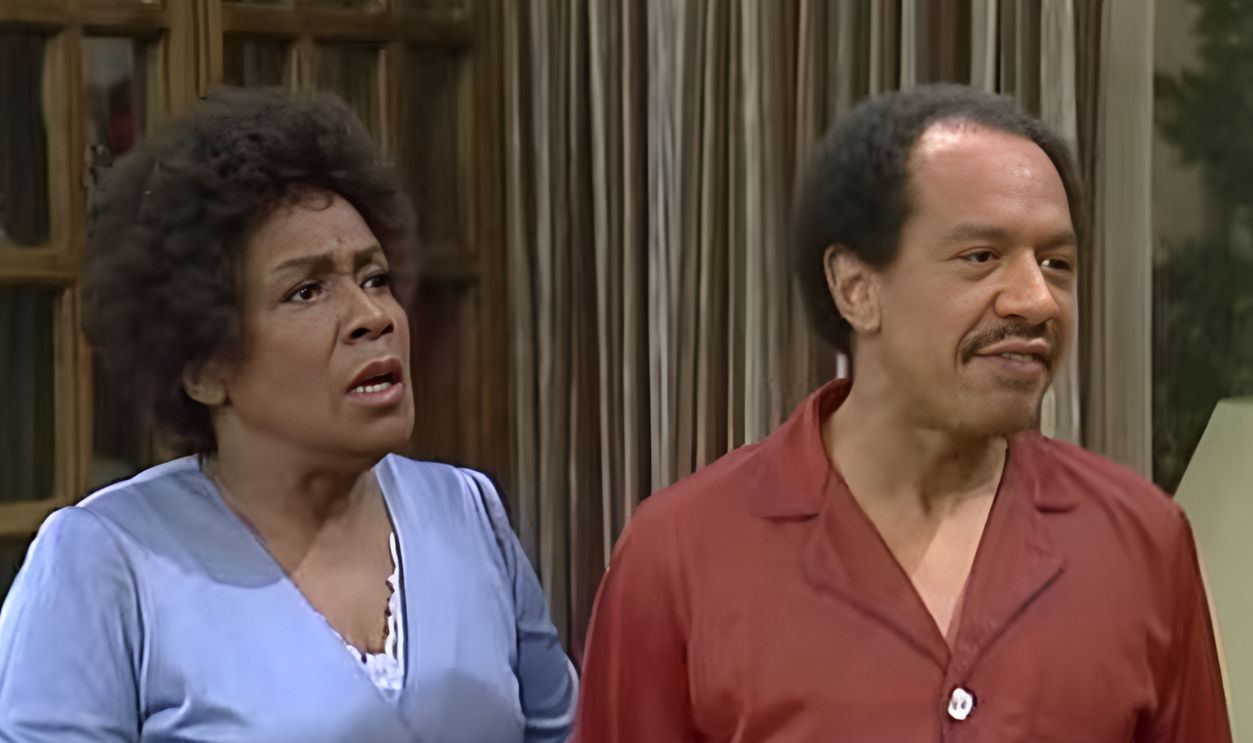 Screenshot from The Jeffersons, CBS (1975–1985), Modified
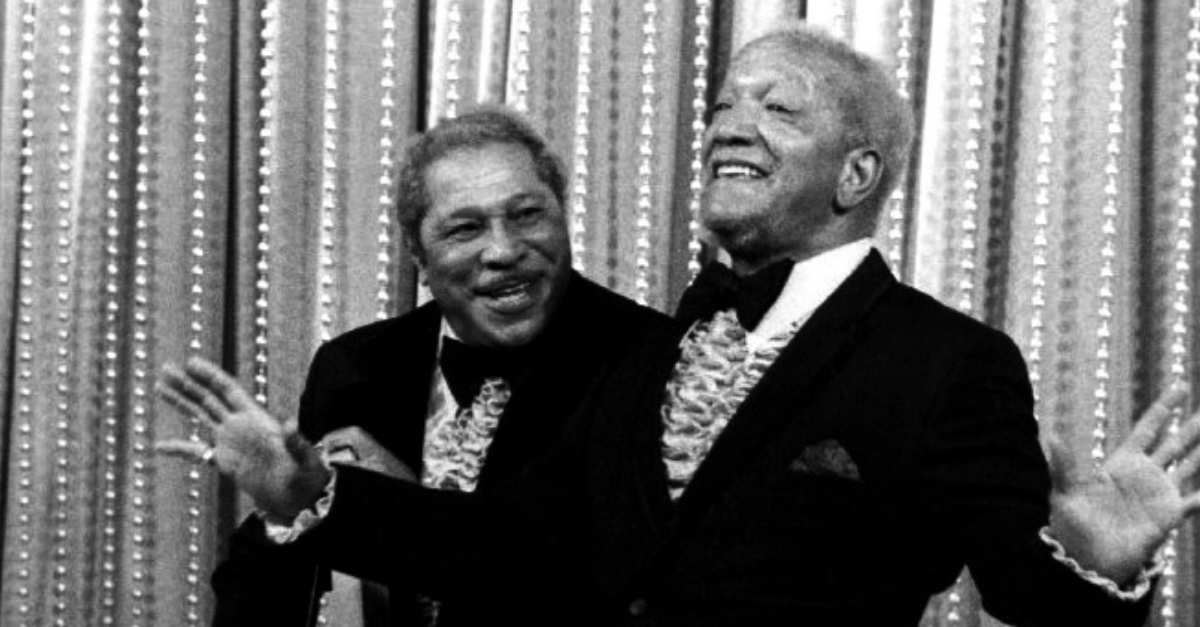
Sanford and Son
NBC's Sanford and Son was popular in the 1970s, but its syndication run made Fred Sanford's sharp humor and memorable catchphrases household staples. The sitcom became a regular fixture on local stations across the United States.
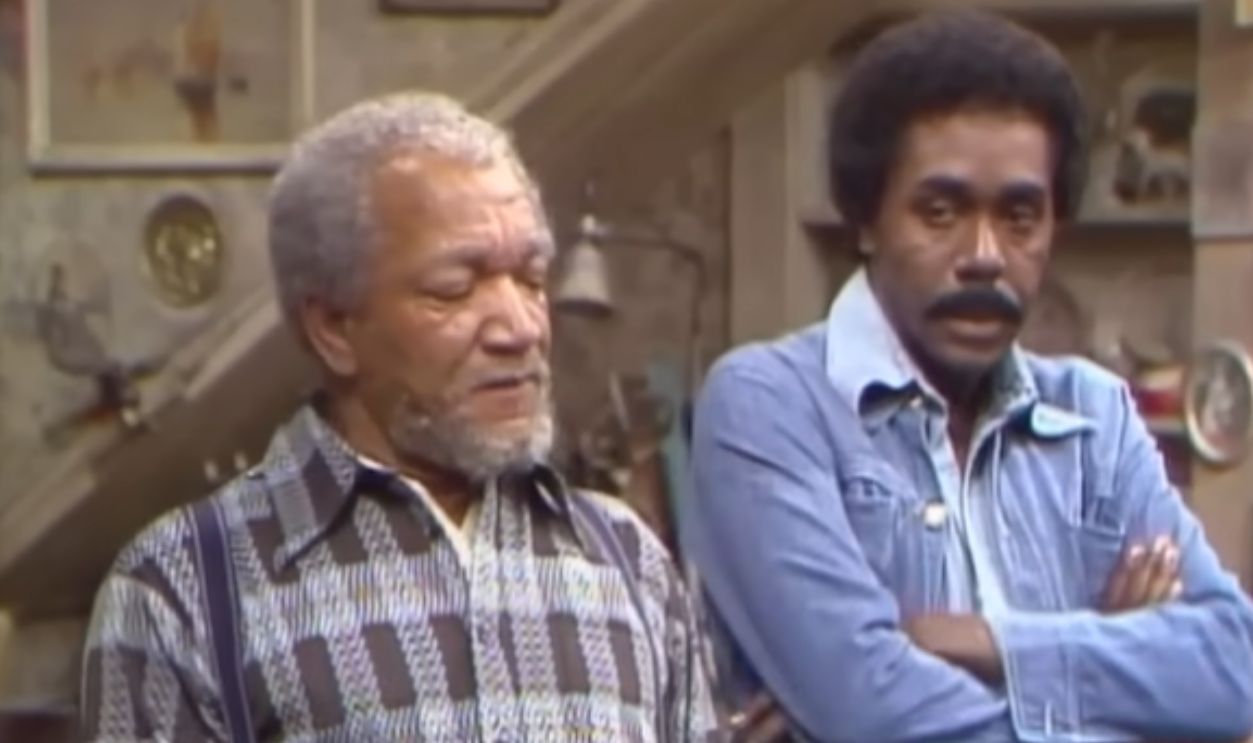 Screenshot from Sanford and Son, NBC (1972-1977)
Good Times
Good Times developed an even stronger following after leaving CBS. Frequent reruns allowed new audiences to appreciate its balance of comedy and serious social themes, helping establish it as one of Norman Lear's most enduring sitcoms.
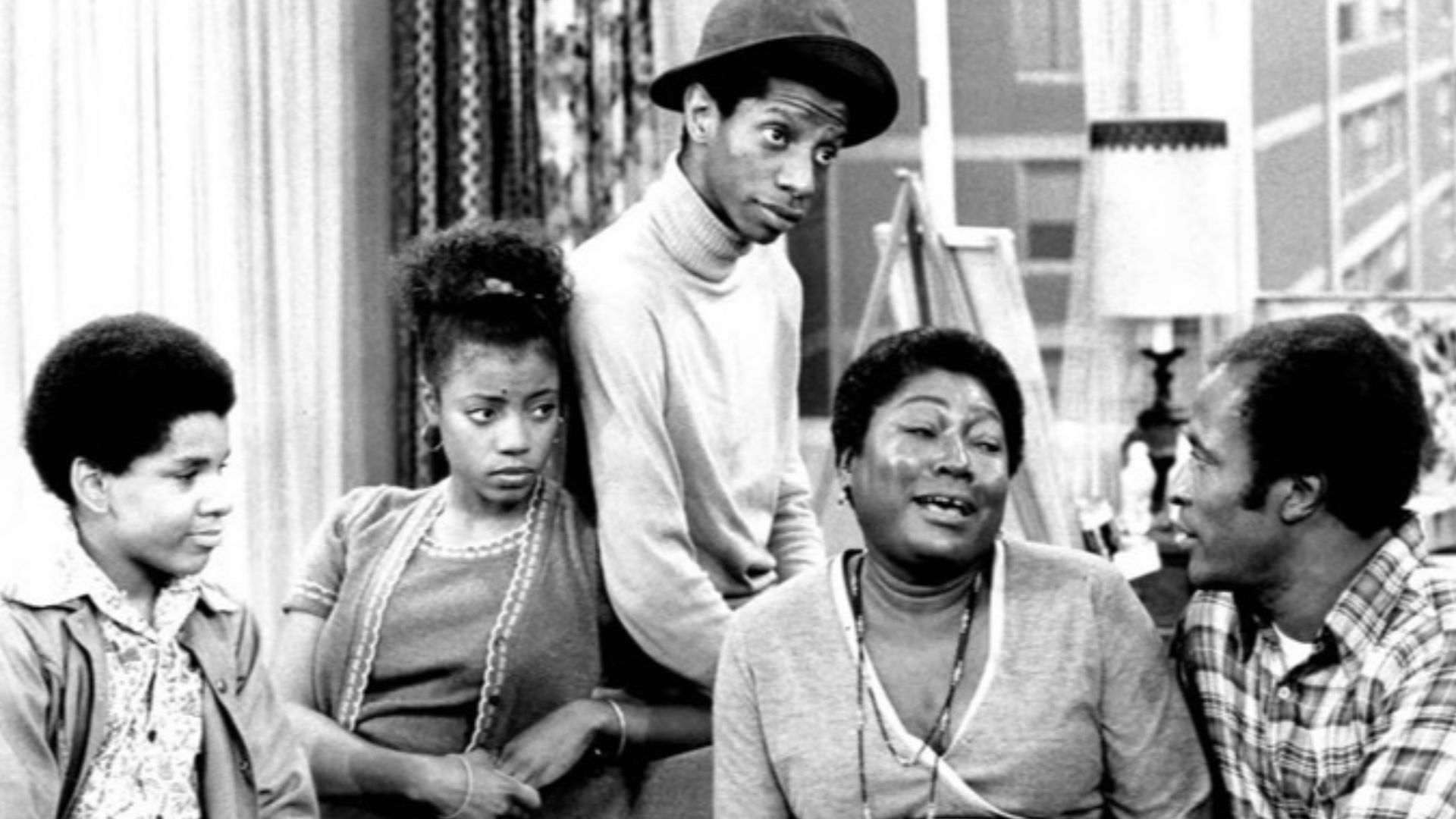 CBS Television, Wikimedia Commons
The Twilight Zone
Rod Serling's anthology series earned critical acclaim during its original CBS run, but syndication gave it extraordinary longevity. Annual marathons, constant reruns, and classroom discussions transformed it into one of television's most influential series, with its stories remaining widely recognized decades later.
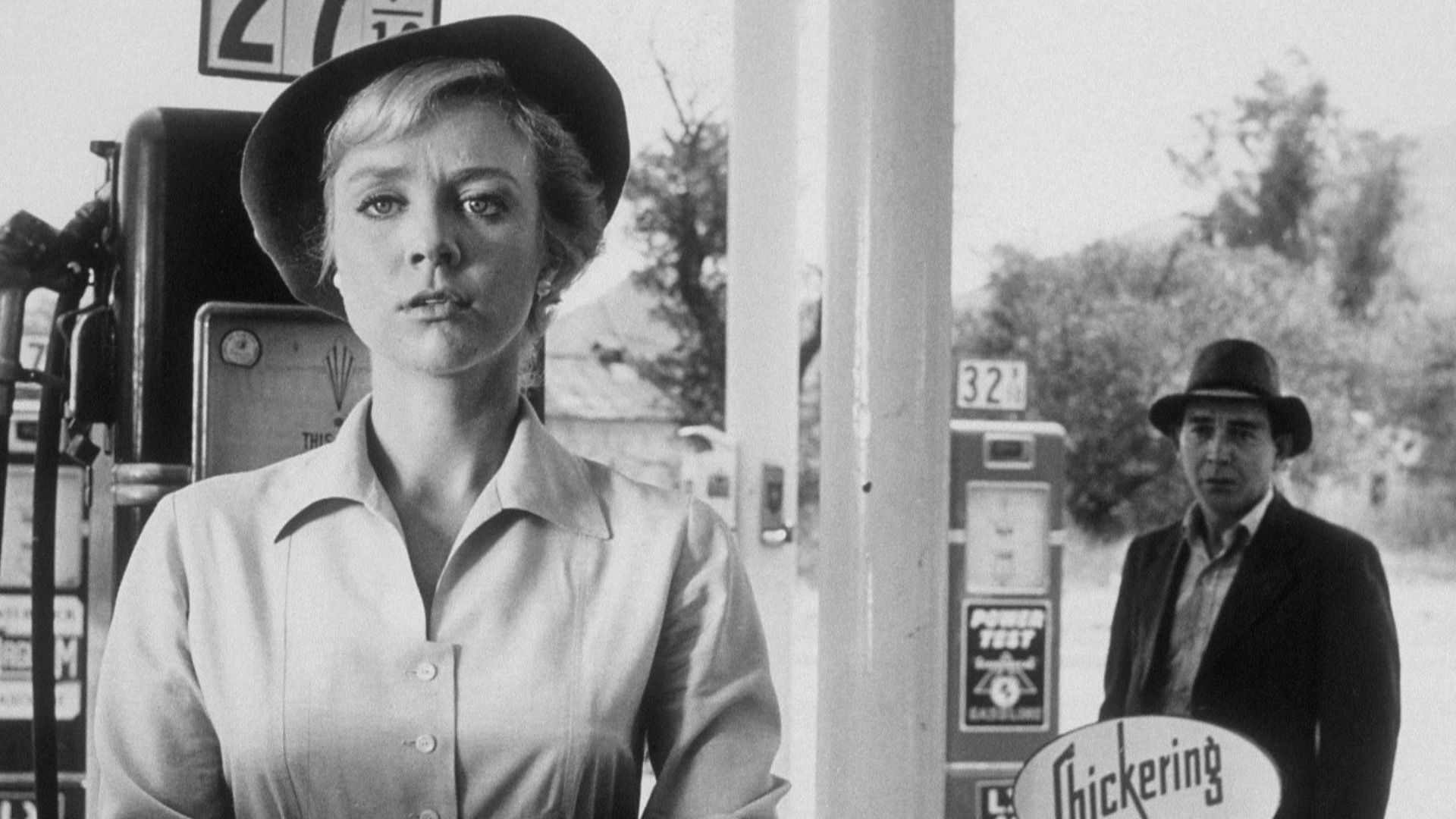 CBS Television, Wikimedia Commons
You May Also Like:
Which Of These 1980s TV Dads Were Most Like Your Dad?
Famous Actors Who Appeared On Both Columbo And Murder, She Wrote—Do Any Of These Surprise You?
The 5 Most Shocking Moments In "Game Of Thrones"
Sources: 1