When TV Just Doesn’t Know When To Quit
There’s a special kind of heartbreak that comes from watching a show you love slowly lose its spark. One minute it’s your favorite thing on TV, and the next you’re halfway through an episode wondering why you’re still here..
The frustrating part? Most of these shows were genuinely great at one point. They just stayed at the party way too long.
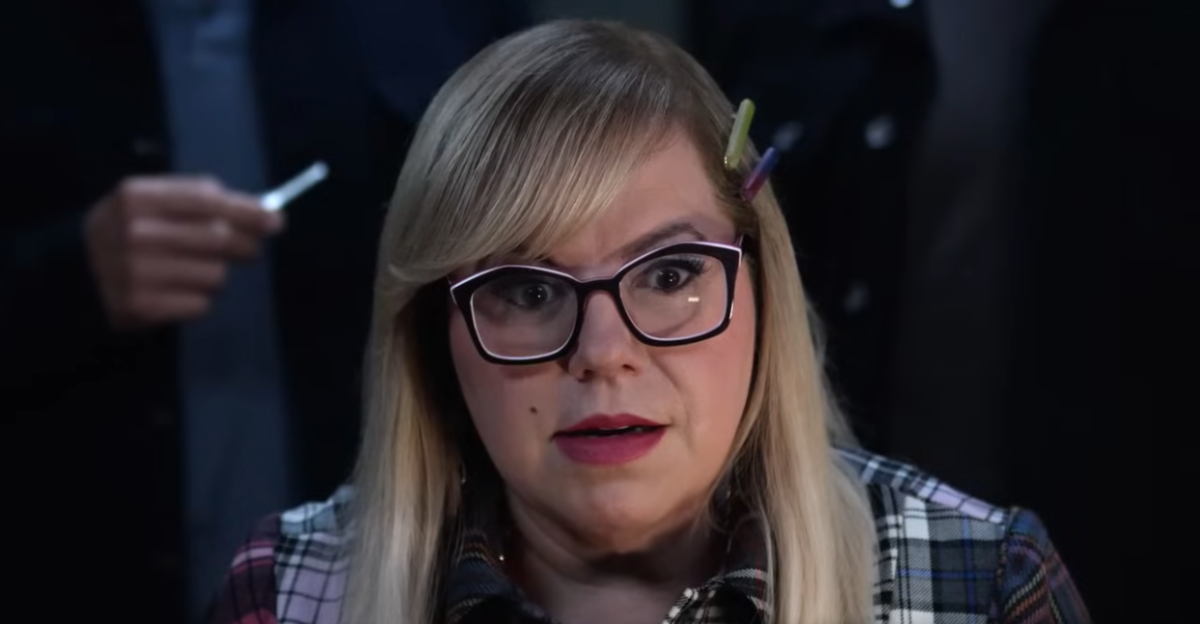 screenshot from Criminal Minds: Evolution, www.disneyplus.com
Grey’s Anatomy
At its peak, this was emotional, addictive, and impossible to turn off, with storylines that actually hit hard. But after so many seasons—and so many major cast departures—it started to feel like a completely different show. At a certain point, it became less about compelling drama and more about just keeping the machine running.
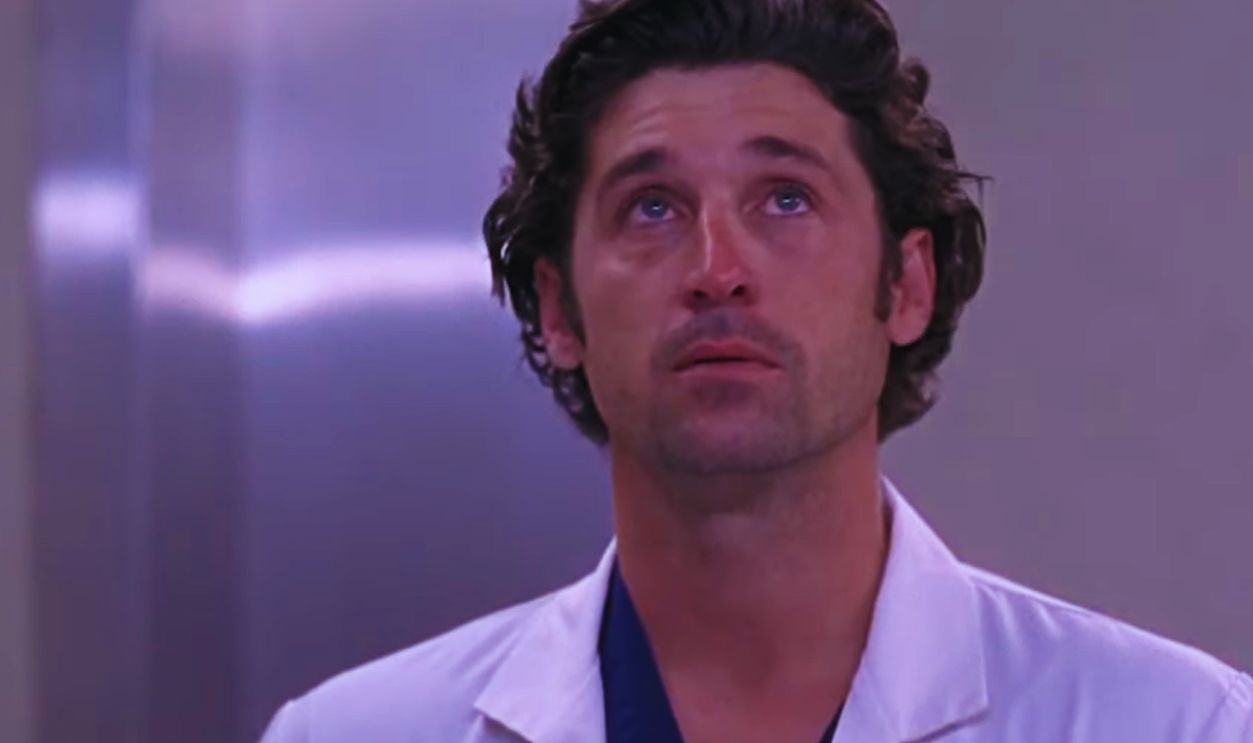 Screenshot from Grey’s Anatomy, ABC (2005–present)
The Walking Dead
The early seasons had real tension, real stakes, and characters you genuinely worried about. Over time, though, it fell into a pattern of dragged-out storylines and villains that started to blur together. What once felt intense eventually started to feel repetitive.
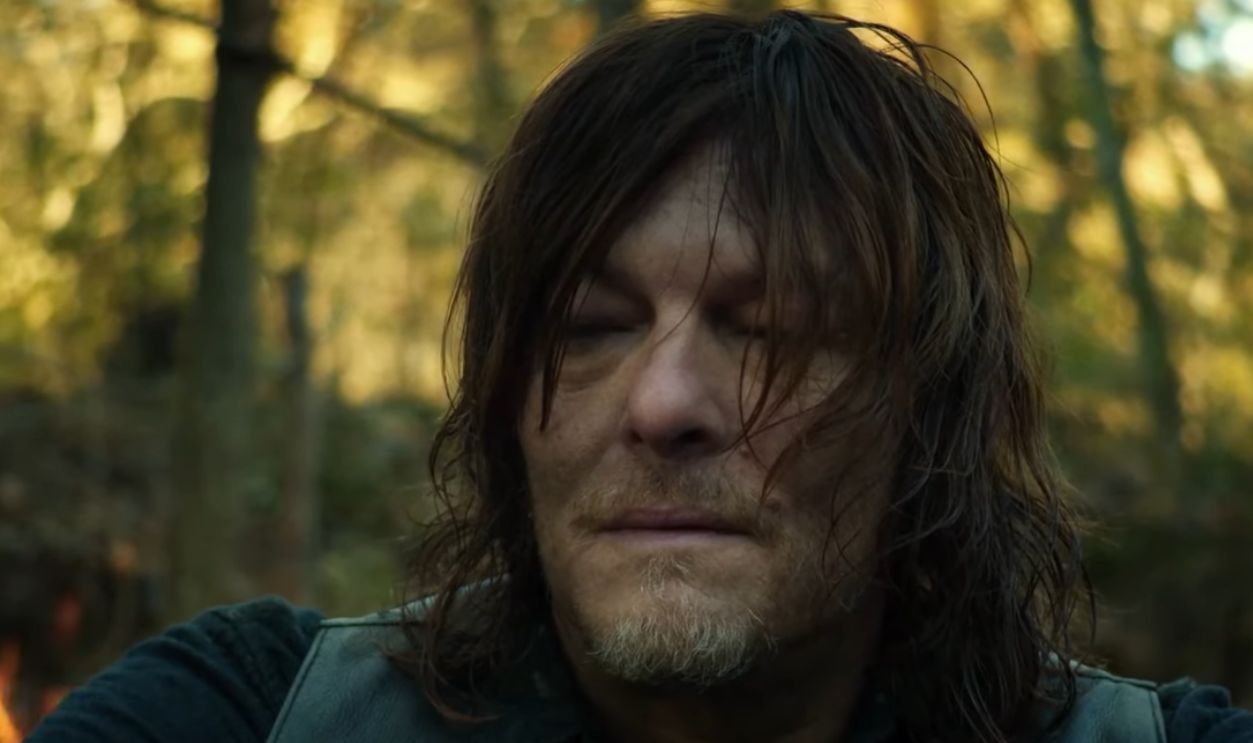 Screenshot from The Walking Dead, AMC (2010–2022)
Supernatural
Fifteen seasons is an impressive achievement by any standard, and the show built a fiercely loyal fanbase. But what began as a tight, monster-of-the-week series gradually expanded into a sprawling mythology that became harder to follow. Even longtime fans admit it probably could’ve wrapped things up much earlier.
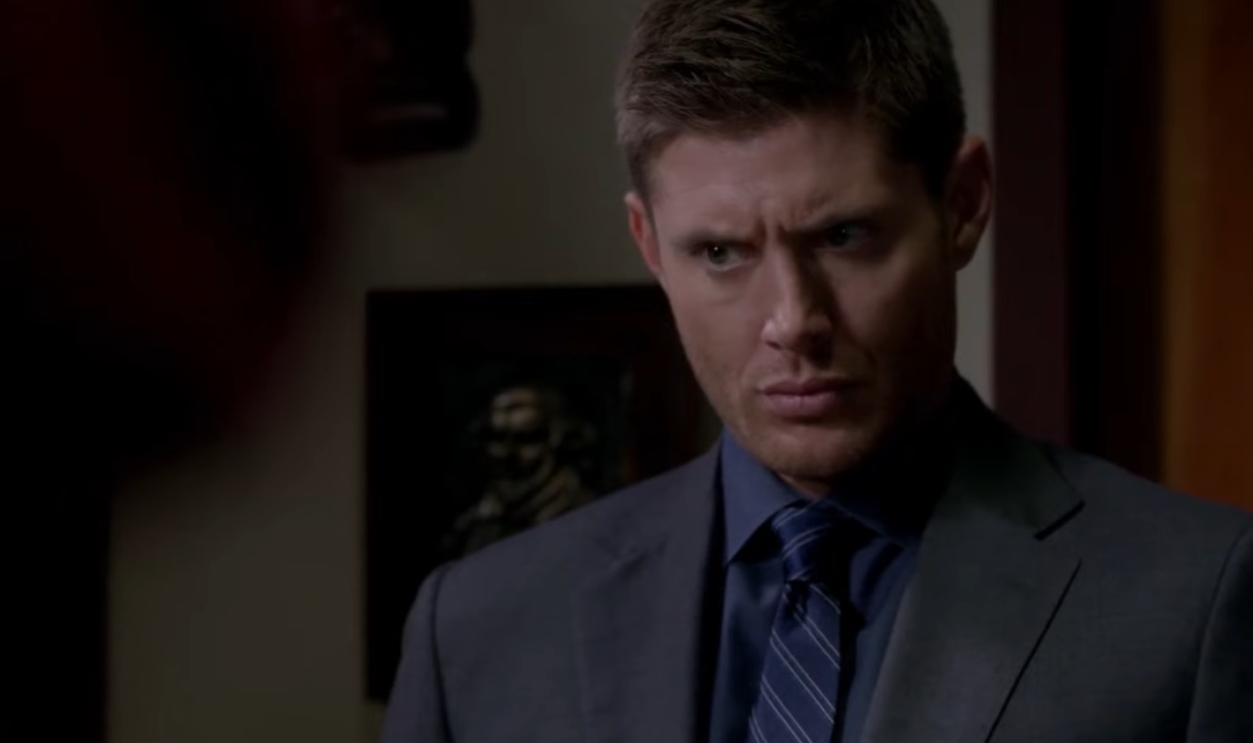 Screenshot from Supernatural, Warner Bros. Television (2005–2020)
The Office
For years, this was one of the sharpest and most rewatchable comedies on TV. Once Steve Carell left, though, the show struggled to find that same balance of awkward humor and heart. It kept going, but it never quite felt like the same show again.
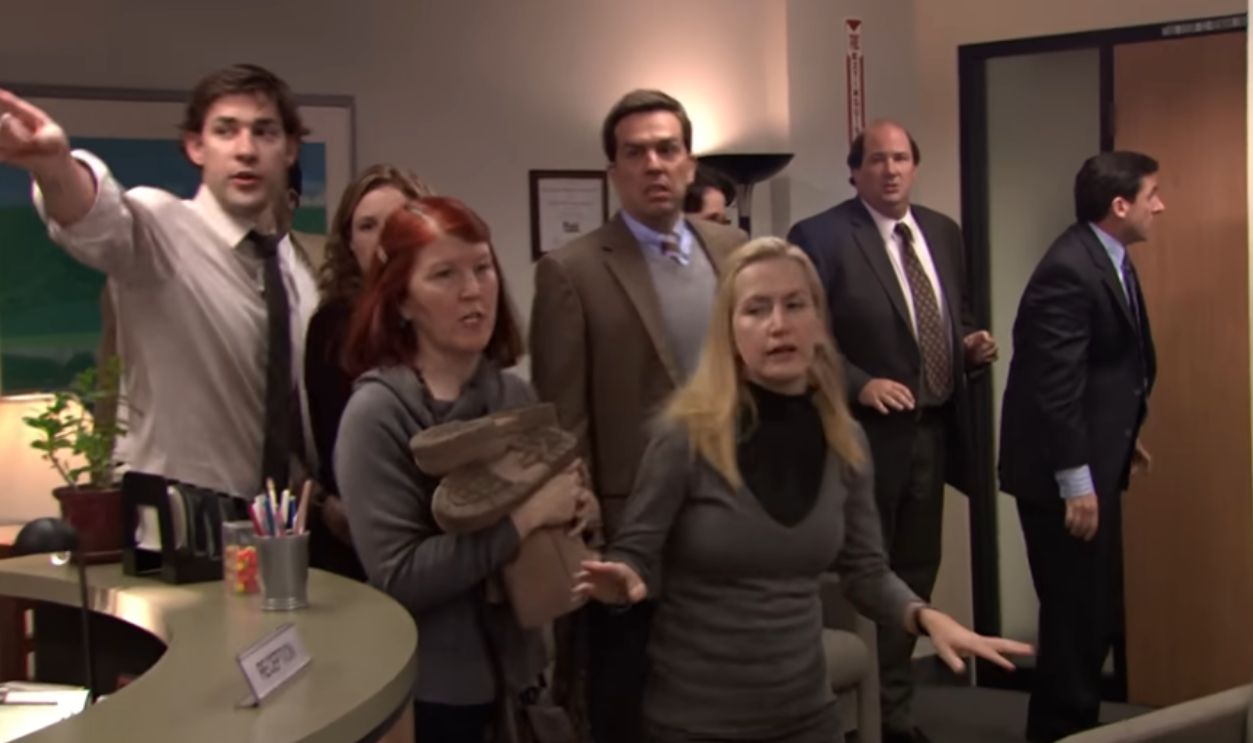 Screenshot from The Office, NBC (2005–2013)
How I Met Your Mother
The premise was clever, and for a long time, the execution lived up to it. But stretching the central mystery across so many seasons started to wear thin. By the time the ending finally arrived, a lot of viewers felt like it didn’t justify the wait.
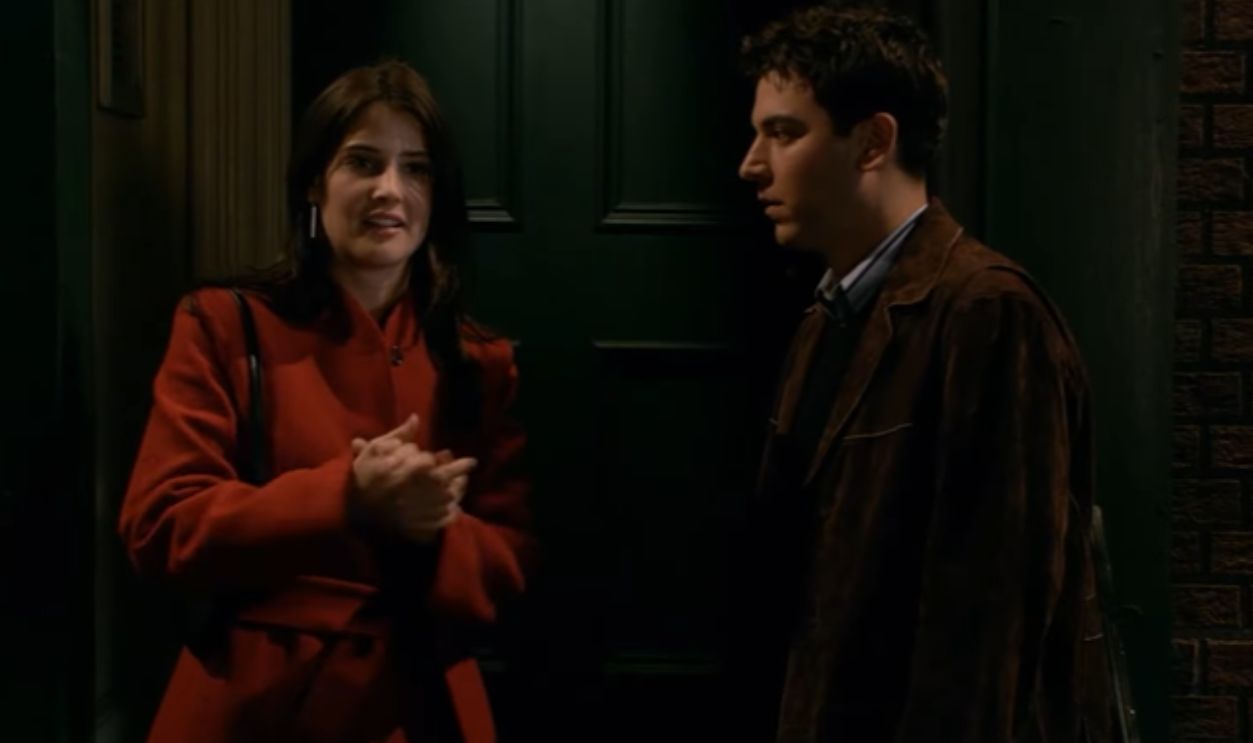 Screenshot from How I Met Your Mother, CBS (2005–2014)
Dexter
The early seasons were tense, stylish, and genuinely unpredictable. As the show went on, though, the writing became more uneven and some story choices raised eyebrows. By the end, it felt like a completely different version of the show people originally loved.
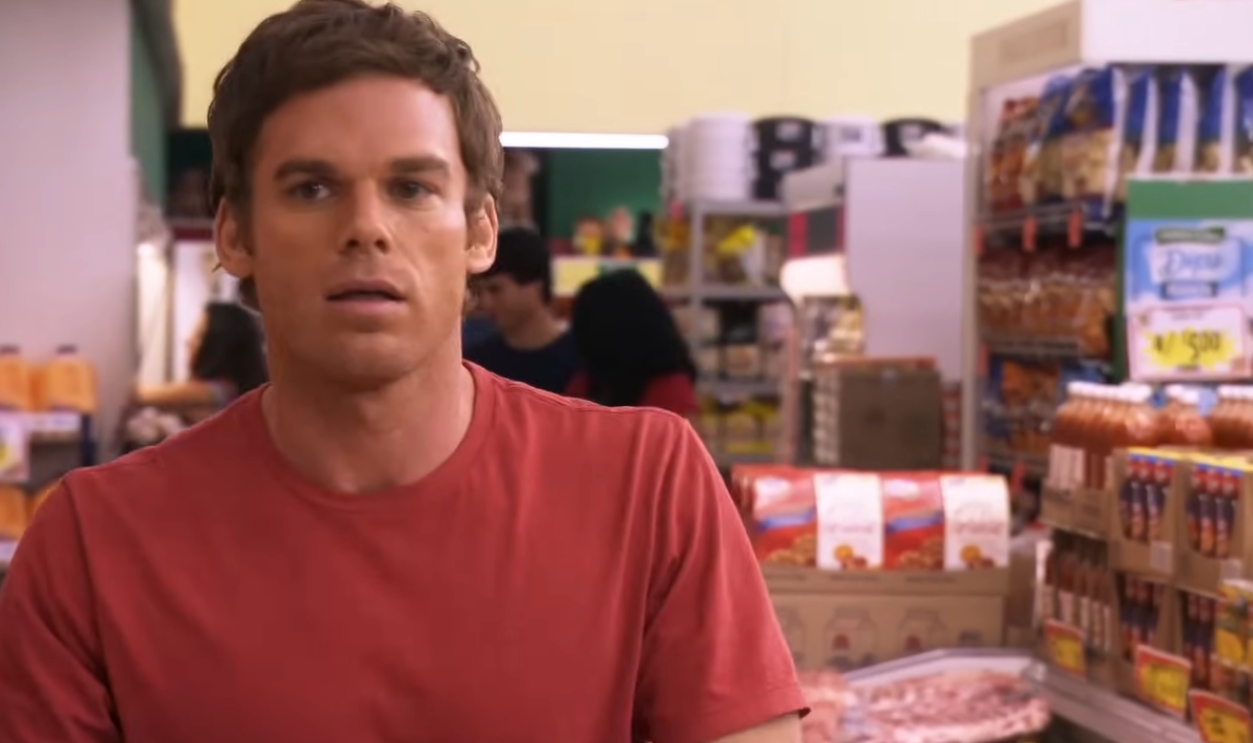 Screenshot from Dexter, Showtime (2006–2013, 2021)
Homeland
It kicked off as a gripping, high-stakes thriller that kept viewers on edge. But once its core storyline wrapped up, it continued without the same urgency or clear direction. The later seasons weren’t terrible—they just didn’t feel as essential.
 Screenshot from Homeland, Showtime (2011–2020)
Scrubs
For eight seasons, it balanced comedy and emotion better than most shows ever do. Then it came back for one more season that shifted the focus to new characters and a new setting. It wasn’t necessarily bad—it just felt unnecessary.
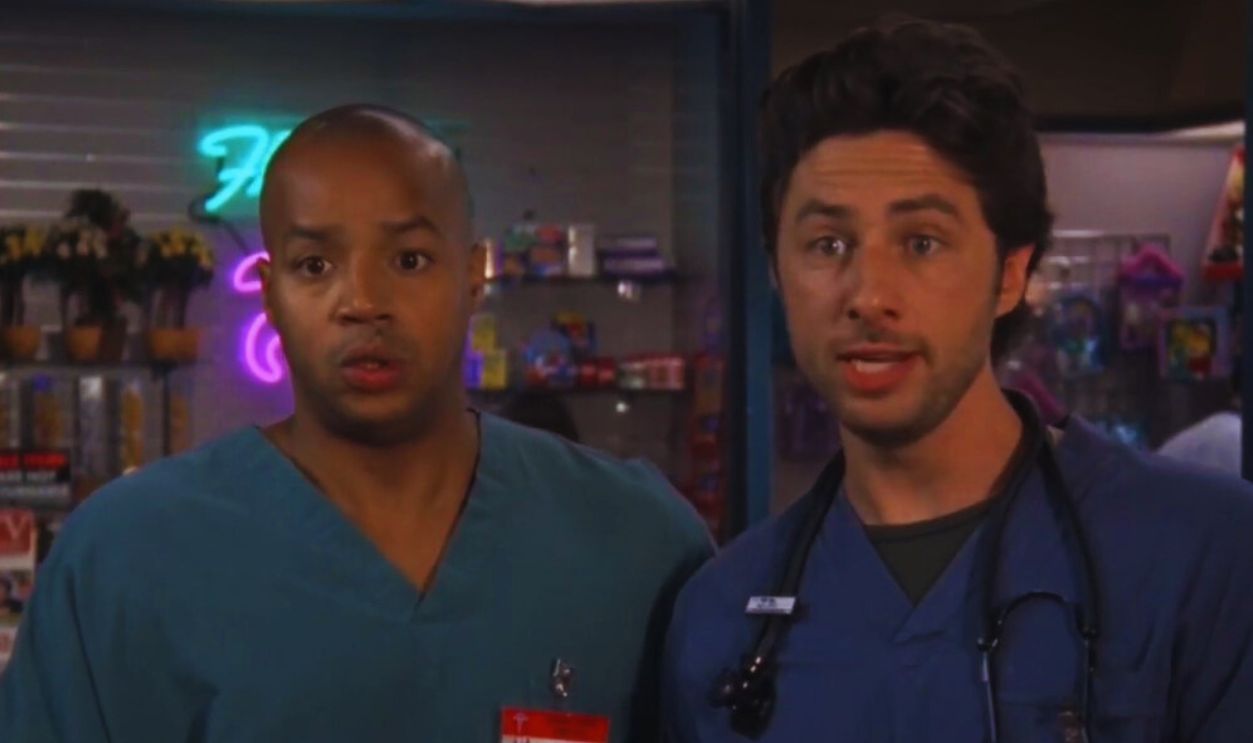 Screenshot from Scrubs, ABC Studios (2001–2010)
The Simpsons
There’s no arguing with its legacy—it helped define modern television comedy. But when a show runs for decades, it’s almost inevitable that the quality won’t stay at its peak. Many fans feel like its best years are far behind it.
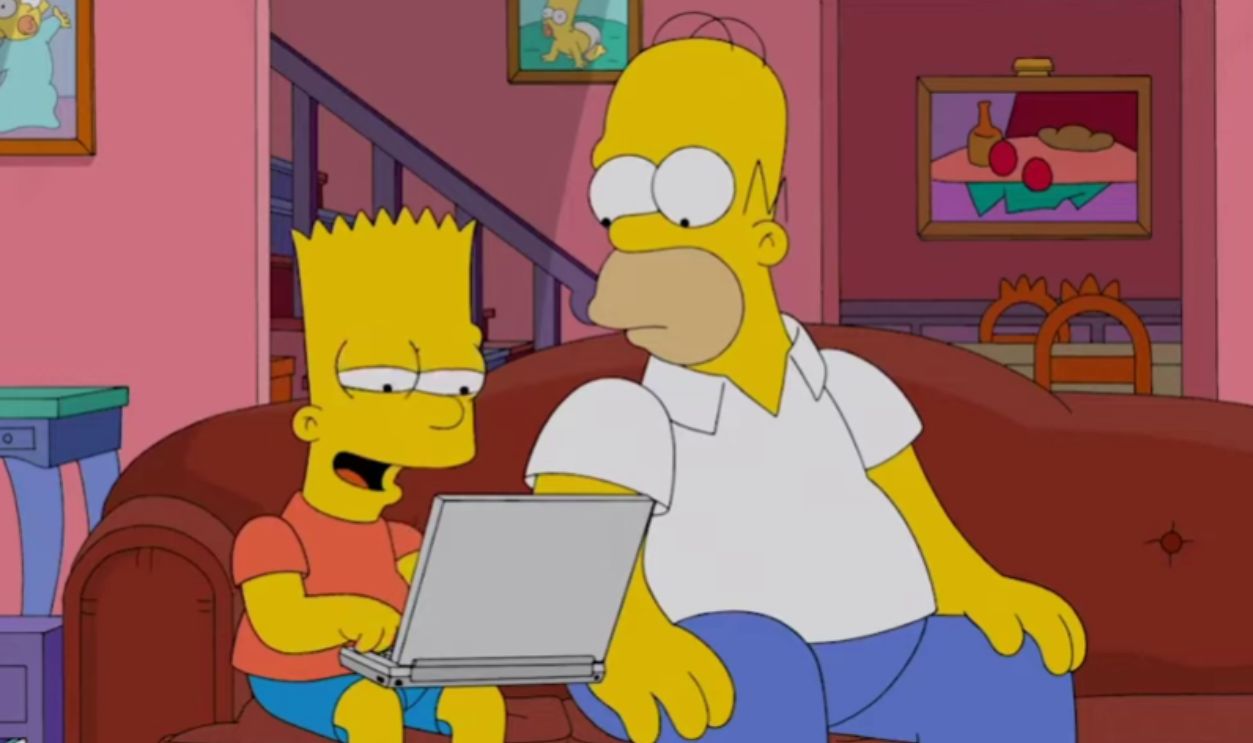 Screenshot from The Simpsons, 20th Century Fox (1989–present)
Glee
The first season felt fresh, chaotic, and genuinely fun in a way nothing else on TV did at the time. As the seasons went on, though, the storylines became more exaggerated and repetitive. It slowly turned into a louder, messier version of itself.
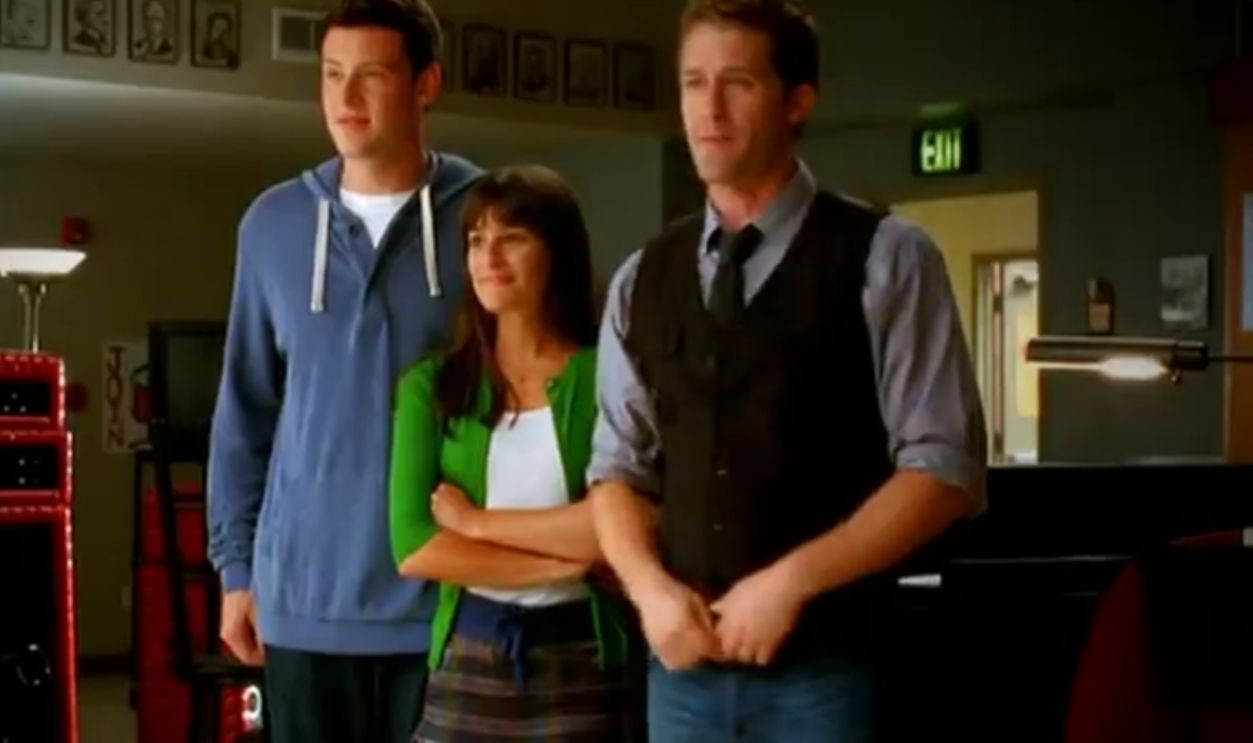 Screenshot from Glee, Fox (2009–2015)
Weeds
It started as a sharp and funny take on suburban life with a twist. But as the show continued, it leaned further into increasingly bizarre and over-the-top scenarios. By the end, it barely resembled its original premise.
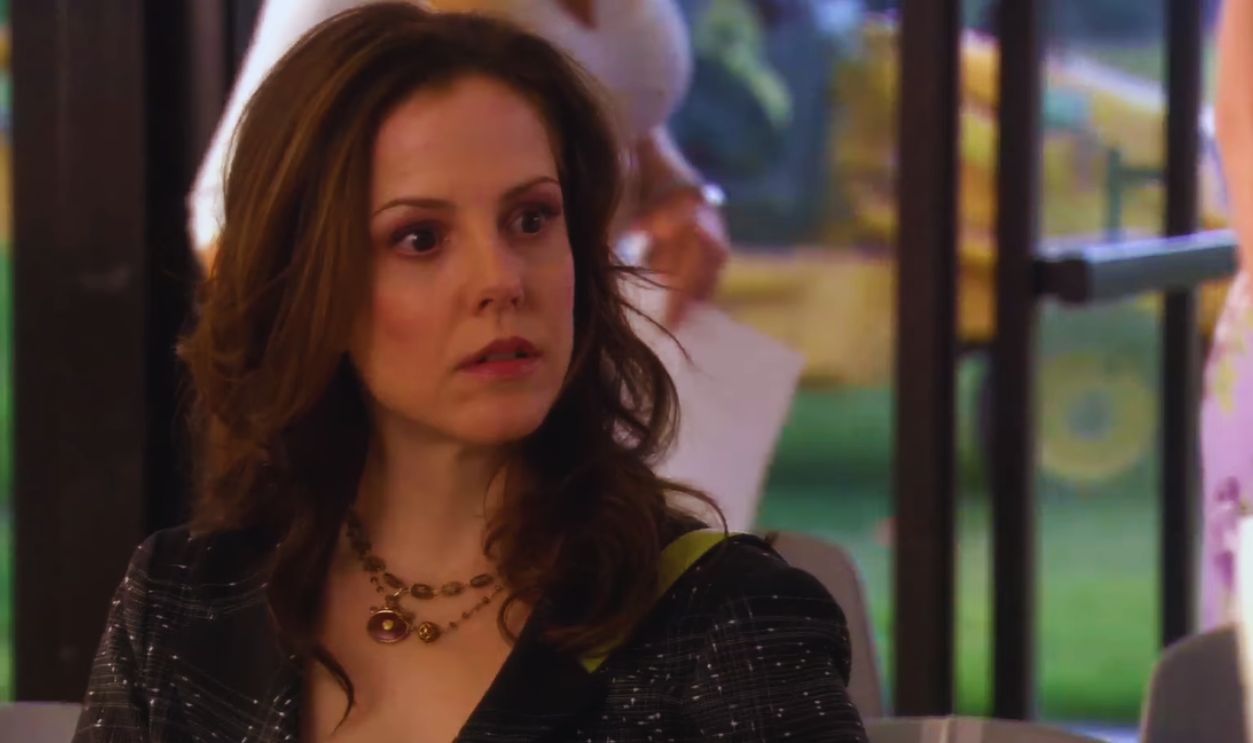 Screenshot from Weeds, Showtime Networks (2005–2012)
True Blood
The early seasons struck a great balance between mystery, romance, and supernatural drama. Later on, the plotlines became more scattered and, at times, downright strange. What once felt grounded in its own world started to feel like it was making things up as it went.
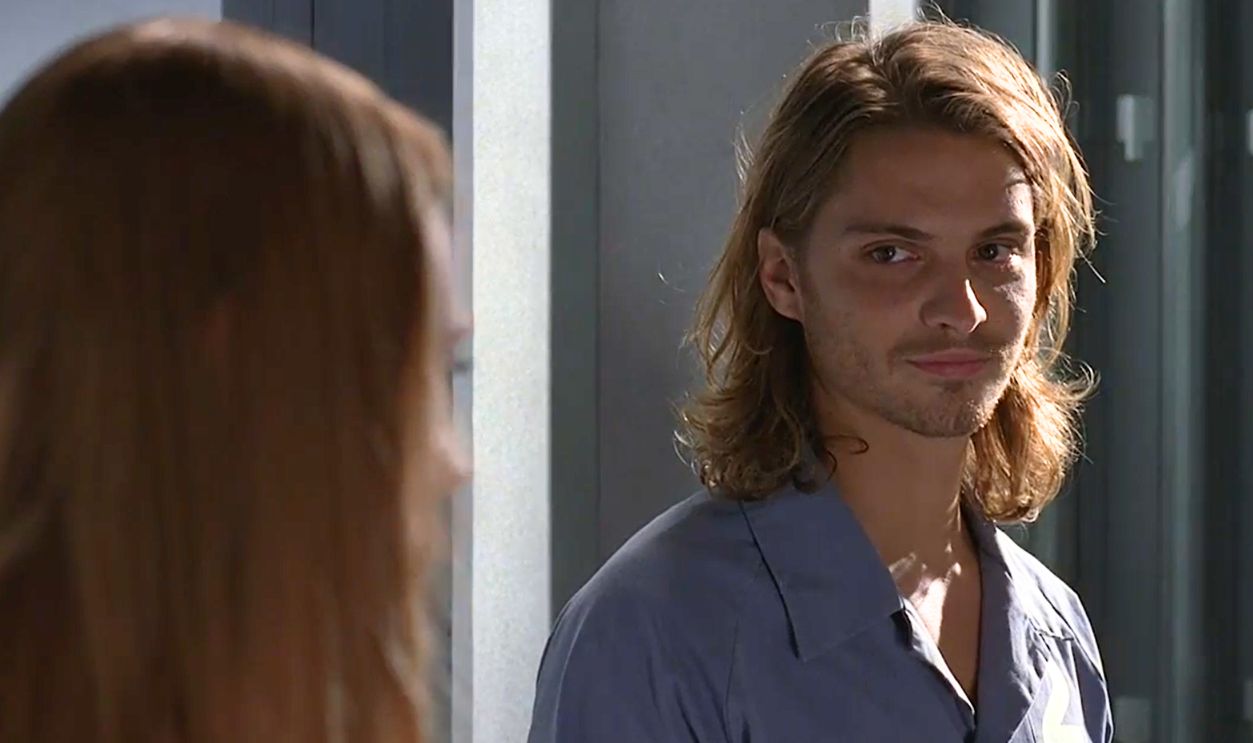 Screenshot from True Blood, HBO (2008–2014)
Entourage
At first, it was a fun, fast-paced look at Hollywood life that didn’t take itself too seriously. But as it kept going, the stakes felt lower and the storylines started repeating themselves. It became more about maintaining the vibe than telling new stories.
 Screenshot from Entourage, HBO (2004–2011)
Two and a Half Men
Charlie Sheen’s presence was a huge part of what made the show work early on. After his exit, the series reinvented itself and kept going for several more seasons. For many viewers, though, it never quite recaptured what made it click in the first place.
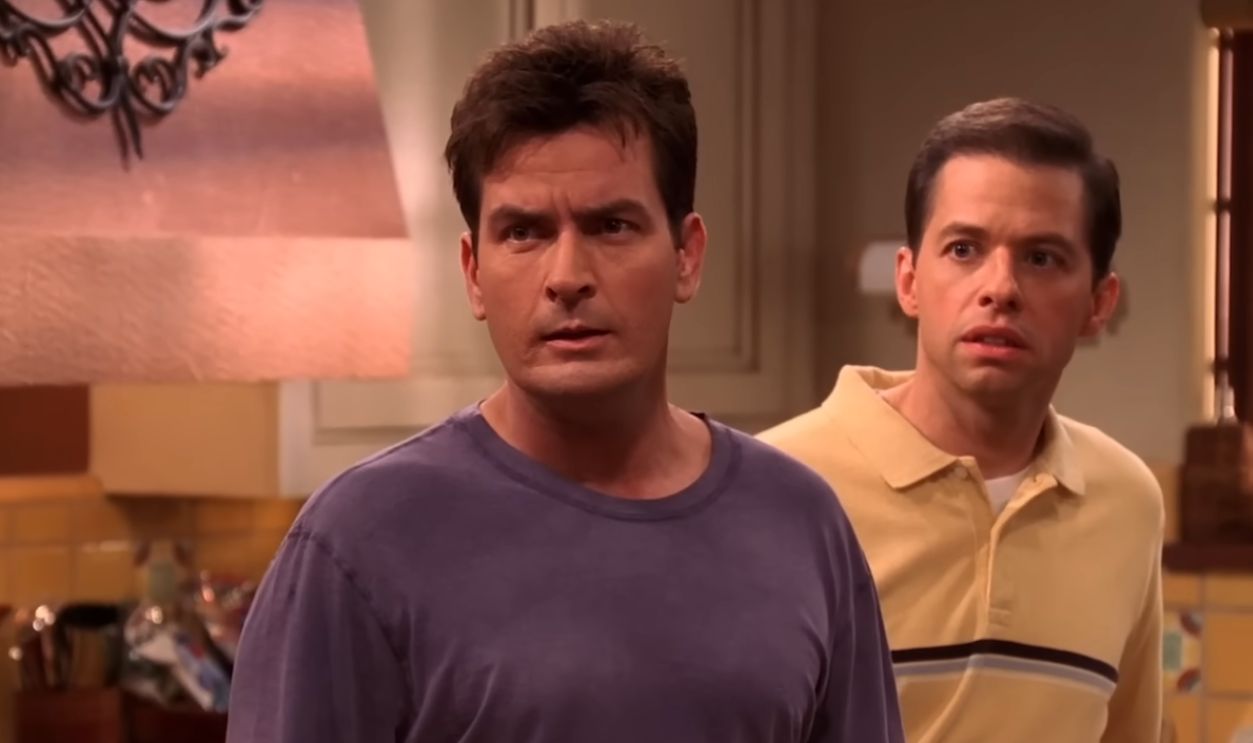 Screenshot from Two and a Half Men, CBS (2003–2015)
House of Cards
The early seasons were gripping, stylish, and packed with sharp performances. As time went on—especially with behind-the-scenes changes—the show lost momentum. By the end, it felt more like a shadow of its former self than a proper conclusion.
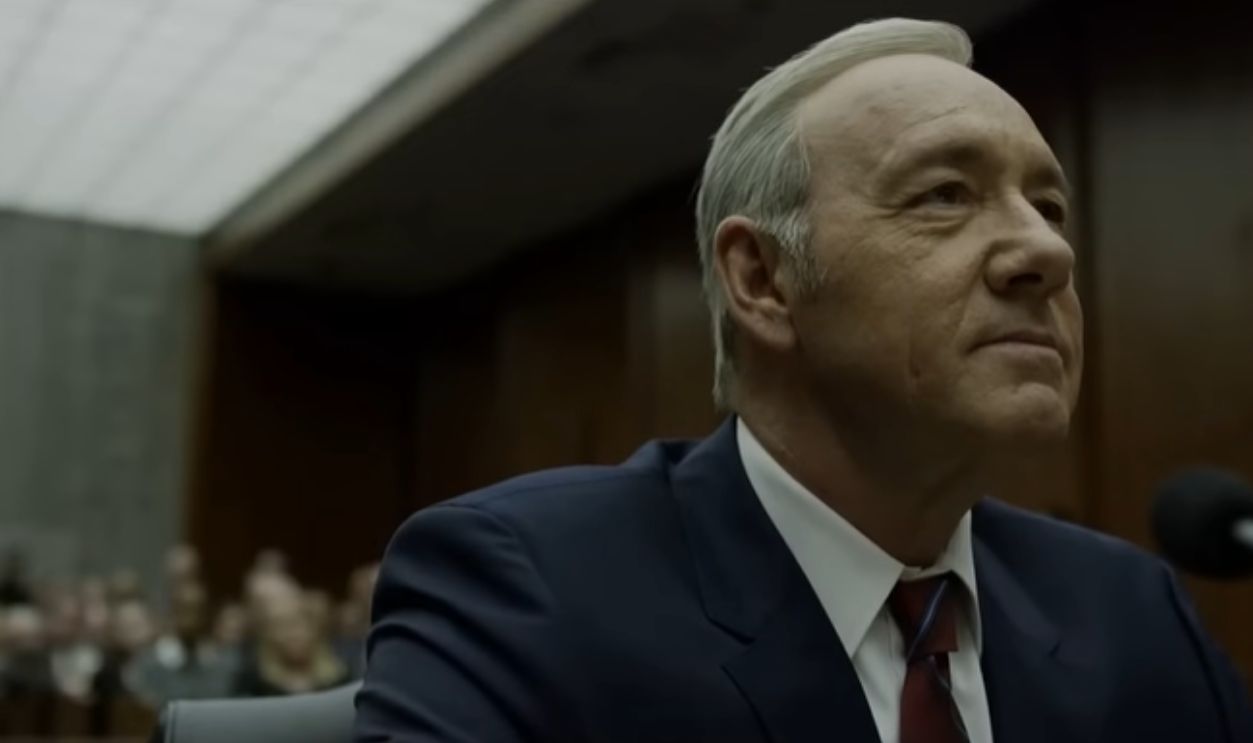 Screenshot from House of Cards, Netflix (2013-2018)
Orange Is the New Black
It started as a tightly focused, character-driven story that felt fresh and engaging. As the cast expanded and the narrative widened, it lost some of that focus. There were still strong moments, but it didn’t hit quite the same way.
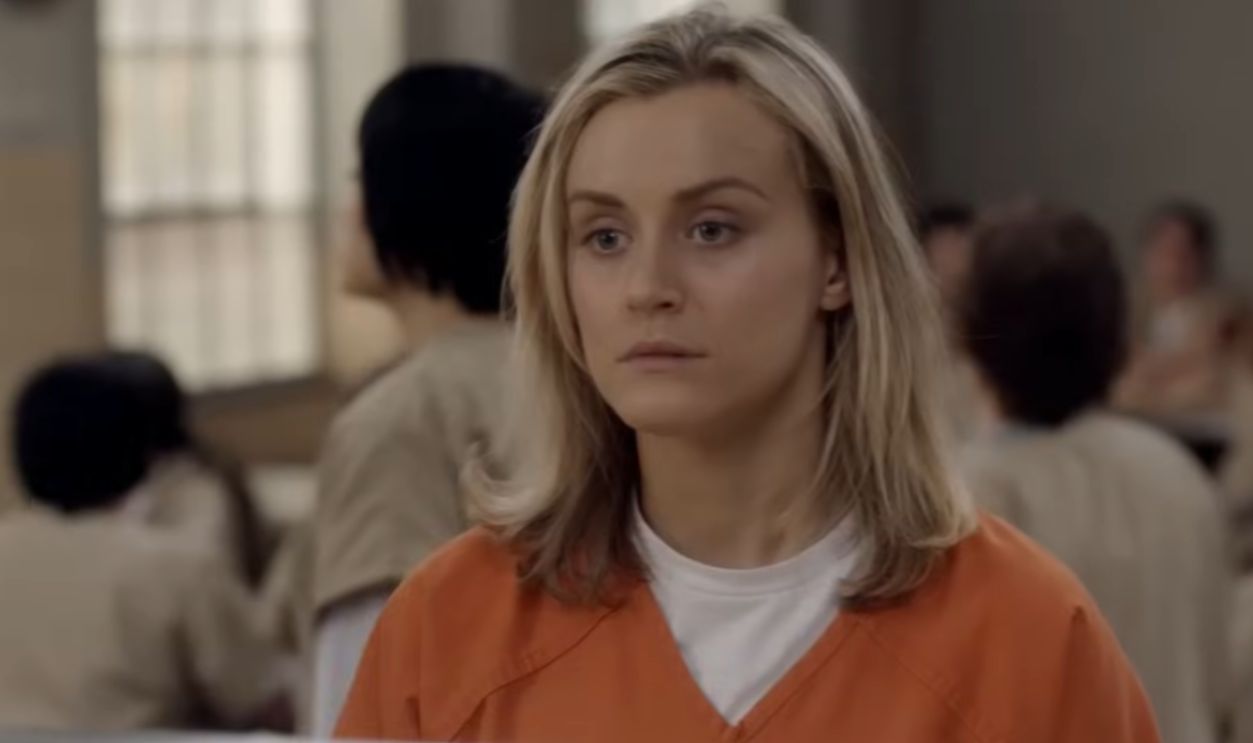 Screenshot from Orange Is The New Black, Netflix (2013–2019)
Suits
The dynamic between its core characters carried the show for years. Once key players left, though, it continued without that same spark. It wasn’t unwatchable—it just felt like something important was missing.
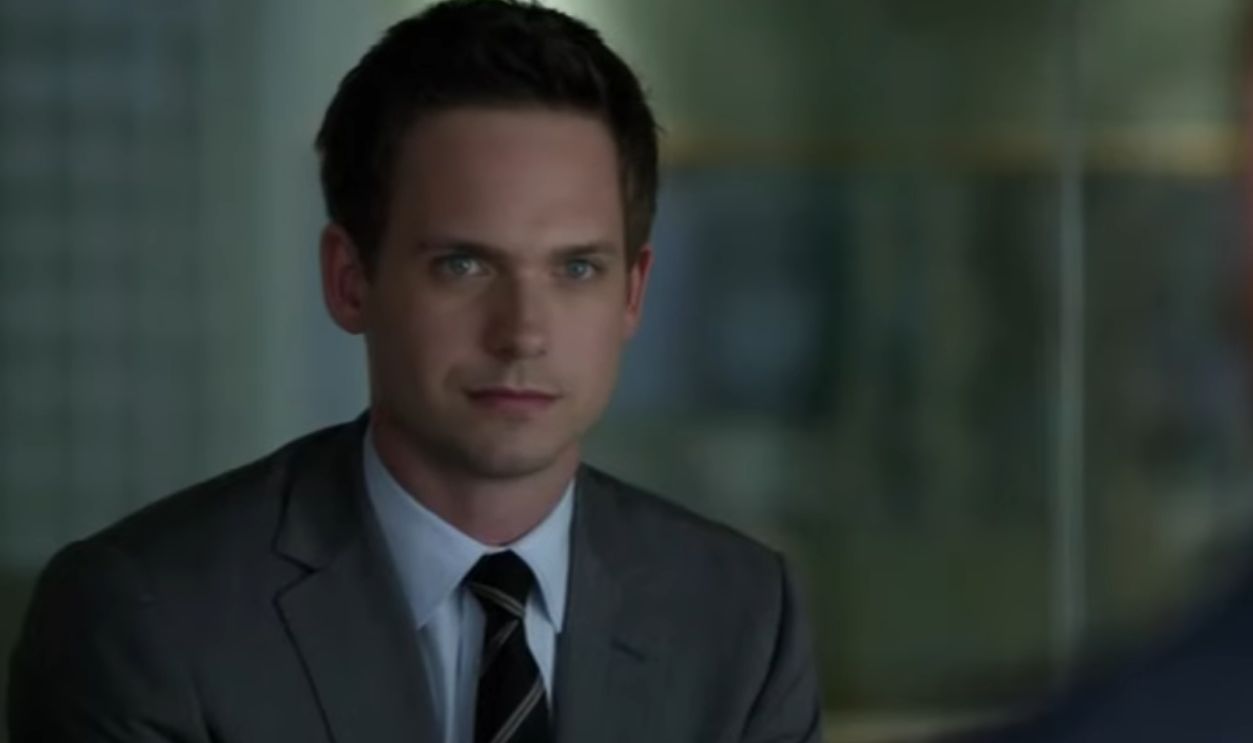 Screenshot from Suits, USA Network (2011–2019)
The Big Bang Theory
It became one of the biggest sitcoms on television, with a massive and loyal audience. But over time, the humor leaned heavily on familiar character traits and repeated jokes. Eventually, it started to feel more predictable than surprising.
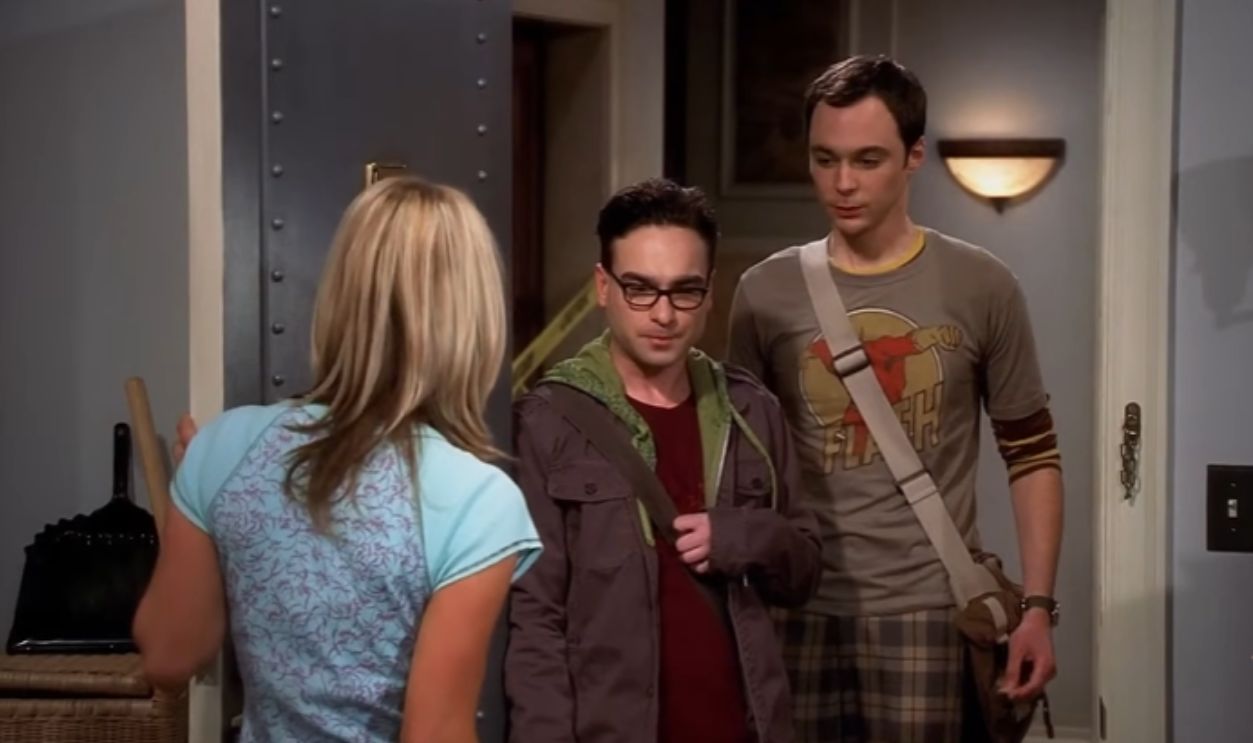 Screenshot from The Big Bang Theory, CBS (2007-2019)
NCIS
Its procedural format made it easy to jump into at any point, which helped it last for years. But sticking so closely to that formula also meant it rarely evolved. After a while, episodes began to feel interchangeable.
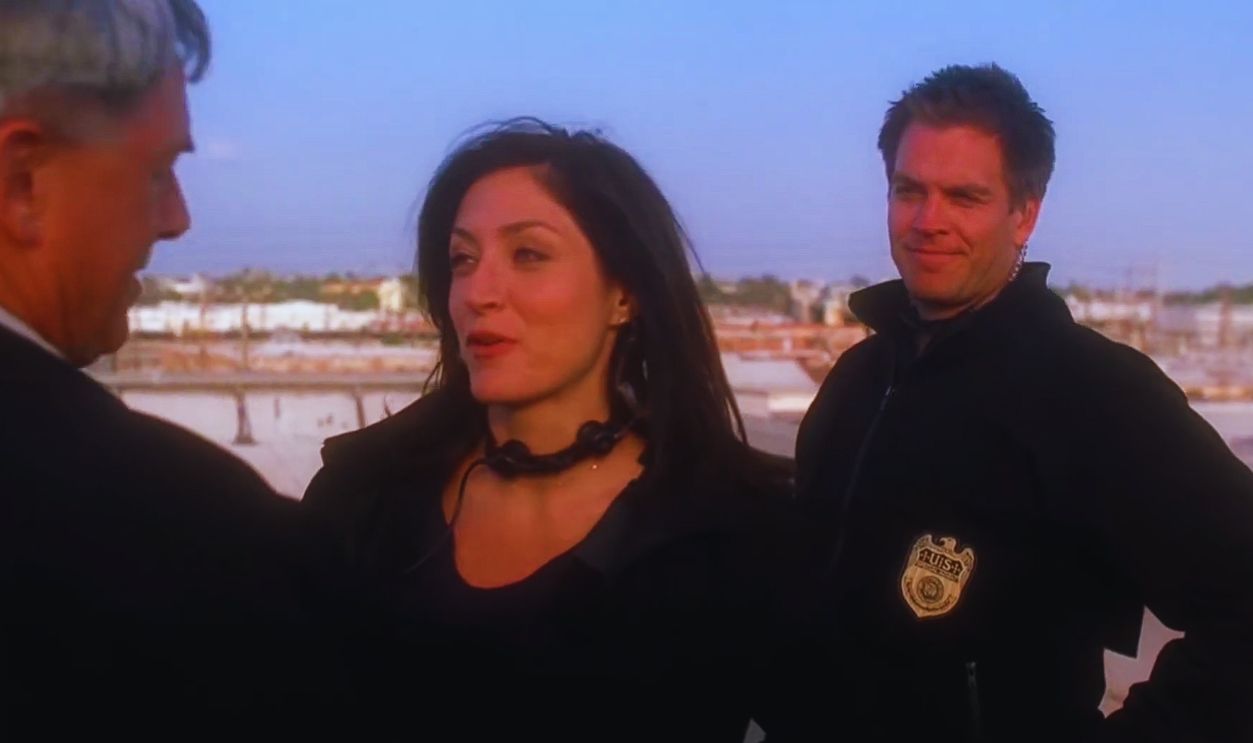 Screenshot from NCIS, CBS (2003–present)
Criminal Minds
The show delivered plenty of gripping cases and memorable moments over the years. But with such a long run, it inevitably started to repeat itself. By the later seasons, it often felt like variations of stories viewers had already seen before.
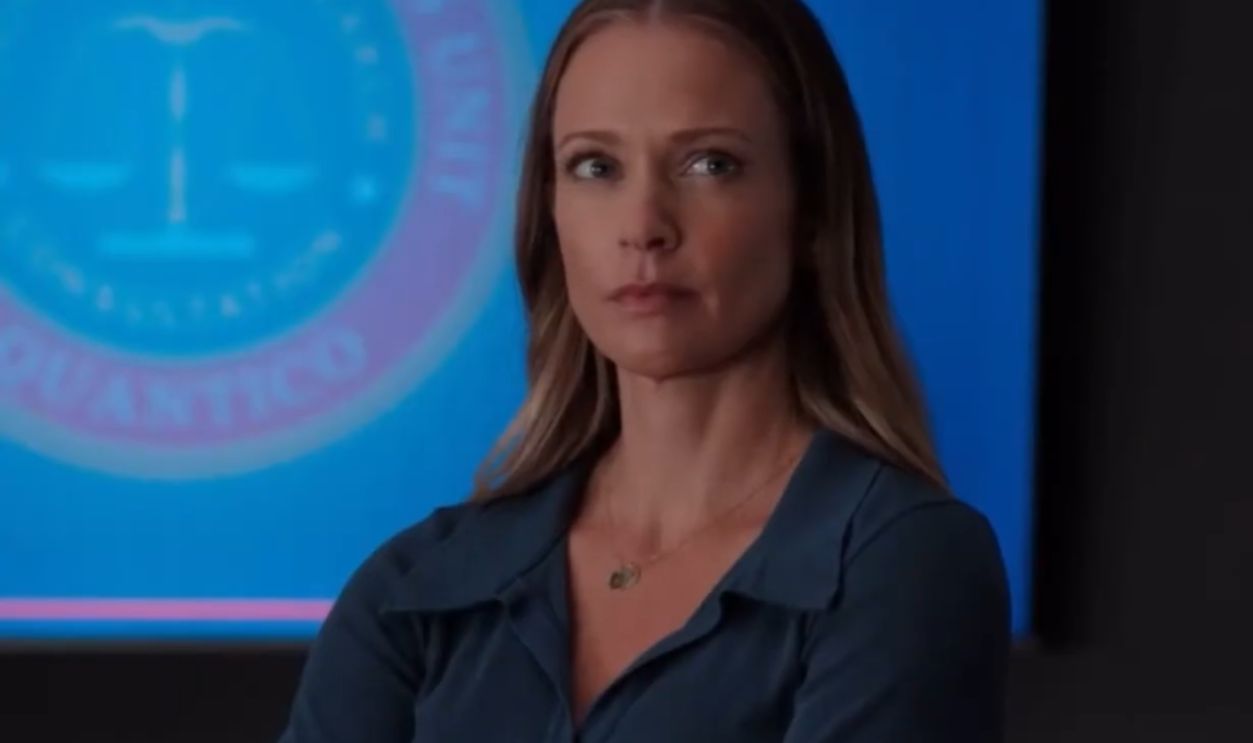 Screenshot from Criminal Minds, CBS Studios / 20th Television (2005–present)
You May Also Like:
Times People Exploded On Live TV
TV Shows From The 1970s That No One Remembers—Seriously, Do You Remember Even 5 Of These Shows?
44 Futuristic Facts About Futurama
Source: 1