This Meant Something, We Promise
Boomers often assume these references are universal—timeless, obvious, self-explanatory. Millennials hear them and nod politely, the same way you do when someone explains a dream that only mattered to them.
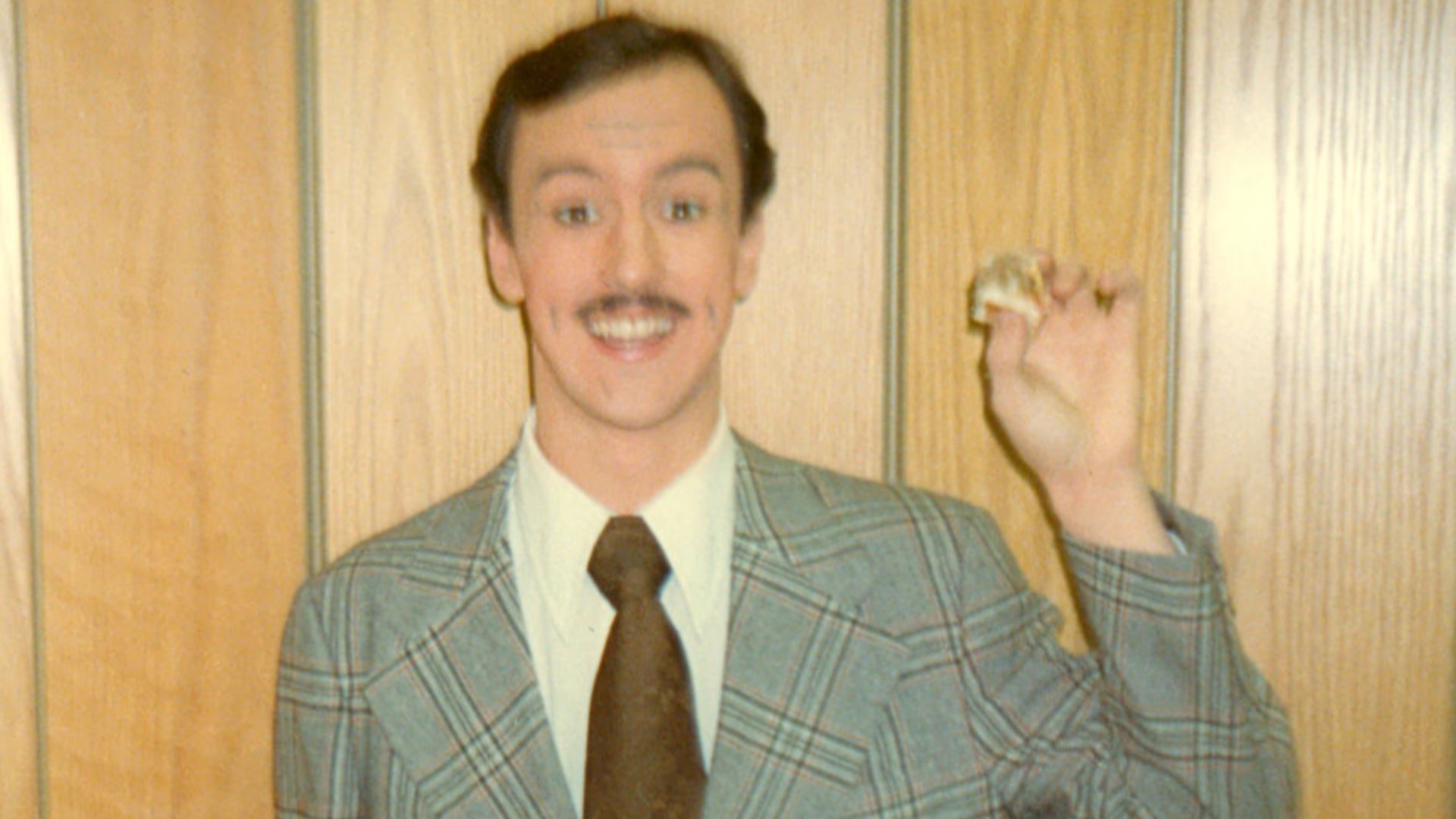
“Where’s the Beef?”
This line came from a 1984 Wendy’s commercial and quickly became a national way to call out anything hollow or overhyped. It showed up in political speeches, comedy routines, and everyday arguments. Boomers still use it instinctively, often without thinking about where it came from—or why it once landed so hard.
 Bart Everson from New Orleans, Louisiana, USA, Wikimedia Commons
“Book ’Em, Danno”
This line from Hawaii Five-O became an instantly recognizable way to end a scene or a statement. Short and final, it stuck because it wrapped things up cleanly. No explanation needed.
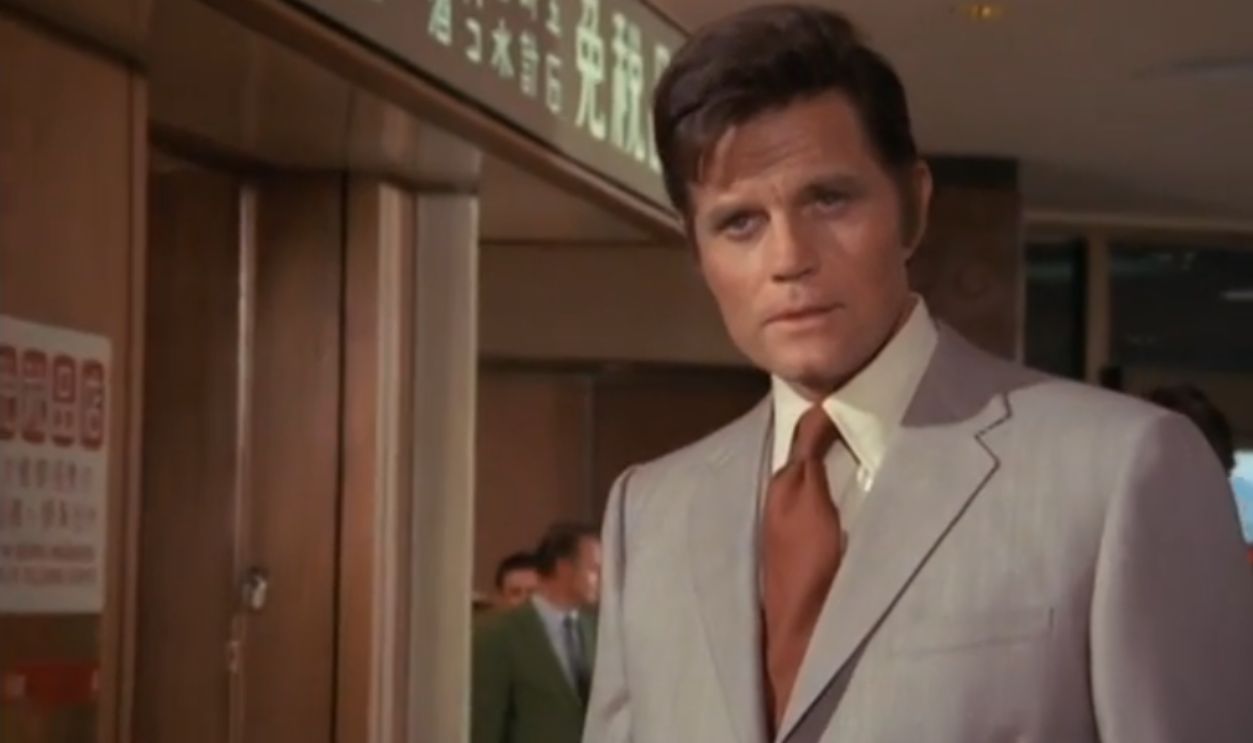 Screenshot from Hawaii Five-O, CBS (1968–1980)
Milk Carton Faces
In the 1980s, missing children appeared on milk cartons as part of a nationwide awareness effort. It was meant to help—but it also meant encountering something deeply unsettling during everyday routines. Boomers remember how normal it felt at the time, even if it seems jarring now.
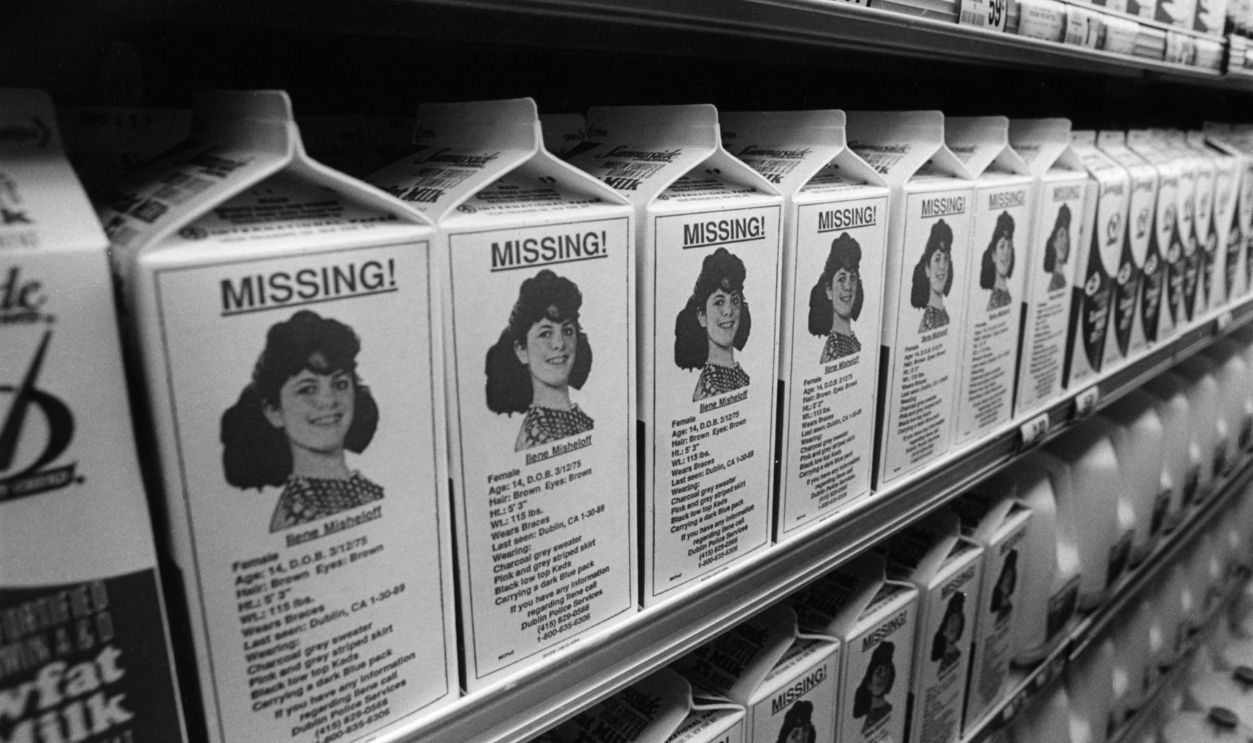 MediaNews Group/Oakland Tribune via Getty Images, Getty Images
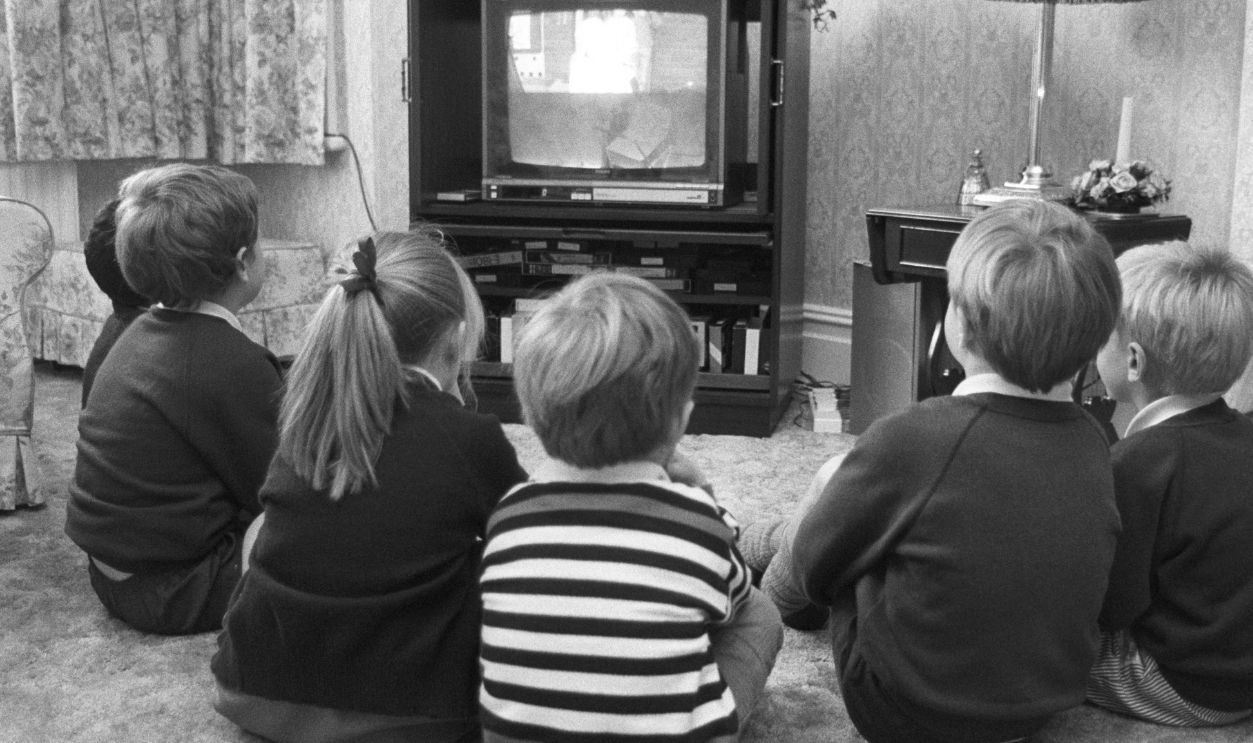
“Don’t Sit Too Close to the TV”
This warning was delivered with total confidence and no explanation. Parents didn’t clarify the risk—only that it existed. Kids listened anyway. The science was fuzzy, but the rule was firm, and it became one of those phrases everyone accepted without question.

“I’m Not a Crook”
In 1973, Richard Nixon said “I’m not a crook” during a televised press conference as the Watergate scandal unfolded. The line immediately backfired and became shorthand for denial that convinces no one. Boomers remember it because it marked a visible break in public trust that never fully healed.
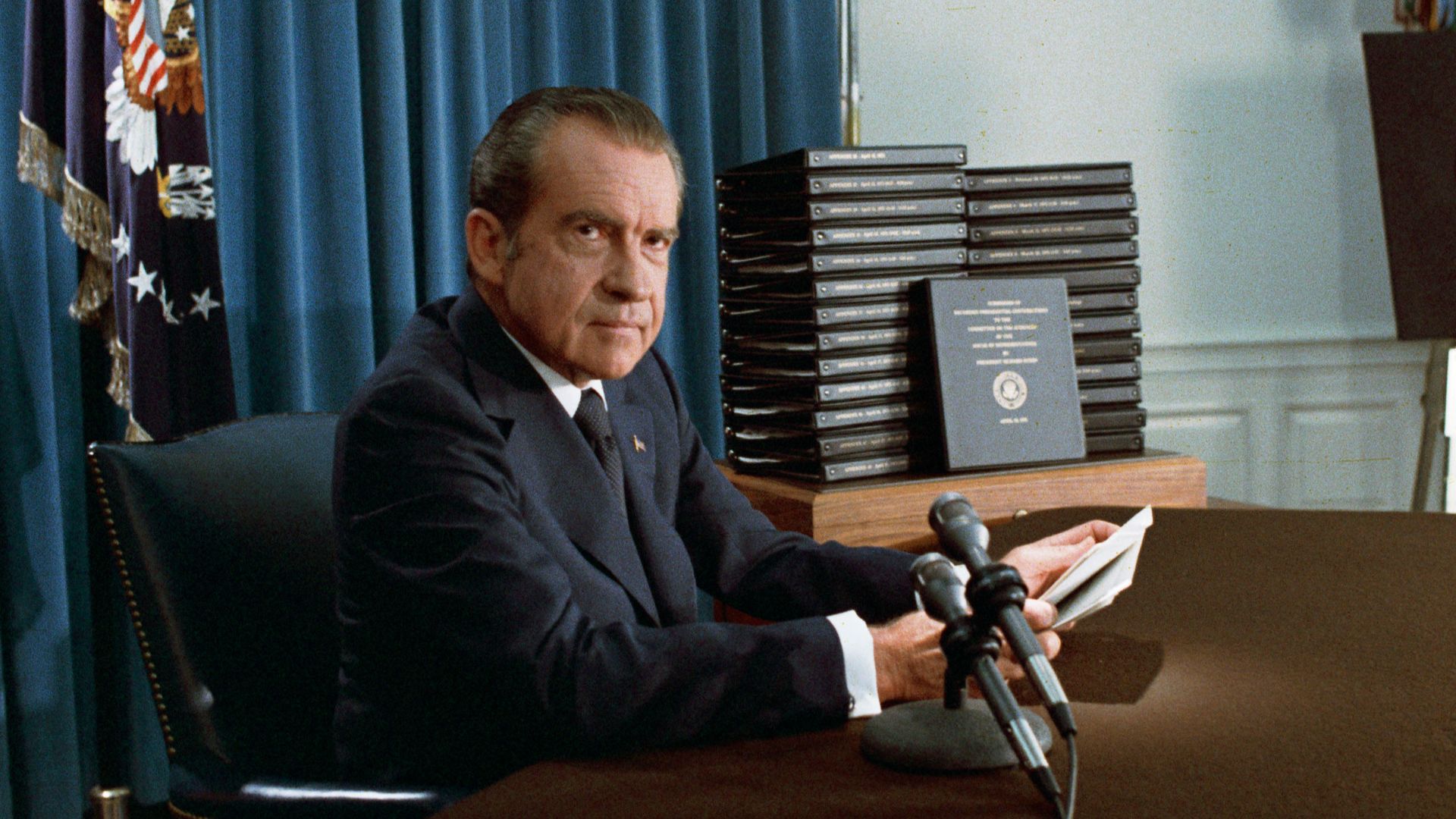 The Nixon library, Wikimedia Commons
“Let Your Fingers Do the Walking”
This Yellow Pages slogan made sense when finding a business meant flipping through pages and scanning tiny listings. It was slow and physical, but it worked. Boomers remember when looking something up took effort—and when ads actually mattered.
 Mike van Schoonderwalt, Pexels
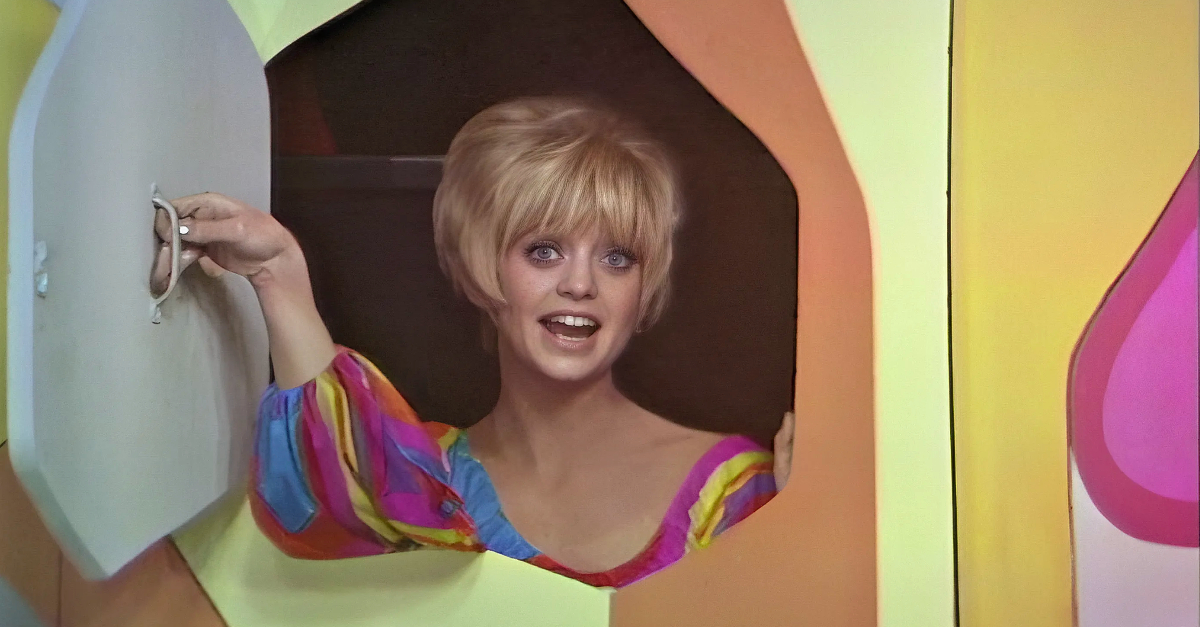
“Sock It To Me!”
This phrase came from Laugh-In, a show that moved fast, embraced nonsense, and slipped political satire into prime-time television during the late 1960s. The humor was loud and chaotic on purpose. Boomers remember it as energetic and rebellious, not random.
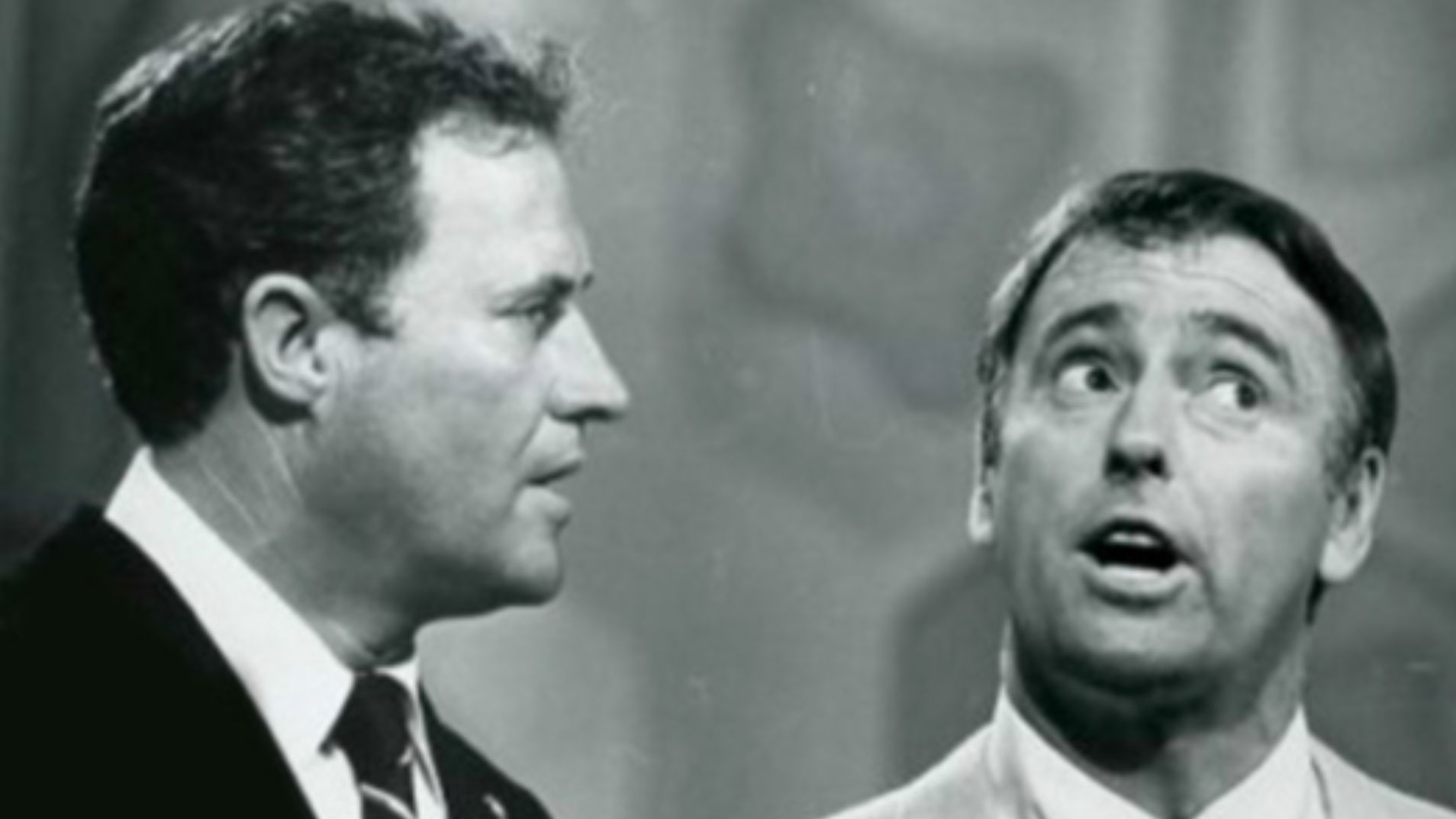 NBC TelevisionUploaded by We hope at en.wikipedia, Wikimedia Commons
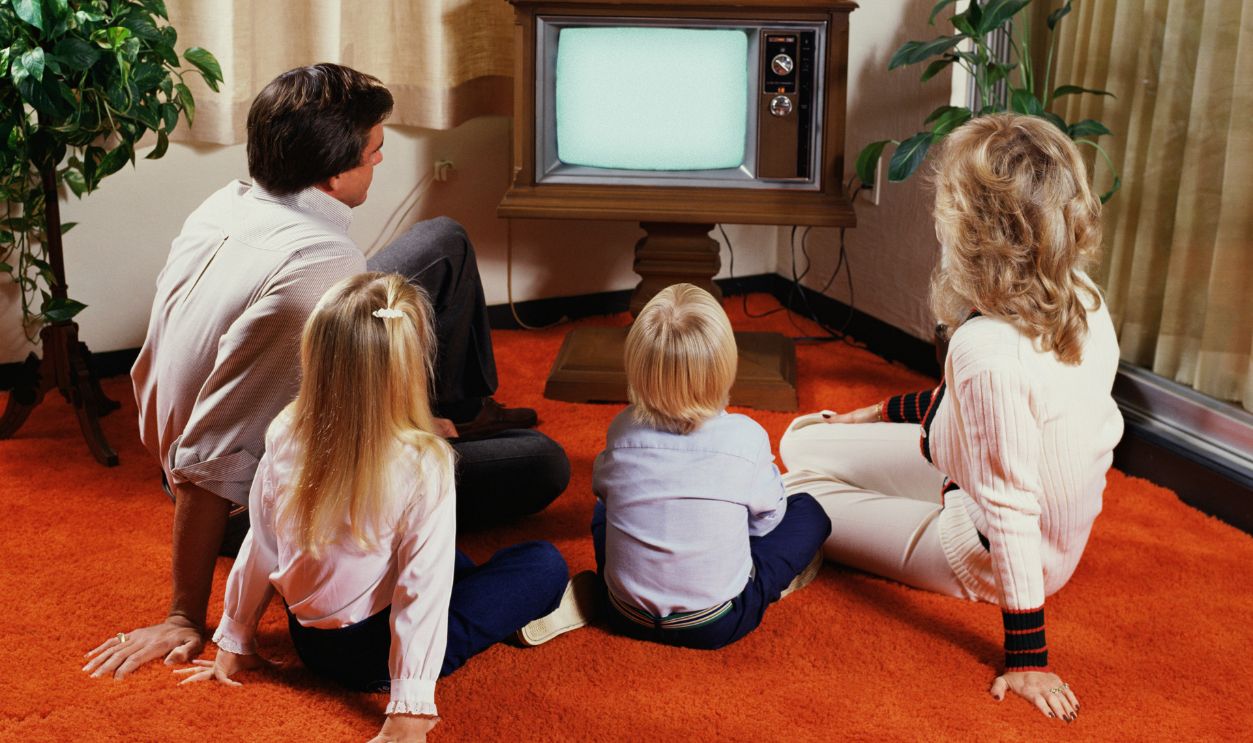
“Don’t Touch That Dial”
Televisions once had physical dials that could break. That warning wasn’t dramatic—it was practical advice. The phrase stuck because it described a real problem people wanted to avoid.
Ed Sullivan’s Seal of Approval
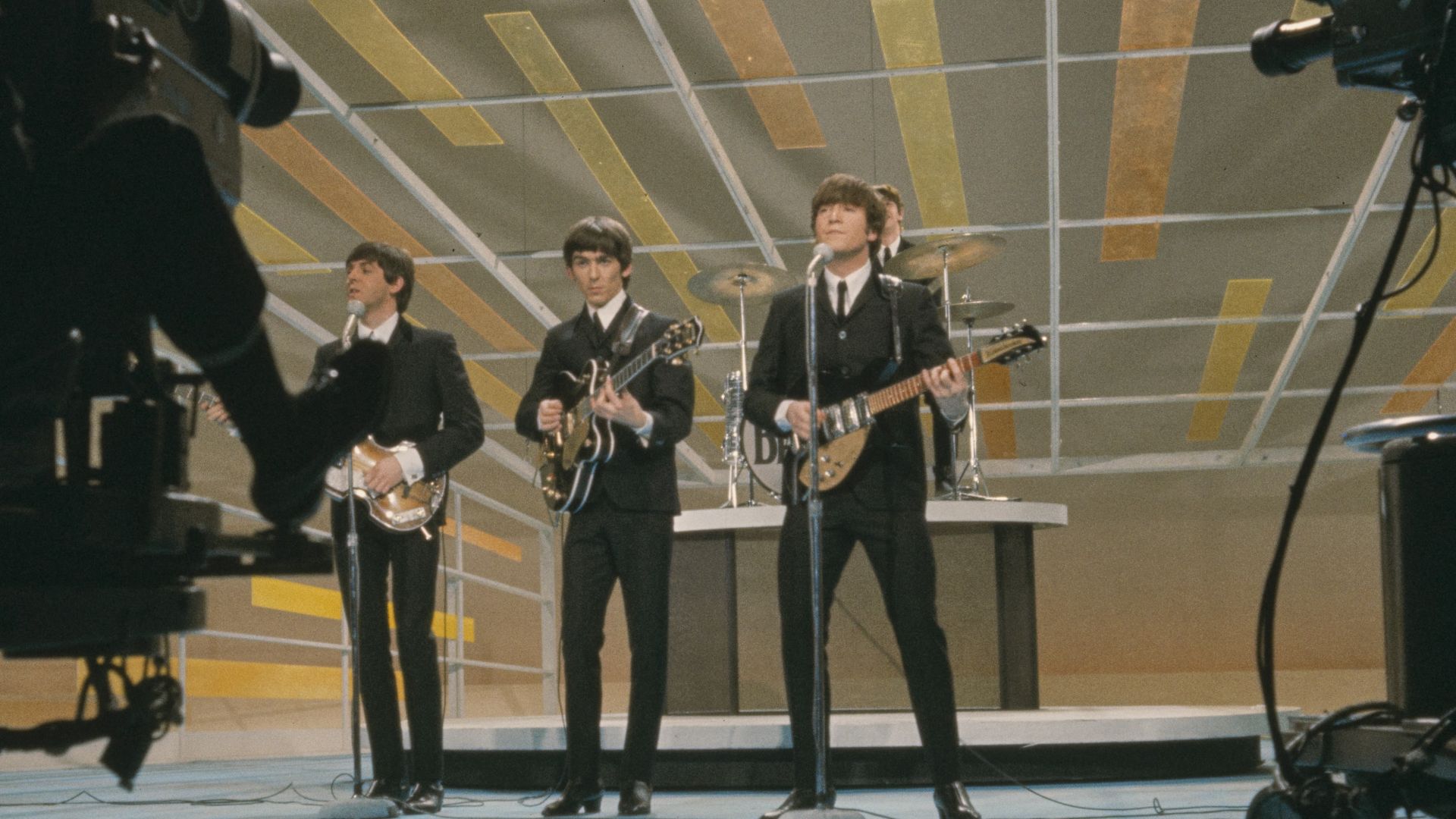
When The Beatles appeared on The Ed Sullivan Show in 1964, roughly 70 million people watched—live, all at once. The studio was chaos: nonstop screaming, barely audible music, and hosts visibly struggling to maintain control. Boomers remember it as a cultural shockwave.
 Bernard Gotfryd, Wikimedia Commons
The “Jaws” Theme
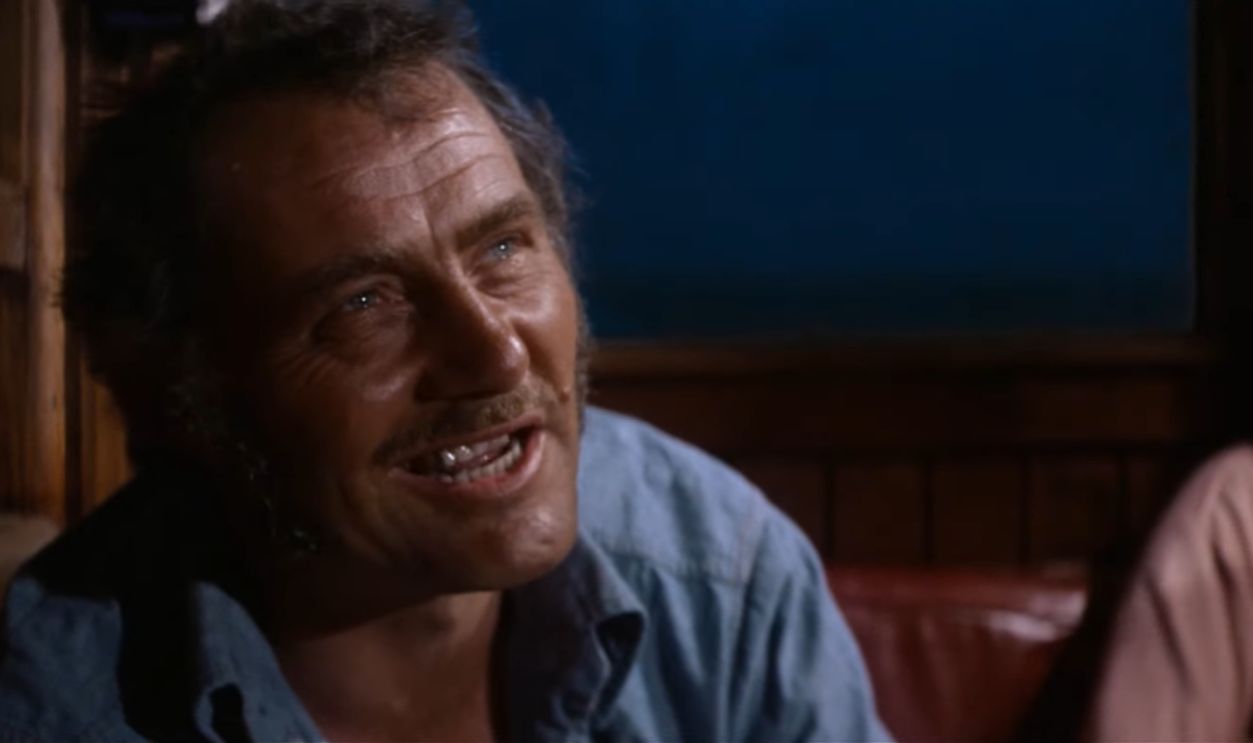
After the film’s release in 1975, those two notes instantly signaled danger. You didn’t need to see anything—hearing it was enough. Boomers still hum it jokingly in tense situations because it became a shared shorthand almost overnight.
 Screenshot from Jaws, Universal Pictures (1975)
The Antenna Standoff
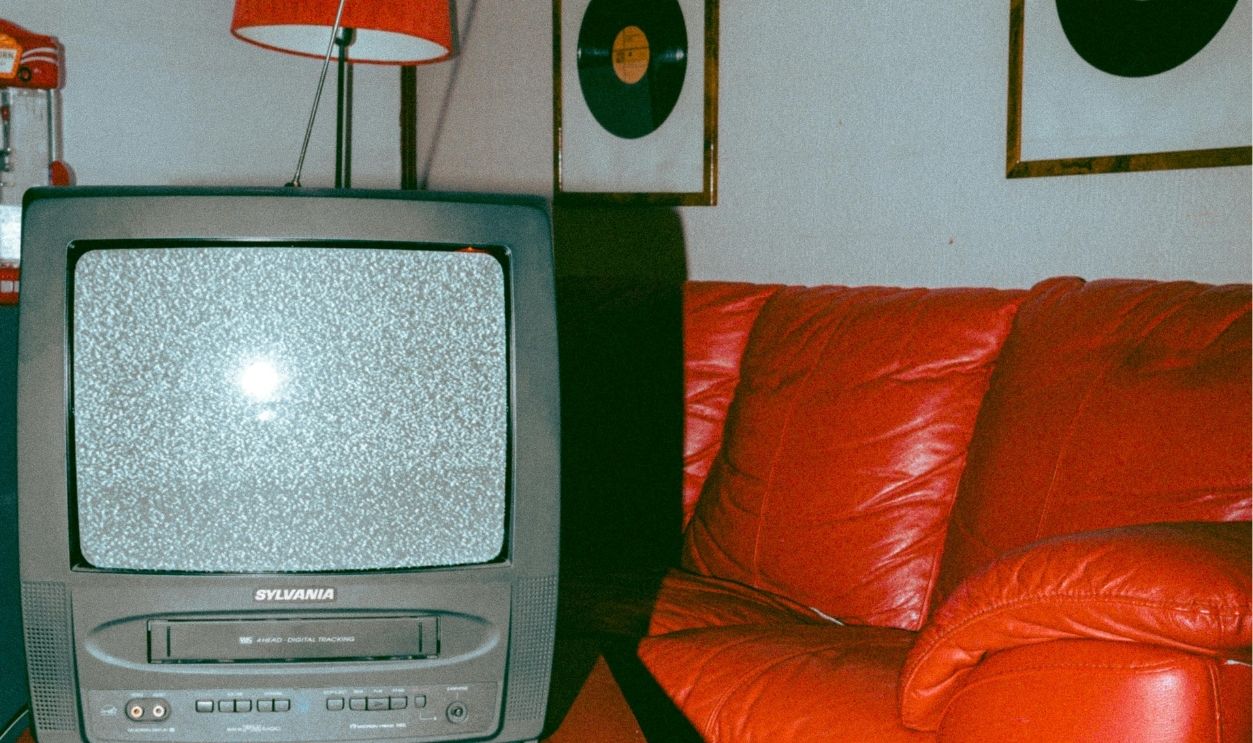
Before cable became widespread, getting a clear picture often meant physically adjusting an antenna. One person stood still while others shouted instructions. Television wasn’t passive—it required cooperation, patience, and sometimes a little frustration.
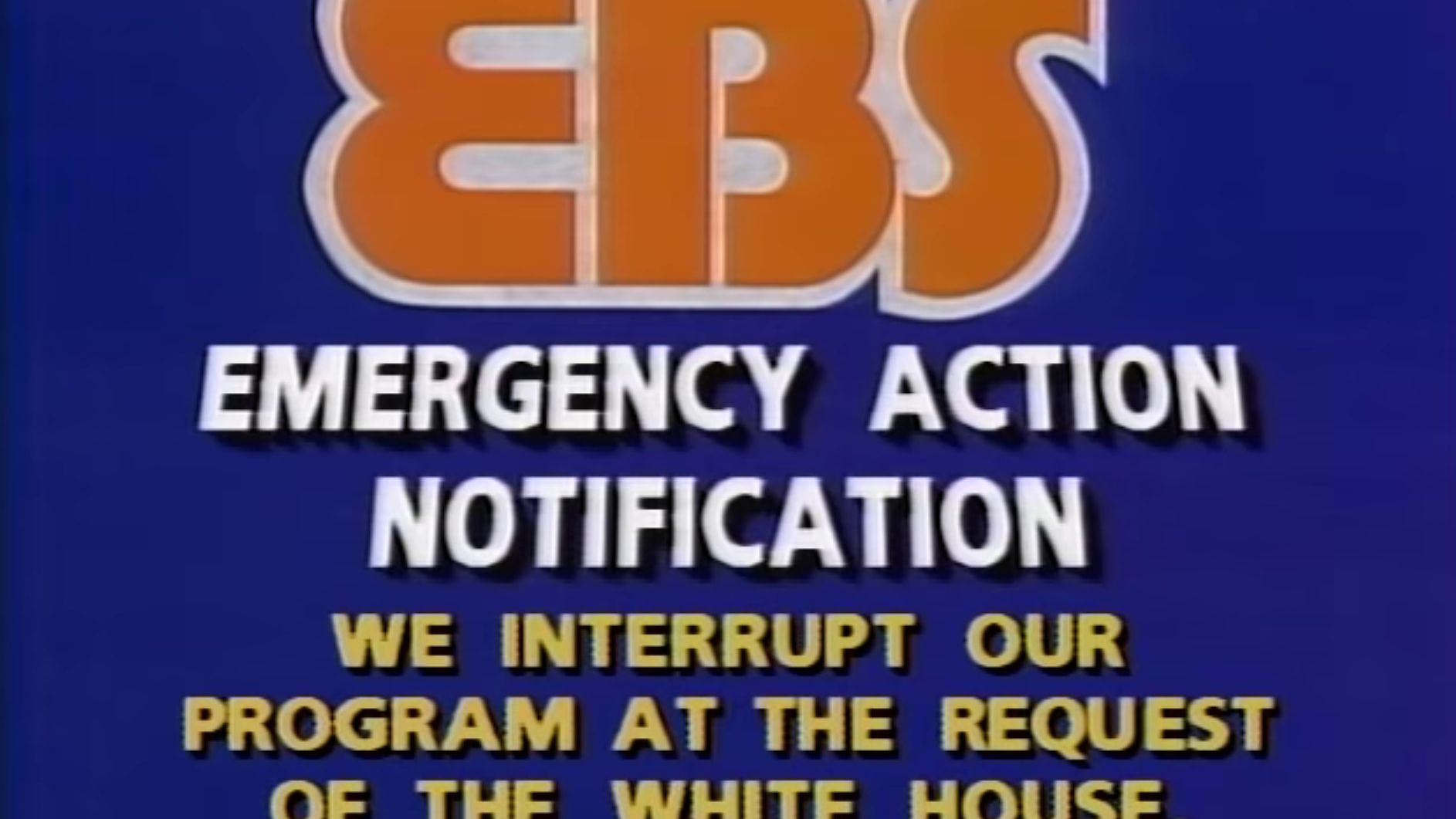
The Emergency Broadcast Signal
That tone meant everything stopped. Conversations paused. People paid attention. Even when it was only a test, the sound carried weight. It wasn’t background noise—it was designed to cut through whatever you were doing and demand focus.
 DigitalIceAge, Wikimedia Commons
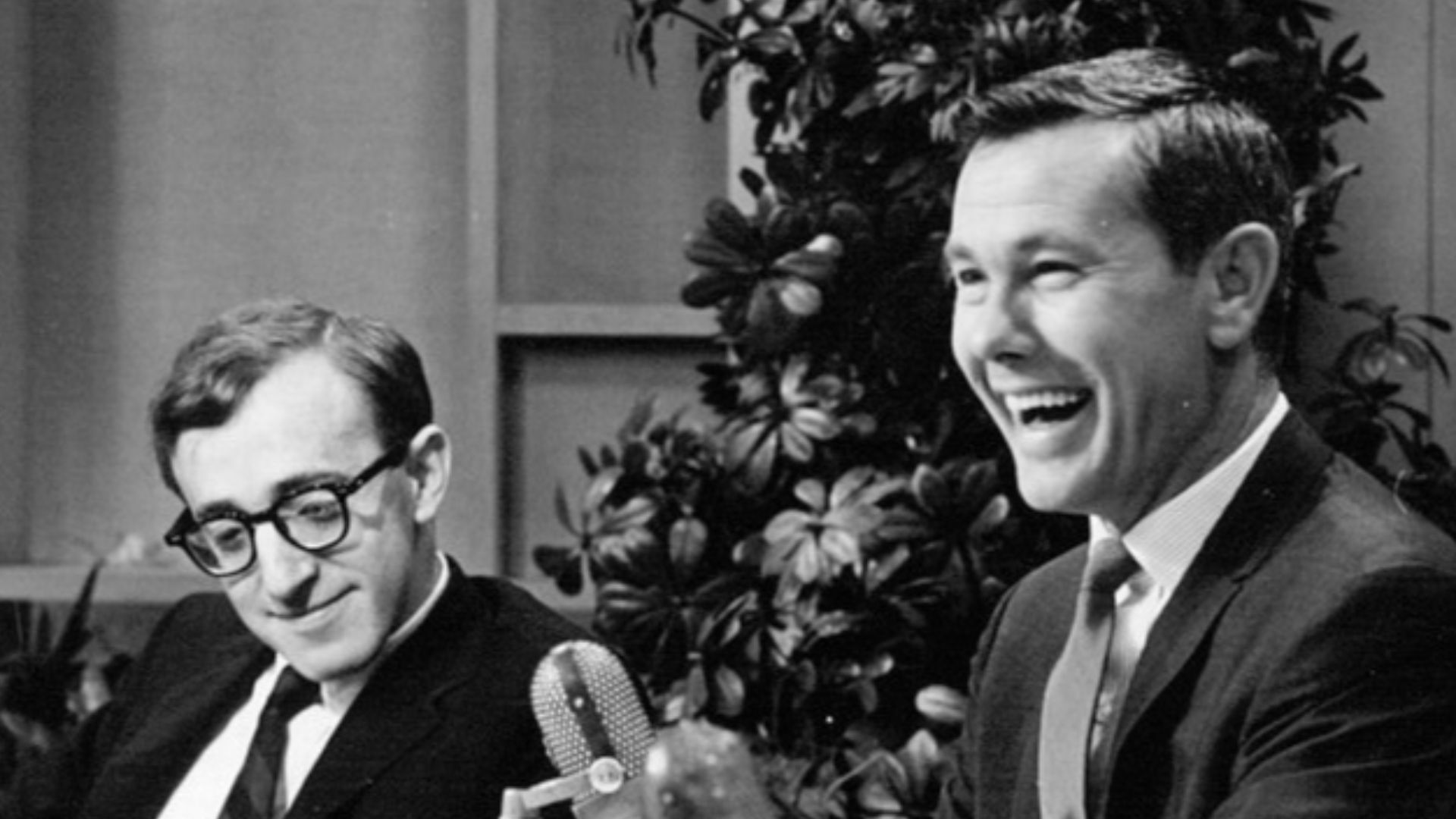
Johnny Carson’s Couch
A spot on The Tonight Show with Johnny Carson could change a career overnight. Carson’s approval mattered, and his indifference could quietly stall momentum. He didn’t hype guests or chase controversy. He listened, reacted, and moved on—and that restraint gave him enormous influence.
 NBC Television, Wikimedia Commons
Roasts Were a Compliment
Being roasted publicly meant you’d reached a certain level of success. The jokes were harsh, but the invitation itself was the honor. Everyone involved understood the rules, and the audience knew it was meant as respect, not humiliation.

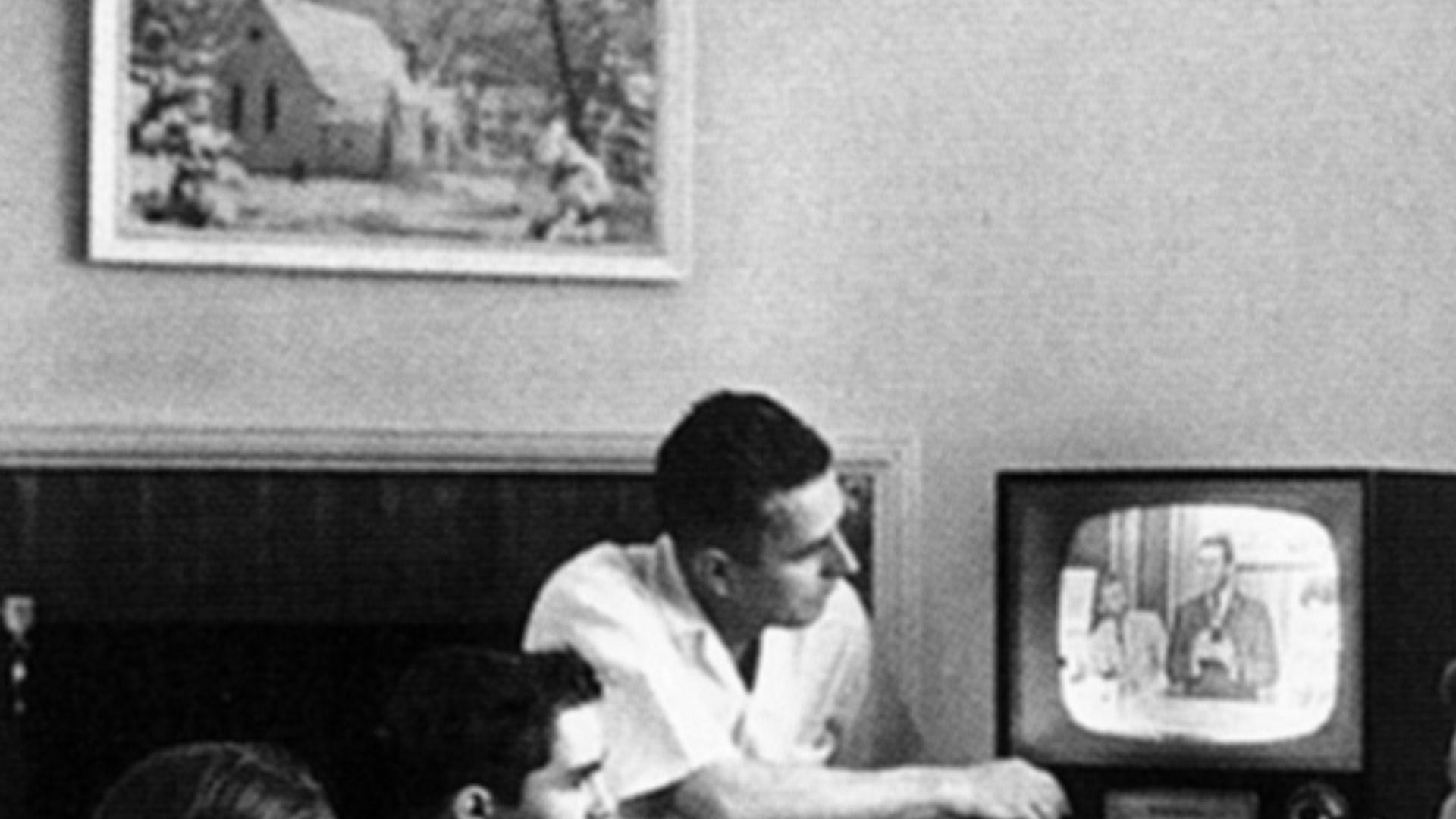
TV Guide Was a Strategy Tool
TV Guide wasn’t nostalgia—it was necessary. People planned evenings around listings, coordinated schedules, and made sure they were home on time. Missing a show meant missing it completely, with no guarantee it would ever be seen again.
 Evert F. Baumgardner, Wikimedia Commons
That Egg PSA
This commercial aired repeatedly in the late 1980s and became one of the most recognizable public service ads ever made. The imagery was blunt and intentionally uncomfortable. People remember it decades later because it was impossible to ignore.

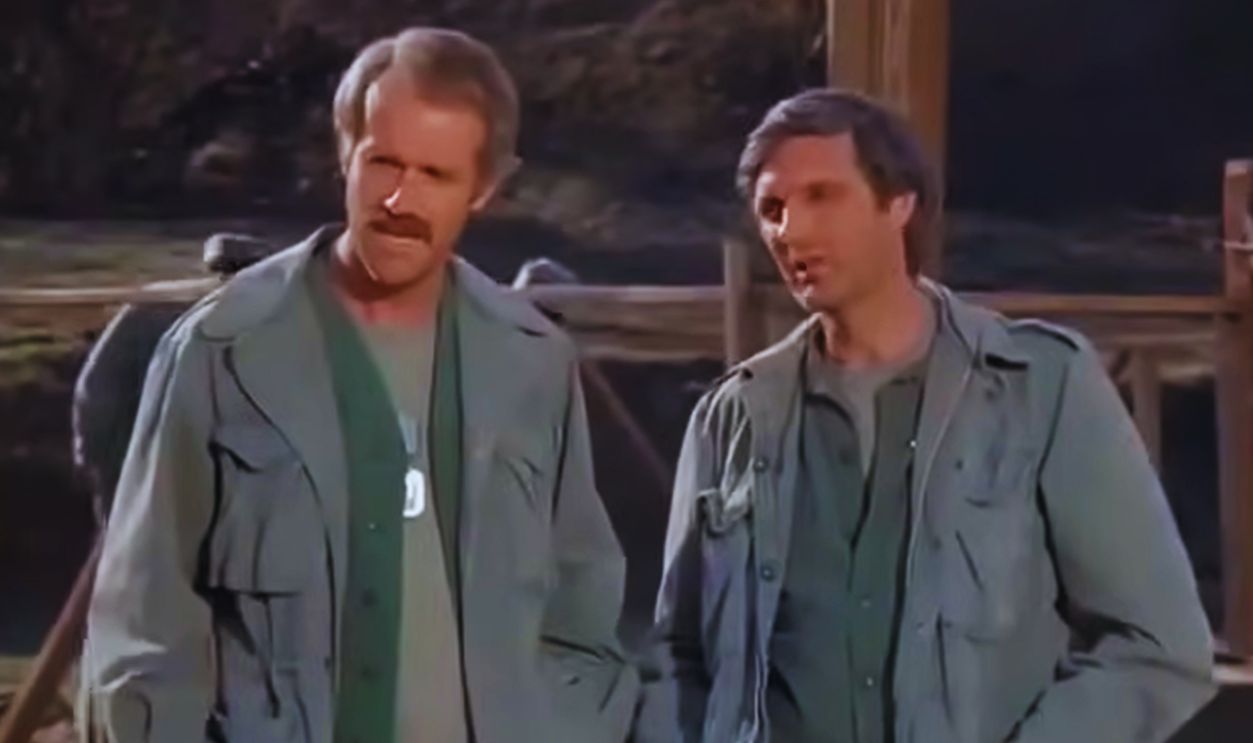
The “M*A*S*H*” Finale
When it aired in 1983, the finale became one of the most-watched television events in U.S. history. Streets went quiet. Viewers planned around it. For many, it felt less like a show ending and more like a shared moment closing.
 Screenshot from MAS*H, CBS (1972–1983)
When “Selling Out” Was a Serious Accusation
For years, artists were expected to avoid commercials and corporate partnerships. Taking a deal could hurt credibility, especially in music. Boomers remember when those decisions were debated openly and treated as character judgments, not just business moves.
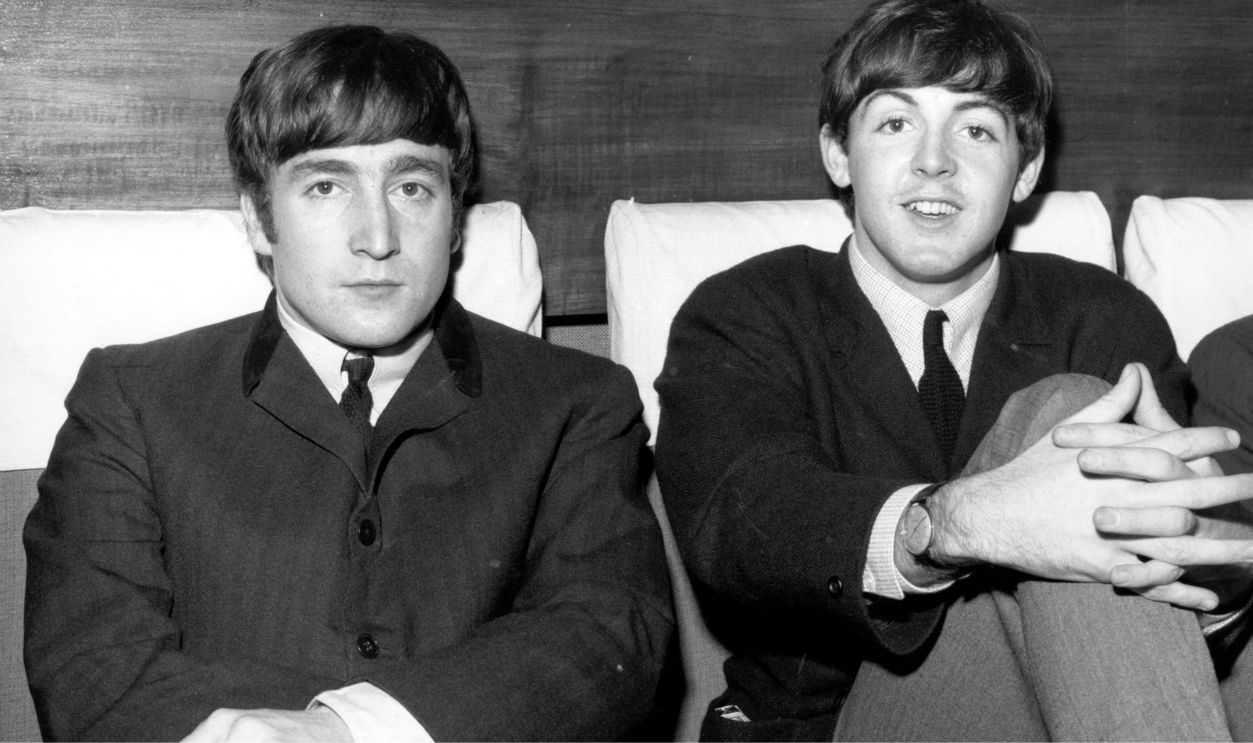
Polaroids Took Patience
Photos didn’t appear instantly. You waited. Sometimes they turned out great. Sometimes they didn’t—and that was it. There were no retakes, no fixes, and no backups. The result was final.
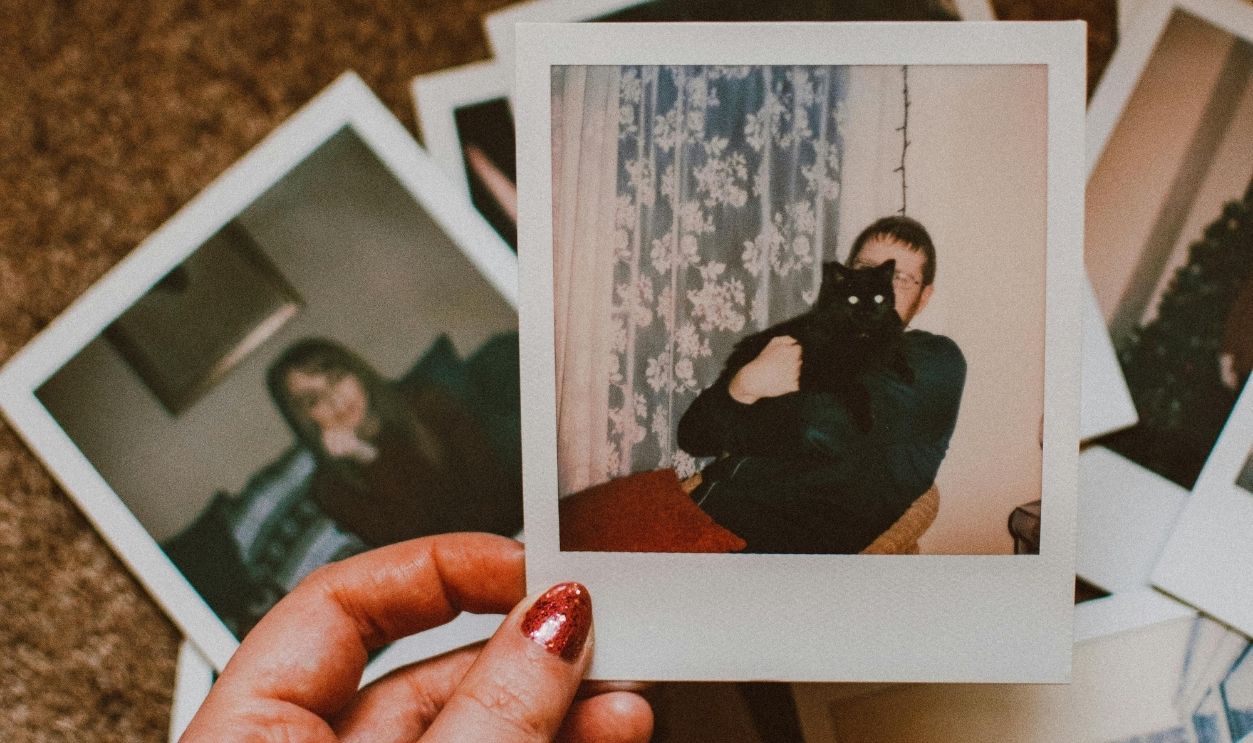
“-Gate” Became Permanent
After Watergate, adding “-gate” to a controversy became instant shorthand for scandal. The meaning didn’t need explanation because the original event was so widely watched. Boomers remember when that suffix first took on that weight.
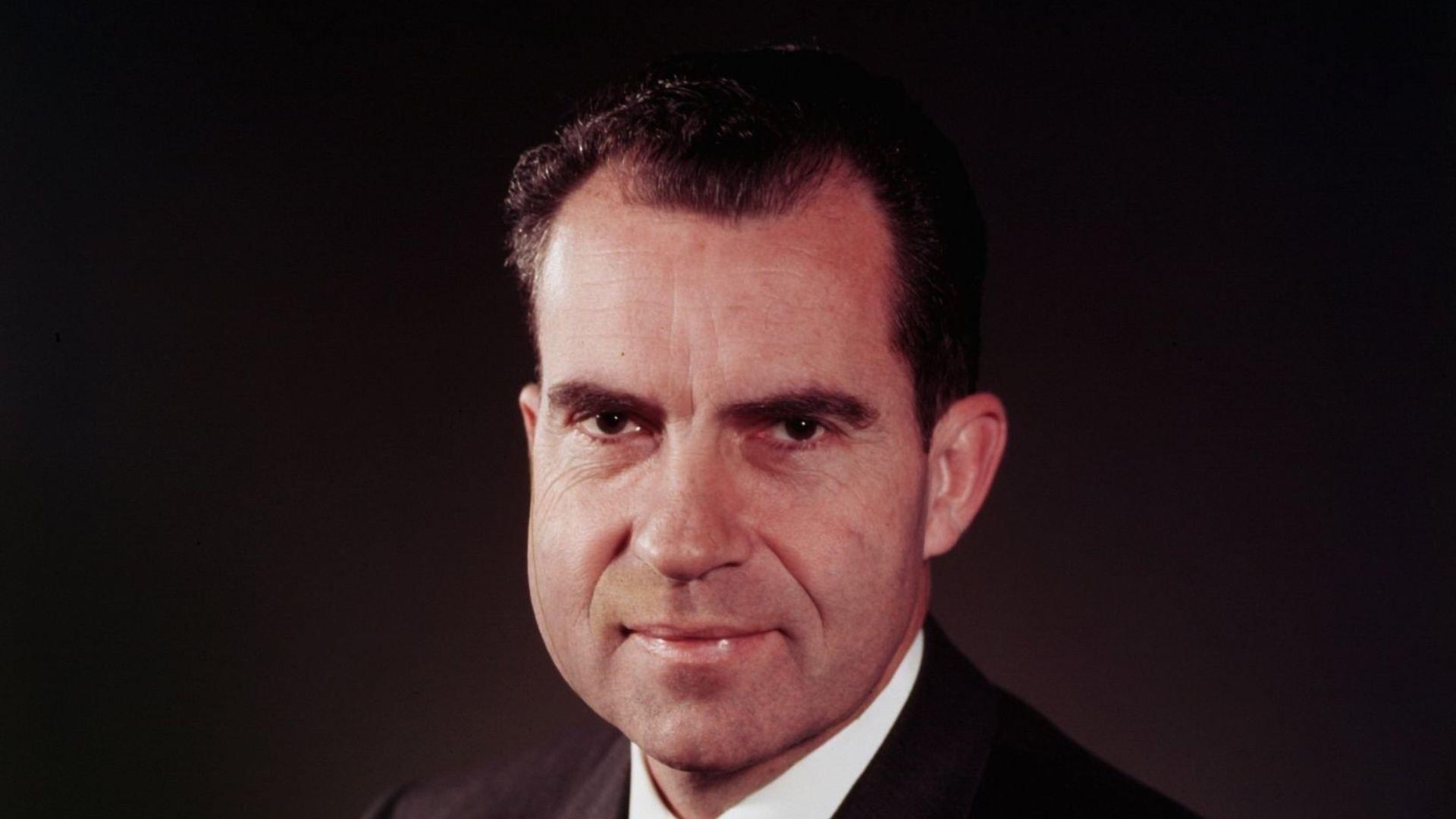 Louis Fabian Bachrach, Jr., Wikimedia Commons
Laugh Tracks Felt Normal
Laugh tracks were standard because many shows weren’t filmed in front of live audiences. The added laughter was meant to recreate a shared viewing experience. Boomers accepted it as part of how television worked.
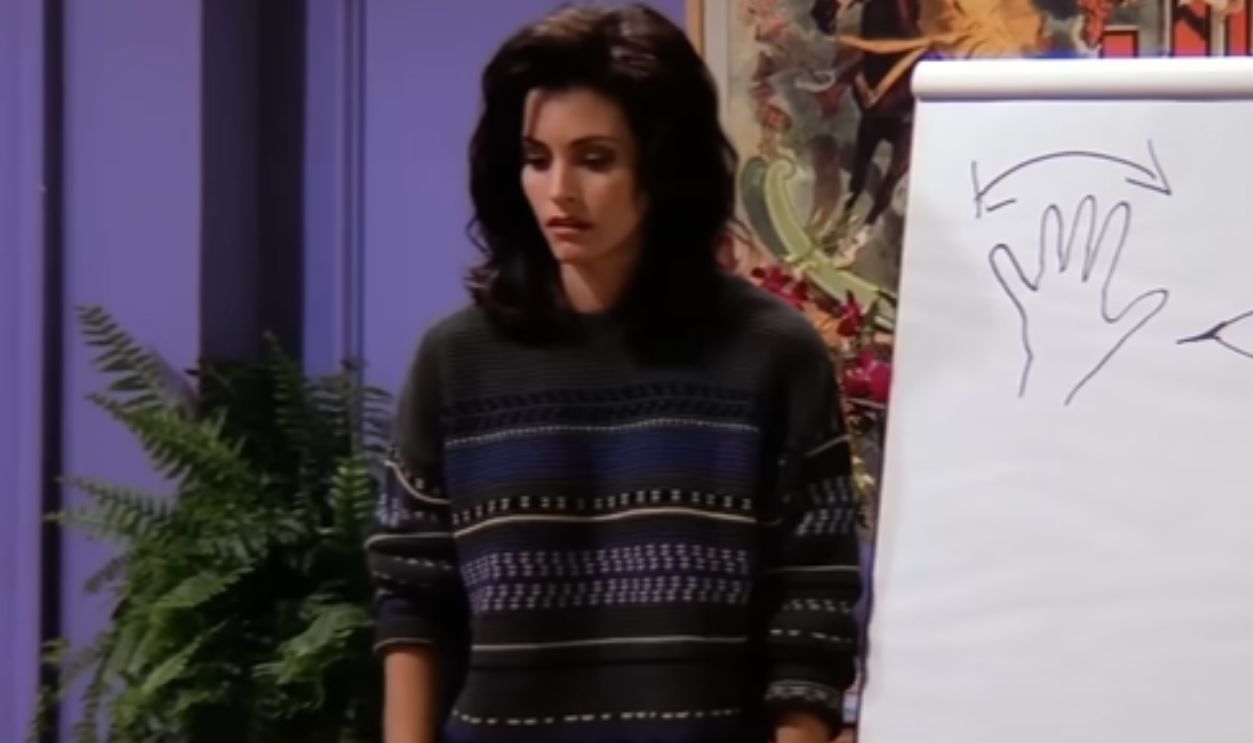 Screenshot from Friends, NBC (1994–2004)
The National Anthem Ending TV for the Night
Broadcast television used to sign off at the end of the day. After the anthem played, programming stopped and the screen went dark. There was nothing else to watch, and no way to keep going.
Album Covers Were Studied
Music ownership was limited, so attention lingered. Album covers, liner notes, and credits mattered. You didn’t skim them—you lived with them. The physical format encouraged focus in a way streaming never asks for.
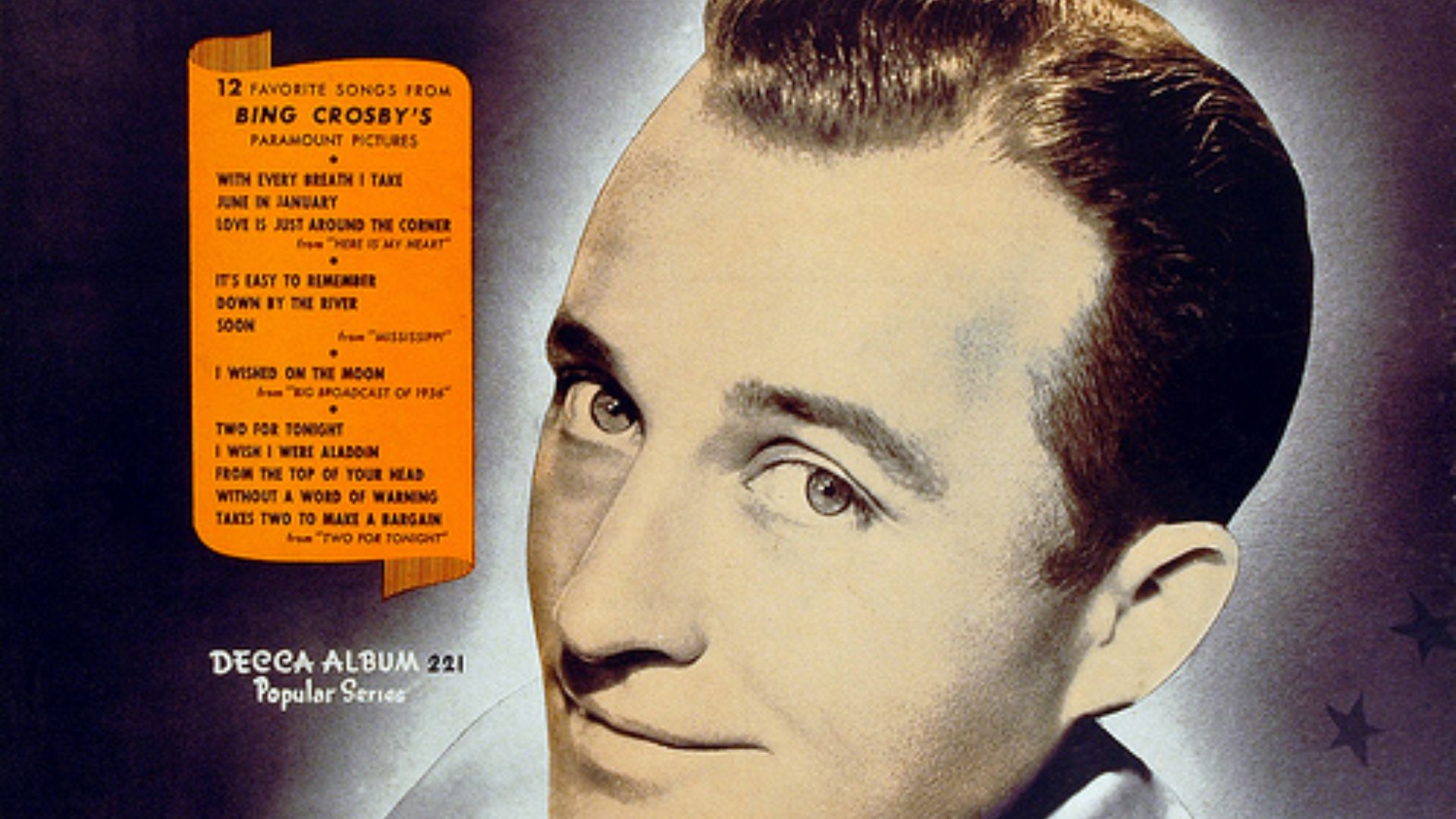 Decca Records, 1941, Wikimedia Commons
Why These References Still Surface
These moments came from a media world with fewer options and more shared experiences. When everyone saw the same thing, references stuck. Boomers aren’t trying to confuse anyone—they’re just pulling from a time when everyone immediately knew what was being talked about.

You Might Also Like:
Songs That Instantly Take You Back To High School
Rock Legends Who Turned Down Fortune For Freedom