The Detective Show With A Secret
When Remington Steele premiered on NBC in 1982, it seemed like another slick detective series. Instead, it completely flipped the genre by revealing that television's newest master detective never actually existed. That clever twist fueled a unique blend of mystery, romance, and comedy that helped reinvent the TV detective show.
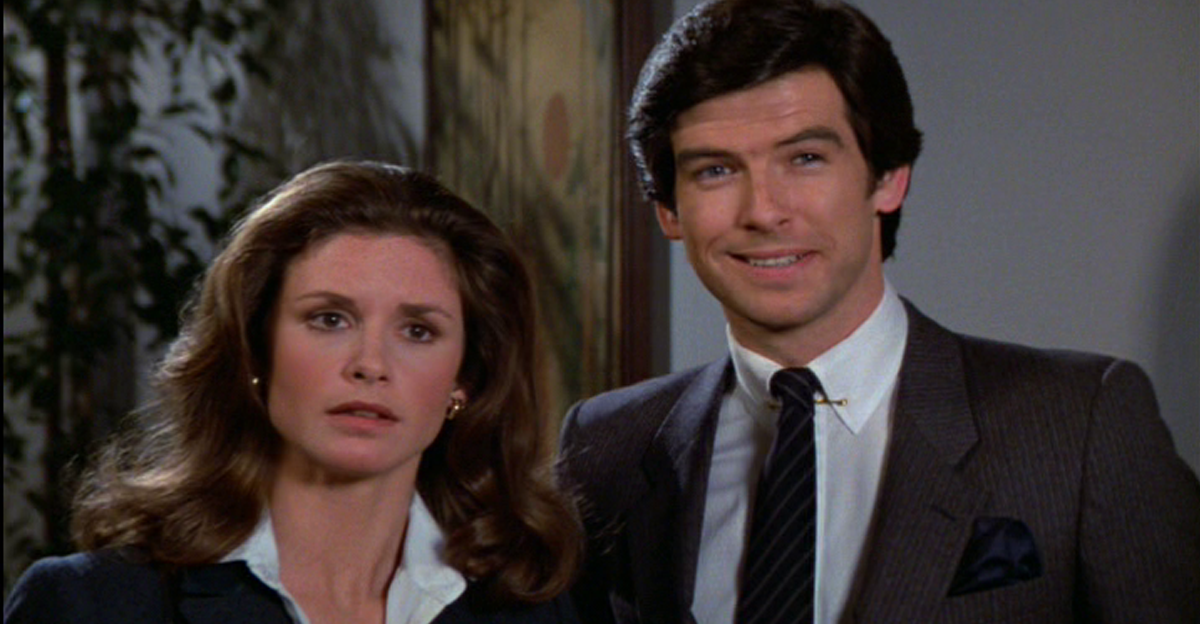 Screenshot from Remington Steele, NBC (1982-1987)
Laura Holt Was The Real Detective
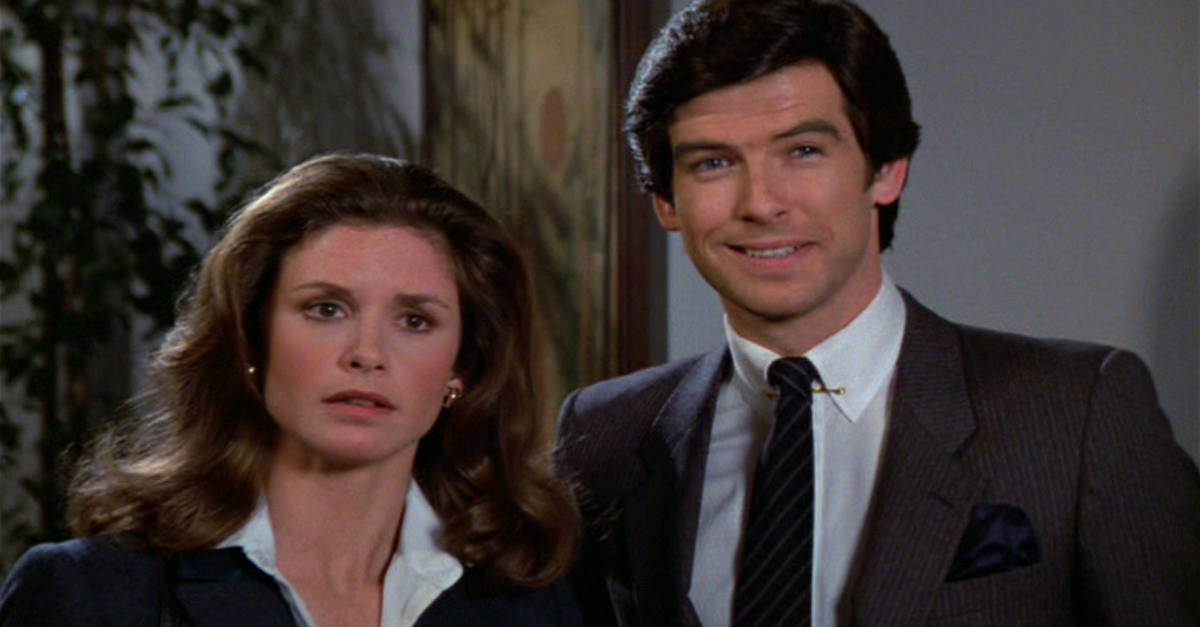
Laura Holt was a trained and highly capable private investigator played by Stephanie Zimbalist. She opened an agency under her own name, but potential clients repeatedly refused to trust a woman with their cases. Laura responded by inventing a fictional male superior named Remington Steele.
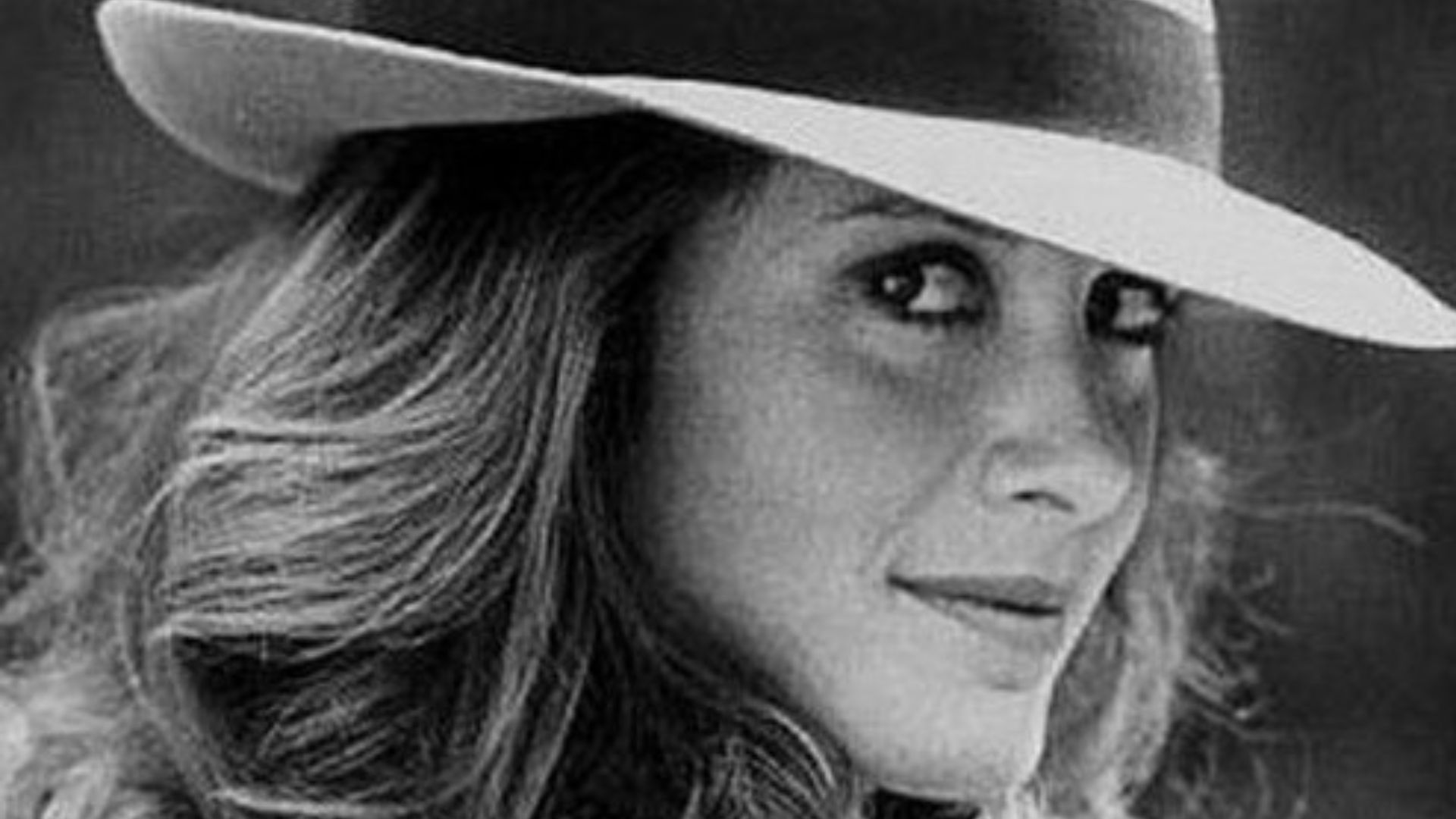
A Fake Boss Changed Everything
The imaginary Steele was supposed to be nothing more than a name on the office door. Laura created a résumé, personality, and reputation for him so that clients would finally take her agency seriously. The plan worked so well that she suddenly needed to explain why nobody ever met the mysterious boss.
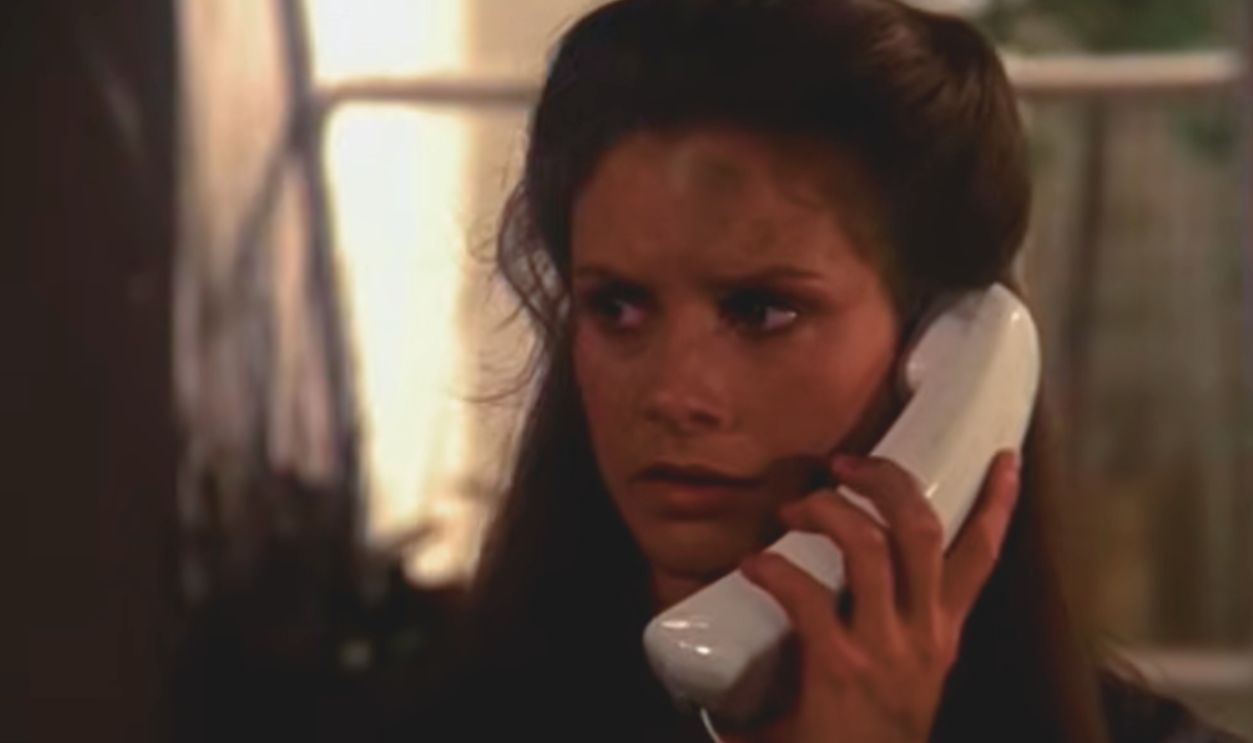 Screenshot from Remington Steele, MTM Enterprises (1982–1987)
Then Remington Steele Walked In
The arrangement became complicated when a charming thief and con man discovered Laura’s secret. Played by Pierce Brosnan, the stranger assumed the identity of Remington Steele and presented himself as the agency’s celebrated leader. Laura could expose him, but doing so would also reveal that she had invented Steele in the first place.
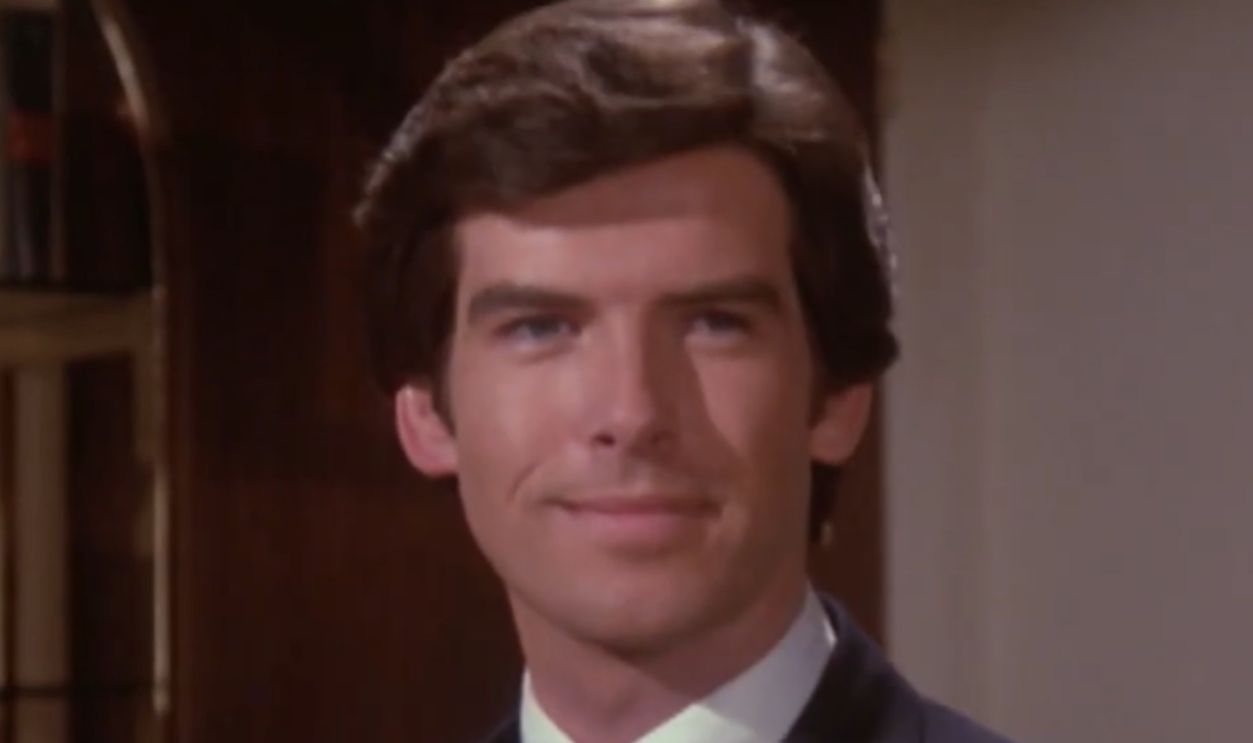 Screenshot from Remington Steele, MTM Enterprises (1982–1987)
The Woman Still Did The Work
Although Steele received the attention, Laura remained the agency’s most experienced investigator. She followed evidence, questioned suspects, organized operations, and usually understood the case before her supposed boss did. The joke was not that Laura lacked ability, but that society refused to recognize it without a man standing in front of her.
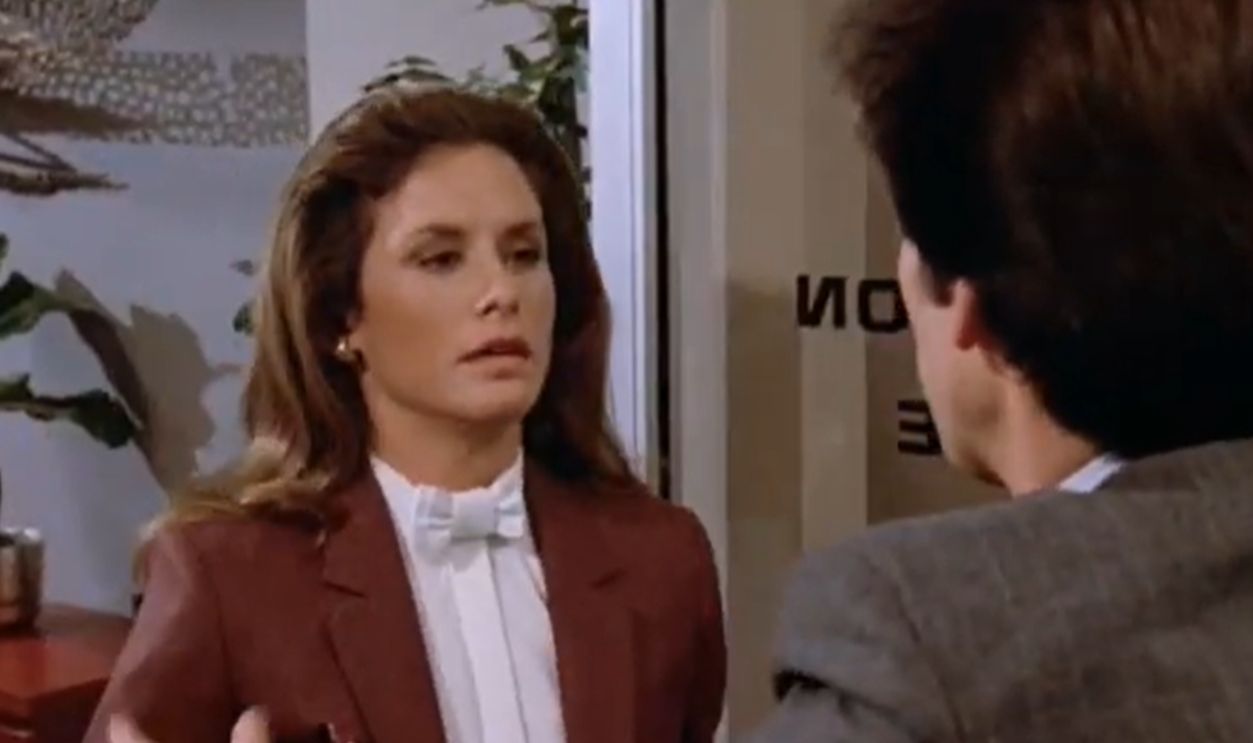 Screenshot from Remington Steele, MTM Enterprises (1982–1987)
The Premise Exposed Workplace Bias
The series turned workplace discrimination into the foundation of its weekly stories. Like most detective series of the era, including Magnum, P.I., The Rockford Files, and Simon & Simon, clients naturally assumed the man was the real detective. Viewers knew the opposite was true because Laura Holt did the investigative work while Remington Steele was little more than a convincing performance.
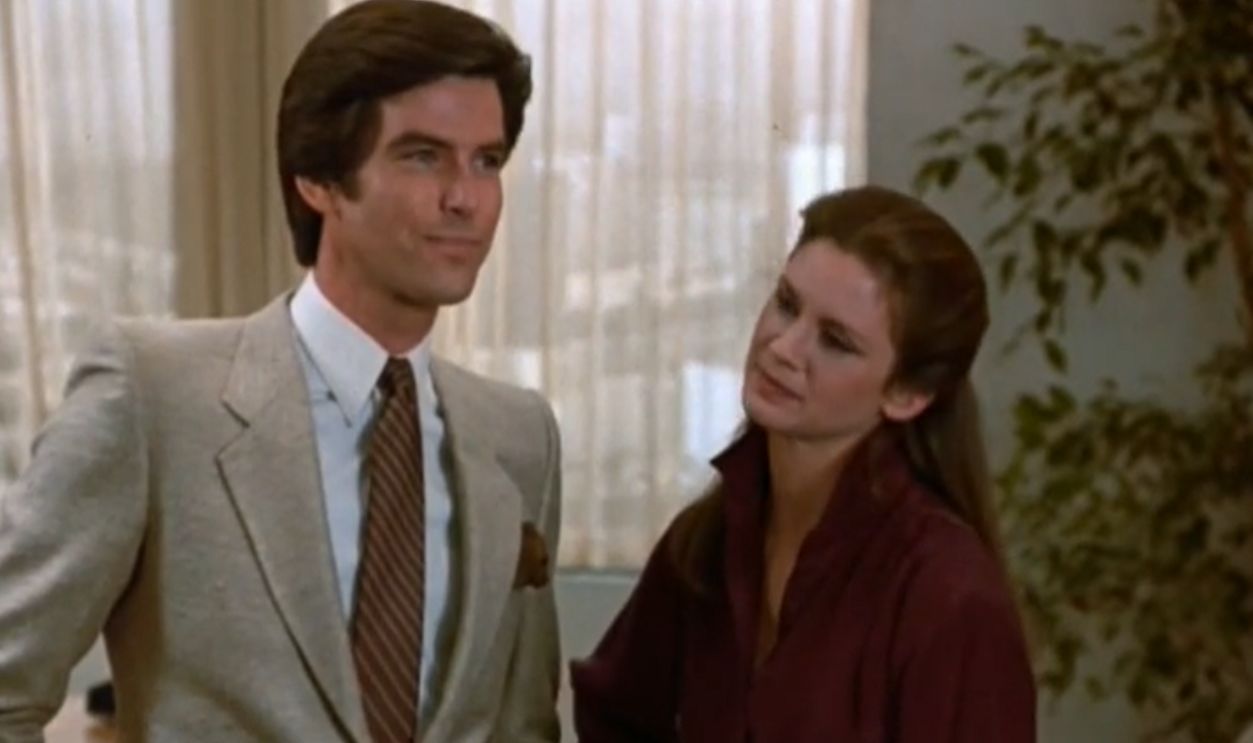 Screenshot from Remington Steele, MTM Enterprises (1982–1987)
Steele Was More Than A Handsome Fraud
The stranger was inexperienced as a professional detective, but he was not useless. His background as a thief gave him knowledge of locks, scams, disguises, and criminal behavior. Laura supplied discipline and investigative skill, while Steele contributed improvisation and an outsider’s understanding of deception.
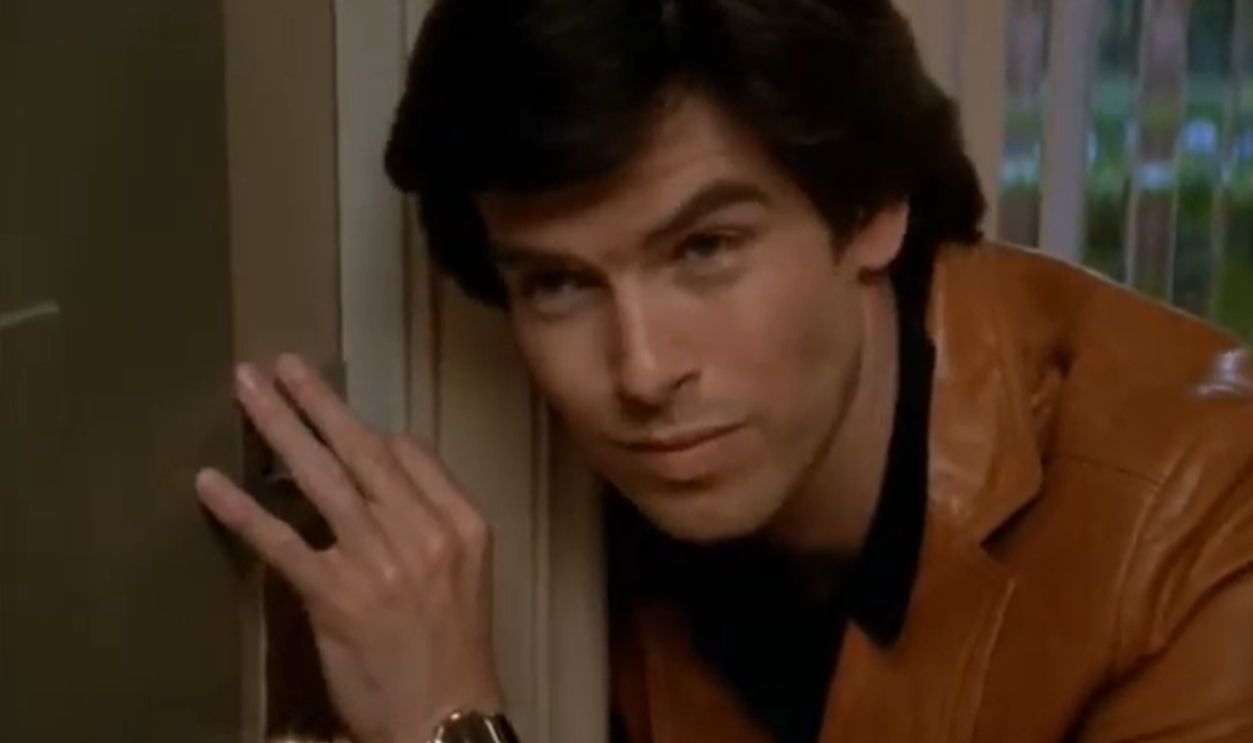 Screenshot from Remington Steele, MTM Enterprises (1982–1987)
Pierce Brosnan Found His Breakthrough
Brosnan had already appeared in stage productions, films, and television projects before moving to the United States. Remington Steele became his major American breakthrough and introduced him to a much larger audience. His polished performance quickly established him as a leading man who could handle action, romance, and comedy.
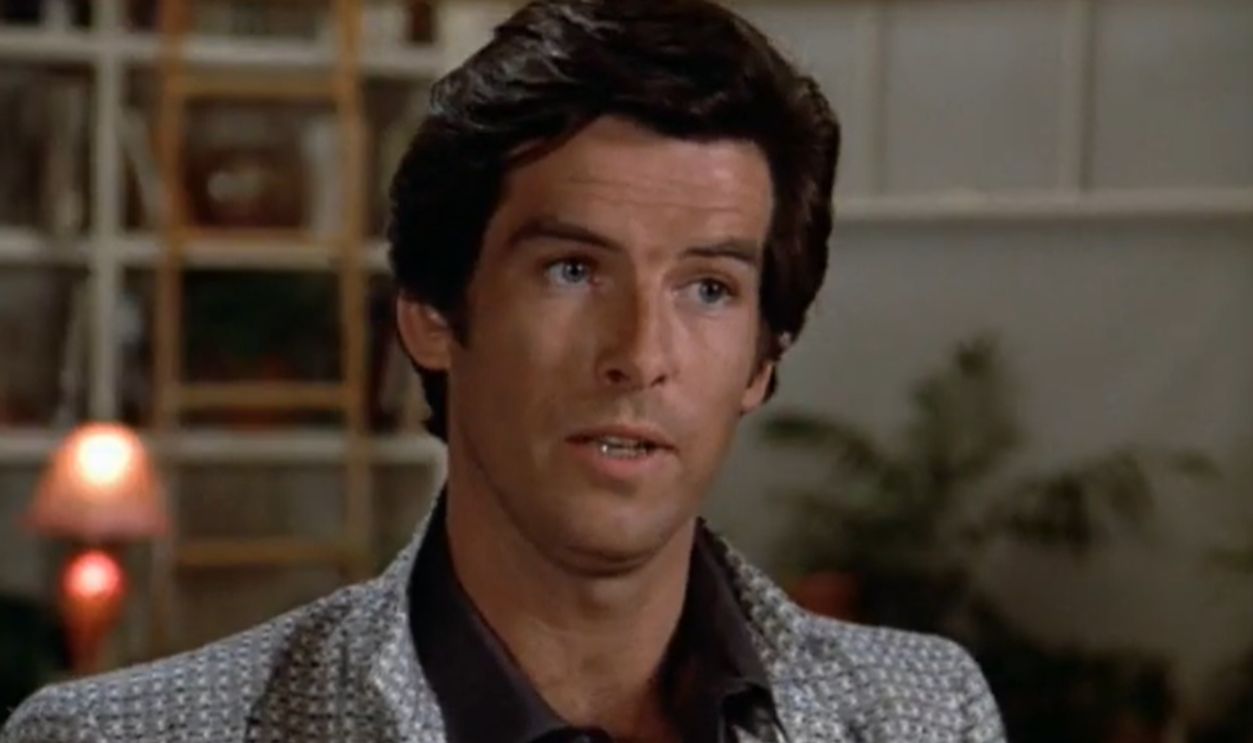 Screenshot from Remington Steele, MTM Enterprises (1982–1987)
Stephanie Zimbalist Anchored The Series
Zimbalist gave Laura intelligence, determination, and a visible sense of frustration without making her humorless. Laura could be practical during an investigation and vulnerable when Steele disrupted her carefully controlled life. Her performance kept the audience aware that the agency and the series truly belonged to Laura.
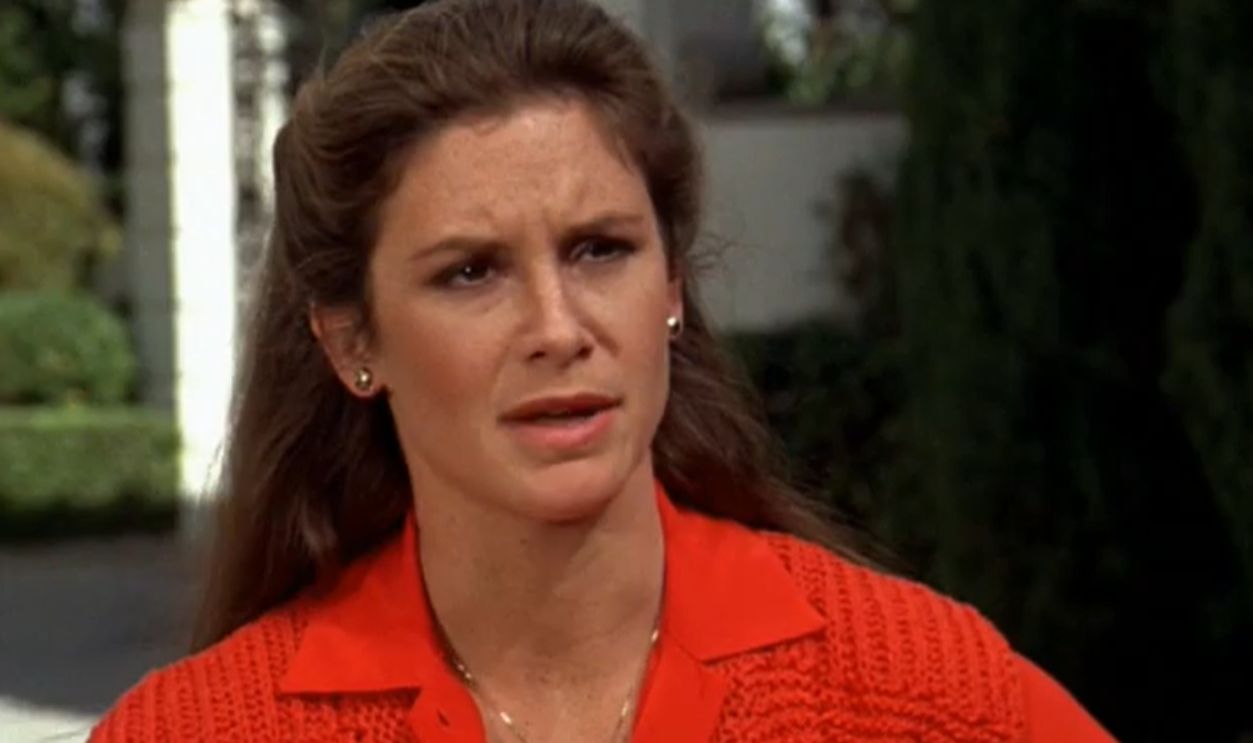 Screenshot from Remington Steele, MTM Enterprises (1982–1987)
Their Chemistry Became The Main Attraction
Laura and Steele were drawn to each other almost immediately, but trust remained a constant problem. She knew he had stolen an identity, while he knew she had built her career around a complicated lie. Their attraction developed through teasing, arguments, jealousy, and moments when each had to depend on the other.
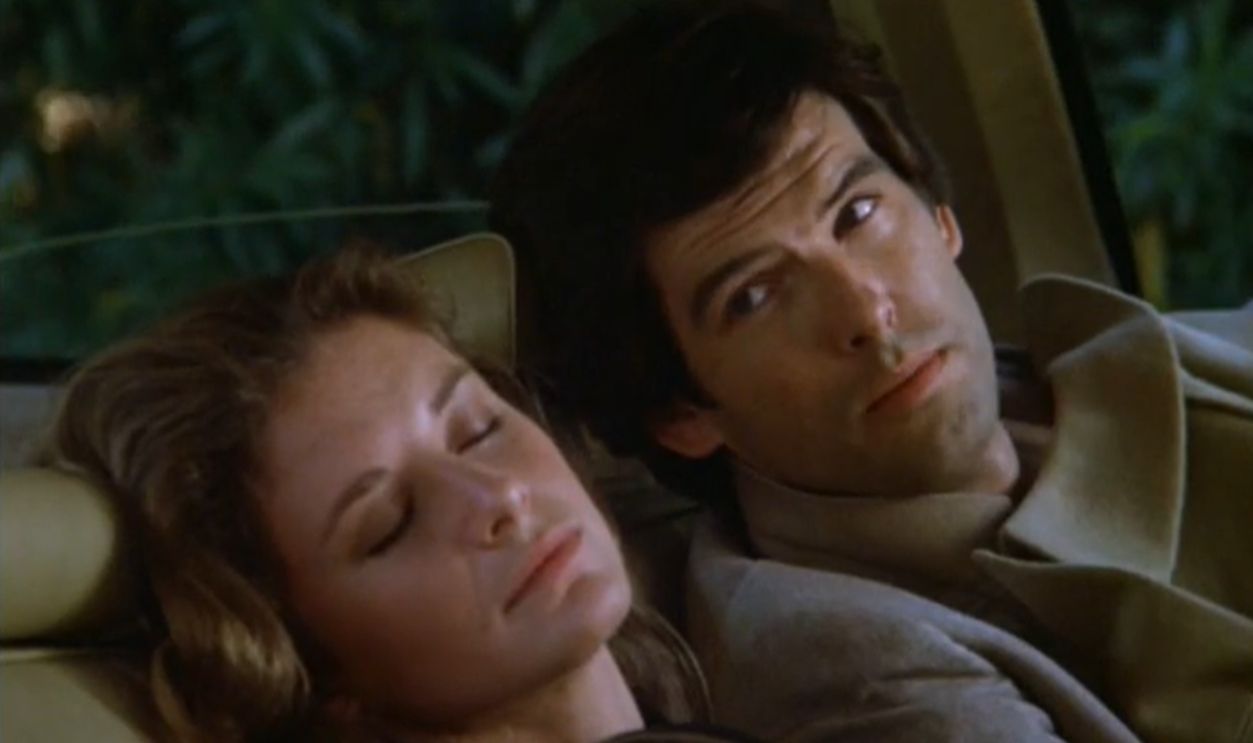 Screenshot from Remington Steele, MTM Enterprises (1982–1987)
Romance Became A Continuing Mystery
Earlier detective series such as Columbo, Barnaby Jones, and The Rockford Files generally often returned their heroes to the same emotional position after every episode. Remington Steele allowed Laura and Steele’s relationship to evolve slowly across several seasons. Viewers returned not only to discover who committed the crime, but also to see whether the partners would finally admit how they felt.
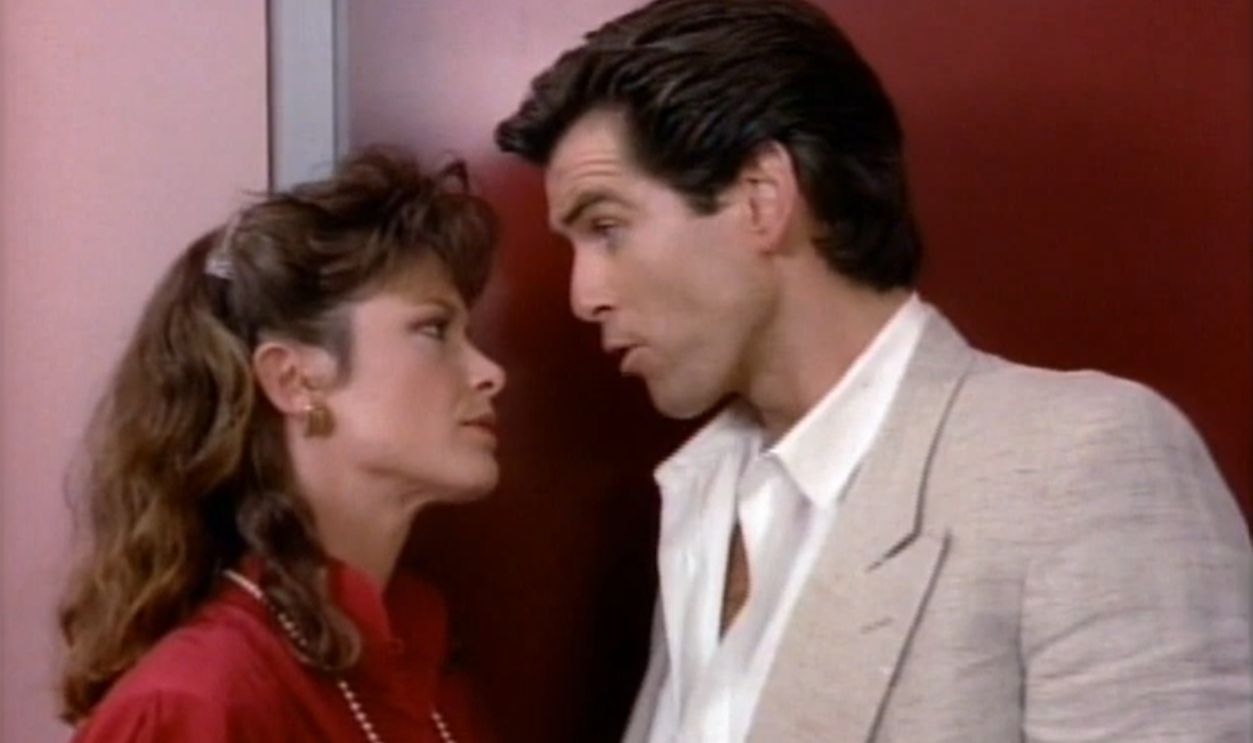 Screenshot from Remington Steele, MTM Enterprises (1982–1987)
Comedy Entered The Detective Hour
Most crime dramas of the era, including Hill Street Blues and Magnum, P.I., treated their cases with relatively straight-faced seriousness. Remington Steele instead mixed danger with romantic comedy, witty banter, mistaken identities and elaborate misunderstandings. The cases mattered, but the show was equally interested in how Laura and Steele reacted to one another.
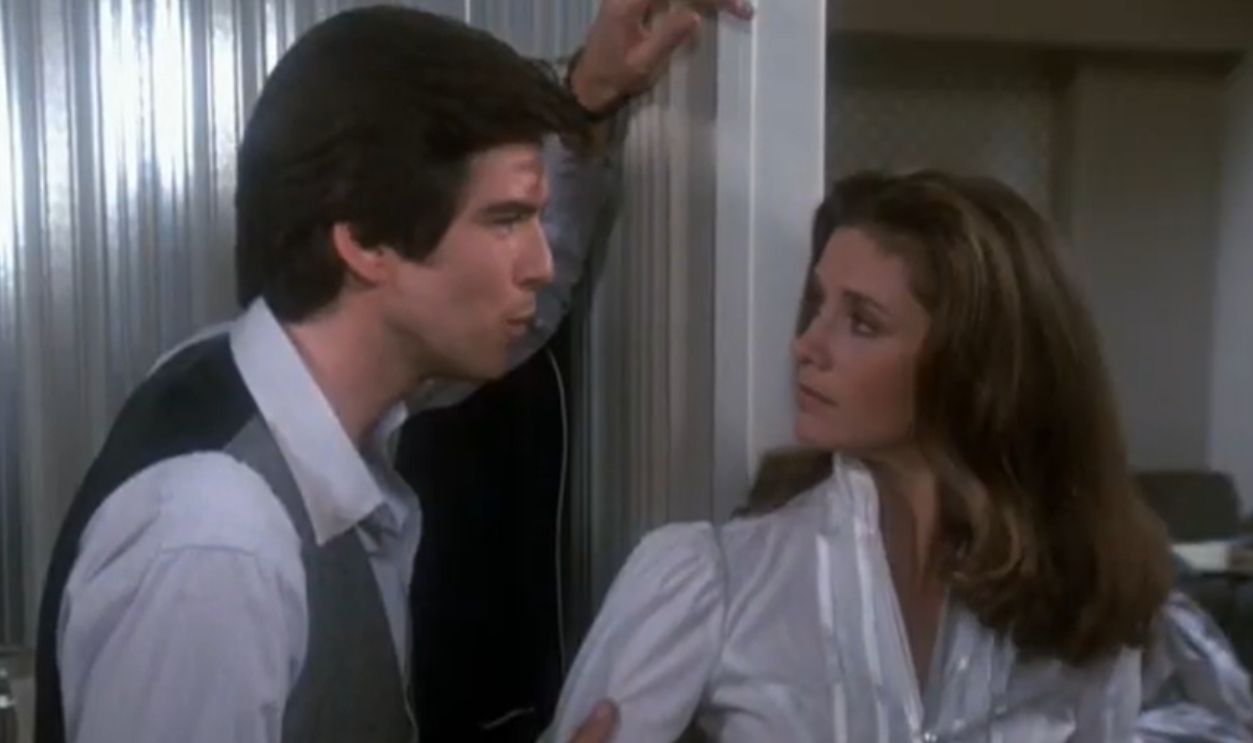 Screenshot from Remington Steele, MTM Enterprises (1982–1987)
Classic Movies Guided The Investigations
Steele frequently compared real situations to scenes from old Hollywood films. He cited actors, directors, plots, and production years while trying to understand the mystery in front of him. His movie knowledge sometimes provided a genuine clue, although Laura was often amused by his confidence in cinematic logic.
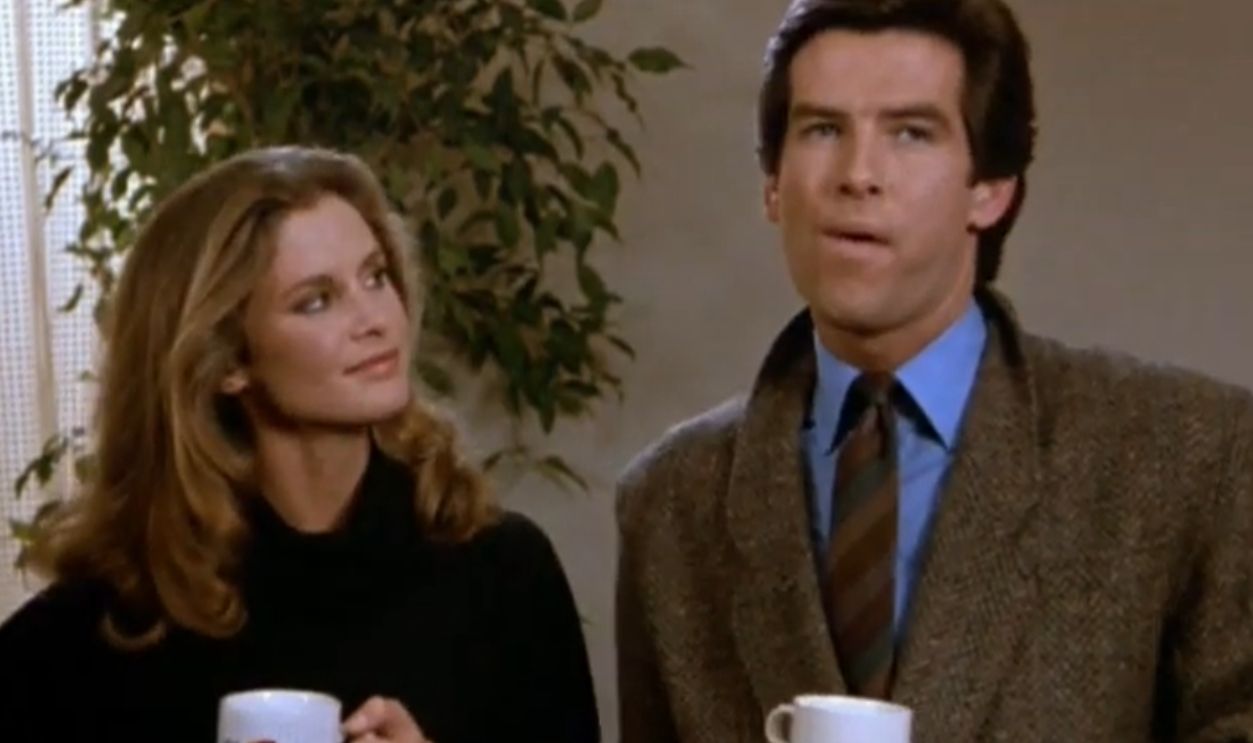 Screenshot from Remington Steele, MTM Enterprises (1982–1987)
The Show Loved Old Hollywood
The film references did more than provide Steele with memorable dialogue. They connected the series to screwball comedies, sophisticated capers, romantic thrillers, and film noir. That mixture gave Remington Steele a lighter and more glamorous identity than many conventional police procedurals.
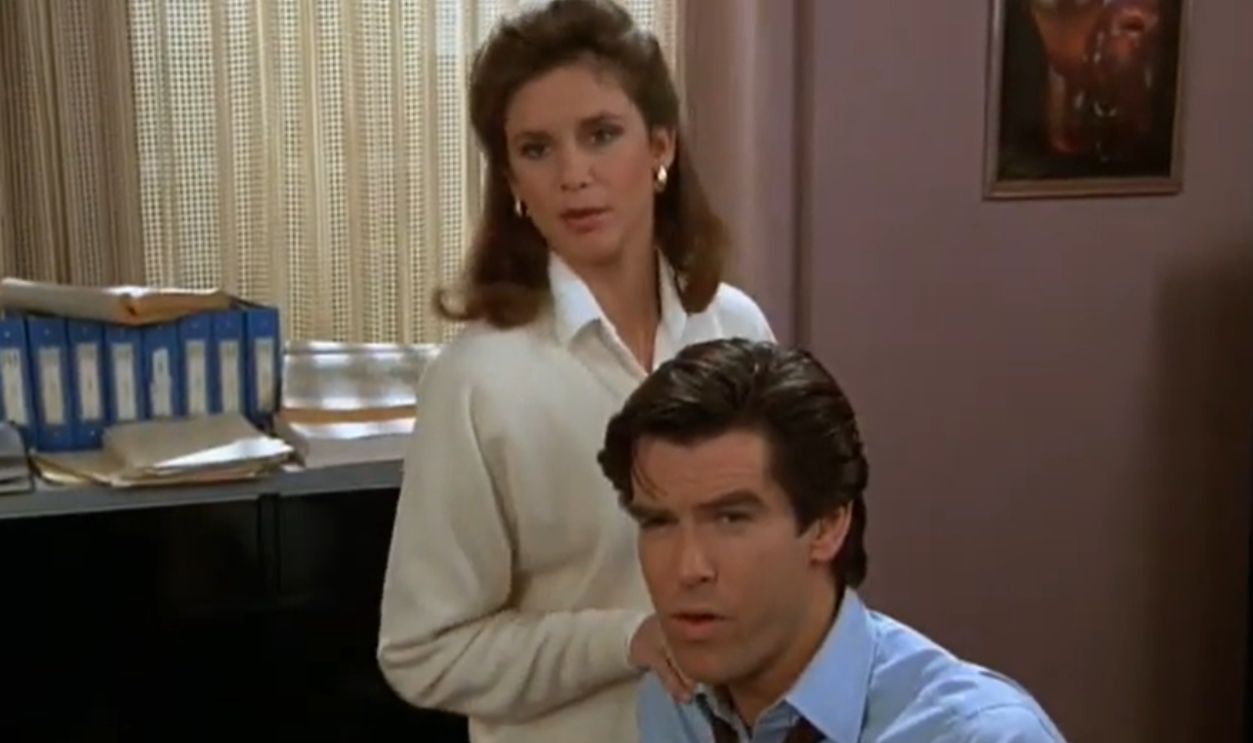 Screenshot from Remington Steele, MTM Enterprises (1982–1987)
Style Became Part Of The Character
Steele’s suits, ties, sports cars, and carefully polished manners helped sell the illusion that he was a wealthy and successful detective. His elegant appearance contrasted with Laura’s knowledge that he was an opportunist with a mysterious past. The wardrobe also helped establish Brosnan as one of television’s most recognizable style figures of the 1980s.
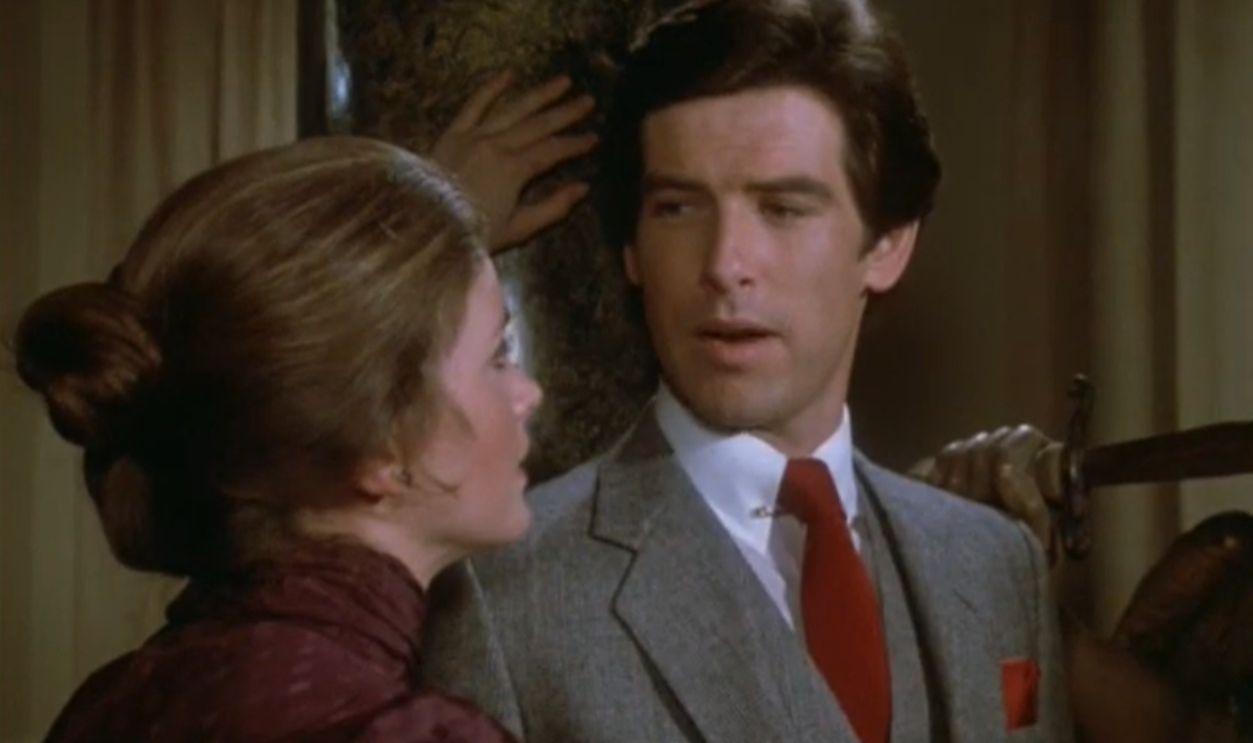 Screenshot from Remington Steele, MTM Enterprises (1982–1987)
Laura Refused To Become A Sidekick
The series repeatedly placed Laura in situations where outsiders underestimated her. She rarely accepted the assumption that Steele should make every decision simply because he was the man whose name appeared on the agency. Their partnership worked best when Steele stopped performing for the room and trusted Laura’s judgment.
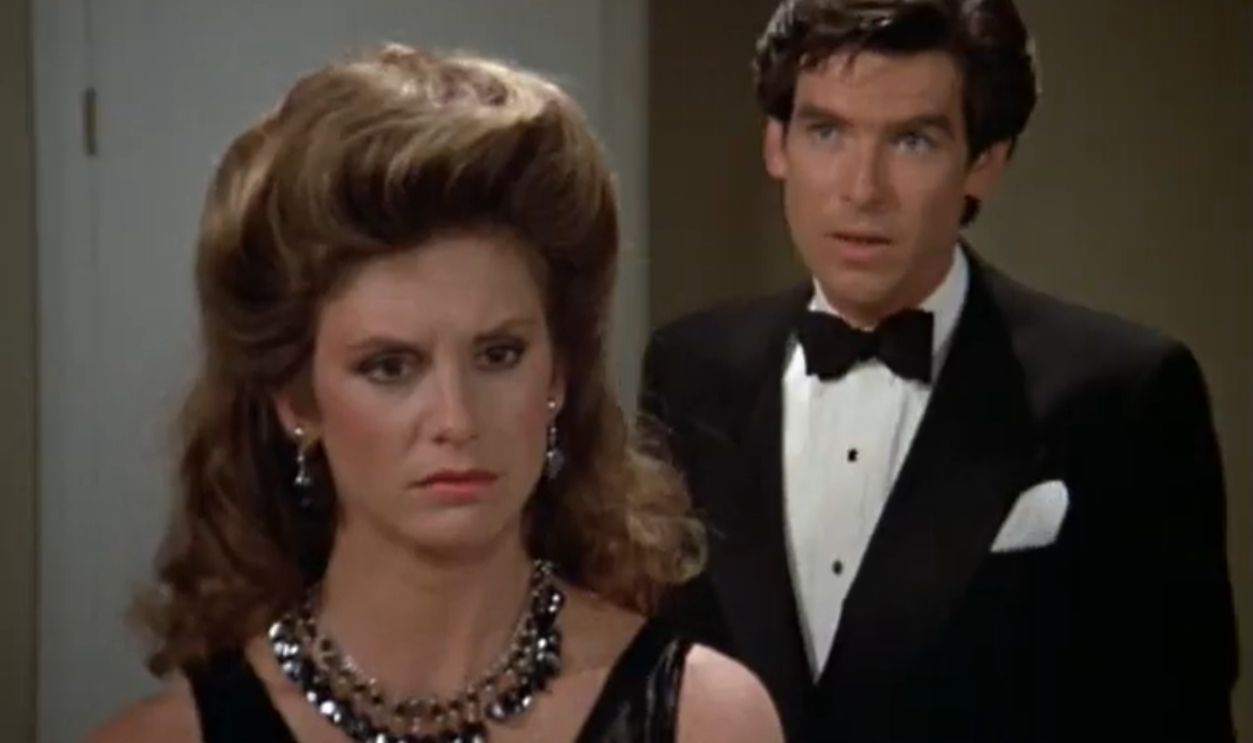 Screenshot from Remington Steele, MTM Enterprises (1982–1987)
Supporting Characters Knew The Truth
During the first season, investigator Murphy Michaels and secretary Bernice Foxe understood that Steele was an impostor. Their knowledge created another layer of tension inside the agency, especially because Murphy distrusted Steele’s motives. Murphy and Bernice departed after the first season, leading the series to reshape its central team.
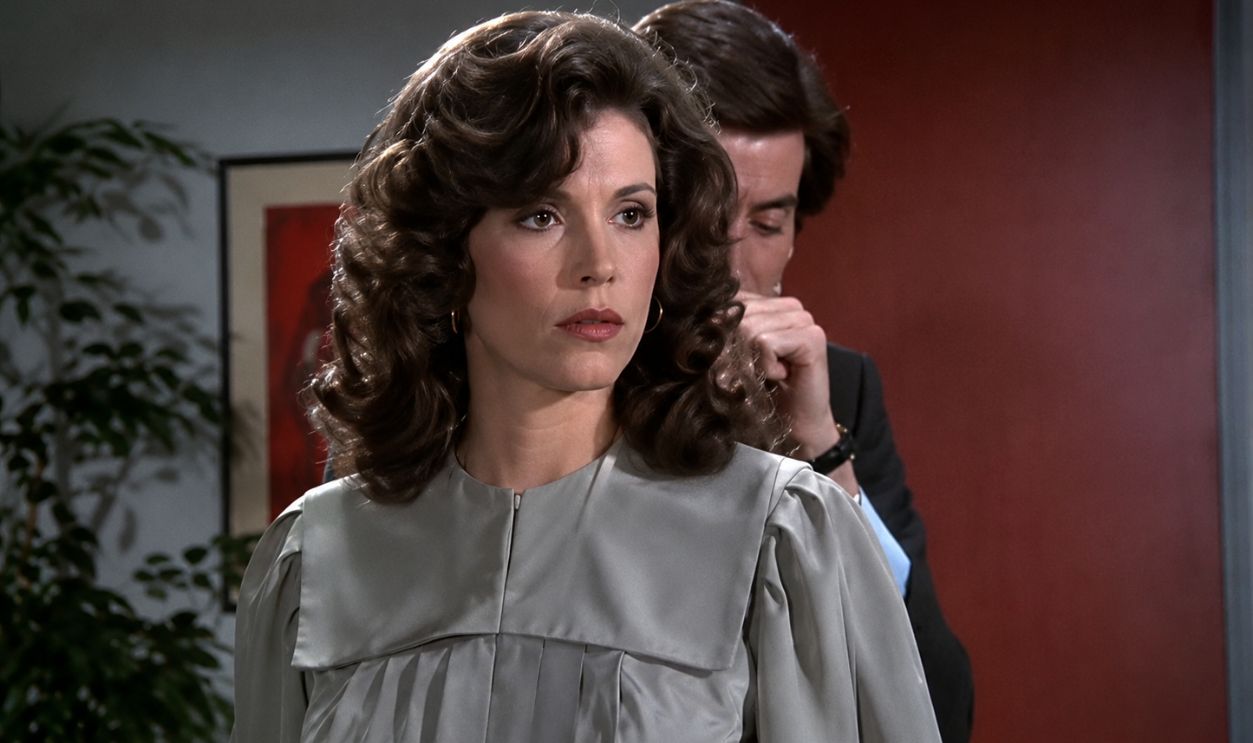 Screenshot from Remington Steele, MTM Enterprises (1982–1987), Modified
Mildred Krebs Transformed The Agency
In the second season, Doris Roberts joined the show as Mildred Krebs, an Internal Revenue Service employee who initially investigated the agency. Mildred eventually became Laura and Steele’s loyal secretary and assistant. Her warmth, curiosity, and comic timing gave the series a stronger family dynamic.
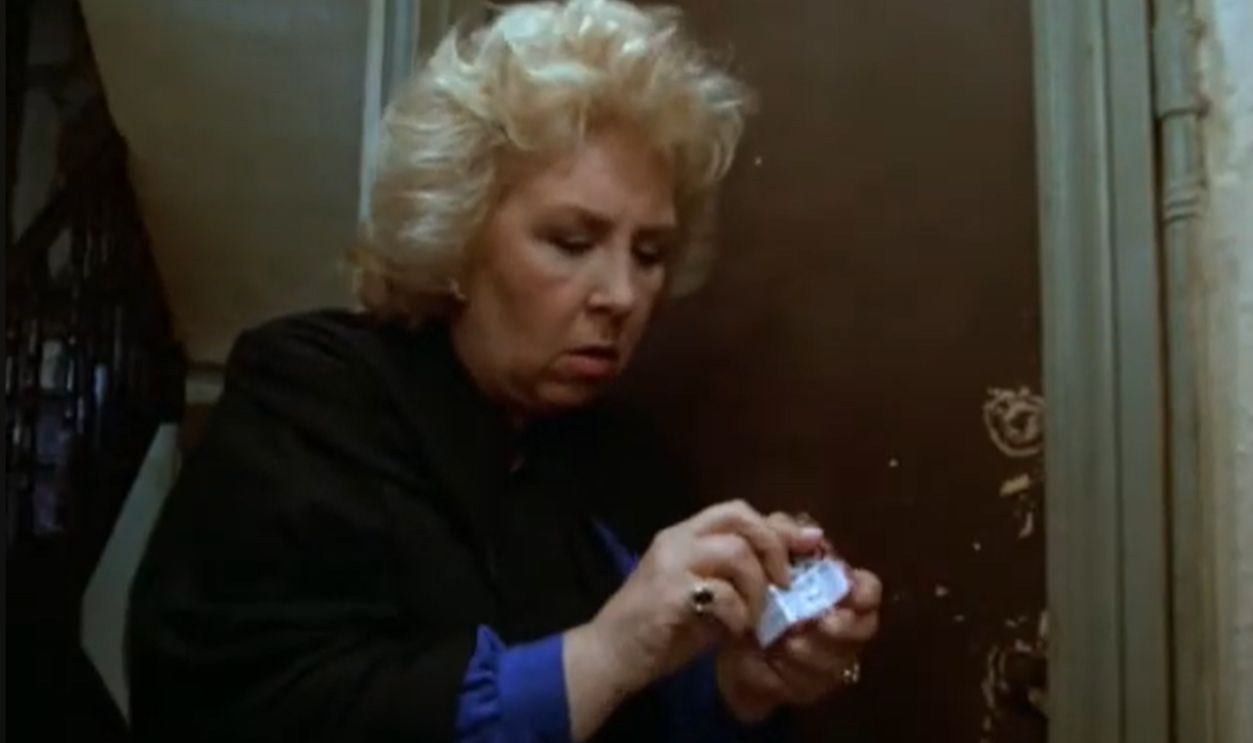 Screenshot from Remington Steele, MTM Enterprises (1982–1987)
Doris Roberts Earned Recognition
Roberts was already an accomplished stage and television performer when she joined Remington Steele. Her work as Mildred brought her a Primetime Emmy nomination for Outstanding Supporting Actress in a Drama Series. She later became even more widely known for playing Marie Barone on Everybody Loves Raymond.
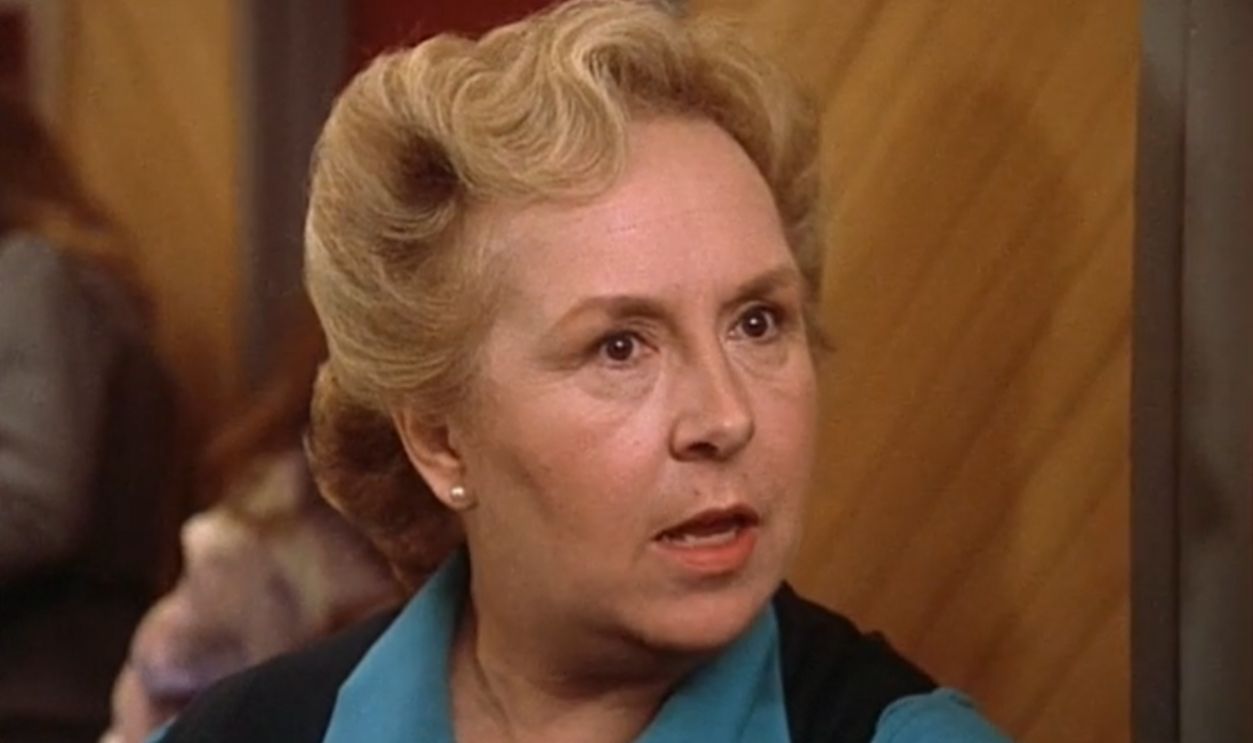 Screenshot from Remington Steele, MTM Enterprises (1982–1987)
The Series Expanded Beyond Los Angeles
As Remington Steele became established, the production sent its characters to locations including Ireland, France, Malta, and Mexico. These trips allowed the show to stage larger adventures while exploring pieces of Steele’s mysterious history. The international settings also strengthened the glamorous image surrounding Brosnan’s character.
 Screenshot from Remington Steele, MTM Enterprises (1982–1987)
The Third Season Reached New Heights
The program achieved its strongest ratings performance during its third season and finished among television’s highest-rated shows. By then, the combination of mysteries, comedy, romance, and international adventure had found a dependable audience. The show had also turned Brosnan and Zimbalist into recognizable television stars.
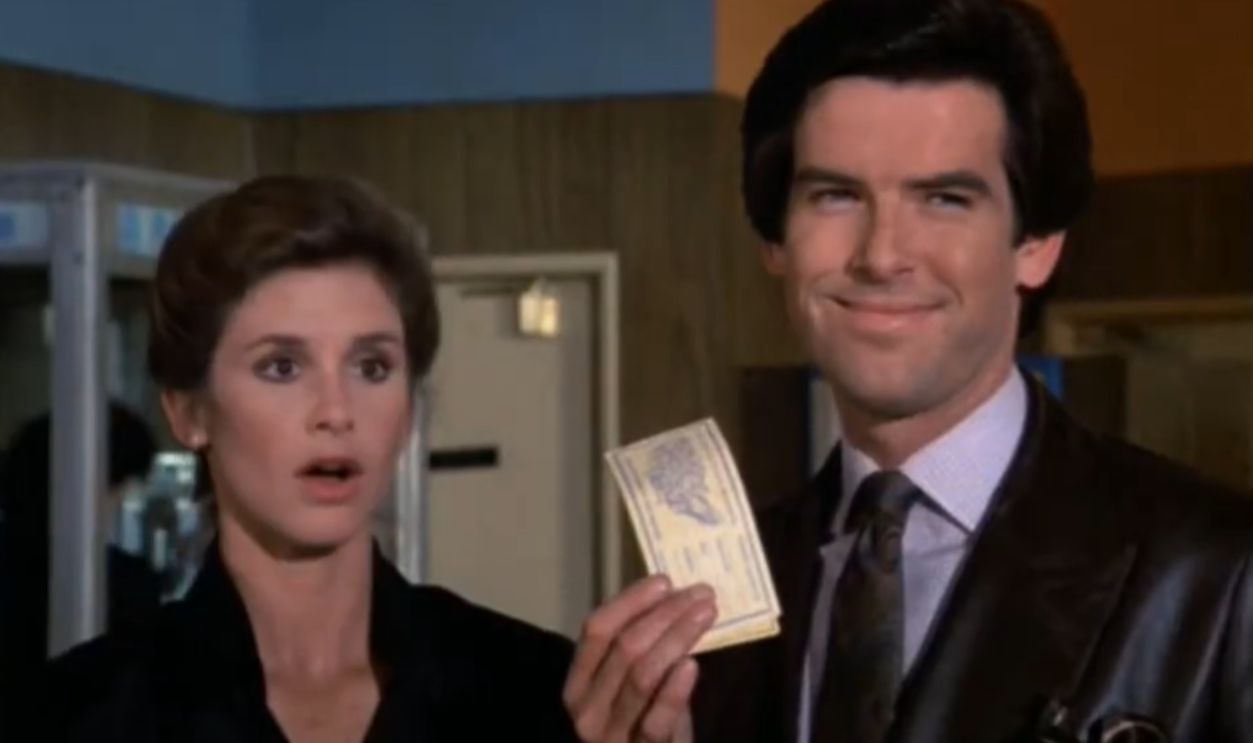 Screenshot from Remington Steele, MTM Enterprises (1982–1987)
The Formula Influenced What Followed
Producer and writer Glenn Gordon Caron worked on Remington Steele before creating Moonlighting for ABC. Moonlighting pushed romantic conflict, comedy, and stylistic experimentation even further with Cybill Shepherd and Bruce Willis. Its success demonstrated how much potential existed in the kind of romantic detective format that Remington Steele had helped establish.

Cancellation Created A Bond Crisis
NBC cancelled Remington Steele after its fourth season, apparently freeing Brosnan to become the next James Bond. Publicity surrounding his possible casting increased attention around the actor and his television series. NBC then exercised its contractual option and revived Remington Steele, preventing Brosnan from accepting the Bond role at that time.
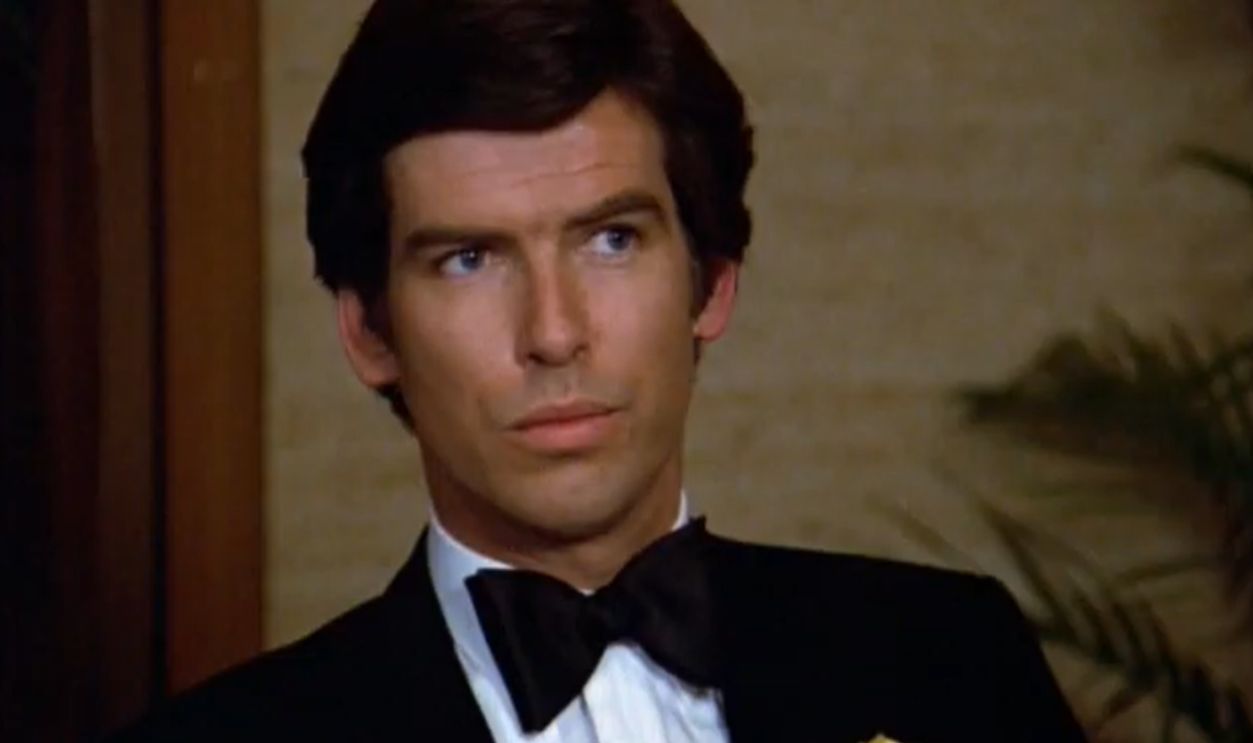 Screenshot from Remington Steele, MTM Enterprises (1982–1987)
The Final Season Was Very Different
The revived fifth season consisted of only six feature-length episodes rather than a traditional full season. Laura and Steele entered a complicated marriage arrangement while international intrigue became more prominent. NBC ended the series permanently in February 1987 after five seasons and 94 episodes.
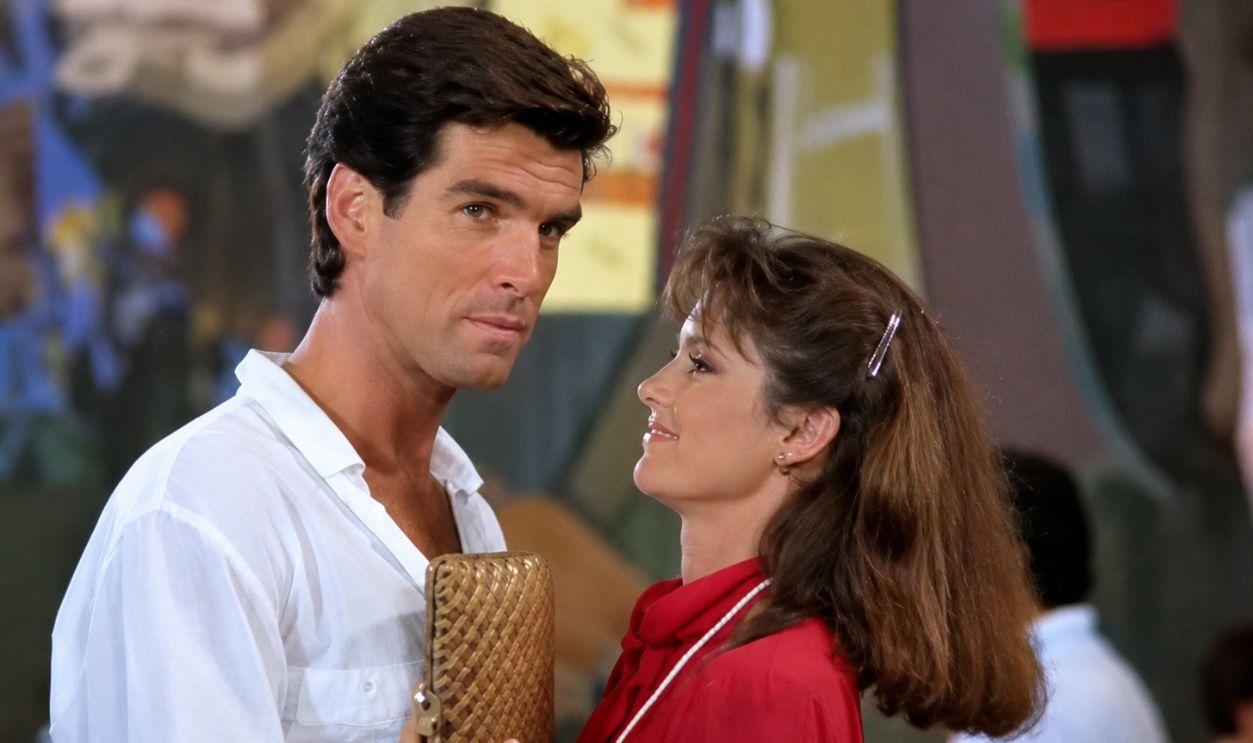 Screenshot from Remington Steele, MTM Enterprises (1982–1987), Modified
Brosnan Eventually Became Bond
Losing the role in the 1980s did not end Brosnan's connection to James Bond. He finally became 007 in GoldenEye, released in 1995, and continued through three additional Bond films. The confidence, charm, and sophistication he displayed on Remington Steele had already convinced many viewers he was a natural fit for the role.
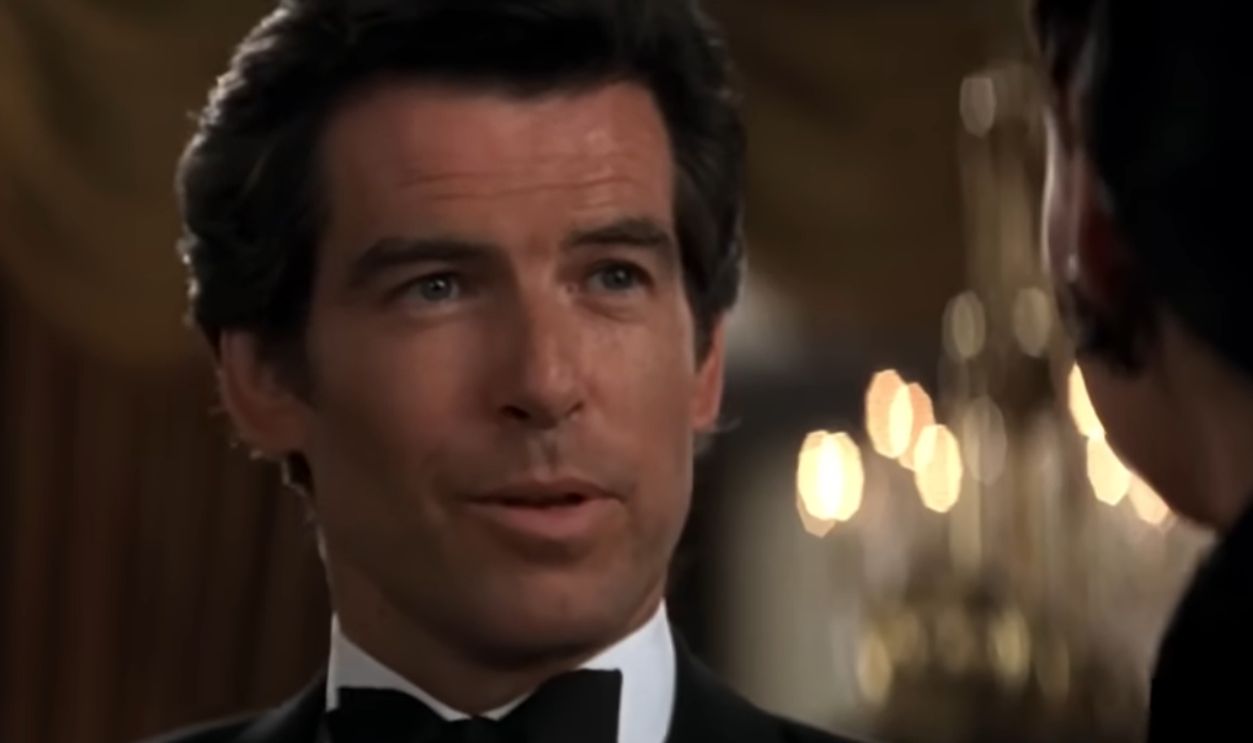 Screenshot from GoldenEye, Metro-Goldwyn-Mayer (1995)
The Detective Formula Never Looked The Same
Remington Steele proved that a detective series could be about more than solving crimes. By combining serialized romance, sharp comedy, glamorous settings, and memorable characters, it expanded what audiences expected from the genre. Later shows such as Moonlighting, Castle and Bones built on many of the same ideas, making character relationships just as important as the mysteries themselves.
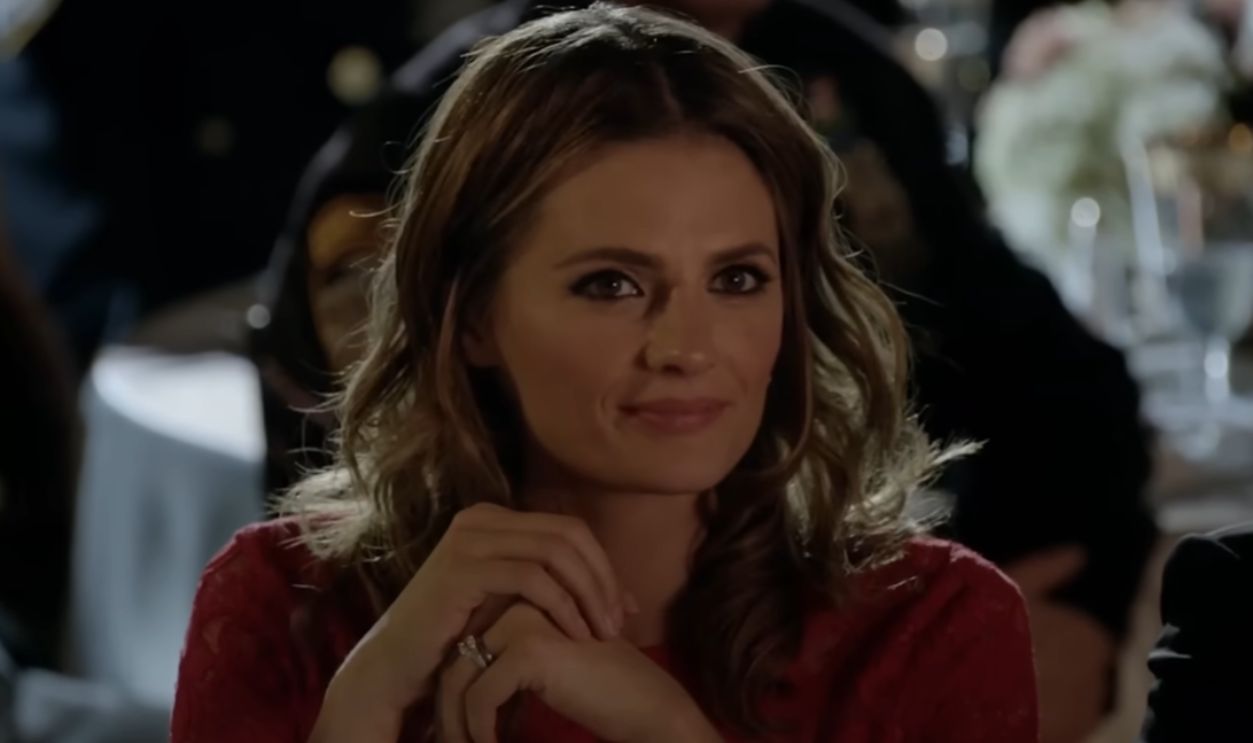 Screenshot from Castle, ABC (2009–2016)
Laura Holt Was The Show's Greatest Idea
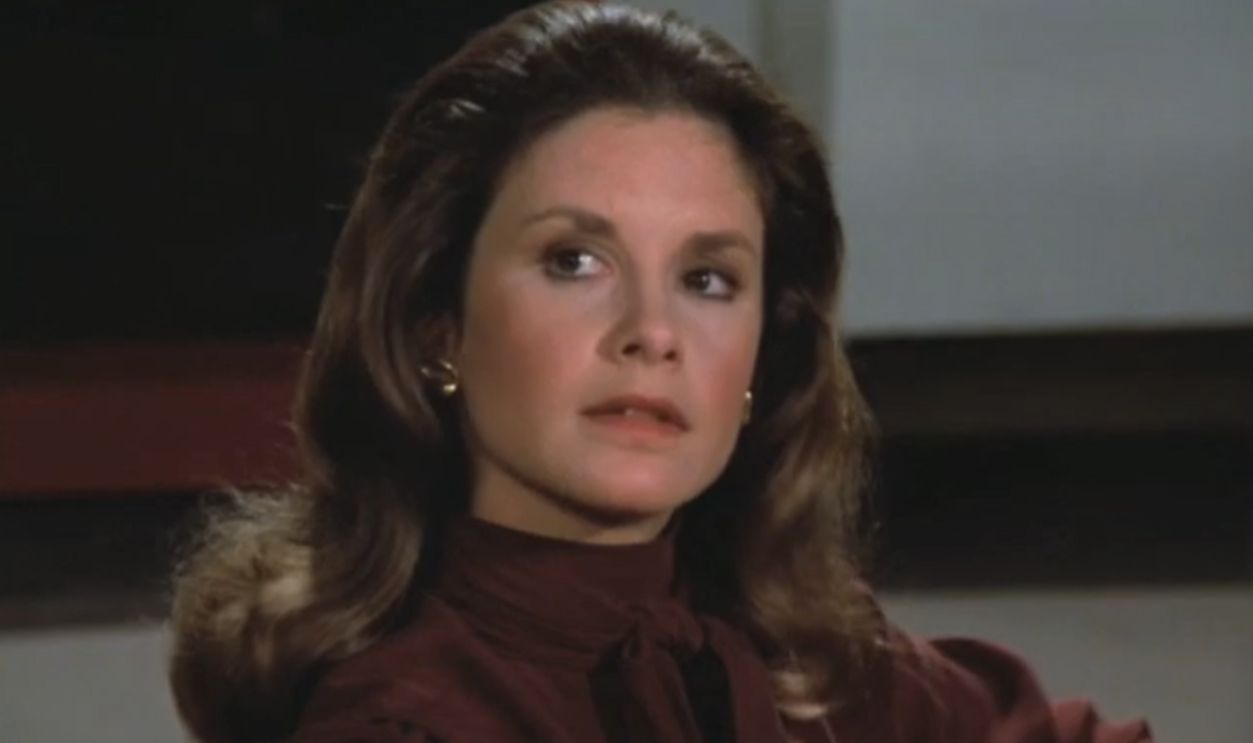
Although Pierce Brosnan became its biggest star, Remington Steele succeeded because of Laura Holt. Her decision to invent a fictional male detective highlighted the barriers women still faced in professional life while creating one of television's cleverest premises. More than forty years later, that idea remains the reason the series still stands out from countless other TV detective shows.
 Screenshot from Remington Steele, MTM Enterprises (1982–1987)
You May Also Like:
Forgotten Detective Shows From The 1980s That Briefly Dominated Television
The Surprising Way The Rockford Files Revived James Garner's Career