
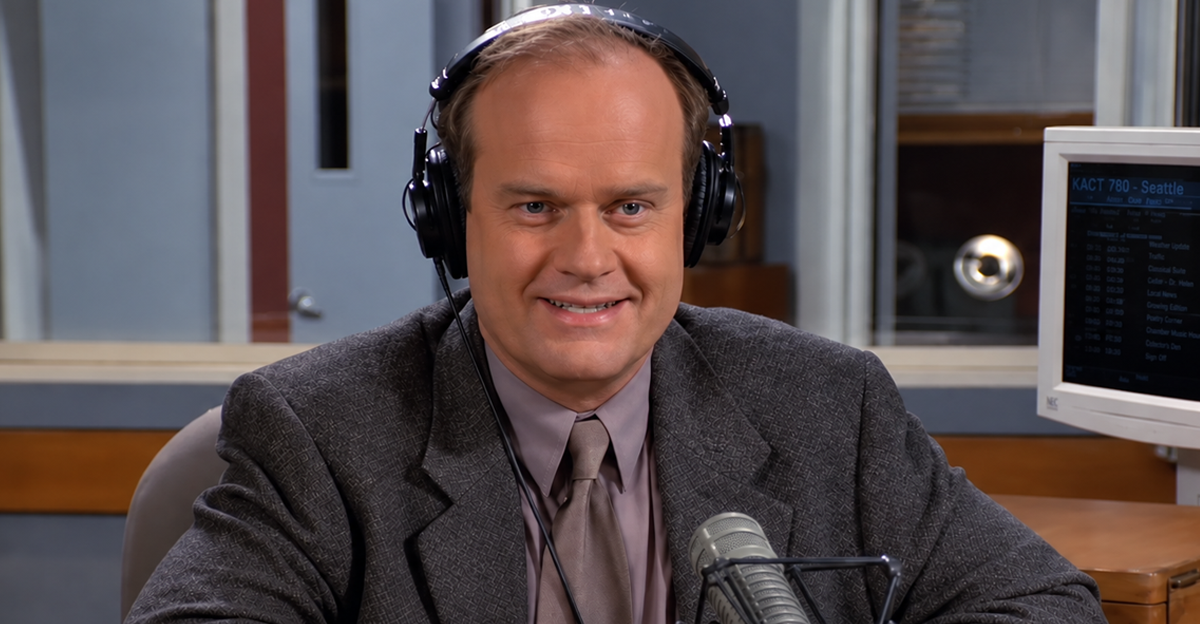
He Was Never Supposed To Last
When Kelsey Grammer walked onto Cheers in 1984, Dr. Frasier Crane had one basic job: get between Sam and Diane. He wasn't being introduced as television's next great sitcom character, and nobody was planning decades of Frasier Crane stories. Grammer was supposed to stick around briefly, serve his purpose, and disappear. Instead, he turned a temporary romantic obstacle into one of the longest-running roles in American television history.
 Paramount TelevisionScreenshot from the television series Frasier
The Character Had One Simple Job
Frasier arrived at the beginning of Cheers' third season as Diane's psychiatrist and new romantic interest. The point was to put another man between Diane and Sam, not to create the next great sitcom character. Director James Burrows later described Frasier as a device for bringing Diane back into the bar's orbit. Then Grammer started delivering the dialogue, and the supposedly temporary complication became much harder to throw away.
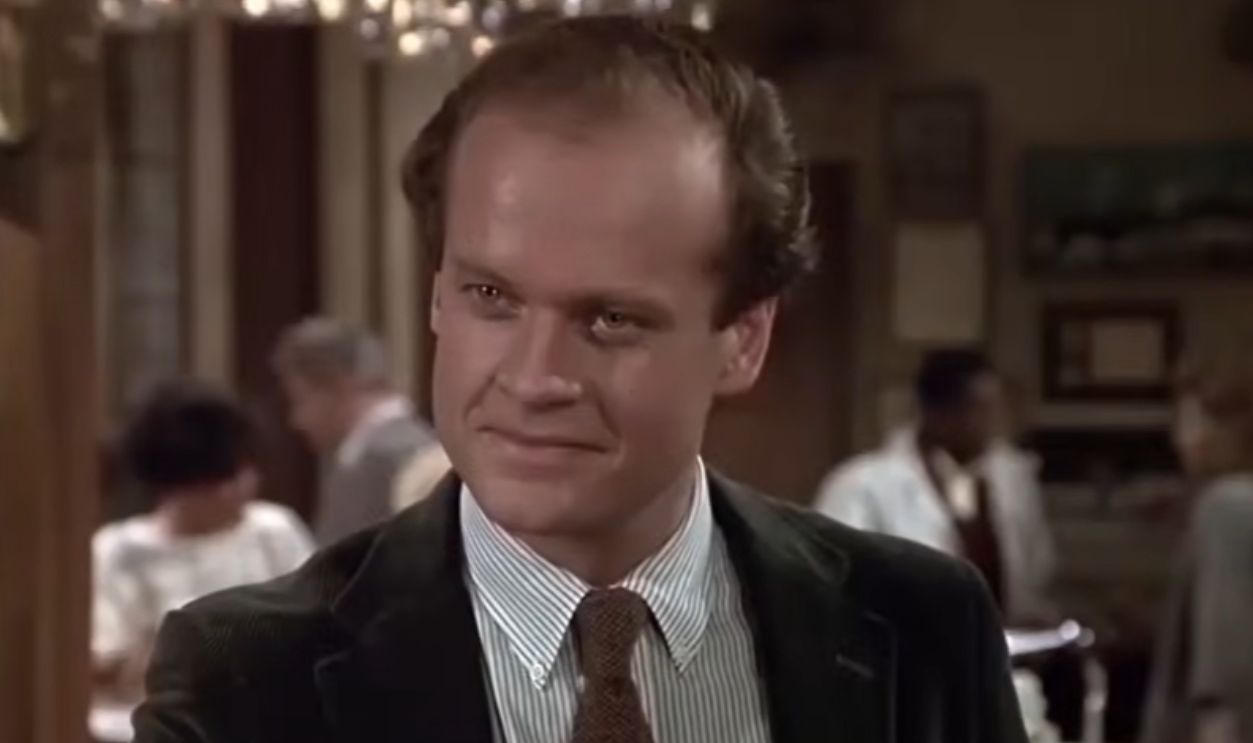 Screenshot from Cheers, Paramount (1982-1993)
Grammer Almost Never Got The Chance
Grammer had spent years working primarily as a stage actor before television changed everything. He later recalled that former Juilliard classmate and Broadway colleague Mandy Patinkin recommended him to a Paramount casting director. That connection eventually led Grammer to audition for the new Cheers role. He barely knew the series, but he immediately felt that he understood the man he was being asked to play.
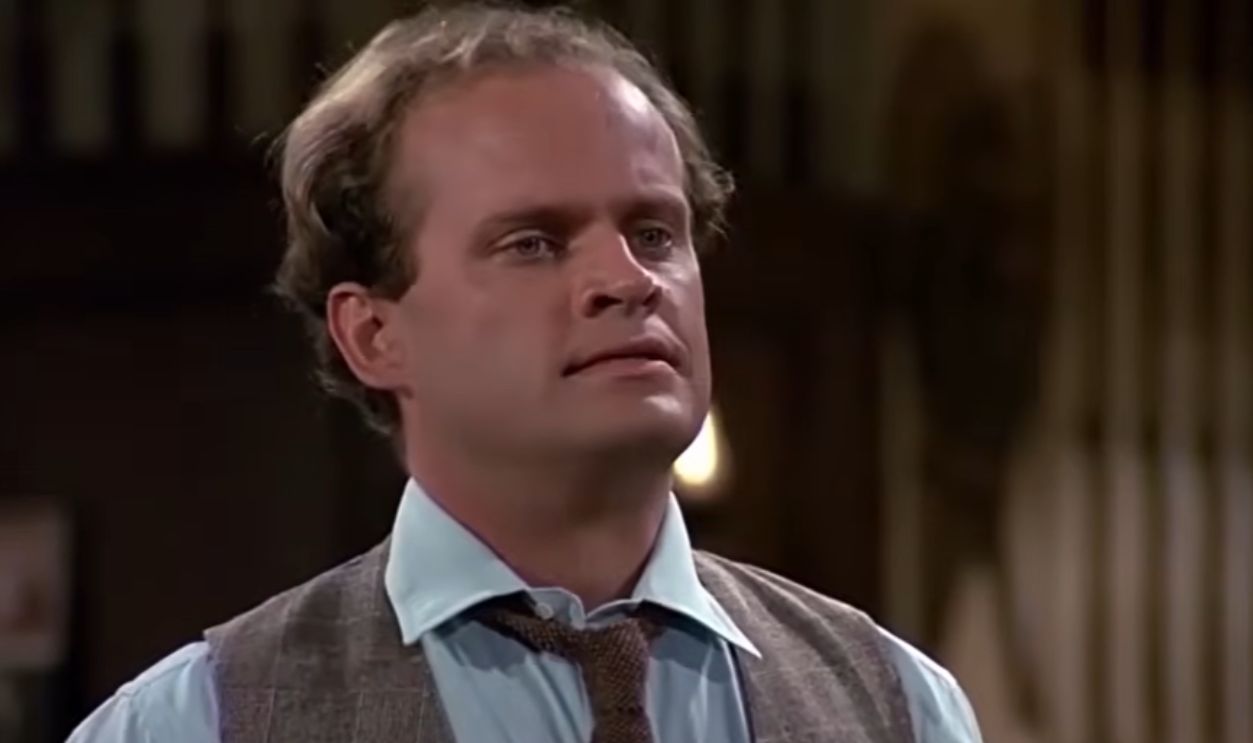 Screenshot from Cheers, Paramount (1982-1993)
Even His Name Was Still Changing
Grammer recalled that when he first encountered the role, the character was being called Frasier Nye rather than Frasier Crane. The psychiatrist was supposed to be the polished outsider who could temporarily compete with Sam. Grammer flew to California to meet the producers and cast, including Ted Danson and Shelley Long. What looked like another acting job was about to become the defining role of his life.
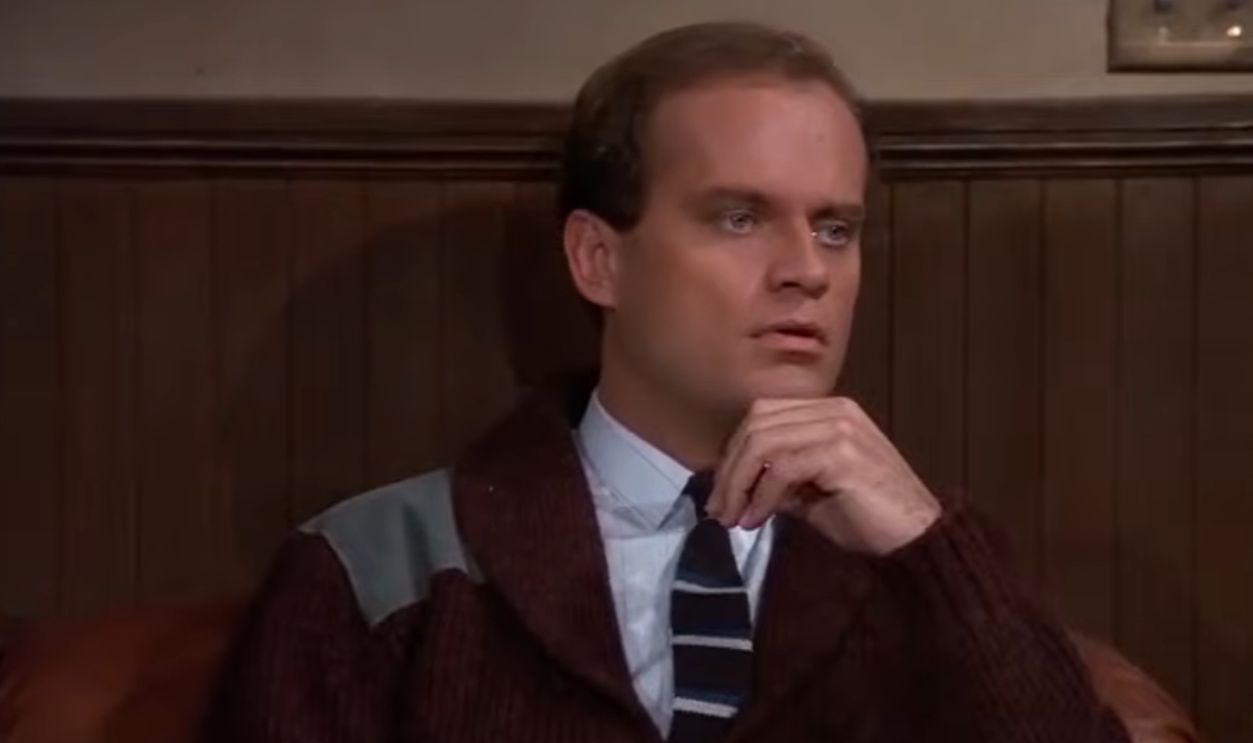 Screenshot from Cheers, Paramount (1982-1993)
The Producers Saw Something Unexpected
According to Grammer, the original commitment was only a handful of shows. He later remembered being told that he was funny enough to keep around because he could find laughs in material the writers had not necessarily expected to be funny. Burrows similarly remembered realizing that Grammer simply had to stay. Suddenly, the writers had a good problem: what do you do with a character you never planned to keep?
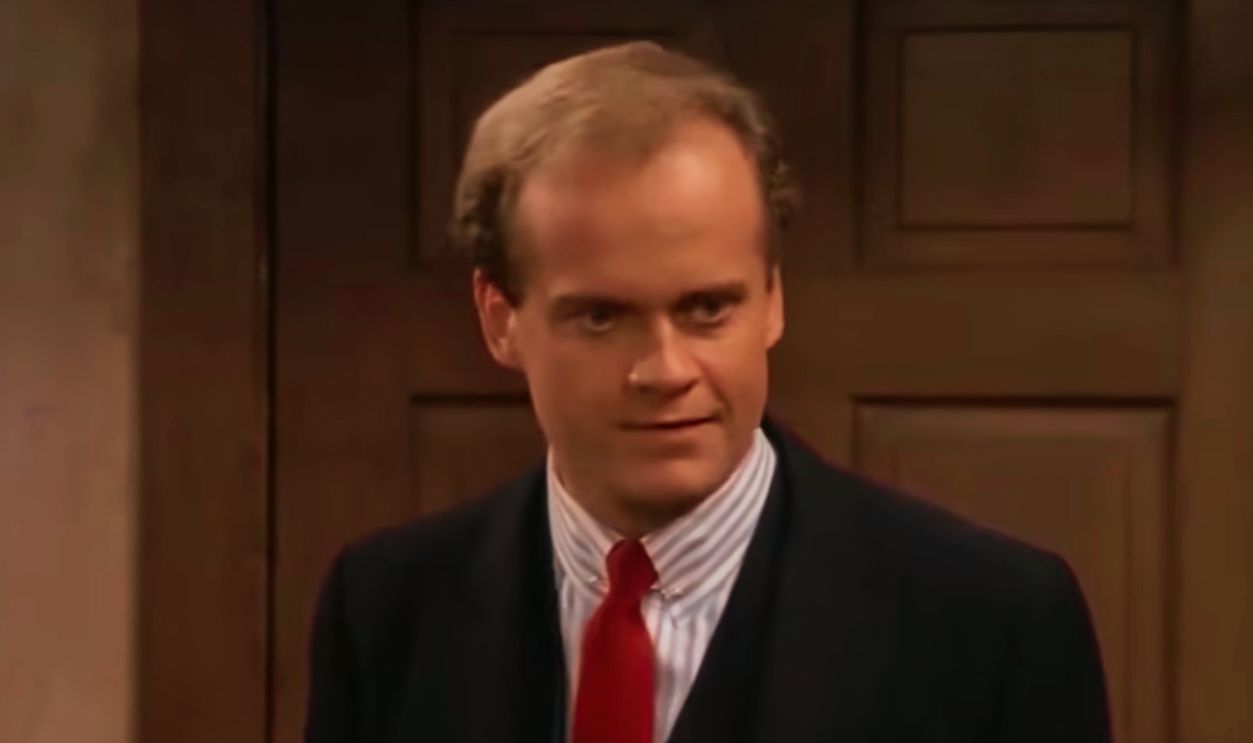 Screenshot from Cheers, Paramount (1982-1993)
Frasier Had To Become More Than Diane's Boyfriend
A temporary romantic rival could not hang around forever. Once Frasier's relationship with Diane collapsed, Cheers began finding new ways to put him inside the bar rather than outside its central group. The pompous psychiatrist gradually became one of the gang, capable of being both the smartest person in the room and the easiest one to humiliate. That contradiction would eventually become the engine of an entirely different show.
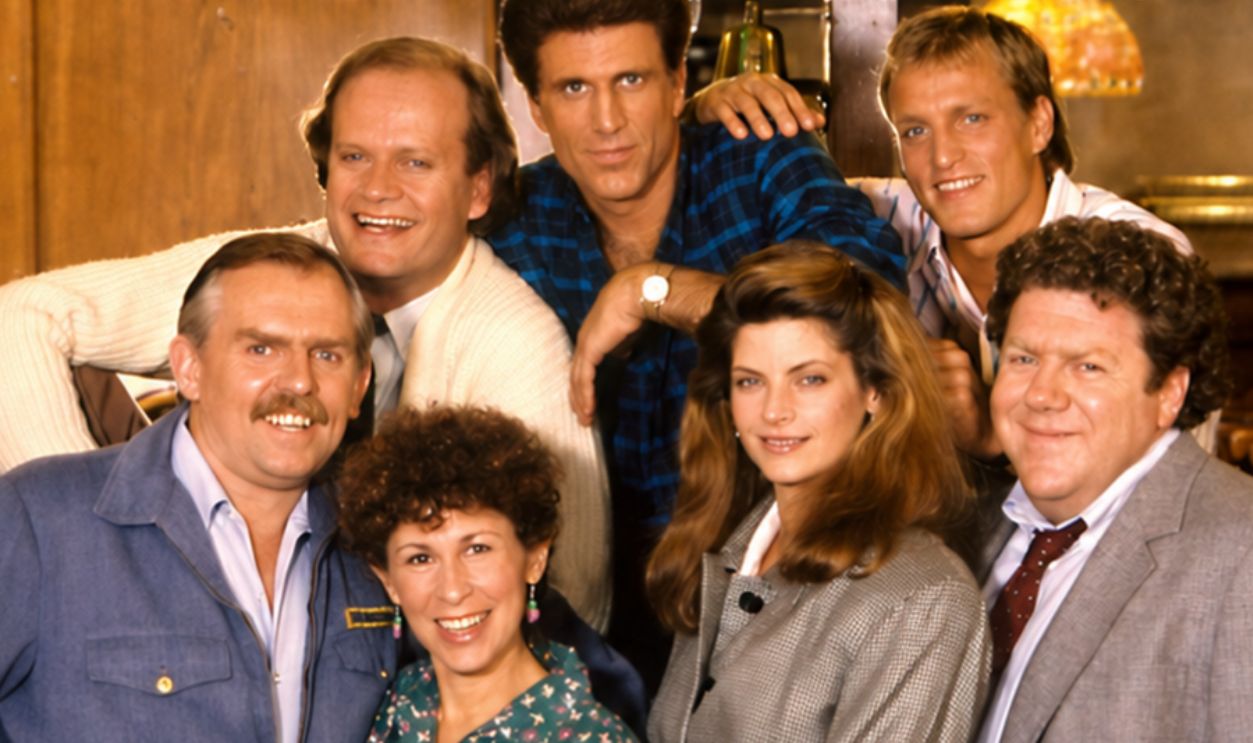
The Stuffiness Became His Secret Weapon
Frasier could quote literature, discuss opera, and diagnose everyone around him, yet he was hardly immune to jealousy, insecurity, or spectacular embarrassment. Grammer learned to play the character with enough dignity that his collapses became even funnier. Frasier wasn't simply a joke about an intellectual surrounded by regular people. Increasingly, the joke was watching all that sophistication fail him at the worst possible moment.
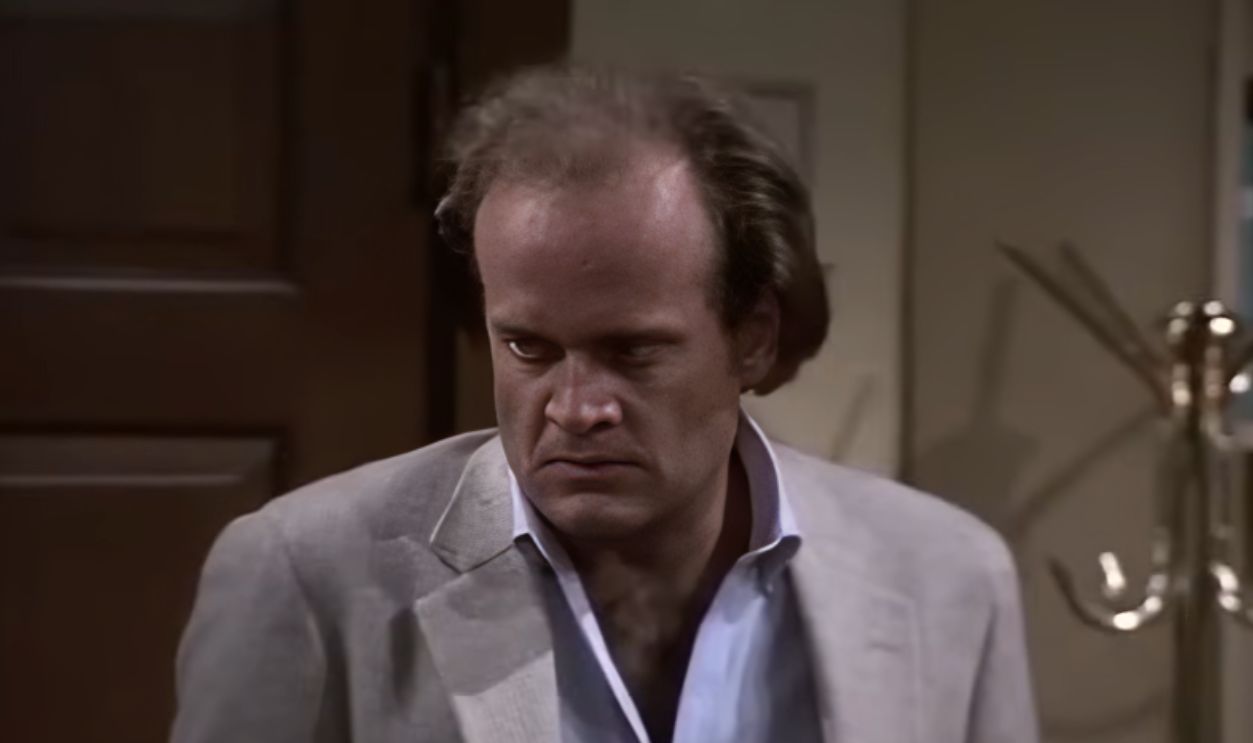 Screenshot from Cheers, Paramount (1982-1993), enhanced
Then Lilith Changed The Equation
The arrival of fellow psychiatrist Lilith Sternin, played by Bebe Neuwirth, opened another side of Frasier. Their romance and eventual marriage gave him stories that had nothing to do with Sam and Diane. Frasier was becoming a full member of the Cheers universe, complete with relationships and problems of his own. A character introduced to interfere with somebody else's romance was quietly building his own mythology.
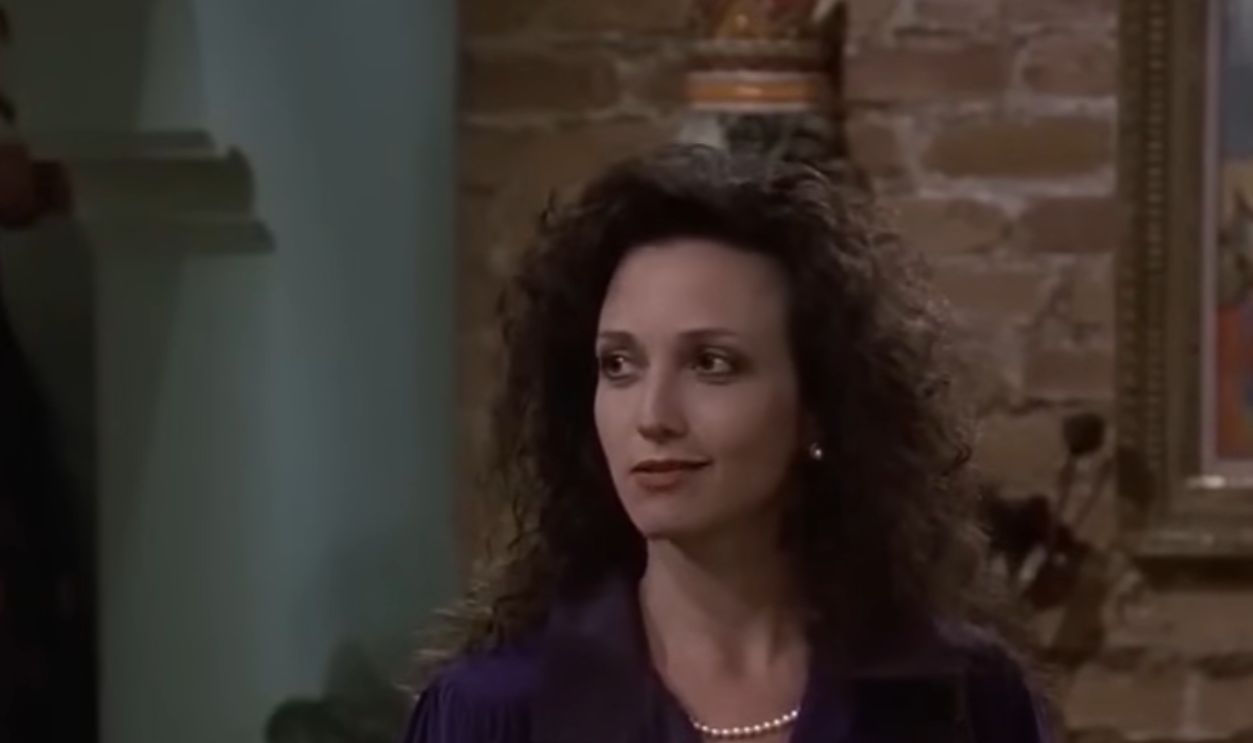 Screenshot from Cheers, Paramount (1982-1993)
He Wasn't Going Anywhere
Before long, Grammer had become a regular presence on Cheers. He remained with the series through its final season, turning what was meant to be a brief role into nearly a decade at the Boston bar. Frasier even crossed over to another series in the same television universe, appearing on Wings in 1992. By then, there was little question that audiences knew exactly who Dr. Frasier Crane was.
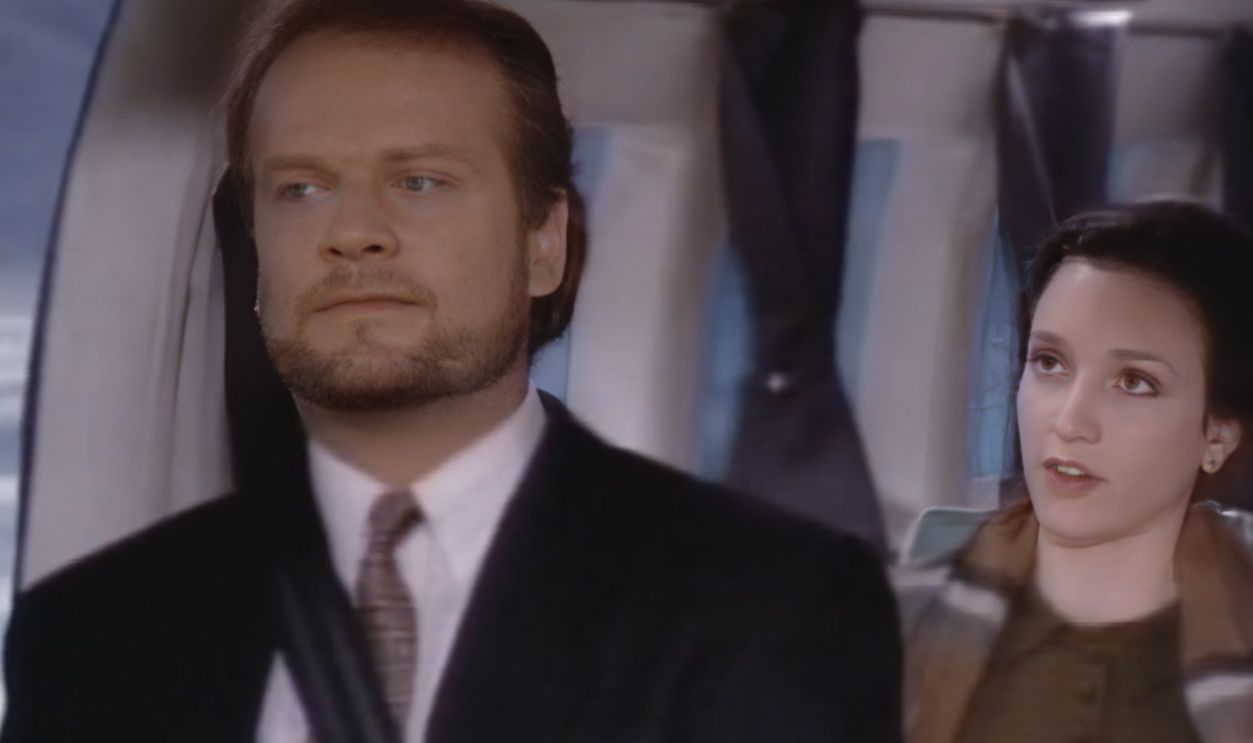 Screenshot from Wings, Paramount (1990-1997), enhanced
Then Cheers Decided To Close
Cheers ended in May 1993 after 11 seasons, leaving NBC without one of television's defining sitcoms. Frasier seemed like an obvious candidate for a spin-off, but Grammer himself wasn't initially convinced. He later said he had thought the character should essentially end with Cheers. Paramount had a very different idea.
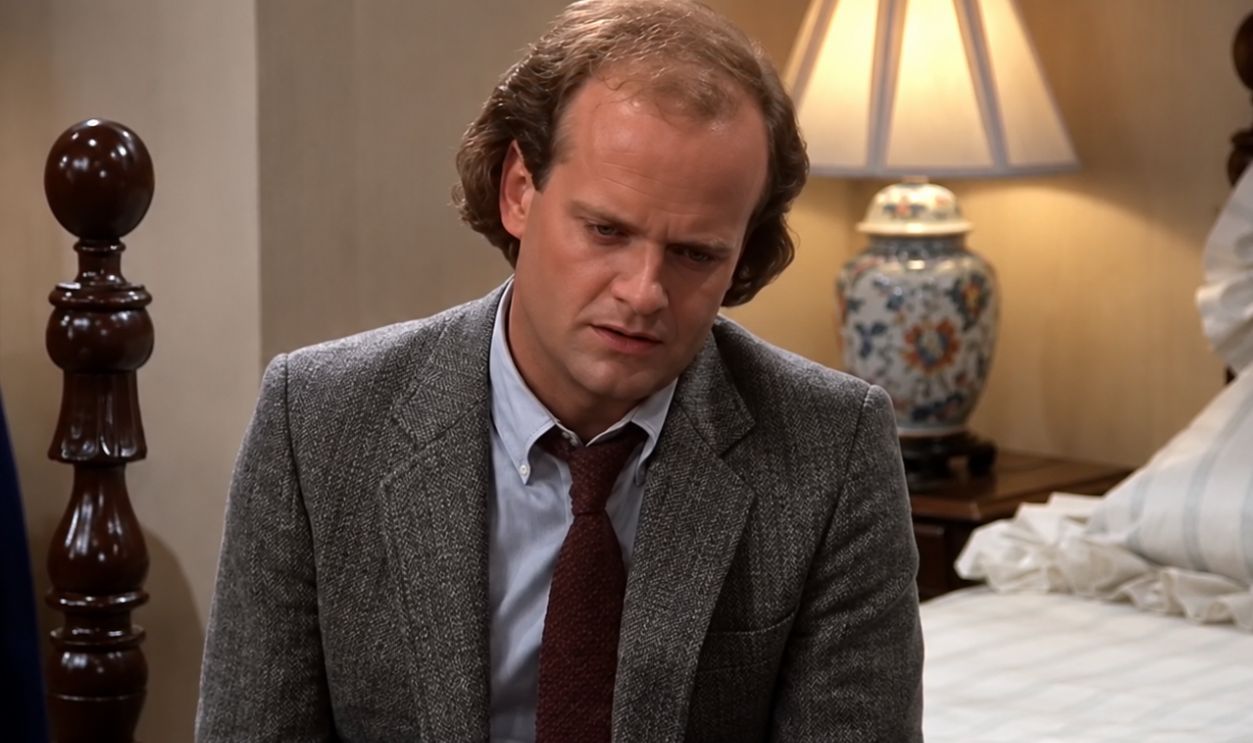 Screenshot from Cheers, Paramount (1982-1993), enhanced
The First Spin-Off Idea Wasn't Frasier At All
Before settling on another series about Dr. Crane, Grammer and the producers explored a completely different character. One concept had him playing a wealthy publishing magnate who ran his business from bed after being injured in a motorcycle accident. It would have allowed Grammer to move forward without relying on his Cheers identity. But Paramount encouraged the team to reconsider the valuable character they already had.
![Kelsey Grammer is an American actor who is best known for his two-decade portrayal of psychiatrist Dr. Frasier Crane on the NBC television sitcoms Cheers and Frasier. [Source: Wikipedia]
Photo taken January 2008 at the Celebrity Sports Invitational, in su](https://www.factinate.com/storage/app/media/theshot/2026/9/17/17896444012fcdd5460def50dbfe7b895b9f1d6cfb93fa4321.jpg) Sergei ~ 5of7, Wikimedia Commons
Sergei ~ 5of7, Wikimedia Commons
The Familiar Character Won Out
Producers David Angell, Peter Casey, and David Lee, all veterans of the Cheers world, began developing a series around Frasier instead. The challenge was obvious. If they simply surrounded him with another Boston crowd, viewers might wonder why they weren't watching Cheers. The solution was to take Frasier somewhere completely new and force him to start over.
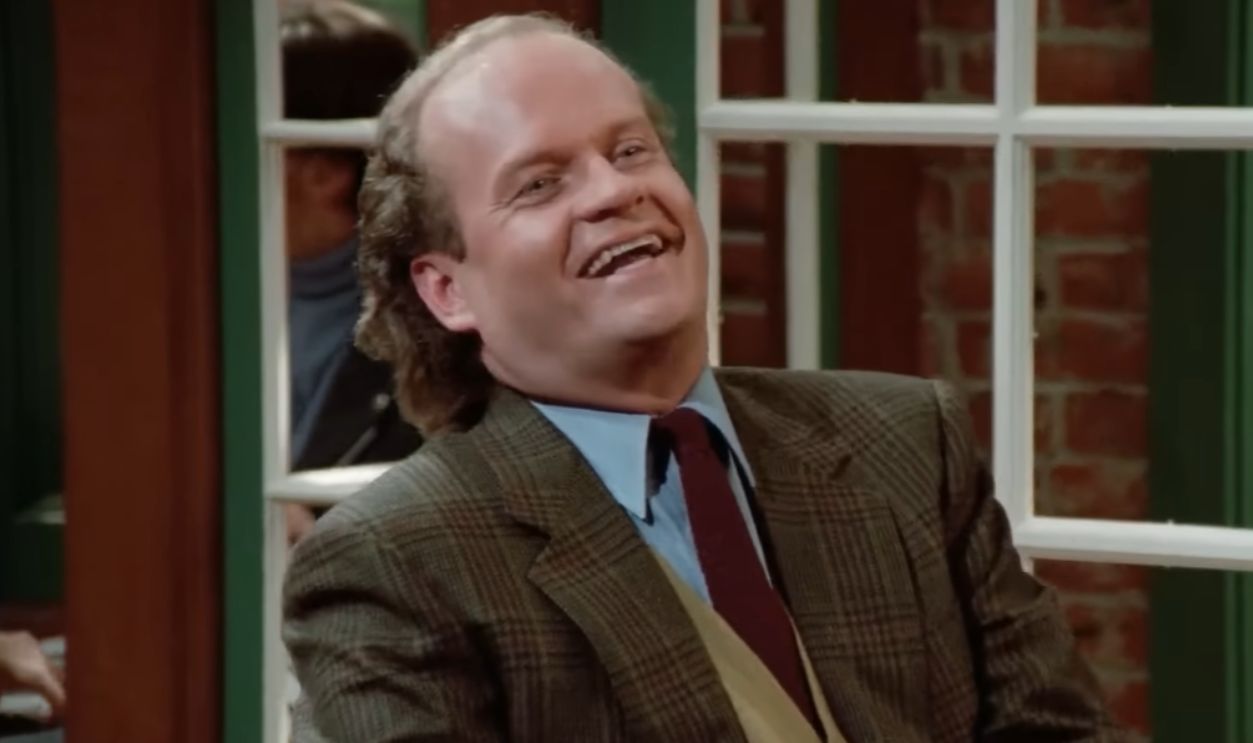 Screenshot from Frasier, Paramount (1993-2004)
Boston Was Left Behind
The new series moved Frasier across the country to Seattle. He became a radio psychiatrist, a profession that let him dispense advice while repeatedly proving how messy his own life could be. More importantly, the move separated the spin-off from the bar and characters that had originally defined him. For the first time, Frasier Crane was going to have to carry a world of his own.
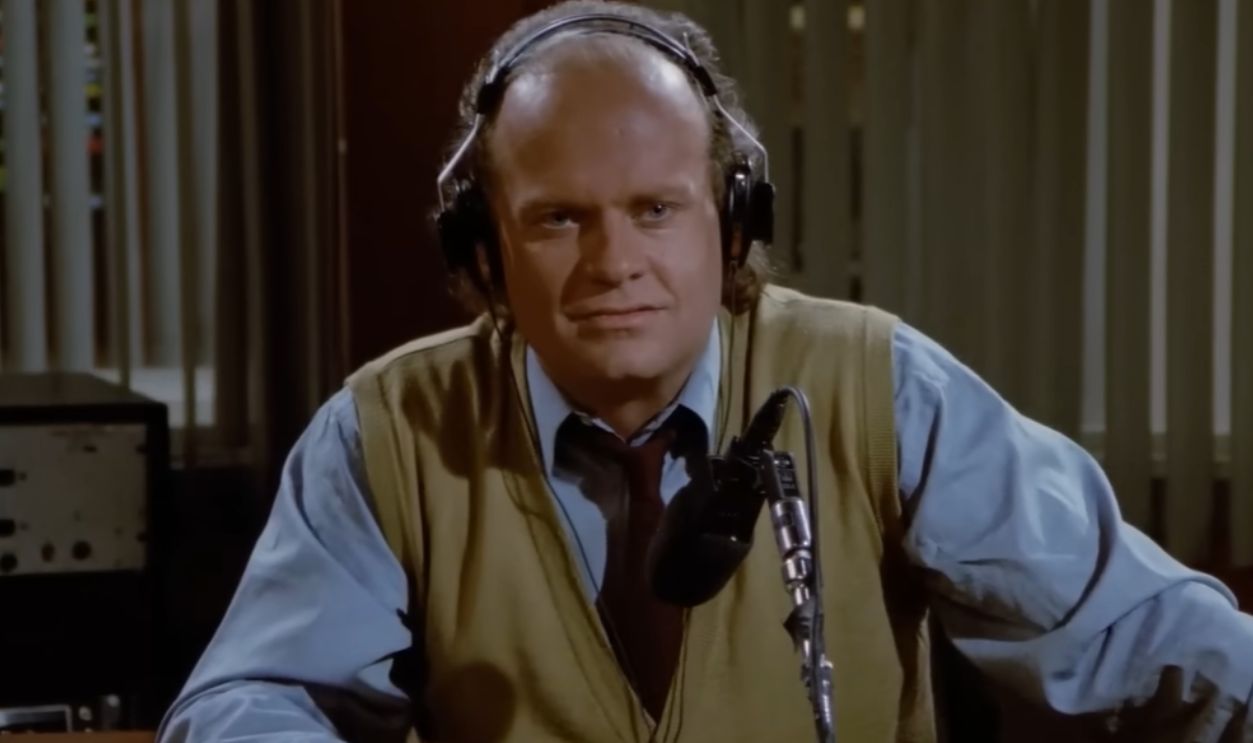 Screenshot from Frasier, Paramount (1993-2004)
Frasier Couldn't Be The Same Guy Anymore
On Cheers, Frasier could sweep into a scene, say something pompous, and become the punchline. That wouldn't work when he was suddenly the man carrying an entire show. The creators realized audiences needed to see more vulnerability underneath all that confidence. And their smartest solution wasn't toning Frasier down. It was introducing someone even more Frasier-like than Frasier.
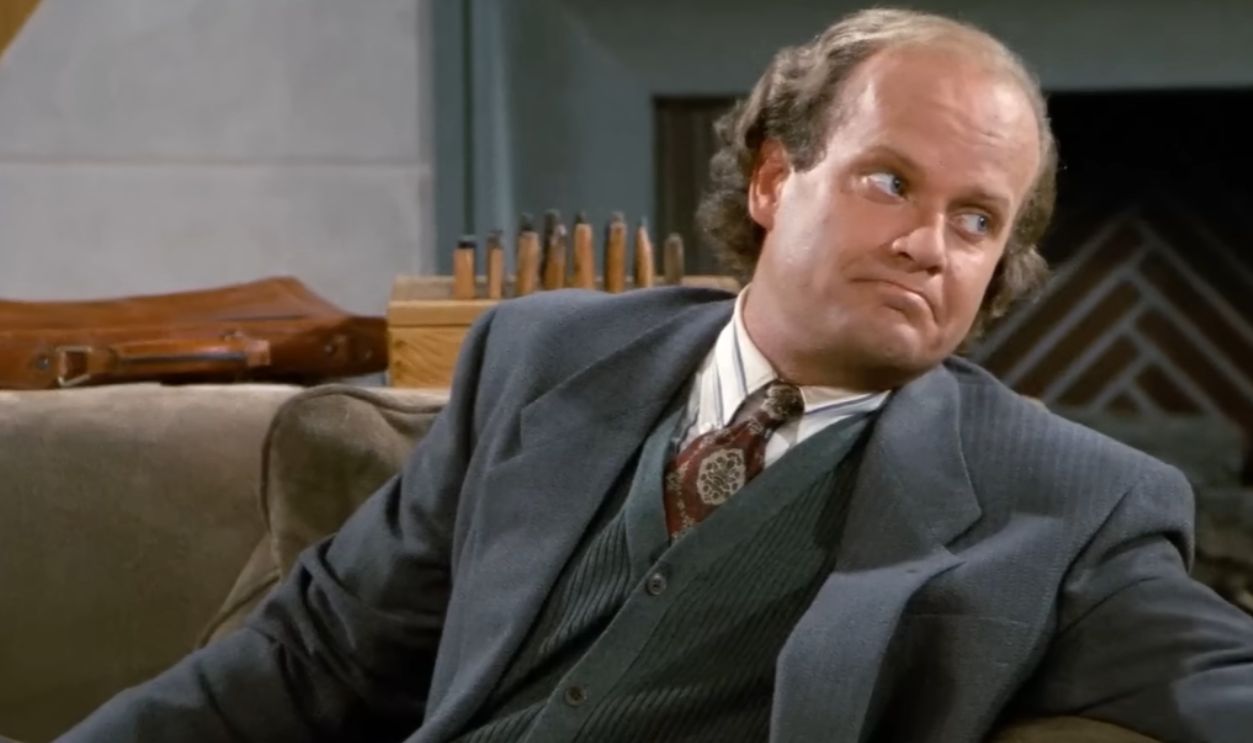 Screenshot from Frasier, Paramount (1993-2004)
Then Came The Brilliant Niles Solution
David Hyde Pierce's Niles Crane gave the writers someone even fussier and more rarefied than Frasier. Suddenly, Frasier could seem almost grounded by comparison. Grammer has said that Niles inherited some of the qualities that the sillier Cheers version of Frasier had once carried. That freed Frasier to grow without stripping away the kind of comedy audiences already loved.
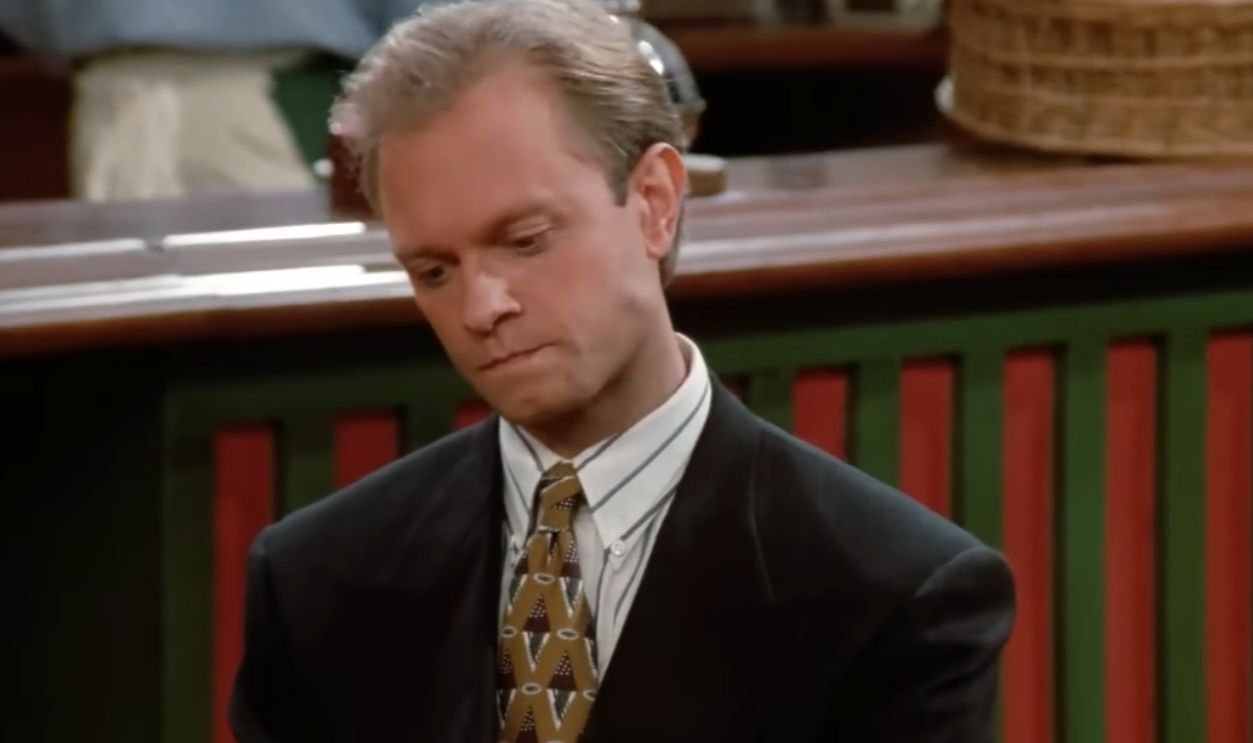 Screenshot from Frasier, Paramount (1993-2004)
His Father Changed Everything
John Mahoney's Martin Crane provided the opposite pressure. Martin was a retired police officer whose tastes, habits, and worldview often collided with those of his sons. The creators said the father-son relationship supplied the emotional hook they had been looking for. Frasier could lecture strangers about their families all day, but fixing his own relationship with Martin was considerably harder.
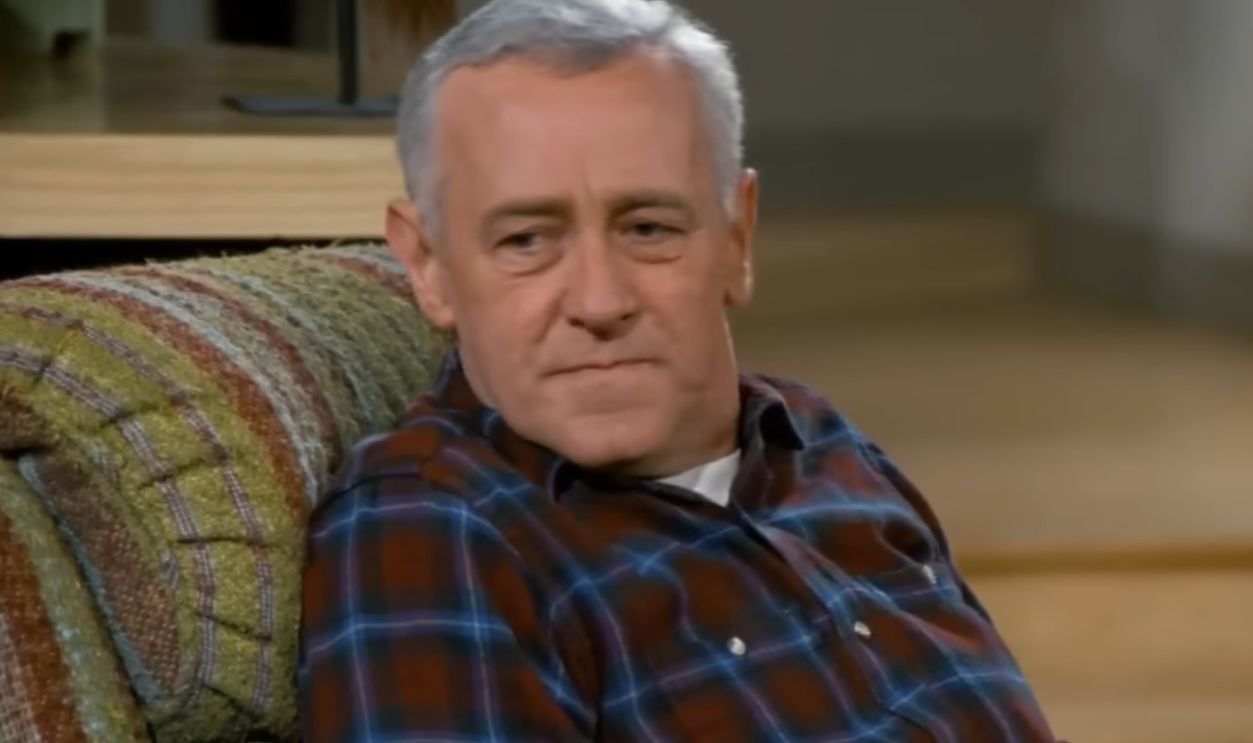 Screenshot from Frasier, Paramount (1993-2004), enhanced
Then Martin Moved In
And Martin wasn't simply dropping by for dinner. He moved into Frasier's immaculate apartment, bringing his battered recliner, his dog Eddie, and a completely different way of living with him. Suddenly, Frasier couldn't retreat into wine, opera, and intellectual superiority whenever life became uncomfortable. The psychiatrist who loved telling everyone else how to live now had to learn how to live with his own father.
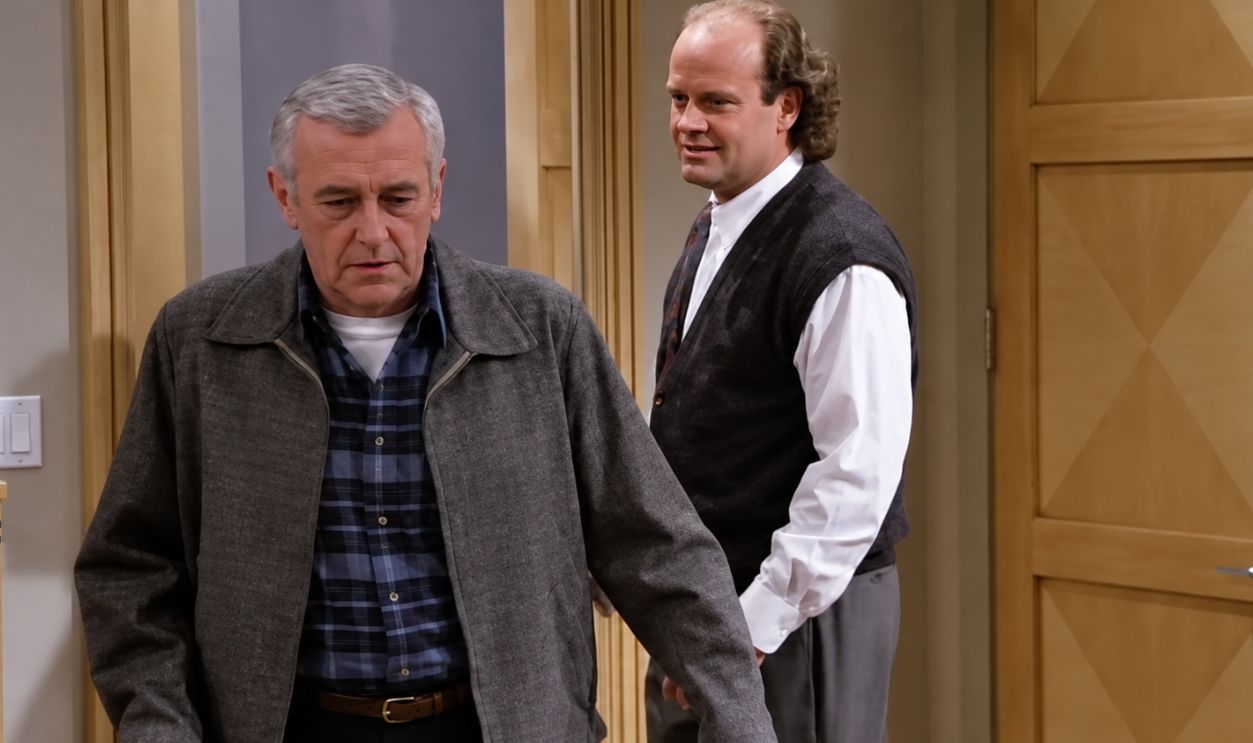 Screenshot from Frasier, Paramount (1993-2004)
Roz And Daphne Completed The New World
Peri Gilpin's Roz Doyle became Frasier's sharp, practical producer at the radio station, while Jane Leeves' Daphne Moon entered his home as Martin's physical therapist. Neither character existed simply to admire Frasier. They challenged him, mocked him, and developed relationships and stories of their own. The spin-off had escaped one of television's biggest traps by building an ensemble that didn't need Cheers to make sense.
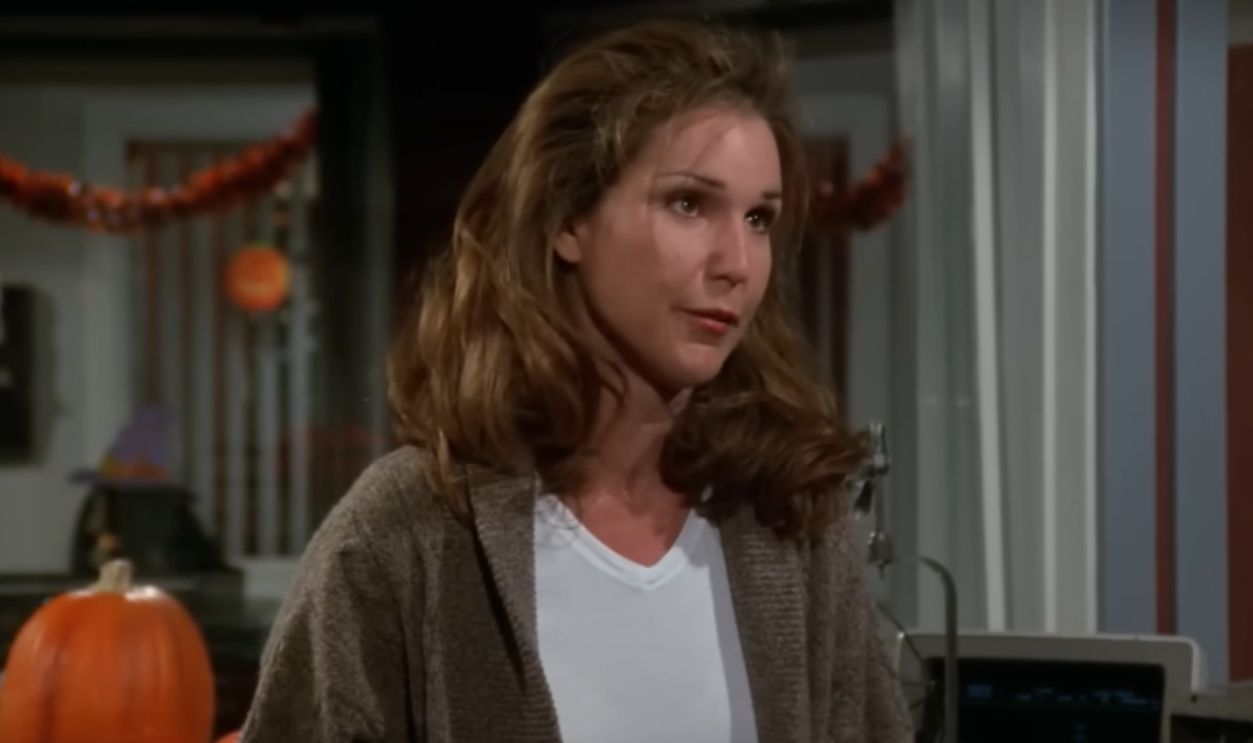 Screenshot from Frasier, Paramount (1993-2004)
Frasier Premiered With Enormous Pressure
The new Frasier premiered in September 1993, only months after Cheers ended. It inherited a famous character, veteran producers, and James Burrows behind the pilot, but none of that guaranteed audiences would follow Frasier across the country. Early signs were extremely strong, and the series quickly showed that it could survive without the old bar around it. Then awards season made the success impossible to dismiss.
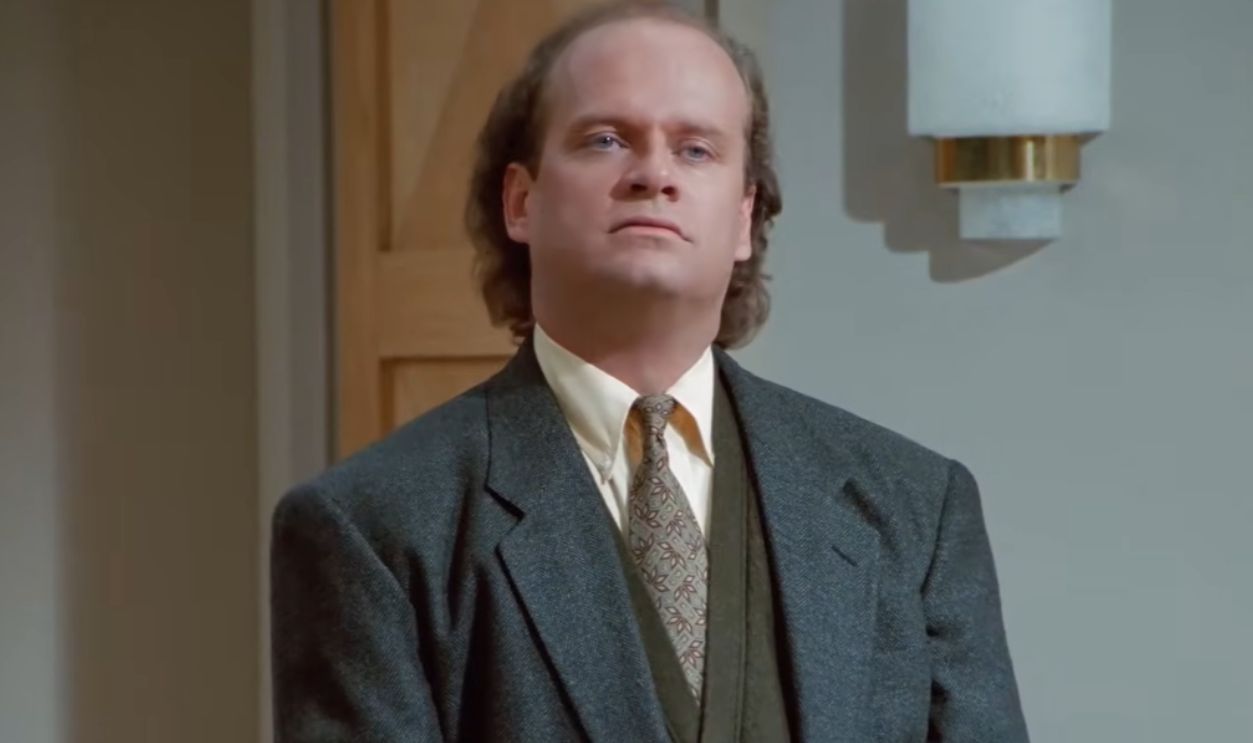 Screenshot from Frasier, Paramount (1993-2004)
The Emmys Arrived Immediately
In its first season, Frasier won the Emmy for Outstanding Comedy Series. Kelsey Grammer also won for Outstanding Lead Actor in a Comedy Series. The series repeated its Comedy Series victory the following year and kept going. A spin-off that could easily have felt like an afterthought was suddenly beating television's biggest comedies.
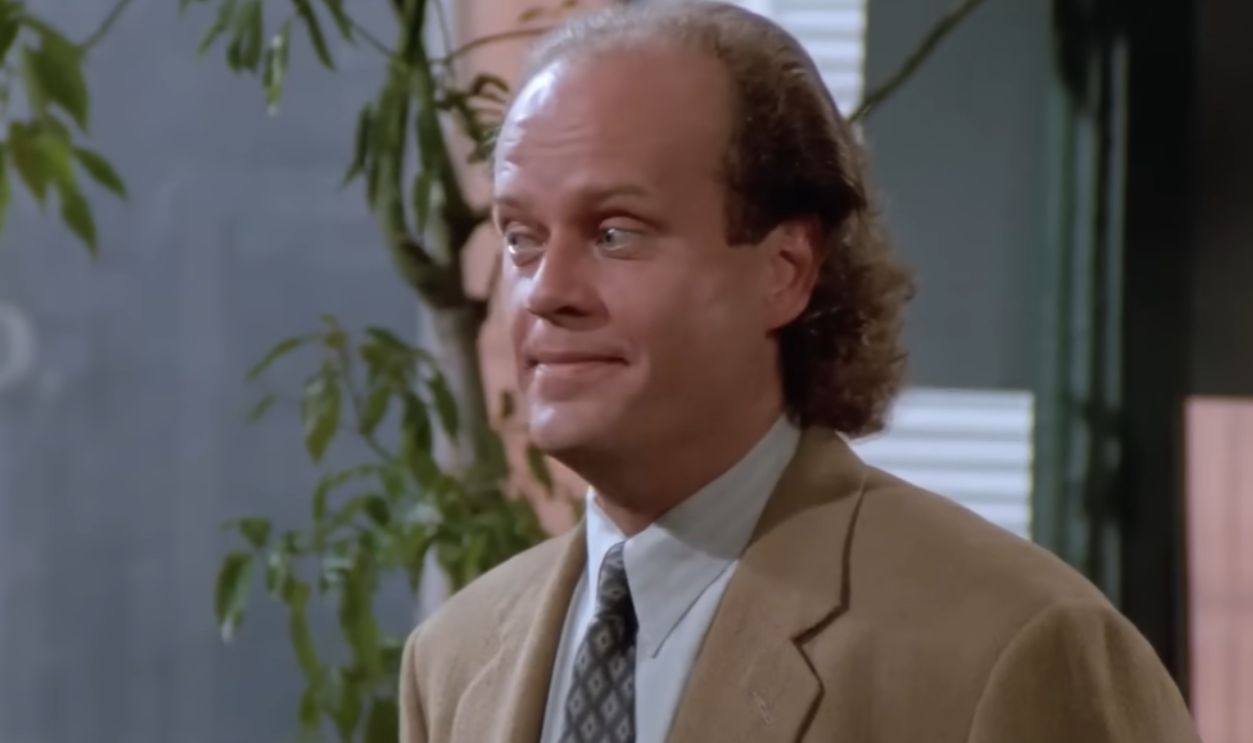 Screenshot from Frasier, Paramount (1993-2004)
Then Frasier Started Breaking Records
Frasier eventually won Outstanding Comedy Series five consecutive times, from 1994 through 1998. At the time, the remarkable streak established a new Emmy benchmark. Grammer collected multiple acting Emmys for playing Crane, while David Hyde Pierce and others involved with the series earned major recognition of their own. The character who was once supposed to disappear after a few Cheers episodes had become the center of an awards juggernaut.
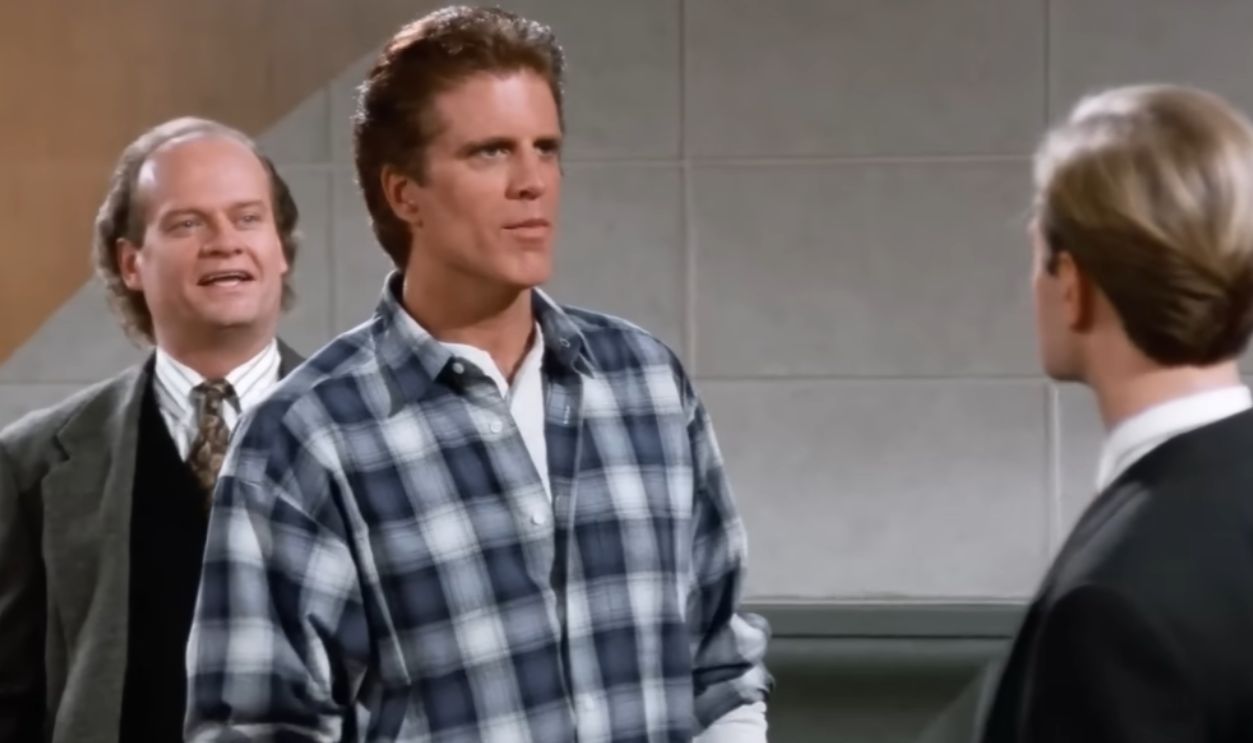 Screenshot from Frasier, Paramount (1993-2004)
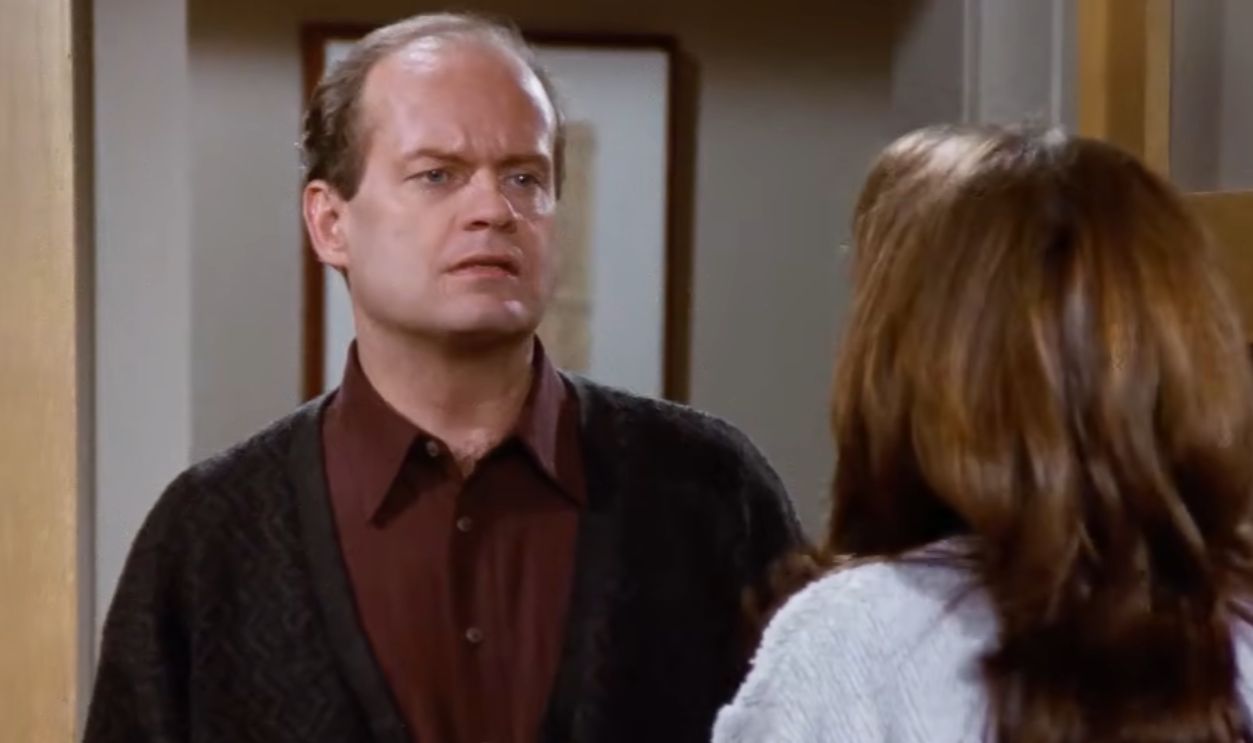
Yes, That's Really Grammer Singing
By this point, Grammer's fingerprints were all over Frasier. He became an executive producer and directed numerous episodes while continuing to play the title character. But viewers heard him contribute in another unmistakable way every single week. That's Grammer himself singing the bizarre closing theme, “Tossed Salads and Scrambled Eggs.”
 Screenshot from Frasier, Paramount (1993-2004)
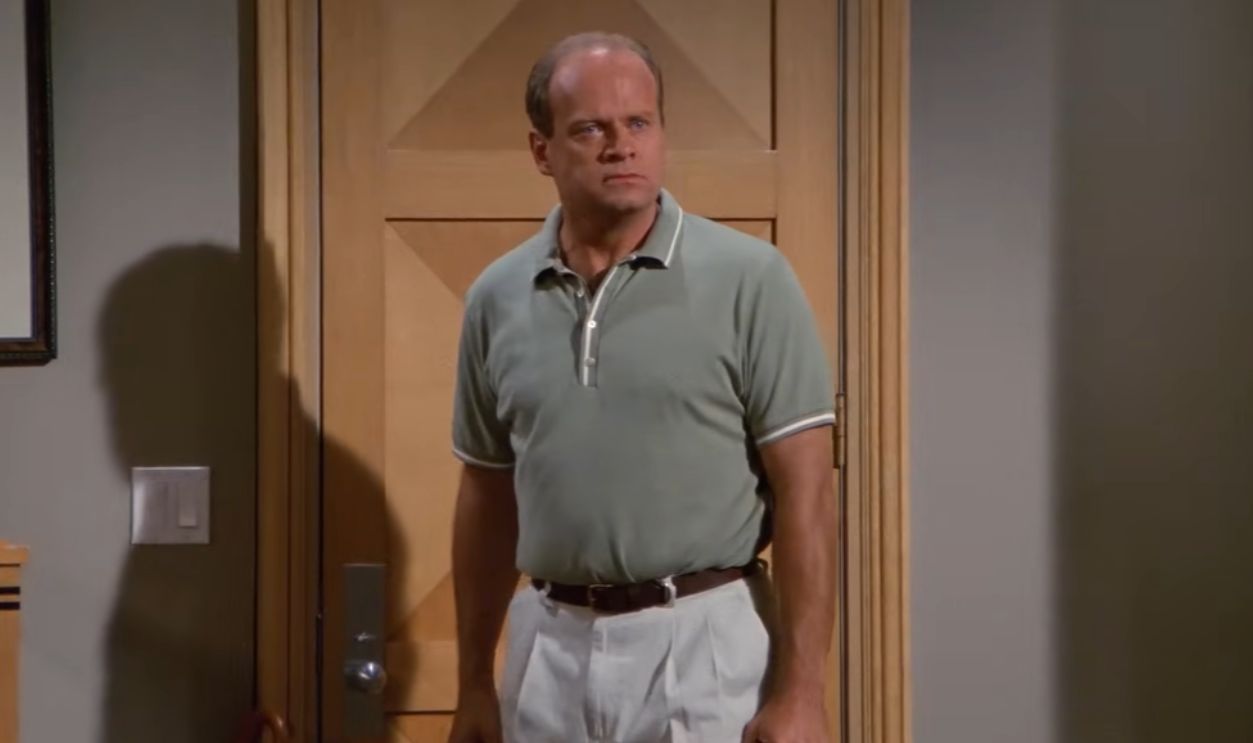
Frasier Refused To Dumb It Down
Frasier became known for wordplay, theatrical farce, cultural references, and characters who could argue about opera one minute and behave like complete fools the next. The writers trusted viewers to keep up without sanding away the characters' eccentricities. Yet the show's real trick was making all that sophistication ridiculous rather than intimidating. Frasier might know more about opera than everyone in the room, but that didn't stop him from turning some tiny social problem into a complete catastrophe.
 Screenshot from Frasier, Paramount (1993-2004)
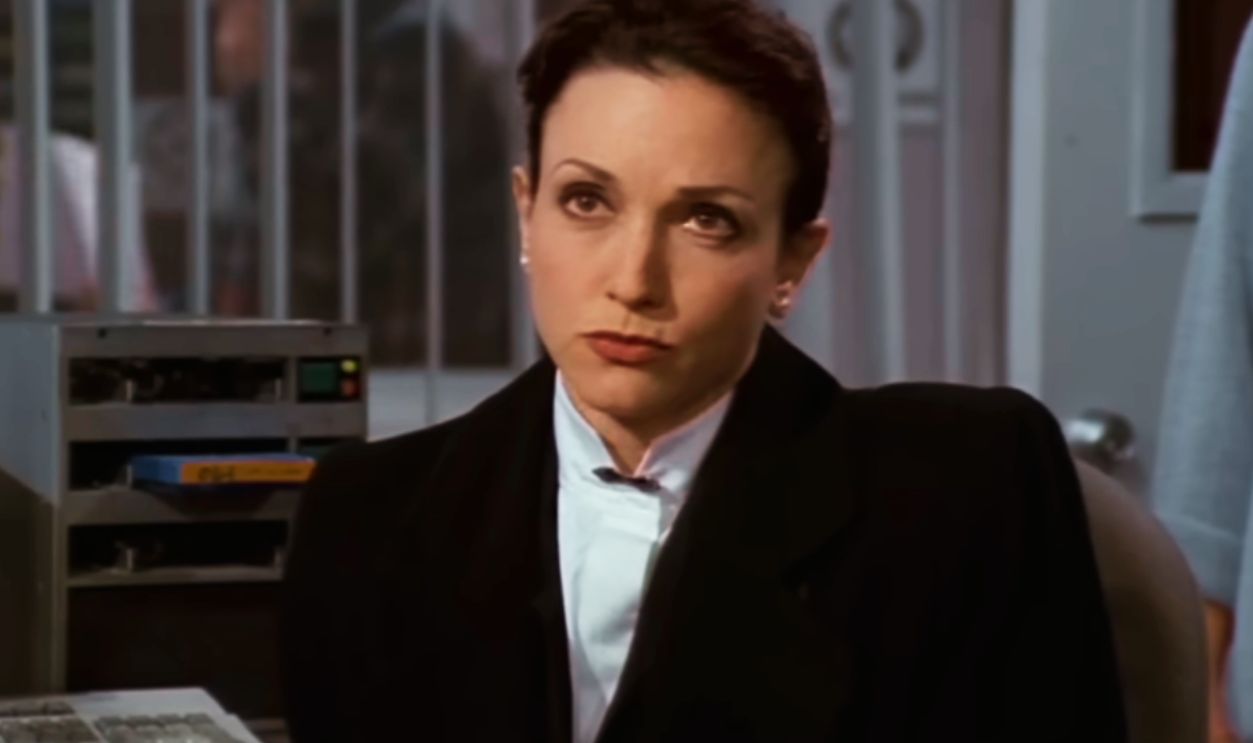
Cheers Never Completely Disappeared
The spin-off established its own identity, but the old world occasionally came knocking. Former Cheers characters including Sam, Diane, Woody, and Lilith appeared during the original Frasier run. Those visits highlighted just how much Frasier had changed since his days sitting at the bar. He hadn't abandoned his history, but he no longer depended on it.
 Screenshot from Frasier, Paramount (1993-2004)
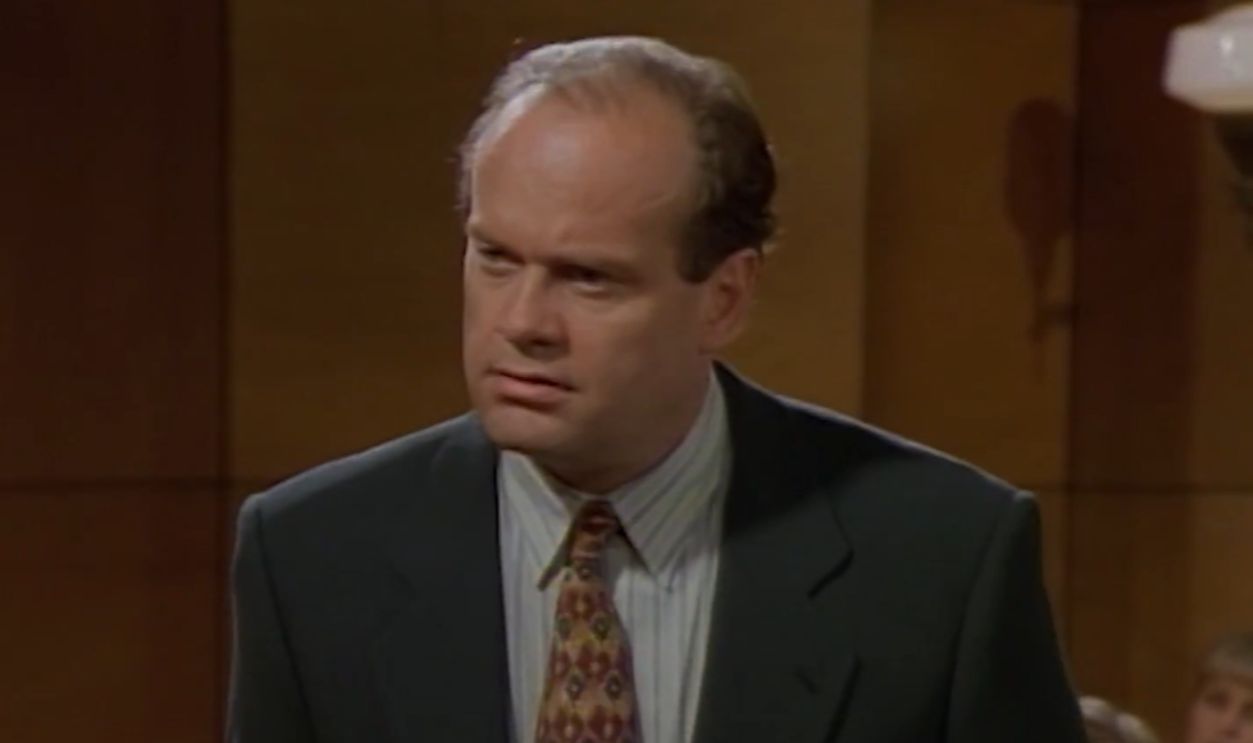
Eleven Seasons Later, He Was Still There
The original Frasier ended in May 2004 after 11 seasons, matching the 11-season run of Cheers. By that point, Grammer had spent 20 years playing Dr. Frasier Crane in prime-time television. At the time, the Television Academy noted that Grammer's run tied James Arness, who played Marshal Matt Dillon on Gunsmoke, for the longest stretch an actor had played the same character in American prime-time television. Guinness World Records likewise recognized the two 20-year runs.
 Screenshot from Frasier, Paramount (1993-2004)
Apparently, Twenty Years Wasn't Enough
Frasier had now survived the storyline he was created for, the show that created him, and an entire 11-season spin-off built around him. Grammer had spent two decades finding new ways to make the same pompous psychiatrist funny, sympathetic, and occasionally unbearable. For almost any television character, that would have been an extraordinary ending. Frasier Crane apparently wasn't interested in endings.
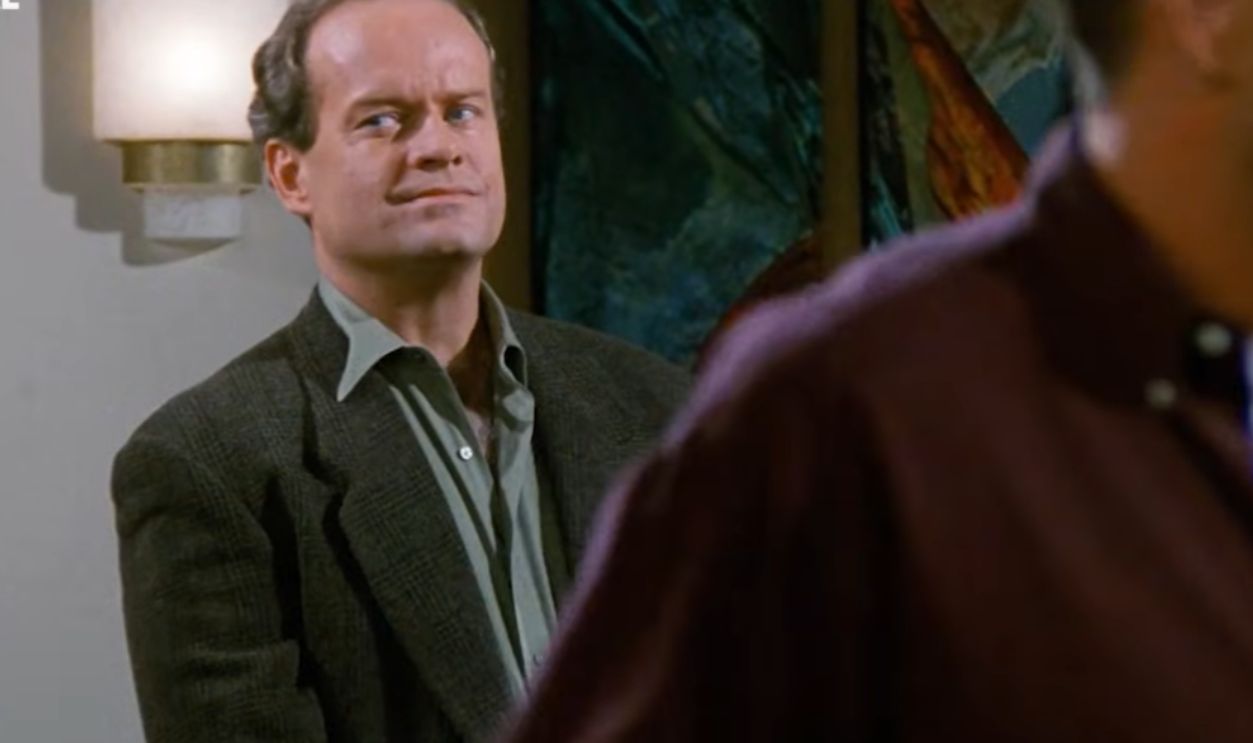 Screenshot from Frasier, Paramount (1993-2004)
Nearly Two Decades Later, Grammer Went Back
A new Frasier premiered on Paramount+ in October 2023, with Grammer once again playing the psychiatrist. This time Frasier returned to Boston, bringing the character geographically back toward the world where audiences had originally met him. The new series focused heavily on his relationship with his adult son Freddy, now played by Jack Cutmore-Scott. Almost 40 years after Frasier's 1984 debut, Grammer was still looking for another chapter.
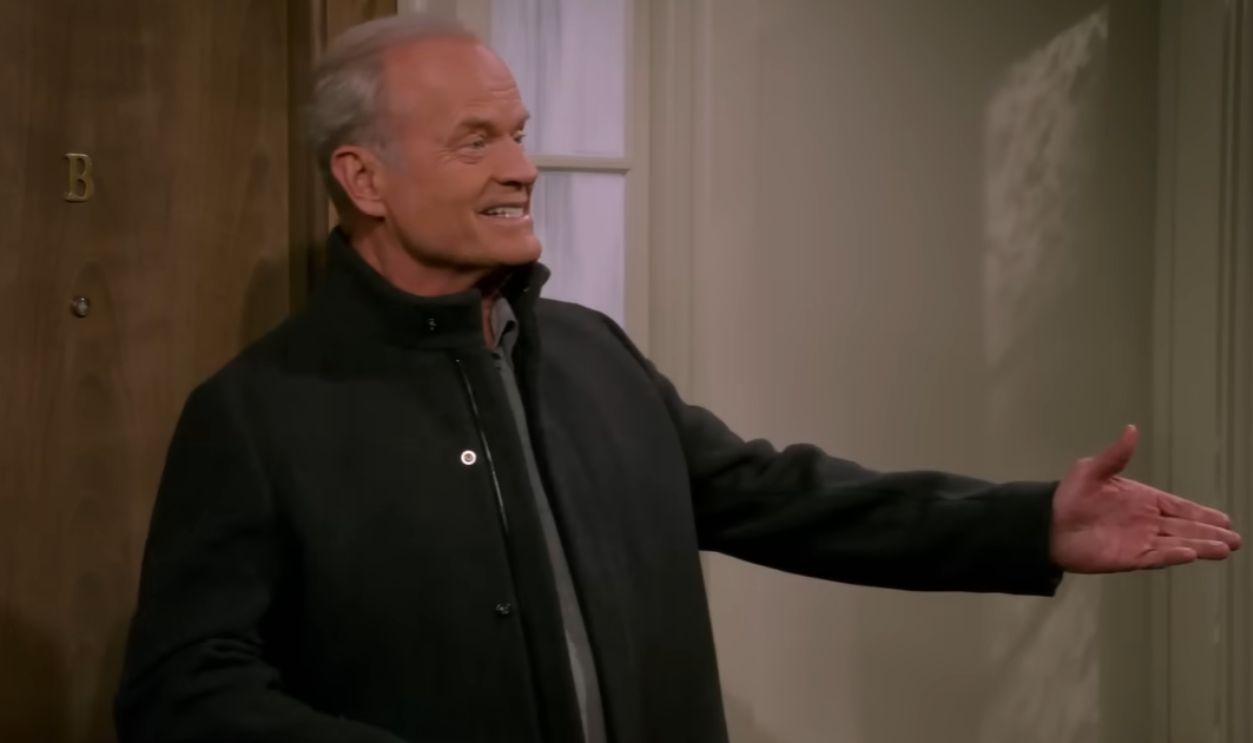 Screenshot from Frasier, Paramount (2023-2024)
This Time Frasier Became The Father
The revival echoed one of the original show's strongest ideas without simply copying it. Frasier was now the older father struggling to understand a son whose tastes and choices often differed sharply from his own. Freddy, a firefighter, gave Frasier another relationship in which professional expertise was no substitute for actual communication. The character had effectively moved into a position once occupied by Martin while remaining unmistakably Frasier.
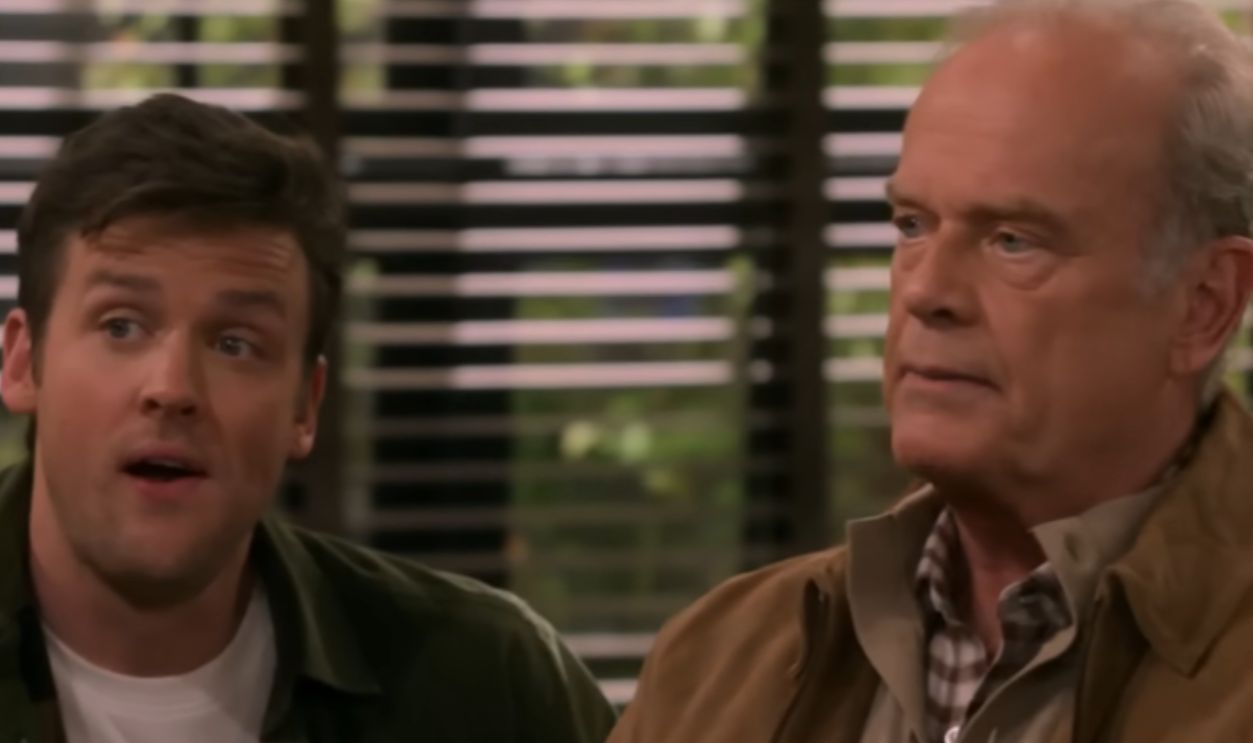 Screenshot from Frasier, Paramount (2023-2024)
The Return Didn't Last Forever
Paramount+ produced two seasons of the revival before deciding not to continue it on the service. CBS Studios subsequently shopped the series to other outlets, while Grammer had previously spoken about wanting the comeback to continue for years. The two-season run was therefore much shorter than the future he had imagined for it. Even so, it extended an already extraordinary relationship between one actor and one character.
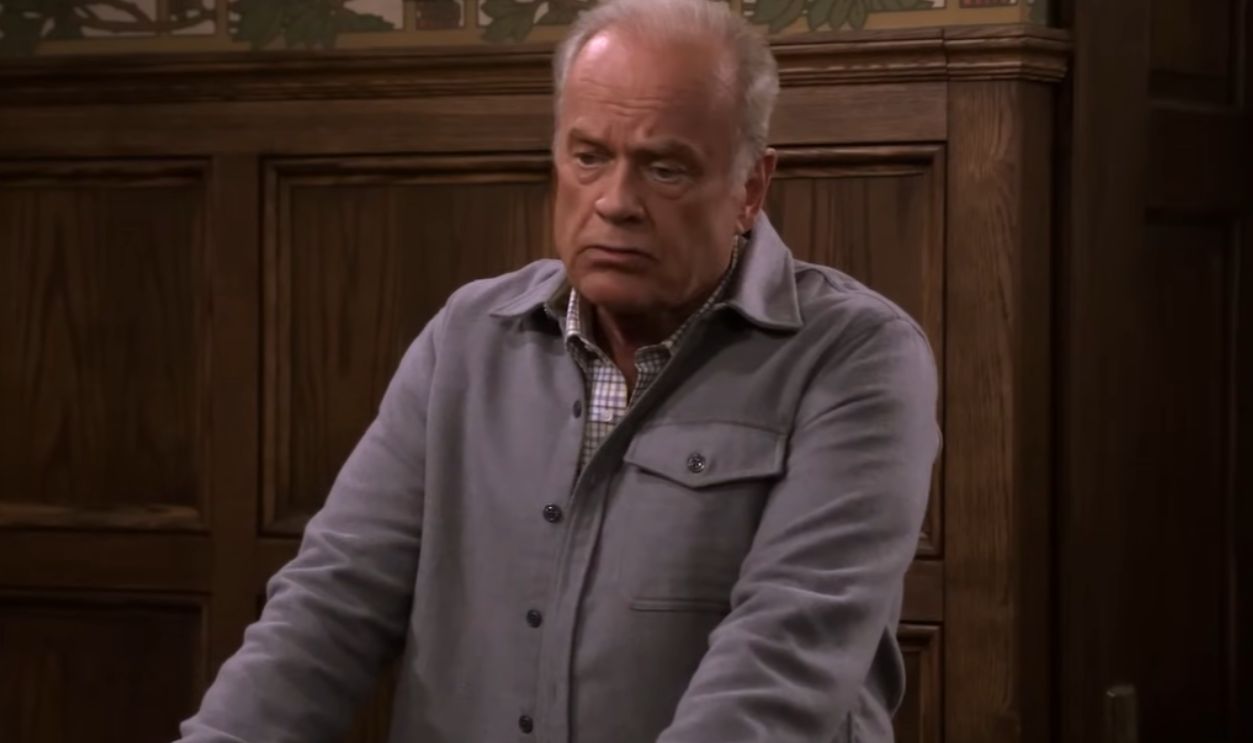 Screenshot from Frasier, Paramount (2023-2024)
Four Decades Started With A Temporary Guest
Frasier Crane first appeared in 1984 because Cheers needed someone to complicate Sam and Diane's romance. Kelsey Grammer turned that assignment into a character he would revisit across Cheers, Wings, and two versions of Frasier, spanning roughly four decades of television history. The secret wasn't keeping Frasier frozen in place, but repeatedly changing the world around him and finding another part of the man worth exploring. For a character who was never supposed to stay very long, Dr. Frasier Crane proved remarkably difficult to say goodbye to.
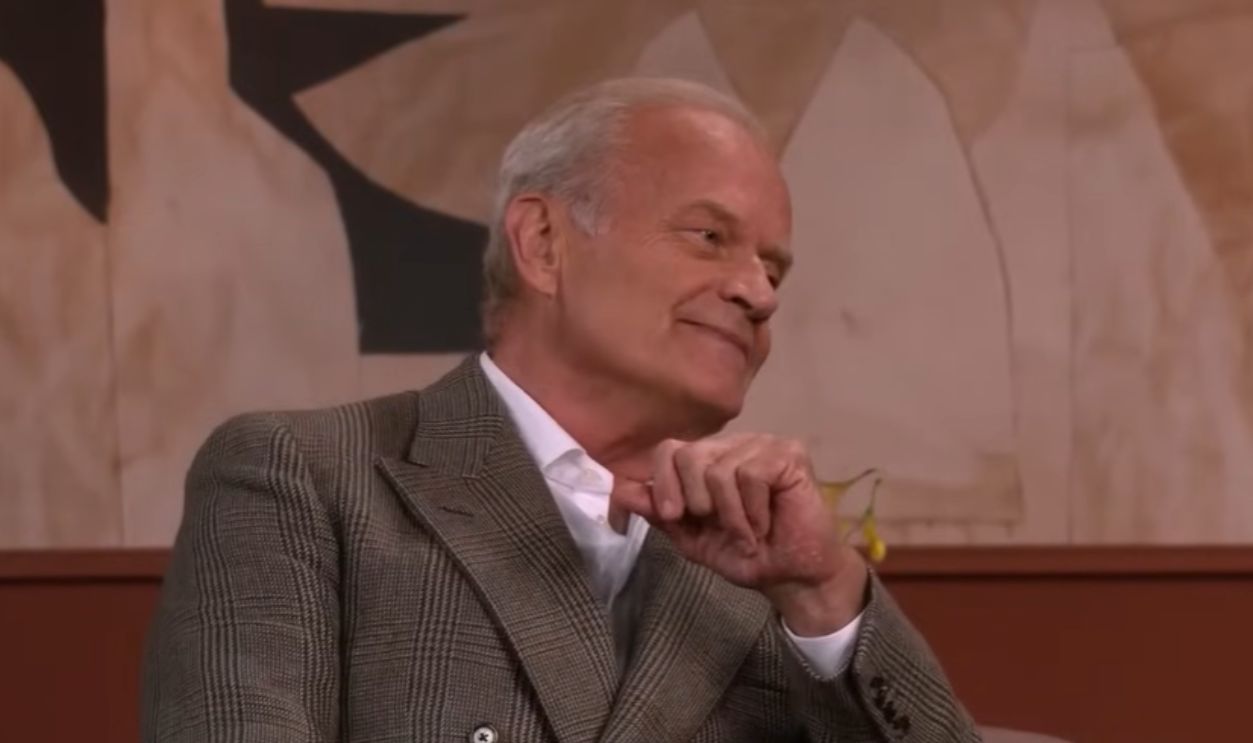 Screenshot from Frasier, Paramount (2023-2024)
You May Also Like:
Behind-The-Scenes Secrets From Cheers

.jpg)