
The Words That Instantly Take Us Back
Sometimes it takes only five words to bring an entire television show rushing back into your head. You remember the narrator’s voice, the theme music, and exactly where you used to sit when the program came on. The best classic TV openings did more than explain the premise. They created a weekly ritual that viewers can still recite decades later.
 CBS / CBS Television Distribution
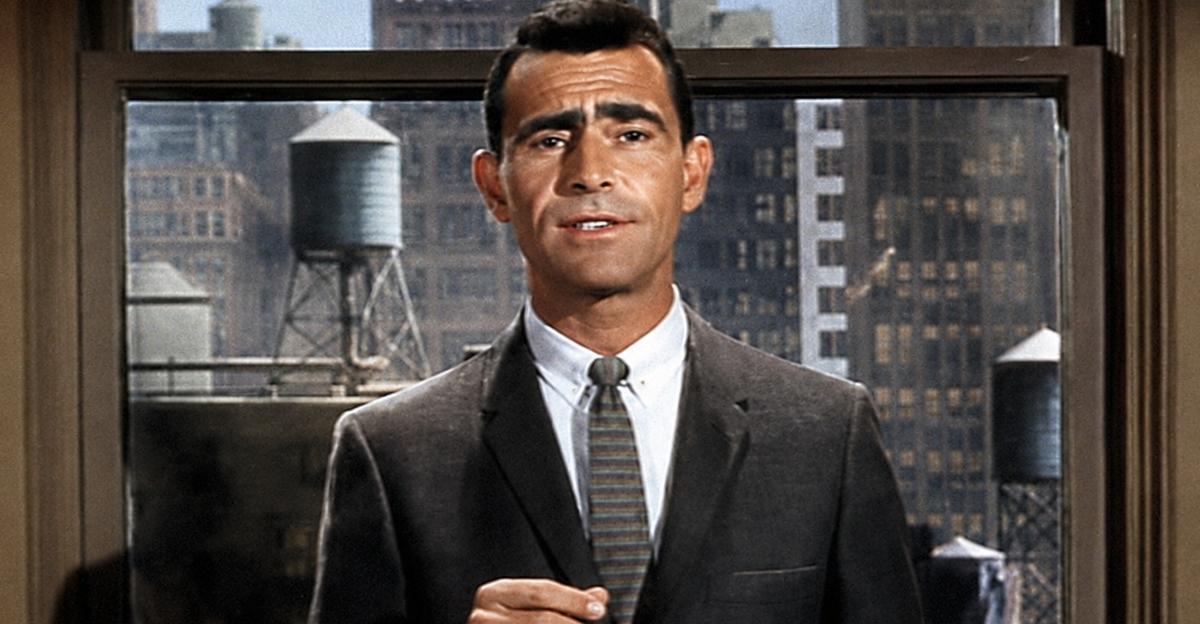
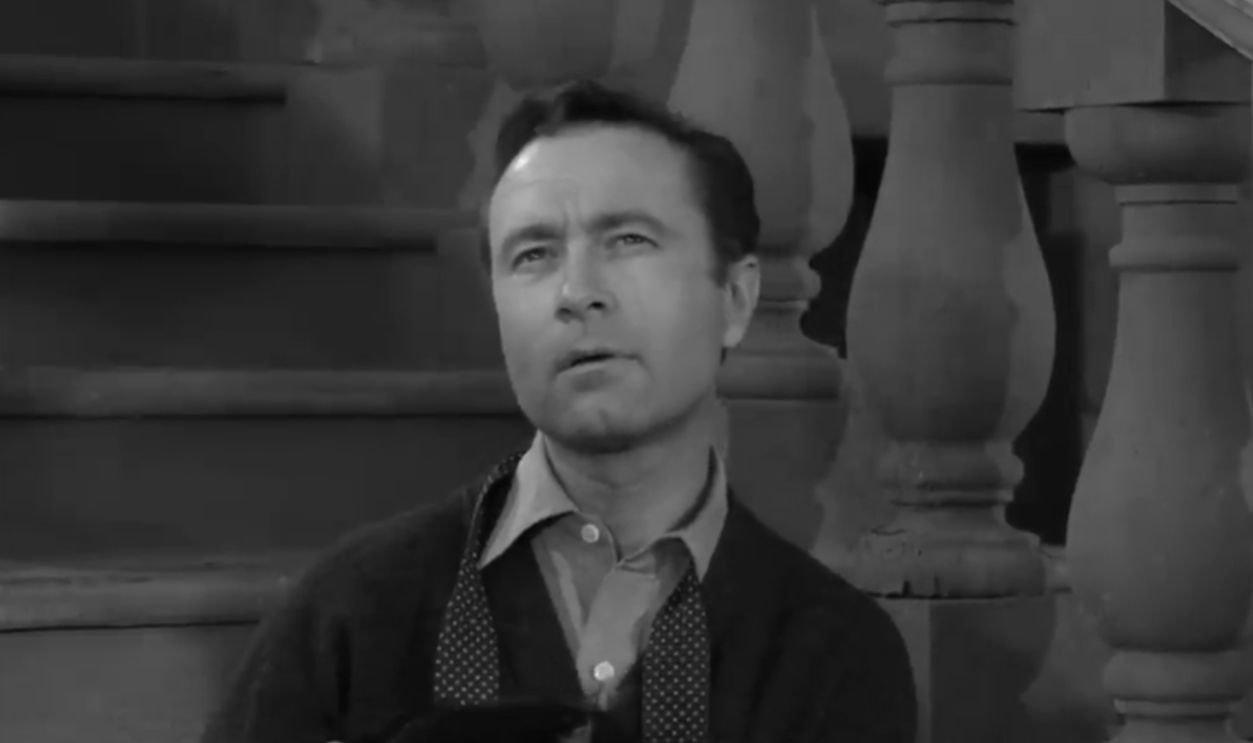
The Twilight Zone Entered Another Dimension
“You’re traveling through another dimension” immediately warned viewers that an ordinary evening was about to become wonderfully strange. Rod Serling’s calm, precise delivery made even the wildest premise sound unnervingly plausible. The opening narration changed slightly during the show’s five-season run, but its references to sight, sound, mind, and imagination became inseparable from the series. Few voices could make a simple signpost seem quite so threatening.
 Screenshot from The Twilight Zone, CBS (1959–1964)
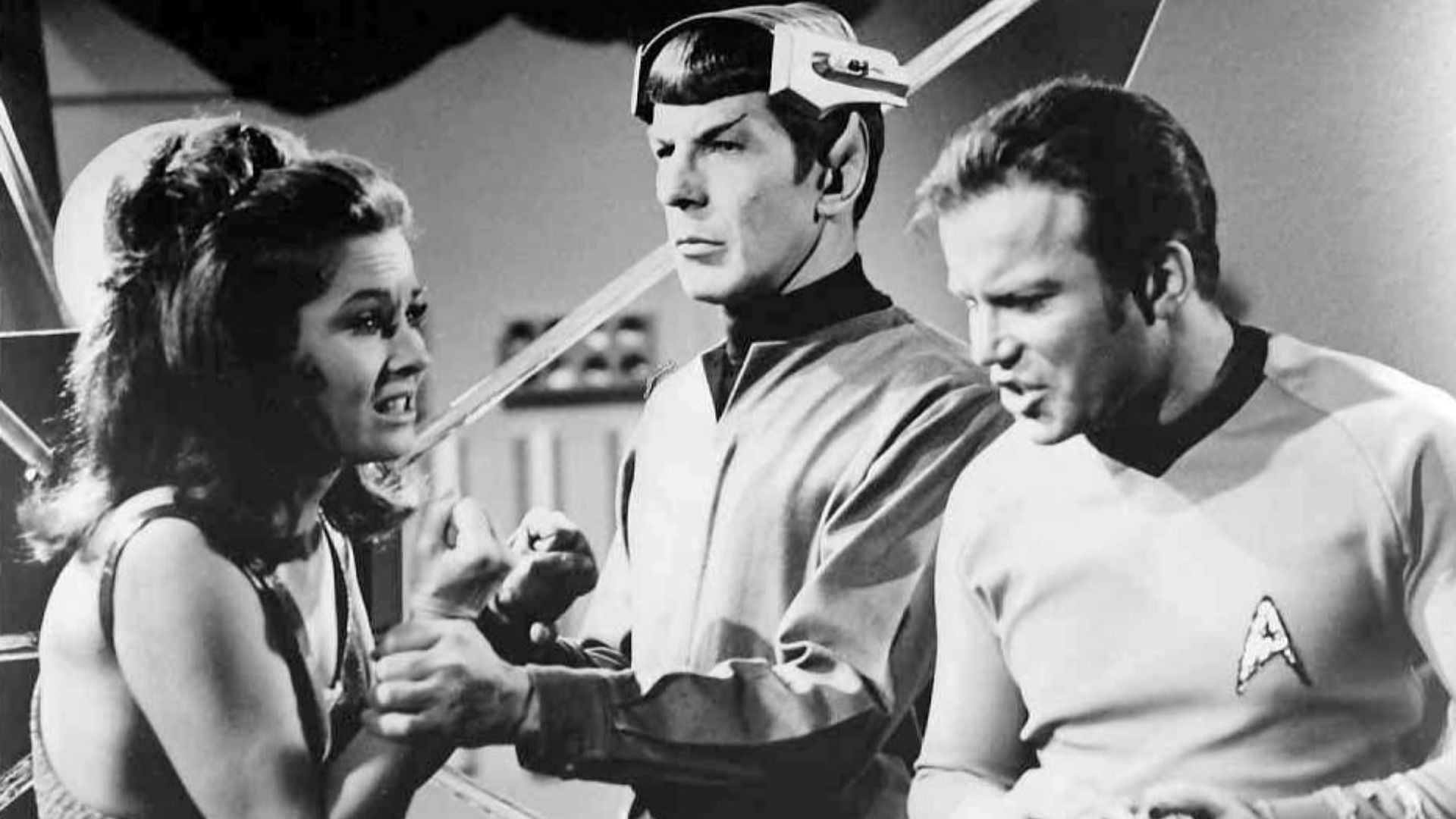
Star Trek Headed For The Final Frontier
“Space, the final frontier” may be the most famous opening phrase in science-fiction television. William Shatner’s narration laid out the mission of the starship Enterprise before it streaked across the screen. The words promised strange new worlds, new civilizations, and a willingness to go where no one had gone before. By the time the theme music soared, viewers were already ready for adventure.
 Paramount Television, Wikimedia Commons
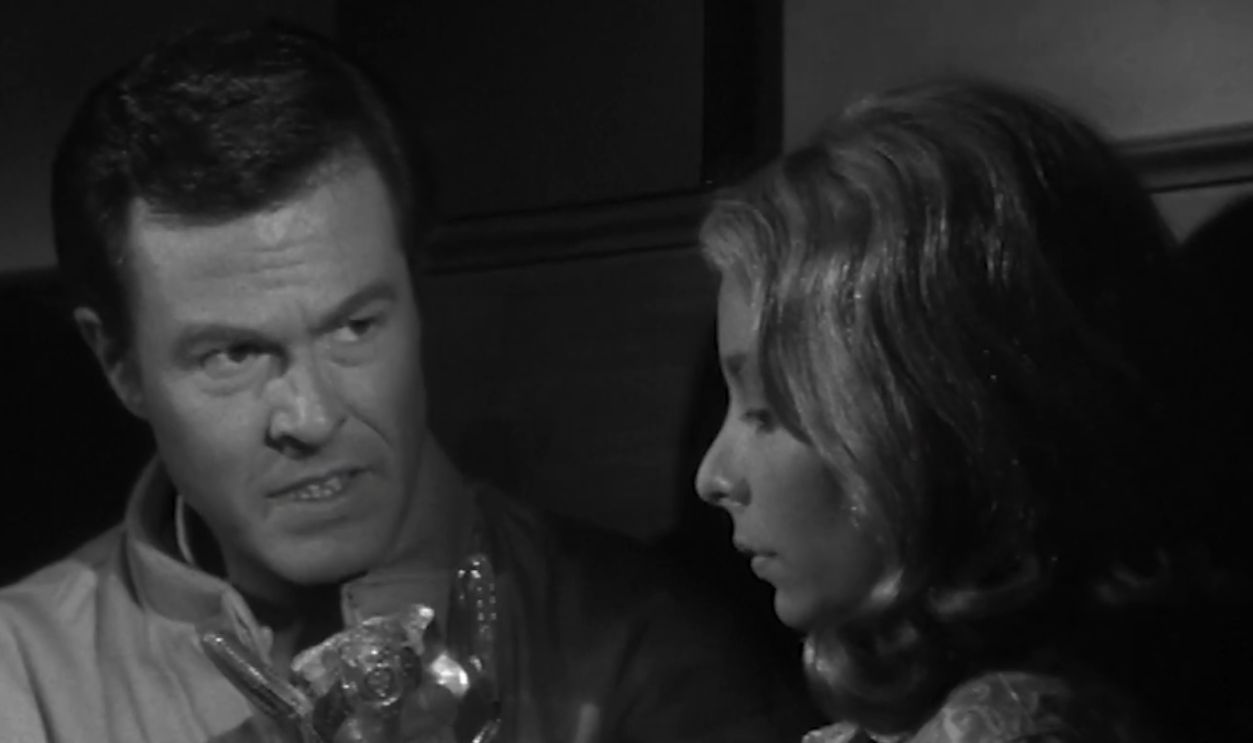
The Outer Limits Took Control
“There is nothing wrong with your television set” was not a particularly comforting way to begin a program. The unseen Control Voice then instructed viewers not to adjust the picture because the broadcast had taken command of it. The narration manipulated the imaginary horizontal, vertical, volume, and focus settings as eerie images filled the screen. It turned a familiar household appliance into something that suddenly seemed capable of watching back.
 Screenshot from The Outer Limits, ABC (1963–1965)
Dragnet Promised Only The Facts
“The story you are about to see is true” gave Dragnet the tone of an official police report. The announcer added that names had been changed to protect the innocent, making each episode feel pulled directly from an LAPD file. Jack Webb’s clipped delivery as Joe Friday reinforced the show’s methodical style. Even people who never watched a full episode can usually hear that opening over the famous four-note theme.
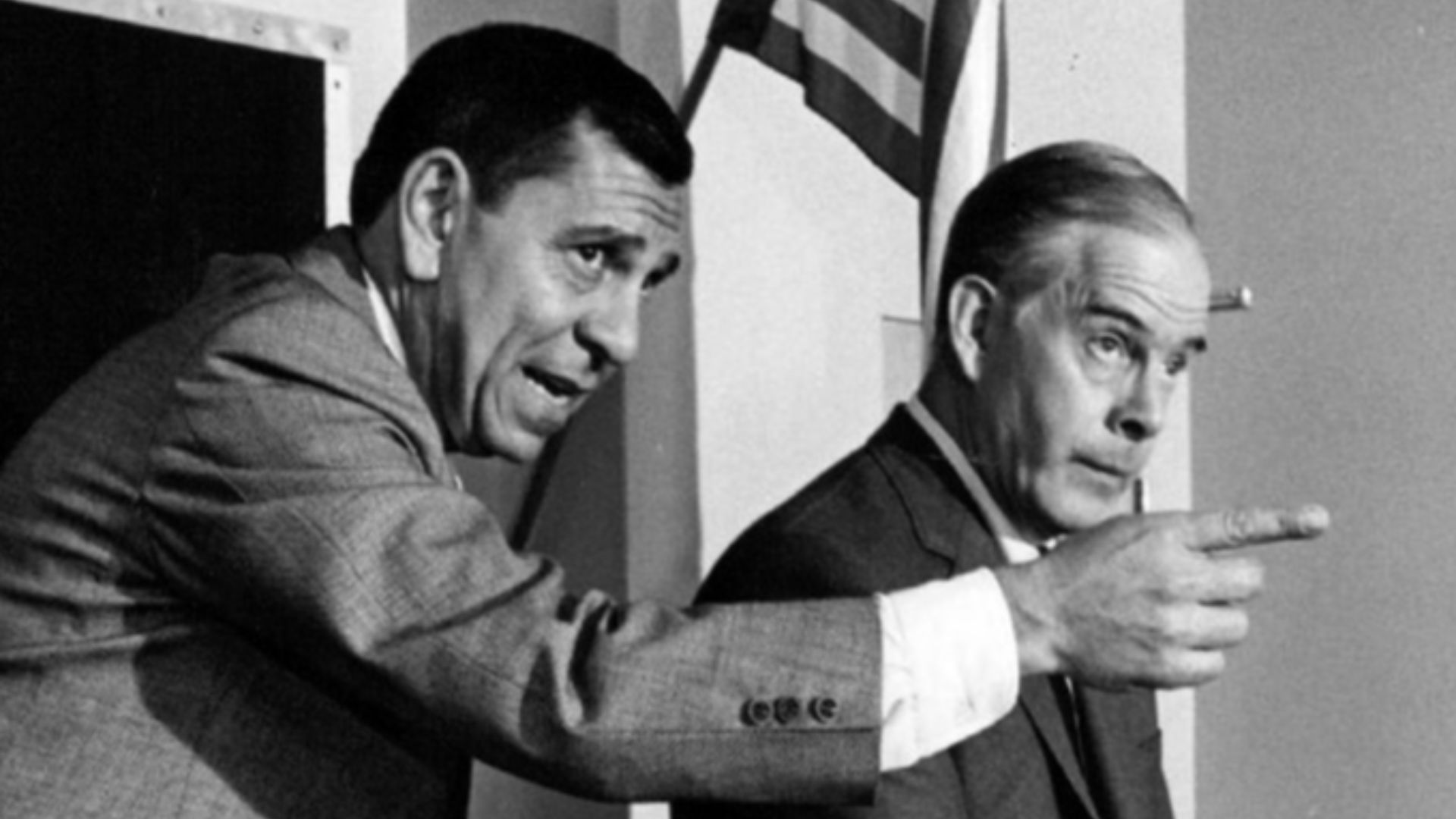 NBC Television, Wikimedia Commons
The Lone Ranger Rode Again
“A fiery horse with the speed of light” announced the arrival of television’s most famous masked rider. Fred Foy delivered the rapid-fire narration over Rossini’s “William Tell Overture,” creating an opening that barely paused for breath. Clayton Moore’s Lone Ranger and Jay Silverheels’ Tonto then rode into another battle for justice. For generations of young viewers, the phrase “those thrilling days of yesteryear” meant it was time to gather around the television.
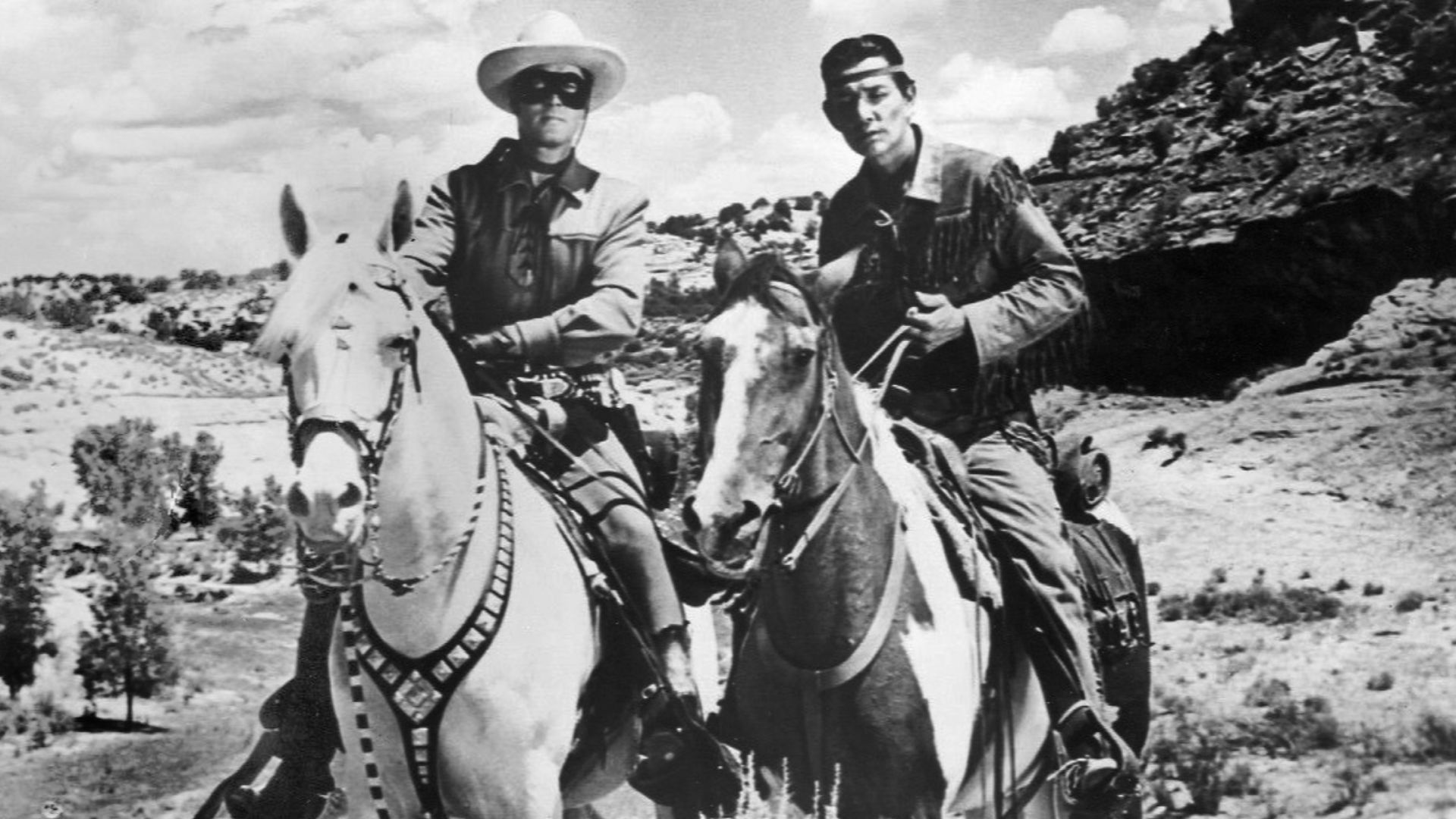 ABC Television, Wikimedia Commons
Superman Was Faster Than Everything
“Faster than a speeding bullet” was only the beginning of Superman’s impressive résumé. The announcer quickly added that he was more powerful than a locomotive and able to leap tall buildings in a single bound. Voices then looked skyward and debated whether they were seeing a bird or a plane. By the time George Reeves appeared in costume, the opening had already convinced viewers that no danger was too great.
![Omschrijving: George Reeve [Reeves], de eerste Superman in de film wiens carrière werd verpest door zijn fixatie op de rol. Jaartal Unknown. Hij pleegde zelfdoding in 1959.](https://www.factinate.com/storage/app/media/factinate/2026/7/14/1784006444e99416c44496d12bfa3d29b4183fb735cac9cf6f.jpg) Unknown authorUnknown author, Wikimedia Commons
Unknown authorUnknown author, Wikimedia Commons
Mission Impossible Delivered The Assignment
“Good morning, Mr. Phelps” meant that another impossible job was about to become possible. A recorded voice explained the target, the stakes, and the identities of the people involved. It also warned that the government would deny knowing the team if they were caught or killed. The tape’s promise to self-destruct turned every mission briefing into a miniature suspense sequence.
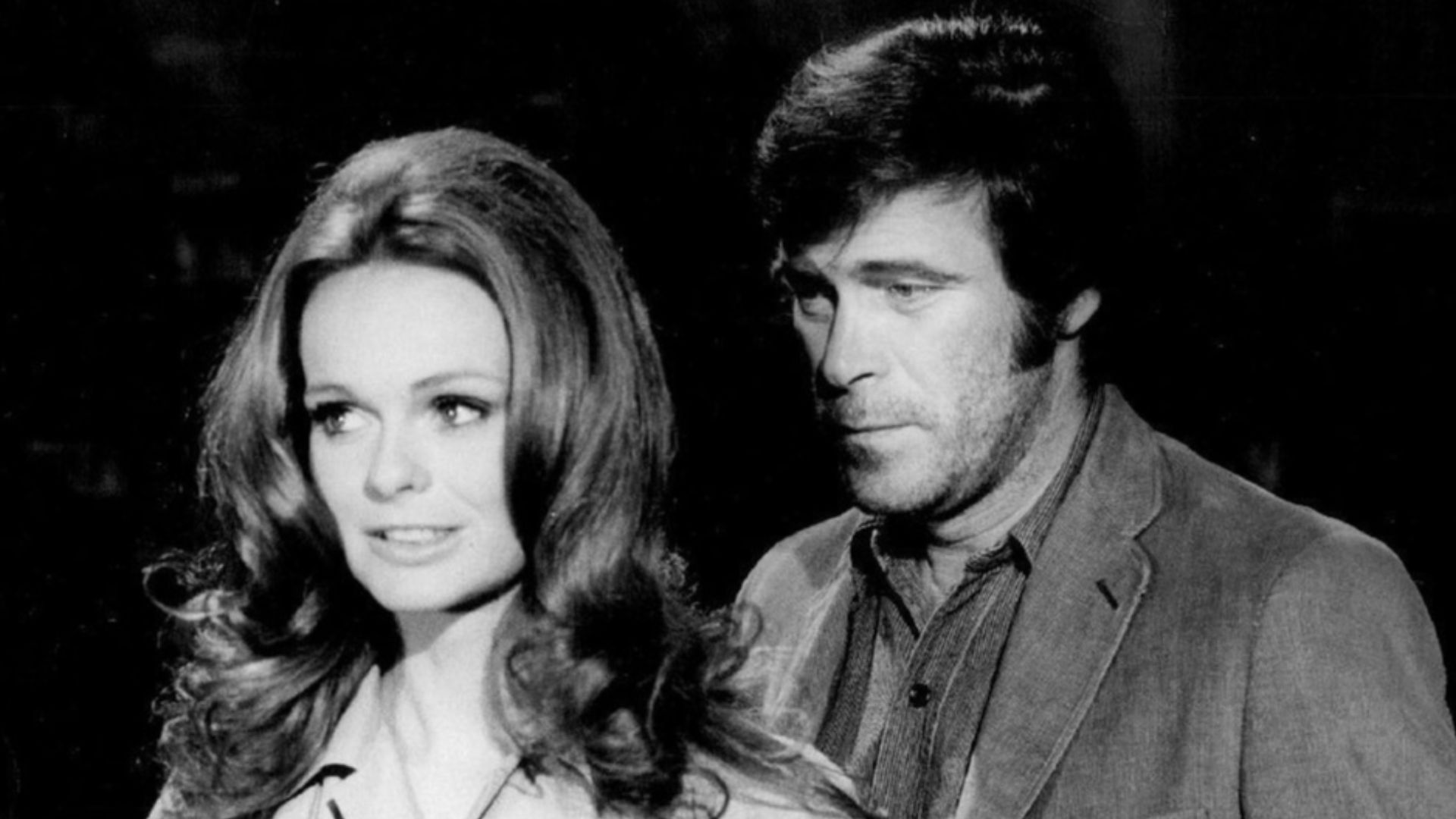 CBS Television, Wikimedia Commons
The Fugitive Explained A Life On The Run
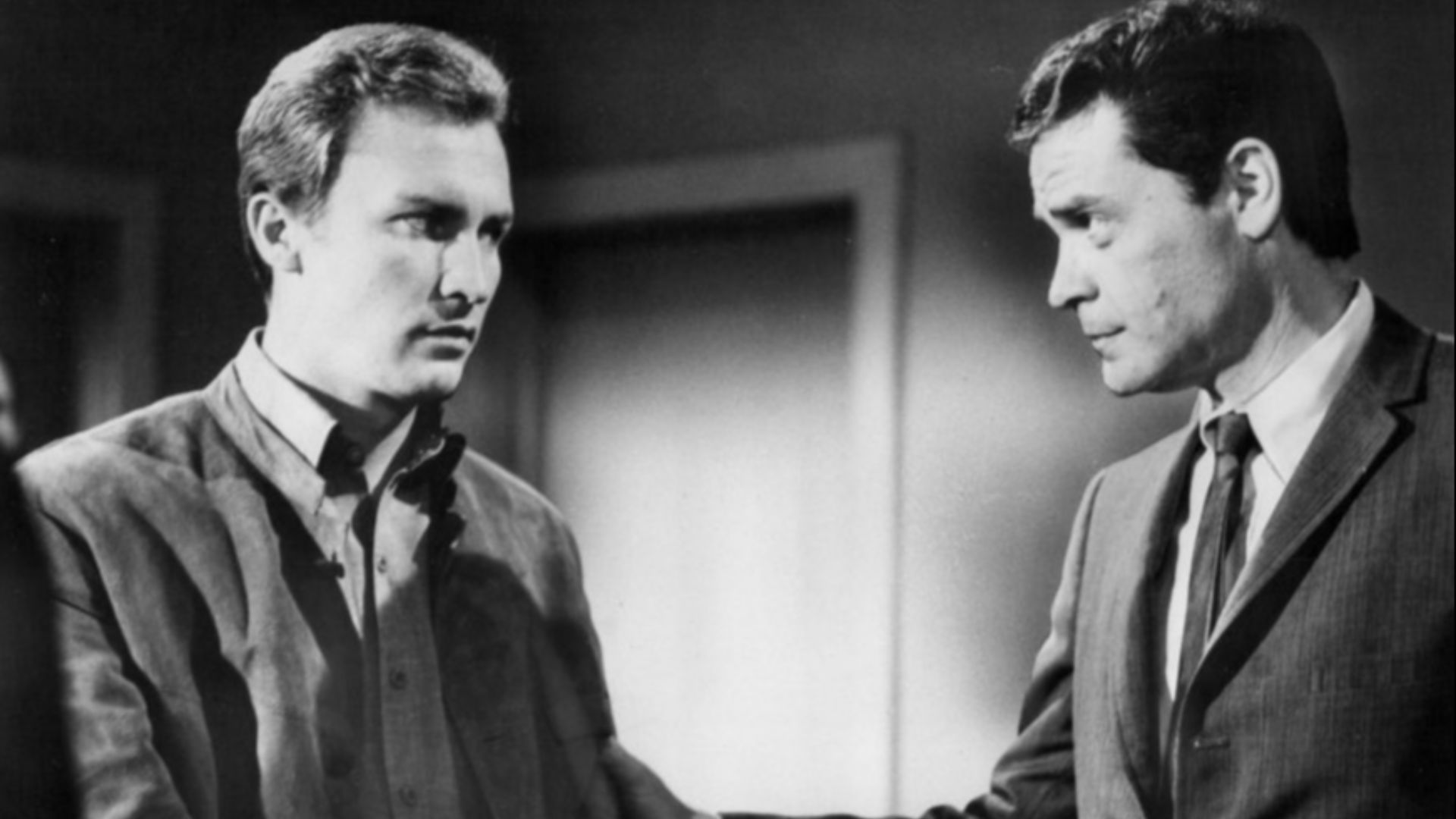
“The Fugitive, a Quinn Martin production” introduced one of television’s most urgent ongoing manhunts. The narration explained that Dr. Richard Kimble had been falsely convicted of murdering his wife and freed when a train wreck interrupted his journey to death row. He was searching for the one-armed man he had seen near the crime scene while Lieutenant Gerard pursued him. Viewers received the entire tragic setup before David Janssen had to say a word.
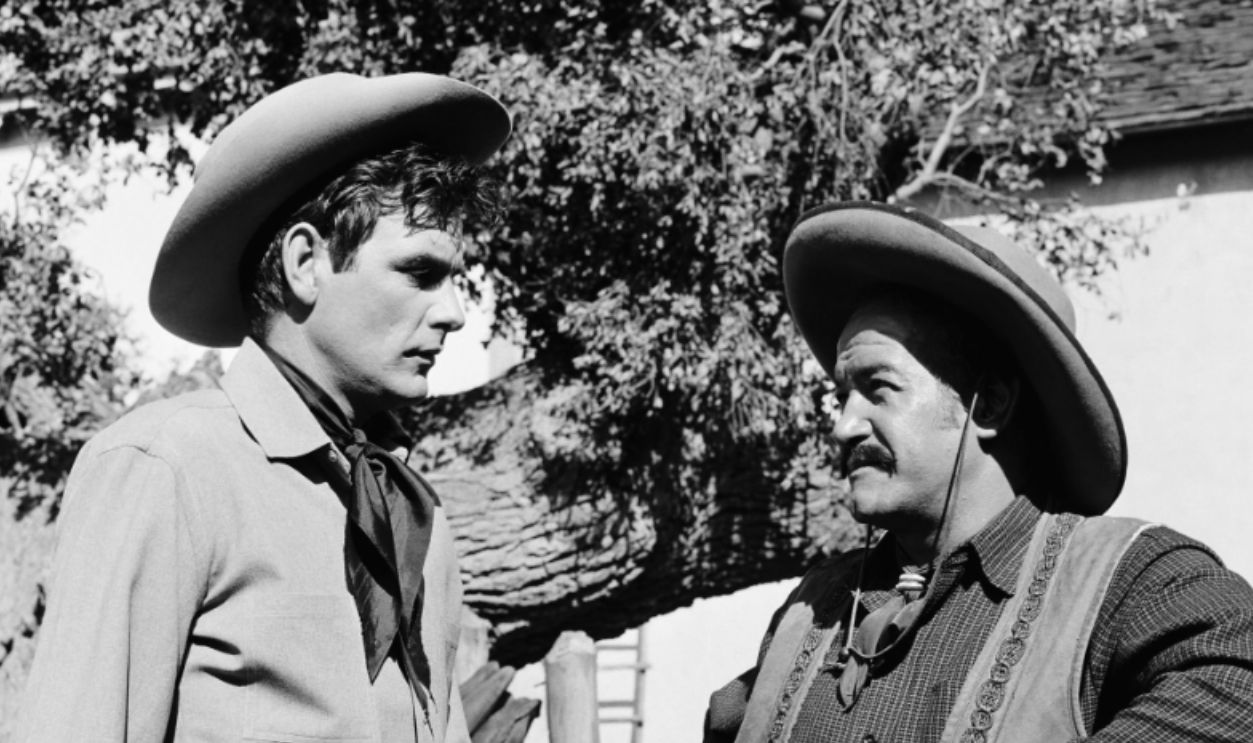
The Invaders Said The Nightmare Had Begun
“The Invaders, alien beings from a dying planet” wasted no time revealing who the enemy was. Architect David Vincent had witnessed their arrival after taking a lonely shortcut that he would never forget. The aliens looked human, while nearly everyone around Vincent refused to believe his warnings. The ominous declaration that the nightmare had already begun made every seemingly normal stranger look suspicious.
 ABC Television, Wikimedia Commons
The Six Million Dollar Man Had The Technology
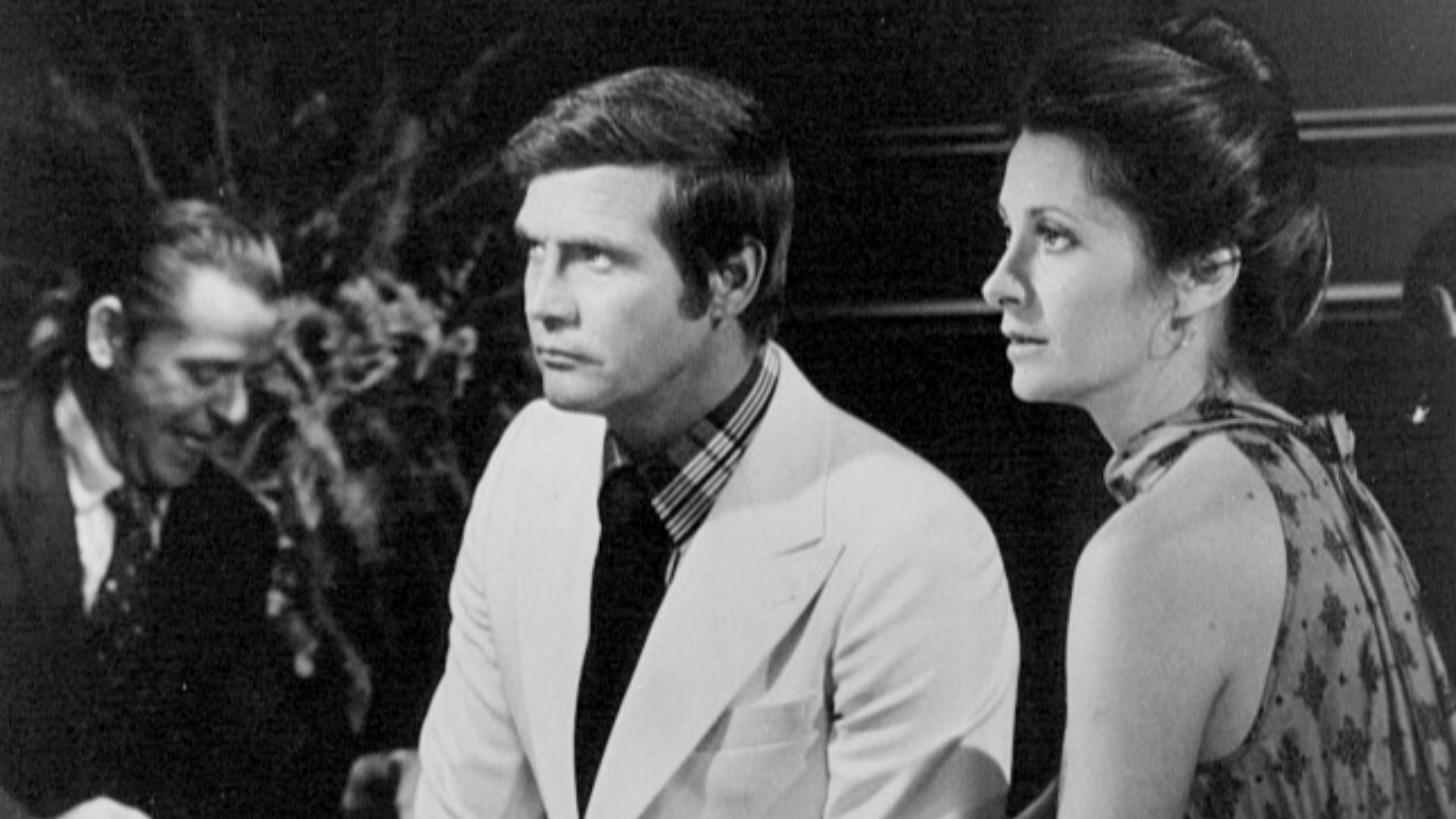
“Steve Austin, astronaut. A man barely alive” introduced television’s most expensive rebuilt hero. After a devastating crash, the government declared that it possessed the technology to make Austin better than he had been before. The closing promise was irresistibly simple: “Better, stronger, faster.” Combined with the crash footage and electronic sound effects, the sequence made bionic power seem almost real.
 ABC Television, Wikimedia Commons
Charlie’s Angels Began Like A Fairy Tale
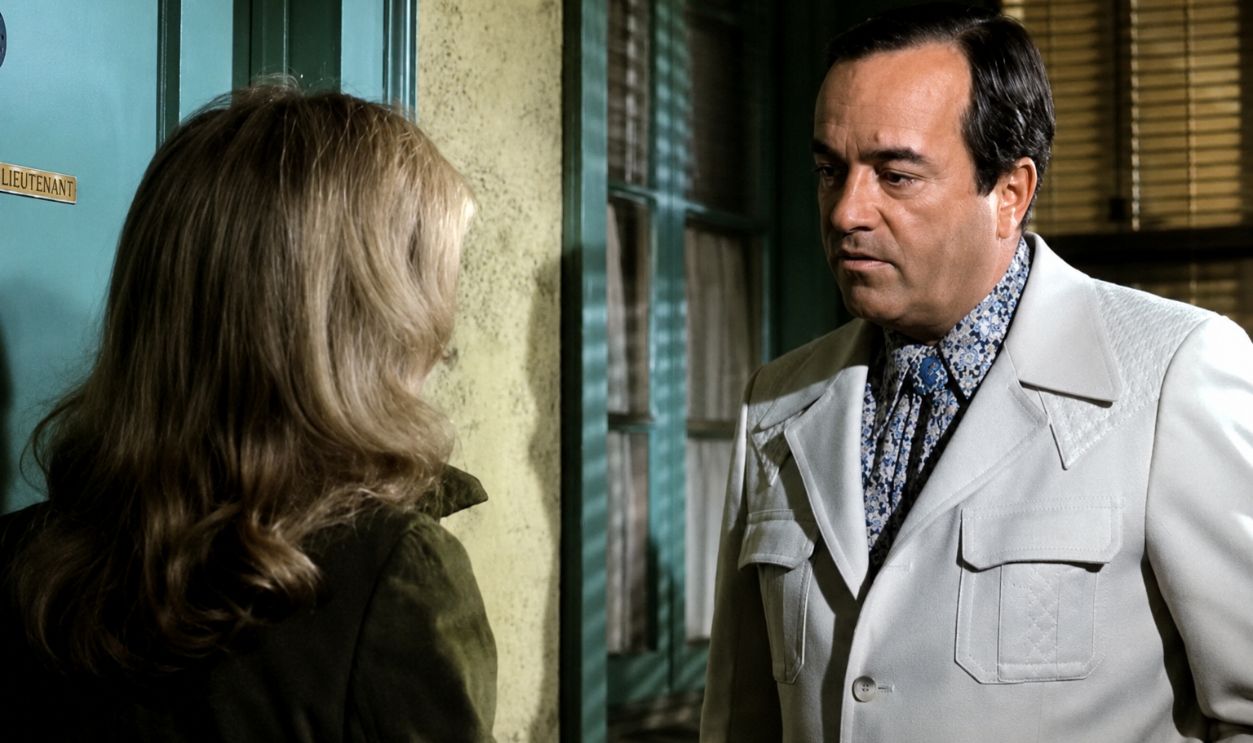
“Once upon a time, there were three little girls” sounded like the beginning of a children’s story. Charlie Townsend then explained that the women had attended the police academy and been assigned duties that did not use their full talents. He had taken them away from that work and hired them as private investigators. John Forsythe’s unseen presence gave Charlie instant authority while preserving the mystery of the man behind the voice.
 Screenshot from Charlie’s Angels, ABC (1976-1981), Enhanced
Hart To Hart Mixed Romance And Murder
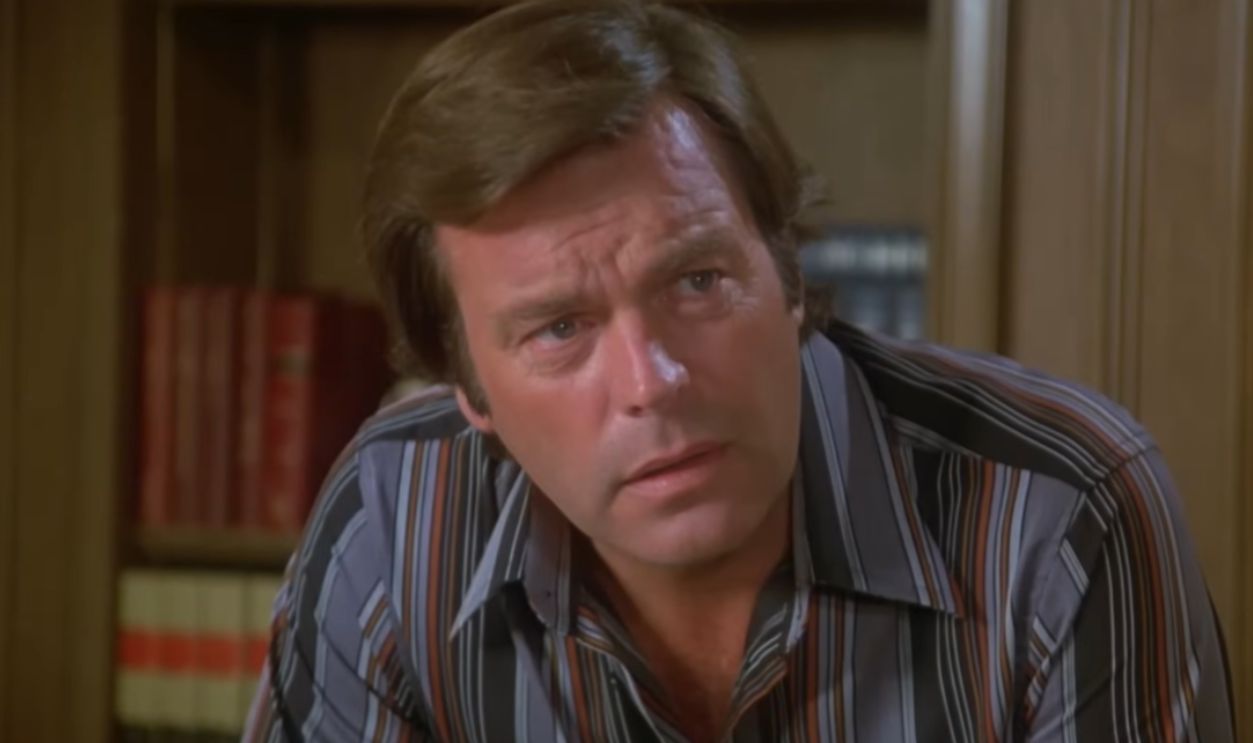
“This is my boss, Jonathan Hart” began Max’s affectionate introduction to the wealthy amateur detectives he looked after. He described Jonathan as a self-made millionaire and Jennifer as a glamorous woman who could take care of herself. Max then admitted that caring for both of them was not easy. His final observation that their meeting had been “murder” perfectly captured the show’s playful mixture of romance and mystery.
 Screenshot from Hart to Hart, Sony Pictures Entertainment (1979-1984)
The Incredible Hulk Warned Us Not To Get Angry
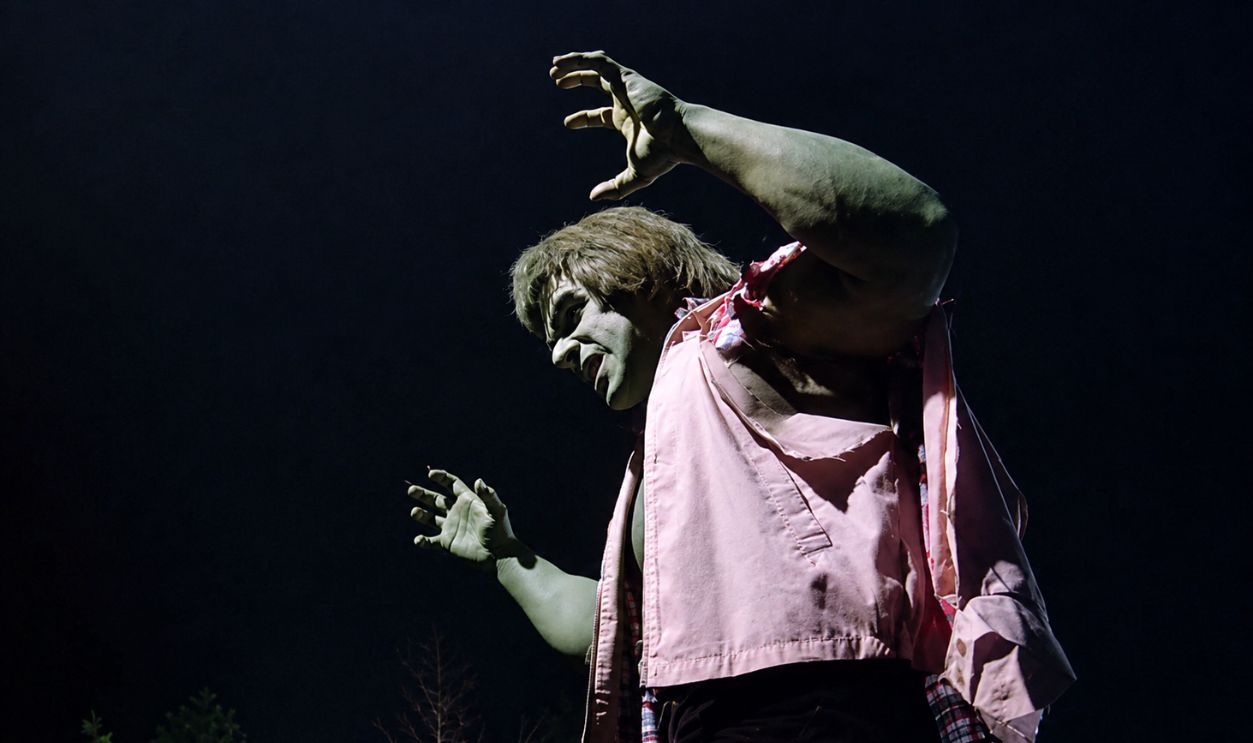
“Dr. David Banner, physician, scientist” opened a tragic recap rather than a triumphant superhero introduction. The narration explained that an accidental dose of gamma radiation had caused a startling transformation whenever Banner became angry or outraged. Reporter Jack McGee believed the creature was responsible for a fatal laboratory explosion. Bill Bixby’s warning, “You wouldn’t like me when I’m angry,” became the line everyone waited to hear.
 Screenshot from The Incredible Hulk, CBS Television (1978-1982)
The Odd Couple Asked An Important Question
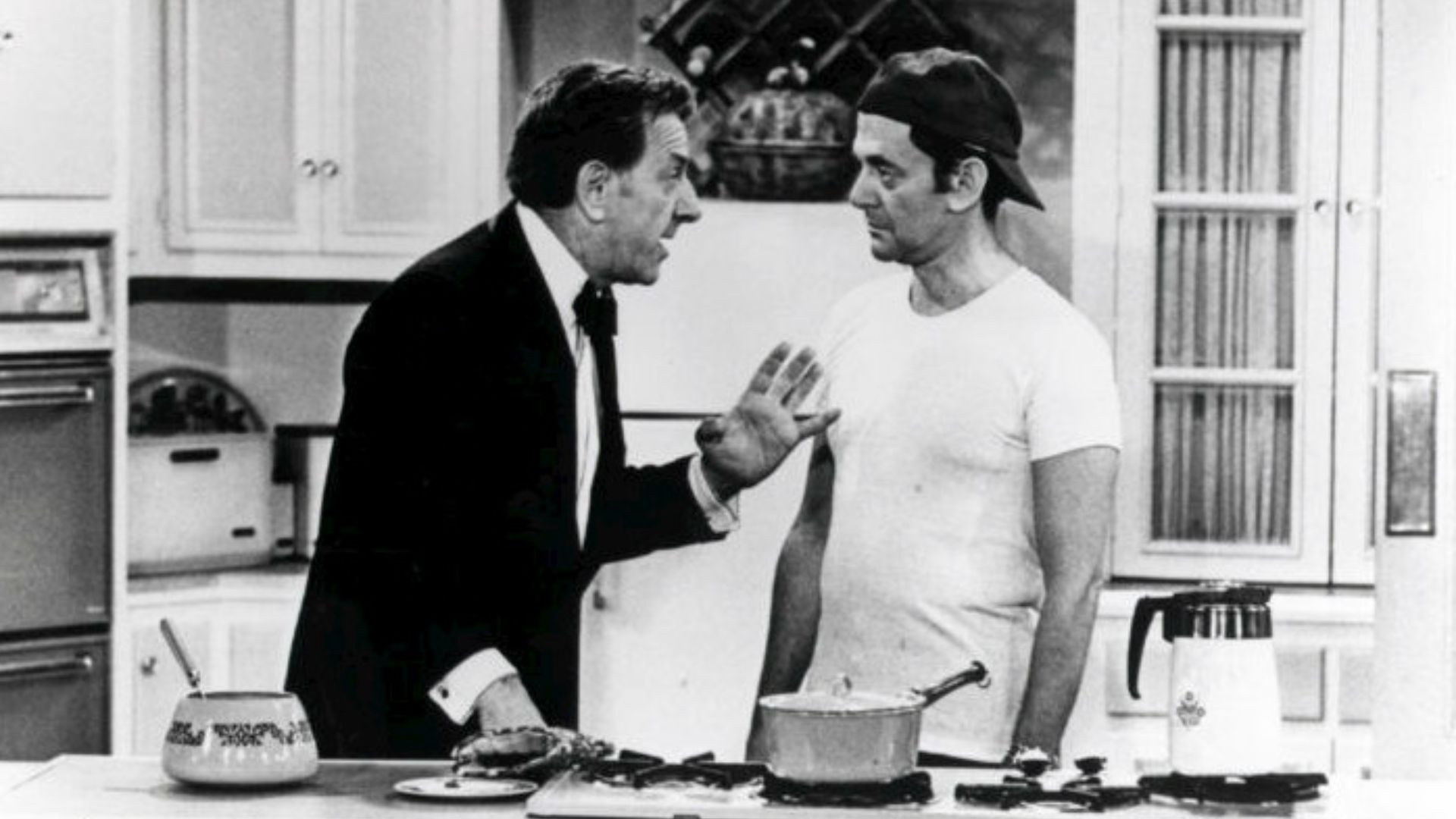
“On November 13, Felix Unger was asked to remove himself from his place of residence” introduced one of television’s most incompatible living arrangements. Felix moved in with his divorced friend Oscar Madison after his wife asked him to leave. One man was obsessively neat, while the other seemed capable of creating clutter simply by entering a room. The narrator’s final question asked whether they could share an apartment without driving each other crazy.
 ABC Television, Wikimedia Commons
Soap Admitted Things Were Confusing
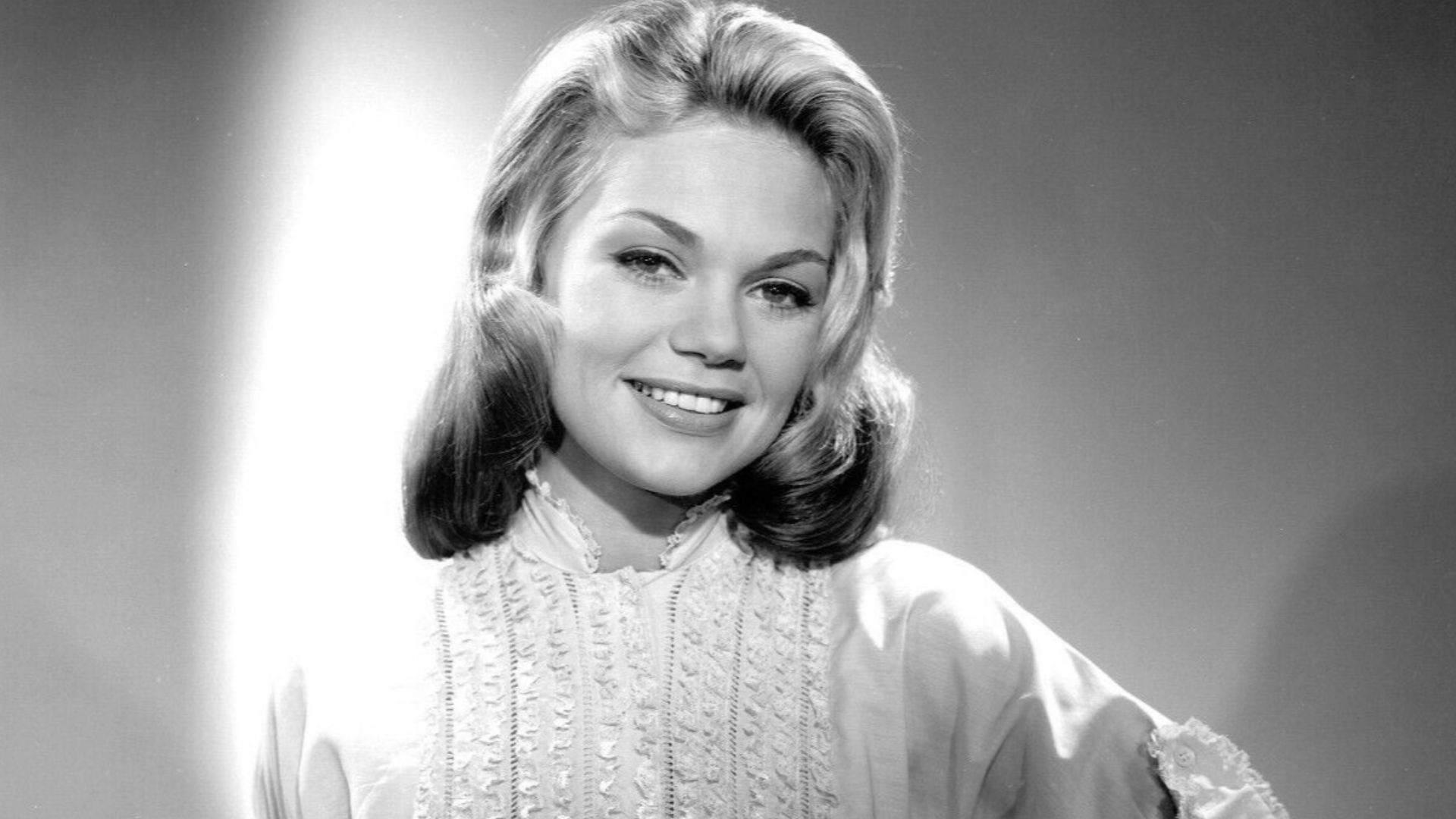
“This is the story of two sisters” launched a family saga that gleefully parodied daytime soap operas. Jessica Tate lived among wealth and secrets, while her sister Mary Campbell had fewer luxuries but just as many problems. Each episode opened with a recap of increasingly complicated affairs, crimes, disappearances, and misunderstandings. The announcer’s perfectly timed “Confused?” reassured viewers that confusion was part of the fun.
 Harold L. Gefsky Agency, Wikimedia Commons
The A-Team Was Ready For Hire
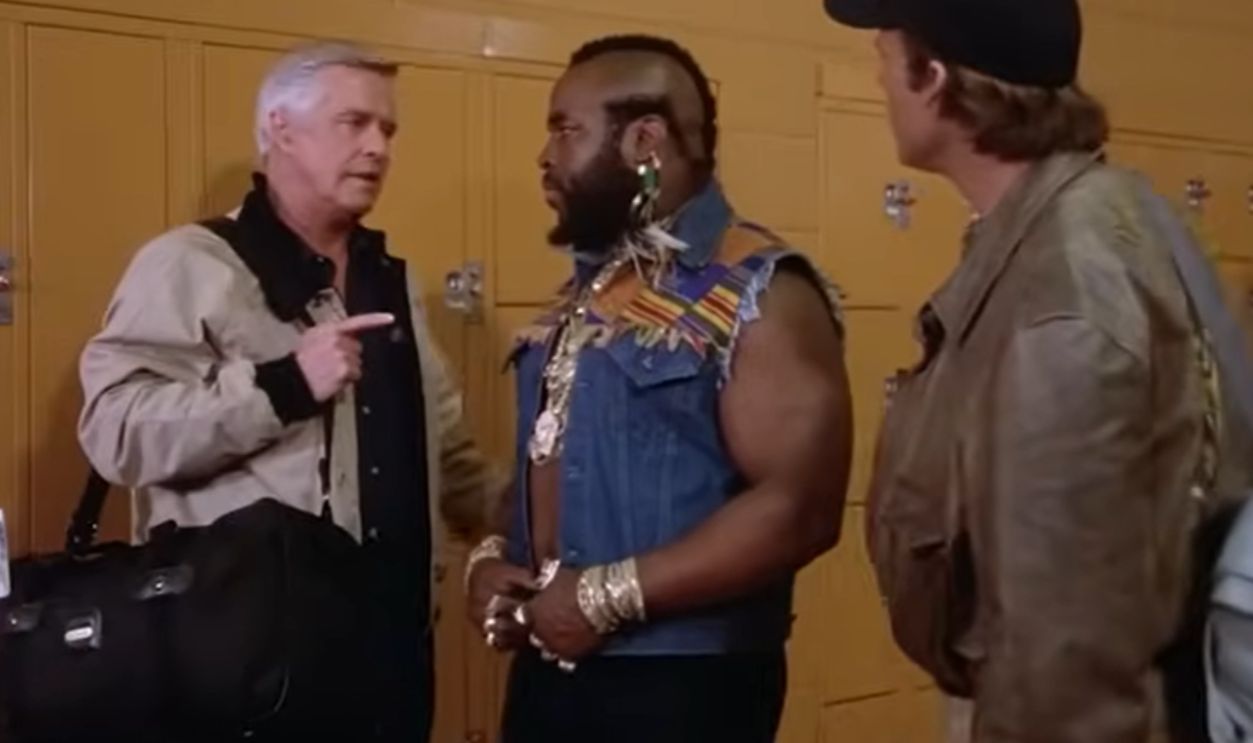
“Ten years ago, a crack commando unit was sent to prison” introduced four soldiers punished for a crime they had not committed. They escaped from military custody and survived in Los Angeles as soldiers of fortune. The government continued searching for them, but ordinary people could hire them when no one else could help. The only catch was finding them before the authorities did.
 Screenshot from The A-Team, Universal Television (1983-1987)
Knight Rider Followed A Man Who Did Not Exist
“Knight Rider, a shadowy flight into the dangerous world of a man who does not exist” sounded appropriately futuristic in 1982. Michael Knight had been given a new identity and paired with KITT, a talking Pontiac equipped with remarkable technology. A later portion of the narration described Michael as a lone crusader who defended the innocent and powerless. Add the pulsing electronic theme and KITT’s moving red scanner, and the opening became impossible to forget.
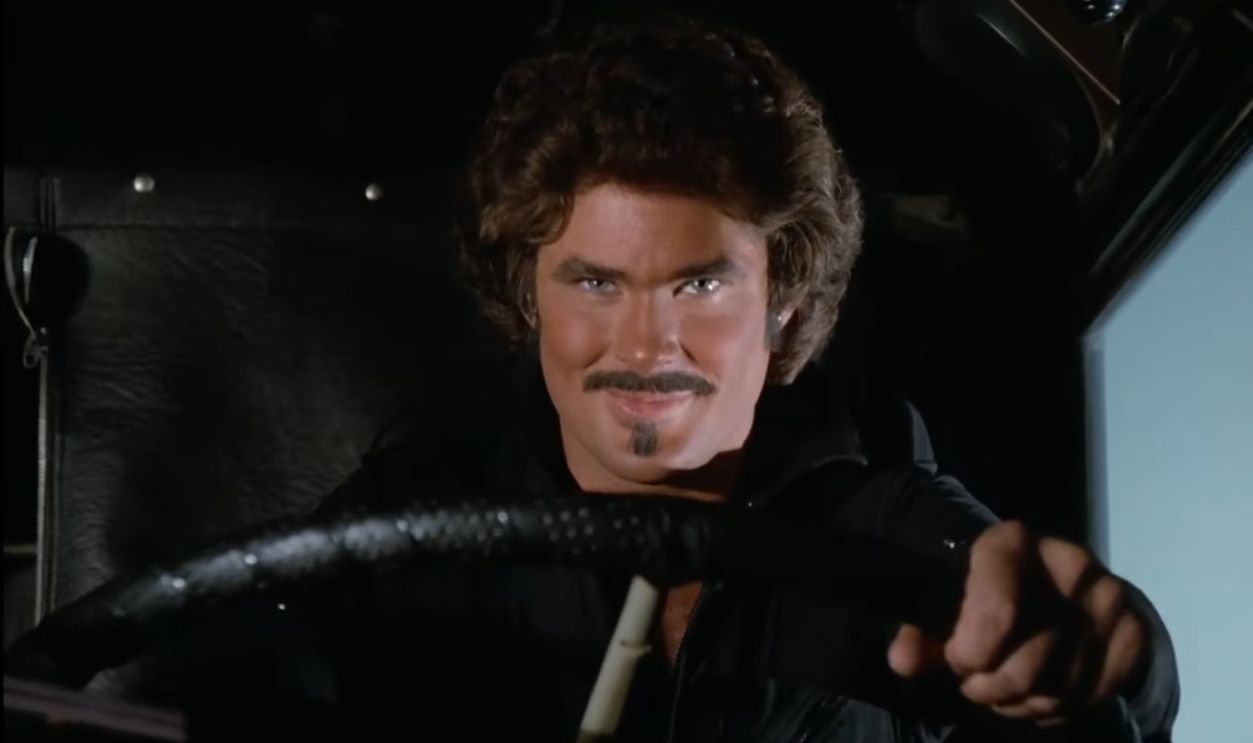 Screenshot from Knight Rider, Universal Television (1982–1986)
Quantum Leap Hoped For The Leap Home
“Theorizing that one could time travel within his own lifetime” explained how Dr. Sam Beckett became trapped in the past. Sam prematurely entered the Quantum Leap accelerator and began appearing inside the lives of other people. His holographic companion Al helped him correct events that had once gone wrong. Each introduction ended with the hope that the next leap would finally take Sam home.
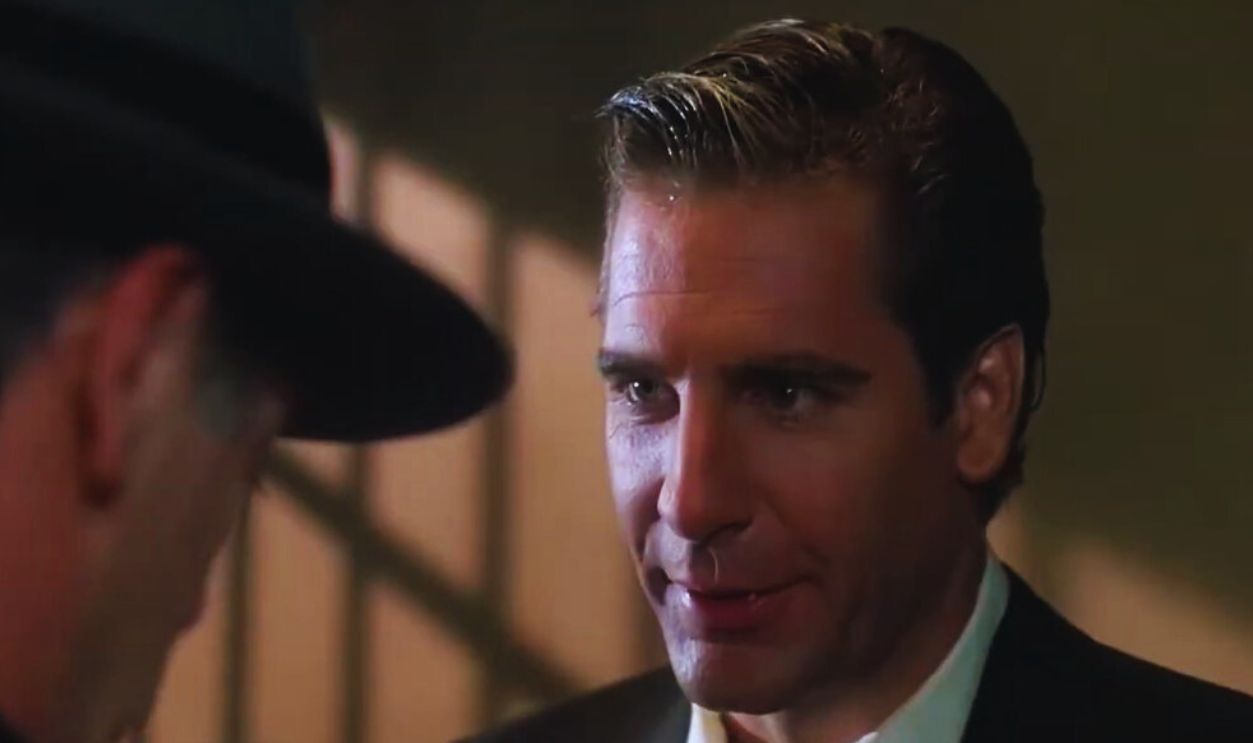 NBCUniversal Television Distribution, Quantum Leap (1989–1993)
Battlestar Galactica Looked Beyond The Heavens
“There are those who believe that life here began out there” gave Battlestar Galactica a mythic sense of scale. Patrick Macnee’s narration suggested that distant human tribes might have influenced ancient civilizations on Earth. It also raised the possibility that humanity’s cosmic relatives were still fighting for survival among the stars. The words made the series feel like a recovered legend rather than a conventional space adventure.
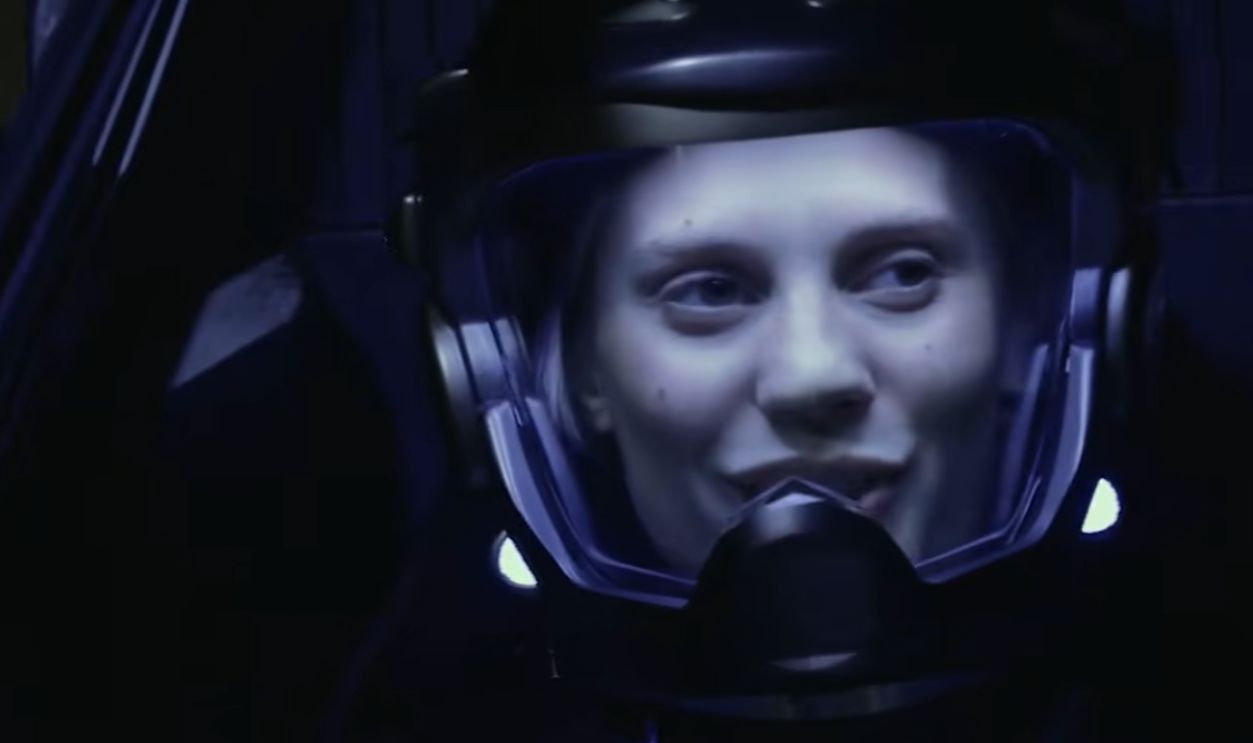 Battlestar Galactica, Universal Pictures (2004–2009)
Buck Rogers Woke Up Five Hundred Years Later
“In the year 1987” began the extraordinary story of astronaut William “Buck” Rogers. A deep-space mission went wrong, freezing his life-support systems and knocking his small vessel far off course. Instead of returning in a few months, Buck arrived back at Earth five centuries later. William Conrad’s booming narration turned one disastrous flight into an invitation to explore the 25th century.
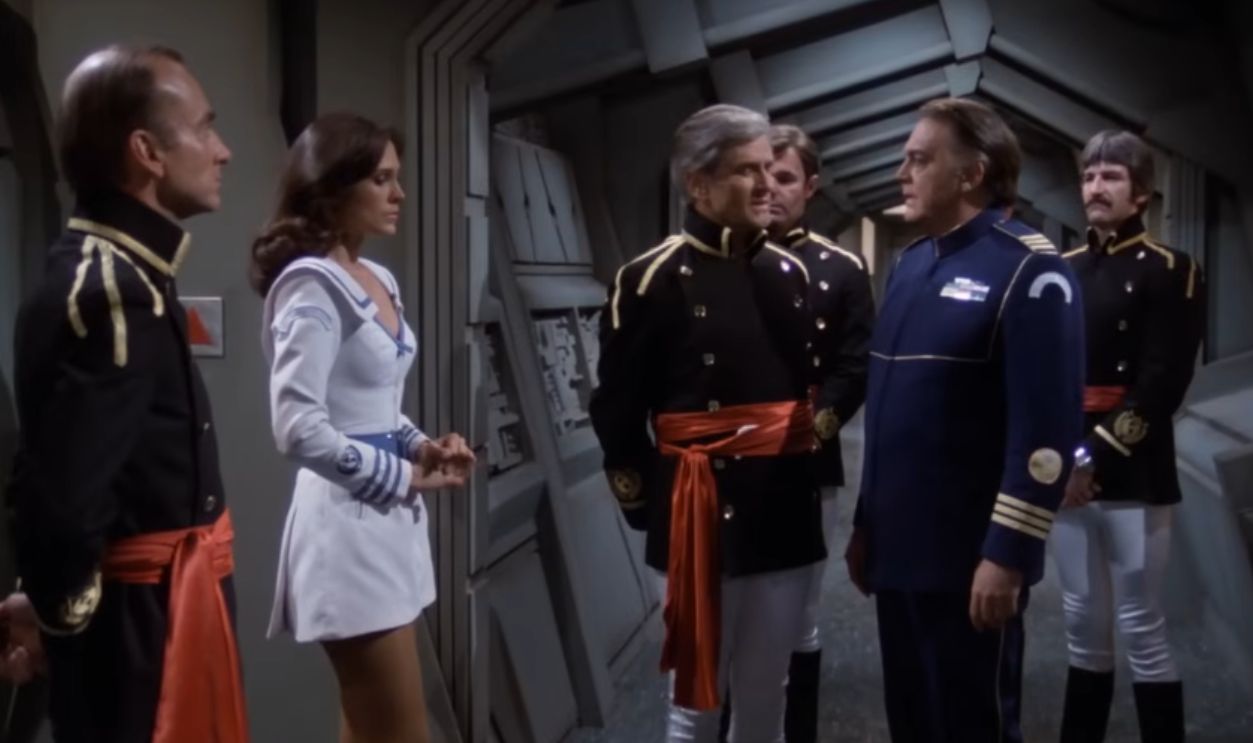 Screenshot from Buck Rogers in the 25th Century, Universal Pictures(1979)
The Prisoner Demanded Information
“Where am I?” began one of the most memorable conversations in television history. The answer was simply, “In the Village,” an apparently pleasant community where people had numbers instead of names. Number Two demanded information, while the imprisoned Number Six refused to cooperate. His furious declaration that he was a free man was followed by mocking laughter that suggested freedom would not come easily.
The Green Hornet Hid In Plain Sight
“Another challenge for the Green Hornet” introduced a hero whom the police believed was a criminal. Britt Reid was publicly known as a newspaper publisher, while his masked identity was known to only a few trusted allies. Bruce Lee’s Kato joined him in the Black Beauty, described by the narrator as their rolling arsenal. The setup allowed the pair to fight criminals while pretending to be part of the underworld themselves.
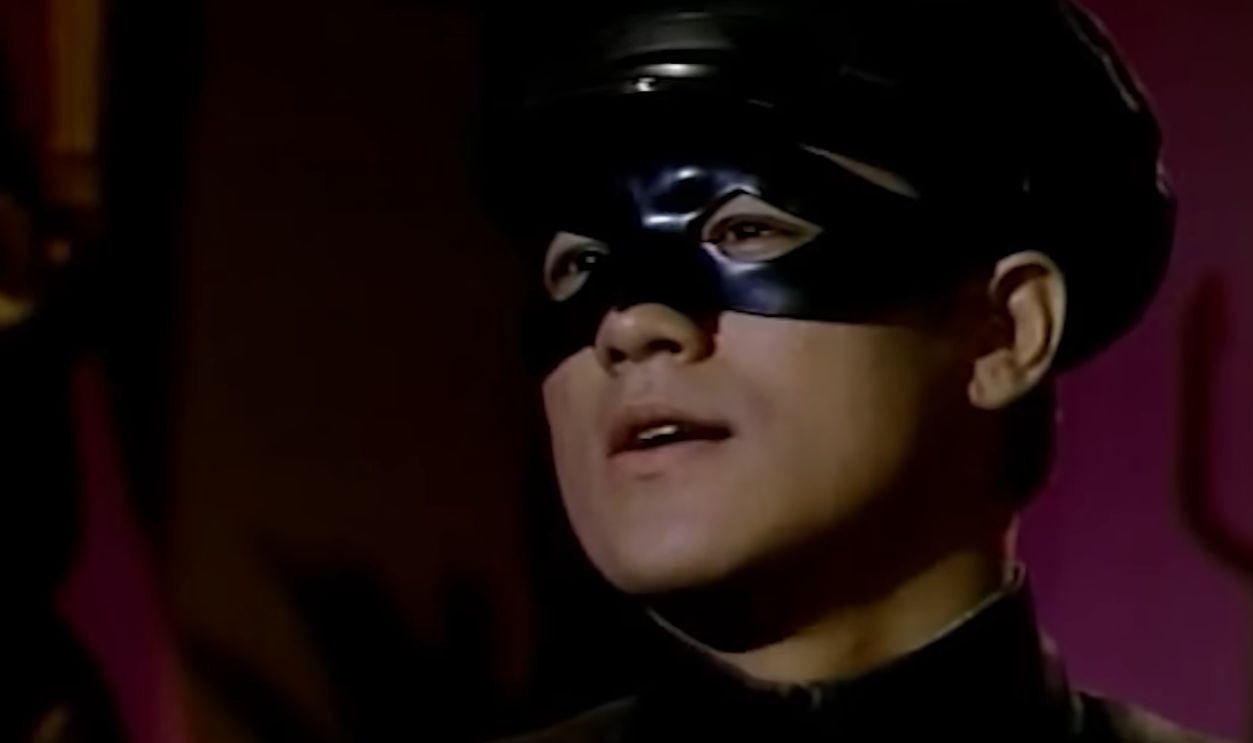 Screenshot from The Green Hornet, ABC (1966–1967)
Naked City Had Eight Million Stories
Though it wasn’t an opening line, “There are eight million stories in the naked city” became one of television’s greatest closing lines. The police drama was filmed on the streets and inside the buildings of New York rather than relying entirely on studio sets. Each episode focused on one case and the people whose lives intersected with it. The narrator’s reminder that this had been only one story made the city itself feel like the show’s largest character.
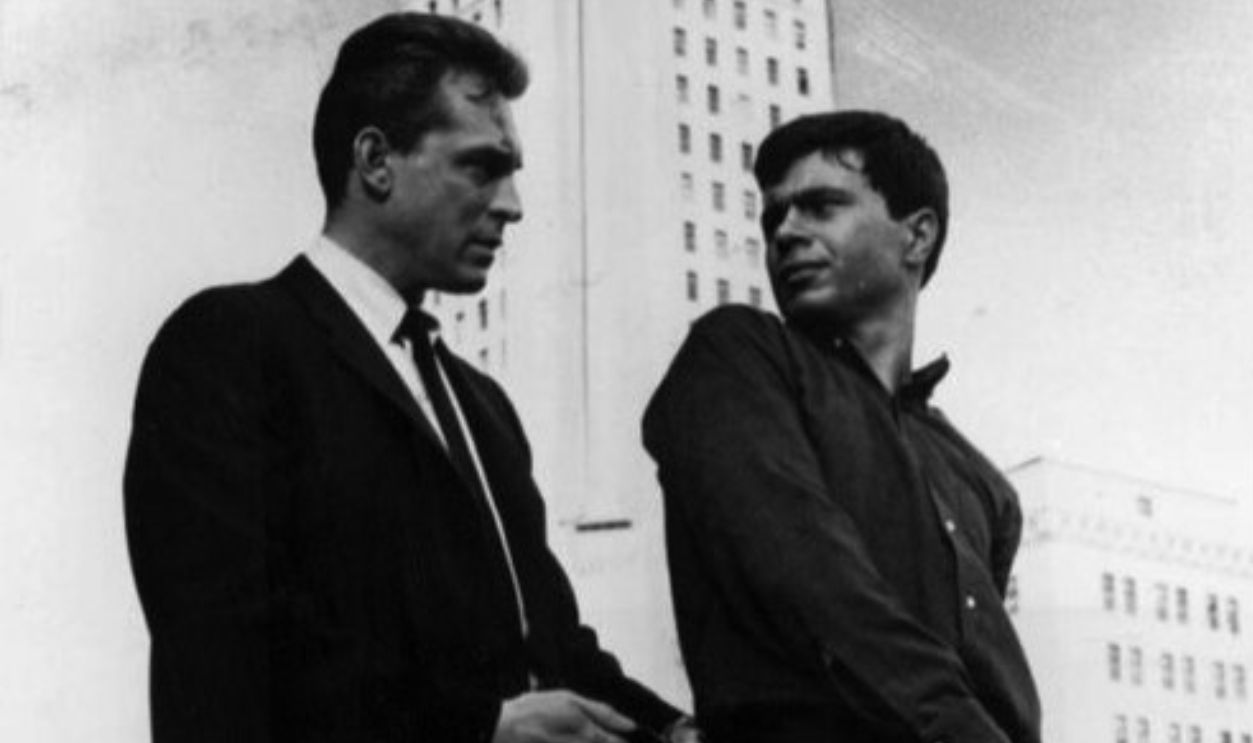 ABC Television, Wikimedia Commons
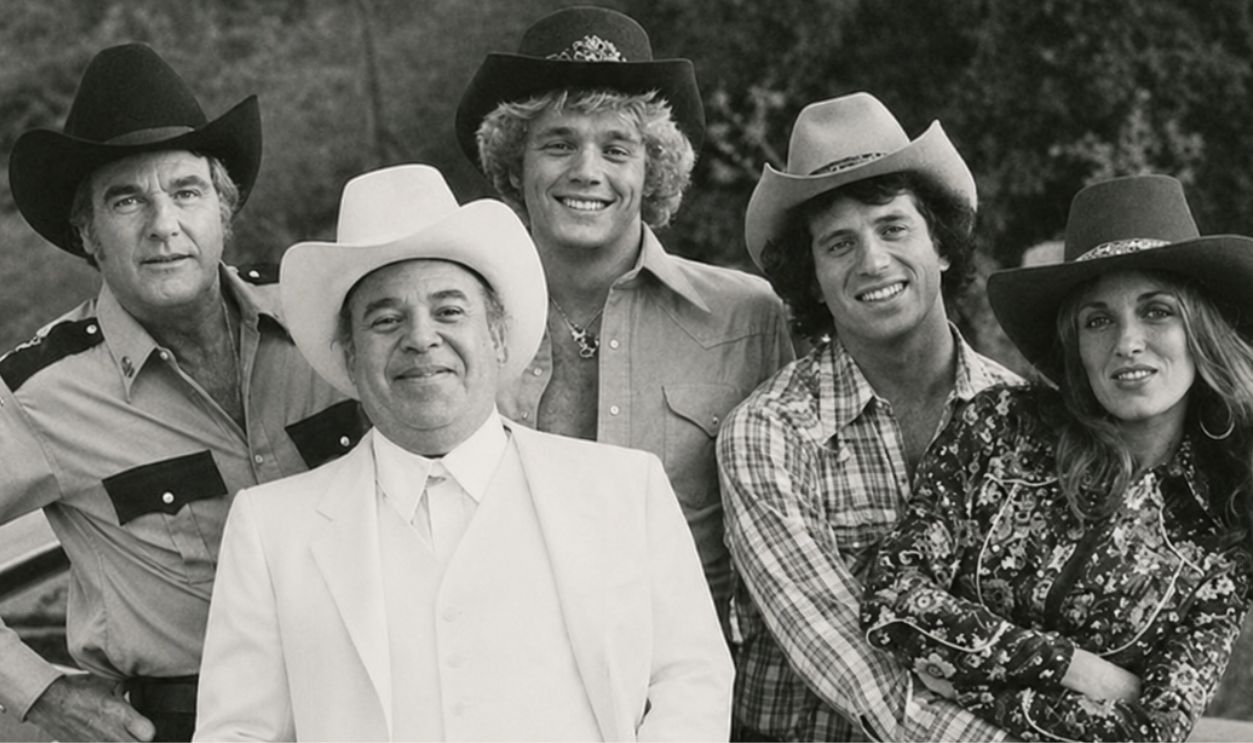
The Dukes Of Hazzard Welcomed Us To The County
“Welcome to Hazzard County” was Waylon Jennings’ invitation into a place where the normal rules rarely seemed to apply. As the Balladeer, Jennings explained situations, commented on the action, and occasionally spoke directly to viewers. His relaxed narration made car chases, corrupt schemes, and impossible jumps feel like stories being shared on a front porch. Then the theme song reminded everyone that the Duke boys had been in trouble with the law since the day they were born.
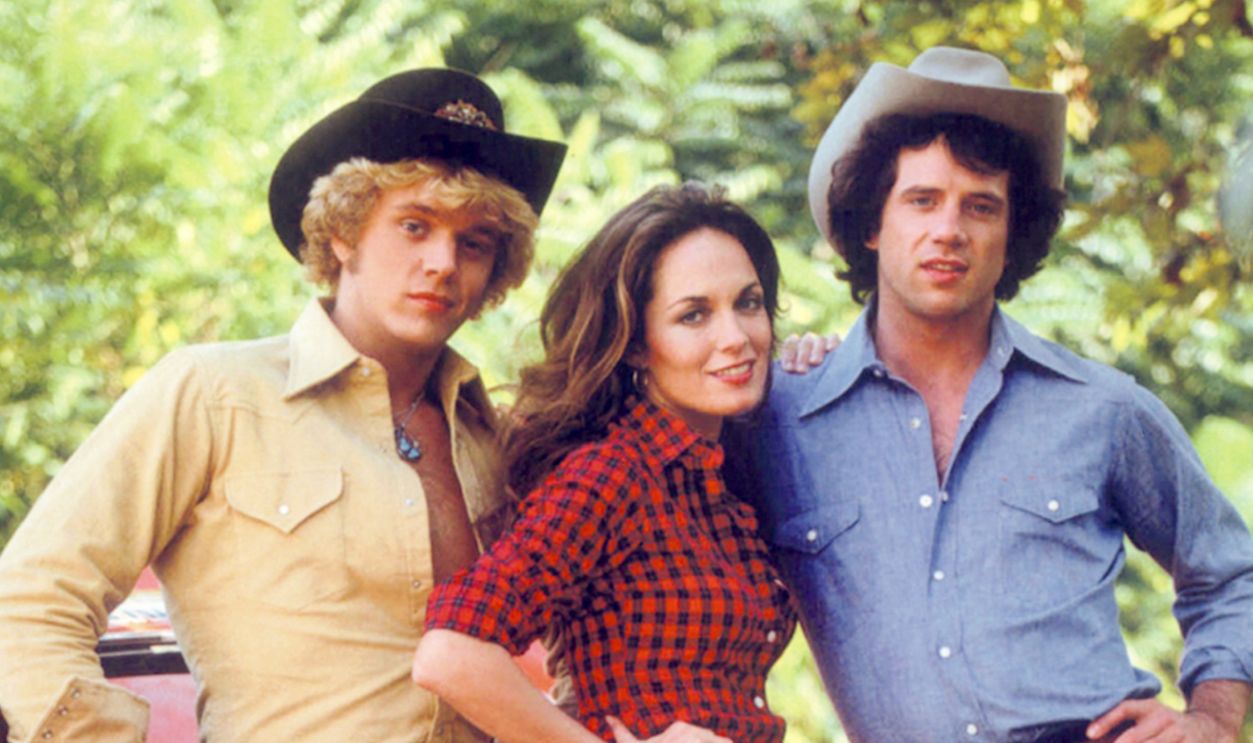 Silver Screen Collection, Getty Images
Classic Television Knew How To Make An Entrance
These openings survived because they did not merely provide exposition. They established a voice, a rhythm, and a complete world before the episode had properly begun. Viewers heard them every week until the words became almost automatic. Decades later, one familiar phrase can still bring back the glow of a television set and the feeling that something unforgettable is about to start.
 CBS, Wikimedia Commons, Modified
You May Also Like:
The Most Influential TV Shows Of All Time
Sources: 1, 2, 3, 4, 5, 6, 7, 8, 9, 10, 11, 12, 13, 14, 15, 16, 17, 18, 19, 20, 21, 22, 23, 24, 25

.jpg)