Some Workplaces Stole The Show.
From crowded newsrooms and chaotic hospitals to neighborhood bars and dreary offices, these sets became as familiar as the characters who clocked in every week. Step inside the classic TV workplaces that turned ordinary jobs into unforgettable pieces of pop culture.
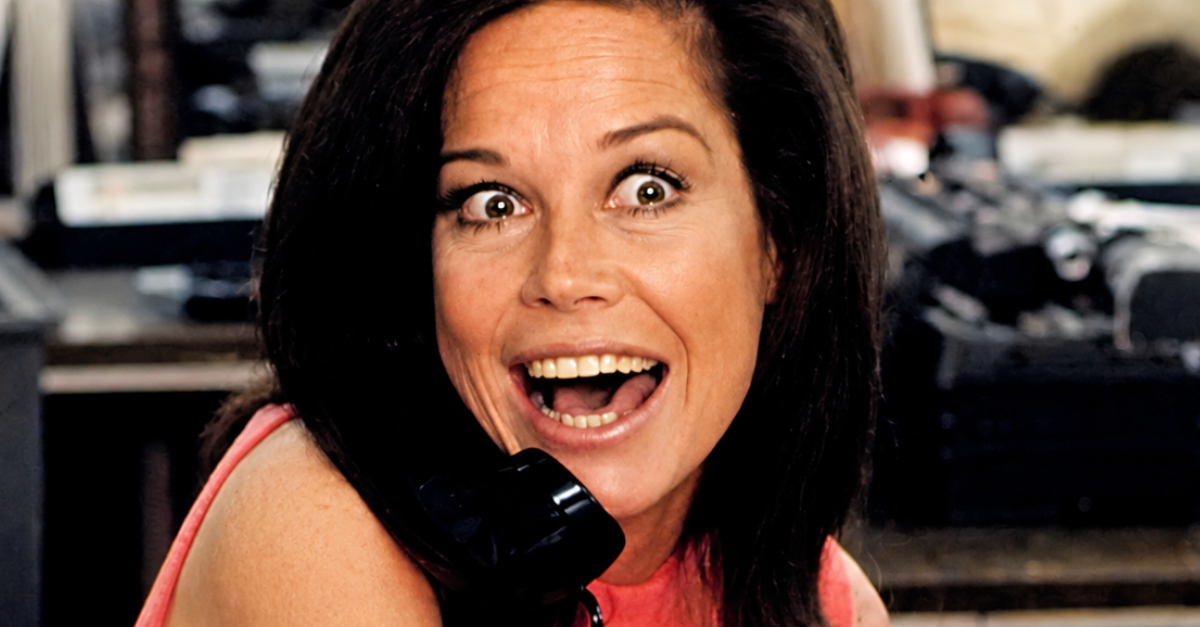
WJM-TV Turned A Newsroom Into A Family
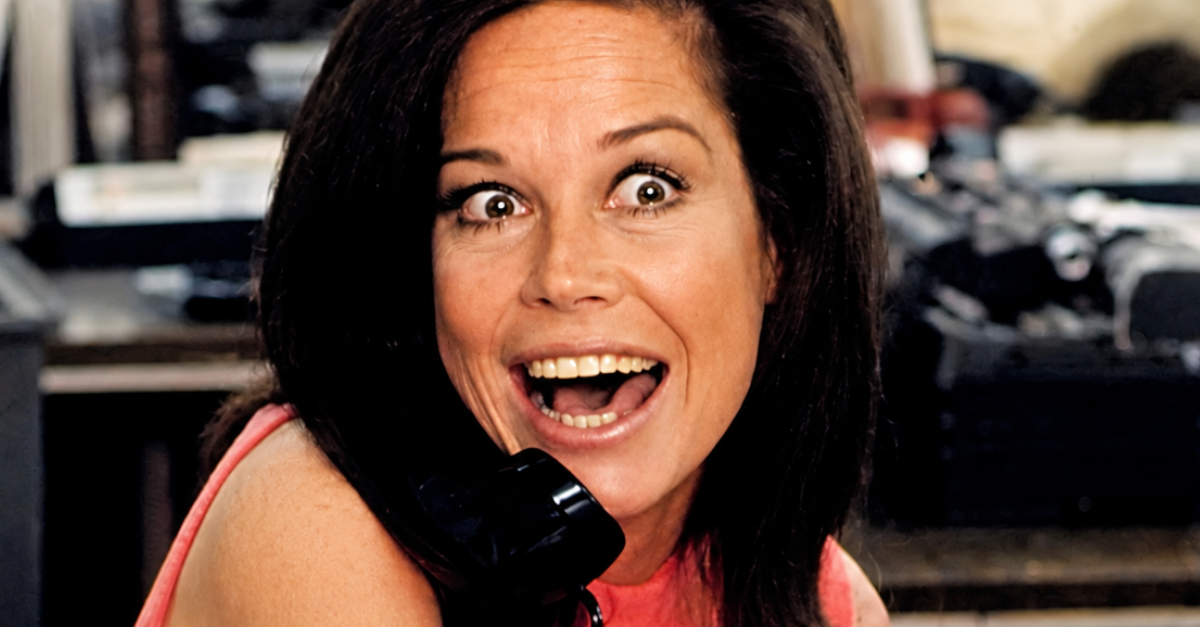
Mary Richards applied for a secretarial job at WJM-TV and walked out as associate producer of the six o’clock news. The Minneapolis newsroom carried seven seasons of career setbacks, friendships, and arguments, then supplied the final image when Mary switched off its lights for the last time. By making an independent woman’s working life the center of the story, The Mary Tyler Moore Show turned WJM into a television landmark.
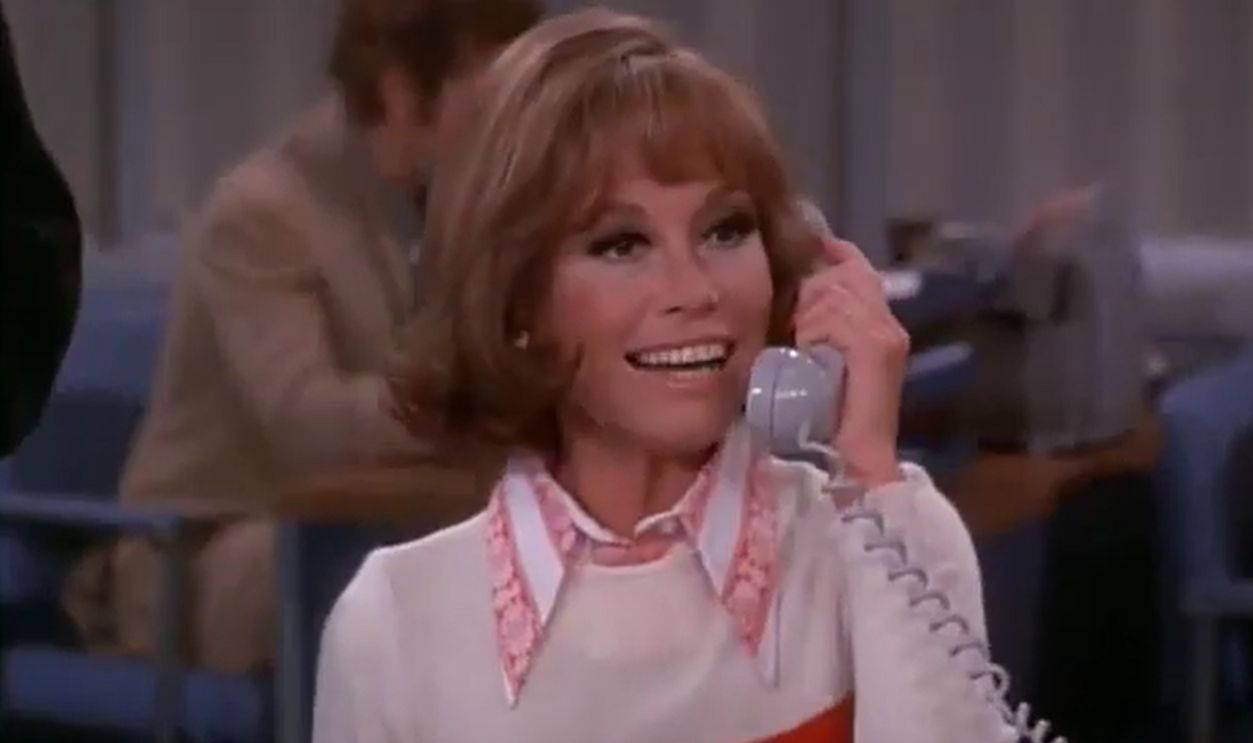 Screenshot from The Mary Tyler Moore Show, CBS (1970–1977)
Cheers Made The Bar Feel Like Home
The Boston tavern in Cheers was Sam Malone’s business, but the staff and regulars made it feel like a shared living room. The creators researched bar culture, while Boston’s real Bull & Finch Pub supplied inspiration and the exterior seen throughout the series. The room became so recognizable that the Television Academy recreated it for the 75th Emmy Awards.
 Screenshot from Cheers, NBC (1982–1993)
Dunder Mifflin Made Beige Iconic
At Dunder Mifflin’s Scranton branch, beige walls, battered desks, and a cramped open floor plan became comic tools. Set decorator Steve Rostine deliberately roughed up furniture and stocked the space with Pennsylvania details, while the layout let cameras catch reactions from across the room. The fake paper company’s carefully engineered blandness helped turn The Office into a cultural phenomenon.
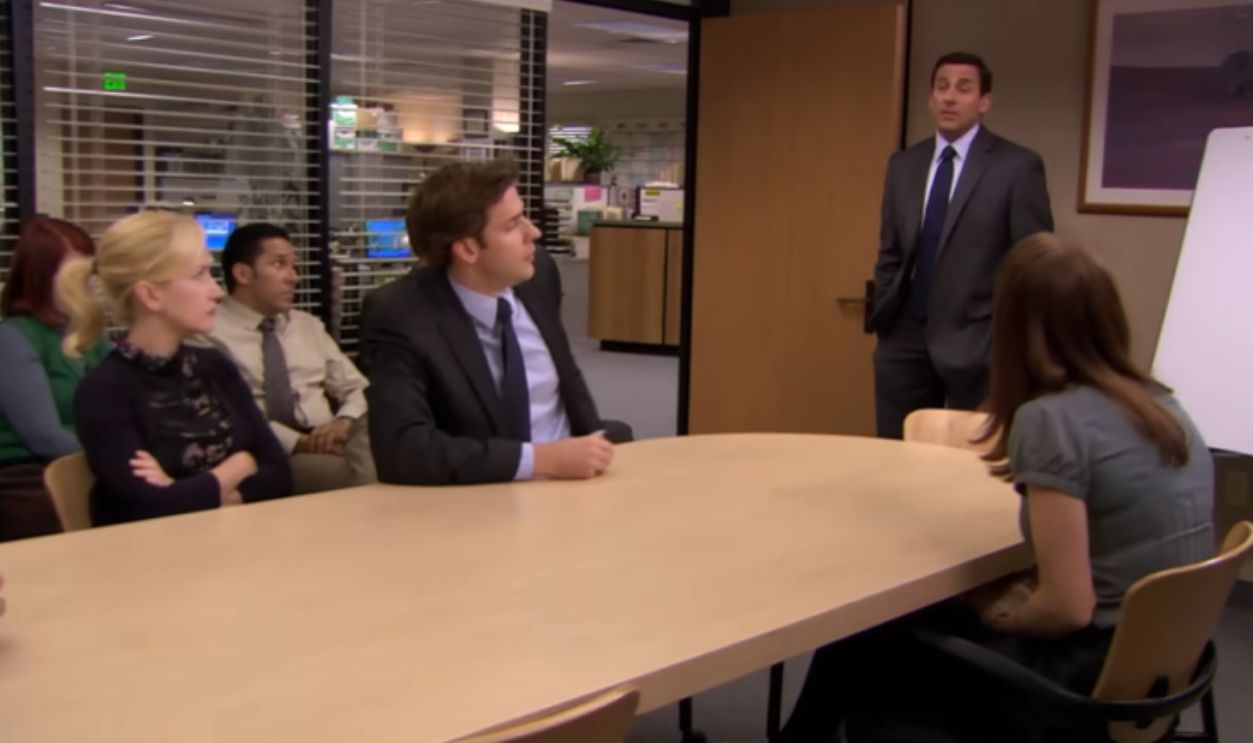 Screenshot from The Office, NBC (2005-2013)
The 4077th Made A Camp Unforgettable
The 4077th was a fictional mobile Army surgical hospital in the television series M*A*S*H, where doctors and nurses mixed exhausting medical work with dark comedy. The Swamp’s close quarters and the camp’s directional signpost gave the unit a visual identity far beyond a conventional hospital set. That signpost now belongs to the Smithsonian, a fitting home for one of television’s most recognizable workplaces.
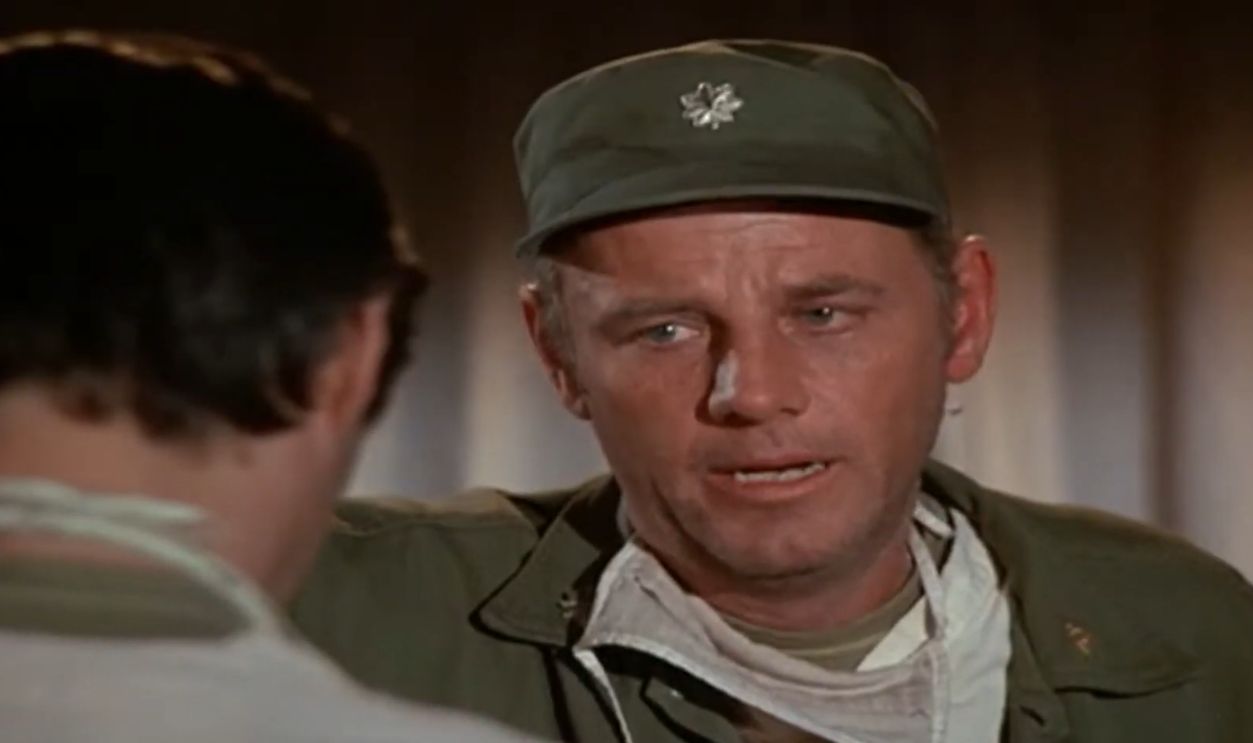 Screenshot from M*A*S*H, CBS (1972–1983)
The Alan Brady Writers’ Room Made Comedy Look Like Work
Rob Petrie wrote for the fictional Alan Brady variety show alongside colleagues such as Sally Rogers and Buddy Sorrell. The Dick Van Dyke Show broke new ground by giving Rob’s home life and working life substantial screen time. Its writers’ room made deadlines, office friendships, and the construction of jokes part of the weekly comedy.
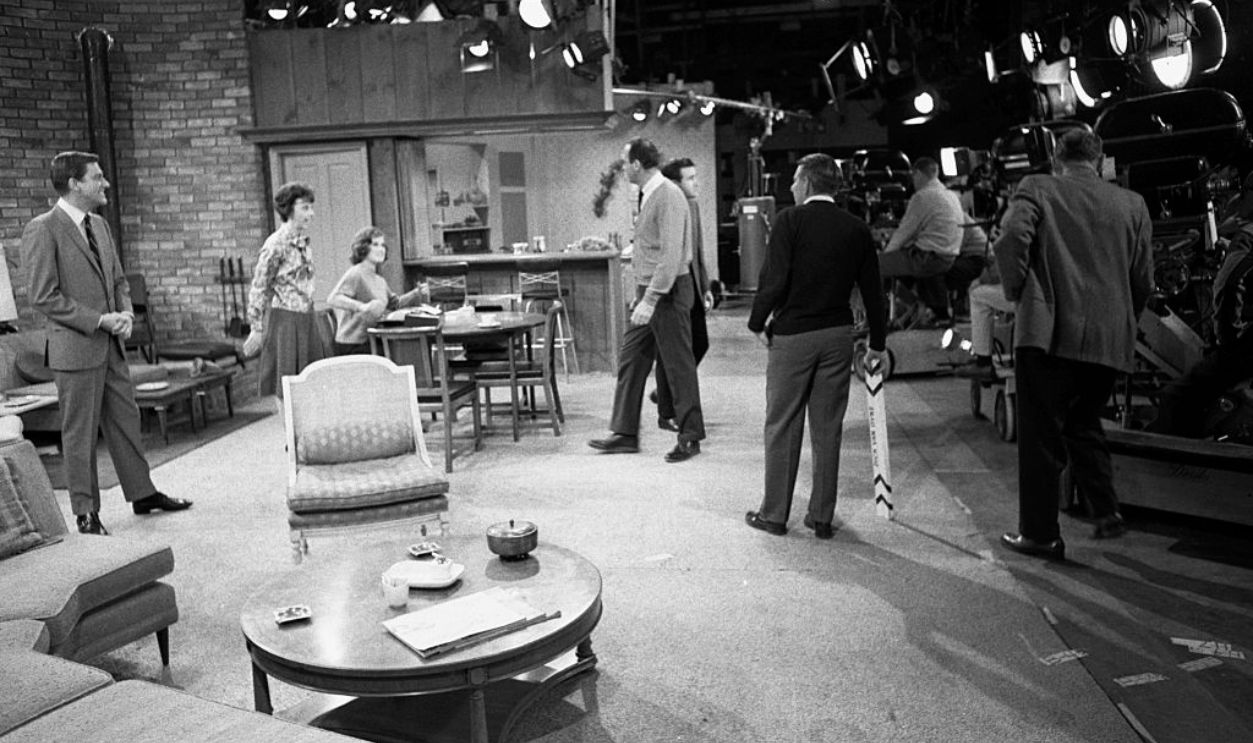 Earl Theisen Collection, Getty Images
WKRP Made Radio Chaos Sound Perfect
WKRP in Cincinnati followed the staff of a struggling fictional radio station, and creator Hugh Wilson drew on his own exposure to the broadcasting business. The station brought disc jockeys, news staff, managers, and advertising people into one unpredictable workplace. Because its characters and mishaps came from recognizable radio culture, WKRP’s booth and offices felt both ridiculous and plausible.
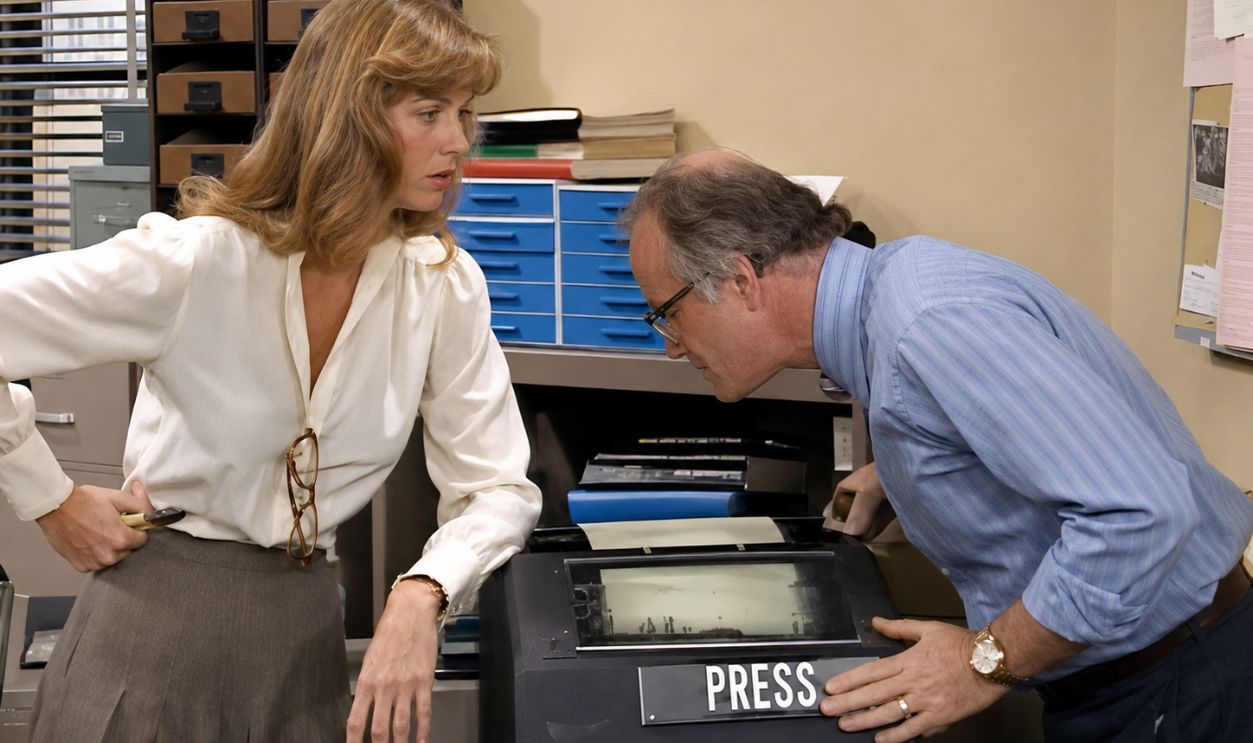 Screenshot from WKRP in Cincinnati, CBS (1978-1982)
Sunshine Cab Put Dreams On The Meter
Taxi centered on the Sunshine Cab Company, which the Television Academy’s history describes as more central than any individual member of the ensemble. Most of its drivers viewed cab work as a detour from larger ambitions, while Alex Rieger accepted the job as his life and Louie De Palma ruled dispatch. The garage became a holding pen for bruised dreams, which gave the comedy its unusual warmth.
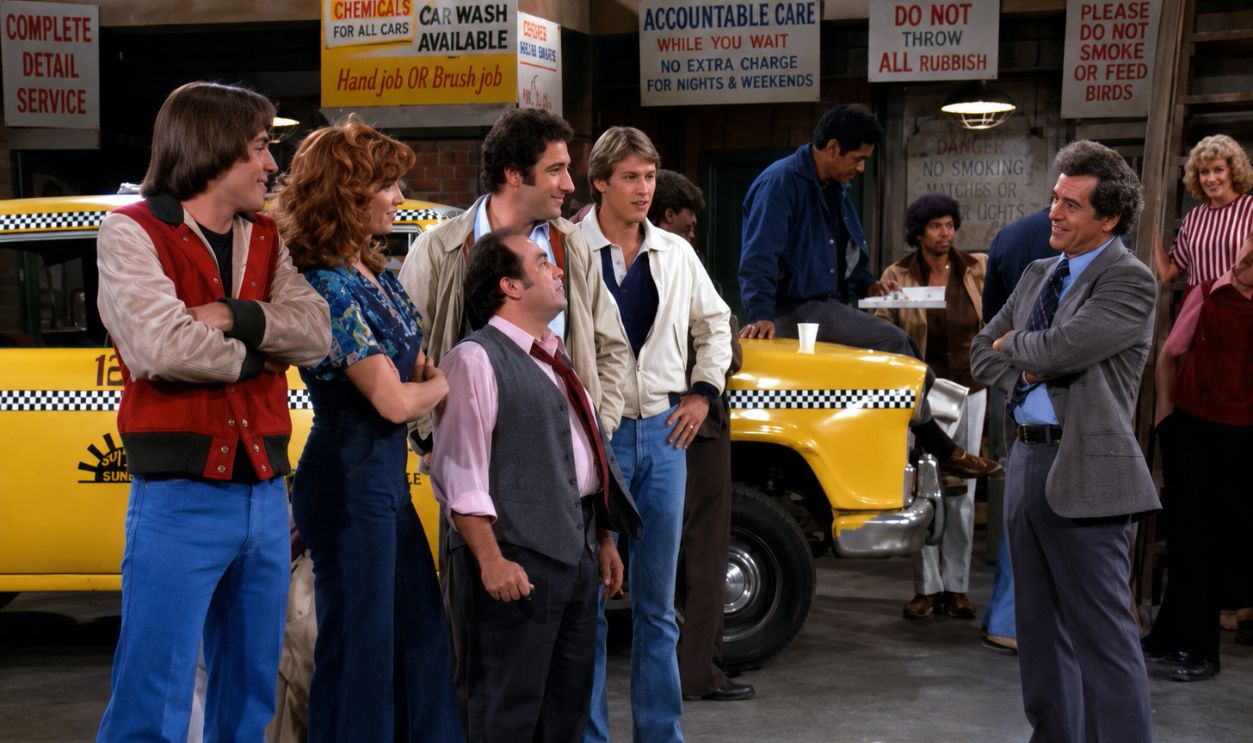 Screenshot from Taxi, Paramount Television (1978-1983), Enhanced
The 12th Precinct Never Needed A Car Chase
Barney Miller rarely left its cluttered police squad room. The comedy favored interviews, paperwork, and realistic detective work over car chases and shoot-outs. That restriction turned worn desks and crowded corners into a stage where one strange visitor could disrupt an entire shift.
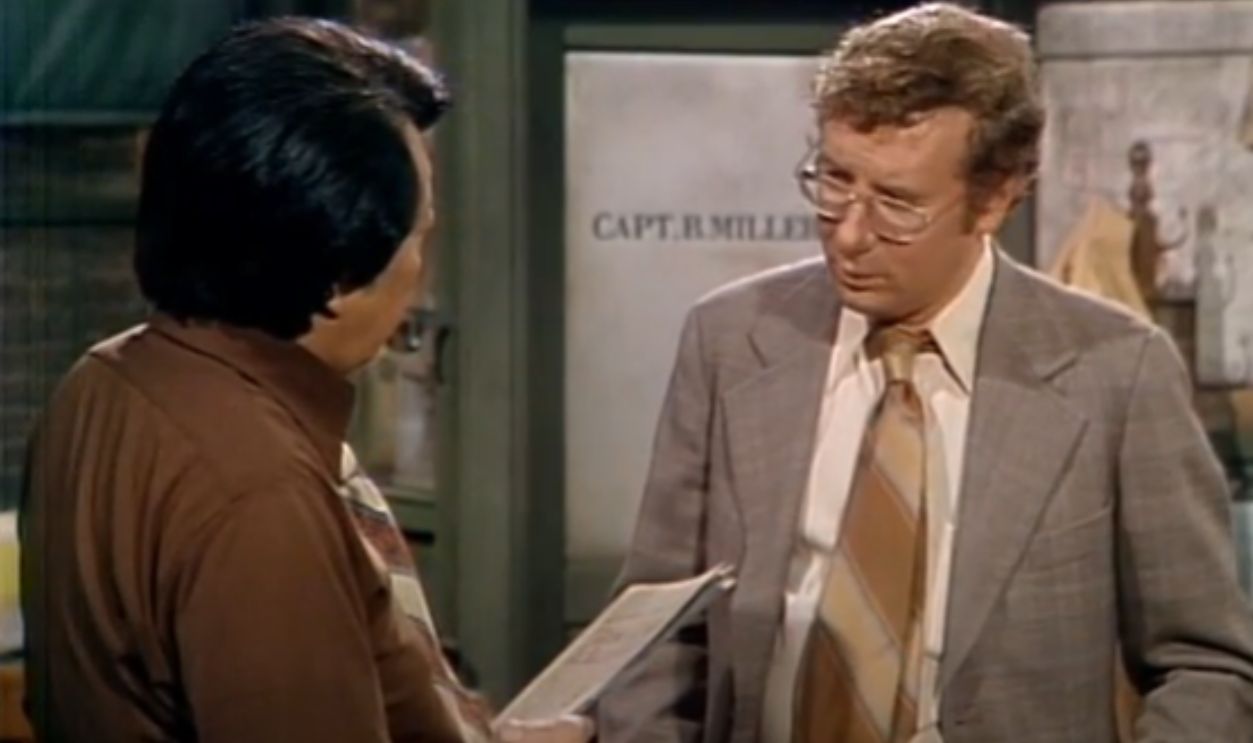 Screenshot from Barney Miller, ABC (1975-1982)
Mel’s Diner Served Working-Class Comfort
Alice Hyatt took a waitressing job at Mel’s Diner after arriving in Phoenix with her young son, and most episodes revolved around the roadside restaurant. Flo, Vera, and gruff owner and head cook Mel turned the counter into a noisy workplace family, while “Kiss my grits” became the show’s signature line. Alice reached television’s top 10 in four of five seasons, proving viewers were happy to keep coming back to Mel’s.
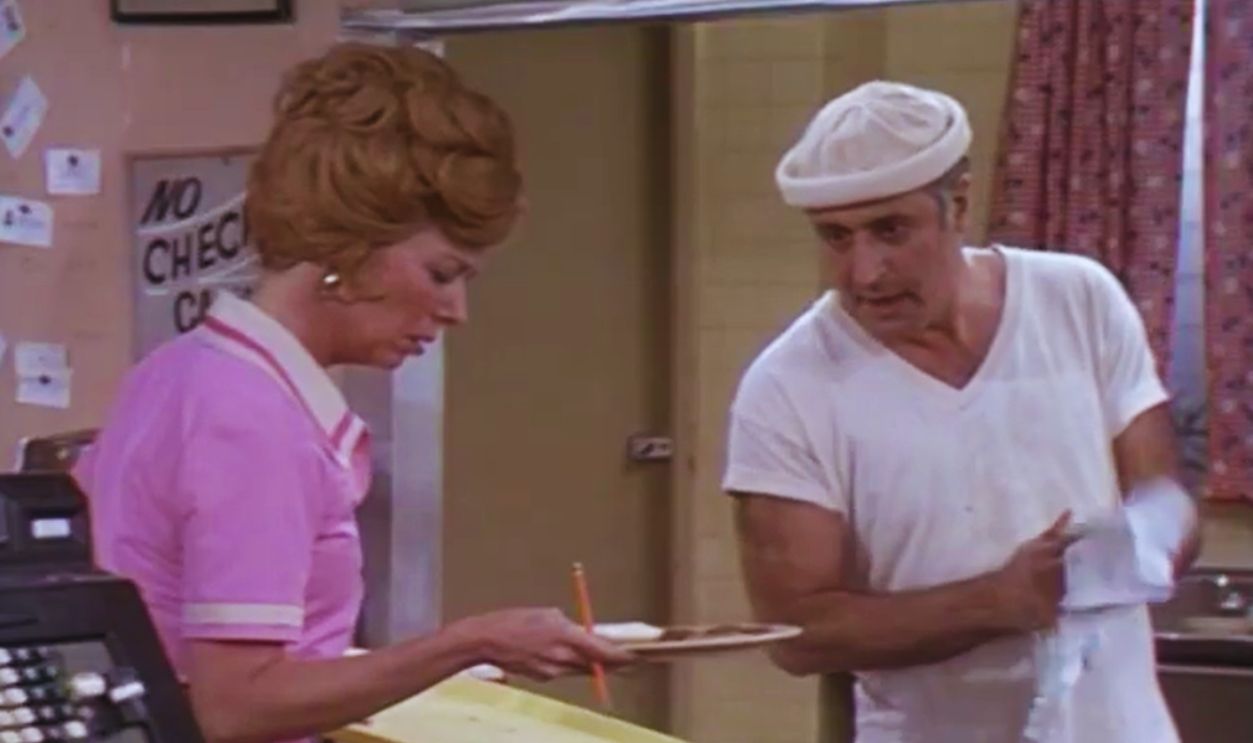 Screenshot from Alice, CBS (1976–1985)
Shotz Brewery Put Friendship On The Line
Laverne DeFazio and Shirley Feeney began their series Laverne & Shirley as bottle cappers at Milwaukee’s Shotz Brewery. The assembly line immediately established their blue-collar world, while their partnership showed two young women supporting each other in the workplace. Even when later stories moved beyond the brewery, those opening images remained the perfect symbol of their determination.
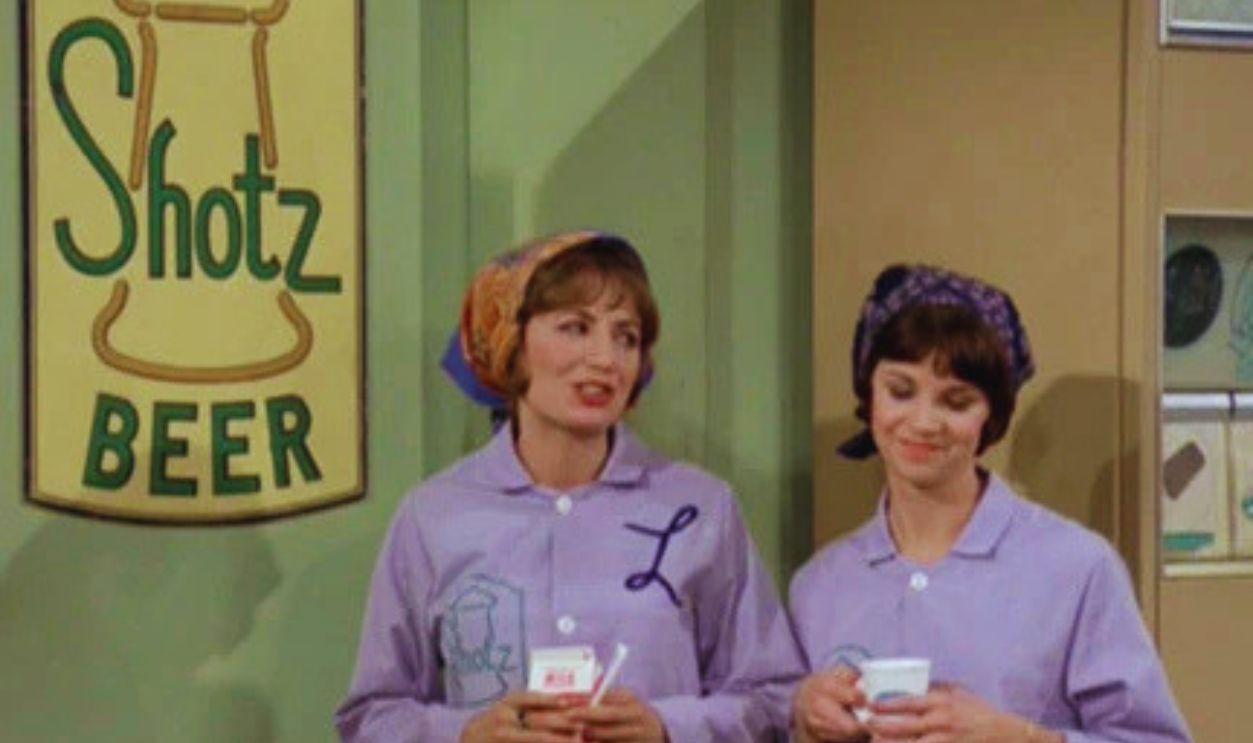 Screenshot from Laverne & Shirley, ABC (1976–1983)
Mayberry’s Courthouse Became The Town’s Living Room
Andy Taylor’s sheriff’s office doubled as Mayberry’s courthouse and jail in The Andy Griffith Show, although serious police work was rarely the main event. Andy spent much of his time managing Barney and the townspeople, while Otis Campbell famously let himself into a cell after drinking. The setting became so beloved that Mount Airy preserves original courthouse signs and offers a replica where fans can sit at Andy’s desk and enter the cells.
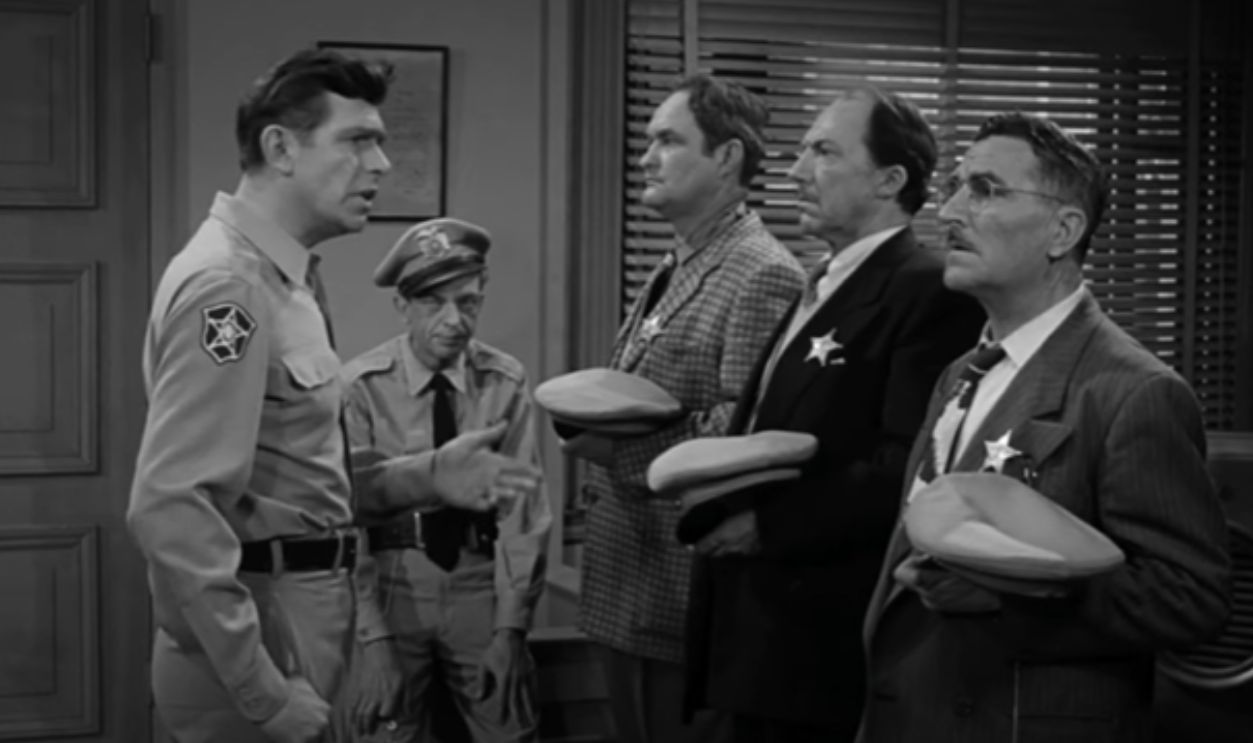 Screenshot from The Andy Griffith Show, CBS (1960–1968)
KACL Put Therapy On The Air
Frasier Crane hosted The Dr. Frasier Crane Show at Seattle station KACL, with Roz Doyle producing beside him. The booth let him dispense polished advice to strangers while his own relationships remained gloriously complicated. Along with Frasier’s apartment and Café Nervosa, KACL became one of the show’s essential stages.
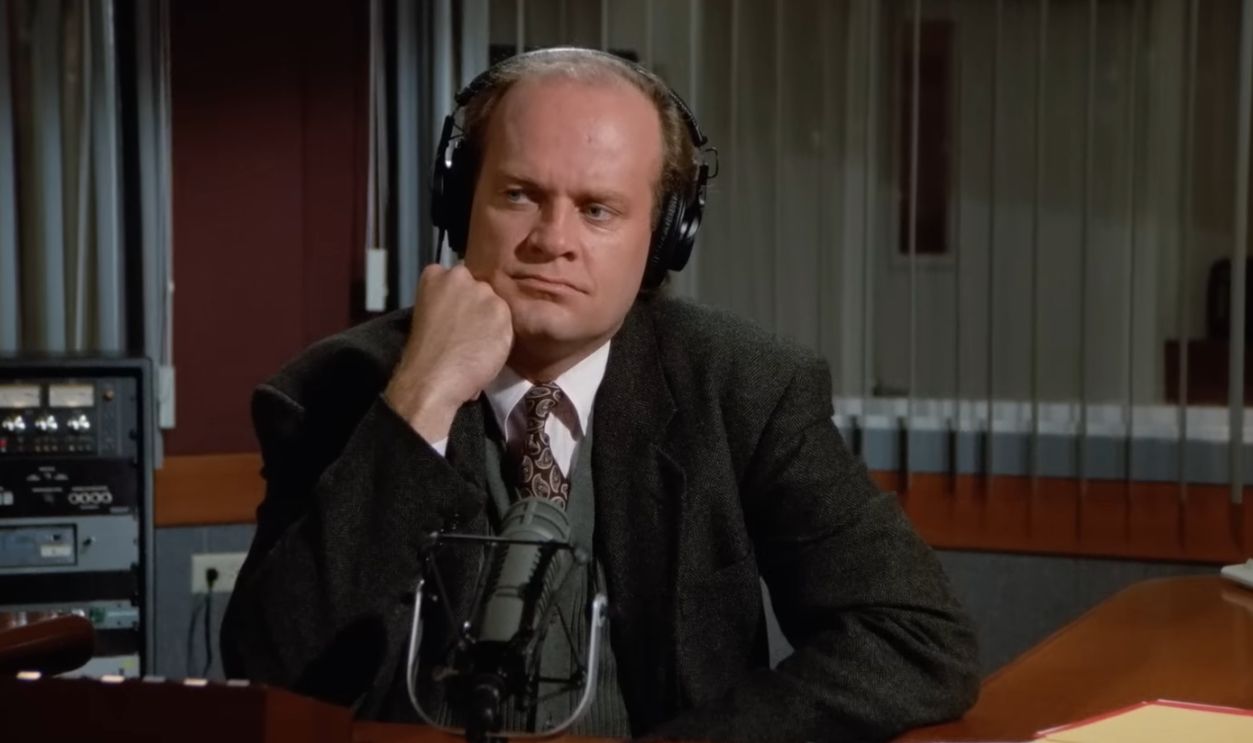 Screenshot from Frasier, NBC (1993–2004)
FYI Made The Newsroom A Battleground
Murphy Brown took viewers behind the scenes of FYI, a fictional investigative news program resembling the hard-edged world of television newsmagazines. Its reporters, producers, and staff turned journalism into a weekly contest involving deadlines, ambition, politics, and ego. The original run lasted 10 seasons and won 18 Emmys, making FYI one of its era’s defining fictional newsrooms.
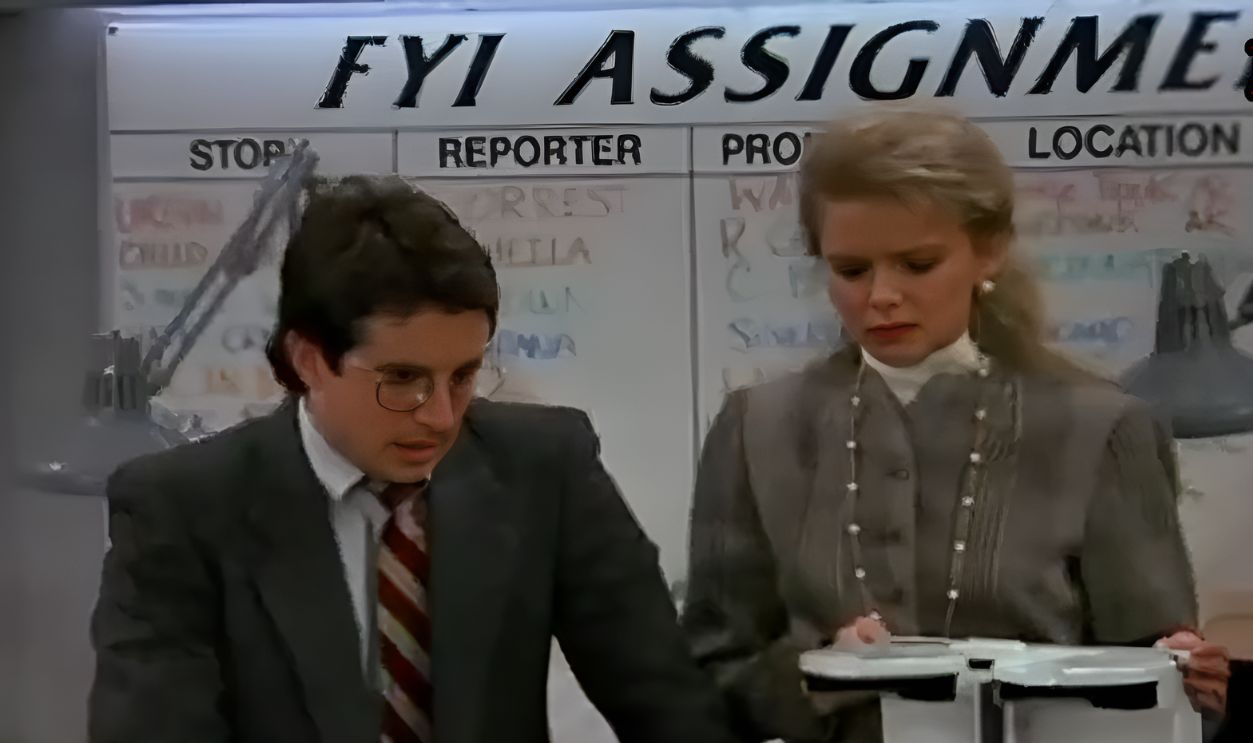 Screenshot from Murphy Brown, CBS (1988–2018), Modified
WNYX Perfected Office Dysfunction
NewsRadio set its office politics inside WNYX, New York’s number-two news radio station. New director Dave Nelson had to manage feuding anchors, an ambitious producer, an eccentric owner, and coworkers who treated every assignment as a fresh emergency. The show never became the ratings hit NBC wanted, but its volatile workplace helped it endure as a cult comedy.
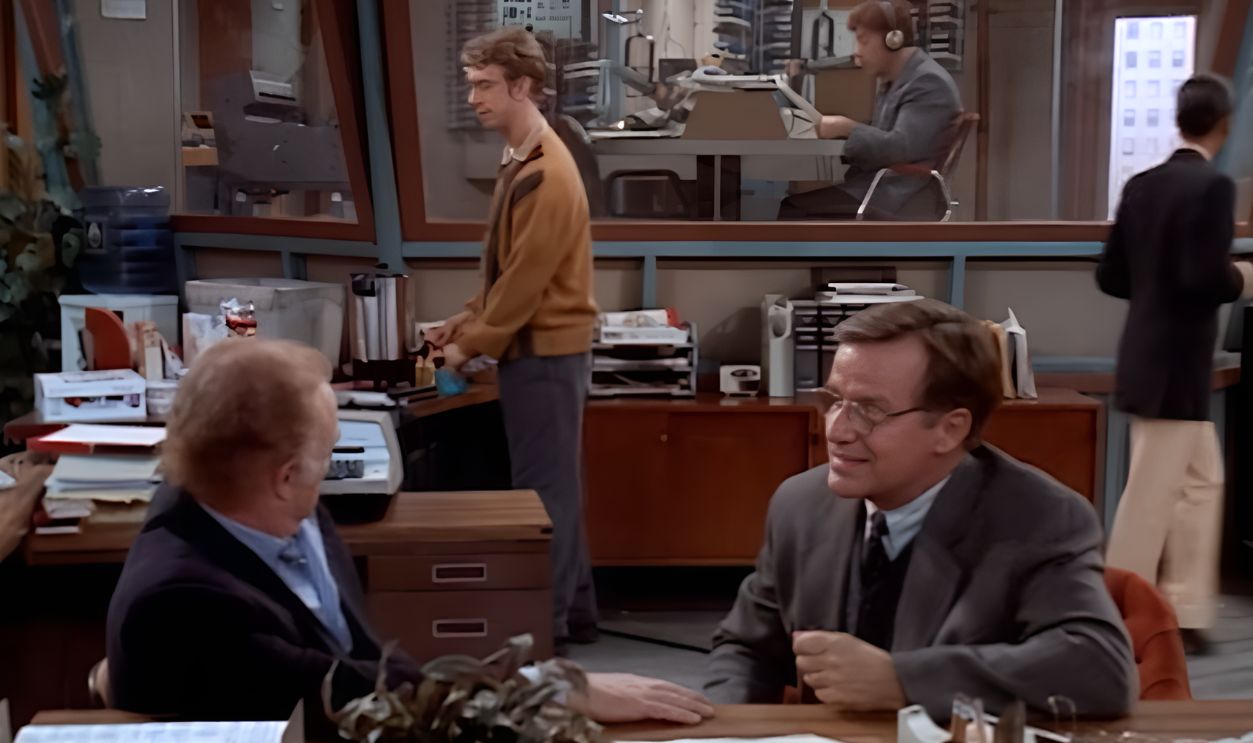 Screenshot from NewsRadio, NBC (1995–1999), Modified
Sterling Cooper Sold The Sixties
Mad Men’s advertising offices were designed with nearly the same precision Don Draper brought to a pitch. When Sterling Cooper Draper Pryce moved into the Time Life Building in the story’s 1964 setting, designers hunted down vintage Herman Miller pieces from the company’s period catalog. Entire sets were later displayed at the Museum of the Moving Image, confirming how inseparable those offices had become from the show’s appeal.
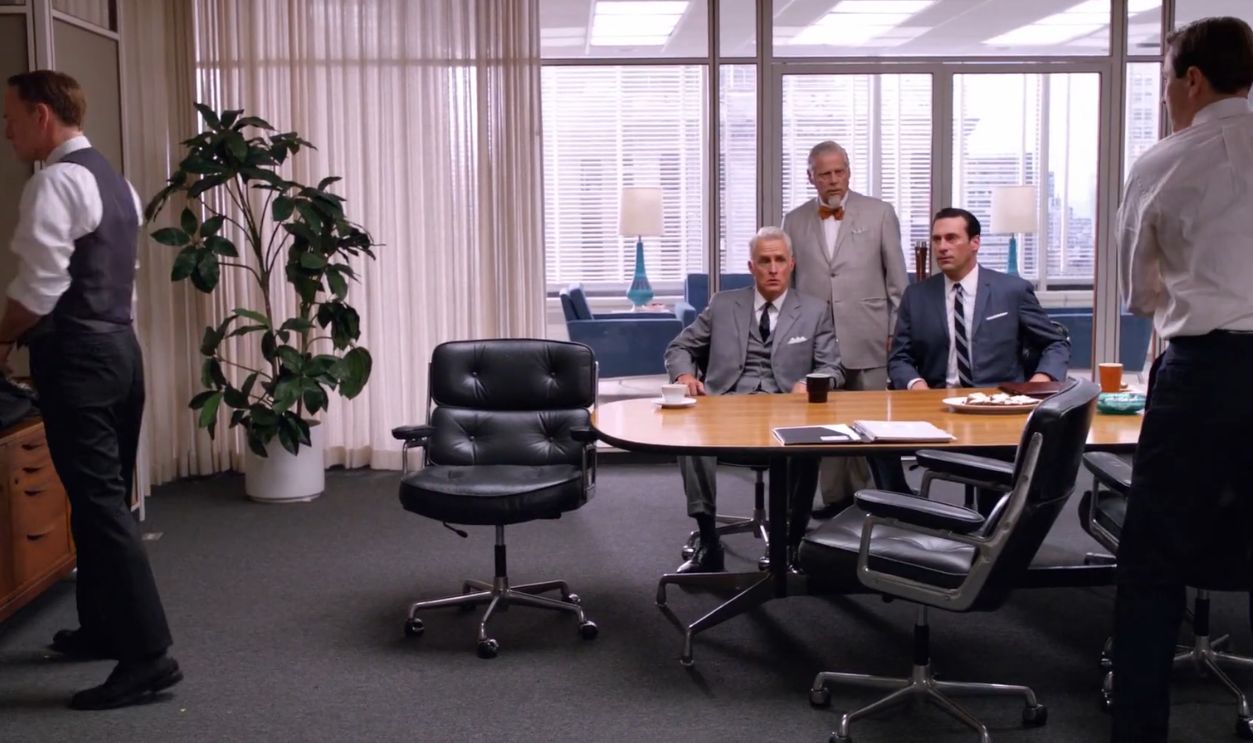 Screenshot from Mad Men, AMC (2007–2015)
County General Never Stopped Moving
ER followed the physicians and staff of the emergency room at fictional County General Hospital in Chicago for 15 seasons and 331 episodes. Its pilot established a kinetic medical world shaped by life-and-death decisions, overlapping stories, and Steadicam movement through the department. As cast members came and went, County General remained the show’s constant pulse.
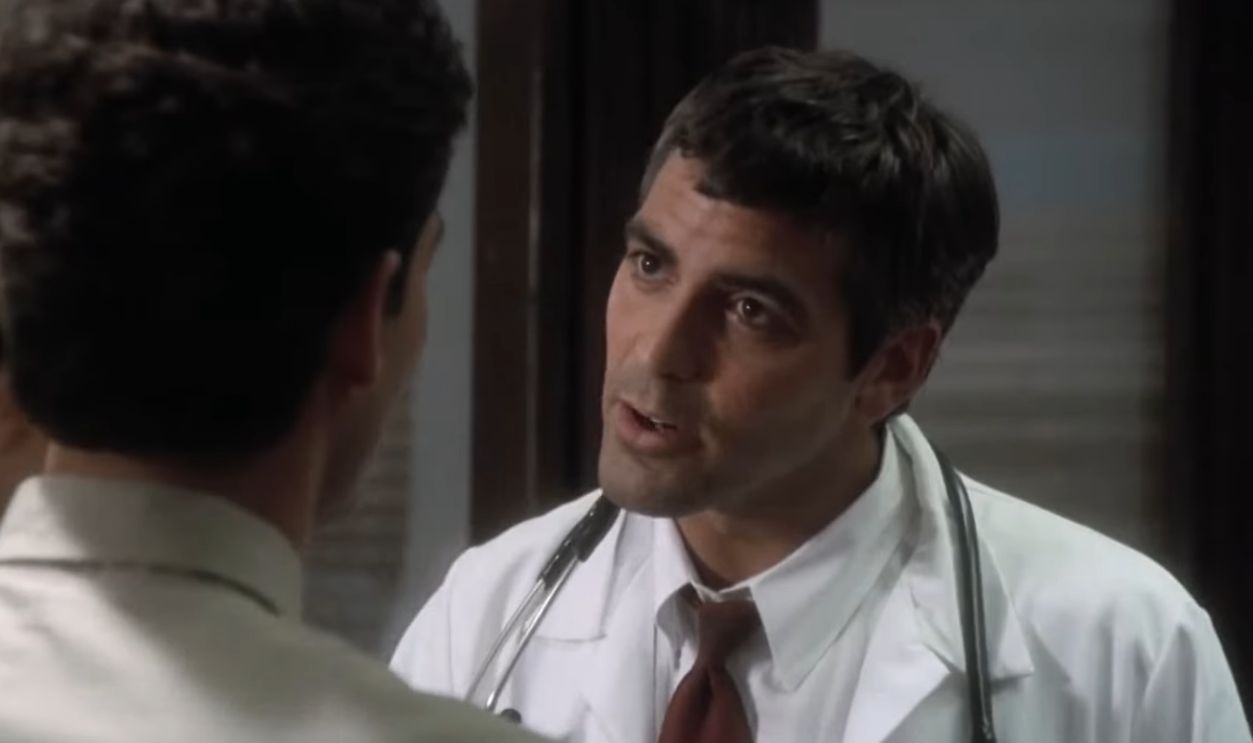 Screenshot from ER, NBC (1994–2009)
Sacred Heart Felt Strangely Real
For most of its original run, Scrubs filmed Sacred Heart inside the closed North Hollywood Medical Center. The production used the real hospital’s rooms and corridors, and the illusion was convincing enough that visitors occasionally wandered in seeking medical care. After the building was demolished in 2011, the workplace was reconstructed for the series’ later return.
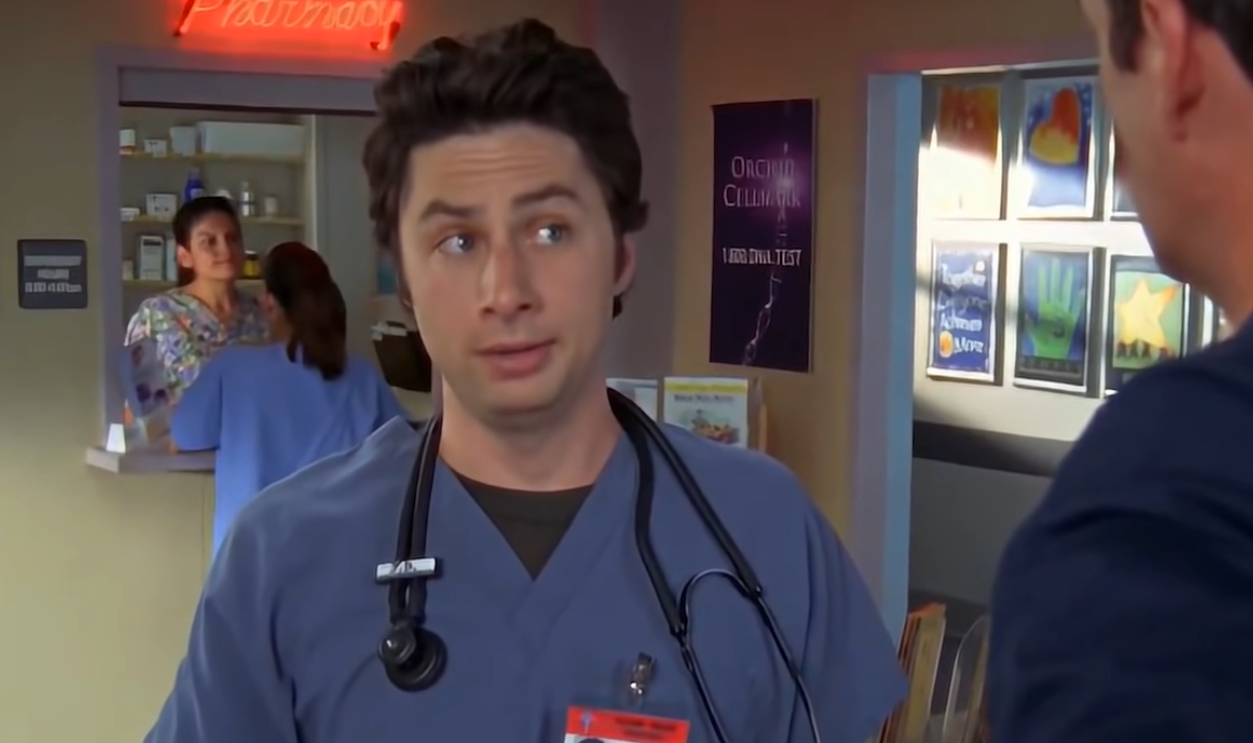 Screenshot from Scrubs, ABC (2001-)
St. Eligius Made Medicine Messy
St. Elsewhere unfolded at Boston’s decaying St. Eligius teaching hospital, where the doctors were flawed and patients did not always recover. Its large ensemble, interlocking stories, realism, and willingness to tackle difficult subjects broke sharply with older, more reassuring medical dramas. In 1983, the hospital became the setting for television’s first prime-time series episode centered on an AIDS patient.
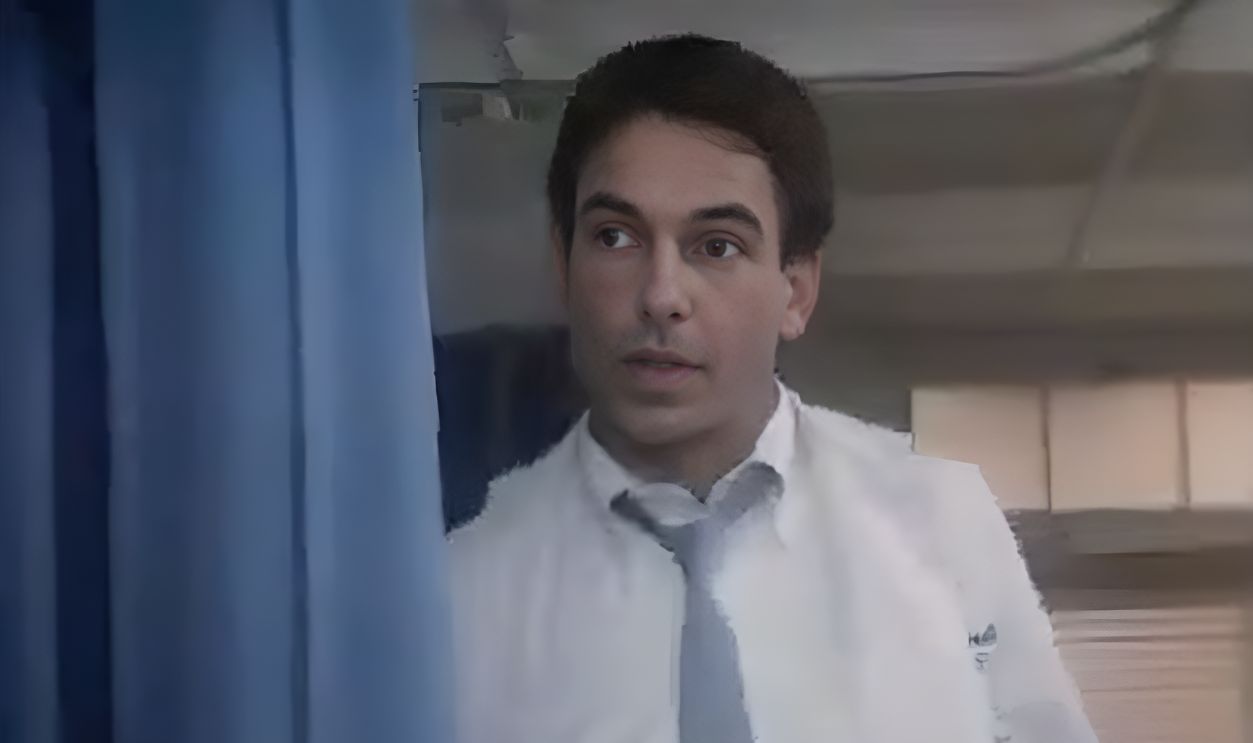 Screenshot from St. Elsewhere, NBC (1982–1988), Modified
The Stratford Inn Checked In A Whole Town
Newhart sent Dick and Joanna Loudon from New York to Vermont to run the Stratford Inn. The exterior belonged to the real Waybury Inn, while the interior workplace gathered employees, guests, and the town’s eccentrics under one roof. Over eight seasons, innkeeping became less a quiet escape than a daily test of Dick’s patience.
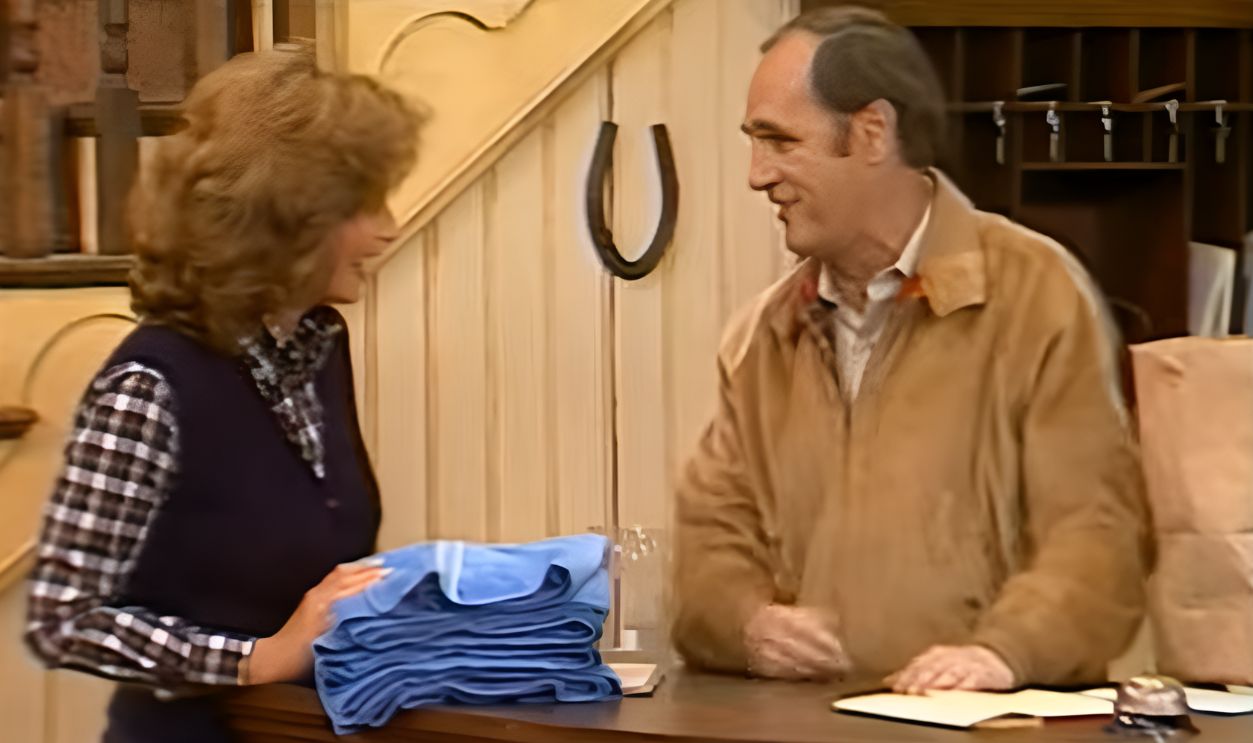 Screenshot from Newhart, CBS (1982–1990), Modified
Bob Hartley’s Office Was Built For Reactions
On The Bob Newhart Show, psychologist Bob Hartley shared office resources with orthodontist Jerry Robinson and quick-witted receptionist Carol Kester. Eccentric patients and Bob’s one-sided telephone conversations gave Newhart endless opportunities to react without raising his voice. The workplace proved that a desk, a pause, and one baffled expression could carry an entire scene.
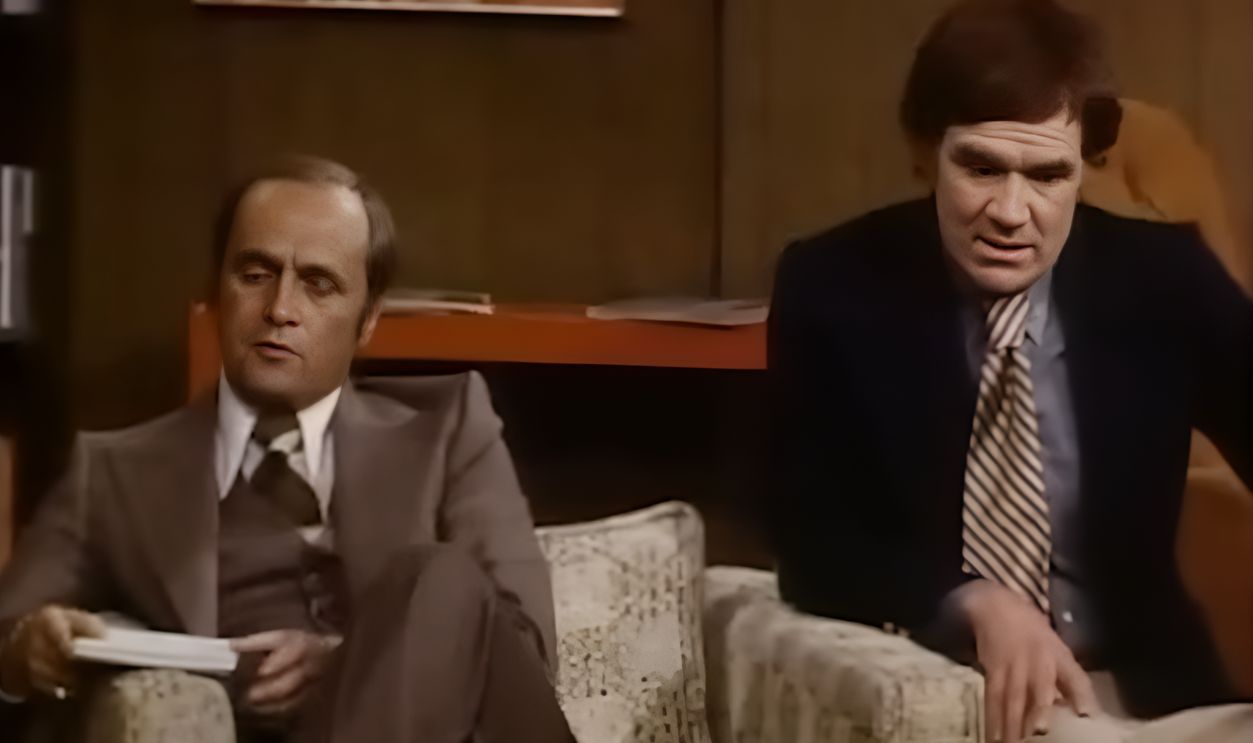 Screenshot from The Bob Newhart Show, CBS (1972–1978), Modified
The Pacific Princess Turned Work Into A Cruise
The Love Boat usually unfolded aboard the Pacific Princess, where the crew worked while a new collection of passengers pursued romance and trouble each week. Pacific Princess and Island Princess served as the show’s floating stars, and production also filmed aboard real Princess ships in destinations around the world. That moving workplace made the scenery change while Captain Stubing’s crew remained reassuringly familiar.
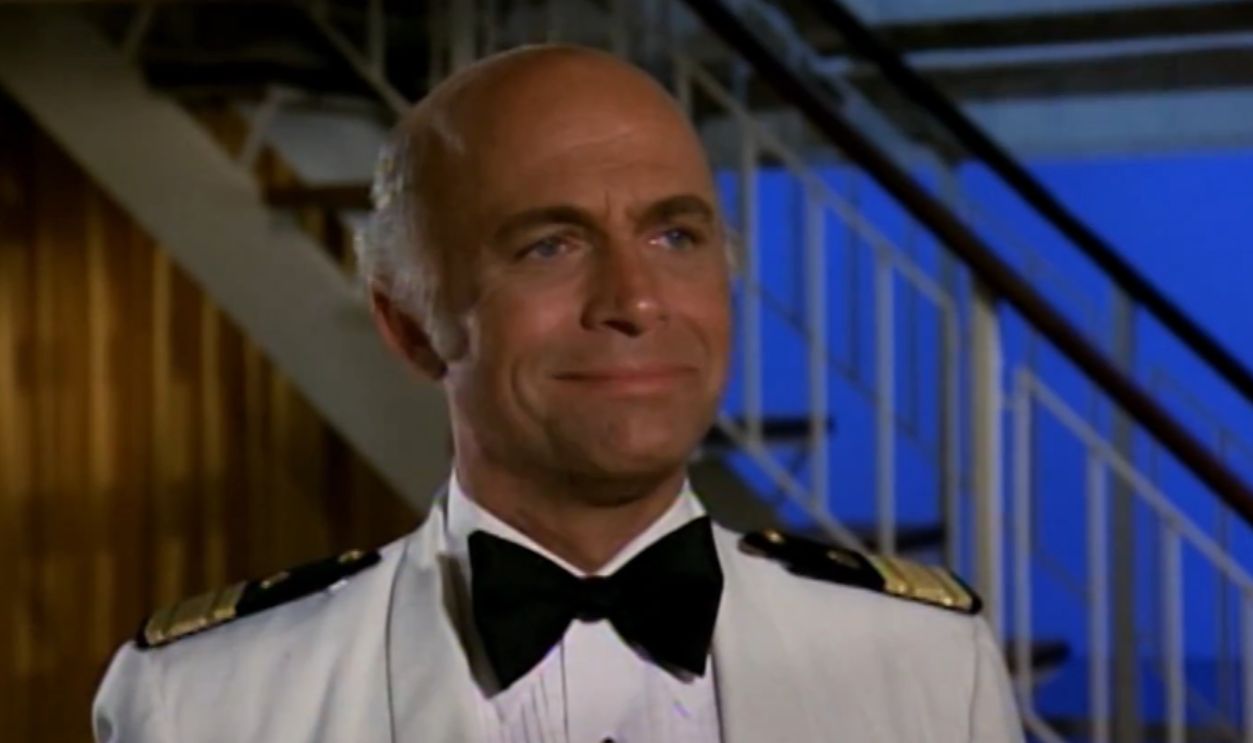 Screenshot from The Love Boat, ABC (1977-1986)
The West Wing Made Hallways Dramatic
The West Wing placed viewers inside the offices of President Josiah Bartlet’s fictional White House administration. Its 20,000-square-foot Los Angeles set was developed with advice from former White House staffers, although rooms were adjusted to support the show’s famous walk-and-talk scenes. The result was convincing enough to make corridors, glass partitions, and the Oval Office feel like recurring members of the ensemble.
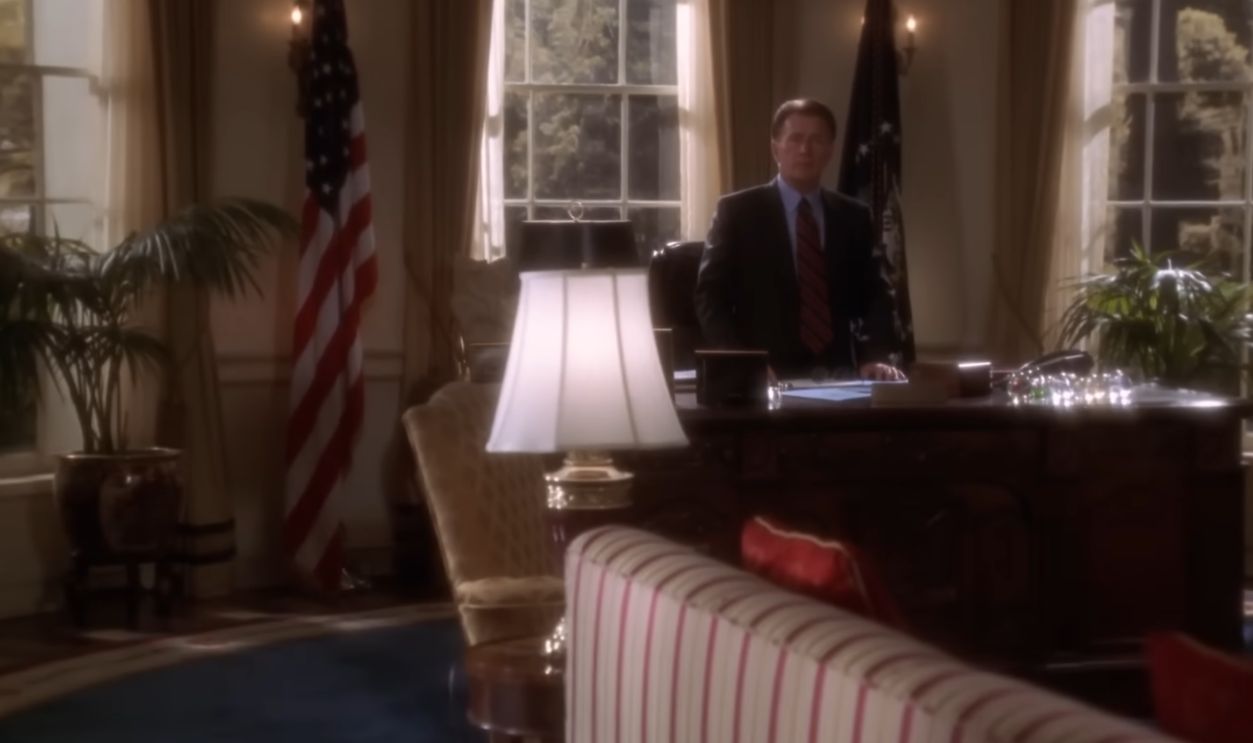 Screenshot from The West Wing, NBC (1999–2006)
Hill Street’s Station House Rewrote Cop Shows
Hill Street Blues focused on overworked officers inside a fictional urban precinct. Its crowded workplace, ensemble storytelling, complex plots, and restless camerawork helped revolutionize the television police drama. The station house made exhaustion, bureaucracy, and interpersonal conflict as compelling as anything happening on the street.
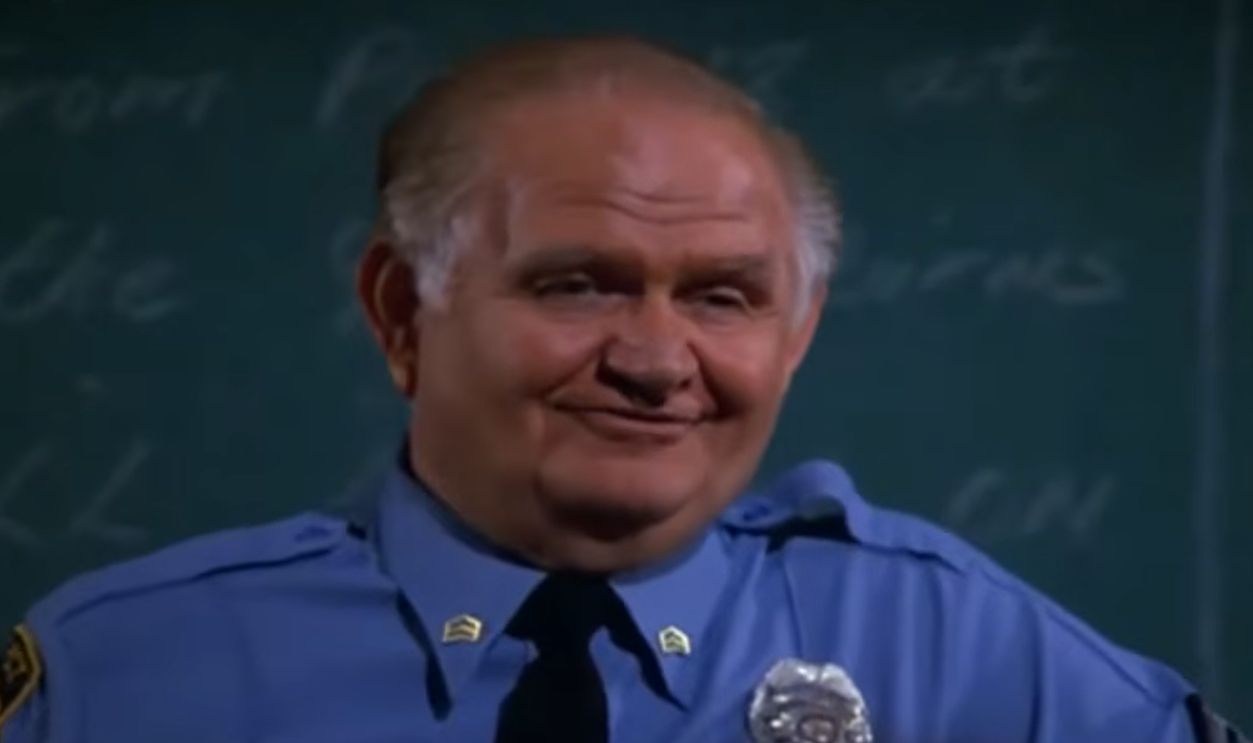 Screenshot from Hill Street Blues, NBC (1981–1987)
The Los Angeles Tribune Put Deadlines In Focus
Lou Grant moved Ed Asner’s character from a Minneapolis television comedy to a serious job as city editor of the fictional Los Angeles Tribune. The newsroom surrounded him with an owner, an assistant editor, and reporters tackling issue-driven stories. By changing the workplace, the series transformed a familiar sitcom boss into the anchor of a respected drama.
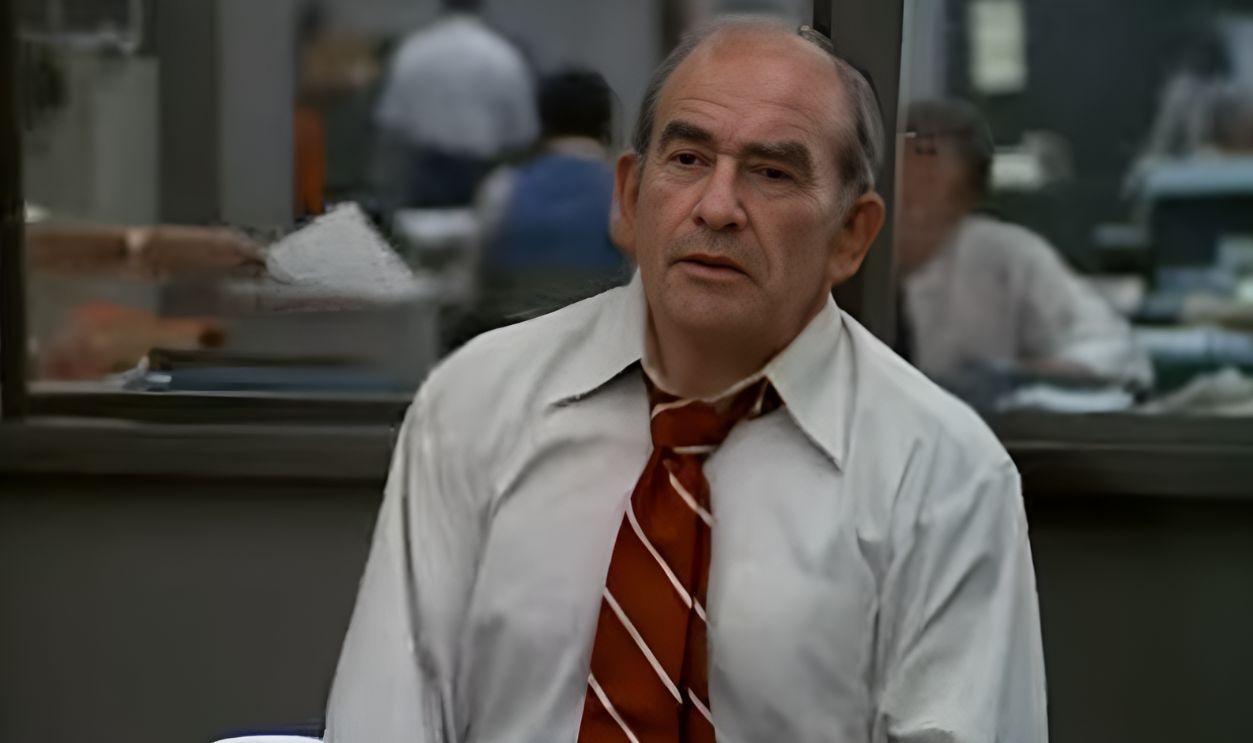 Screenshot from Lou Grant, CBS (1977–1982), Modified
CONTROL Made Espionage Look Bureaucratic
Get Smart made CONTROL the government agency standing between the world and the villains of KAOS. Its headquarters mixed spy fantasy with office absurdity, especially when the Cone of Silence made top-secret conversations impossible to hear. The shoe phone and other workplace gadgets became so famous that they remained inseparable from Maxwell Smart’s identity.
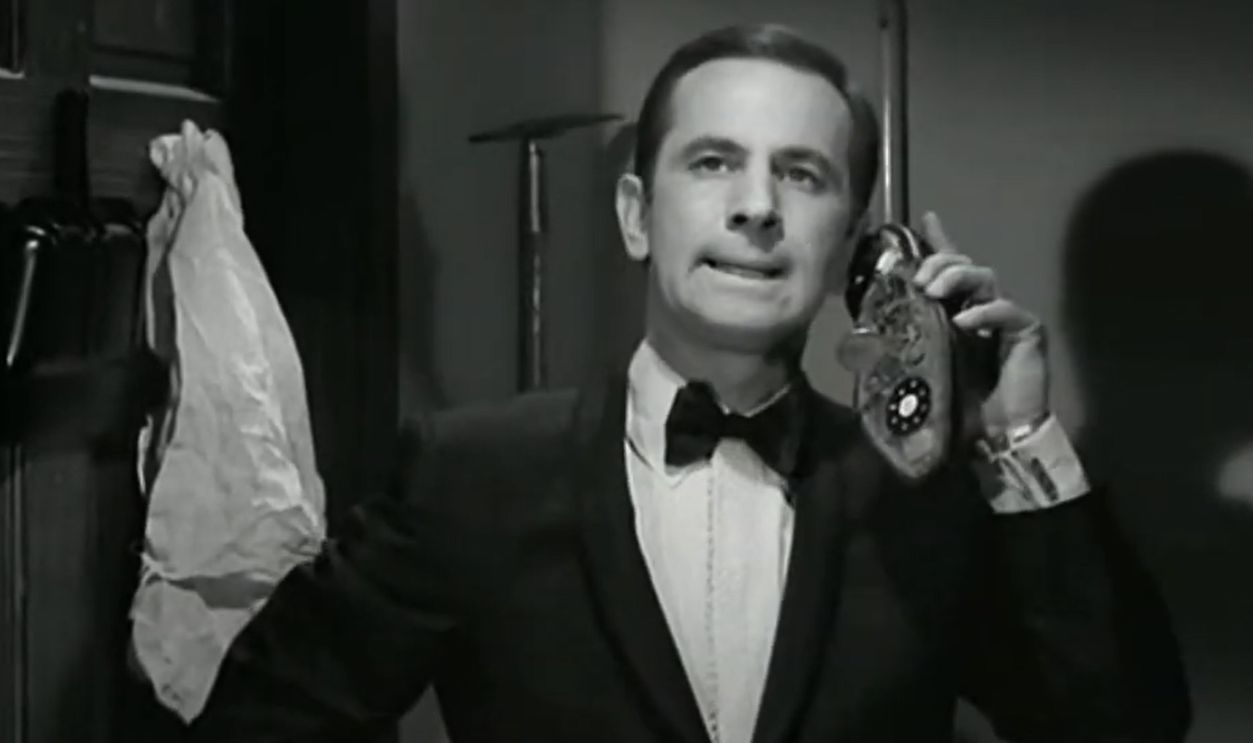 Screenshot from Get Smart, NBC (1965–1970)
Mr. Slate’s Quarry Rocked The Stone Age
The Flintstones placed Fred and Barney in prehistoric Bedrock but gave them recognizably modern working-class problems. Both men returned home from days at the rock quarry, where Fred answered to the perpetually demanding Mr. Slate. The setting turned industrial labor into a Stone Age gag without losing the frustrations of a very contemporary boss-and-employee relationship.
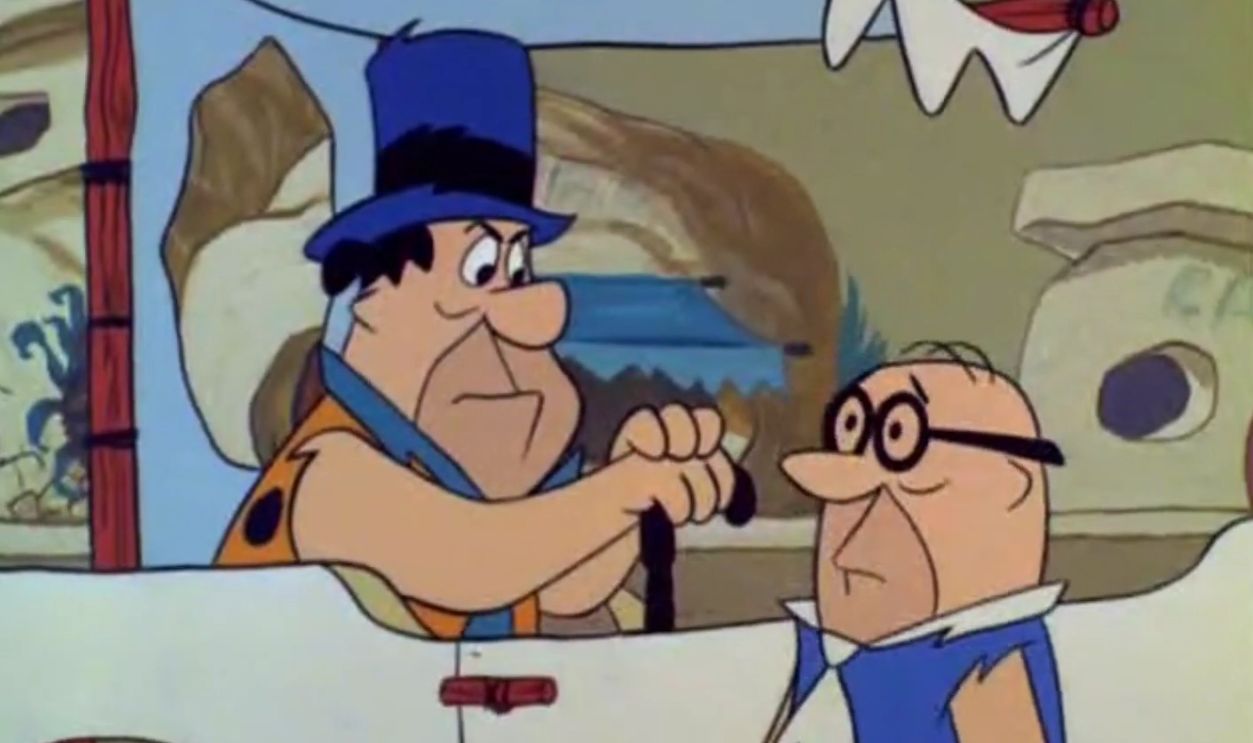 Screenshot from The Flintstones, ABC (1960–1966)
Spacely Sprockets Sent Office Life Into Orbit
The Jetsons imagined a push-button workplace where George complained that a two-hour shift felt inhumane and Mr. Spacely remained a tyrannical boss. Employees could even travel through pneumatic tubes to reach the boss’s office, while Spacely Sprockets competed with Cogswell’s company. The technology was futuristic, but the office politics were comfortingly familiar, which made the workplace one of the show’s best jokes.
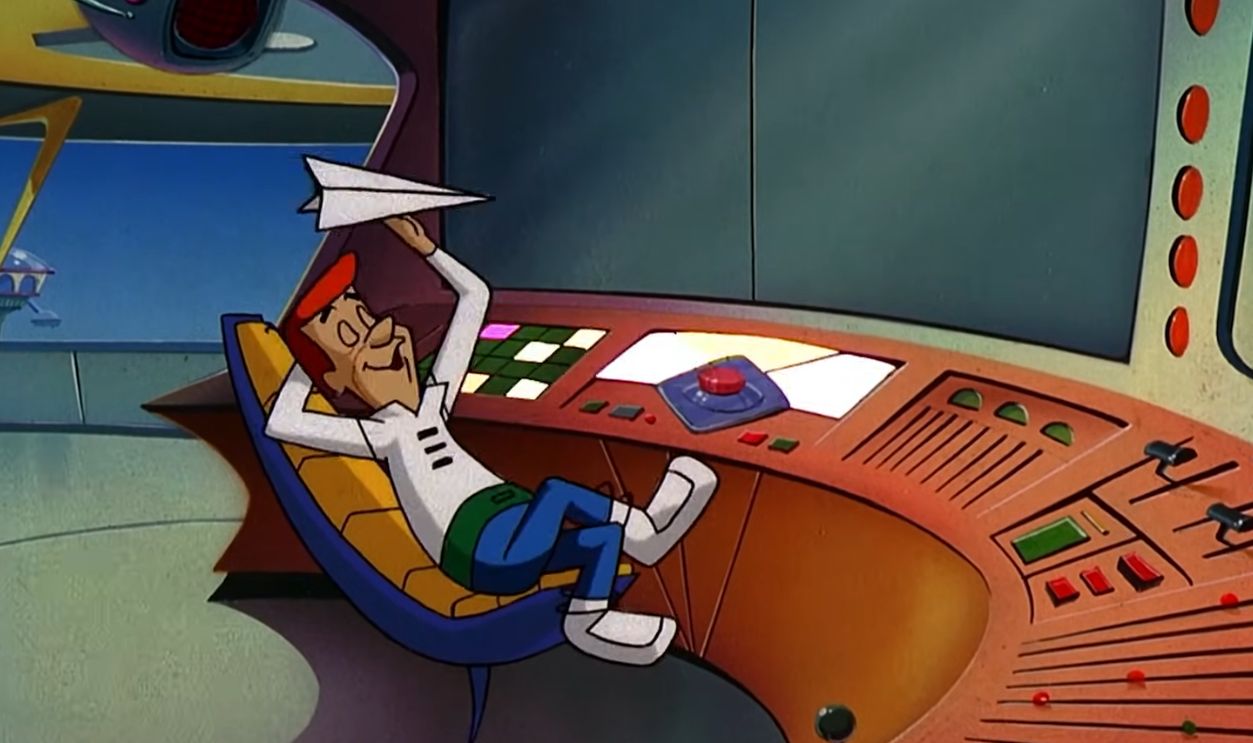 Screenshot from The Jetsons, ABC (1962–1987)
You May Also Like:
1960s TV Classics That Everyone Watched When They Aired
Facts About Classic TV Shows That Will Make You Nostalgic
Sources: 1, 2, 3, 4, 5, 6, 7, 8, 9, 10, 11, 12, 13, 14, 15, 16, 17, 18, 19, 20, 21, 22, 23, 24, 25, 26, 27, 28, 29, 30, 31, 32, 33, 34, 35, 36, 37, 38, 39, 40, 41, 42, 43, 44, 45, 46, 47, 48, 49, 50, 51, 52, 53, 54