When One Line Was Enough To Make Everyone Join In
Long before memes and viral TikToks, television had catchphrases. Some were funny, some were heartfelt, and some became so popular that people repeated them absolutely everywhere. They showed up at school, around the dinner table, at the office, and in everyday conversations until even the biggest fans were ready to hear something else. Love them or hate them, these lines became unforgettable parts of TV history.
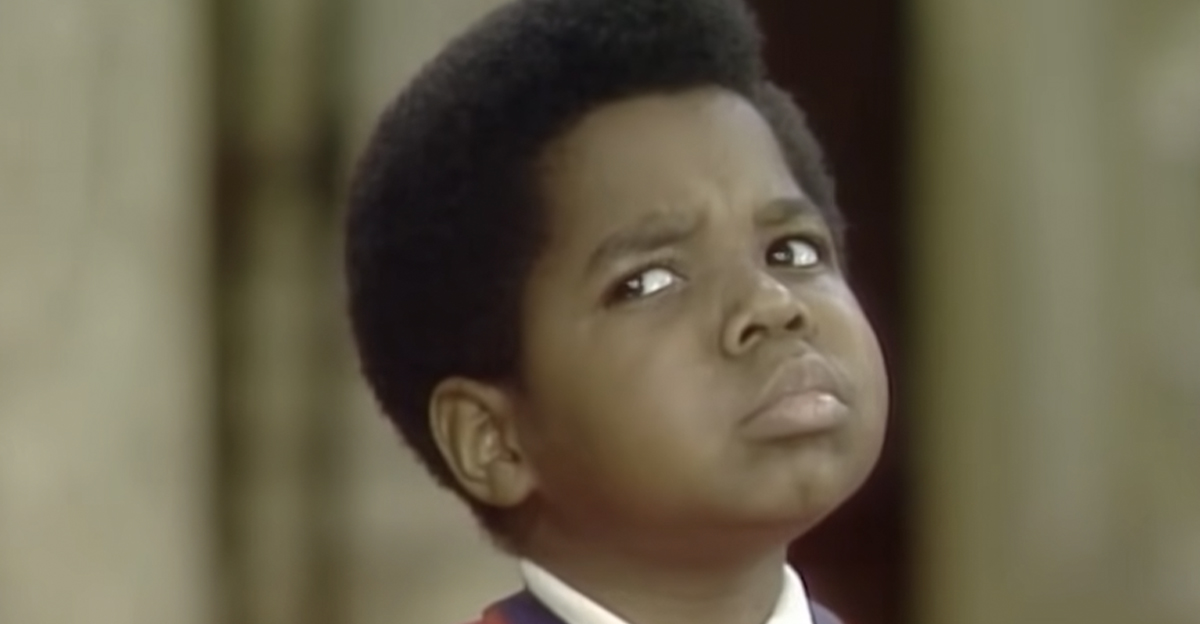
 Screenshot from Diff'rent Strokes (1978-1986), Tandem Productions/NBC
"Whatchu Talkin' 'Bout, Willis?" - Diff'rent Strokes (1978-1986)
Gary Coleman's Arnold Jackson delivered this line whenever someone said something unbelievable. His perfect comic timing helped turn it into one of television's most quoted catchphrases. Even today, people who have never seen the show often recognize the expression immediately.
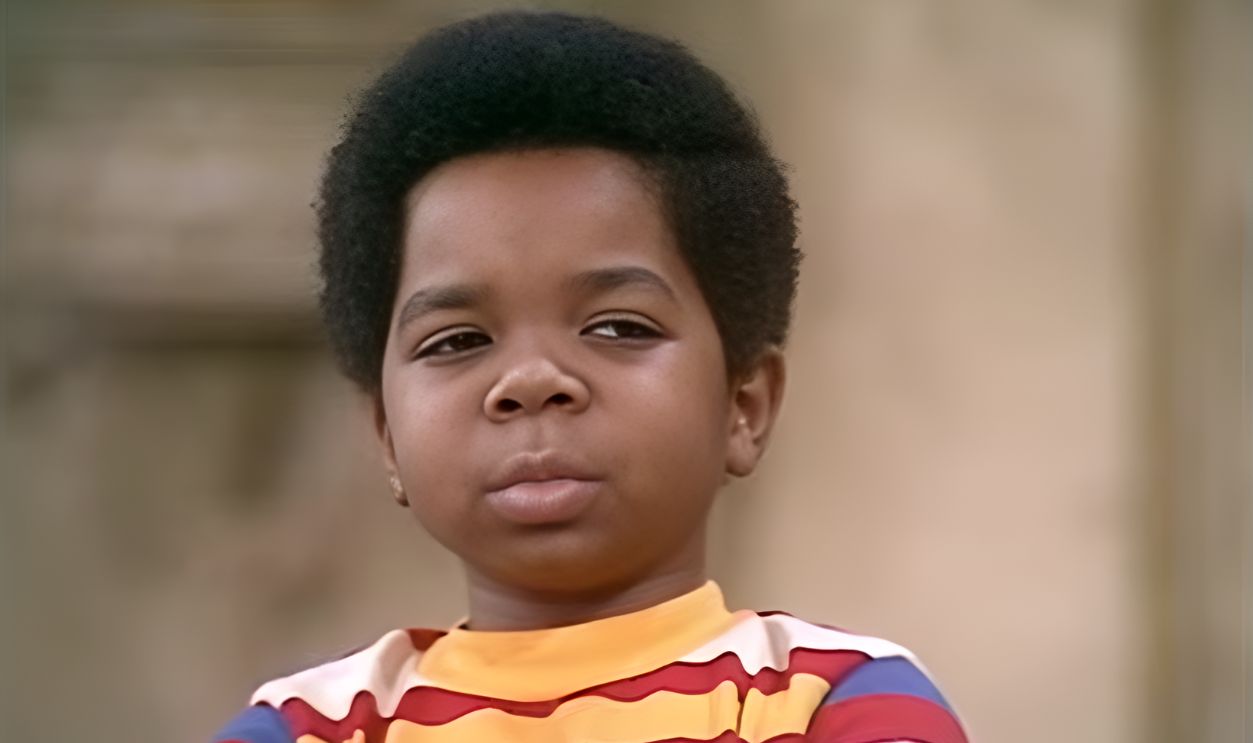 Screenshot from Diff'rent Strokes, NBC (1978–1986), Modified
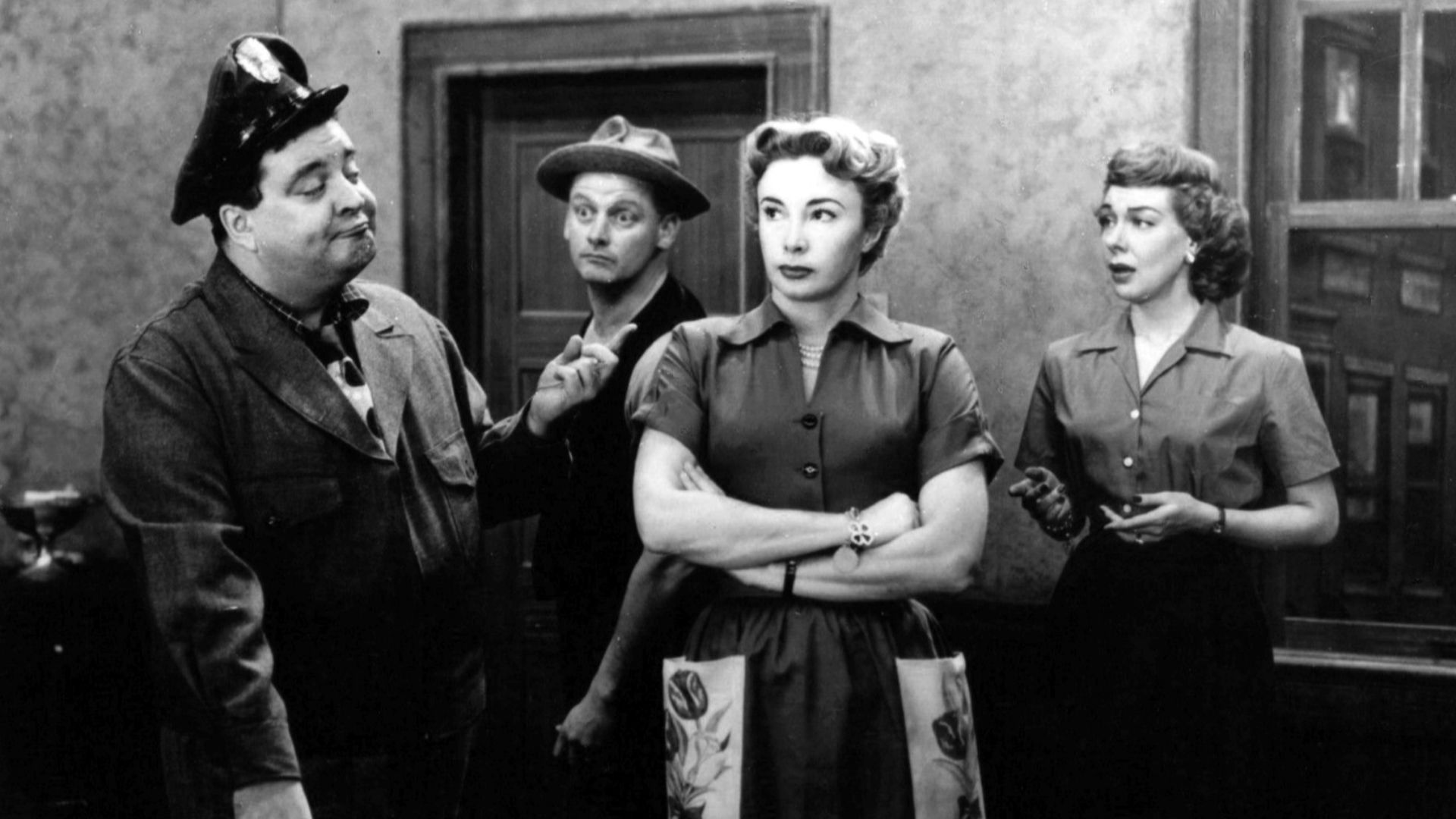
"To The Moon, Alice!" - The Honeymooners (1951-1956) And The Jackie Gleason Show (1952-1970)
Ralph Kramden constantly threatened this over-the-top punchline during his arguments with Alice, though he never actually meant it. Even in the 1950s, audiences understood it as comic exaggeration rather than a real threat. The line became one of television's earliest catchphrases and remained part of pop culture for generations.
 CBS Television, Wikimedia Commons
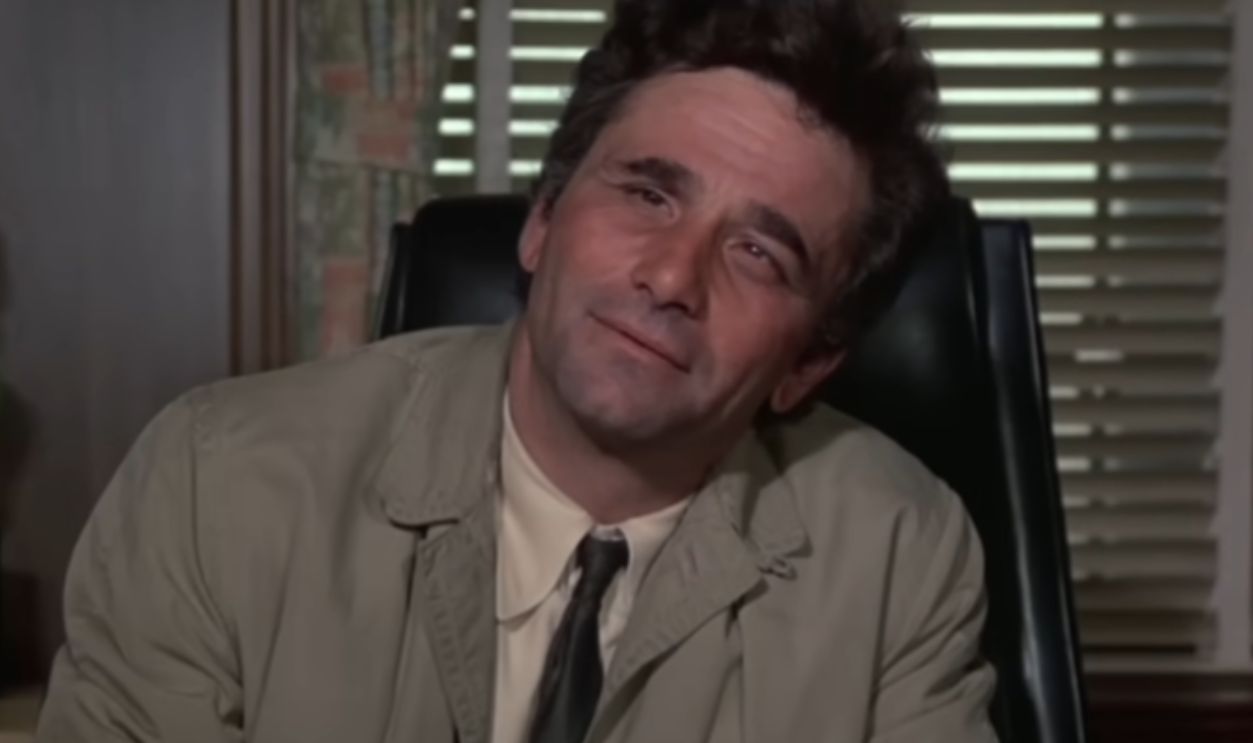
"Just One More Thing..." - Columbo (1971-2003)
Peter Falk's rumpled detective had a habit of pretending he was finished with an interview before casually turning back with "Just one more thing..." That innocent little question almost always caught the guilty party off guard. It became one of television's smartest recurring jokes because viewers knew exactly what was coming next.
 Screenshot from Columbo, NBCUniversal (1968 - 2003)
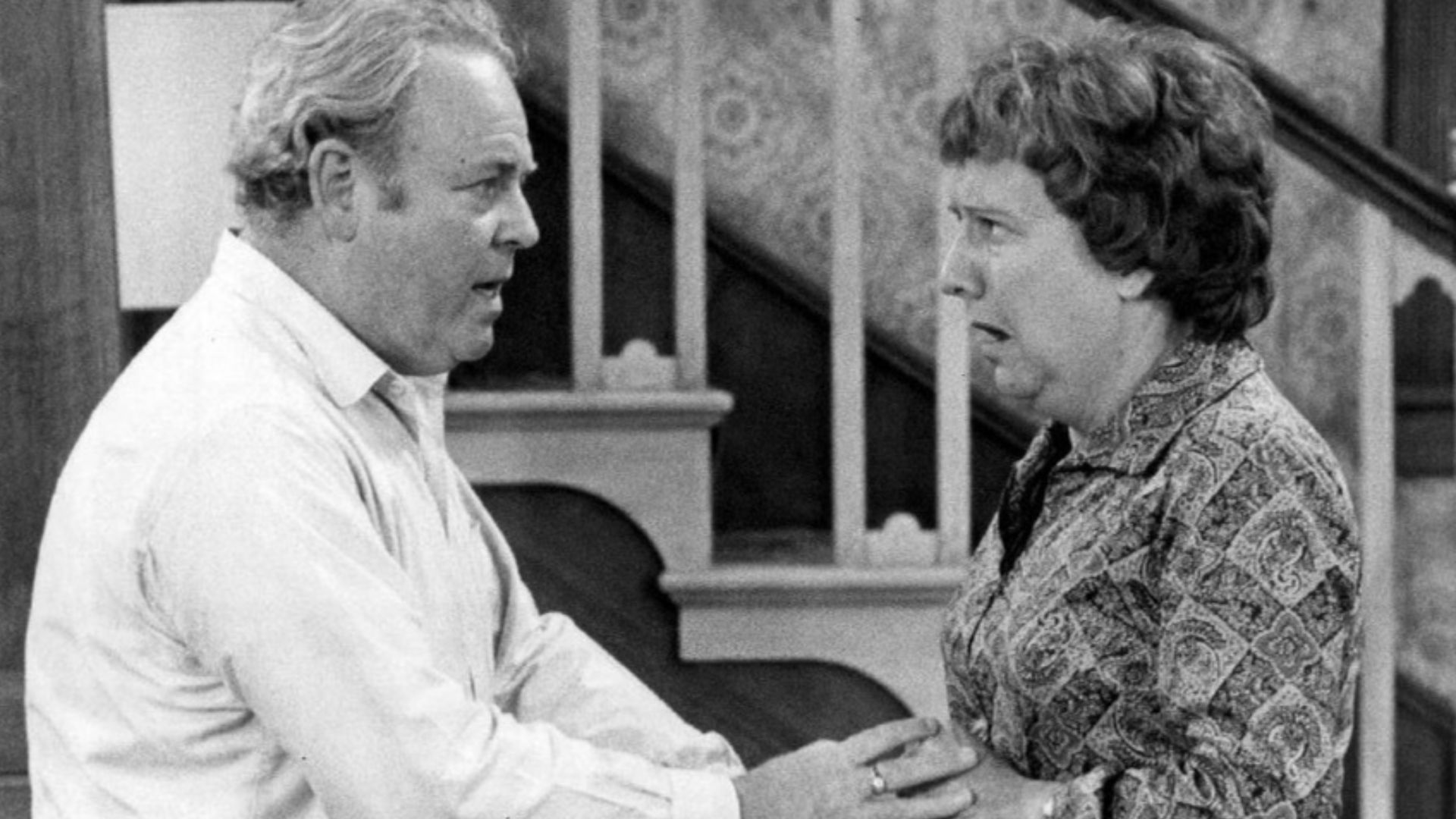
"Stifle It, Edith!" - All In The Family (1971-1979)
Archie Bunker barked this line whenever Edith interrupted him or said something he did not want to hear. It perfectly summed up his stubborn personality, even if Edith almost always ended up being the kinder and wiser person. Viewers repeated the phrase constantly, though it has not aged nearly as well as many of the show's other memorable moments.
 CBS Television, Wikimedia Commons
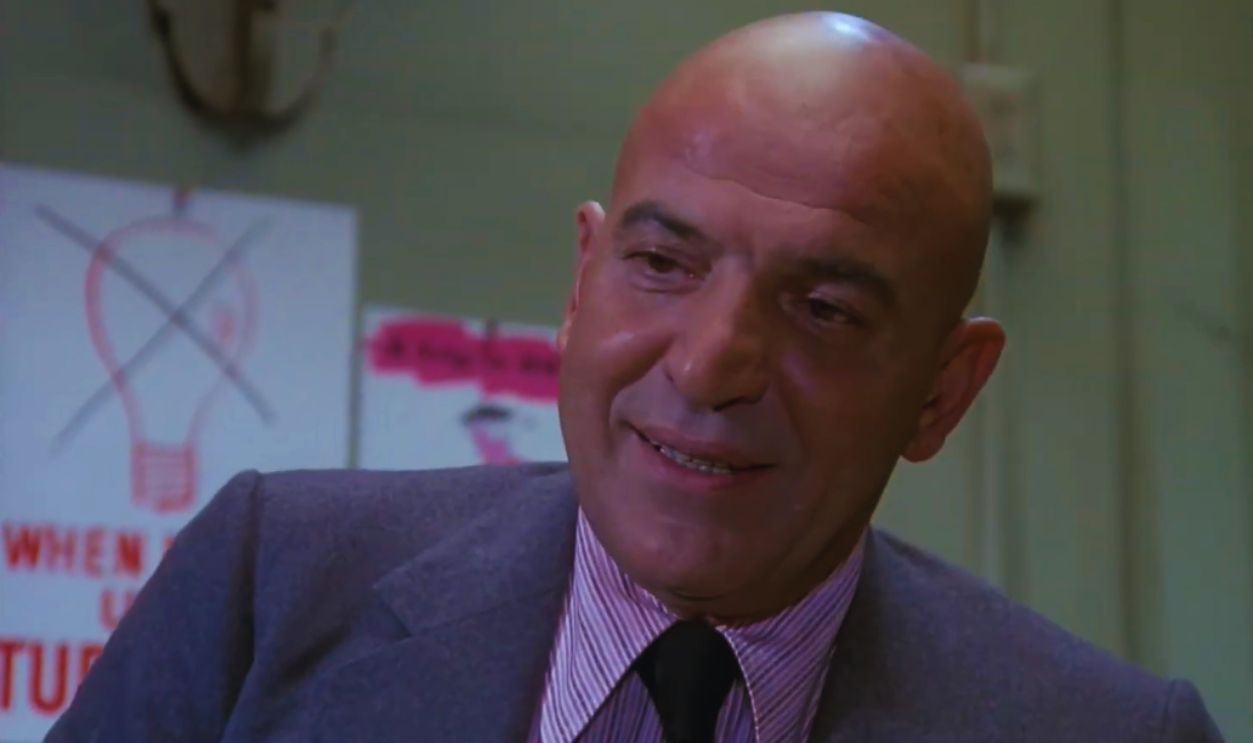
"Who Loves Ya, Baby?" - Kojak (1973-1978)
Telly Savalas turned this simple question into one of television's coolest catchphrases. Detective Theo Kojak often used it while questioning suspects or charming witnesses with his trademark confidence. Along with his ever-present lollipop, the phrase became so closely associated with the character that people were quoting it everywhere during the show's peak.
 Screenshot from Kojak, Universal Television / CBS (1973–1978)
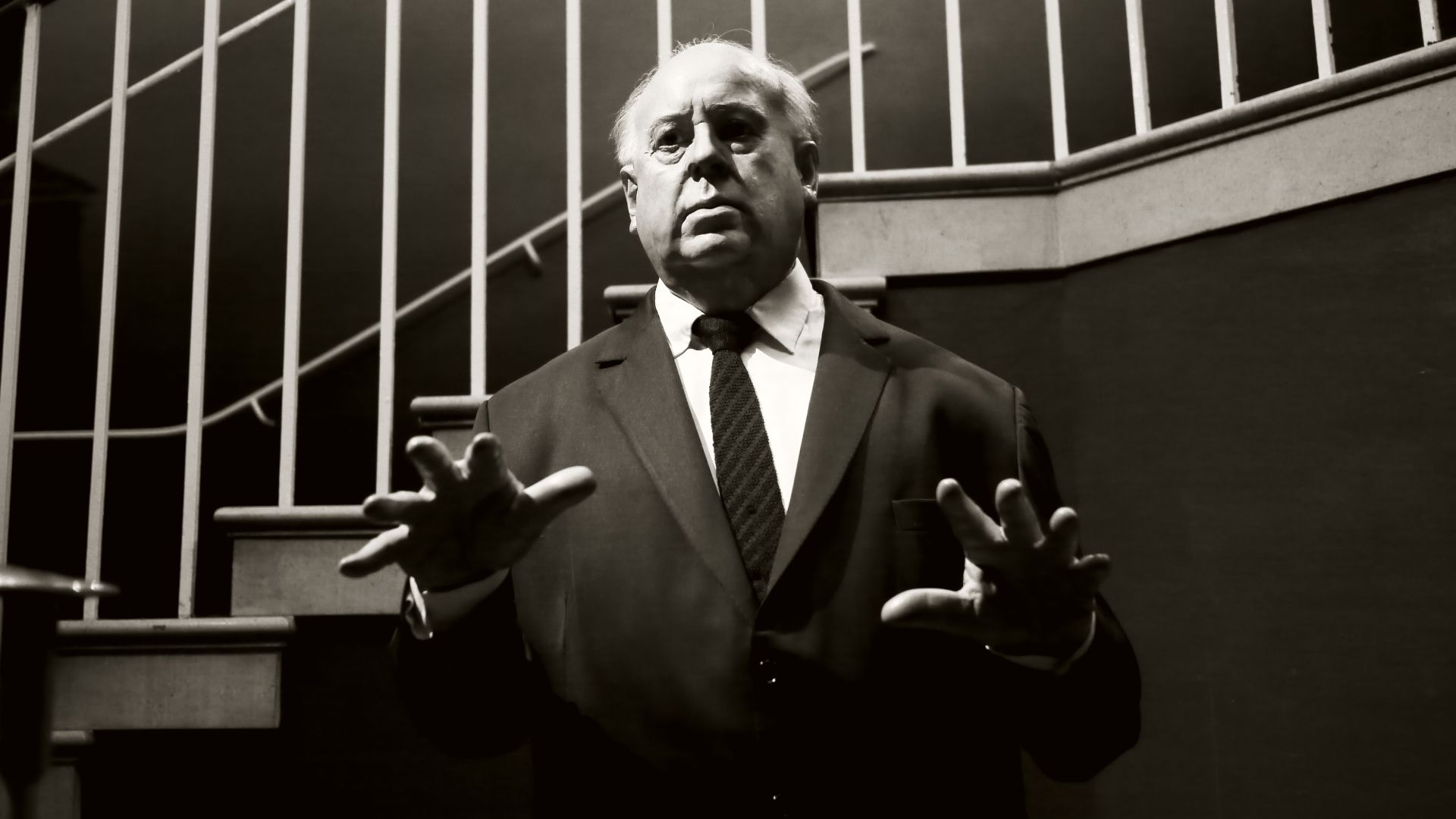
"Good Evening" - Alfred Hitchcock Presents (1955-1962)
Alfred Hitchcock barely needed three words to command an audience's attention. Every episode began with his dry, unmistakable greeting before he introduced another suspenseful story. His deadpan delivery became so iconic that countless comedians and impressionists borrowed it for decades afterward.
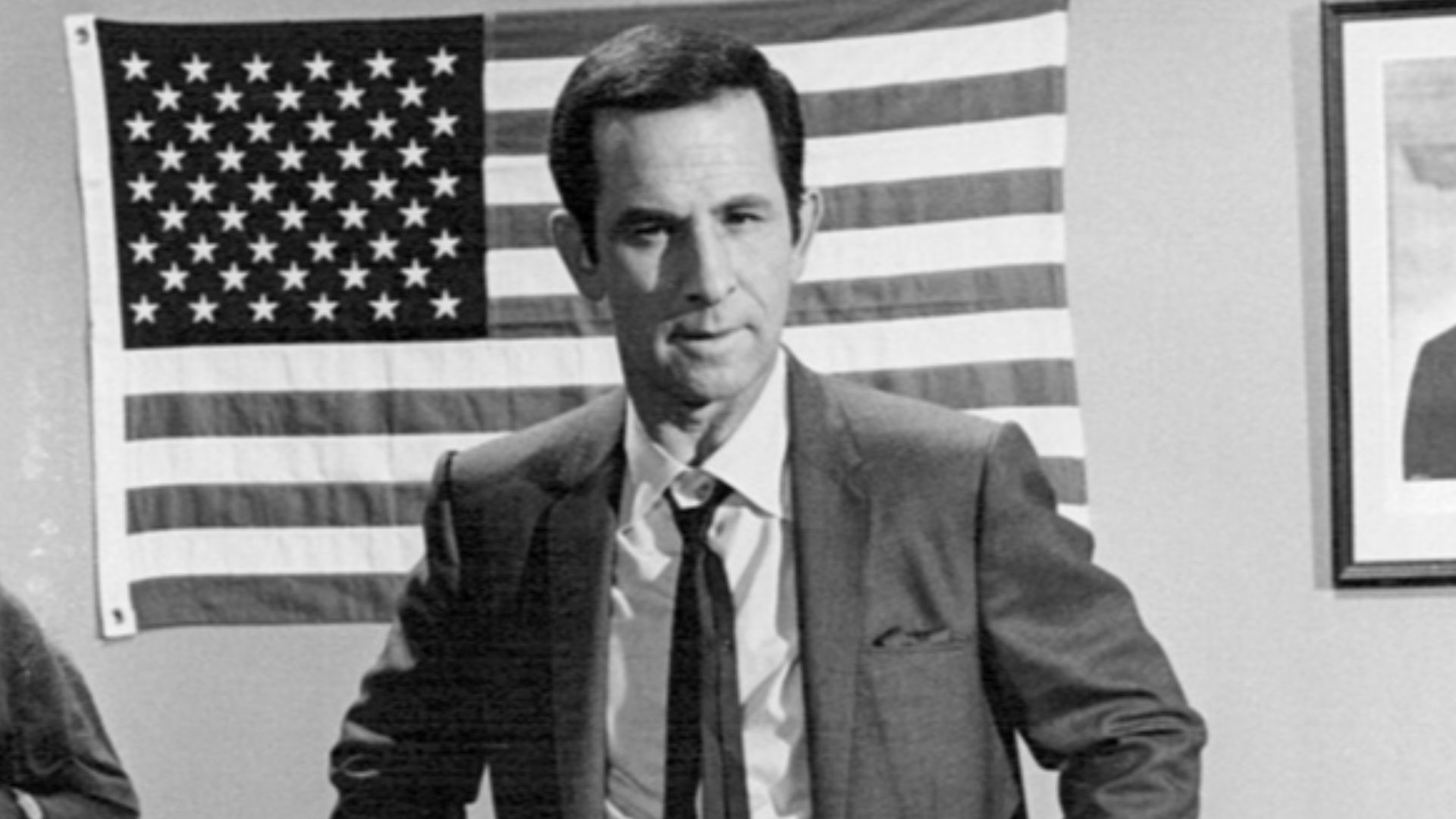
"Would You Believe..." - Get Smart (1965-1970)
Whenever Maxwell Smart found himself caught in another ridiculous situation, he would desperately try changing his story by asking, "Would you believe...?" Each new explanation became increasingly absurd, which only made the joke funnier. Fans quickly adopted the phrase whenever they wanted to exaggerate a story or dodge an embarrassing truth.
 NBC Television, Wikimedia Commons
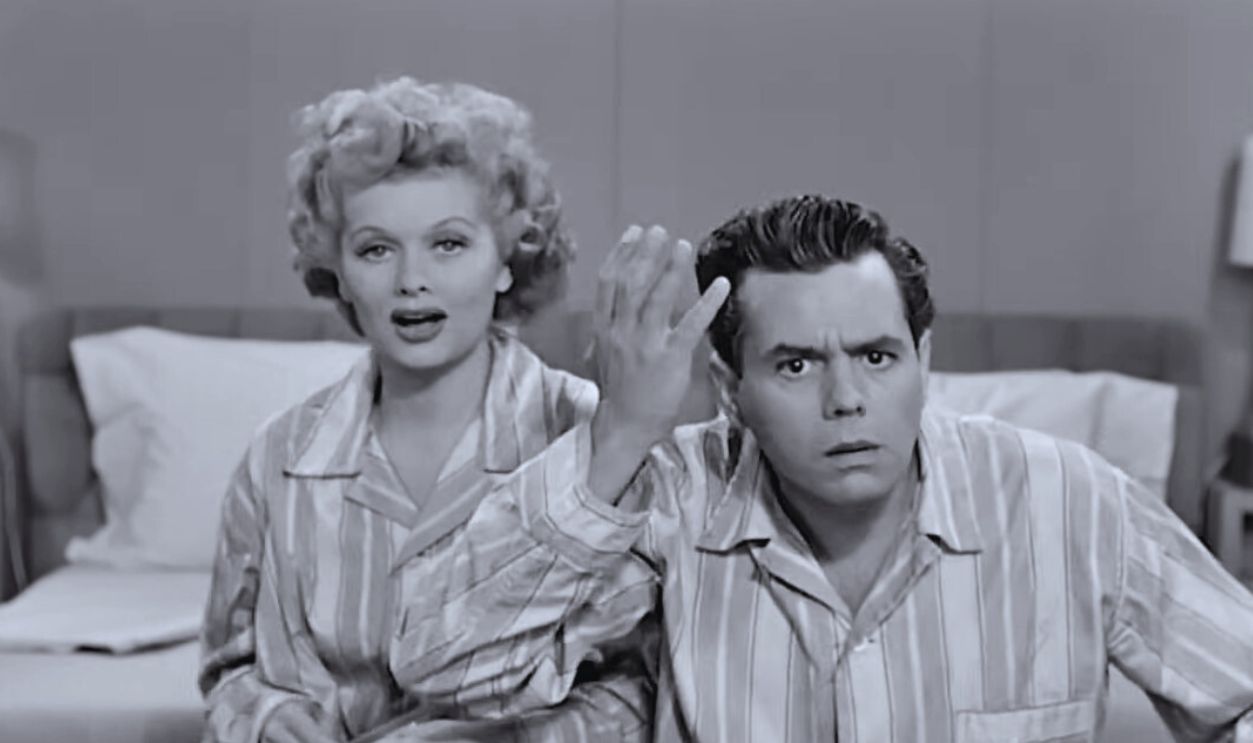
"Lucy! You Got Some 'Splainin' To Do!" - I Love Lucy (1951-1957)
Interestingly, Ricky Ricardo never actually said this exact line on the show. Variations of it appeared throughout the series, but pop culture eventually condensed them into one unforgettable quote. Even so, it perfectly captured Lucy's endless talent for getting herself into outrageous situations.
 Screenshot from I Love Lucy, CBS (1951-1957)
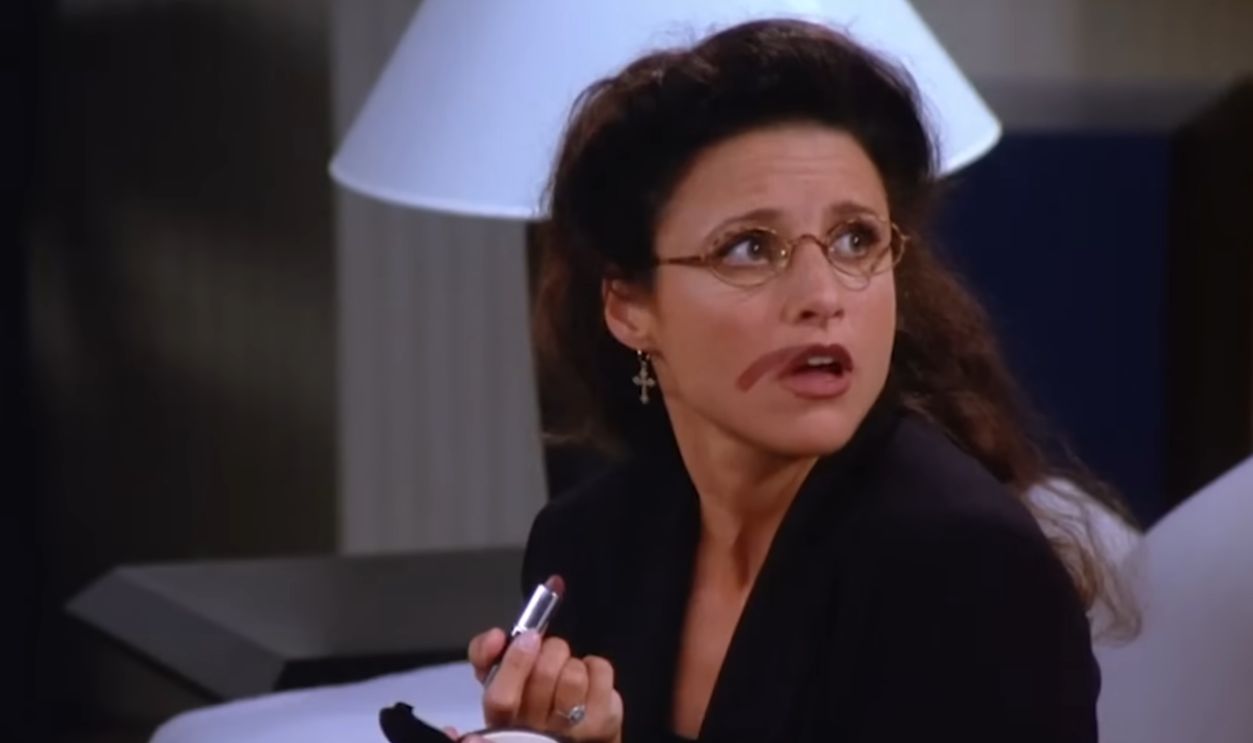
"Yada, Yada, Yada" - Seinfeld (1989-1998)
After this episode aired, people suddenly had a convenient way to skip over boring details. The phrase became an instant part of everyday conversation, even among people who rarely watched Seinfeld. It may be one of the few television catchphrases that genuinely changed the way people speak.
 Screenshot from Seinfeld, NBC (1989–1998)
"Goodnight, John-Boy" - The Waltons (1972-1981)
Every episode seemed to end the same comforting way, with the Walton family saying goodnight to one another before turning out the lights. The sequence became so beloved that people began repeating "Goodnight, John-Boy" in their own homes, often long after the series ended.
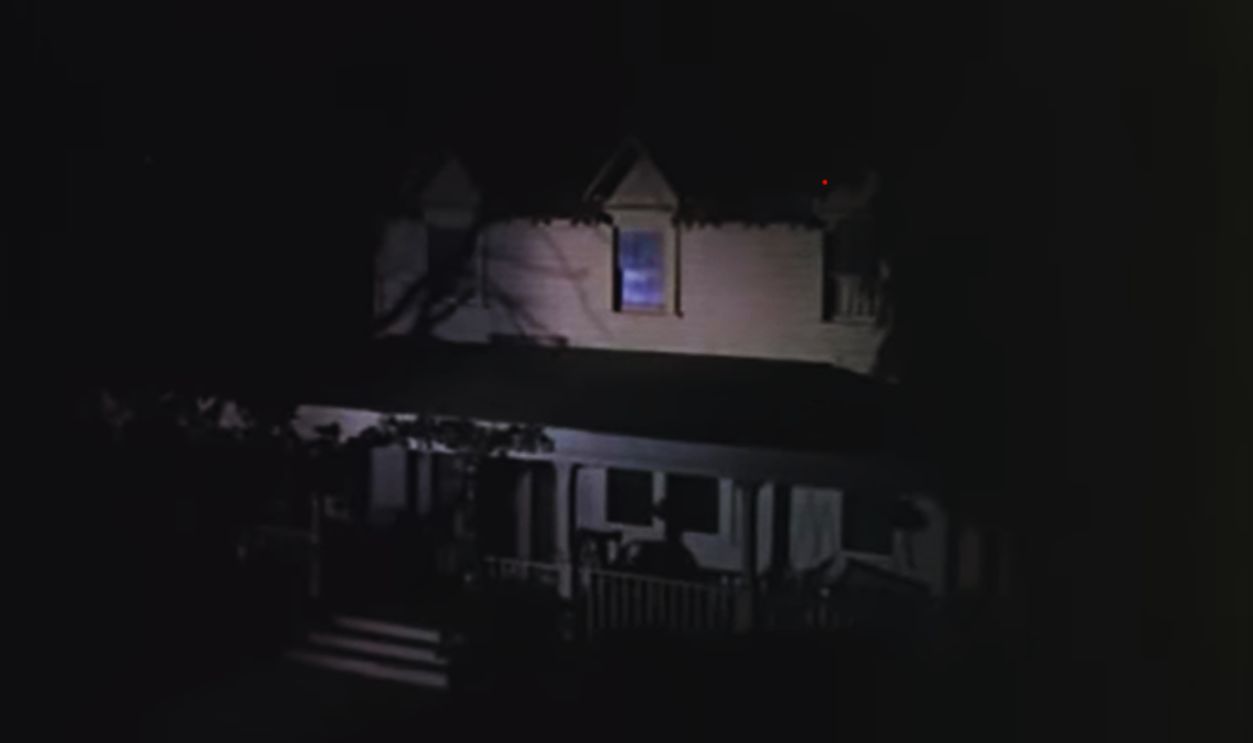 Screenshot from The Waltons, Lorimar Productions / CBS (1972–1981)
"Let's Be Careful Out There" - Hill Street Blues (1981-1987)
Before every shift, Sergeant Phil Esterhaus reminded his officers, "Let's be careful out there." It was a simple line, but it carried real emotional weight on a series known for its gritty realism. The phrase eventually became shorthand for wishing someone good luck before a difficult task.
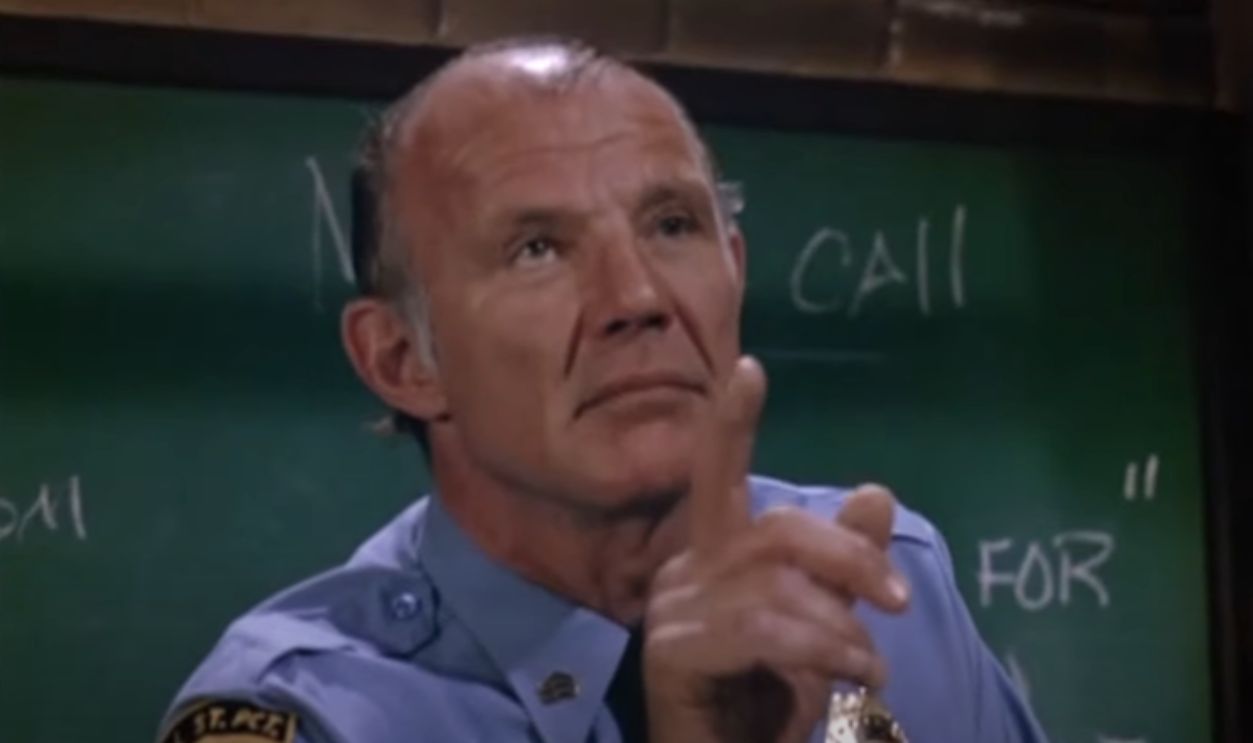 Screenshot from Hill Street Blues, MTM Enterprises / 20th Television (1981–1987)
"May God Bless" - The Red Skelton Show (1951-1971)
Red Skelton ended each episode by sincerely telling viewers, "May God bless." Unlike many TV catchphrases, this one was never played for laughs. Its warmth and authenticity made it memorable, and longtime fans still associate those three words with one of television's kindest entertainers.
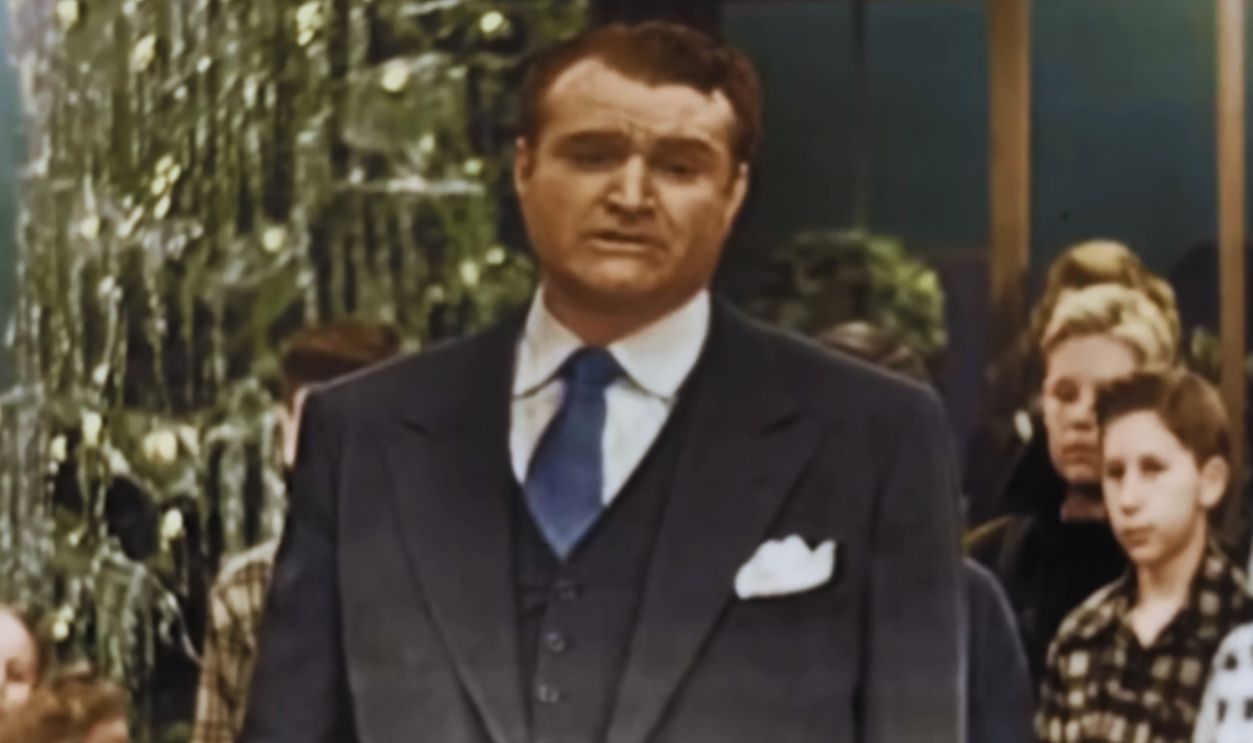 Screenshot from The Red Skelton Show, Shout! Studios (1951–1971)
"Come On Down!" - The Price Is Right (1956-1965; 1972-Present)
No invitation on television generated more excitement than hearing your name followed by "Come on down!" Contestants sprinted toward Contestants' Row while audiences cheered wildly. Decades later, the phrase still instantly brings to mind game-show excitement and dreams of winning a brand-new car.
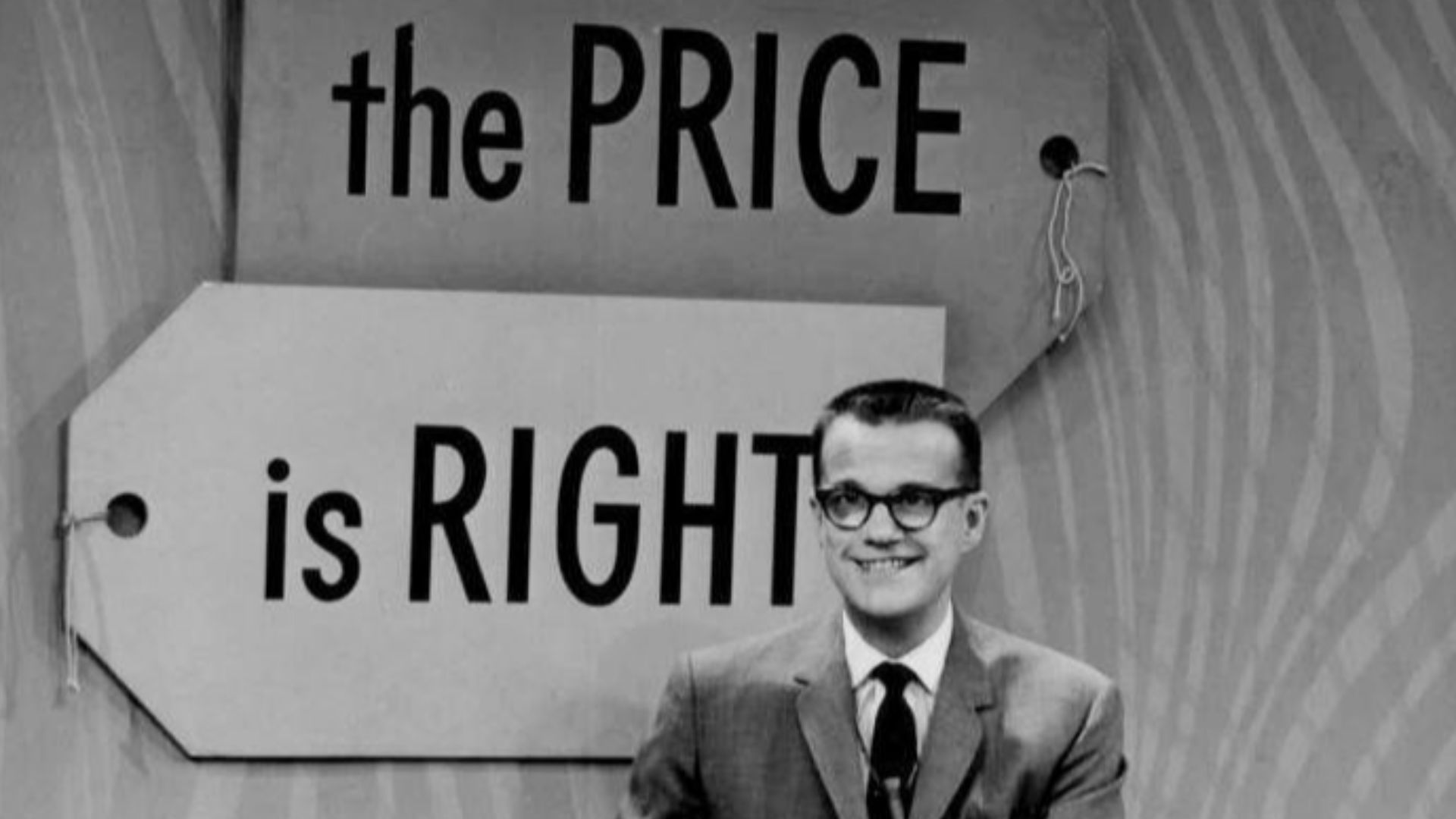 NBC Television, Wikimedia Commons
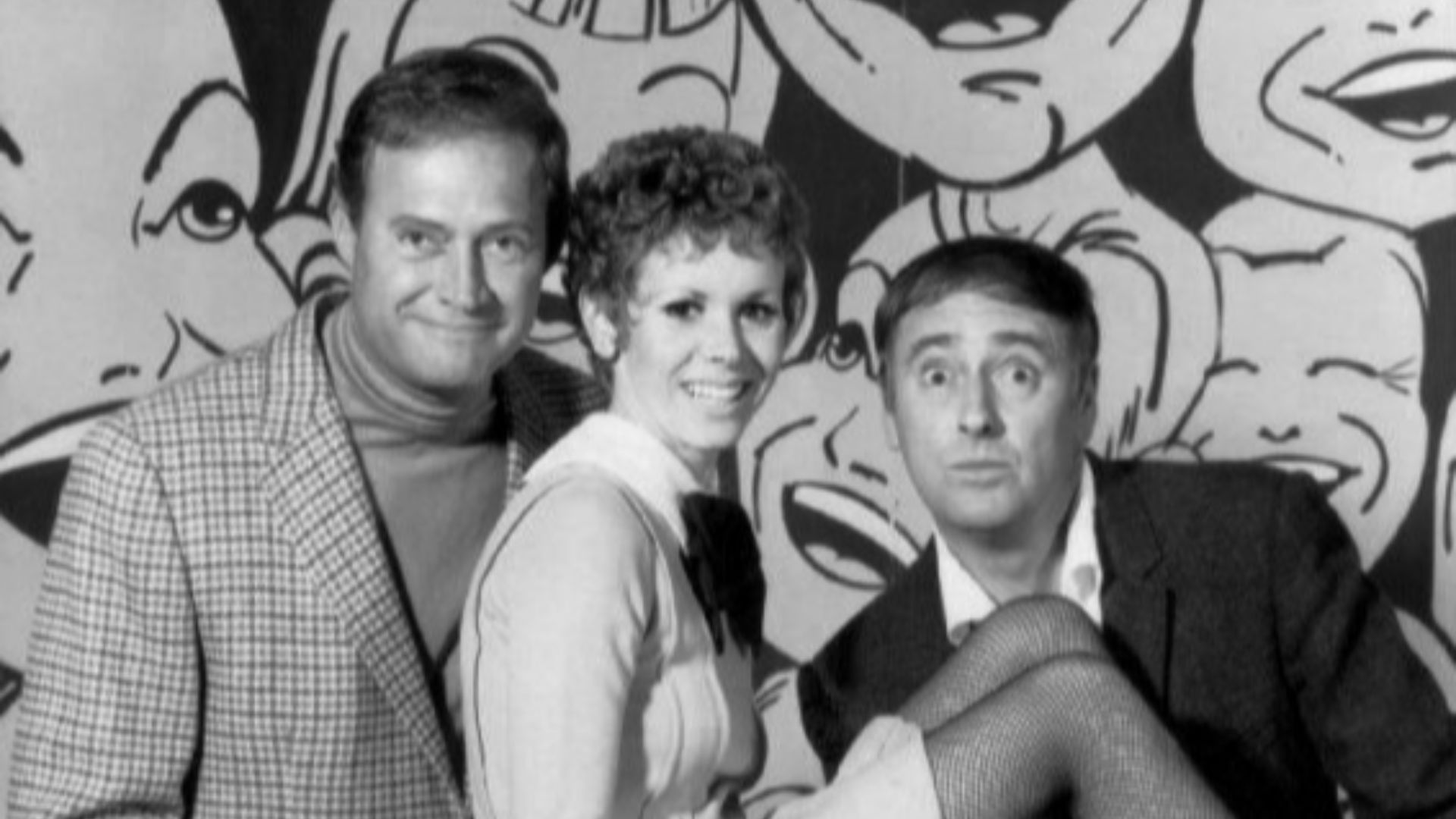
"Sock It To Me!" - Rowan & Martin's Laugh-In (1968-1973)
This fast-paced comedy show loved repeating the phrase in sketches that usually ended with someone getting soaked, splattered, or otherwise humiliated. The line exploded into mainstream culture almost overnight. Before long, politicians, celebrities, and everyday Americans were saying it whether it actually made sense or not.
 NBC Television, Wikimedia Commons
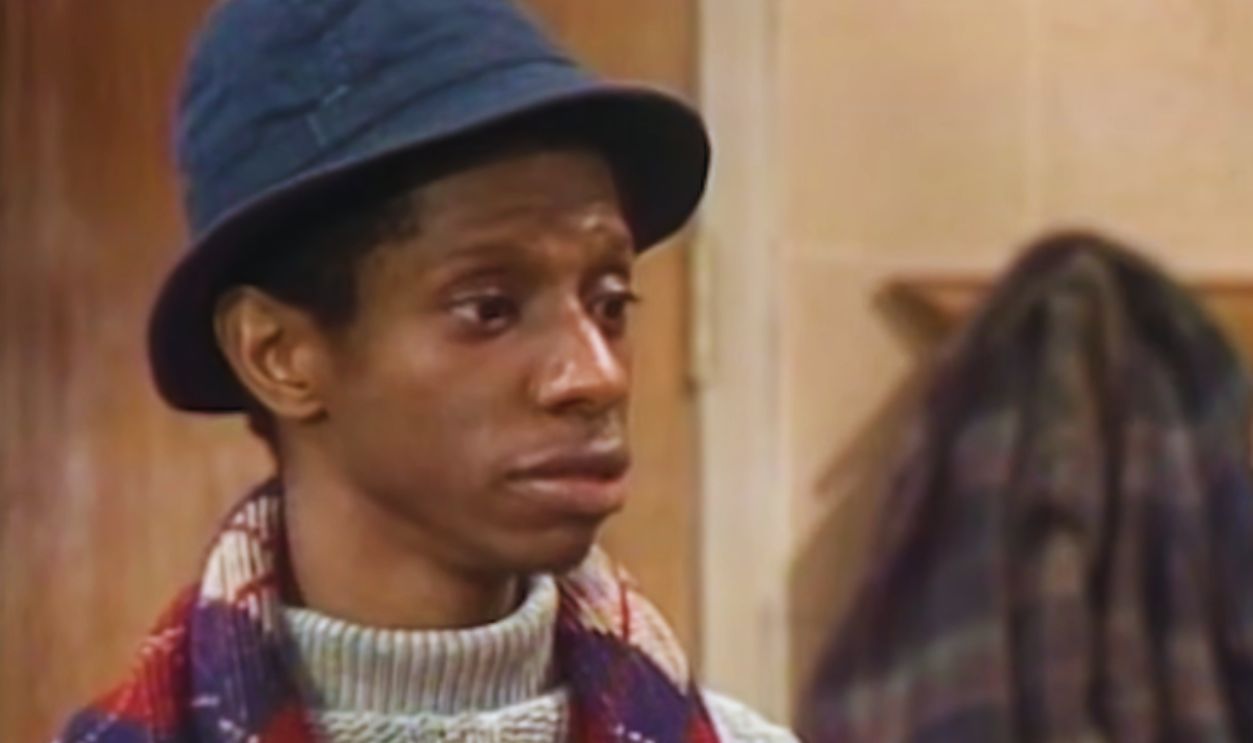
"Dy-No-Mite!" - Good Times (1974-1979)
Jimmie Walker's energetic delivery turned "Dy-no-mite!" into one of the biggest catchphrases of the entire decade. Audiences loved hearing it, and producers leaned into its popularity. Walker later admitted the catchphrase became so famous that it sometimes overshadowed his work as an actor.
 Screenshot from Good Times, Tandem Productions / Sony Pictures Television (1974–1979)
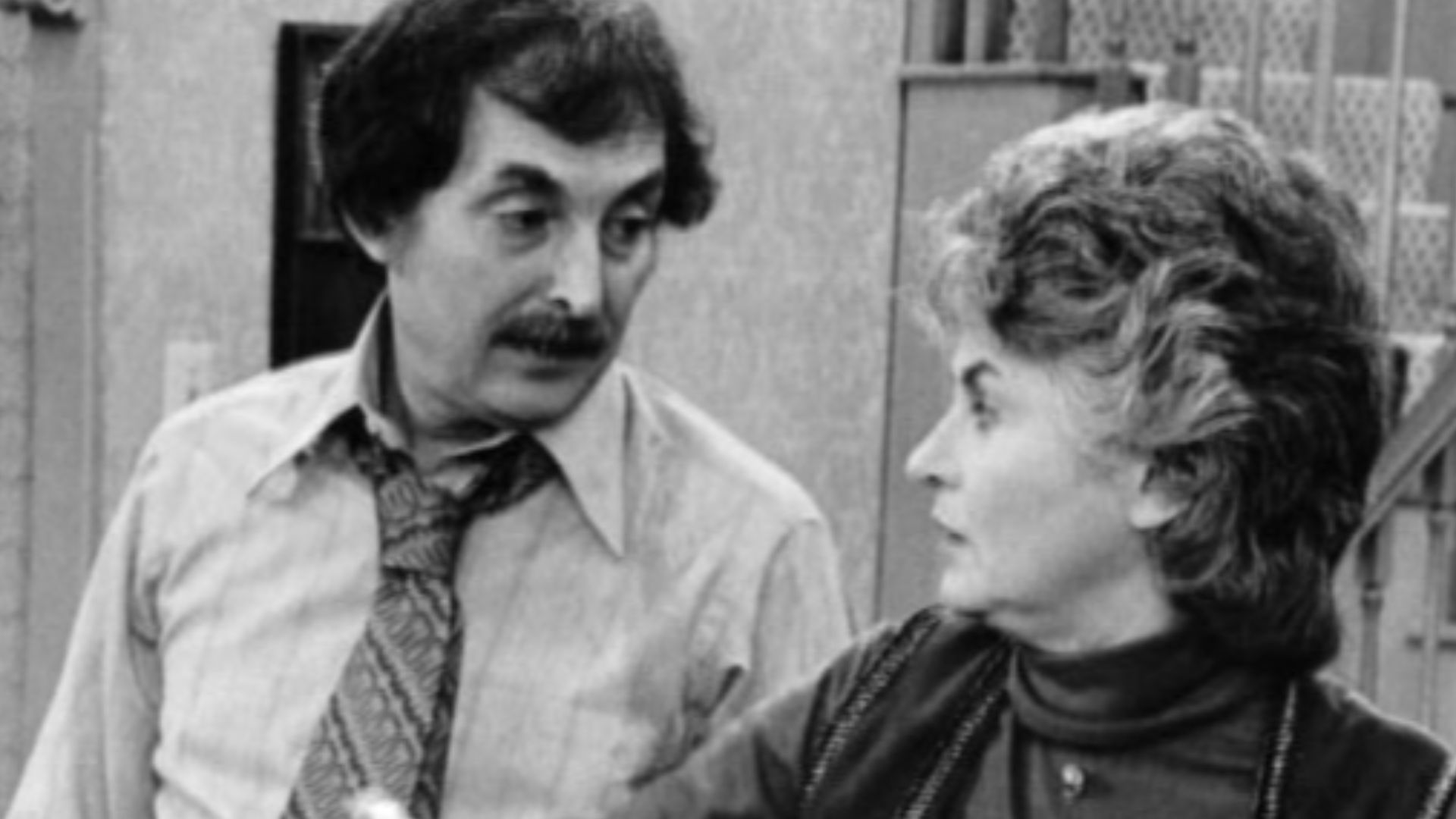
"God Will Get You For That!" - Maude (1972-1978)
Whenever Maude crossed a line, her long-suffering husband Walter often responded with this exasperated warning. The phrase perfectly fit the show's sharp, fast-paced humor and became one of its most recognizable recurring jokes. Fans loved repeating it whenever someone said something especially outrageous.
 CBS Television, Wikimedia Commons
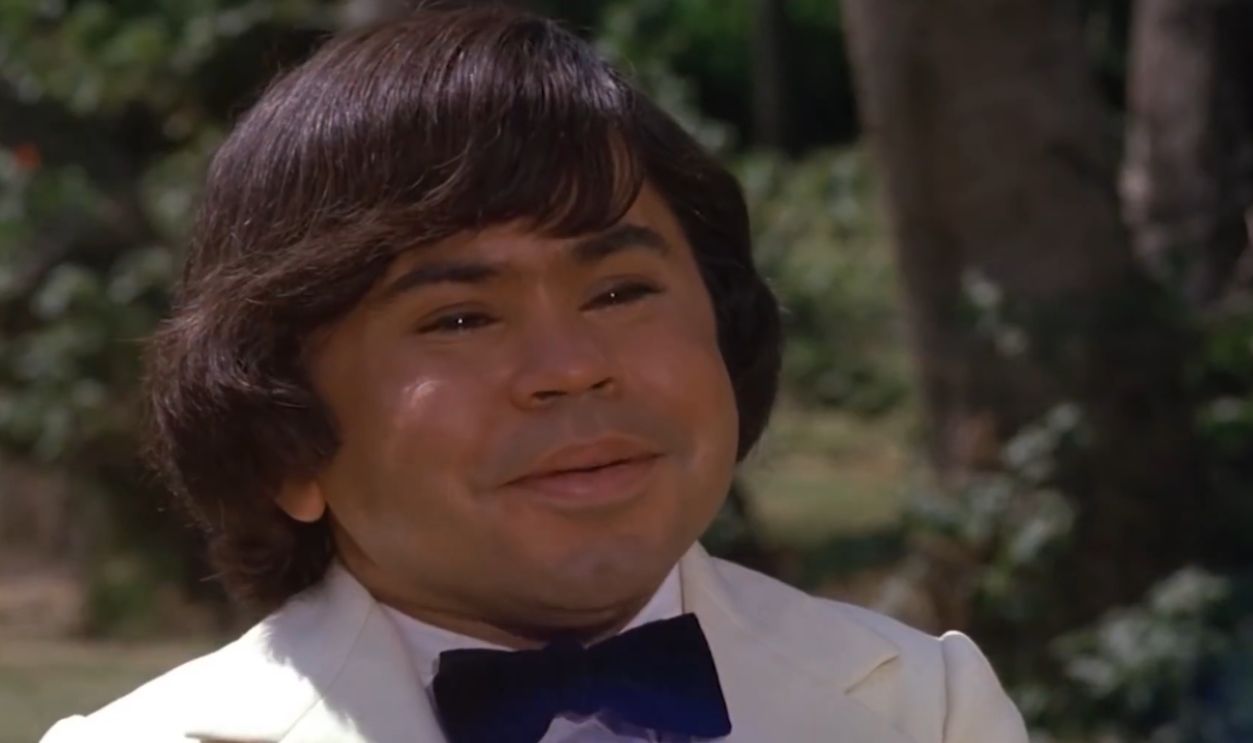
"De Plane! De Plane!" - Fantasy Island (1977-1984)
Every episode began with Tattoo spotting the arriving airplane and enthusiastically shouting, "De plane! De plane!" Ricardo Montalbán's mysterious Mr. Roarke would then welcome another group of guests to the island. The opening became so familiar that audiences could quote it almost word for word.
 Screenshot from Fantasy Island, ABC (1977–1984)
"Book 'Em, Danno" - Hawaii Five-O (1968-1980)
Steve McGarrett usually wrapped up an investigation by giving Detective Danny "Danno" Williams this now-legendary order. It became one of television's definitive police catchphrases and has been referenced countless times in movies, sitcoms, and even real police conversations over the years.
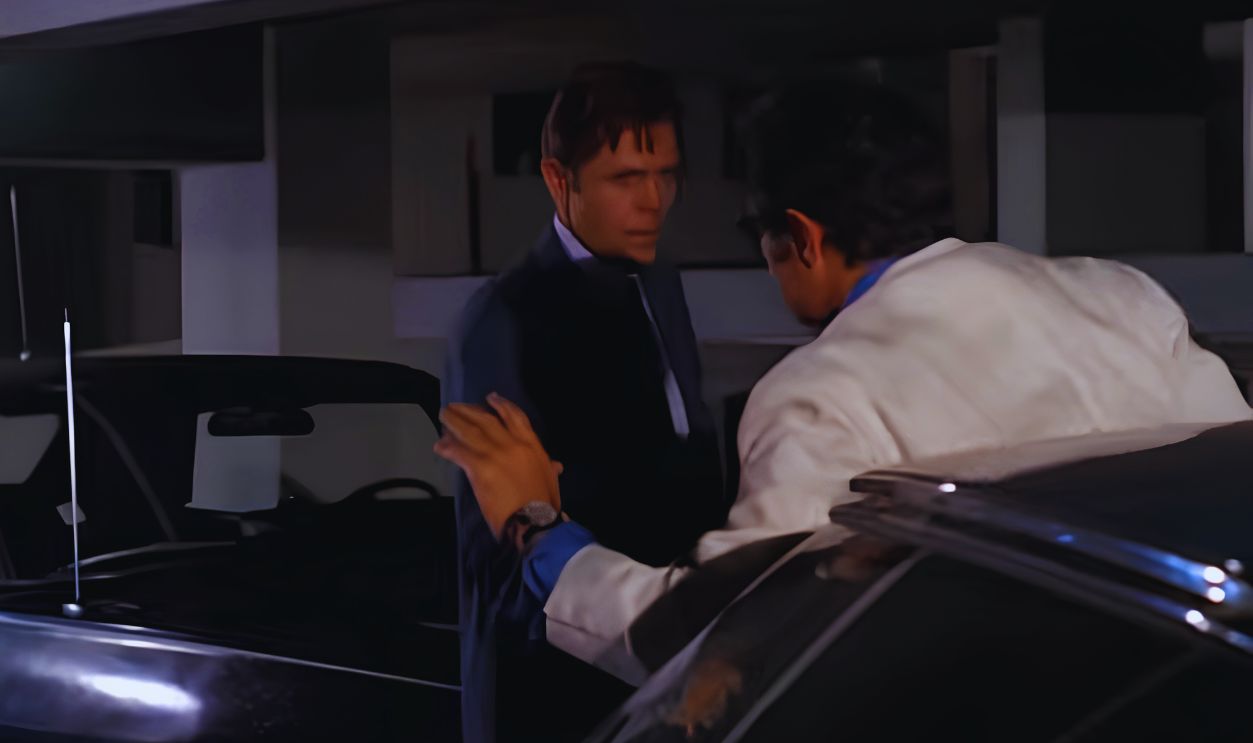 Screenshot from Hawaii Five-O, Leonard Freeman Productions / CBS Productions (1968–1980)
"Say The Secret Word And Win A Hundred Dollars" - You Bet Your Life (1950-1961)
Groucho Marx opened every episode by explaining the famous secret-word game, giving contestants a chance to win extra money if they happened to say the mystery word. The gimmick became one of television's earliest audience-participation hooks and helped make the quiz show a massive success.
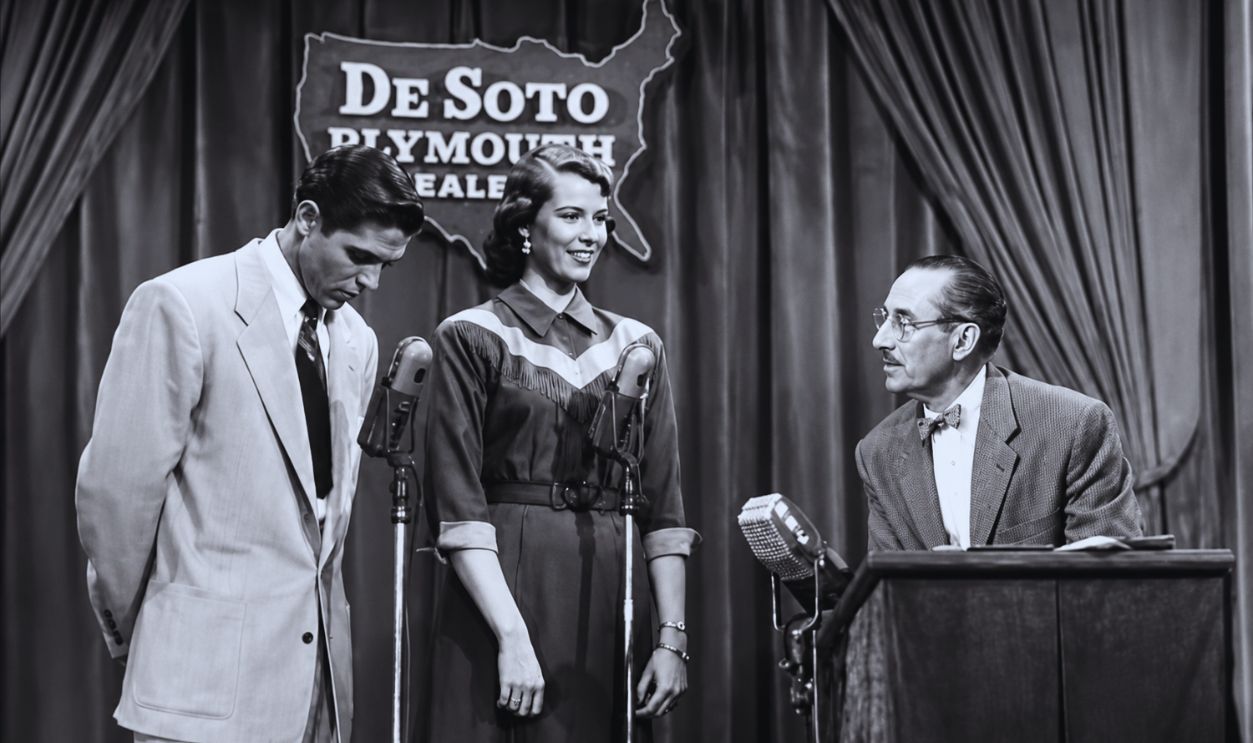 Screenshot from You Bet Your Life, NBC (1950–1961)
"Say Goodnight, Gracie" - The George Burns And Gracie Allen Show (1950-1958)
The famous sign-off actually dates back to Burns and Allen's vaudeville and radio days, but television introduced it to an even larger audience. George would tell Gracie to "Say goodnight, Gracie," prompting her unforgettable reply: "Goodnight, Gracie." The exchange became one of entertainment's most enduring closing lines.
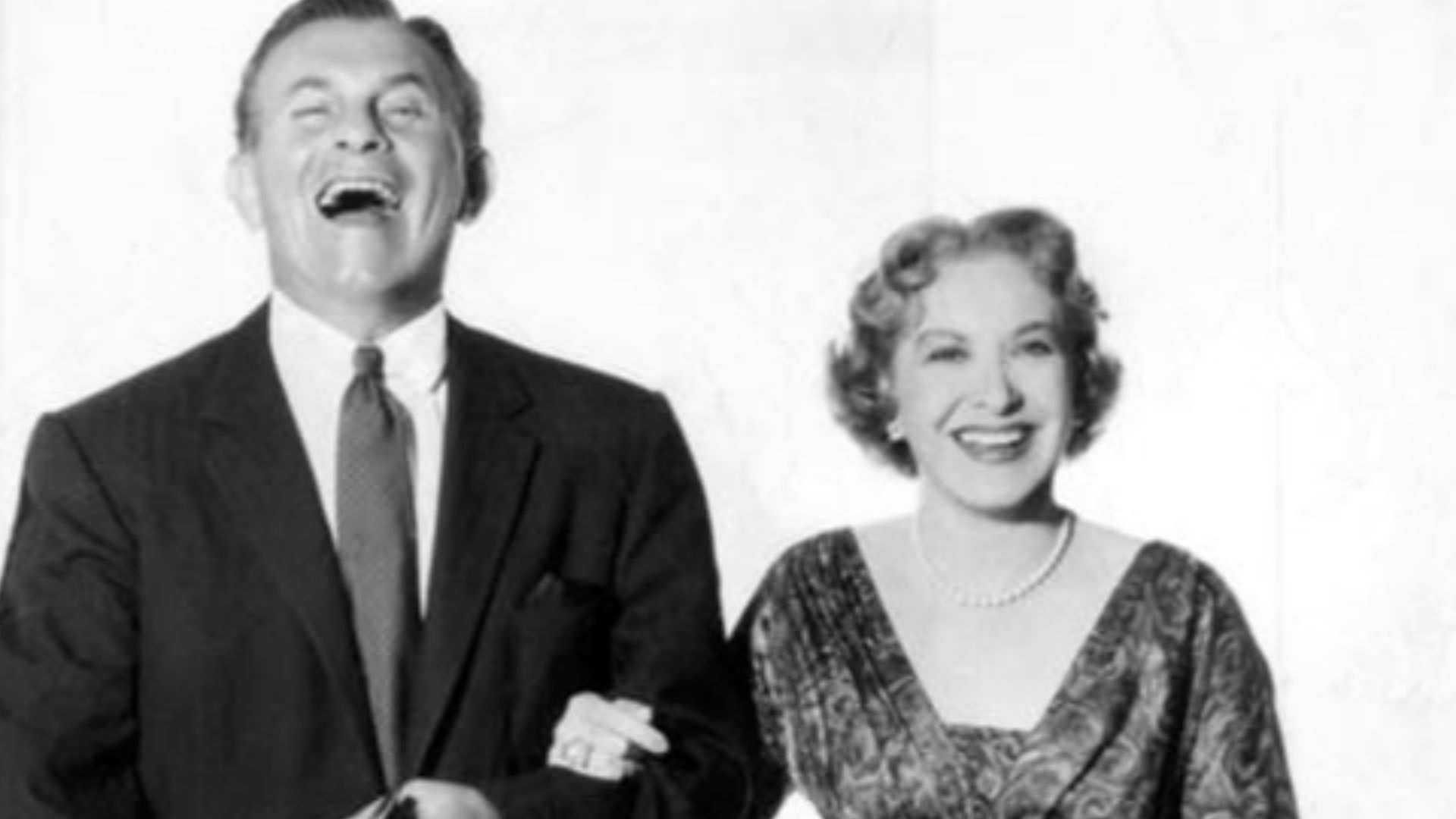 CBS Television Uploaded by We hope at en.wikipedia, Wikimedia Commons
You May Also Like:
Classic TV Families That Viewers Couldn't Get Enough Of
Classic TV Westerns Younger Americans Have Never Even Heard Of—And Probably Never Will