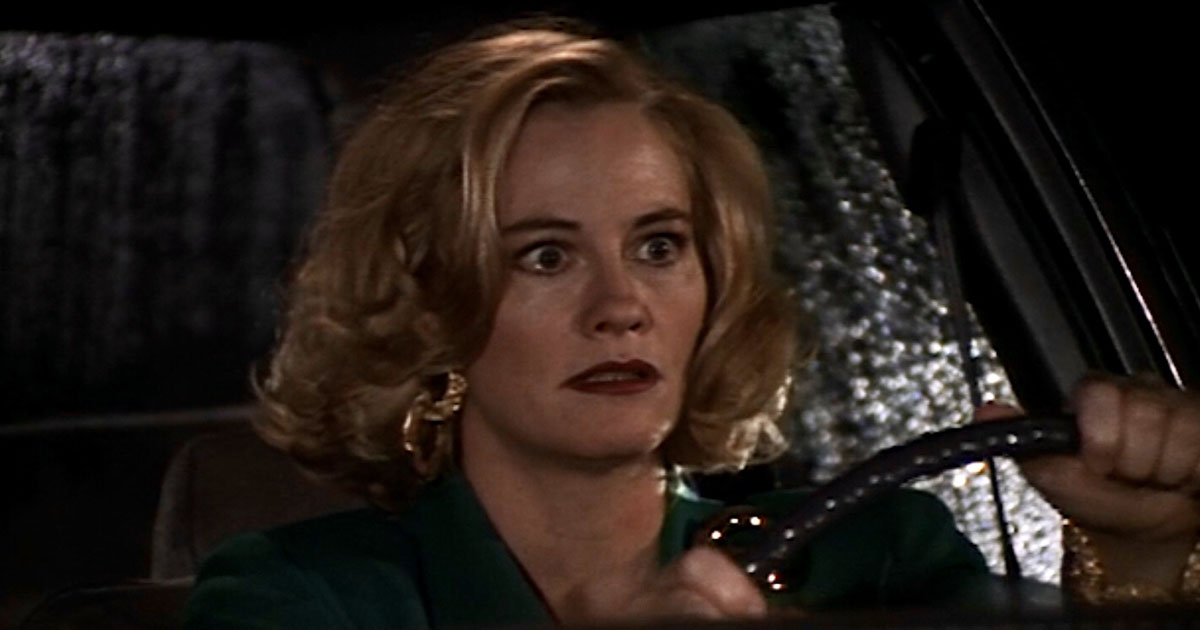
These Episodes Were More Personal Than Viewers Knew
Some of television's funniest and most memorable sitcom stories were not invented in a writers' room. They came from pregnancies, childhood memories, family upheaval, career mishaps, and deeply personal turning points in the actors' own lives. Once you know the truth behind these episodes, watching them feels completely different.
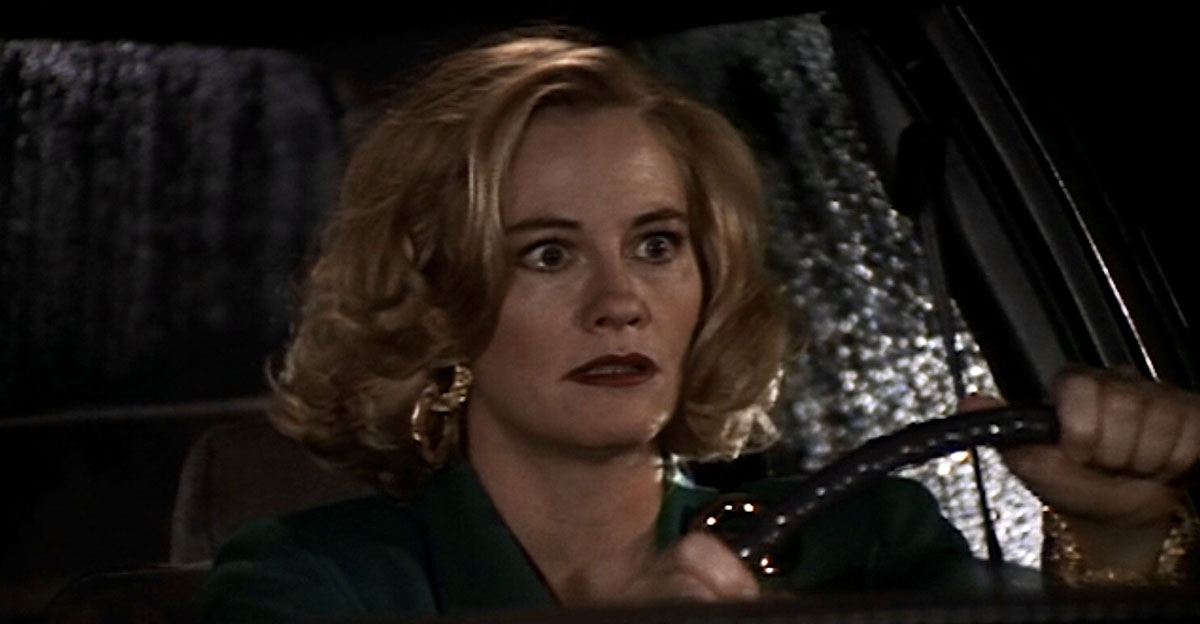
#1: I Love Lucy - 'Lucy Is Enceinte'
Lucille Ball's real pregnancy with her second child, Desi Arnaz Jr., became part of Lucy Ricardo's story during the show's second season. CBS avoided the word 'pregnant,' which was considered too direct for television, and used the French word enceinte in the title instead. The episode's emotion was genuine, especially when Ricky learned the happy news during his nightclub act.
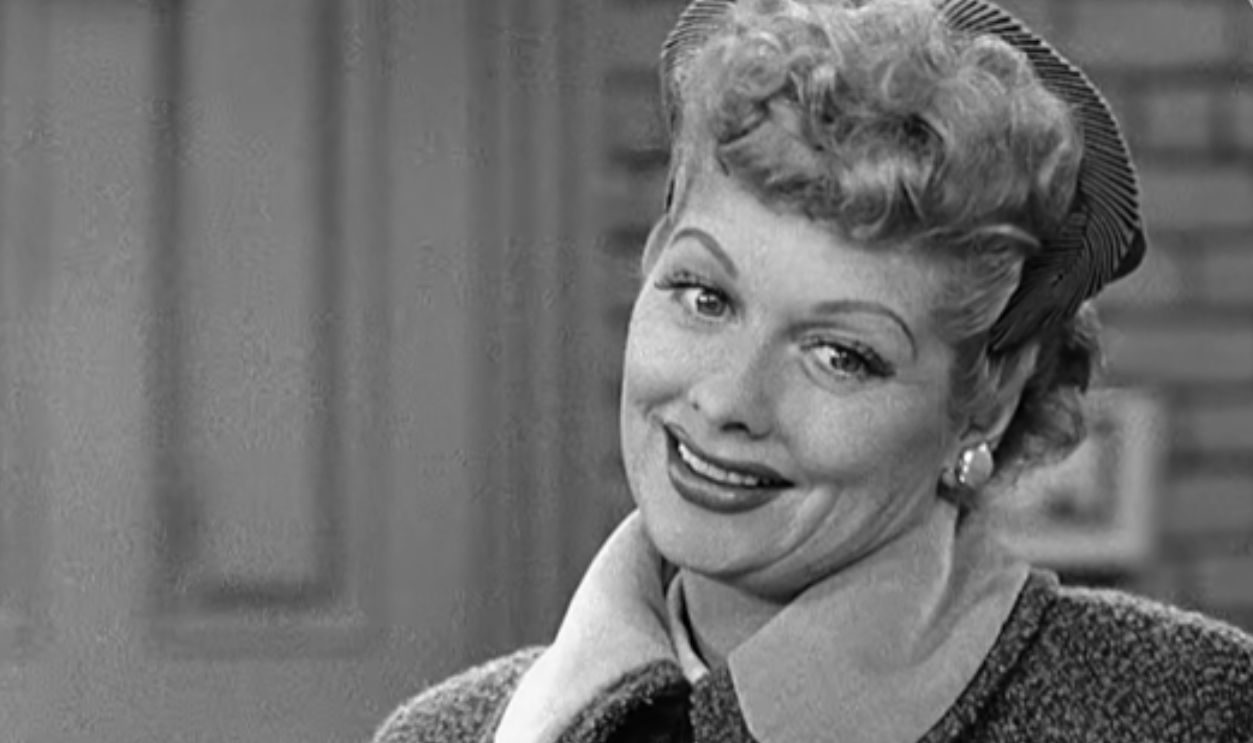 Screenshot from I Love Lucy, CBS (1951-1957)
#2: The Dick Van Dyke Show - 'Where Did I Come From?'
Series creator Carl Reiner drew this flashback episode from the night his wife went into labor with their son, future filmmaker Rob Reiner. Rob Petrie remembers his own frantic race to the hospital before Ritchie was born, turning parental panic into carefully timed comedy. The details feel familiar because much of the nervous energy originated in Reiner's actual experience.
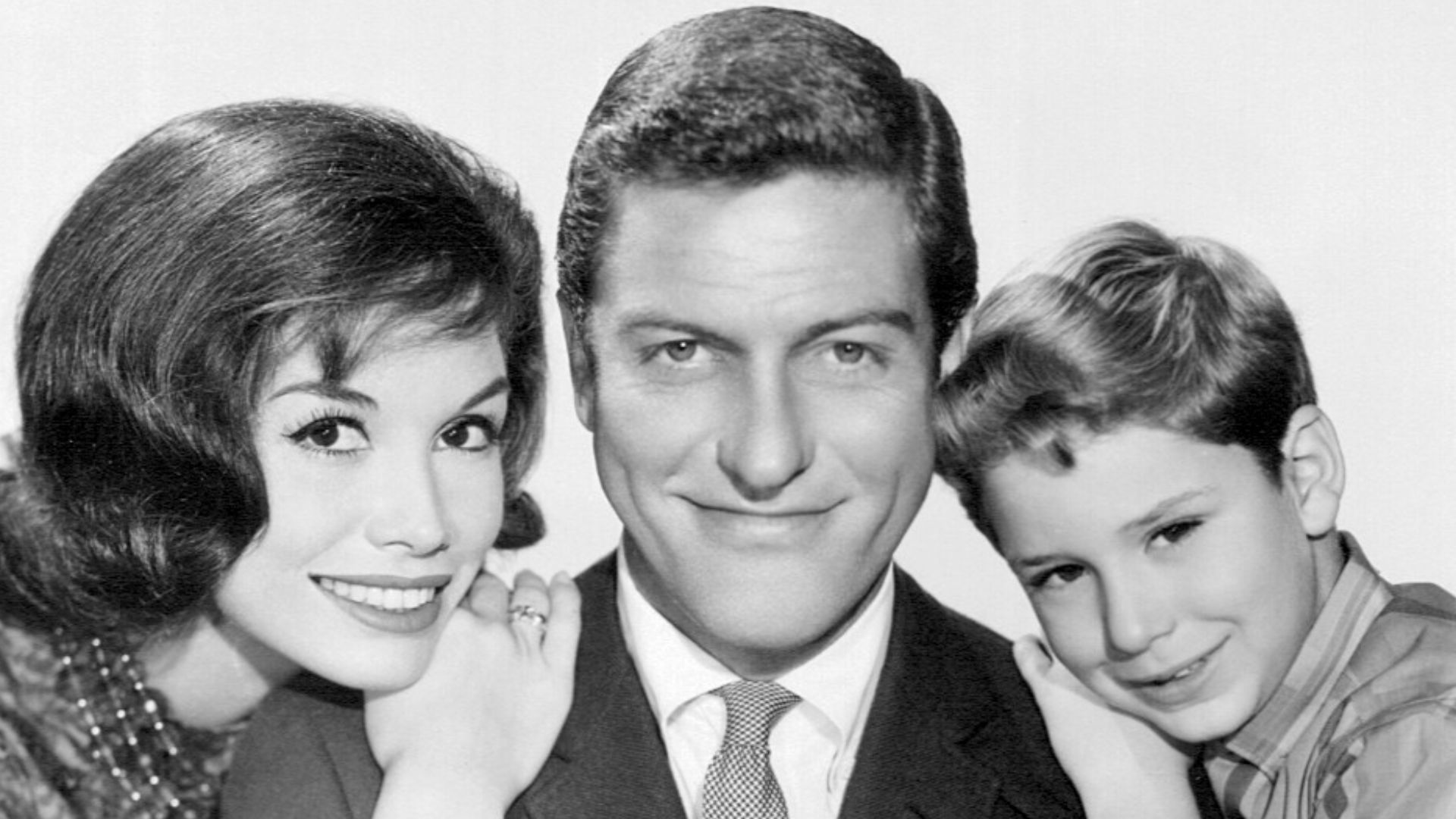 CBS Television, Wikimedia Commons
#3: Roseanne - 'Life and Stuff'
The premiere introduced the Conners through the kind of working-class family life Roseanne Barr had already made central to her stand-up comedy. Barr's experiences as a wife, mother, and domestic goddess with a wonderfully sarcastic edge shaped Roseanne Conner's voice. The episode connected because the family's bills, arguments, chores, and exhaustion looked far more recognizable than standard sitcom perfection.
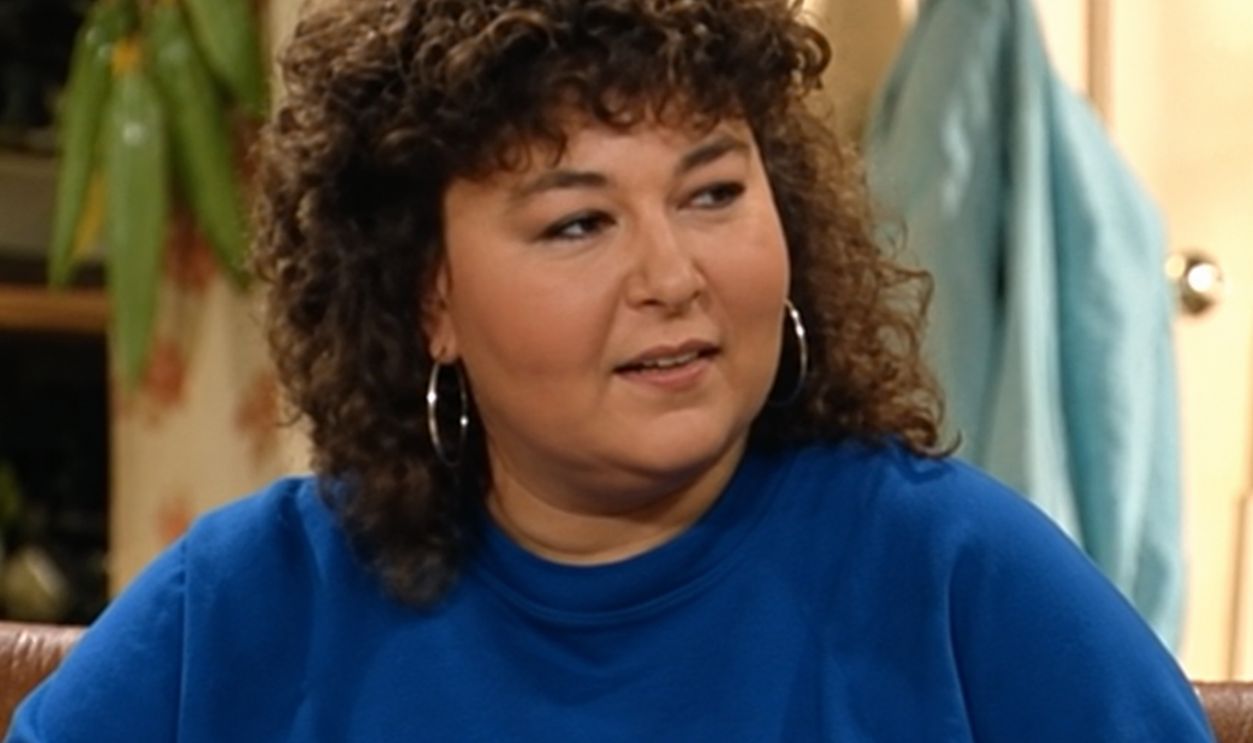 Screenshot from Roseanne, Carsey-Werner Television (1988-1997), Enhanced
#4: Seinfeld - 'The Revenge'
George quits his job in a burst of anger, regrets it, and returns the following Monday as though nothing happened. Larry David had tried essentially the same maneuver after walking away from Saturday Night Live in frustration. He returned after the weekend and acted as if his resignation had never occurred. An embarrassing career gamble became exactly the sort of painfully believable plot Seinfeld did best.
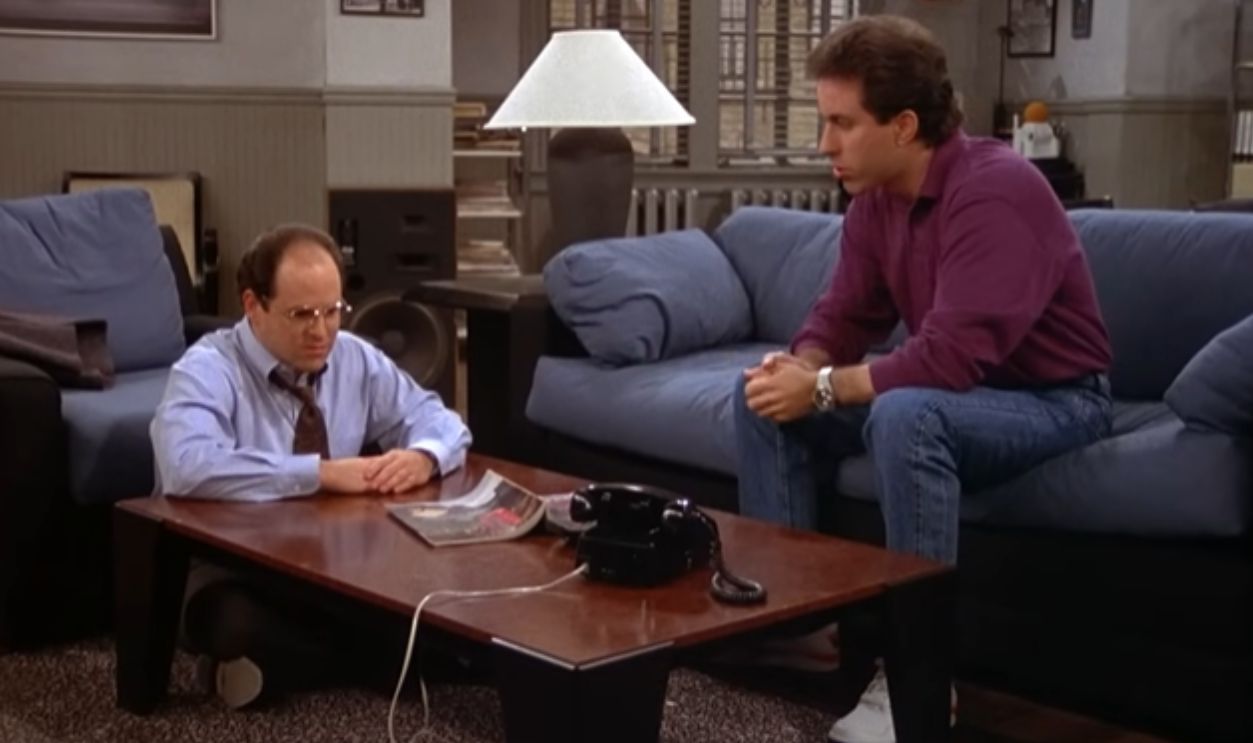 Screenshot from Seinfeld, Sony Pictures Television (1989-1998)
#5: Married... with Children - 'She's Having My Baby'
Katey Sagal's pregnancy was written into the sitcom by making Peggy Bundy pregnant too. The storyline began in the two-part season premiere and allowed Sagal's real life to shape the Bundy household. After Sagal experienced a pregnancy loss, the series sensitively abandoned the plot by revealing that Al had dreamed it, sparing the actor from having to continue the storyline.
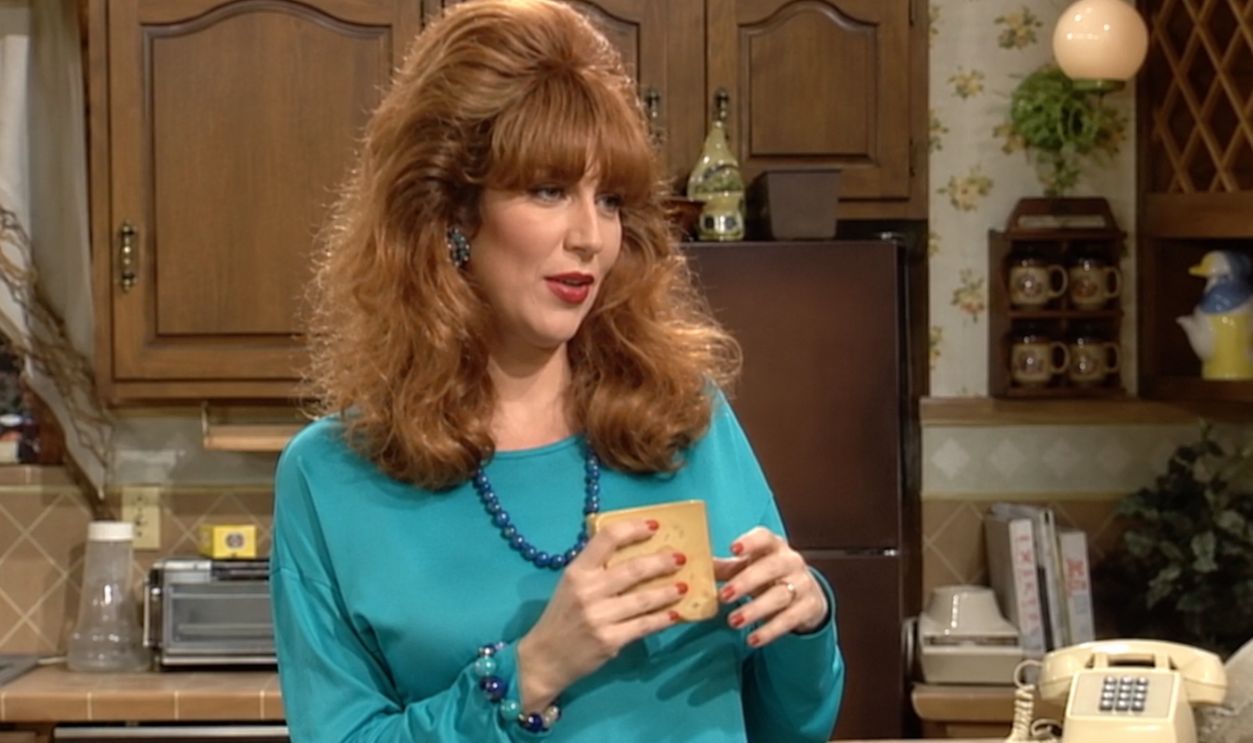 Screenshot from Married... with Children, Sony Pictures Television (1987-1997), Enhanced
#6: Ellen - 'The Puppy Episode'
Ellen Morgan's coming-out story closely accompanied Ellen DeGeneres's public announcement that she was gay. The heavily promoted two-part episode blurred the boundary between performer and character, with both taking a major personal and professional step at nearly the same time. Its celebrity guest appearances added comedy, but the episode's lasting importance came from the unmistakably real experience underneath the sitcom plot.
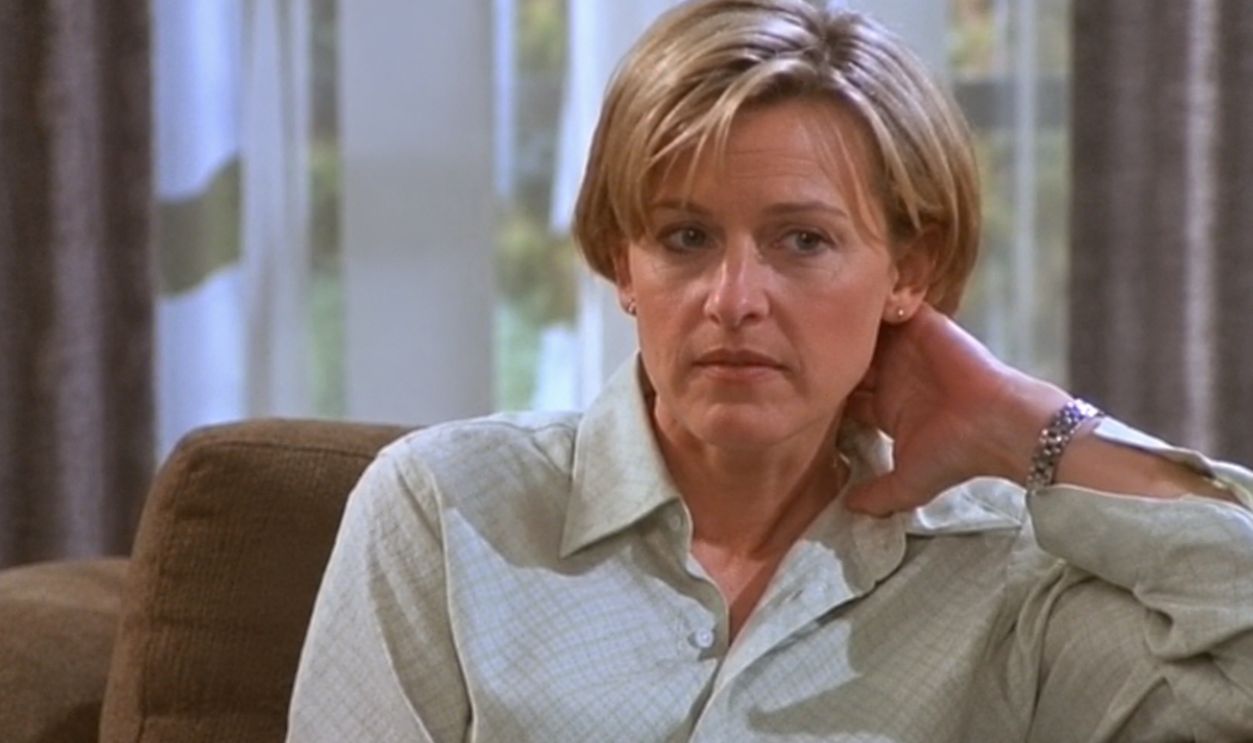 Screenshot from Ellen, Disney (1994-1998), Enhanced
#7: Friends - 'The One with the Embryos'
Lisa Kudrow's real pregnancy inspired the writers to make Phoebe a surrogate for her brother Frank Jr. and his wife, Alice. The episode is also remembered for the apartment-swapping trivia contest, yet Phoebe's medical appointment launched a season-long story that accommodated Kudrow's changing appearance. Real life did not merely complicate production; it gave the character one of her warmest storylines.
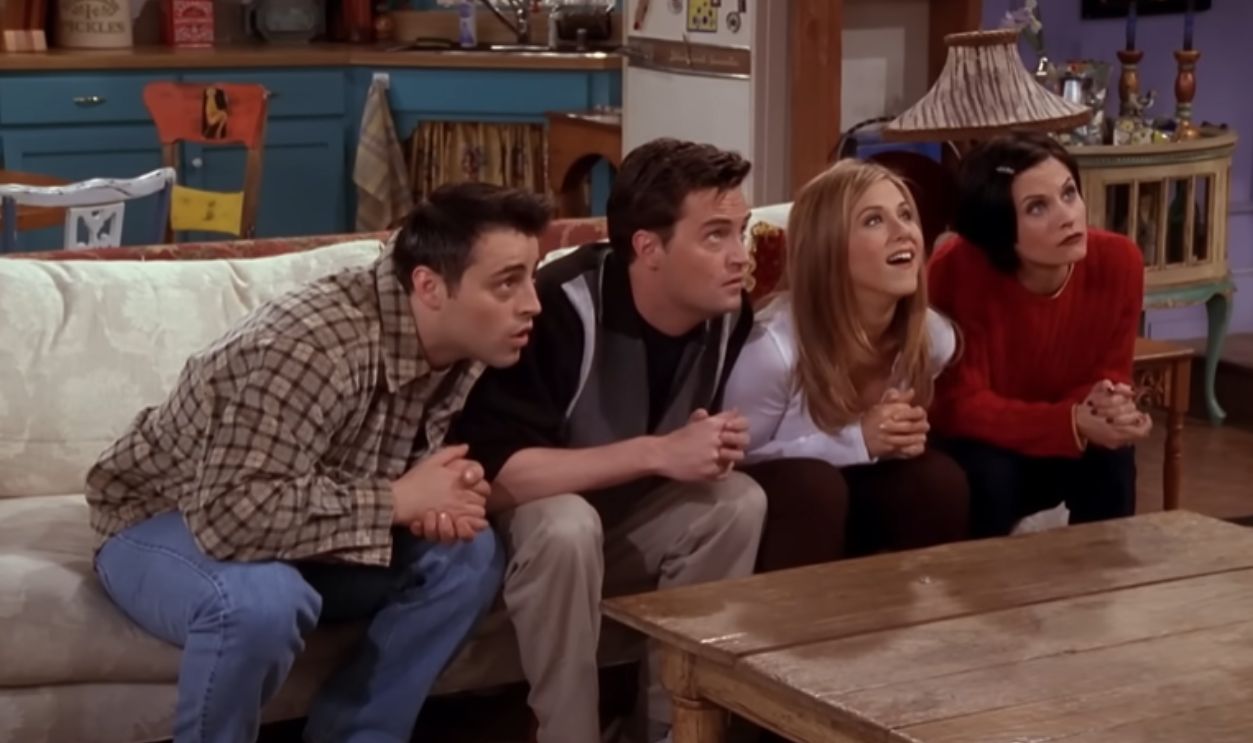 Screenshot from Friends, Warner Bros. Television (1994-2004)
#8: NewsRadio - 'Bill Moves On'
After Phil Hartman's death in 1998, NewsRadio addressed the loss through the death of his character, Bill McNeal. The cast's grief was real, making the episode's memorial scenes unusually raw for a workplace comedy. Rather than pretend Bill had simply taken another job, the show allowed its performers and viewers to acknowledge what had happened while saying goodbye to an irreplaceable colleague.
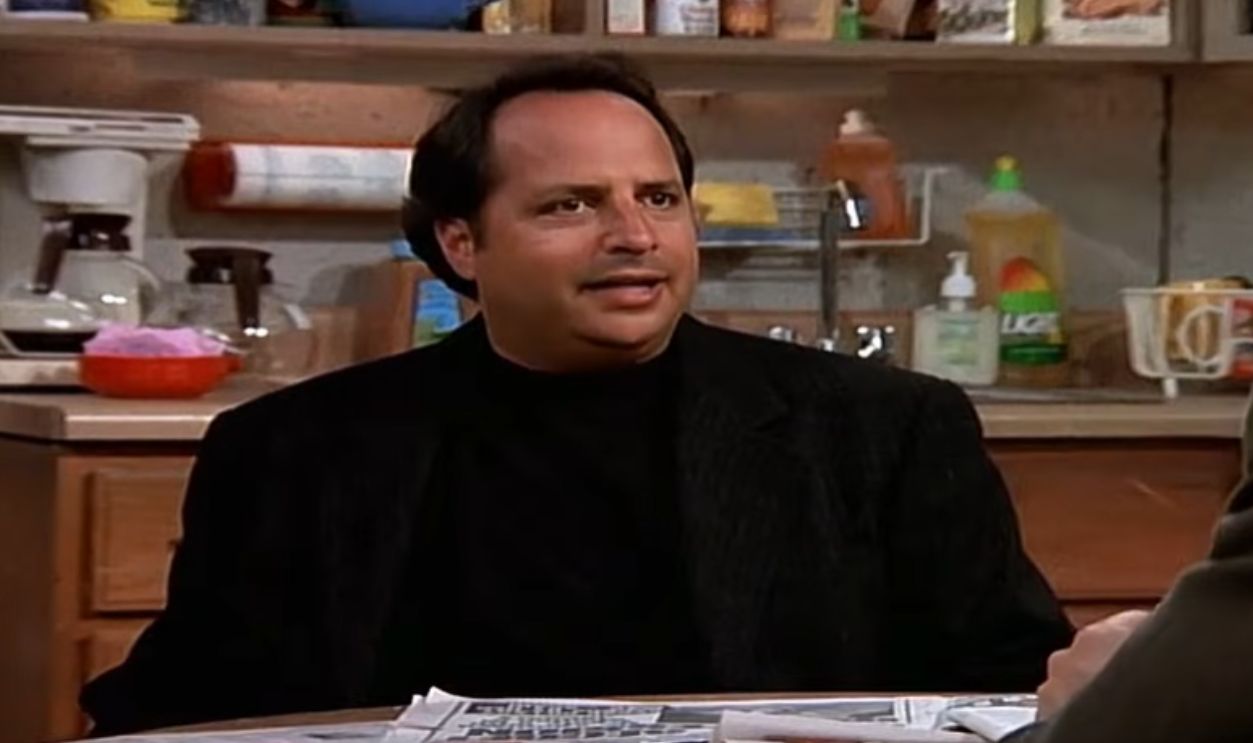 Screenshot from NewsRadio, Sony Pictures Television (1995-1999)
#9: 8 Simple Rules - 'Goodbye'
John Ritter died suddenly while the show's second season was in production. The series responded with a two-part episode in which Paul Hennessy also died, leaving his television family to confront the same absence felt by Ritter's castmates and audience. The performances carried genuine grief, and the episode became less like an ordinary sitcom installment than a public farewell to a beloved actor.
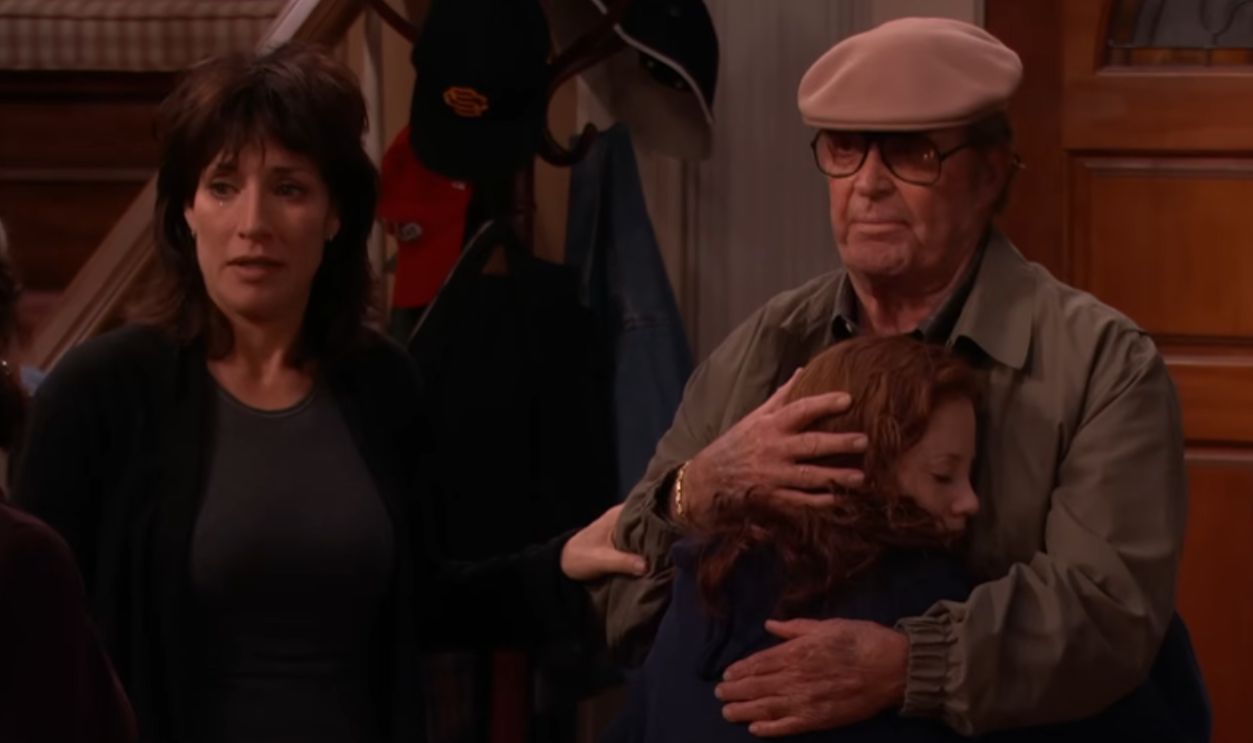 Screenshot from 8 Simple Rules, Disney-ABC Domestic Television (2002-2005)
#10: The Bernie Mac Show - 'Pilot'
Bernie Mac based the show's central setup on a blend of his family life and material from his stand-up comedy. In the pilot, Bernie and Wanda suddenly become responsible for three children after his sister enters treatment. Mac had helped raise his niece and her child, while another part of the premise drew from a friend's experience, giving the exaggerated family comedy a recognizable emotional foundation.
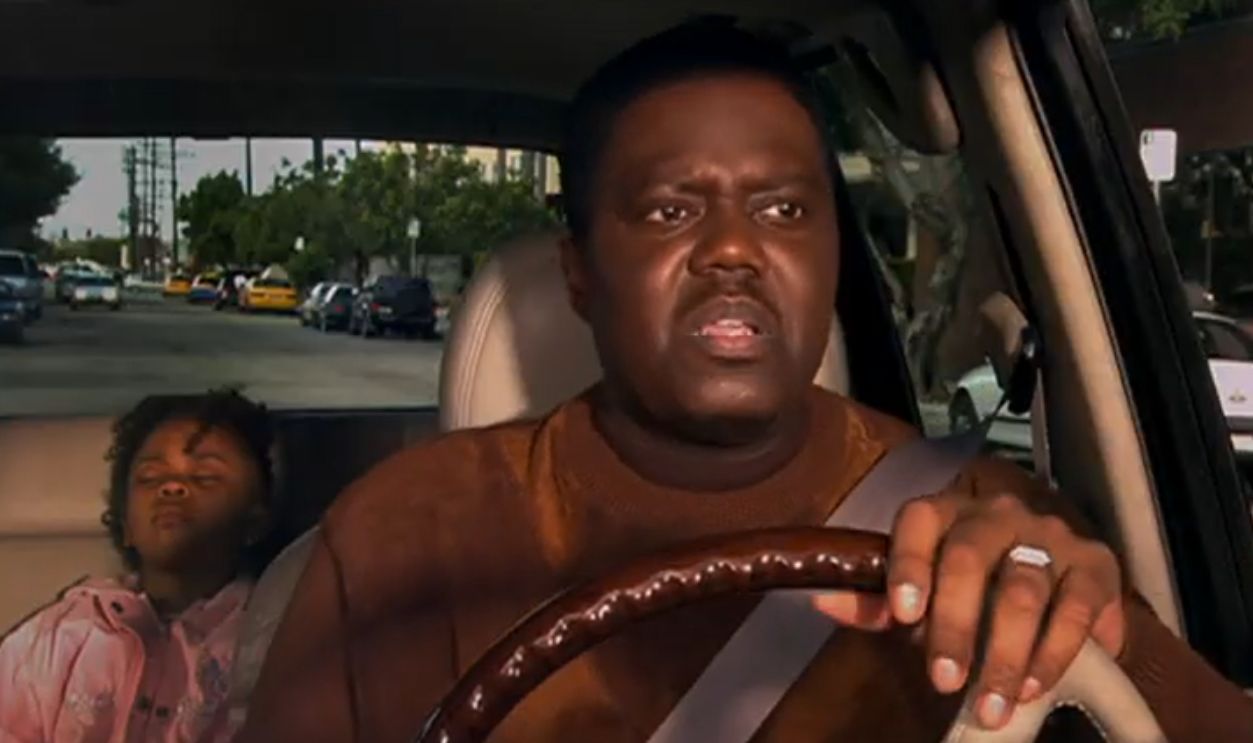 Screenshot from The Bernie Mac Show, 20th Television (2001-2006)
#11: Everybody Hates Chris - 'Everybody Hates the Pilot'
Chris Rock transformed memories of his Brooklyn childhood into this semi-autobiographical comedy. The pilot establishes young Chris as an older brother navigating strict parents, money worries, a difficult commute, and a largely white school. Dates and details were adjusted for television, but Rock's narration and family stories gave the series its personality. Apparently, childhood embarrassment improves considerably when an adult comedian gets the final word.
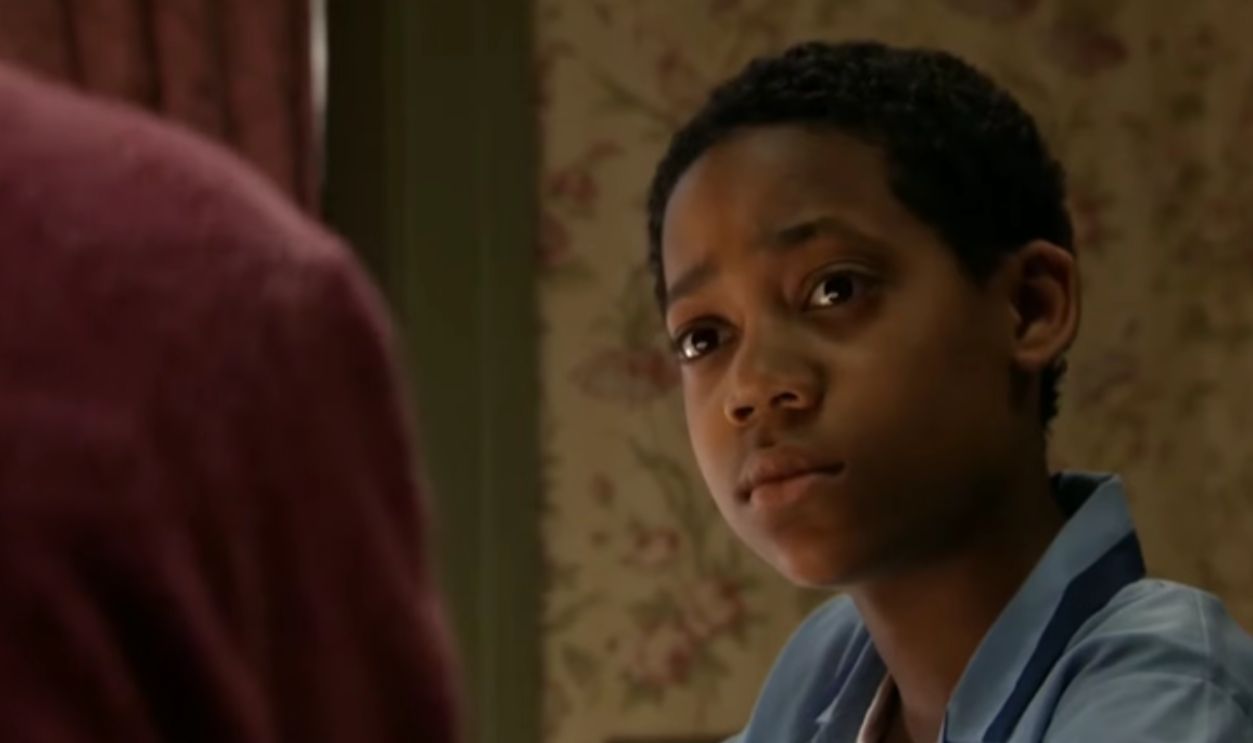 Screenshot from Everybody Hates Chris, CBS Paramount Network Television (2005-2009)
#12: 30 Rock - 'Pilot'
Tina Fey built 30 Rock around experiences she gathered as Saturday Night Live's head writer. Liz Lemon's attempts to manage unpredictable performers, demanding executives, and a live sketch-comedy series were heightened for television, but the workplace rhythm came from territory Fey knew intimately. The pilot's backstage chaos made an immediate impression because its absurdity was anchored in the realities of producing weekly television.
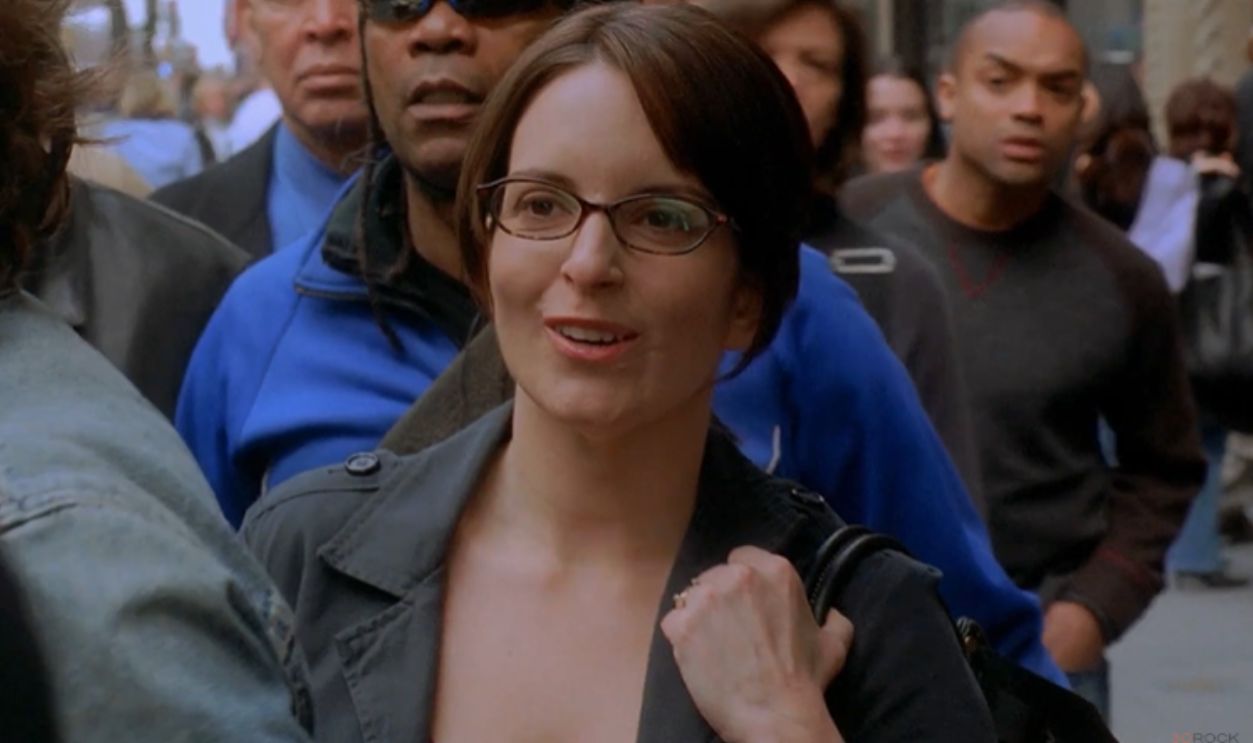 Screenshot from 30 Rock, NBC (2006-2013)
#13: Curb Your Enthusiasm - 'The Doll'
Larry David has explained that the famously disastrous doll-hair storyline grew from a real impulse to cut the hair of a doll belonging to one of his daughters. On television, Larry's attempt to solve the resulting problem only makes everything worse. That progression is pure Curb: begin with a small, believable social mistake, then keep digging until ordinary embarrassment reaches operatic proportions.
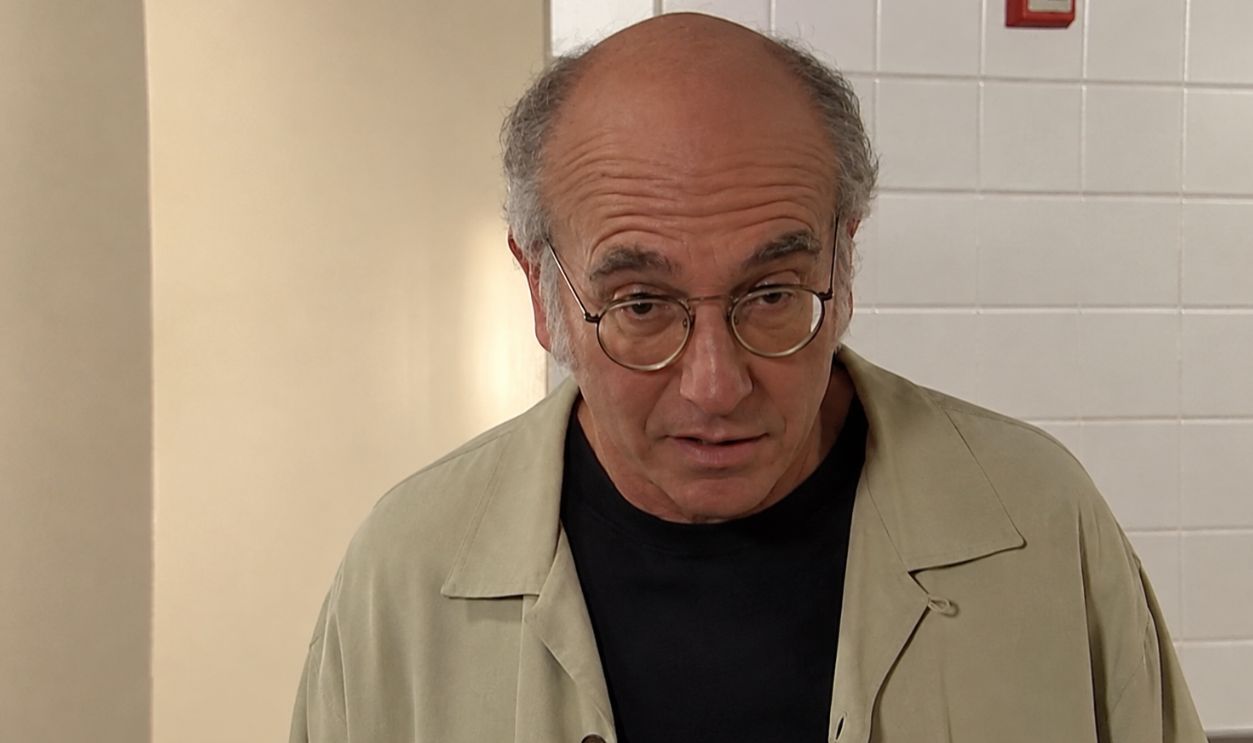 Screenshot from Curb Your Enthusiasm, HBO (2000-2024), Enhanced
#14: The Office - 'The List'
Jenna Fischer's real pregnancy was incorporated into the eighth season by having Pam and Jim expect their second child. 'The List' reveals the pregnancy after the earlier season finale had hinted at it. Unlike some sitcoms that hide pregnancies behind desks, laundry baskets, and increasingly suspicious houseplants, The Office used Fischer's news to move the Halpert family into its next stage.
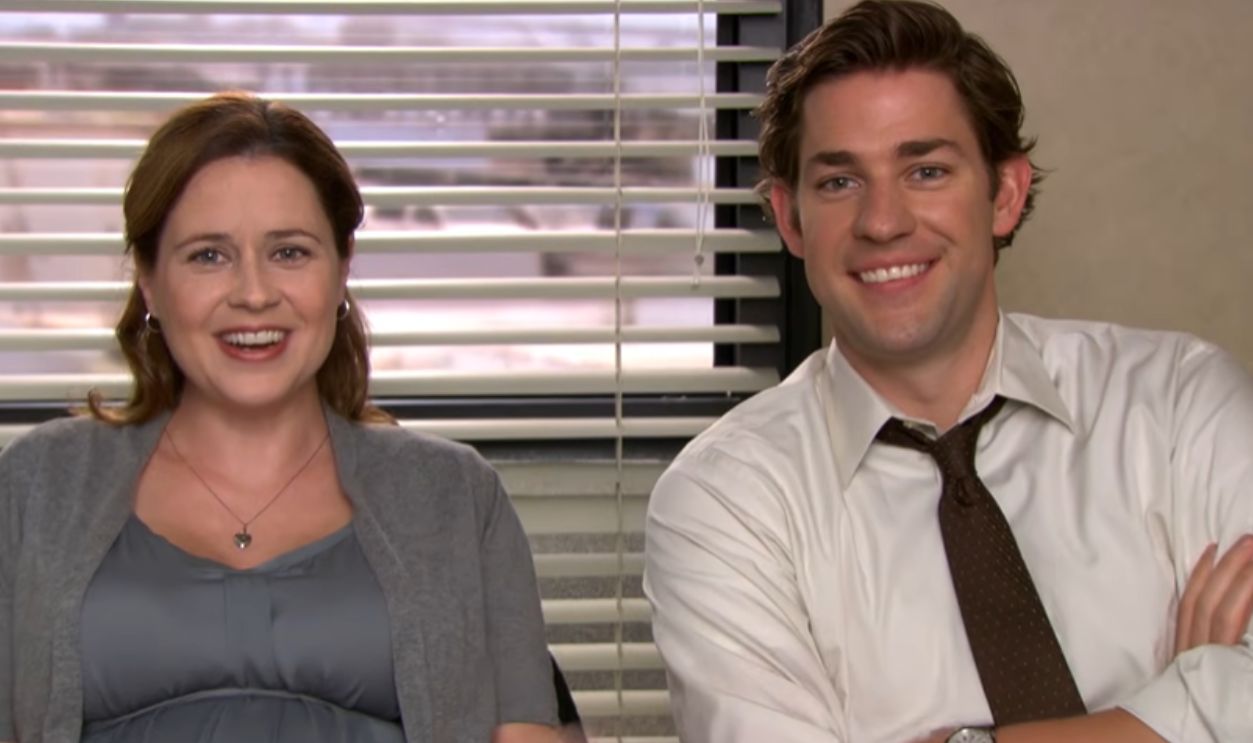 Screenshot from The Office, NBC (2005-2013)
#15: Black-ish - 'Pilot'
Creator Kenya Barris and star Anthony Anderson both brought experiences from their own families to the Johnson household. The pilot follows Dre's concern that his affluent children are becoming disconnected from Black culture, a theme Barris drew from questions he faced while raising his children. Anderson also recognized elements of his home life in the material, helping the family comedy feel personal rather than manufactured.
 Screenshot from Black-ish, ABC (2014-2022)
#16: Master of None - 'Parents'
Aziz Ansari and Alan Yang based this acclaimed episode on stories about their immigrant parents and the sacrifices they made. Ansari's real mother and father play Dev's parents, giving the family scenes an endearing lack of Hollywood polish. The episode contrasts the comfortable lives of the sons with their parents' difficult beginnings, turning specific family memories into a funny and affectionate thank-you.
 Screenshot from Master of None, Netflix (2015-2021)
#17: One Mississippi - 'Pilot'
Tig Notaro's series begins with a fictionalized version of an extraordinarily difficult period in her life. Her character returns home after her mother's death while recovering from serious illness and dealing with the collapse of a relationship. Notaro had experienced these events in a short span, and the pilot reshaped them into dark, understated comedy without pretending that grief arrives with a convenient laugh track.
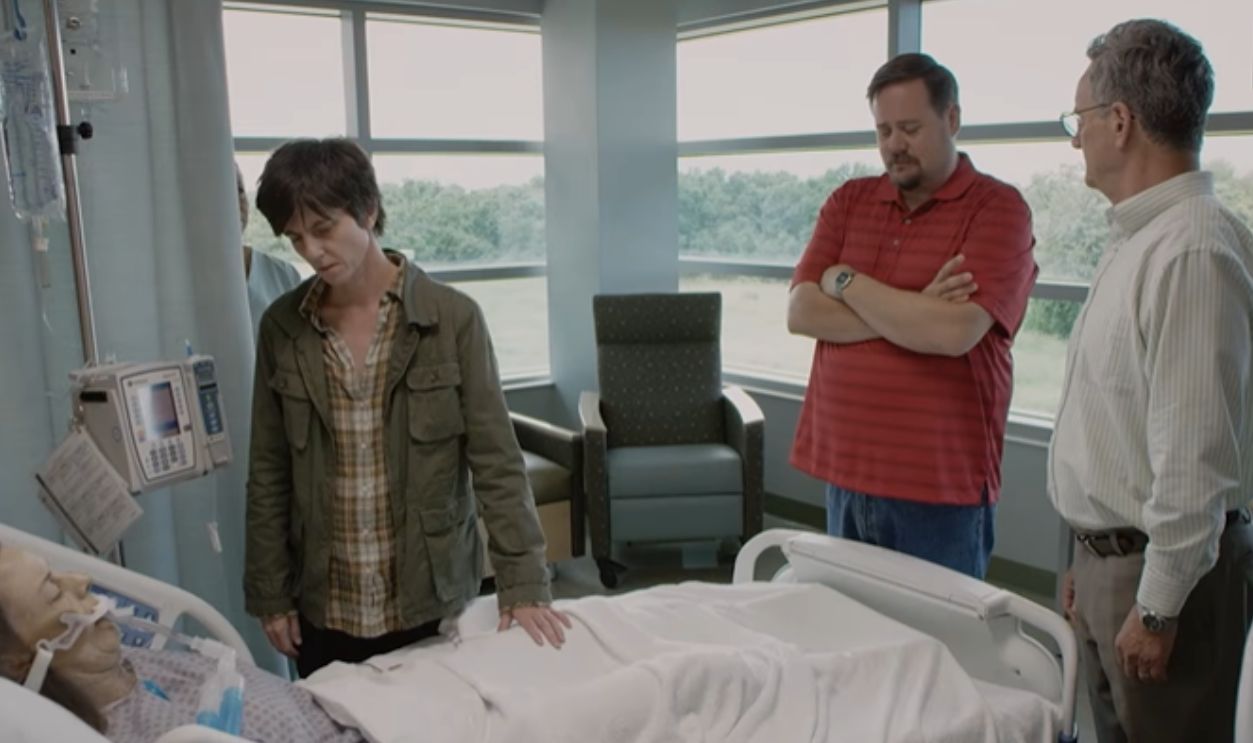 Screenshot from One Mississippi, Amazon Prime Video (2015-2017)
#18: Crashing - 'Artie Lange'
Pete Holmes based the beginning of Crashing on the breakup of his first marriage and his early struggle to build a career in stand-up. In the premiere, Pete discovers his wife's affair and suddenly has nowhere to live, sending him into New York's comedy world. The circumstances were dramatized, but the emotional starting point came from the upheaval that redirected Holmes's real life.
 Screenshot from Crashing, HBO (2017-2019)
#19: Better Things - 'Sam/Pilot'
Pamela Adlon created Sam Fox as a fictionalized counterpart: a working actor raising three daughters in Los Angeles while also caring for an aging mother. The pilot captures the constant interruptions, professional indignities, and domestic negotiations of that life. Adlon drew heavily from her experiences as an actress and single mother, creating a character who often seemed too exhausted to perform conventional sitcom cheerfulness.
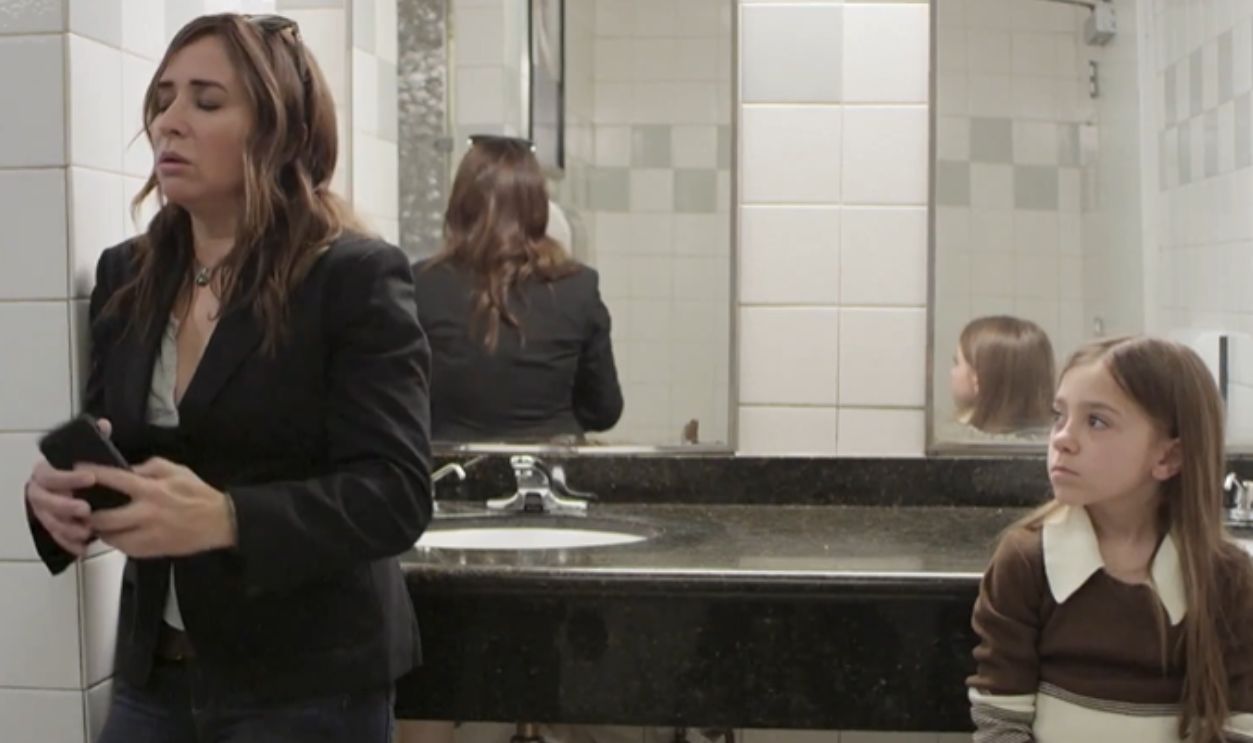 Screenshot from Better Things, FX (2016-2022)
#20: Chewing Gum - '[Romance] and Violence'
Michaela Coel drew on her strict Pentecostal upbringing when creating Tracey Gordon, a young woman whose curiosity collides with the rules of her religious community. The premiere establishes the conflict through Tracey's awkward attempts to understand adulthood and relationships. The situations are exaggerated, but Coel's knowledge of that environment gives every comic misunderstanding a precise and deeply personal point of view.
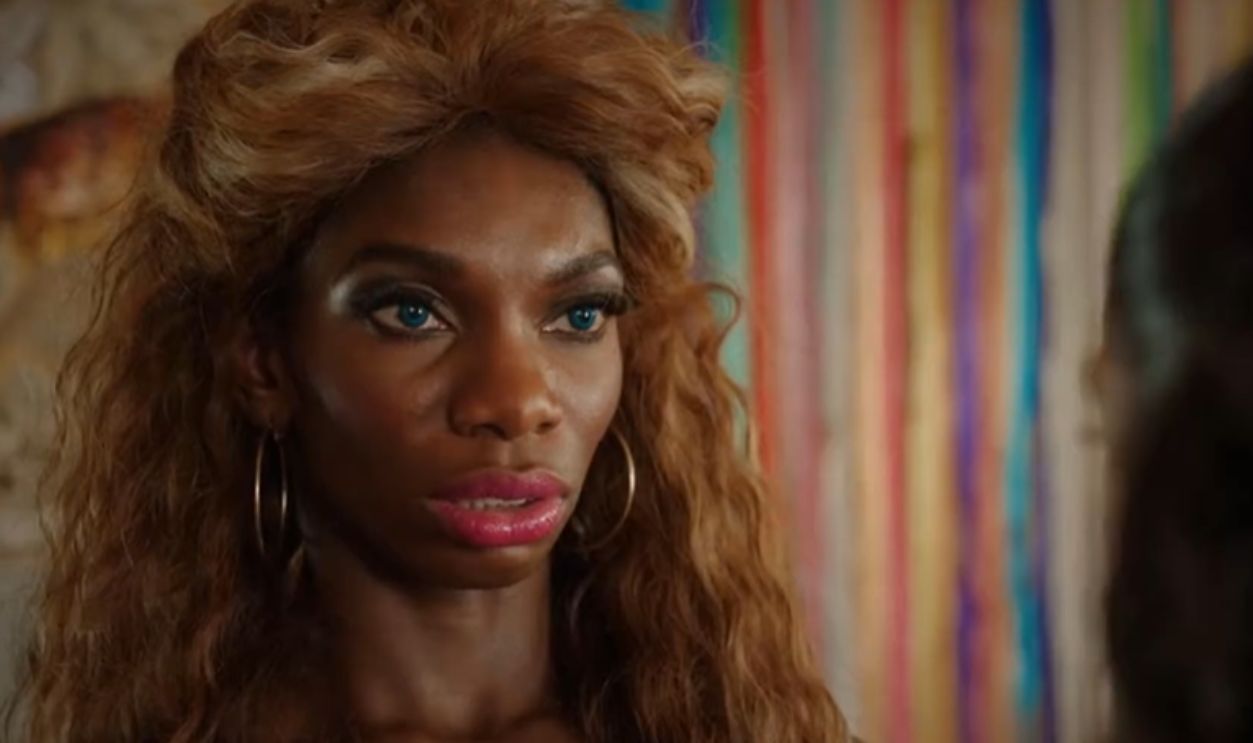 Screenshot from Chewing Gum, Channel 4 (2015-2017)
#21: Ramy - 'Between the Toes'
Ramy Youssef shaped the series around the contradictions he experienced as a Muslim American trying to balance faith, family expectations, dating, and modern life. The premiere introduces a fictional Ramy whose choices regularly fail to match his ideals. It is not a literal diary, but the cultural tensions and uncomfortable questions come from Youssef's perspective, which gives the comedy its specificity.
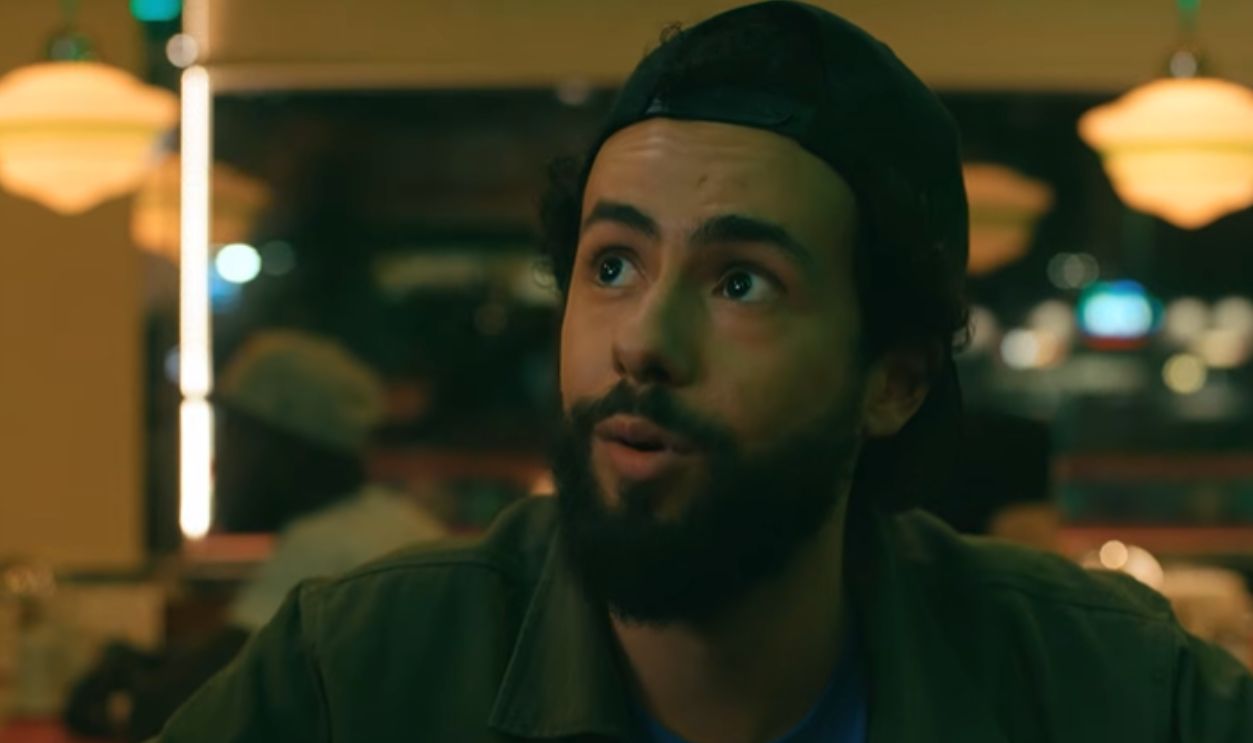 Screenshot from Ramy, Hulu (2019-2022)
#22: Young Rock - 'Working the Gimmick'
Dwayne Johnson's childhood stories provide the engine for Young Rock. The premiere moves among versions of Johnson at different ages, surrounded by professional wrestlers and family members who helped shape him. The framing device is fictional, and events are condensed or rearranged, but the people, wrestling culture, financial struggles, and restless childhood are rooted in Johnson's own highly unusual upbringing.
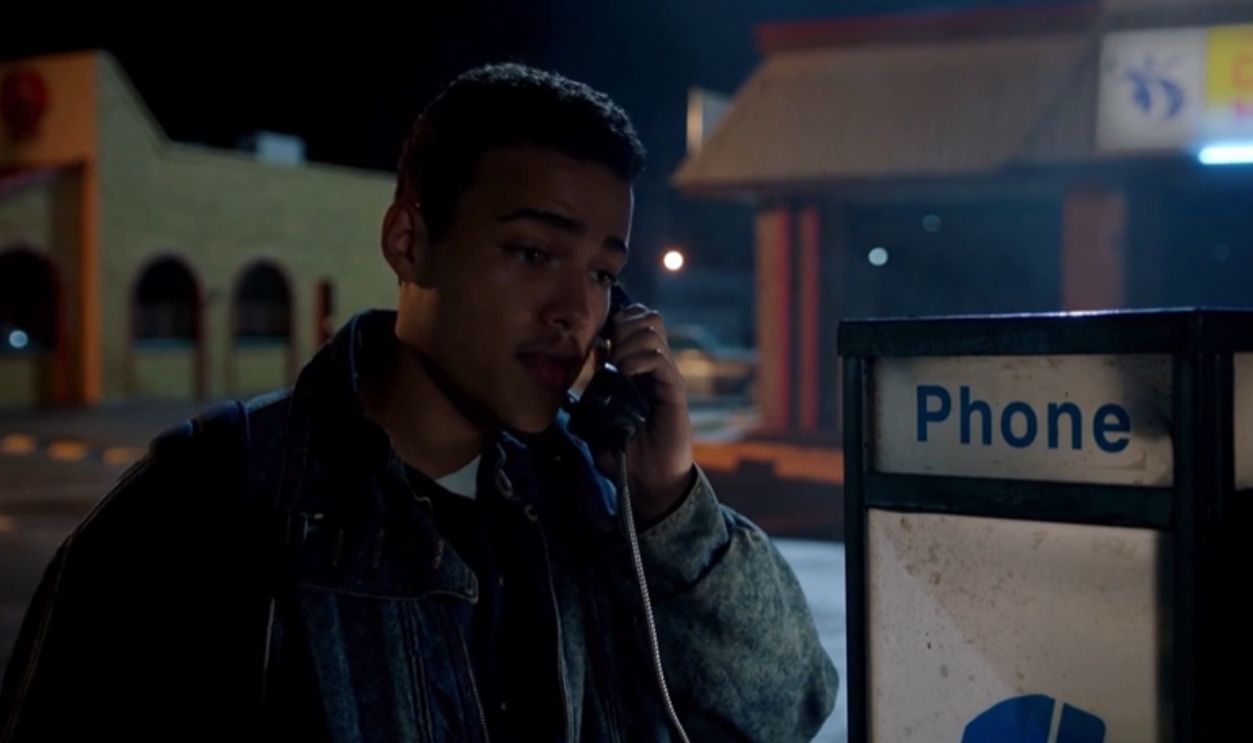 Screenshot from Young Rock, NBC (2021-2023)
#23: Lopez vs. Lopez - 'Pilot'
George Lopez and his daughter Mayan play fictionalized versions of themselves in a comedy inspired by their real estrangement and reconciliation. The premiere places George back in his daughter's life, where old resentments sit beside obvious affection. Their actual father-daughter history gives the arguments an unusual spark. Most sitcom families pretend to have baggage; these two arrived with matching luggage.
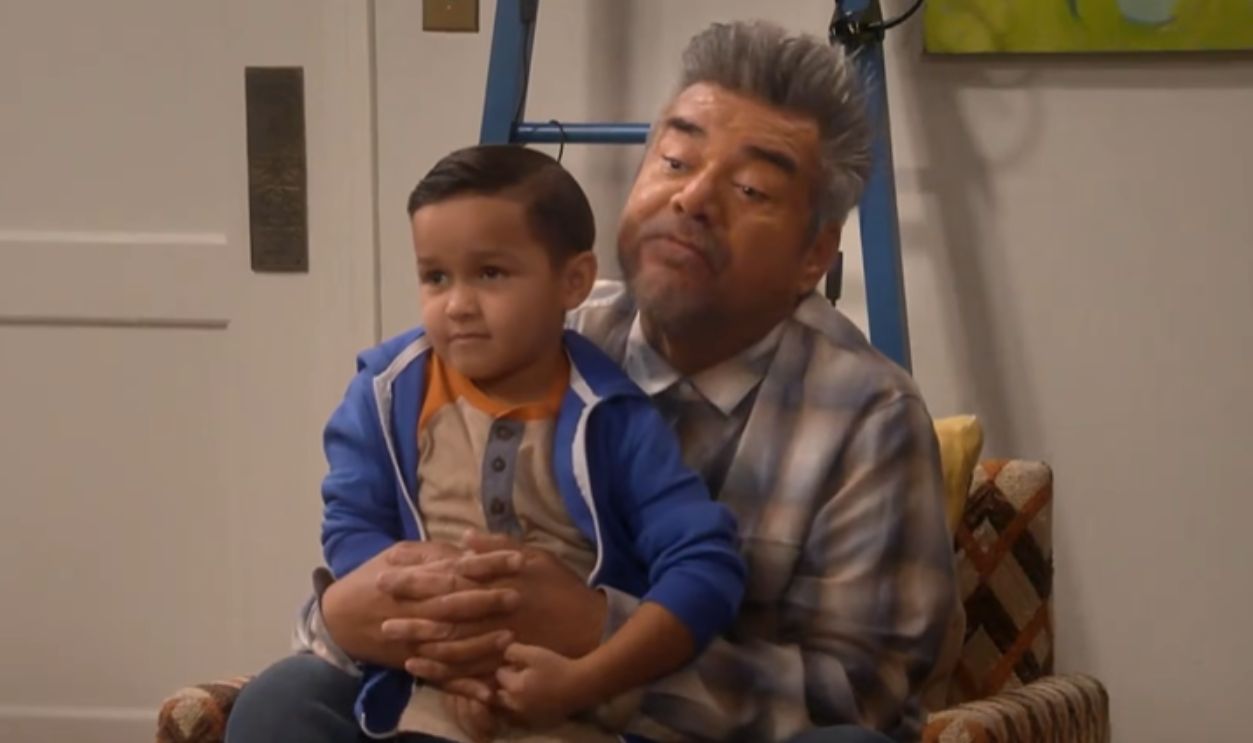 Screenshot from Lopez vs. Lopez, NBC (2022-)
#24: Cybill - 'Virgin, Mother, Crone'
Cybill Shepherd brought recognizable pieces of her own career and family life to Cybill Sheridan, a twice-divorced actress and mother dealing with middle age in Hollywood. The premiere introduces the frustrations of auditions, former husbands, adult children, and an industry obsessed with youth. The character was fictional, but Shepherd's experience as a famous actress navigating Hollywood made the satire especially pointed.
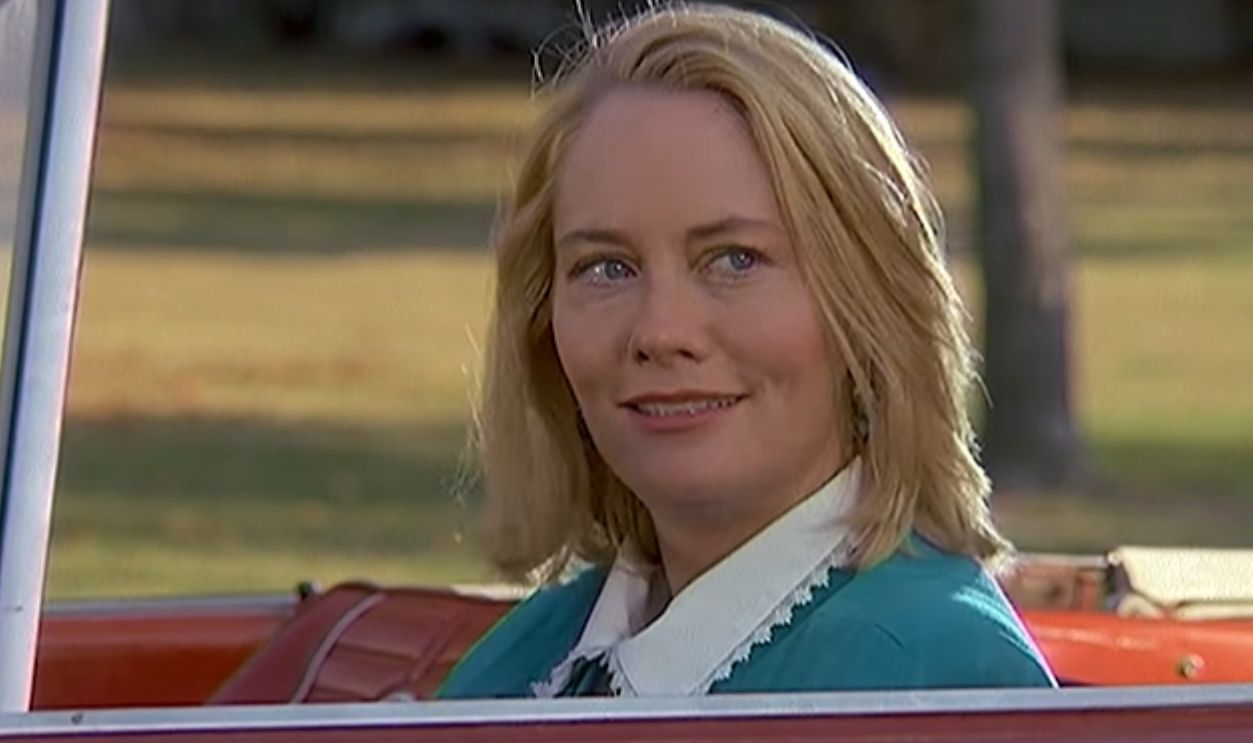 Screenshot from Cybill, Carsey-Werner Distribution (1995-1998)
#25: Grace Under Fire - 'Pilot'
Brett Butler's stand-up persona and difficult personal history helped inspire Grace Kelly, a recovering woman rebuilding her life after leaving a harmful marriage. The pilot introduces Grace as a factory worker raising three children and using humor to survive pressure that would flatten a less stubborn character. Butler's experiences gave the comedy its bruised authenticity, making Grace feel lived-in from her first appearance.
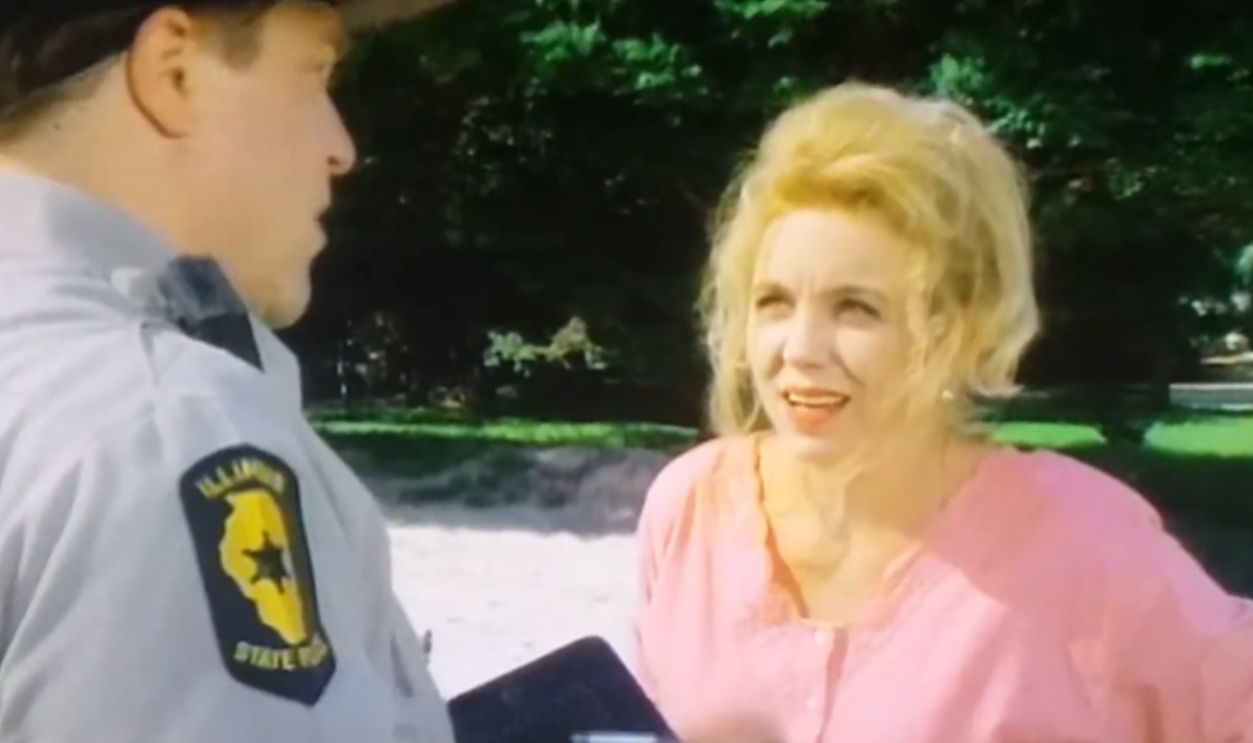 Screenshot from Grace Under Fire, Carsey-Werner Distribution (1993-1998), Enhanced
You May Also Like:
Spy Thrillers From The 1960s and 70s That No One Remembers
Classic 1960s Westerns That No One Recognizes Today
Talk Shows From The 1960s That No One Remembers
Sources: 1, 2, 3, 4, 5, 6, 7, 8, 9, 10, 11, 12, 13, 14, 15, 16