These Shows Likely Wouldn't Air Today
The 60s gave audiences talking cars, suburban witches, stranded millionaires, lovable hillbillies, and even a comedy set inside a prisoner-of-war camp. Millions watched without blinking. Try pitching some of these programs exactly as they originally appeared today, however, and the network meeting might become more entertaining than the show.
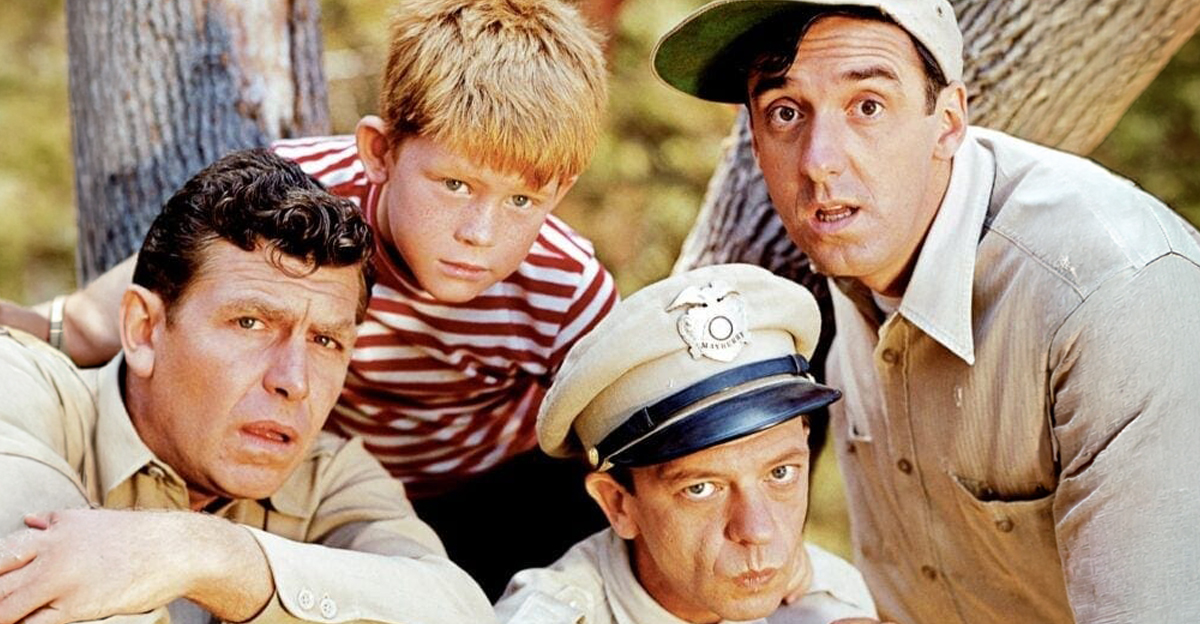 CBS Television, The Andy Griffith Show (1960-1968)
The Andy Griffith Show
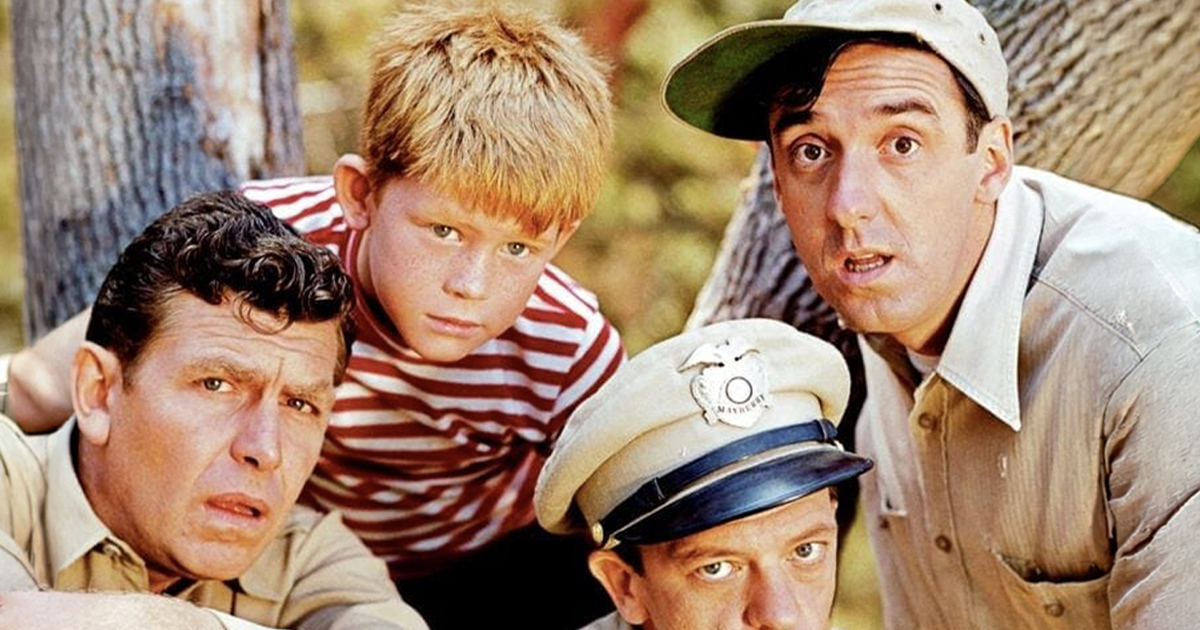
Set in the fictional town of Mayberry, The Andy Griffith Show became a hit through gentle humor, memorable supporting characters, and Andy Griffith’s calming presence as Sheriff Andy Taylor. A modern version would probably examine policing, race, class, and small-town politics more directly. Mayberry’s almost entirely white, conflict-free world would be difficult to reproduce without considerable discussion or revision.
The Flintstones
The Flintstones turned modern suburban life into a Stone Age cartoon, complete with dinosaur appliances and drive-in restaurants. Adults enjoyed the marriage jokes while children loved the prehistoric gadgets. Today, Fred’s temper, the show’s traditional gender roles, and its early 'smoking' sponsorship would require changes. Wilma would probably get considerably more to do than order another rack of brontosaurus ribs.
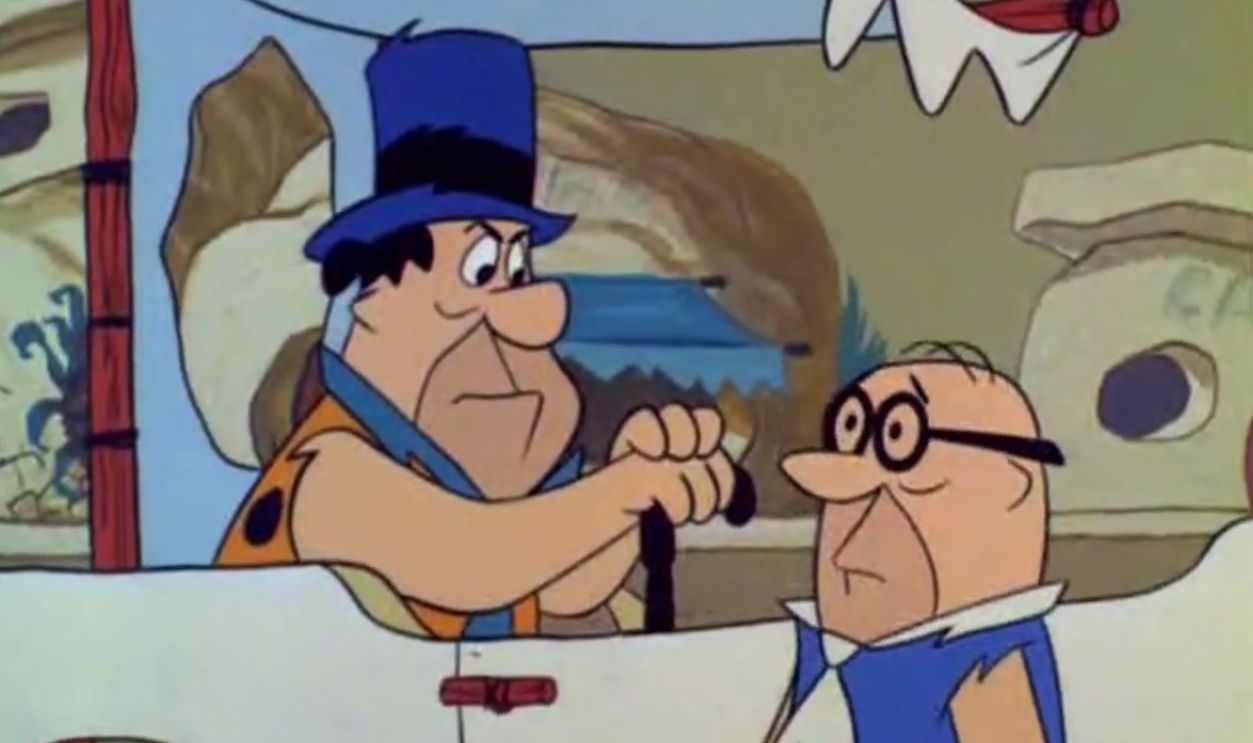 Screenshot from The Flintstones, ABC (1960–1966)
The Dick Van Dyke Show
This sophisticated sitcom followed comedy writer Rob Petrie as he divided his time between a Manhattan television program and his suburban family. Its clever scripts and gifted ensemble remain enormously influential. A modern version would likely give Laura Petrie a fuller life outside the home and create a more diverse writers’ room. Rob and Laura’s separate twin beds would probably disappear, too.
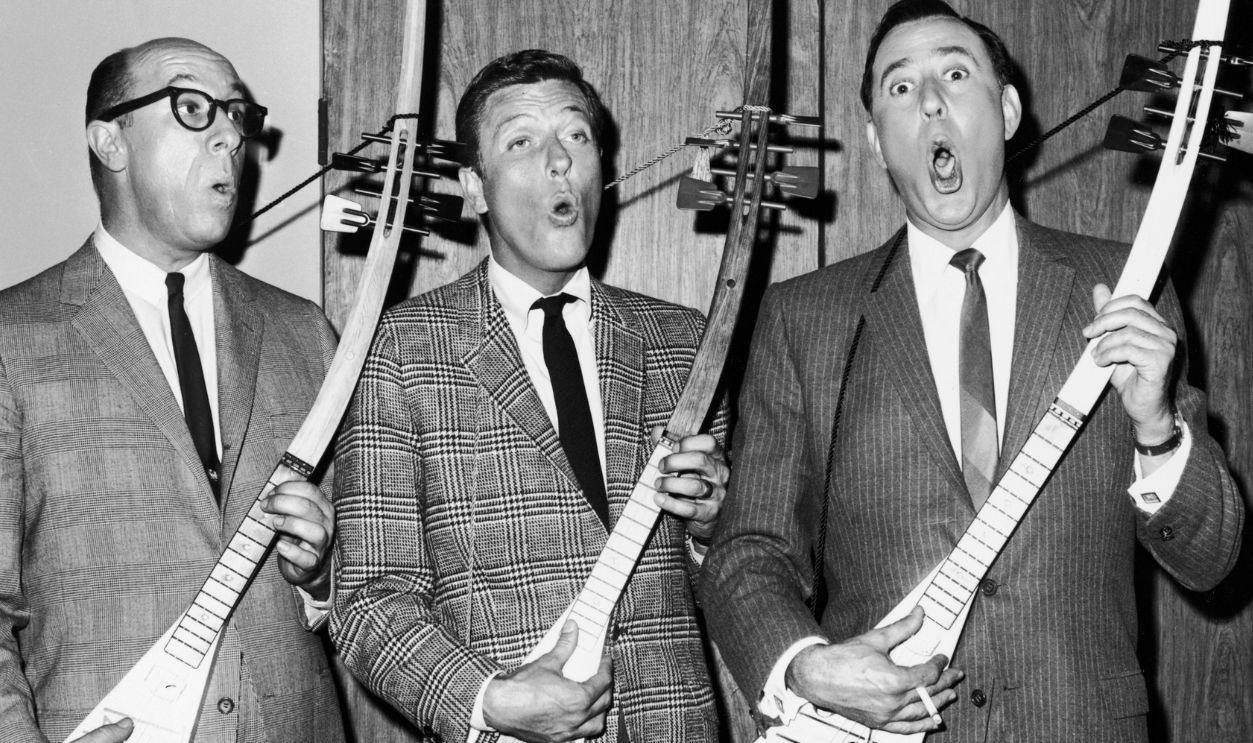 CBS Photo Archive, Getty Images
The Beverly Hillbillies
After striking oil, the Clampett family moved from the Ozarks to wealthy Beverly Hills and repeatedly outsmarted supposedly sophisticated city residents. The fish-out-of-water comedy made the series a ratings powerhouse. Today, producers would have to reconsider its exaggerated rural accents, class stereotypes, and jokes about poverty. Granny chasing people with a shotgun might also trouble the network’s insurance department.
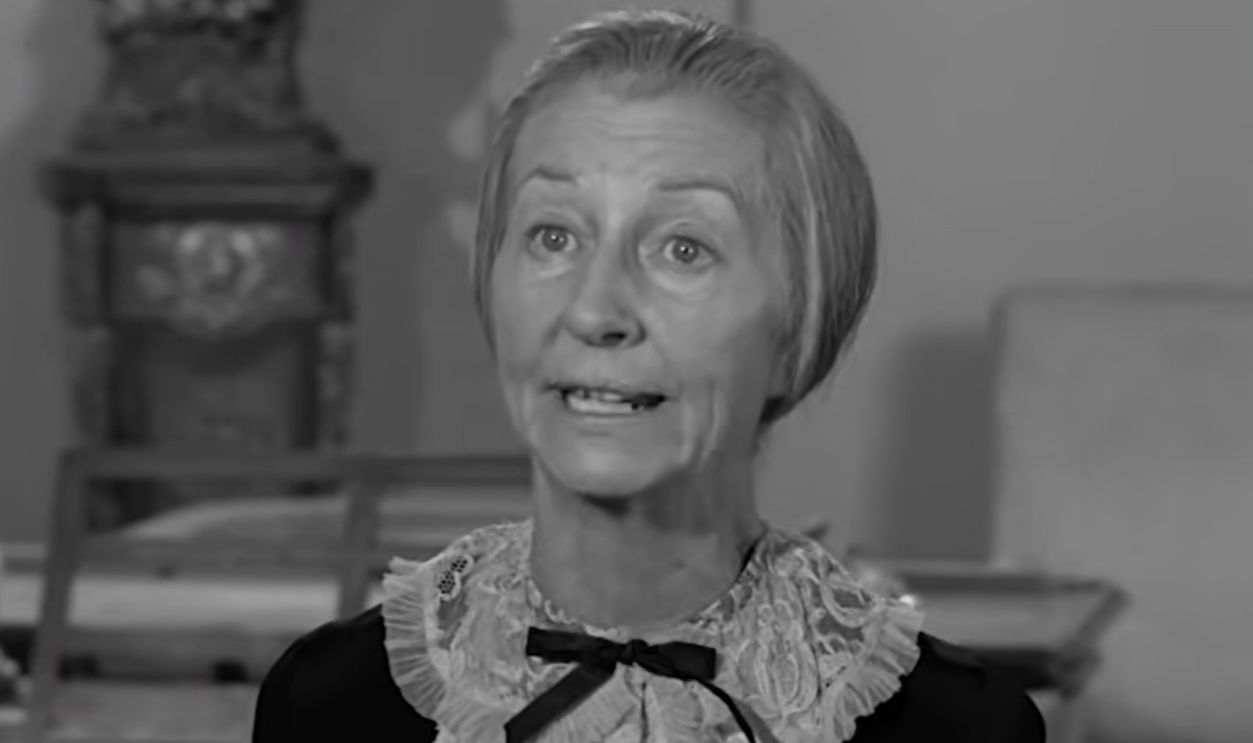 Screenshot from The Beverly Hillbillies, Paramount Global (1962-1971)
The Patty Duke Show
Patty Duke played both lively American teenager Patty Lane and her refined Scottish cousin, Cathy. Their fathers were identical twins, which supposedly explained why the girls looked exactly alike. The dual performance was the show’s irresistible gimmick. Today, Cathy’s exaggerated accent and cultural characterization would likely be updated, although modern visual effects would make filming the two characters together much easier.
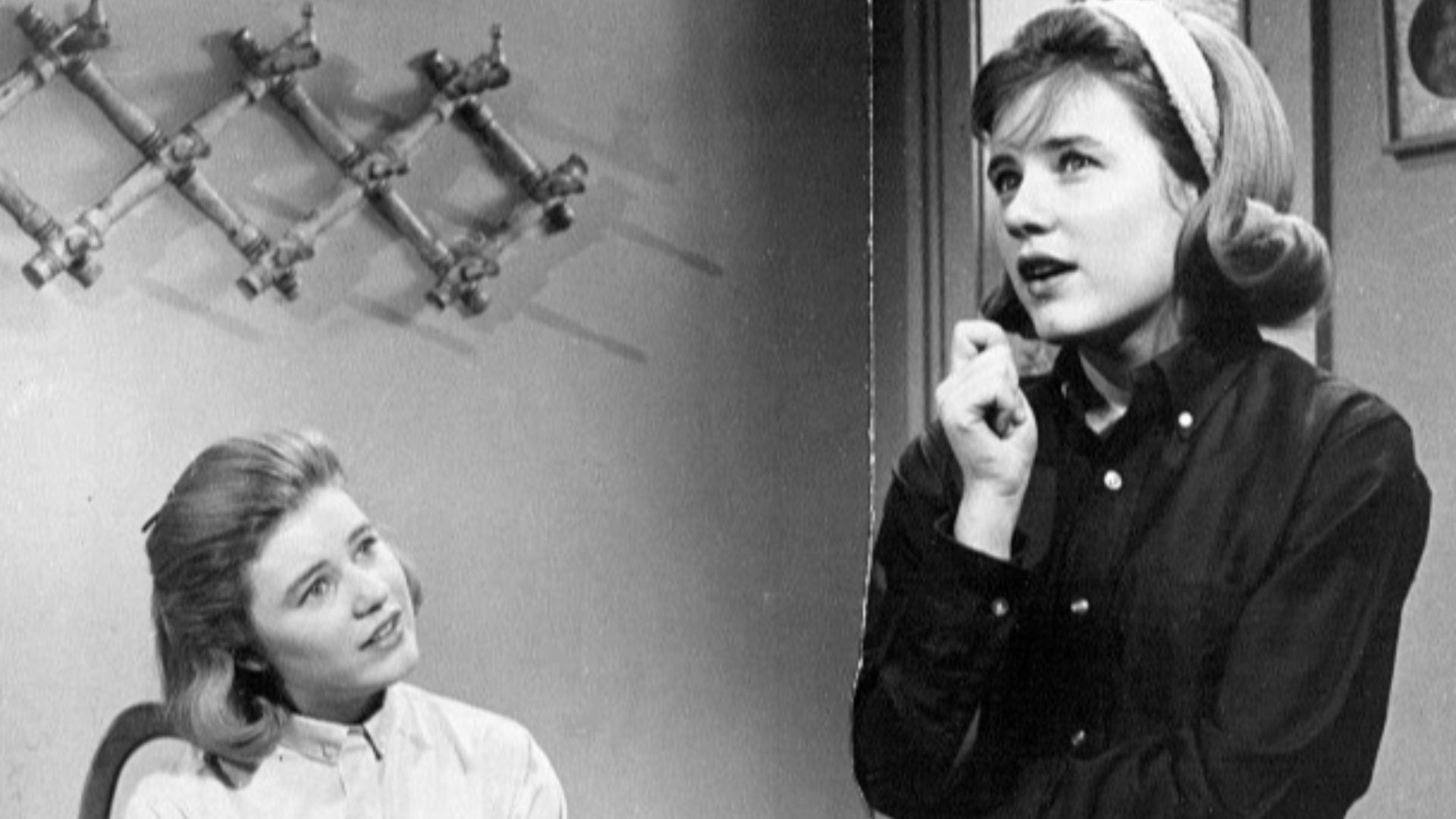 ABC Television, Wikimedia Commons
Bewitched
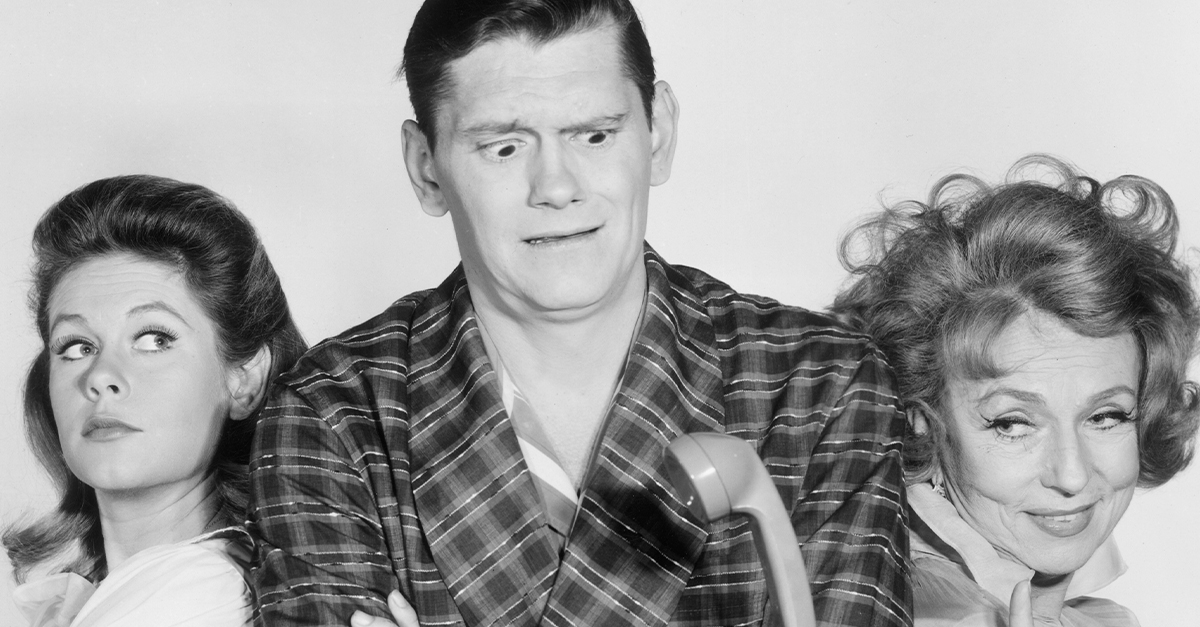
Bewitched followed powerful witch Samantha Stephens as she attempted to live like an ordinary suburban housewife with her mortal husband, Darrin. Elizabeth Montgomery’s charm made the magical chaos work. Today, viewers would wonder why Samantha kept suppressing extraordinary abilities to satisfy her husband’s expectations. A reboot would almost certainly give her greater independence and make Darrin less frightened of having an impressive wife.
Gilligan’s Island
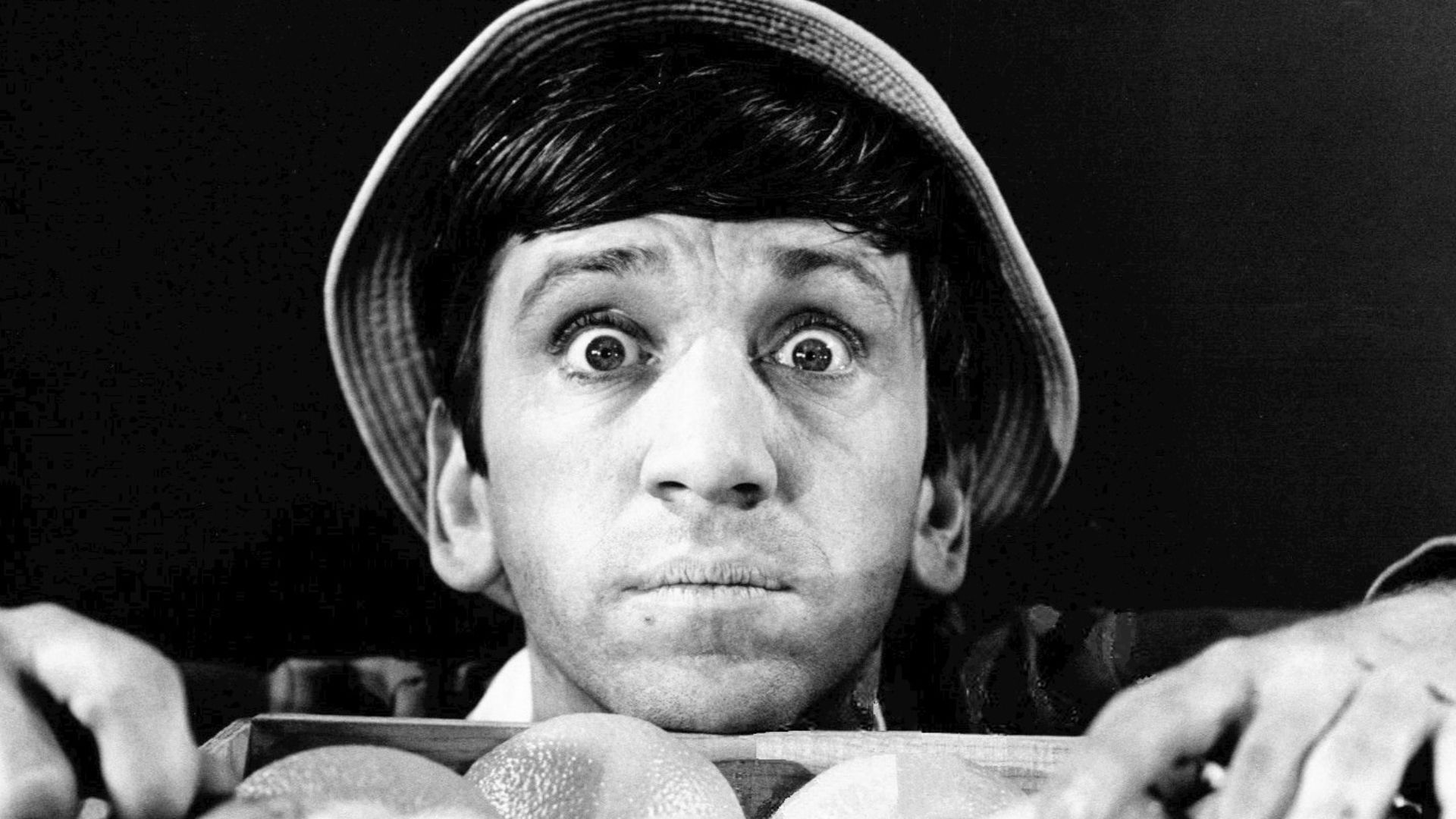
Seven castaways became stranded after what was supposed to be a three-hour tour, somehow accumulating wardrobes, theatrical props, and visiting celebrities while remaining impossible to rescue. The characters and endlessly catchy theme song made the comedy a syndication favorite. Today, its broad social stereotypes would be updated, and viewers armed with smartphones would analyze every coconut radio for engineering flaws.
 CBS Television, Wikimedia Commons
The Addams Family
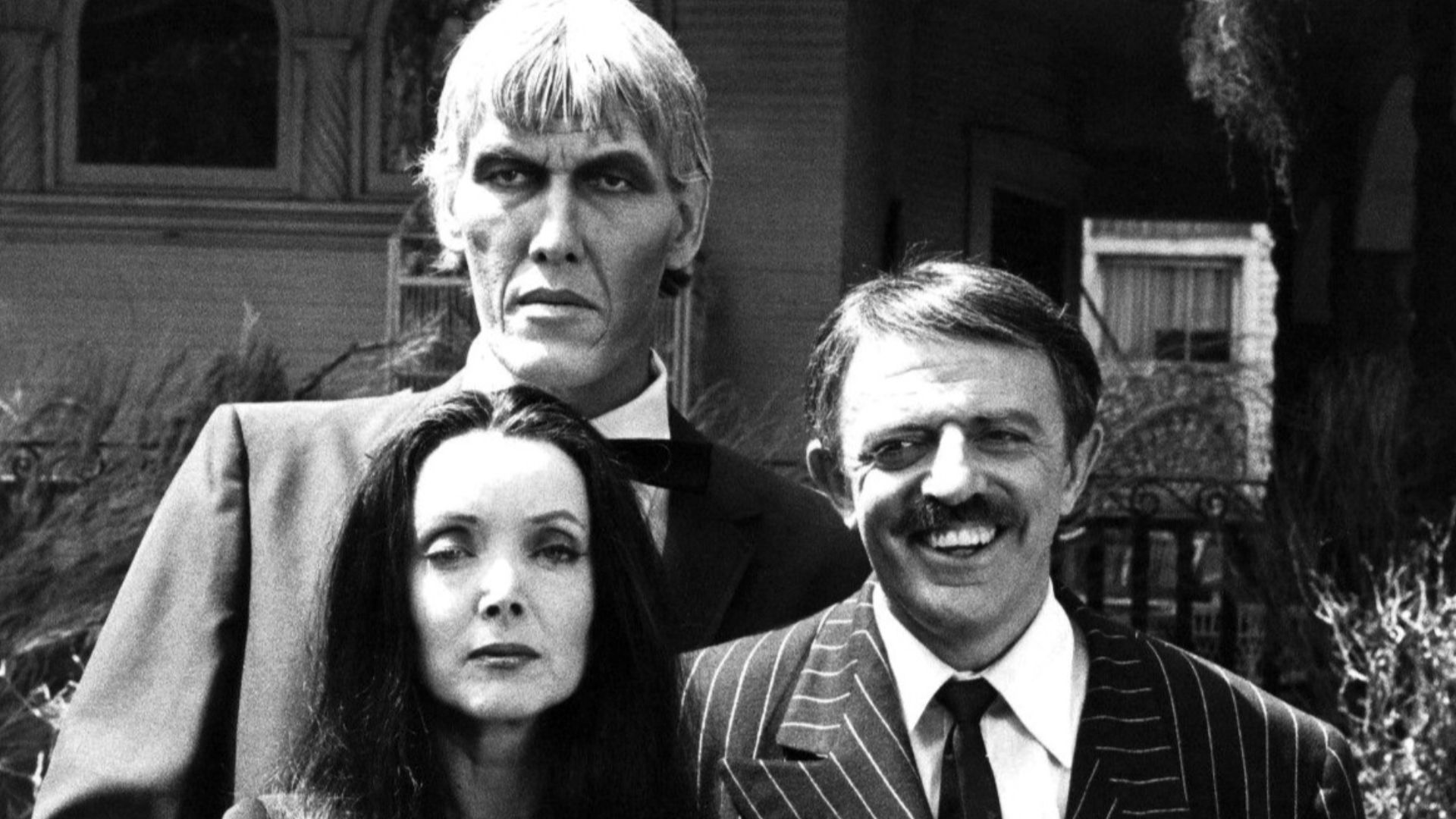
Based on Charles Addams’ cartoons, The Addams Family presented Gomez, Morticia, Wednesday, Pugsley, and their unusual relatives as a loving household that simply happened to adore darkness and danger. The premise remains popular, but the original standalone sitcom format would feel remarkably tame today. Modern adaptations favor serialized mysteries, elaborate backstories, and sharper explorations of the family’s macabre world.
 NBC Television, Wikimedia Commons
I Dream of Jeannie
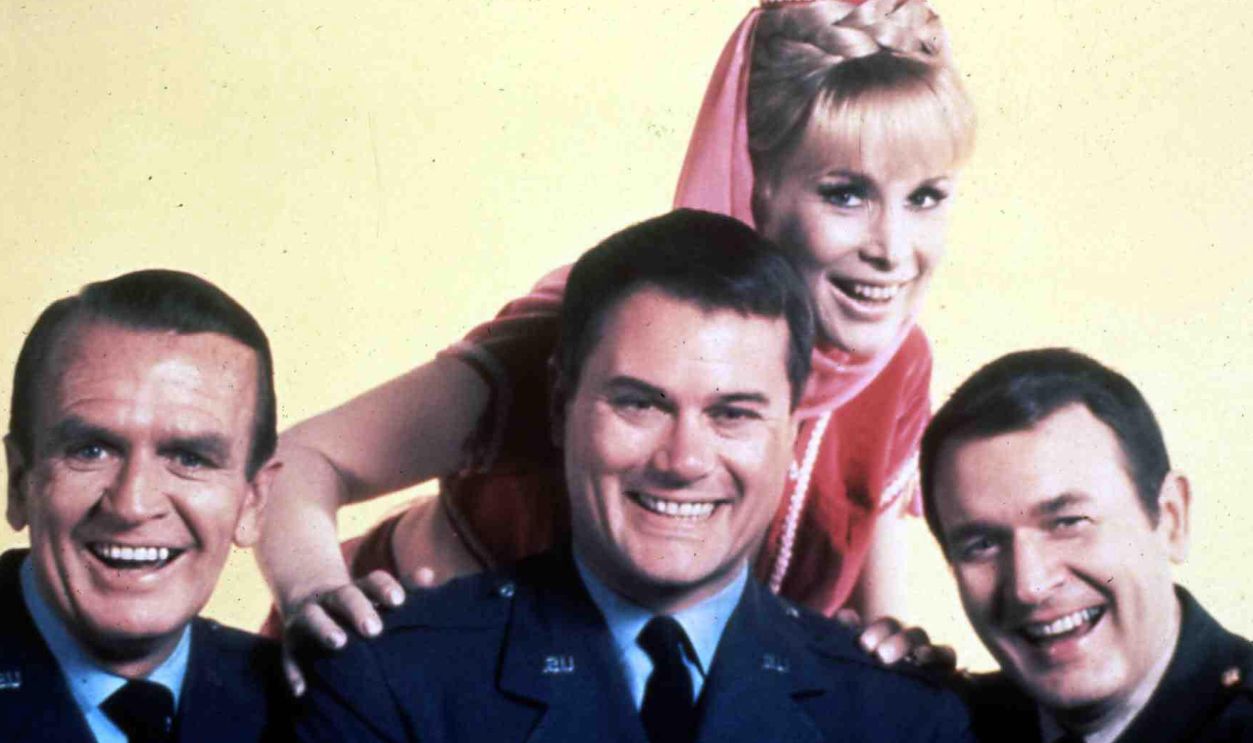
Barbara Eden played a 2,000-year-old genie discovered by astronaut Tony Nelson, who became her “master” before eventually becoming her husband. The magical misunderstandings and chemistry between Eden and Larry Hagman made the series a hit. A modern production would quickly eliminate the ownership language and give Jeannie more control over her choices. Keeping that famous costume would probably require several committee meetings.
Hogan’s Heroes
Set inside a German prisoner-of-war camp during World War II, Hogan’s Heroes followed Allied prisoners who secretly conducted sabotage operations beneath the noses of their incompetent captors. The unlikely mixture of espionage and slapstick attracted a large audience. A network today would approach Nazi imagery, the Holocaust-era setting, and comedy about imprisonment far more cautiously, even with the villains portrayed as fools.
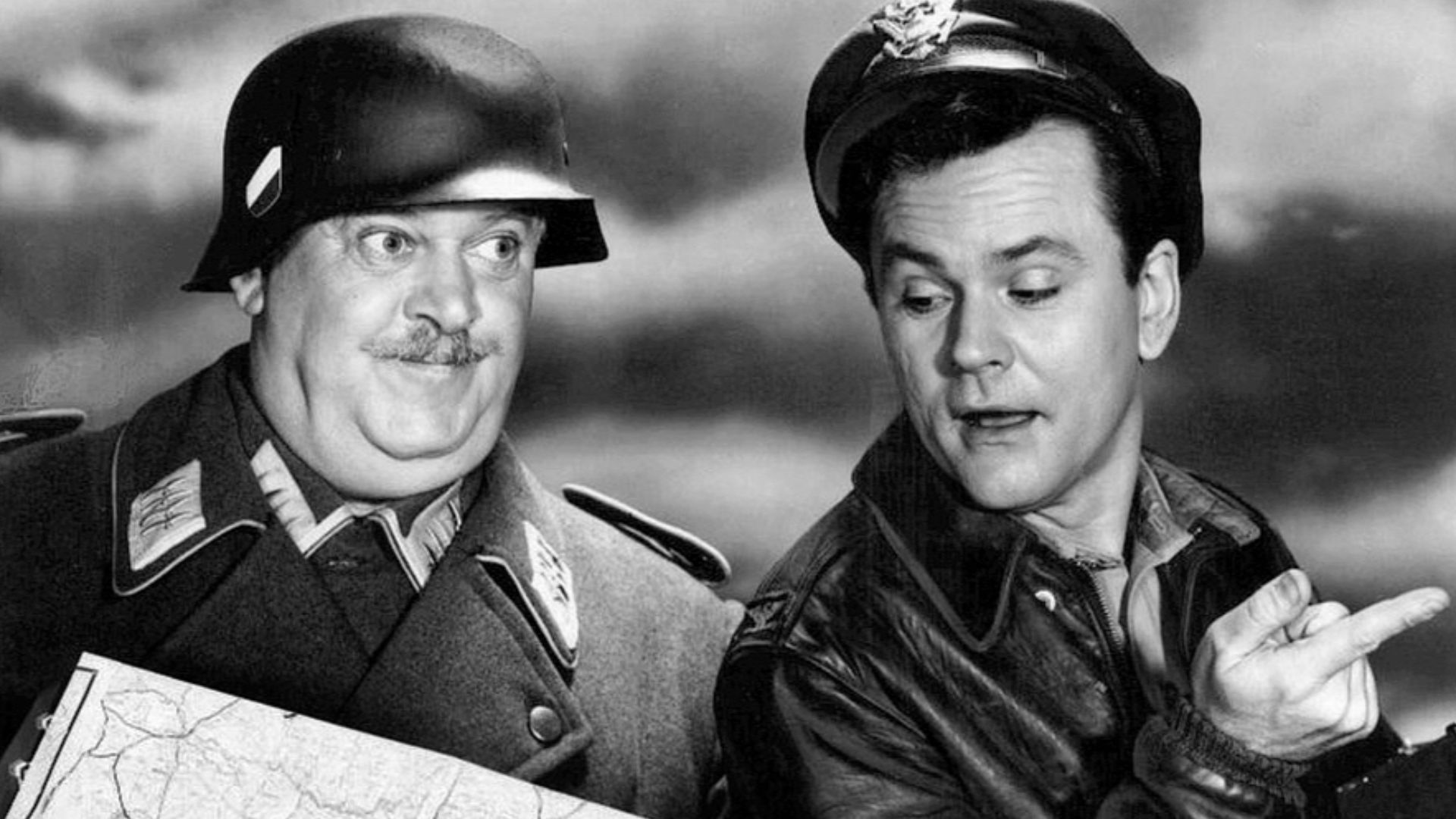 CBS Television, Wikimedia Commons
Green Acres
New York attorney Oliver Wendell Douglas abandoned city life to become a farmer, dragging his glamorous wife, Lisa, into the surreal community of Hooterville. The show’s strange logic and self-aware humor made it more inventive than its rural setting suggested. Today, the broad local caricatures and helpless-wife jokes would be softened, although Arnold the pig would undoubtedly keep his job.
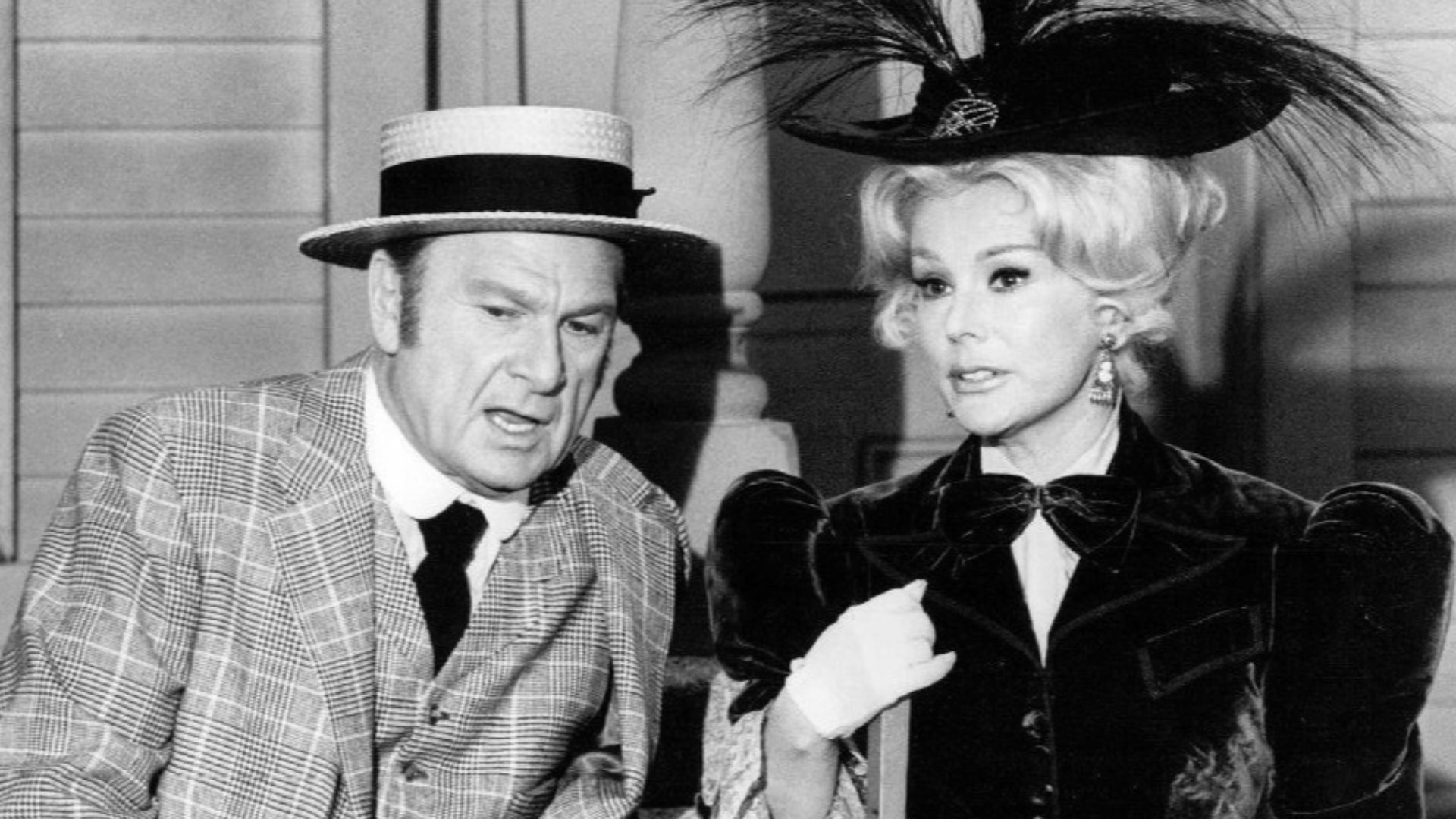 CBS Television, Wikimedia Commons
Petticoat Junction
Petticoat Junction centered on Kate Bradley, her three daughters, and the Shady Rest Hotel near Hooterville. Viewers enjoyed its friendly atmosphere, rural setting, and connection to The Beverly Hillbillies and Green Acres. A modern network would likely reconsider the heavy promotion of the daughters as attractive young women, update the rural stereotypes, and give them ambitions extending beyond romance.
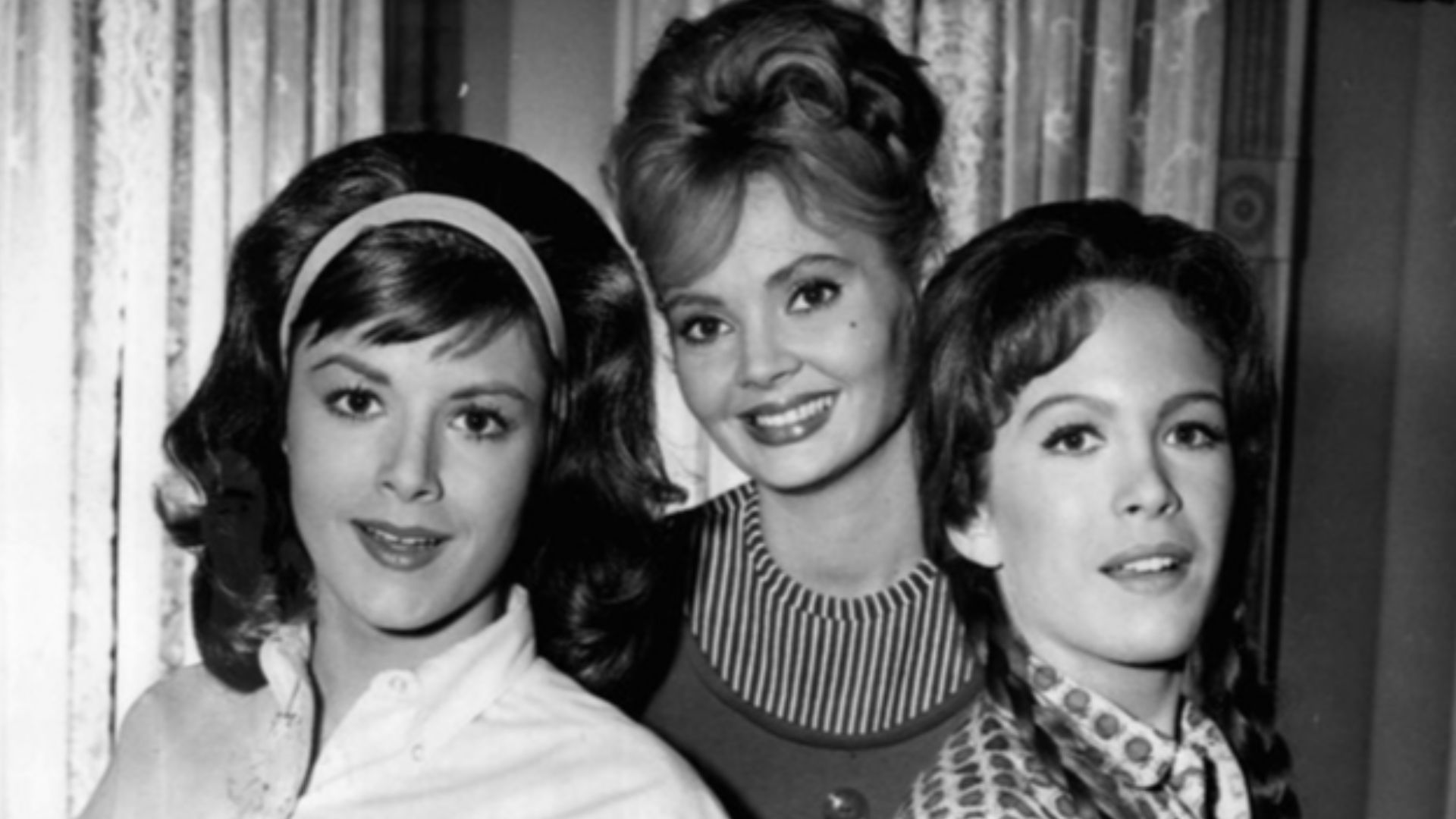 CBS Television, Wikimedia Commons
Gomer Pyle, U.S.M.C.
Jim Nabors carried his popular Mayberry character into the Marine Corps, where Gomer’s innocence continually frustrated the explosive Sergeant Carter. The contrast between Gomer’s kindness and Carter’s shouting powered five successful seasons. A similar show today would face questions about hazing, verbal mistreatment, military recruitment, and the conspicuous absence of the Vietnam War from a series airing during the height of that conflict.
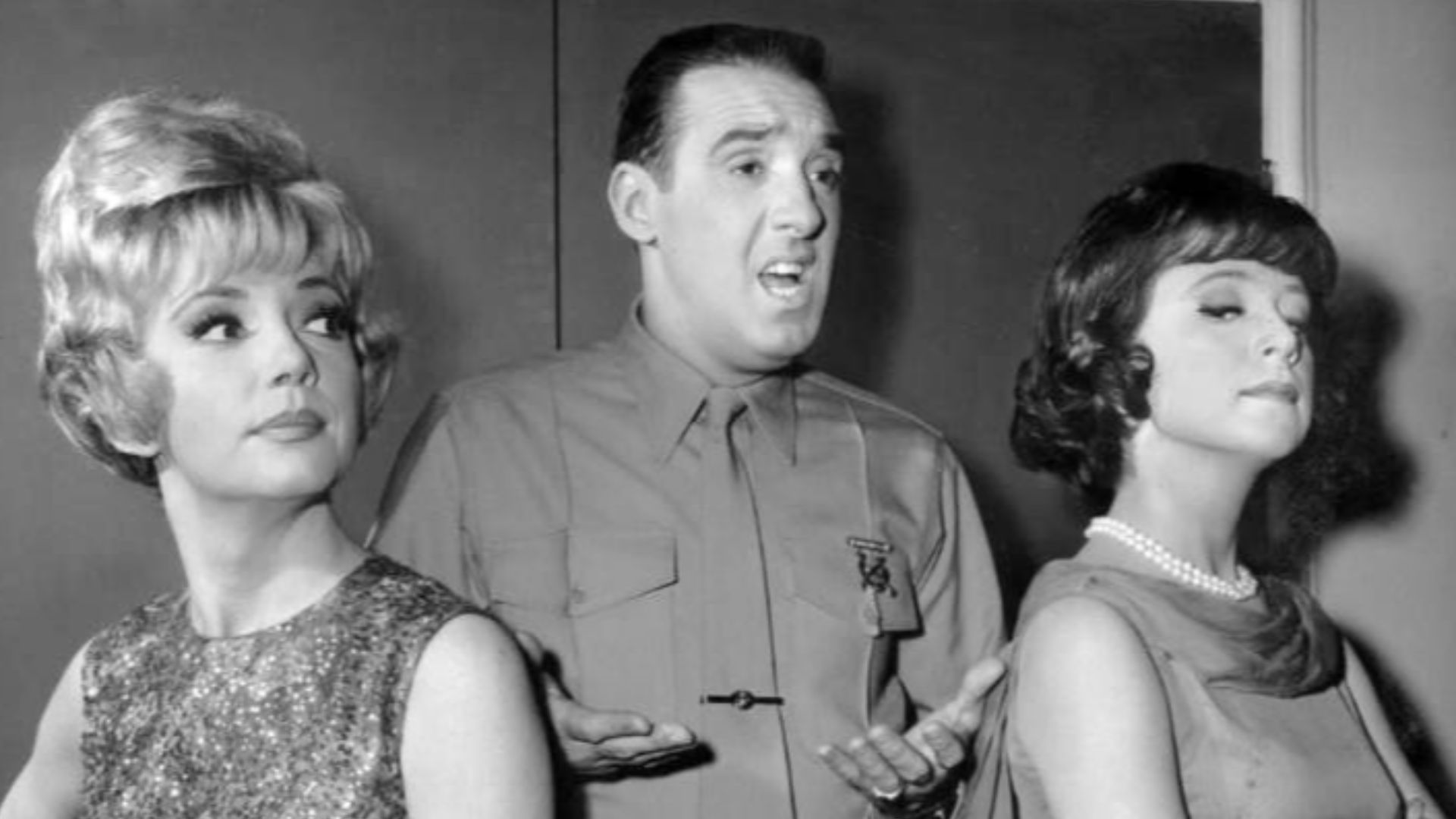 CBS Television, Wikimedia Commons
The Wild Wild West
Robert Conrad and Ross Martin starred as Secret Service agents James West and Artemus Gordon, battling elaborate villains with disguises, gadgets, and steampunk-style machinery. Its mixture of Western adventure and espionage was hugely entertaining. Today, the dangerous stunt work, casual gunplay, racial caricatures, and treatment of female characters would demand substantial changes. James West’s pants might receive additional fabric as well.
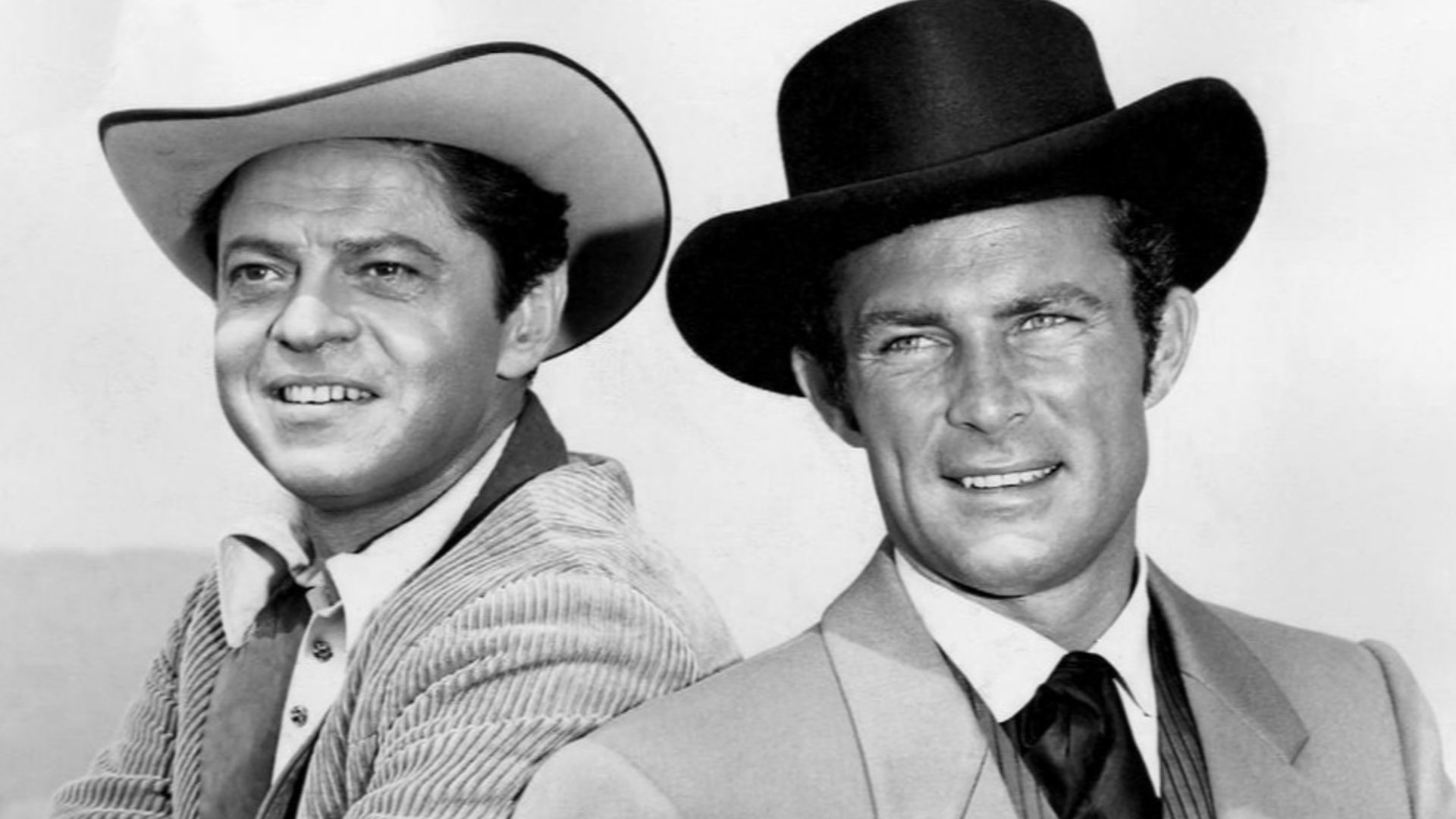 CBS Television, Wikimedia Commons
Batman
Adam West’s Batman embraced colorful sets, exaggerated villains, comic-book captions, and intentionally ridiculous cliffhangers. Children loved the action, while adults appreciated the jokes hiding beneath the capes. Today’s superhero programs usually favor elaborate mythology, emotional trauma, and cinematic effects. A modern network would struggle to present this exact version sincerely, especially once Batman reached for the shark-repellent spray.
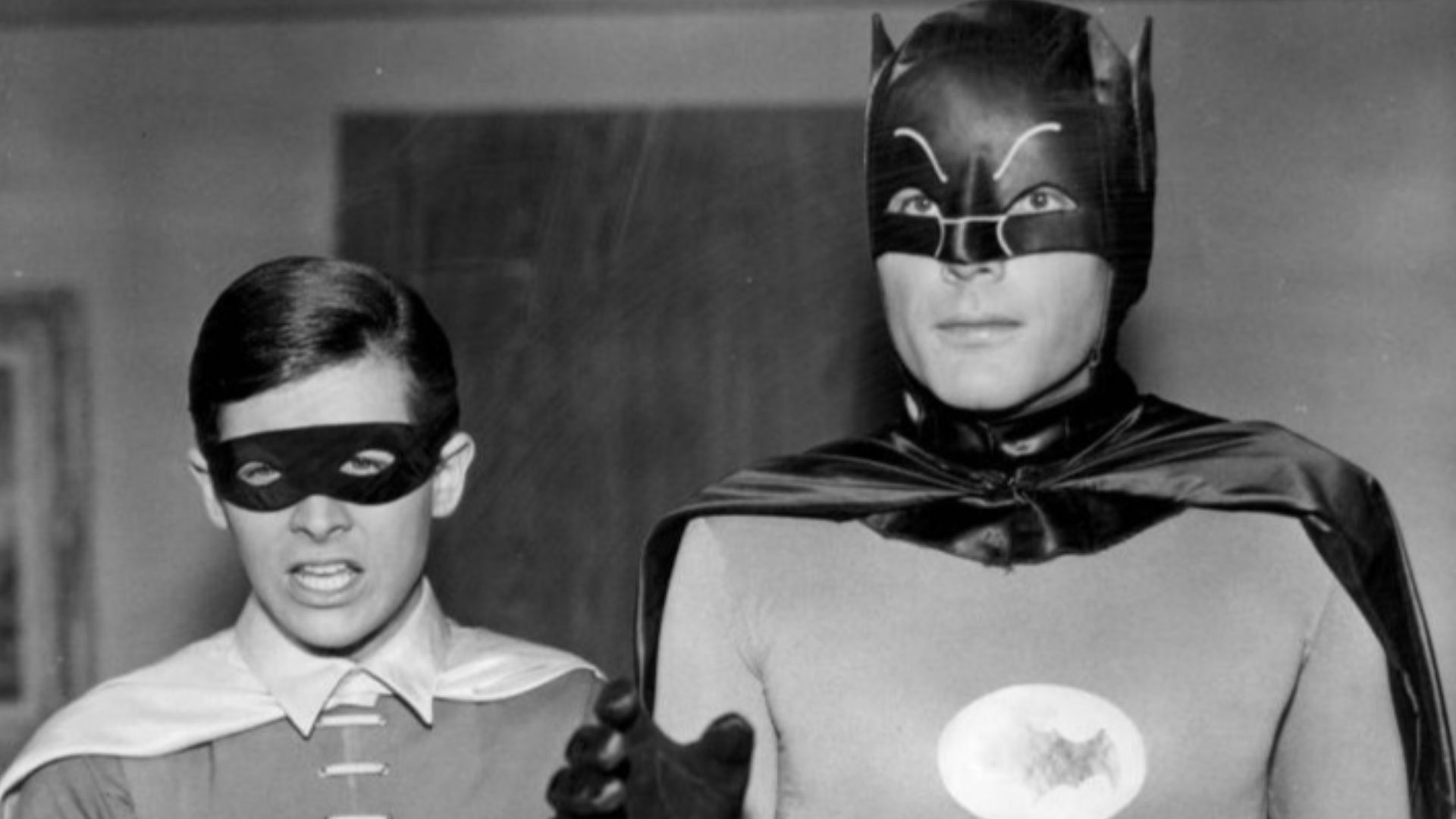 Greenway Productions-producer of both the television series and the 1966 film., Wikimedia Commons
The Monkees
Created around a specially assembled pop group, The Monkees mixed music, fast-paced comedy, and surreal visual gags influenced by the Beatles’ films. Its songs and stars became genuine sensations. Today, audiences would closely scrutinize the corporate construction of the band, the performers’ creative control, and the separation between studio musicians and the faces on television. Social media would expose the entire arrangement before lunch.
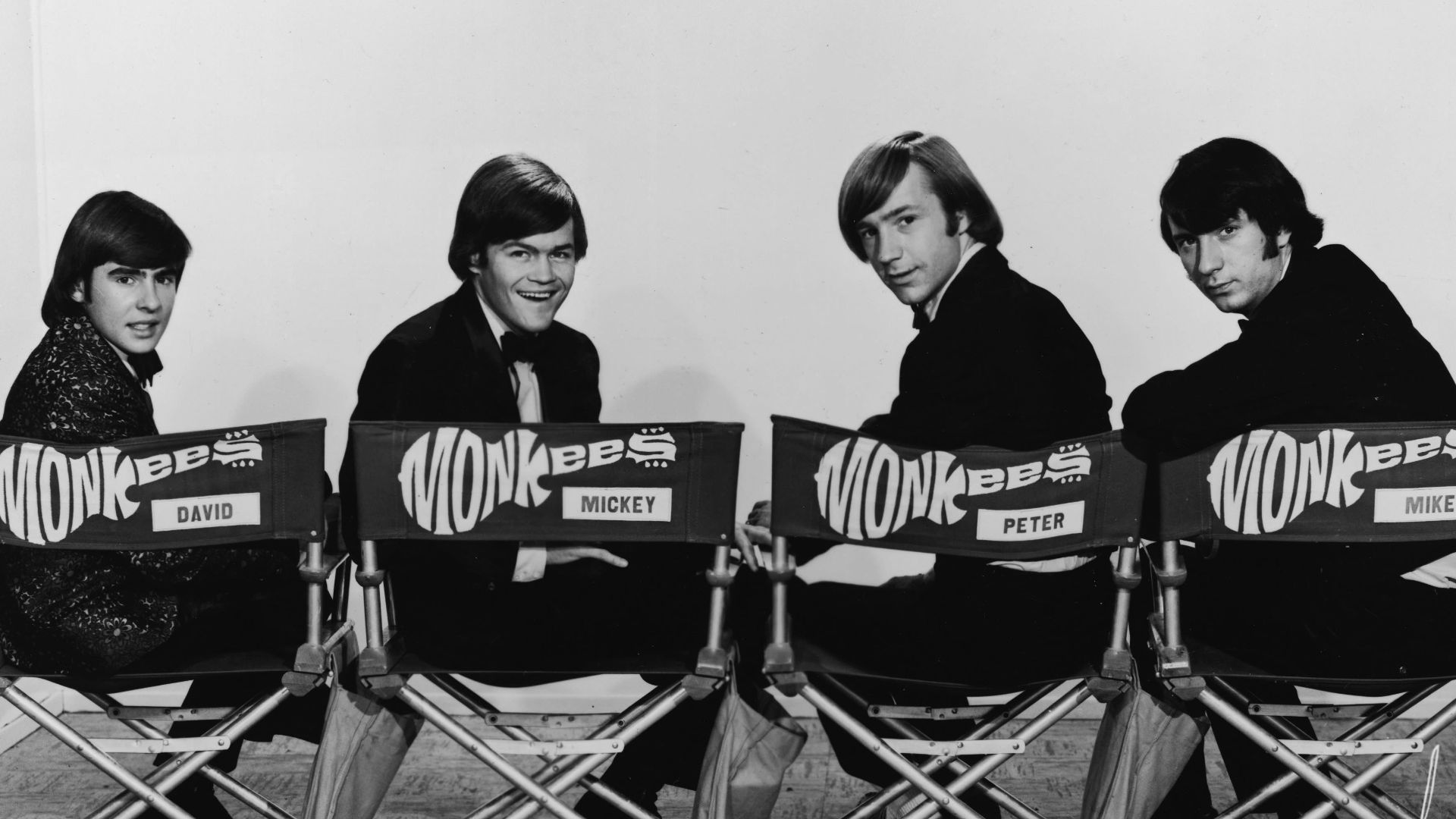 Entertainment International, Wikimedia Commons
Dragnet
The revived Dragnet presented Jack Webb’s Sergeant Joe Friday as a methodical Los Angeles detective devoted to procedure, evidence, and concise conversations. Its authoritative style made police work appear reassuringly orderly. A modern version would face demands for more complicated portrayals of policing, suspects’ rights, substance enforcement, and institutional accountability. Friday’s lectures would not survive five minutes on social media without a response video.
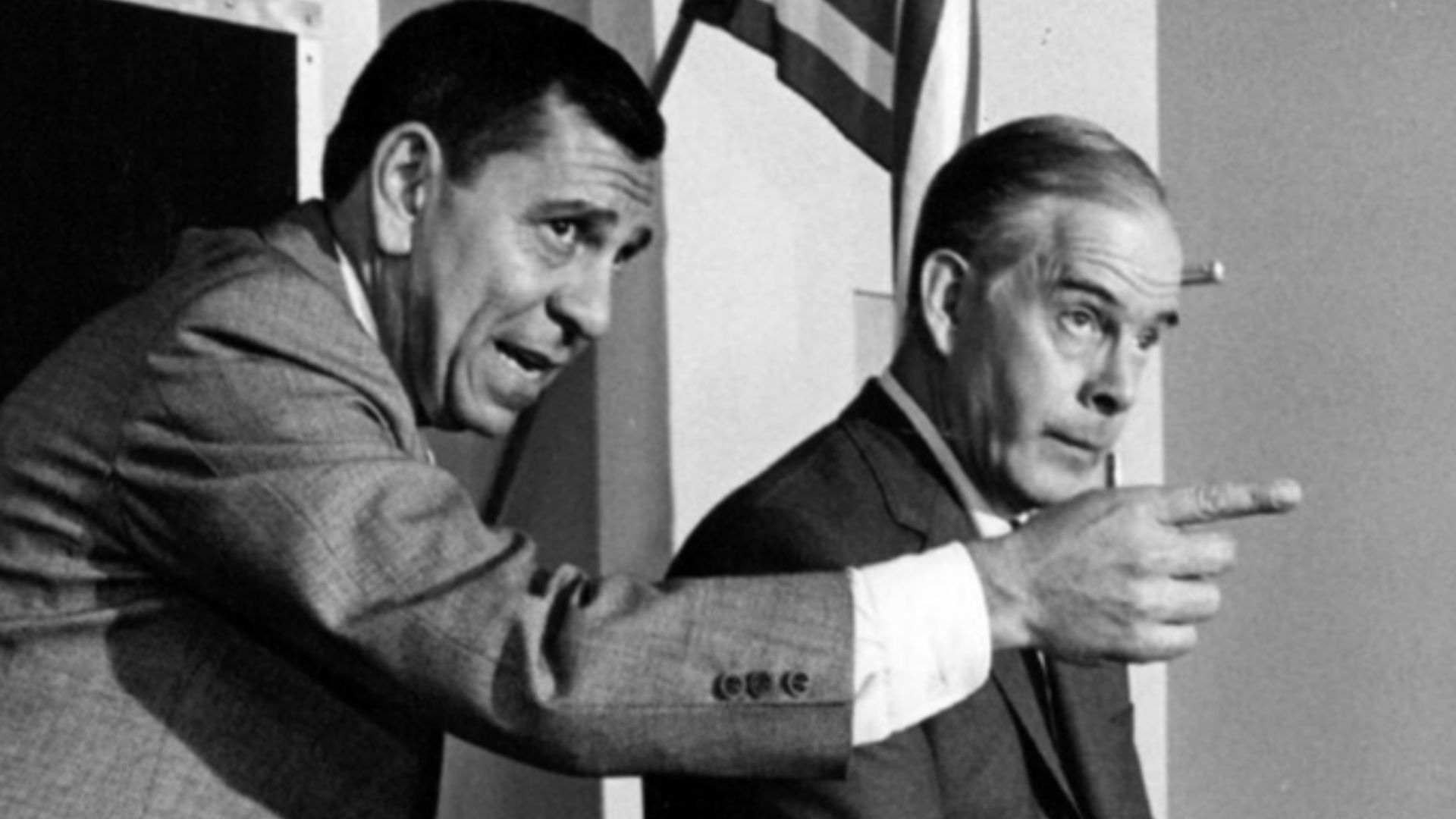 NBC Television, Wikimedia Commons
The Carol Burnett Show
Carol Burnett’s variety series combined elaborate musical numbers, celebrity guests, movie parodies, and sketches performed before a studio audience. Its cast chemistry and occasional on-camera laughter became part of the fun. Producing that scale of weekly variety show today would be enormously expensive, while music licensing and changing standards around celebrity impressions would make the original formula much harder to sustain.
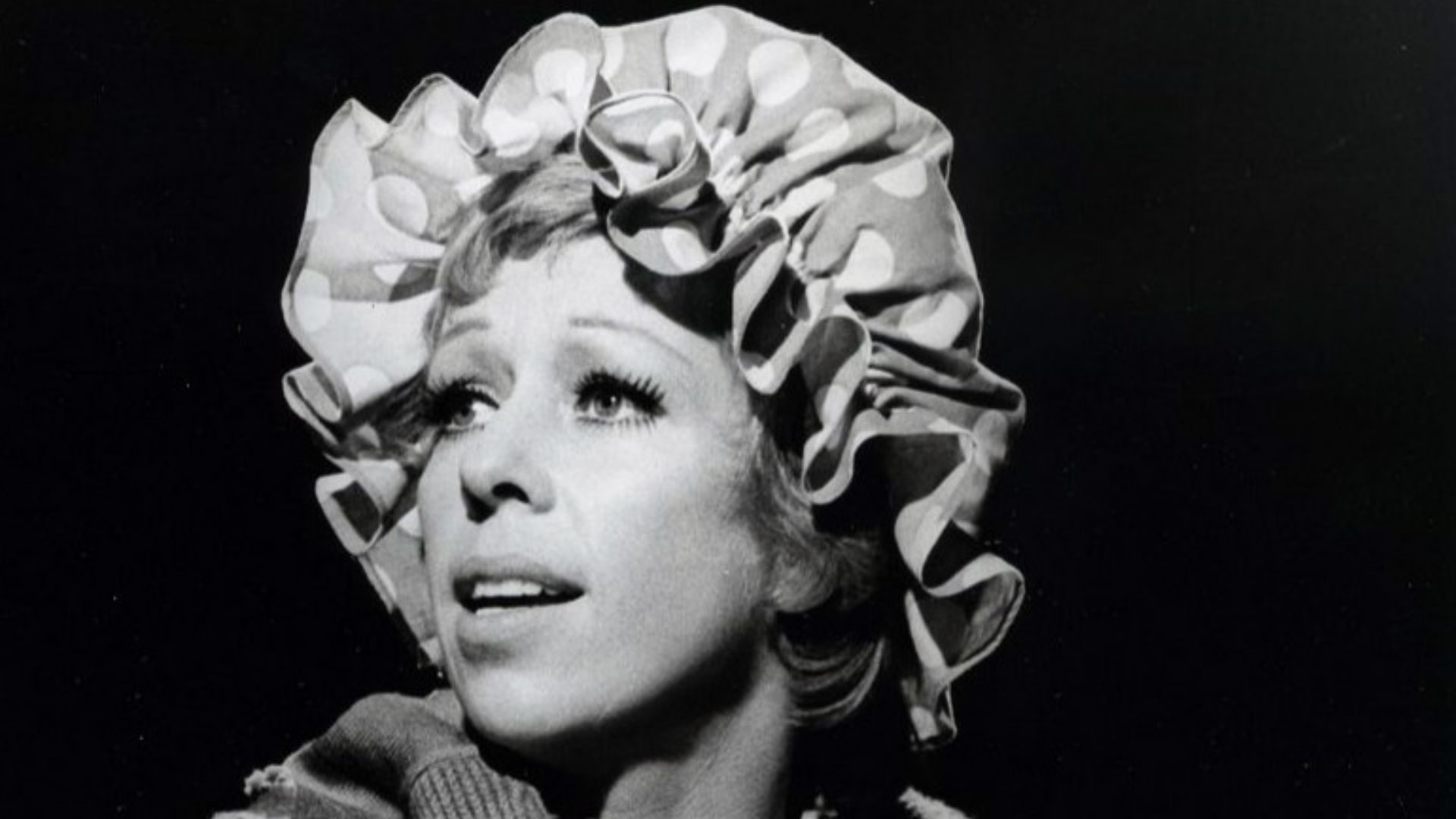 CBS Television, Wikimedia Commons
The Smothers Brothers Comedy Hour
Tom and Dick Smothers blended folk music, sibling comedy, and pointed political satire during a deeply divided period. Younger viewers embraced the show’s willingness to criticize the Vietnam War, political leaders, and network authority. CBS repeatedly battled the performers over content before canceling the program. Today, similarly sharp material might find a home, but probably on streaming or cable rather than a tightly controlled family-hour network.
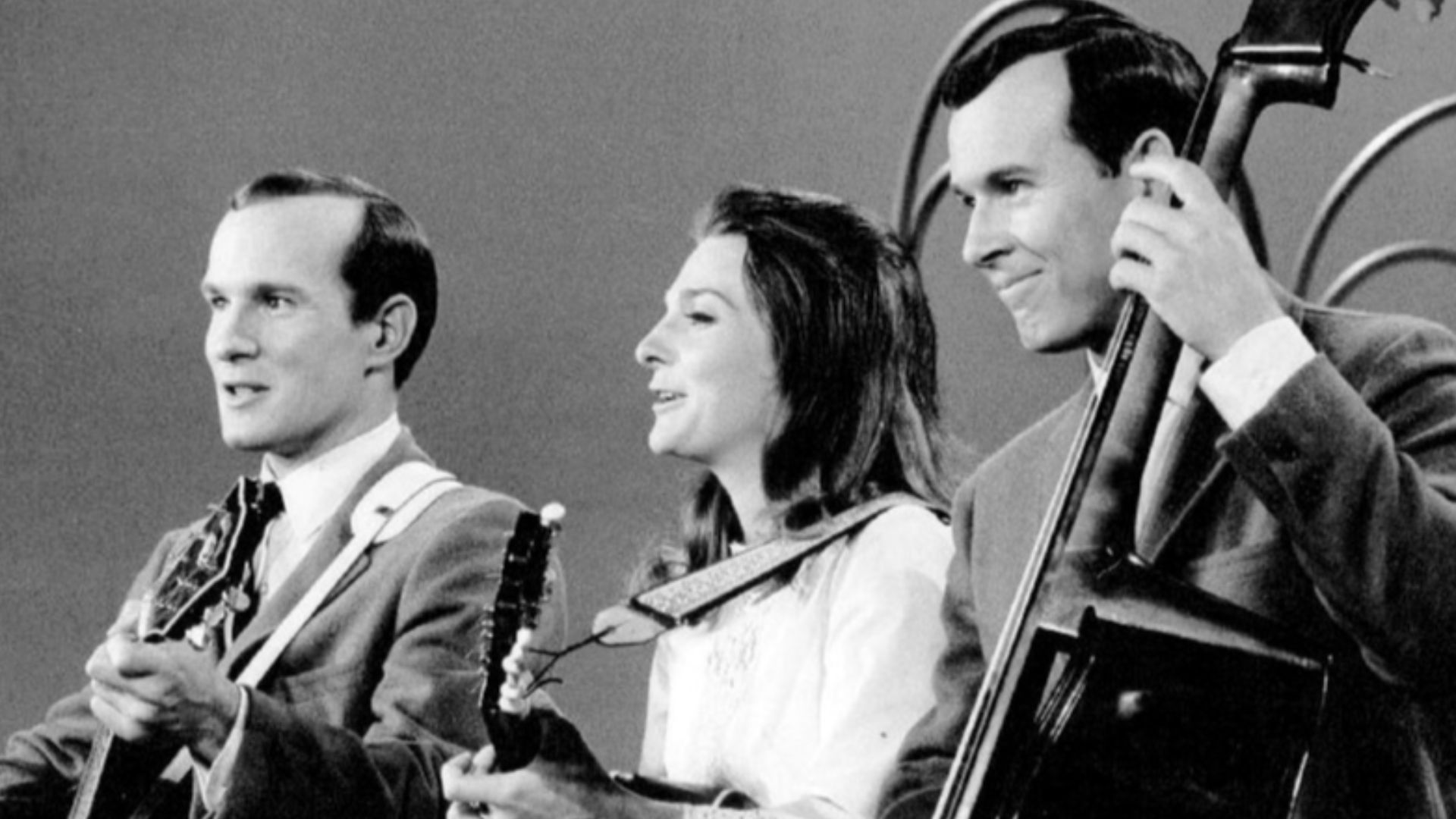 CBS Television, Wikimedia Commons
Rowan & Martin’s Laugh-In
Laugh-In delivered rapid-fire jokes, blackout sketches, political punchlines, dancing, and an army of recurring characters. Its frantic style captured the energy of the late 1960s and produced catchphrases that spread across America. A modern version would face immediate criticism for some ethnic, gender, and intimate stereotypes. Half the jokes would be rewritten, and the other half would expire before the episode finished streaming.
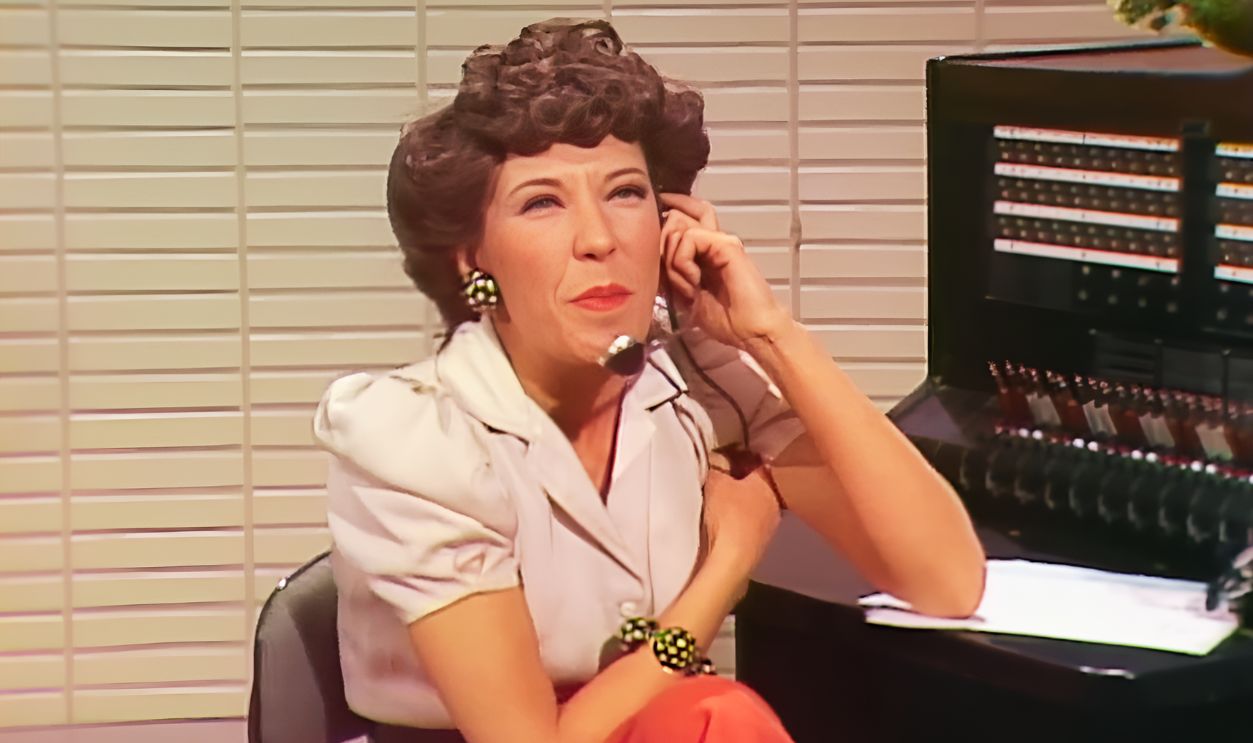 Screenshot from Rowan & Martin’s Laugh-In, NBC (1968–1973), Enhanced
Ironside
Raymond Burr played Robert T. Ironside, a former San Francisco police chief who became a department consultant after being paralyzed by a sniper’s bullet. The character was intelligent, forceful, and unusually prominent for a wheelchair user on network television. Today, producers would face strong pressure to cast a disabled actor and include disability advocates in shaping the character’s workplace and personal experiences.
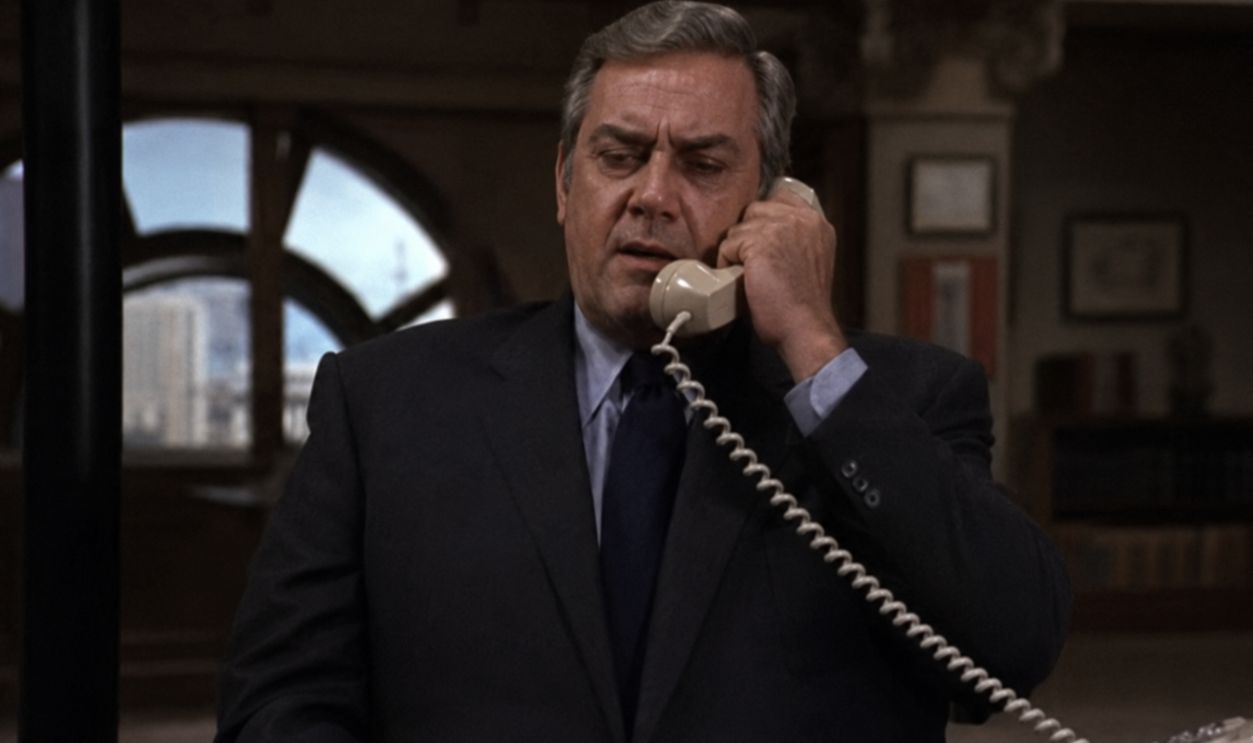 Screenshot from Ironside, NBCUniversal (1967-1975), Enhanced
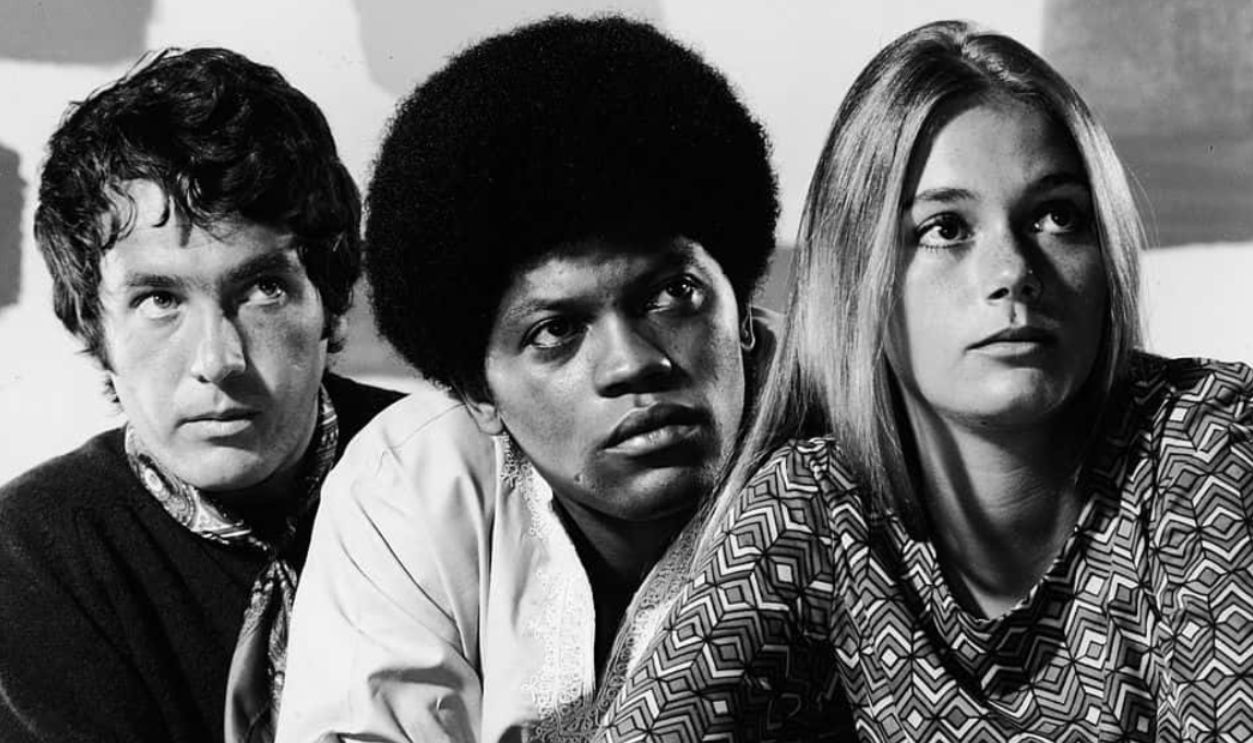
The Mod Squad
Three troubled young people avoided prison by becoming undercover operatives for the police in The Mod Squad. Its fashionable cast, contemporary music, and attempts to address social issues appealed to younger viewers. Today, the arrangement would raise major questions about coercion, police accountability, informant protections, and surveillance. “Work undercover for us or go to jail” is a premise modern audiences might inspect rather closely.
Julia
Diahann Carroll starred as Julia Baker, a widowed nurse raising her young son, in one of the first American television series centered on a Black professional woman. Its importance was undeniable, but critics also argued that it avoided many realities of race in America. A modern series would likely preserve Julia’s success while addressing discrimination, workplace inequality, community, and identity with far greater depth.
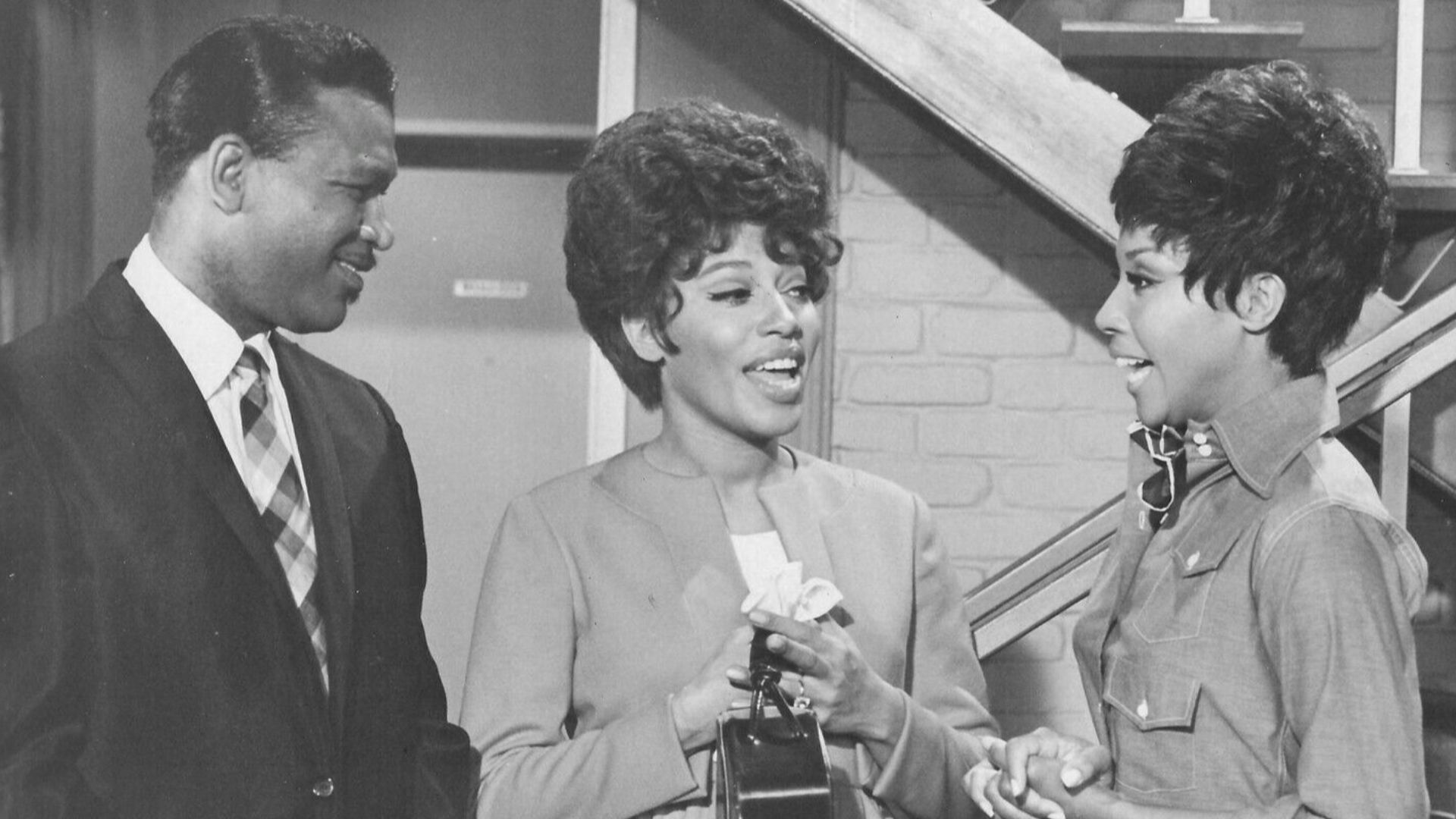 NBC Television Network. Photographer not credited, Wikimedia Commons
The Dean Martin Show
Dean Martin hosted celebrity guests, comedy sketches, and musical performances while projecting the relaxed image of a man who had wandered onto the stage from a very enjoyable cocktail party. Audiences adored the apparent spontaneity. Today, the constant drinking persona, smoking-era atmosphere, and enormous weekly variety-show budget would make an identical production unlikely. Even the looseness would probably be carefully rehearsed and approved.
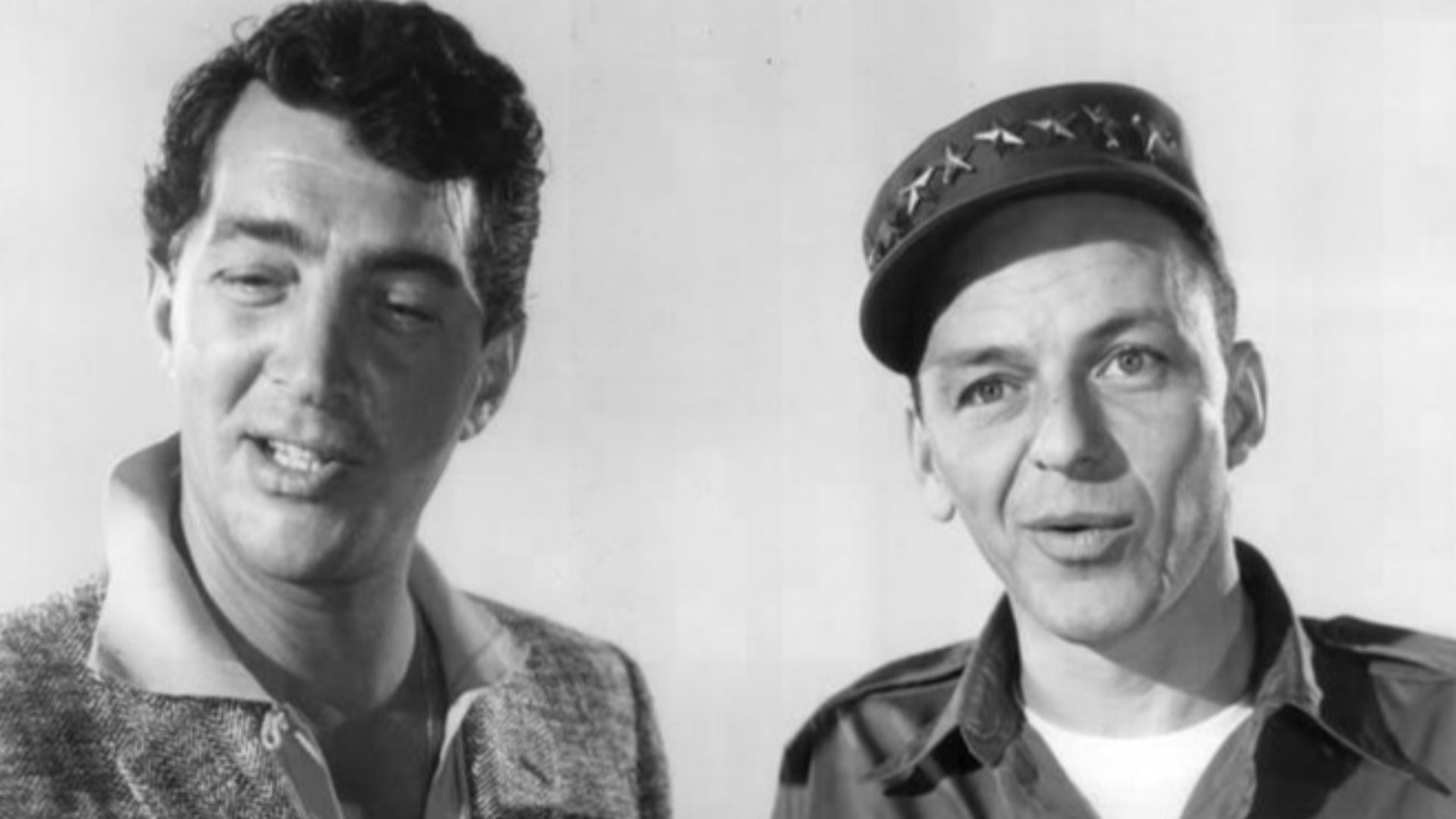 NBC Television, Wikimedia Commons
The Flying Nun
Sally Field starred as Sister Bertrille, a young nun whose lightweight frame and winged cornette allowed strong winds to lift her into the air. The wonderfully peculiar premise attracted viewers for three seasons. Today, producers would want more authentic religious representation, safer flying effects, and fewer jokes built around convent life. They might also ask why nobody simply gave Sister Bertrille a less aerodynamic hat.
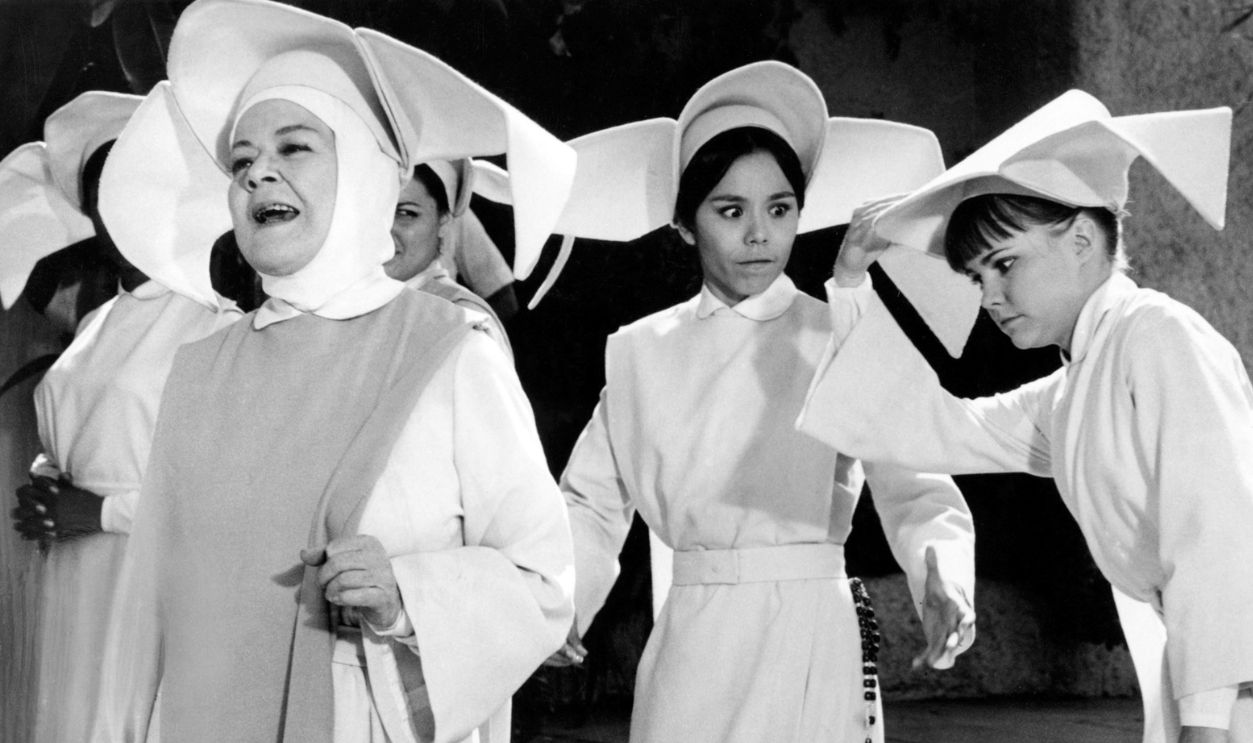 Silver Screen Collection, Getty Images
The Brady Bunch
A widowed father with three sons married a mother with three daughters, creating television’s most famously symmetrical blended family. Although it was not a top-rated phenomenon during its original run, syndication turned the Bradys into cultural icons. Today, the household would be more diverse and emotionally complicated, while Alice’s role as a live-in housekeeper would invite questions about wages, privacy, and why she never took a vacation.
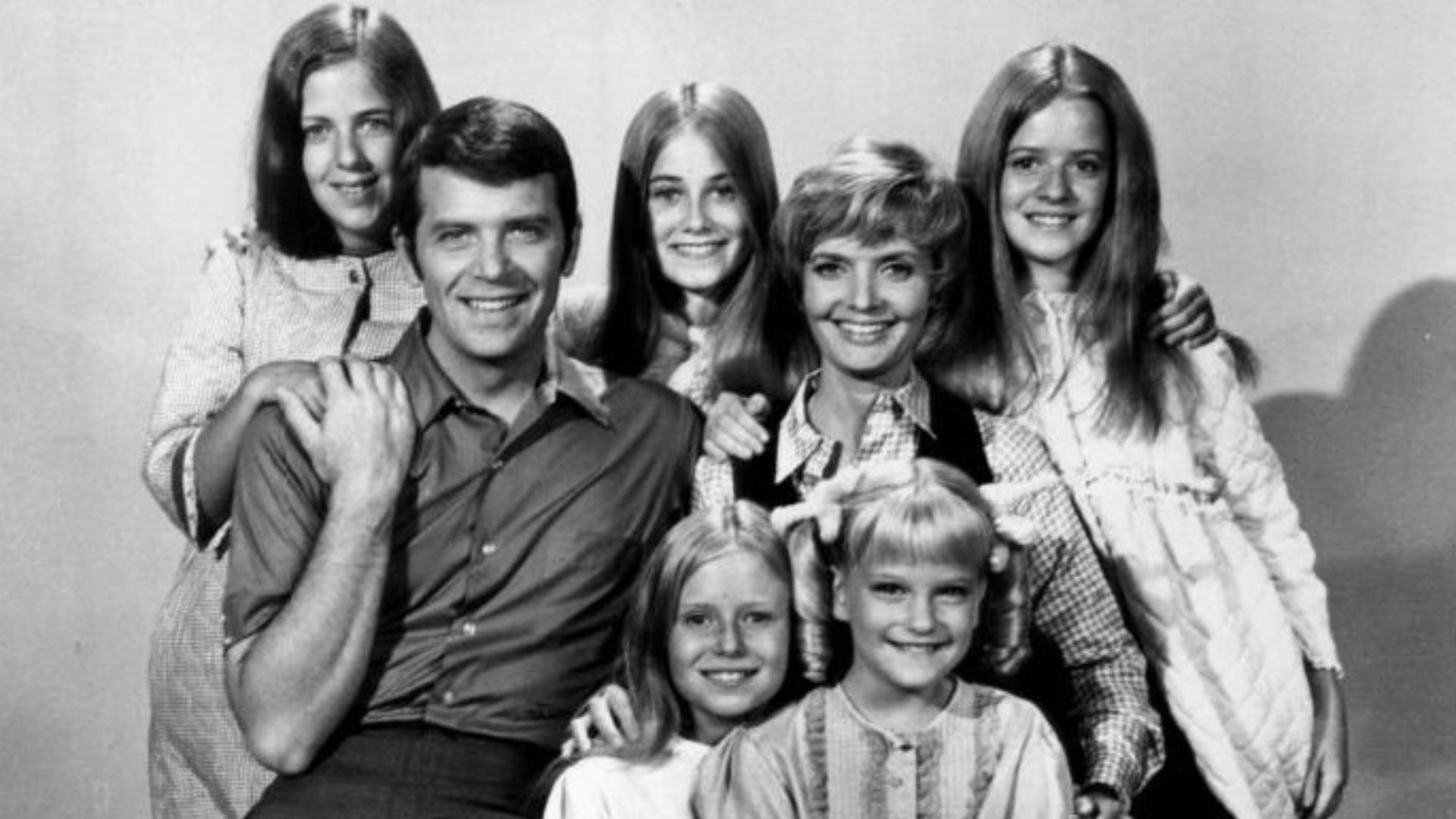 ABC Television., Wikimedia Commons
You May Also Like:
TV Shows That Were Huge Abroad—But Never Took Off In The U.S.
20 Years Ago, These Controversial Movies Were Hits—Today They’d Spark Outrage
30 of the Longest-Running TV Shows