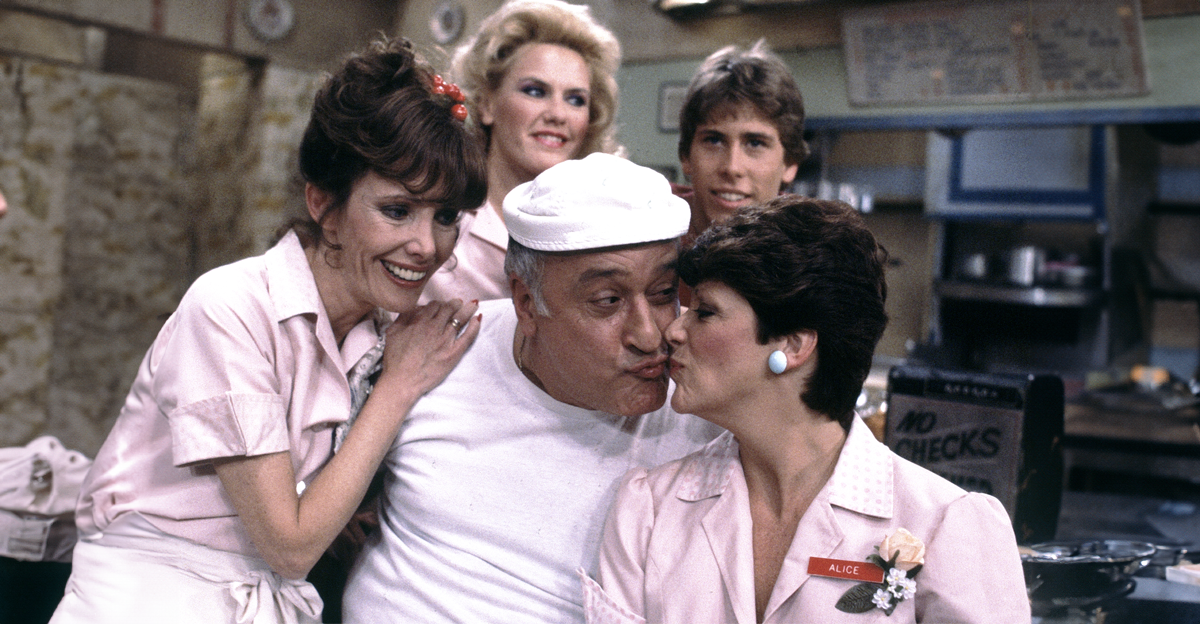
Vera Was Impossible To Ignore
For nine seasons, Beth Howland played one of television’s most lovable oddballs. As the nervous, accident-prone Vera on the hit sitcom Alice, she could make one confused expression funnier than another actor’s entire speech. But after years of making millions of viewers laugh, Howland did something surprisingly uncommon in television: she walked away.
 (Photo by Bob Riha, Jr./Getty Images)
She Was More Than The Ditsy Waitress
Vera Louise Gorman could be naive, emotional, clumsy, and spectacularly easy to fluster. Howland somehow kept those qualities from making Vera feel like a one-note joke. Underneath all the nervous energy was a sweetness that helped make her one of Alice’s most recognizable characters.
 CBS Television, Wikimedia Commons
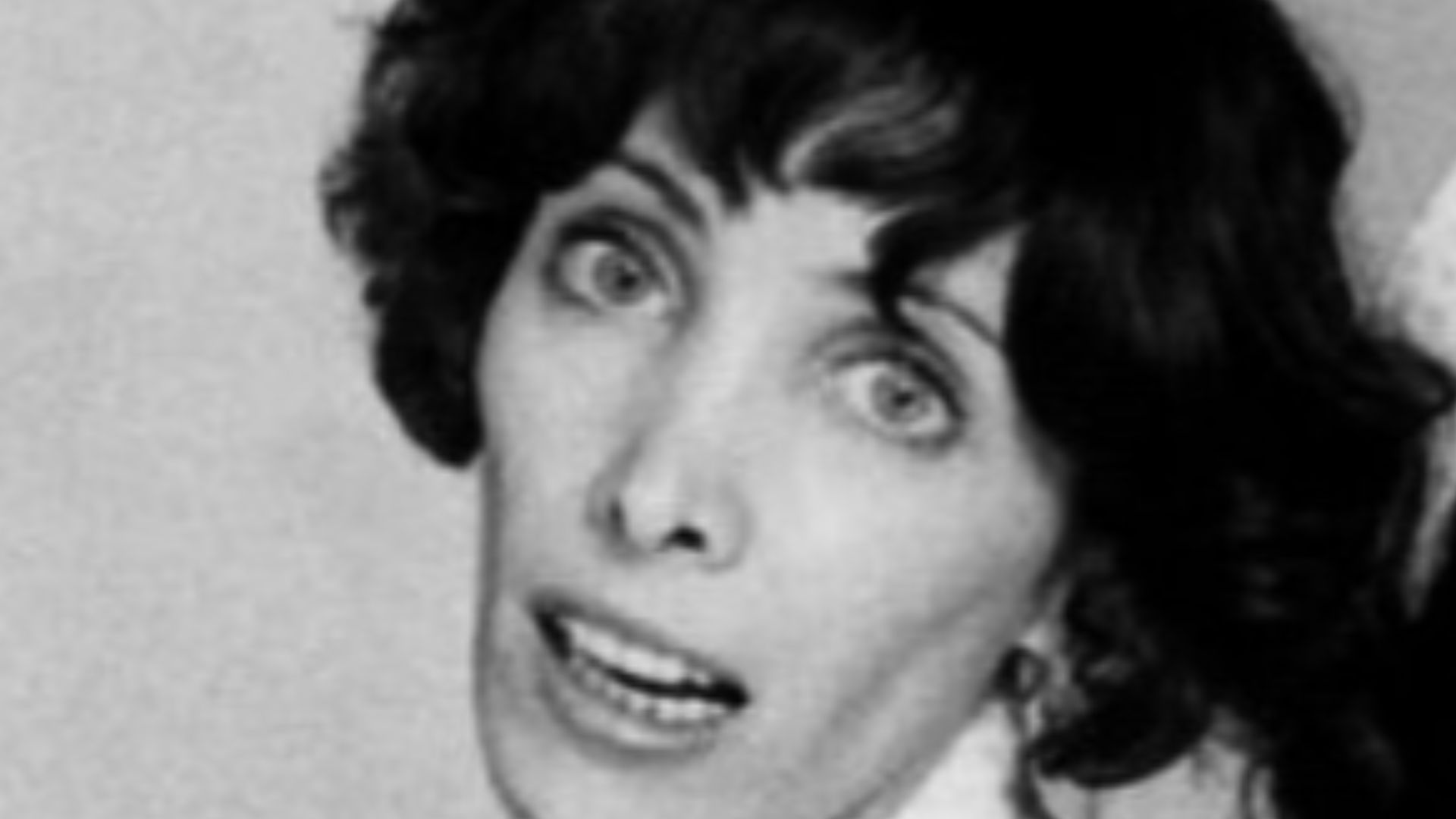
Her Story Started Far From Mel’s Diner
Long before Howland was serving coffee on television, she was a Boston-born young performer determined to work onstage. Shortly after finishing high school, she headed to New York and began building a Broadway career. Television stardom was still years away.
 Paramount Pictures, Wikimedia Commons
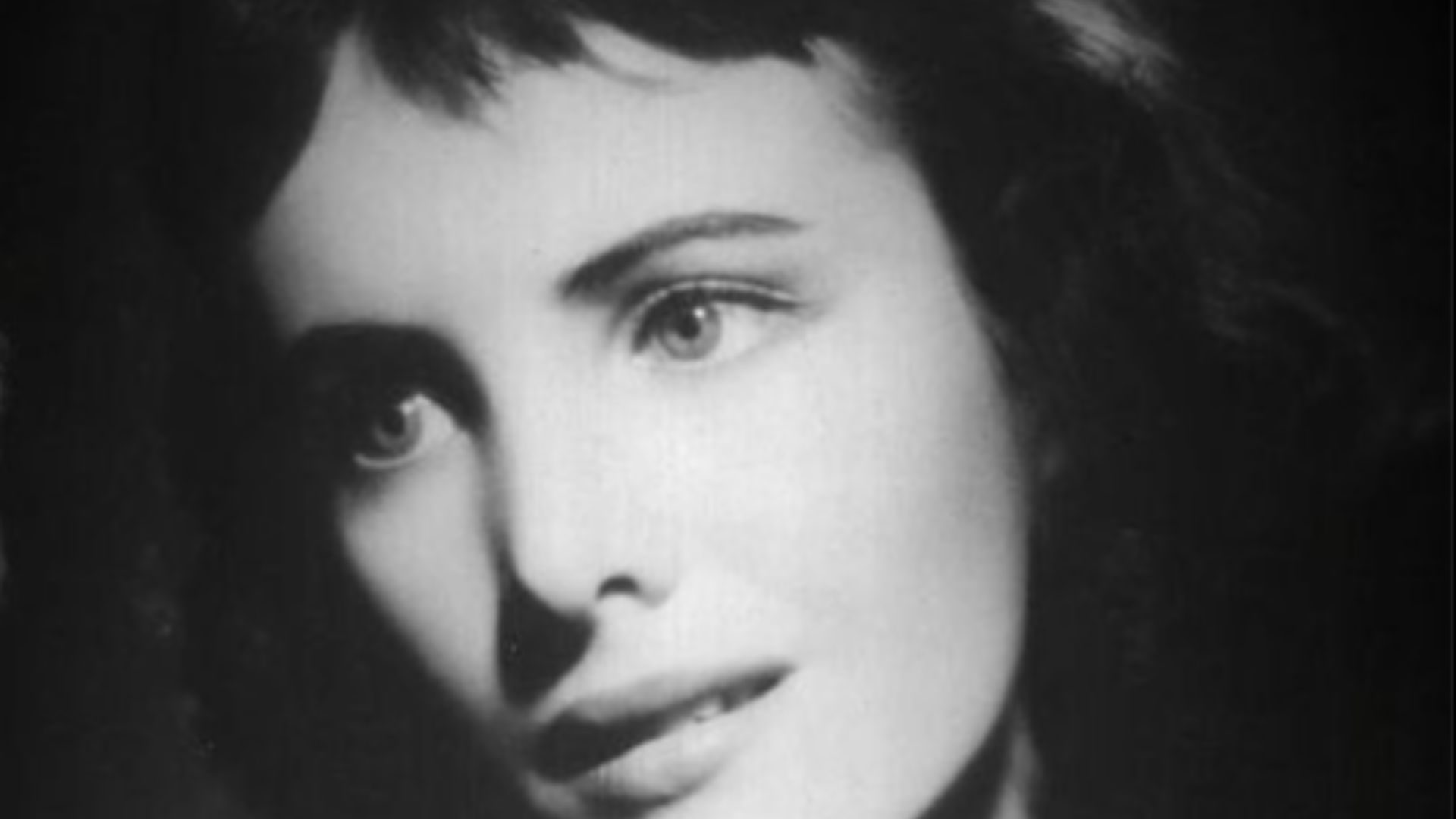
Broadway Became Her Training Ground
Howland spent years working her way through Broadway musicals instead of becoming an overnight star. Her credits included Once Upon a Mattress, Bye Bye Birdie, High Spirits, Drat! The Cat!, and Darling of the Day. That background helps explain the precision behind the seemingly chaotic comedy she later brought to Vera.
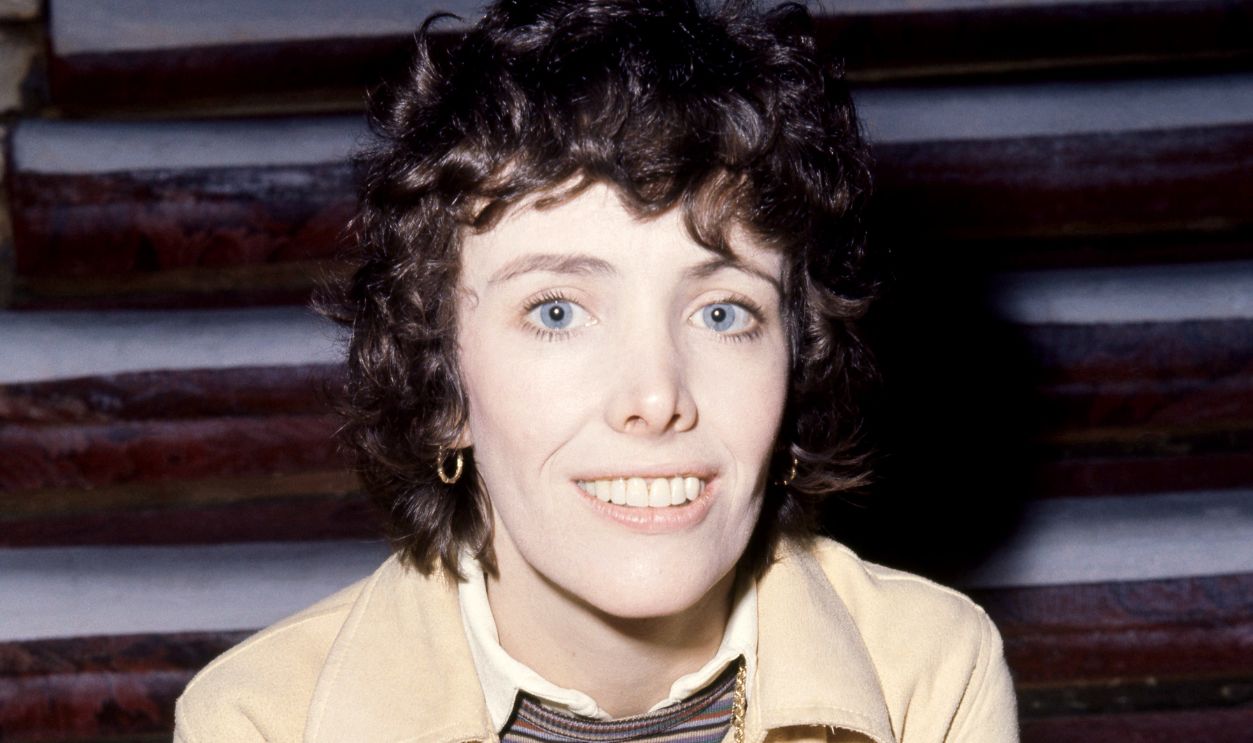
She Shared A Show With Future Legends
In Bye Bye Birdie, Howland worked as a swing and later appeared as the character Carol. The production was the same Broadway phenomenon associated with performers including Dick Van Dyke, Chita Rivera, Paul Lynde, and Michael J. Pollard. Howland was learning her craft in very accomplished company.
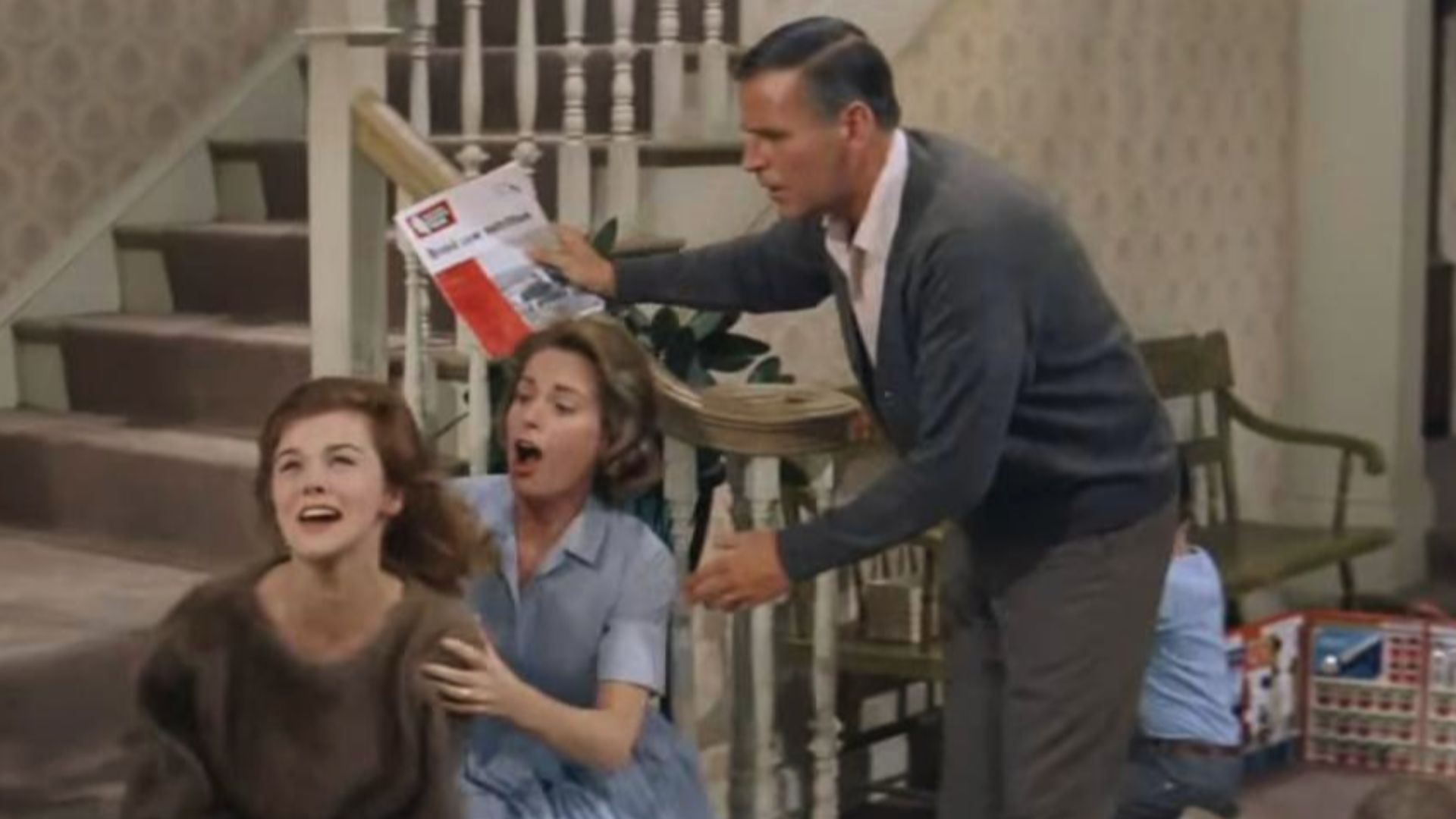 film trailer screenshot (Columbia Pictures), Wikimedia Commons
Michael J. Pollard Became Her Husband
Howland and actor Michael J. Pollard married while both were still relatively young performers. Pollard later became especially famous for playing C.W. Moss in Bonnie and Clyde, a performance that earned him an Academy Award nomination. Howland and Pollard had a daughter before their marriage ended.
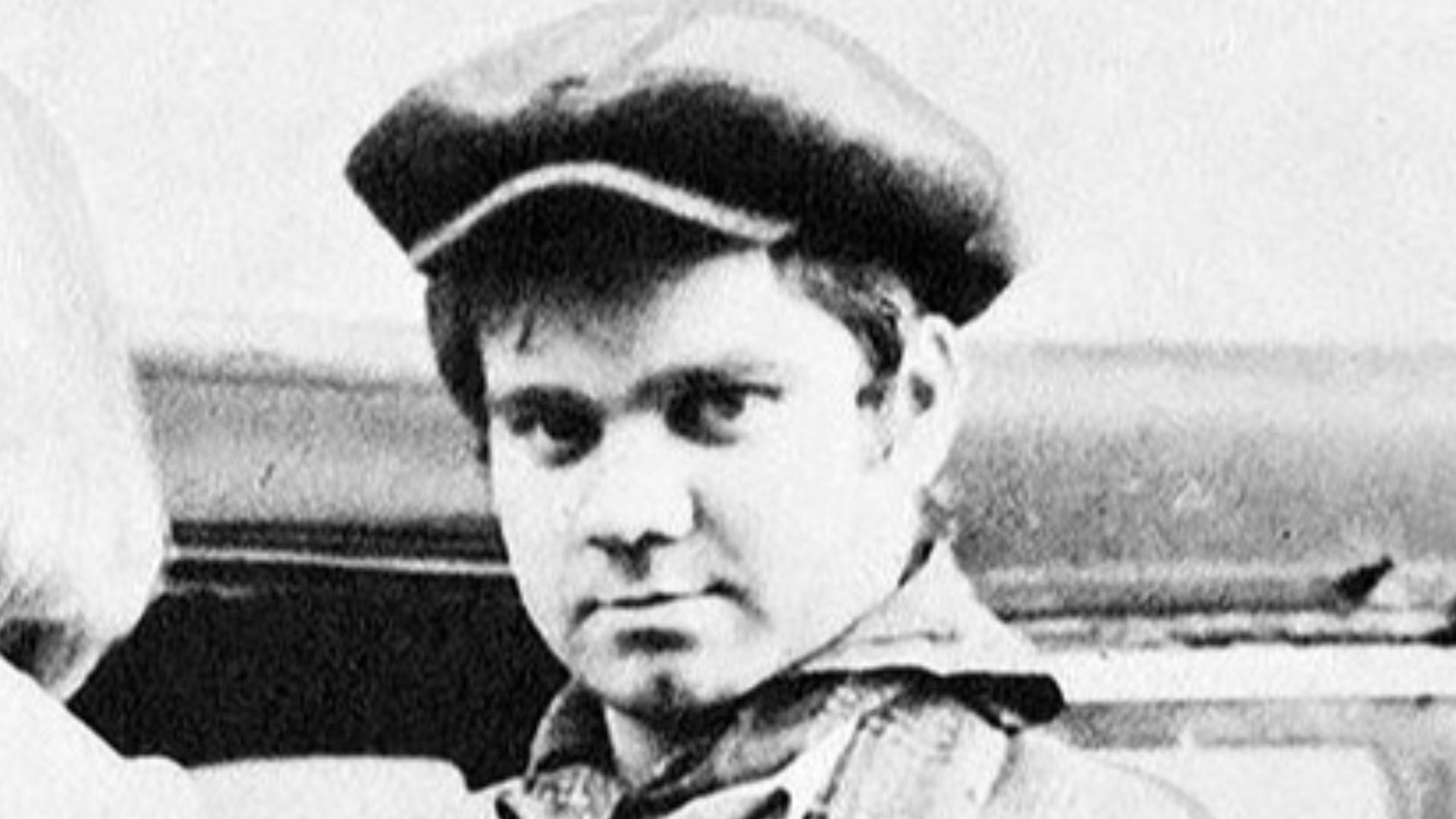 Distributed by Warner Bros.-Seven Arts., Wikimedia Commons
Then Came Her Broadway Breakthrough
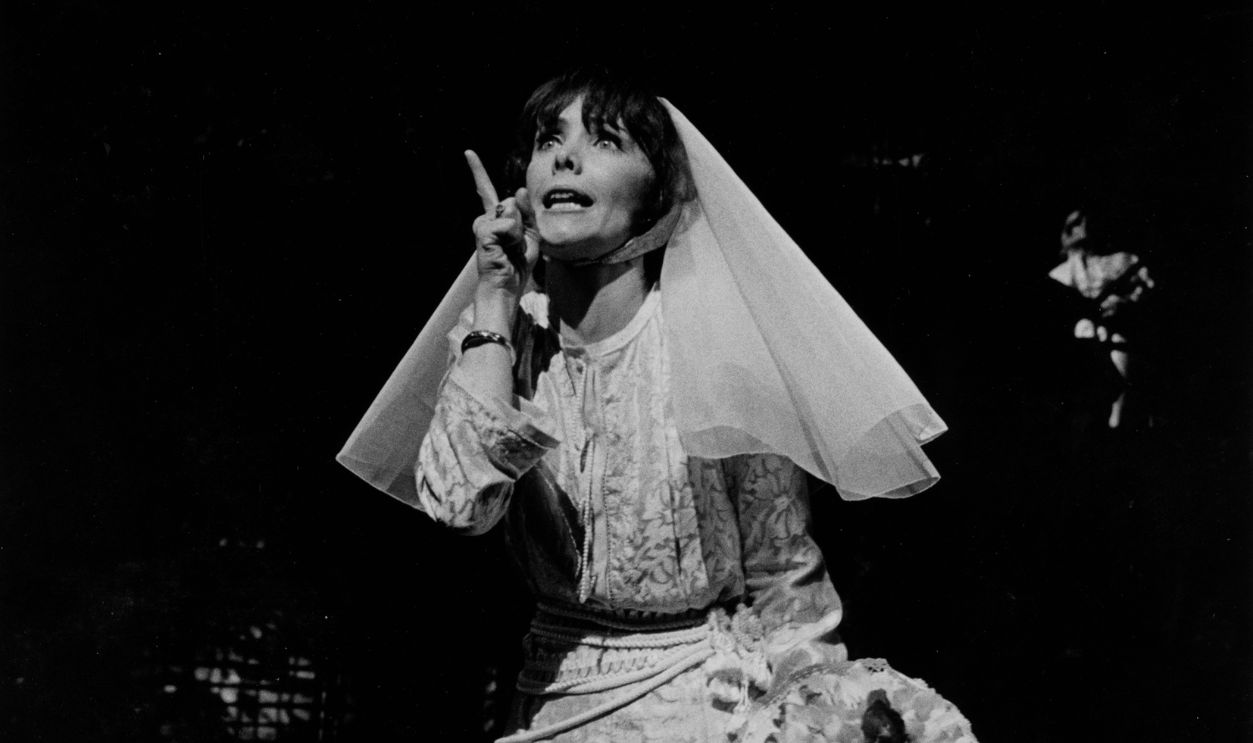
In 1970, Howland originated the role of Amy in Stephen Sondheim and George Furth’s groundbreaking musical Company. Amy is a bride overwhelmed by panic on her wedding day, which gave Howland one of the show’s great comic showcases. Suddenly, her gift for playing lovable anxiety had a major Broadway spotlight.
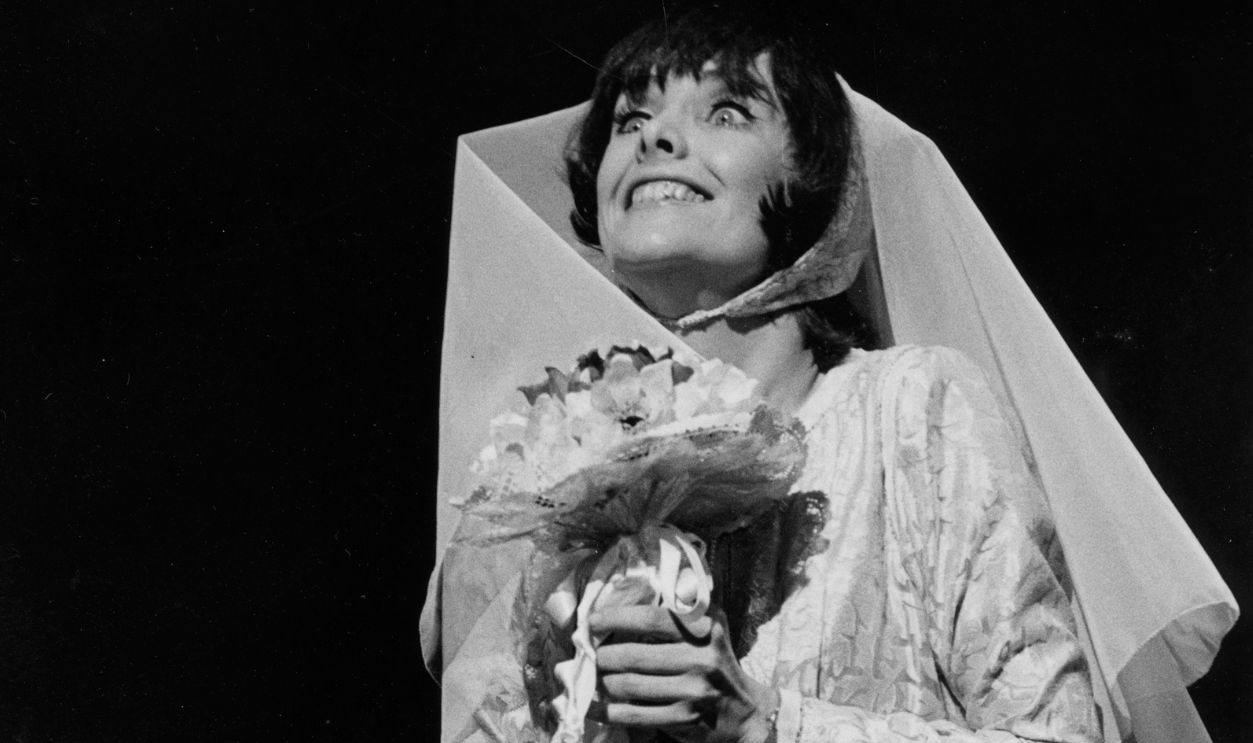
She Had To Survive A Sondheim Showstopper
Amy performs “Getting Married Today,” a famously rapid-fire number built around escalating pre-wedding terror. Howland introduced the song to Broadway audiences in the original production. Years before Vera started unraveling at Mel’s Diner, Howland had already proved she could make panic extremely funny.
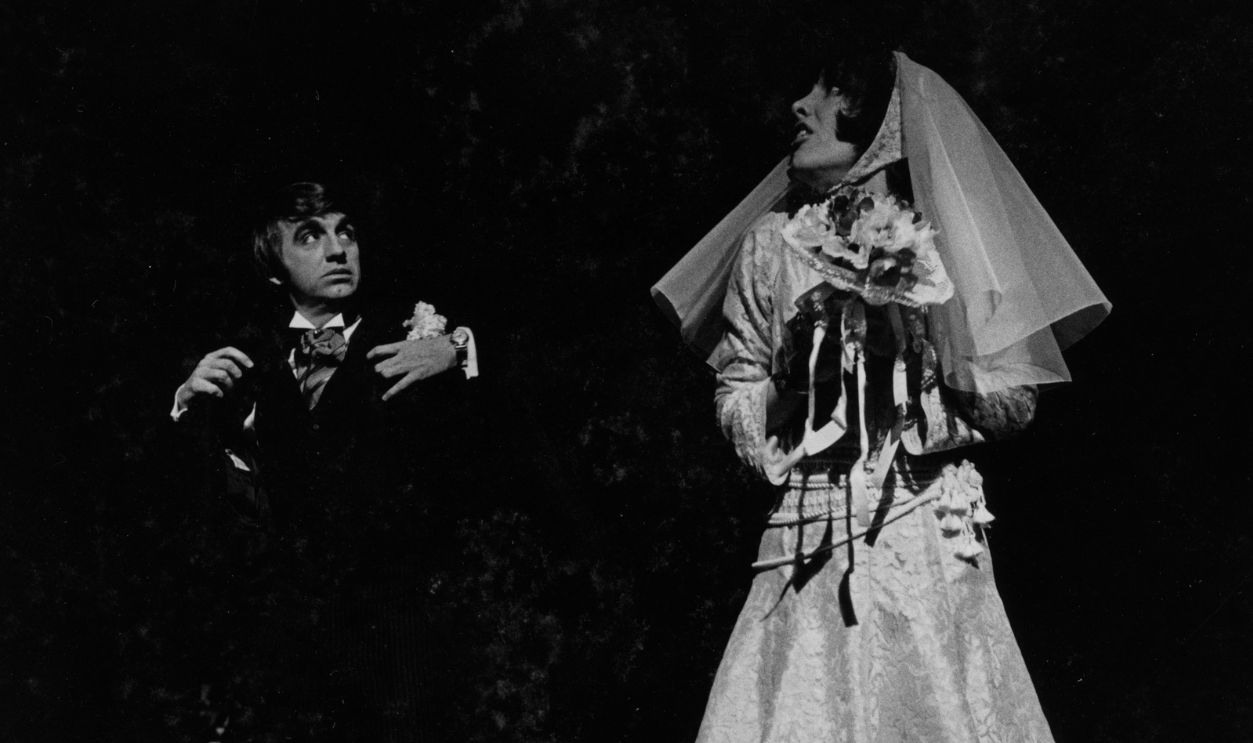
Hollywood Eventually Came Calling
After her stage success, Howland moved west and began appearing regularly on television. Her credits included Love, American Style, The Rookies, The Mary Tyler Moore Show, and Little House on the Prairie. She was becoming a familiar character actress just as the role that would define her career appeared.
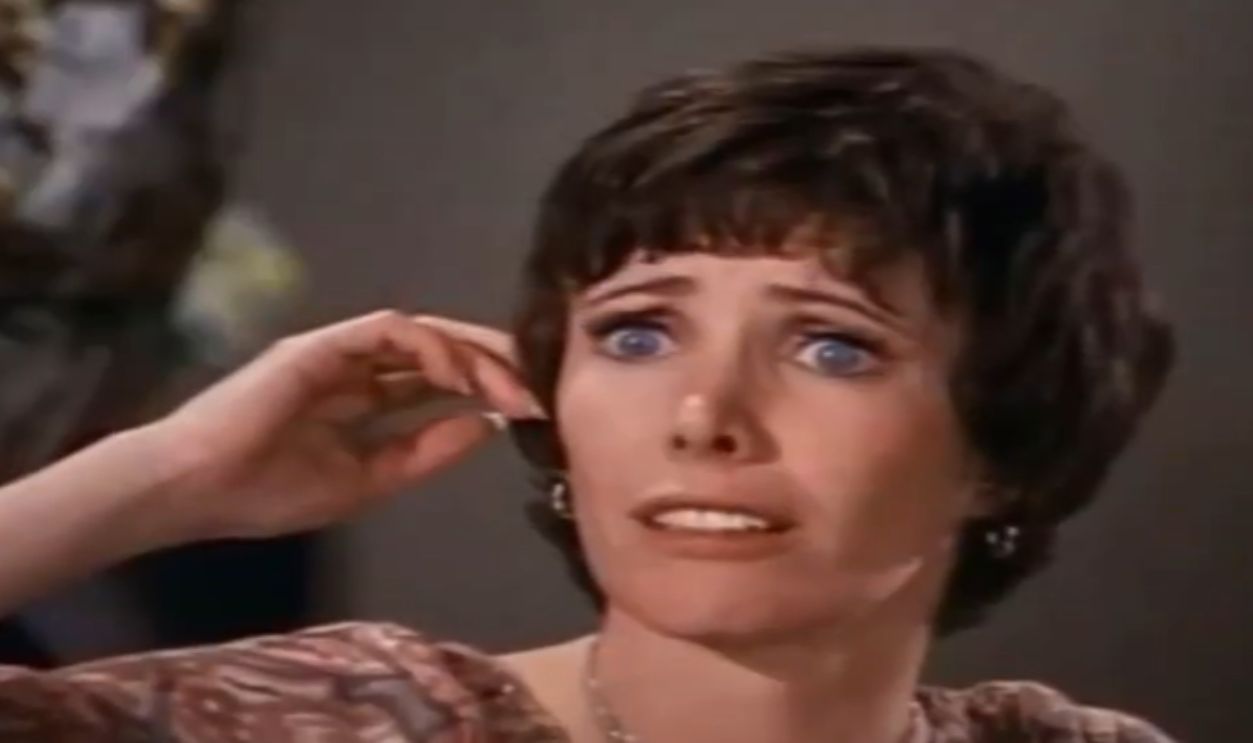 Screenshot from Love, American Style, Paramount Television (1969–1974)
Alice Turned A Movie Into A Sitcom
CBS premiered Alice in 1976, inspired by Martin Scorsese’s 1974 film Alice Doesn’t Live Here Anymore. Linda Lavin played widowed mother Alice Hyatt, who worked at a Phoenix diner while hoping to pursue a singing career. Vic Tayback played diner owner Mel Sharples, while Polly Holliday and Howland became Alice’s unforgettable co-workers.
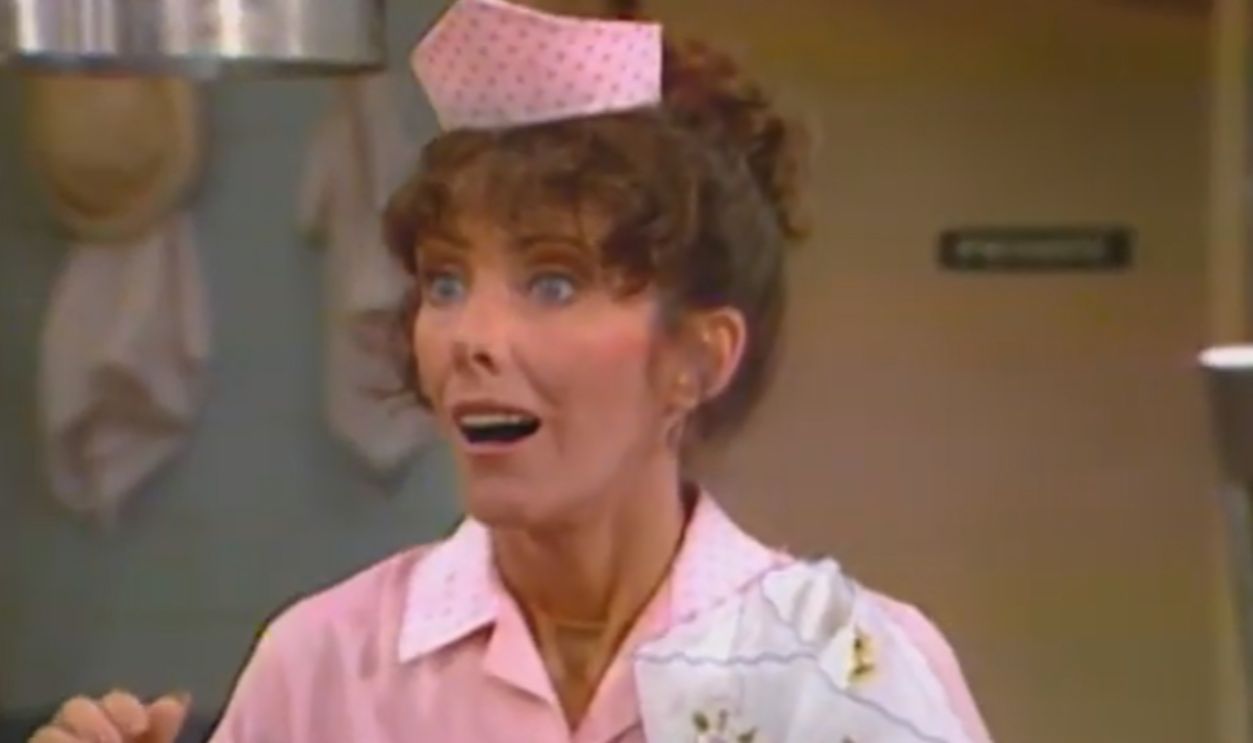 Screenshot from Alice, Warner Bros. Television (1979–1980)
Howland Wasn’t Sure About Vera At First
Howland did not immediately love what she saw in Vera. She later recalled initially viewing the character as dumb and inept, essentially someone written as a joke. But Howland began seeing something more sympathetic underneath, believing Vera was naive and out of place rather than simply foolish. That shift helped her turn a broad sitcom character into someone audiences could actually root for.
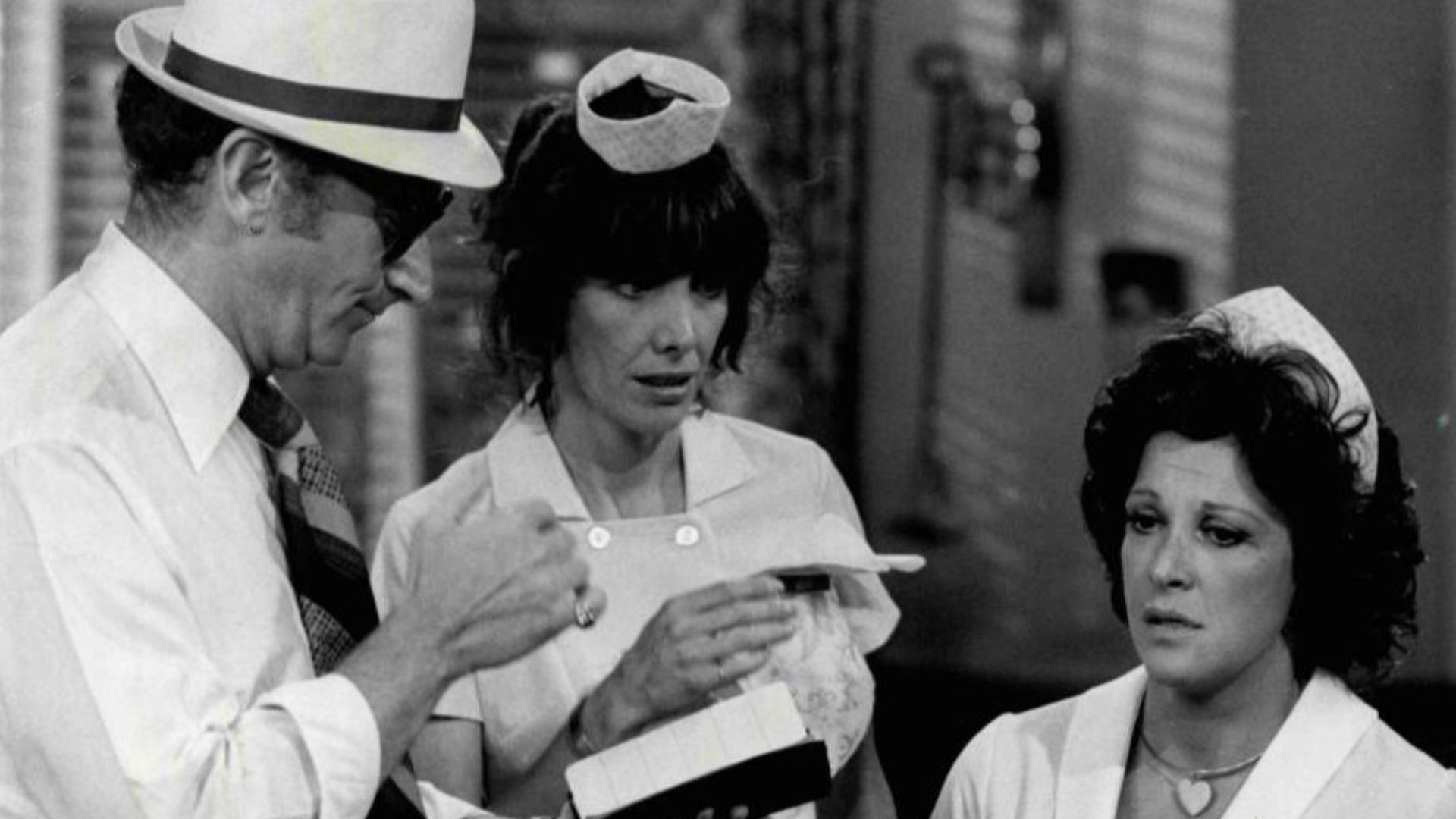 CBS Television, Wikimedia Commons
Vera Quickly Developed Her Own Rhythm
Howland played Vera with wide-eyed bewilderment, nervous reactions, and an unmistakable physical awkwardness. She could seem seconds away from either crying, celebrating, or accidentally knocking something over. That unpredictability made her an ideal contrast to Mel’s bluster and Flo’s sharper confidence.
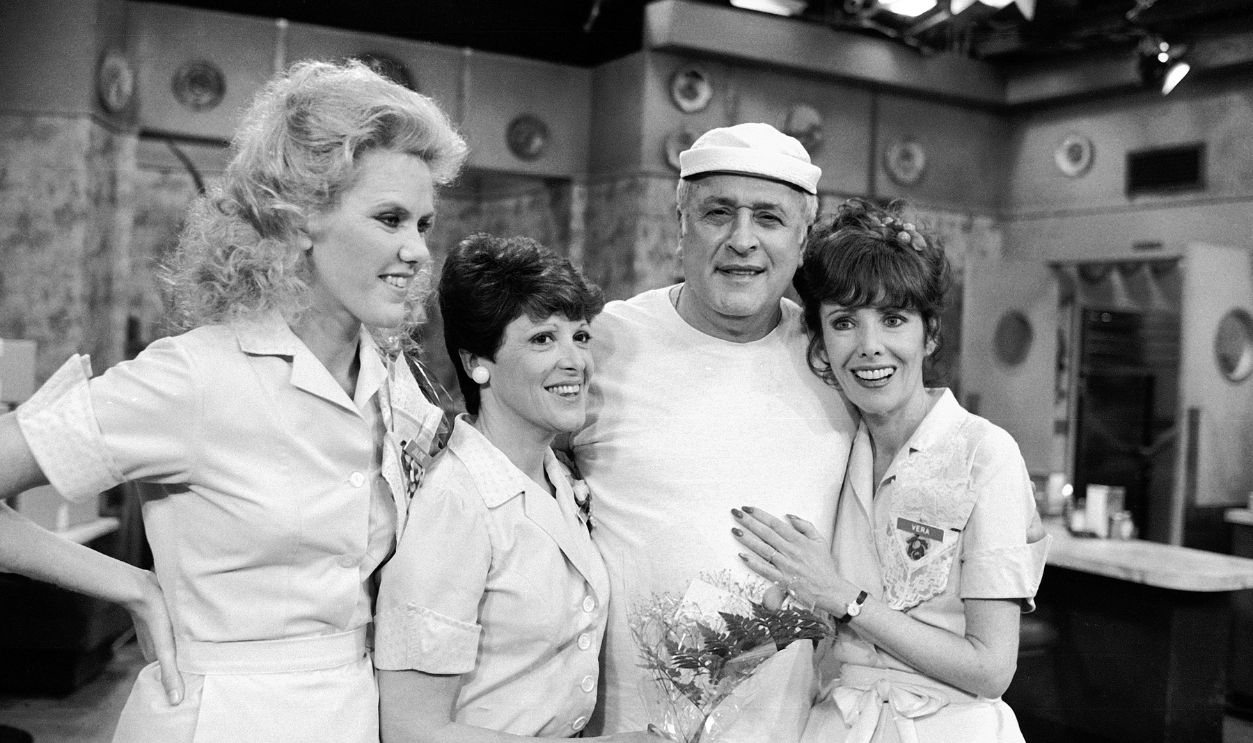
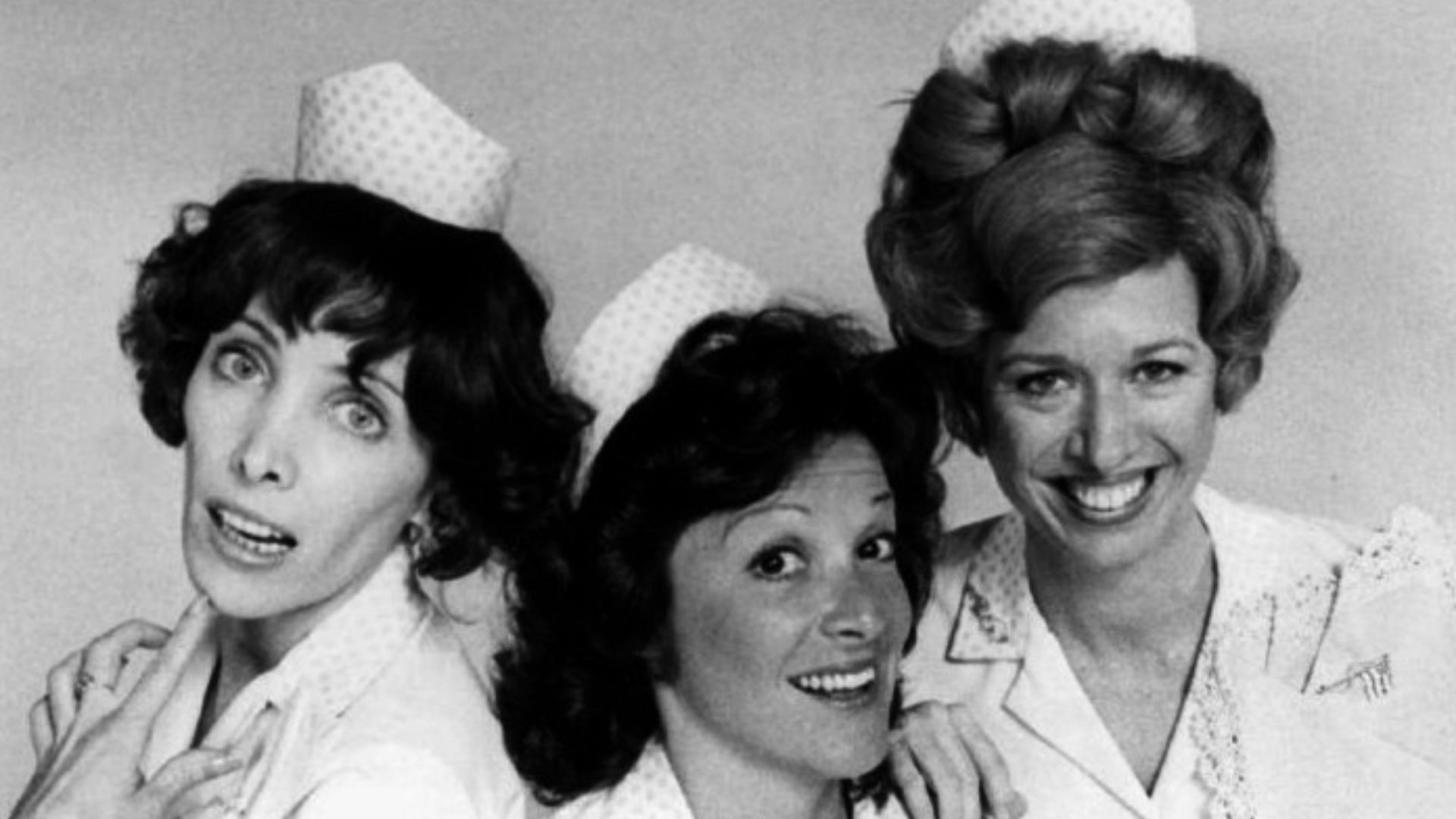
The Cast Had Three Very Different Waitresses
Alice was the comparatively grounded center of the series, while Flo became famous for her brassy attitude. Vera occupied another corner entirely. Her vulnerability and eccentricity let Alice get laughs without simply giving every waitress the same personality.
 CBS Television, Wikimedia Commons
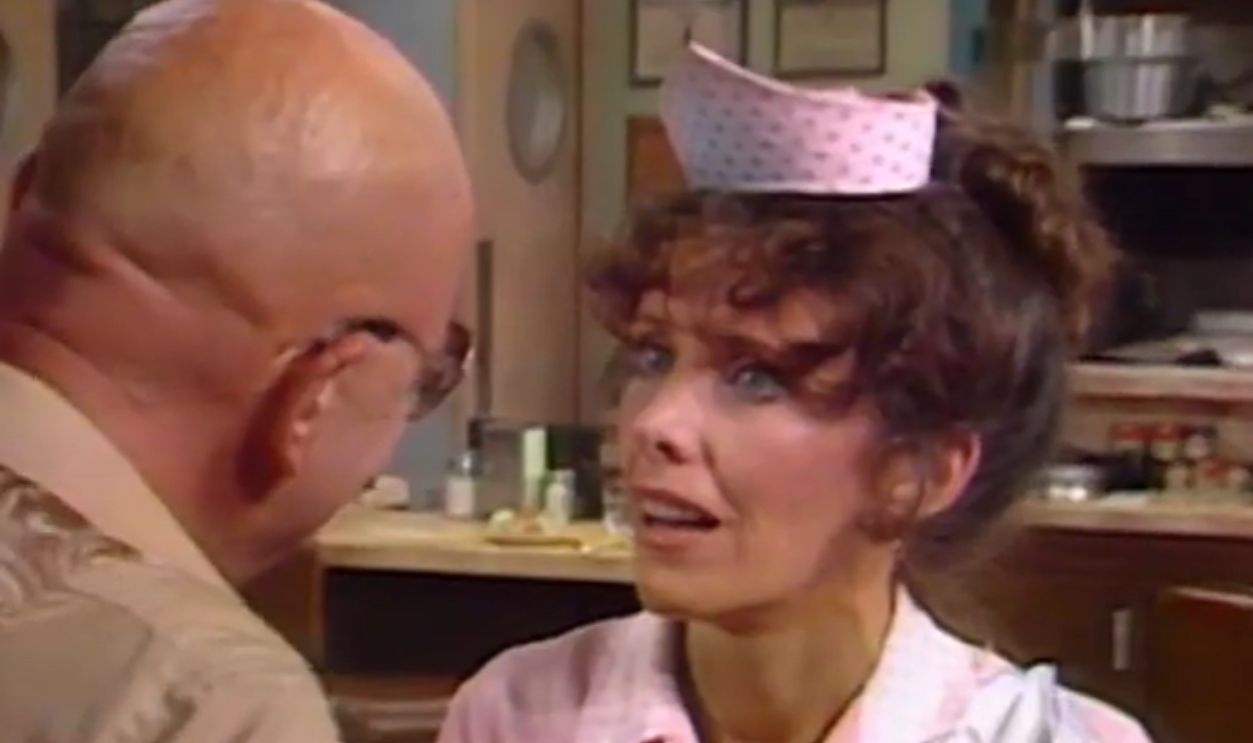
Howland Let Vera Be Genuinely Vulnerable
The key was that Vera was not merely ridiculous. Her innocence frequently made her the emotional underdog in a scene, which gave audiences a reason to root for her as well as laugh. Howland’s performance could make Vera’s smallest triumph feel unexpectedly satisfying.
 Screenshot from Alice, Warner Bros. Television (1979–1980)
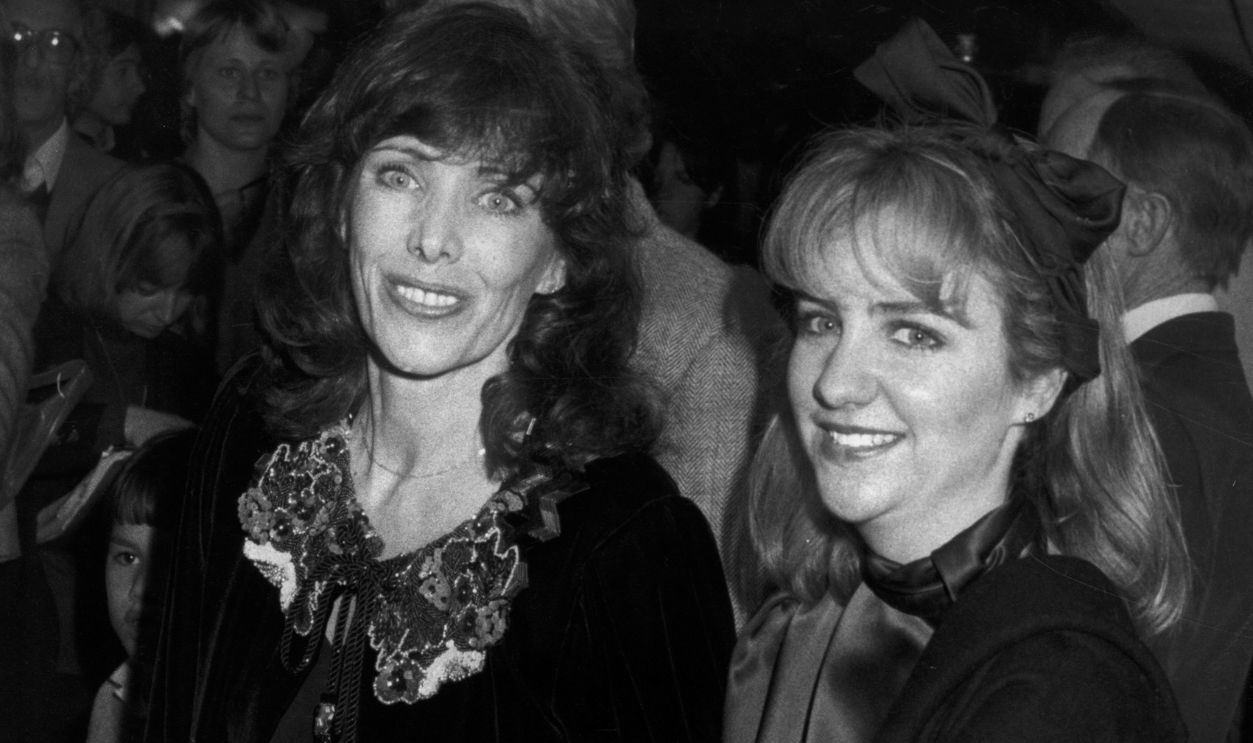
The Industry Noticed Her Work
Howland’s performance earned her four consecutive Golden Globe nominations for Alice, beginning with the 1980 awards and continuing through 1983. She never needed to transform Vera into a sophisticated character to earn that recognition. Instead, she made the character’s peculiarities remarkably consistent.
One Vera Moment Became Part Of The Show
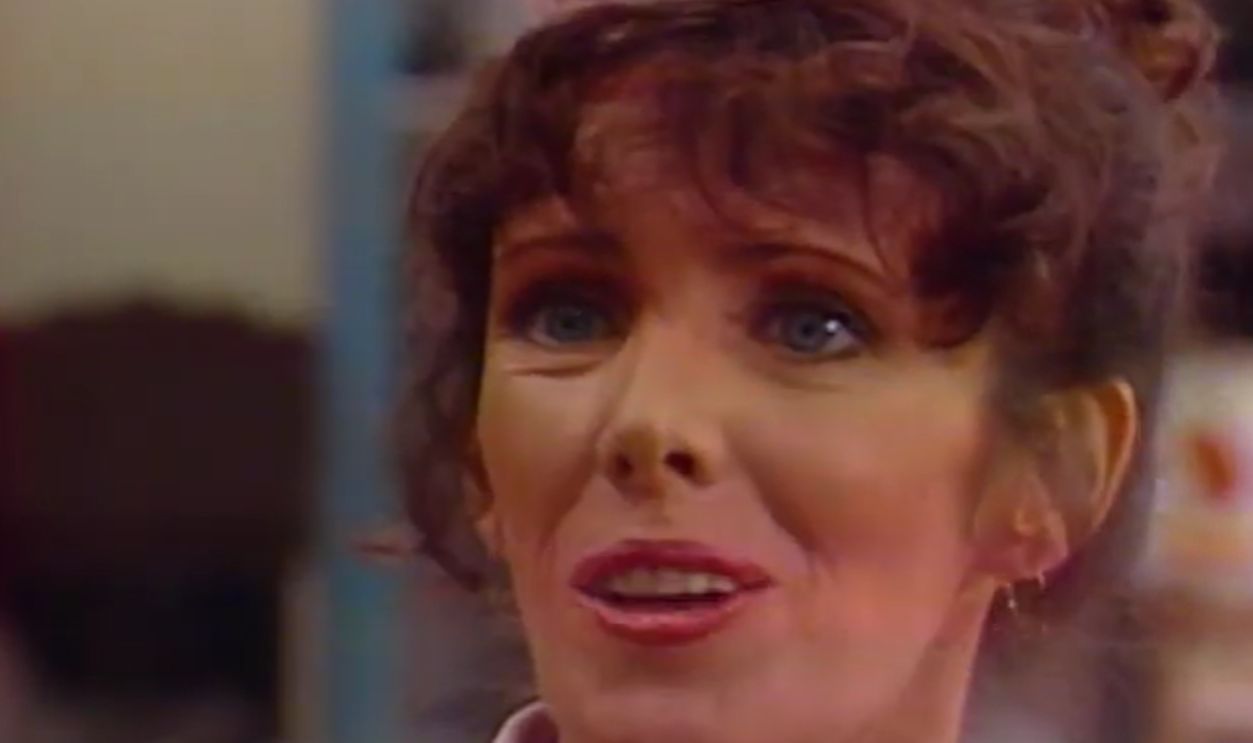
Howland established Vera’s frantic personality almost immediately. In the first episode, Vera responded to a customer’s cheerful greeting by sending a box of drinking straws flying into the air. The moment fit the character so perfectly that it was incorporated into Alice’s opening credits. Viewers would see that flash of Vera’s nervous energy again and again.
 Screenshot from Alice, Warner Bros. Television (1979–1980)
Vera Eventually Found Her Mr. Right
By the eighth season, the writers gave Vera a major romantic storyline involving police officer Elliot Novak, played by Charles Levin. Their courtship led to a two-part wedding story in November 1983. Even Vera getting married naturally involved enough confusion to turn the ceremony into classic sitcom chaos.
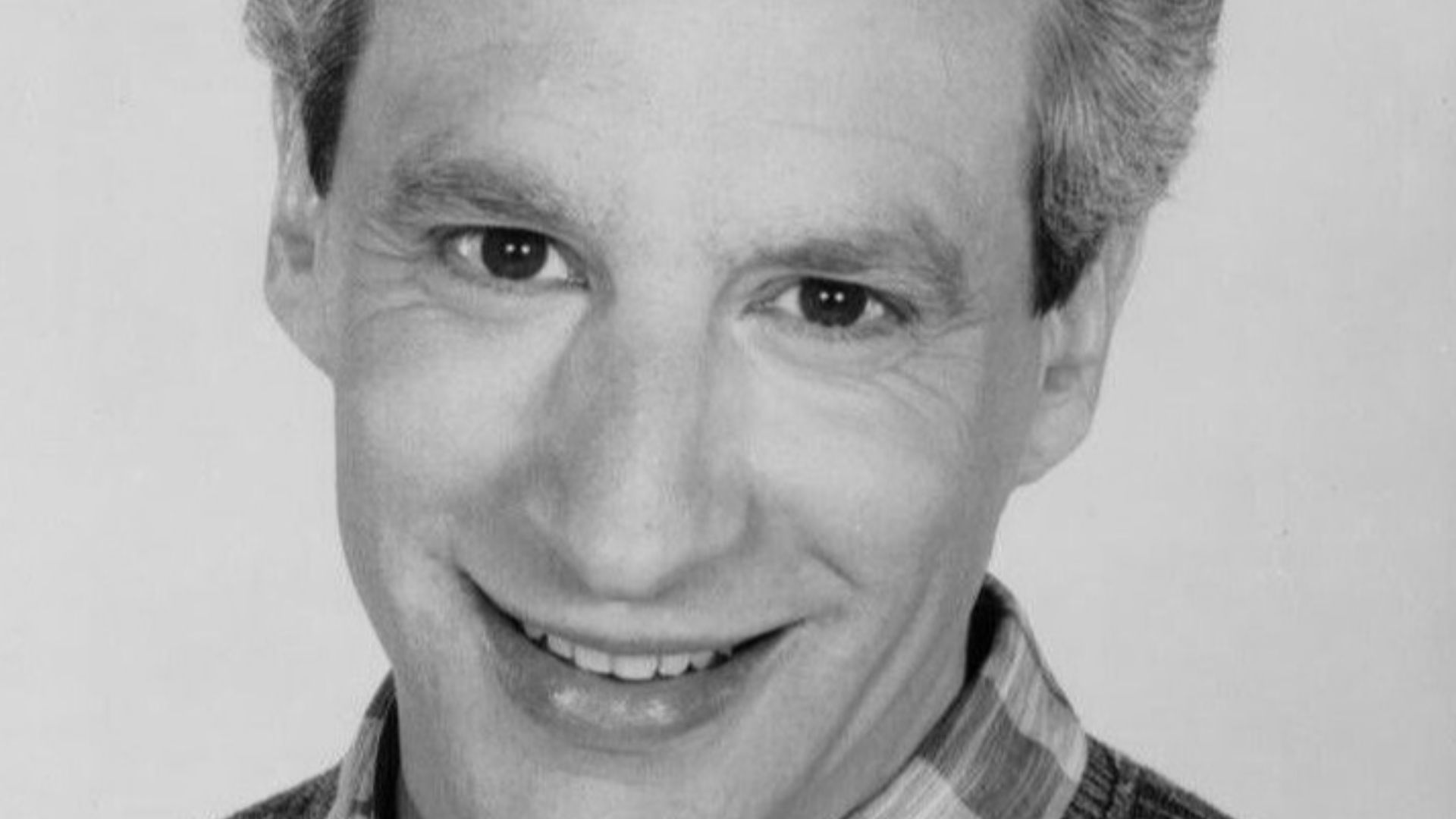 Fox Broadcasting Company, Wikimedia Commons
Naturally, The Wedding Went Sideways
Before Vera and Elliot could settle things, a mix-up resulted in Mel and Vera apparently getting married by mistake. The episode then followed Vera and Elliot’s rocky path toward the actual altar. It was exactly the kind of escalating disaster that fit Howland’s character beautifully.
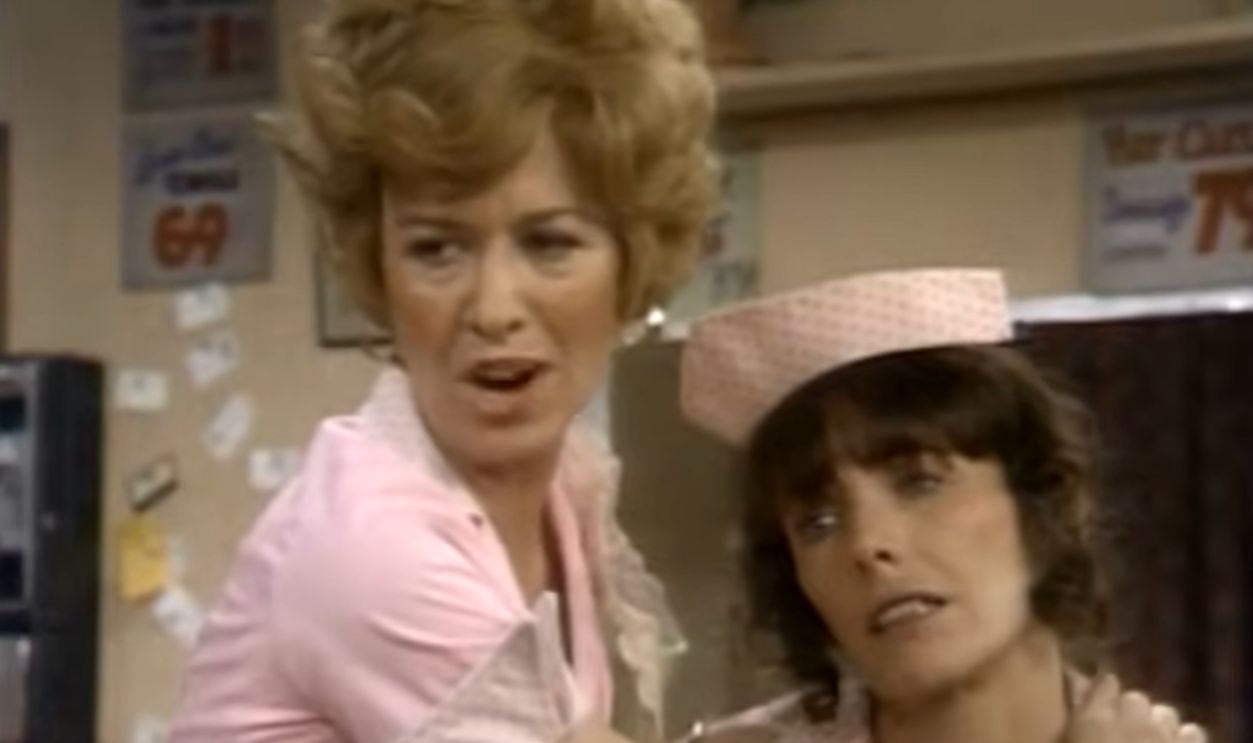 Screenshot from Alice, Warner Bros. Television (1979–1980)
Vera Was There Until The End
Characters came and went during Alice’s long television run, but Howland remained part of the show throughout its nine seasons. The series aired from 1976 until 1985. That gave Vera nearly a decade to grow from quirky supporting waitress into one of the sitcom’s defining faces.
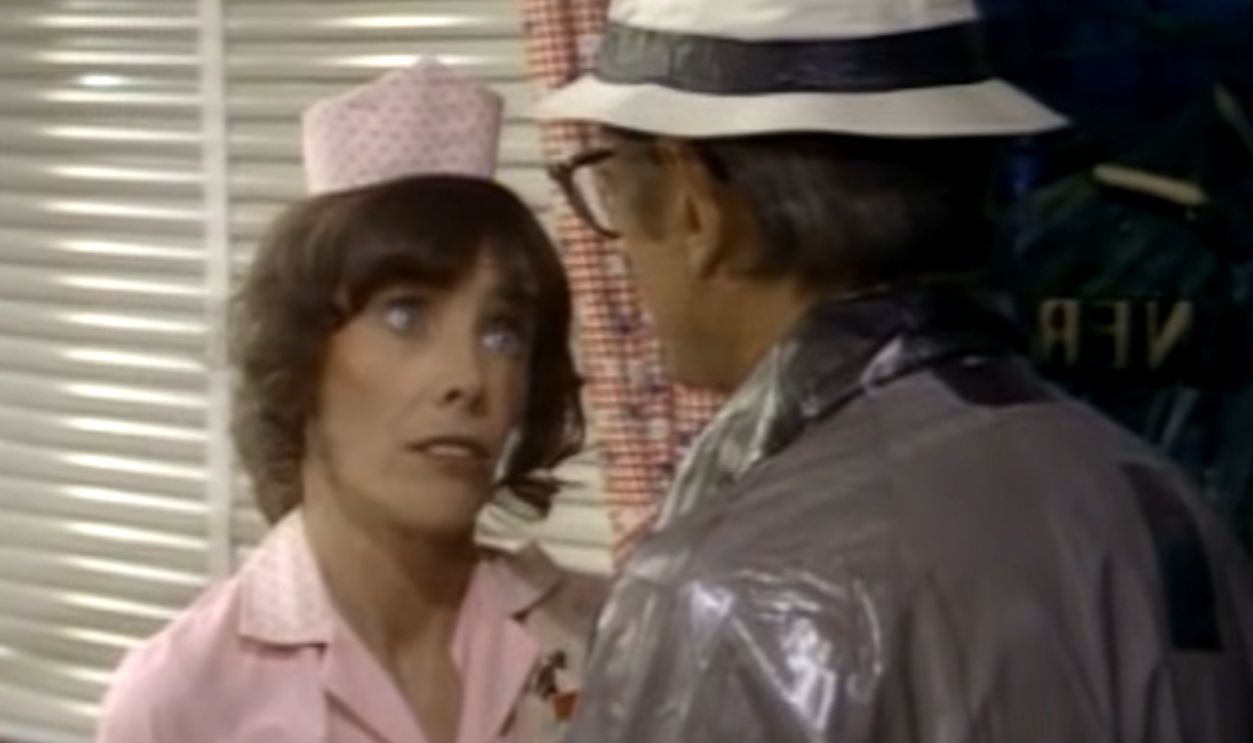 Screenshot from Alice, Warner Bros. Television (1979–1980)
Then Howland Made A Surprising Choice
When Alice finished, Howland did not immediately chase another long-running sitcom. Her performances became much less frequent as the 1980s ended, and she effectively moved into semi-retirement. After years of Broadway and network television, she appeared comfortable letting the pace slow down.
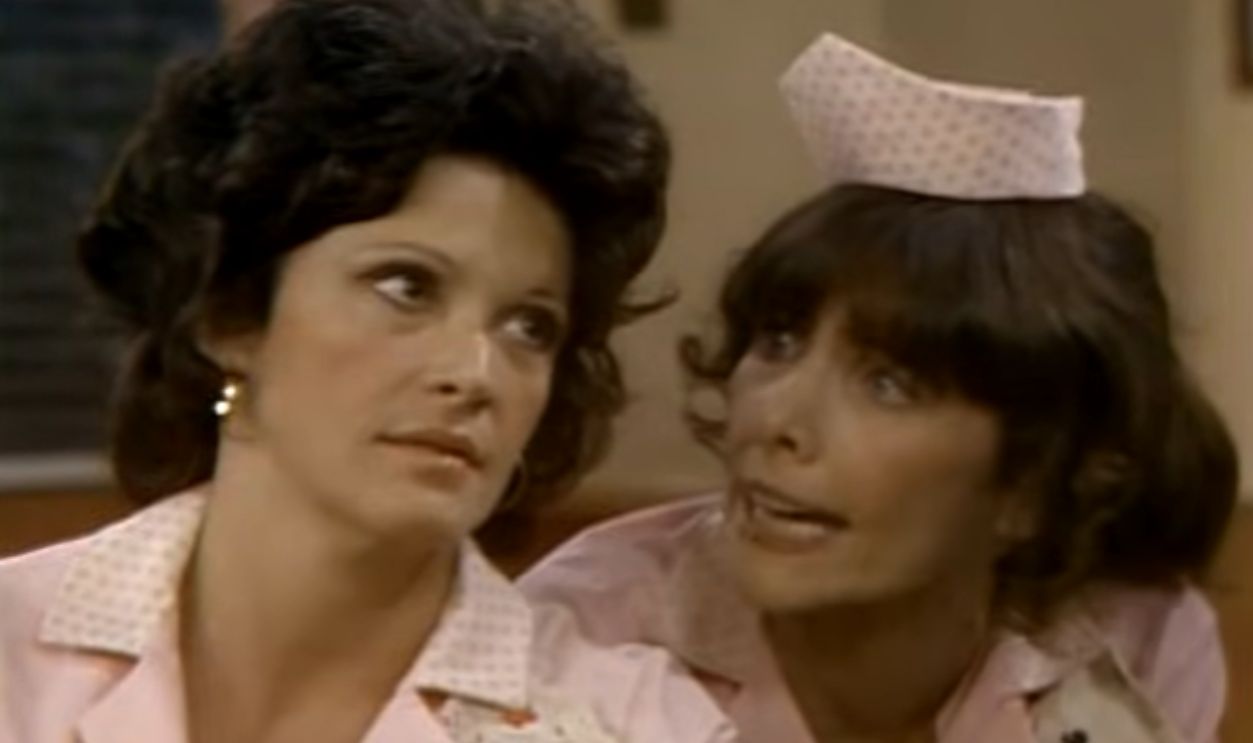 Screenshot from Alice, Warner Bros. Television (1979–1980)
Her Production Company Won An Oscar
Stepping away from regular television did not mean Howland stopped working behind the scenes. She and actress Jennifer Warren created Tiger Rose Productions, which produced the HBO documentary short You Don’t Have to Die. The film, about a young boy facing cancer, won the Academy Award for Best Documentary Short Subject in 1989. It was an impressive achievement that happened largely outside the spotlight that had followed Howland during Alice.
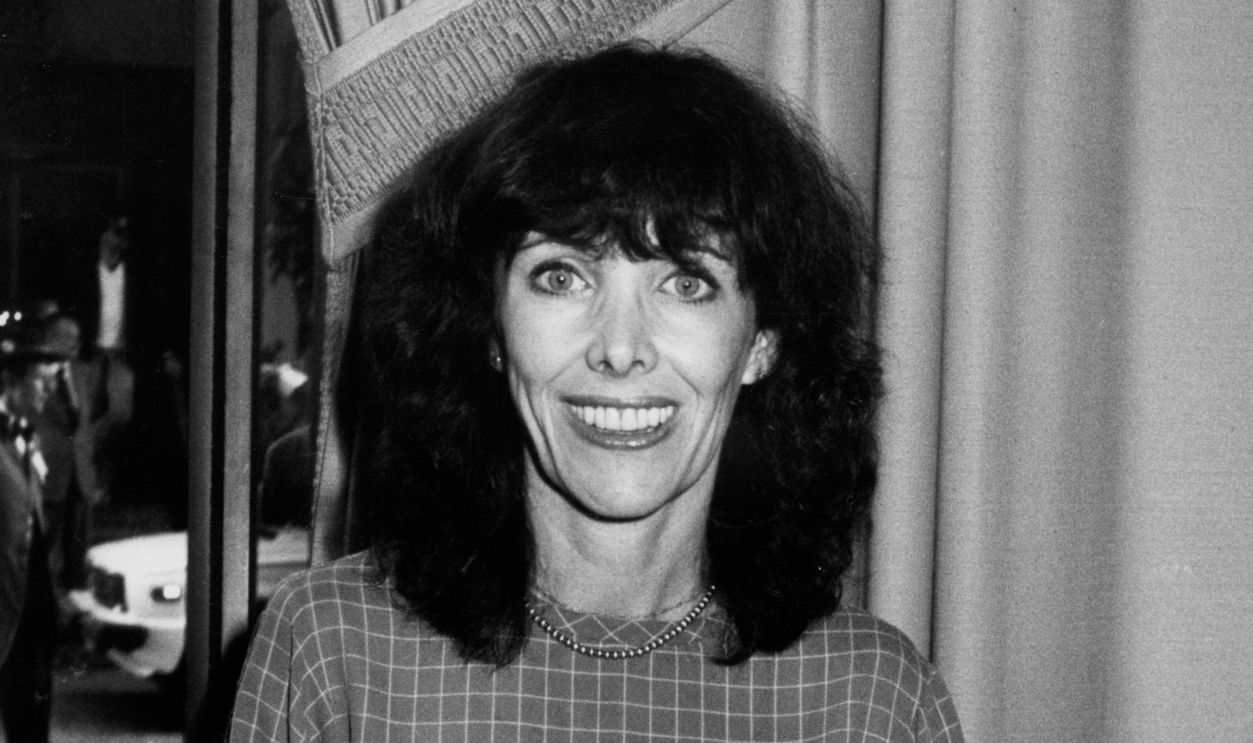
She Never Completely Disappeared
Howland still accepted occasional acting jobs. Later appearances included Murder, She Wrote, Sabrina, the Teenage Witch, and eventually the live-action superhero comedy The Tick. They were scattered reminders that Howland could still slip comfortably back into character acting, even if she no longer wanted television to dominate her life.
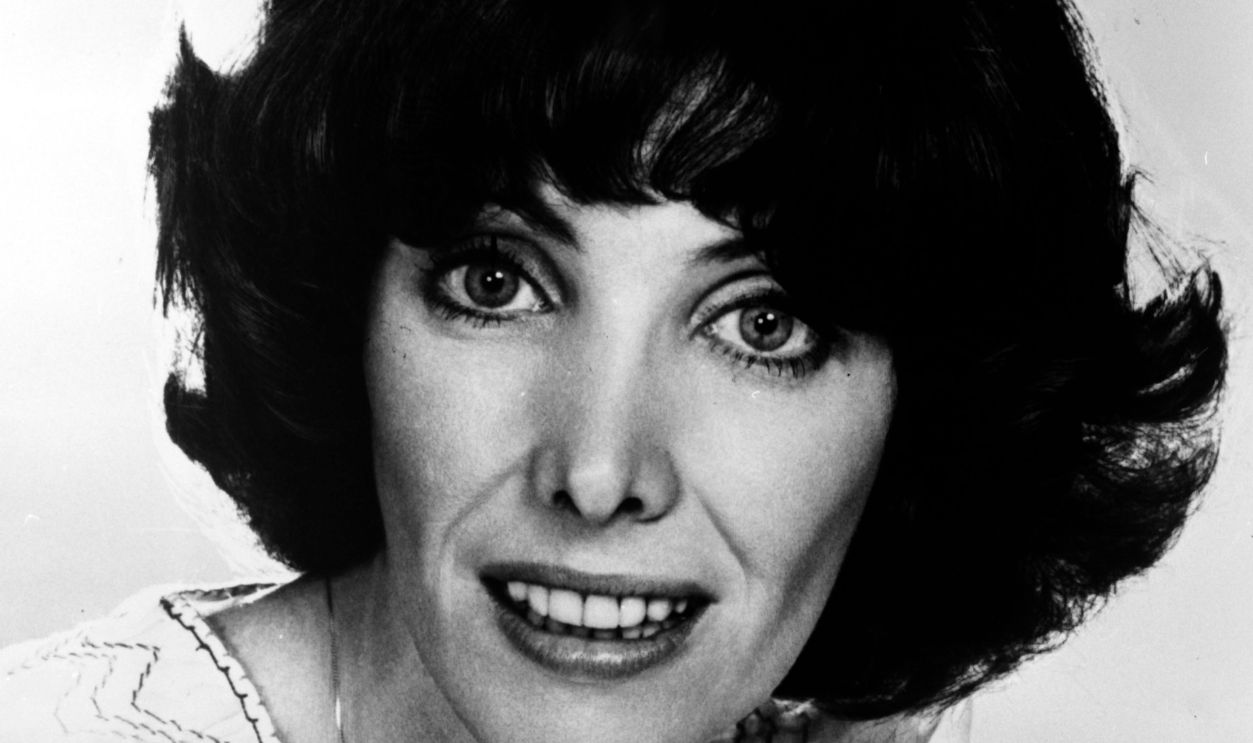
Broadway Pulled Her Back Once
One especially fitting return came in 1993, when Howland revisited Amy for a special Broadway benefit presentation of Company. Several members of the original company participated. More than two decades after originating the role, Howland briefly stepped back into the musical that had helped establish her.
An Old Castmate Became Her Partner
Among Howland’s fellow original Company performers was Charles Kimbrough, who later became widely known as anchorman Jim Dial on Murphy Brown. Howland and Kimbrough eventually married in 2002. Their connection made her Broadway past and quieter later life overlap in an unexpectedly lovely way.
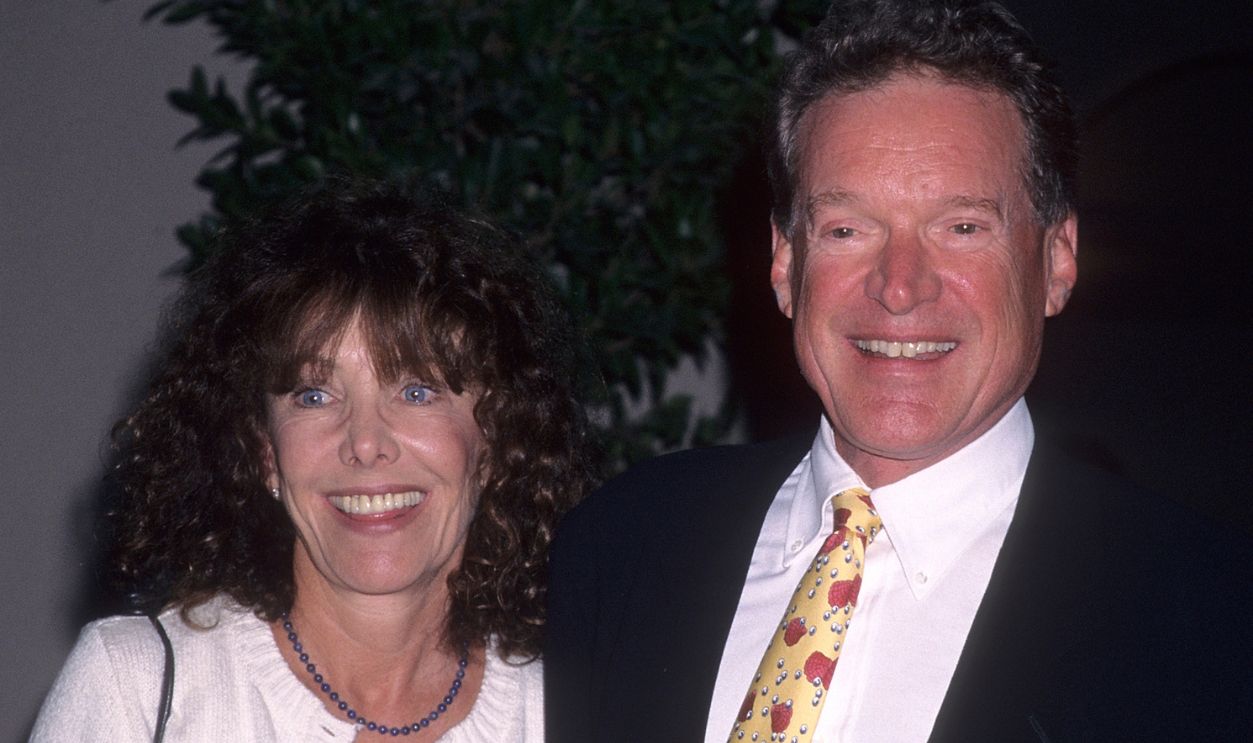
Her Later Career Stayed Low-Key
By the 1990s and early 2000s, Howland was acting only occasionally. She took a mixture of small live-action parts and voice roles rather than pursuing another major television run. Her career simply became quieter, without a splashy comeback or heavily promoted farewell. After decades in show business, she seemed content with a much smaller public profile.
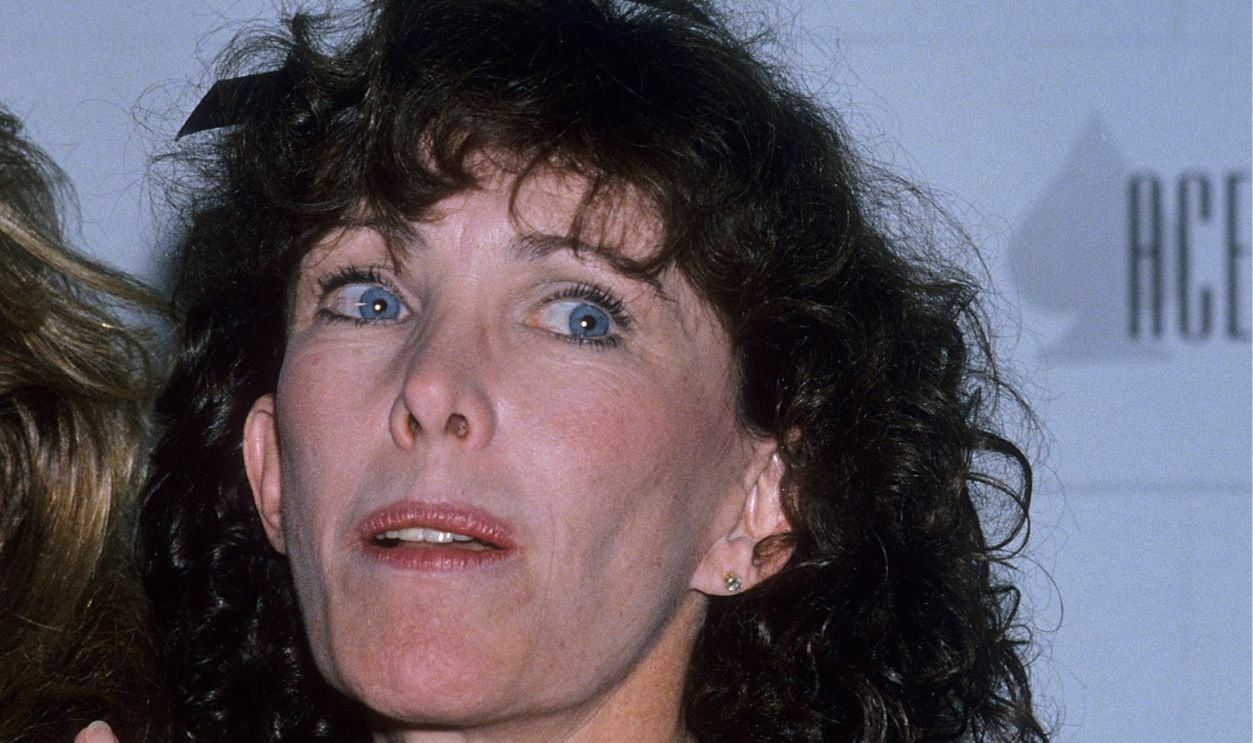
She Kept Her Final Illness Private
Howland died from lung cancer in Santa Monica on December 31, 2015, at 74. Remarkably, the public did not learn of her death for several months. Her husband later explained that delaying the announcement reflected Howland’s own wishes.
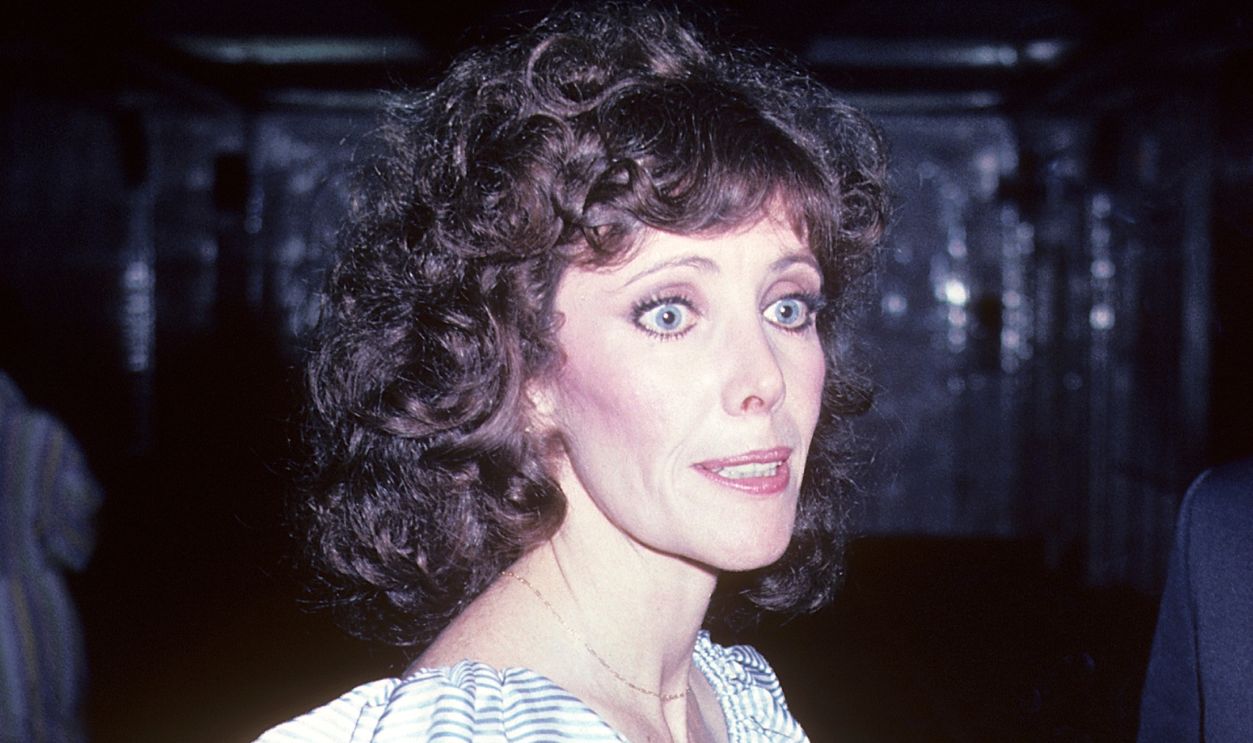
She Wanted No Public Farewell
Howland had also requested that there be no funeral or memorial service. Kimbrough was strikingly simple when explaining the decision, saying, “That was her choice.” For an actress whose best-known character spent years creating commotion on television, Howland’s own goodbye was deliberately quiet.
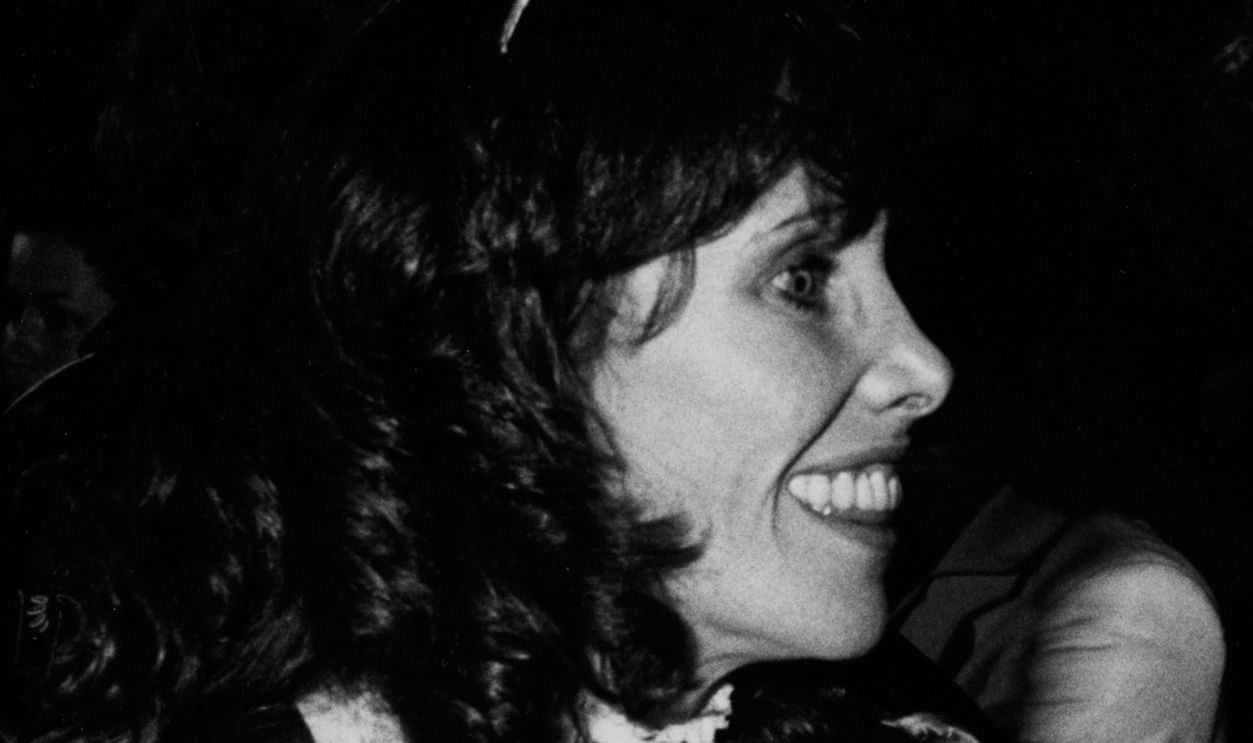
Vera Outlasted The Trends Around Her
Alice belonged unmistakably to the network sitcom world of the 1970s and 1980s, but Vera remains easy to recognize because Howland gave her such a specific personality. The nervous gestures, high-strung reactions, sweetness, and perpetual confusion formed a character viewers could identify almost instantly. It was character acting strong enough to turn a supporting waitress into television nostalgia.
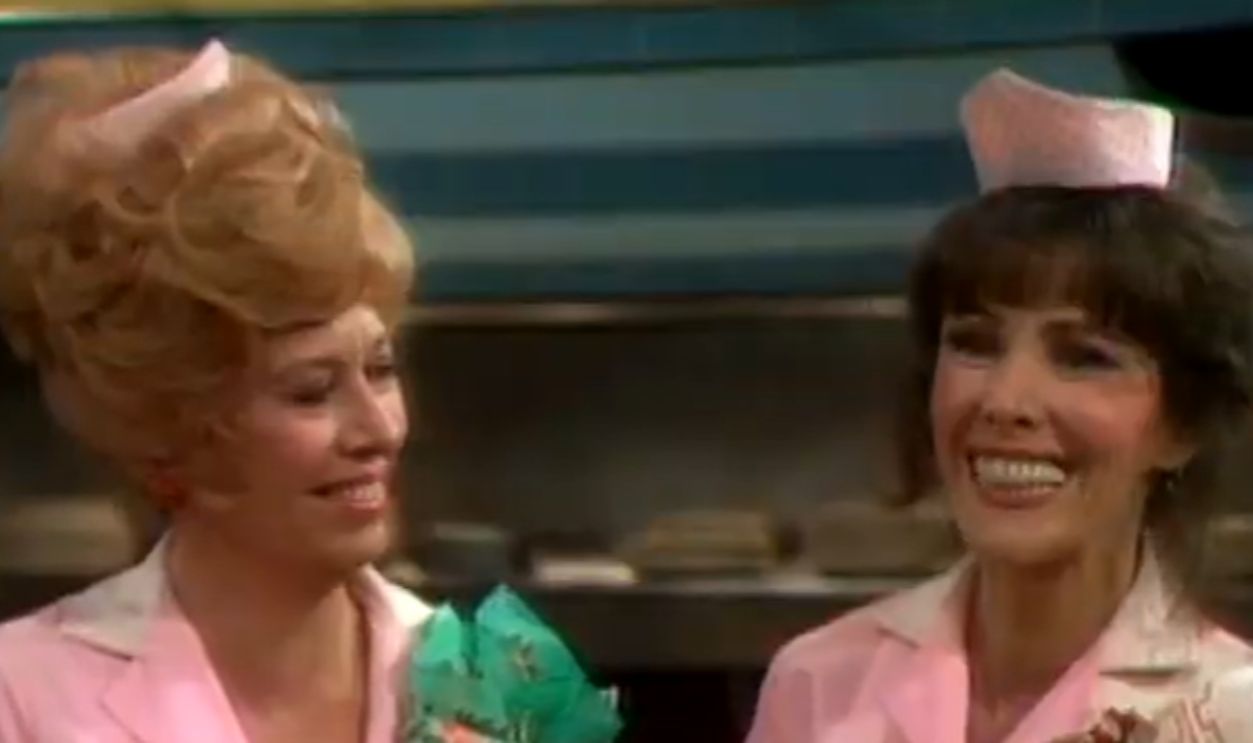 Screenshot from Alice, Warner Bros. Television (1979–1980)
Beth Howland Knew When To Leave The Noise Behind
Howland spent decades proving she could command attention, first on Broadway and then inside one of television’s busiest diners. Yet after Alice, she chose a career with fewer appearances and ultimately guarded her private life right through its final chapter. Vera may have been forever flustered, but Beth Howland appeared perfectly capable of deciding exactly how much of herself she wanted the public to see.
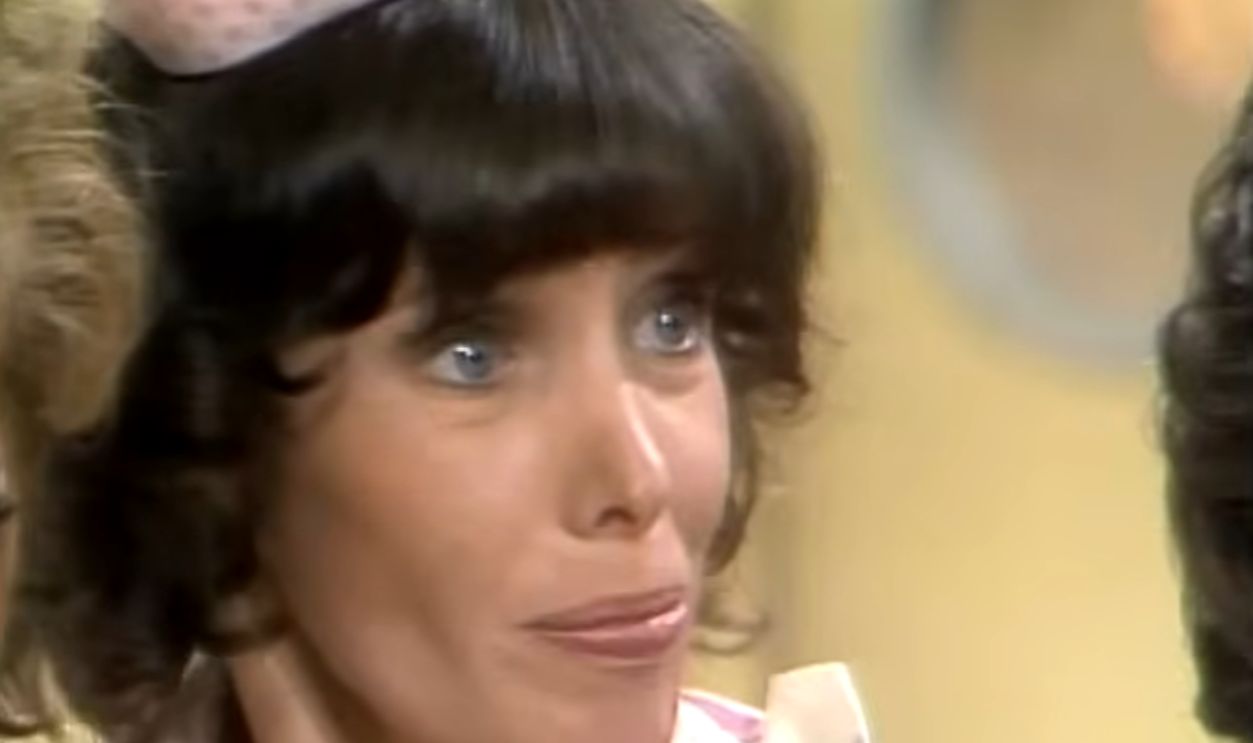 Screenshot from Alice, Warner Bros. Television (1979–1980)
You May Also Like:
TV shows from the 1960s that no one remembers—seriously, do you remember even 5 of these shows?