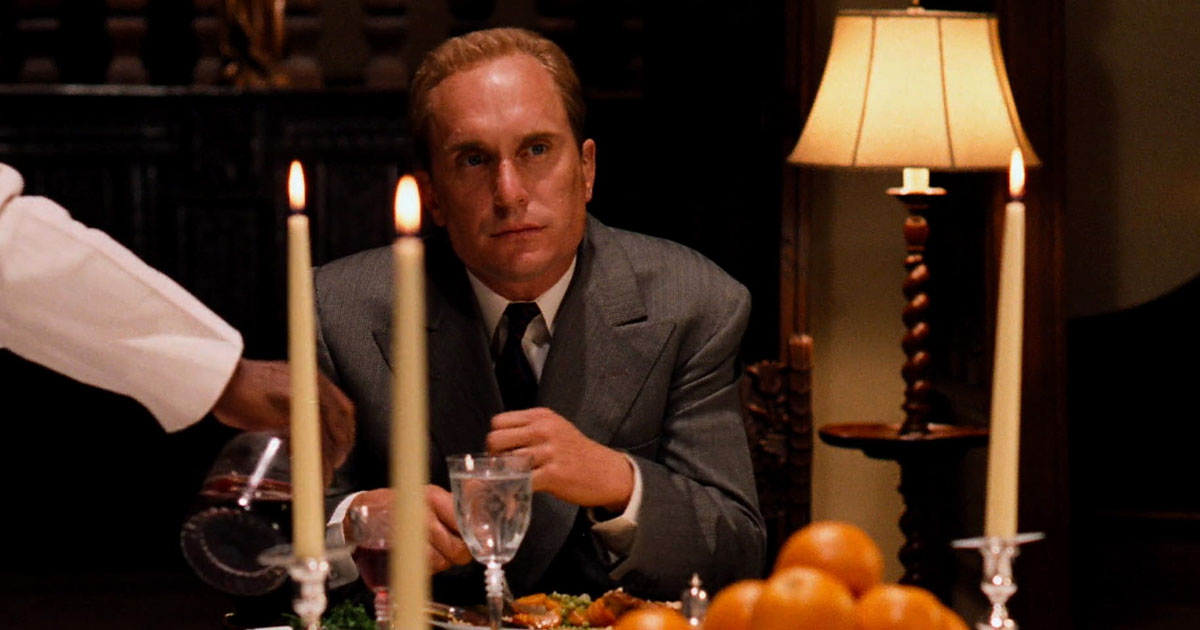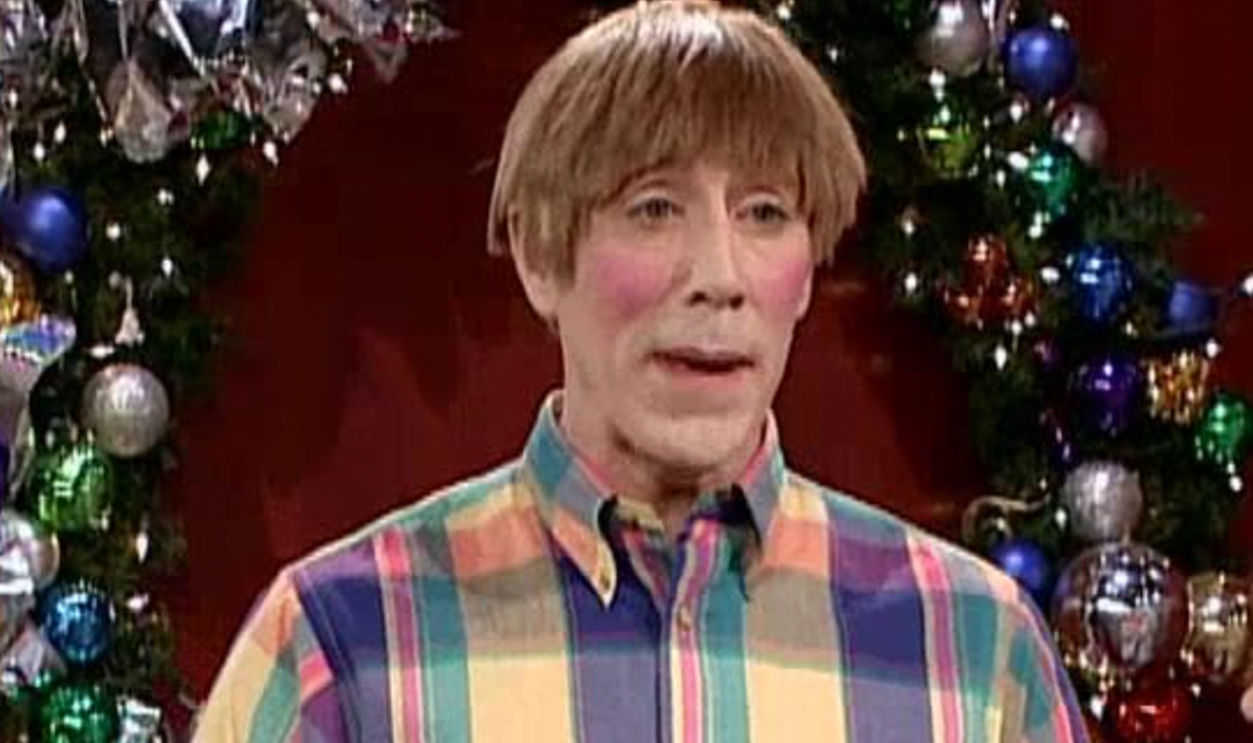
Before The Meme, There Was The Sketch
Sketch comedy is one of television’s most beloved formats because it captures lightning in a bottle: it’s quick, absurd, topical, subversive, and endlessly quotable. From the surreal absurdity of British troupes to the cultural commentary of American trailblazers, sketch shows have shaped comedy for generations. Each of the following brought something distinct to the art form, influencing both TV and stand-up, and launching countless careers along the way.
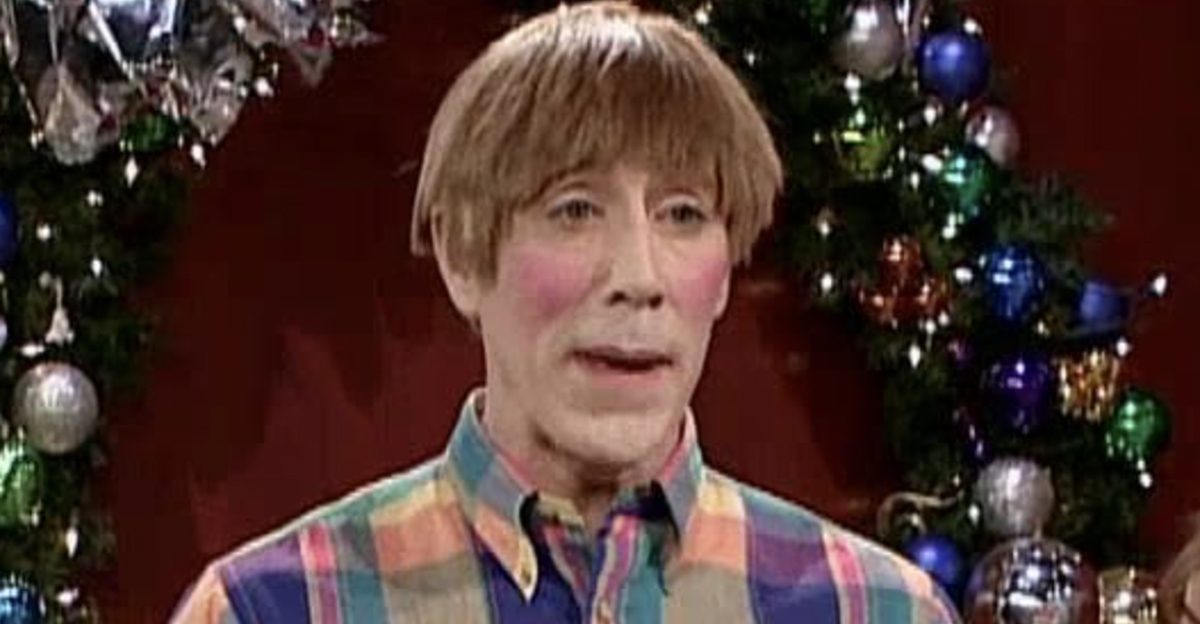 Screenshot from Mad TV, Season 14, Episode 9, Warner Bros. Television (1995-2016)
The Amanda Show
If you grew up in the late ’90s, this show probably rewired your brain in the best way. The Amanda Show leaned into chaotic characters, fake commercials, and totally unhinged energy that somehow still felt kid-friendly. Amanda Bynes committed 110% to every ridiculous role, which made the sketches hit harder. It felt fast, loud, and unpredictable—like flipping through channels inside one very weird brain.
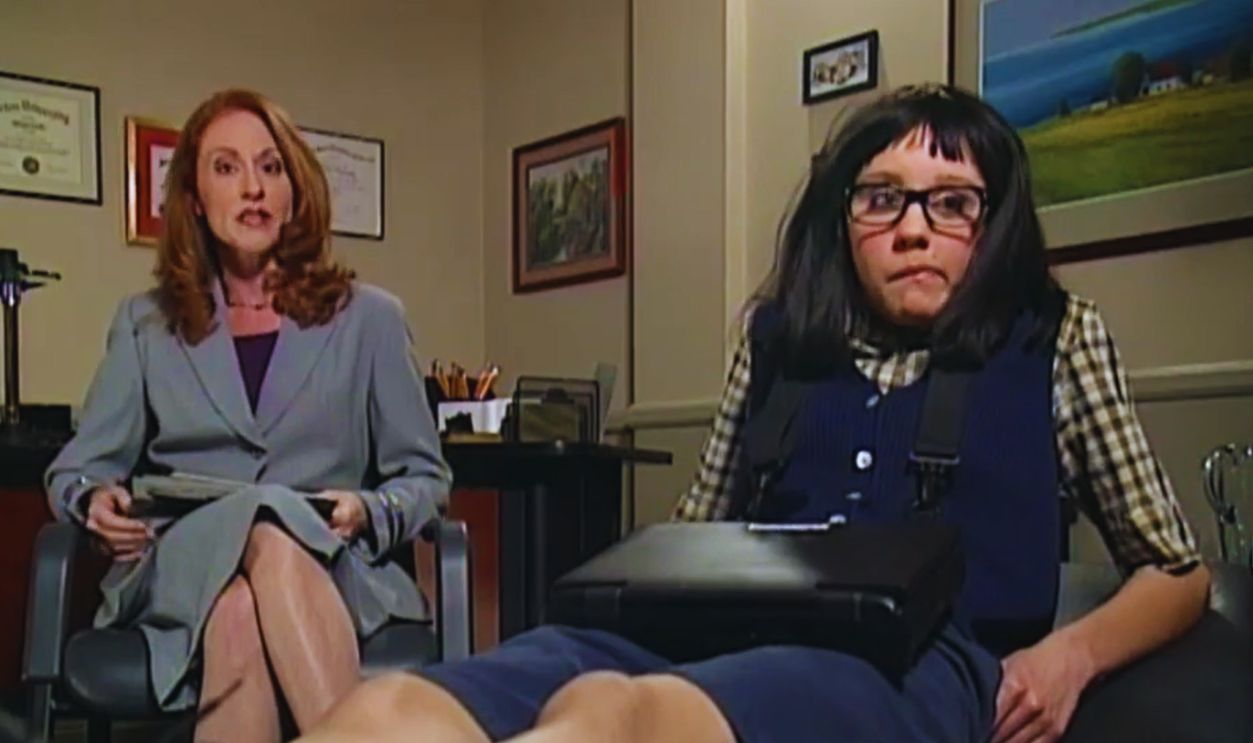 Screenshot from The Amanda Show, Nickelodeon (1999–2002)
The League Of Gentlemen
This wasn’t your average sketch show. The League of Gentlemen built an entire creepy little town and filled it with characters who were equal parts hilarious and unsettling. It mixed horror vibes with comedy in a way that felt bold and a little dangerous. The jokes weren’t always comfortable, and that was kind of the point.
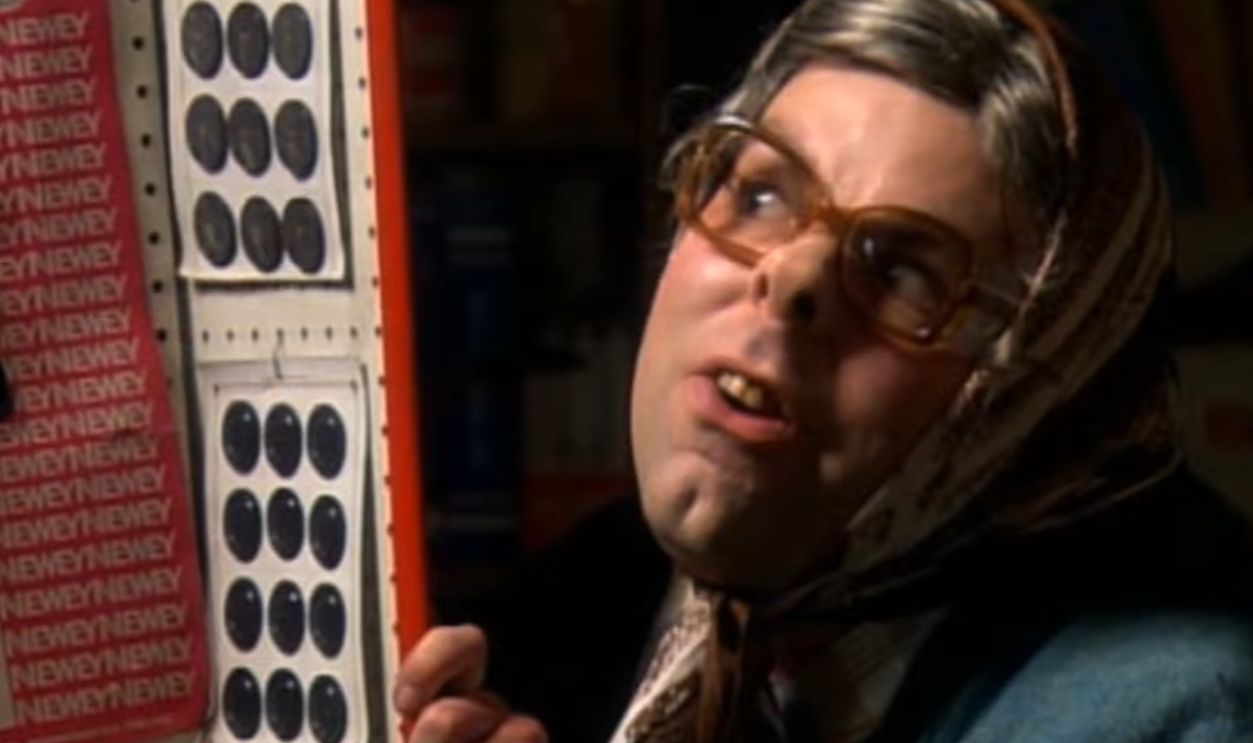 Screenshot from The League Of Gentlemen, BBC (1999-2002)
Fridays
Think of Fridays as the scrappy, slightly rebellious cousin of SNL. It aired live, which gave it a raw edge, and it wasn’t afraid to push buttons. Sometimes it felt messy, but that chaos gave it personality. Even though it didn’t last forever, it proved that live sketch TV could still feel risky and unpredictable.
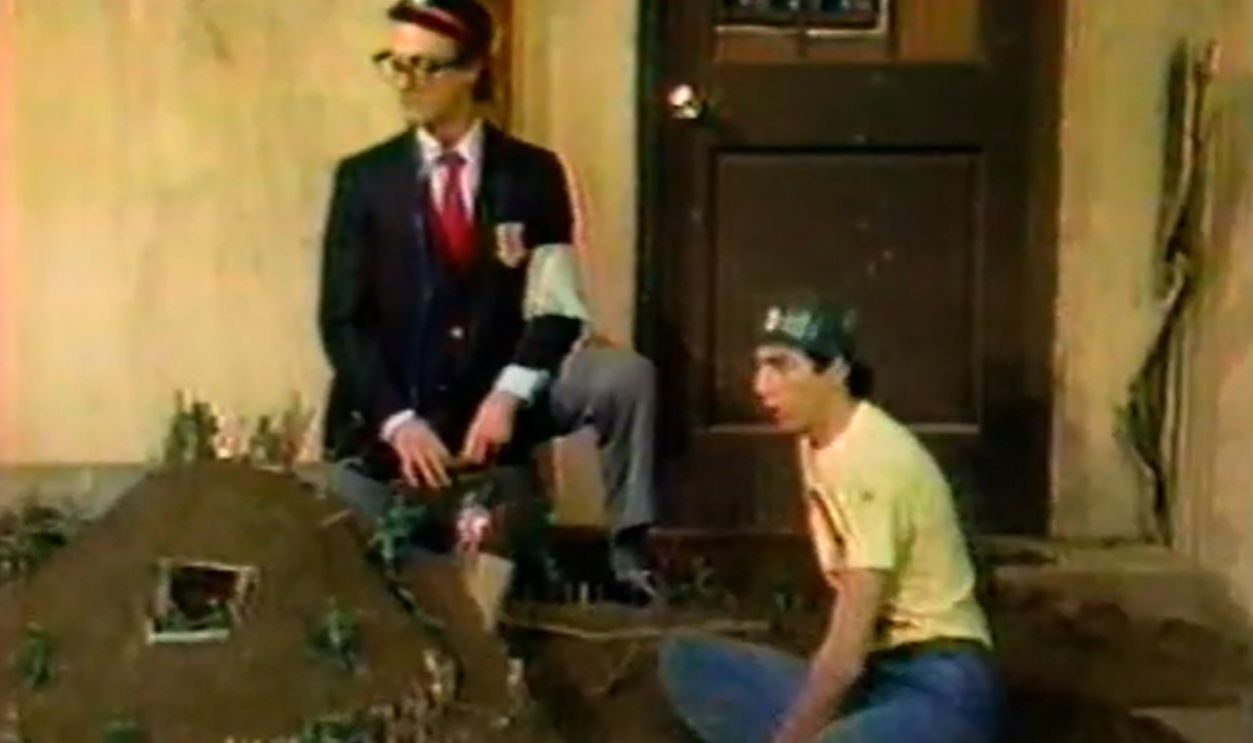 Screenshot from Fridays, ABC (1980 - 1982)
The Fast Show
Blink and you’d miss half the jokes. The Fast Show perfected super-short sketches built around recurring characters and quick punchlines. The catchphrases stuck instantly, and the pacing kept things moving at lightning speed. It’s the kind of show that rewards rewatches because you’ll definitely catch something new the second time around.
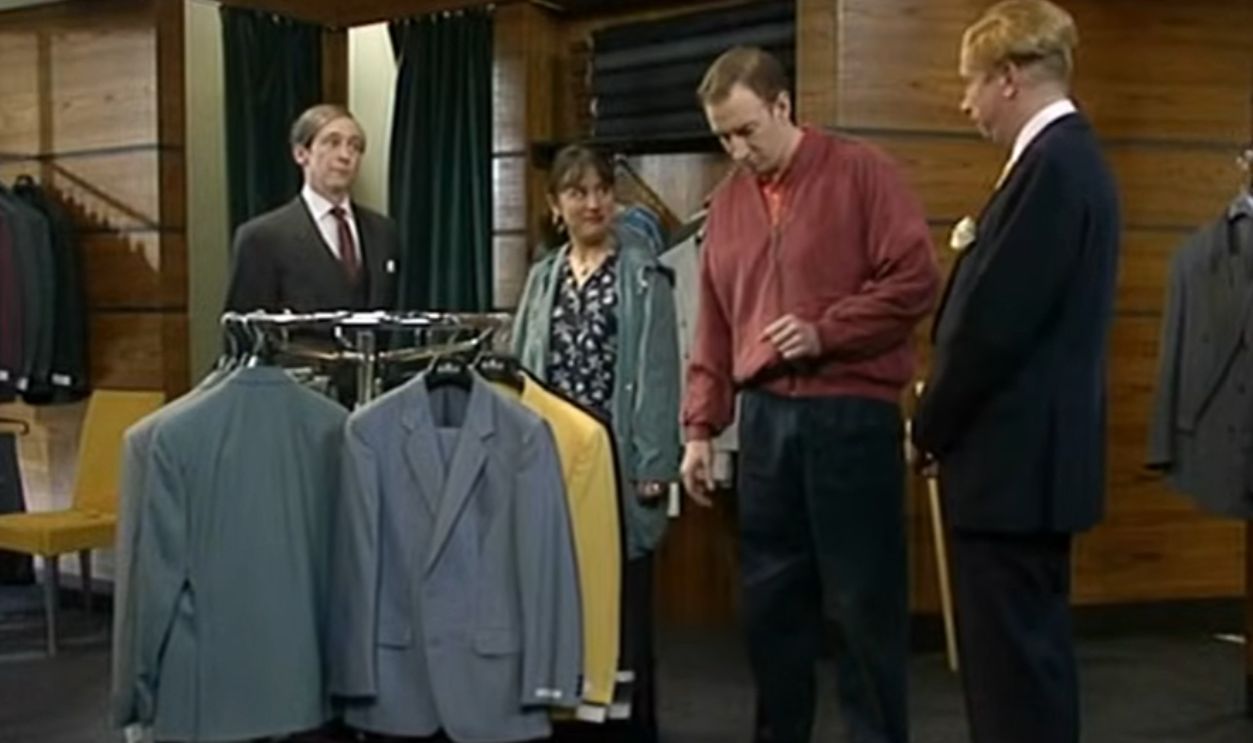 Screenshot from The Fast Show, BBC (1994-1997)
All That
For a whole generation, All That was their first taste of ensemble sketch comedy. It had wild characters, goofy parodies, and enough energy to fill an entire Nickelodeon afternoon. It didn’t try to be edgy, it just leaned into fun. Plus, it launched a ton of future stars, which makes it even cooler in hindsight.
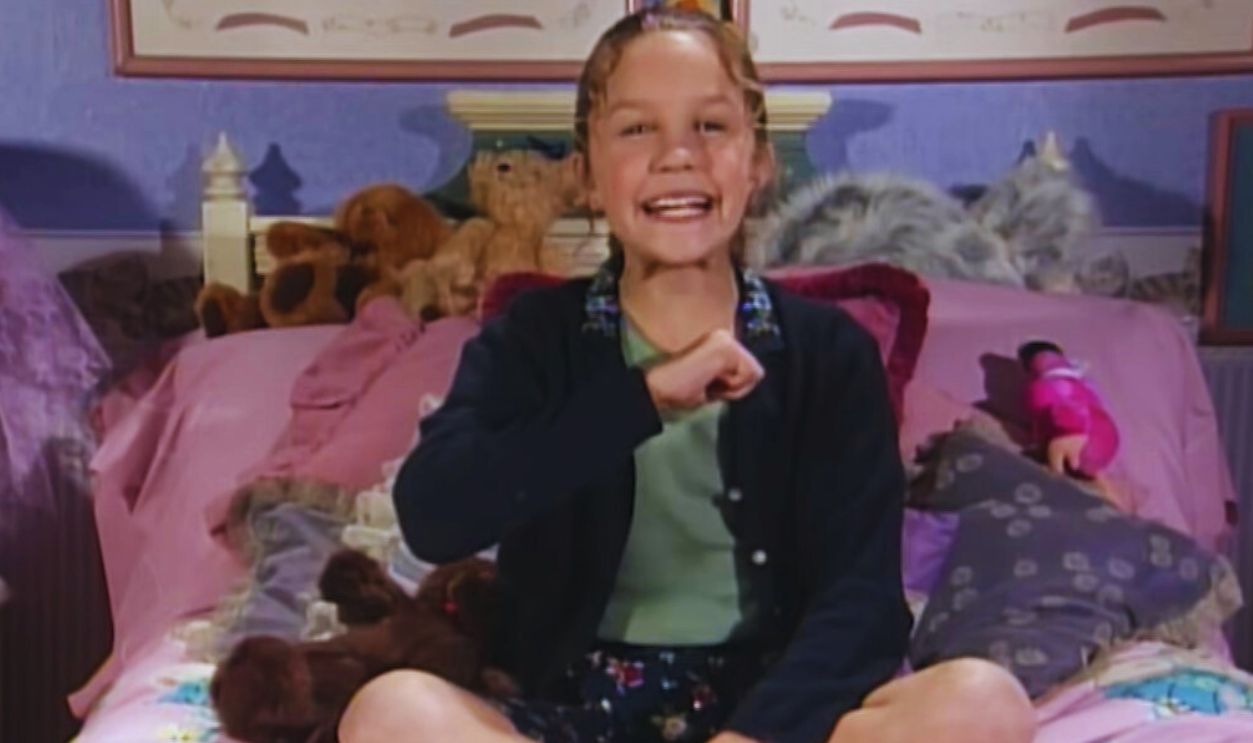 Screenshot from All That, Nickelodeon (1994–2020)
Chappelle’s Show
This one changed the game. Chappelle’s Show mixed sharp social commentary with absurd sketches that instantly became part of pop culture. It could go from silly to brutally insightful in seconds. The sketches weren’t just funny, they stuck with you. Even years later, people still quote it like it aired last week.
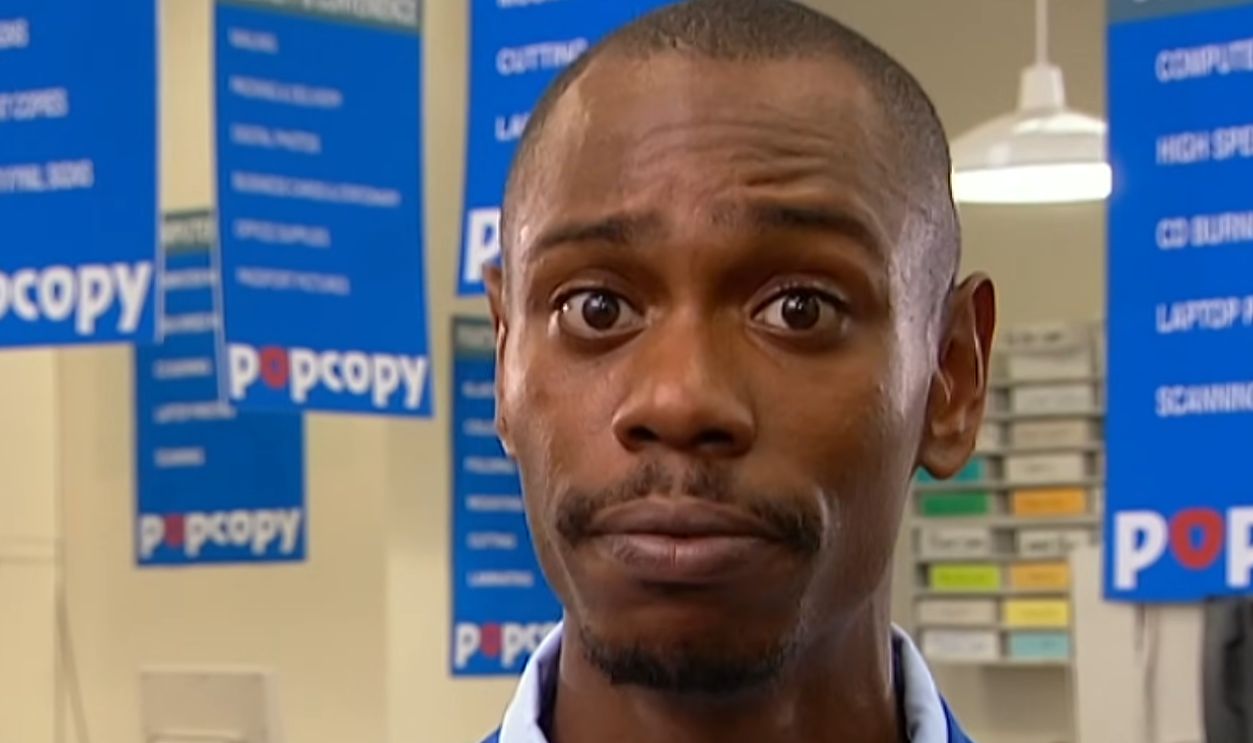 Screenshot from Chappelle’s Show, Comedy Central (2003-2006)
The Muppet Show
On paper, it’s puppets doing variety sketches. In reality, it’s comedy gold. The Muppet Show blended musical numbers, celebrity guests, and smart writing in a way that worked for both kids and adults. It felt theatrical, chaotic, and surprisingly clever. Also, few shows have ever made heckling from a balcony this iconic.
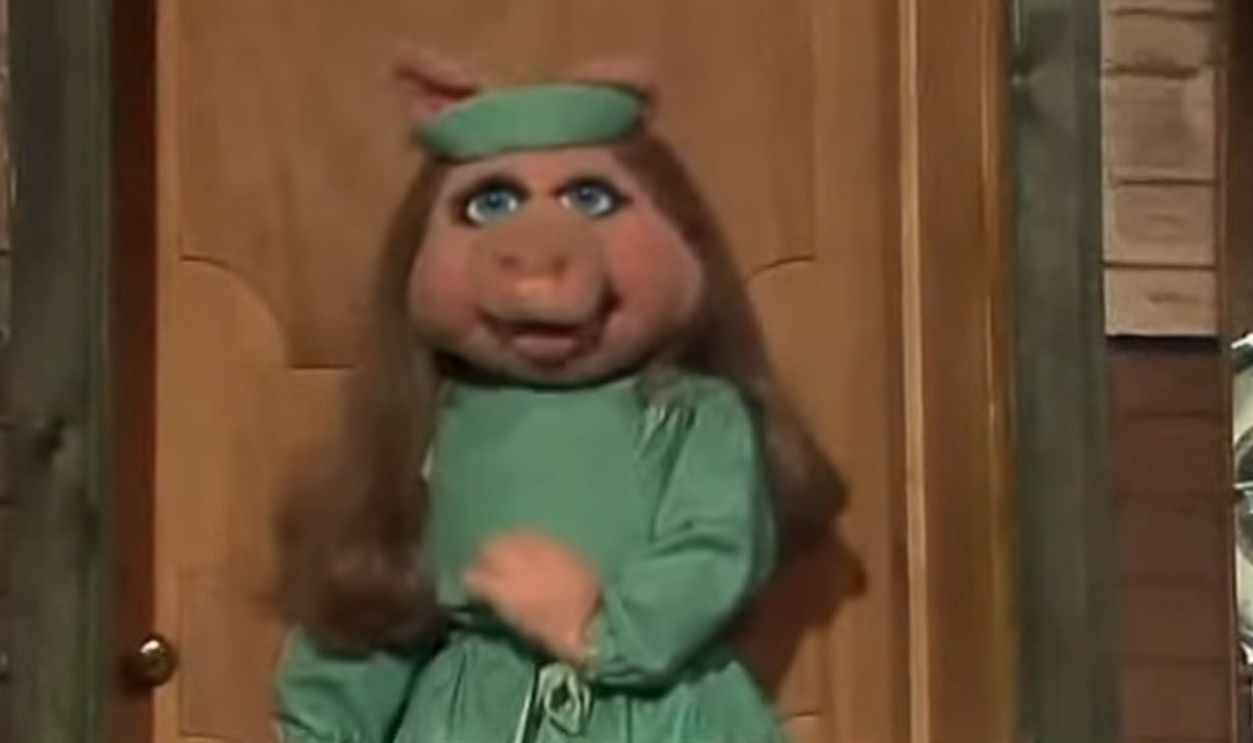 Screenshot from The Muppet Show, ITC Entertainment (1976–1981)
The Dana Carvey Show
It didn’t run long, but wow, did it swing big. The Dana Carvey Show packed in surreal sketches and a stacked writers’ room that would later dominate comedy. It felt ahead of its time—maybe too ahead. That short run turned it into a cult favorite among people who love sketch comedy that takes real risks.
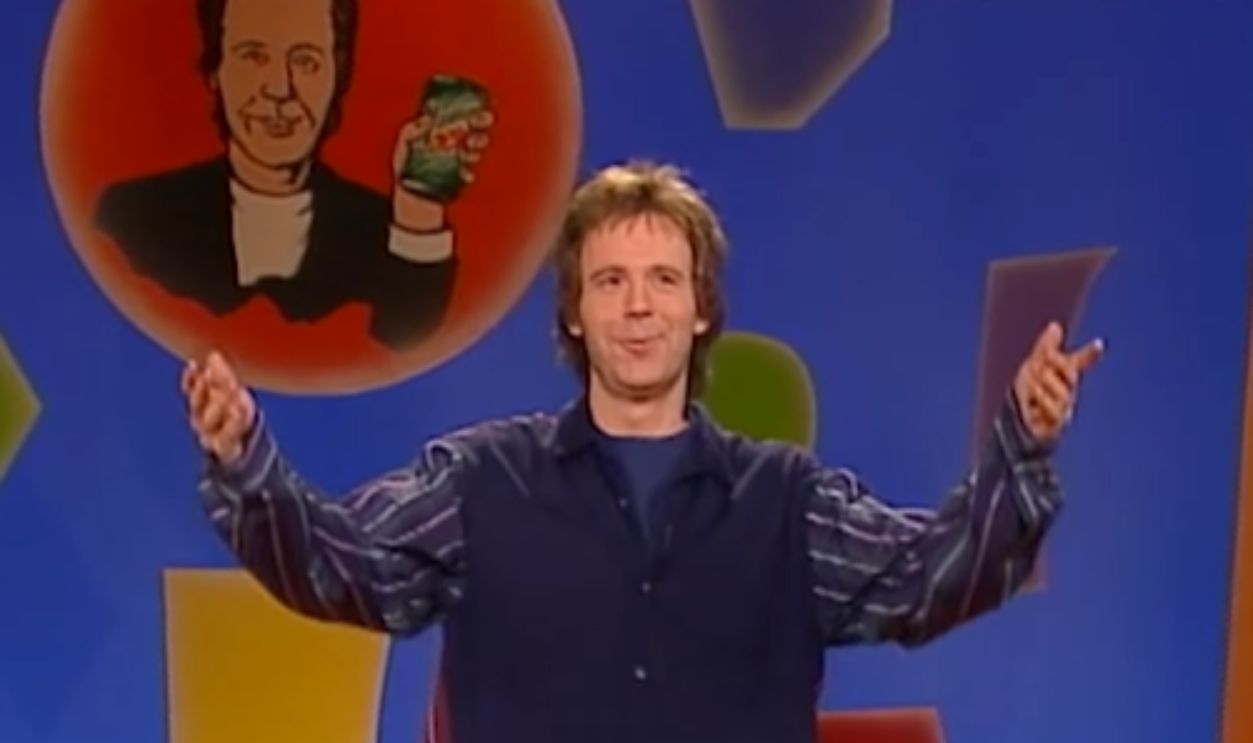 Screenshot from The Dana Carvey Show, ABC (1996)
Funny Or Die Presents
This show felt like the internet jumped onto TV. Built from viral-style sketches and celebrity cameos, Funny or Die Presents captured early digital humor before TikTok was even a thing. It had that chaotic, “this shouldn’t work but somehow does” energy that defined online comedy at the time.
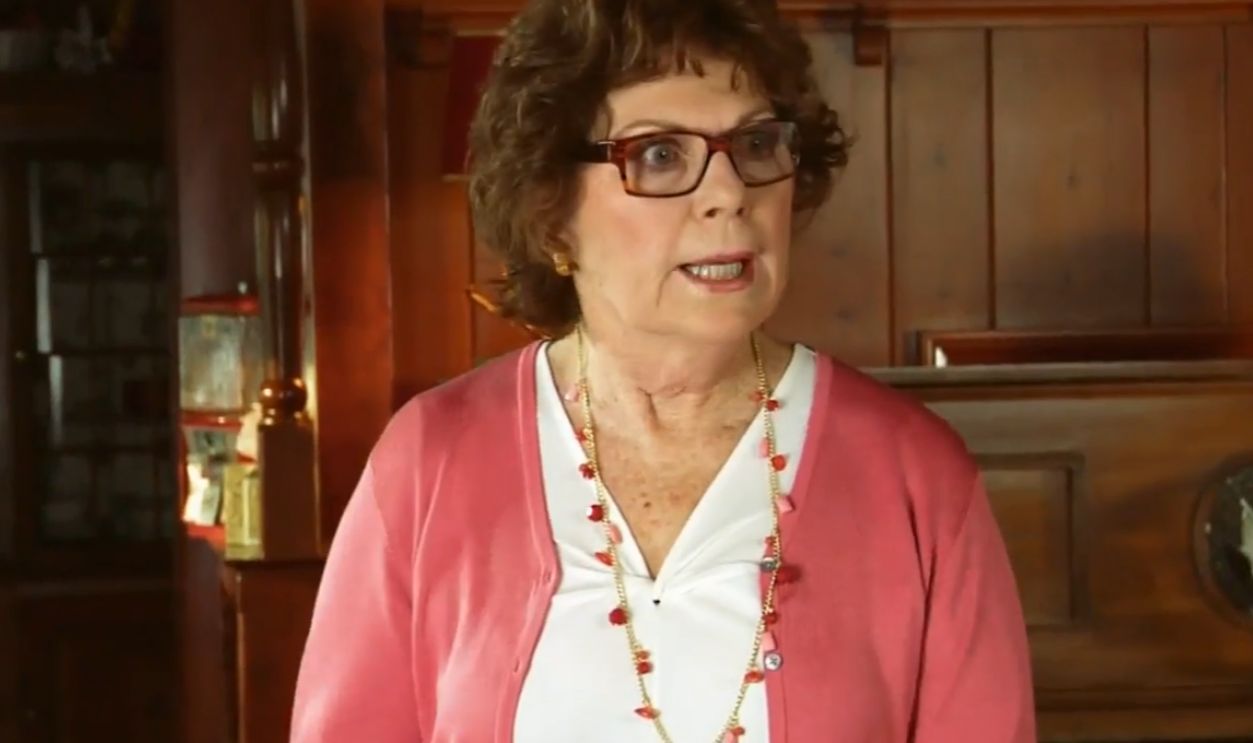 Screenshot from Funny Or Die Presents, HBO (2010-2011)
Little Britain
Little Britain leaned heavily into exaggerated characters and big, bold catchphrases. It was the kind of show where you instantly knew what sketch you were getting, and that was part of the fun. Sometimes controversial, always loud, it carved out a huge audience and made its mark in early 2000s comedy.
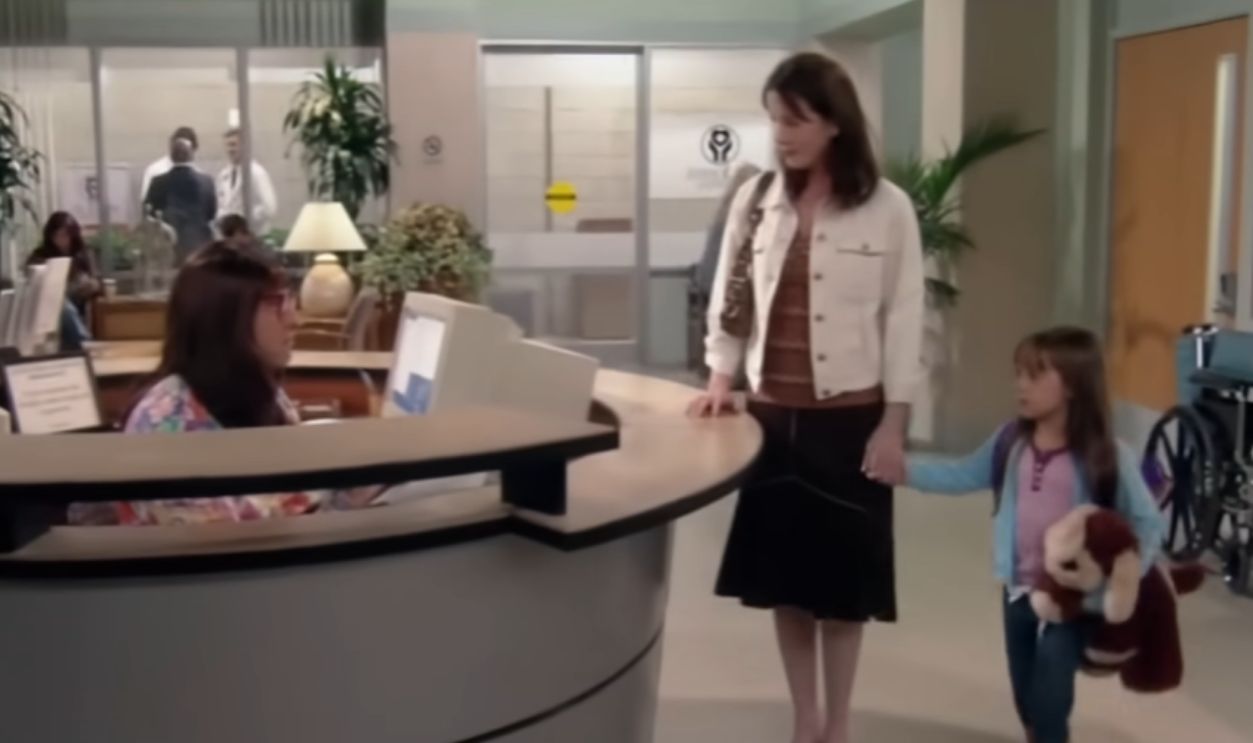 Screenshot from Little Britain, BBC (2003-2007)
The Ben Stiller Show
Before he was a movie star, Ben Stiller was making weird, clever sketches that skewered pop culture. The show mixed film parody with offbeat humor and felt a little more experimental than its peers. It didn’t last long, but the talent involved went on to shape comedy in major ways.
 Screenshot from The Ben Stiller Show, Fox (1992-1993)
The Tracey Ullman Show
Yes, it gave us The Simpsons, but it was also a genuinely funny sketch show on its own. Tracey Ullman’s character work carried the series, and the mix of sketches and musical bits kept things lively. It felt loose but polished at the same time—a fun bridge between classic variety shows and modern formats.
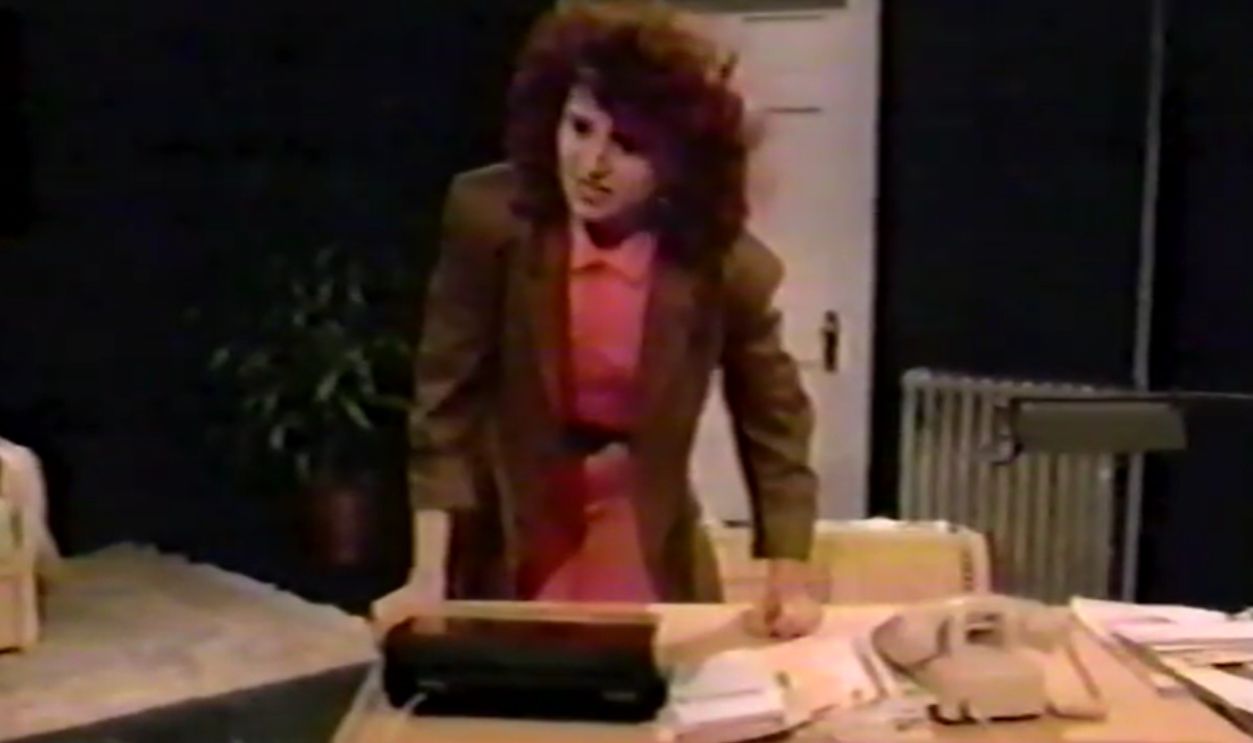 Screenshot from The Tracey Ullman Show, 20th Century Fox Television (1987-1990)
Robot Chicken
Imagine your action figures coming to life with the most chaotic sense of humor possible. That’s Robot Chicken. The stop-motion style made it stand out immediately, and the lightning-fast pop culture jokes kept it unpredictable. It’s basically nerd culture sketch comedy in rapid-fire form.
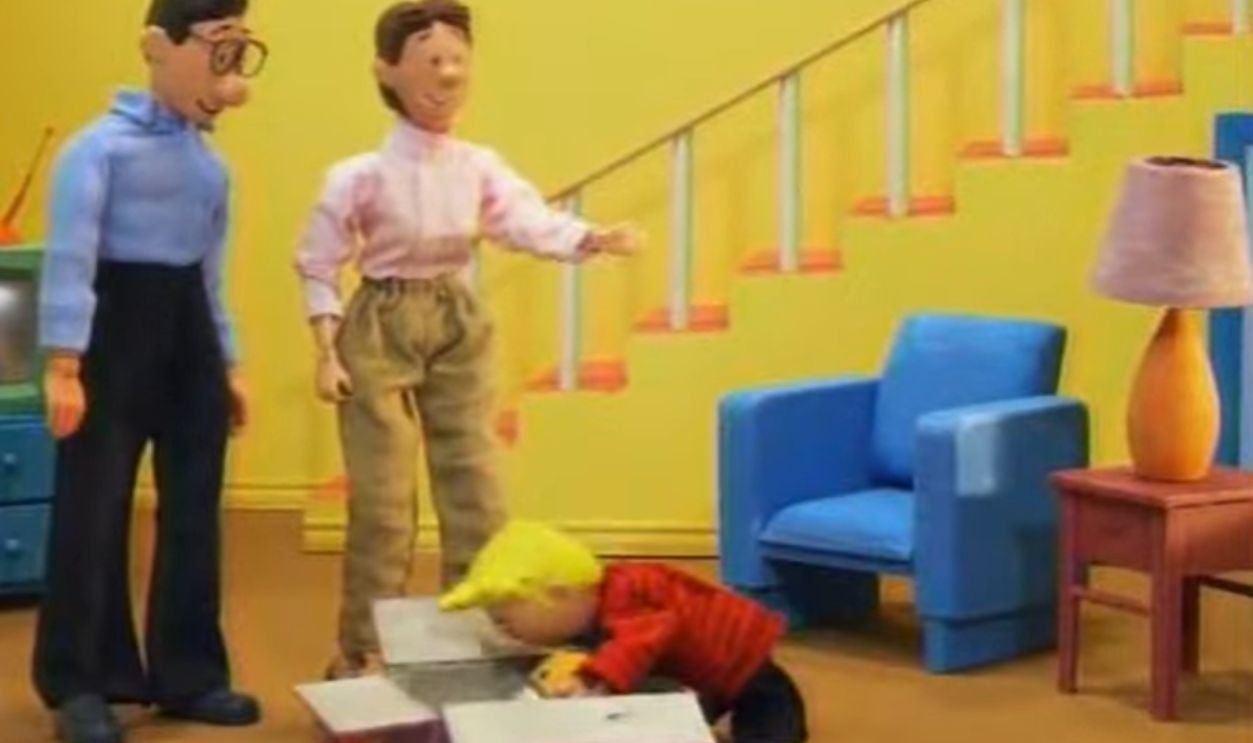 Screenshot from Robot Chicken, Warner Bros. Television (2005)
In Living Color
This show brought serious energy. In Living Color blended bold characters, dance segments, and fearless satire in a way that shook up primetime. It launched huge careers and didn’t shy away from tackling race and culture head-on. The vibe was loud, confident, and unforgettable.
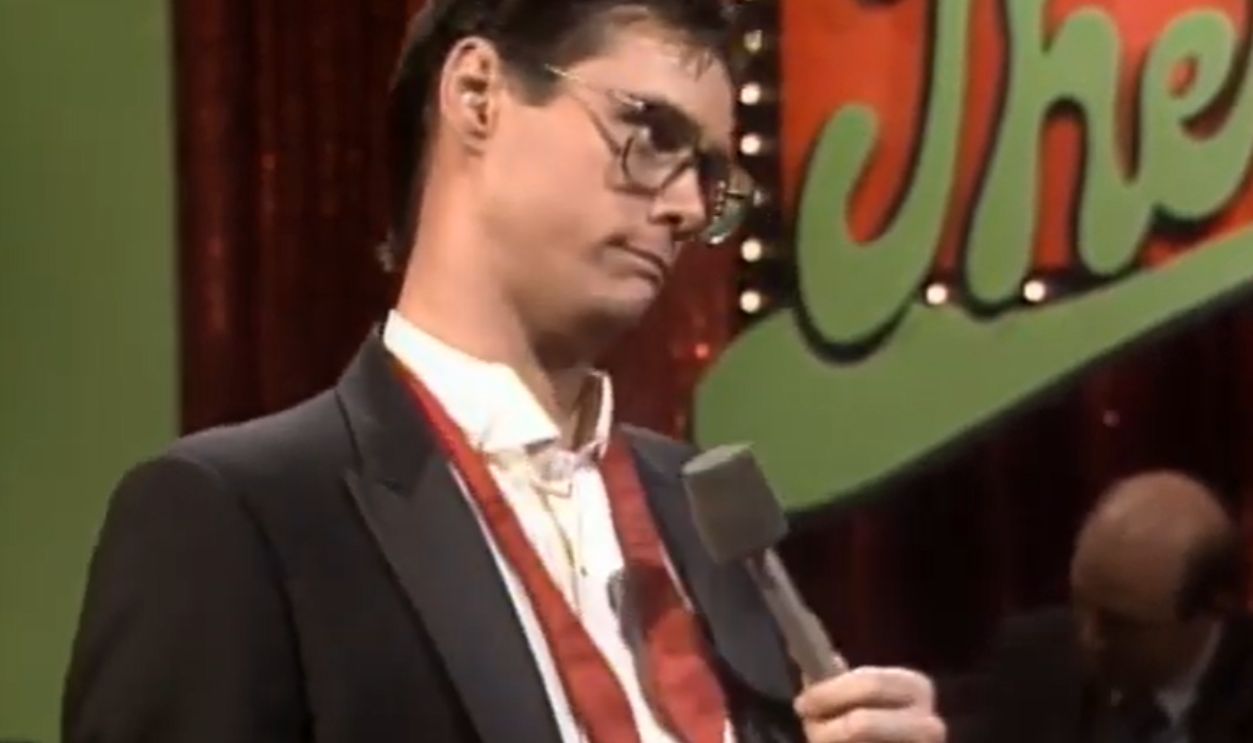 Screenshot from In Living Color, Fox Network (1990-1994)
Portlandia
Portlandia took niche cultural habits and zoomed in until they became hilarious. Instead of loud punchlines, it leaned into awkward pauses and slow builds. Fred Armisen and Carrie Brownstein made hyper-specific sketches feel weirdly universal. It’s the kind of comedy that makes you laugh before cringing because it’s a little too real.
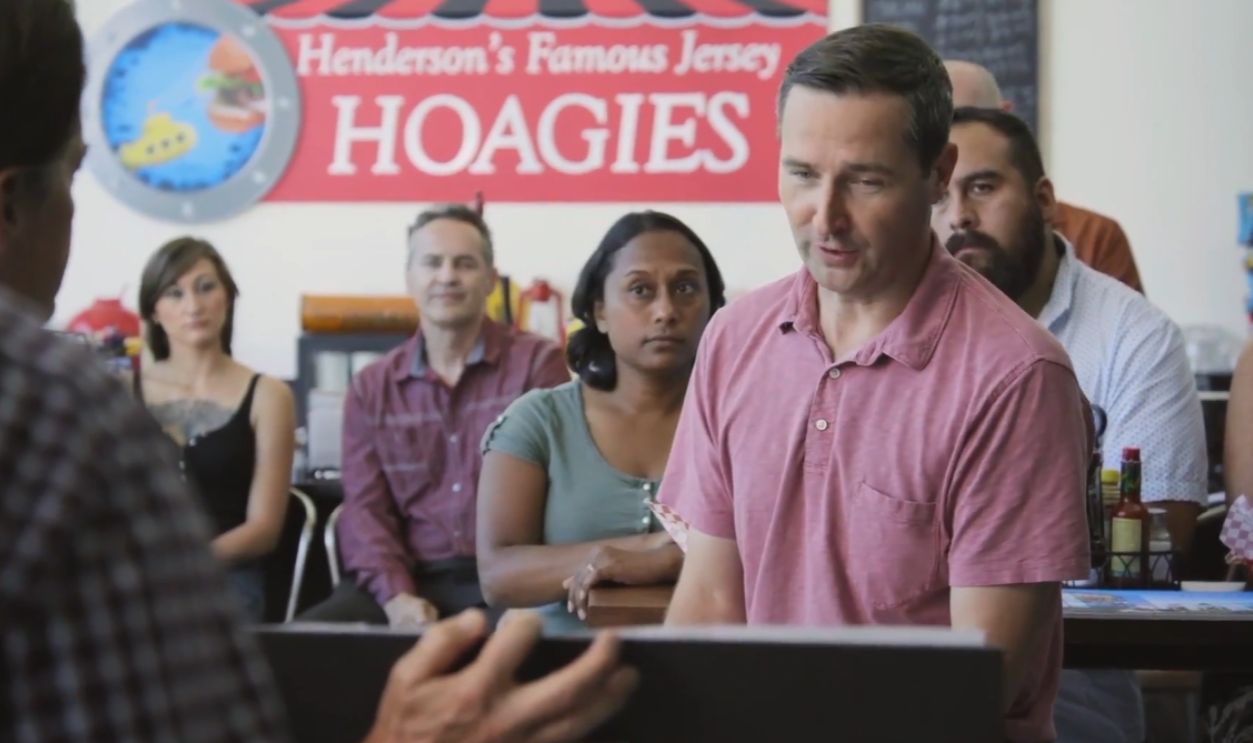 Screenshot from Portlandia, Independent Film Channel (2011-2018)
Mad TV
Often living in SNL’s shadow, Mad TV carved out its own identity with edgier humor and a deep bench of cast members. It wasn’t afraid to go big with characters or push into absurd territory. Over time, it became a solid launching pad for major comedic talent.
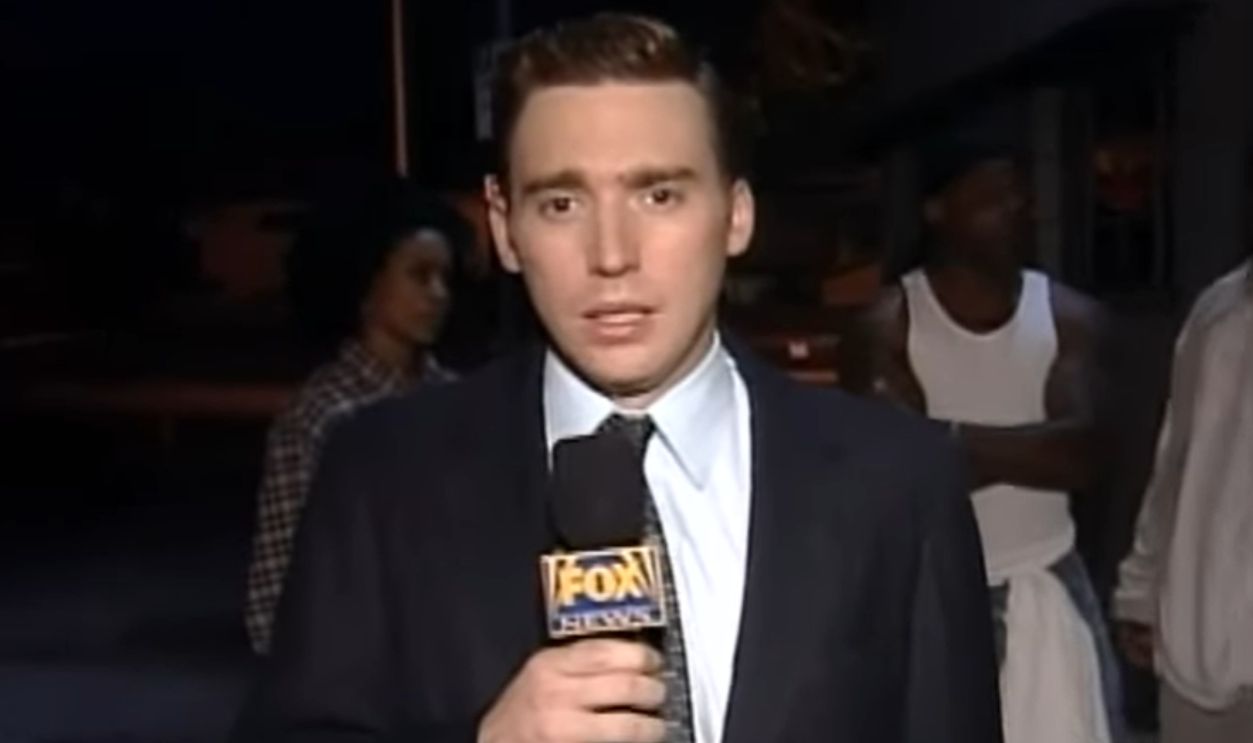 Screenshot from Mad TV, Warner Bros. Television Distribution (2010-2013)
A Bit Of Fry & Laurie
If you love clever wordplay, this one’s for you. Stephen Fry and Hugh Laurie built sketches around smart dialogue, theatrical performances, and just enough absurdity. It felt polished but playful, like watching two very witty friends try to outdo each other.
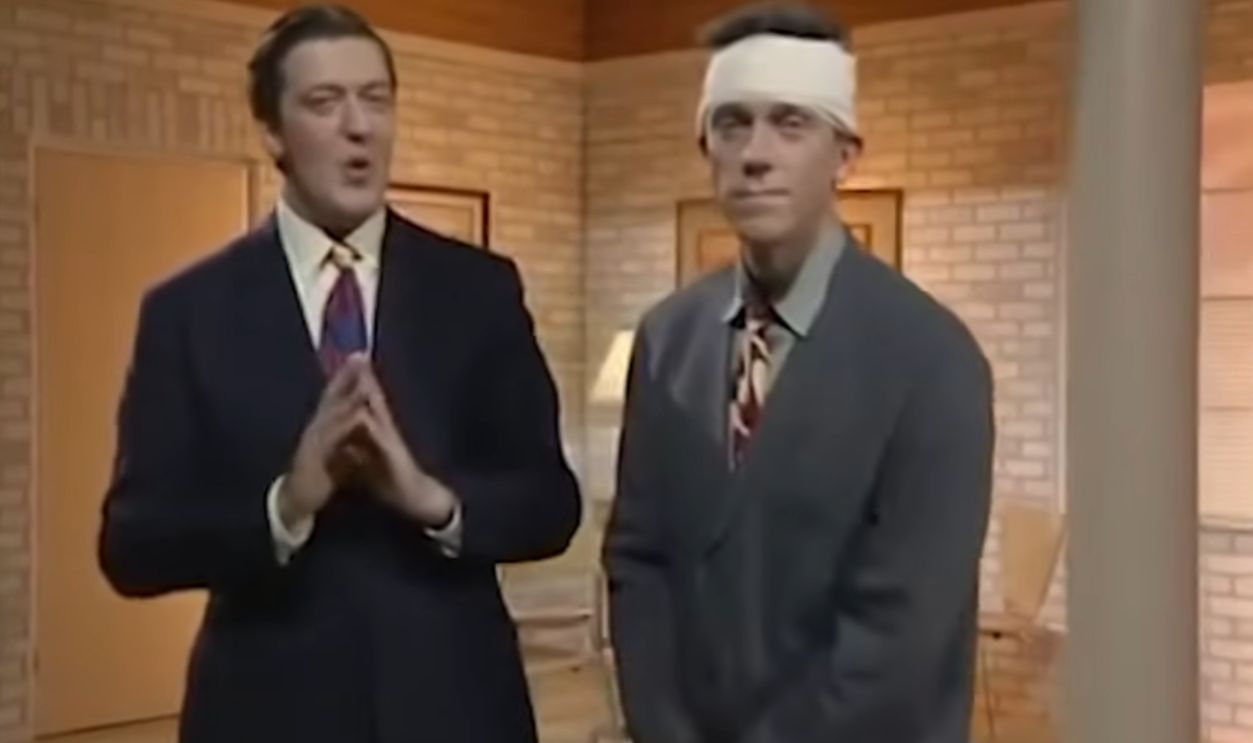 Screenshot from A Bit Of Fry & Laurie, BBC (1987-1995)
Rowan & Martin’s Laugh-In
Fast, flashy, and full of quick one-liners, Laugh-In practically invented rapid-fire TV comedy. The colorful sets and constant jokes made it feel chaotic in the best way. It set the pace for a lot of what came after, especially shows that valued speed over slow builds.
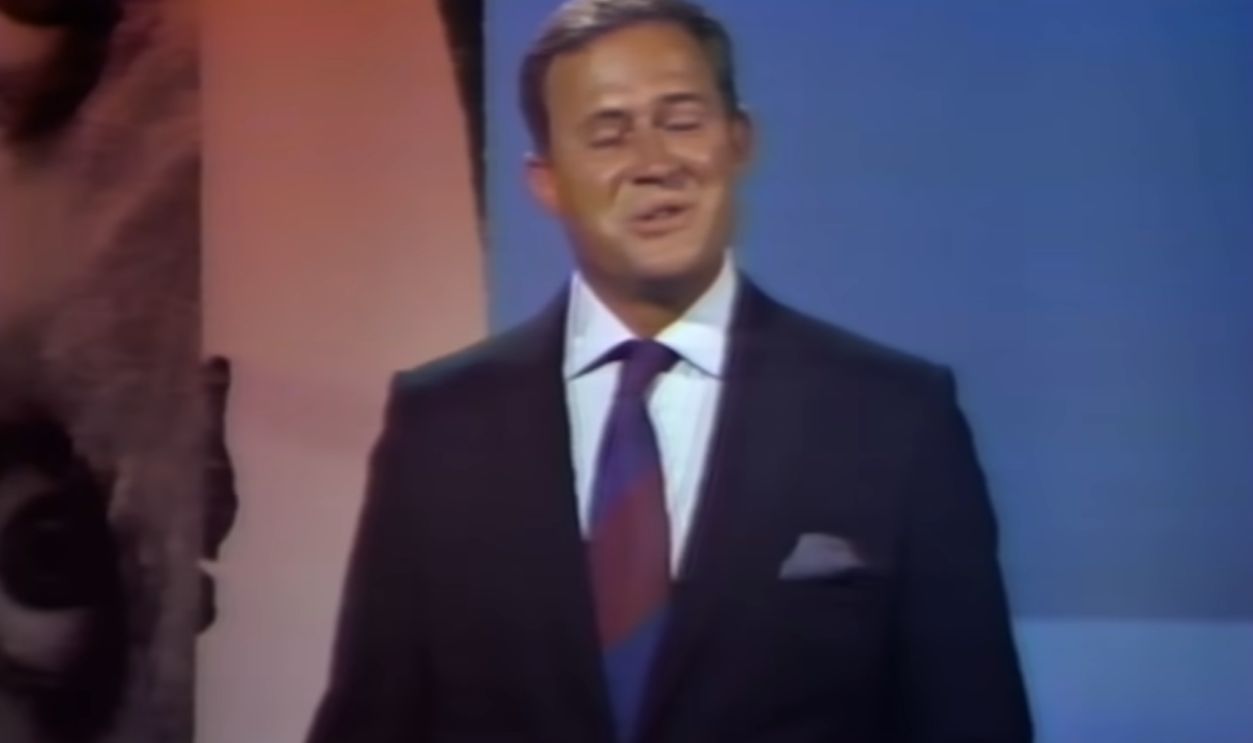 Screenshot from Rowan & Martin’s Laugh-In, NBC (1968-1973)
Kids In The Hall
This Canadian troupe went weird—and stayed there. Kids in the Hall embraced surreal characters and strange situations that didn’t always play by the rules. The commitment to absurdity gave it a unique flavor, and over time it built a fiercely loyal cult following.
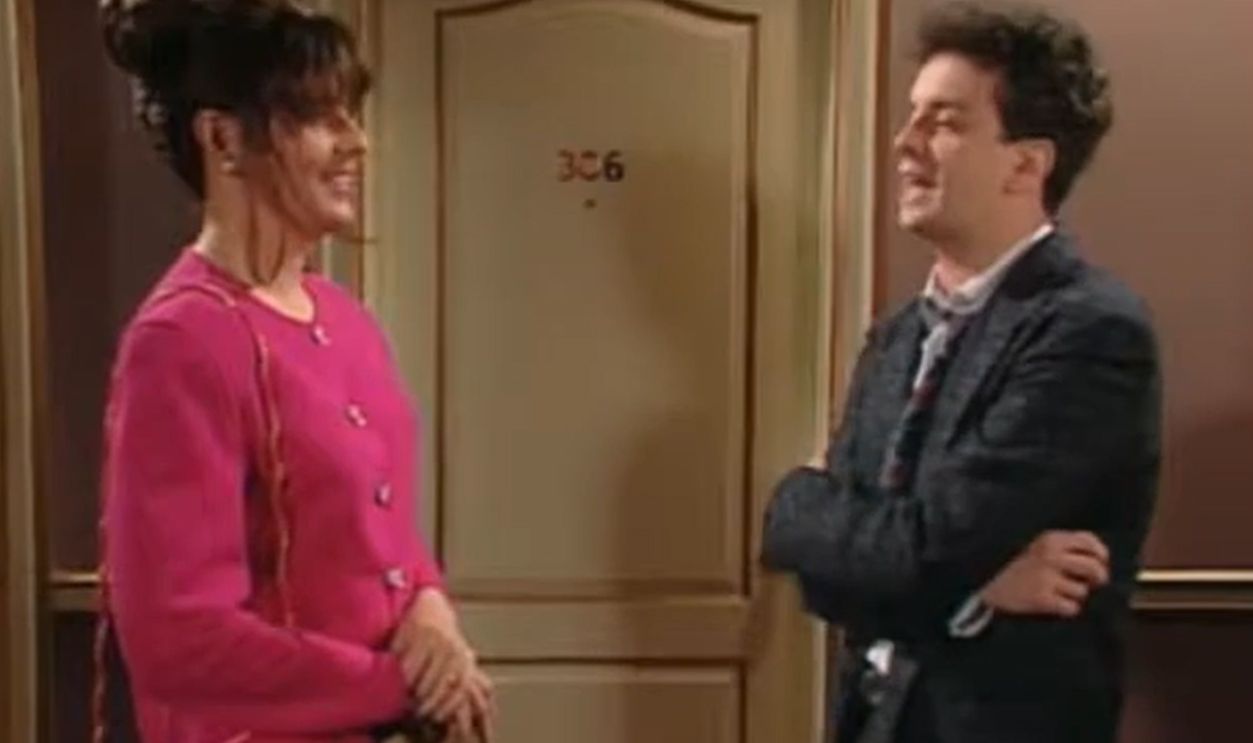 Screenshot from Kids in the Hall, Broadway Video International (1988-1995)
The State
The State felt like sketch comedy made by your funniest, slightly unhinged friends. It leaned into absurdity and wasn’t worried about being mainstream. The ensemble chemistry was strong, and many of its members went on to influence modern comedy in big ways.
 Screenshot from The State, MTV (1994-1995)
Key & Peele
Sharp, smart, and endlessly rewatchable. Key & Peele balanced big characters with pointed cultural commentary. Whether it was substitute teachers or political anger translators, the sketches felt tight and polished. It’s one of the rare modern sketch shows that felt instantly iconic.
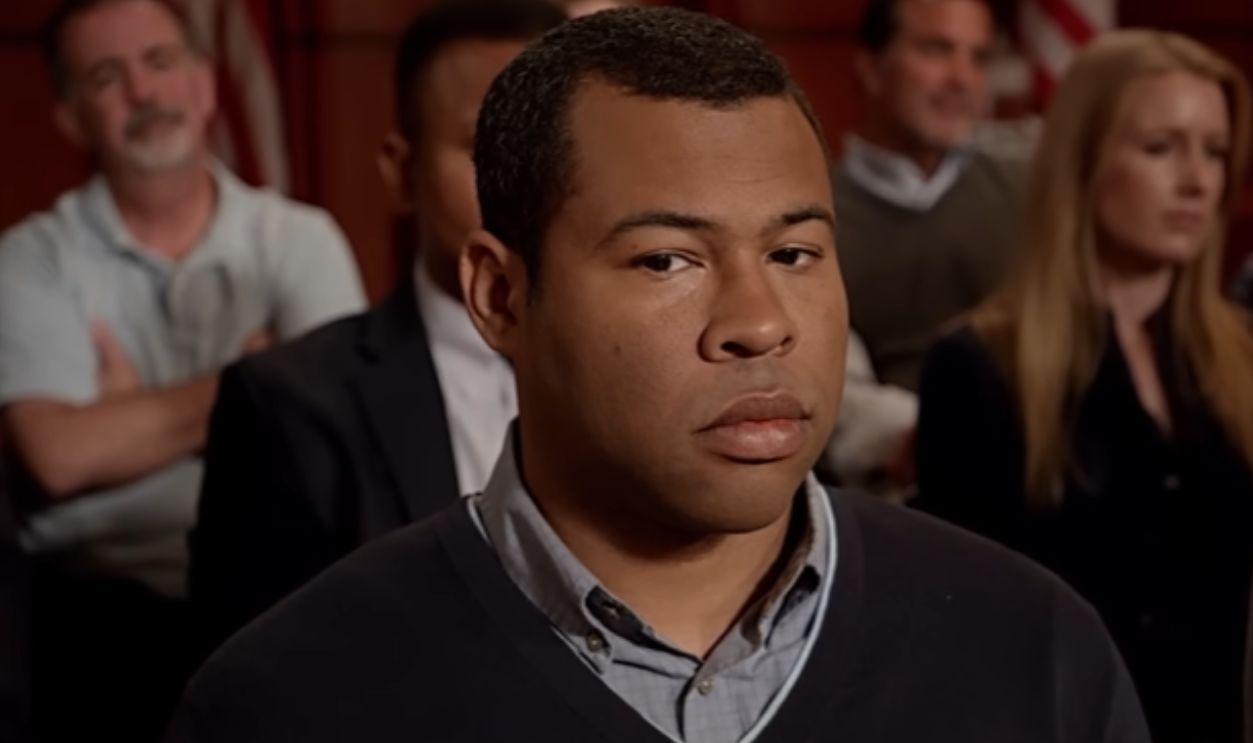 Screenshot from Key & Peele, Comedy Central (2012-2015)
The Carol Burnett Show
Warm, musical, and packed with character work, The Carol Burnett Show proved that sketch comedy could be both wholesome and hilarious. The ensemble chemistry was off the charts, and the physical comedy still holds up today.
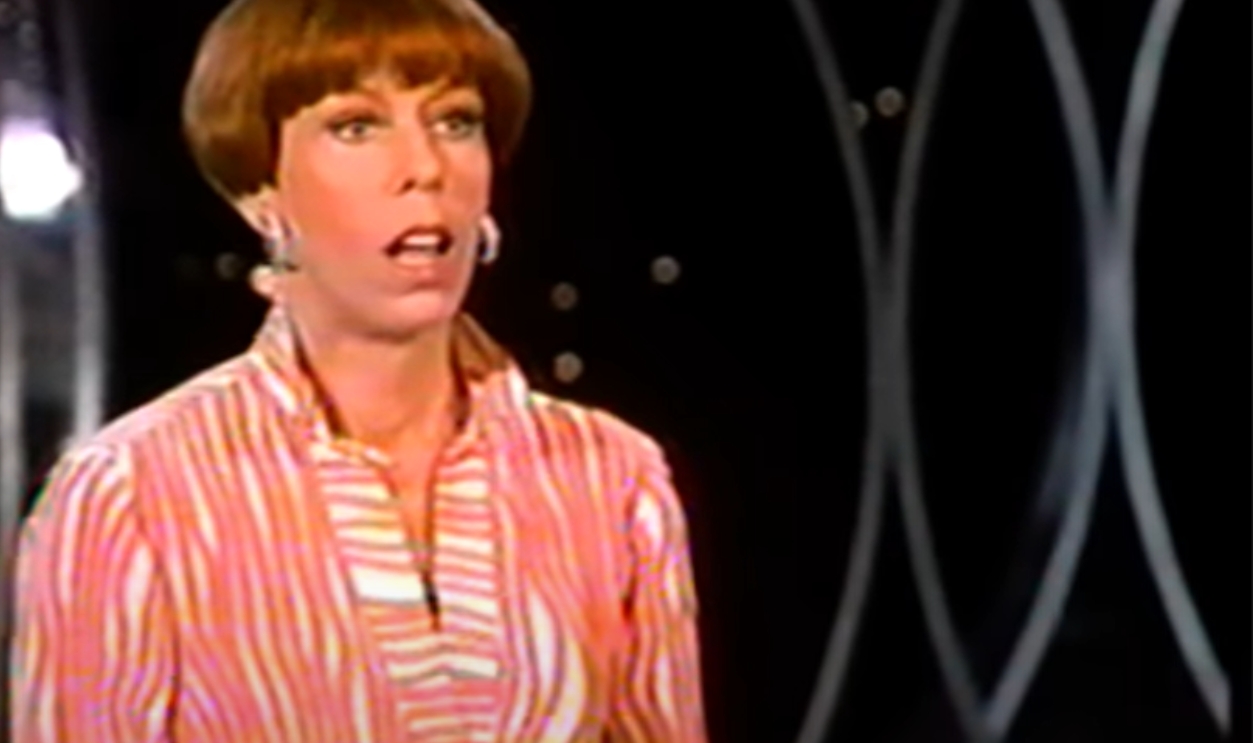 Screenshot from The Carol Burnett Show, CBS (1967–1978)
Human Giant
Short run, big impact. Human Giant embraced weird premises and fearless execution. It had that mid-2000s alt-comedy vibe: scrappy, absurd, and very online before that was the norm.
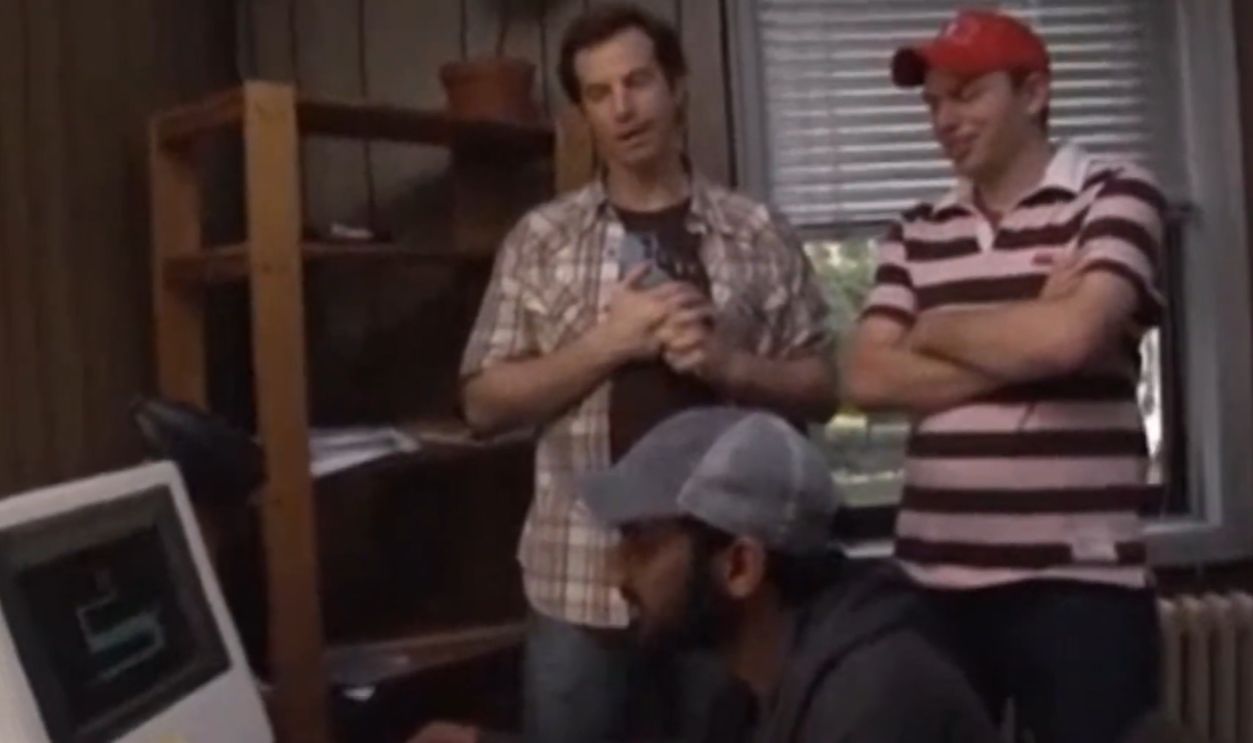 Screenshot from Human Giant, MTV (2007-2008)
Monty Python’s Flying Circus
If sketch comedy had a rulebook, Monty Python tore it up. Surreal, absurd, and wildly unpredictable, the show rewired how jokes could work on television. It didn’t care about punchlines; it cared about chaos, and it was brilliant at it.
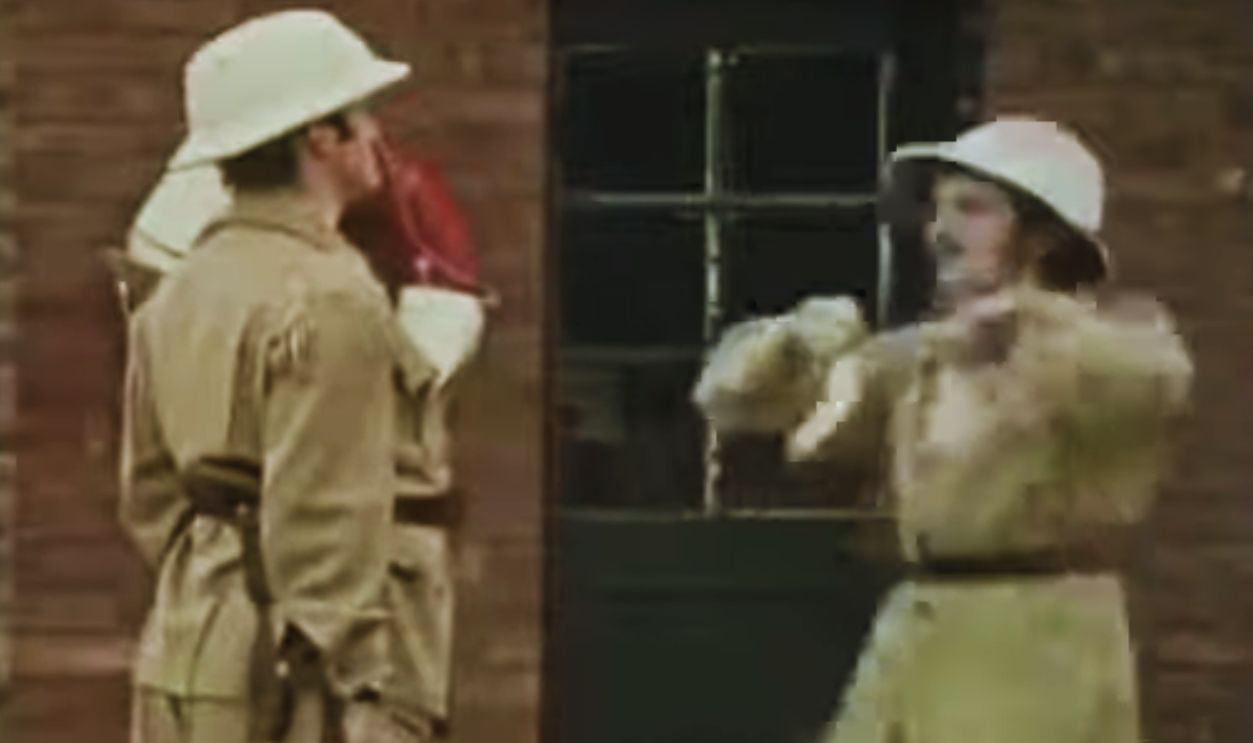 Screenshot from Monty Python’s Flying Circus, BBC (1969–1974)
Saturday Night Live
Love it or argue about it every season, Saturday Night Live is still the giant in the room. Live performances, political satire, celebrity hosts—it’s been shaping American comedy for decades. Entire generations of comedians got their start here, and the format continues to evolve.
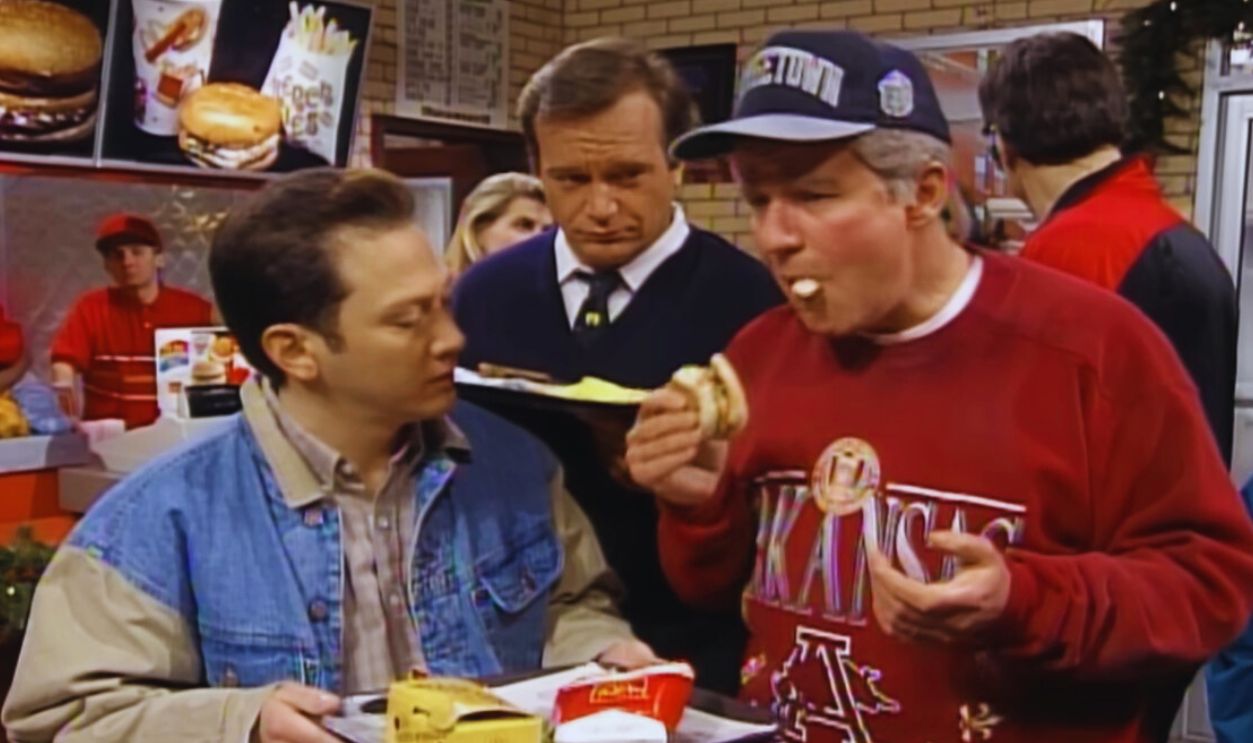 Screenshot from Saturday Night Live, NBC (1992)
You May Also Like::
Ranking The Best Monty Python Sketches Ever
Every Band That Turned Down Invitations To Play At The 1969 Woodstock Music Festival