The Decade That Wouldn't Stop Talking
Some television catchphrases are impossible to forget, no matter how hard you try. The 1980s gave us an endless supply of them, from sitcom wisecracks to Saturday morning battle cries. Some originated earlier, but all found a home on 1980s television. Be honest: How many of these do you still catch yourself saying?
"Whatchu Talkin' 'Bout, Willis?"
Gary Coleman turned a simple question into television history as Arnold Jackson on Diff'rent Strokes. Although the sitcom premiered in 1978, the expression remained a favorite throughout its 1980s run. Usually delivered with a suspicious look, it became the perfect response to something completely ridiculous.
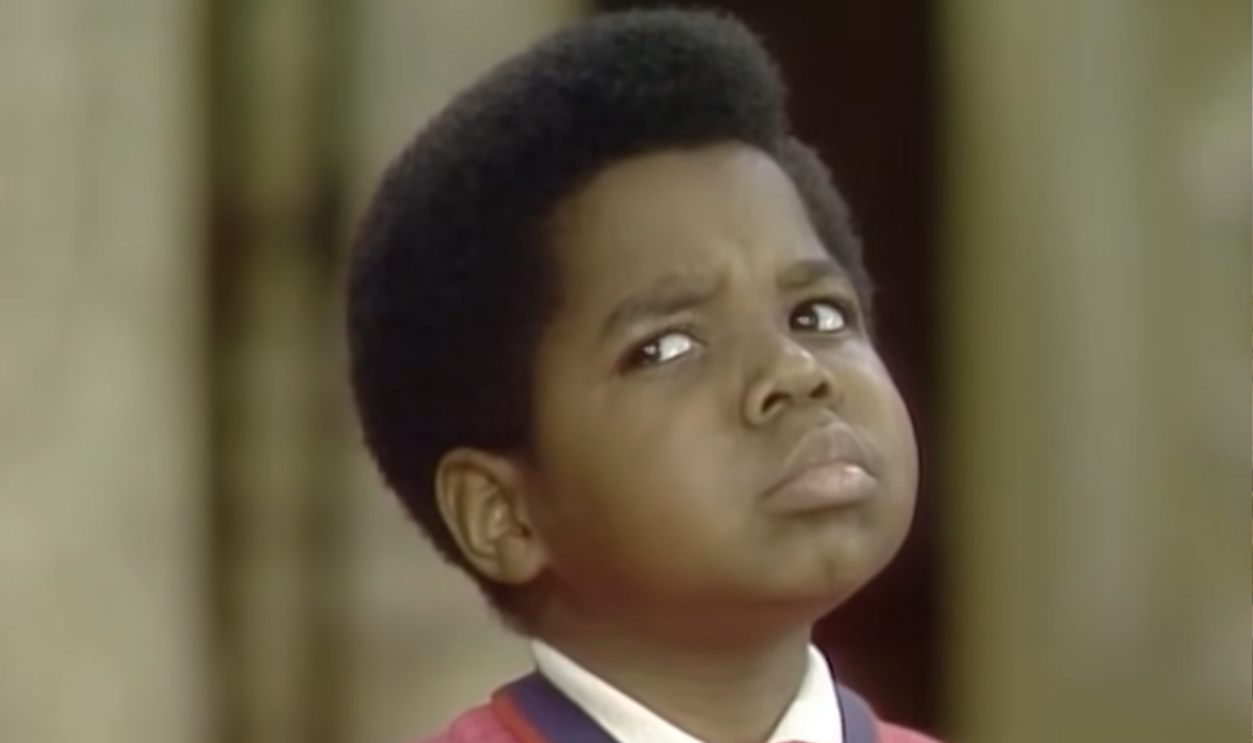 Screenshot from Diff'rent Strokes, NBC (1978–1986)
"Kiss My Grits!"
Polly Holliday's Flo Castleberry wasn't afraid to speak her mind on Alice. Her famous dismissal of Mel's nonsense became one of television's most recognizable put-downs. The phrase was already popular in the late 1970s, but it followed Flo into her 1980 spin-off and beyond.
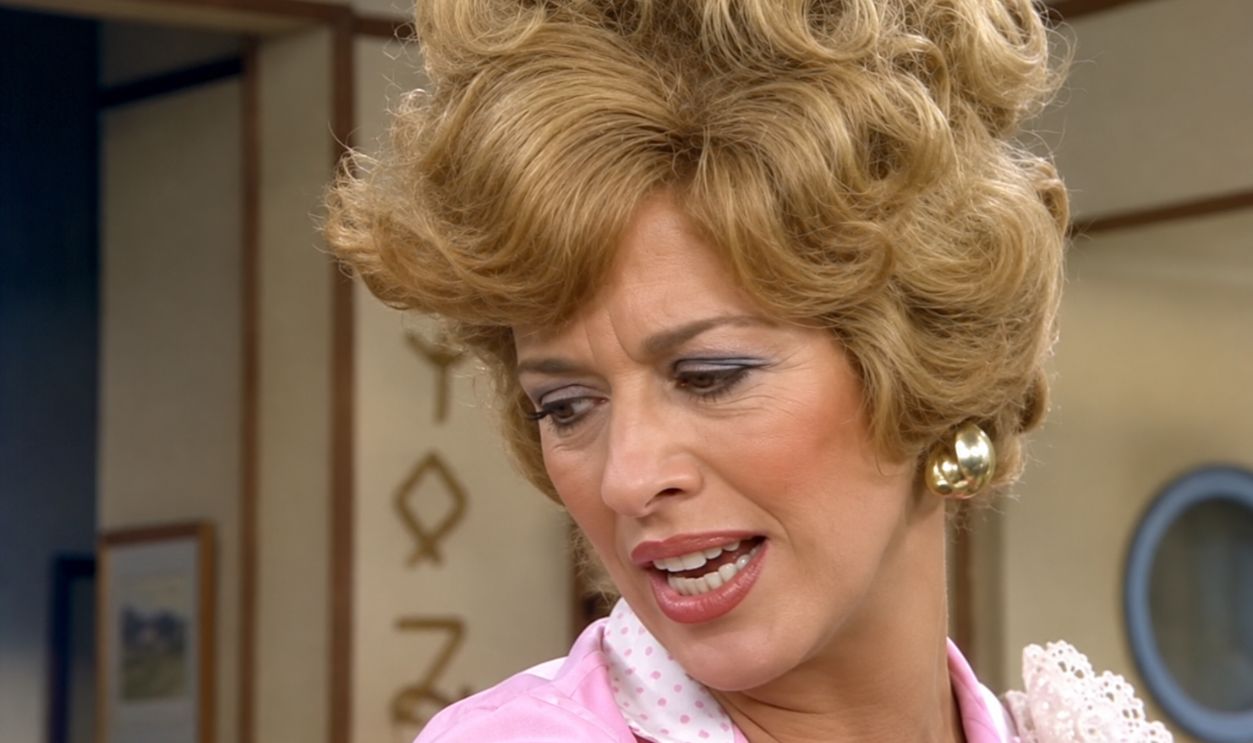 Screenshot from Alice, CBS (1976–1985)
"Nanu Nanu!"
Robin Williams introduced television audiences to an unforgettable alien greeting on Mork & Mindy. His character, Mork from Ork, used "Nanu Nanu" while navigating life among humans. The show debuted in 1978 and continued into 1982, carrying its wonderfully strange vocabulary into the new decade.
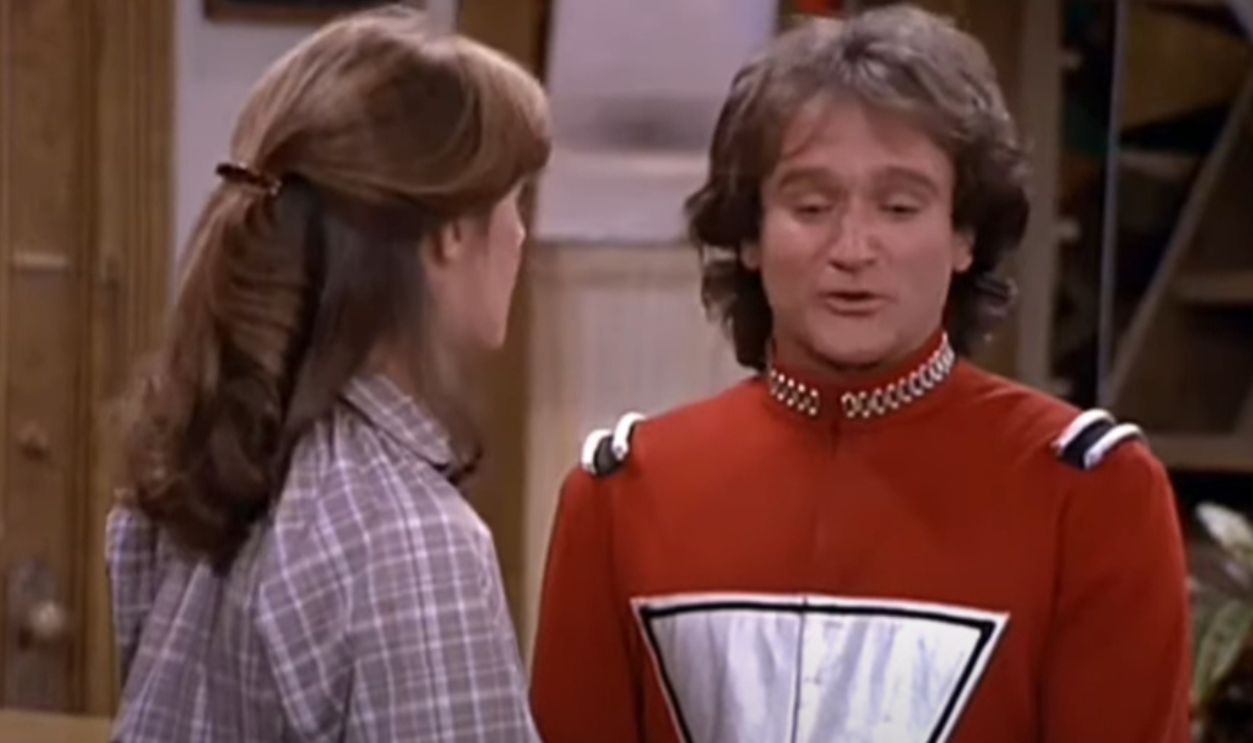 Screenshot from Mork & Mindy, ABC (1978–1982)
"Let's Be Careful Out There!"
Before heading into danger, the officers of Hill Street Blues received some surprisingly sensible advice. Sergeant Phil Esterhaus, played by Michael Conrad, regularly ended roll call with this memorable warning. The drama premiered in 1981, giving viewers a line that worked just as well outside the police station.
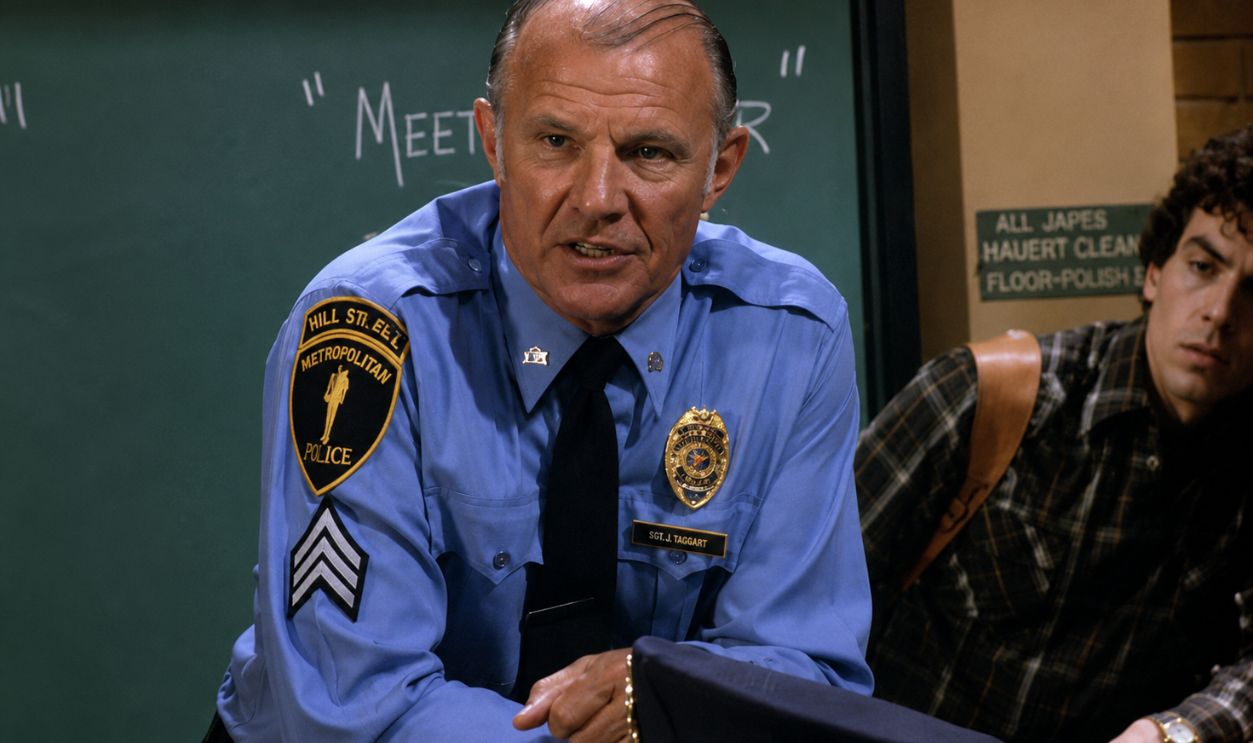 Screenshot from Hill Street Blues, NBC (1981-1987)
"I Love It When A Plan Comes Together!"
George Peppard's Colonel John "Hannibal" Smith knew how to celebrate a successful mission. His signature line became inseparable from The A-Team, which premiered in 1983. Whether the team escaped danger or defeated the villains, Hannibal usually found a reason to appreciate a well-executed scheme.
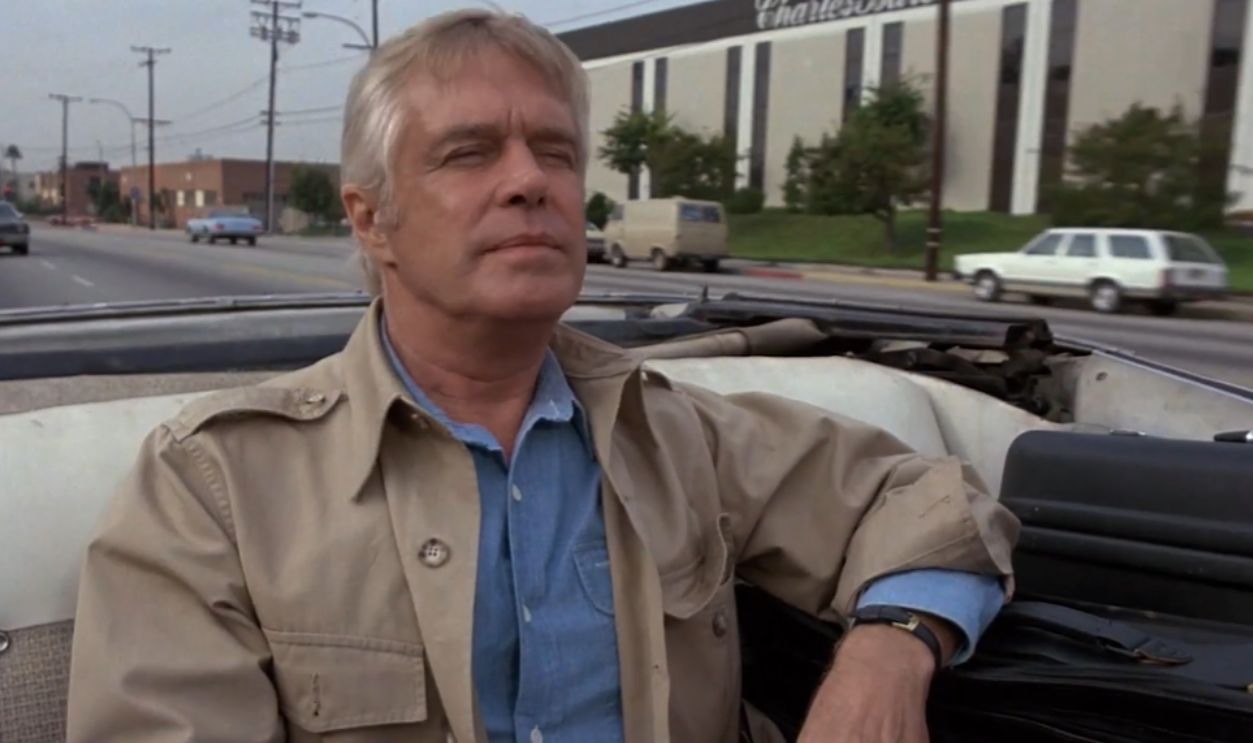 Screenshot from The A-Team, NBC (1983–1987)
"Norm!"
Sometimes the most memorable catchphrase is just somebody's name. On Cheers, George Wendt's Norm Peterson received an enthusiastic greeting whenever he entered his favorite Boston bar. The sitcom premiered in 1982, and that booming chorus of "Norm!" became one of its most beloved running jokes.
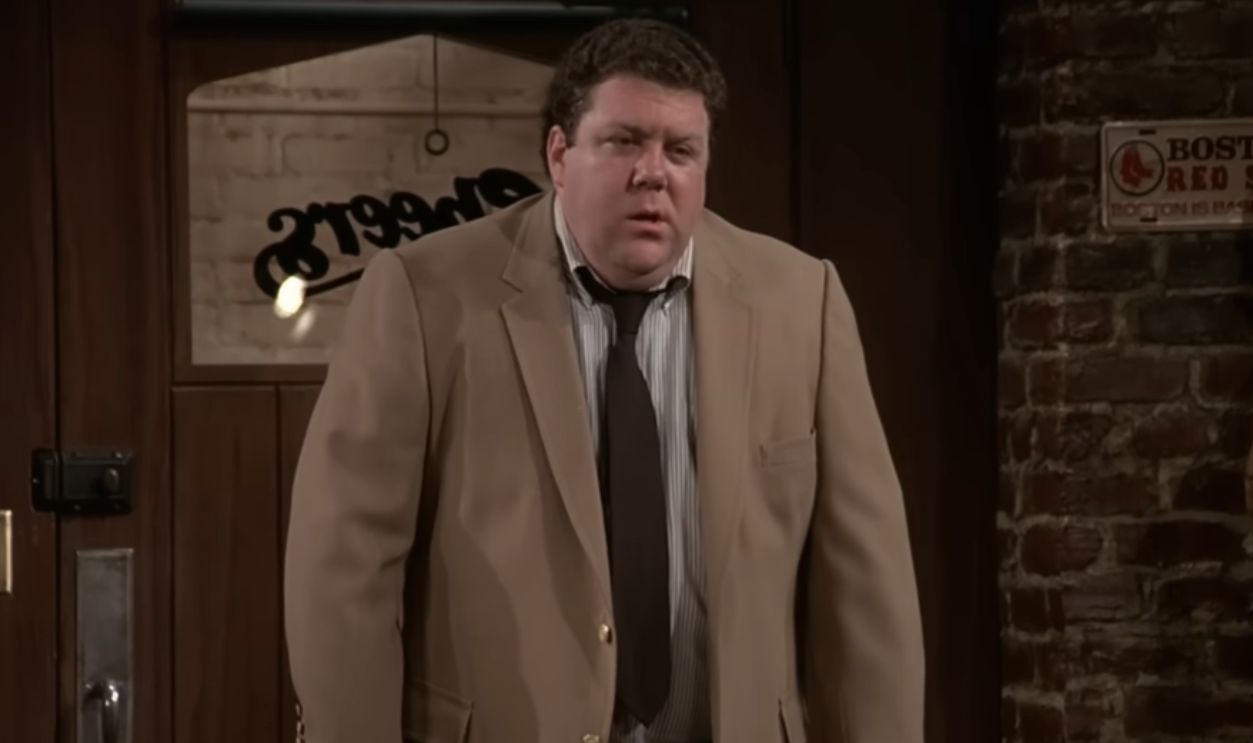 Screenshot from Cheers, NBC (1982–1993)
"Don't Be Ridiculous!"
Bronson Pinchot made this ordinary dismissal unforgettable as Balki Bartokomous on Perfect Strangers. The sitcom premiered in 1986, pairing the optimistic Balki with his frequently exasperated cousin Larry. Balki's distinctive delivery helped turn three everyday words into an instantly recognizable piece of television comedy.
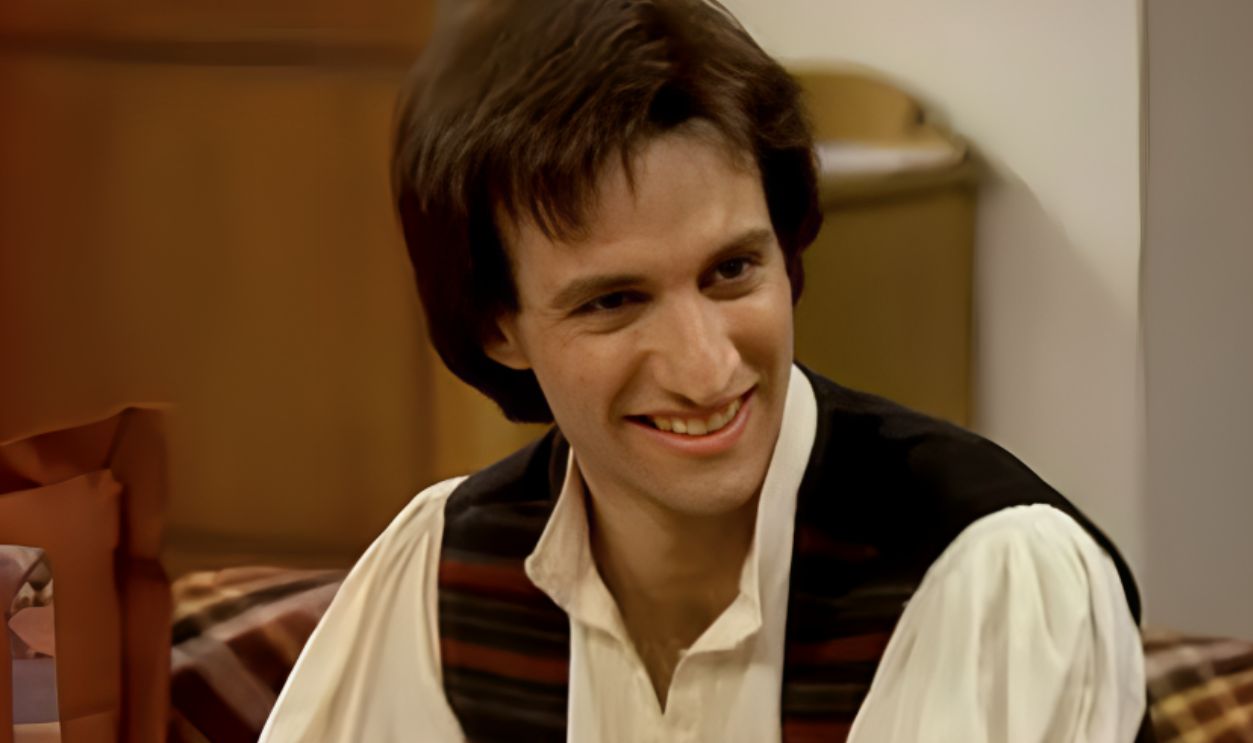 Screenshot from Perfect Strangers, ABC (1986–1993), Enhanced
"Have Mercy!"
John Stamos made Uncle Jesse one of the most quotable characters on Full House. His enthusiastic "Have mercy!" became the perfect expression of excitement, admiration, or surprise. The sitcom premiered in 1987, and Jesse's trademark exclamation remained a defining part of his character throughout the series.
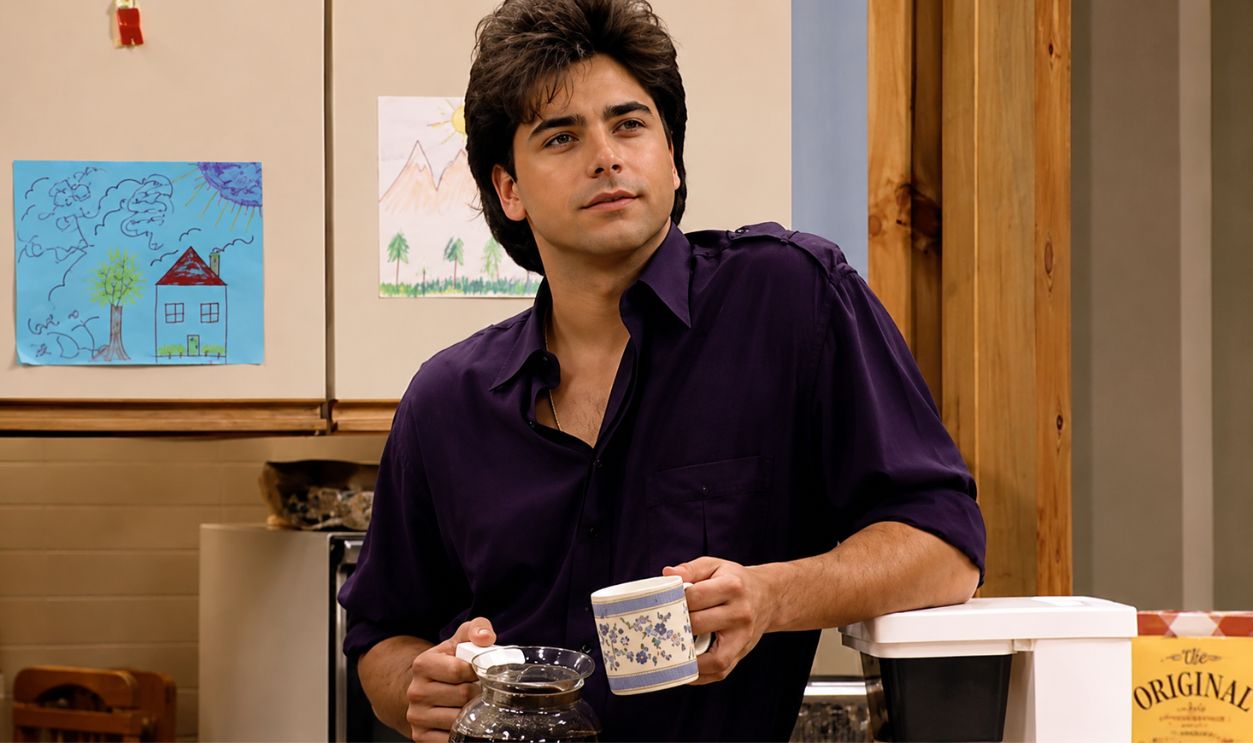 Screenshot from Full House, ABC (1987–1995), Enhanced
"How Rude!"
Stephanie Tanner could express enormous indignation with just two words. Played by Jodie Sweetin on Full House, Stephanie regularly delivered "How rude!" whenever somebody offended her delicate sense of fairness. It's difficult to imagine a more efficient response to somebody taking the last cookie.
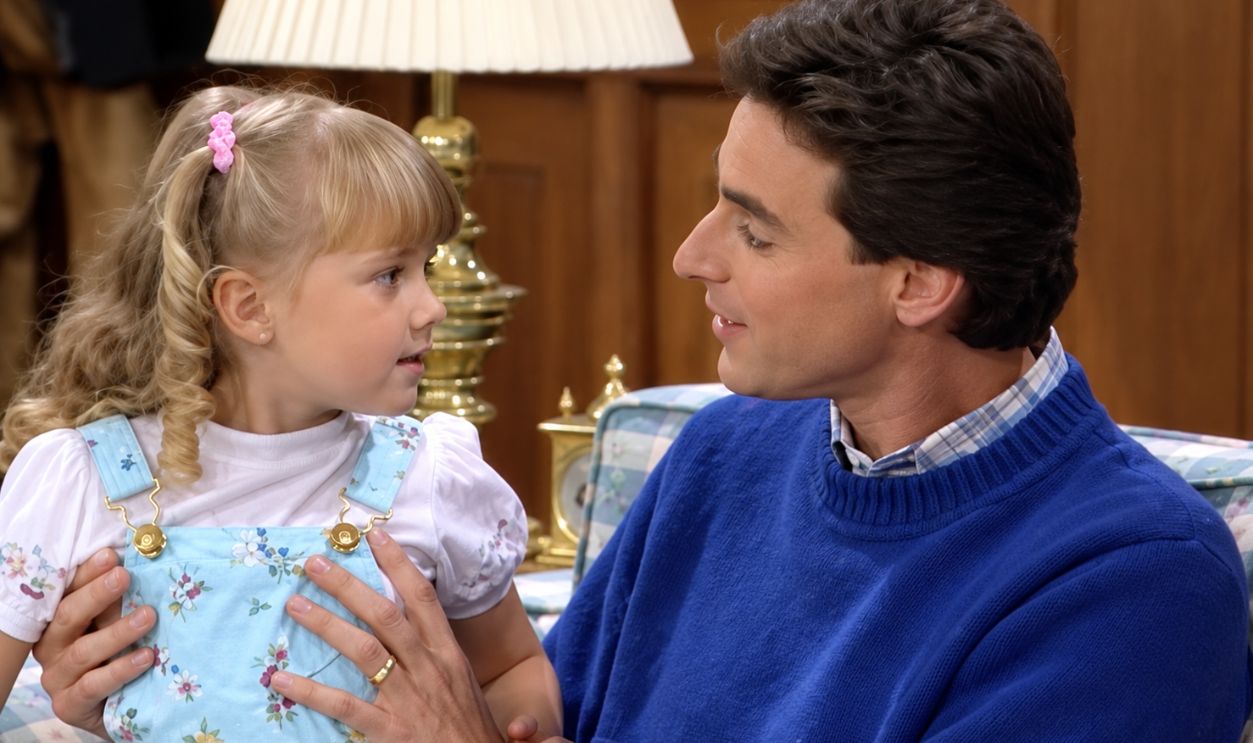 Screenshot from Full House, ABC (1987–1995), Enhanced
"Cut It Out!"
Dave Coulier's Joey Gladstone had a catchphrase that came with its own hand gestures. His familiar "Cut it out!" became a recurring feature of Full House, frequently accompanied by playful motions. Plenty of viewers probably remember the performance as clearly as the three words themselves.
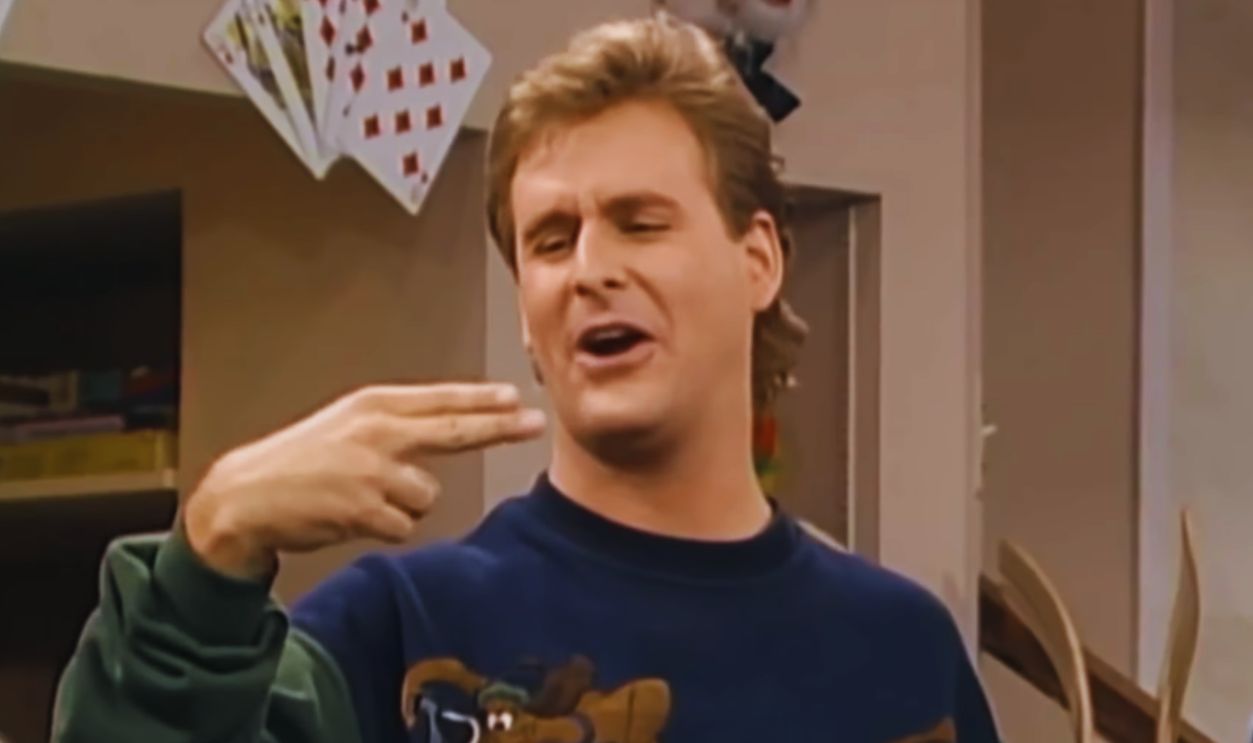 Screenshot from Full House, ABC (1987–1995)
"Oh, Mylanta!"
D.J. Tanner had her own memorable expression of disbelief on Full House. Played by Candace Cameron Bure, the eldest Tanner daughter became associated with the wonderfully old-fashioned "Oh, Mylanta!" Bure even revived the expression decades later while celebrating the sitcom's anniversary in 2025.
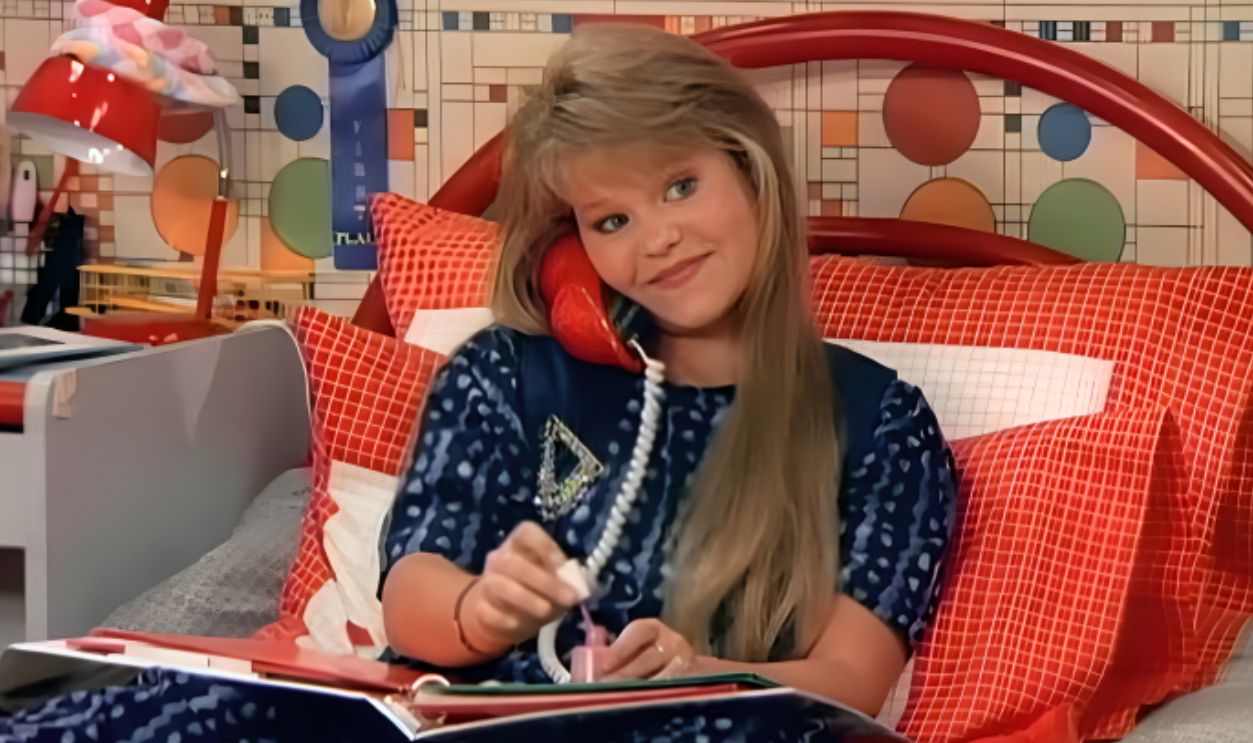 Screenshot from Full House, ABC (1987–1995), Enhanced
"Time To Make The Donuts!"
Not every unforgettable television catchphrase came from a sitcom. In 1982, Dunkin' introduced Fred the Baker, played by Michael Vale, in an advertising campaign built around this weary morning announcement. His familiar complaint became an enduring expression for anybody facing another long day at work.
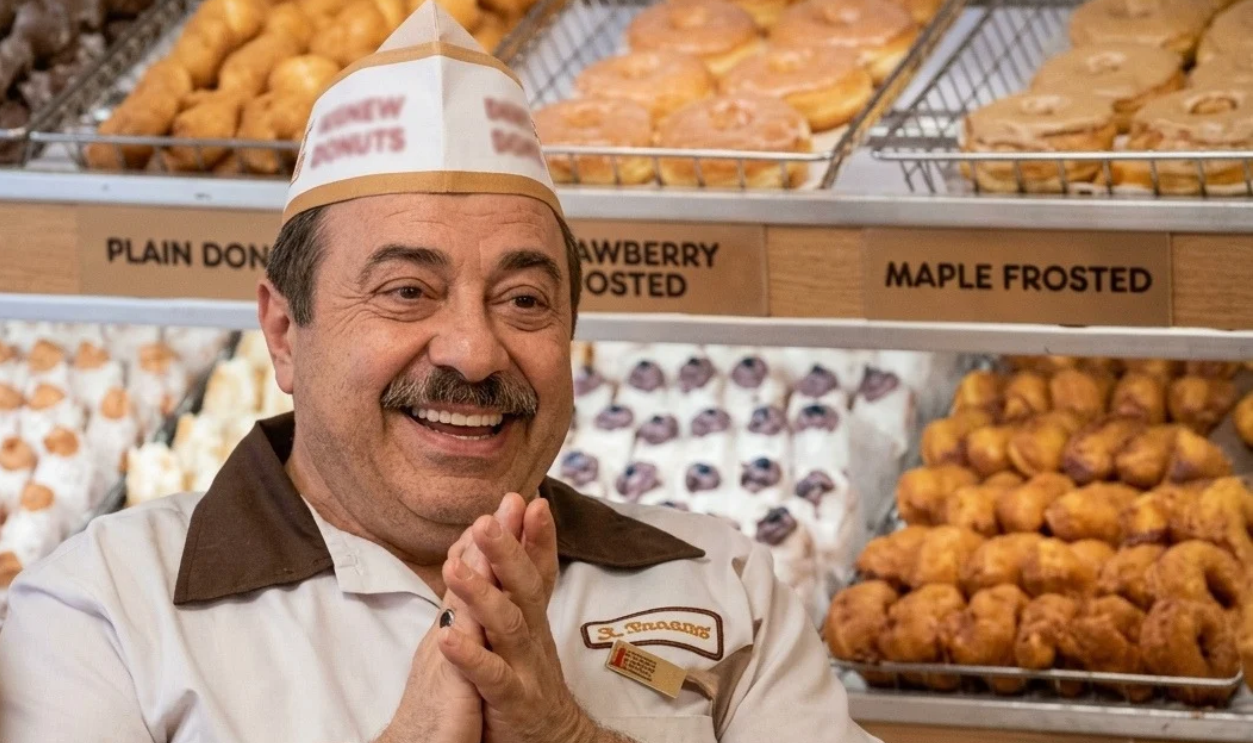 Screenshot from Dunkin’ Donuts, Dunkin’ (1981), Enhanced
"Big Bucks, No Whammies!"
Contestants on Press Your Luck weren't simply hoping to win money. They were desperately trying to avoid the Whammy, a mischievous animated character who could wipe out their winnings. The game show debuted in 1983, and its famous plea became nearly as recognizable as the program itself.
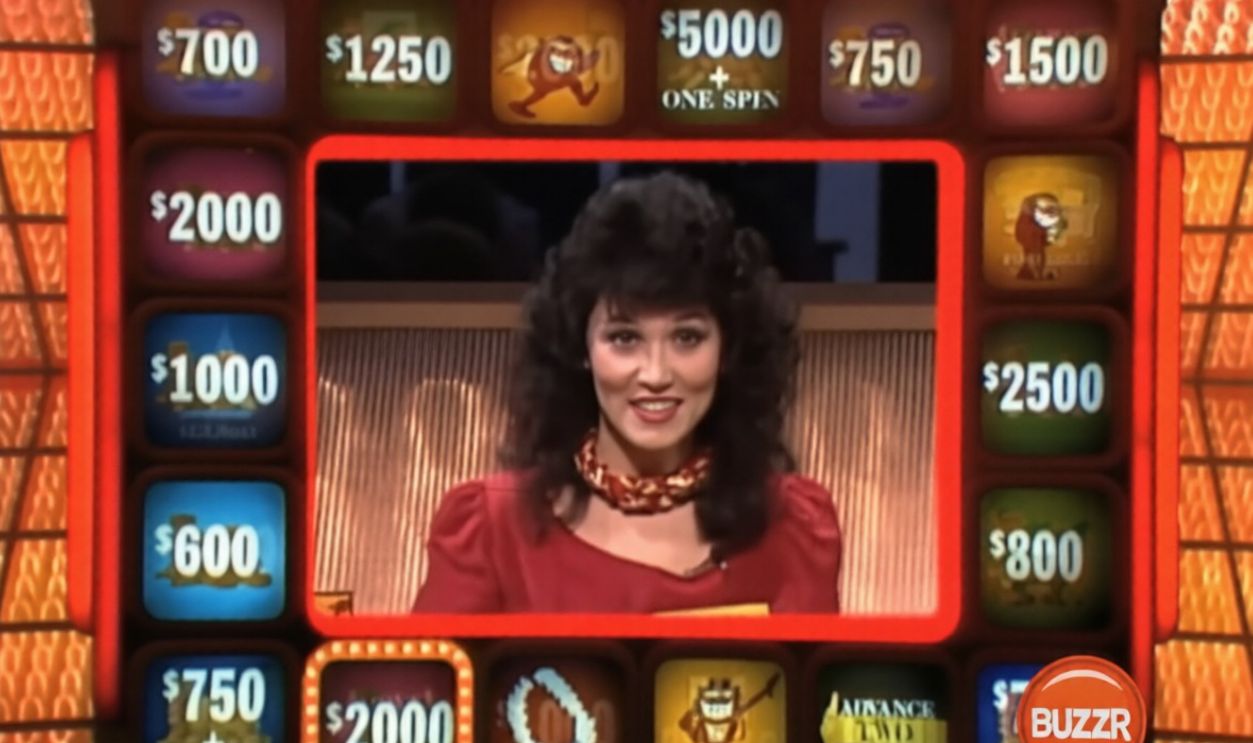 Screenshot from Press Your Luck, CBS (1983–), Enhanced
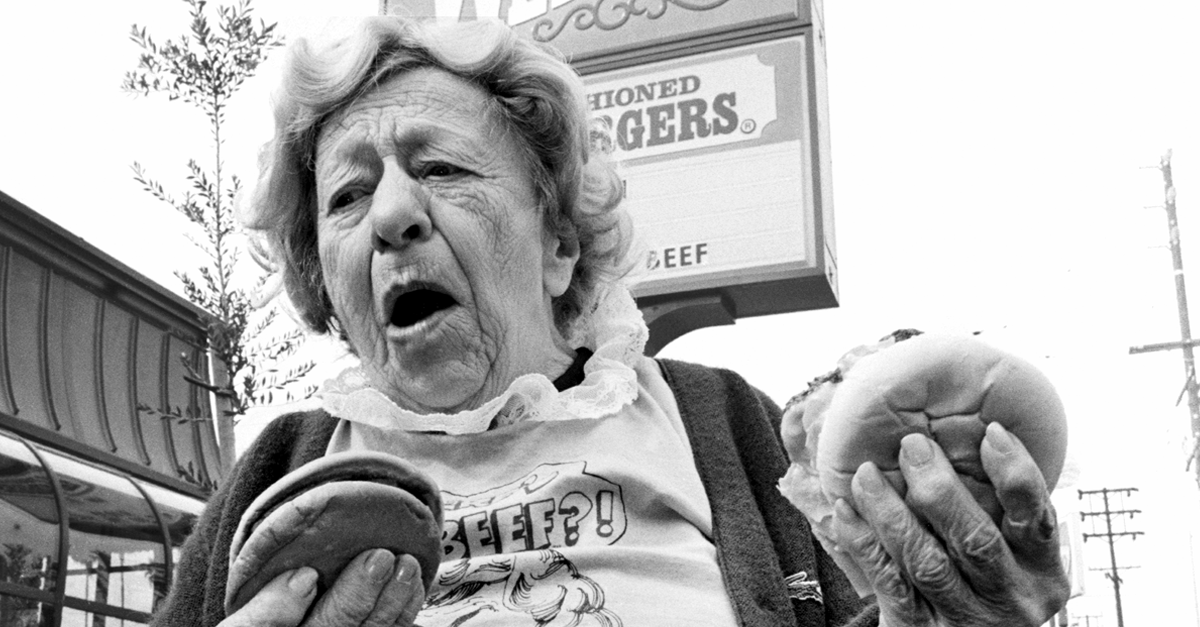
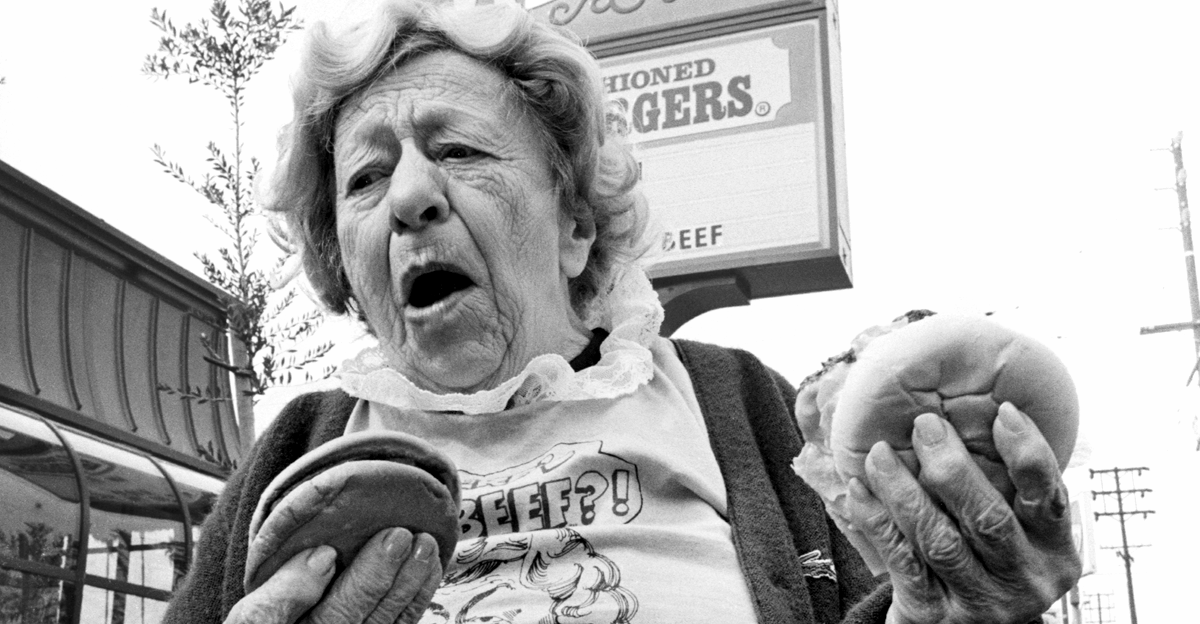
"Where's The Beef?"
Clara Peller became an unlikely television celebrity thanks to a Wendy's commercial in 1984. Her frustrated question about an absurdly small hamburger patty quickly escaped the advertising world. People began using "Where's the beef?" whenever they suspected something important was missing, regardless of whether food was involved.
 Screenshot from Wendy’s — “Where’s the Beef?”, Wendy’s (1984), Enhanced
"And Knowing Is Half The Battle!"
The animated G.I. Joe series gave young viewers something educational alongside its adventures. Its public service announcements encouraged children to make better decisions, regularly ending with the memorable lesson that knowing is half the battle. The expression became a defining part of the franchise's identity.
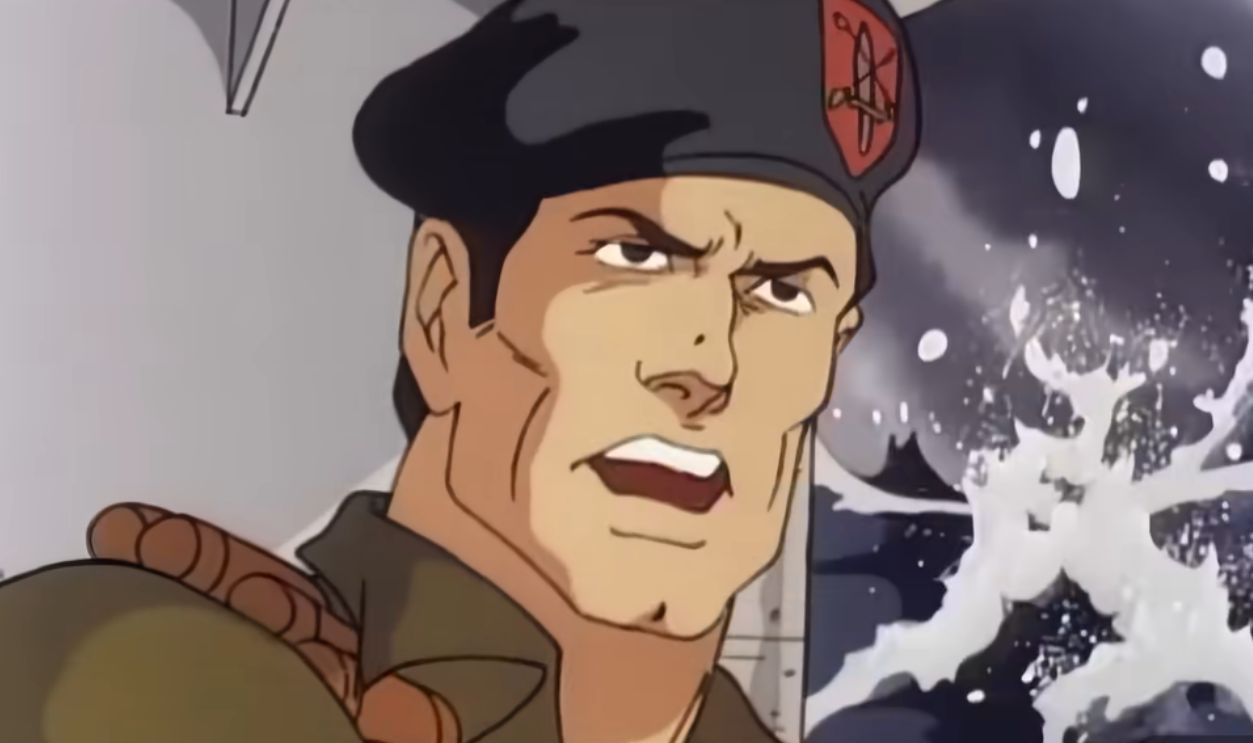 Screenshot from G.I. Joe: A Real American Hero, Sunbow Productions (1983–1986)
"By The Power Of Grayskull!"
He-Man never needed a complicated speech to announce that something extraordinary was about to happen. On He-Man and the Masters of the Universe, Prince Adam raised his sword and invoked the power of Grayskull. The animated series arrived in 1983 and turned that declaration into playground royalty.
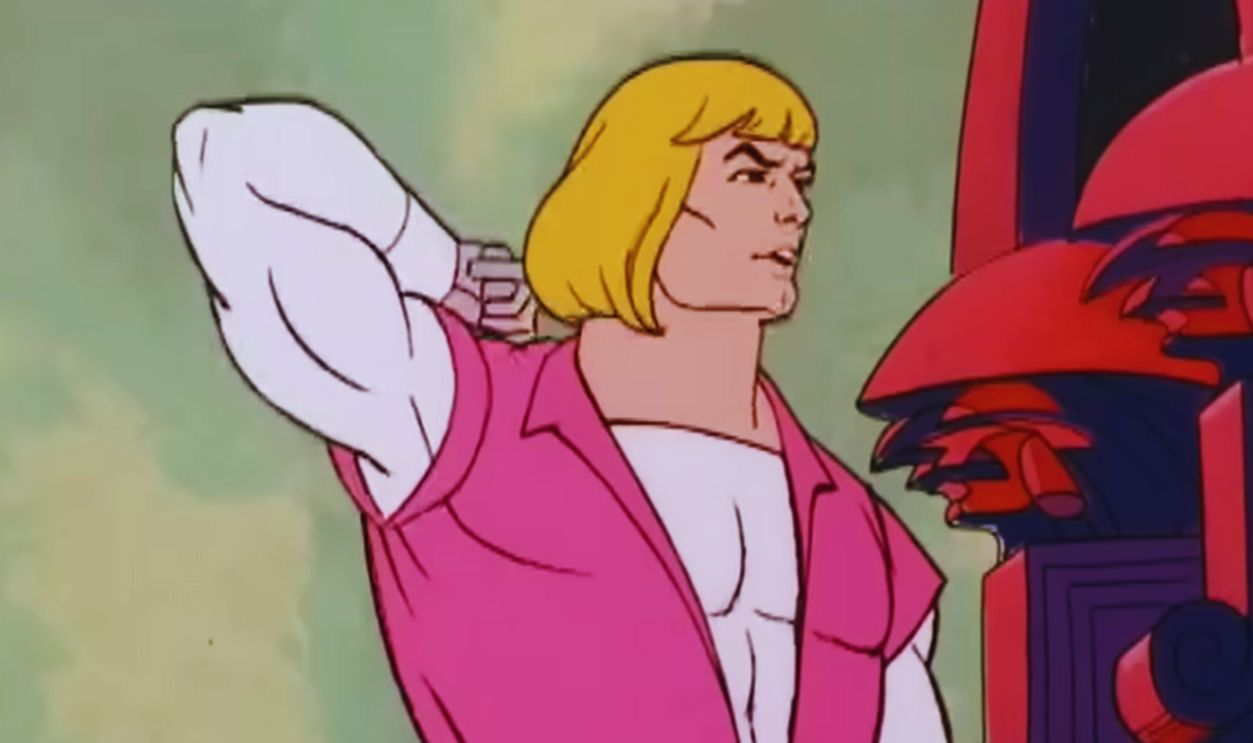 Screenshot from He-Man and the Masters of the Universe, Filmation Associates (1983–1985)
"I Have The Power!"
One declaration apparently wasn't enough for He-Man. After invoking Grayskull, Prince Adam completed his transformation with the triumphant announcement, "I have the power!" The expression became inseparable from the character, whether children were reenacting the cartoon or simply celebrating a small personal victory.
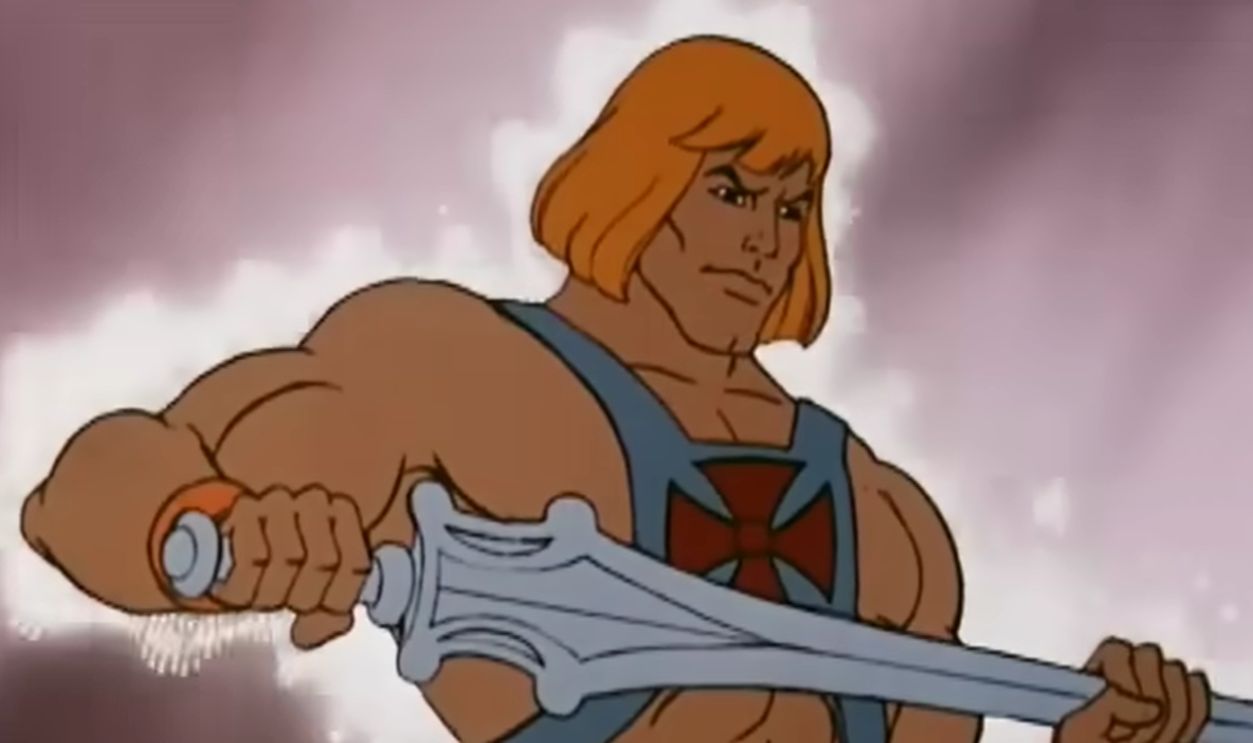 Screenshot from He-Man and the Masters of the Universe, Filmation Associates (1983–1985)
"Autobots, Roll Out!"
Peter Cullen's commanding voice helped establish Optimus Prime as the heroic leader of the Autobots. When the Transformers animated series premiered in 1984, his famous order became part of the franchise's identity. Even Hasbro has celebrated the expression as a defining memory for generations of viewers.
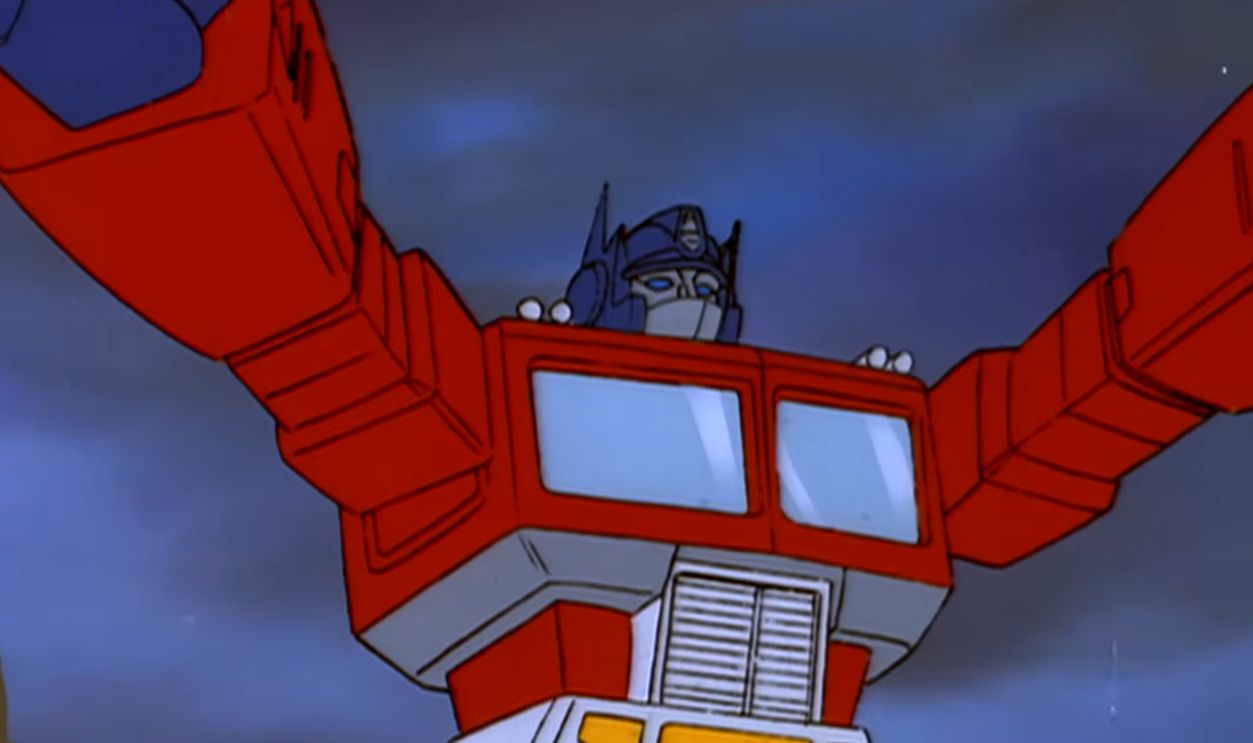 Screenshot from The Transformers, Sunbow Productions (1984–1987)
"Go, Go, Gadget!"
Inspector Gadget could activate an astonishing collection of mechanical devices simply by calling out their names. The animated detective regularly announced commands such as "Go, Go, Gadget Arms!" Unfortunately, his equipment wasn't always as cooperative as he hoped, which usually made his adventures even funnier.
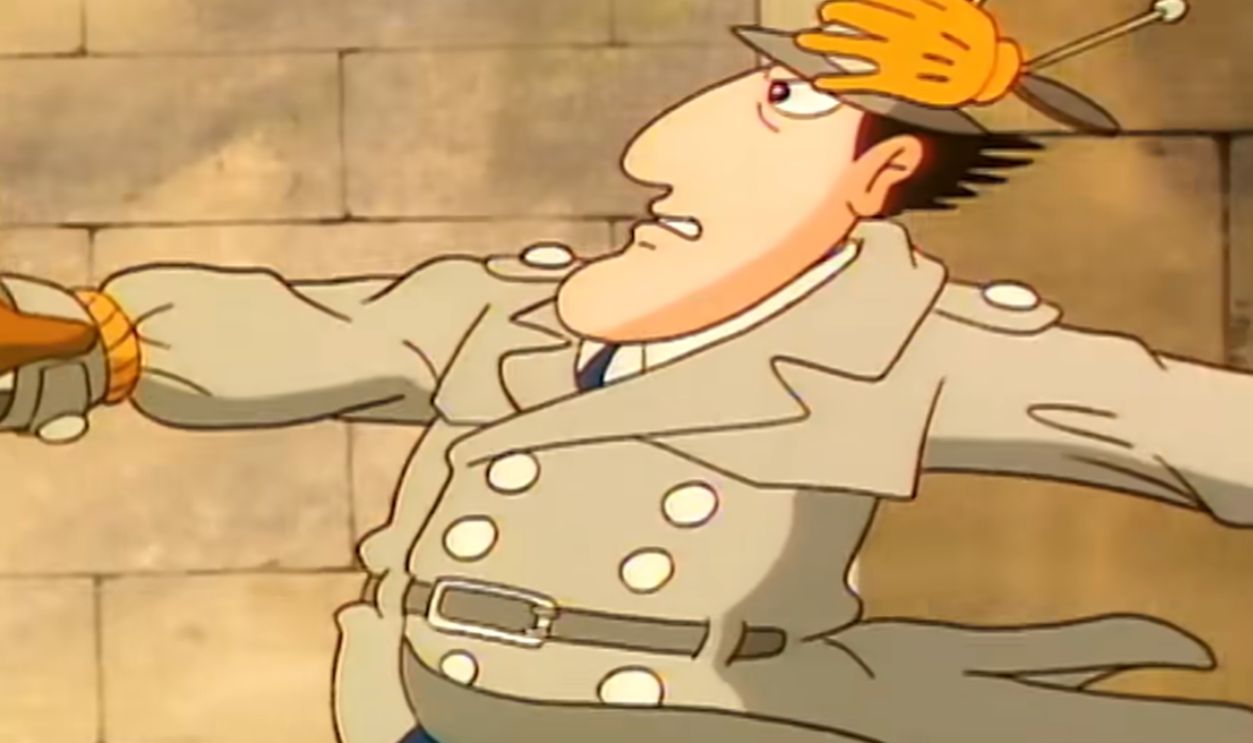 Screenshot from Inspector Gadget, DIC Entertainment (1983–1986)
"Wowsers!"
Inspector Gadget didn't need a complicated response when something surprised him. His enthusiastic "Wowsers!" became another familiar expression throughout the animated series, which began in 1983. Children could borrow it whenever something remarkable happened, preferably without accidentally activating a helicopter inside their own hats.
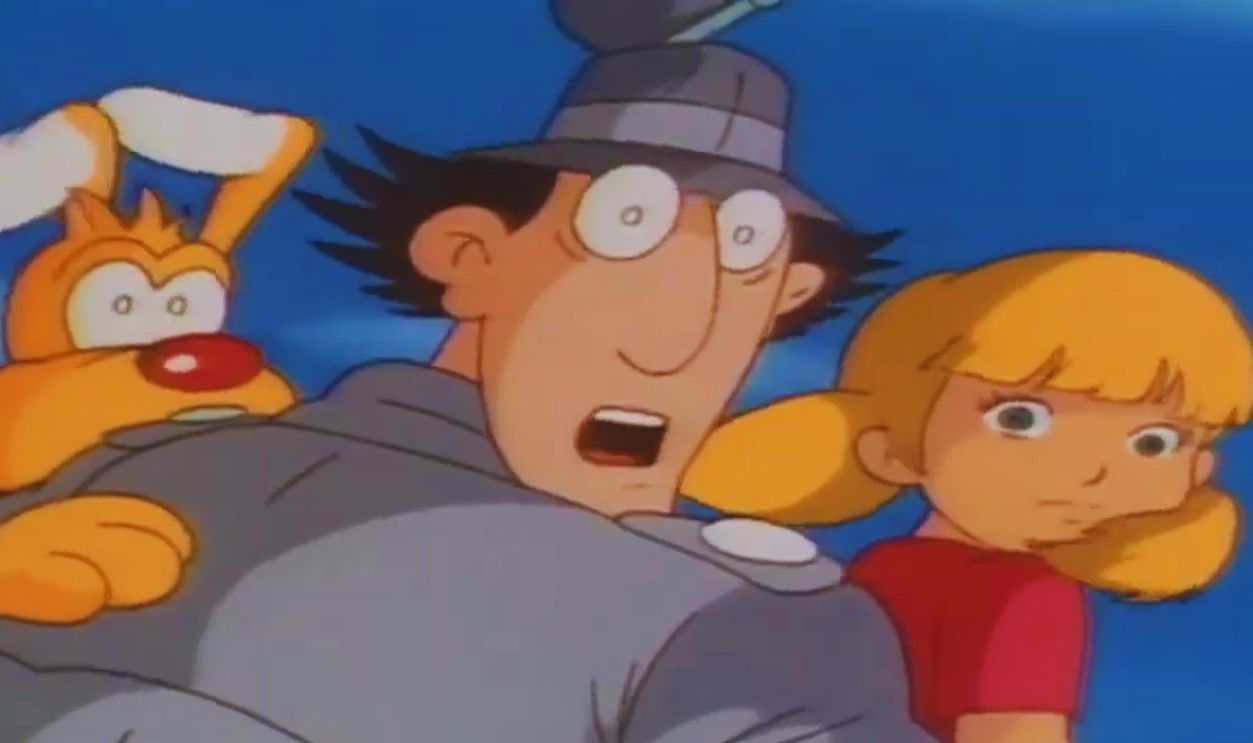 Screenshot from Inspector Gadget, DIC Entertainment (1983–1986)
"Cowabunga!"
The Teenage Mutant Ninja Turtles made "Cowabunga!" one of the most recognizable expressions of late-1980s children's television. Surprisingly, the word was much older, having appeared on Howdy Doody in the 1950s. The Turtles helped introduce it to another generation of enthusiastic young viewers.
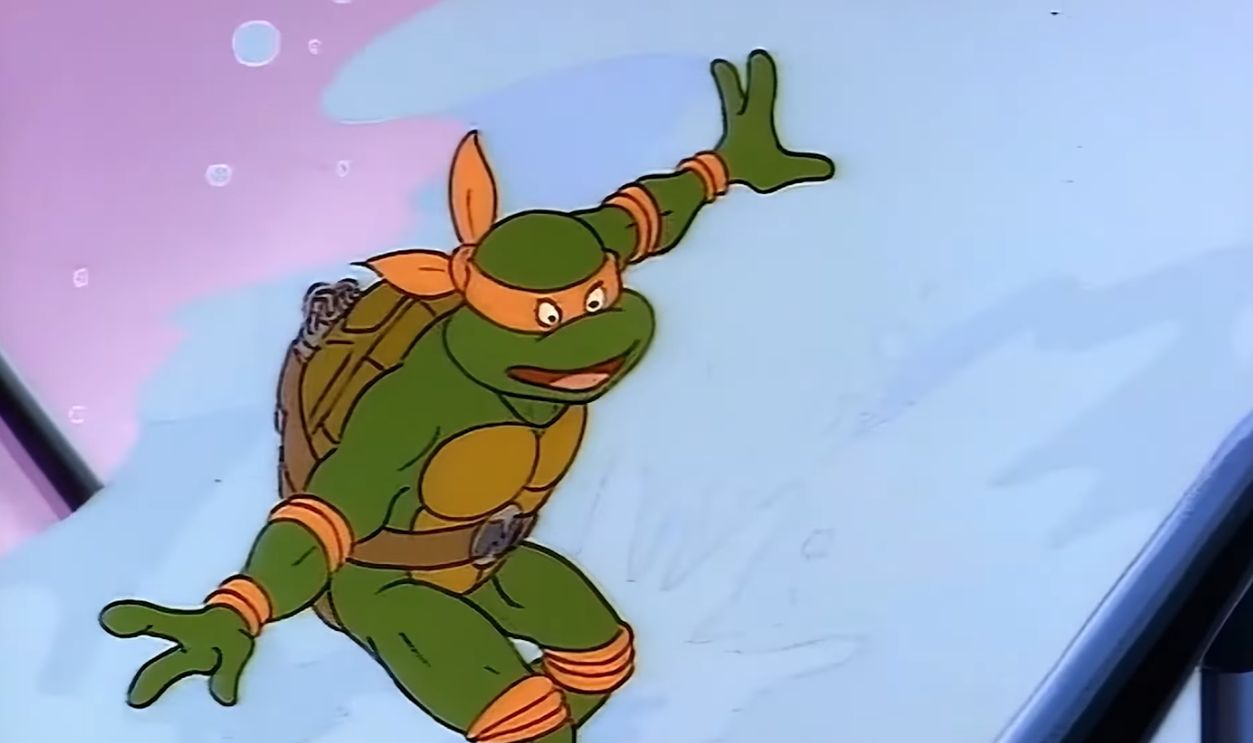 Screenshot from Teenage Mutant Ninja Turtles, CBS (1987–1996)
"Well, Isn't That Special?"
Dana Carvey's Church Lady became one of the unforgettable characters of 1980s Saturday Night Live. Her painfully judgmental "Well, isn't that special?" could make even an innocent conversation sound suspicious. Carvey's character was already a national sensation by 1987, thanks partly to that brilliantly insincere delivery.
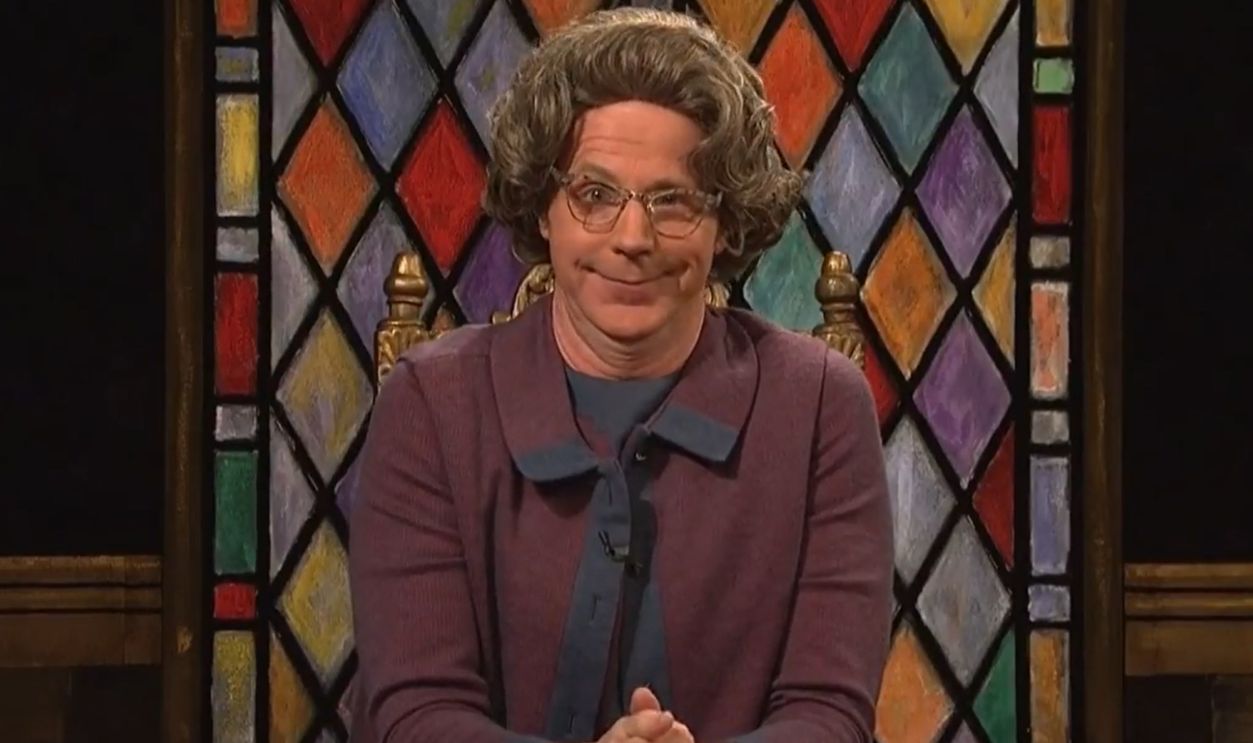 Screenshot from Saturday Night Live, NBC (1975–)
"Could It Be Satan?"
The Church Lady had another explanation ready whenever someone's behavior failed to meet her standards. Dana Carvey's character frequently suggested that Satan might be responsible for whatever troubling situation she encountered. The exaggerated accusation became another instantly recognizable part of her Saturday Night Live routine.
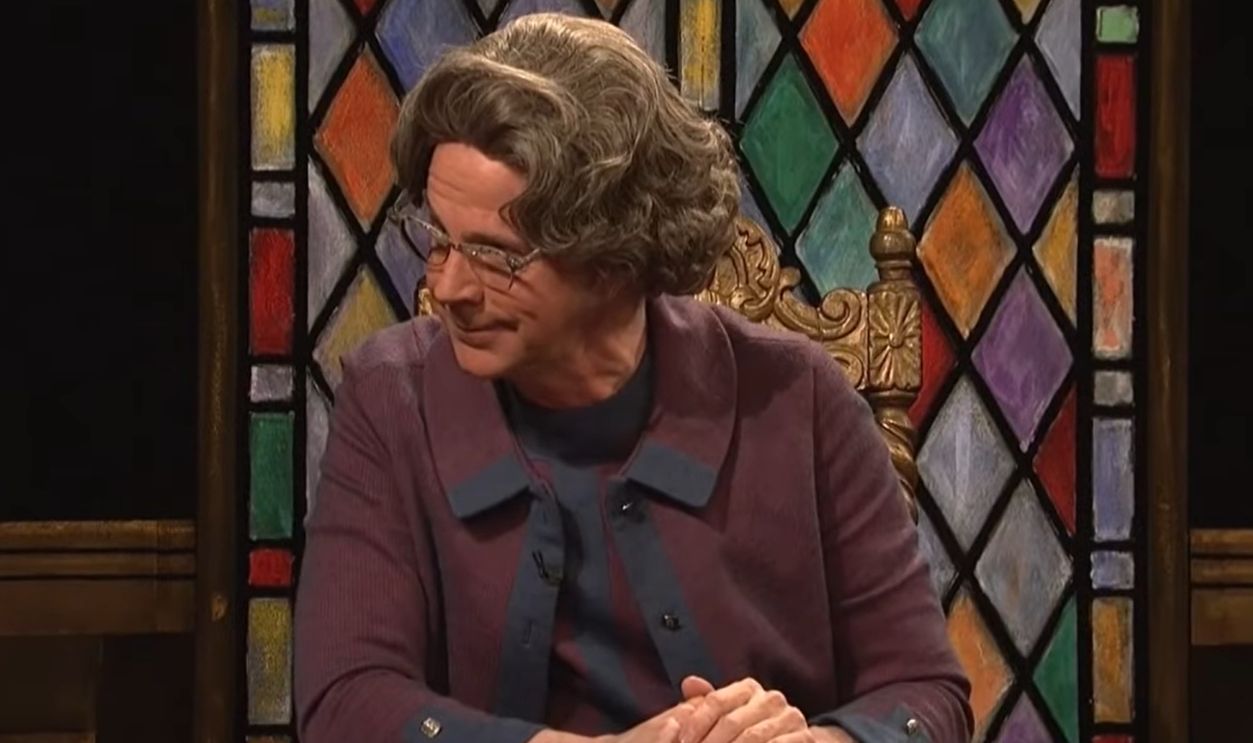 Screenshot from Saturday Night Live, NBC (1975–)
"Yeah, That's The Ticket!"
Jon Lovitz turned compulsive dishonesty into comedy gold with his Saturday Night Live character Tommy Flanagan. The Pathological Liar regularly invented increasingly outrageous stories, then confidently reassured himself with "Yeah, that's the ticket!" The phrase became a perfect response to an obviously unbelievable
explanation.
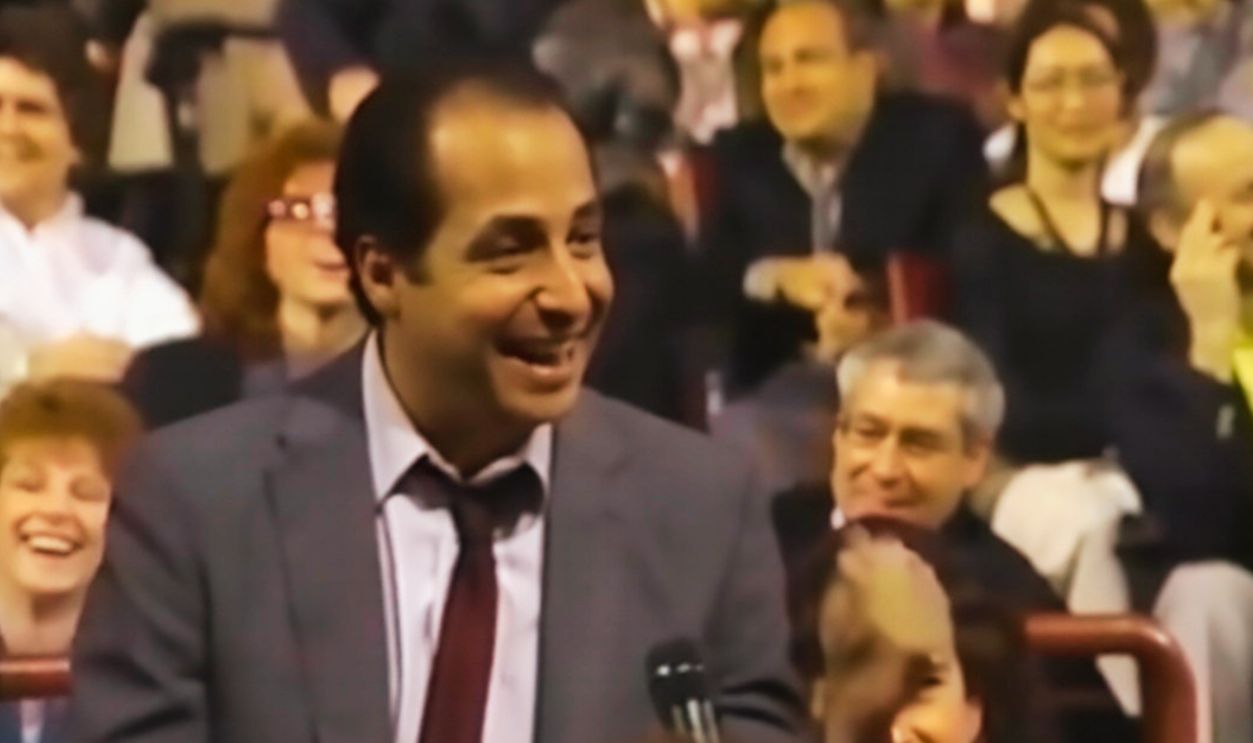 Screenshot from Saturday Night Live, NBC (1975–)
"We Want To Pump You Up!"
Dana Carvey and Kevin Nealon introduced Hans and Franz to Saturday Night Live in 1987. Their exaggerated Austrian bodybuilders offered ridiculous fitness advice while repeatedly declaring their intention to pump up viewers. The pair's distinctive accents made the expression even more memorable than the exercise routines.
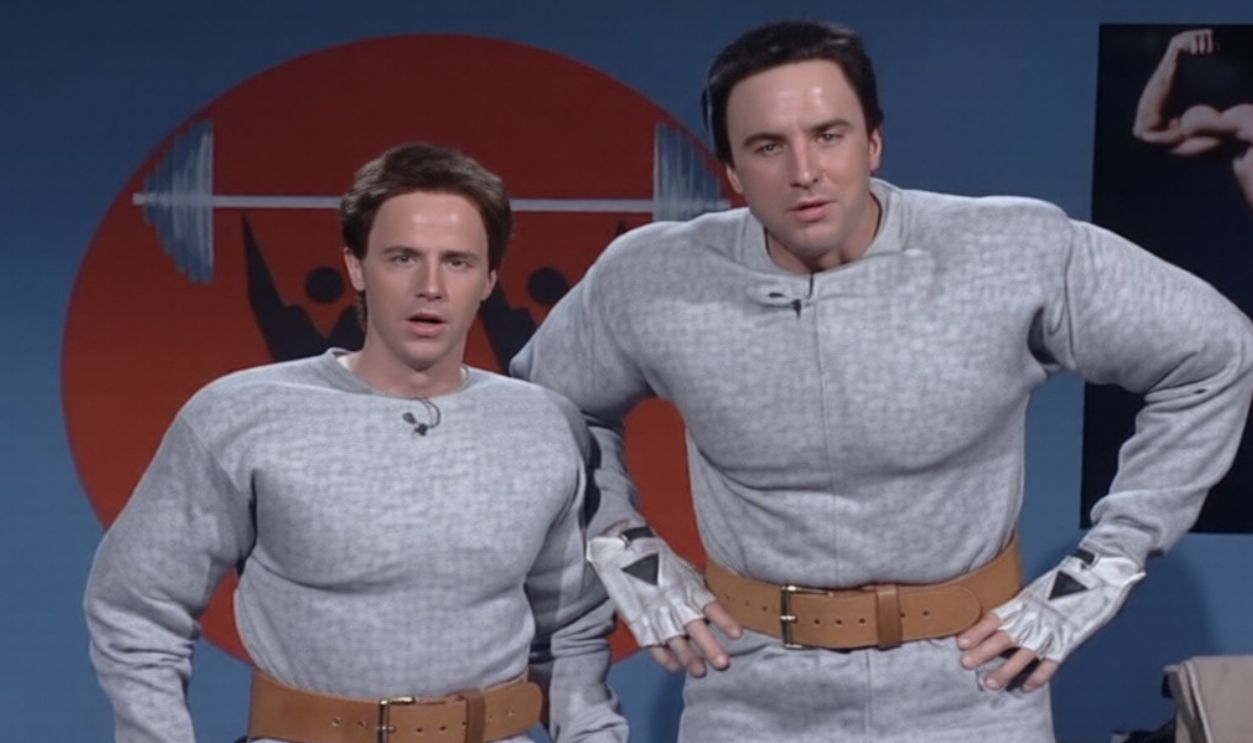 Screenshot from Saturday Night Live, NBC (1975–), Enhanced
"You Look Marvelous!"
Billy Crystal transformed a simple compliment into an unforgettable comedy routine as Fernando on Saturday Night Live. His exaggerated pronunciation of "marvelous" became the character's signature expression during the 1984-85 season. Crystal later recalled how widely the catchphrase spread beyond the program.
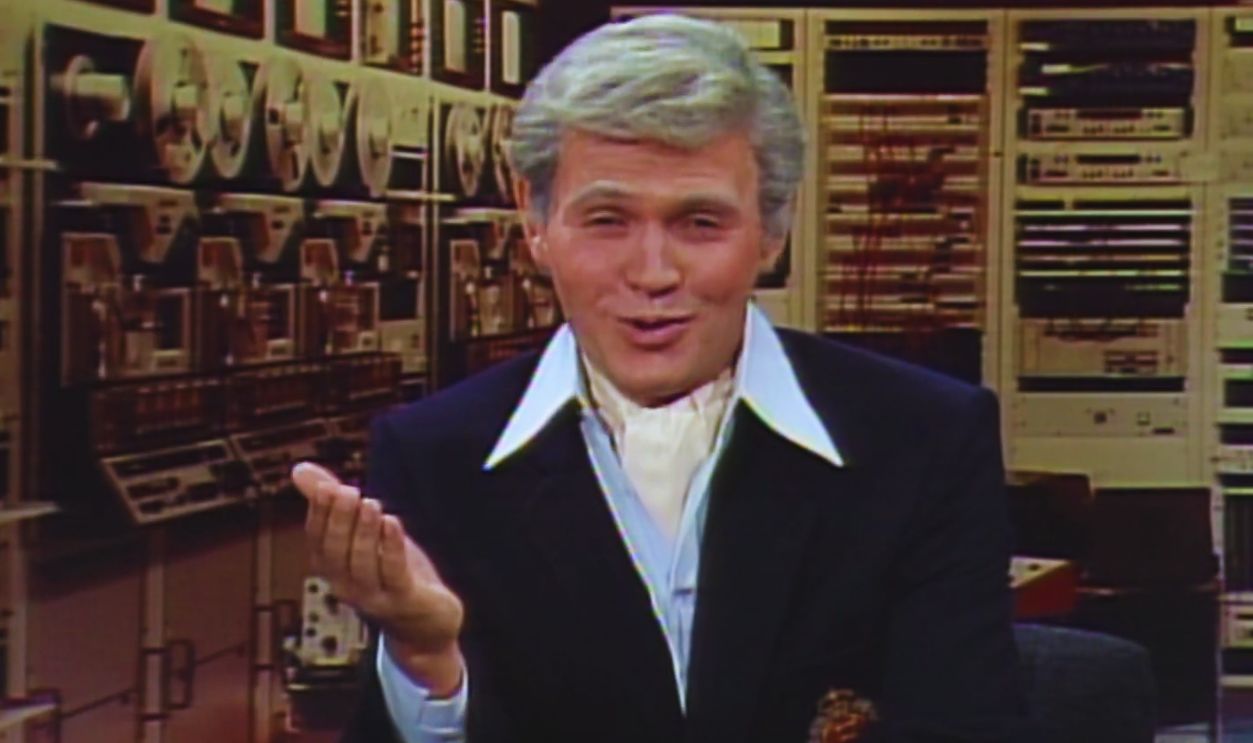 Screenshot from Saturday Night Live, NBC (1975–)
"D'oh!"
Homer Simpson's most recognizable expression emerged from the animated shorts on The Tracey Ullman Show during the late 1980s. Voice actor Dan Castellaneta developed the distinctive frustrated grunt that became Homer's signature reaction to mistakes. The family received its own television series in December 1989.
 Screenshot from The Simpsons, Fox (1989–)
How Many Of These Are Still Stuck In Your Head?
From Uncle Jesse's enthusiastic declarations to Inspector Gadget's mechanical mishaps, television gave us a remarkable collection of expressions. Some were borrowed from earlier decades, while others became famous during the 1980s themselves. Which ones do you still repeat without even thinking about their origins?
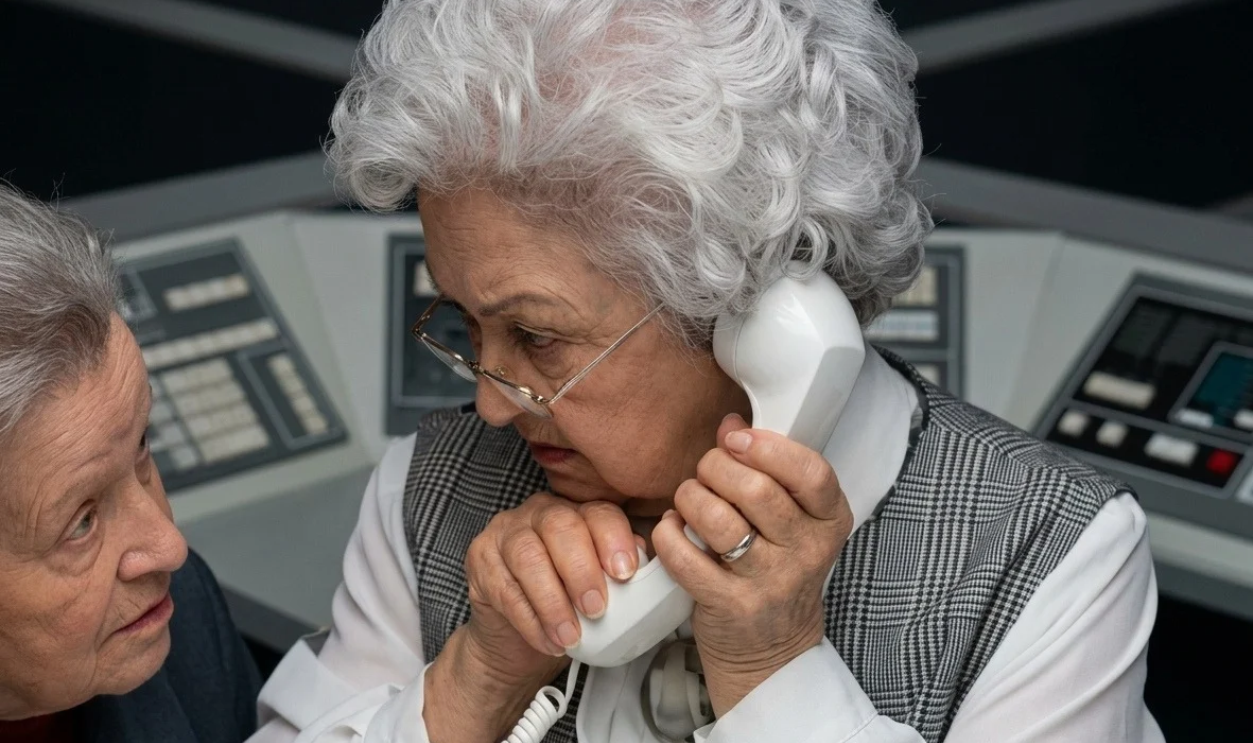 Screenshot from Wendy’s — “Where’s the Beef?”, Wendy’s (1984), Enhanced
Sources: 1, 2, 3, 4, 5, 6, 7, 8, 9, 10, 11, 12, 13, 14, 15, 16, 17, 18, 19, 20, 21, 22