
When Legends Refuse To Live Quietly
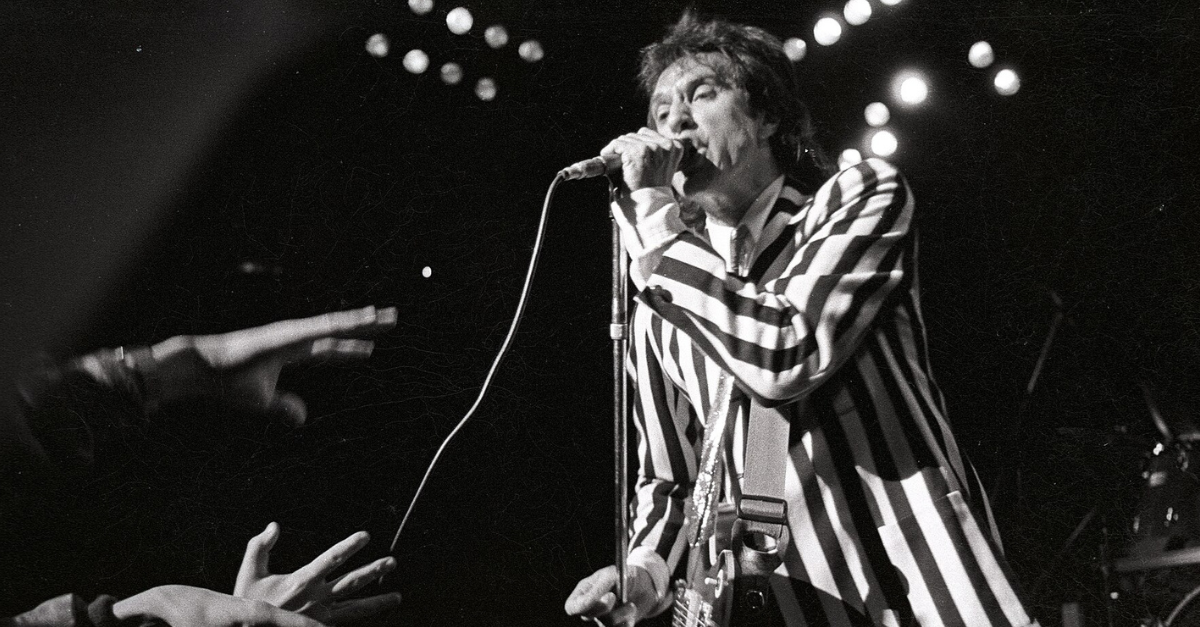
Rock history is full of smashed guitars, backstage feuds, and the occasional ill-advised interview. But getting shot while chasing down a mugger in New Orleans? That’s a plot twist even rock ’n’ roll rarely dares to script. Yet for Ray Davies—the brilliant, complicated force behind The Kinks—it somehow fits.
A North London Kid With A Sharp Ear
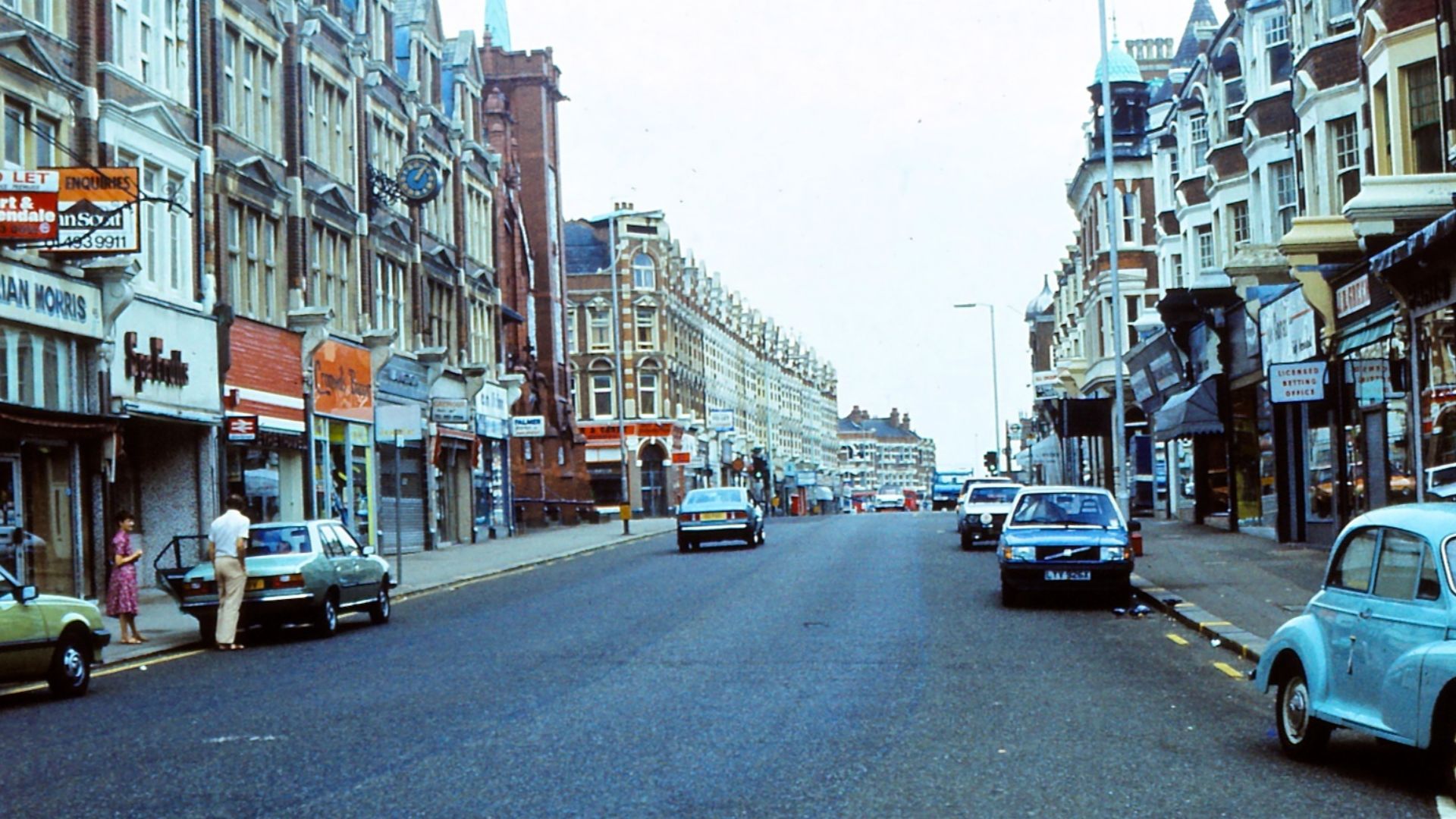
Ray Davies was born in 1944 in Muswell Hill, North London, the youngest of eight children. Growing up in a lively, working-class household shaped his worldview—and eventually his songwriting. The domestic dramas, neighborhood characters, and British quirks he absorbed as a kid would later fuel some of rock’s most vividly drawn portraits.
 beareye2010, Wikimedia Commons
The Birth Of The Kinks
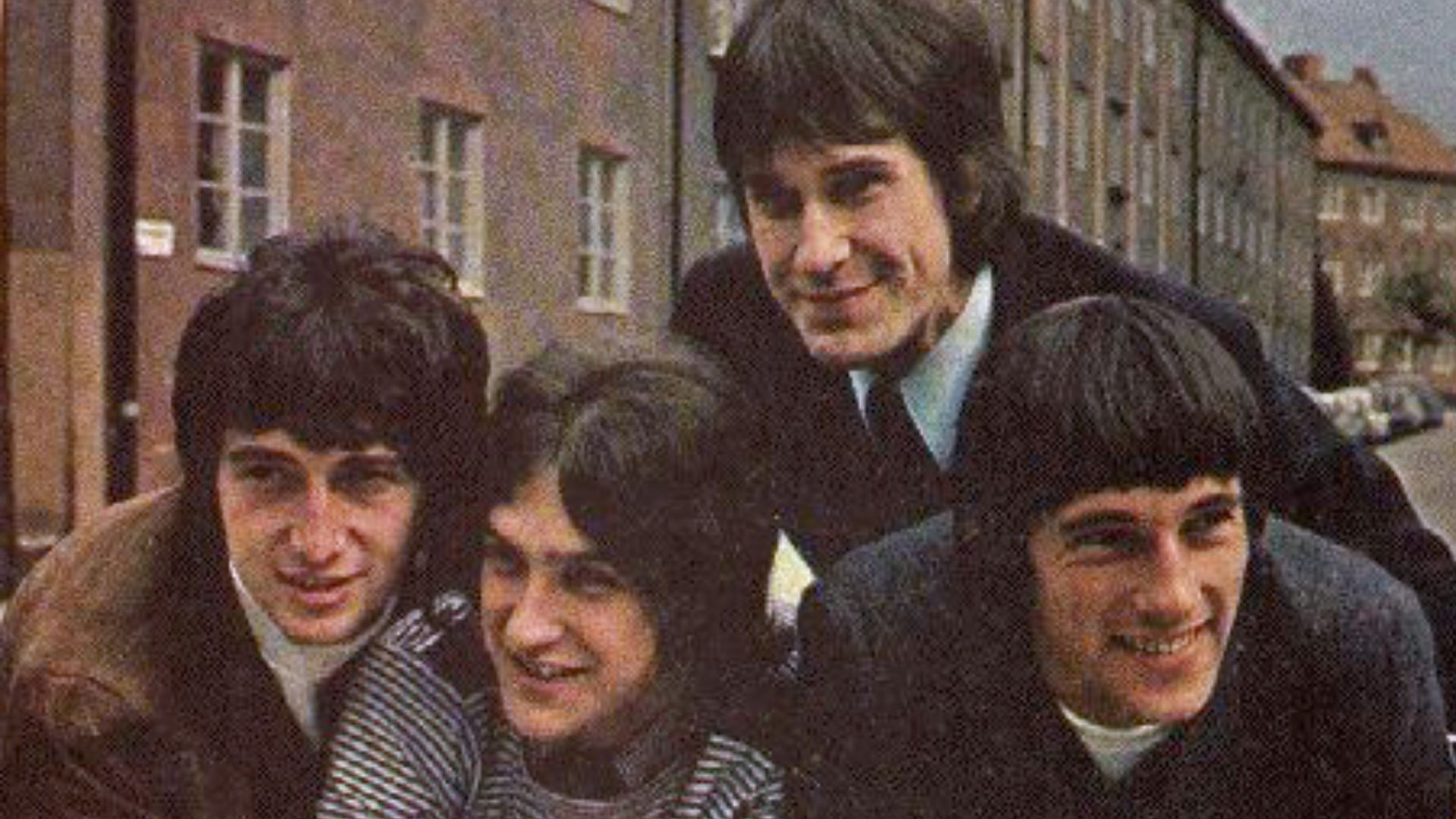
In 1963, Ray formed The Kinks with his younger brother Dave Davies and bassist Pete Quaife. What started as another British Invasion hopeful quickly evolved into something sharper and stranger. The Kinks weren’t just chasing American blues—they were crafting miniature social novels in under three minutes.
 Unknown photographer, Wikimedia Commons
You Really Got Me And The Sound Of Distortion
When You Really Got Me hit in 1964, it detonated like a firecracker in polite society. Dave’s slashed speaker cone created a gritty distortion that would help lay the groundwork for hard rock and heavy metal. Ray’s songwriting, meanwhile, was deceptively simple and irresistibly catchy.
 Screenshot from You Really Got Me, Pye Records (1964)
The Ban That Nearly Broke Them
At the height of their early fame, The Kinks were banned from touring the United States from 1965 to 1969 due to disputes with the American Federation of Musicians. For a British band riding the wave of the so-called Invasion, that was a brutal setback. While The Beatles and The Rolling Stones conquered America, The Kinks were stuck at home. The exile reshaped Ray’s songwriting. If he couldn’t tour the States, he would turn inward—and write about England instead.
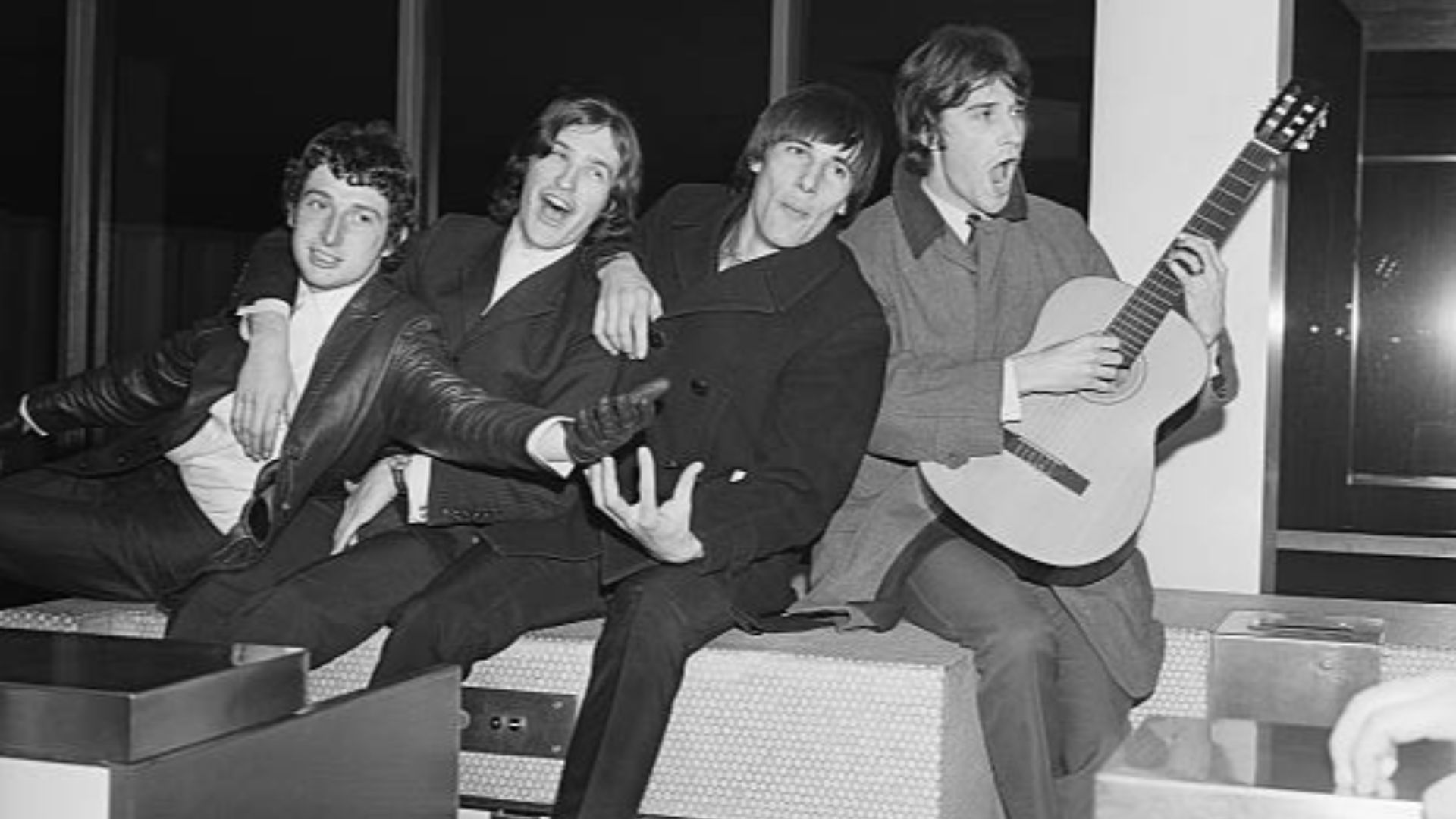 Photographer: Cyrus AndrewsPublisher: Hit Parader magazine, Wikimedia Commons
Becoming Britain’s Sharpest Storyteller
Songs like Waterloo Sunset and Sunny Afternoon revealed a writer less interested in swagger and more invested in storytelling. Ray Davies became rock’s wry social commentator—equal parts nostalgic and skeptical. He chronicled tea drinkers, dreamers, strivers, and stragglers. His characters felt lived-in, not mythologized. But behind the clever lyrics, real tension was simmering.
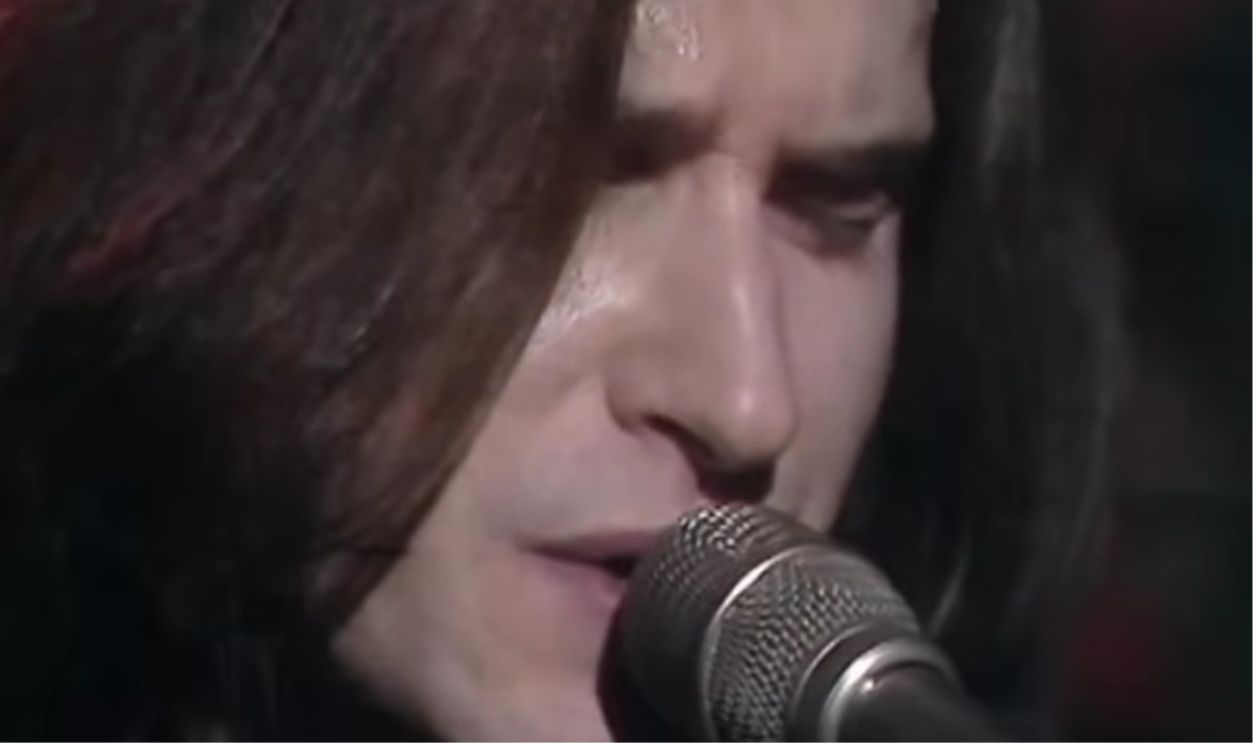 Screenshot from Waterloo Sunset, Pye Records (1967)
The Davies Brothers Feud
Ray and Dave Davies shared more than a stage—they shared a rivalry that sometimes exploded into physical altercations. Their creative friction powered The Kinks’ music, but it also threatened to derail it. The tension between them became part of the band’s identity. Onstage chemistry, offstage chaos. It was a pattern that would follow Ray for decades.
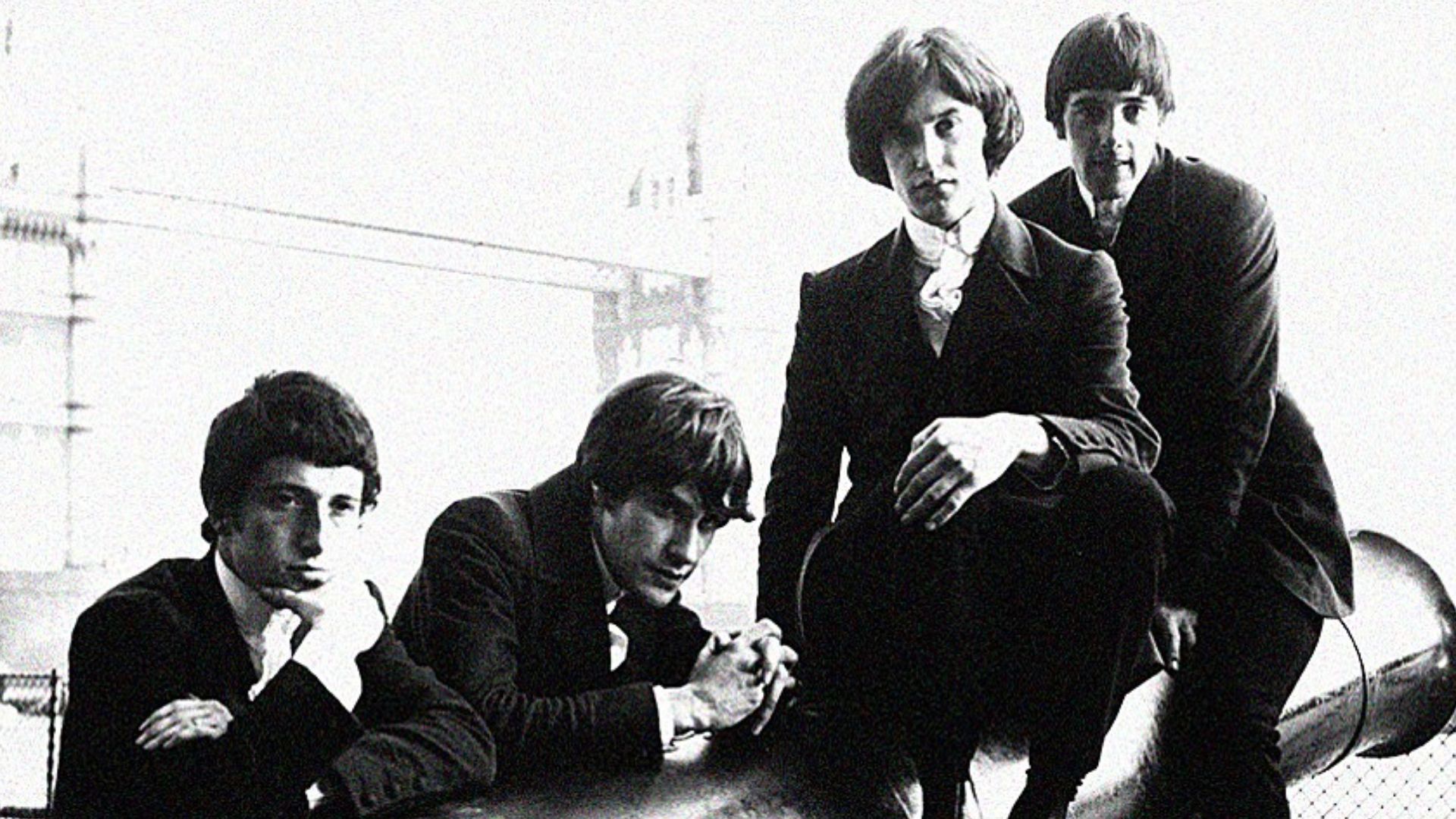 Photographer: Anonymous. Publisher: The State Register-Journal newspaper, Wikimedia Commons
Concept Albums And Creative Risks
By the late 1960s and early 1970s, Ray was diving headfirst into ambitious concept albums like The Kinks Are the Village Green Preservation Society and Arthur (Or the Decline and Fall of the British Empire). These records weren’t just collections of songs—they were thematic worlds. Commercially, some of them struggled at first. Artistically, they cemented Davies as one of rock’s most literate and idiosyncratic writers. He was playing the long game—even if the charts didn’t always agree.
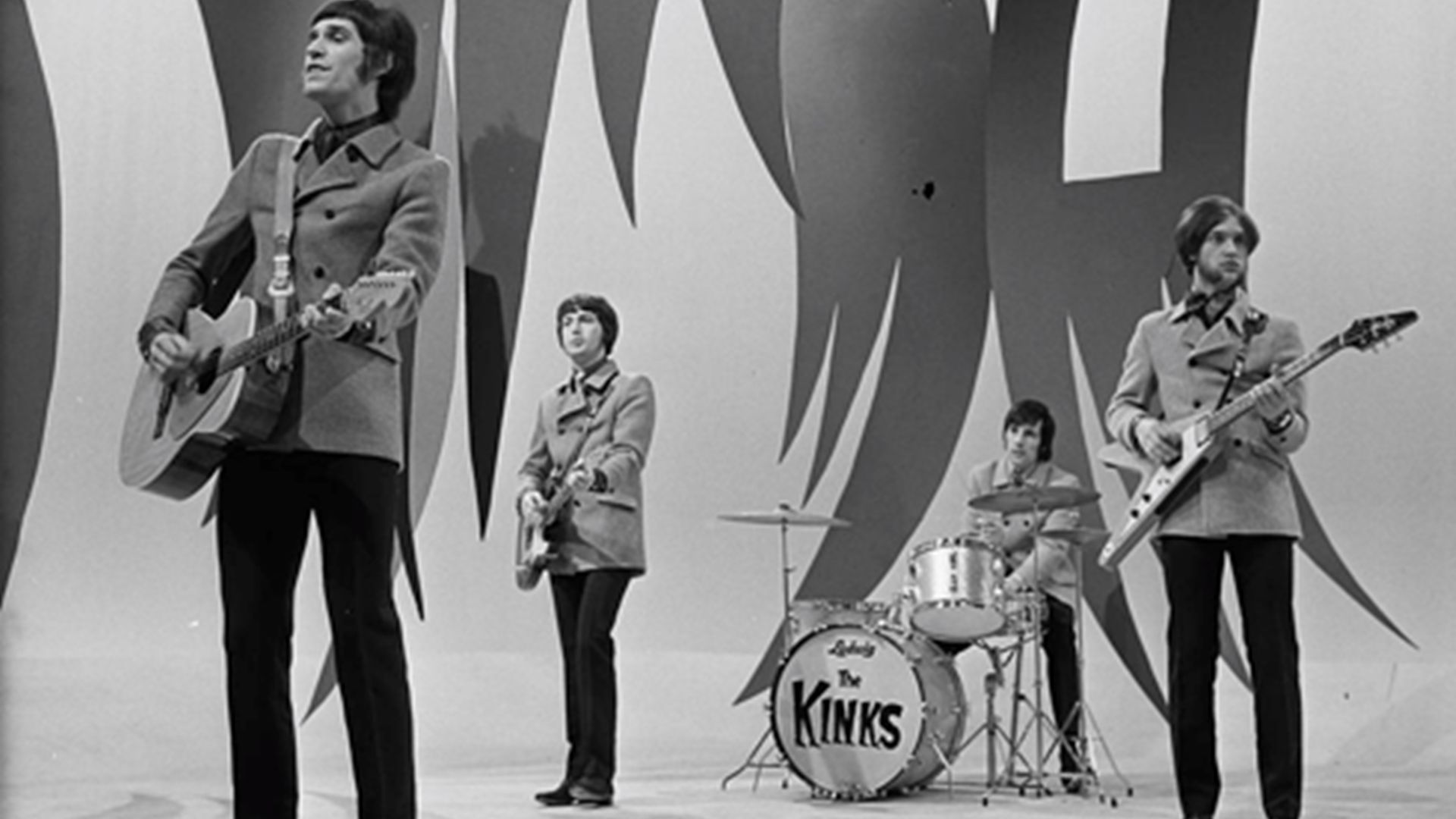 Photograph by W. Veenman, Wikimedia Commons
America Finally Opens Up
When the US ban was lifted, The Kinks returned to American audiences with renewed determination. Throughout the 1970s and early 1980s, they rebuilt their presence stateside. Songs like Lola and later arena-ready tracks kept them relevant. Ray had navigated exile and emerged intact. Survival was becoming one of his defining skills.
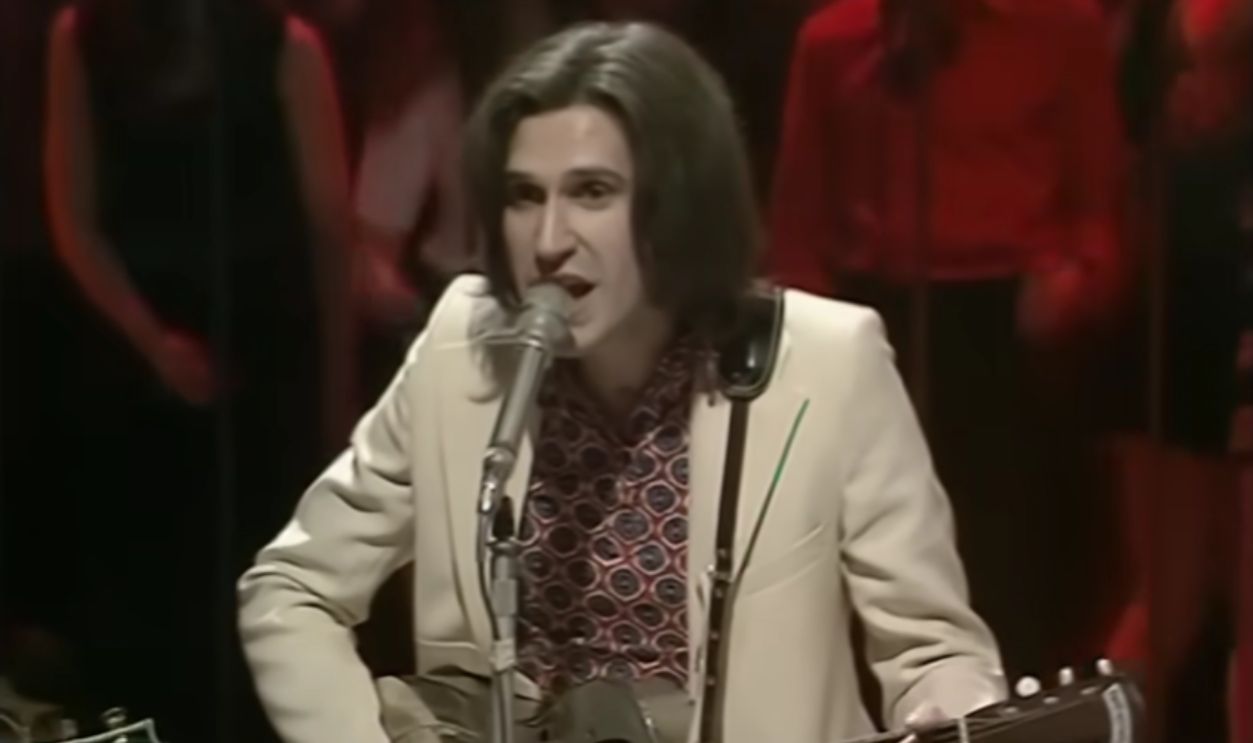 Screenshot from Lola, Pye Records (1970)
Personal Struggles Behind The Scenes
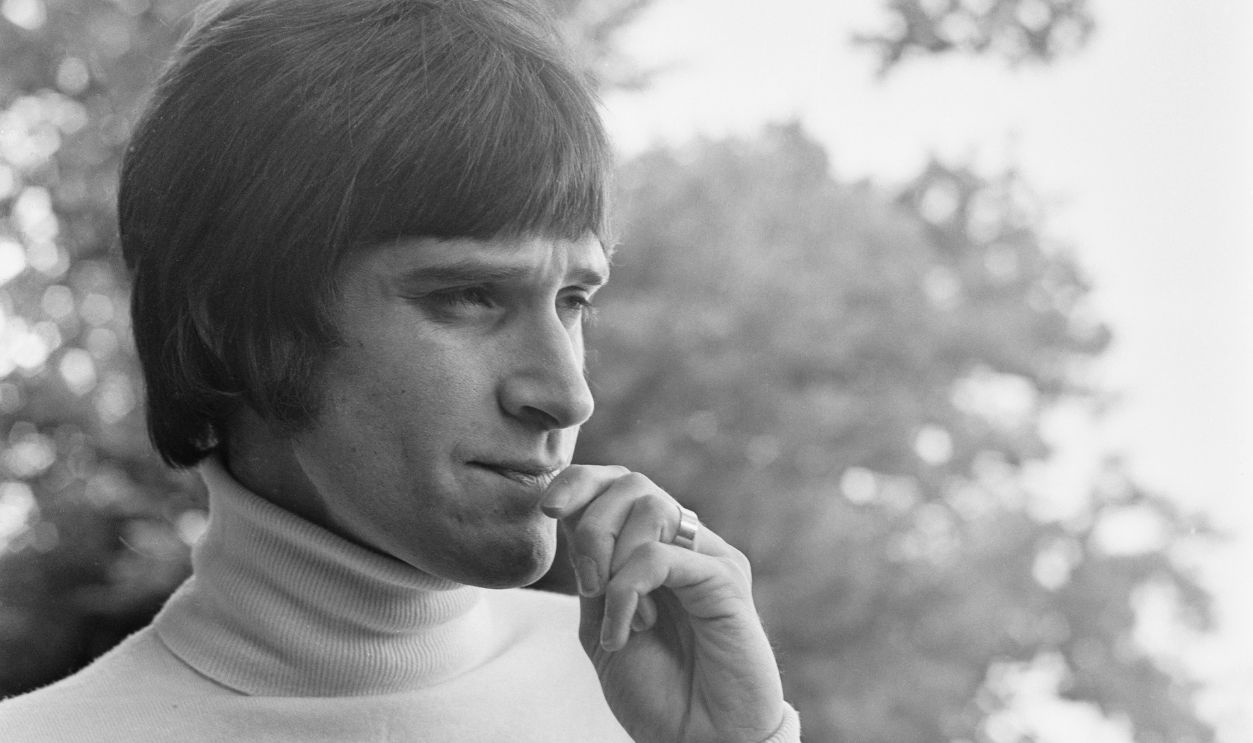
Despite professional comebacks, Davies faced personal turmoil, including periods of depression. Fame, pressure, and family conflict took their toll. His songwriting often carried an undercurrent of melancholy. The wit remained, but so did the shadows.
A Solo Path Emerges
In addition to his work with The Kinks, Ray pursued solo projects, exploring storytelling in new formats. His solo albums allowed him to stretch creatively without the band dynamic looming over every decision. He never abandoned The Kinks’ legacy—but he also refused to be trapped by it. Reinvention came naturally to him.
 Original uploader was BenoitAubry at en.wikipedia, Wikimedia Commons
An Unexpected Night In New Orleans
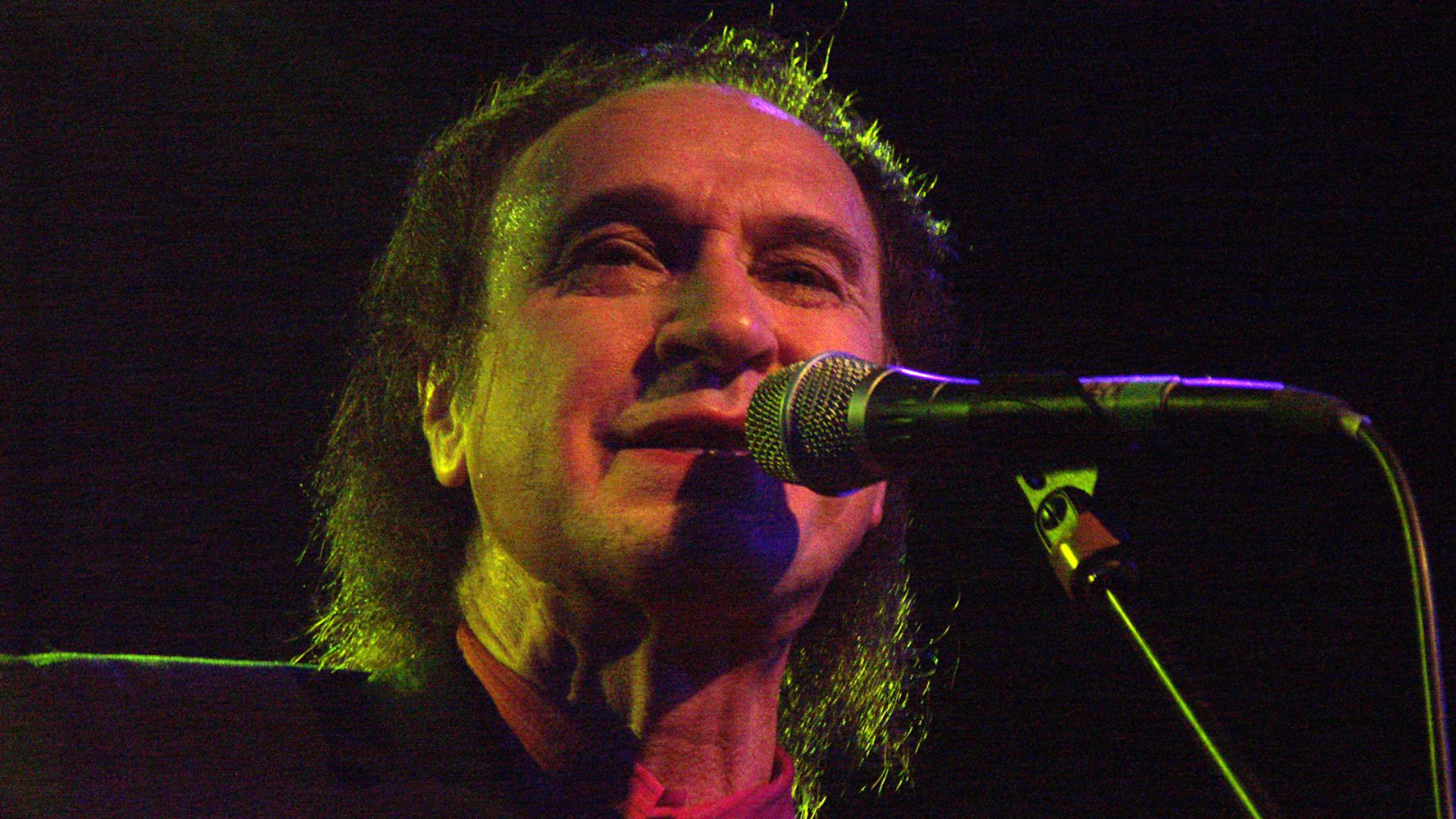
In January 2004, while in New Orleans, Davies found himself in a situation that sounded more like a drama than a rock biography. After a mugging involving a companion, Davies reportedly chased after the perpetrator. The confrontation escalated quickly. And then—gunfire.
The Shot That Changed Everything
Davies was shot in the leg during the incident. The injury required hospitalization, and for a moment, it was unclear how serious the long-term consequences might be. For someone whose life had already included bans and breakdowns being shot felt surreal. Yet somehow, he survived again.
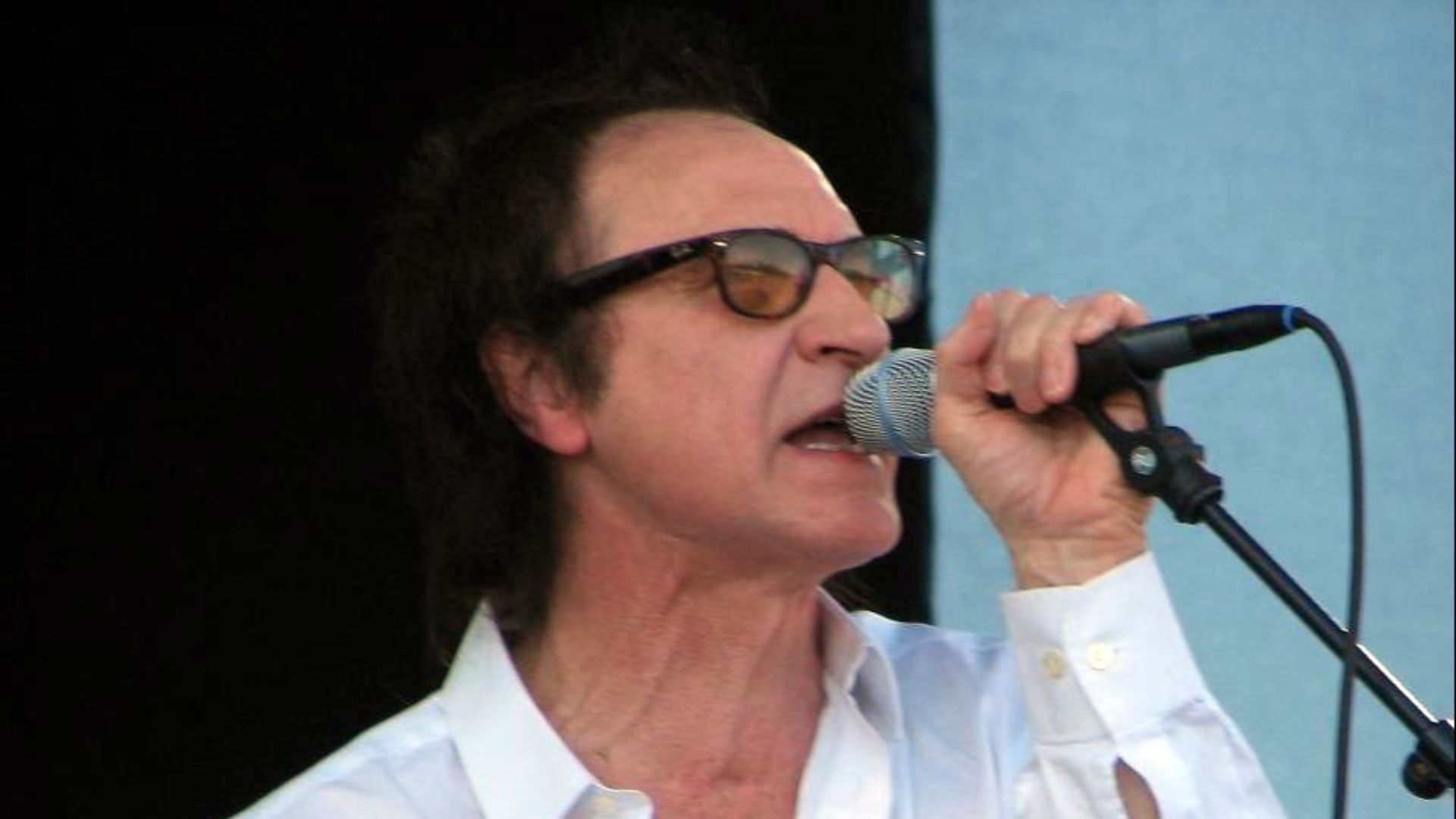 Mo (nl.wikipedia.org/User:M0), Wikimedia Commons
Trauma That Lingered
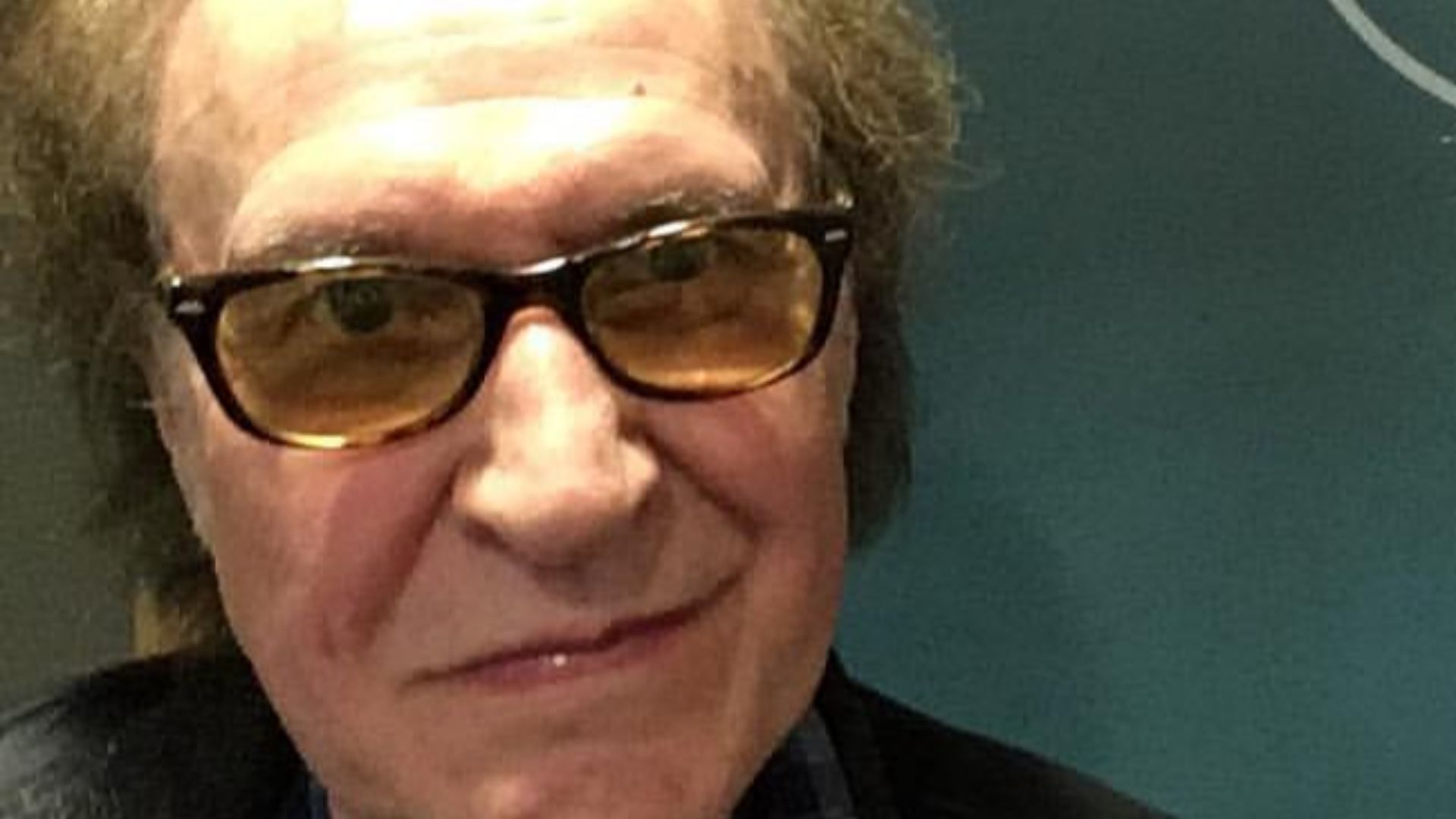
Years later, Davies admitted that talking about the incident remained difficult. The physical wound healed—but the psychological impact lingered. He described the experience as deeply affecting. It wasn’t a rock star anecdote to be tossed off lightly—it was a moment that forced reflection.
 Fresh On The Net, Wikimedia Commons
Sympathy For His Mugger
In a twist that felt distinctly Ray Davies, he later expressed sympathy for the person who shot him. Rather than pure anger, he reflected on the social conditions and desperation that may have driven it. That response revealed something essential about him. Even when harmed, his instinct was to analyze and contextualize.
 Urko Dorronsoro, CC BY-SA 2.0, Wikimedia Commons
Survival As A Theme
Survival isn’t just a biographical footnote in Davies’ life—it’s practically a motif. He survived industry politics, family feuds, shifting musical landscapes, and literal gunfire. Through it all, the songs kept coming. Wry, observant, unmistakably his.
 Urko Dorronsoro, CC BY-SA 2.0, Wikimedia Commons
Recognition At Last
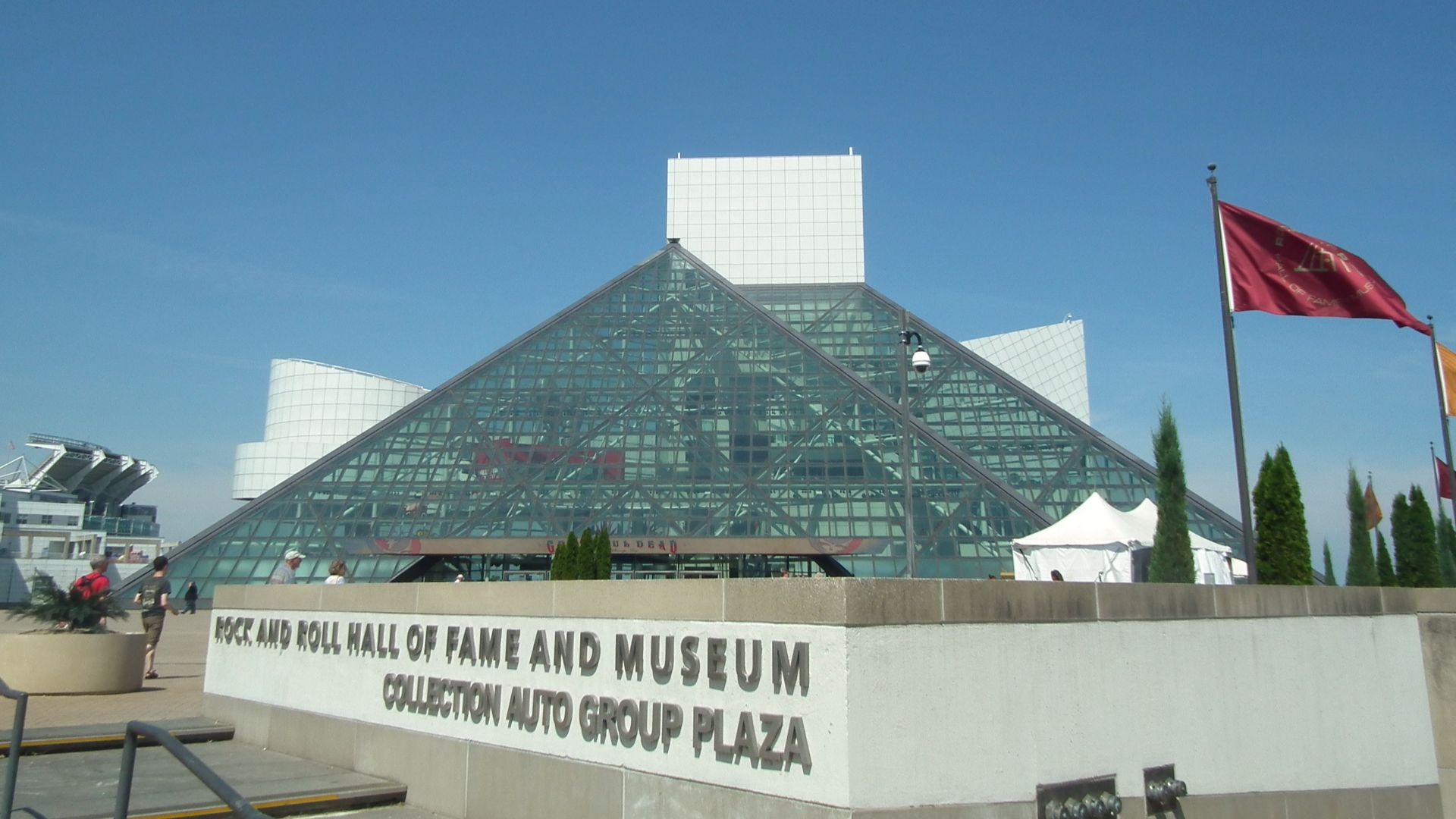
The Kinks were inducted into the Rock and Roll Hall of Fame in 1990. Over time, albums once overlooked became revered. Davies’ reputation grew from hitmaker to elder statesman of British songwriting. His influence stretched across generations of artists who admired his storytelling precision.
A Knight Of The Realm
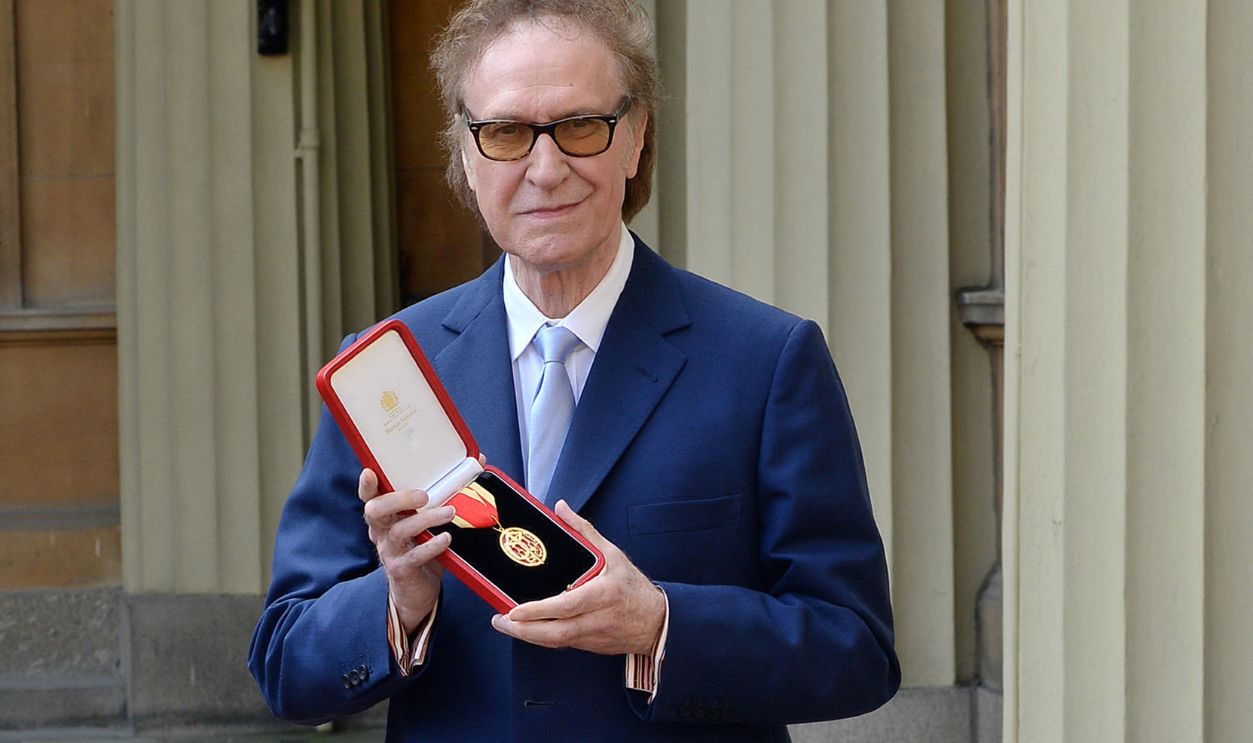
In 2017, Ray Davies was knighted for services to the arts. For a kid from Muswell Hill who once sang about well-respected men and dedicated followers of fashion, the honor carried poetic symmetry. Sir Ray Davies had a nice ring to it. Turbulence hadn’t prevented recognition.
The Kinks’ Lasting Impact
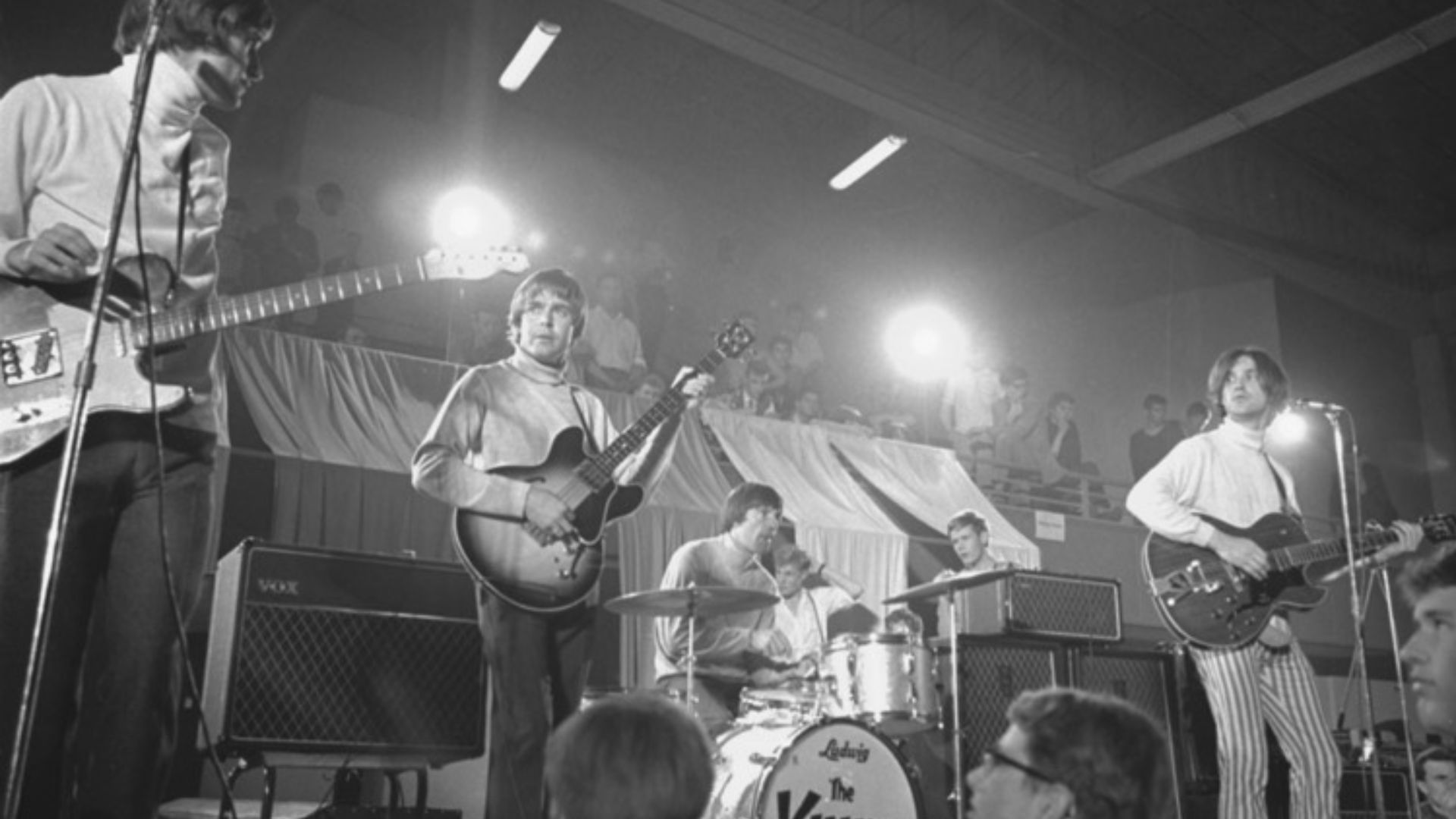
The Kinks’ catalog remains one of the most distinctive in rock history. Their mix of crunching riffs and character-driven songwriting helped expand what rock music could talk about. Davies proved that you could write about ordinary people and still sound revolutionary. That balance remains his hallmark.
 Orsted, Henrik / Oslo Museum, Wikimedia Commons
Reflecting On A Chaotic Journey
Looking back, the New Orleans incident doesn’t feel like an isolated shock—it feels like an extension of a life lived at full emotional volume. Not reckless, exactly. Just intense.
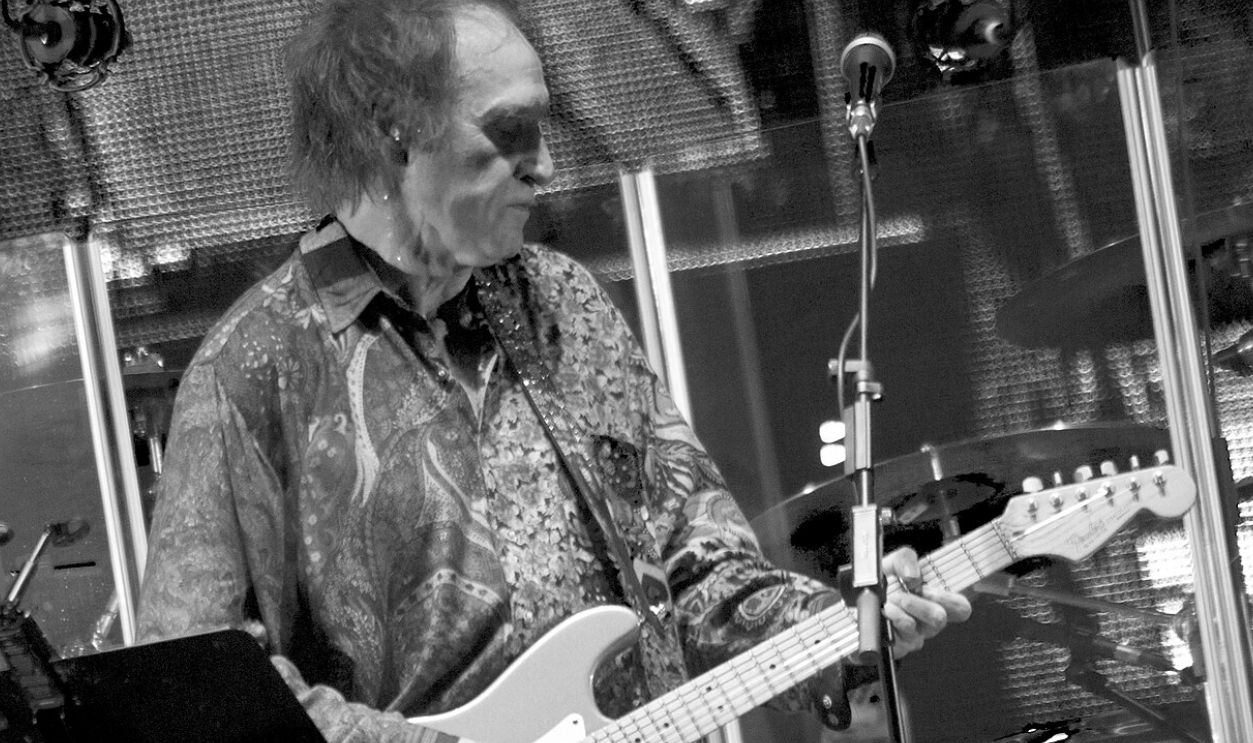 Urko Dorronsoro, CC BY-SA 2.0, Wikimedia Commons
Still Standing
Ray Davies’ life has included bans, breakdowns, sibling issues, critical redemption, and a wound. Through it all, he has remained what he always was—a sharp-eyed chronicler of human behavior. The night he was shot in New Orleans could have been an ending. Instead, it became part of the story. And if Ray Davies has taught us anything, it’s that the story is never quite as simple as it first appears.
You May Also Like:


.jpg)
.jpg)
.jpg)