
When A Drum Fill Became Emotional Therapy
Some songs feel like diary entries accidentally left on the radio. “In The Air Tonight” is one of those rare tracks that sounds less like a hit single and more like a private meltdown set to echoing synths and a famously delayed drum fill. By the time Phil Collins released it in 1981, he wasn’t trying to reinvent pop music—he was trying to survive the wreckage of his personal life. What came out instead was a haunting anthem that turned private heartbreak into public mythology and permanently fused Collins’ name to four minutes of restrained fury.
A London Childhood With Rhythm Built In
Phil Collins grew up in London with a natural pull toward music, particularly percussion. By the time most kids were still banging on desks, Collins was already honing a drummer’s instincts that would later become his emotional outlet.

Genesis Gave Him Fame, But Not Peace
As a member of Genesis, Collins helped steer the band from prog-rock complexity into mainstream success. Fame arrived quickly, but stability did not—and the pressure followed him home.
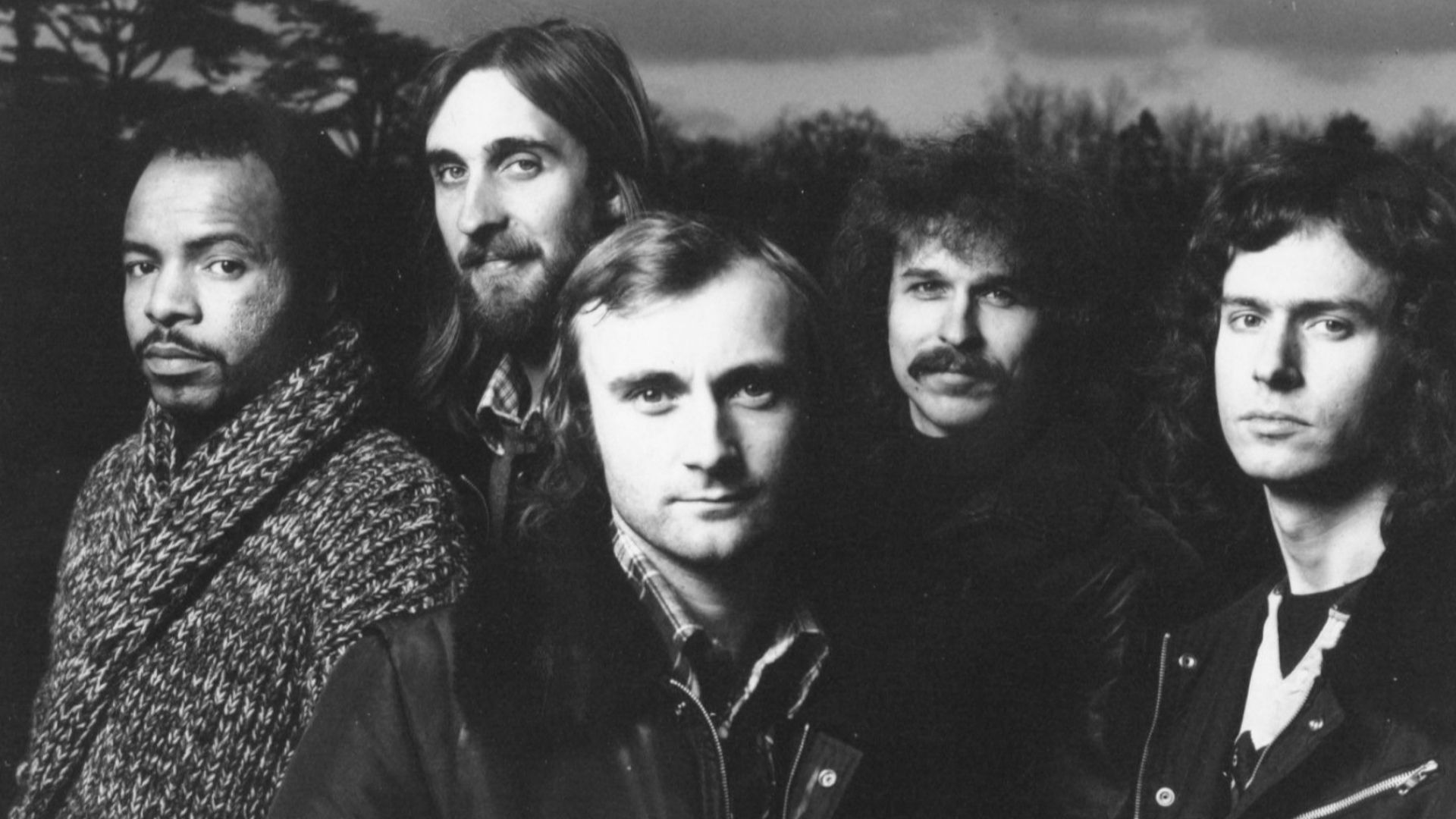 Distributed by Atlantic Records, Wikimedia Commons
Marriage Before The Spotlight Fully Hit
In 1975, Collins married Andrea Bertorelli, long before his solo superstardom fully ignited. Together, they built a family while his career quietly began consuming more space.

Touring Life Starts To Take Its Toll
As Genesis’ success grew, long tours and constant travel strained the marriage. The physical distance slowly turned into emotional separation.
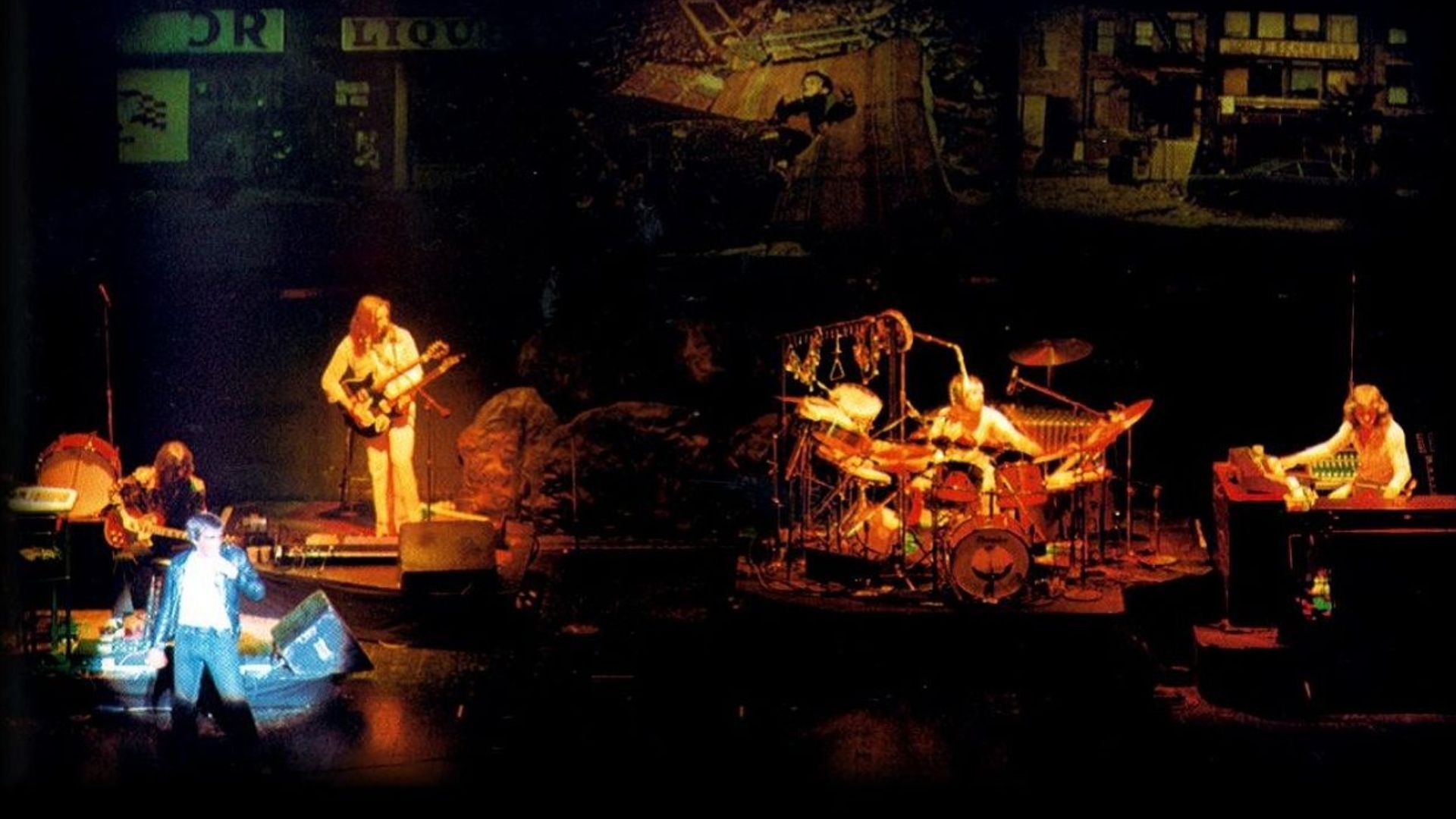 Nick Contador, Wikimedia Commons
When Fame Becomes The Third Person In A Marriage
Collins later acknowledged that his career played a major role in the breakdown of the relationship. Fame didn’t just take his time—it took his attention, his energy, and eventually his home life.
 Philippe Roos from Strasbourg, Wikimedia Commons
The Divorce That Changed Everything
By 1980, the marriage had ended, leaving Collins emotionally unmoored. The divorce wasn’t just painful—it became a creative turning point.

Stepping Away From Genesis To Cope
The emotional fallout was so severe that Collins temporarily stepped away from Genesis. It wasn’t burnout—it was heartbreak demanding space.
 Unknown authorUnknown author, Wikimedia Commons
Alone In The Studio With Too Much To Say
Isolation pushed Collins toward solo work, not out of ambition but necessity. Music became the place where unresolved feelings could exist without explanation.

Face Value Was Never Meant To Be Polished
His debut solo album wasn’t designed for radio dominance—it was raw, sparse, and emotionally direct. The production mirrored the emptiness he felt at the time.

The First Song That Fell Out
“In The Air Tonight” was one of the earliest tracks written during those sessions. It arrived suddenly, without careful planning or lyrical polish.

Lyrics That Refused To Explain Themselves
Collins has openly said he doesn’t fully know what the lyrics mean in a literal sense. They weren’t meant to tell a story—they were meant to release a feeling.

Anger Without A Clear Target
The song carries tension, resentment, and sadness without naming a villain. That emotional ambiguity is exactly what made it universal.
 The original uploader was SebastianWilken at German Wikipedia., Wikimedia Commons
Minimalism As A Weapon
Sparse instrumentation and quiet restraint gave the song its unsettling power. Instead of big hooks, it relied on atmosphere and patience.
 Philippe Roos from Strasbourg, Wikimedia Commons
The Drum Machine That Changed The Mood
Collins used a drum machine to establish the song’s pulse, creating a cold, mechanical backbone that matched the emotional numbness underneath.
 GeschnittenBrot, Wikimedia Commons
The Drum Fill Heard Around The World
When the drums finally crash in, it feels less like a musical moment and more like emotional collapse. It remains one of the most recognizable drum moments in pop history.

Almost A Genesis Song—Almost
Collins initially considered bringing the track to Genesis, but it was ultimately passed over. That rejection quietly handed him his defining solo identity.
 Andrew Bossi, Wikimedia Commons
A Sound That Didn’t Fit Any Formula
At the time, the song didn’t resemble typical pop hits. Its slow build and eerie tone stood apart—and audiences leaned in rather than tuning out.

Success That Felt Unintended
Despite its unconventional structure, the song became a major hit. Collins hadn’t chased success—it followed him anyway.

Myths Quickly Replaced The Truth
Urban legends sprang up almost immediately, attempting to pin the song to dramatic fictional events. Collins consistently dismissed them, insisting the truth was far more personal.

A Song That Refused To Age
Decades later, In The Air Tonight still feels tense and modern. Its emotional honesty keeps it from sounding tied to any single era.

The Track That Overshadowed Everything Else
No matter how many hits followed, this song remained the one most closely tied to Collins’ identity. It wasn’t just a debut—it was a declaration.
 pexcornel from Catalonia, Wikimedia Commons
When Pain Accidentally Becomes Legacy
What started as emotional survival became cultural permanence. Collins didn’t set out to define himself—he just told the truth when it hurt the most.

Heartbreak Pressed Into Vinyl
Losing his marriage reshaped Phil Collins’ life, but it also gave the world a song that still pulses with unresolved emotion. “In The Air Tonight” endures because it sounds exactly like what it was—heartbreak captured before it had time to heal.

You May Also Like: