The Voice That Country Music Never Forgot
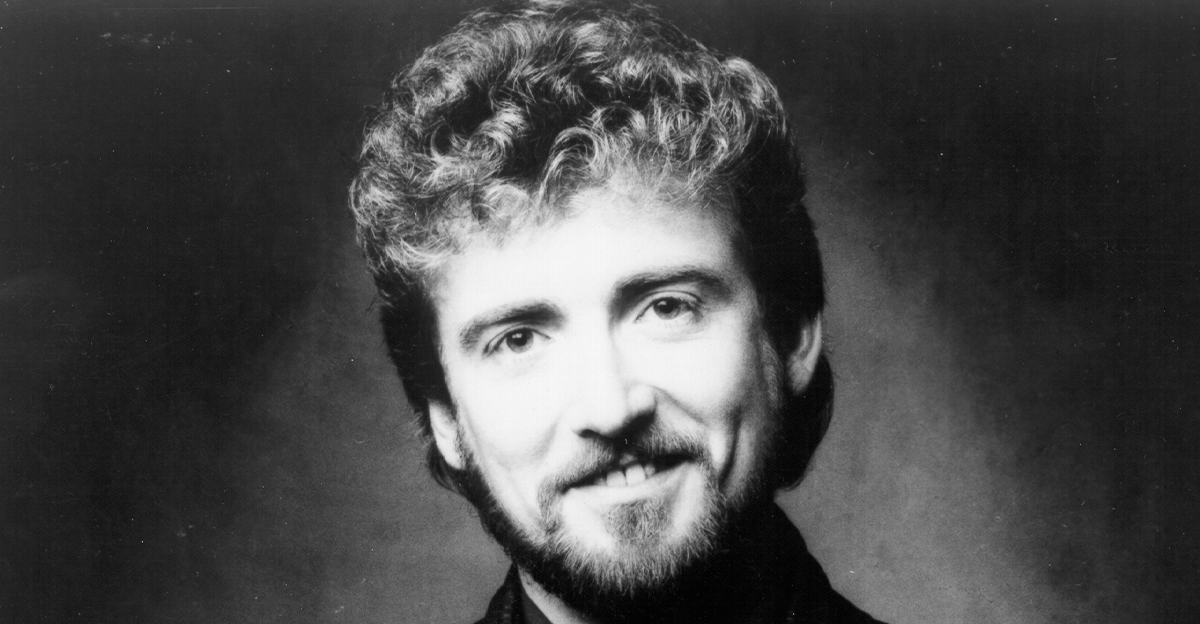
On May 9, 1989, Nashville woke up to news it could hardly believe. Keith Whitley, one of country music's fastest-rising stars, was dead at just 34 years old. He left behind a grieving family, a string of chart-topping hits, and a career that seemed destined for even greater heights. Yet while his life was tragically short, his influence proved anything but.
 Michael Ochs Archives/Getty Images
A Kentucky Boy Raised On Mountain Music
Jack Keith Whitley was born on July 1, 1954, in Ashland, Kentucky, and grew up in nearby Sandy Hook. Music became part of his life at an early age, particularly bluegrass and traditional country. Unlike many future stars who dreamed of Nashville from childhood, Whitley first made his name in the bluegrass world. That foundation would later give his country recordings a depth and authenticity that set him apart from many of his peers.
 Corey Graese, Wikimedia Commons
A Chance Meeting Changed Everything
As a teenager, Whitley entered a local music competition where he met another aspiring musician named Ricky Skaggs. The two became close friends almost immediately and spent countless hours playing together. Their friendship proved life-changing when bluegrass legend Ralph Stanley heard them perform and invited them into his musical world. That opportunity launched both young musicians toward professional careers.
 Reed George, Wikimedia Commons
Ralph Stanley Heard A Future Star
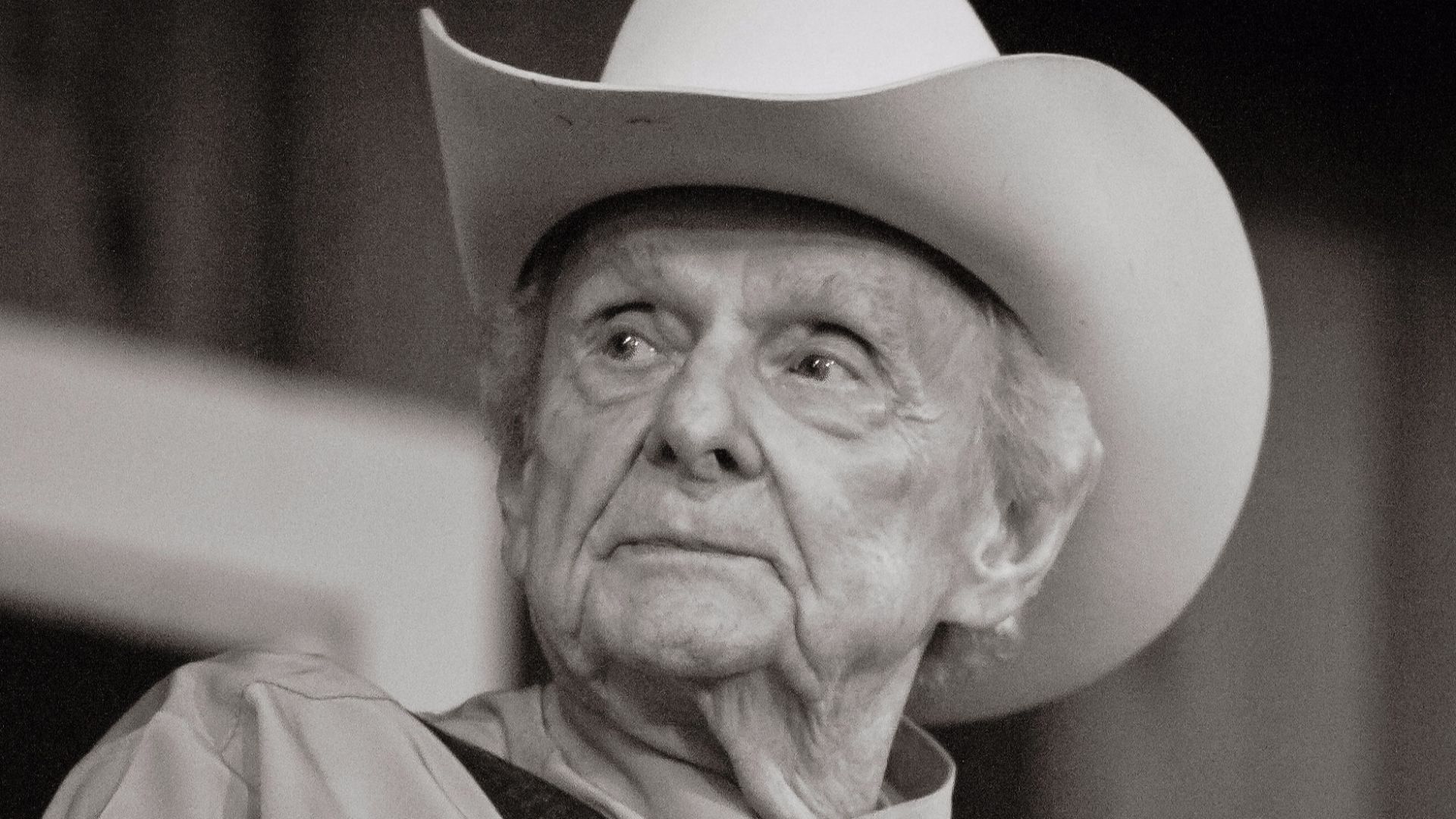
One of country music’s most famous stories involves Ralph Stanley arriving late to a performance and hearing music coming from inside the venue. According to Stanley, he initially thought he was hearing old recordings of himself and his brother Carter. Instead, it was teenage musicians Keith Whitley and Ricky Skaggs performing live. Stanley was so impressed that he soon brought them into his band.
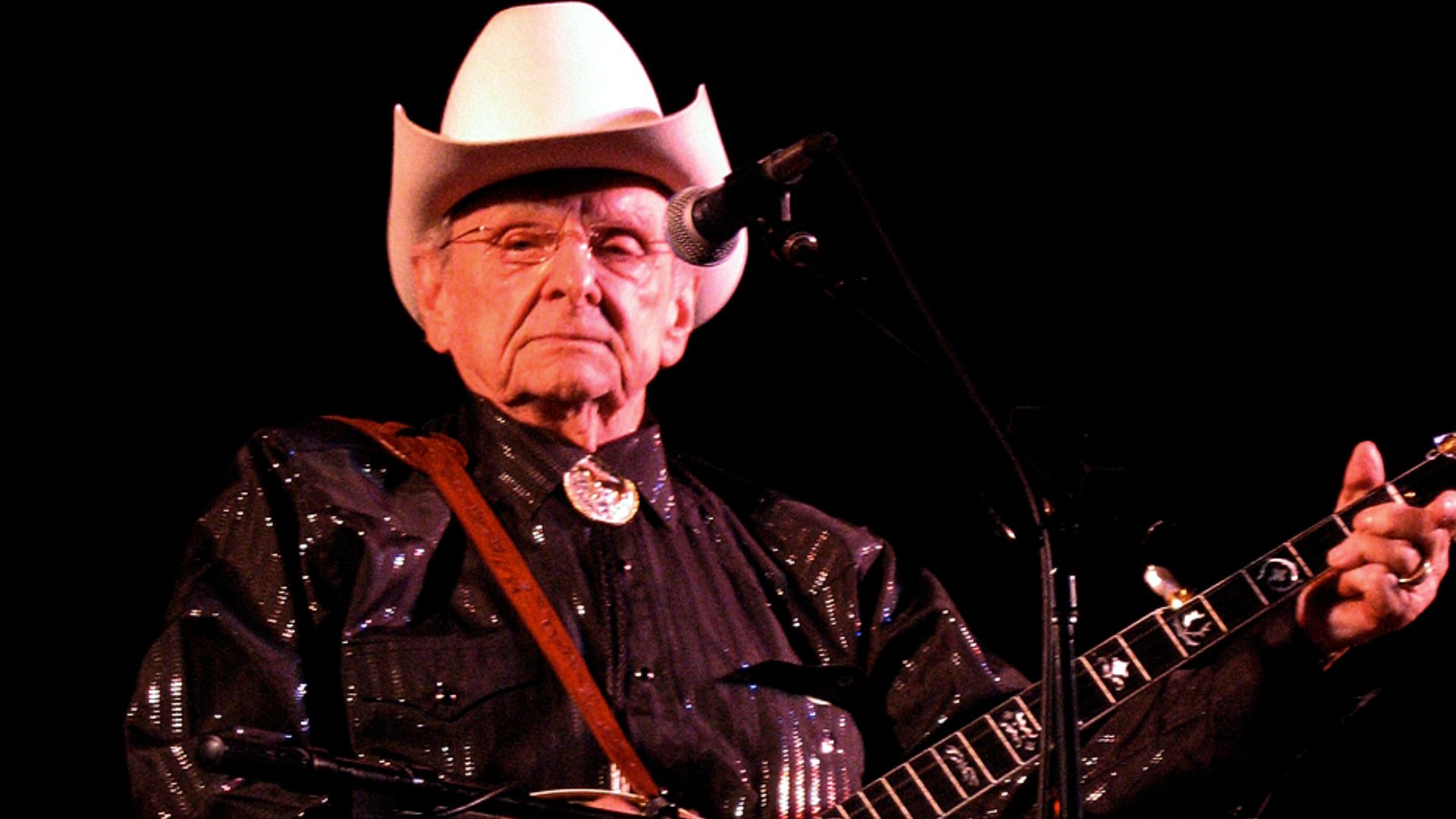 Larry Miller from Grass Valley, USA, Wikimedia Commons
Becoming Bluegrass Royalty
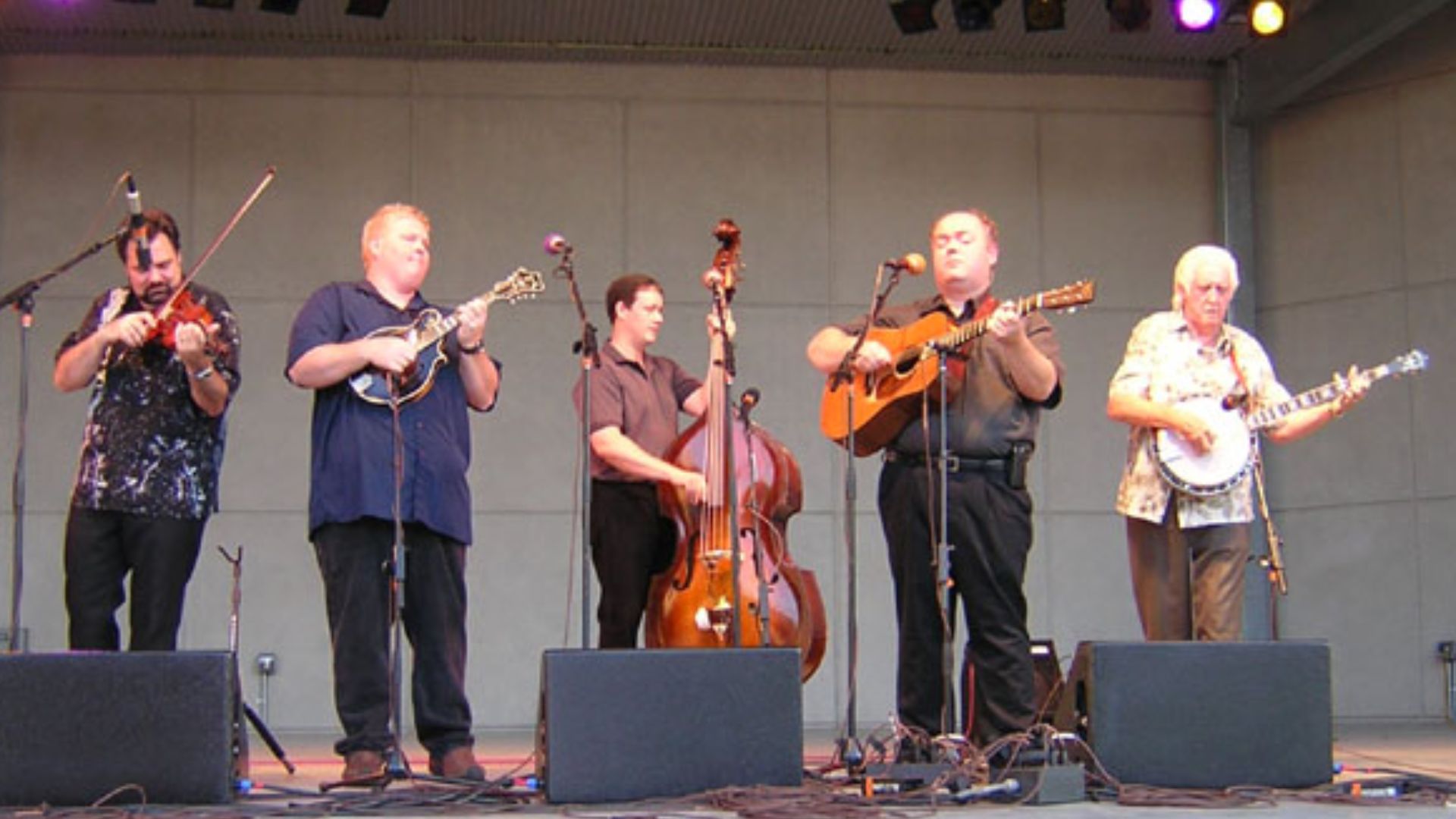
Whitley spent much of the 1970s building a reputation as one of bluegrass music’s finest singers. He performed with Ralph Stanley and later with JD Crowe and the New South, two of the genre’s most respected acts. Fellow musicians frequently praised his phrasing, timing, and emotional delivery. Even before country audiences discovered him, many bluegrass fans already viewed him as a remarkable talent.
Nashville Was The Next Mountain To Climb
By the early 1980s, Whitley felt ready to pursue a mainstream country career. He moved to Nashville in 1983 and signed with RCA Records. The transition was not entirely smooth because producers struggled to determine how traditional or contemporary his music should sound. For a time, Whitley seemed caught between the bluegrass world he came from and the commercial country market he hoped to conquer.
 Quintin Soloviev, Wikimedia Commons
Success Did Not Arrive Overnight
Unlike some stars who exploded onto the charts immediately, Whitley needed several years to find his footing. His early recordings earned mixed reactions and failed to establish a clear identity. Industry executives believed he had tremendous potential, but they were still searching for the right formula. Whitley himself often felt frustrated by the material being selected for him.
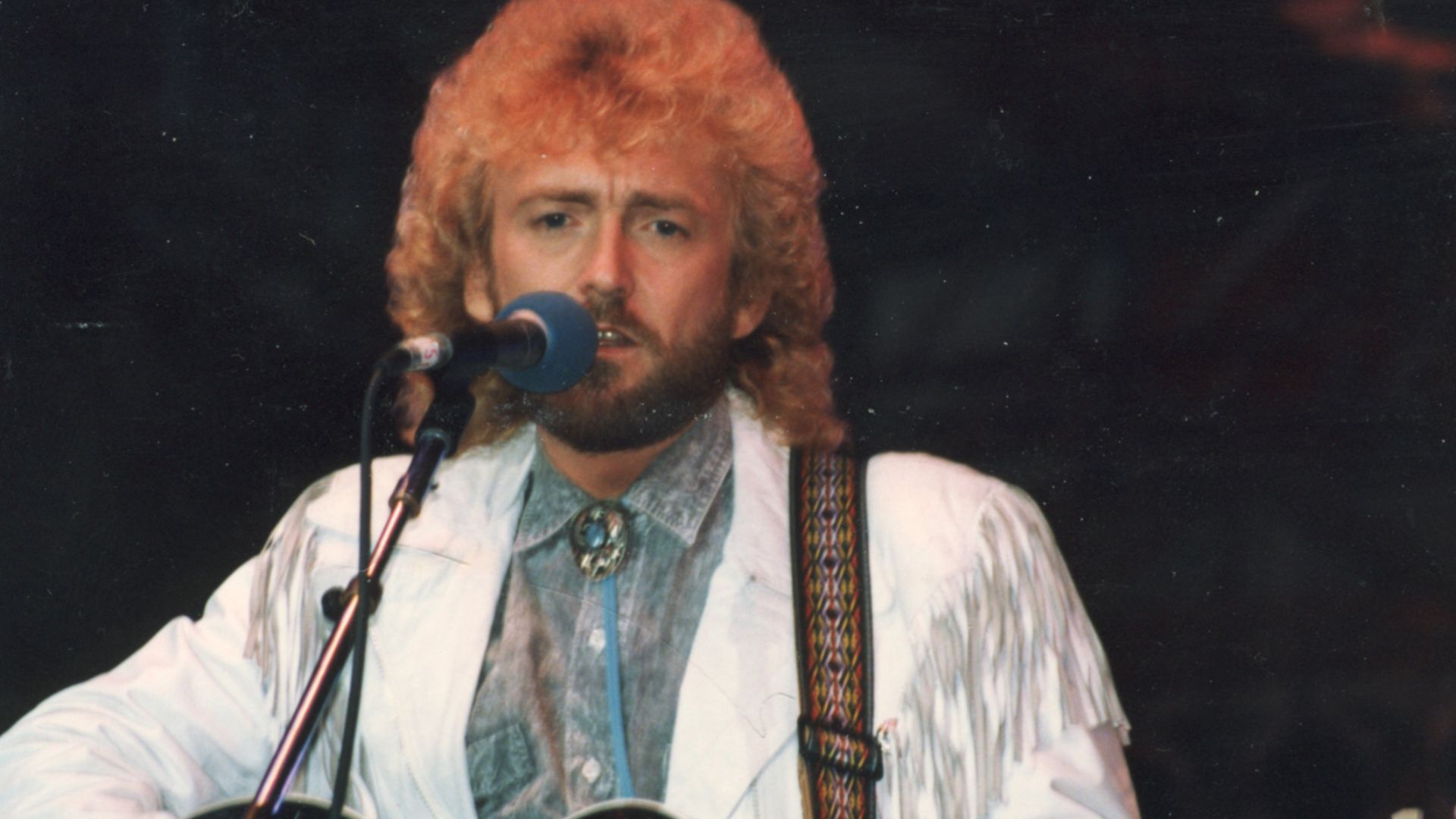 The original uploader was Vistadeck at English Wikipedia., Wikimedia Commons
“Miami, My Amy” Put Him On The Map
Things finally began to change with the release of LA To Miami. The album produced several successful singles, including "Miami, My Amy," "Ten Feet Away," "Homecoming '63," and "Hard Livin'". These songs introduced audiences to Whitley's distinctive blend of traditional country emotion and modern production. Nashville finally had evidence that his unique voice could connect with mainstream listeners.
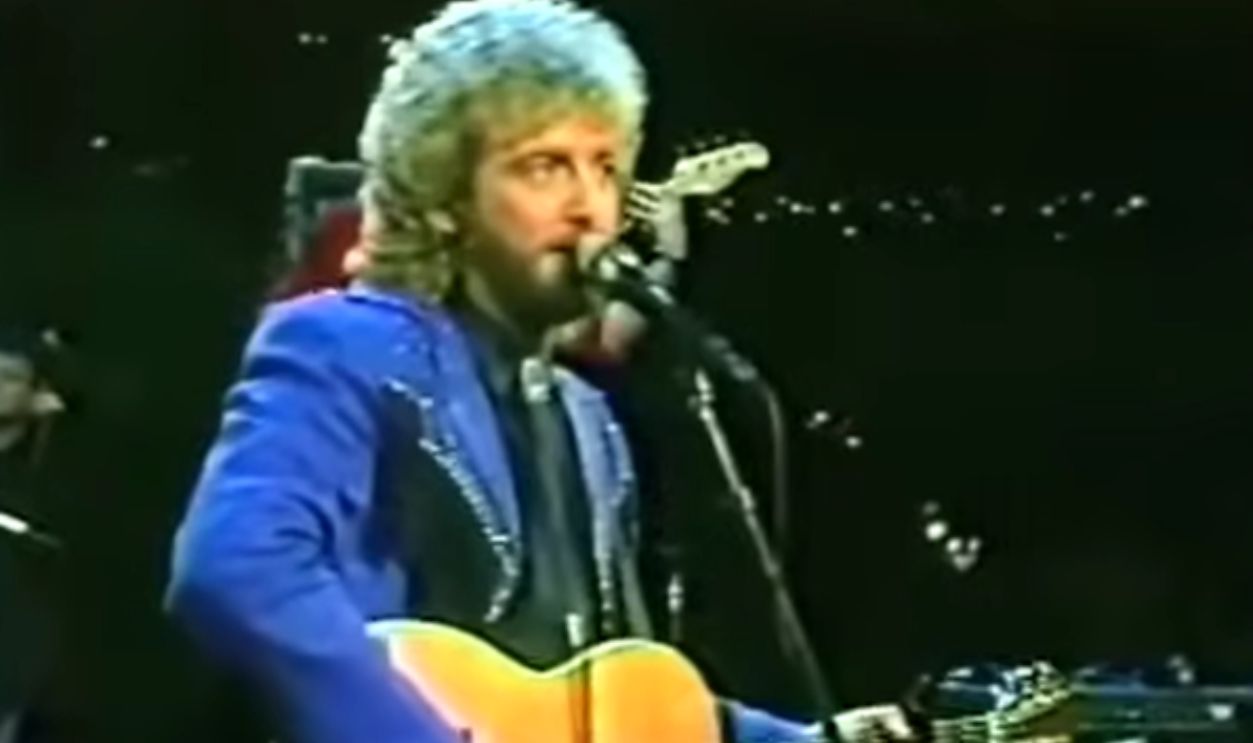 Screenshot from Miami, My Amy, RCA Records (1986)
He Helped Bring Traditional Country Back
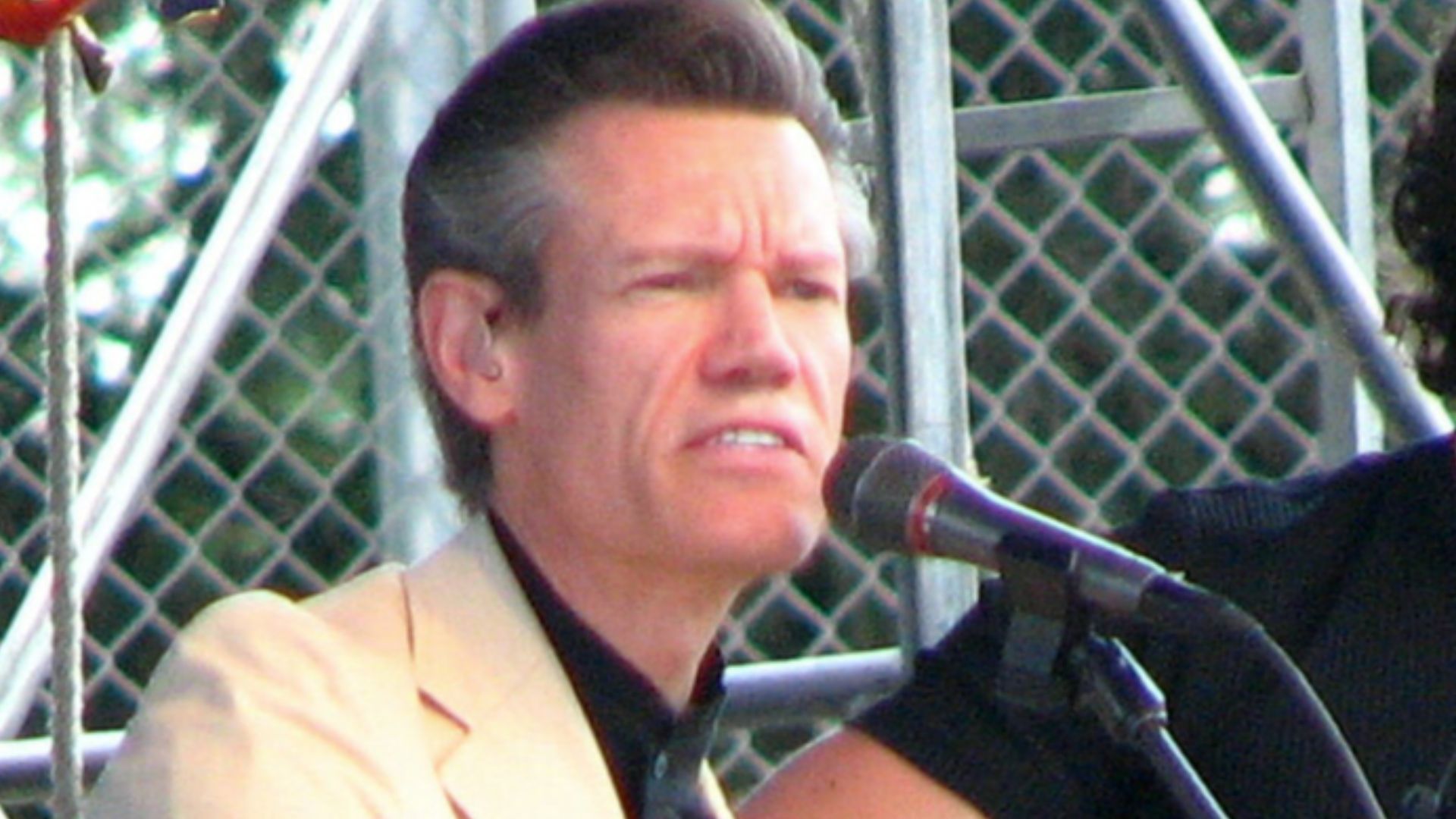
The 1980s saw country music pulled in increasingly pop-oriented directions. Alongside artists like Randy Travis, George Strait, Dwight Yoakam, Ricky Skaggs, and Reba McEntire, Whitley became part of the New Traditionalist movement. These performers reintroduced classic country themes and sounds to mainstream audiences. Whitley's music felt rooted in the genre's past without sounding old-fashioned.
“Don’t Close Your Eyes” Changed Everything
In 1988, Whitley released Don't Close Your Eyes, the album that transformed him into a major country star. Unlike earlier projects, he took a more active role in choosing songs and shaping the record. The result was a collection that perfectly captured his strengths as a vocalist. Critics praised the album, and fans responded enthusiastically.
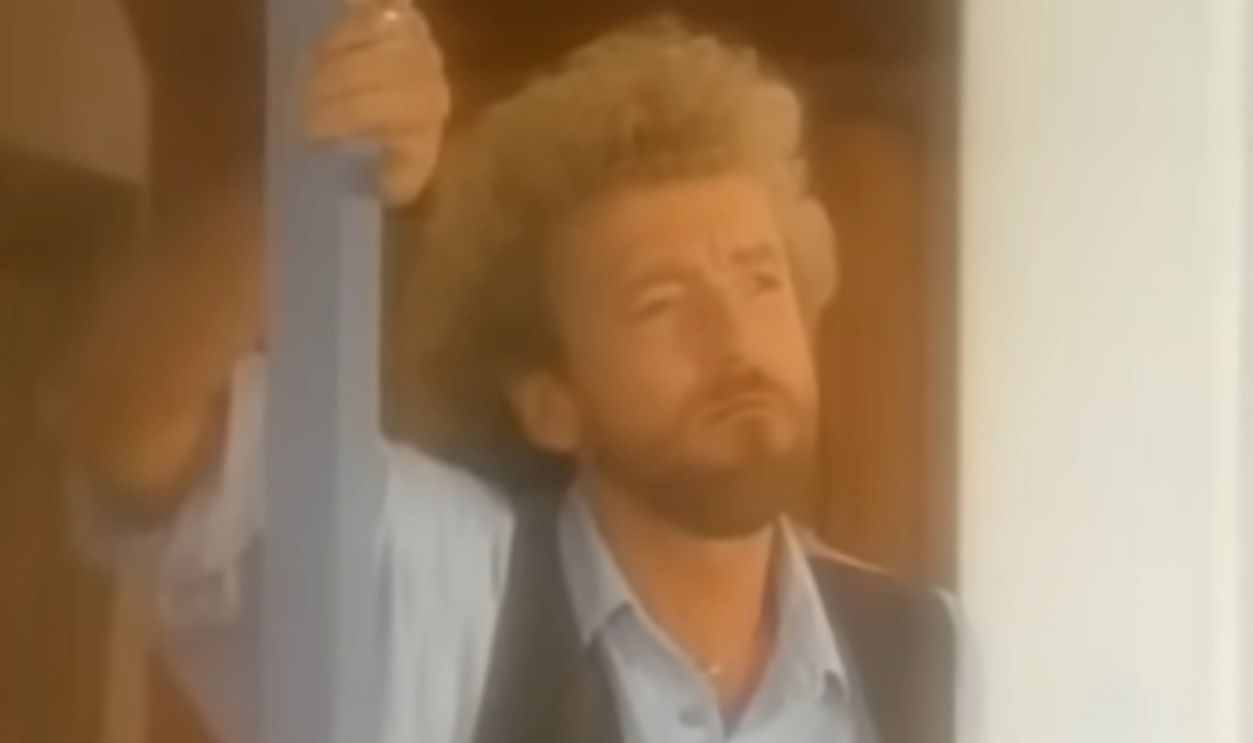 Screenshot from Don’t Close Your Eyes, RCA Records (1988)
Three Number Ones In A Row
The album produced an extraordinary run of hits. "Don't Close Your Eyes," "When You Say Nothing At All," and "I'm No Stranger To The Rain" all reached number one on the country charts. Few artists have ever delivered three consecutive songs that became so deeply embedded in the genre. Even decades later, all three remain staples of country radio and streaming playlists.
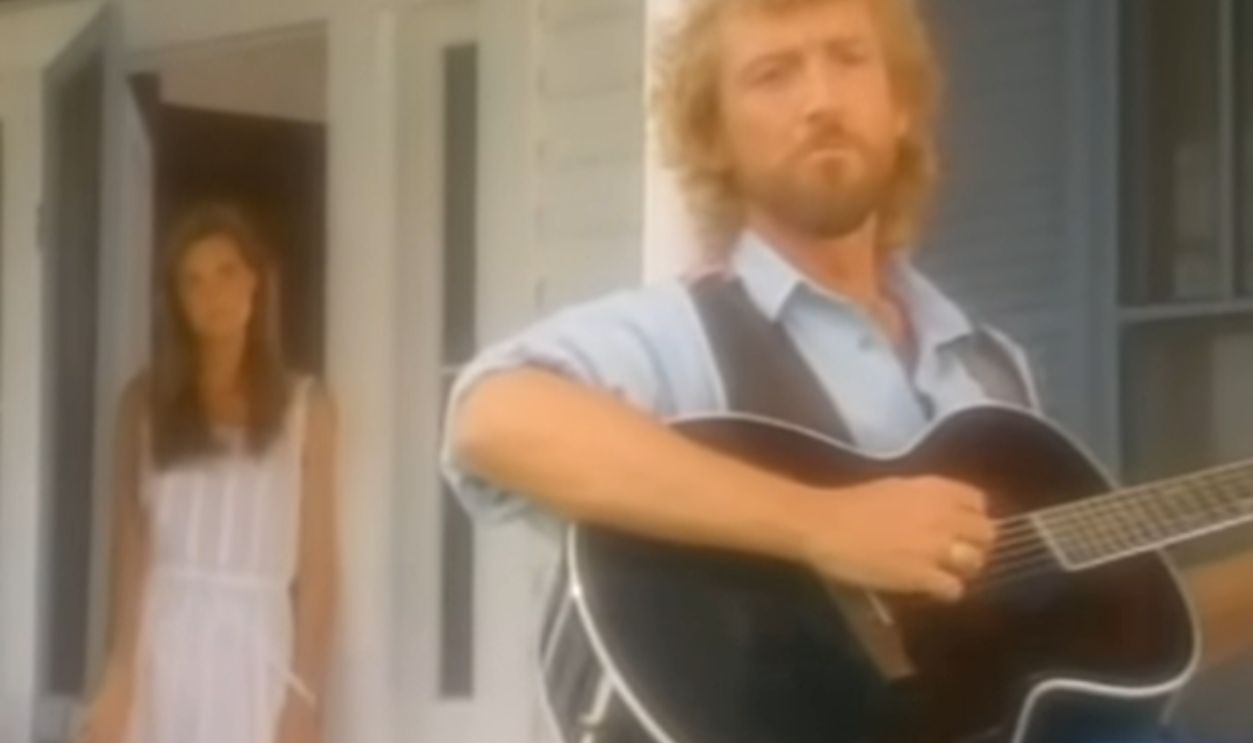 Screenshot from Don’t Close Your Eyes, RCA Records (1988)
“When You Say Nothing At All” Became Timeless
Many artists have recorded love songs, but few have matched the simple beauty of "When You Say Nothing At All". Whitley's performance relied on restraint rather than theatrics. He sounded sincere, vulnerable, and completely believable. The song later became a hit for Alison Krauss, introducing a new generation to one of the finest compositions ever associated with Whitley's career.
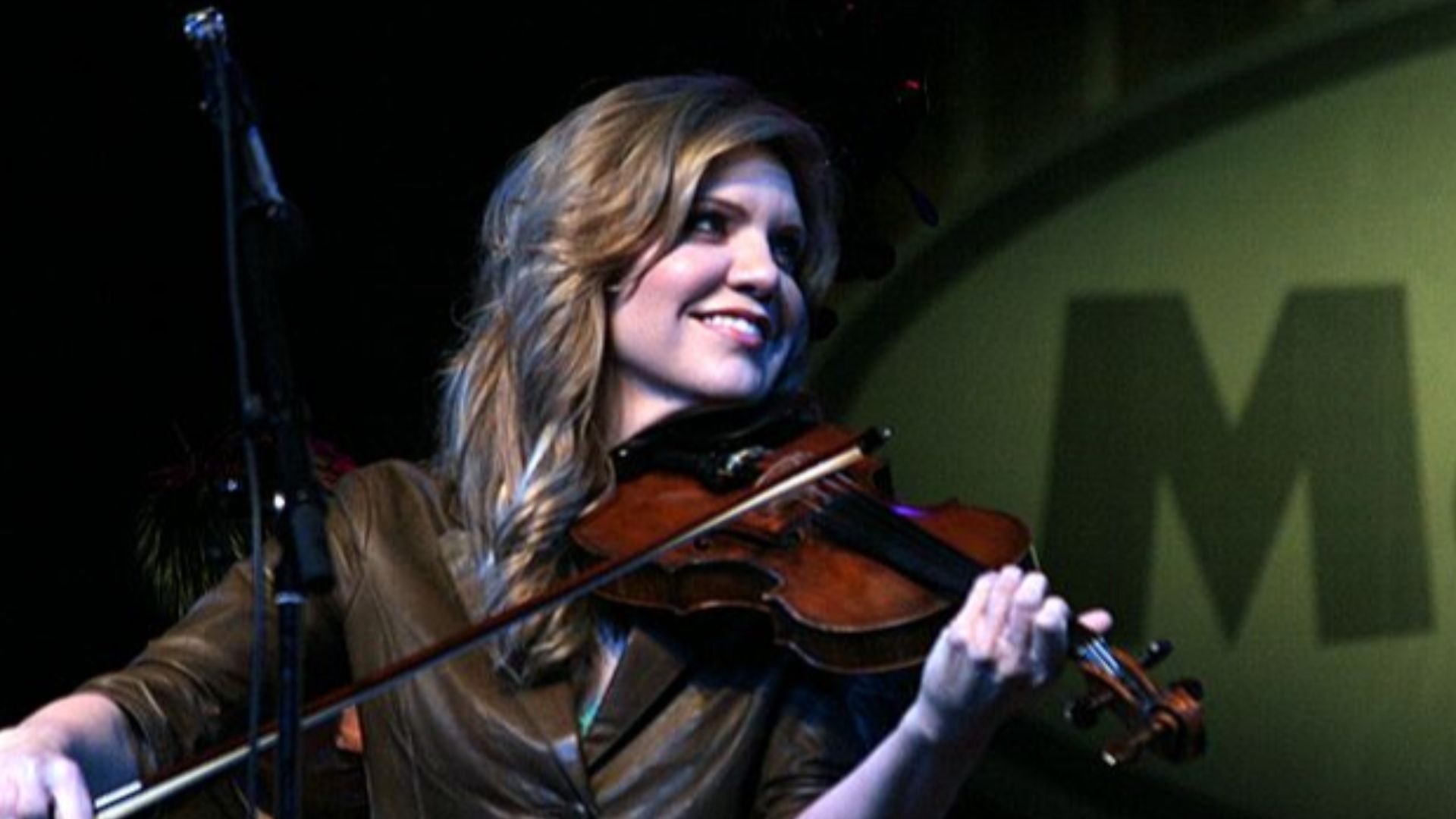 Filberthockey at en.wikipedia, Wikimedia Commons
No One Sang Heartbreak Quite Like Him
What separated Whitley from many singers was his ability to make listeners feel every word. Songs like "I'm No Stranger To The Rain" carried a level of emotional authenticity that felt lived-in rather than performed. Pitchfork later described him as a central figure in the neotraditionalist movement whose voice combined classic country spirit with contemporary appeal. His recordings sounded deeply personal, even when he did not write the songs himself.
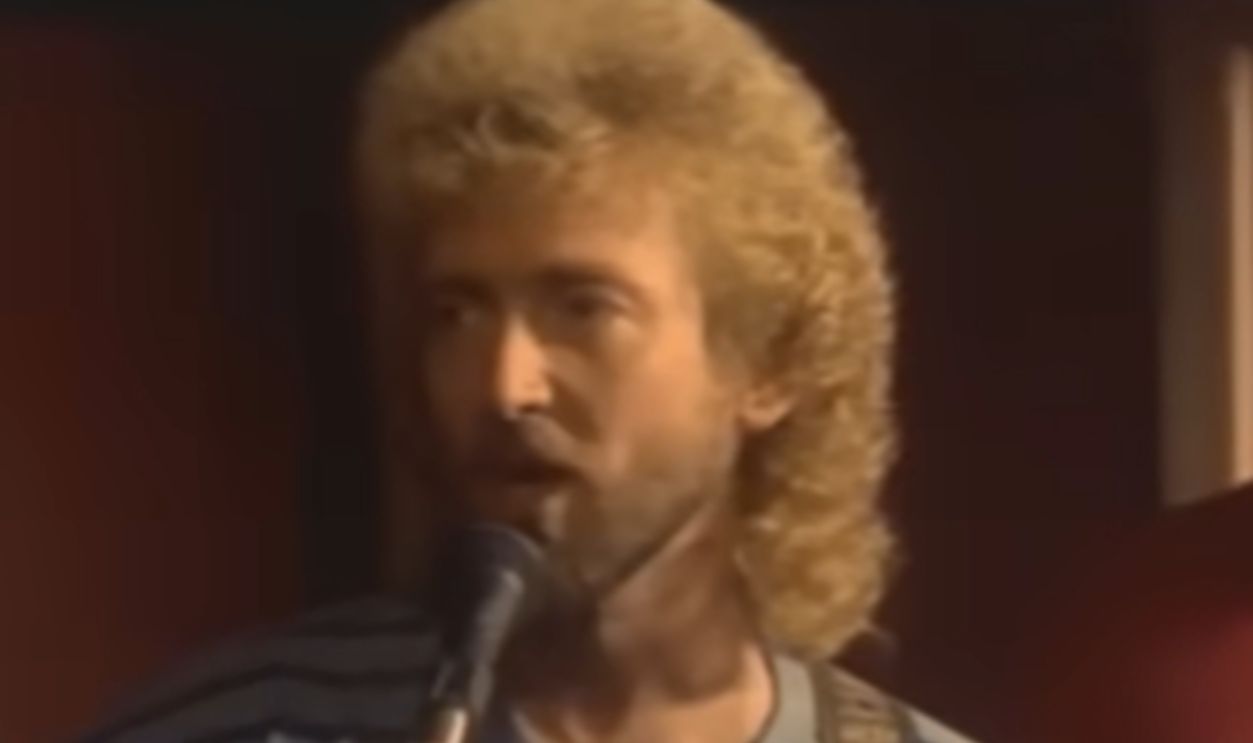 Screenshot from I'm No Stranger To The Rain, RCA Records (1989)
Lorrie Morgan Became His Great Love
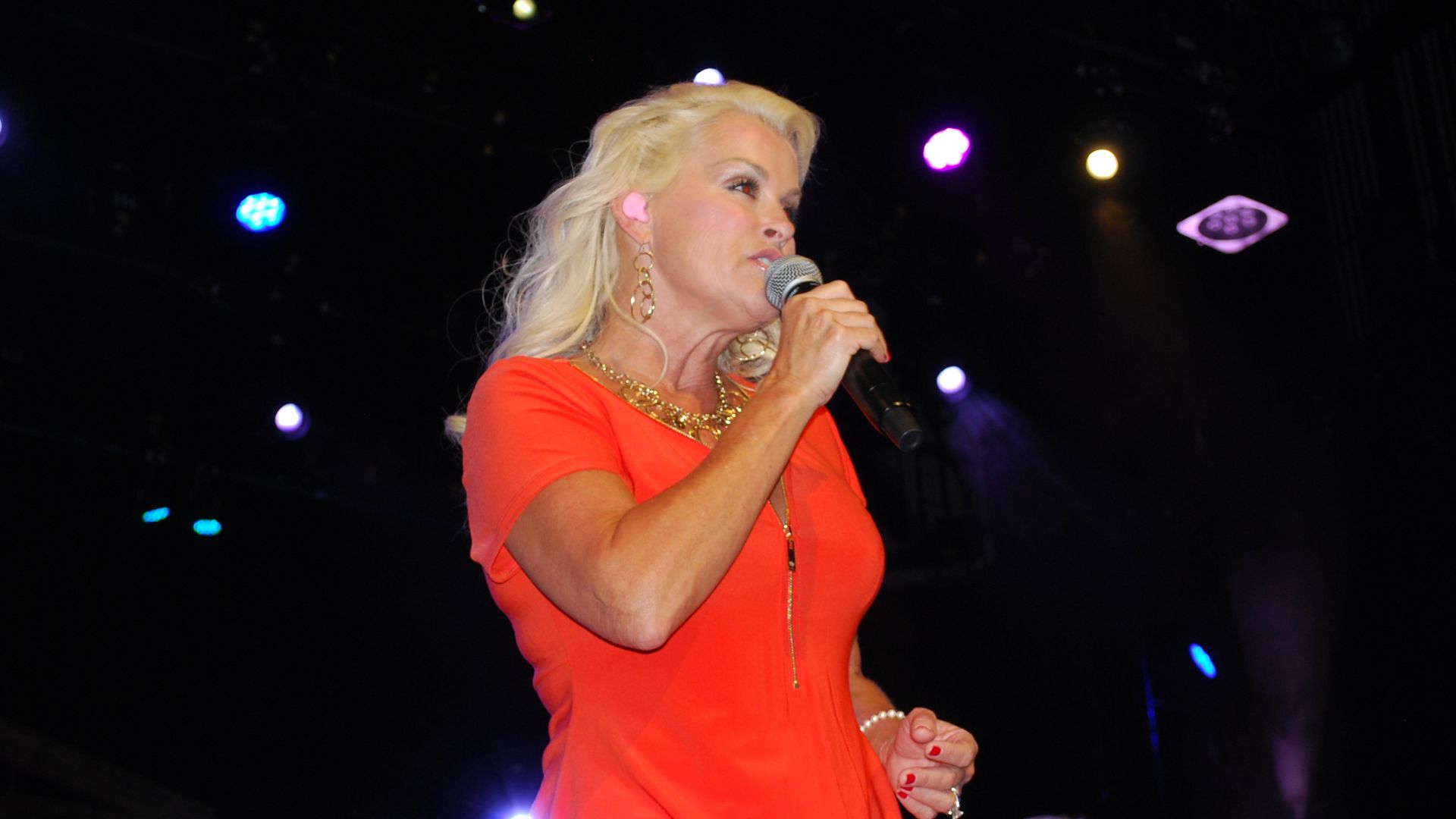
During the mid-1980s, Whitley began dating country singer Lorrie Morgan, daughter of Grand Ole Opry star George Morgan. The couple married in 1986 and welcomed their son, Jesse Keith Whitley, the following year. Whitley also adopted Morgan's daughter from a previous marriage. Friends often described the couple as deeply devoted to one another despite the personal struggles they faced.
The Darkness Behind The Success
Even as his career soared, Whitley battled alcoholism. The struggle had followed him for years and became increasingly difficult to manage. Those closest to him understood that he was fighting a serious addiction, even while he was producing the best music of his career. Tragically, the pain that made his songs feel so genuine often reflected battles he was fighting offstage.
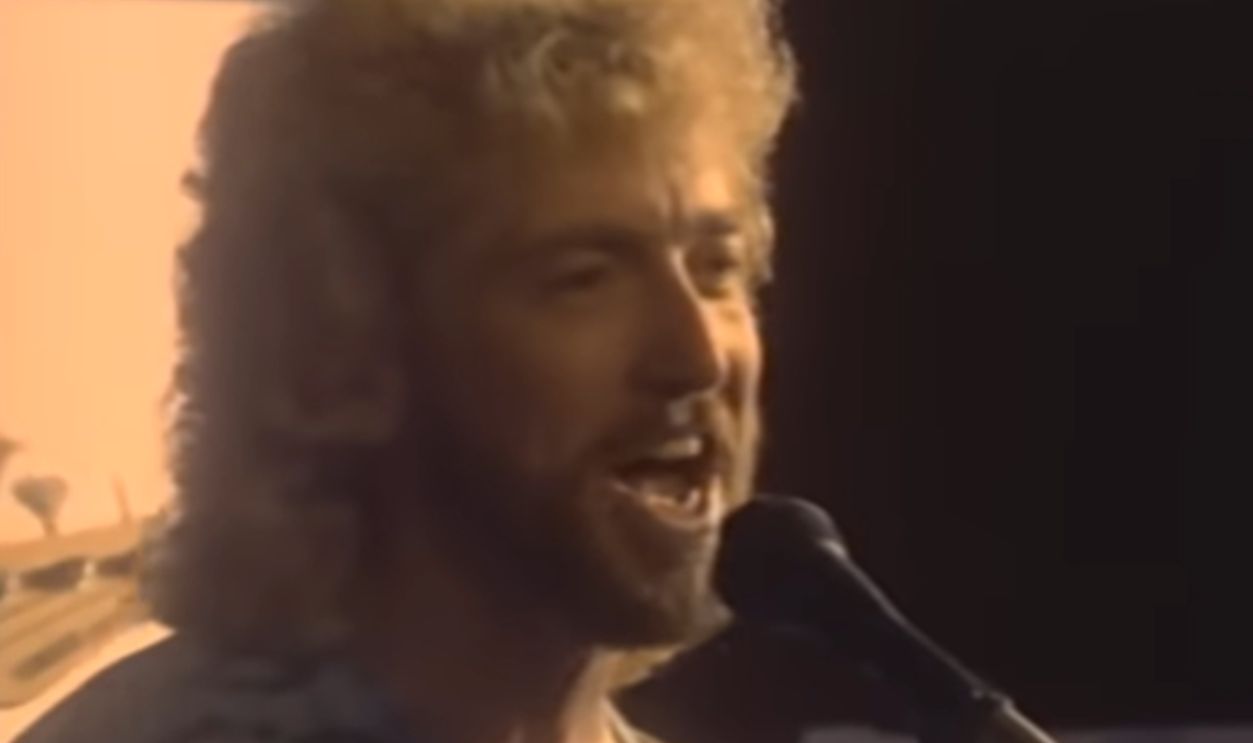 Screenshot from I'm No Stranger To The Rain, RCA Records (1989)
Nashville Was Ready To Crown Its New Star
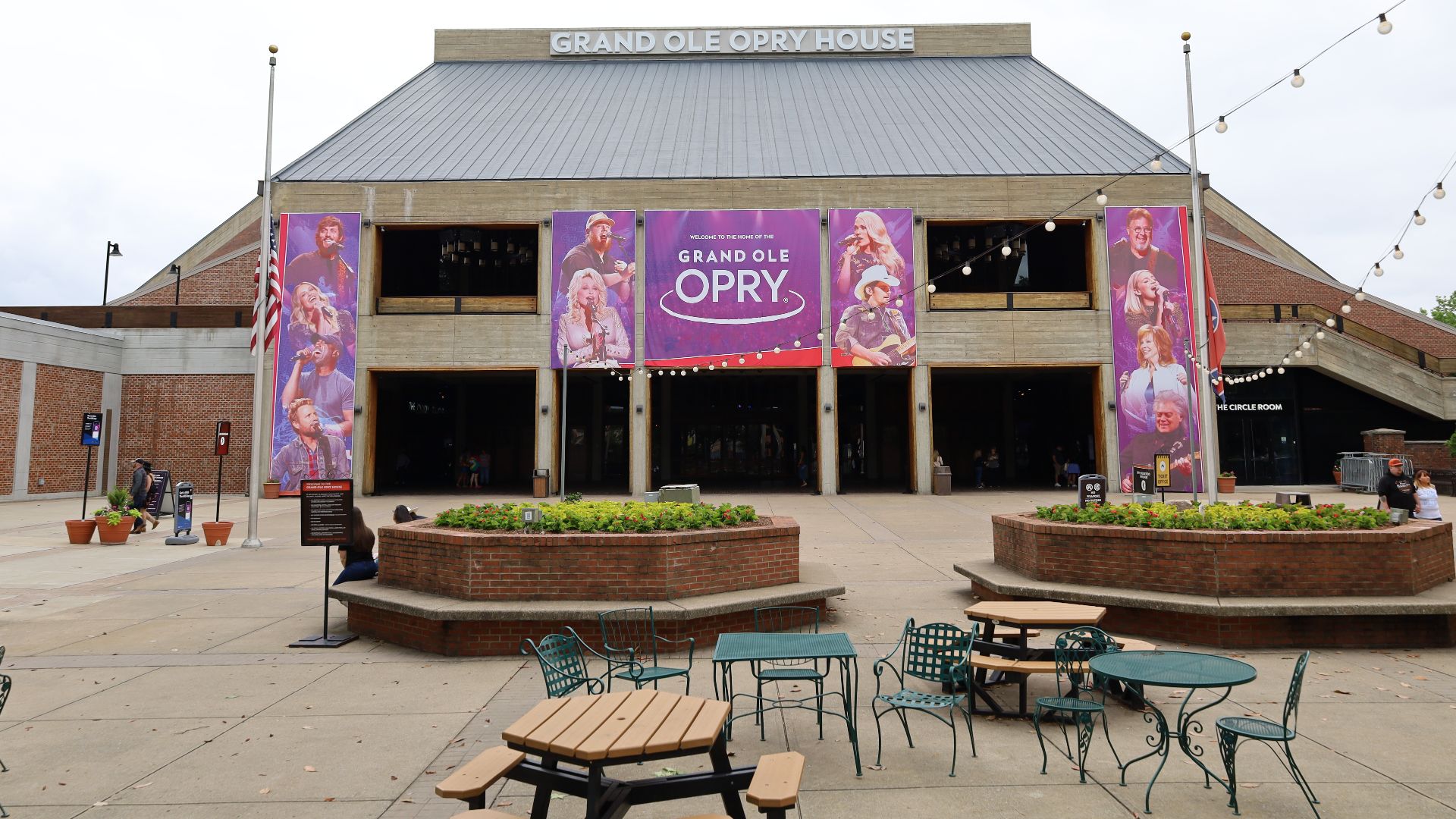
By early 1989, many industry observers believed Whitley was on the verge of superstardom. He had become one of country music's hottest artists and was preparing a new album. According to multiple accounts, he was also only weeks away from receiving an invitation to join the Grand Ole Opry. His future seemed brighter than ever.
The Day Country Music Stood Still
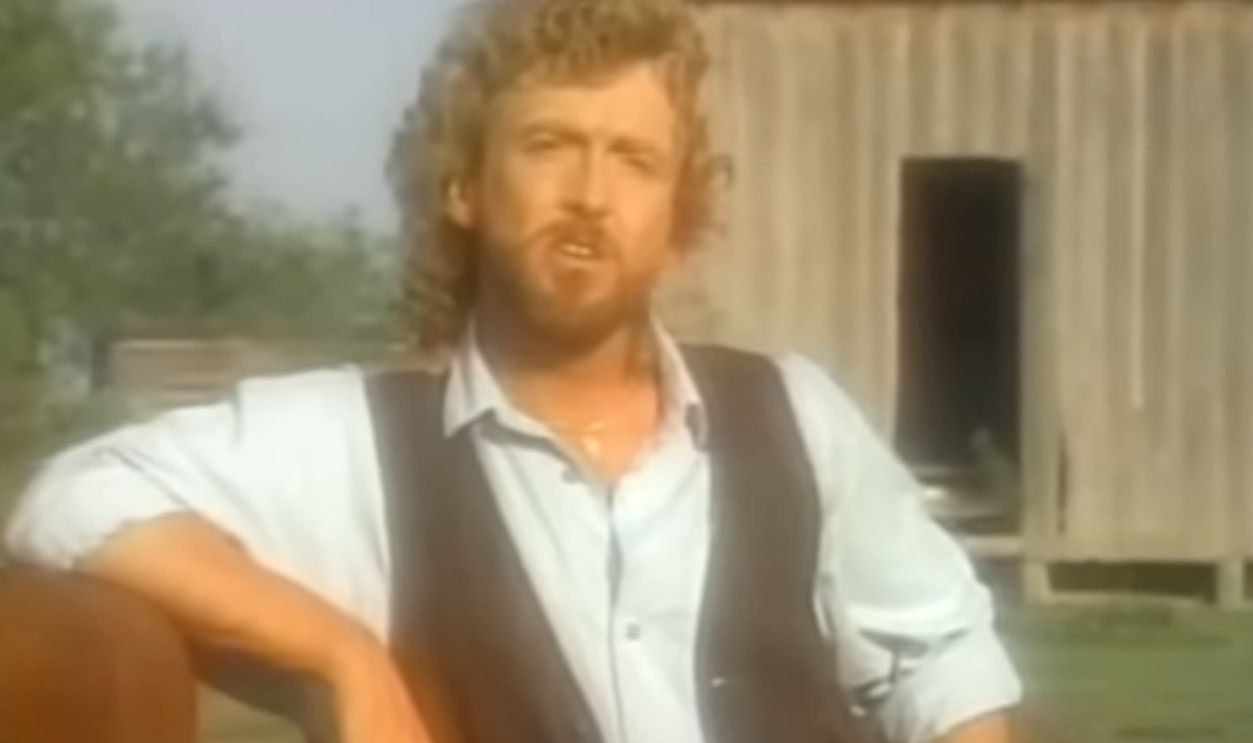
On May 9, 1989, Whitley was found unresponsive at his Tennessee home. He died from acute alcohol poisoning after years of struggling with addiction. The news sent shockwaves through Nashville because it arrived at the exact moment his career appeared ready to reach another level. Whitley was just 34 years old, leaving behind a grieving family and a stunned music community.
 Screenshot from Don’t Close Your Eyes, RCA Records (1988)
Music Row Mourned One Of Its Own
The reaction to Whitley's death was immediate and emotional. According to accounts from the time, black ribbons appeared across Nashville's Music Row as a sign of mourning. Fellow artists struggled to comprehend how quickly one of country music's most promising voices had disappeared. Many felt they were not simply losing a star, but a singer who had barely begun to show what he was capable of.
 dconvertini, Wikimedia Commons
His Biggest Hits Kept Coming
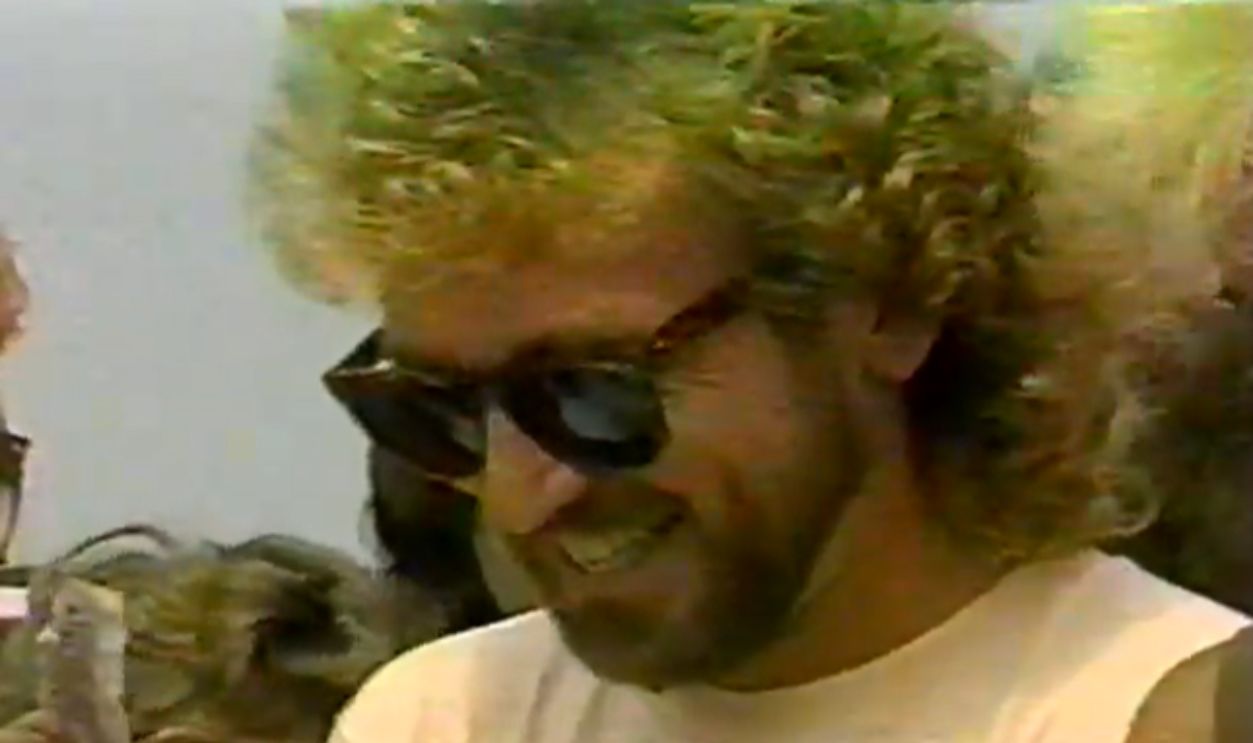
Most artists stop making chart history after their deaths. Whitley somehow became even bigger. Songs such as "I Wonder Do You Think Of Me," "It Ain't Nothin'," and "I'm Over You" became major hits after his passing. Fans embraced the recordings as bittersweet reminders of what might have been. His unfinished future suddenly became part of his legend.
 Screenshot from I Wonder Do You Think Of Me, RCA Records (1989)
Vince Gill Turned Grief Into A Classic
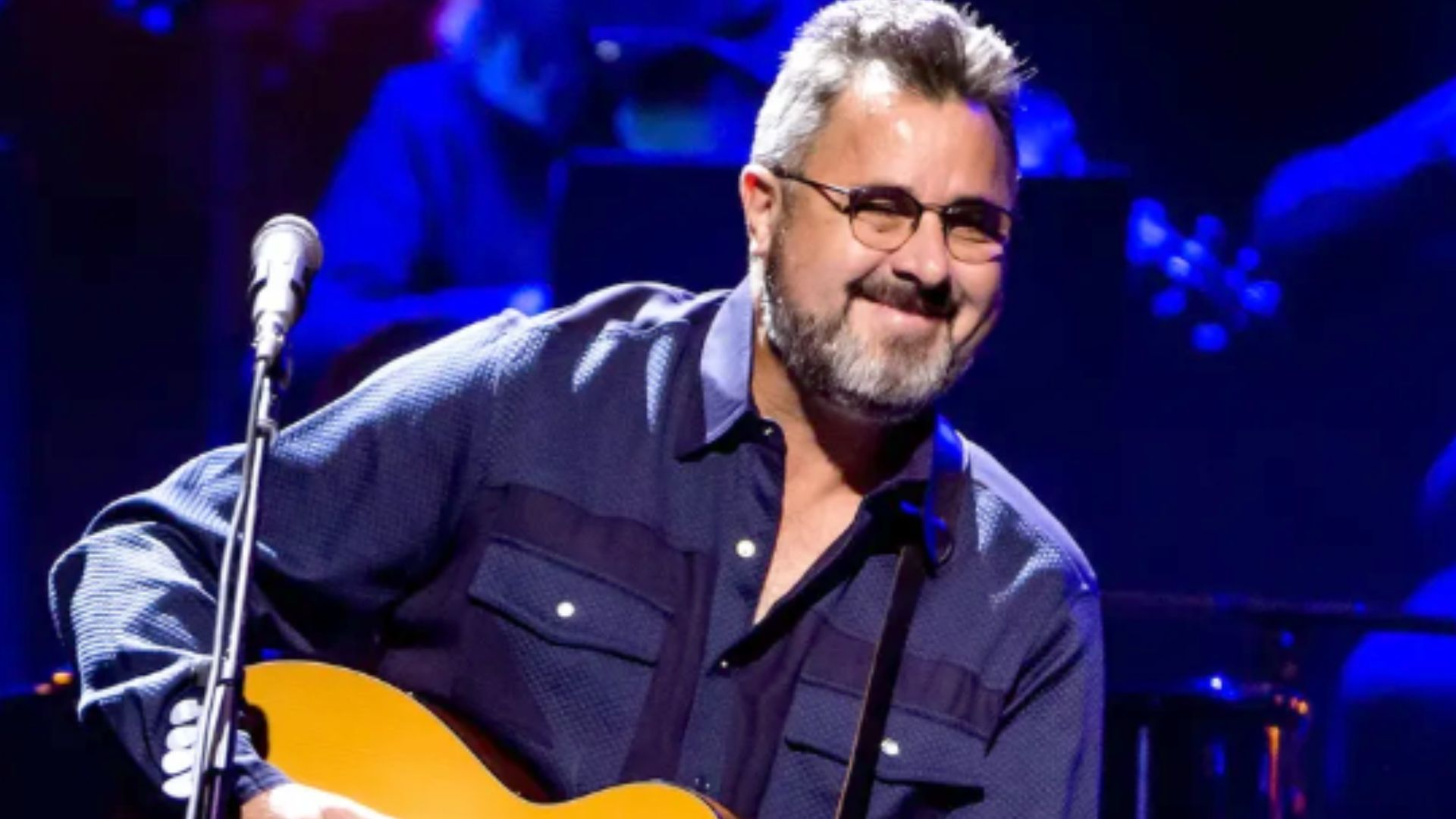
Whitley's death had a profound impact on fellow musicians. Vince Gill famously began writing "Go Rest High On That Mountain" after learning of his friend's passing. The song later became one of the most beloved and emotional tributes in country music history. Few artists receive a memorial quite that powerful, which speaks to the respect Whitley commanded among his peers.
 Derek Russell, Wikimedia Commons
Garth Brooks And Others Followed His Blueprint
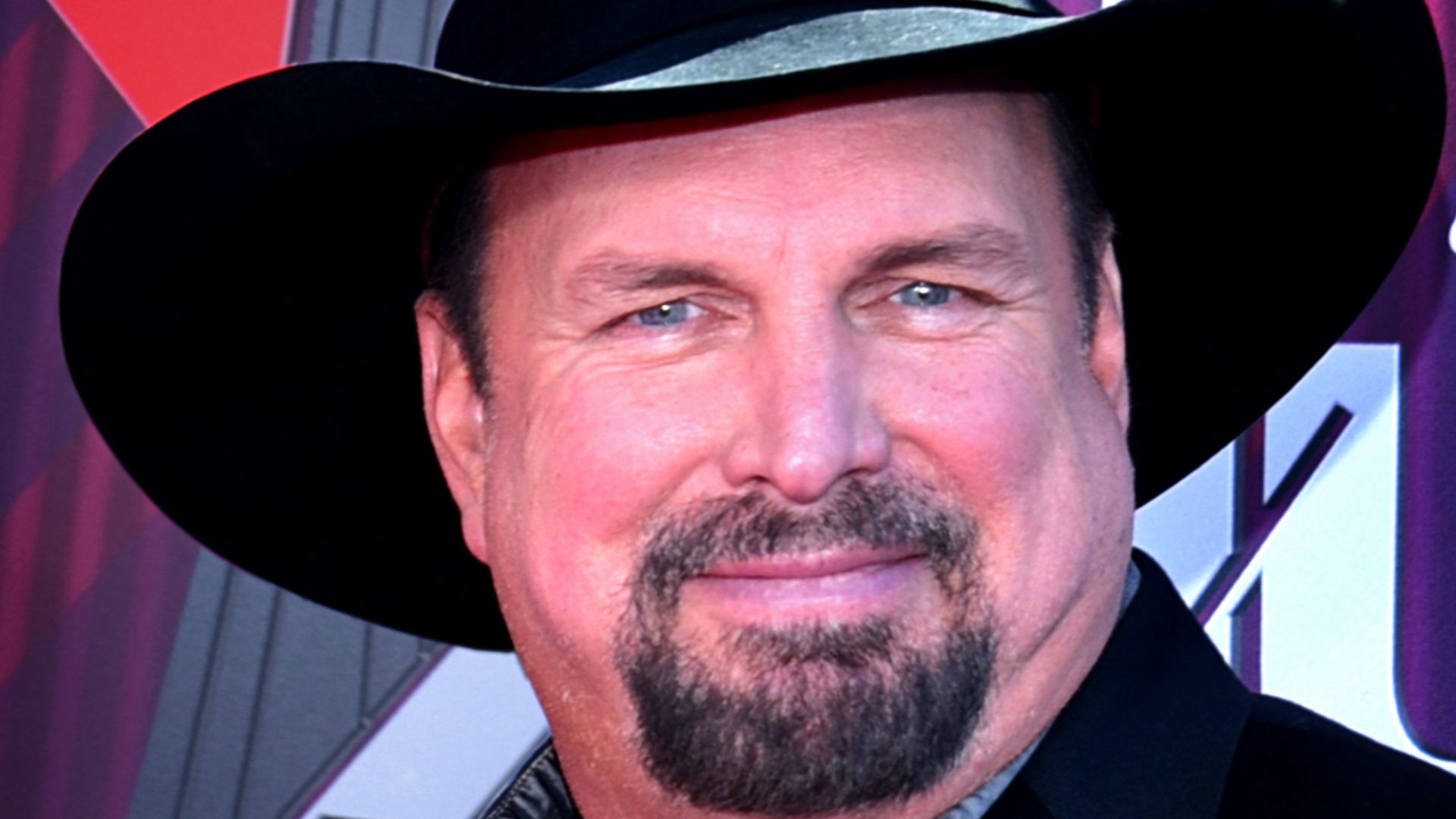
Whitley's influence can be heard throughout modern country music. Garth Brooks, Tim McGraw, Blake Shelton, and many other stars have cited him as a major inspiration. His approach to vocal delivery showed that emotional honesty could be just as powerful as technical perfection. Many of the heartbreak ballads that dominated country radio during the 1990s and 2000s owe a debt to Whitley's style.
The Hall Of Fame Finally Called
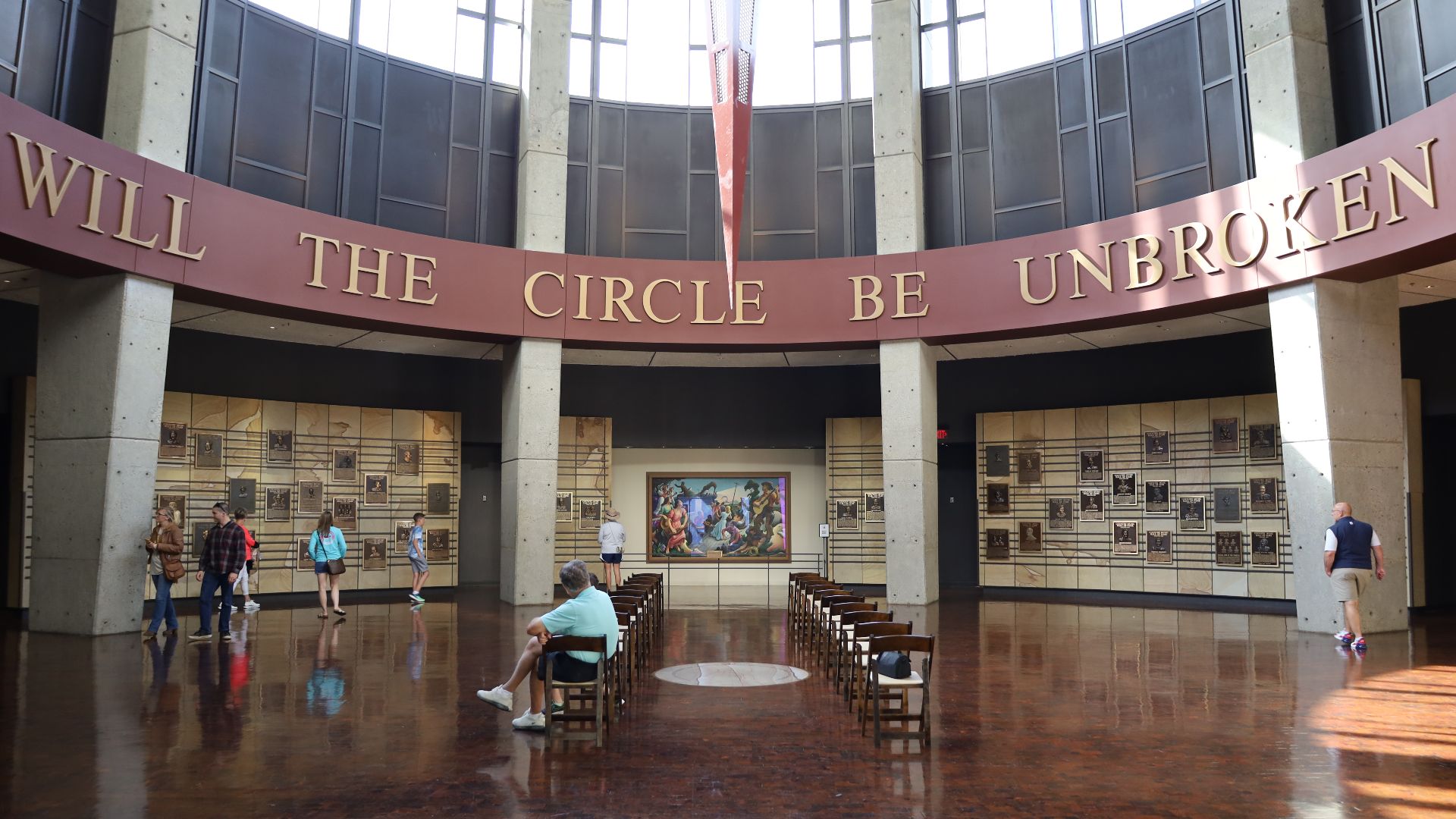
More than three decades after his death, Whitley received one of country music's highest honors when he was inducted into the Country Music Hall of Fame in 2022. Many fans and artists viewed the recognition as long overdue. His career lasted only a few years at the highest level, but the impact of those years proved impossible to ignore.
Why Keith Whitley Still Matters
Keith Whitley recorded music for only a brief period before his life was cut short. Yet his voice remains one of the most recognizable and influential sounds in country music history. Every time a modern country singer leans into heartbreak, vulnerability, and emotional honesty, traces of Whitley's influence can still be heard. Nashville was stunned when he died, but it never stopped listening.
 Screenshot from Don’t Close Your Eyes, RCA Records (1988)
You May Also Like:
The Country Music Partnership Of Kenny Rogers And Dolly Parton