
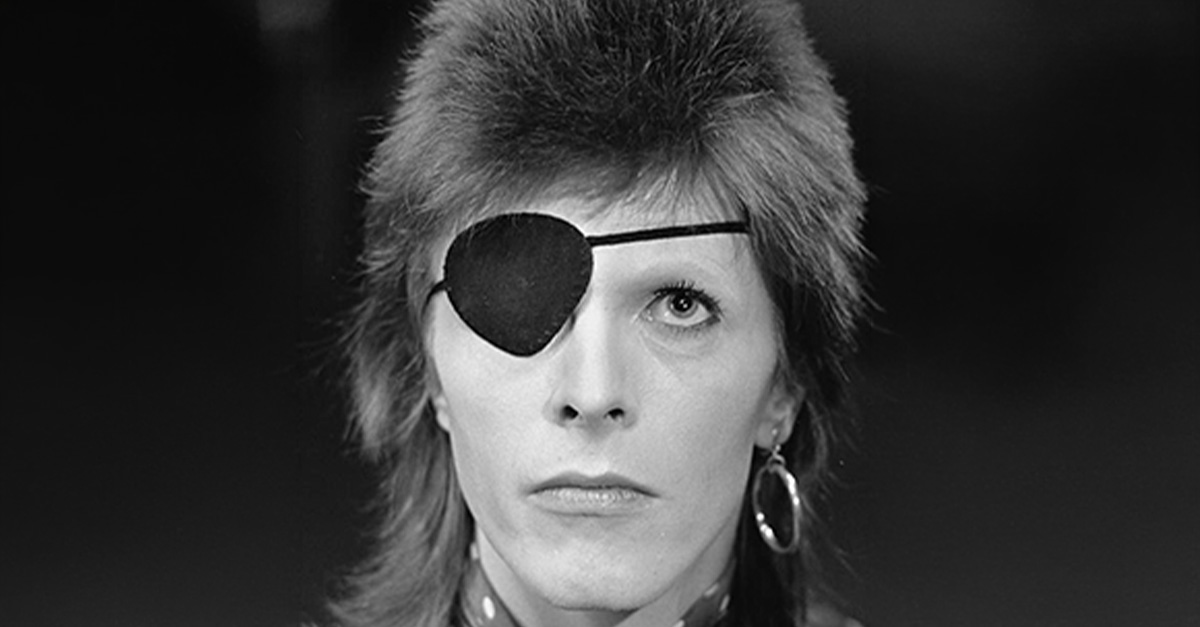
The Night Ziggy Vanished
On July 3, 1973, David Bowie stood onstage at London’s Hammersmith Odeon and casually blew up one of rock’s greatest myths. Near the end of the show, he told the crowd it was the last performance they would ever do. Fans screamed. Even some of his bandmates were stunned. Ziggy Stardust was dead.
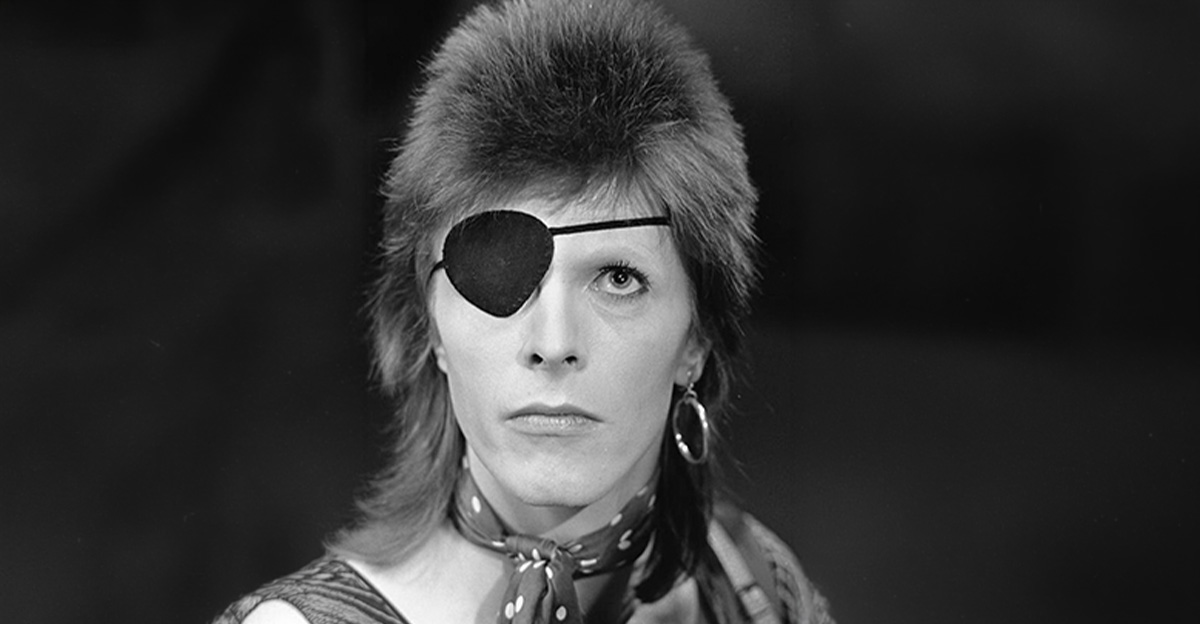 AVRO, CC BY-SA 3.0 NL , via Wikimedia Commons
Before Bowie Became Bowie
Before the glitter, orange hair, space boots, and alien swagger, David Bowie was David Jones from Brixton. He bounced through bands, styles, and names, trying to find something that fit. He loved jazz, theater, soul, rock, mime, fashion, and reinvention. The problem was simple: the world had not caught up yet.
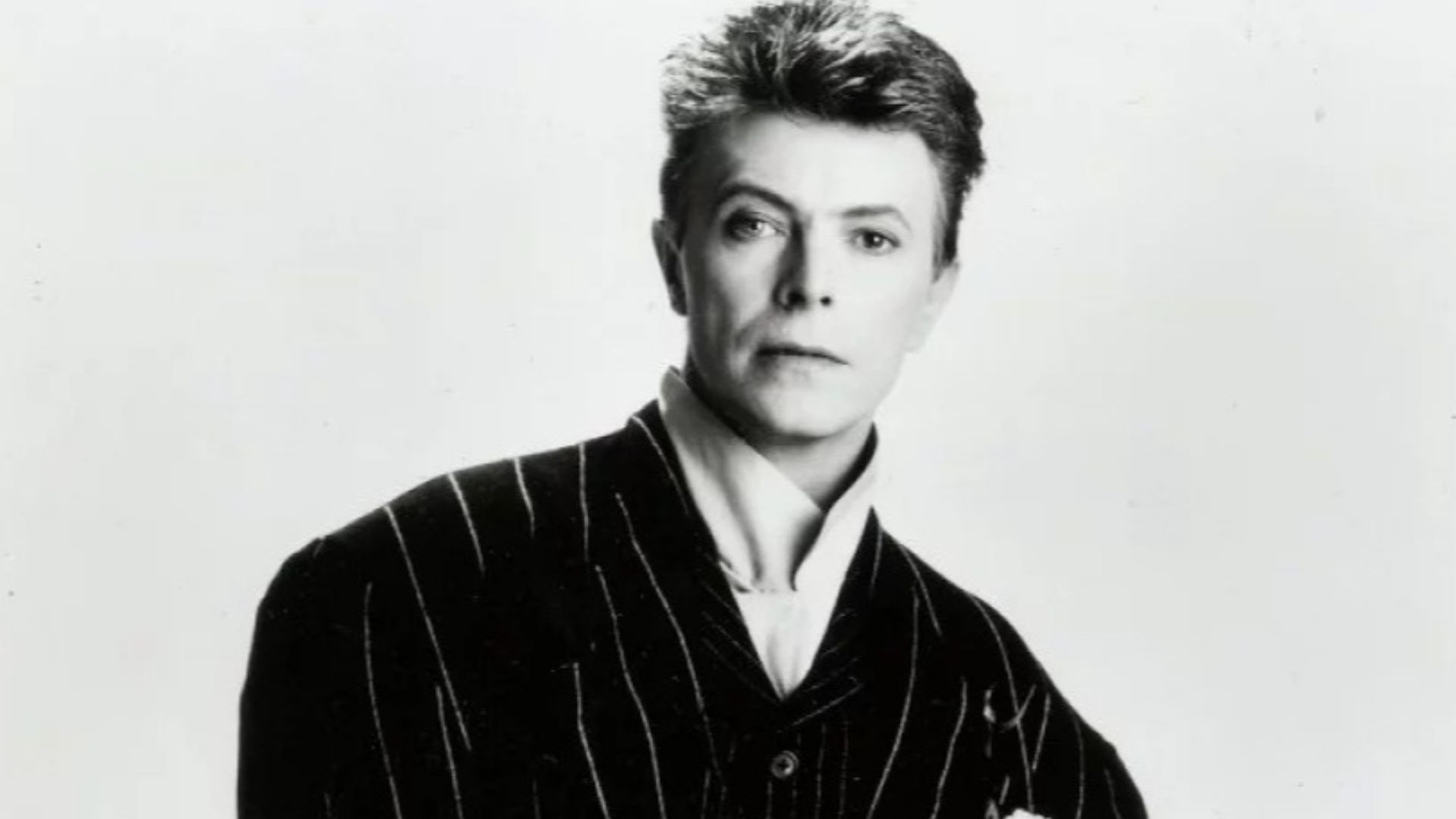 Distributed by EMI America, Wikimedia Commons
The Name Change That Opened A Door
David Jones changed his name partly to avoid confusion with Davy Jones of The Monkees, but “David Bowie” became more than a stage name. It sounded sharp, strange, and slightly dangerous. It gave him room to become someone new. That was the first clue that identity would become his favorite instrument.
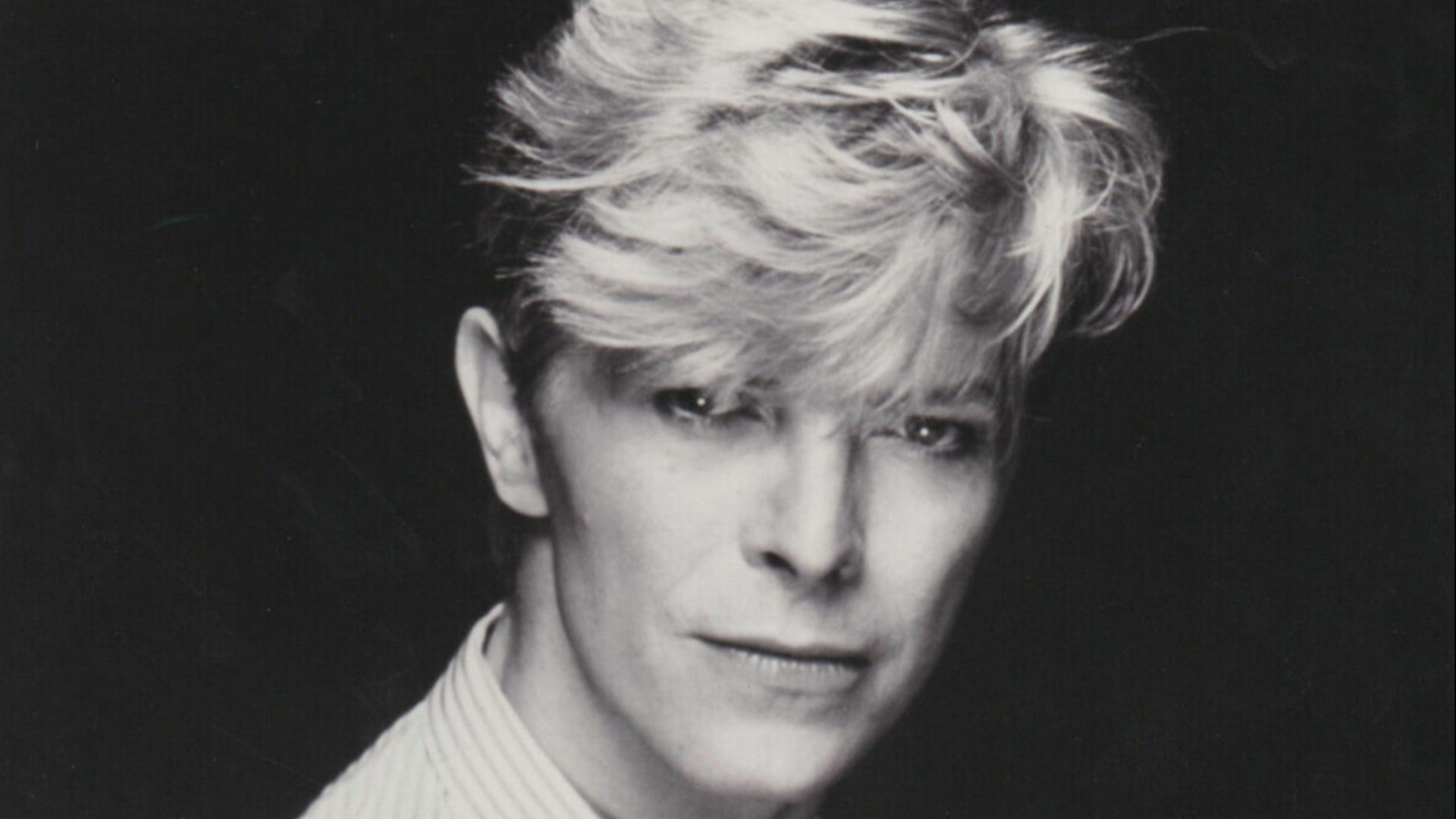 Distributed by EMI America. Photographer is unknown., Wikimedia Commons
The Early Years Were Not Easy
Bowie’s early singles did not exactly set the charts on fire. He released playful, odd, sometimes charming songs that showed imagination but not yet direction. He was talented, restless, and hard to market. Record labels saw promise, but no one quite knew where to put him.
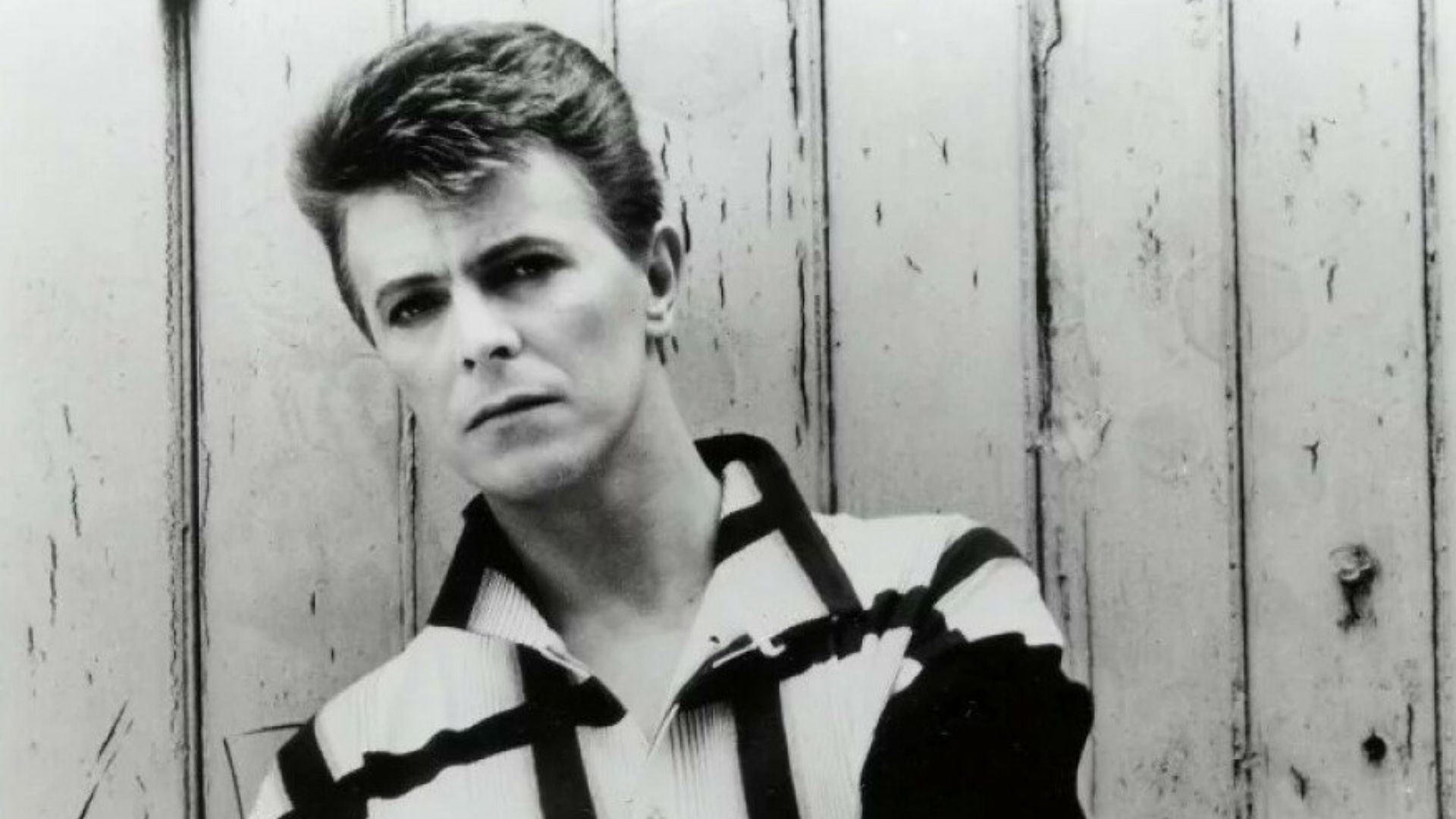 Distributed by EMI America, Wikimedia Commons
Space Oddity Changed Everything
Then came “Space Oddity” in 1969, and suddenly Bowie sounded like he had fallen from orbit. Major Tom, floating helplessly in space, gave him his first real hit and a cosmic image to build on. It was haunting, catchy, and strange enough to make people wonder what else he had hiding.
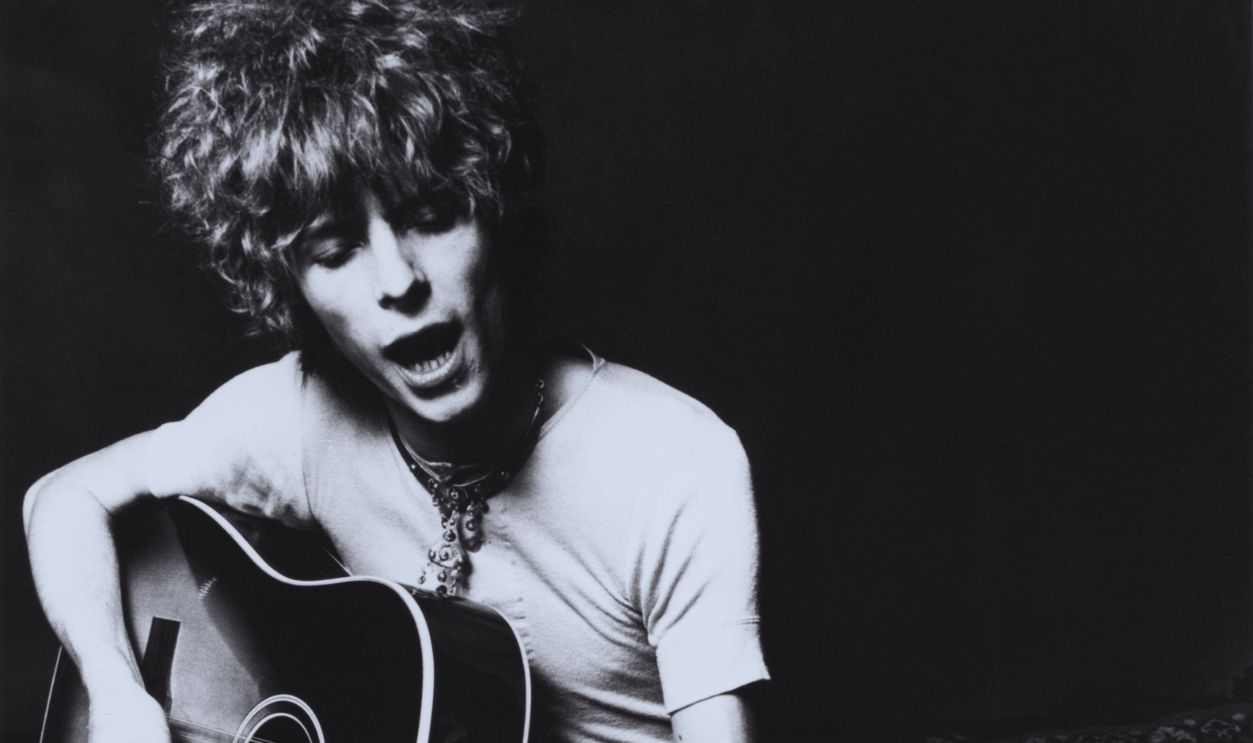 Distributed by EMI America, Wikimedia Commons
Still Searching For A Shape
Even after “Space Oddity,” Bowie was not instantly a superstar. Albums like David Bowie and The Man Who Sold The World showed flashes of brilliance, but he was still changing costumes faster than audiences could follow. He was a folk singer one minute, a heavy rocker the next, and always slightly out of reach.
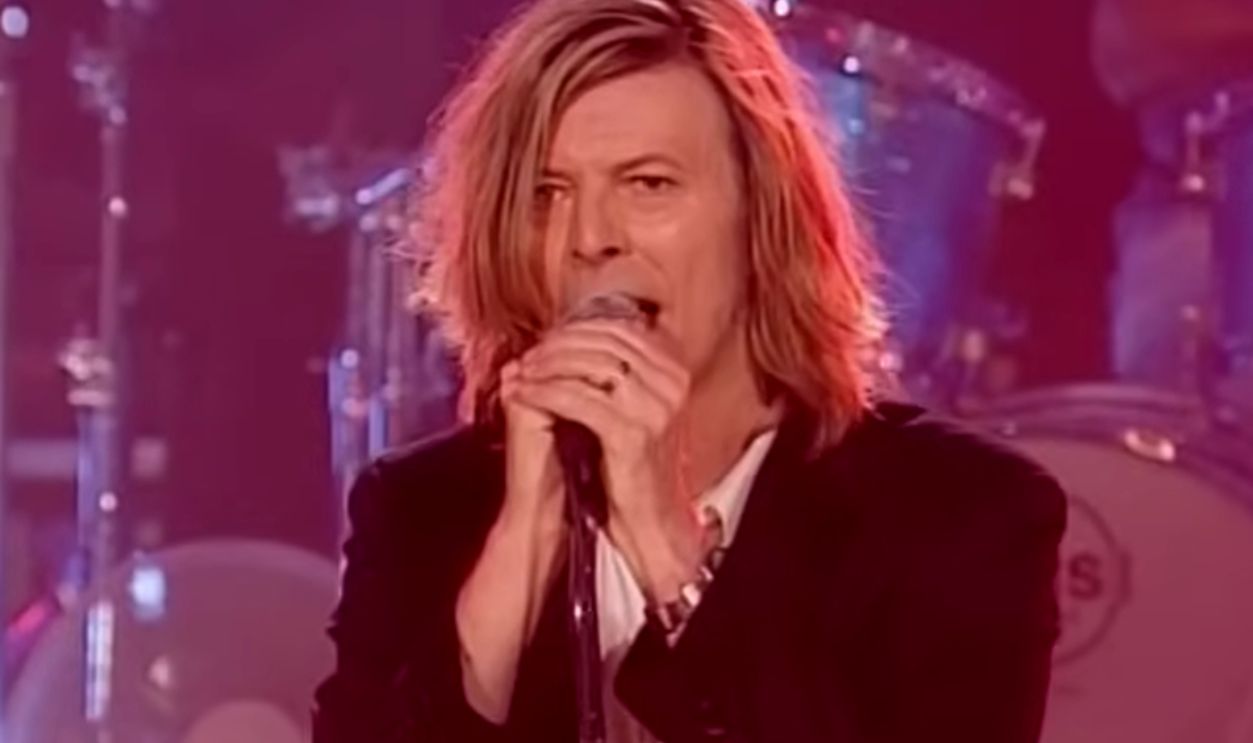 Screenshot from The Man Who Sold the World, Mercury Records (1970)
Hunky Dory Revealed The Masterplan
In 1971, Hunky Dory gave listeners a clearer look at Bowie’s mind. Songs like “Changes,” “Life On Mars?” and “Oh! You Pretty Things” sounded clever, emotional, and wildly stylish. Bowie was no longer just experimenting. He was building a world where pop music, theater, and identity could all collide.
![500px provided description: David Bowie [#show ,#rock ,#concert ,#music ,#live ,#guitar ,#performance ,#stage ,#gig ,#band ,#musician ,#singer ,#live music ,#bowie ,#David Bowie ,#Roger Woolman]](https://www.factinate.com/storage/app/media/theshot/2026/7/7/1783405233640a2100bc44939d1e629c479b71e8aaa1988593.jpeg) Roger Woolman, Wikimedia Commons
Roger Woolman, Wikimedia Commons
Ziggy Stardust Enters The Room
Then Ziggy Stardust arrived, and everything snapped into focus. Bowie created a fictional rock star from outer space, complete with a backstory, attitude, look, and doomed destiny. Ziggy was beautiful, dangerous, theatrical, and impossible to ignore. Bowie did not just sing about him. He became him.
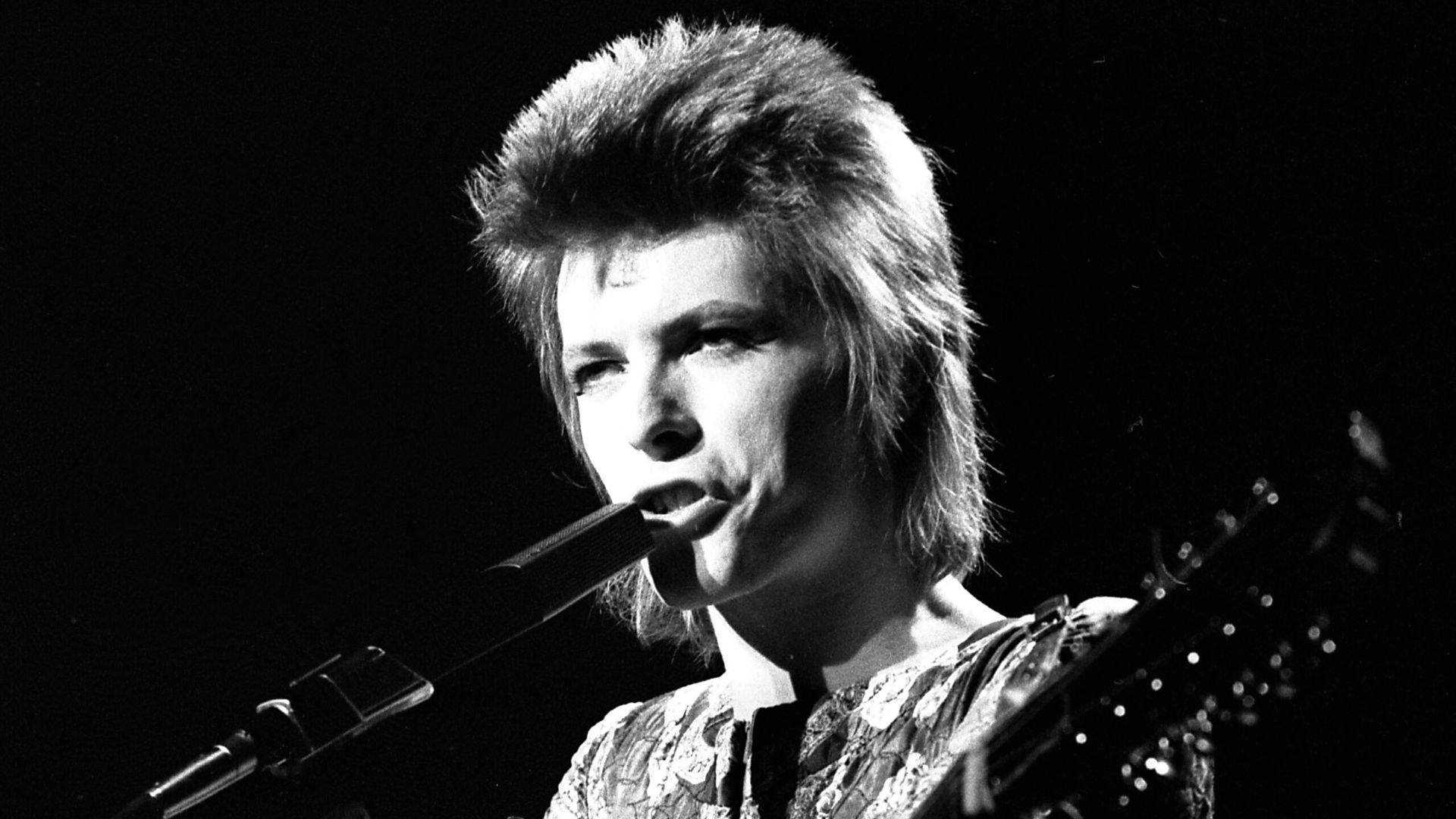
The Album That Lit The Fuse
The Rise And Fall Of Ziggy Stardust And The Spiders From Mars came out in 1972 and felt like a transmission from another planet. It had big riffs, glamorous drama, apocalyptic storytelling, and hooks that glittered. The record turned Bowie from a cult favorite into a cultural explosion.
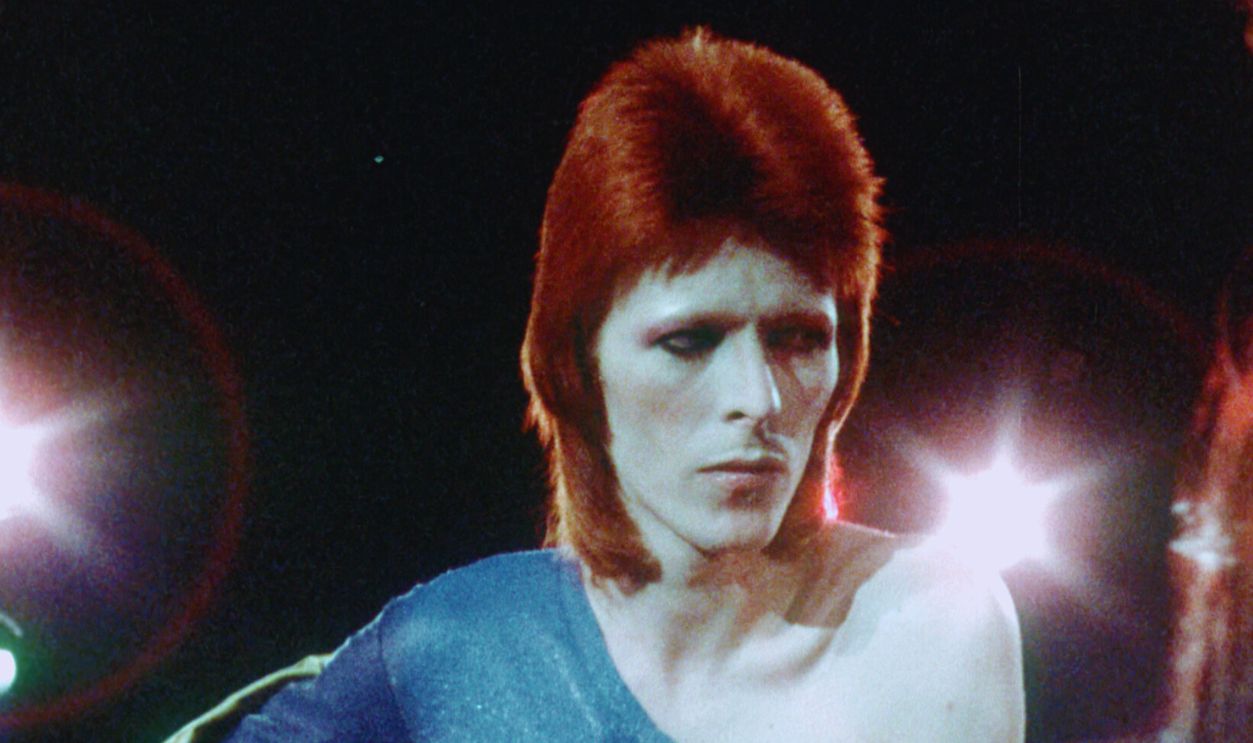 Michael Ochs Archives, Getty Images
The Spiders From Mars
Bowie was not alone in creating the magic. The Spiders From Mars, especially guitarist Mick Ronson, gave Ziggy muscle and bite. Ronson’s guitar made the whole thing roar. Trevor Bolder and Woody Woodmansey locked it down. Together, they looked and sounded like a gang from rock’s future.
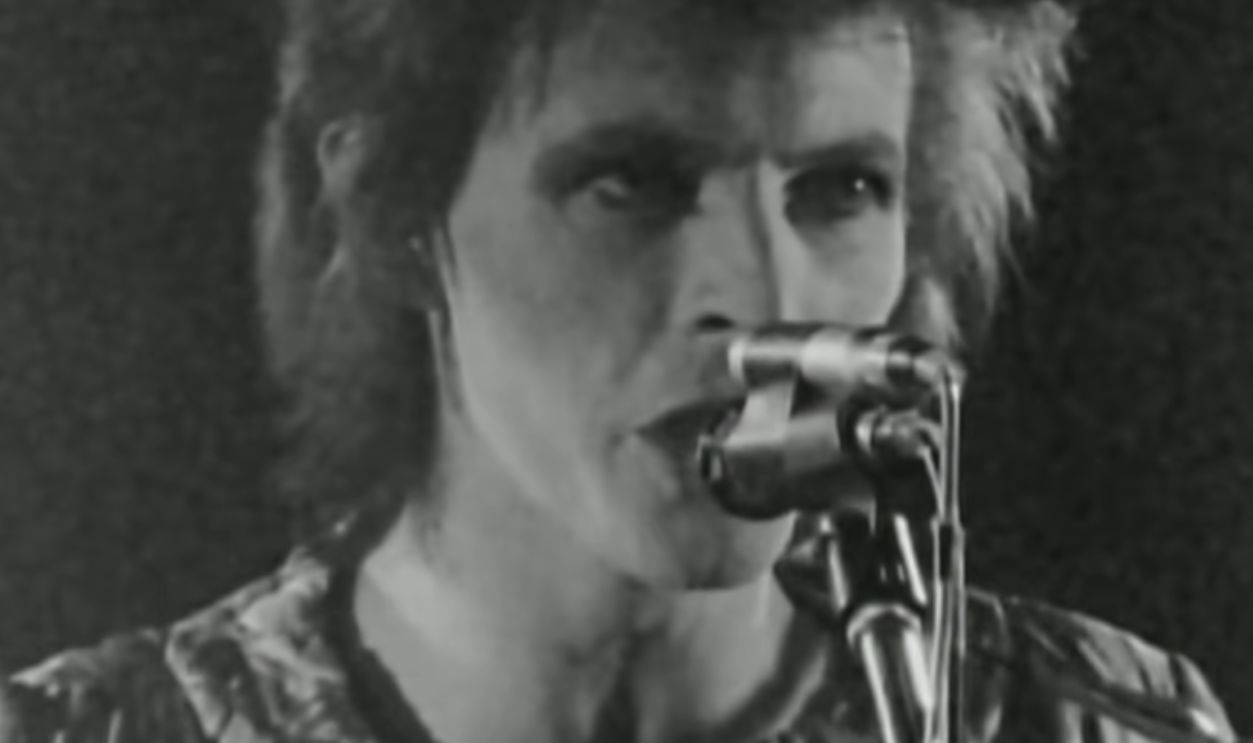 Screenshot from Ziggy Stardust, RCA Records (1972)
Ziggy Was More Than A Costume
The genius of Ziggy was that he felt real. Fans did not just see David Bowie wearing makeup. They saw a complete character with swagger, sadness, and mystery. Ziggy gave outsiders permission to be loud, weird, stylish, and proud. For many young fans, he was not a gimmick. He was freedom.
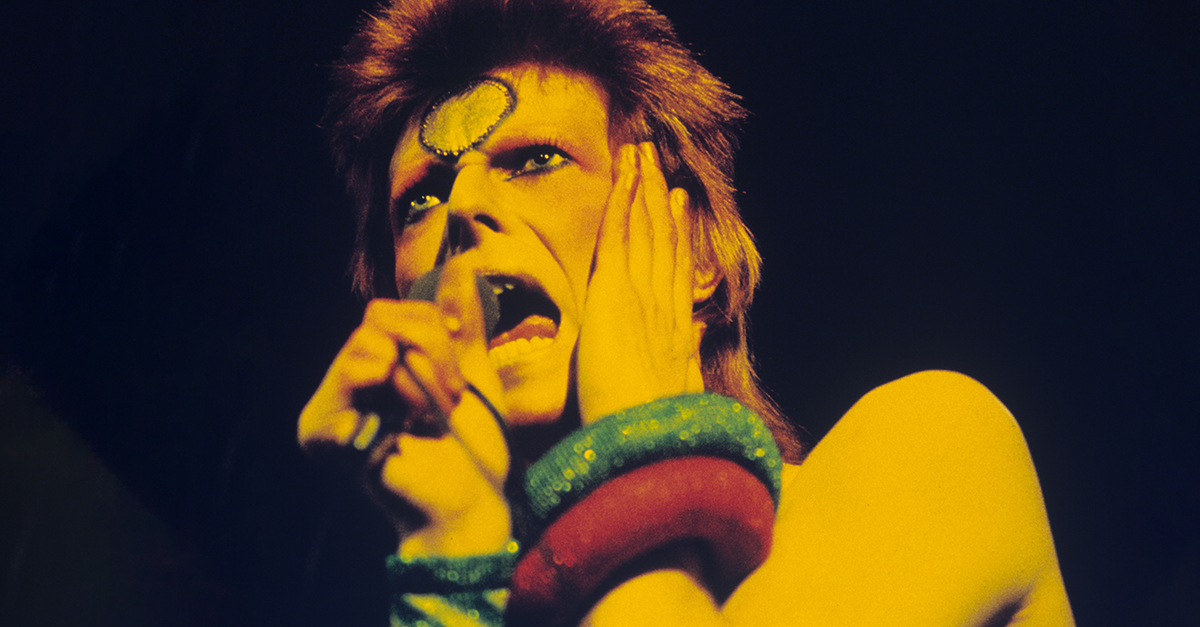 Gijsbert Hanekroot/Redferns, Getty Images
Fame Arrived Fast
Once Ziggy took off, Bowie’s life changed at frightening speed. Suddenly the press wanted him, fans chased him, and every show carried a sense of danger. The character was thrilling, but also consuming. Bowie had created a star so powerful that even he began to feel trapped inside him.
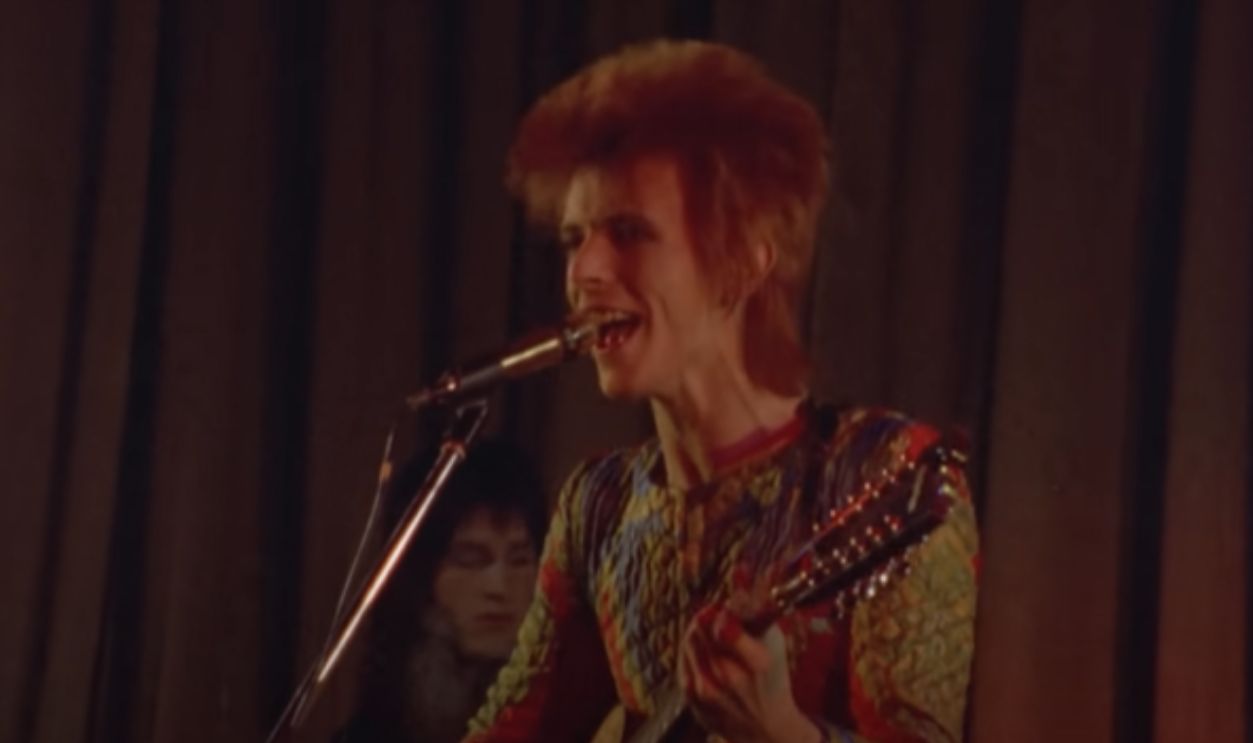 Screenshot from Ziggy Stardust, RCA Records (1972)
America Met The Alien
Bowie took Ziggy to America and found a country that both fascinated and exhausted him. The tour was glamorous, chaotic, and punishing. He absorbed American music, fame, cities, and paranoia like fuel. Ziggy became bigger, brighter, and harder to control with every performance.
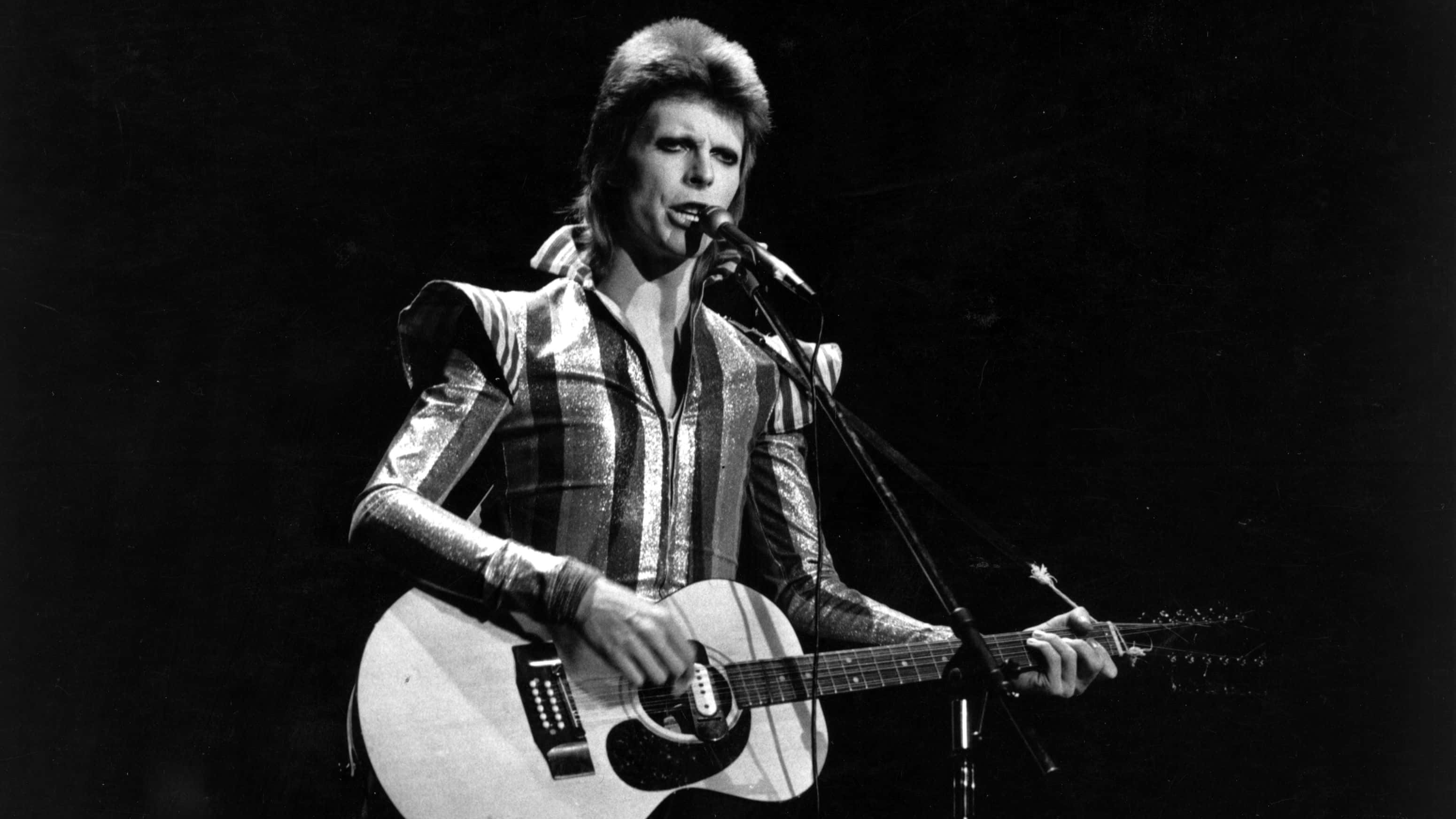
Aladdin Sane Was Ziggy’s Wilder Cousin
In 1973, Bowie released Aladdin Sane, often described as Ziggy after America got its hands on him. The lightning bolt cover became legendary, and the music was sharper, stranger, and more frantic. It sounded like fame cracking under pressure. Bowie was already preparing an escape route.
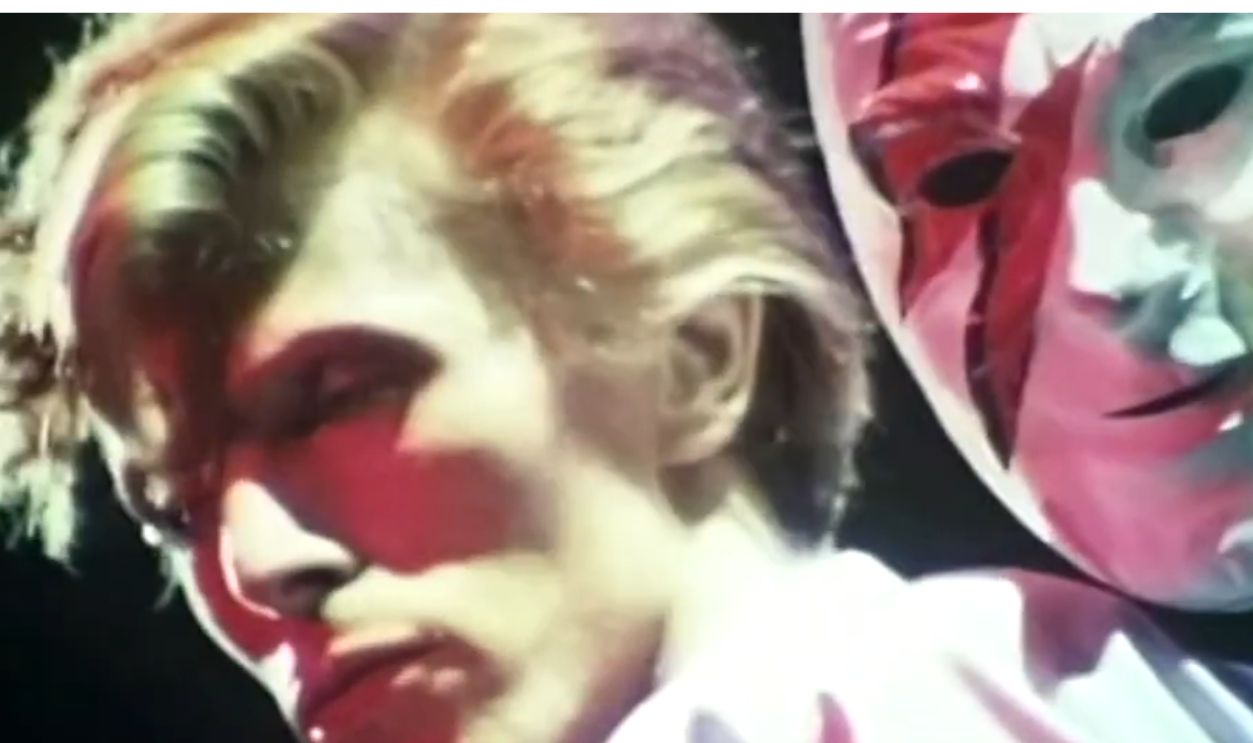 Screenshot from Aladdin Sane, RCA Records (1973)
The Final Show Felt Historic
The Hammersmith Odeon show on July 3, 1973, was already special because it closed the Ziggy tour. Cameras were rolling, fans were electric, and the band delivered like they knew it mattered. But no one expected Bowie to turn a concert finale into a public funeral for his most famous creation.
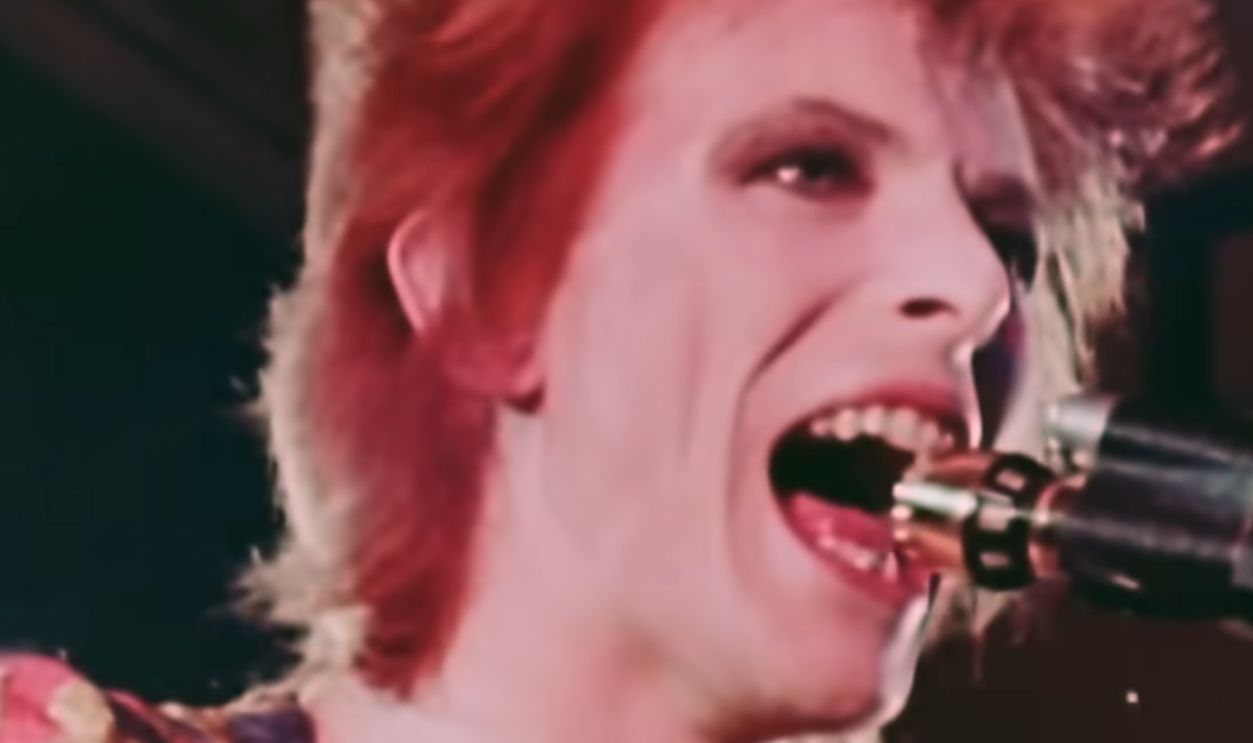 Screenshot from Ziggy Stardust, RCA Records (1972)
The Announcement Shocked Everyone
Before “Rock ’n’ Roll Suicide,” Bowie told the crowd that this was not only the last show of the tour, but the last show they would ever do. Many fans thought he meant he was retiring altogether. Some band members were caught off guard too. Ziggy’s death had arrived without a warning memo.
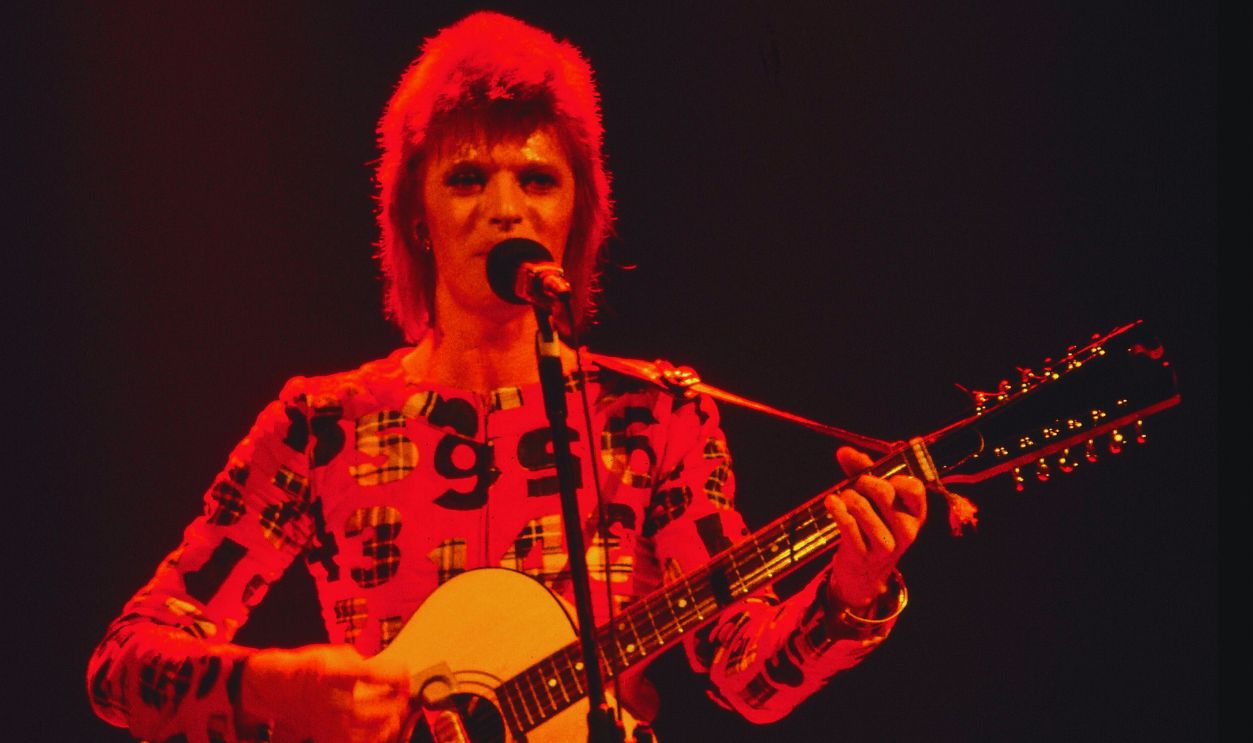
Bowie Walked Off Changed
When Bowie left the stage that night, he did not simply end a tour. He walked away from a character that had made him famous and nearly swallowed him whole. That was the Bowie trick: he understood that survival meant movement. If the public loved one version too much, he had to destroy it.
Pin Ups Cleared The Air
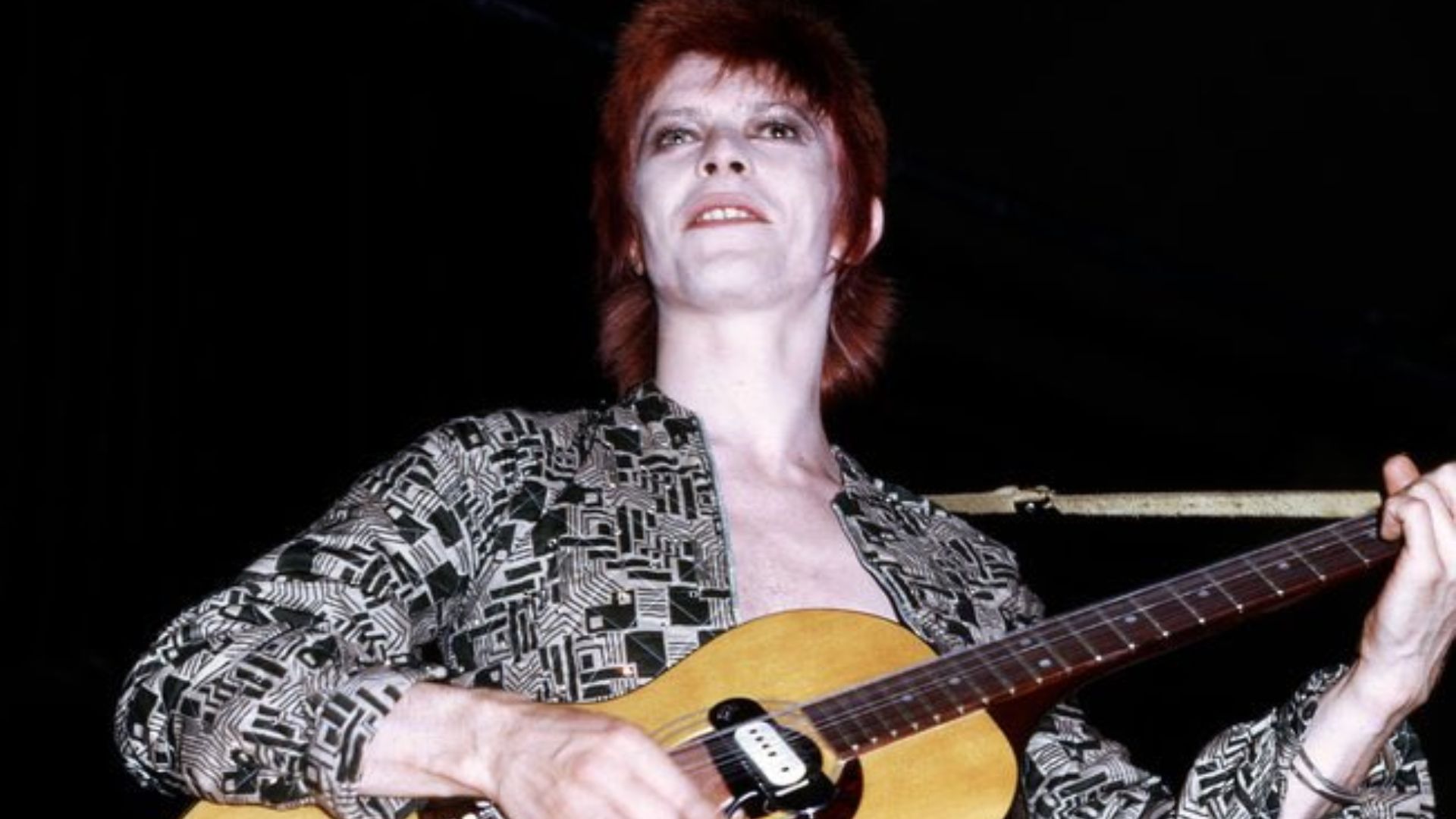
After Ziggy, Bowie released Pin Ups, a covers album filled with songs from the 1960s bands he admired. It was not a grand reinvention, but it worked like a reset button. Bowie was reminding people that he had roots, influences, and interests beyond one orange-haired alien messiah.
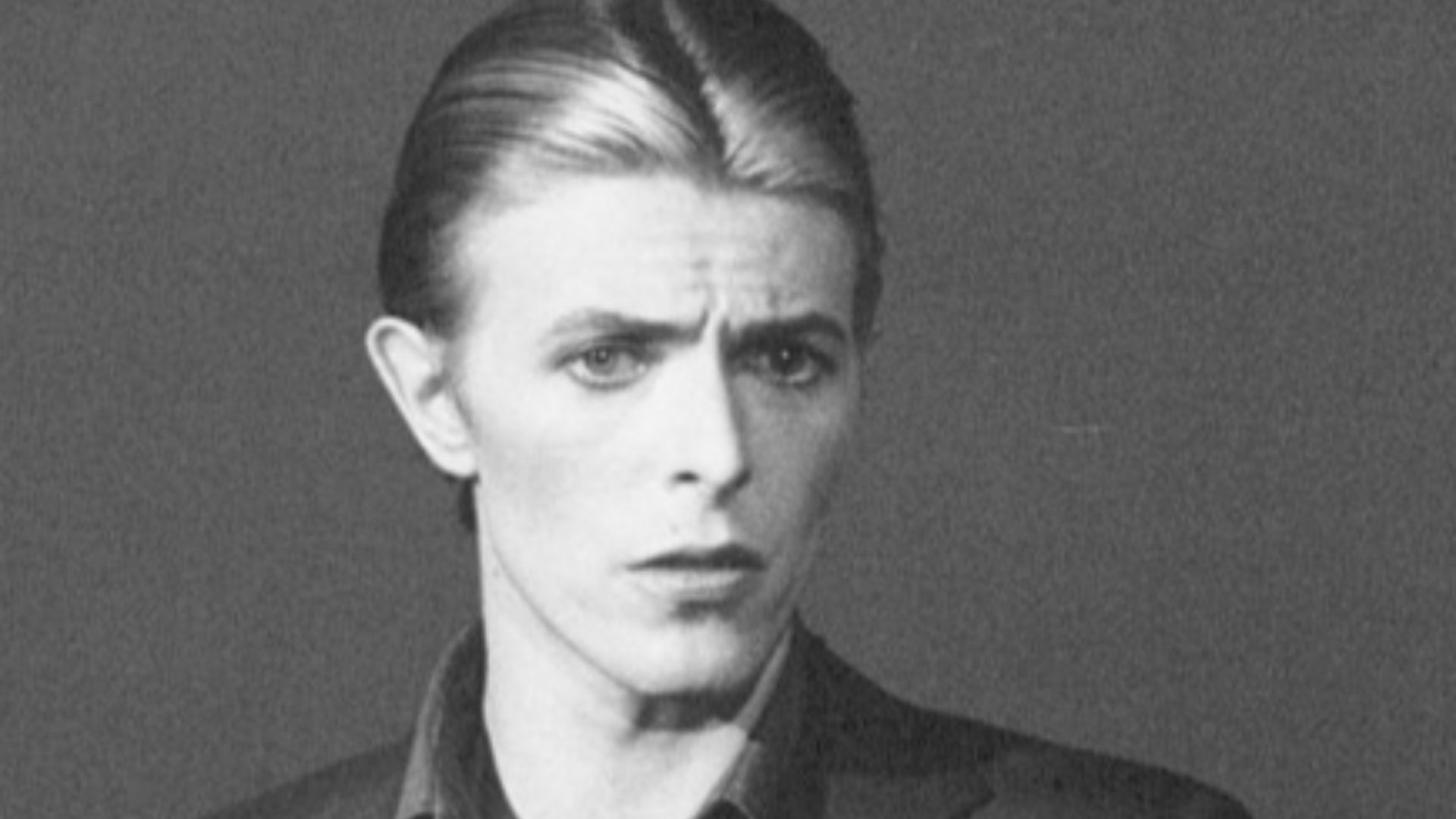 CBS Television, Wikimedia Commons
Halloween Jack Took Over
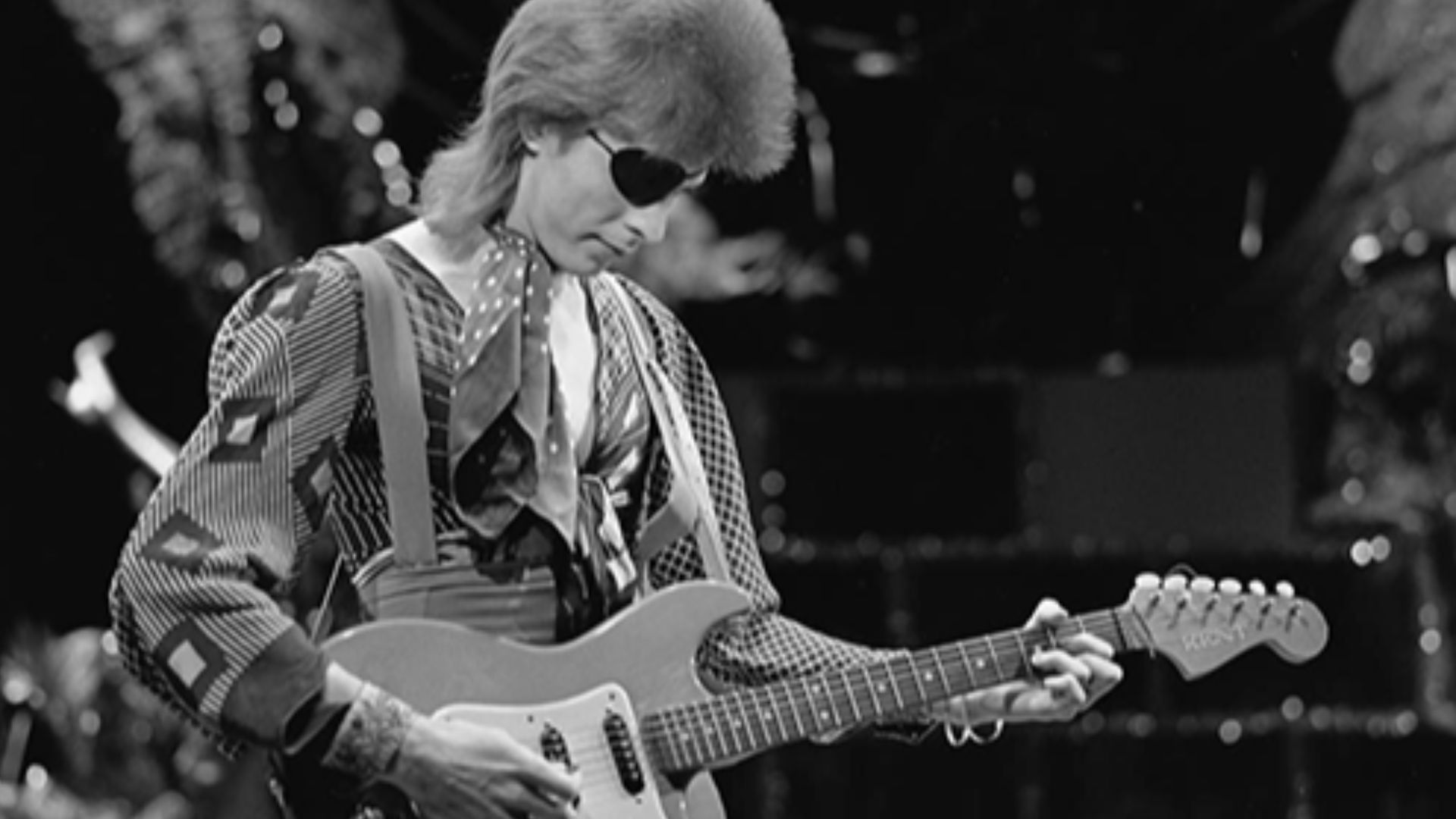
By 1974, Bowie had moved into Diamond Dogs and introduced another persona, Halloween Jack. This time, the world was less glam fantasy and more broken city nightmare. The music was theatrical, gritty, and ambitious. Bowie was still playing characters, but Ziggy’s bright sparkle had turned darker and stranger.
Soul Music Pulled Him Somewhere New
Then came Young Americans, and Bowie swerved again. He dove into Philadelphia soul, slick grooves, and what he famously called plastic soul. To some fans, it was shocking. To Bowie, it was necessary. He had no interest in becoming a museum exhibit for his own glam-rock past.
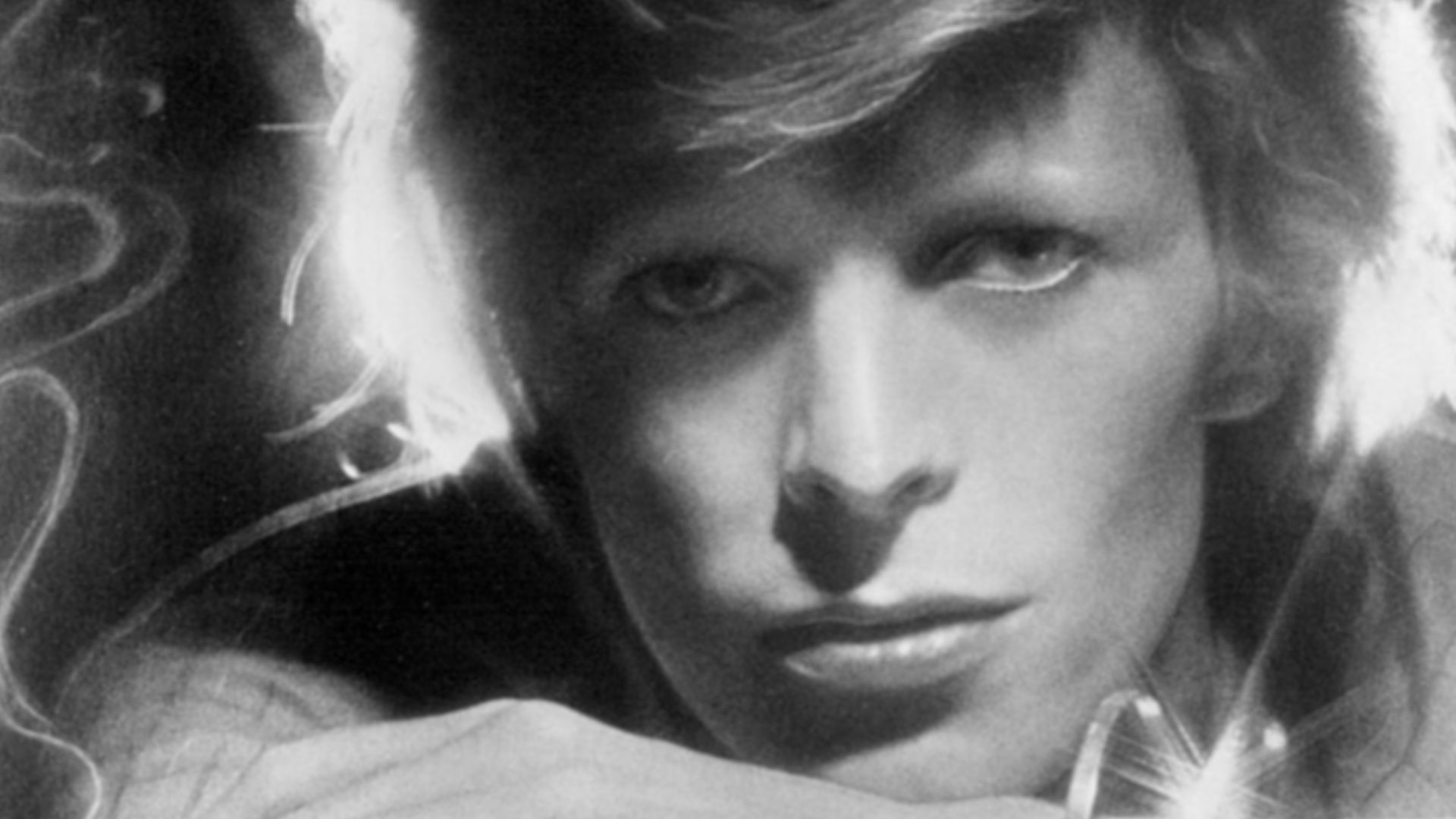 RCA Records, Wikimedia Commons
Fame Became A Different Kind Of Monster
With “Fame,” co-written with John Lennon and Carlos Alomar, Bowie scored a major American hit. But the song was not exactly a love letter to celebrity. It sounded sleek and funky, but underneath it was suspicious and cold. Bowie knew fame could feed you while quietly eating you alive.
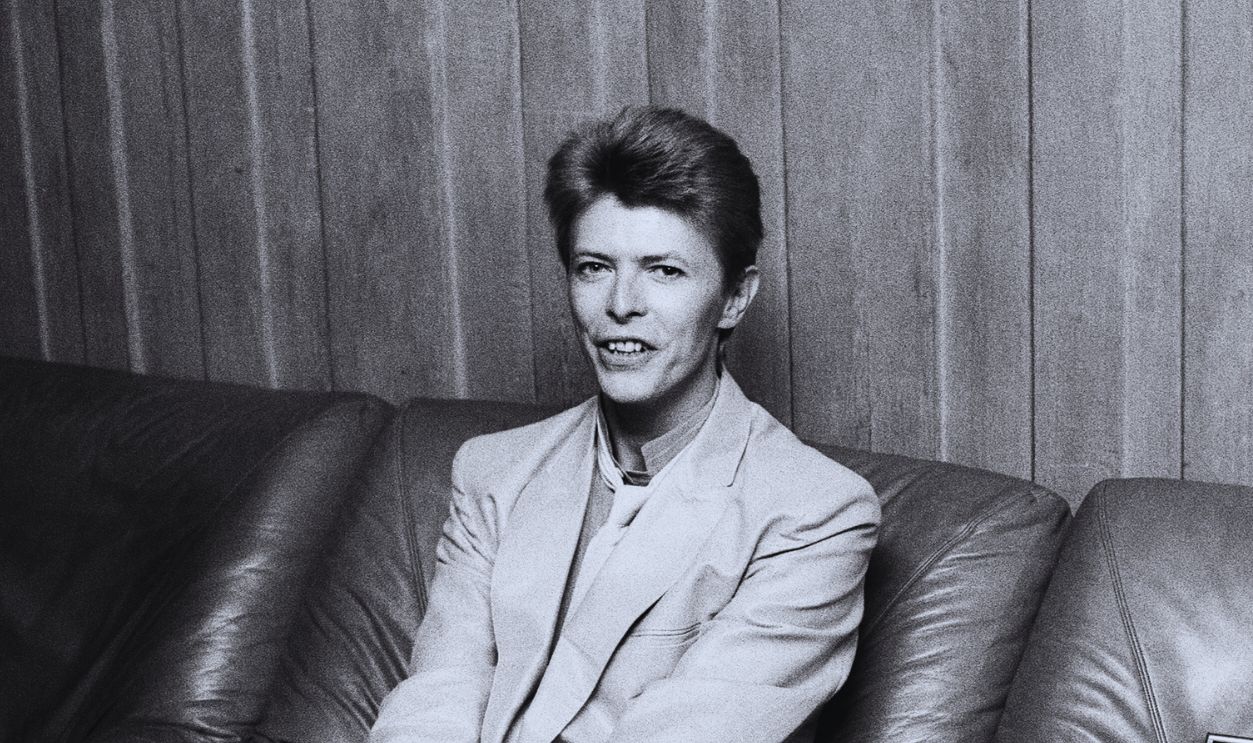
The Thin White Duke Appeared
By Station To Station in 1976, Bowie had become the Thin White Duke, a pale, elegant, unsettling figure in a waistcoat. The music mixed funk, soul, rock, and icy European atmosphere. It was brilliant, but the period was also troubled. Once again, Bowie had built a character with a dangerous edge.
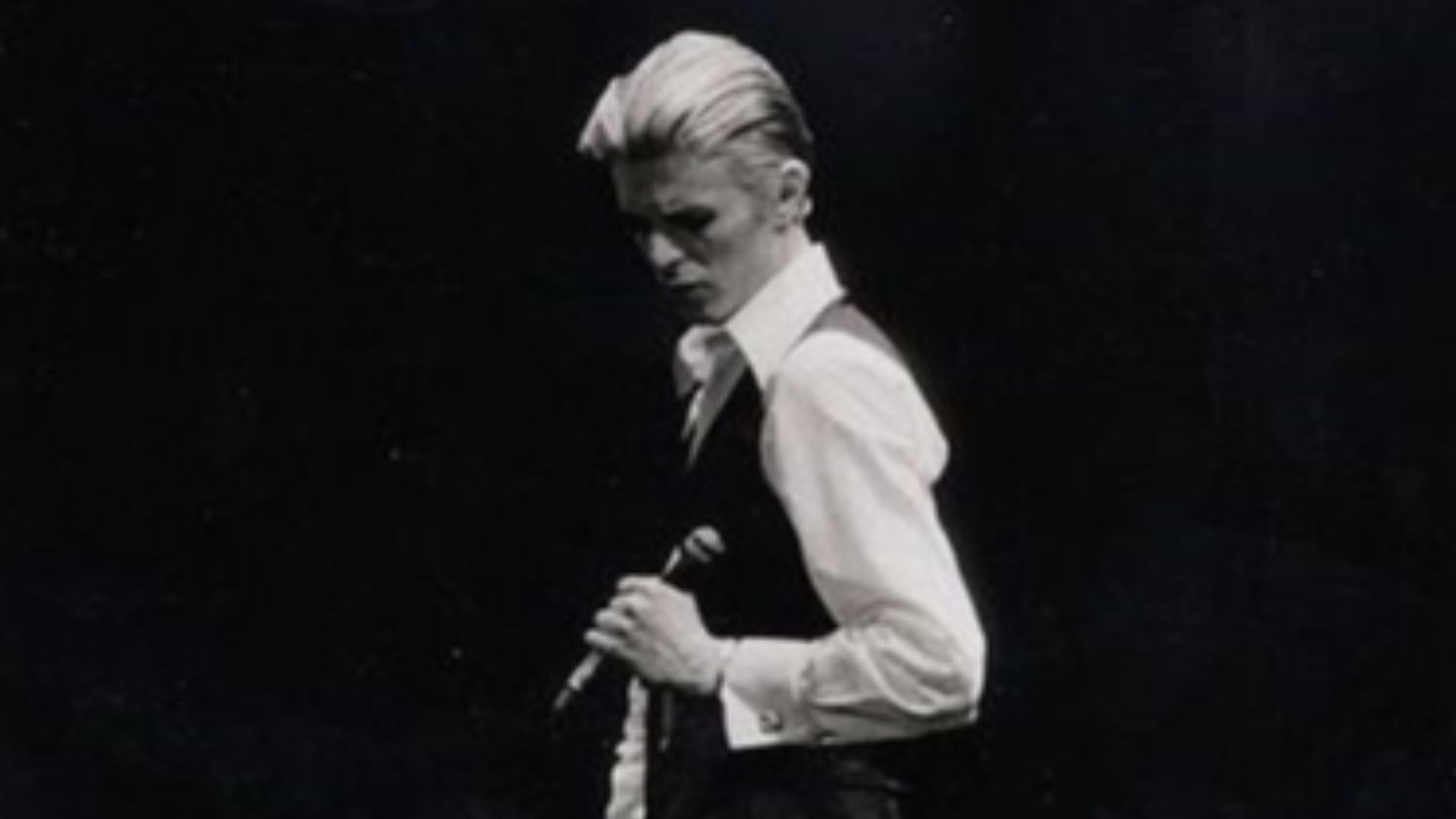 Jean-Luc Ourlin, Wikimedia Commons
Berlin Offered An Escape
Bowie eventually moved toward Berlin, where he tried to escape Los Angeles, addiction, and his own mythology. Working with Brian Eno and Tony Visconti, he made Low, “Heroes,” and Lodger. These albums were strange, bold, and deeply influential. Bowie had left rock-star theater behind for something more experimental.
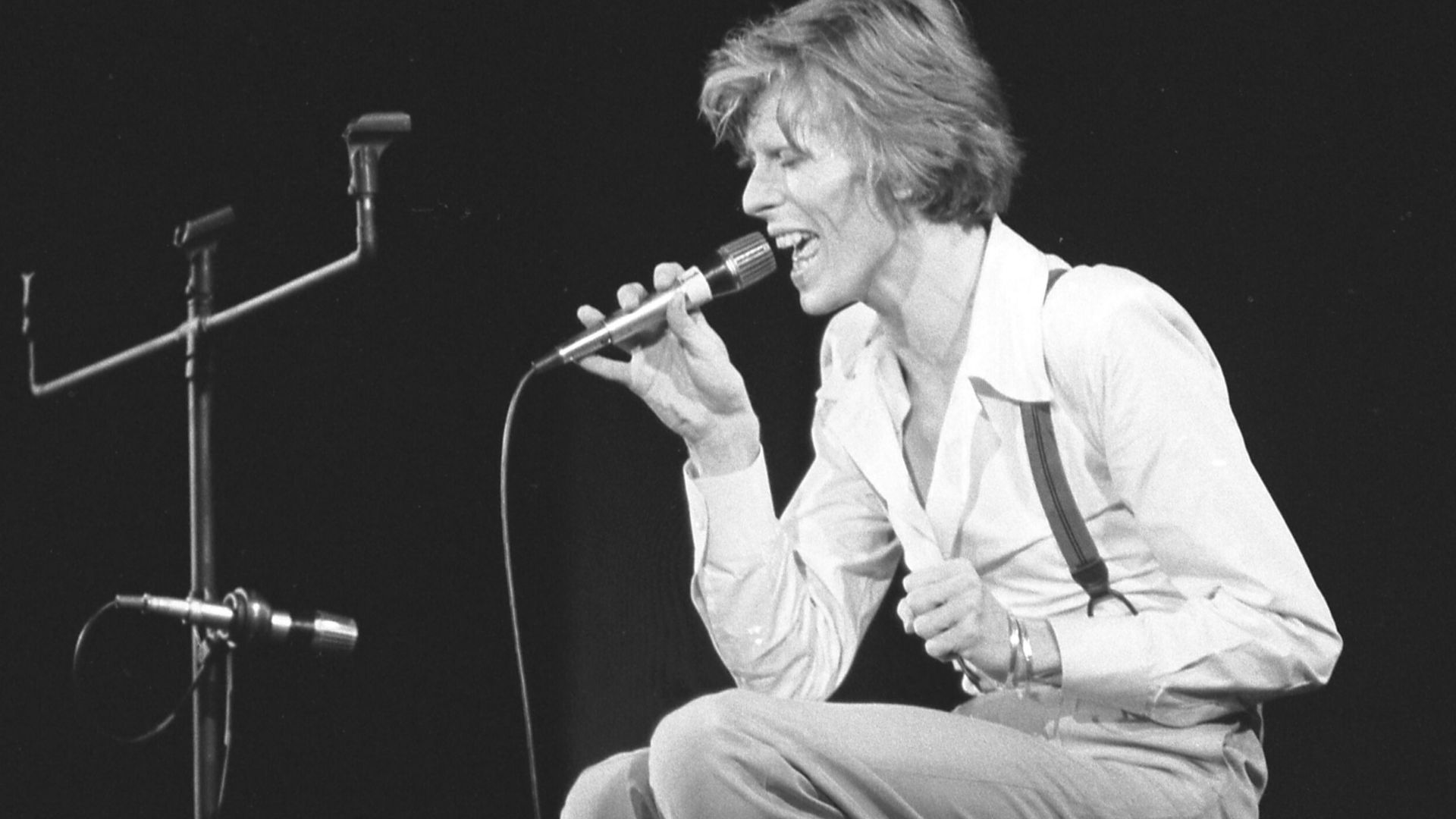 Tony Barnard, Los Angeles Times, Wikimedia Commons
Reinvention Became The Career
The amazing thing is that Ziggy was not the end of Bowie’s transformations. He kept changing through the 1980s, 1990s, and beyond. Let’s Dance made him a global pop superstar. Later projects pulled him into industrial rock, electronic music, jazz, and art rock. He never stayed parked for long.
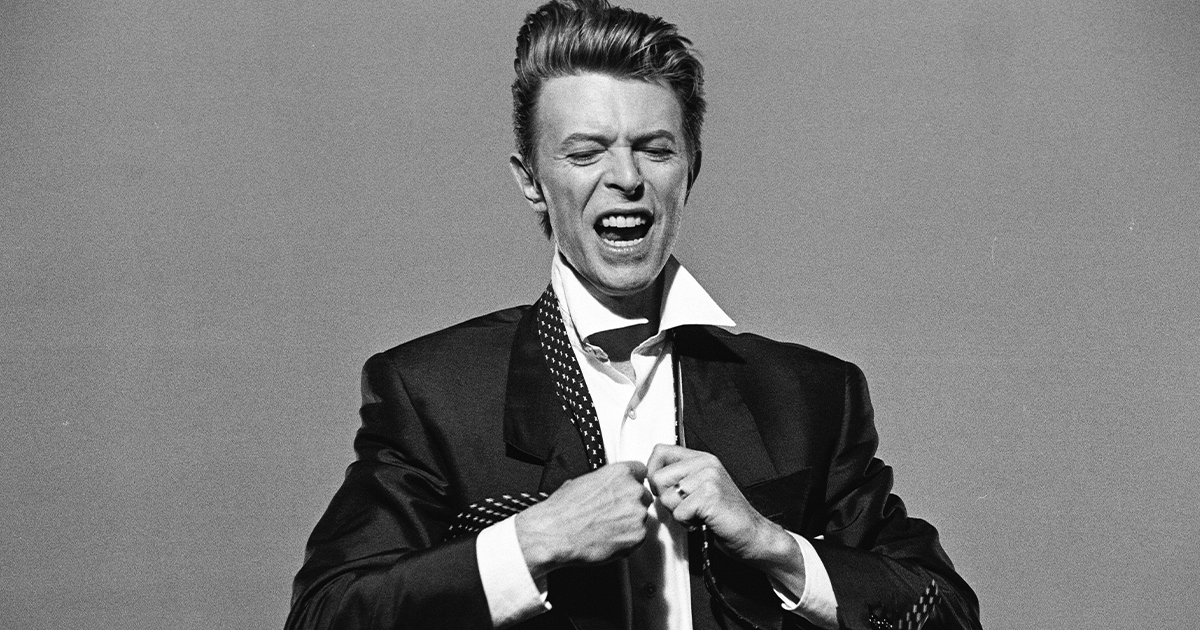
Bowie Understood The Power Of Disappearing
Most stars protect the thing that makes them famous. Bowie did the opposite. He killed Ziggy at the height of his power because he knew repetition could become a trap. By retiring the character, he turned a career move into mythology. Ziggy’s ending made him even more immortal.
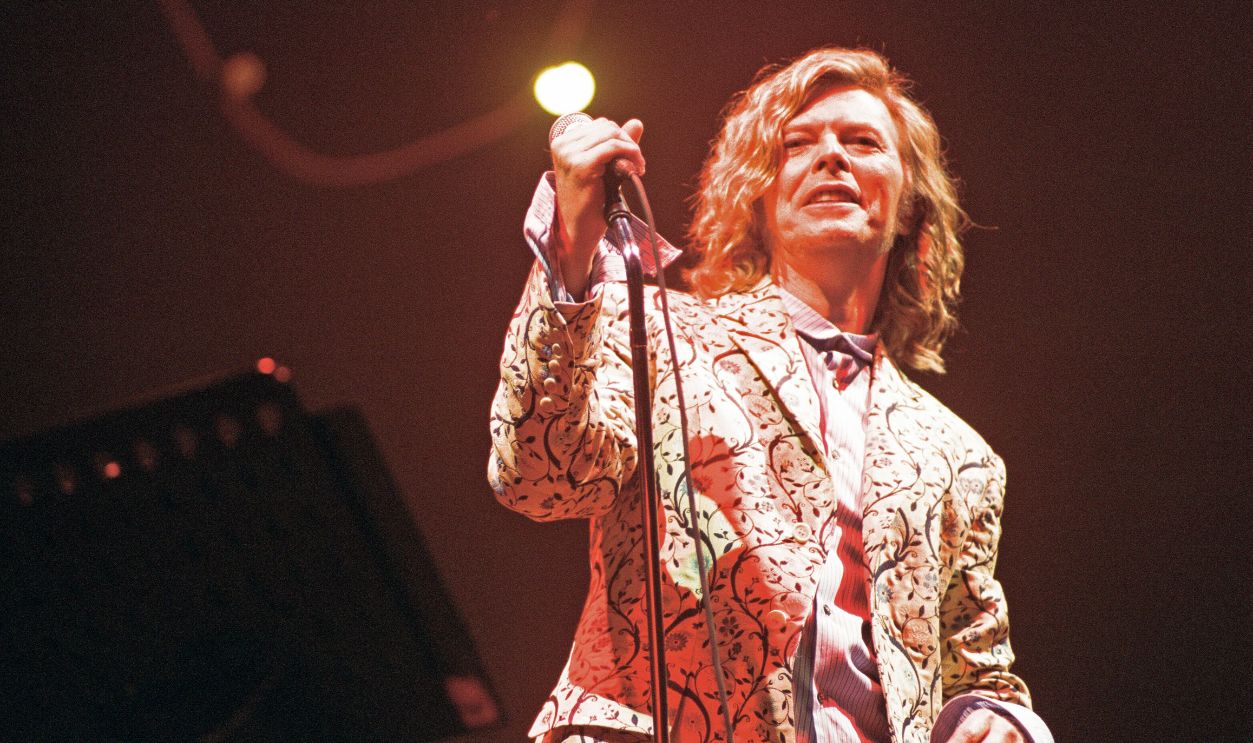
The Band Felt The Earth Move
For the Spiders From Mars, the ending was not just symbolic. It changed careers, friendships, and the future of Bowie’s sound. The shock came from the fact that Ziggy had felt like a shared rocket ride. Suddenly, Bowie had hit the eject button, and everyone had to figure out where they landed.
 Circus Magazine, Wikimedia Commons
Why The Moment Still Matters
That Hammersmith announcement still fascinates people because it captured Bowie’s entire genius in one scene. He was dramatic, ruthless, playful, mysterious, and completely committed to forward motion. He did not wait for Ziggy to fade. He ended him while the crowd was still screaming his name.
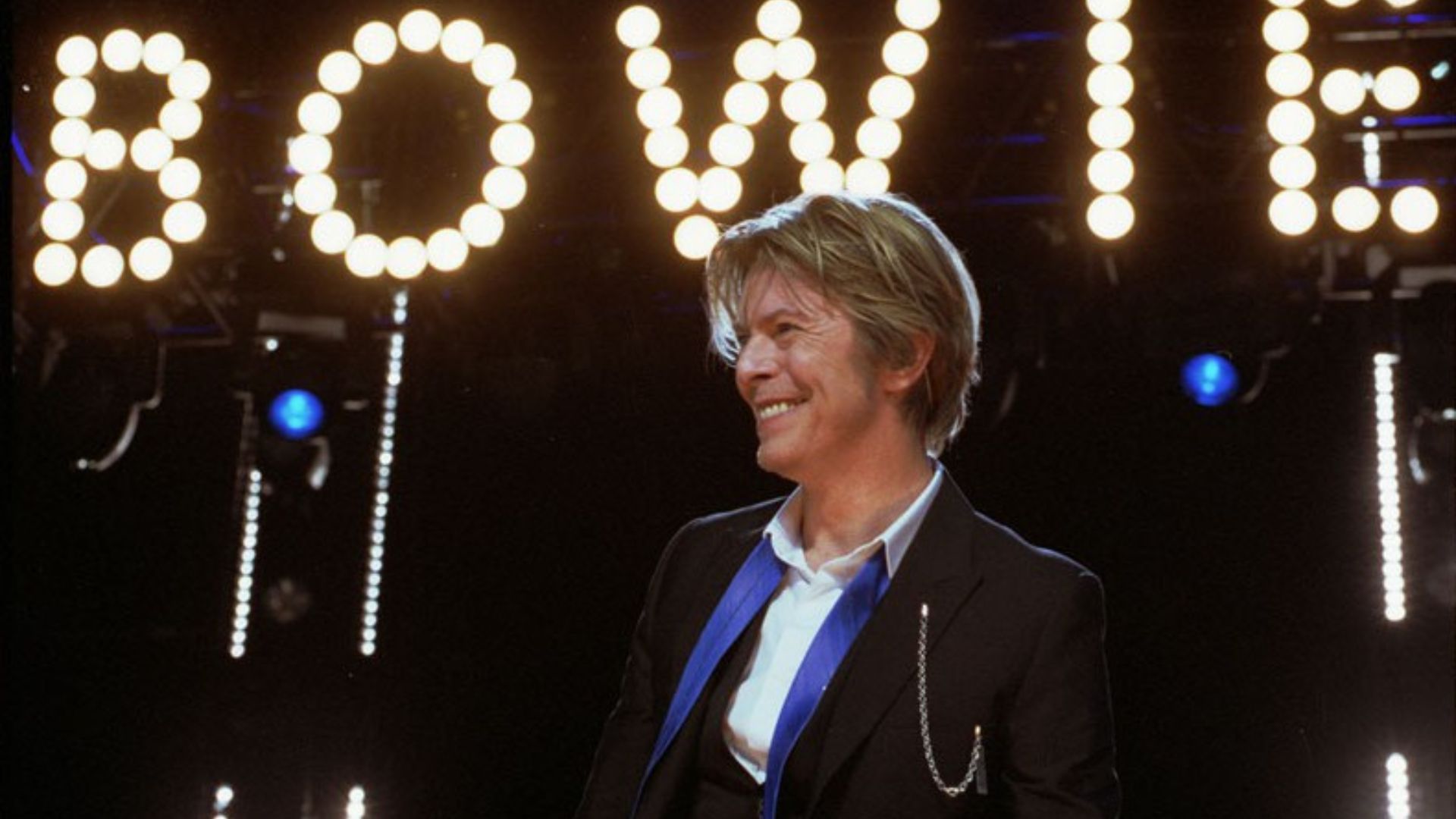 Adam Bielawski, Wikimedia Commons
Bowie Never Really Left The Stage
David Bowie walked off that night as someone else entirely, and then kept doing it for the rest of his life. Ziggy Stardust made him famous, but leaving Ziggy behind made him legendary. The real magic was not one character. It was Bowie’s fearless refusal to become only one thing.
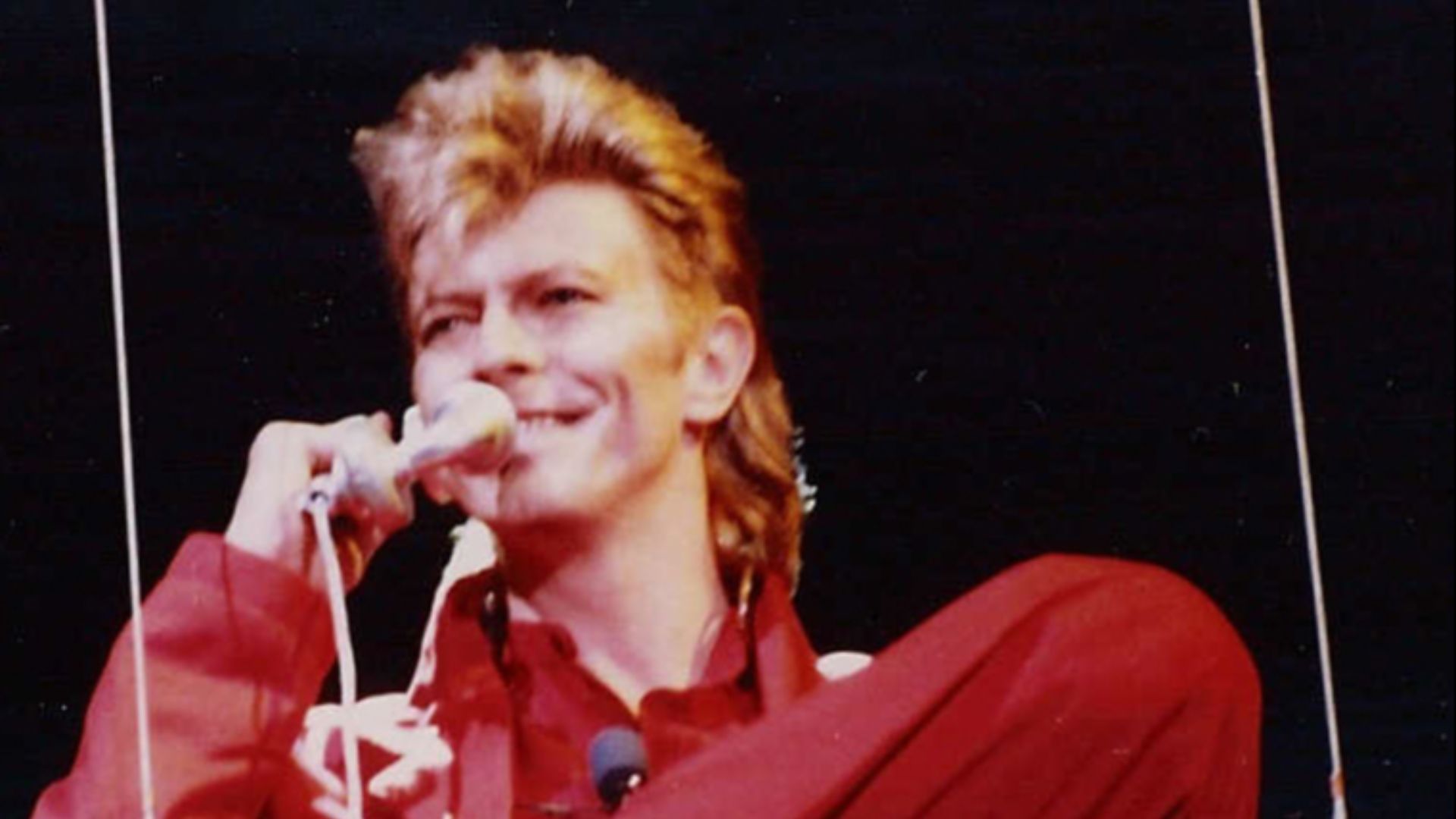 Elmar J. Lordemann (de:User:Jo Atmon), Wikimedia Commons
You May Also Like:

.png)