

When Heartbreak Rewrites the Rulebook
Beyoncé has never been the type to simply drop an album—she drops events. But when she released Lemonade in 2016, she delivered something far bigger than a collection of songs. She handed the world a deeply personal story wrapped in stunning visuals, ancestral symbolism, cultural commentary, and enough emotional voltage to light up an entire art form. This wasn’t just pop music; it was a reckoning. A reclamation. A reminder that even the world’s biggest superstar can bleed and rebuild at the same time.
The Roots Of A Superstar
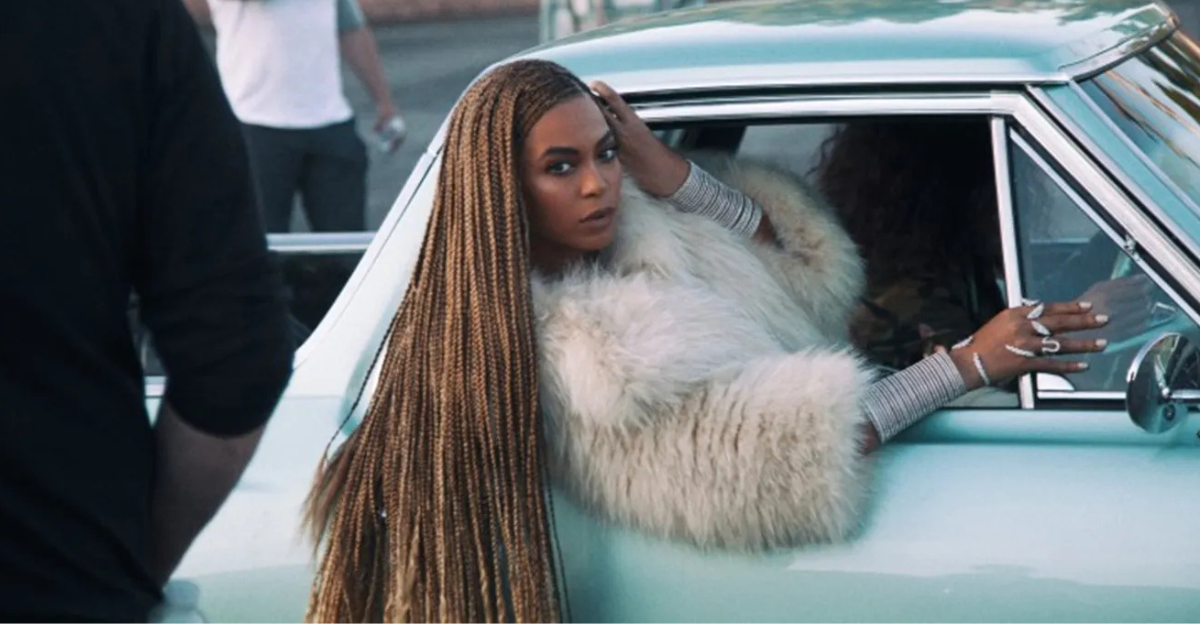
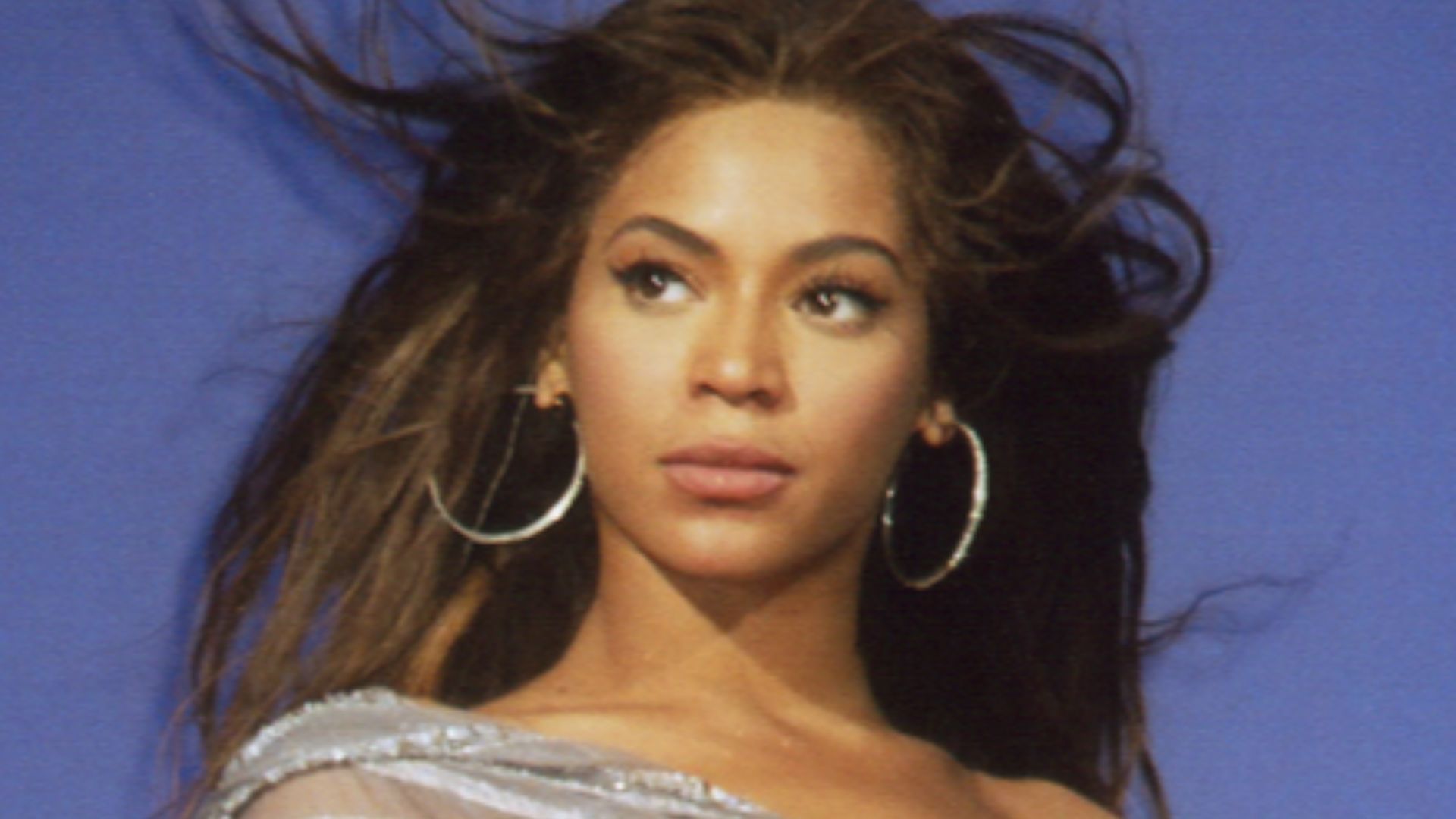
Long before Lemonade, Beyoncé had already built a career most artists only dream of. From her Destiny’s Child years to her solo evolution, she’d become known for precision, power, and reinvention. By 2016, she had the visibility, influence, and confidence to tell a story this raw — and to do it without compromise.
A Visual Album That Changed The Game
Lemonade didn’t just debut as music; it arrived as a 65-minute film woven through chapters of emotion. The format was bold, cinematic, and poetic. It set a new standard for how albums could be consumed—not just heard, but experienced.
Emotional Stages Set The Tone —And They Hurt
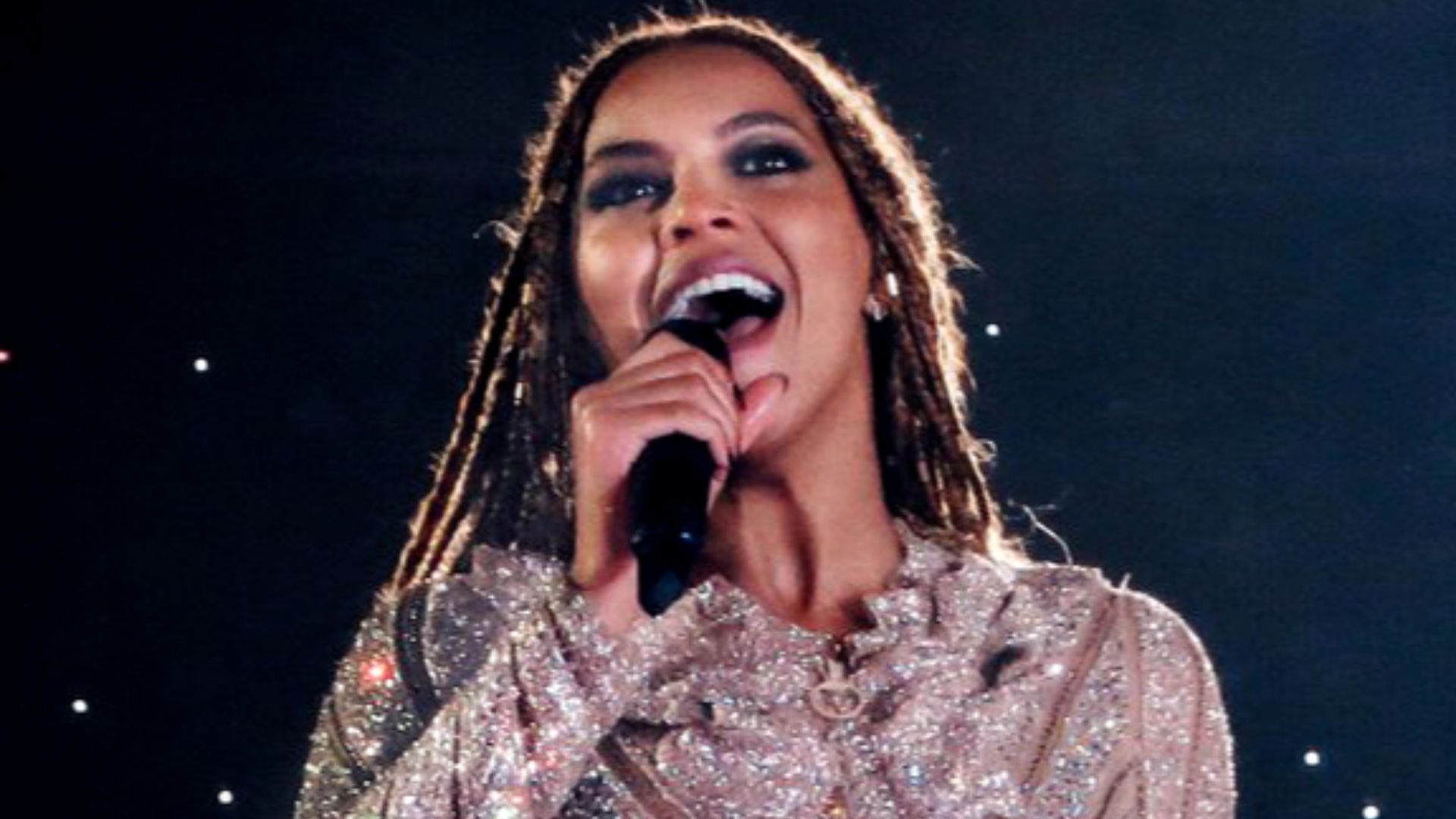
The film is famously structured around emotional chapters like Intuition, Anger, Forgiveness, and Redemption. This structure gave the story a heartbeat. It also cemented Lemonade as more than an album. It was a map of healing, from suspicion to rebirth. This moment marked Beyoncé stepping into vulnerability with unprecedented clarity.
The Pain Behind The Poetry
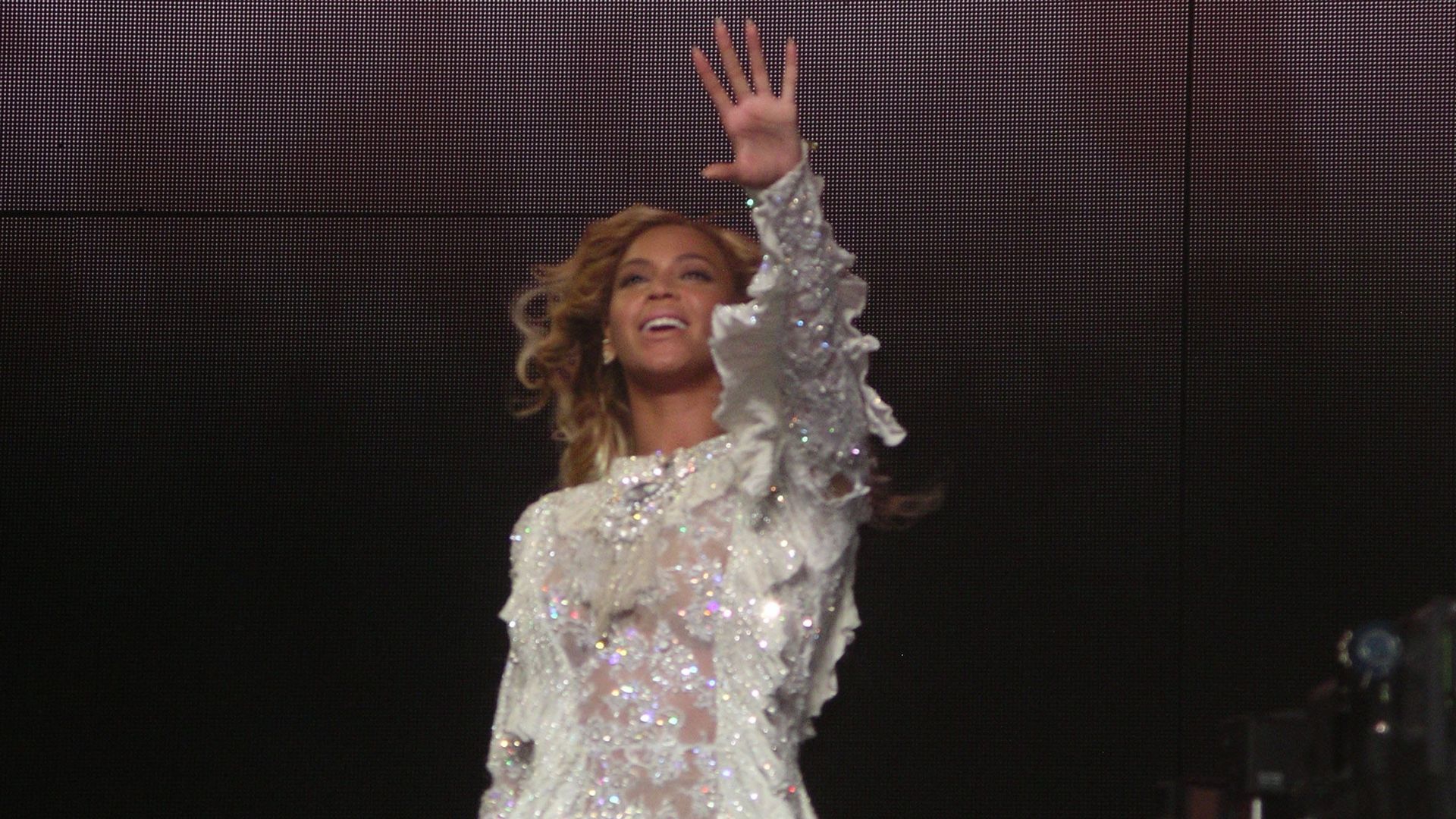
From the opening lyrics hinting at dishonesty to the explosive rage of “Don’t Hurt Yourself”, Beyoncé pulls no punches. She doesn’t obscure heartbreak behind metaphors; she names the wound and walks directly through it. Fans and critics alike instantly recognized that this was personal—painfully, unmistakably personal.
Turning Private Betrayal Into Cultural Conversation
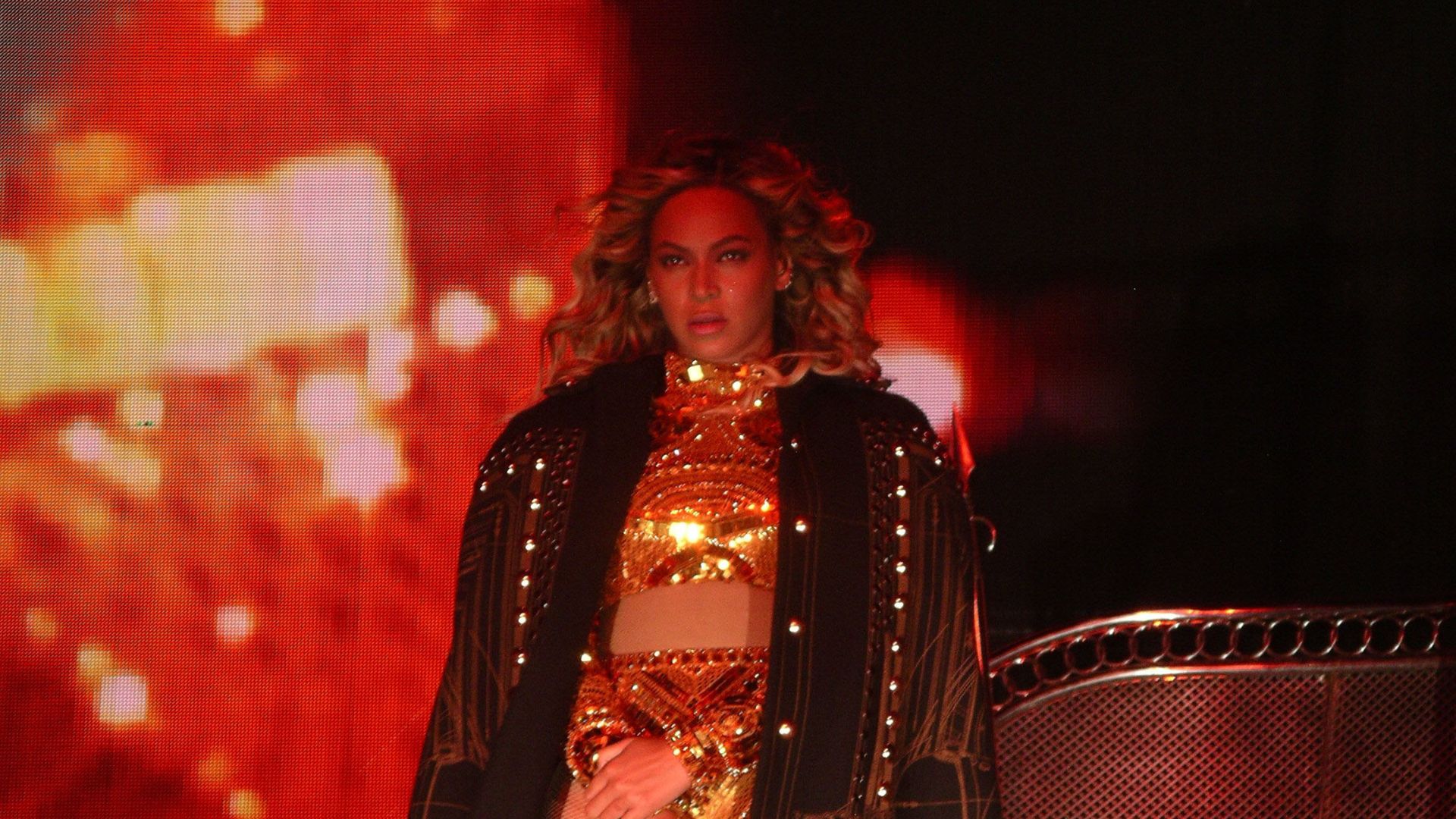
What could have been a quietly endured heartbreak became a national discussion. People dissected every lyric, every visual cue, every line of poetry. Beyoncé had taken a private ache and transformed it into a collective moment of release.
Black Womanhood At The Story’s Center
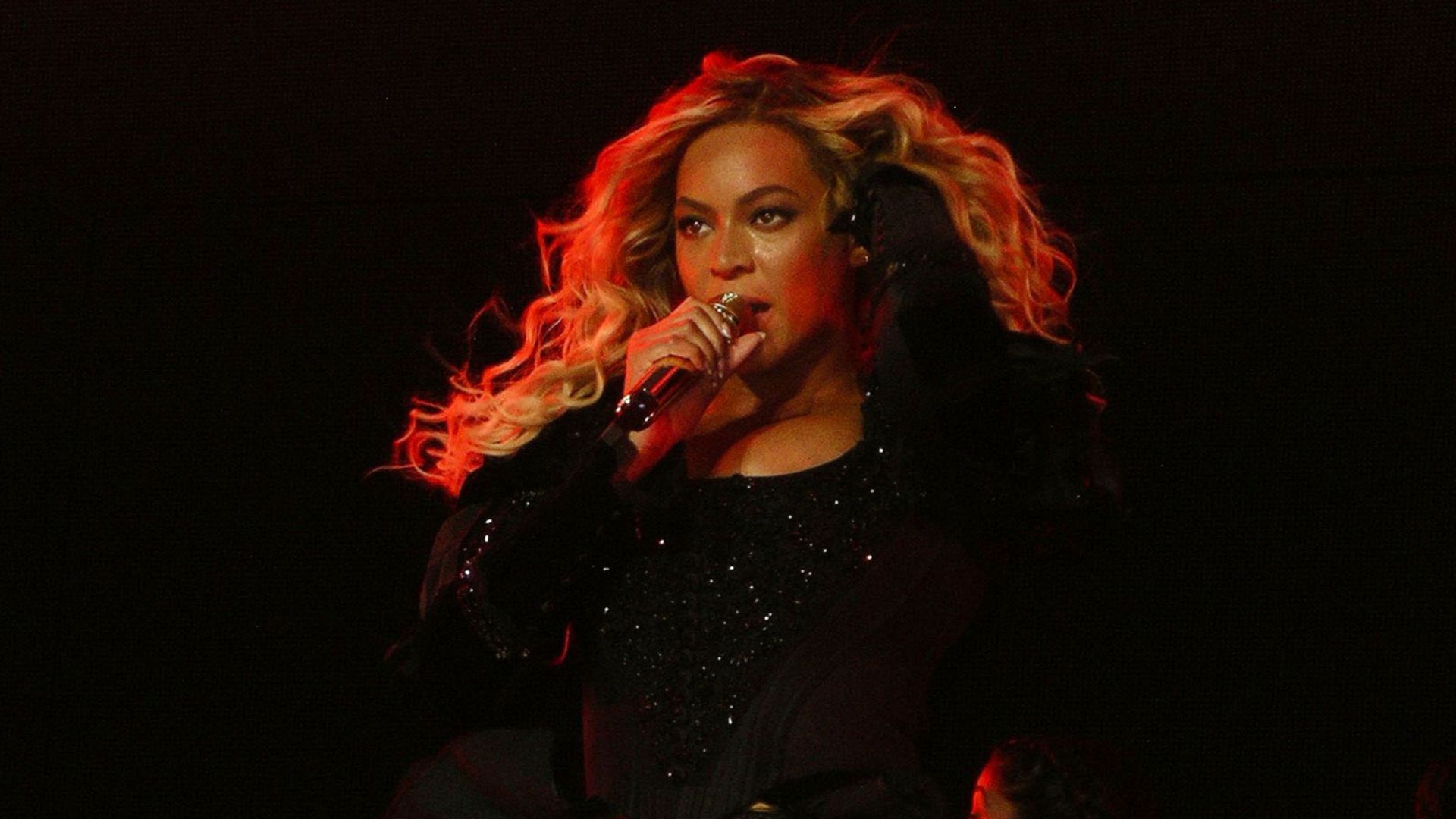
One of Lemonade’s most impactful choices is how deliberately it foregrounds Black womanhood, not as a footnote, but as the backbone. Beyoncé connects her story to generational trauma, ancestral lines, Southern history, and modern resilience in a way that feels both intimate and sweeping.
 Screenshot from Lemonade, Columbia (2016)
A Tapestry Of Genres—Because One Style Couldn’t Hold This Story
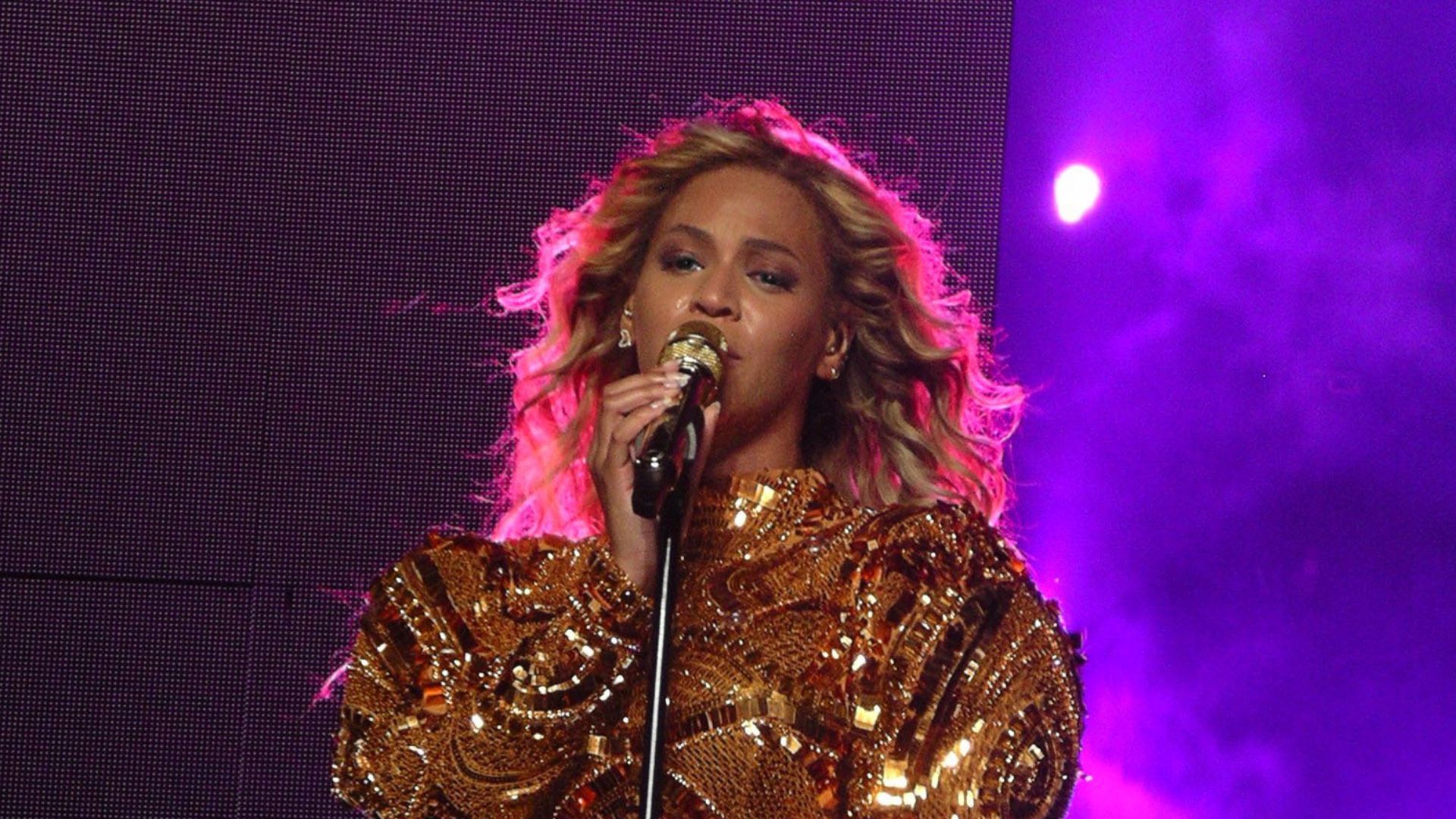
Lemonade refuses to stay in one lane. It jumps from rock to blues to R&B to country to gospel. Each genre becomes a tool, chosen not for aesthetic novelty but for emotional accuracy. It’s Beyoncé at her most experimental—and her most fearless.
The Iconic Baseball Bat Of Righteous Rage
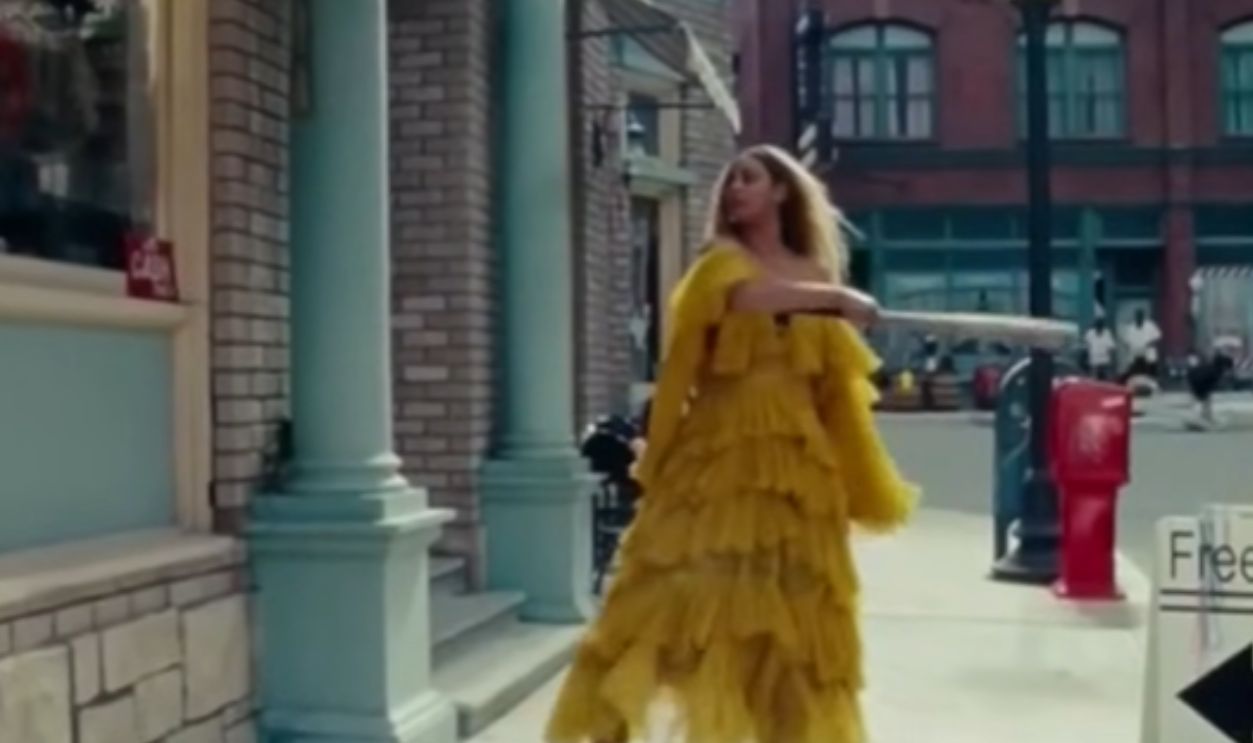
Few scenes are as instantly unforgettable as Beyoncé strolling down the street in her yellow dress, smashing everything in sight. It’s liberation, fury, comedy, mythmaking, and symbolism all at once. It became the visual shorthand for Lemonade’s boldness.
 Screenshot from Lemonade, Columbia (2016)
“Sorry” And The Birth Of A Pop Culture Punchline
Even casual listeners remember the now-legendary figure “Becky with the good hair”. With one line, Beyoncé sparked debates, think pieces, memes, and speculation storms. But beyond the headlines, the song captured pride, defiance, and the intoxicating power of saying “I’m done”.
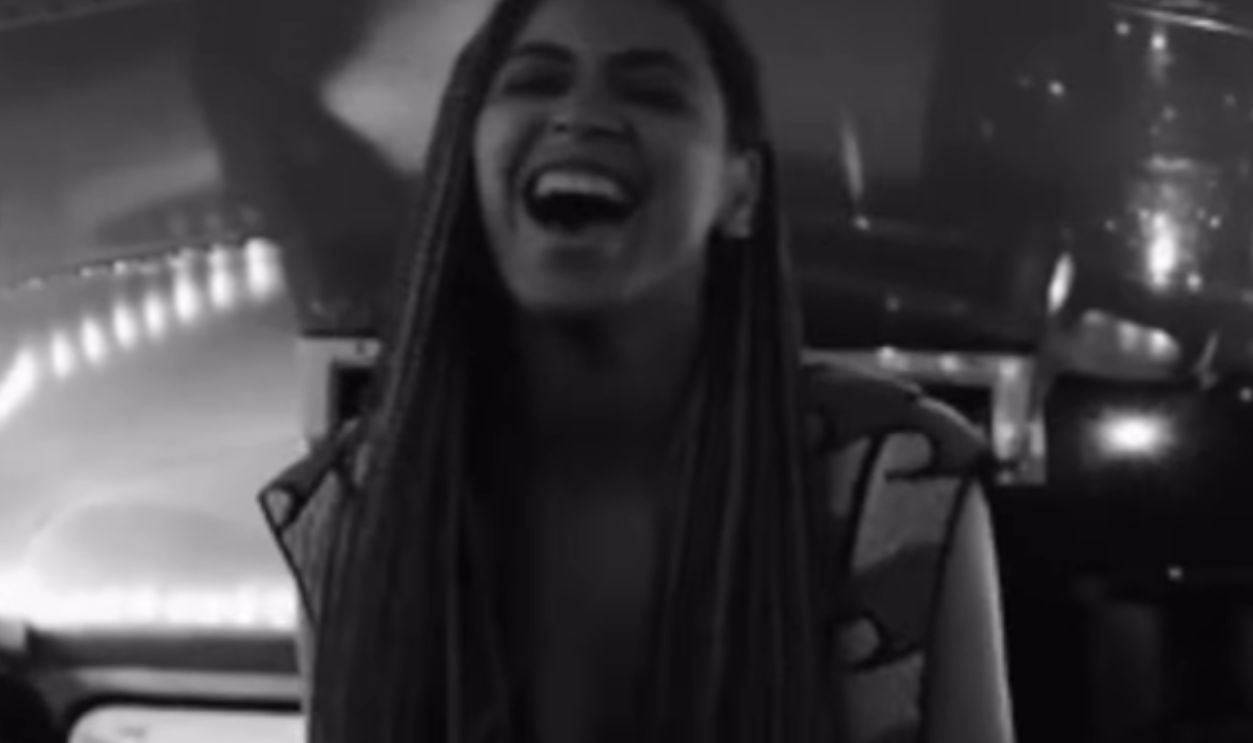 Screenshot from Lemonade, Columbia (2016)
Country Music Gets A Beyoncé Moment
“Daddy Lessons” surprised everyone by plunging into full country style. Its themes of family history, protection, and inherited wounds deepen the story and ground it in Southern identity. The genre flip wasn’t a stunt, it was a homecoming.
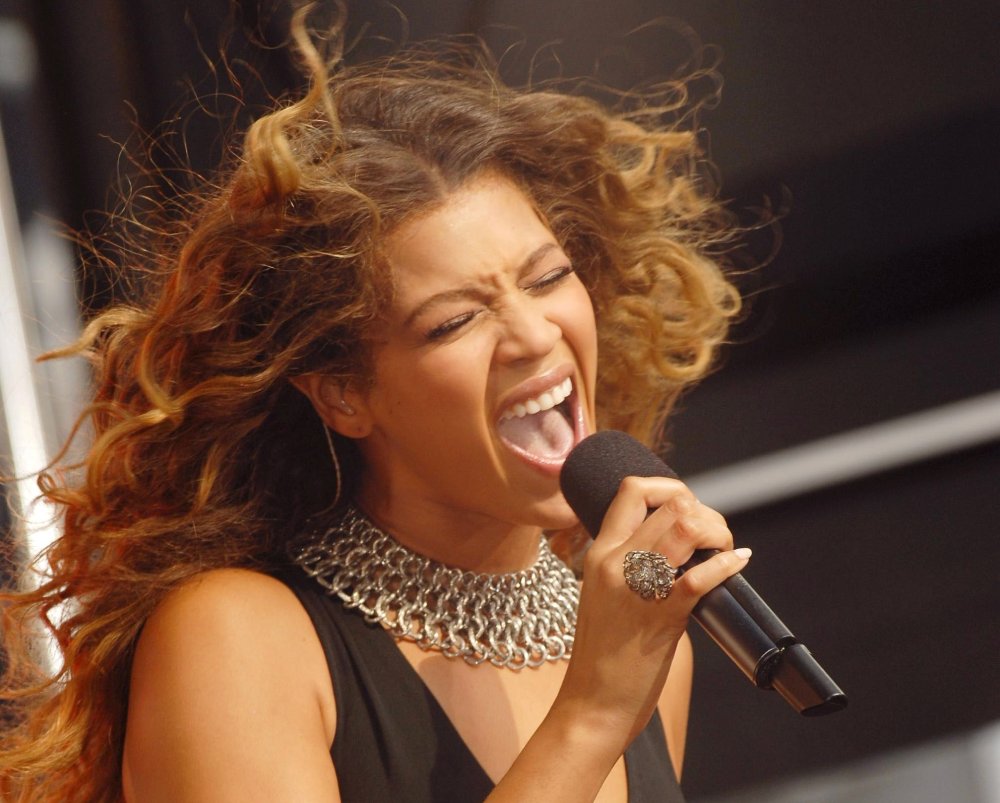 Everett Collection, Shutterstock
Mothers, Daughters, And Ancestral Echoes
Throughout the film, Beyoncé weaves in imagery of lineage—mothers, grandmothers, daughters, and the histories that shape them. Lemonade quietly insists that healing doesn’t happen in a vacuum; it happens across generations.
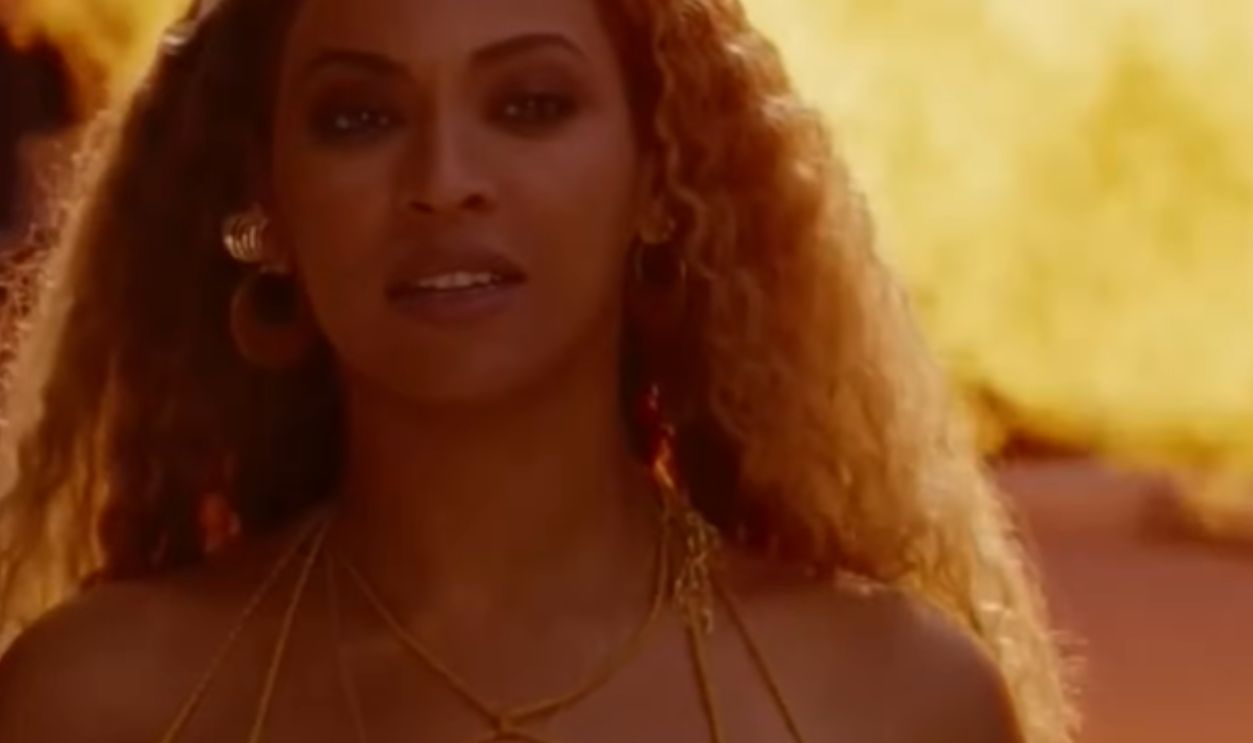 Screenshot from Lemonade, Columbia (2016)
Jay-Z Steps Into The Frame
When Jay-Z appears near the end of the film, it’s not as a cameo but as a turning point. Forgiveness becomes possible, even if the scars remain visible. Beyoncé never paints reconciliation as simple; she shows it as work, choice, and emotional excavation.
 Screenshot from Lemonade, Columbia (2016)
The Power Of Stillness And Reflection
Across long, contemplative shots, Lemonade gives space to small gestures—gazes, silences, breath. These pauses create emotional weight and emphasize that healing isn’t always loud.
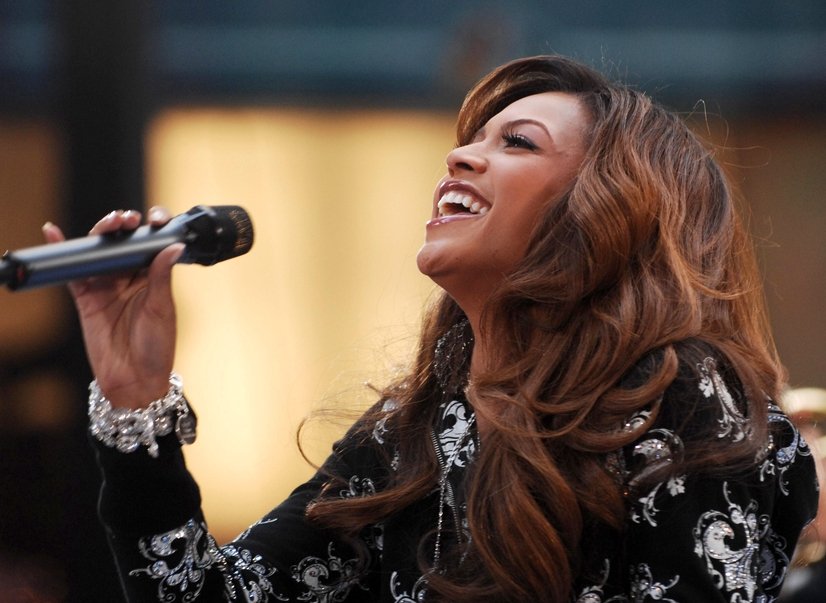 Everett Collection, Shutterstock
A Celebration Of Community—And Survival
Large scenes filled with women dressed in flowing gowns evoke both communion and rebirth. Beyoncé frames community as essential—a place where pain is witnessed, shared, and transformed. It’s one of the film’s most visually striking themes.
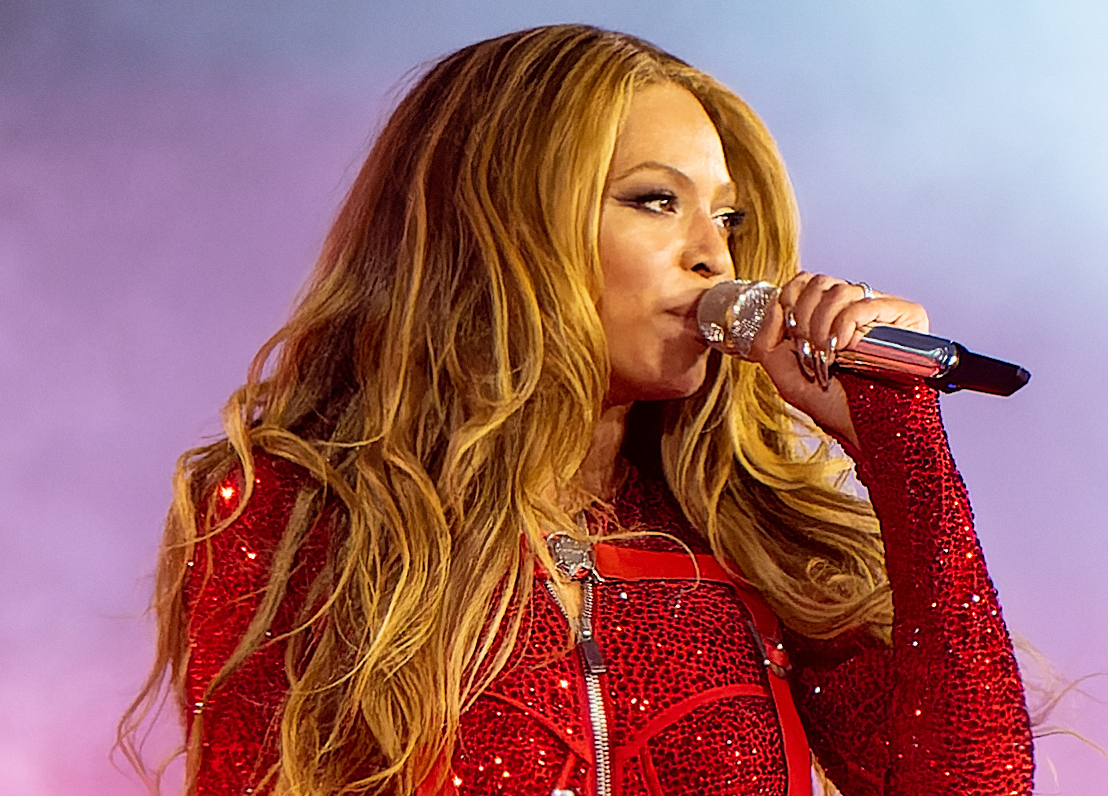 Raph_PH, CC BY 2.0, Wikimedia Commons
The Southern Gothic Atmosphere
Swamps, plantations, porches, and church grounds give the film a Southern Gothic feel that blends spiritual, historical, and emotional resonance. It’s America’s complicated past meeting a modern narrative of self-discovery.
 Mason Poole, Wikimedia Commons
The Importance Of Ritual
Braiding hair, washing hands, lighting candles, and standing in water appear repeatedly. These rituals connect Beyoncé’s story to traditions of purification, restoration, and ancestral wisdom. They become the spine of the film’s emotional language.
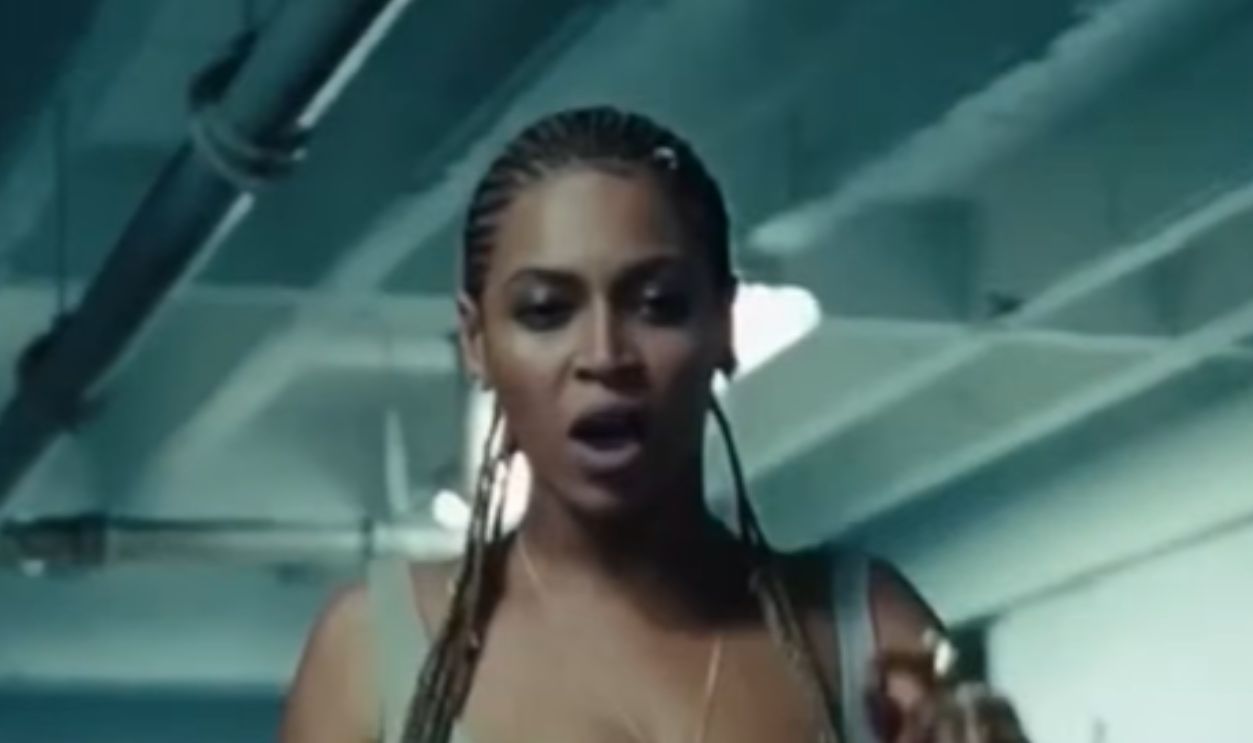 Screenshot from Lemonade, Columbia (2016)
Anger As A Pathway To Freedom
One of Lemonade’s most liberating elements is its message that anger isn’t shameful—it’s honest. Beyoncé doesn’t apologize for it; she uses it as fuel, clarity, and forward motion.
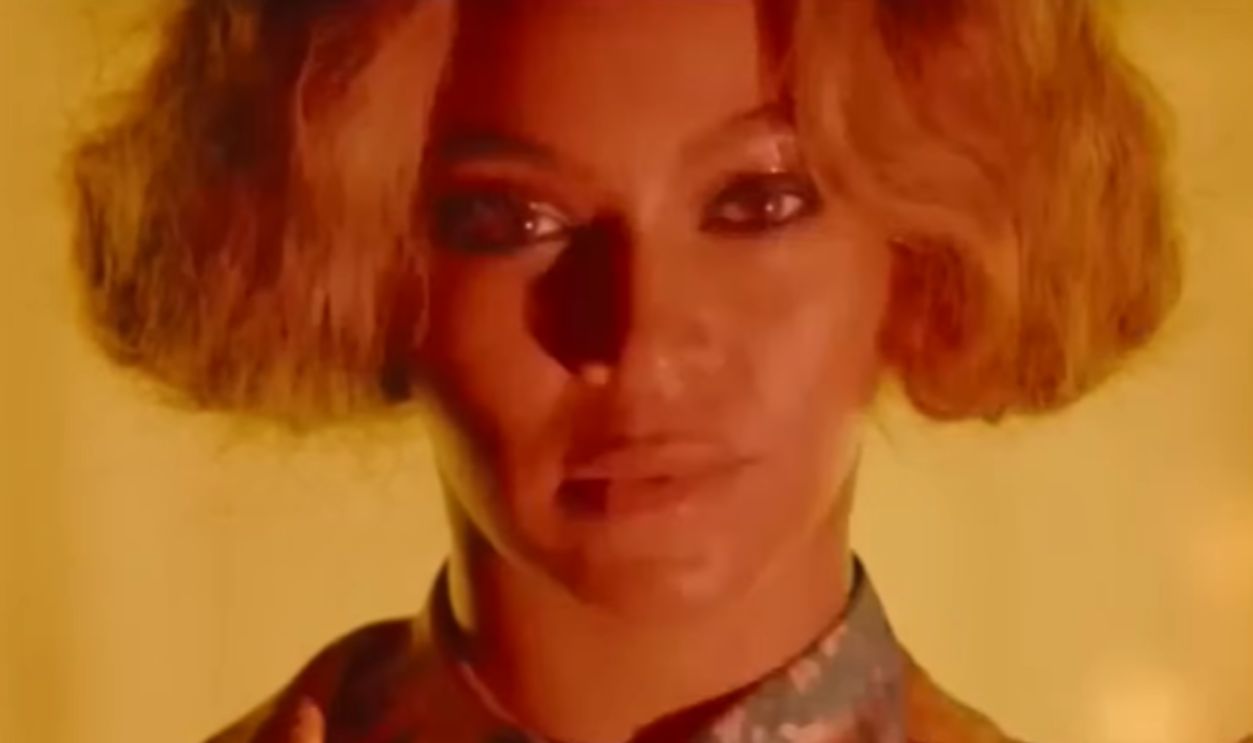 Screenshot from Lemonade, Columbia (2016)
The Art Of Confrontation
From calling out dishonesty to reflecting on generational cycles, the album insists that the only way out is through. There’s no gloss, no smoothing over. Just truth.
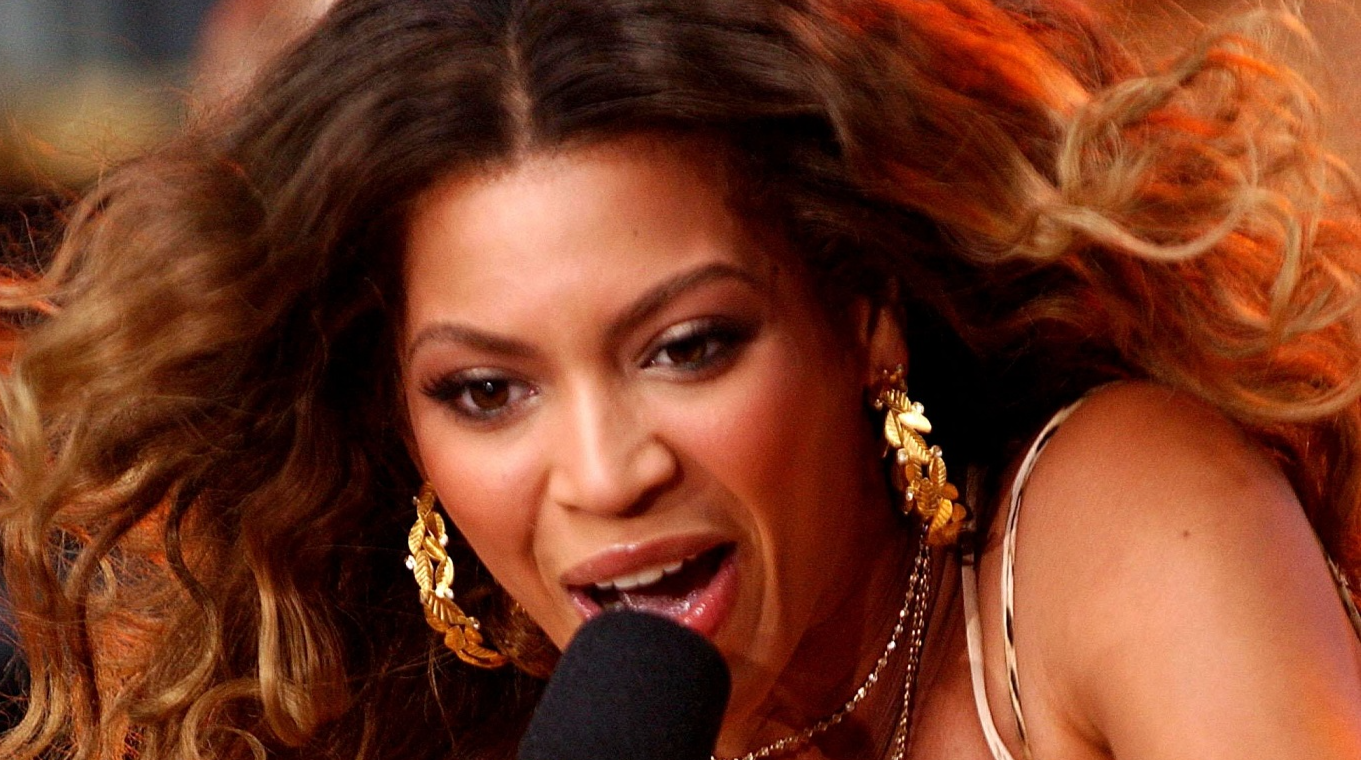 Everett Collection, Shutterstock
Forgiveness Without Forgetting
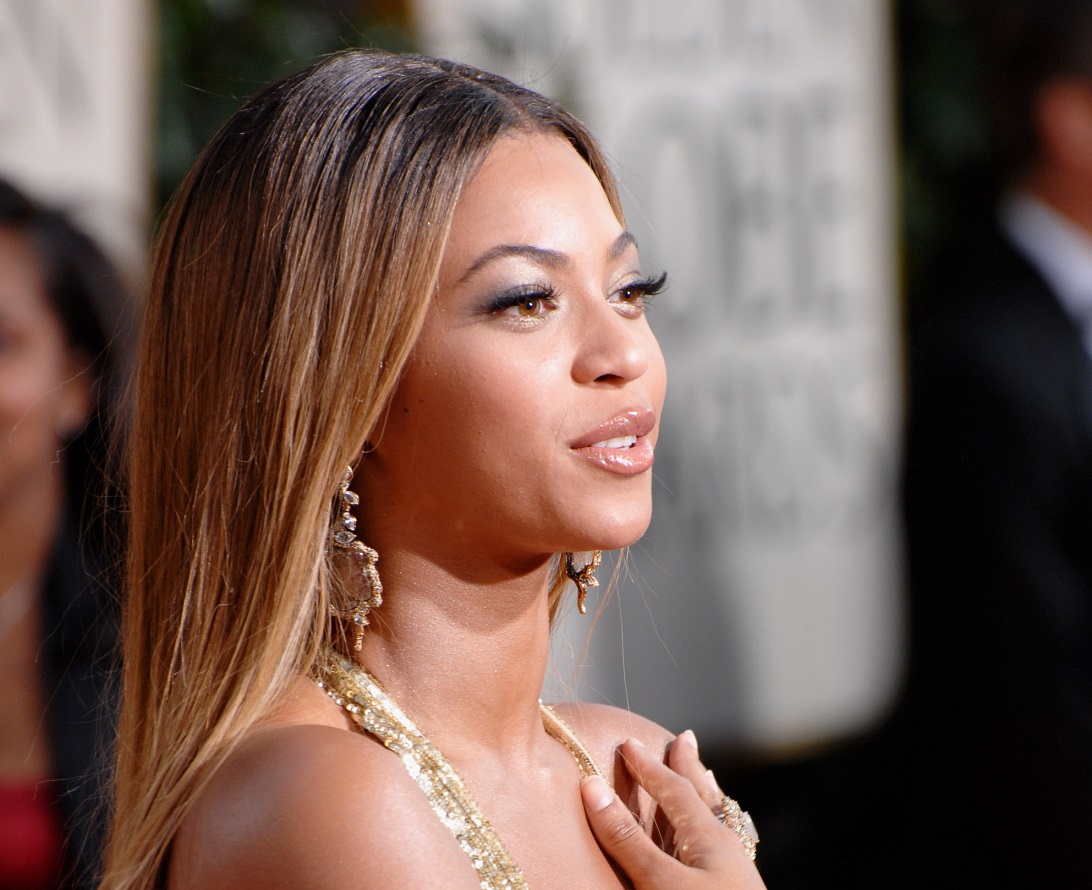
The emotional closure of Lemonade isn’t sugary or easy. It acknowledges that forgiveness doesn’t erase pain; it reshapes it. Beyoncé paints the process as a choice that requires courage—not submission.
 Featureflash Photo Agency, Shutterstock
Love Reimagined
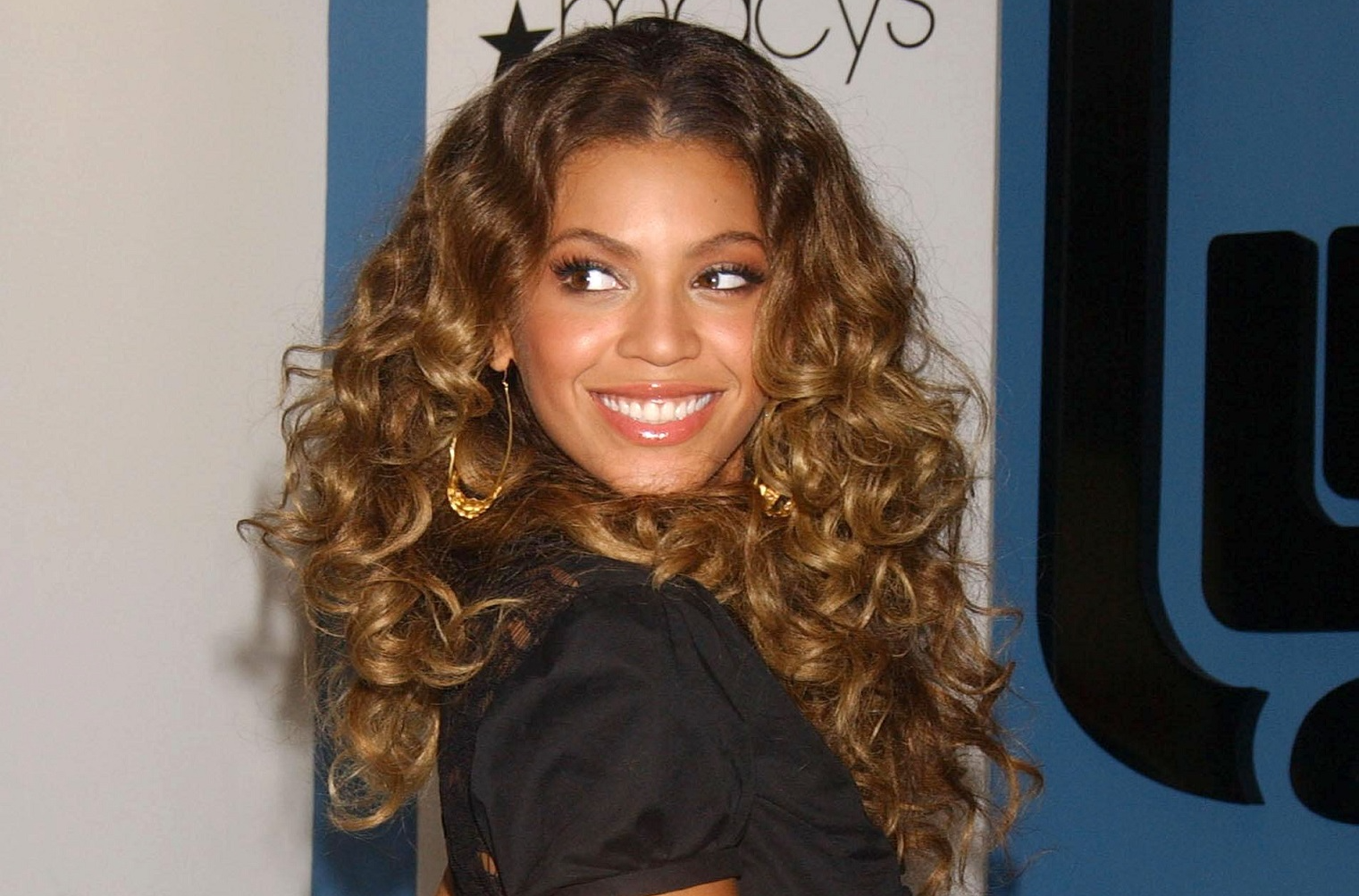
By the end, love isn’t portrayed as flawless or effortless. It’s something rebuilt, re-examined, and reborn. Beyoncé reframes partnership as a place where honesty, accountability, and healing must coexist.
 Everett Collection, Shutterstock
Lemonade As Legacy
The album ultimately becomes a legacy—for Beyoncé, for culture, and for future artists. It shifted expectations for what pop stars could say, how albums could look, and how personal stories could become collective catalysts. Lemonade didn’t just break new ground; it became part of the ground itself.
 BBGunBilly - have you been shot? from Minneapolis, USA, Wikimedia Commons
You May Also Like:
These Songs Sound Like The 2020s In A Nutshell (And It’s Pretty Chaotic)

_(52945301662)_(face_cropped).jpg)