A Quiet Power Move
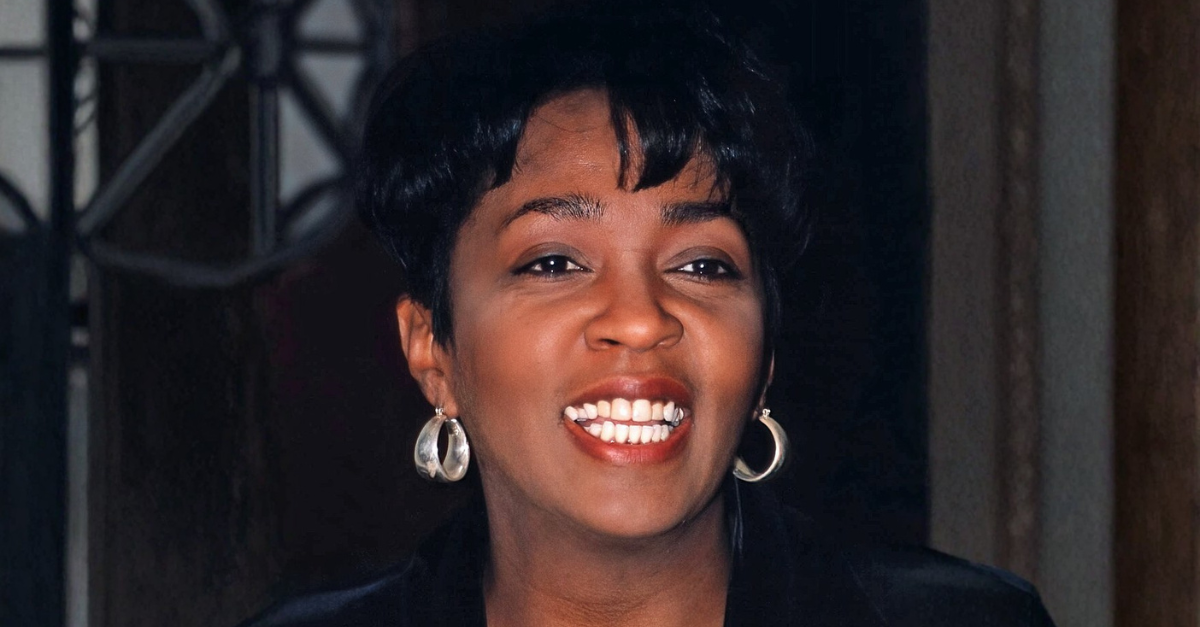
In an era when artists are loudly reclaiming their work, Anita Baker did it her way—softly, strategically, and without turning it into a spectacle. Long before reclaiming masters became a trending headline, Baker was fighting a battle behind the scenes for ownership of the music that defined late 80s and early 90s R&B.
 Kingkongphoto & www.celebrity-photos.com , Wikimedia Commons
Detroit Roots And Church-Born Soul
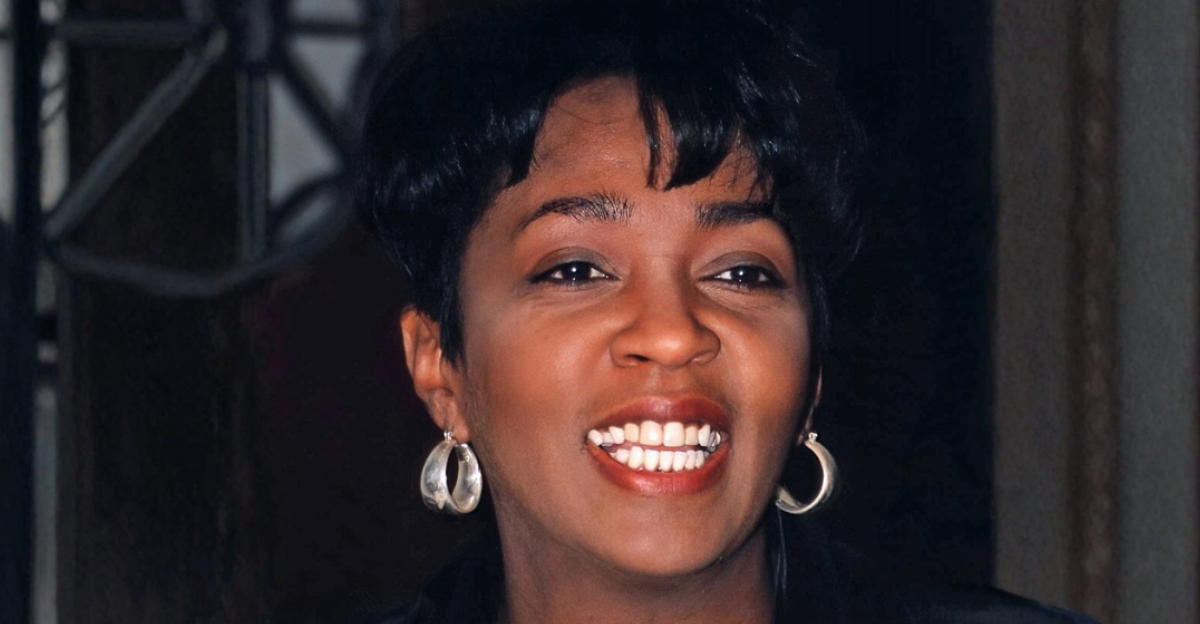
Born in Toledo, Ohio, and raised in Detroit, Anita Baker’s voice was shaped in church pews long before it filled arenas. Gospel was her training ground, and you can hear it in every velvety run and restrained crescendo. Detroit gave her grit, but church gave her control. That blend would define her career.

A First Taste Of The Industry With Chapter 8
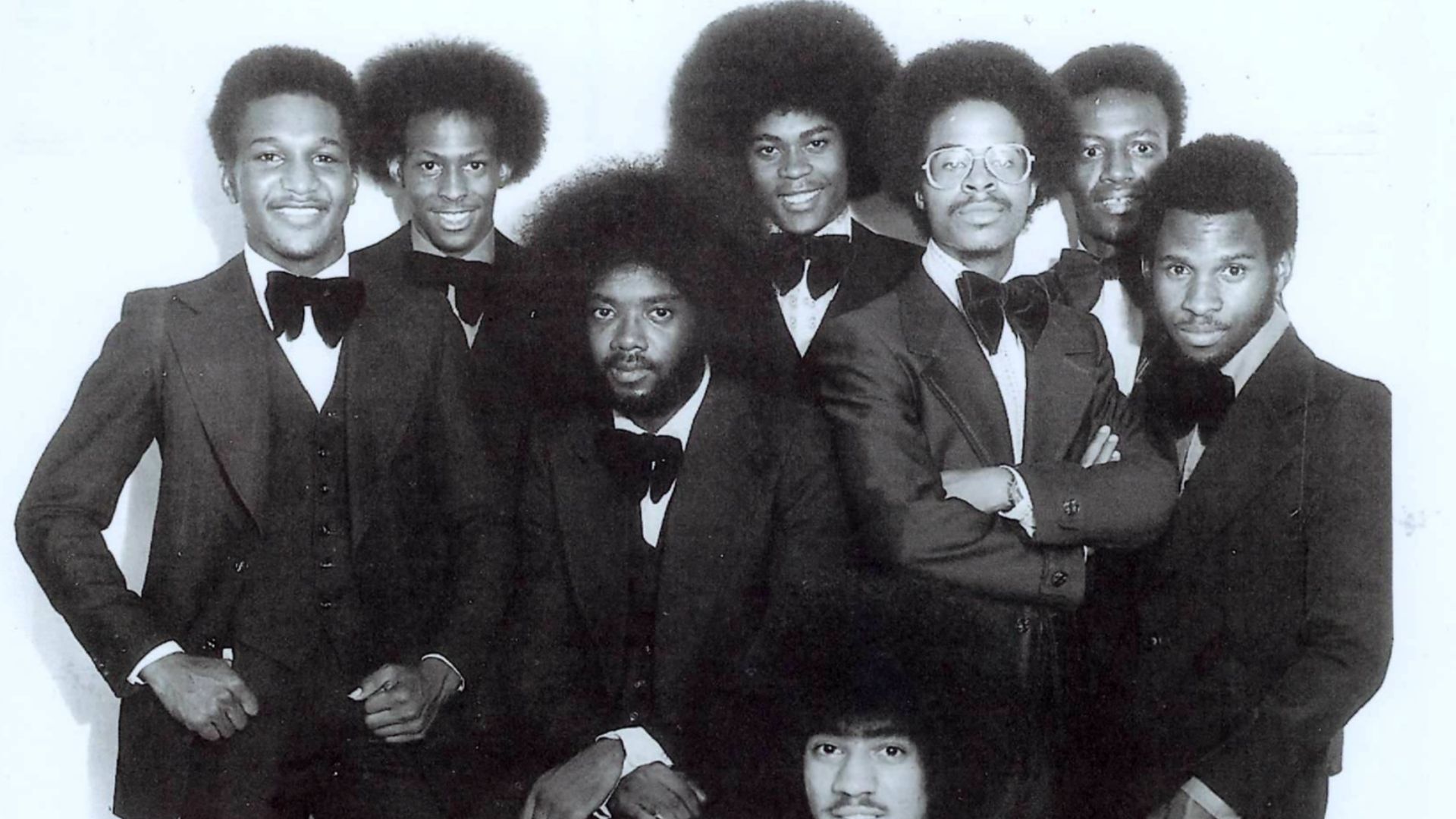
Before she became a solo powerhouse, Baker was the lead singer of the funk band Chapter 8 in the late 1970s. Their self-titled album introduced her to the recording world—but also to its harsh realities. When the label dropped the band after its debut, Baker learned early that talent alone didn’t guarantee security.
 Heaven-Wings Records, Wikimedia Commons
Walking Away—Then Coming Back Stronger
Disillusioned by industry politics, Baker briefly stepped away from music and returned to Detroit. But great voices don’t stay quiet for long. She signed with Beverly Glen Music in the early 1980s and began work on what would become her solo debut.
The Songstress Introduces A New Standard
Her 1983 debut album, The Songstress, showcased her unmistakable tone—warm, romantic, and deeply controlled. It didn’t explode commercially at first, but it established her as a serious vocalist. It also caught the attention of Elektra Records, which would change everything.
 Elektra Records, Wikimedia Commons
Rapture Changes Everything
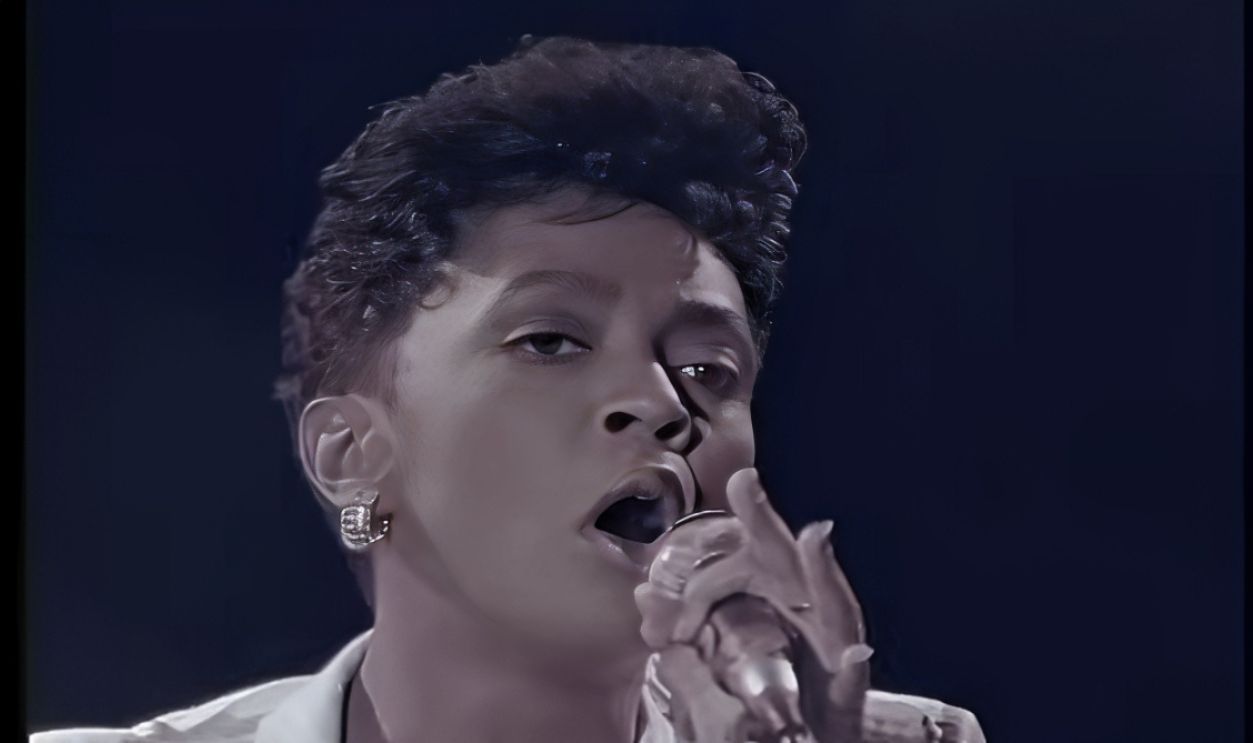
In 1986, Baker released Rapture. That album wasn’t just successful—it was seismic. Featuring classics like Sweet Love and Caught Up in the Rapture, the album sold millions and earned Grammy Awards. It became one of the defining R&B albums of the decade, cementing Baker as a household name.
 Screenshot from Rapture, Elektra Records (1986)
Sweet Love Becomes A Forever Anthem
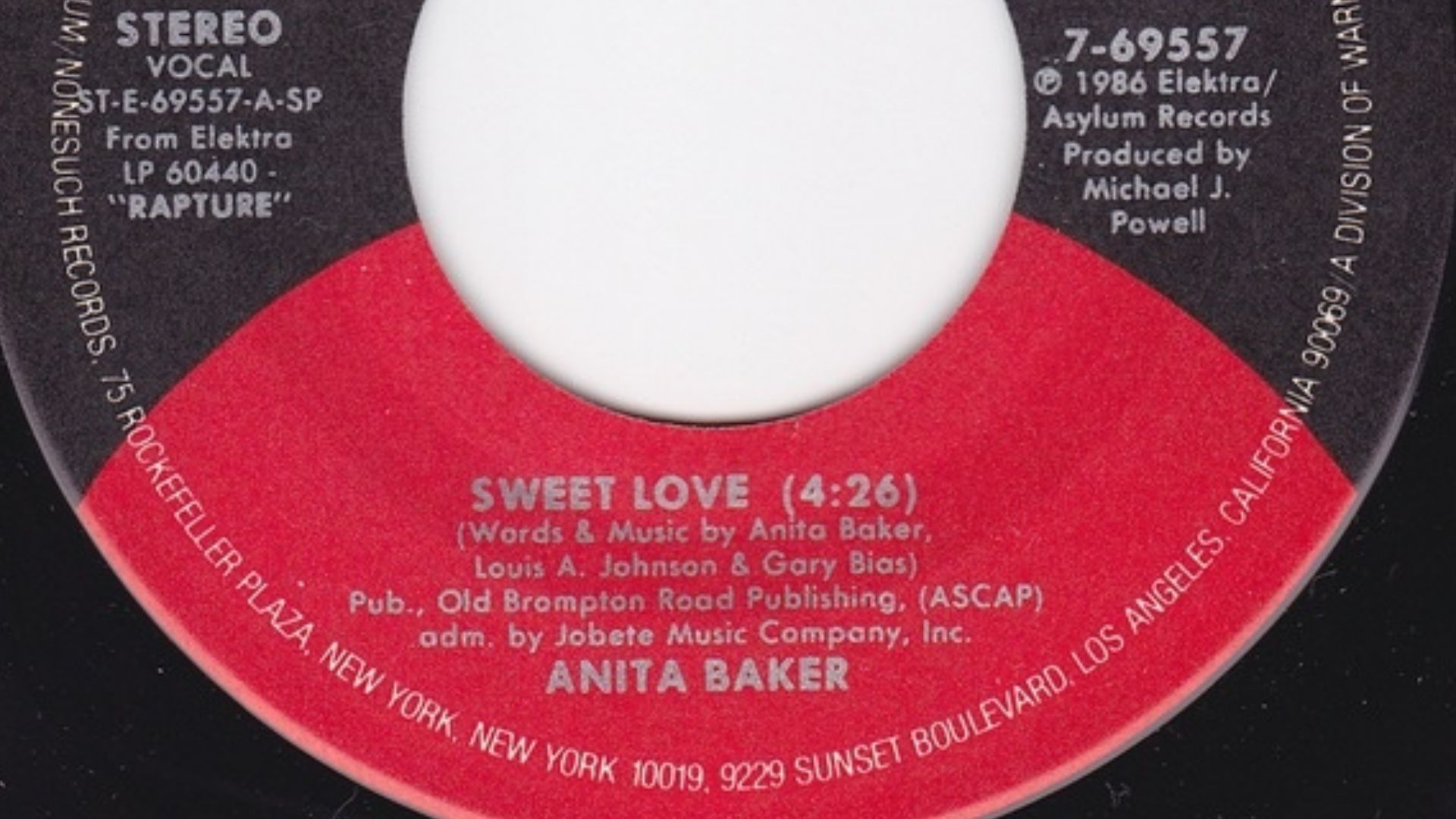
Sweet Love wasn’t just a hit—it became a wedding staple, a slow-dance requirement, and a quiet storm cornerstone. Baker’s ability to communicate longing without oversinging set her apart from flashier contemporaries. She didn’t need vocal gymnastics. She had presence.
 w:Elektra Records, Wikimedia Commons
Grammy Wins And Global Recognition
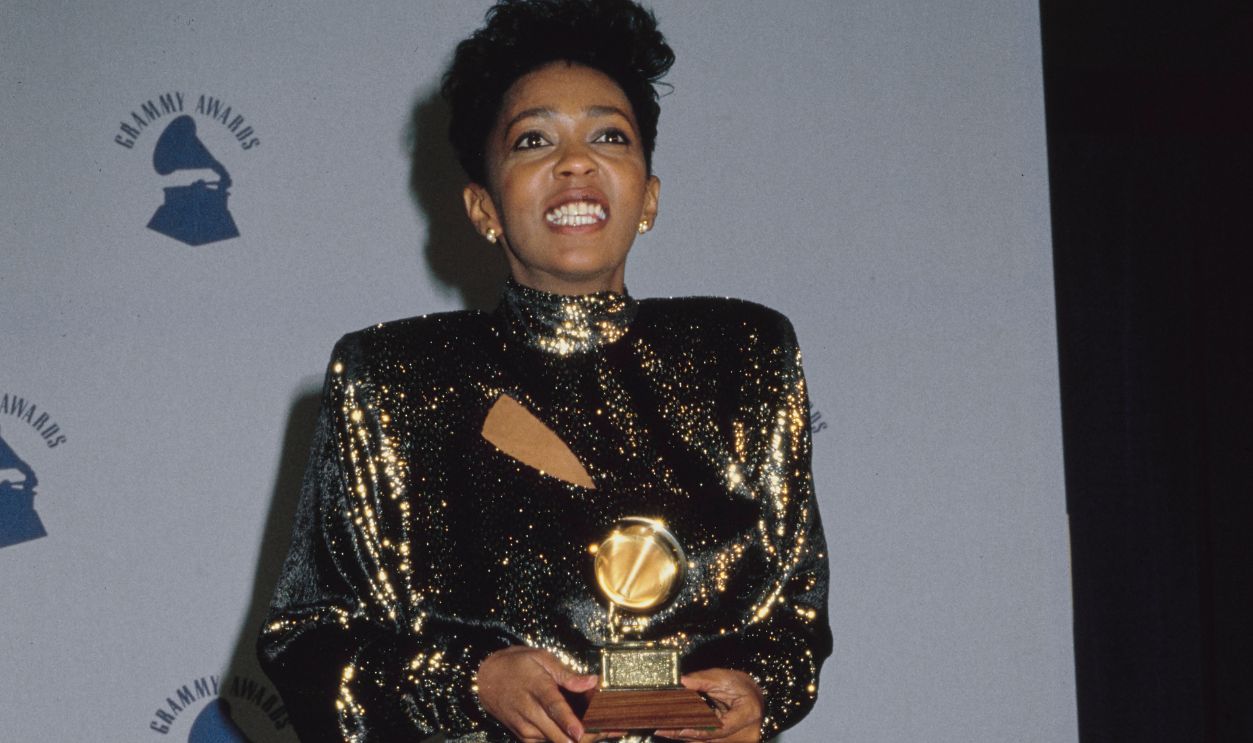
Following Rapture, Baker’s Grammy count began climbing. Awards recognized not just her vocal ability but her artistry and songwriting. She wasn’t simply a singer handed songs—she was crafting them.
Giving You The Best That I Got
Her 1988 album Giving You the Best That I Got kept the momentum rolling. The title track became another massive hit, reinforcing her brand of polished, grown-woman R&B. By the late ’80s, Anita Baker wasn’t just successful—she was synonymous with sophistication.
Quiet Storm Royalty
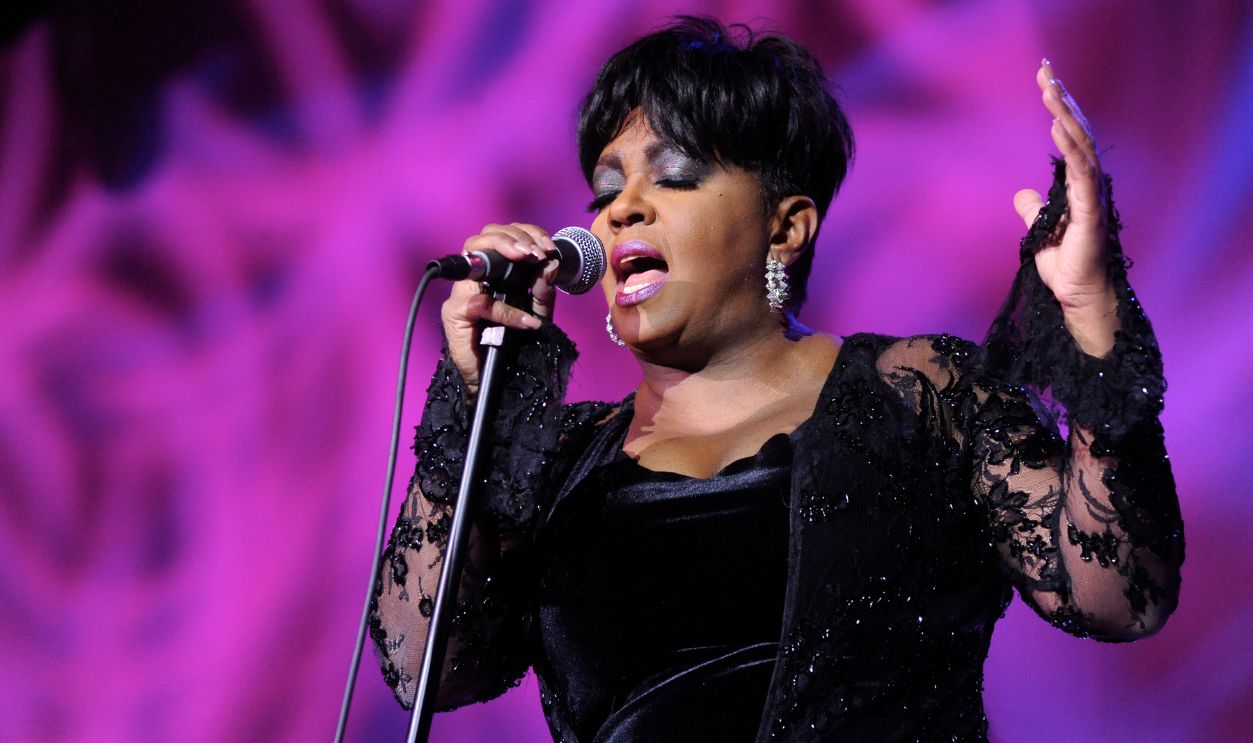
Radio programmers practically built late-night playlists around her voice. Her music felt intimate without being fragile, sensual without being loud. She mastered restraint in a decade that often rewarded excess.
Touring At The Peak Of Fame
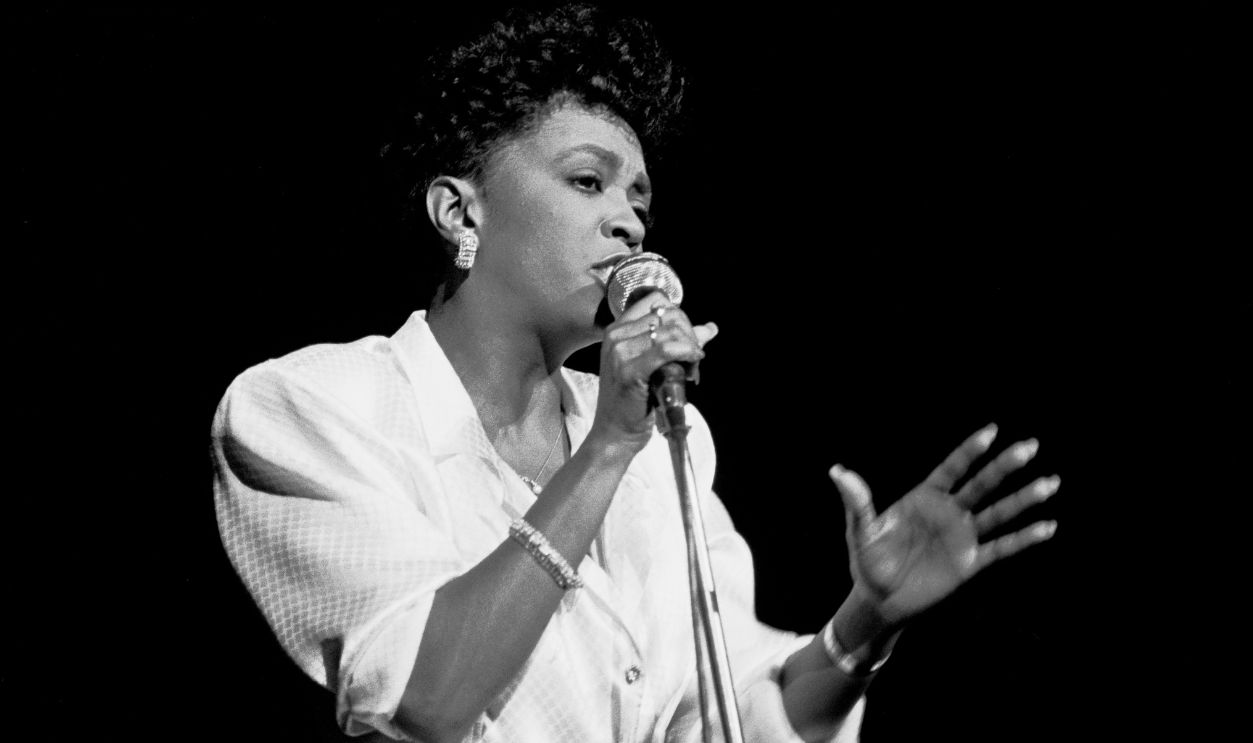
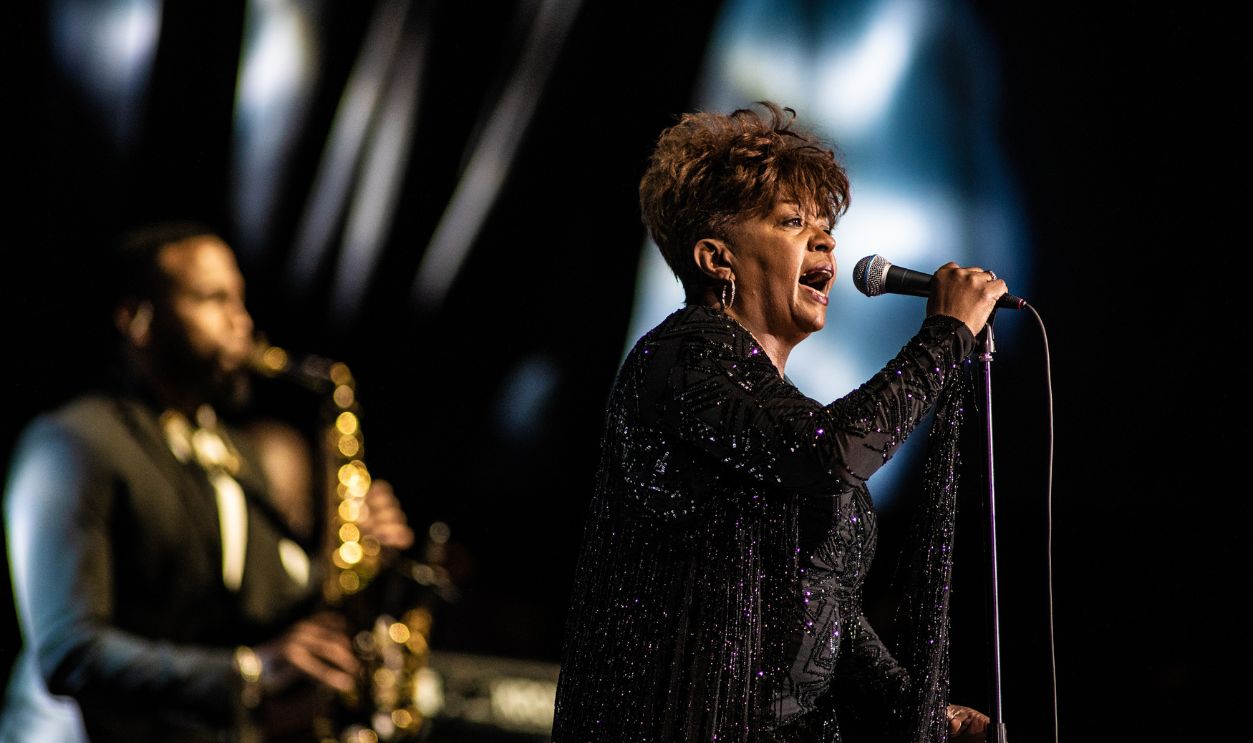
As her albums soared, so did her tours. Baker’s live performances proved that her voice wasn’t studio magic—it was the real thing. Audiences came for the hits, but they stayed for the control, phrasing, and emotional precision.
Industry Friction Behind The Scenes
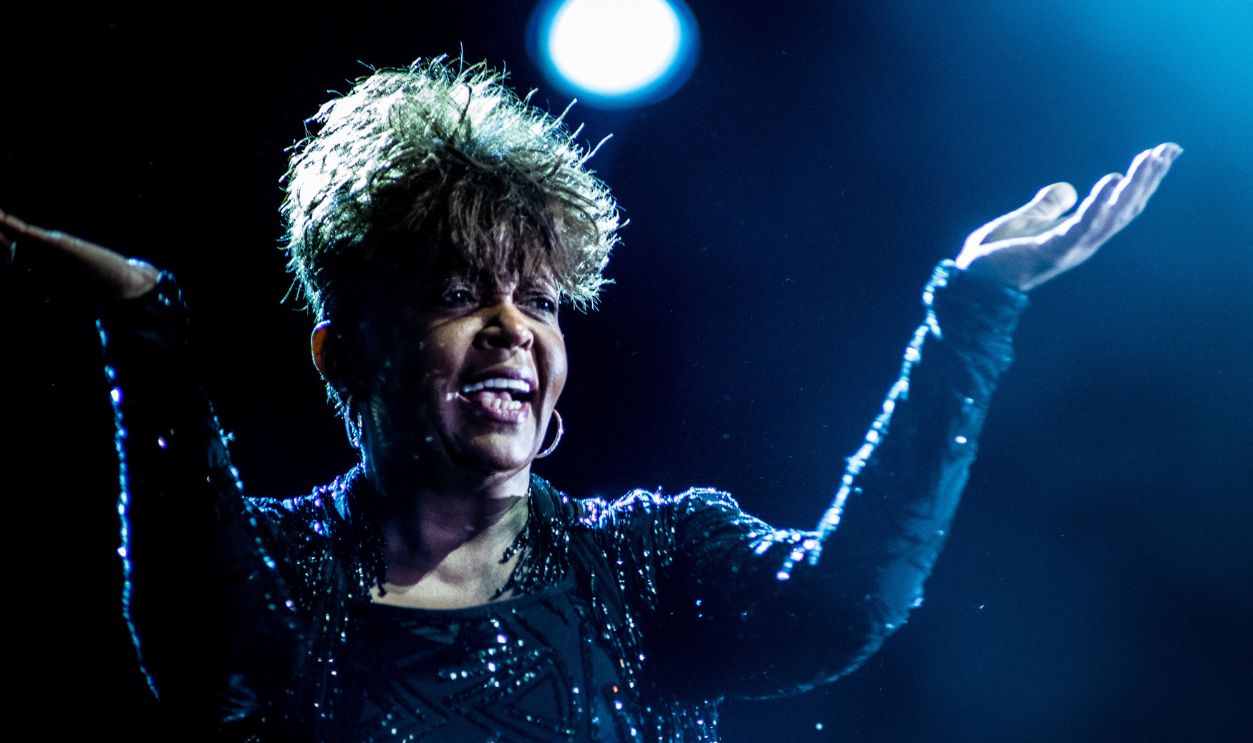
While fans heard romance, Baker was navigating contract complexities behind closed doors. Like many artists of her era, ownership of master recordings rested with the label. That arrangement would later become a sticking point.
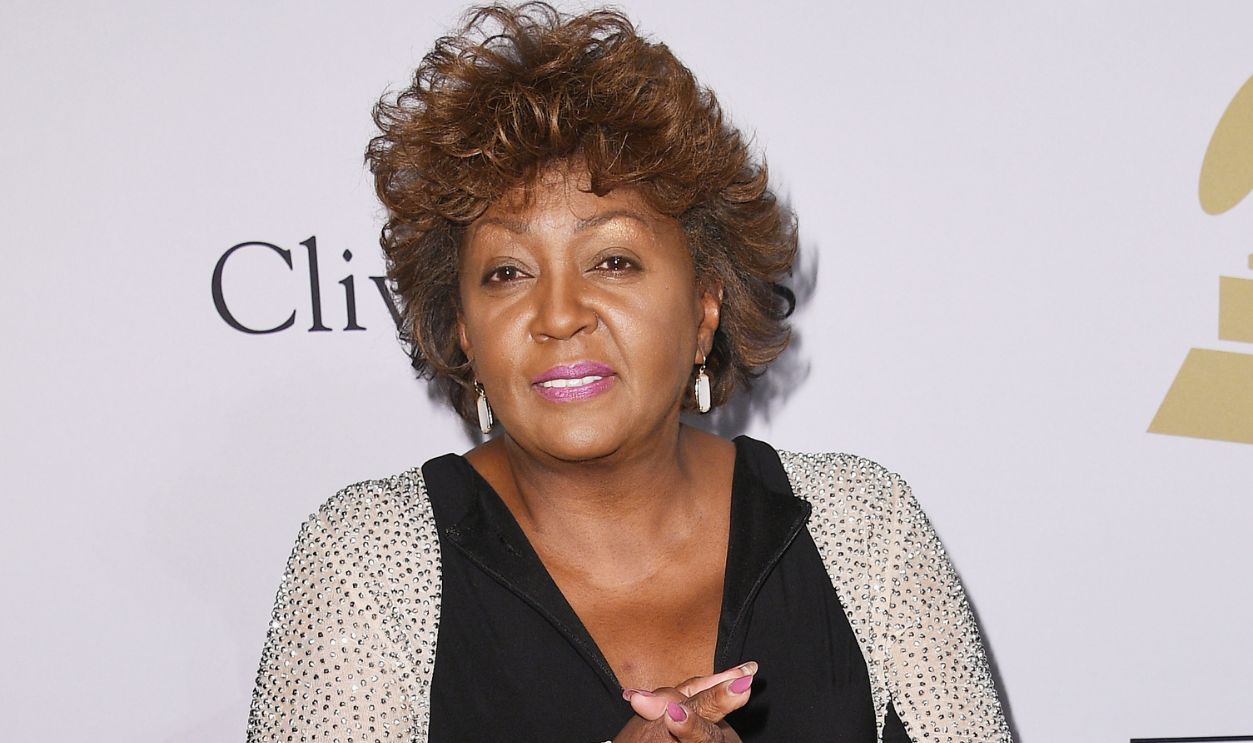 Photo by Kevork Djansezian, Getty Images
Taking Creative Control
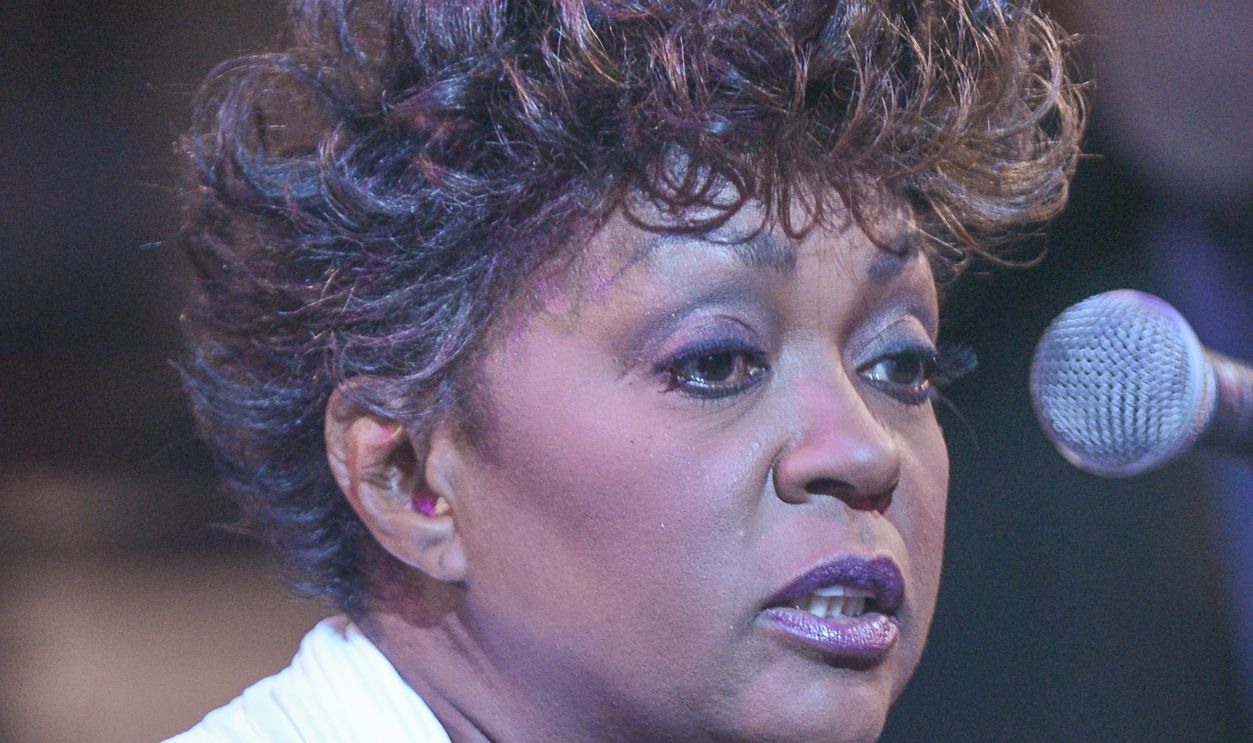
Throughout her career, Baker insisted on involvement in production and songwriting. That creative investment made the issue of ownership even more personal. These weren’t just songs she performed. They were pieces she helped shape.
The 1990s And Continued Success
Albums like Compositions and Rhythm of Love kept her catalog growing in the ’90s. Even as musical trends shifted, Baker stayed true to her sound. She didn’t chase fads. She refined her lane.

A Hiatus On Her Own Terms
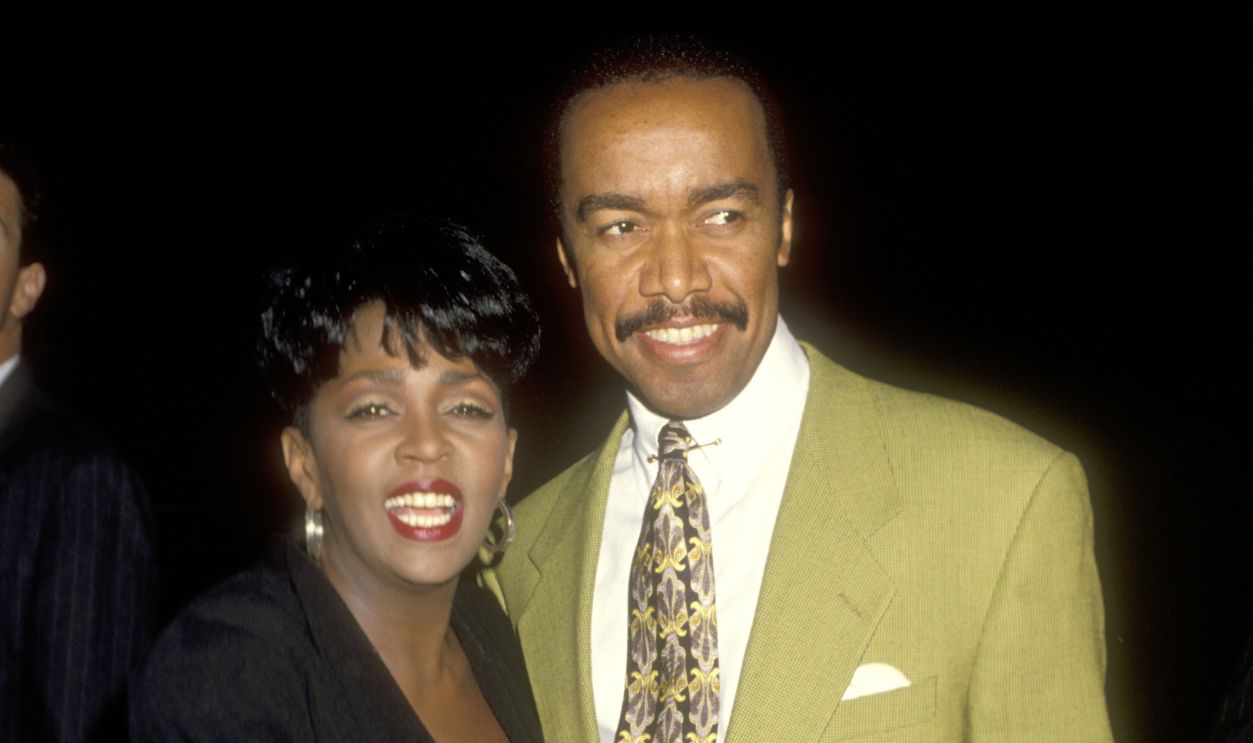
In the mid-1990s, Baker stepped back from recording to focus on family life. The industry kept moving, but her catalog continued selling. That longevity would later make ownership even more valuable.
 Ron Galella, Ltd., Getty Images
A Return With My Everything
In 2004, she released My Everything, proving her voice had lost none of its richness. The album debuted strongly, showing that fans hadn’t gone anywhere. Anita Baker didn’t need reinvention. She needed space.
The Masters Dispute Surfaces
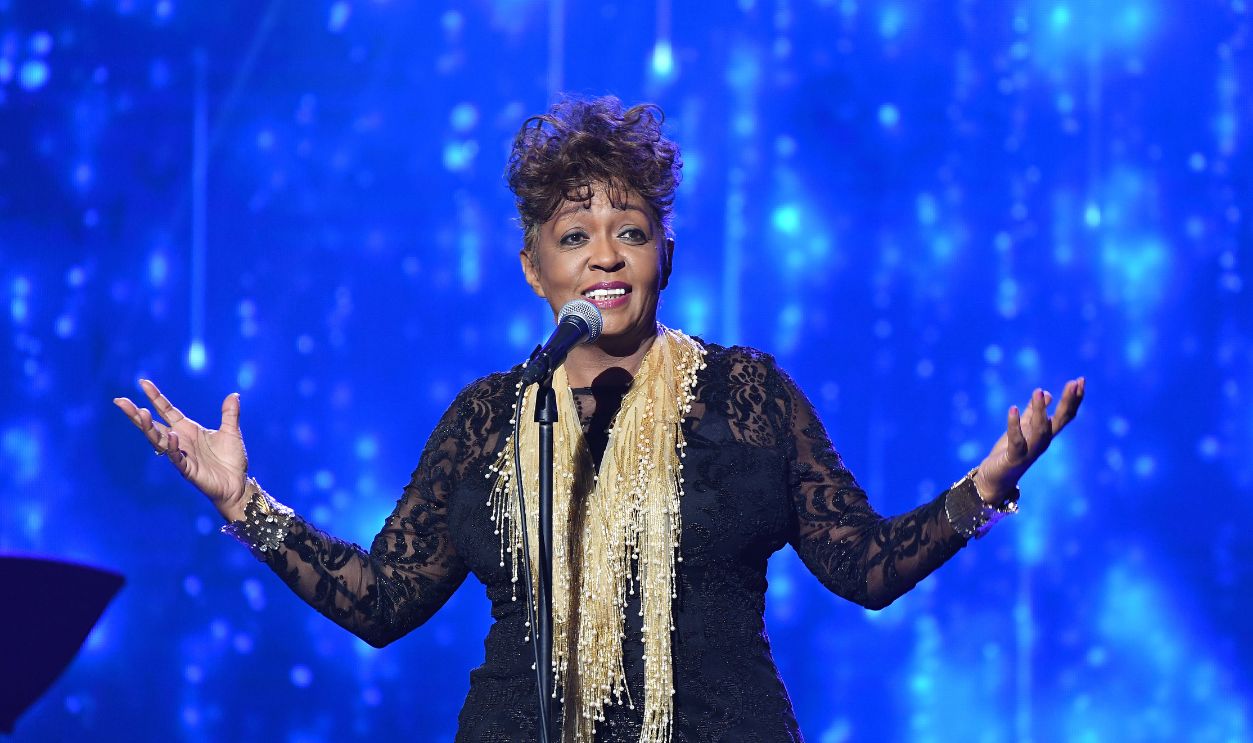
As streaming became the dominant way fans consumed music, Baker’s catalog was noticeably absent from major platforms for a time. The reason wasn’t mysterious—it was contractual. Ownership of her master recordings remained in dispute. And Baker wanted control.
A Battle Fought Without Spectacle
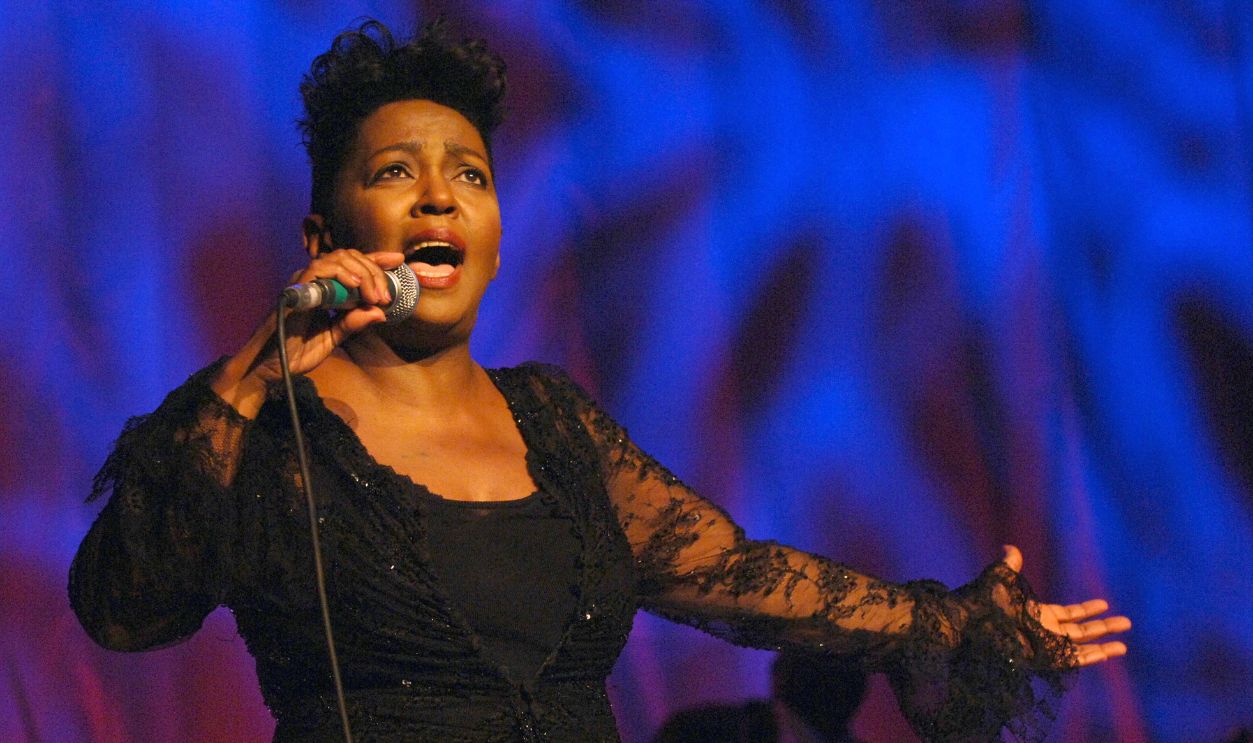
Unlike modern artists who wage public campaigns, Baker handled her fight largely out of the spotlight. There were no viral hashtags. No headline-grabbing feuds. She negotiated. Persisted. Waited.
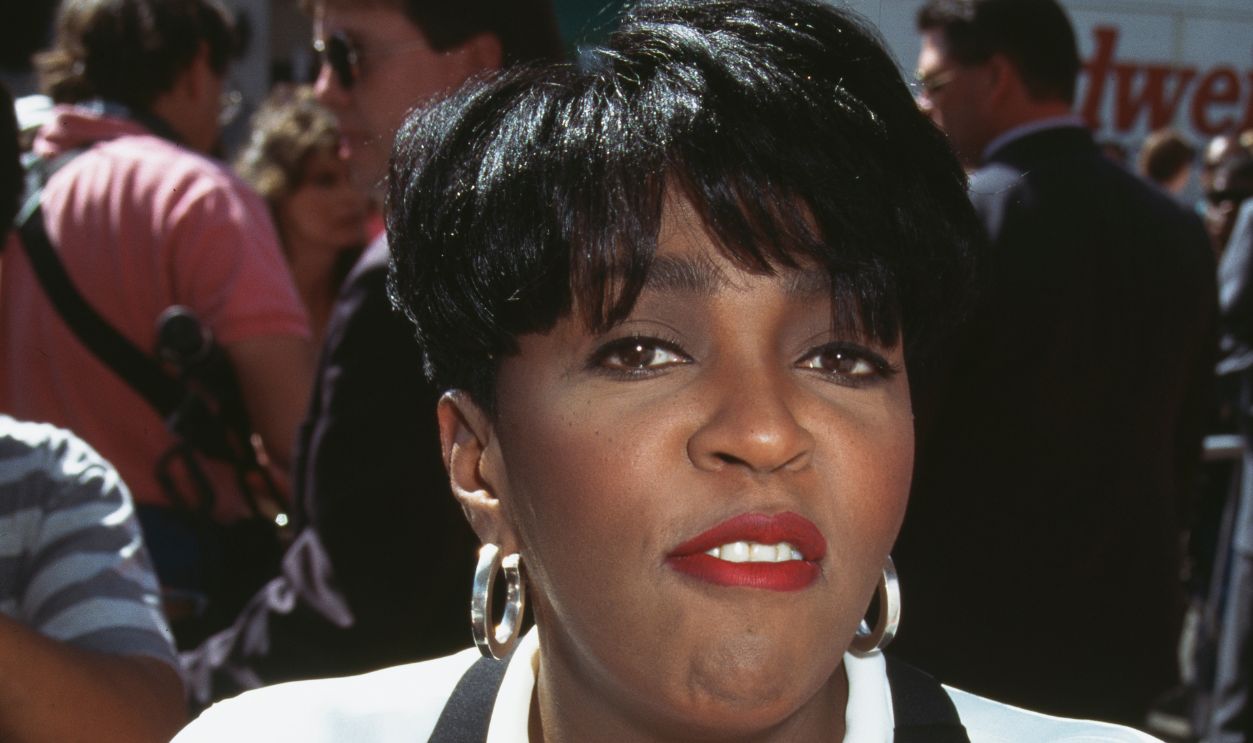
Victory In 2021
In 2021, Baker announced that the issue surrounding her master recordings had been resolved. She regained control of her catalog, allowing her music to return to streaming platforms. Her message to fans was simple and joyful: stream away.
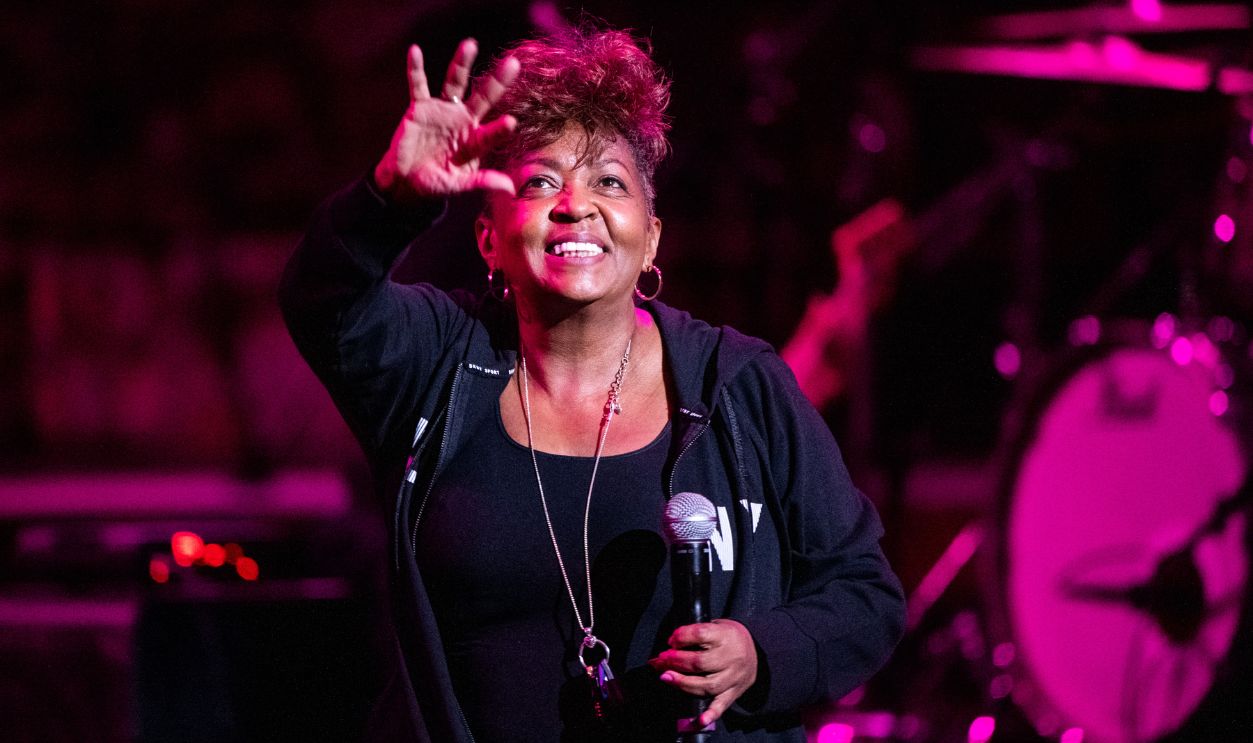
One Of The Earliest Quiet Wins
Long before artist ownership became a mainstream conversation, Baker had secured her work. She didn’t brand it as a revolution. But make no mistake—it was one.
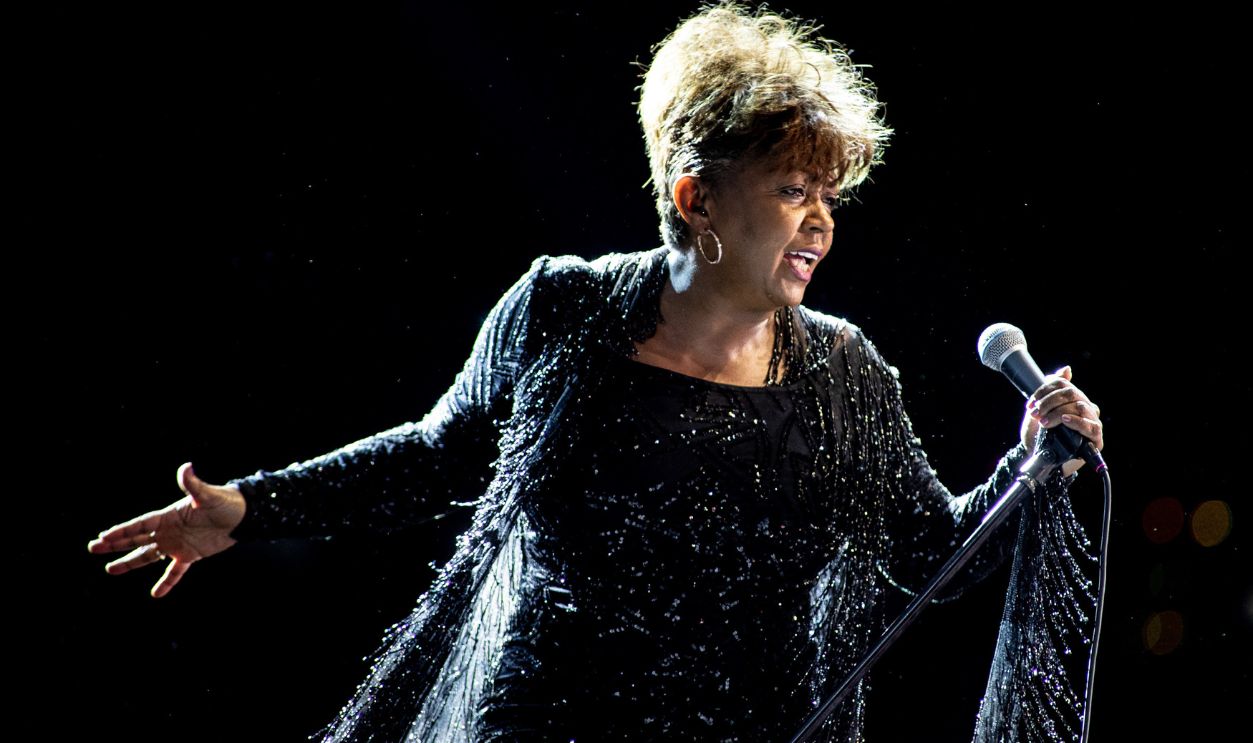
The Business Of Legacy
Owning masters isn’t just symbolic. It affects royalties, licensing, and how music lives on in film, television, and beyond. For an artist whose songs defined a generation, that control matters. It ensures her voice—and its value—remains in her hands.

A Blueprint For Future Artists
Today, conversations about ownership dominate music headlines. Baker’s victory now looks ahead of its time. She proved you don’t have to be loud to be powerful. You just have to be patient—and strategic.
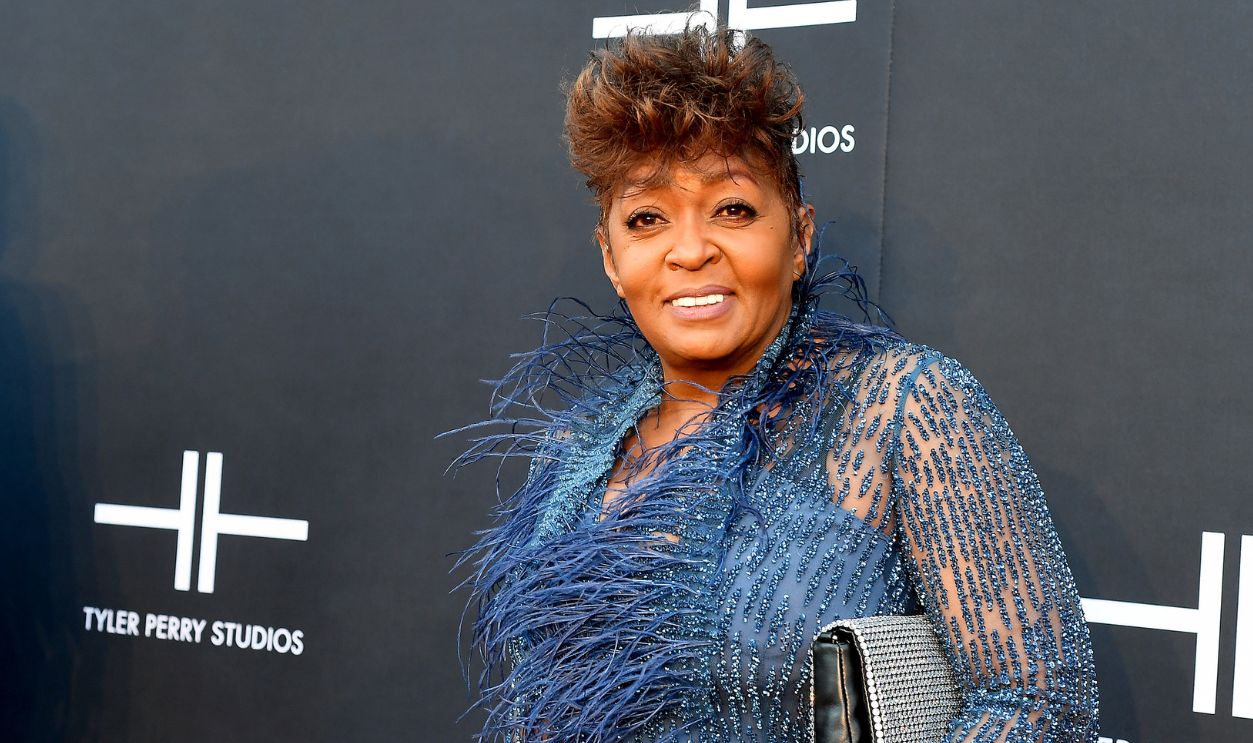
The Queen Of Quiet Power
Anita Baker built a career on subtlety, grace, and control. It’s only fitting that her business triumph followed the same script. She fought for her masters the way she sings—measured, intentional, and impossible to ignore once you’re really listening.
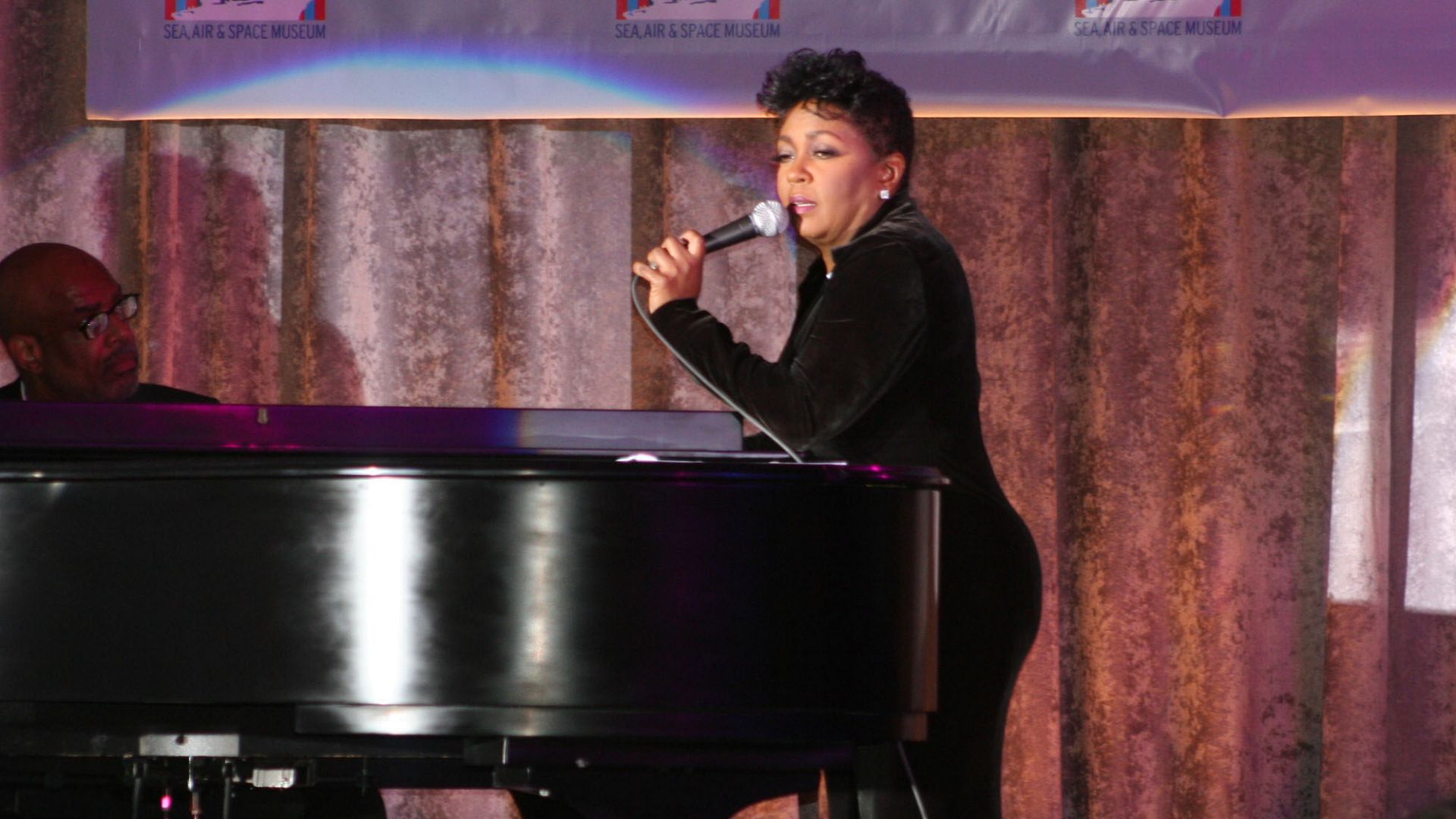 MC2 Erica R. Gardner, USN, Wikimedia Commons
You May Also Like: